
Walailak University’s Plans to Strengthen Blue Crab Conservation and Conserve Marine Ecosystem through National and International Collaboration
Biological Management Plan:
1. Enhancing Blue Crab Size and Spawning Control: The university’s conservation measures emphasize educating local fishermen to catch blue crabs above a minimum size of 10 to 15 cm and to release berried females to local hatcheries. Continuous larval release programs during peak reproductive seasons at essential nursery sites across Tha Chana, Chaiya, Don Sak, and Kanchanadit districts aim to improve juvenile crab survival rates.
2. Expanding Conservation Zones and Monitoring Blue Crab Population: Dr. Sawusdee recommended expanding blue crab conservation zones alongside increased larval release to support population recovery in Ban Don Bay. This strategy includes implementing clear measures to boost the spawning potential ratio (SPR) by setting a community-supported minimum catch size, further strengthening sustainable management practices, monitoring blue crab populations to conduct ongoing assessments of blue crab abundance, and informing and adjusting management practices as needed.
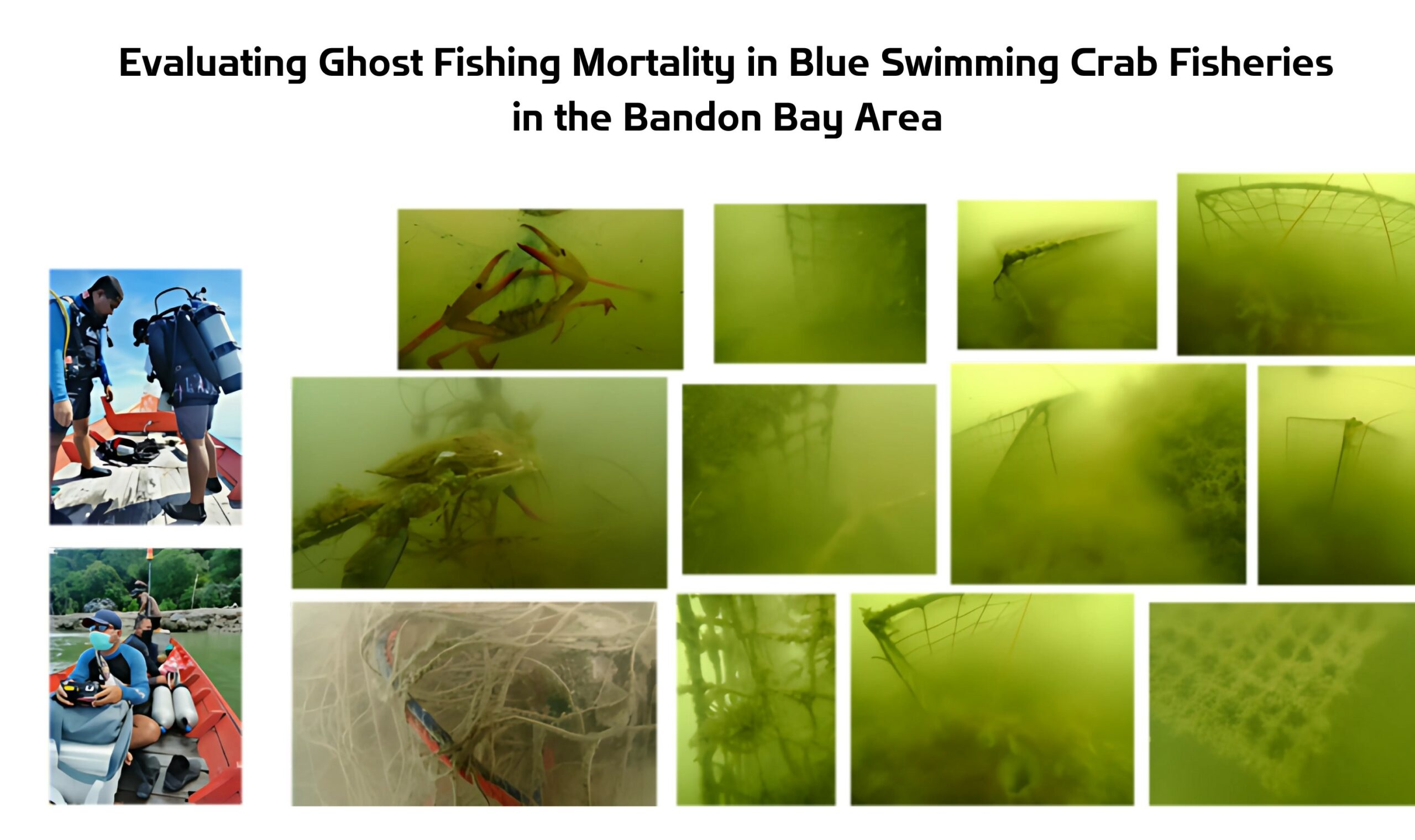
3. Preventing Ghost Fishing: WU is researching and creating a database to track lost and discarded fishing gear. This initiative aims to mitigate the effects of ghost fishing on the marine ecosystem by organizing ecological clean-ups and removing abandoned gear from the bay.
Physical Habitat Protection Plan:
1. Nursery and Fishing Area Zoning: WU encourages fishermen to avoid nearshore fishing, designating these areas as nurseries for young aquatic animals. The Tha Chana and Don Sak regions, ideal crab embryo habitats, have been prioritized for this purpose.
2. Sustainable Fishing Equipment: Educating fishermen to use legally approved nets, such as 2.5-inch mesh sizes, helps protect the bay’s seabed and reduces the ecological impact of illegal fishing practices.
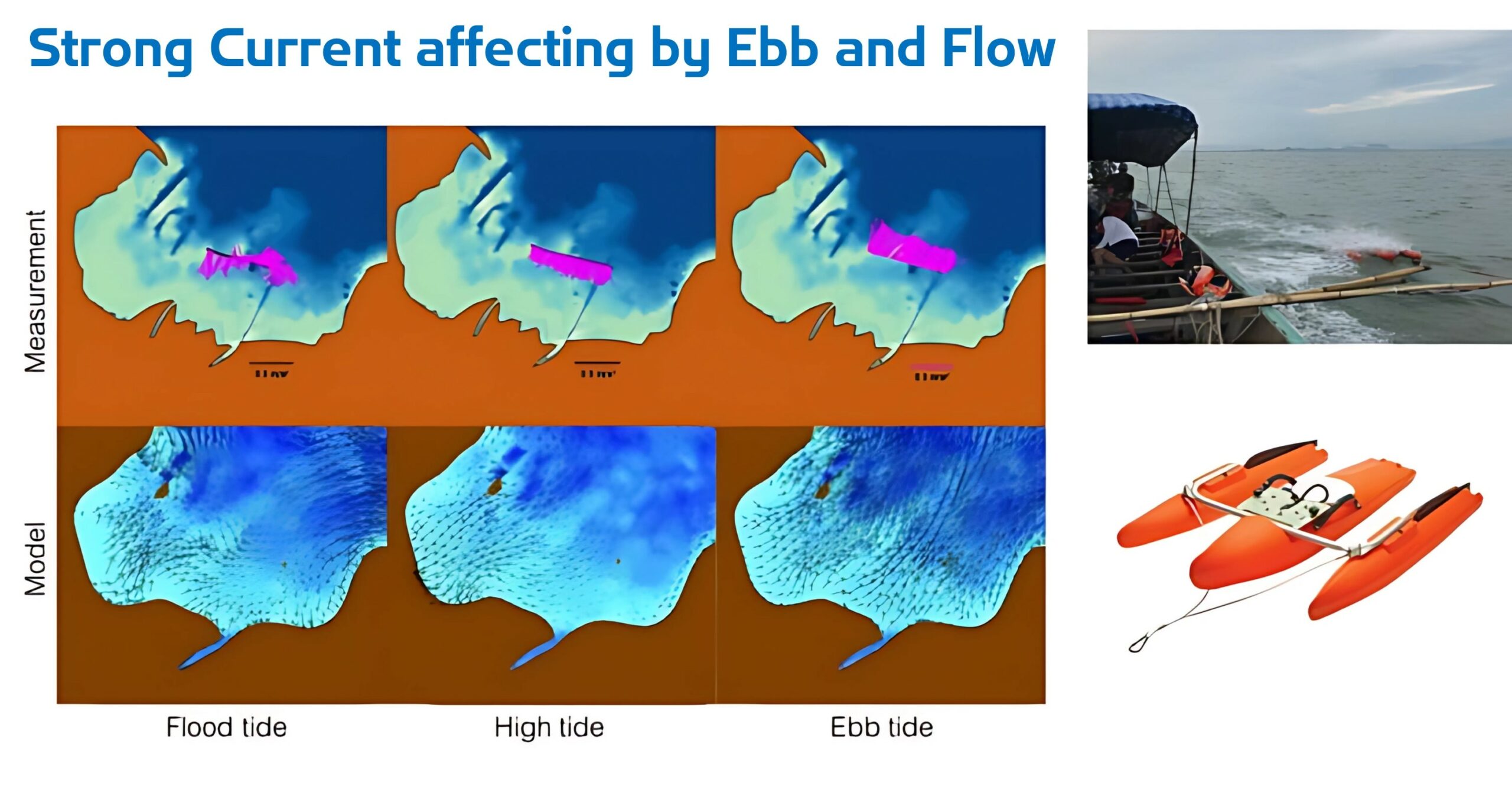
3. Assessing Coastal Impacts and Managing Area Usage: Evaluating the effects of waves, erosion, and sediment deposition while promoting responsible use of coastal areas to prevent degradation of Ban Don Bay.
4. Artificial Habitats: In collaboration with the Department of Fisheries, WU has built artificial habitats to improve the crabs’ natural environment, supporting both population growth and the overall marine ecosystem’s health.
Chemical and Pollution Control Plan:
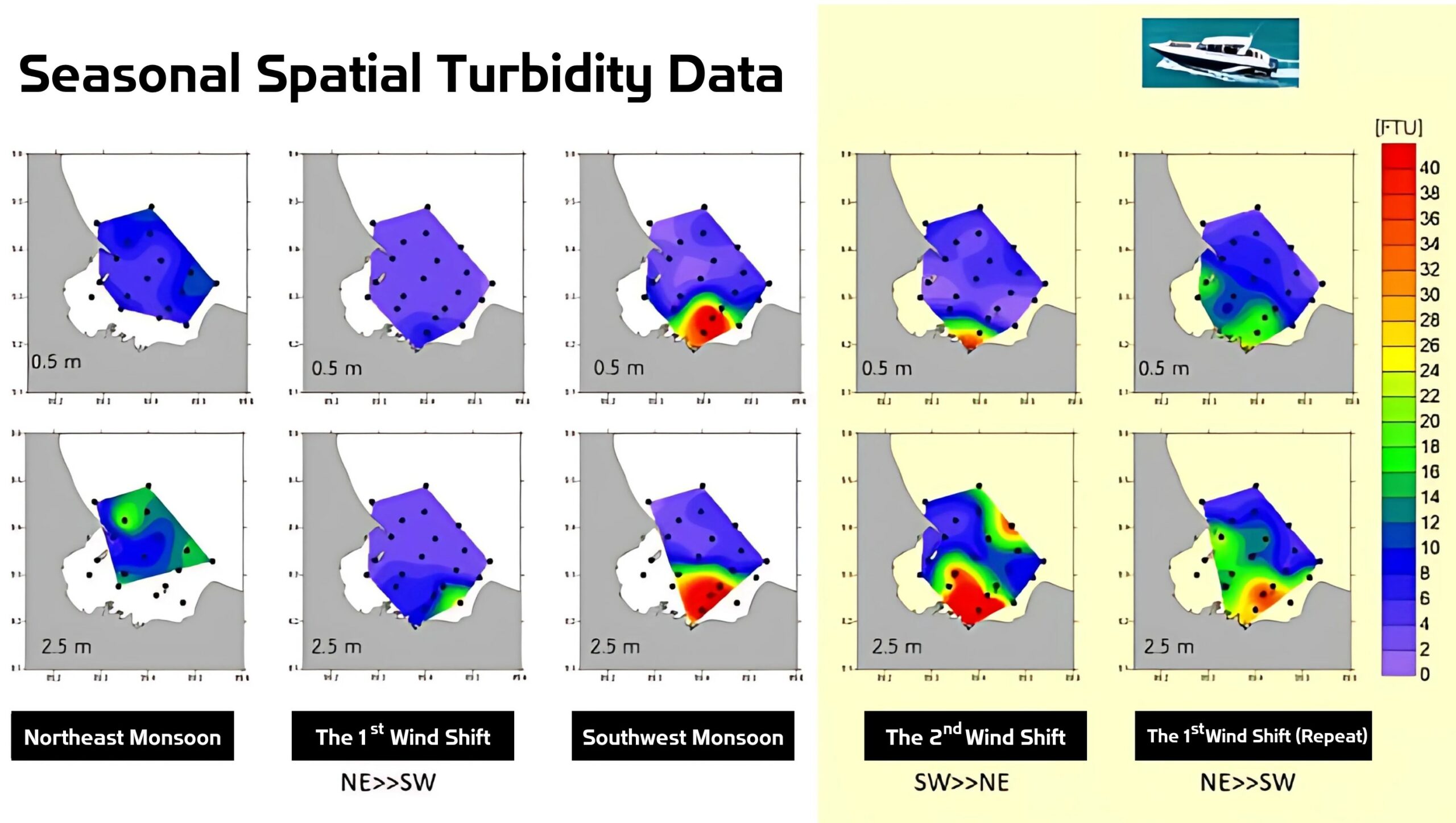
1. Agricultural Runoff and Pollution Control: WU has recommended promoting chemical-free agricultural practices in the region, thereby reducing harmful substances entering the Ban Don Bay ecosystem. Monitoring water quality for harmful chemicals, including heavy metals and nutrients like nitrate and phosphorus, remains a priority to protect vulnerable areas such as spawning grounds.
2. SDG-Aligned Recommendations for Coastal Activities: The recommendations presented by WU, particularly regarding environmental monitoring and pollution control, are being integrated into future SDG policies by the Department of Fisheries, further reinforcing the university’s commitment to sustainable resource management.
1. Expanding Conservation Zones: Increasing the protected areas in Ban Don Bay to secure habitats for juvenile and breeding crabs.
2. Mesh Size Regulations: Implementing stricter mesh size limits to protect juvenile crabs and prevent overfishing.
3. Sustainable Fishing Practices: Educating fishermen on responsible fishing techniques and monitoring their compliance.
4. Harvest Control Rules: Developing comprehensive rules to limit crab harvests based on sustainable yield models.
5. Length-Based Spawning Potential Ratio (LB-SPR) Monitoring: Conducting bi-monthly population assessments to ensure the sustainability of blue swimming crabs.
Achievements and Recognition in 2023
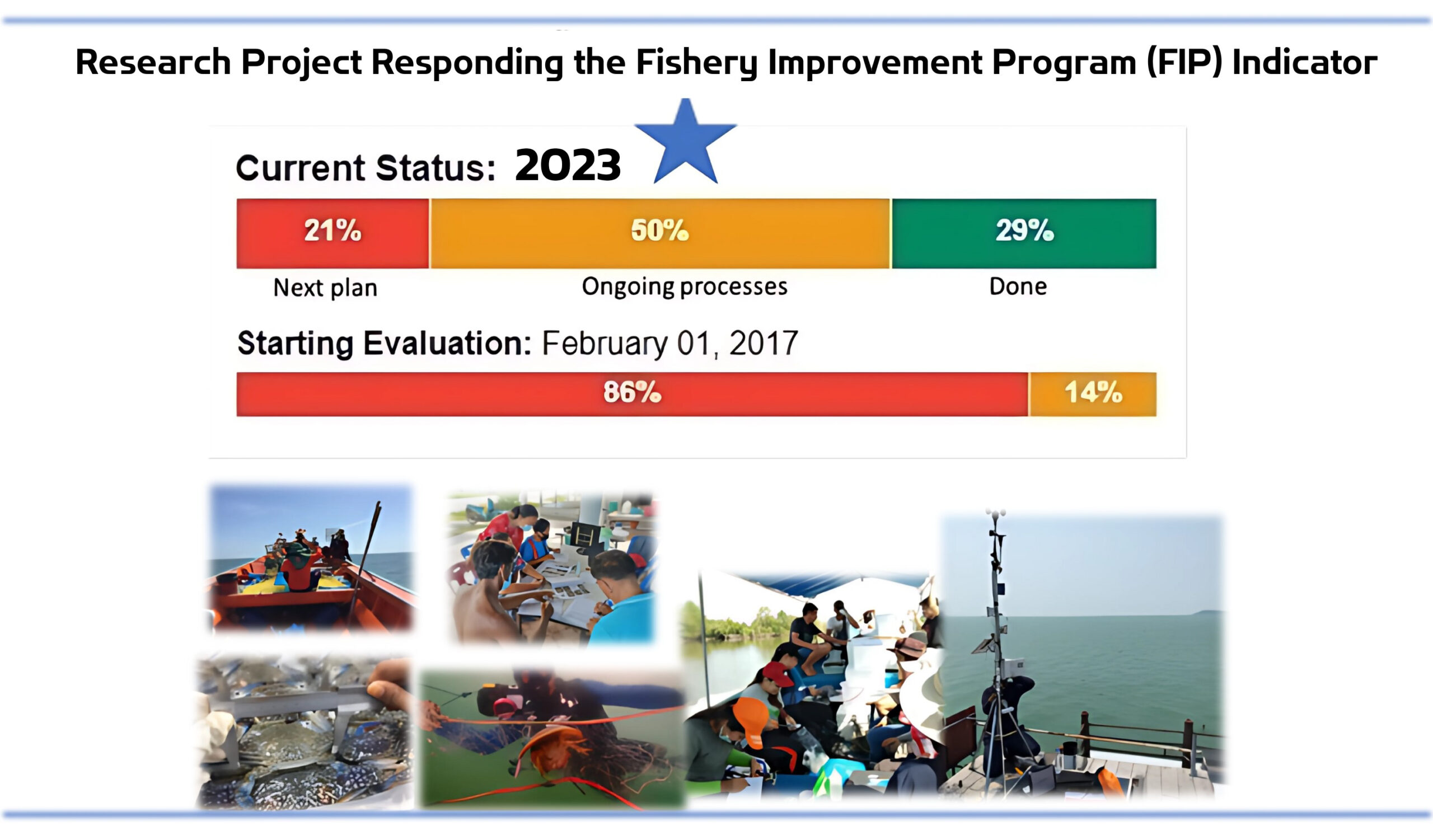
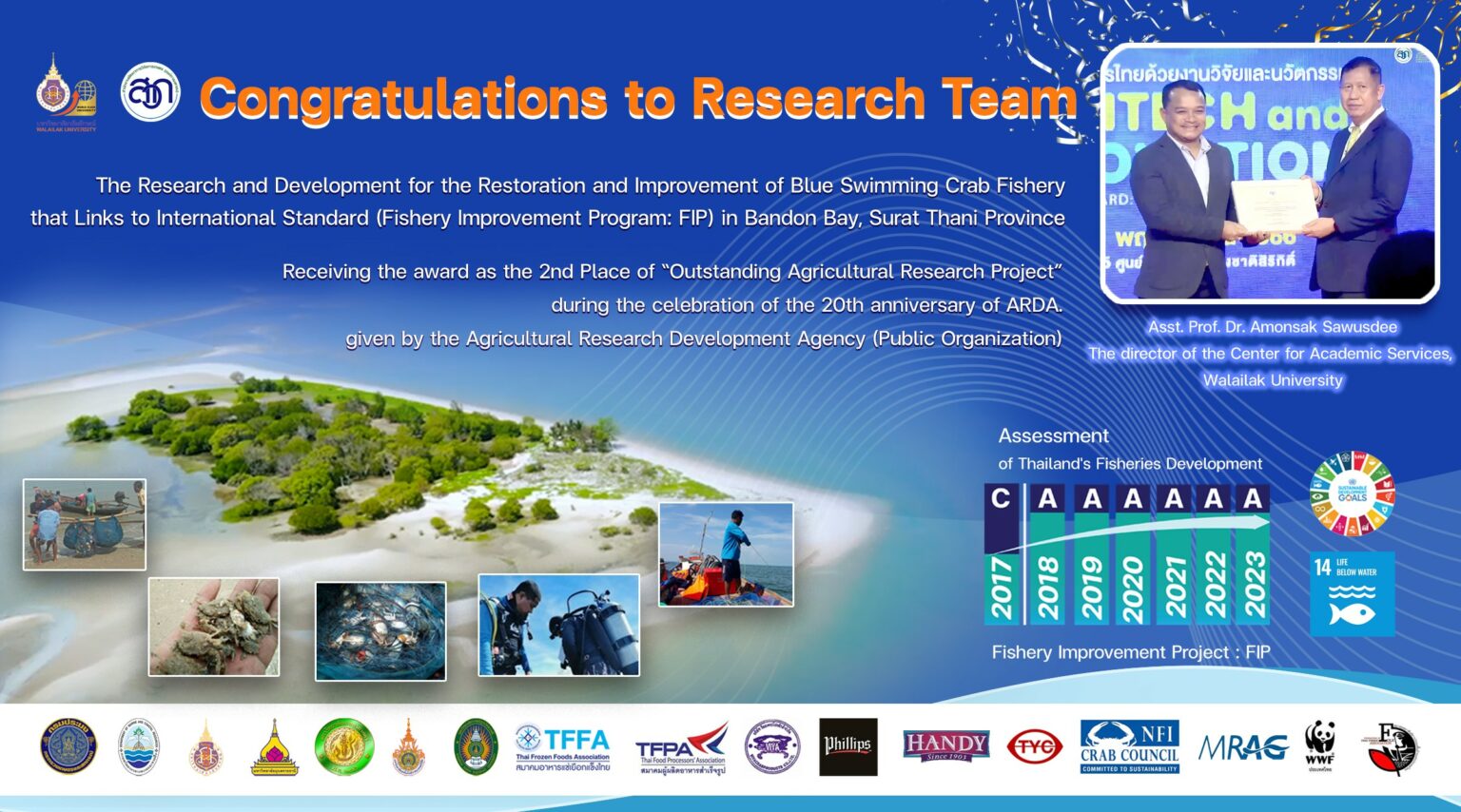
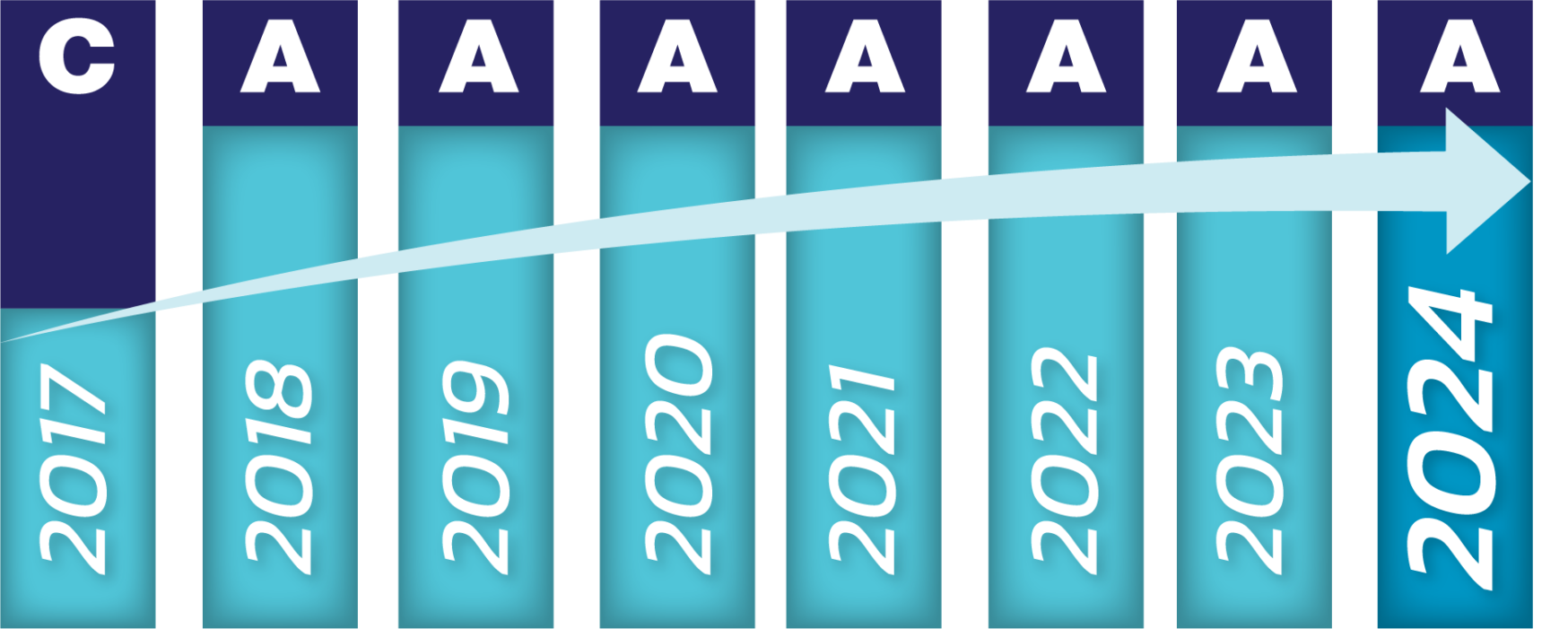
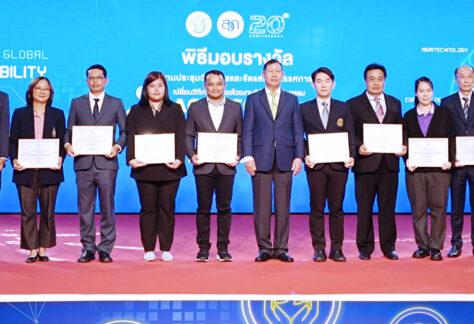
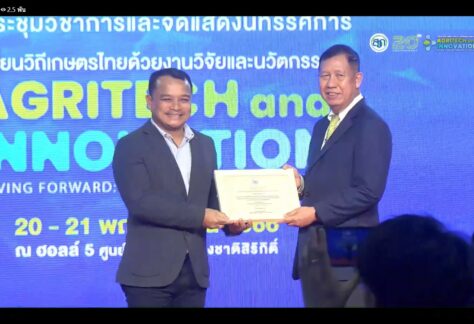
Led by Asst. Prof. Dr. Amonsak Sawusdee, CAS Director, the project achieved significant milestones, including elevating the FIP rating from C level in 2017 to A level from 2018 to 2024. This accomplishment reflects enhanced sustainability and management practices in Thailand’s blue swimming crab fisheries. Dr. Amonsak received the recognition on behalf of his team from Mr. Chavalit Chookajorn, Chairman of the Board Committees of the Agricultural Research Development Agency (ARDA), during the agency’s 20th-anniversary celebration held on November 21, 2023, at Exhibition Hall 5 of the Queen Sirikit National Convention Center (QSNCC). Themed “AgriTech and Innovation: Moving Forward from Local to Global,” the event included a conference and research showcase that featured leading agricultural innovations.
- Raising the FIP rating to A level, reflecting an improvement in sustainable practices.
- Increasing natural aquatic resources through effective blue crab management.
- Boosting the catch rates for both local and commercial fishers.
- Establishing protected nursery areas for aquatic species.
- Recommending strategies for blue swimming crab banks, identifying suitable release points, and managing ecosystems for sustainable blue crab recovery.
Related links:

Goal 14: Life below water
Goal 4: Quality Education
Goal 17: Partnerships for the Goals