Sanitary Napkin Distribution and HPV Mentoring Program for Supporting Women’s Internal Health

Sanitary Napkin Distribution and HPV Mentoring Program for Supporting Women's Internal Health

Walailak University (WU) recognizes the significance of women’s internal health as a critical issue that can impact female students’ ability to complete their education and female staff’s ability to perform their professional roles effectively. To address this, the university has launched several initiatives aimed at improving women’s health and fostering gender equality by eliminating gender-related barriers.

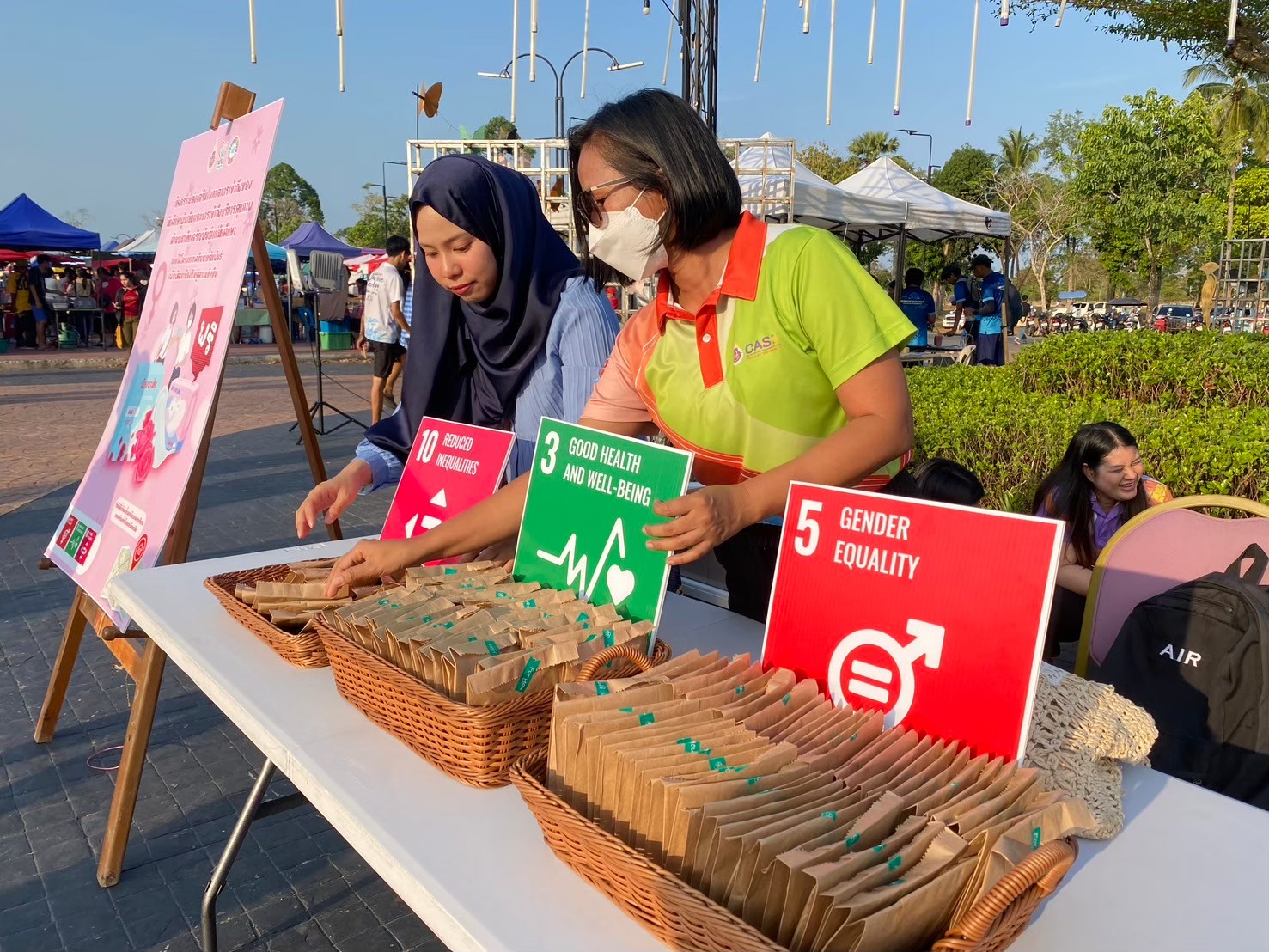
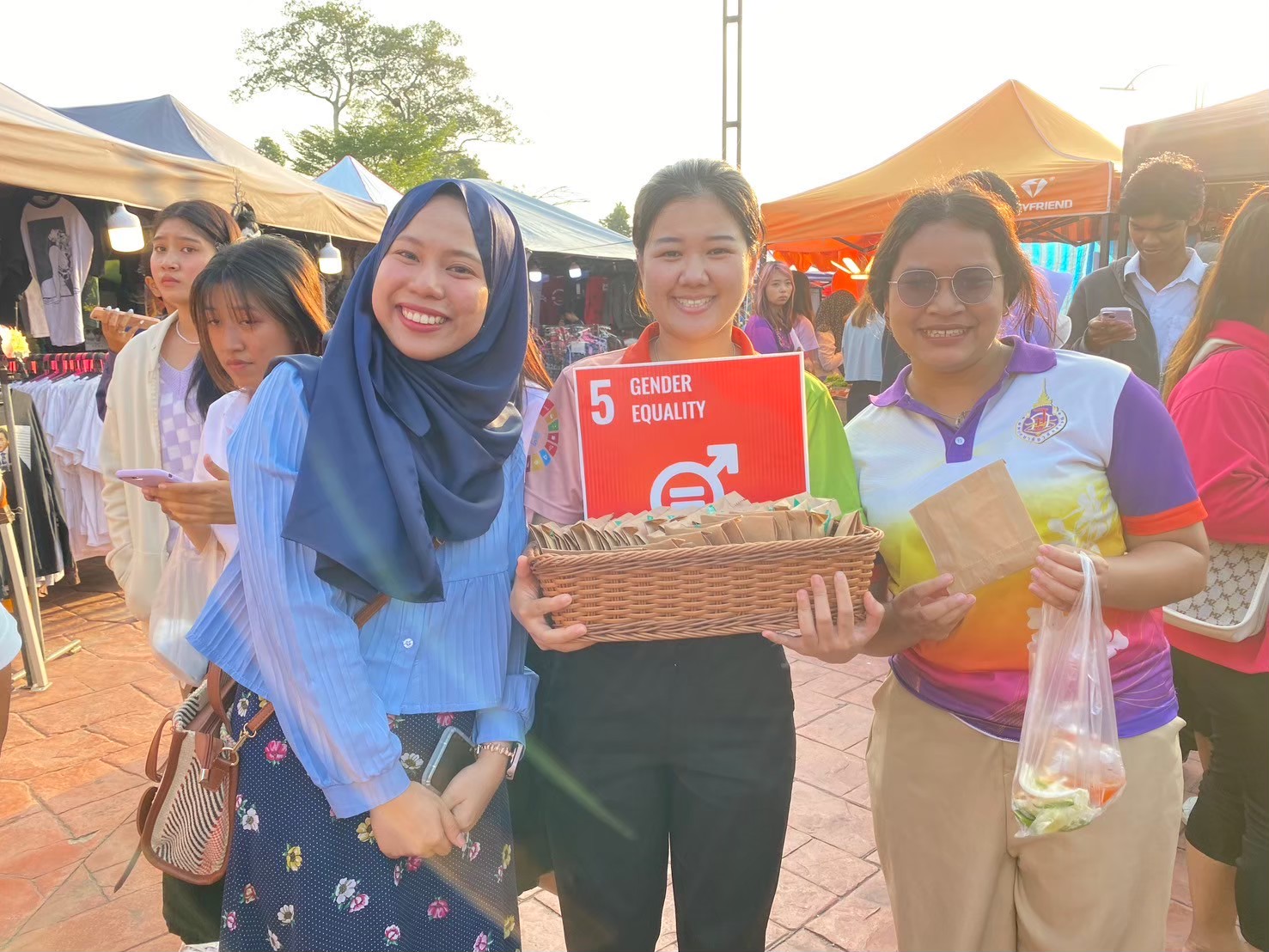
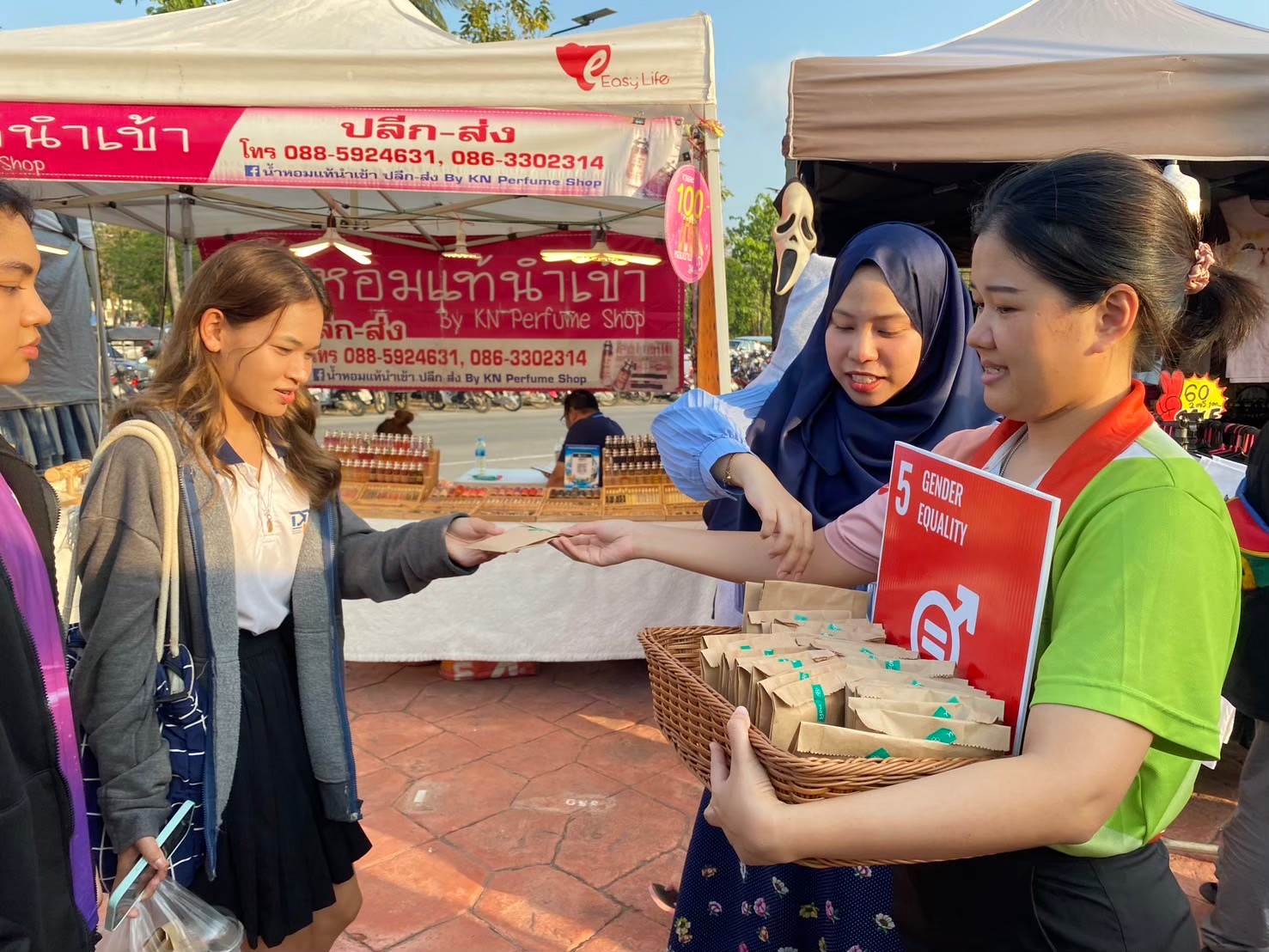
In 2024, WU introduced a Sanitary Napkin Distribution Scheme to support female students and staff by providing free access to sanitary napkins. This initiative was designed to reduce the stigma surrounding menstrual health and promote equal opportunities for women. To ensure accessibility, WU installed sanitary napkin dispensers in female student dormitories, allowing students to freely access the supplies whenever needed.

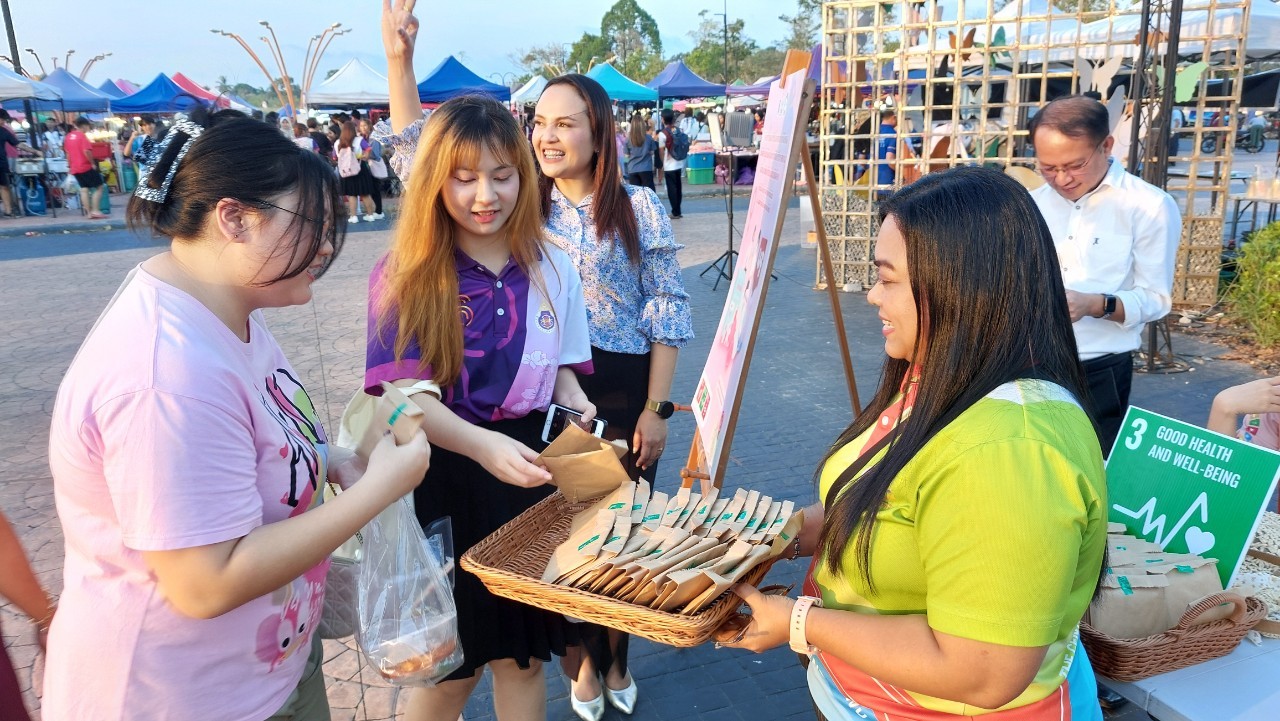
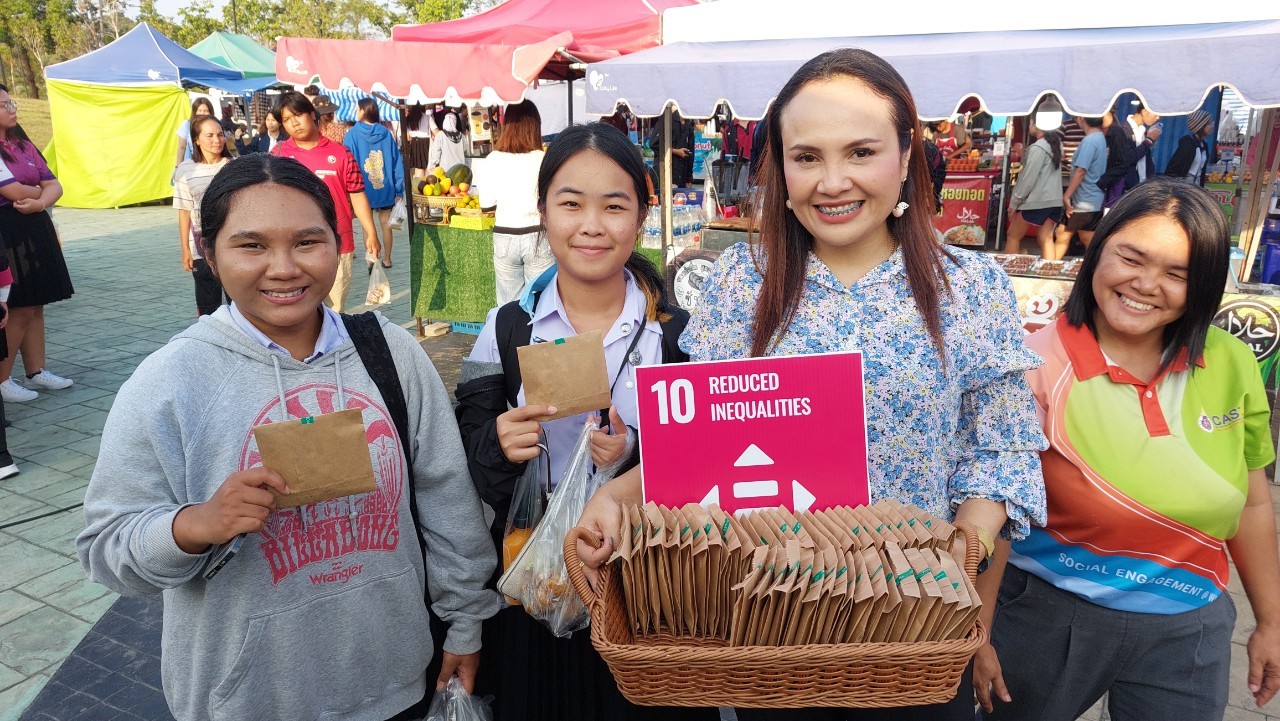
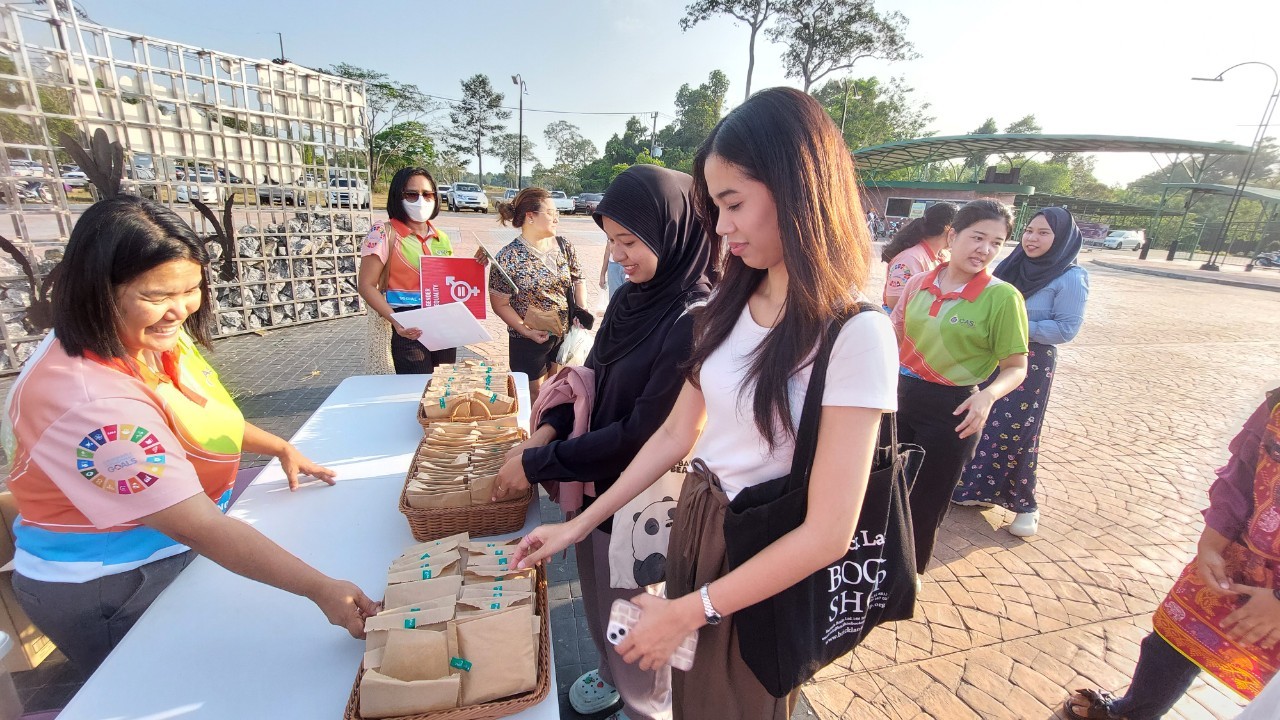
Additionally, a central distribution point was established at WU Bota Market, where a team of university staff organized an engaging awareness activity. During the event, sanitary napkins were distributed to female students and staff, while the team highlighted the importance of menstrual health as part of gender equality efforts. Over 500 sanitary napkins were distributed at this location alone, demonstrating WU’s commitment to supporting the well-being of its community.ts.

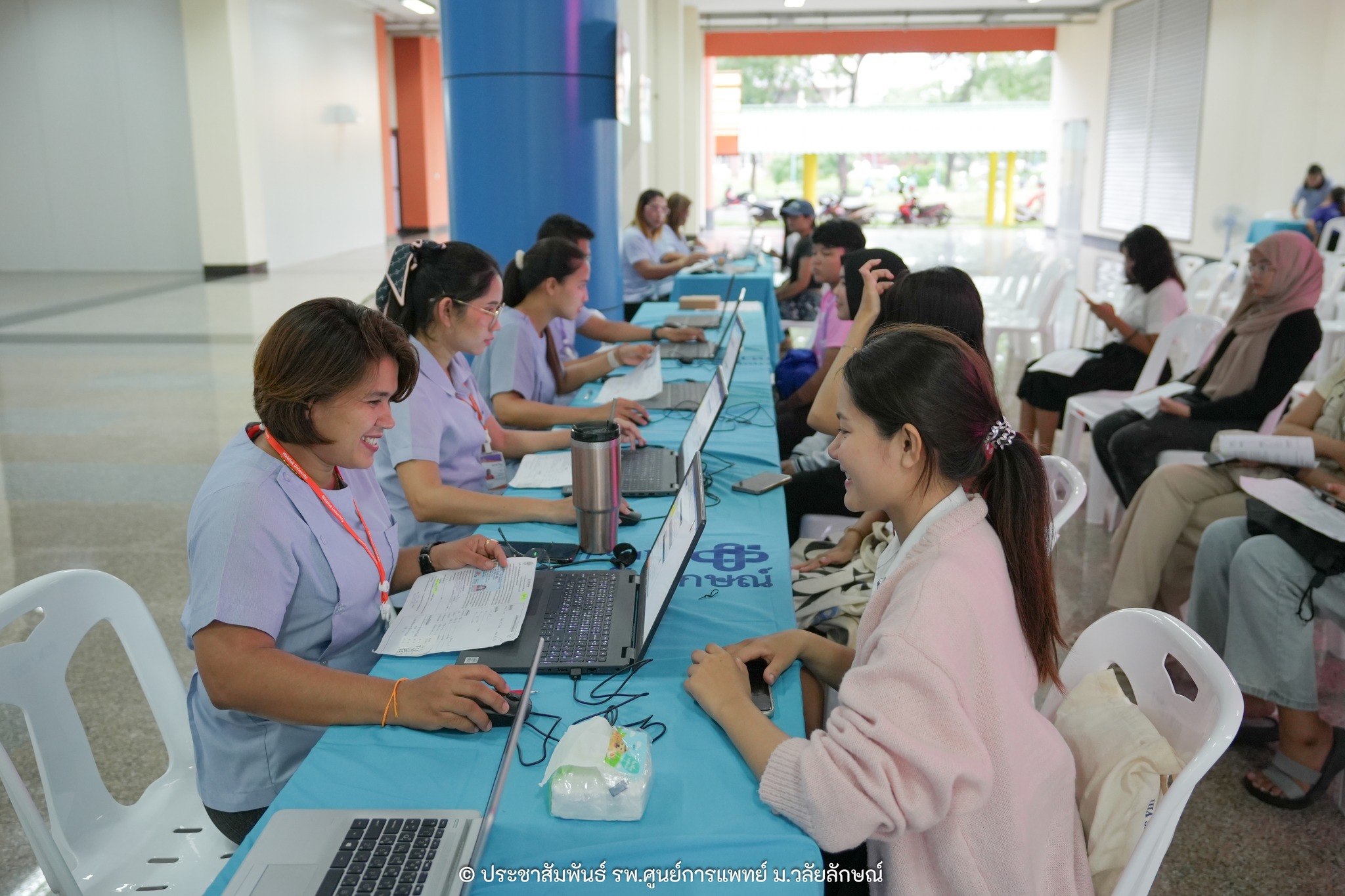
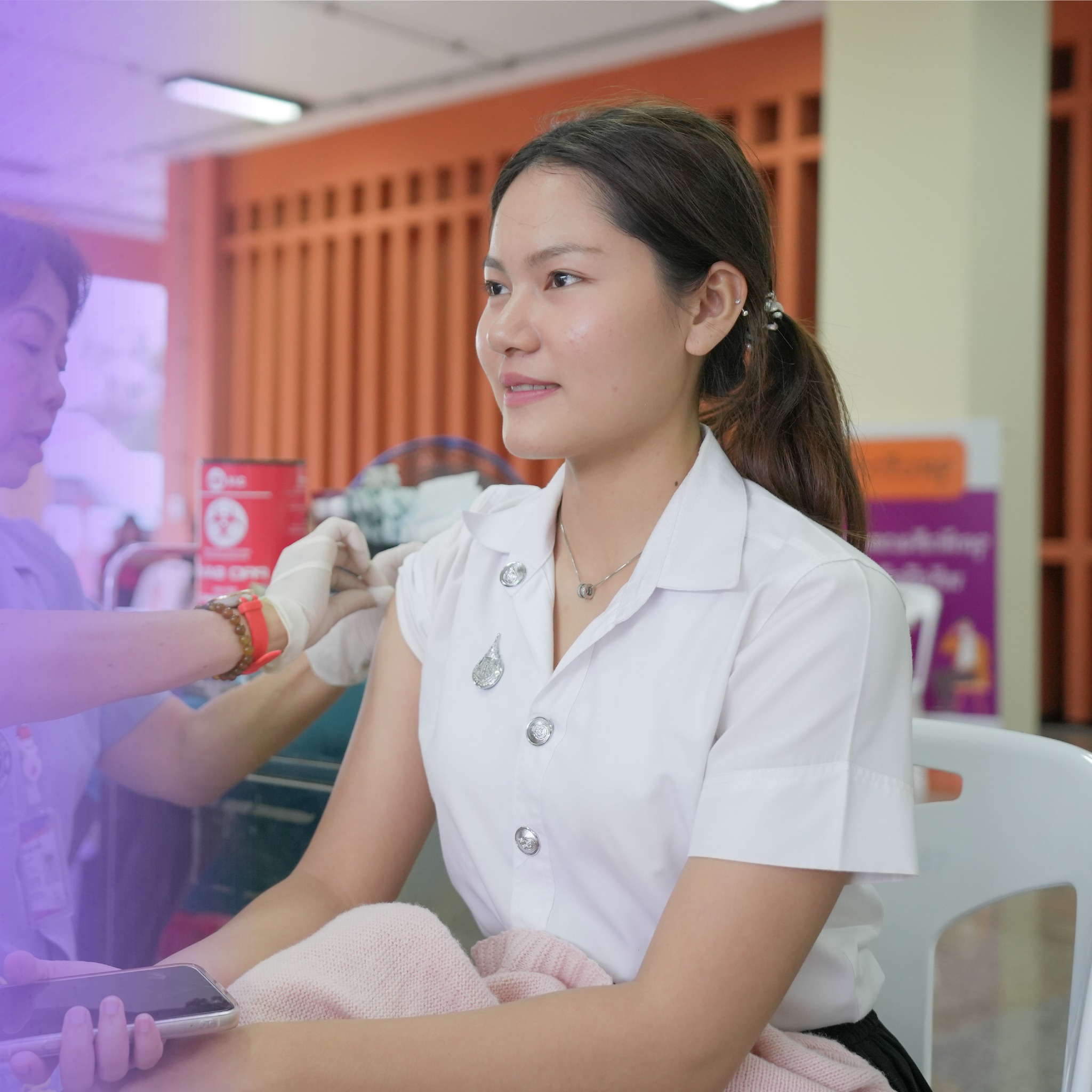
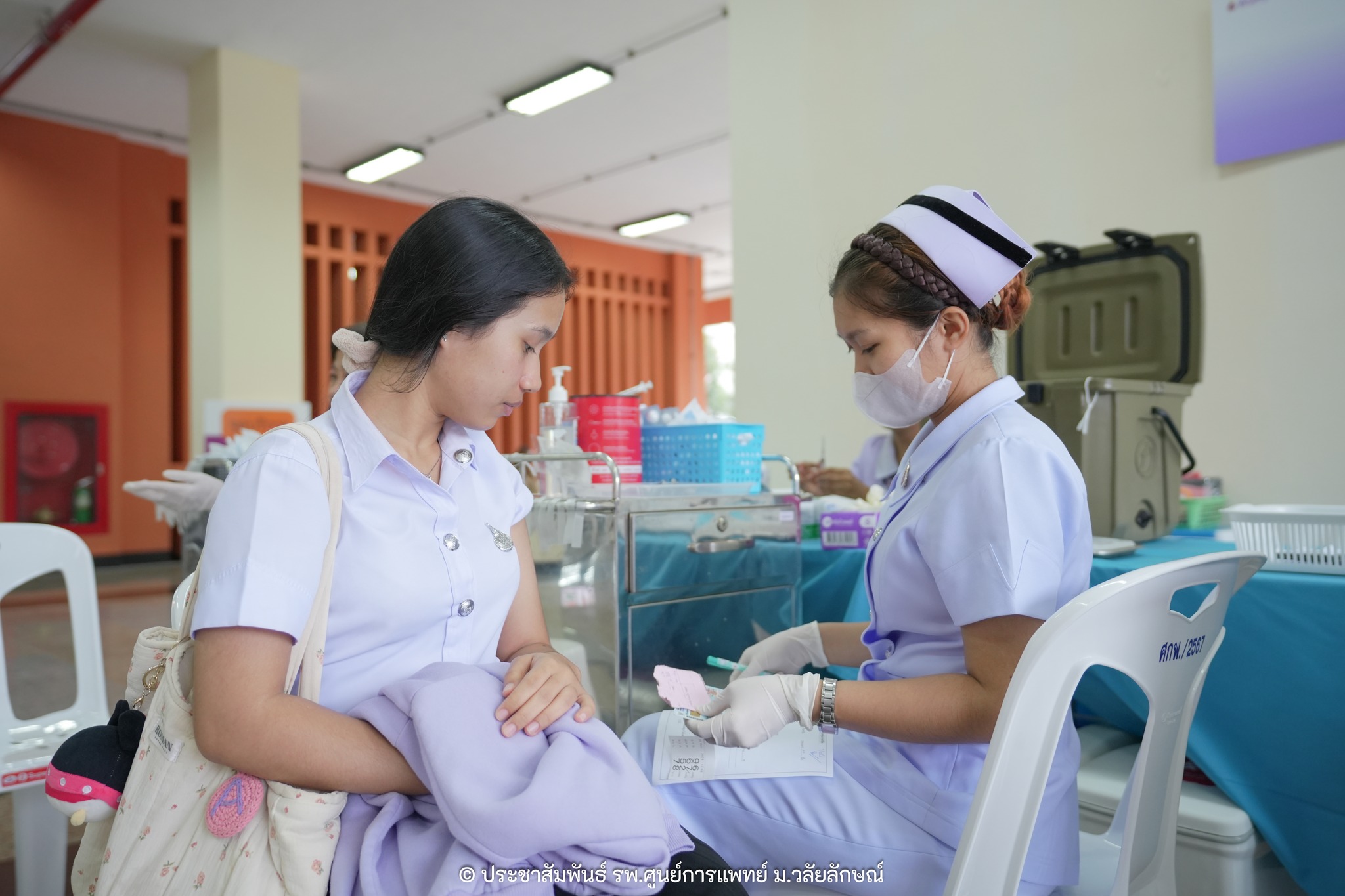
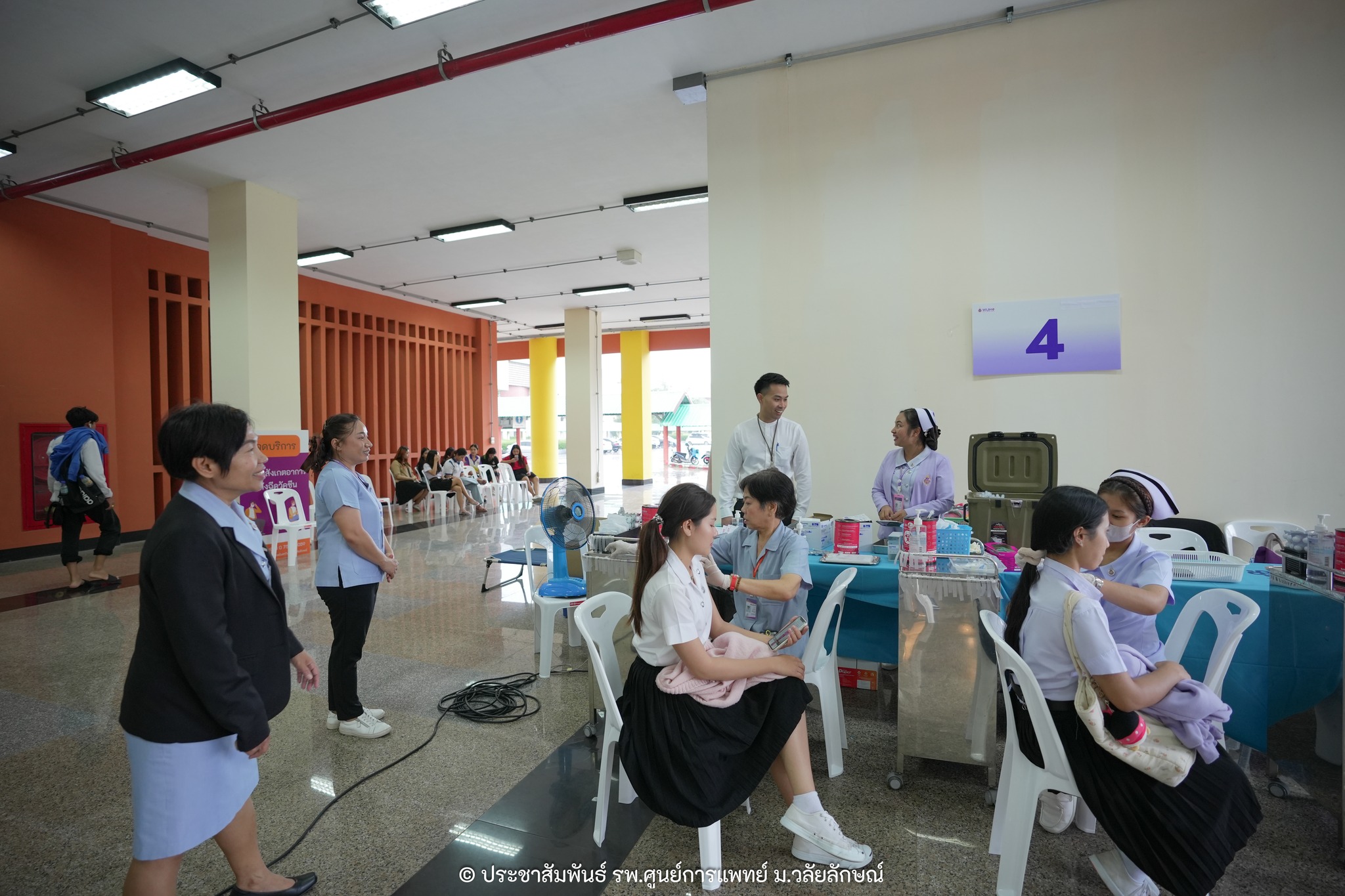
In addition to the sanitary napkin distribution scheme, Walailak University (WU), through the Walailak University Hospital, launched a comprehensive HPV Vaccination Program aimed at further safeguarding the internal health of female students and staff.
The program provided free HPV vaccinations to female students and staff, ensuring equitable access to this life-saving intervention. Human papillomavirus (HPV) is a leading cause of cervical cancer, genital warts, and other HPV-related cancers. By offering this vaccination, WU aimed to significantly reduce the risk of these diseases within its community and contribute to long-term health outcomes for women.
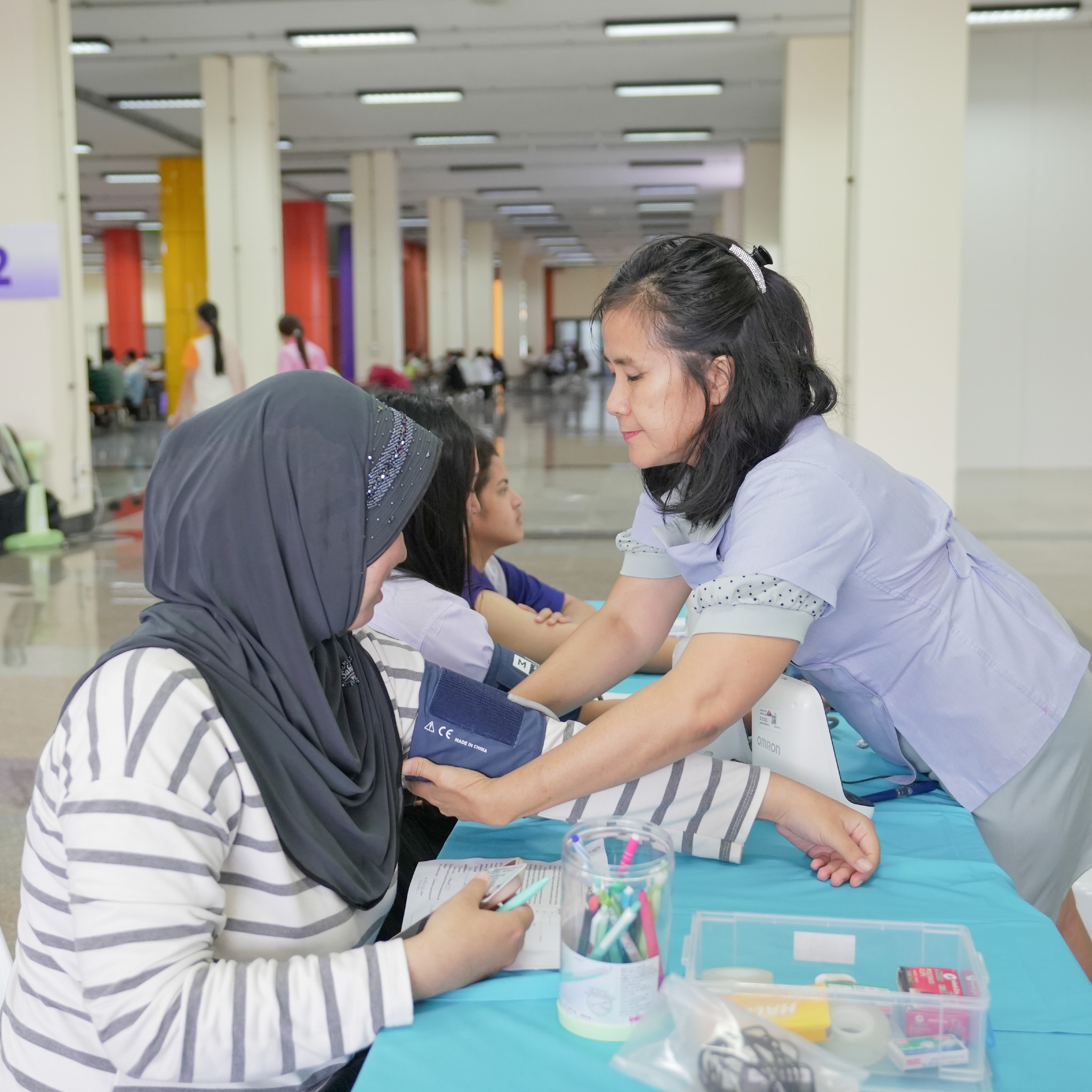
To enhance the program’s impact, Walailak University incorporated mentoring services alongside the vaccination campaign. Female students and staff received personalized guidance and information on preventing diseases caused by HPV, including cervical cancer and genital warts. These sessions also emphasized the importance of regular health check-ups, early detection, and other preventive measures to maintain reproductive and overall health.
Through these efforts, WU continues to champion women’s health and well-being, reinforcing its position as a leader in promoting gender equality and public health. This initiative, combined with other programs such as the sanitary napkin distribution scheme and gynecological mentoring services, highlights the university’s holistic approach to supporting its female community in all aspects of their lives.

5. The Digital Communication Arts program has taken the learning media kits, modified by botanists, and evaluated the media exposure of the sample group to disseminate to other local youth groups. There is a plan to expand the results to schools in Nakhon Si Thammarat Province that are members of the School Botanical Garden Project. In addition, the researcher has followed up on the results of the media implementation and found that the sample group that participated in the project has taken the media kits and the activities of pinning stories about plants near our homes to continue in their areas, showing the expansion of the results in terms of plant conservation in each local area when the project is over.
Goal 5: Gender Equality