Provision of Women’s Access Schemes at Walailak University
Walailak University has been operating for more than 30 years since 1992. Both male and female students can access the university without any type of discrimination. Since its foundation, women have always made up the majority in the Walailak community, demonstrating a commitment to providing equal educational access. However, Walailak University always places importance on women’s access schemes to ensure that women can access higher education as men.
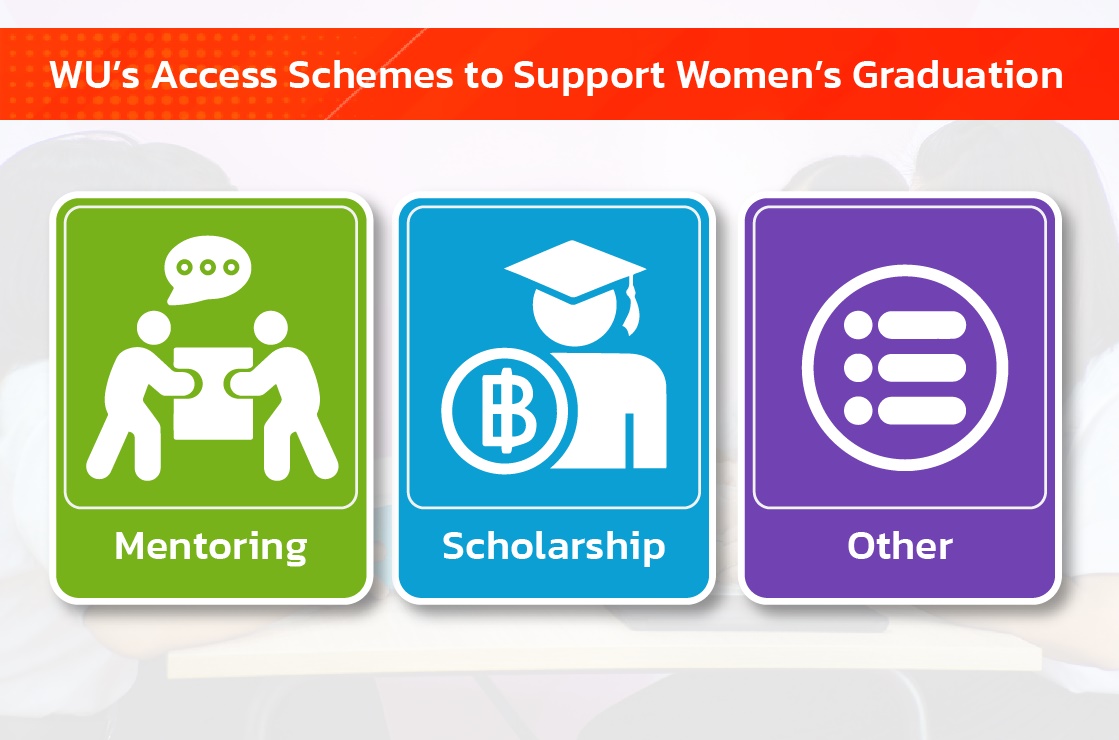
As Walailak University realizes that women are the majority among the WU population, diagnostic analyses of women’s applications, admissions, and participation have been conducted to better understand gender distribution and identify areas for improvement. Based on these findings, women’s access schemes at Walailak University have been developed and initiated by various organizations within the university on various platforms, including mentoring, scholarships, and other targeted provisions covering the pre-admission and post-admission phases. These schemes ensure that women have equitable access to higher education at Walailak University.
Mentoring Schemes
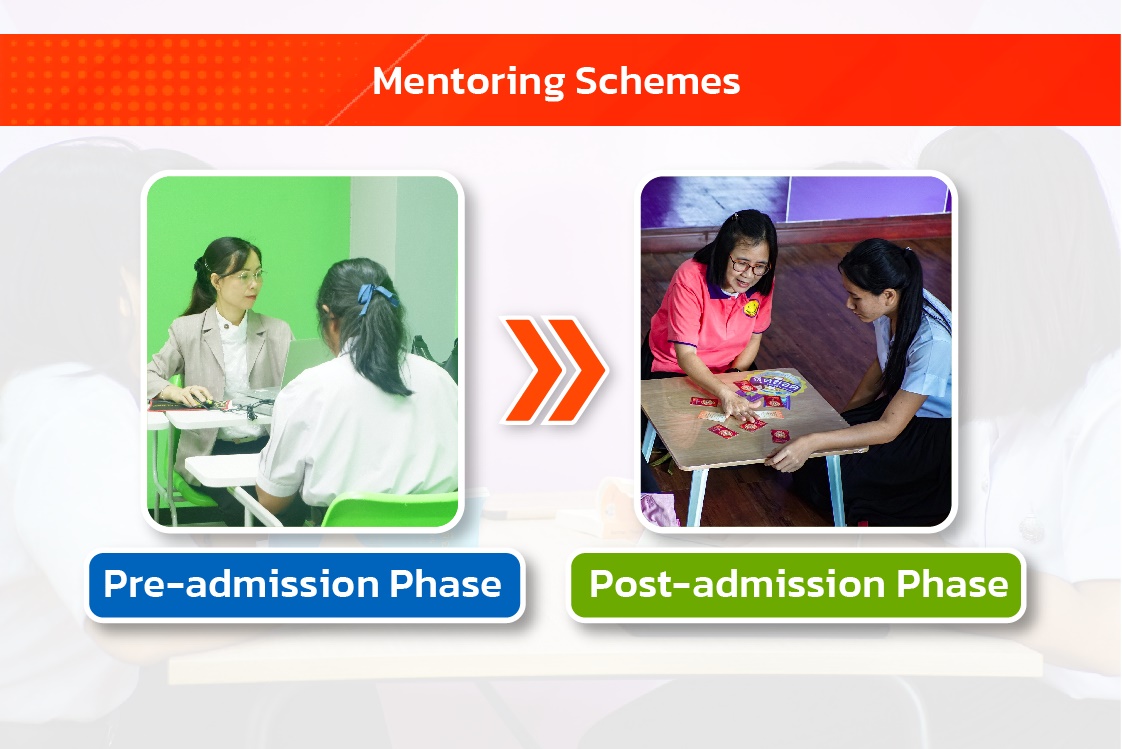
The mentoring schemes developed by Walailak University cover both the pre-admission phase and the post-admission phase. The pre-admission phase aims to provide mentoring on the entry process, academic preparation, and other aspects to enable women to smoothly access Walailak University and understand the protocols in admission protocols. Meanwhile, the post-admission phase aims to enable women who have already become students to smoothly spend their university life without or with fewer obstacles until their graduation.
Mentoring Schemes: Pre-admission Phase
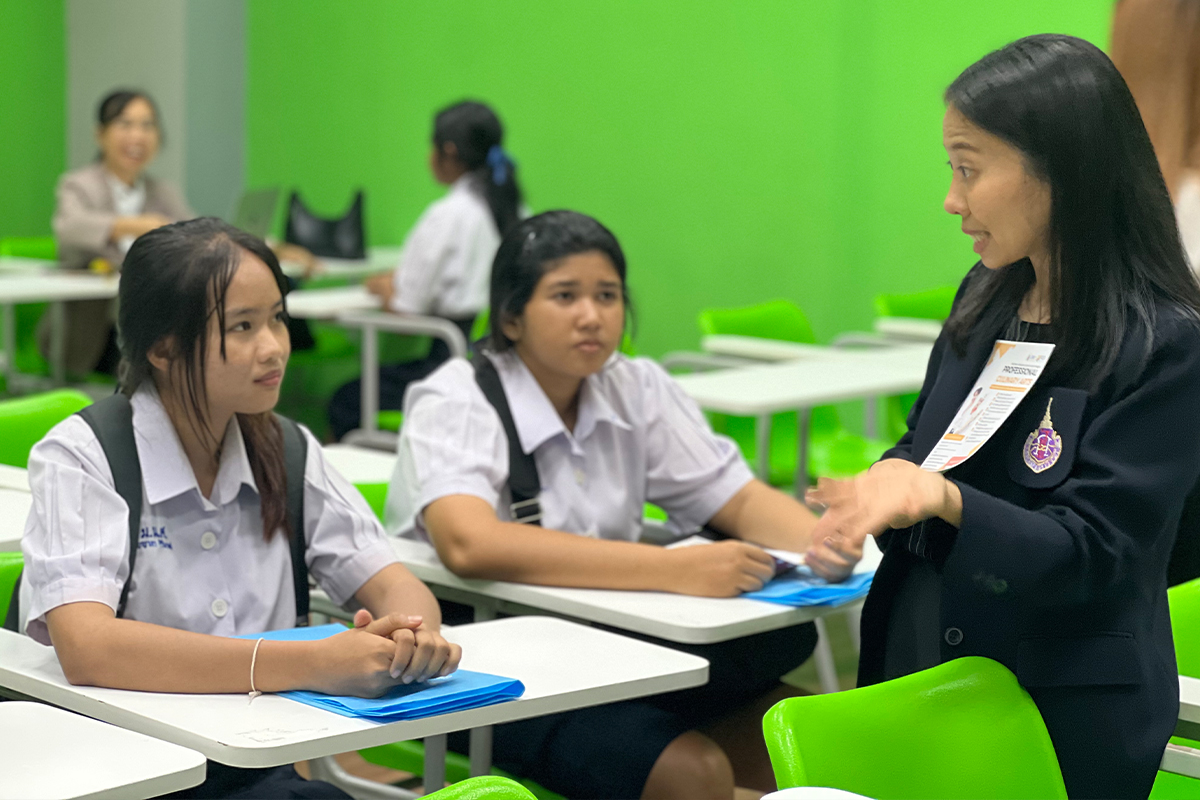
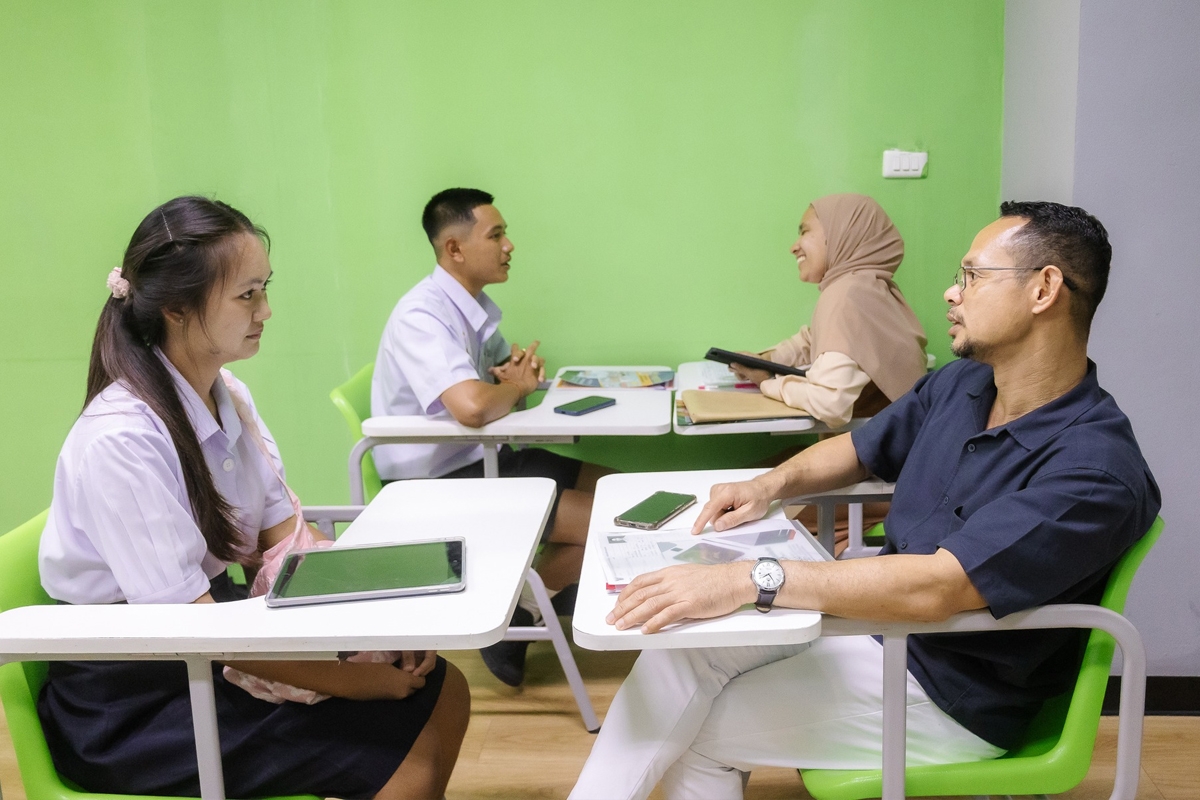
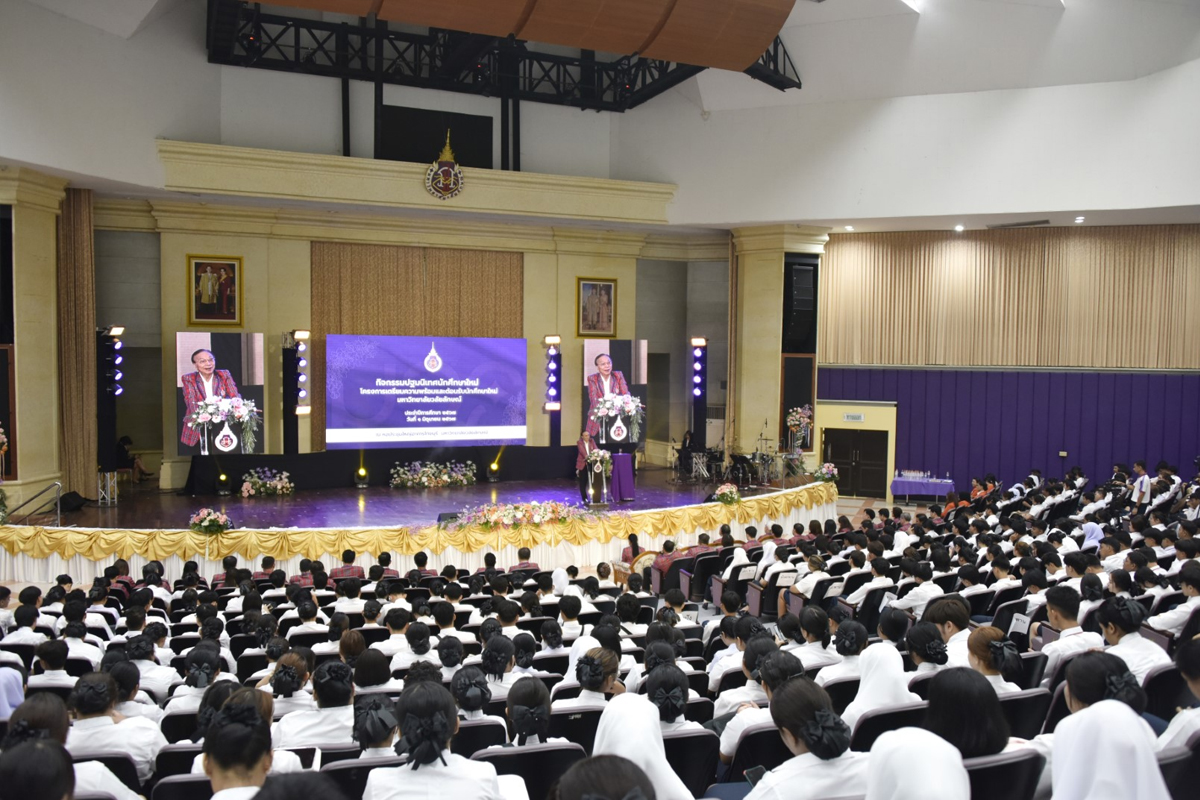
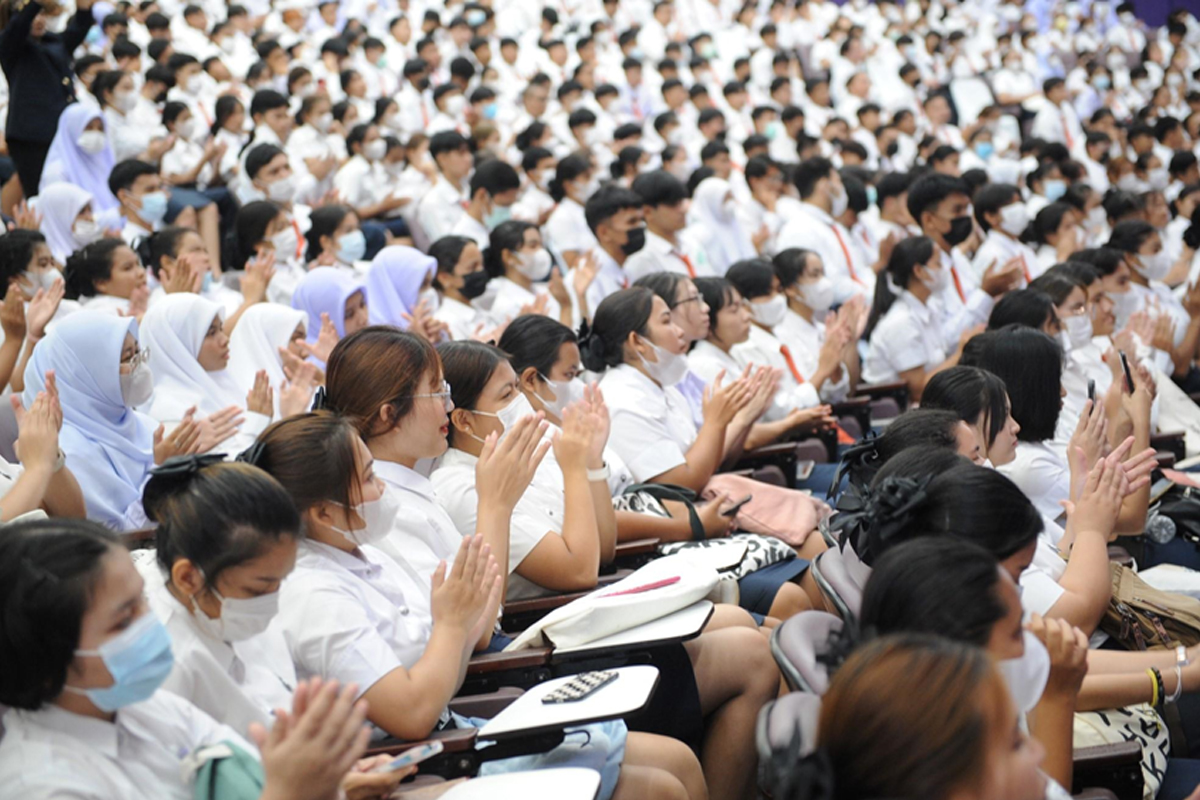
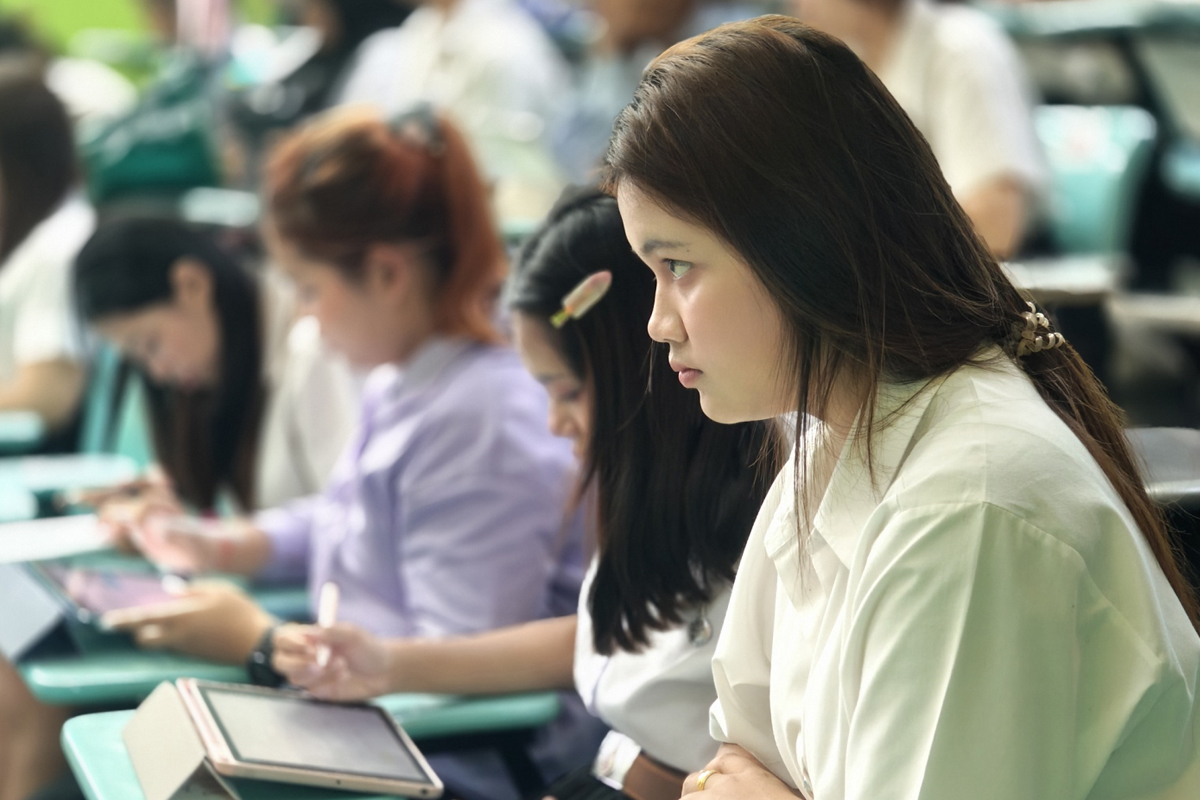
In 2024, Walailak University organized women’s access schemes on mentoring both on and off campus. These mentoring programs help women understand the entry process at Walailak University. The programs also include the academic preparation programs, which help female secondary students to gain basic knowledge or insights so that they can easily enter the university.
Mentoring schemes in the post-admission phase play a crucial role in helping students transition smoothly into university life. These programs provide emotional support, academic guidance, and career development opportunities, ensuring students feel confident in their abilities and can navigate challenges effectively. The programs include:
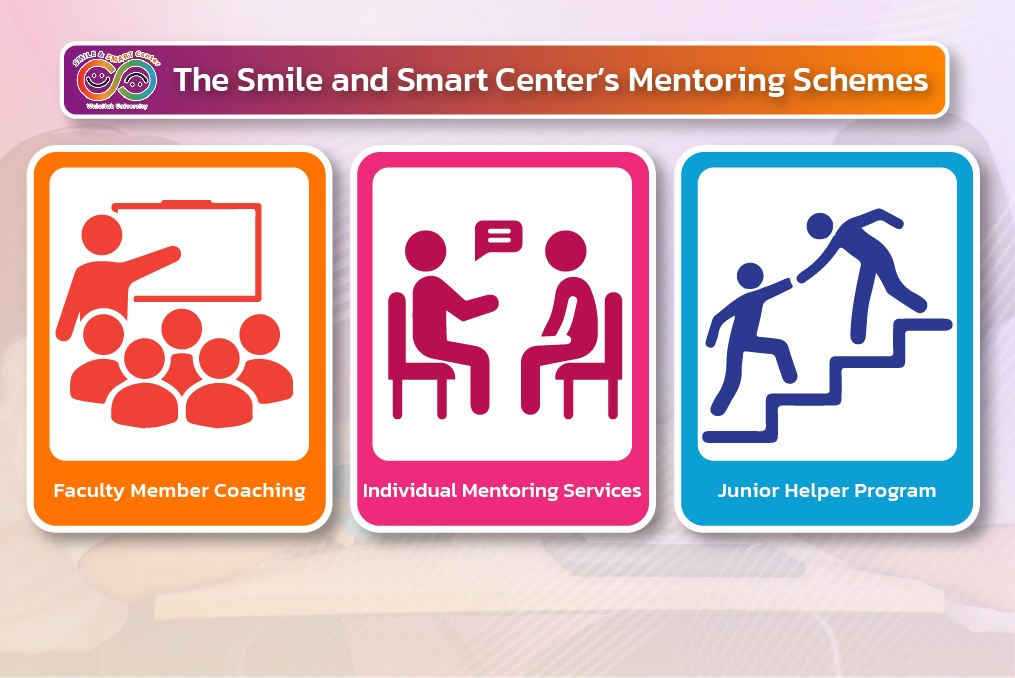
Faculty Mentorship – Professors or advisors guide students in academic planning, research opportunities, personal life issues, and career pathways.
Mental Health & Well-being Support – providing counseling services within mentoring programs to help students manage stress and build resilience.
Skill Development Workshops – enhancing female students’ capacity in leadership, communication, and time management.
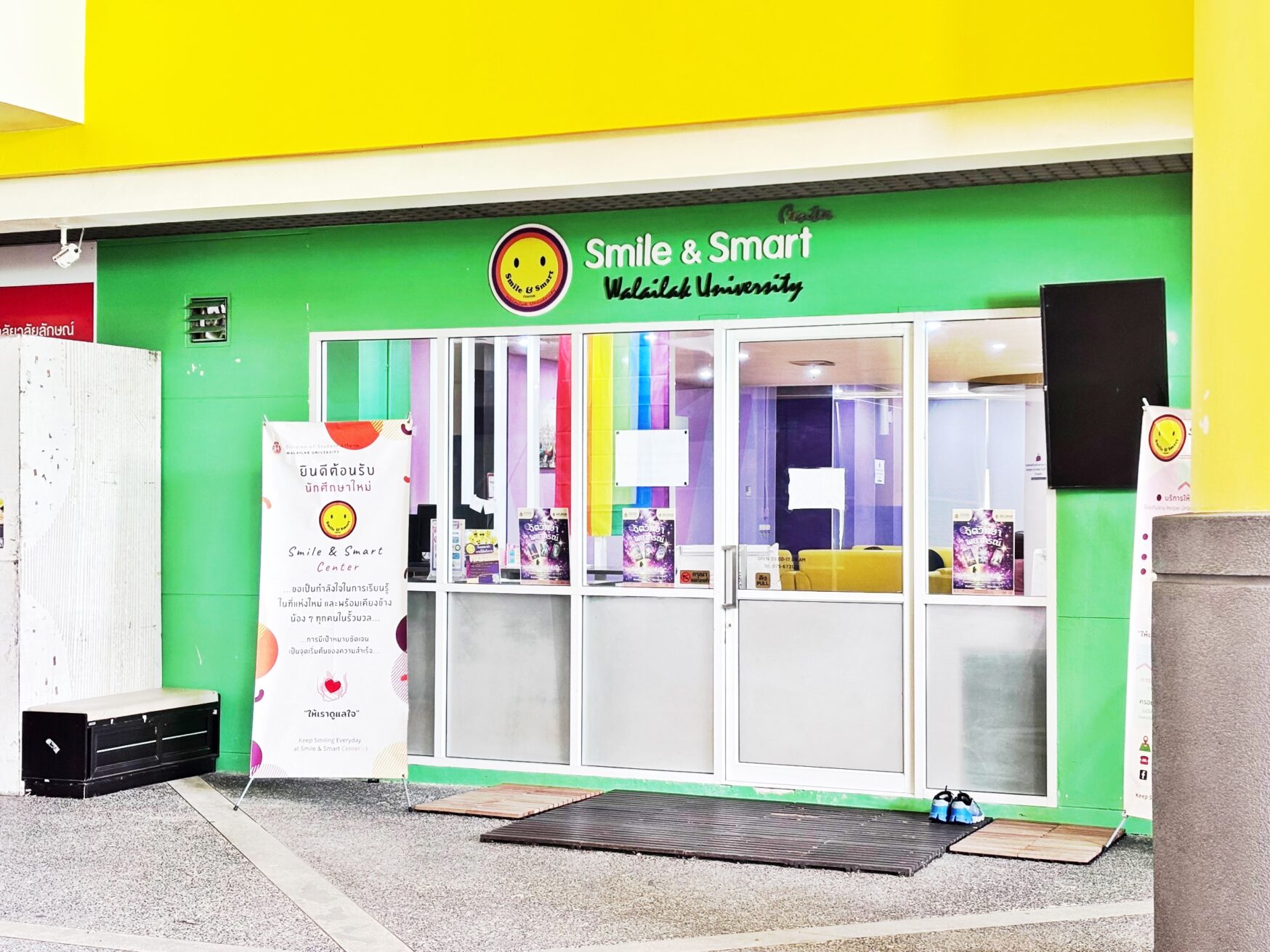
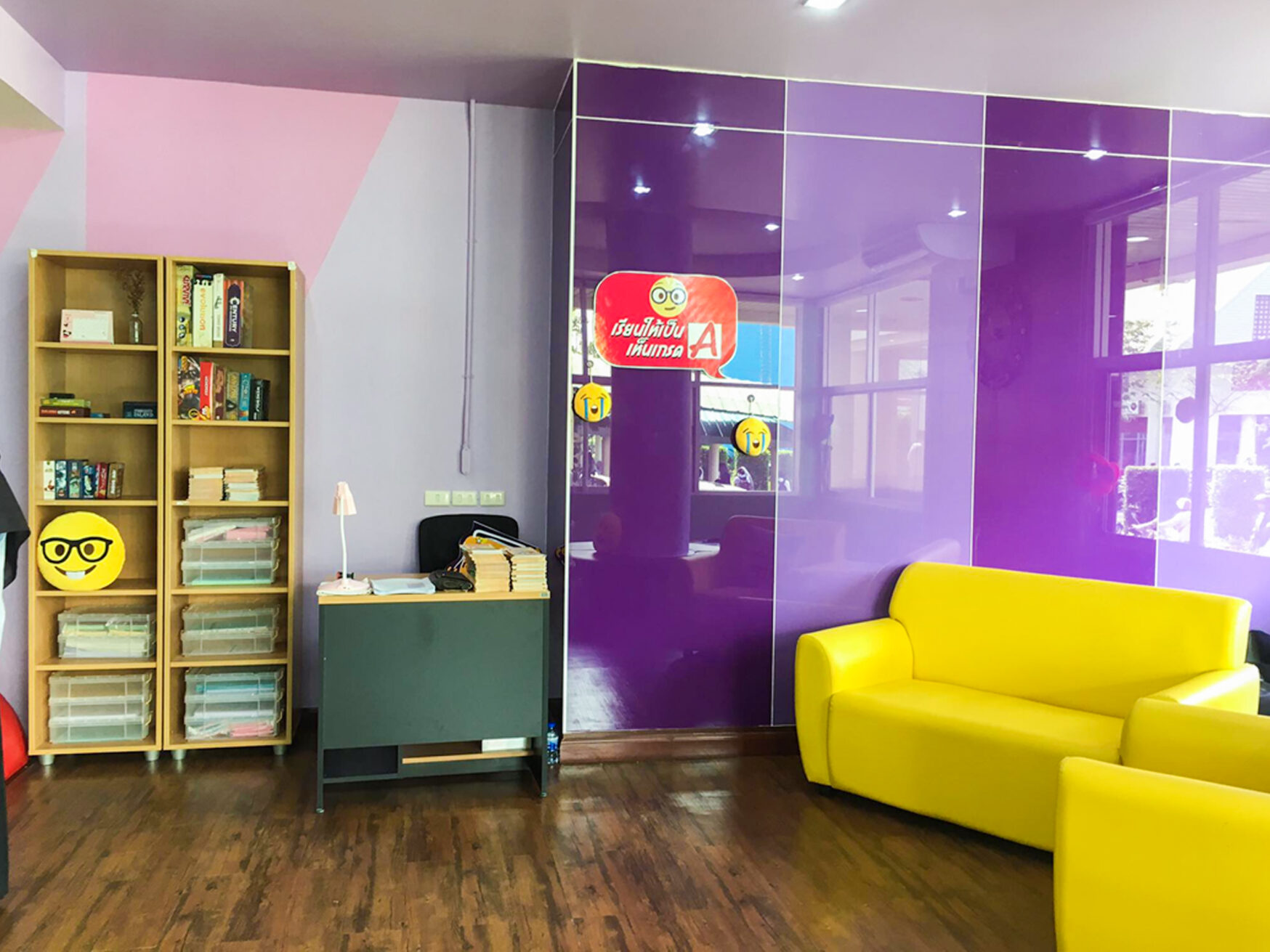
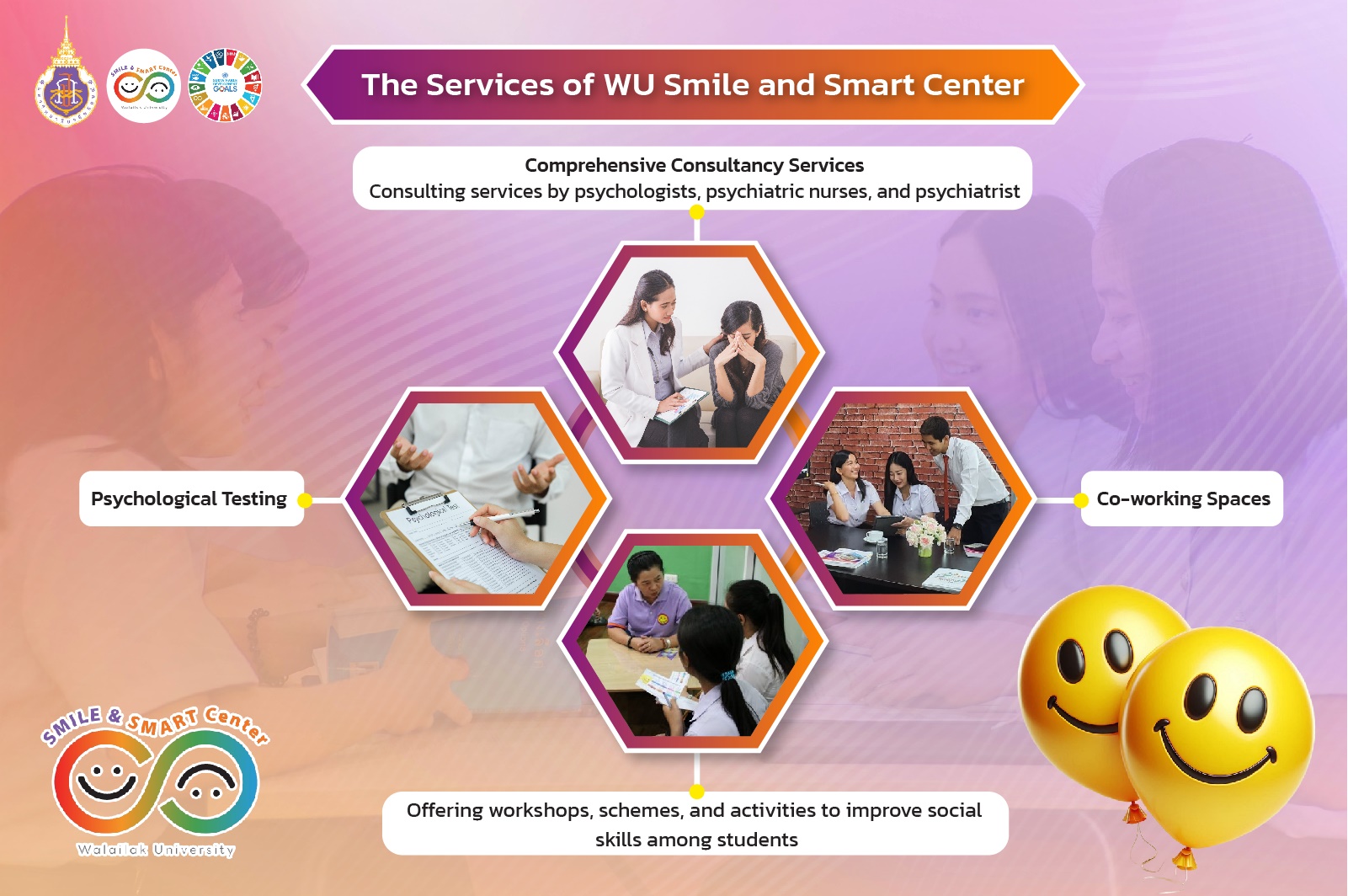
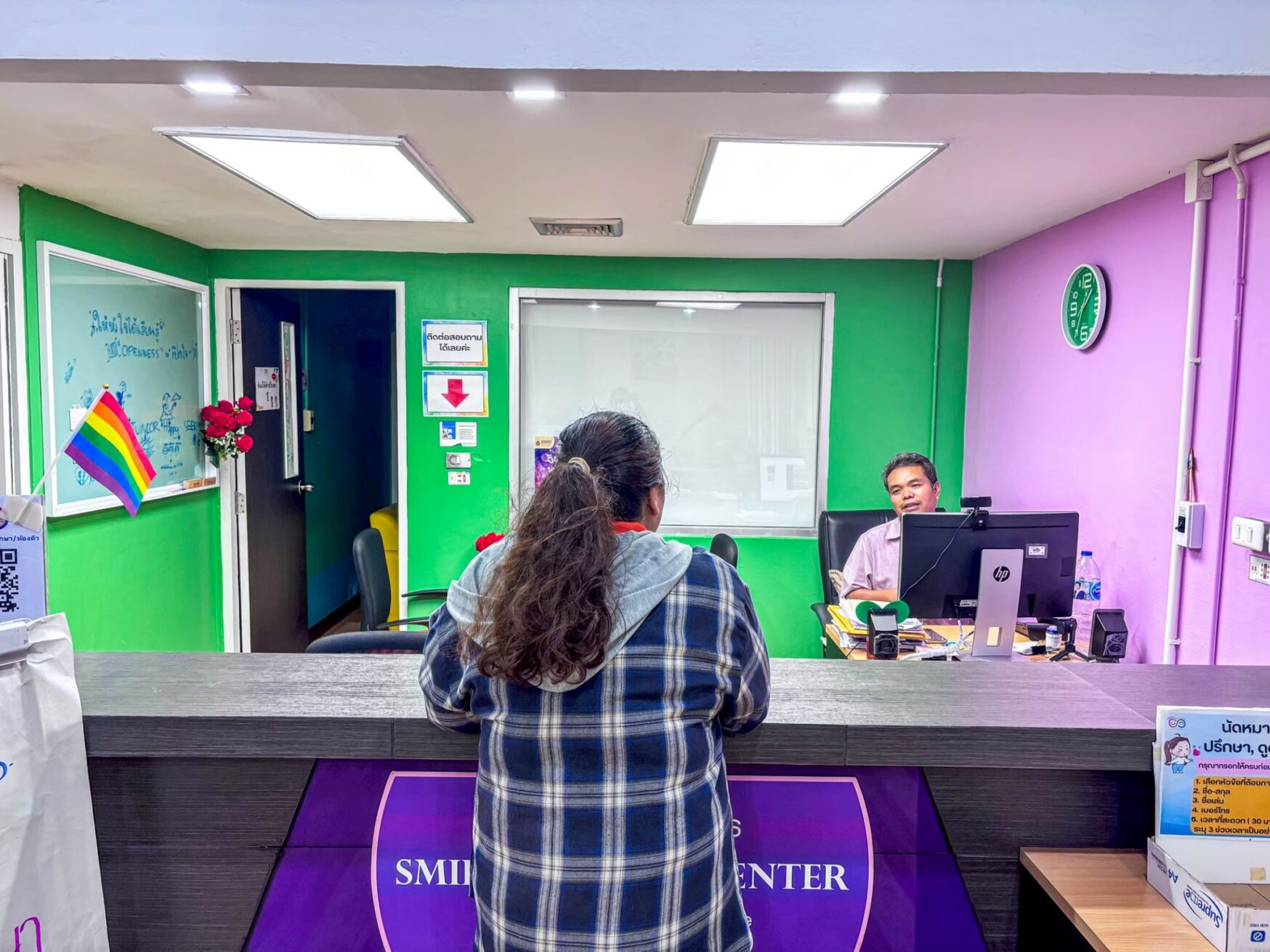
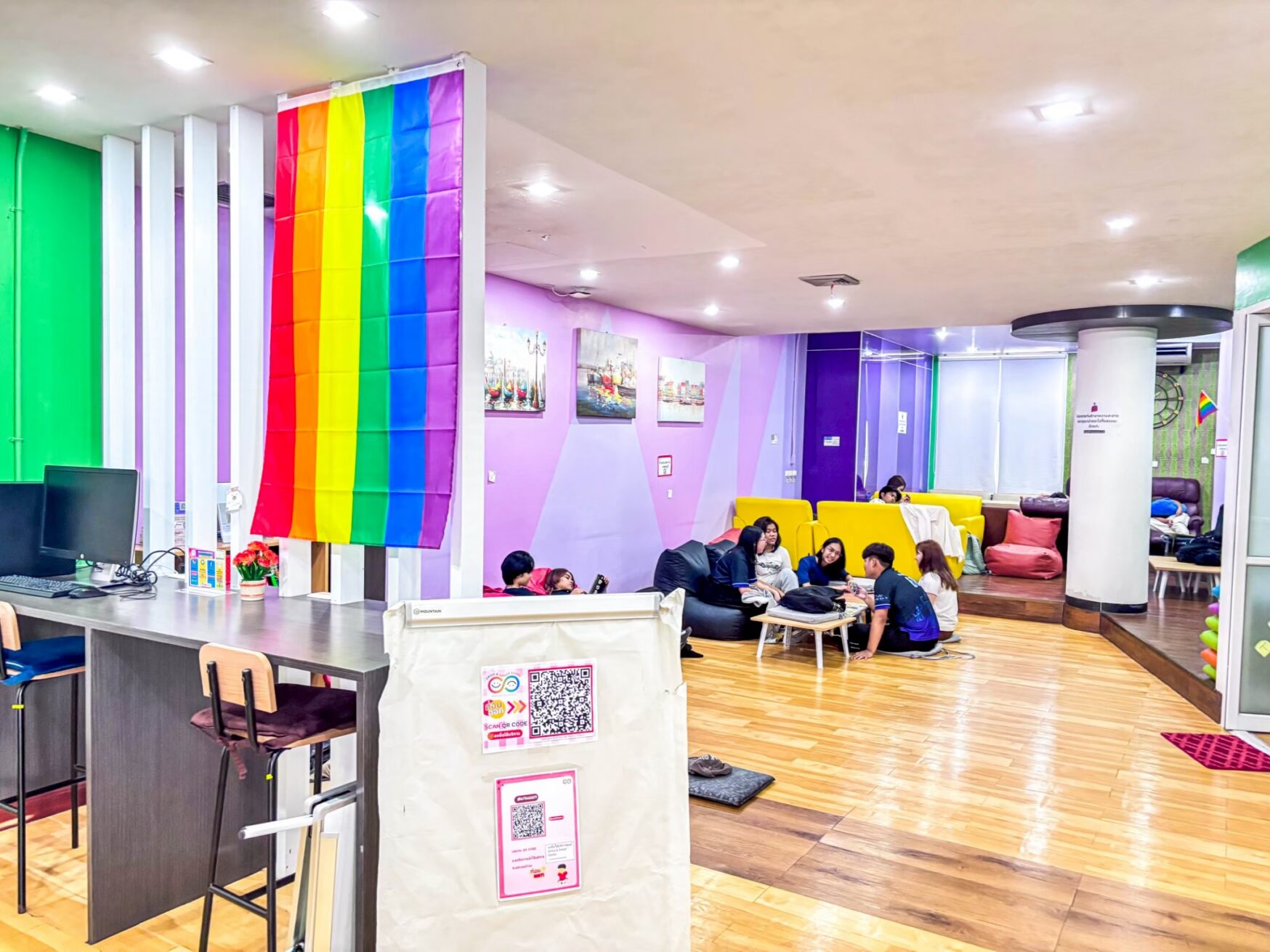
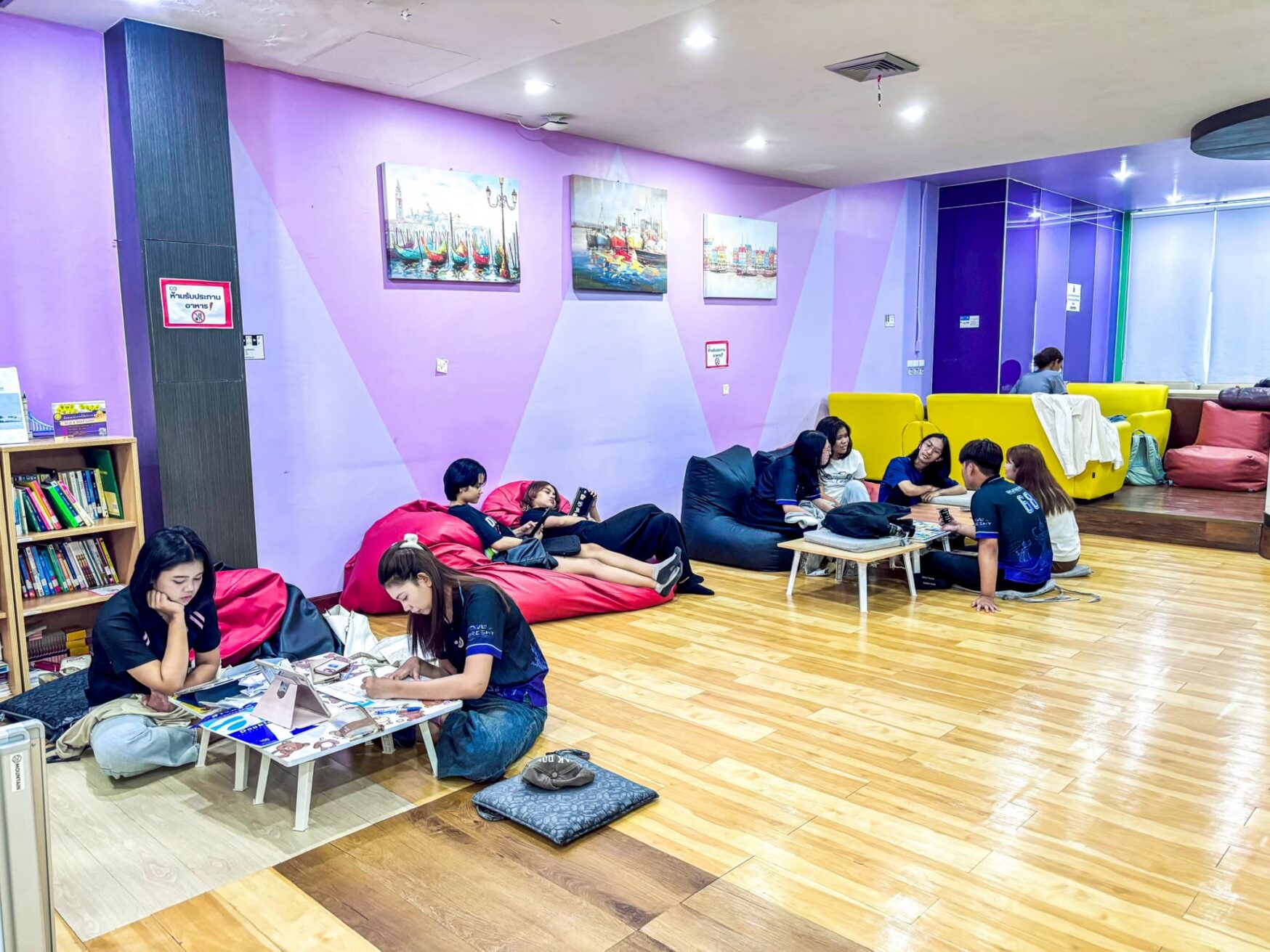
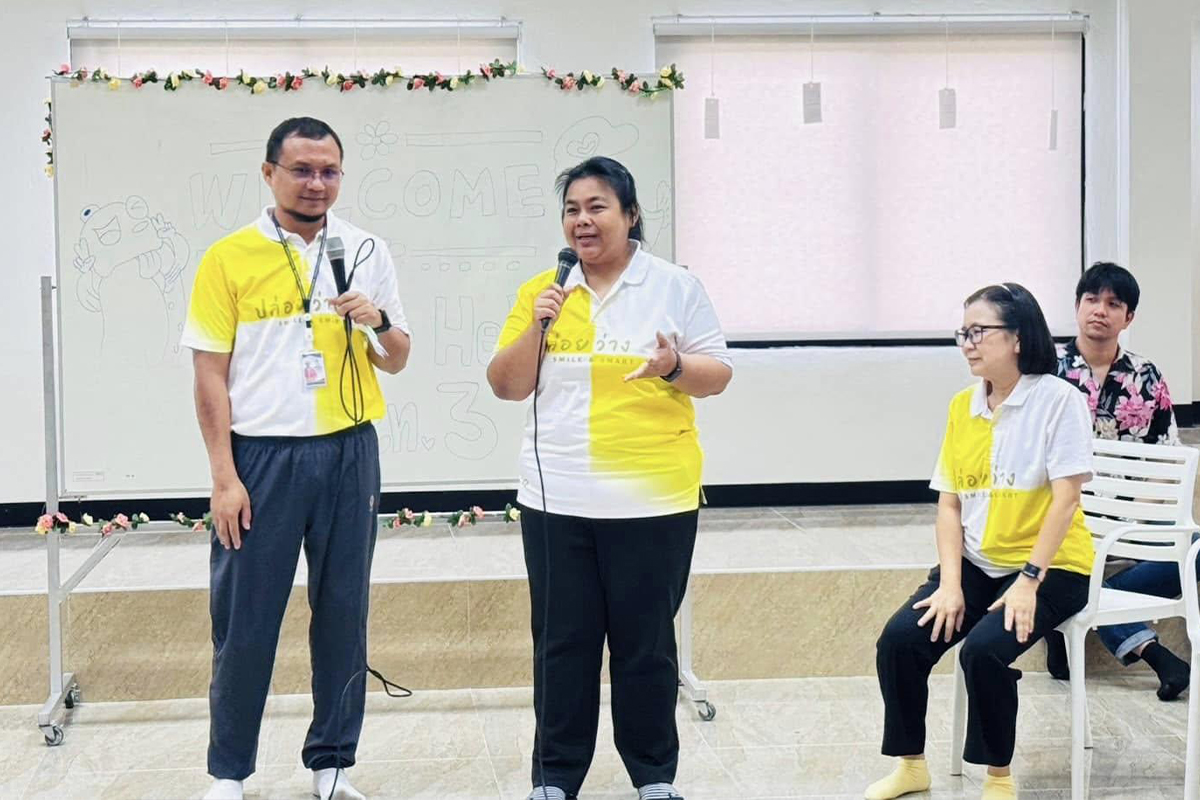
The Smile and Smart Center, a department of the Division of Student Support and Development at Walailak University, was specifically established to provide mentoring to students, including female and LGBT students. The mentoring program encompasses various aspects such as university life, academic enhancement, and personal development. The center is staffed with skilled advisors and a psychologist who offer comprehensive guidance and support on numerous issues, ensuring students navigate their university journey smoothly.
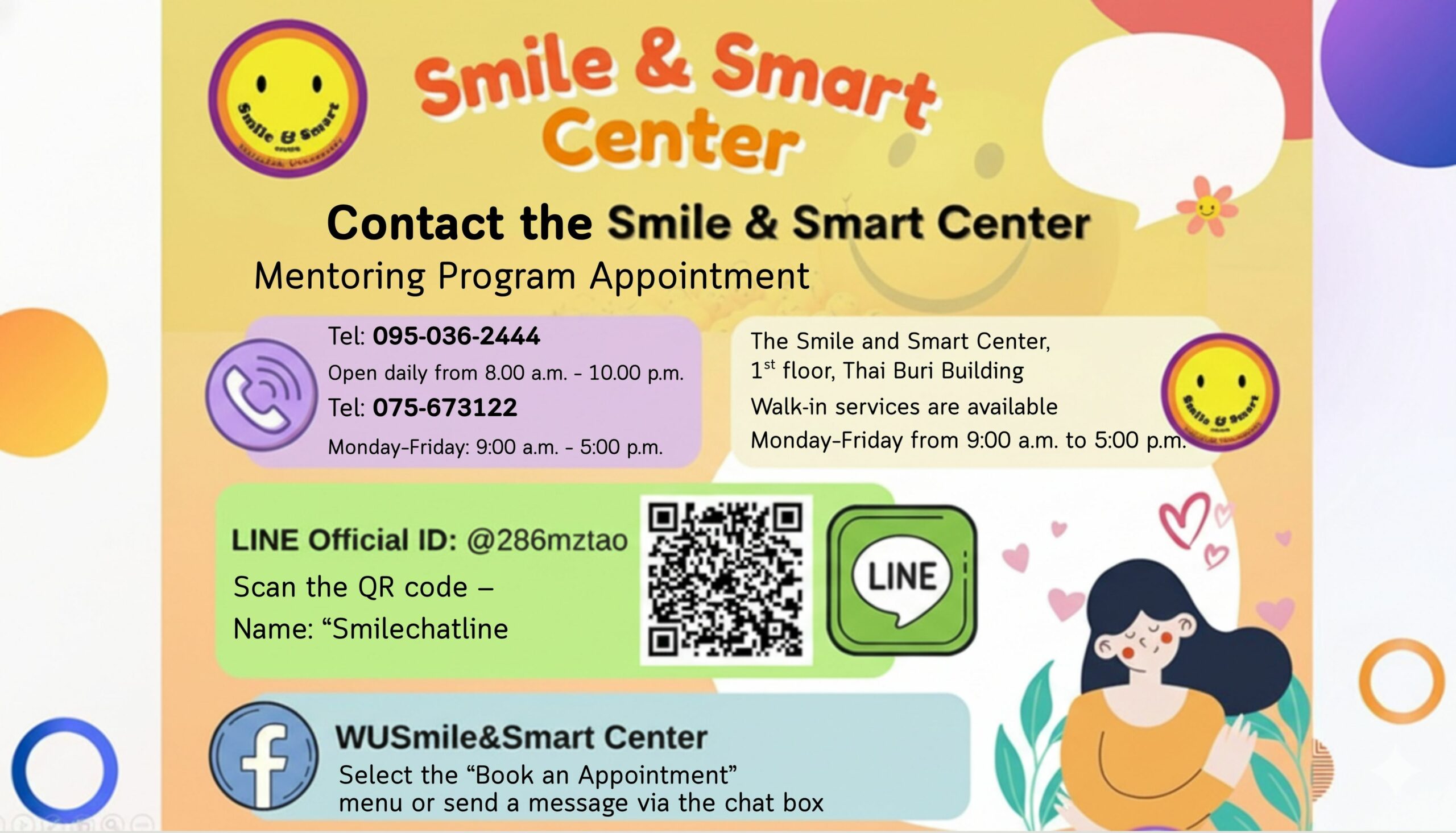
For accessing the mentoring programs and services, female students can directly walk into the office of the Smile and Smart Center located in the Thai Buri Building, where female students can easily access. All the data and information are secretly kept without publishing to the public. Female students can also contact the center by phone at 075-673-122.
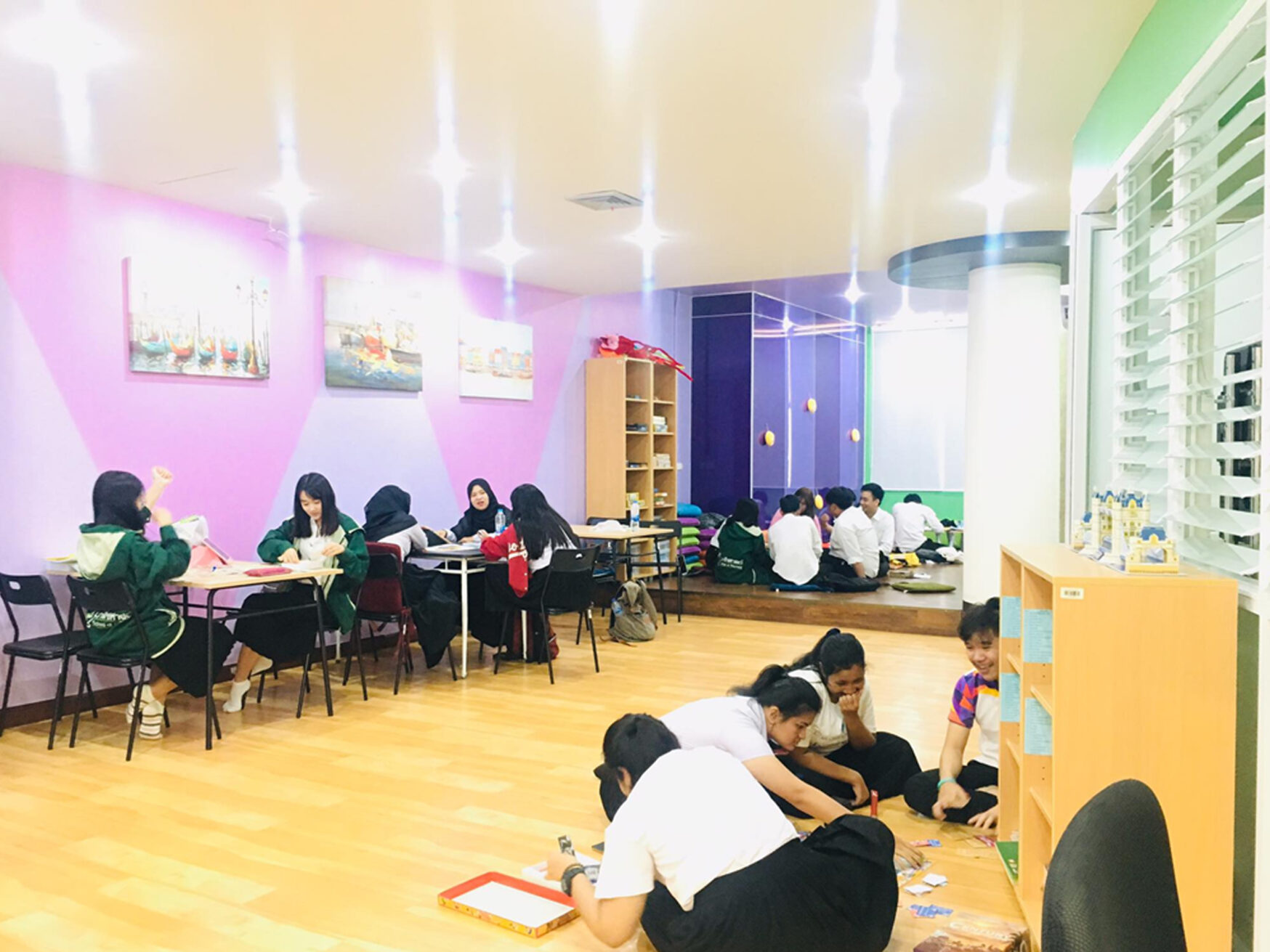
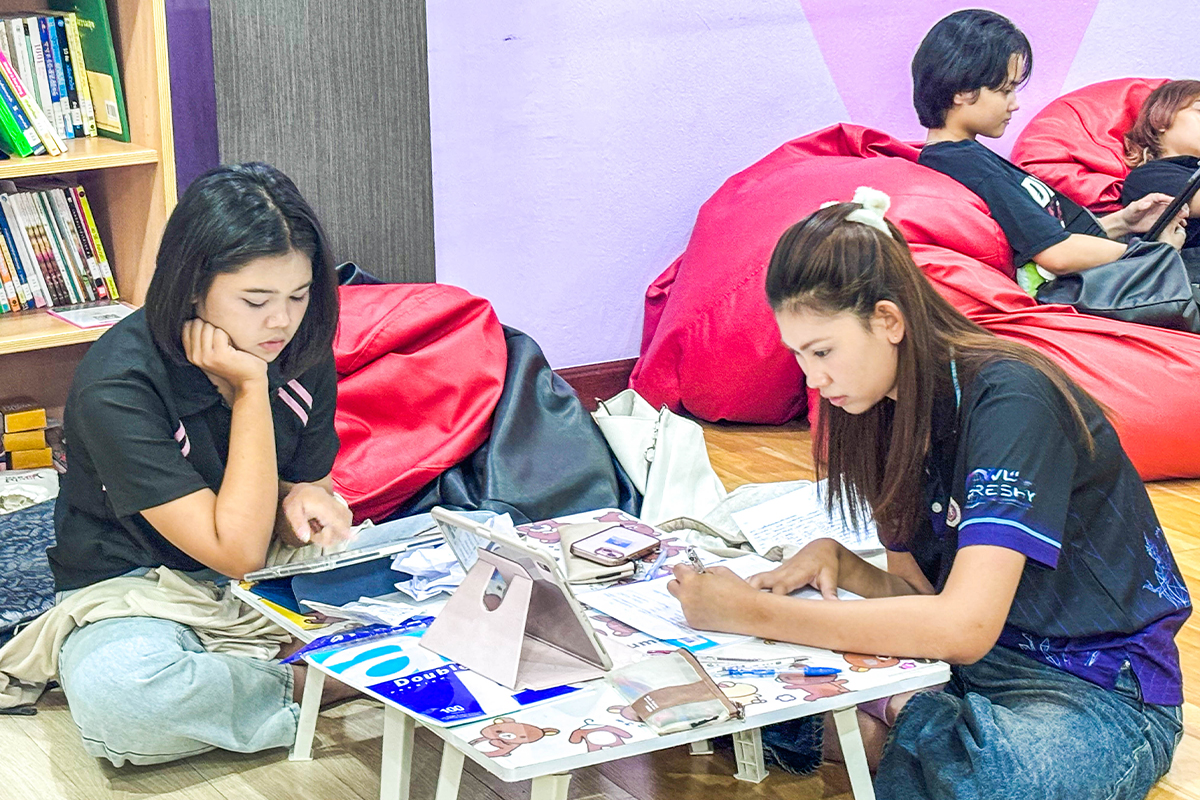
In 2024, a total of 912 students received mentoring services and engaged in activities with the staff at the Smile and Smart Center, including 675 female students, accounting for 74%. The primary concerns raised by female students during mentoring sessions included personal relationships, depression, stress, academic performance, and financial difficulties.
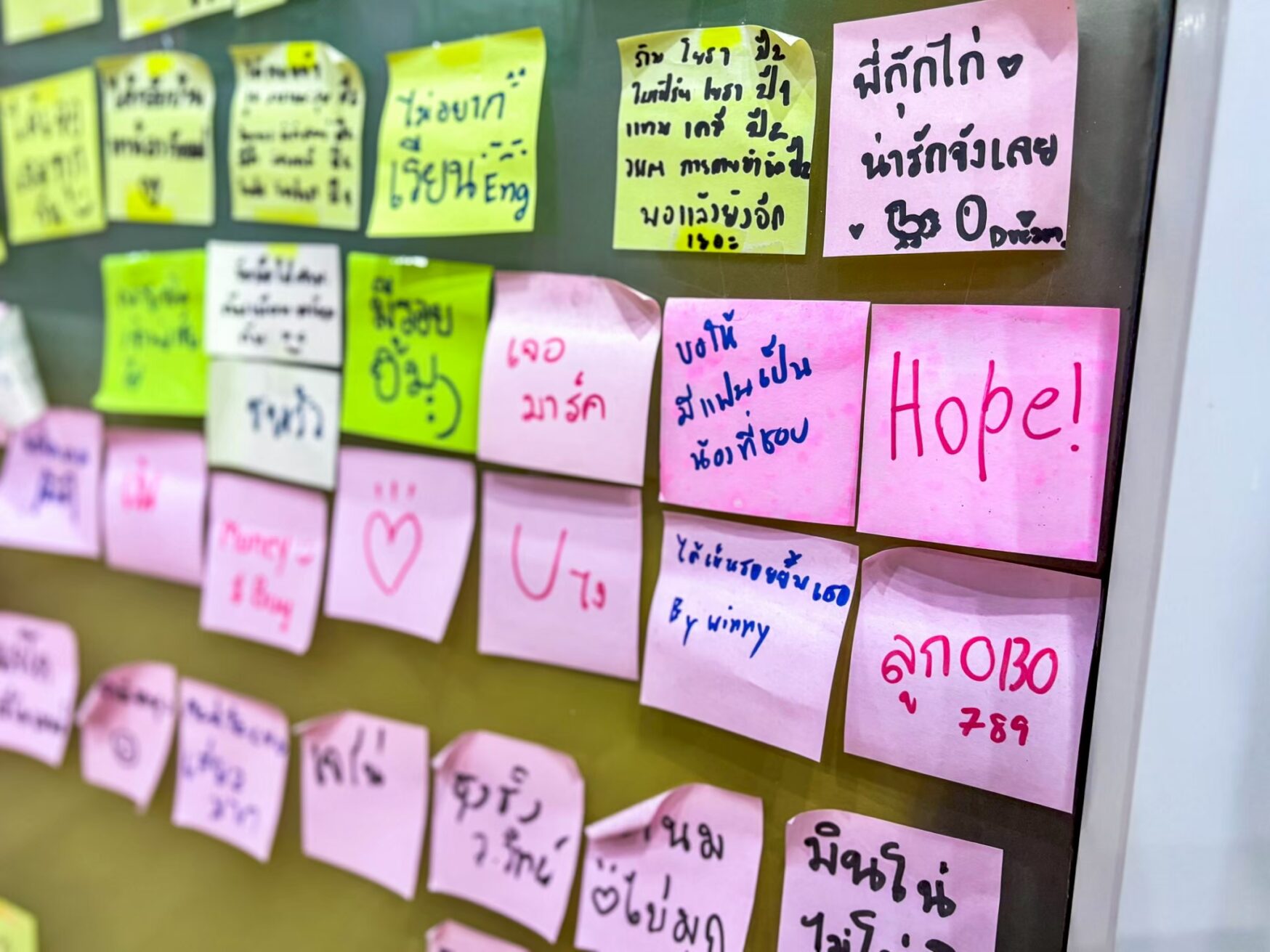
However, if a female student is not comfortable receiving mentoring programs physically at the center, the Smile and Smart Center actively engages with students through its Facebook Page. This platform offers online mentoring services, updates on upcoming events, resources for mental well-being, and additional support options. By leveraging both in-person and digital channels, the Smile and Smart Center ensures that female students have comprehensive access to the assistance they need to lead a balanced and healthy university life.
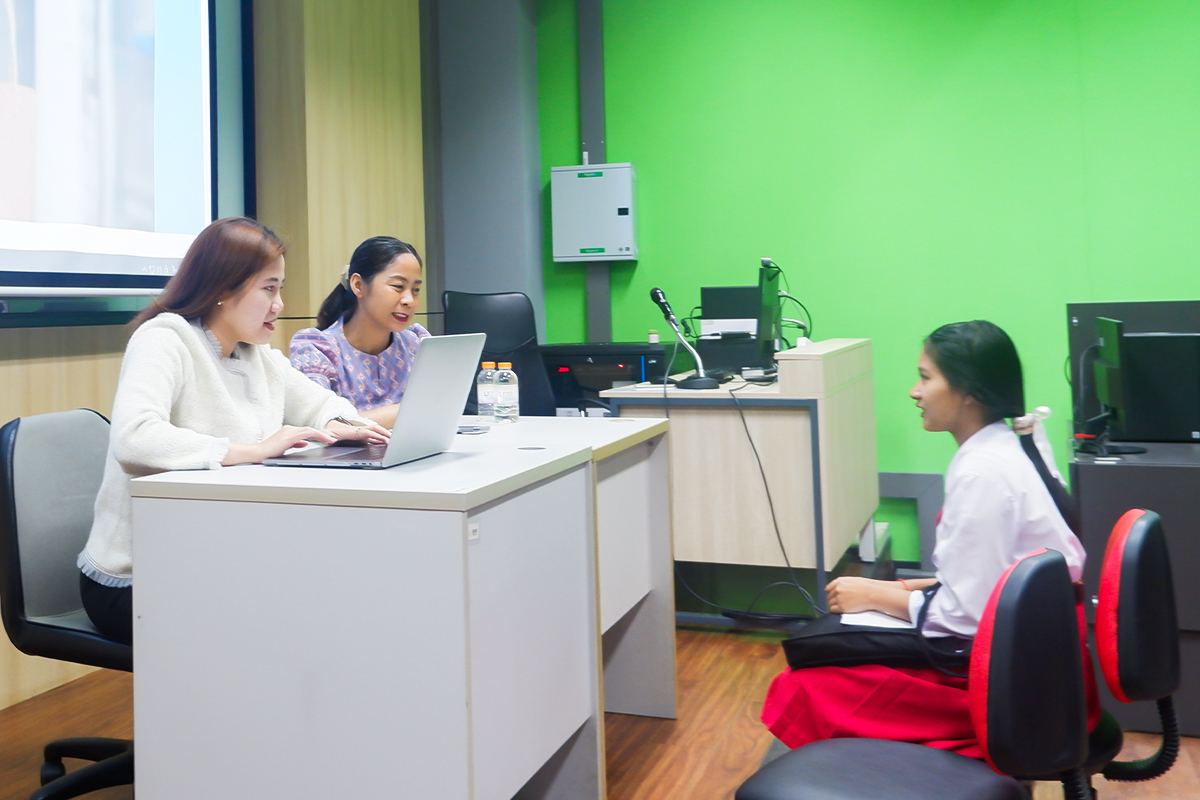
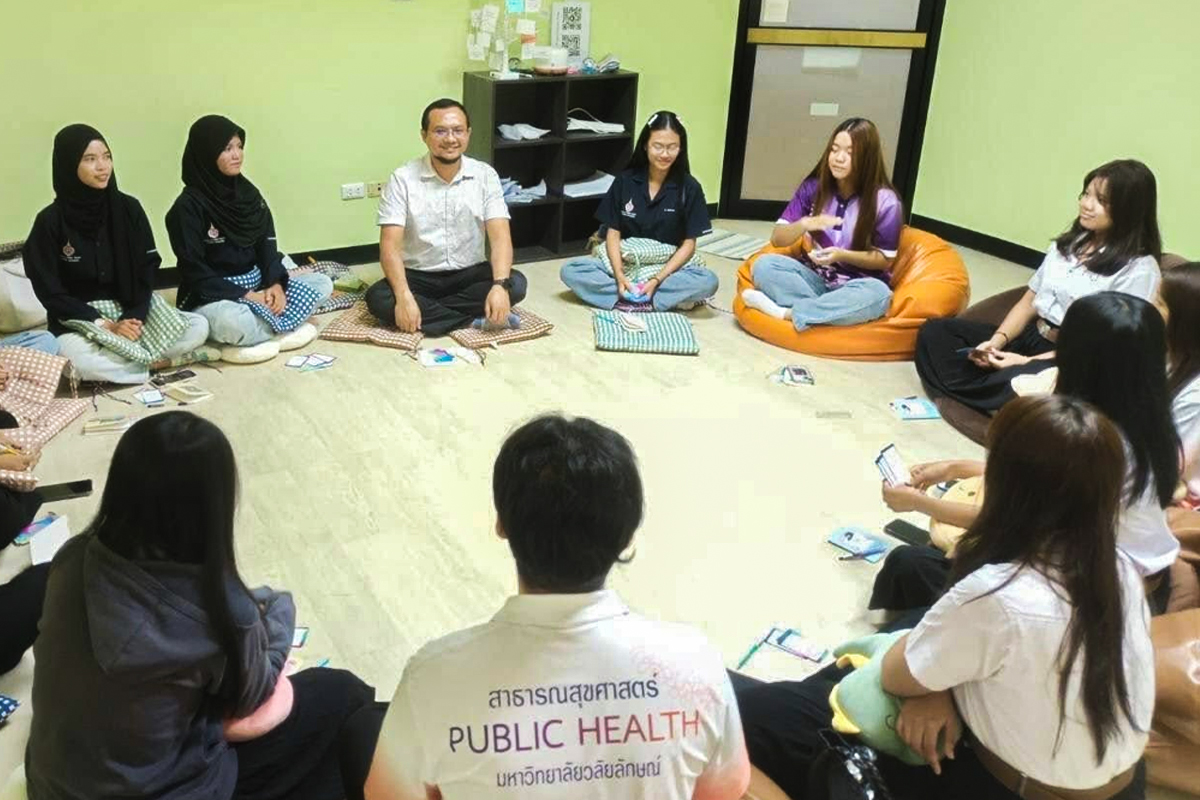
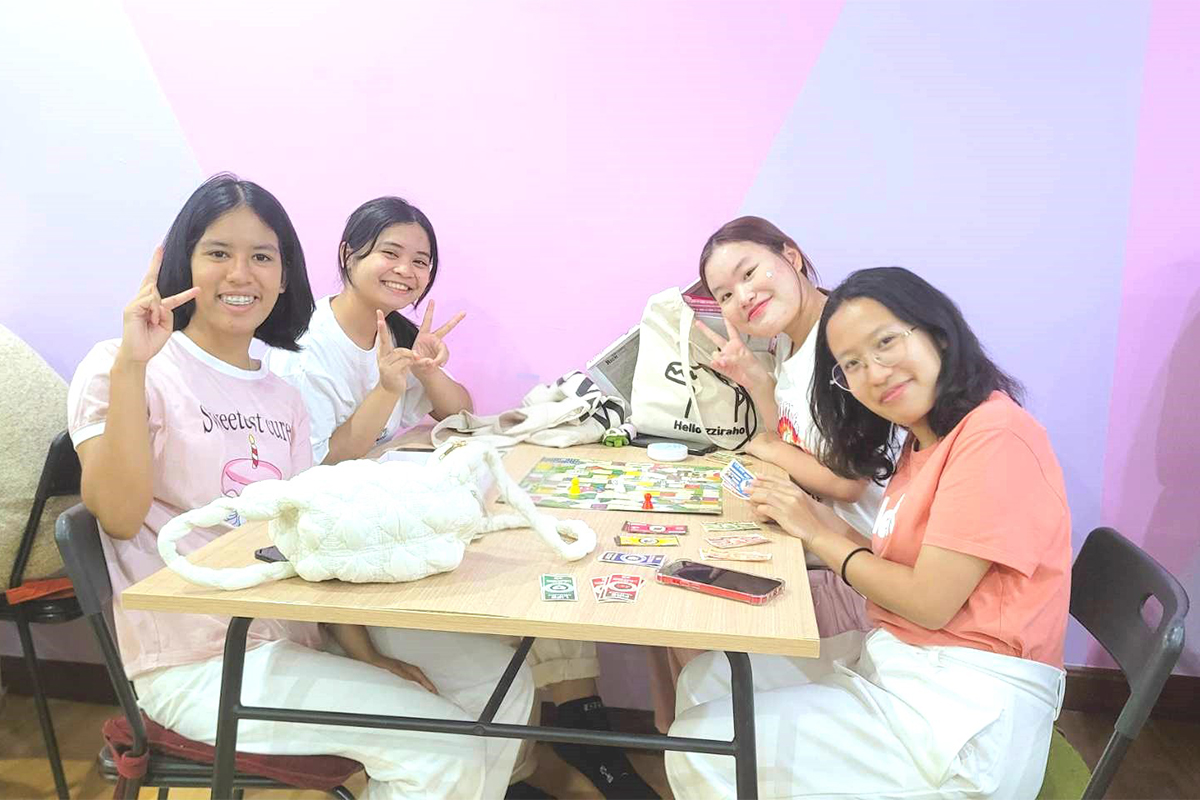
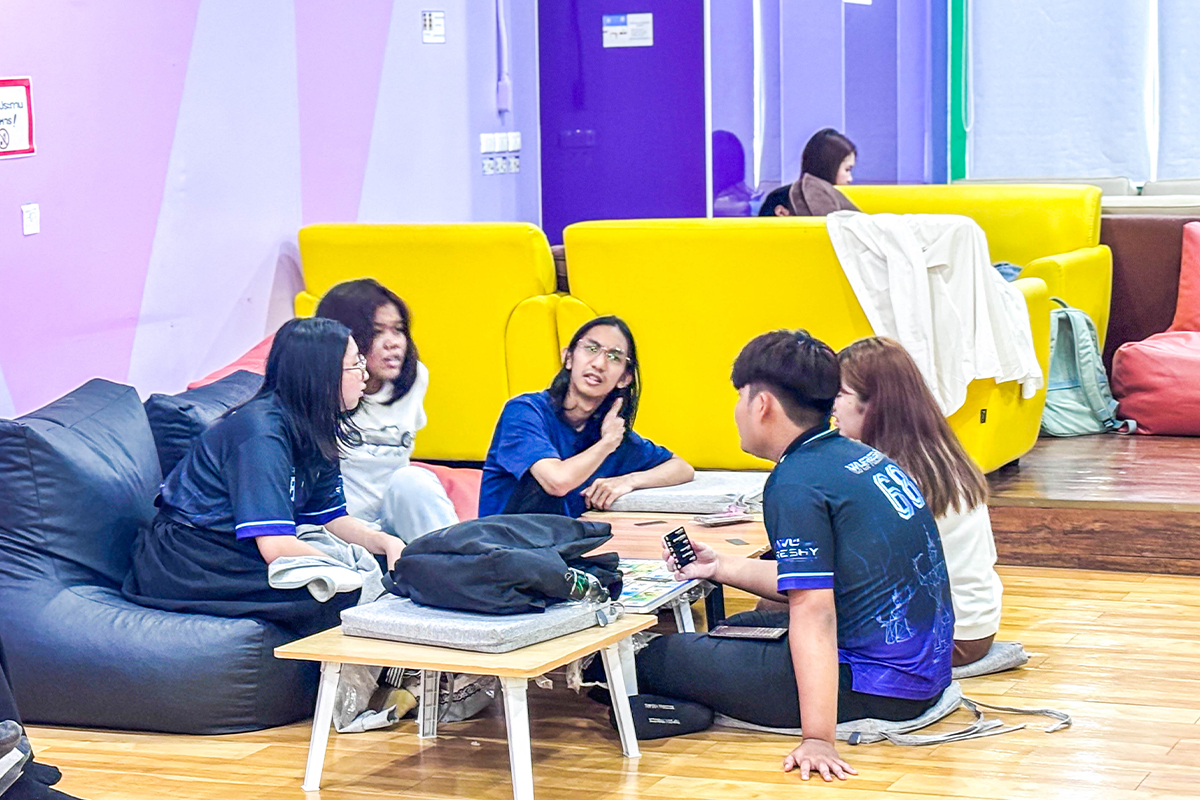
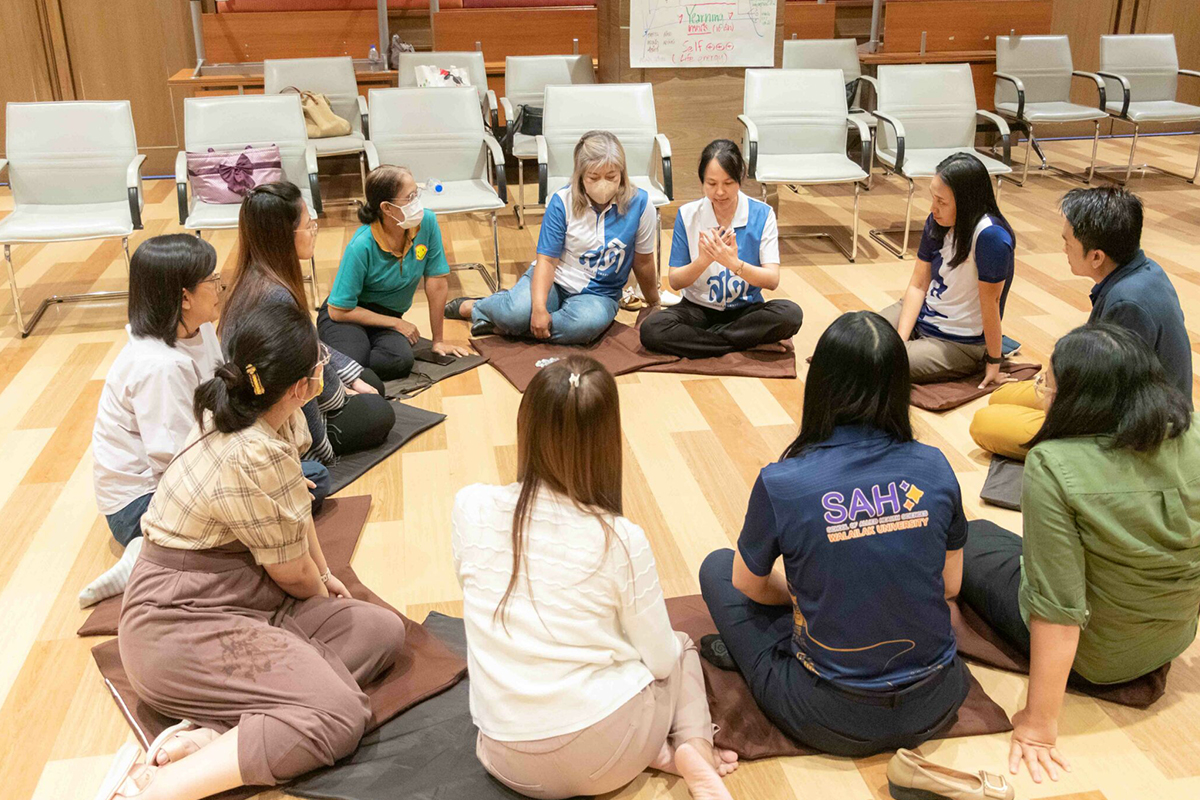
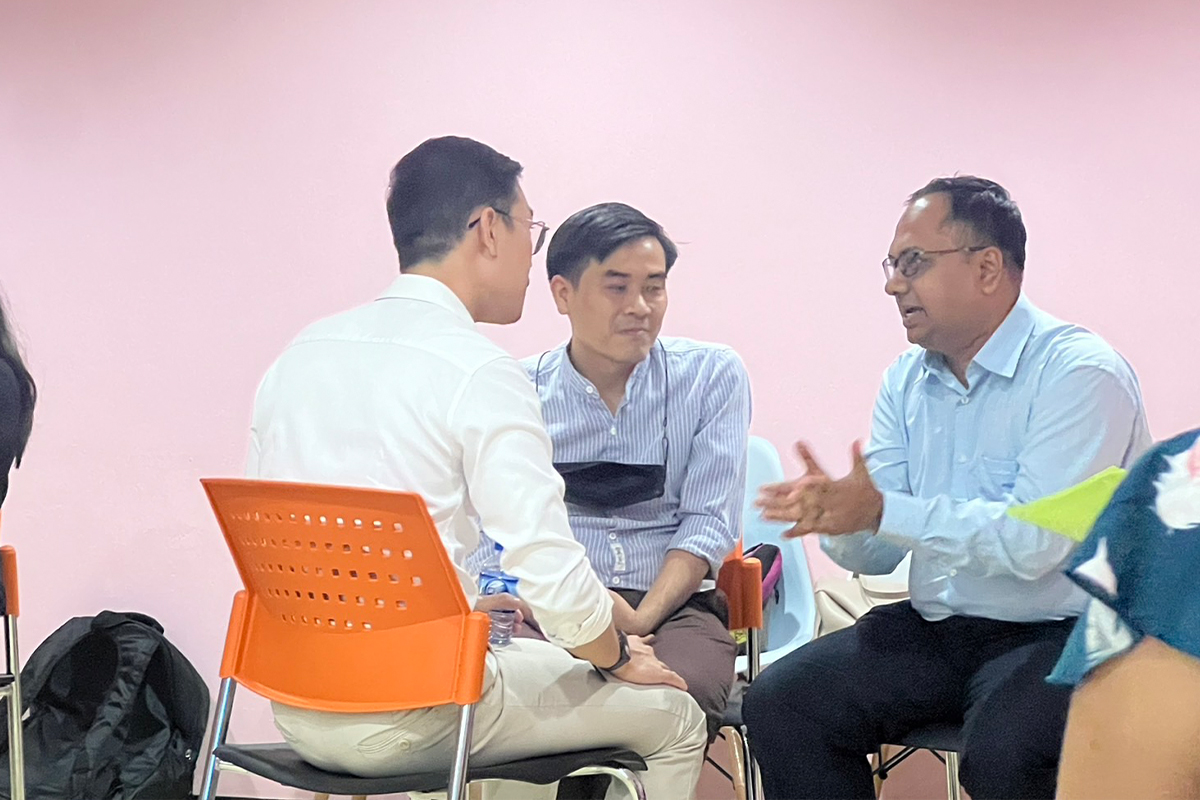
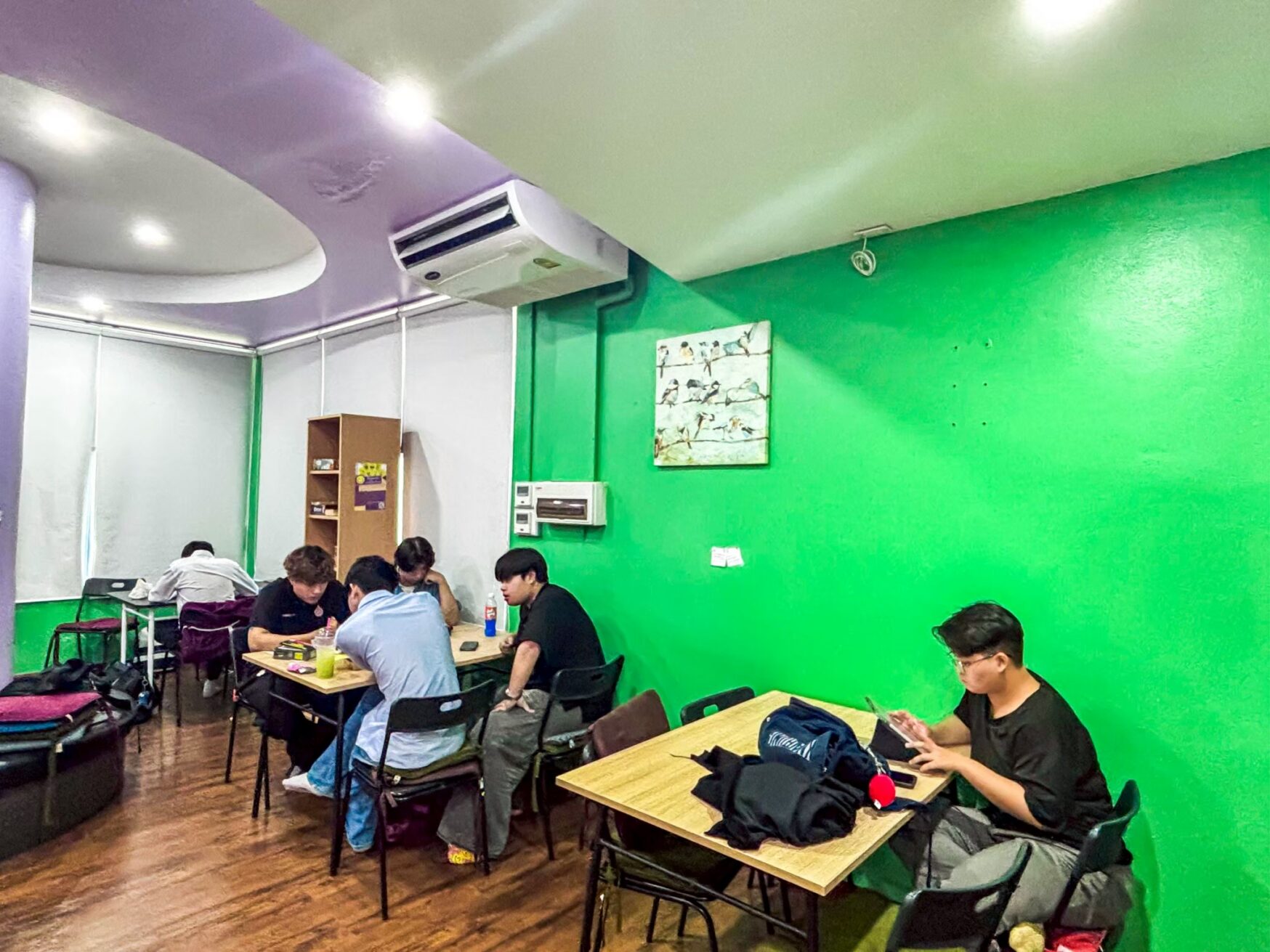
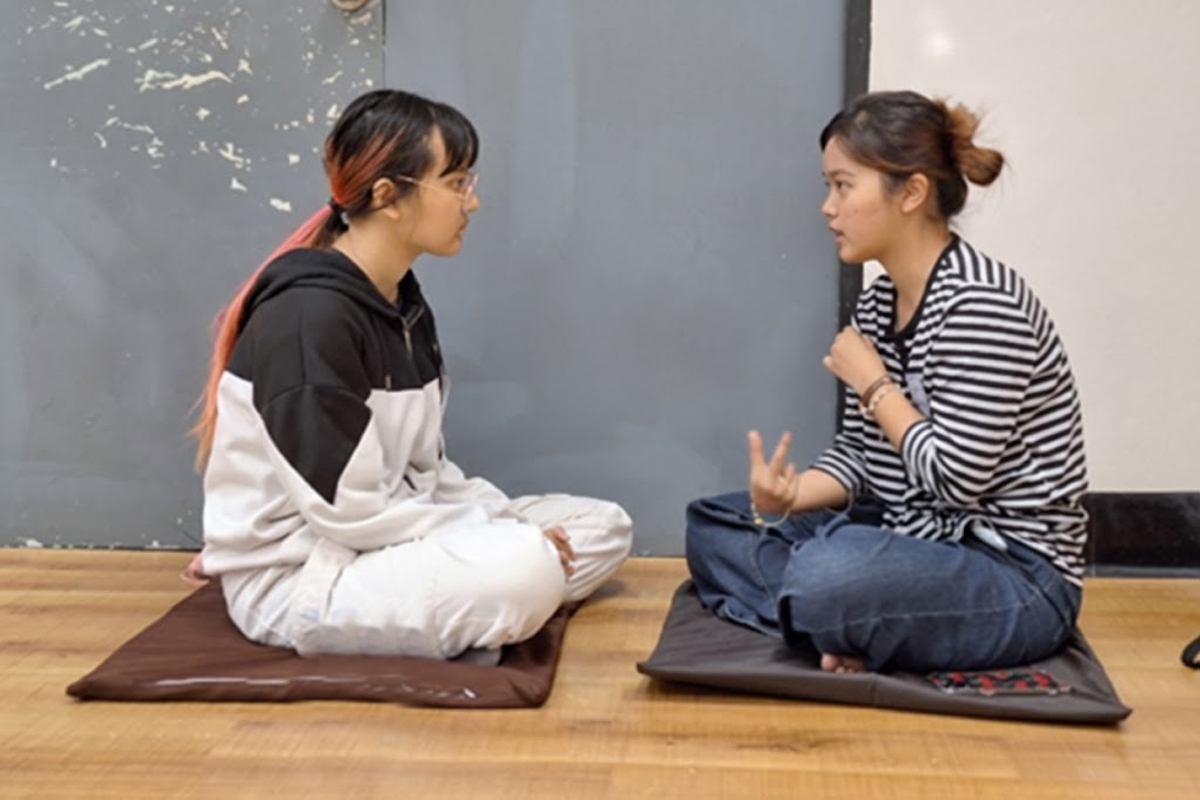
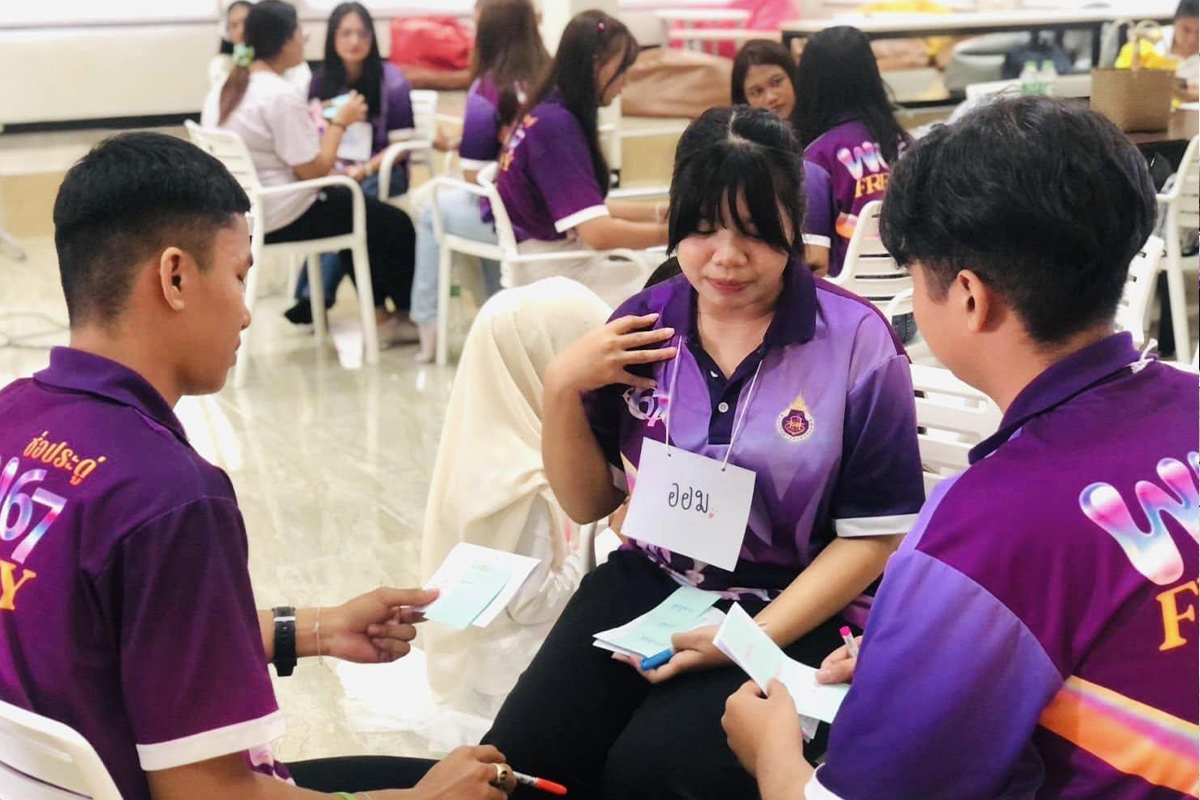
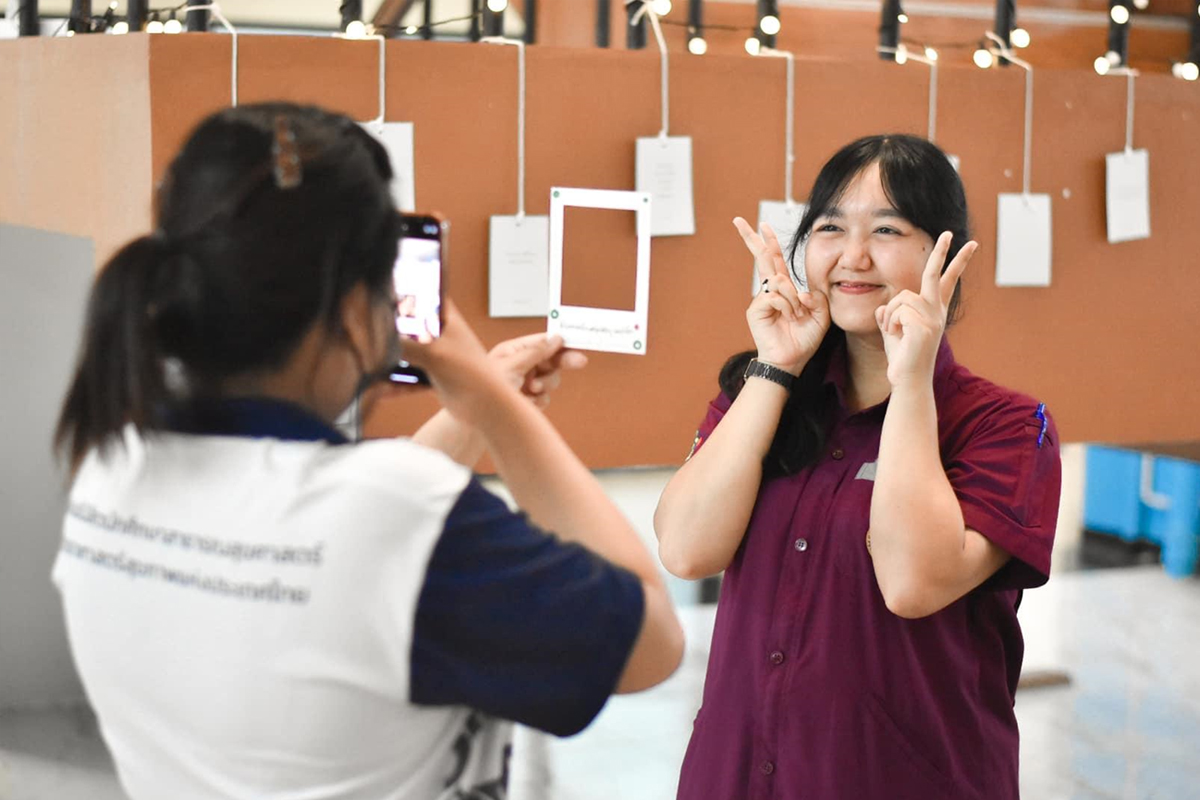
Figures: Female students participating in mentoring activities at the Smile and Smart Center
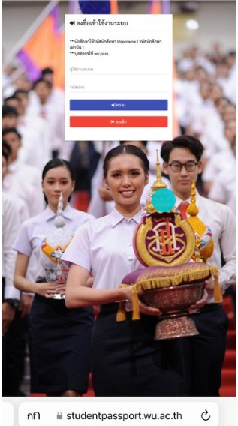
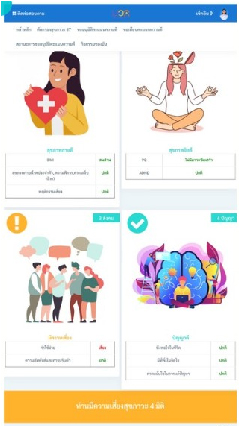
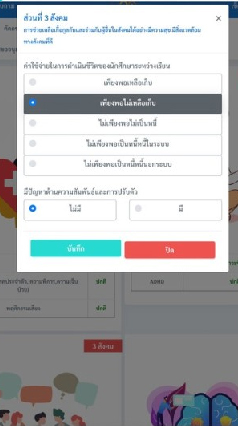
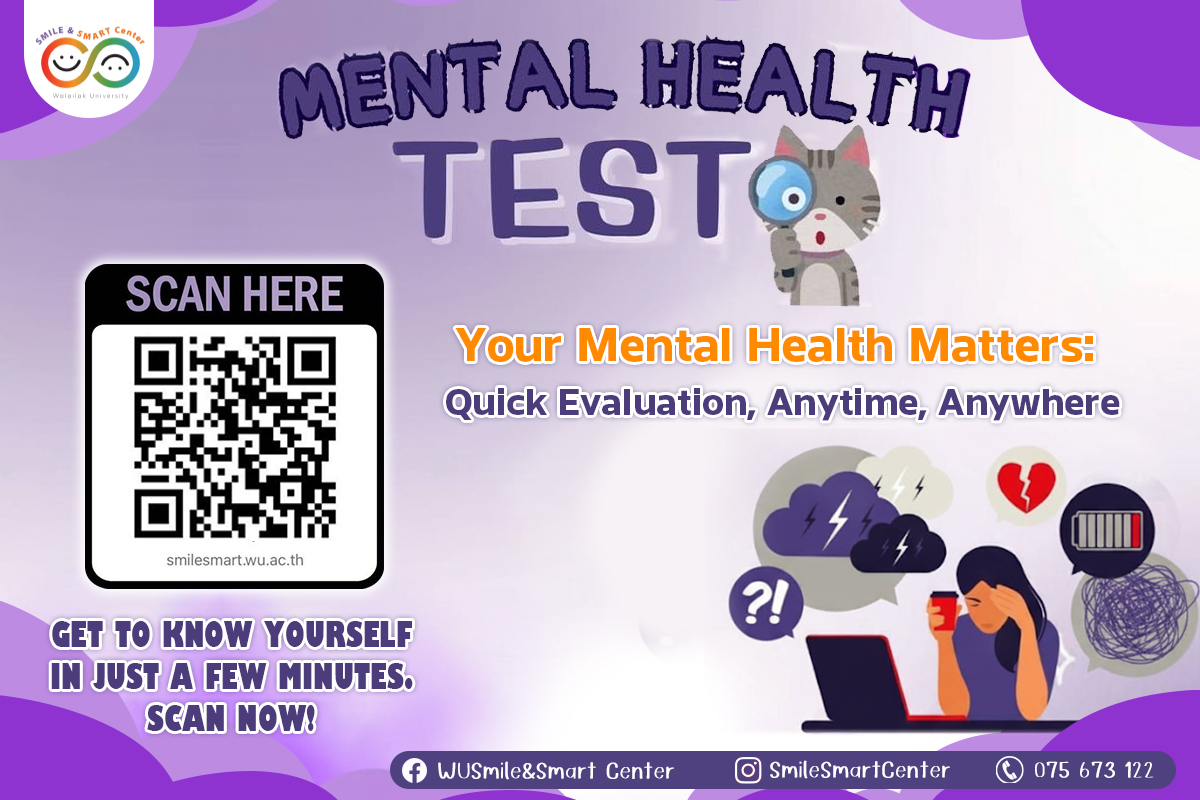
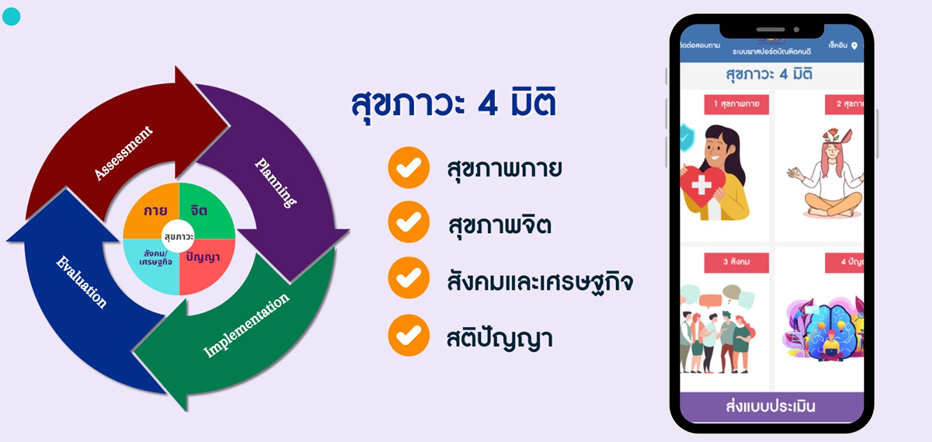
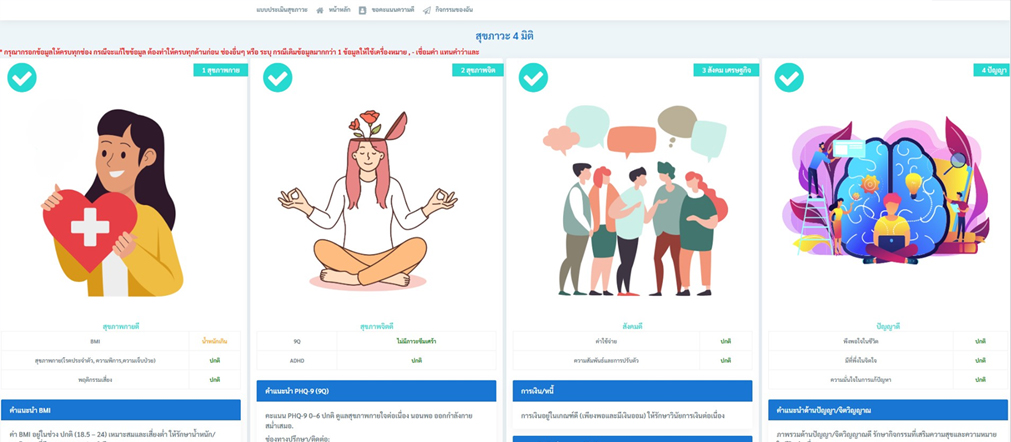
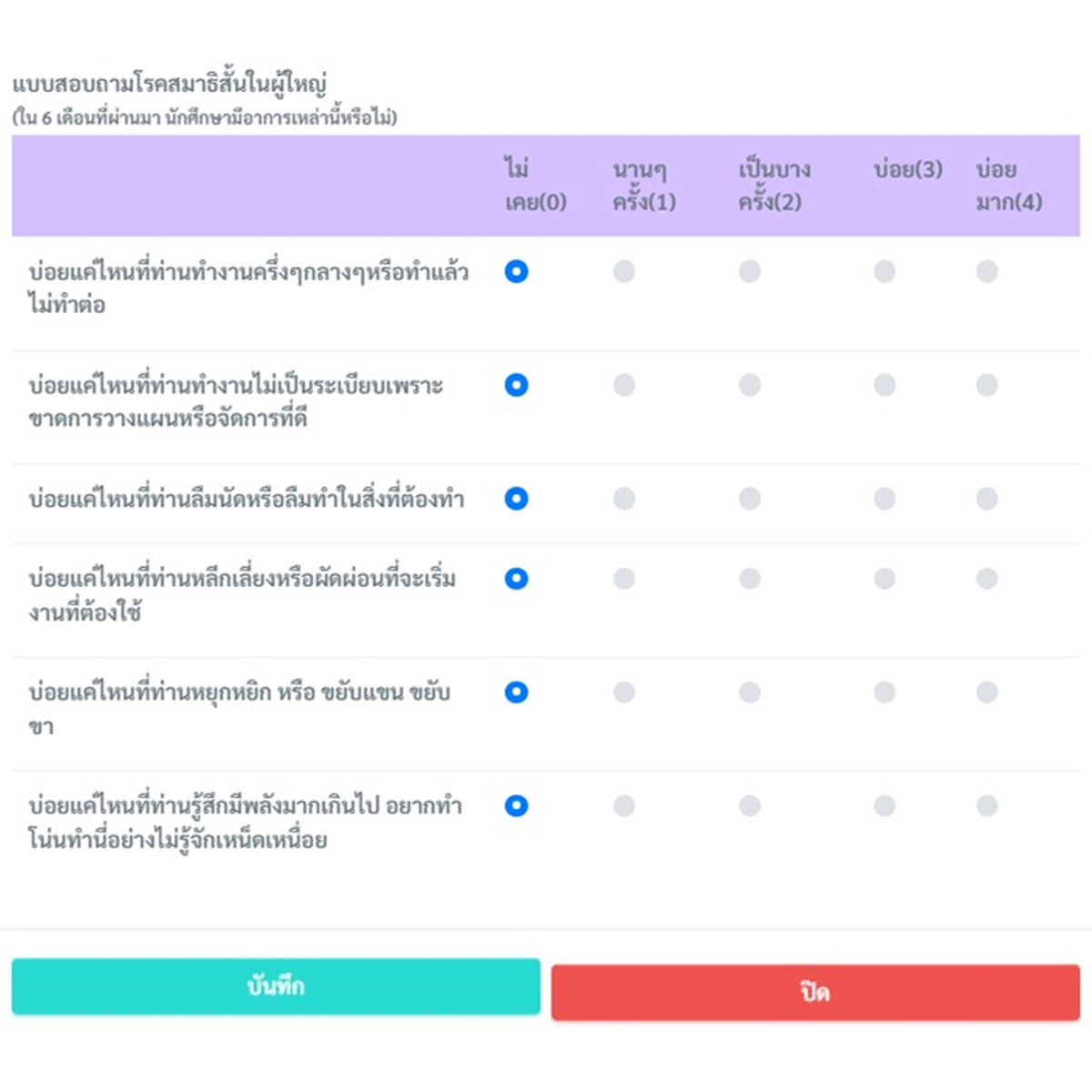
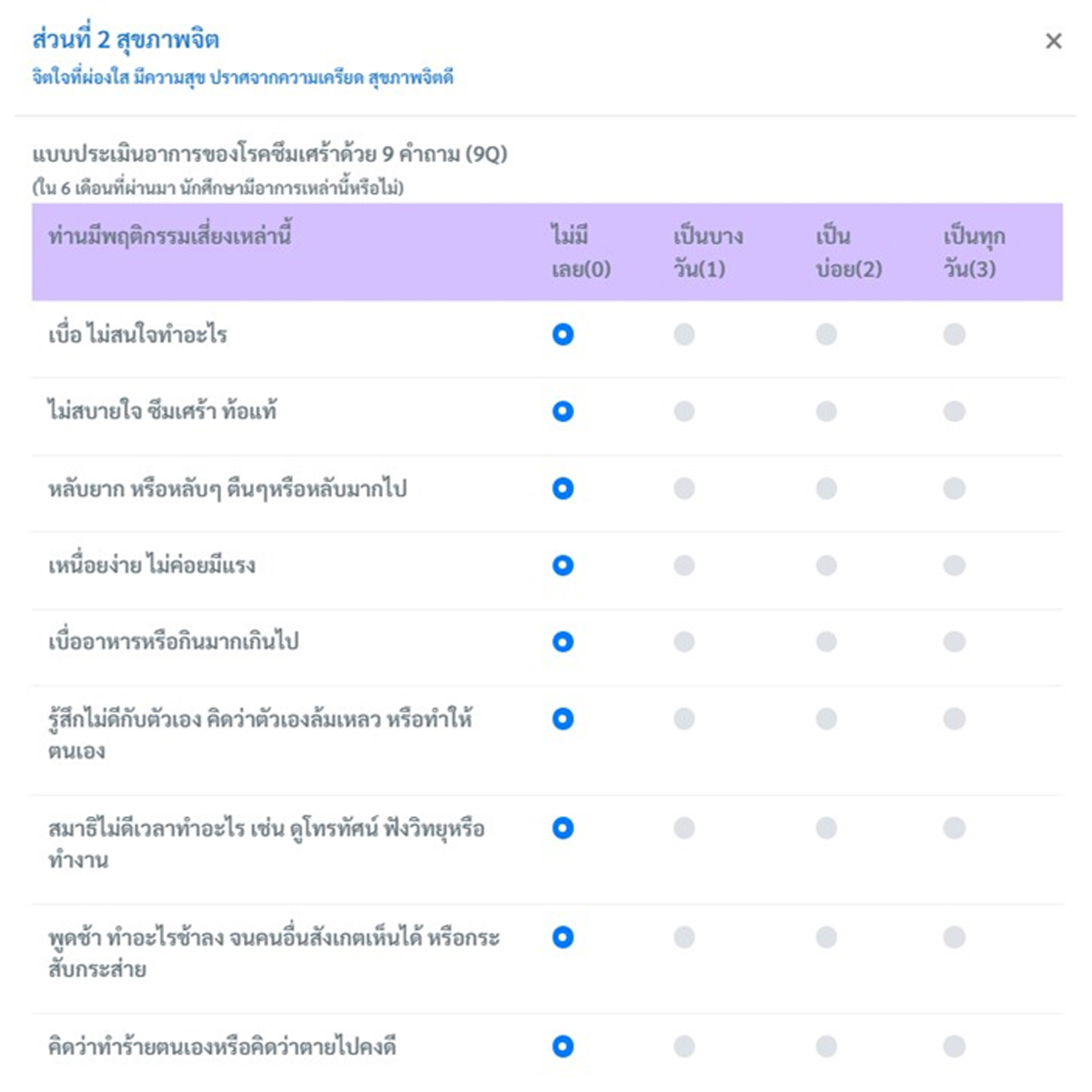
Additionally, the Smile and Smart Center has developed mental health evaluation questionnaires for all students, including female students. These questionnaires are designed to help students assess their mental well-being, identify early signs of stress or mental health concerns, and take proactive steps in seeking support. Students who recognize potential challenges are encouraged to reach out for mentoring, while those who identify their condition as critical are provided with direct contact information for immediate assistance. This initiative not only raises awareness of mental health issues but also fosters a supportive environment where students feel empowered to address their concerns and maintain overall well-being. The website of the questionnaires on mental health evaluation can be reached at: Click
Figures: The questionnaires for WU students developed by the Smile and Smart Center for mental health evaluation
Beyond the dedicated staff at the center, the Smile and Smart Center has launched several programs aimed at equipping and preparing both Thai and international faculty members with the skills necessary to mentor female and male students effectively, particularly. These programs seek to integrate faculty members into the university’s support network by mobilizing them as advisors who can offer students guidance on academic challenges, personal well-being, and broader life issues.
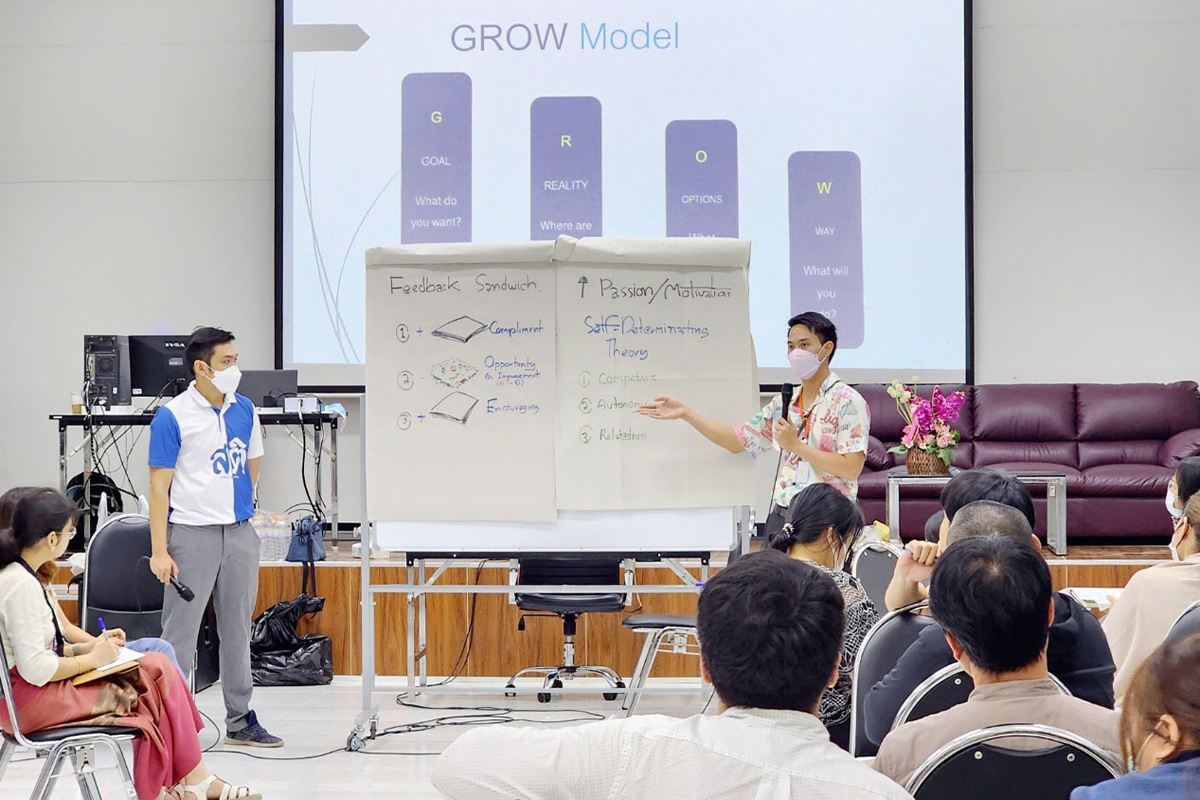
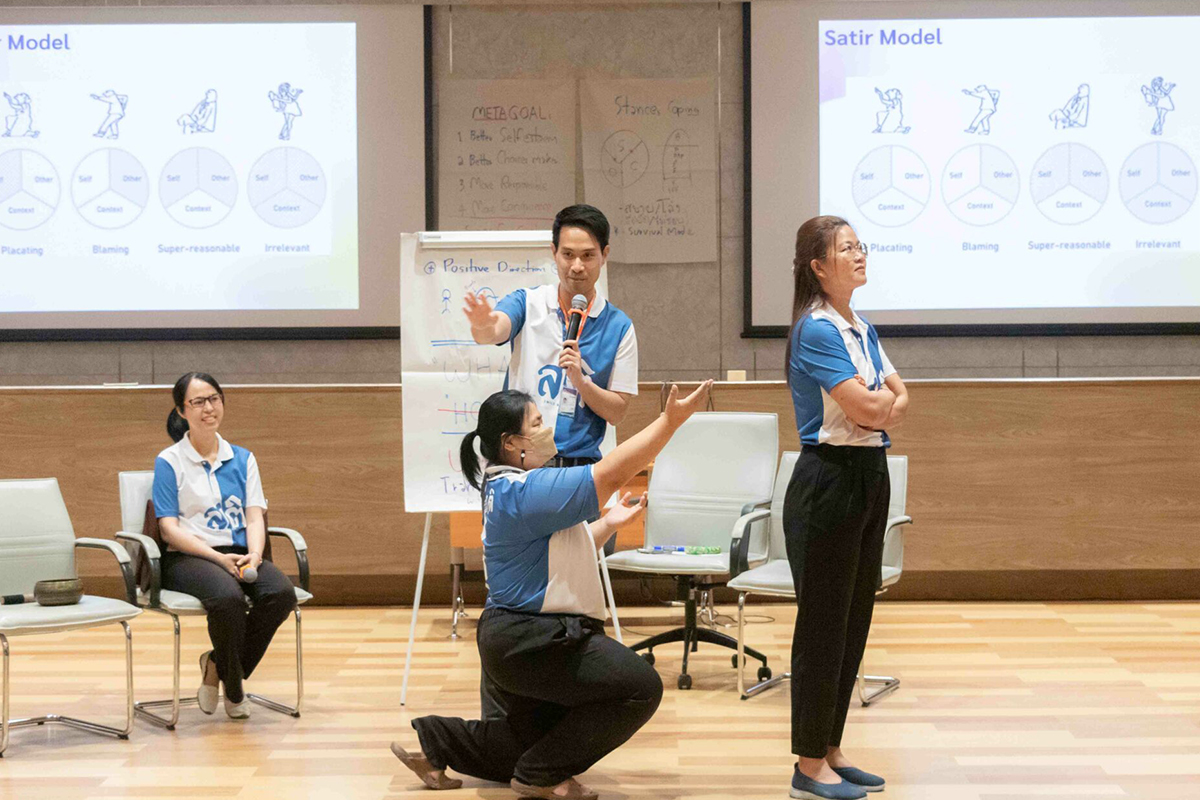
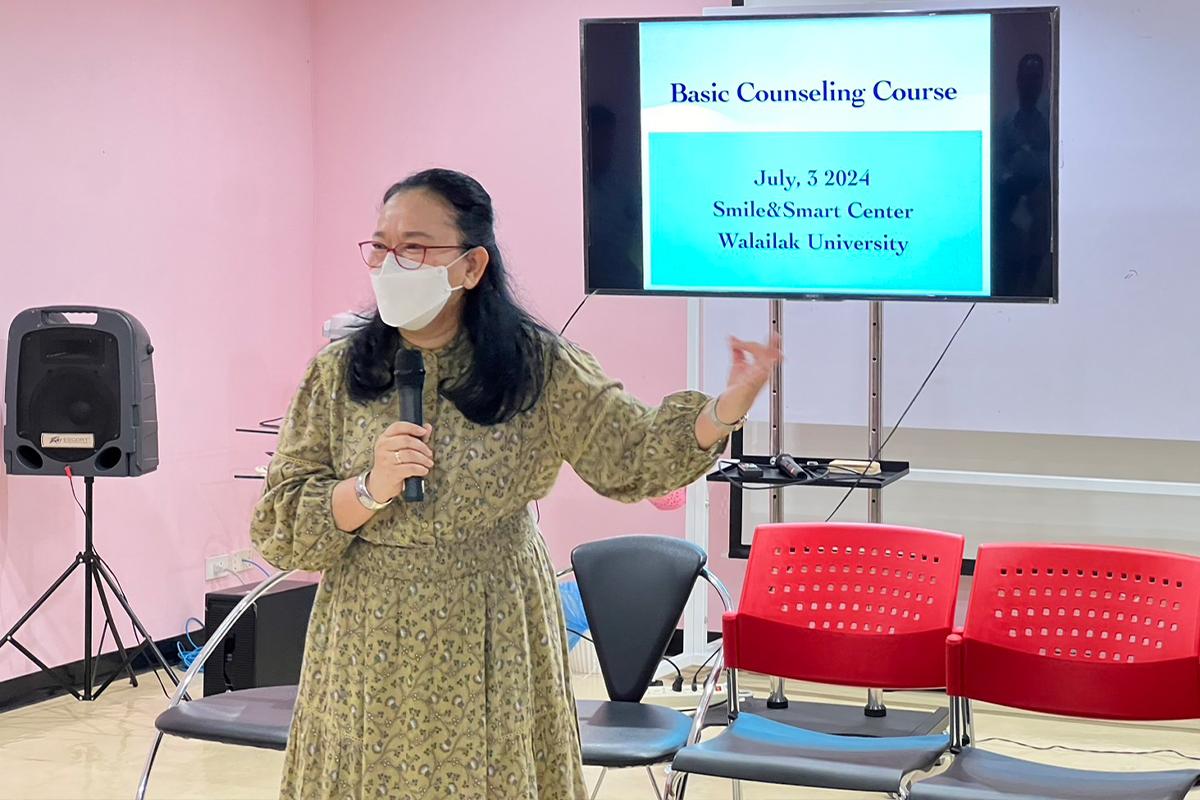
To enhance their mentoring capabilities, faculty members receive training in a diverse range of supportive strategies and psychological approaches, including basic counseling, mentalization-based therapy, relaxation techniques, psychoeducation, problem-solving therapy, student coaching, and Satir systemic therapy. Furthermore, faculty participants are encouraged to develop personalized mentoring styles that align with both their expertise and the unique needs of their students, fostering deeper connections and more meaningful guidance. By building the capacity of faculty members as mentors, the center ensures students receive consistent, well-rounded support throughout their university experience.
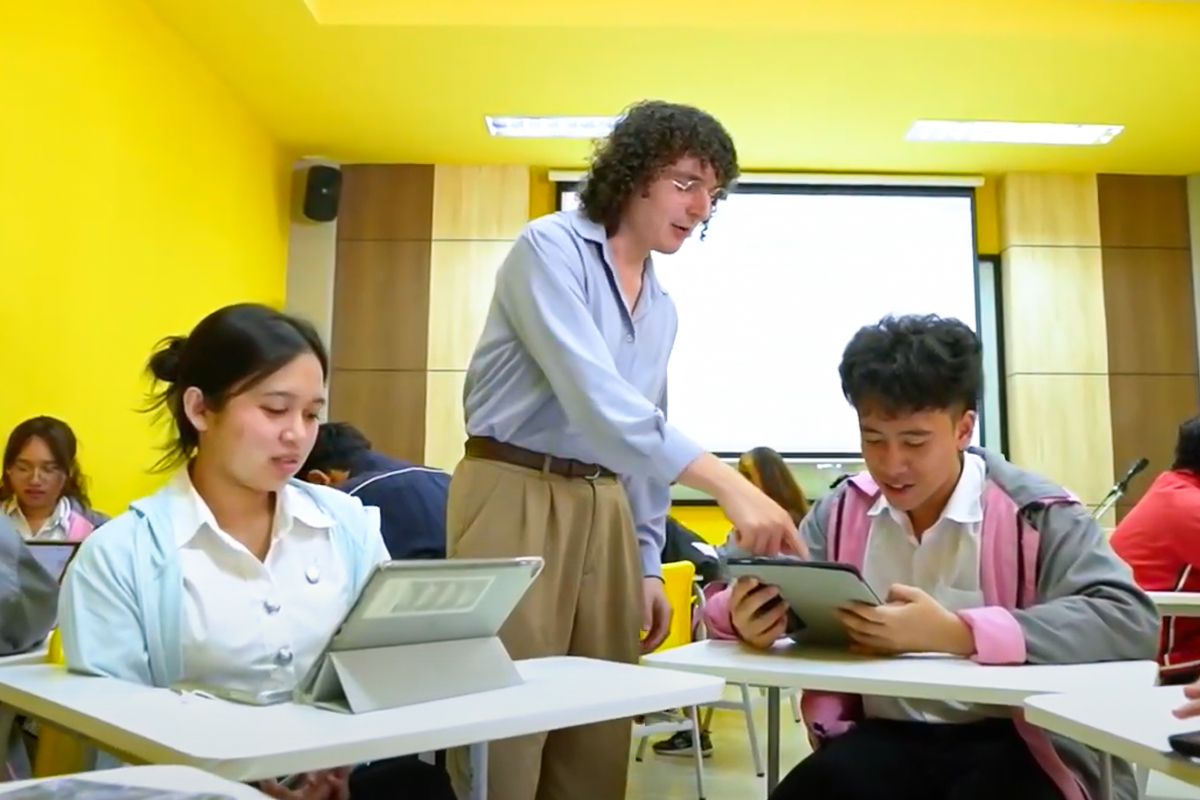
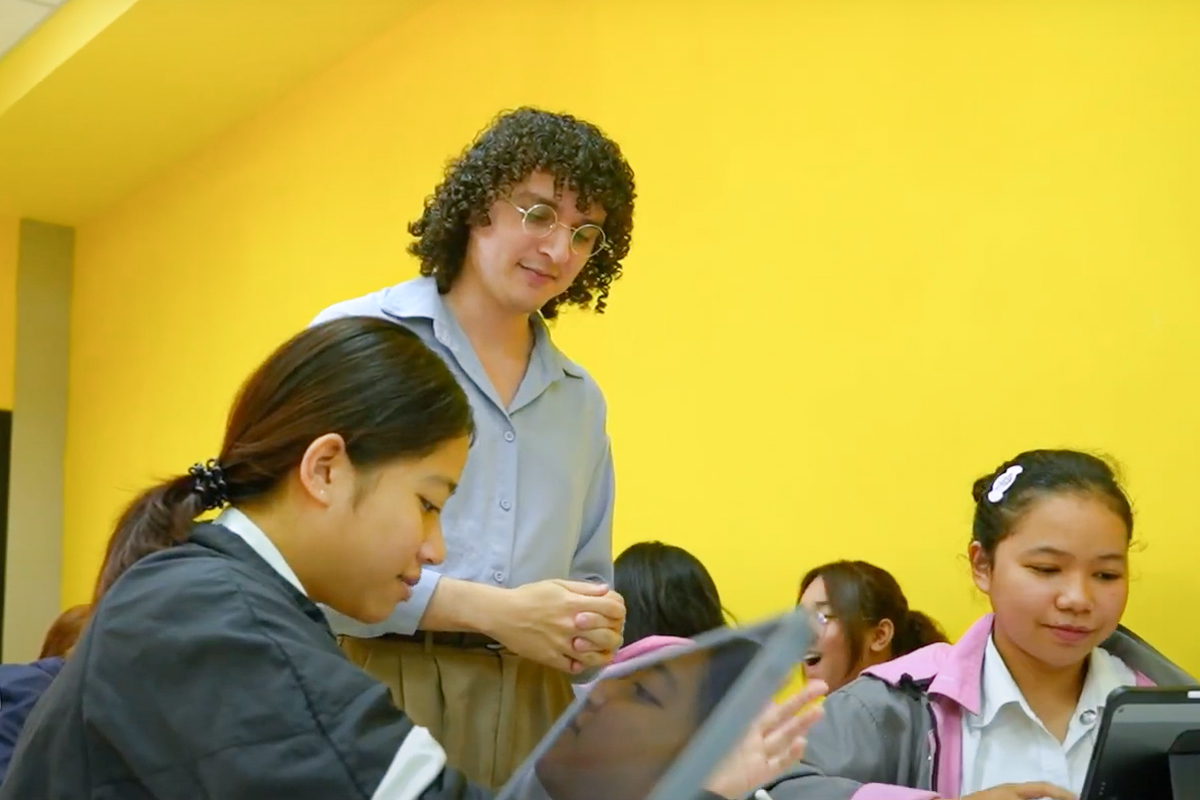
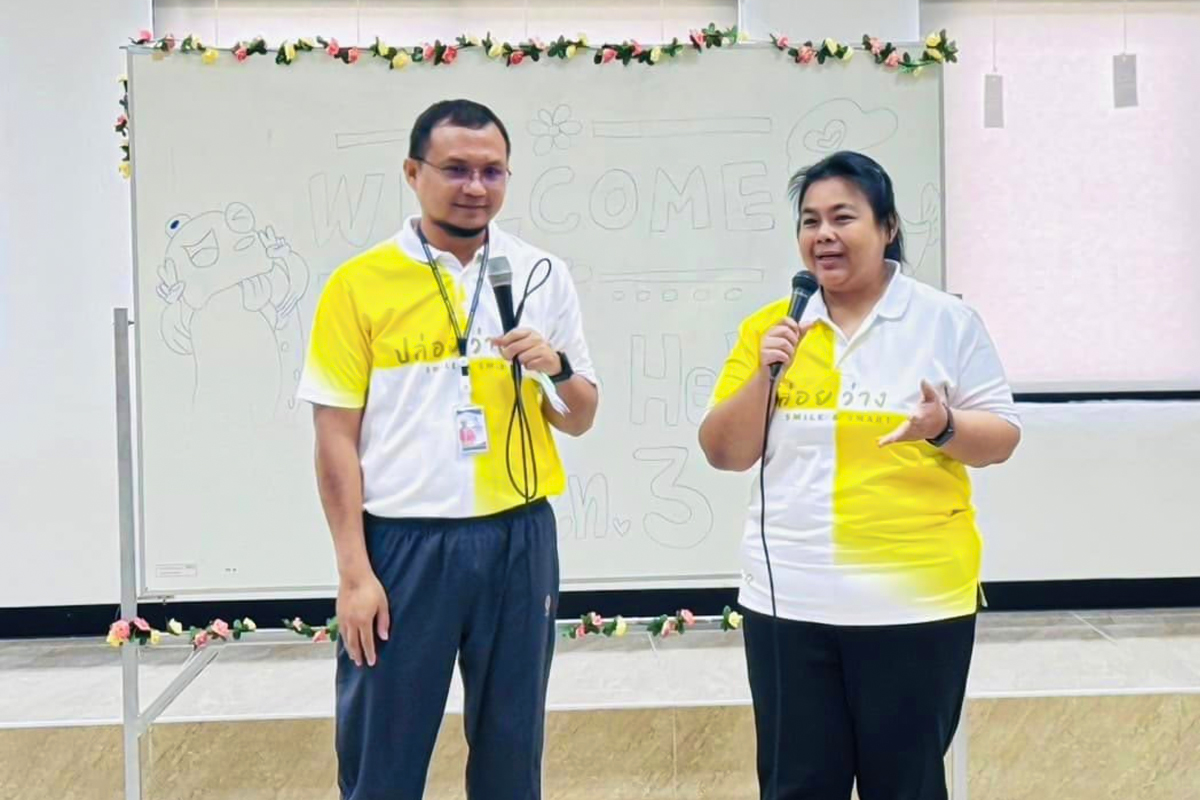
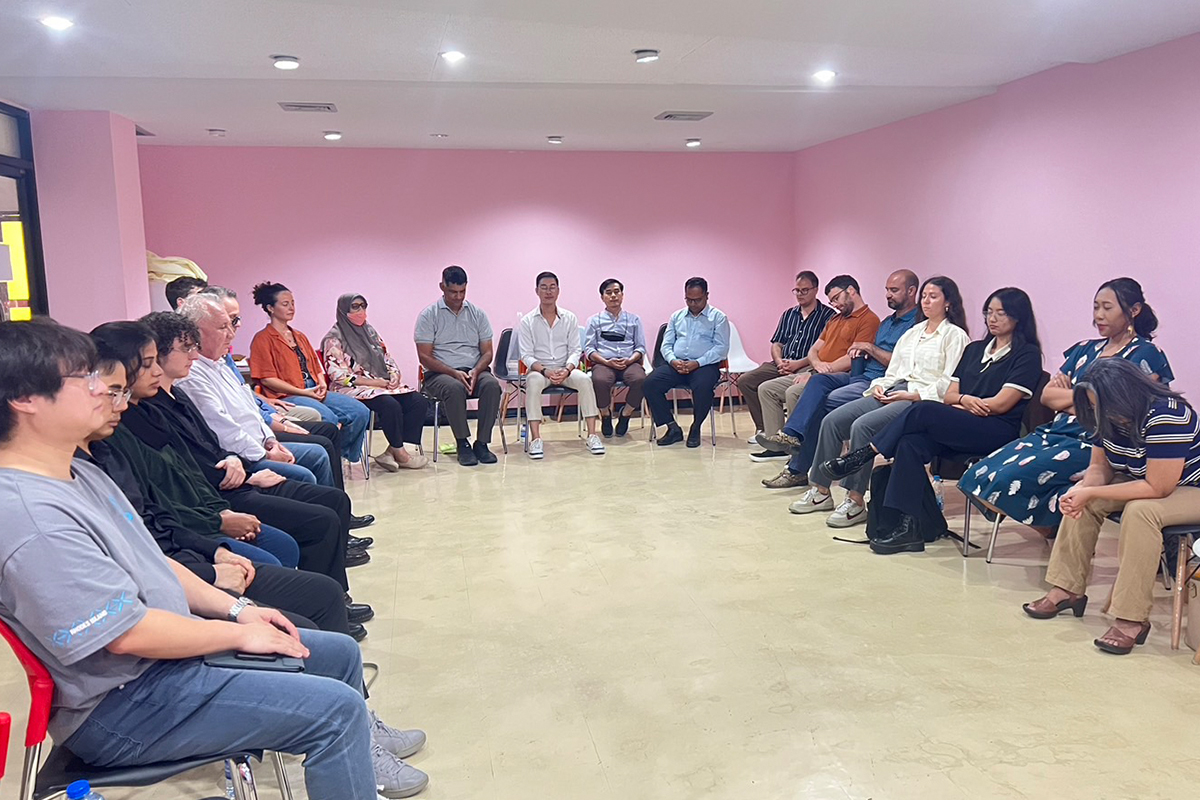
Figures: The Smile and Smart Center organizing programs to equip international faculty members with the skills necessary to mentor students
Female students at Walailak University can access a wide range of mentoring services through the Smile and Smart Center and the faculty members, addressing personal and family challenges, academic performance, mental health concerns such as depression, and difficulties in social adaptation. The Center also facilitates workshops and group sessions, creating a supportive space where students can connect, share experiences, and strengthen their resilience. By fostering an inclusive and welcoming atmosphere, the Smile and Smart Center helps female students navigate challenges, reach their academic aspirations, and make the most of their university experience.
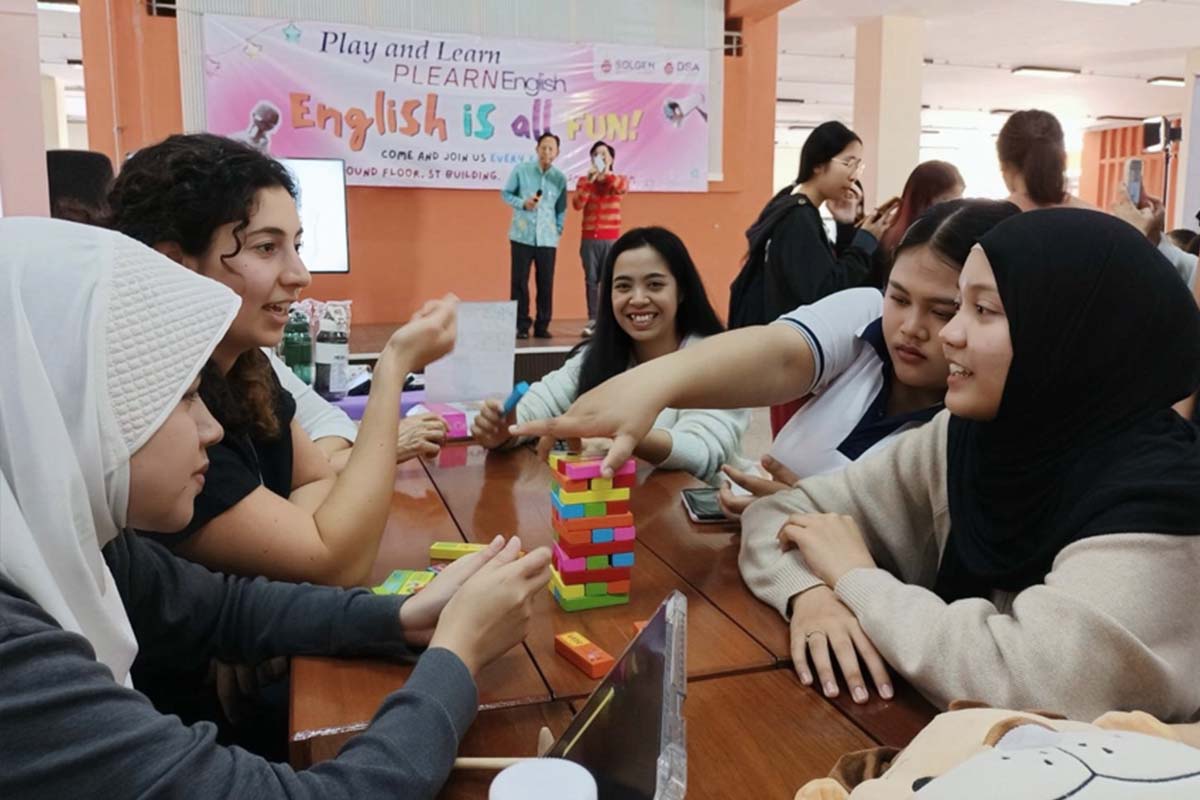
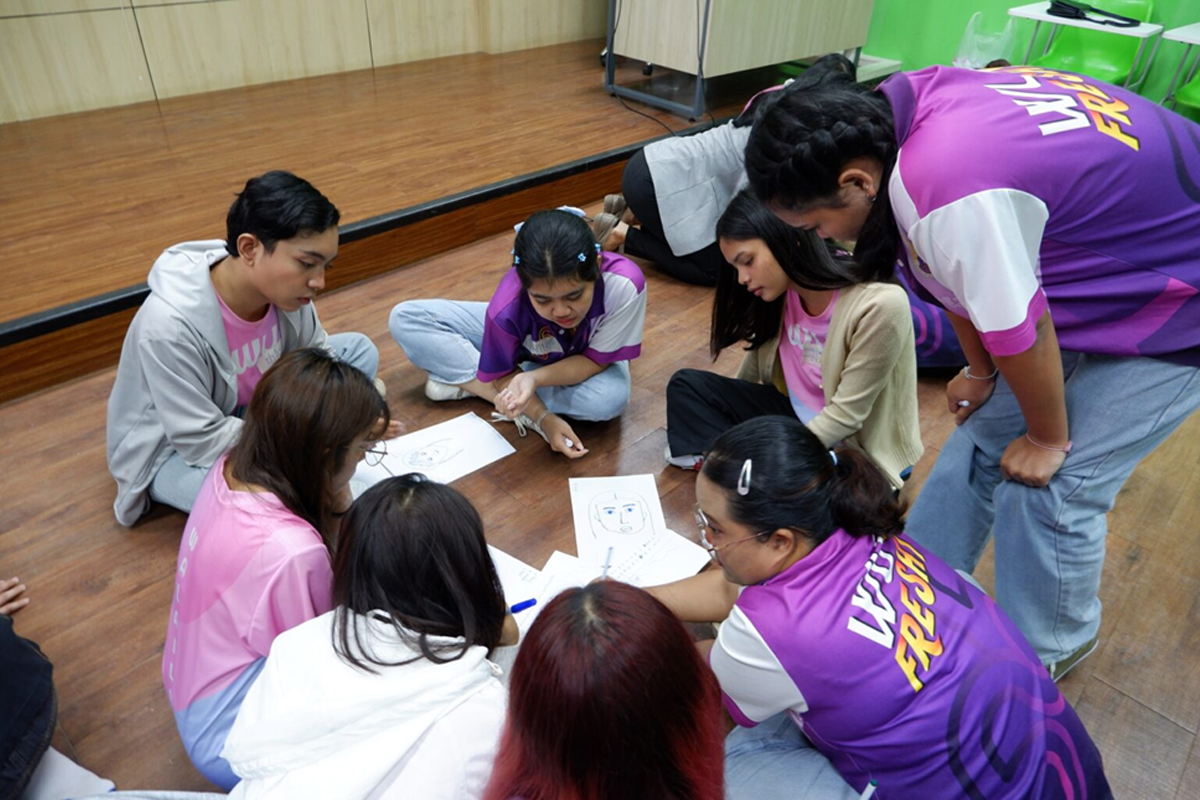
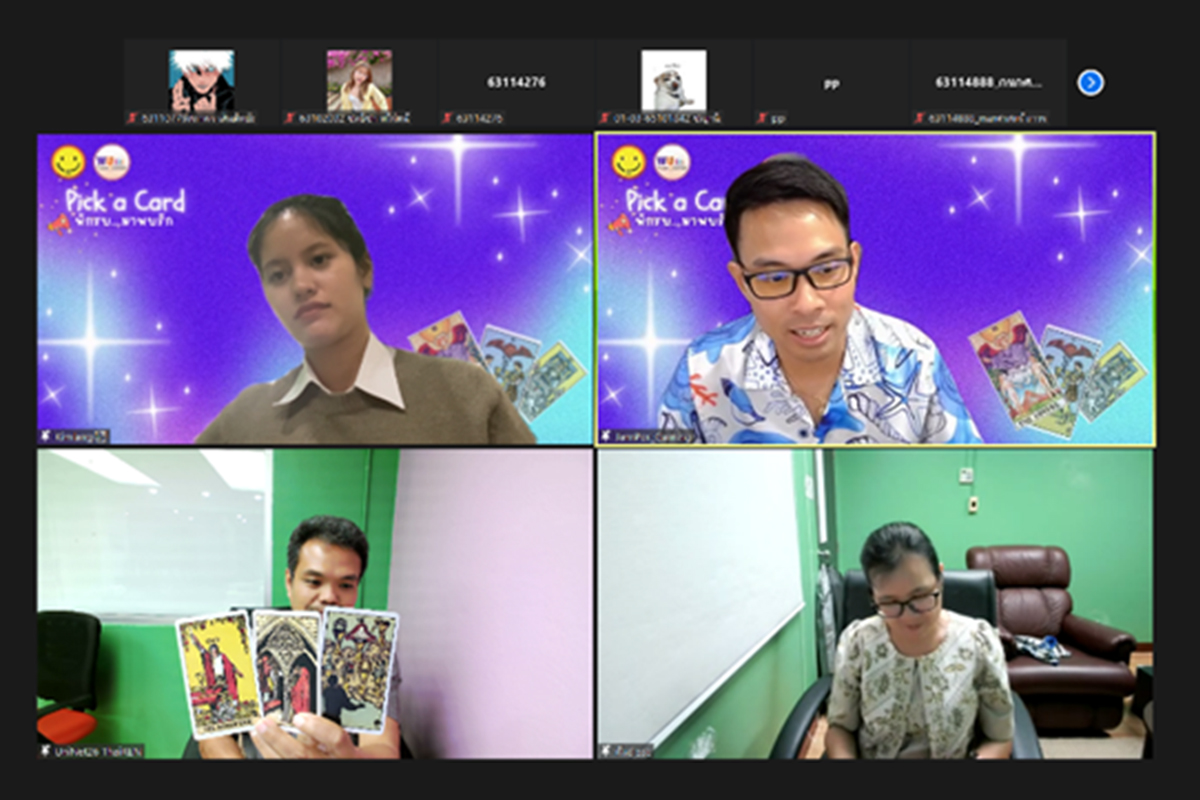
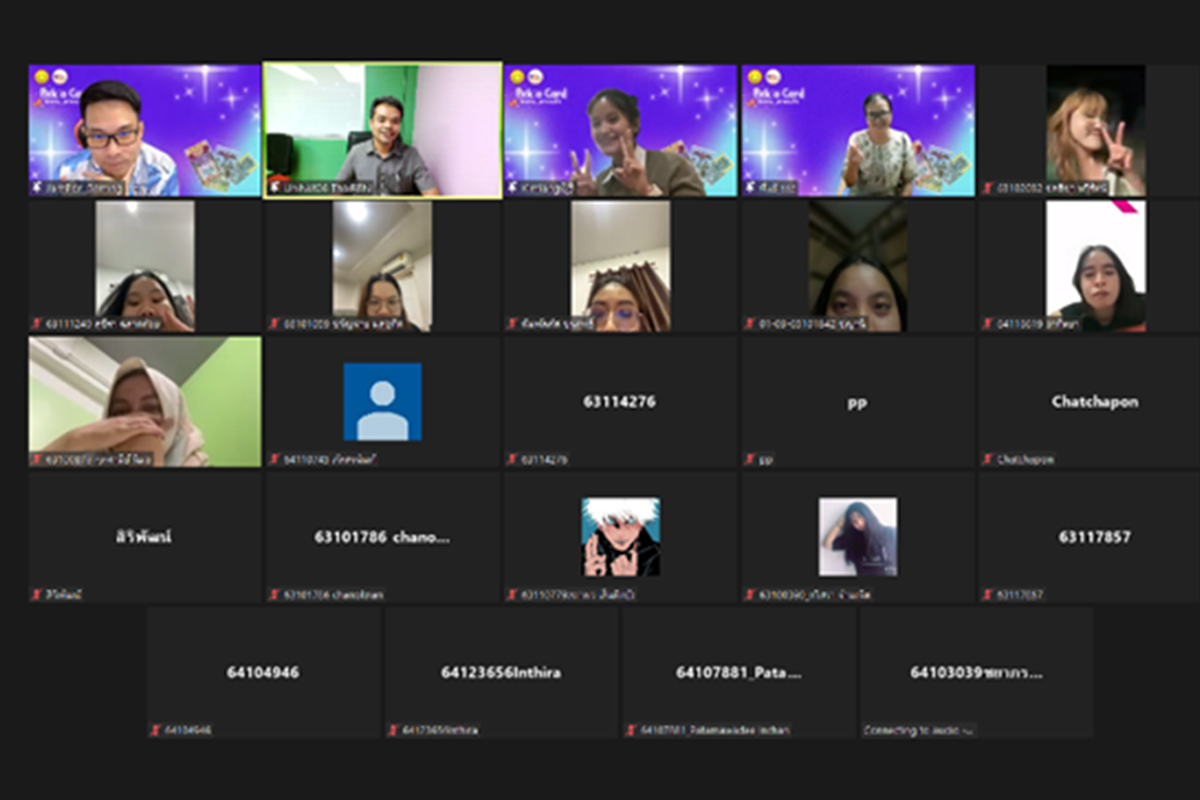
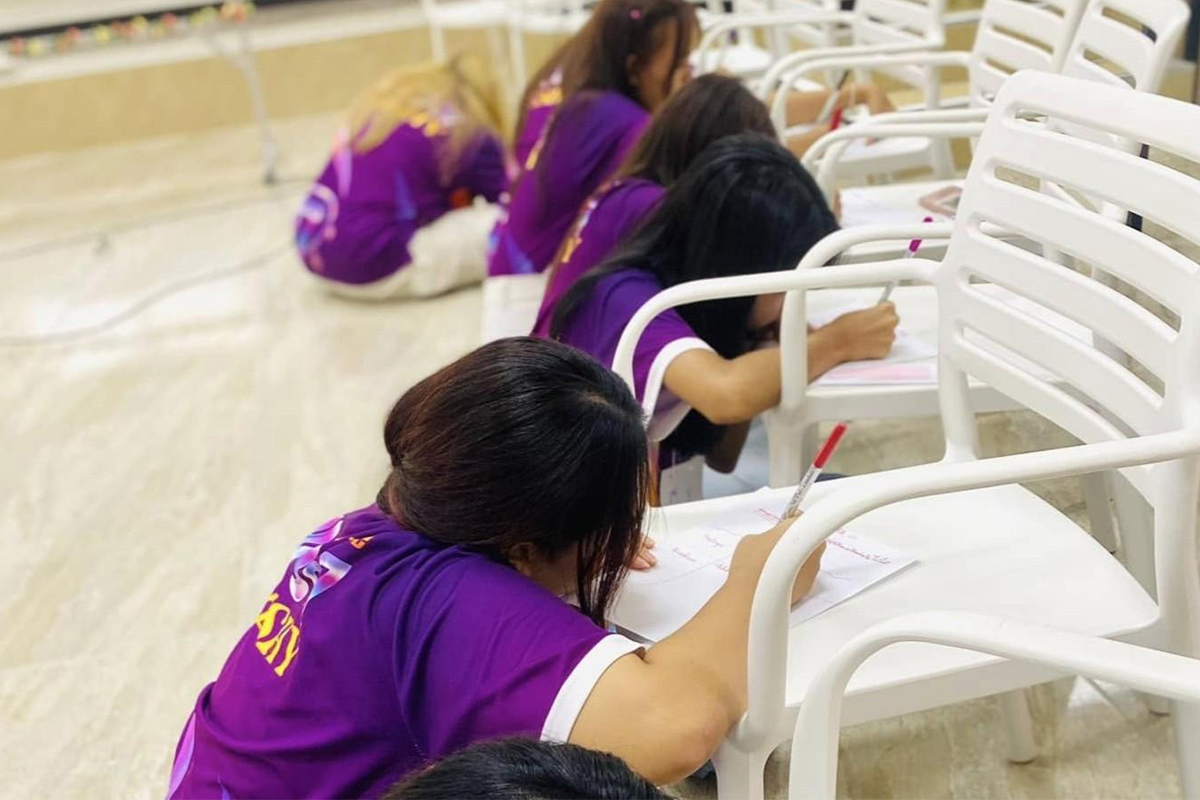
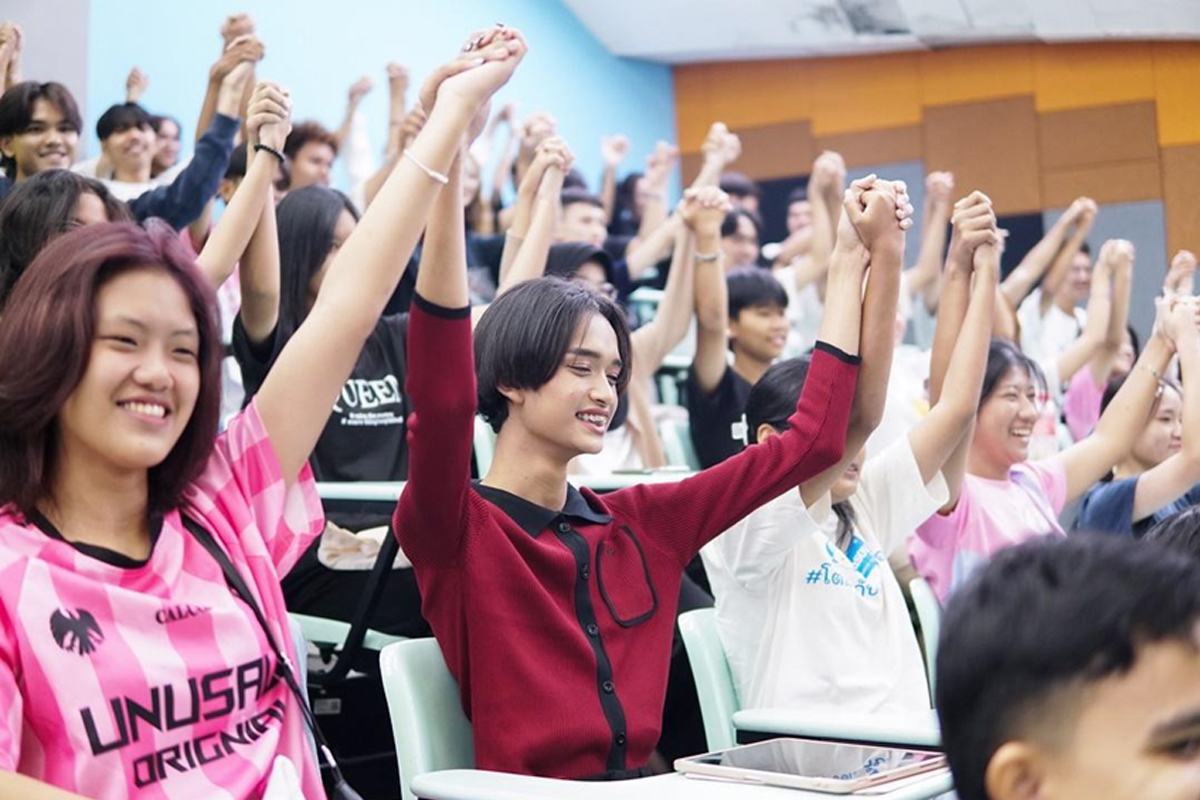
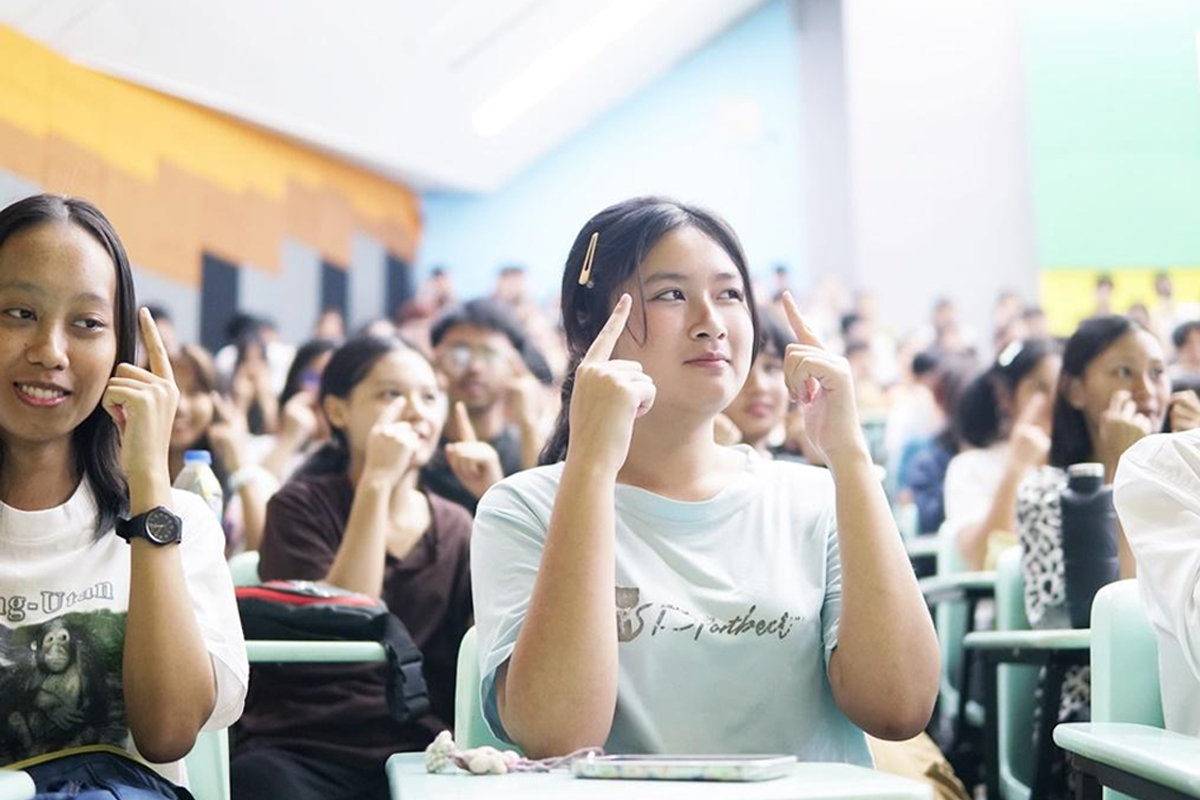
Beyond its individual mentoring services, the Smile and Smart Center actively organizes a range of structured programs and interactive activities tailored to support female students in their mental health journey. These initiatives aim not only to uplift their emotional well-being but also to create safe, welcoming spaces where they can openly express their challenges and seek guidance. Through workshops, group counseling sessions, and peer support programs, students can gain valuable coping strategies, develop resilience, and connect with others facing similar experiences. Additionally, the center hosts mindfulness exercises, stress-relief activities, and empowerment seminars to encourage personal growth and self-confidence. By fostering an environment of open dialogue and emotional support, the center ensures female students have multiple avenues to address concerns, strengthen their mental health, and thrive both academically and personally.
Junior Helper Program: Strengthening Student Mental Health and Peer Support
Walailak University’s Junior Helper Program plays a vital role in strengthening student mental health support through a series of structured activities, training programs, and peer-support initiatives. The School of Public Health led the Junior Helper Training Activity with 224 participants, equipping students with foundational skills needed to become peer supporters. To further reinforce team bonding and emotional development, the Capacity Building and Life Skills Development Seminar was held on December 14–15, 2024. The seminar emphasized relationship building, open communication, and personal growth, creating a motivating and supportive atmosphere for all participants.
The university continued to provide wellness-centered activities such as Junior Helper Boost Energy: Change Your Mindset, Change Your Life, where students practiced techniques like the 8–4–8 breathing exercise, Butterfly Hug, meditation, and peer sharing. Participants reported feeling more relaxed, focused, and emotionally grounded. Another session, Junior Helper Boost Energy: “Goodness, Beauty, and Truth,” centered on meditation and self-reflection, encouraging mindfulness, deeper concentration, and stress reduction through the practice of staying present.
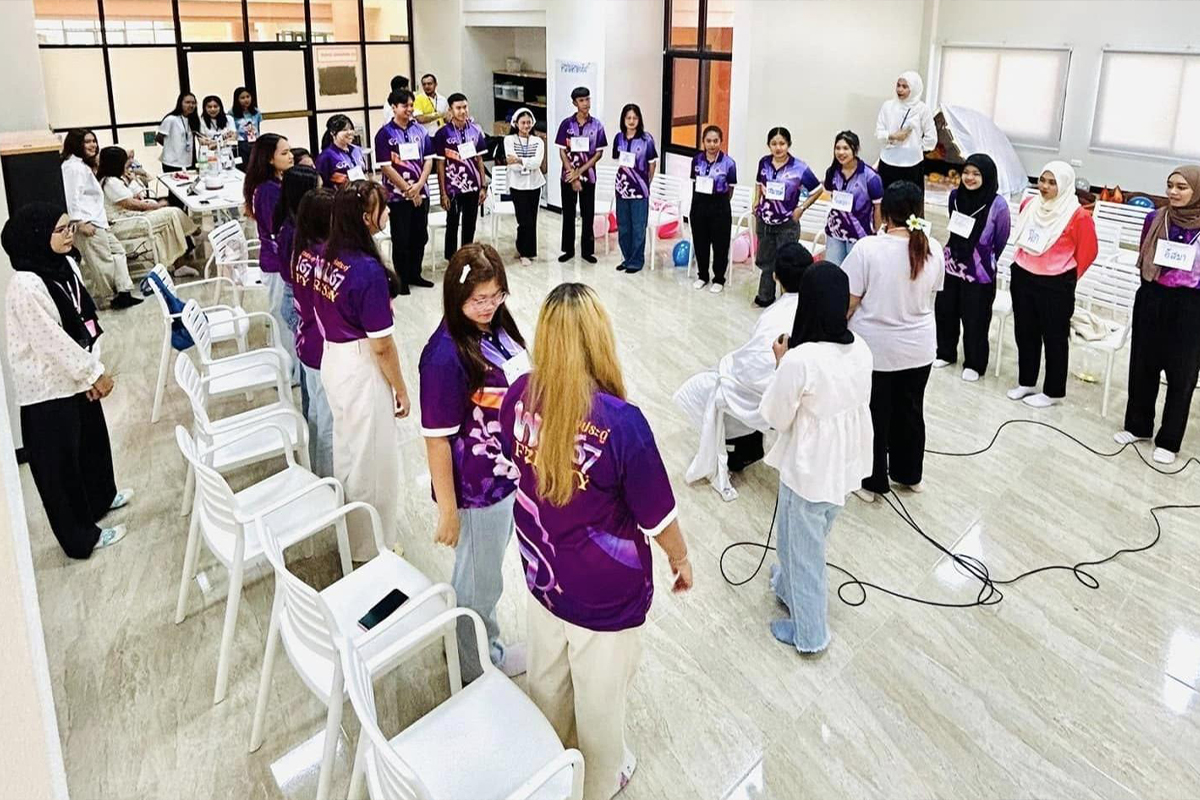
To strengthen the program further, Walailak University organized the Capacity Building and Skills Development for Junior Helper Gen 3, aimed at preparing the third cohort of Junior Helpers. The morning session included ice-breaking activities that fostered unity between seniors and juniors, while the afternoon session introduced the Iceberg Model to enhance understanding of emotions, motivations, and perspectives. The training emphasized non-judgmental listening, decision-making, self-awareness, and emotional analysis.
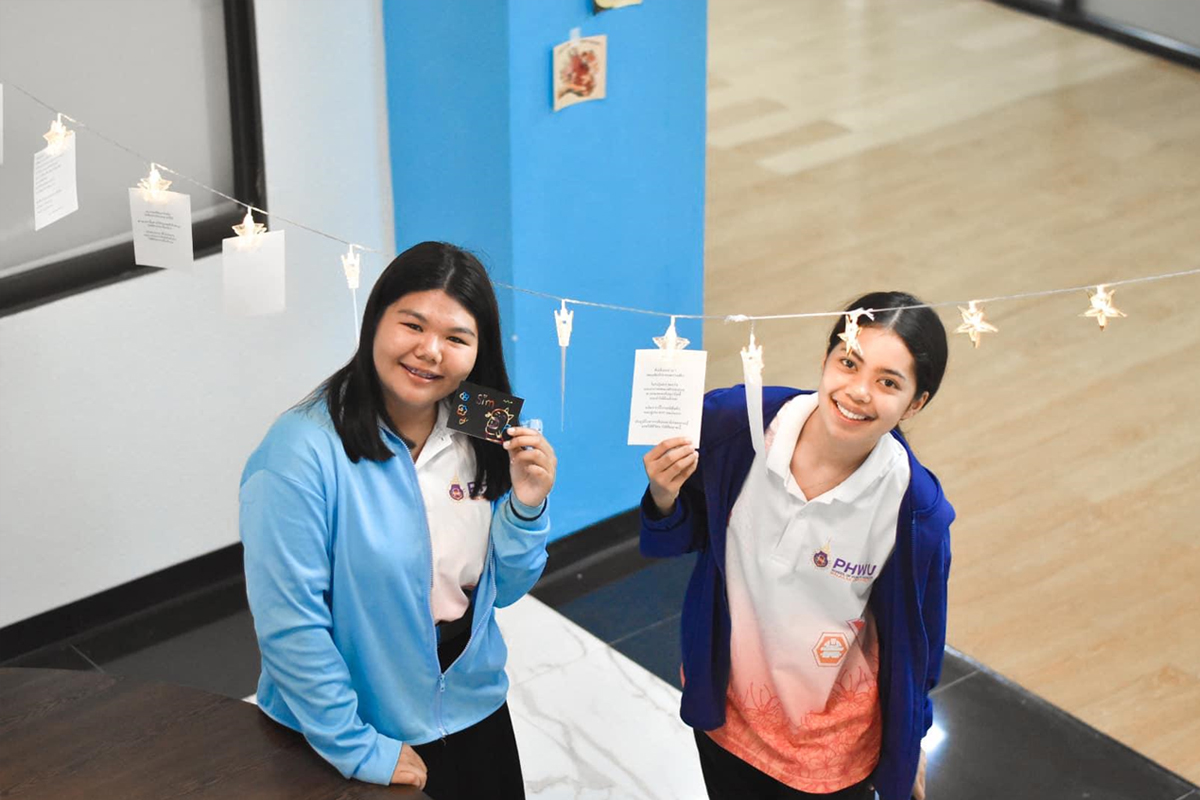
Activities under the theme “You Will Never Be Alone” highlighted the importance of empathy, friendship, and mutual support. Through interactive and uplifting activities, participants built strong connections and a shared sense of belonging—reinforcing the core value that no student should face challenges alone. This supportive environment was further strengthened with the establishment of the PHWU Mind Space Power Room, opened on June 17, 2024. Located on the 2nd floor of Academic Building 8, the room serves as a safe, relaxing space for students, offering areas for reading, gaming, photography, art therapy, and emotional recovery.
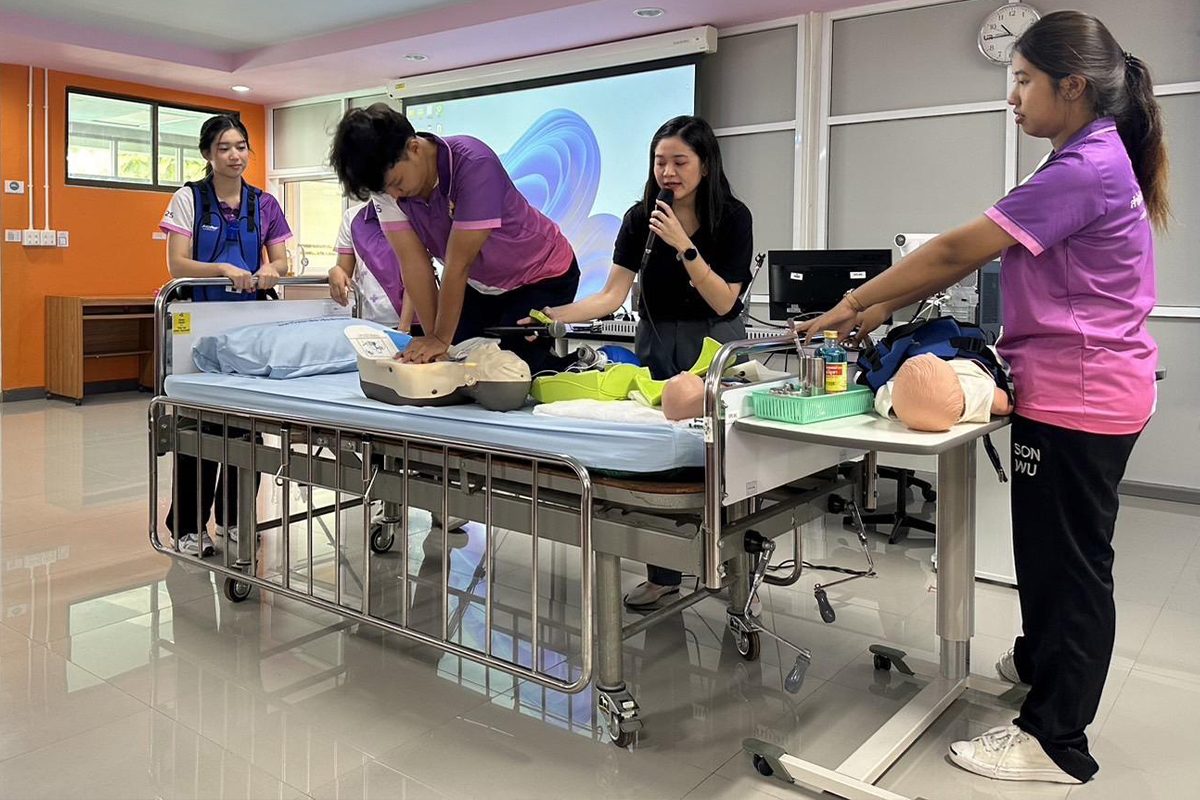
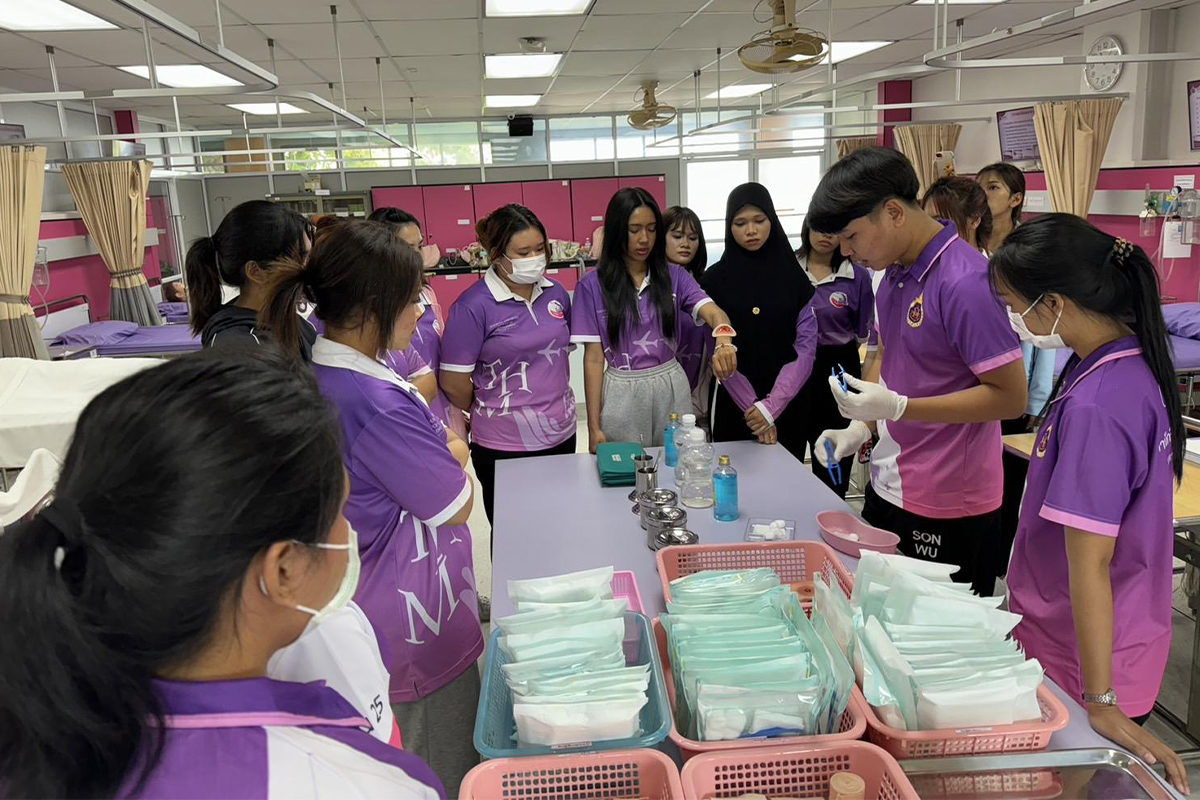
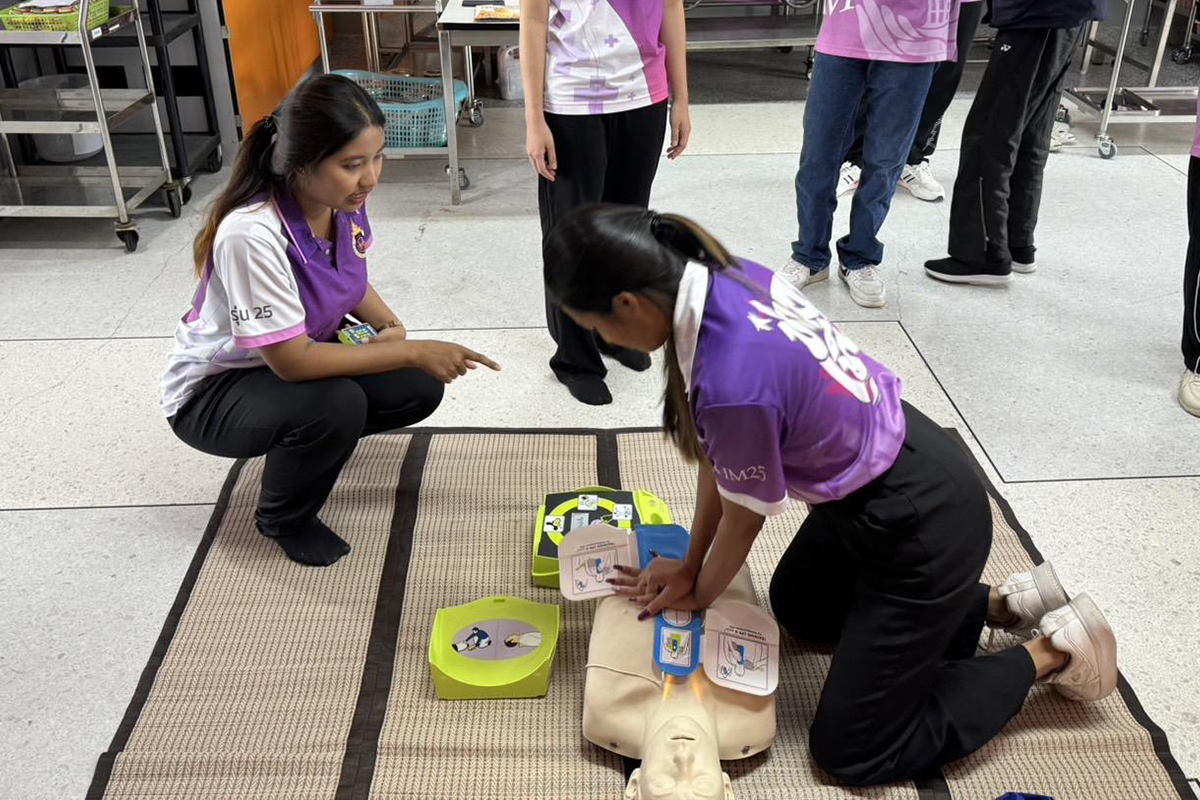
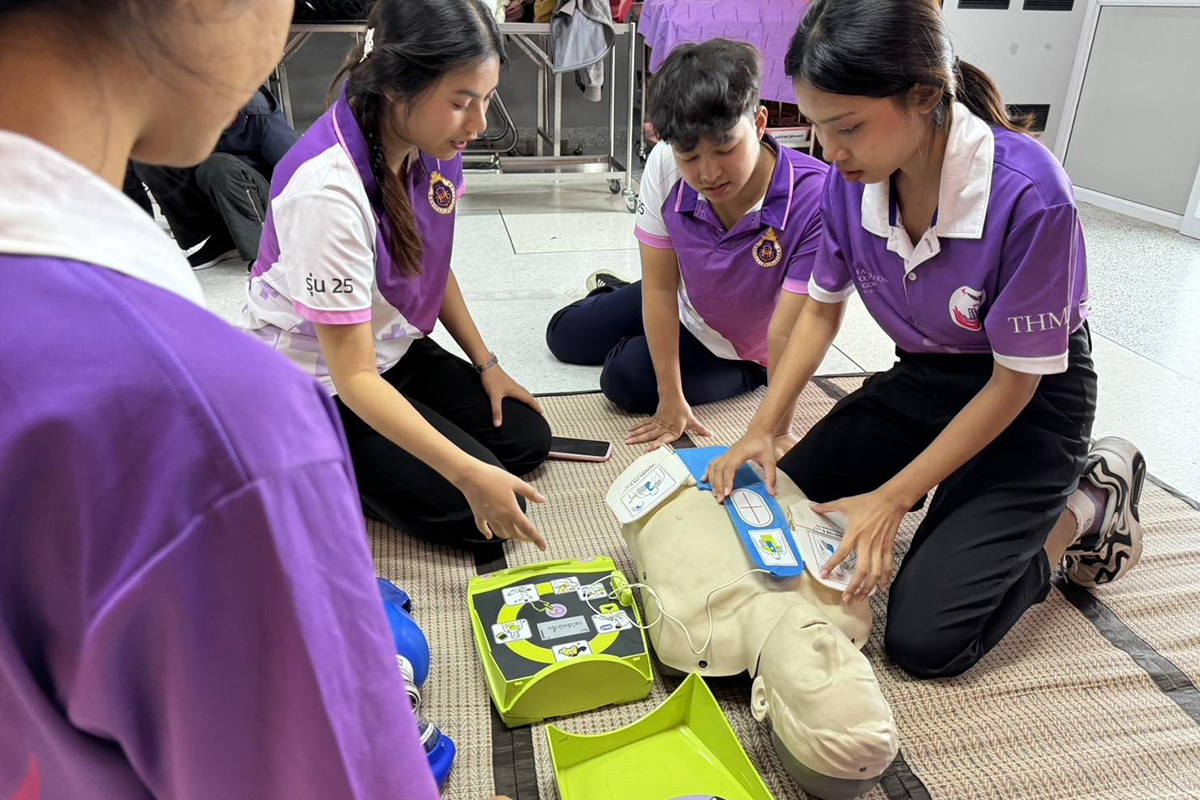
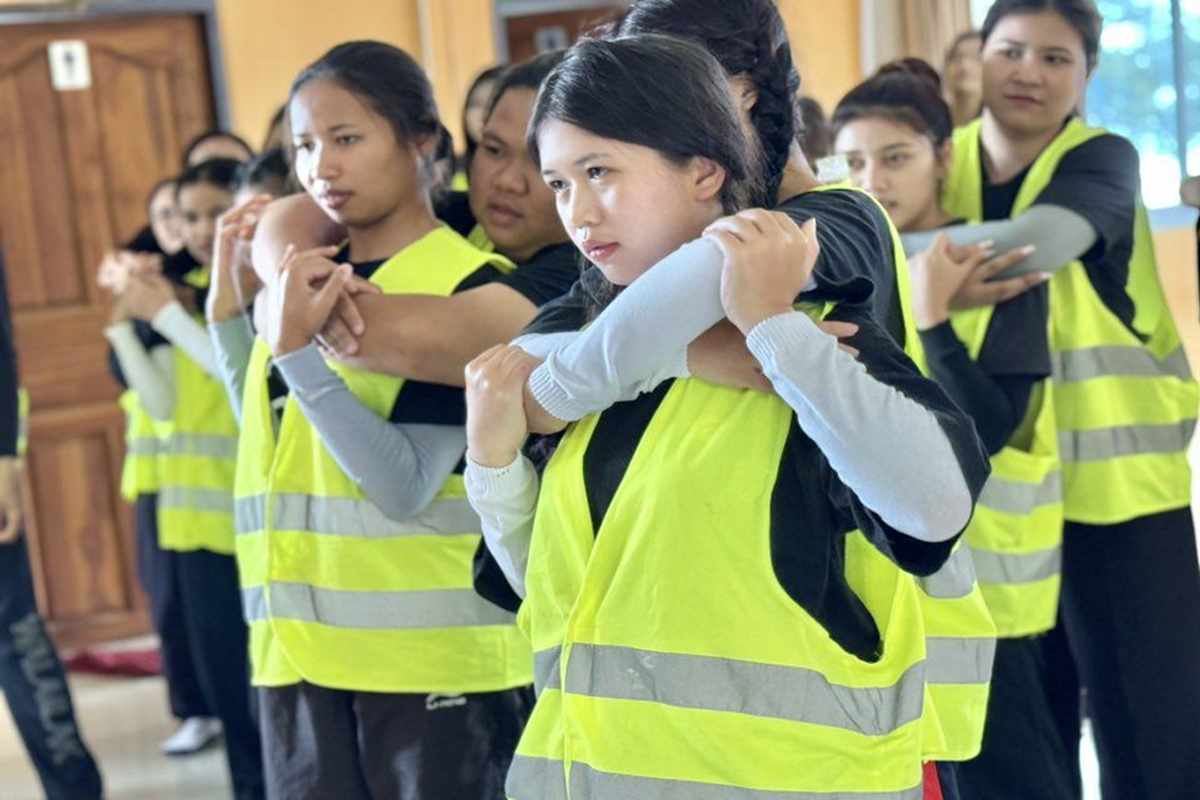
Beyond mental health–focused activities, the university also organized First Aid Training in collaboration with Junior Master Trainers and Junior Helpers. Volunteer nursing students participated in the session to enhance their first-aid competencies and to promote the spirit of “friends helping friends.” Additionally, the Life Skills and Walk Rally Team conducted facilitator training on May 25, 2024 for Junior Master Trainers, Junior Helpers, and other student leaders. A total of 56 participants prepared to lead freshman orientation activities by learning facilitation techniques, reviewing program objectives, and planning logistics and media production.
To strengthen peer-support capacity even further, the university implemented the Enhancing Mental Health Care Skills for Junior Helpers program, which trained 140 volunteer students from 19 schools and colleges. These Junior Helpers now serve as front-line peer supporters capable of providing basic mental health assistance, empathetic listening, and early identification of risk symptoms. Their work is supported through continuous training, curriculum development, evaluations, and a structured referral system.
Walailak University’s Junior Helper Program emerged in response to a health assessment of 12,639 students, which revealed that over 30% faced moderate to high mental health risks. Through comprehensive peer-support services, the program significantly contributed to improving student well-being. Student satisfaction with mental health support increased from 83.12 in 2023 to 85.64 in 2024, demonstrating the program’s effectiveness. The success of the initiative has earned regional recognition through presentations at the AUN-HPN Academic Seminar and the 1st AIHD International Forum, gaining attention from both domestic and international institutions. The program now stands as a scalable model that other universities can adopt to strengthen student resilience and mental health care.
Start with Change 2024 Program
Navigating university life can be challenging, especially for students who are unsure how to overcome obstacles on their path to graduation. Mental health concerns often arise, particularly among female students, who may face academic pressure, personal struggles, relationship challenges, and other stressors. Access to mentoring programs, guidance, and support systems can play a crucial role in safeguarding their well-being.
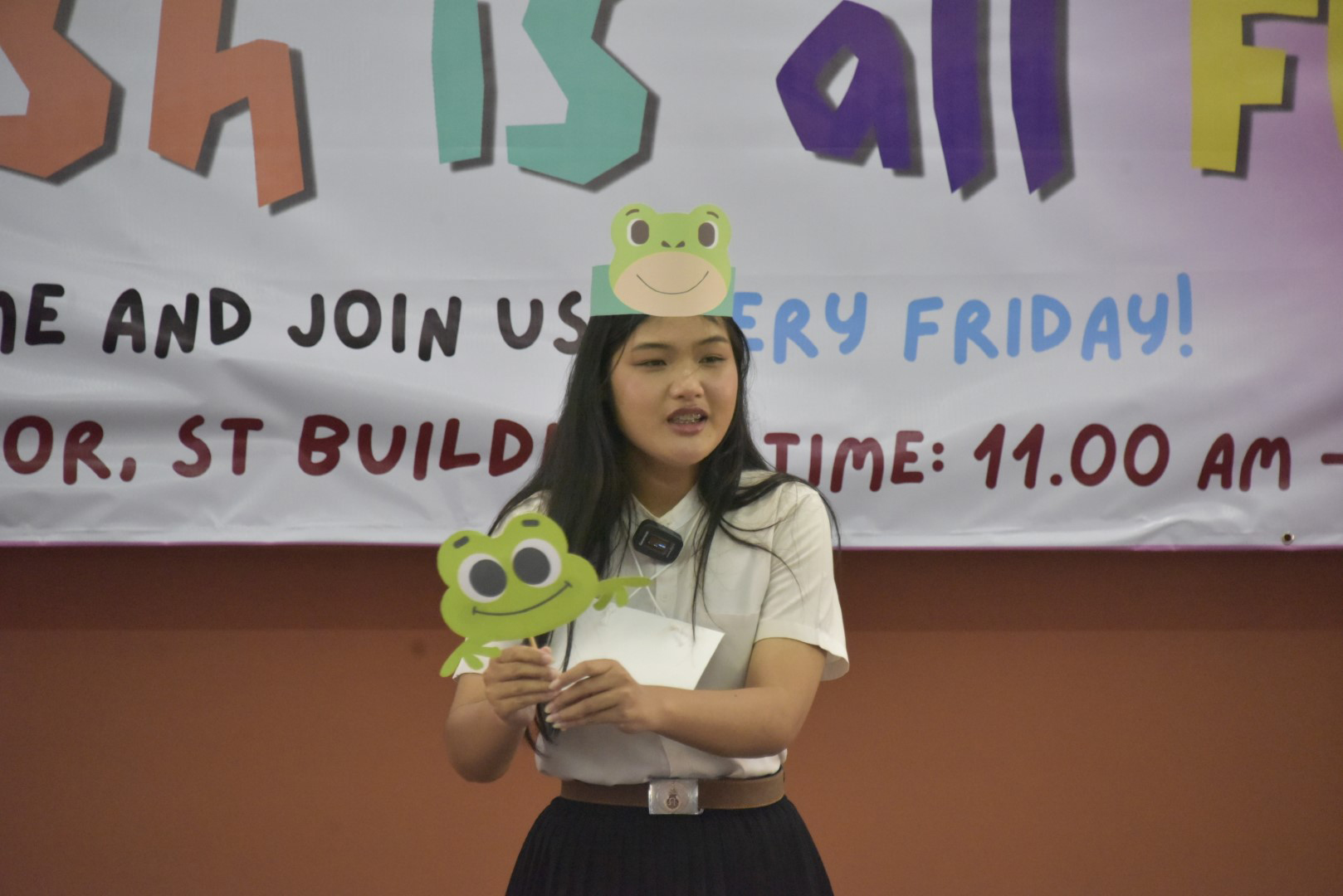
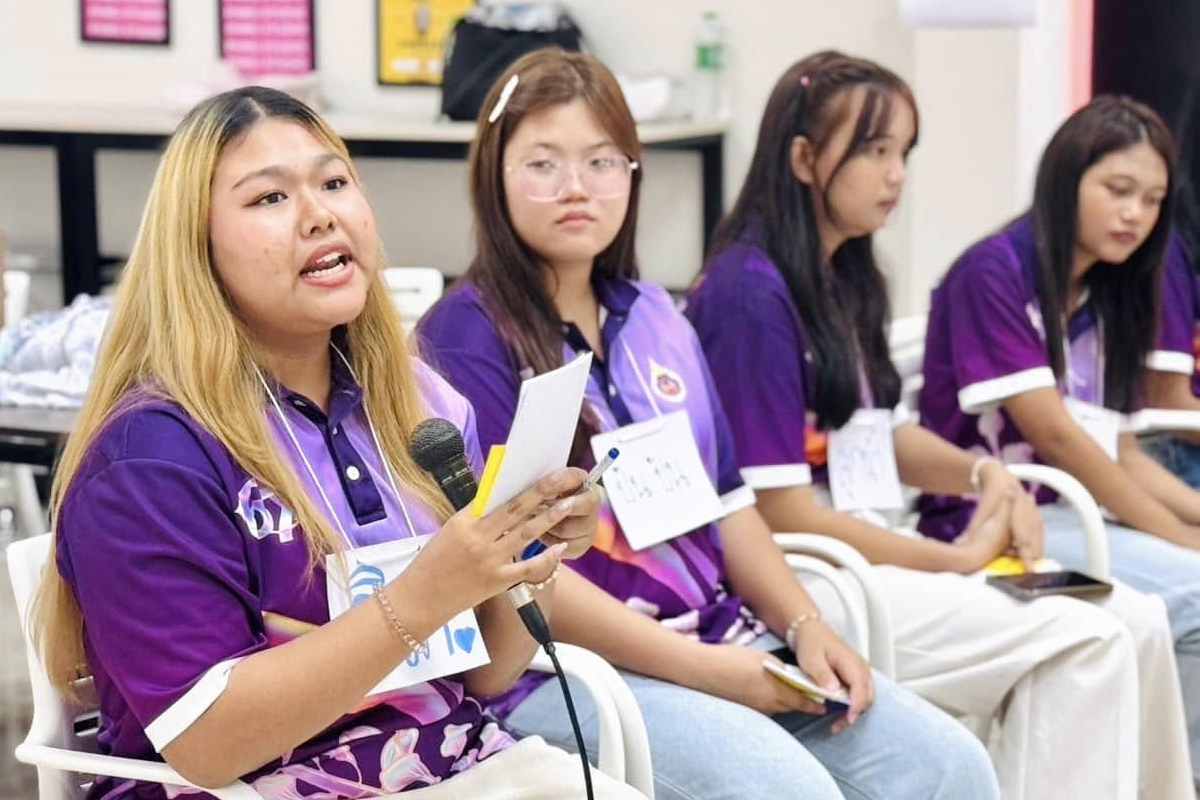
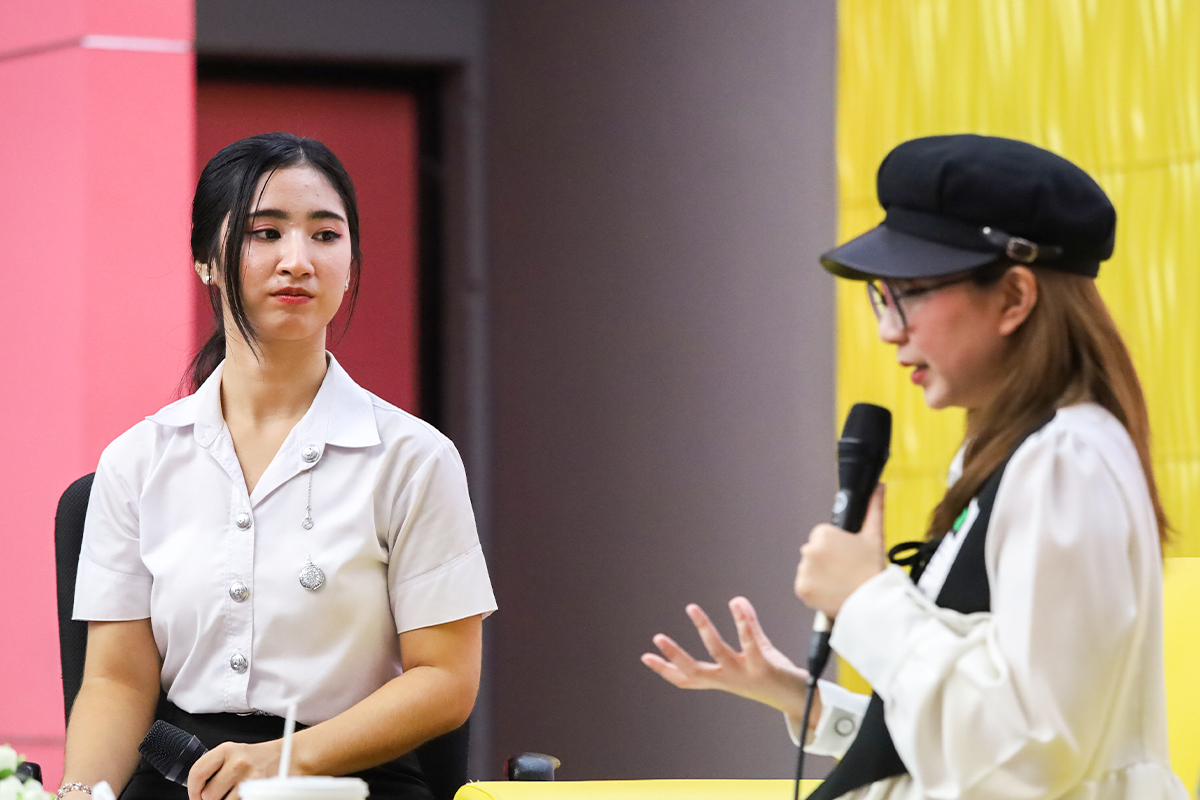
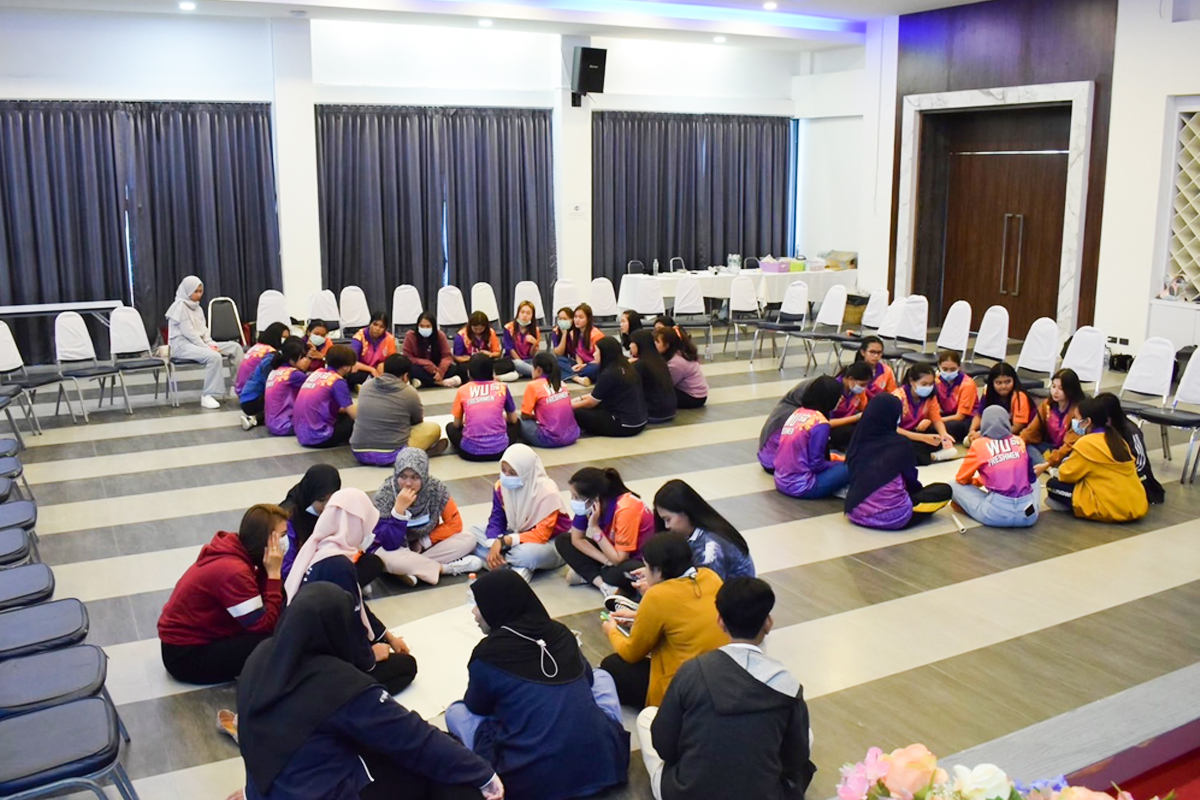
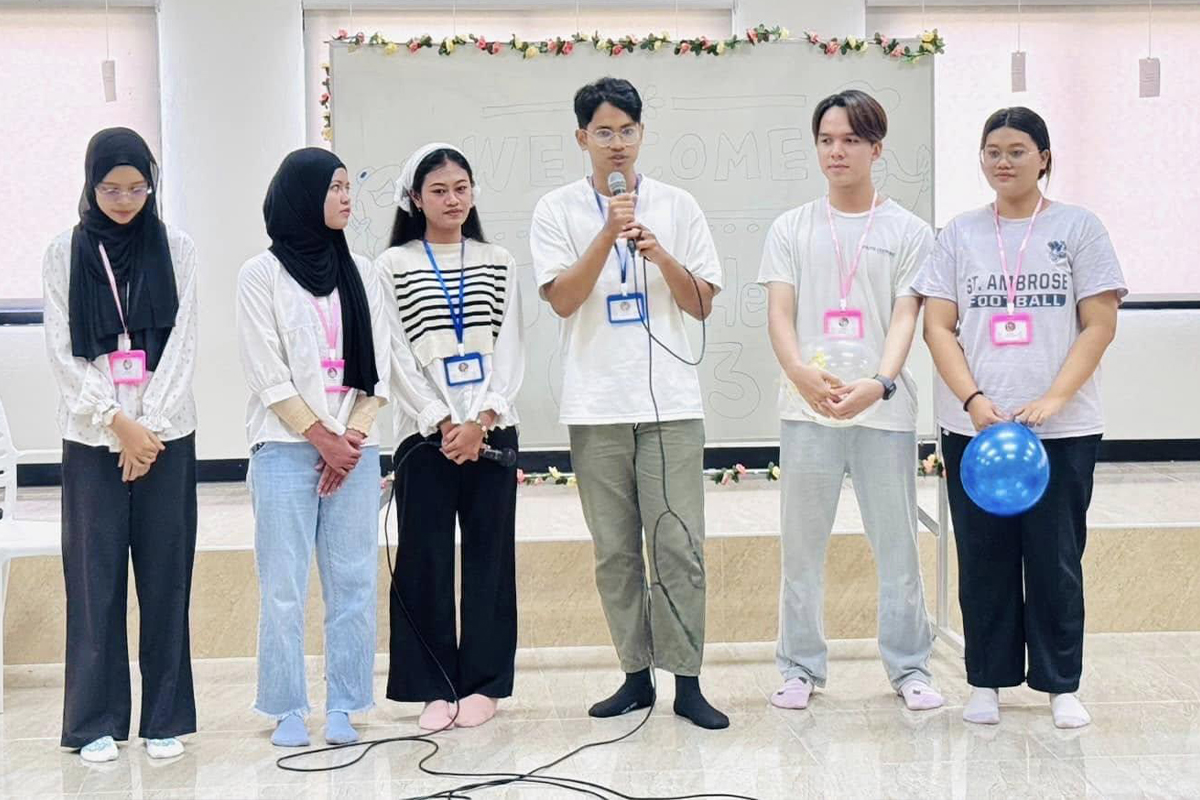
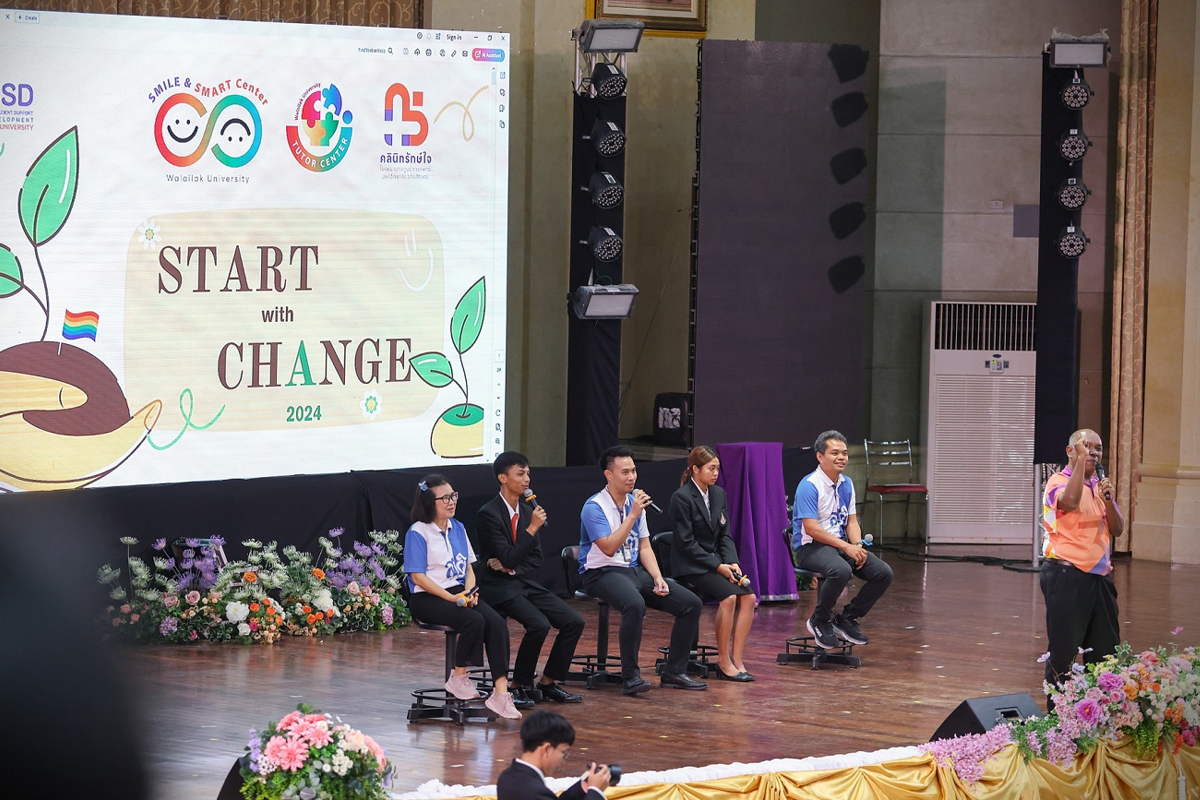
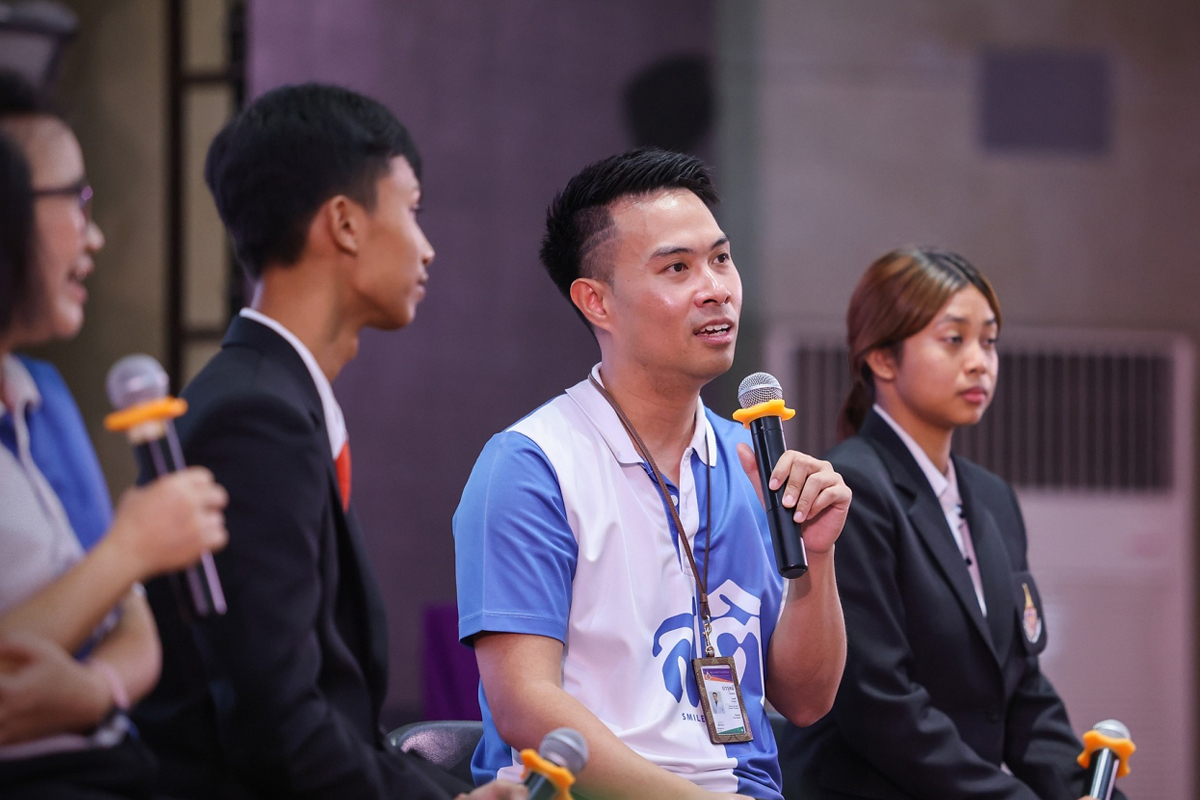
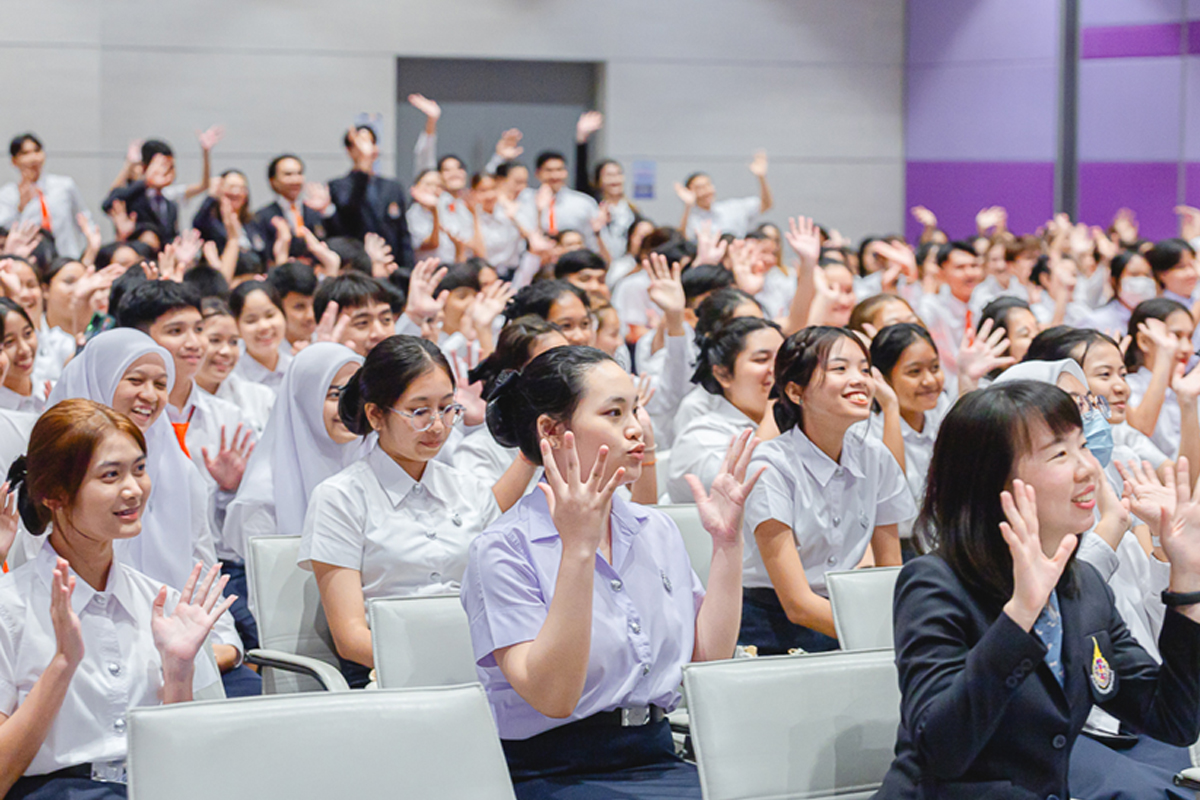
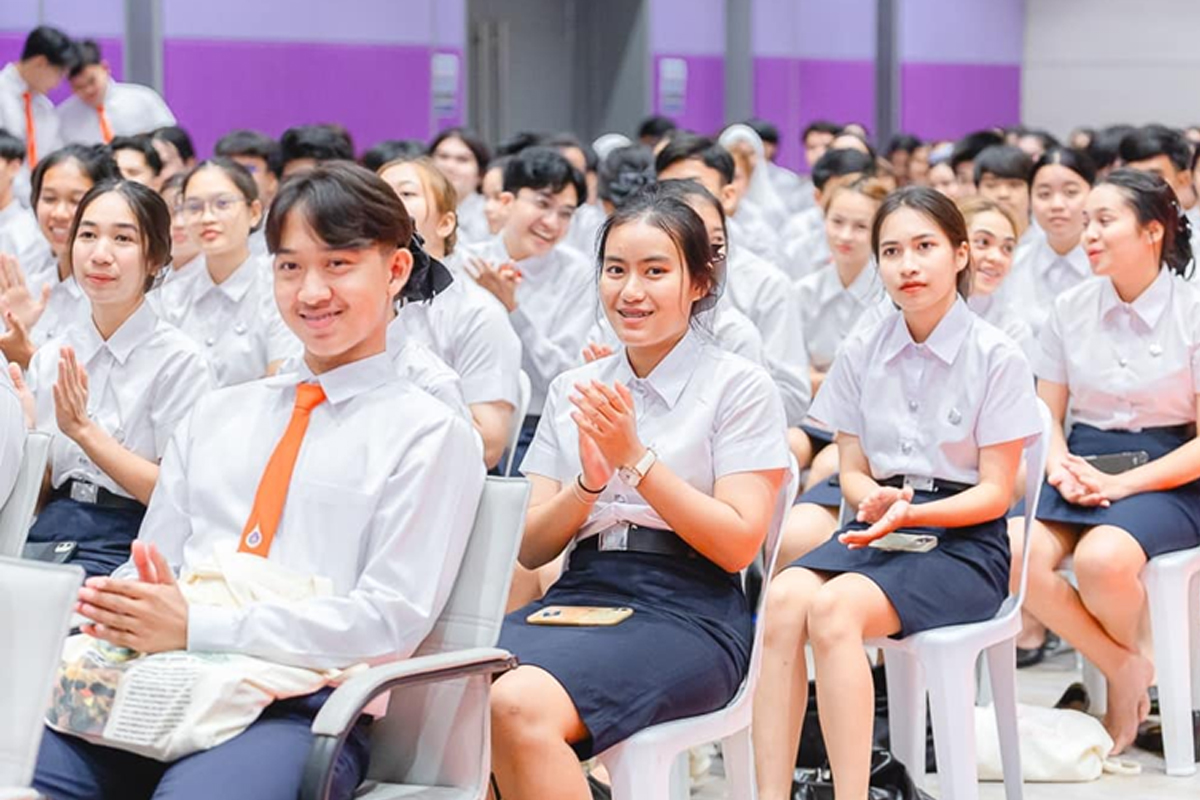
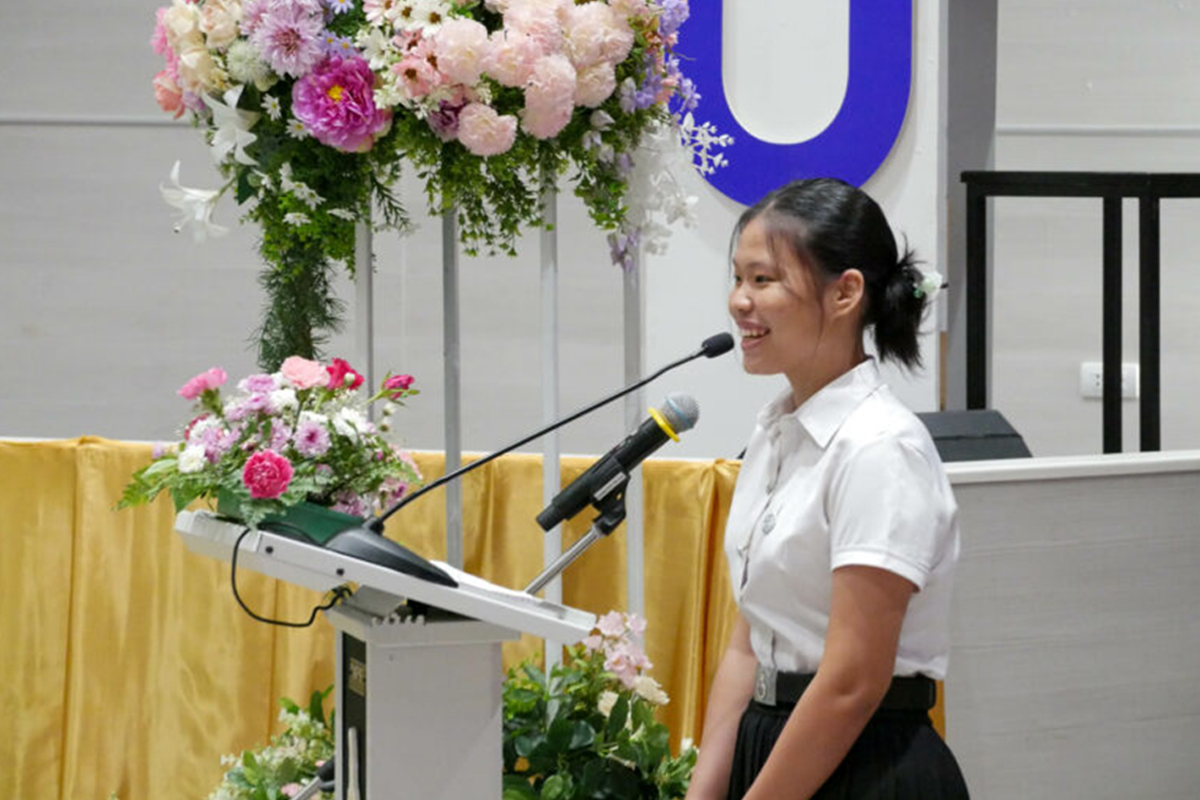
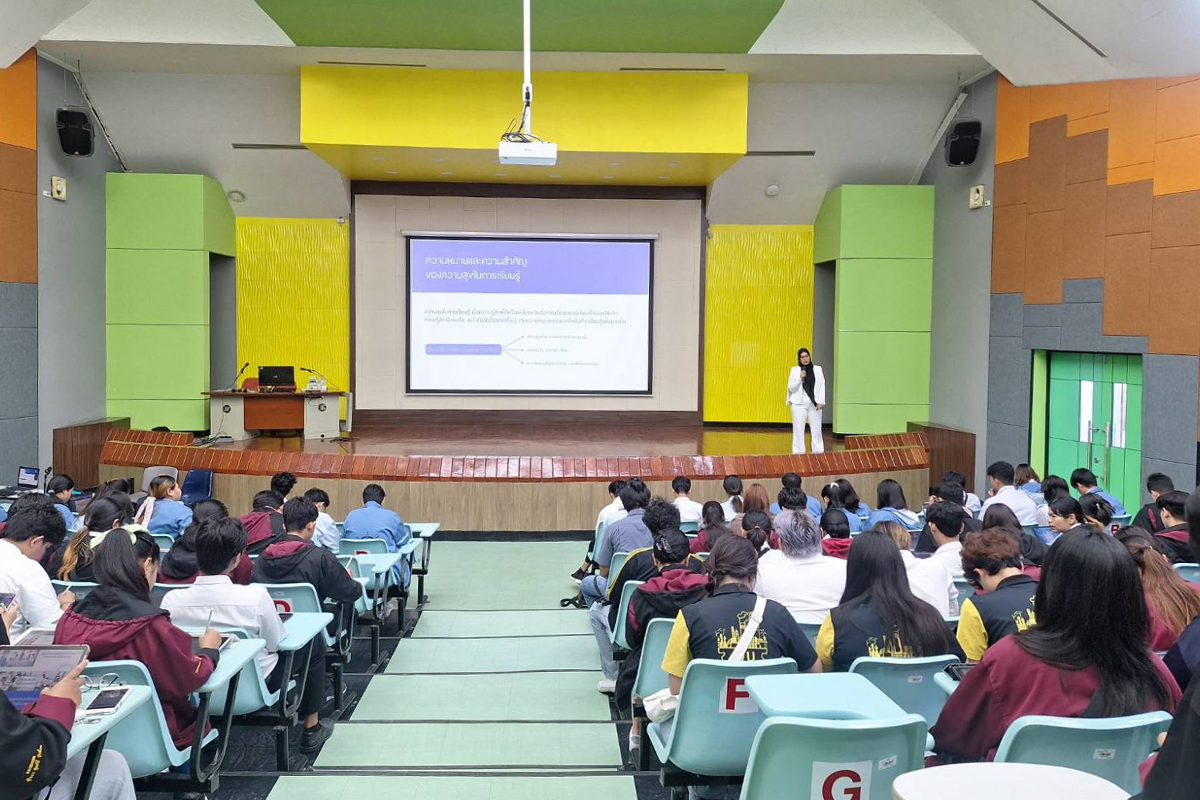
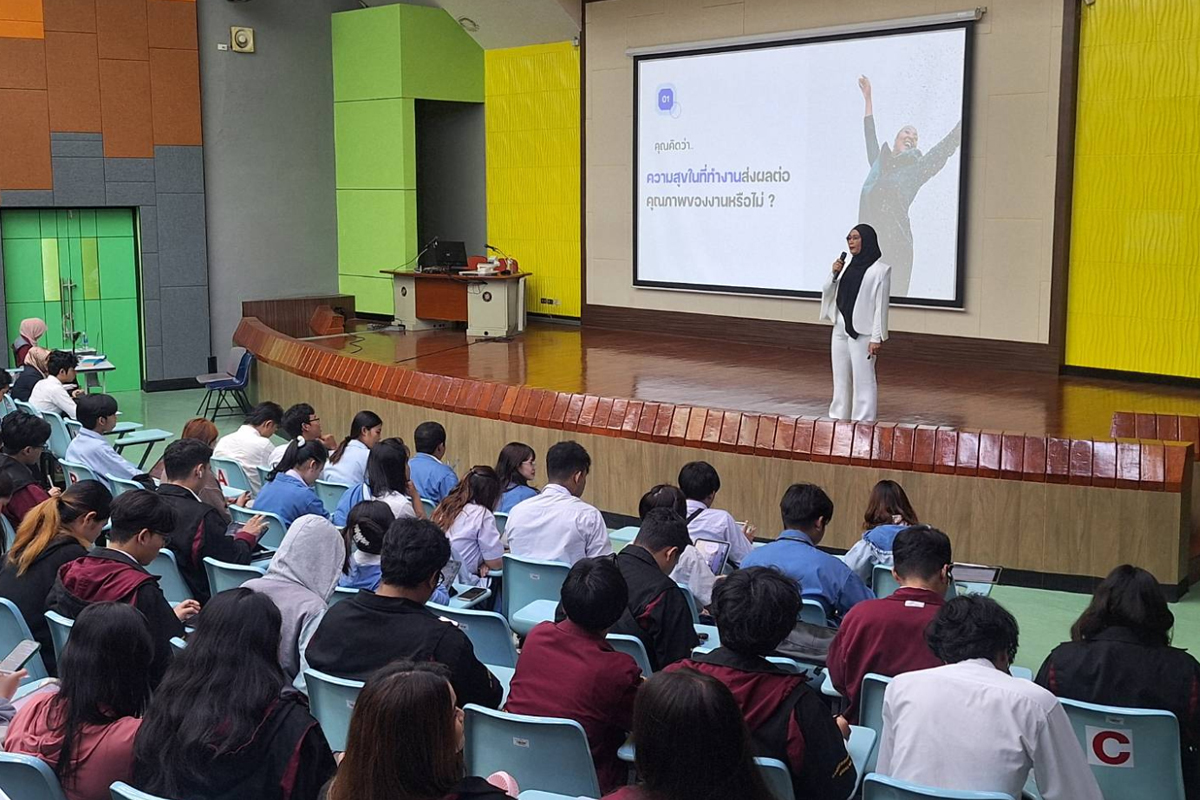
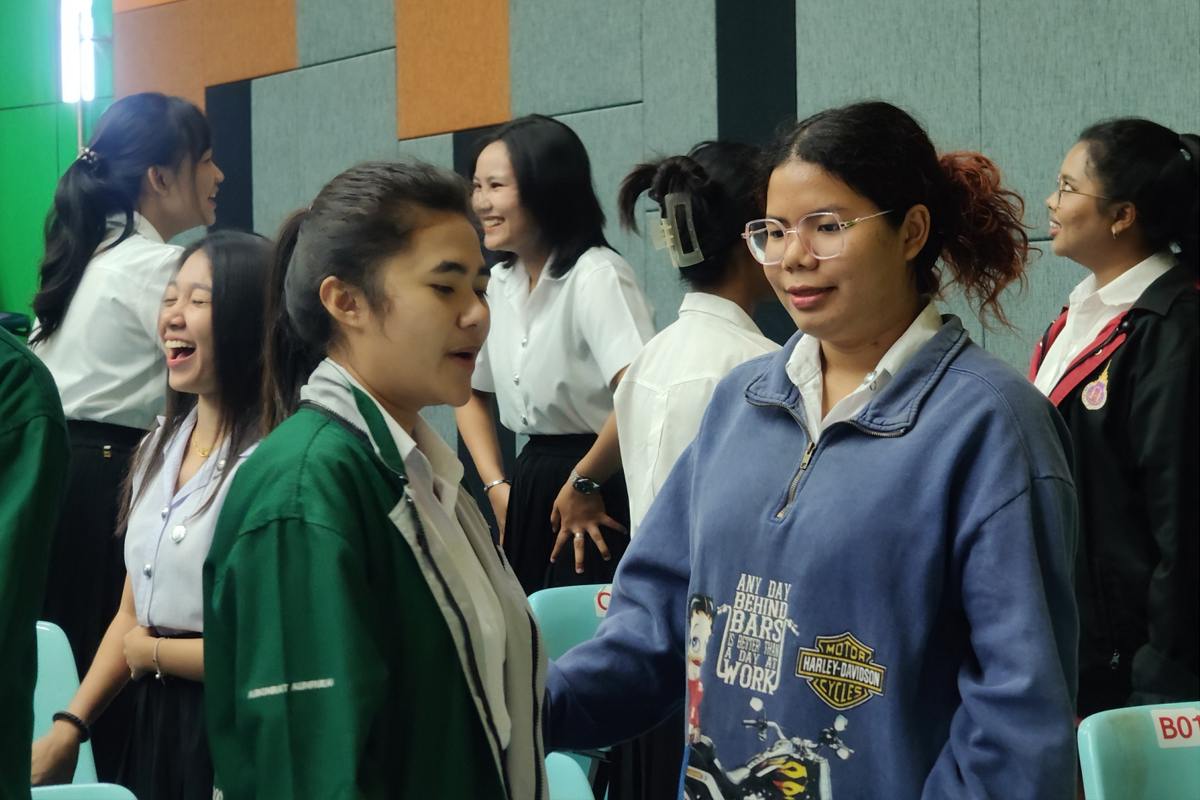
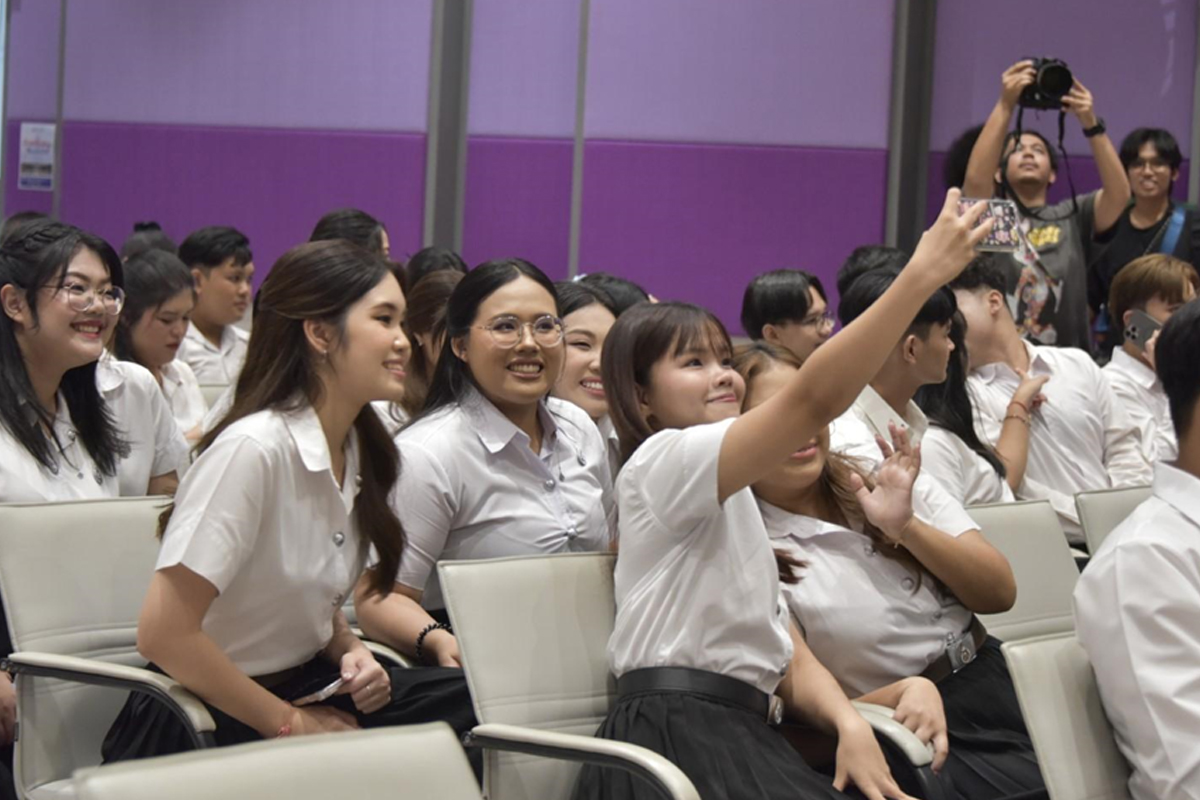
Recognizing this need, the Smile and Smart Center at Walailak University hosted the “Start with Change 2024” event as an event for mentoring during the post-admission phase to empower female students with essential skills and strategies for a smoother university experience. The event featured expert staff who provided valuable insights on self-directed learning, active learning, transformative learning, pressure management, anger relief, and accessing mentoring services. Additionally, the initiative aligned with the university’s broader commitment to fostering excellence, virtue, and happiness among students.
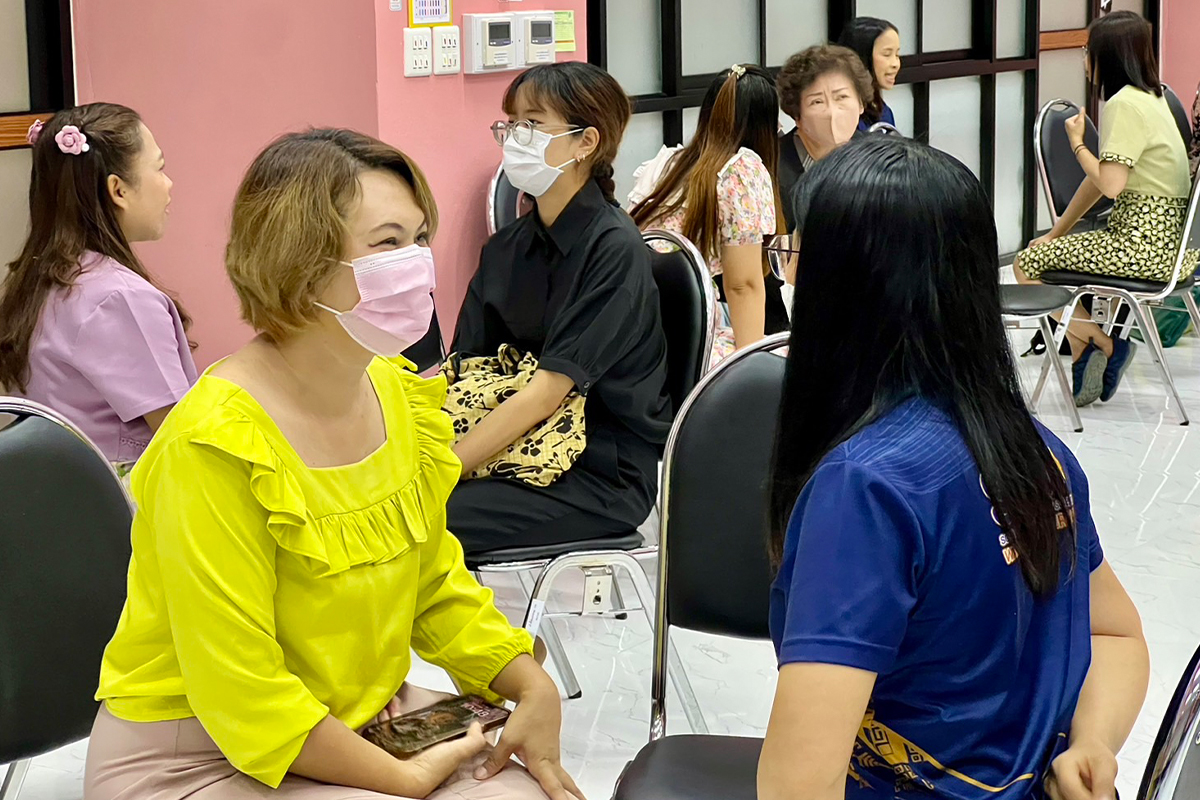
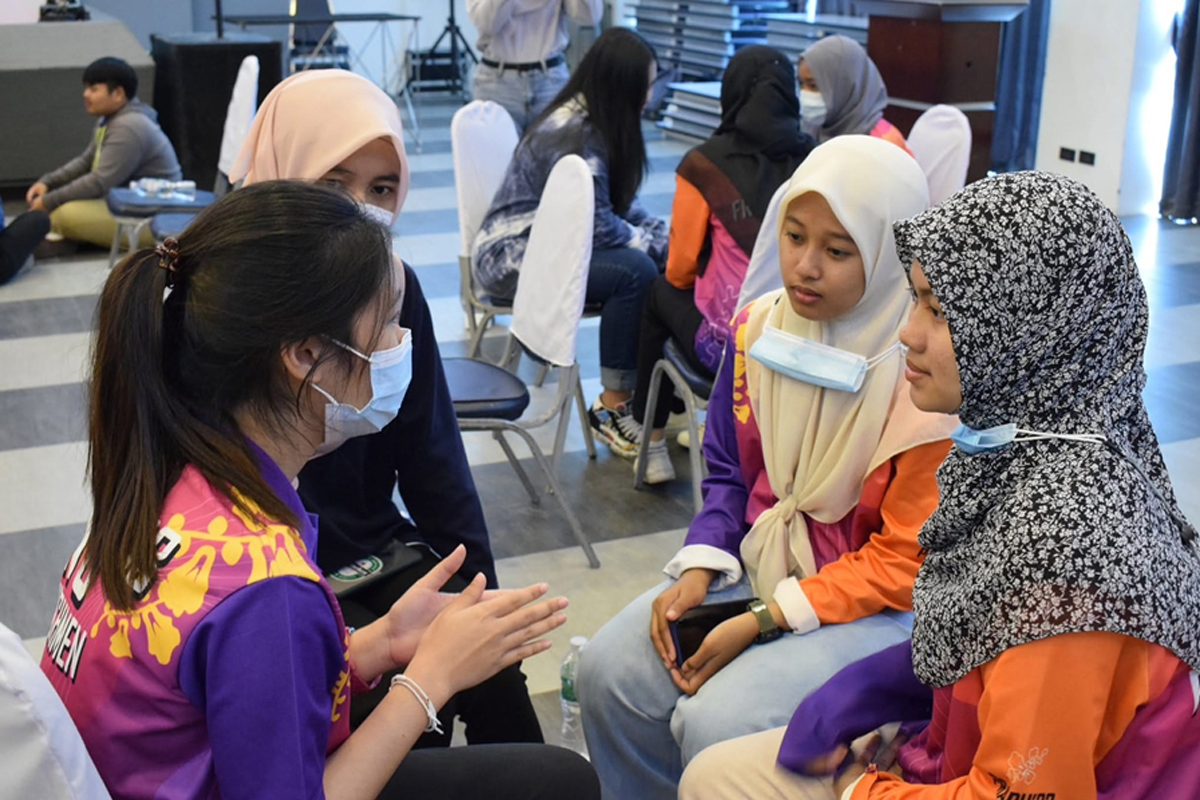
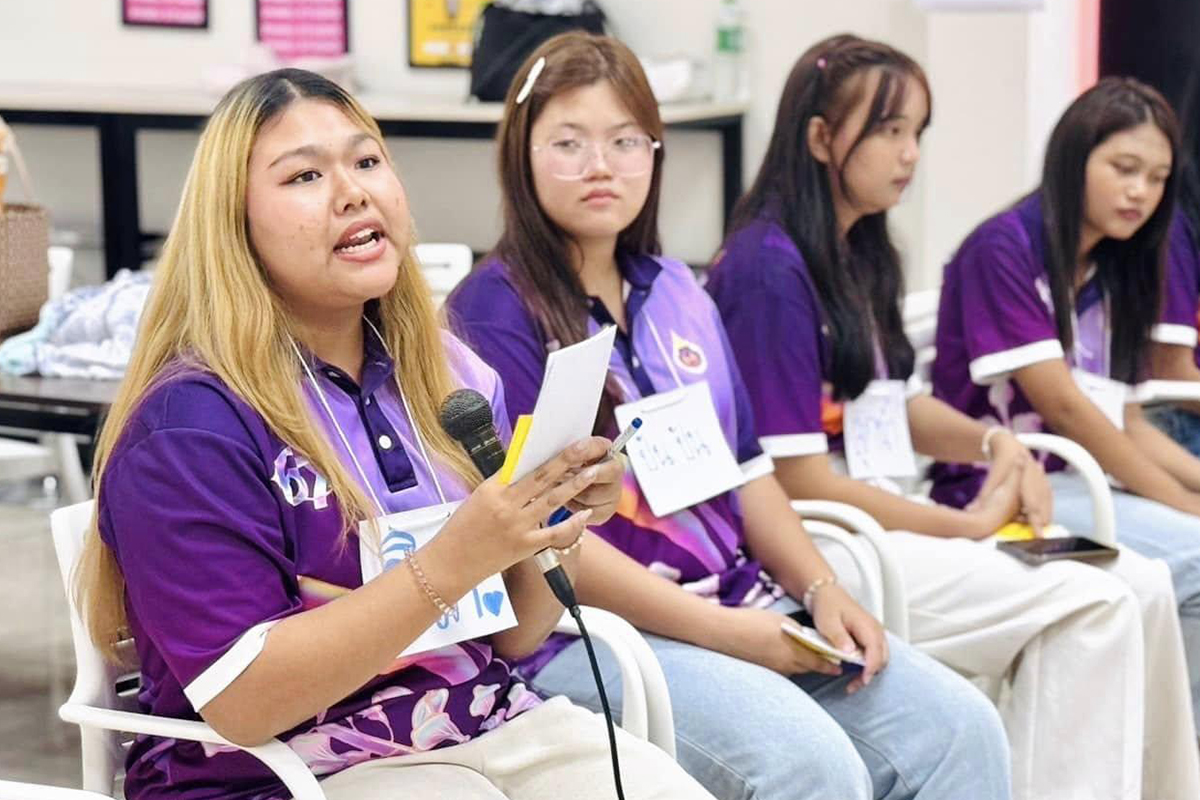
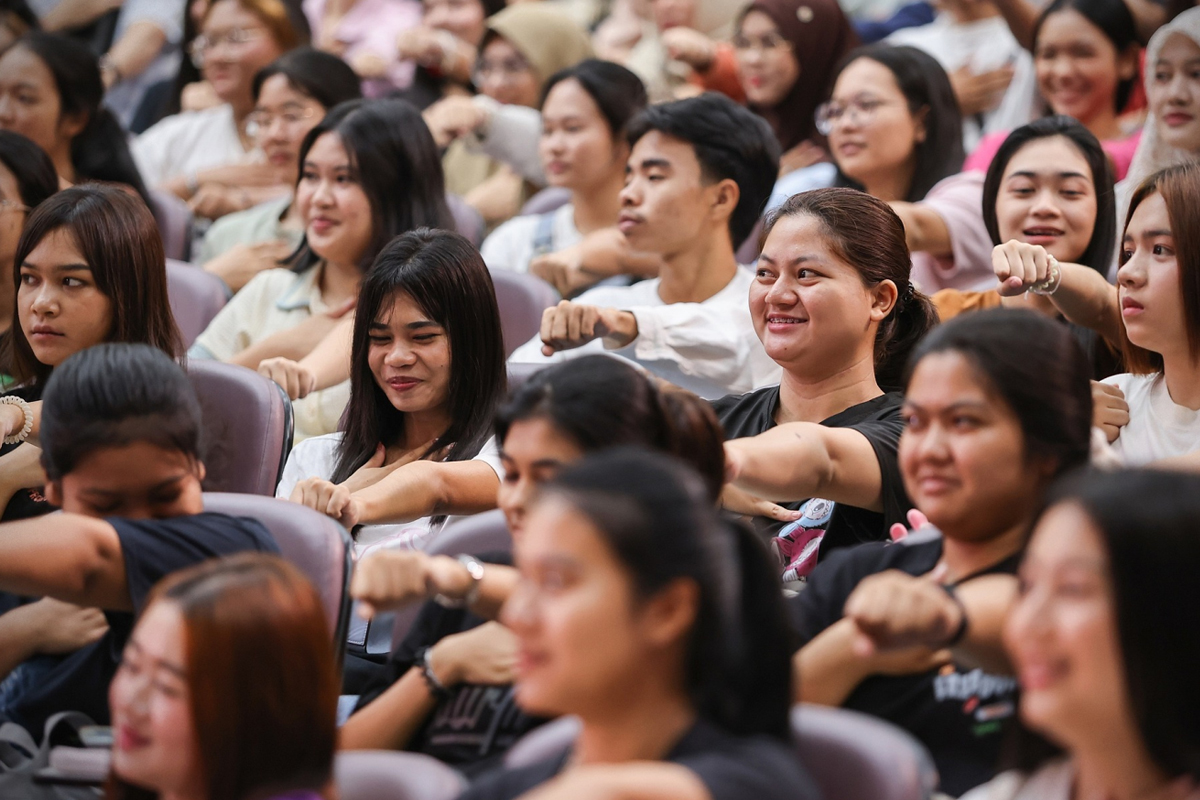
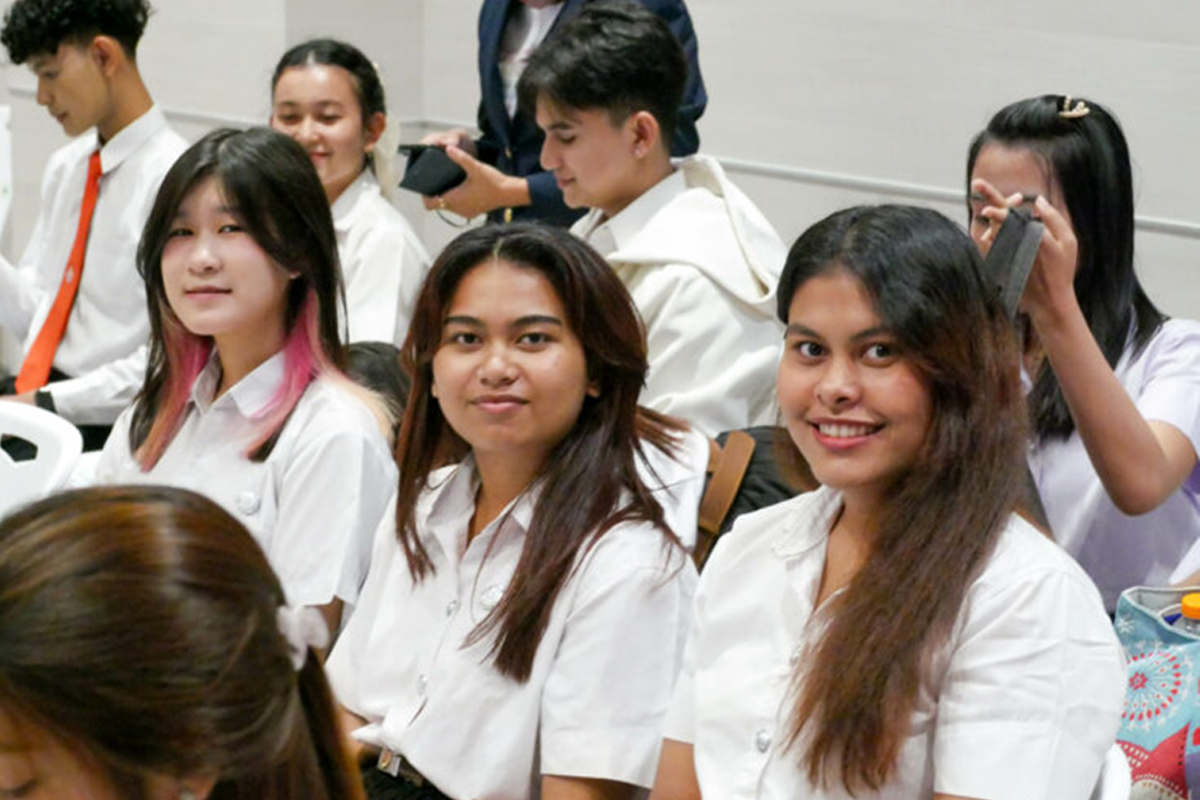
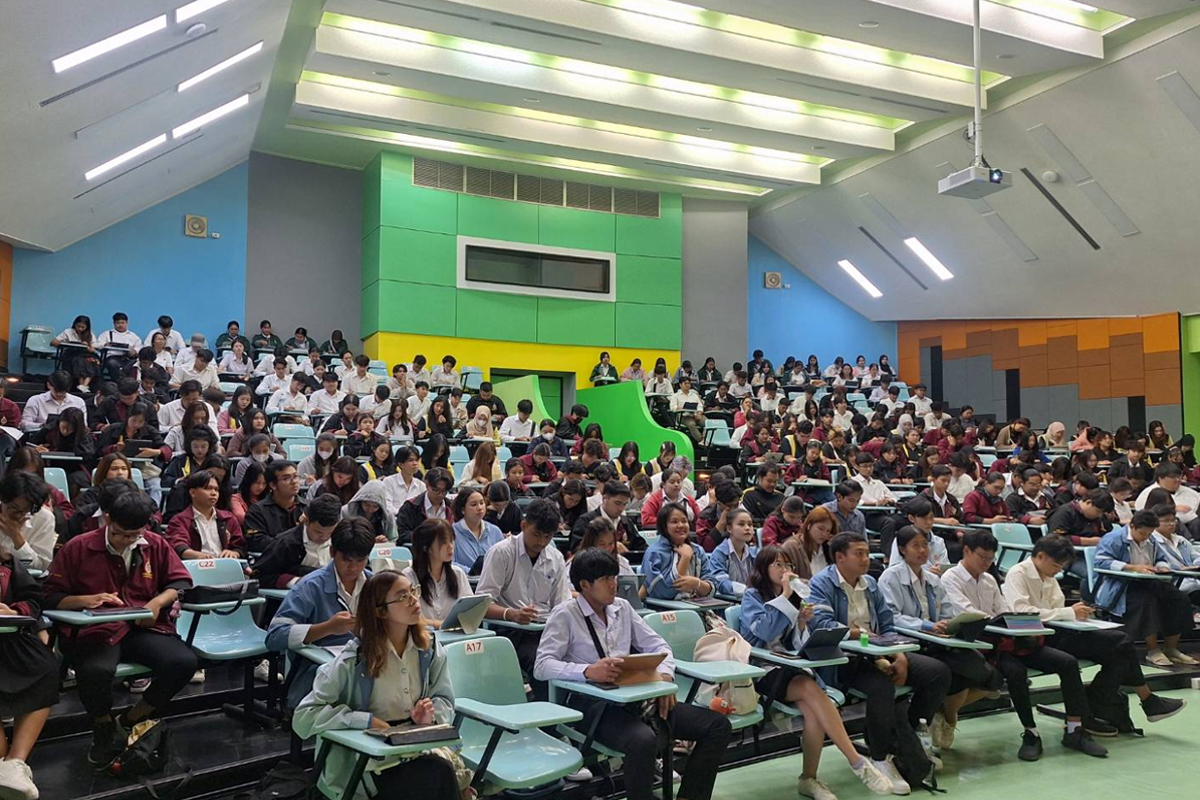
The event also included an interactive session where female students had the opportunity to engage directly with the staff of the Smile and Smart Center. This session provided a safe space for students to ask questions about various aspects of university life, from academic challenges to personal well-being. By fostering open dialogue, the session encouraged students to build connections with the center’s staff, who could later serve as mentors and provide ongoing support through the center’s mentoring services.
Scholarships
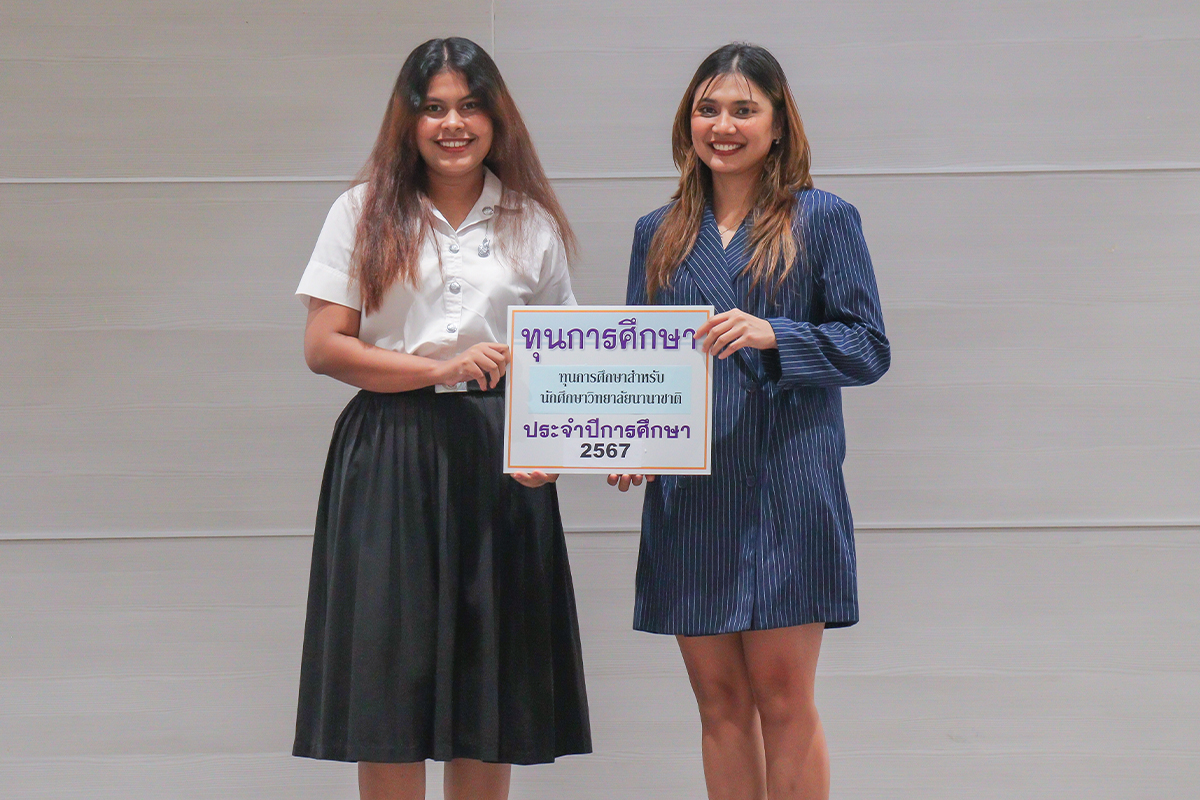
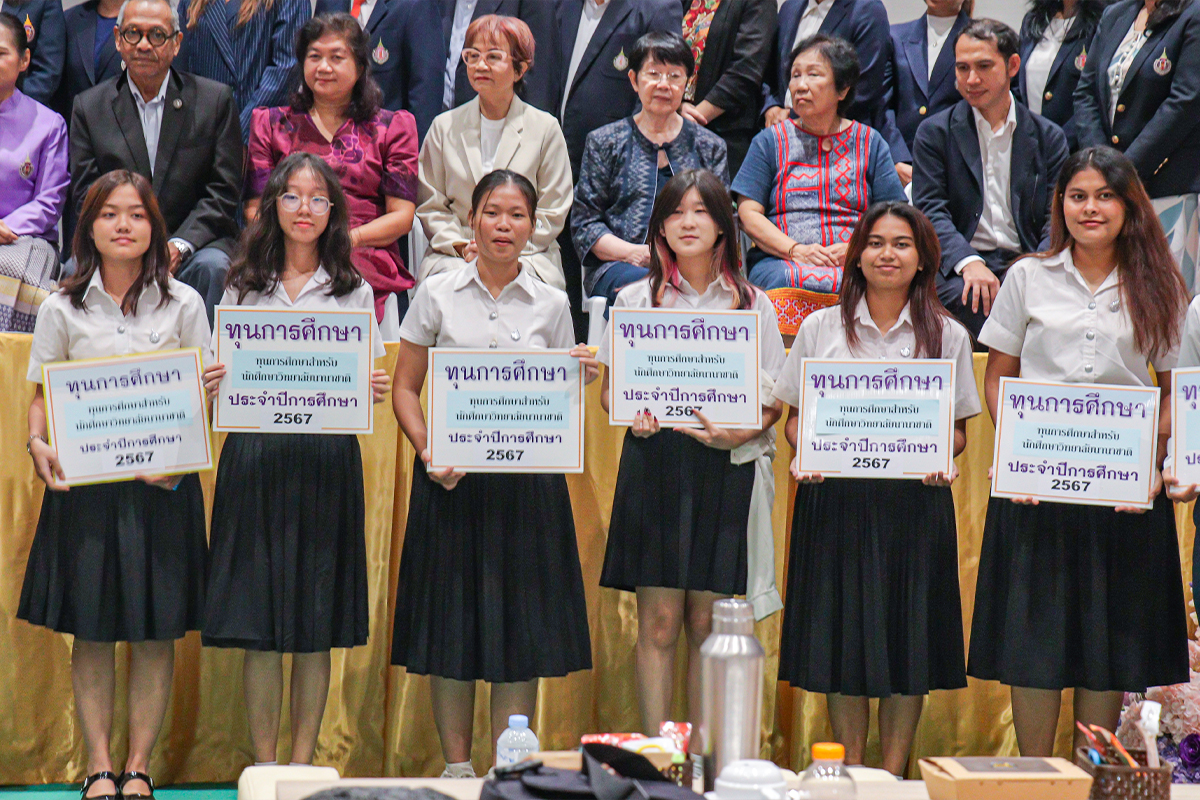
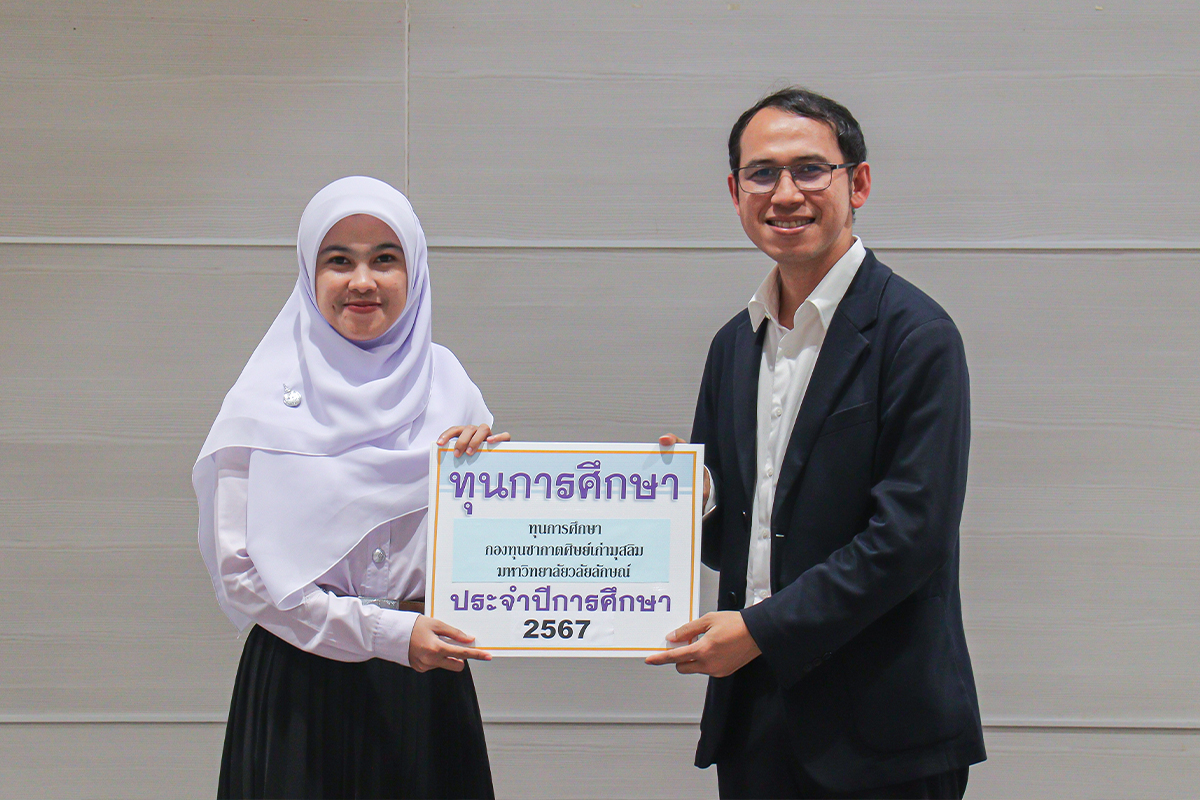
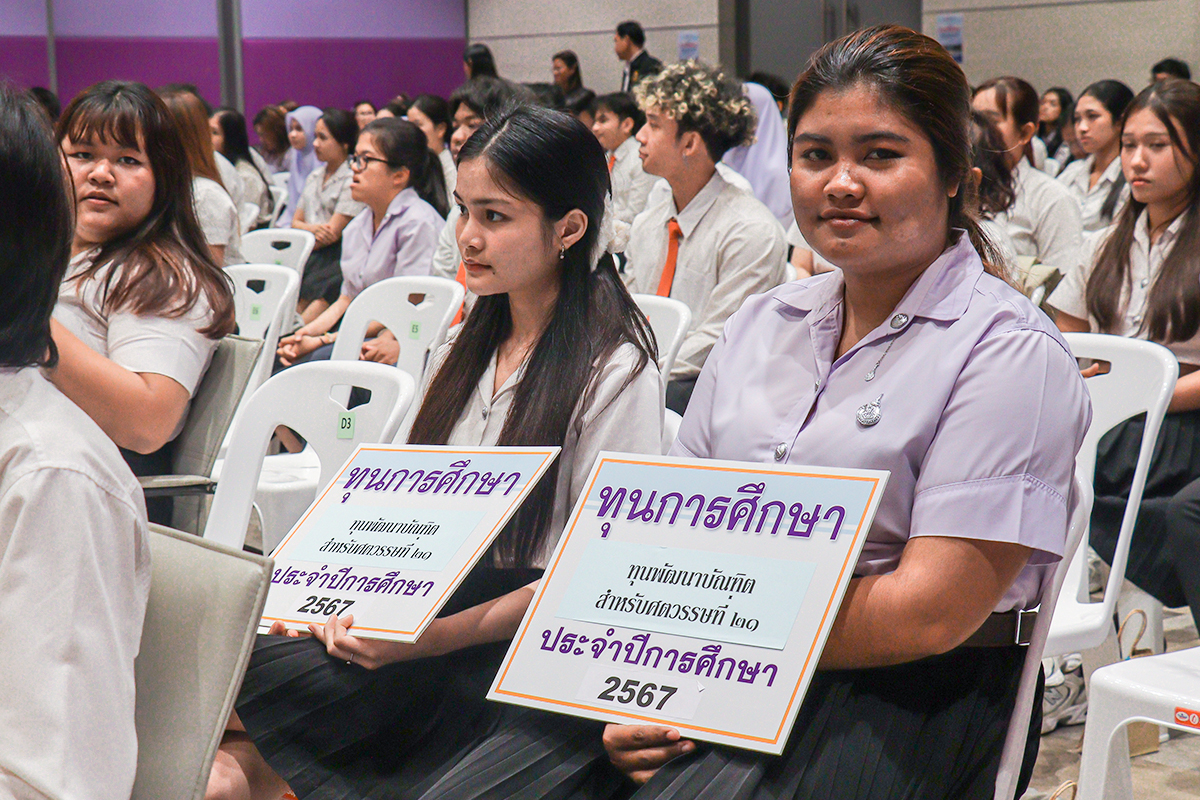
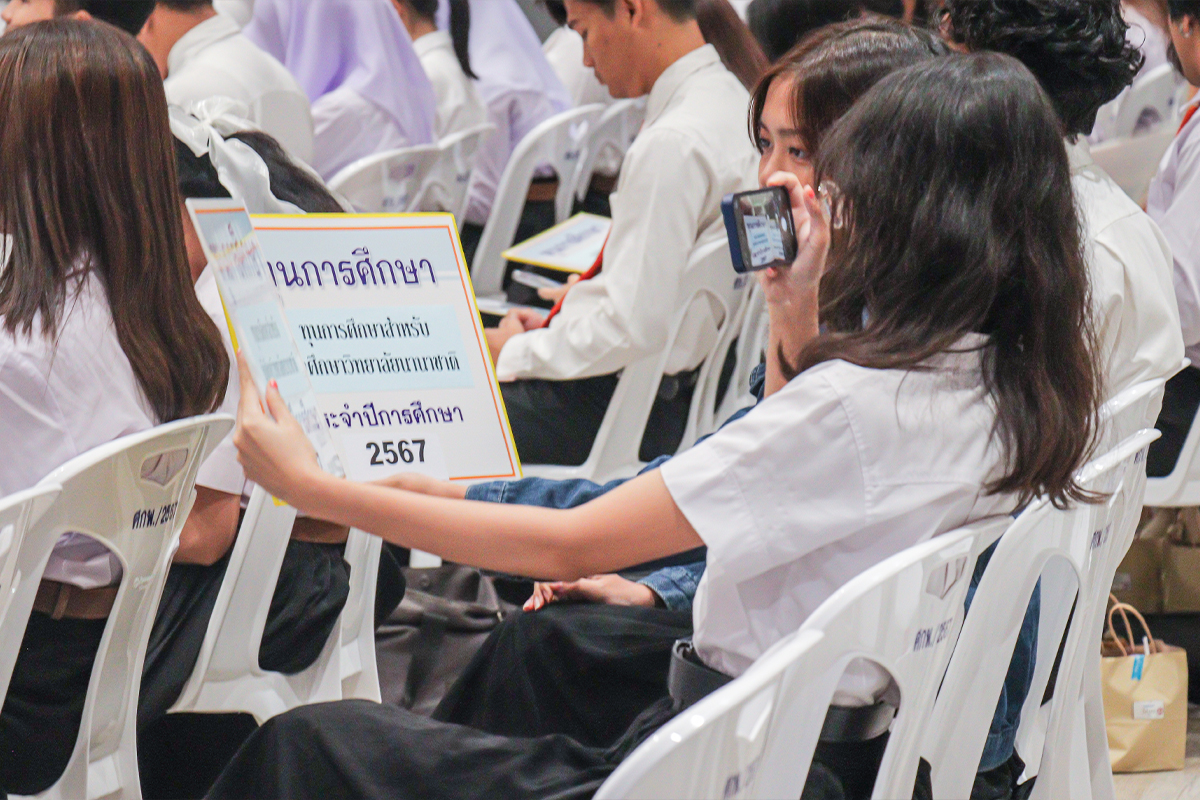
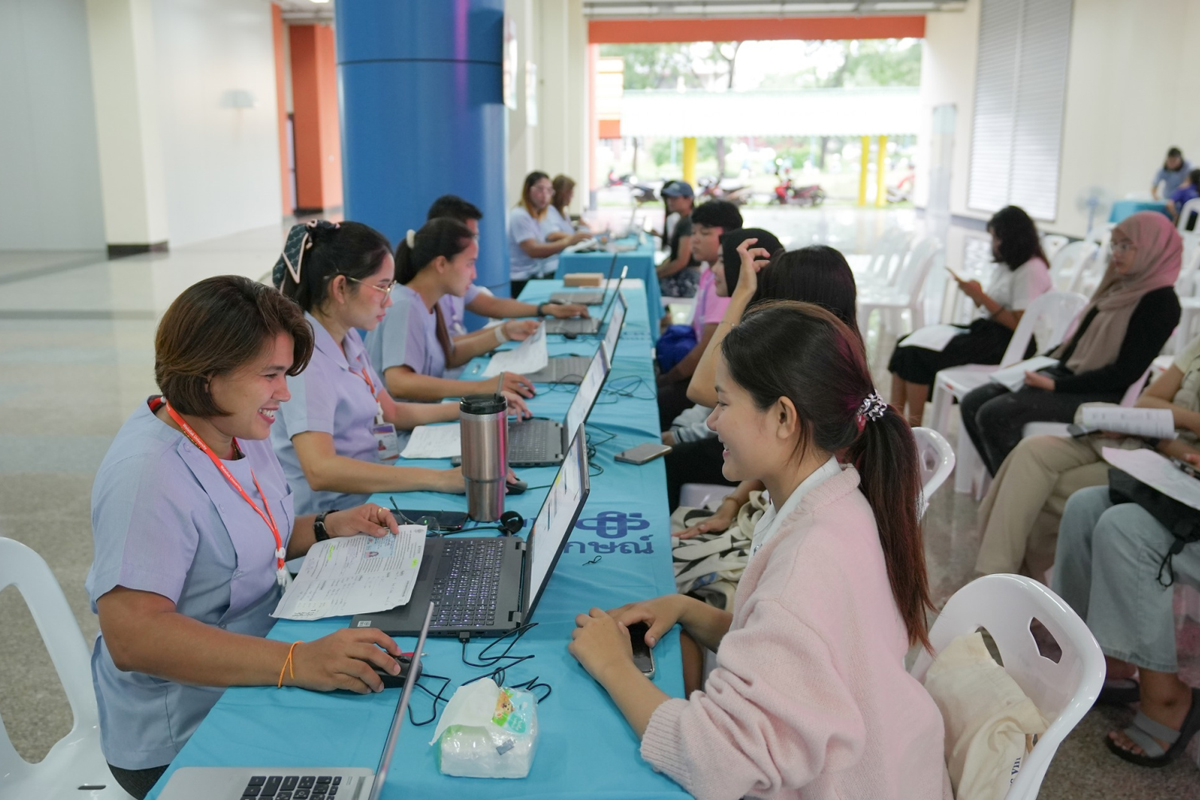
Walailak University recognizes that scholarships play a vital role in promoting women’s access to higher education, ensuring that financial challenges do not hinder their academic journey. In 2024, the university, together with its partners, awarded scholarships to 1,401 students, amounting to 80,528,820 baht. Among these, 980 female students were supported, allowing them to pursue their studies at Walailak University without financial burden. This initiative has fostered women’s applications, acceptance, entry, and active participation in higher education.
Importantly, the scholarships were not limited to Thai students but were also extended to displaced Burmese students as well as students from ASEAN and other low-income countries, including Vietnam, Uganda, Bangladesh, and Nigeria.
In addition, based on the measurement and evaluation conducted by Walailak University, a total of 41 international female postgraduate students from developing countries were awarded scholarships to pursue their studies at the university. These scholarships reflect the university’s strong commitment to promoting inclusive and equitable access to higher education for women who face financial barriers. The recipients came from diverse nations, including China, Bangladesh, Vietnam, Nigeria, Bhutan, Pakistan, Egypt, and Cambodia. Through this initiative, Walailak University not only empowers women to achieve academic and professional success but also strengthens international collaboration and contributes to the global advancement of education and gender equality.
Other Provision
WU HPV Vaccination Program: Enhancing Women's Ability to Thrive
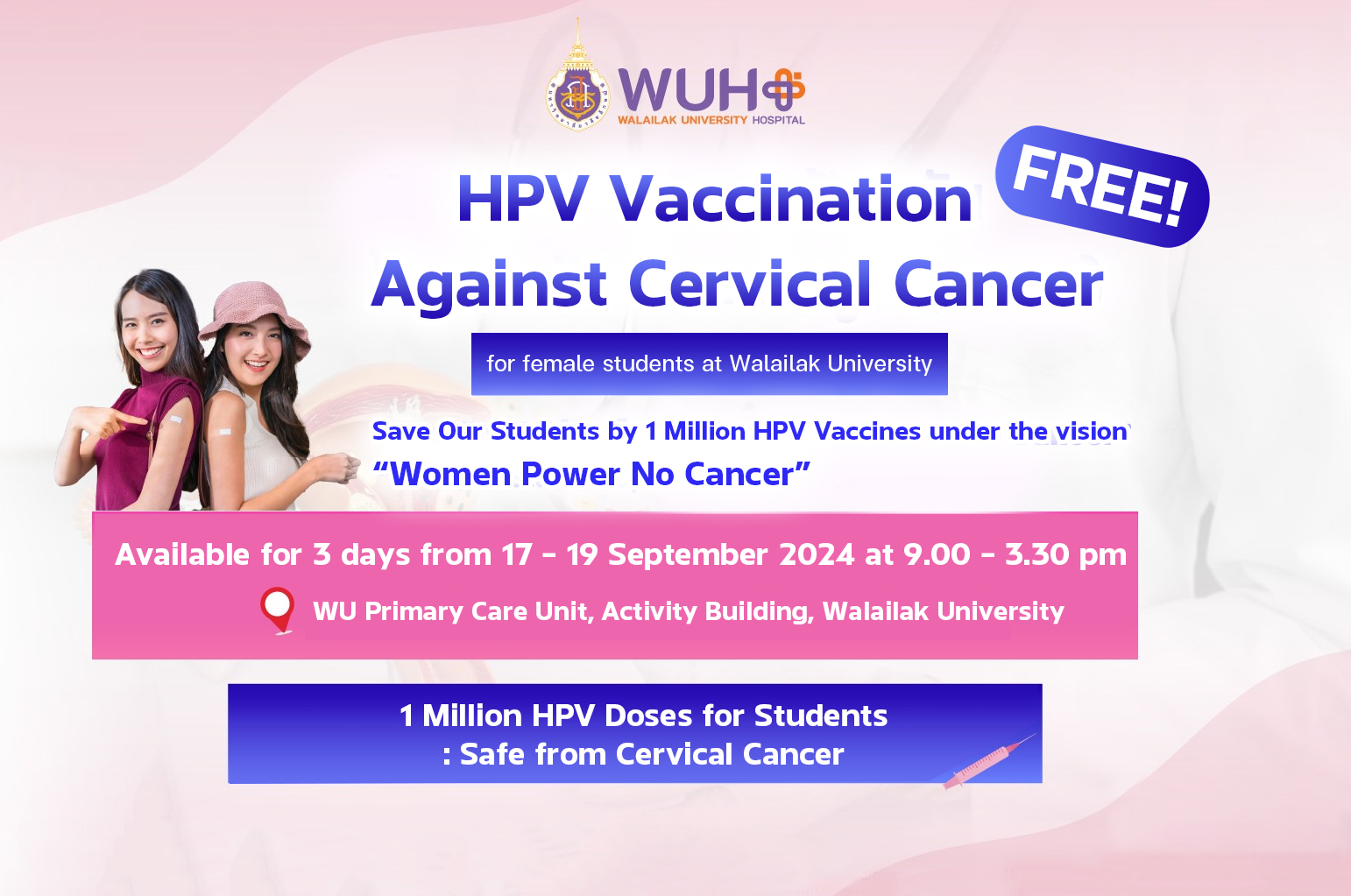
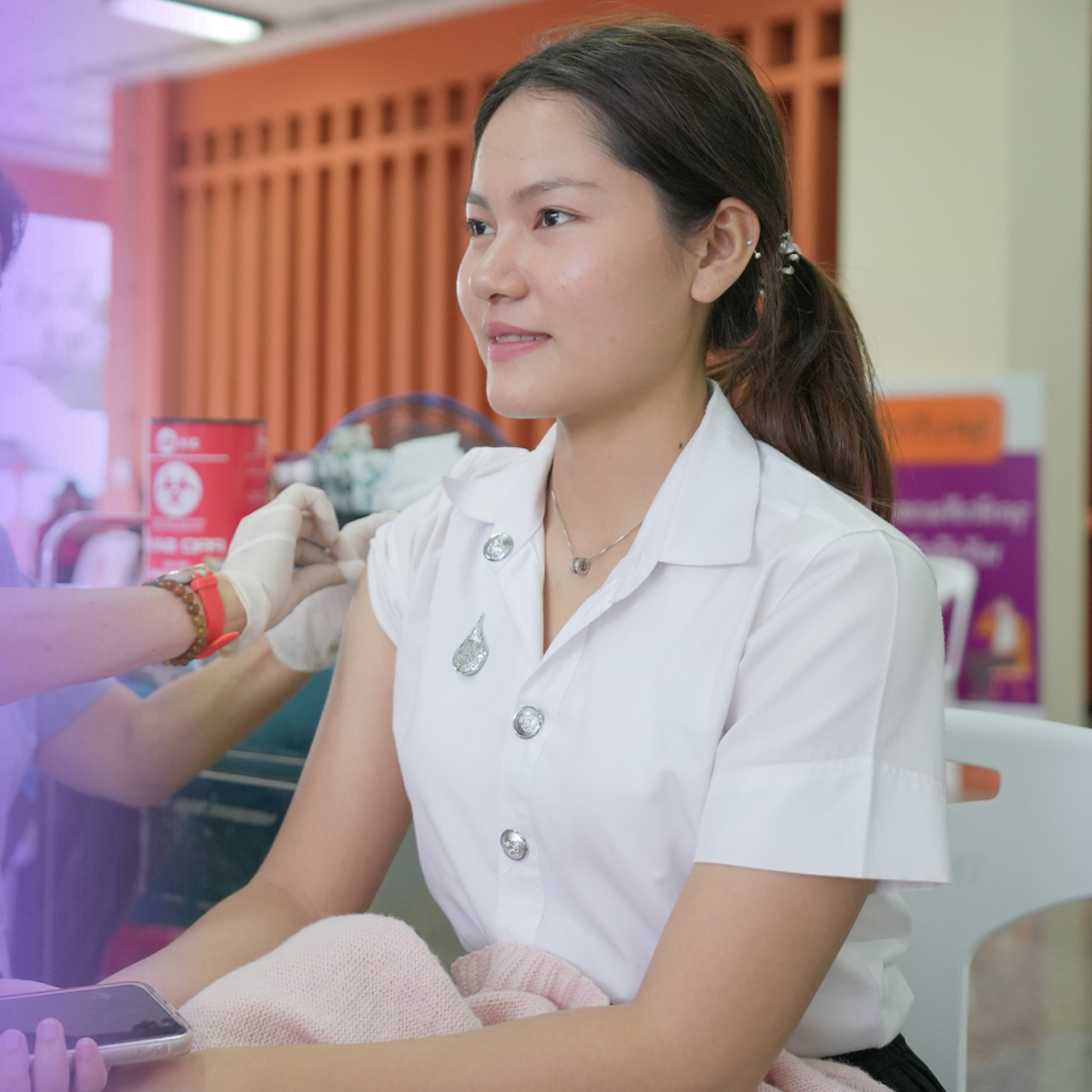
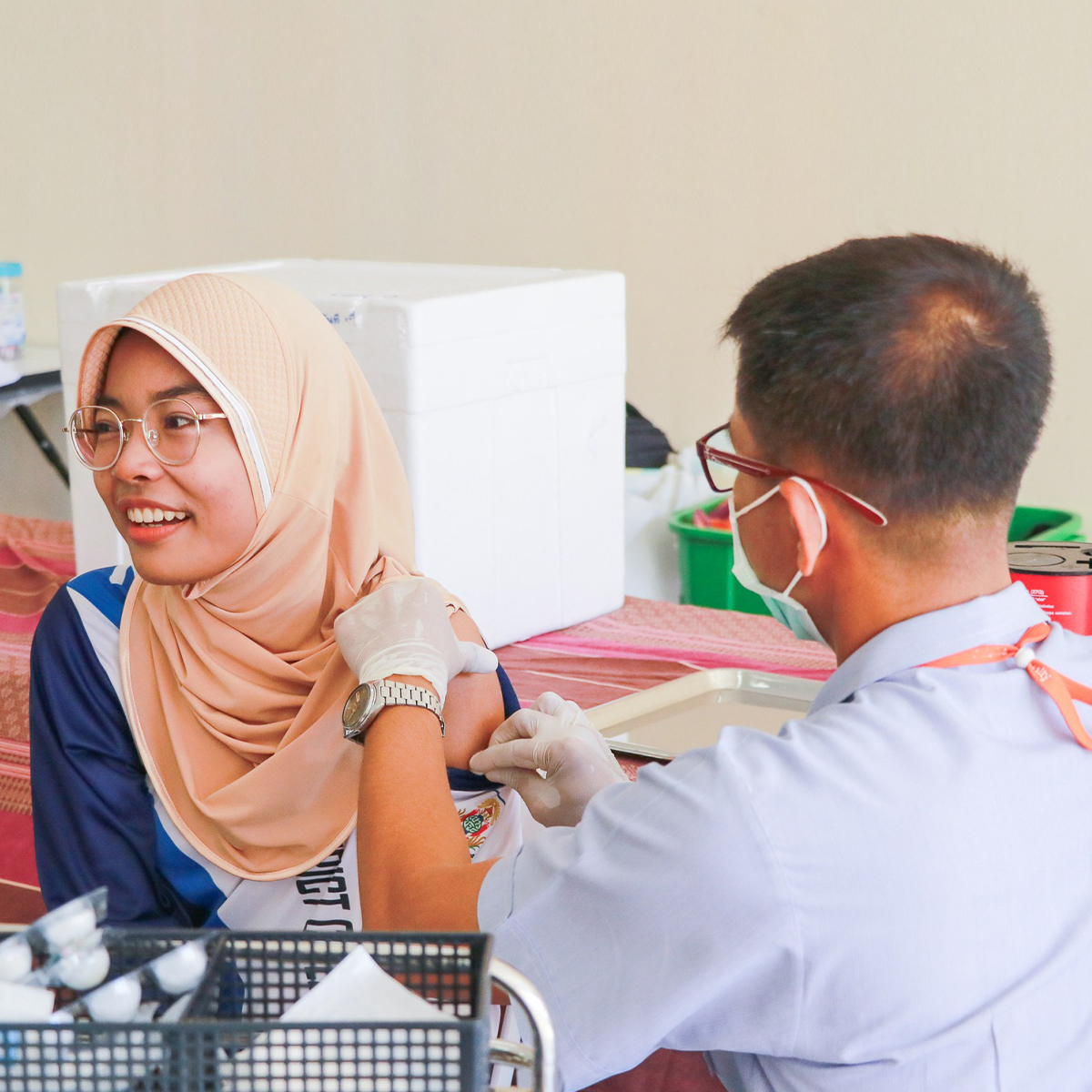
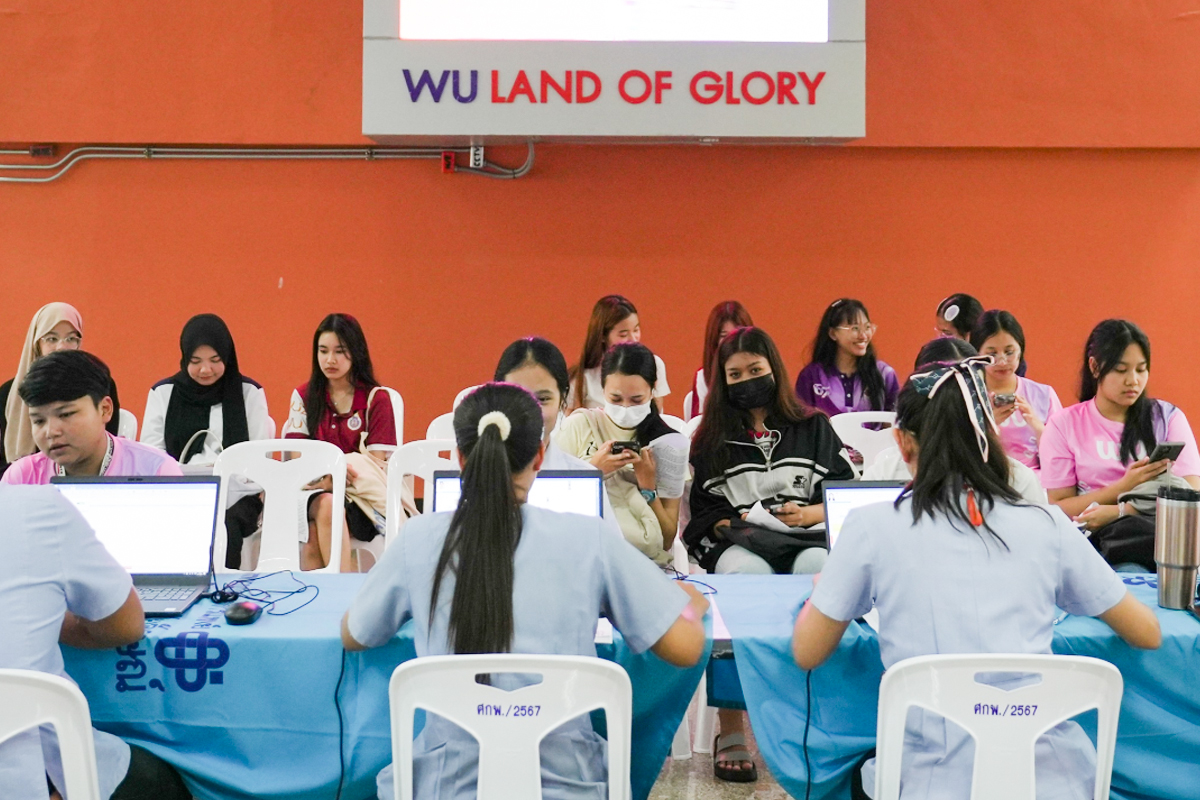
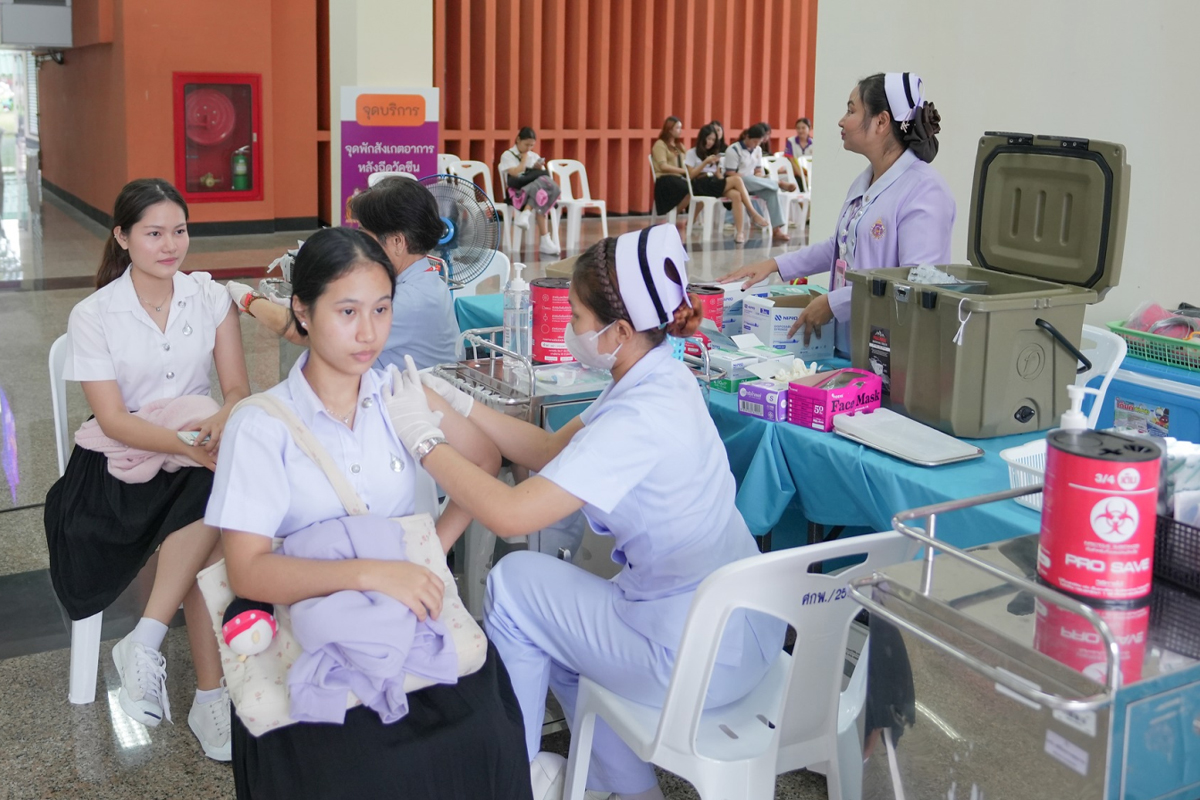
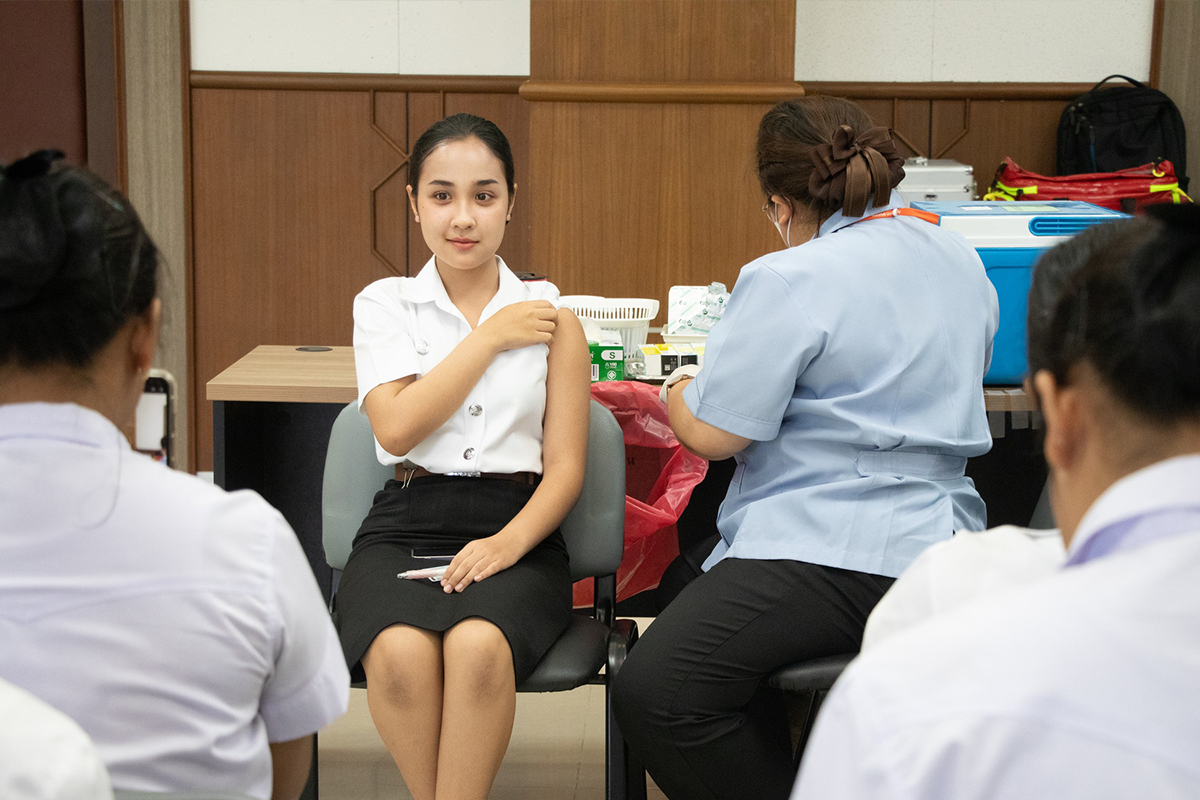
In 2024, Walailak University continued its free HPV Vaccination Program for all female students, reinforcing its commitment to women’s health and well-being. This initiative aimed to reduce health-related barriers to education, ensuring that female students could pursue higher education without concerns about preventable health issues.
The program was part of Thailand’s national Quick Win 100 Days, 1 Million Doses Policy, which focuses on cervical cancer prevention through widespread HPV vaccination. By integrating this health intervention into its student support system, Walailak University demonstrated a holistic approach to women’s access schemes, recognizing that health security is a crucial factor in academic success.
In 2024, a total of 3,874 female students received the HPV vaccine, contributing to the university’s broader efforts in sexual and reproductive health care. The vaccinations were administered through the Walailak University Hospital, ensuring accessibility and professional medical support for students.
The Center for Cooperative Education and Career Development
Walailak University established the Center for Cooperative Education and Career Development (COOP) to enhance career opportunities and workplace readiness for students, with a particular focus on supporting female students in securing meaningful employment. The center, administered by Dr. Attanan Tachopisalwong, plays a vital role in bridging the gap between education and industry, ensuring that students gain real-world experience and build valuable professional connections.
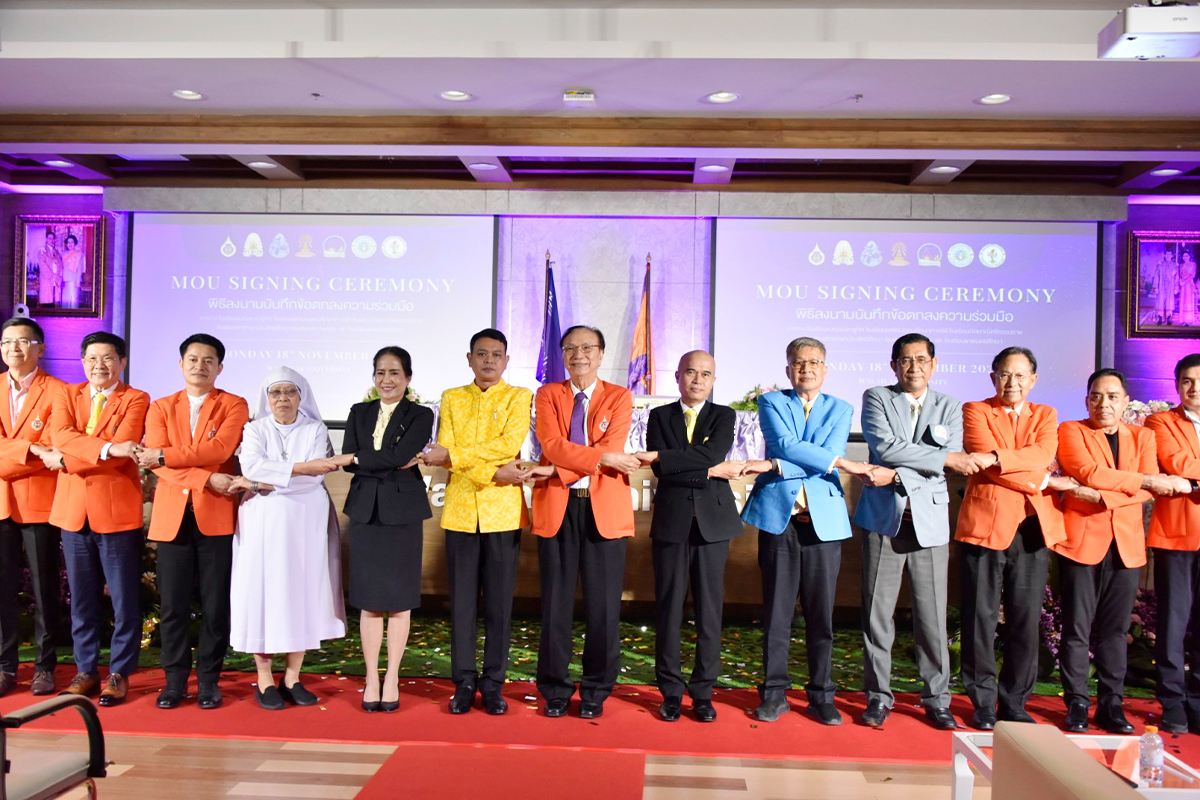
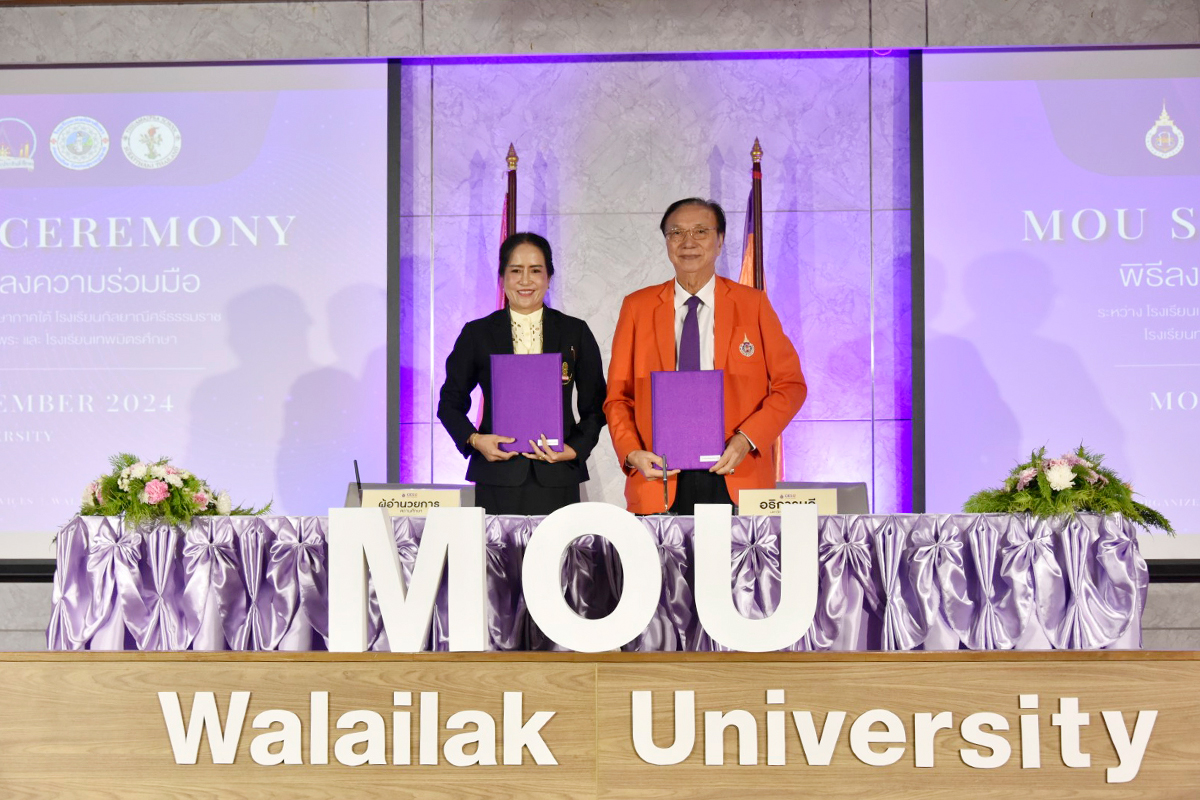
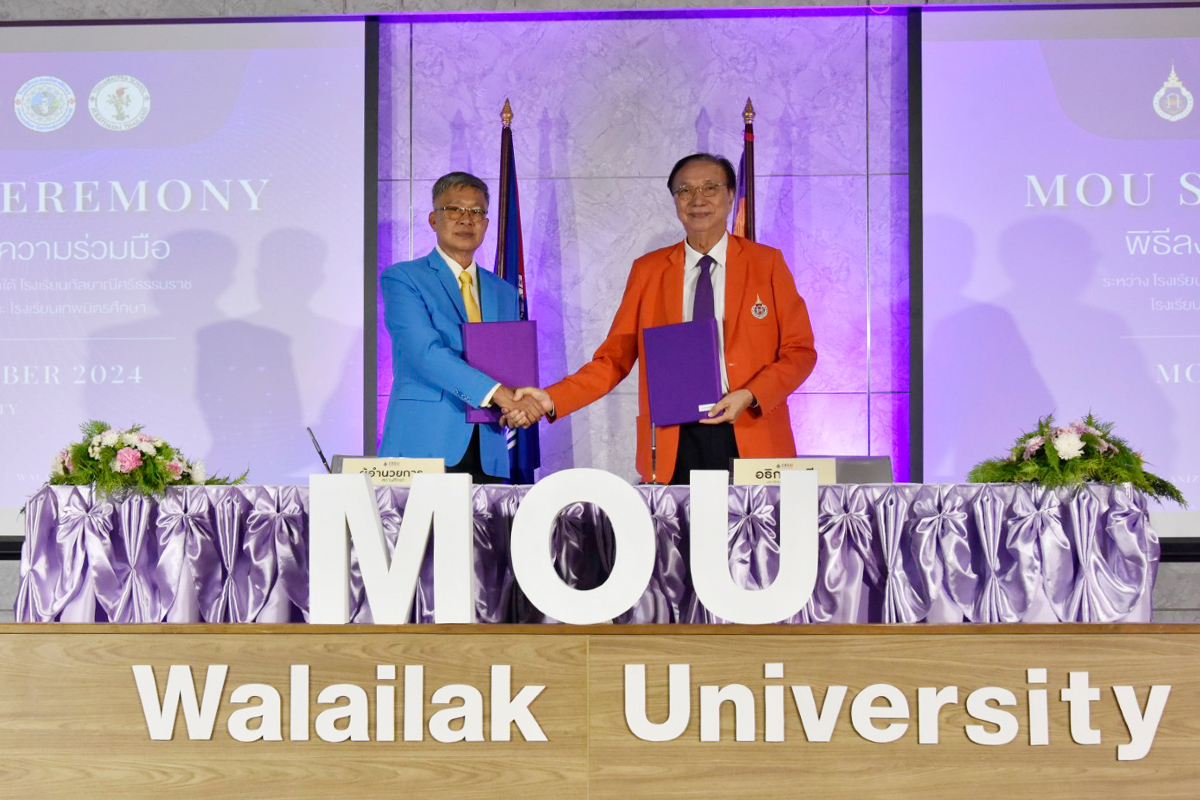
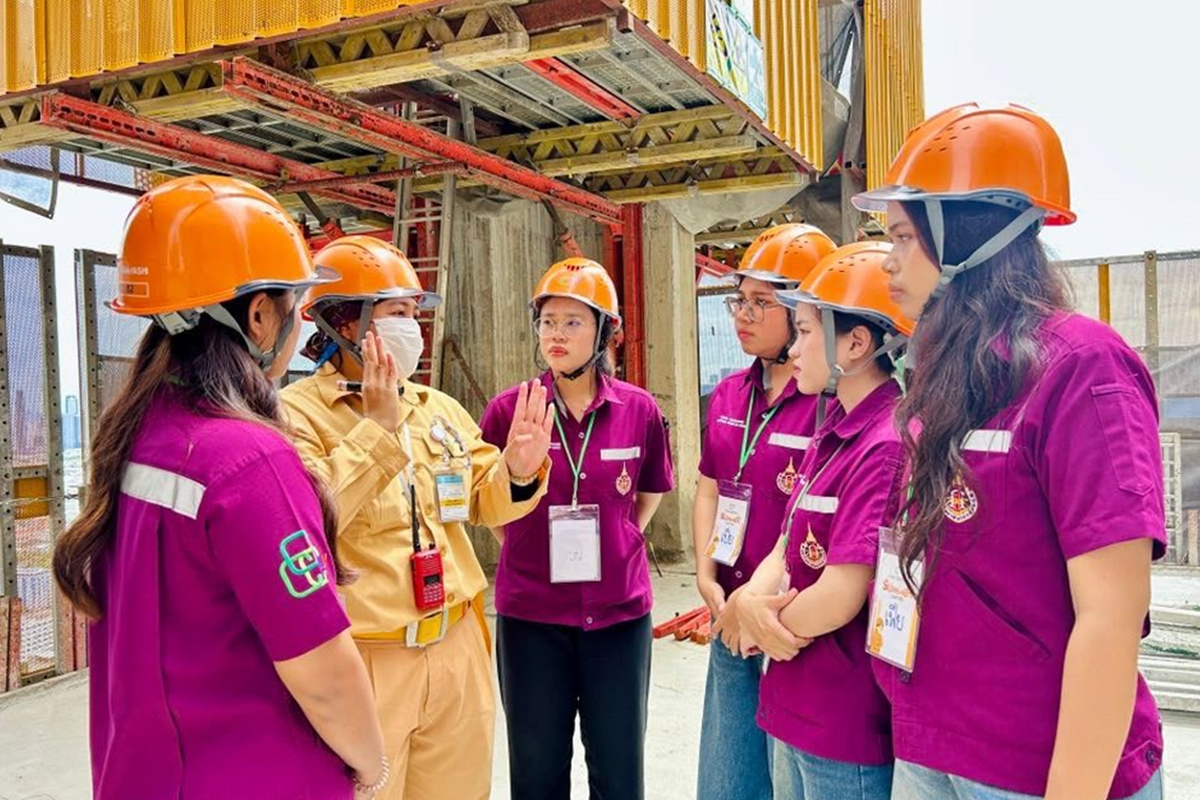
Each year, the center partners with private companies, government agencies, and NGOs through Memorandums of Understanding (MOUs) to create internship and job placement opportunities. These collaborations are designed to empower female students, providing them with equal access to career pathways and mentorship programs that help them navigate workplace challenges.
Additionally, Walailak University has expanded its cooperative education program to eight months, allowing students to gain extended hands-on experience in their chosen fields. This initiative aligns with national and global efforts to improve women’s access to employment, ensuring that female graduates are equipped with the skills, confidence, and networks needed to succeed in competitive job markets.
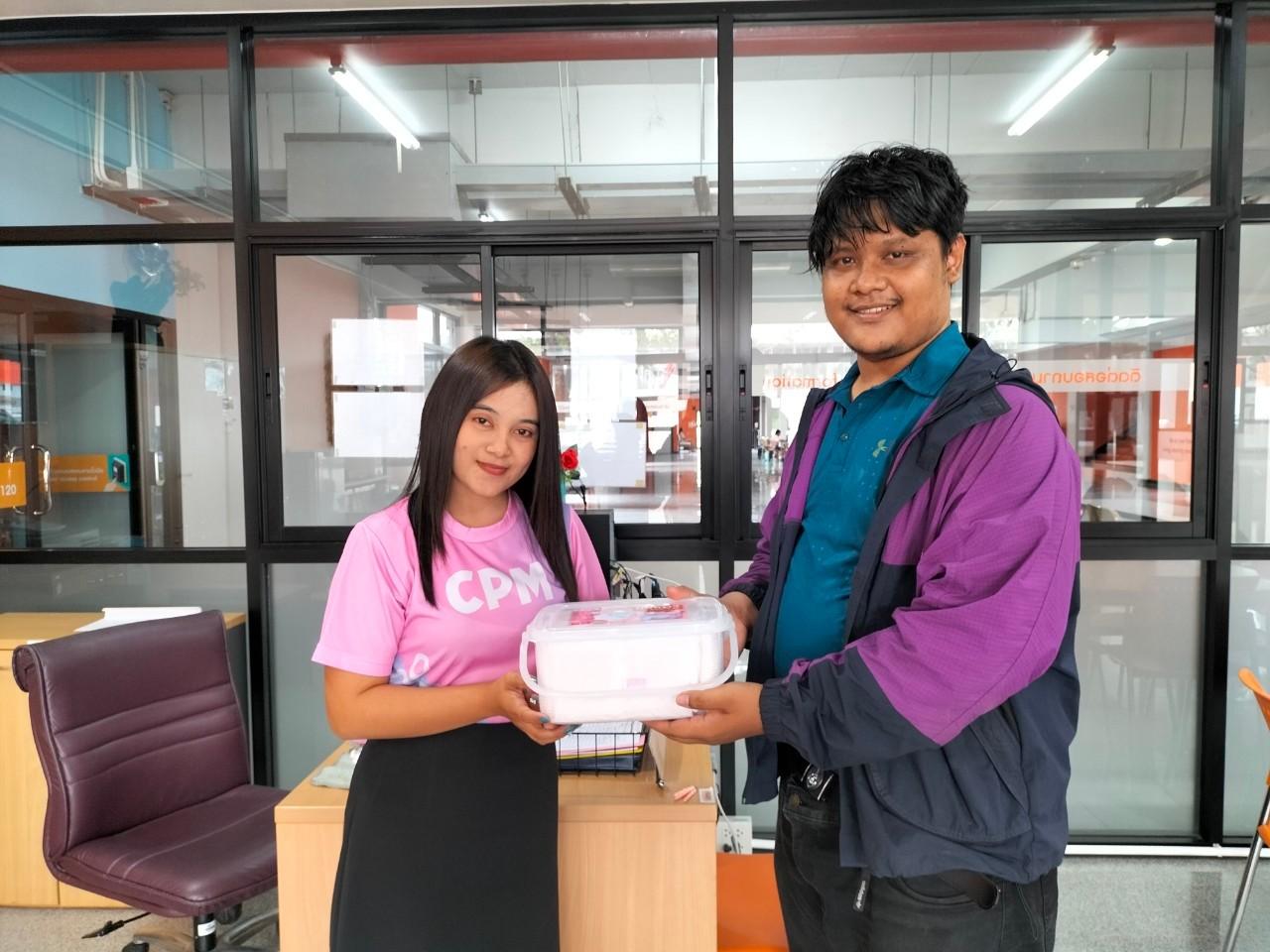
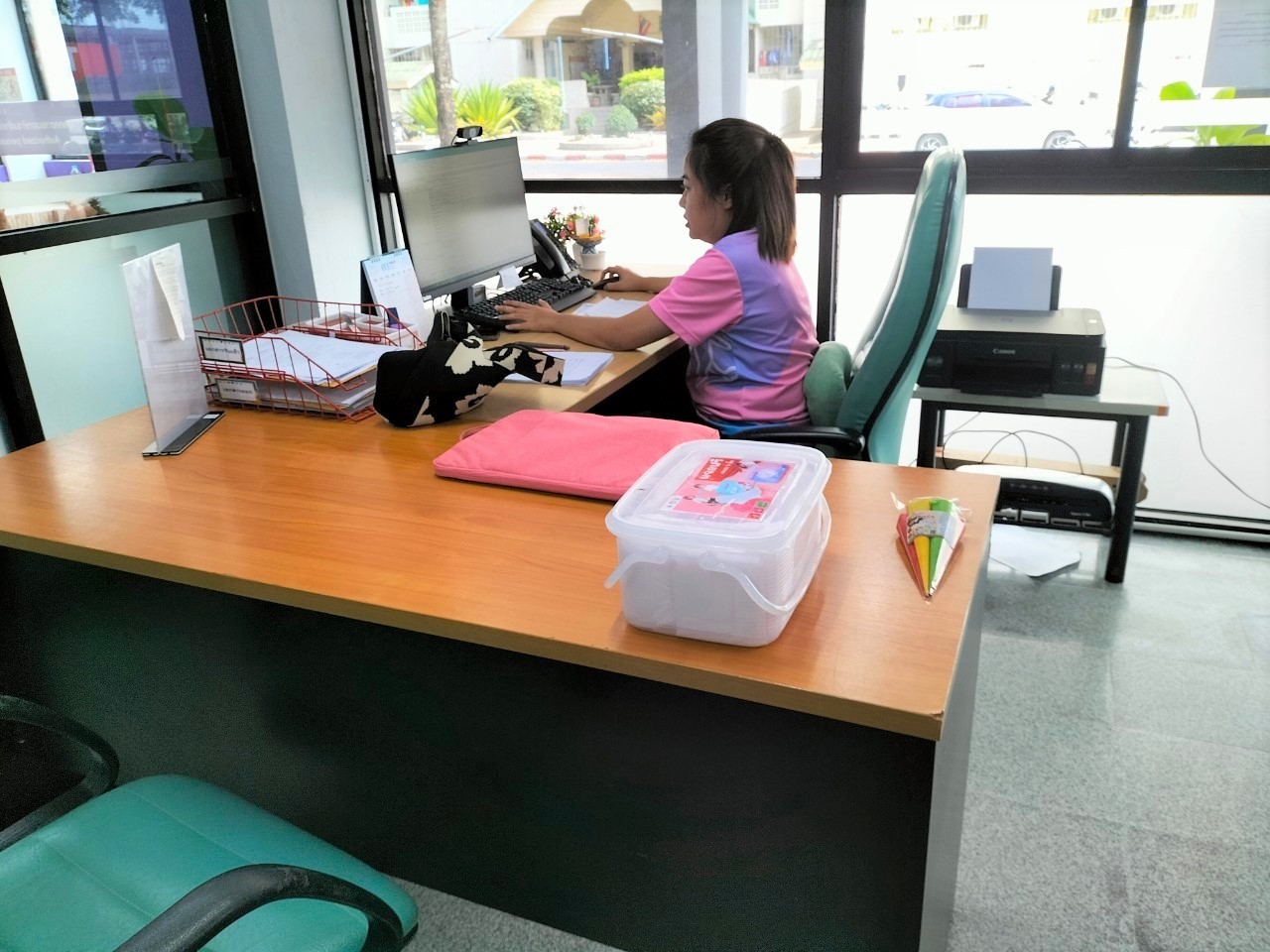
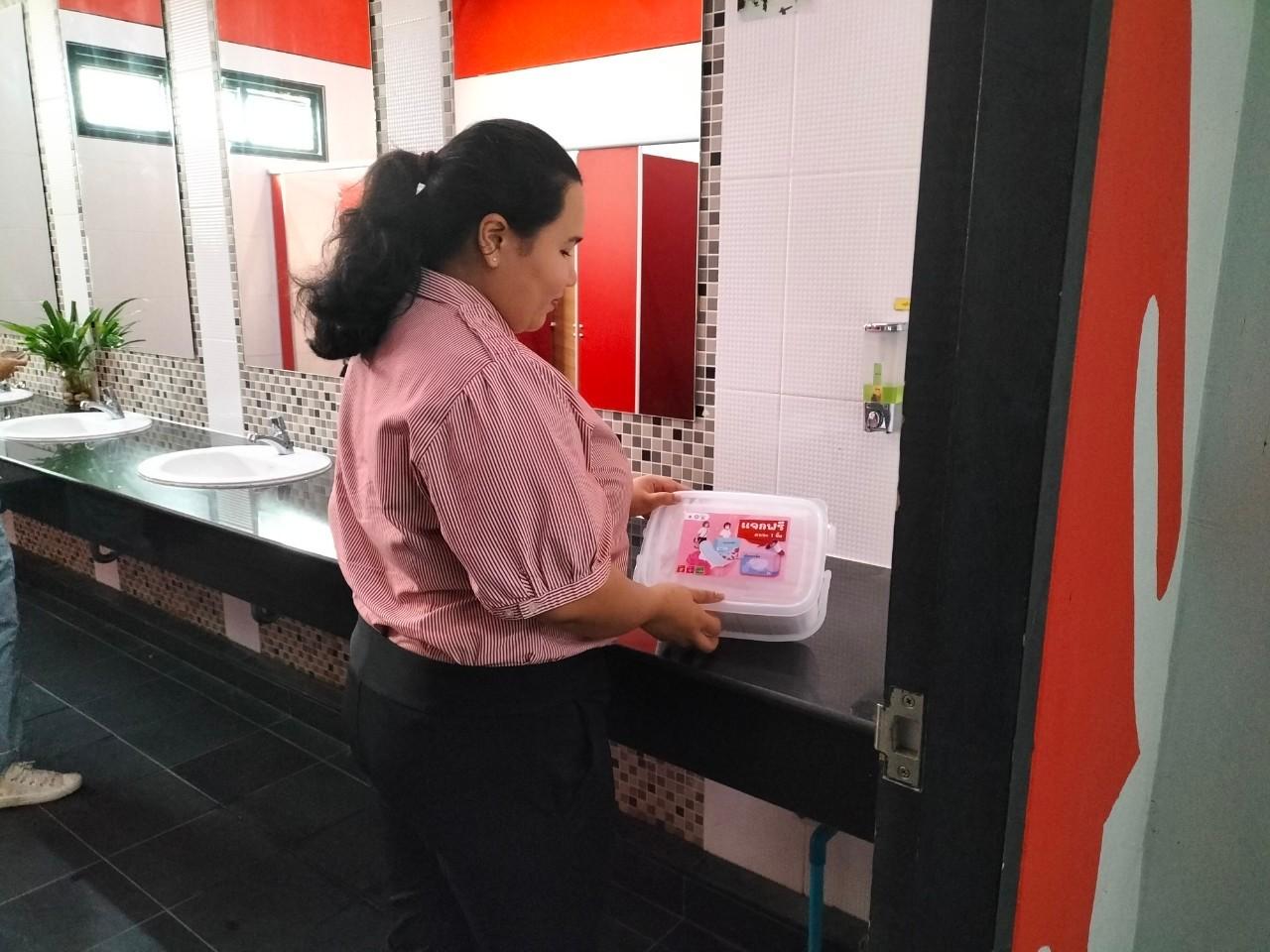
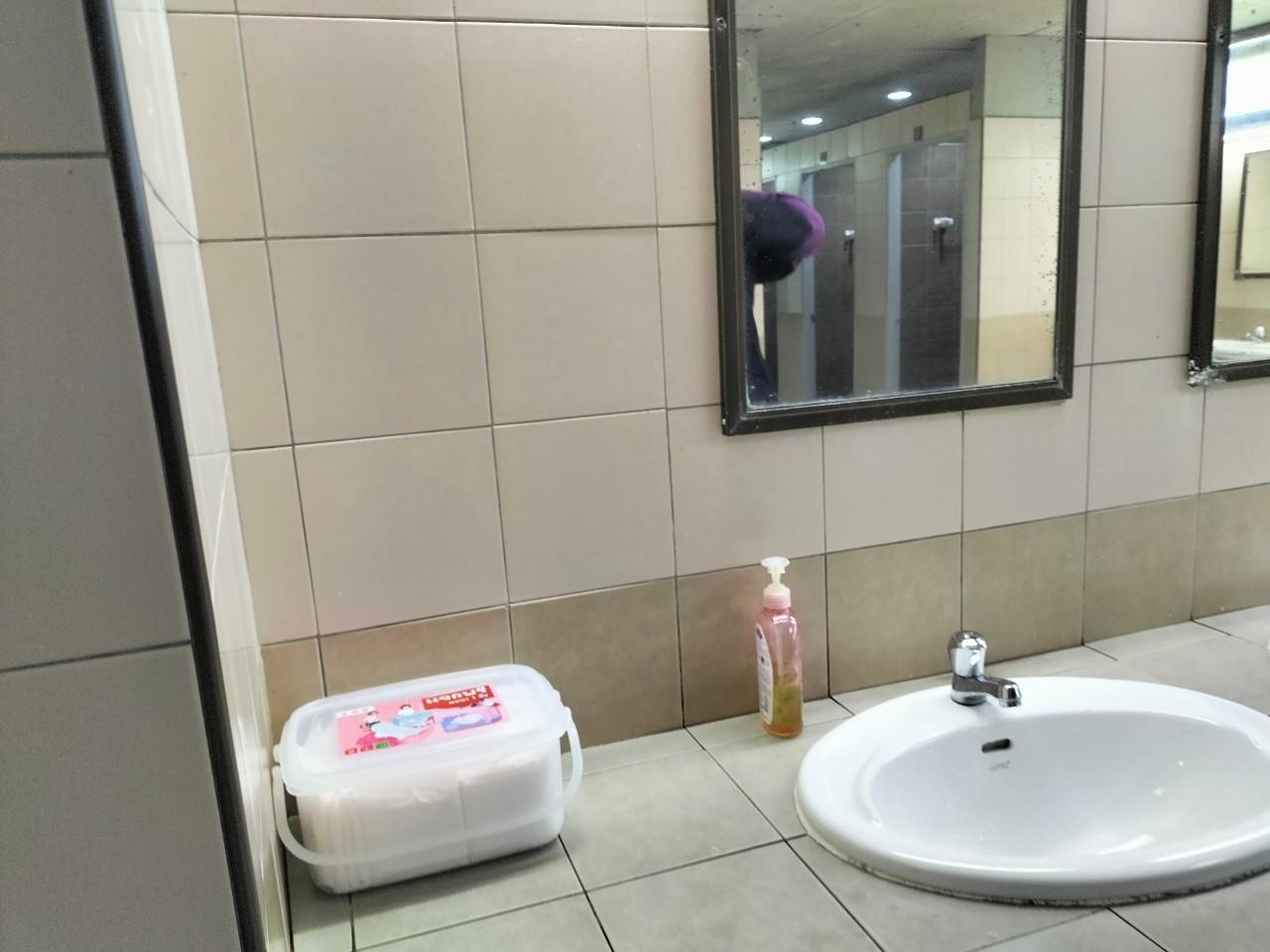
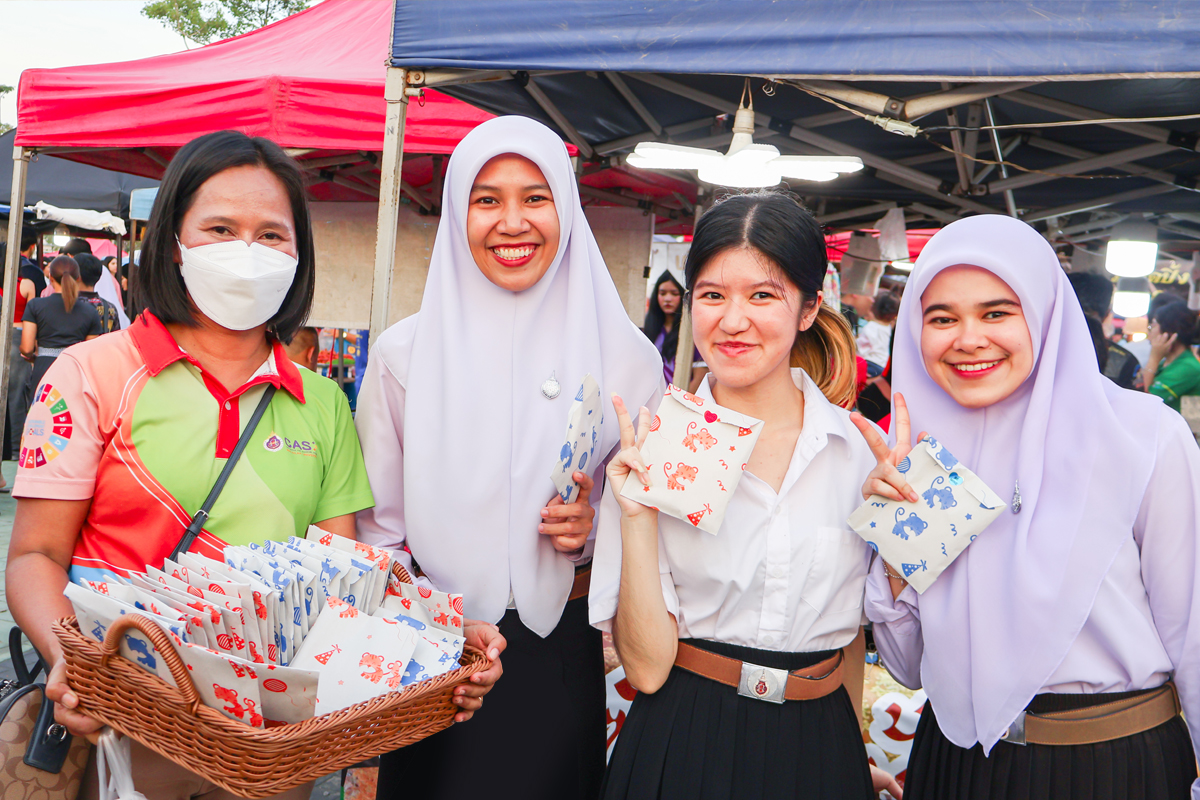
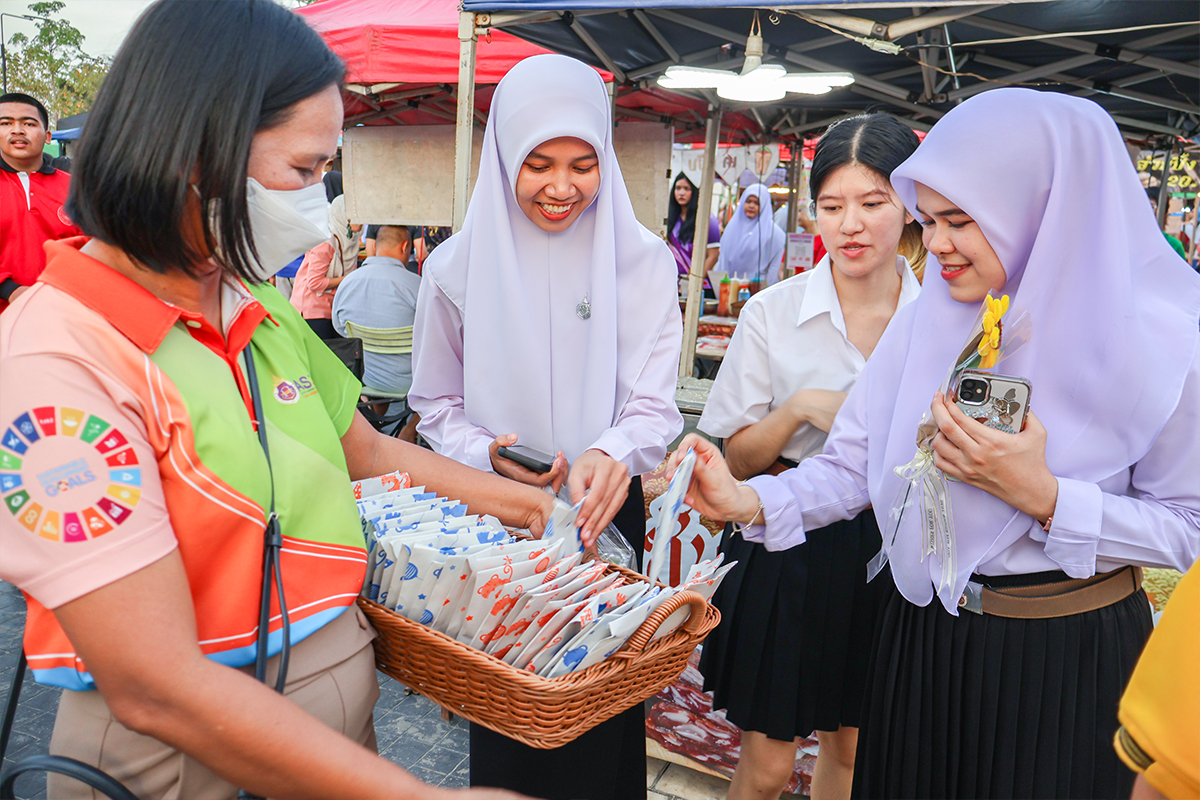
In 2024, WU introduced a Sanitary Napkin Distribution Scheme to support female students and staff by providing free access to sanitary napkins. This initiative was designed to reduce the stigma surrounding menstrual health and promote equal opportunities for women. To ensure accessibility, WU installed sanitary napkin dispensers in female student dormitories, allowing students to freely access the supplies whenever needed.
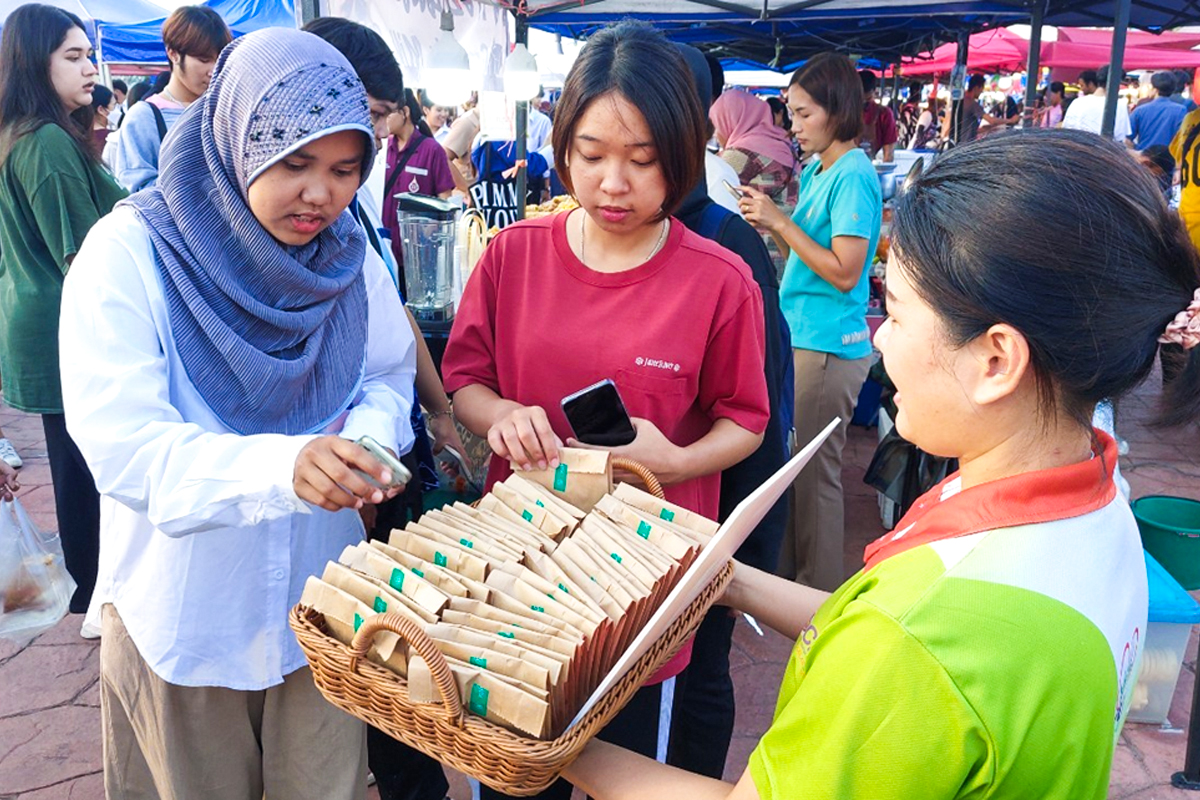
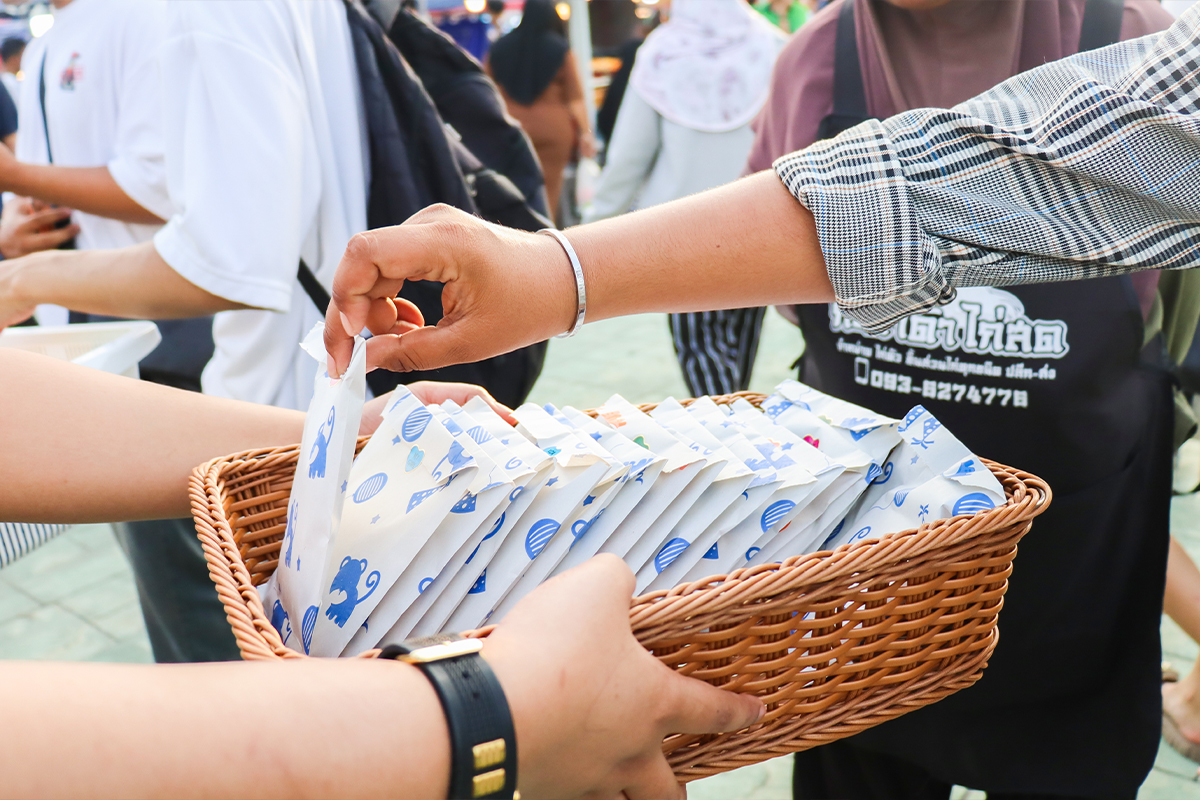
Additionally, a central distribution point was established at WU Bota Market, where a team of university staff organized an engaging awareness activity. During the event, sanitary napkins were distributed to female students and staff, while the team highlighted the importance of menstrual health as part of gender equality efforts. Over 1,000 sanitary napkins were distributed in 2024, demonstrating WU’s commitment to supporting the well-being of its community.
Through the women’s access schemes at Walailak University, female students gain comprehensive support that enhances their academic, personal, and professional development. These schemes provide mentoring in both the pre-admission and post-admission phases, equipping students with guidance on university entry, academic preparation, emotional well-being, and career readiness. Female students benefit from personalized support through the Smile and Smart Center, where they receive counseling, skill-building workshops, and access to mental health services. Additional provisions such as the HPV vaccination program, the sanitary napkin distribution scheme, and extended cooperative education opportunities further ensure that women can thrive in a safe, inclusive, and empowering learning environment. These initiatives collectively help female students overcome barriers, strengthen their resilience, and fully engage in university life.