Walailak University Providing Free Public Access to Museums, Exhibition Spaces, and Works of Art
Walailak University provides free public access to its museums, exhibition spaces, galleries, works of art, and artefacts, offering inclusive learning opportunities for people of all genders, ages, and backgrounds. The university also participates in the Plant Genetic Conservation Project under the Royal Initiative of Her Royal Highness Princess Maha Chakri Sirindhorn (RSPG), continuing the legacy of His Majesty King Rama IX in conserving natural resources. This project emphasizes community participation to promote awareness, appreciation, and the sustainable use of Thailand’s natural resources.
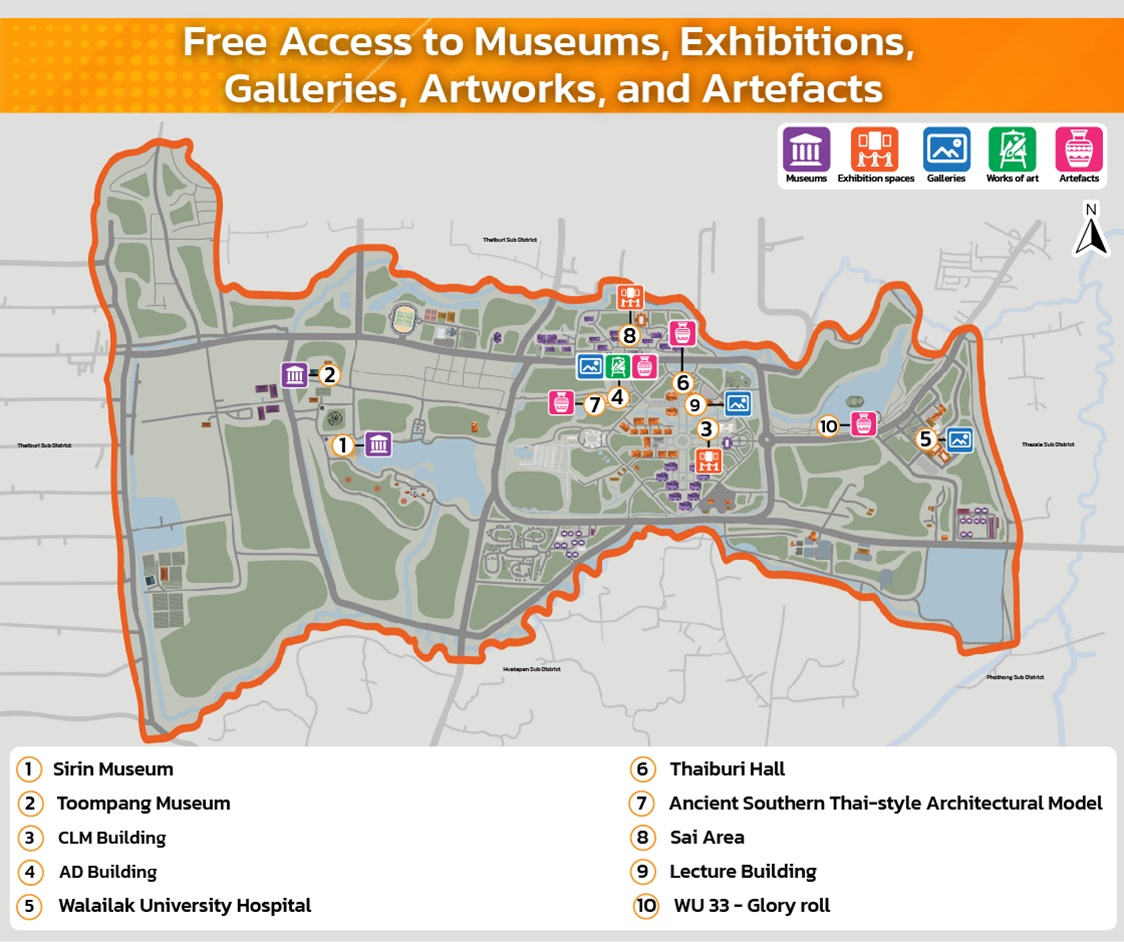
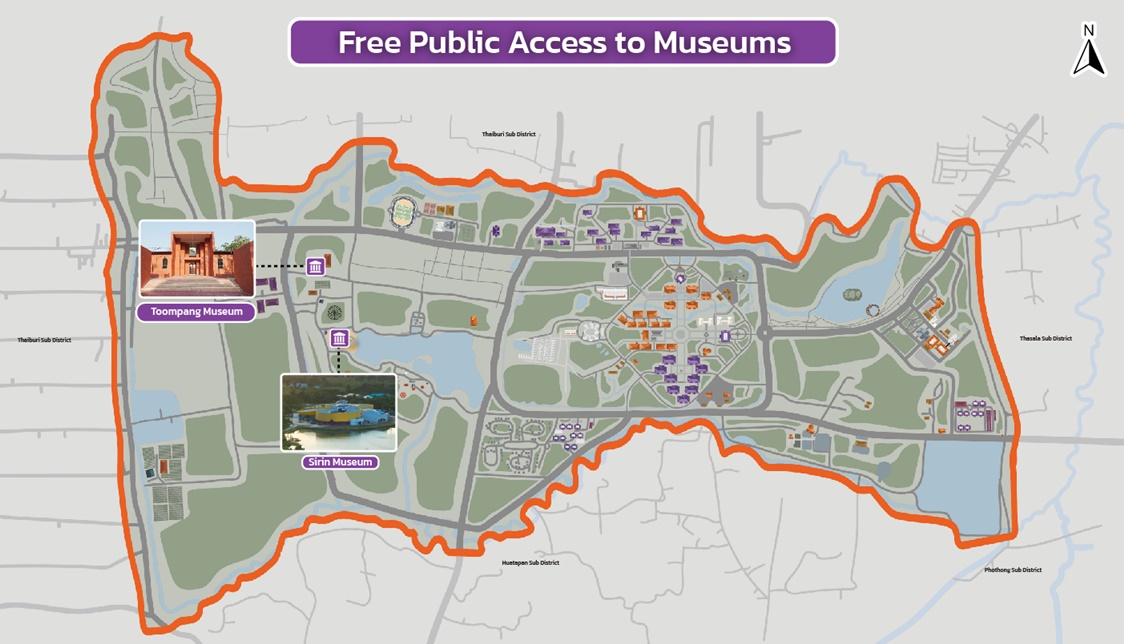
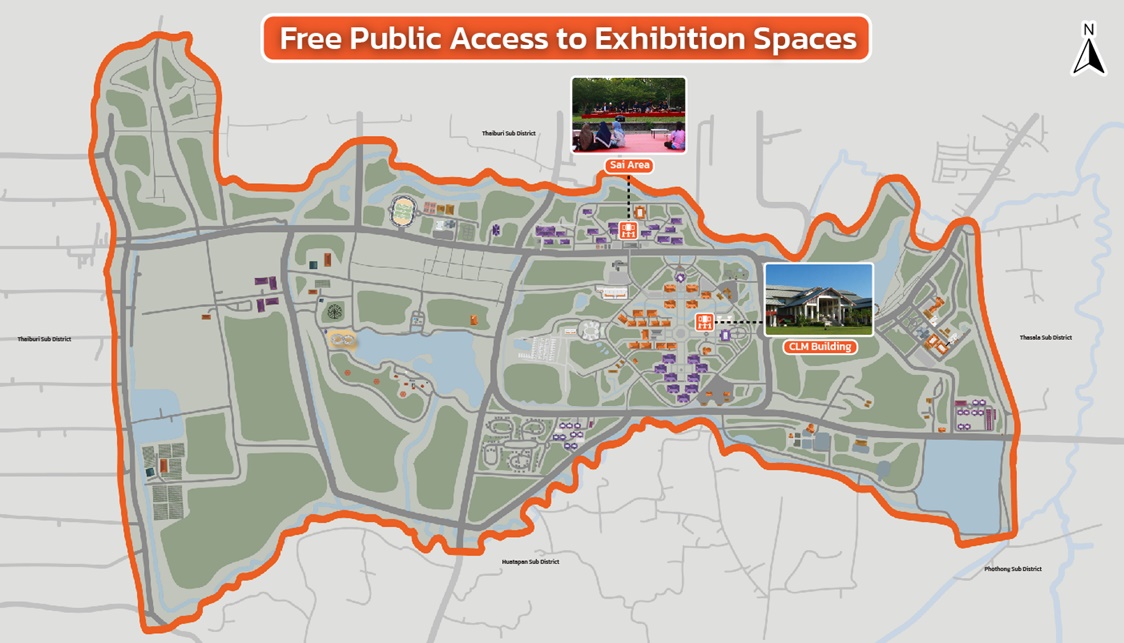
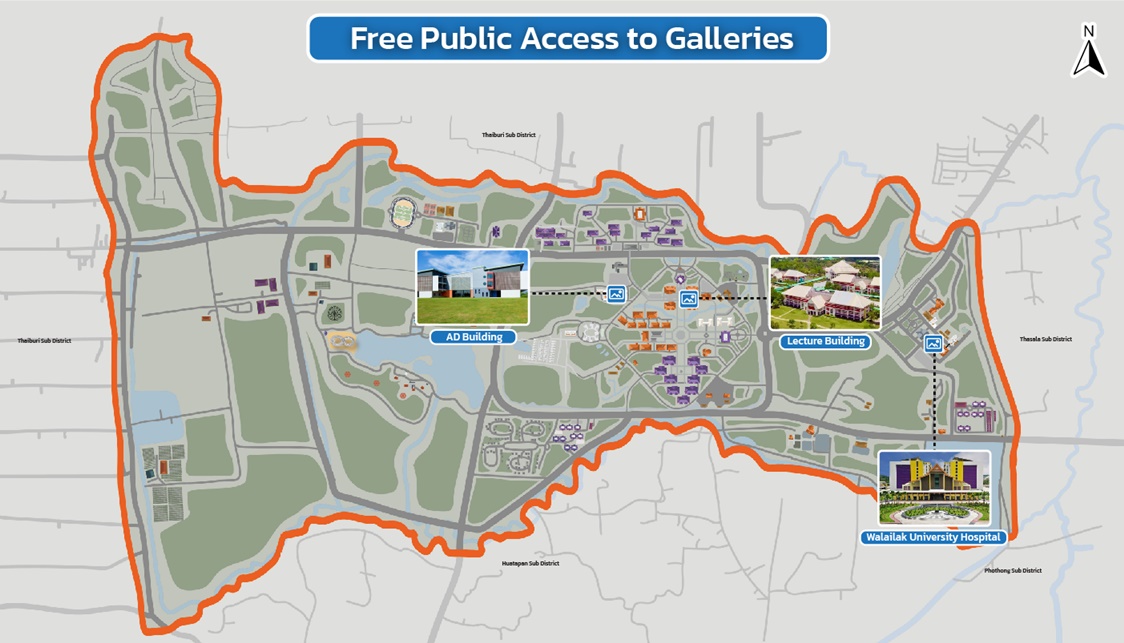
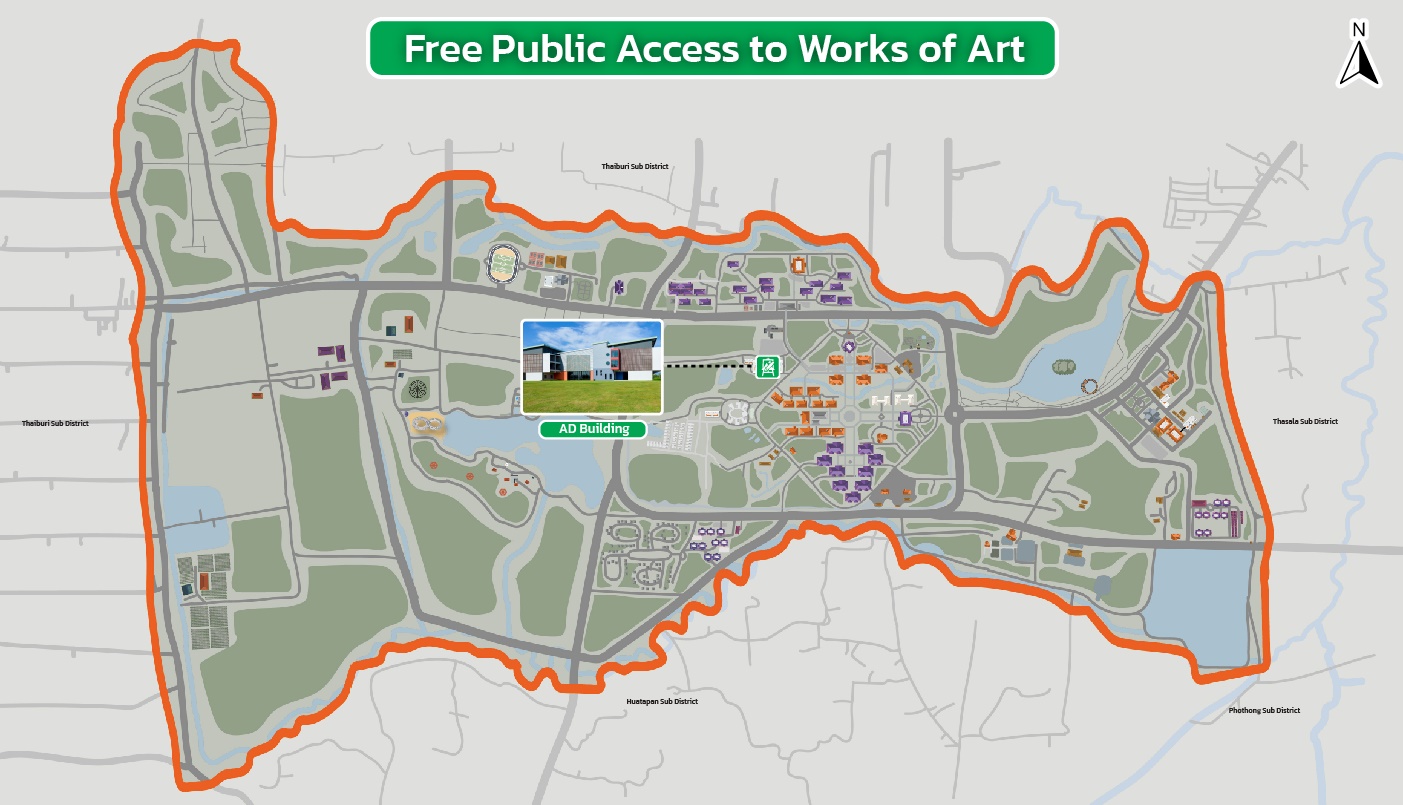
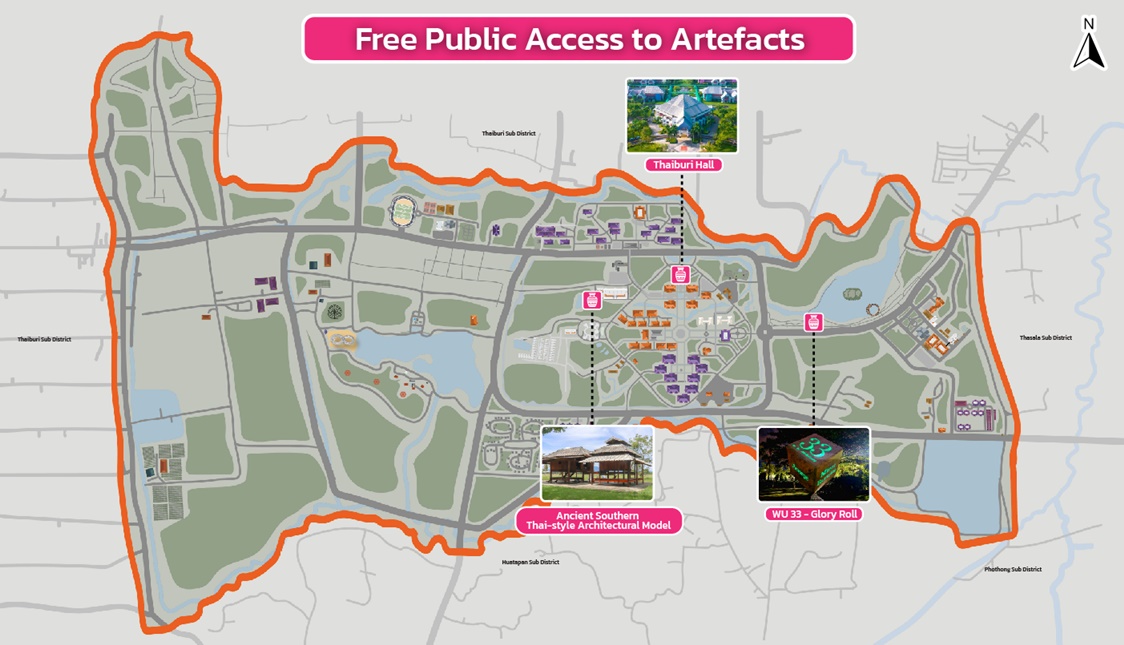
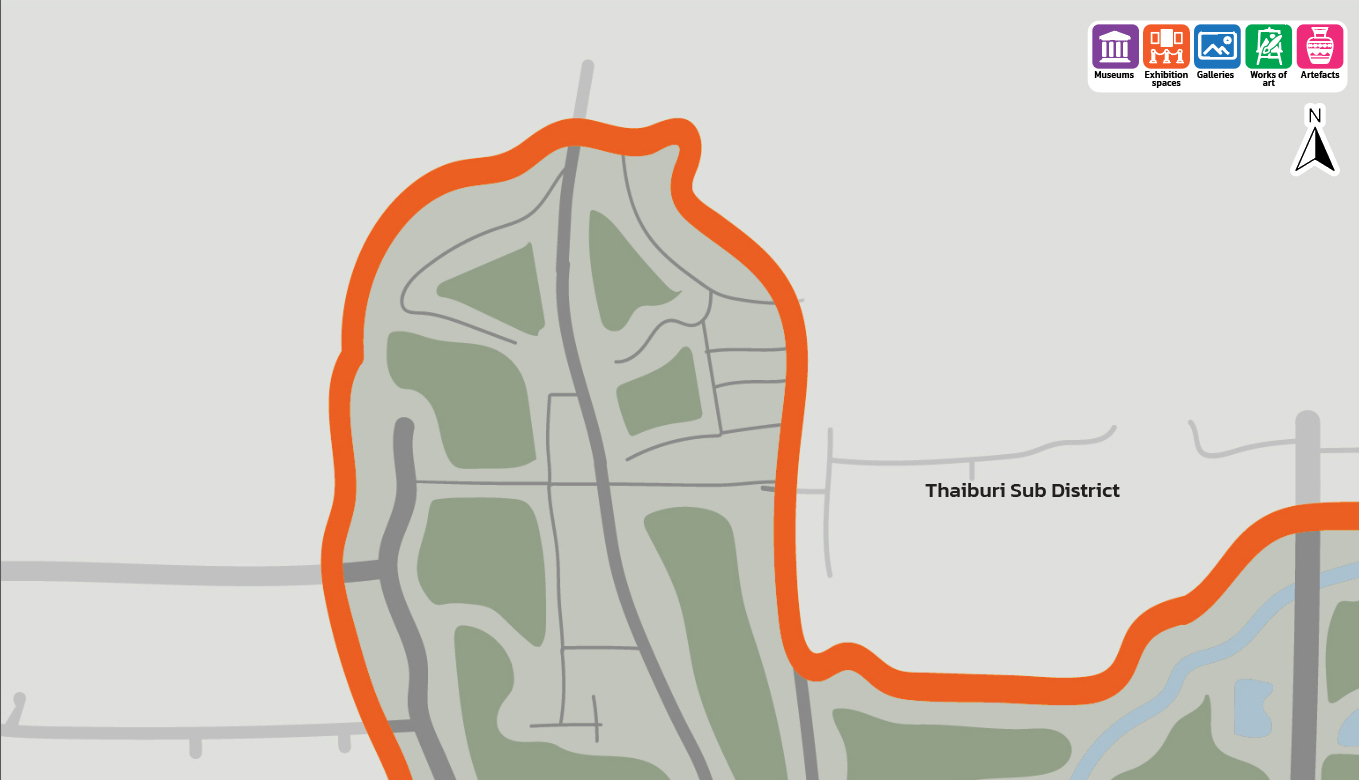
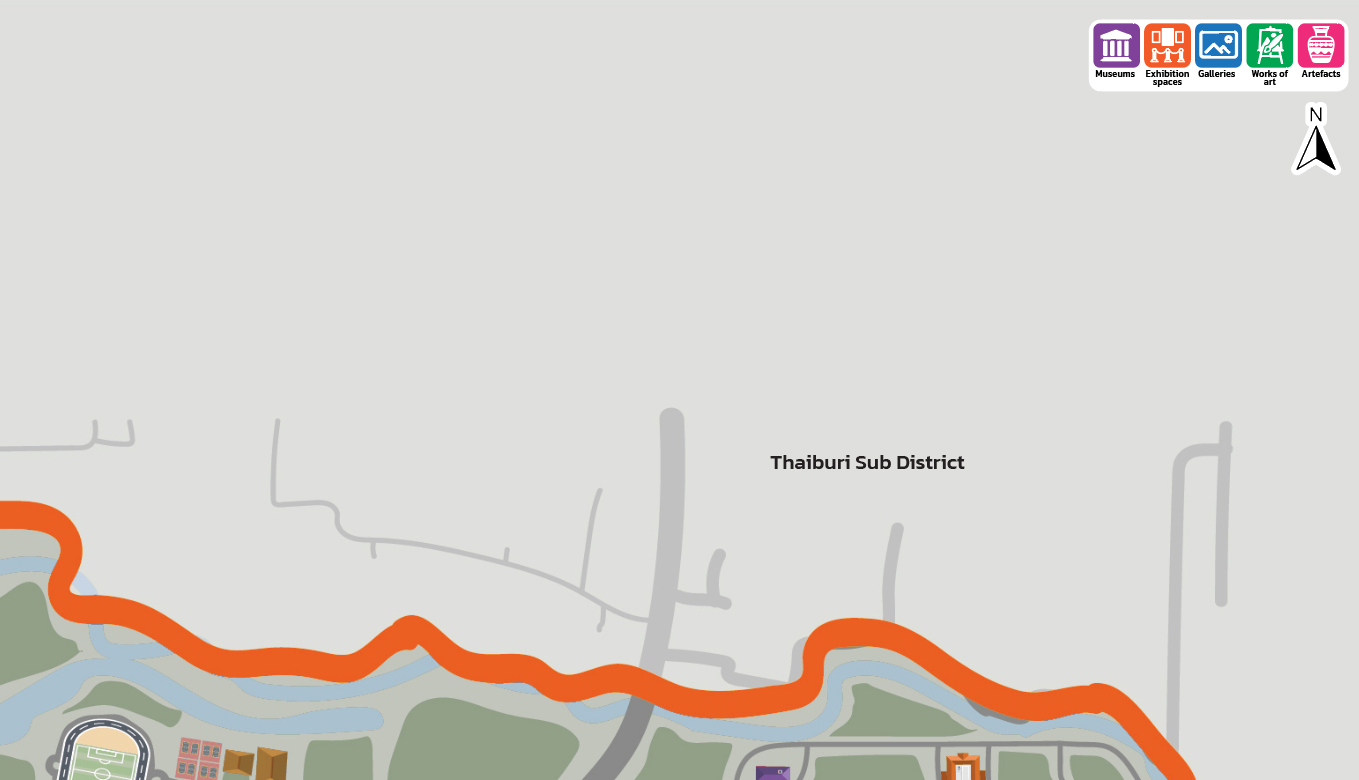
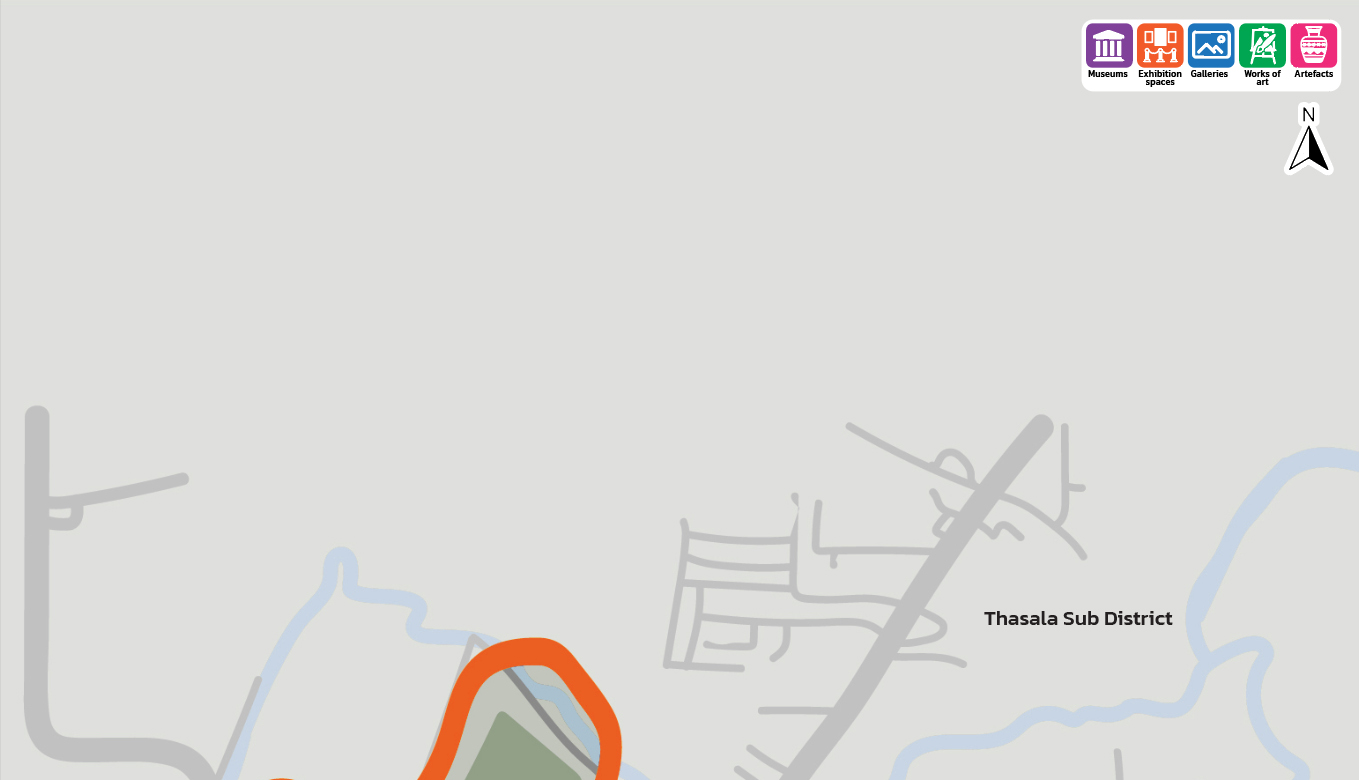
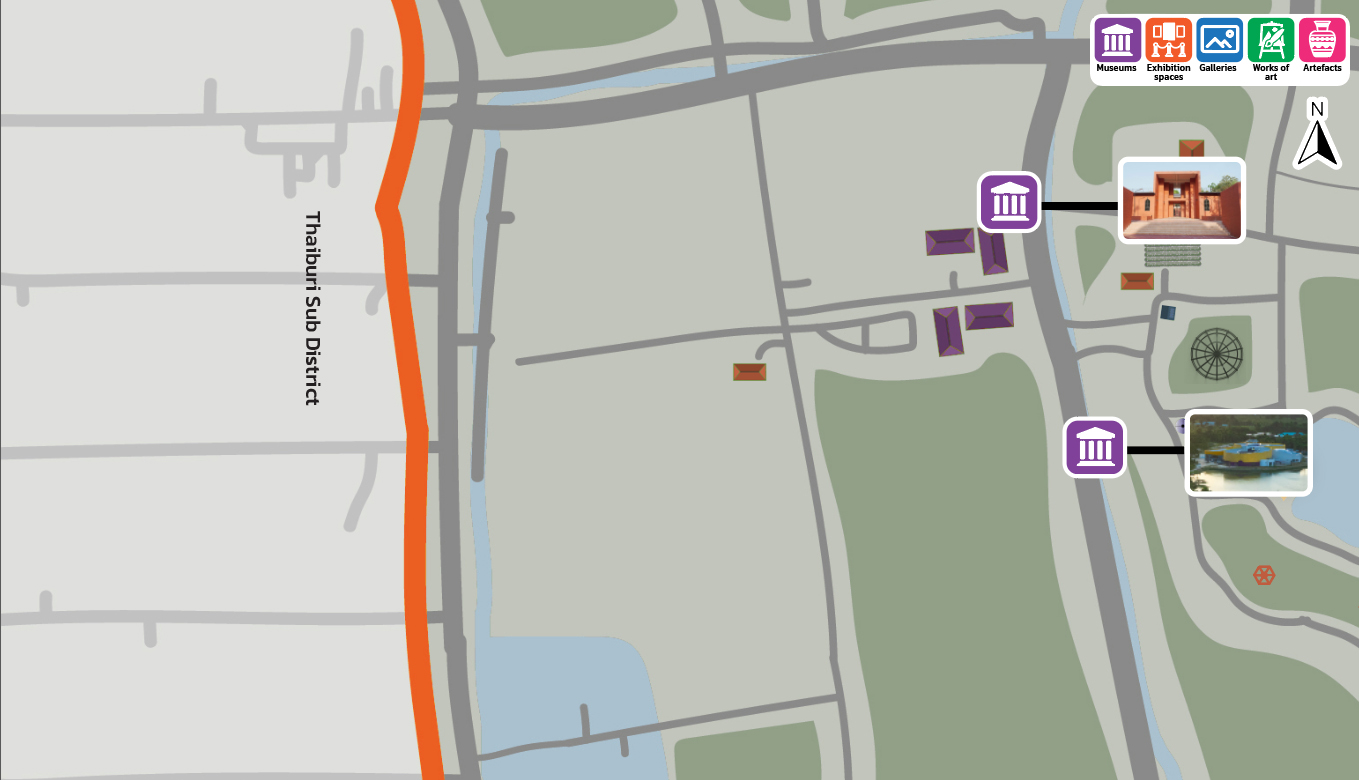
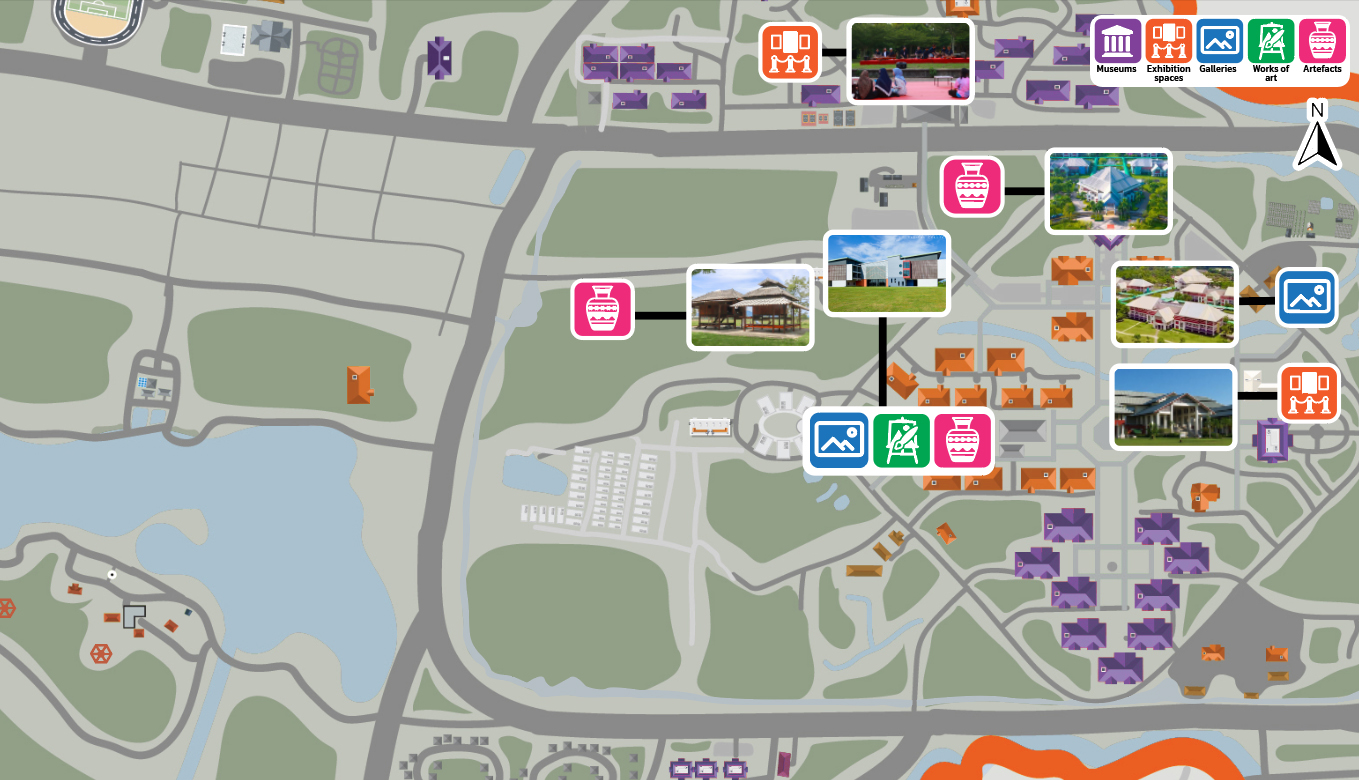
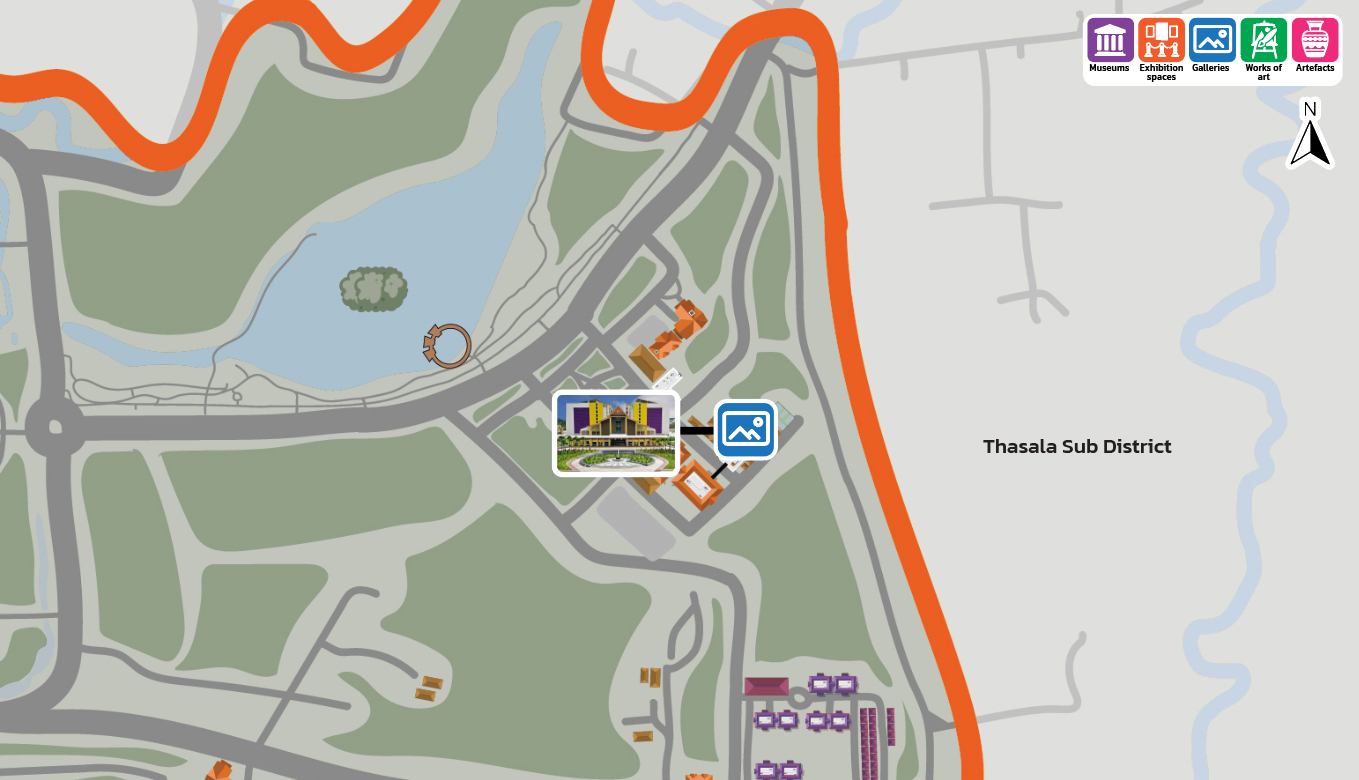
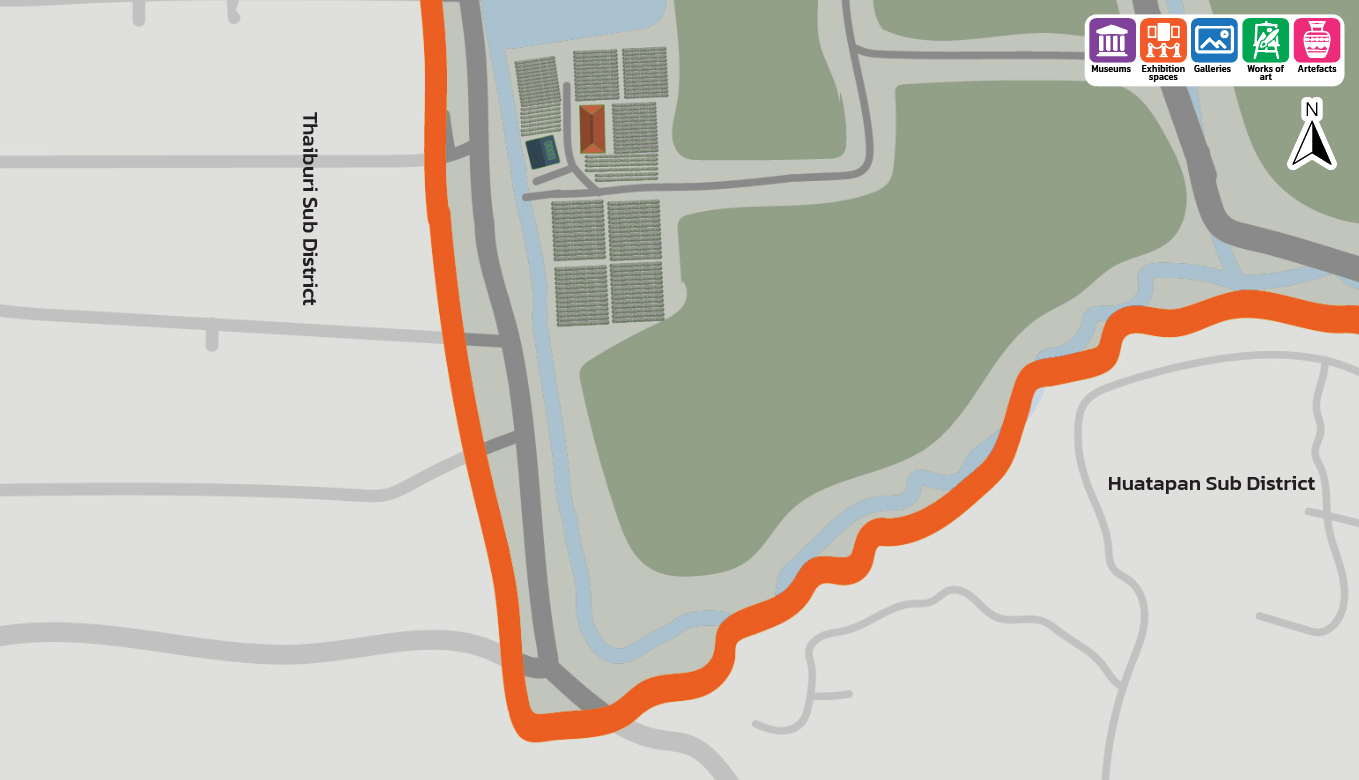
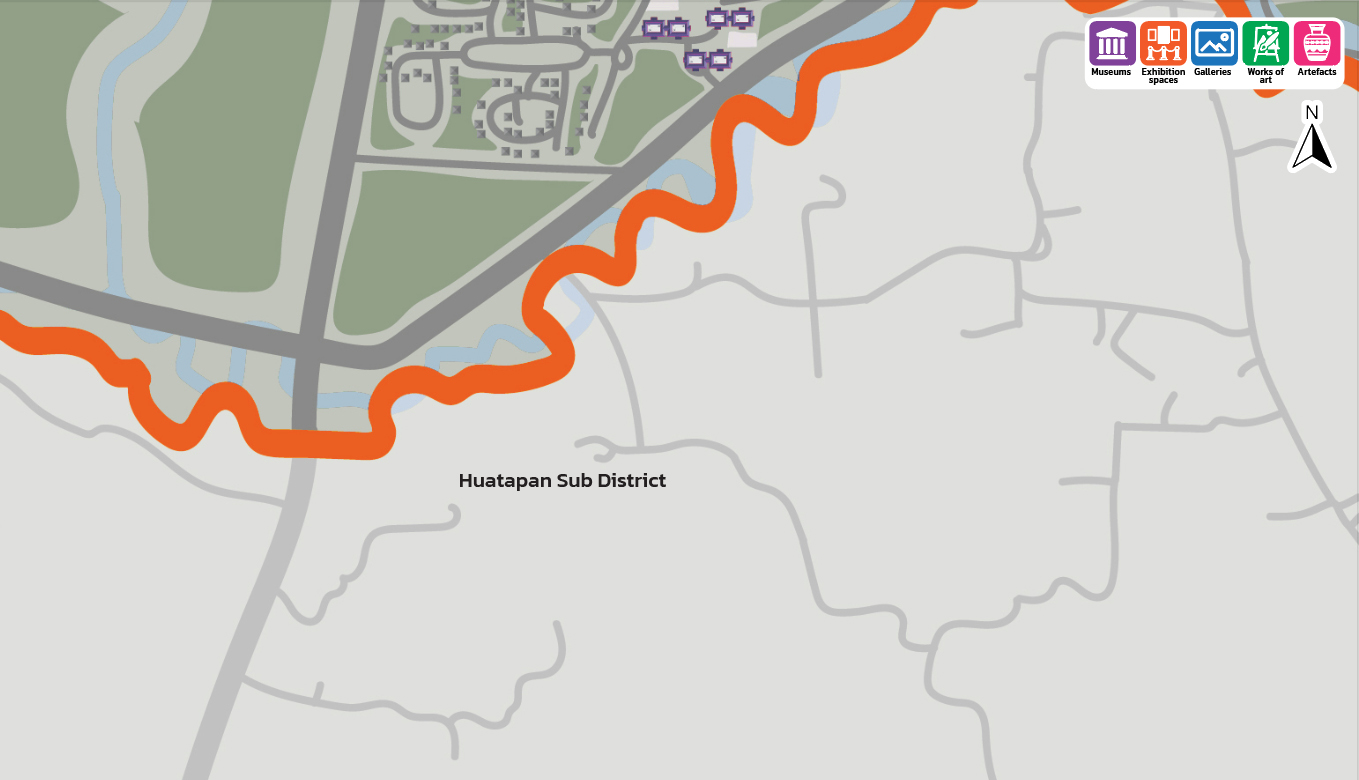
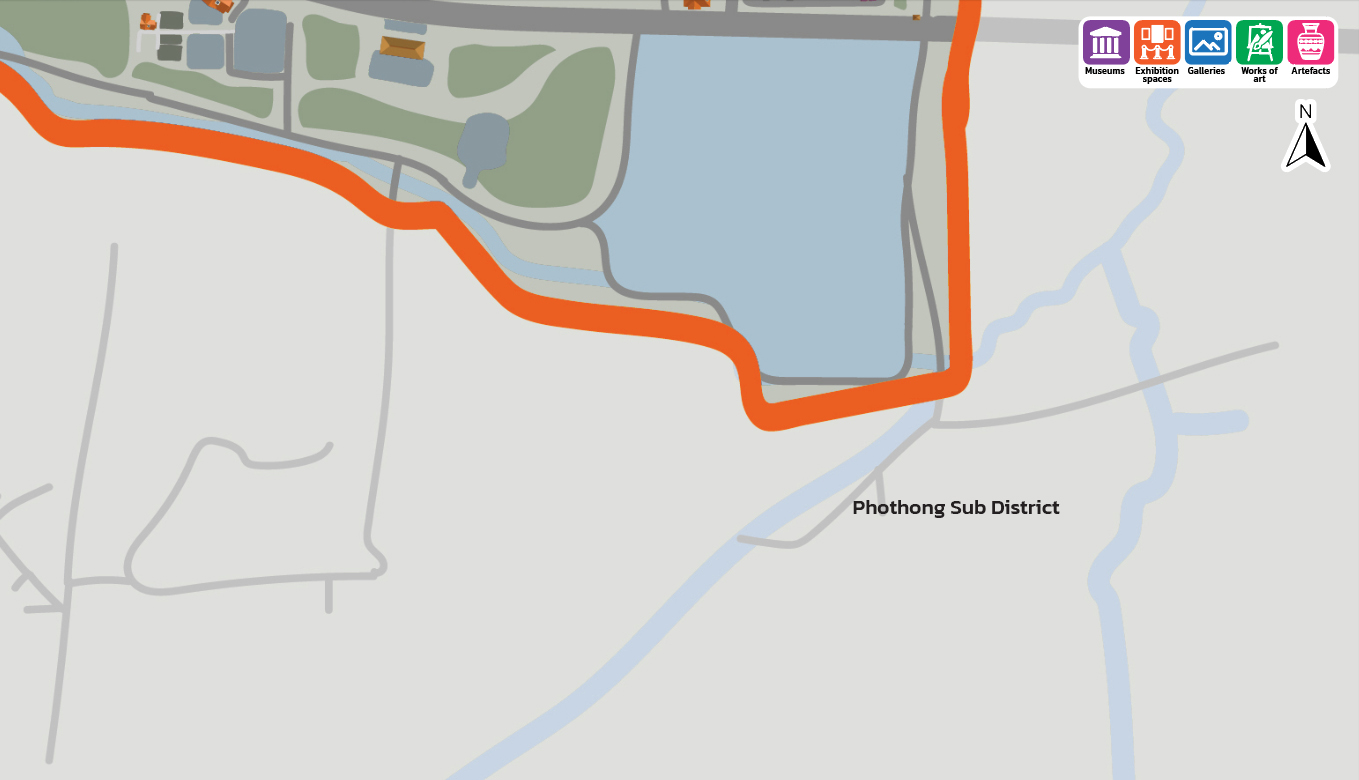
Figures : Map showing the areas of all museums, exhibition spaces, galleries, works of art, and artefacts at Walailak University with free access
Click on the map for a clearer view with more details.
Museum
Sirin Museum
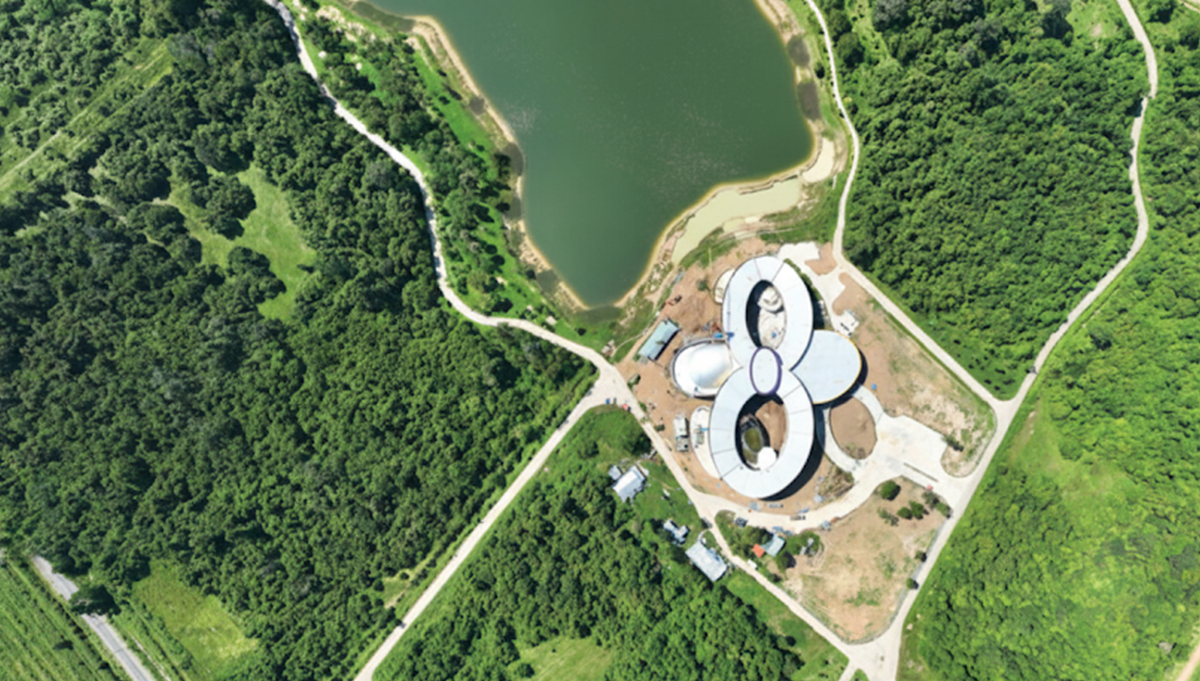
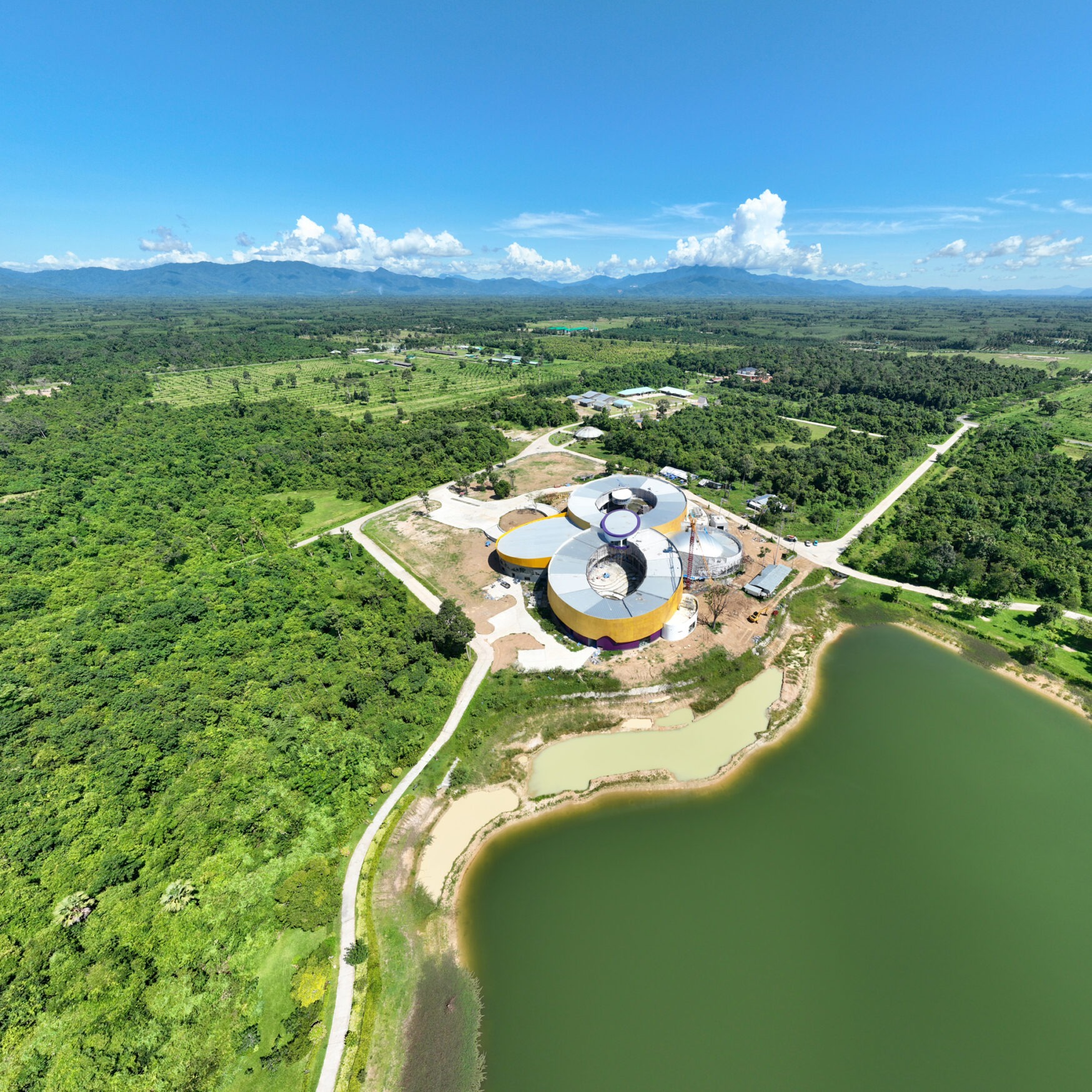
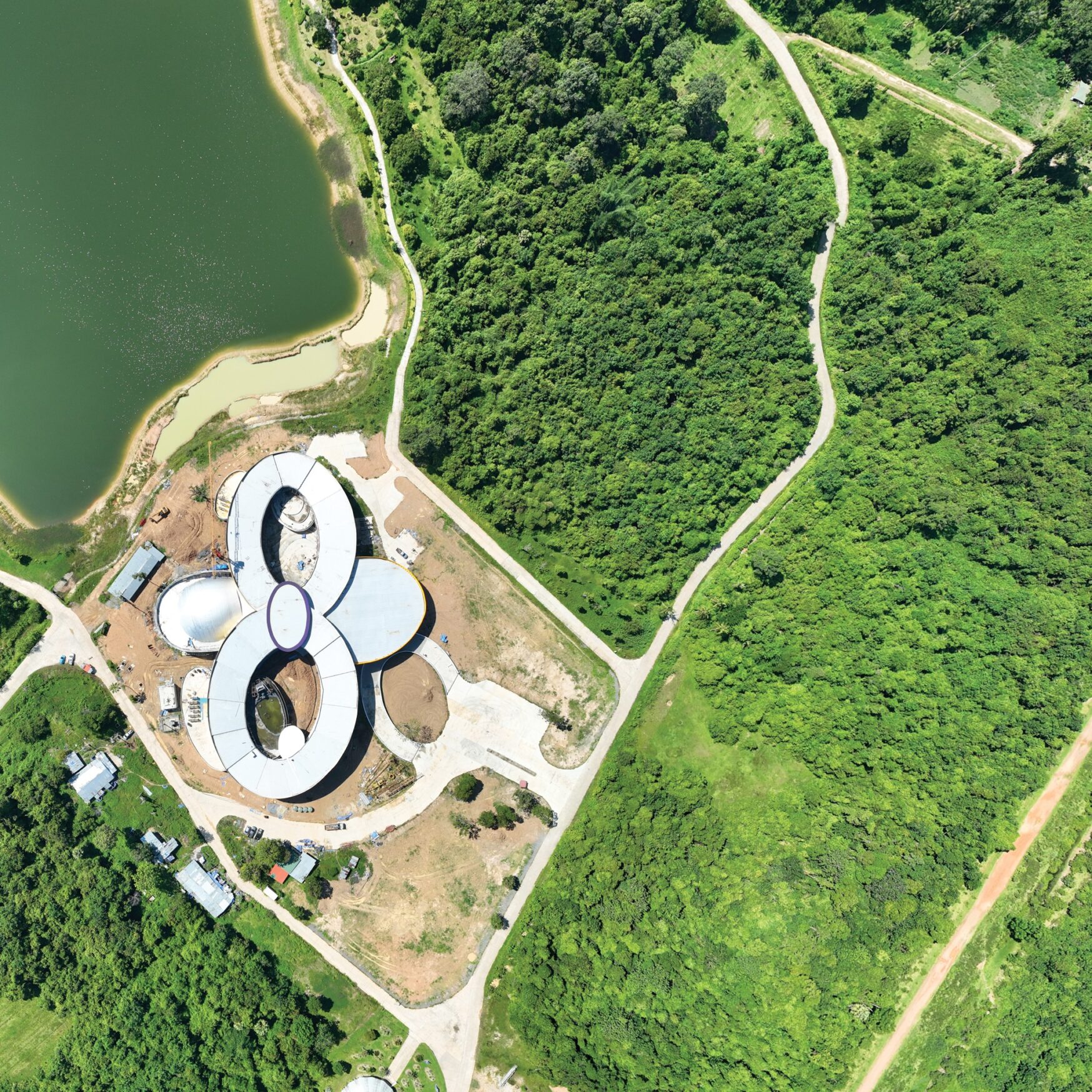
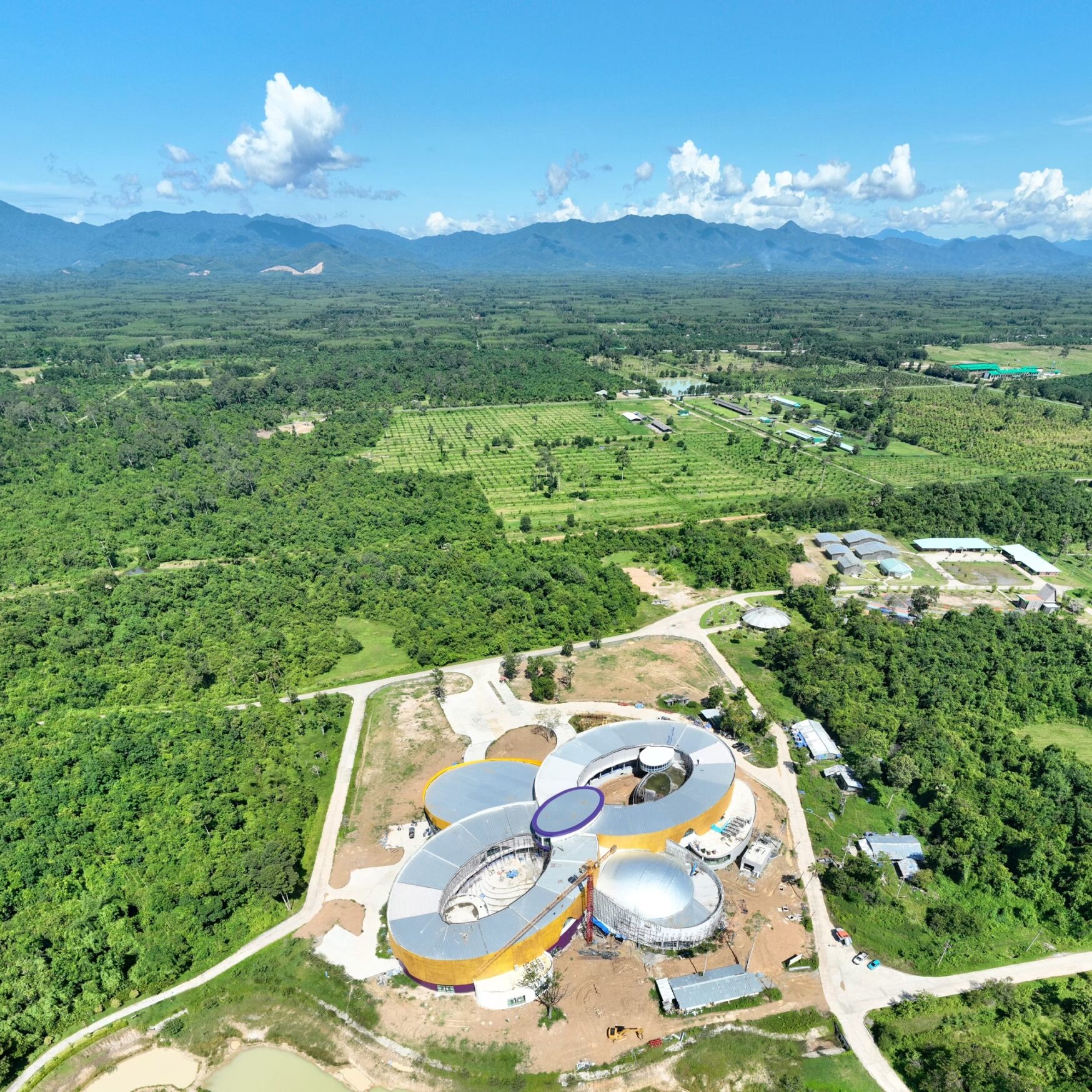
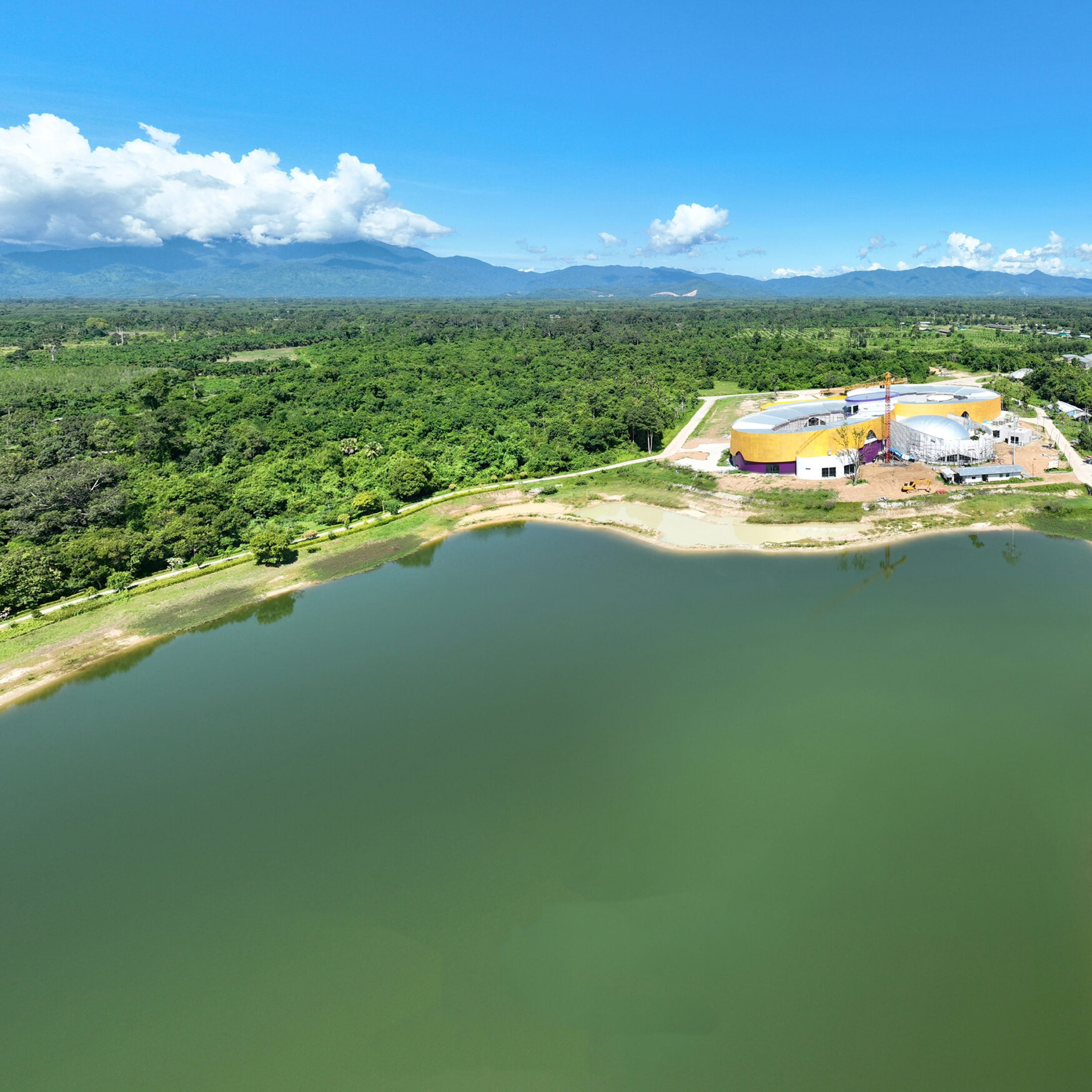
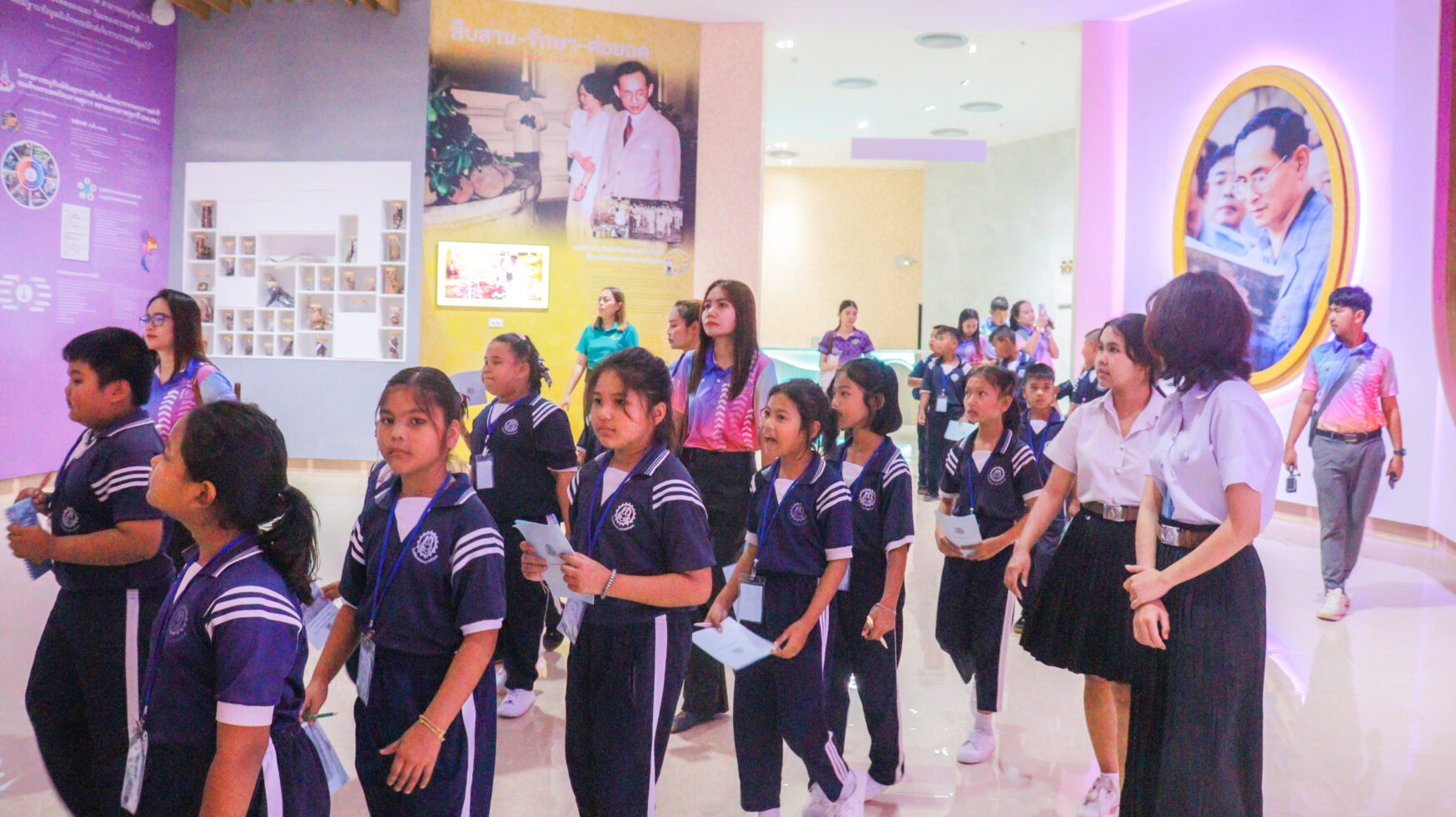
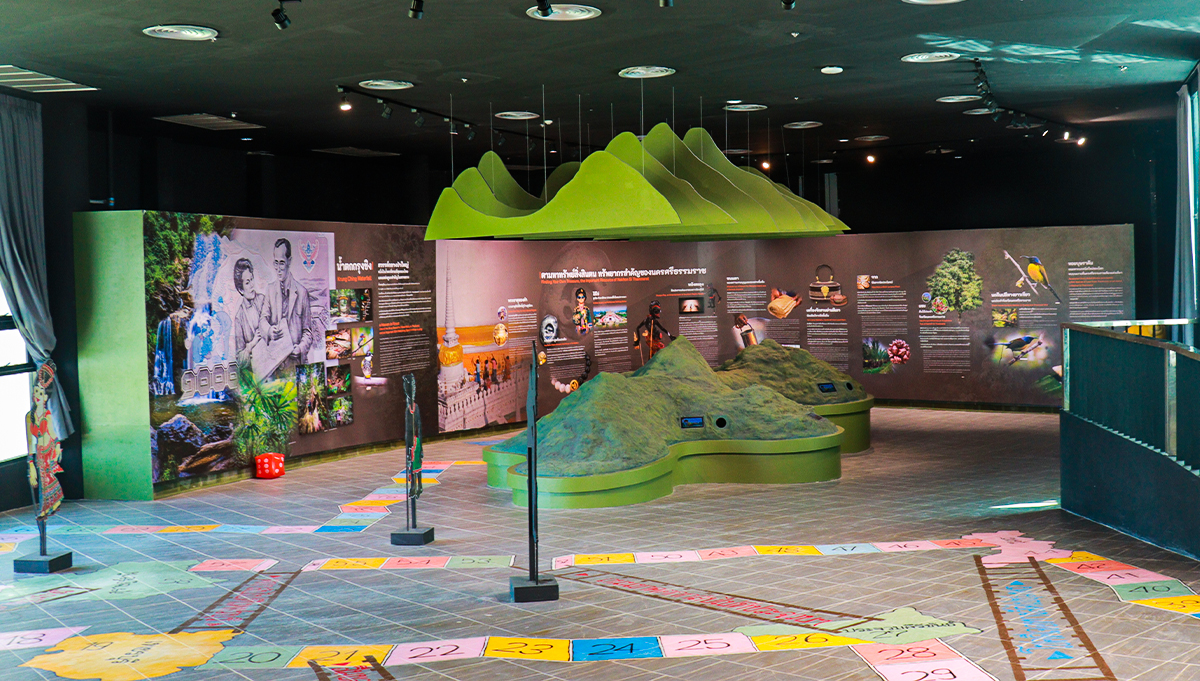
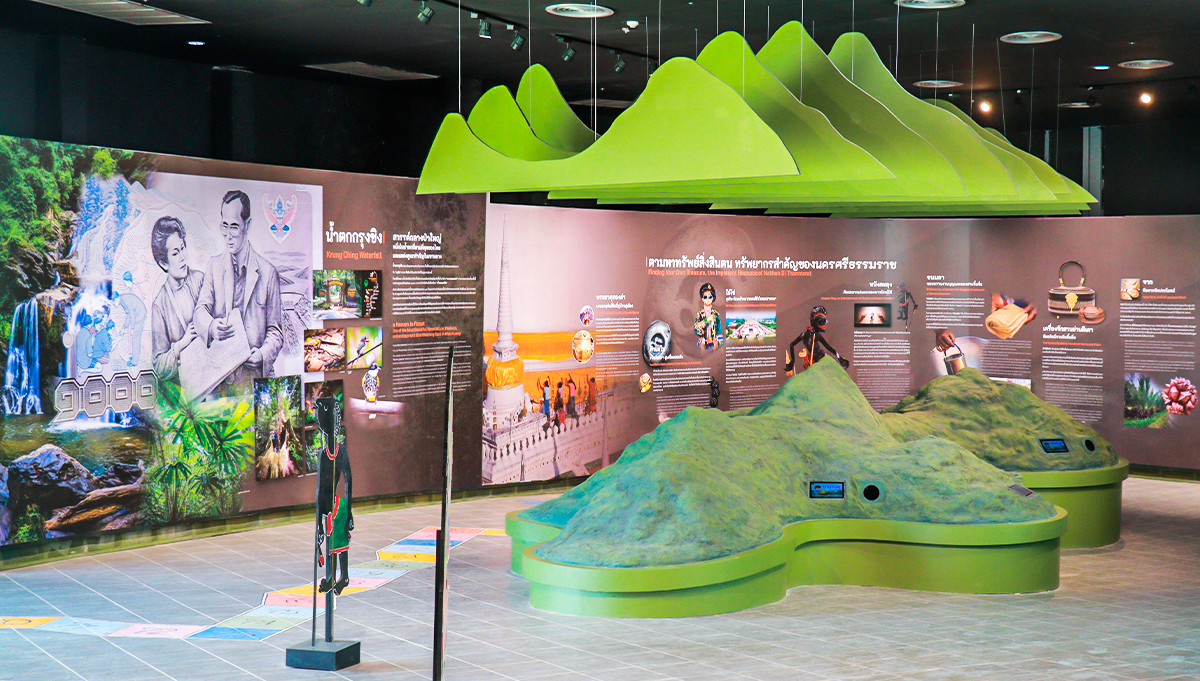
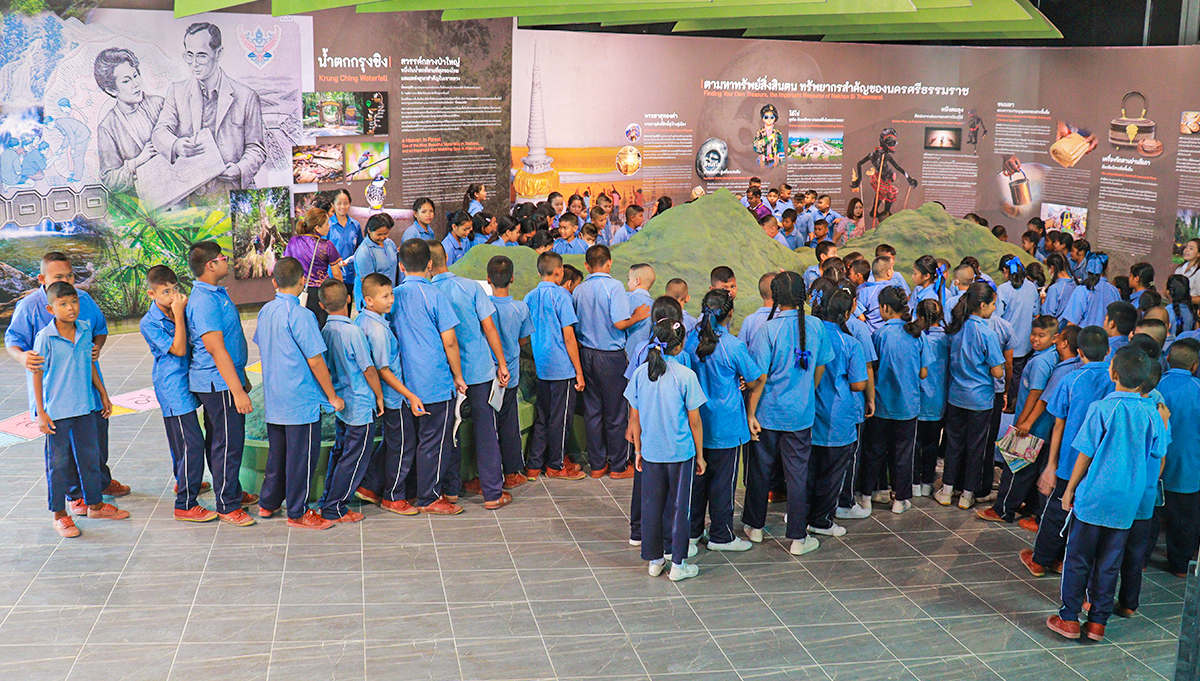
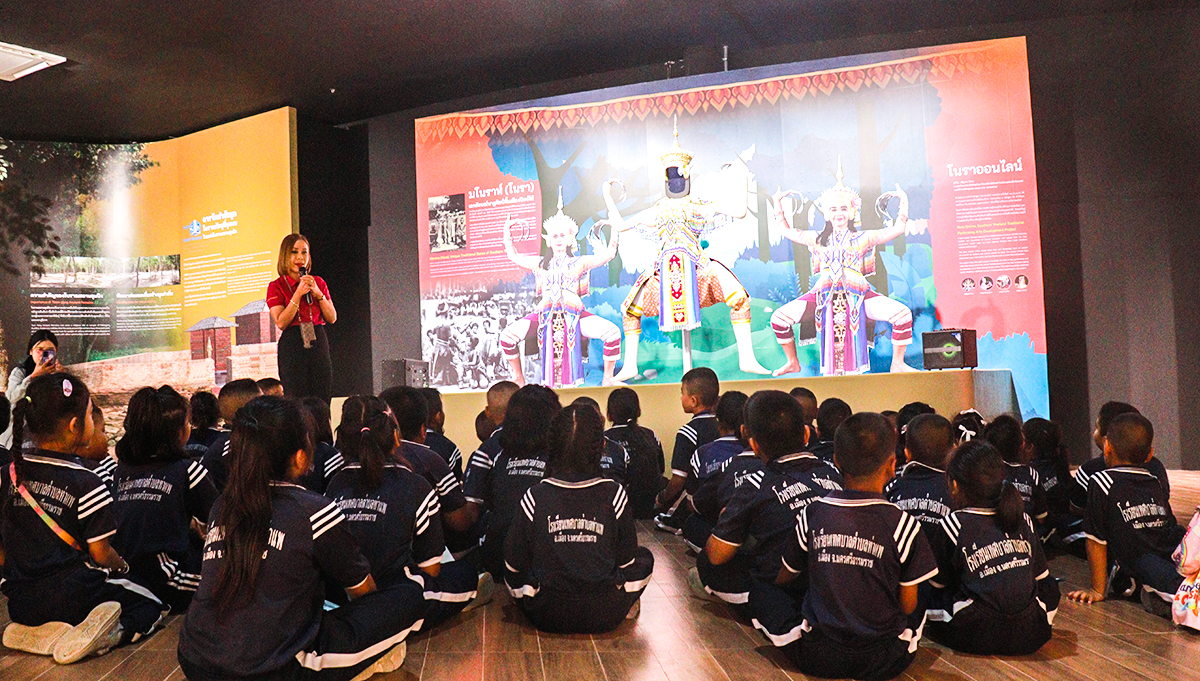
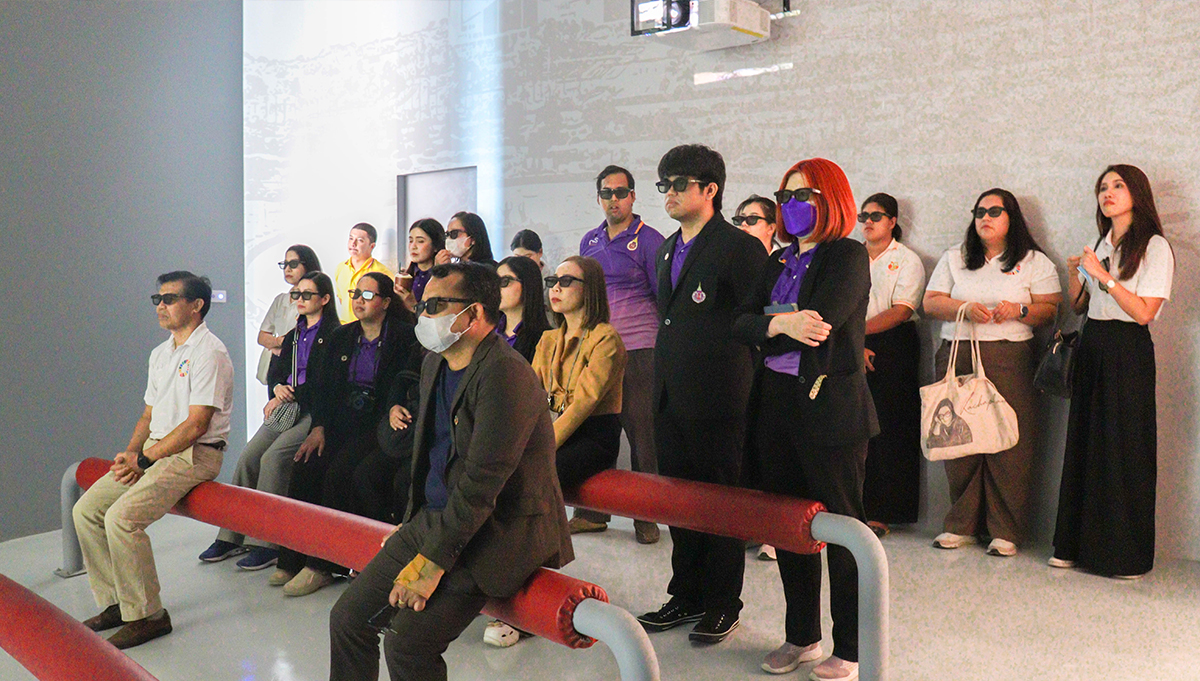
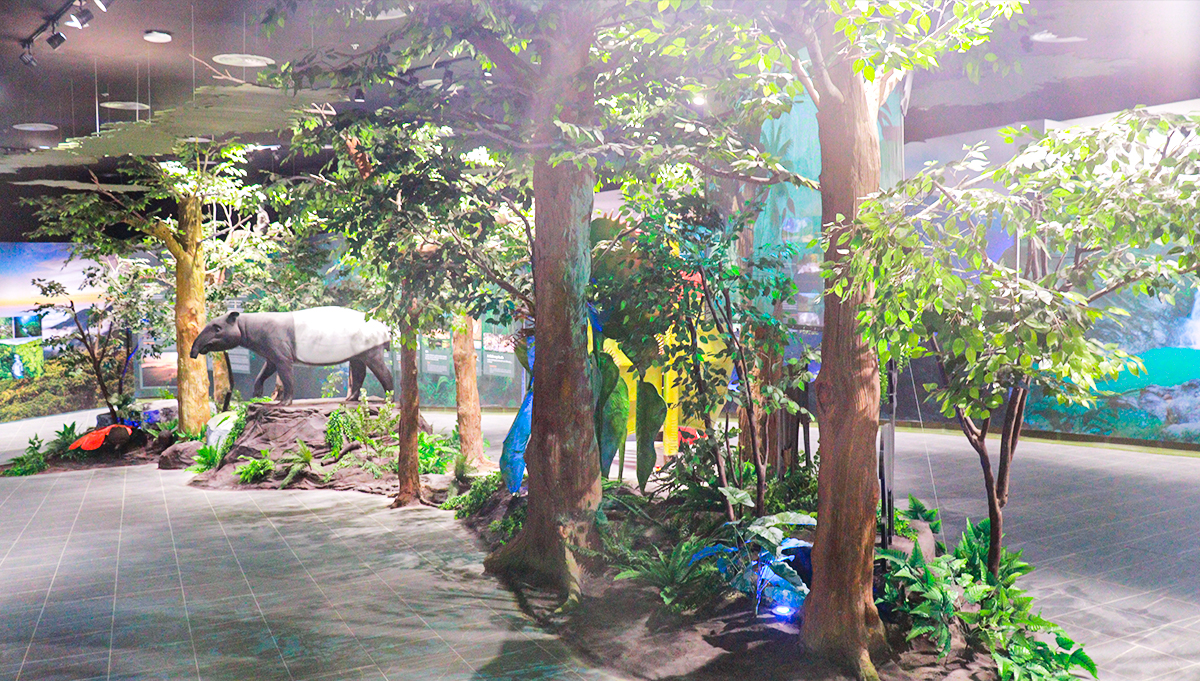
The Maha Chakri Sirindhorn Natural History Museum, or Sirin Museum, at Walailak University stands as a symbol of continuity and sustainability in preserving natural resources, the environment, and cultural heritage. Designed in the shape of the number 8, the building reflects the concept of infinity, representing the university’s enduring commitment to conservation and education.
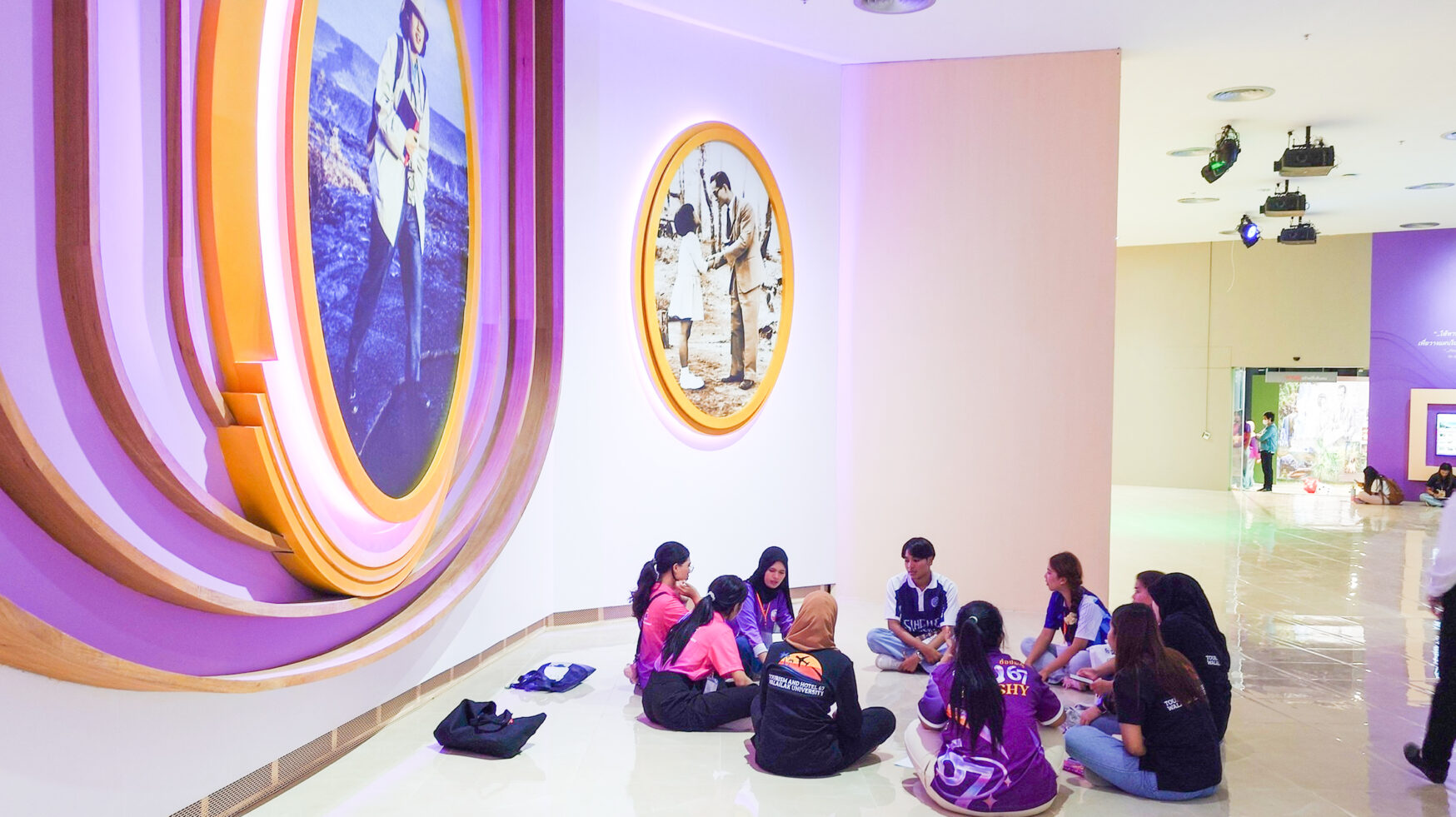
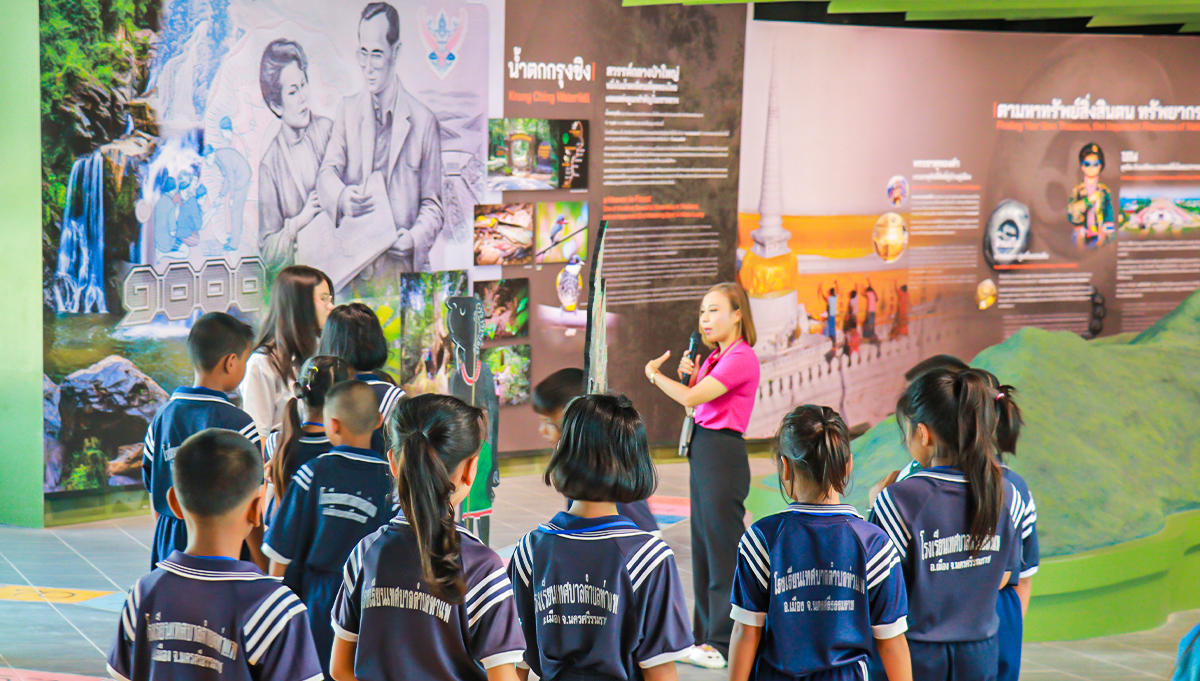
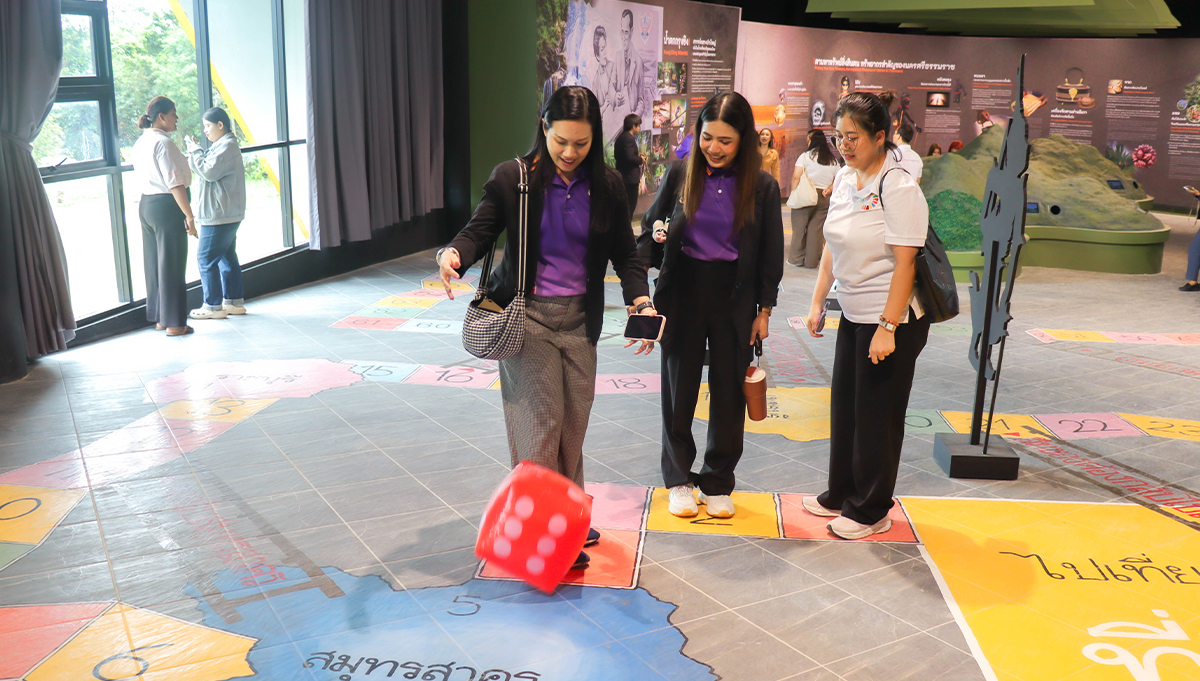
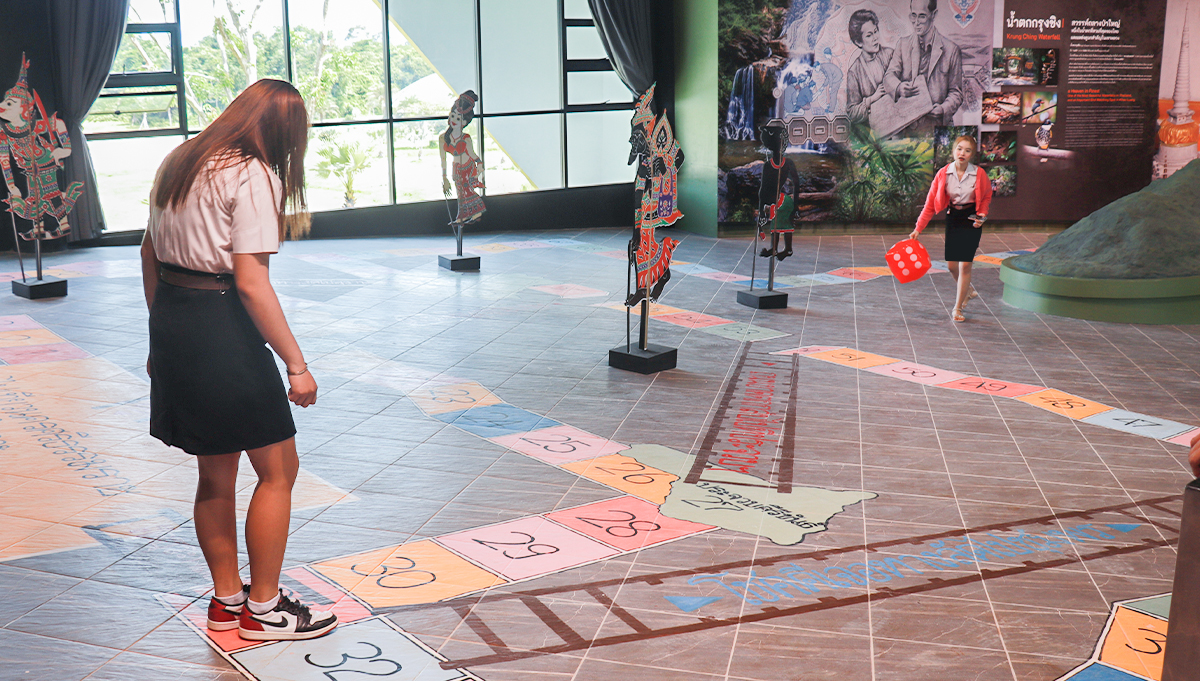
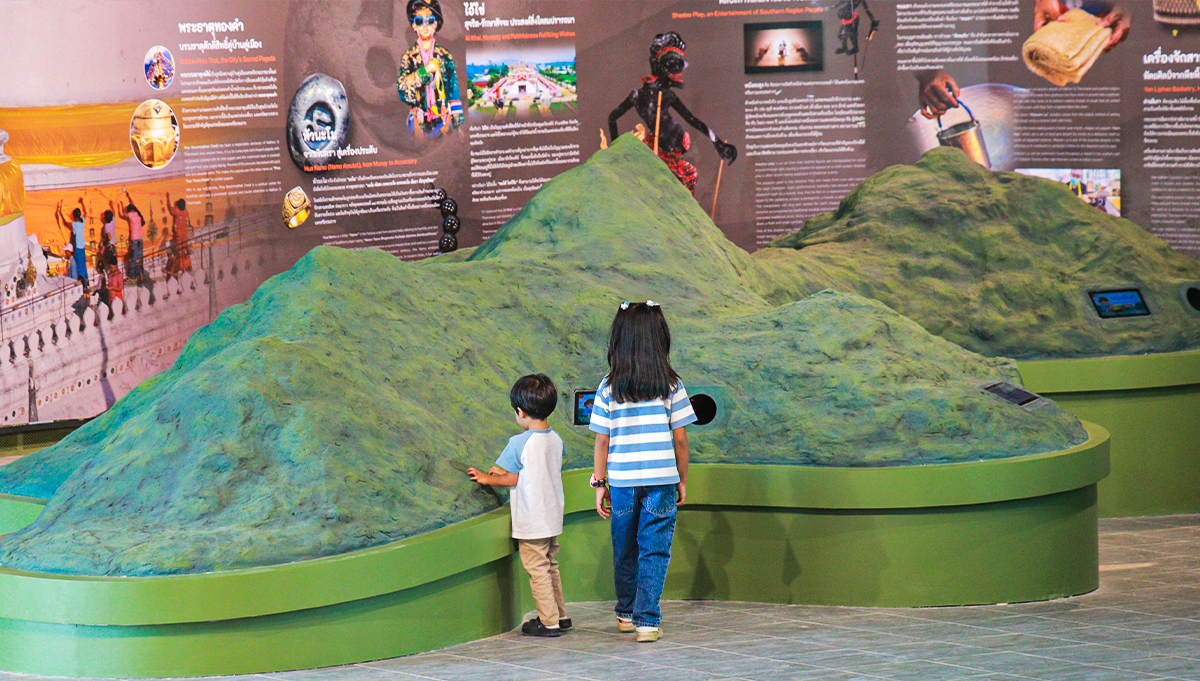
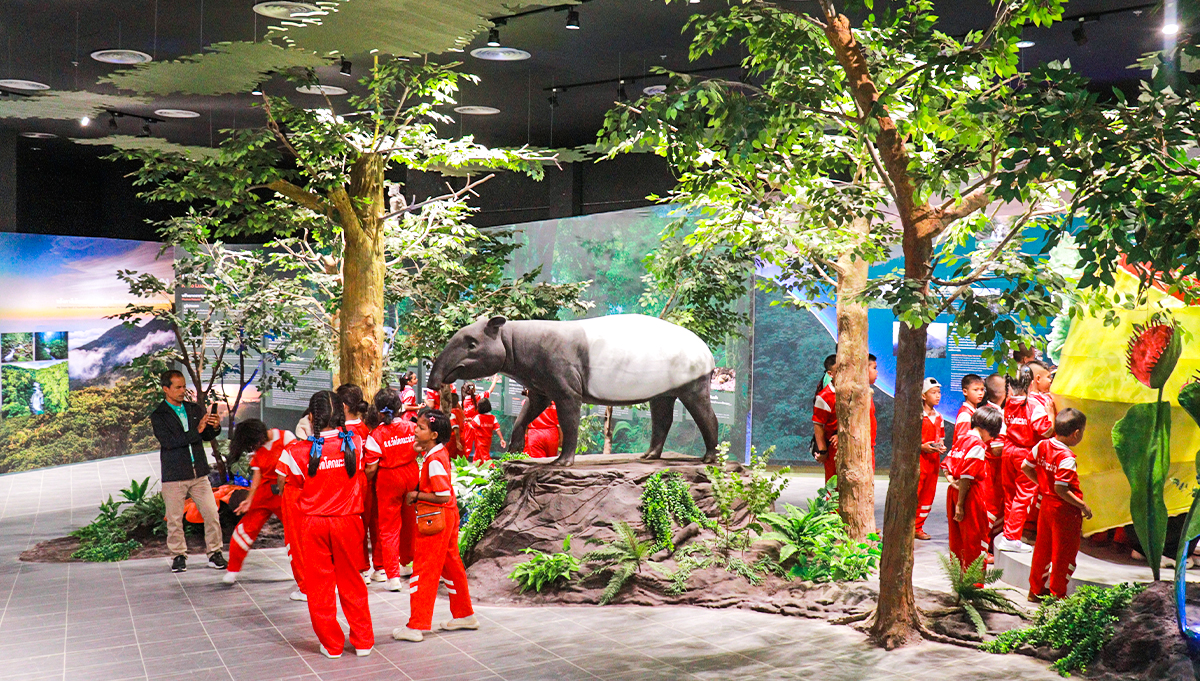
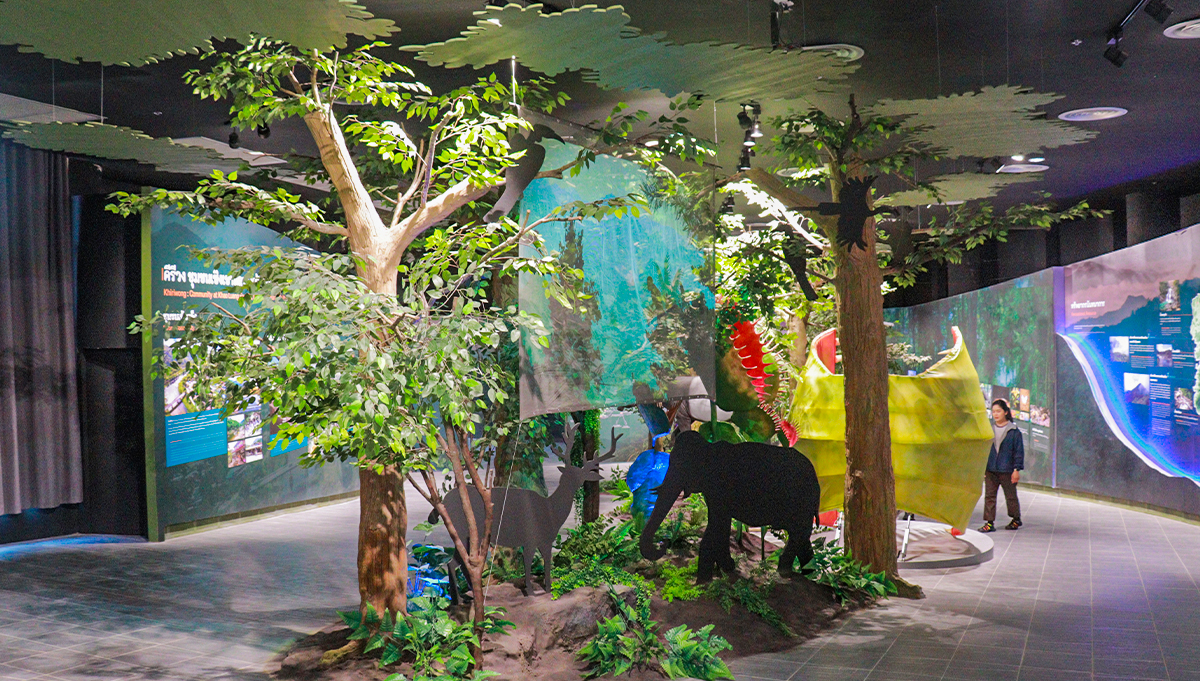
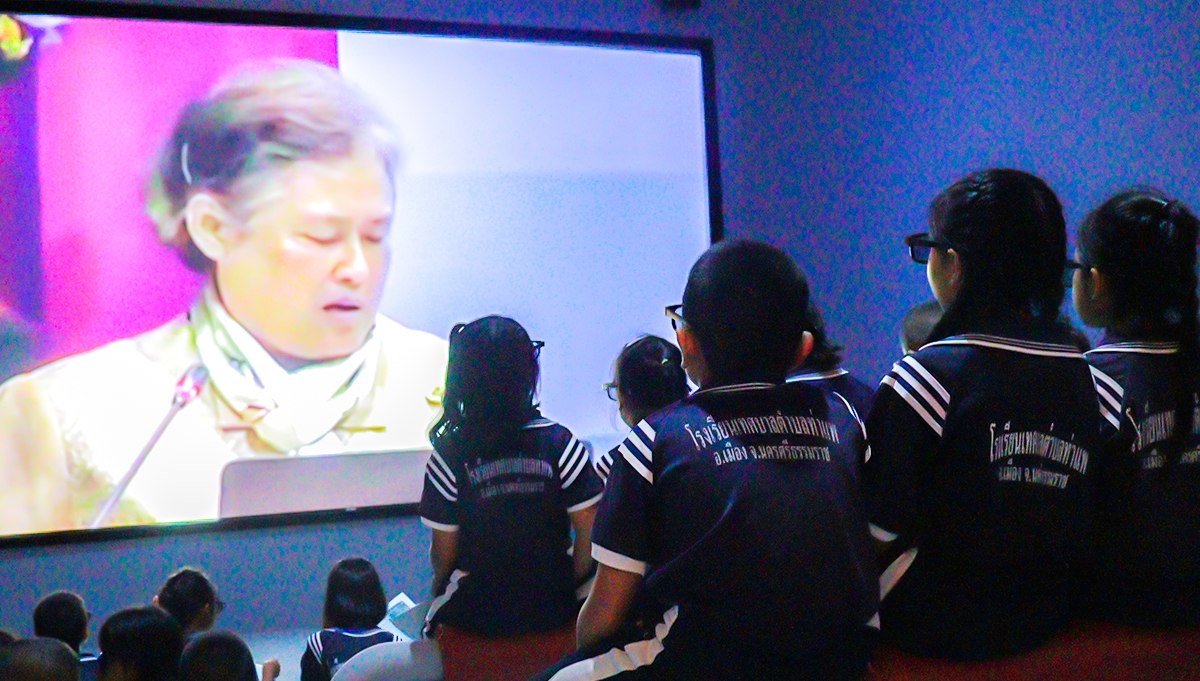
The museum’s design theme, “Following the Footsteps of the Princess, from Mountain Peaks to Under the Sea,” honors Her Royal Highness Princess Maha Chakri Sirindhorn. Located beside a scenic reservoir within Walailak University Botanic Park, with the Khao Luang mountain range as its backdrop, the museum features immersive exhibitions including replicas of the Krung Ching Waterfall and a simulated marine environment. These installations represent the rich and diverse ecosystems of Southern Thailand, from mountain rainforests to the coastal Gulf of Thailand.
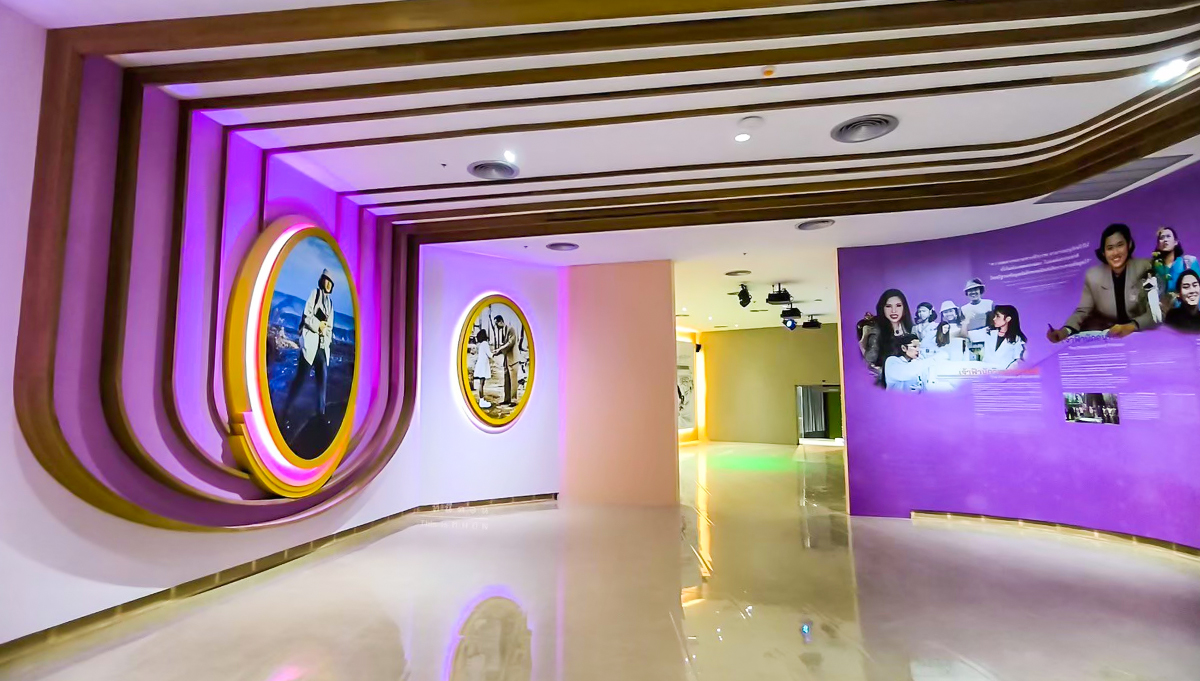
The exhibition is arranged into eight themed chambers, each presenting unique narratives of natural resource conservation, indigenous knowledge, and projects initiated under royal patronage:
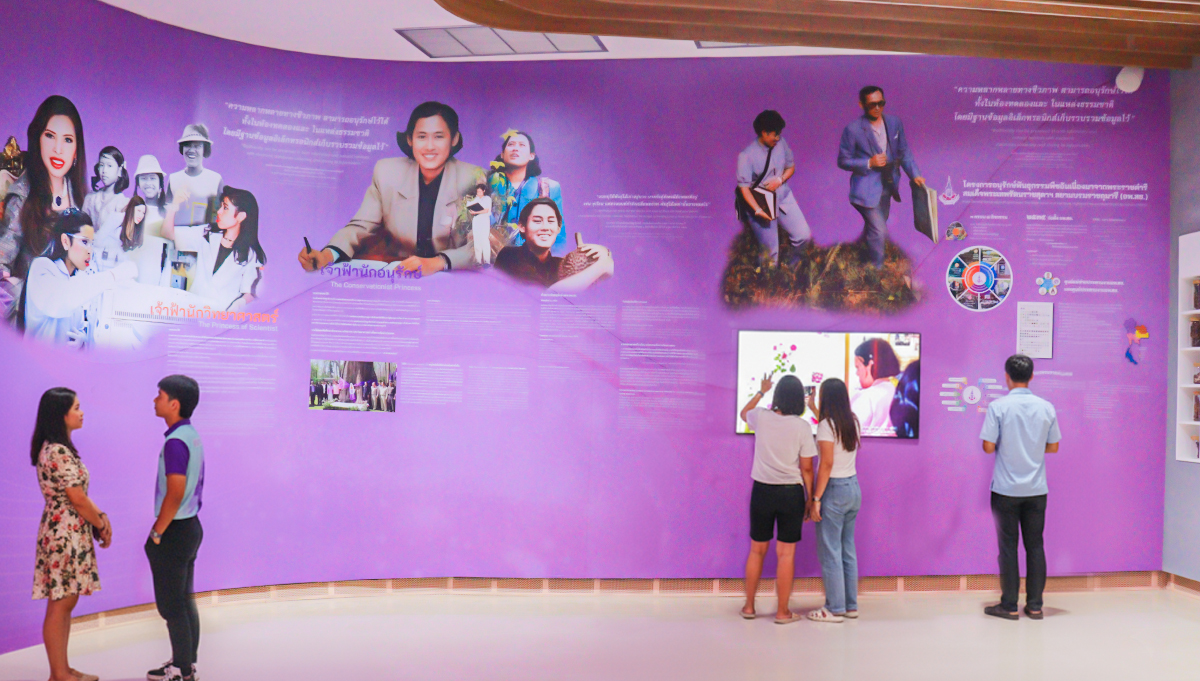
The Kroek Krai (Glorious) Princess Conservationist Chamber
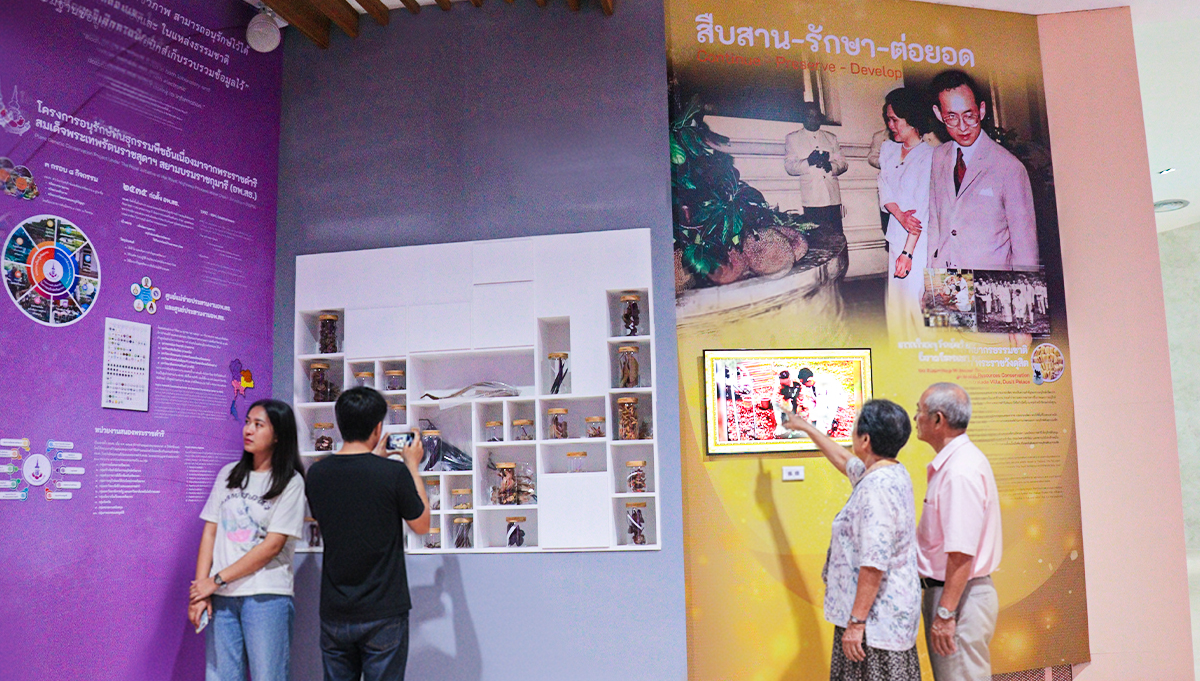
This chamber celebrates the royal biography of Her Royal Highness Princess Maha Chakri Sirindhorn and highlights the founding and 30-year mission of the Plant Genetic Conservation Project (RSPG). It also showcases research and academic services on plant genetic conservation in Southern Thailand, commemorating Walailak University’s ongoing contributions to this royal initiative.
Remembrance of the Resourced Assets Chamber
Focusing on the natural and cultural resources of Southern Thailand, this room presents resource databases, training programs, school botanical gardens, ecotourism archives, archaeological research, indigenous wisdom, traditional art, and studies in Thai traditional medicine and herbal remedies within botanical gardens.
Khao Luang’s Abundant Resources Chamber
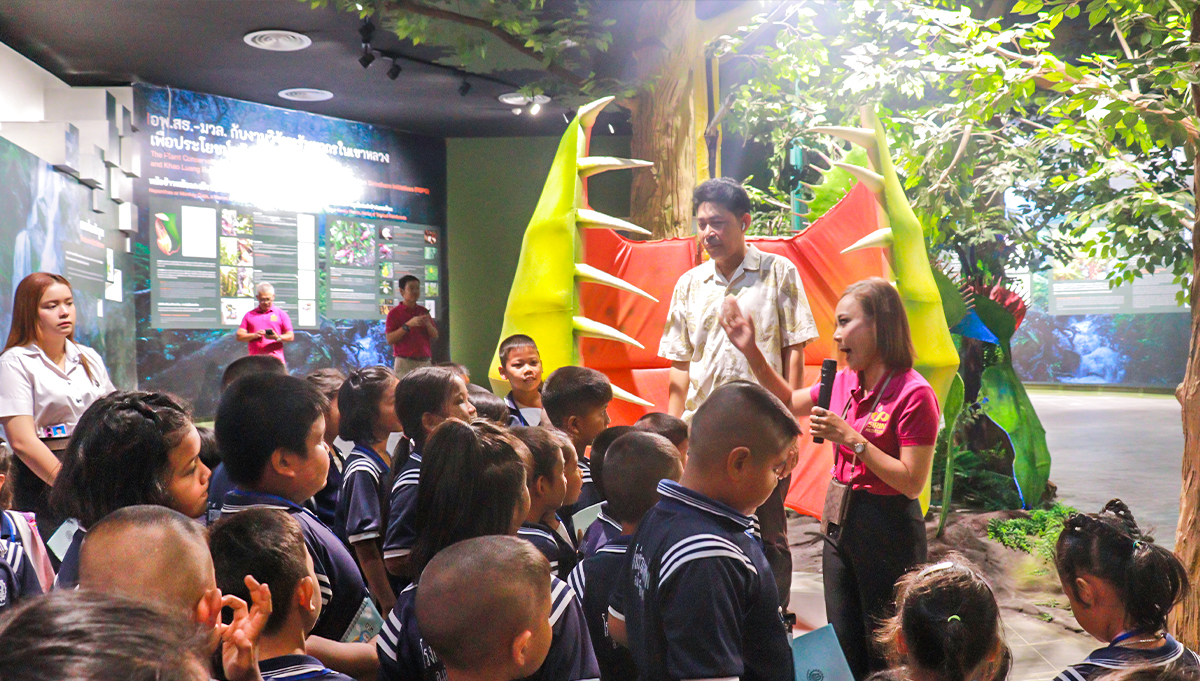
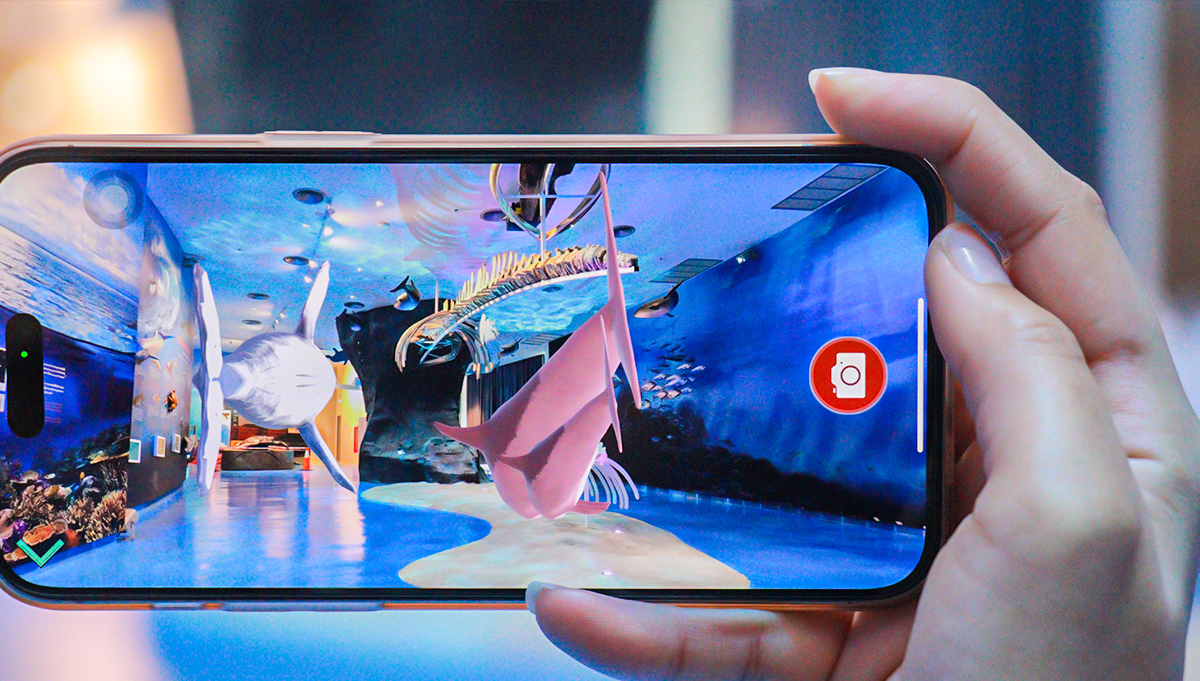
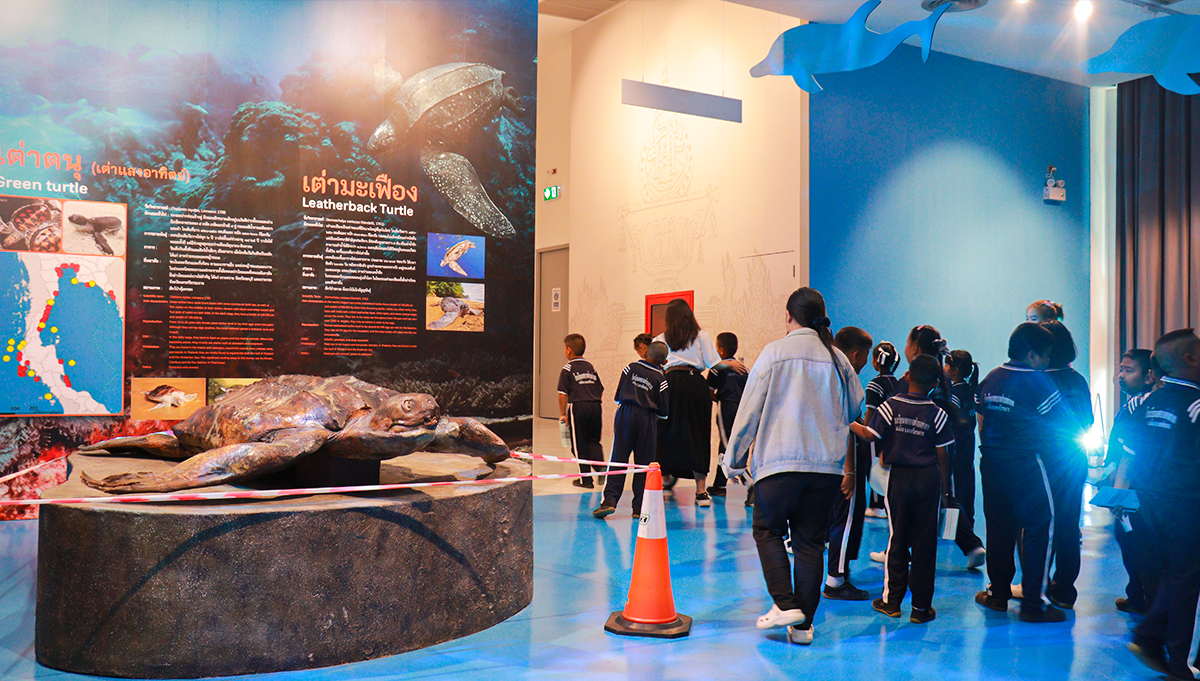
This exhibition highlights the biodiversity of the Khao Luang mountain range, featuring a model of Krung Ching Waterfall, dioramas of the tropical rainforest ecosystem, displays of native plant and animal species, and virtual tours offering visitors an immersive experience of this important ecological area.
Chamber of Limitless Potential
This chamber showcases research projects inspired by royal initiatives, conducted by Walailak University and its partners. The exhibits focus on the sustainable conservation, development, and value enhancement of physical, biological, and cultural resources. Featured projects include the extraction of herbal compounds for medical purposes, preservation of community cultural practices, and product development for sustainable use in local communities.
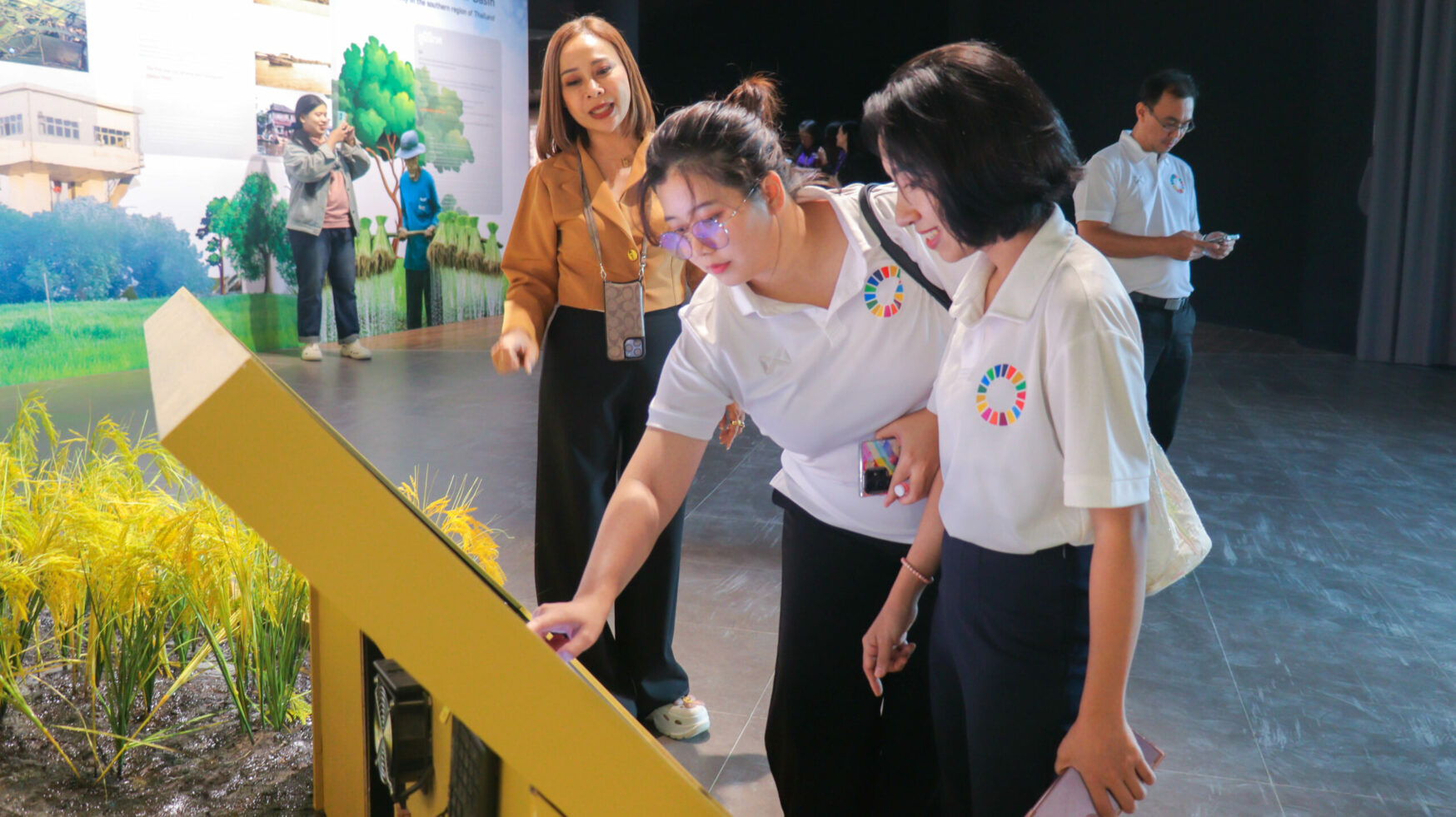
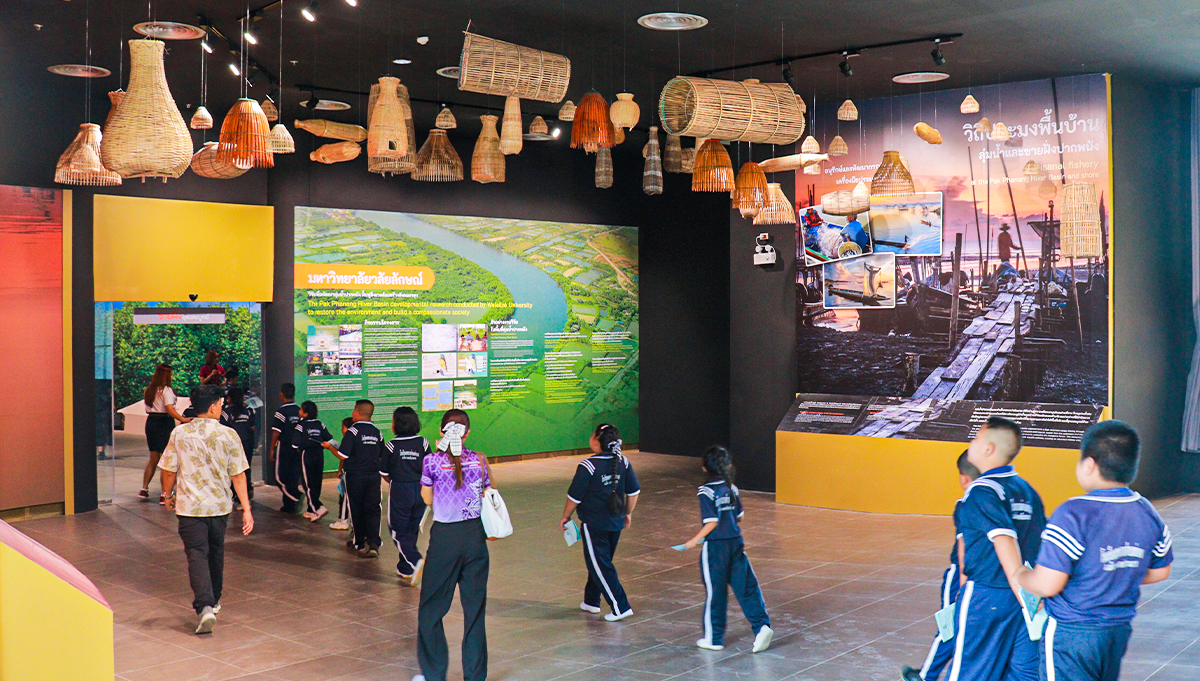
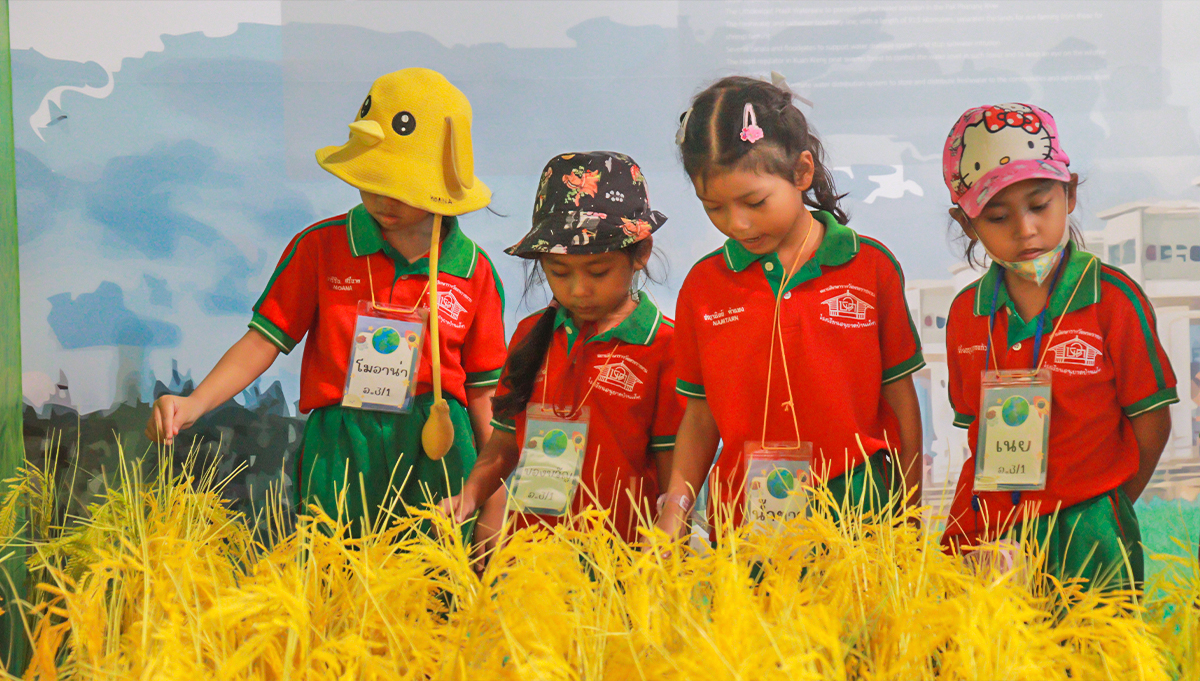
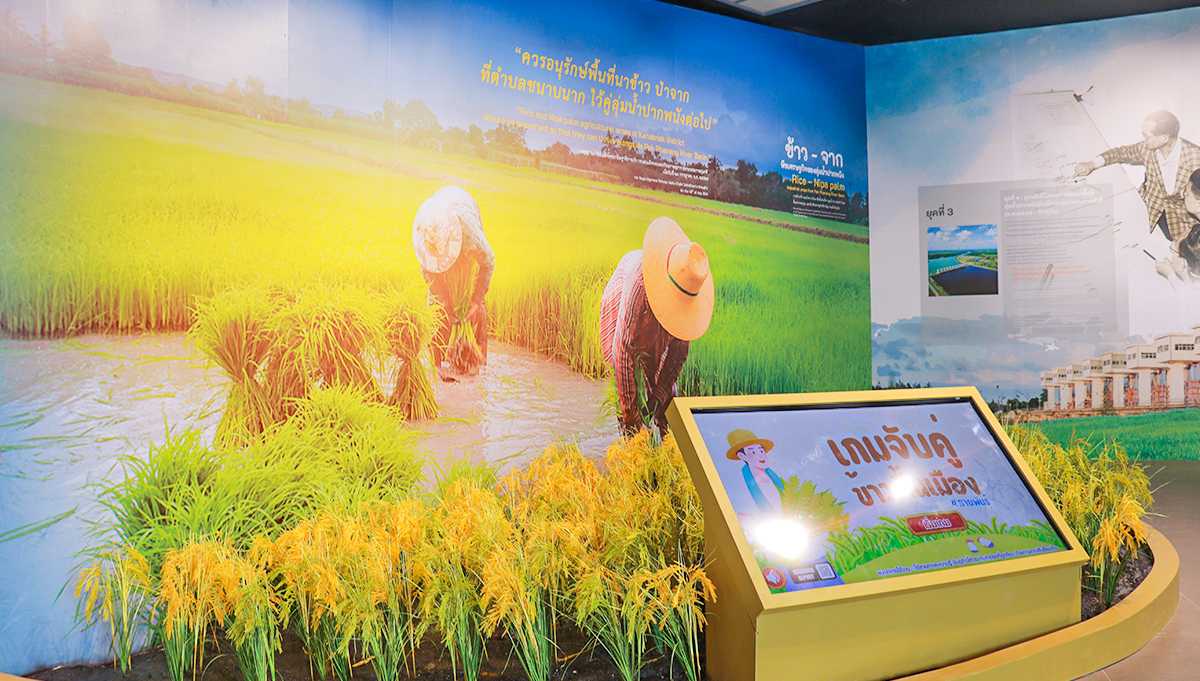
The Local Resources of Pak Phanang River Basin Chamber
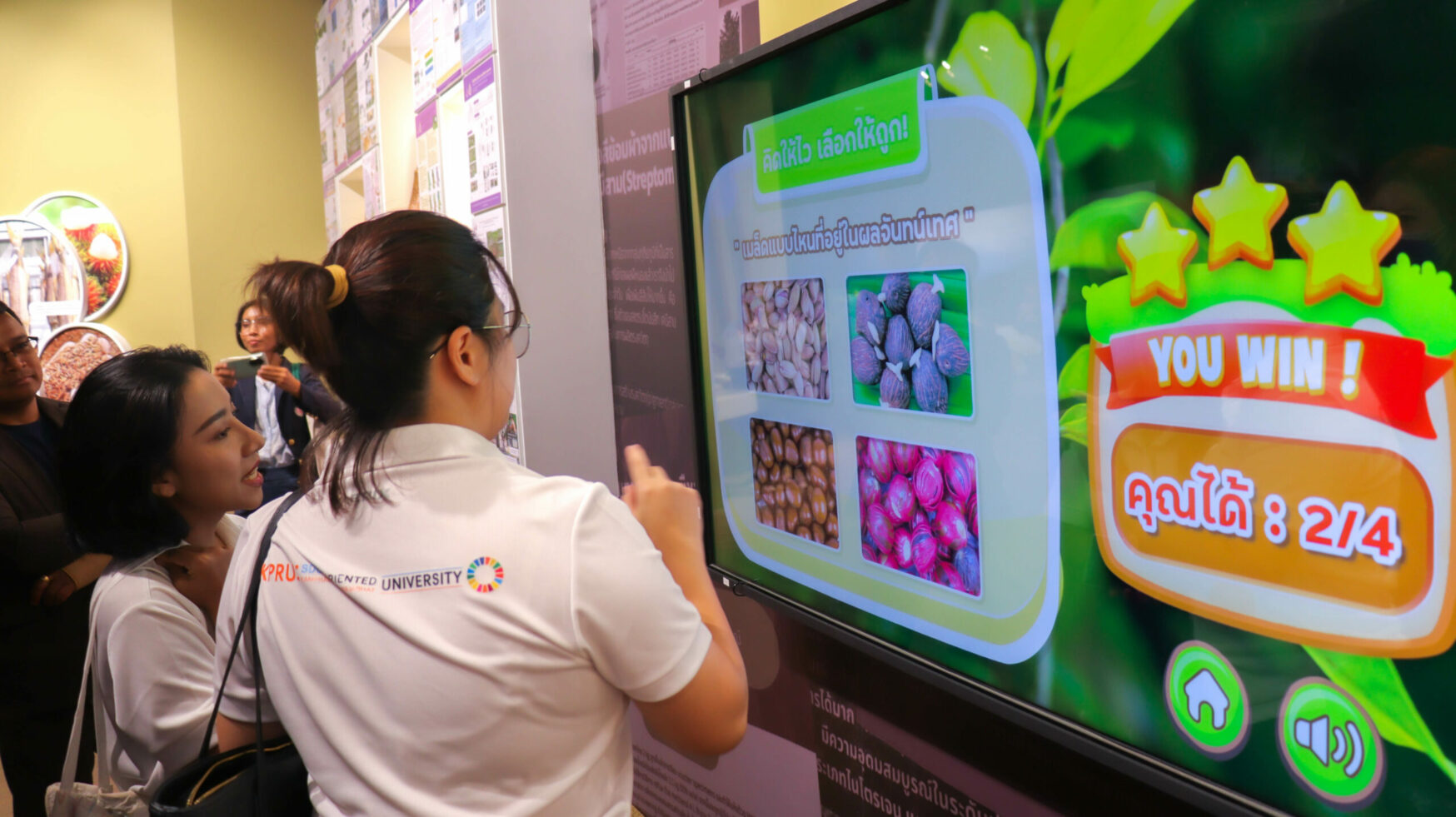
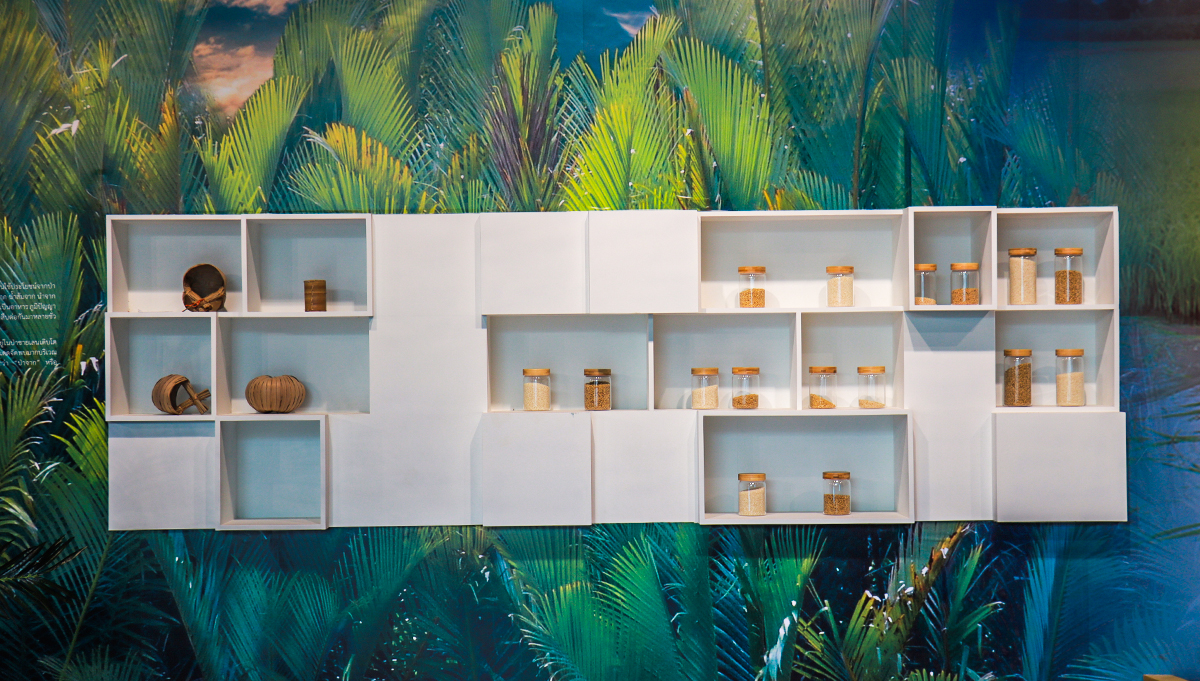
This room displays research on local resources in the Pak Phanang River Basin, including indigenous rice varieties, the Ruby of Siam grapefruit, native vegetables, traditional foods, and products derived from indigenous wisdom. It demonstrates how academic services and royal initiative projects can promote local development and help resolve community resource conflicts through multi-sector collaboration.
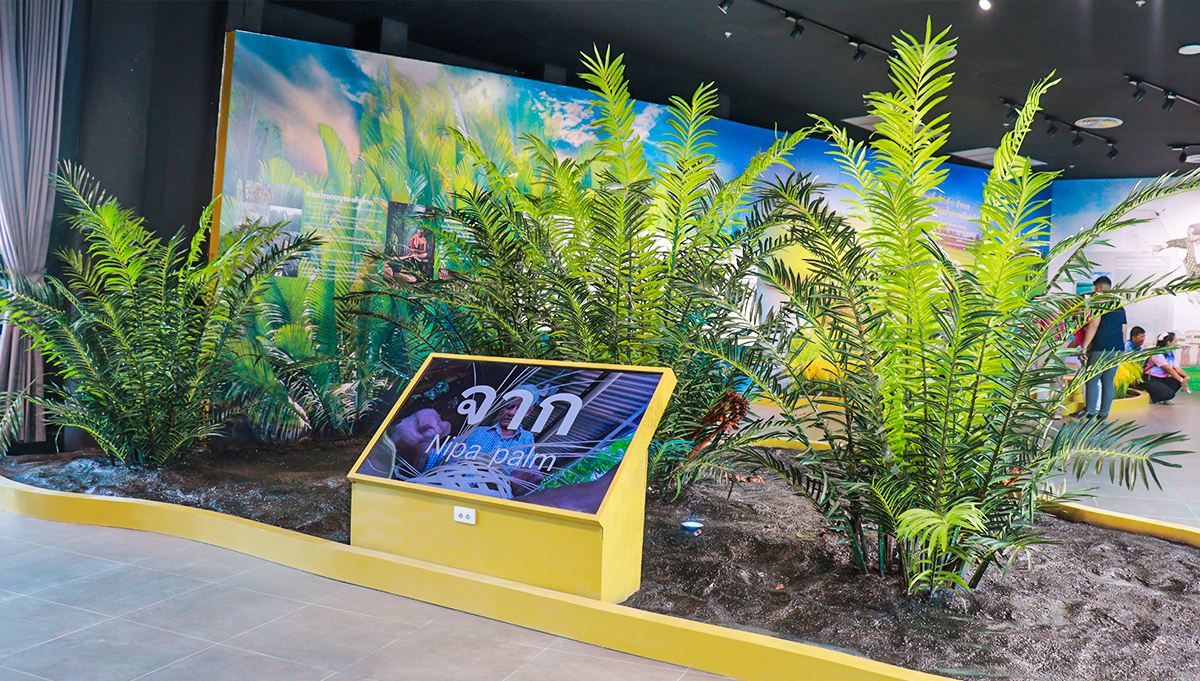
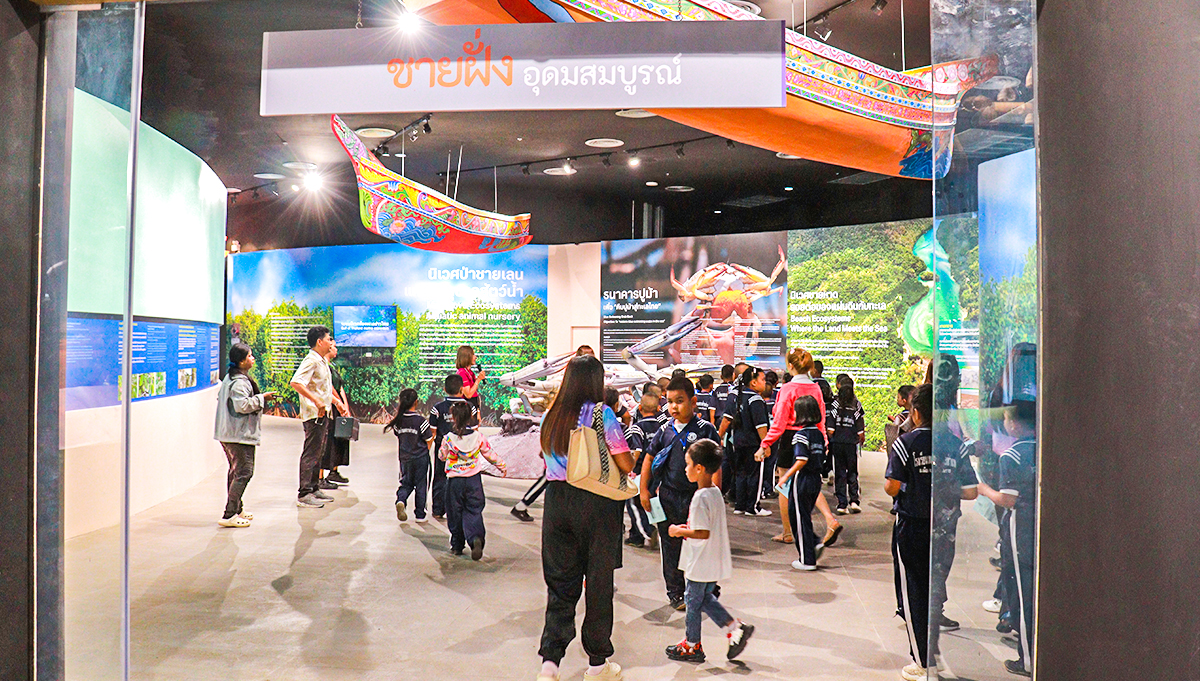
Coastline of Plenty Chamber
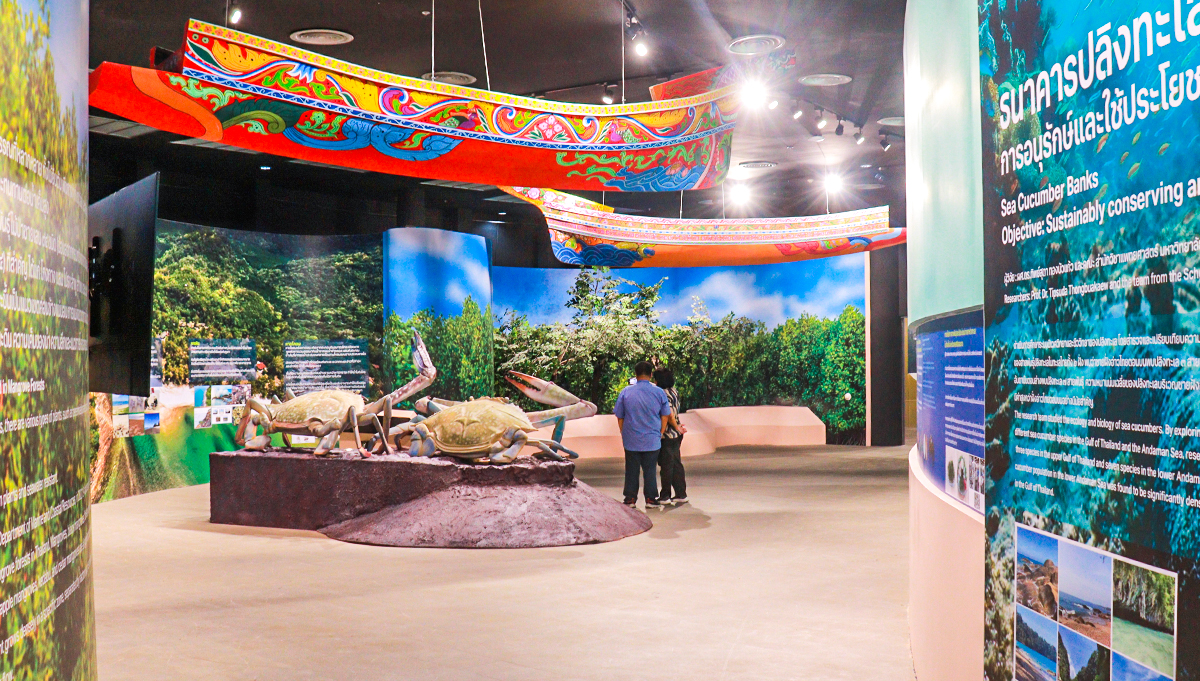
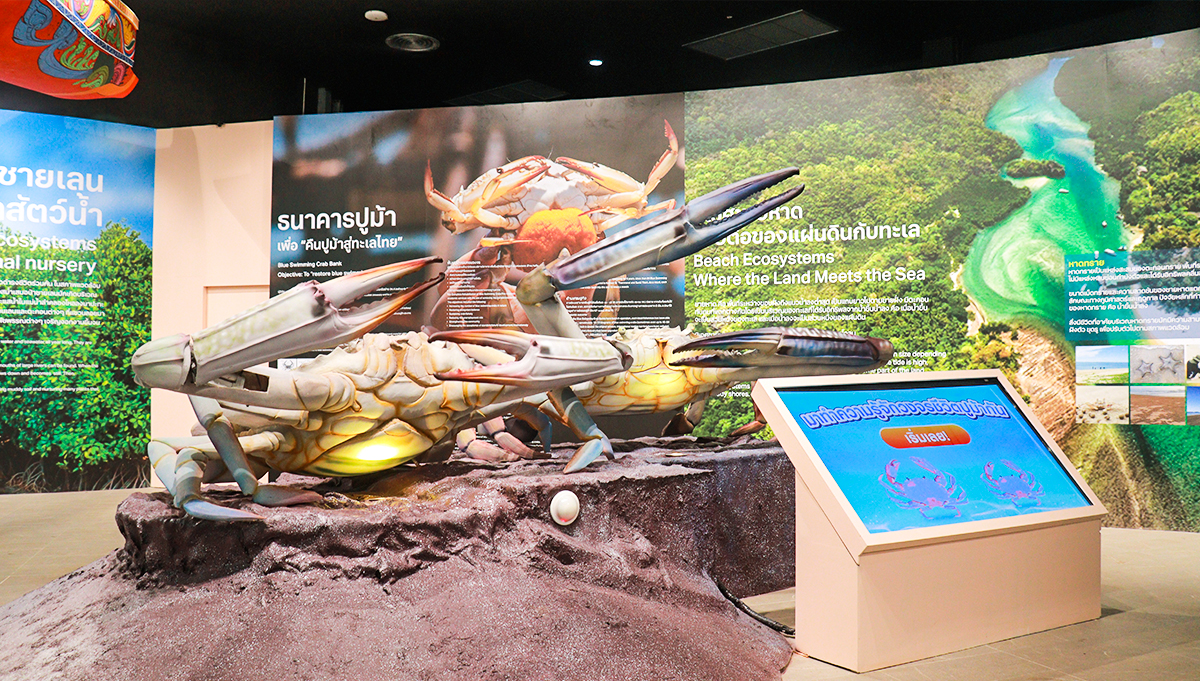
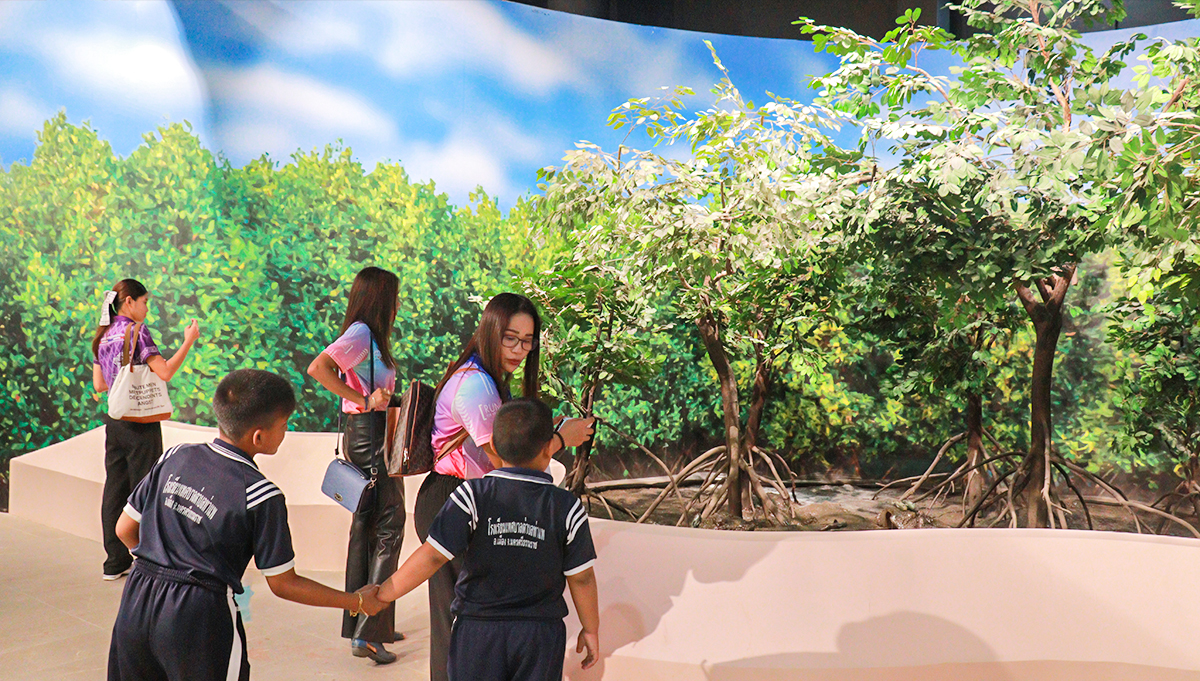
This exhibition presents the coastal ecosystems of the Gulf of Thailand, using multimedia displays and authentic objects. It features beach and mangrove forest ecosystems, native plant species, and real examples of local flora and fauna. The exhibit also includes photographs of coastal community lifestyles and highlights Walailak University’s academic services, such as the “Sustainable Blue Crab alongside the Thai Sea” project and marine biodiversity research along the Nakhon Si Thammarat coast.
The Abundant Gulf of Thailand Chamber
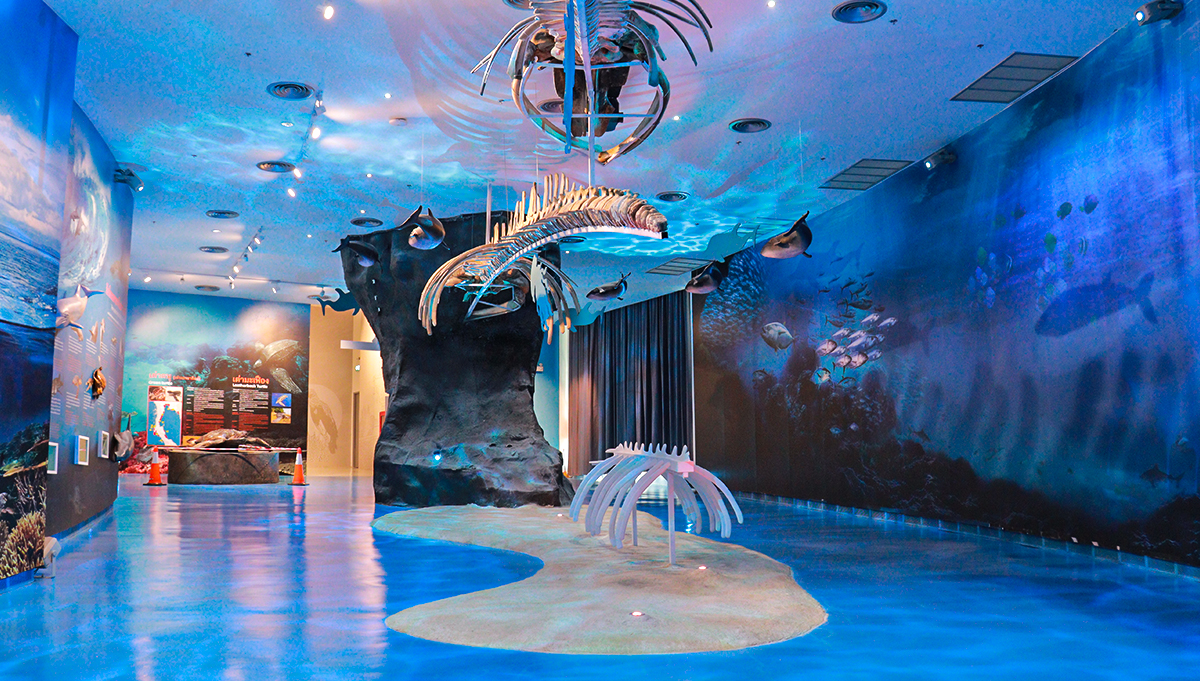
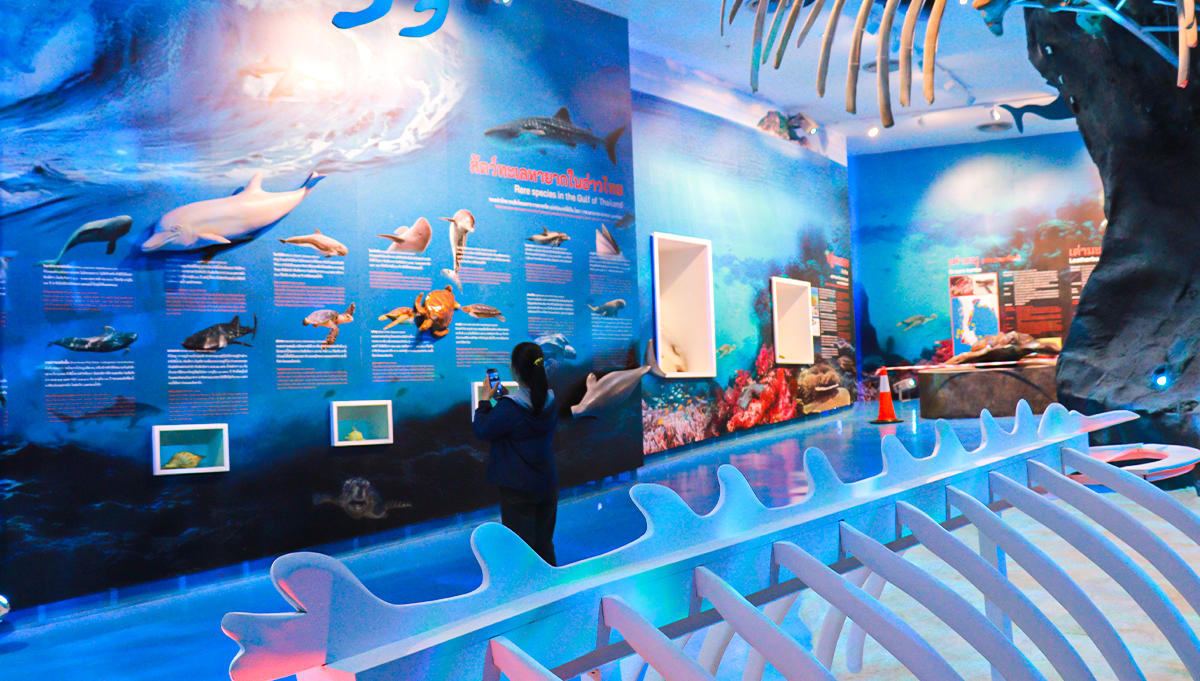
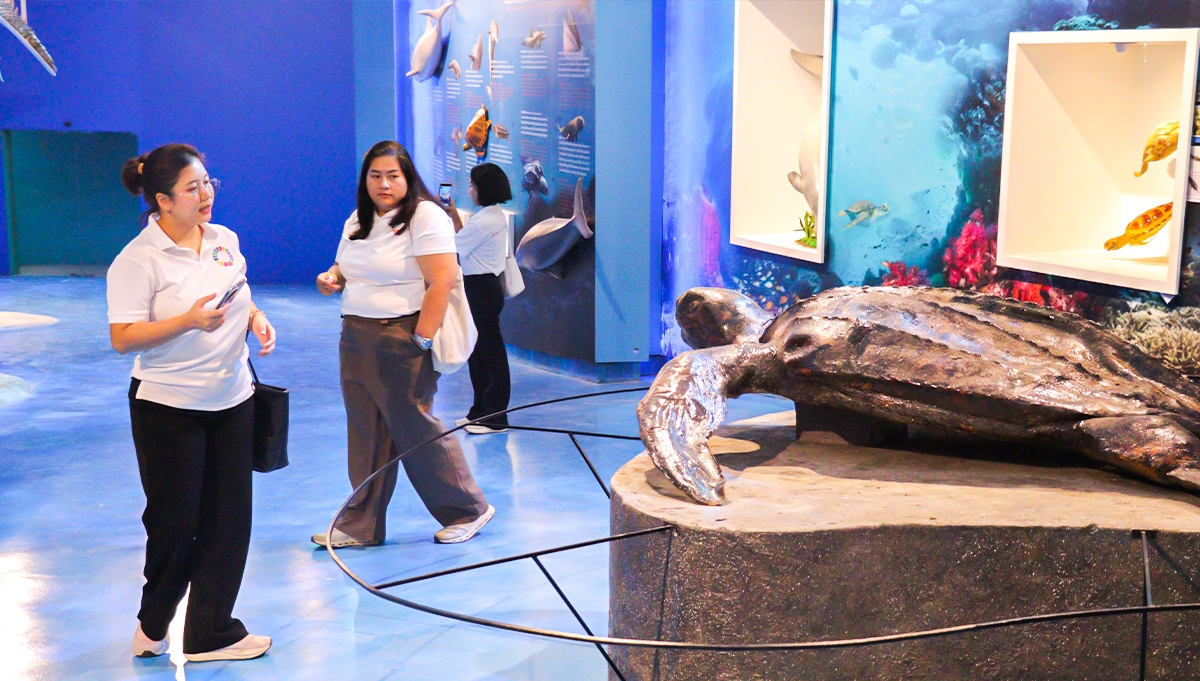
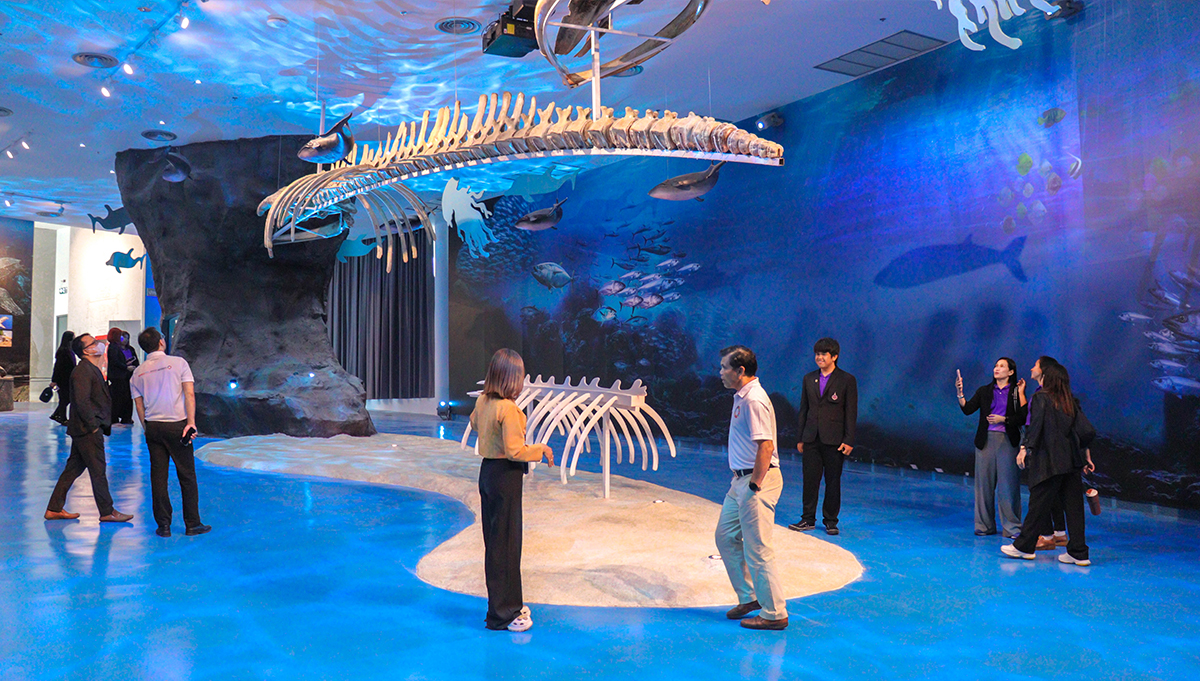
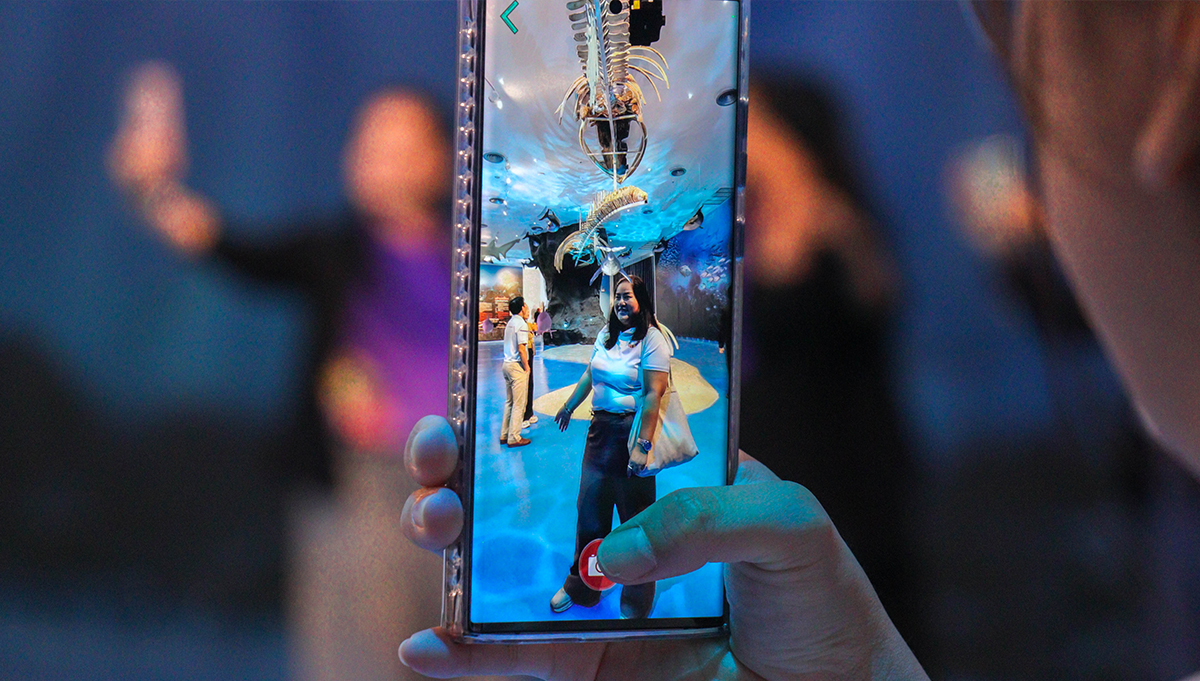
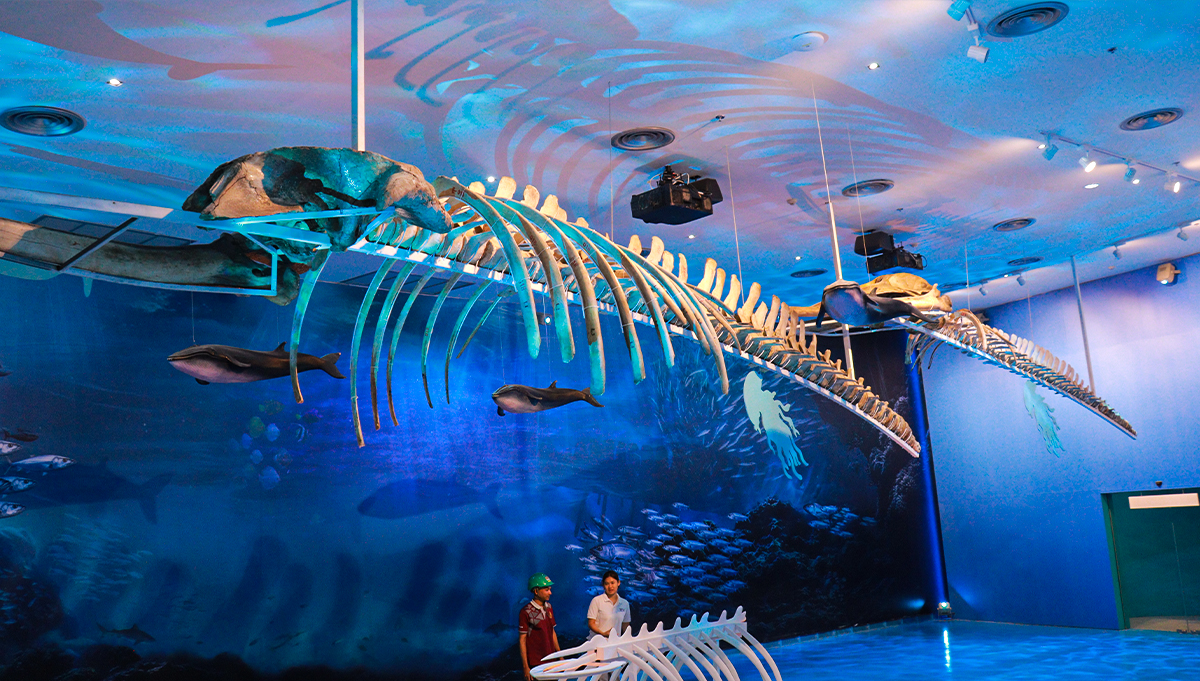
Featuring an aquarium of marine animals enhanced with lighting and sound effects, this room also houses a large whale skeleton and showcases research findings and academic services supported by the Plant Genetic Conservation Project (RSPG) and Walailak University. A notable project highlighted is the “Sea Cucumber Bank: Sustainable Conservation and Utilization of Sea Cucumbers,” undertaken in collaboration with regional partners.
Absolute Sake for All Chamber
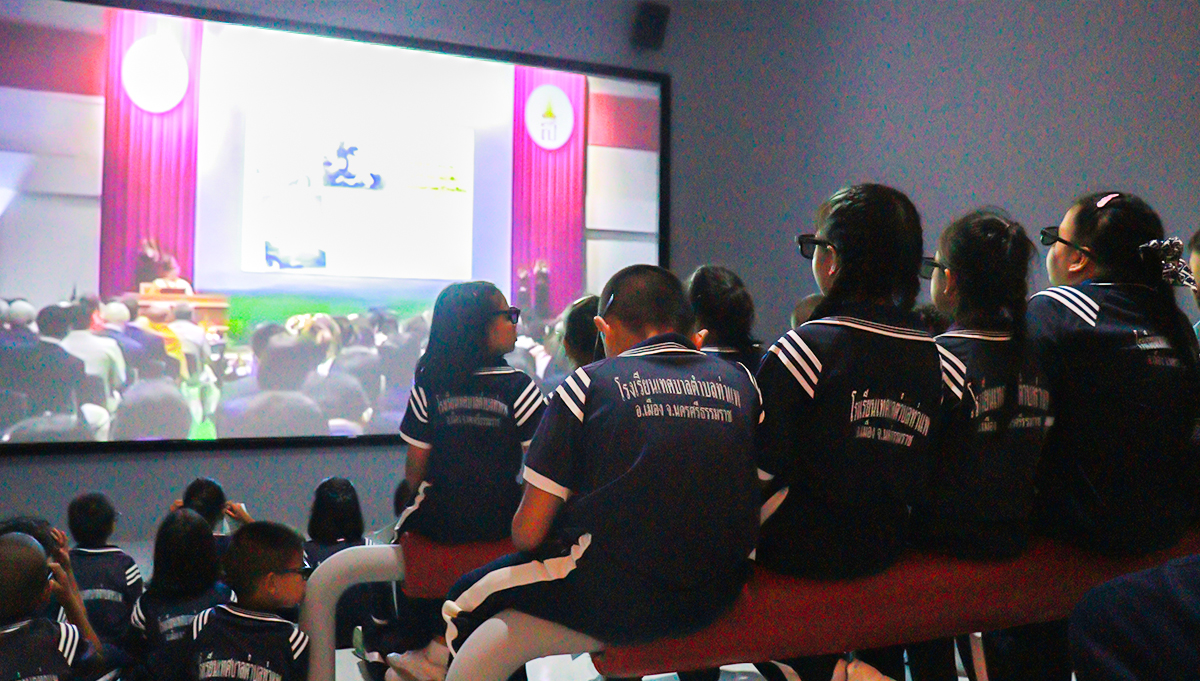
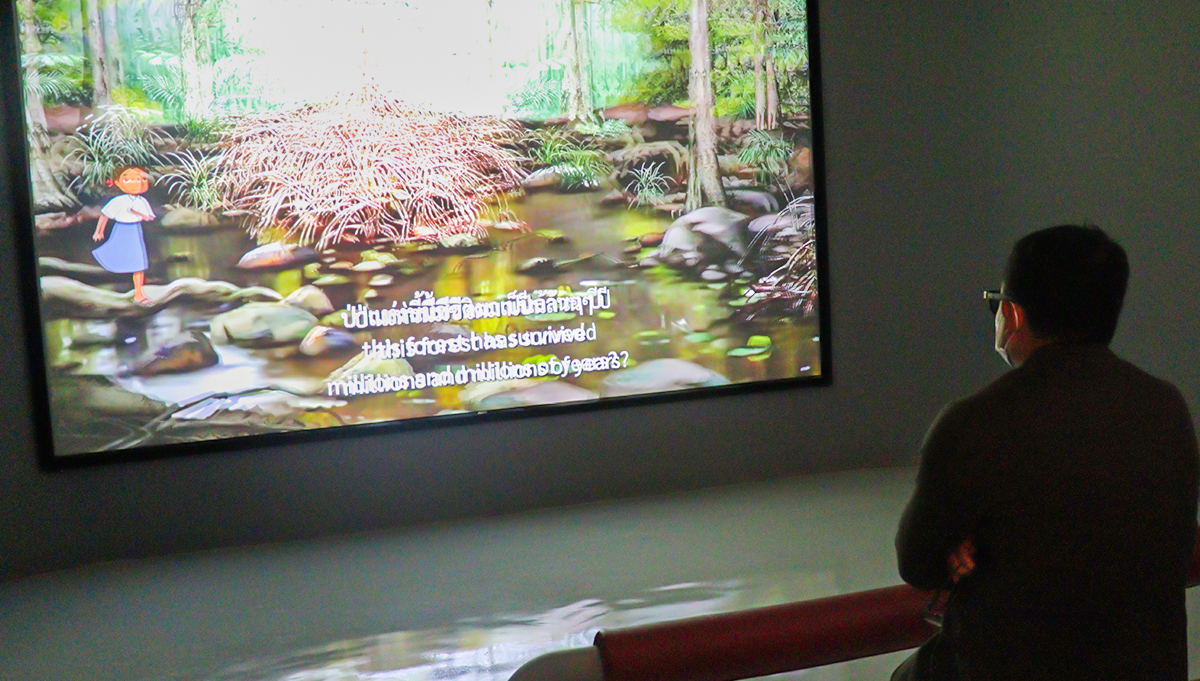
The final chamber serves as a summary of the knowledge presented throughout the museum. It emphasizes the importance of conserving natural resources and ensuring their sustainable use. Visitors can view short films, access e-books, and enjoy a peaceful environment complemented by model waterfalls and beach areas, leaving with a greater appreciation for Thailand’s natural and cultural heritage.
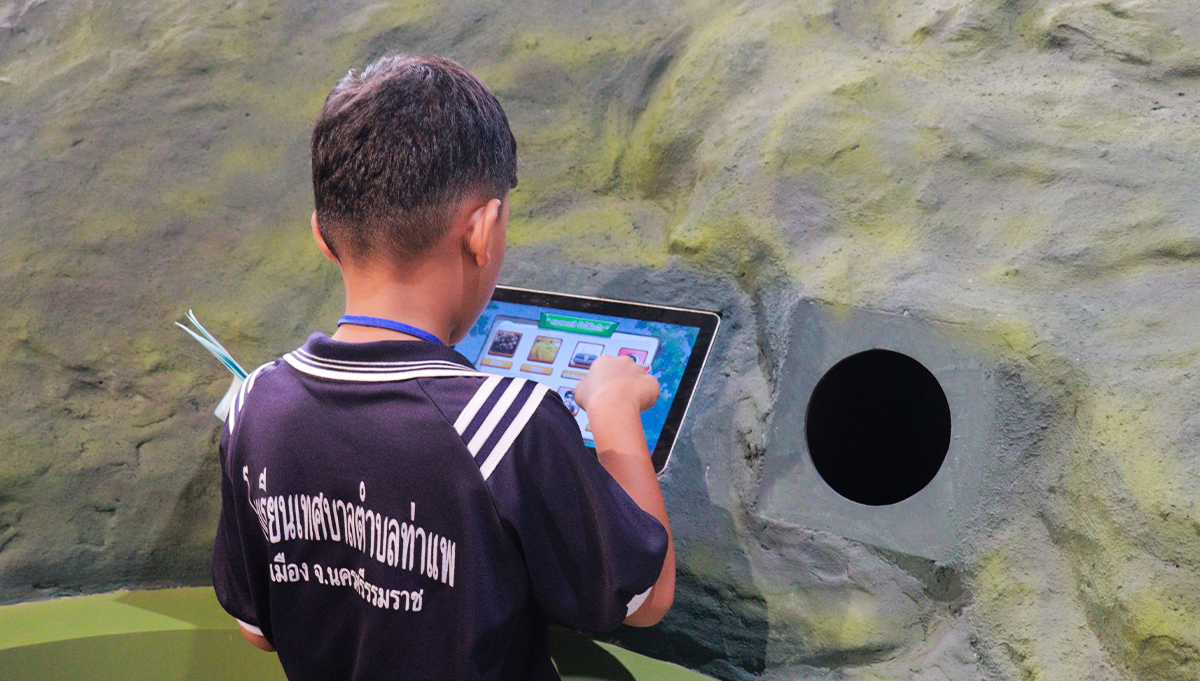
The overarching concept of the Maha Chakri Sirindhorn Natural History Museum is to compile and present the natural resources and cultural identity of Southern Thailand through contemporary technology and engaging educational media. The museum aims to entertain, educate, and inspire visitors, creating an enjoyable and memorable experience that encourages a lasting interest in natural and cultural conservation.
The building’s 8-shaped design reinforces the principle of continuity and infinite sustainability in conserving natural resources, cultural traditions, and local wisdom, ensuring their protection and transmission to future generations.
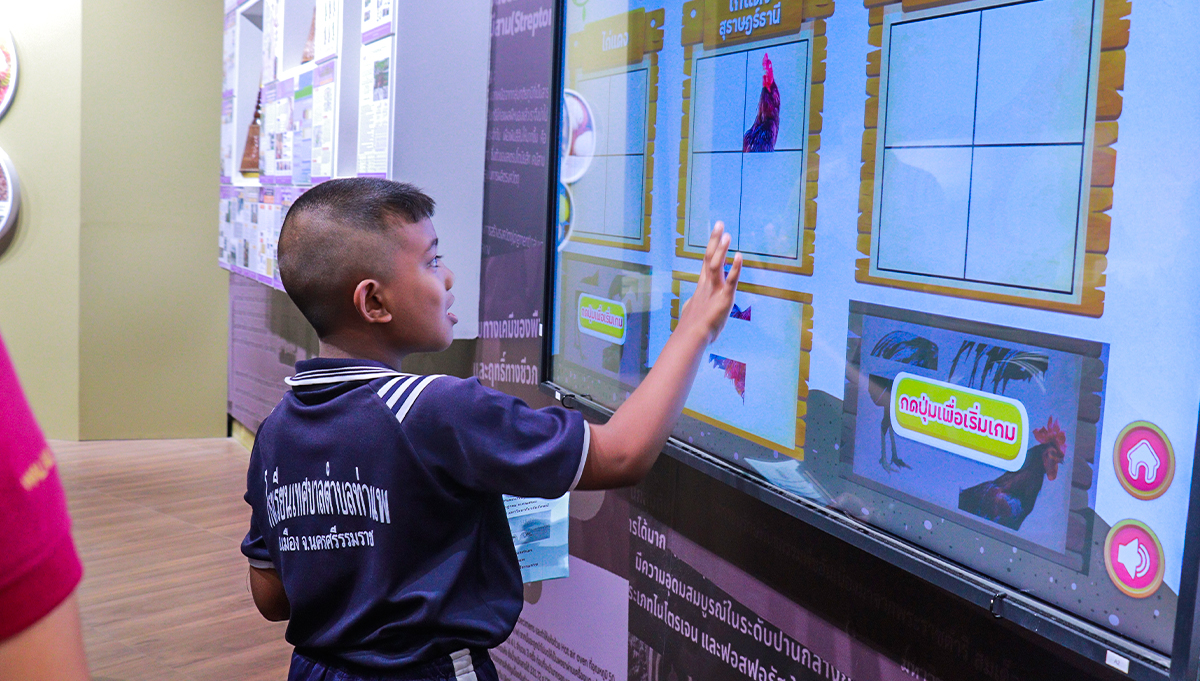
At present, the Walailak University Museum of Natural History serves as a vital center for science and environmental learning, playing a significant role in promoting public understanding of nature, ecosystems, and the interrelationship between humans and the environment. The museum’s primary objectives are to collect, exhibit, and disseminate knowledge in natural history, fostering public awareness of the value and importance of conserving natural resources as well as the cultural heritage associated with local ways of life.
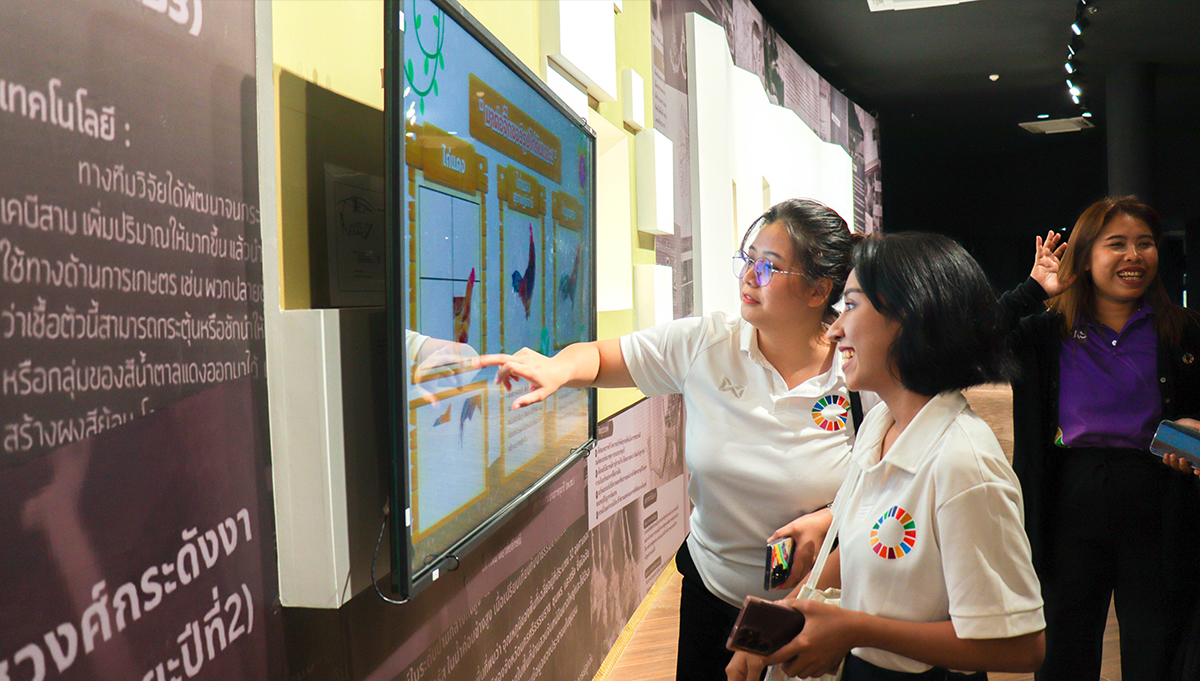
In addition to encouraging visitors to engage in interactive, self-directed learning, the museum functions as a knowledge hub for “Sustainable Development.” It aims to deepen visitors’ understanding of the principles of balanced natural resource and environmental conservation, while also preserving cultural heritage that is interconnected with local ecosystems.
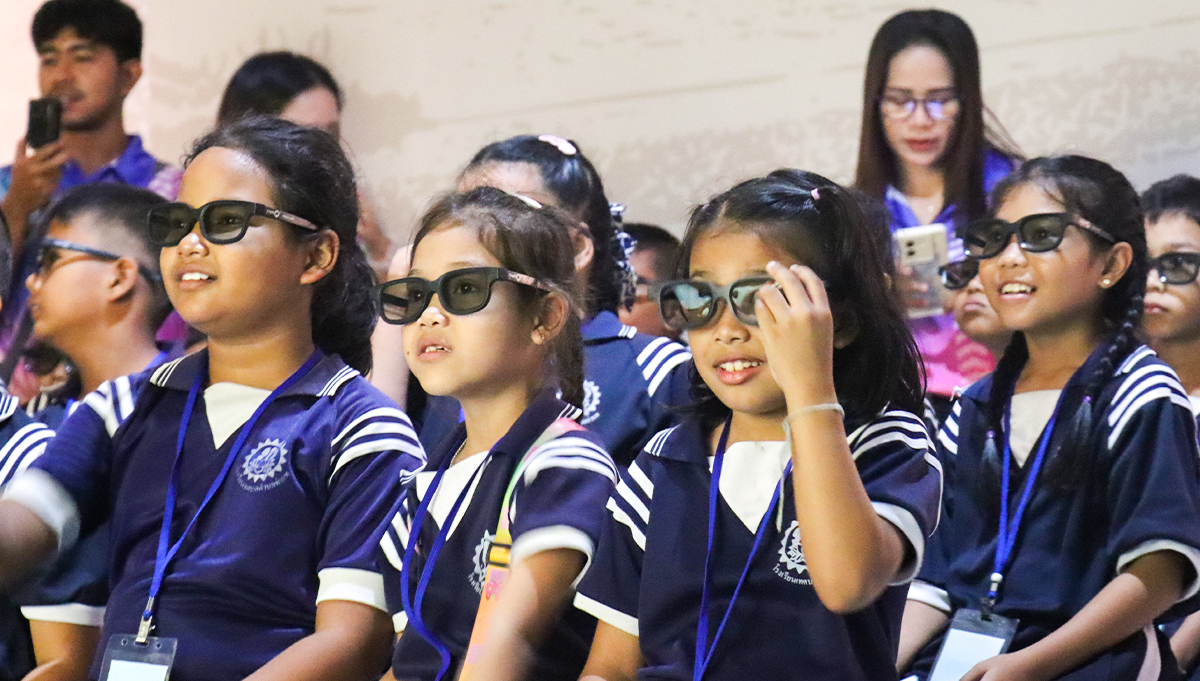
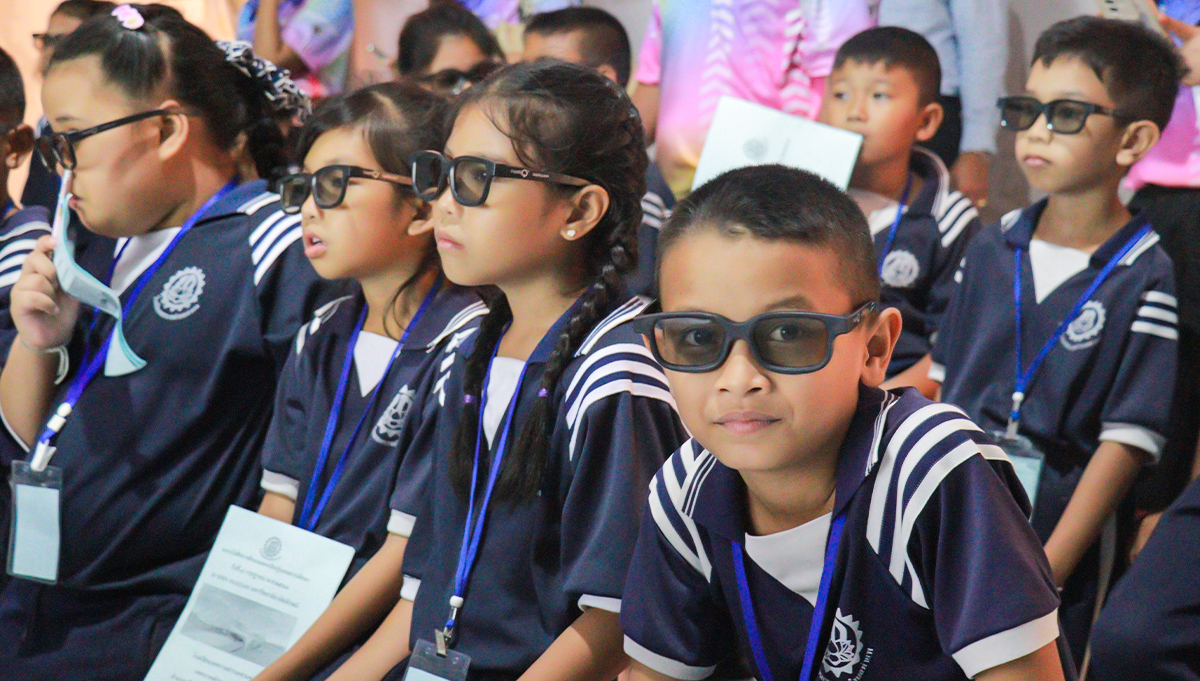
The Walailak University Museum of Natural History is open to the public, including students, educators, and personnel from various institutions, free of charge. This initiative supports its mission to serve as a Lifelong Learning Center, ensuring equal access to education for all in alignment with sustainable development goals.
According to recent operational data, the museum welcomes more than 30,038 visitors per year, comprising university students, academic staff, and the general public. Visitor satisfaction surveys indicate a very high satisfaction rate of over 90%, reflecting the museum’s effective management and the quality of its educational activities. This demonstrates the museum’s pivotal role as a learning center for conservation and sustainable development within Thai society.
เพิ่มตัวเลขสถิติ
Tumpang Museum
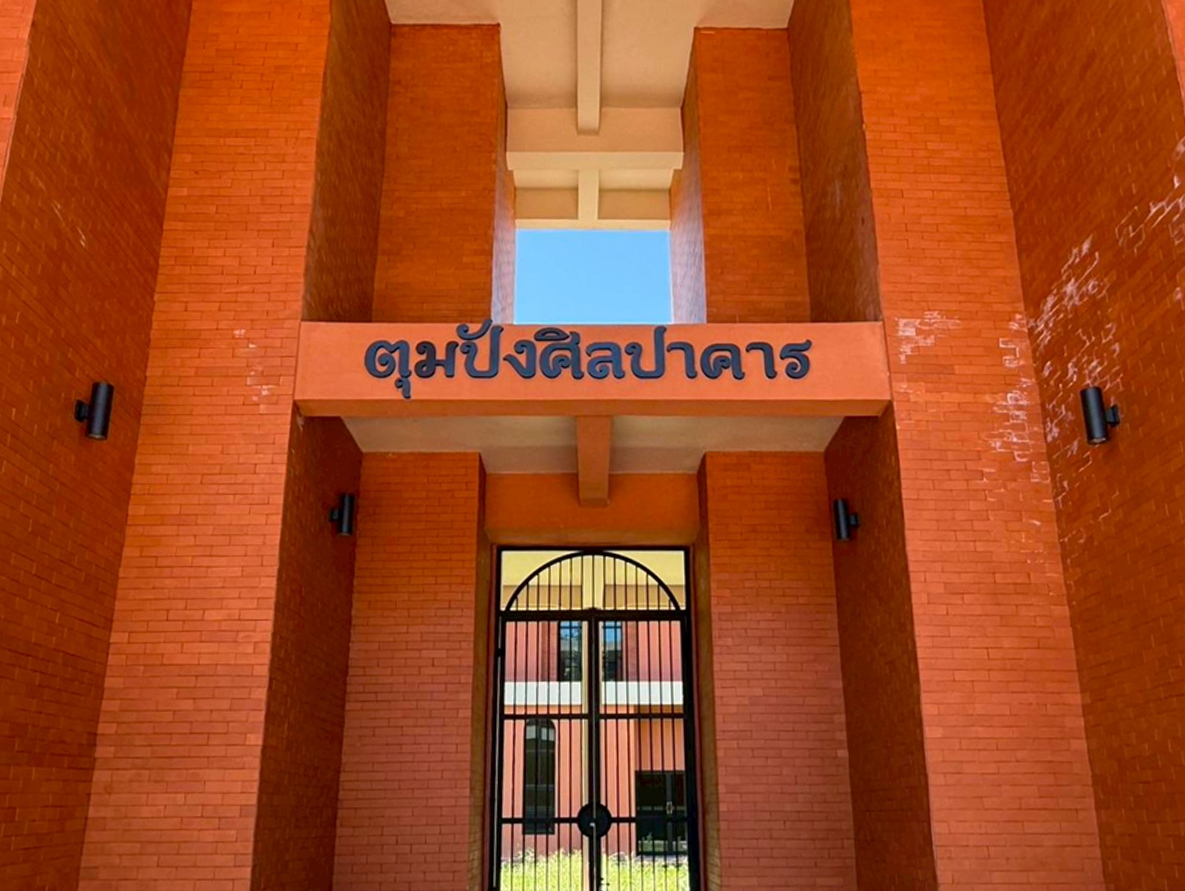
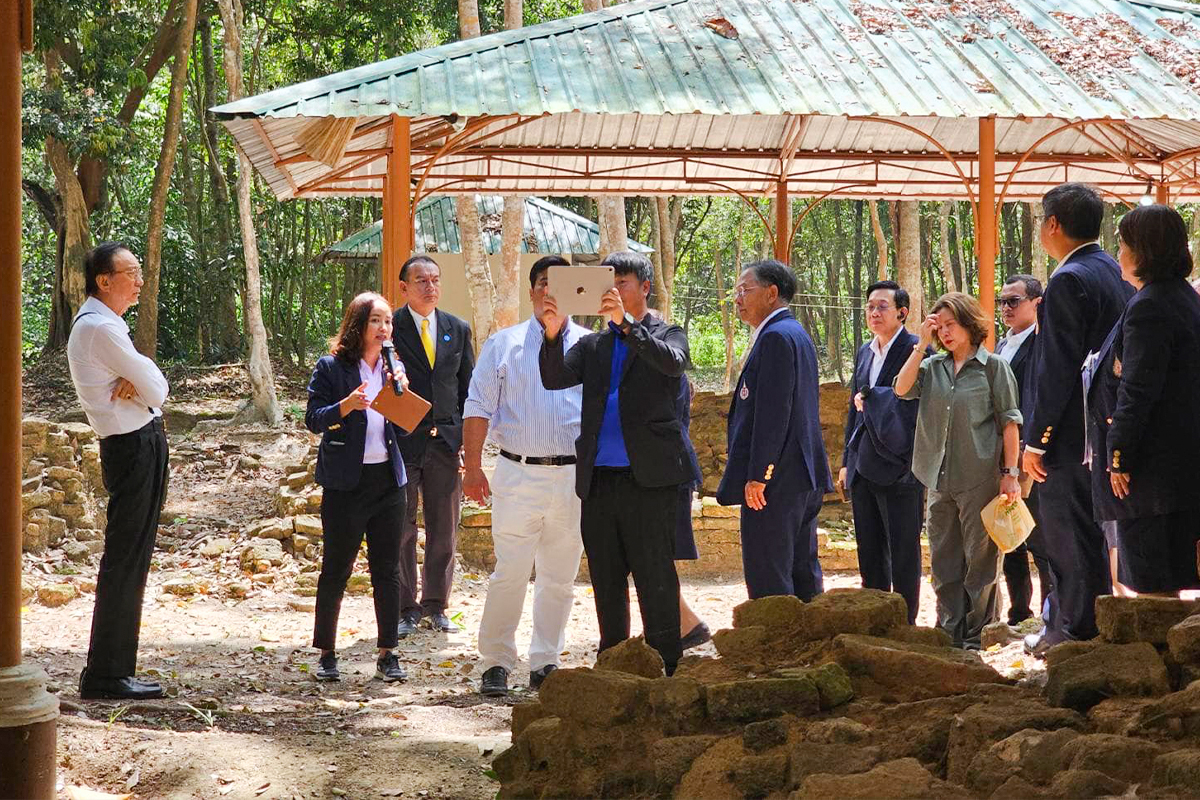
Walailak University places strong emphasis on preserving and promoting the cultural heritage of Southern Thailand, ensuring its transmission to future generations. To support this mission, the university is establishing the Tumpang Museum, envisioned as both a research hub and a community-based learning venue. The center will provide free public access, offering opportunities to explore Southern arts and traditions while protecting local wisdom and heritage.
More than a preservation effort, the center will act as a collaborative platform where researchers from across Southern Thailand can share knowledge, enhance partnerships, and deliver academic services that contribute to the wider society. By integrating cultural research with community participation, the initiative aims to connect scholarship, education, and cultural heritage in meaningful ways.
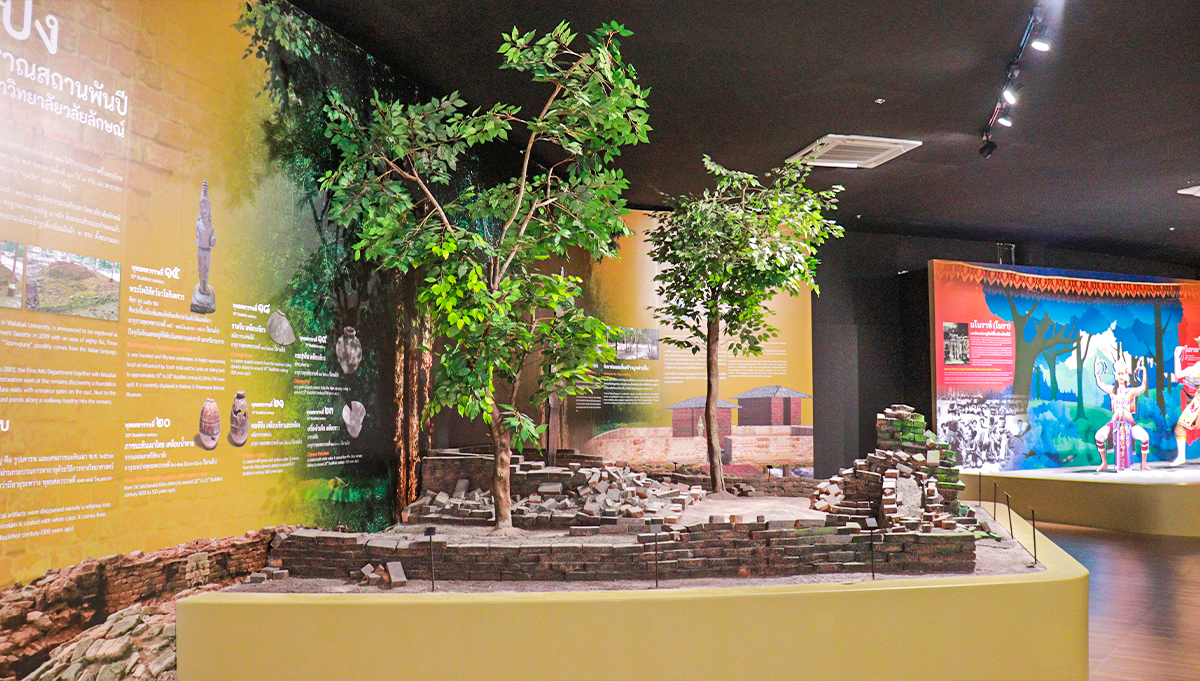
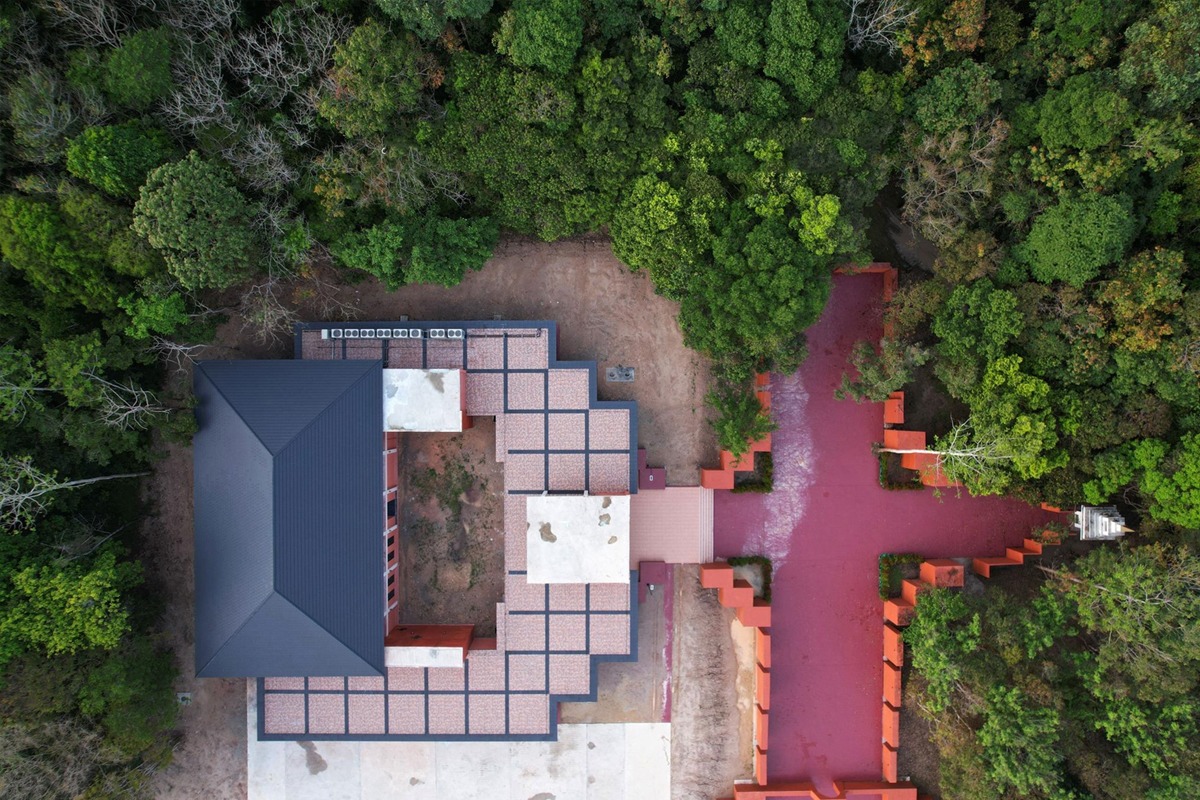
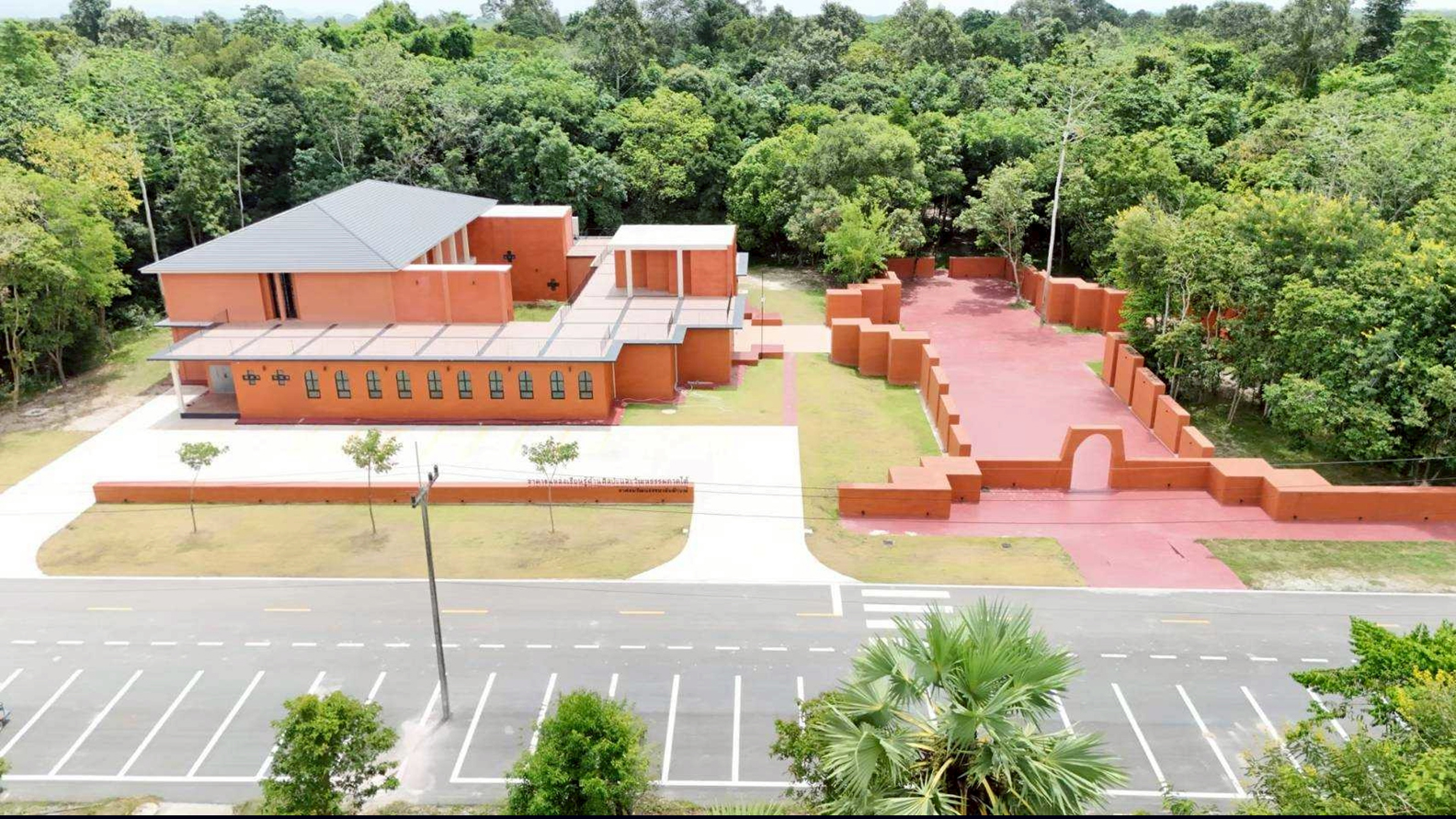
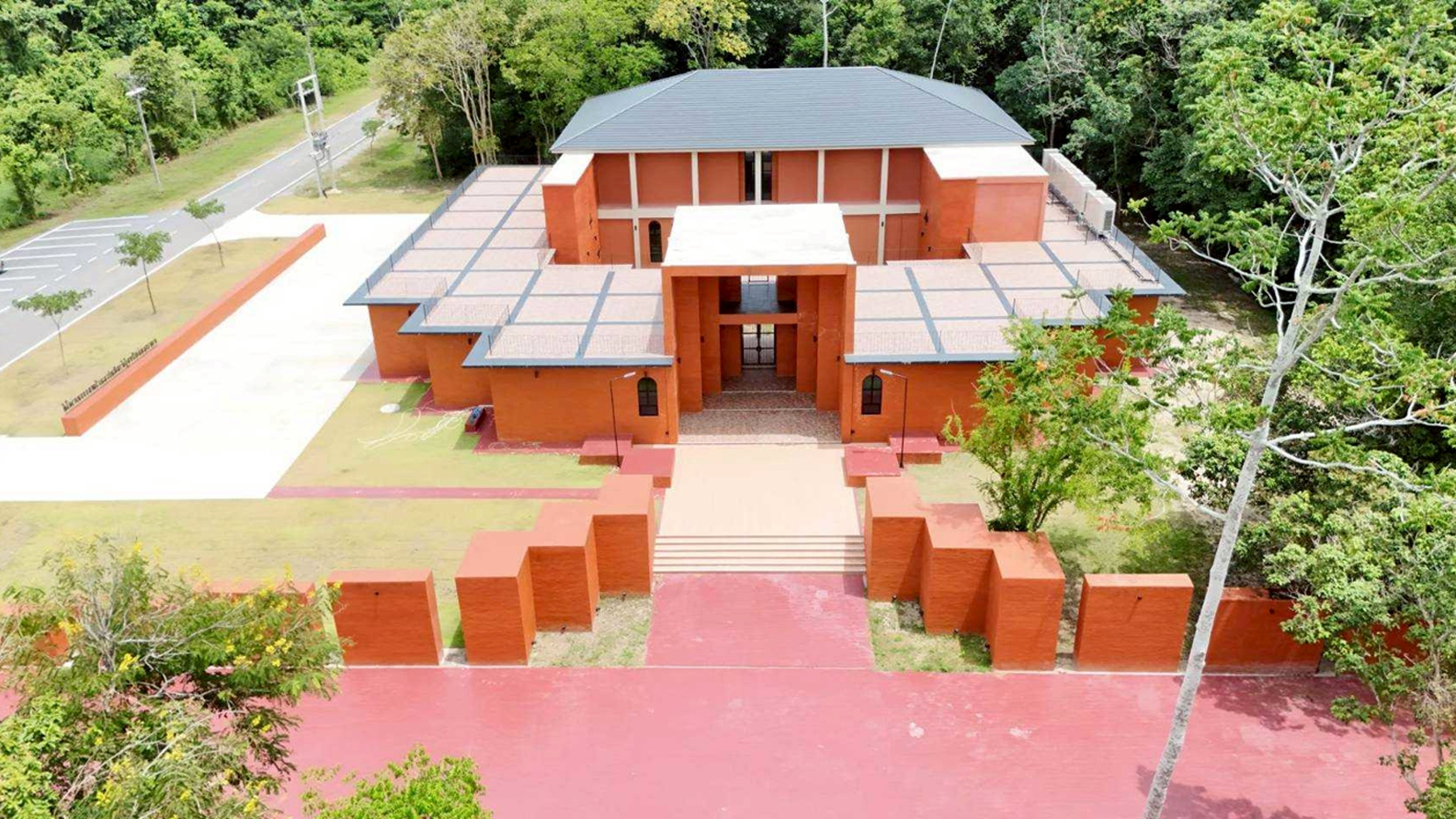
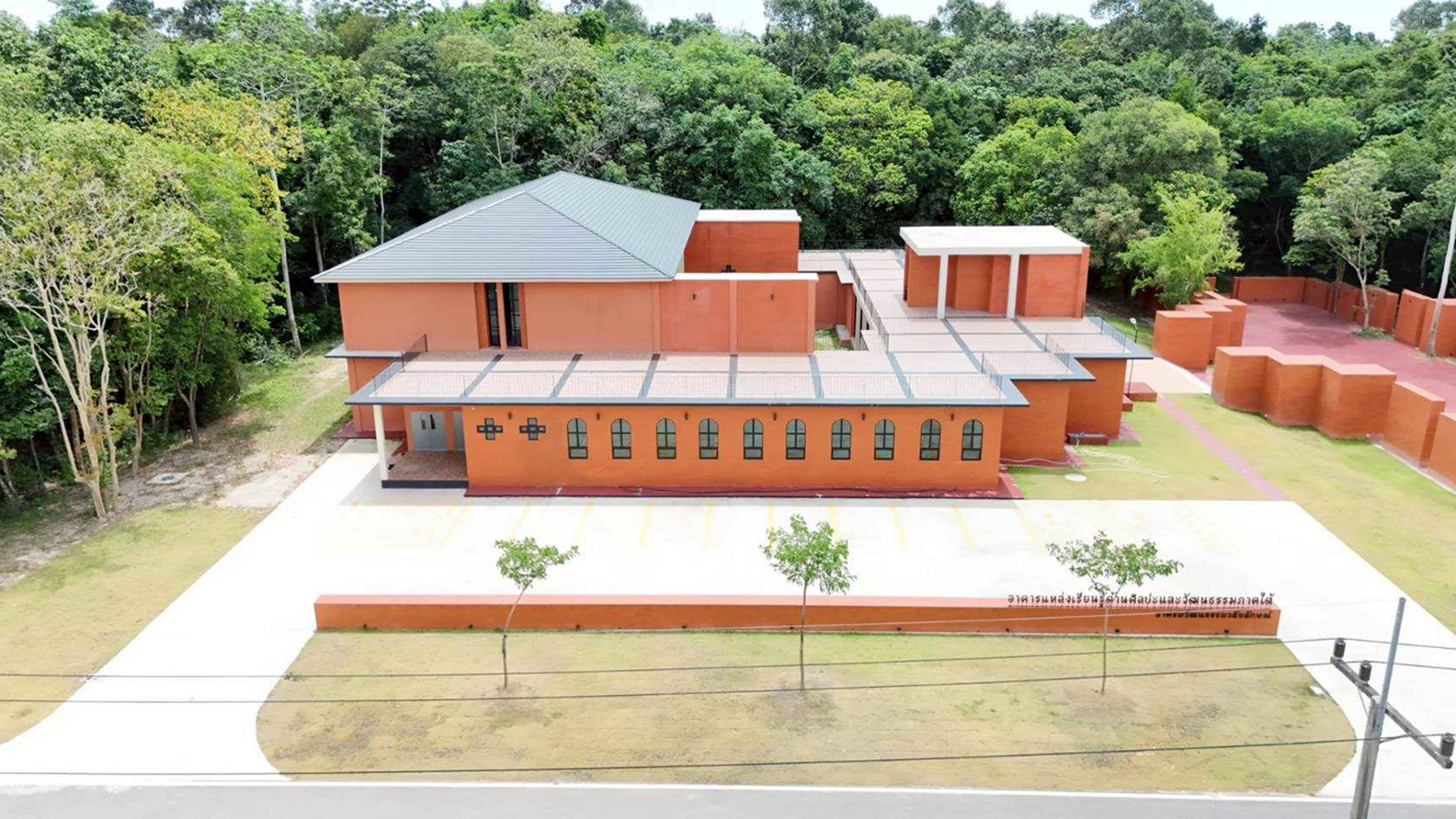
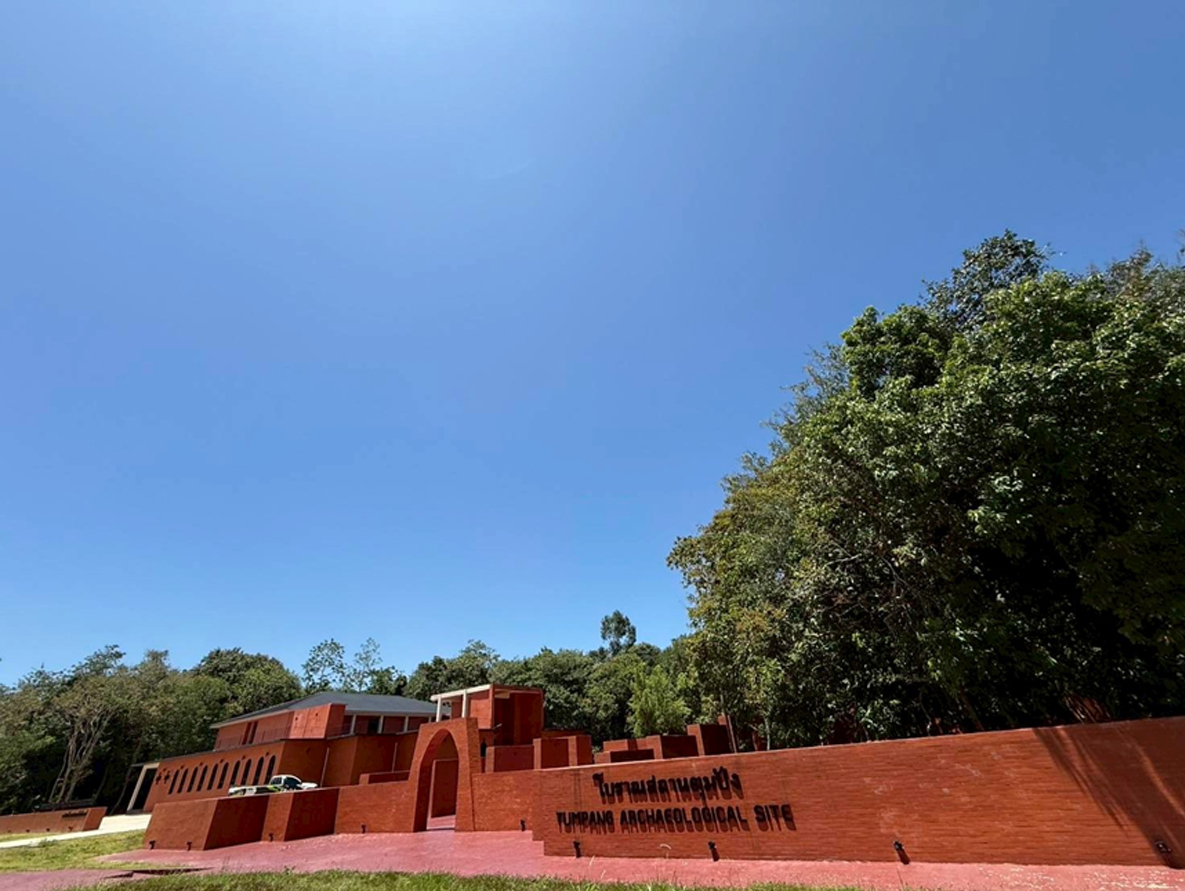
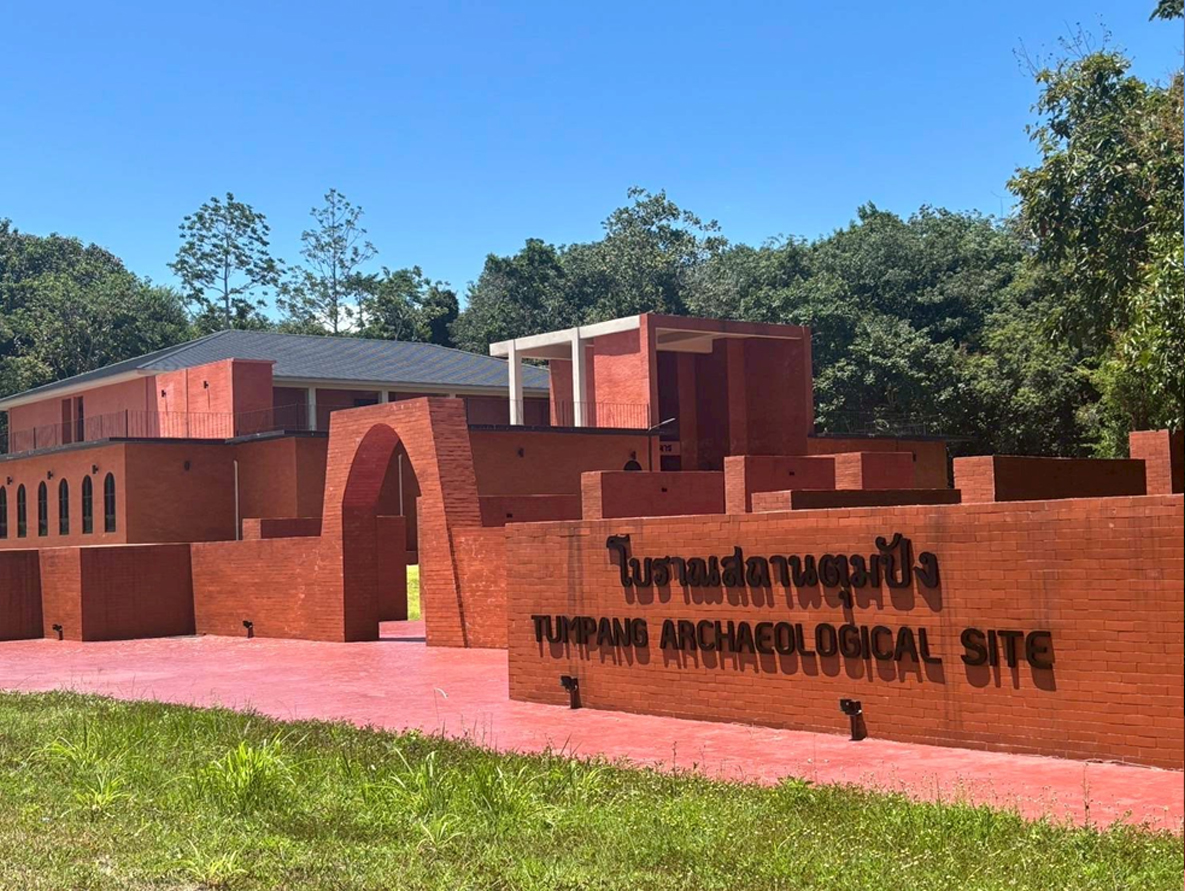
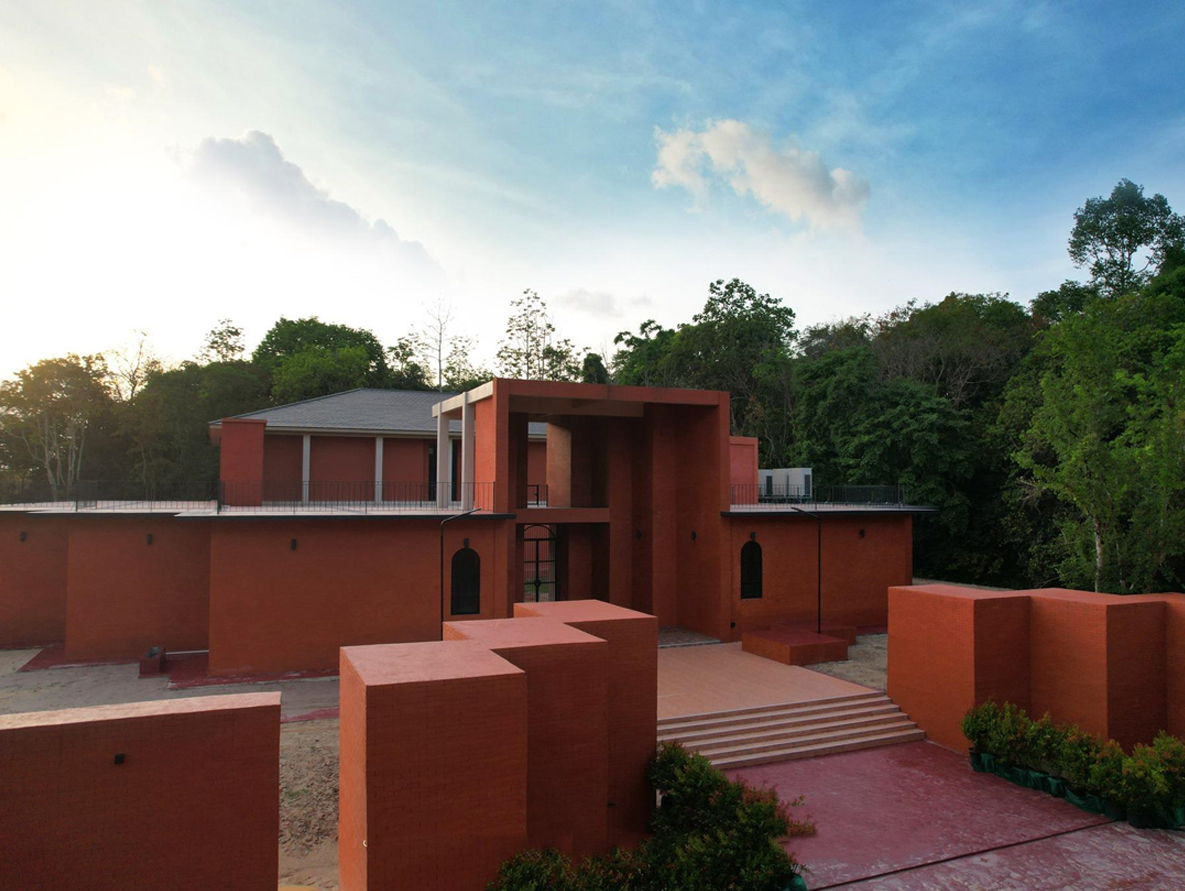
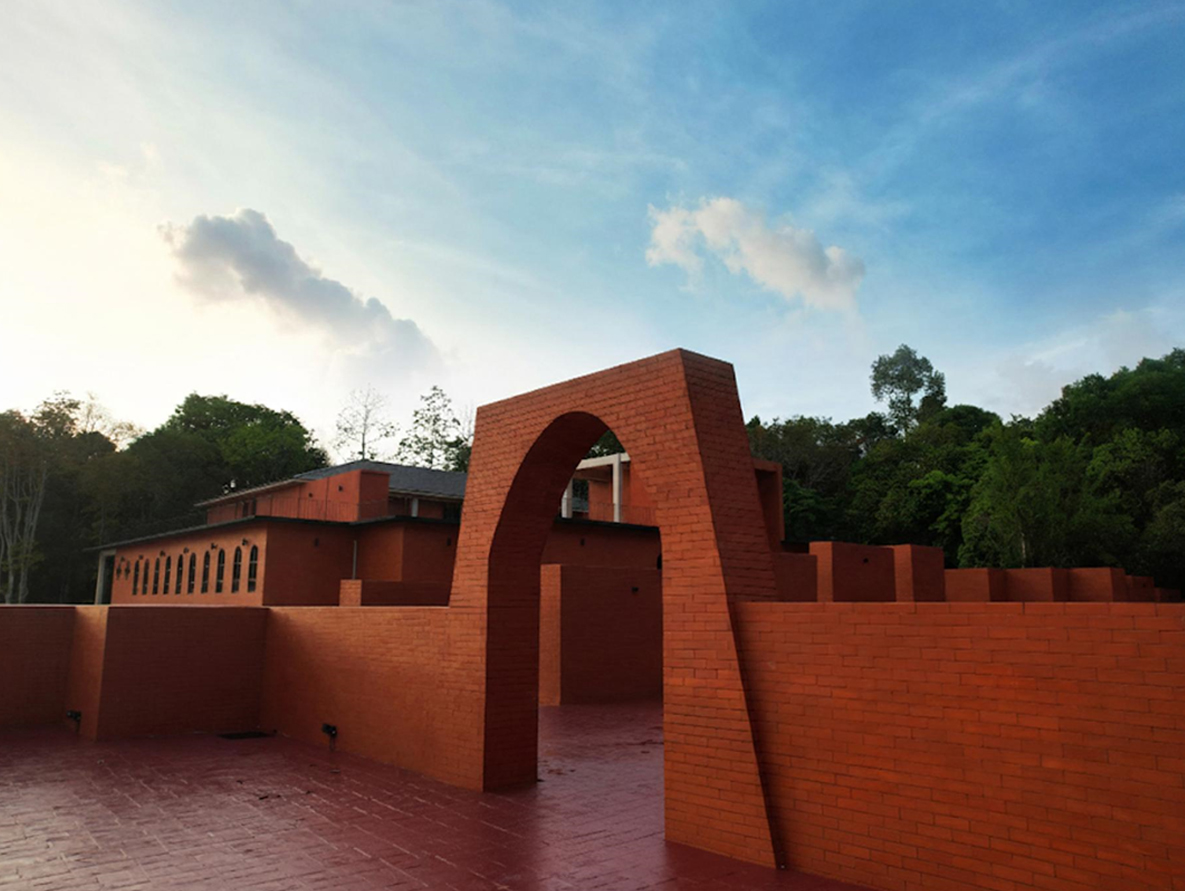
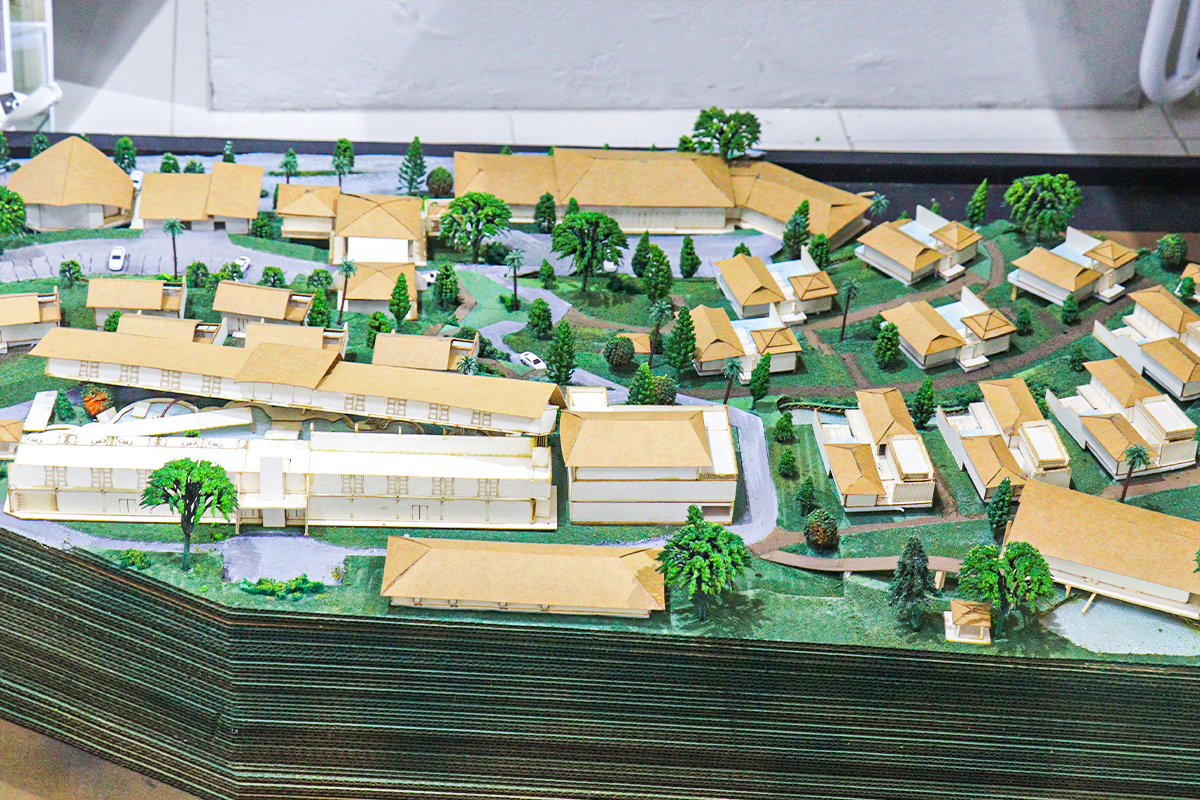
The center, occupying 7,850 square meters, is designed to reflect a harmony of tradition and modern architecture. Its square-shaped brick structure takes inspiration from the ancient Tumpang archaeological site, while its roof merges modern elements with the traditional hip roof (Pran Yha) typical of Southern architecture. The walls echo the historic city fortifications of Nakhon Si Thammarat, symbolizing strength and continuity.
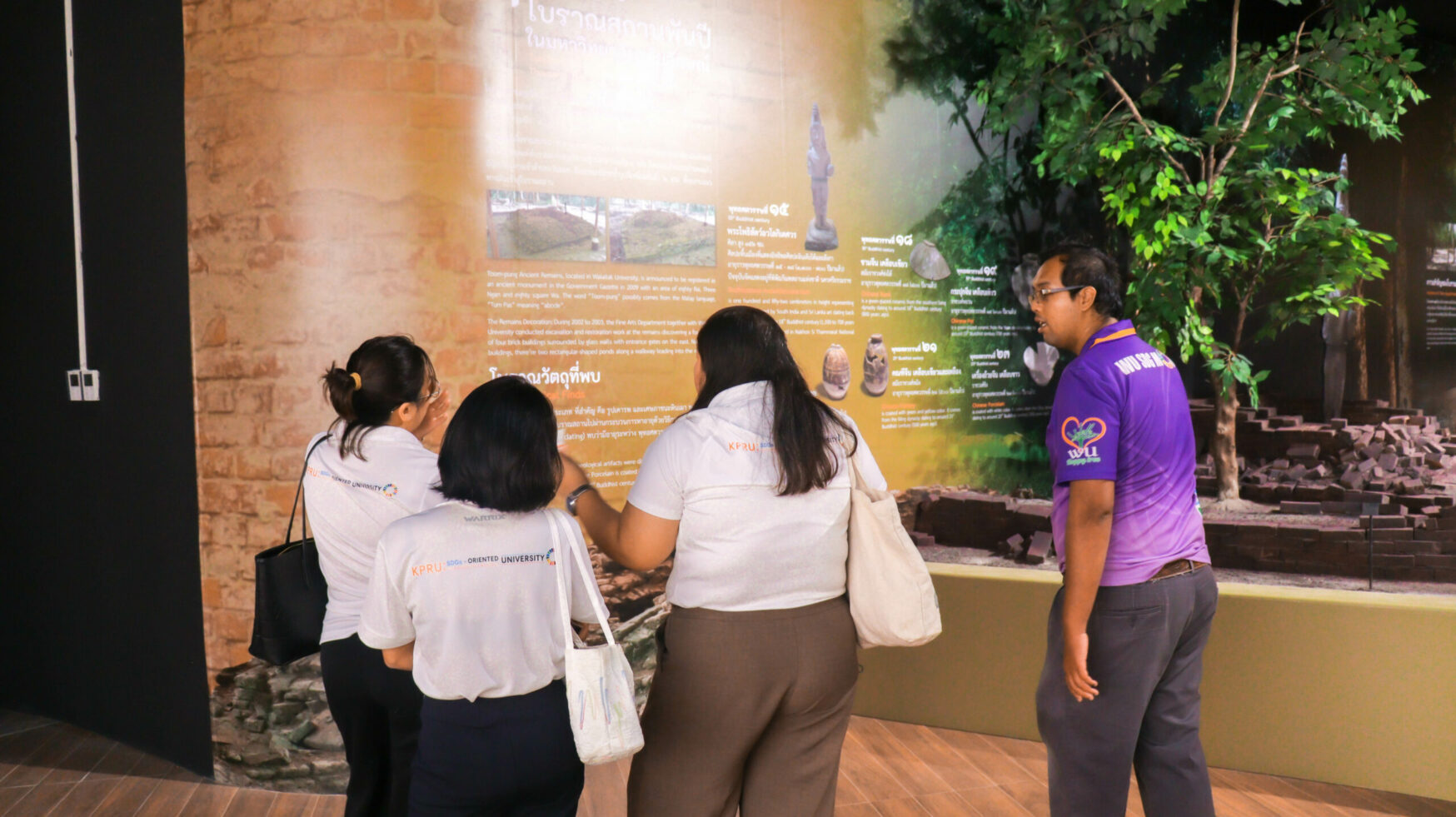
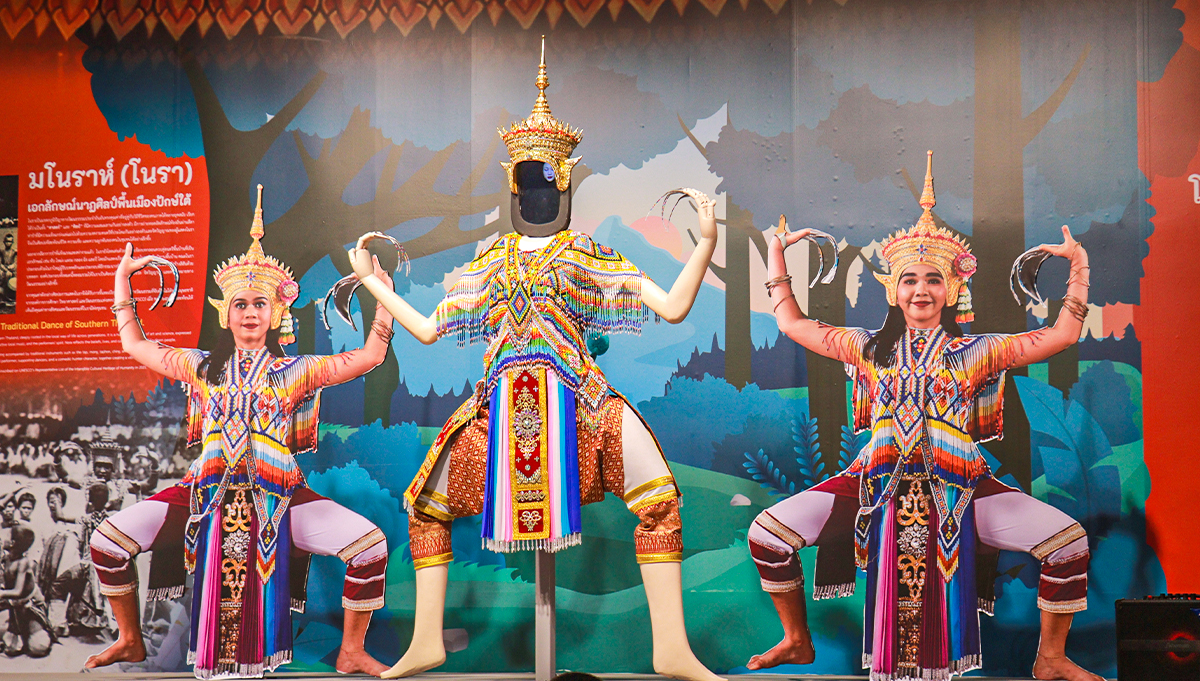
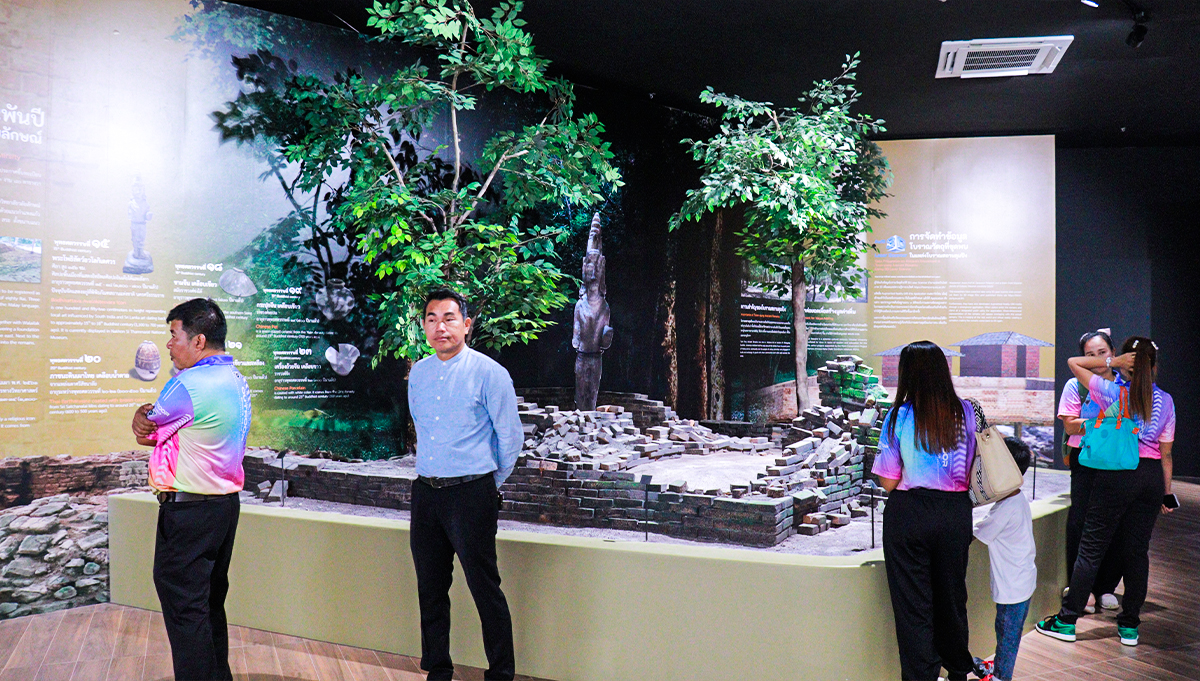
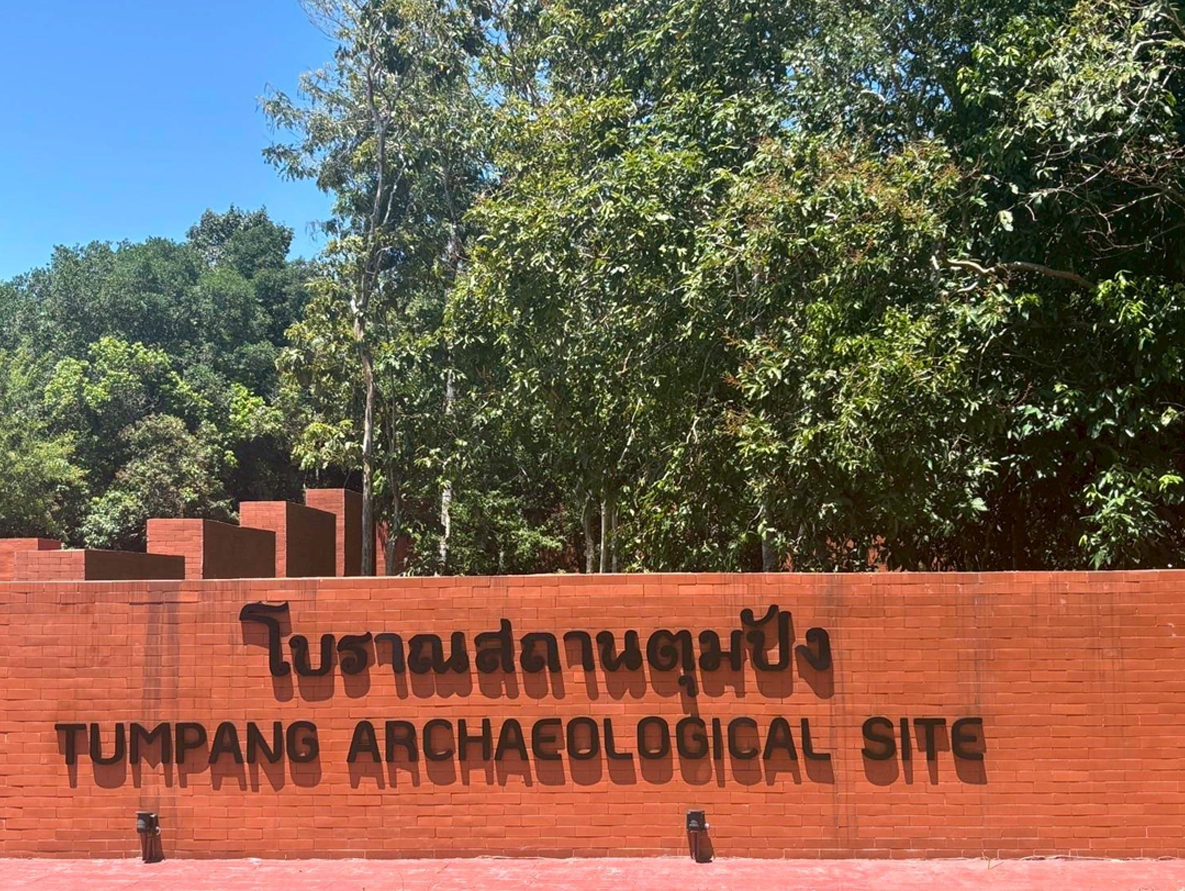
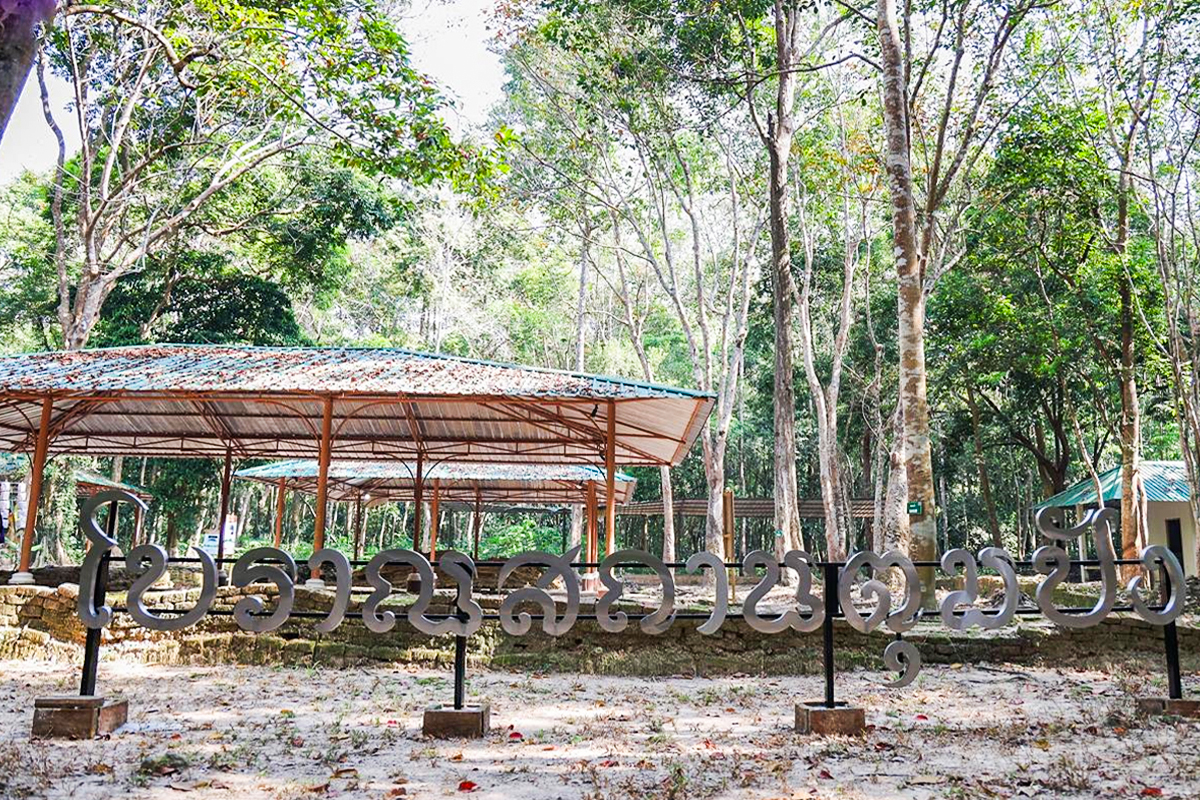
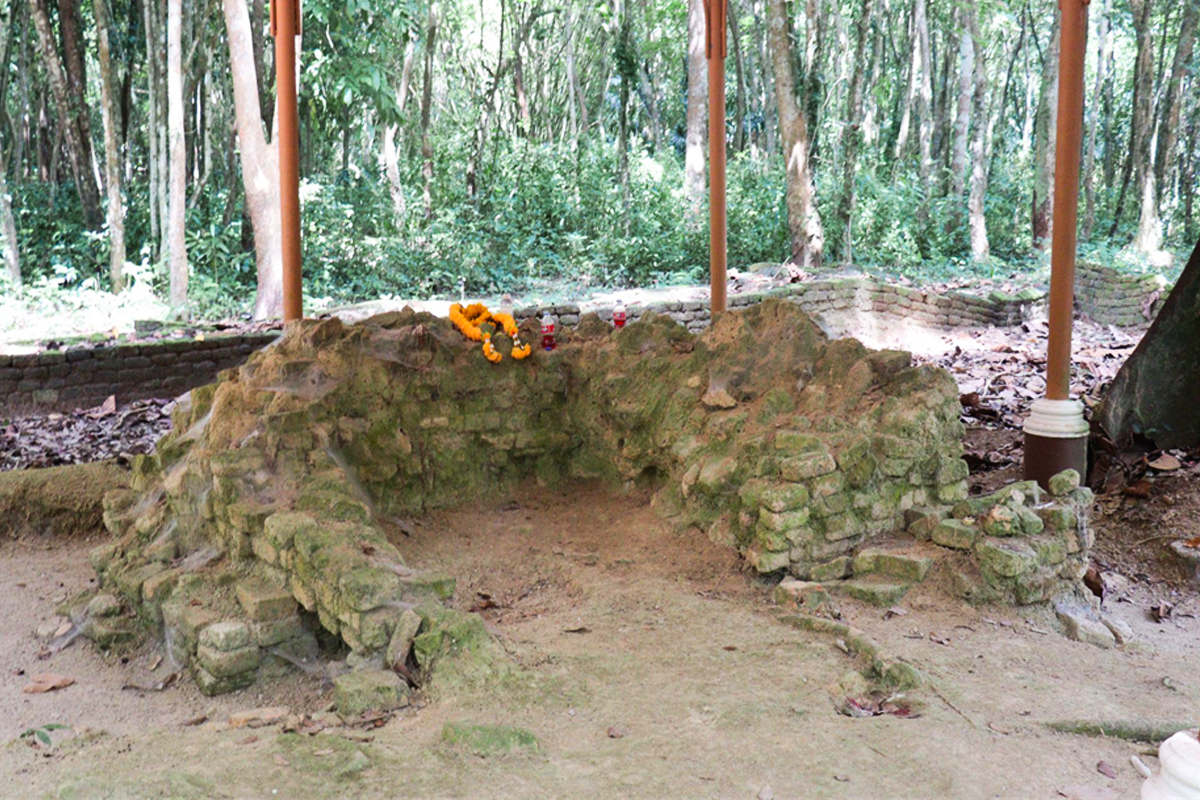
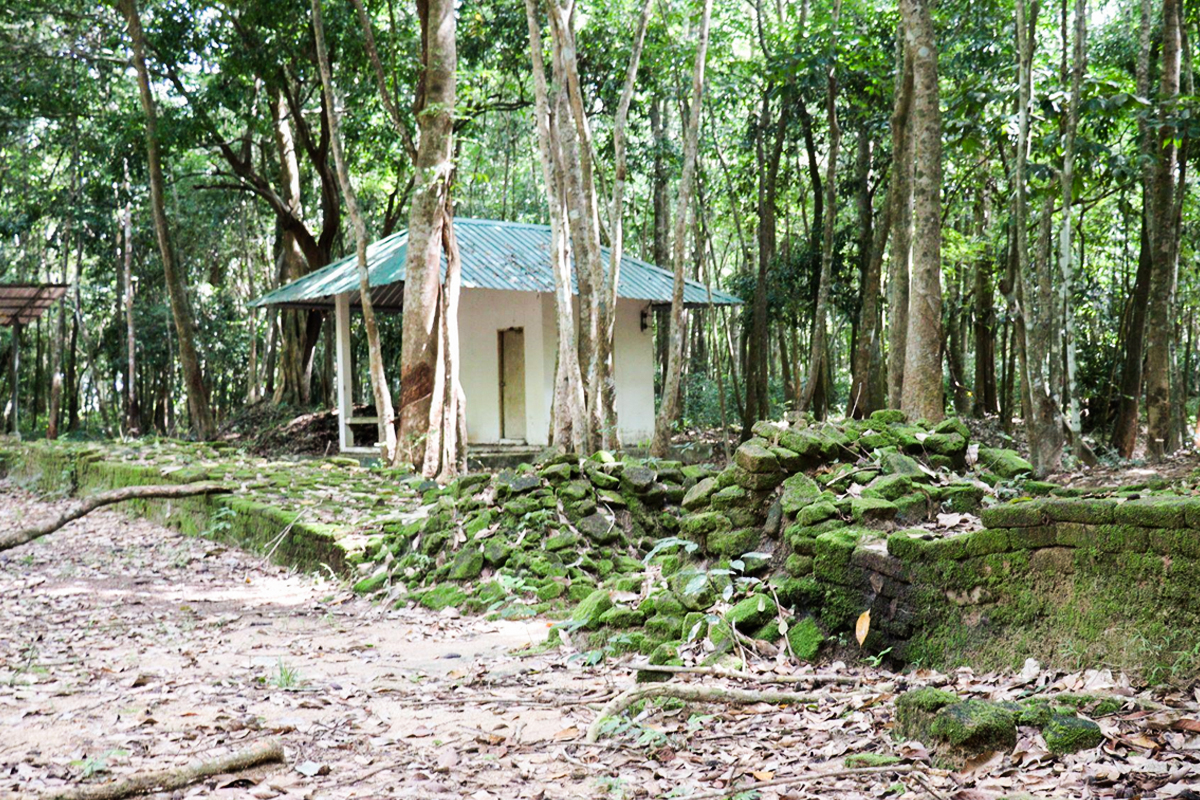
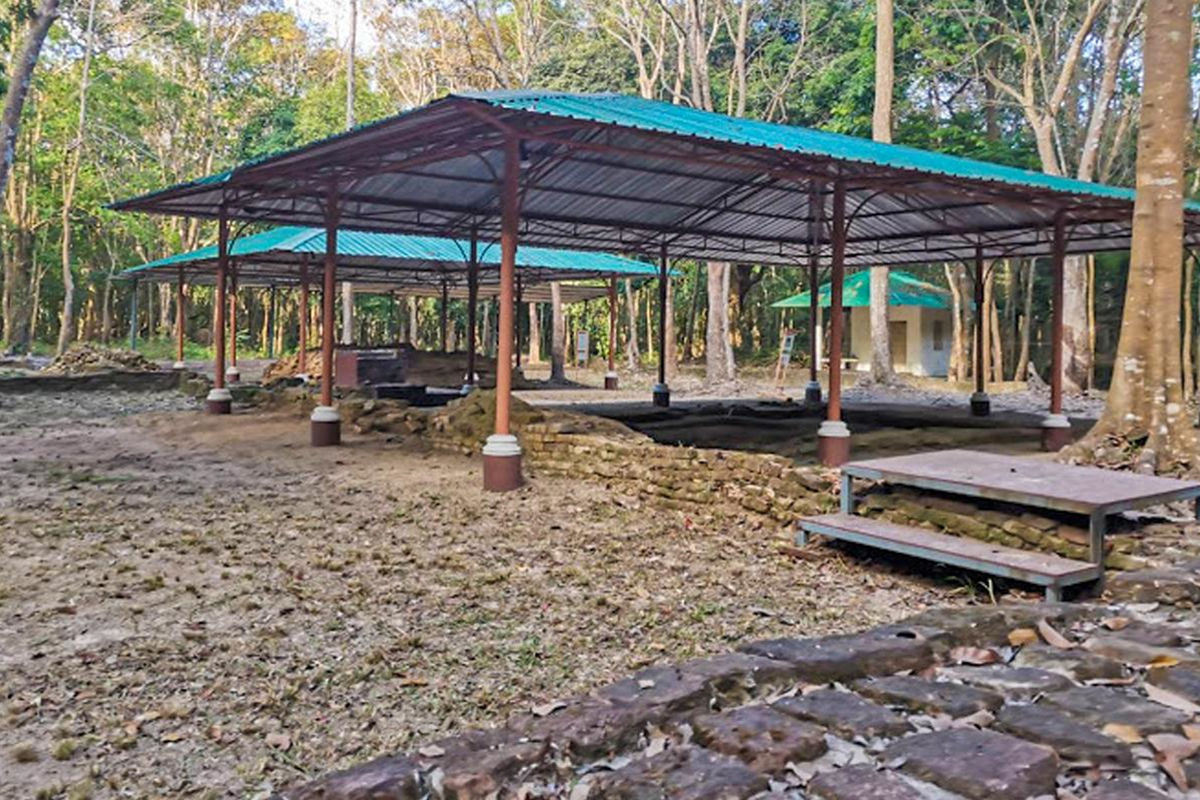
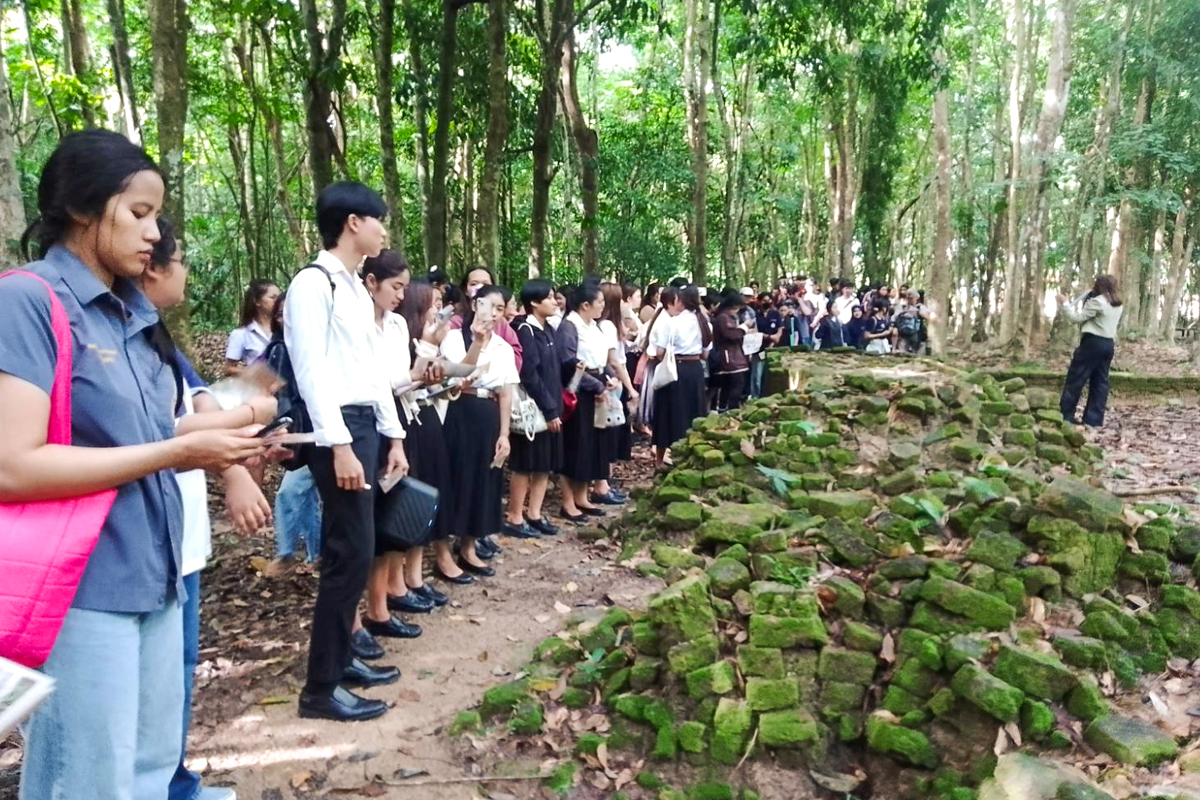
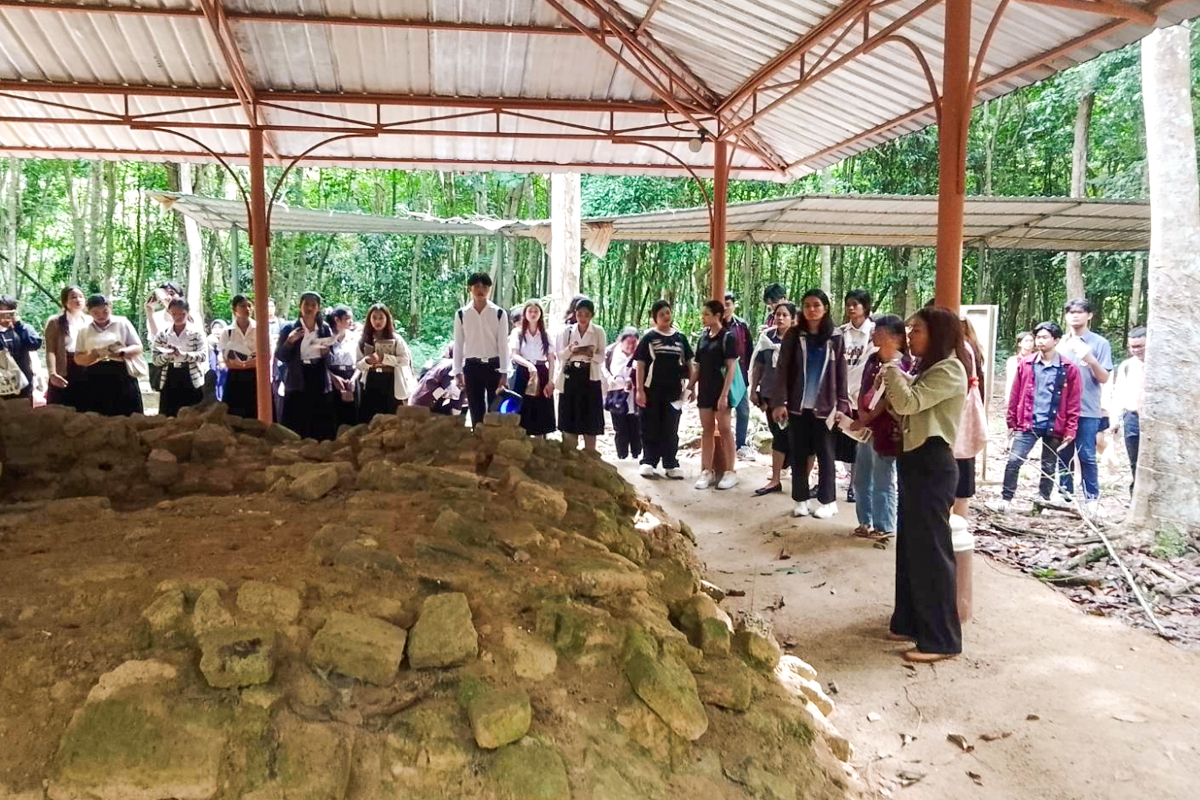
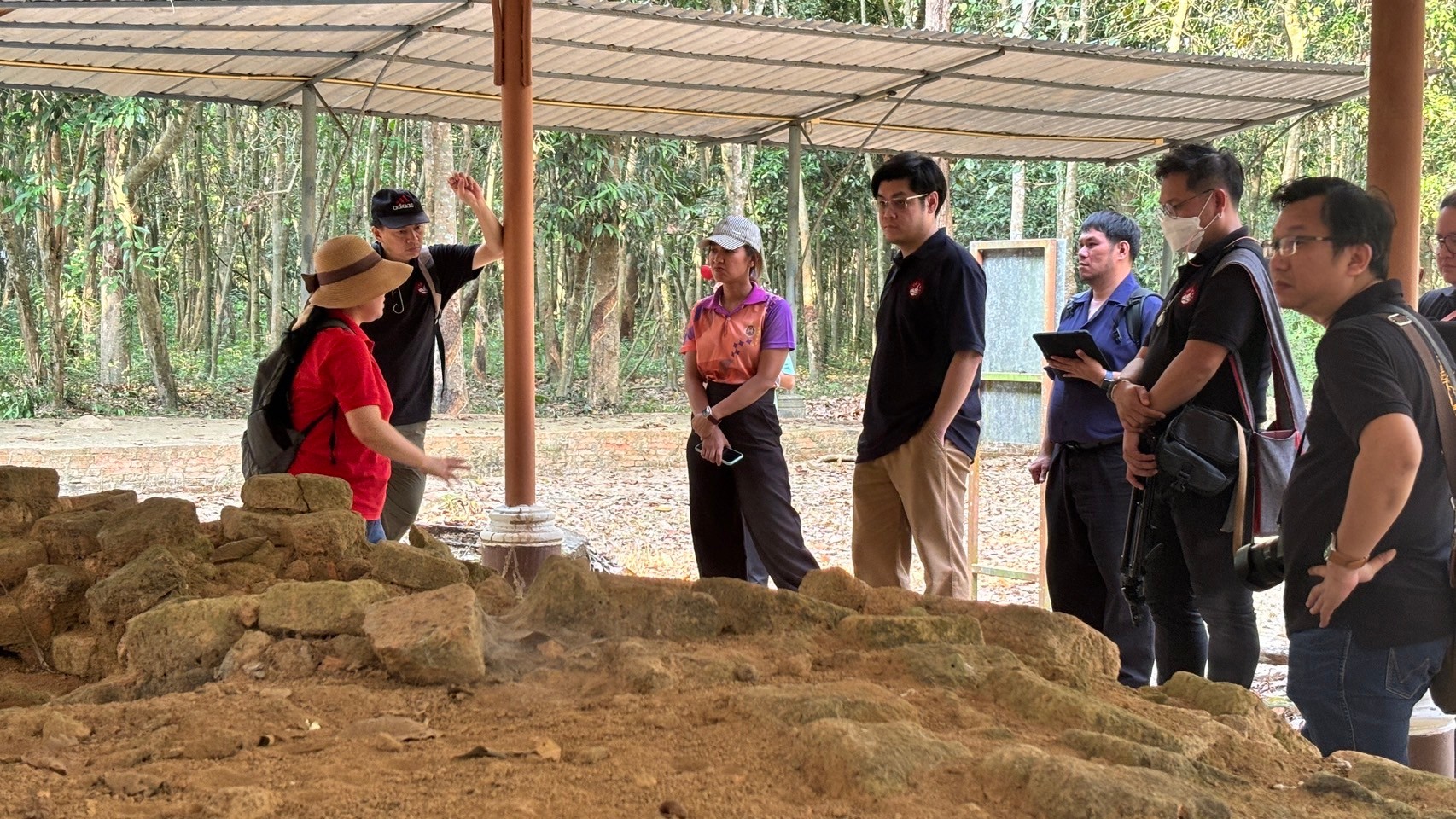
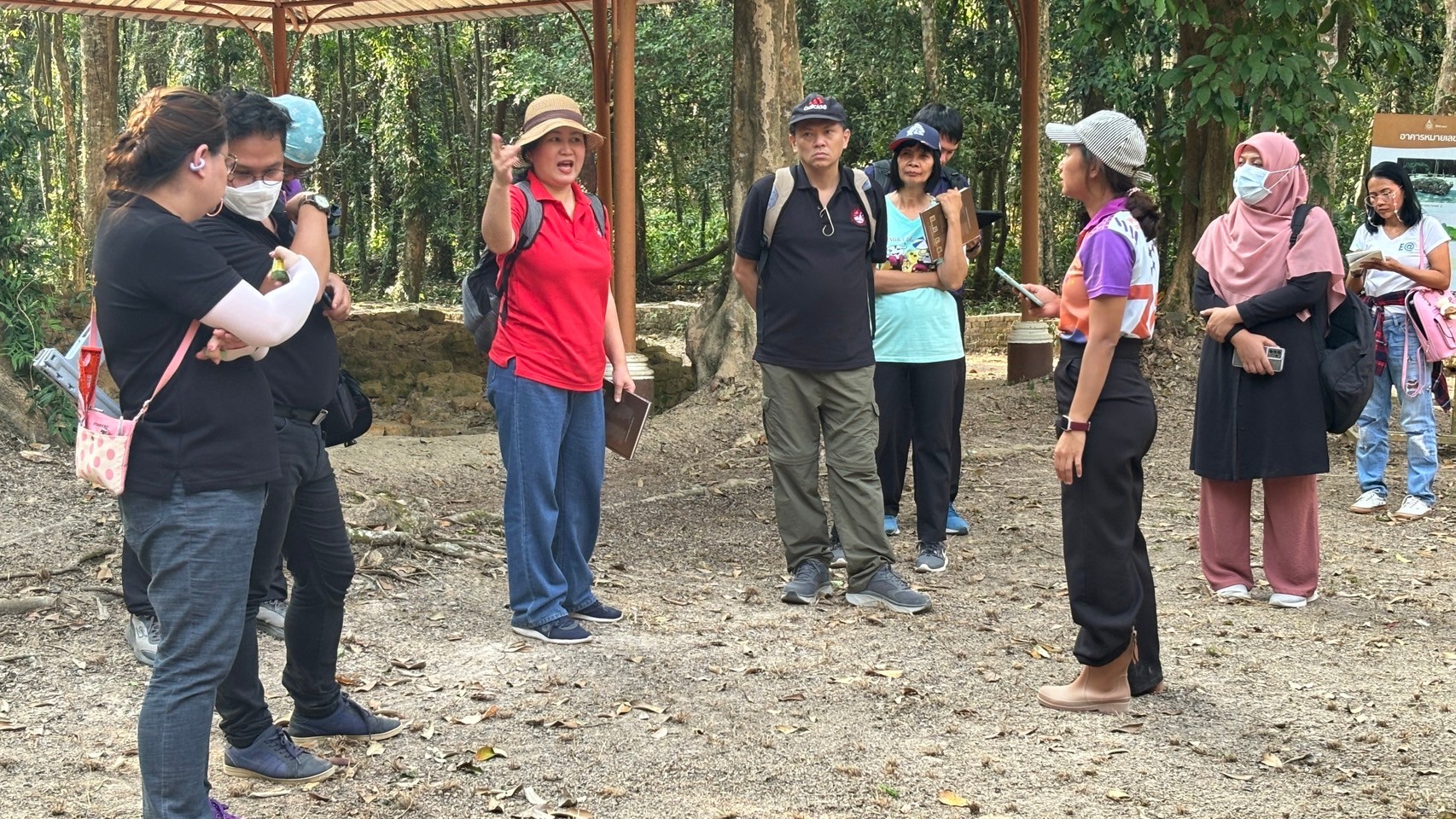
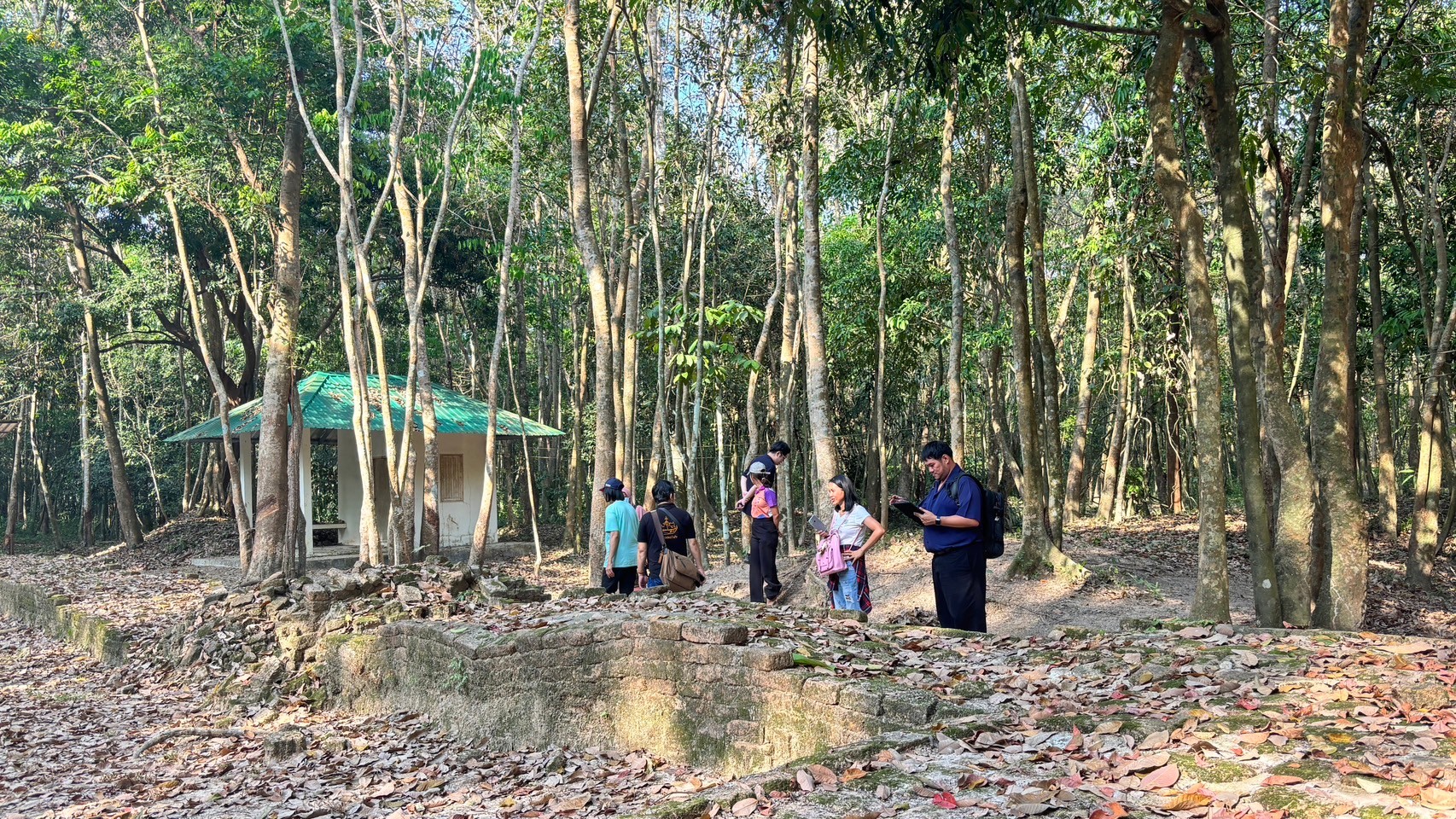
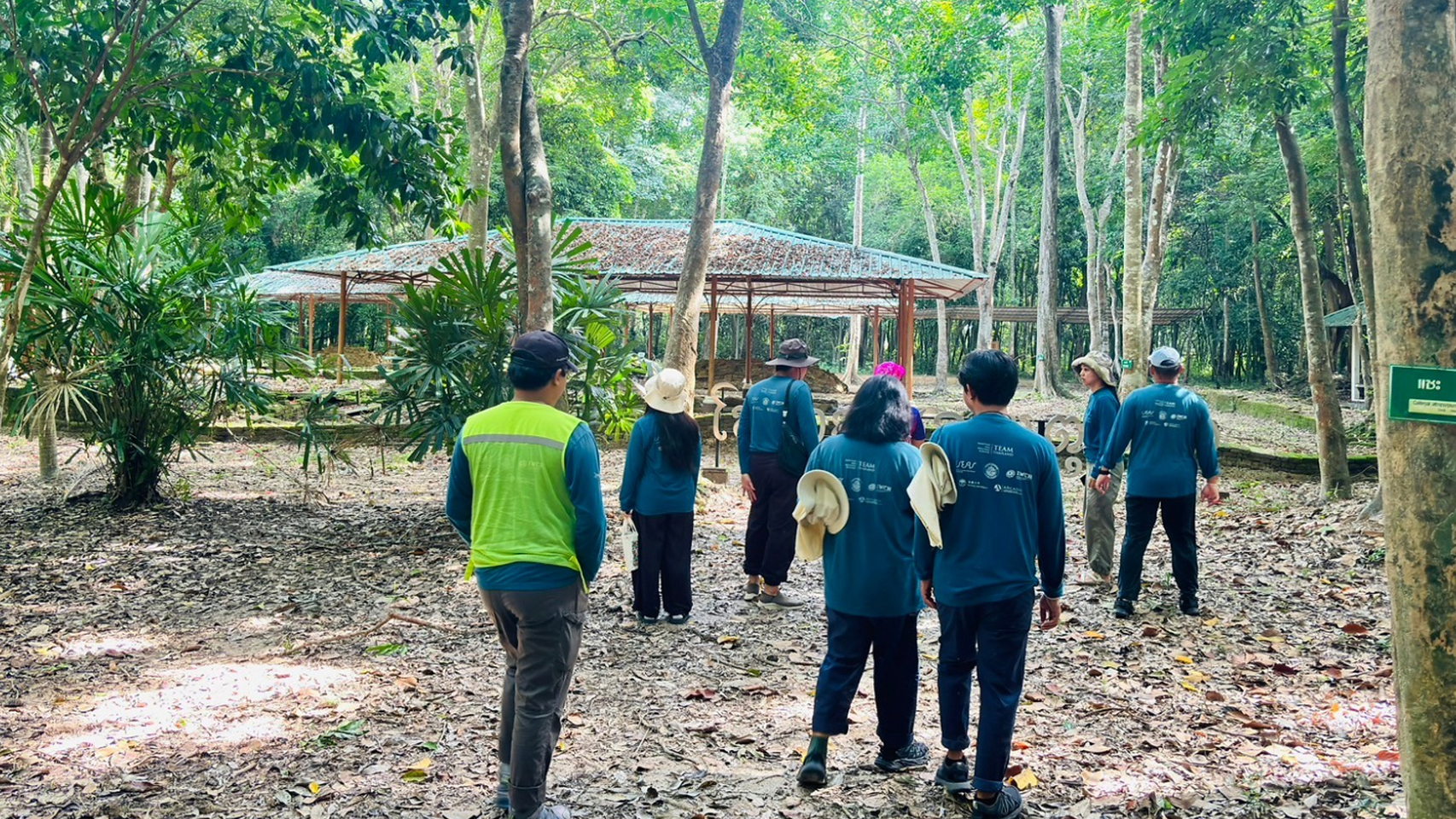
Within the center, the Tumpang Archaeological Site Museum will showcase artifacts, cultural objects, and artistic treasures. Exhibitions will span topics such as history, archaeology, Southern ways of life, and performing arts, creating an interactive space where cultural heritage remains vibrant and relevant. Through these efforts, the center seeks to become a leading destination for cultural learning and living arts in Upper Southern Thailand. The Tumpang Archaeological Site, located within the Tumpang Museum, is a valuable public heritage site of both historical and natural significance. It serves as an important educational and cultural resource, offering visitors opportunities to explore a rich diversity of local plant species and native birdlife. Officially recognized by the 12th Regional Office of the Fine Arts Department, Nakhon Si Thammarat, the site’s status was formally announced in the Government Gazette, Vol. 118, Special Issue 33Ngo, on 9 April B.E. 2544 (2001).
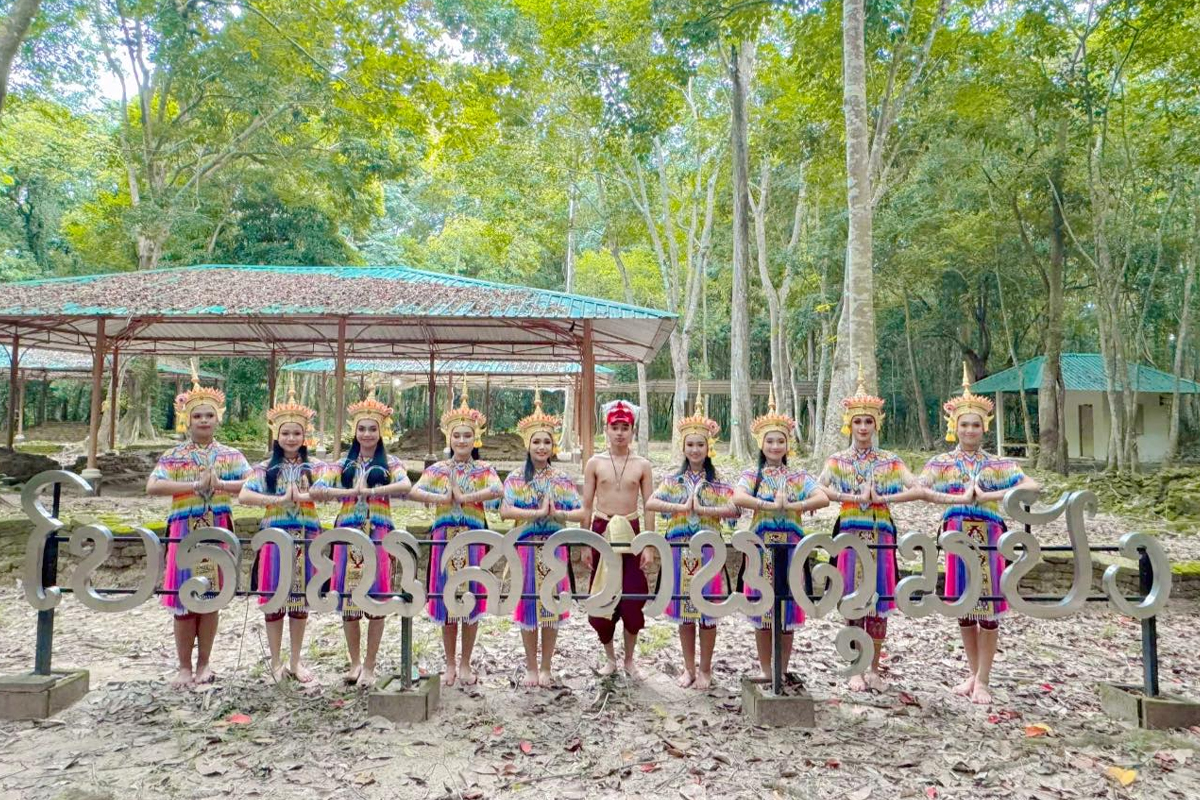
In 2024, Walailak University continued the construction of the “Walailak Abode of Culture,” a Southern Thai Arts and Culture Learning Center, with a total budget of 39,996,000 baht. Scheduled for official opening in 2025, the museum will be dedicated to the Toompang Archaeological Site, featuring ancient artifacts, cultural objects, and exhibitions that showcase the traditional Southern Thai way of life, local performances, and heritage.
Once completed, the museum aims to become a leading center for arts, culture, and historical education in the upper Southern region. It is expected to serve as an important public learning space, offering free access to visitors and communities interested in exploring the rich cultural legacy of the area.
The Tumpang Museum is home to historical structures and archaeological sites that reveal important aspects of the region’s history, art, and culture. Evidence found at the site reflects the development of ancient communities, including aspects of architecture, sculpture, and everyday artifacts, providing valuable insights into the cultural and social evolution of people in the region. Moreover, the Tumpang archaeological site serves as a key source of information for studying the cultural relationships among ancient communities in nearby areas, as well as the economic and artistic exchanges that occurred across different historical periods.
In addition to its archaeological significance, the Tumpang Museum has been developed into a learning center for local art, culture, and history, open to the public, students, and anyone interested—free of charge. The museum features exhibitions on archaeology, demonstrations of traditional arts and crafts, and creative learning activities that allow visitors to appreciate the cultural values and participate in preserving the nation’s historical heritage.
According to recent management and educational activity data, the Tumpang archaeological site currently welcomes over 500 visitors annually, including university students, academic staff, and the general public. Visitor satisfaction surveys show a very high satisfaction rate of over 90%, reflecting the site’s effective management and the success of utilizing this historical landmark as a medium for disseminating cultural knowledge and promoting lifelong learning within the community.
The Exhibition Spaces
Provision of Free Exhibition Space
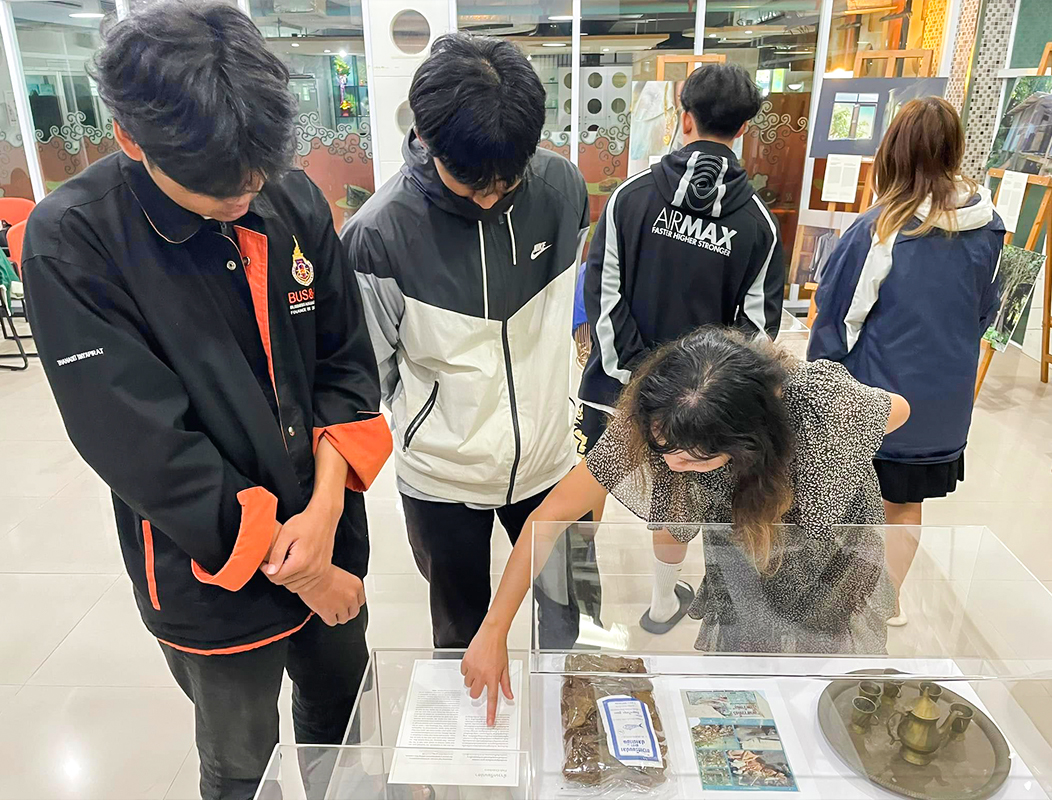
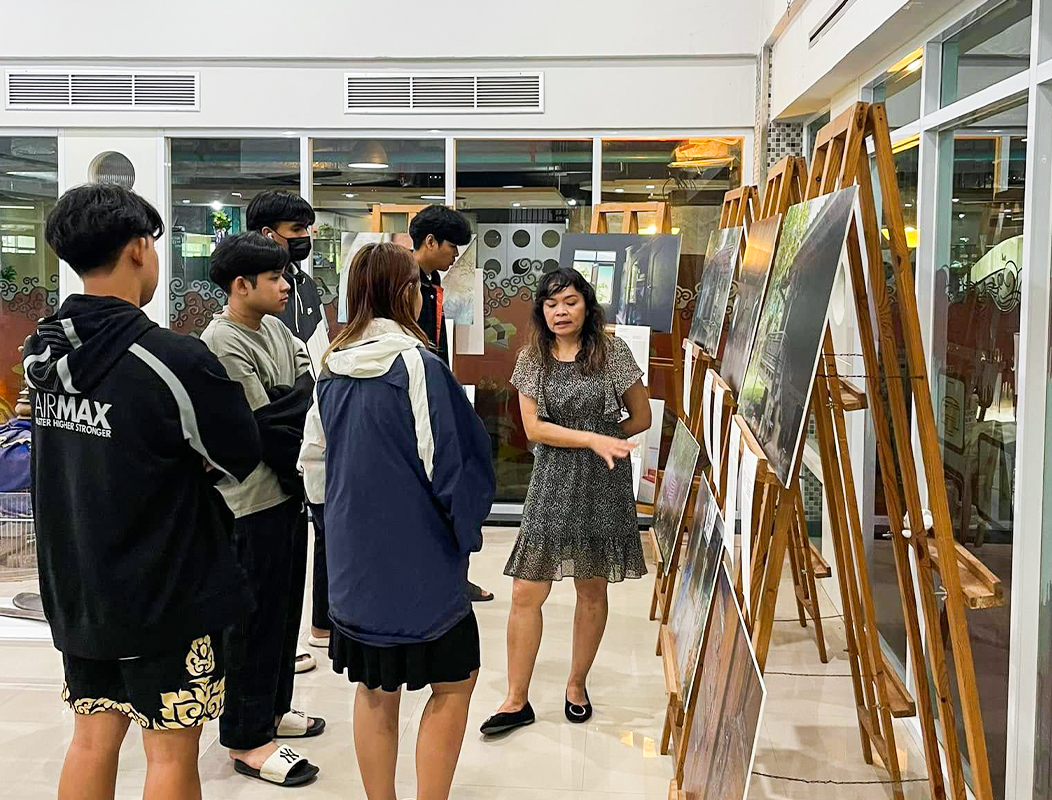
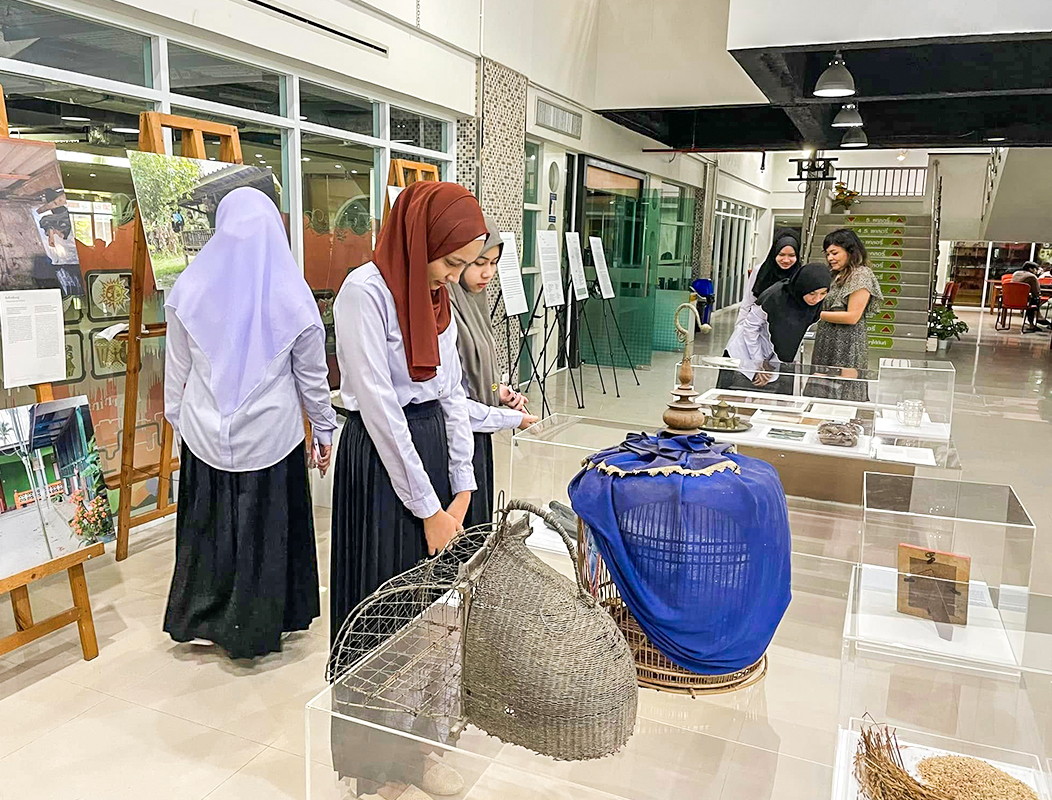
Walailak University organized the exhibition of the Tak Bai massacre to raise awareness among the public on the violence caused by the power of the government, killing 85 Malay Muslims in Thailand’s Narathiwat province on 25 October 2004. The exhibition features belongings of the victims of the Tak Bai incident, provided by their families for display. It serves to tell their stories and preserve memories of an event that society is gradually forgetting, with only a few people today still aware of what happened.
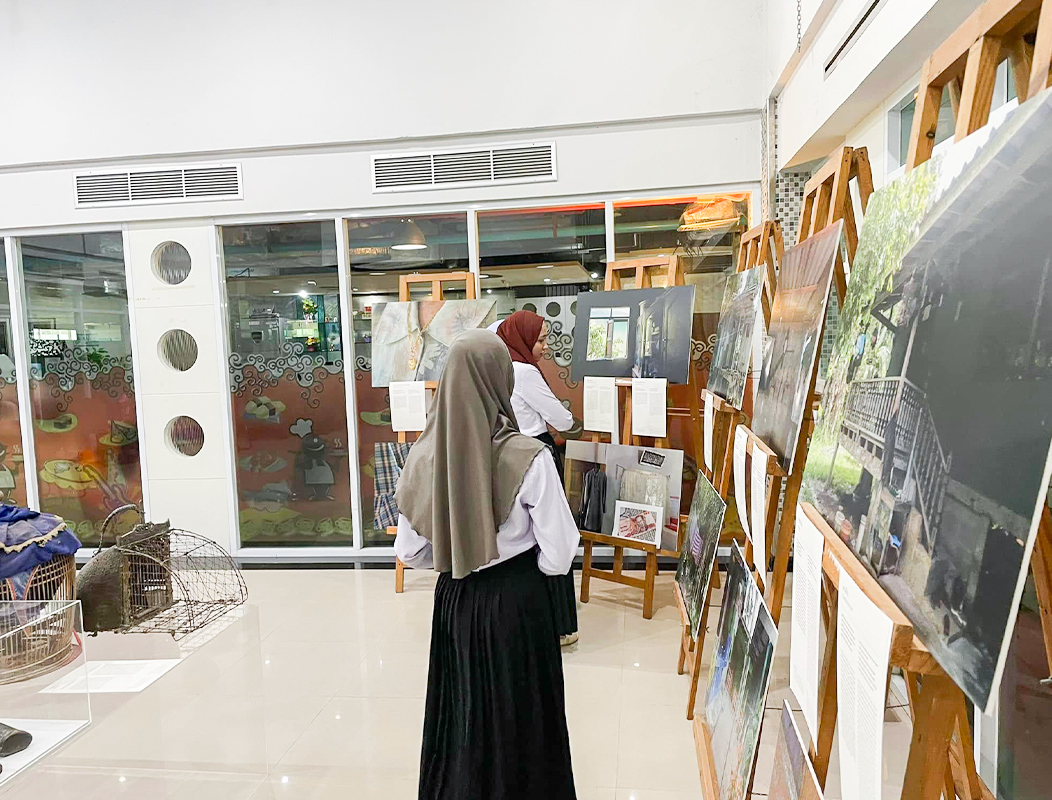
Figure : the exhibition of the Tak Bai massacre at CLM Building
The traveling exhibition “Erased but Not Forgotten: 20 Years of Tak Bai” was organized to commemorate and promote understanding of this significant event in contemporary Thai social and historical contexts. The exhibition aimed to encourage creative learning through art, exhibition design, and cultural communication. Its primary objective was to create a public learning space that fosters dialogue, exchange of perspectives, and understanding of human rights and peace issues in Thai society.
The exhibition attracted considerable interest from students, university staff, and the general public. It featured a diverse collection of artworks, photographs, archival documents, and multimedia presentations that deeply reflected social narratives and collective memories.
According to collected data, the traveling exhibition “Erased but Not Forgotten: 20 Years of Tak Bai” was attended and visited by more than 200 participants. Most participants expressed a high level of satisfaction, noting that the event effectively conveyed knowledge related to society, culture, and history. Moreover, the exhibition contributed to strengthening the university’s role as a learning hub for peacebuilding and shared understanding within the community.
Thai Music in Heret Festival
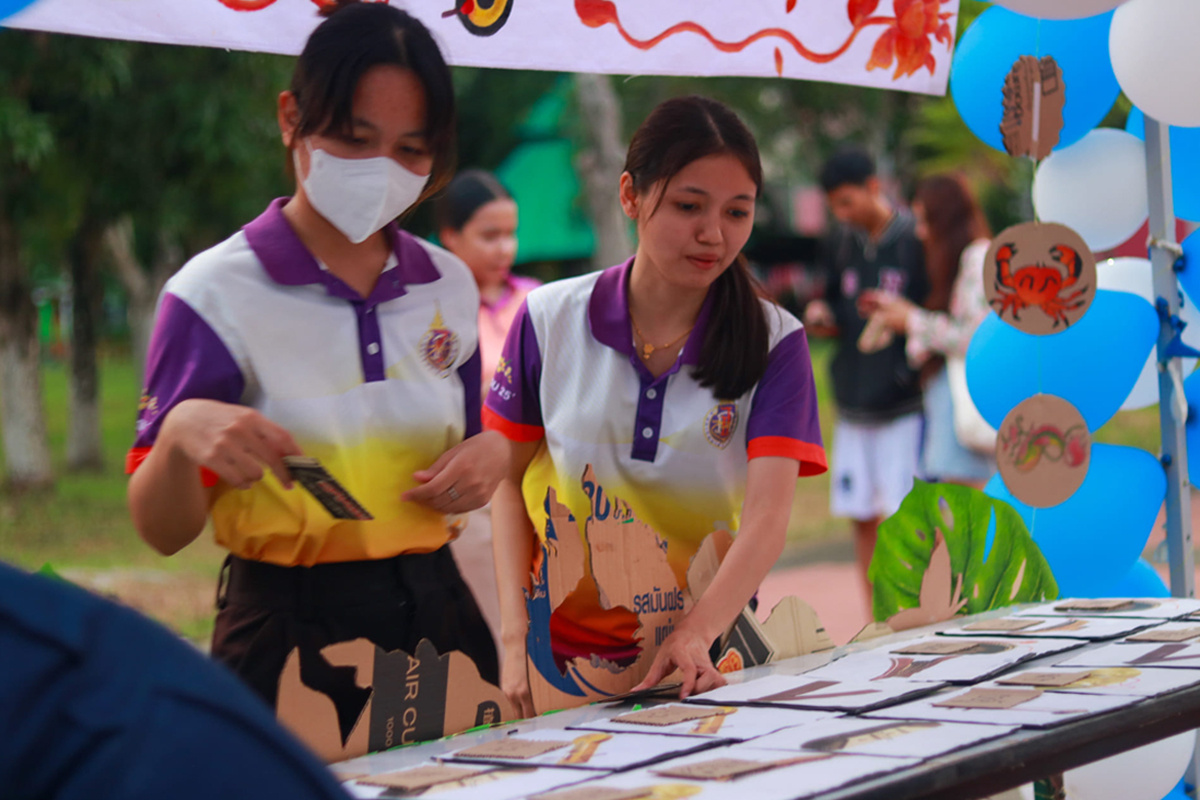
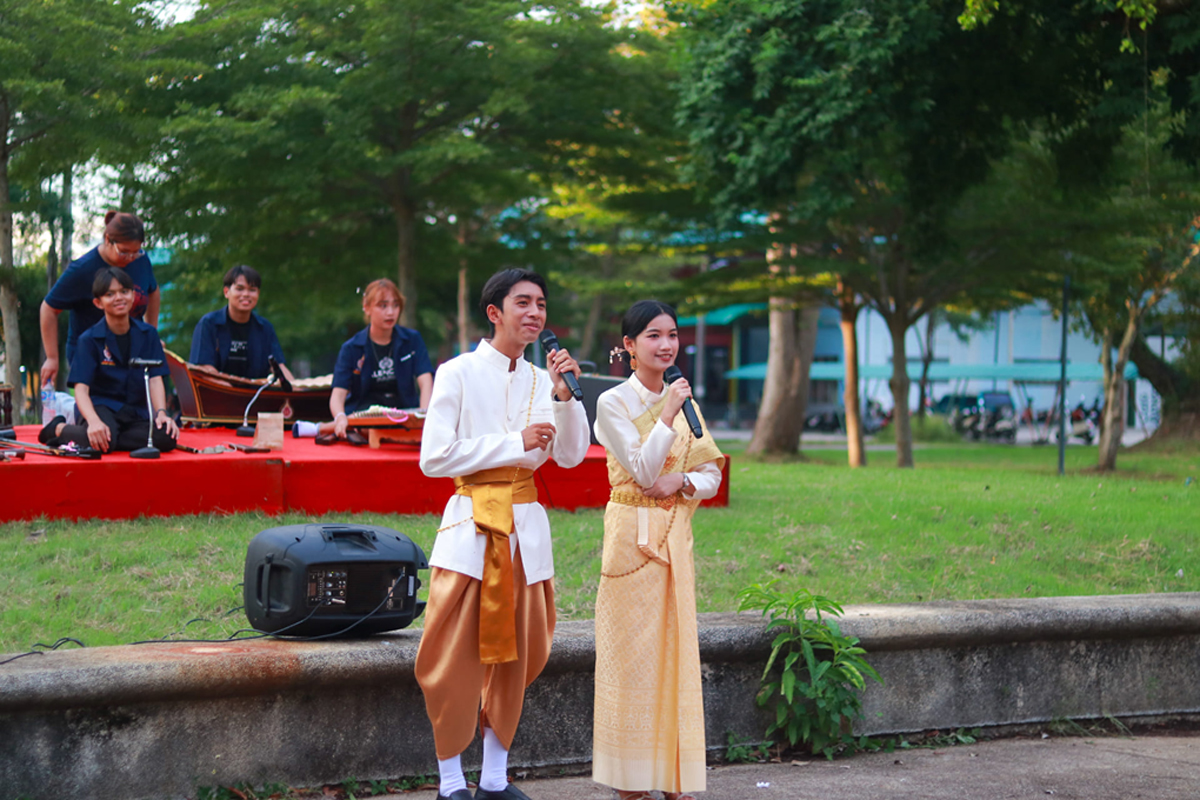
Walailak University, through its Thai Traditional Music Club, hosted a campus festival titled “Thai Music in Heart” to celebrate and promote Thai cultural heritage. The festival aimed to engage students, staff, and the general public by showcasing the richness of Thailand’s traditional arts.
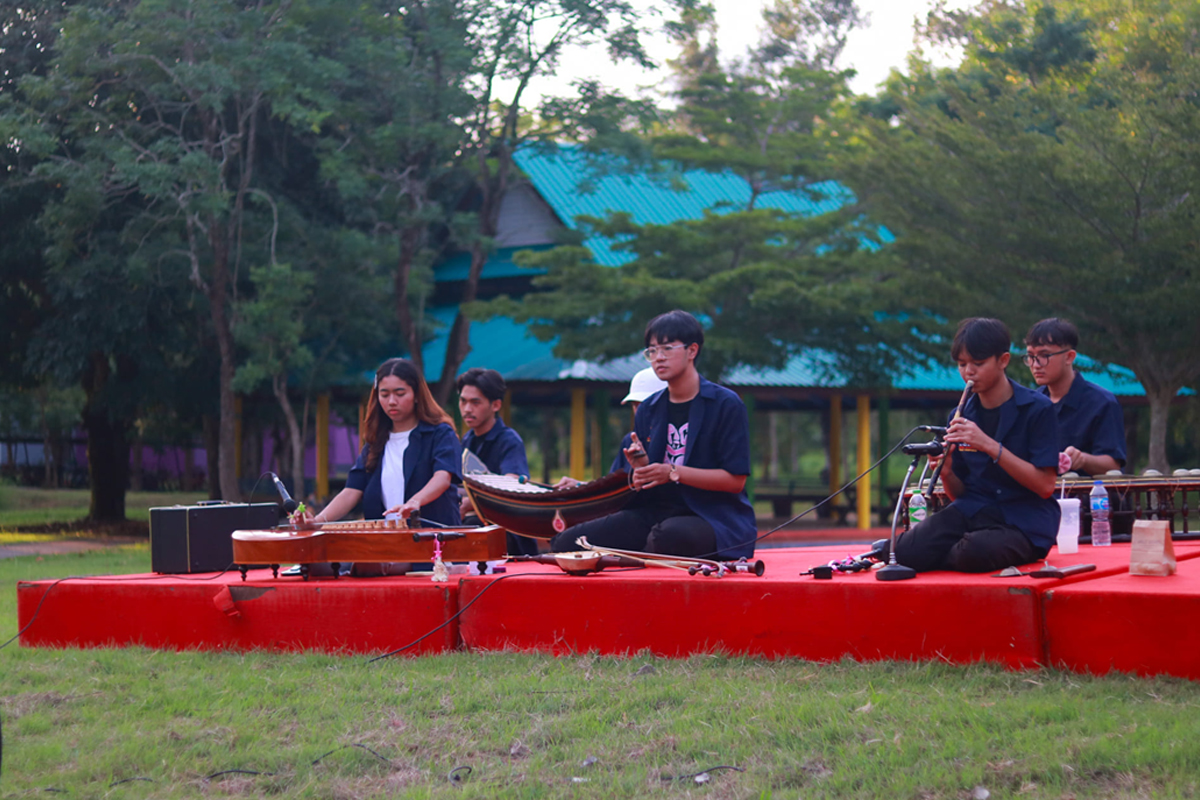
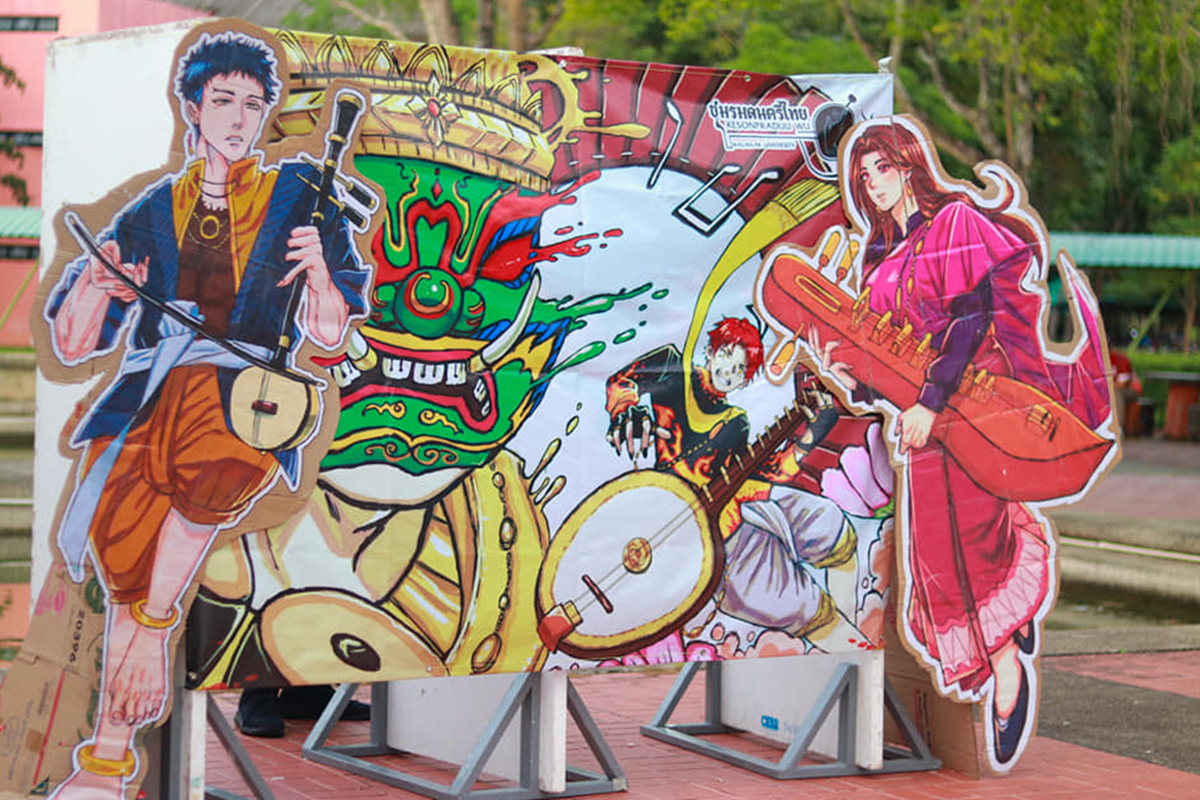
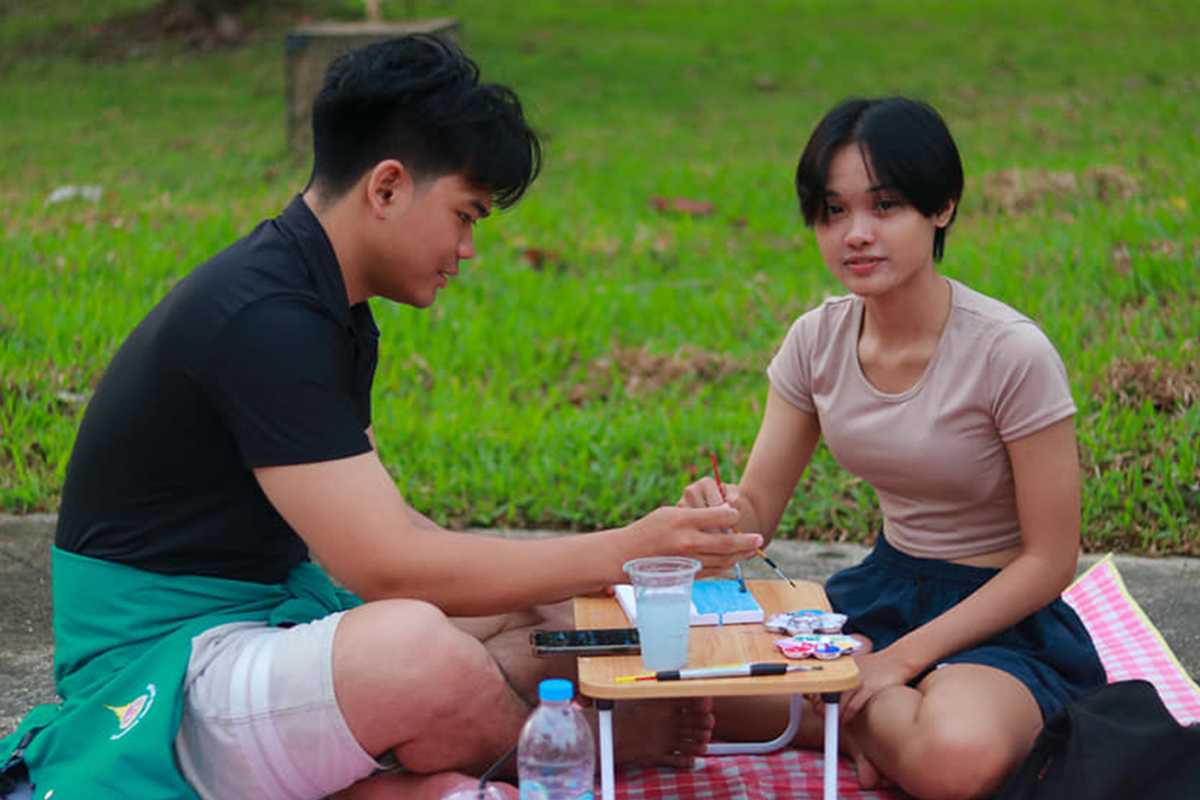
A highlight of the event was an exhibition of modern Thai art galleries, designed to raise awareness about the preservation and conservation of Thai traditions while demonstrating how contemporary creativity can draw inspiration from cultural roots. Complementing the exhibition, the festival featured a series of live Thai music performances by the club’s students, offering audiences an immersive experience of traditional melodies and instruments.
Through this initiative, Walailak University not only provided a platform for cultural appreciation but also encouraged community engagement, creativity, and the continued transmission of Thai musical heritage to future generations.
The activity “Thai Music in Heart” was organized as a cultural promotion event aimed at preserving, continuing, and disseminating Thai music as a valuable part of the nation’s cultural heritage. The event was held within the university’s open learning area, which is accessible to the public free of charge. This area has been developed into a Sustainable Cultural Learning Space, designed to promote learning about the balanced and integrated conservation of natural resources, the environment, and cultural heritage. Through experiential learning in Thai music—featuring live performances, musical instrument demonstrations, and interactive participation—the activity provided creative and engaging learning experiences for all attendees.
The “Thai Music in Heart” activity also played a vital role in promoting the sustainable transmission of Thai musical knowledge by integrating the concepts of Lifelong Learning and the Sustainable Development Goals (SDGs). It served as an inclusive learning platform accessible to everyone, fostering appreciation and understanding of Thai cultural identity.
According to the activity data, more than 200 participants attended the event, including students, educators, and members of the general public. The satisfaction survey revealed a very high level of satisfaction—over 95%—indicating the effectiveness of the event in creating cultural value, fostering intergenerational learning, and enhancing the university’s image as a sustainable local center for art and cultural education.
The Galleries
Lecture Buildings
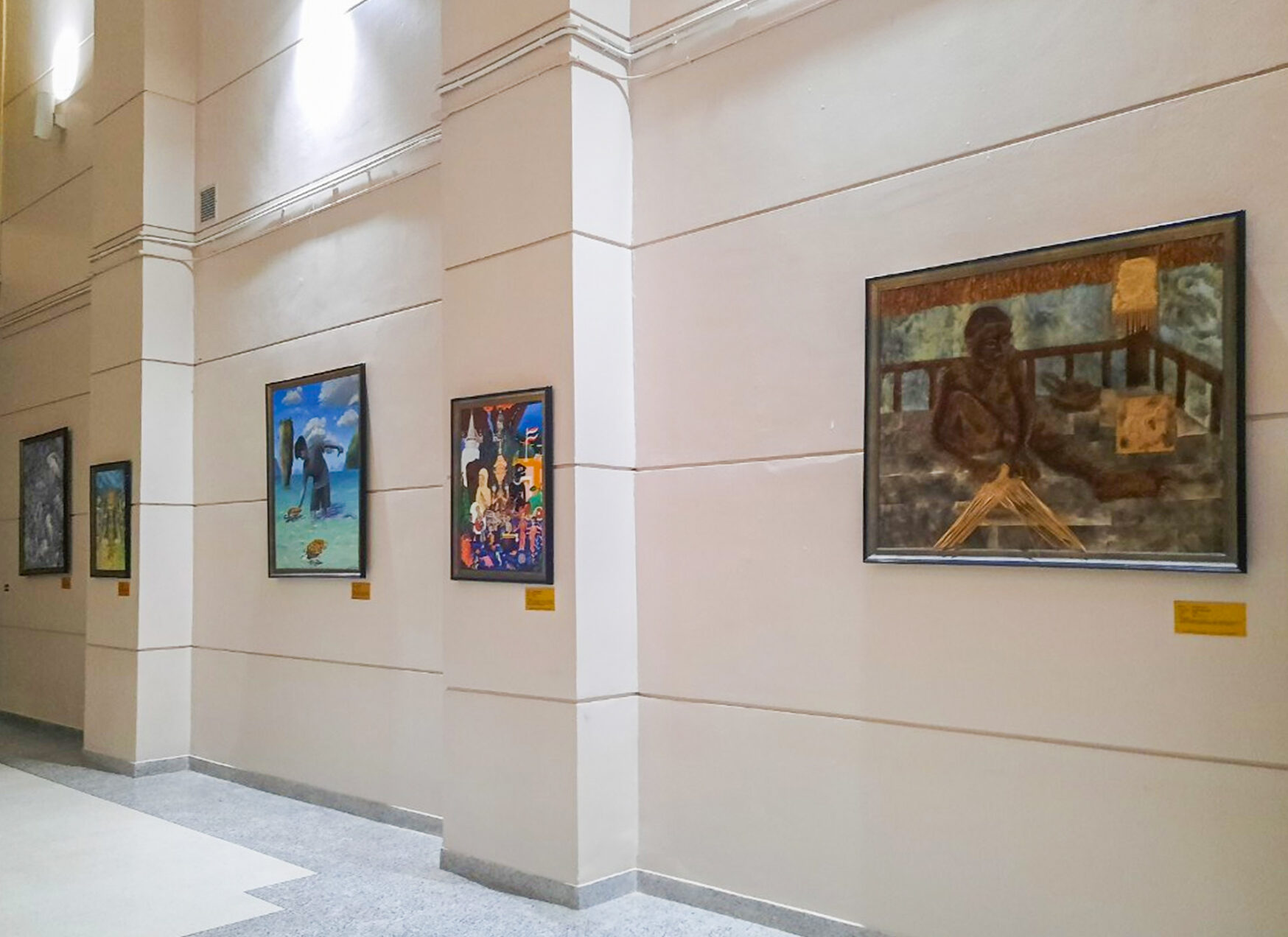
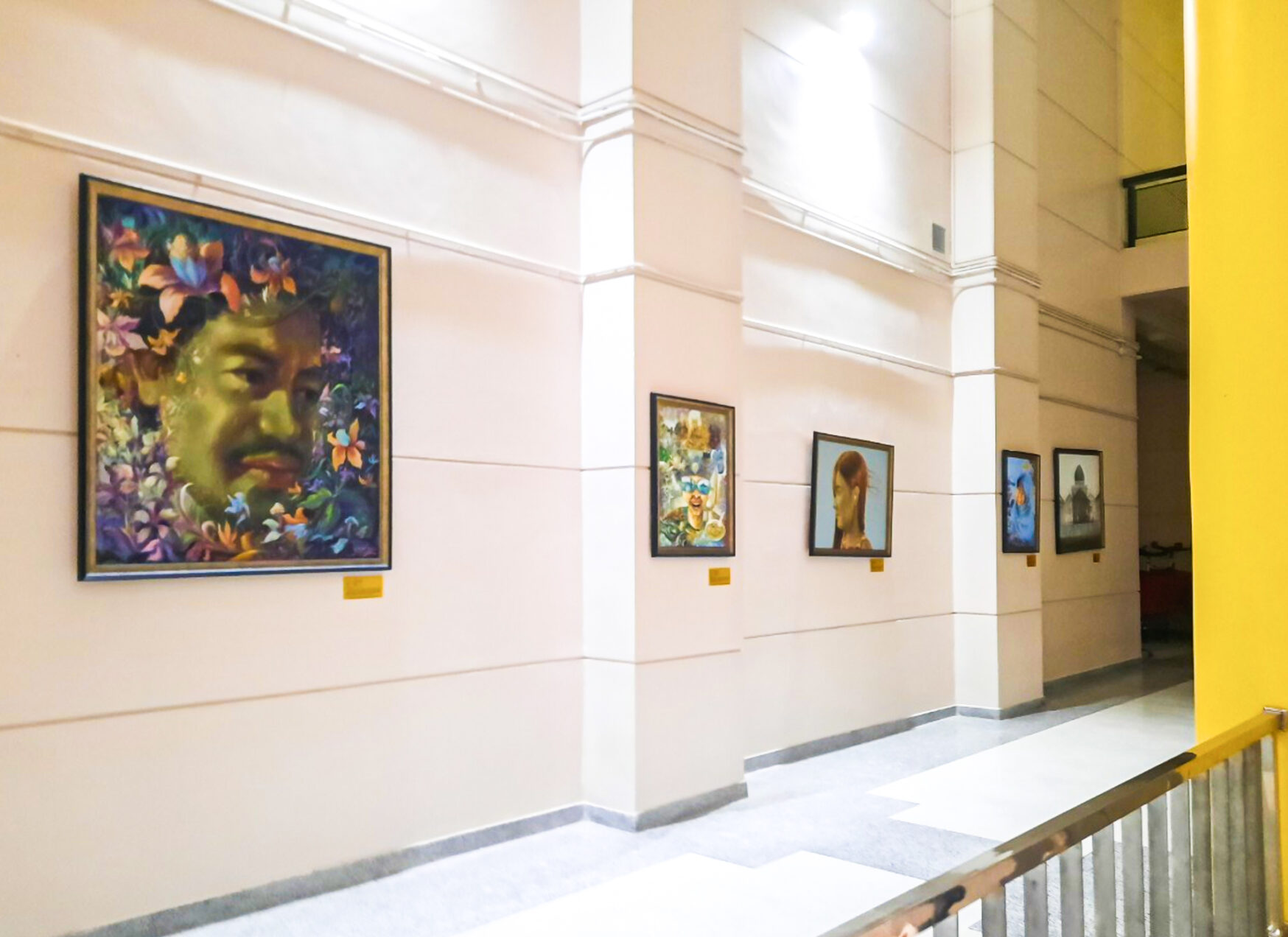
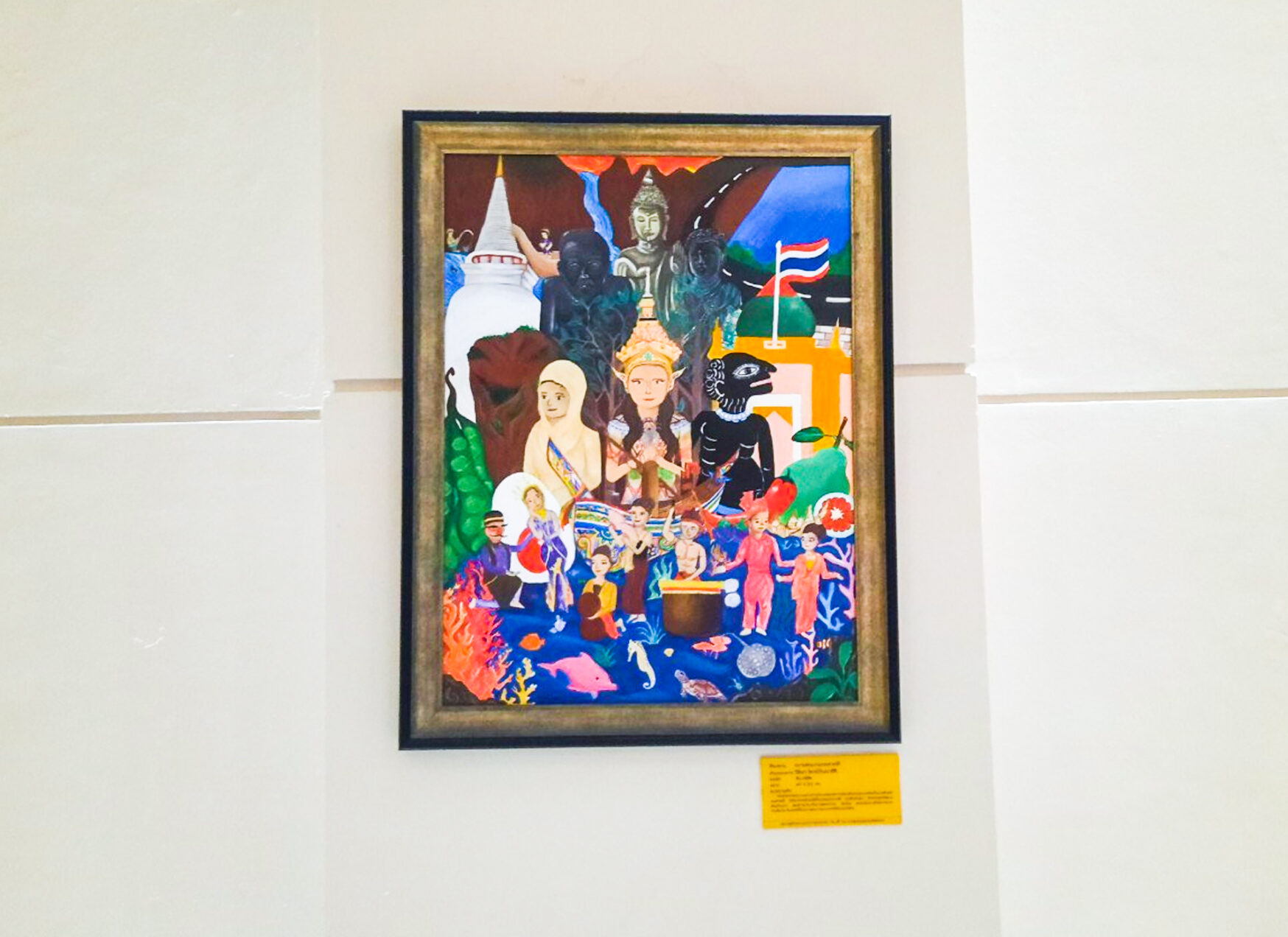
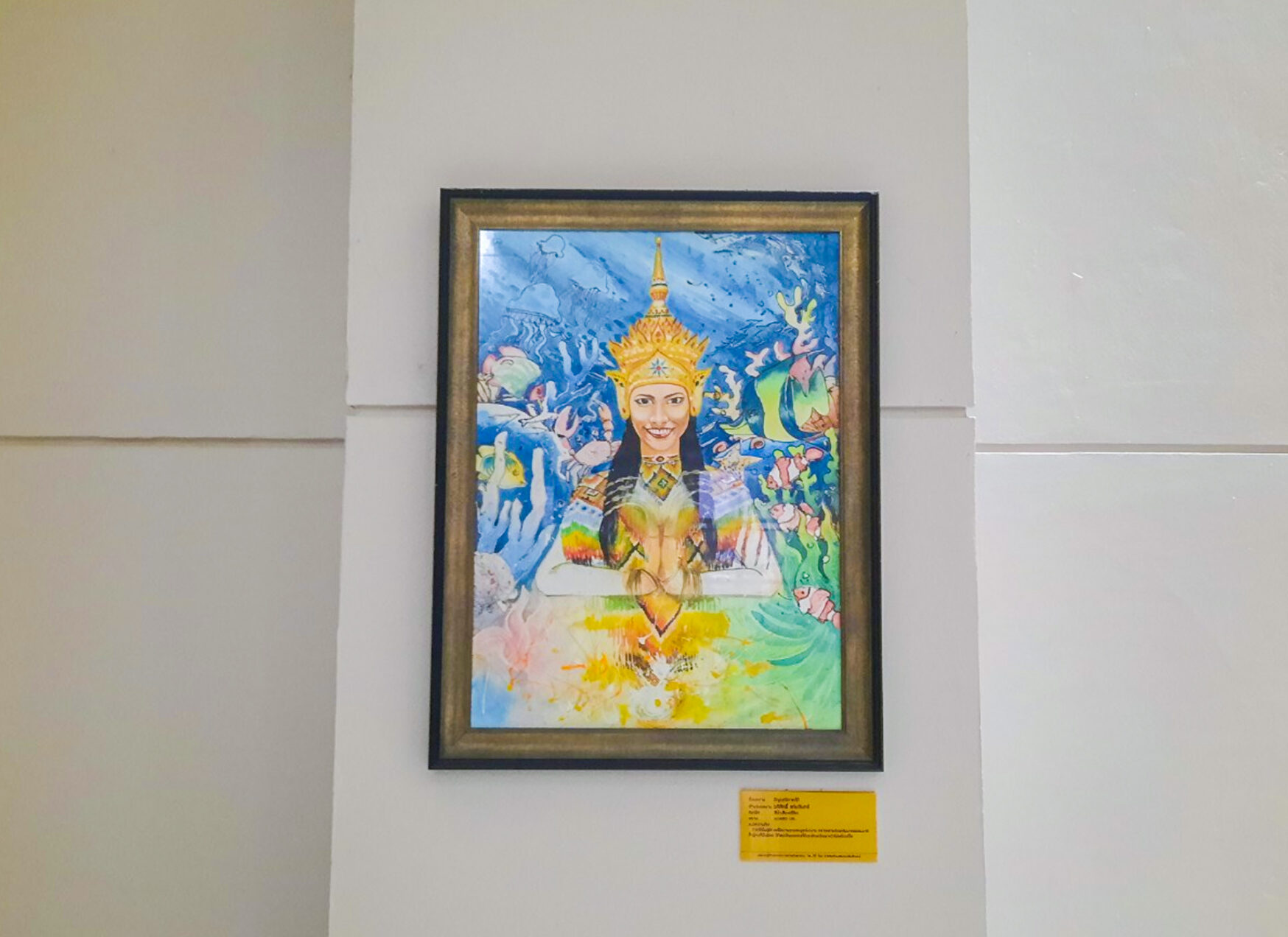
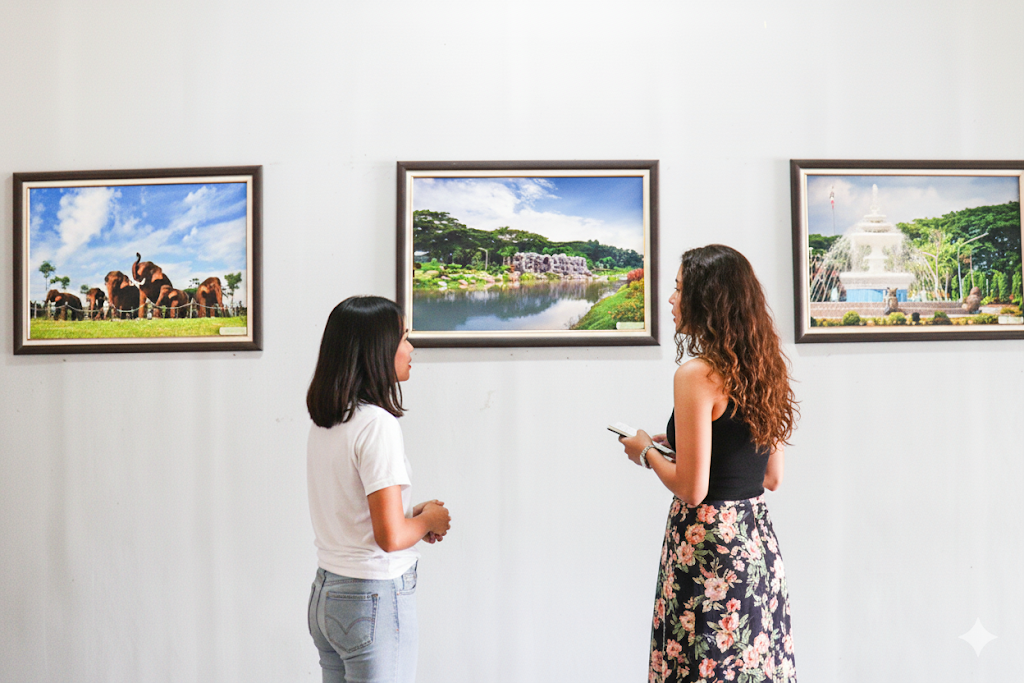
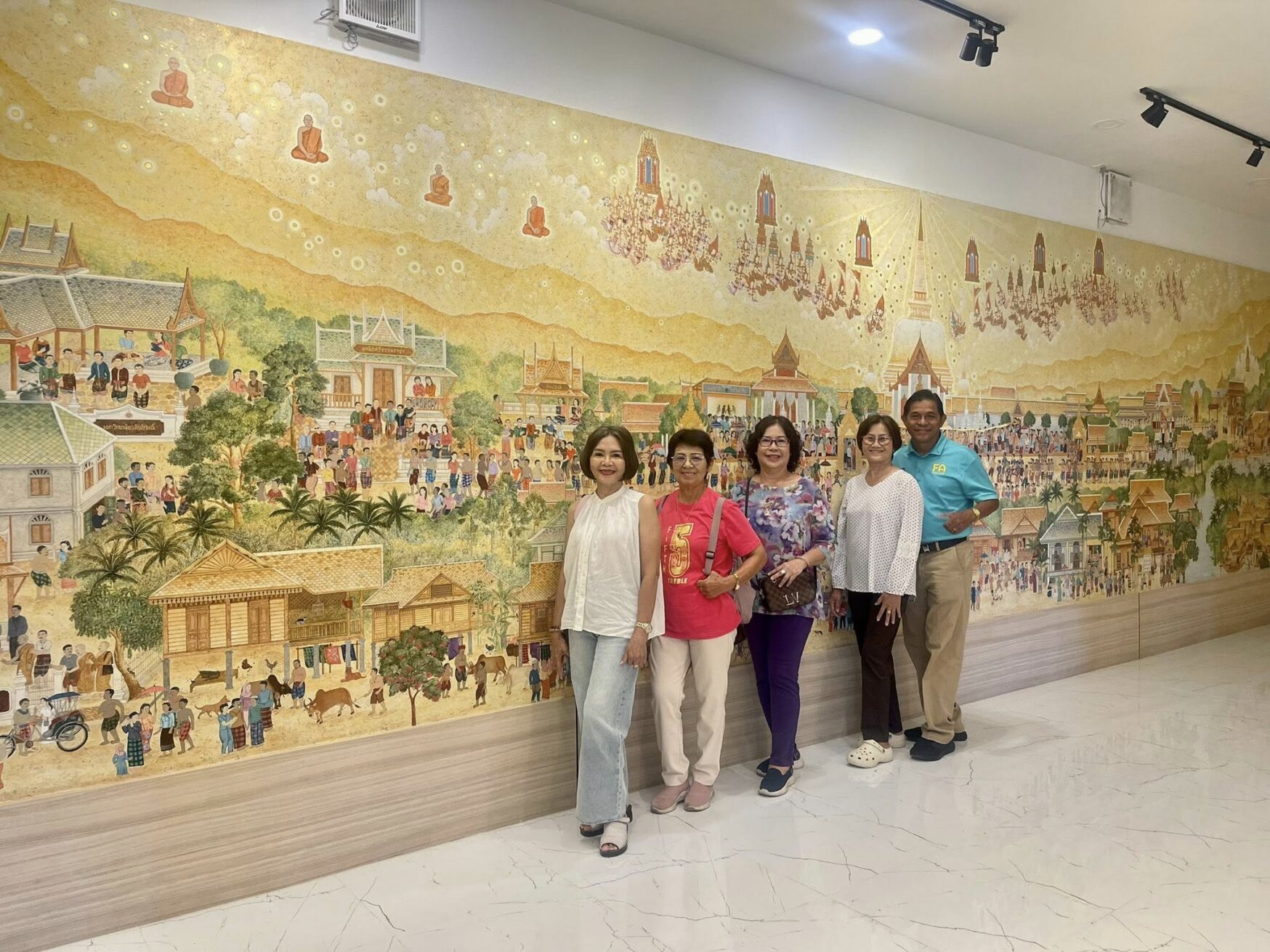
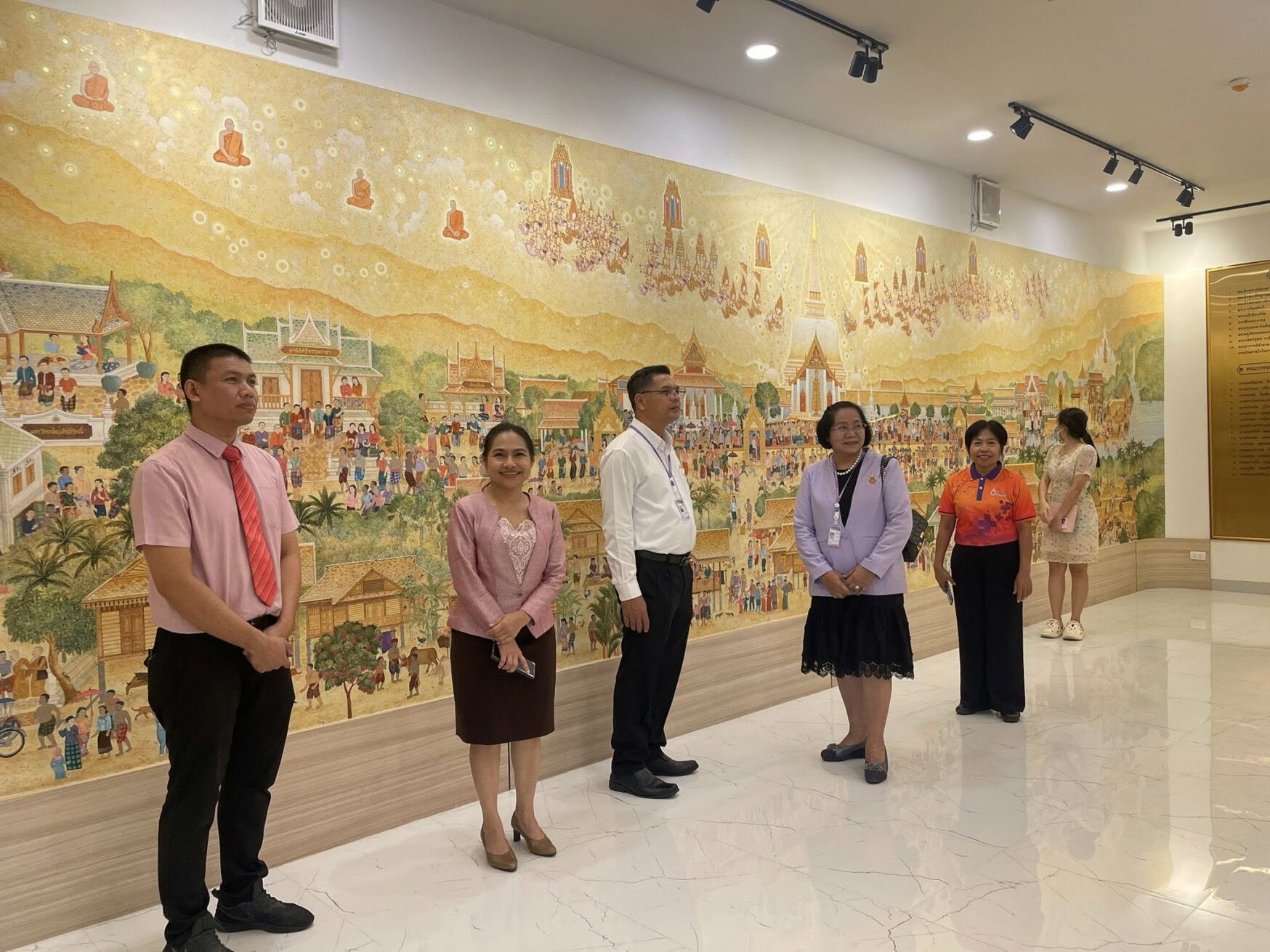
The lecture buildings at Walailak University are adorned with vibrant paintings that capture the essence of life in Nakhon Si Thammarat and the southern region of Thailand. These artworks, created by students through the Lae Tai Activity initiative, celebrate Southern Thai culture—showcasing its distinctive architecture, traditions, customs, and natural beauty.
Winning entries from the student competition have become permanent installations within the university, enriching its academic spaces with culturally resonant and visually striking pieces. Freely accessible to the public, these artworks infuse the buildings with a dynamic, artistic atmosphere while preserving and promoting regional identity.
The academic building that houses the Galleries has been developed as a Sustainable Art and Cultural Learning Space, serving as a creative hub that showcases paintings and artistic works promoting sustainability in art and culture. This space is open to the public, including students, university personnel, and visitors, free of charge. It plays a vital role in fostering the conservation of natural resources, the environment, and cultural heritage through artistic perception and experience.
According to current operational data, the art galleries have attracted significant interest, with over 1,000 visitors annually, including students, academic staff, and members of the general public. Surveys of visitor satisfaction indicate consistently high levels, reflecting the success of the gallery’s management in establishing art as a medium for knowledge creation in cultural heritage, environmental conservation, and sustainable learning for society.
AD Building
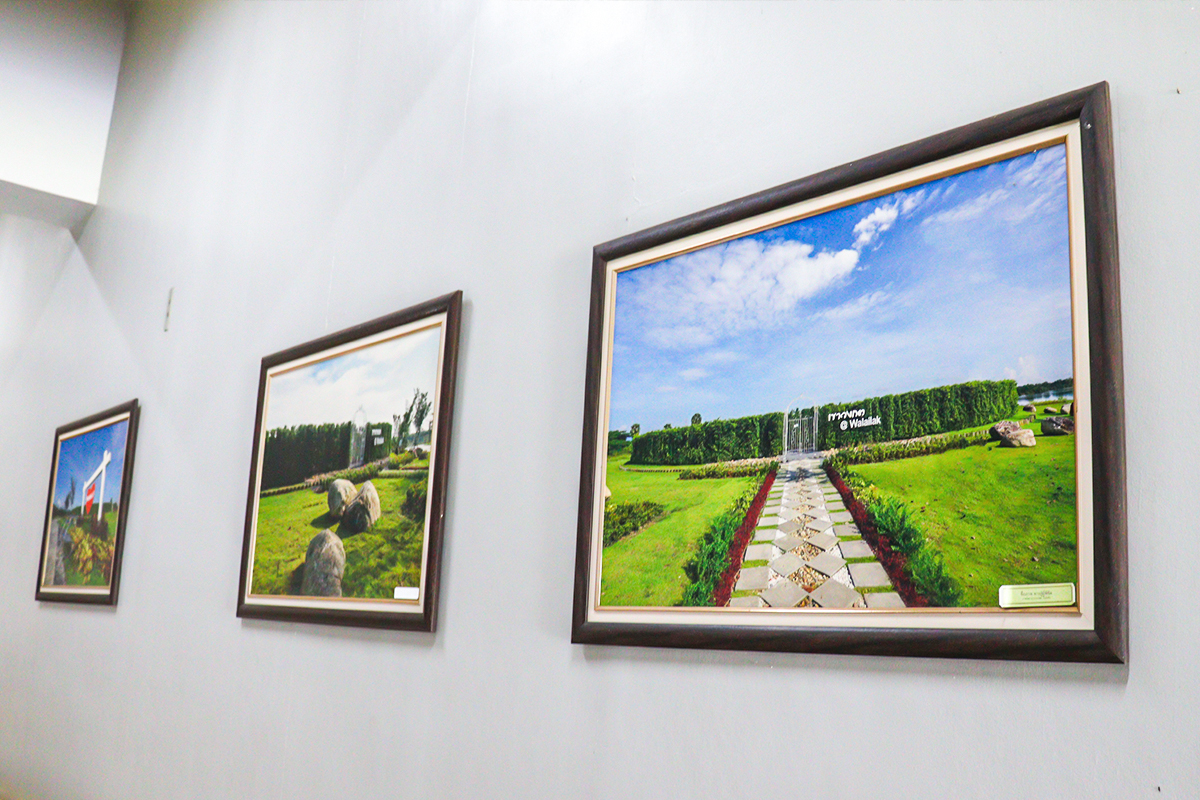
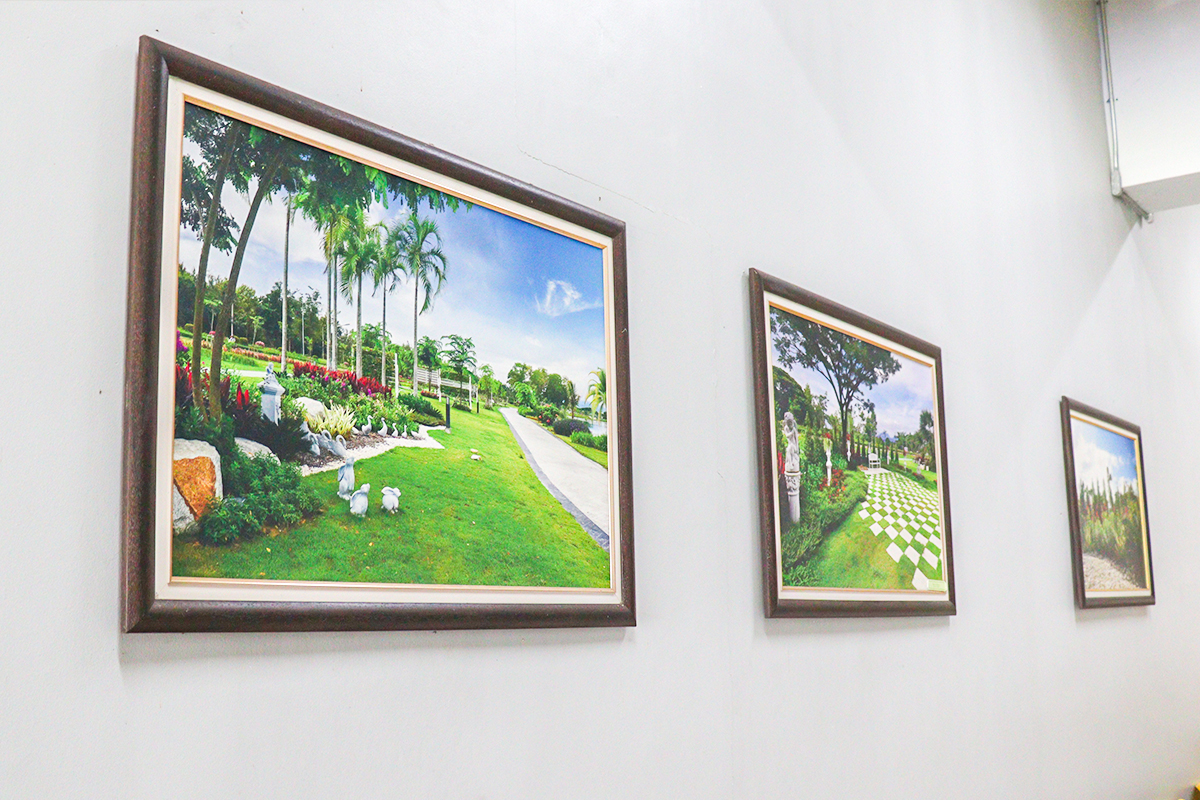
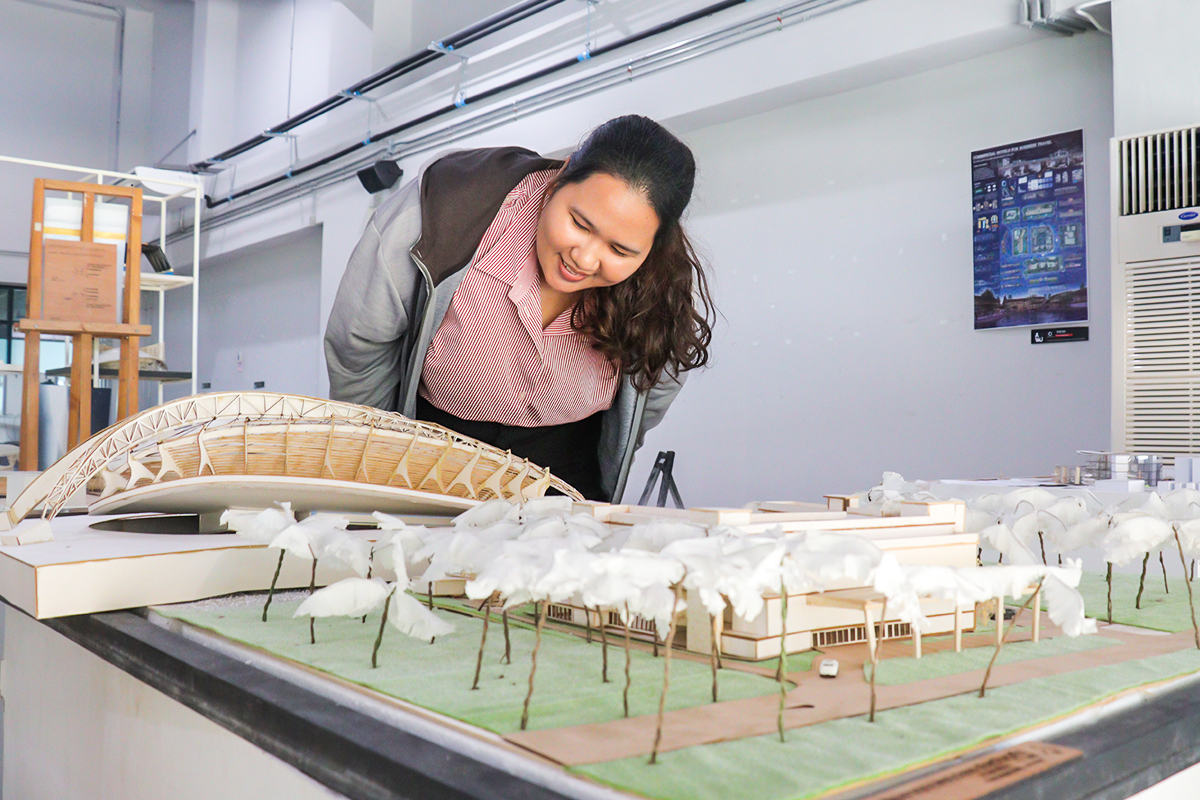
The gallery at the Architecture & Design Building displays stunning views of Walailak University across the campus. Additionally, it displays the drawings that were drawn by Walailak University students and others.
This Gallery has been designed as an open and creative learning space for everyone, featuring exhibitions of paintings, photographs, and mixed media artworks that document and interpret significant landscapes within the university—such as green areas, water bodies, and architectural features that embody the concepts of Sustainable Design and Architectural Heritage Conservation.
The Gallery also serves as a Sustainable Art and Environmental Learning Space, offering free access to the public, including students, academic staff, and community members. It aims to promote the conservation of natural resources and the environment through the perspectives of art and architecture, encouraging visitors to recognize the value of the university’s campus as a shared cultural heritage of the community.
According to operational data, the Landscape Gallery, which depicts key sites within the university, has drawn significant attention, attracting over 500 visitors annually, including students, academic personnel, and members of the general public. This reflects the success of the exhibition in promoting cultural and artistic learning, fostering environmental awareness, and transforming architectural spaces into genuine learning environments for sustainability.
Walailak University Hospital
The gallery at Walailak University Hospital serves as a serene cultural haven within a center of medical care and excellence. Upon entering, visitors encounter a calming blend of art and atmosphere, where the restorative energy of healing meets the quiet beauty of thoughtfully curated exhibitions.
Every artwork shares a story — inviting reflection and highlighting the deep connection between art, health, and human resilience. From paintings that capture the quiet strength of nature to sculptures celebrating the grace of the human form, the gallery offers moments of peace and inspiration amidst the hospital’s lively setting, creating a unique cultural space that nurtures both mind and spirit.
The exhibitions within these Galleries encompass a diverse range of artistic works, including paintings that reflect the artists’ cultural identity and creativity, as well as landscape artworks portraying significant locations across the university, presenting the stories of various campus areas through artistic perspectives. The activities conducted within the Galleries align with the principles of the Sustainable Development Goals (SDGs), emphasizing the role of art and culture as powerful tools for raising awareness and fostering social engagement.
According to current operational data, the Galleries located within the Medical Center Hospital building have attracted considerable public interest, with over 500 visitors annually, including university executives, medical personnel, staff, and members of the general public.
Works of art
Architecture and Design Building
Walailak University presents a permanent exhibition titled “ARCH Genesis,” featuring design works by students from the School of Architecture. This exhibition invites visitors to explore the creative journey of architectural education while promoting a deeper appreciation of architecture and design through a diverse collection of artistic and conceptual displays.
The building comprises architectural exhibition spaces, art galleries, practical studios, and lecture and seminar areas, all of which are open to the public, including students, academic staff, and community members, free of charge. It serves as a Public Academic Space that fosters shared learning between educational institutions and the wider community.
According to current operational data, the Architecture and Design Building has attracted significant interest, with over 300 visitors and users annually, including staff, academics, students, and members of the general public—particularly those with a special interest in design, architecture, and creative arts. Visitor satisfaction surveys indicate consistently high levels, demonstrating that the building effectively fulfills its role as a center for artistic, cultural, and sustainability learning.
The Artefacts
Ancient Southern Thai-style Architectural Model
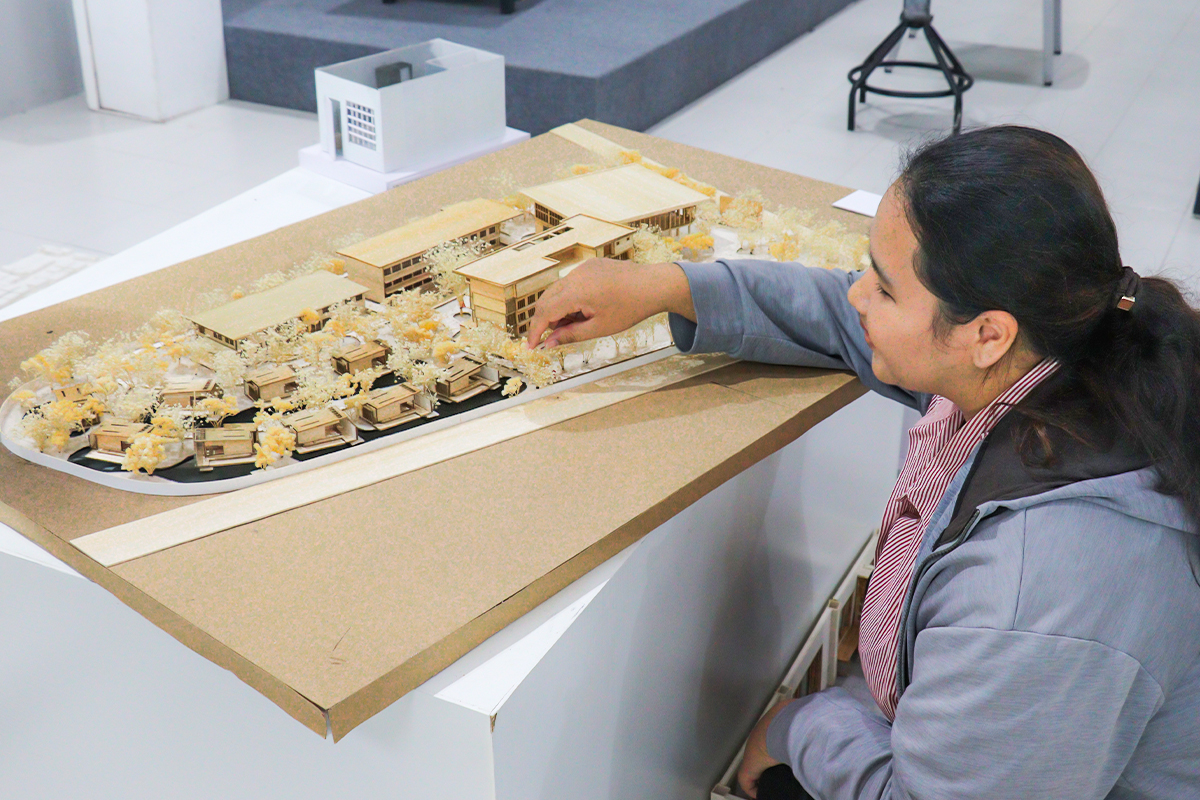
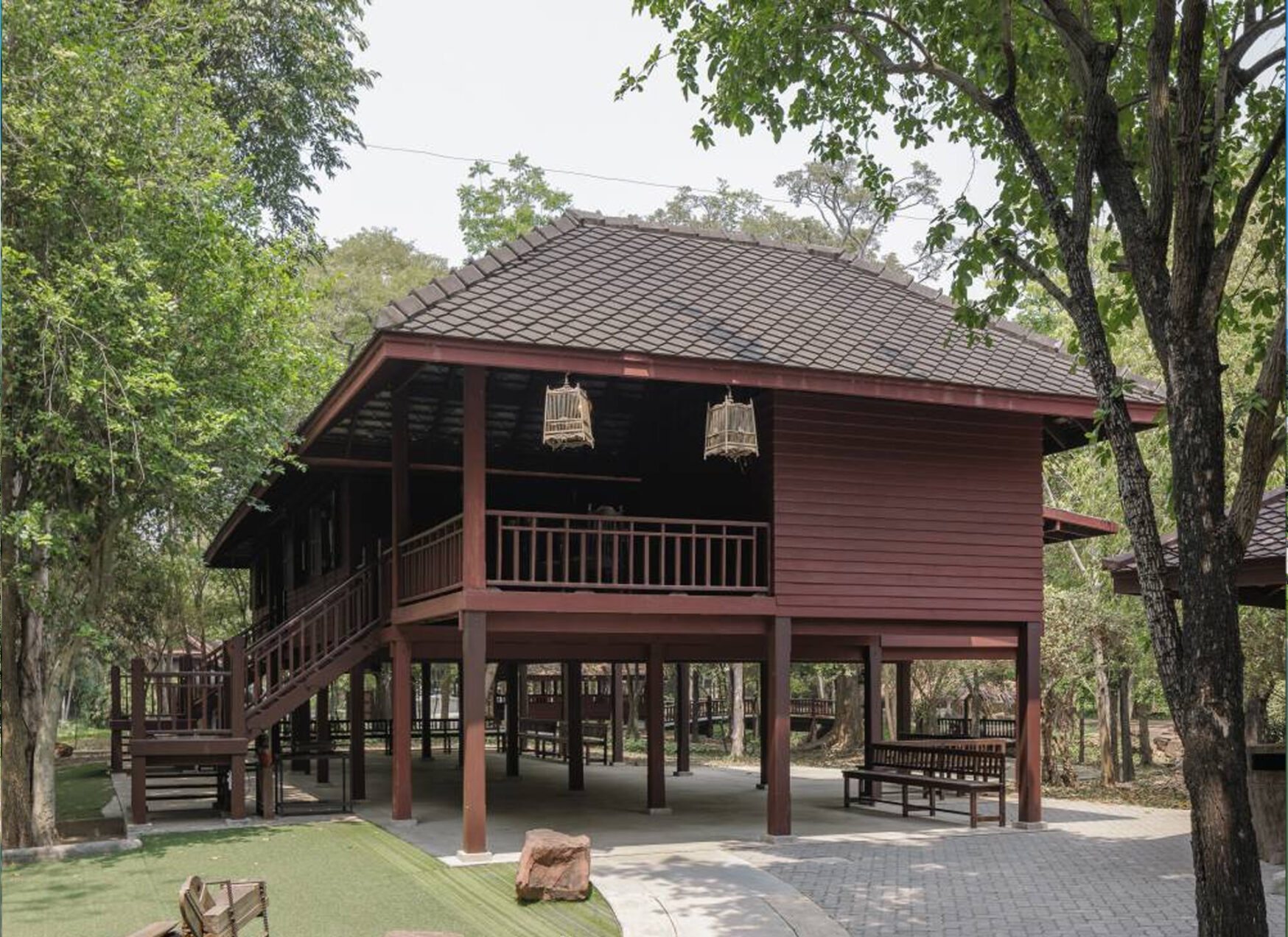
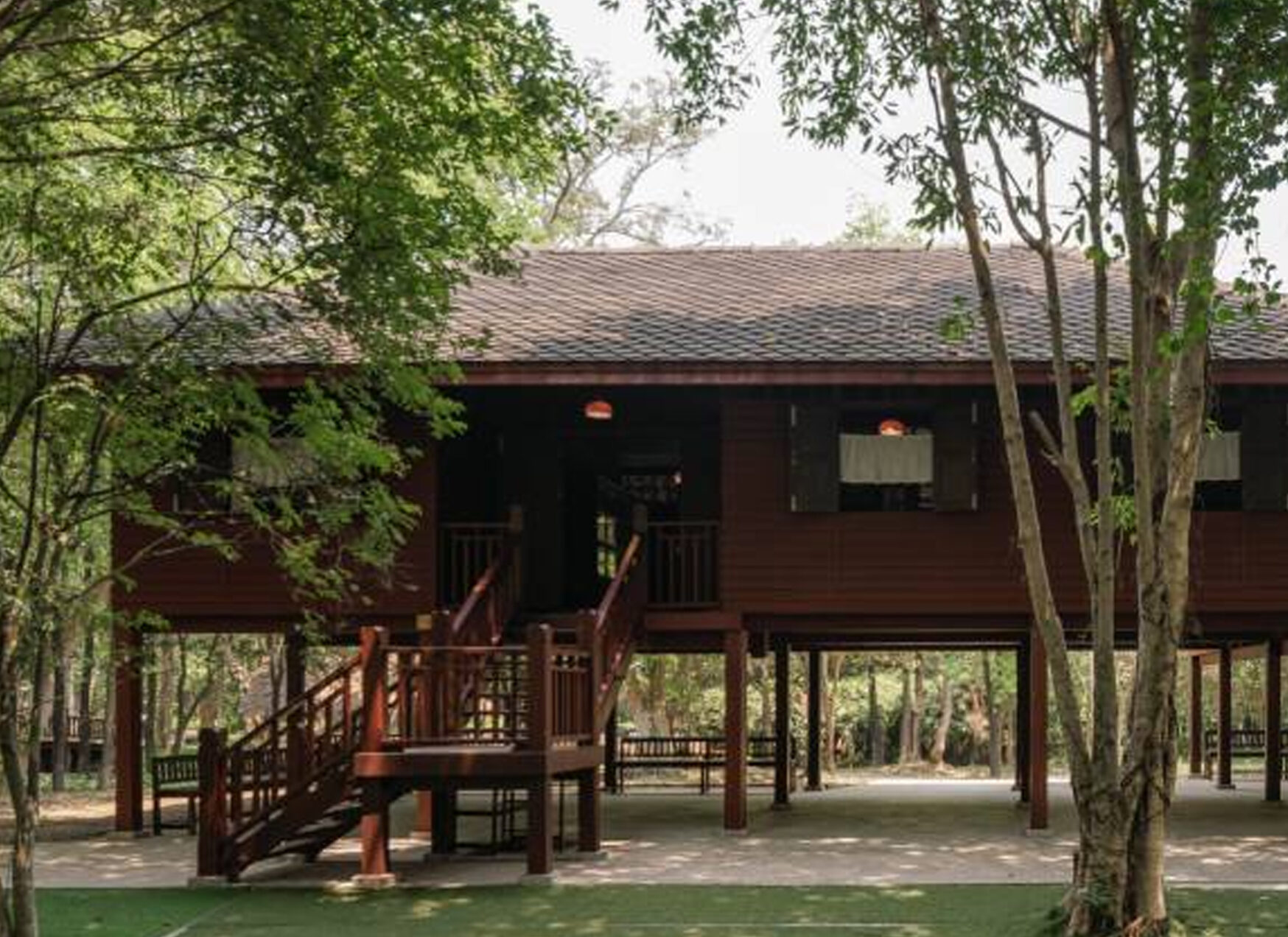
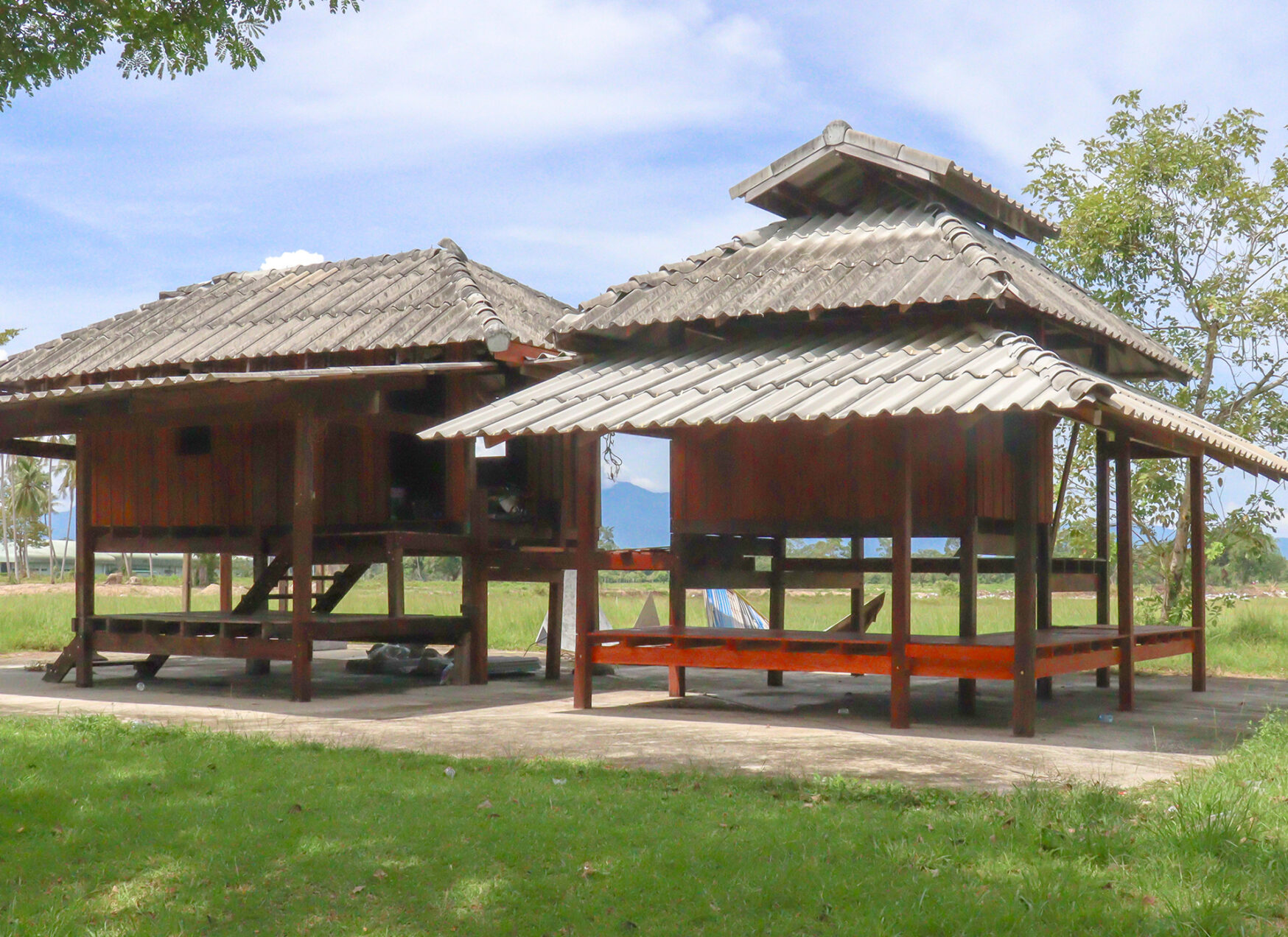
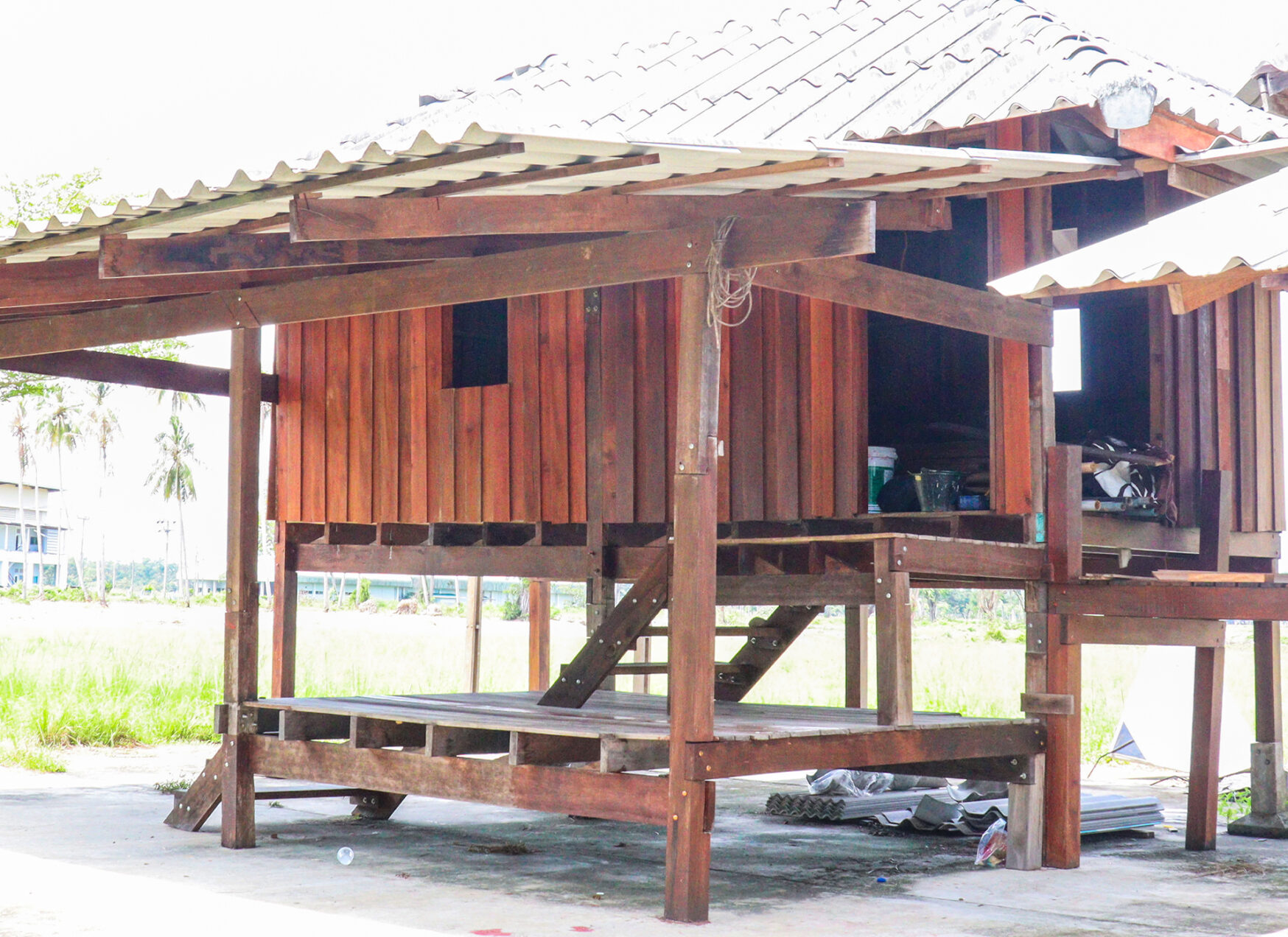
Walailak University, through the initiative of students from the School of Architecture and Design, constructed a model of an ancient Southern Thai-style house near the Architecture and Design Building. This model stands as a valuable cultural landmark, providing the Walailak community and visitors with insights into traditional architectural forms and construction methods from the Sukhothai Kingdom era. The project not only preserves the rich architectural heritage of Southern Thailand but also deepens students’ knowledge of historical building techniques. Additionally, it fosters cultural pride and raises public awareness of Thailand’s diverse architectural legacy.
The exhibition area is designed to help visitors learn about and appreciate the cultural roots, traditional ways of life, and architectural wisdom of the past through architectural models created from archaeological, historical, and vernacular architecture data. These models showcase the distinctive features of regional architecture, including Southern Thai traditional houses and community buildings constructed from local natural materials. The exhibition not only provides historical and artistic knowledge but also conveys the relationship between humans and the environment, the mindful use of resources, and the philosophy of living in balance in accordance with the Sustainable Development Goals (SDGs).
This exhibition area is open to the public free of charge and serves as the Southern Cultural Heritage Learning Center, dedicated to the preservation of cultural and environmental heritage in Southern Thailand. It emphasizes learning through architectural models that illustrate the concept of Vernacular Architecture—architecture shaped by human adaptation to climate, materials, and local resources in a sustainable manner. The center also aims to raise awareness of the value of cultural heritage as a form of Cultural Capital, which can be creatively developed into innovations in contemporary art and architecture.
According to operational data, the Southern Thai Traditional Architecture Models have attracted significant interest, with over 400 visitors annually, including educators, architecture scholars, and members of the general public.
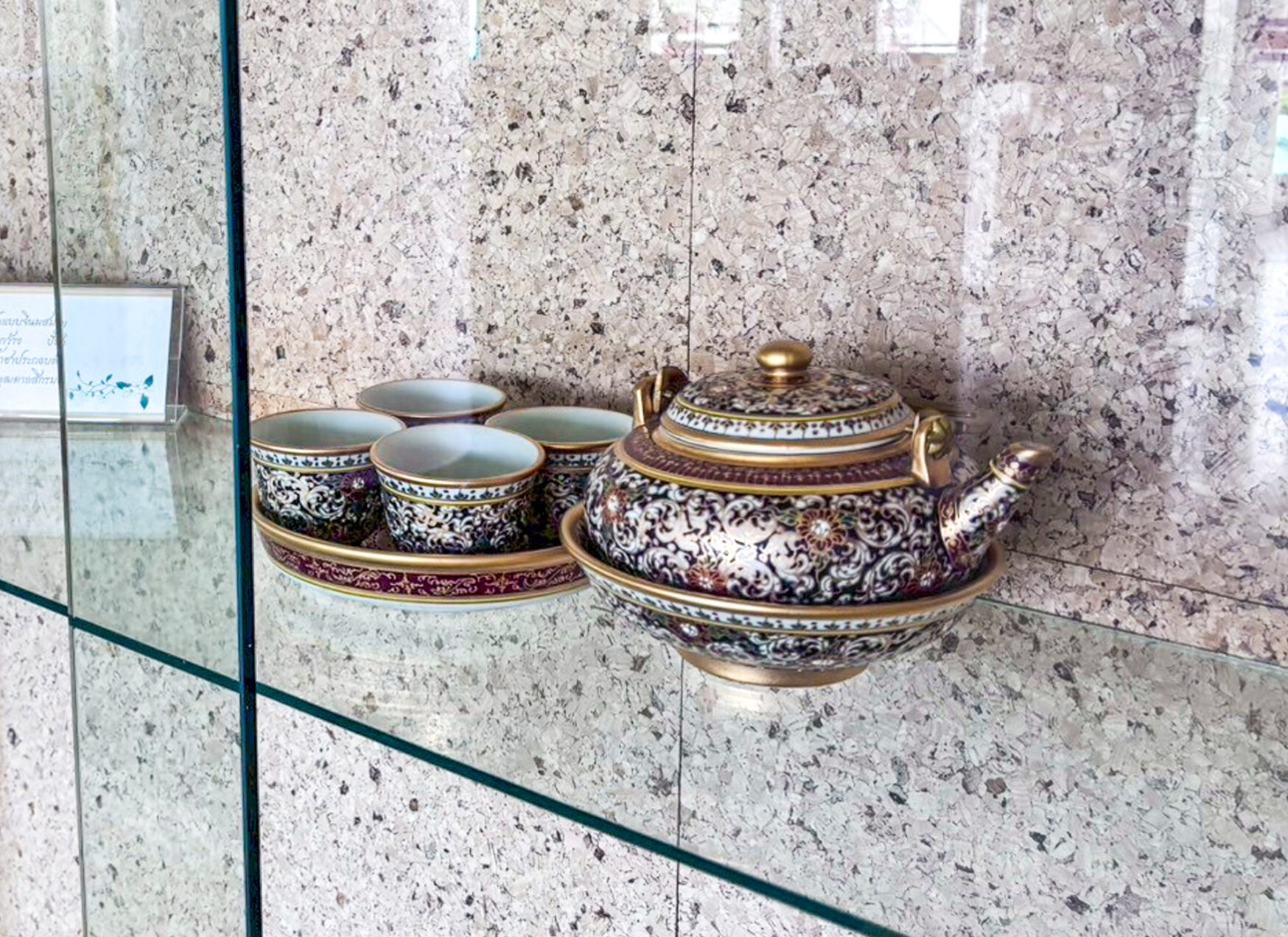
Free Access to the Exhibition of Nielloware in the Style of Nakhon Si Thammarat
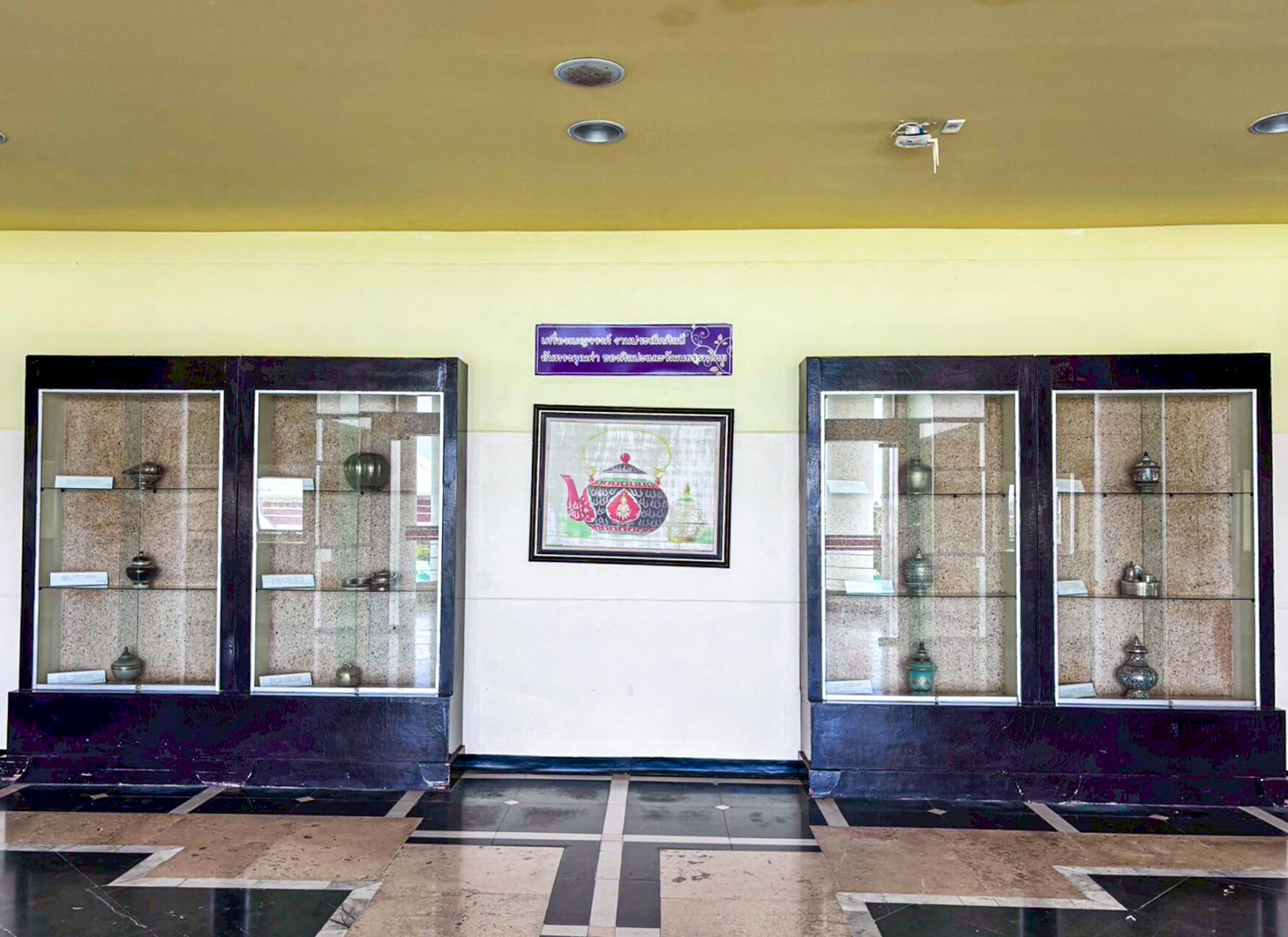
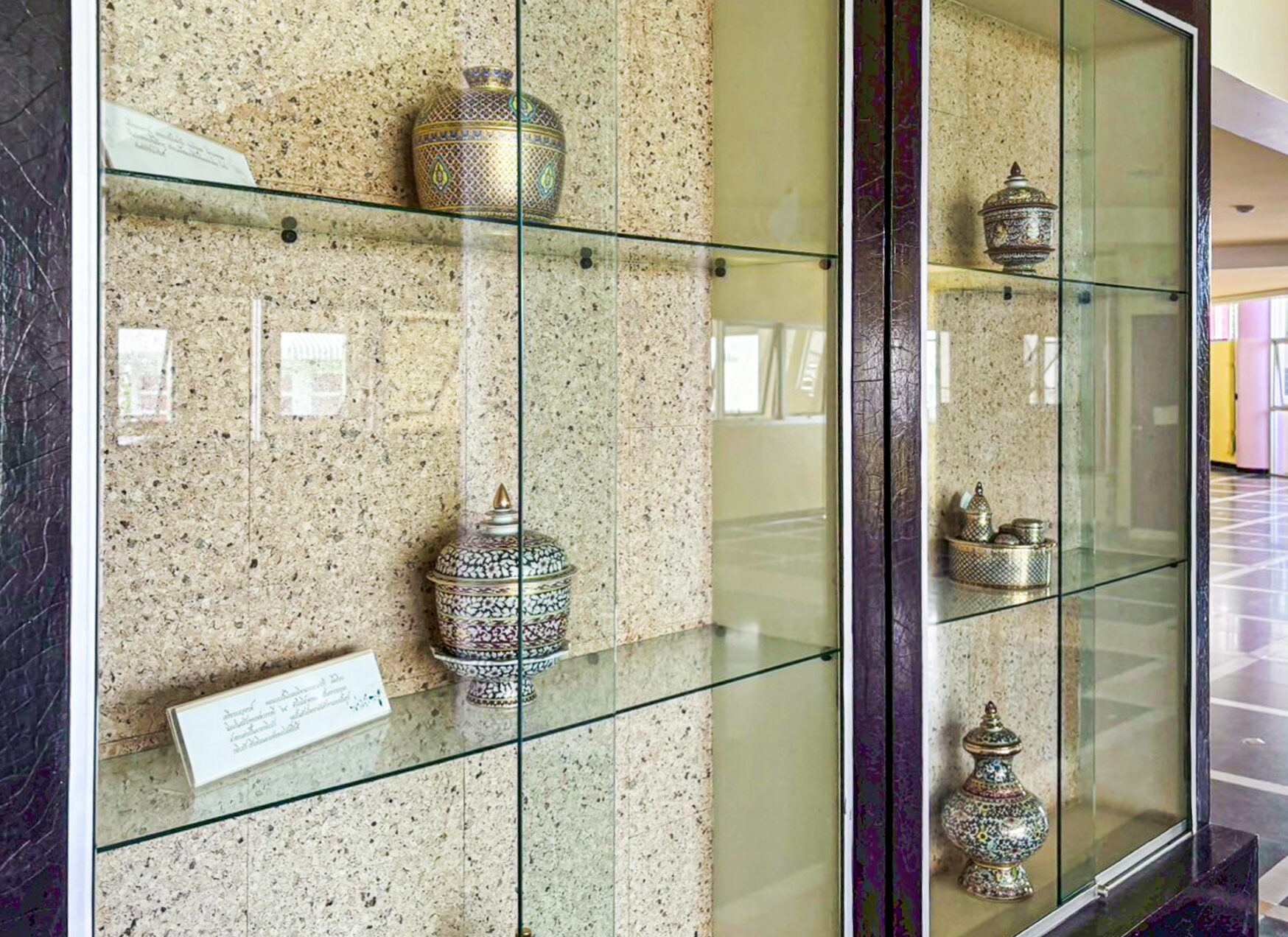
Nakhon Si Thammarat is renowned for its exquisite nielloware craftsmanship, a traditional fine art that dates back to the period of the Ligor Empire. To preserve and promote this cultural heritage, Walailak University has established a dedicated exhibition space at the Thai Buri Building, where nielloware pieces are displayed in the distinctive Nakhon Si Thammarat style. The exhibition is open to the public free of charge, providing students, researchers, and visitors with an opportunity to appreciate the artistry and historical significance of this craft. Beyond preservation, the exhibition also serves as an educational resource, fostering awareness of local cultural heritage and inspiring future generations to value and sustain traditional Thai arts.
The exhibition area “The Artefacts: Nakhon Si Thammarat Nielloware” within the Thaiburi Building has been developed as a Cultural Heritage Learning Space for Sustainability, open to the public, staff, students, and interested visitors free of charge. The exhibition presents the history of nielloware, its production processes, pattern design, and the stories of local artisans, aiming to deepen understanding of traditional craftsmanship and contemporary approaches to preserving local arts.
Learning activities in this space align with the principles of the Sustainable Development Goals (SDGs), particularly in the aspect of cultural heritage conservation, which encourages public awareness, understanding, and appreciation of the nation’s cultural capital.
According to current operational data, The Artefacts: Nakhon Si Thammarat Nielloware exhibition attracts over 200 visitors annually, including academic staff, scholars, and members of the general public. Visitor satisfaction surveys show consistently high levels, reflecting the effectiveness of the space as a medium for promoting learning in local arts and culture, as well as for preserving the traditional craftsmanship of Southern Thailand alongside the sustainable development of Thai society.
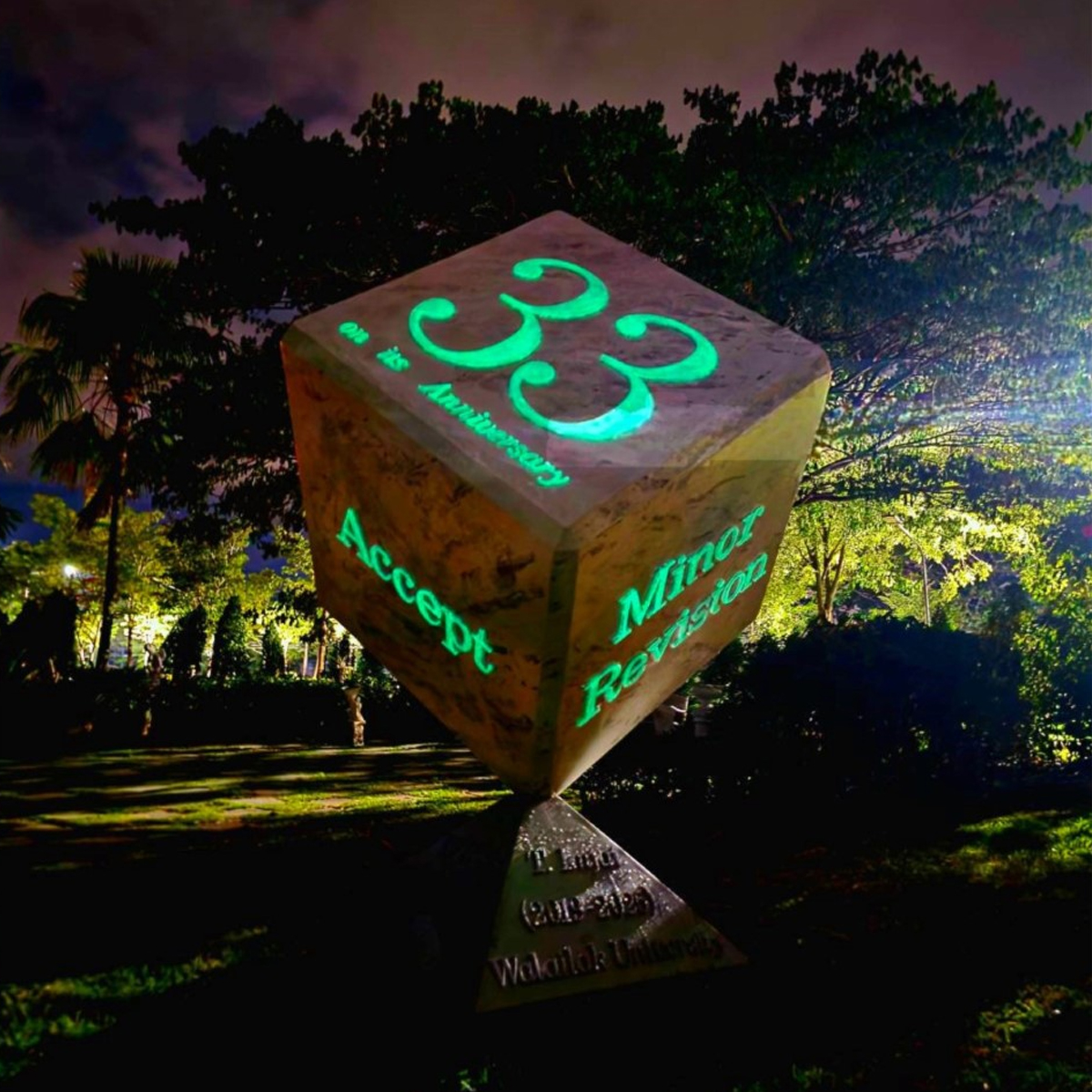
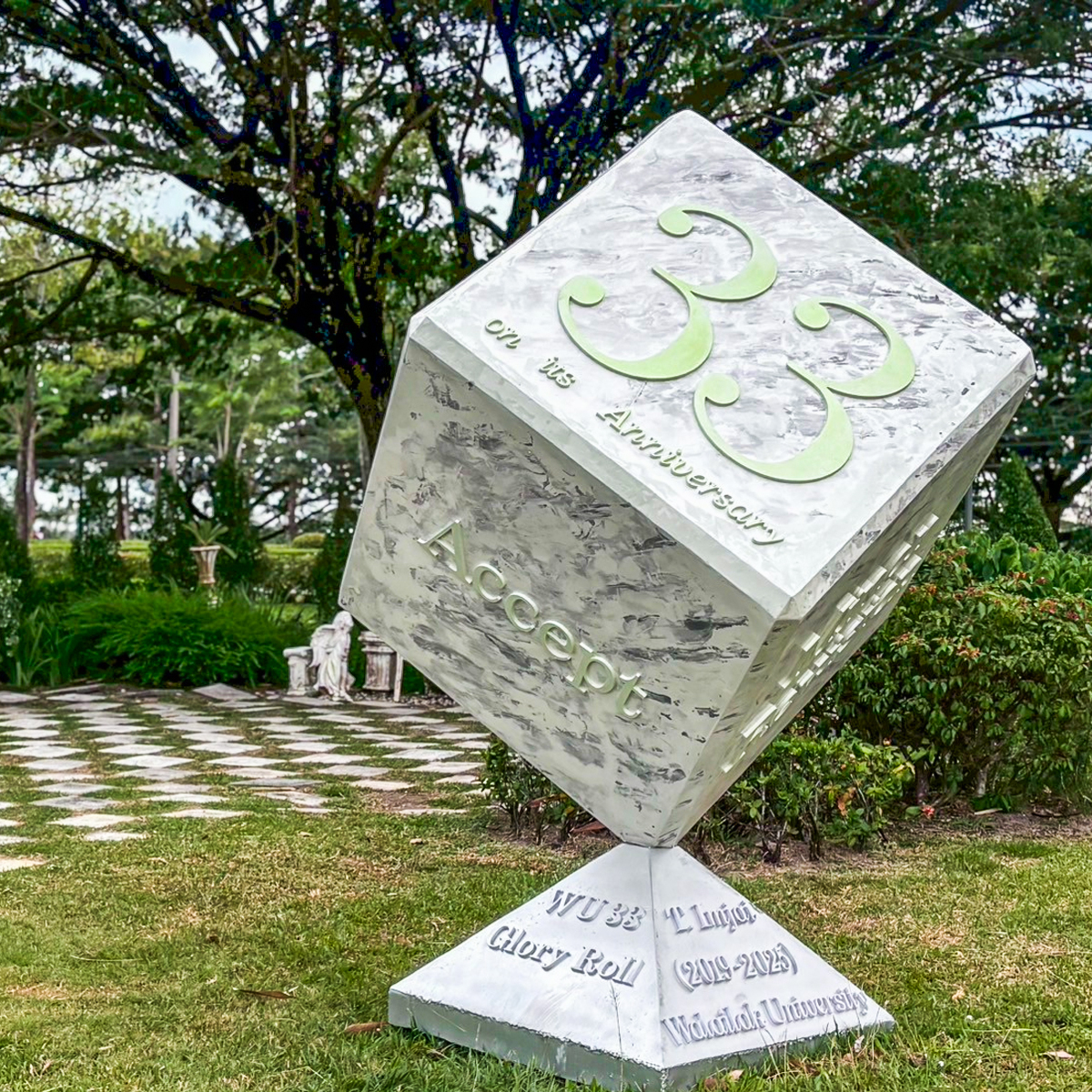
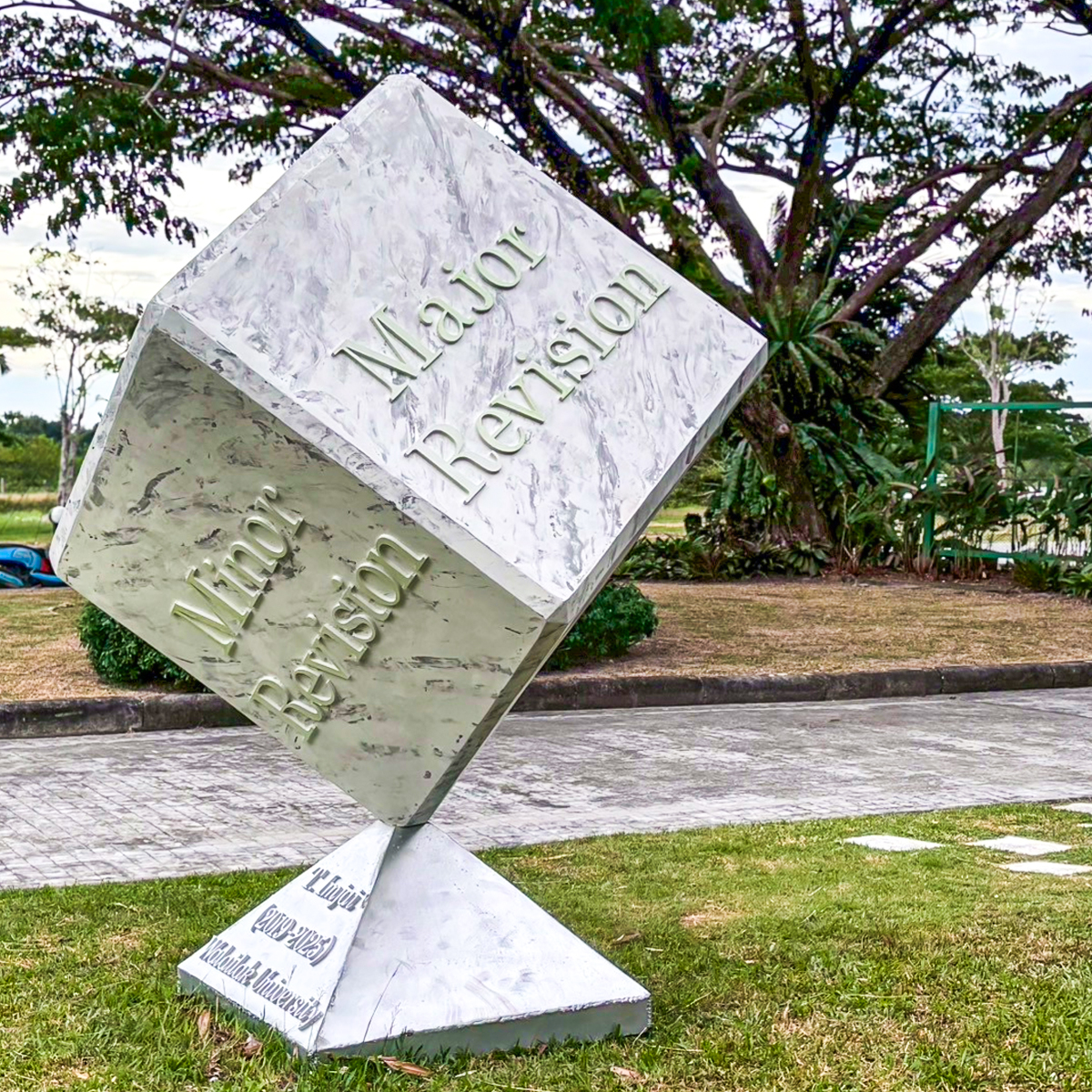
WU 33 – Glory Roll: An Architectural Masterpiece of a Glowing Cube
At Walailak University Park (WU Park), a striking glowing cube installation titled “WU 33 – Glory Roll” has been unveiled as a new symbol of innovation and collaboration. Designed and developed by Assoc. Prof. Dr. Thanongsak Imjai and his research team, the cube measures 1.3 x 1.3 meters and radiates a vibrant glow that represents the success of Walailak University’s research excellence and international partnerships.
This luminous landmark stands proudly within the Walailak Park area in Tha Sala District, Nakhon Si Thammarat Province, serving as both an artistic and scientific expression of the university’s commitment to global cooperation and sustainable innovation. Beyond its aesthetic appeal, WU 33 – Glory Roll symbolizes the university’s ongoing efforts to strengthen global academic networks and celebrates the achievements born from research collaborations between Walailak University and partner institutions worldwide.
WU 33 – Glory Roll is not merely an architectural creation but also serves as an Integrated Learning Space, open to the public free of charge. It offers opportunities for visitors to explore the interconnections among art, architecture, culture, and science. The space is designed in alignment with the Sustainable Development Goals (SDGs), emphasizing cultural heritage conservation, the promotion of learning and innovation, and inclusive access to educational spaces for all.
The exhibition showcases architectural elements that reflect the identity of Southern Thailand, integrated with modern technologies that illustrate design processes and efficient energy use. Visitors can learn about materials science, natural lighting management, clean energy utilization, and the concept of Green Architecture, all of which harmoniously link cultural and environmental dimensions.
The Artefacts: WU 33 – Glory Roll thus functions as an academic and cultural medium, enabling visitors to appreciate artistic beauty while engaging with scientific and technological learning. It also exemplifies Innovative Sustainable Architecture, reflecting the university’s creativity in bridging modern knowledge with cultural foundations. According to operational data, The Artefacts: WU 33 – Glory Roll attracts over 3,000 visitors annually, including educators, scholars, students, and members of the general public.
Walailak University has undertaken a diagnostic review of its museums, exhibition spaces, galleries, and works of art to ensure they serve as inclusive and accessible learning environments for all. Through continuous development of cultural and educational spaces such as the Sirin Museum, Toompang Archaeological Site, and the Thai Southern Arts and Culture Learning Center, the university promotes heritage preservation and sustainable learning. Active community engagement is fostered through exhibitions, cultural events, and collaborations under the Royal Initiative Plant Genetic Conservation Project. Regular measurement of visitor participation and program outcomes ensures the ongoing enhancement of public access, cultural appreciation, and lifelong learning opportunities.
Related links:
https://cas.wu.ac.th/en/archives/37740
https://e-bota.wu.ac.th/museum/9
https://e-bota.wu.ac.th/museum/room/17
https://e-bota.wu.ac.th/museum/room/18
https://e-bota.wu.ac.th/museum/room/19
https://e-bota.wu.ac.th/museum/room/20
https://e-bota.wu.ac.th/museum/room/21
https://e-bota.wu.ac.th/museum/room/22
https://e-bota.wu.ac.th/museum/room/23
https://e-bota.wu.ac.th/museum/room/25
https://botany.wu.ac.th/?p=43148
https://botany.wu.ac.th/?p=46525
https://botany.wu.ac.th/?p=50129
https://www.wu.ac.th/index.php/th/news/26082
https://www.facebook.com/profile.php?id=61552602696004
https://www.facebook.com/SIRIN.Museum?locale=th_TH
Goal 11: Sustainable Cities and Communities
Goal 4: Quality Education
Goal 16: Peace, Justice and Strong Institutions
Goal 17: Partnerships for the Goals