Building Standards Applied to Reduce Water Consumption Walailak University
Efficient water management is a crucial aspect of sustainable development, particularly in the building sector, which consumes a significant amount of water over the long term. For this reason, the university recognizes the importance of applying building standards — such as environmentally conscious design and assessment standards – to systematically and sustainably minimise water use.
Walailak University has established a sustainable water resource management policy to support environmental conservation and ensure water security within the campus. In particular, this policy emphasizes designing and renovating buildings to maximize water use efficiency, in line with the university’s vision of becoming a Green University and a Sustainable University. Through the implementation of policies, planning, and building standards, the university continuously applied water-conscious building standards and efficient water use to control and minimise water use.
At present, Walailak University has incorporated water-use efficiency into its building designs through multiple approaches. These include the selection of water-saving fixtures such as faucets and low-flow toilets, the implementation of on-campus water recycling systems, and the use of rainwater as a substitute for tap water in activities that do not require potable water. Additional measures include efficient water piping systems to prevent losses from leakage, as well as landscape design around buildings that incorporate native plants requiring minimal water—an approach that helps reduce overall water consumption without compromising building performance.
In 2024, Walailak University adopted measures to reduce water usage by integrating building standards into renovation and construction projects, as follows:
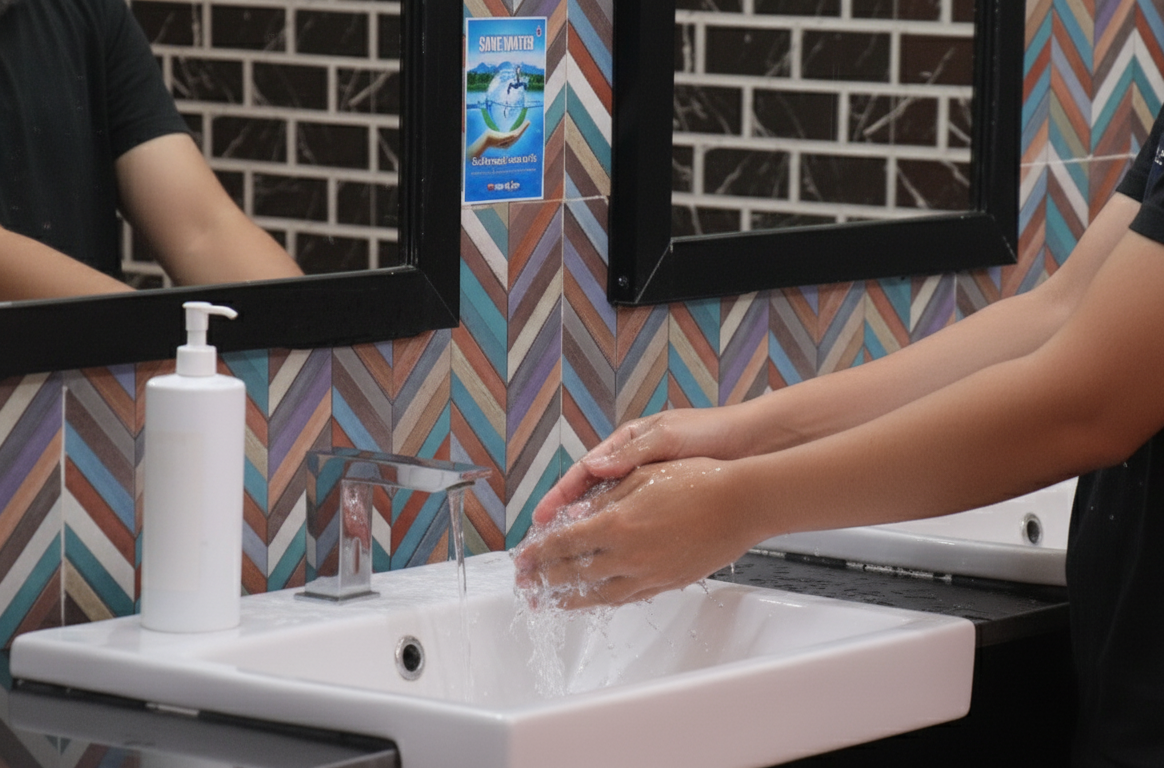
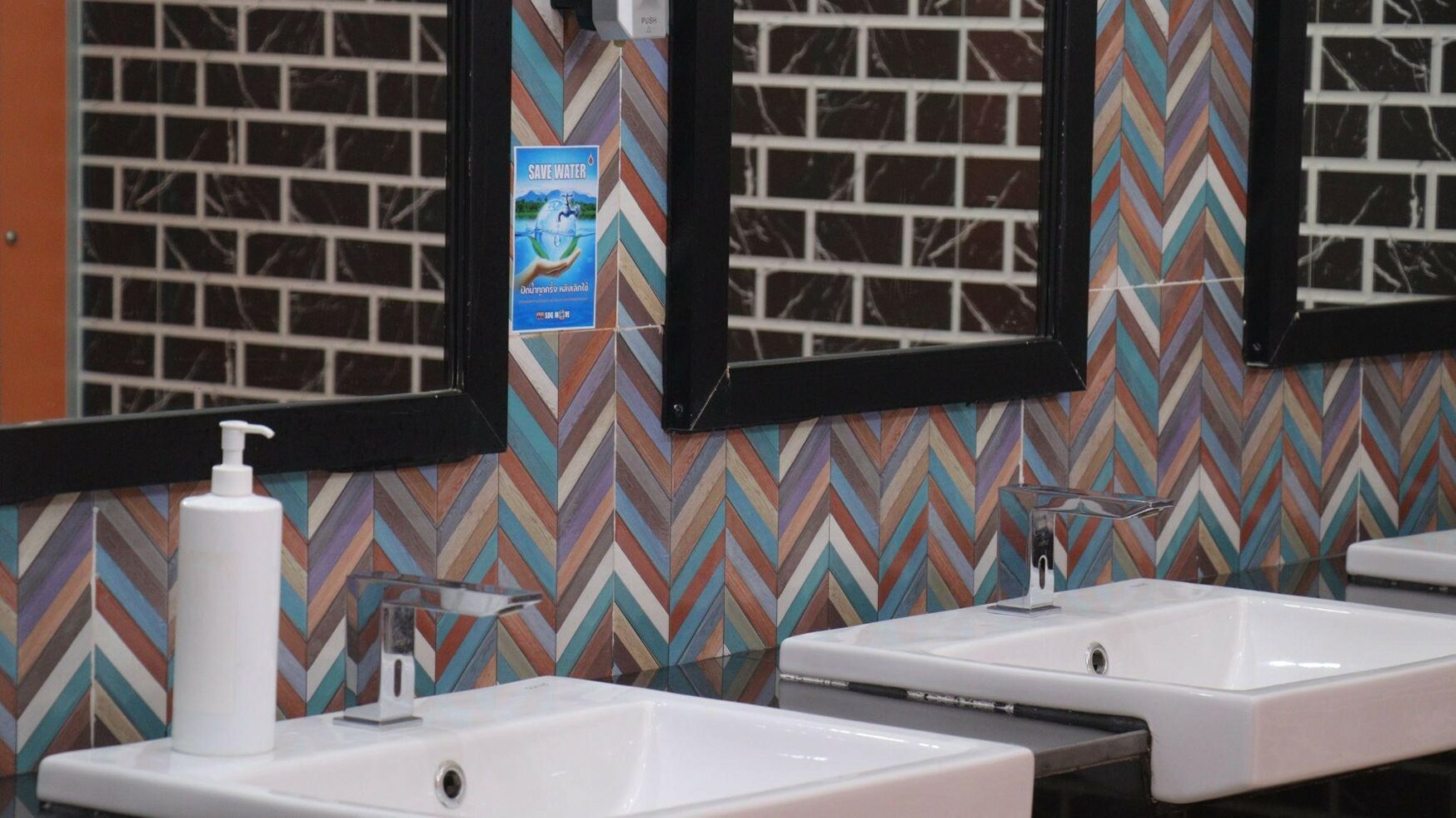
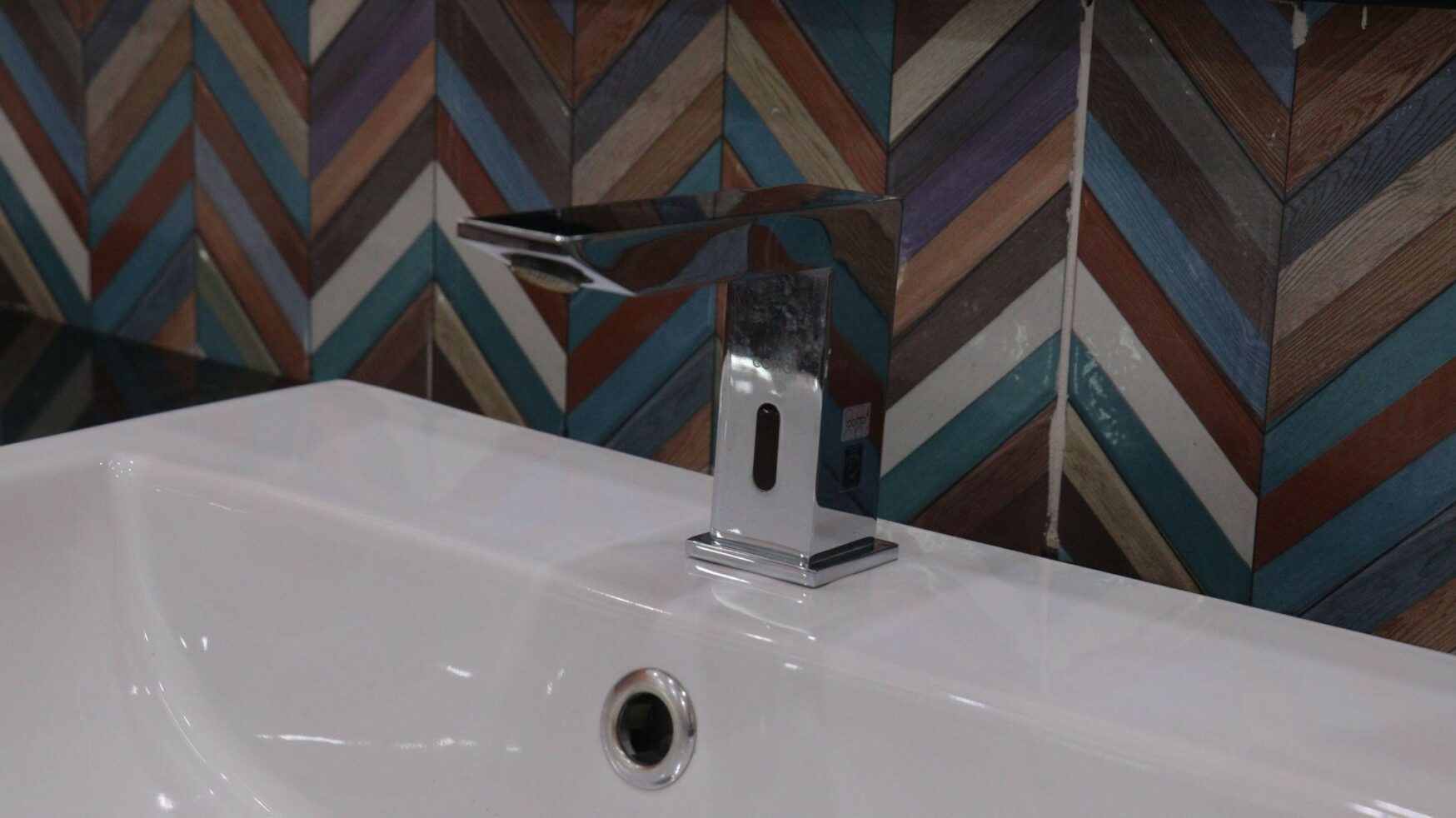
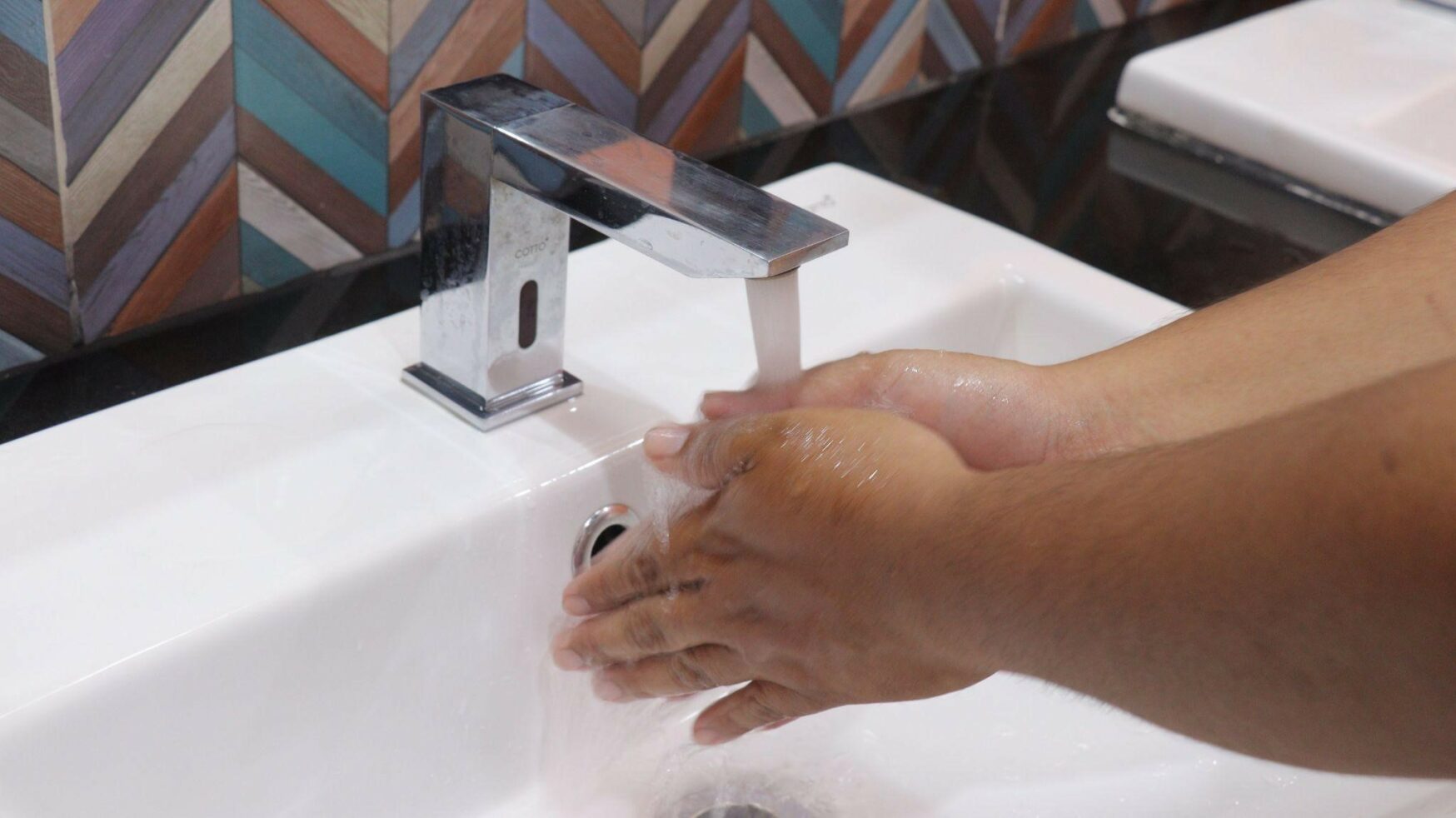
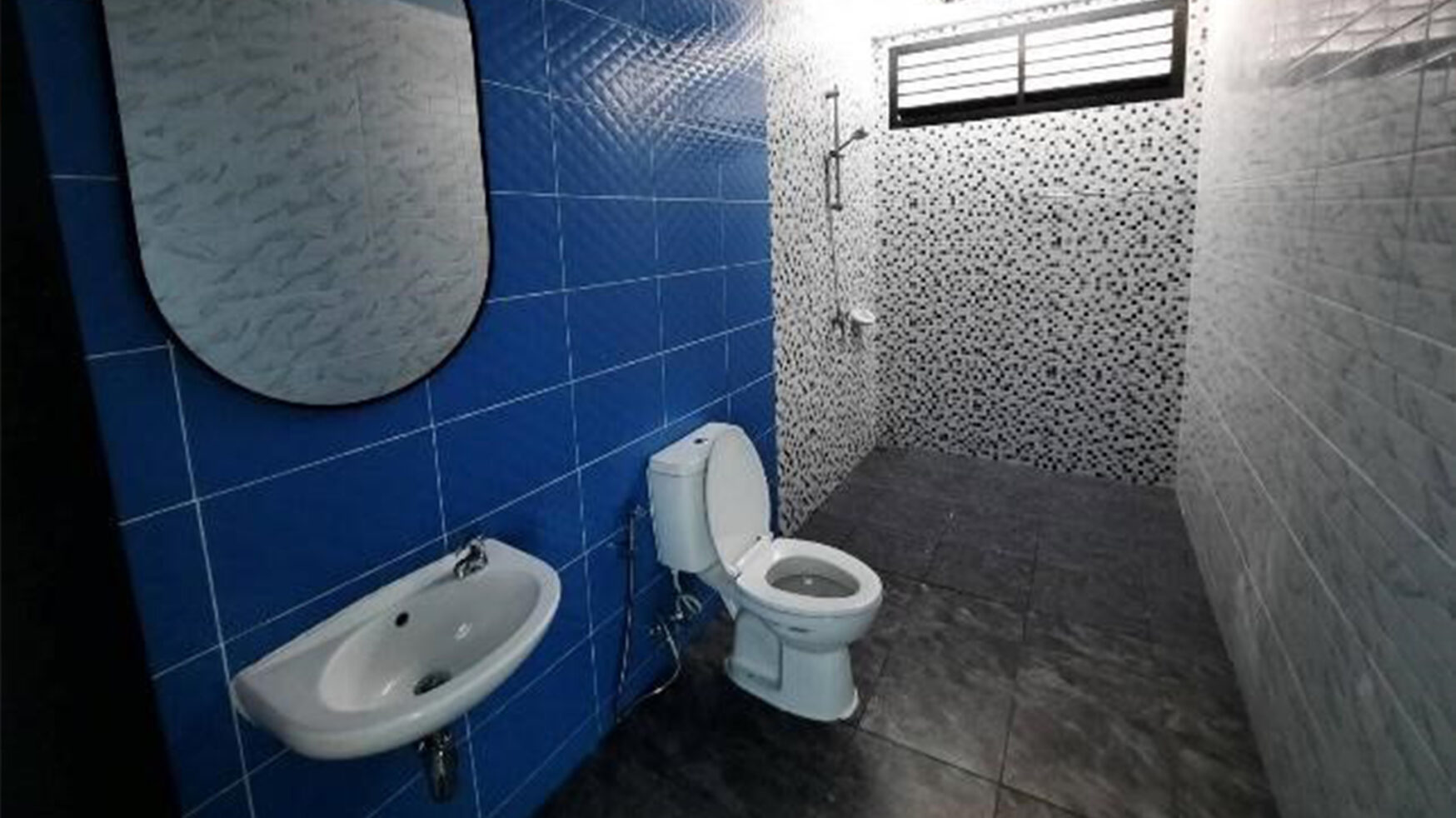
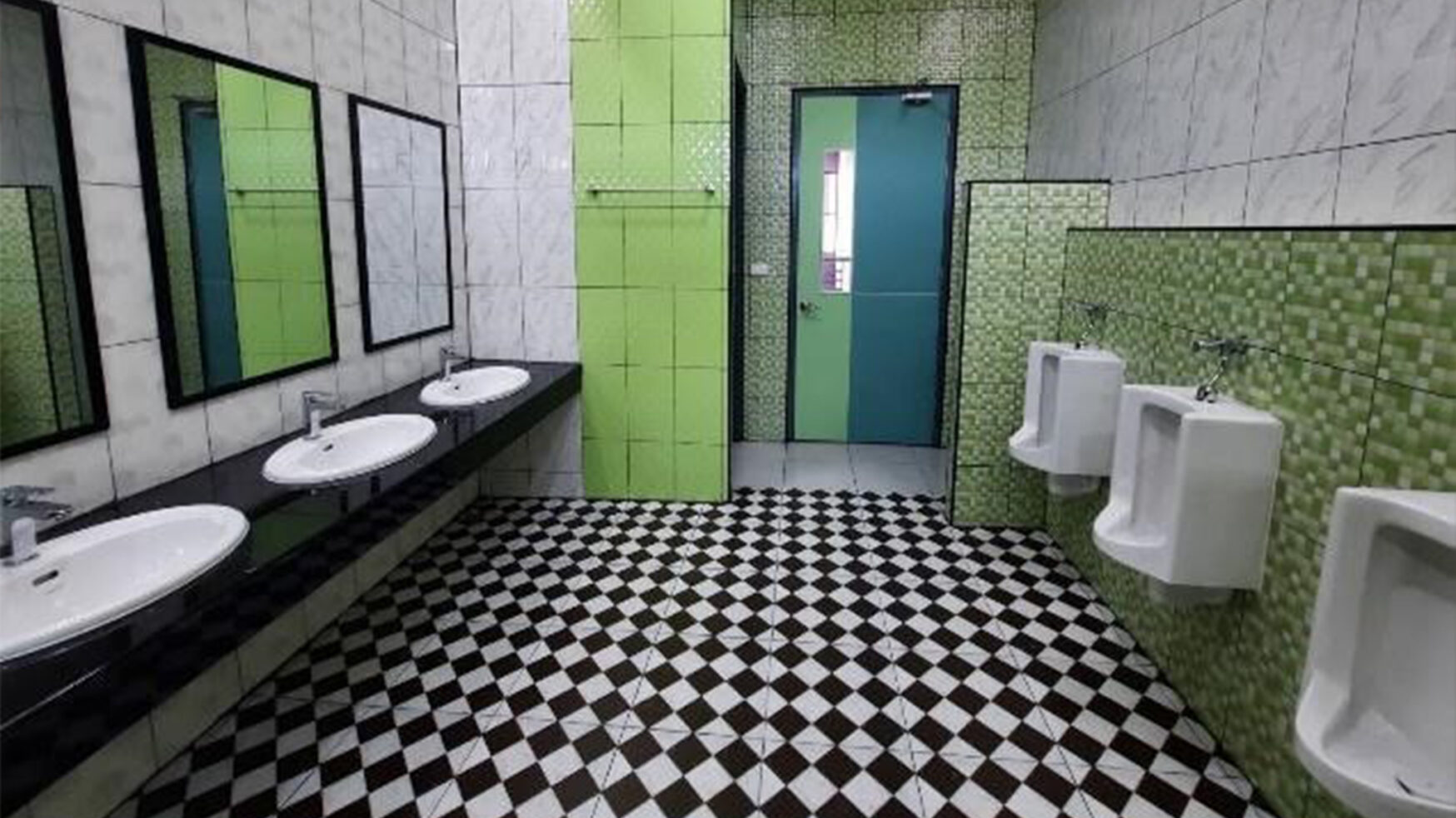
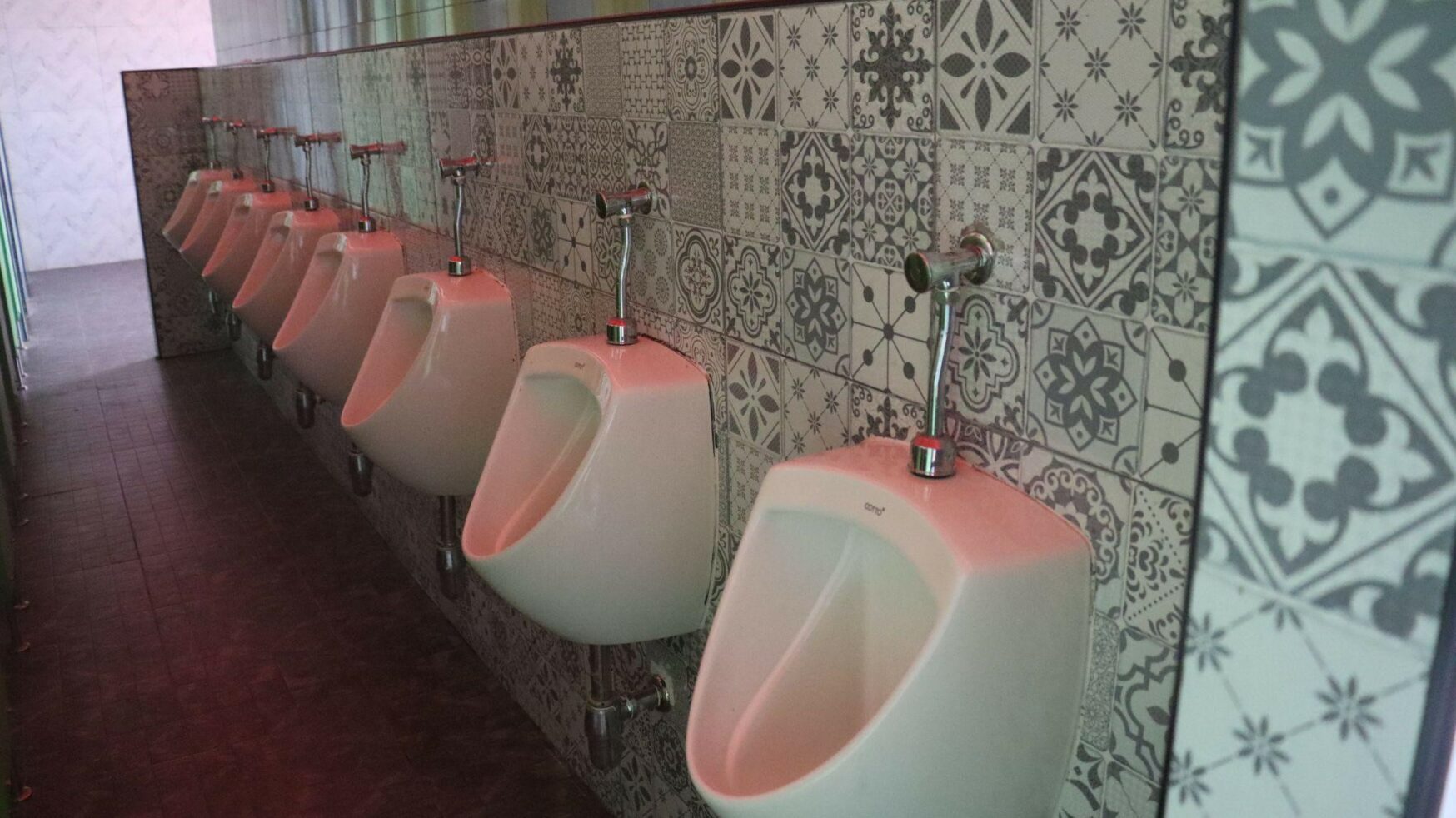
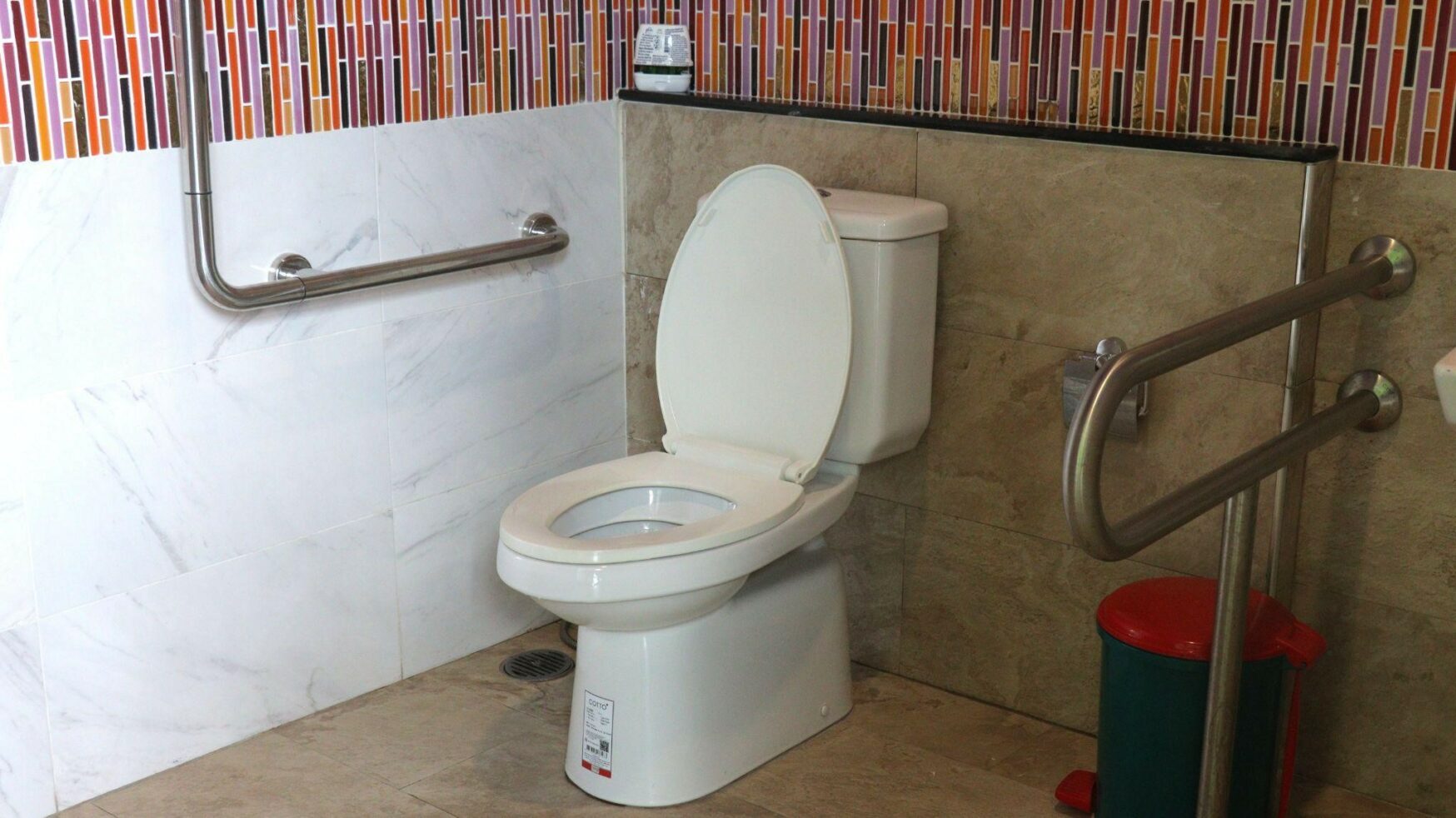
The installation of water-saving sanitary ware has been carried out in both newly constructed and renovated buildings, including the Administration Building, the Advanced Research Building, the Studio Laboratory Building, the Water Supply Production Plant, the Walailak University Hospital, and the Sports and Health Center. These facilities are equipped with 3.75-liter water-saving toilets. In addition, conventional twist-handle faucets have been replaced with automatic shut-off faucets, which allow precise control of water flow and help reduce waste from user behavior. Damaged water valves have also been replaced with water-saving models that use only 6 liters per flush, reducing water consumption by approximately 1 to 2 liters per use.
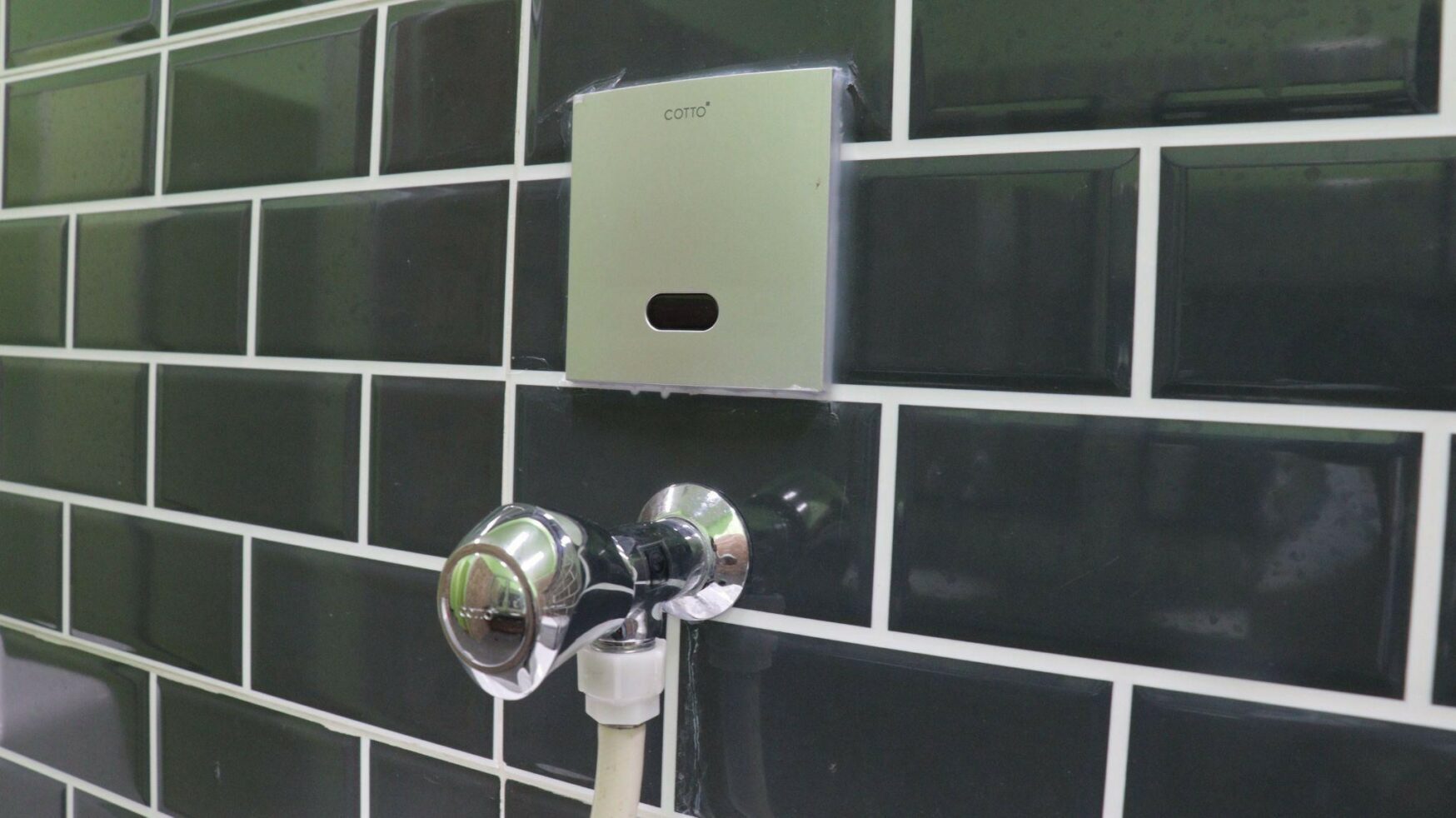
Figure : Automatic sensor faucets at Walailak University
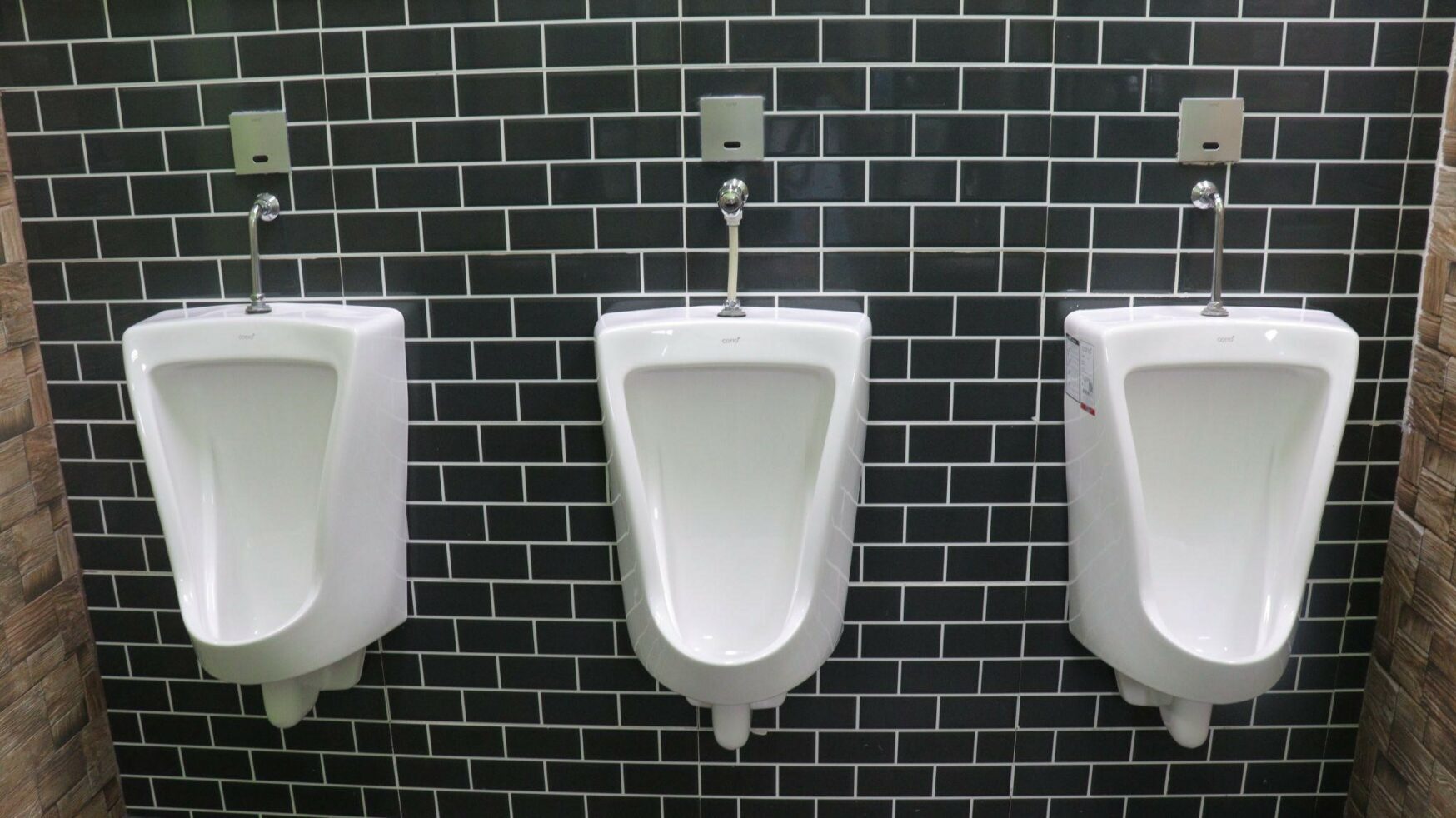
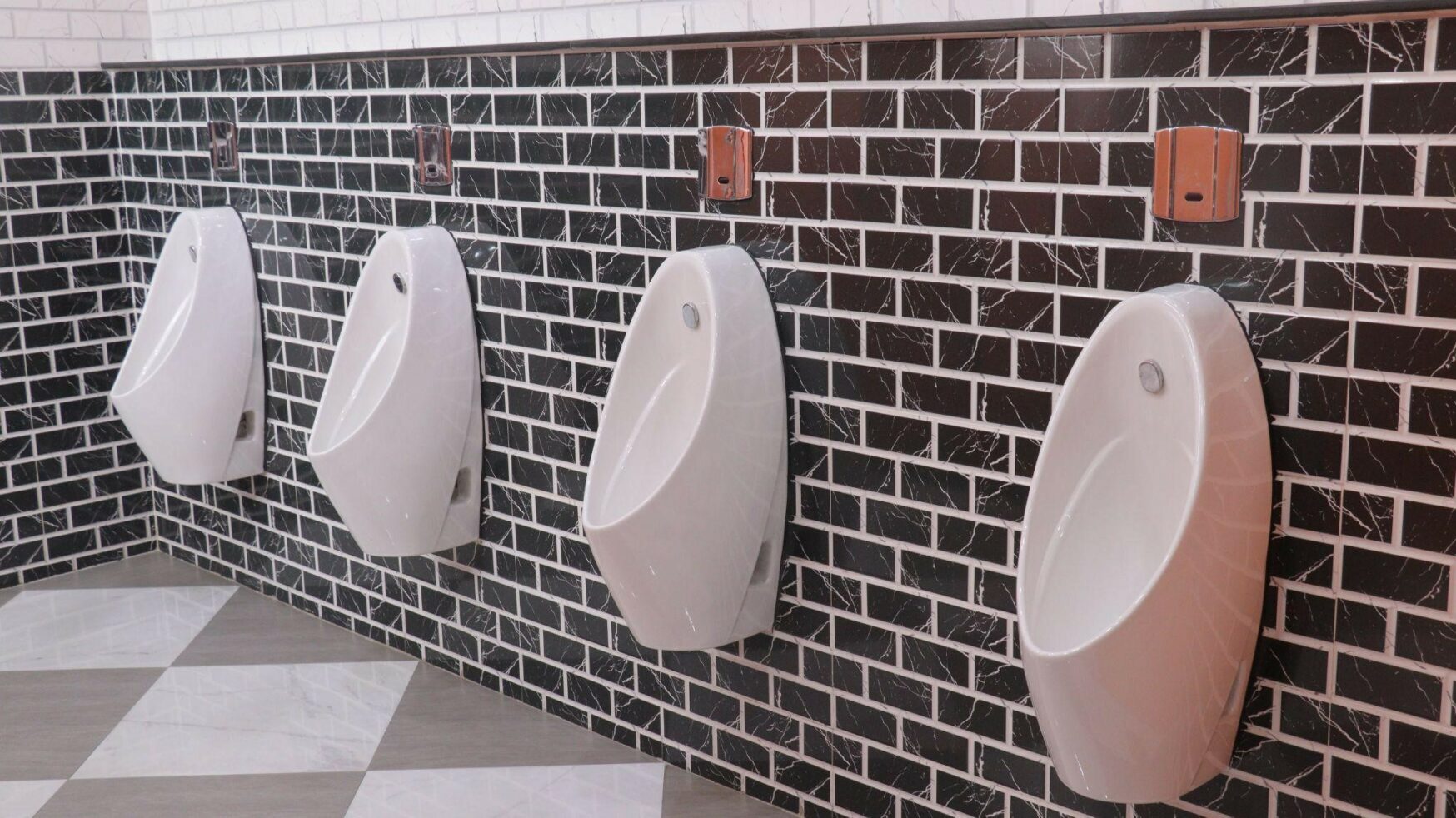
Figure : Sensor urinal at Walailak University
The university has also upgraded water-saving sanitary ware in existing buildings, such as the Center for Scientific and Technological Equipment. Conventional flush-tank toilets were replaced with water-saving models, reducing water use from 4 liters to 3.75 liters per flush—an amount sufficient for use while significantly lowering water bills and conserving water resources in the long term. In addition, toilets were replaced with dual-flush systems, featuring two buttons: a smaller button using approximately 3 liters for liquid waste and a larger button using about 6 liters for solid waste. This system reduces water consumption by 30–50% compared to older models. These measures were applied to 1,769 units out of a total of 1,824 units, achieving up to a 98% reduction in water consumption compared with the previous non-water-saving systems.
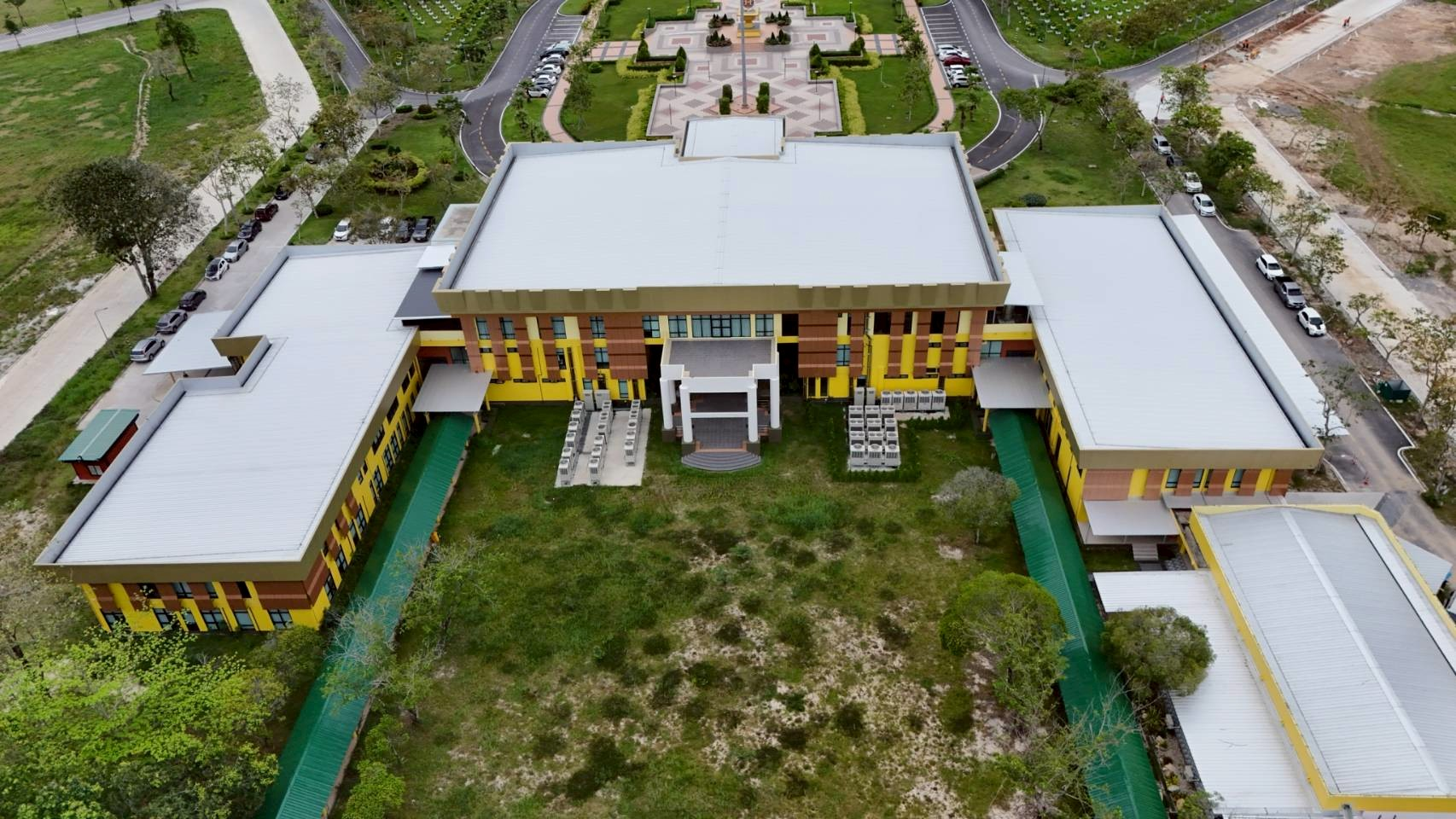
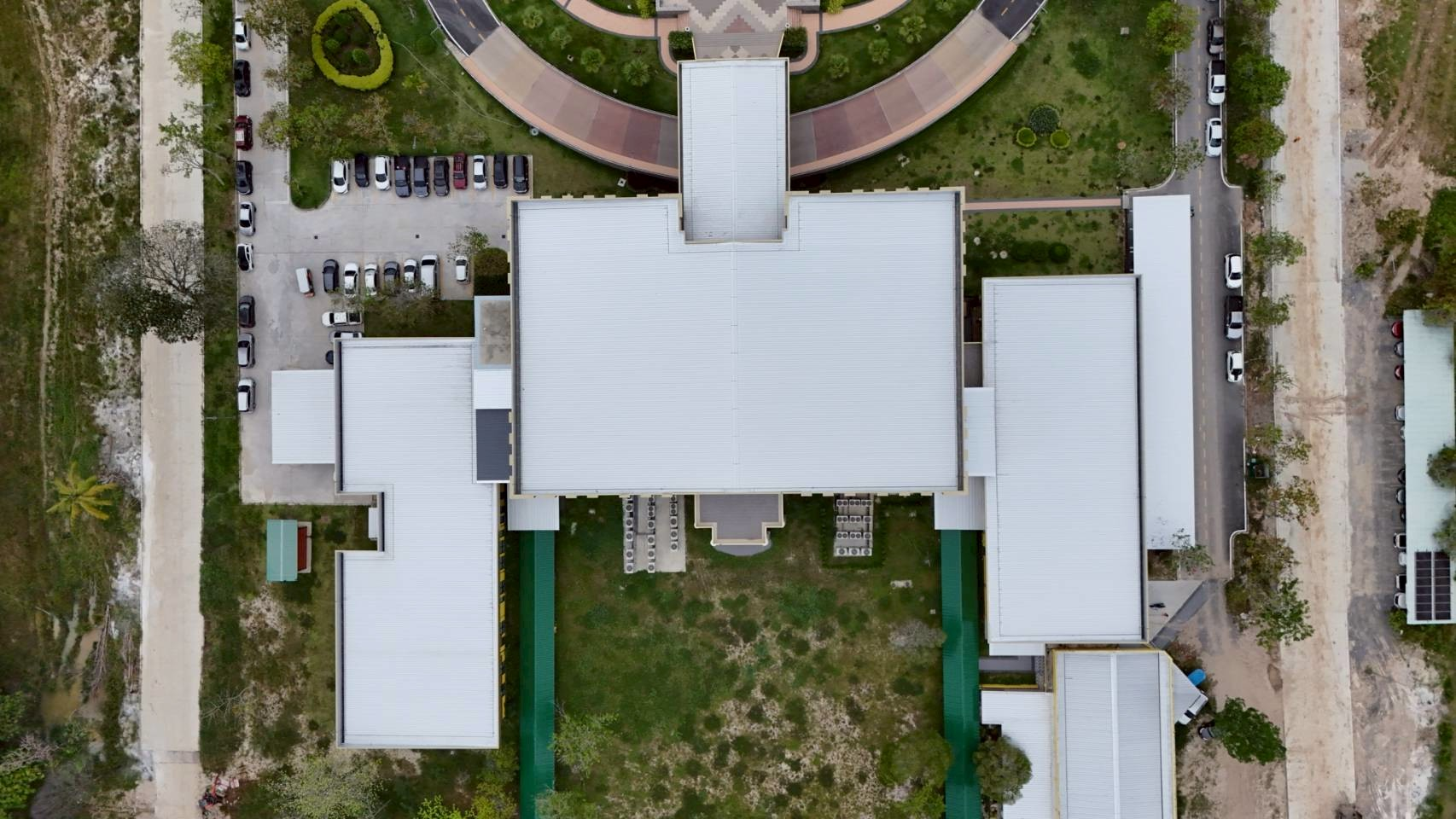
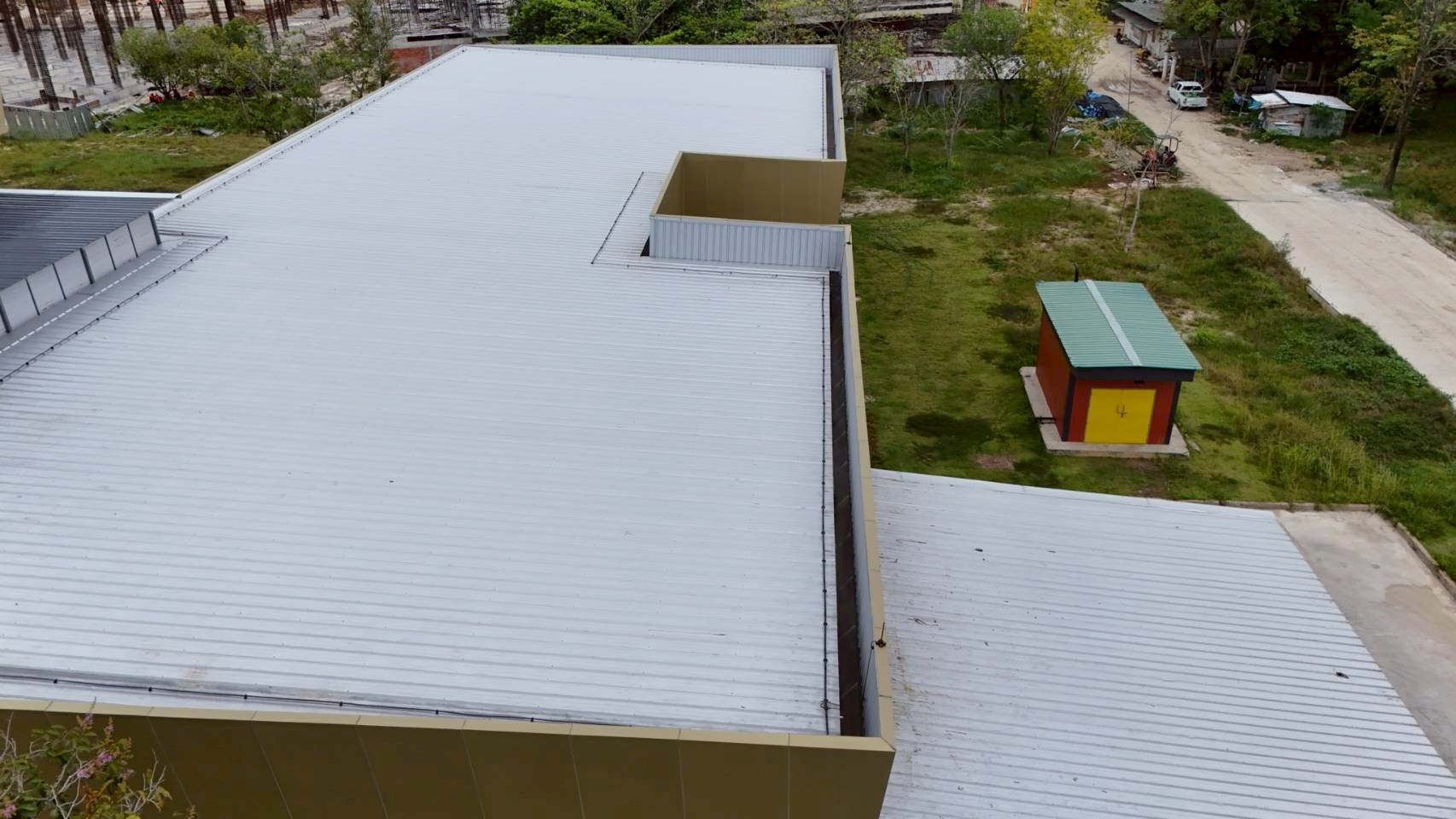
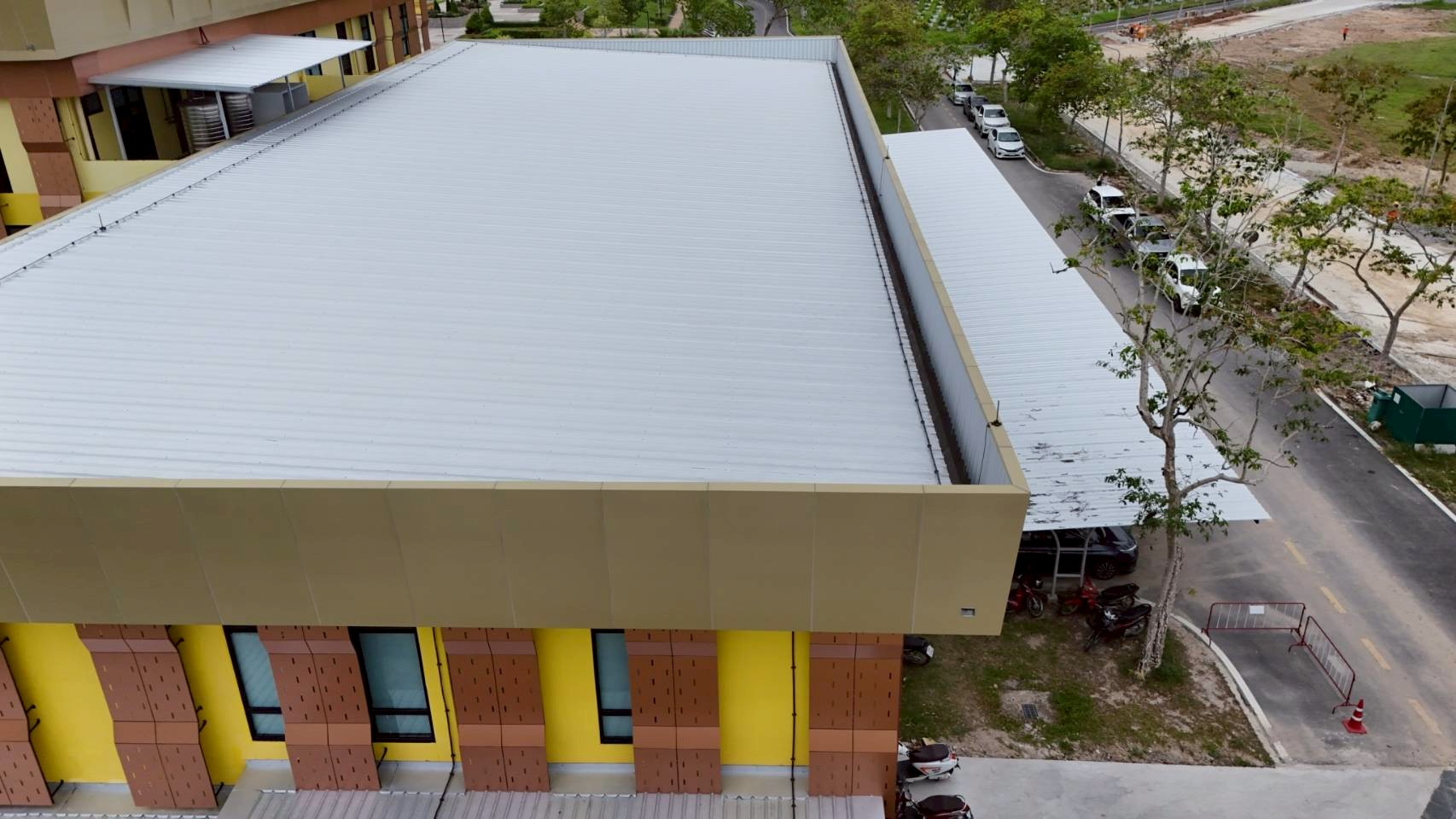
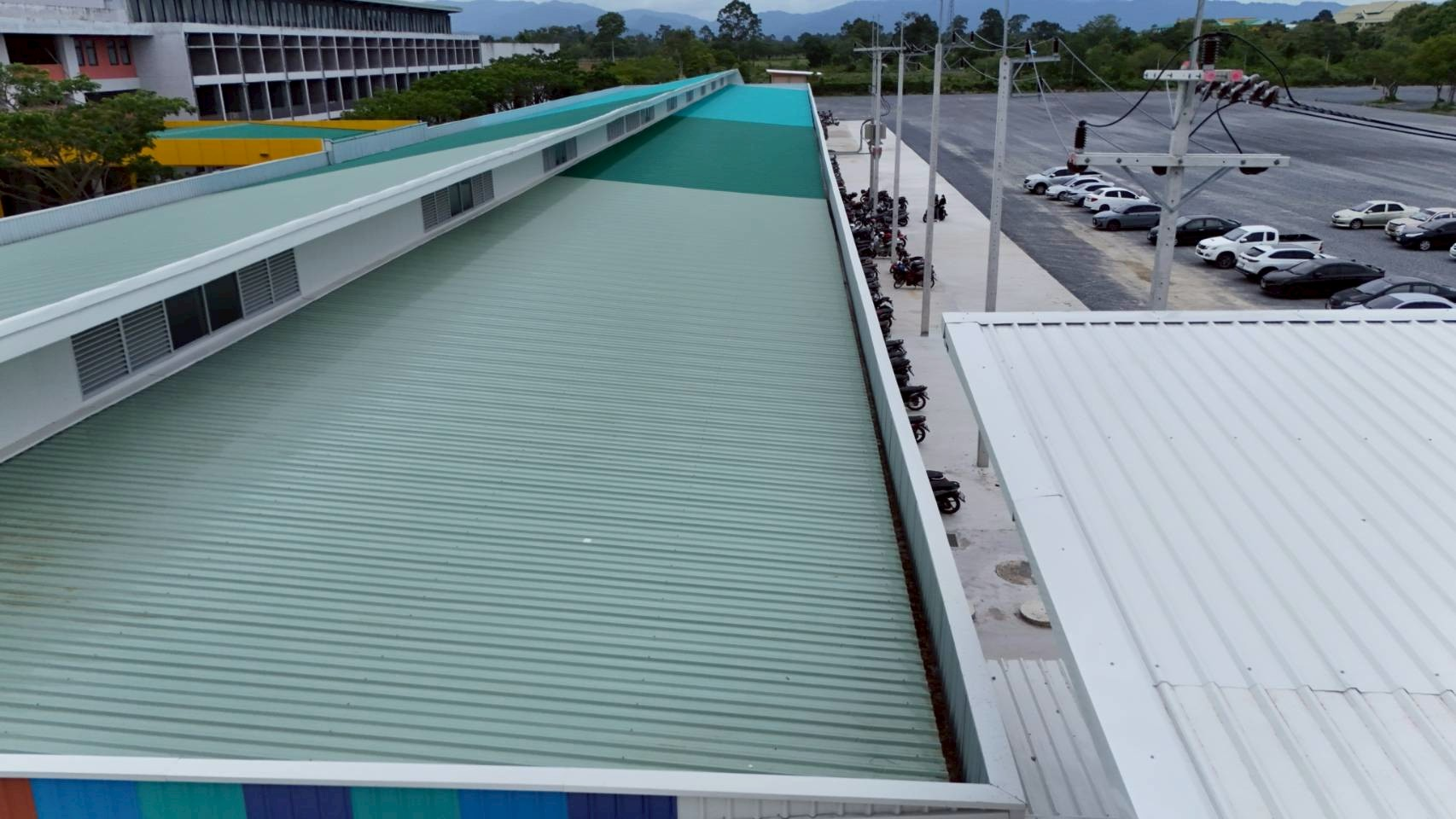
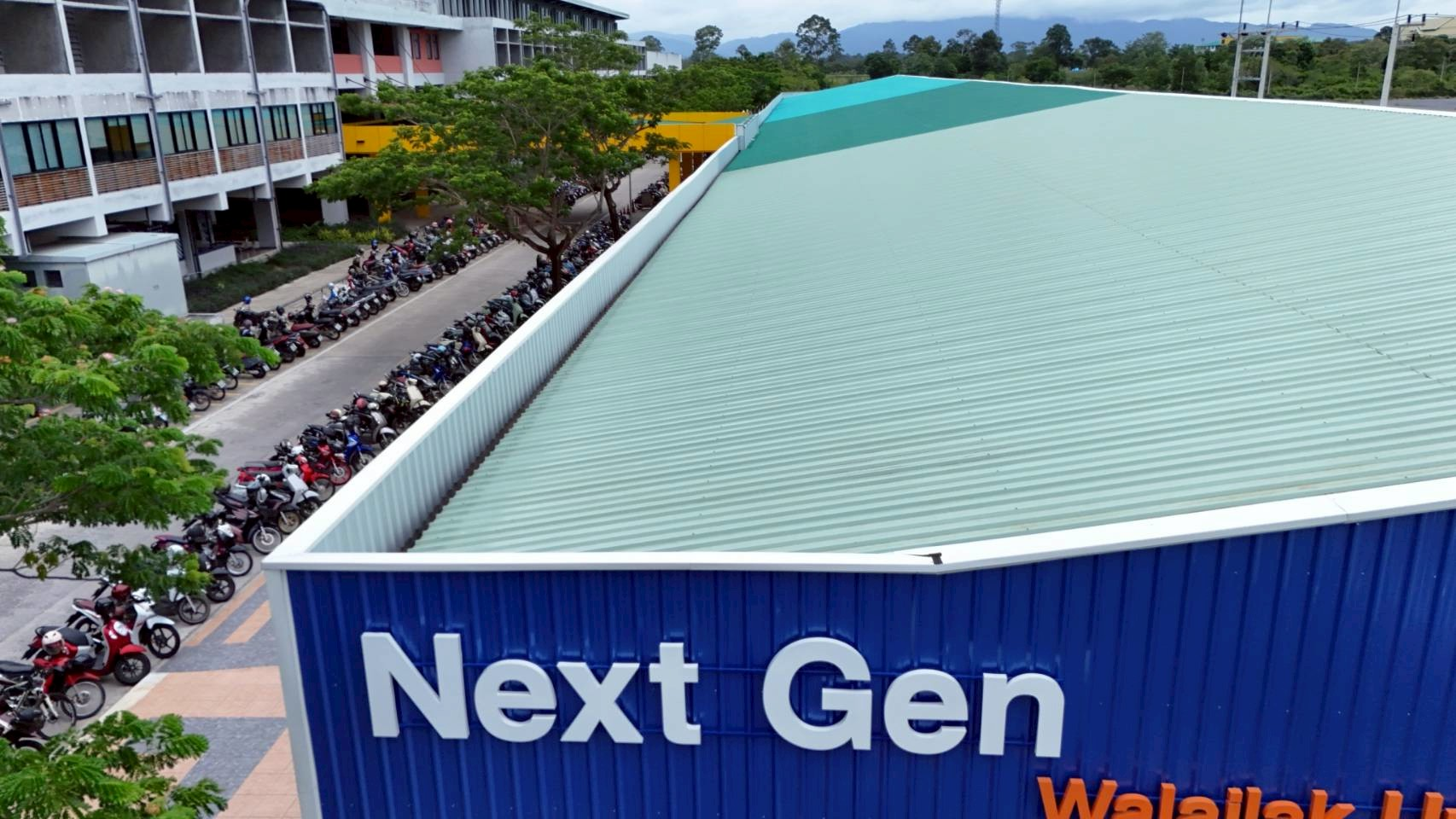
The stormwater management system, designed by the university for various buildings such as the Vijit Srisa-arn Building, the Studio Building, the Next Gen Building, and the Advanced Research Building, aims to manage rainwater runoff from rooftops, roads, and construction areas. Its primary objective is to enhance the infiltration of water into the ground, thereby promoting environmental sustainability and the efficient use of resources.
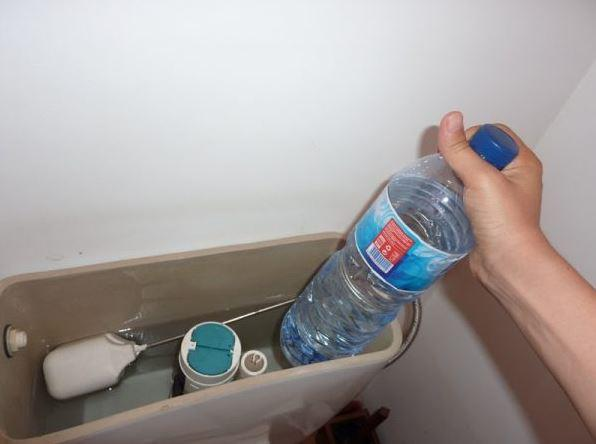
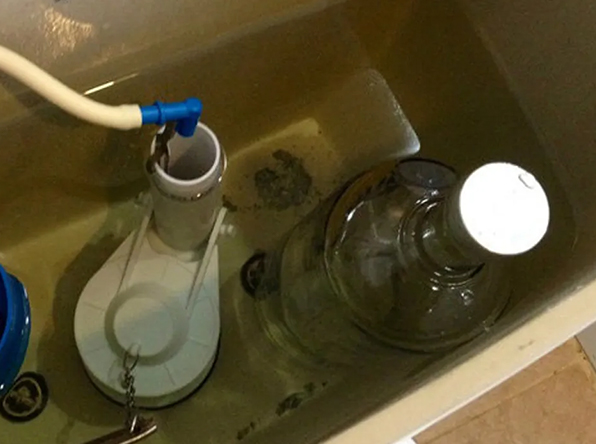
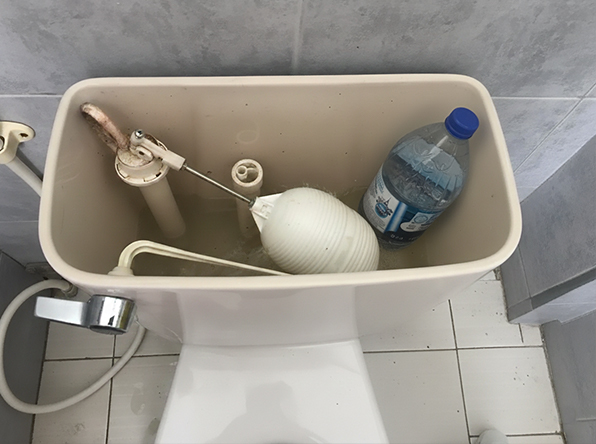
Placing a 1.5-liter bottle or can of water inside a toilet flush tank reduces the tank’s capacity by displacing some of the water, thereby saving approximately 1 to 1.5 liters of water per flush.
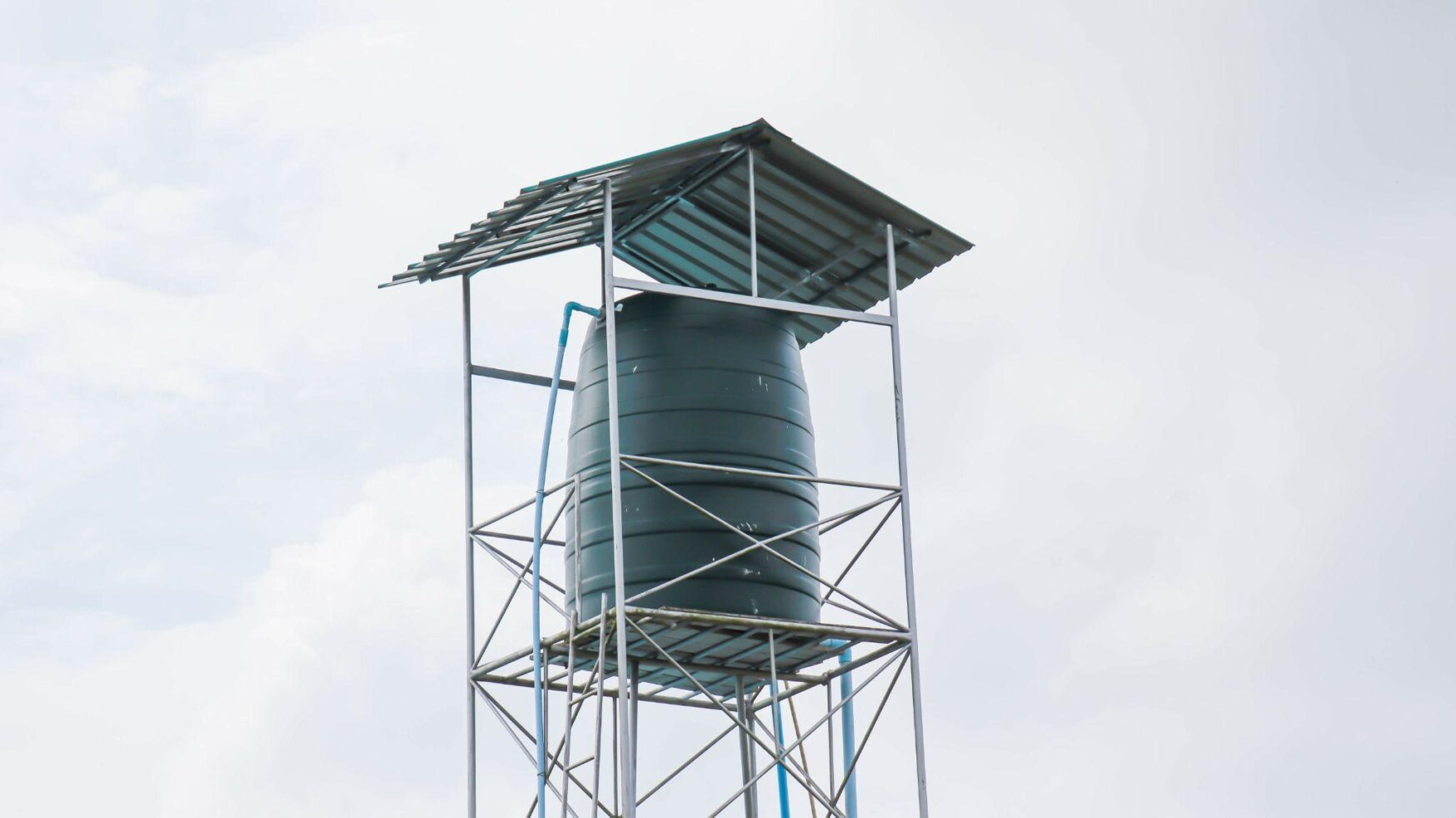
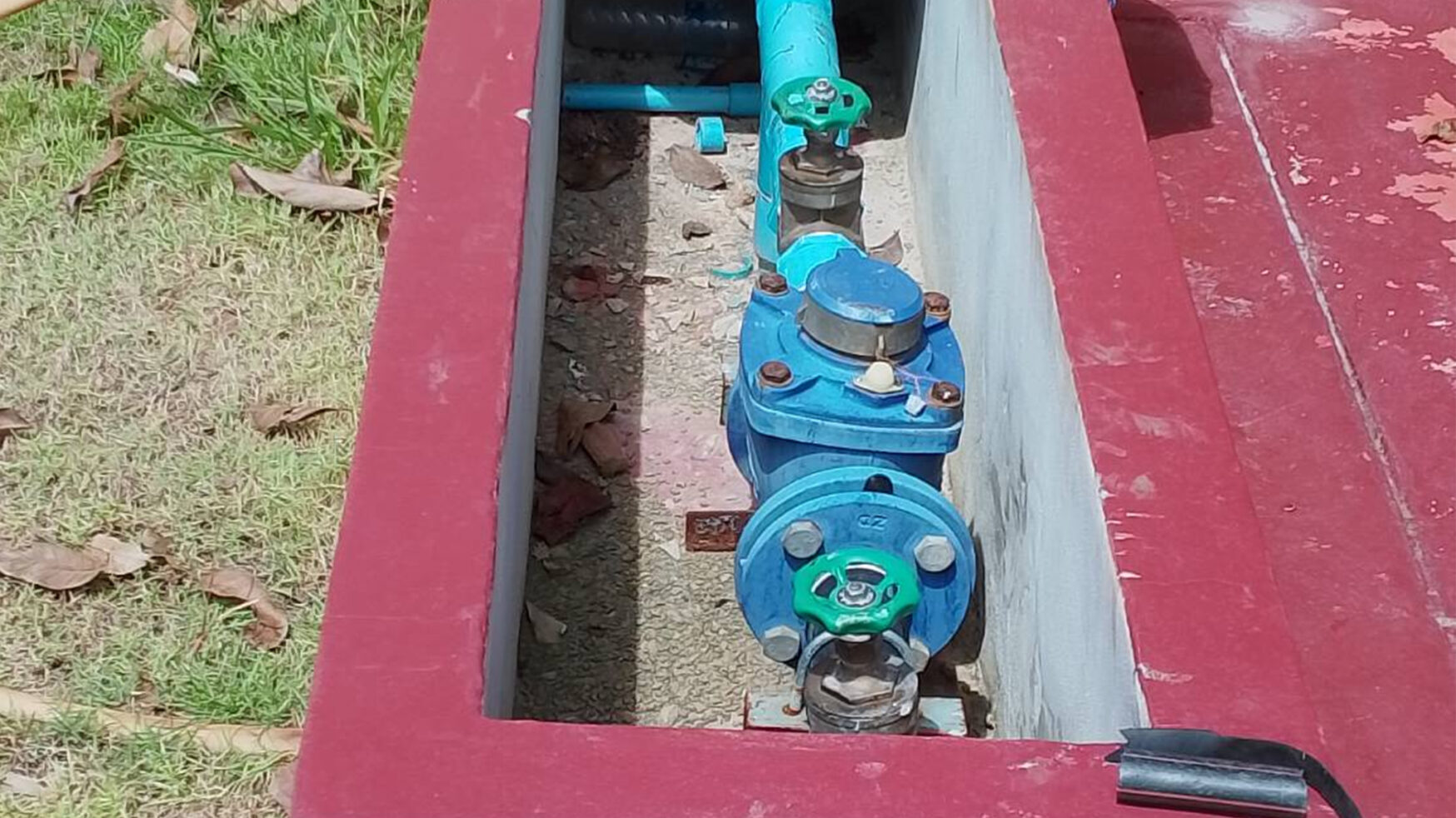
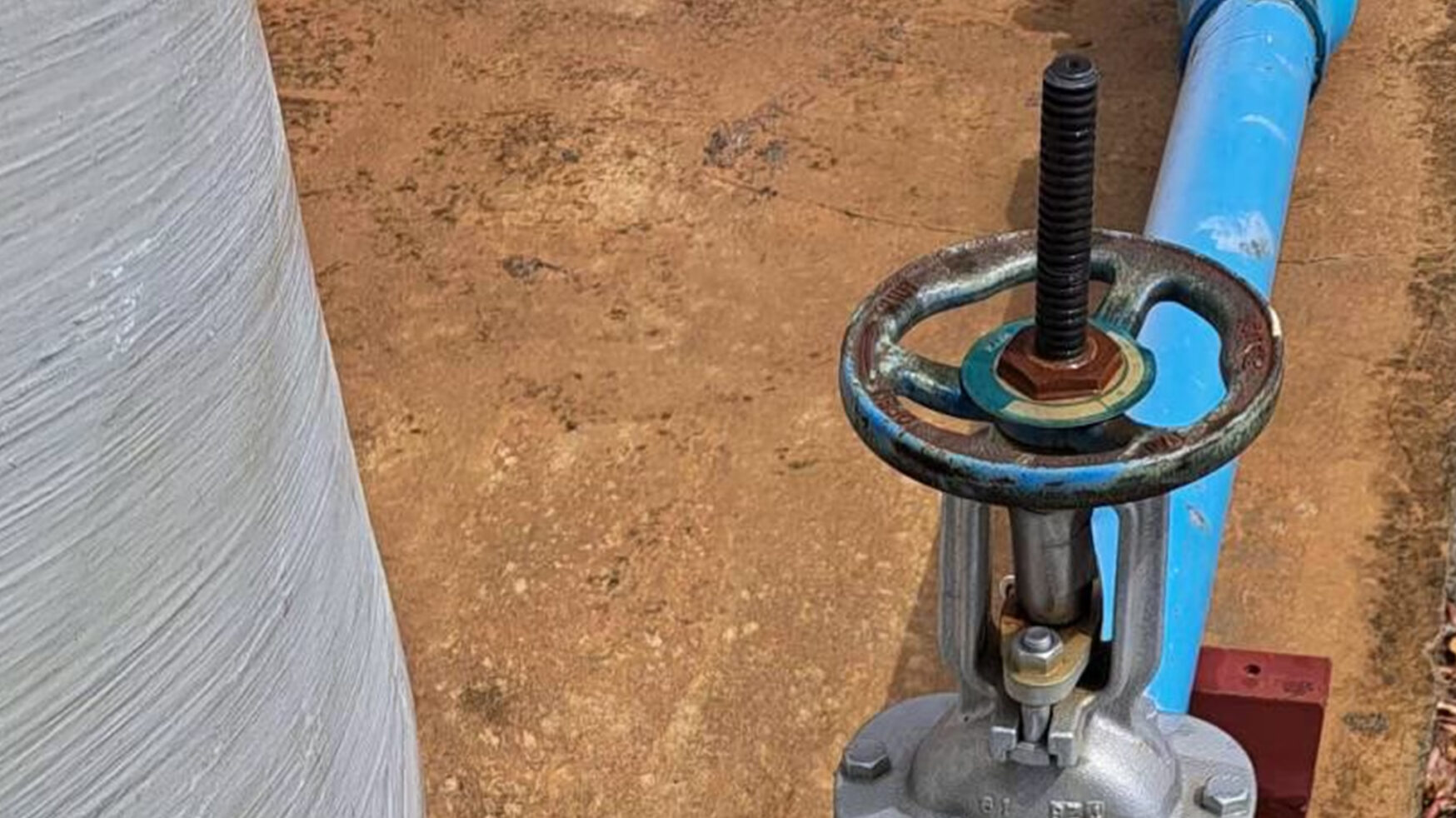
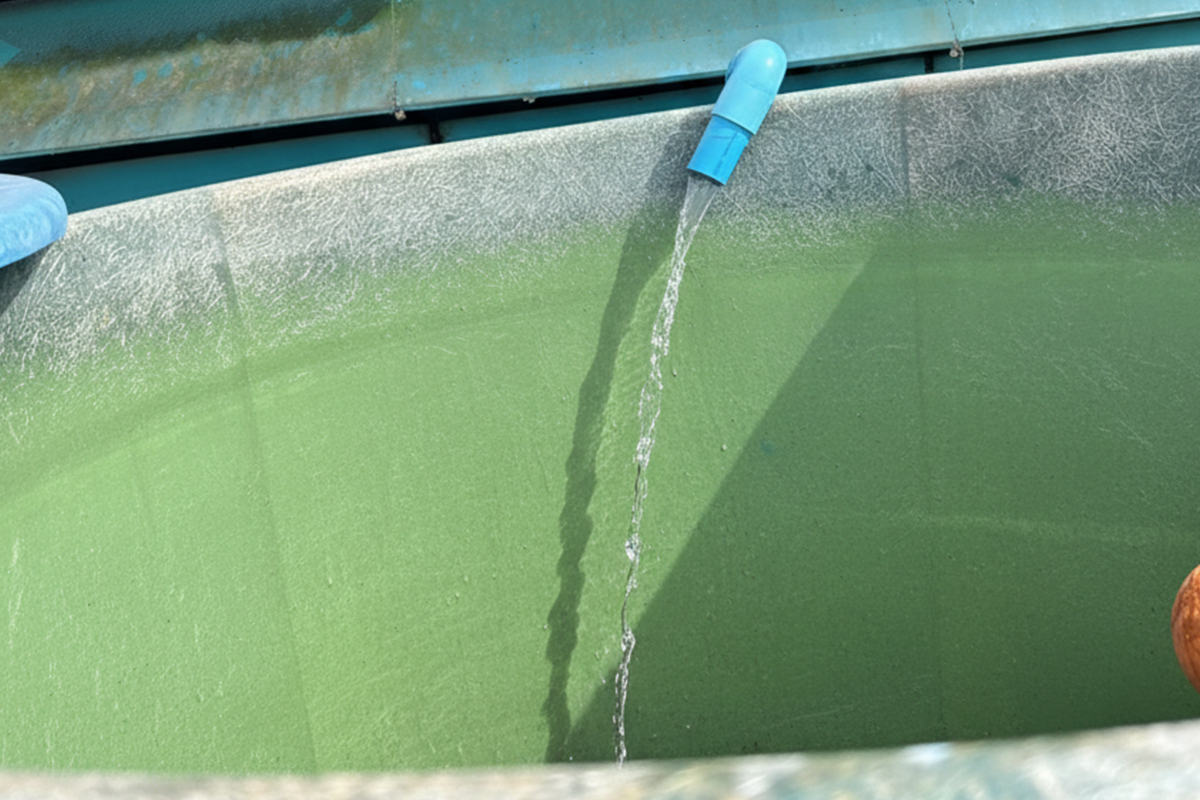
Installation of water control valves: All university buildings are equipped with valves to regulate the inflow of water into tanks, ensuring that the level is appropriate, not excessive, and preventing leakage.
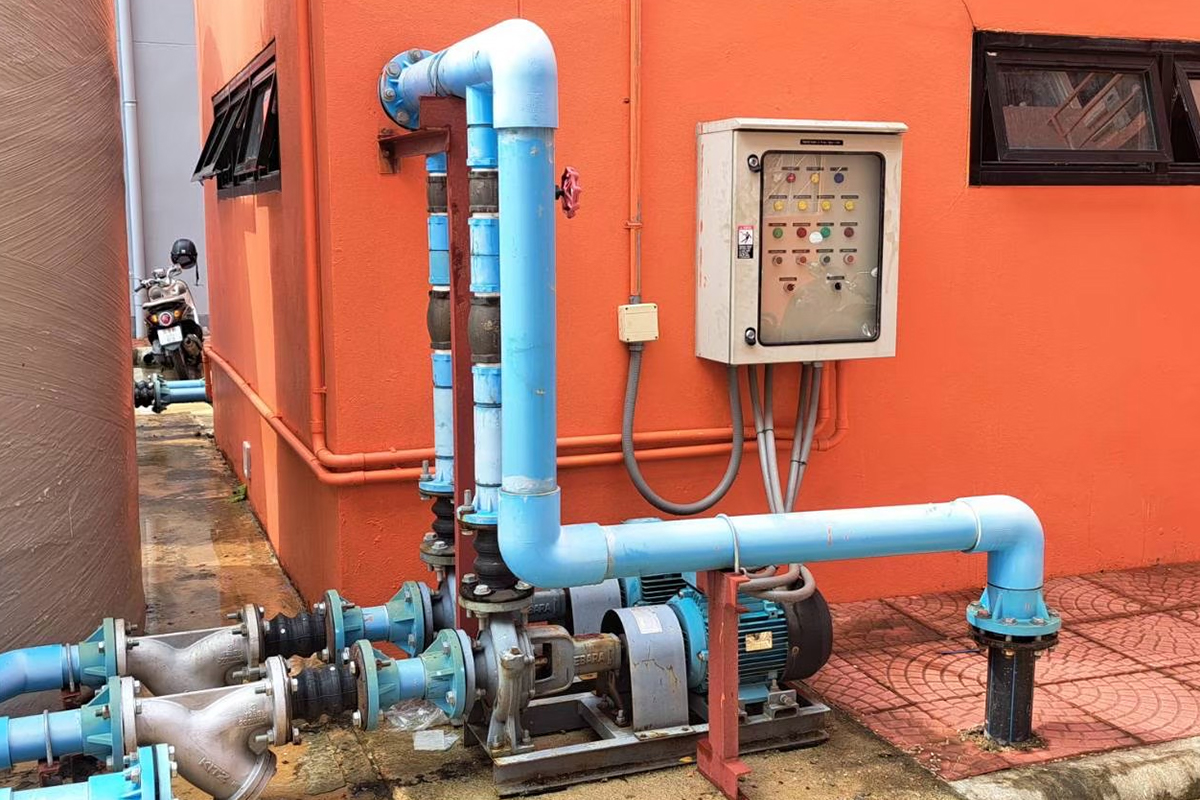
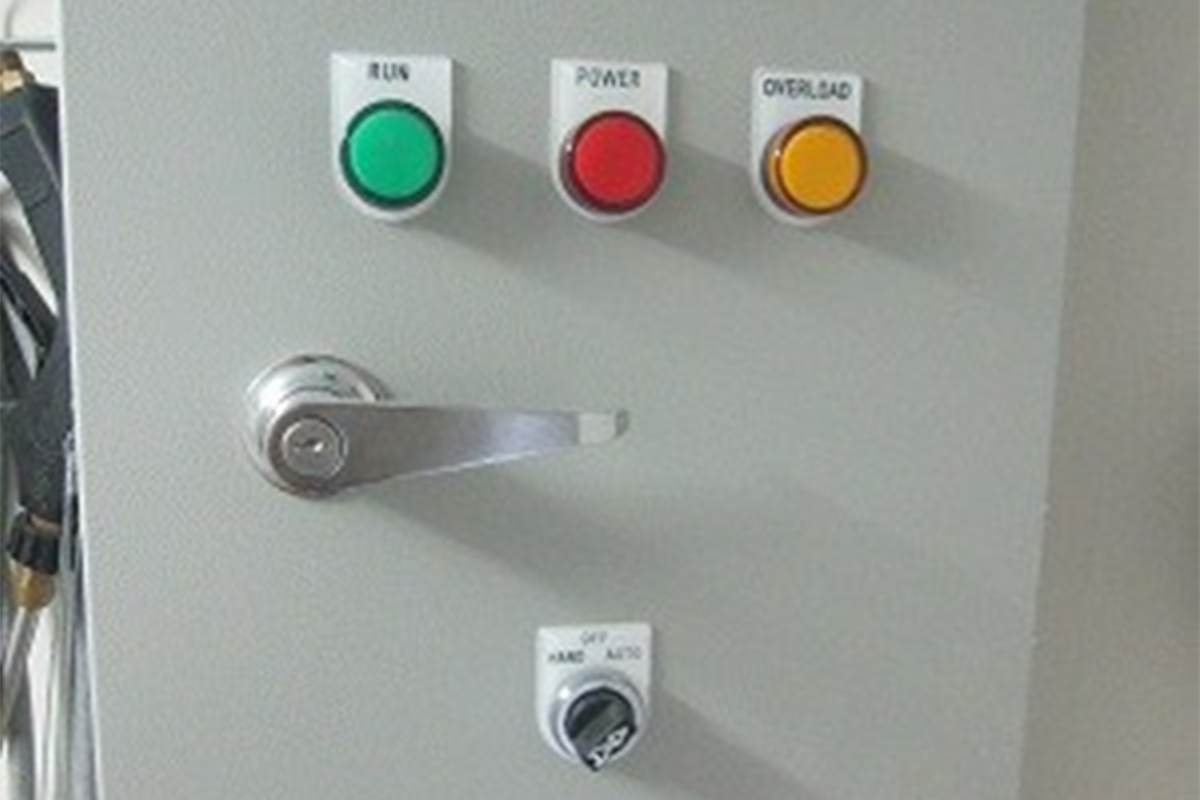
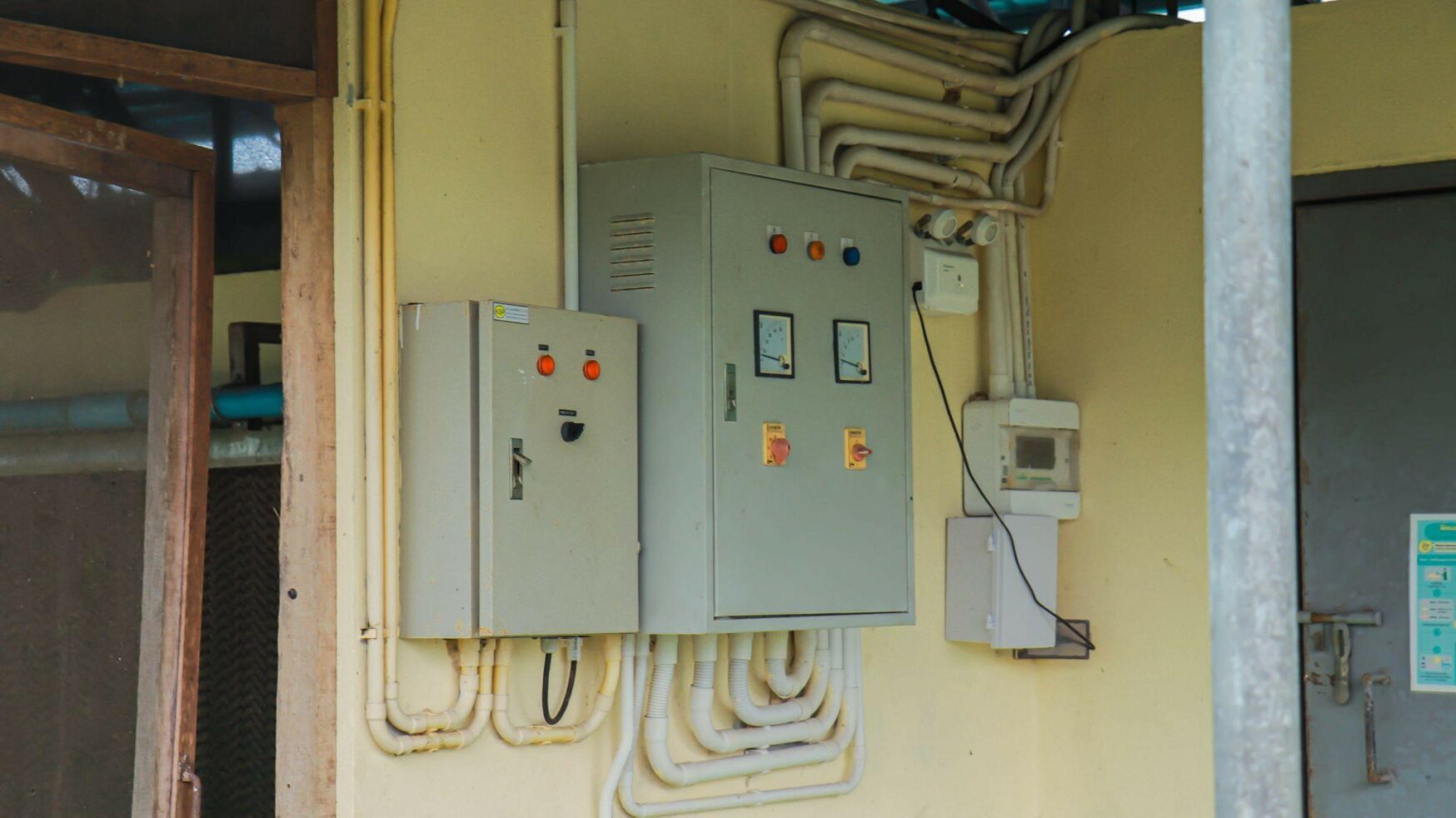
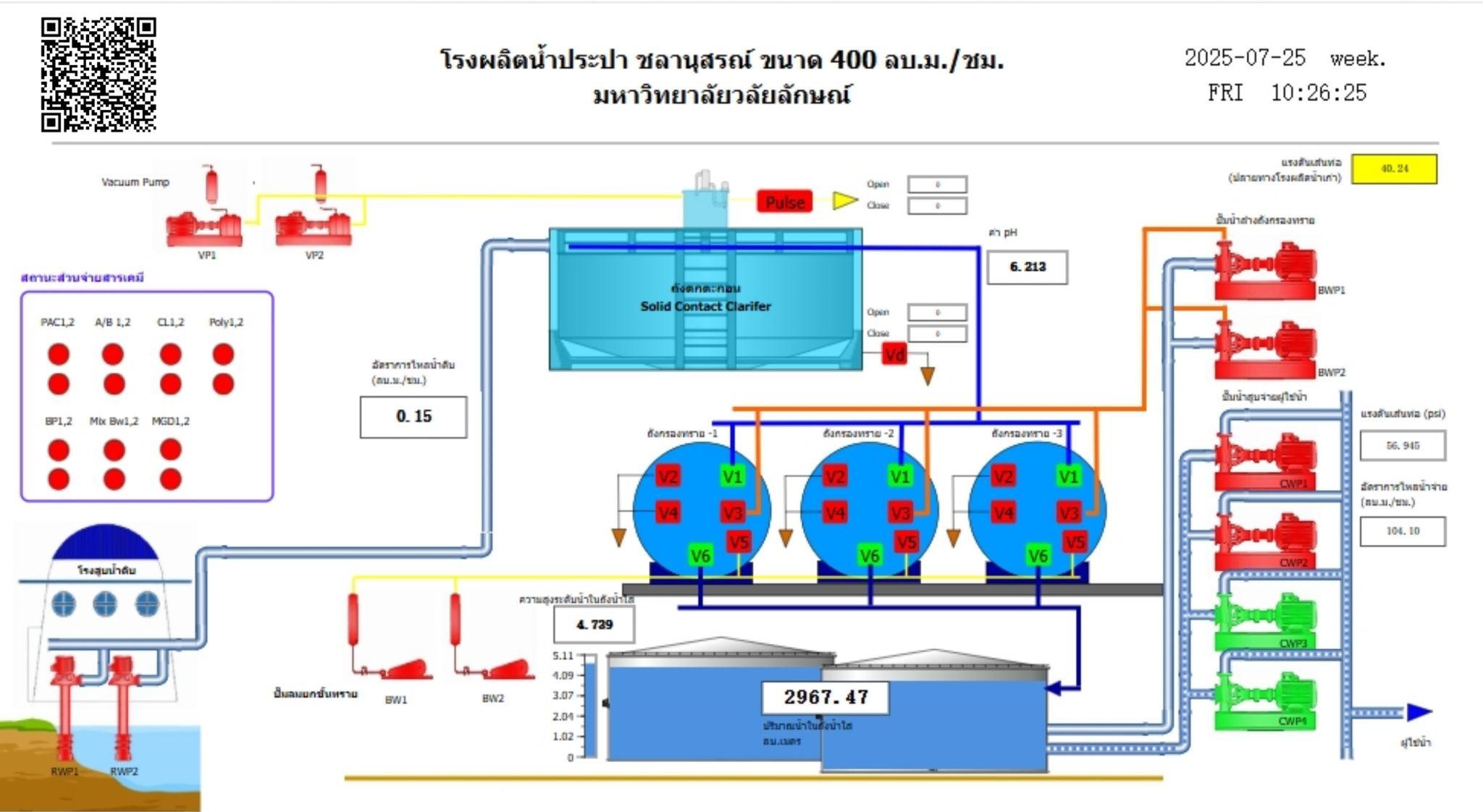
Automatic water pump control system: Pump operation is regulated according to the water level in the tank. Water is added or stopped automatically by a float-type electric valve and motor, ensuring that pumps only operate when necessary, and are activated when the water level falls below the set point.
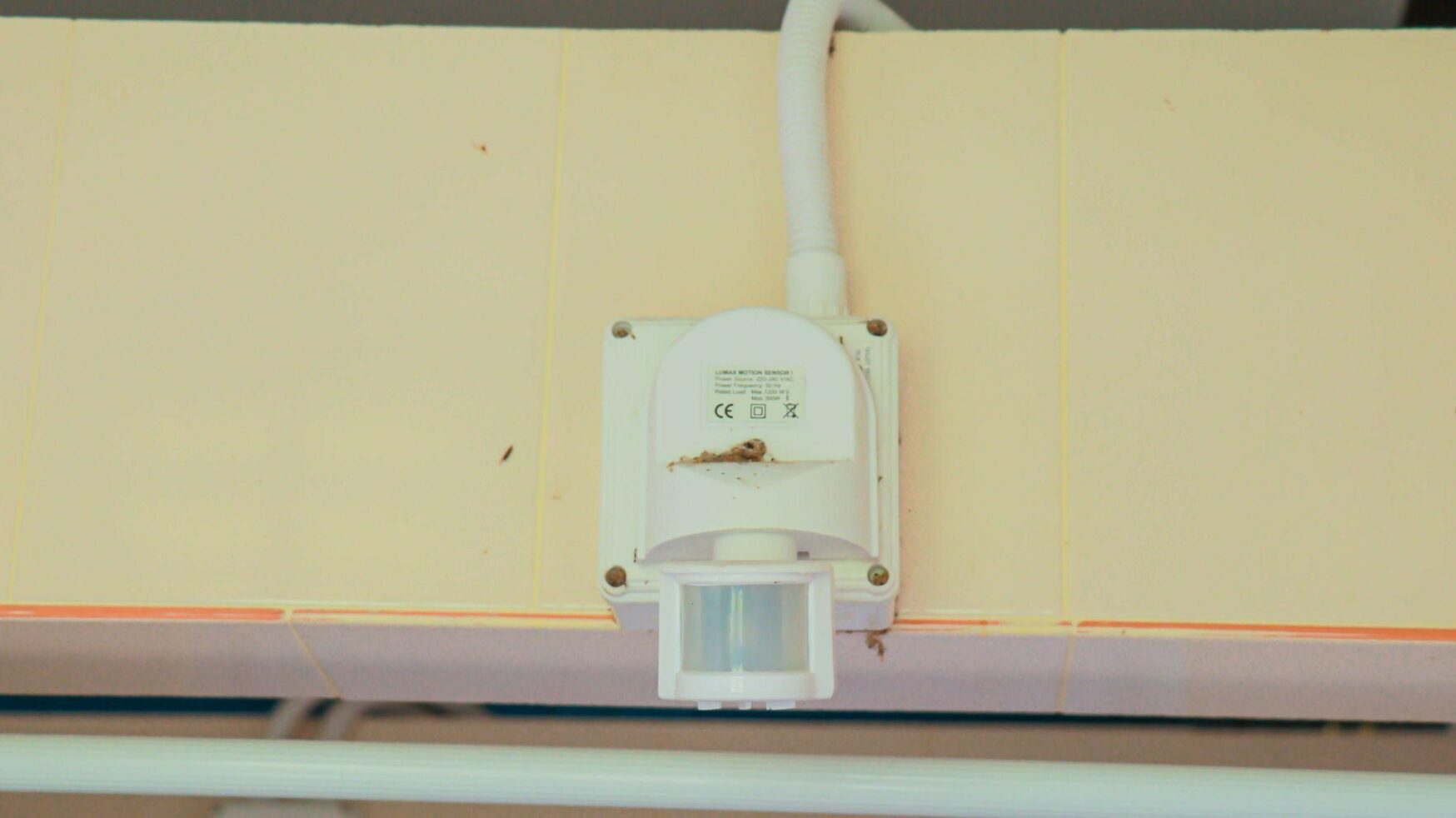
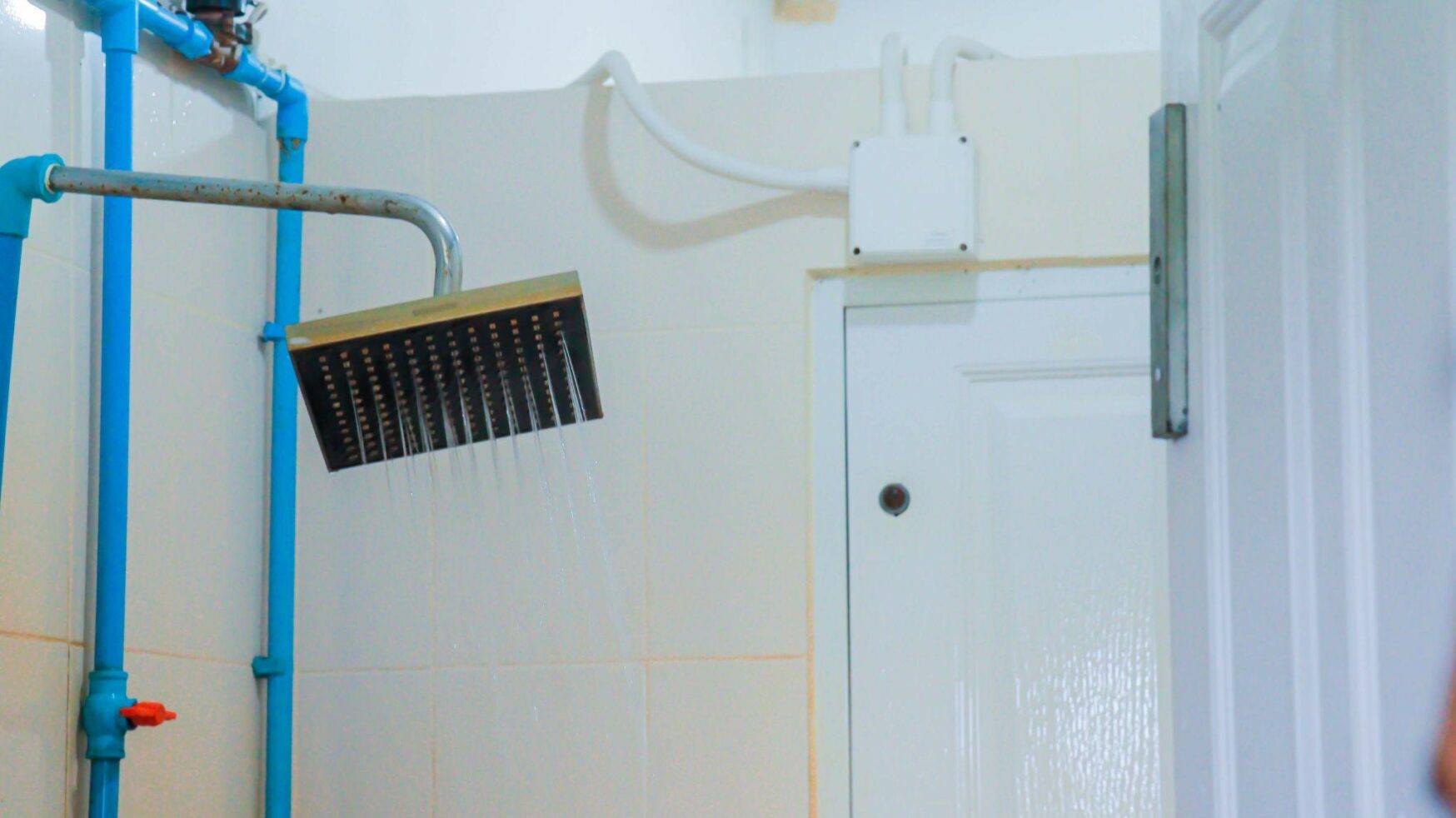
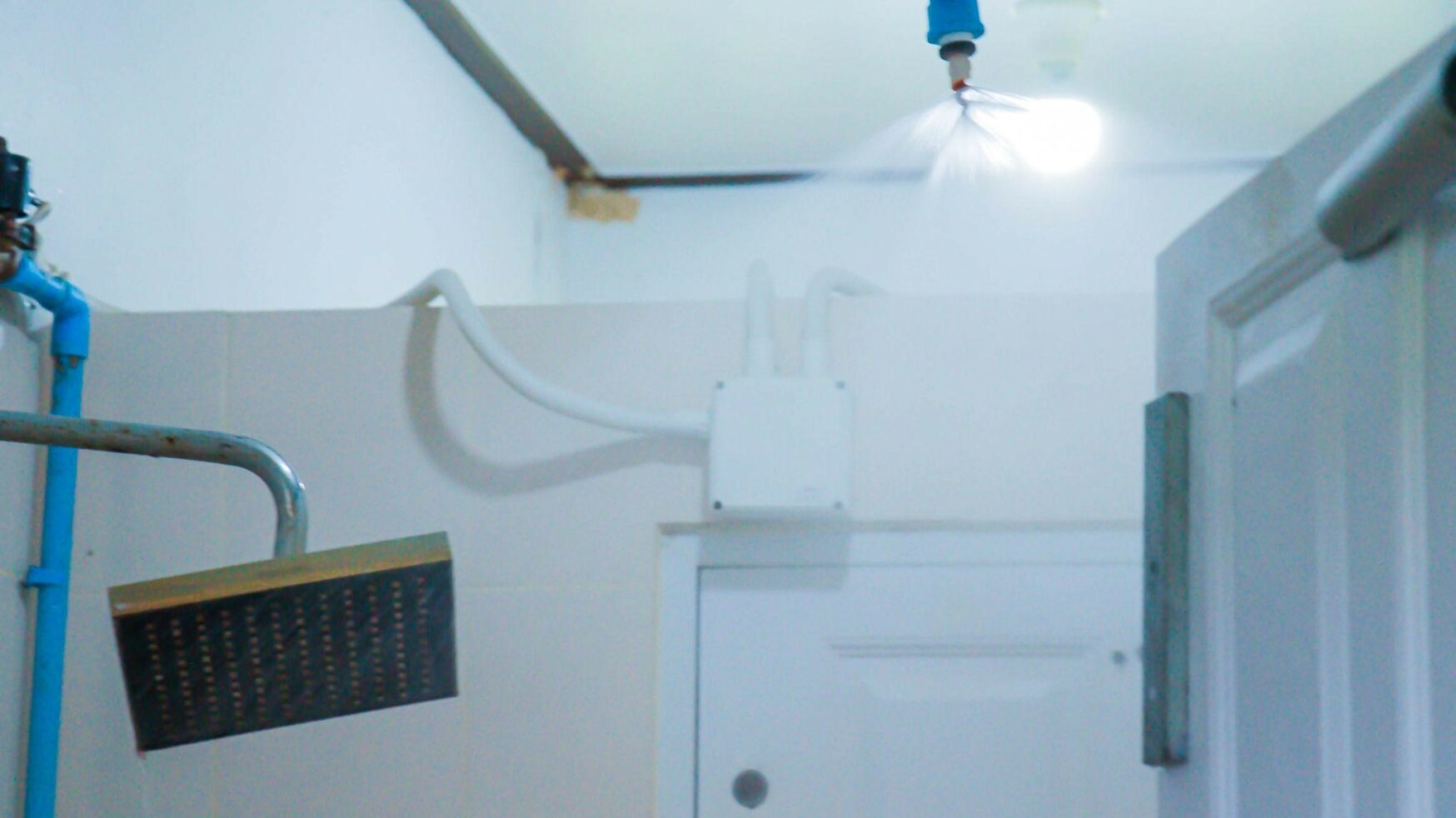
Automatic water on-off system: In showers at the livestock unit, the Smart Agriculture Center, and the Landscape Architecture Building, water flow is controlled by a sensor system. The control unit links the opening and closing of shower room doors with the automatic water supply system.
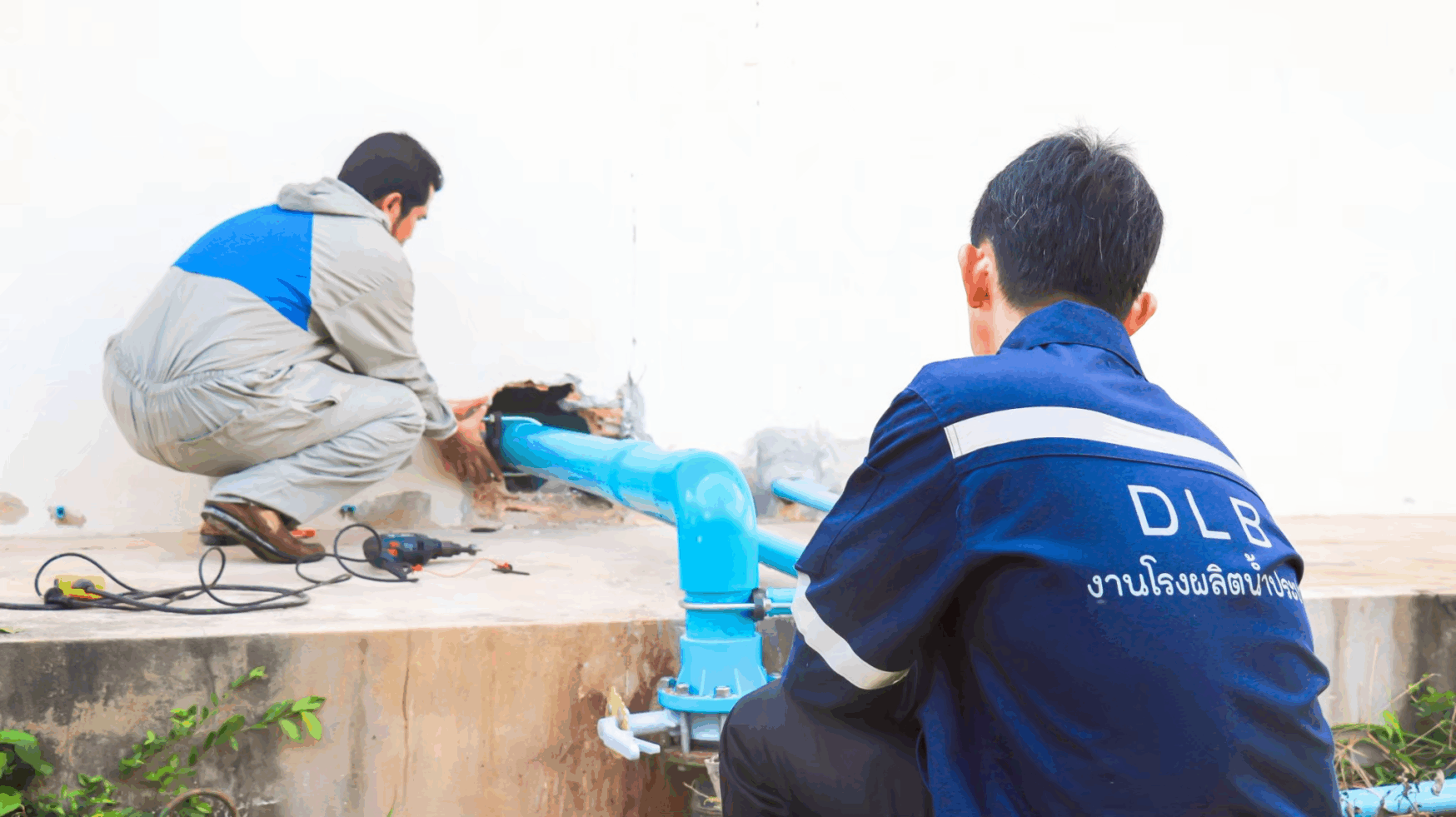
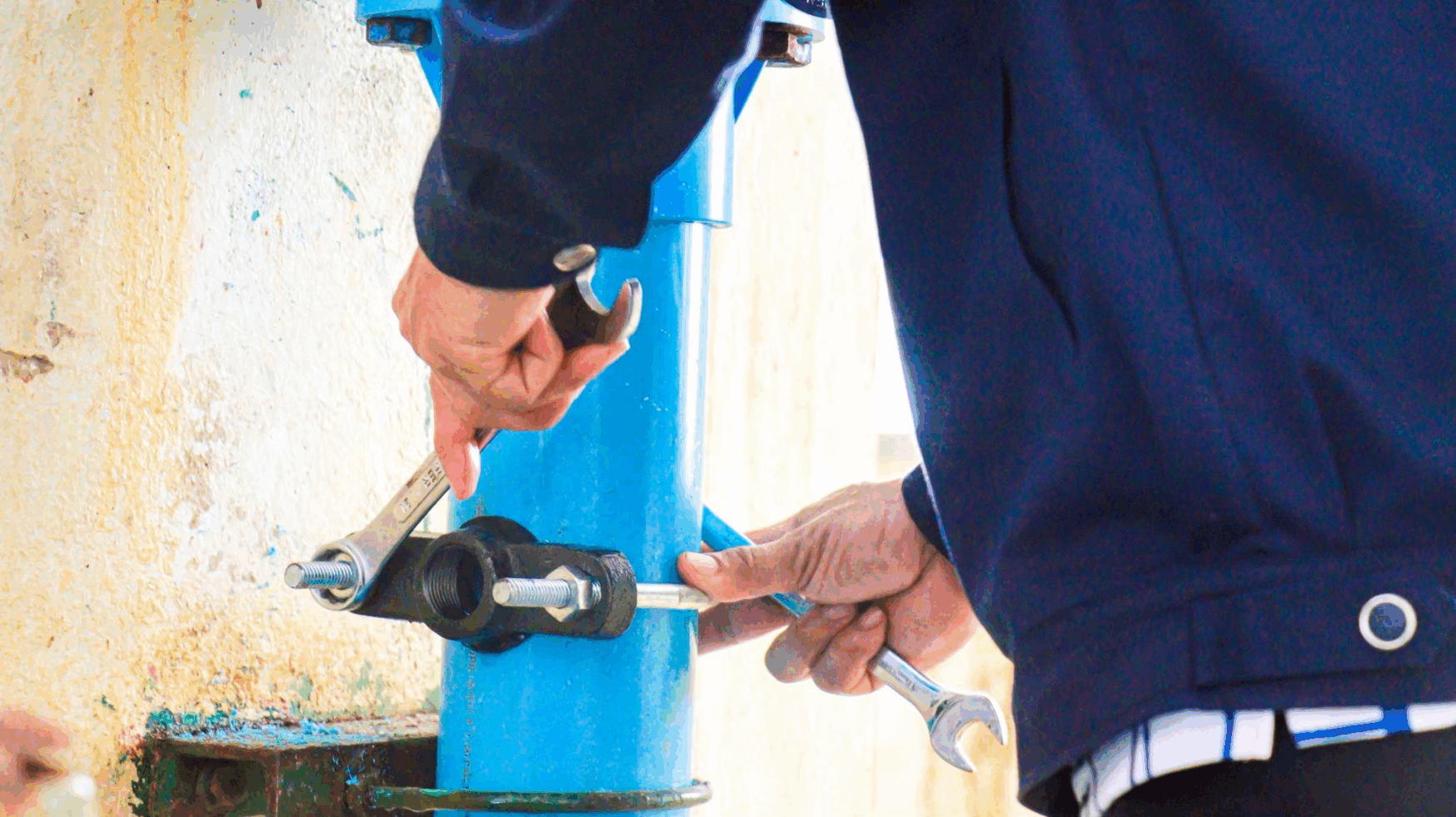
Plumbing system maintenance: Proper maintenance of plumbing systems is essential for reducing water use in buildings. Even efficient systems can lose performance if not regularly inspected and repaired. Checking pressure valves, control devices, and ensuring effective leak prevention are part of efficient water piping management to minimize water loss. This includes systematic scheduling and recording of maintenance, such as pressure checks, water meter readings, and leak inspections. In 2024, the university maintained pipelines in Walainivas 2 and Walainivas 4 buildings, resulting in a reduction of water loss components by as much as 30%. In addition, quarterly maintenance is carried out in other buildings to prevent long-term water loss.
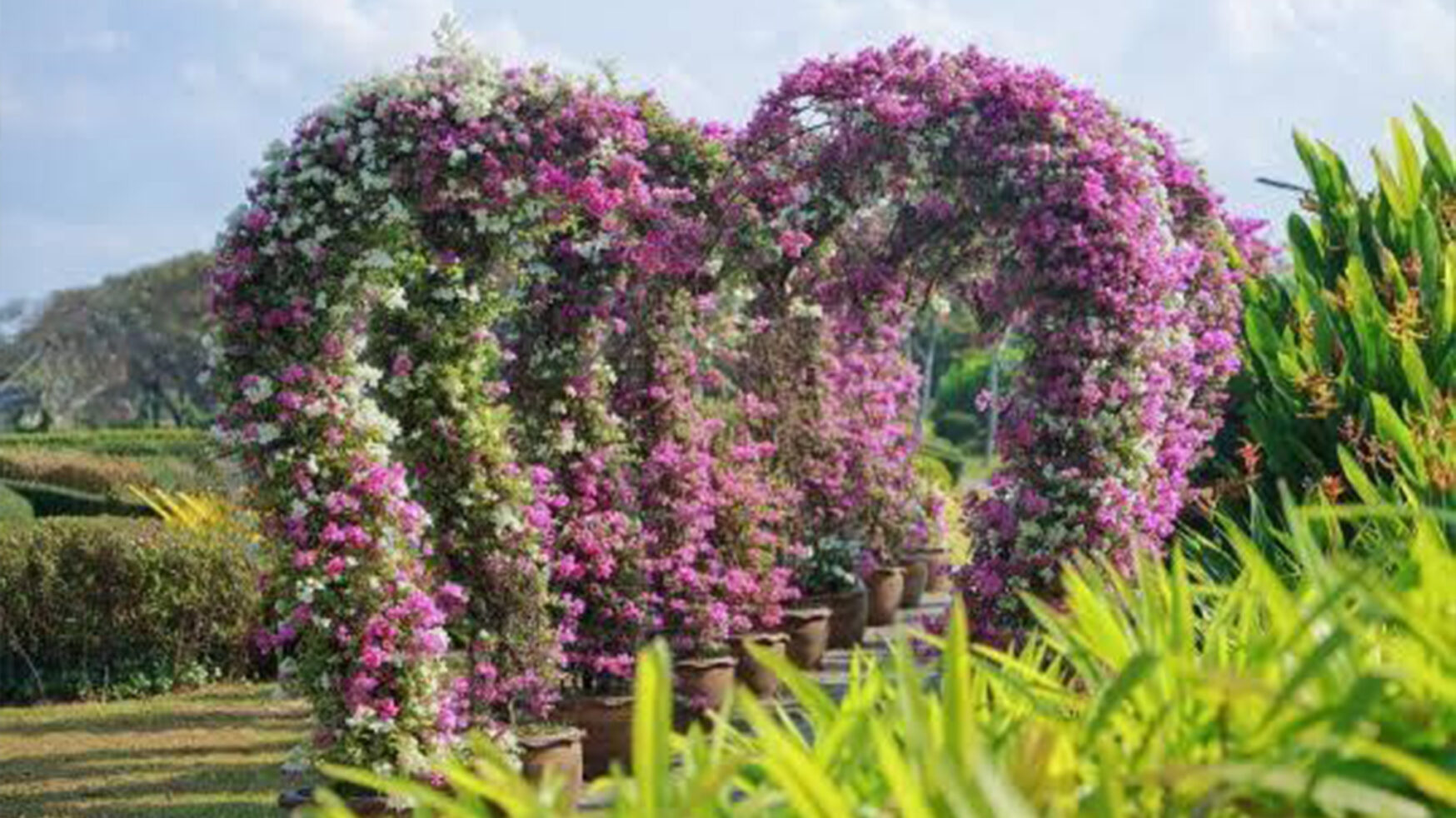
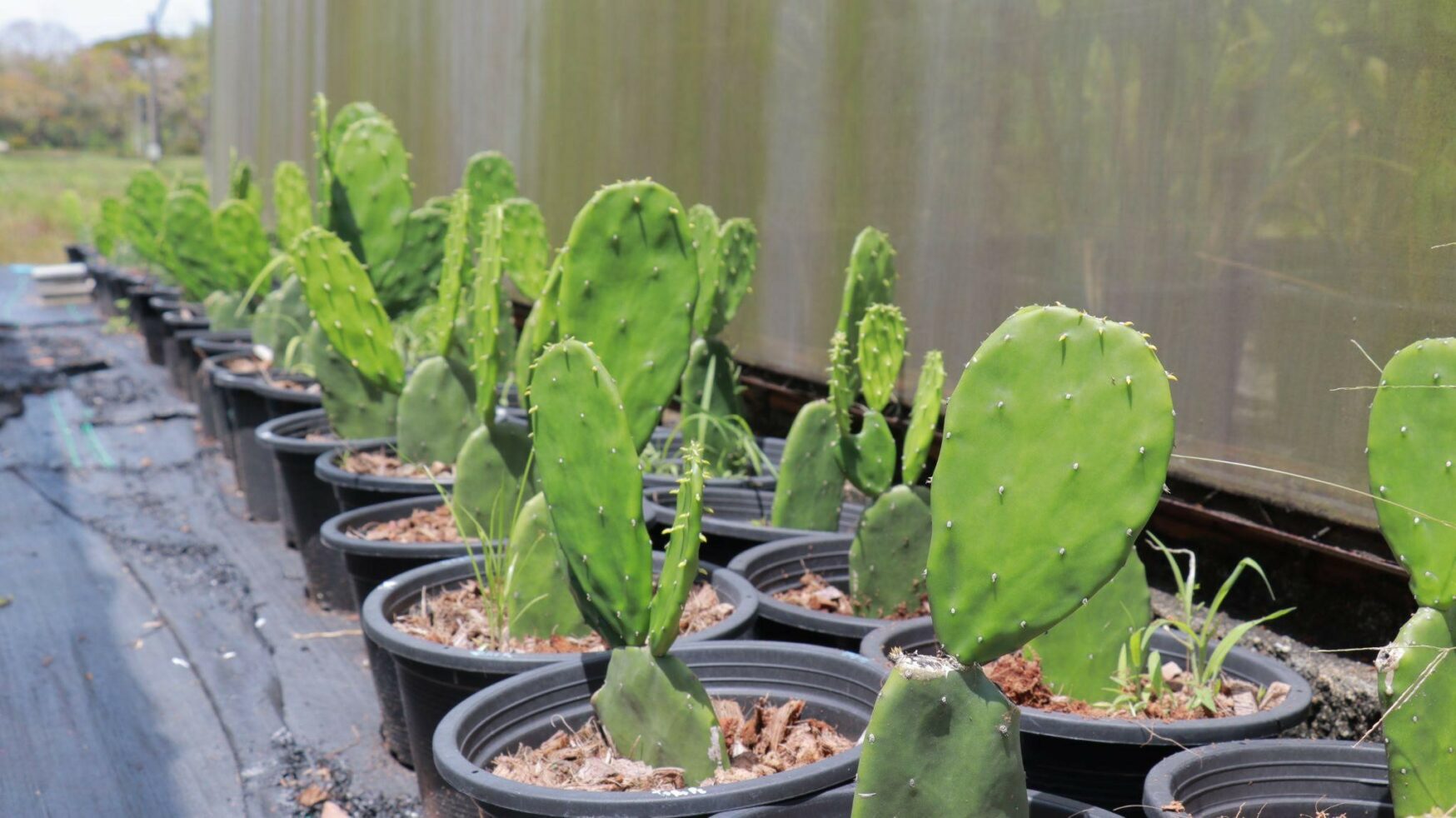
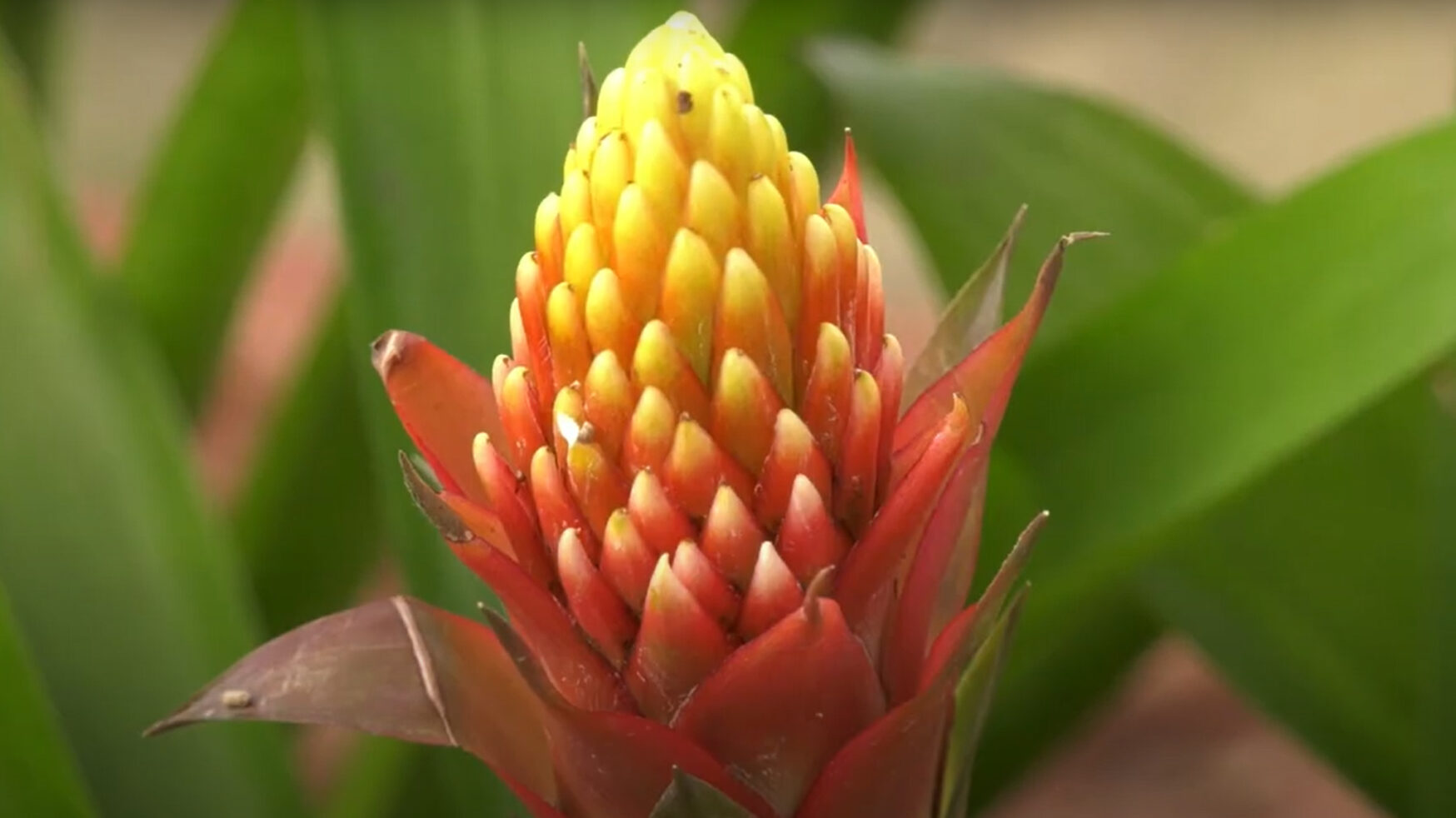
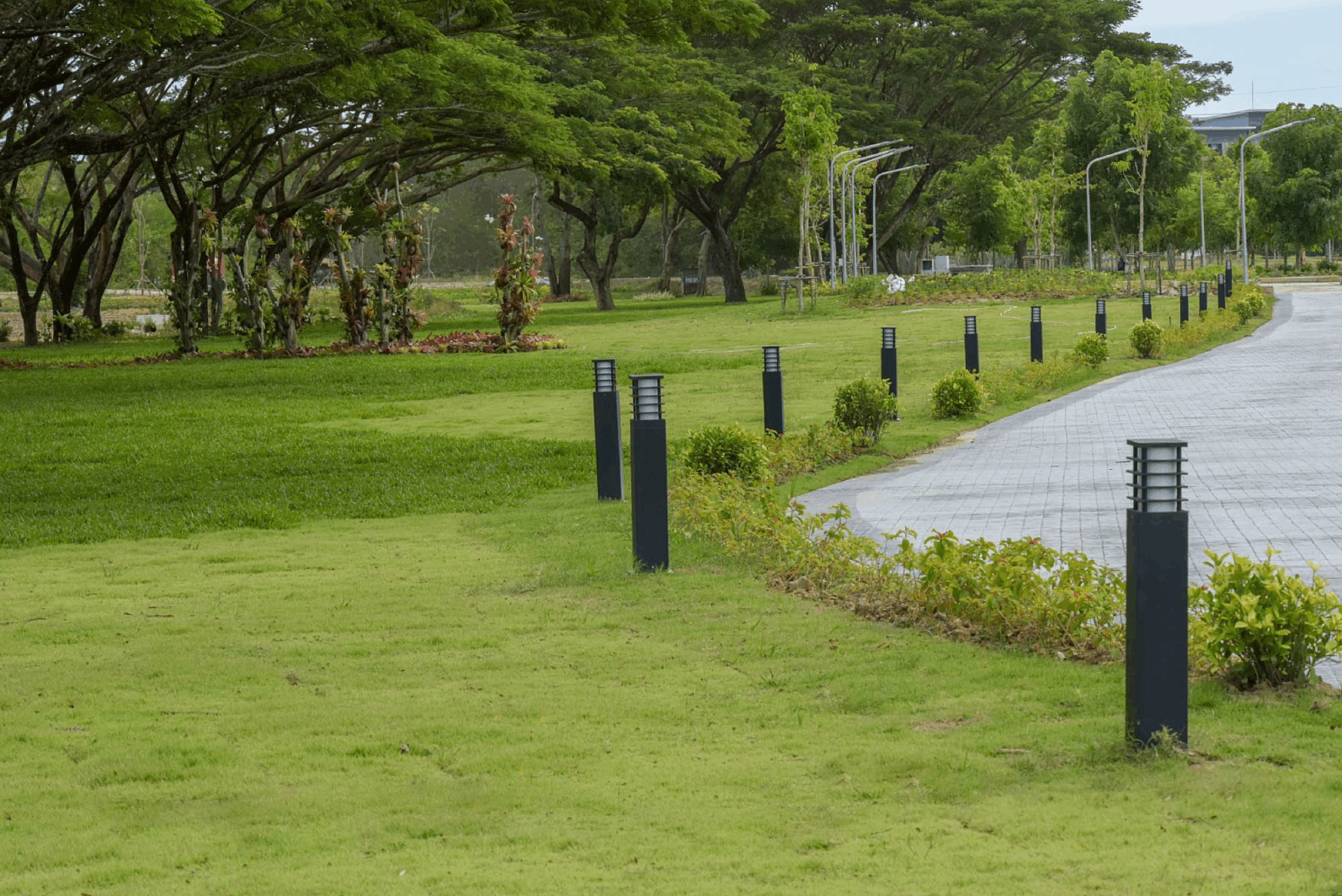
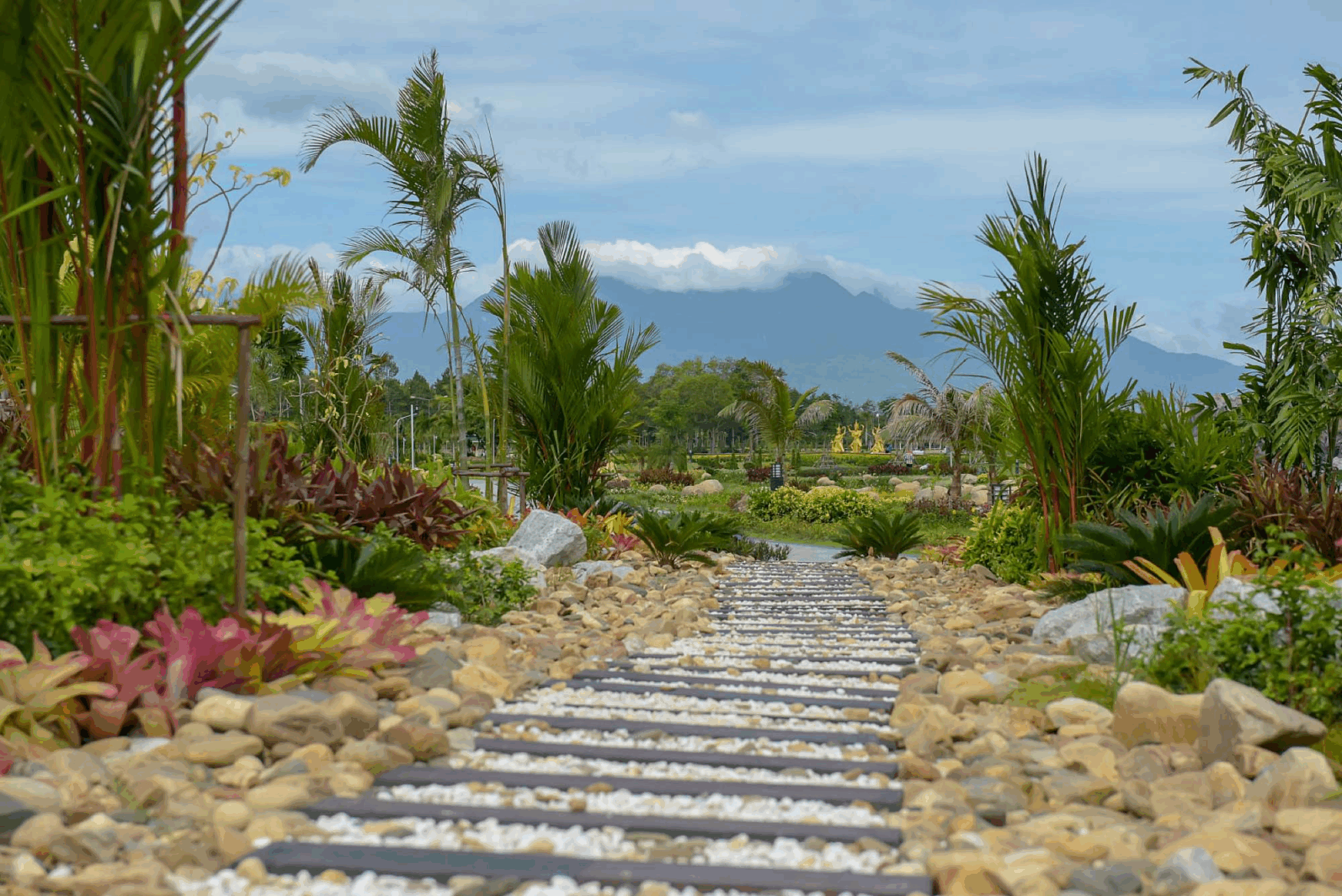
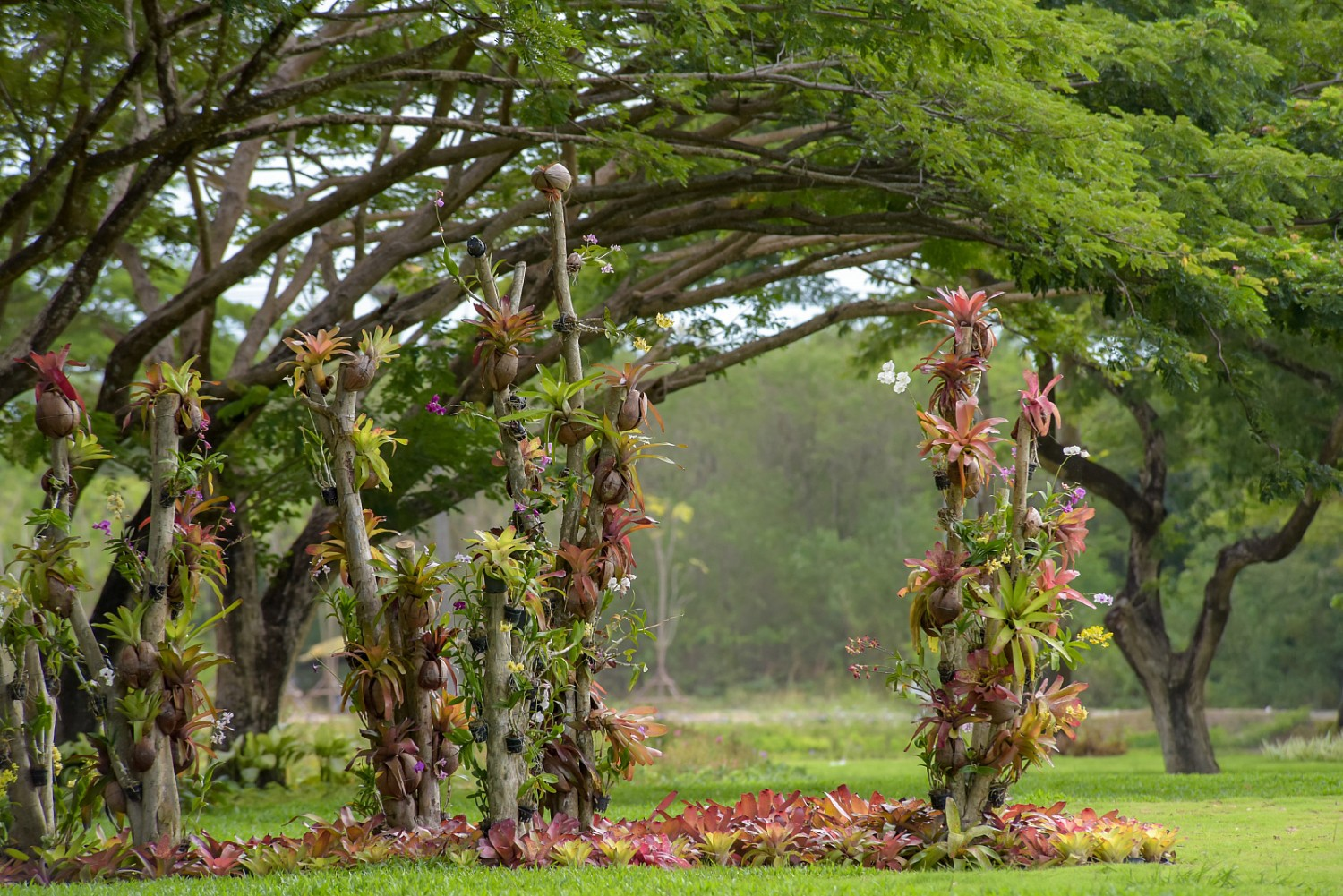
Landscape design around buildings using native plants that require minimal water is another approach to reducing water consumption without compromising building performance. This strategy significantly reduces water use in outdoor area management. At present, the university has planted local species that are well-suited to the climate and require little water.
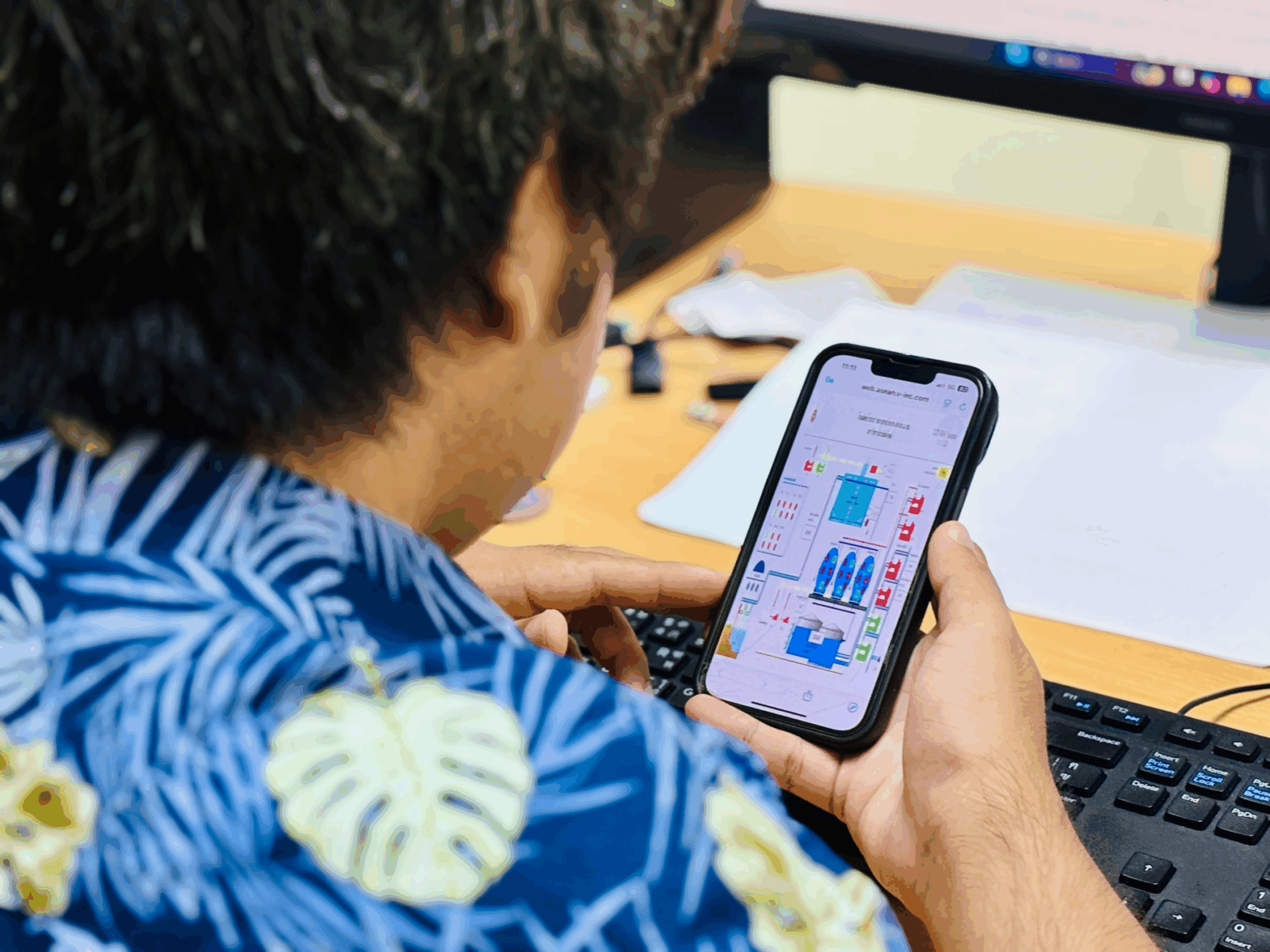
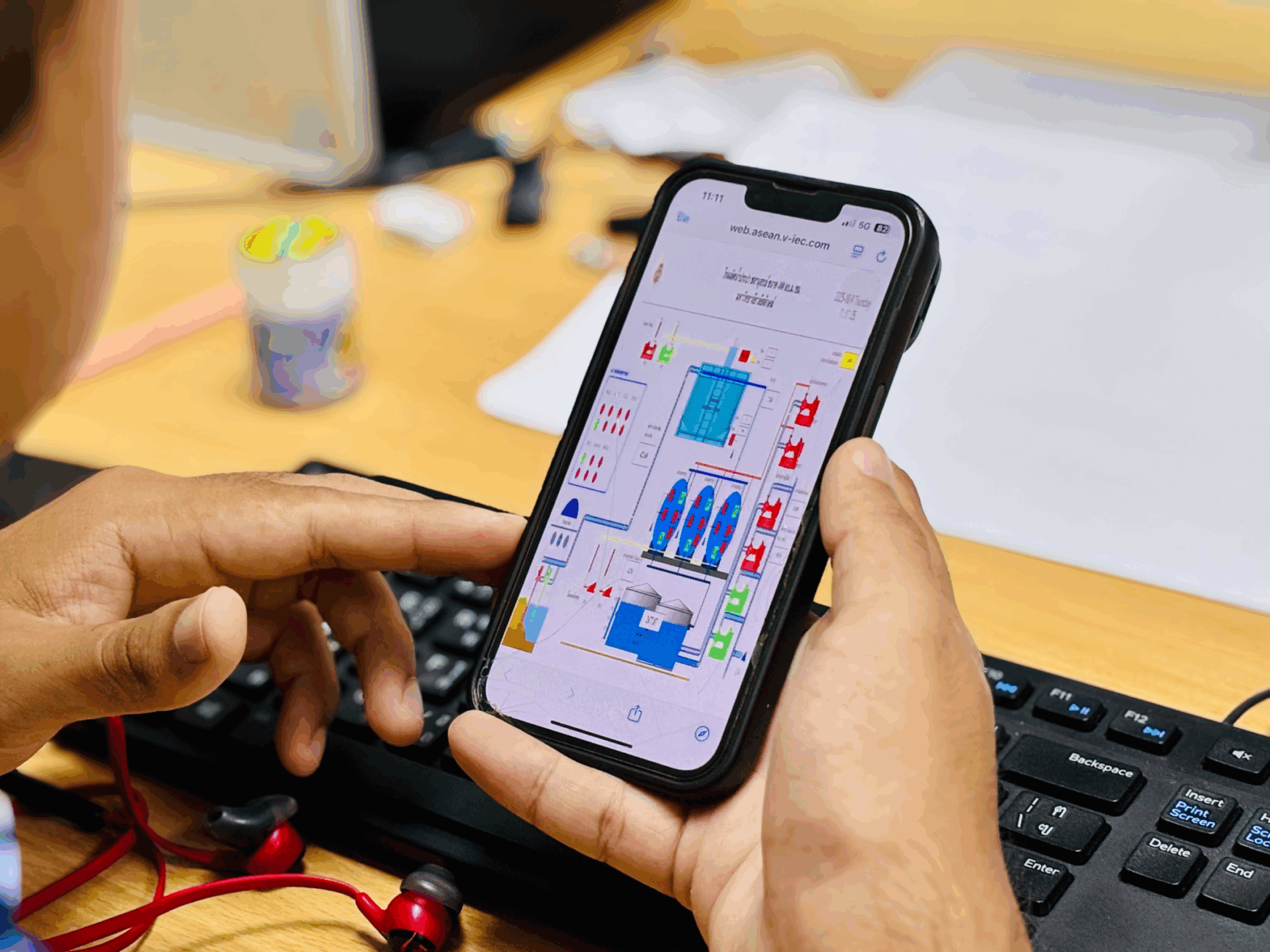
Walailak University has enhanced its water resource management through the Smart Water System, which continuously detects and alerts for water leakages as well as analyzes irregular water flow. This system helps reduce unnecessary water loss and increases the efficiency of sustainable water management. It is considered a key component of sustainable building design, addressing not only energy efficiency and environmentally friendly construction materials but also serving as an essential mechanism for effective and balanced water resource management.
By applying green building standards seriously to both new and existing buildings, the university can help reduce the burden on natural water sources, establish an urban ecosystem resilient to climate change, and effectively control and reduce overall tap water consumption—even with campus expansion and population growth. Around campus buildings, water-efficient plants such as snake plants, bromeliads, and Zoysia grass have been selected for landscaping to further support water conservation.
These approaches reflect Walailak University’s strong commitment to systematic water management, guided by green building principles and sustainable development concepts. The outcome is a secure, economical, and high-quality use of water resources, fostering an environment conducive to learning, living, and efficient operations in the long term.
Walailak University has adopted a systematic approach to sustainable water management through diagnostic, measurement, and continuous development of water-efficient building standards. These efforts include engaging staff and experts in water-saving innovation, upgrading sanitary systems, integrating smart water technologies, and promoting eco-friendly landscape design. Through this ongoing engagement, the university enhances both environmental sustainability and campus resilience, ensuring that all construction and renovation projects align with green building and sustainable development principles.