Promoting Conscious Water Usage and Efficient Water Management: Fostering Campus-Wide Water Conservation Initiatives
In today’s era, where water resources are becoming increasingly limited due to global warming, climate change, and consumption behaviors lacking environmental awareness, promoting mindful water use has become a key mechanism in building the sustainability of ecosystems, economies, and societies. This is especially crucial in the context of Thailand, which faces water shortages in many regions. Efficient and responsible water use is therefore not only the duty of the government or water resource agencies, but a collective mission of all sectors—including higher education institutions, which play a vital role in knowledge development, behavioral cultivation, and driving widespread change. Walailak University is one such institution that has clearly demonstrated this role through activities and measures promoting mindful water use both within the organization and in surrounding communities.
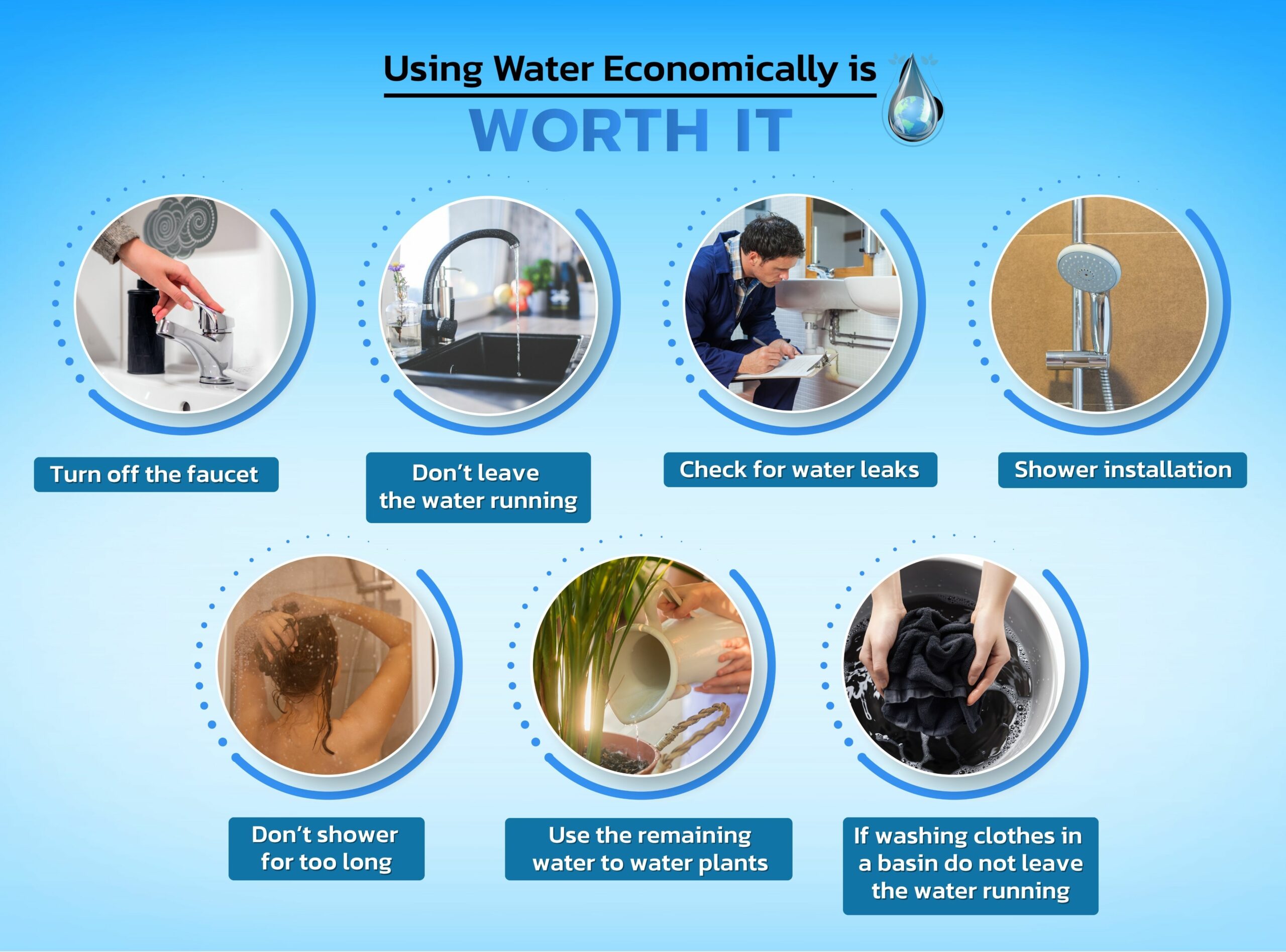
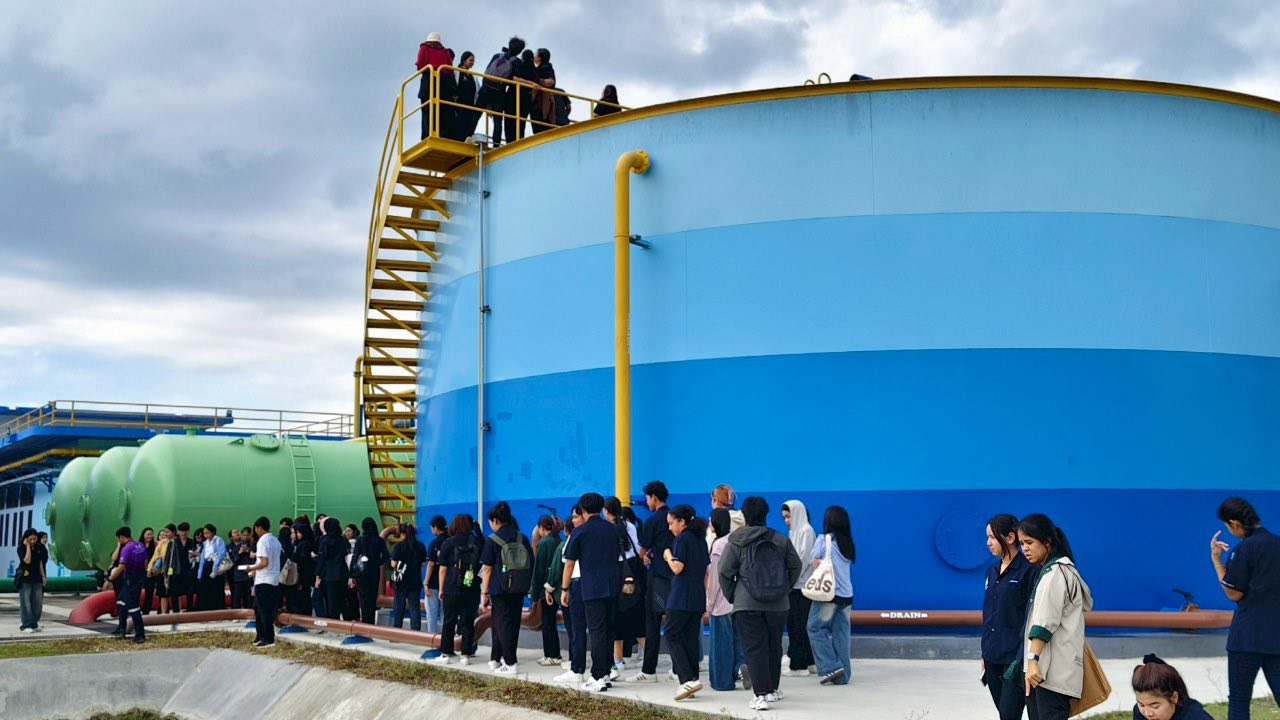
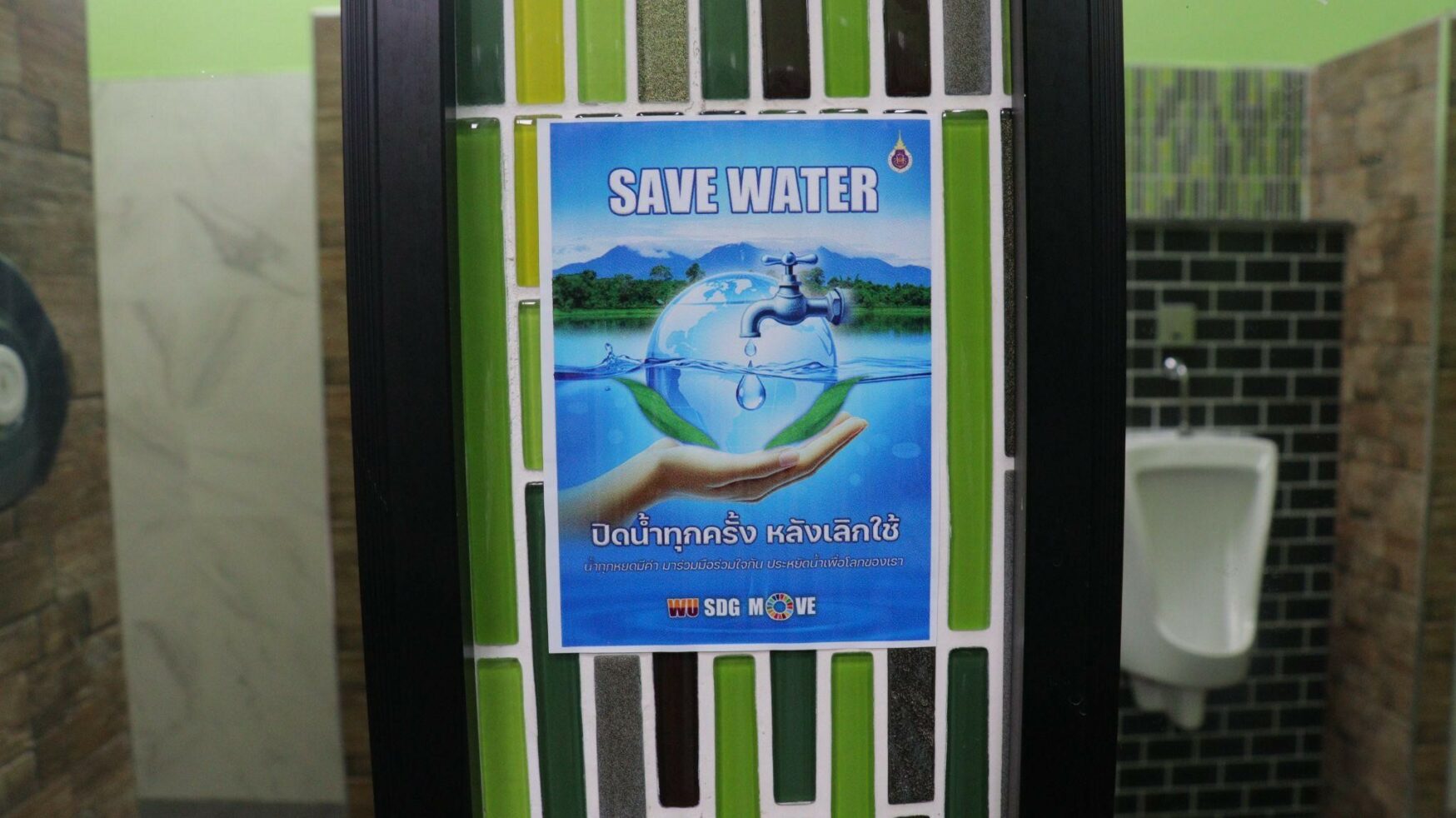
Currently, the university actively promotes conscious water usage on campus by implementing comprehensive measures to encourage water conservation, covering physical, behavioral, and communication aspects. Campaign signs are installed in key water-use areas, such as restrooms, kitchens, and activity spaces, with awareness-raising messages like “Use only the water you need,” “Turn off water after use,” and “Check for leaks.” These are supported by regular digital communications through electronic boards, the university’s website, circular letters, and social media channels. In addition, the university has established a systematic water management approach by producing its own tap water and assigning a dedicated unit to maintain water-related equipment. This ensures efficient and optimal use of water within the campus.
The concept of “mindful water use” goes beyond saving water quantitatively. It also emphasizes recognizing water’s value as an irreplaceable resource and a fundamental component of ecosystems. Promoting this awareness requires cultivating understanding through practical workshops, extracurricular activities, and university-wide campaigns, such as the “One Person, One Water Conservation Idea” initiative or the “National Water Conservation Day” activities. These programs aim to encourage young people to reflect on their daily water usage habits and recognize their role in protecting shared water resources.
Acknowledging water’s importance as a fundamental factor for life and operations within an educational institution, Walailak University has developed a systematic water management plan to enhance efficiency, reduce water loss, and promote sustainable water use. This includes investments in the university’s own tap water production system, reducing dependence on external sources while ensuring proper water quality management—particularly relevant in the context of climate change and potential droughts. In 2024, the university significantly strengthened its water conservation initiatives by introducing projects and activities under the concept of “Water Mindfulness”, aimed at instilling awareness of water’s value and importance at both individual and organizational levels. These activities span communication, education, and engagement of students and staff across all levels.
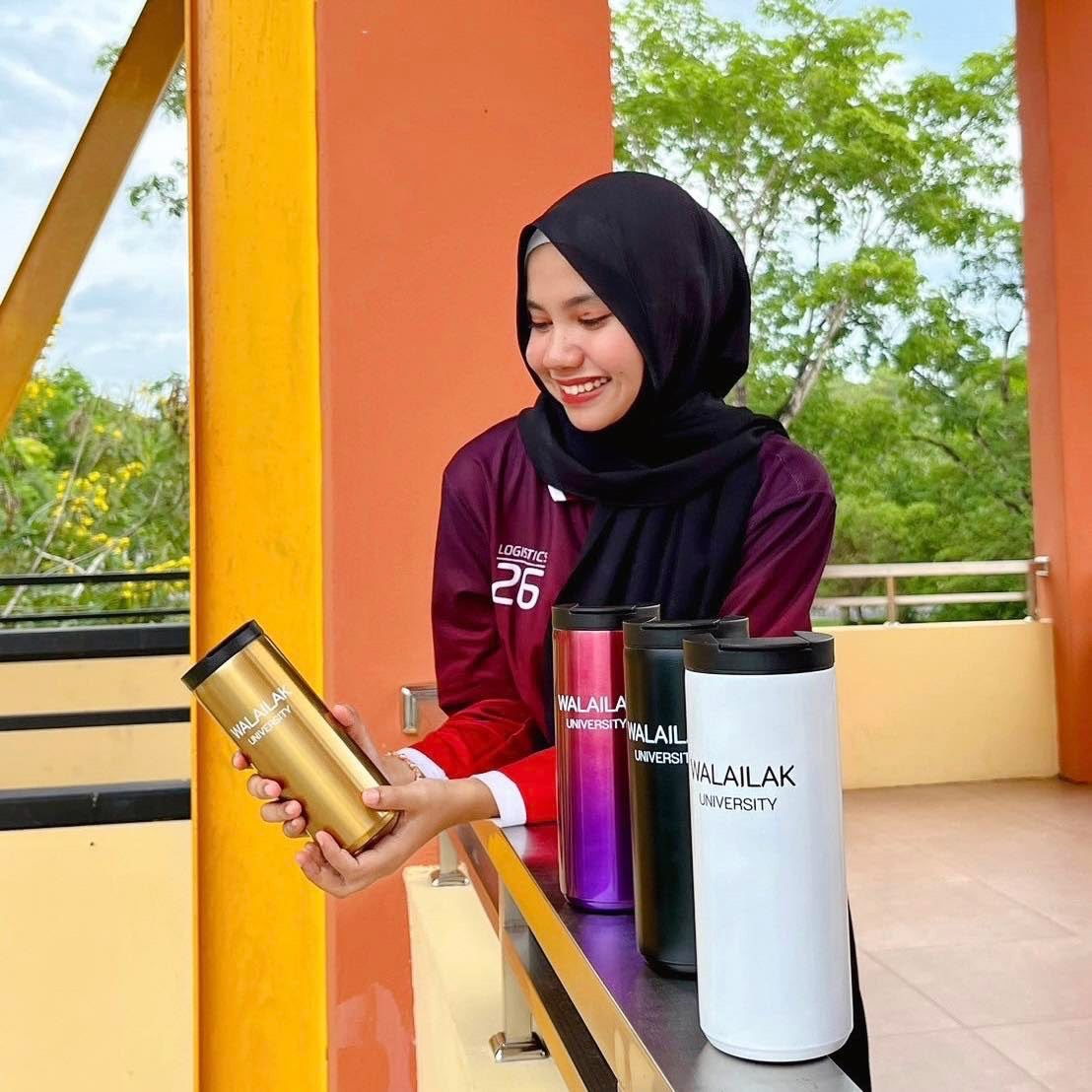
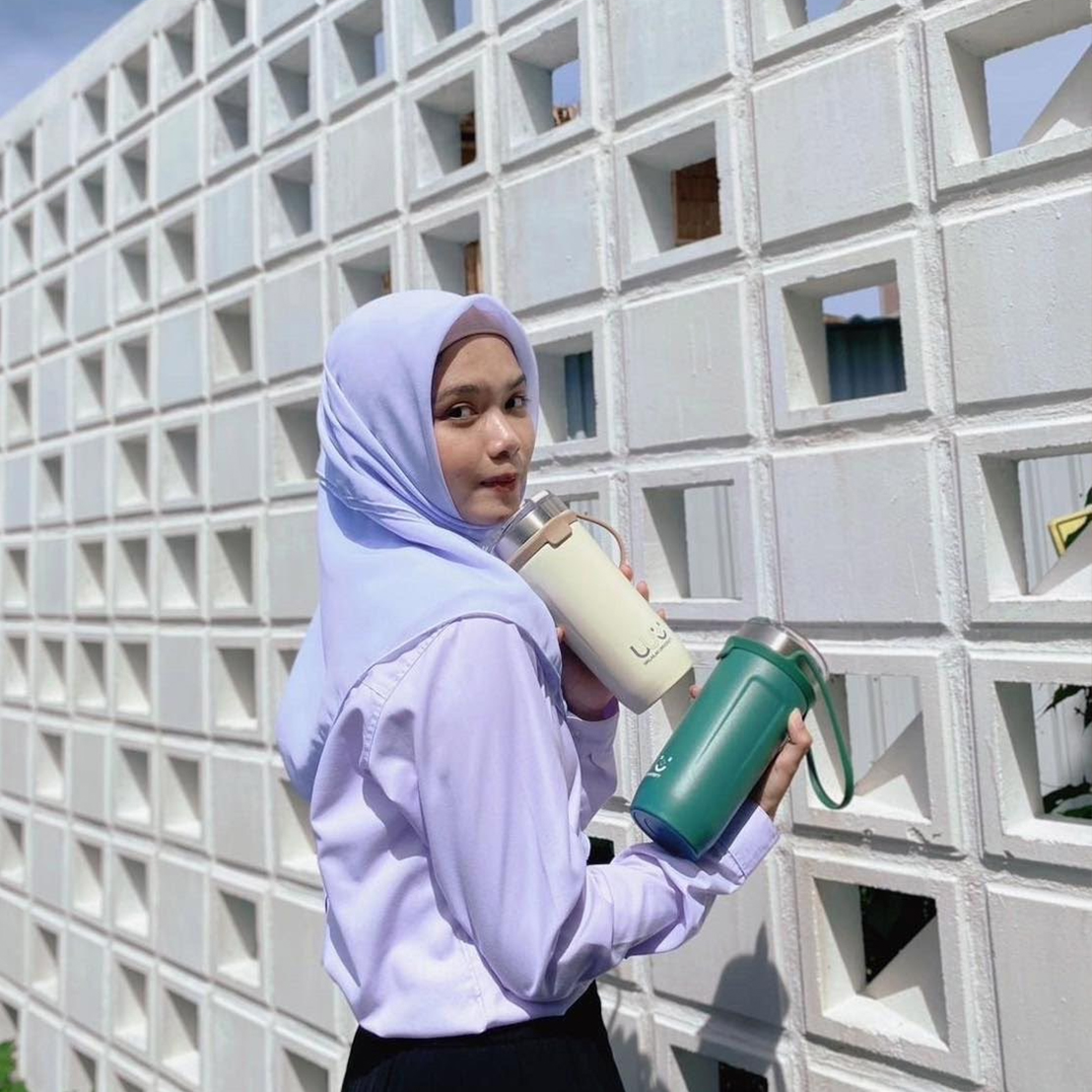
Every unit within the university—from academic departments and support services to administration—collaborates to promote water mindfulness through initiatives such as exhibitions on the water cycle and water sources, water-saving innovation competitions, the “One Person, One Bottle – Reduce Bottled Drinking Water Usage” campaign, and ongoing awareness campaigns via digital and social media platforms.
Another important strategy is the installation of reminder signs in public water-use areas—such as restrooms, sinks, and cafeterias—equipped with QR codes linking to in-depth information on campus water conditions.
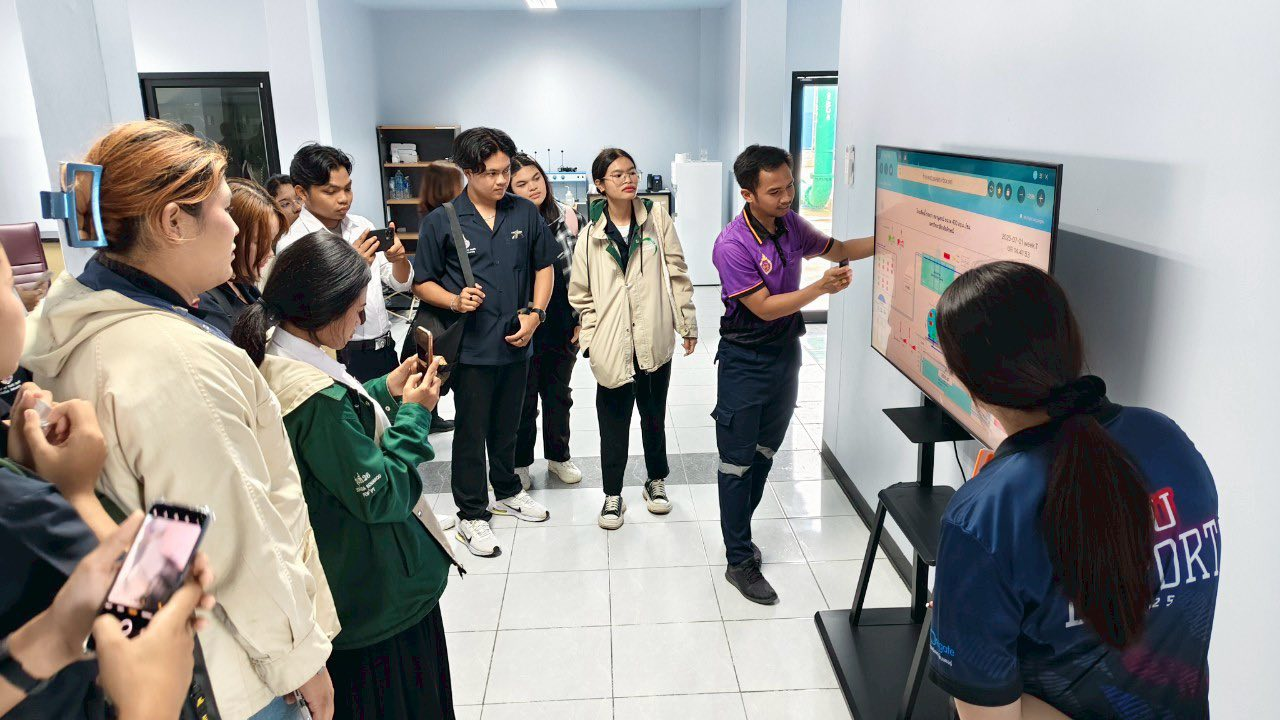
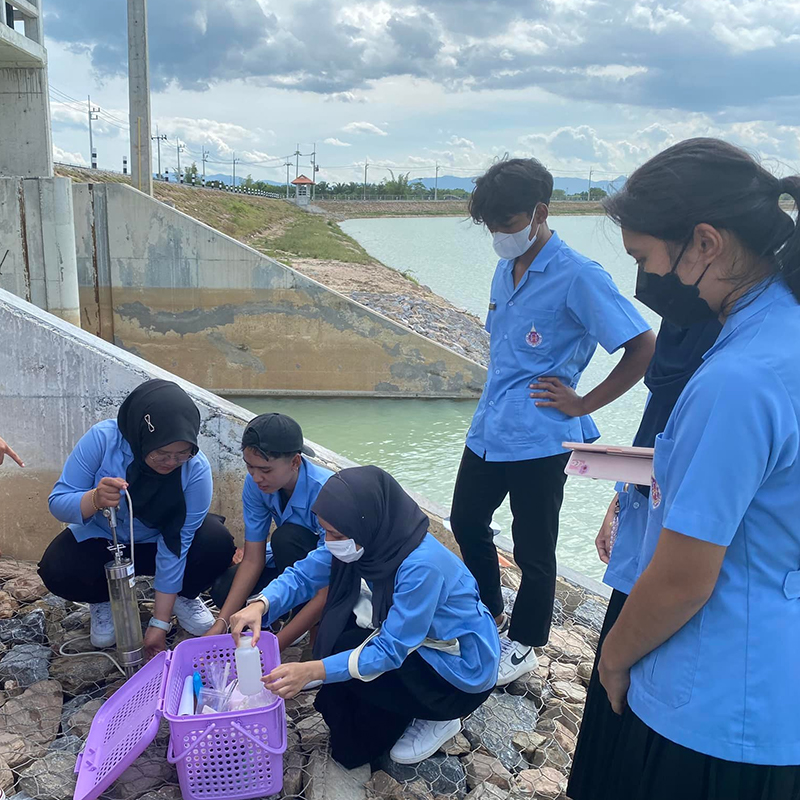
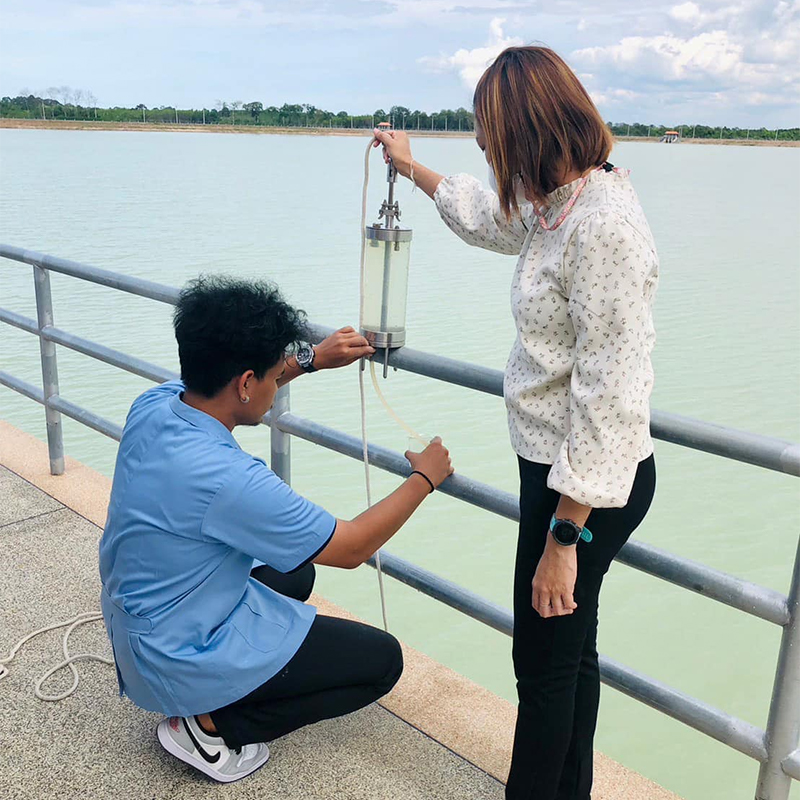
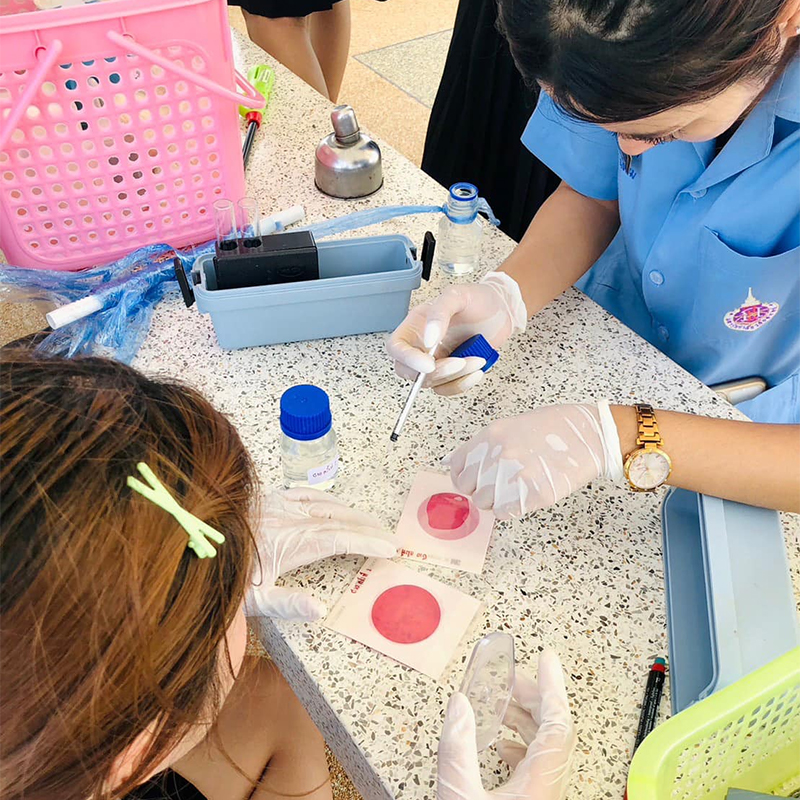
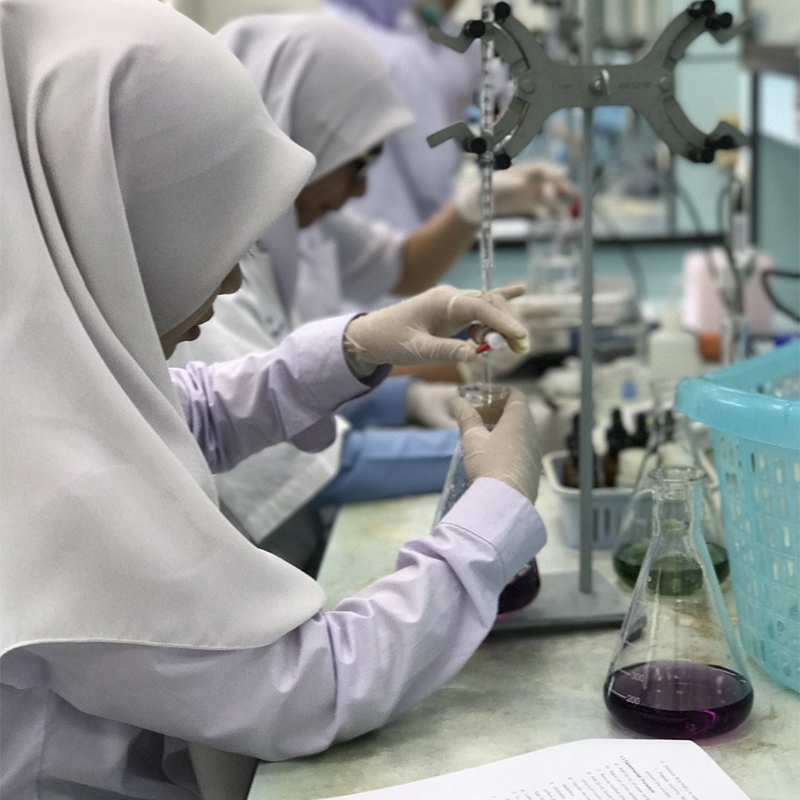
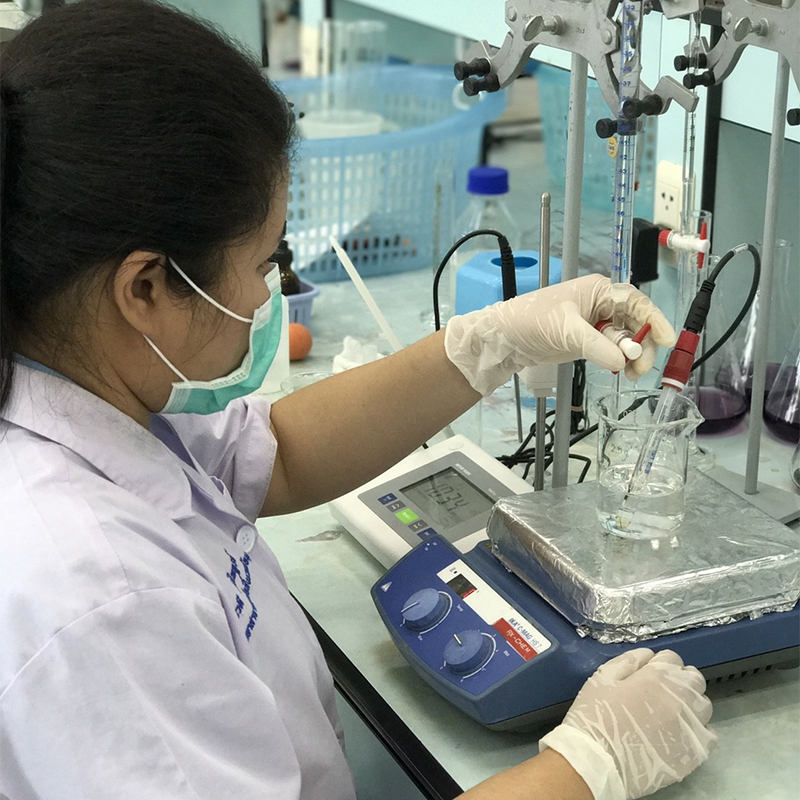
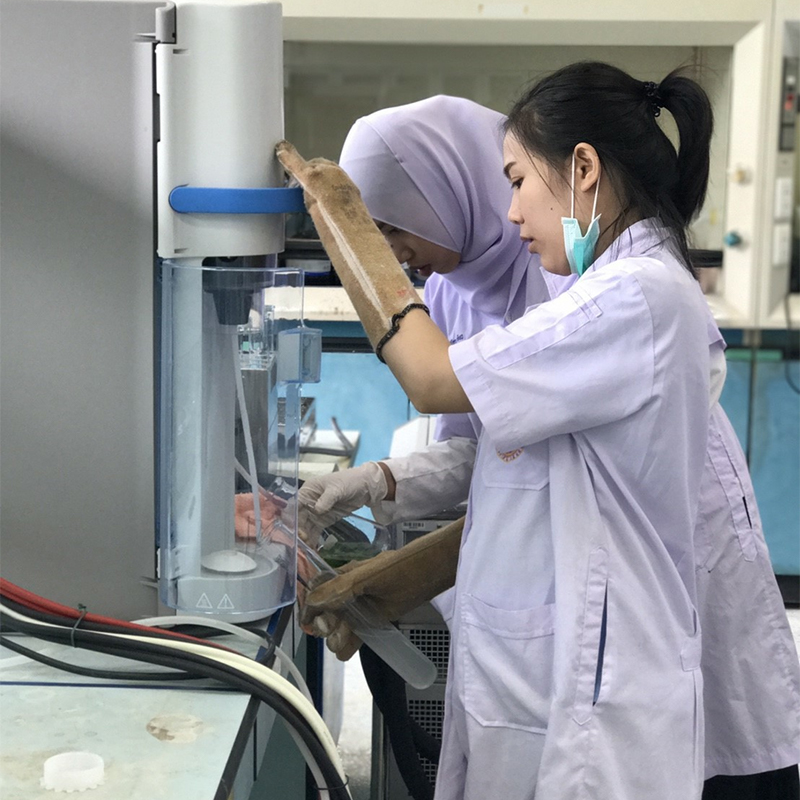
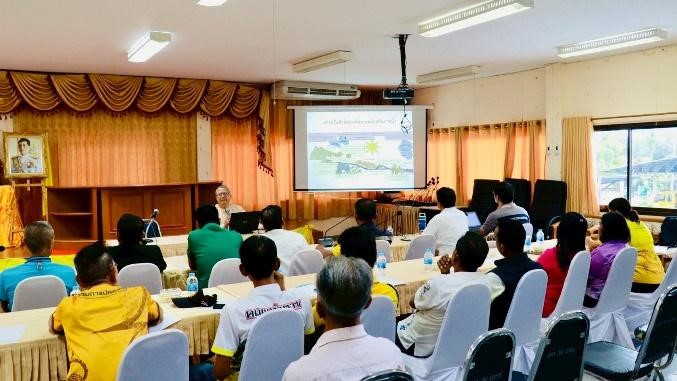
Furthermore, each unit shares its activities and outcomes via official websites, fostering continuous learning and participation networks. To enhance staff and student capacity, the university also organizes training sessions and workshops on water management, conservation, and water quality assessment. These align with health and safety standards and include regular testing of tap and recycled water quality within the campus, covering physical, chemical, and microbiological parameters, to ensure safe use and compliance with Ministry of Public Health standards.
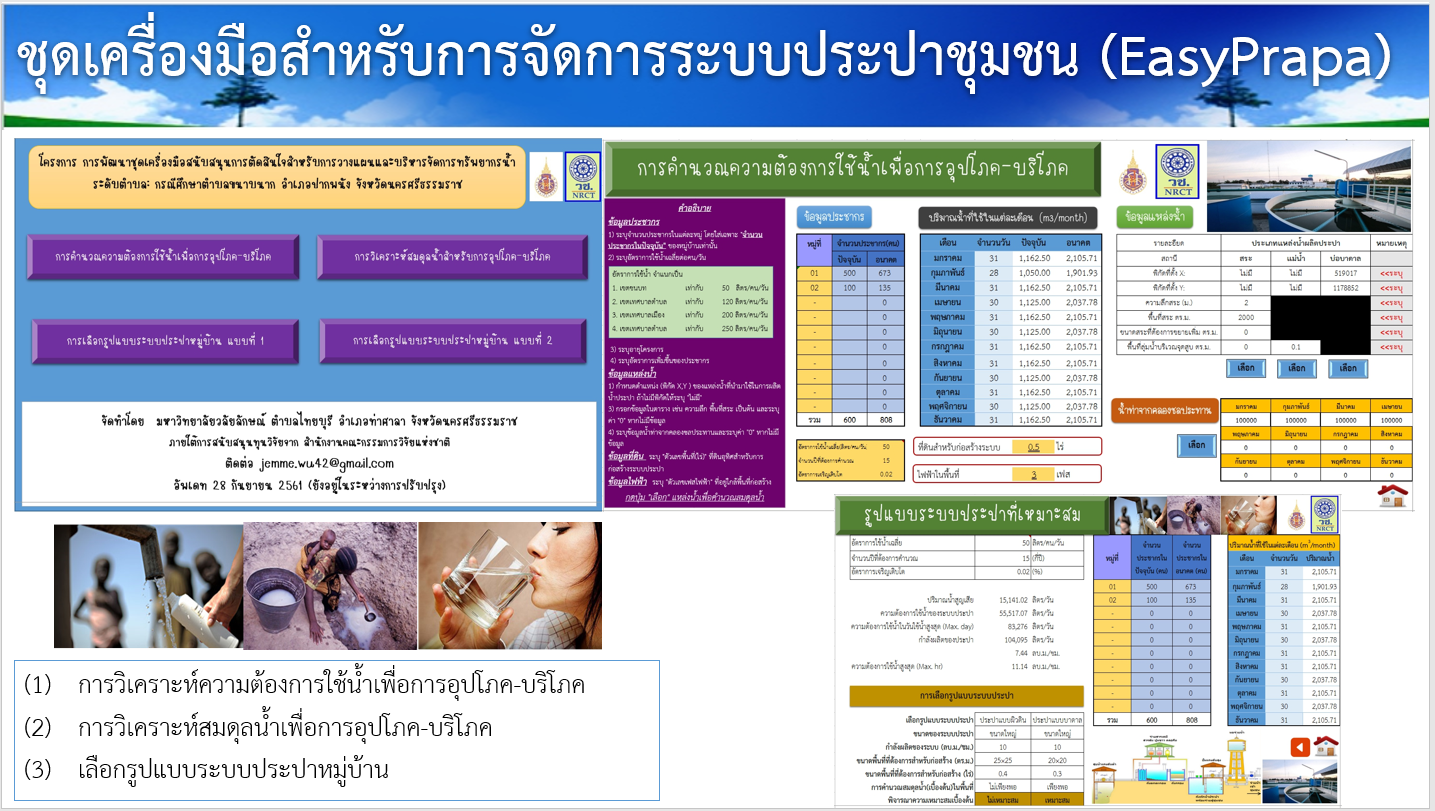
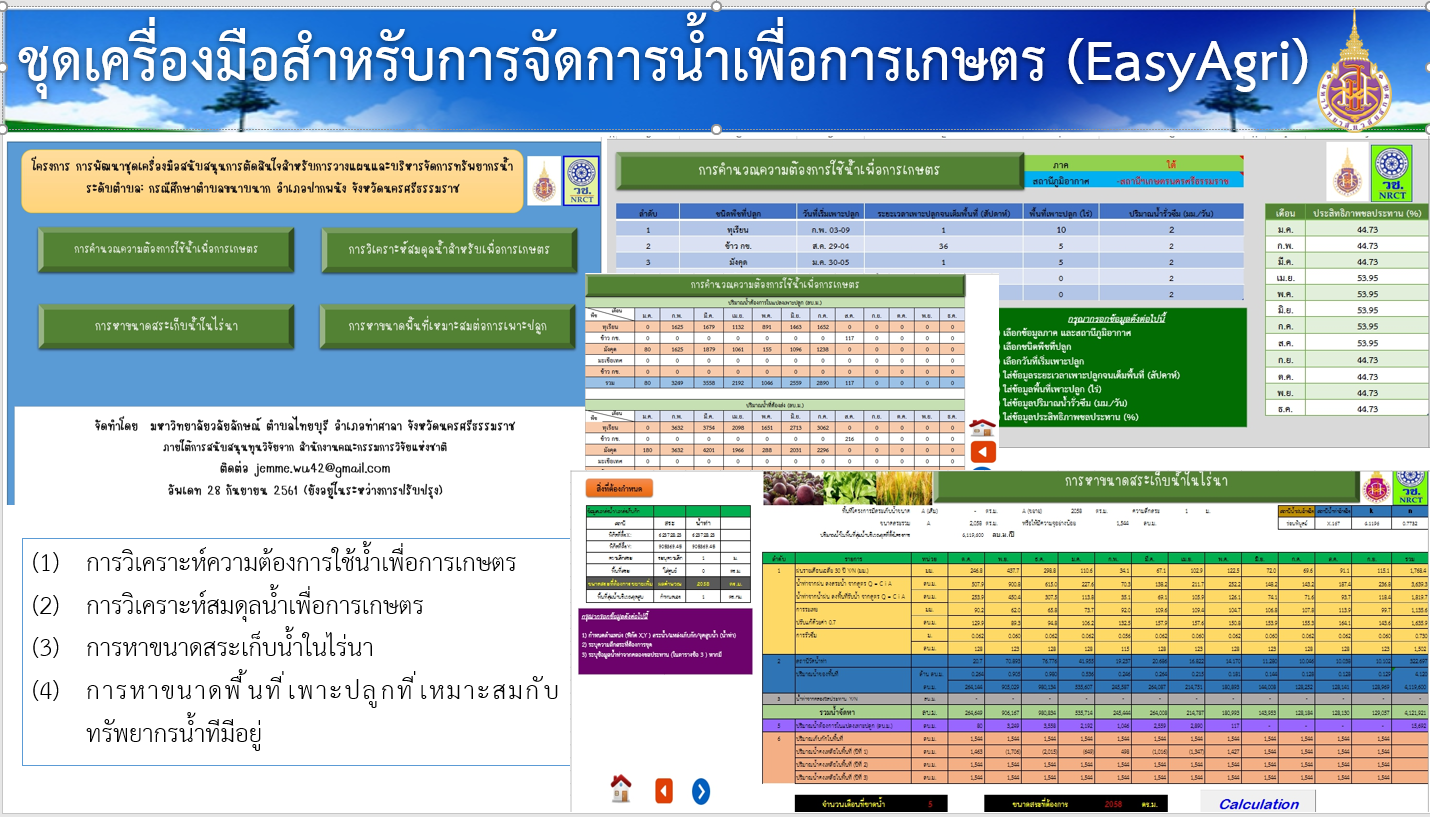
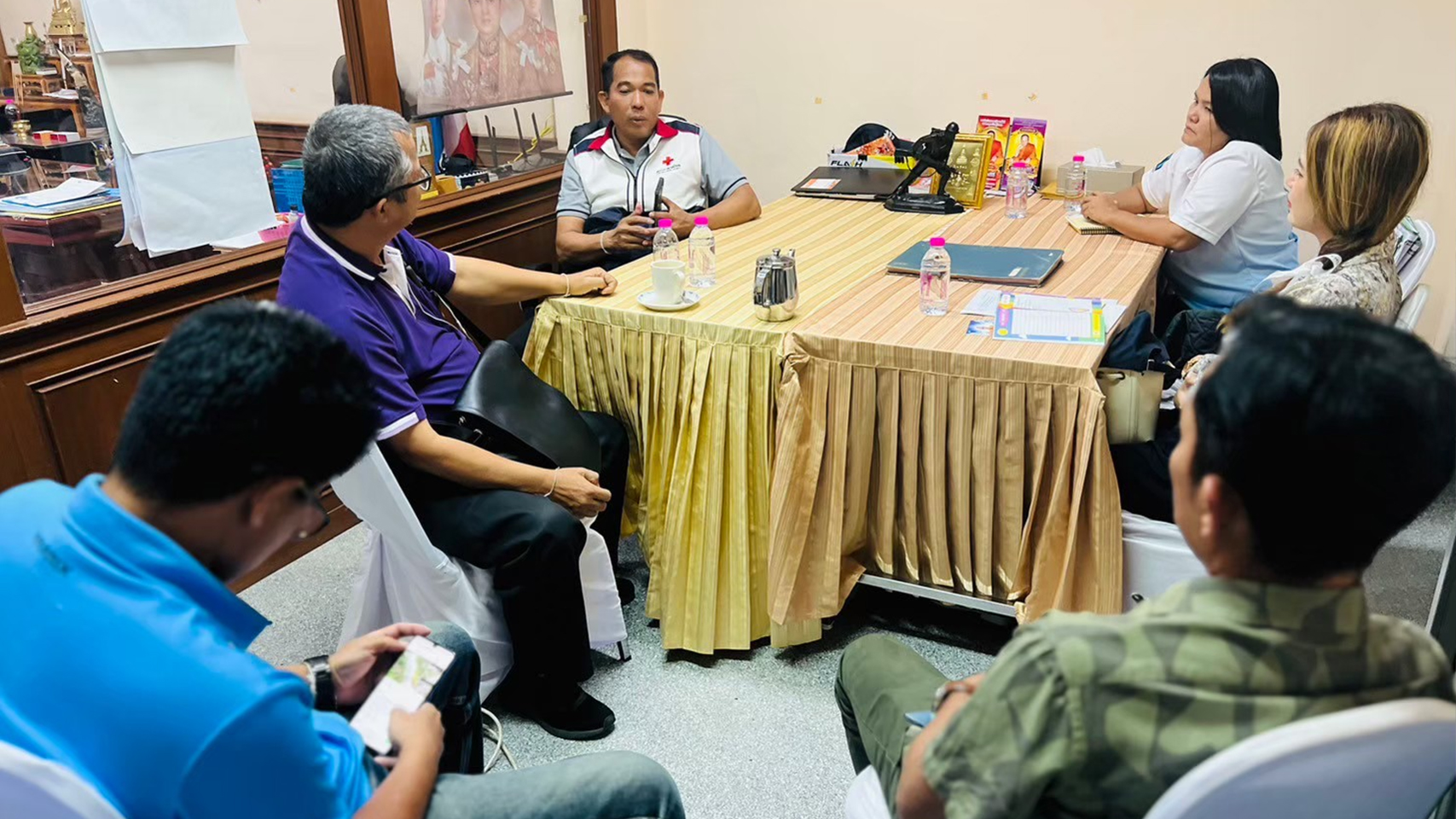
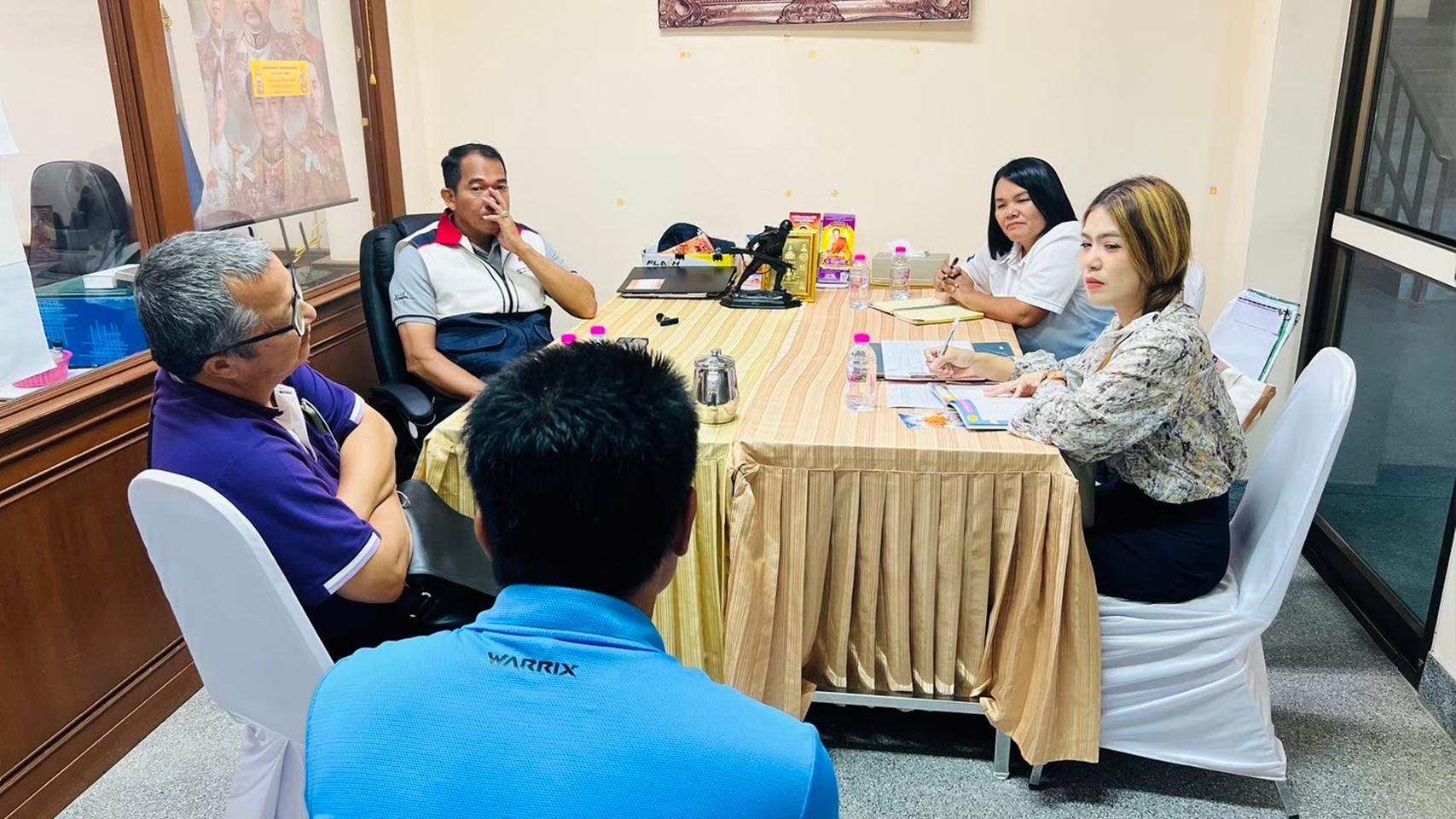
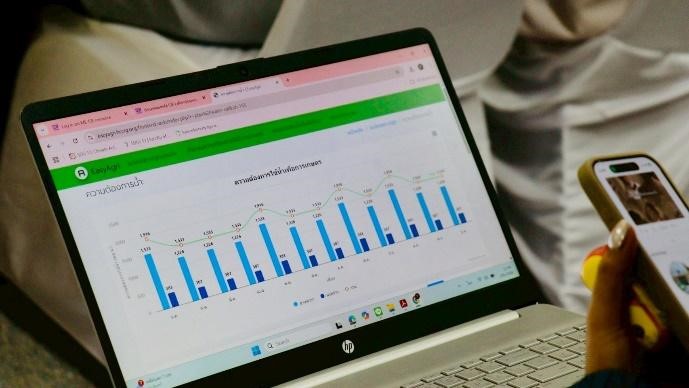
Beyond campus operations, Walailak University plays a significant role in extending knowledge and practices of mindful water use to communities in Nakhon Si Thammarat Province, particularly in areas at risk of water management challenges—such as agricultural zones with high water demand or areas lacking efficient water systems. A clear example is the development and piloting of decision-support toolkits for sub-district-level water management planning in Khanabnak Sub-district, Pak Phanang District, an area highly dependent on water for agriculture. These toolkits can analyze water data for both agricultural and domestic use, enabling water resources to be allocated appropriately based on seasonal needs.
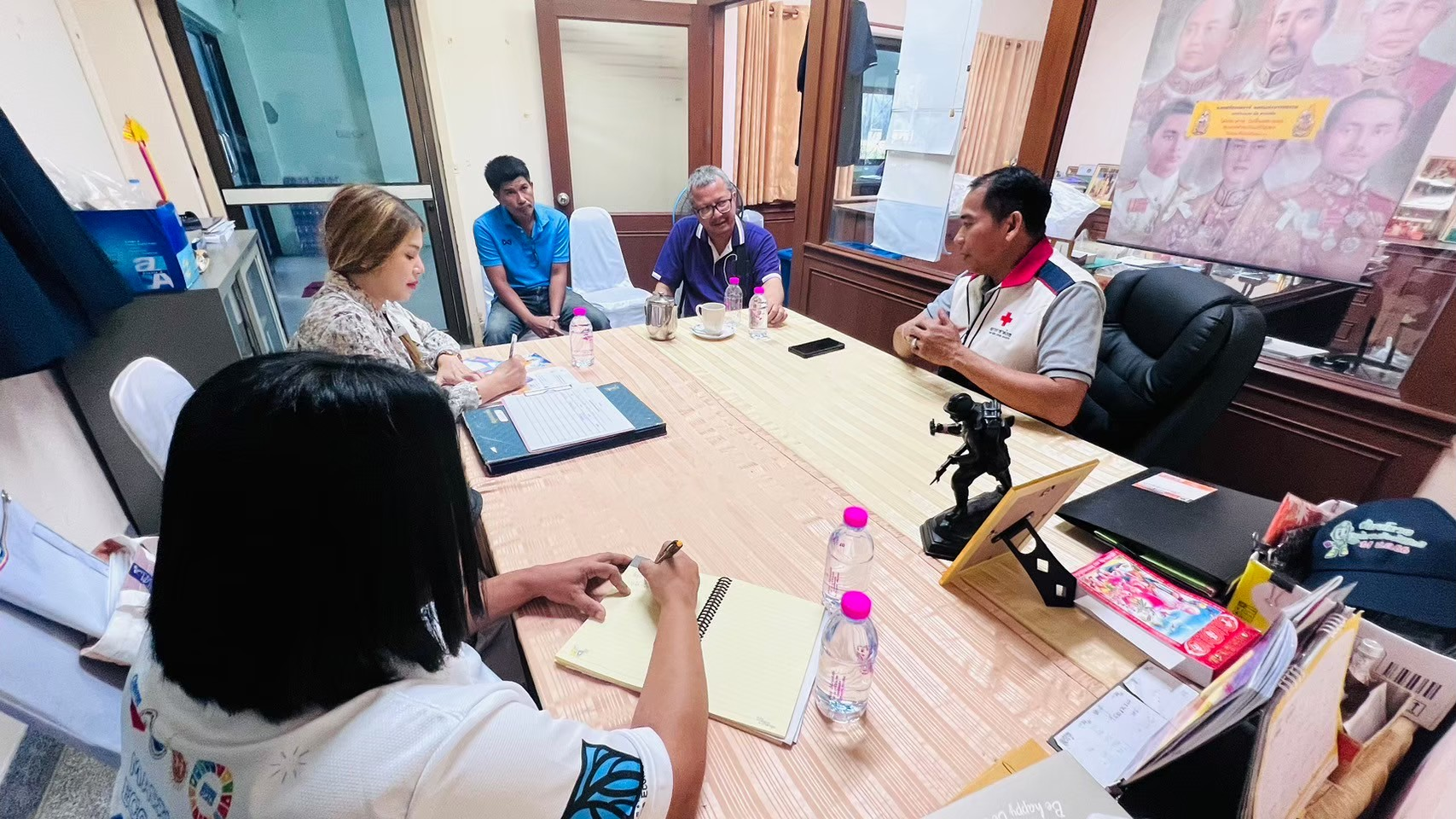
In 2024, Walailak University designed the development process of these toolkits around the principle of “community participation.” Communities were actively involved in designing, testing, and improving the tools to fit their local contexts, fostering a sense of ownership and ensuring water use decisions stem from genuine understanding rather than external instruction. This participatory approach exemplifies grassroots-level awareness promotion and provides a model that can be scaled to other regions in the future.
Another dimension of promoting mindful water use is the integration of ecological concepts with the sufficiency economy philosophy—for example, encouraging rainwater harvesting, constructing check dams (“living weirs”) to slow water flow and enhance soil moisture, and training communities with the theme “Water is Life.” These programs use locally appropriate formats such as forums, mobile exhibitions, and training water-conservation volunteers who serve as knowledge multipliers in their communities. Such approaches demonstrate effective pathways toward long-term sustainability.
Promoting mindful water use is therefore not just a temporary policy or activity, but a continuous process that must be cultivated through mindsets, behaviors, and collaboration across all sectors. Universities, as role models of society, can serve as learning hubs and catalysts for change in surrounding communities. Walailak University has adopted this concept comprehensively—through internal management, community water management tool development, the use of digital technologies in water governance, and fostering a culture of water mindfulness. These efforts align with Sustainable Development Goal (SDG) 6: Ensure availability and sustainable management of water and sanitation for all.
In summary, promoting mindful water use within and beyond the university not only positively impacts water consumption but also enhances society’s understanding of water’s multifaceted value. It fosters new behaviors that can be passed down to future generations. Walailak University thus serves as a case study that illustrates the integrative role of higher education institutions in advancing Thai society toward mindful and sustainable water use.
In summary, promoting mindful water use within and beyond the university not only positively impacts water consumption but also enhances society’s understanding of water’s multifaceted value. Through systematic diagnostic assessments of water usage patterns, continuous development of innovative management systems, and active community engagement, Walailak University fosters collective awareness and behavioral change that extend beyond the campus. Furthermore, regular measurement and evaluation of outcomes ensure transparency, accountability, and long-term effectiveness. Altogether, Walailak University serves as a case study that illustrates the integrative role of higher education institutions in advancing Thai society toward mindful and sustainable water use.