
Empowering Local Communities with Water Management Tools: Walailak University’s Commitment to Actively Promoting Conscious Water Usage and Collaboration
Walailak University recognizes the importance of water conservation and efficient water use. The university is committed to actively promoting conscious and efficient water usage both within the campus and in the wider communities. At present, the university actively promotes conscious water usage in the wider communities through various water conservation projects. These projects include knowledge transfer activities for local farmers, along with awareness campaigns on responsible water consumption in nearby communities. The aim is to enable wider communities to plan and implement effective water-saving measures and to reduce overall water consumption.
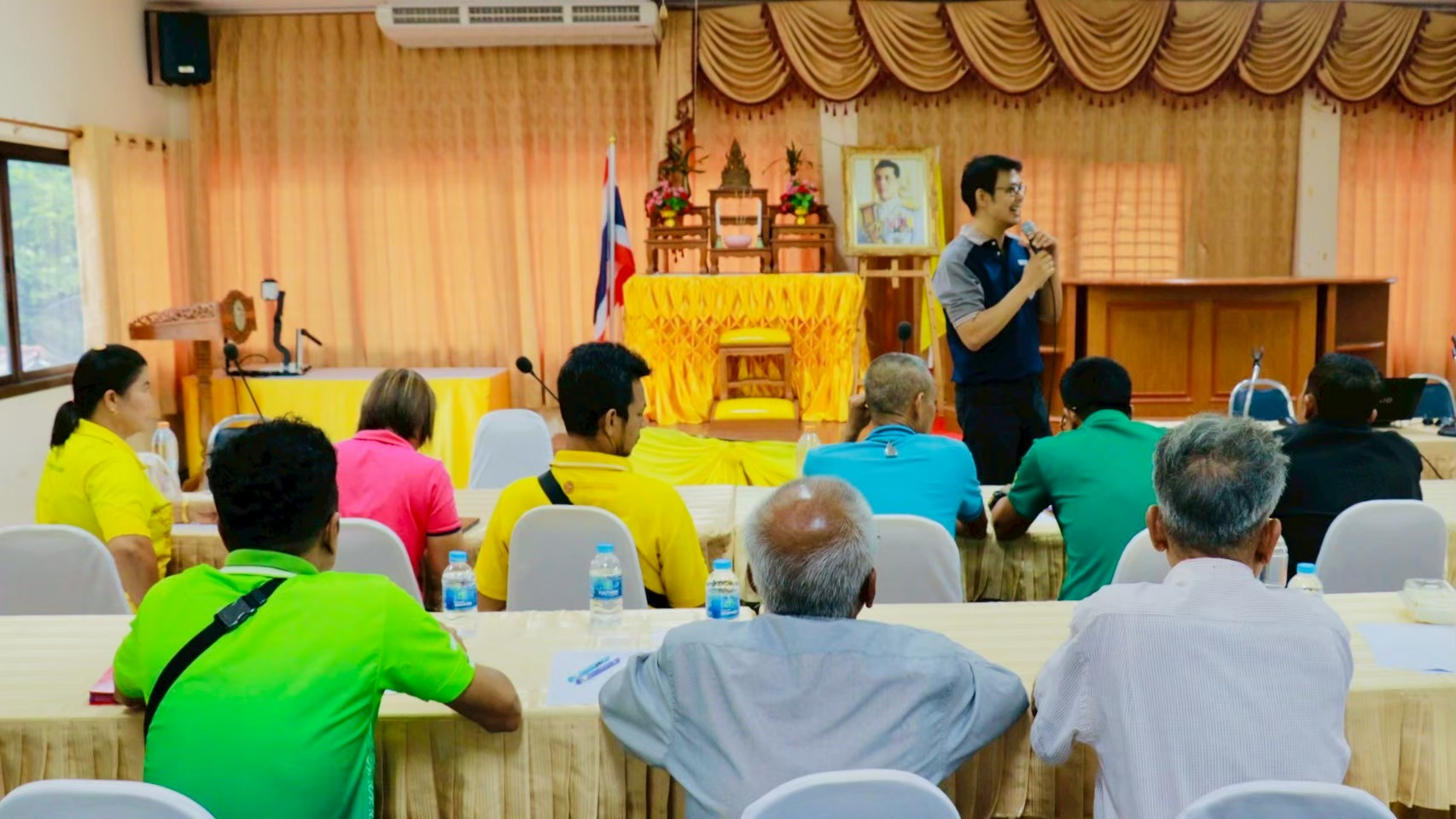
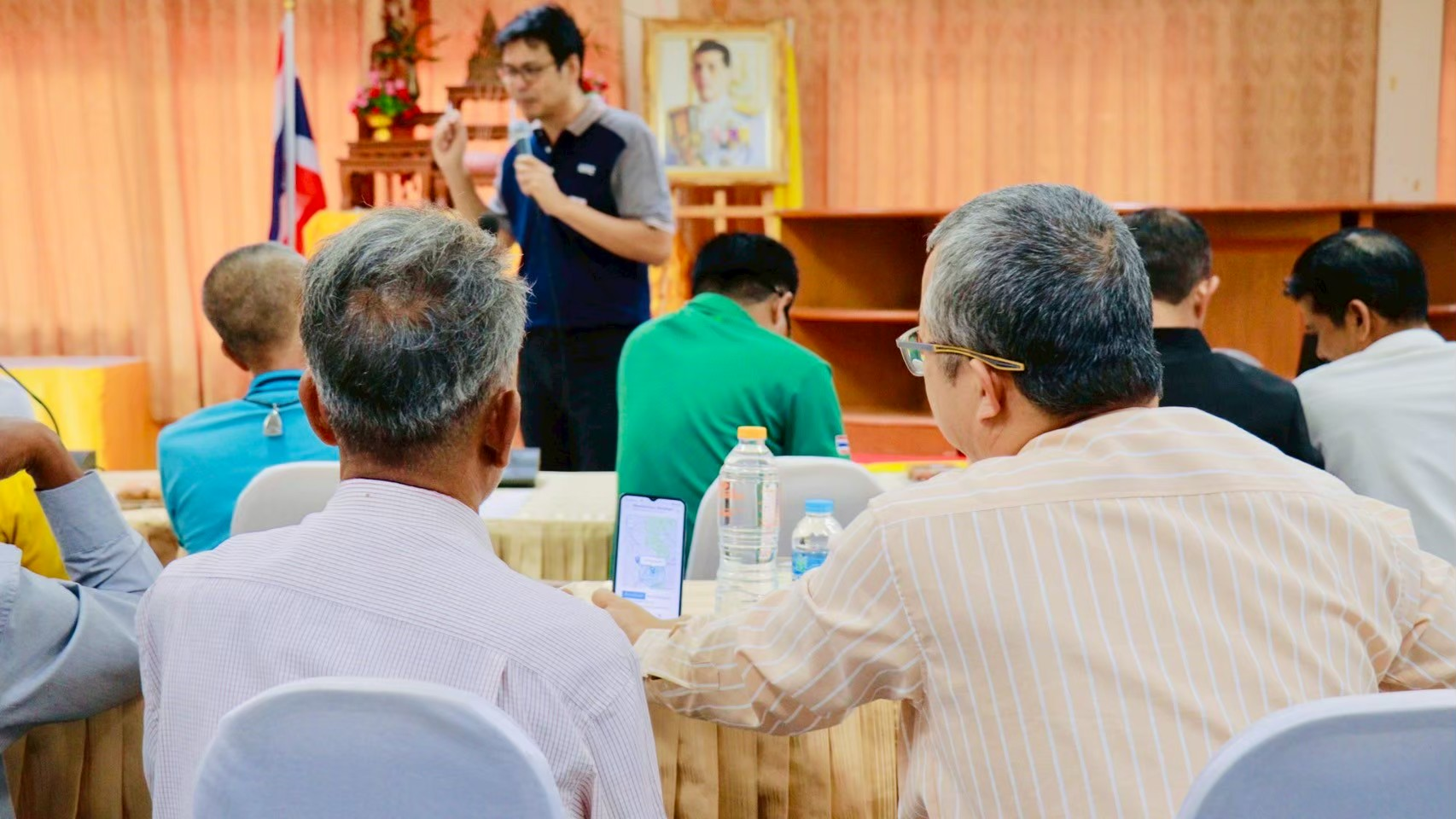
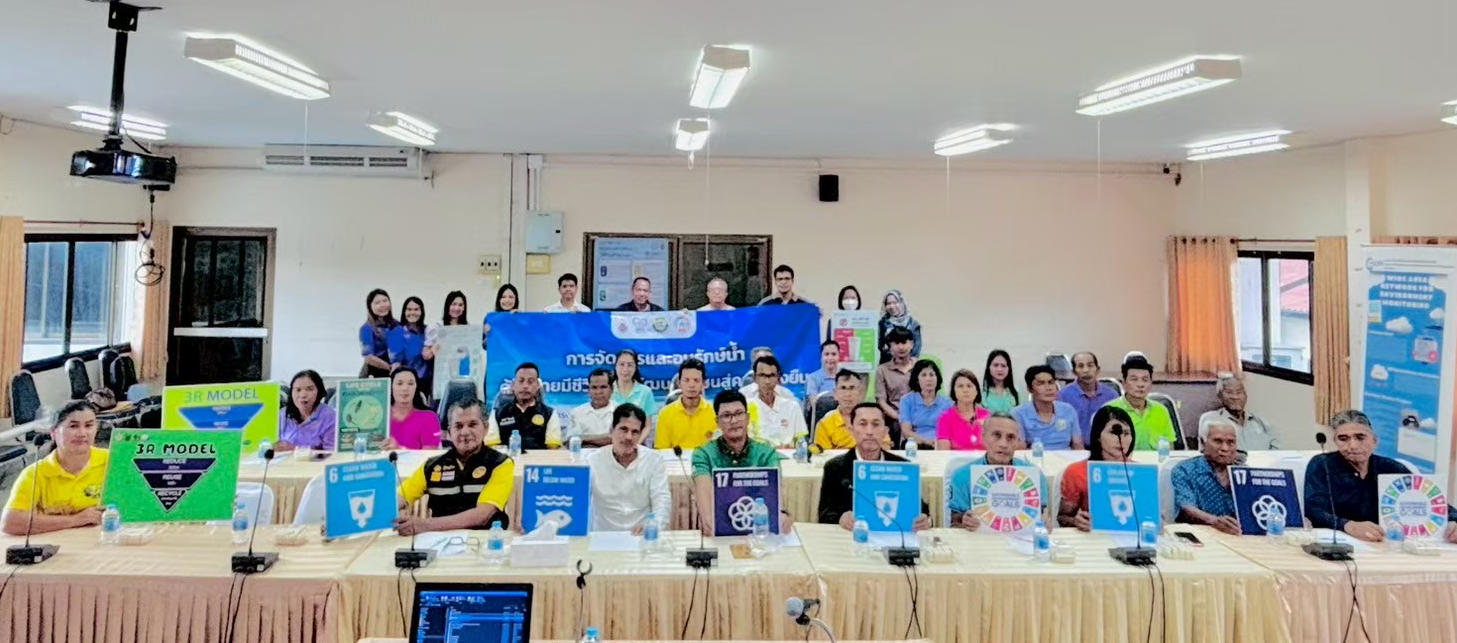
In 2023, the pilot implementation of the “Decision Support Program for Sub-district Water Management Planning” was first carried out in Pak Phanang District, Nakhon Si Thammarat Province. Building upon its success, in 2024 the university expanded the application of this water management tool and program to Don Tako Sub-district, Tha Sala District, Nakhon Si Thammarat Province to actively promote conscious water usage in the wider communities. The local community in this area consists primarily of rice farmers and mixed fruit growers—particularly durian and mangosteen—both of which are high water-demand economic crops.
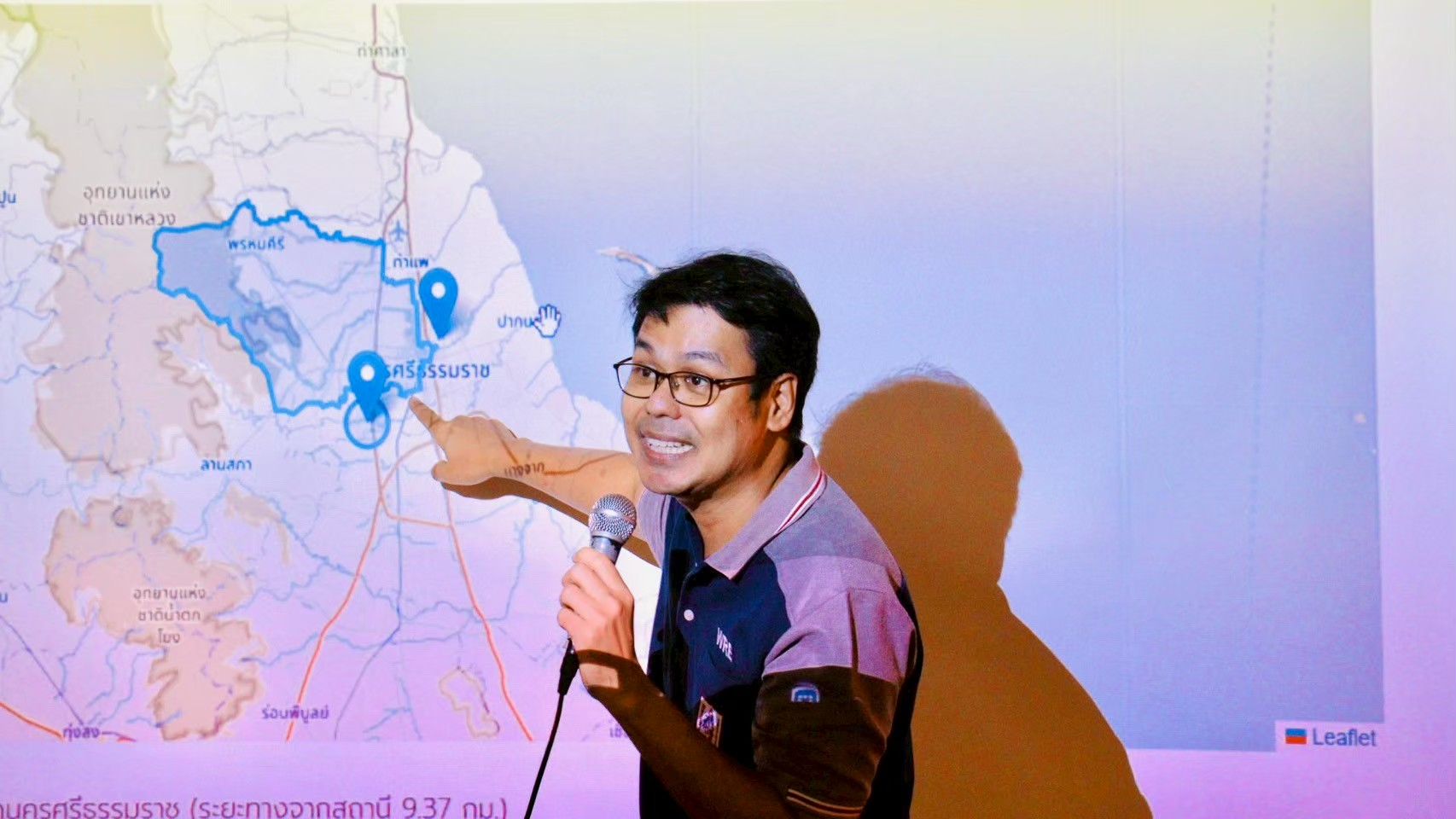
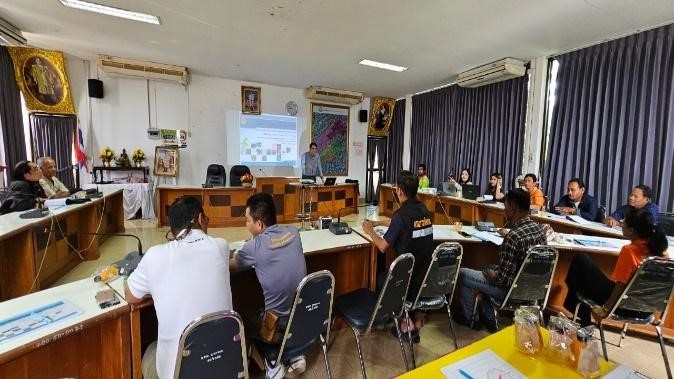
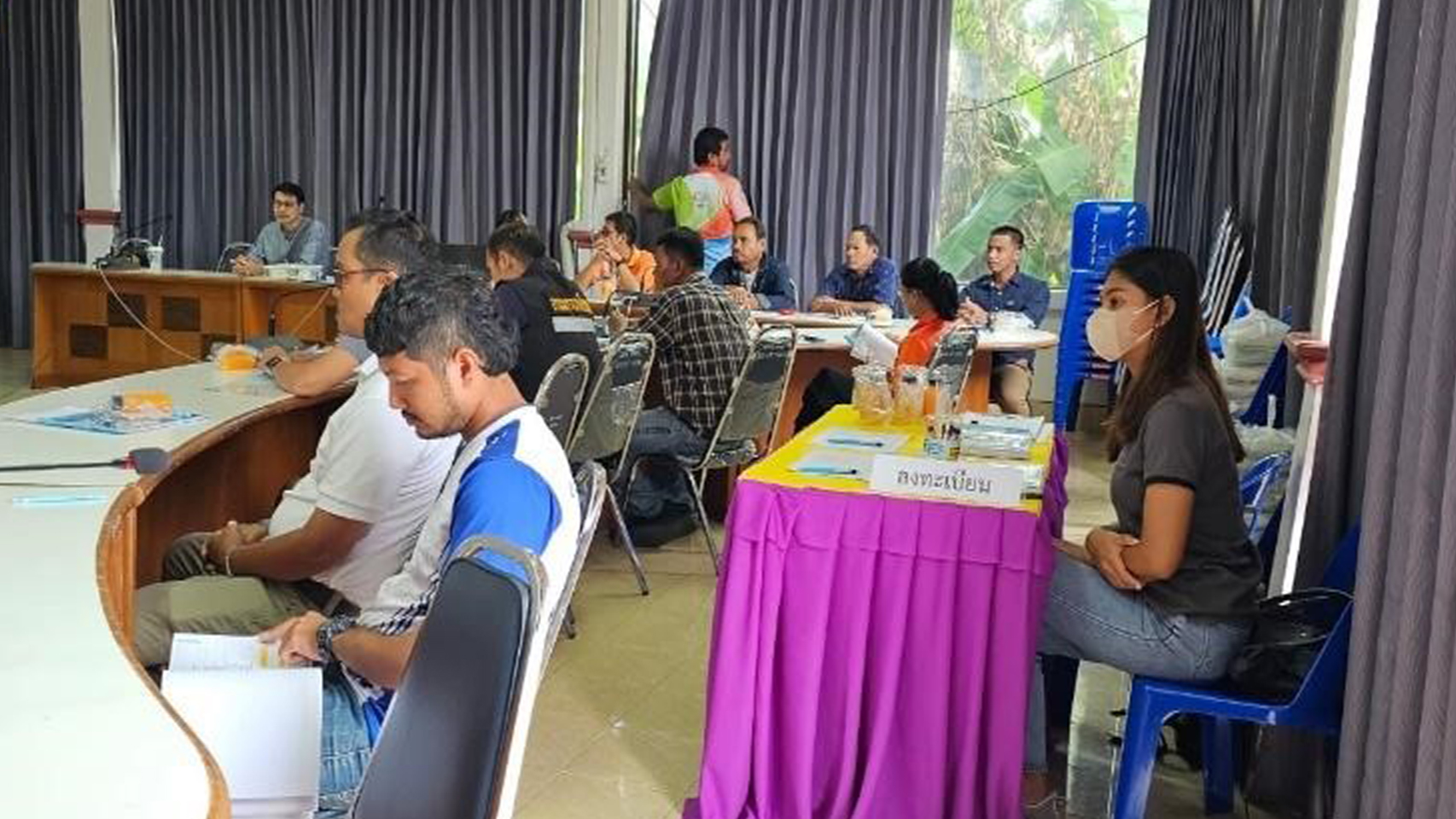
The project aims to raise awareness of conscious water usage through a participatory process between Walailak University and local stakeholders. It primarily targets agricultural areas, encouraging local residents to play an active role in driving the initiatives. In addition, the project highlights the importance, sources, and benefits of water conservation to foster collaboration among all sectors in promoting efficient water use.
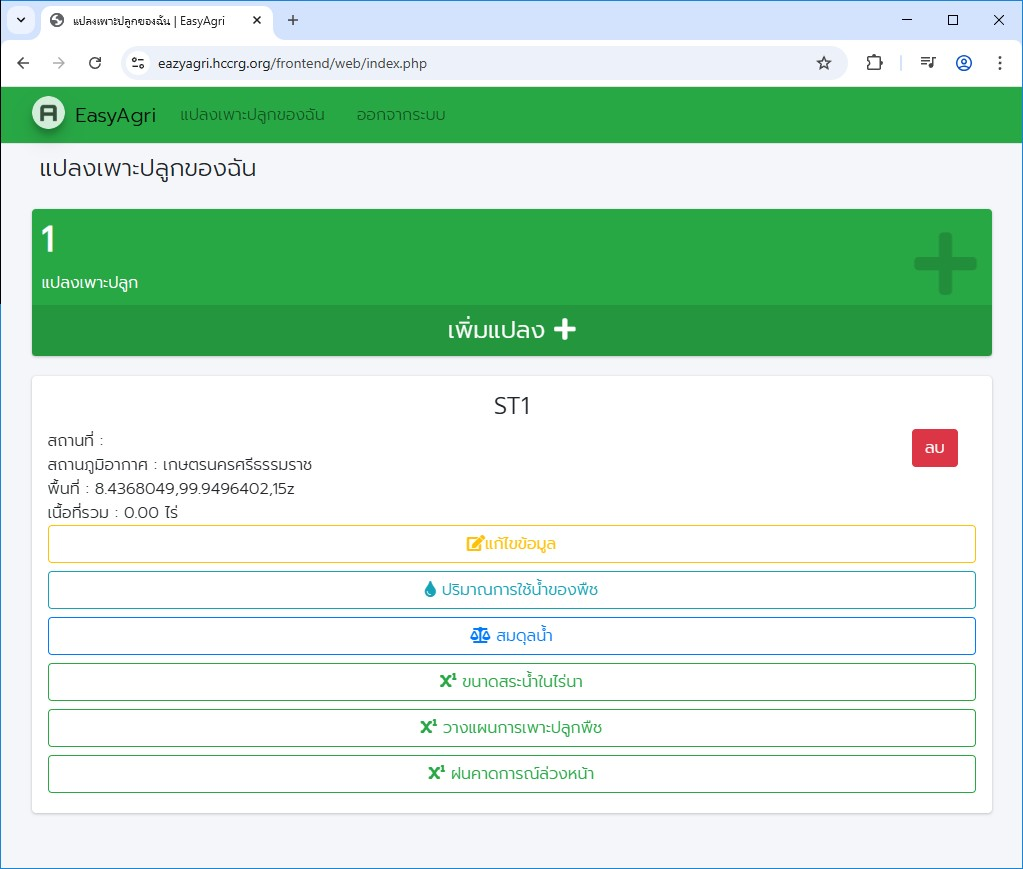
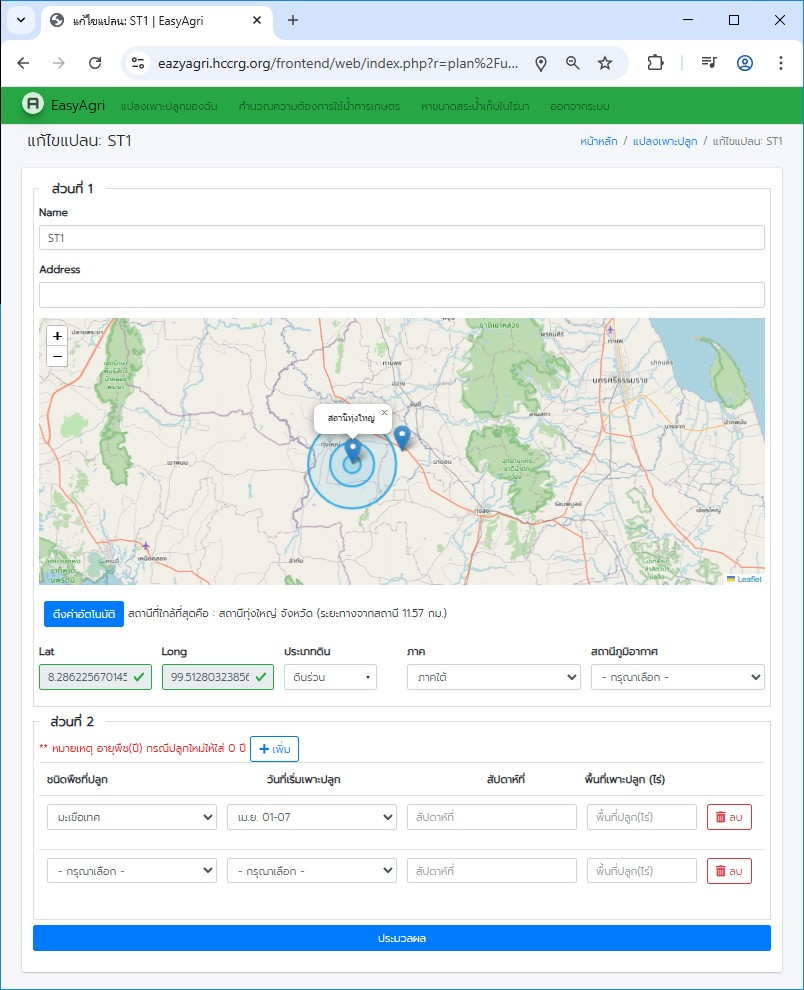
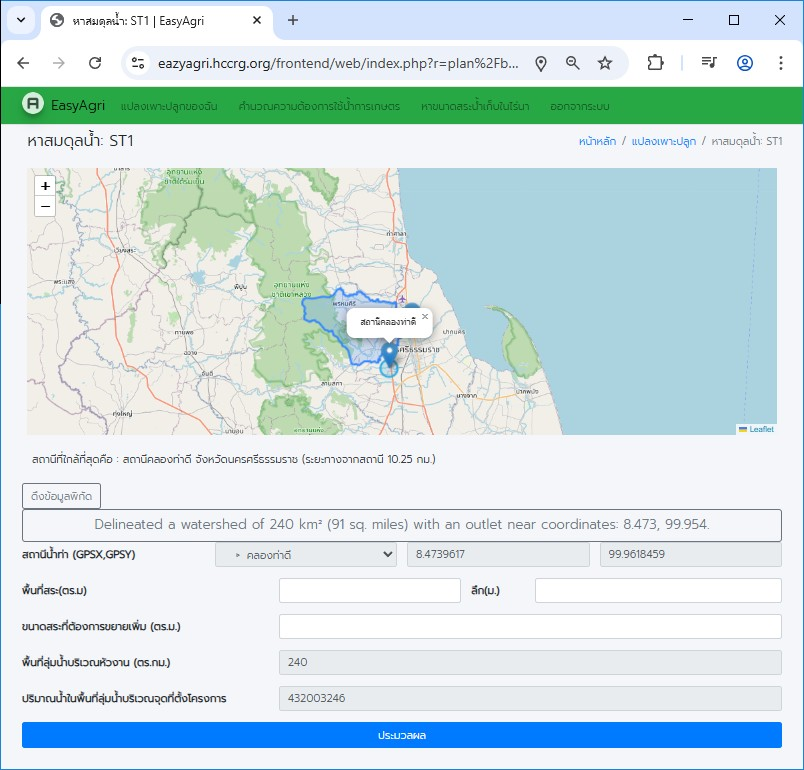
To achieve these goals, the university organized training sessions to educate local communities and farmers on practical water management approaches. The initiative also focuses on developing user-friendly water management tools that farmers can operate independently. These tools aim to enhance the efficiency of local water management systems through a cloud-based database that integrates water demand analysis, water source assessment, and other related data. In addition, the tools are designed to promote conscious and sustainable water usage in the wider community. Ultimately, the project seeks to develop these tools into a digital platform accessible via personal computers and mobile devices, enabling farmers to easily apply the technology in their daily operations.
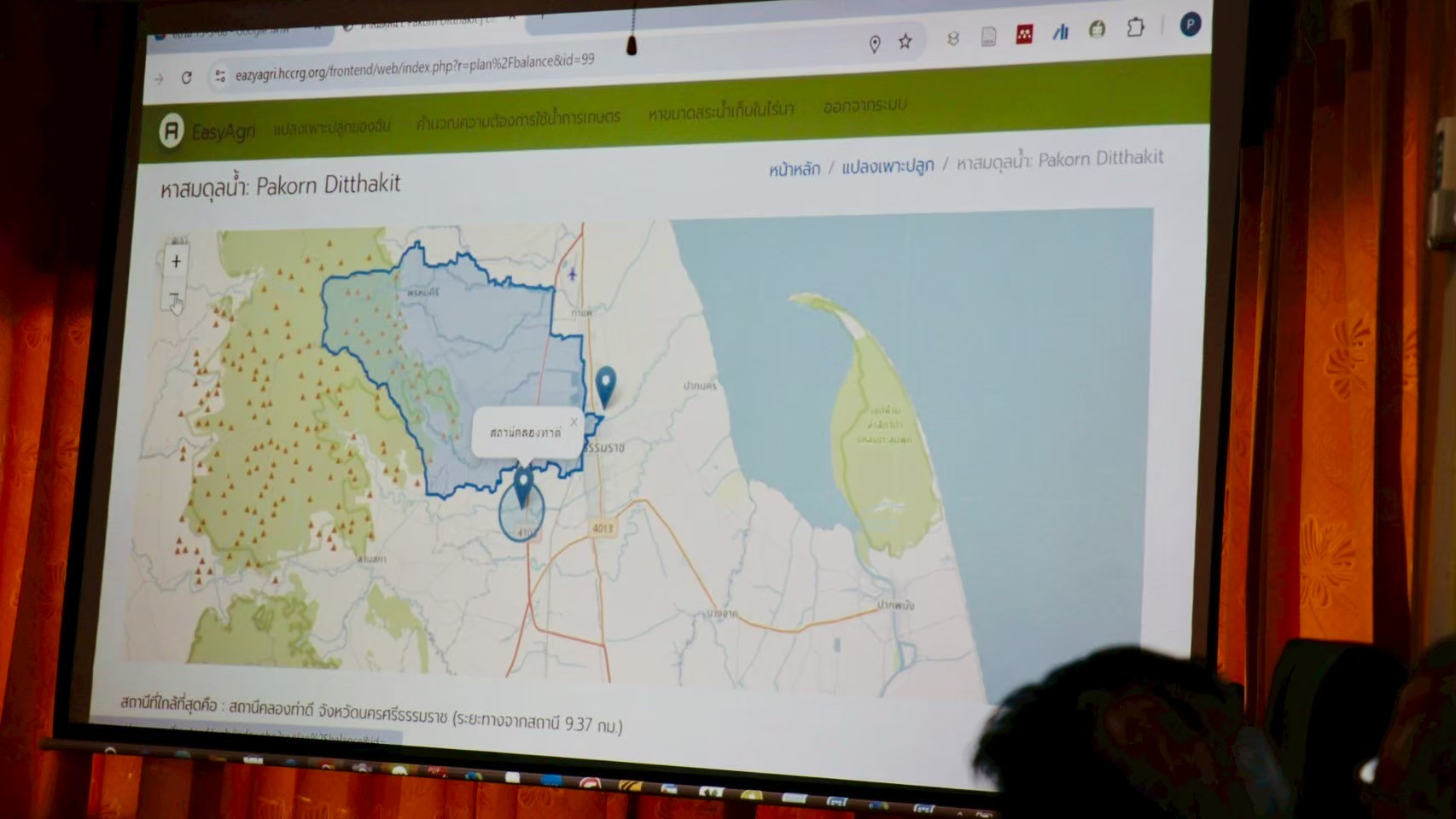
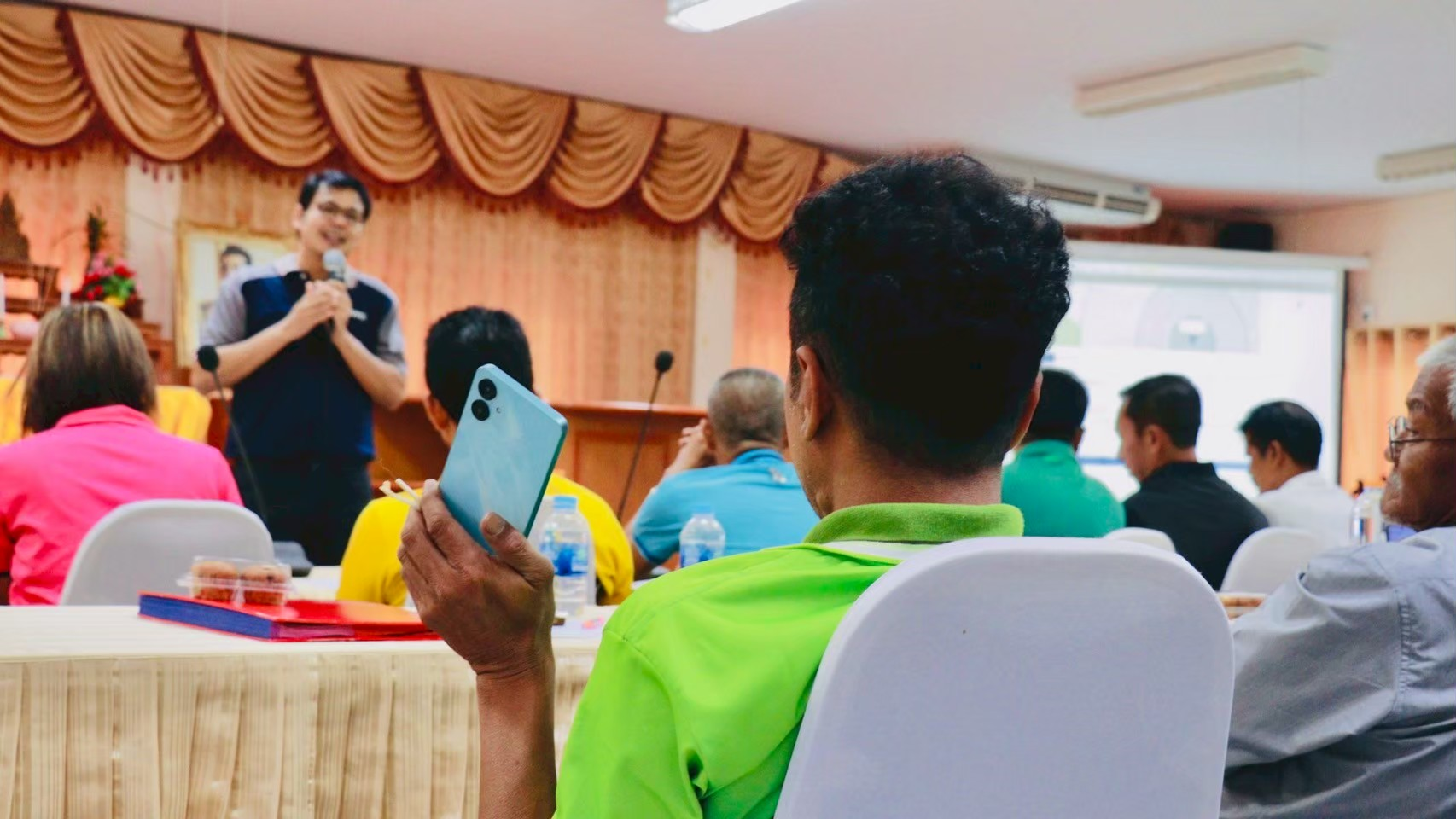
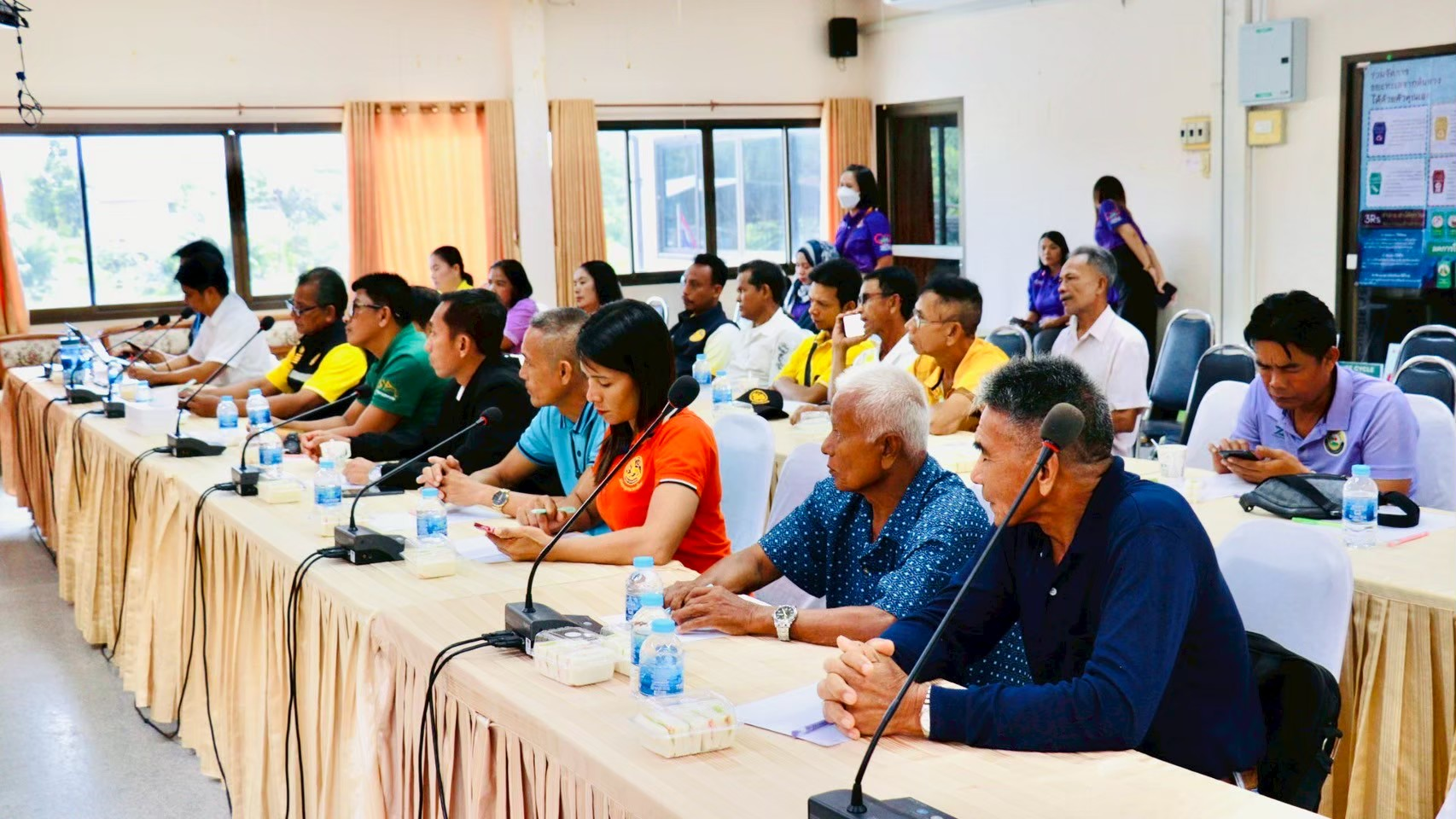

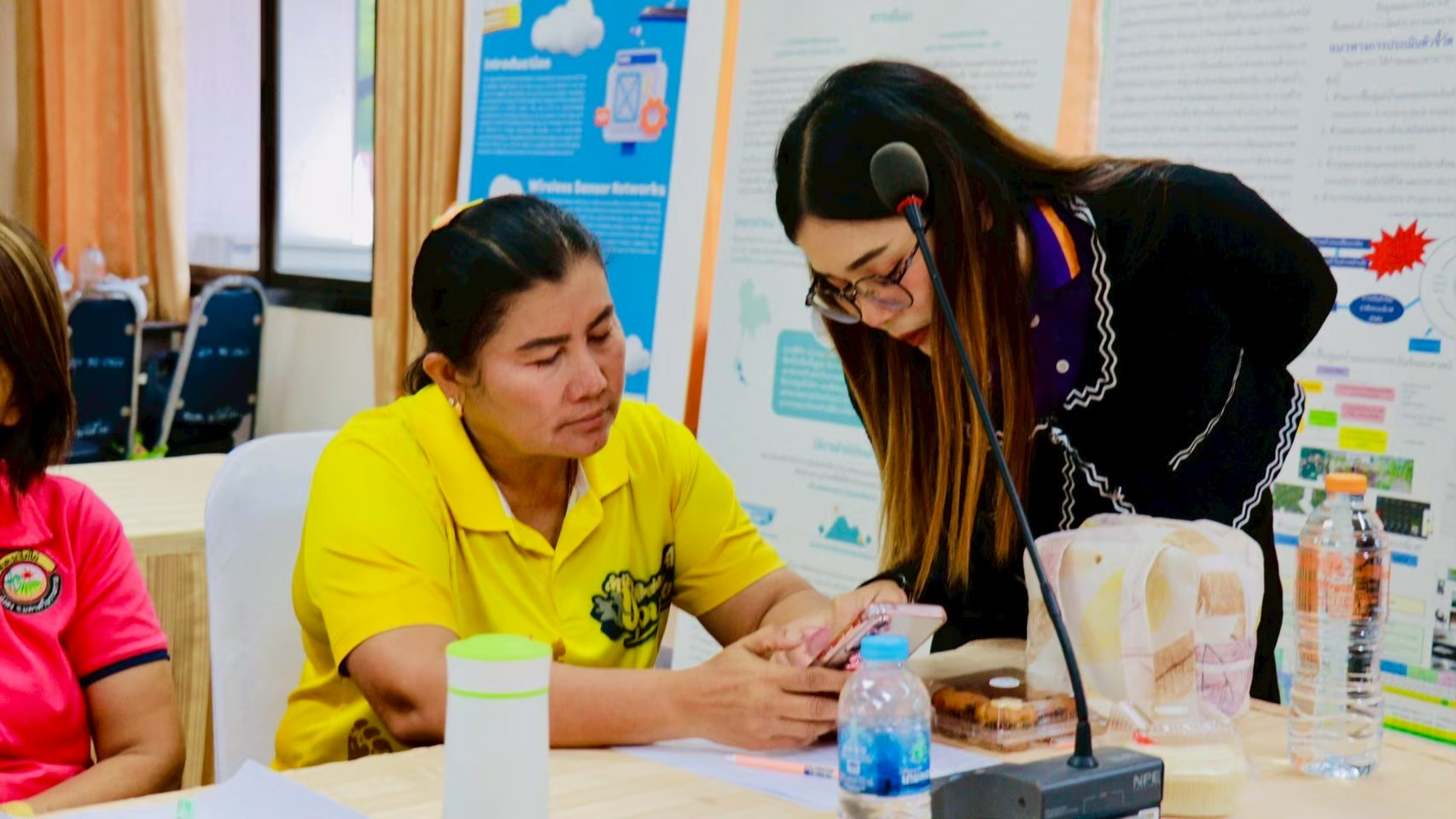
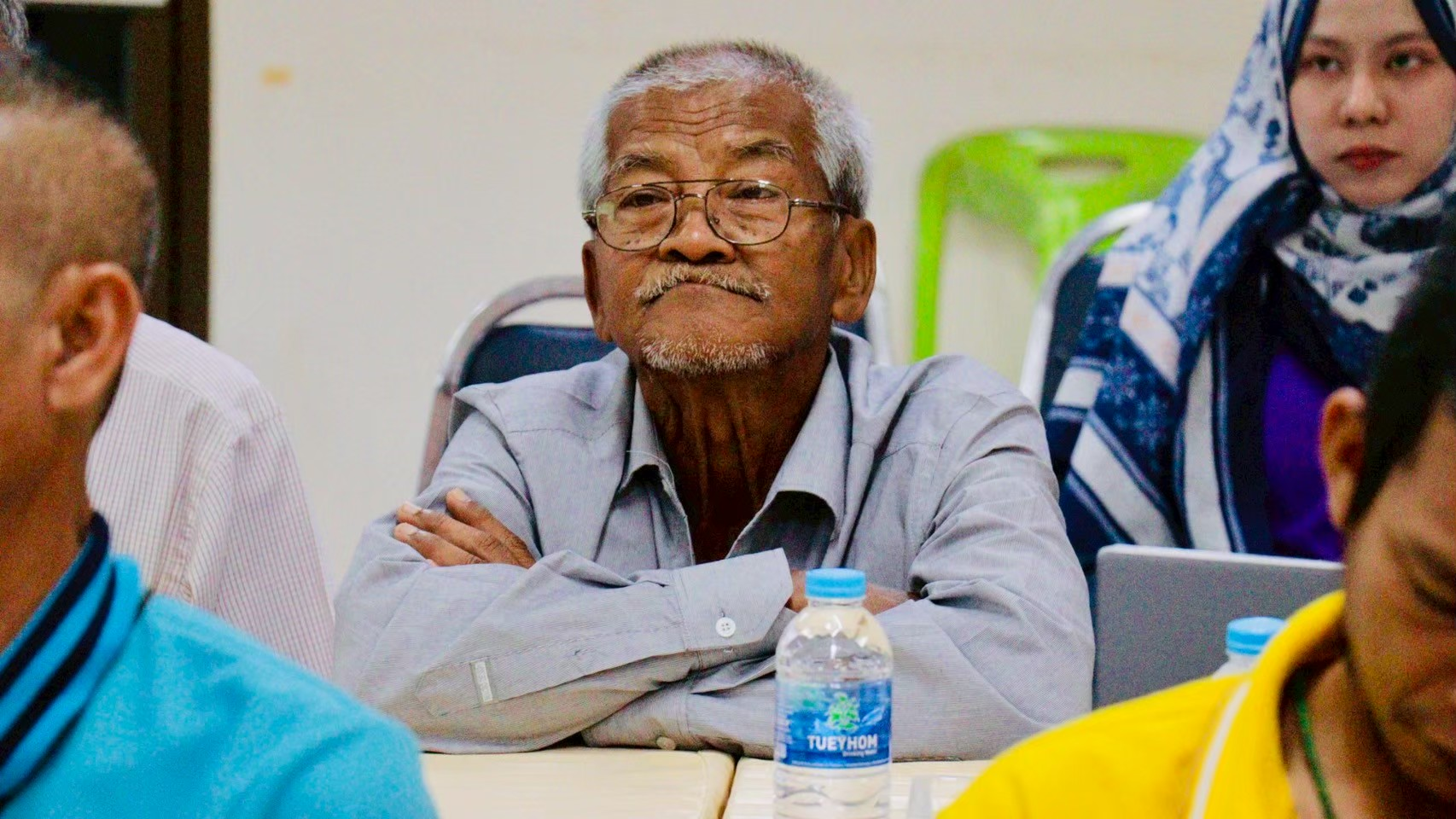
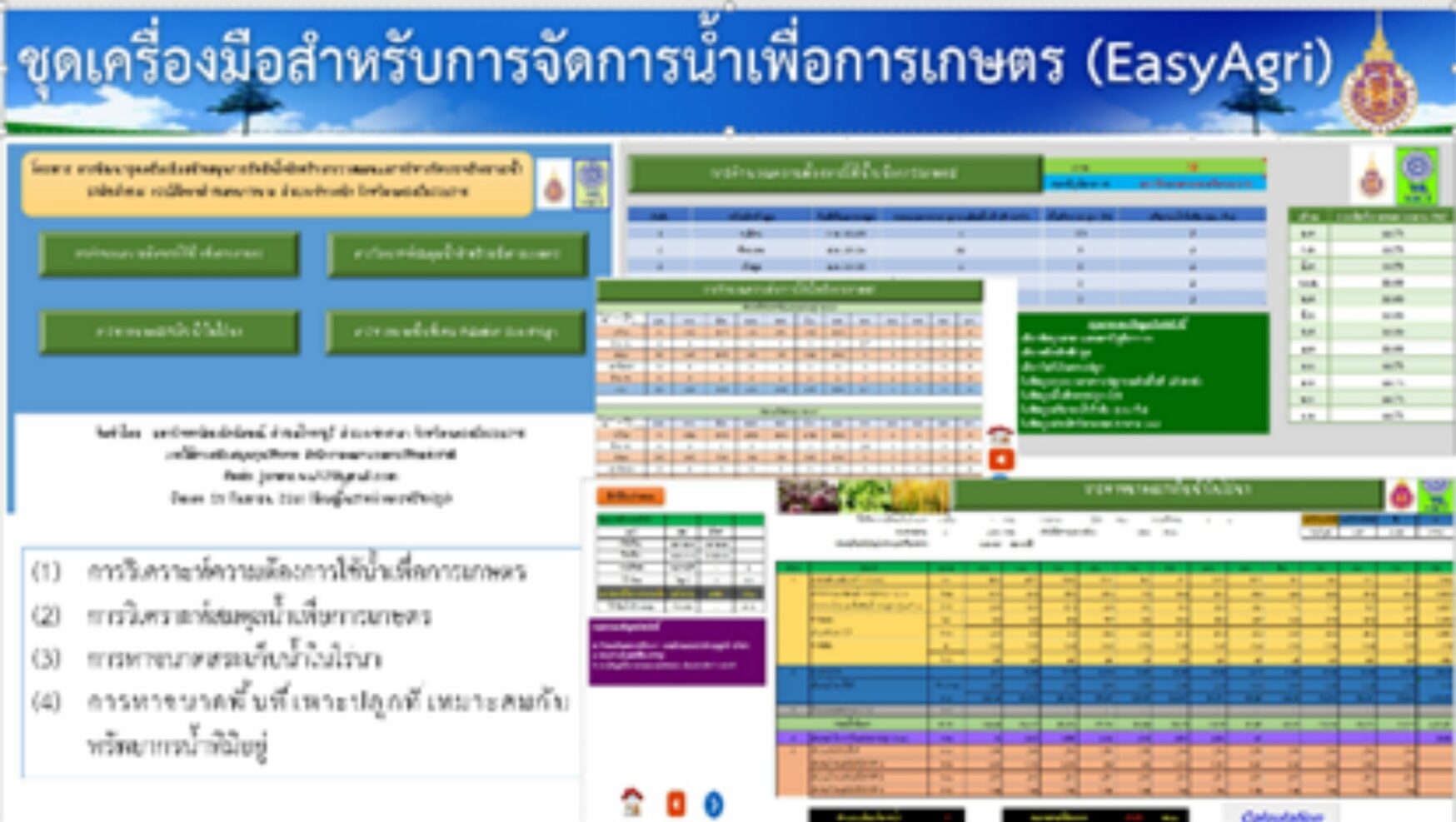
As a result of this project, local residents and organizations not only gained knowledge and benefits from conscious water usage, but the community also received a “Decision Support Tool for Sub-district Water Management.” This tool was designed to be user-friendly and suitable for both communities and farmers. It enables users to assess water demands, evaluate available water resources, and manage water storage areas for maximum efficiency. The tool helps communities plan and manage their water resources appropriately while enhancing their preparedness for drought conditions.
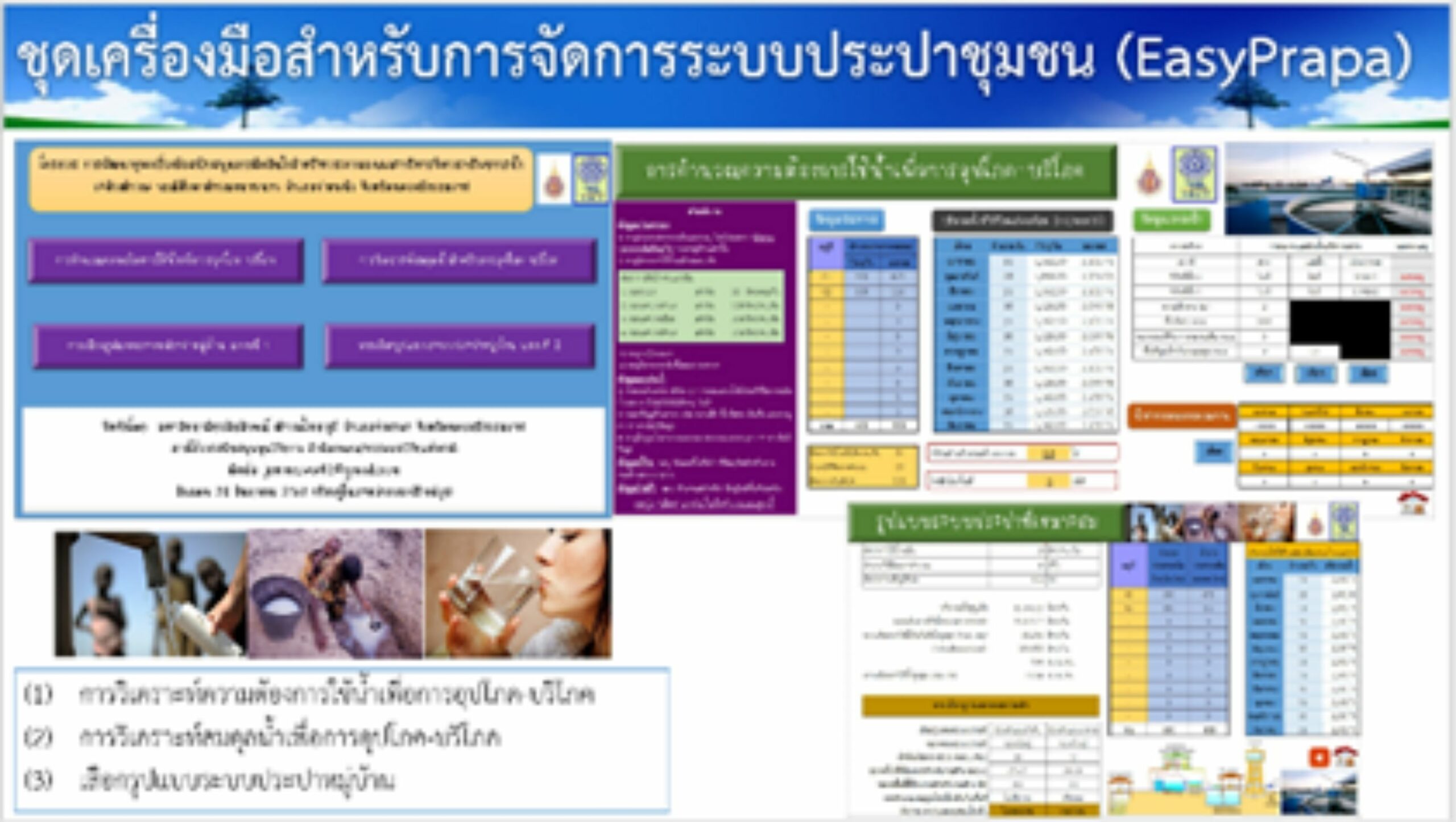
Community Water Management Toolkit for Promoting Conscious and Efficient Water Usage
Agricultural Water Management Toolkit for Promoting Conscious and Efficient Water Usage
In addition, after each activity, evaluations and analyses are conducted to assess the promotion of conscious water usage within the community. The findings are used to improve implementation processes and strengthen collaboration with relevant agencies. Each activity’s success is measured, and plans are developed for continuous implementation in the following year. Previous evaluations revealed that these activities received highly positive feedback and a high level of satisfaction from participants and beneficiaries.
In addition, in 2024, the university continued to publish academic articles and journals authored by its faculty members as primary and co-authors. These publications focused on promoting knowledge in water resource conservation, sustainable water management, and community participation in local water governance processes. The articles encompassed field research, case study analyses from both domestic and international communities, as well as policy recommendations that could be practically applied at local and national levels.
The key themes of these publications included the integration of local wisdom with scientific knowledge, such as watershed ecosystem restoration and the development of water storage systems. Some articles also emphasized the concept of “community-centered water management,” highlighting successful examples of public participation in planning, developing, and maintaining water systems within their own areas.
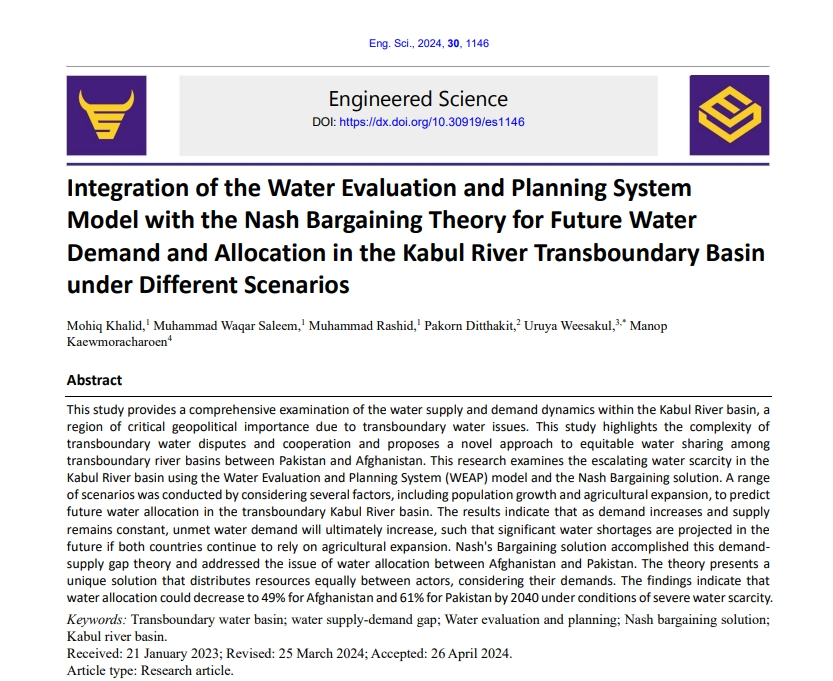
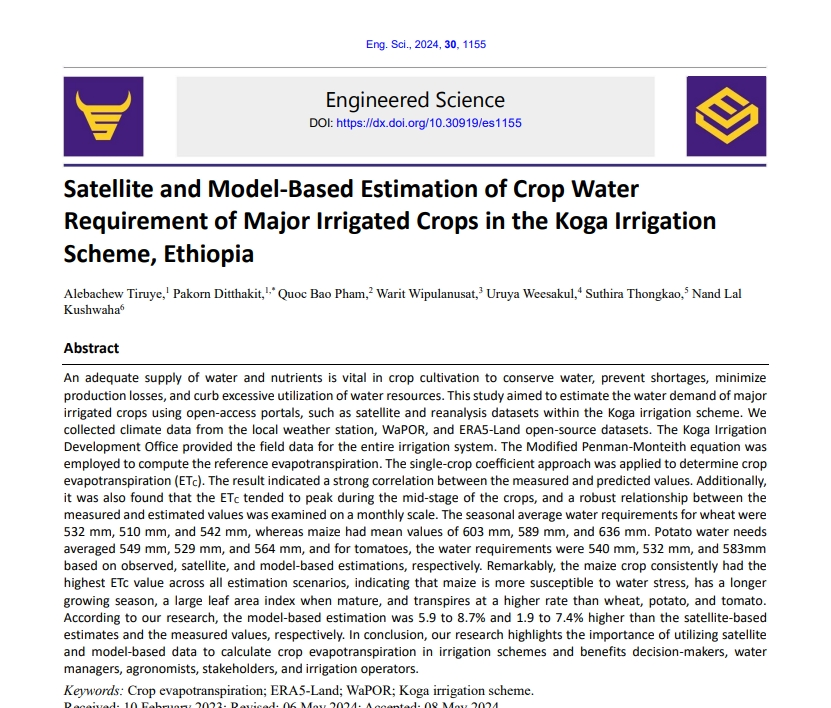
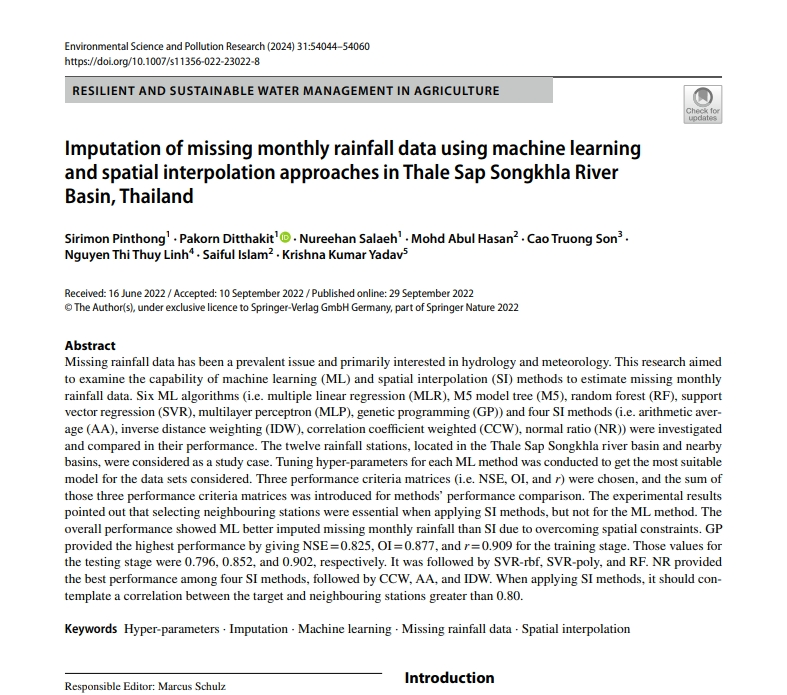
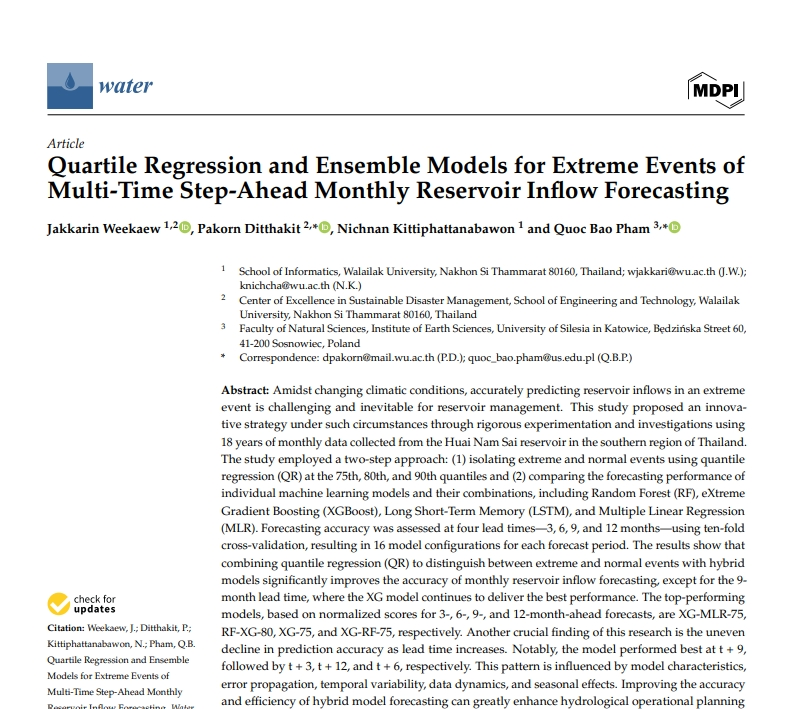
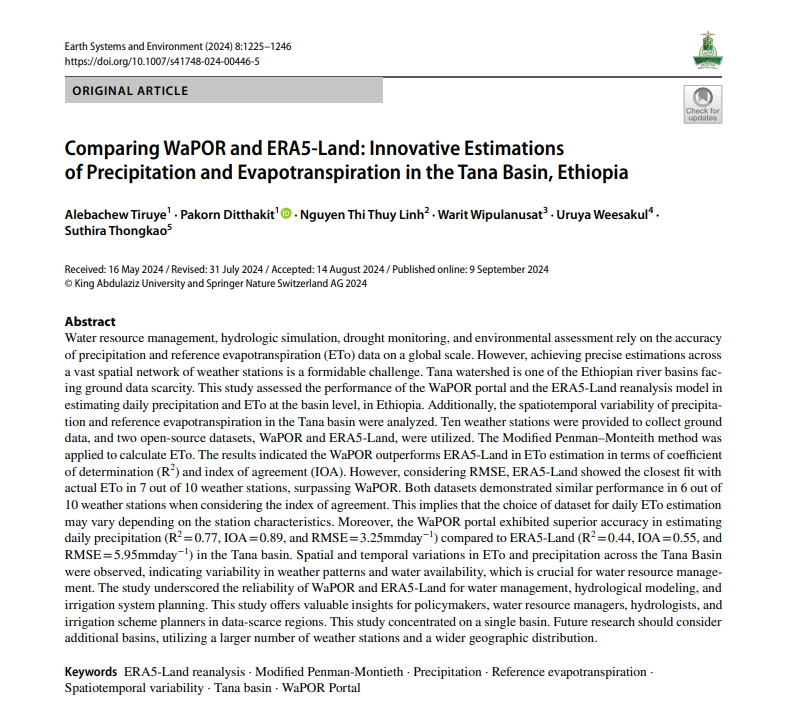
In addition, the publications included critical analyses of water-related issues in Thailand, such as water management, excessive water use, and the impacts of climate change, along with comprehensive solutions tailored to the specific contexts of each area.
These academic articles served not only as valuable resources for students and researchers but also as significant references for government agencies, civil society organizations, and community leaders seeking systematic and sustainable approaches to water conservation.
Through these ongoing efforts, Walailak University continues to demonstrate its strong commitment to promoting conscious and efficient water usage in the wider community. The university’s initiatives not only enhance local capacity for sustainable water management but also foster long-term collaboration among community members, local organizations, and government agencies. By integrating education, innovation, and participation, Walailak University serves as a model for higher education institutions in advancing sustainable water conservation practices.
Through these ongoing efforts, Walailak University continues to demonstrate its strong commitment to promoting conscious and efficient water usage in the wider community. By applying systematic diagnostic assessments to understand local water challenges and needs, the university effectively guides the development of innovative and practical water management tools tailored to community contexts. Strong community engagement ensures active participation, shared learning, and local ownership in every stage of project implementation. Moreover, continuous measurement and evaluation of outcomes enable evidence-based improvement and long-term impact assessment. Altogether, these efforts not only enhance local capacity for sustainable water management but also foster collaboration among community members, local organizations, and government agencies. By integrating education, innovation, and participation, Walailak University serves as a model for higher education institutions in advancing sustainable water conservation practices.
Related links:
https://cas.wu.ac.th/archives/30231
https://cas.wu.ac.th/archives/37014
https://cas.wu.ac.th/archives/36935
https://cas.wu.ac.th/sdgs/wp-content/uploads/sites/3/2025/10/water-16-03388.pdf
https://www.espublisher.com/uploads/article_pdf/es1146.pdf
Goal 6: Clean Water and Sanitation
Goal 4: Quality Education
Goal 14: Life below water
Goal 17: Partnerships for the Goals