Walailak University Advances Global Excellence through Marine Conservation and Sustainable Resource Utilization
Walailak University is dedicated to the conservation and sustainable utilization of aquatic resources, taking direct action to maintain the health of ecosystems in rivers, lakes, and seas. The university’s efforts extend to the protection of oceans, freshwater bodies, and marine biodiversity.
Through close collaboration with local communities, government agencies, private sectors, and non-profit organizations, Walailak University organizes and supports a variety of initiatives that promote the sustainable management of aquatic and marine resources. Activities such as constructing artificial fish habitats, repairing living weirs, and releasing juvenile blue crabs into the sea not only help restore and strengthen local ecosystems but also generate lasting social and economic benefits for nearby communities.
These initiatives serve as valuable platforms for education, community engagement, and practical conservation. They highlight the importance of protecting natural resources for future generations while supporting the livelihoods and economic resilience of local populations.
The Events to Promote the Conservation and Sustainable Utilization of Fresh Water
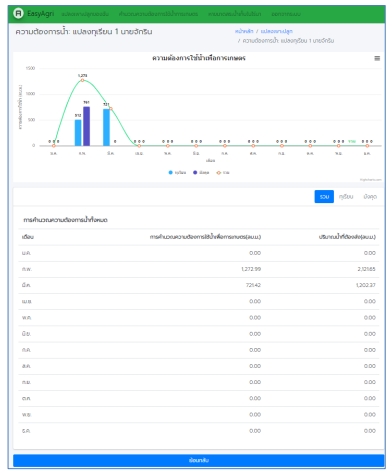
Platform for Agricultural Water Management in Community with Mobile Cloud Computing (Don Tako Area)
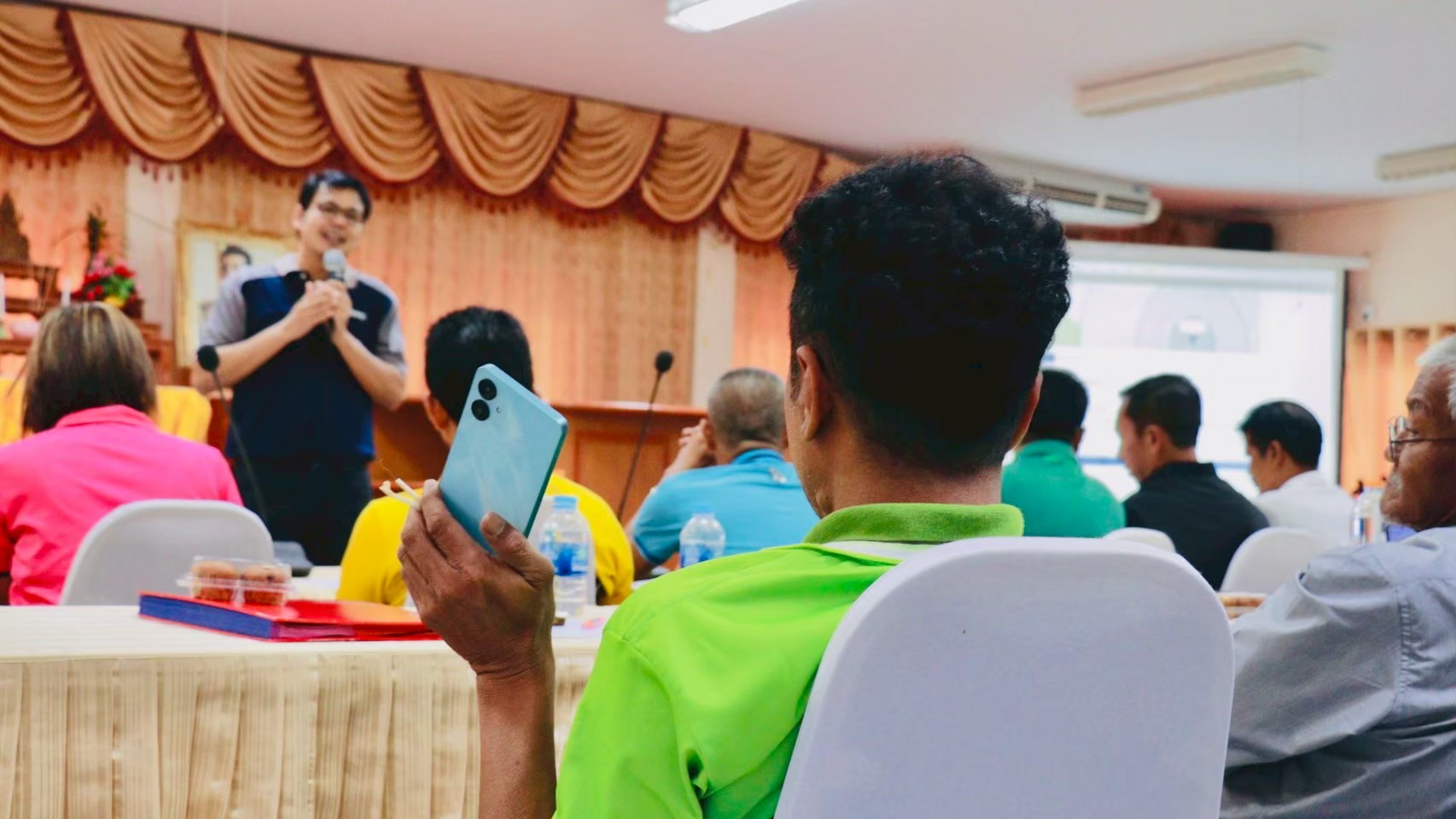
In 2024, Walailak University set out to empower farmers with modern water management tools to enhance their capacity to adapt to global changes and climate variability. While government agencies currently utilize large-scale systems to monitor water shortages, analyze governance responses, and allocate sufficient water for agricultural purposes, these tools are often complex and not easily accessible to farmers. Recognizing this challenge, the university is committed to creating user-friendly digital tools that enable farmers to manage water resources independently.
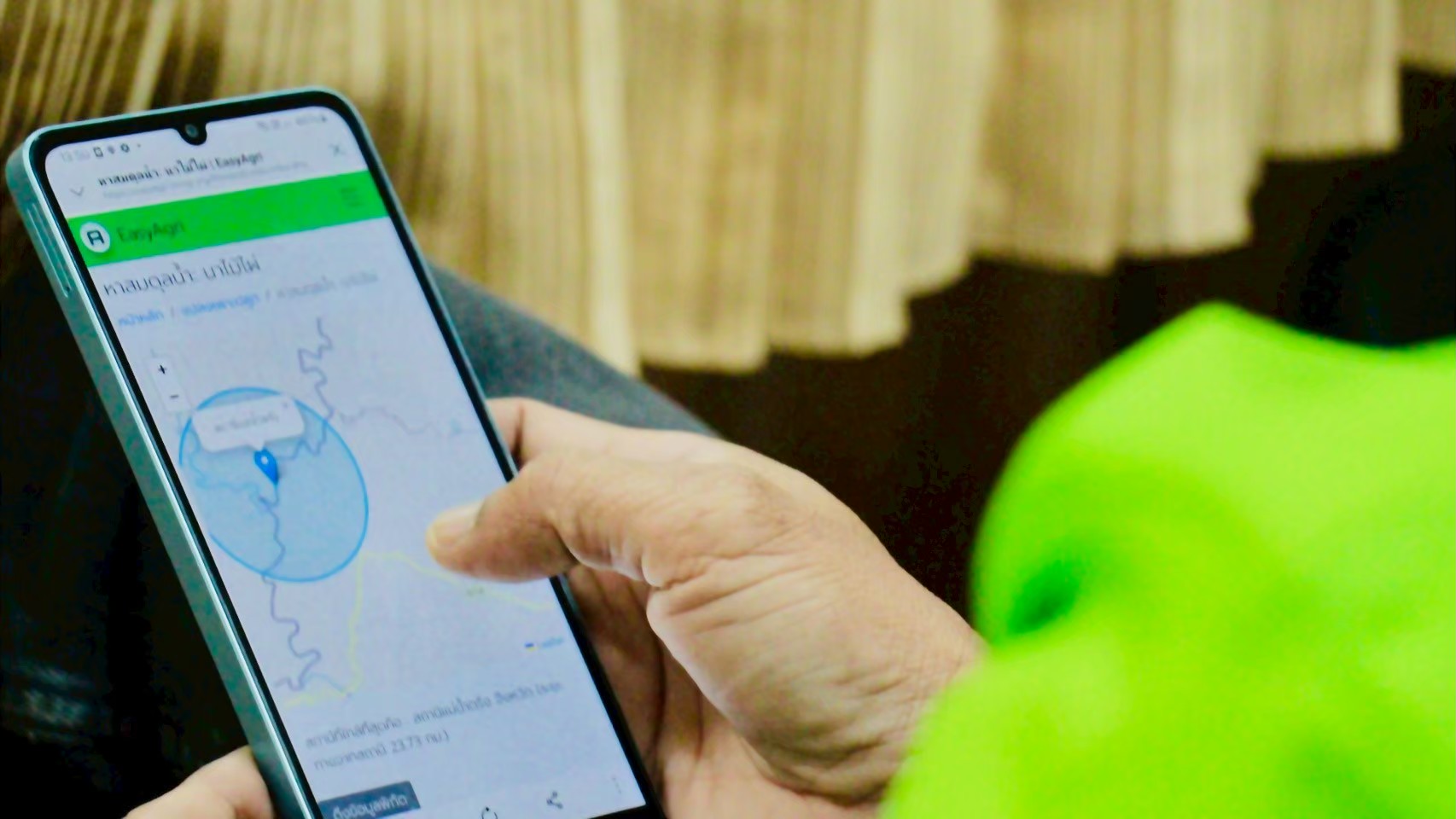
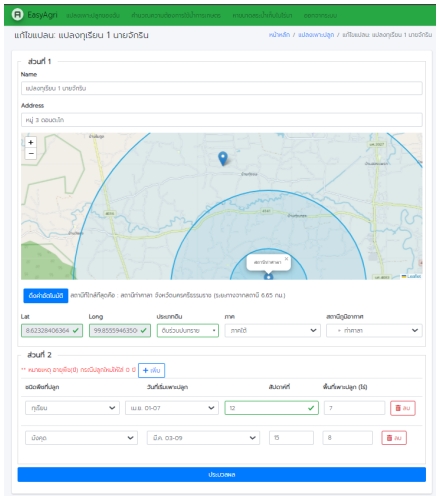
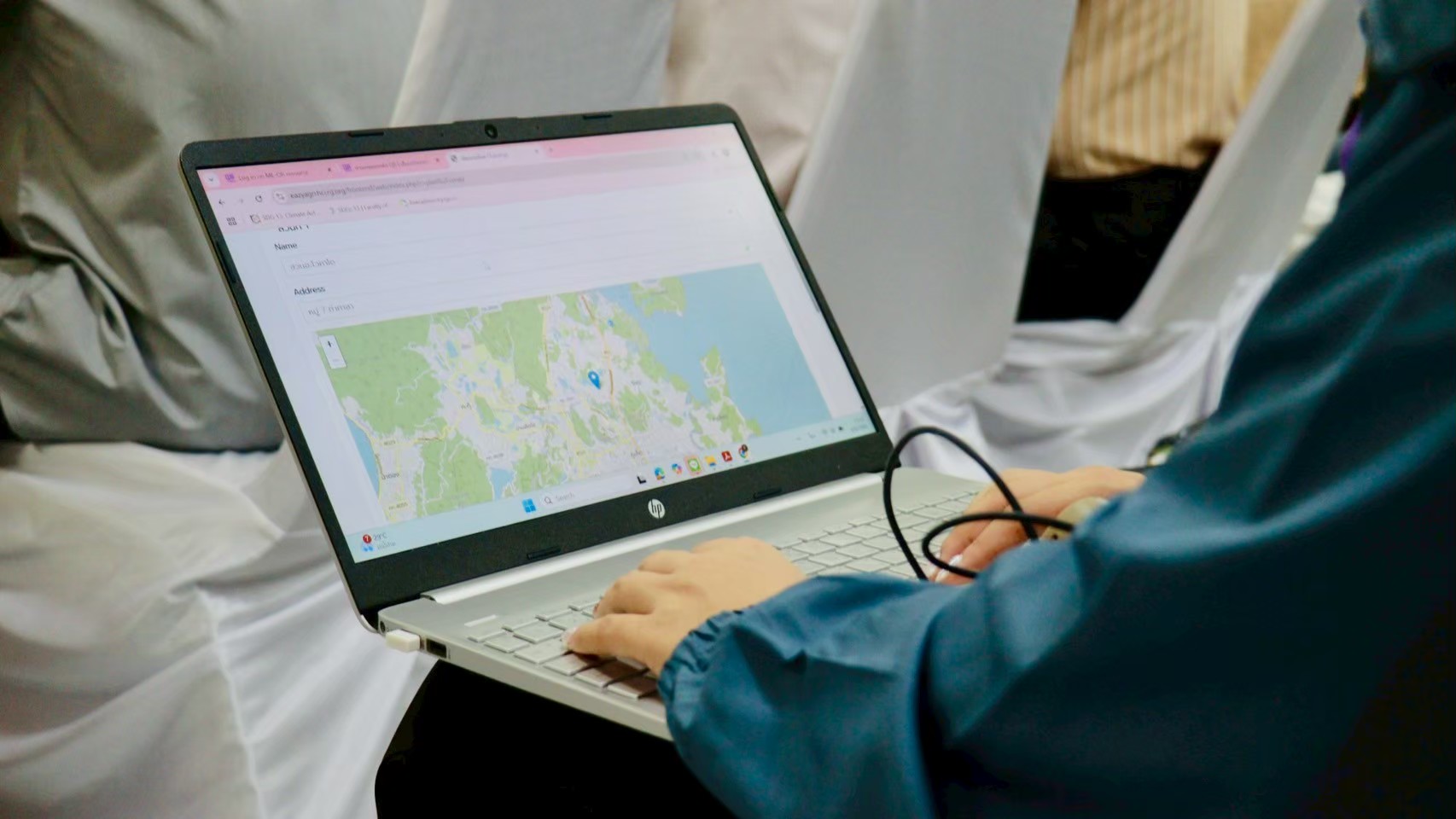
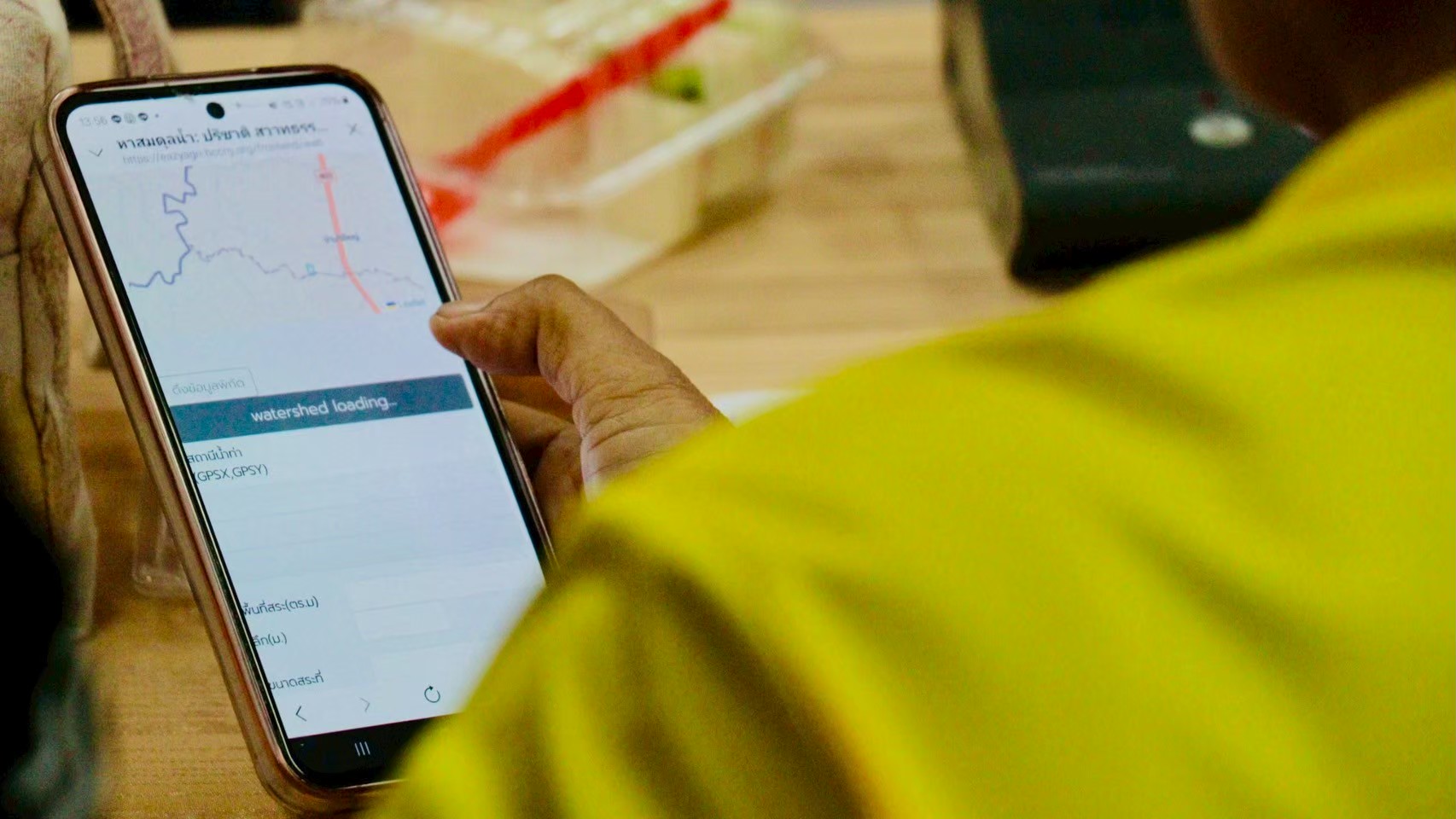
The initiative focuses on developing efficient, cloud-based water management systems that integrate analytical data, water demand forecasts, and assessments of available resources. The ultimate goal is to establish a digital platform that can be accessed via personal computers and mobile phones, allowing farmers to easily adopt and apply modern water management practices.
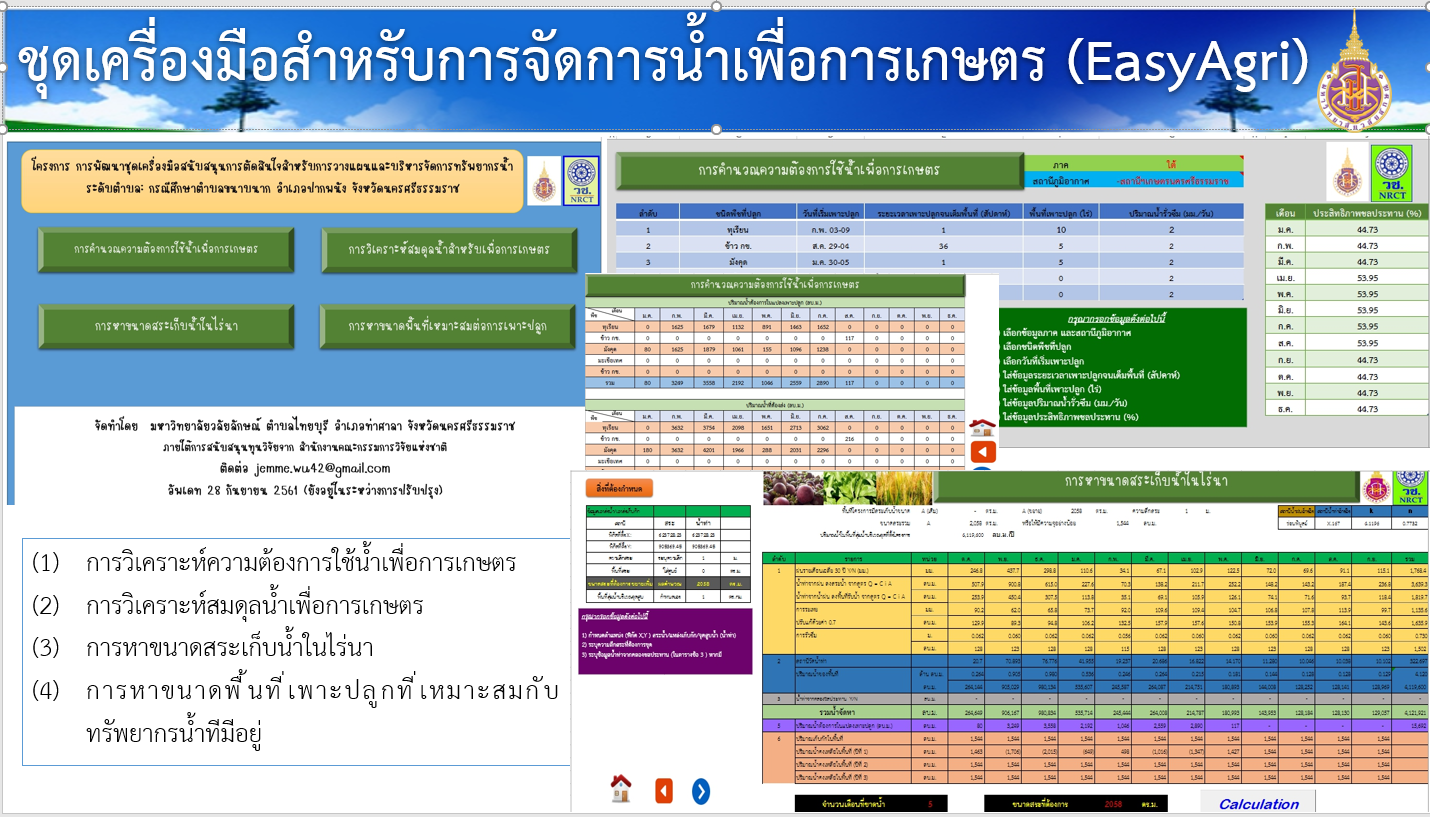
To achieve this, Walailak University has developed the Community Water Management Platform for Agriculture with Mobile Cloud Computing, building on its earlier research project that produced the “Easy-Agri” toolkit. This toolkit supports community-based agricultural water management through various training programs, including the use of a Water Supply Web Application for analyzing catchment areas, improving tools for calculating appropriate farm pond sizes, and assessing land suitability for different crops. Together, these innovations strengthen local capacity in sustainable water management and promote more resilient agricultural systems.
Sustainable Weir Management and Community Water Security in Na Mai Phai Subdistric
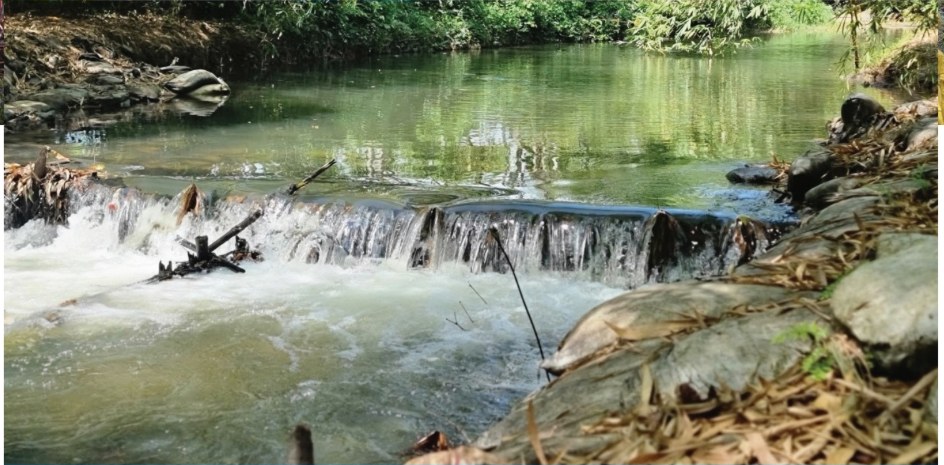
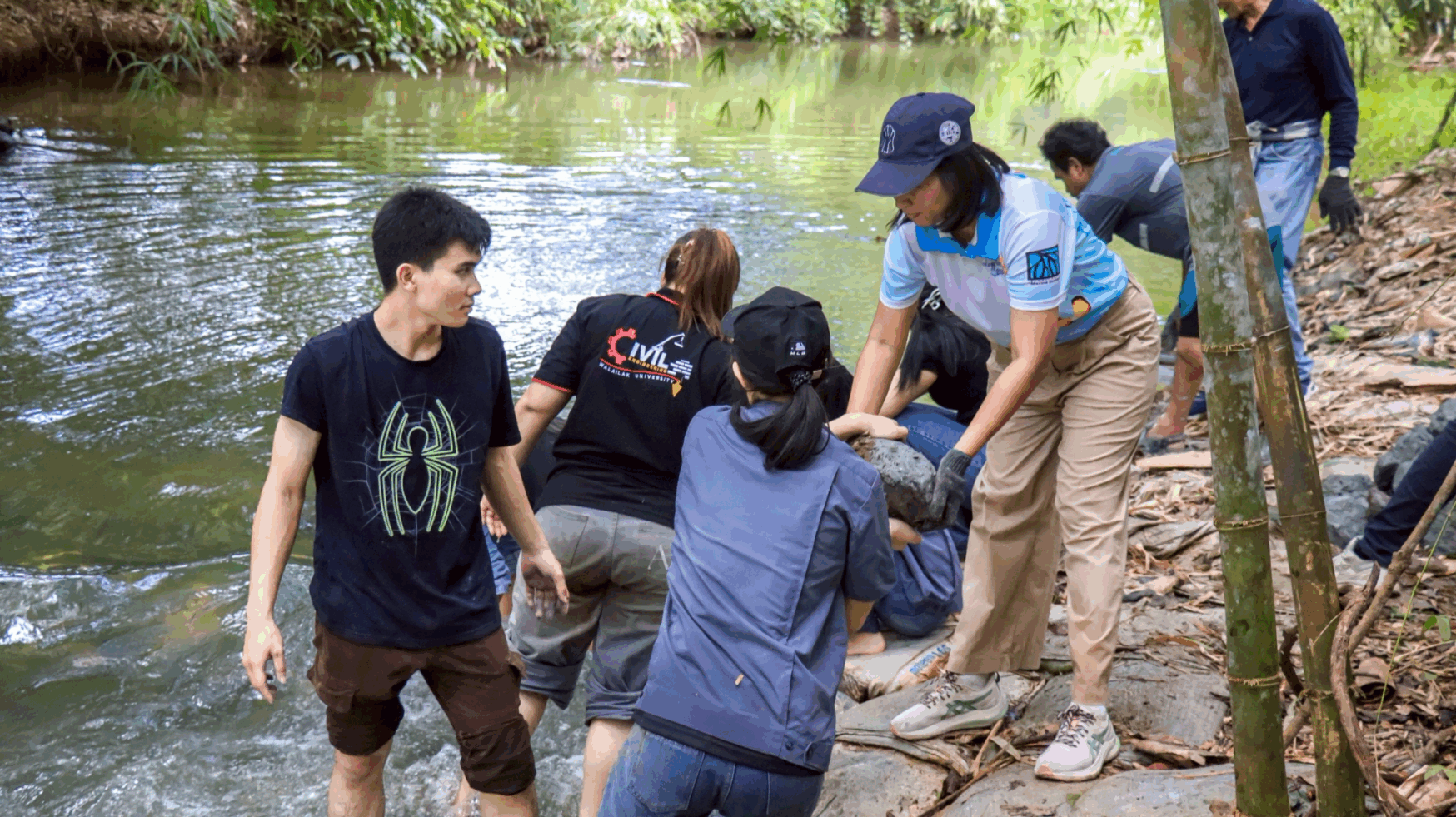
For more than five years, Walailak University has continuously implemented community educational outreach programs in Na Mai Phai Subdistrict, Thung Song District, Nakhon Si Thammarat Province. These initiatives aim to enhance water security and improve environmental conditions for local ecosystems through the development and maintenance of a community weir system. The subdistrict has long faced challenges related to water scarcity, significantly affecting both local livelihoods and the surrounding natural environment.
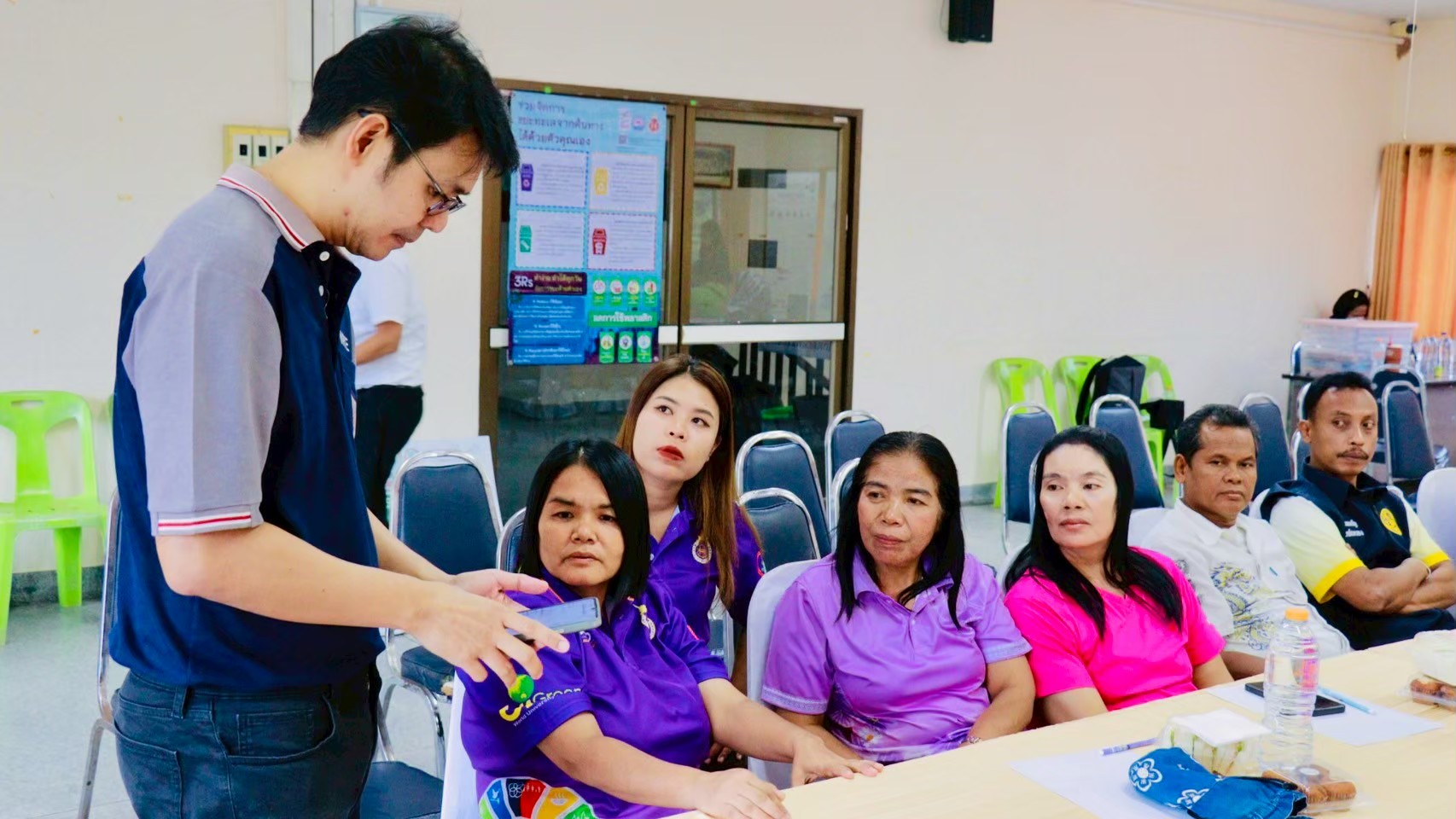
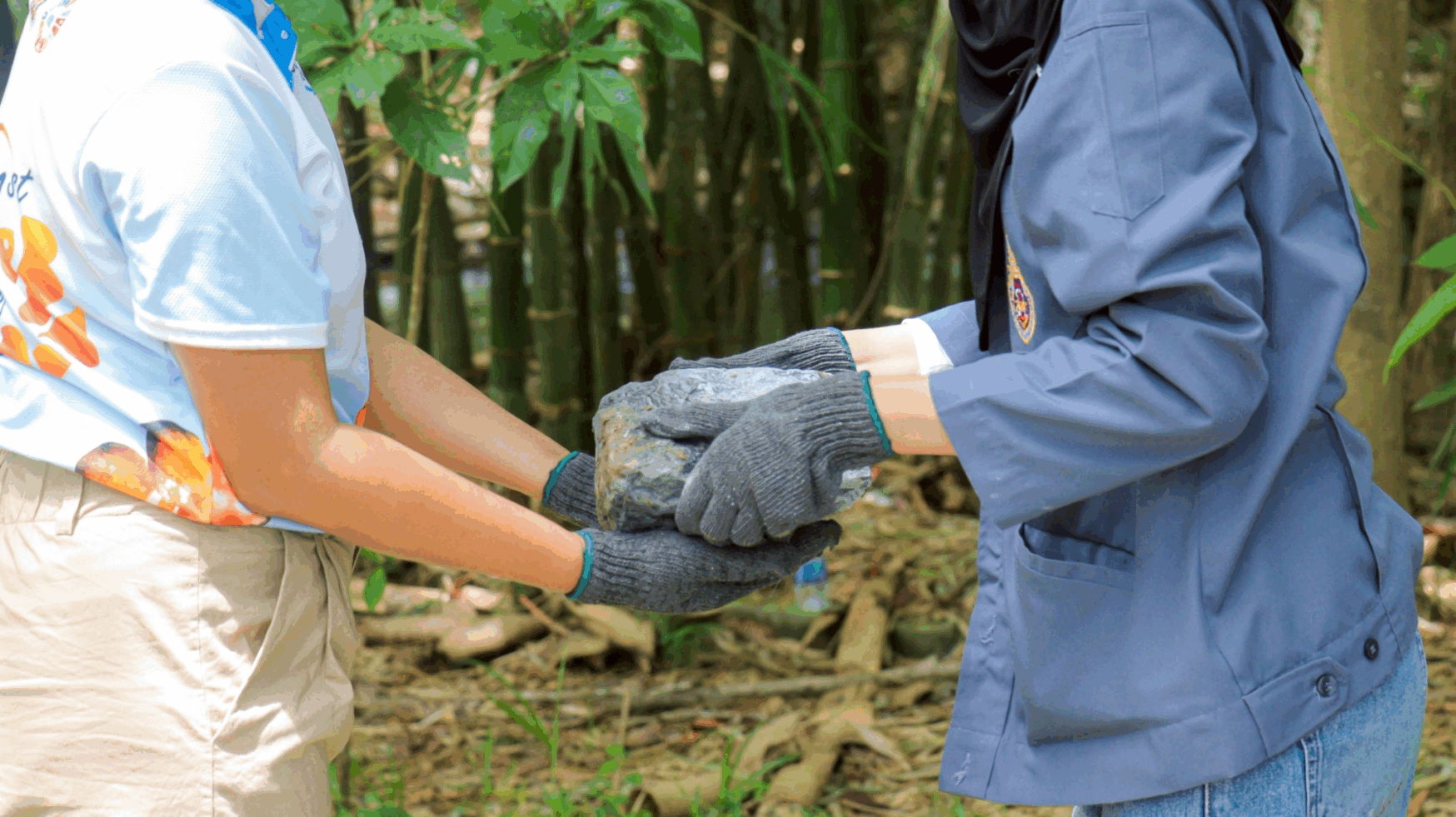
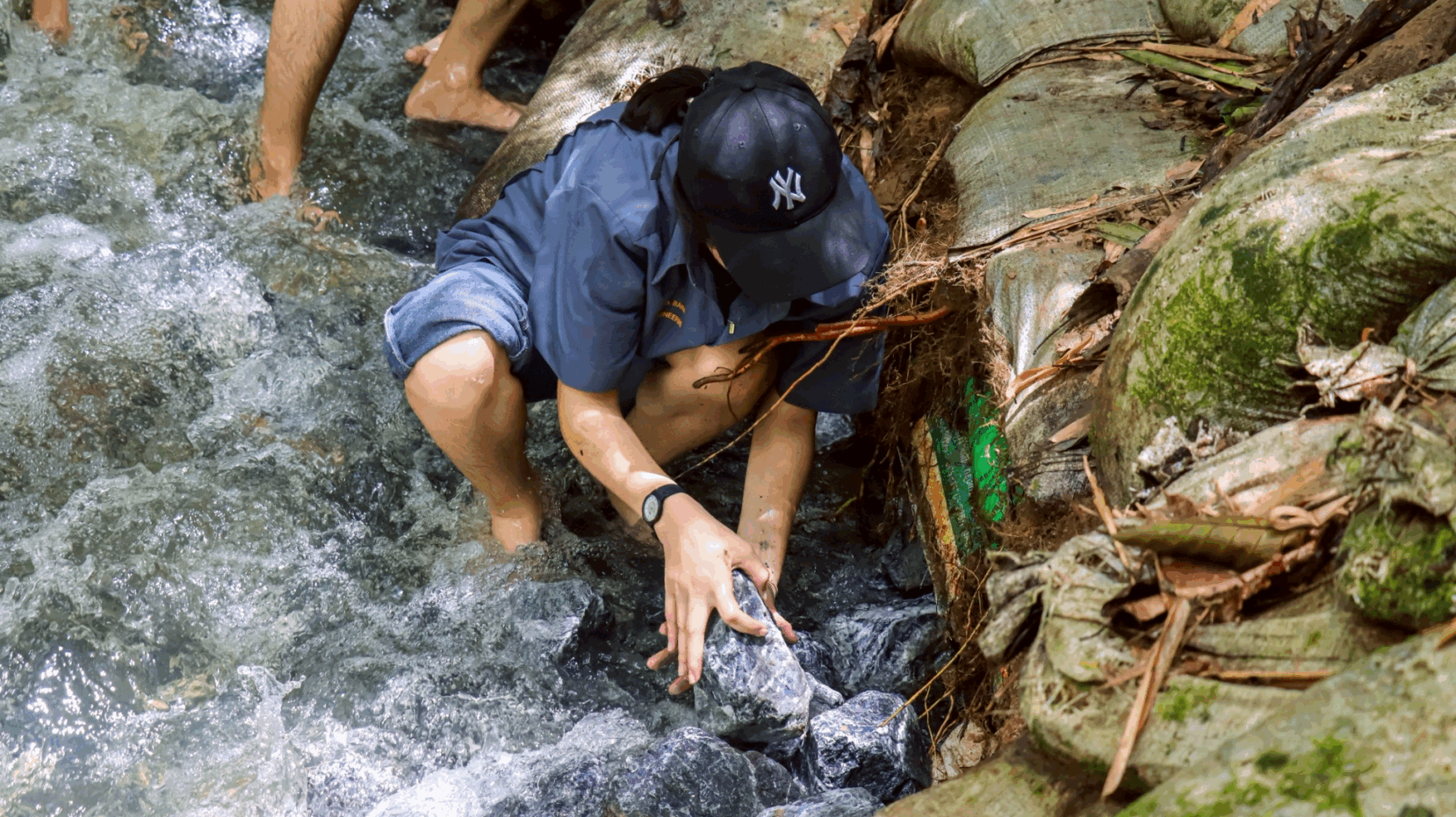
Despite ongoing efforts, many local residents and government officials still lacked sufficient knowledge and technical capacity to maintain, improve, and restore the weir effectively. In response, Walailak University has continued to provide technical assistance, hands-on training, and collaborative programs to strengthen community capabilities in sustainable water management.
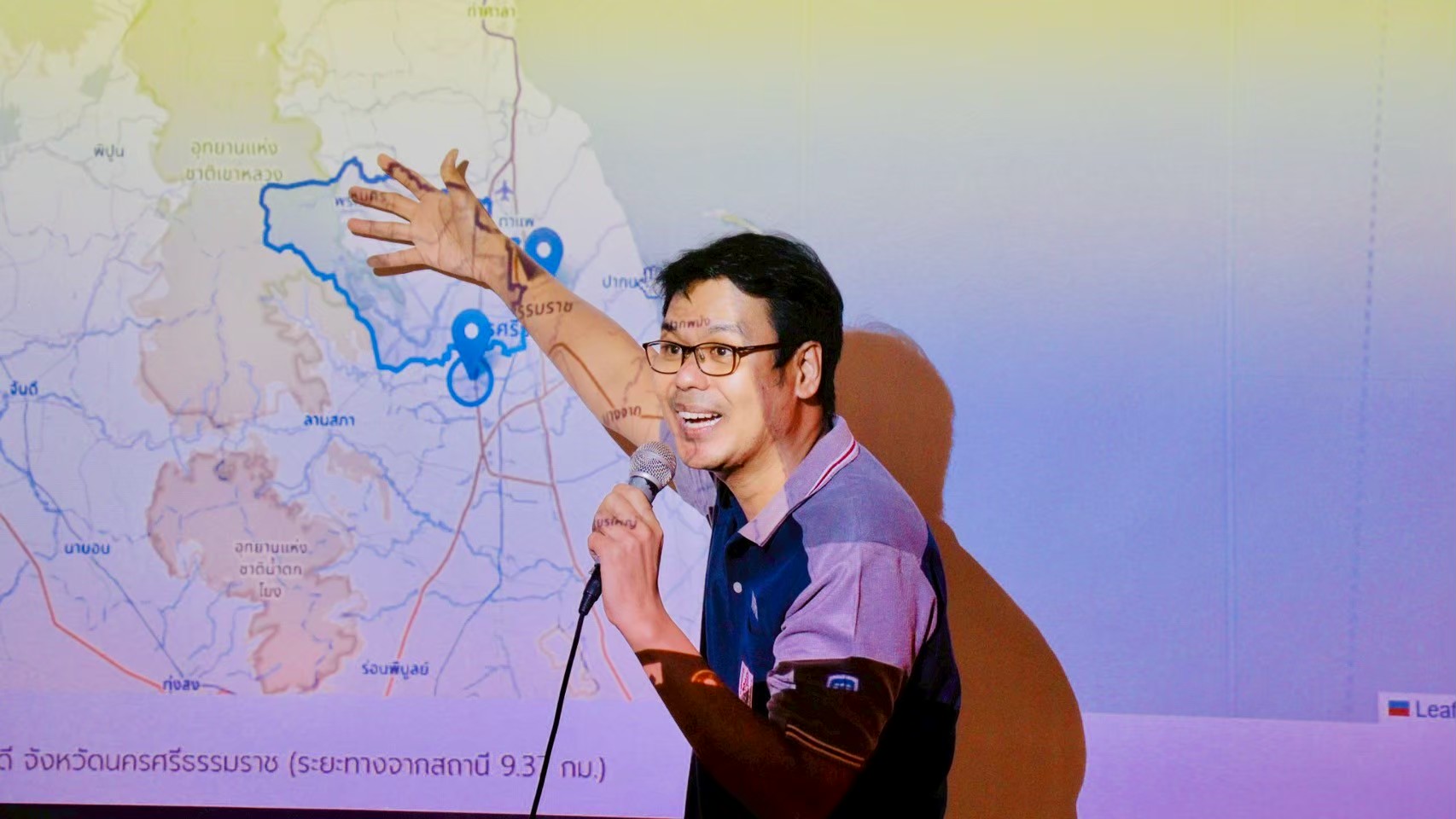
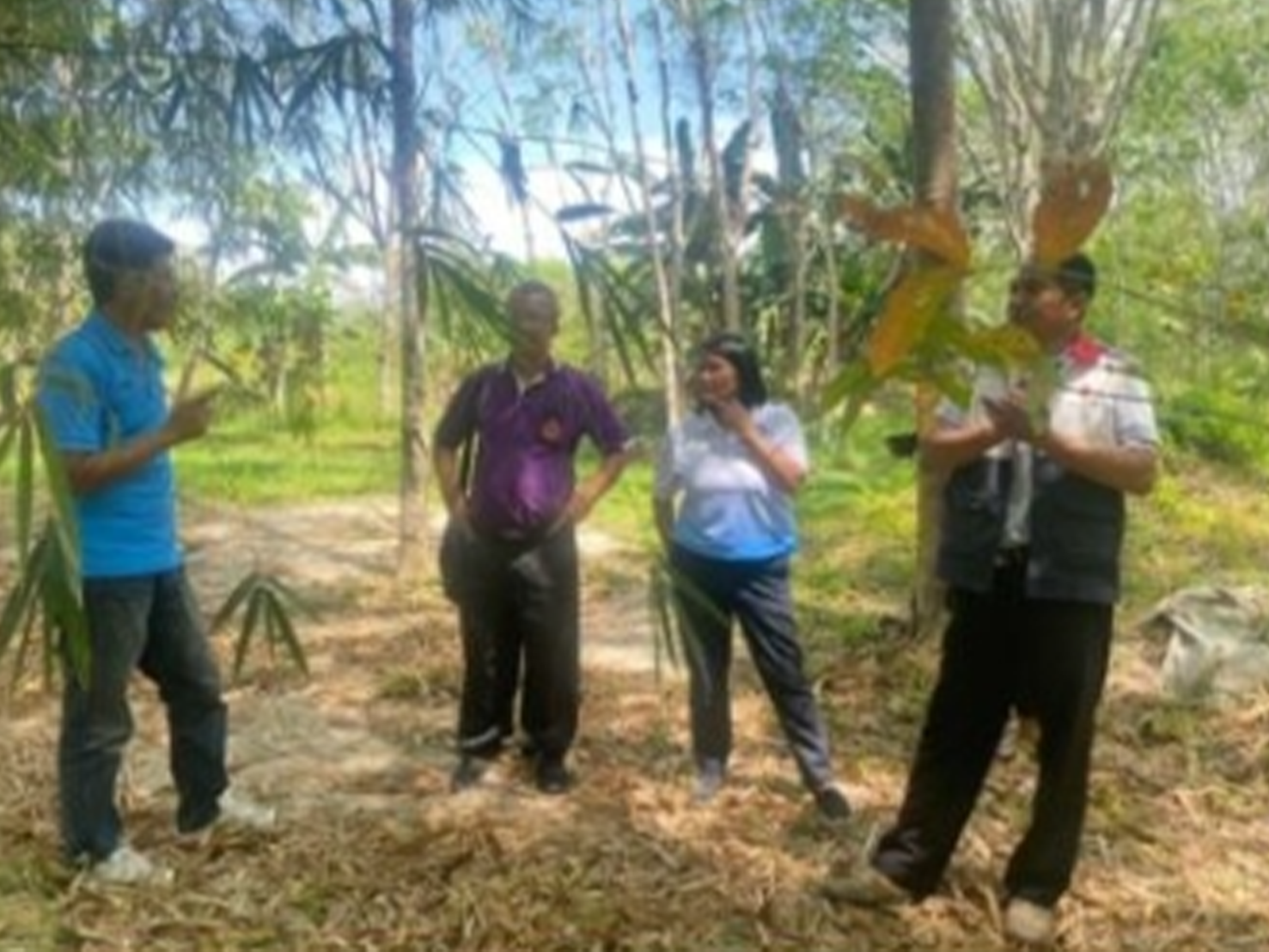
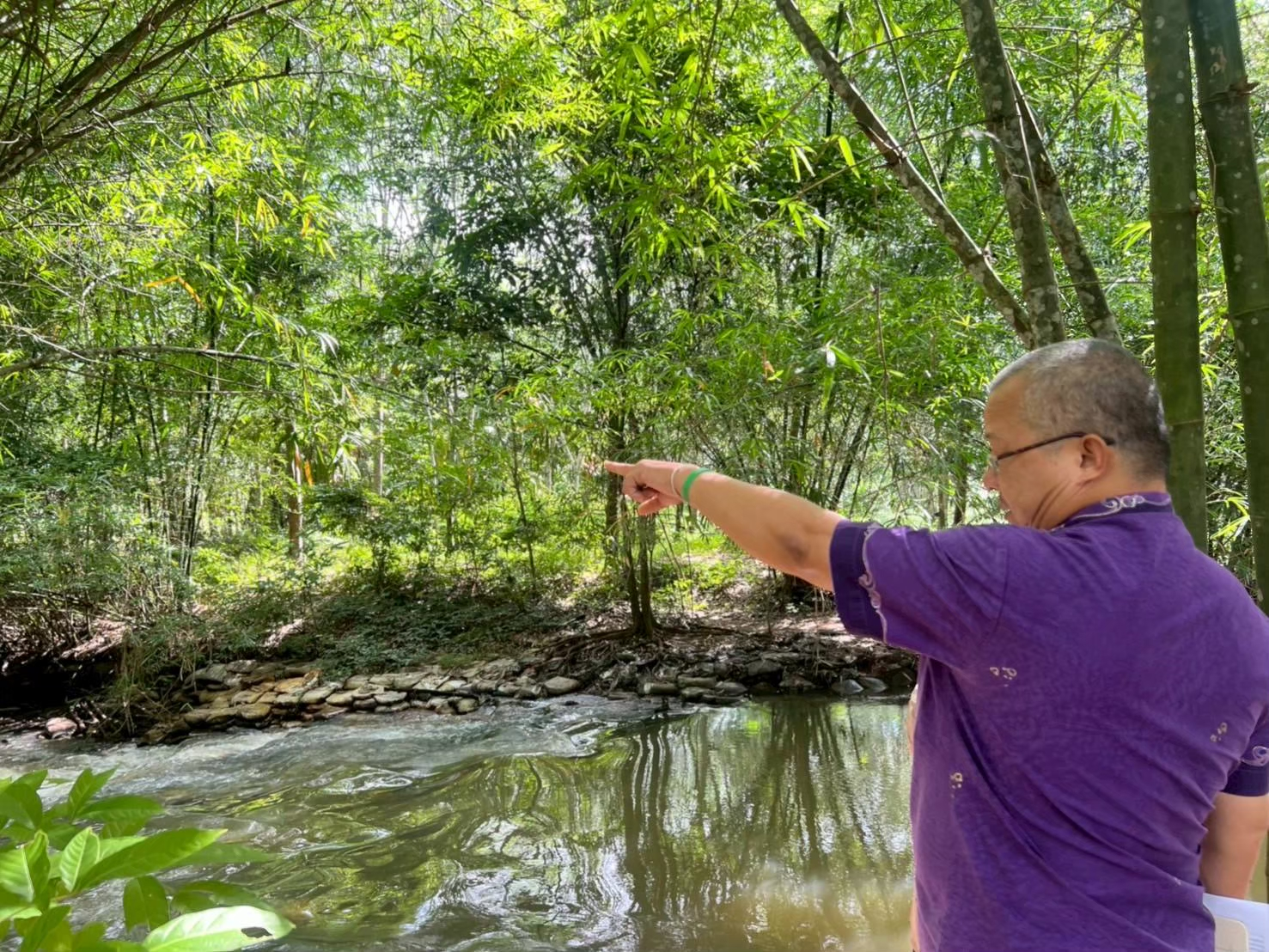
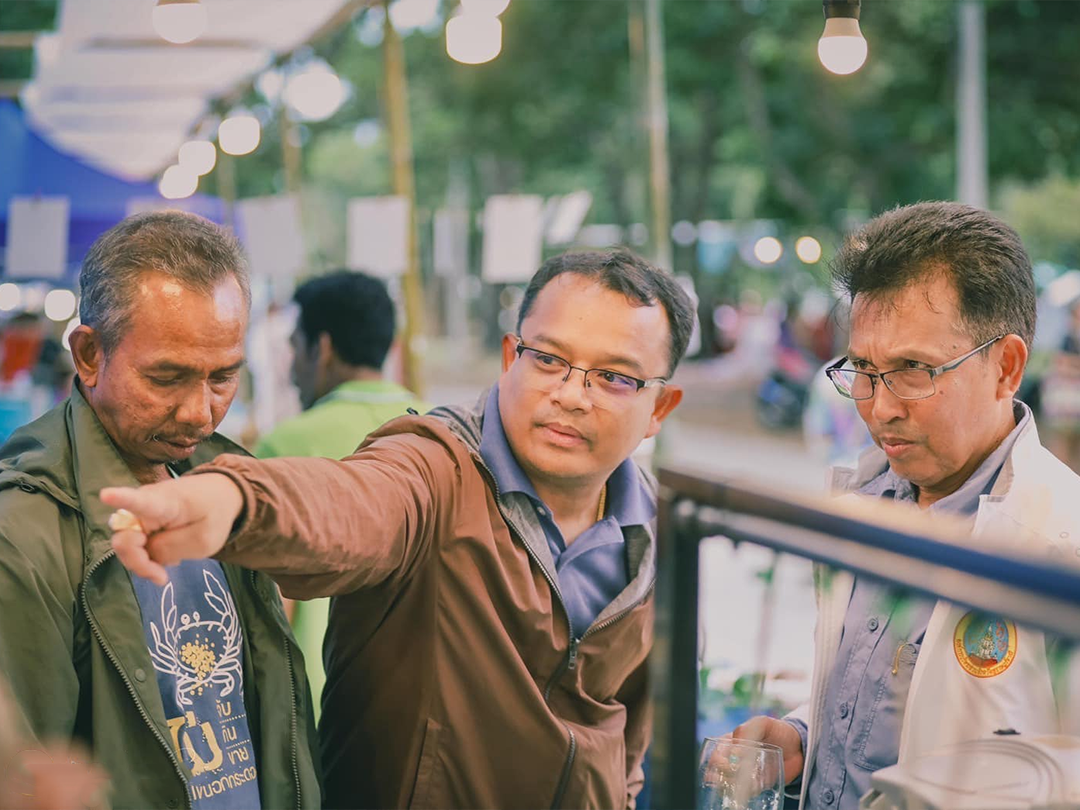
In 2024, Mr. Suthira Thongkao, a researcher in aquatic science at Walailak University, led a site visit to evaluate the condition of the weir in collaboration with local community members and government representatives. The field survey included an assessment of the weir’s structure, interviews with residents, and an evaluation of community well-being and dependence on local water resources.
The assessment revealed that the weir had sustained significant structural damage due to inadequate maintenance and the absence of a systematic restoration process. Aquatic biodiversity was also found to be low, with few fish and freshwater species remaining in the stream. Many local farmers experienced water shortages, which reduced agricultural productivity and increased vulnerability to drought conditions.
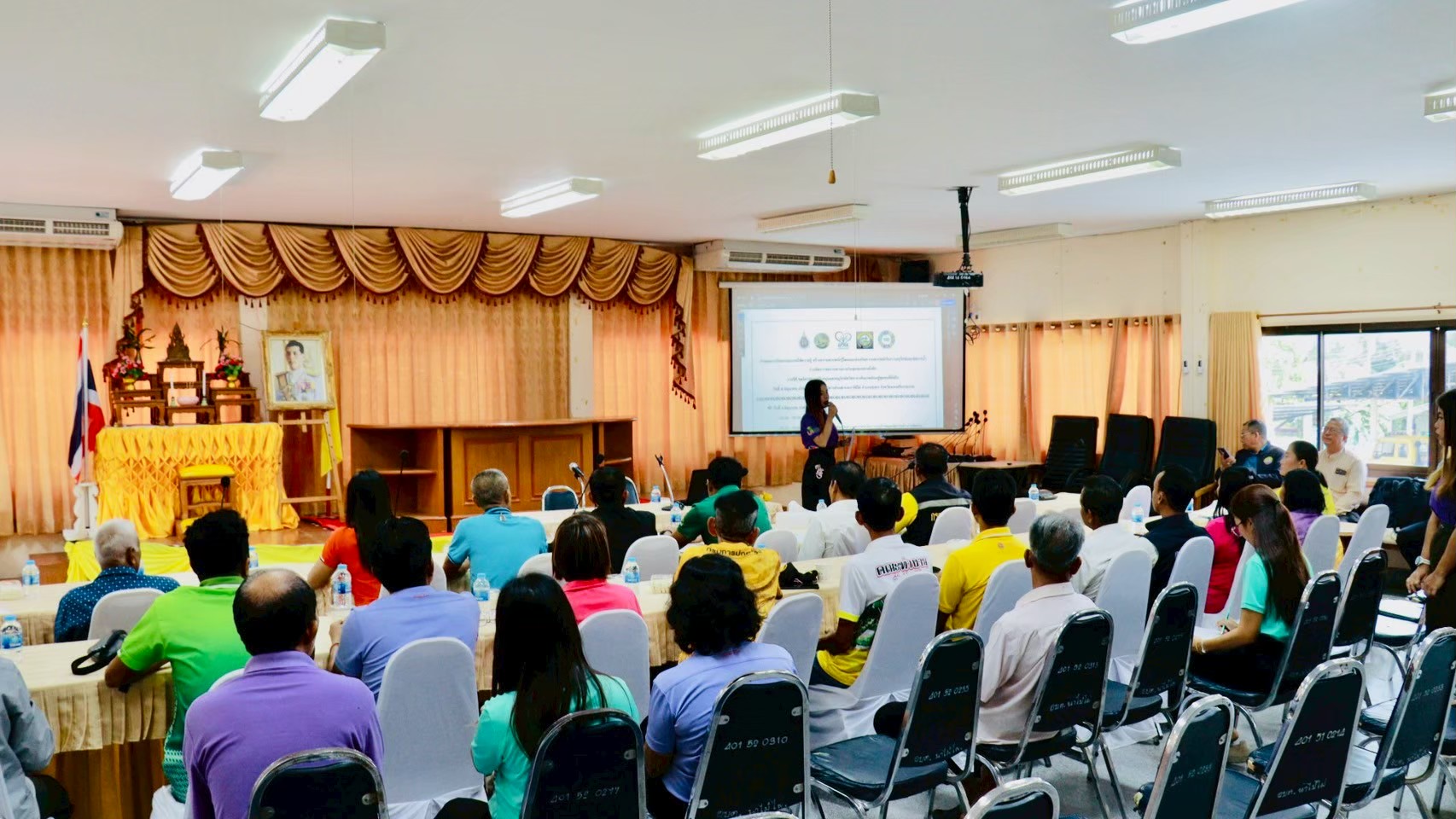
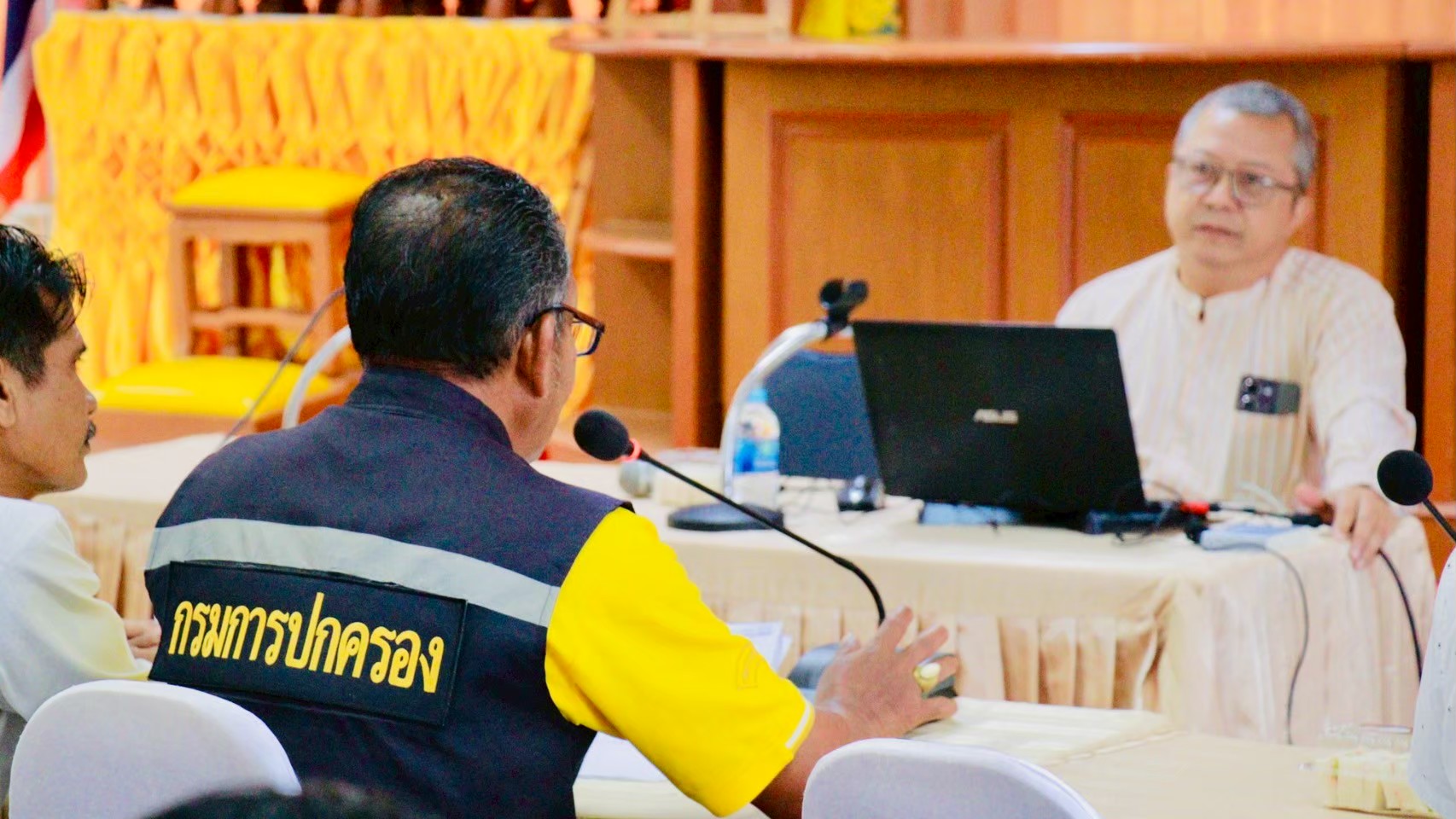
Following the survey, Mr. Thongkao and community representatives organized a public consultation meeting to discuss the findings, identify root causes, and set restoration priorities for the weir and its surrounding environment. This collaborative effort reflected Walailak University’s commitment to empowering communities with the knowledge and tools needed for long-term water resource sustainability.
The Events to Promote the Conservation and Sustainable Utilization of Marine Resources
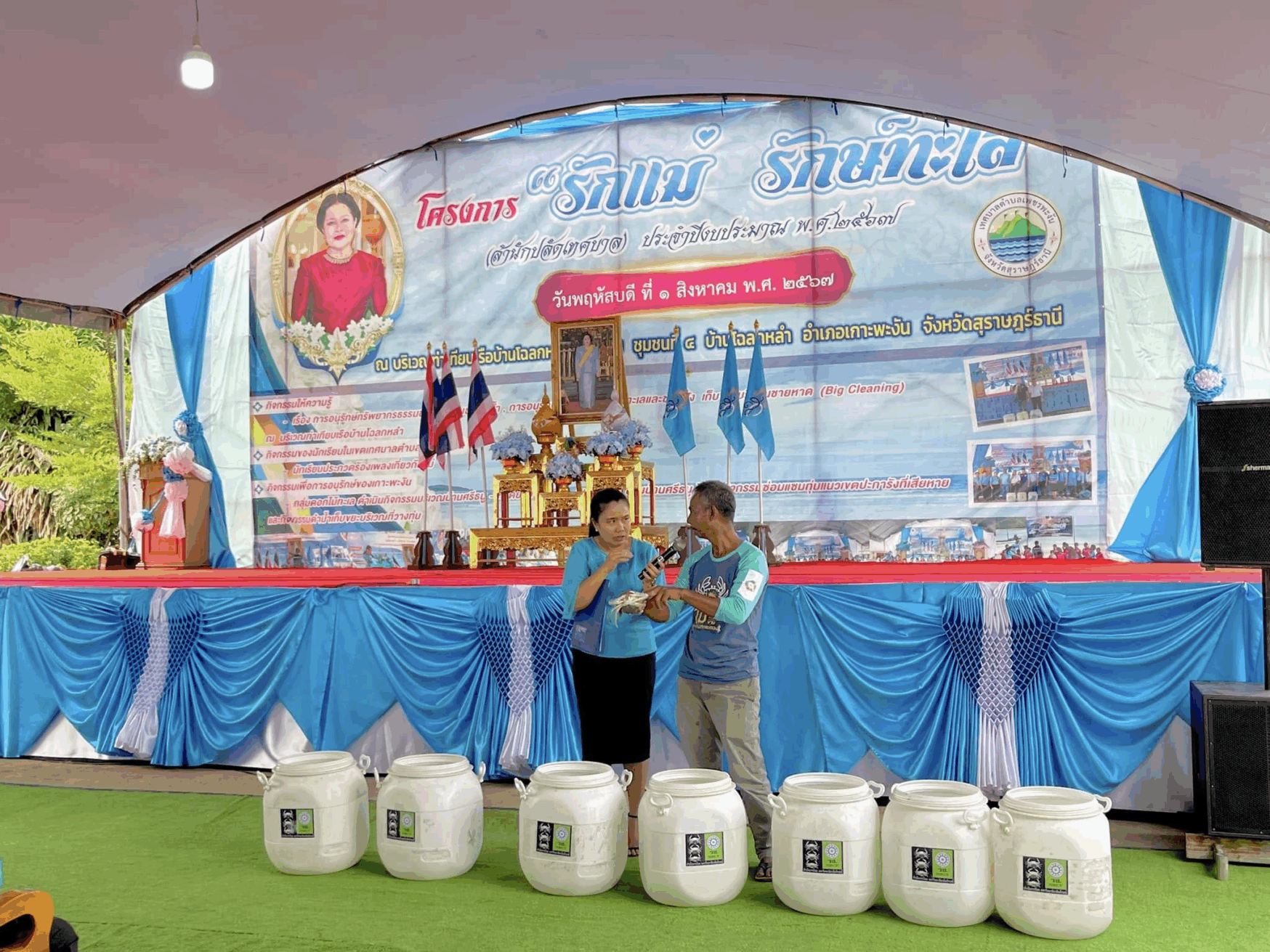
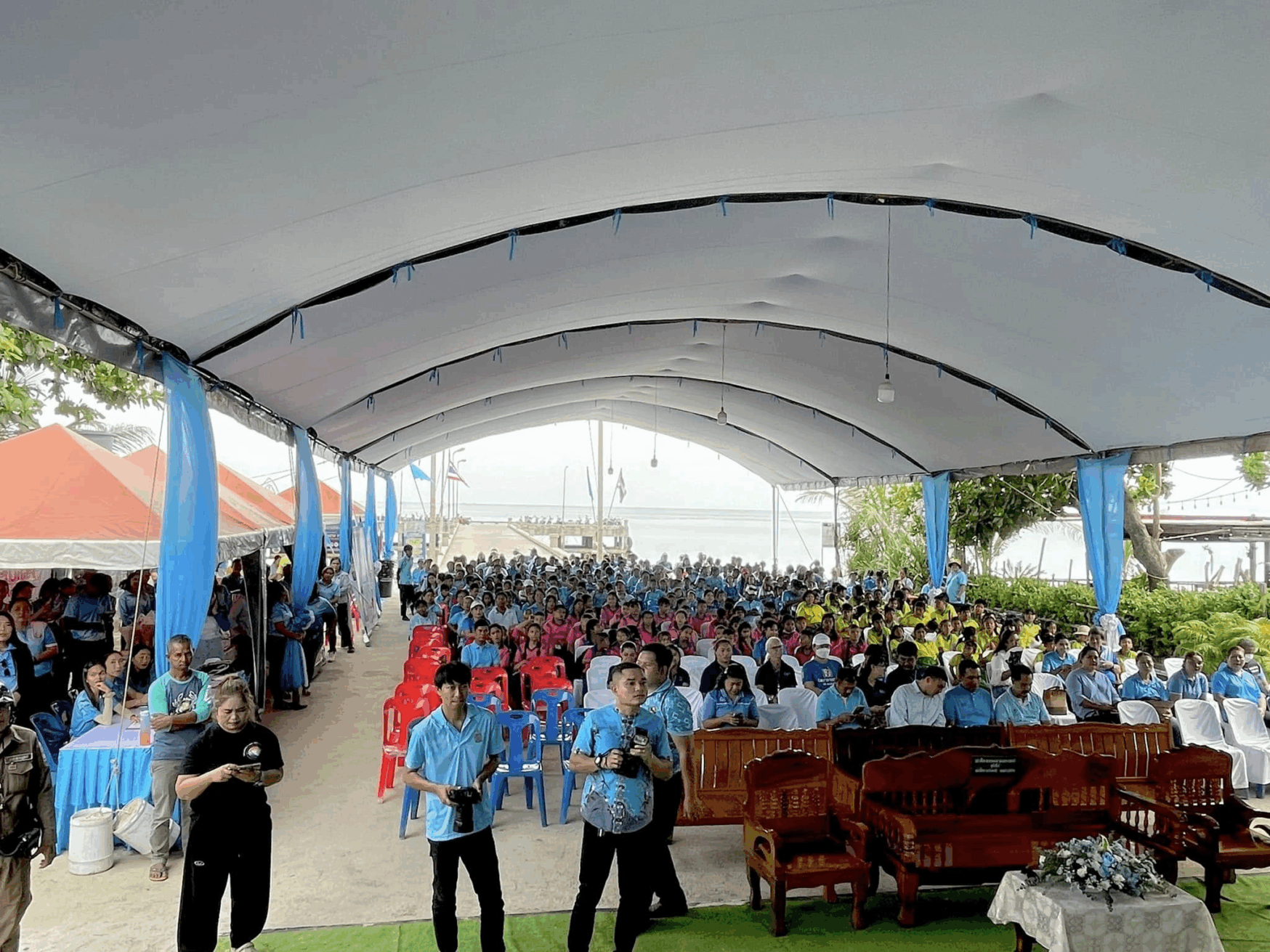
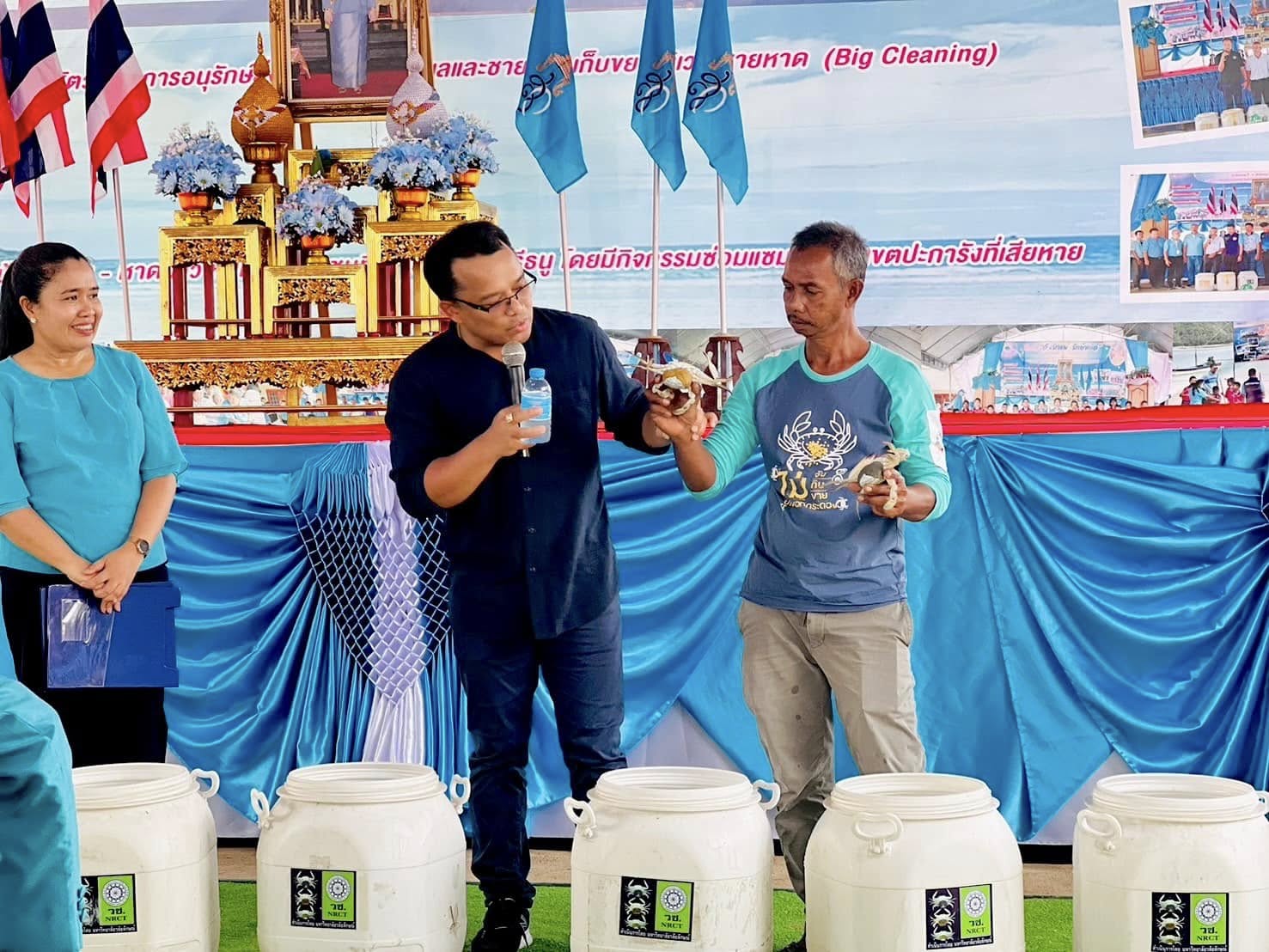
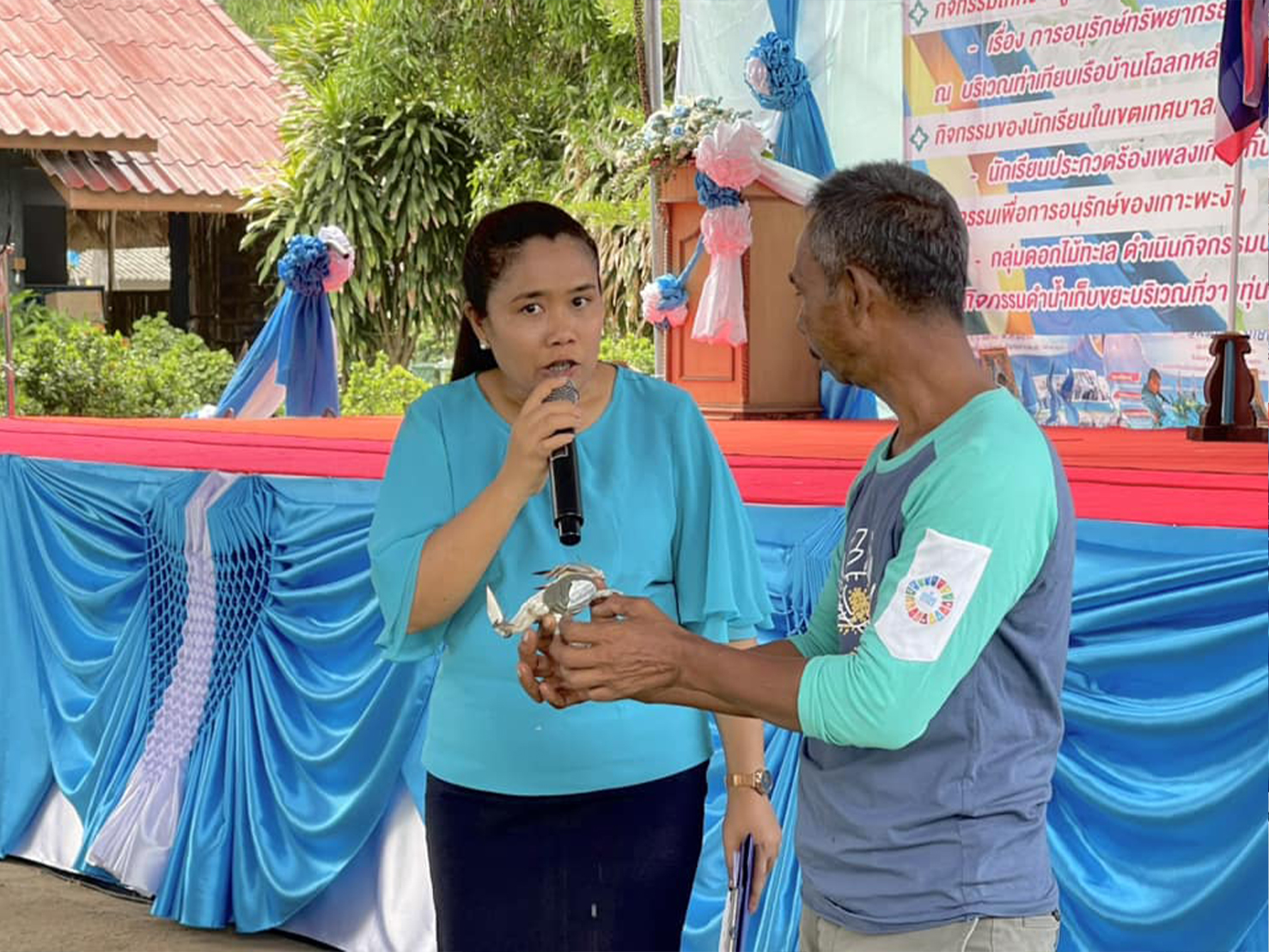
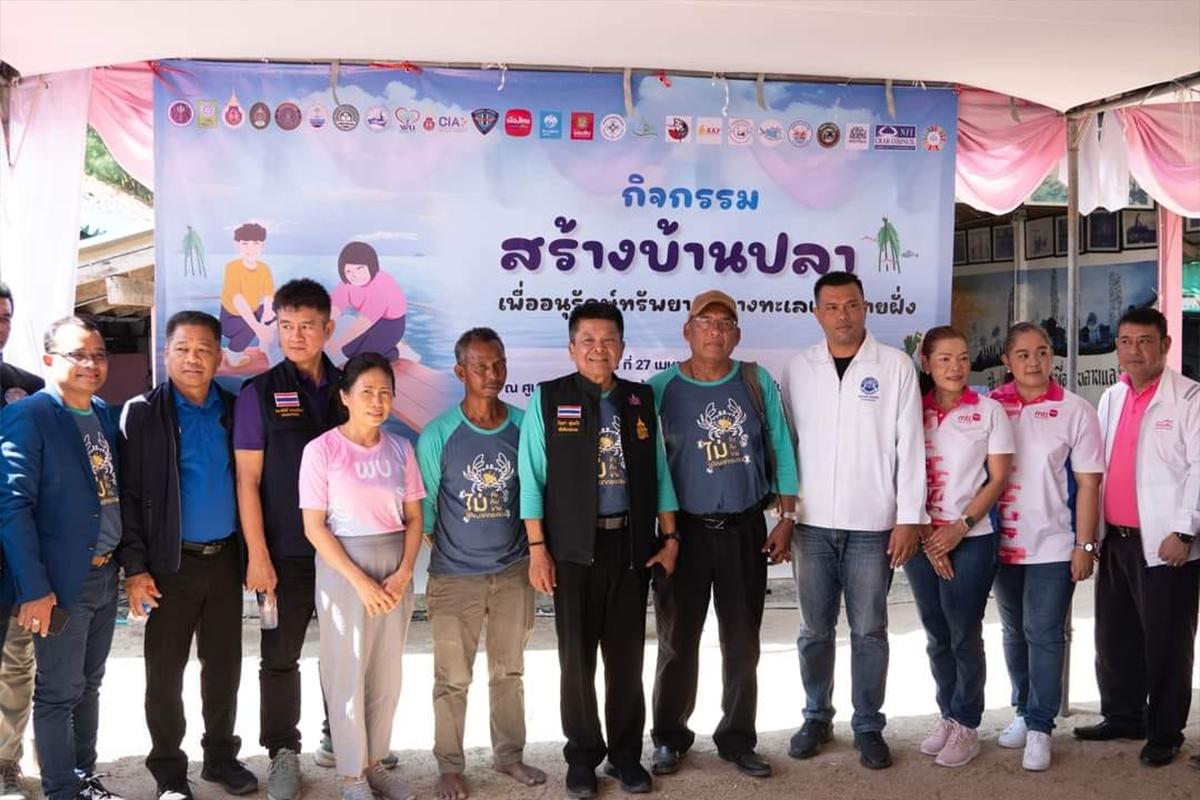
Walailak University organized a workshop for local fishermen of Ban Wok Tum Blue Swimming Crab Bank and local fishermen, local government authorities, youth, and the general public in Pha Ngan Island, Surat Thani, to raise awareness about sustainable fishing practice and the sustainable utilization of marine resources. Key activities in the event include:
Awareness about Sustainable Fishing Practices
Walailak University provided knowledge to local fishermen, local government authorities, youth, and the general public in Pha Ngan Island, Surat Thani. This educational outreach program aimed to provide knowledge on the sustainable fishing practices of blue swimming crabs. WU also provided the knowledge about the sustainable fishing practices of blue swimming crabs to avoid damage to sea turtles, as the number of sea turtles gradually increased in 2024.
The issues that WU provided on the sustainable fishing practices of blue swimming crabs to avoid damage to sea turtles include promoting and teaching the use of crab traps or nets designed to reduce the bycatch of sea turtles, advising on fishing at the times and in areas where sea turtles are less likely to be present around the island and teaching how to properly release a sea turtle when accidentally caught by the crab traps or nets.
Releasing Baby Sea Turtles to the Sea
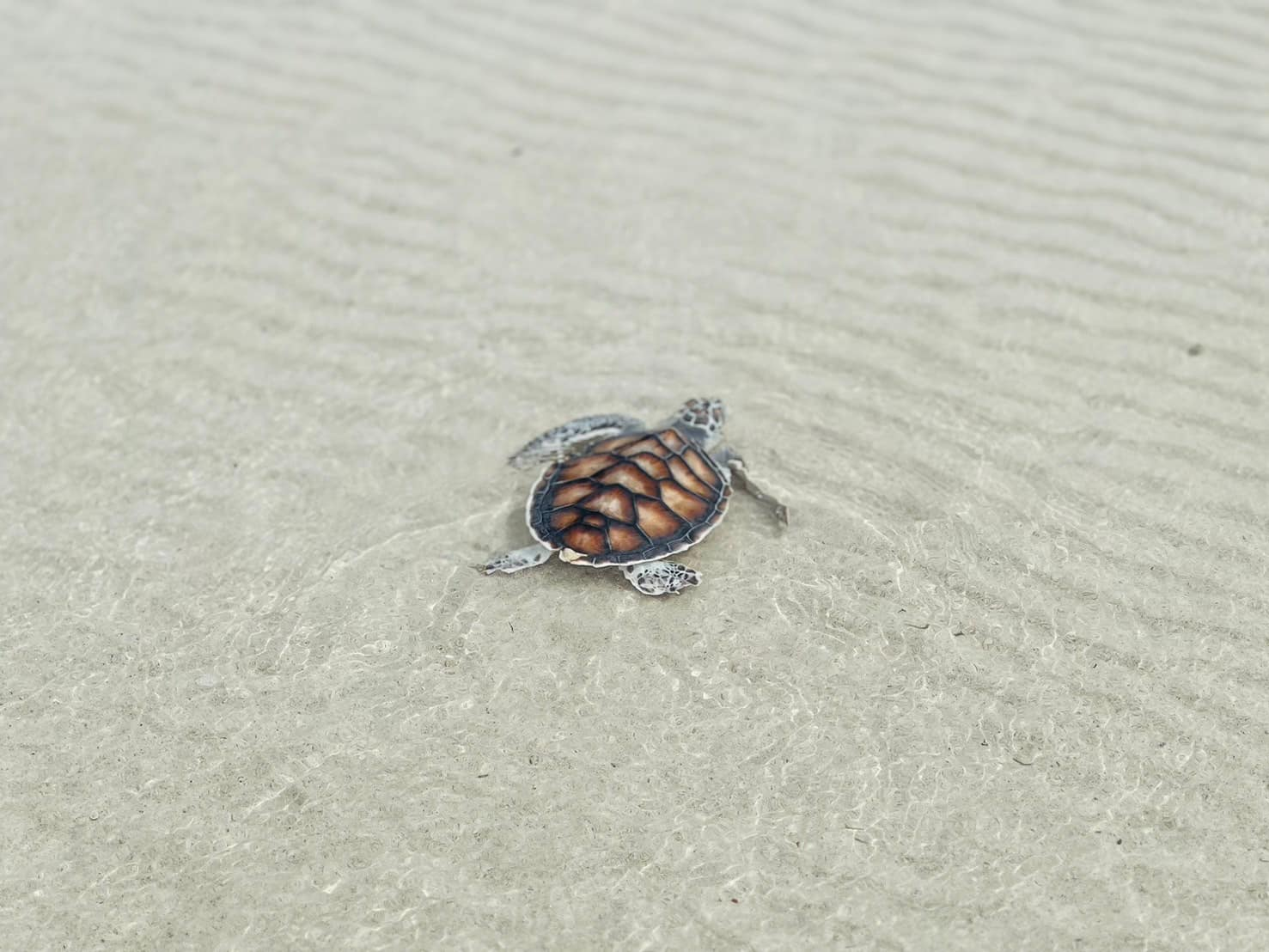
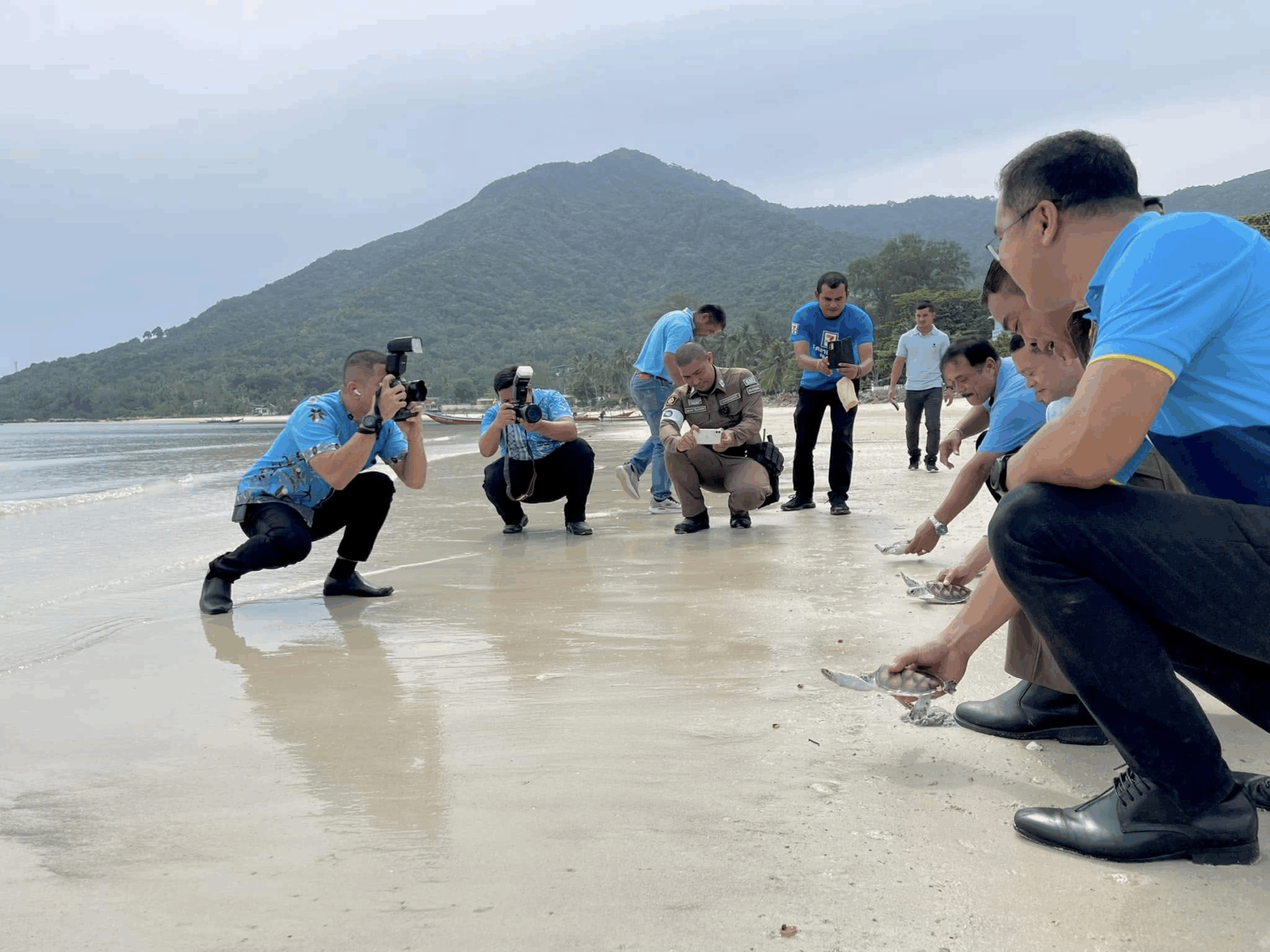
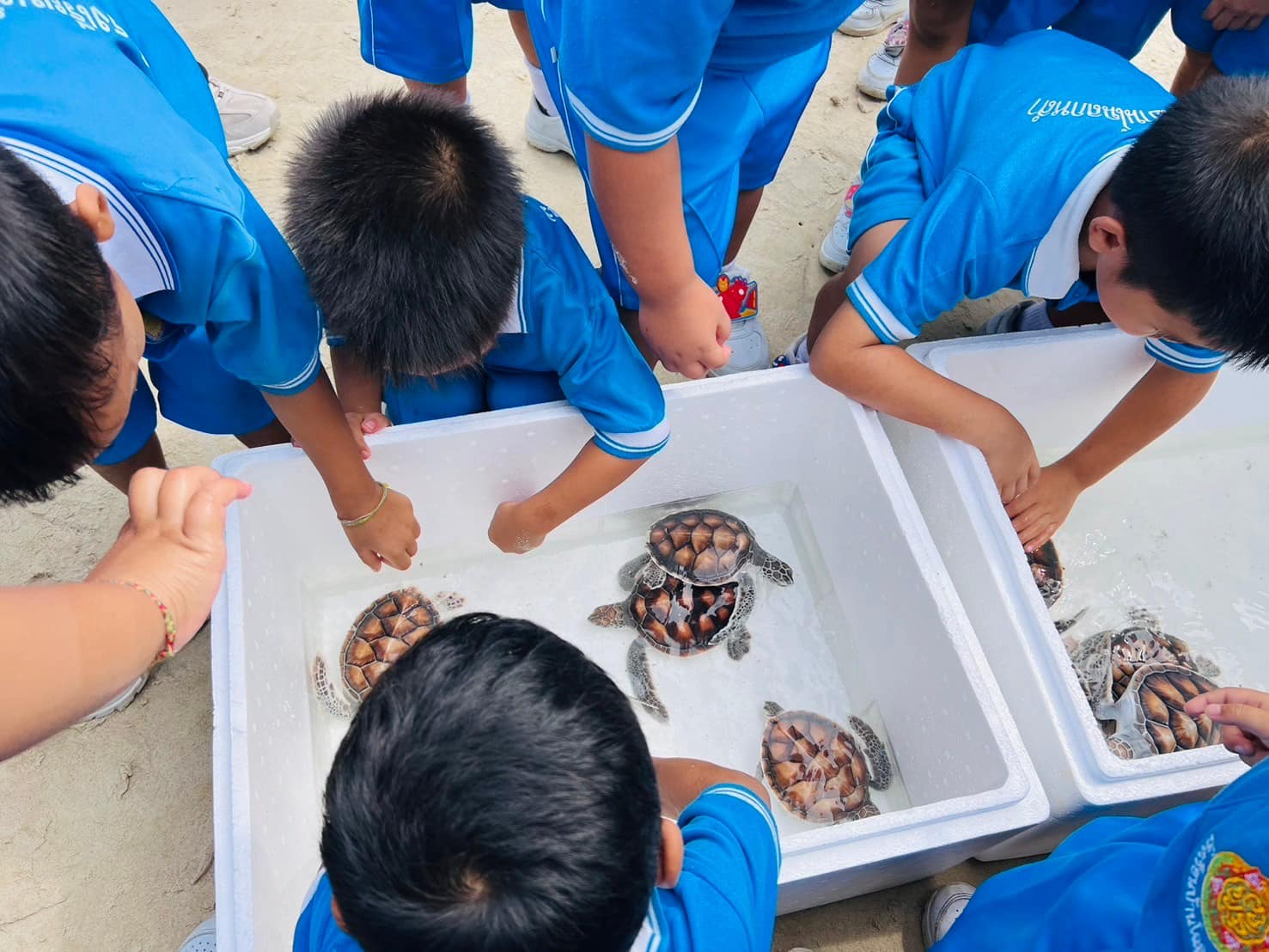
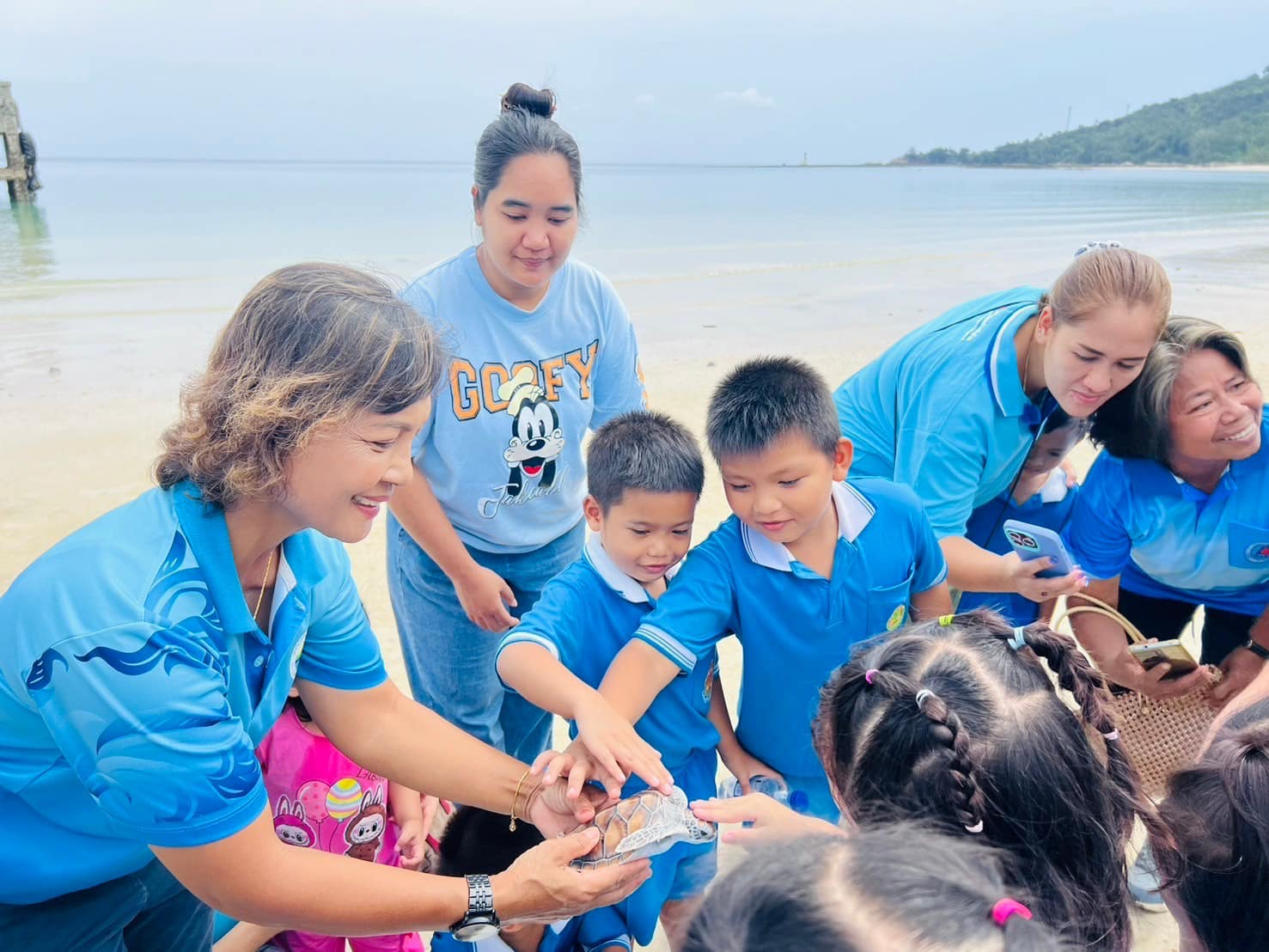
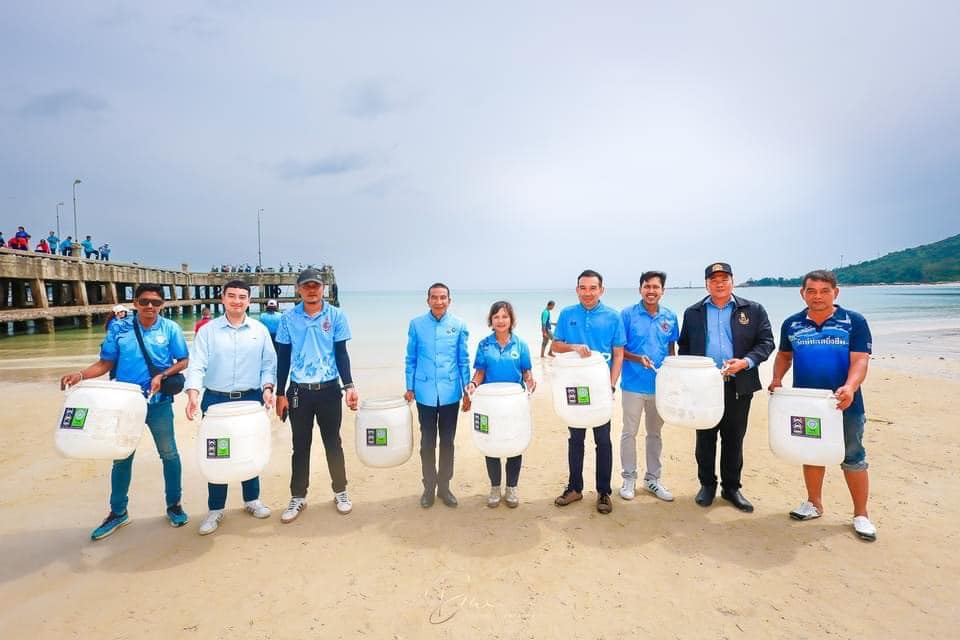
Walailak University and the partners collaboratively released baby sea turtles to the sea around Pha Ngan Island that were nursed at nursery centers on the island. This aimed to increase the number of sea turtles in nature. Additionally, it could enhance the biodiversity and marine ecosystems around the island.
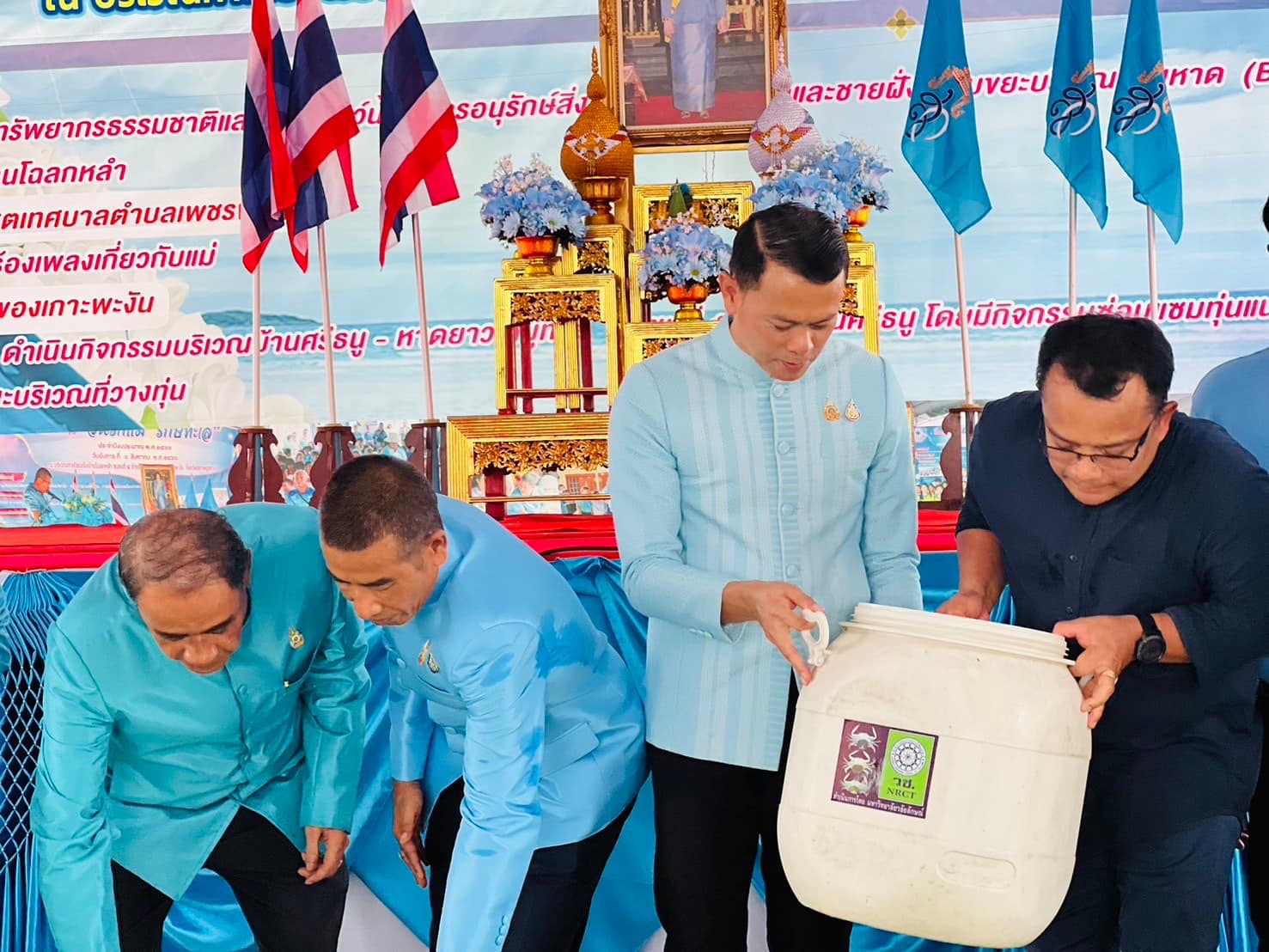
Releasing Juvenile Blue Swimming Crabs
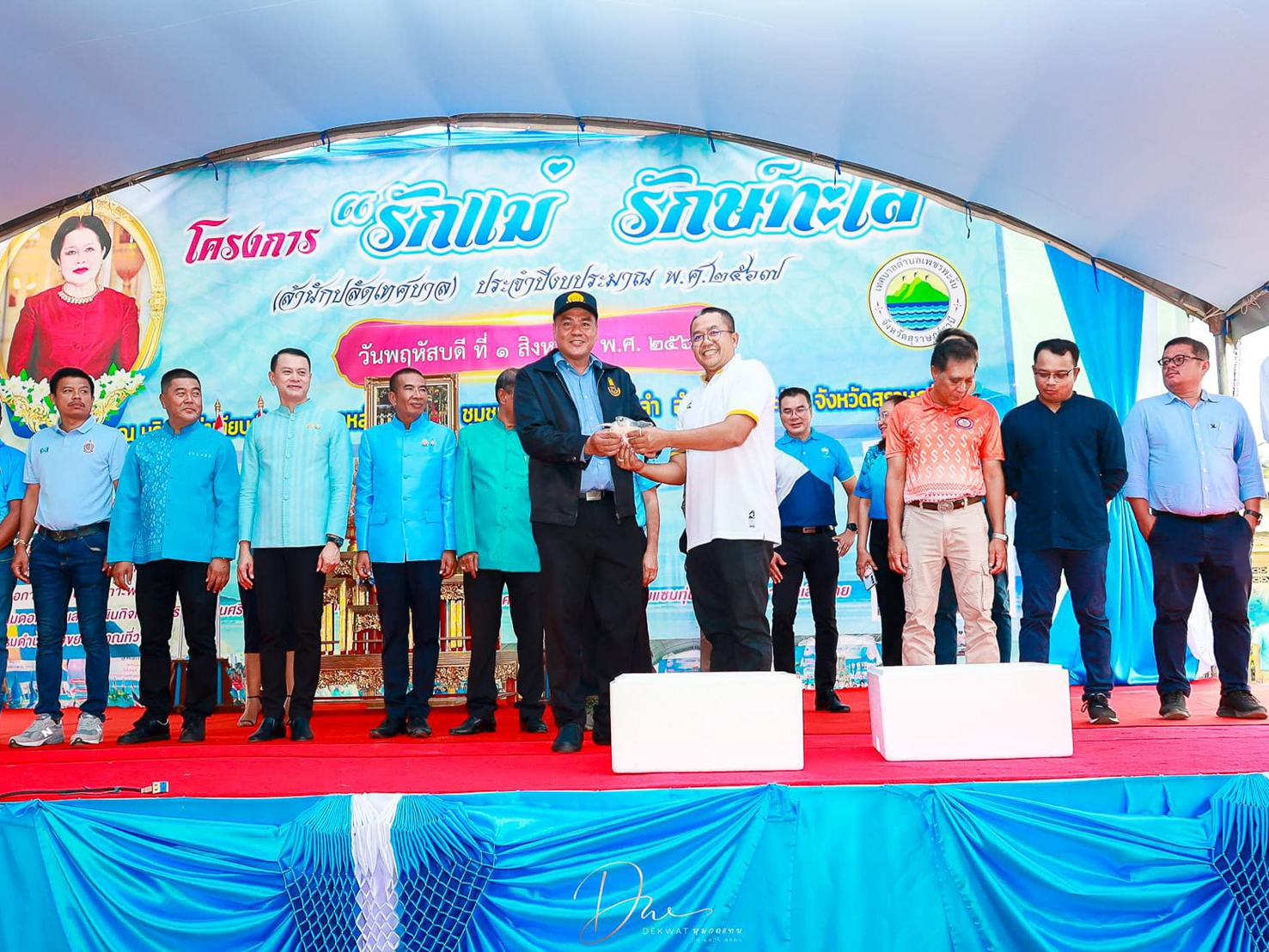
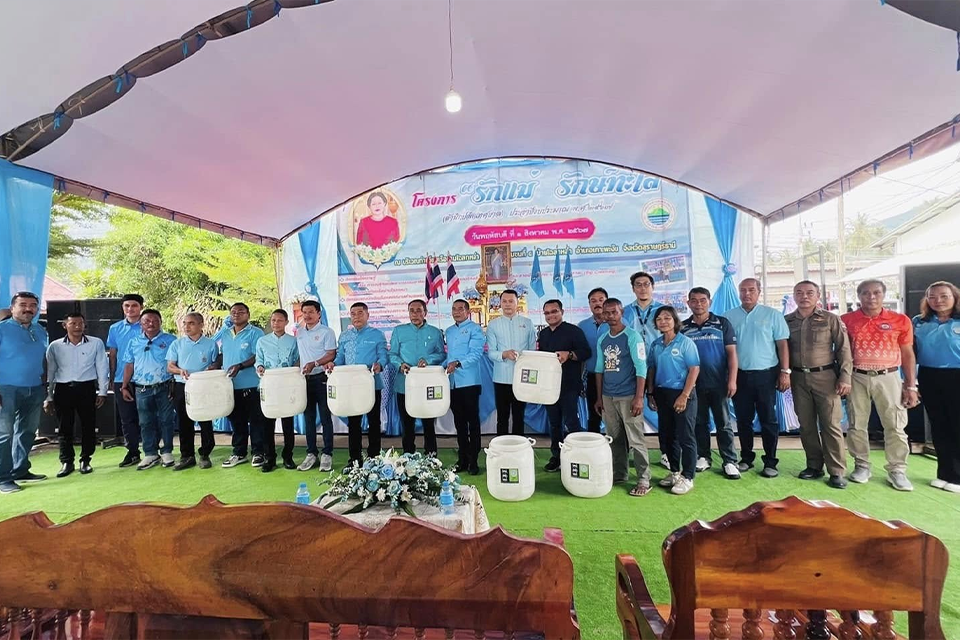
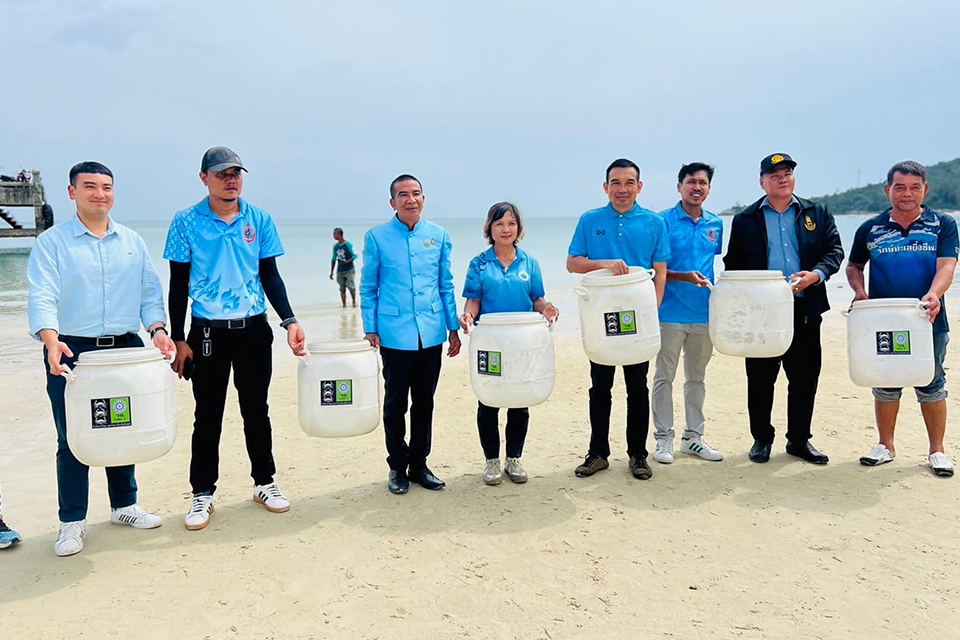
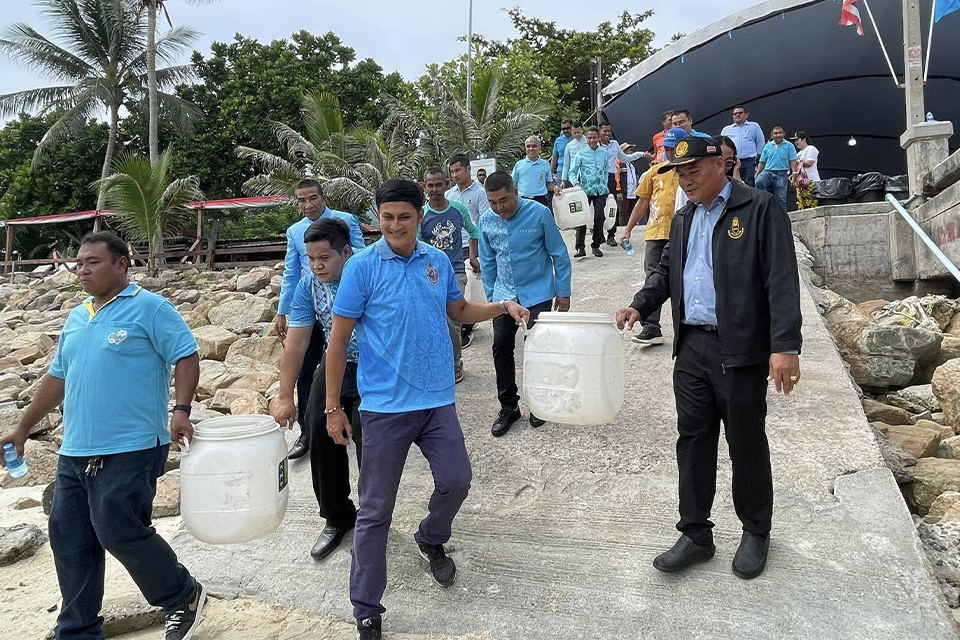
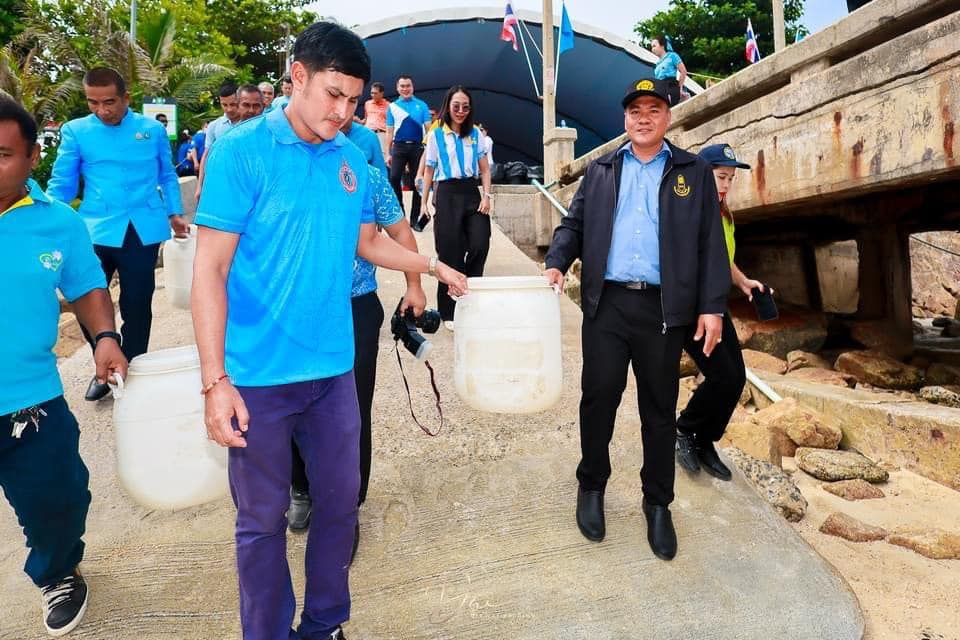
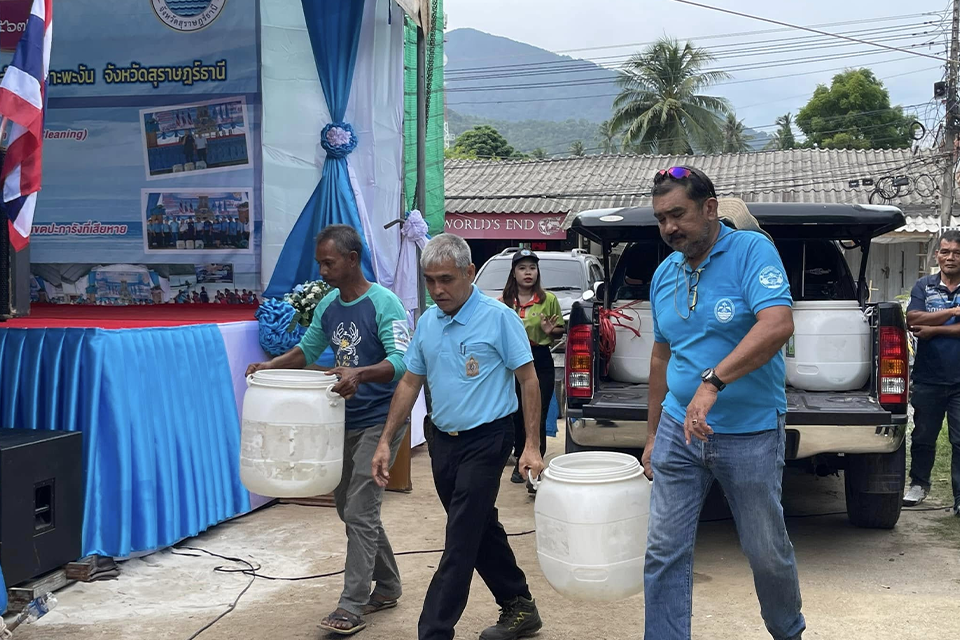
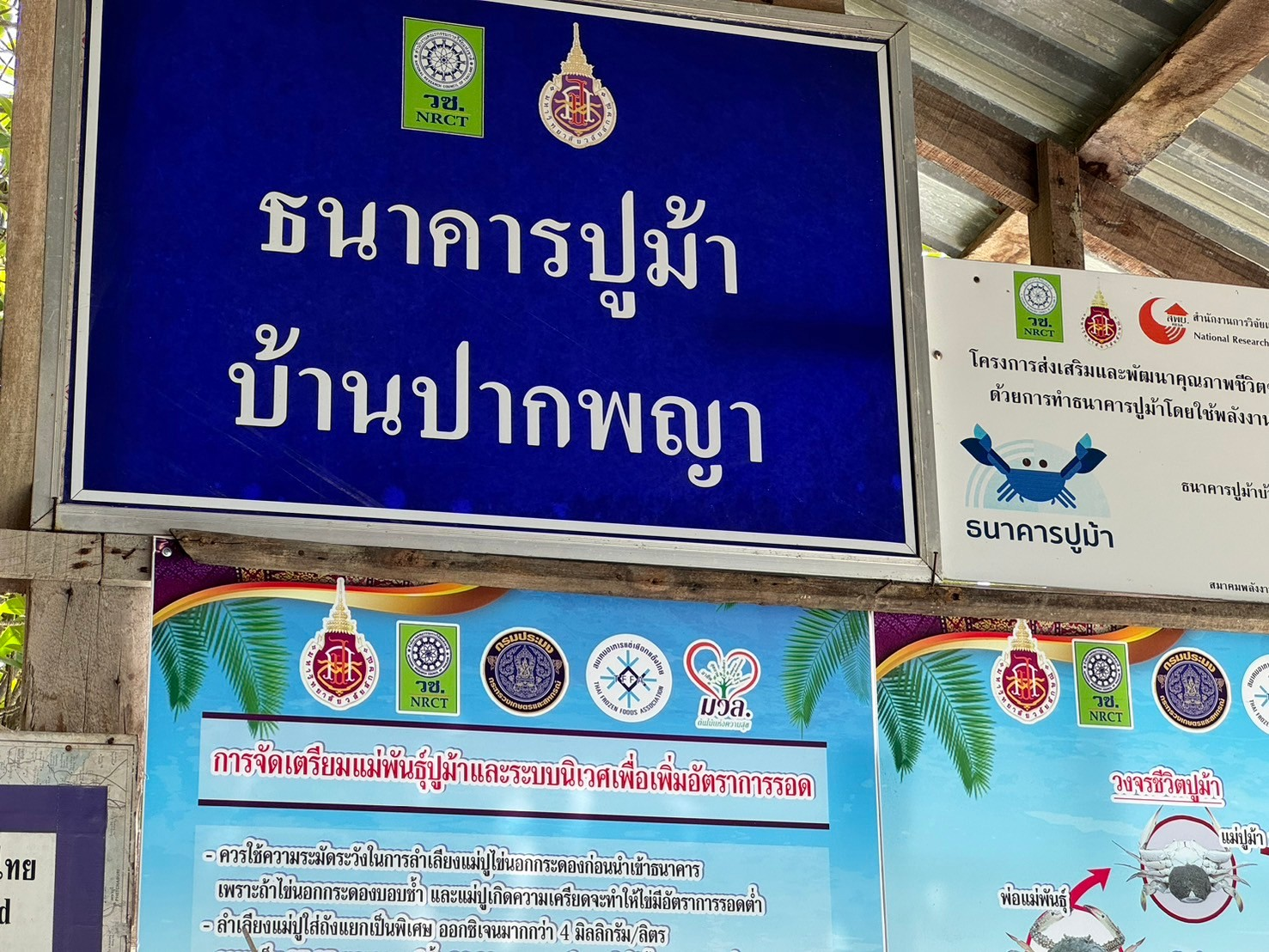
Walailak University and all the partners released juvenile blue swimming crabs to increase the number of blue swimming crabs around the island. All of the juvenile blue swimming crabs were nursed by the local fishermen from Ban Wok Tum Blue Swimming Crab Bank, which was established by Walailak University. This implementation not only increased the number of blue swimming crab populations, but also promoted the grassroots economy as local fishermen could sell more blue swimming crabs to the tourist industry on Samui Island, such as hotels, airports, luxury restaurants, etc.
Promoting Blue Swimming Crab Conservation and Local Livelihoods on Samui Island
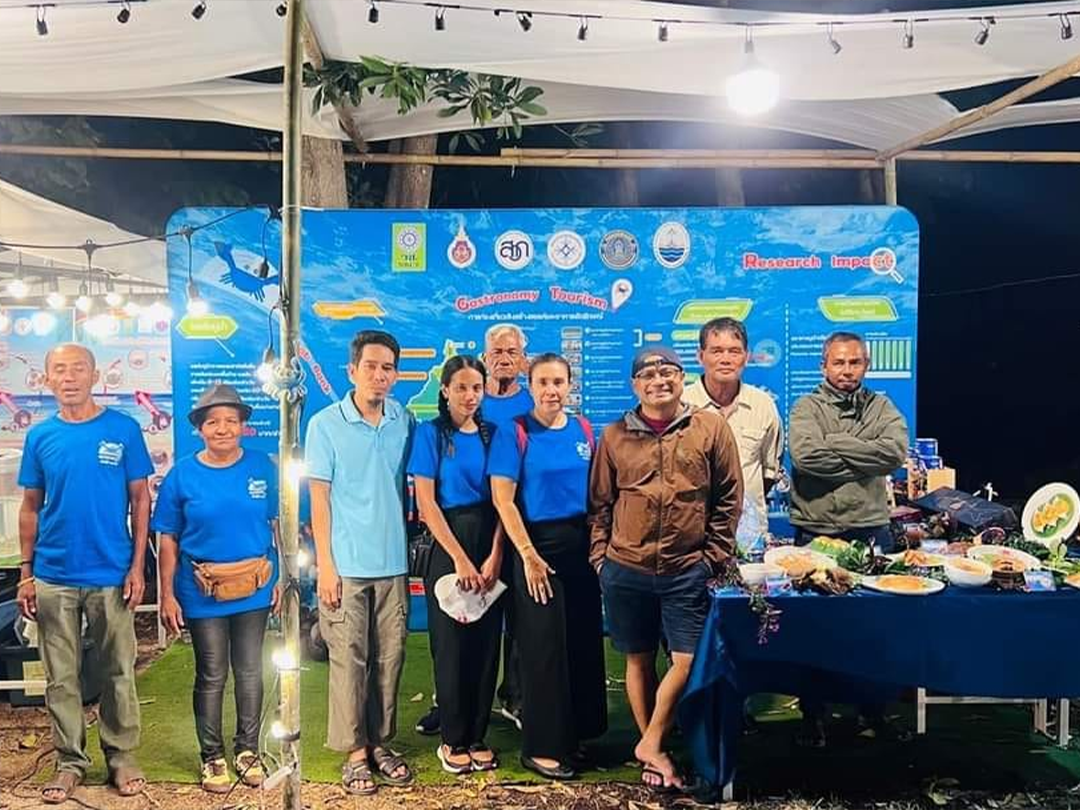
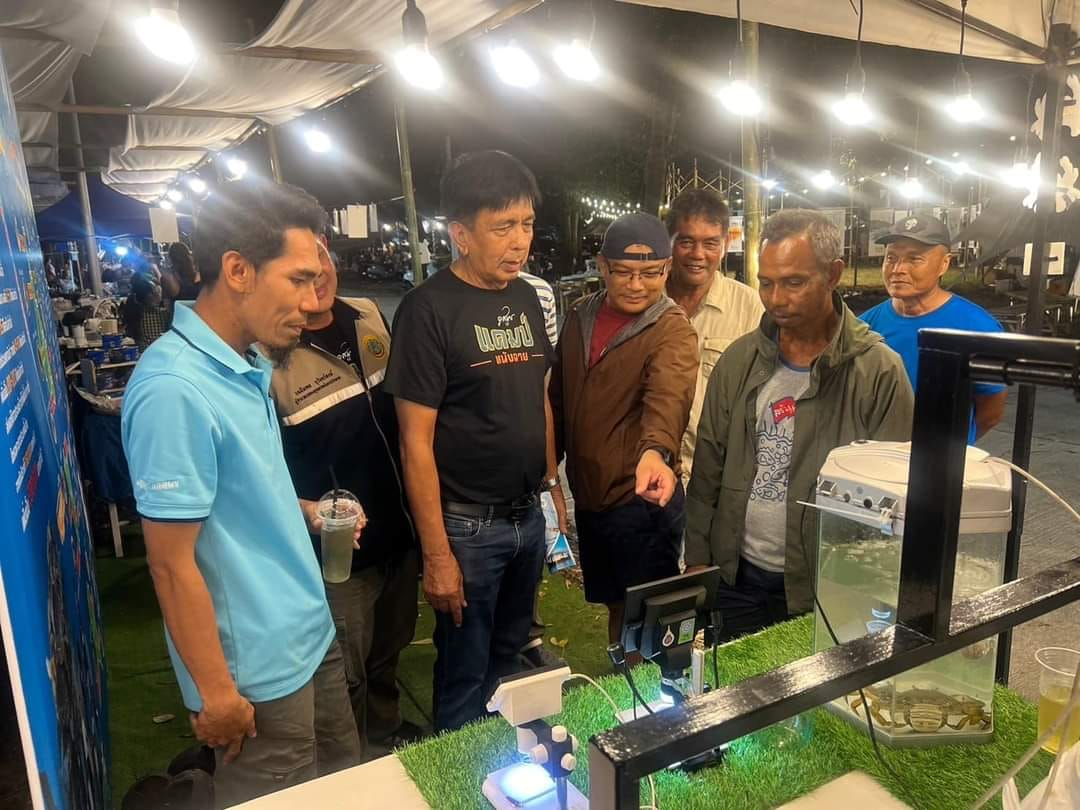
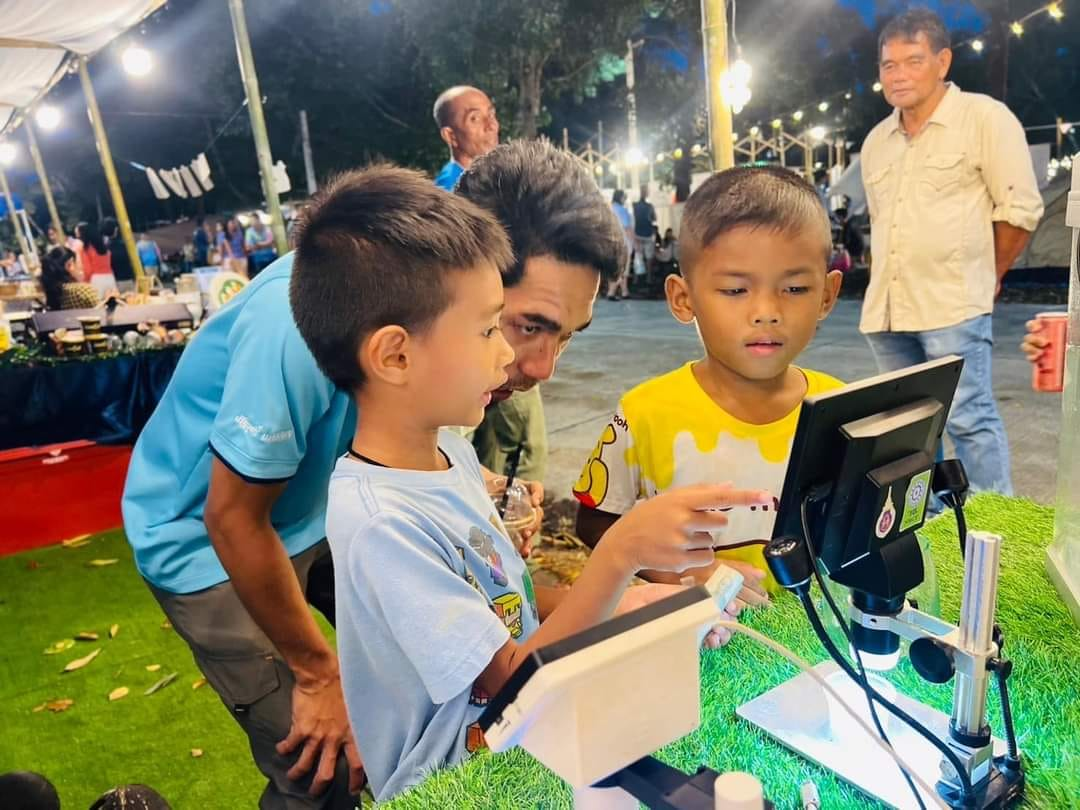
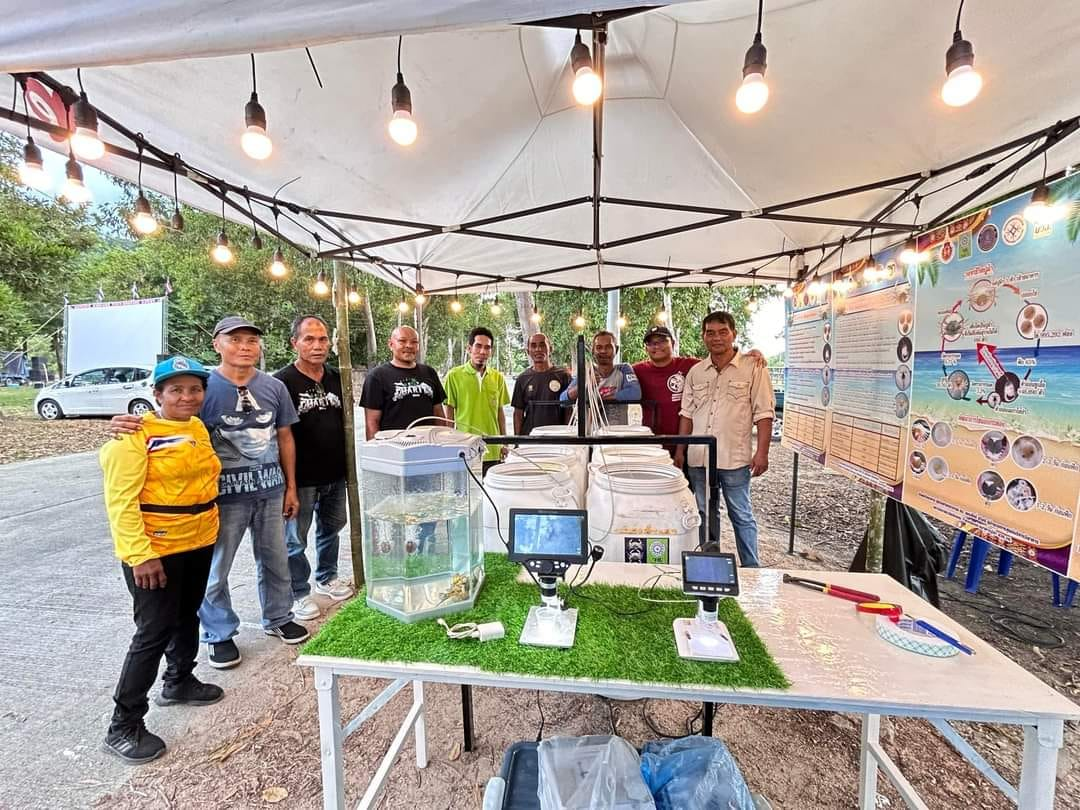
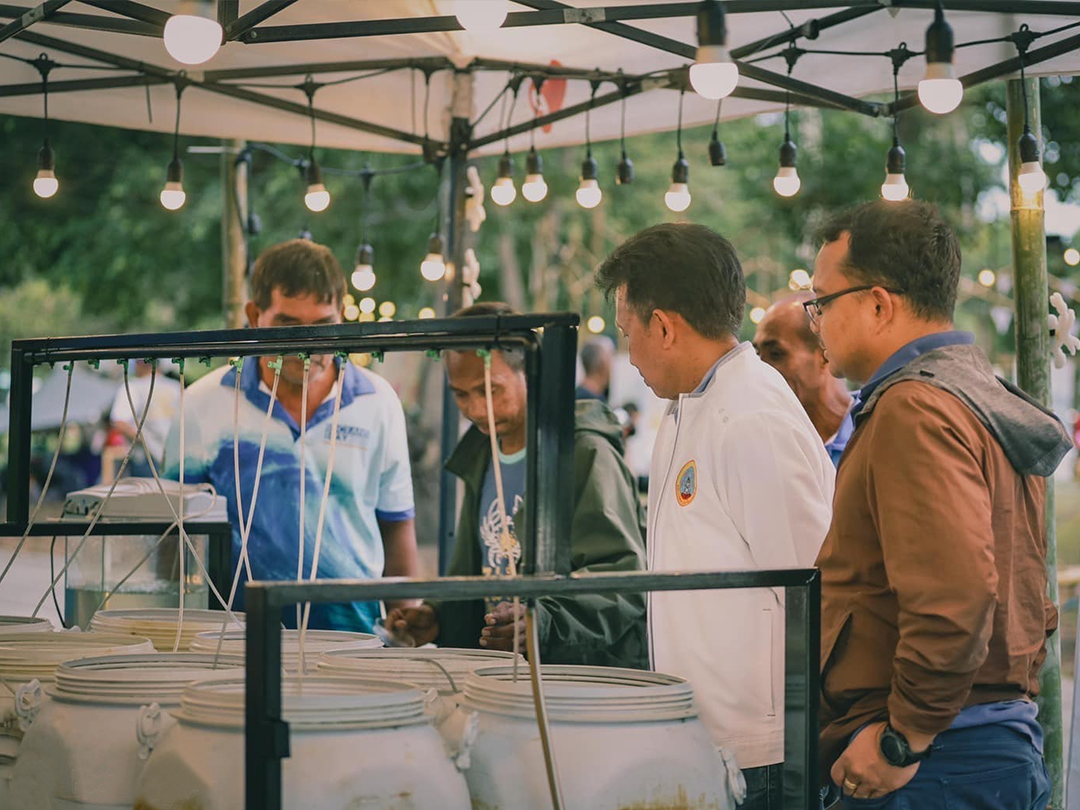
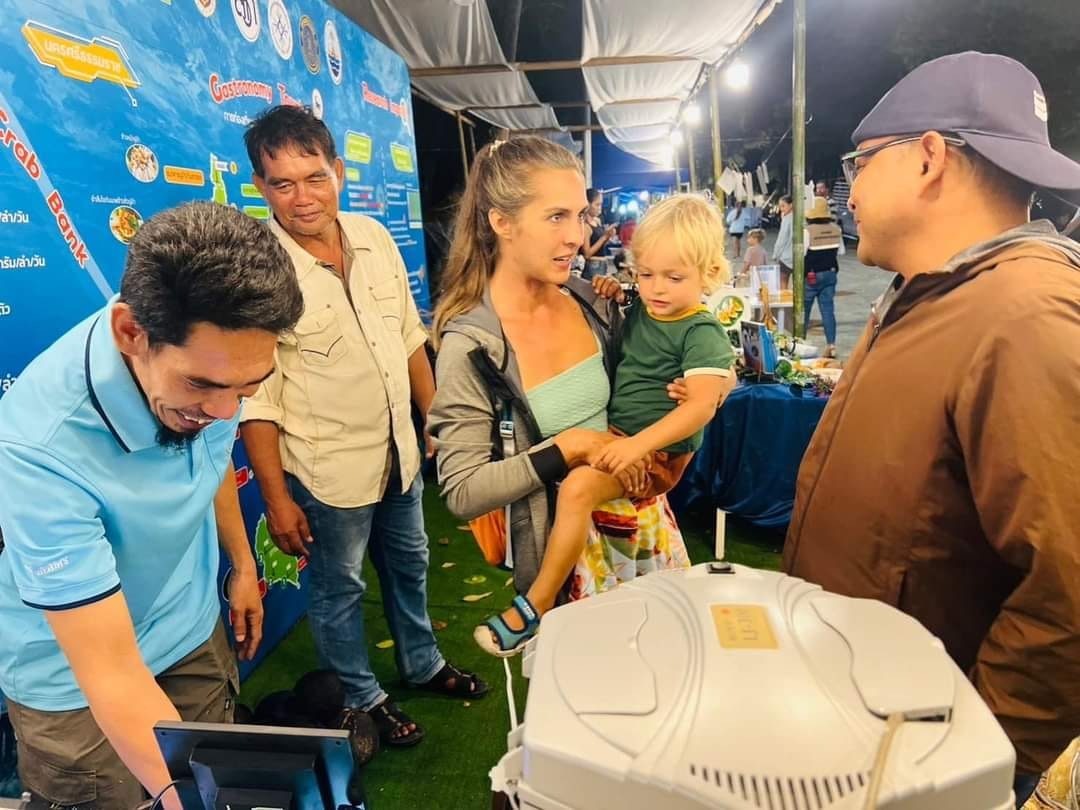
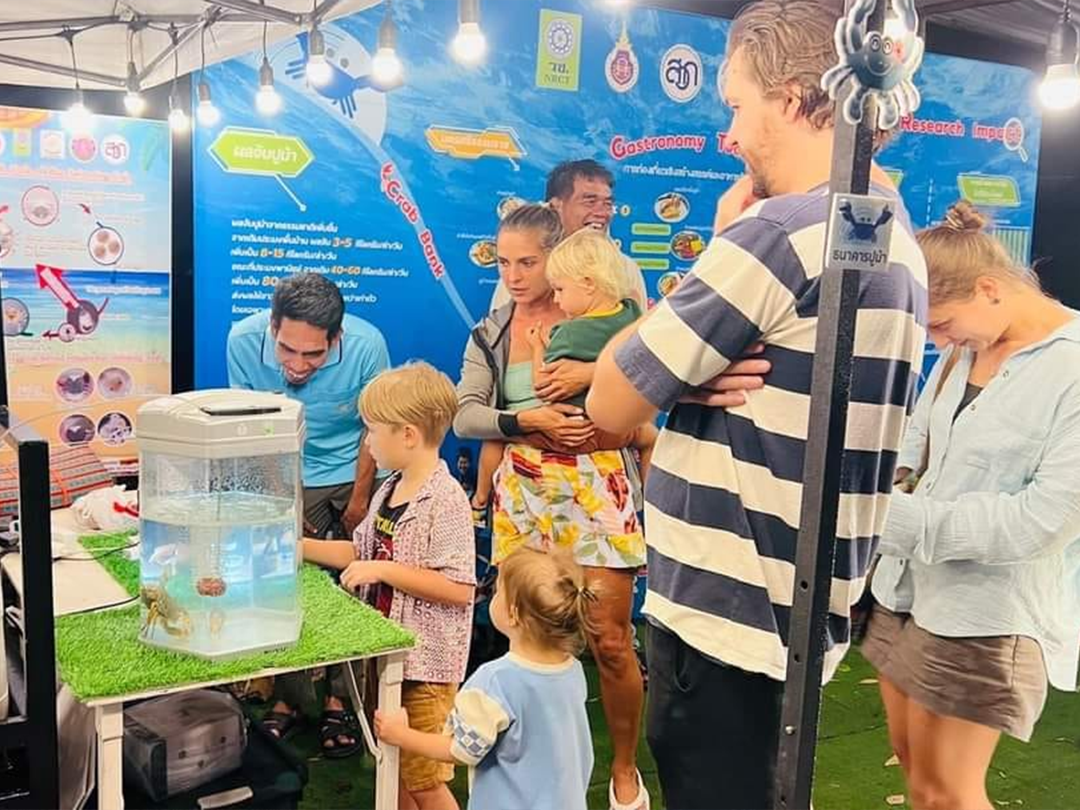
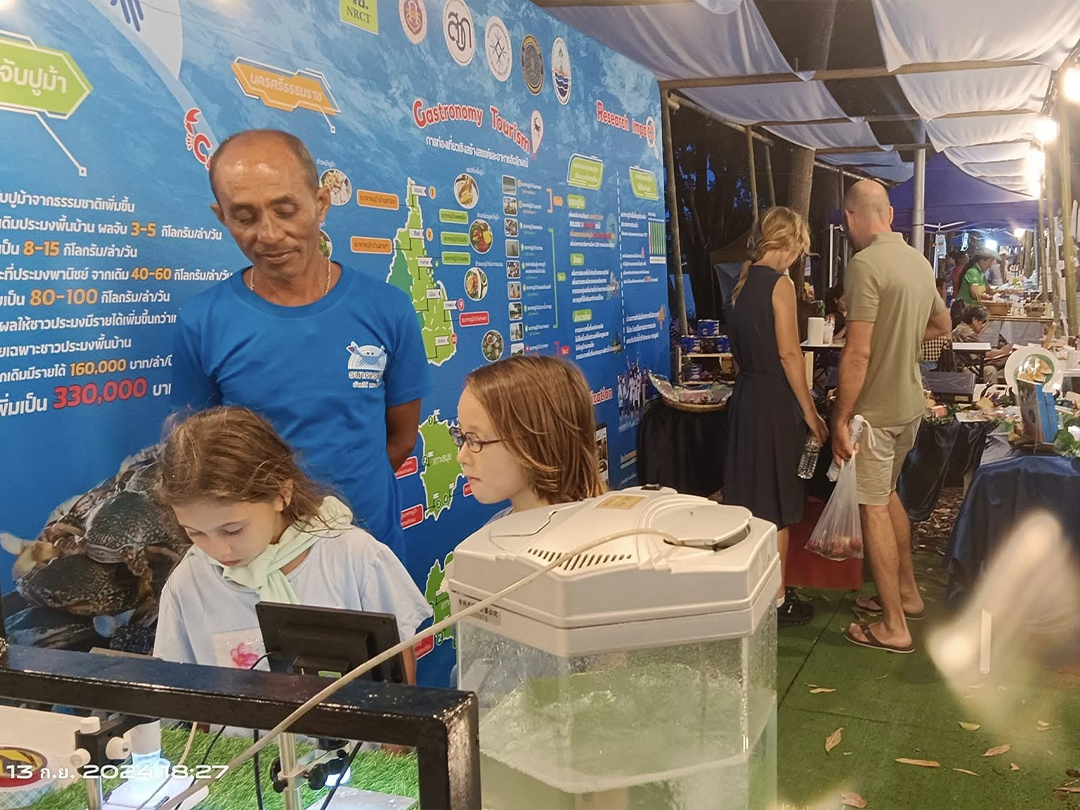
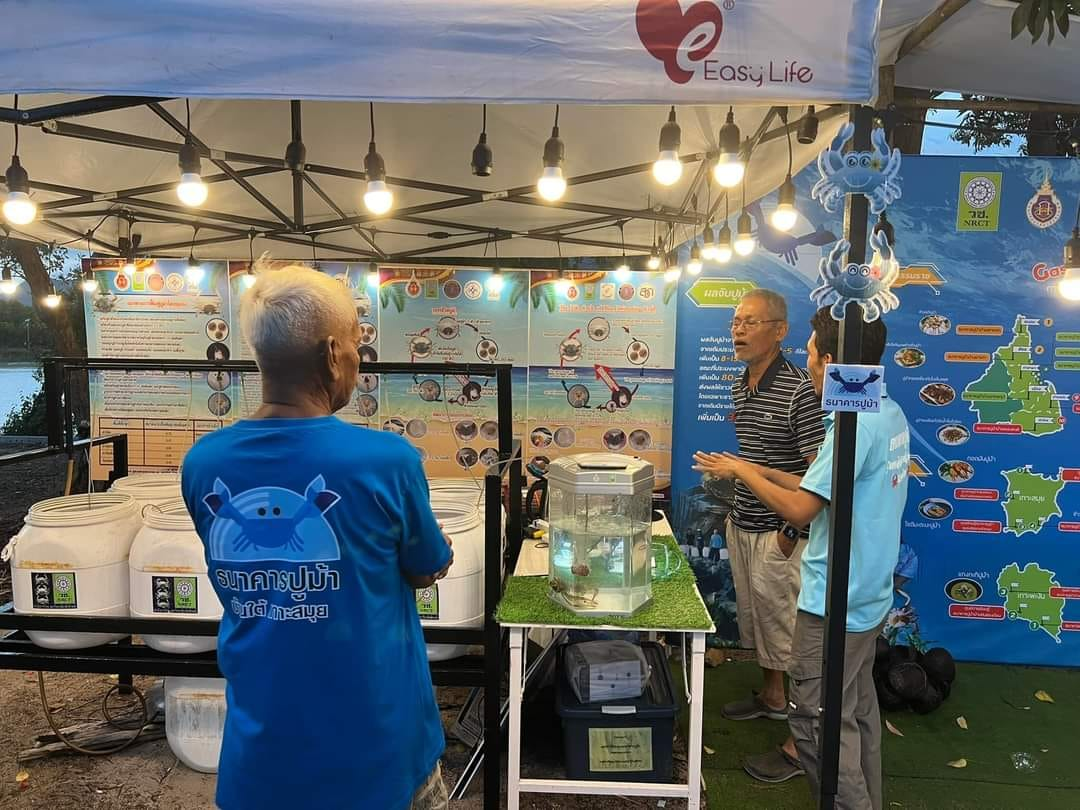
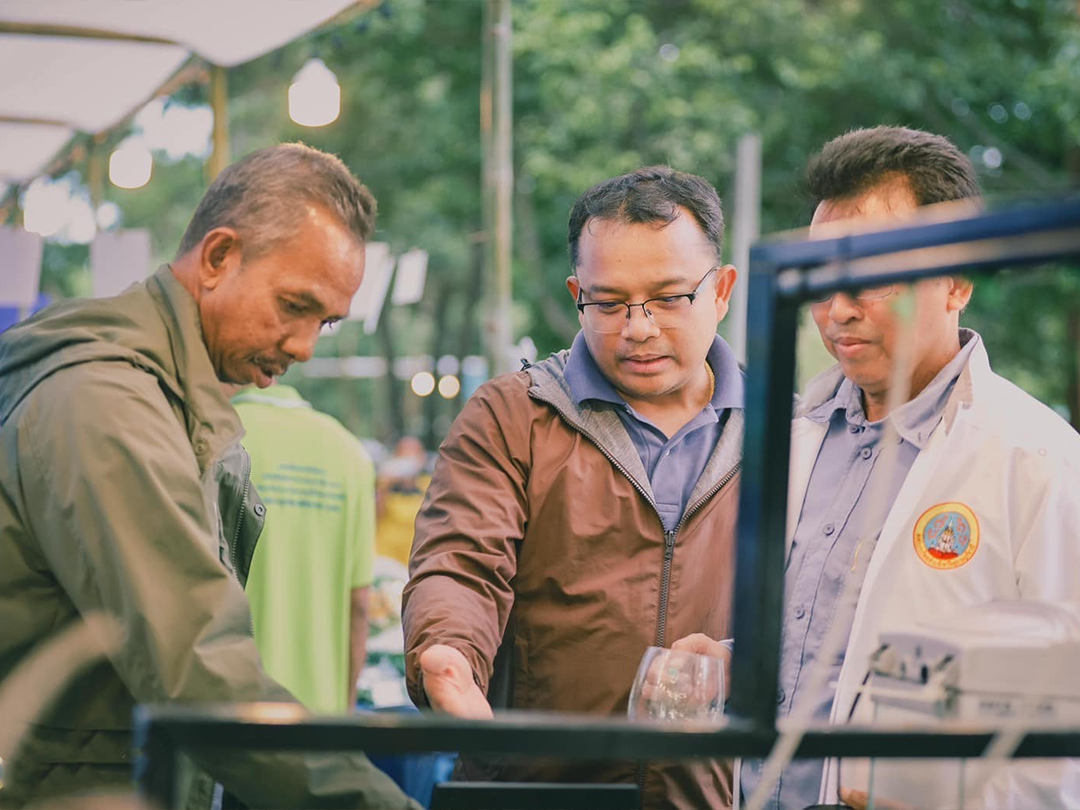
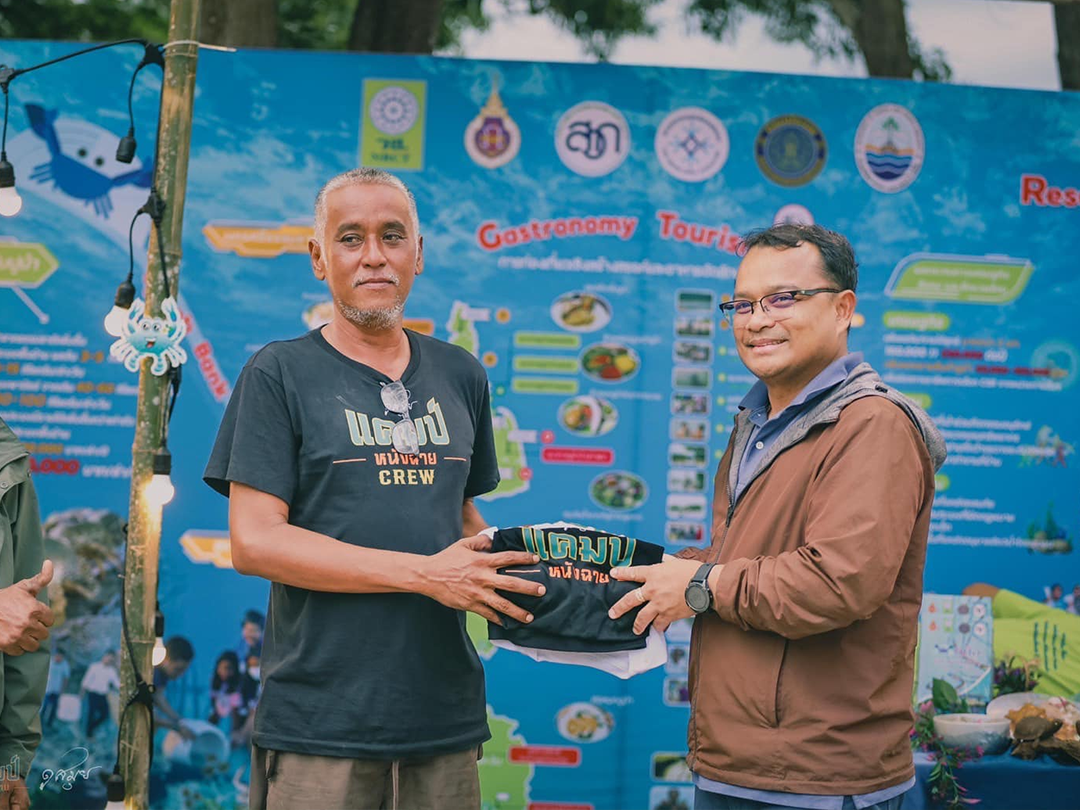
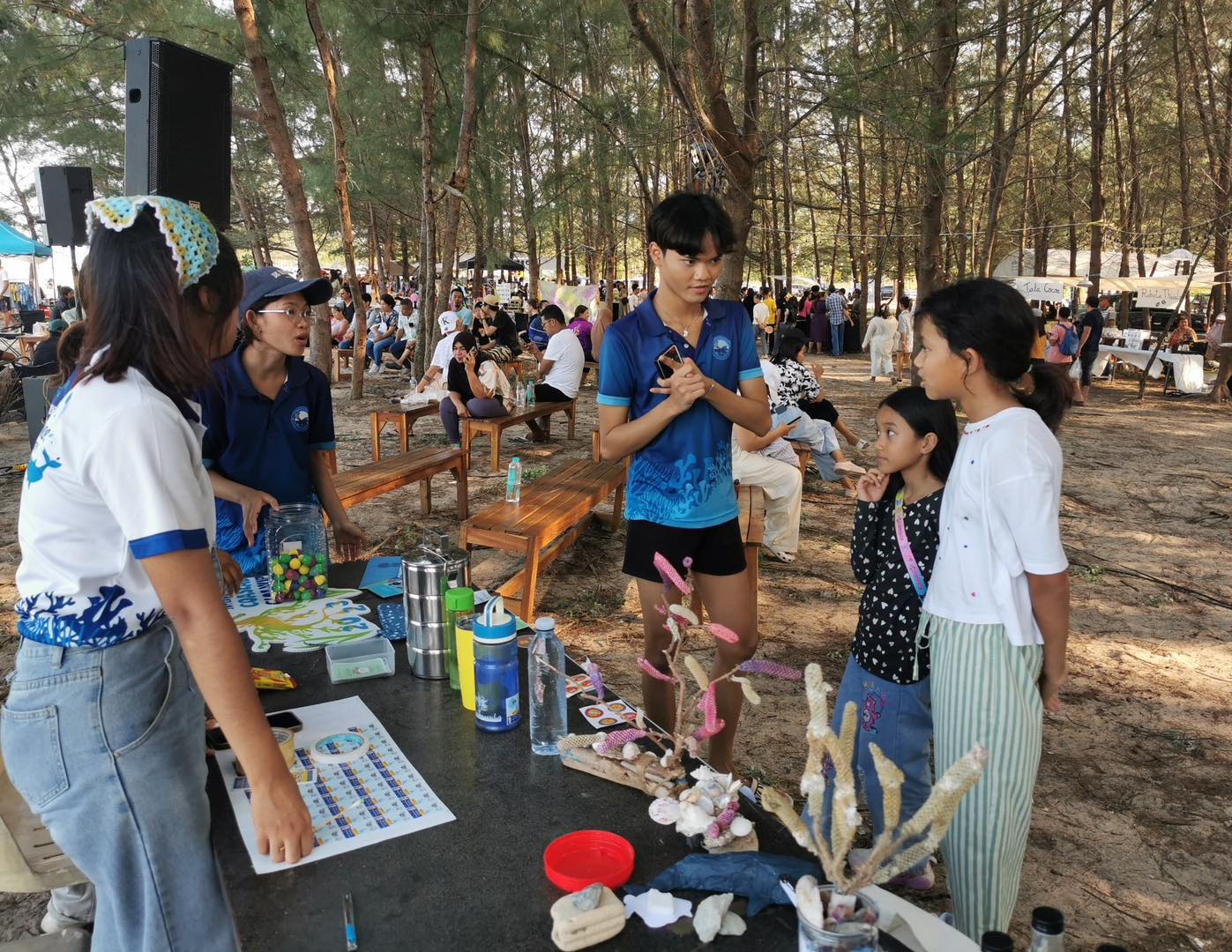
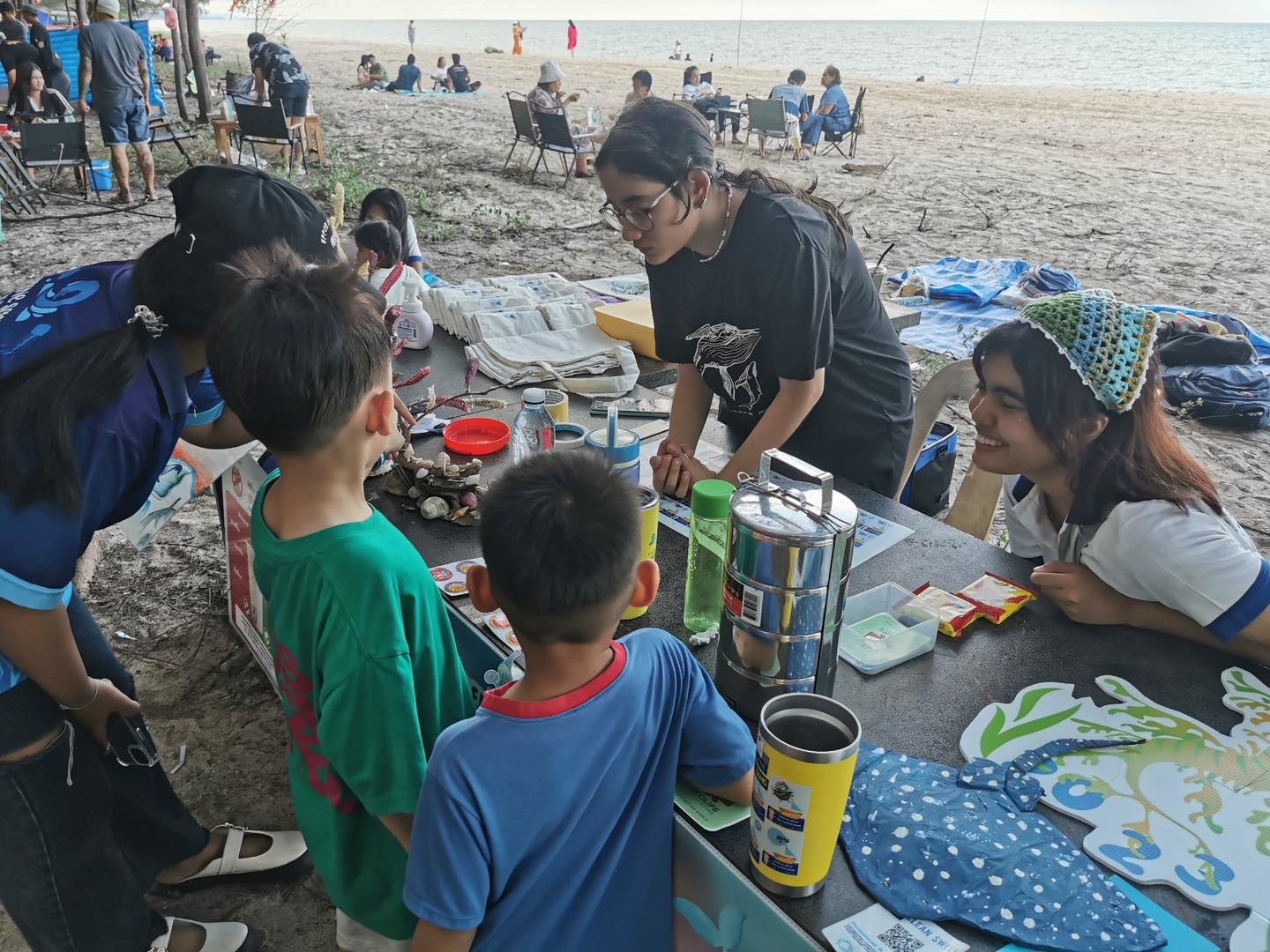
In 2024, Walailak University once again participated in the Seaside Film Festival held on Samui Island, Surat Thani Province, where it presented research findings and academic initiatives focused on marine resource conservation. The University’s participation aimed to provide free and accessible knowledge to both local residents and international visitors, fostering awareness of the importance of conserving blue swimming crab populations — a vital resource for coastal ecosystems and local livelihoods.
Through this initiative, the University also emphasized the cultural and economic significance of crab-based local cuisine, which not only represents the island’s culinary identity but also contributes to the development of value-added community products. Moreover, the event served as a platform to promote ecotourism by integrating environmental education with cultural experiences, encouraging visitors to appreciate the balance between nature and community life.
By linking marine conservation, cultural preservation, and sustainable tourism, Walailak University’s involvement in the festival helped strengthen community engagement, generate local income, and support the long-term vision of sustainable coastal development on Samui Island.
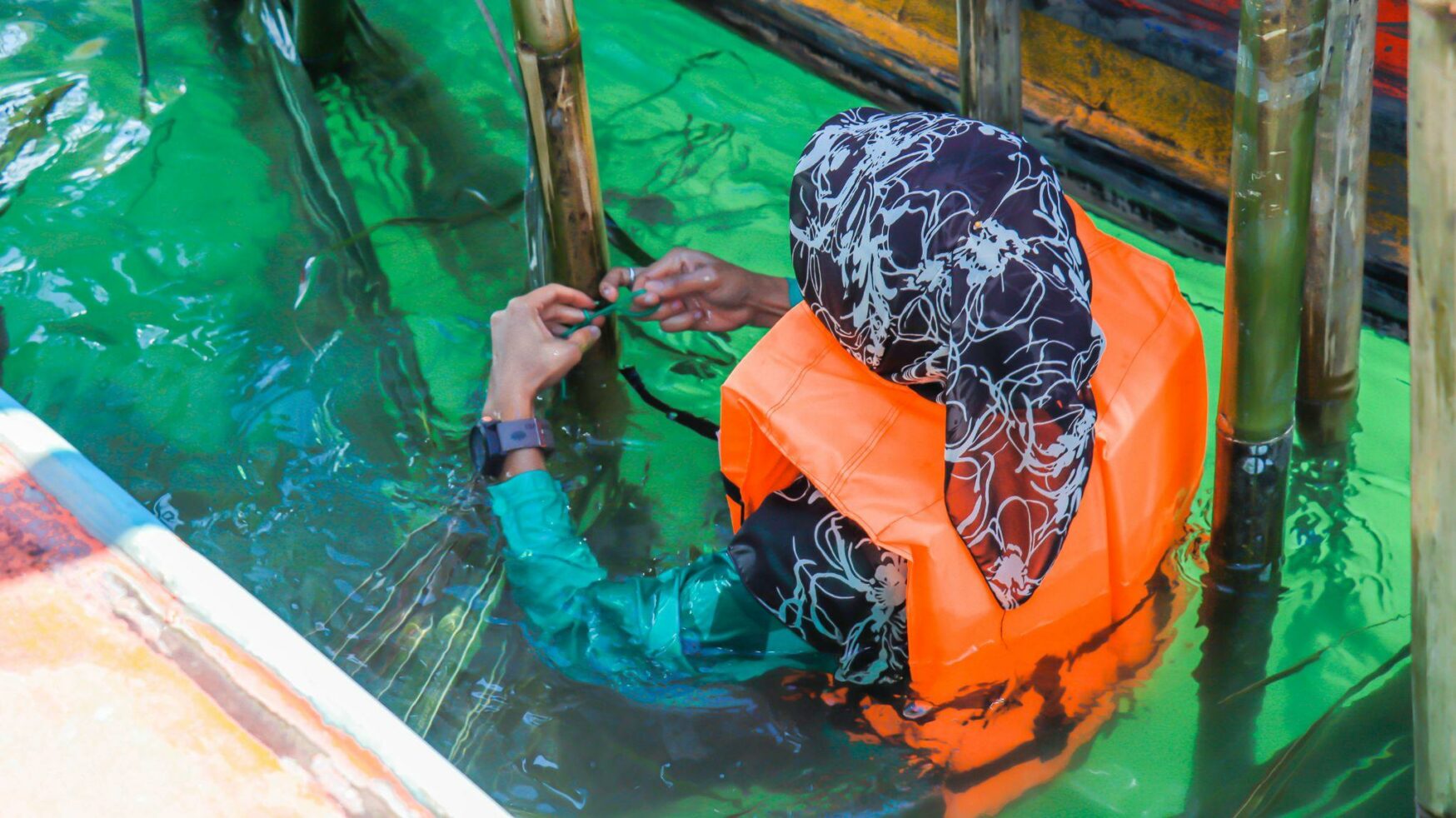
Artificial Fish Habitat Construction
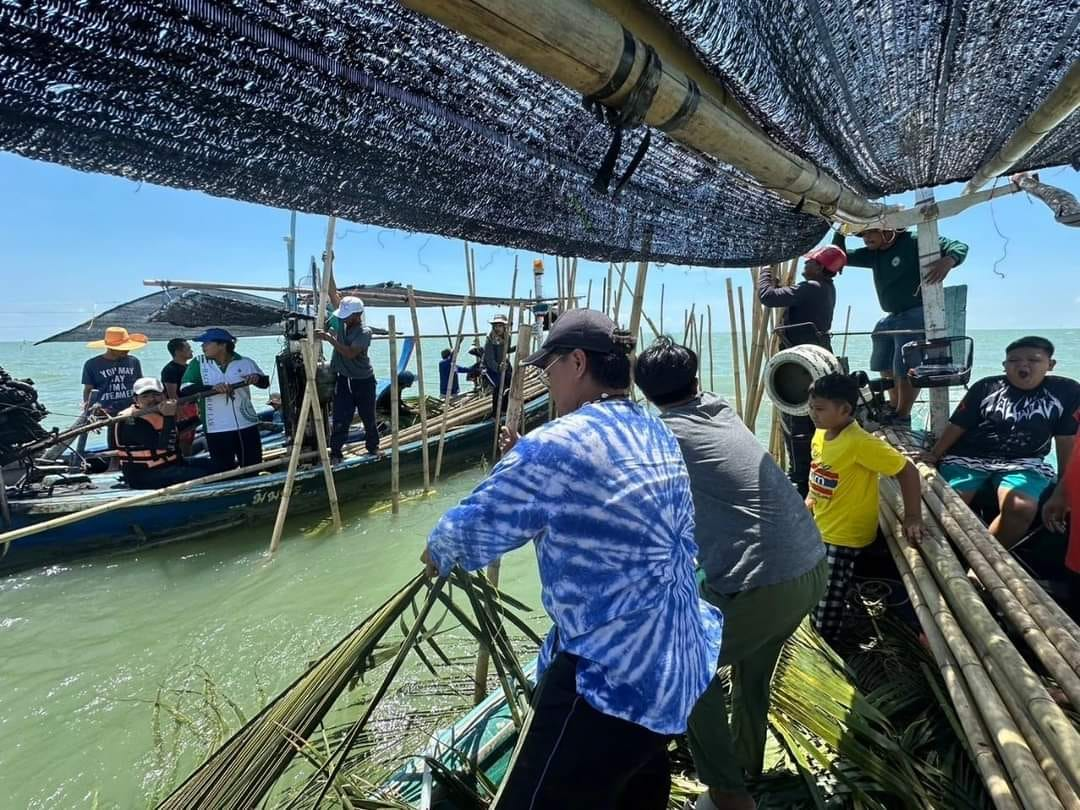
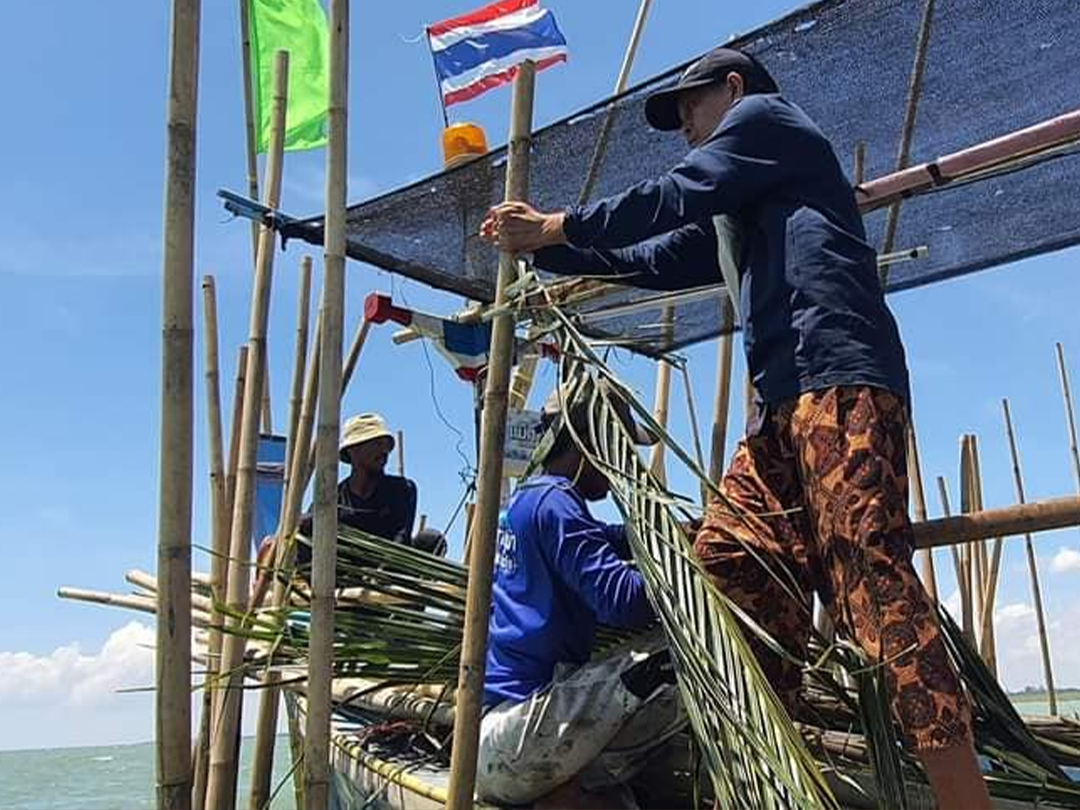
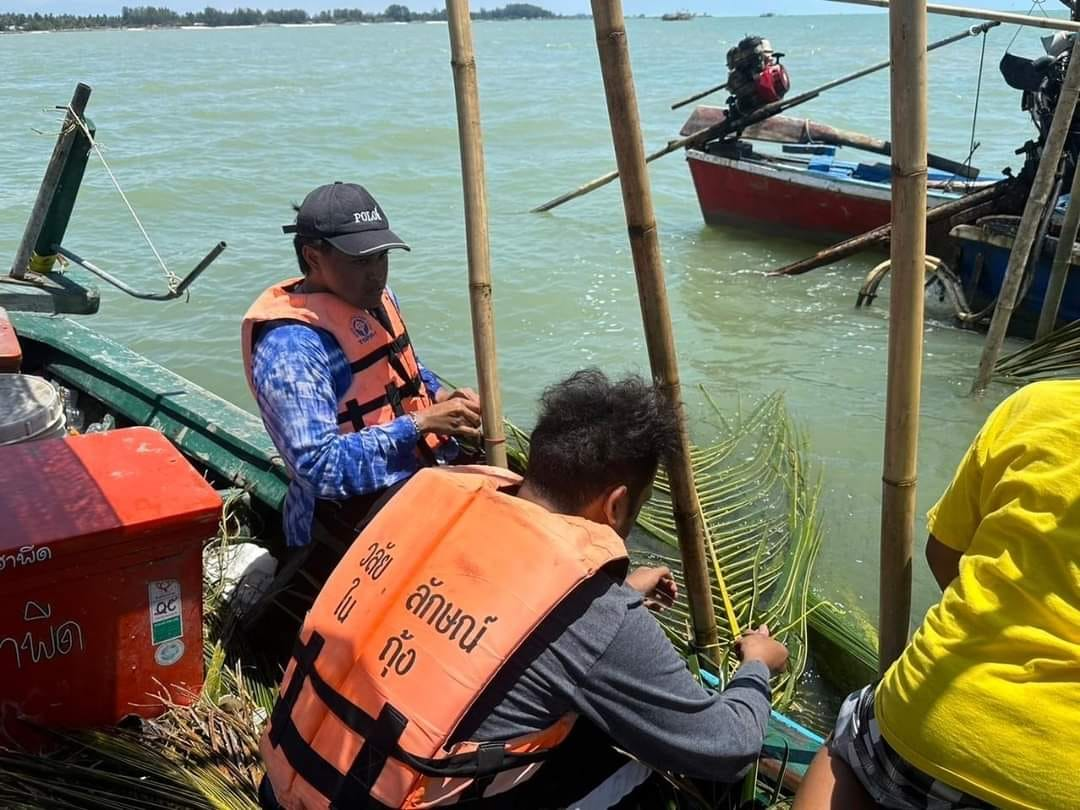
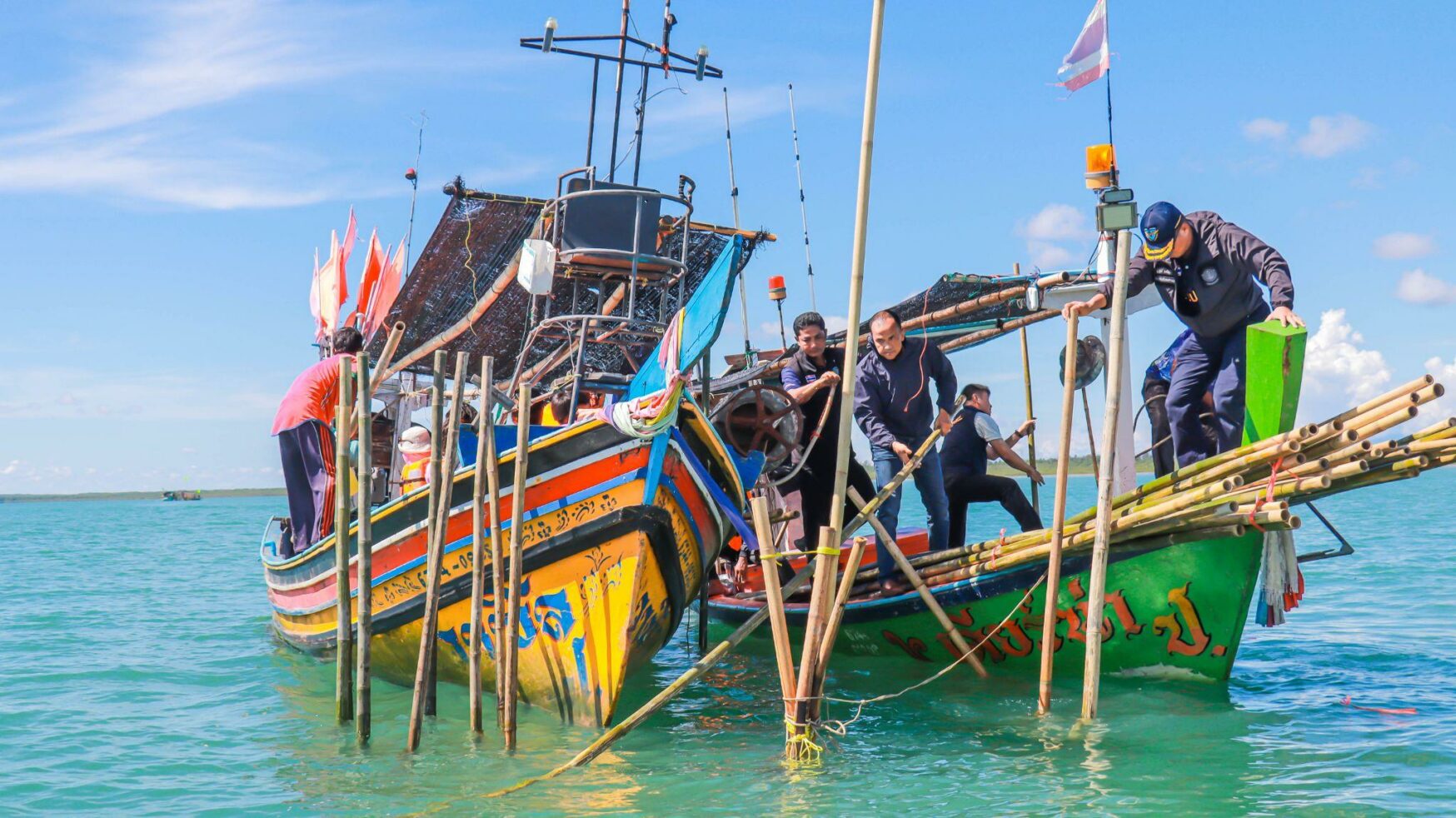
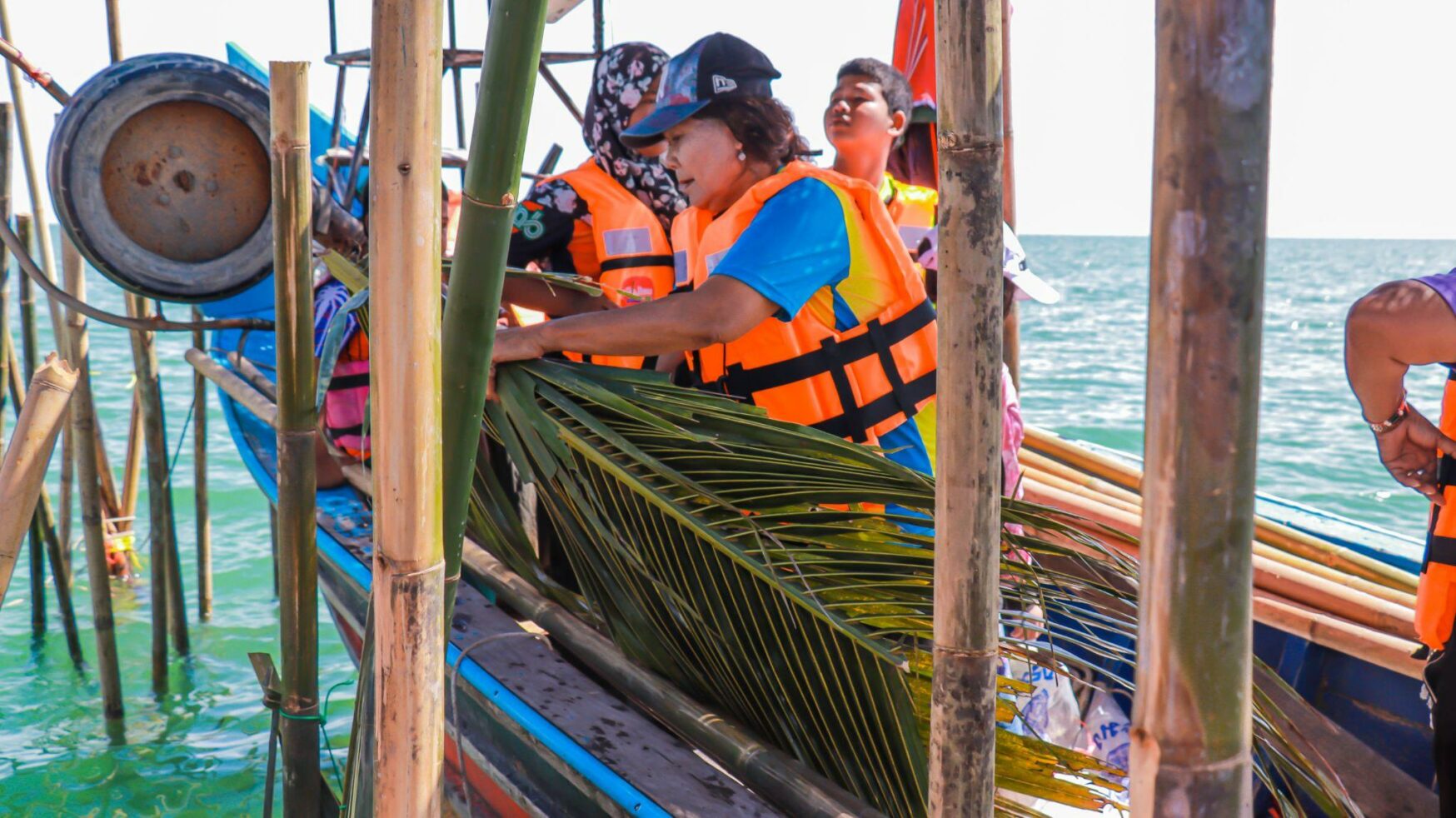
In 2024, Walailak University continues to champion sustainable marine ecosystem conservation through its long-running artificial fish habitat project, now in its 21st edition. The project provides safe habitats for juvenile marine species, protecting them from fishing pressures while supporting biodiversity restoration. It also raises public awareness about the critical role of oceans as both a vital food source and an essential ecosystem for the planet.
Walailak University continues to champion sustainable marine ecosystem conservation through its long-running artificial fish habitat project, now in its 21st edition. The project provides safe habitats for juvenile marine species, protecting them from fishing pressures while supporting biodiversity restoration. It also raises public awareness about the critical role of oceans as both a vital food source and an essential ecosystem for the planet.
Backed by government agencies, private organizations, and local communities, the initiative fosters collaboration, enhances underwater biodiversity, and promotes sustainable resource use. At the same time, it generates additional income opportunities for local fishermen, demonstrating a model of conservation that benefits both people and the environment.
The Events to Promote the Conservation and Sustainable Utilization of Oceans
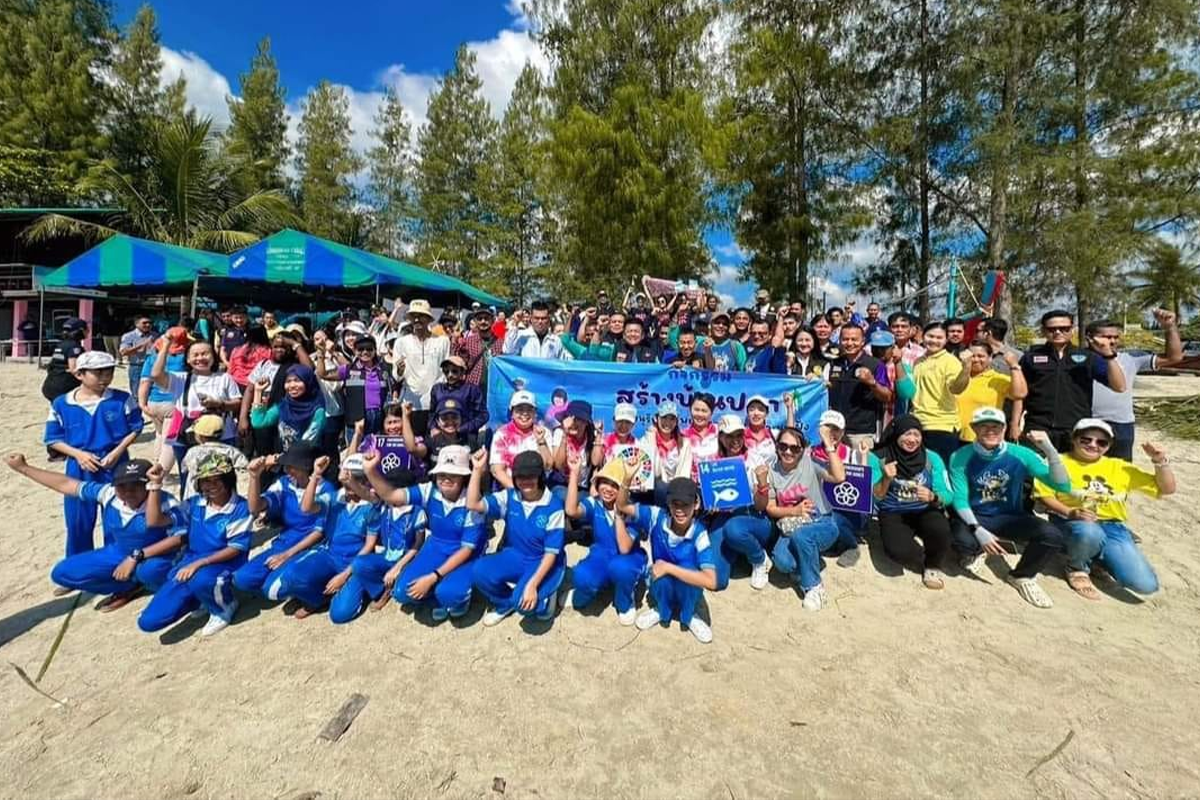
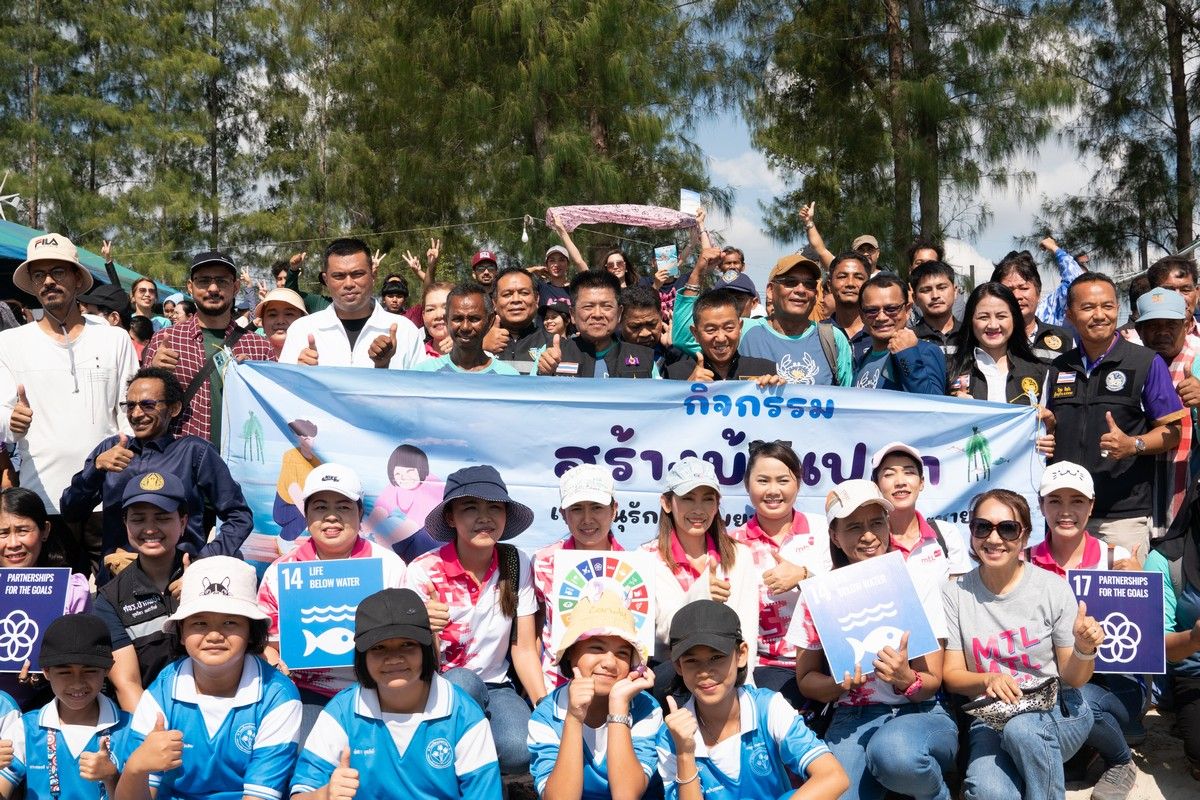
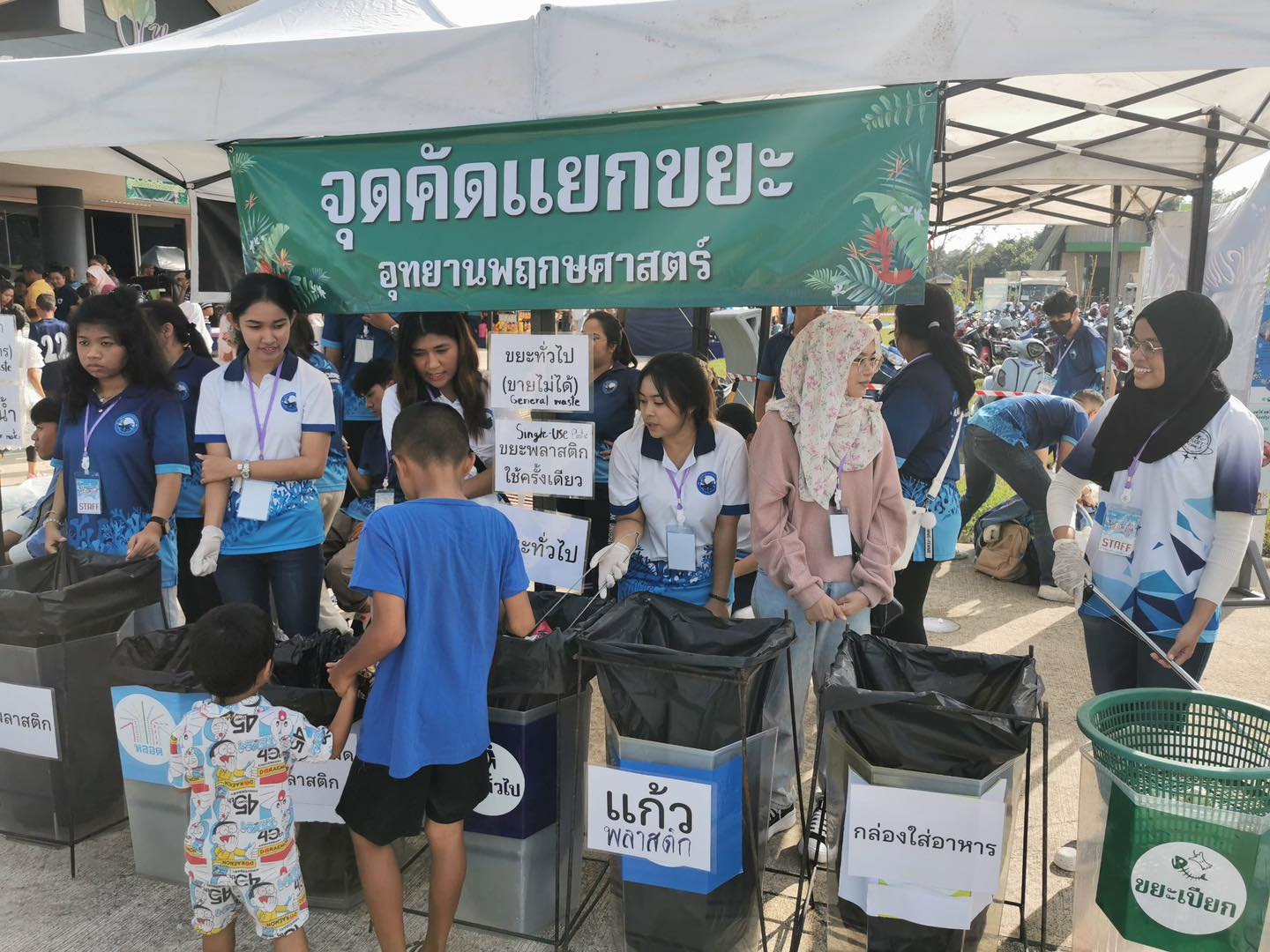
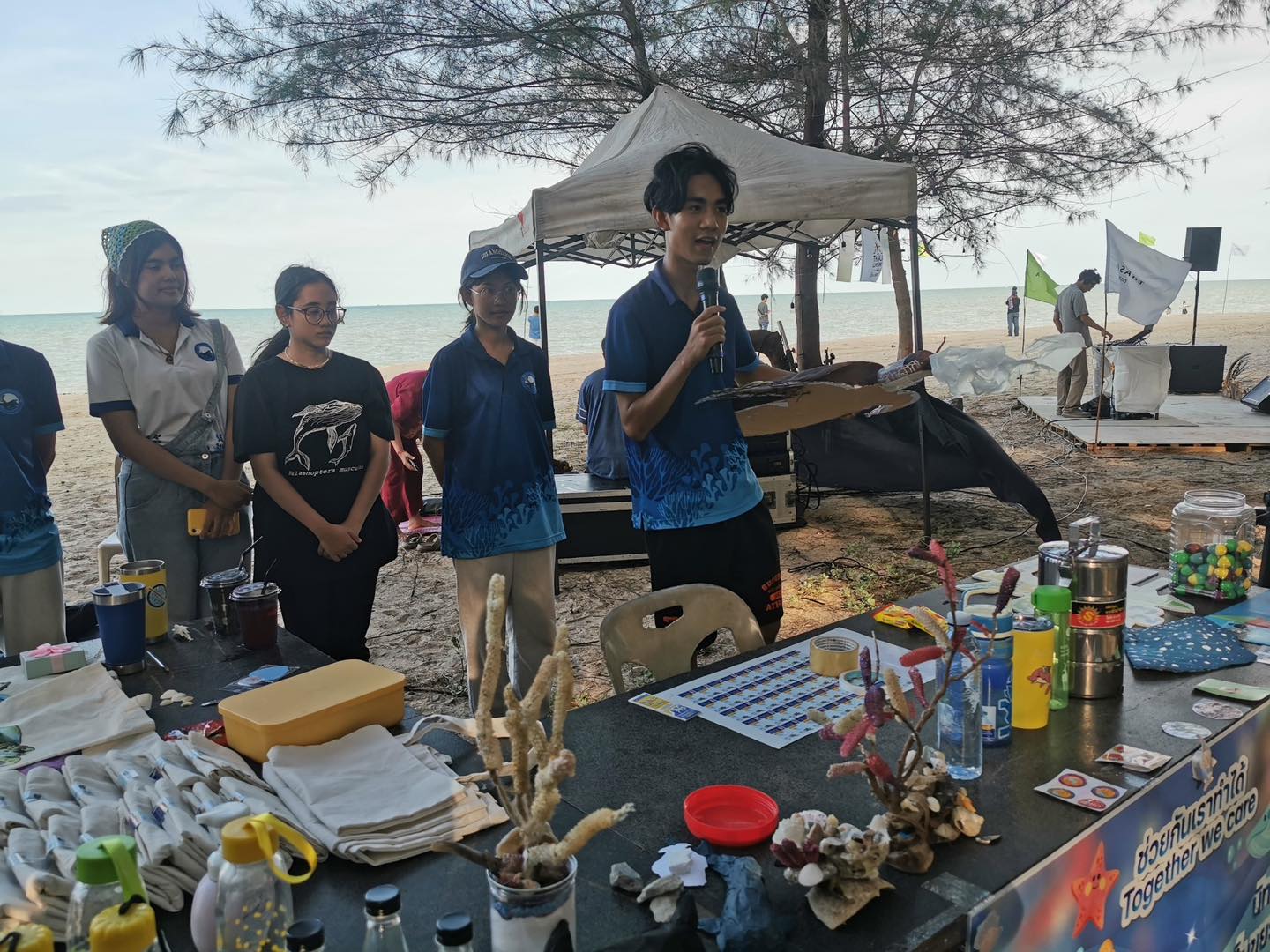
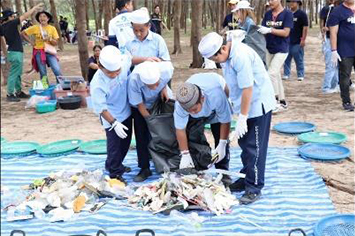
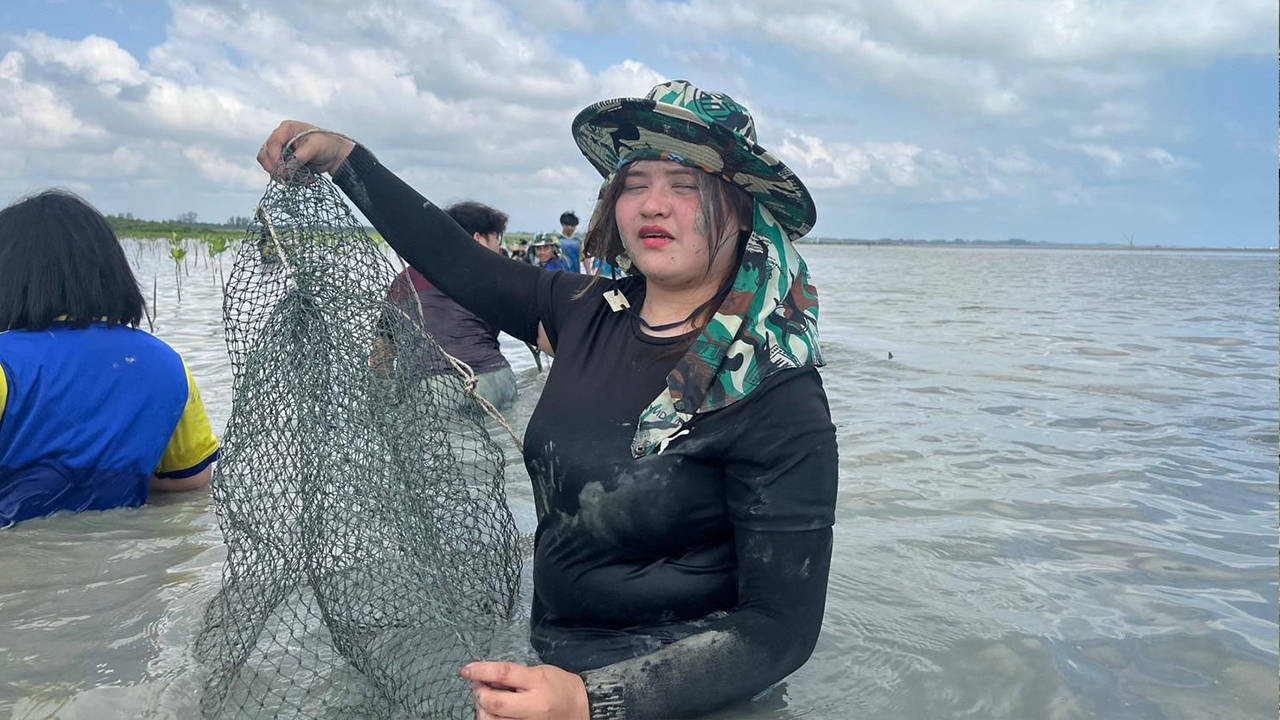
Walailak University, in collaboration with the Student Association of the School of Science, the Marine Conservation Club, and the Sustainable Local Coastal and Marine Development Club, organized events to promote ocean conservation and the sustainable use of marine resources. These initiatives encouraged participants to actively engage in environmental stewardship, apply scientific knowledge to address ecological challenges, and learn effective debris management techniques.
Key activities included constructing artificial fish habitats, attending lectures on natural resource conservation, and participating in beach clean-up and waste sorting efforts. The event successfully involved various participants who were local students, teachers, and local people, providing hands-on experience in marine conservation and fostering a sense of responsibility toward protecting coastal ecosystems.
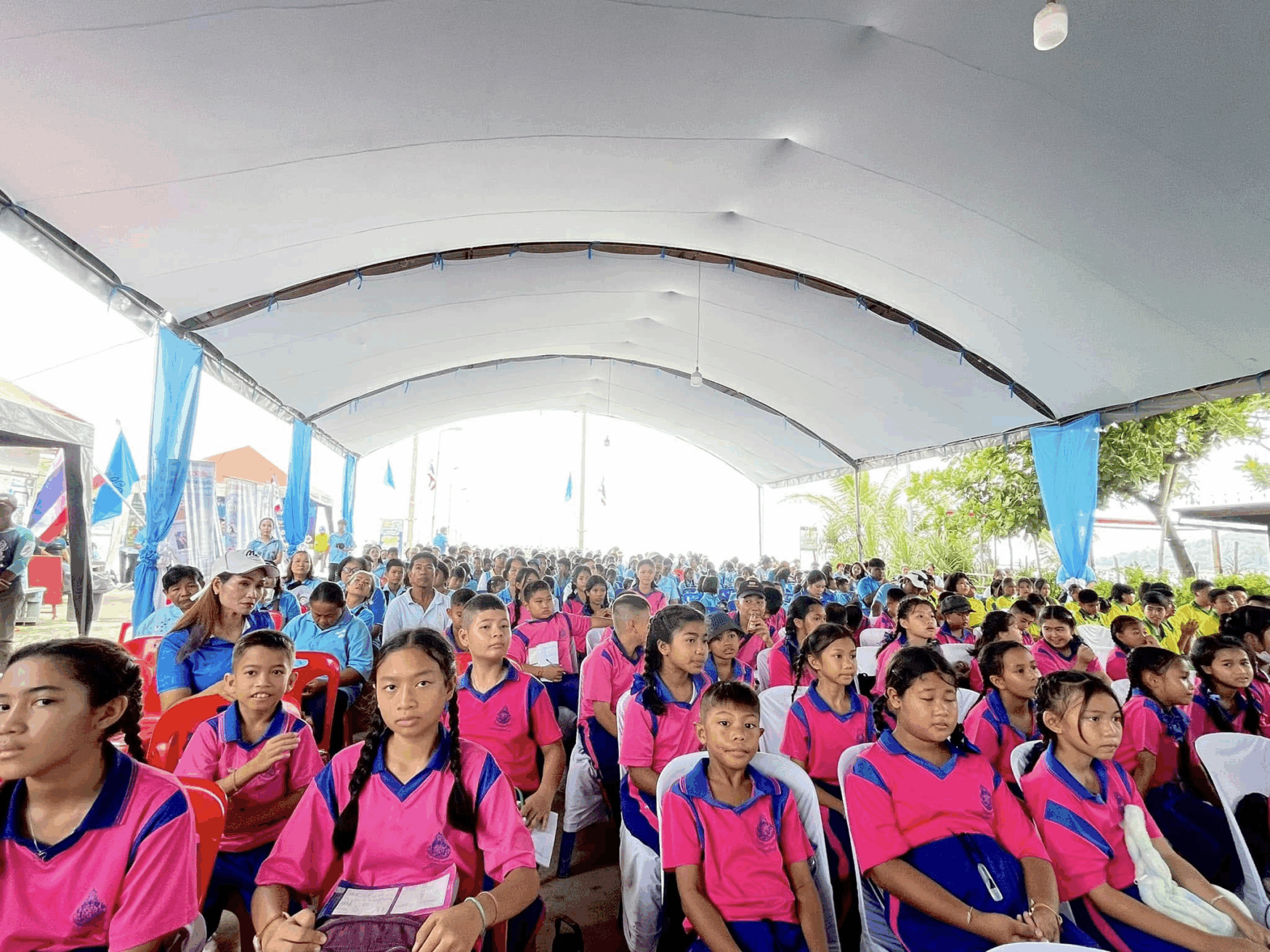
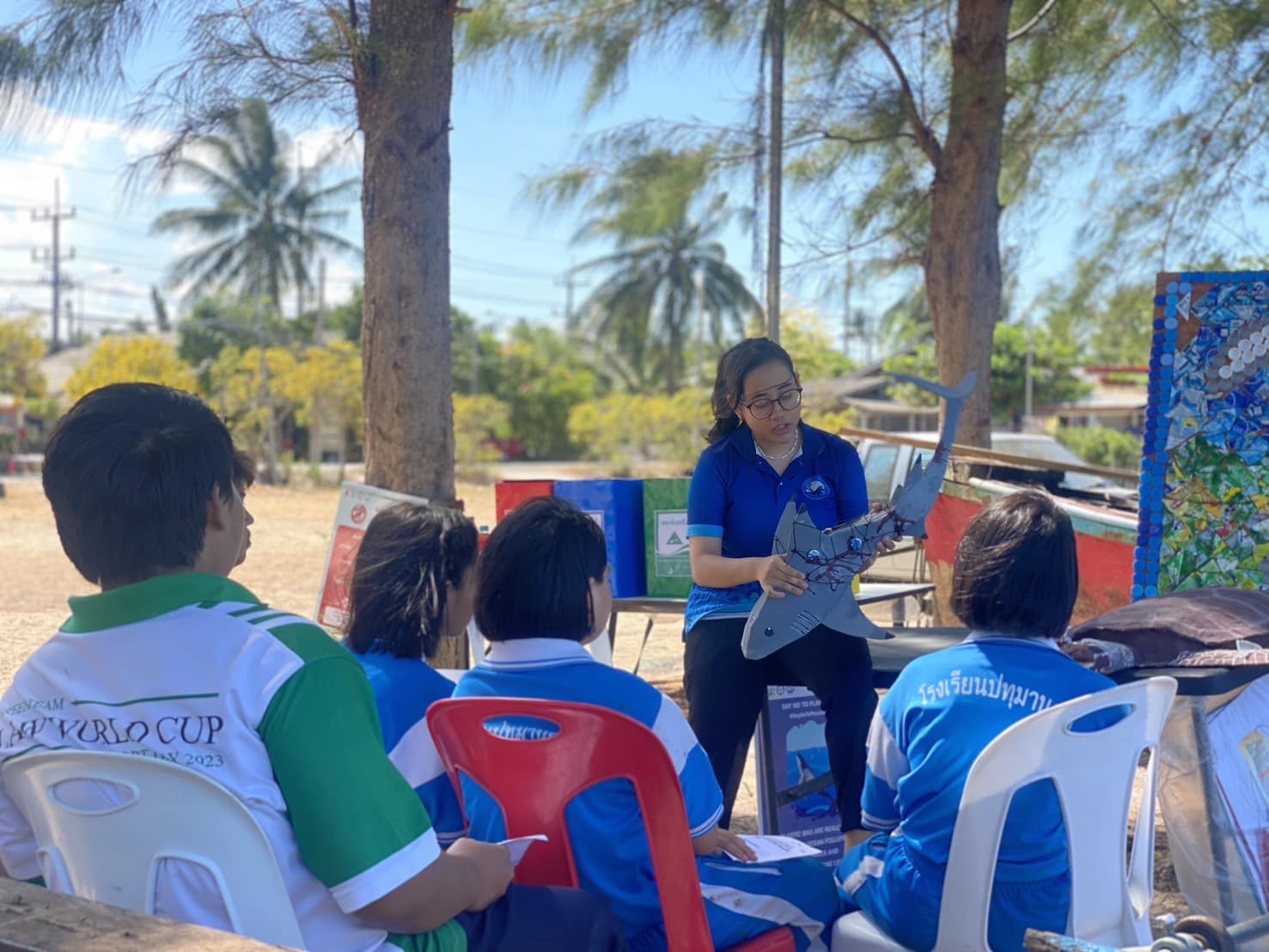
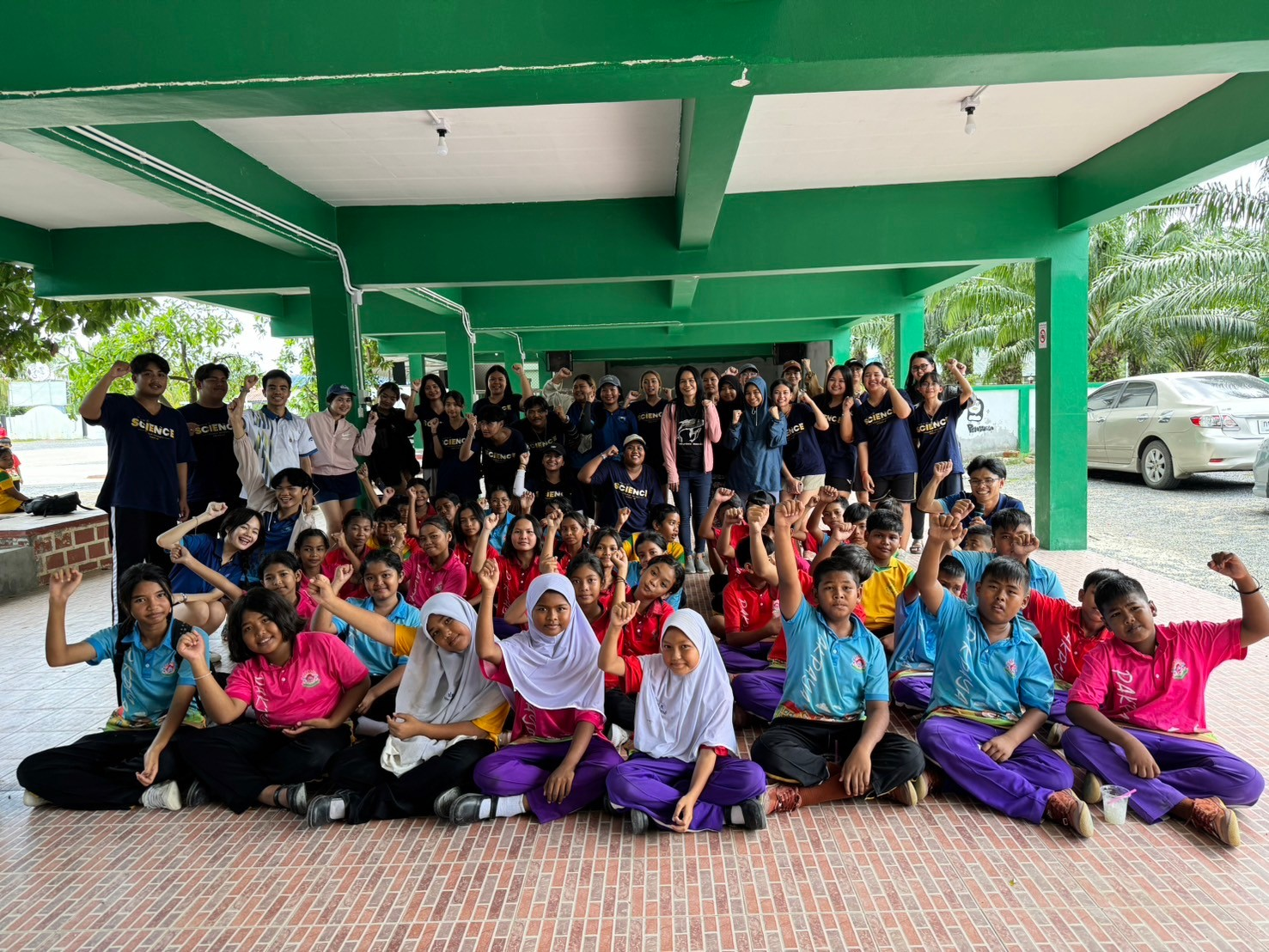
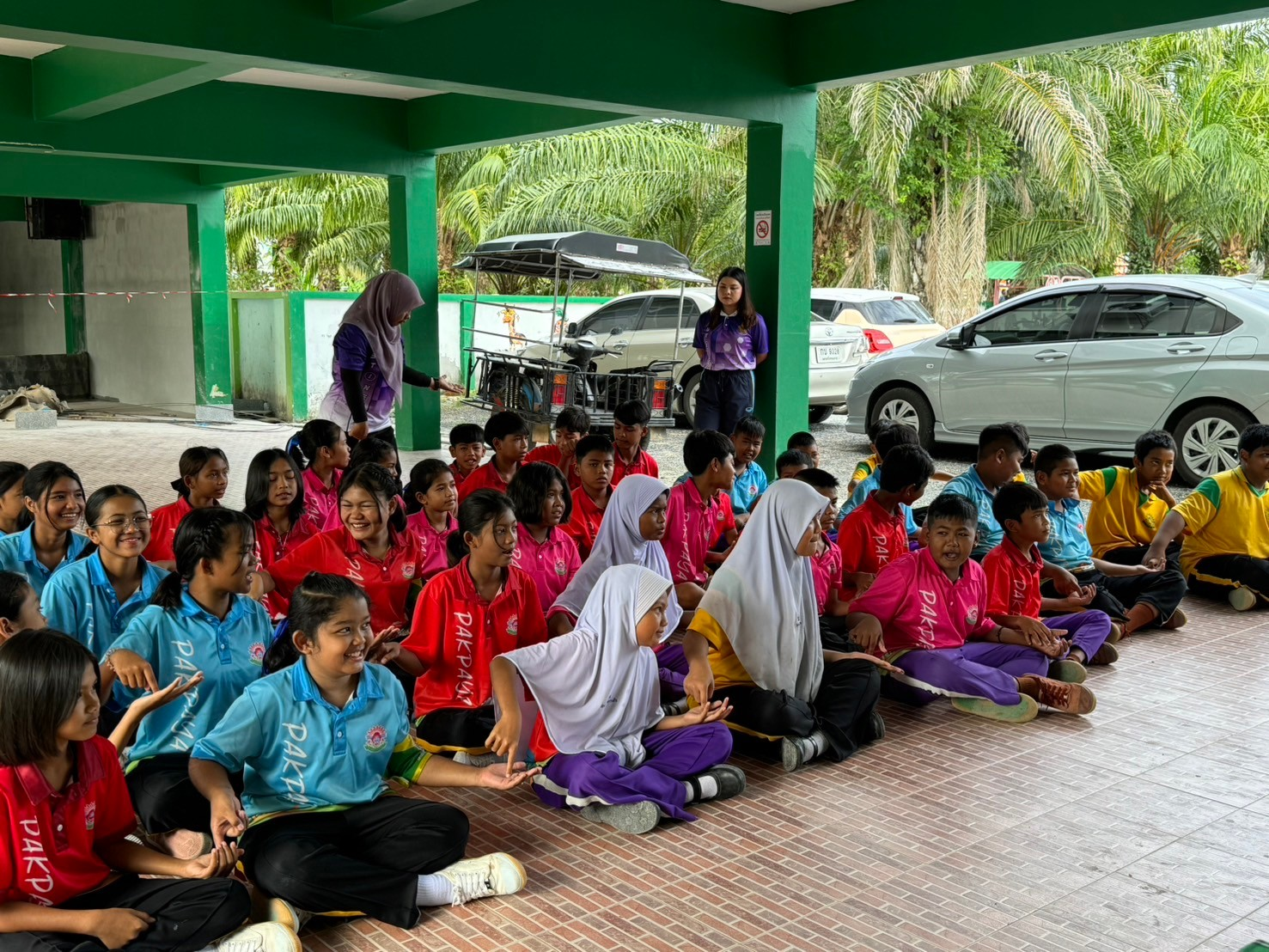
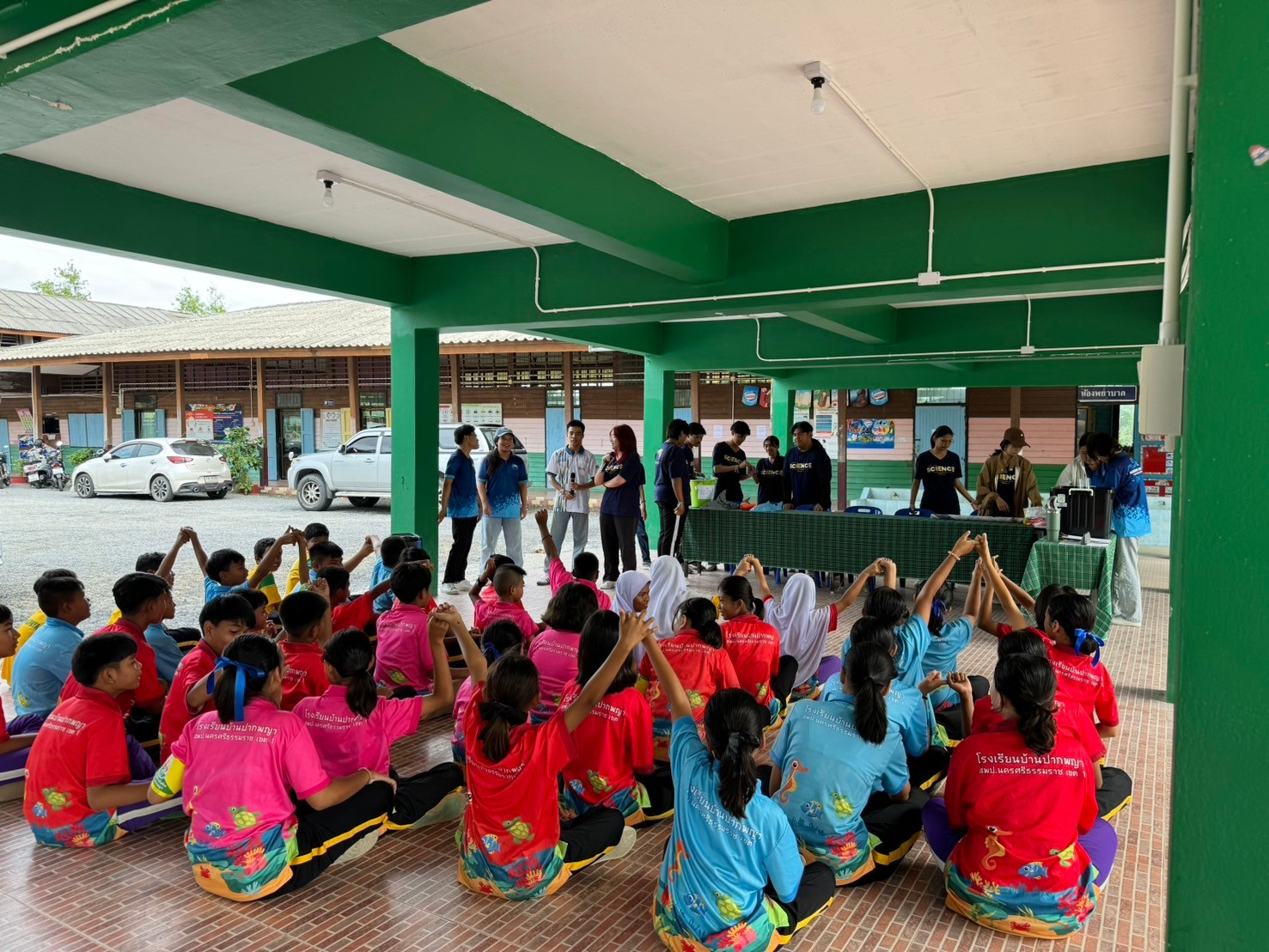
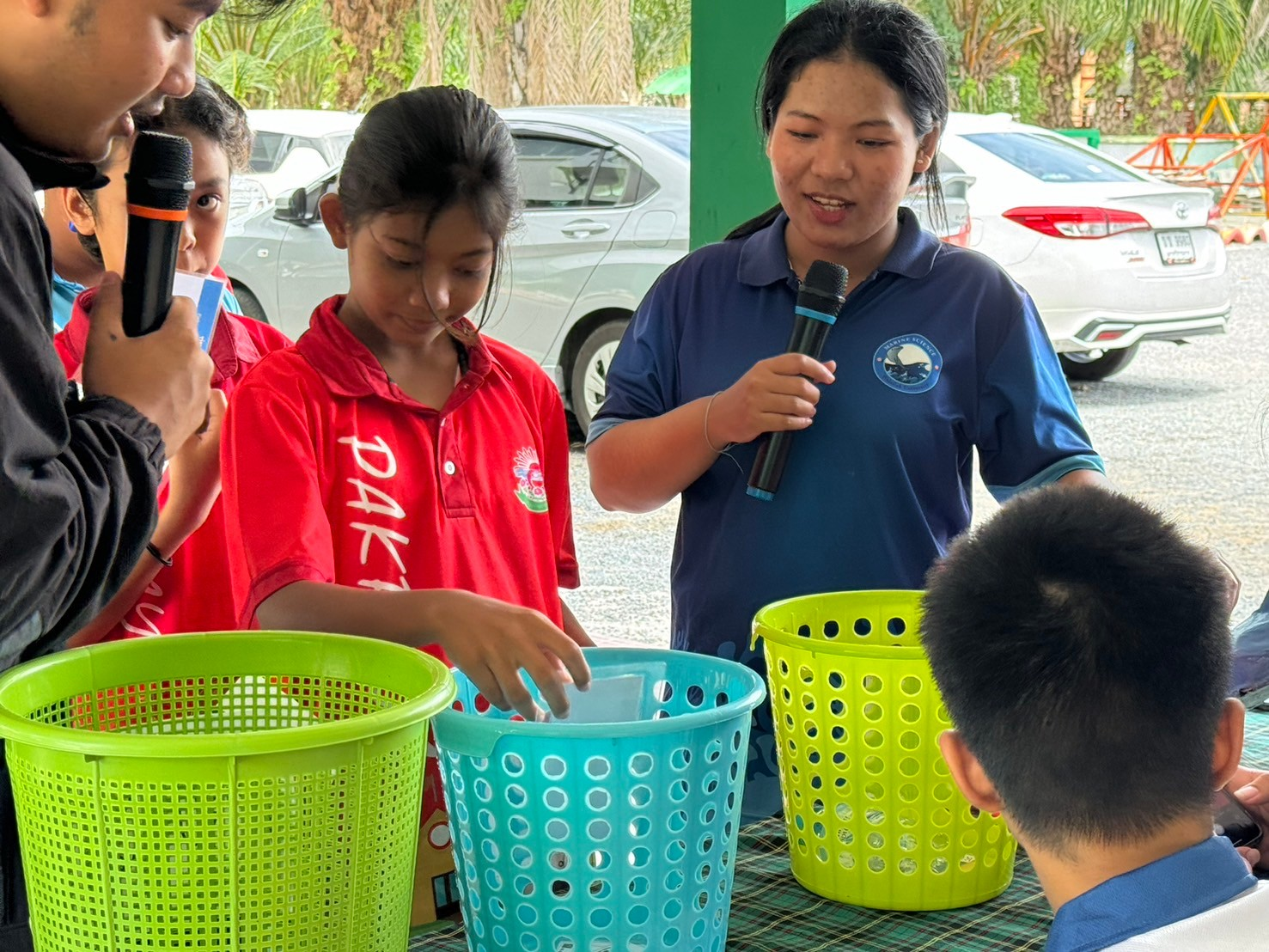
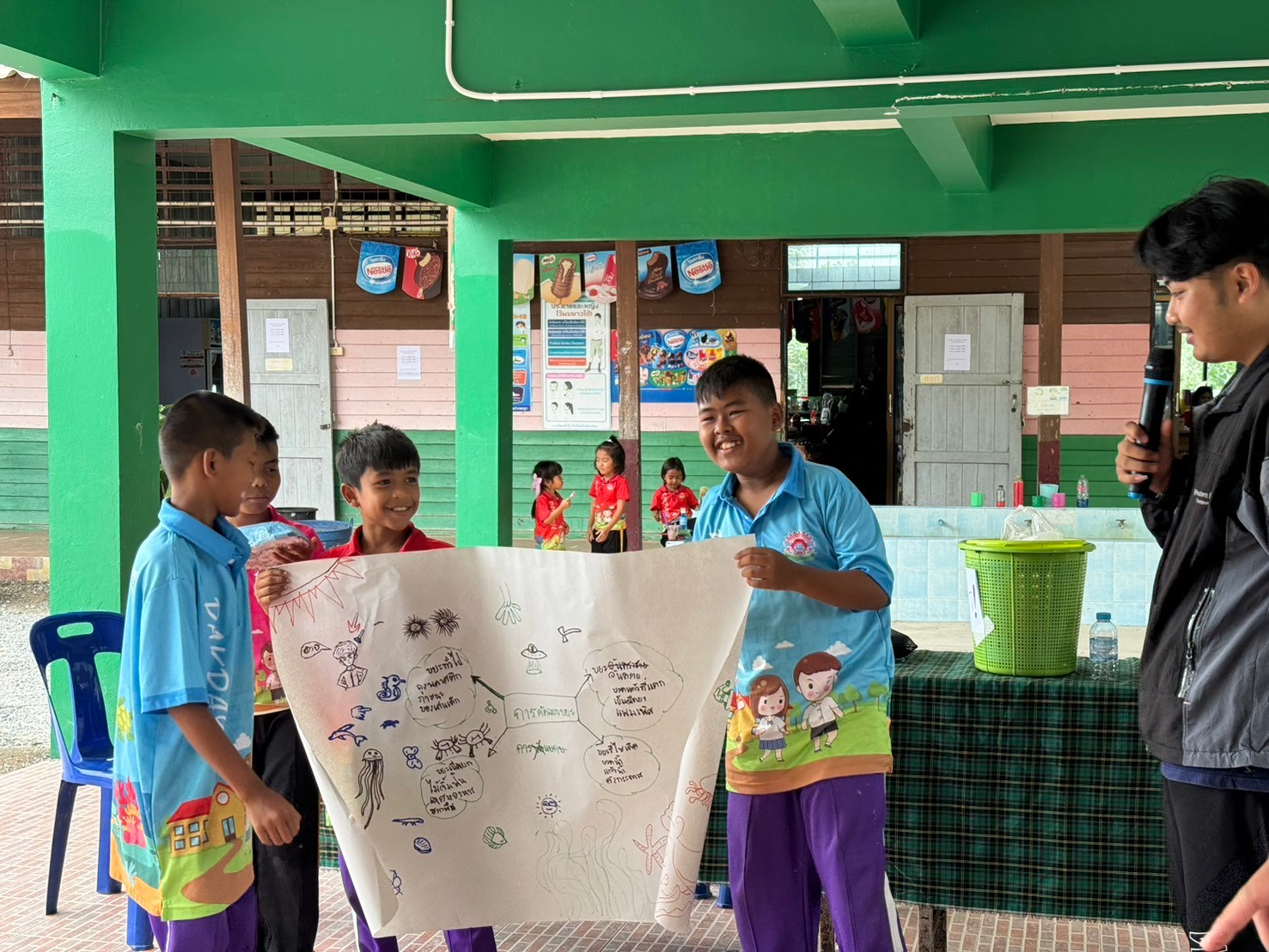
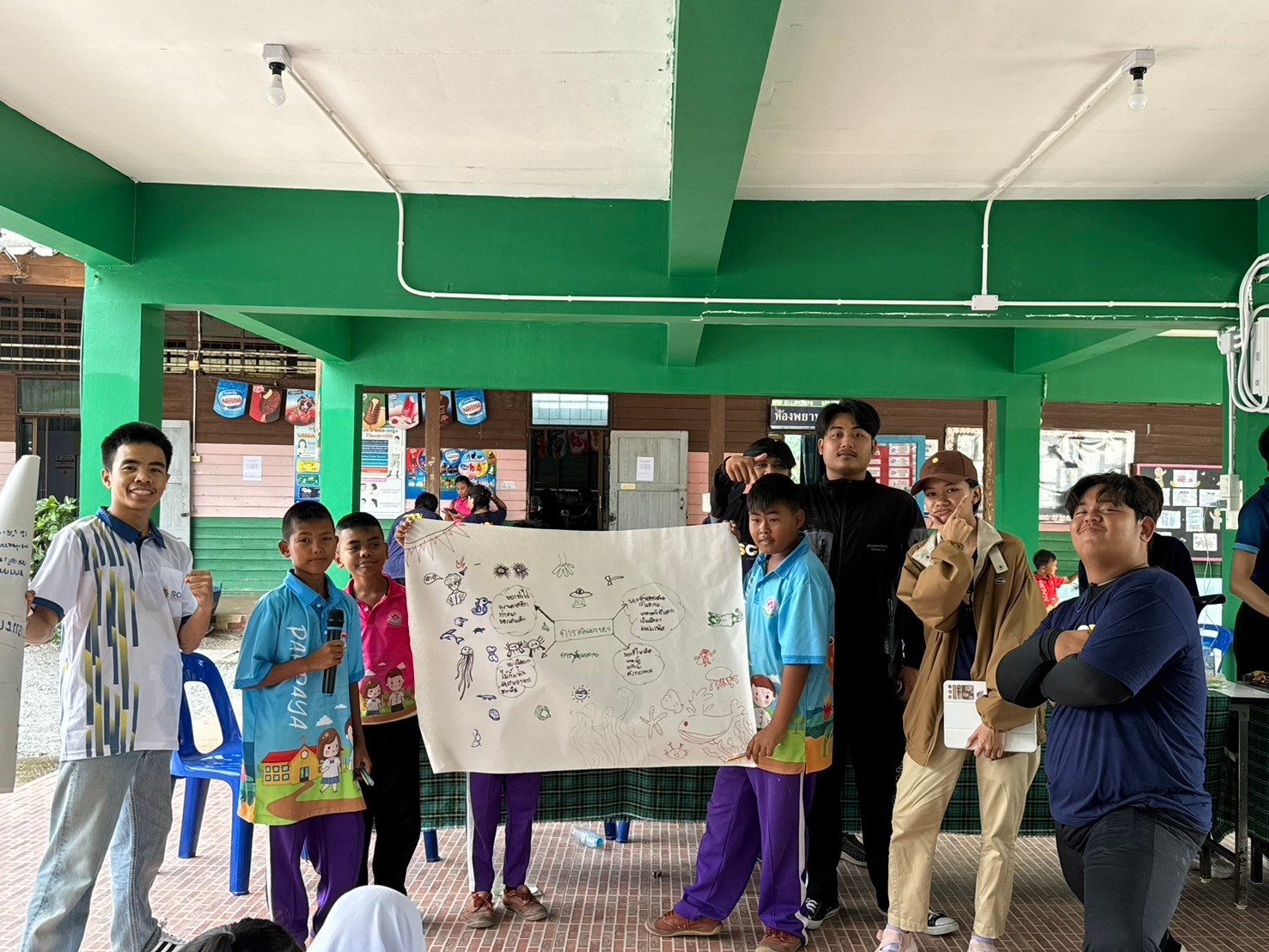
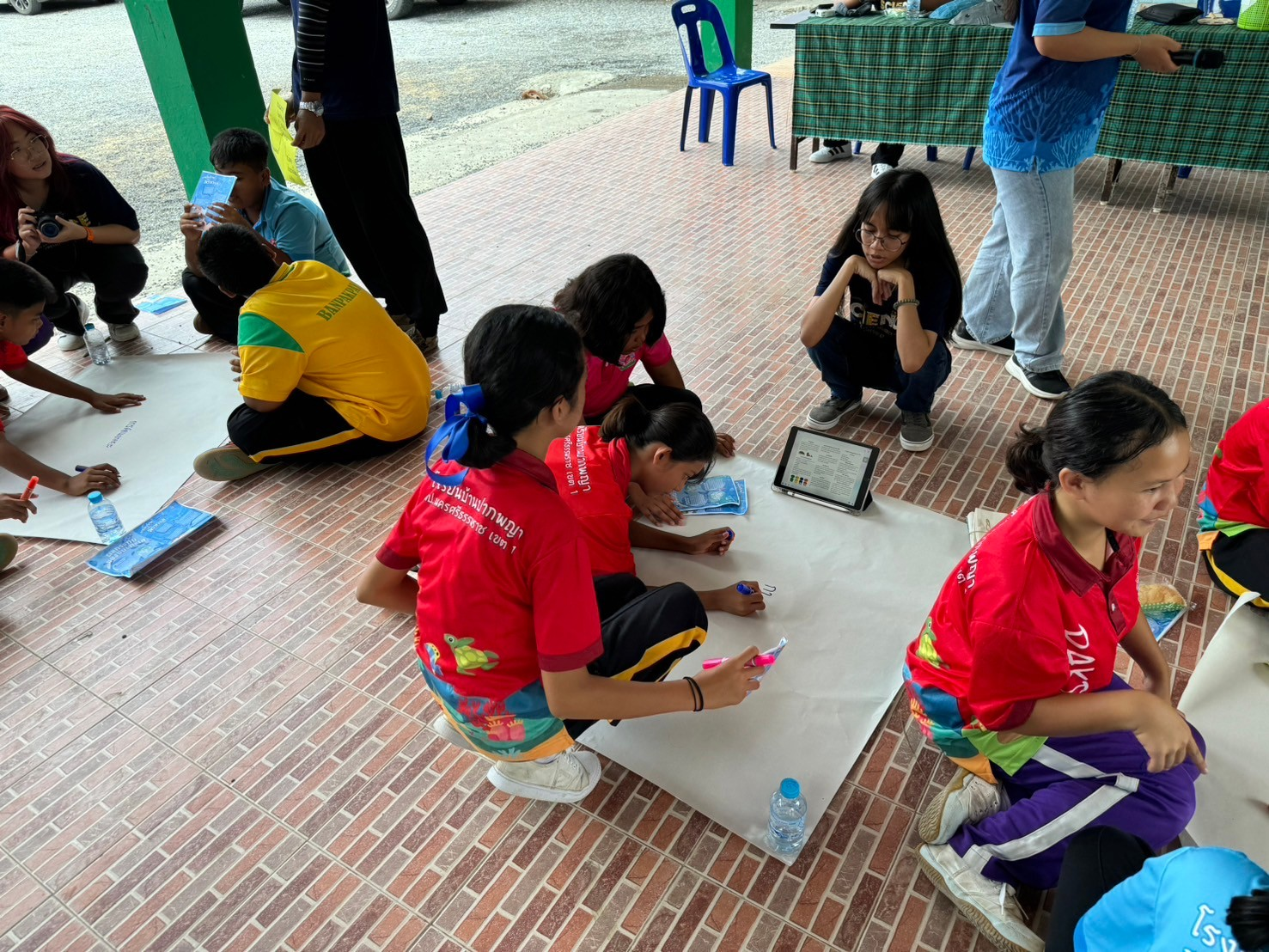
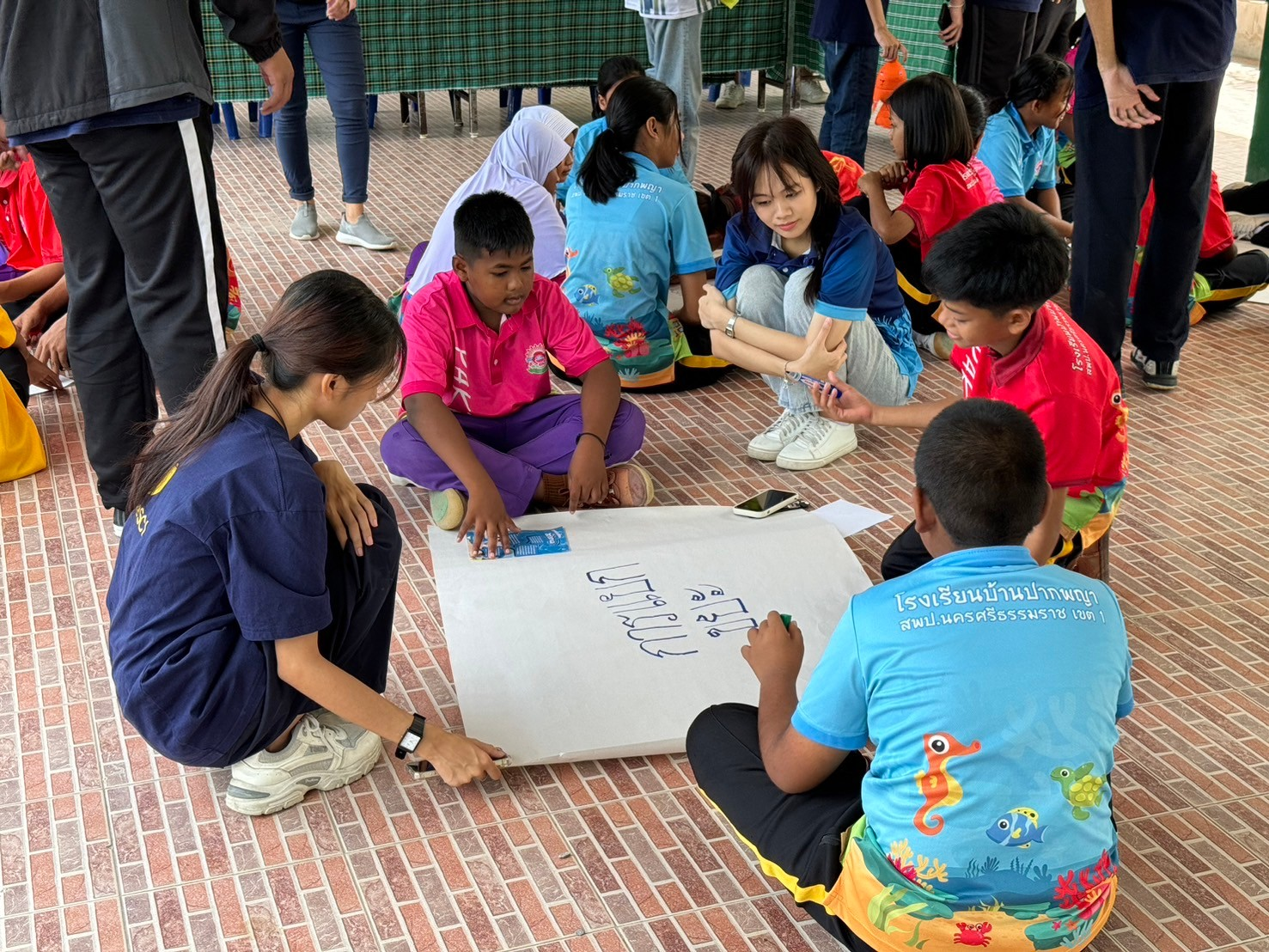
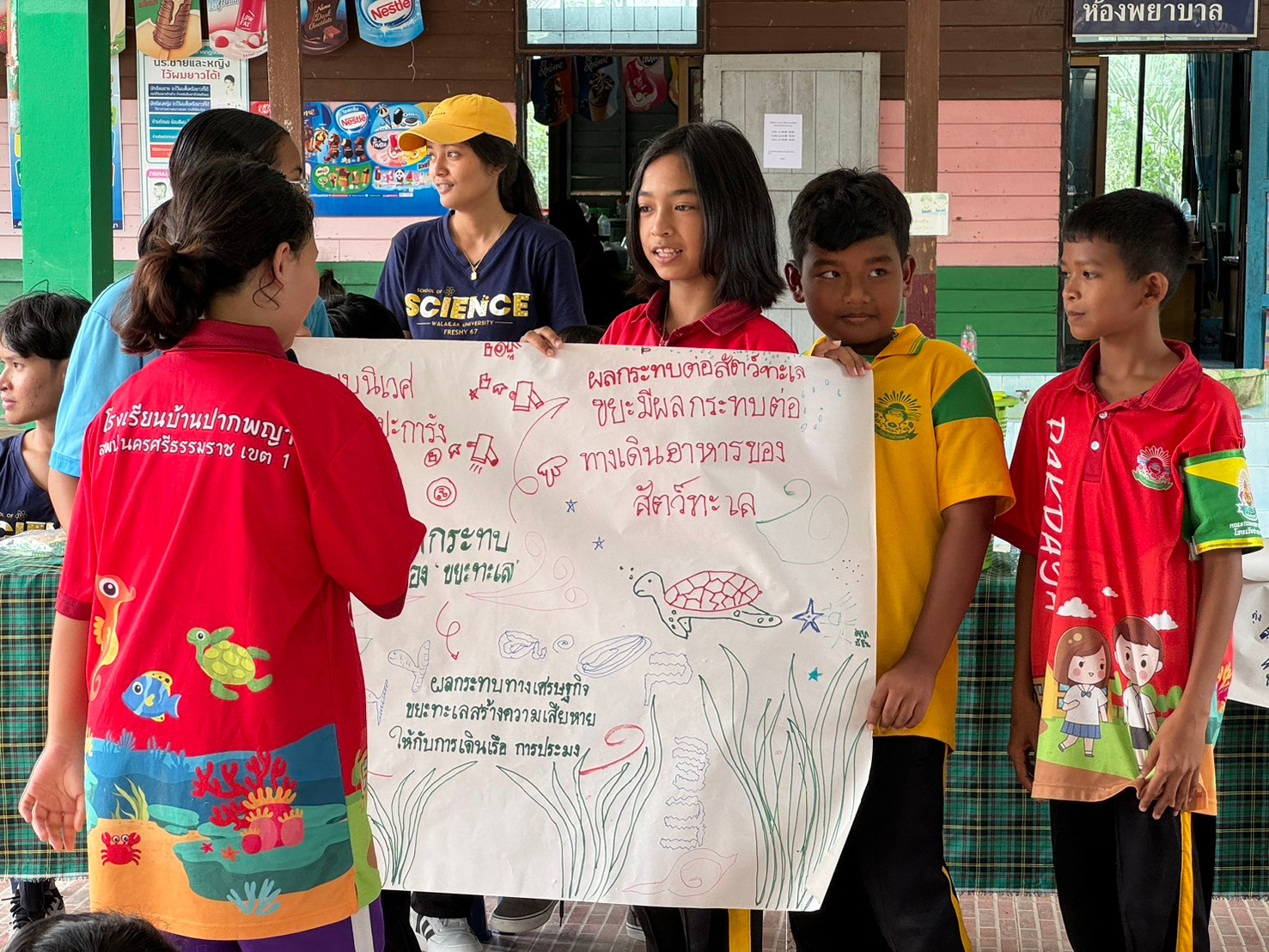
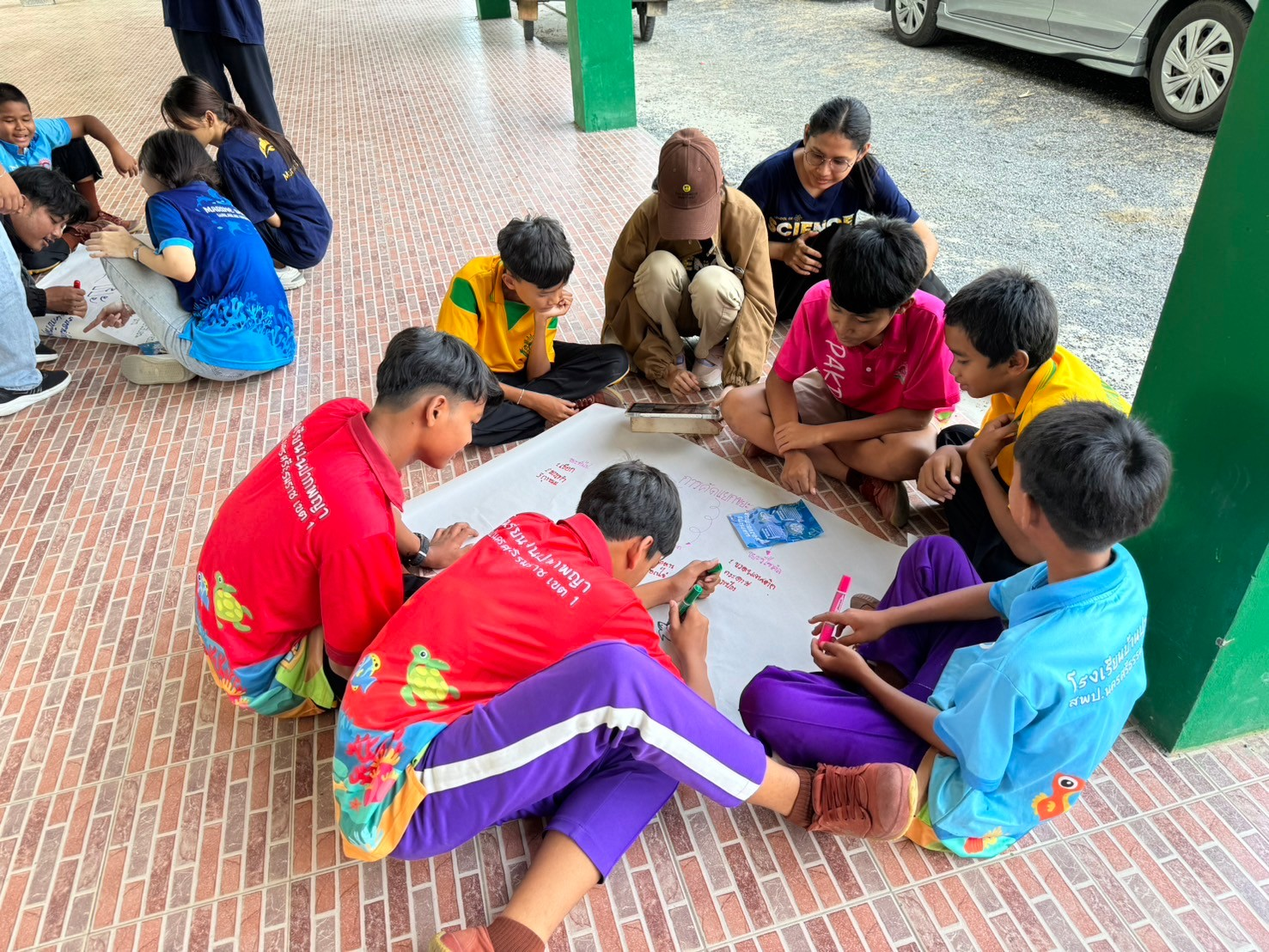
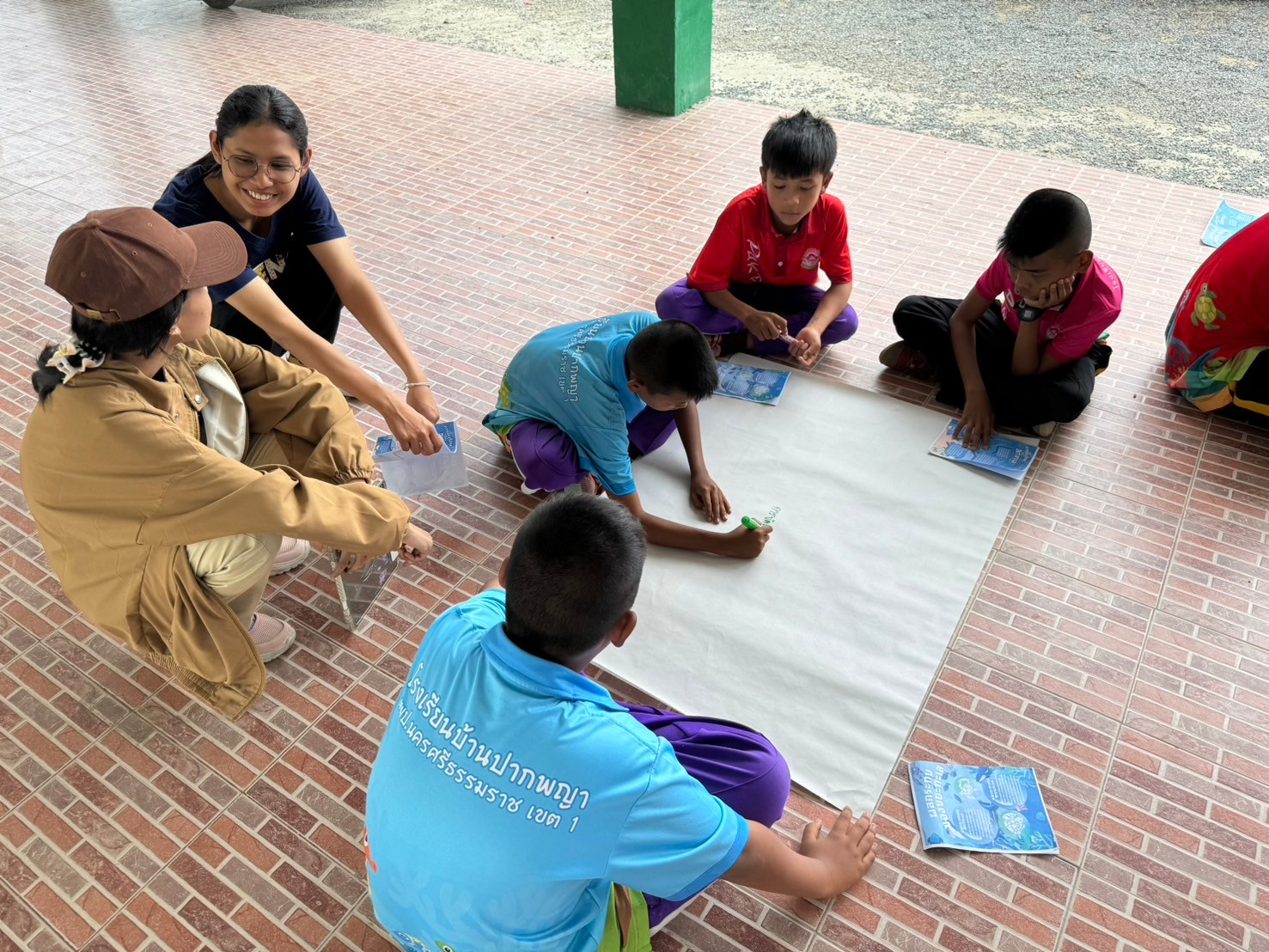
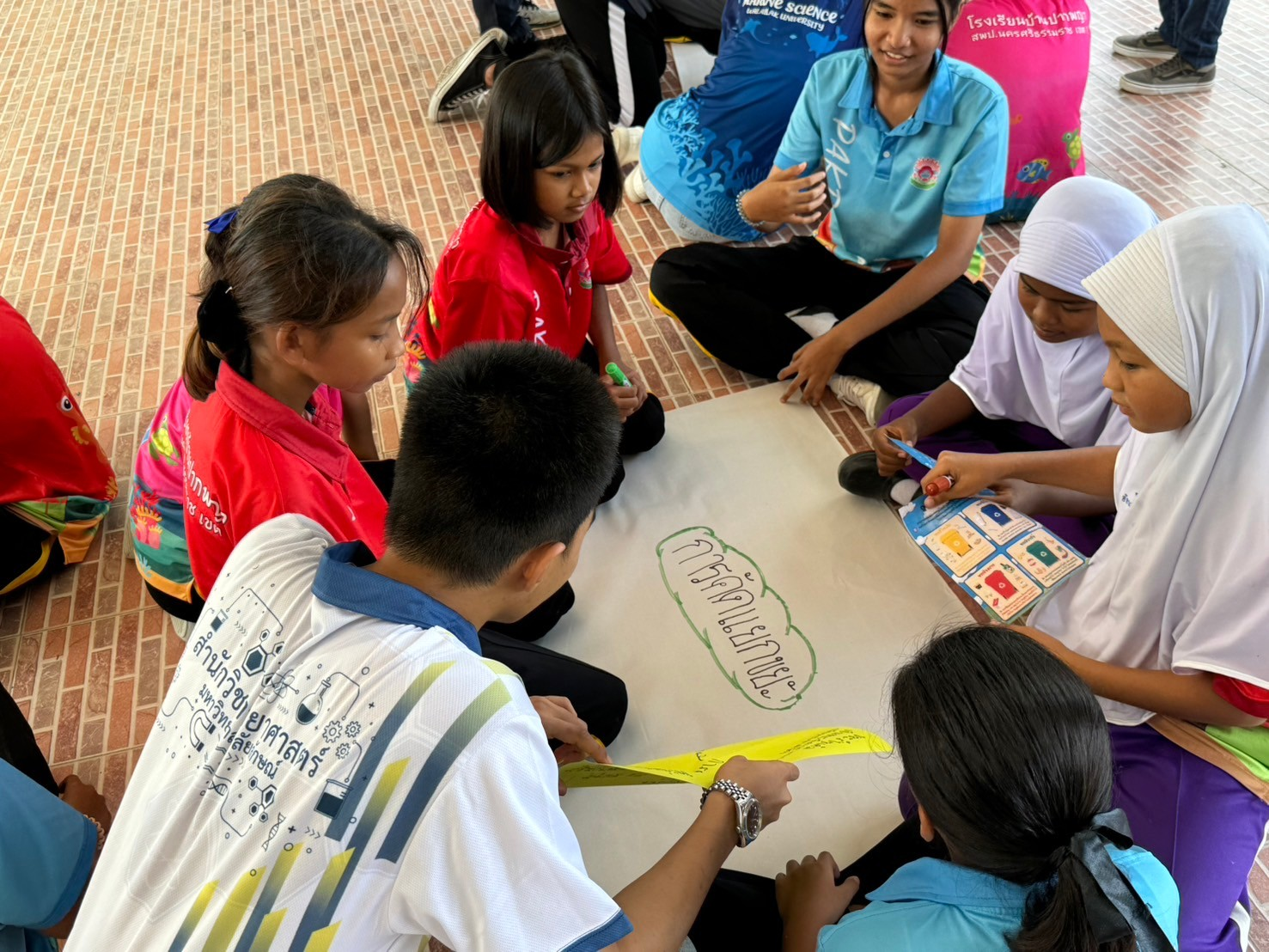
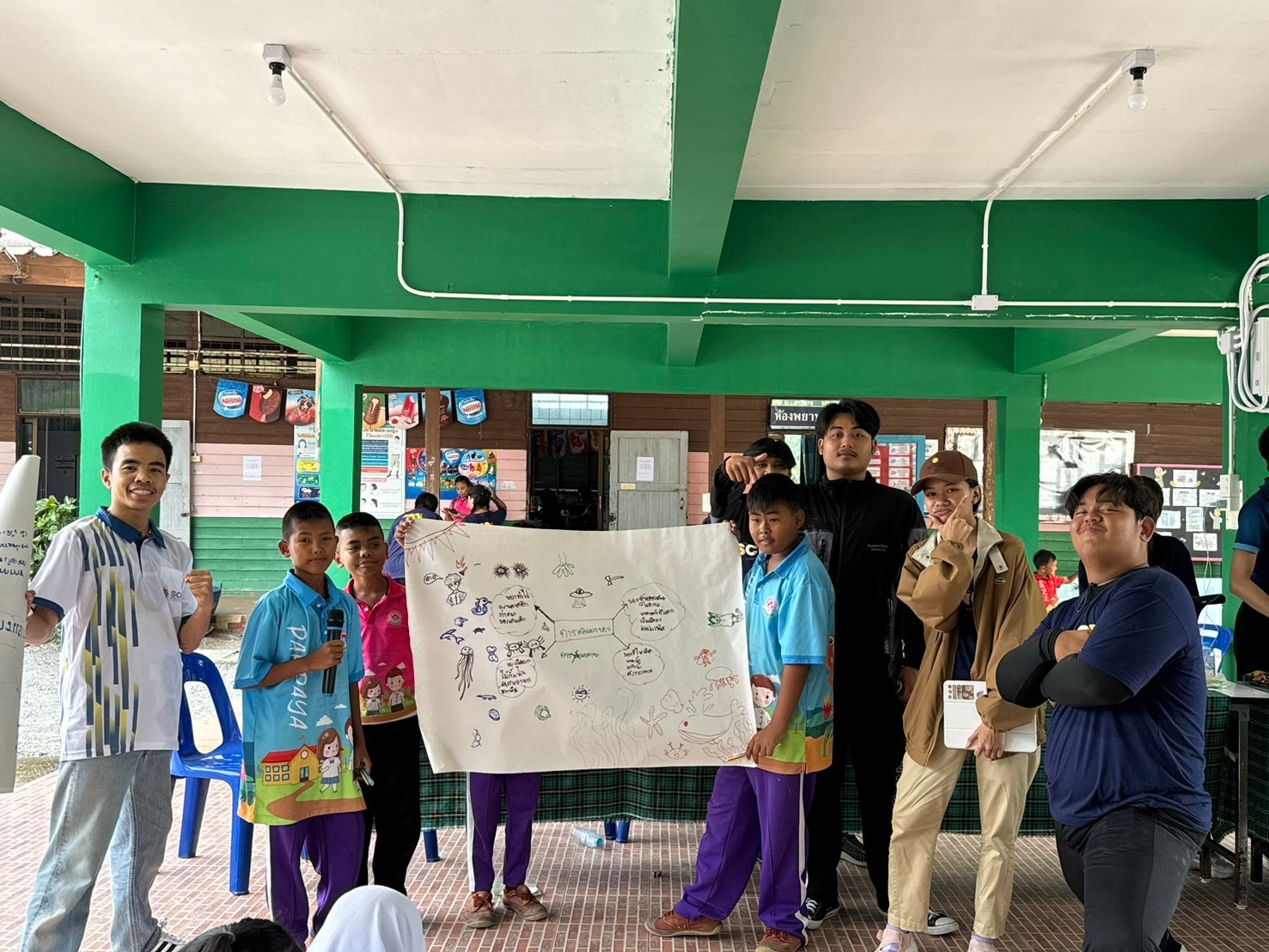
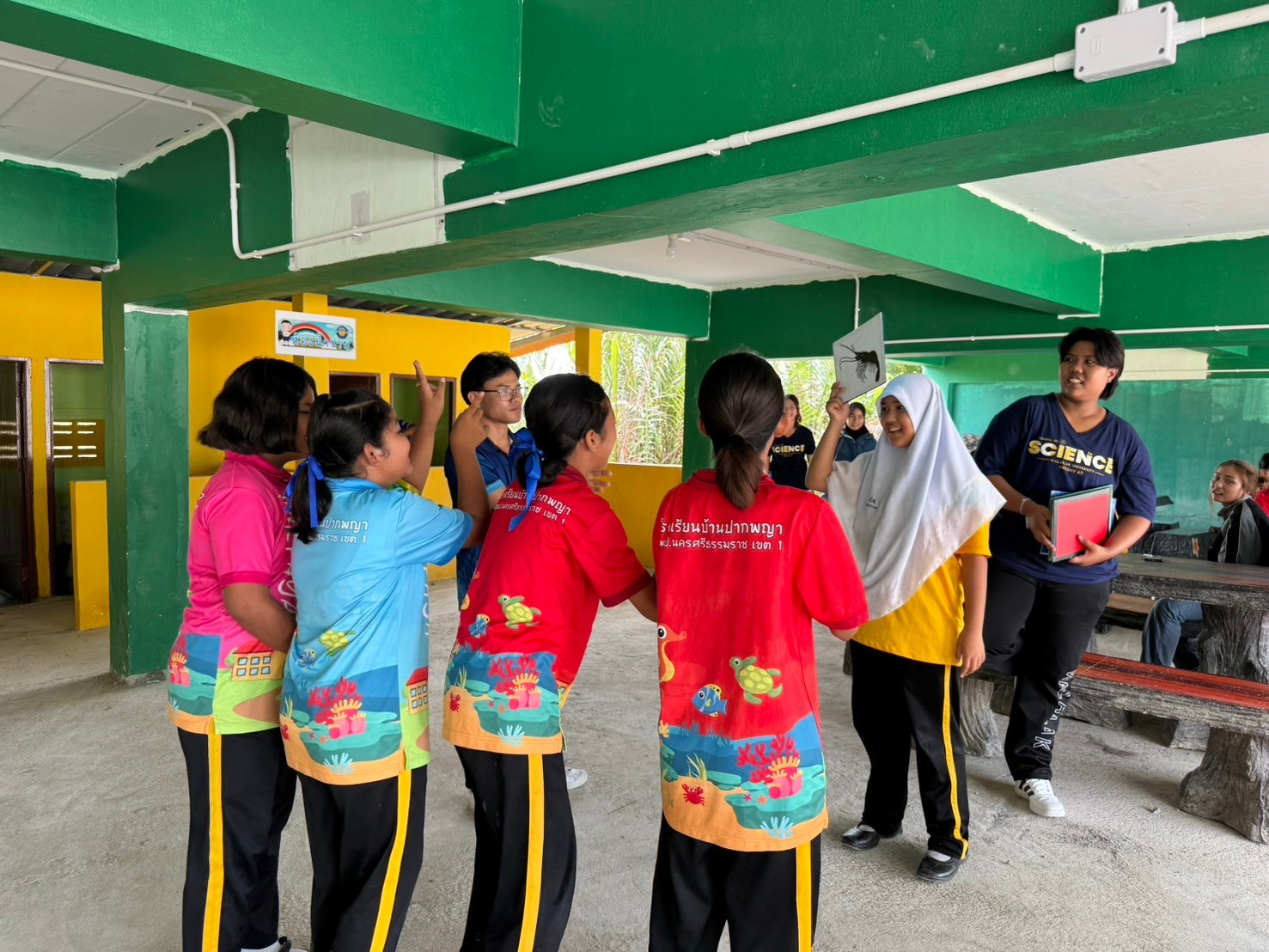
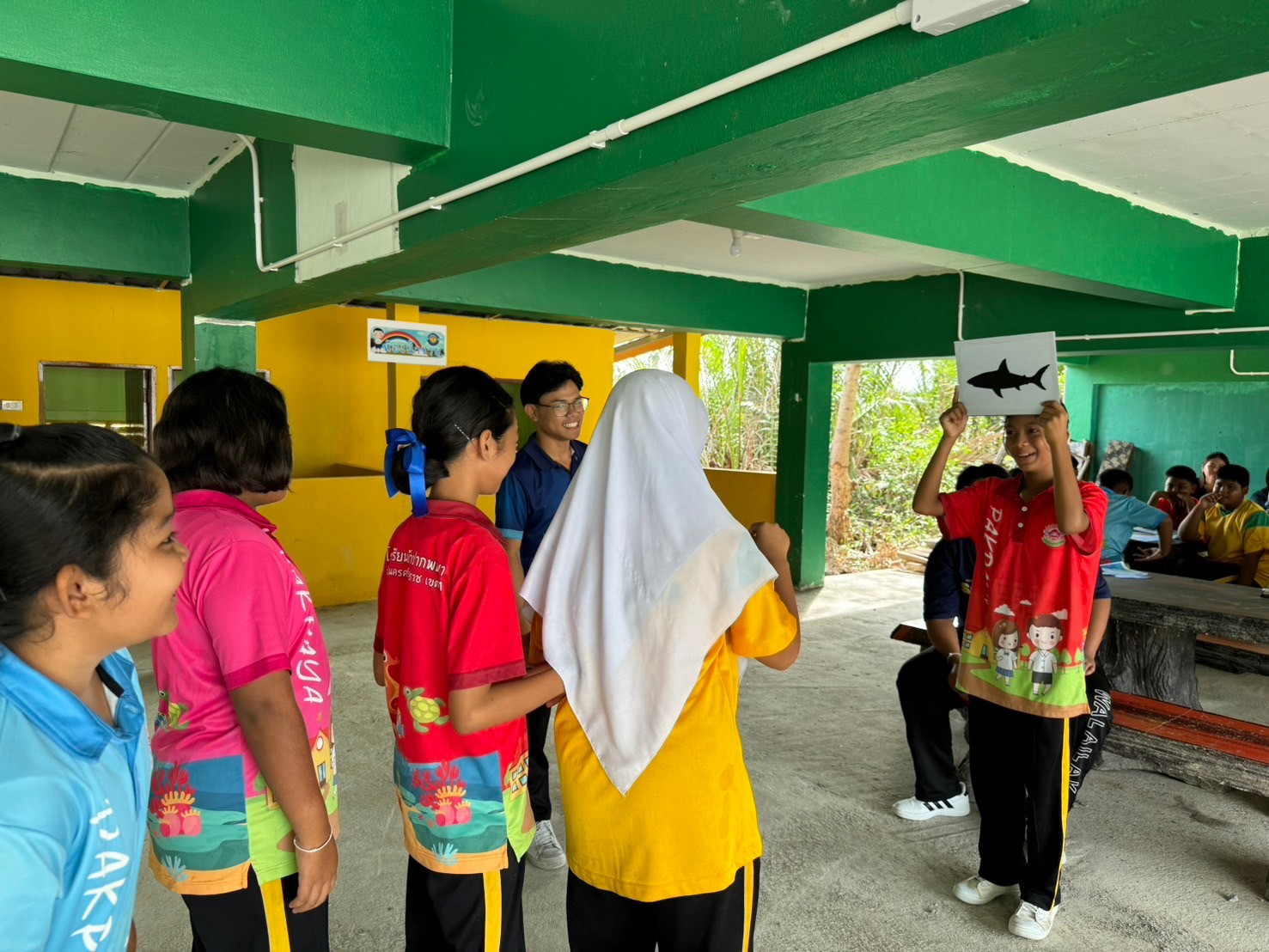
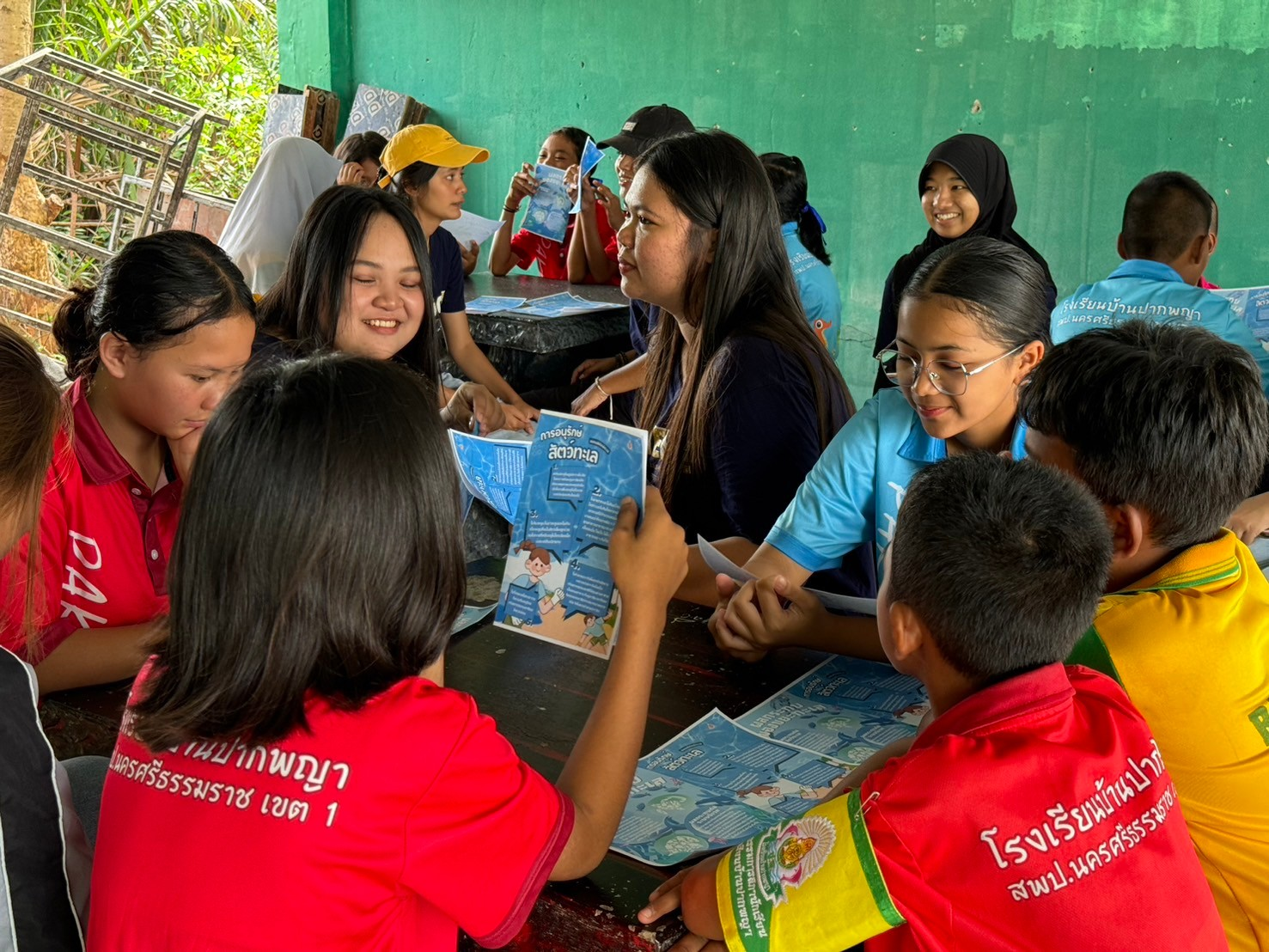
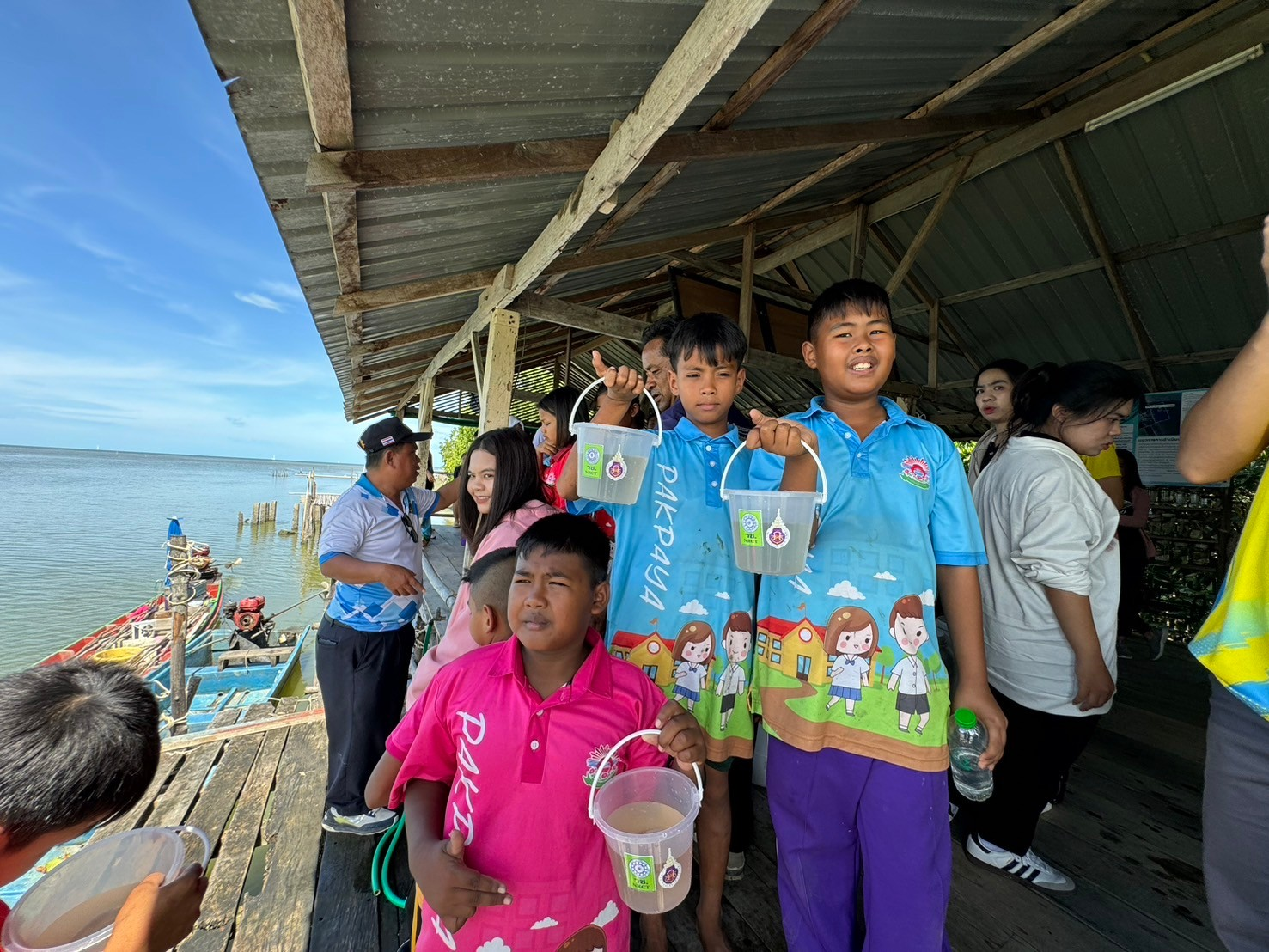
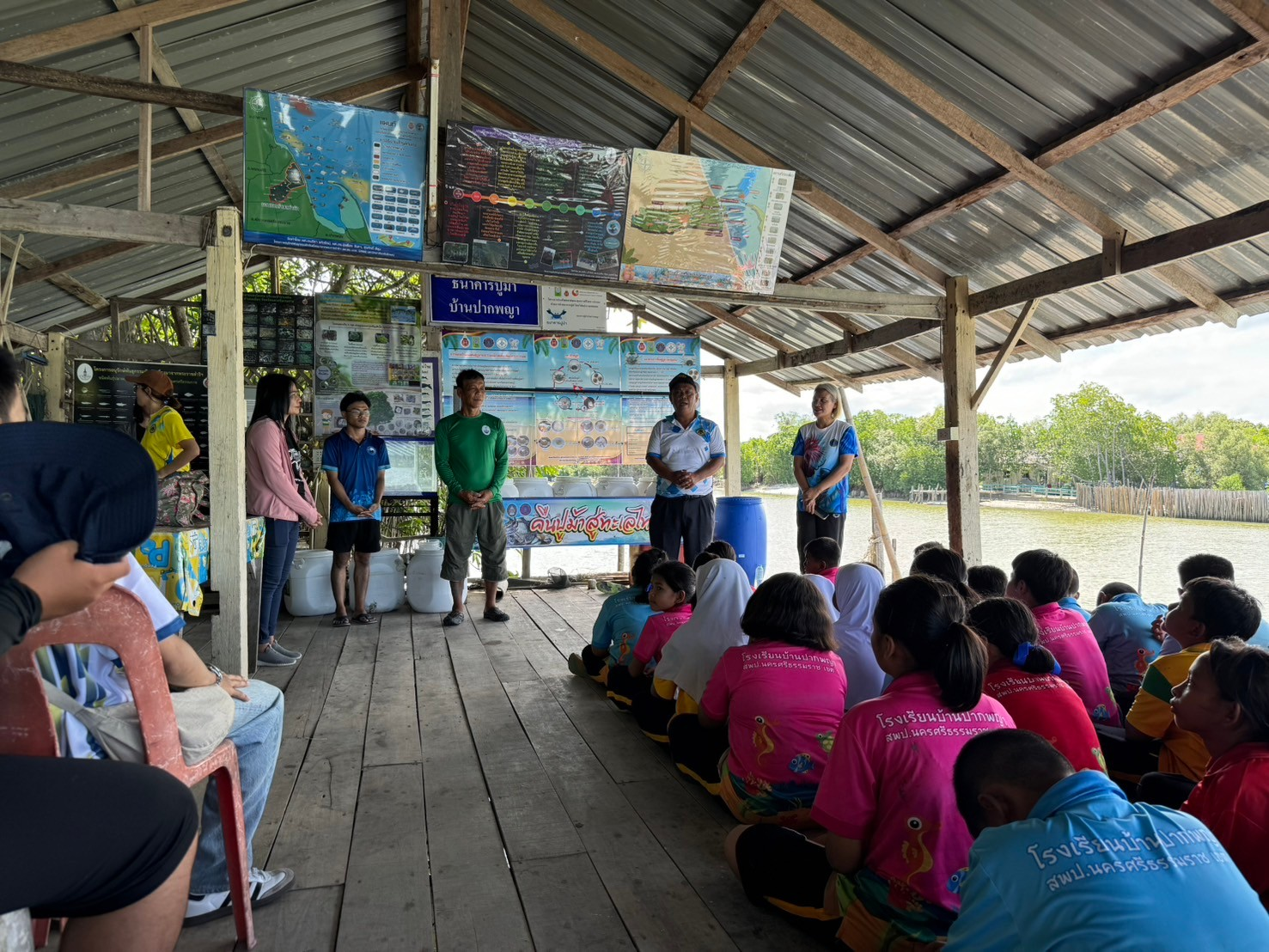
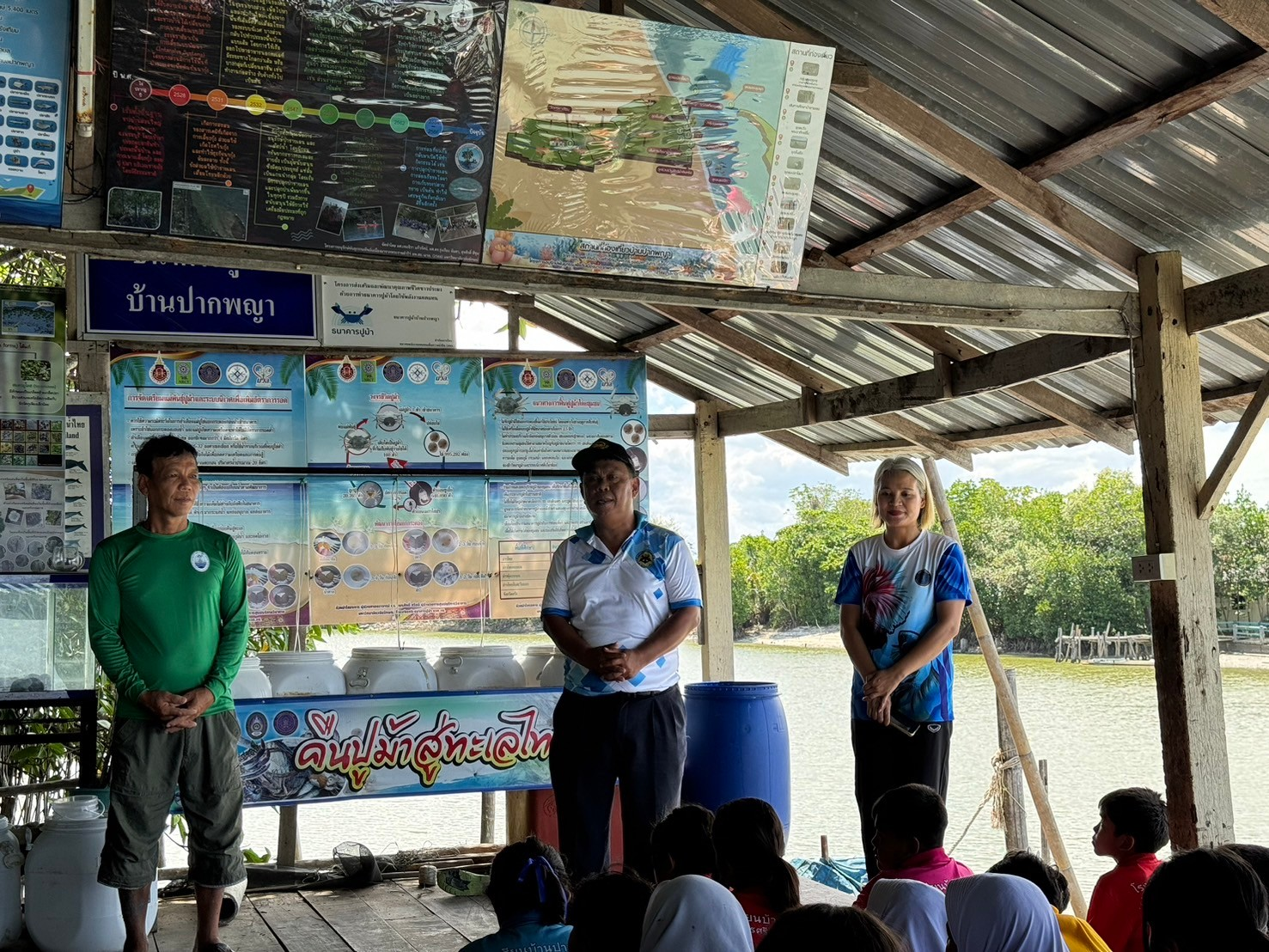
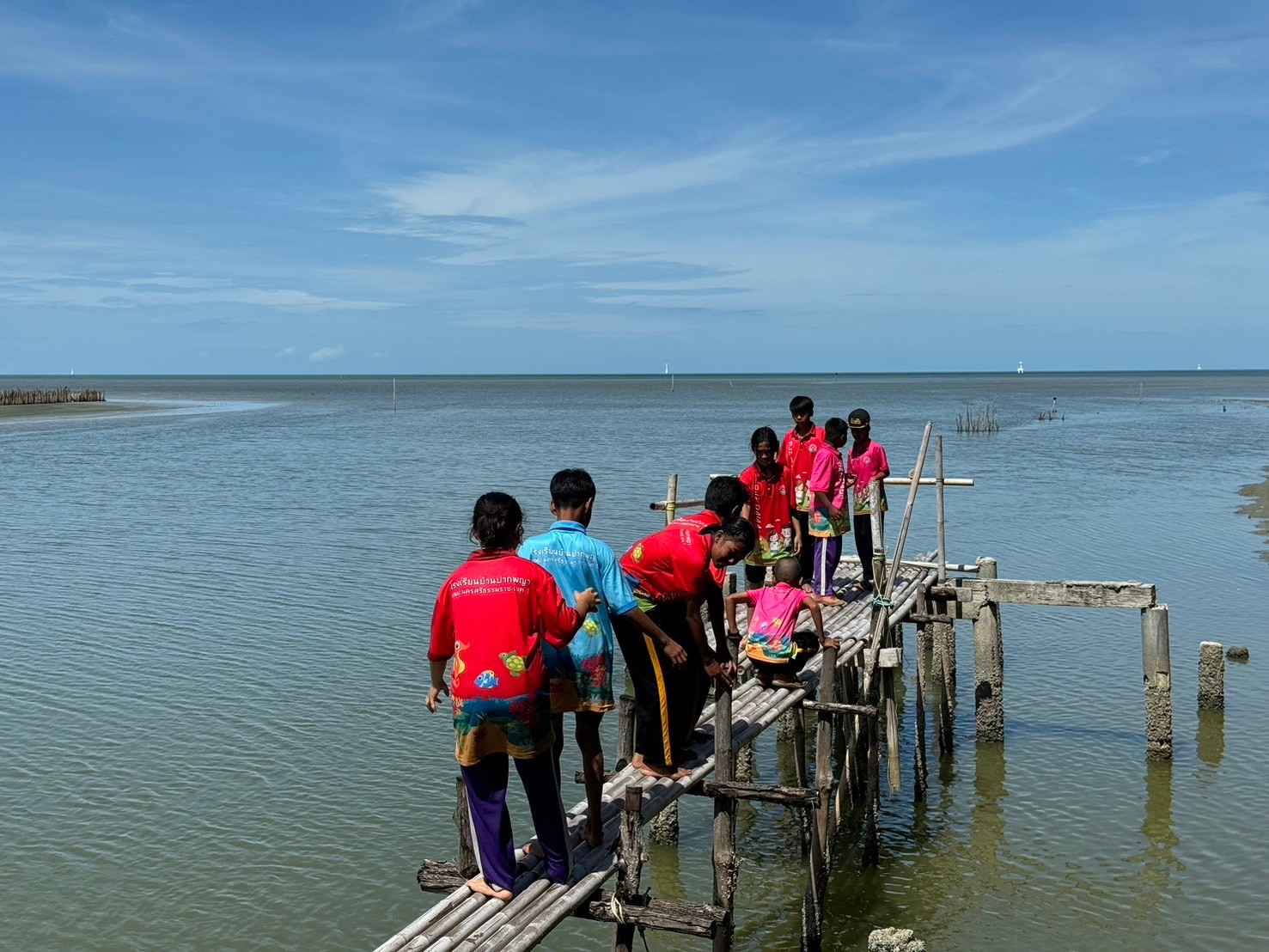
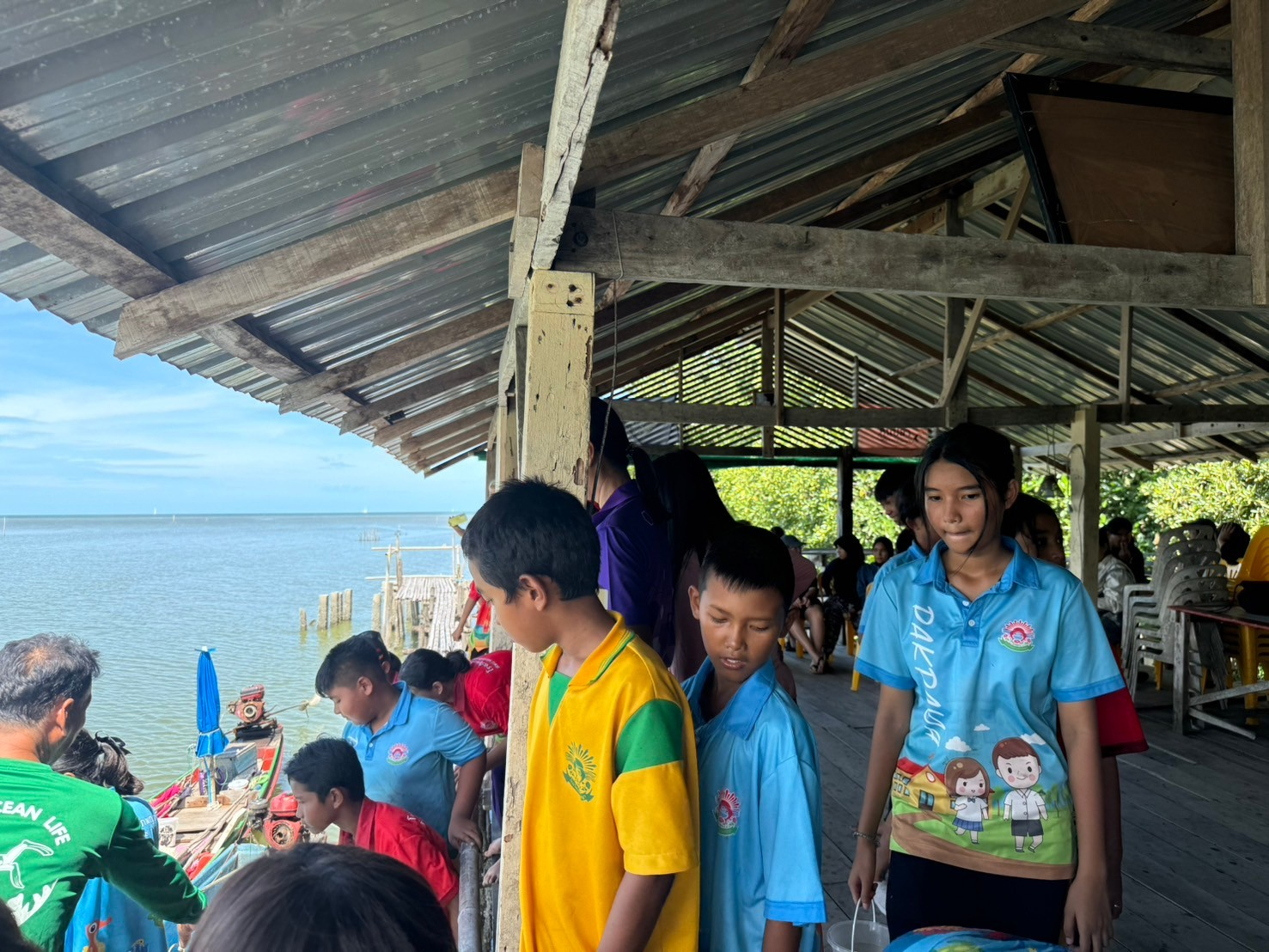
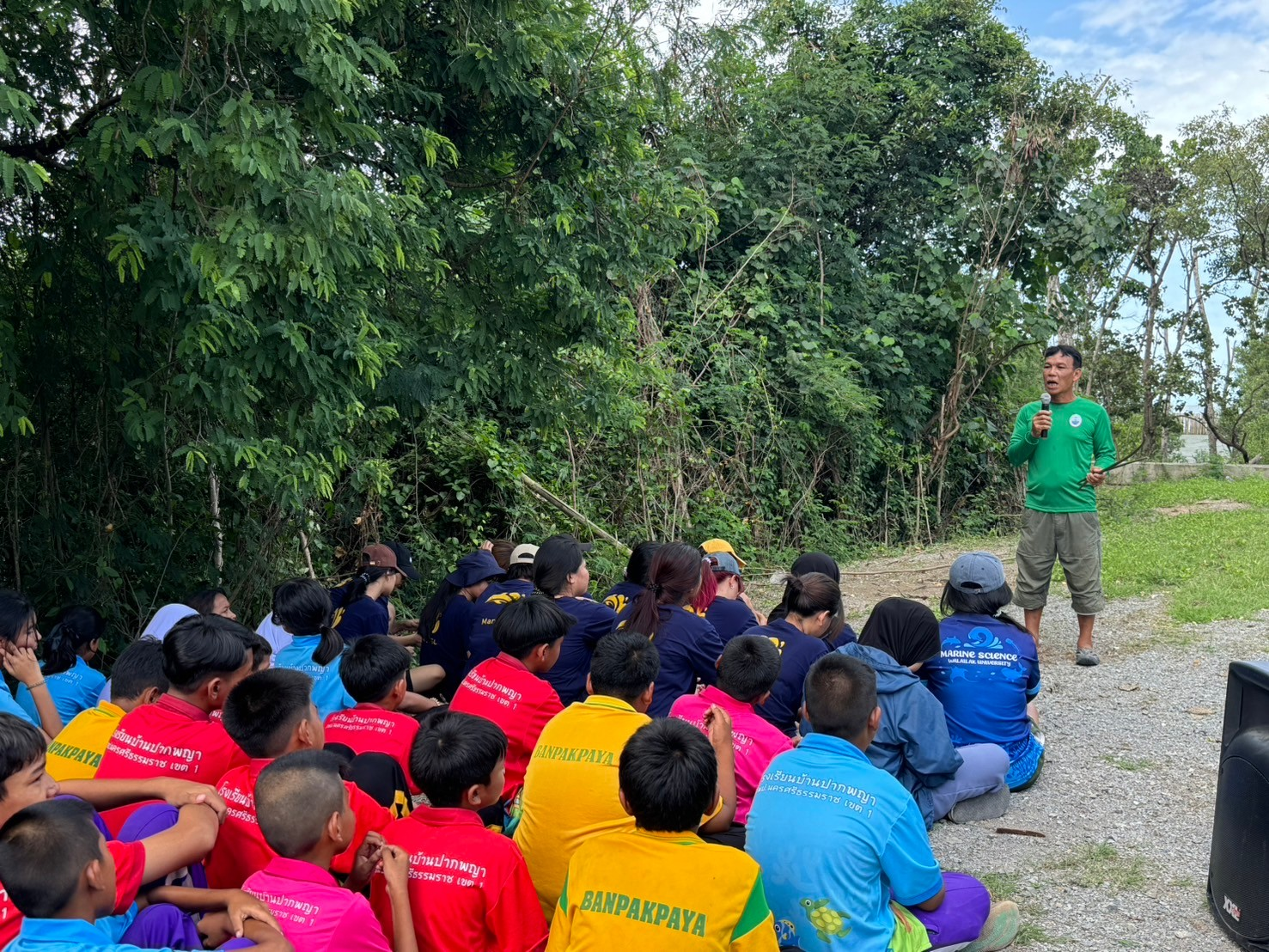
In addition, Walailak University, through students from the School of Science (Marine Science), organized an educational outreach program for students at Ban Pak Phaya School to promote the sustainable utilization of marine resources. WU realized that most of the students at the school were children of local fishermen. Thus, providing them with knowledge on the sustainable use of marine resources can create positive impacts on their parents, who are local fishermen, by encouraging sustainable fishing practices within their families and communities.
Key activities aimed to promote the sustainable use of marine resources at the event included:
Workshop on Marine Debris Prevention
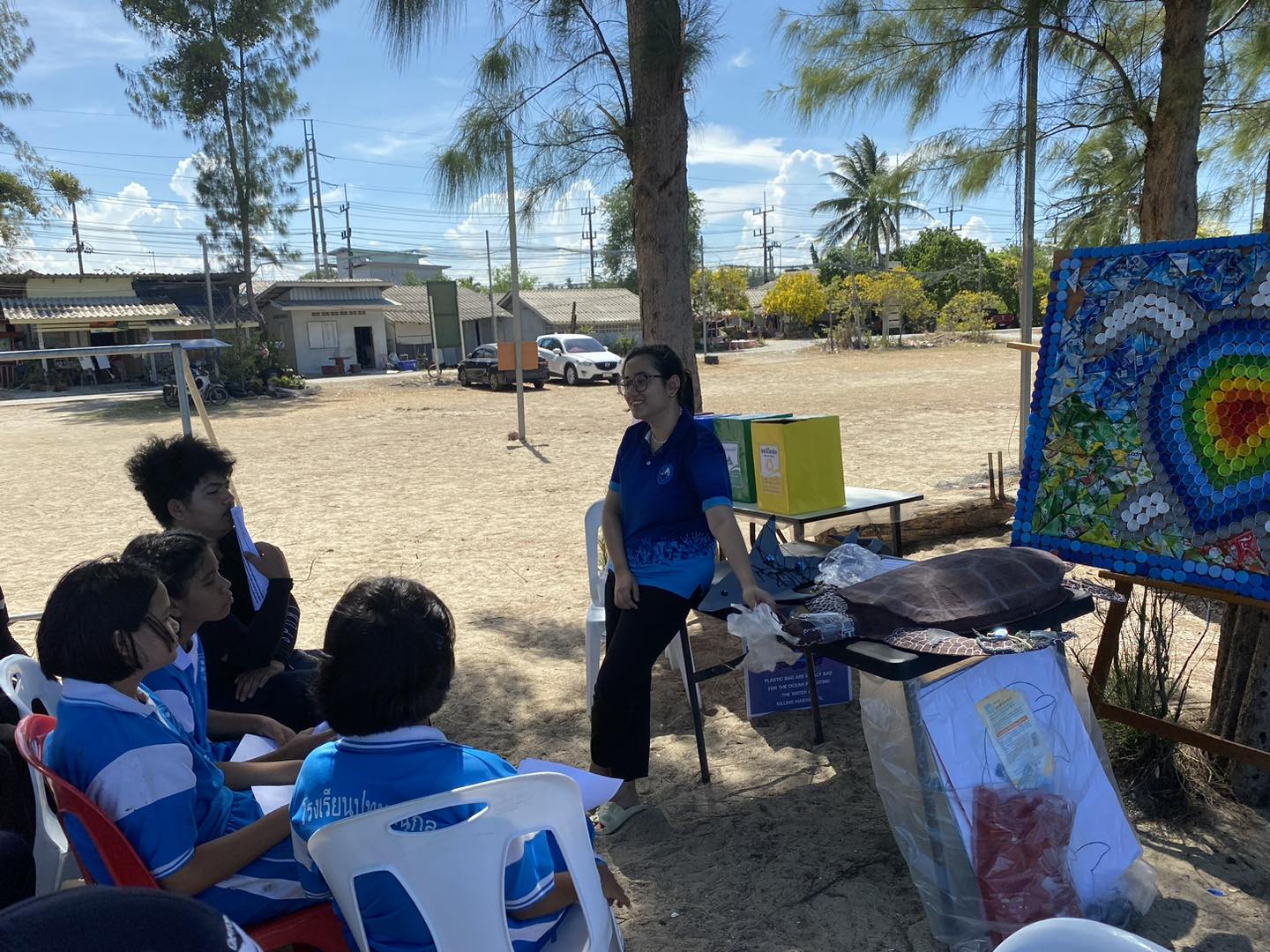
Marine debris has become one of the most critical issues affecting marine ecosystems worldwide, posing serious threats to aquatic life and coastal environments. To raise awareness among young learners, Walailak University organized a workshop on marine debris prevention aimed at enhancing students’ understanding of waste management and environmental protection.
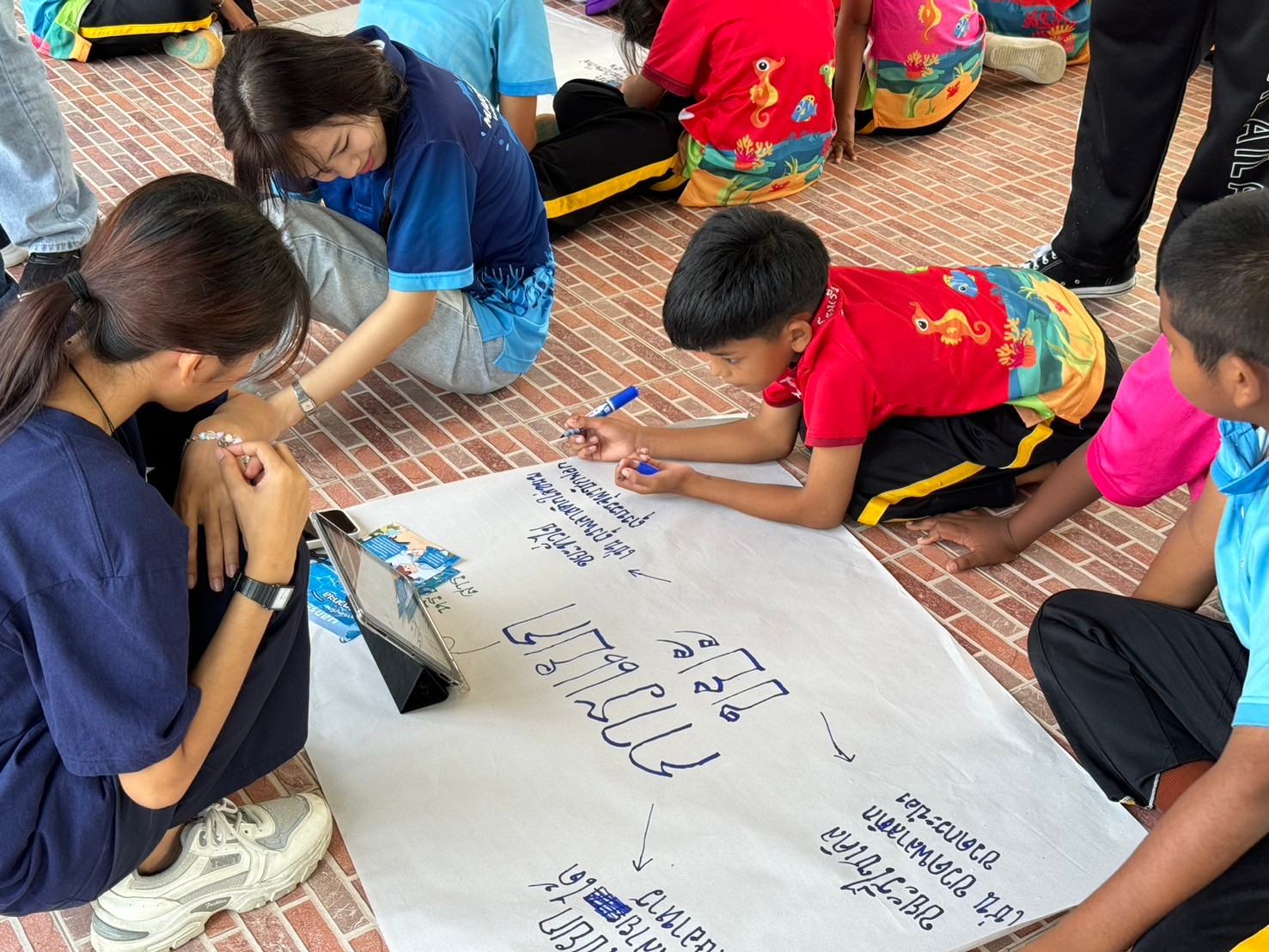
During the workshop, the students learned about the negative impacts of marine debris and the importance of proper waste sorting as an effective way to reduce pollution at its source. They participated in group discussions where they freely shared their ideas on how to prevent marine debris and protect their local environment. Through these interactive activities, the students gained a clearer understanding of how their daily habits can contribute to cleaner oceans and healthier ecosystems.
In addition, the students were introduced to various marine species, including local and alien aquatic animals, to help them recognize the diversity of marine life and the ecological risks posed by invasive species. This activity not only enriched their scientific knowledge but also inspired a sense of responsibility toward conserving marine biodiversity in their own communities.
Releasing Juvenile Blue Swimming Crabs
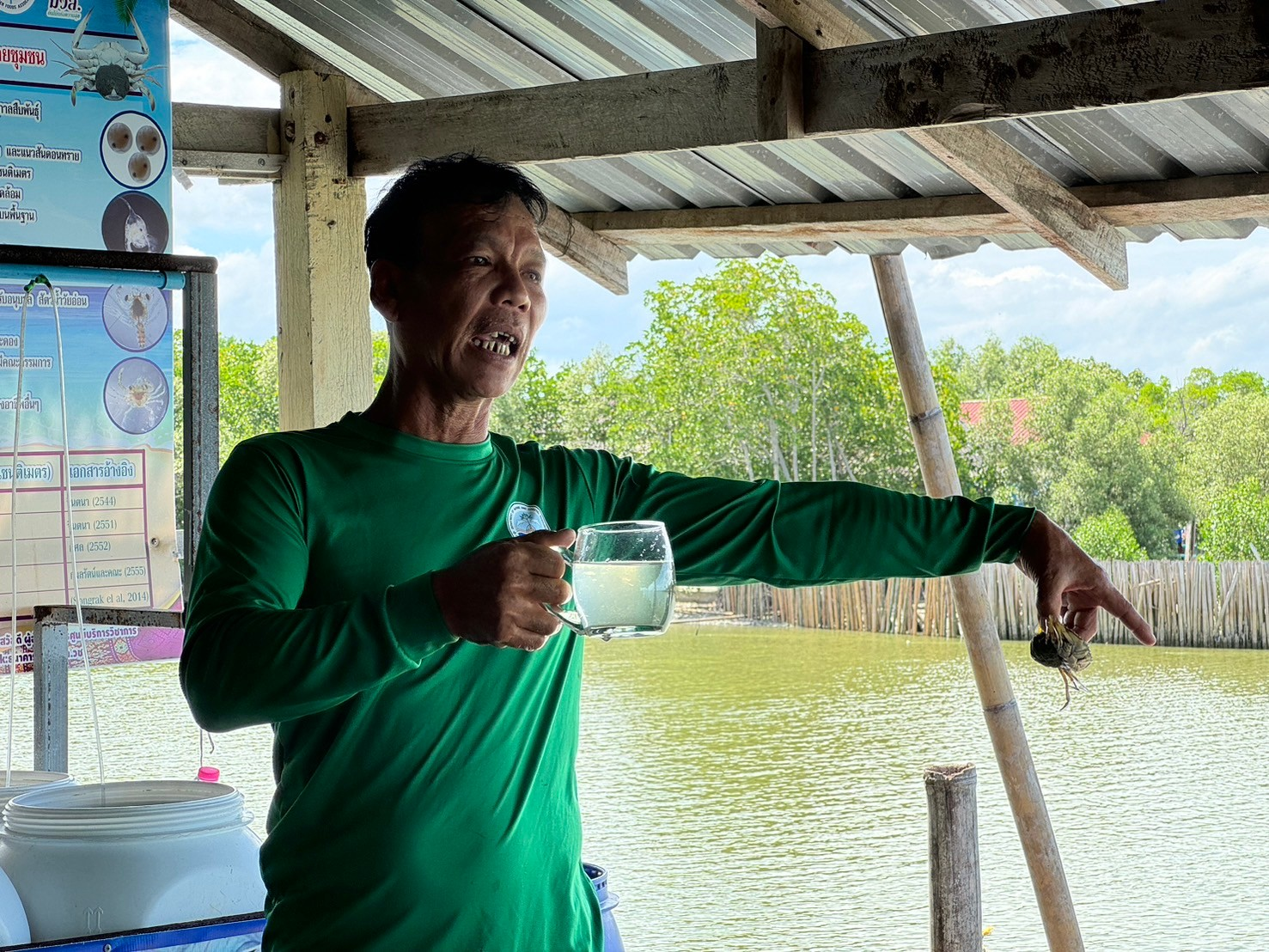
WU organized an educational activity to provide knowledge and raise awareness about the preservation of the blue swimming crab (Portunus pelagicus), a vital species that supports the livelihoods of many coastal communities in Thailand.
During the activity, the students learned about the life cycle of the blue swimming crab, its ecological role in maintaining marine balance, and its significant contribution to the local economy, particularly among small-scale fishers. The session also highlighted the concerning decline in the crab population across Thailand, emphasizing the negative impacts of overfishing, habitat loss, and marine pollution.
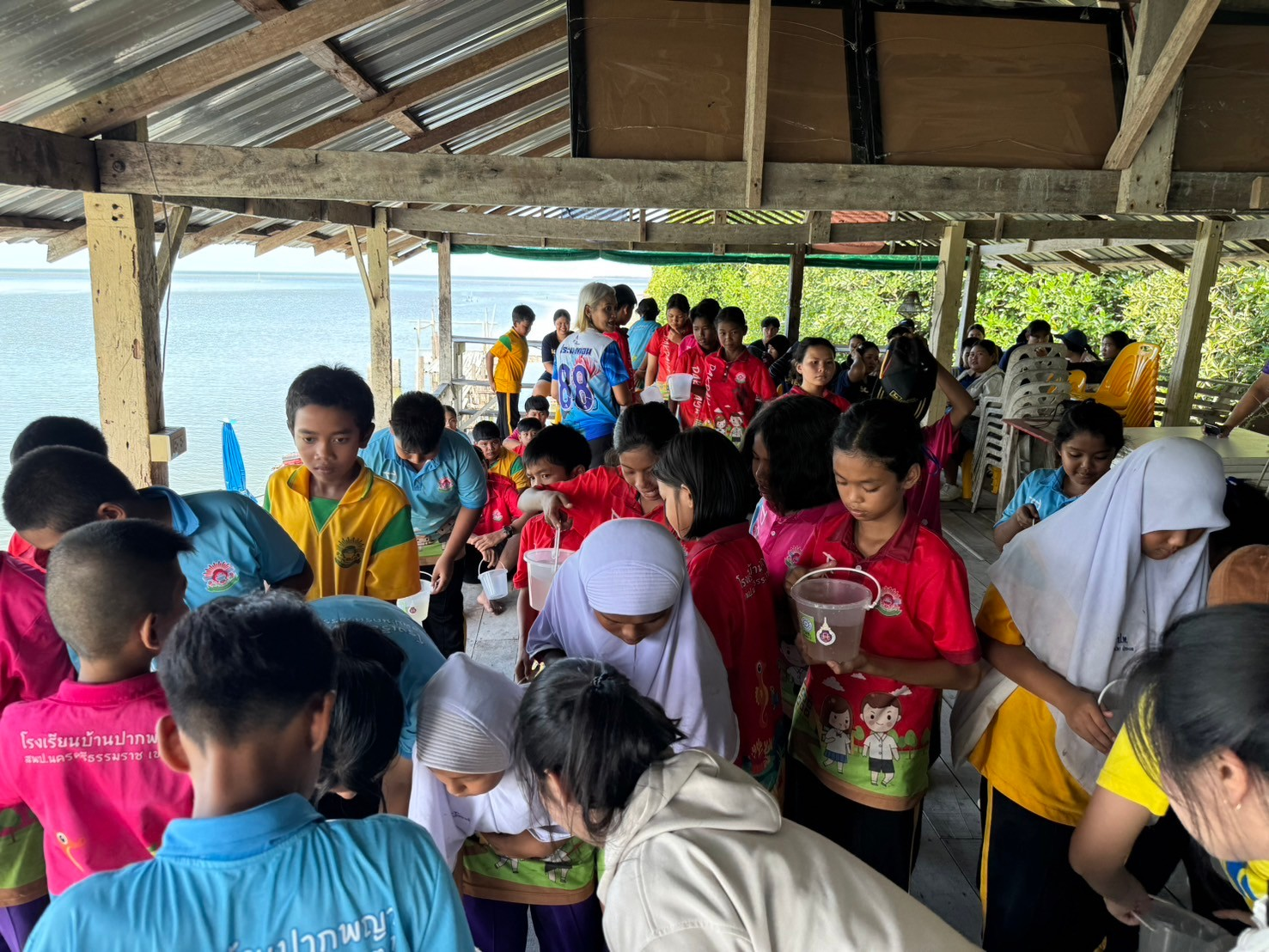
To conclude the activity, the students took part in a meaningful conservation effort by releasing juvenile blue swimming crabs into the sea. This hands-on experience not only helped replenish local crab populations but also strengthened students’ understanding of marine resource restoration and their role in promoting sustainable fisheries.
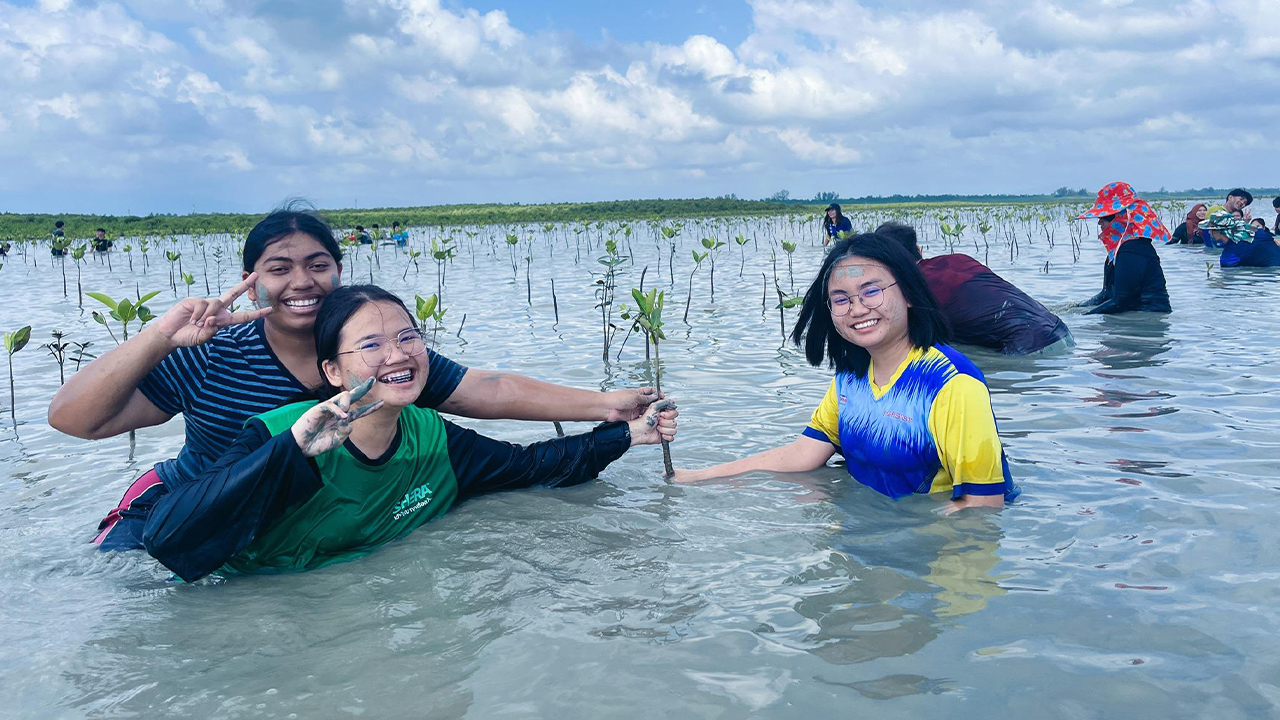
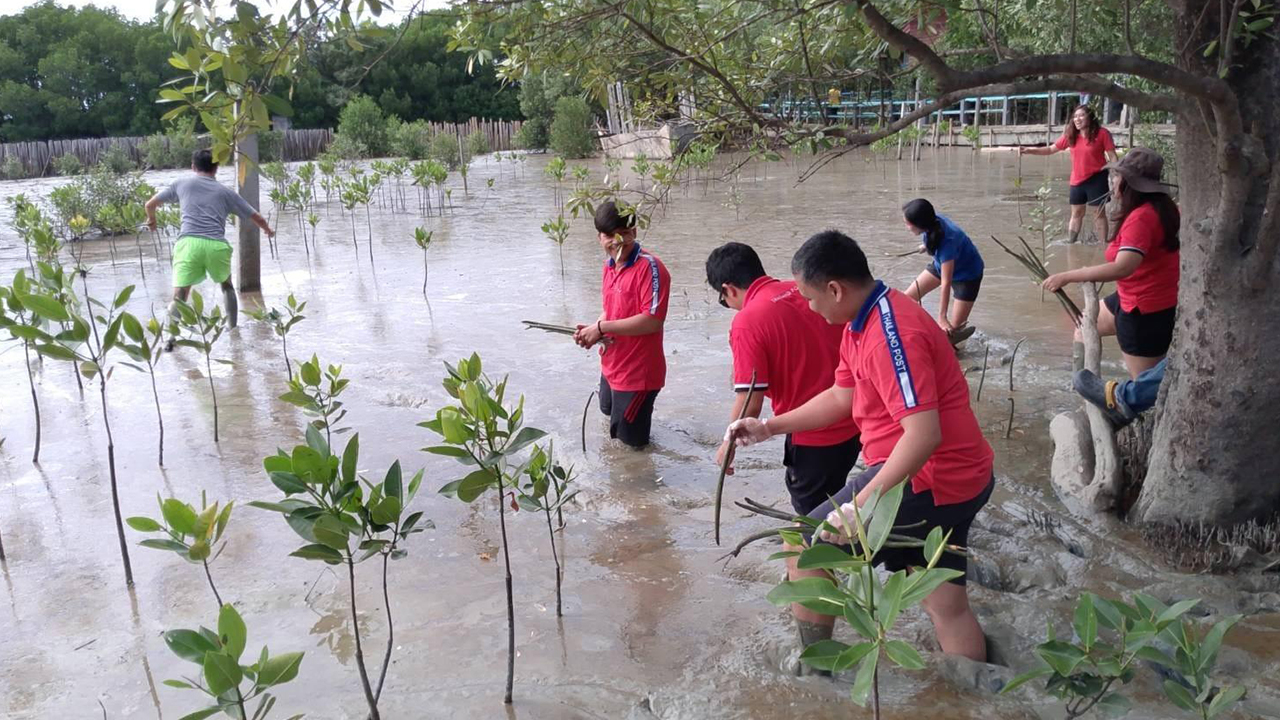
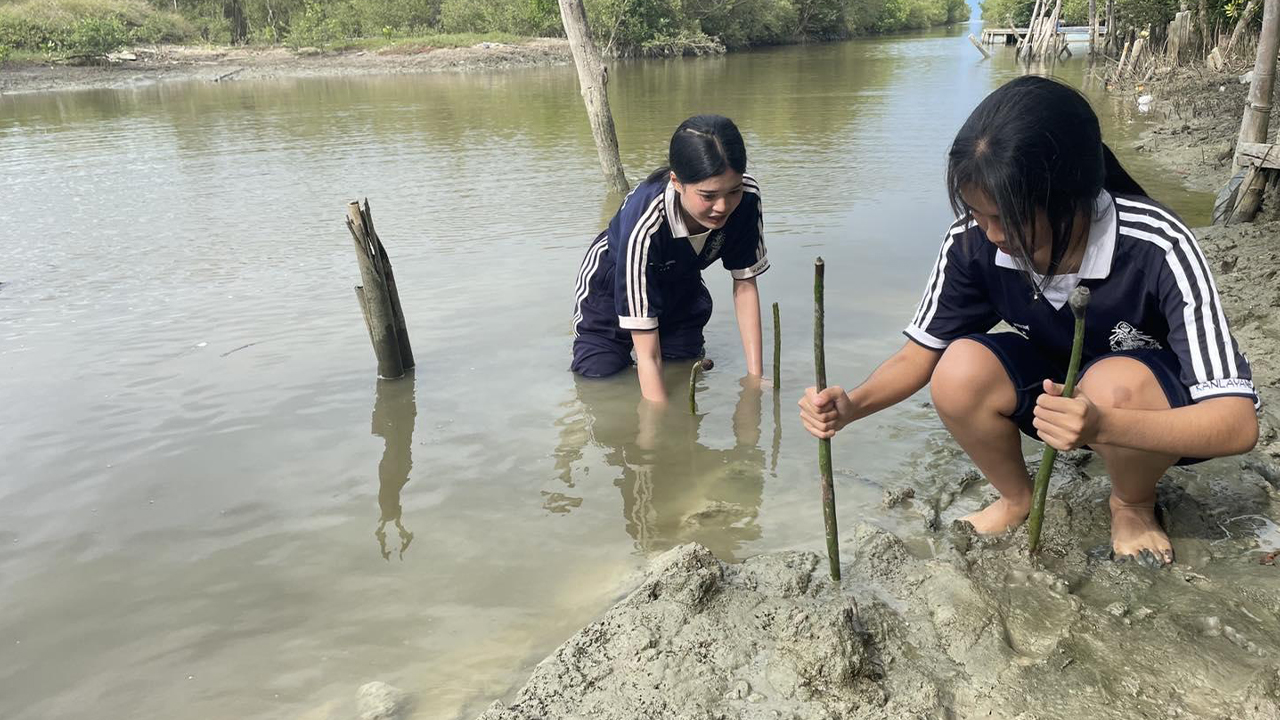
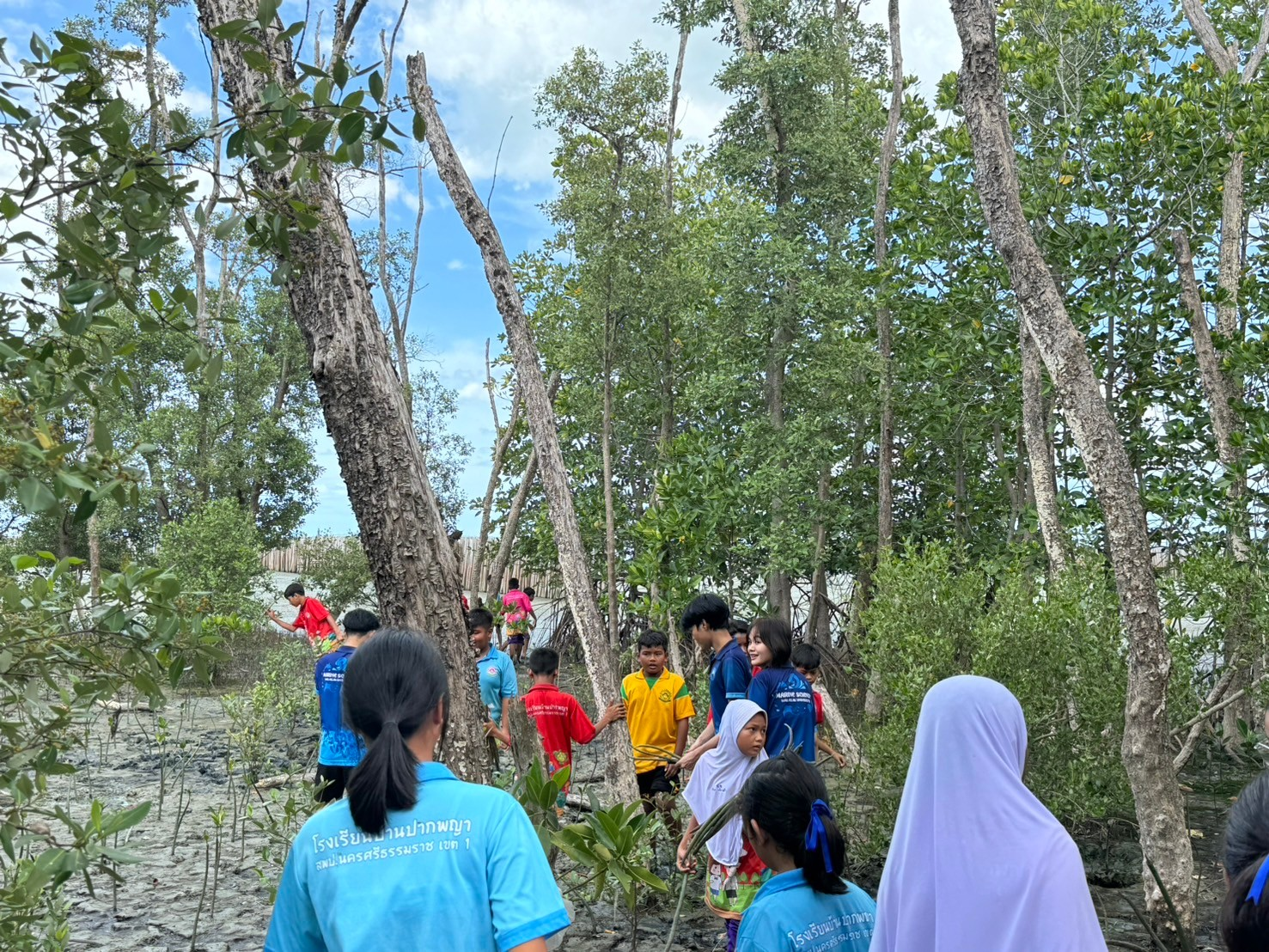
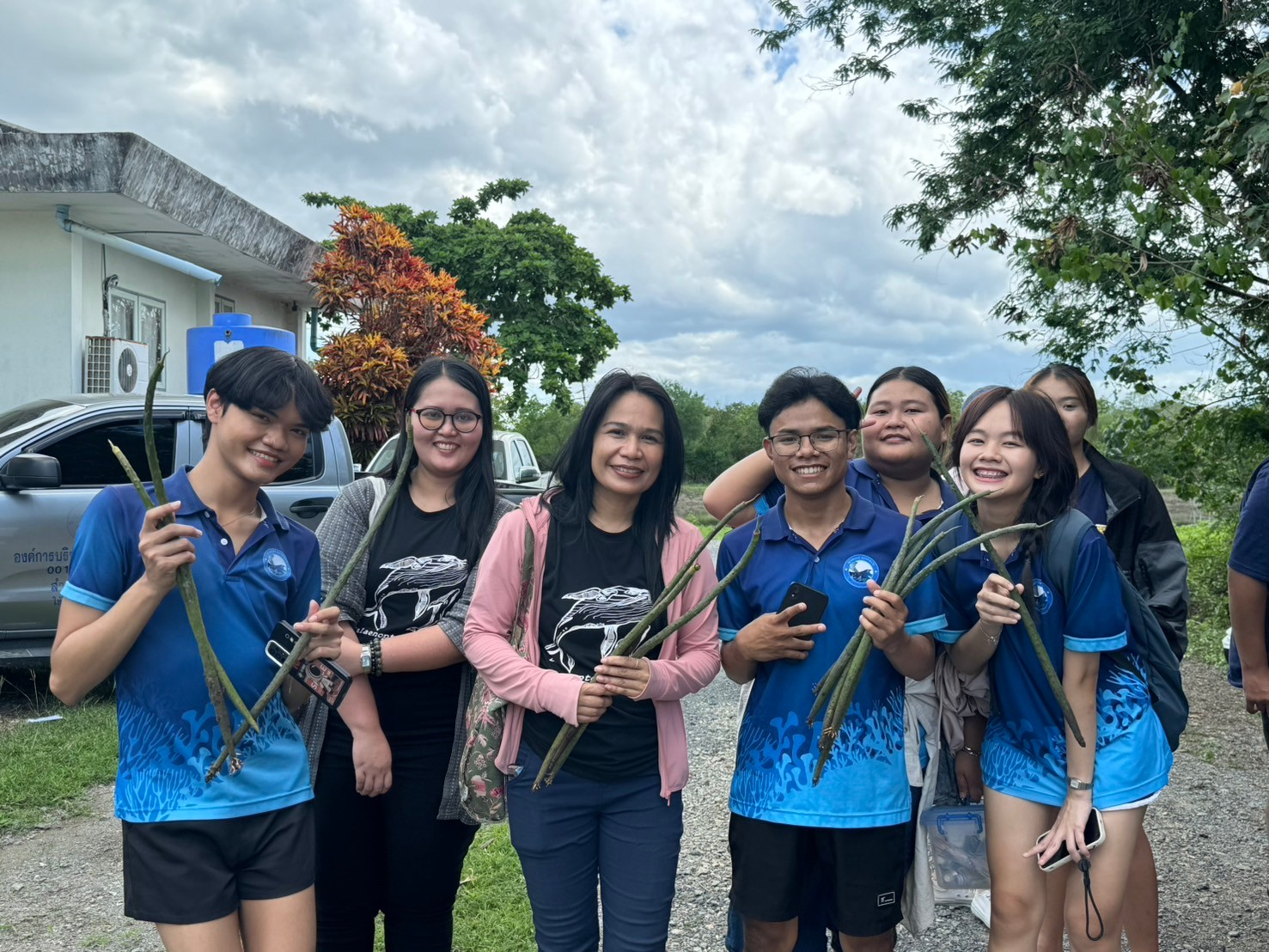
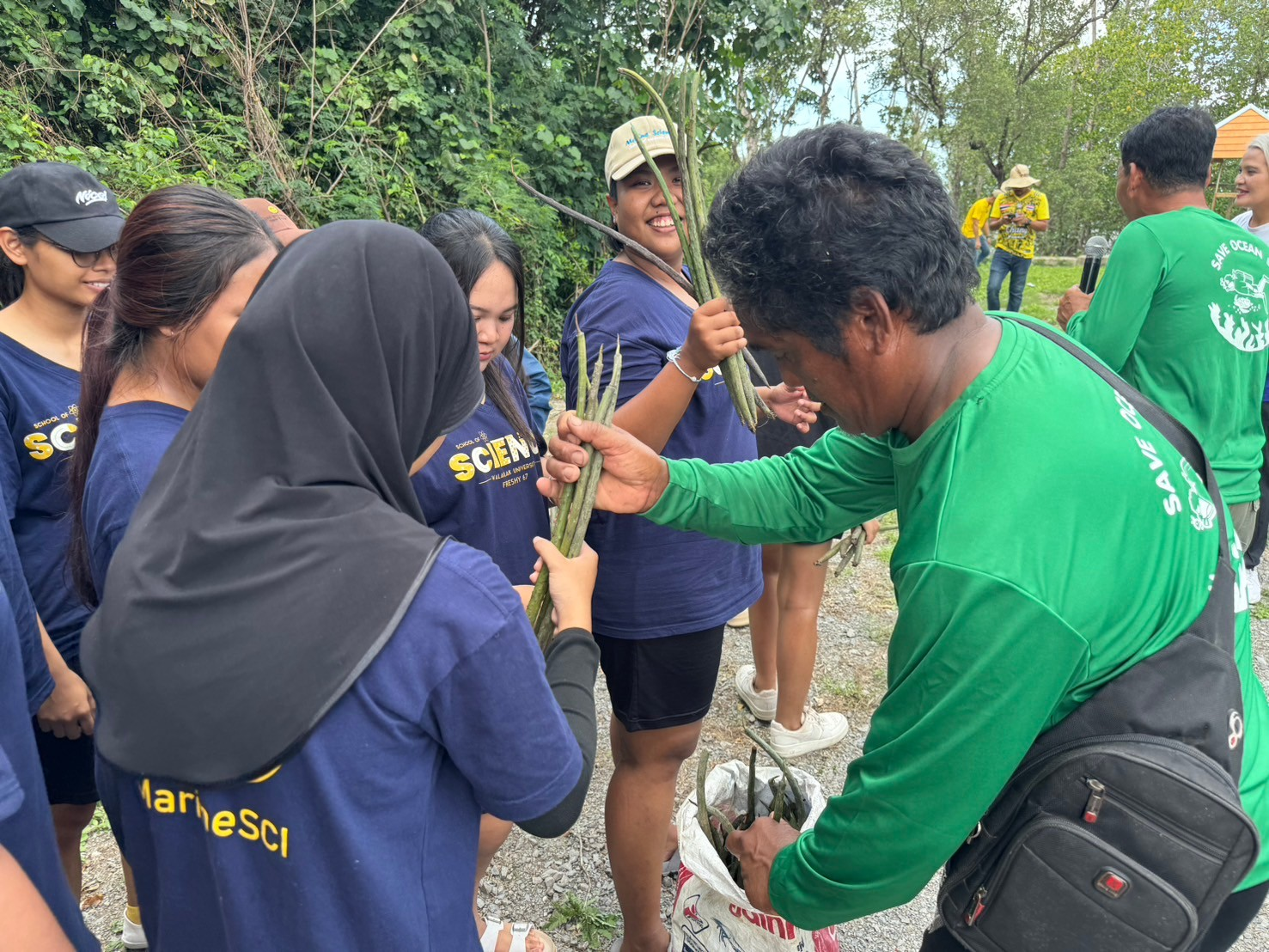
Mangrove Planting Activity
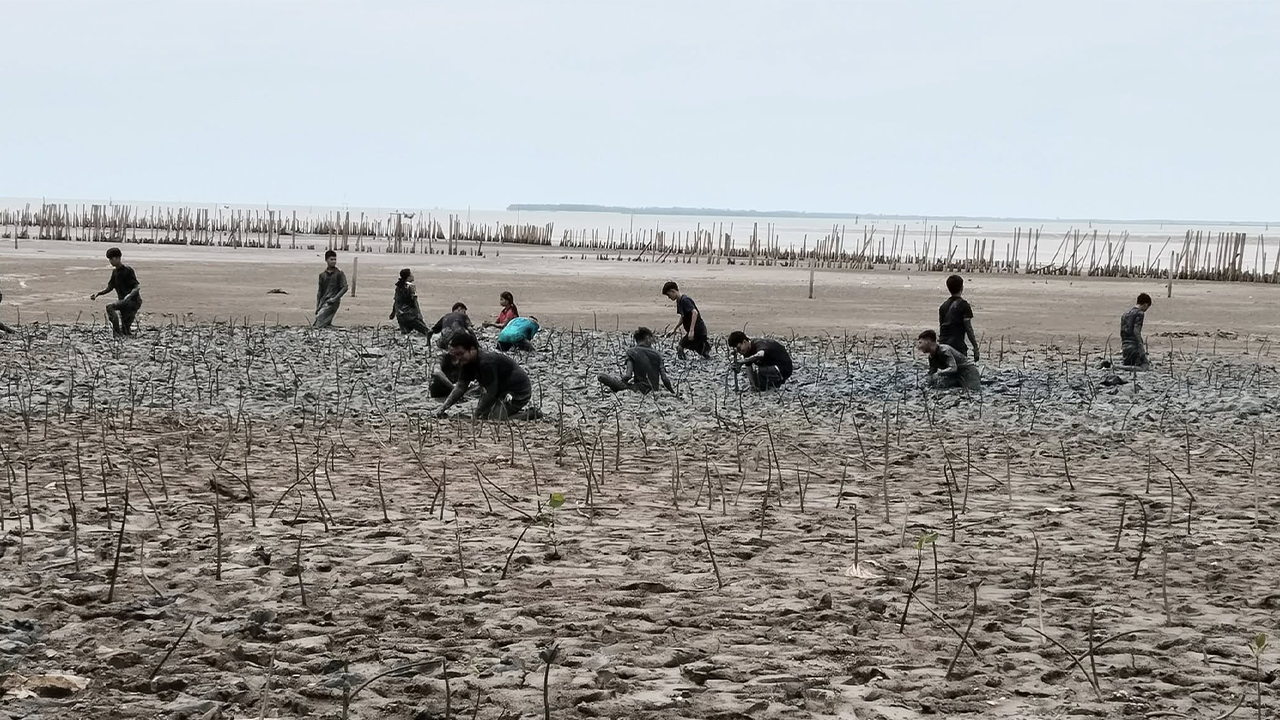
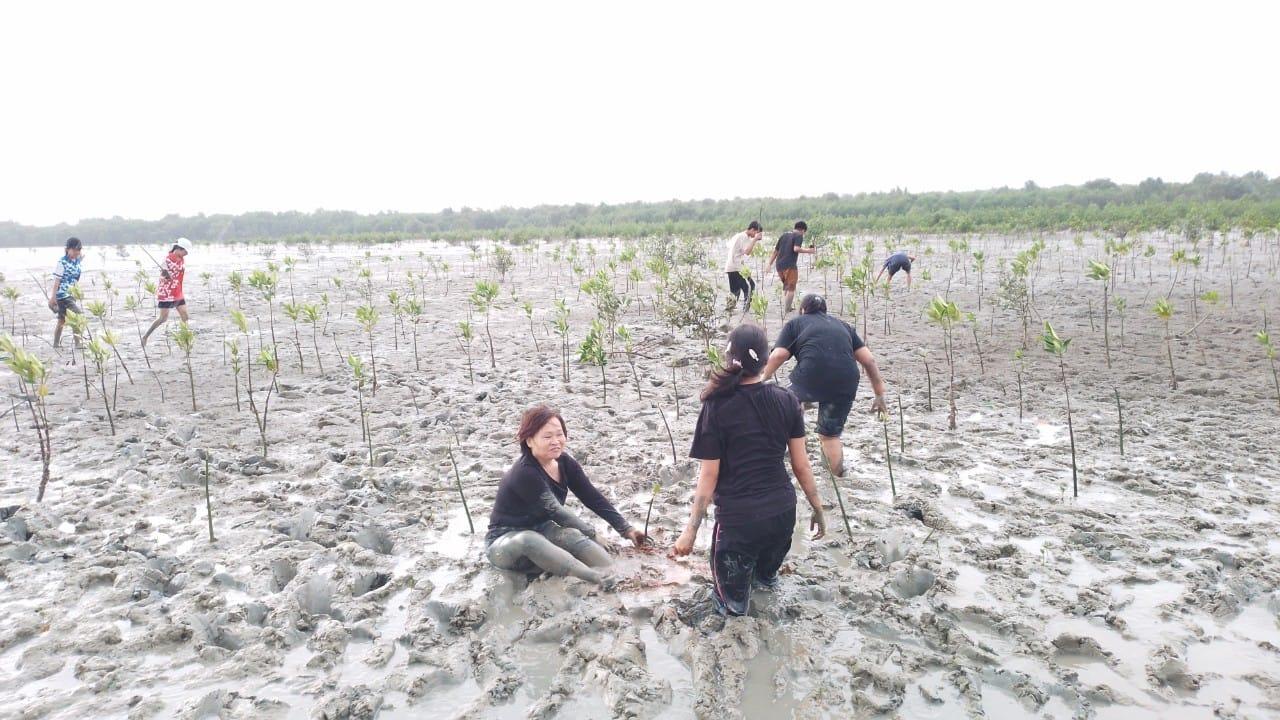
In this session, the students learned about the vital role of mangrove forests and their numerous benefits to coastal ecosystems and the environment. They discovered how mangroves serve as natural barriers against coastal erosion, help absorb carbon dioxide, and provide essential habitats and breeding grounds for various aquatic animals that depend on them for survival.
As part of the hands-on learning experience, WU students and the students from the school participated in mangrove tree planting, contributing directly to the restoration and sustainable management of coastal resources. This activity not only enhanced their environmental awareness but also fostered a sense of responsibility toward conserving marine and coastal ecosystems for future generations.
Walailak University’s continued dedication to conserving and sustainably utilizing freshwater and marine resources has produced far-reaching environmental, social, and economic benefits. Through its diverse initiatives, the University not only restores aquatic ecosystems but also empowers communities to become active stewards of their natural resources.
Environmentally, these efforts contribute to the rehabilitation of aquatic habitats, the recovery of biodiversity, and the reduction of threats to endangered species such as sea turtles. Projects like the construction of artificial fish habitats, sustainable weir management, and the release of juvenile marine species directly strengthen ecosystem resilience and help maintain ecological balance.
Socially, these initiatives foster environmental awareness and community participation, particularly among youth and local residents. By providing education, training, and practical conservation experiences, Walailak University nurtures a sense of environmental responsibility and inspires long-term commitment to sustainability.
Economically, the university’s programs help generate sustainable livelihoods for coastal and agricultural communities. By promoting sustainable fishing practices and adding value to community products — such as crab-based cuisine and ecotourism — these projects create new income opportunities and enhance local economic resilience.