
Public Events for Lifelong Learning: Educational Opportunities for the General Public
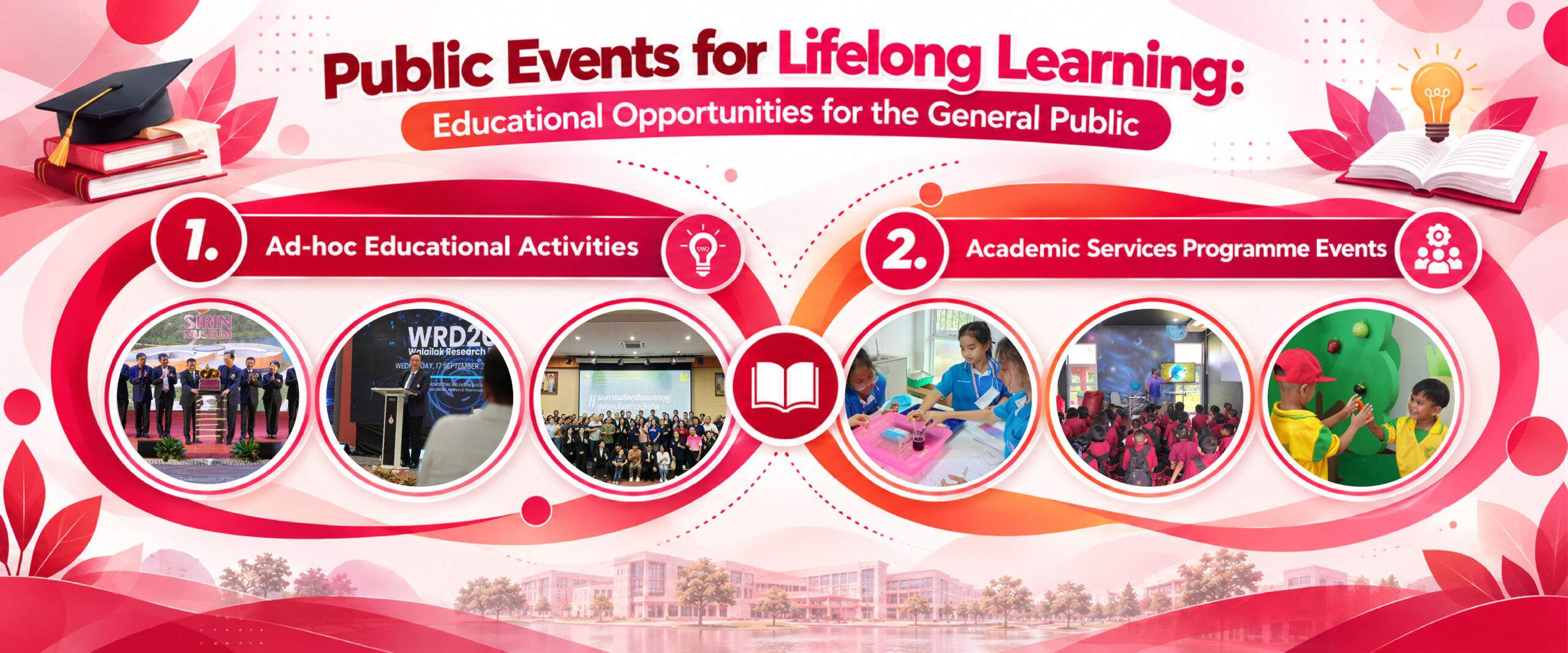
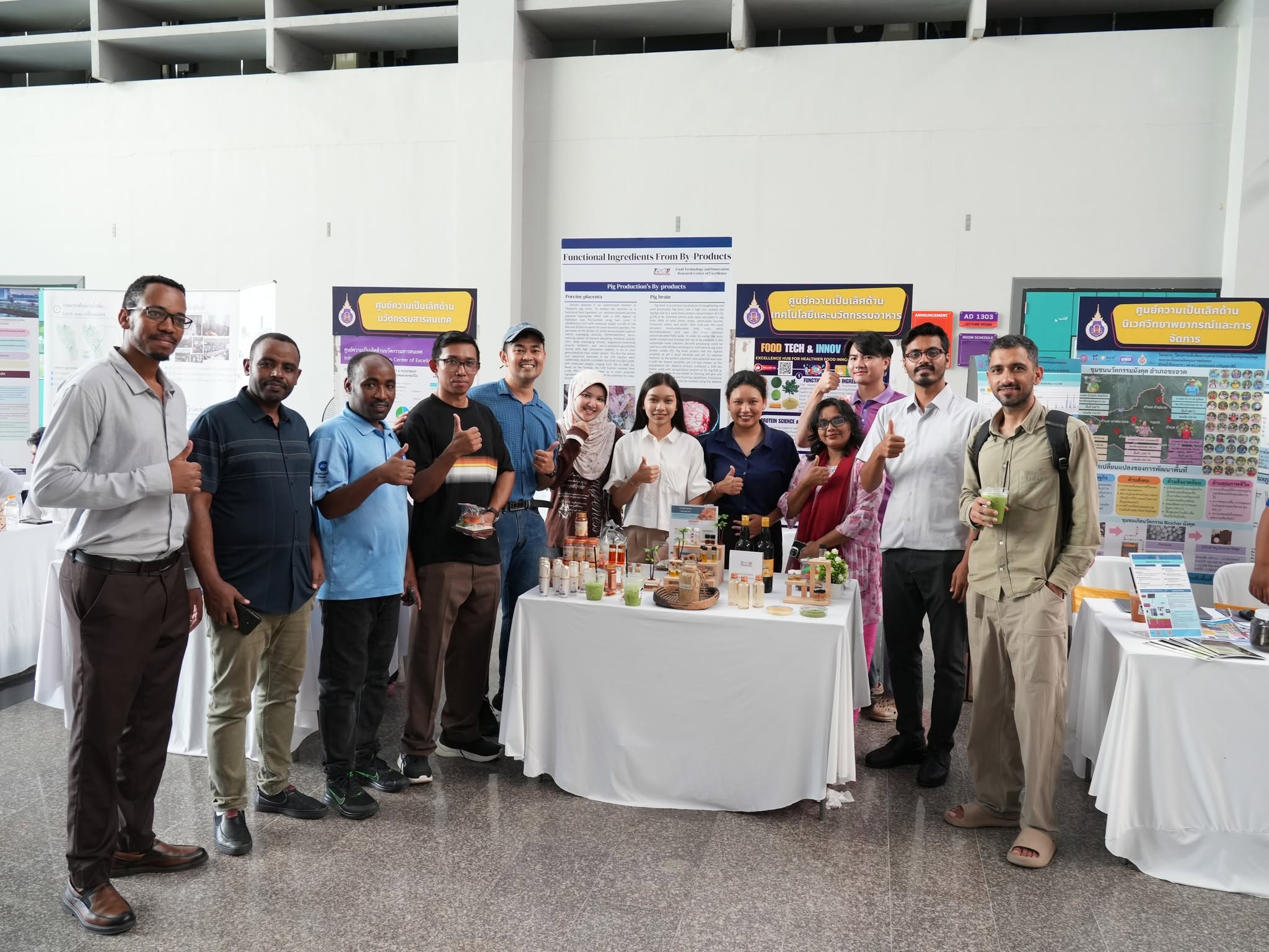
Walailak University promotes lifelong learning by hosting educational events and academic service activities that provide learning opportunities for the general public, including community members, school students, youth, farmers, and other interested participants. These activities are organized through both ad-hoc educational activities and Academic Services Programme Events, providing access to knowledge in areas including nature and environmental conservation, science and technology, research, agriculture, and practical skills. Through these public events, the university creates opportunities for people to continuously develop their knowledge and skills beyond formal education.
Ad-hoc Educational Activities
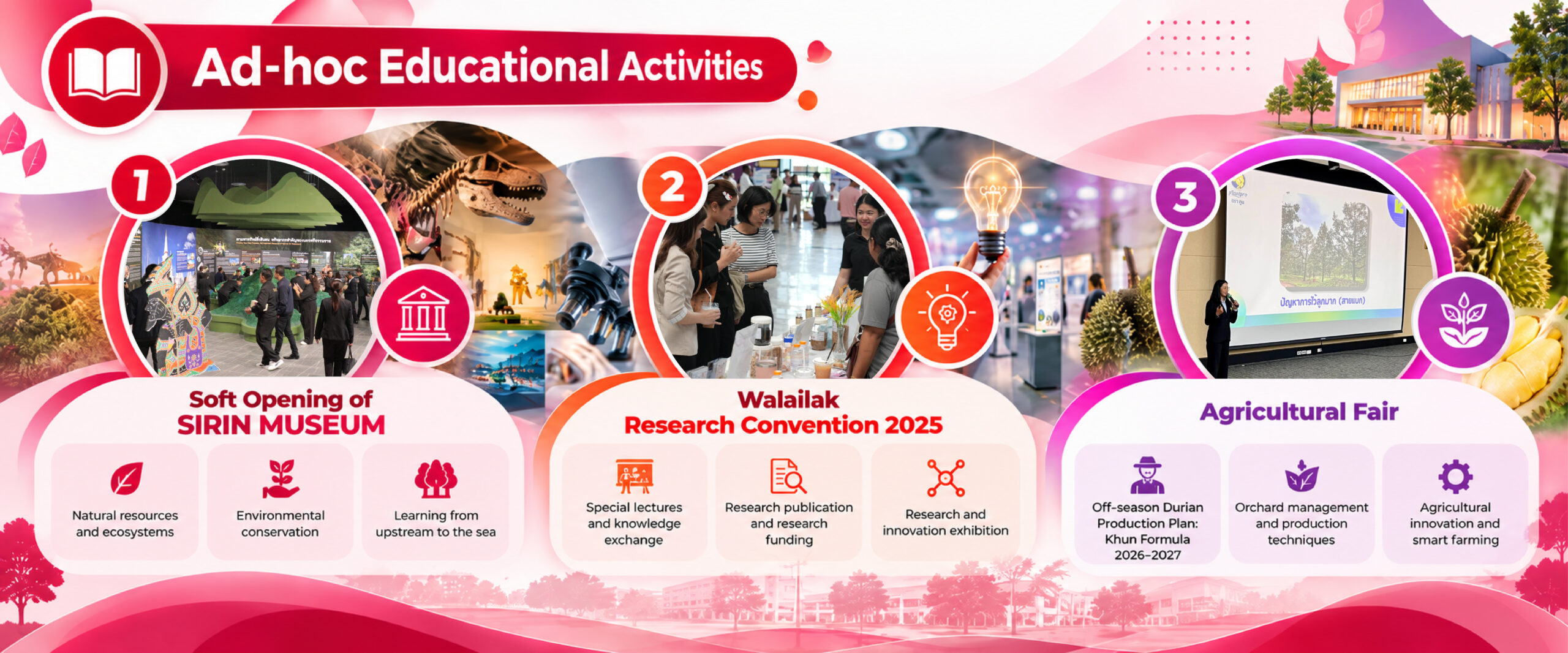
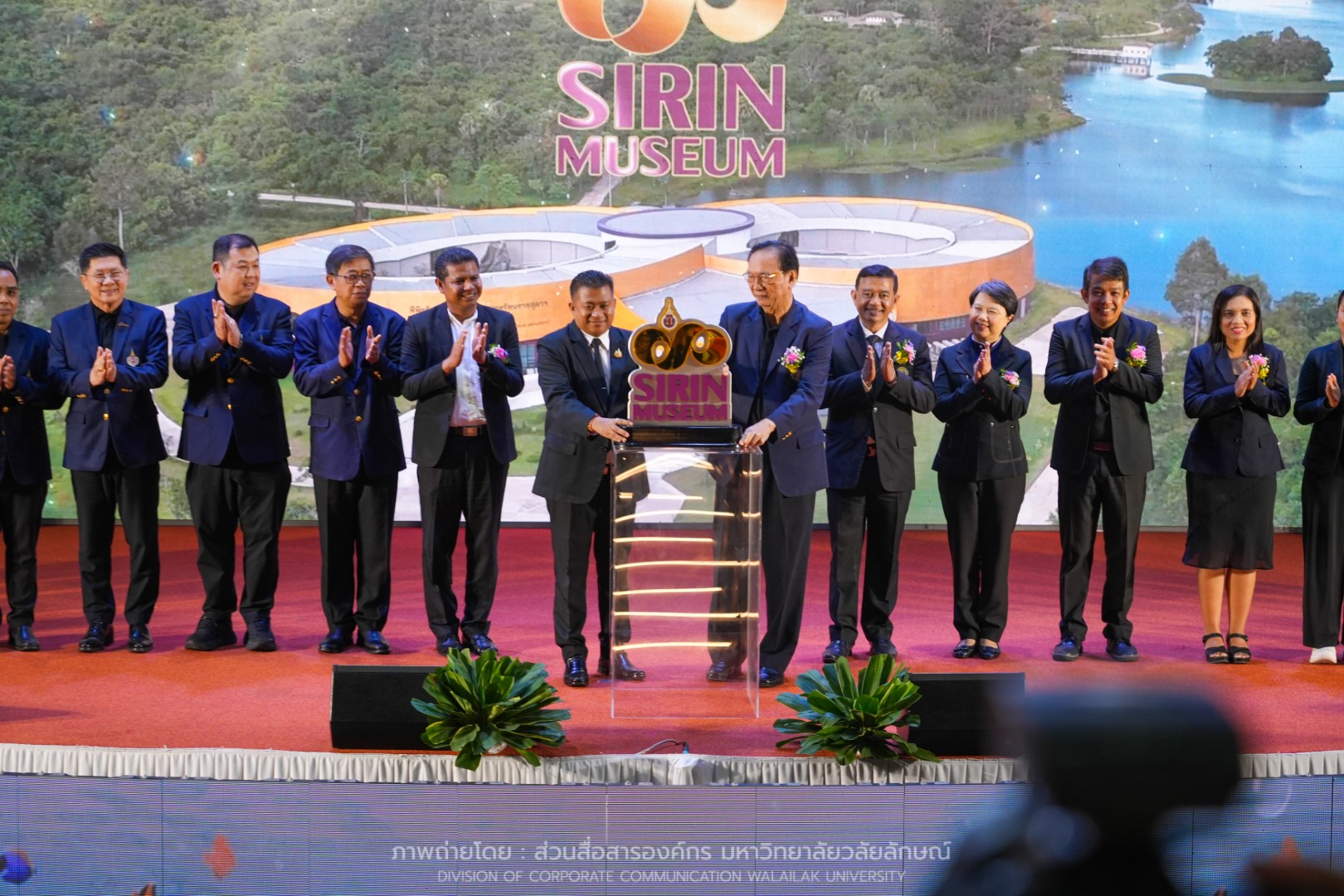
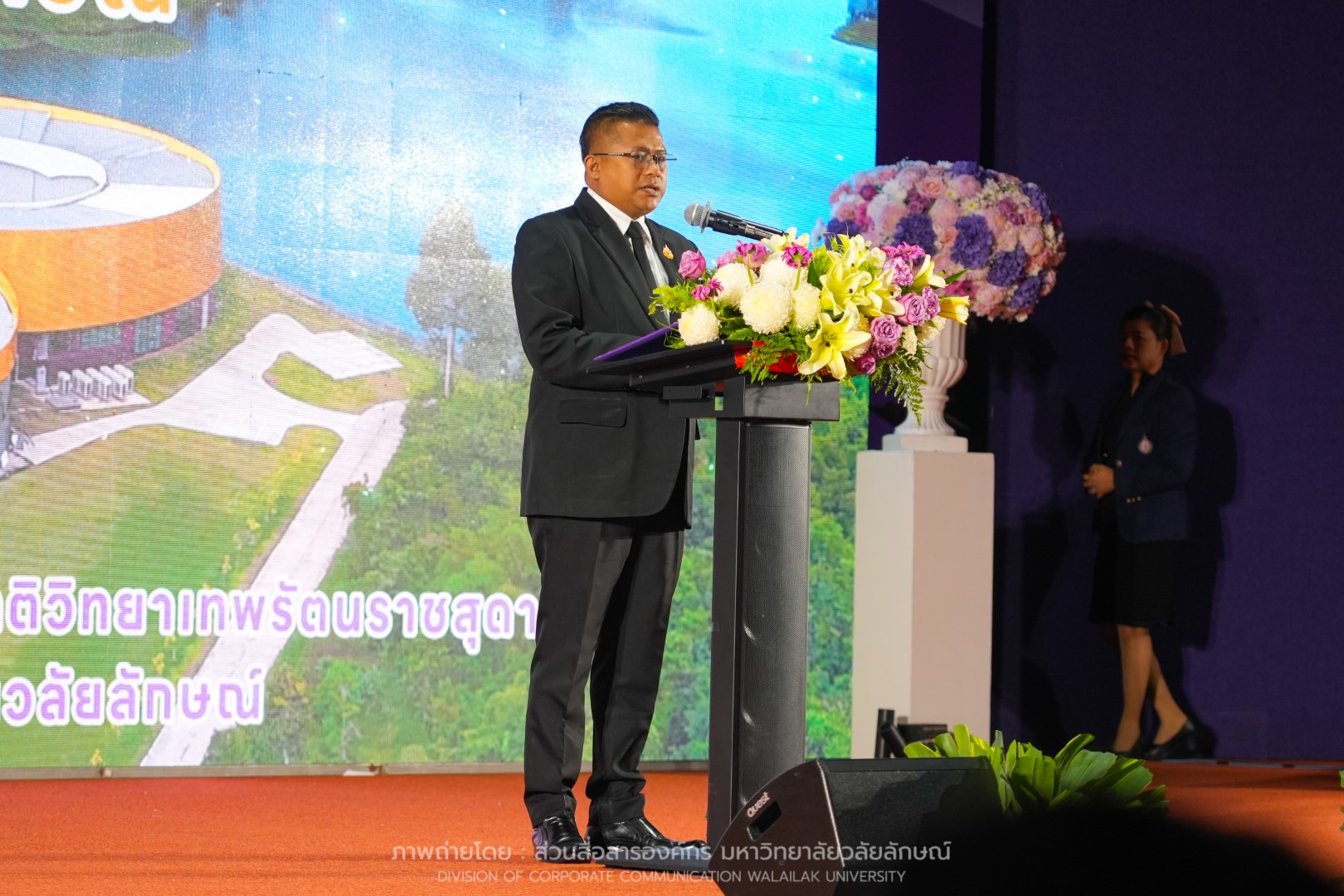
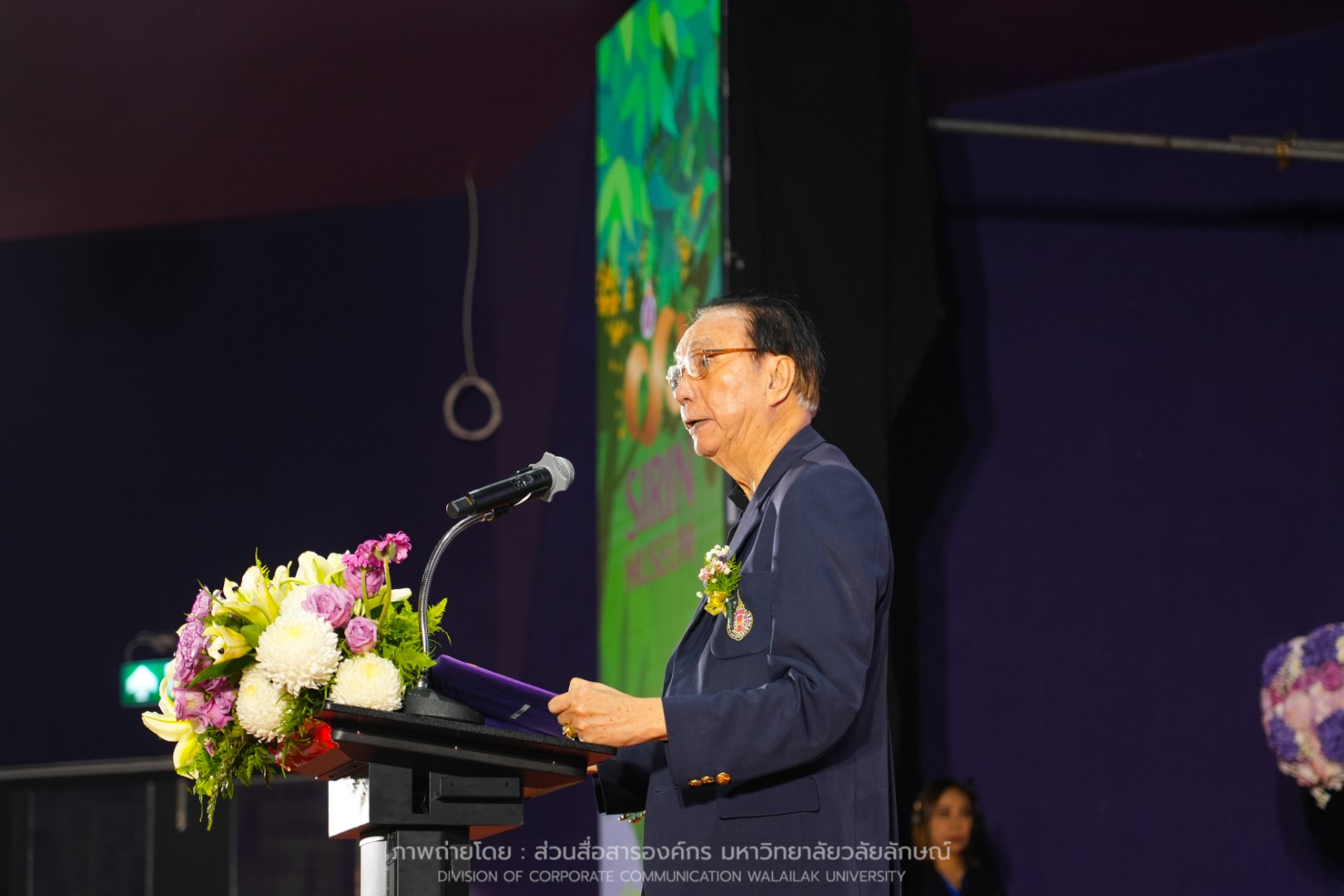
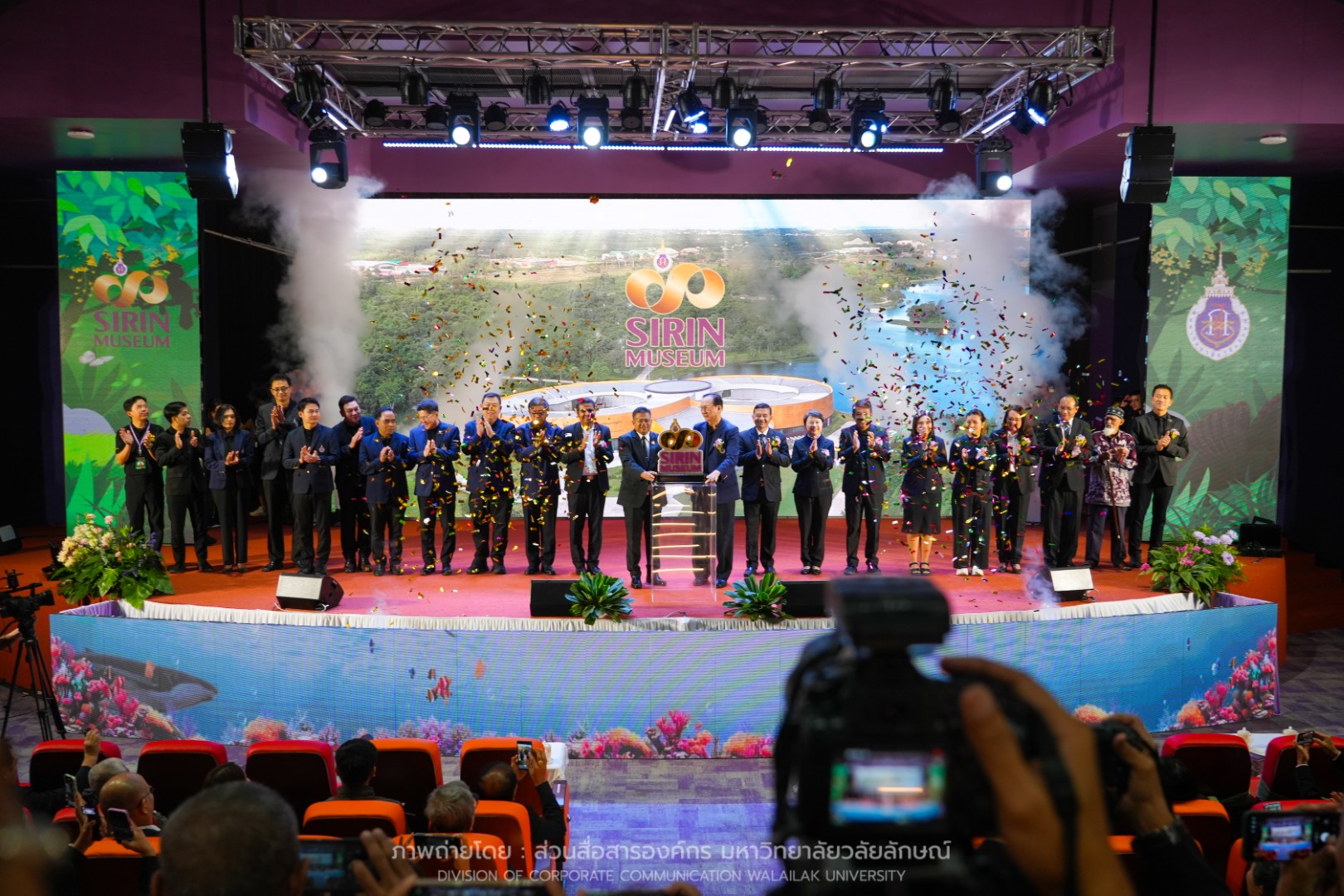
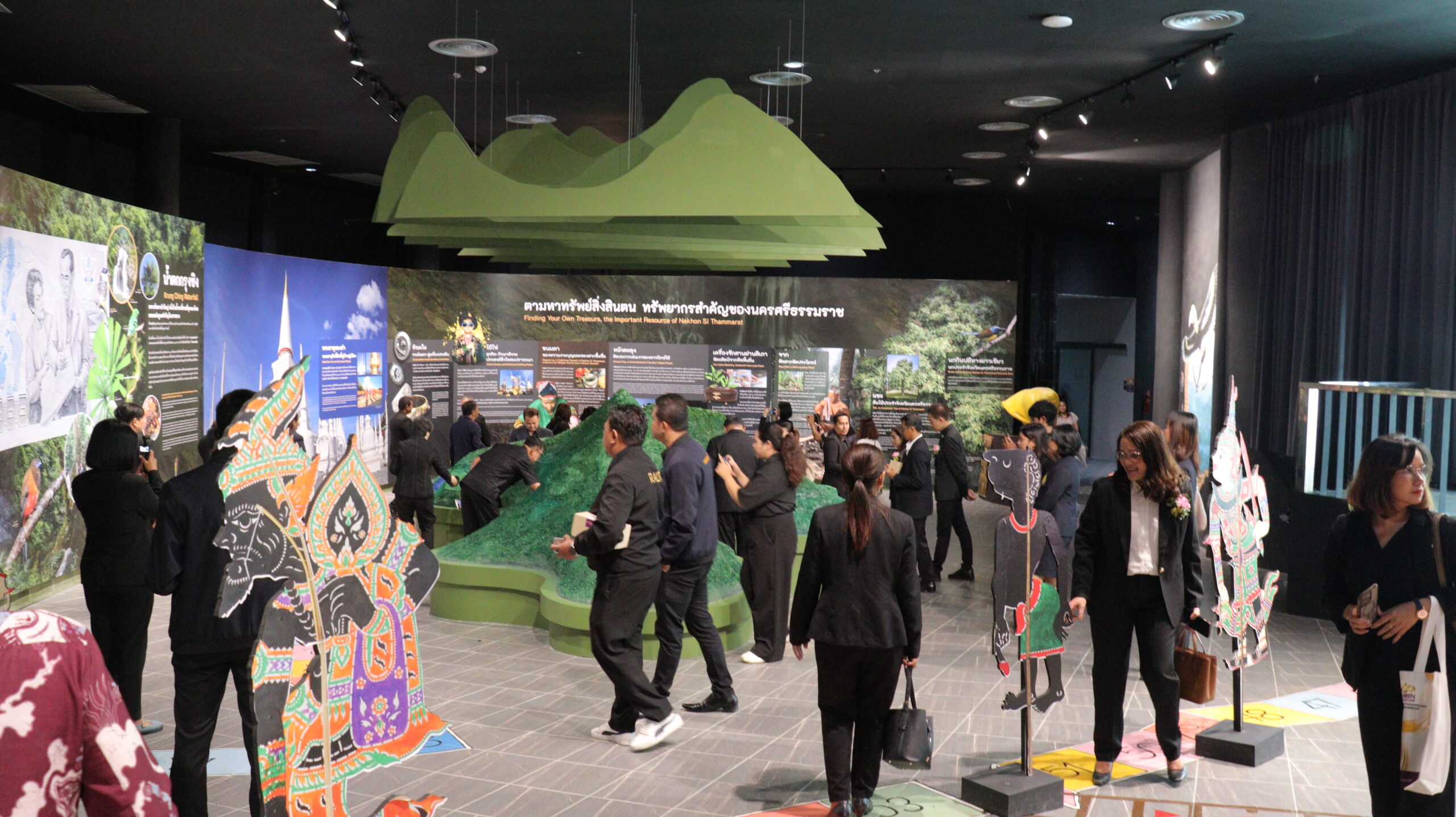
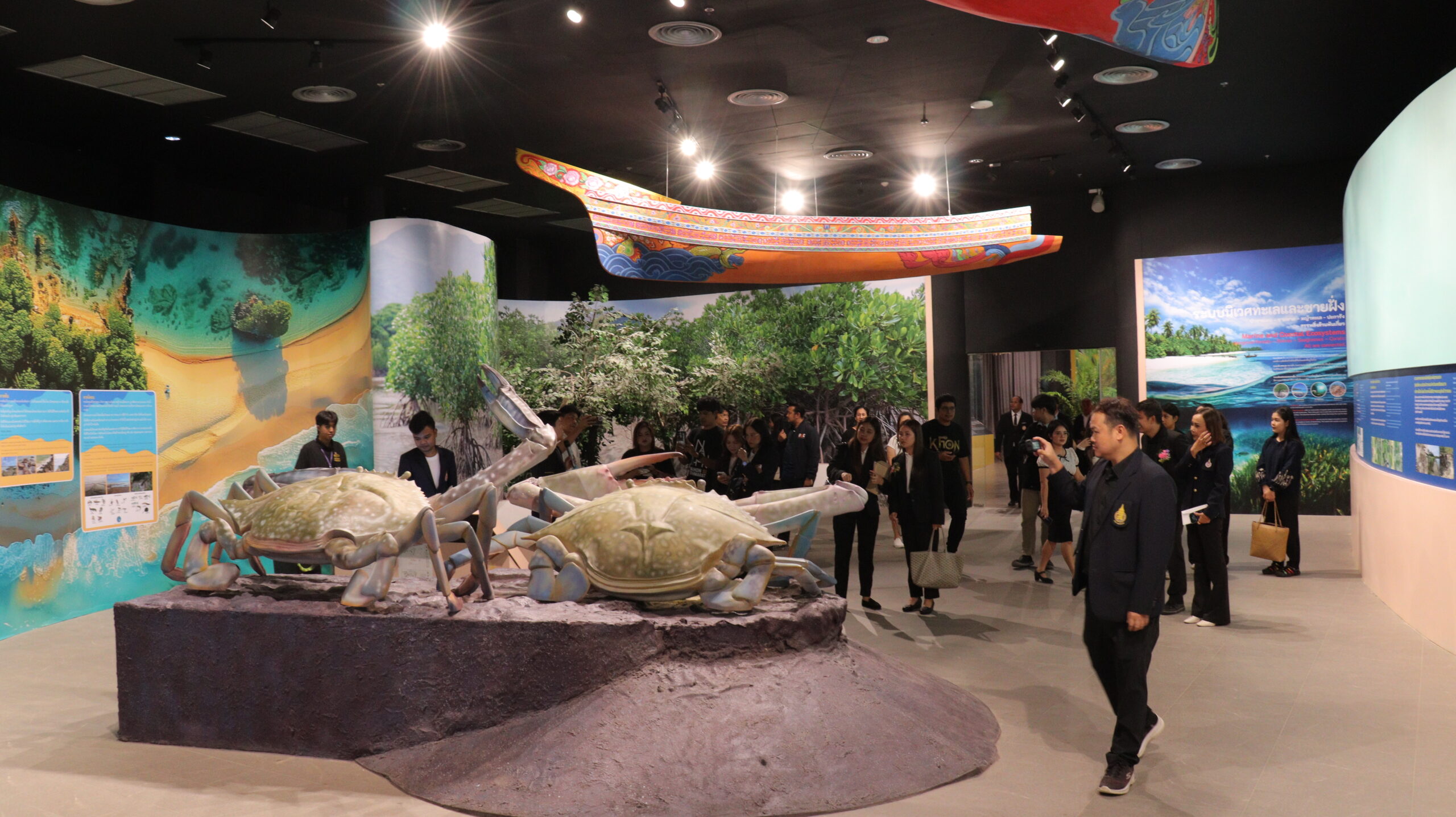
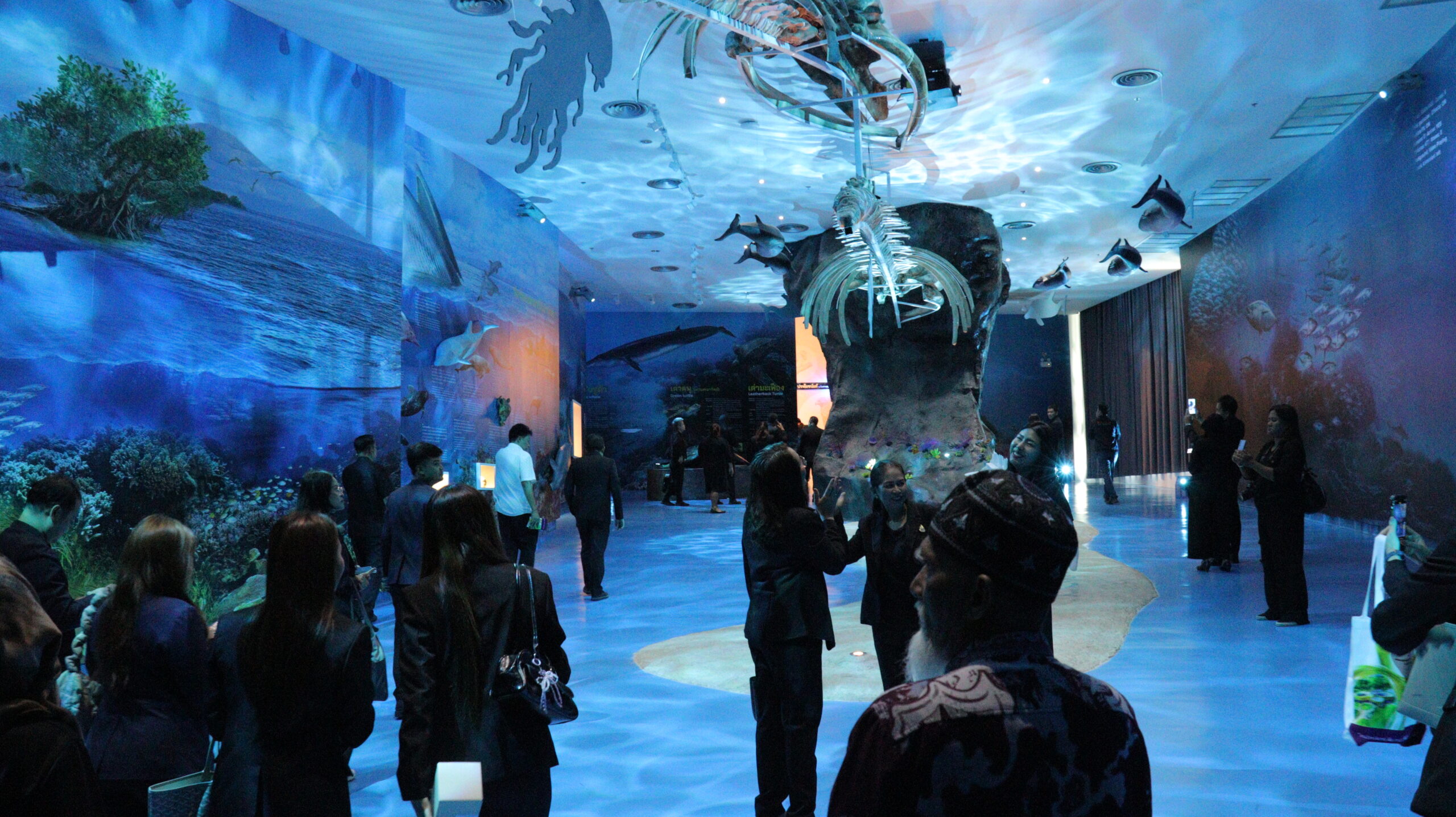
In 2025, Walailak University hosted a range of educational events open to the public in different formats. One of the key events was the Soft Opening of SIRIN MUSEUM, held on 18 December 2025. The university opened the museum as a public learning space, with free access for members of the public and other interested participants. The event was designed not only as a museum opening but also as an educational event focusing on natural history and environmental conservation.
The event provided learning opportunities on natural resources, ecosystems, and environmental conservation through learning experiences covering natural systems from upstream areas to the sea. Visitors could learn through exhibitions and experiential learning activities that connected scientific knowledge with real-world environmental contexts. The event was also publicly communicated by the university, including information that members of the public could attend free of charge.
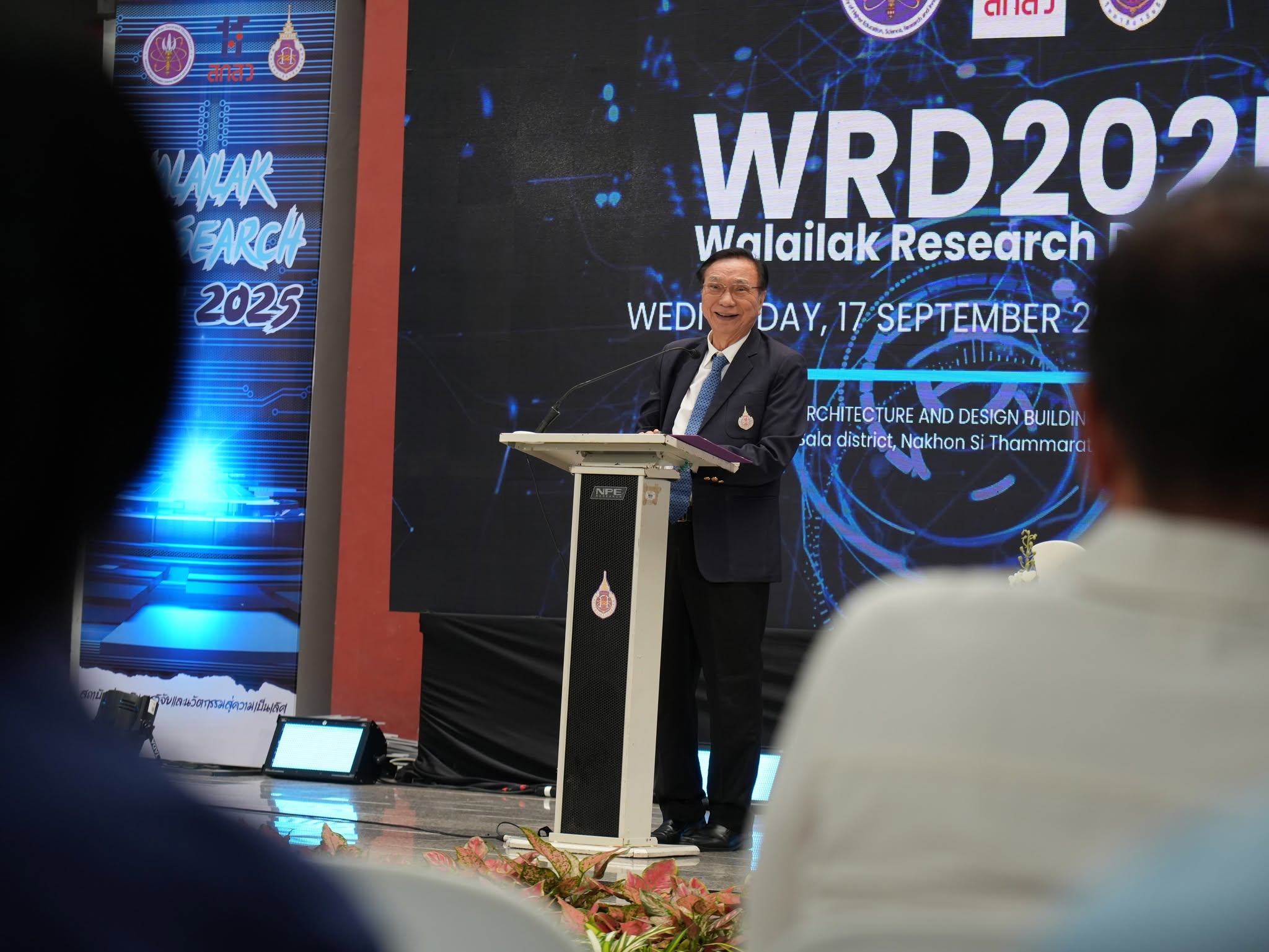
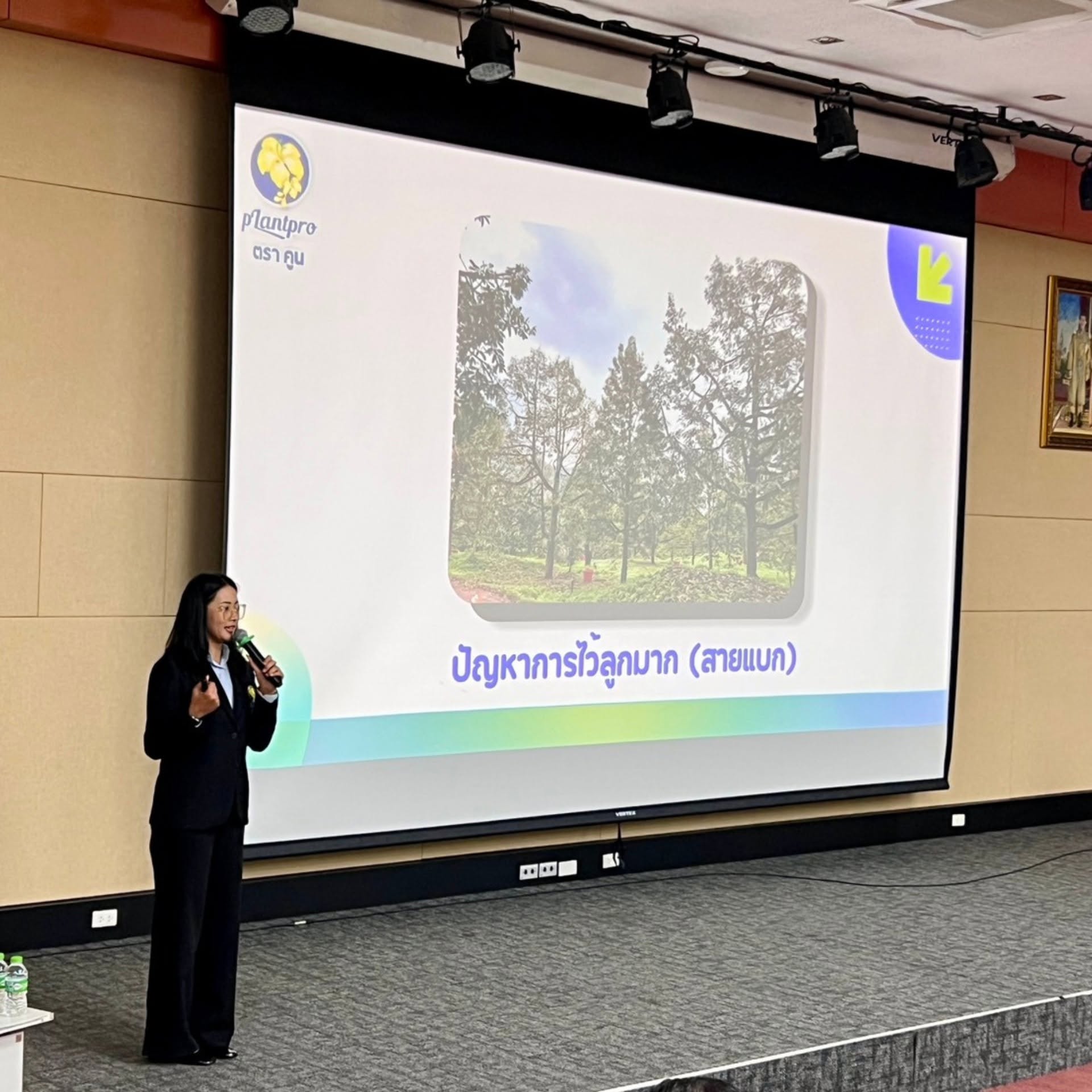
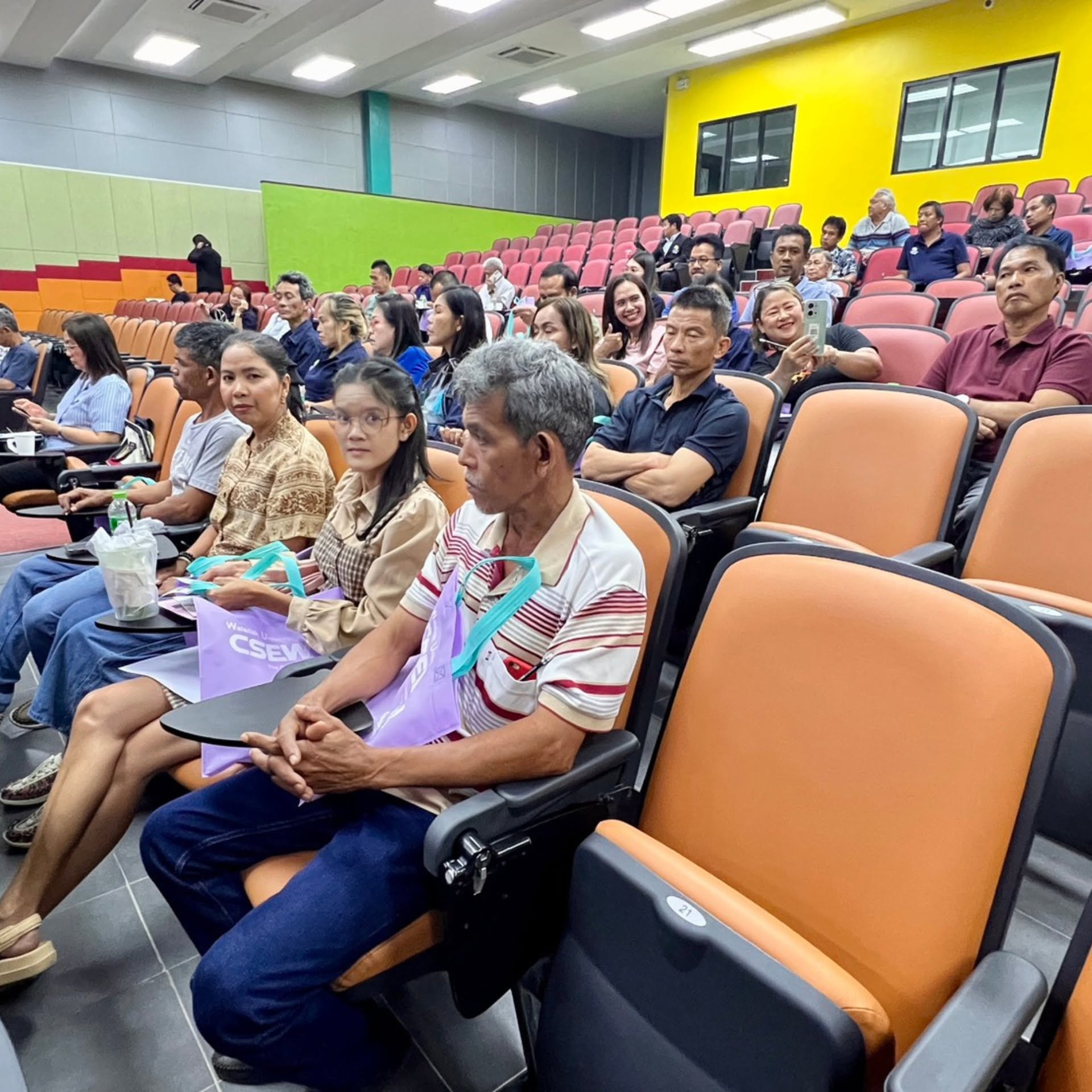
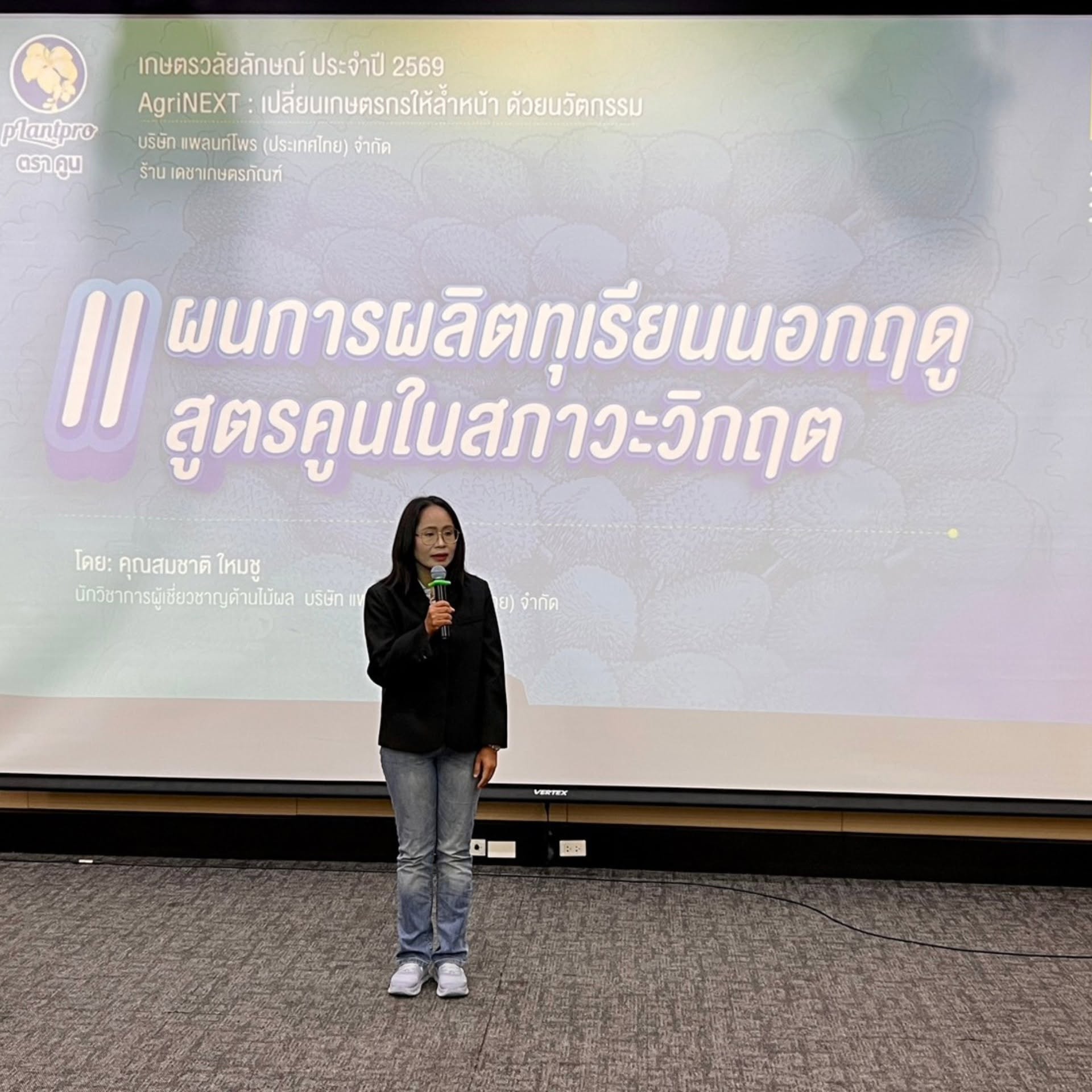
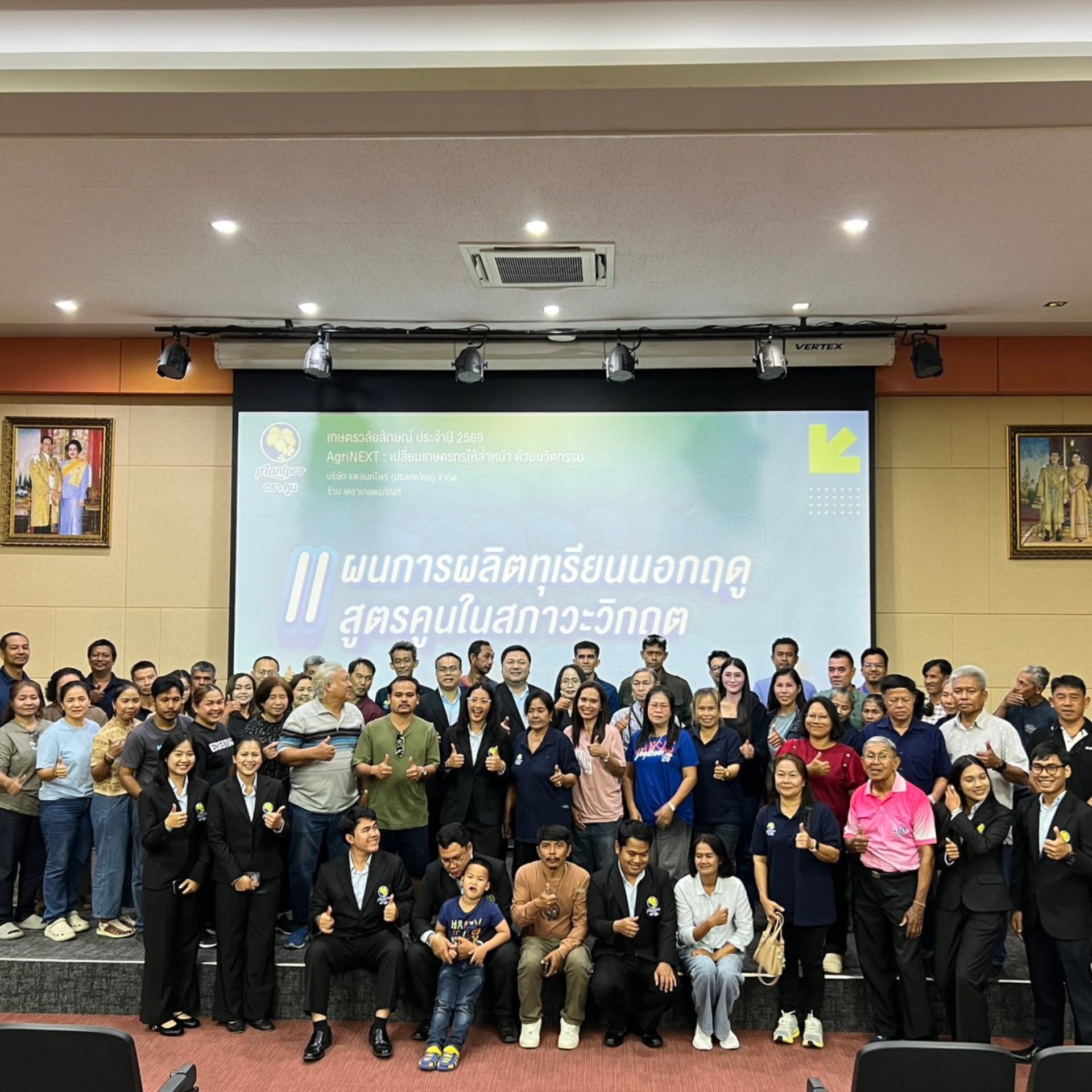
In the agricultural sector, the university also used the Agricultural Fair as a public learning platform for farmers and members of the public. The event included a discussion on “Off-season Durian Production Plan: Khun Formula 2026–2027,” which provided knowledge on orchard management techniques and the application of the “Khun Formula” innovation to improve the quality of off-season durian production. The activity also promoted engagement between experts and local farmers through knowledge transfer and experience sharing, supporting learning about agricultural technologies, innovation, production planning, and smart farming practices.
Academic Services Programme Events
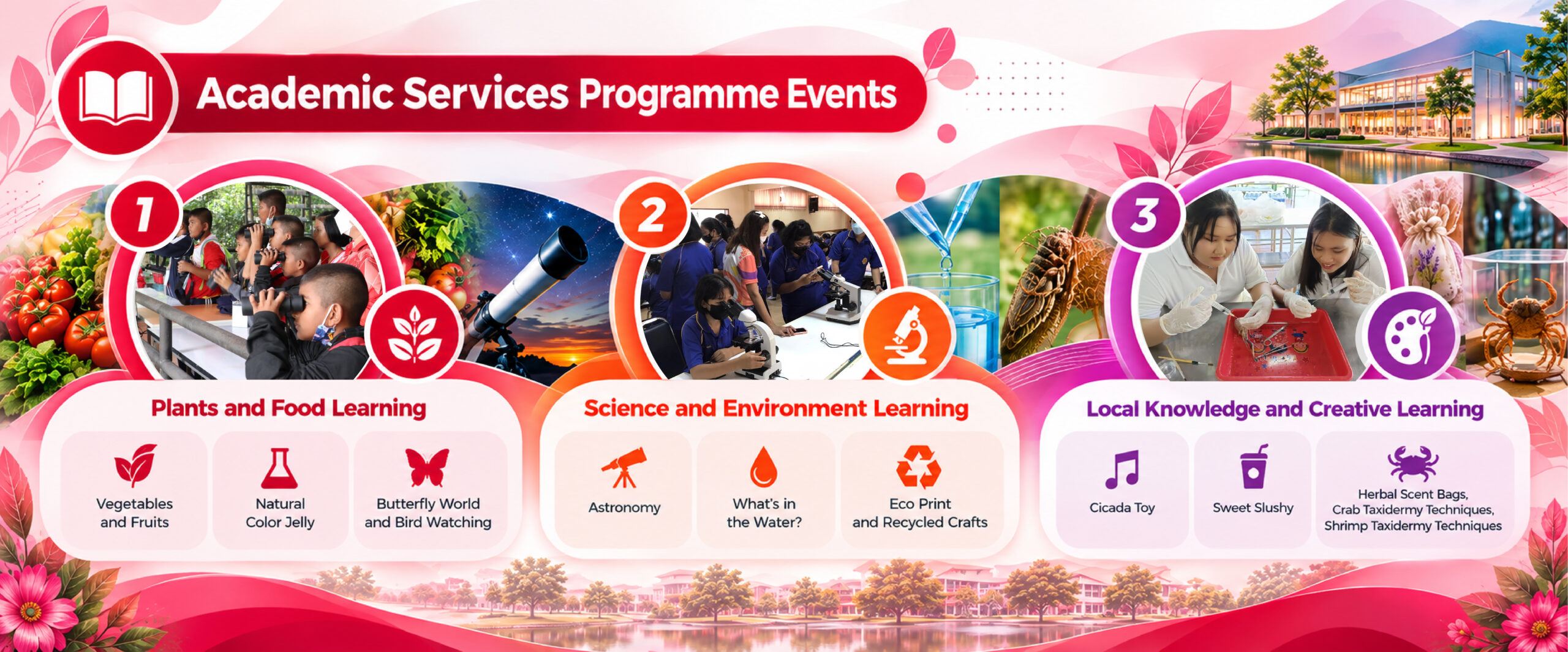
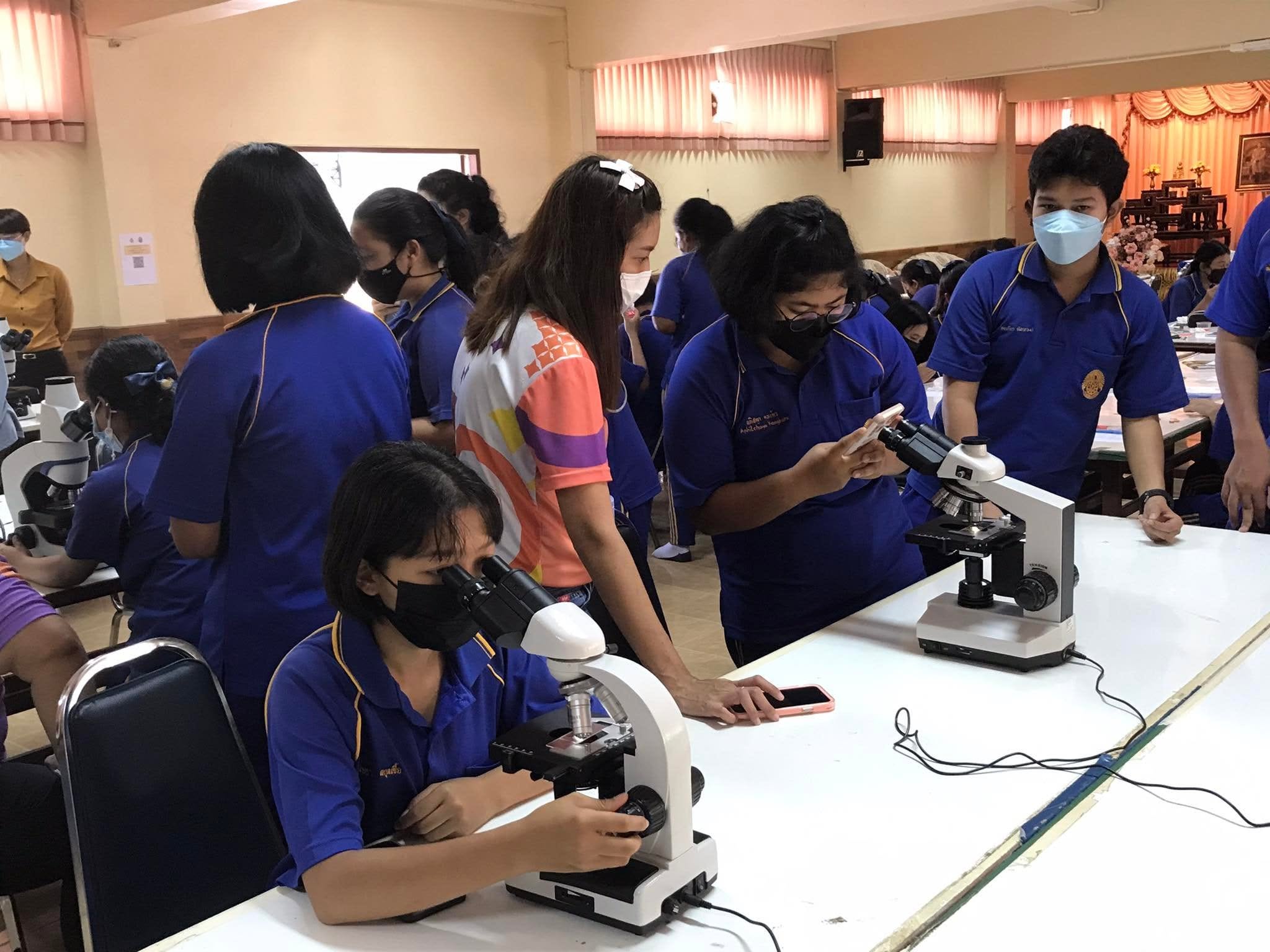
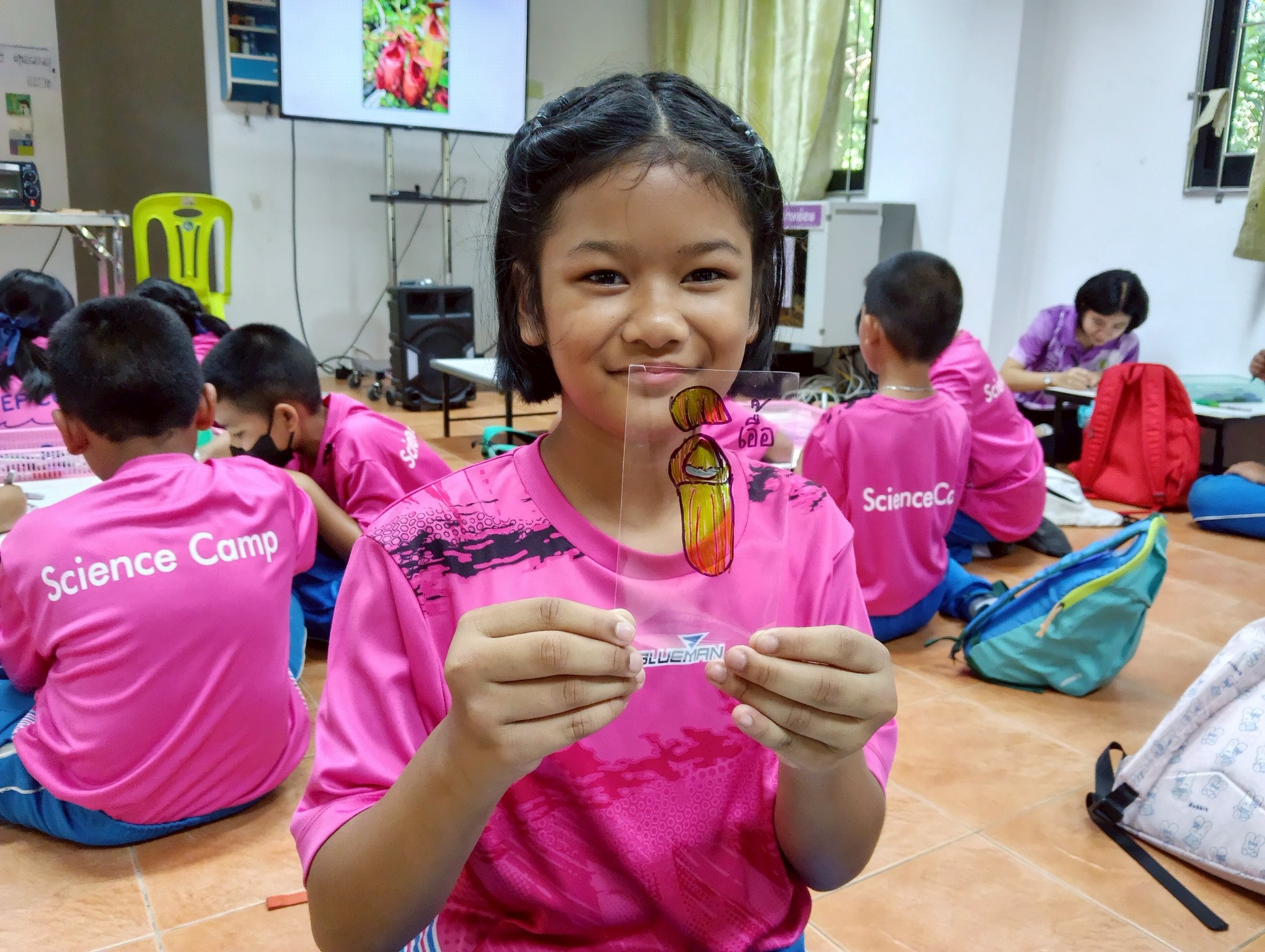
In addition to ad-hoc educational activities, Walailak University provides continuing academic services and lifelong learning opportunities through the Walailak University Botanic Park. The Botanic Park offers a range of learning activities that emphasize hands-on learning and experiential learning.
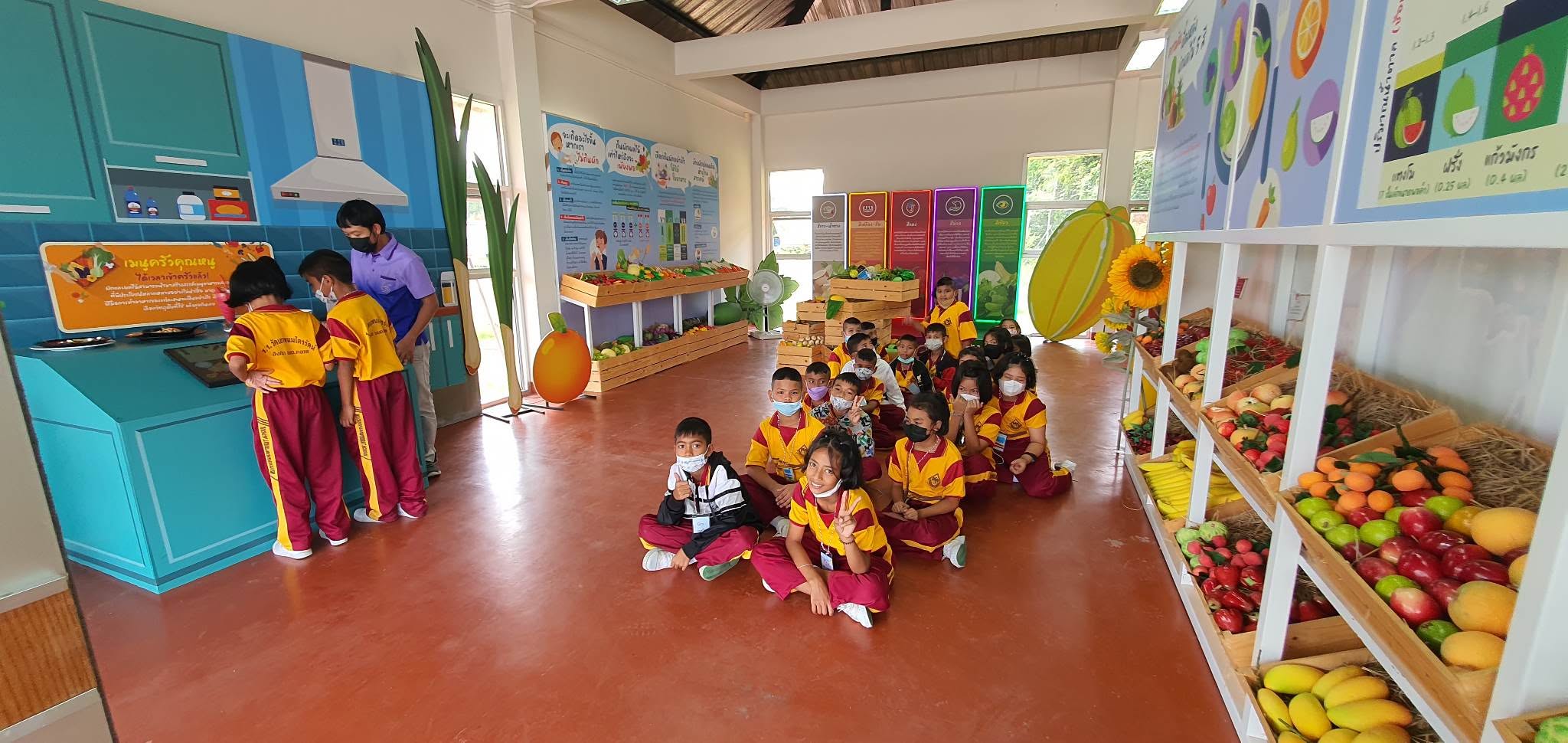
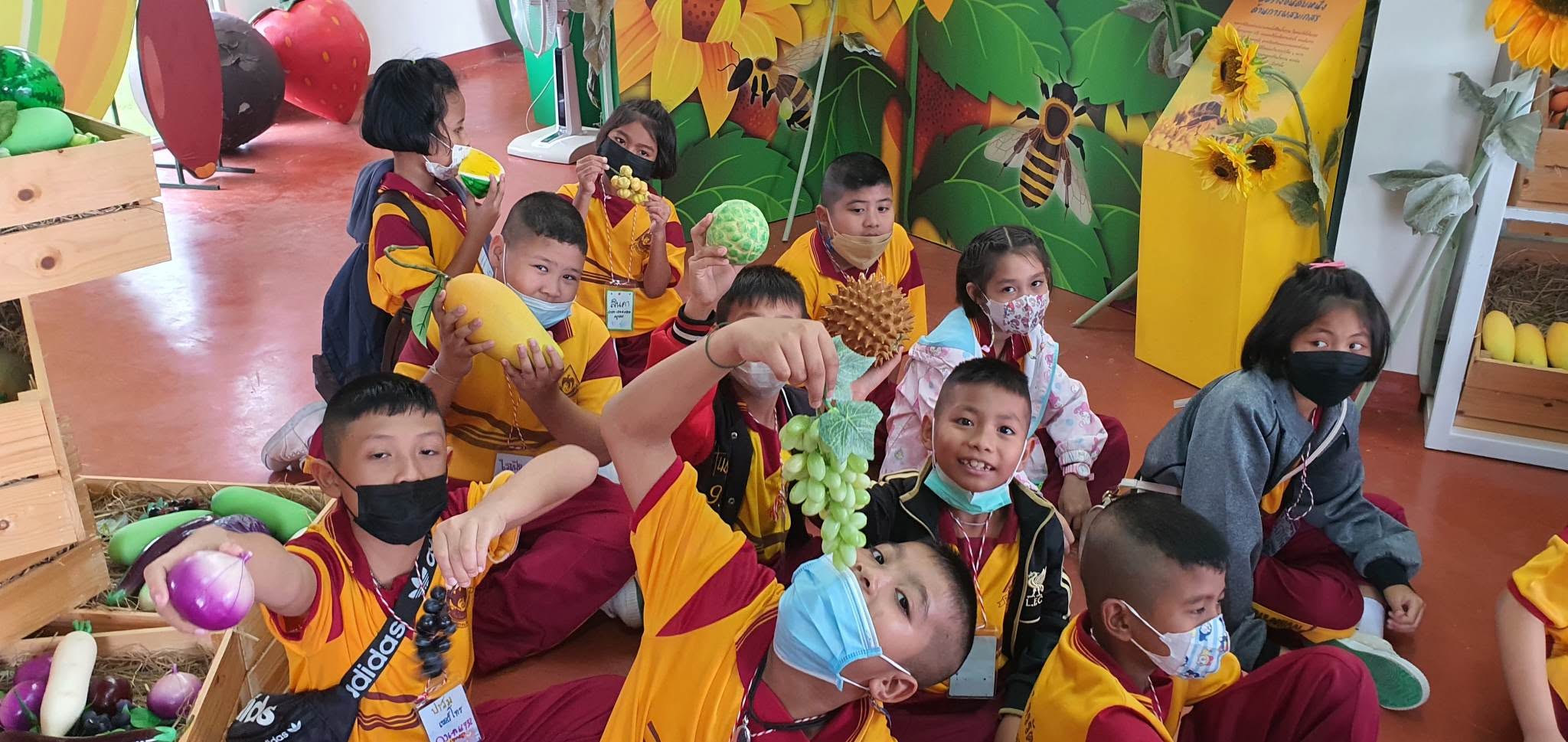
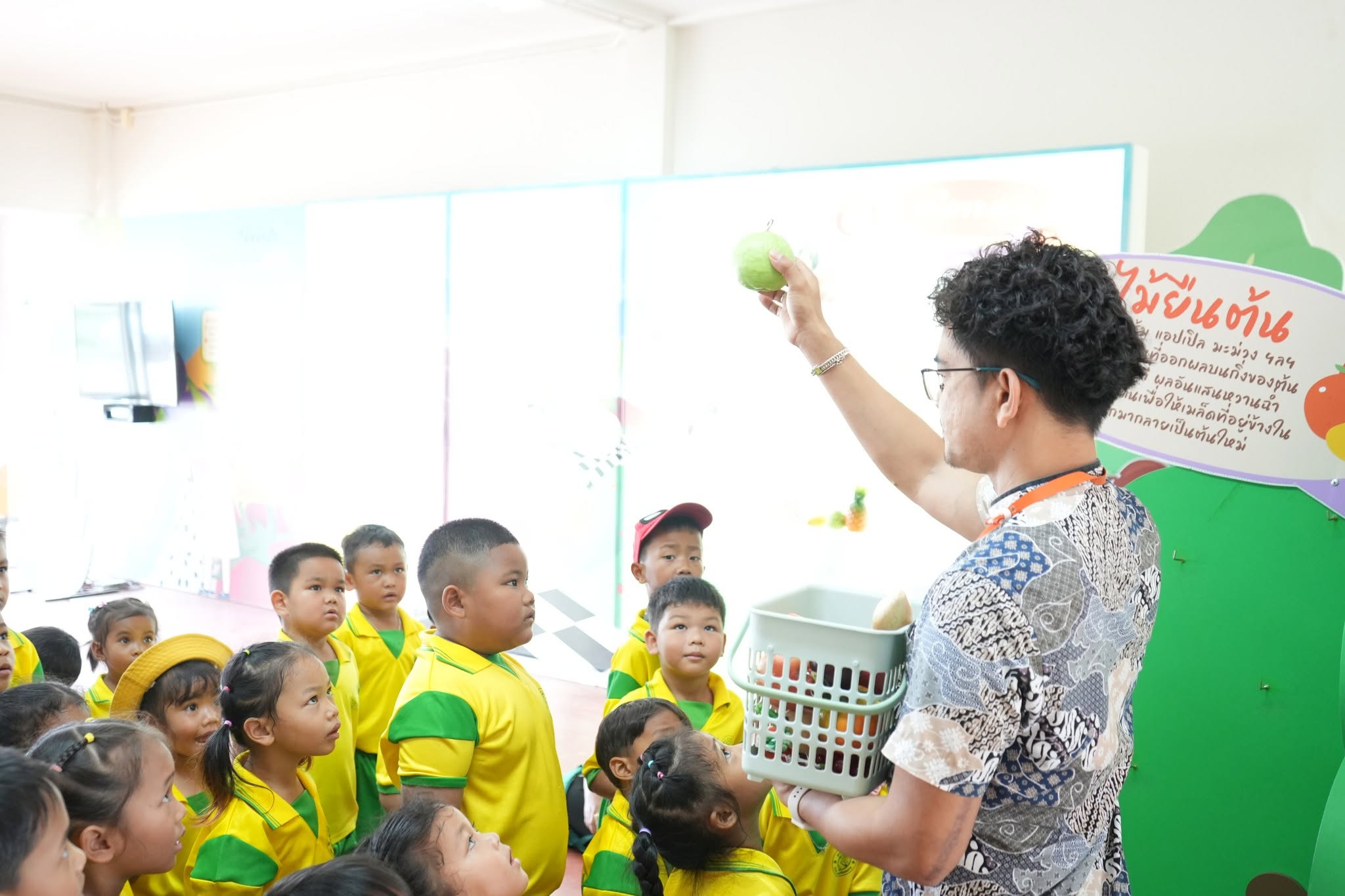
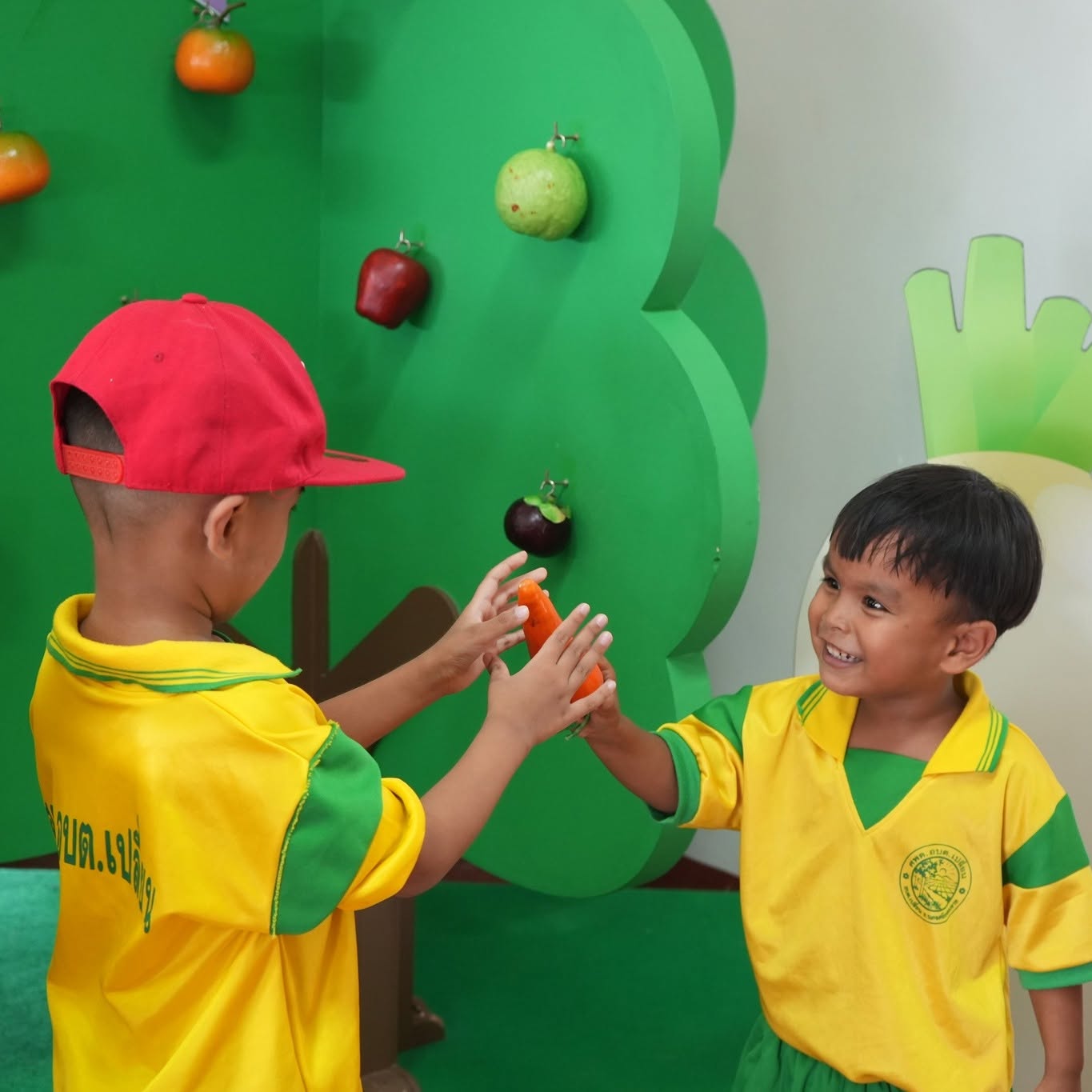
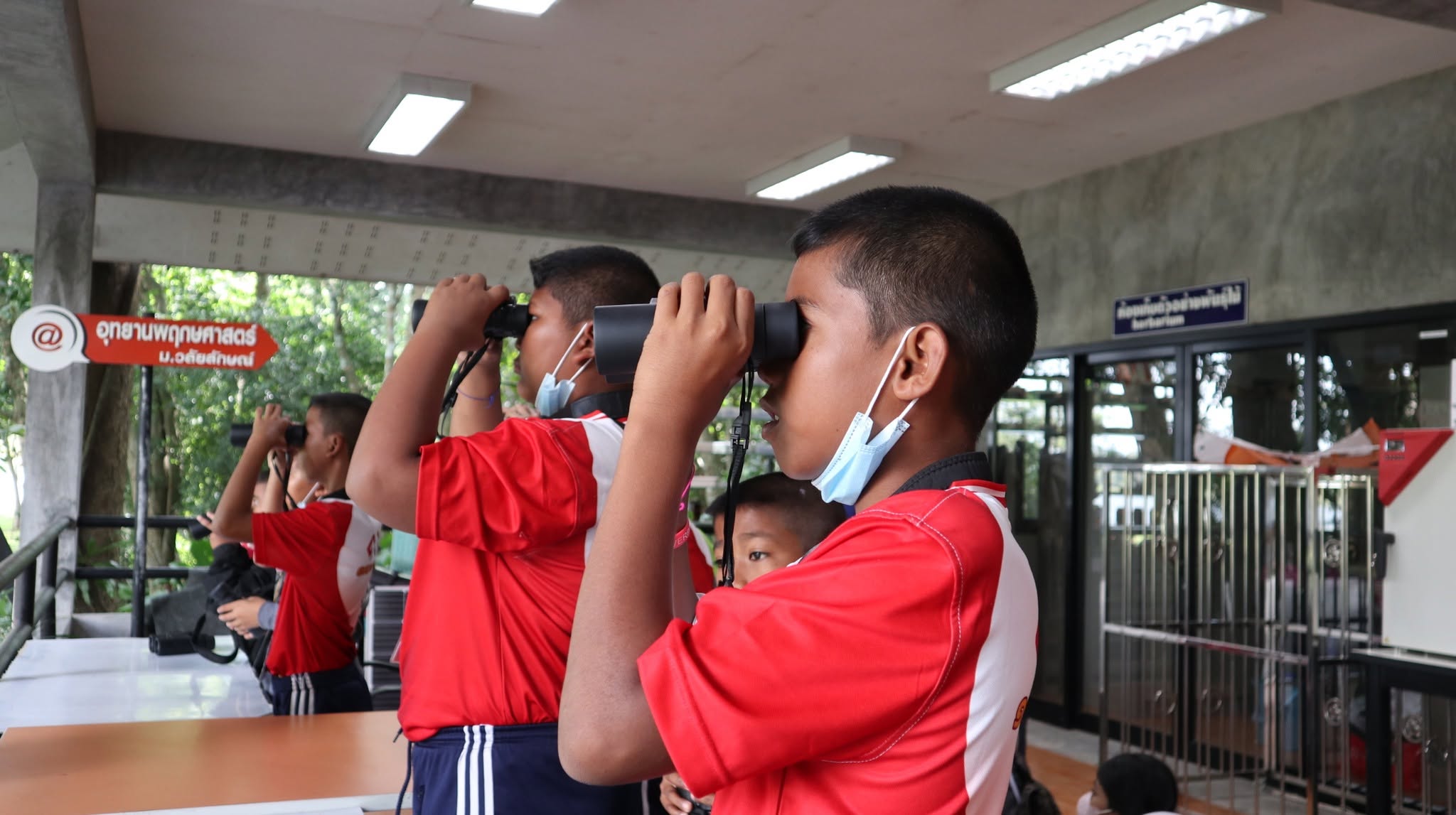
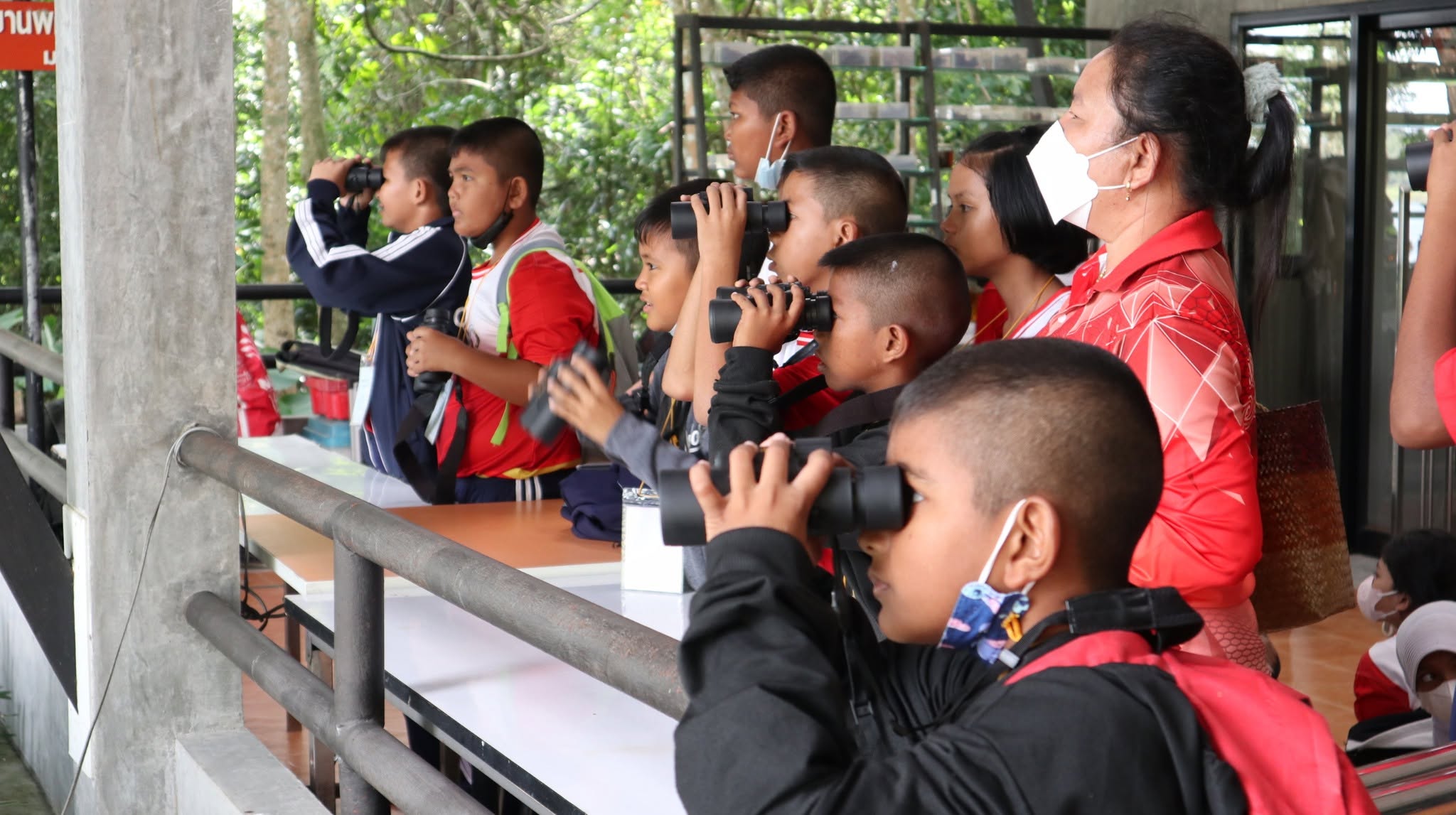
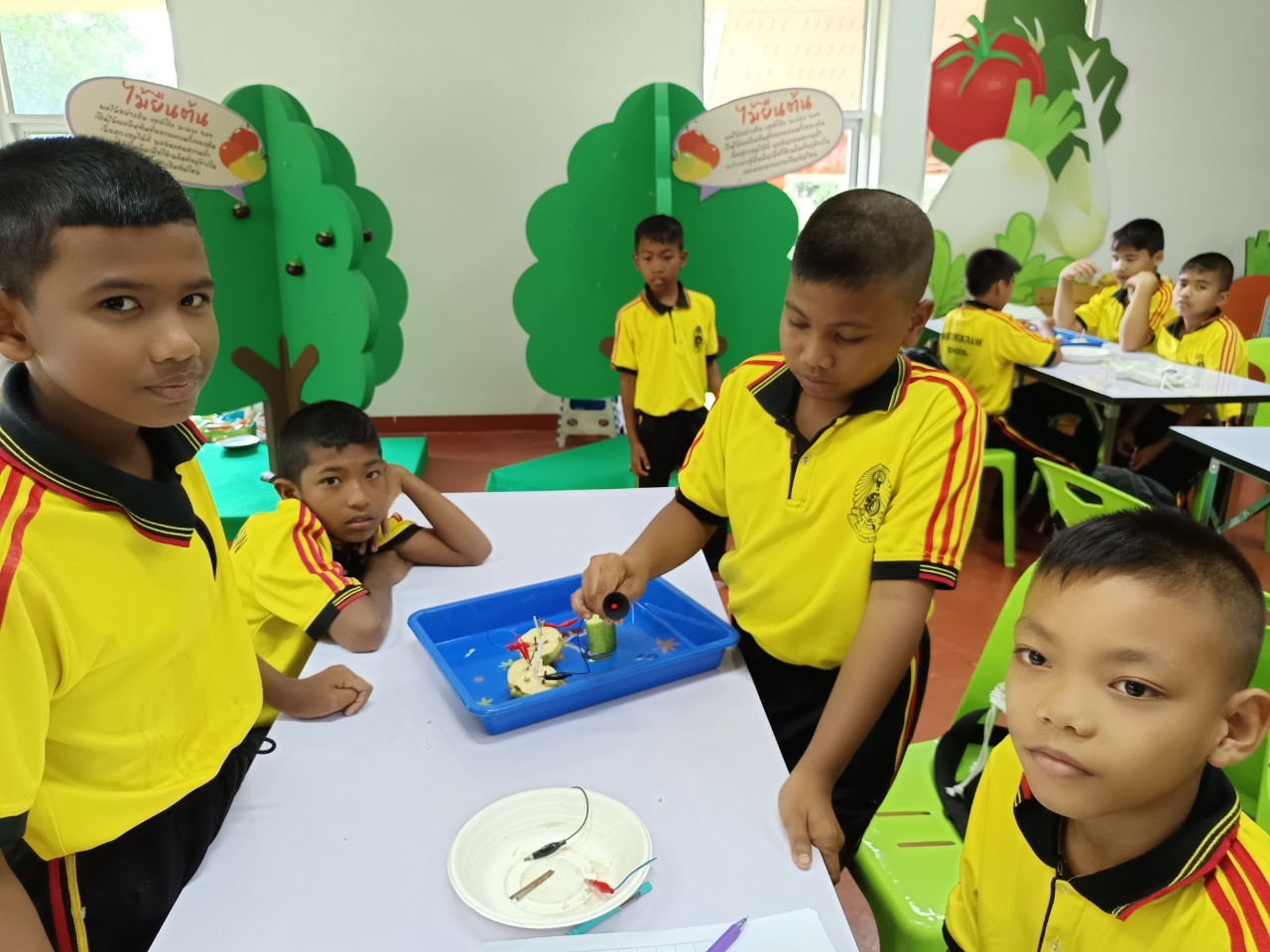
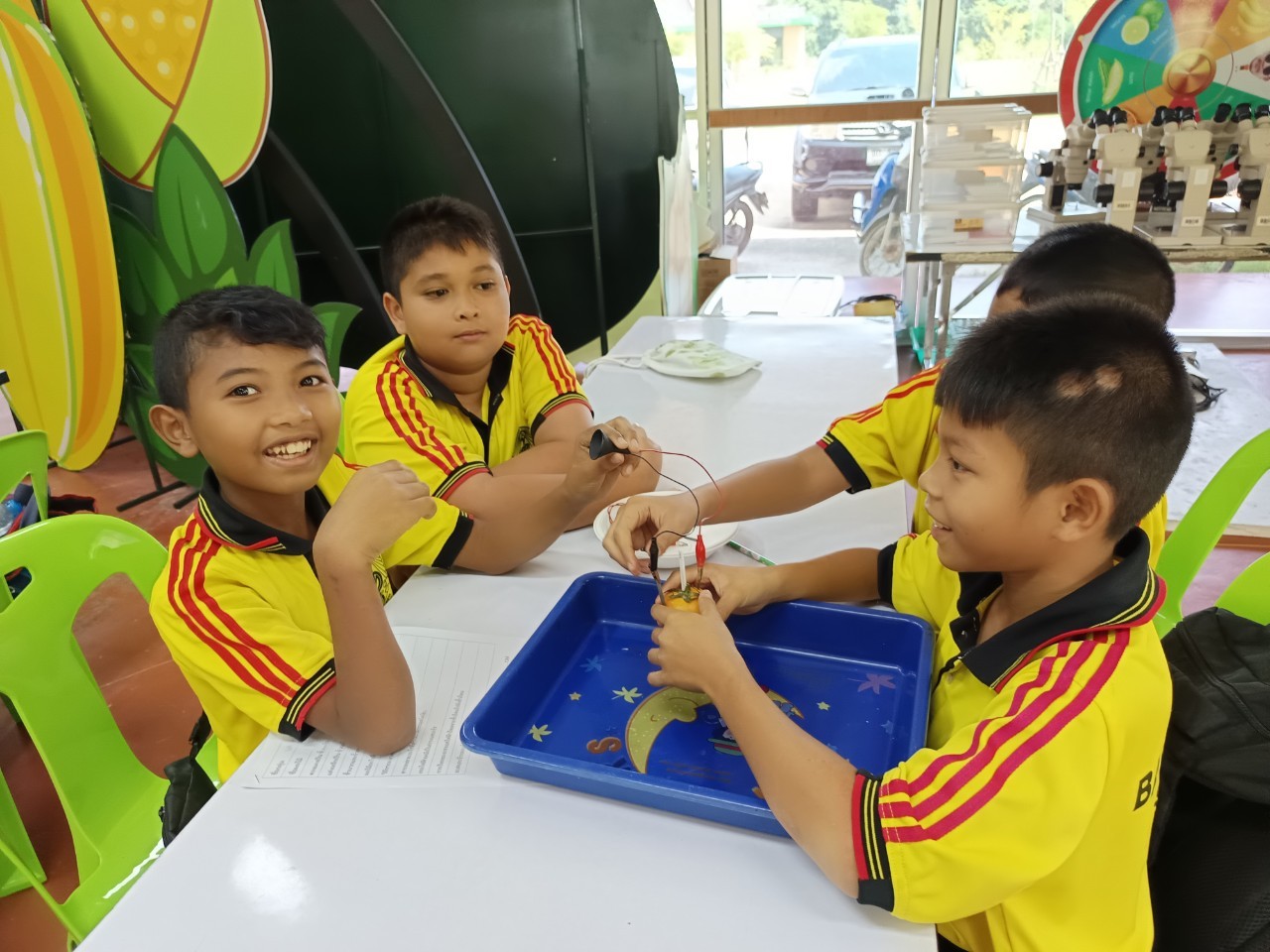
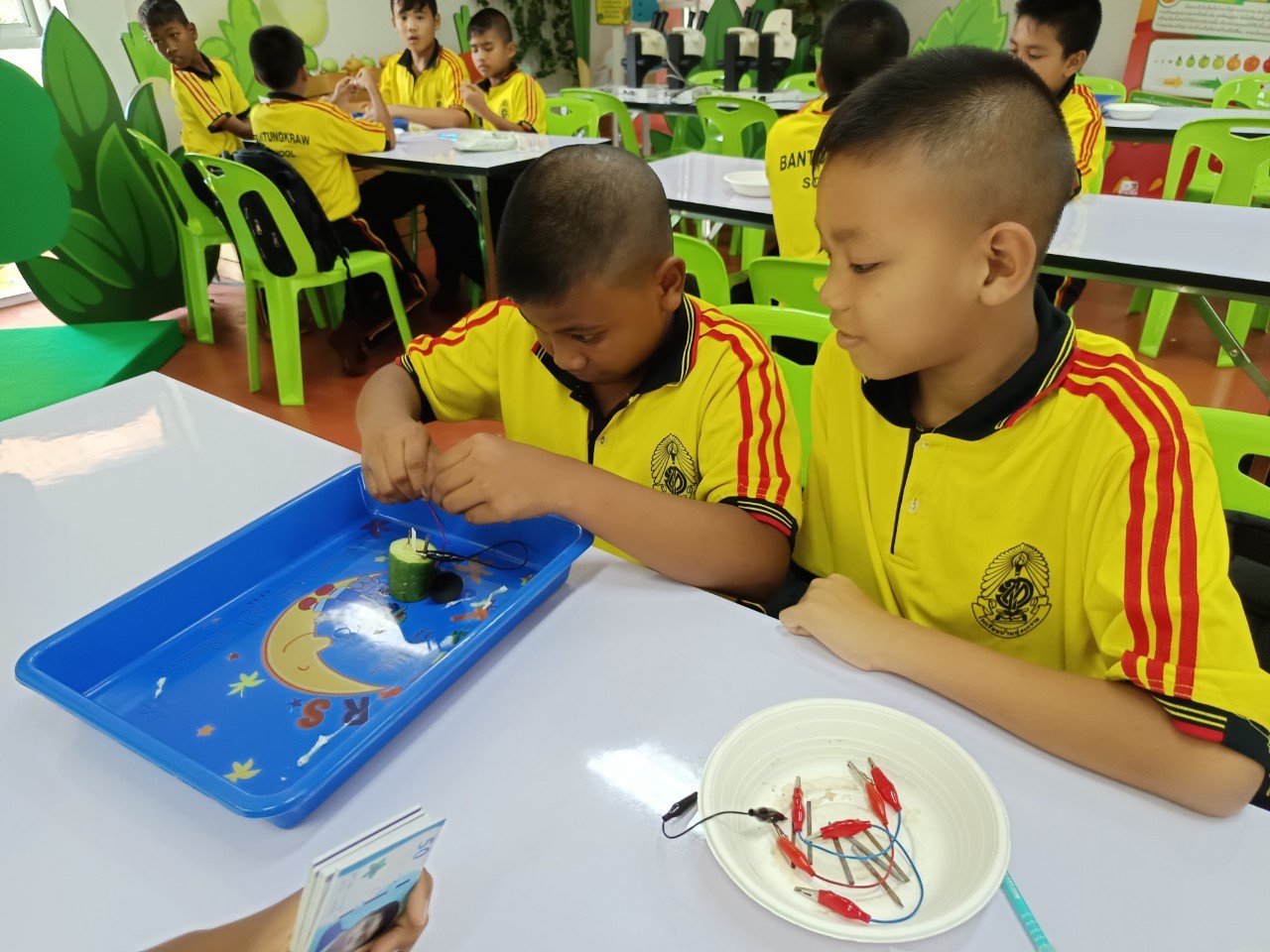
For example, the Vegetables and Fruits activity provides participants with opportunities to learn how to distinguish vegetables from fruits and understand their structures and components. The Natural Color Jelly activity introduces participants to measurement and proportions, changes of state, and the use of natural plant-based colors. The Butterfly World and Bird Watching activities provide opportunities to learn about the structures, behaviors, and life cycles of living organisms through observation and practical learning.
the Vegetables and Fruits activity
The Butterfly World and Bird Watching activities
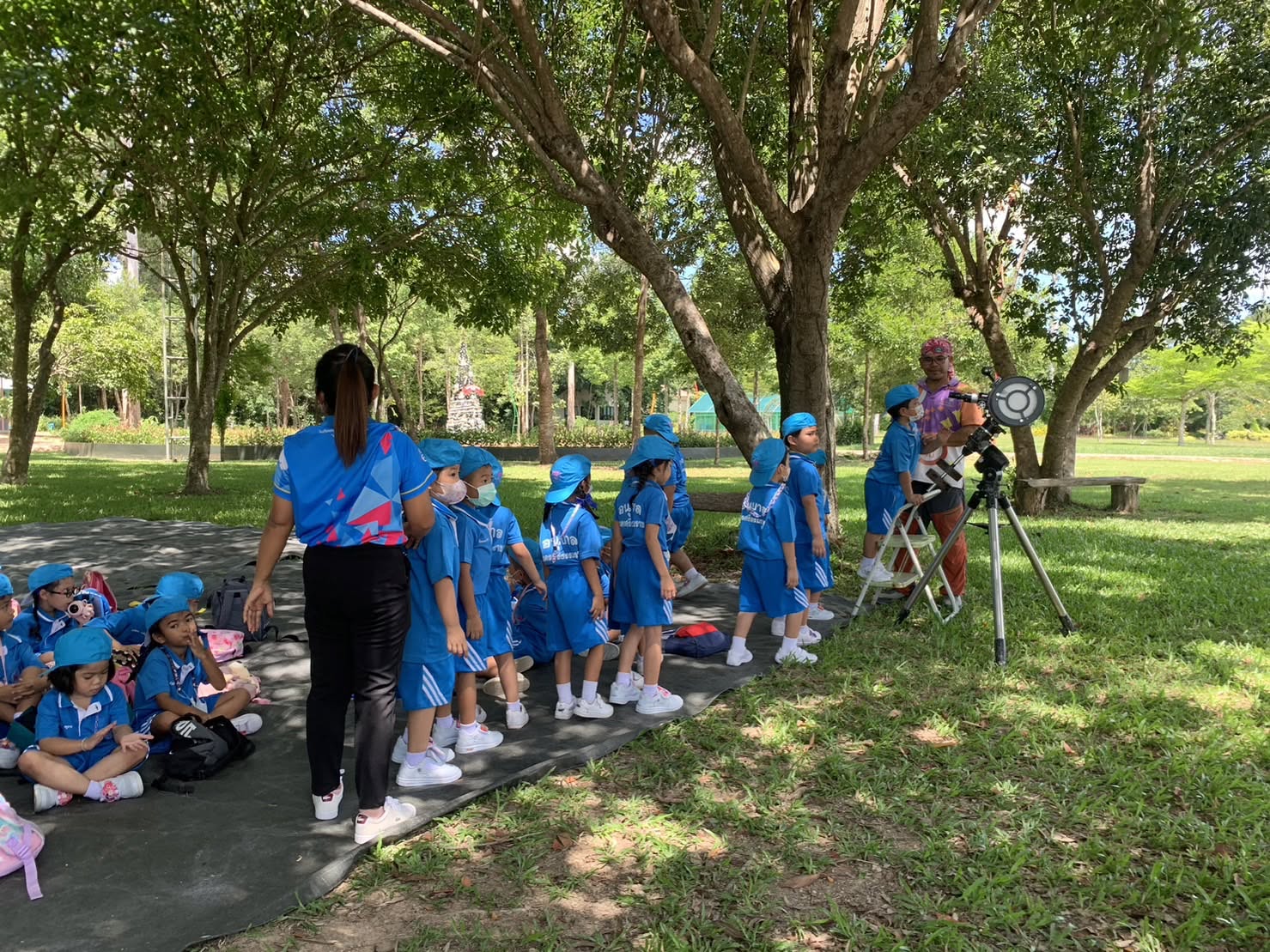
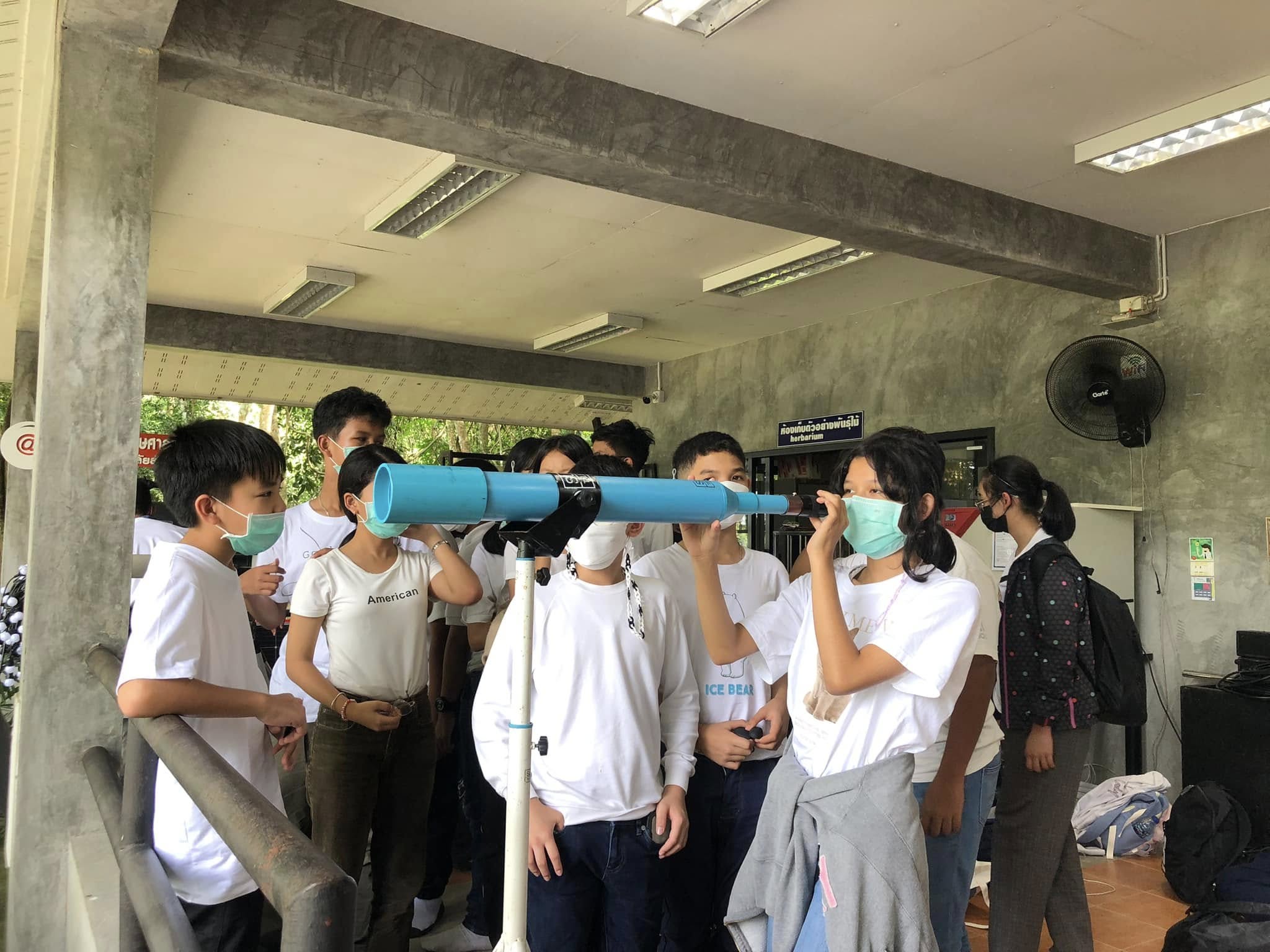
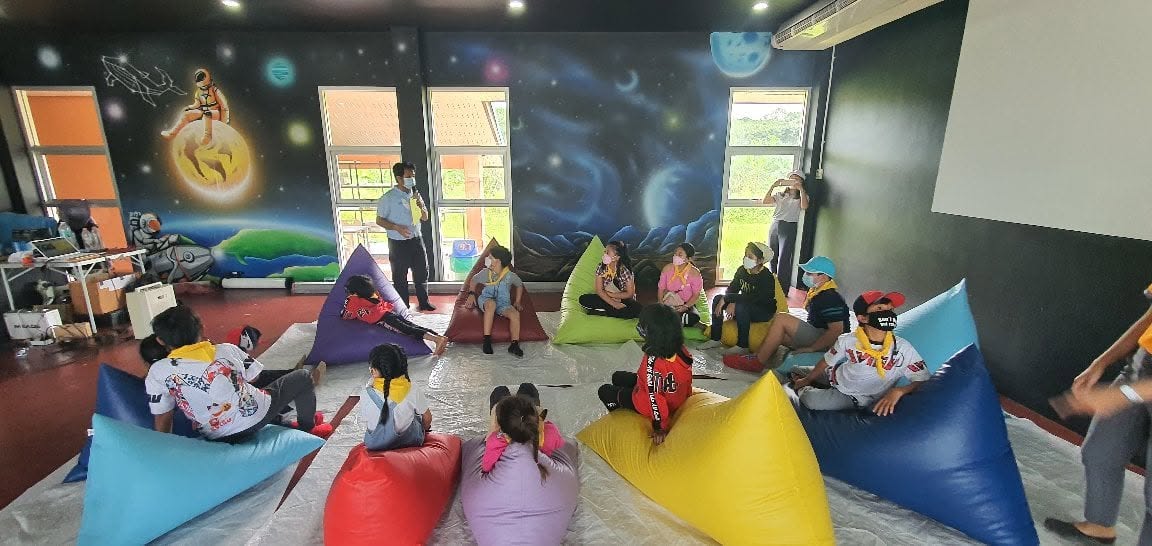
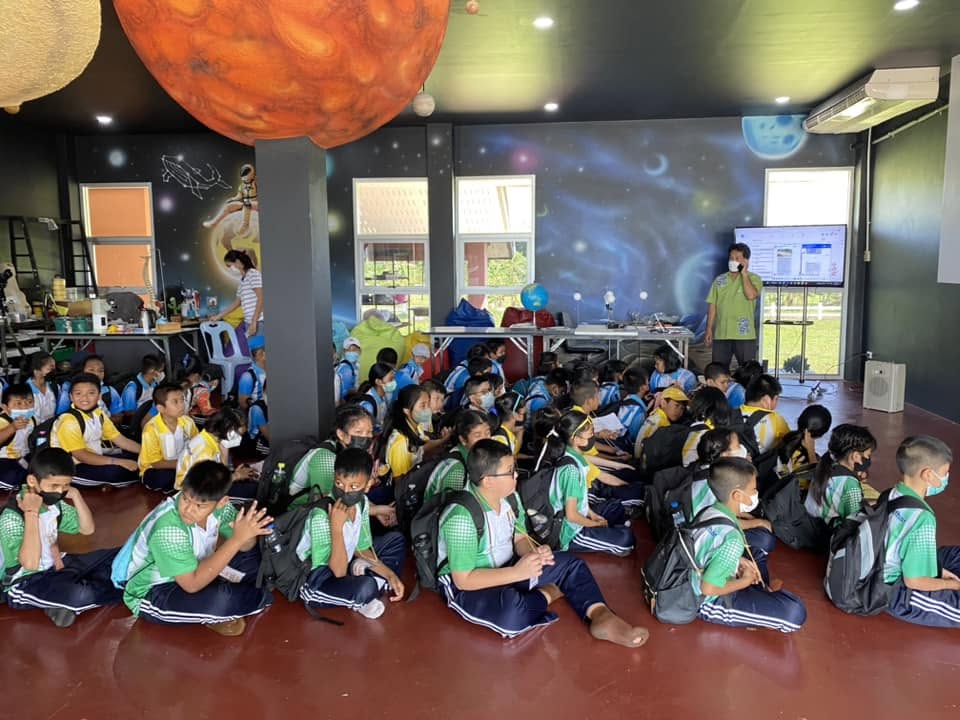
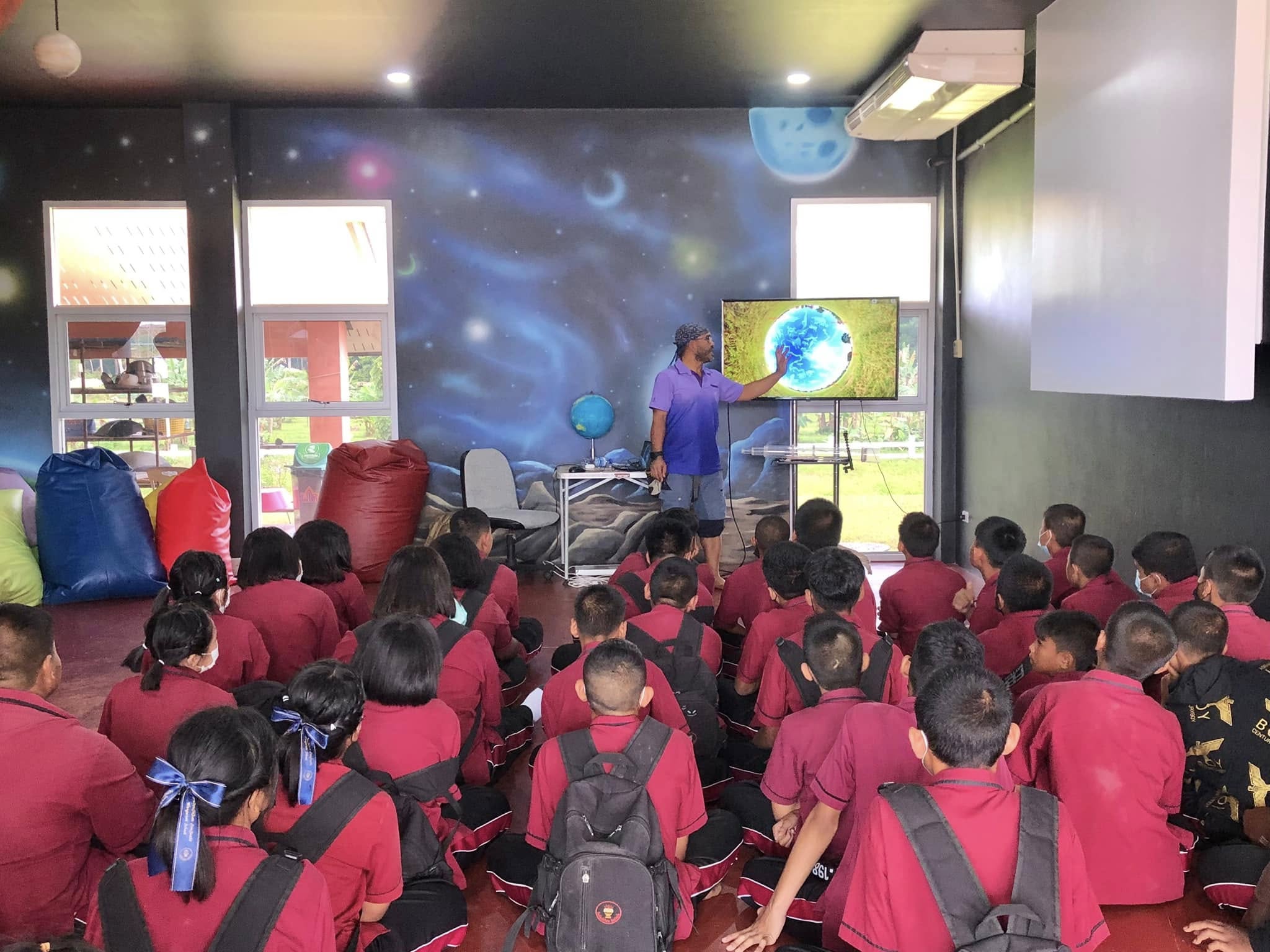
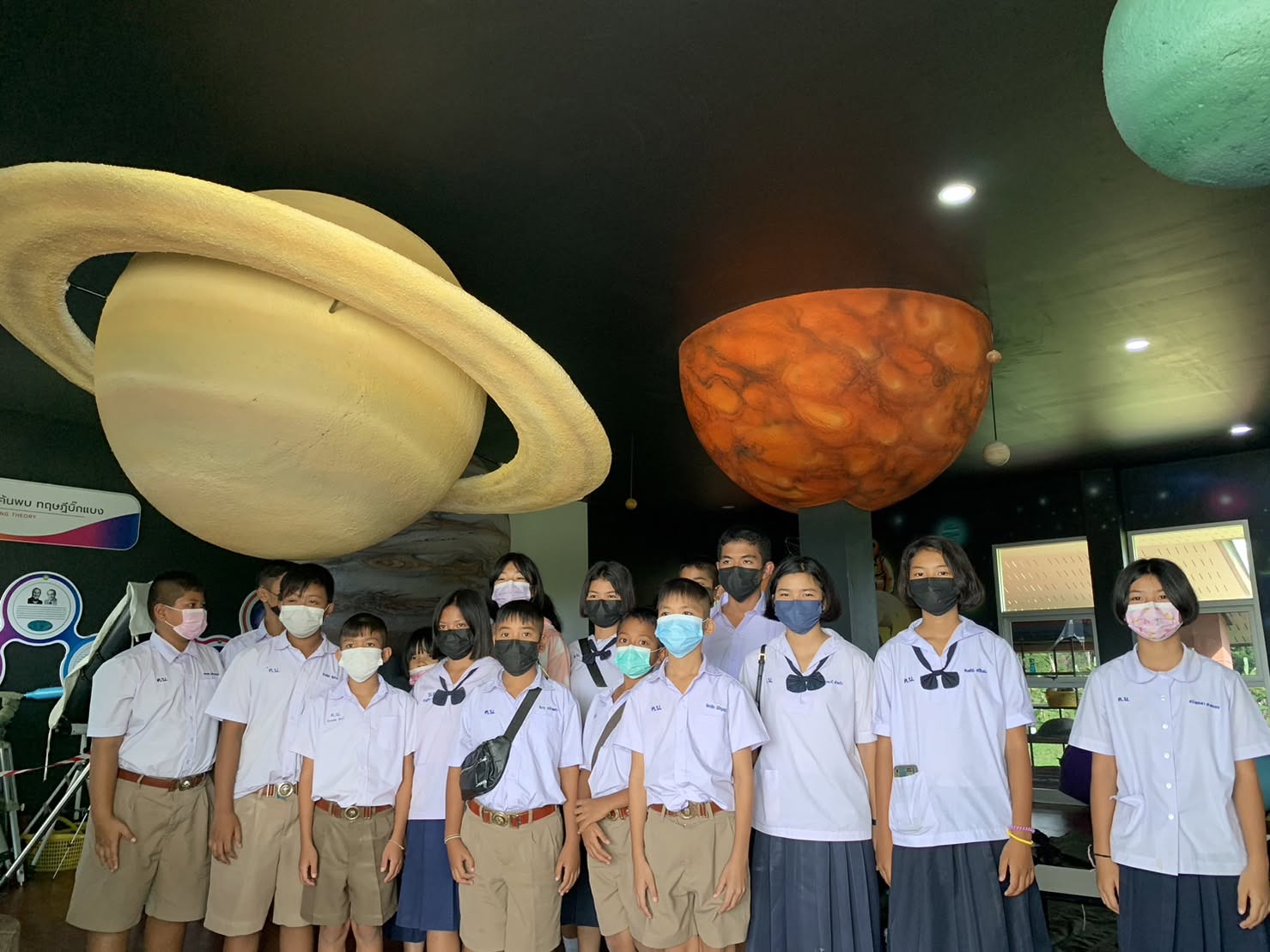
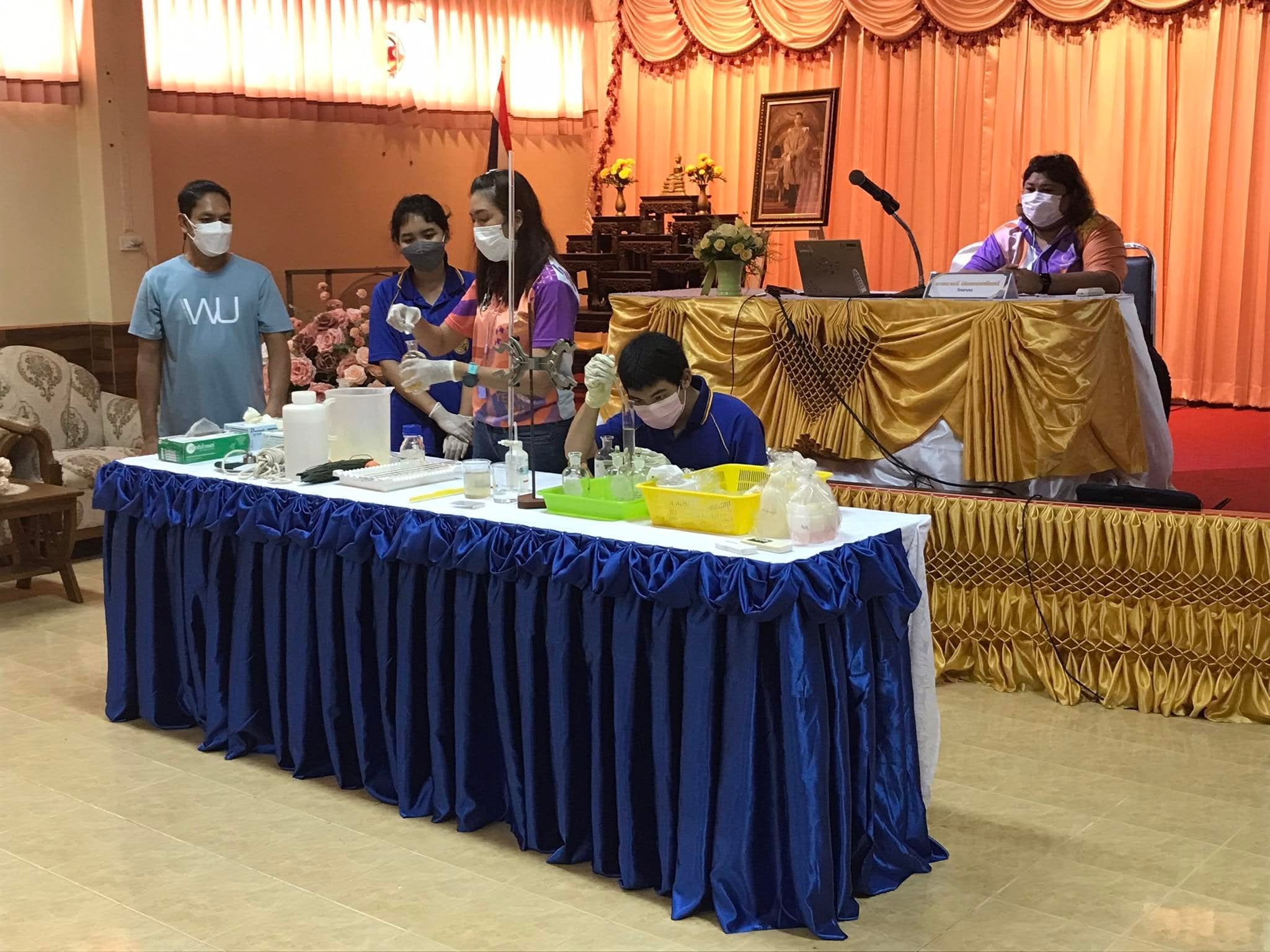
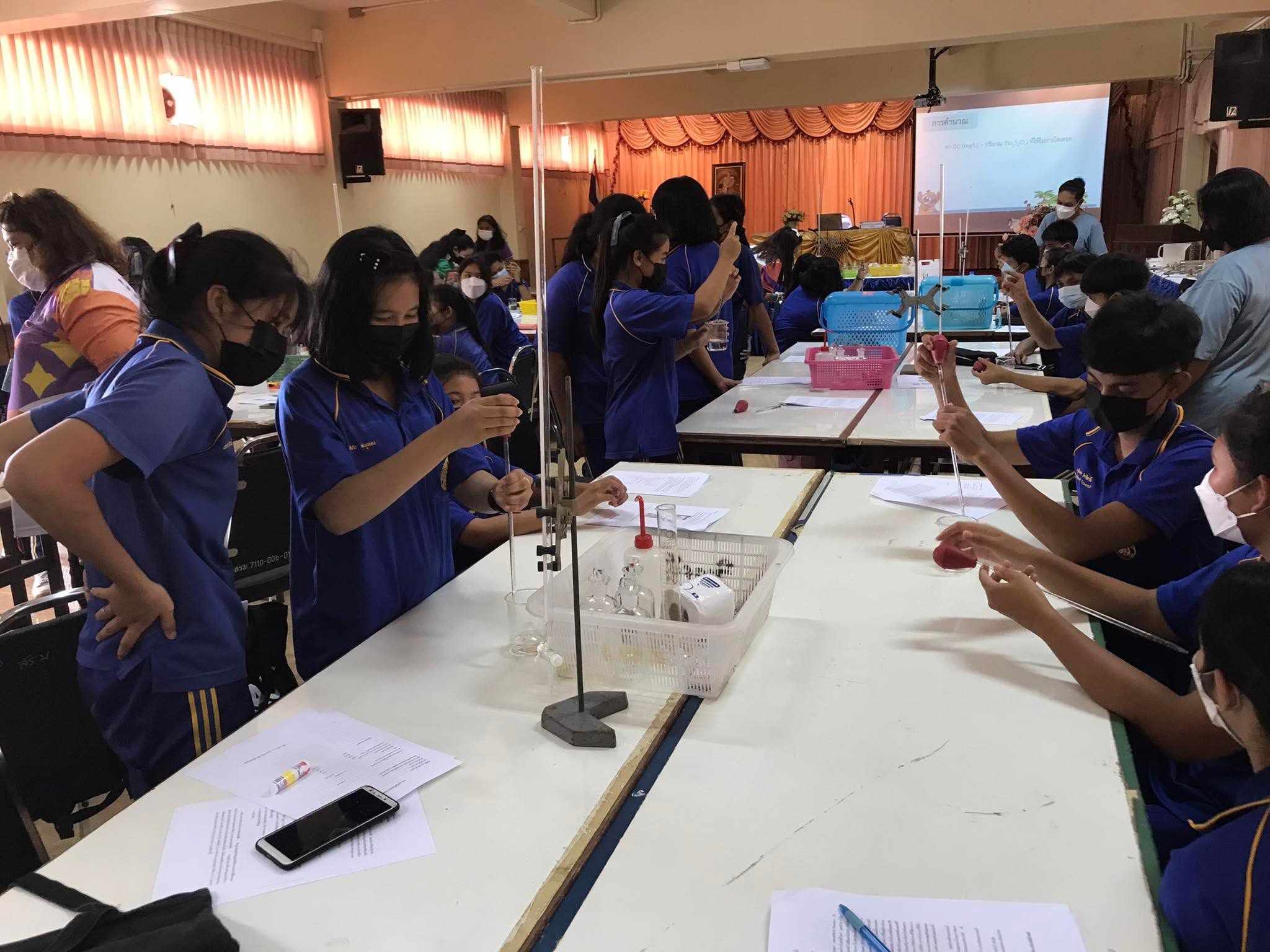
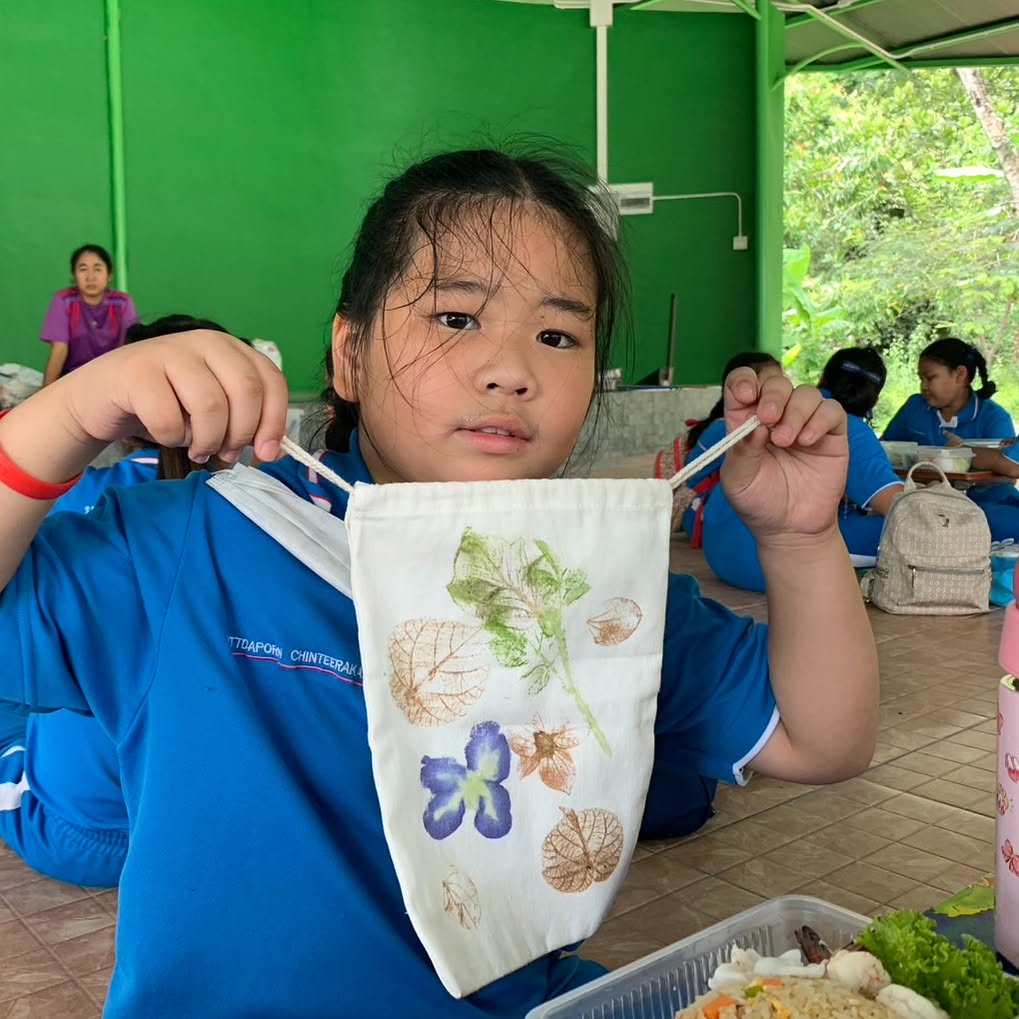
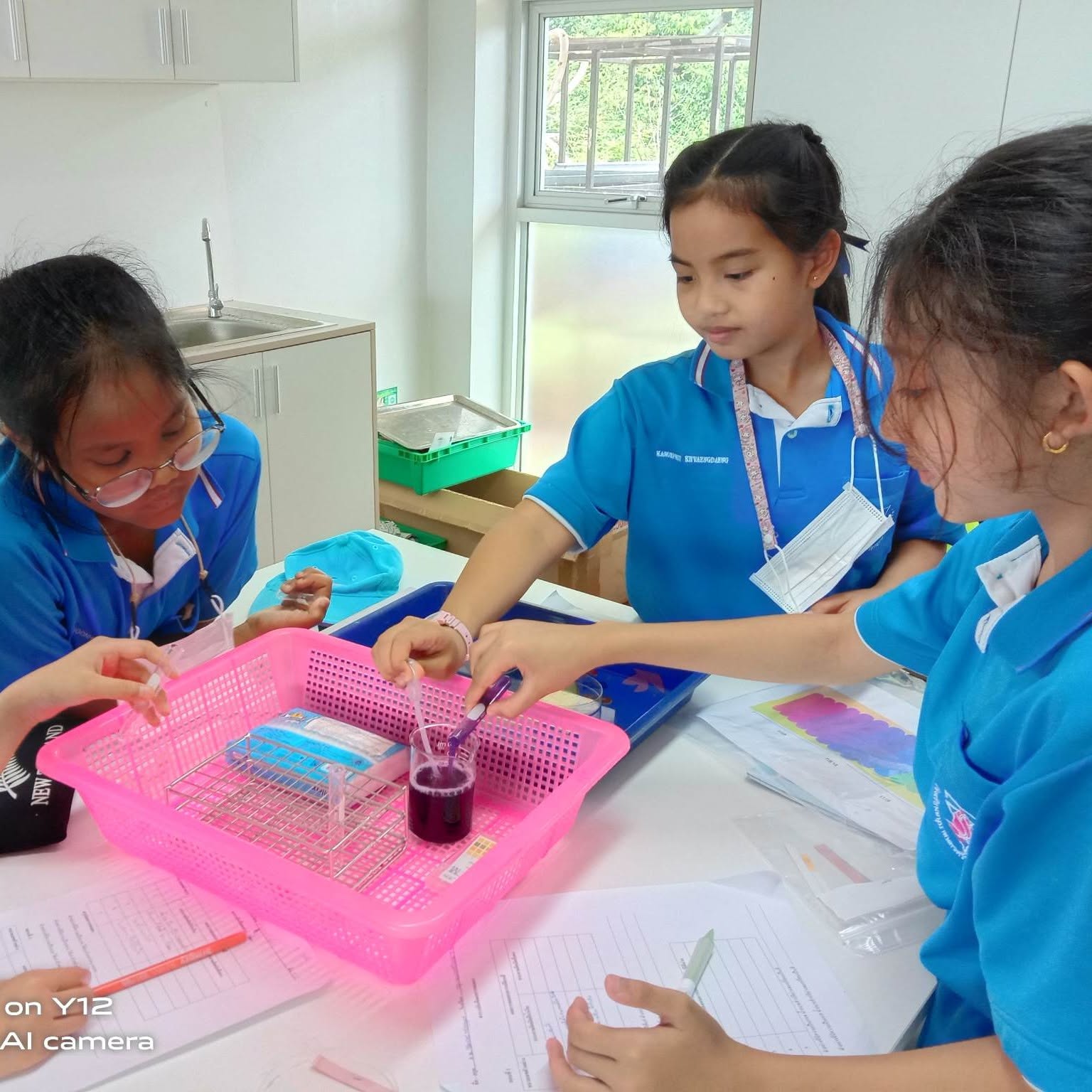
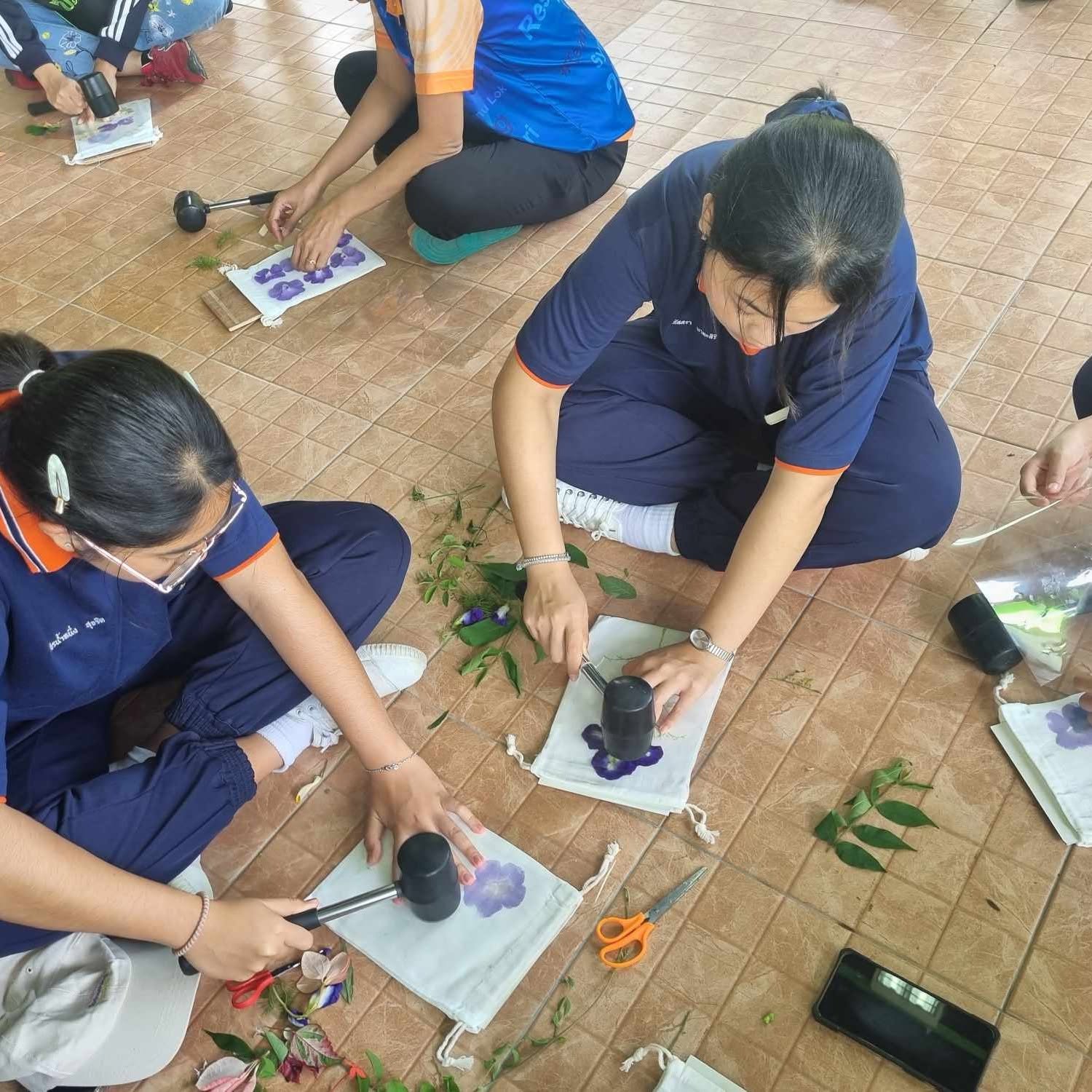
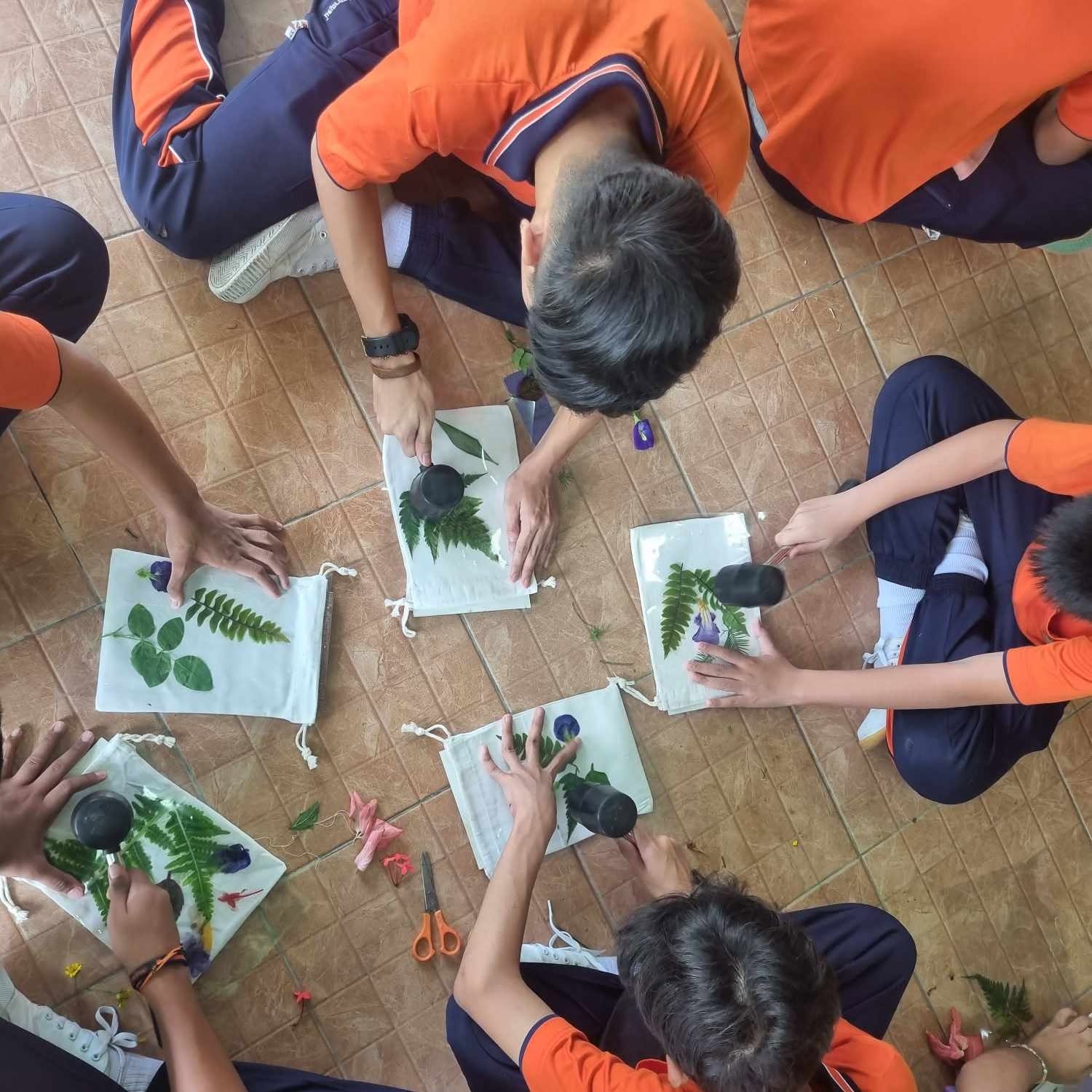
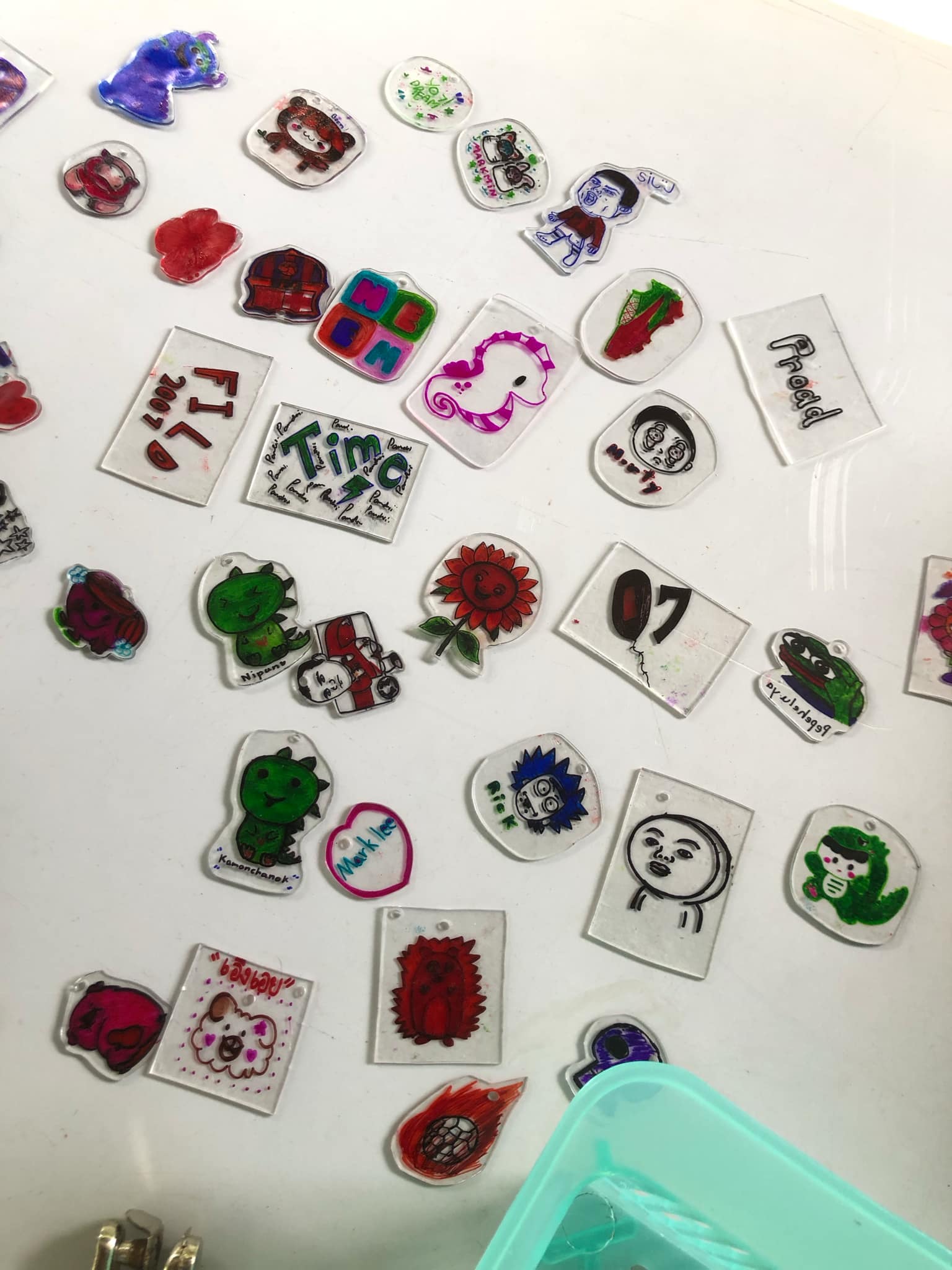
Other activities provide learning opportunities in science, environmental conservation, and local knowledge. The Astronomy activity allows participants to practice using telescopes and learn about astronomical phenomena. What’s in the Water? introduces participants to the importance and sources of water and provides hands-on experience in basic water-quality testing. Eco Print introduces environmentally friendly techniques for transferring patterns and colors from leaves and flowers onto fabric, while the Recycled Crafts activity encourages participants to reuse waste materials creatively and develop environmental awareness.
The Astronomy activity
What's in the Water?
Eco Print
the Recycled Crafts activity
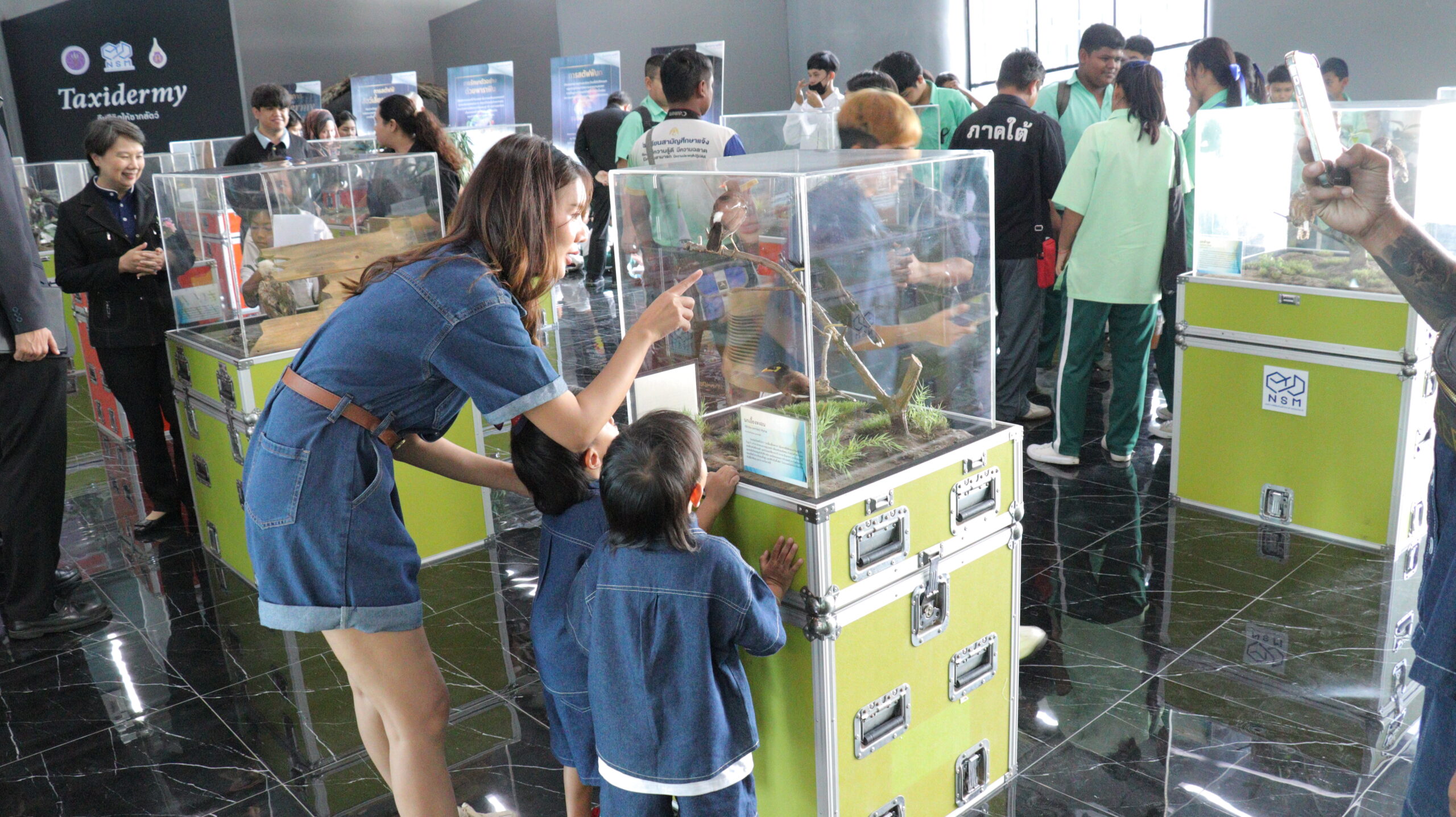
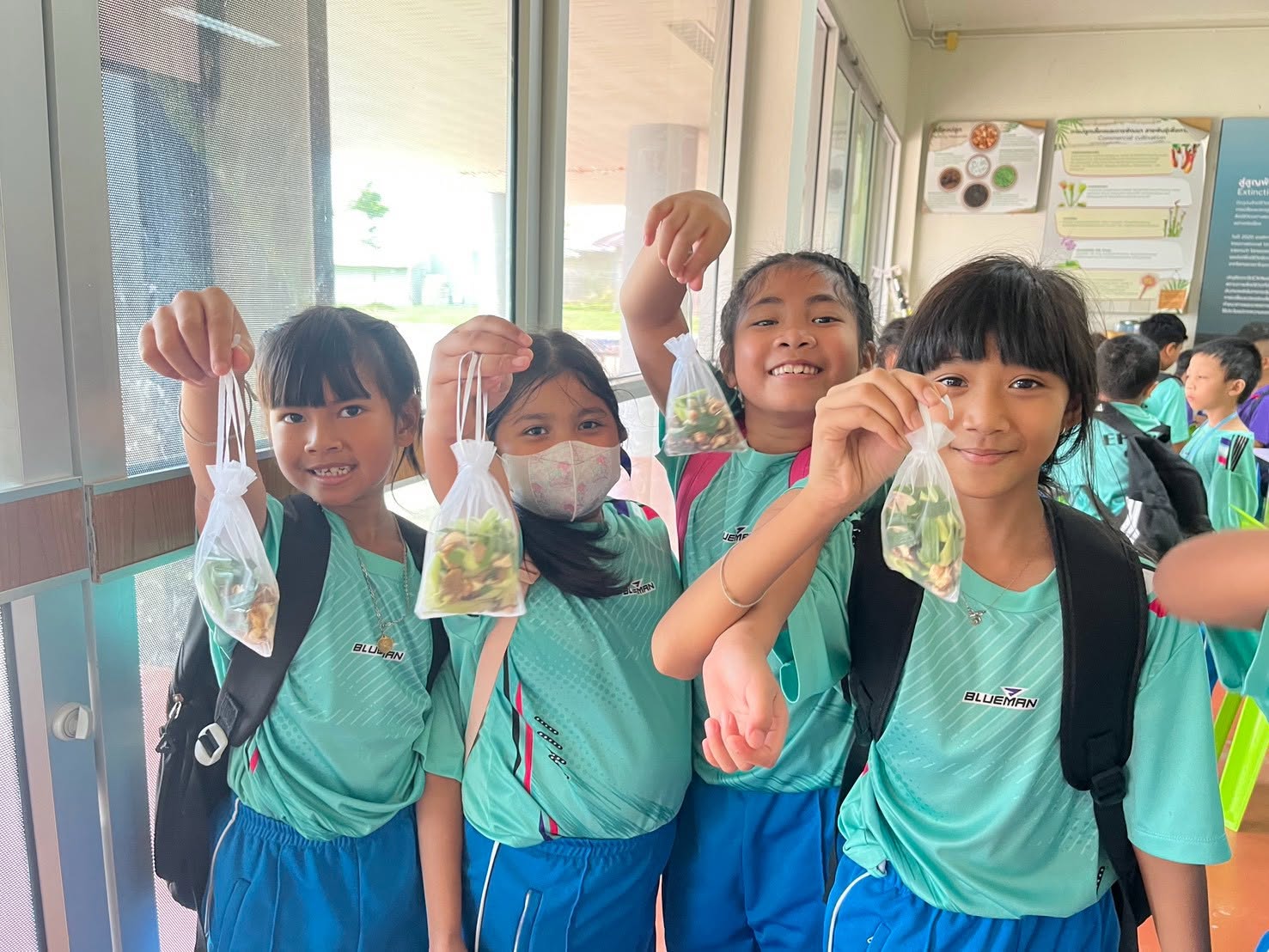
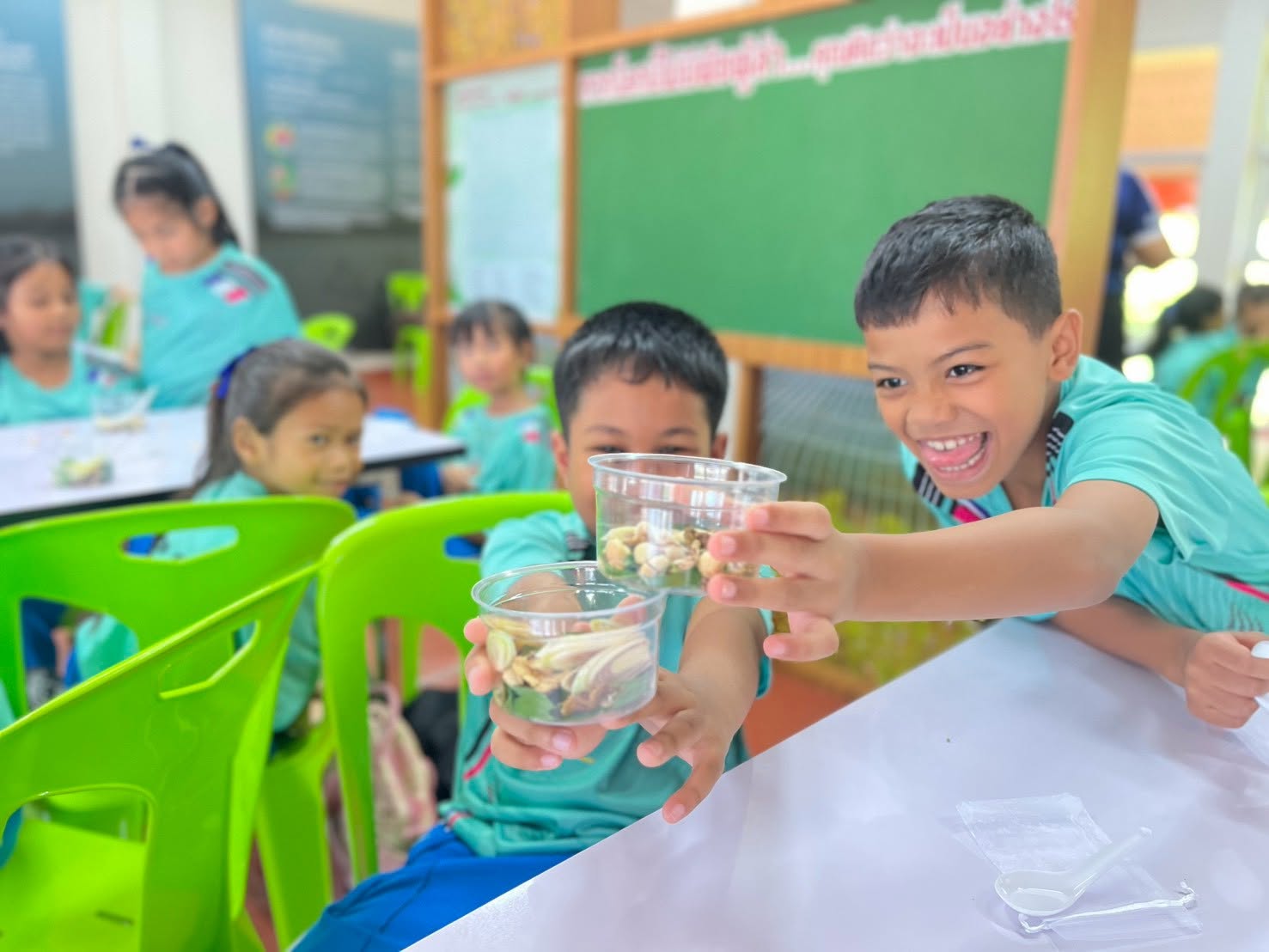
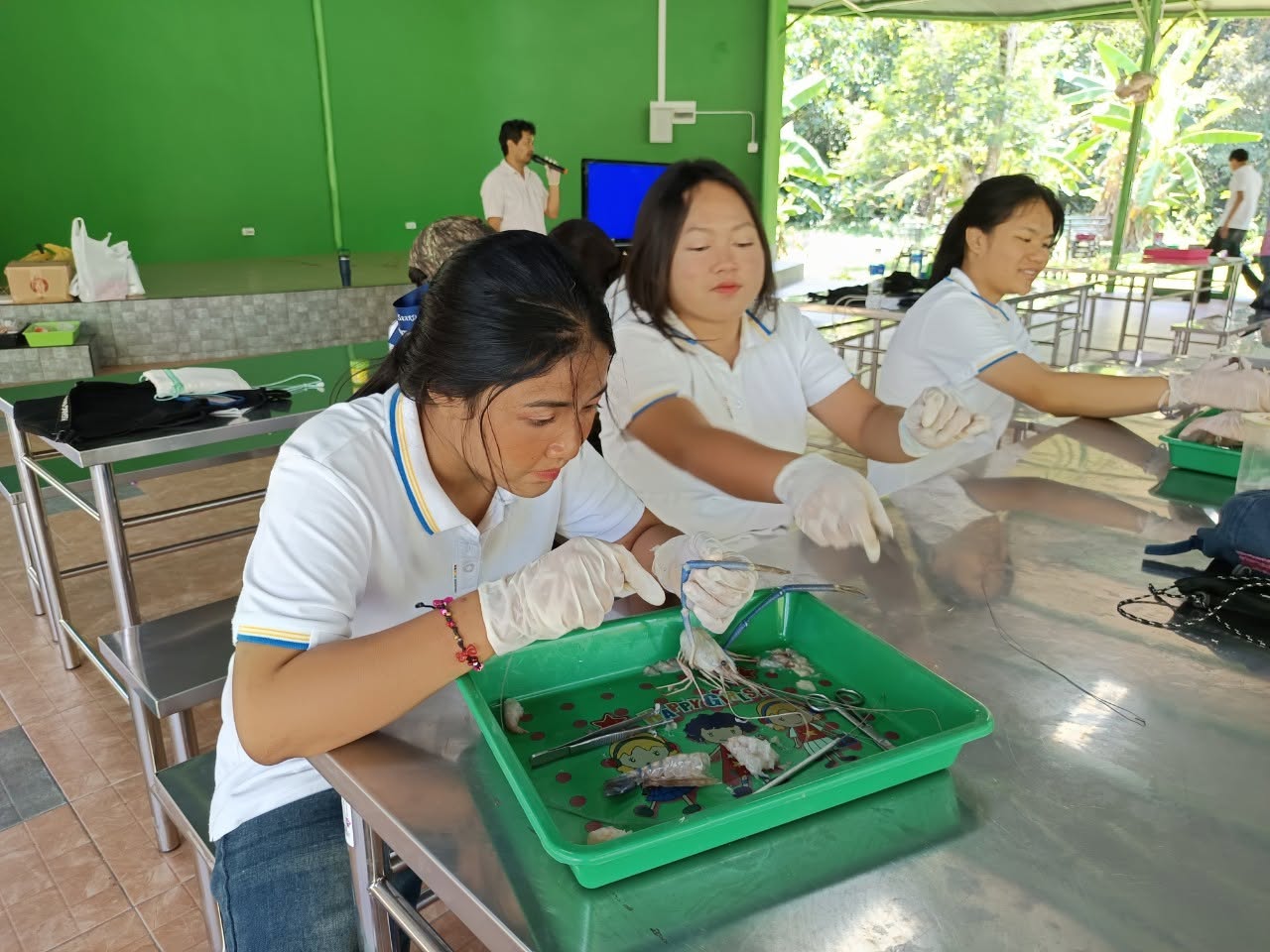
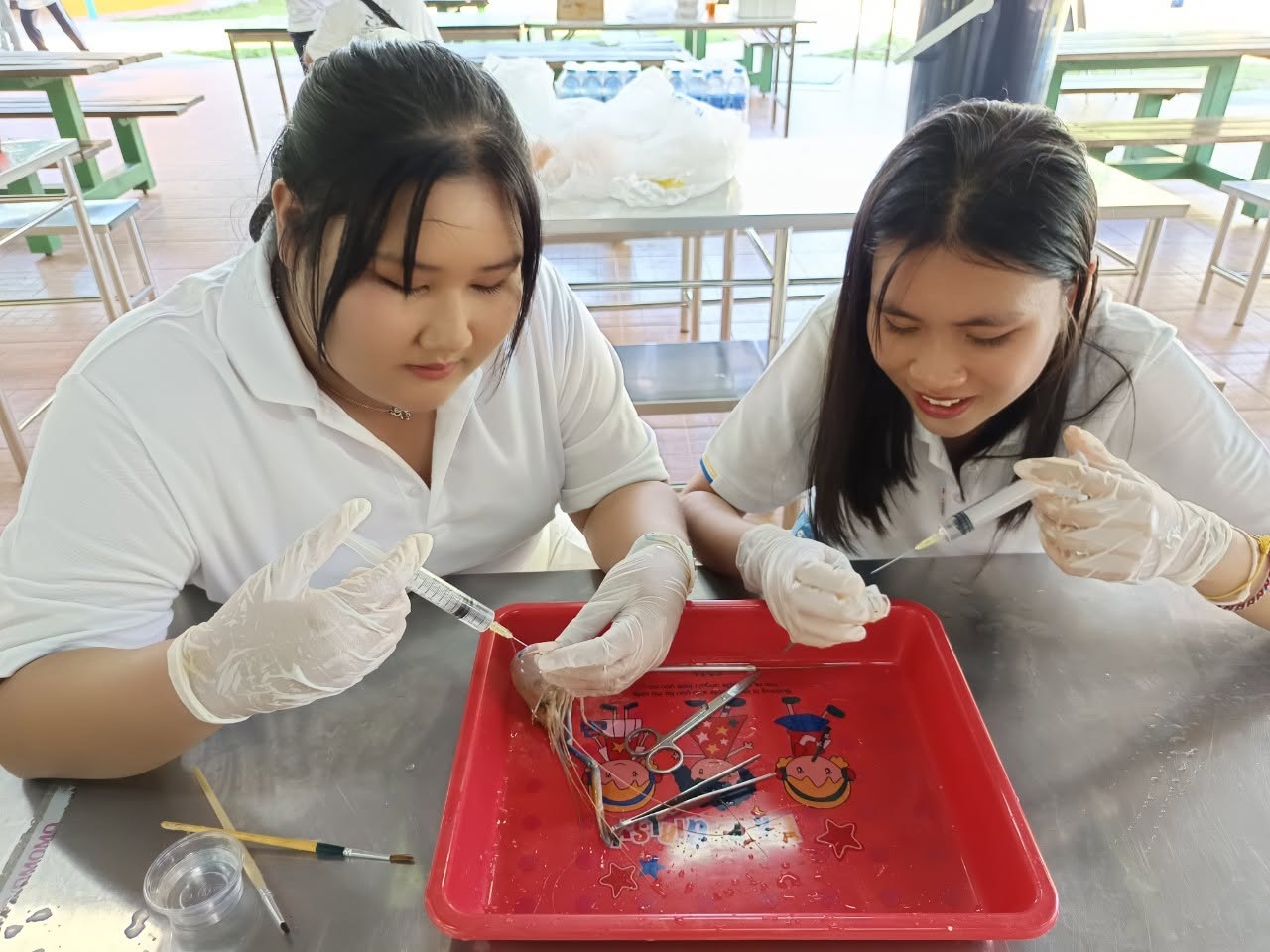
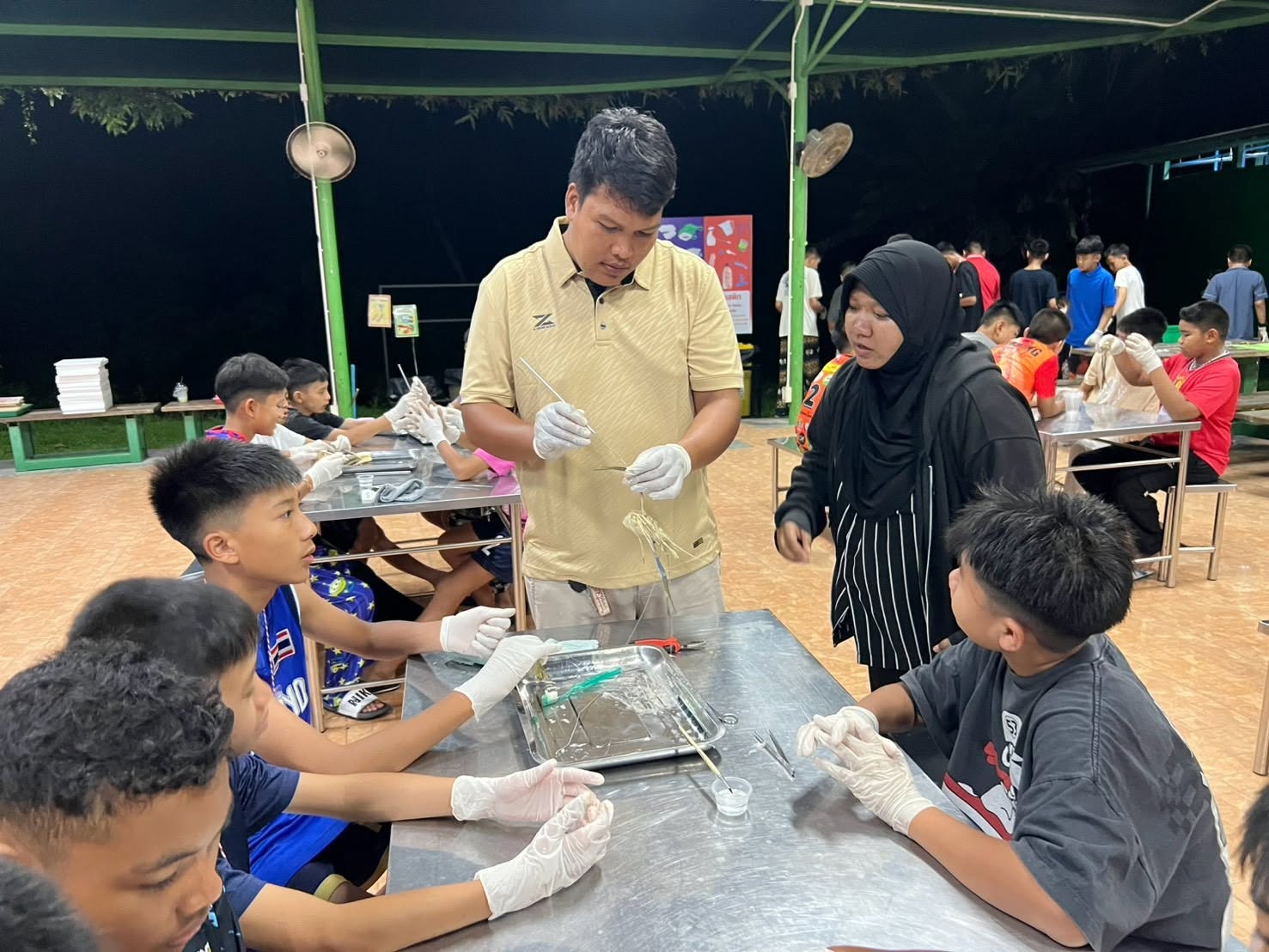
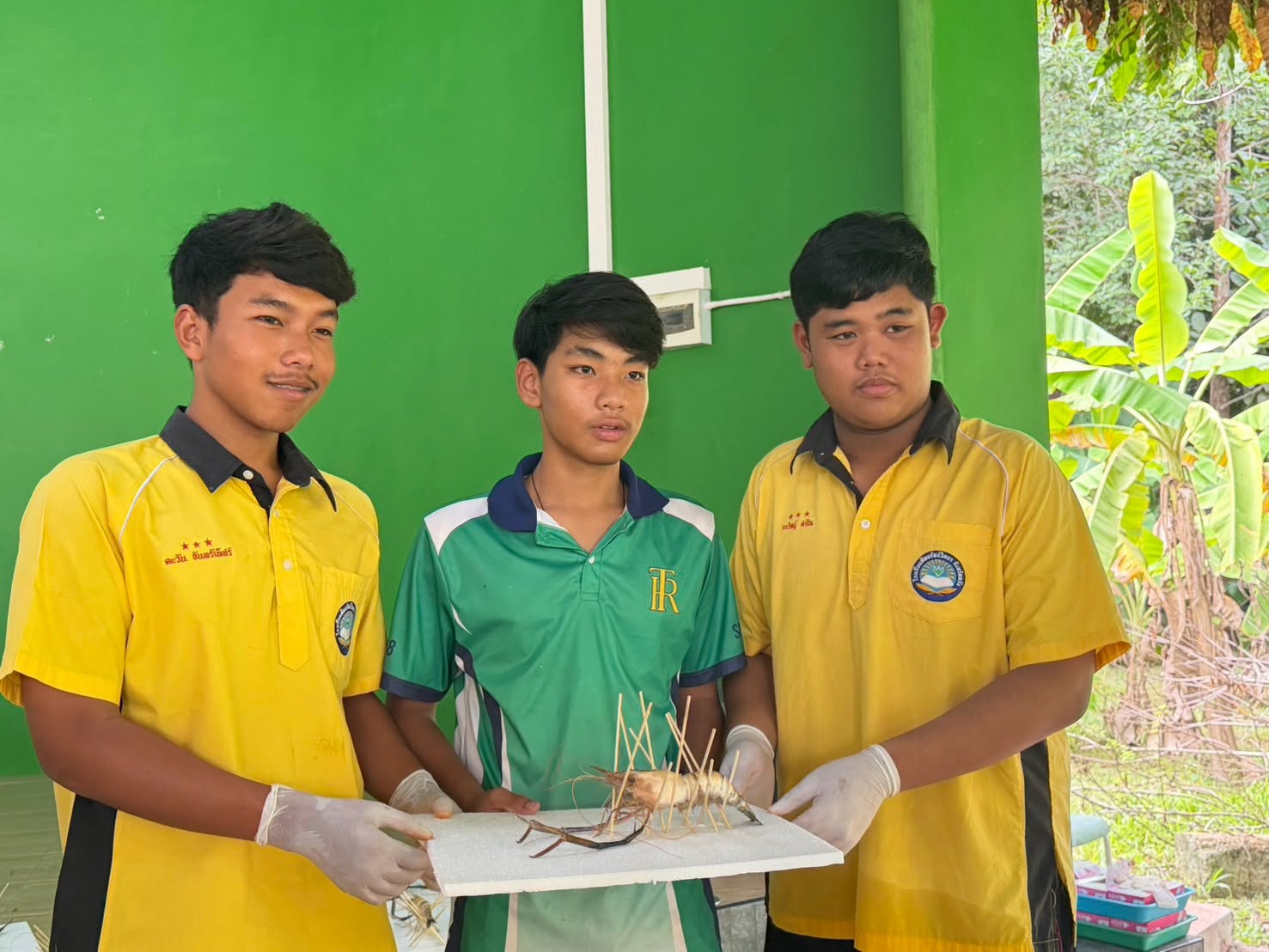
The Botanic Park also offers activities that connect science with everyday life and local knowledge. The Cicada Toy activity enables learners to explore sound, vibration, friction, and cicada behavior. Sweet Slushy introduces concepts related to states of matter, colligative properties, and supercooling. Other activities, including Herbal Scent Bags, Crab Taxidermy Techniques, Shrimp Taxide
The Cicada Toy activity
Herbal Scent Bags
Crab Taxidermy Techniques, Shrimp Taxide
Through these public events and Academic Services Programme Events, Walailak University supports lifelong learning through the development of knowledge and practical skills, engagement between the University, experts, communities, farmers, students, and the general public, and learning activities that incorporate practical measurement and observation. Where activities are designed in response to identified community or learner needs, these diagnostics help inform the development of relevant learning opportunities.
Related links:
https://www.wu.ac.th/th/news/26366
https://botany.wu.ac.th/?page_id=23708
https://intranet.wu.ac.th/th/detail/26015
https://riie.wu.ac.th/?p=30360
https://www.wu.ac.th/th/news/26015
https://www.facebook.com/WalailakNews/posts/%E0%B8%A1%E0%B8%A7%E0%B8%A5%E0%B8%B1%E0%B8%A2%E0%B8%A5%E0%B8%B1%E0%B8%81%E0%B8%A9%E0%B8%93%E0%B9%8C-%E0%B9%80%E0%B8%9B%E0%B8%B4%E0%B8%94%E0%B9%80%E0%B8%A7%E0%B8%97%E0%B8%B5-walailak-research-day-2025-%E0%B9%82%E0%B8%8A%E0%B8%A7%E0%B9%8C%E0%B8%AA%E0%B8%B8%E0%B8%94%E0%B8%A2%E0%B8%AD%E0%B8%94%E0%B8%9C%E0%B8%A5%E0%B8%87%E0%B8%B2%E0%B8%99%E0%B8%A7%E0%B8%B4%E0%B8%88%E0%B8%B1%E0%B8%A2-%E0%B8%AA%E0%B8%A3%E0%B9%89%E0%B8%B2%E0%B8%87%E0%B8%A1%E0%B8%B9%E0%B8%A5%E0%B8%84%E0%B9%88%E0%B8%B2/1217610653741700/

Goal 4:
Quality Education
Goal 5:
Gender Equality
Goal 15:
Life on Land
Goal 17:
Partnerships for the Goals