Policy for Equal and Inclusive Access to Lifelong Learning
Walailak University is committed to ensuring access to lifelong learning for its staff, students, alumni, children and youth, the workforce, older adults, and the general public. The Walailak University Lifelong Learning Policy provides an important framework for ensuring that access to lifelong learning activities is accessible to all on an equal and continuous basis.
A Policy Ensuring Access to Lifelong Learning for All
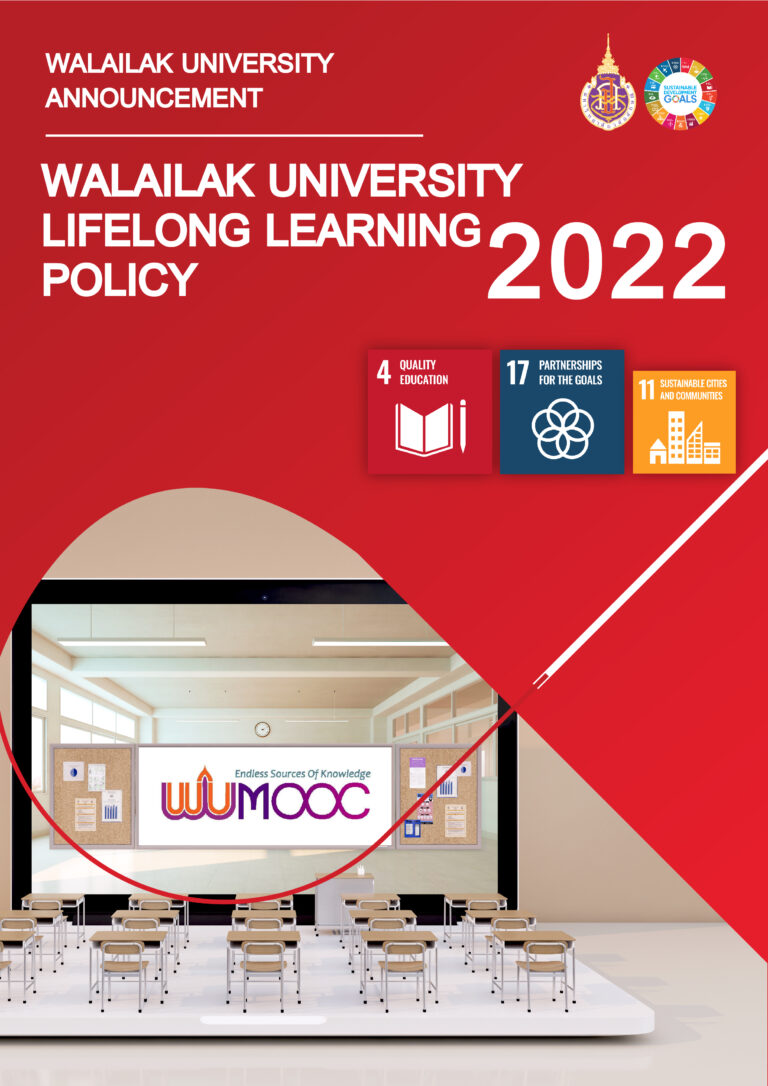
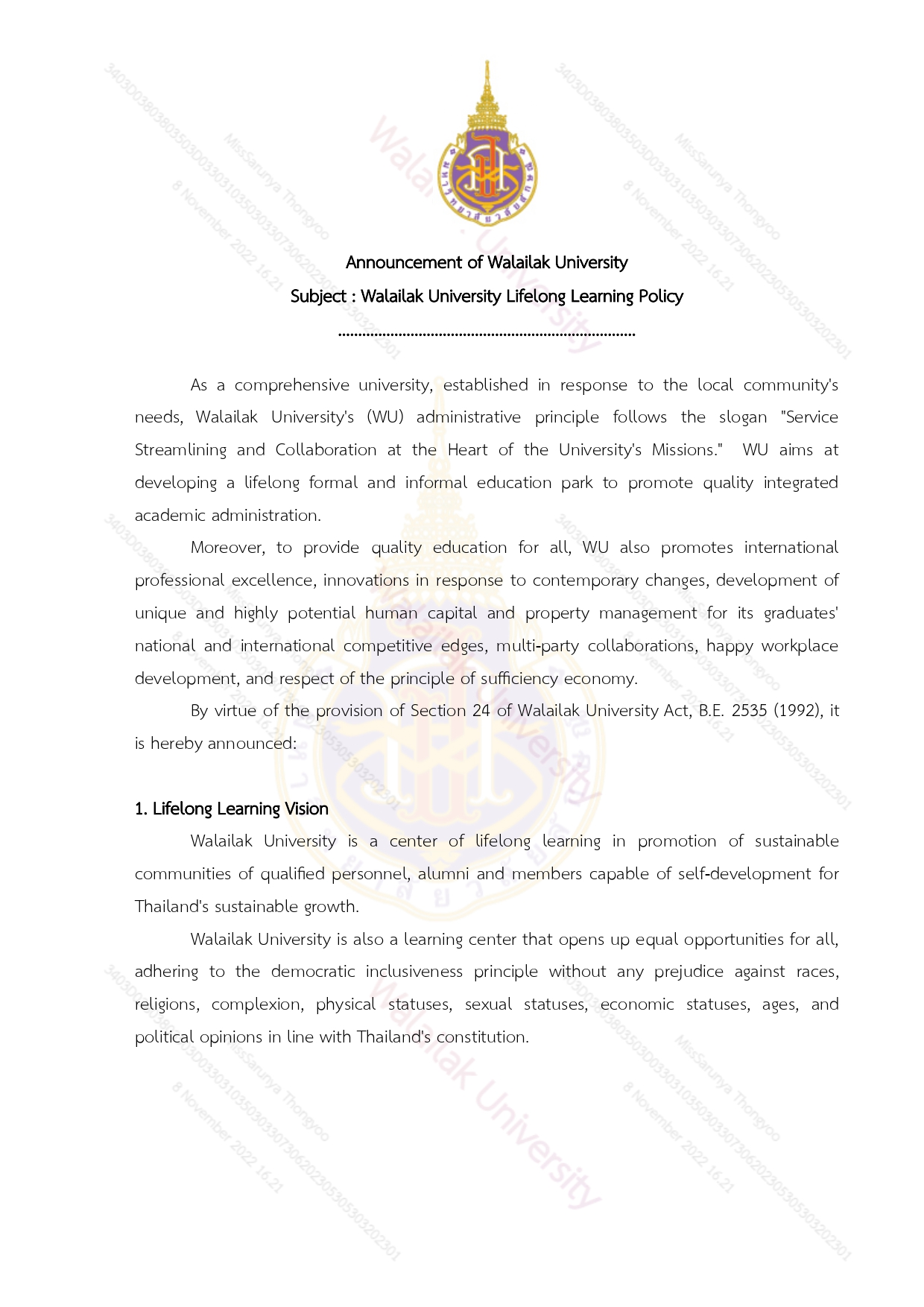
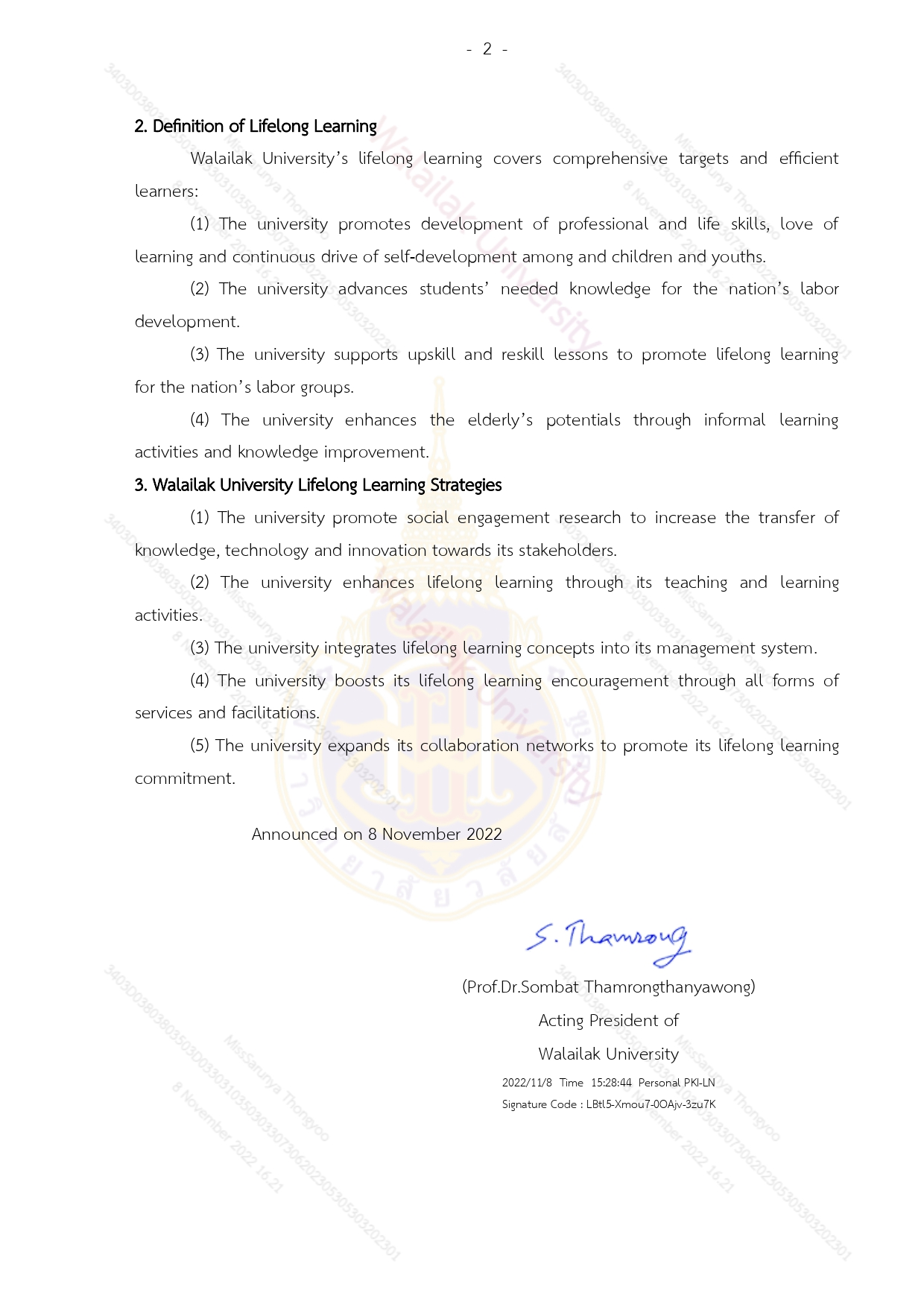
The policy was officially announced on 8 November 2022 by Professor Dr. Sombat Thamrongthanyawong. It establishes the university’s vision of becoming a lifelong learning centre that provides opportunities for people from all groups to develop their knowledge and potential, contributing to sustainable national development.
The policy is based on the principles of equality and non-discrimination. It explicitly states that the university aims to provide a learning environment that offers equal opportunities for all in accordance with democratic principles, without discrimination on the grounds of ethnicity, religion, skin colour, physical status, gender, economic status, immigration status, age, or political opinions that do not conflict with the Constitution.
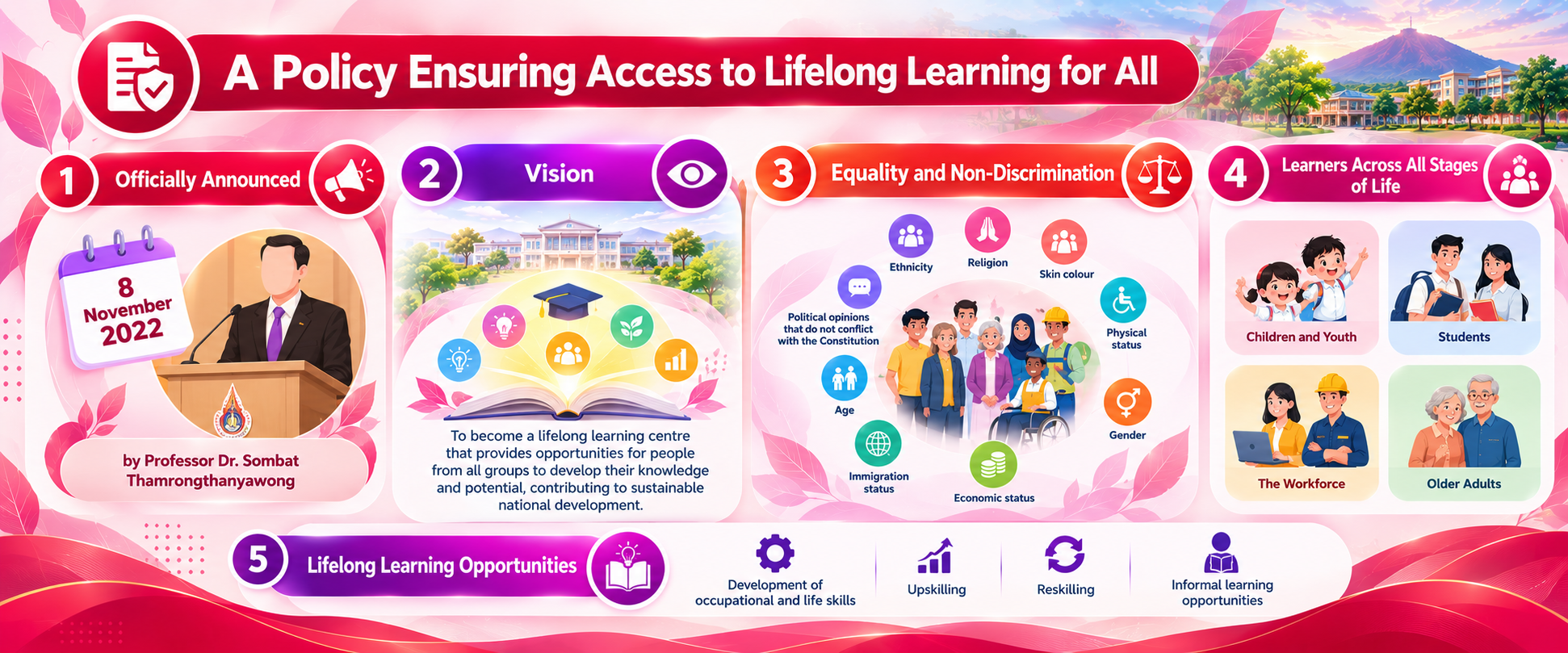
The policy also addresses learners across different age groups and circumstances, including children and youth, students, the workforce, and older adults. It promotes the development of occupational and life skills, upskilling, reskilling, and informal learning opportunities.
Implementing the Policy for Children and Youth
Simple Law: Know Your Rights, Stay Ahead
The Law Programme at Walailak University implements the lifelong learning policy through academic outreach activities for children and youth under the project “Simple Law: Know Your Rights, Stay Ahead,” held as part of the “Phra Phrom Games” event.
The activity provides knowledge of laws relevant to everyday life, including property law, guarantee law, and specific contract law. It aims to enable students and young people to apply legal knowledge in their daily lives, understand and protect their rights, and increase awareness of how to protect themselves from telephone and online scams.
This activity demonstrates the university’s implementation of its policy by extending access to learning activities beyond the university and classroom to children and youth in local communities, providing practical knowledge that can be applied in everyday life.
Building Legal Knowledge and Life Skills for Youth
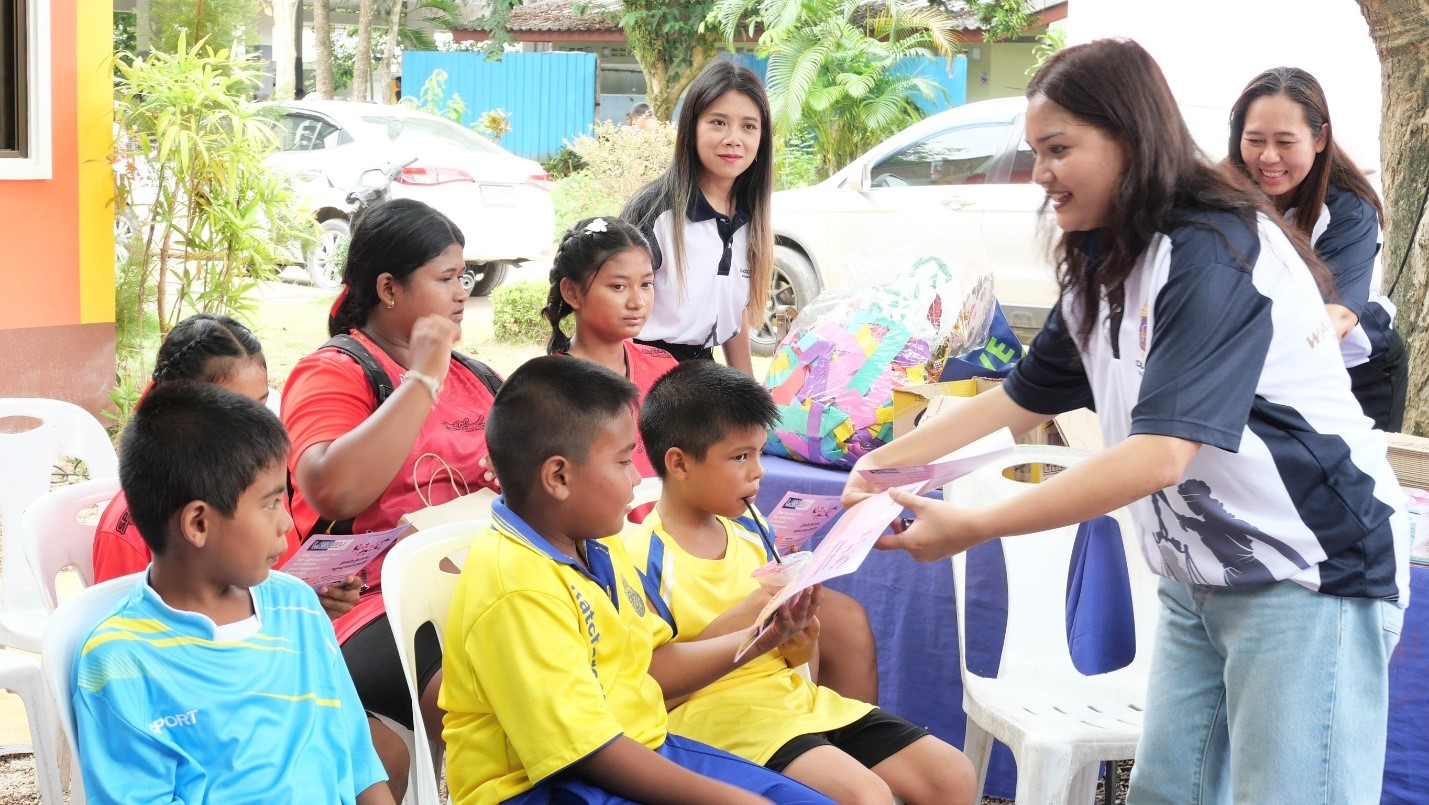
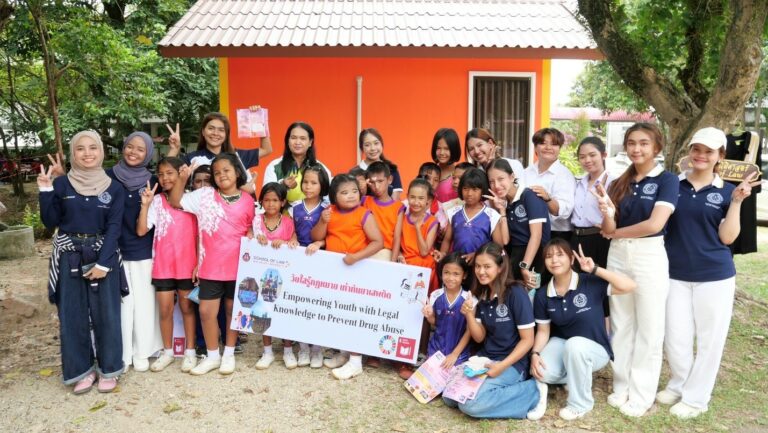
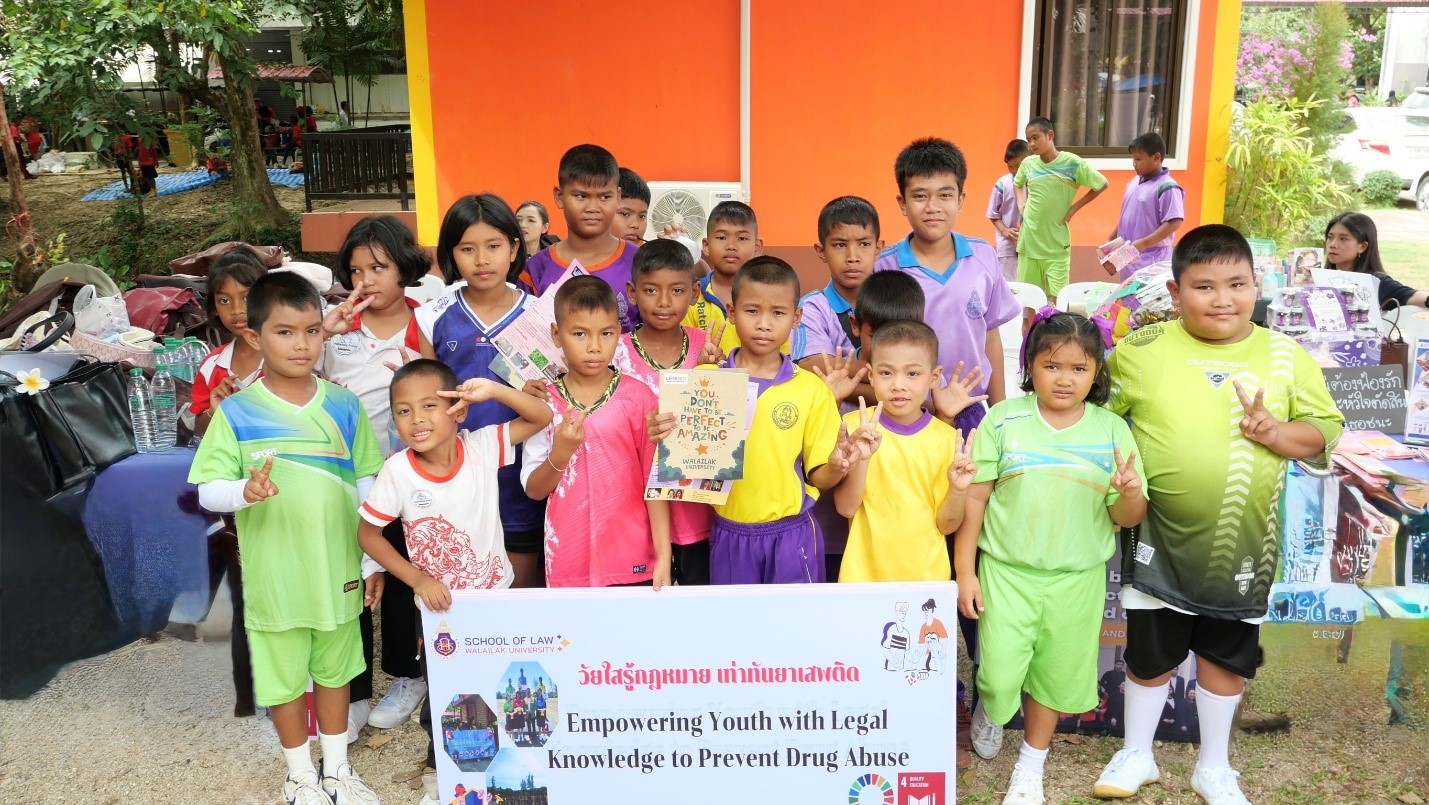
Youth Know the Law and Stay Away from Drugs
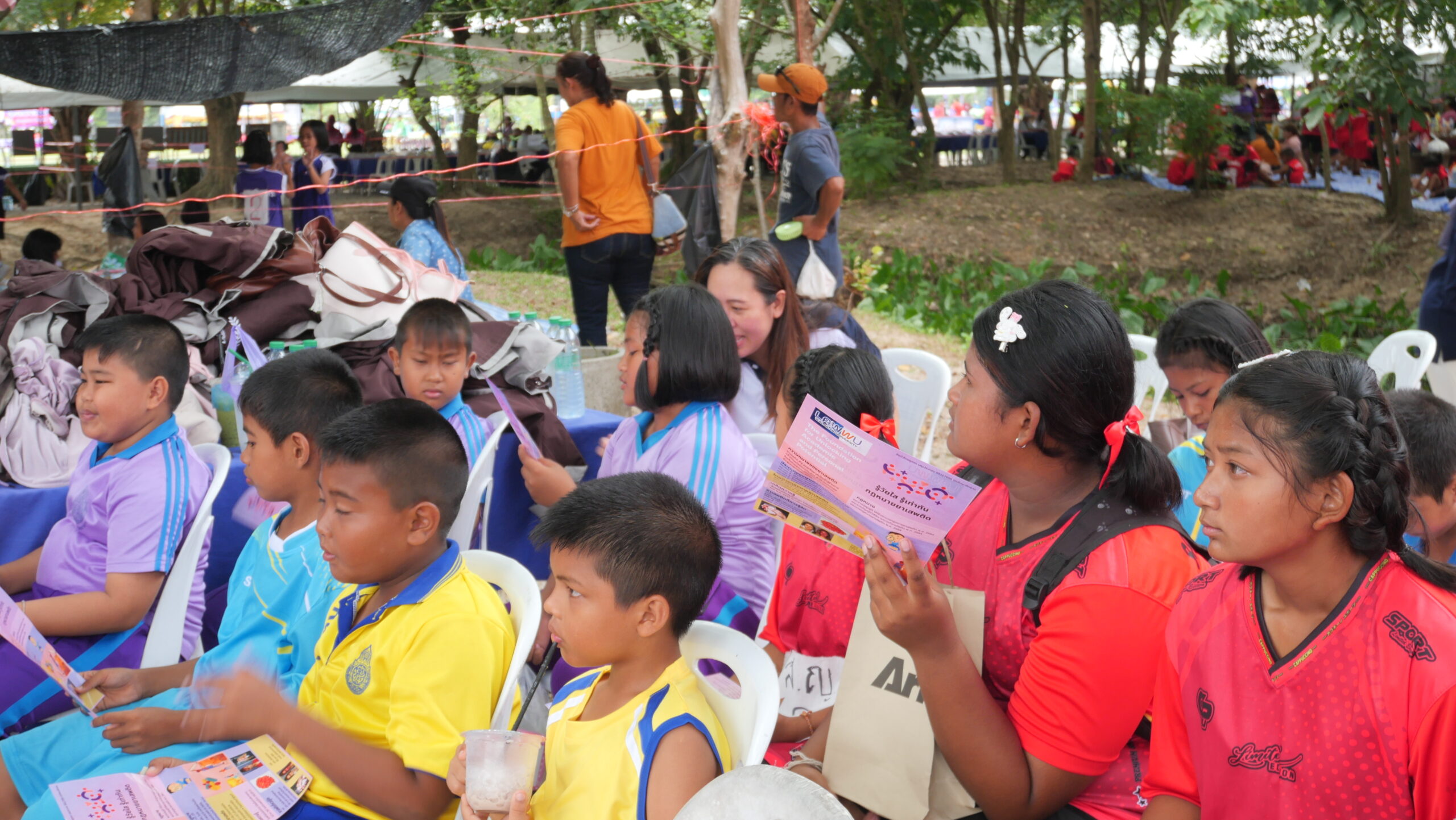
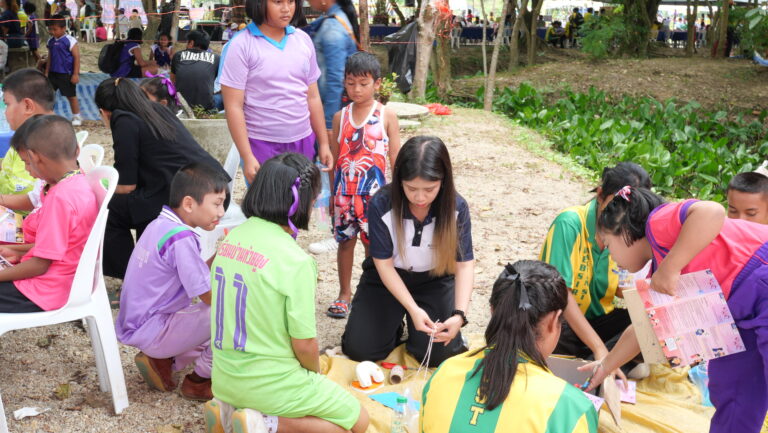
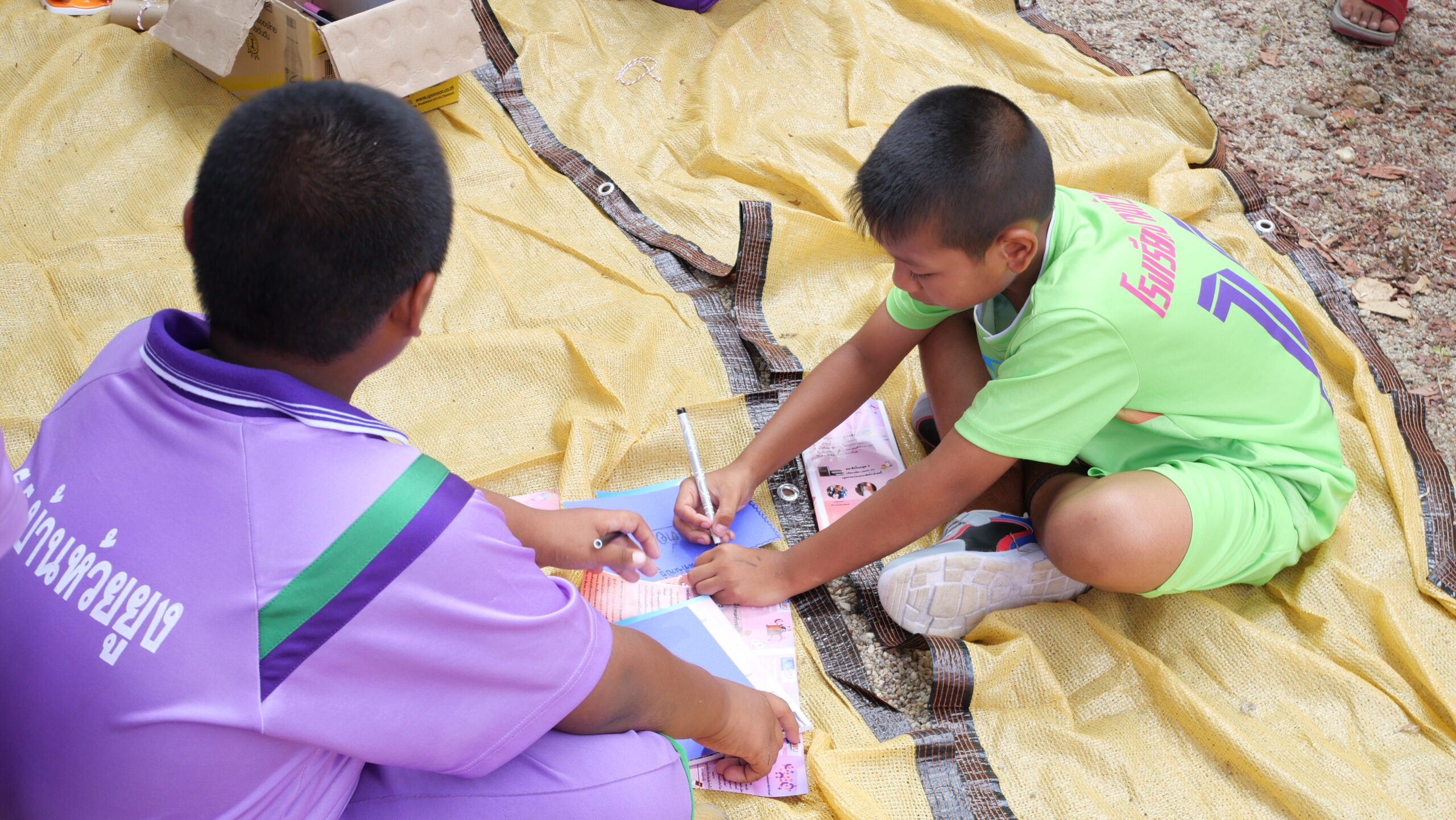
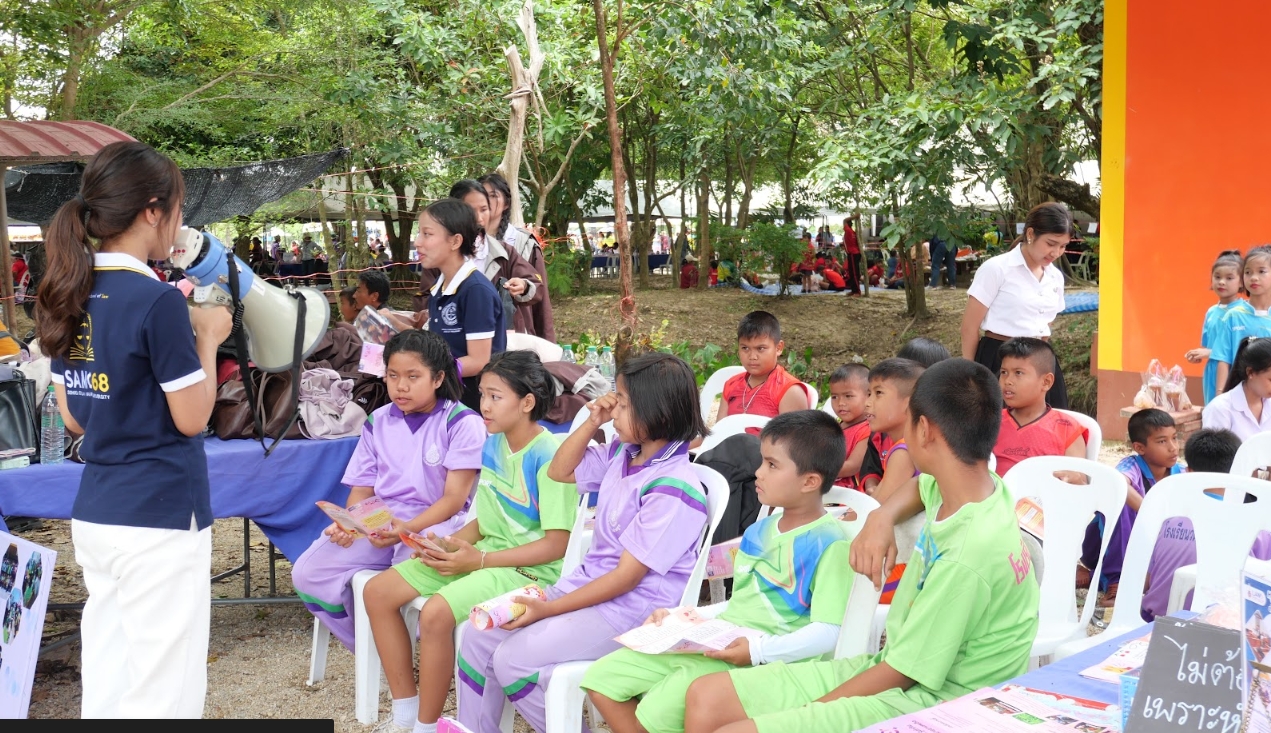
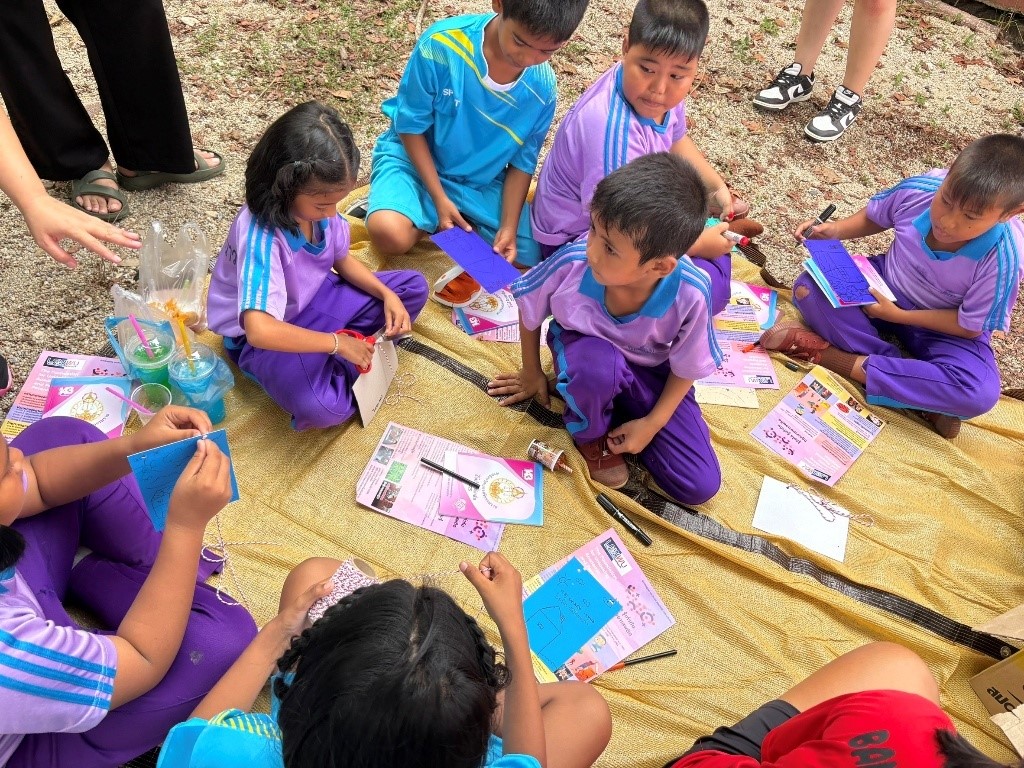
The Law Programme also implemented the activity “Youth Know the Law and Stay Away from Drugs” as part of the “Chang Sai Network Relations, 3rd Edition” event at Debsirin Nakhon Si Thammarat School. The activity brought legal knowledge from the classroom to children, youth, and community members.
The activity focused on developing knowledge of drug-related laws and strengthening life skills so that young people can understand the risks and legal consequences associated with drugs. At the same time, Law Programme students developed skills in communicating legal knowledge in an accessible manner, interacting with communities, listening to community concerns, and learning from local contexts. The activity therefore supported learning for both the participants and the student facilitators.
Developing Entrepreneurship Skills for Students
Walailak Entrepreneurship Development Academy (WEDA)
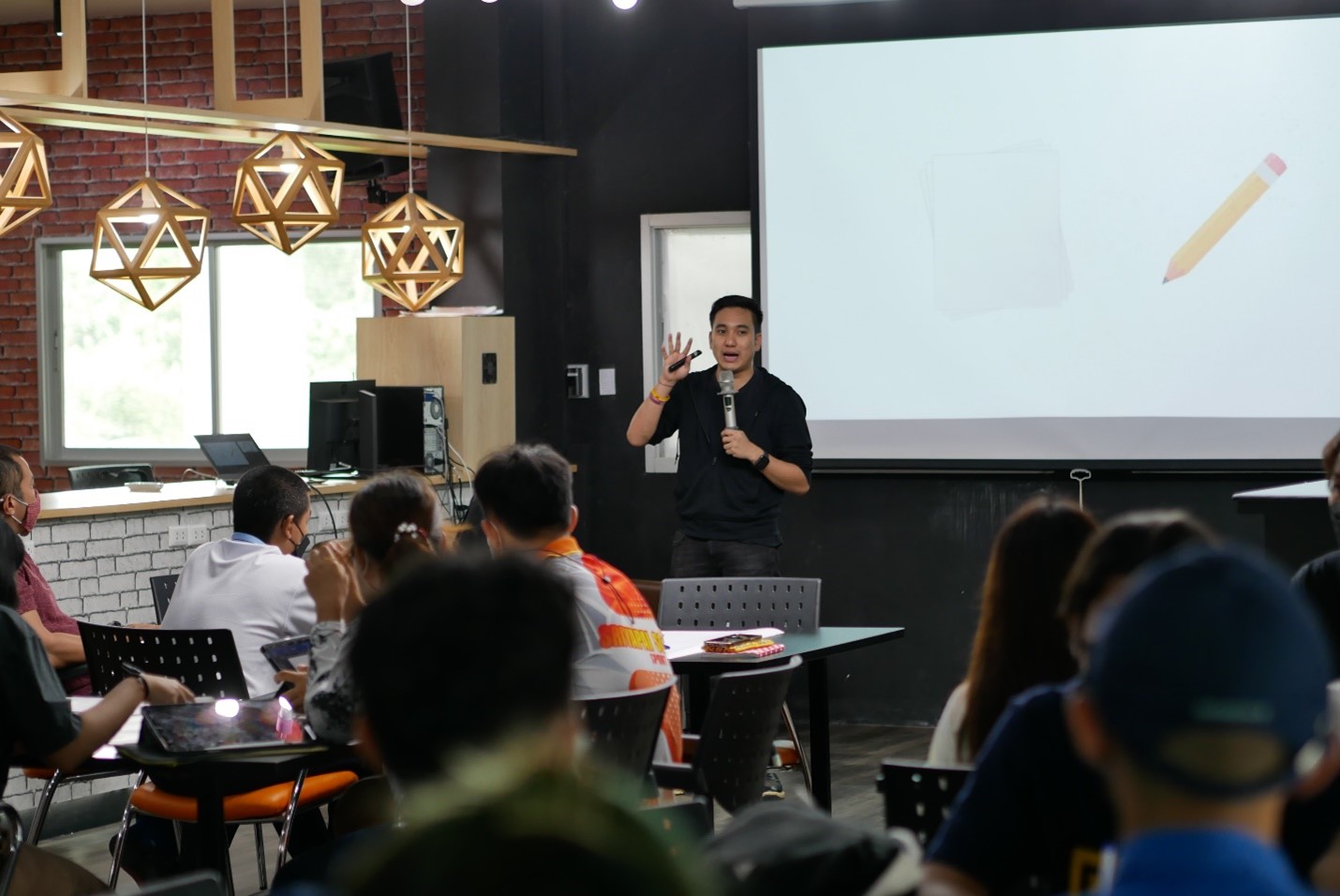
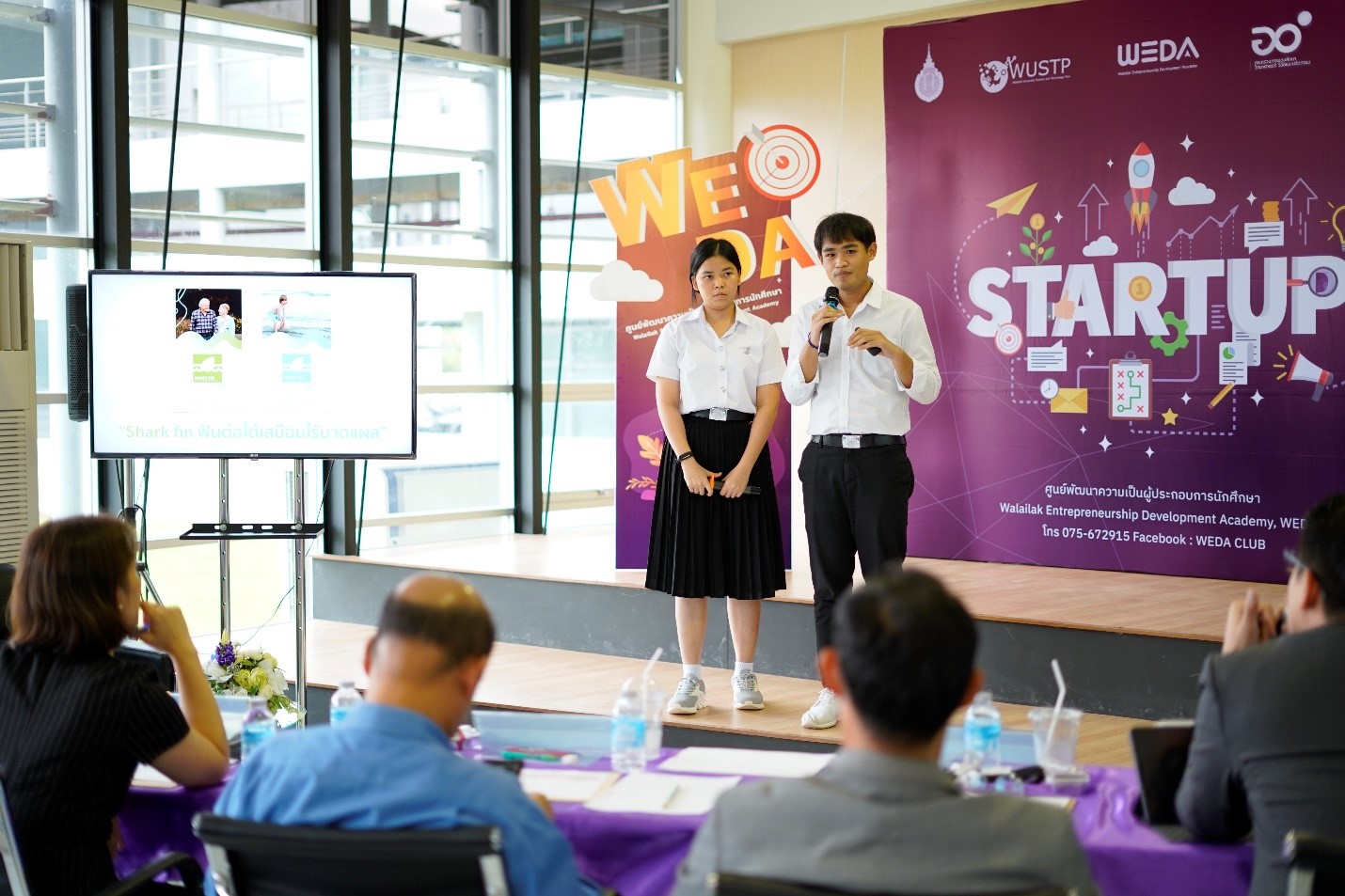
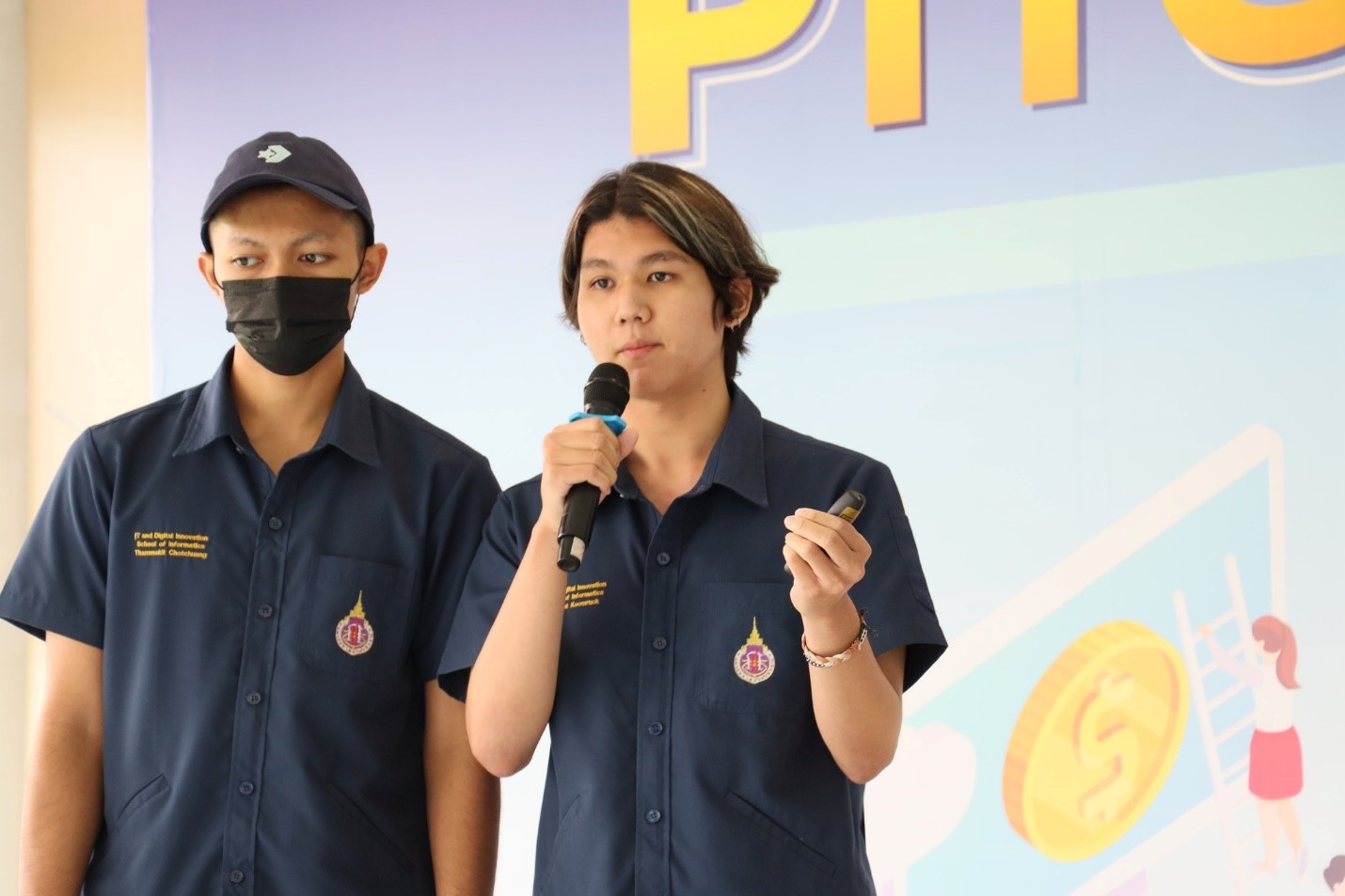
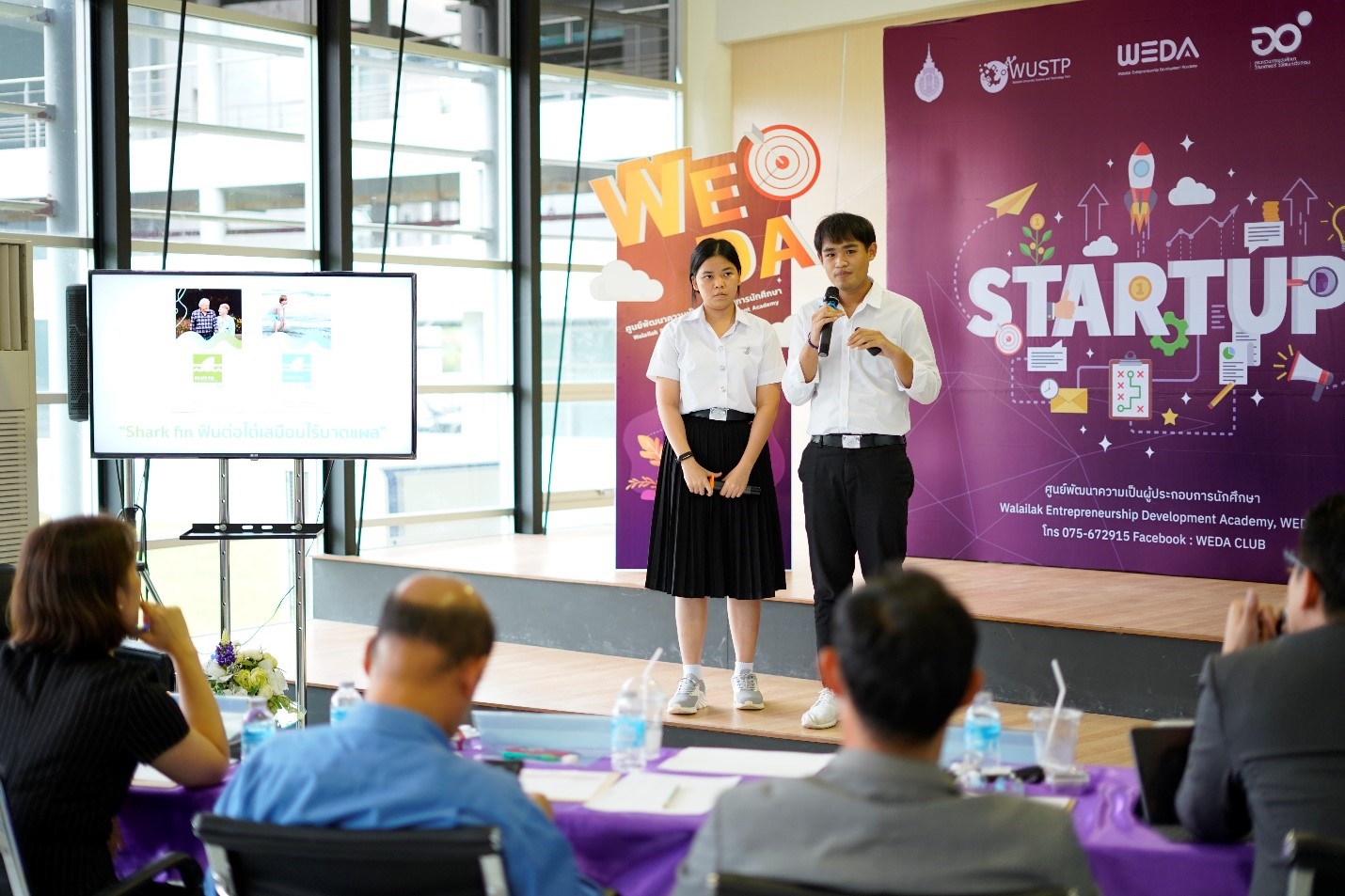
For students, the university implements the lifelong learning policy through the Walailak Entrepreneurship Development Academy (WEDA), which promotes and develops students’ entrepreneurial capabilities. WEDA raises awareness and inspires students about entrepreneurship while developing entrepreneurial concepts, knowledge, and essential skills.
WEDA activities include extracurricular activities, practical training workshops, and funding support to help students develop their ideas into actual businesses. These activities support the lifelong learning policy by preparing students with knowledge and skills that can be applied to future employment and entrepreneurship.
Upskilling the Workforce and Community Practitioners
Interprofessional Health Training for the Care and Rehabilitation of Bedridden Patients
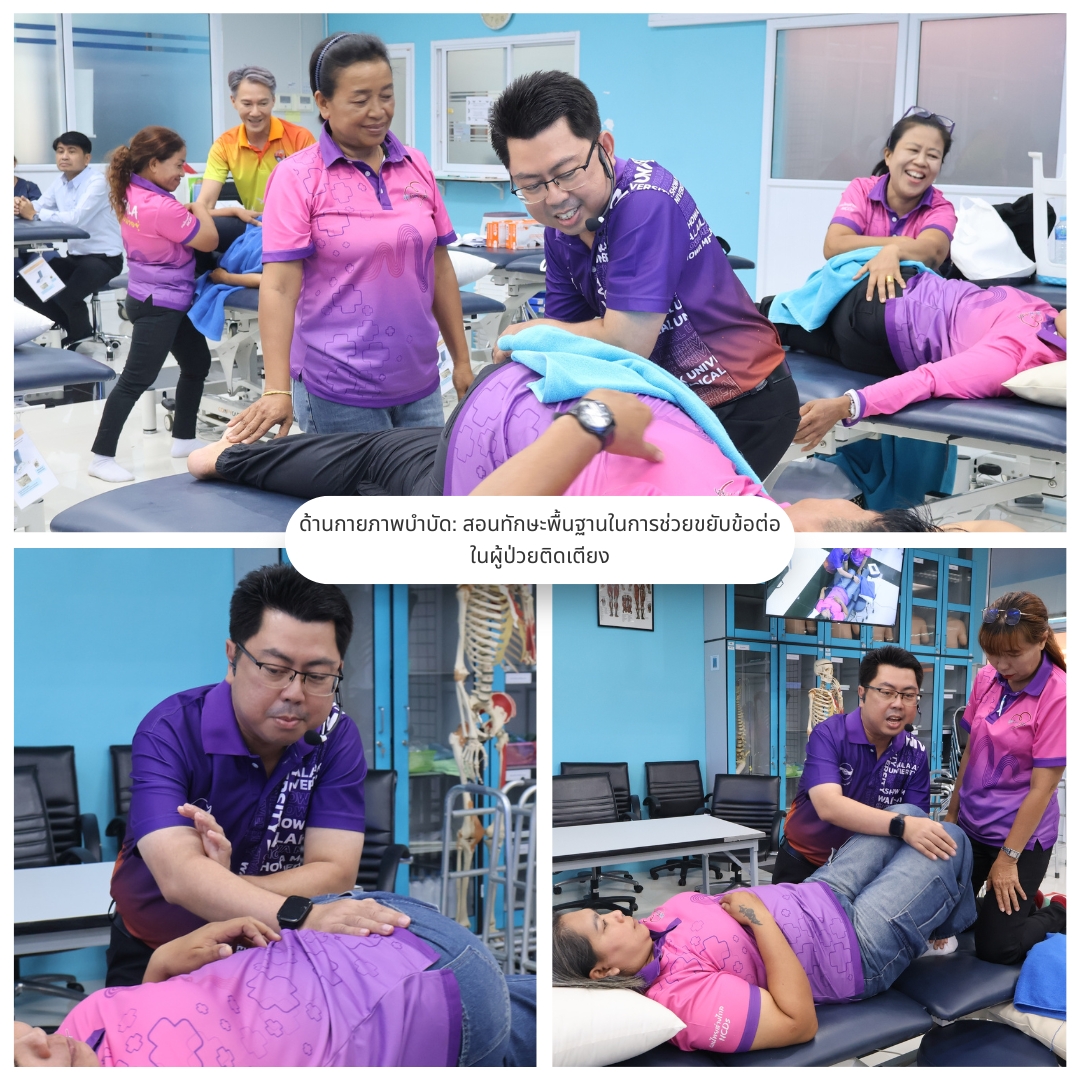
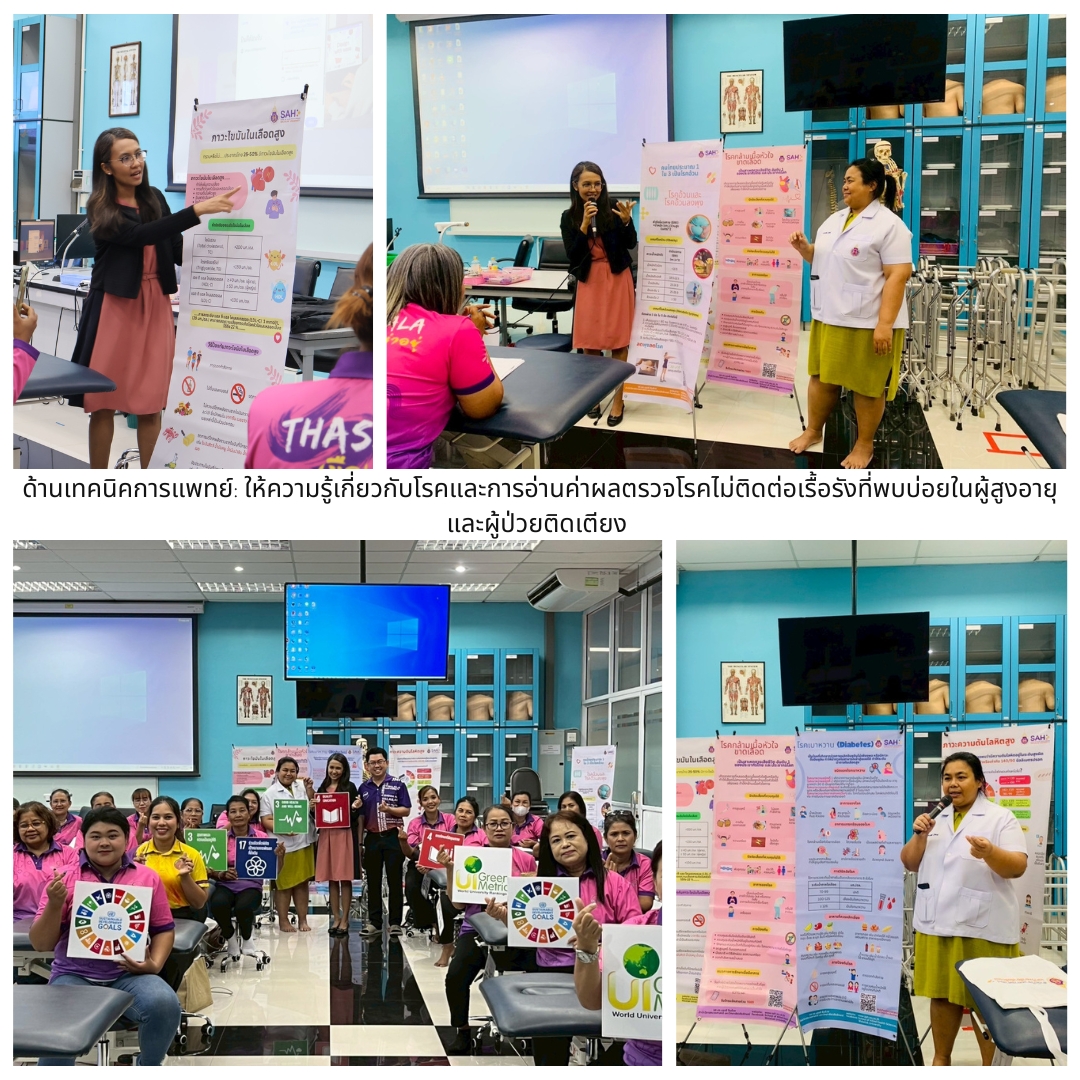
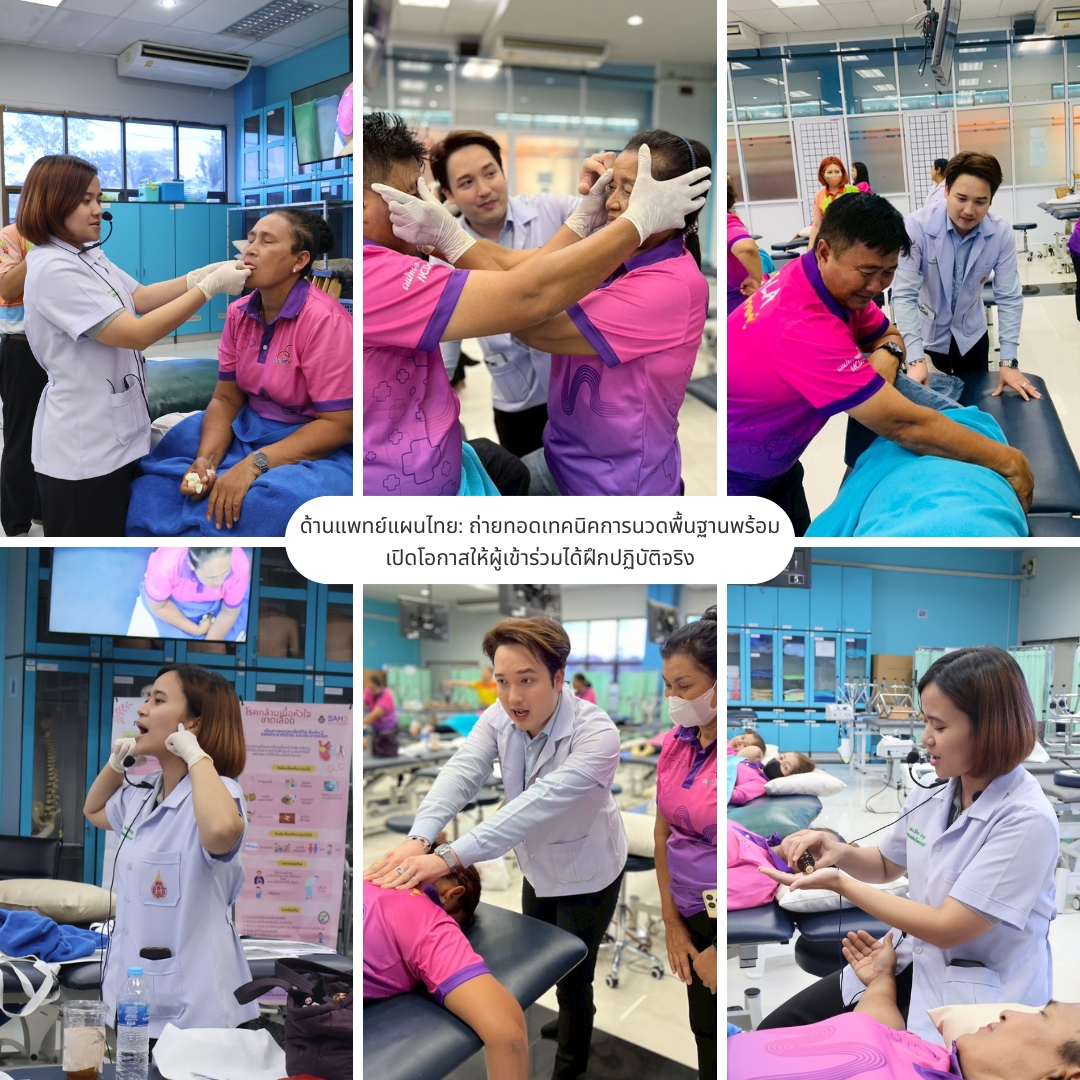
Walailak University implements the upskilling and reskilling components of its lifelong learning policy through the training programme “Interprofessional Health Training for the Care and Rehabilitation of Bedridden Patients.” The programme was organised by lecturers from the School of Allied Health Sciences and the School of Medicine in collaboration with the Center for Academic Services.
The training was provided for village health volunteer leaders from Chumchon Sathit Walailak Pattana Subdistrict Health Promoting Hospital and Ban Thung Chon Subdistrict Health Promoting Hospital. It provided knowledge from three professional fields: medical technology, Thai traditional medicine, and physical therapy, enabling participants to enhance their knowledge and skills for caring for and rehabilitating patients in their communities.
This activity demonstrates the university’s role as a lifelong learning provider for people outside the formal education system, responding directly to the skills development needs of community practitioners.
Promoting Lifelong Learning for Older Adults
Health Promotion Activities for Older Adults
The university also expands access to lifelong learning for older adults through health promotion activities tailored to their needs and circumstances. The activities focus on practical learning that participants can apply to maintain their health in everyday life.
One activity provides knowledge about sarcopenia, including information about low muscle mass and simple methods for assessing muscle condition. Participants can apply this knowledge to monitor and maintain their own health at home.
The university also organised the “Know and Prevent Diseases” Edugame, a 10-question health quiz designed to encourage participation and make health learning accessible, engaging, and enjoyable for older adults.
Health Learning for Older Adults and Local Communities
National Physical Therapy Day 2025
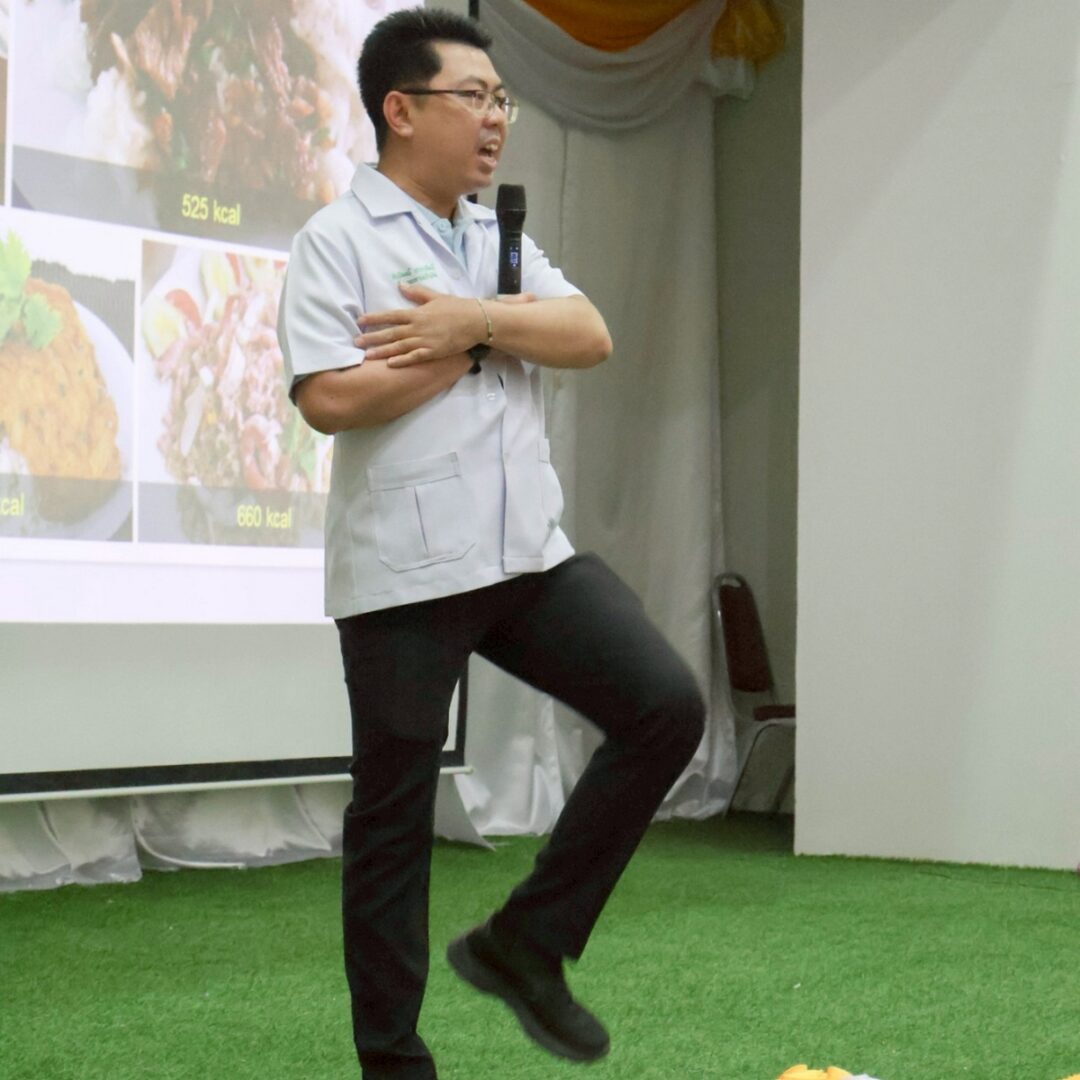
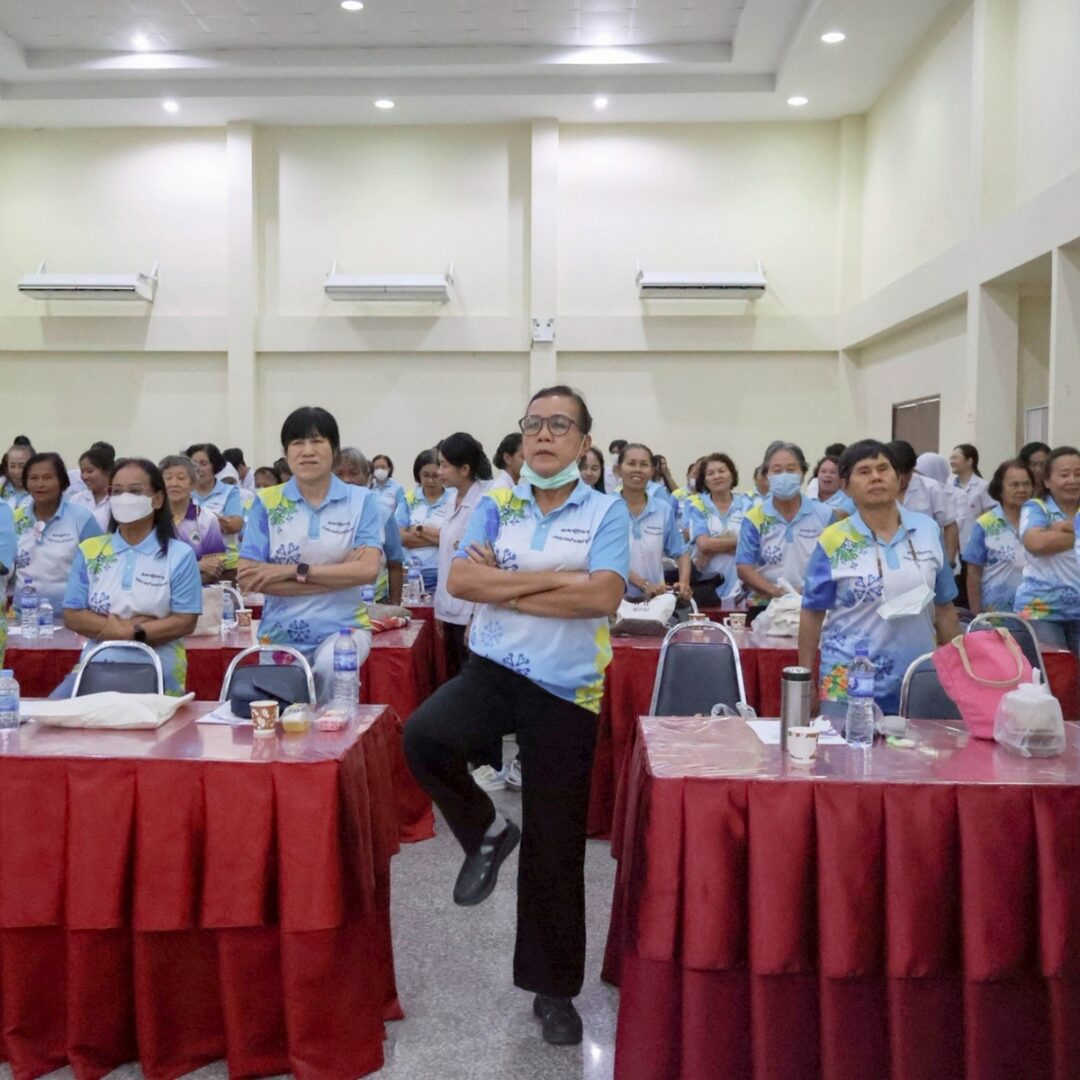
The university organised health education activities for older adults and people in local communities as part of National Physical Therapy Day 2025, under the theme “Healthy Ageing: Walk Well, Remember Well, Fall-Free, and Stay Cheerful.”
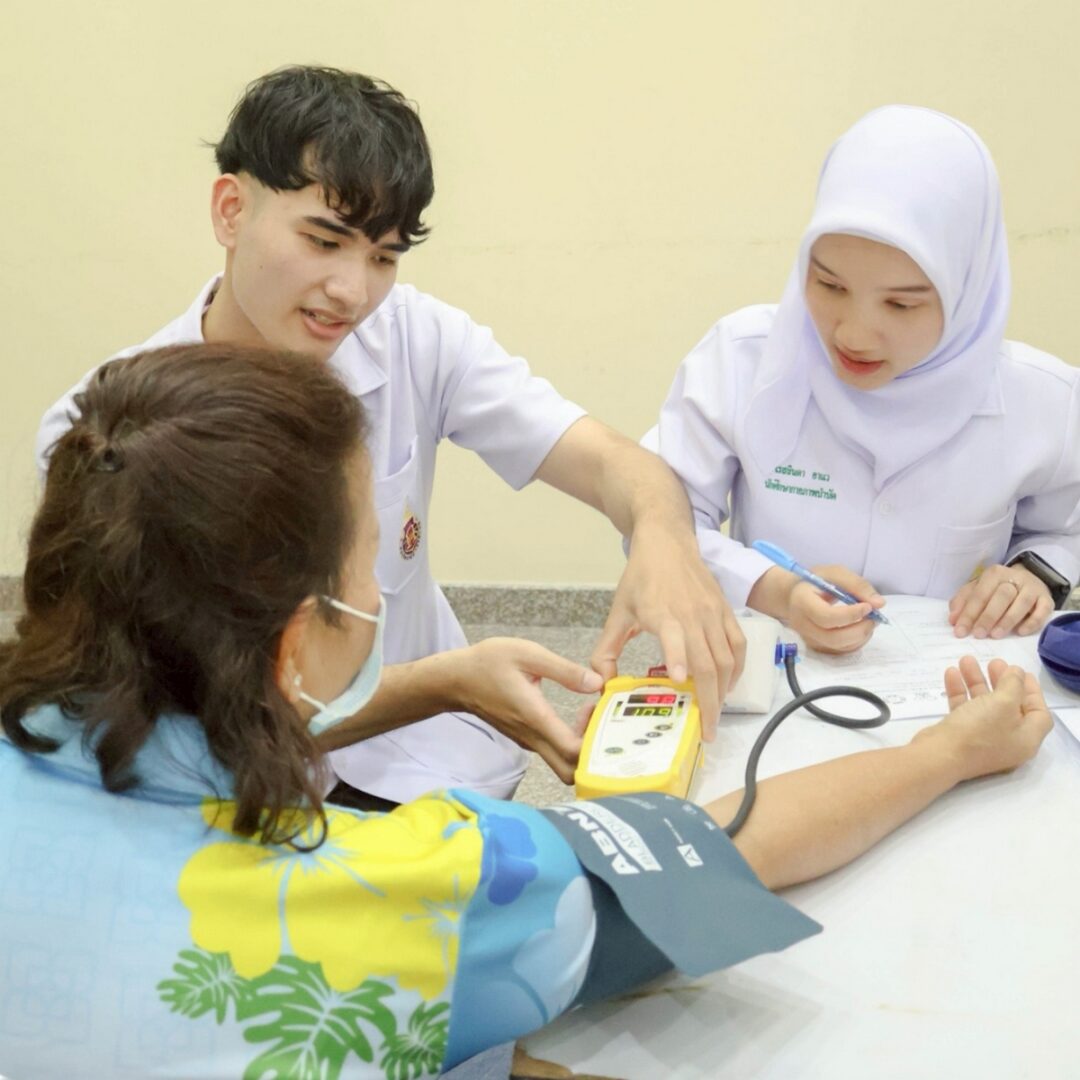
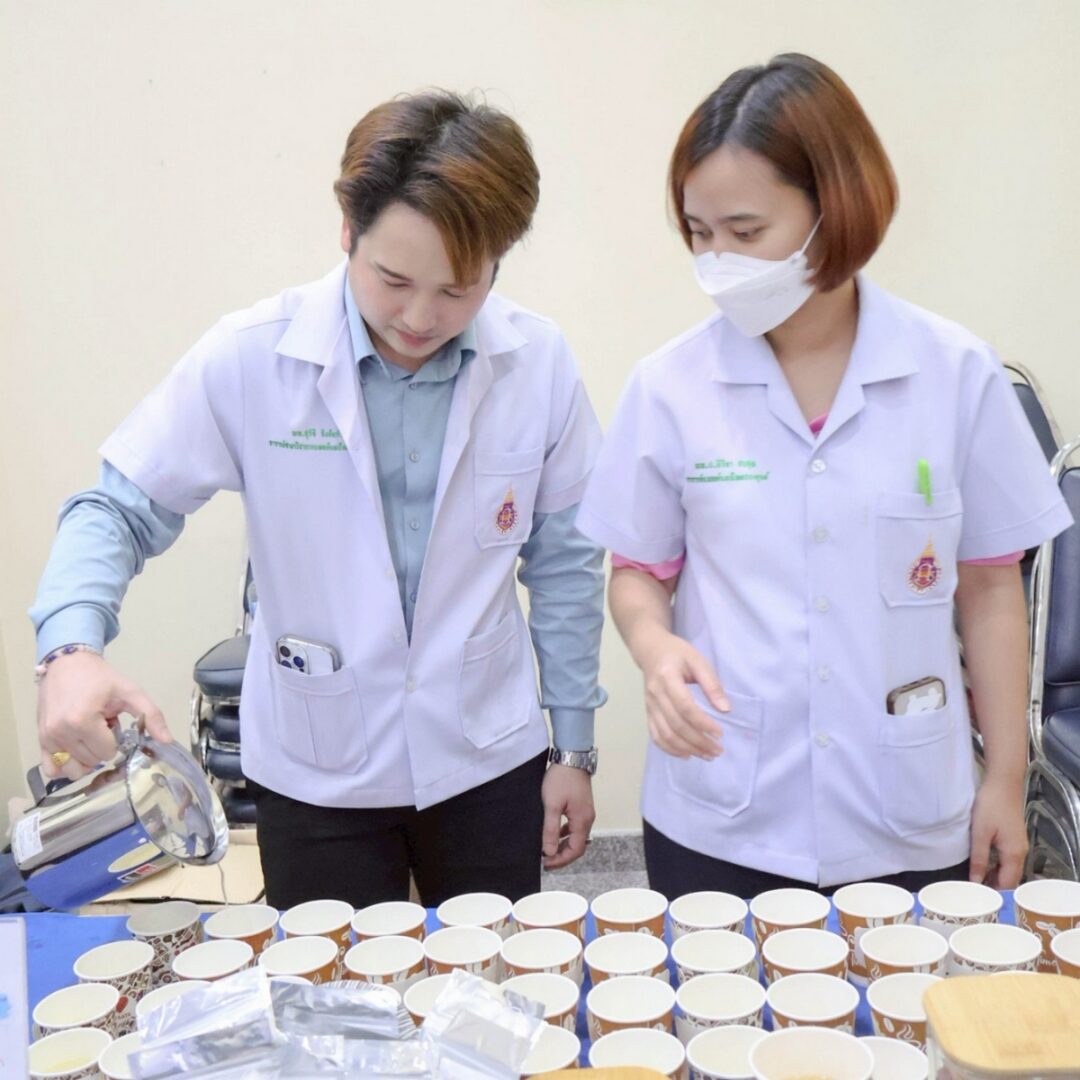
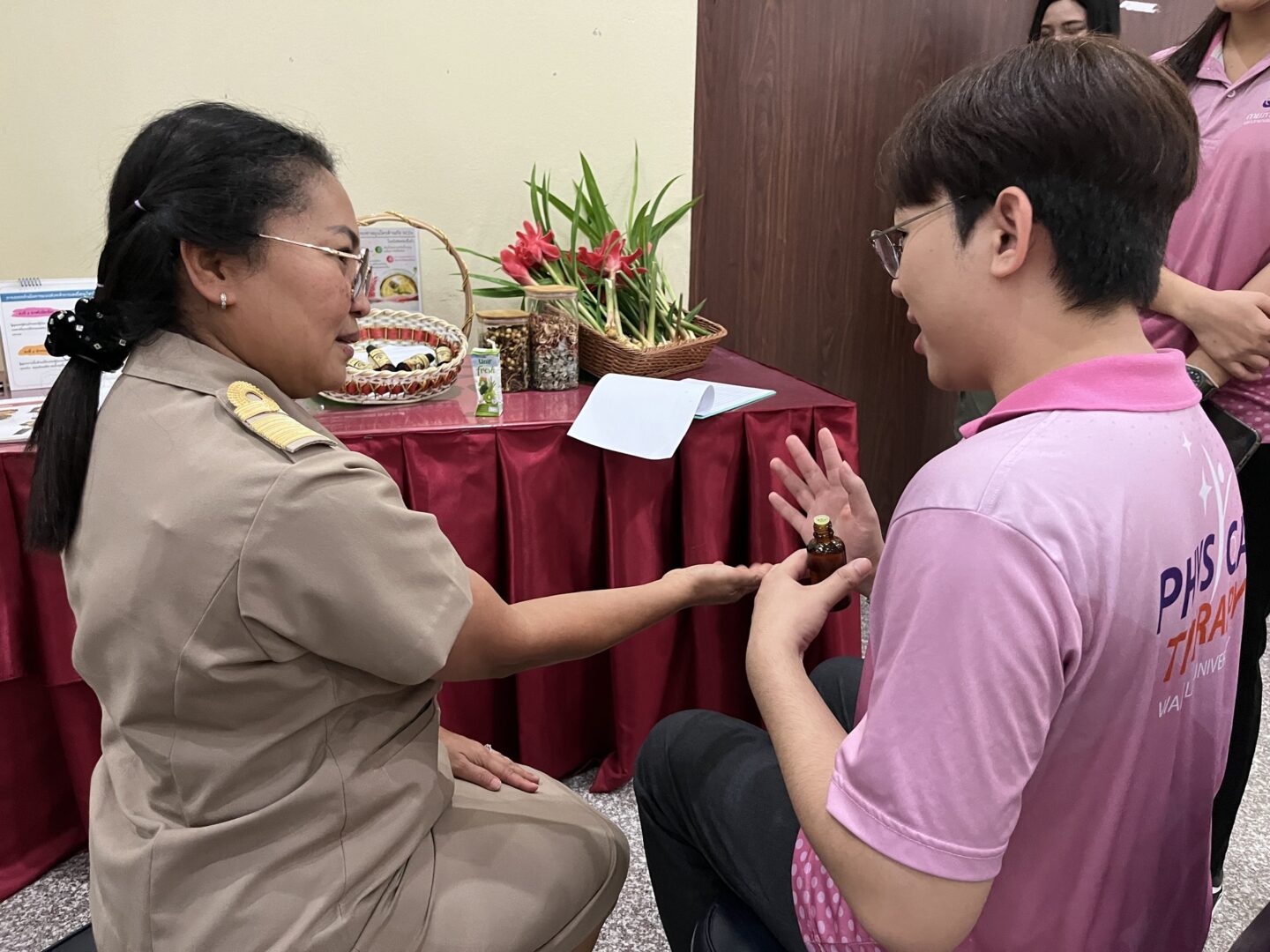
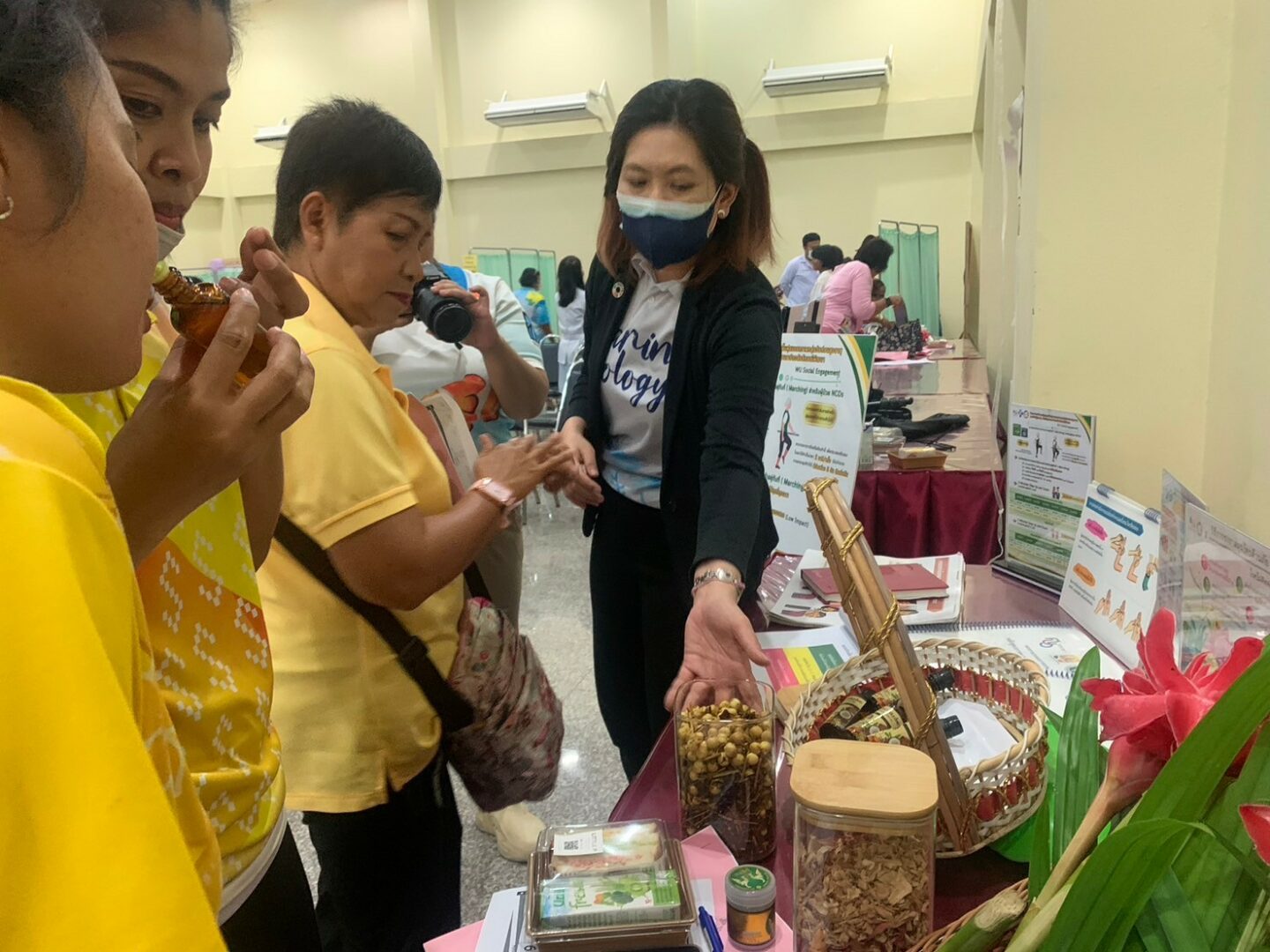
The activities included health education sessions, physical exercises to promote mobility, physical therapy health screening, and learning stations featuring health-related knowledge and products, including dok dalha herbal tea, plai massage oil, and marching exercises for people with non-communicable diseases (NCDs).
These activities provide access to health knowledge directly from university personnel for older adults and the general public, enabling participants to apply the knowledge to their own health and well-being.
Systematic Implementation of Lifelong Learning
The university’s activities for diverse target groups demonstrate how it implements its lifelong learning policy, covering children and youth, students, the workforce, older adults, and members of local communities. The university provides access to learning through various activities, including academic outreach, training, skills development, and informal learning.
In addition to these activities, the policy establishes five strategic areas for implementation: research and community-engaged scholarship, teaching and learning, administrative management, services and facilities, and partnership development. These areas provide a framework for embedding lifelong learning across the university’s operations and for continuously expanding access to learning opportunities.
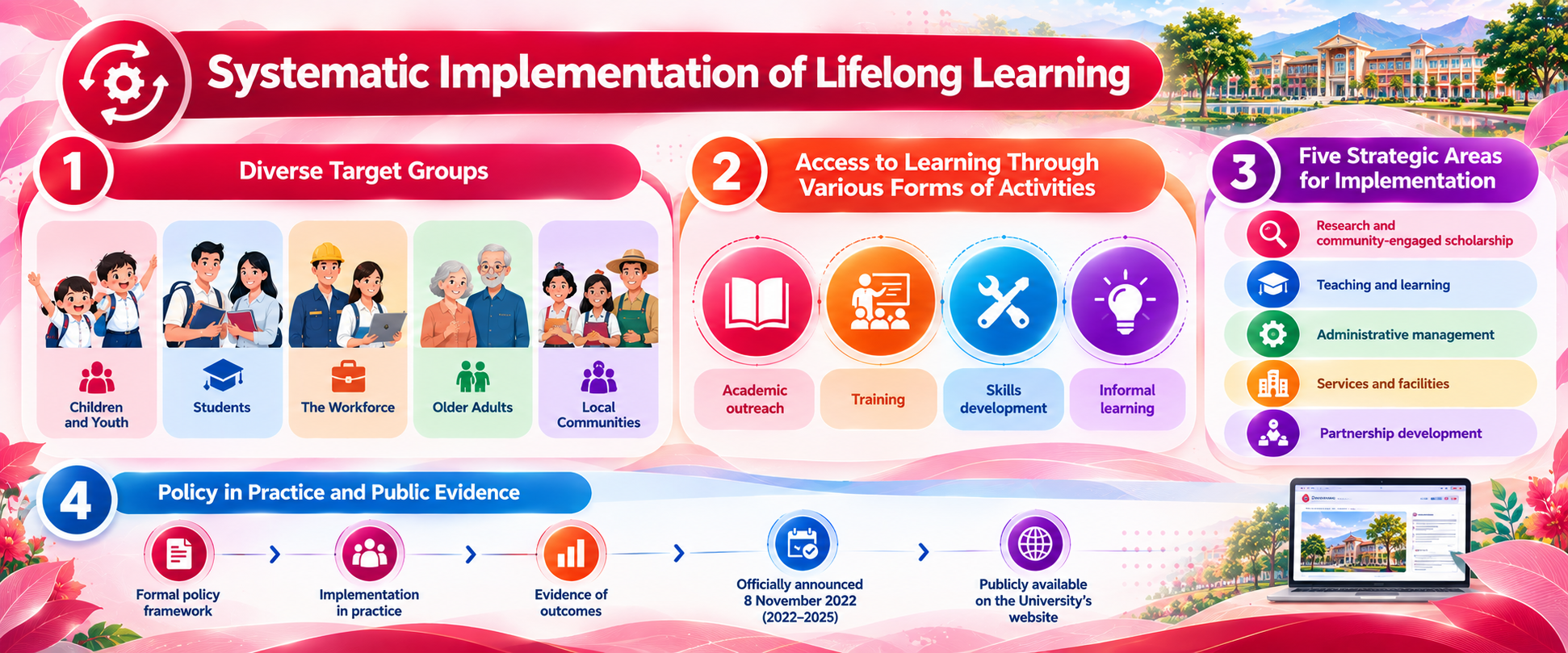
The Walailak University Lifelong Learning Policy therefore provides a formal policy framework for equal and non-discriminatory access to lifelong learning. The activities implemented for children and youth, students, the workforce, and older adults provide evidence that the policy has been translated into practice. The policy was officially announced on 8 November 2022, within the 2022–2025 assessment period, and the policy document is publicly available through the university’s website, providing public evidence of the university’s commitment to ensuring access to lifelong learning for all.