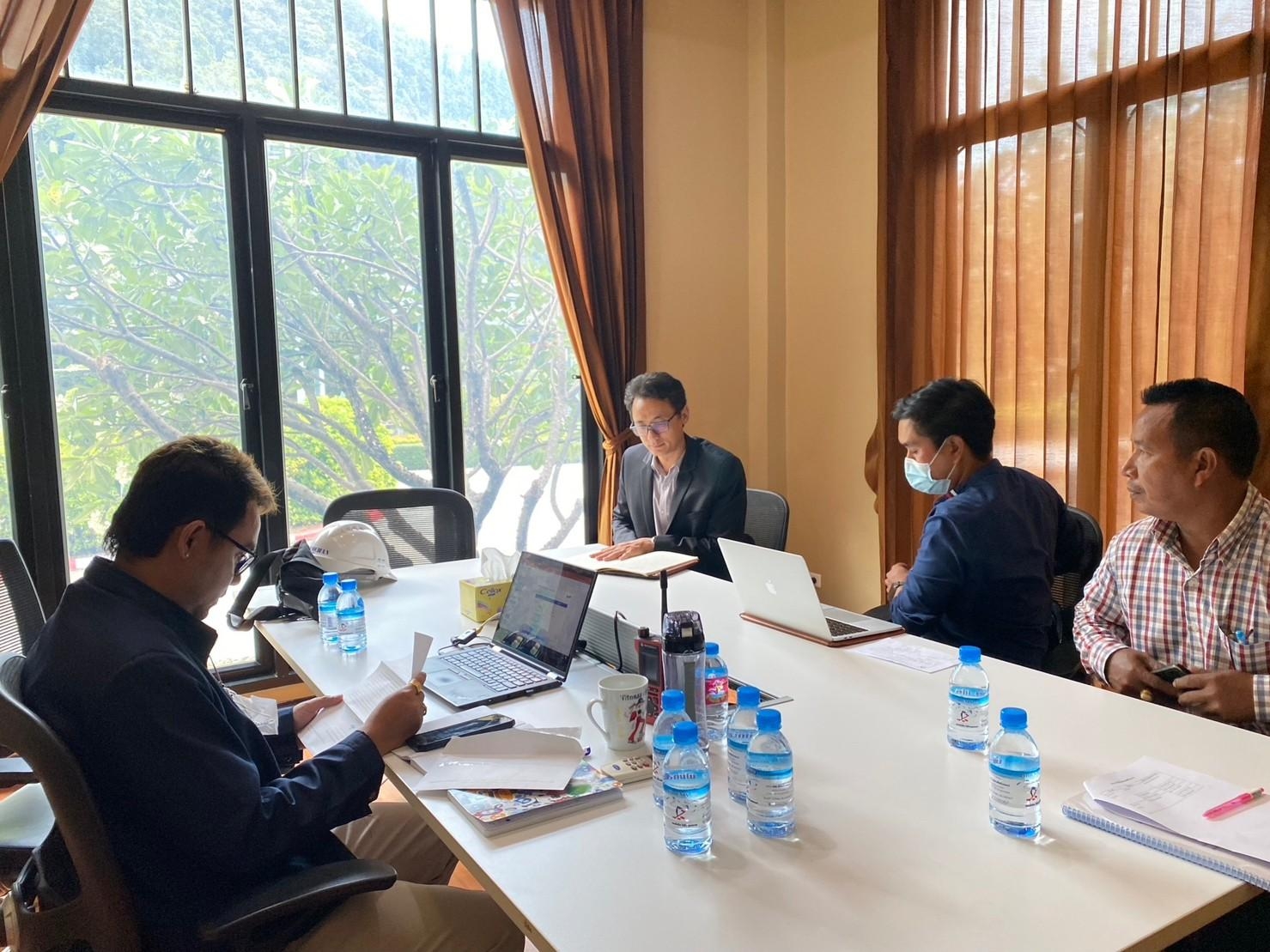
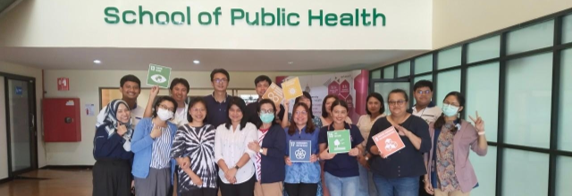
Walailak University, led by Asst. Prof. Dr. Warit Jawjit, Vice President of Walailak University, along with faculty members from the School of Public Health, School of Engineering and Technology, School of Languages and General Education, and The Center for Academic Services, organized a workshop to develop the university’s Climate Change Action Plan.
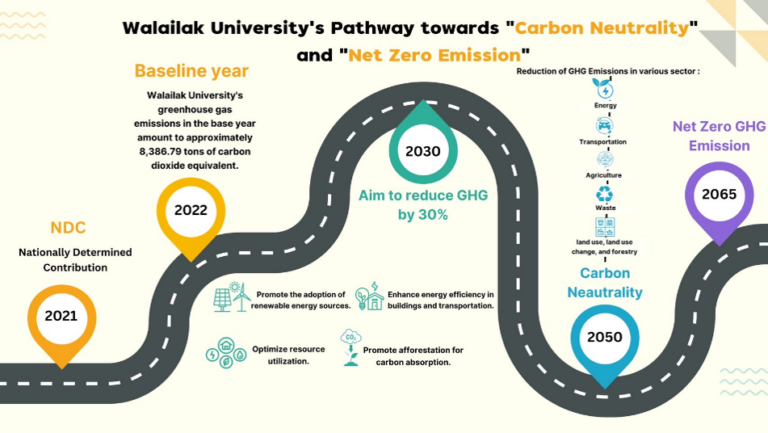
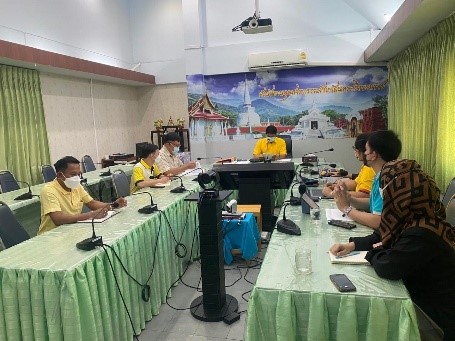
The workshop focused on assessing greenhouse gas emissions using activity data from 2022 as the baseline for calculations. Discussions included strategies for reducing greenhouse gas emissions, setting climate change policy, and evaluating climate change risks that impact six key sectors: 1) Water Management, 2) Agriculture and Food Security, 3) Tourism, 4) Public Health, 5) Natural Resource Management, and 6) Human Settlements and Security. The workshop followed the framework of Thailand’s National Adaptation Plan (NAP), aiming to build resilience, reduce vulnerability, and enhance adaptive capacity, in alignment with sustainable economic, social, and environmental development.
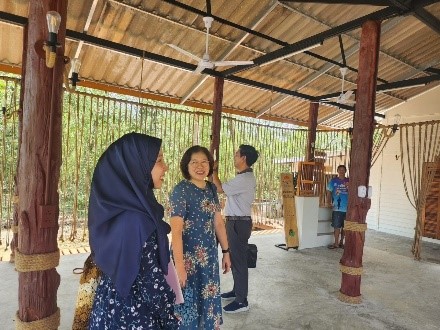
Walailak University has shared its knowledge to the local community by visiting Banlaem Homestay Community in Tha Sala District, Nakhon Si Thammarat. The university collaborated with community leaders to develop an action plan for managing the environmental impact of tourism activities, particularly focusing on energy management. The aim is to develop an energy management plan for the homestay and to calculate the greenhouse gas emissions from tourism routes, ultimately striving for net-zero tourism at Banlaem Homestay Community.
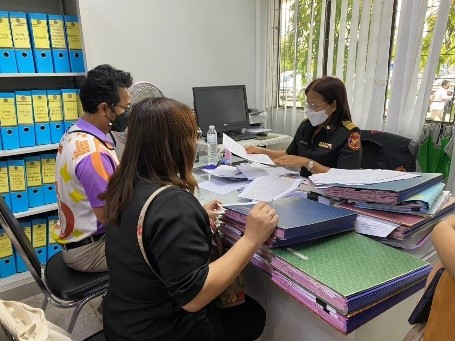
In addition, WU has disseminated knowledge to government agencies in five upper southern provinces, including Nakhon Si Thammarat, Trang, Phatthalung, Chumphon, and Ranong, to request activity data for the assessment of provincial greenhouse gas emissions. The university collaborated in developing provincial greenhouse gas reduction plans and analyzing the potential for emission reductions across five sectors: energy, transportation, waste management, industrial processes and product use, and agriculture, forestry and land use.
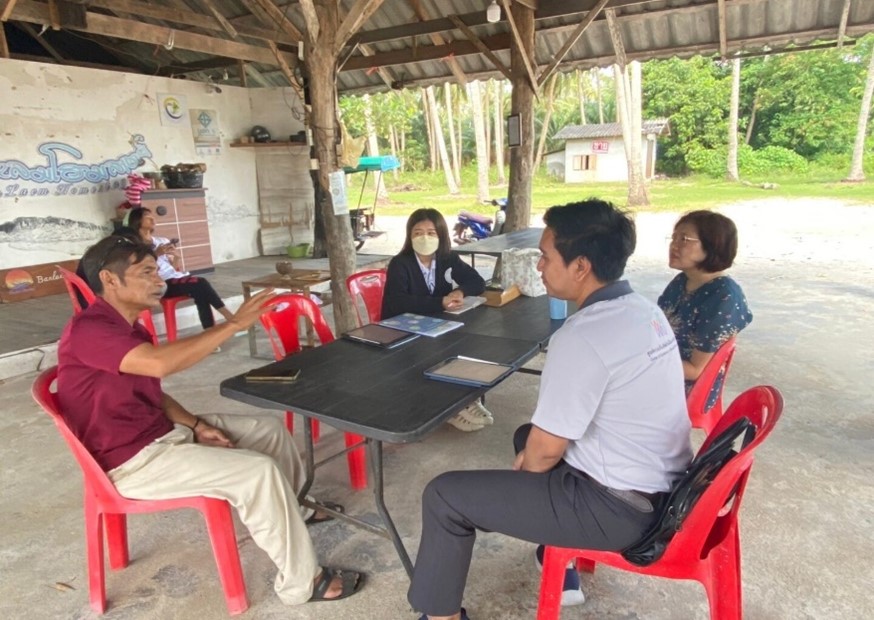
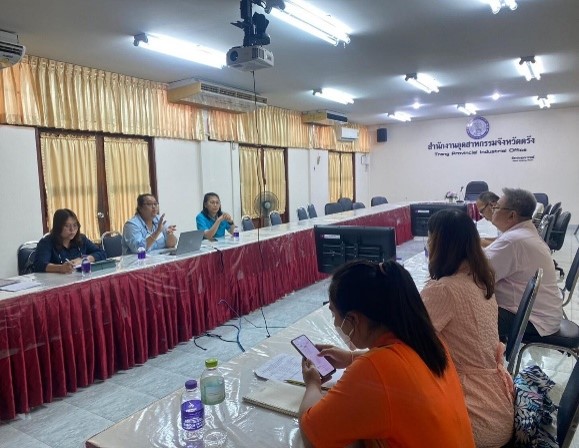
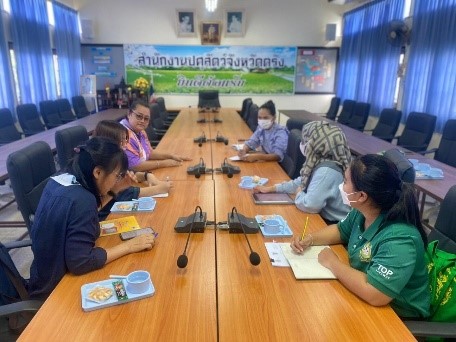
Field visits were conducted to meet with provincial climate change task force agencies in each of the five provinces, such as the Provincial Office of Natural Resources and Environment, Department of Land Transport, Provincial Industry Office, and Provincial Energy Office. These meetings focused on discussing plans, projects, and measures for reducing greenhouse gas emissions and establishing a framework to achieve the country’s greenhouse gas reduction targets. Data was collected to analyze the potential for greenhouse gas reductions in each province, with the results presented at provincial climate change task force meetings in the five upper southern provinces.