Sexual and Reproductive Health Care Services for Students
Sexual and reproductive health issues, particularly unintended pregnancies among adolescents, are critical concerns that require urgent and comprehensive solutions, especially among university students. Educational institutions play a crucial role in fostering an environment conducive to providing knowledge and services that sustainably prevent these issues. Consequently,WU provides students free access to sexual and reproductive health-care services including information and education services which are about sexual health services and safe pregnancy guidance, offering direct services to students to enhance their quality of life and reduce associated risks.
Sexual and reproductive health issues, particularly unintended pregnancies among adolescents, are critical concerns that require urgent and comprehensive solutions, especially among university students. Educational institutions play a crucial role in fostering an environment conducive to providing knowledge and services that sustainably prevent these issues. Consequently, WU conducts diagnostic assessments to identify students’ sexual and reproductive health needs and provides free access to integrated healthcare services. These include information and education services about sexual health, safe pregnancy guidance, and preventive care. Through continuous development of programs and active engagement with students, the university enhances their quality of life, promotes responsible behavior, and reduces associated risks in a measurable and sustainable way.
Free Information
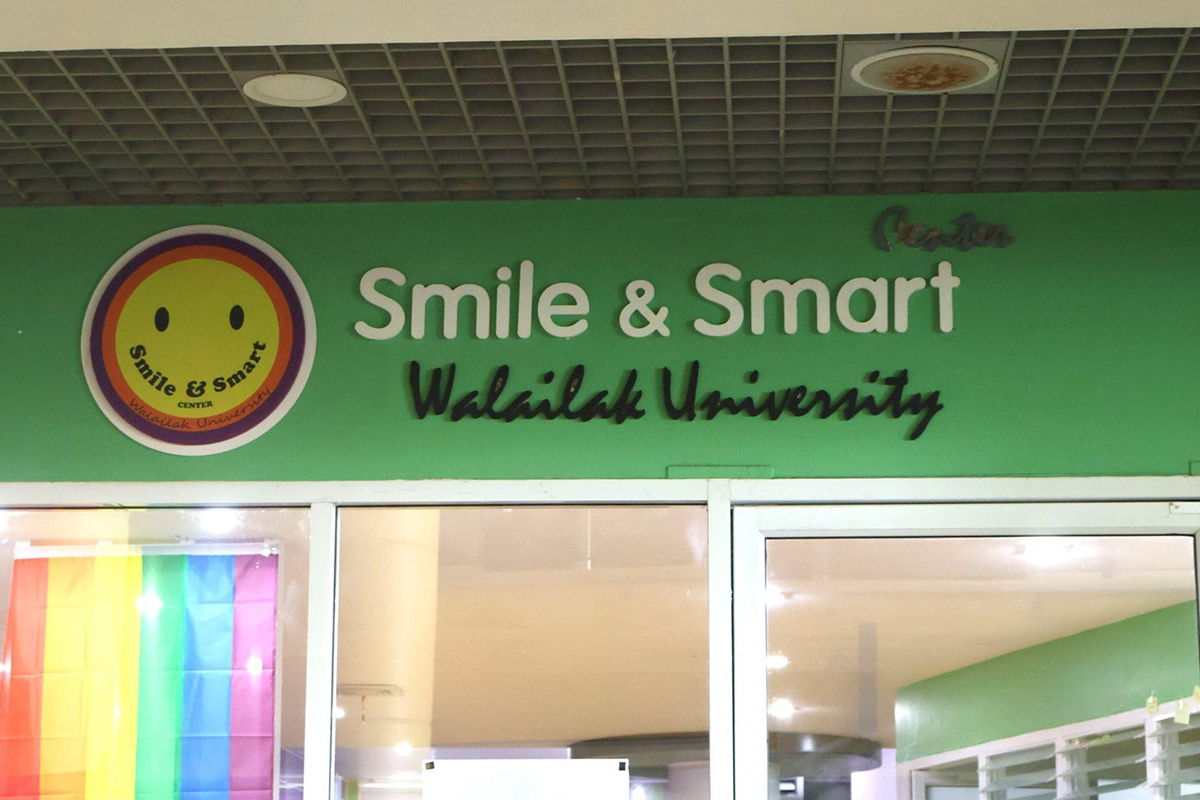
WU has established the Smile & Smart Center to provide students free access to sexual and reproductive health care services. This includes information on preventing sexually transmitted infections (STIs), taking care of pregnant students to continue their studies and safe pregnancy planning. Students can access this free information both online and on-site.
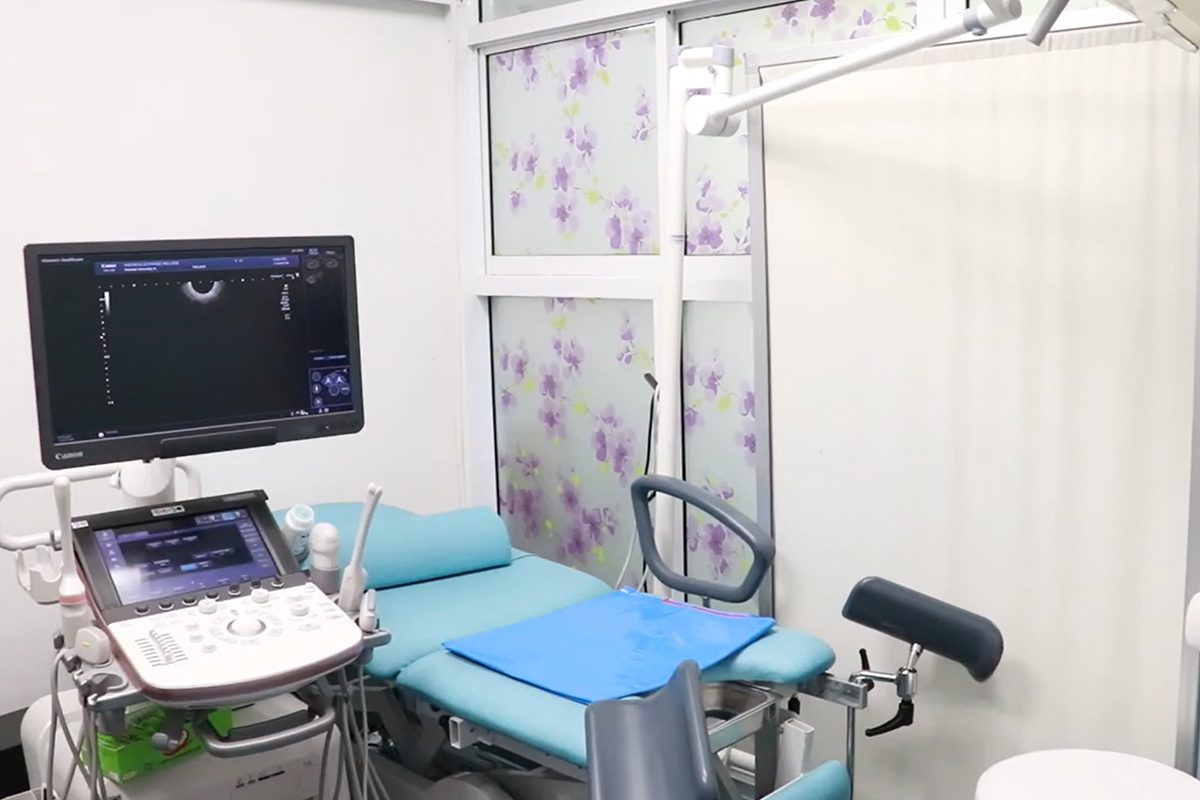
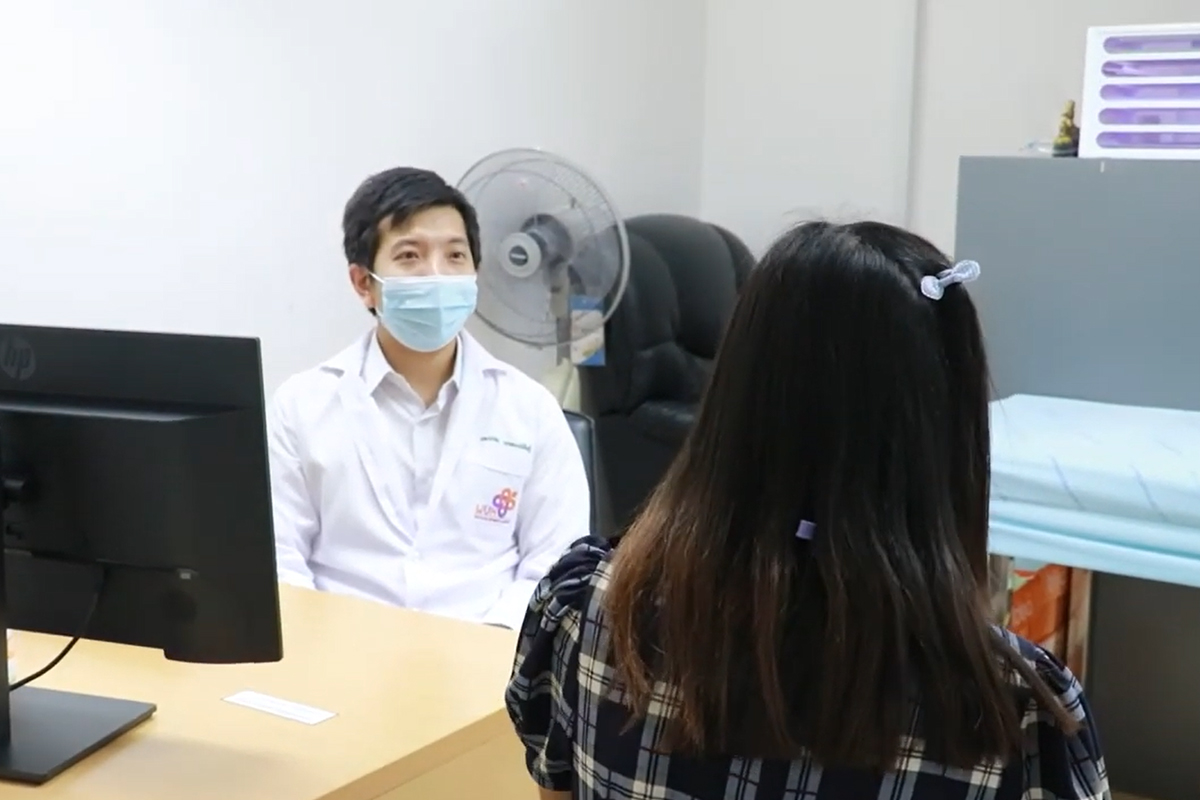
The center also works with an Obstetrics & Gynecology Clinic, which provides consultations and counseling on sexual and reproductive healthcare to all students.
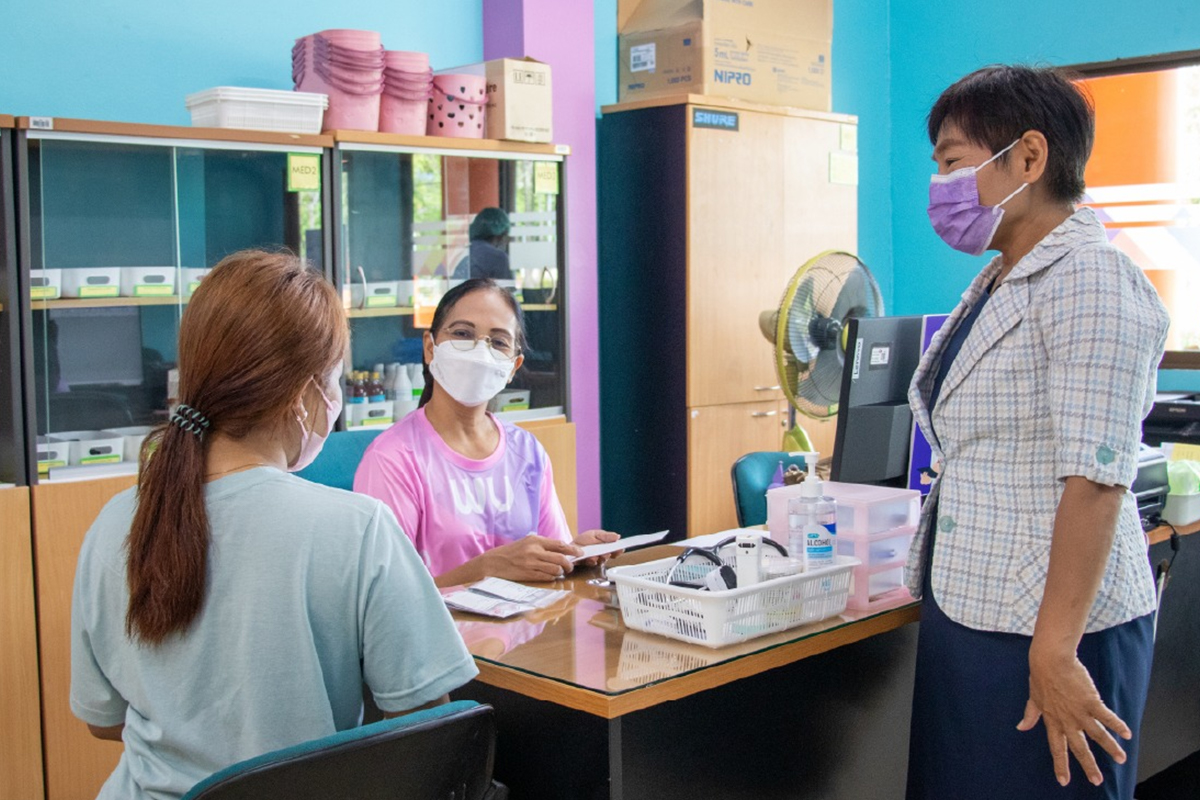
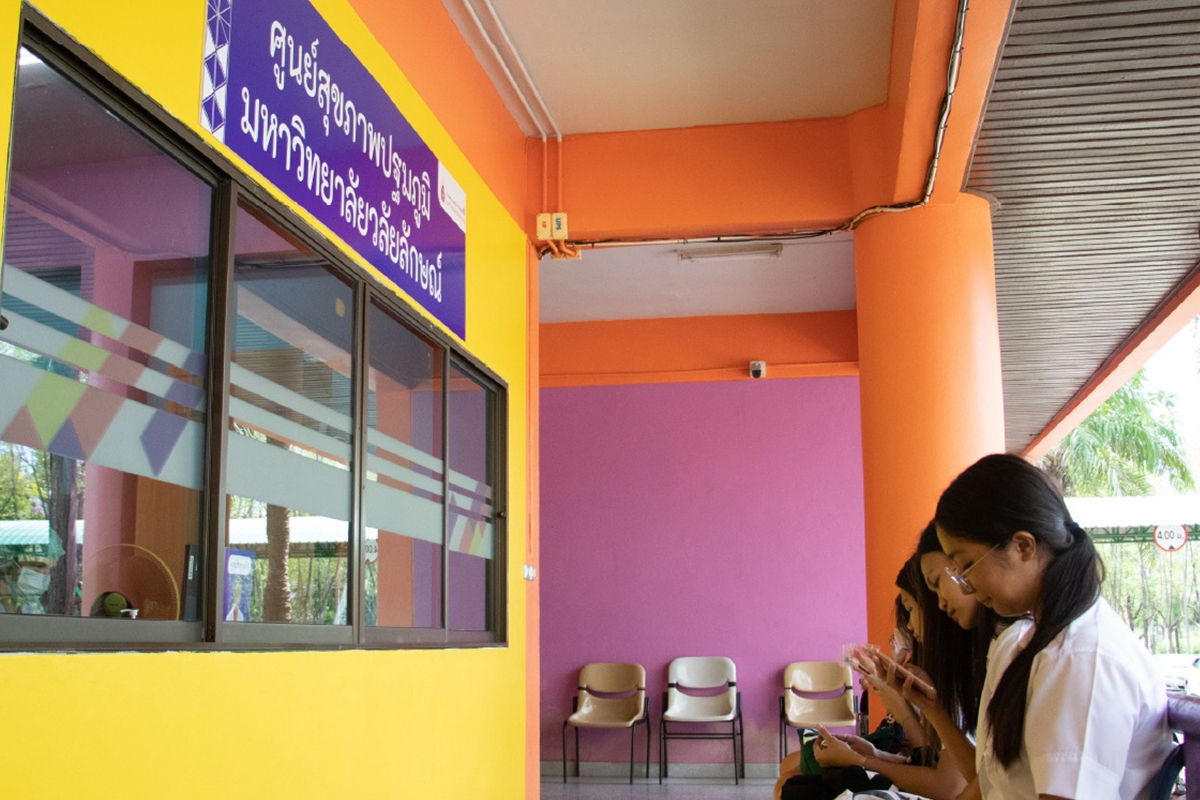
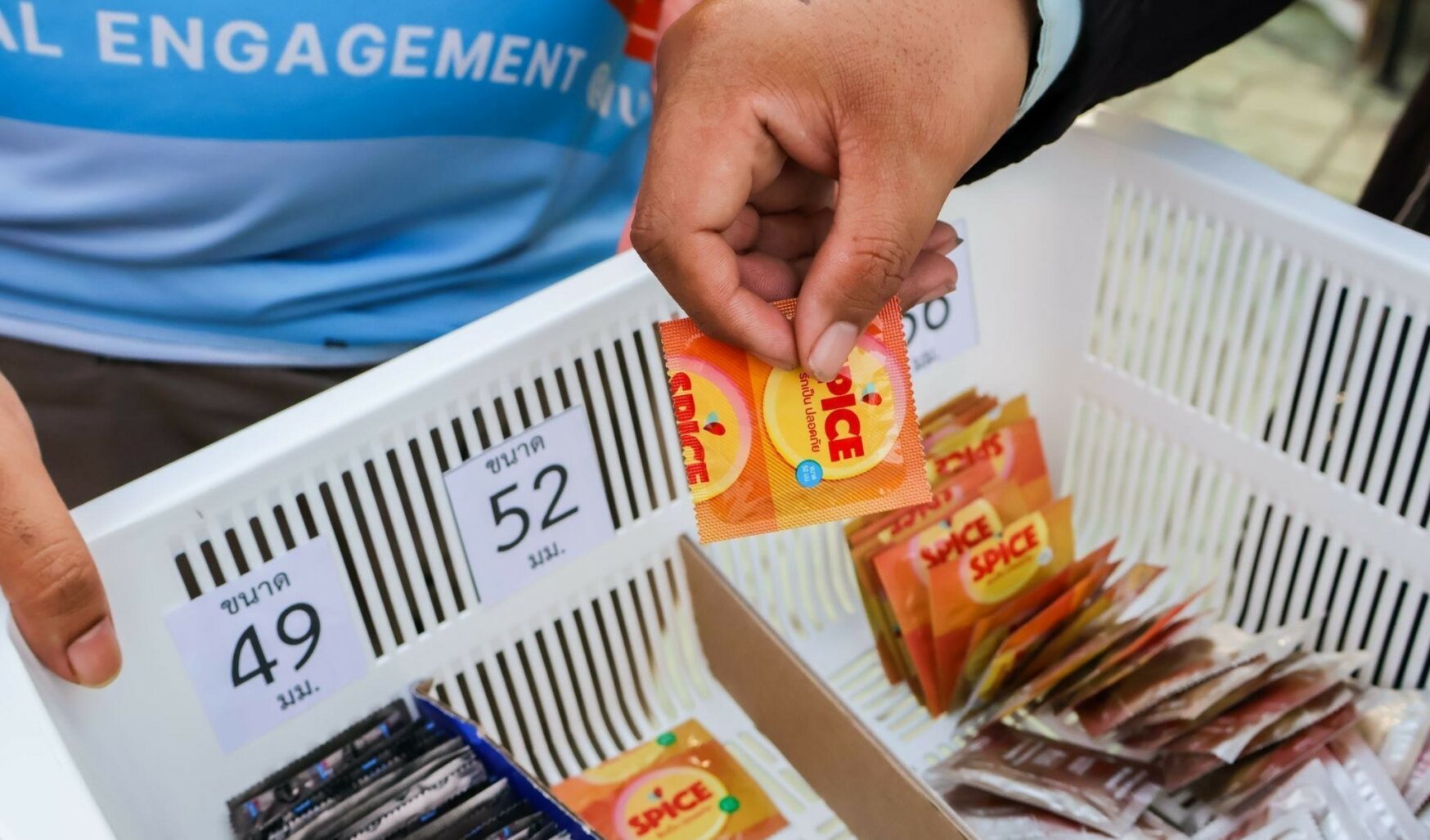
Walailak University, through its Walailak University Hospital, has established a Primary Health Center located in the student dormitory area. The center provides a wide range of medical services, including sexual and reproductive health, offering counseling and education on sexual health for students. In addition, free condoms are available as part of the services.
Students facing unplanned pregnancies can find comprehensive support through the Smile & Smart Center. The center provides a full range of services, including medical and psychological counseling, as well as academic and welfare support.
The Case Study
For example, the center helped a second-year female student who was afraid to tell her parents about her pregnancy. The Smile & Smart Center provided her with accommodation and pregnancy care, including postnatal childcare. This support allowed her to continue her education and return to her studies after giving birth without losing any academic ground. In another case, the male and female student who became pregnant worked with the university to create a support plan. The relevant faculties met to ensure the students could continue their studies and graduate on time.
The Assistance Process
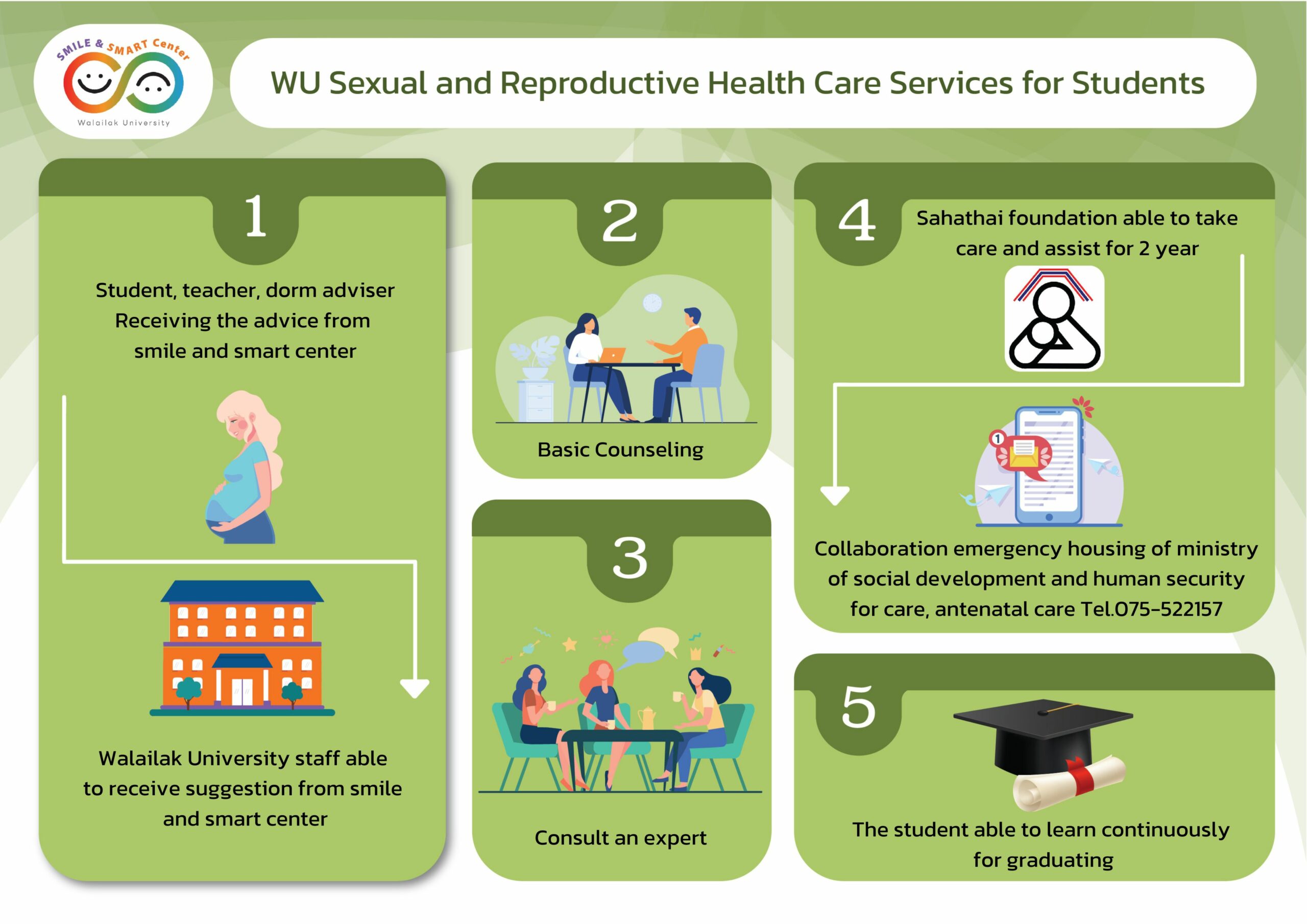
The assistance process provided by the SMILE & SMART Center to ensure students can continue their studies until graduation. Students, lecturers, advisors, and dormitory advisors can refer cases to the center, which then initiates a basic counseling process and a Case Conference meeting to determine appropriate care. This care may include referrals to an emergency shelter for pregnant individuals and postnatal care, as well as support from the Sahathai Foundation for childcare until the child is two years old. Ultimately, students are able to resume their studies normally and complete their curriculum.
The Activity to Provide Free Information
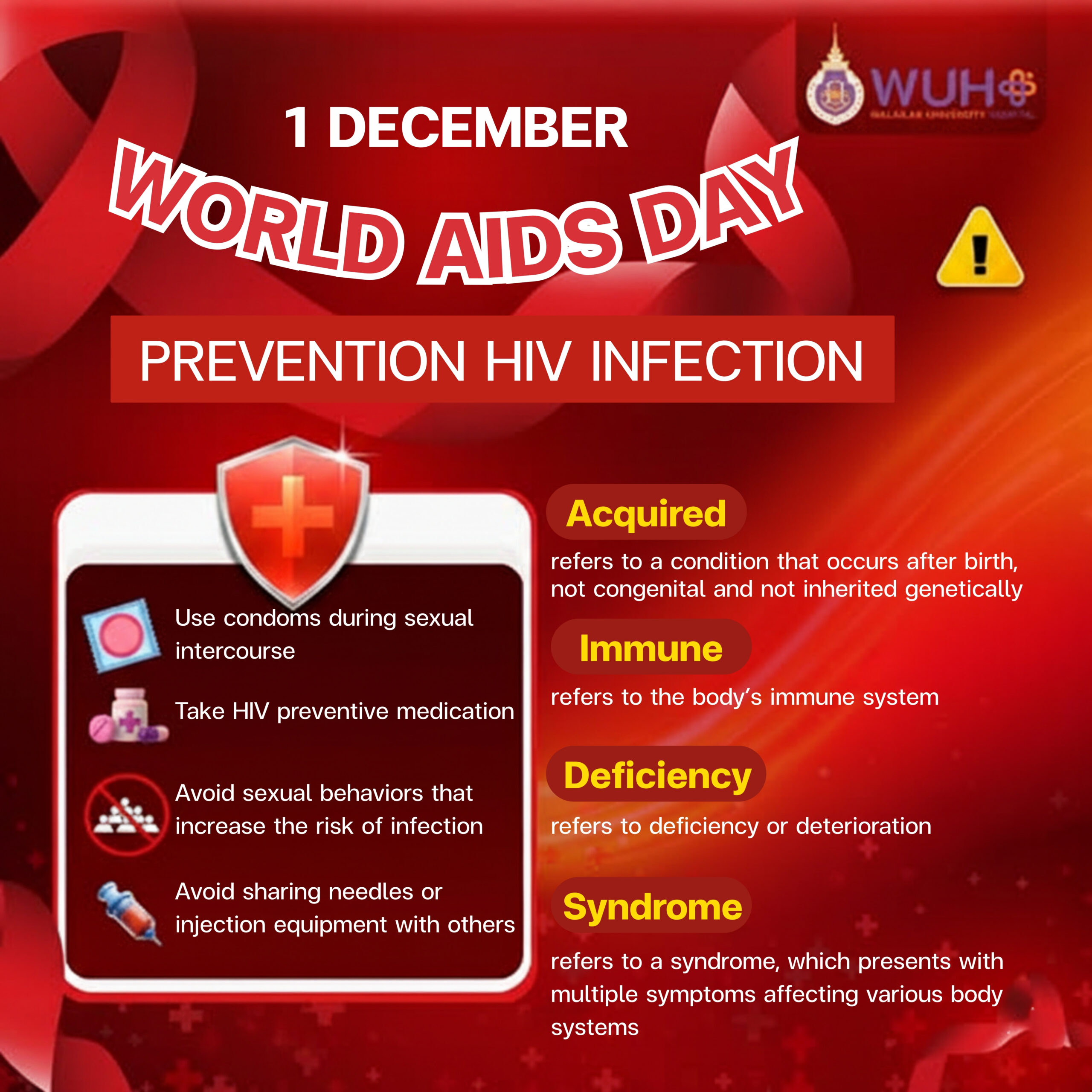
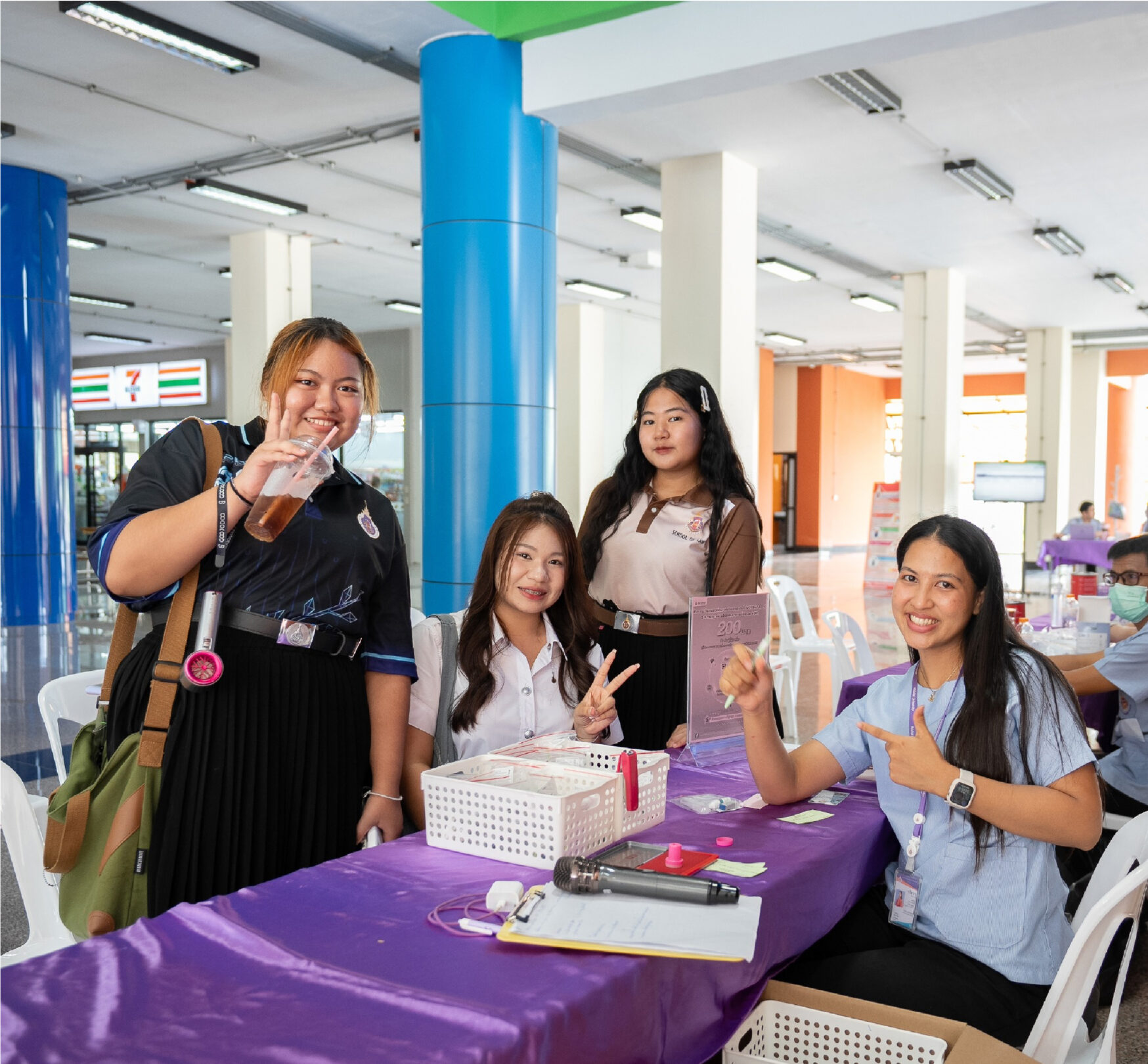
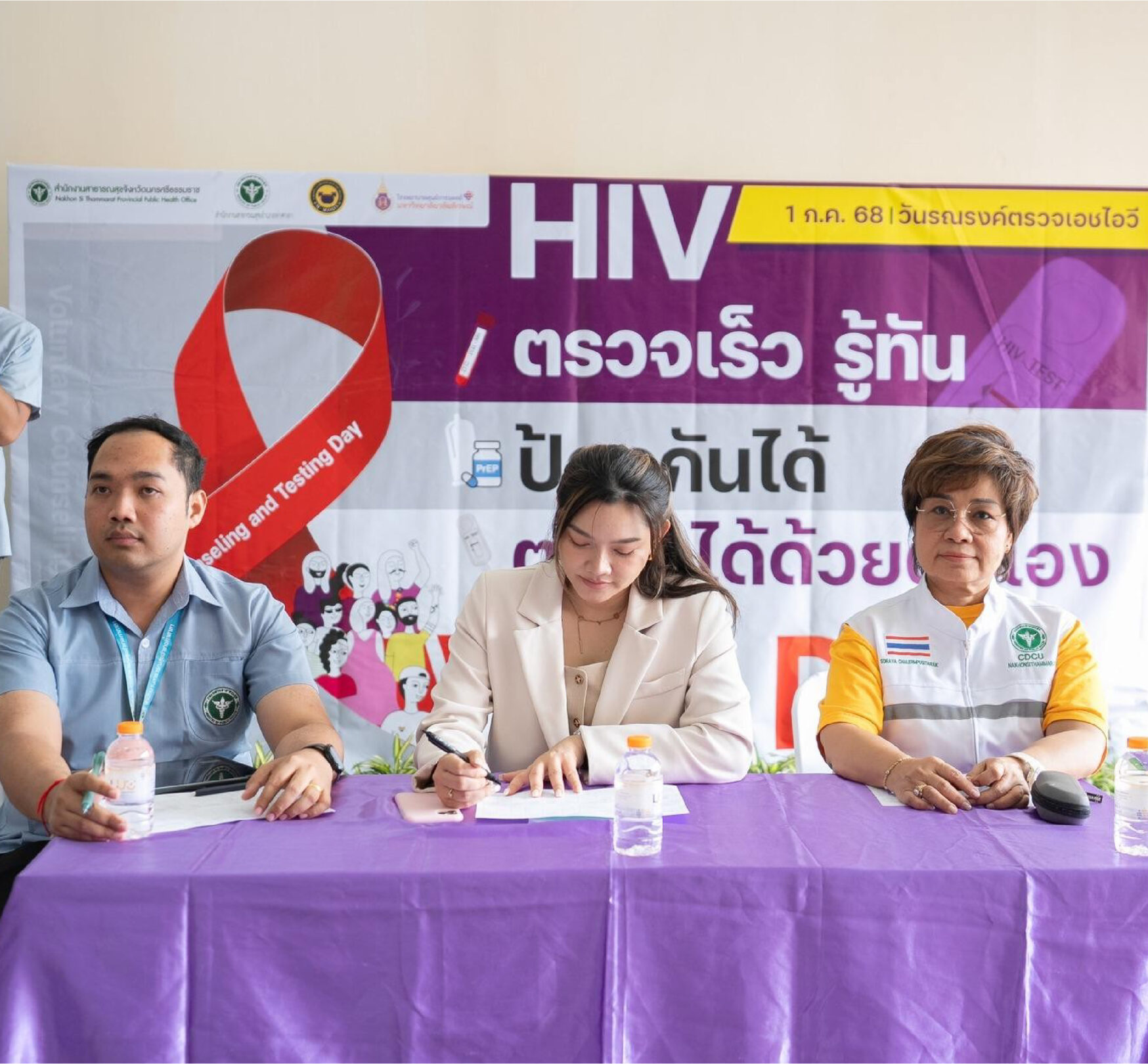
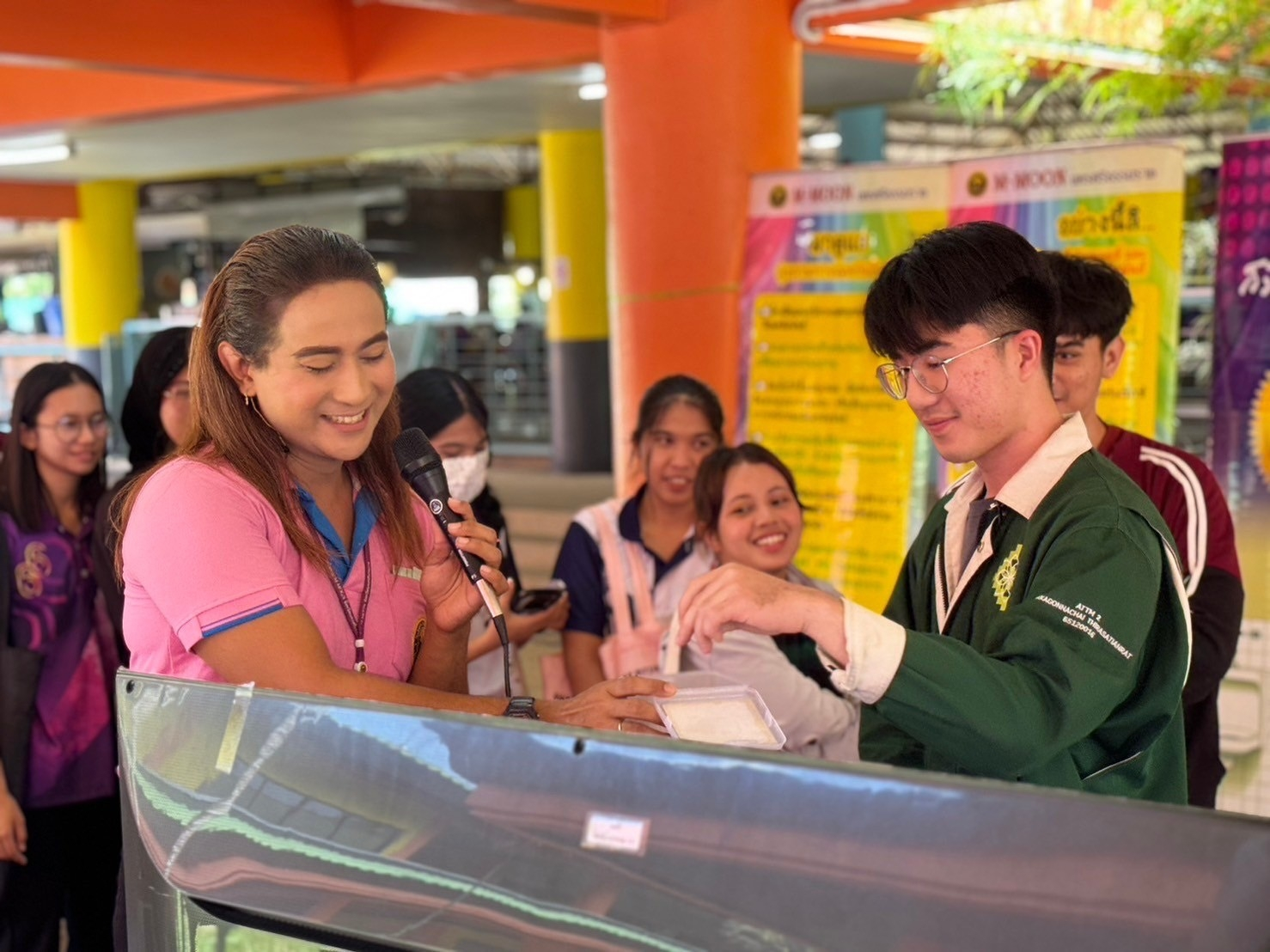
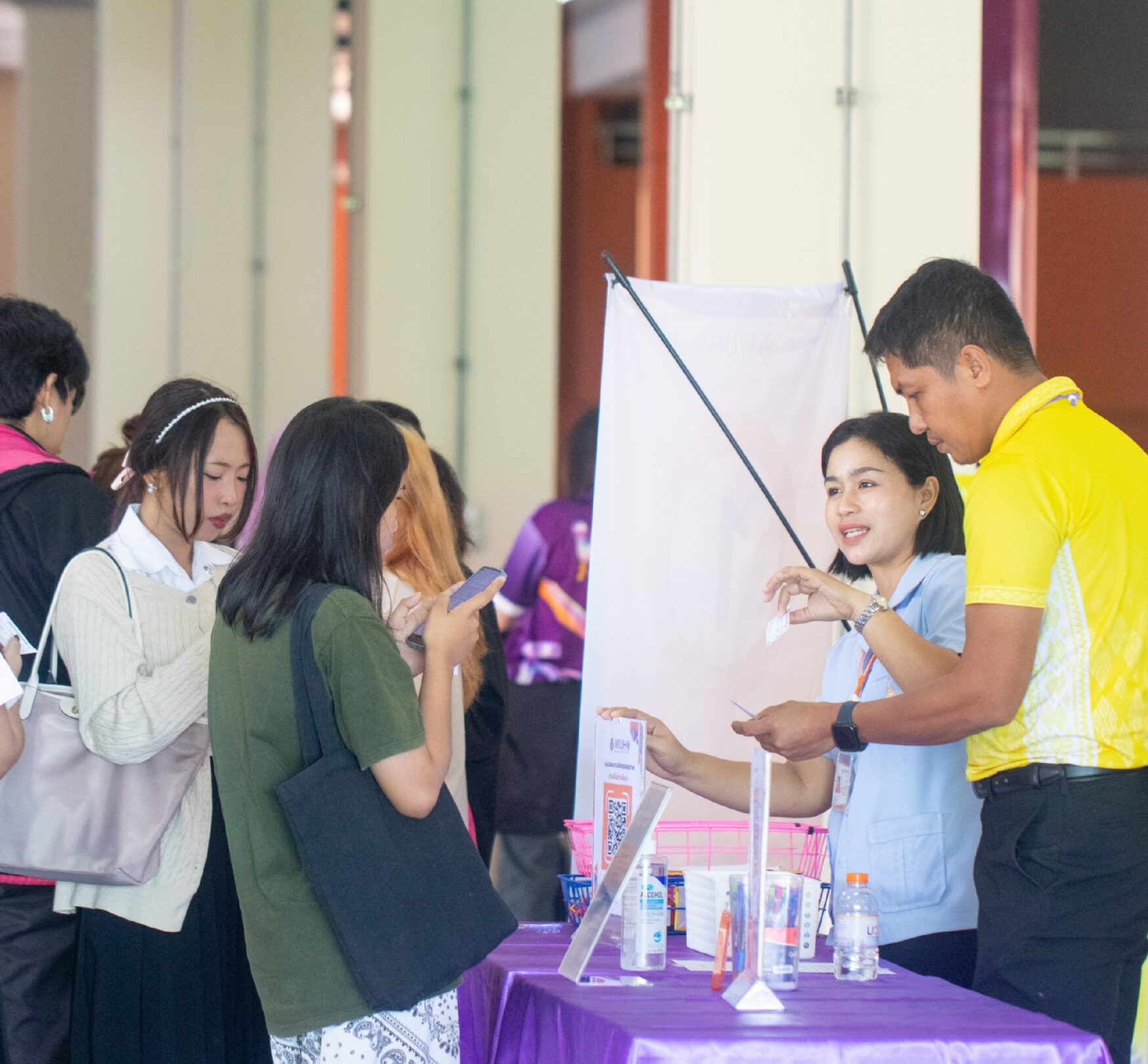
Walailak University organized an awareness activity to provide free information on HIV/AIDS prevention and care. The activity aimed to raise awareness about the importance of HIV prevention, acceptance, and understanding of people living with HIV. The key information provided included:
Correct use of condoms during sexual activity.
Access to HIV preventive medication.
Avoiding high-risk sexual behaviors.
Avoiding the sharing of needles or injection equipment.
The activity also emphasized that people living with HIV can live normal lives with their families and communities if they receive timely diagnosis, continuous treatment, proper self-care, and strong family support. With adherence to medical advice and regular follow-ups, their immunity can return to normal, allowing them to live healthy and fulfilling lives.
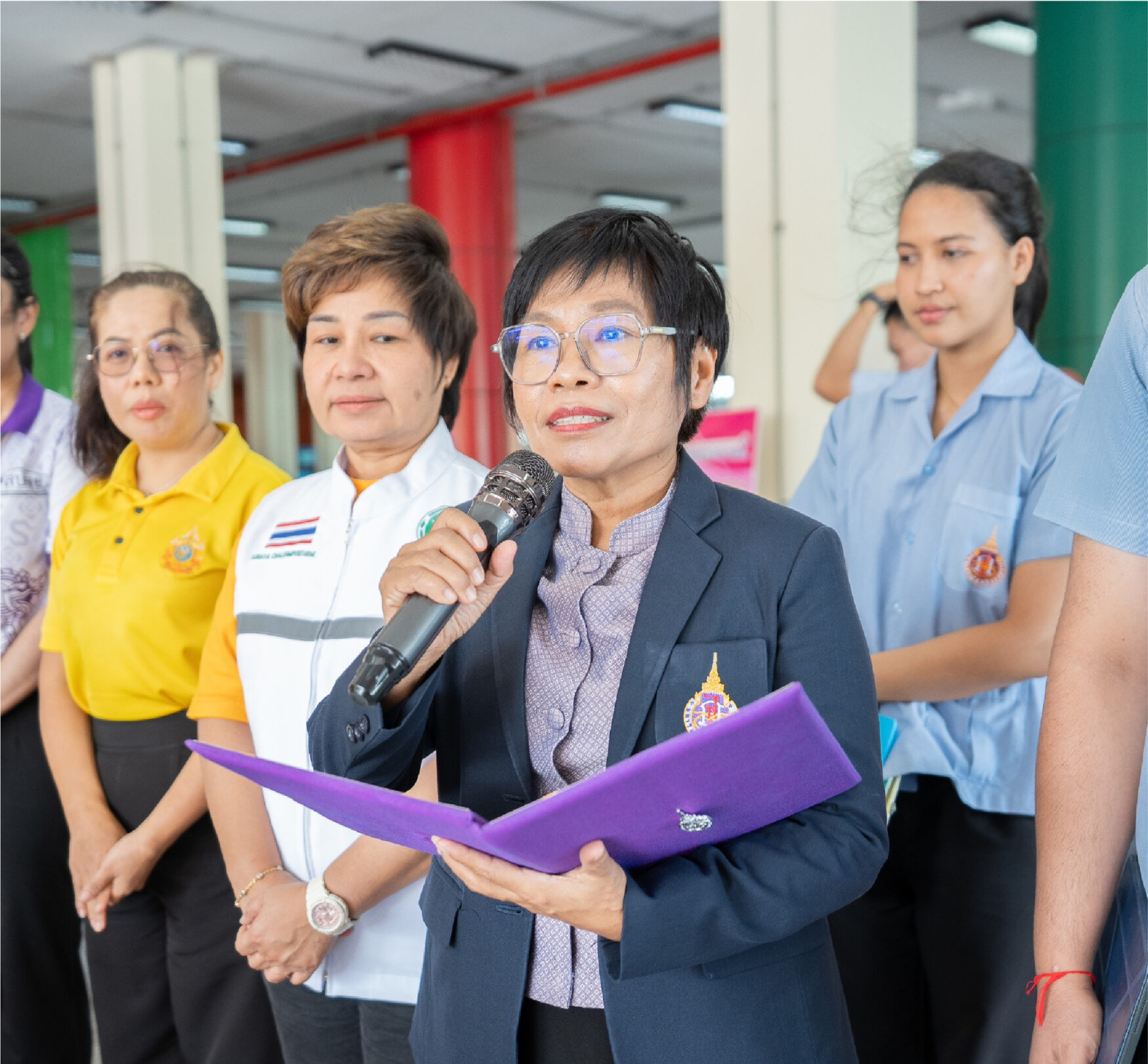
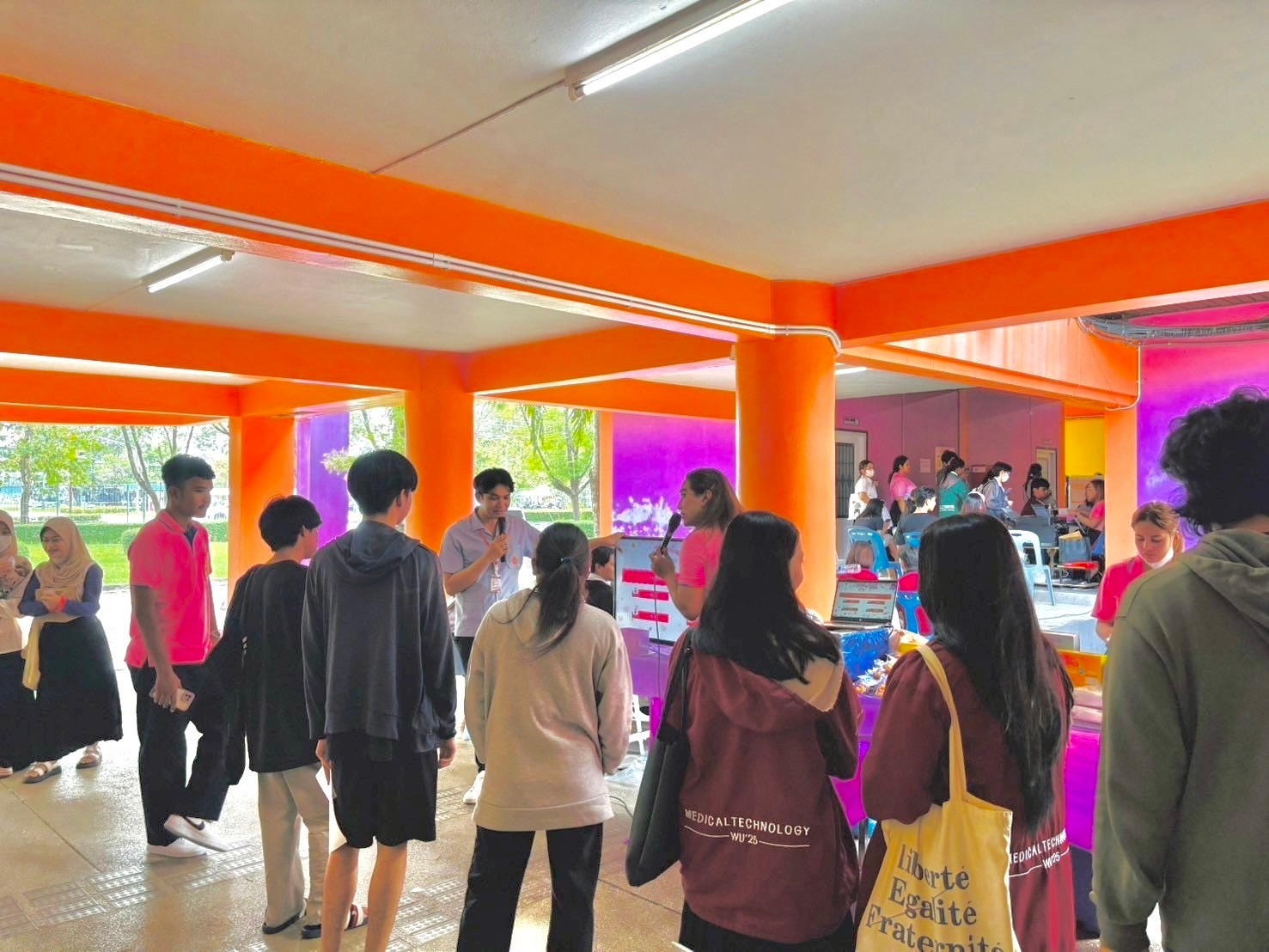
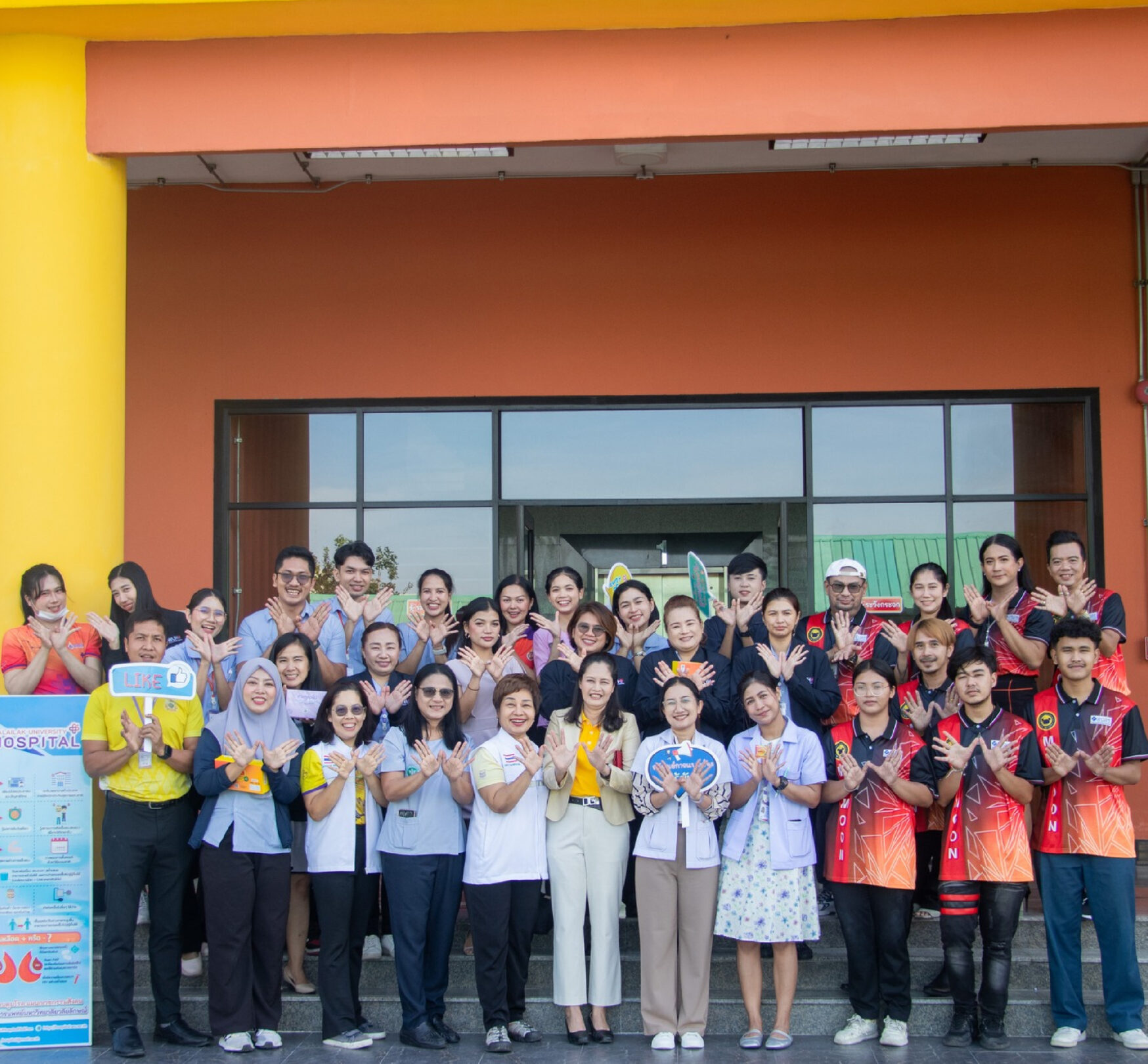
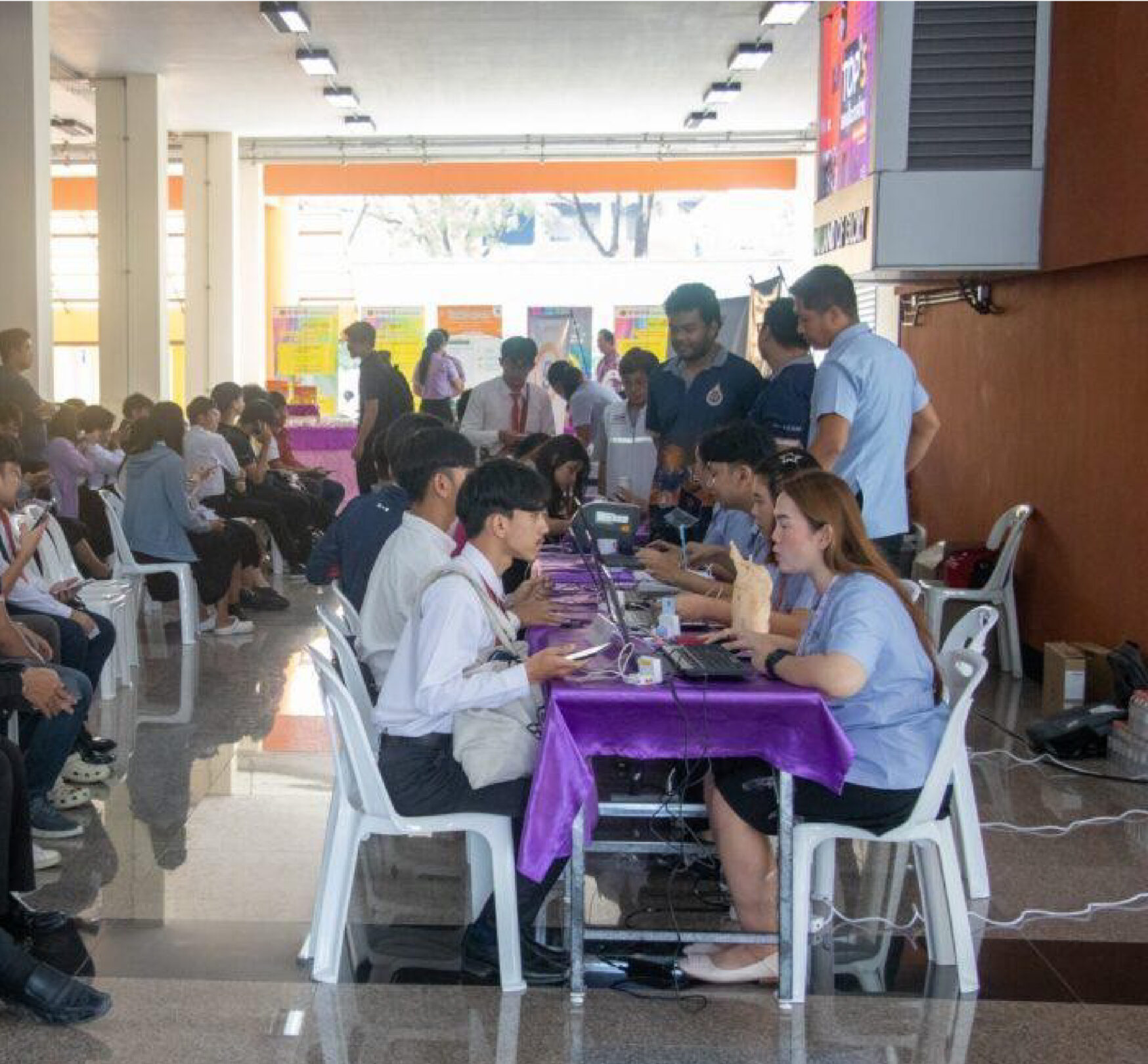
Additionally, the WUH has organized awareness campaigns, including a World AIDS Day seminar and public awareness activities focusing on HIV prevention. These initiatives aim to enhance awareness of the importance of HIV prevention, receiving positive engagement from over 1,070 students, faculty members, and the general public.
Free Education Services
For educational services related to sexual and reproductive health, the WUH has organized an AIDS awareness exhibition as part of World AIDS Day activities. This exhibition serves to educate students on HIV/AIDS prevention, symptoms, and treatment options, reinforcing the importance of proactive health care.
Other Related Services
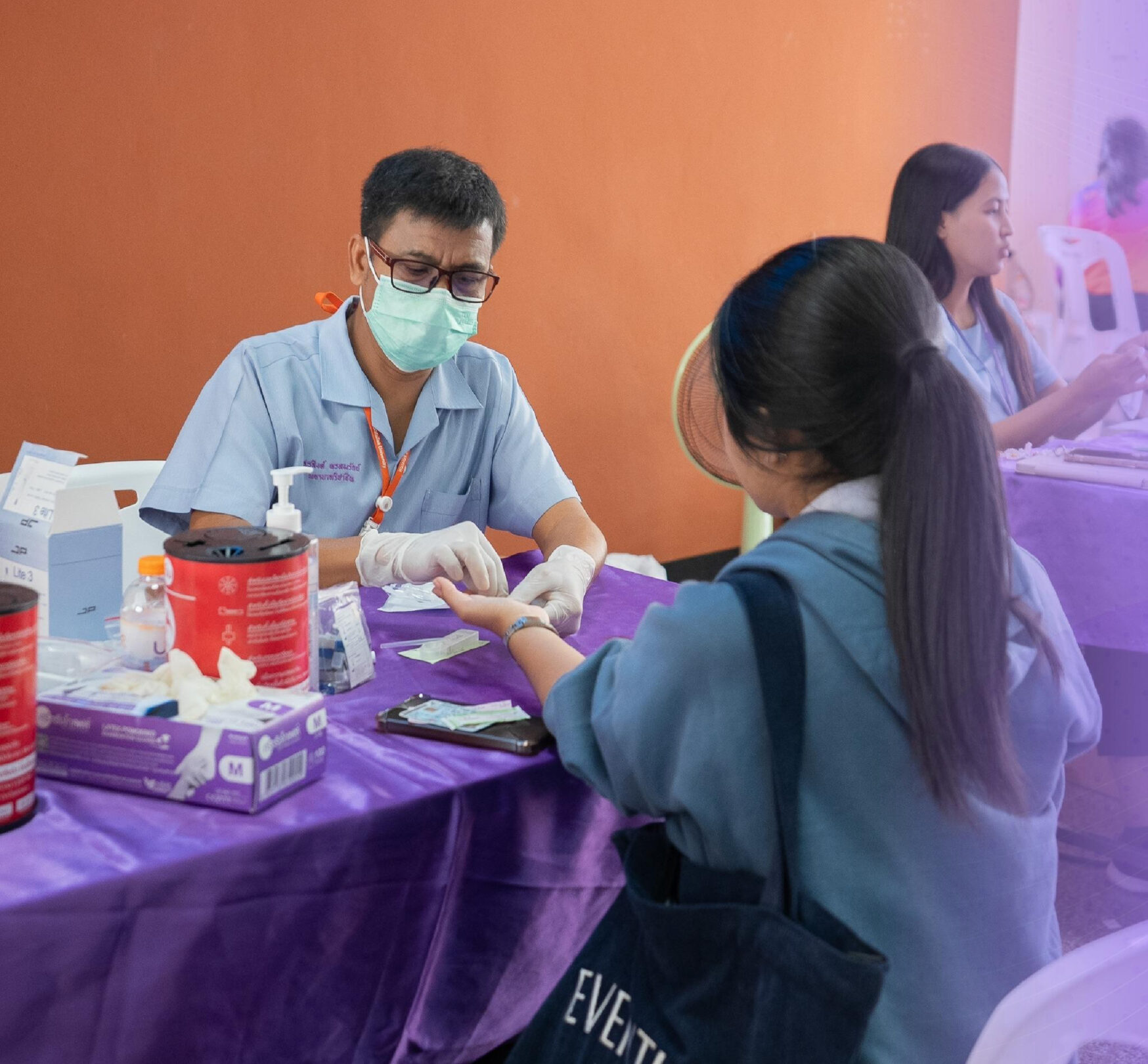
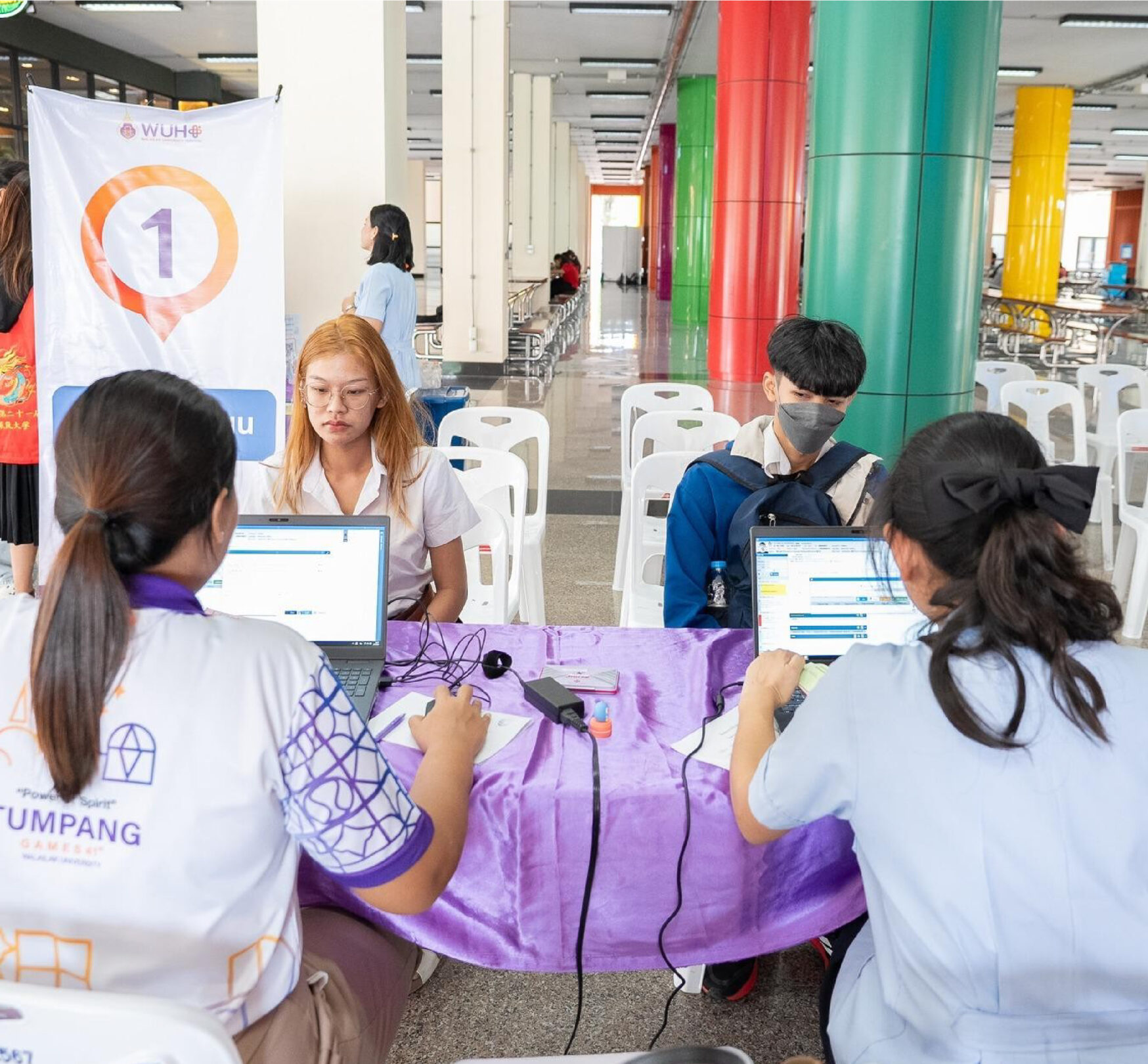
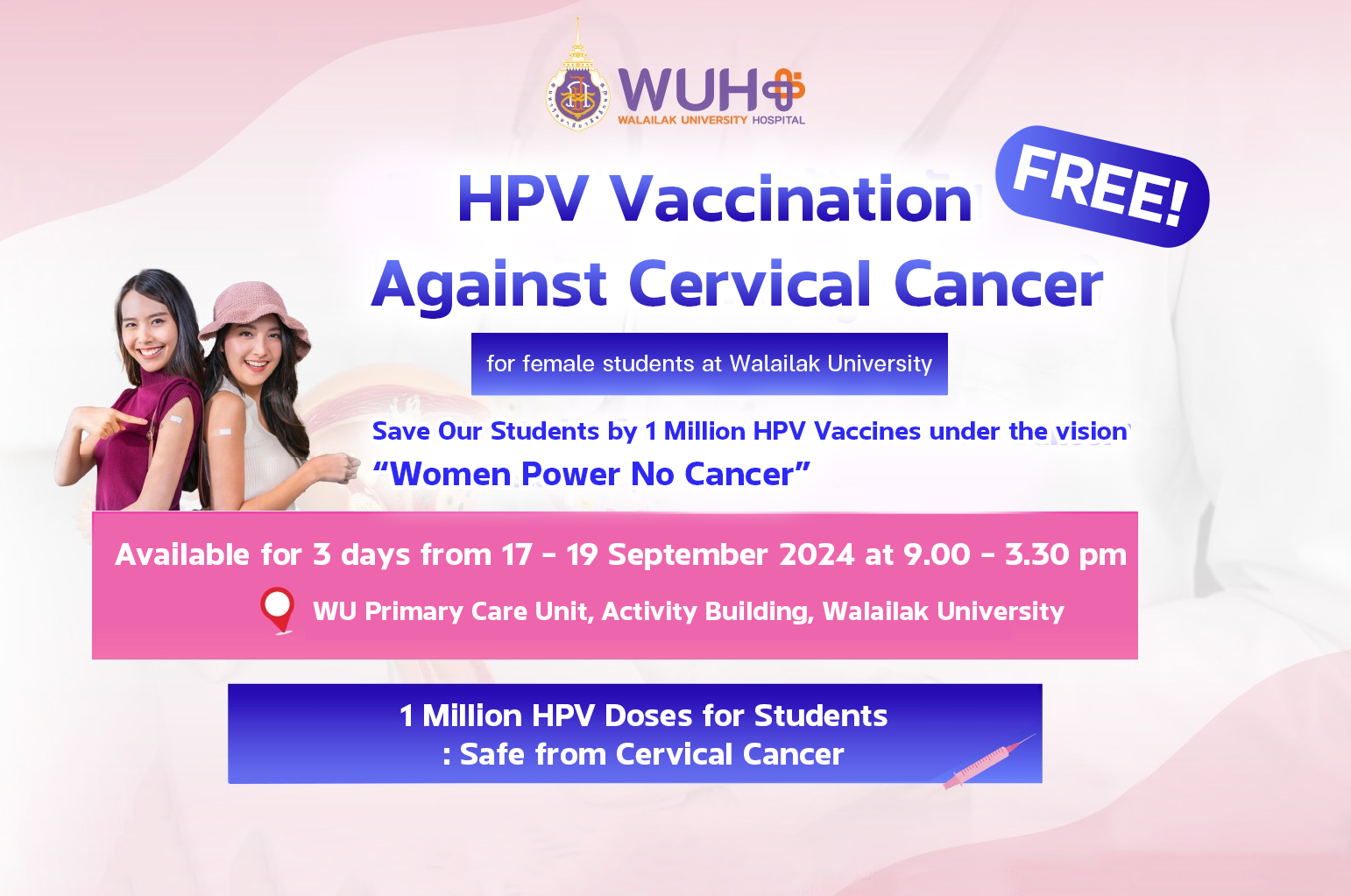
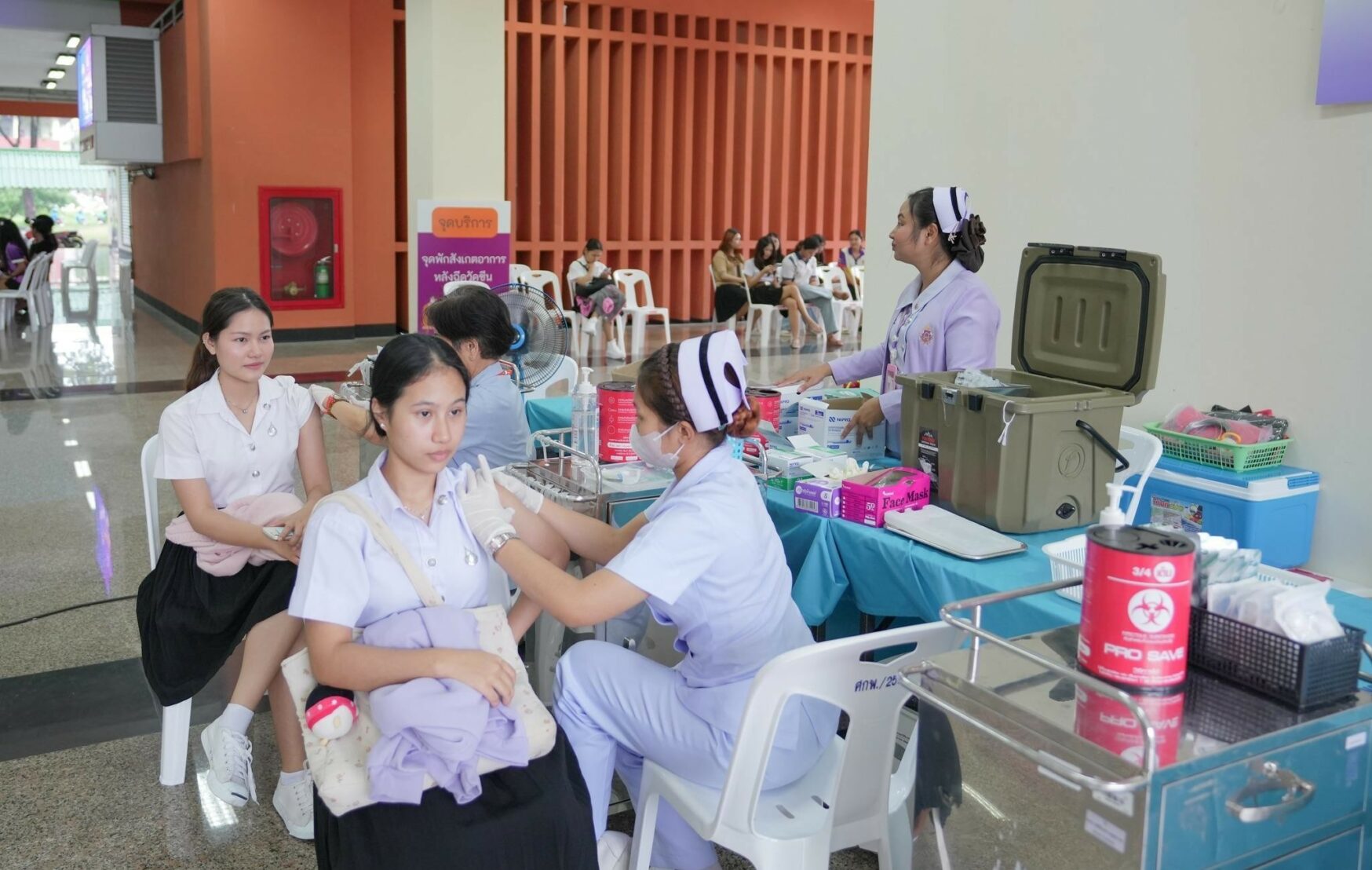
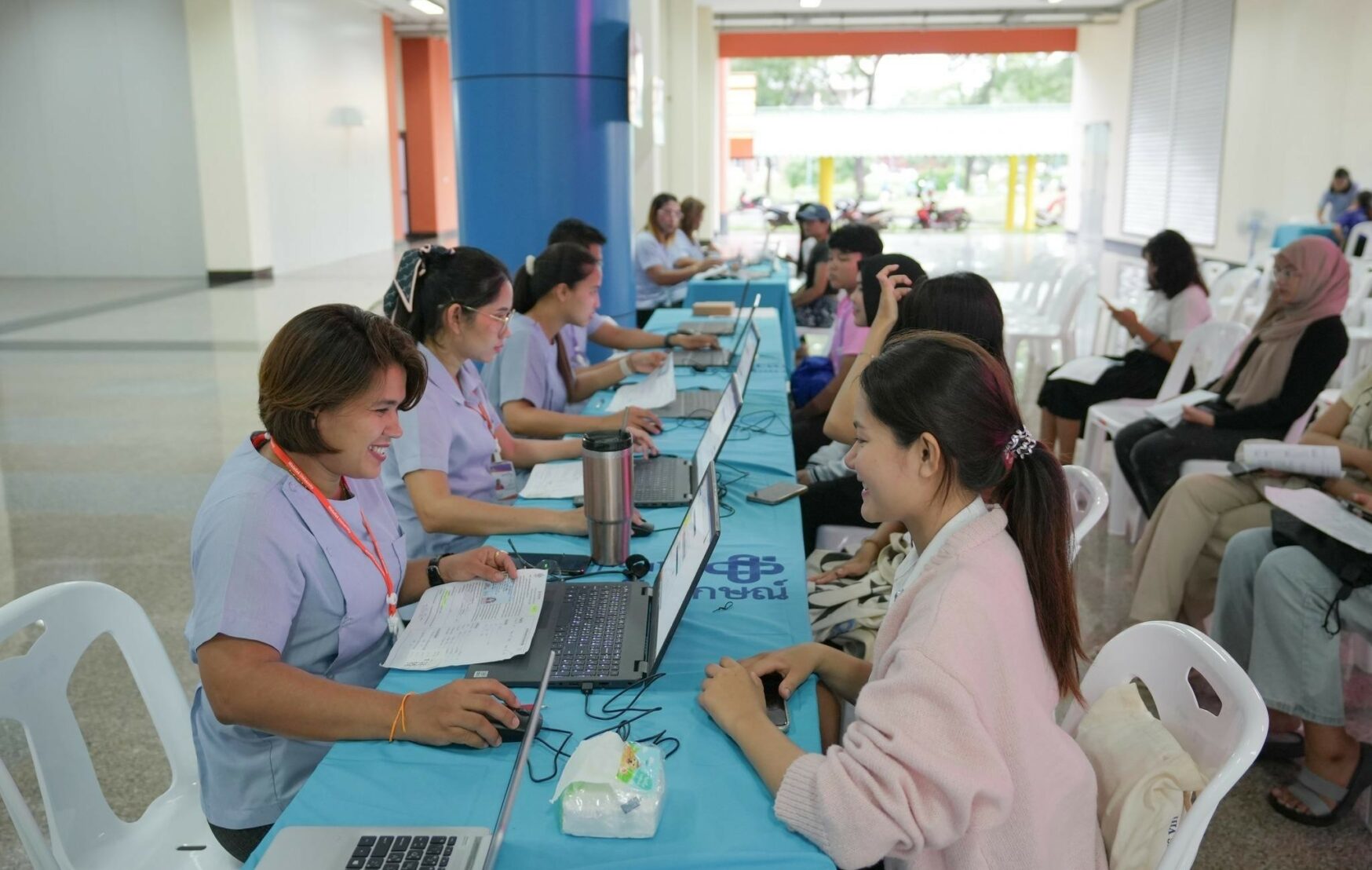
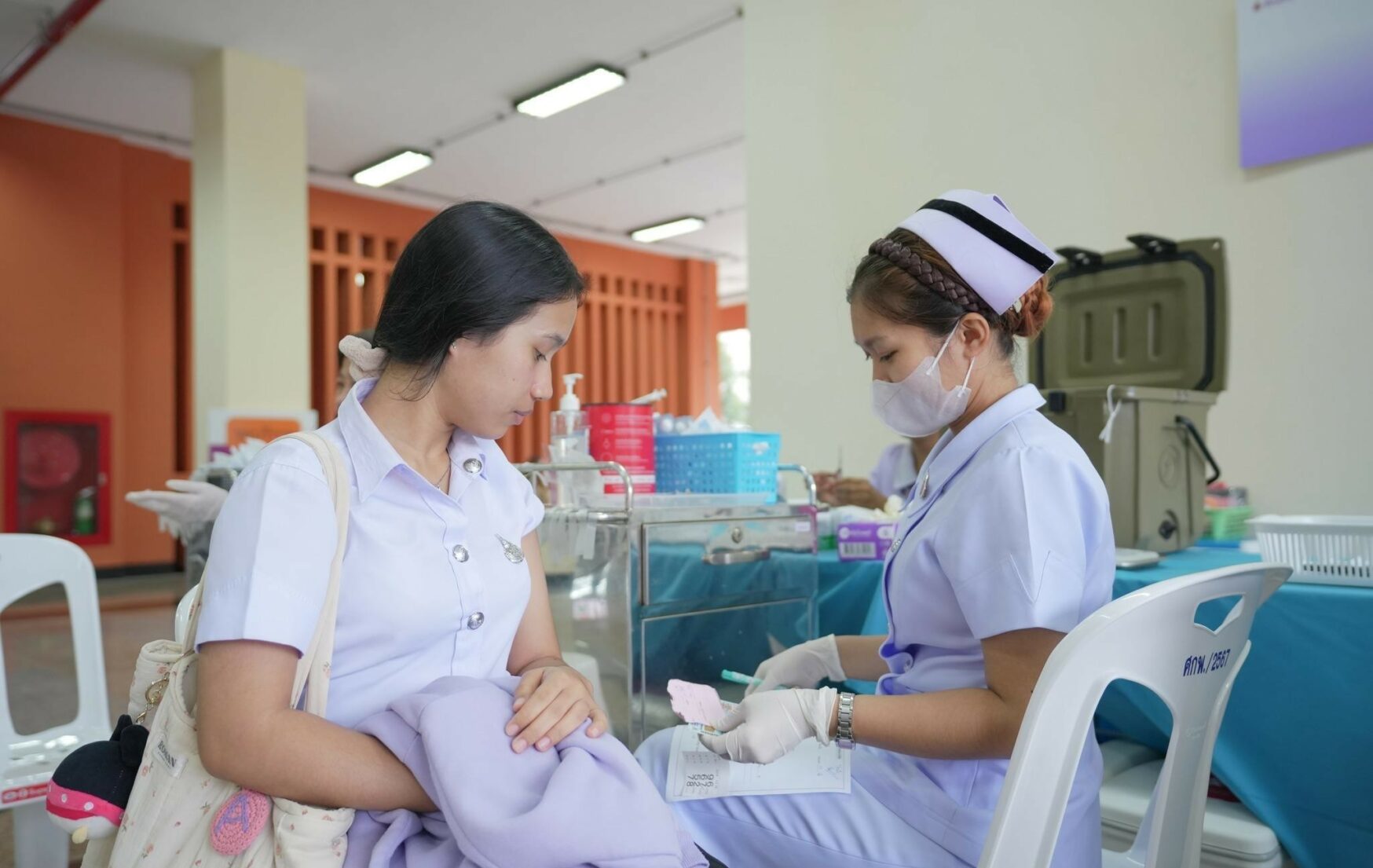
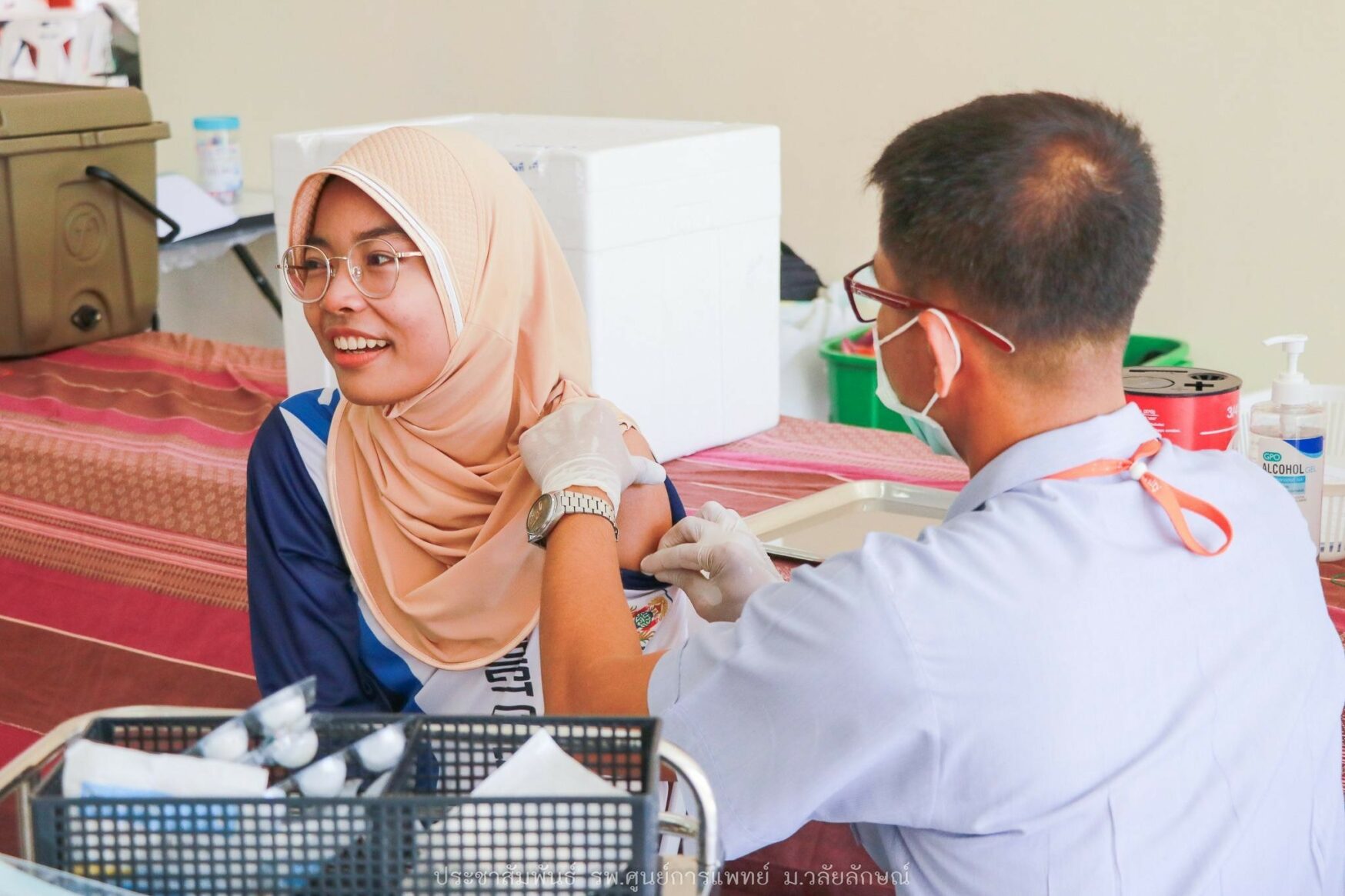
The WUH also provides free HPV vaccinations (first and second doses) for female students. This initiative aims to prevent HPV-related diseases and promote student health in alignment with the university’s health promotion policies. Additionally, the hospital offers free HIV screening services on World AIDS Day, ensuring accessible healthcare for students.
Walailak University provides students with access to sexual and reproductive health care services by proactively distributing free sanitary pads to students.
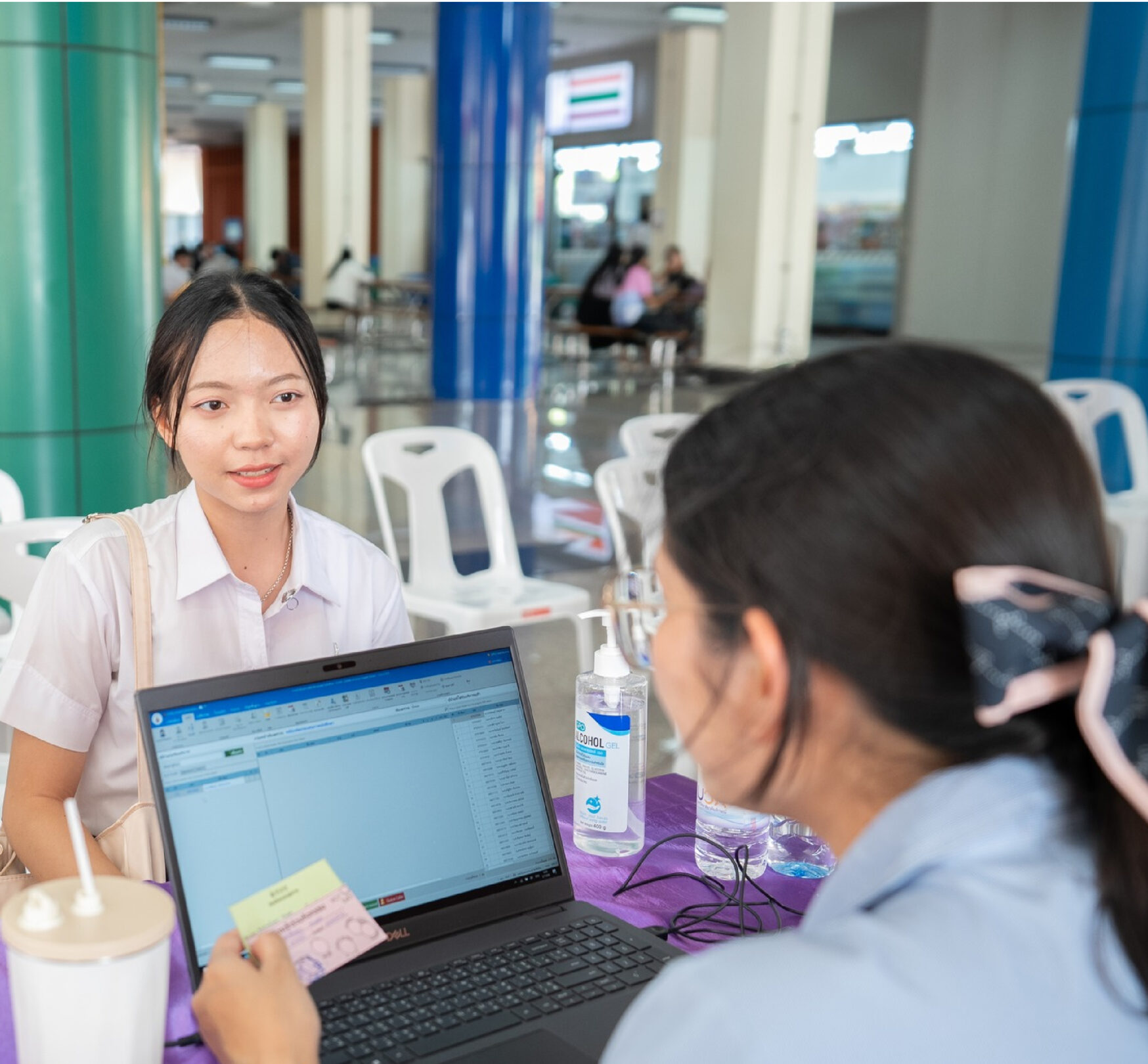
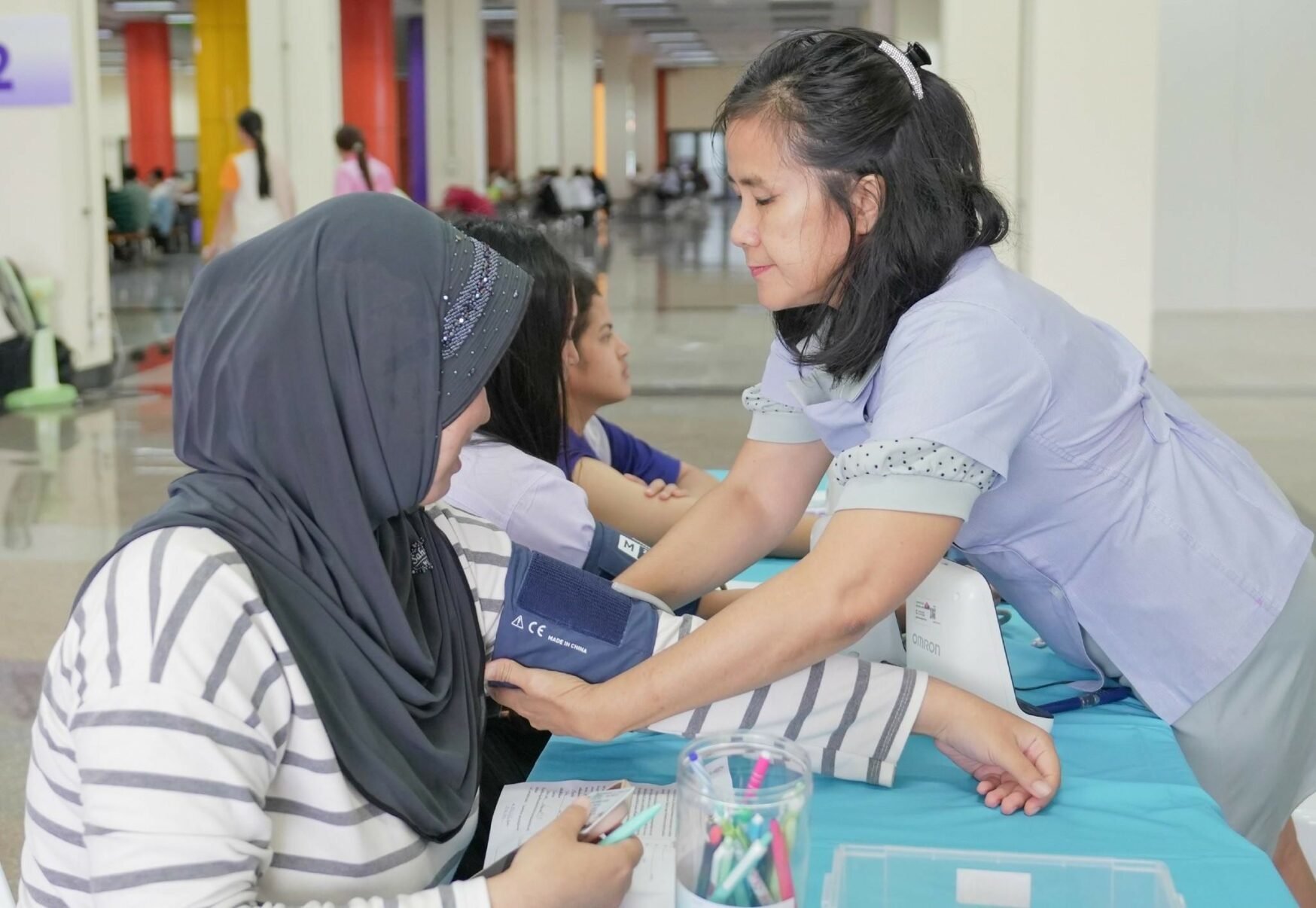
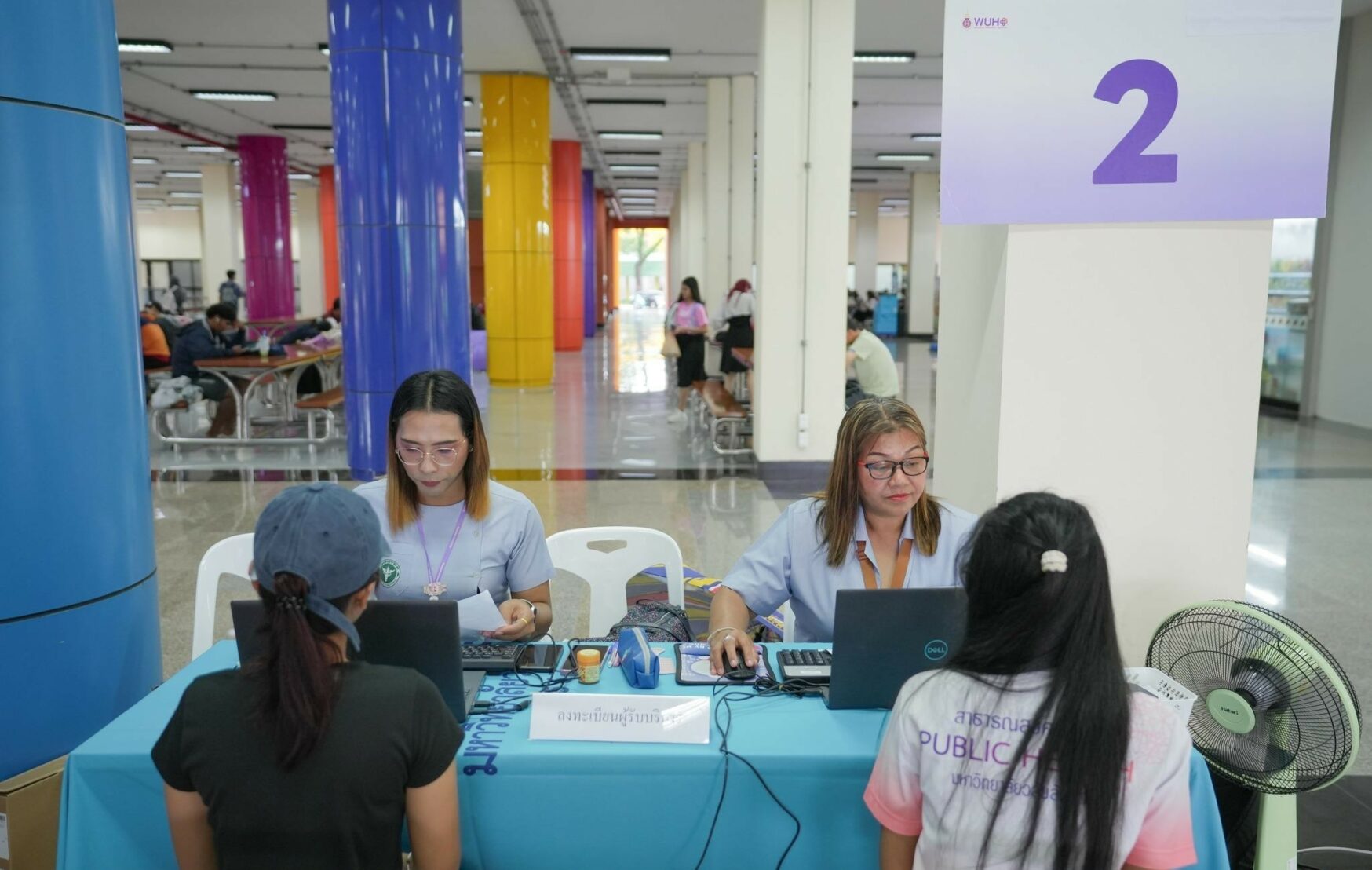
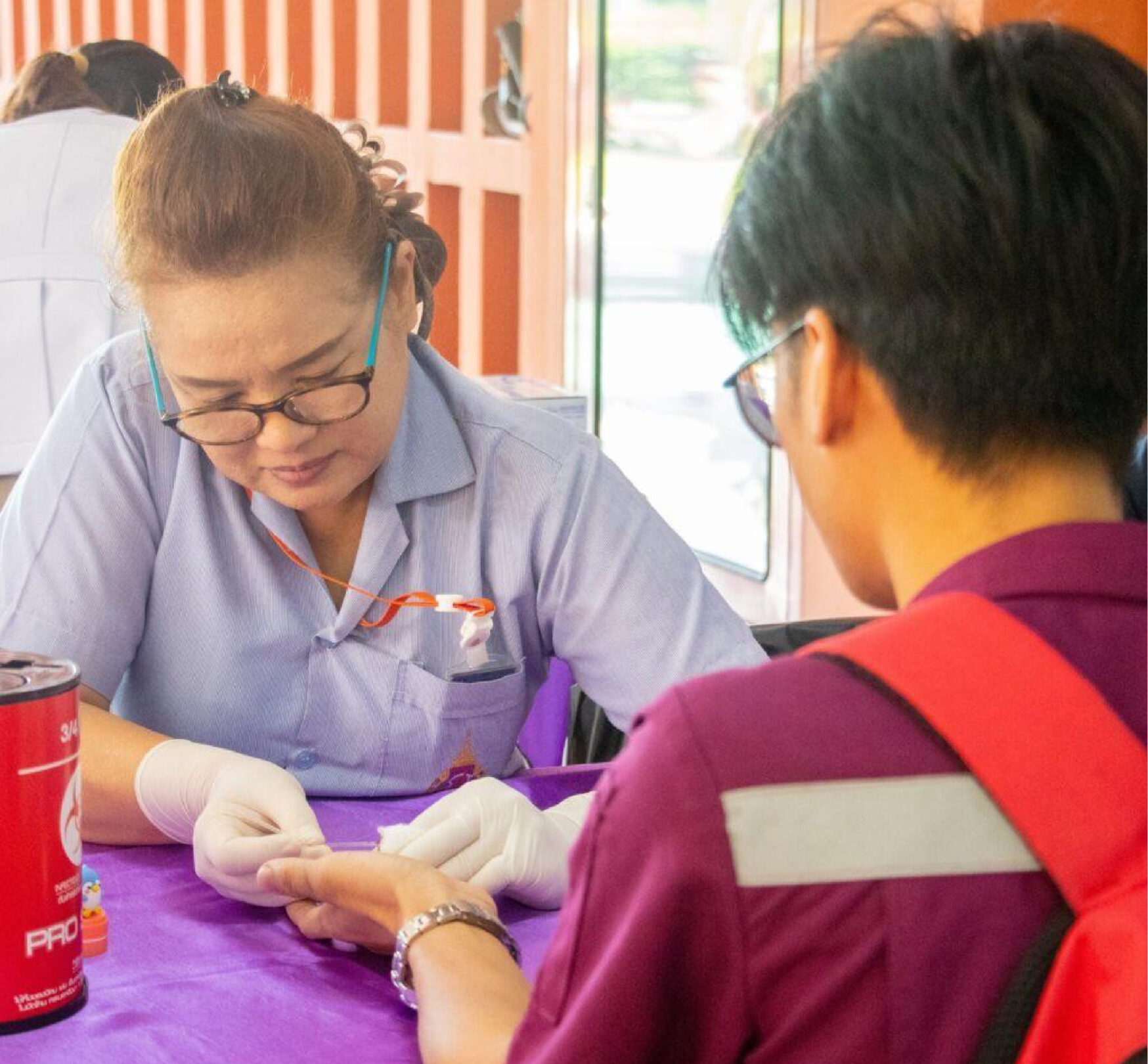
In addition, the university provides HIV testing and counseling services on AIDS for students in a systematic manner, under the supervision of the university’s health unit. This aims to promote comprehensive and holistic healthcare. Students can voluntarily undergo HIV testing with strict confidentiality of personal information, and receive pre-test and post-test counseling from qualified medical personnel. The purpose of this service is to raise awareness of sexual health, prevent the spread of HIV, and enhance students’ understanding of AIDS. It also enables students at risk to access testing, medical care, and timely treatment if HIV is detected. All services are conducted in accordance with medical standards and the communicable disease prevention and control guidelines of the Ministry of Public Health.
To sum up, WU is committed to promoting students’ sexual and reproductive health through accurate information dissemination (Free Information), educational programs (Free Education Services), and related healthcare services (Other Related Services) to ensure students receive quality healthcare. With this comprehensive approach, the university creates an environment that supports student well-being, reduces STI risks, encourages preventive healthcare, and helps students confidently plan their future health and safety.
To sum up, WU is committed to promoting students’ sexual and reproductive health through accurate information dissemination (Free Information), educational programs (Free Education Services), and related healthcare services (Other Related Services) to ensure students receive quality care. These initiatives are guided by diagnostic evaluation of student needs, continuous service development, and university community engagement that encourages preventive health behavior. Furthermore, systematic measurement of outcomes ensures that programs remain effective, inclusive, and responsive. With this comprehensive approach, the university fosters a supportive environment that enhances student well-being, reduces STI risks, promotes preventive healthcare, and empowers students to confidently plan their future health and safety.