Learning, Creating, and Growing: Educational Resources for Learning Equity by Walailak University
Education is the key to unlocking the doors of reducing inequality, particularly the kind that has been passed down through generations. From diagnostics, in many local areas, educational resources remain insufficient. As a leading higher education institution, Walailak University recognizes the importance of developing the potential of local schoolteachers, who play a vital role in nurturing youth to grow with quality. This approach aligns with the university’s vision of being a center of learning and a pillar of the community, fostering educational equity so that every student can access learning from well-qualified teachers.
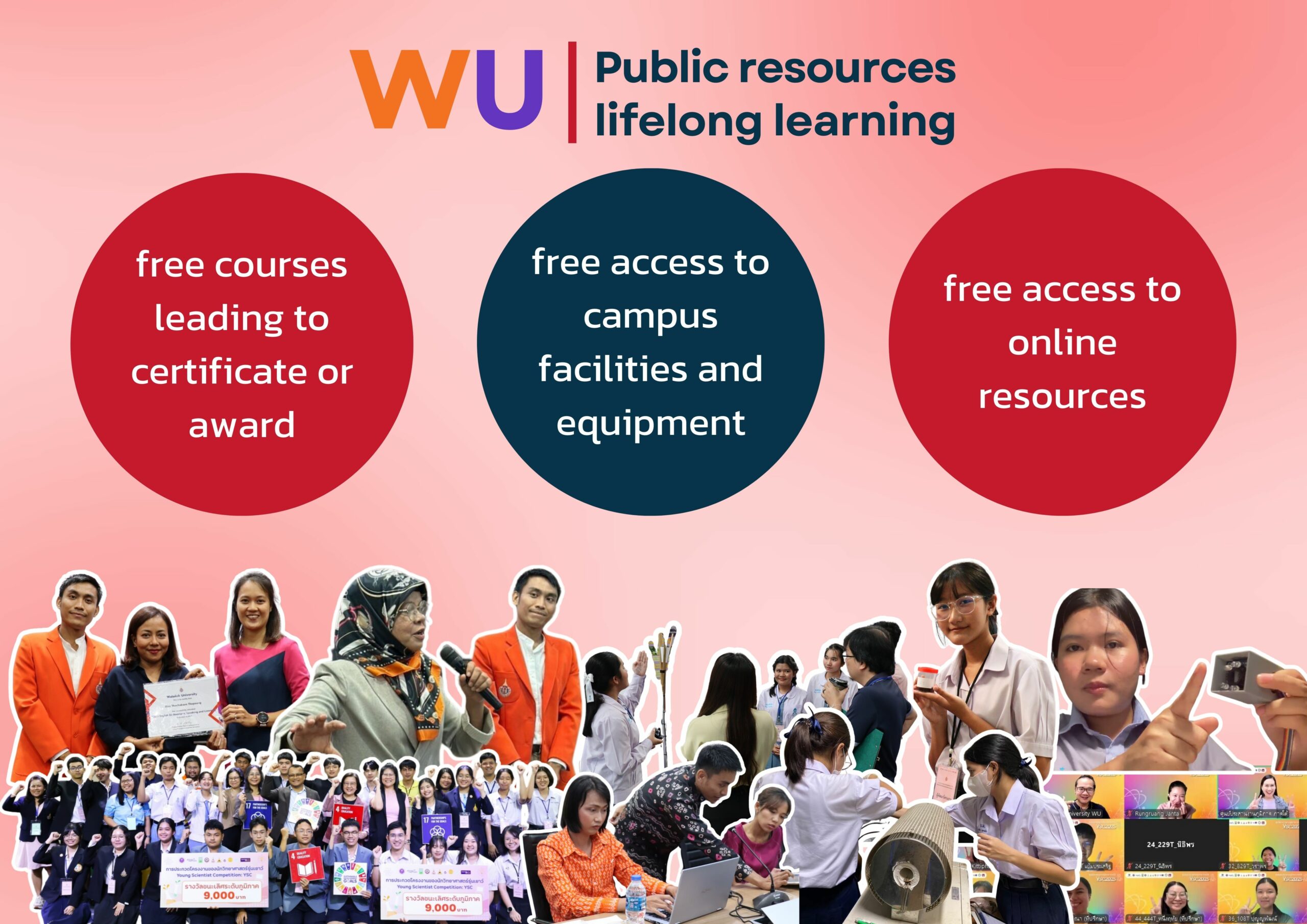
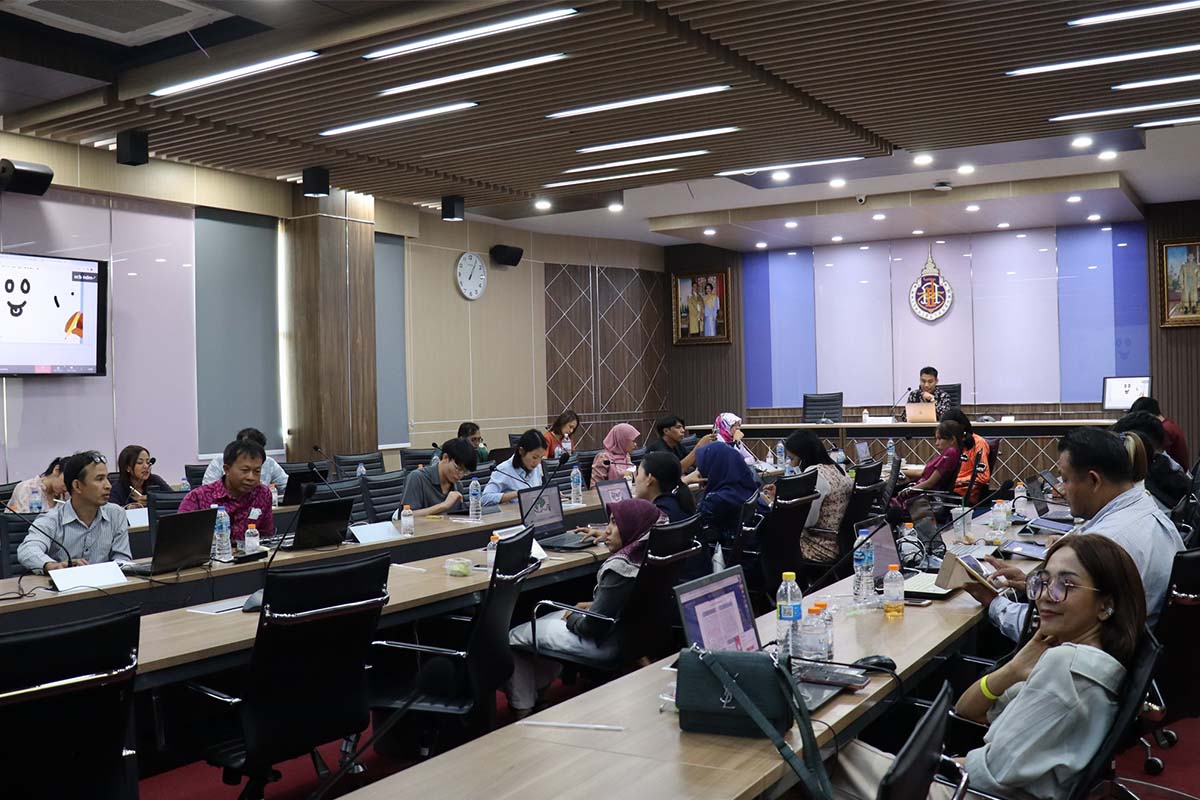
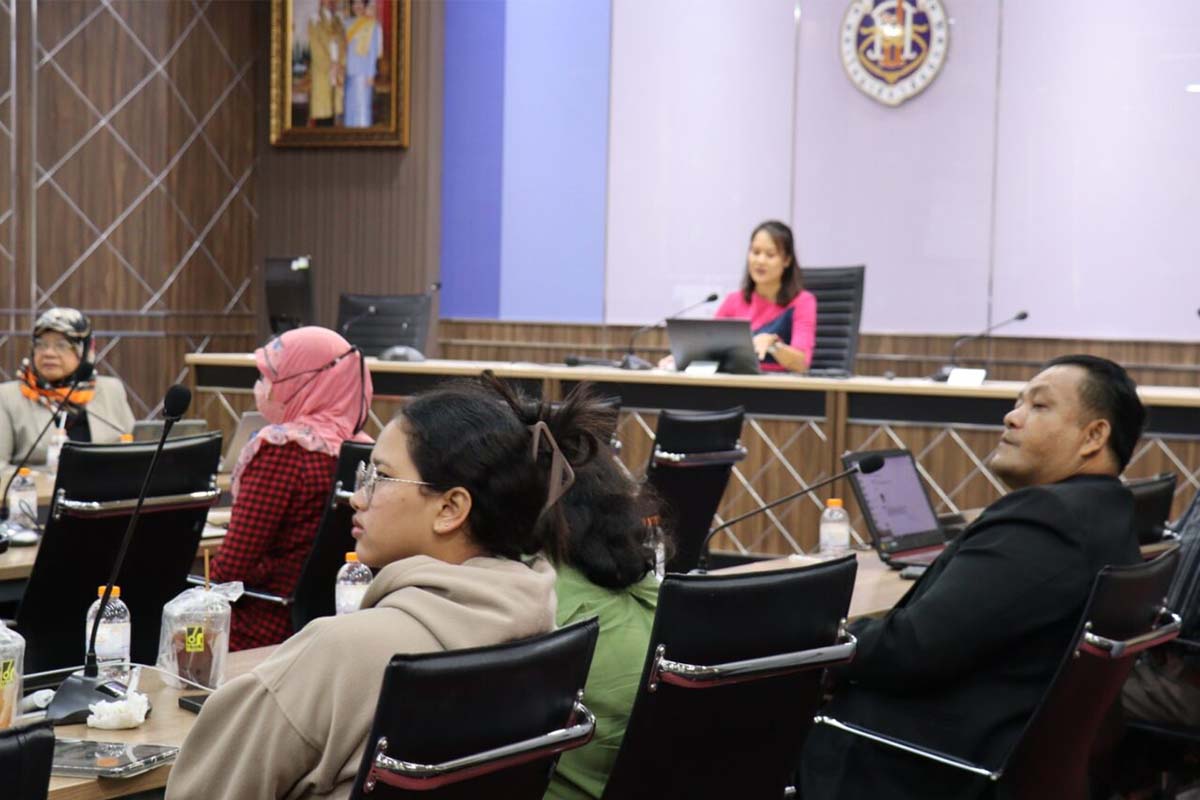
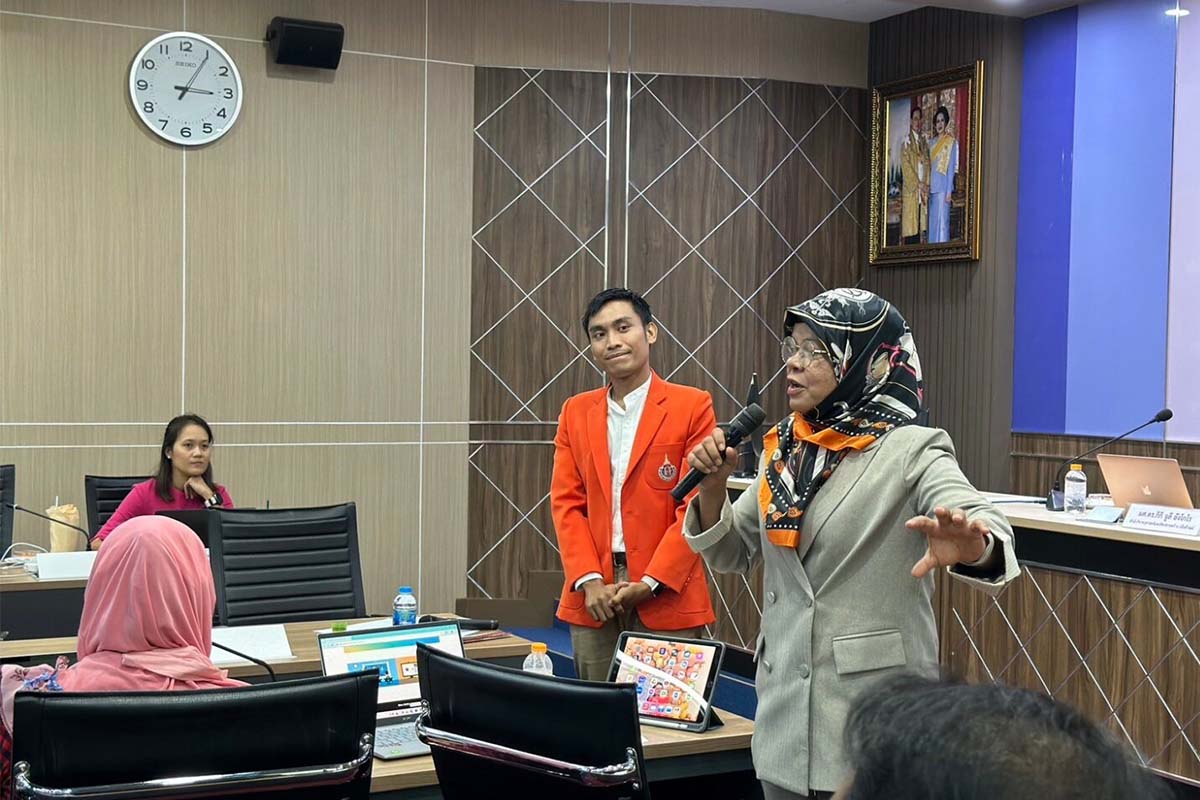
Walailak University has continuously organized annual English training programs to enhance the knowledge and skills of teachers from various schools, with the aim of enabling them to effectively transfer knowledge to their students. However, since English proficiency is essential to the teaching profession, assessment and evaluation of competence have become inevitable. To meet this demand, the university has developed a new curriculum that is open to participants beyond its own students, offering free access. This includes training courses that lead to certificates, the use of the university’s facilities and equipment, as well as unlimited access to online learning resources.
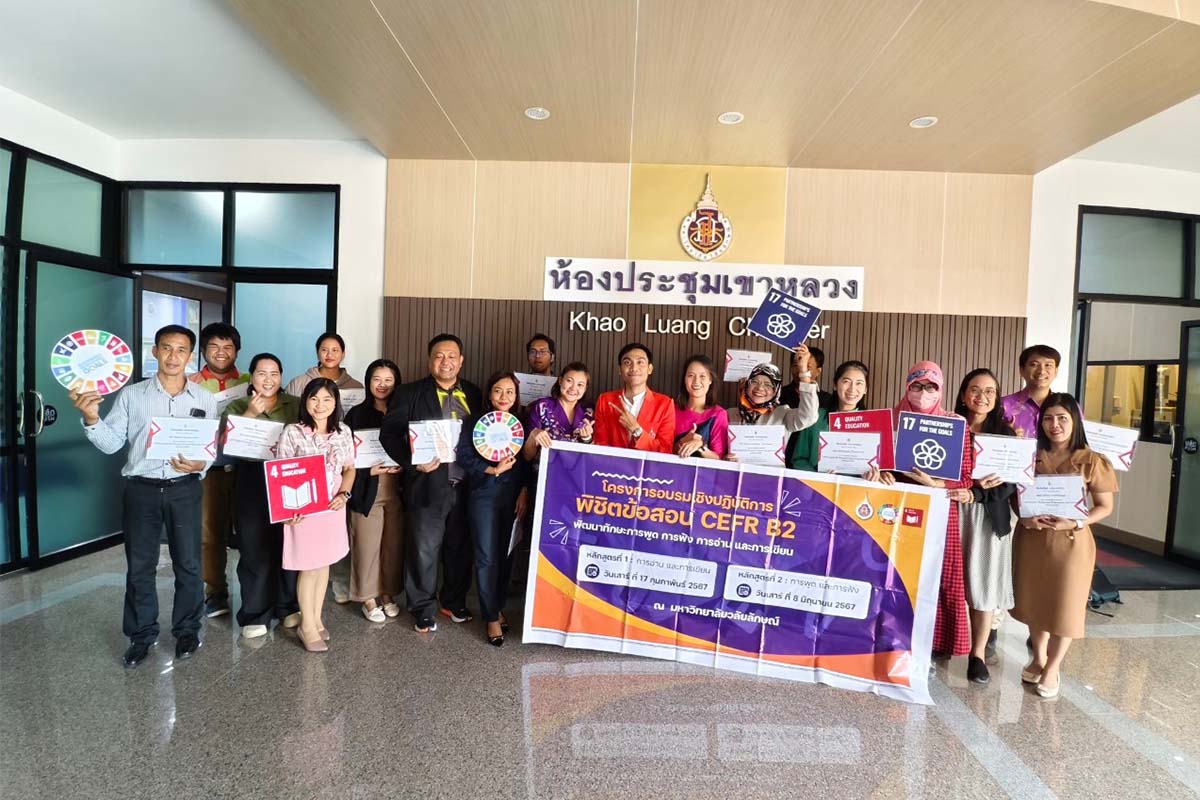
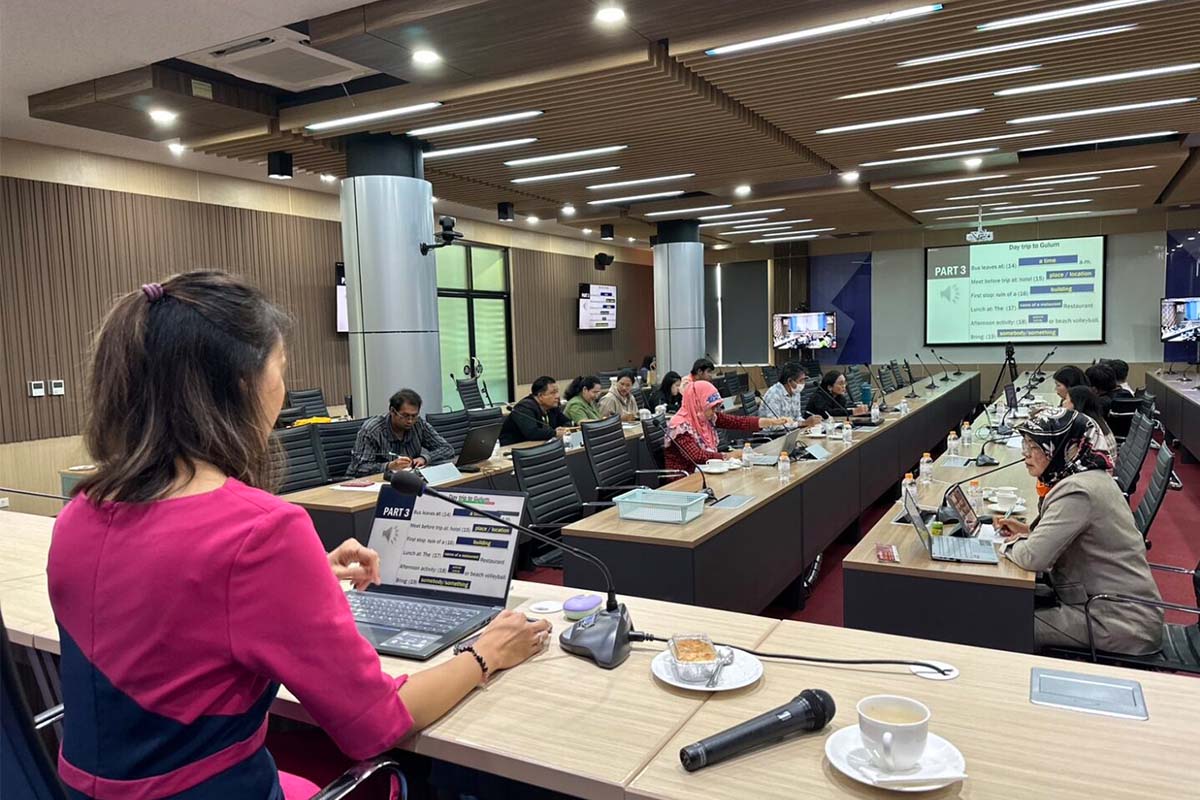
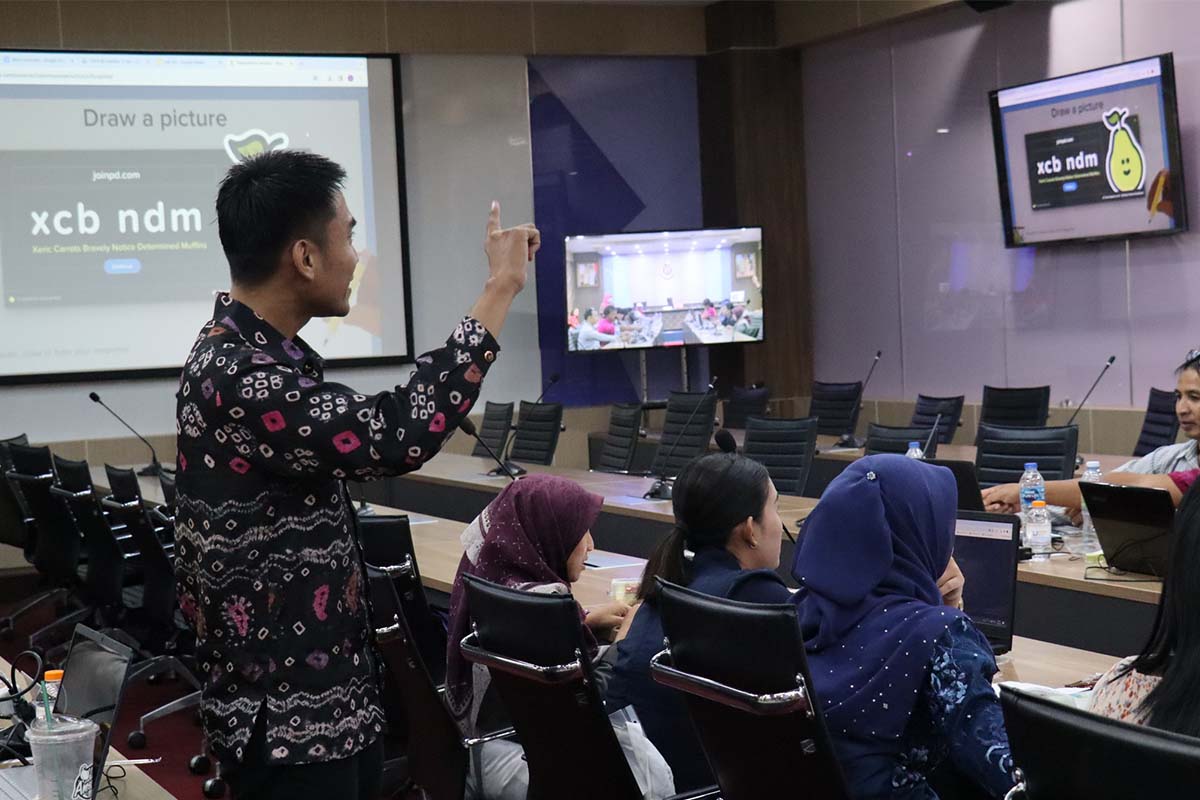
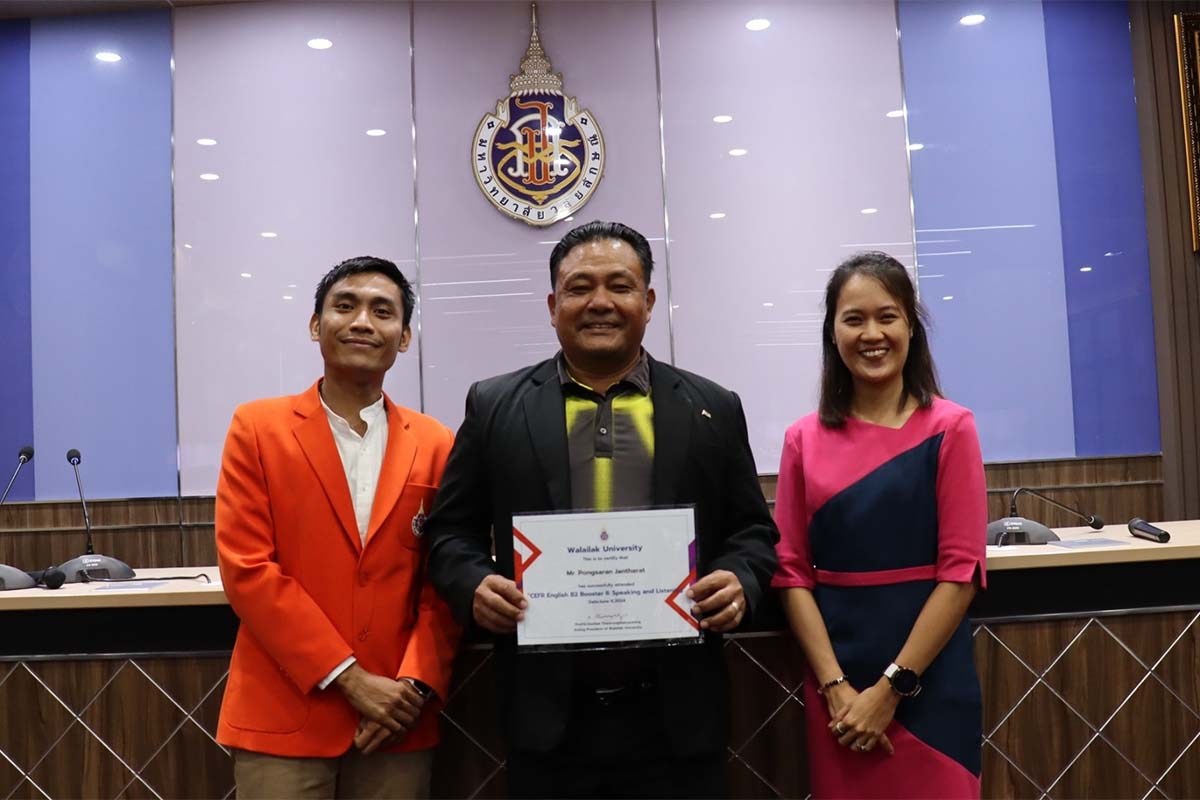
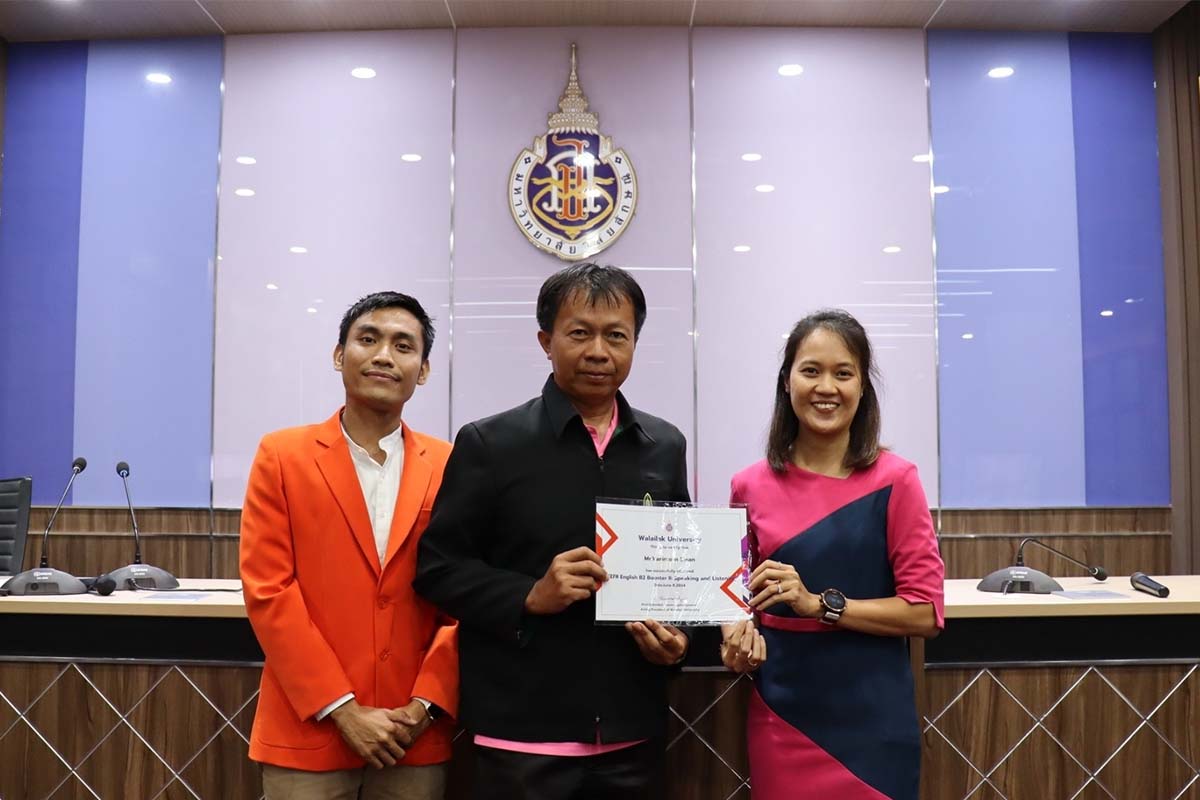
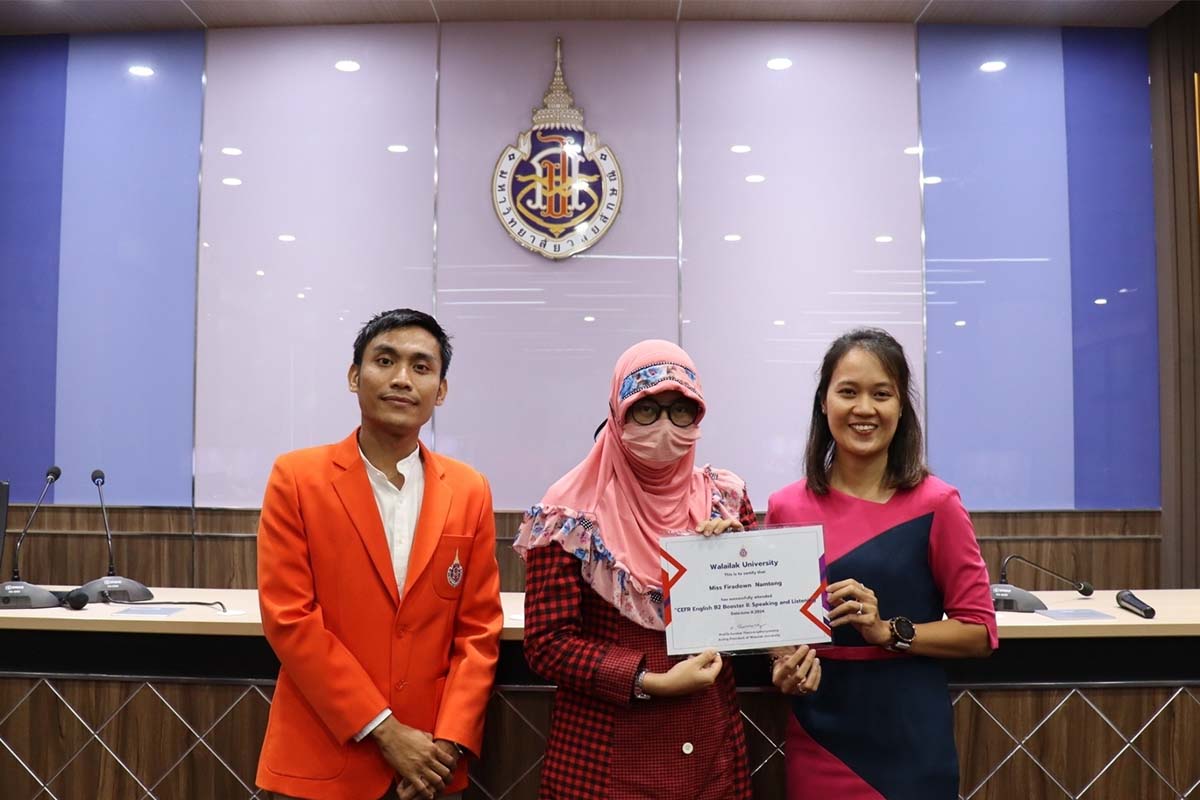
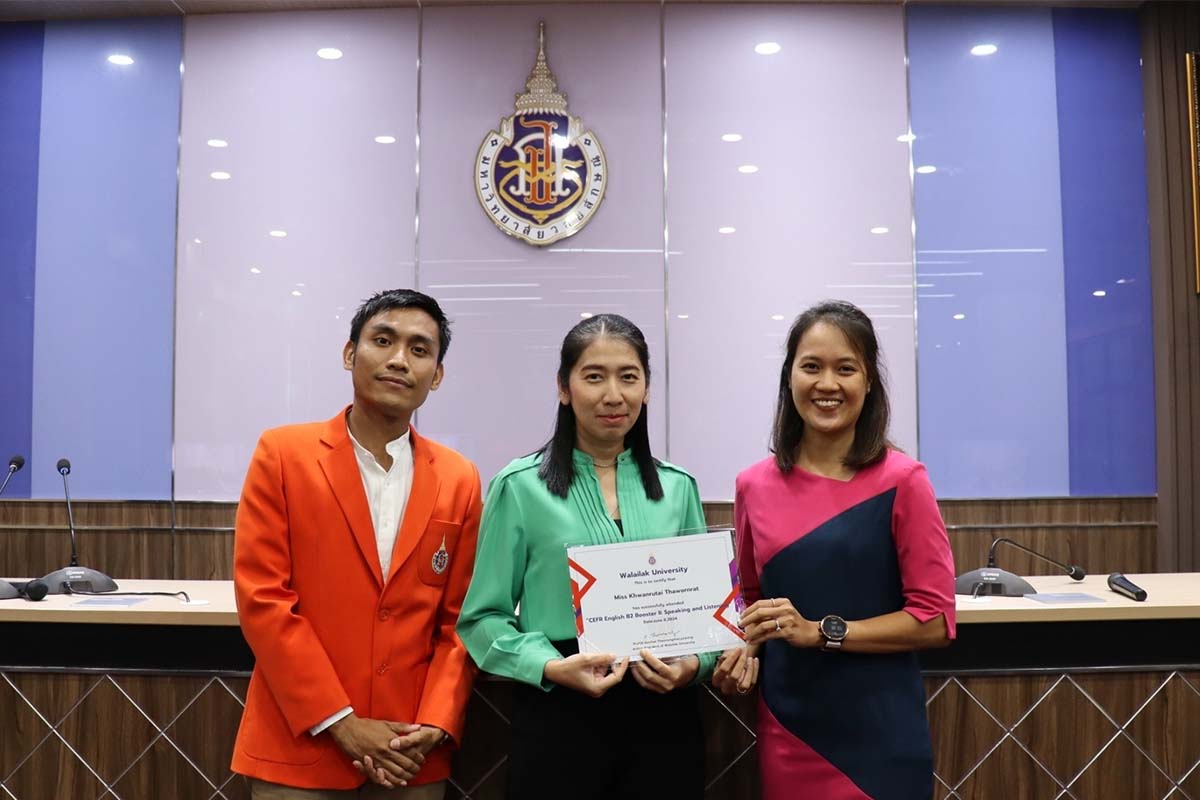
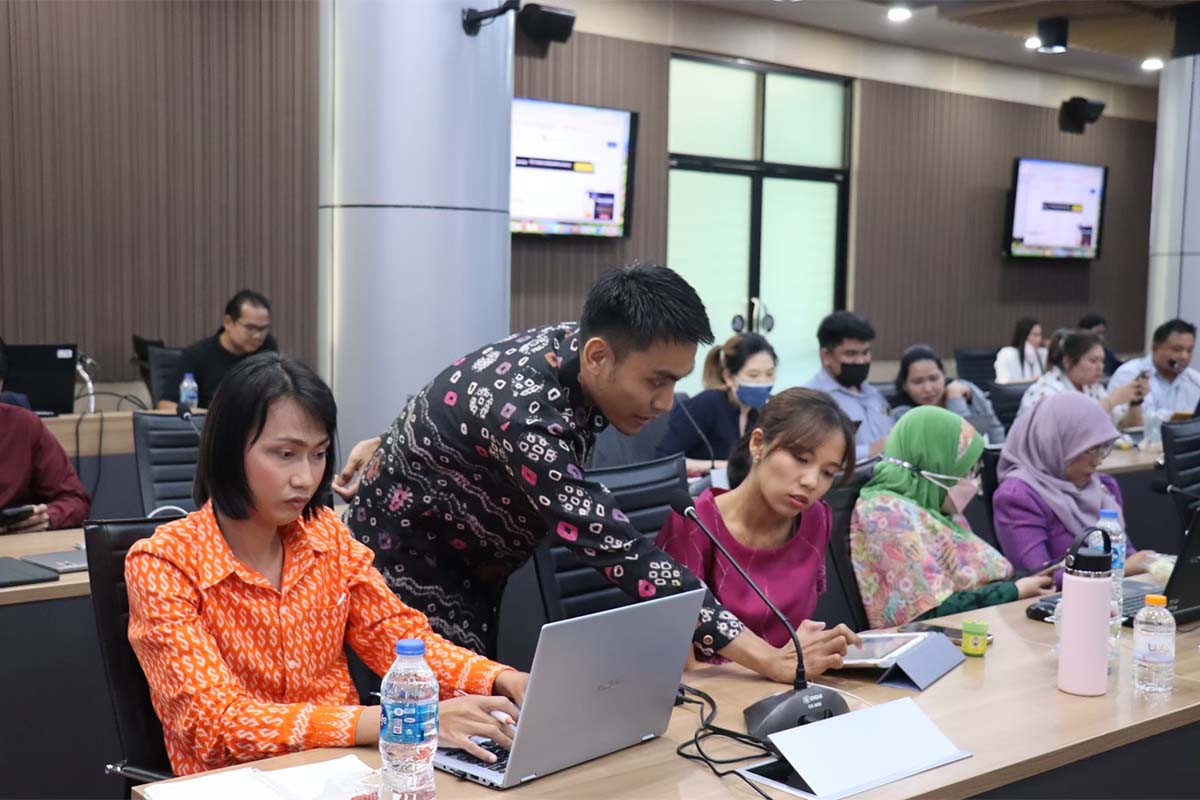
One of the key initiatives is the “CEFR B2 Exam Preparation Workshop”, designed according to the needs of participants. It is divided into two courses: Course 1 on Reading and Writing, and Course 2 on Speaking and Listening. Both courses focus on developing English proficiency across all four skills (listening, speaking, reading, and writing) in alignment with the CEFR framework.
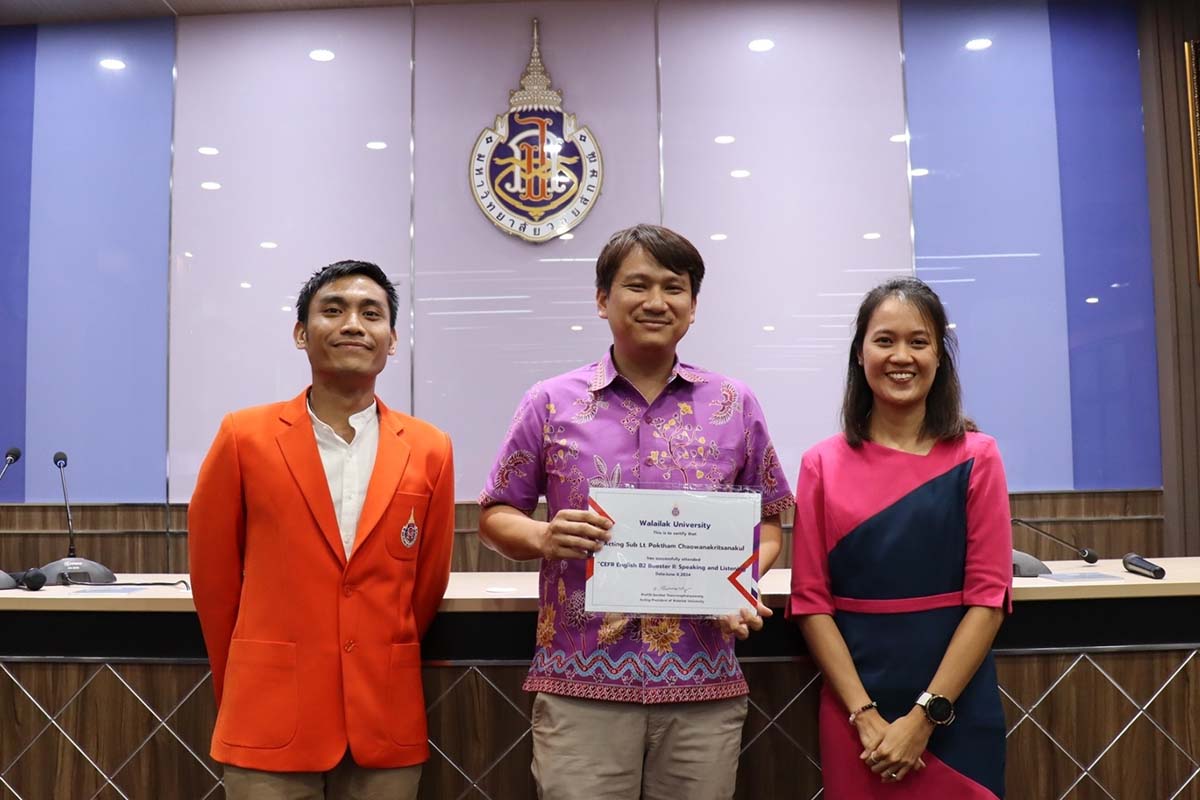
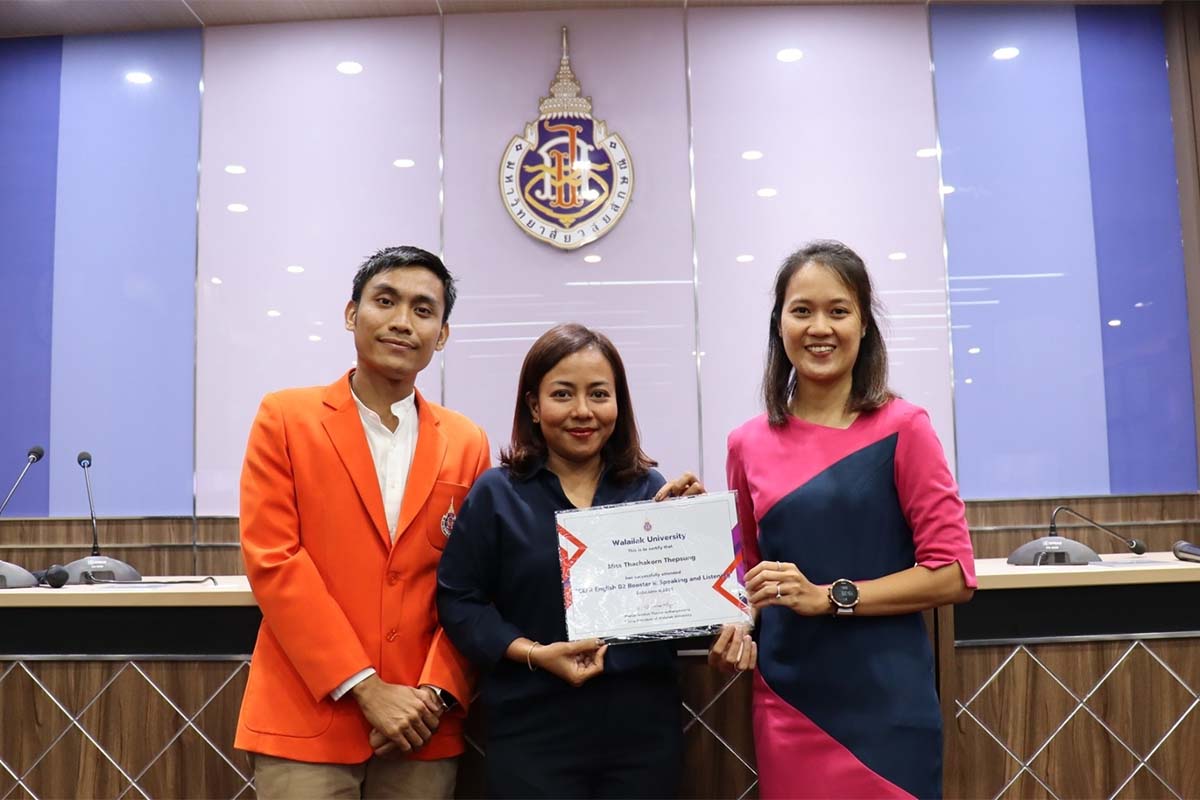
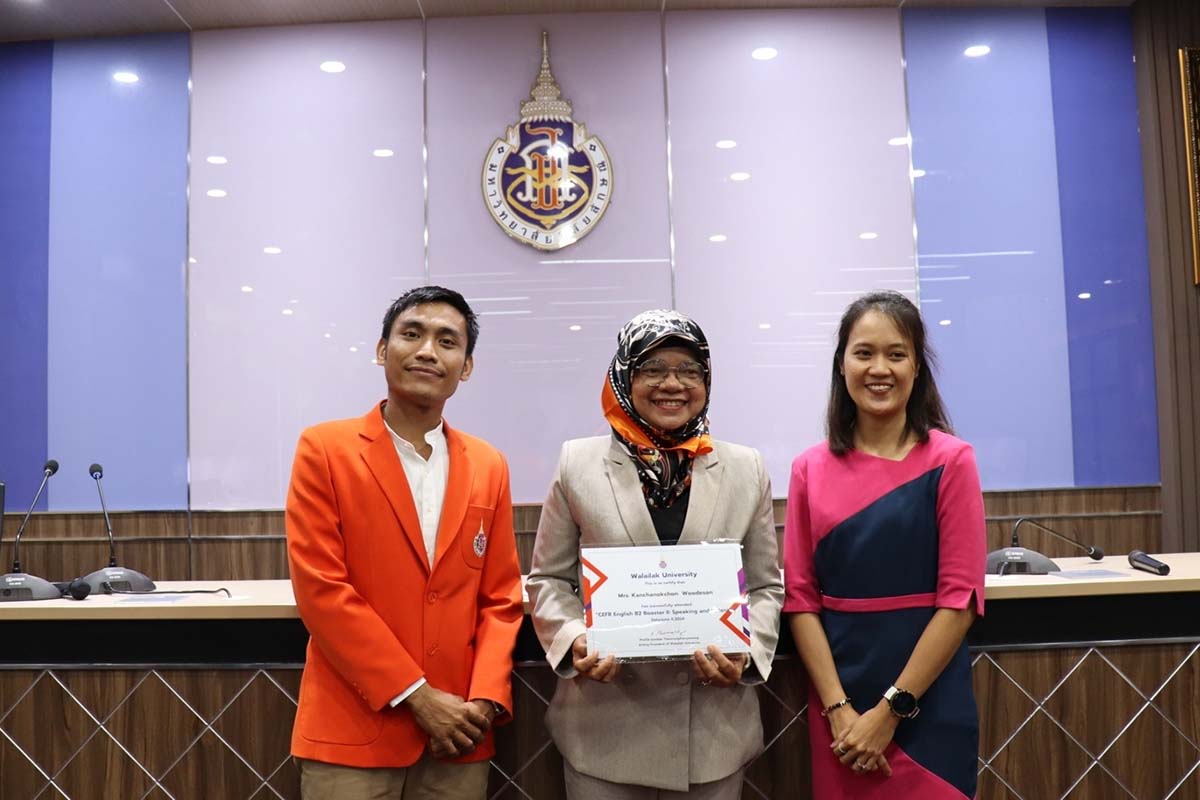
The training aims to equip teachers with readiness and confidence. Upon successful completion, teachers receive a certificate recognizing their enhanced skills, which can be practically applied to their teaching.
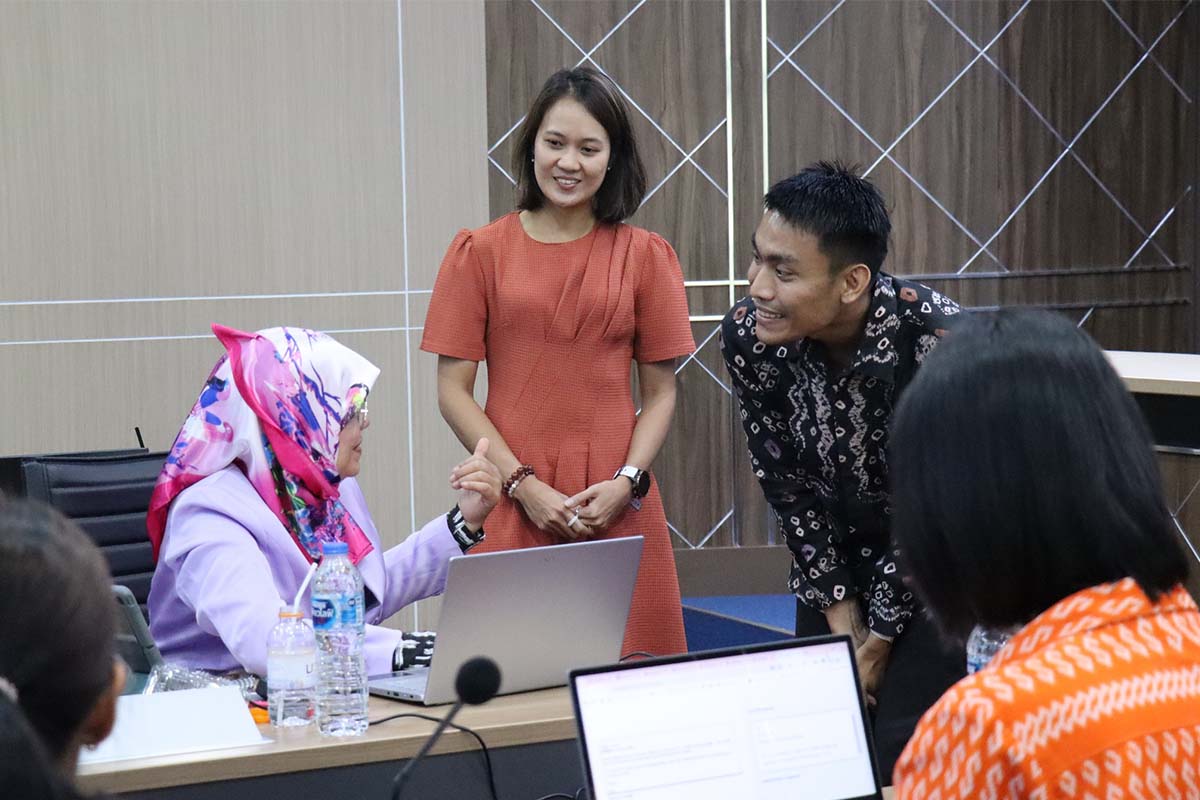
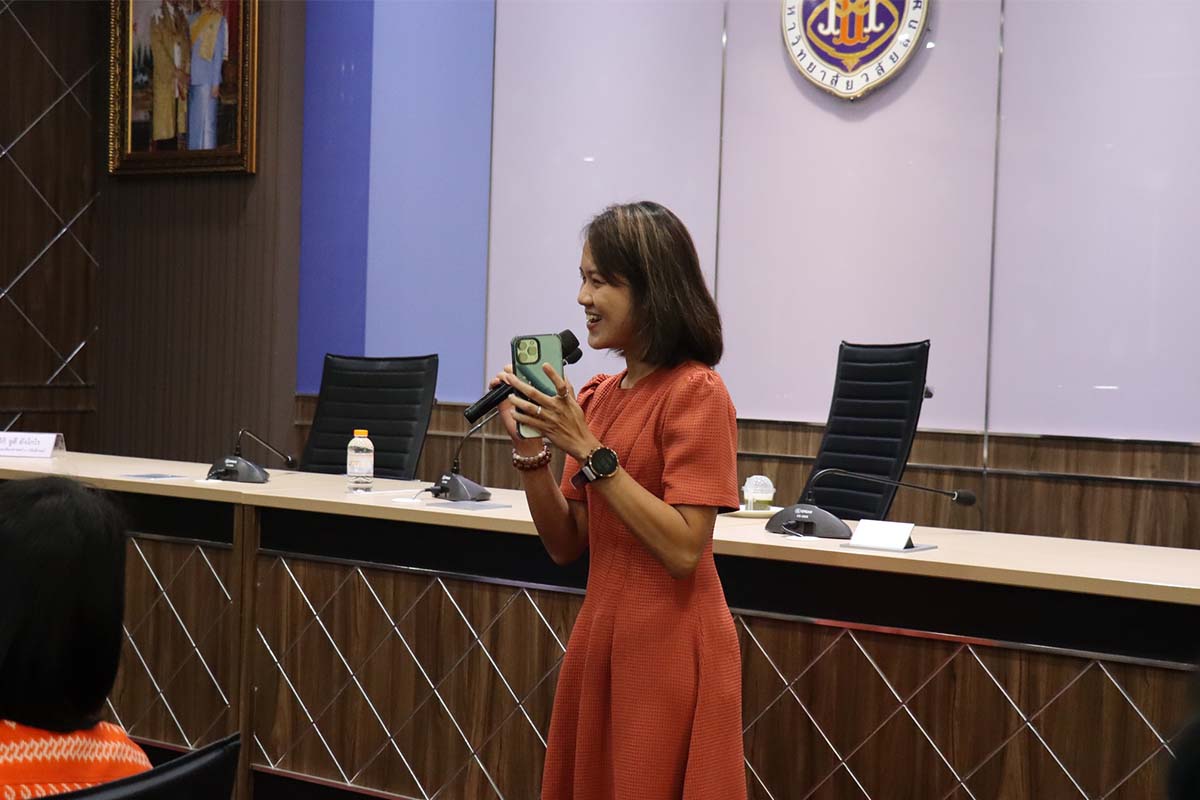
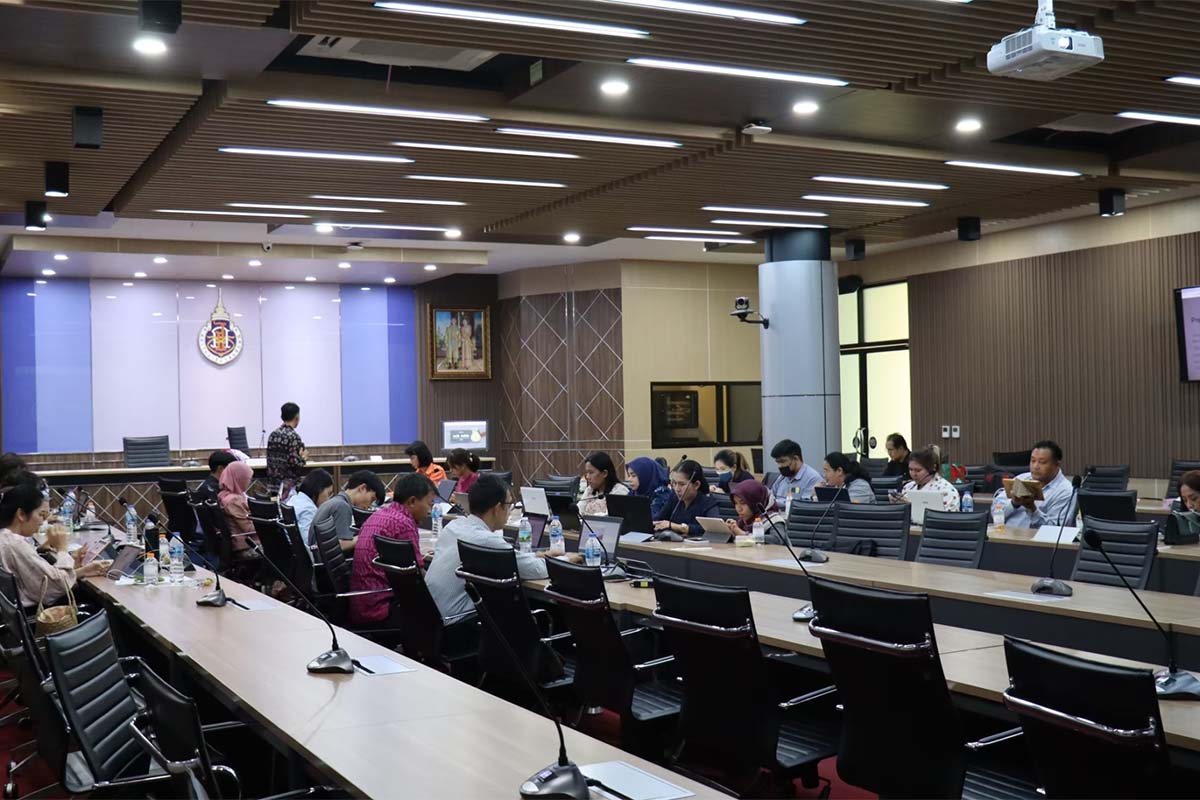
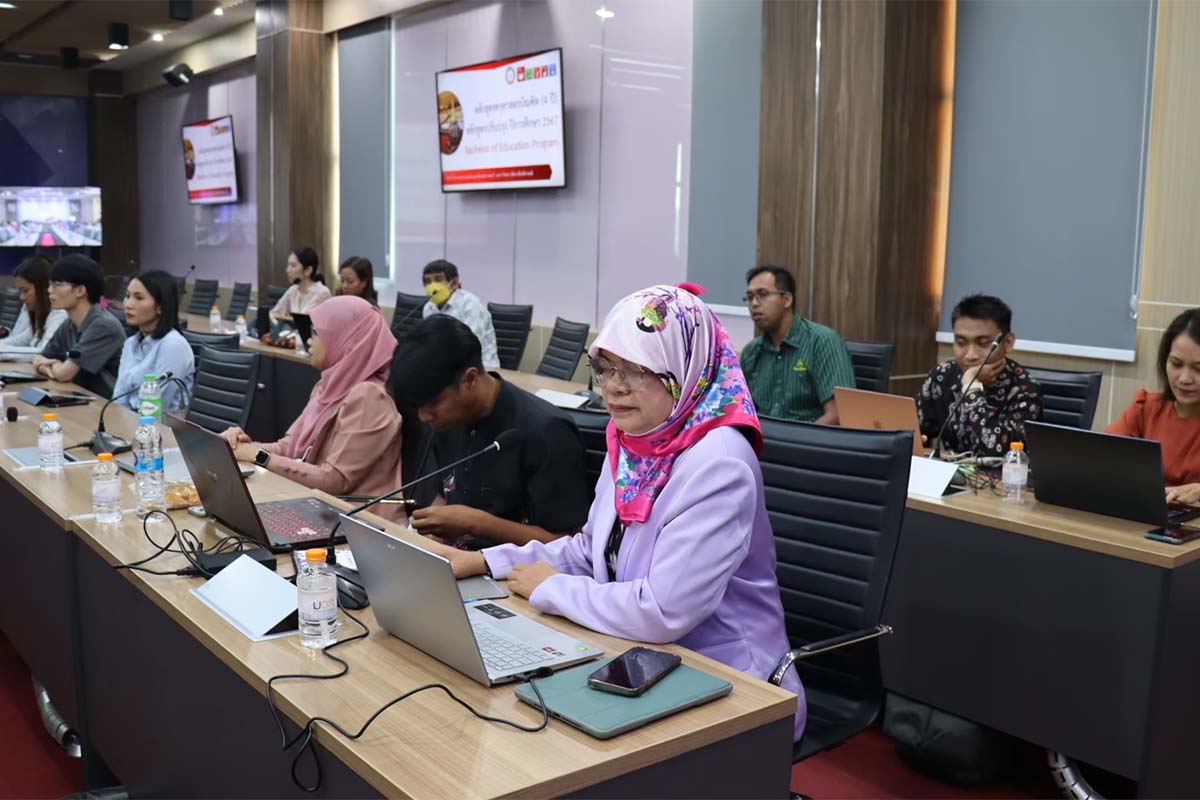
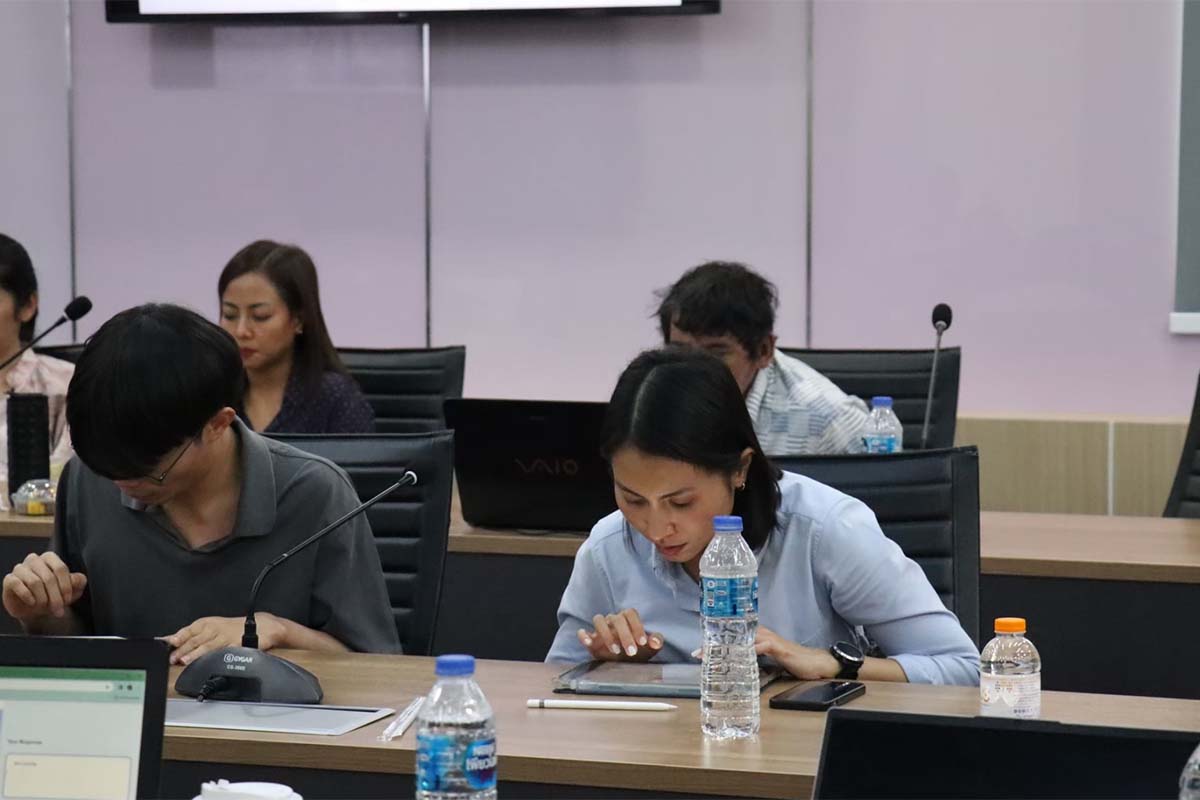
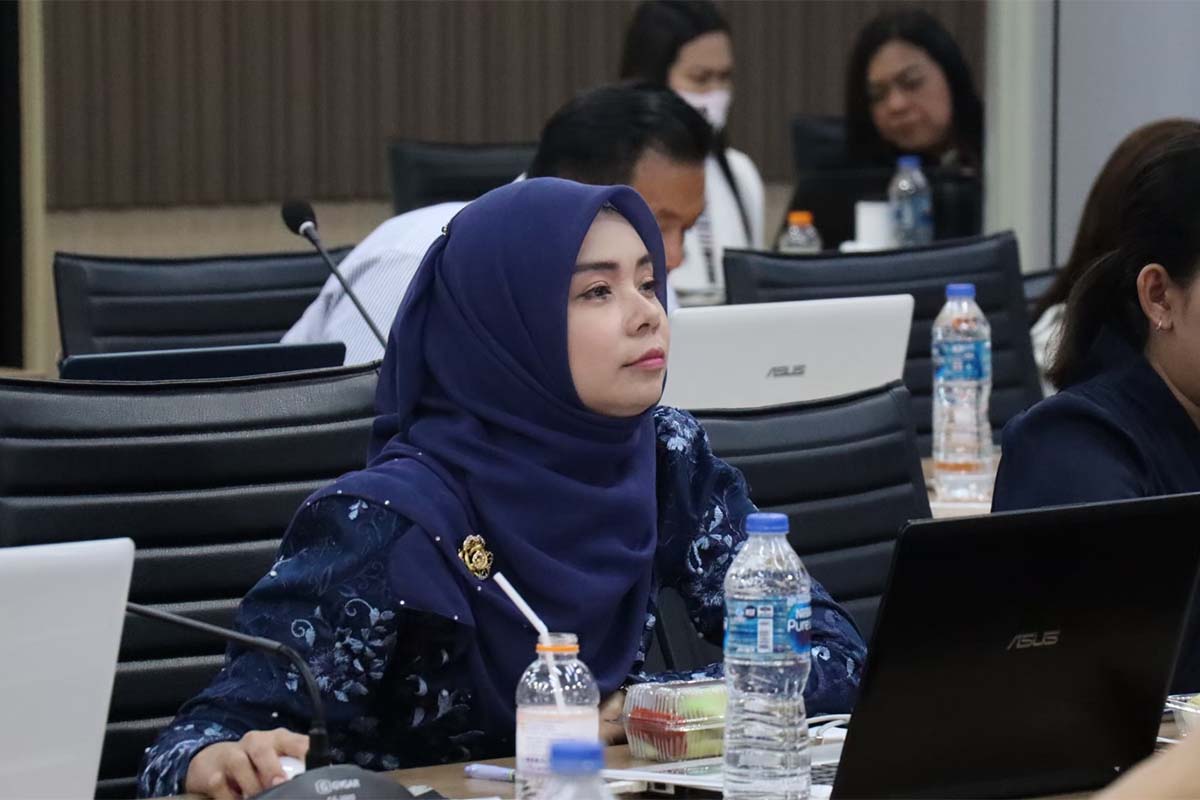
Figures : Free course leading to certificates.
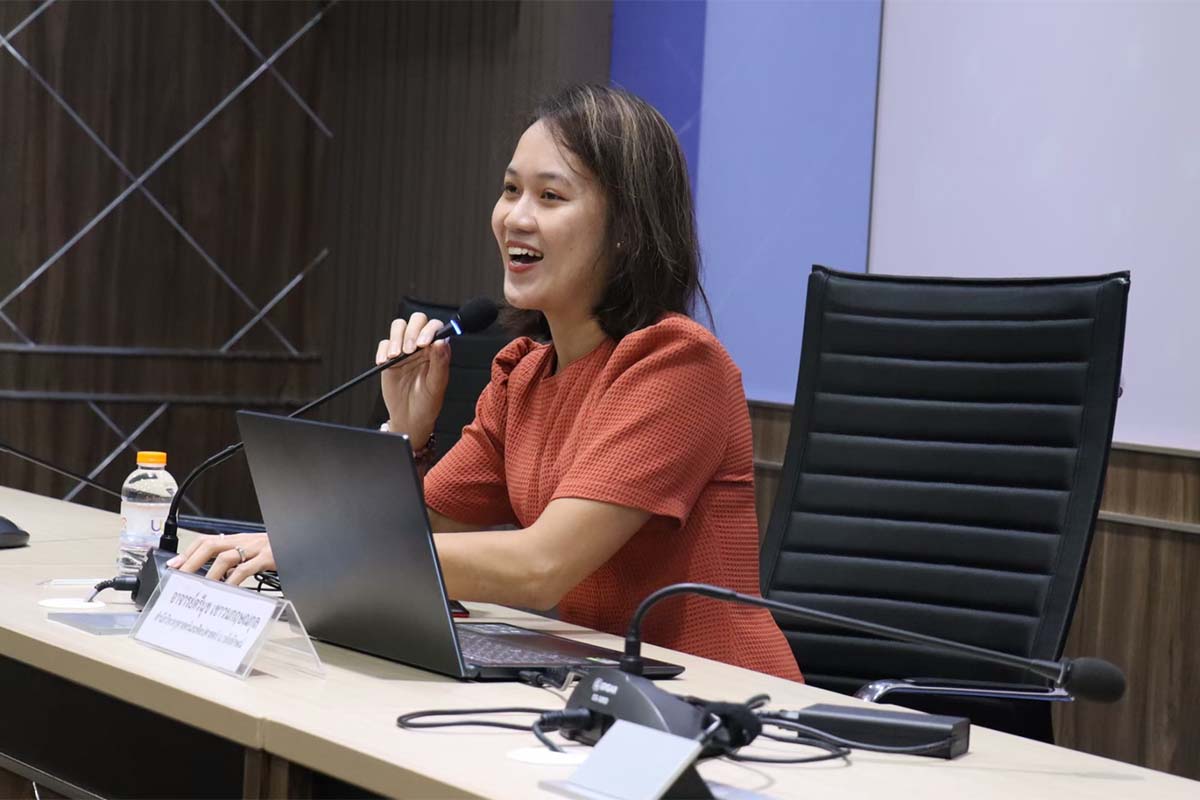
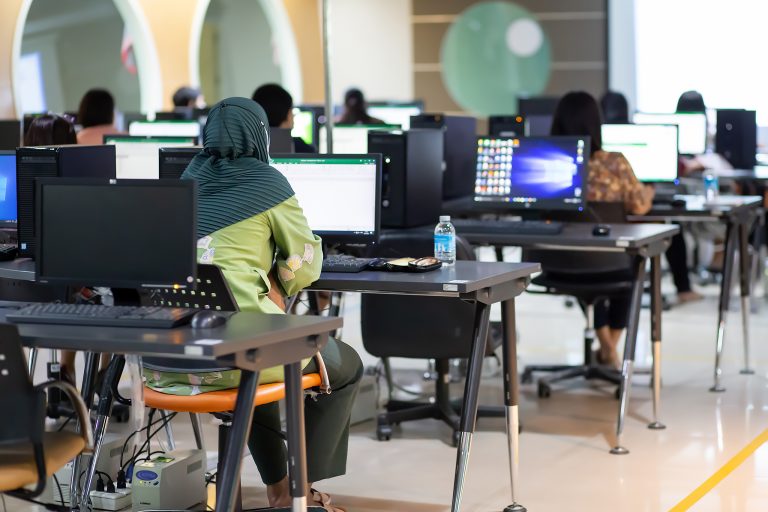
In addition to free courses with certification, participants are also granted access to various university facilities, including modern classrooms, highly qualified instructors, and fully equipped teaching and learning tools. All of these reflect the university’s strong commitment to enhancing the quality of education and continuously supporting teacher development. From the measurement of the impact and effectiveness of this training to optimize performance for sustainable growth, participants responded very positively to the program and also suggested additional topics they would like to learn in the future. This feedback will be used to refine and further develop new curricula, ensuring that educators are continually supported in their professional growth.
Figures : The existence of free access provision to campus facilities and equipment
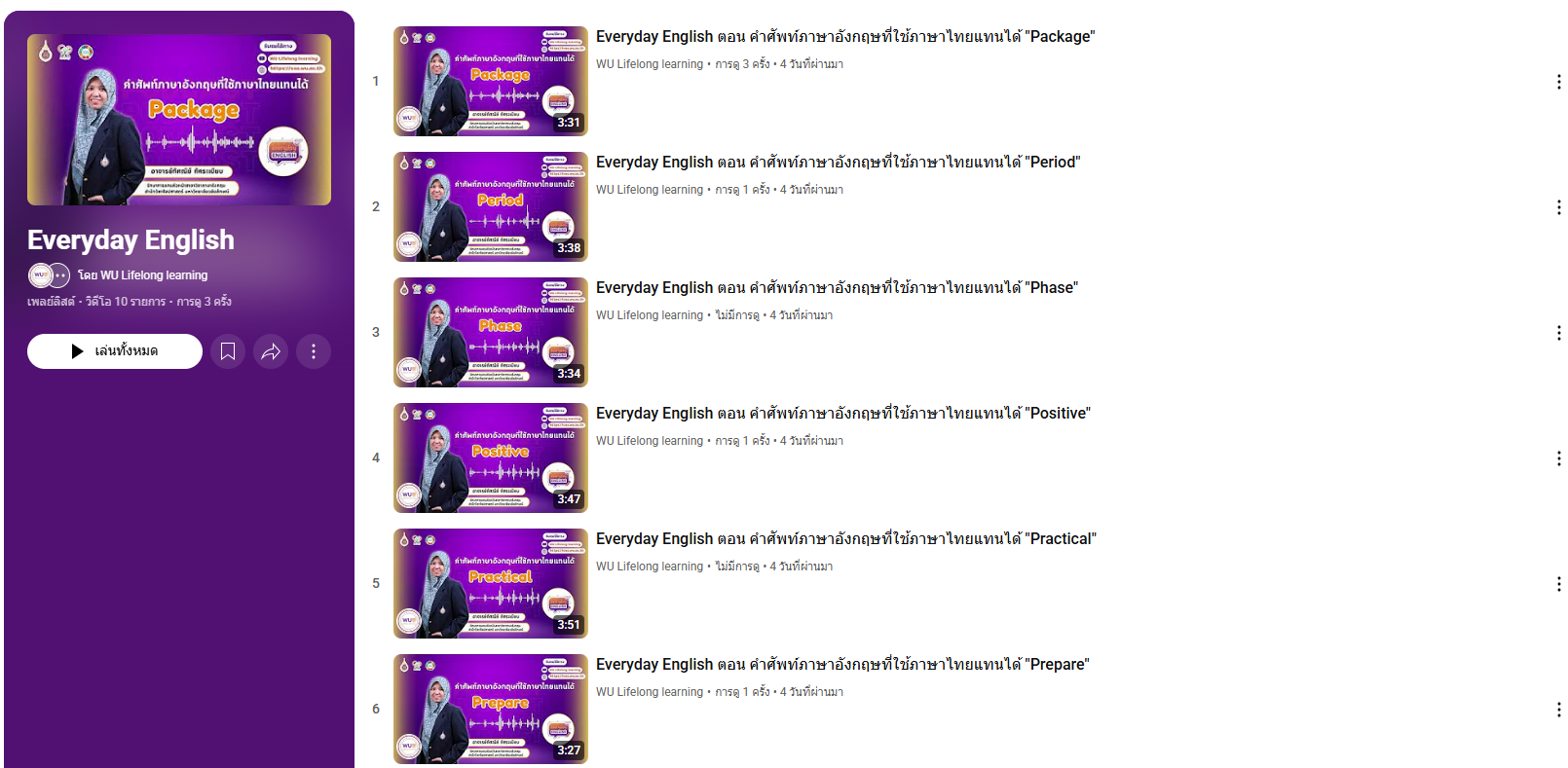
Another valuable public resource that Walailak University offers free of charge to the wider community is its online learning platform, particularly the Everyday English program. Developed by expert instructors from the Department of English and supported by a dedicated production team, the program covers a wide range of topics, from grammar to the practical use of vocabulary in daily life. Its goal is to help educators and other interested learners independently enhance their English skills. In addition, it serves as a supplementary resource for participants of the English Language Development for Classroom Communication Course, providing ongoing opportunities for learning and practice.
Figures : Free online resources for an extension of the university’s teacher training course
Supporting Free Access to Public Resources for School Students through the Young Scientist Competition (YSC)
In addition to the development of teachers, Walailak University also places great emphasis on supporting those not studying at the university, particularly school students and young people, who represent the future strength of the nation. Many of these students lack opportunities to access free courses delivered by higher education experts, receive certified recognition of their knowledge, or benefit from high-quality learning resources both online and offline.
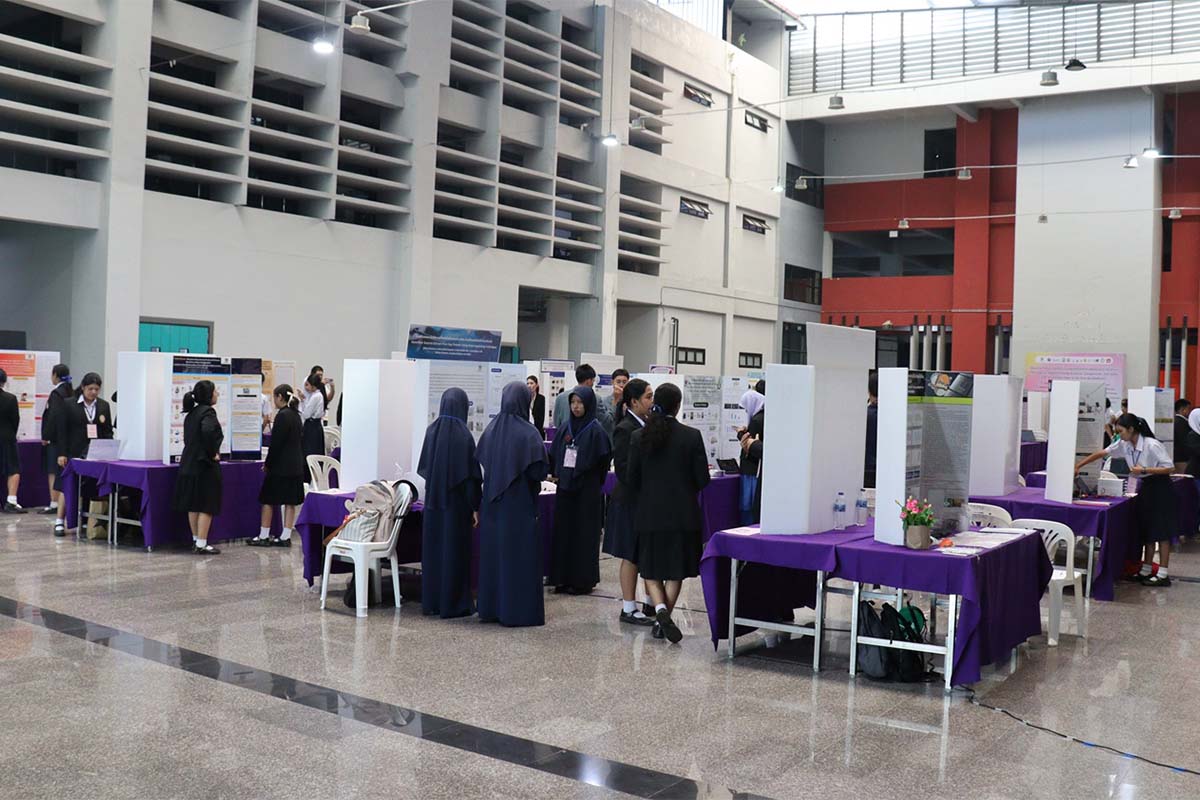
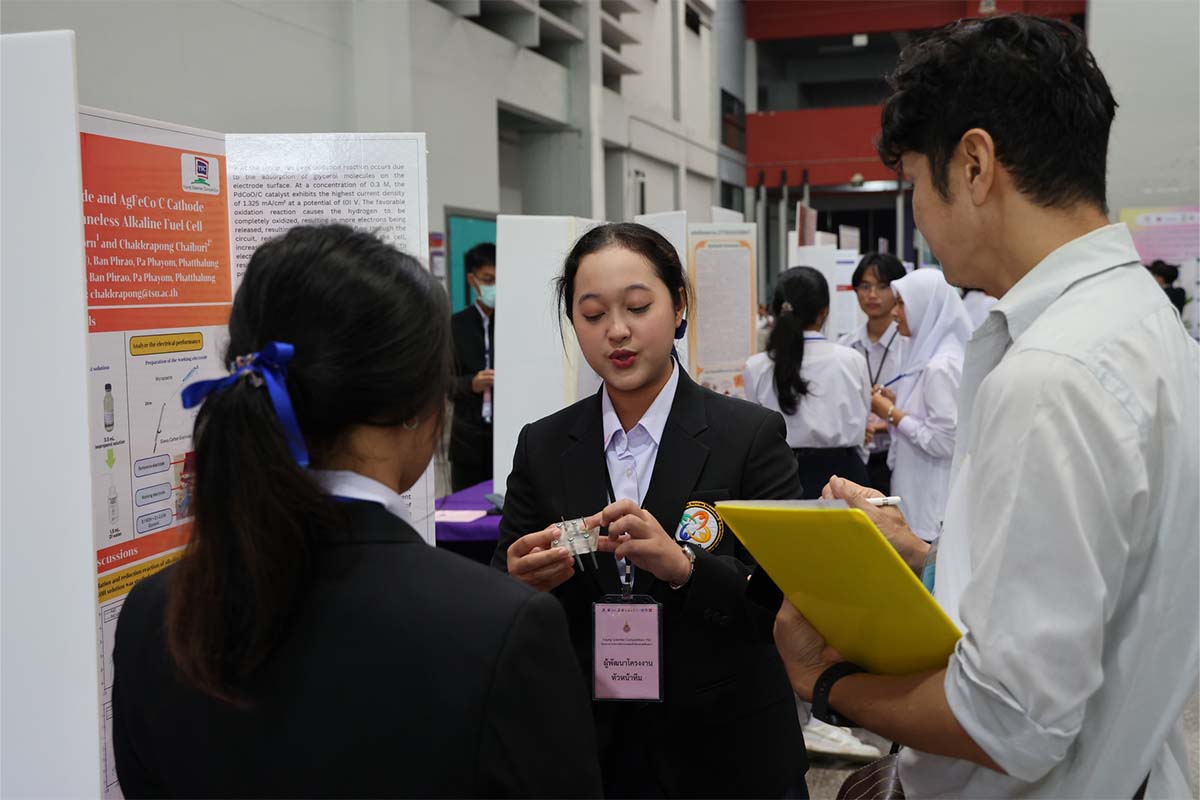
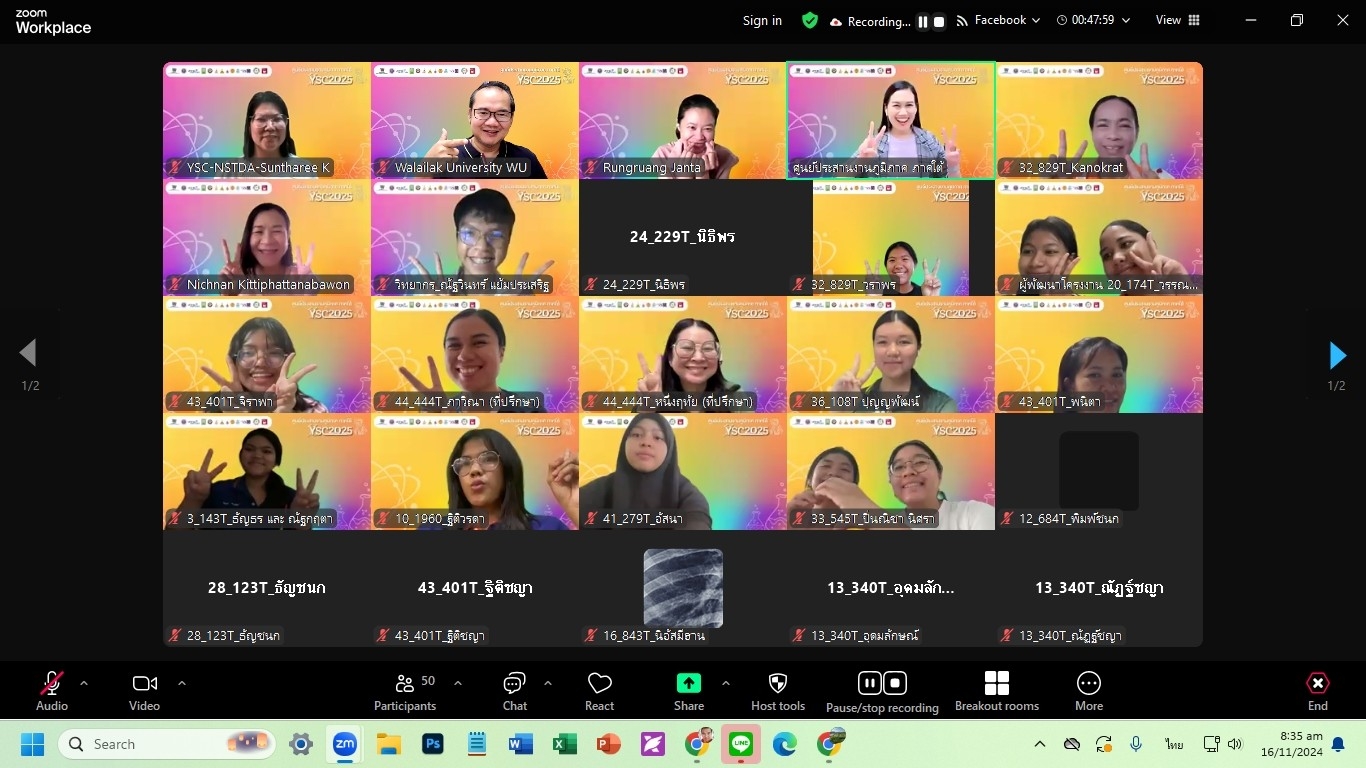
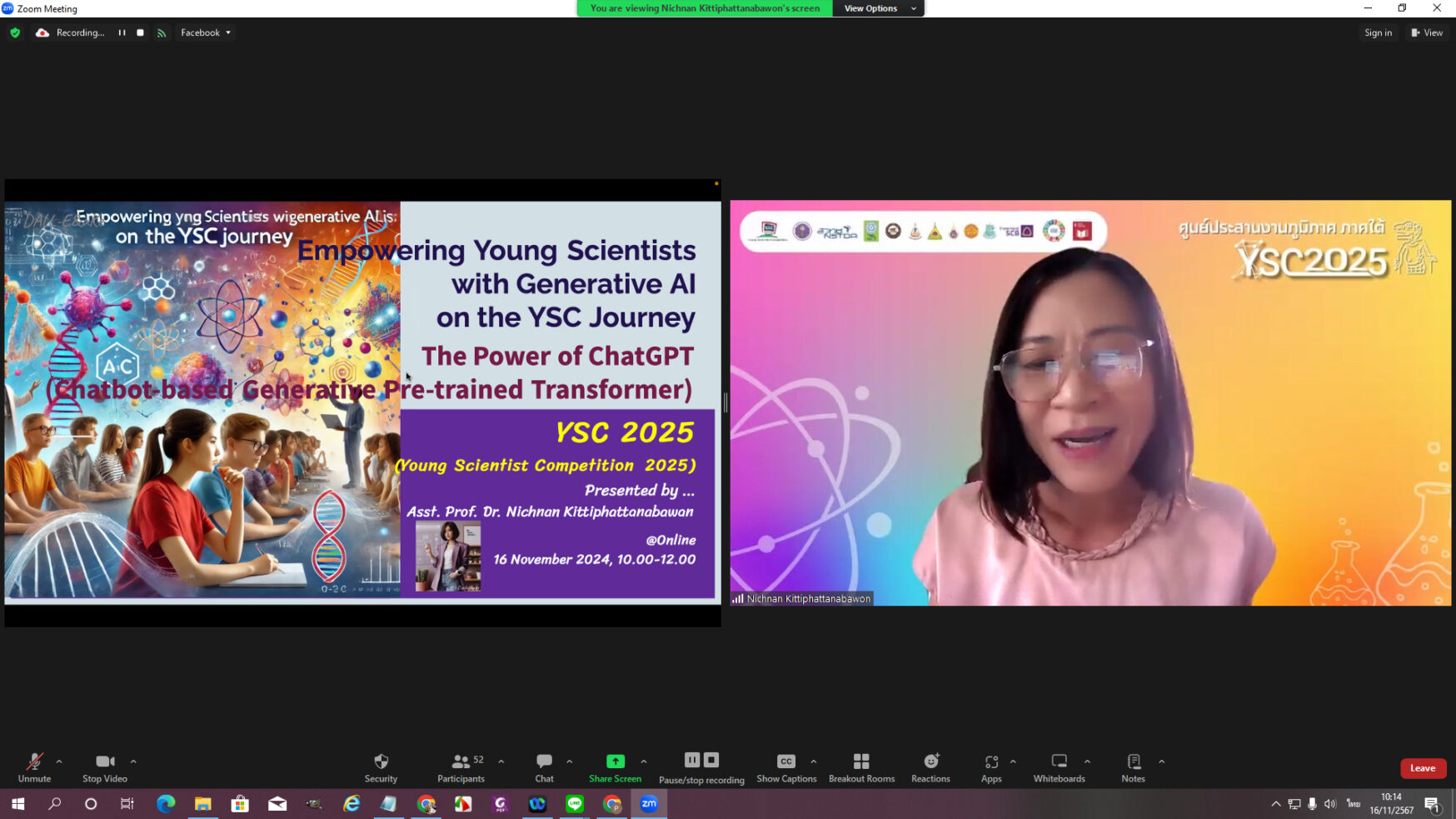
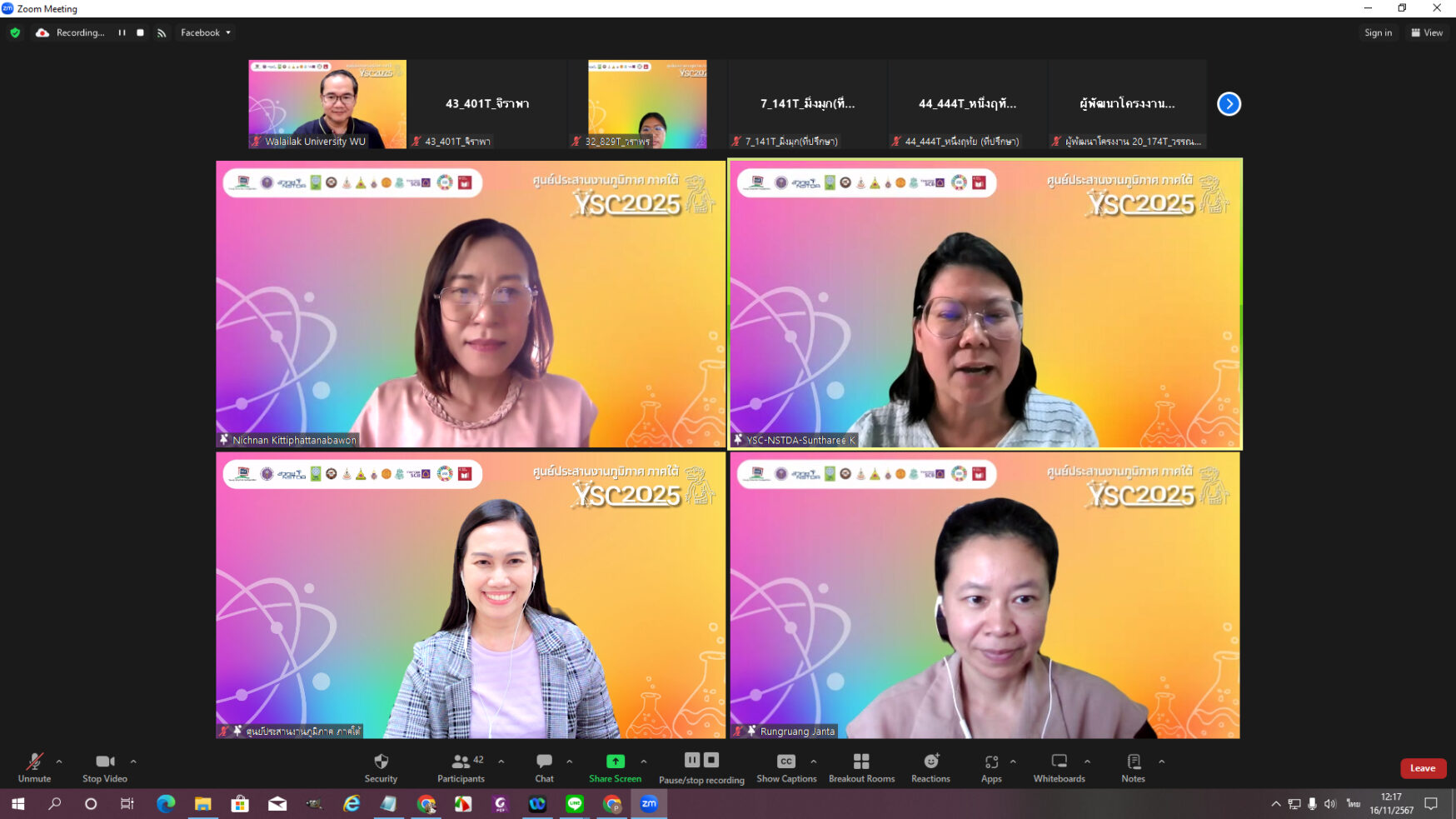
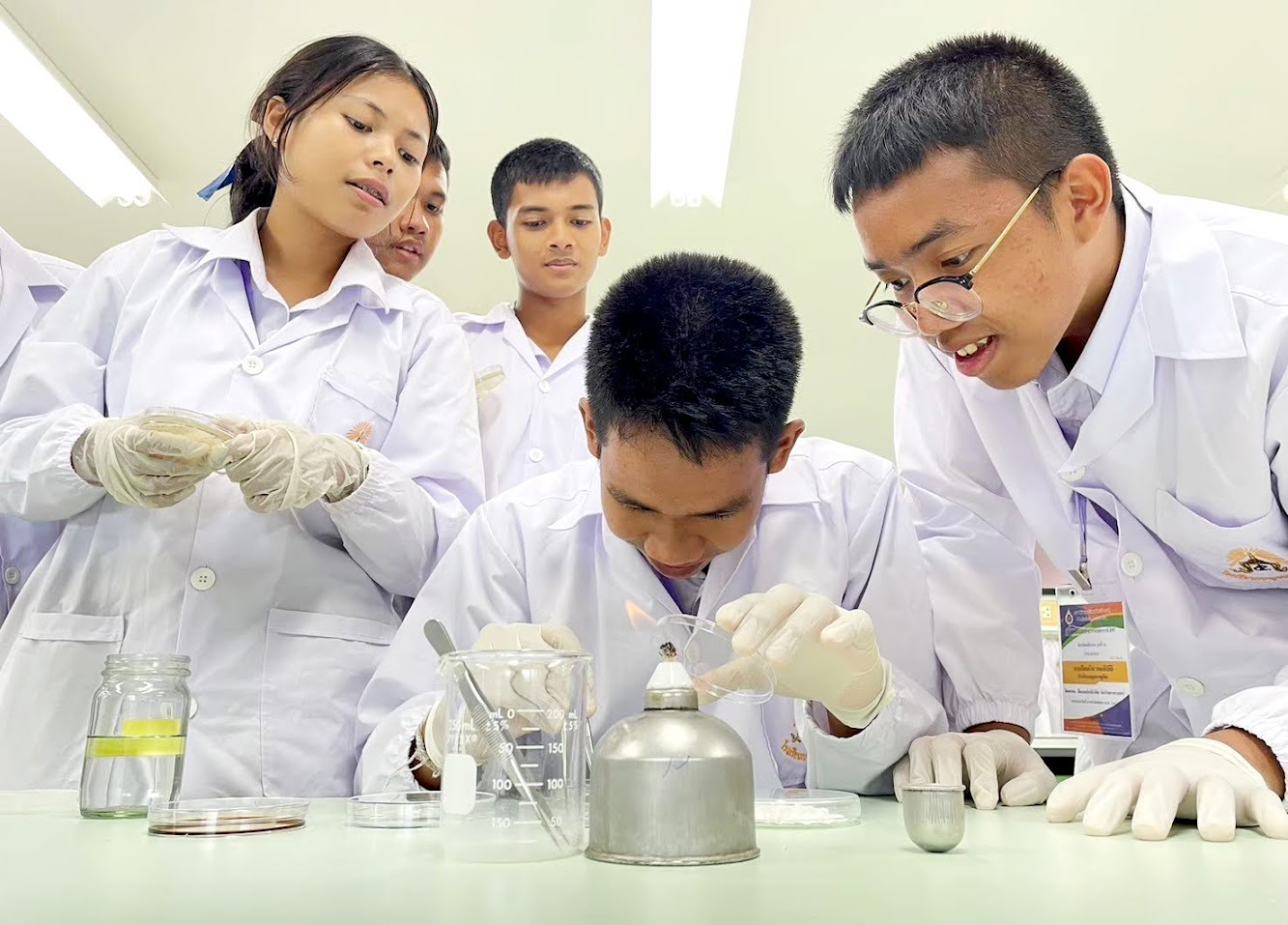
As the Southern Regional Coordination Center for the Yong Scientist Competition (YSC), Walailak University seeks to bridge this gap by providing free access to opportunities for school students to explore scientific and technological knowledge through participation in the YSC. This existence of free access provision enables young learners to access valuable educational experiences and fosters their interest in innovation and research from an early age.
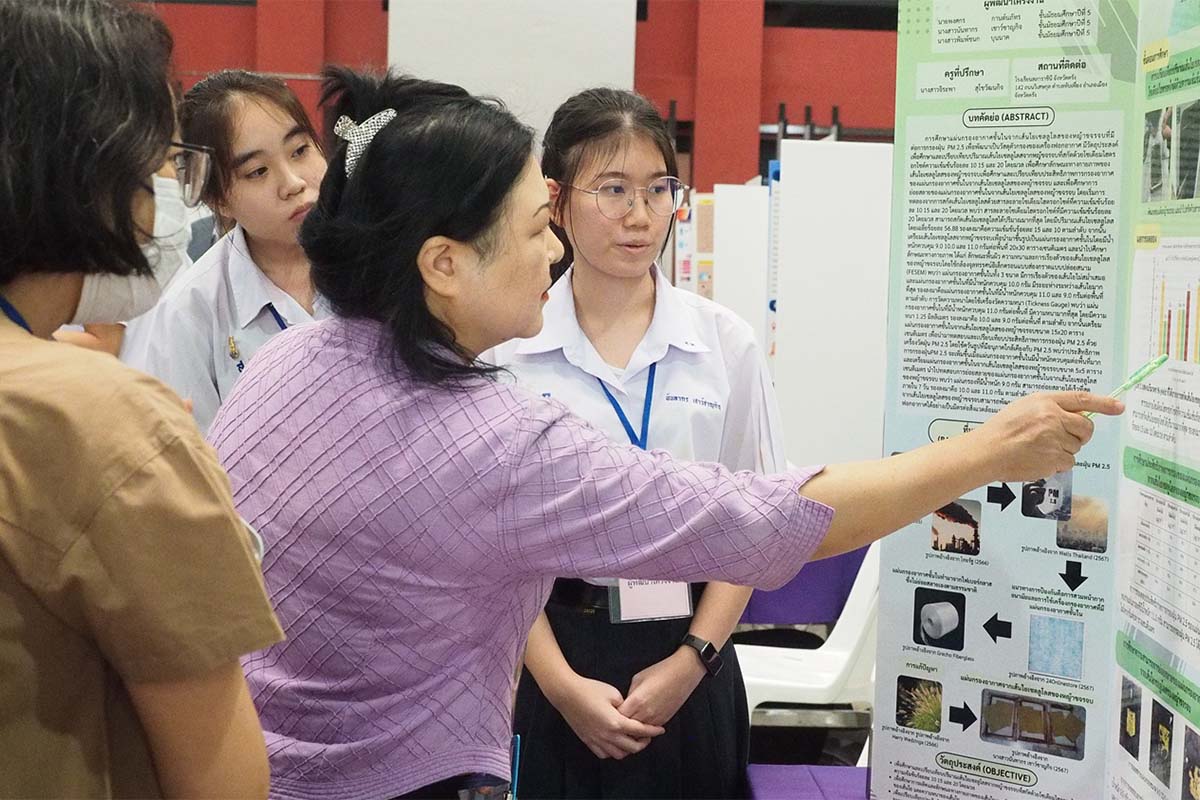
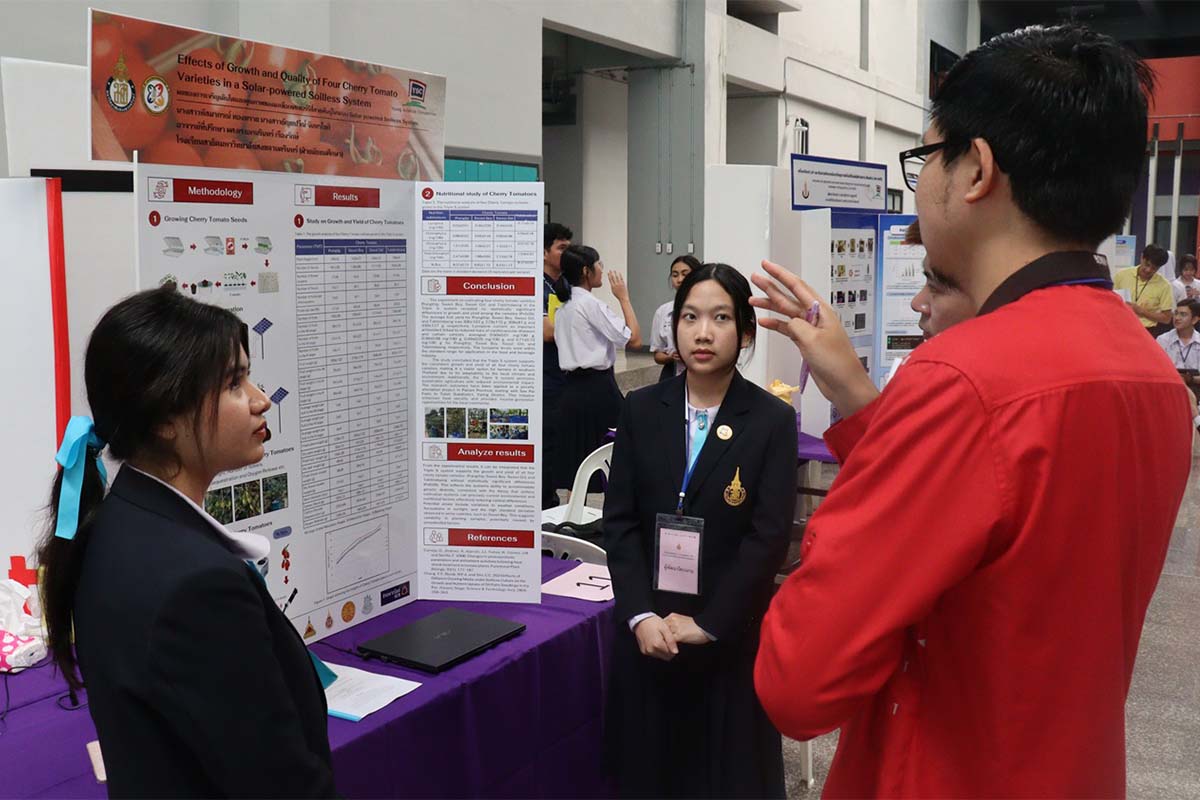
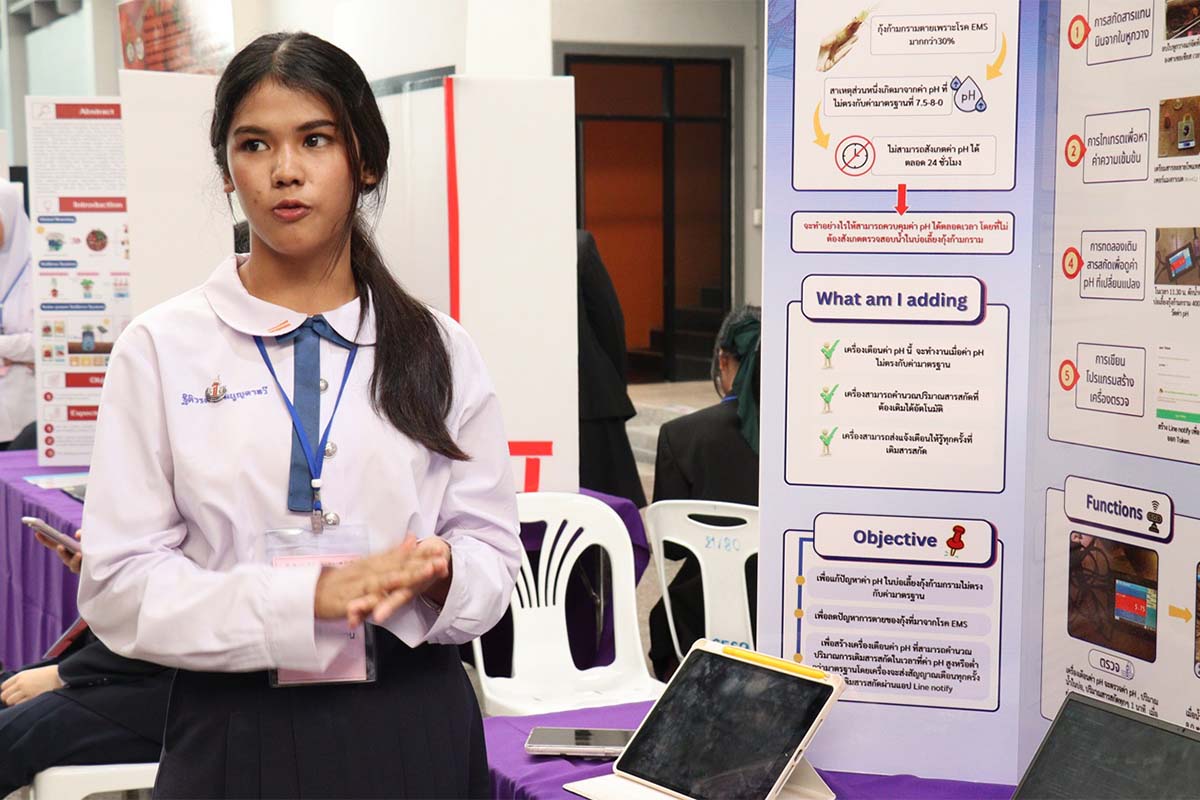
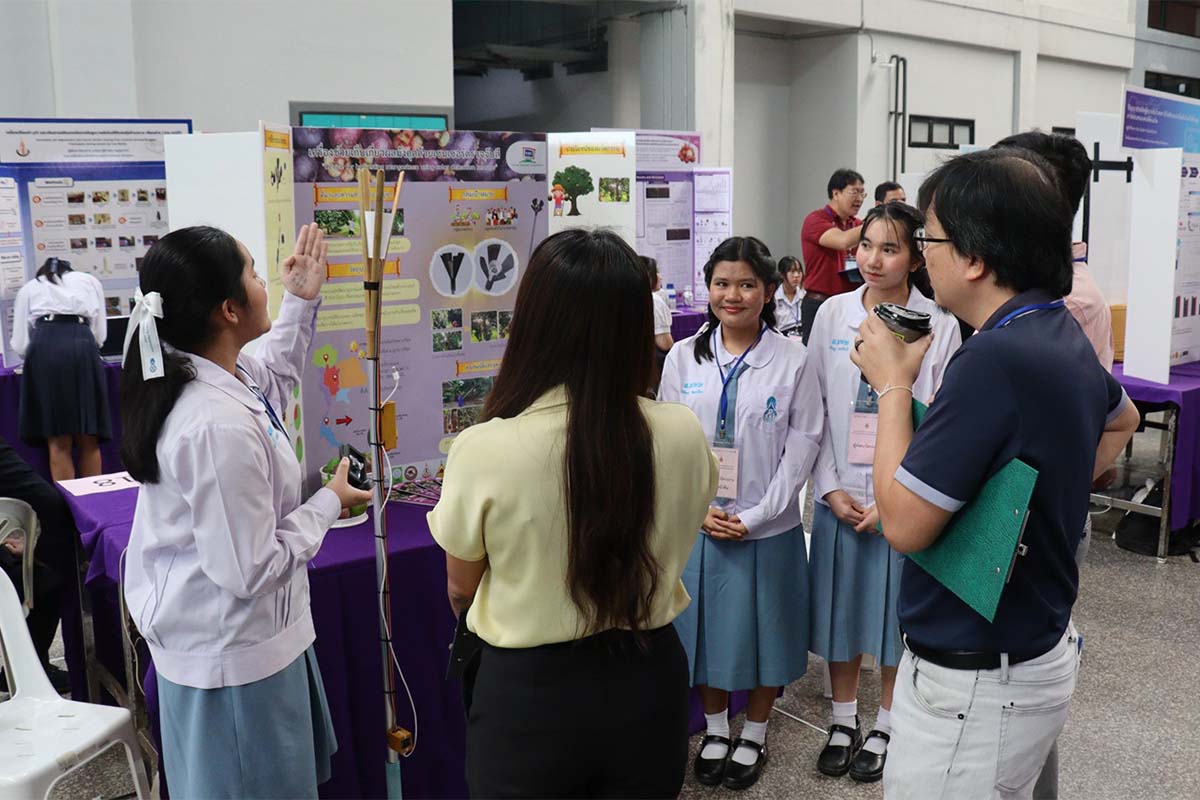
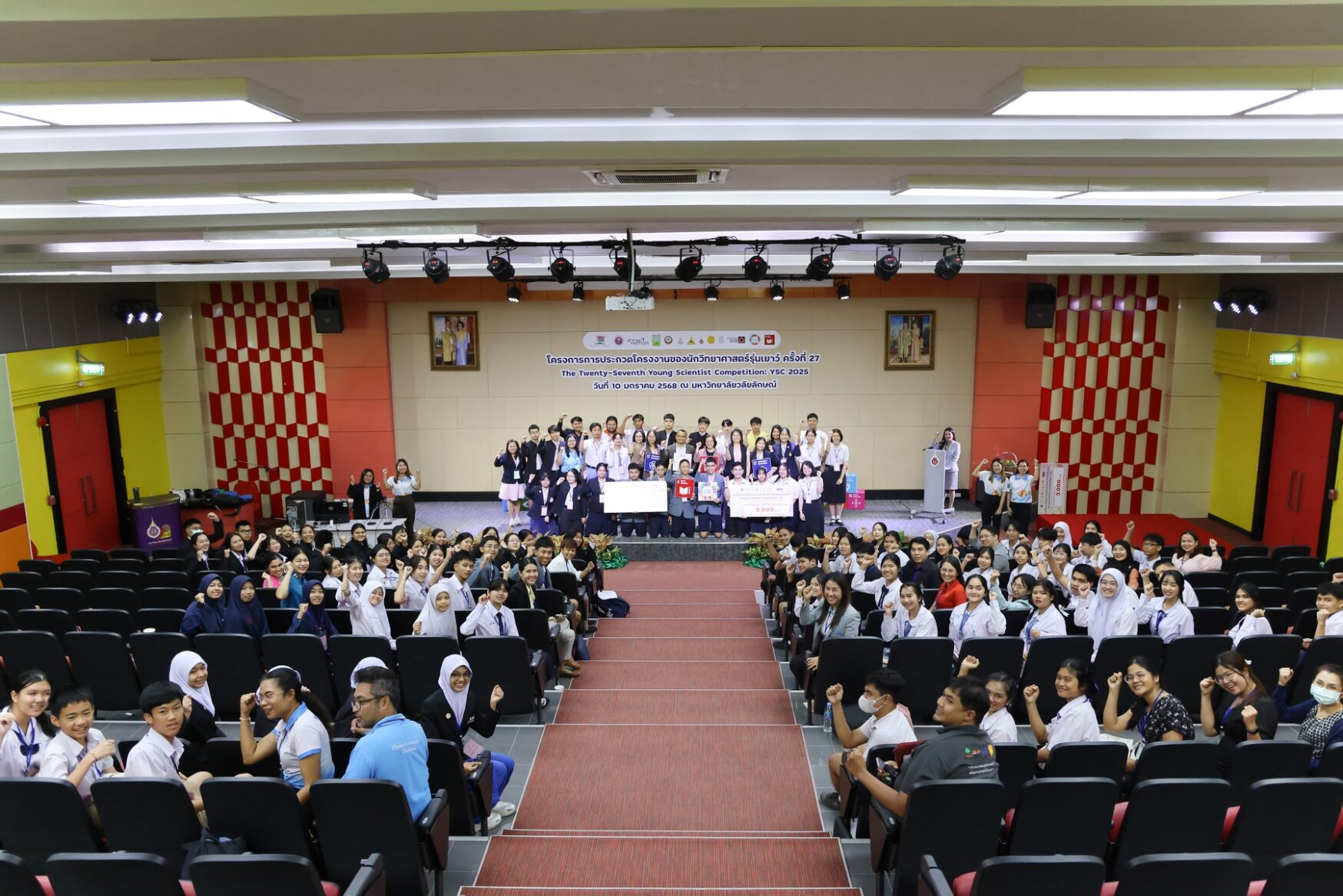
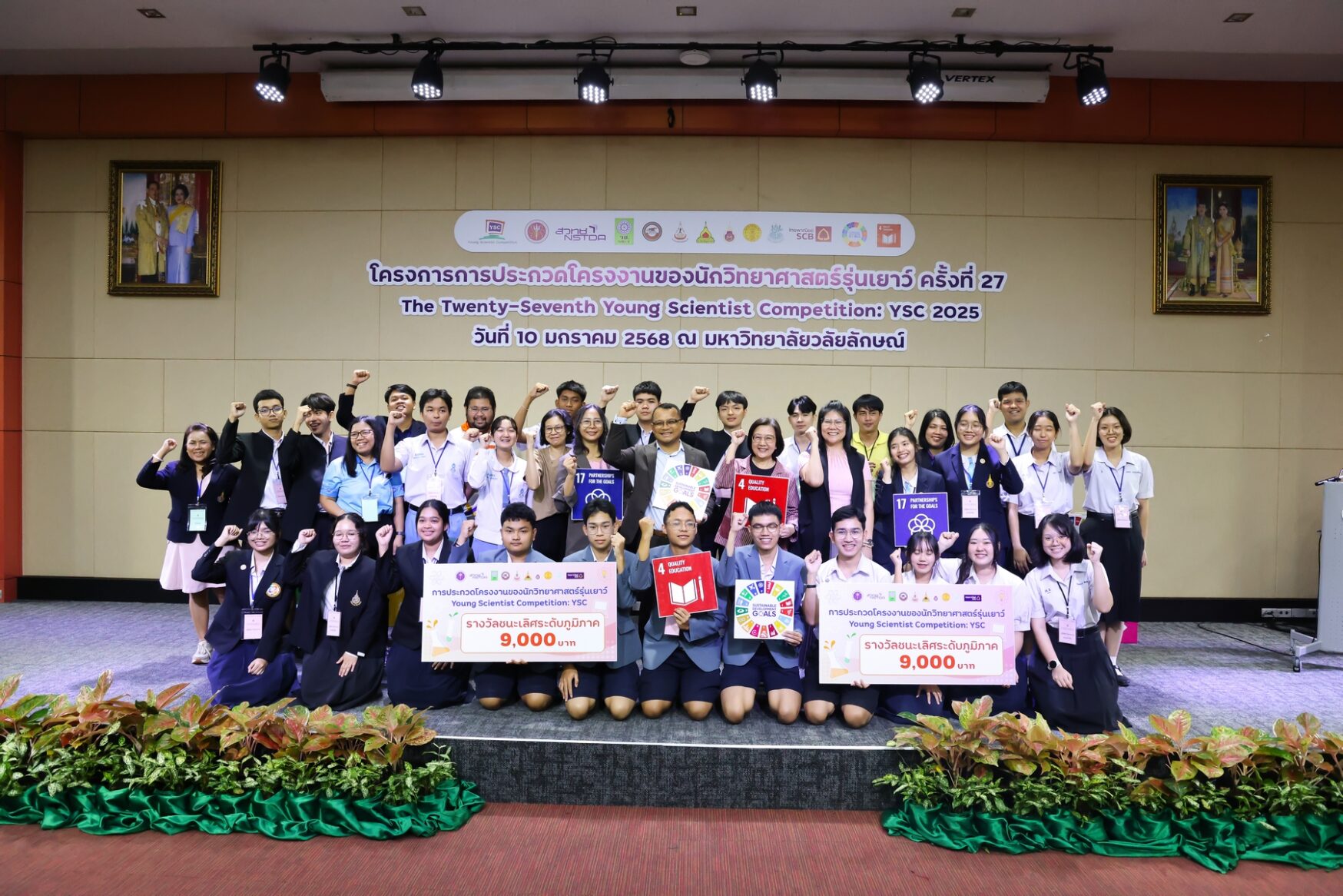
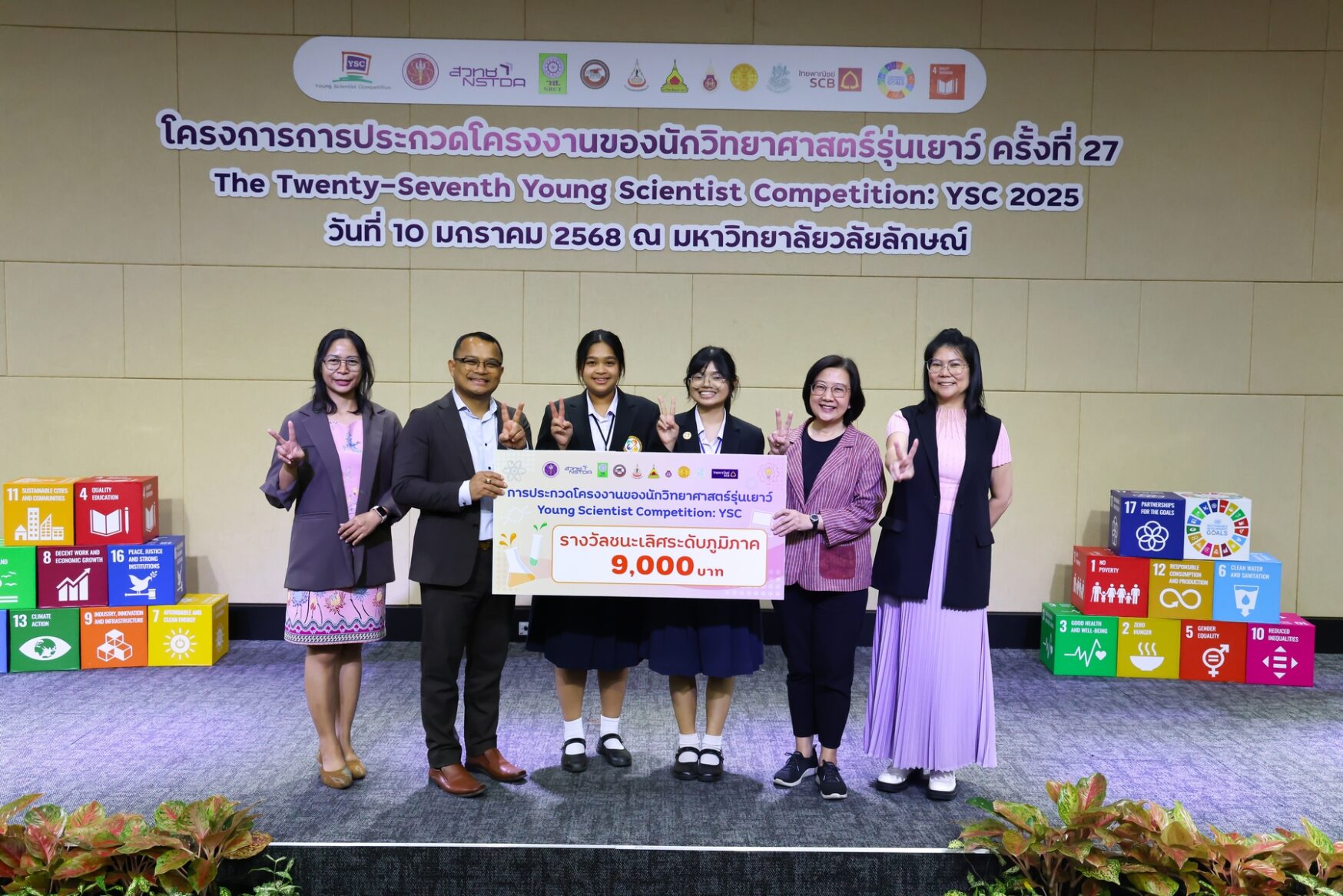
Figures : Free Access to Public Resources for Youth through the Young Scientist Competition (YSC)
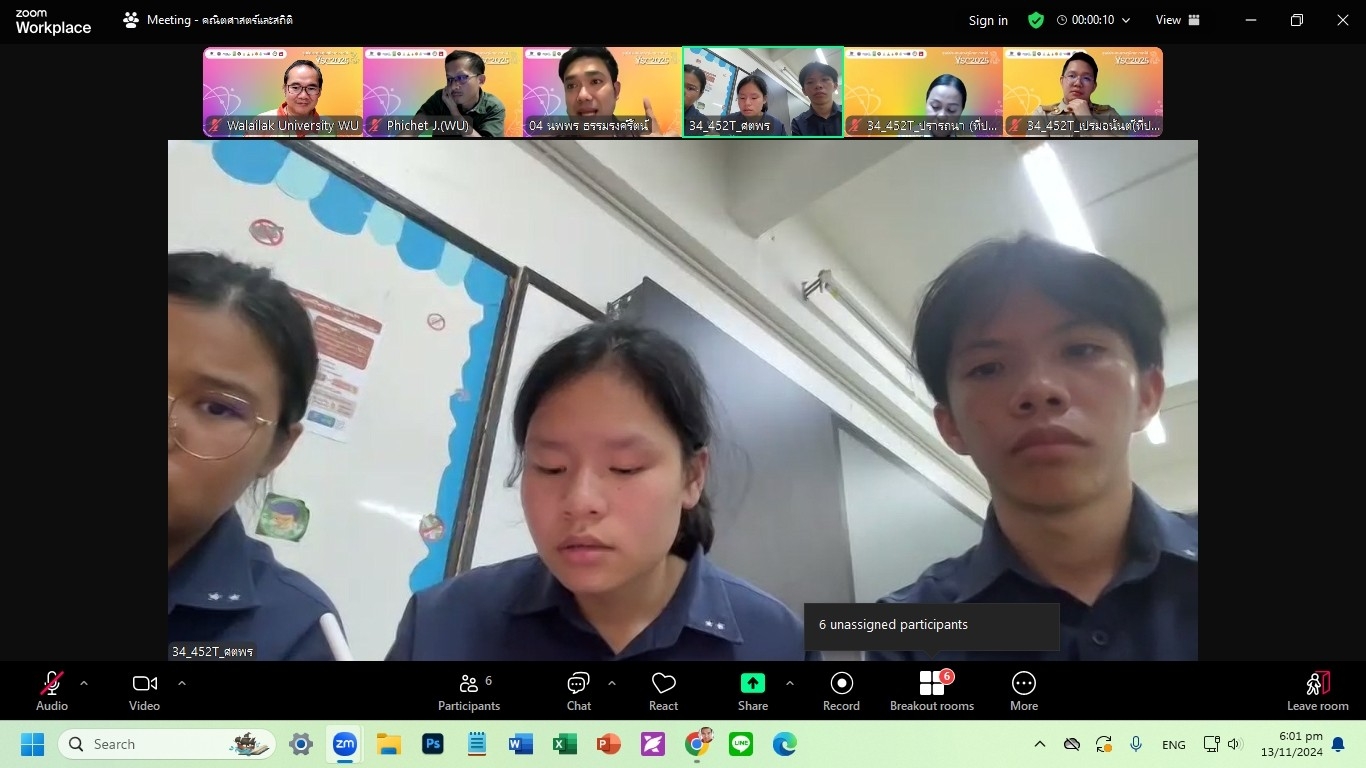
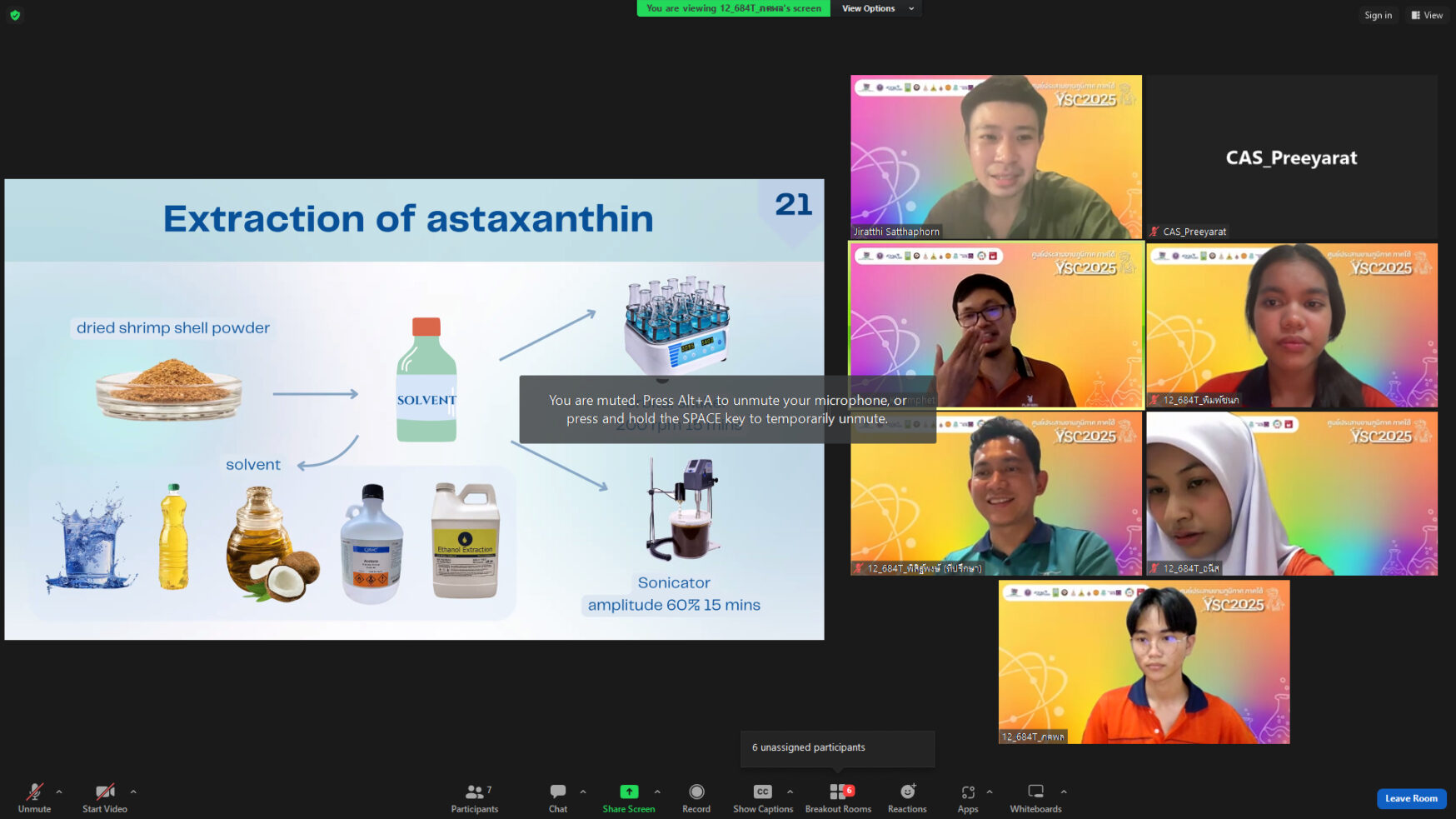
Participants in the program receive free online training courses along with close mentorship from engagement of university lecturers, scientists, and researchers across multiple disciplines. This guidance helps students develop ideas, find inspiration, and improve their projects to meet competition standards. Upon completing the training, participants also receive certificates as recognition of their skill development.
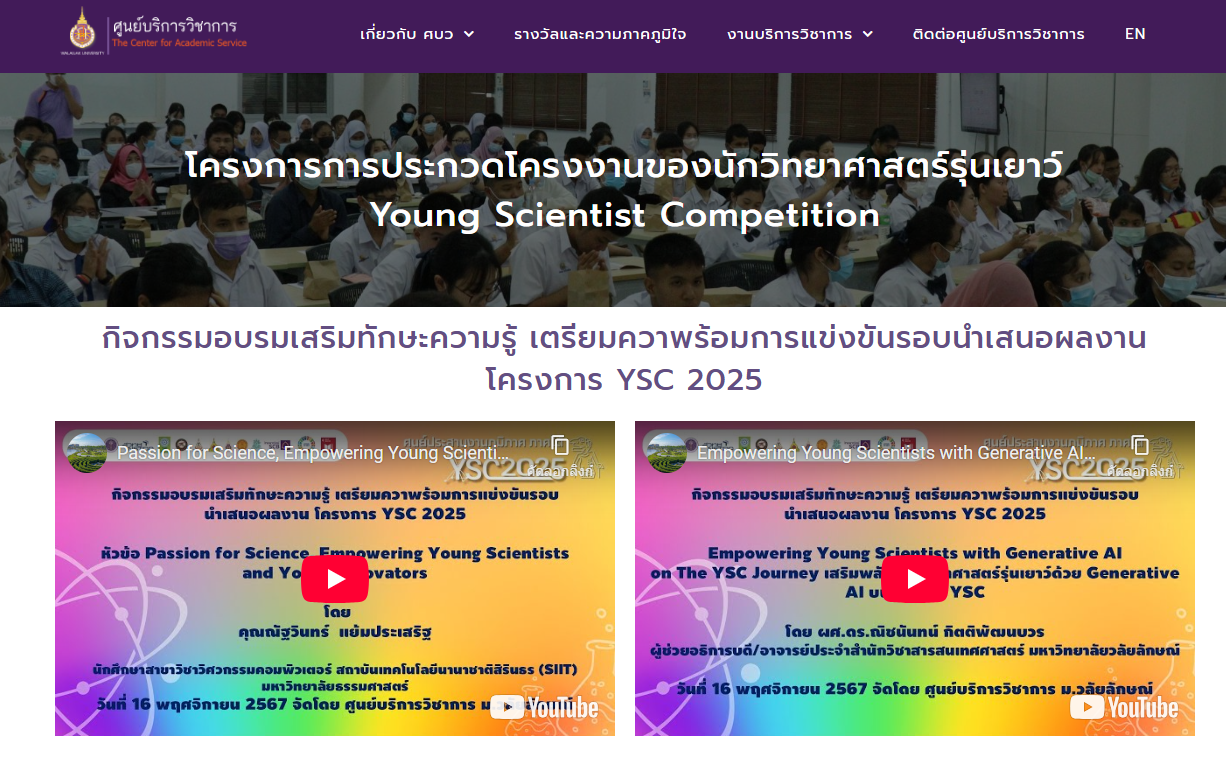
Importantly, the training content and video lessons are published on the university’s website, allowing the general public to freely access these online learning resources, even without direct participation in the program. This ensures that valuable knowledge is made equally available to all. The open-access topics include:
From Science Project Ideas to Innovative Works for Sustainability
Design Thinking for Innovation Development
Passion for Science: Empowering Young Scientists and Young Innovators
Empowering Young Scientists with Generative AI on the YSC Journey
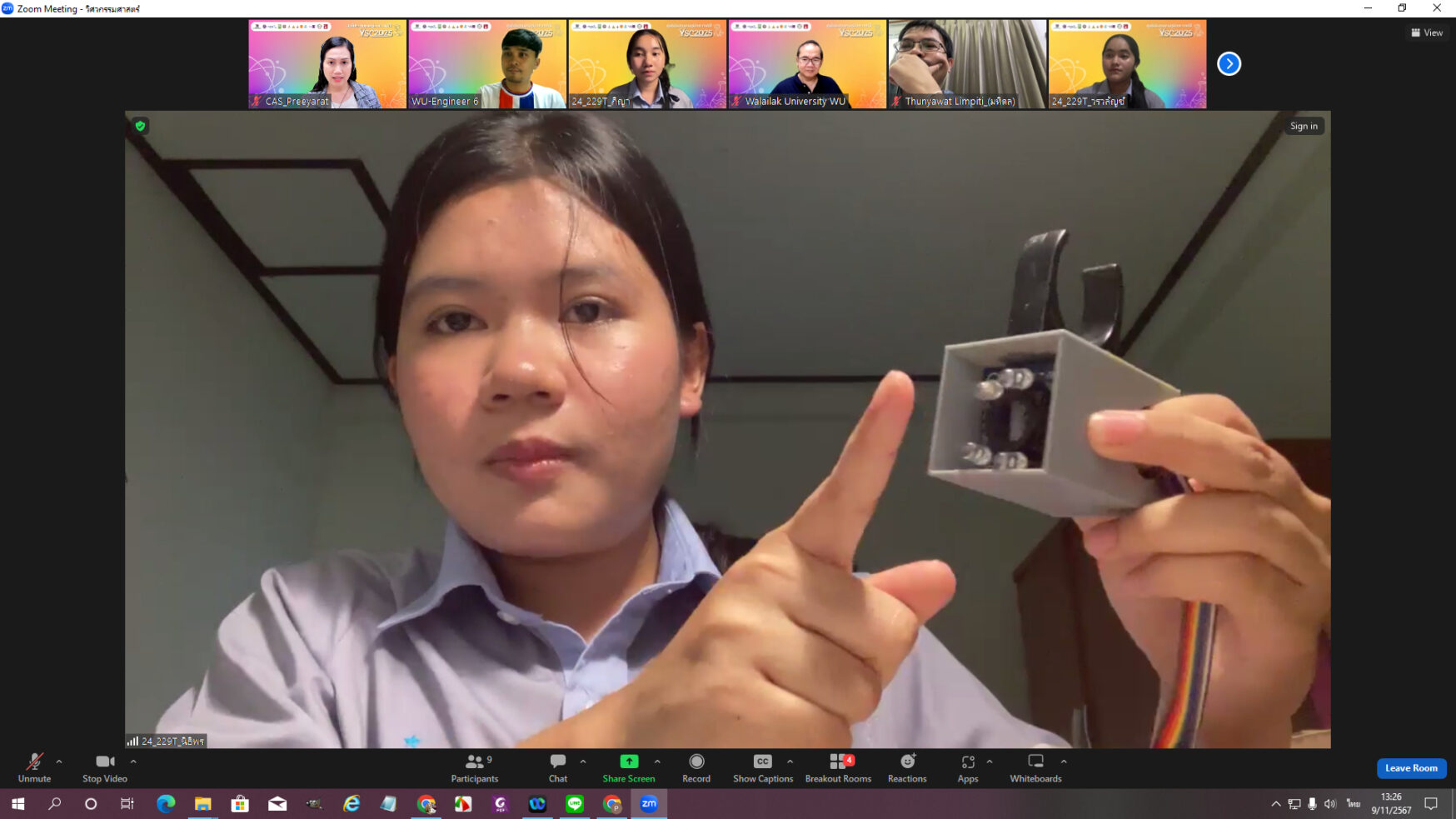
Figures : The existence of free access provision to course leading to certificate or award
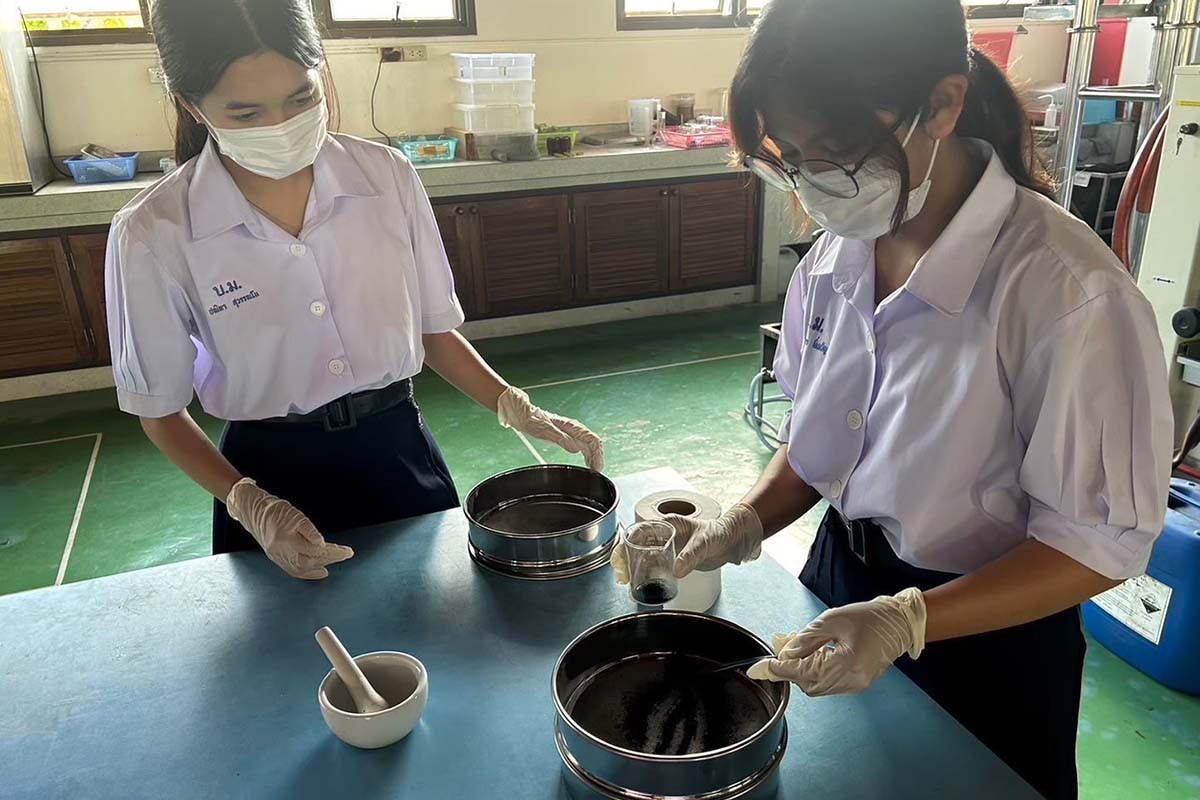
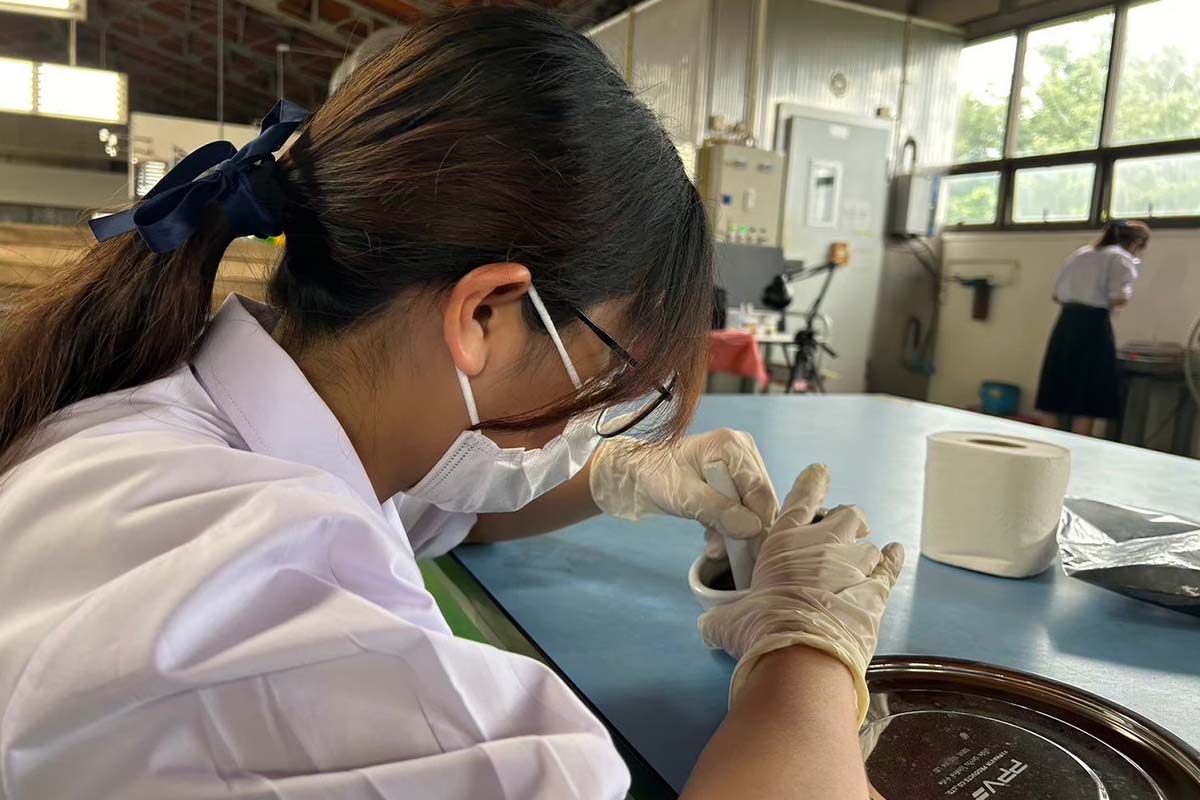
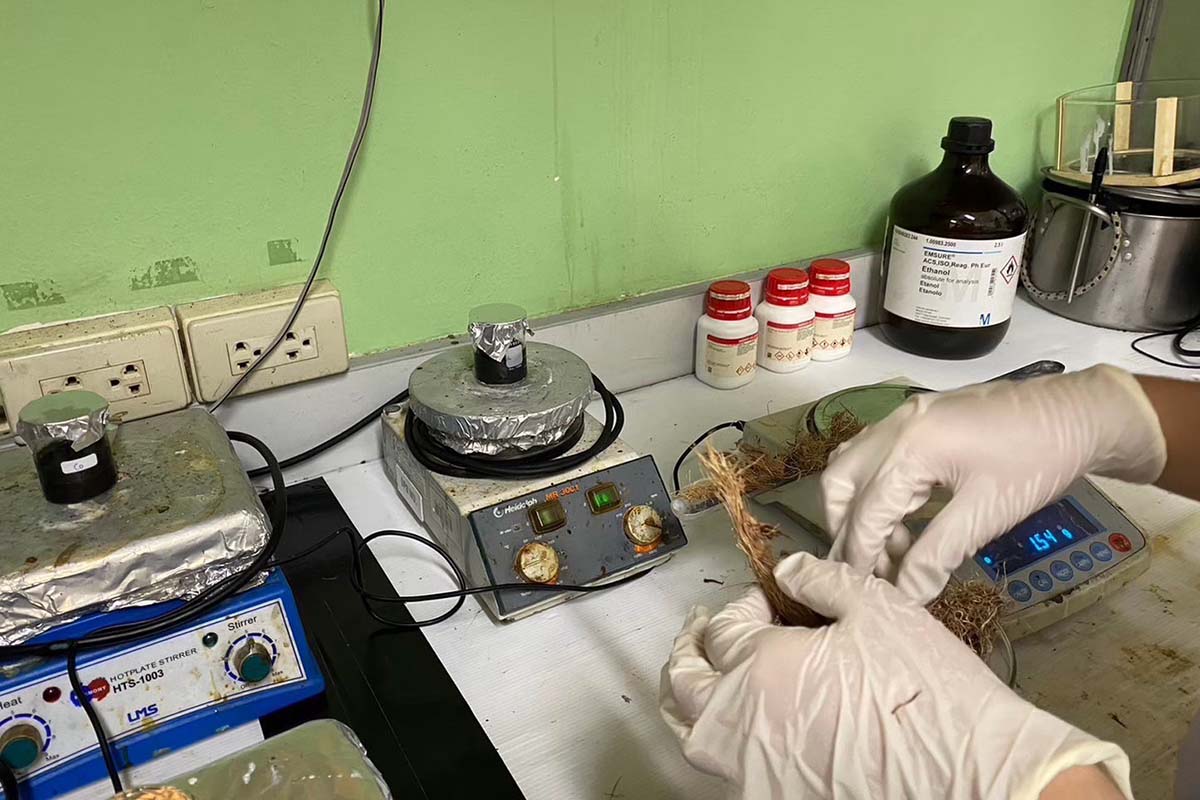
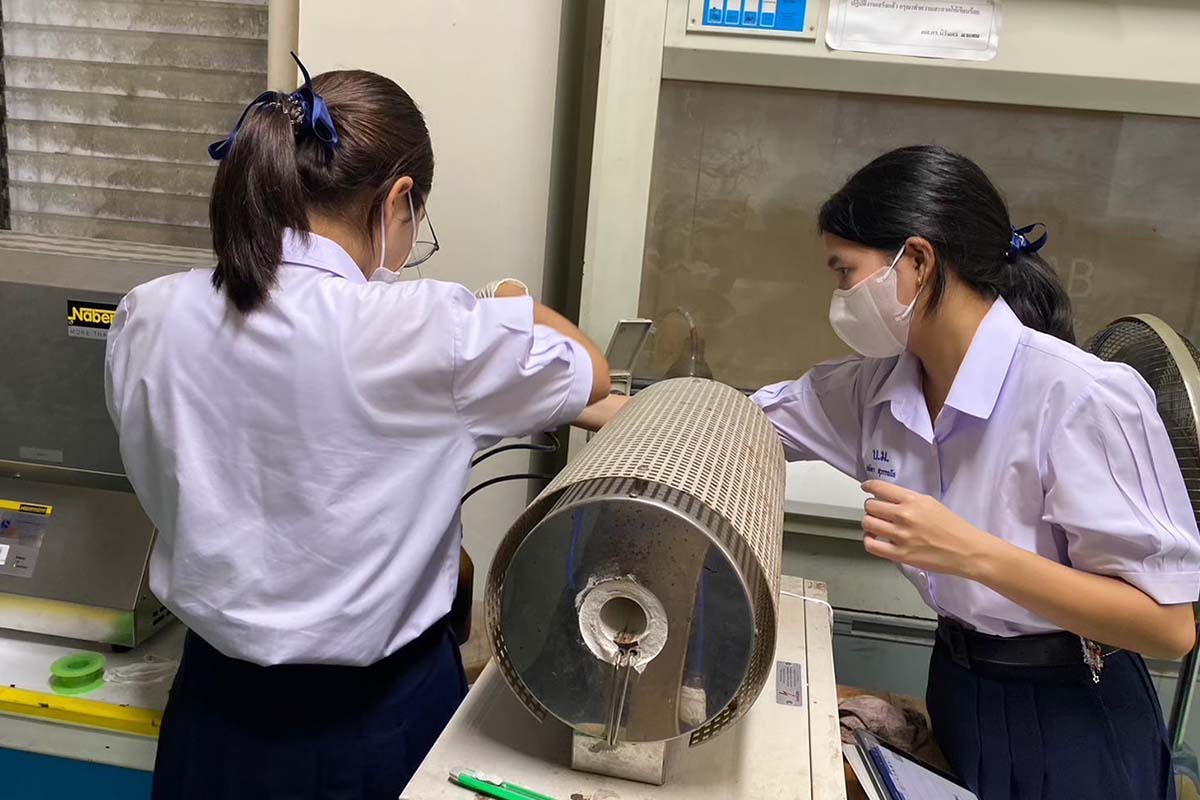
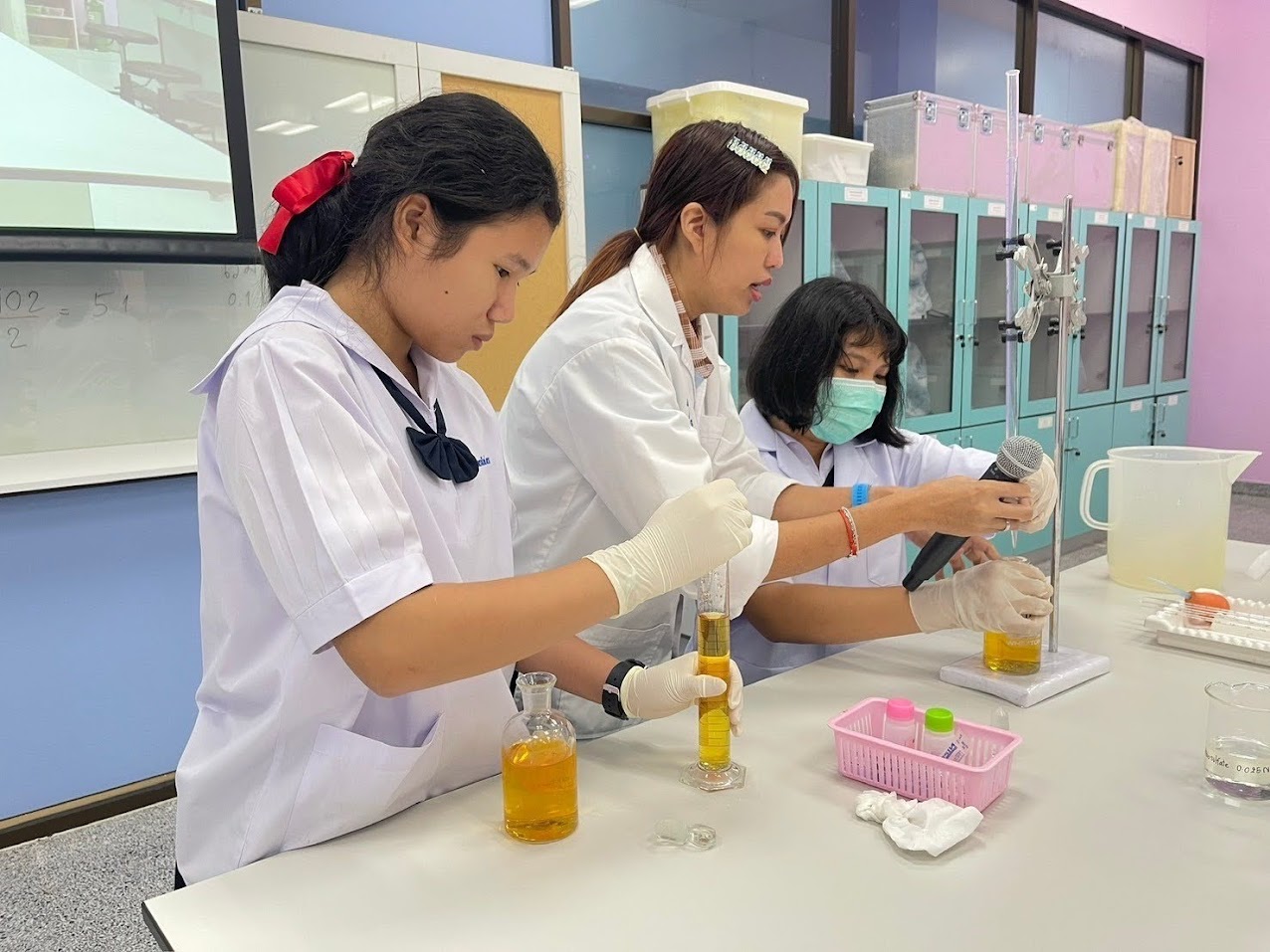
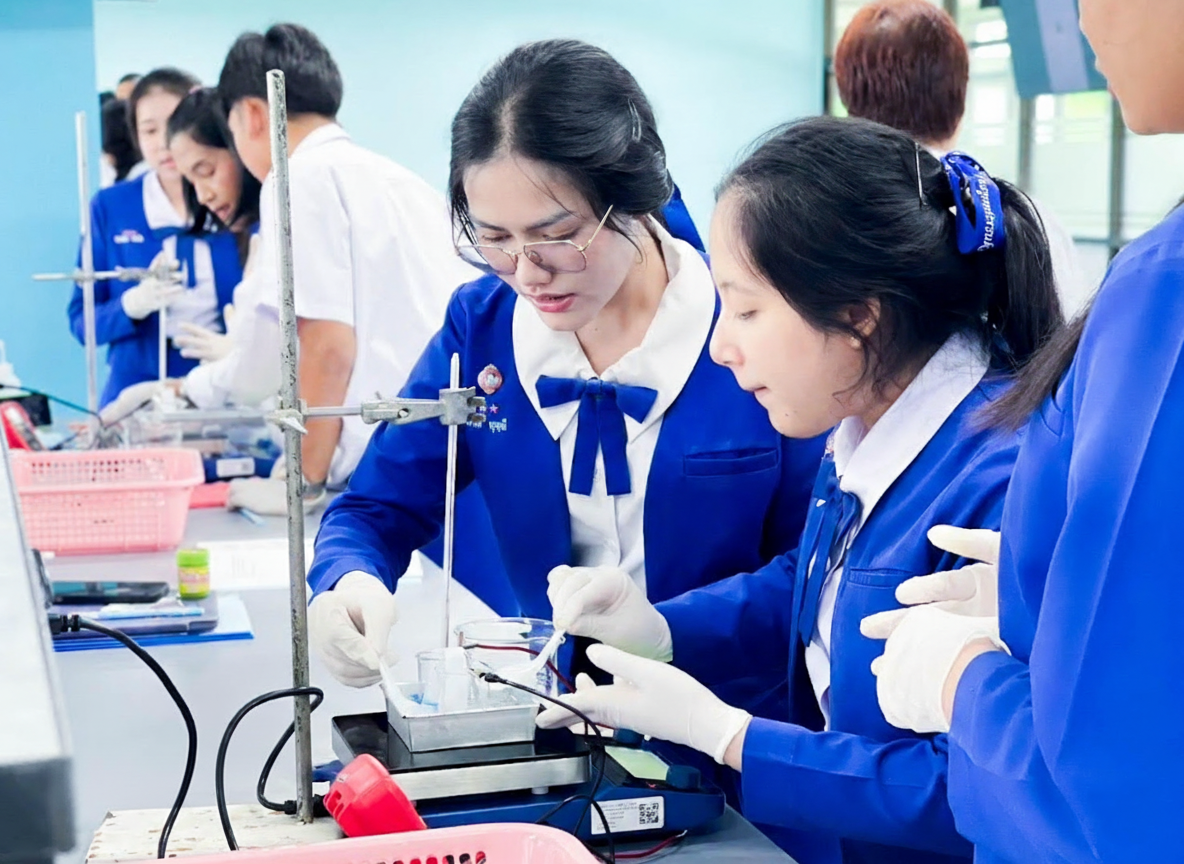
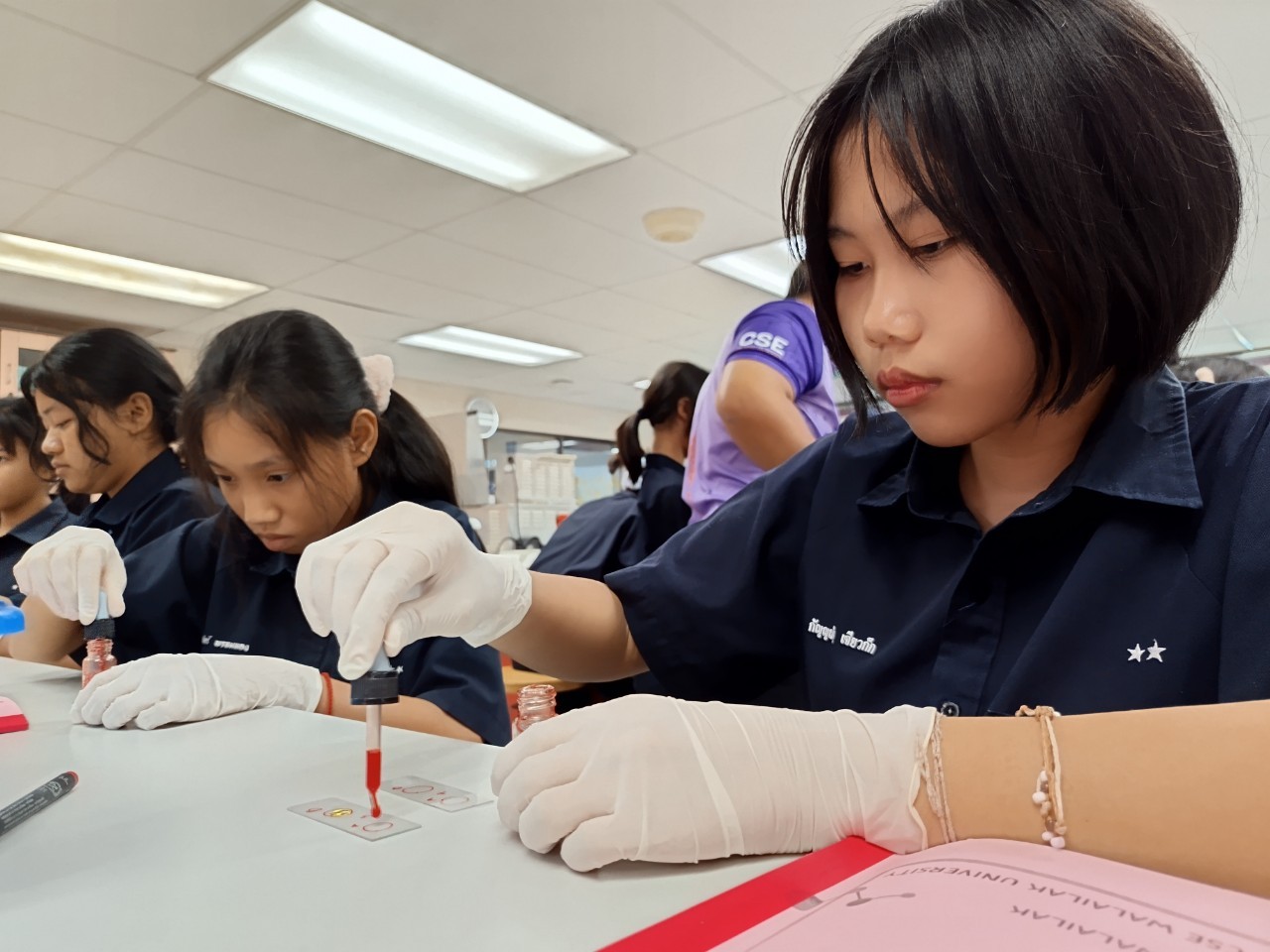
In this program, young participants also receive extensive support from faculty members across various schools, including Science, Pharmacy, Agricultural Technology and Food Industry, Engineering, and Public Health. They are further granted access to the Center for Scientific and Technological Equipment, which provides free testing and analysis services for their projects. This invaluable support enables young people to fully develop their potential and create innovative work to the best of their abilities.
Figures : The existence of free access provision to campus facilities and equipment
Expanding Equal Access to Education
Walailak University is committed to creating equal educational opportunities for all students, regardless of whether they come from science-focused schools or not. Every school has the right to participate in development activities on an equal basis. The university has also continuously designed broader channels for information dissemination and participation each year, resulting in a steady increase in the number of participating schools. This opens doors for students to develop their skills in science, technology, and innovation according to their individual interests and potential.
All activities are carried out under the framework of academic services and the university’s social engagement mission. Faculty members from various schools work closely with target groups to analyze challenges and design activities that truly address their needs, while also integrating collaboration from multiple sectors to ensure sustainable outcomes. At the end of each project, evaluations and reflections are conducted to improve and further develop initiatives for the following year. Past results have demonstrated a high level of satisfaction and wide recognition from both participants and beneficiaries.
Promoting Free Access to University Educational Resources Through Alternative Channels
Walailak University is committed to becoming an open learning hub for all. Beyond providing education to its enrolled students, the university also creates opportunities for the general public to access educational resources equally, with a strong focus on lifelong learning and sustainable skills development.
Free Training Courses Leading to Certification
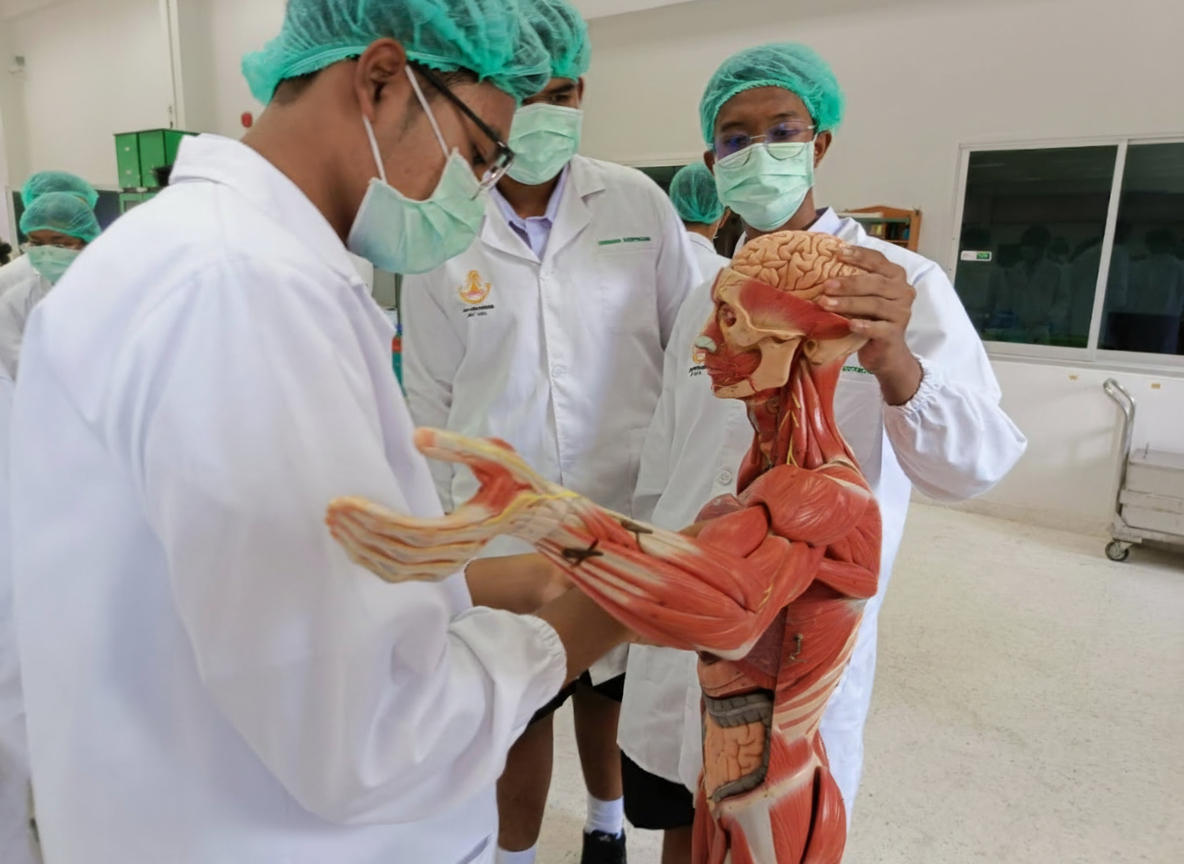
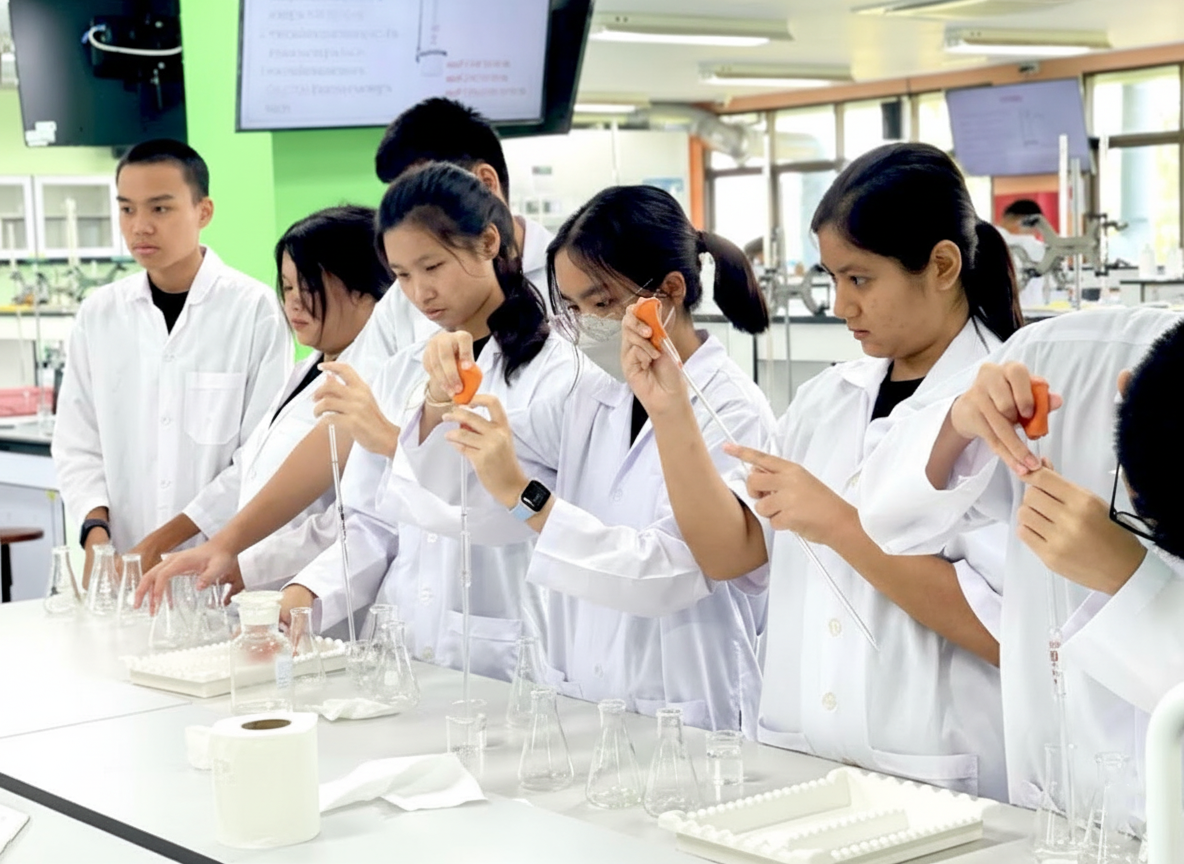
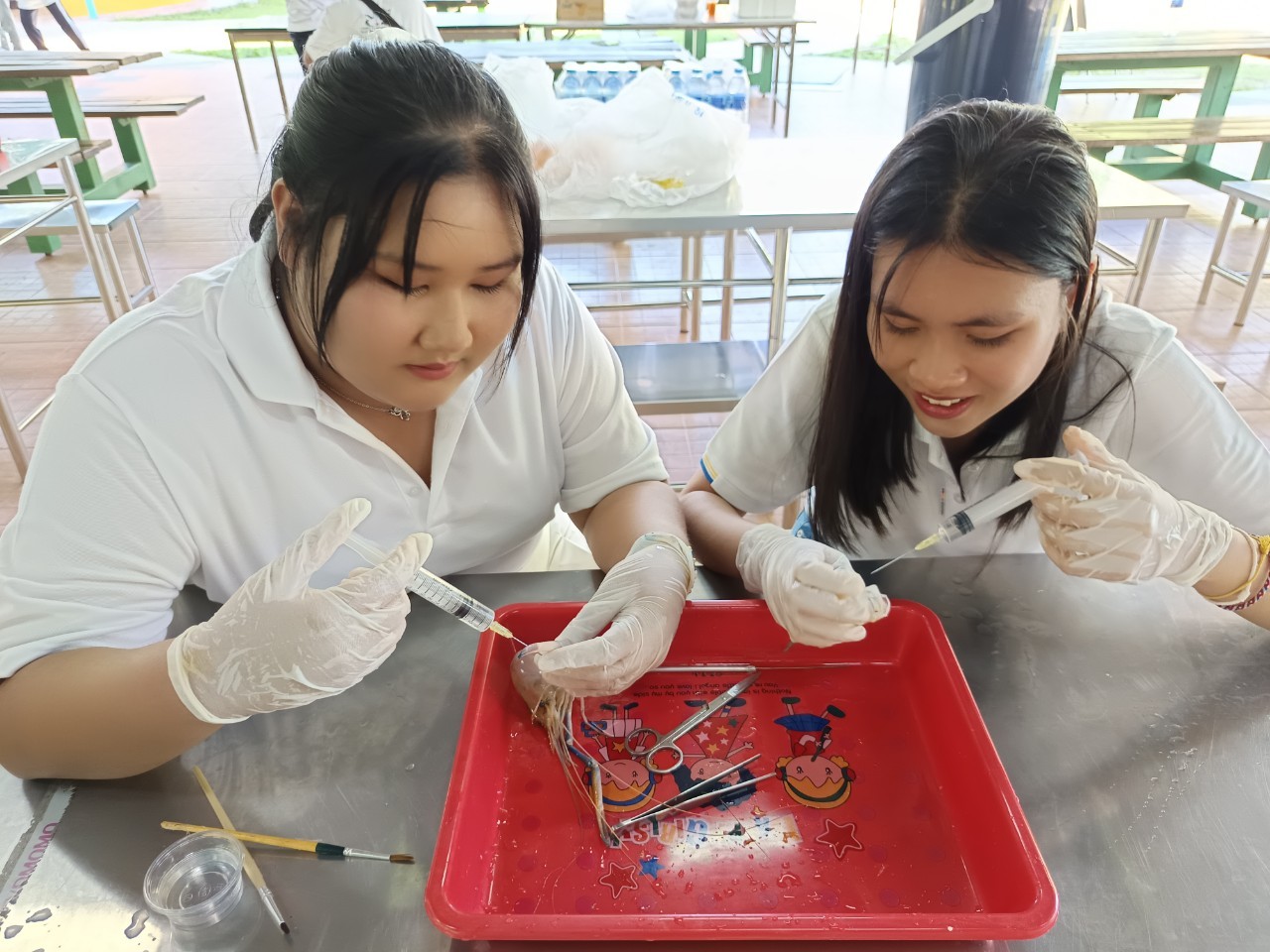
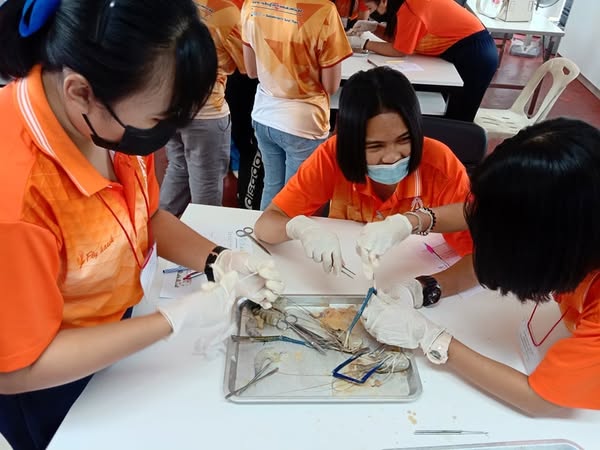
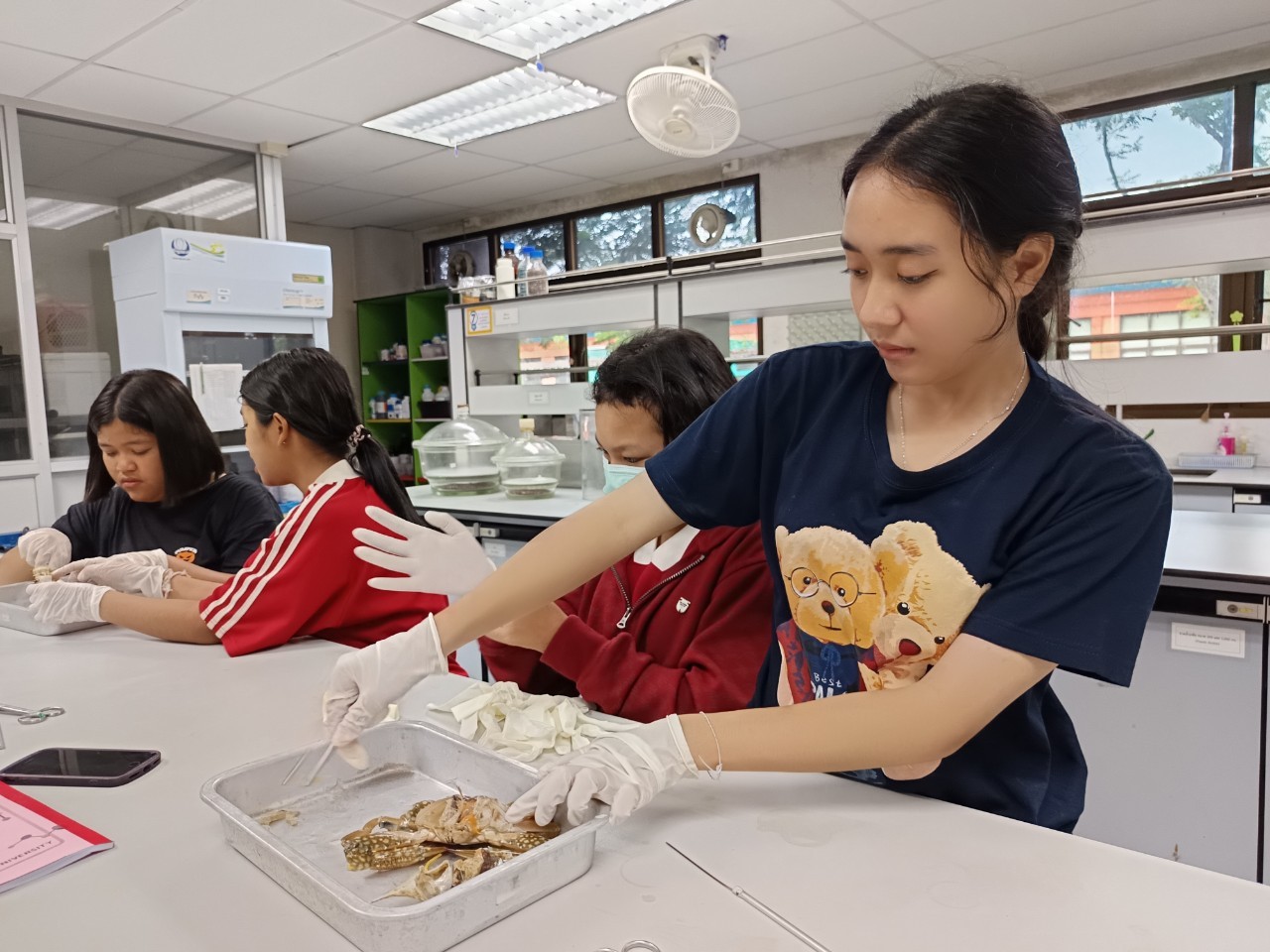
In addition to the specialized programs mentioned earlier, the university also offers both short-term and long-term training courses that are open to the general public, providing certificates that certify knowledge and skills which can be further applied in professional contexts. One such program is the “Scientific and Technological Process Skills Training Course” organized by the Center for Scientific and Technological Equipment. This course offers participants both theoretical knowledge and hands-on experience, with the aim of promoting and supporting science and technology learning among children and youth. The program emphasizes sparking interest in science and technology, fostering learning processes, and encouraging logical thinking. Participants are guided and mentored by expert scientists across various fields through diverse learning stations, including:
The Path to Becoming a Silent Teacher for Medical Education
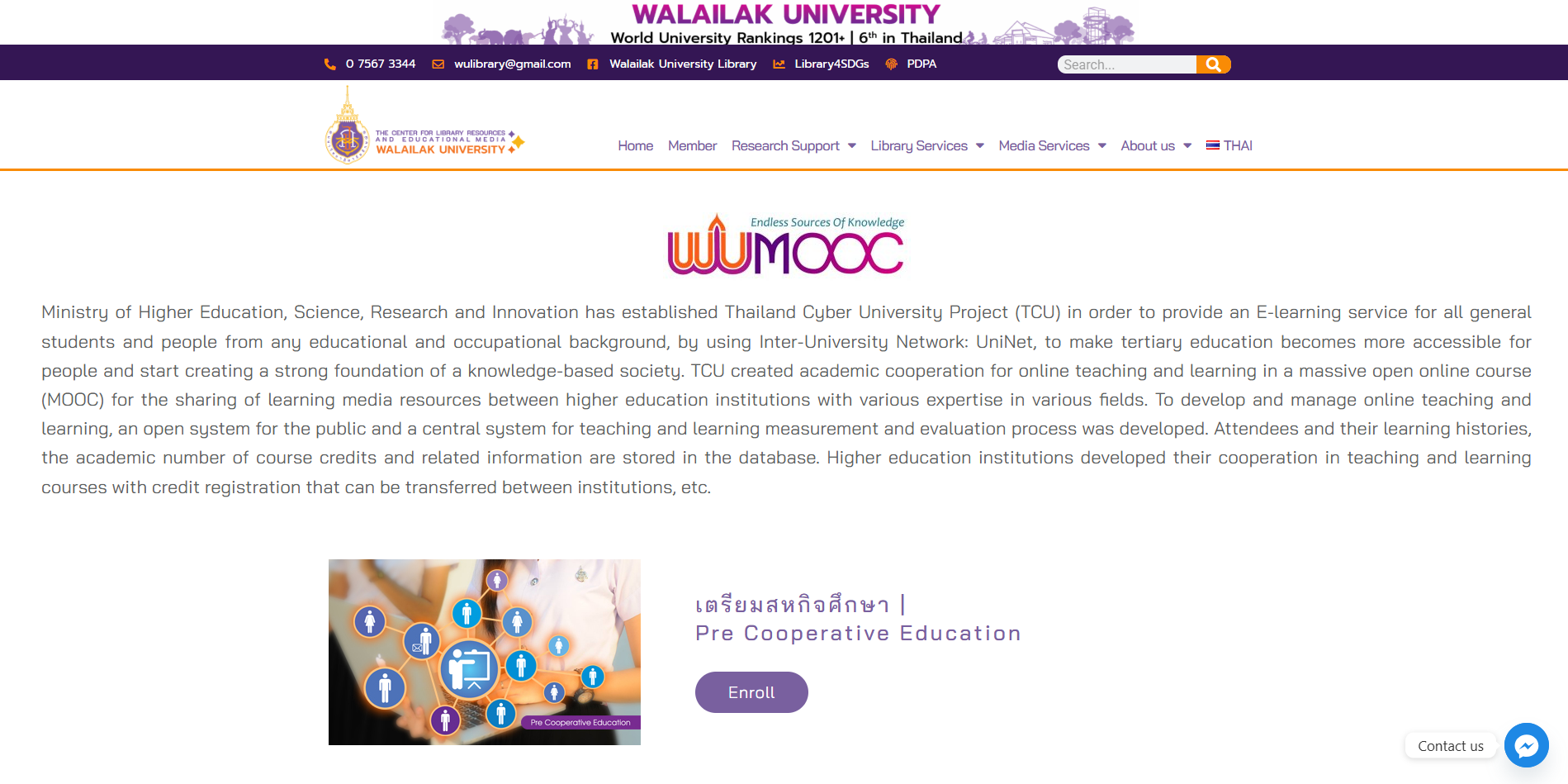
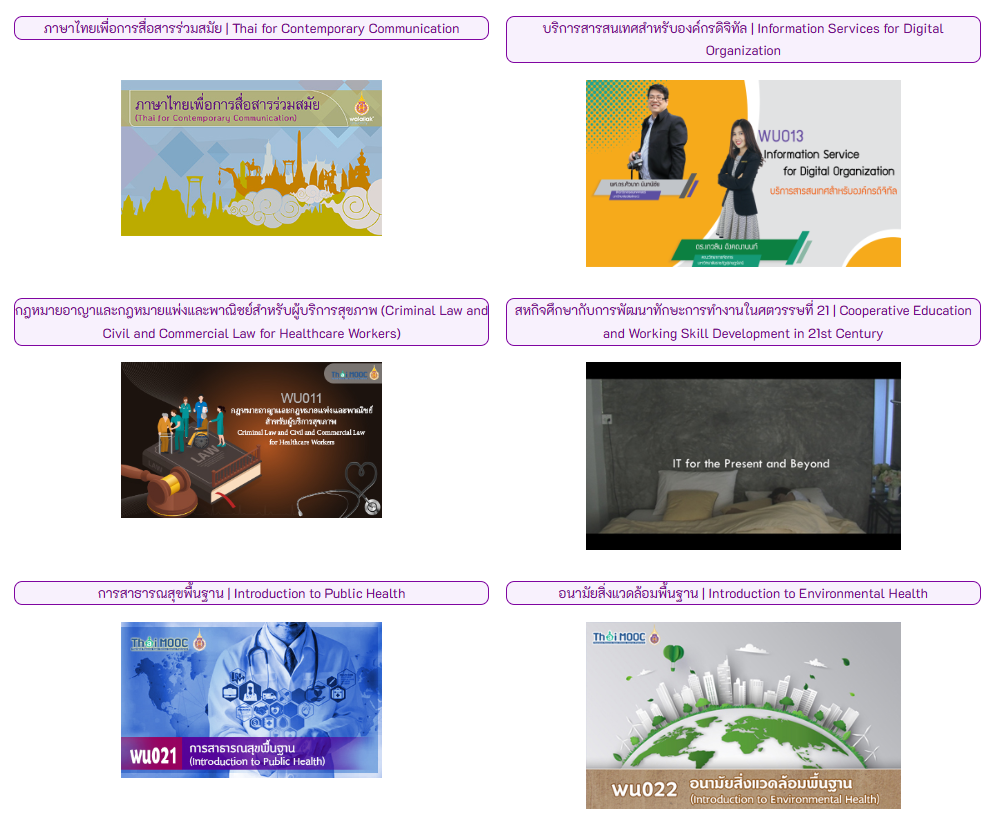
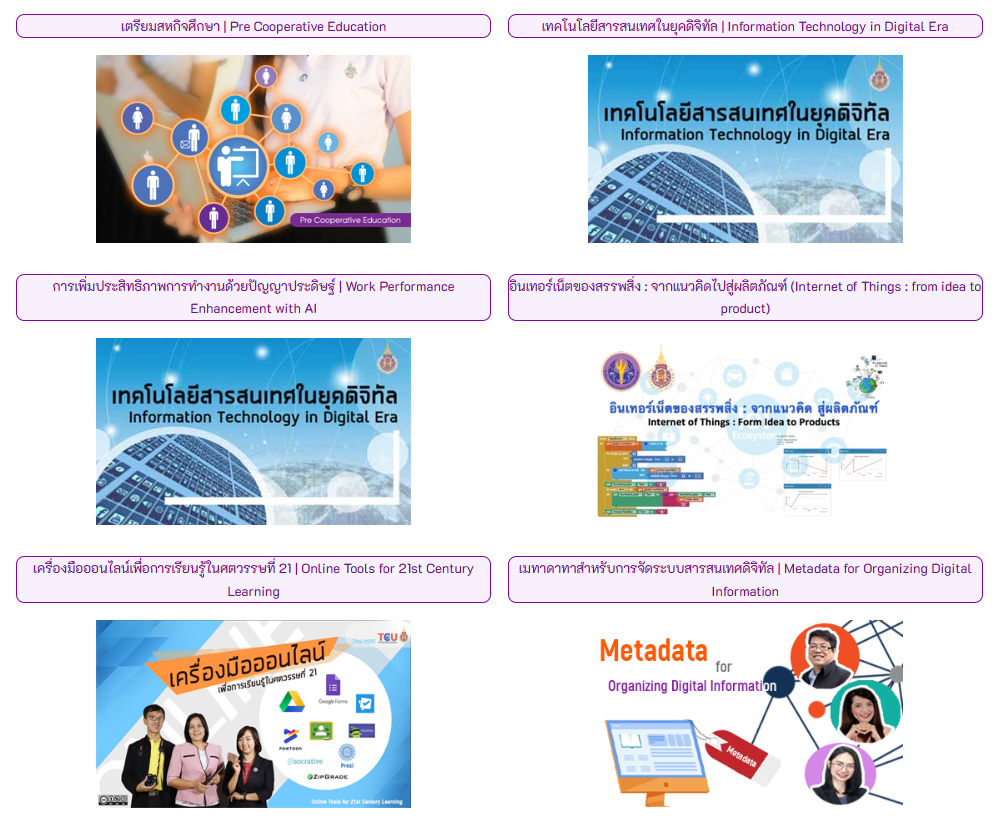
In addition, the university has developed WU MOOC (Walailak University Massive Open Online Courses), an online learning platform accessible to everyone, anytime and anywhere. WU MOOC currently offers 24 free courses and has recorded over 39,272 accesses to date.
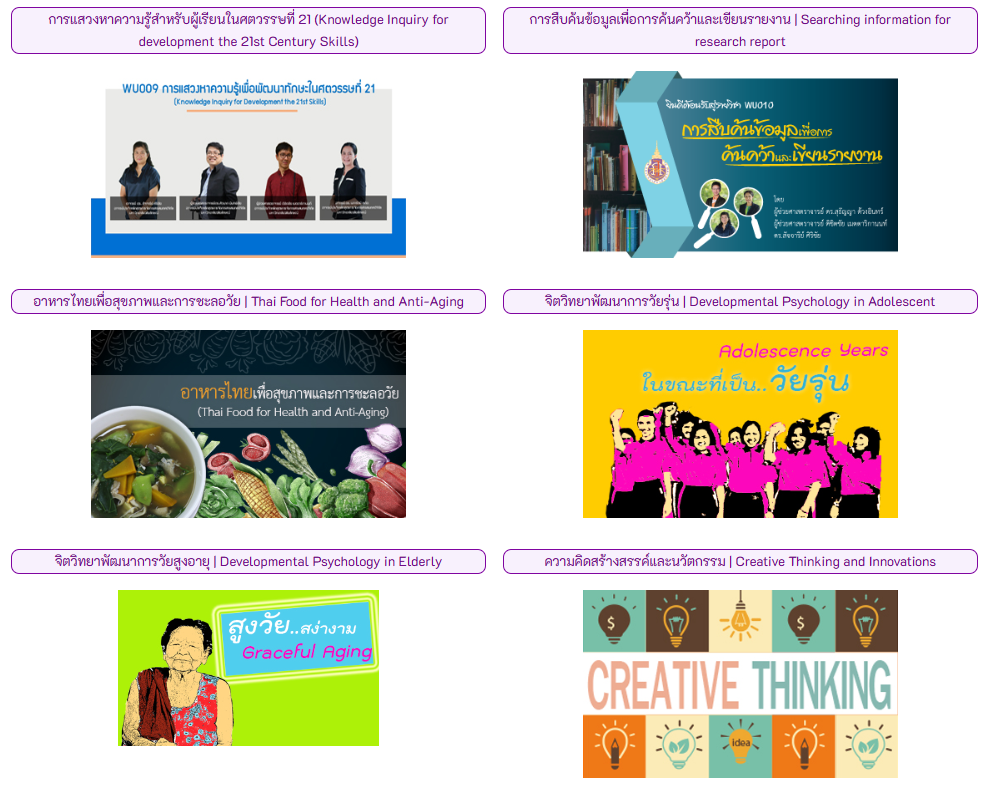
Figures : The exemples of free online course leading to certificates
Free Access to Educational Resources and Facilities at Walailak University
Walailak University places strong emphasis on creating equal learning opportunities for society by allowing the general public to freely access the university’s resources, facilities, and learning equipment. This initiative is designed to support lifelong learning and help reduce educational disparities.
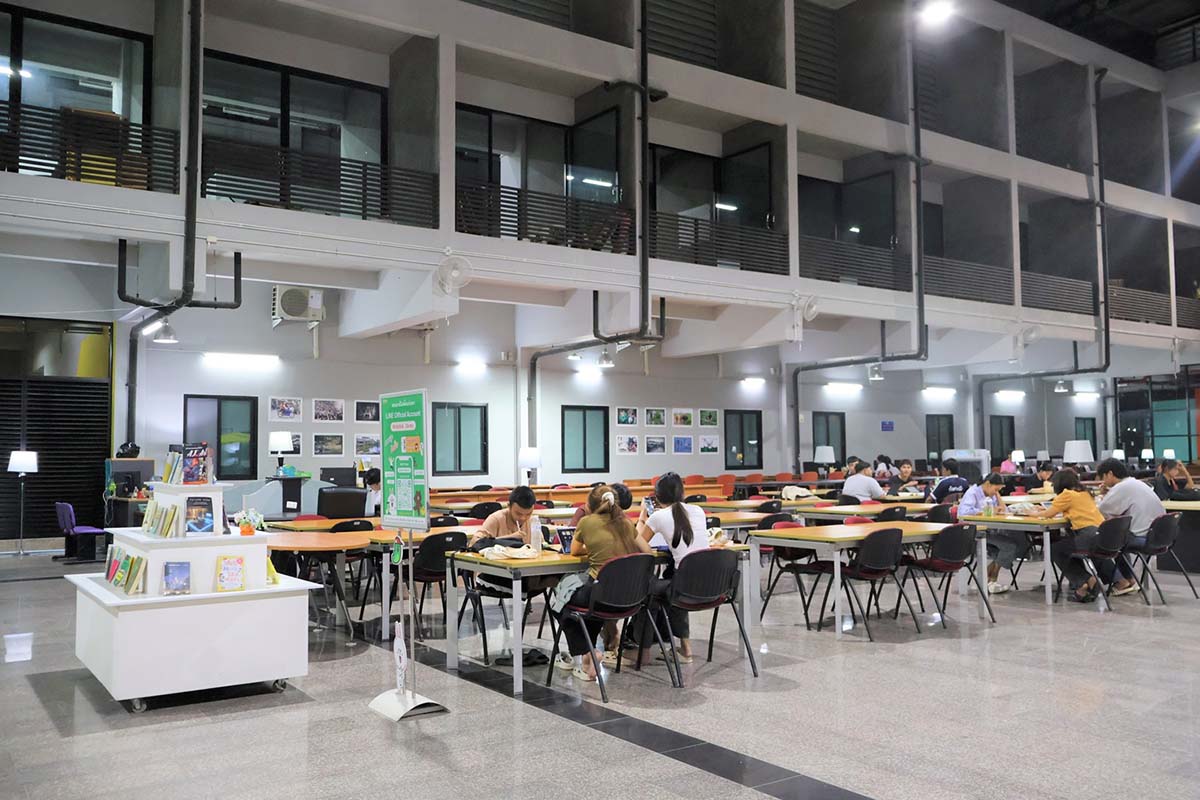
One of the key resources is the Center for Library Resources and Educational Media (CLM), which houses more than 500,000 items, including books, journals, digital media, and online databases, serving the needs of students, staff, and external learners alike. In addition, CLM provides spaces for educational visits and innovative learning activities to encourage academic and technological development. These opportunities are made available to school students as well as members of the wider community.
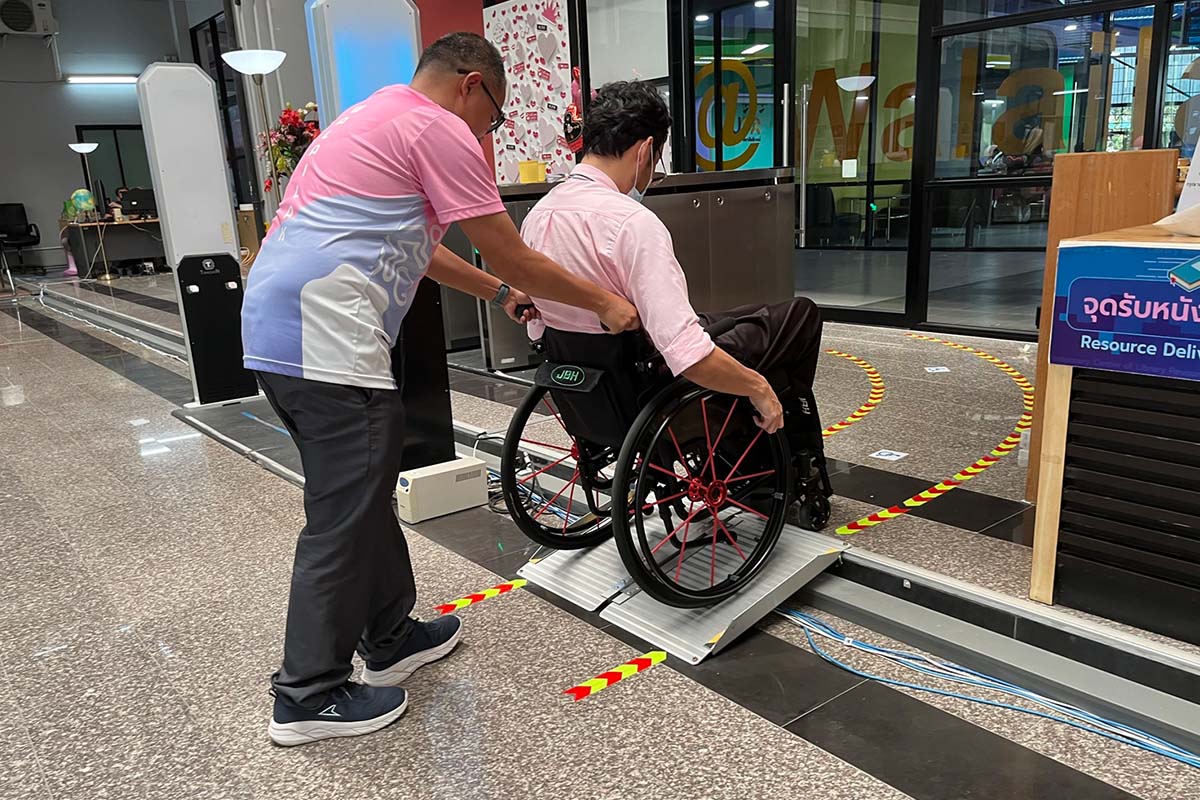
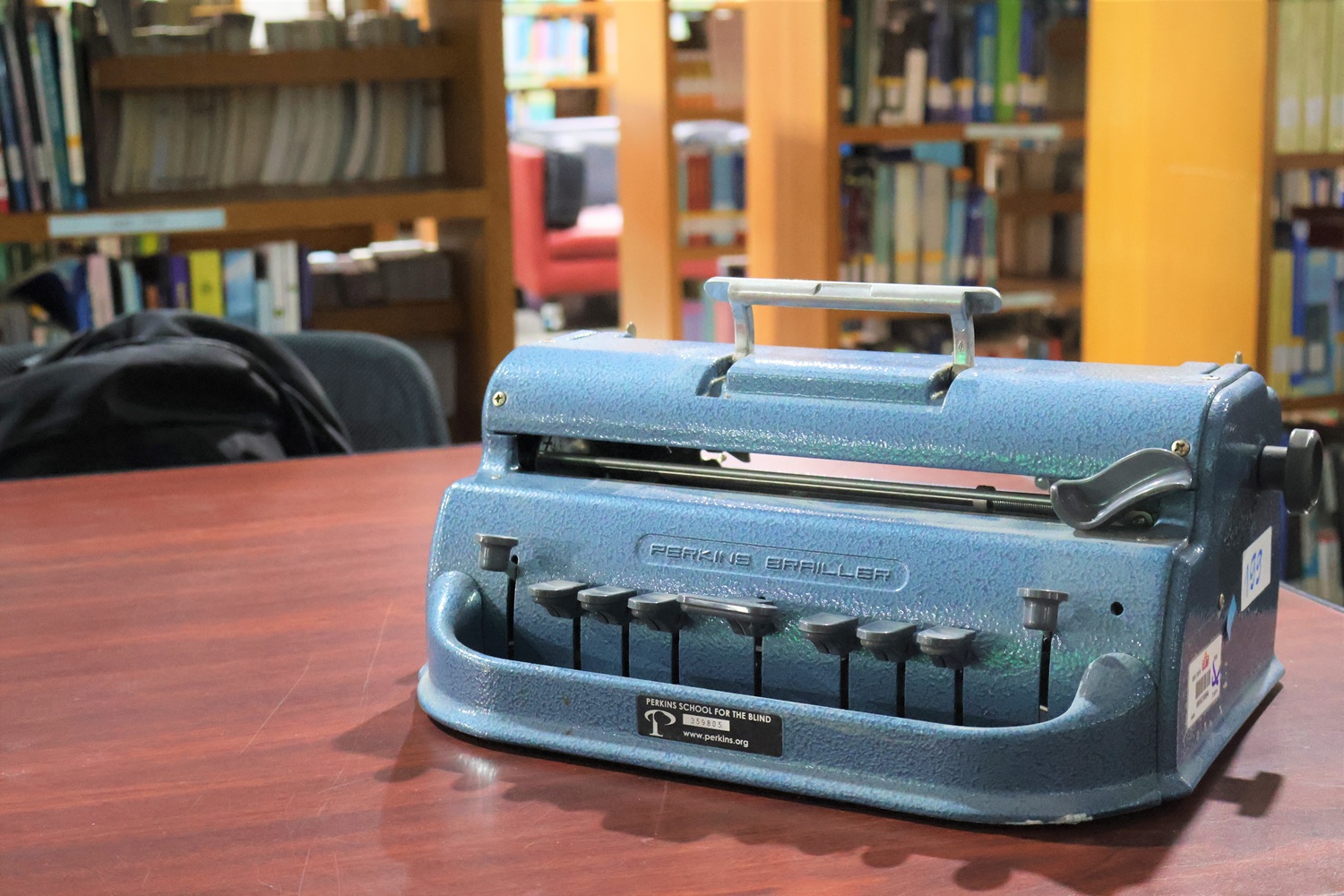
Beyond resource access, CLM also prioritizes inclusivity for people with disabilities by providing facilities such as wheelchair ramps and Braille books, ensuring that everyone can benefit from the library and its knowledge resources on an equal basis.
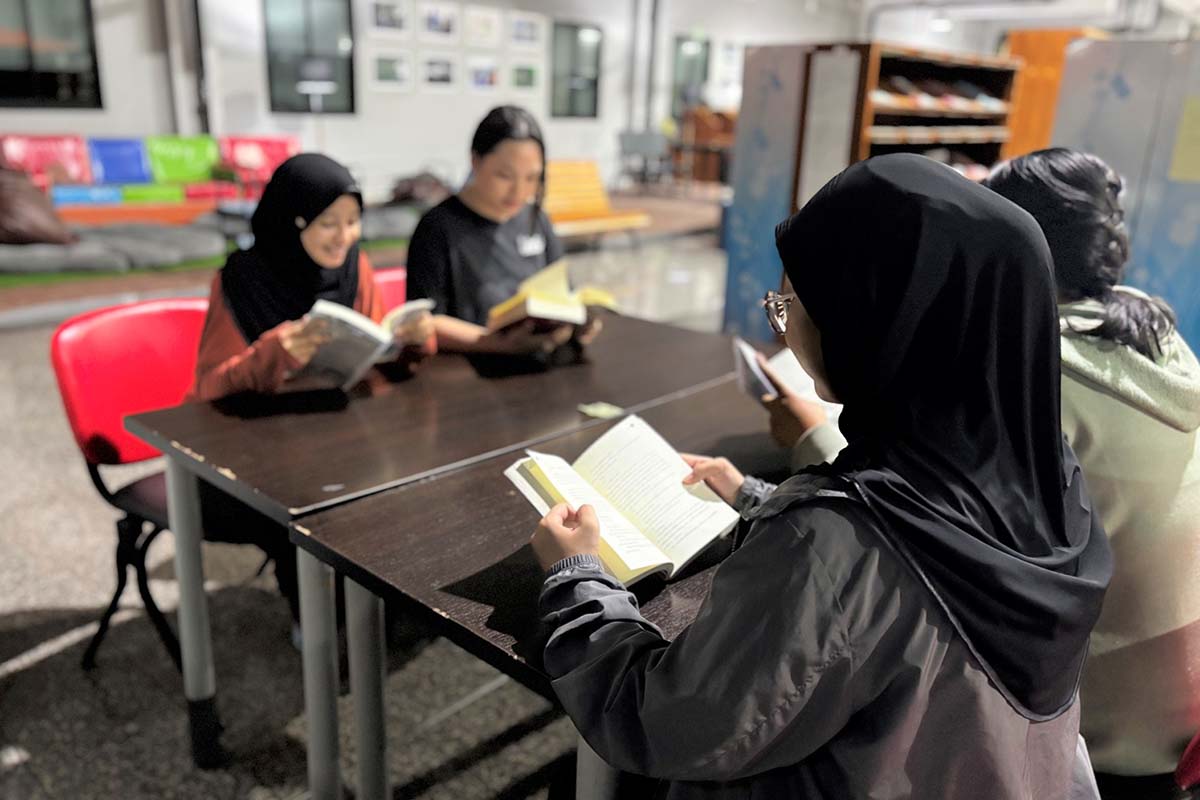
Figures : Free Access to University Facilities at the Center for Library Resources and Educational Media.
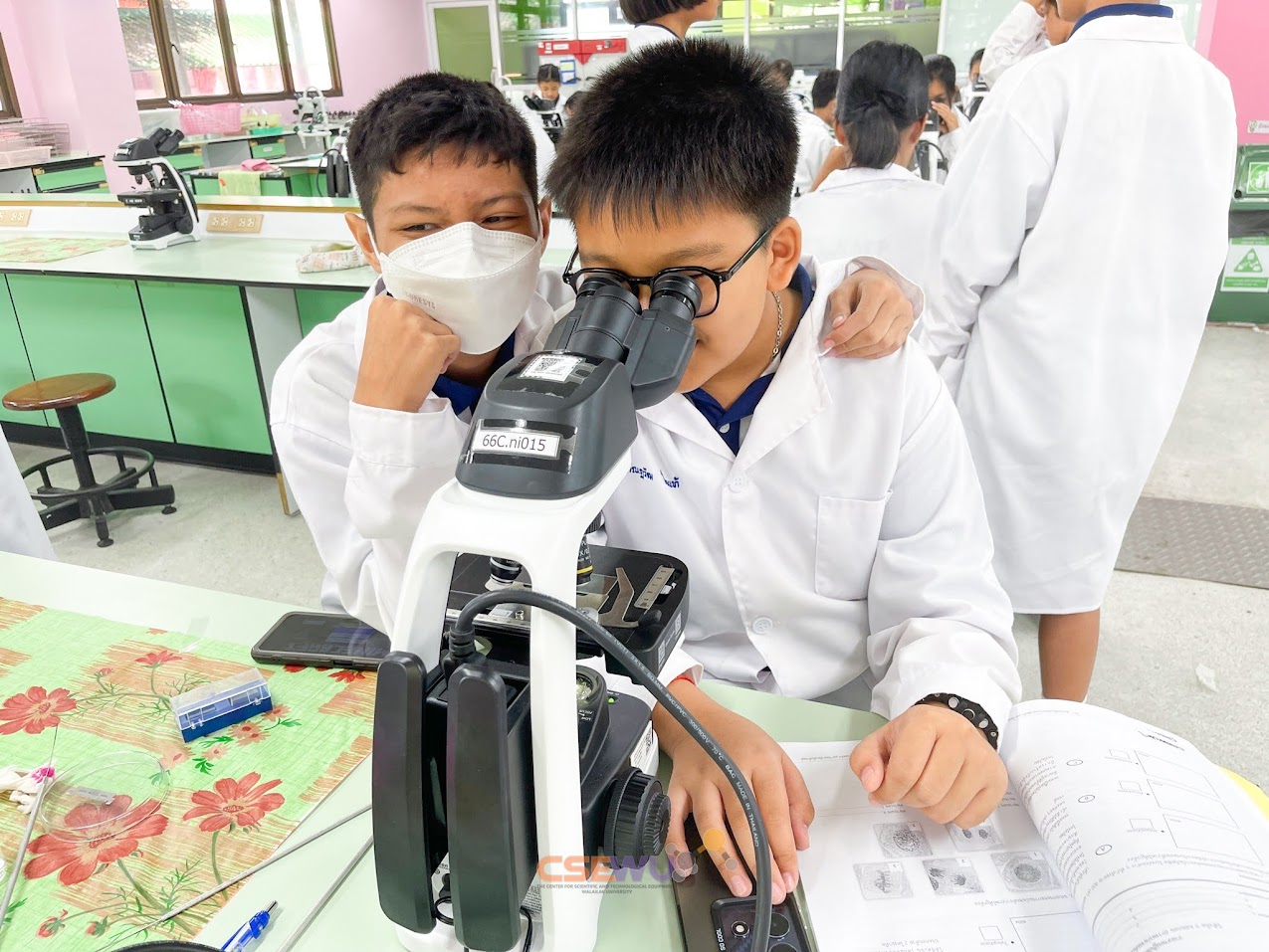
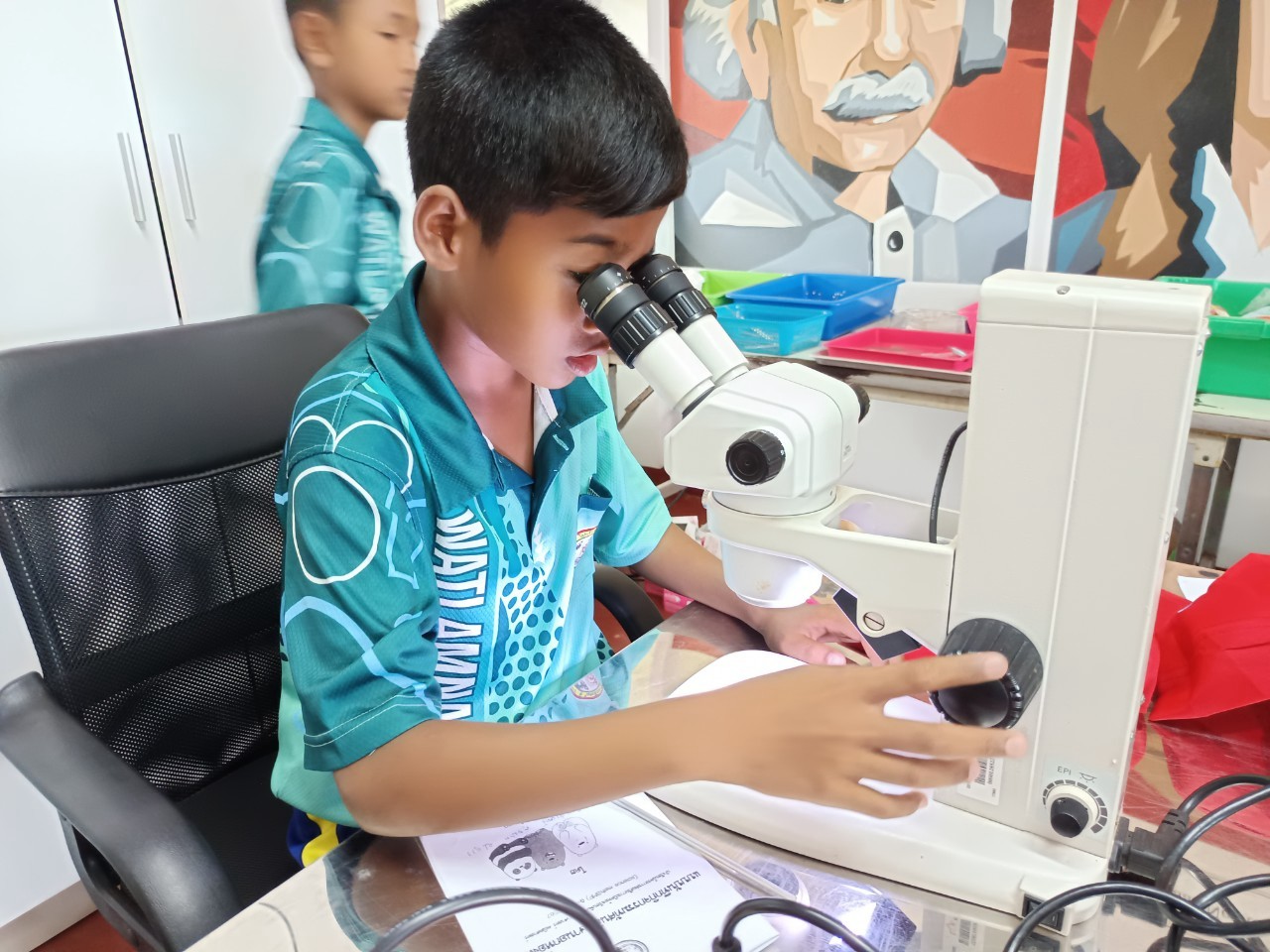
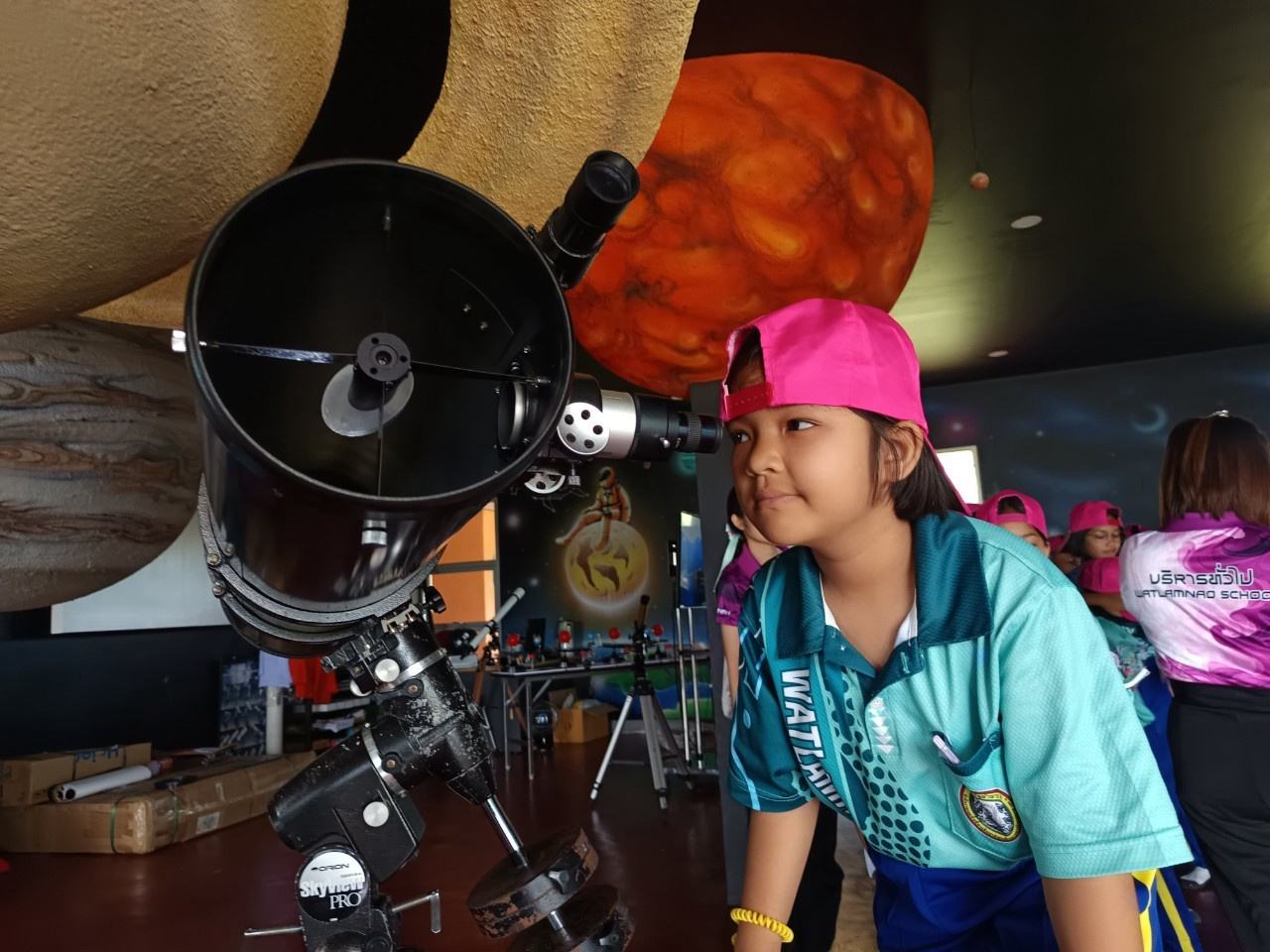
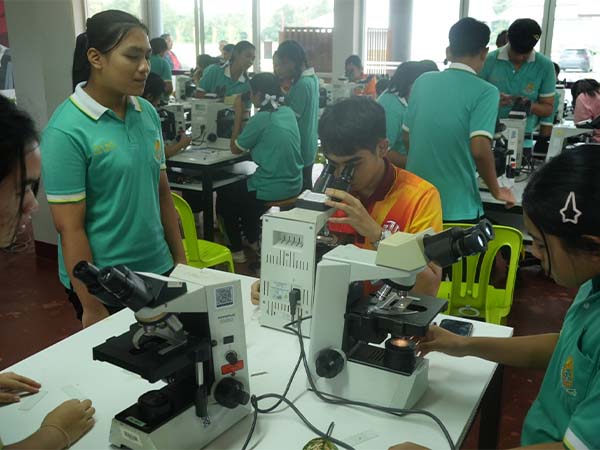
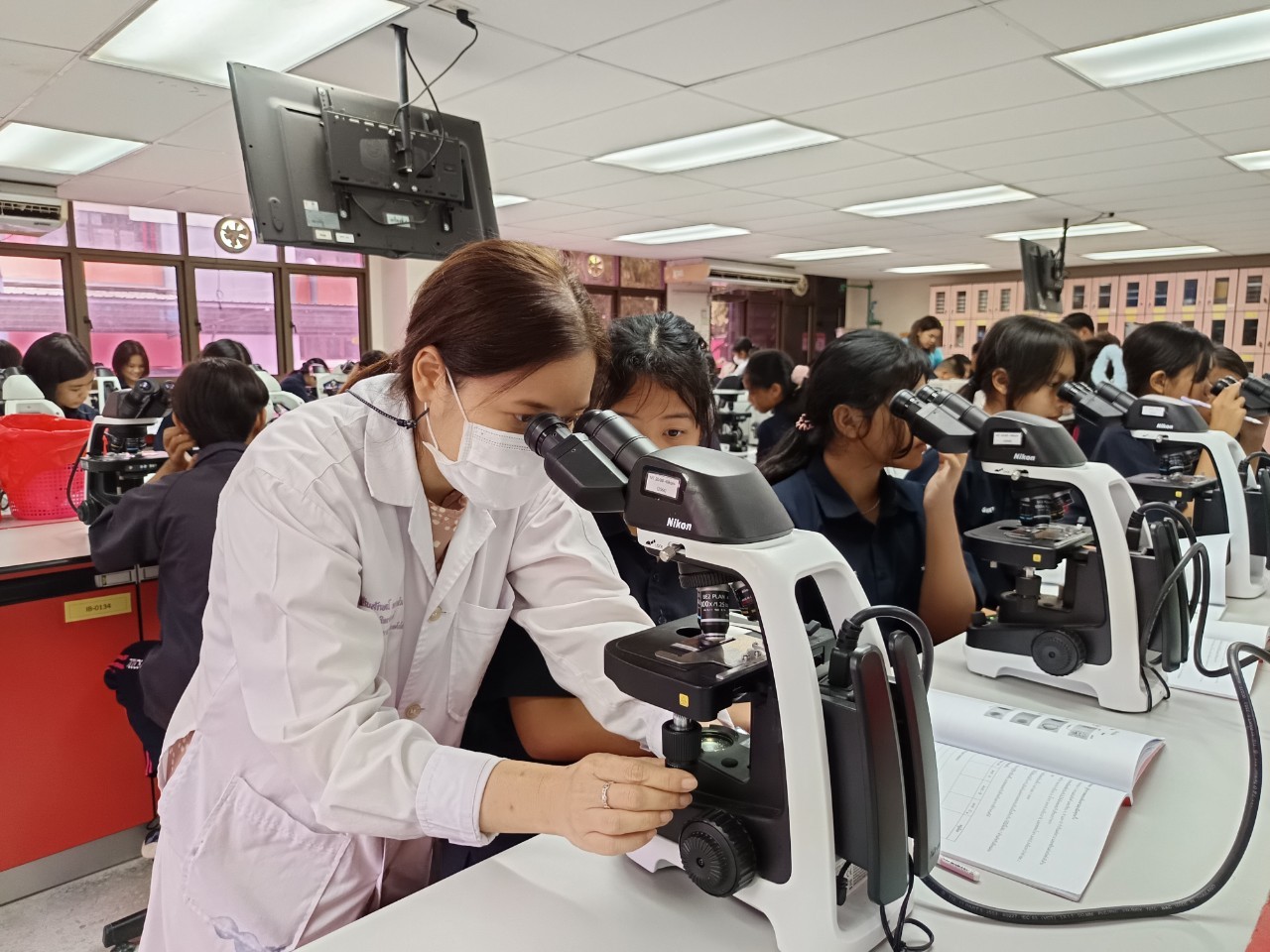
In addition, Walailak University provides students with access to a wide range of scientific equipment and facilities through science camps and educational field trips. These resources include telescopes, planetarium models, microscopes, and taxidermy tools, offering learners valuable opportunities to engage with hands-on scientific experiences.
Figures : The existence of free access provision to campus facilities and equipment
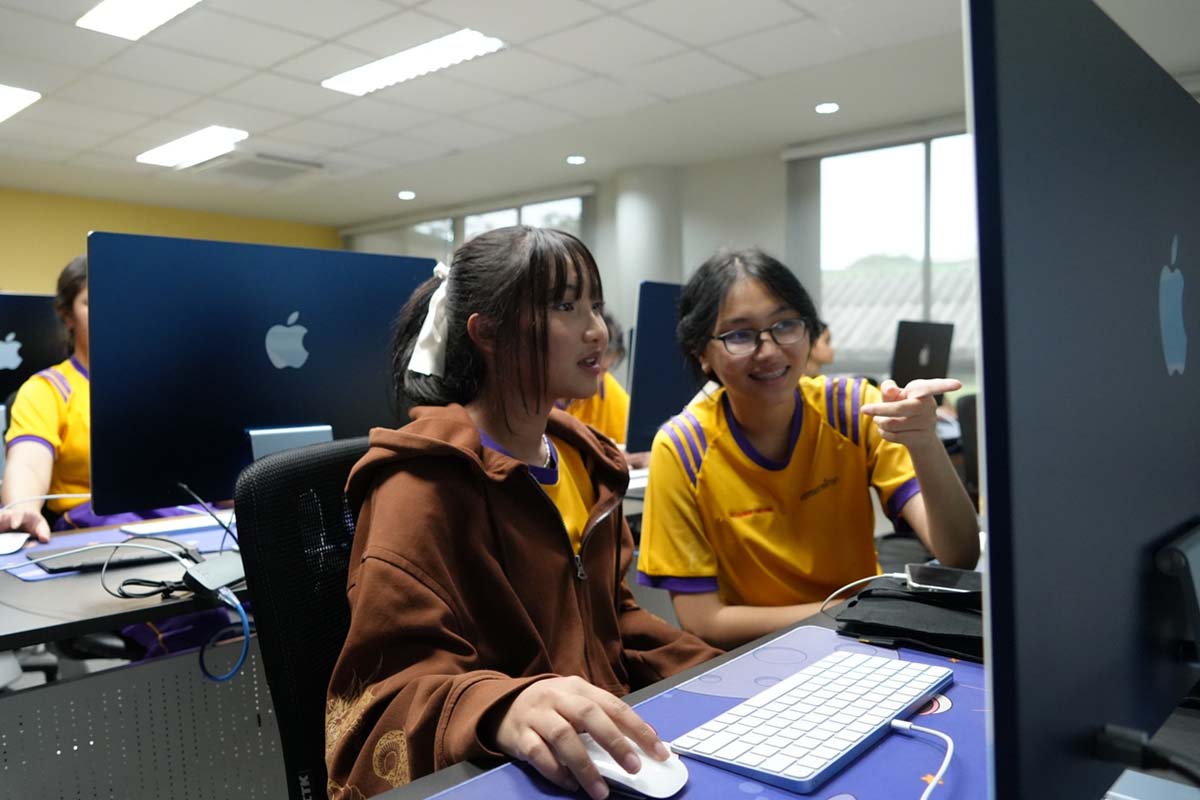
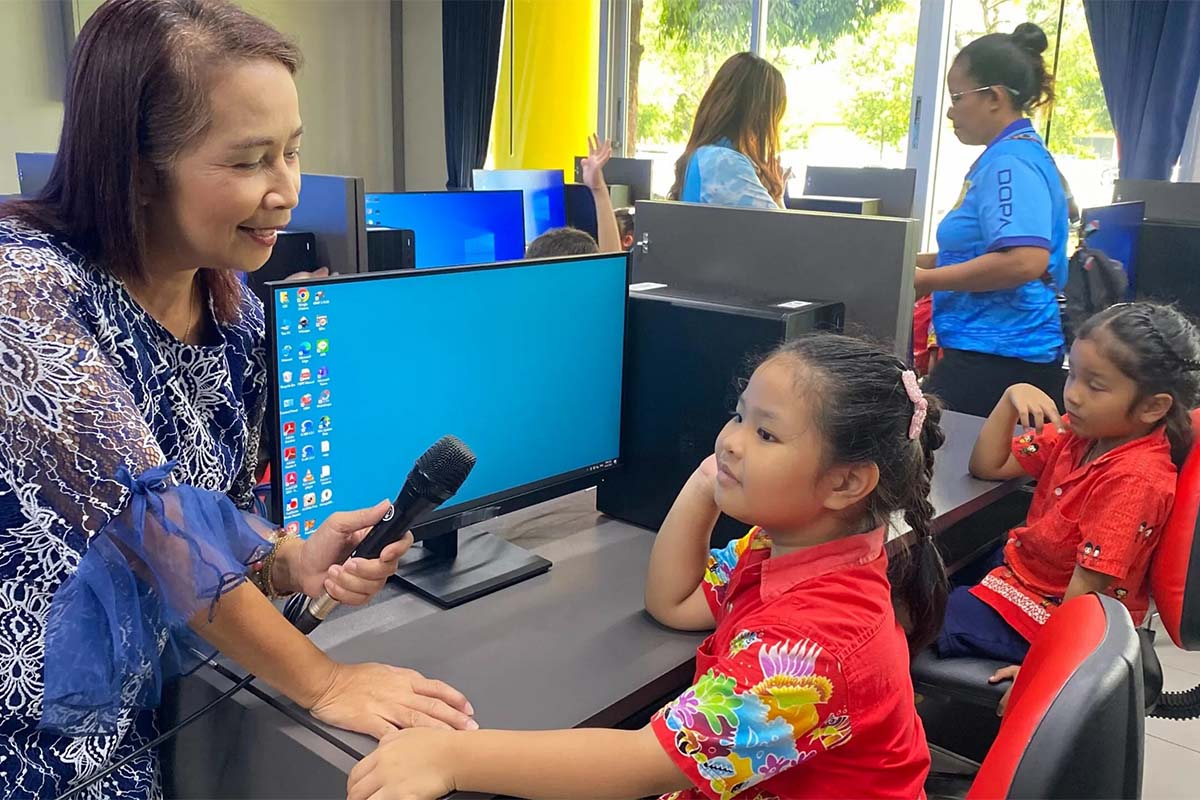
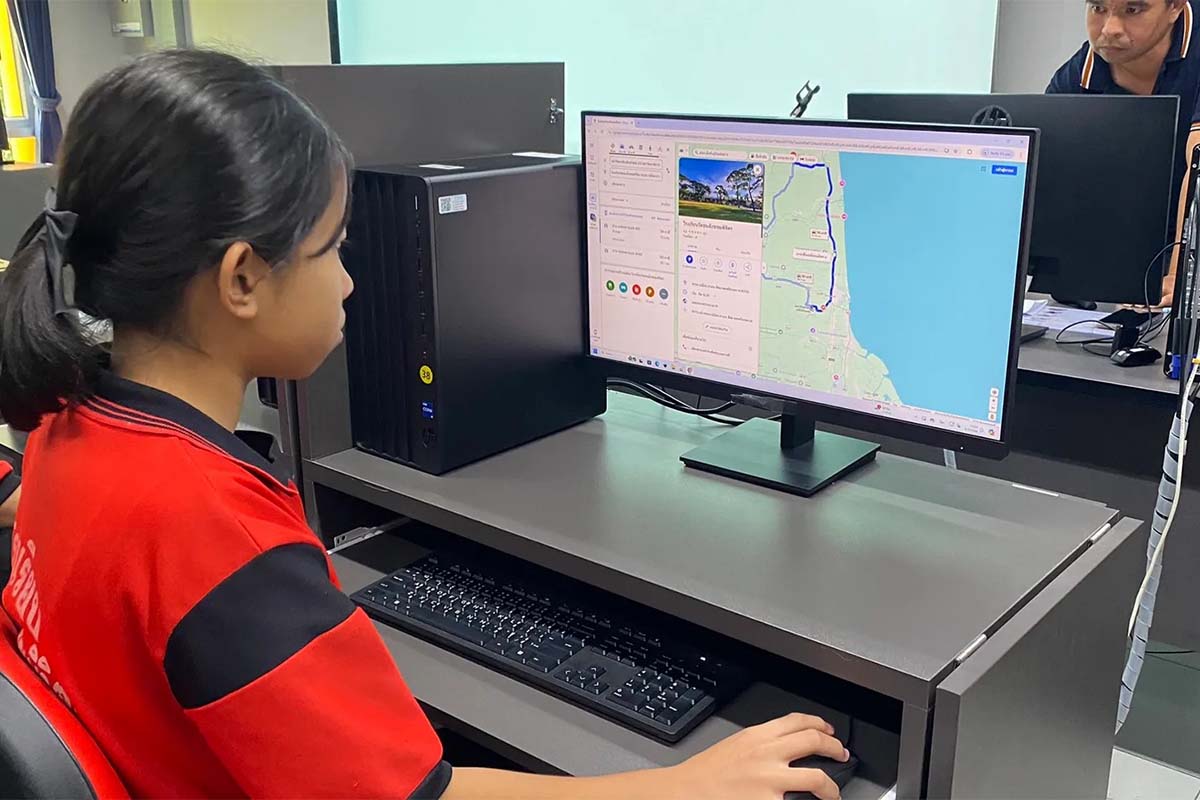
Another significant initiative is the support provided by the Center for Digital Technology (CDT) and the Digital Content and Media Program, which allocate computer equipment and technological assistance to local schools in order to improve the quality of teaching and reduce educational disparities in rural areas. This includes opening the CDT and Informatics Studio for visits, where students can explore and try out IT equipment.
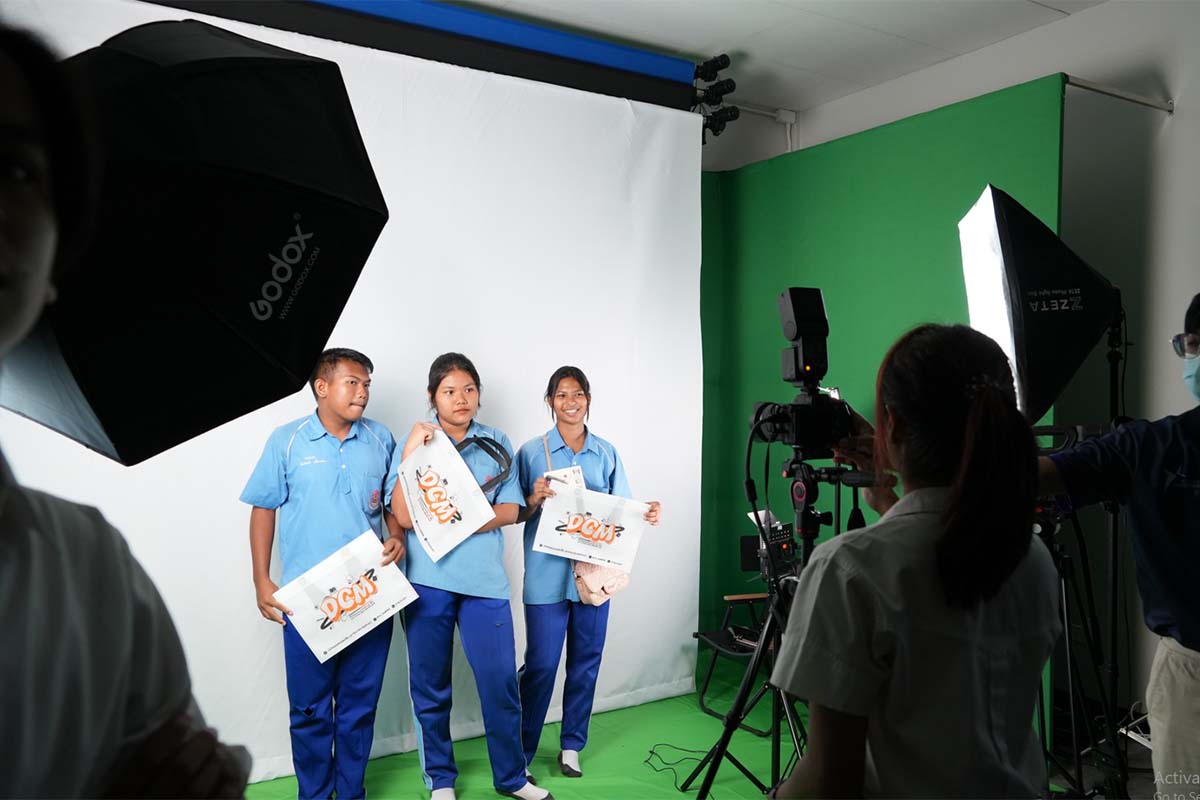
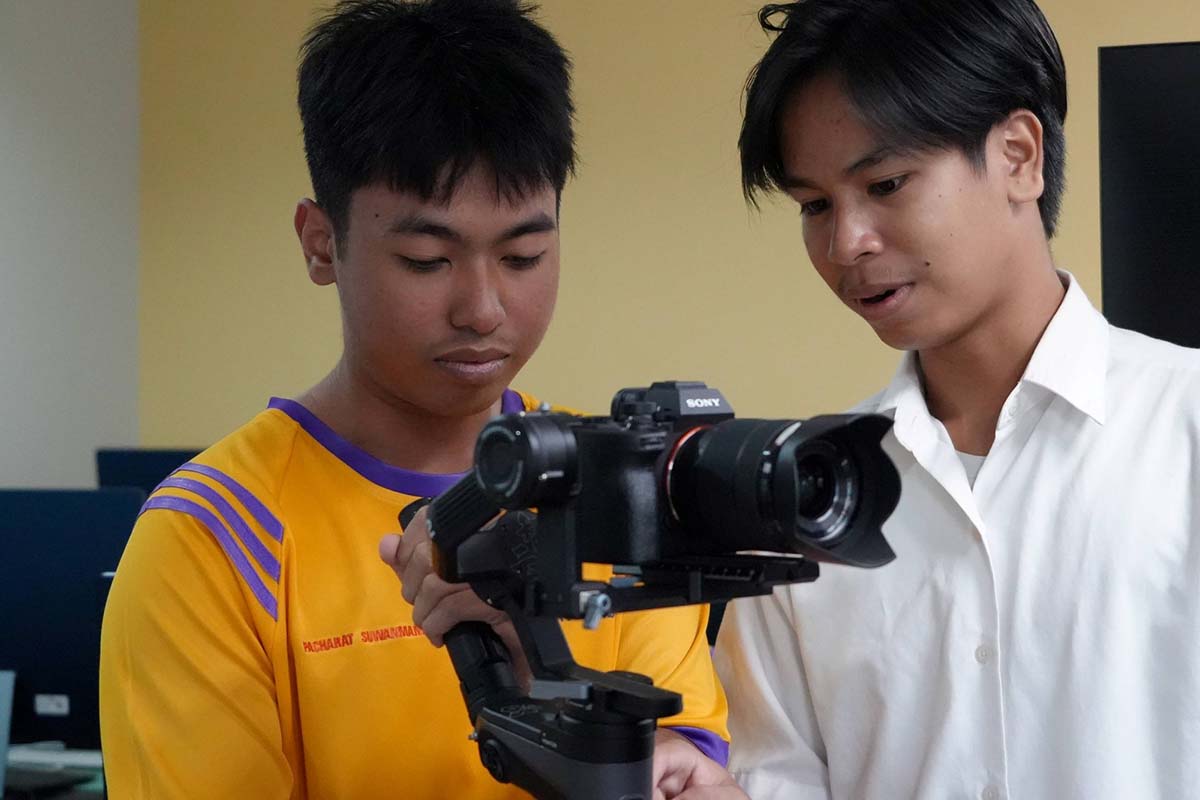
Beyond these visits, the Digital Content and Media Program under the School of Informatics also welcomed 33 Grade 12 students to participate in a learning activity on “Digital and Media: Creative Short Clips.” This initiative provided students with direct access to the university’s educational facilities, including professional video recording equipment and high-quality video cameras, within the program’s Computer Graphics Laboratory.
Figures : Free access to university facilities for students.
Opening access to Walailak University’s facilities and resources reflects one of its core missions in driving Thai education forward. The university is dedicated to building a sustainable learning society and creating continuous opportunities for everyone to develop themselves, regardless of who they are.
Access to Free Online Learning Resources from Walailak University
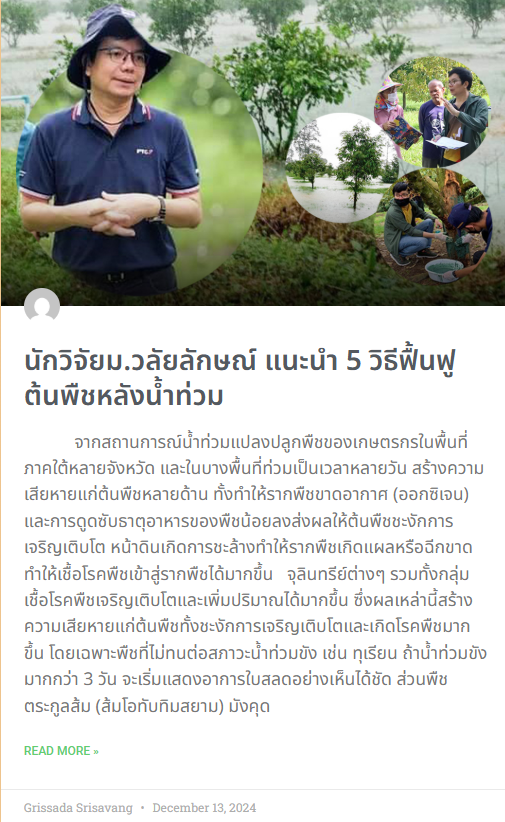
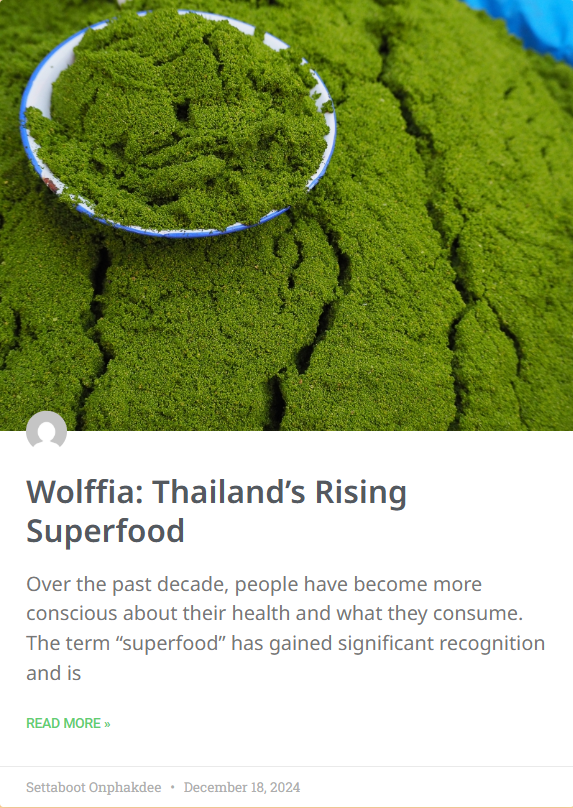
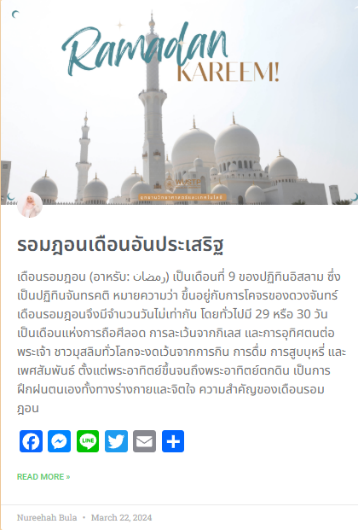
In the digital era, Walailak University has developed and shared free online resources accessible to everyone through the university’s website, supporting lifelong learning and continuous skill development. These resources include a research repository that compiles information and innovations for further application, as well as various online learning platforms from the Center for Library Resources and Educational Media, such as e-books, WU BLOGS, and a wide range of lecture videos. The content covers diverse fields such as education, health, IT articles, finance, entertainment, travel, sports, and commemorative days. All information is freely available at https://blog.wu.ac.th/, with more than 900 articles in total.
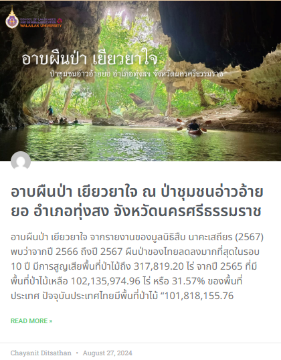
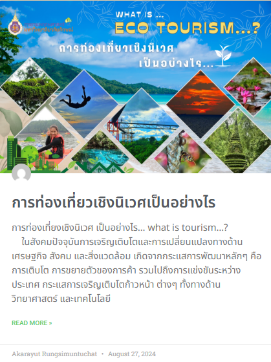
In the Education category, there are a total of 576 articles (as of August 26, 2025), compiled from various academic fields by Walailak University staff.
Health
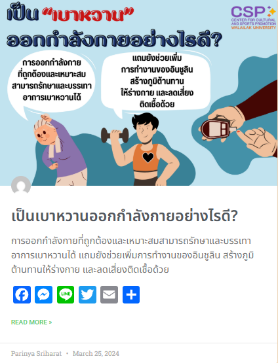
In the Health category, there are a total of 158 articles (as of August 26, 2025), collected from different health science disciplines by Walailak University staff.
IT Articles
In the IT category, there are a total of 73 articles (as of August 26, 2025), gathered from various academic fields by Walailak University staff.
Finance
In the Finance category, there are a total of 36 articles (as of August 26, 2025), compiled from diverse academic areas by Walailak University staff.
Entertainment
In the Entertainment category, there are a total of 38 articles (as of August 26, 2025), compiled from multiple disciplines by Walailak University staff.
Travel
In the Travel category, there are a total of 40 articles (as of August 26, 2025), compiled from a variety of academic fields by Walailak University staff.
Sports
In the Sports category, there are a total of 12 articles (as of August 26, 2025), collected from different academic disciplines by Walailak University staff.
Commemorative Days
In the Commemorative Days category, there are a total of 14 articles (as of August 26, 2025), compiled from various academic fields by Walailak University staff.
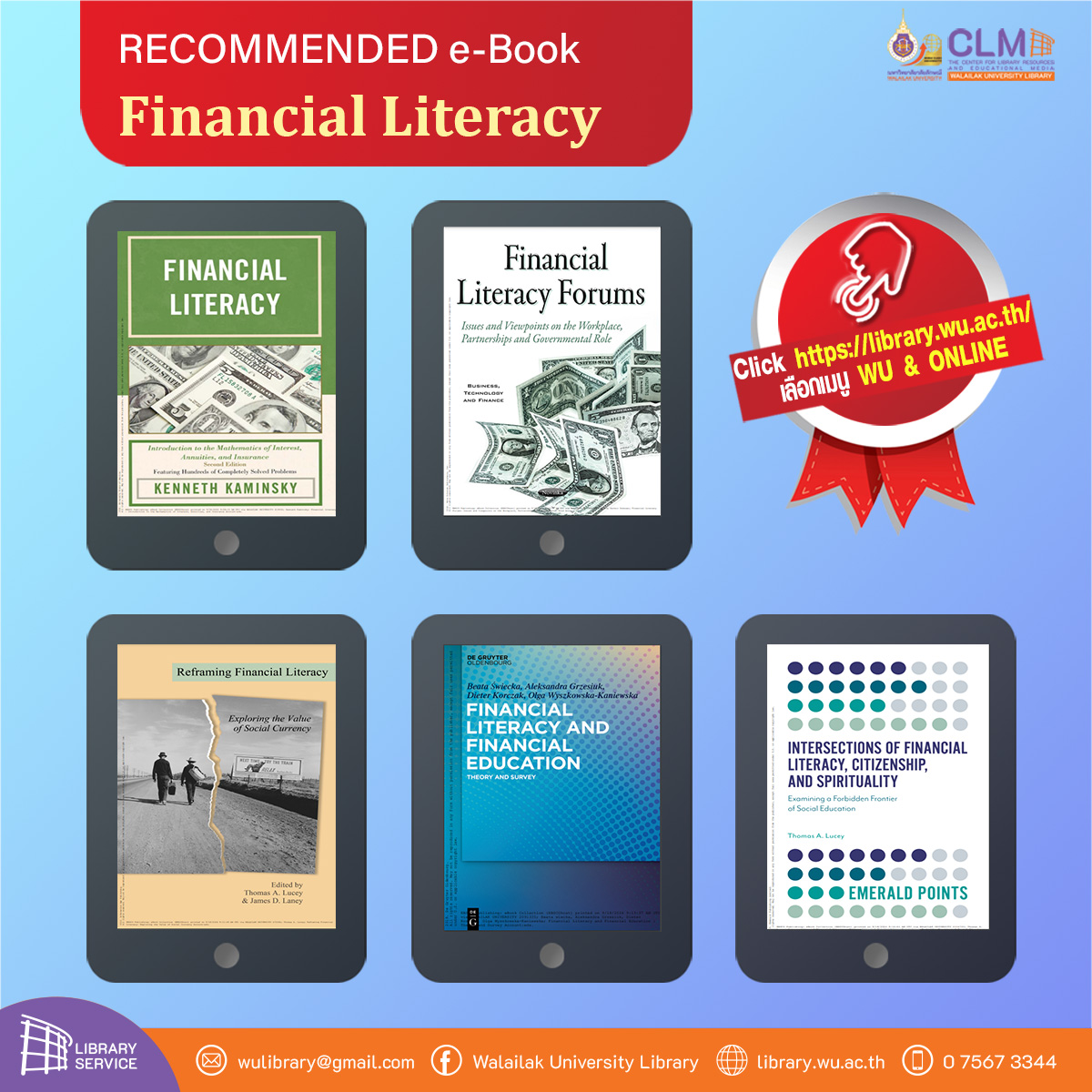
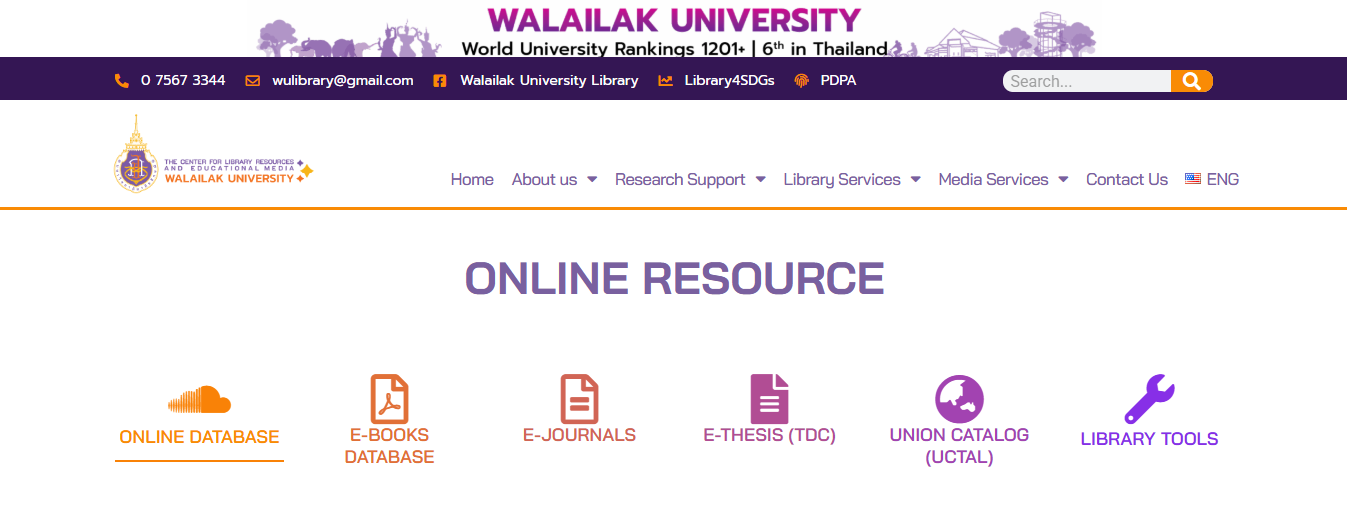
Furthermore, the Center for Library Resources and Educational Media provides access to various online resources, including databases, e-books, e-journals, and the Thai Digital Collection (TDC), where users can access theses and dissertations. These resources are available to the public for educational and research purposes, supporting the university’s commitment to fostering accessible and inclusive learning.
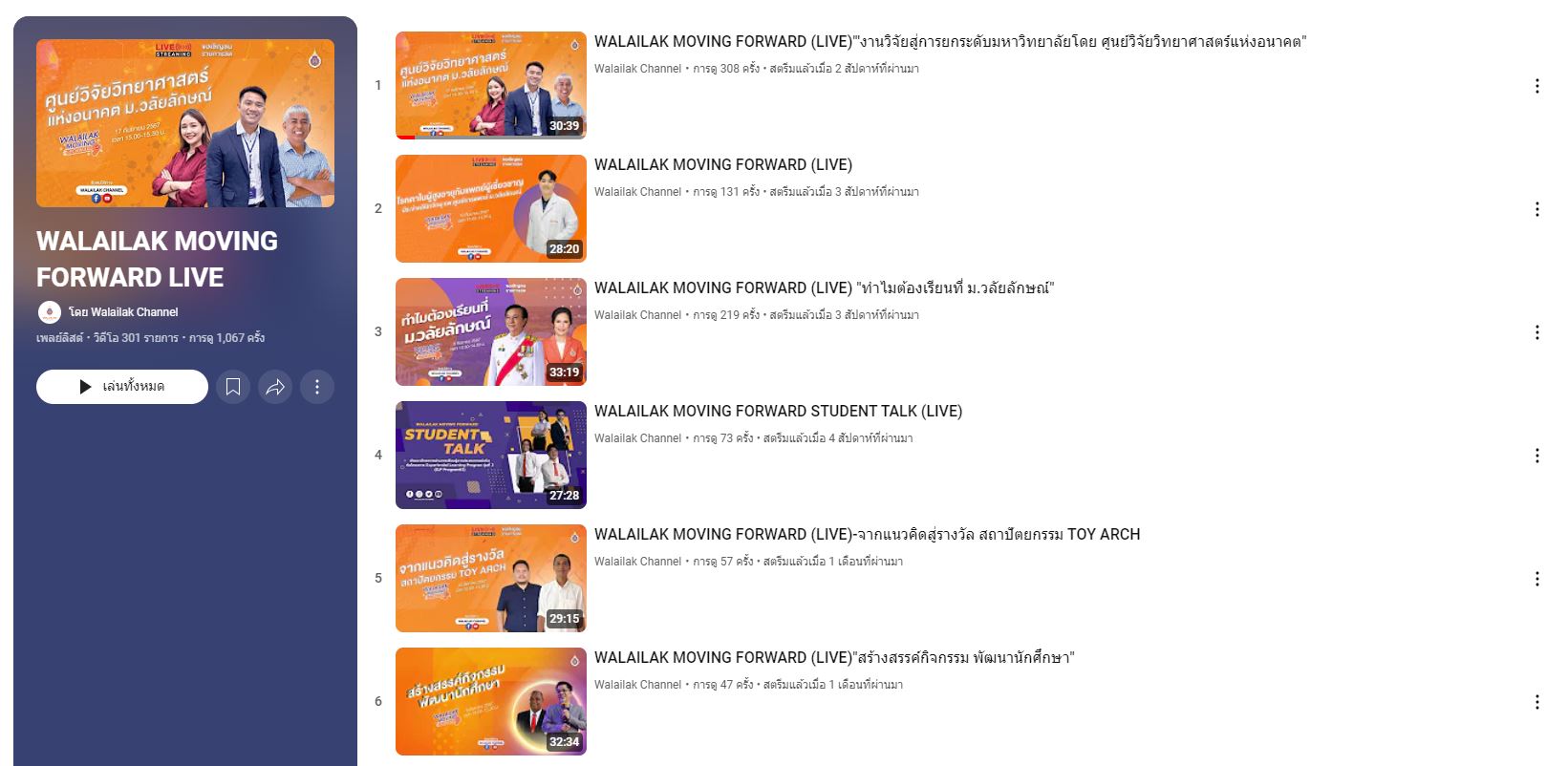
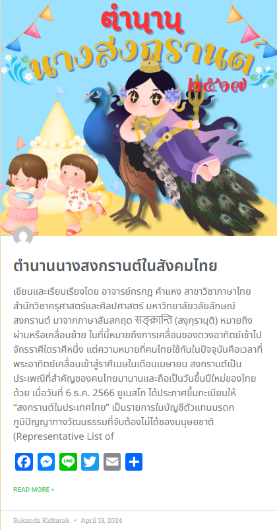
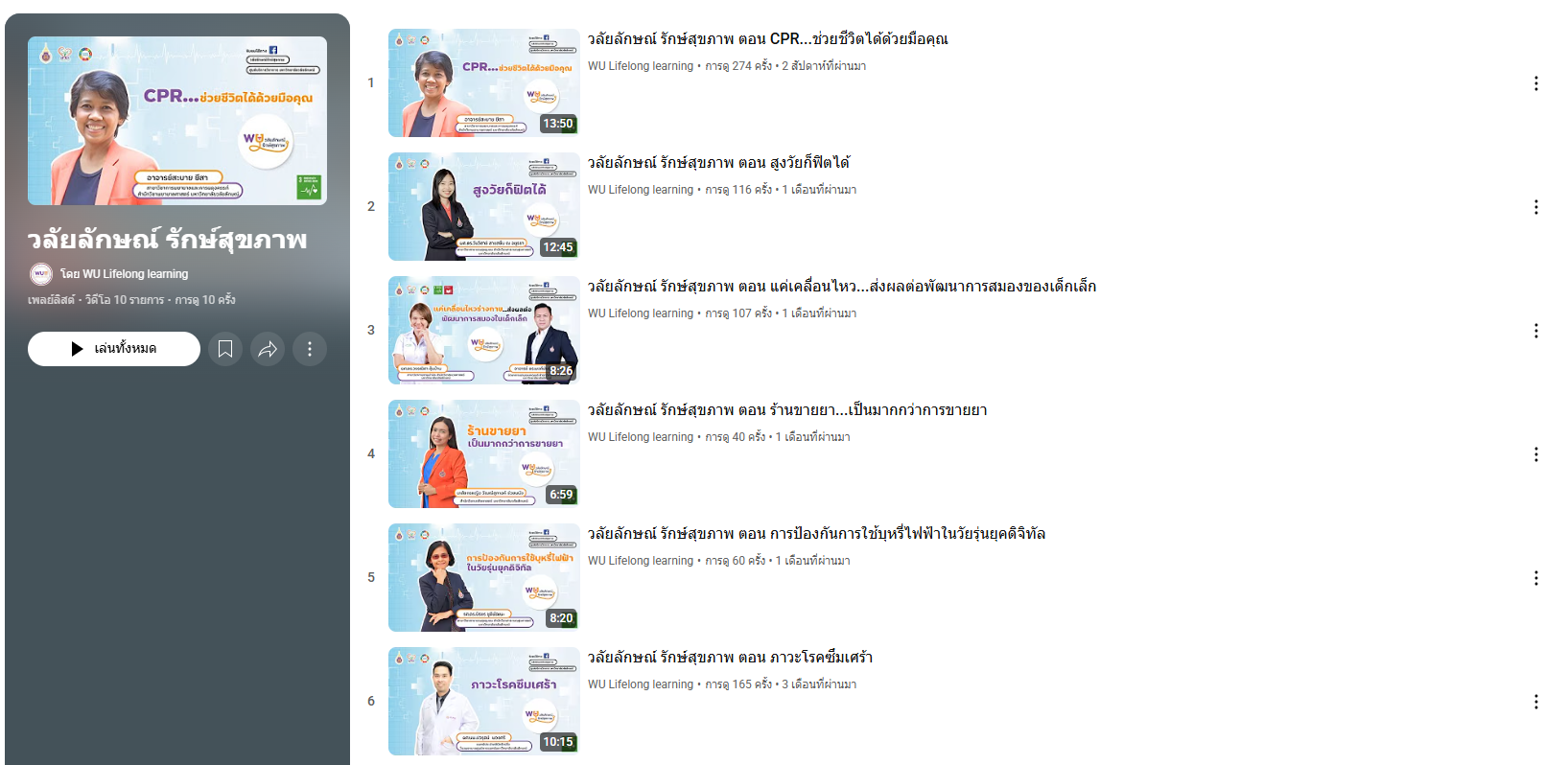
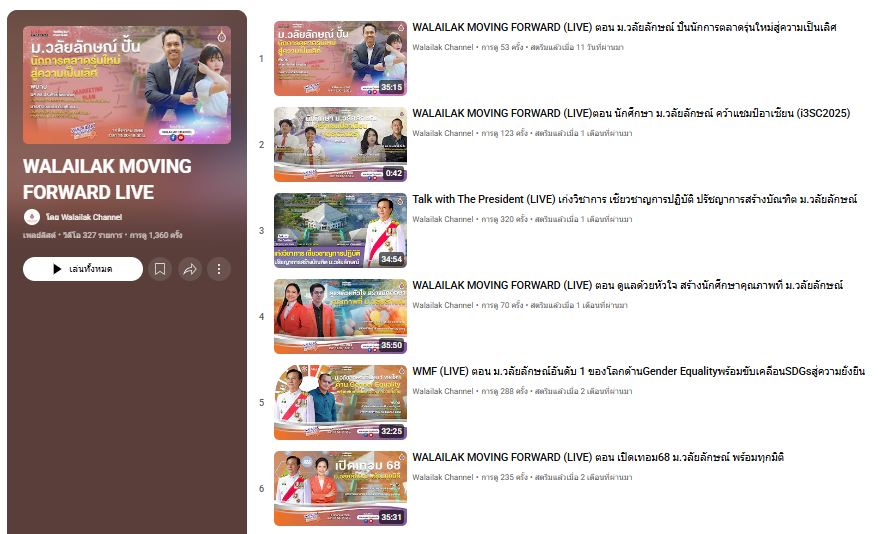
Furthermore, the university has developed knowledge-sharing platforms such as Good Health Good Life at Walailak and Walailak Moving Forward, which present academic content and useful knowledge for the public in various fields, including health, education, and social development.
This open access to free online learning resources reflects Walailak University’s mission to serve as a learning hub for society, dedicated to creating equal and sustainable educational opportunities. Through these continuous efforts, Walailak University has demonstrated its strong commitment to fostering inclusive learning opportunities, accessible both onsite and online, in order to promote lifelong learning and sustainable skills development. These free educational resources highlight the university’s role as a true center of learning for society, ensuring that education is genuinely a right for everyone.