Walailak University’s Measures and Targets for Sustainable Commuting
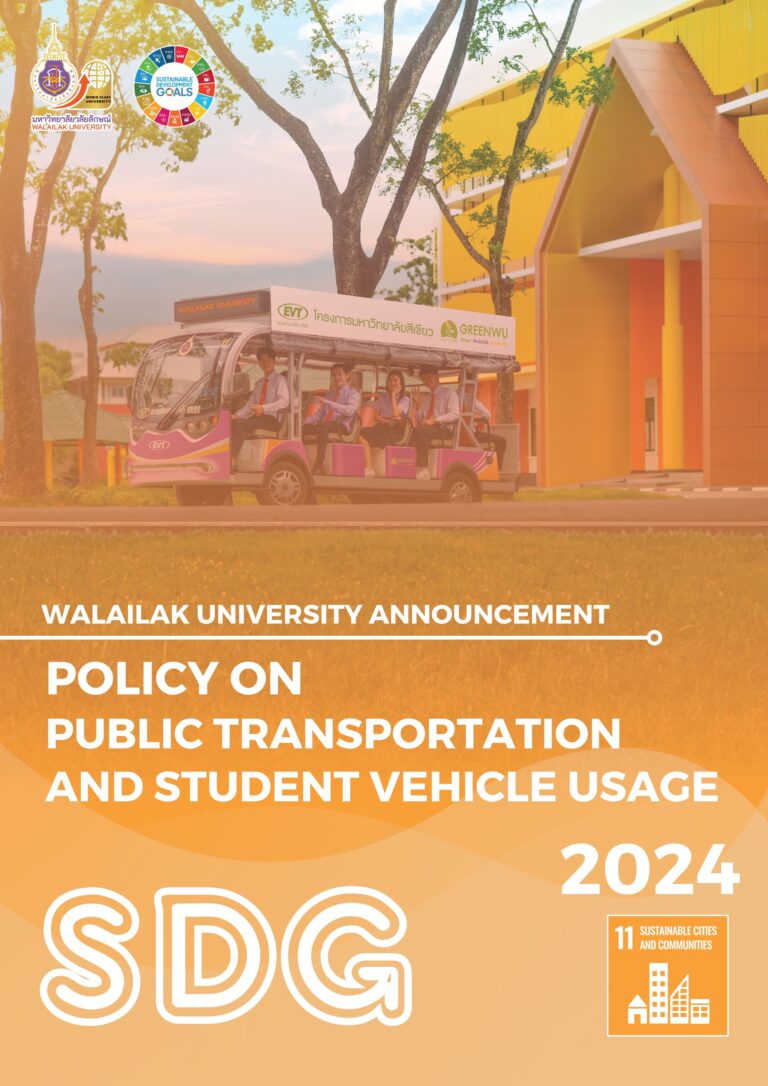
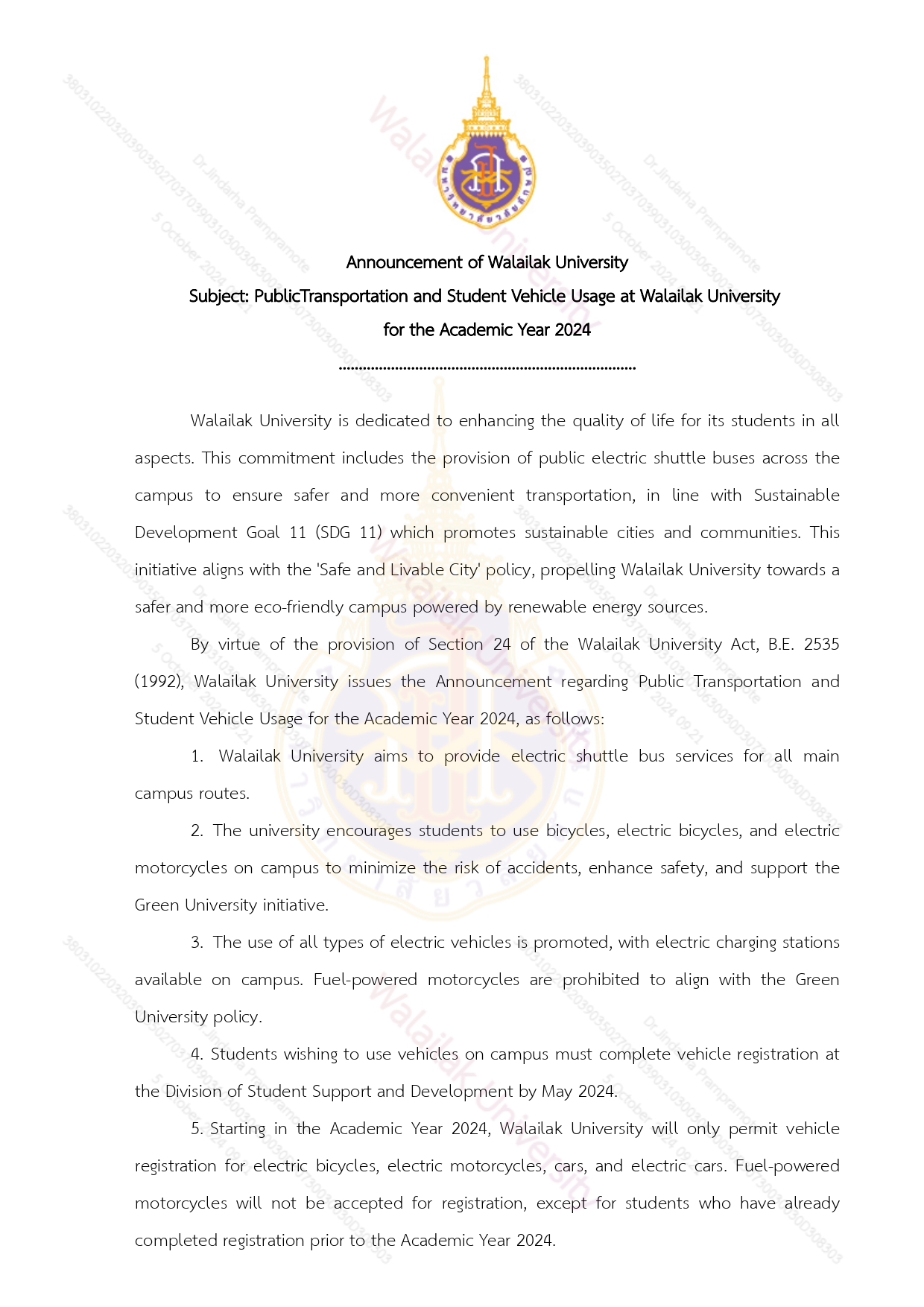
Walailak University prioritizes measuring and setting targets to drive sustainable commuting both off and on campus. In 2024, Walailak University issued a policy on public transportation and student vehicle usage. This policy was issued to promote the measures for sustainable commuting on campus, which aligns with the 13th National Economic and Social Development Plan (2023–2027). The policy focuses on promoting the use of electric vehicles and supporting public transportation systems with low carbon emissions for the students, staff, and the general public at Walailak University.
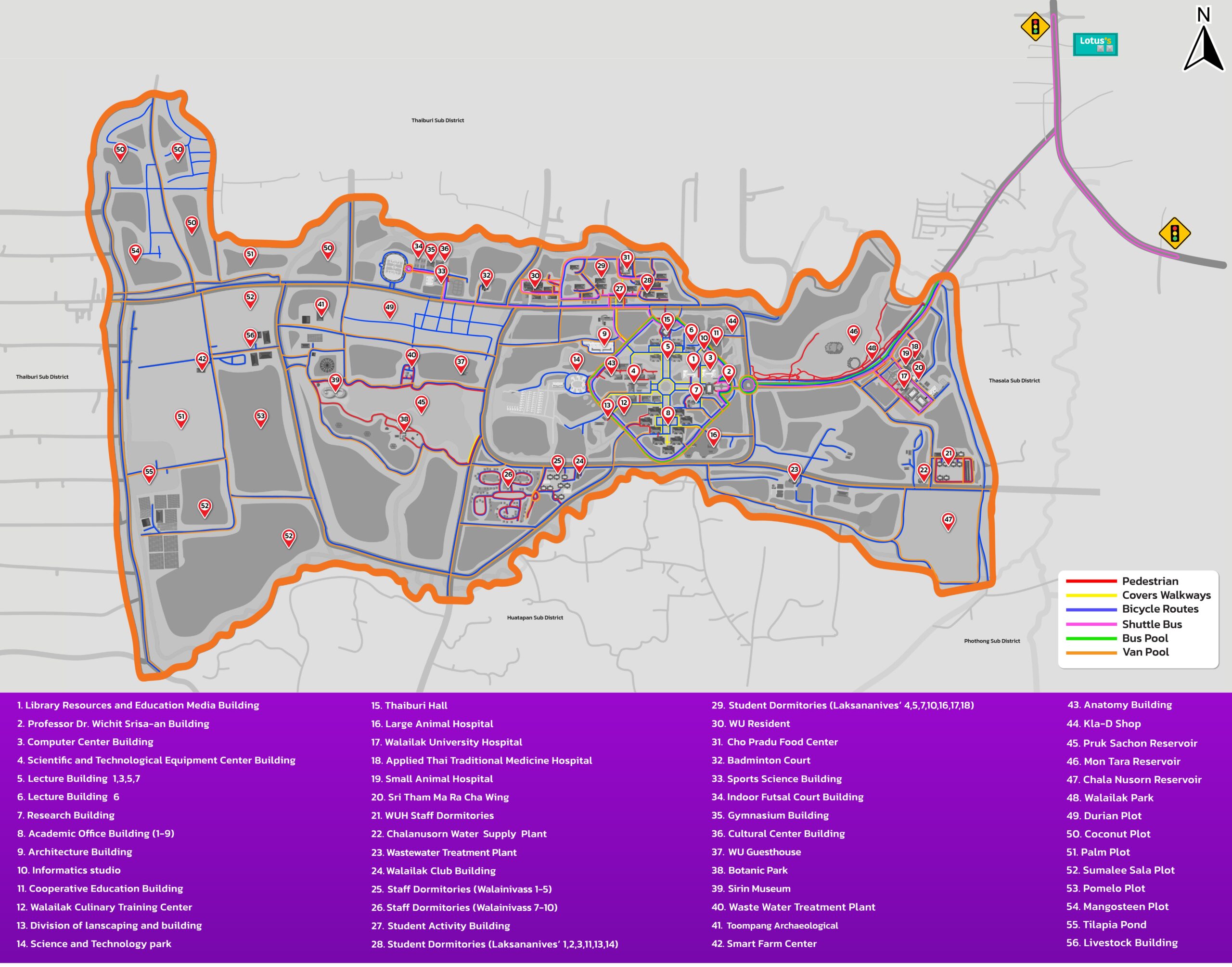
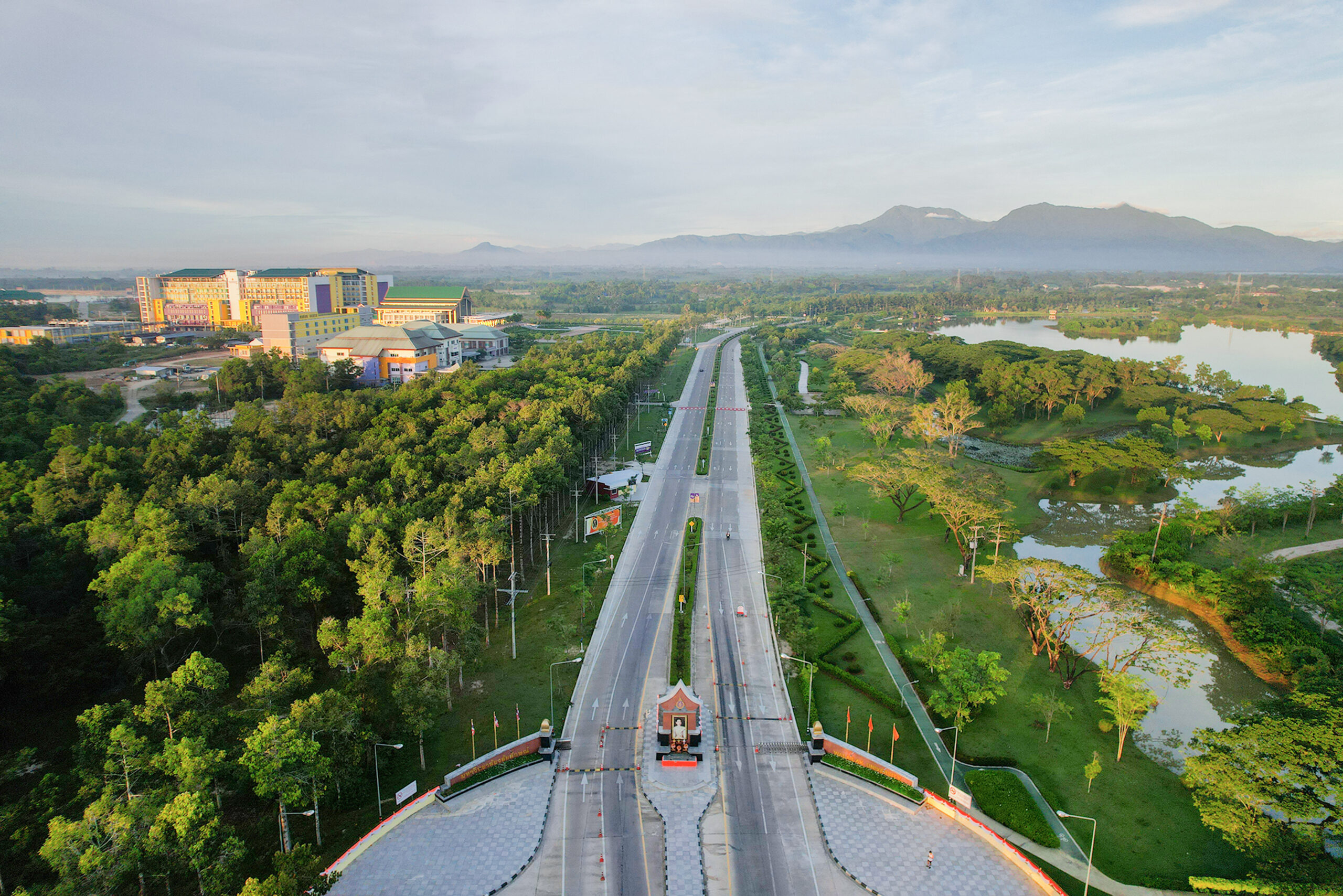
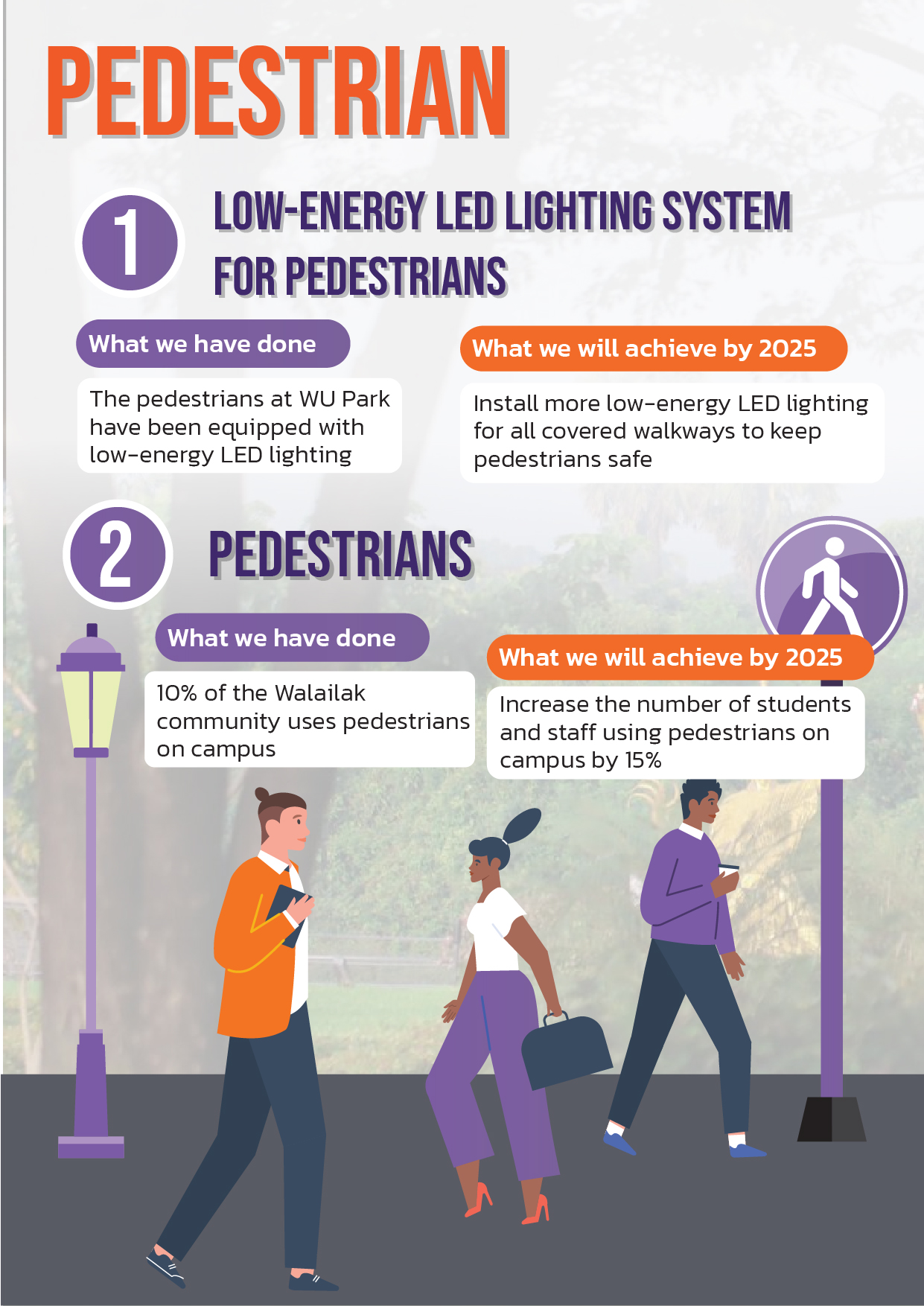
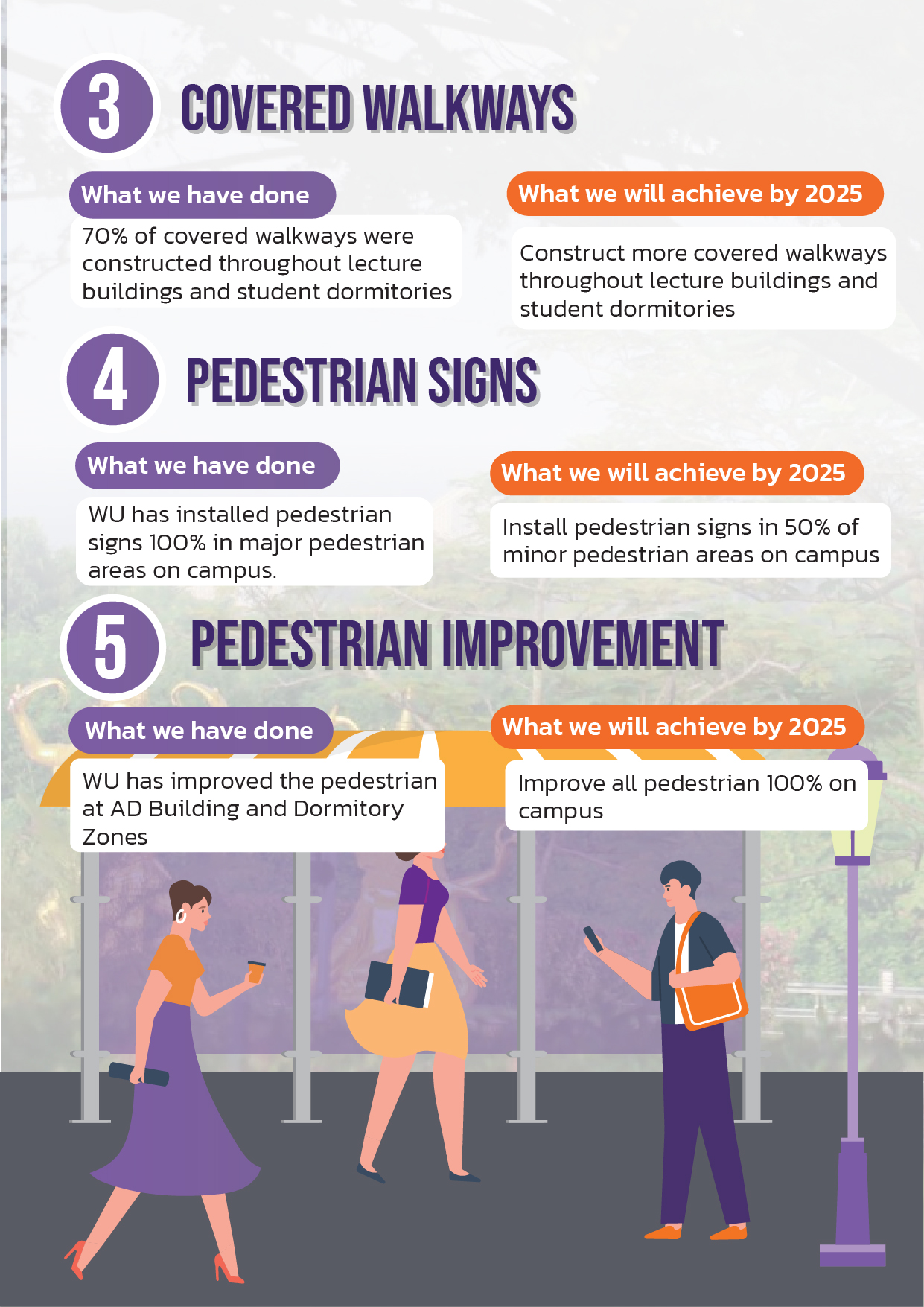
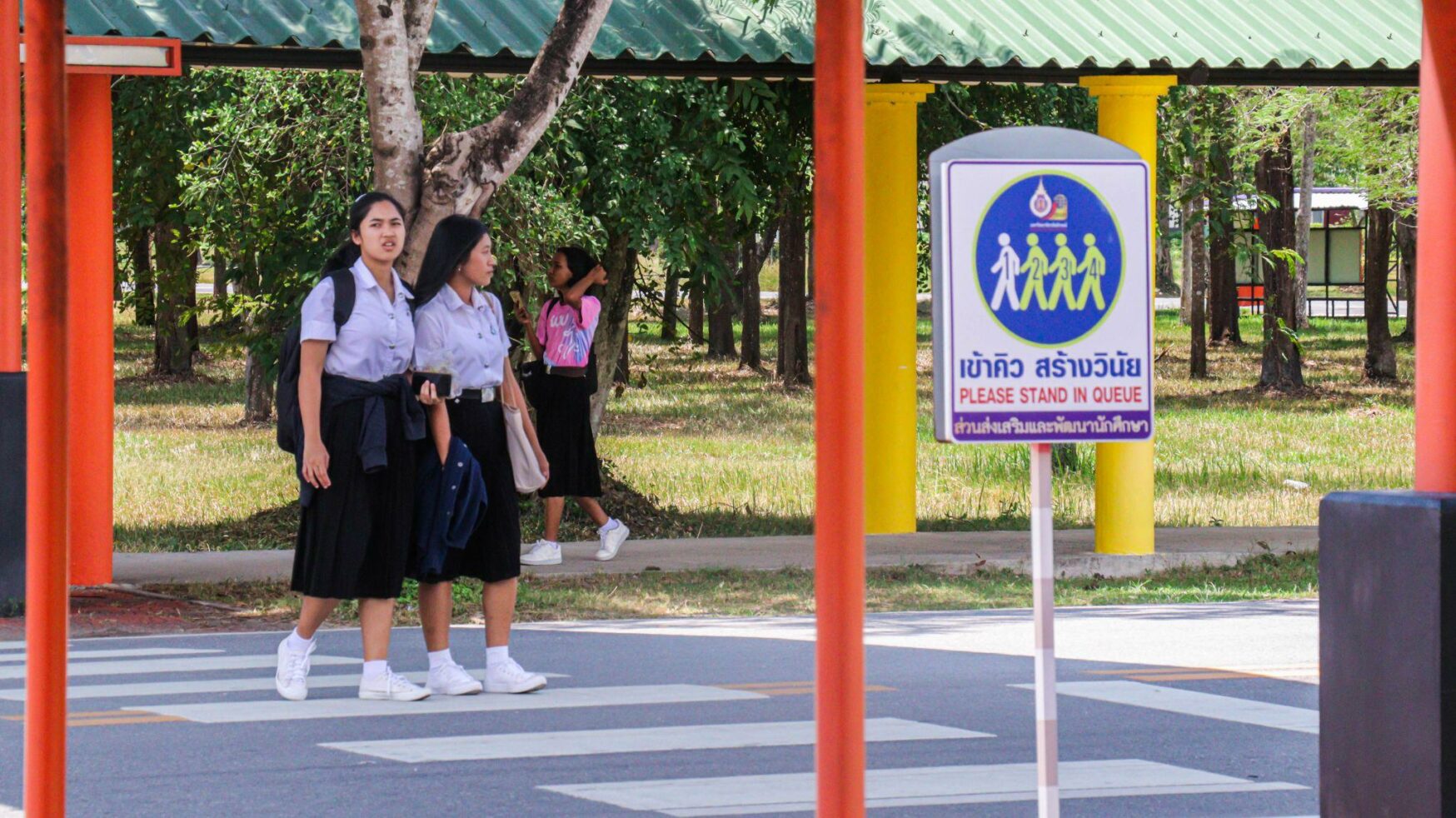
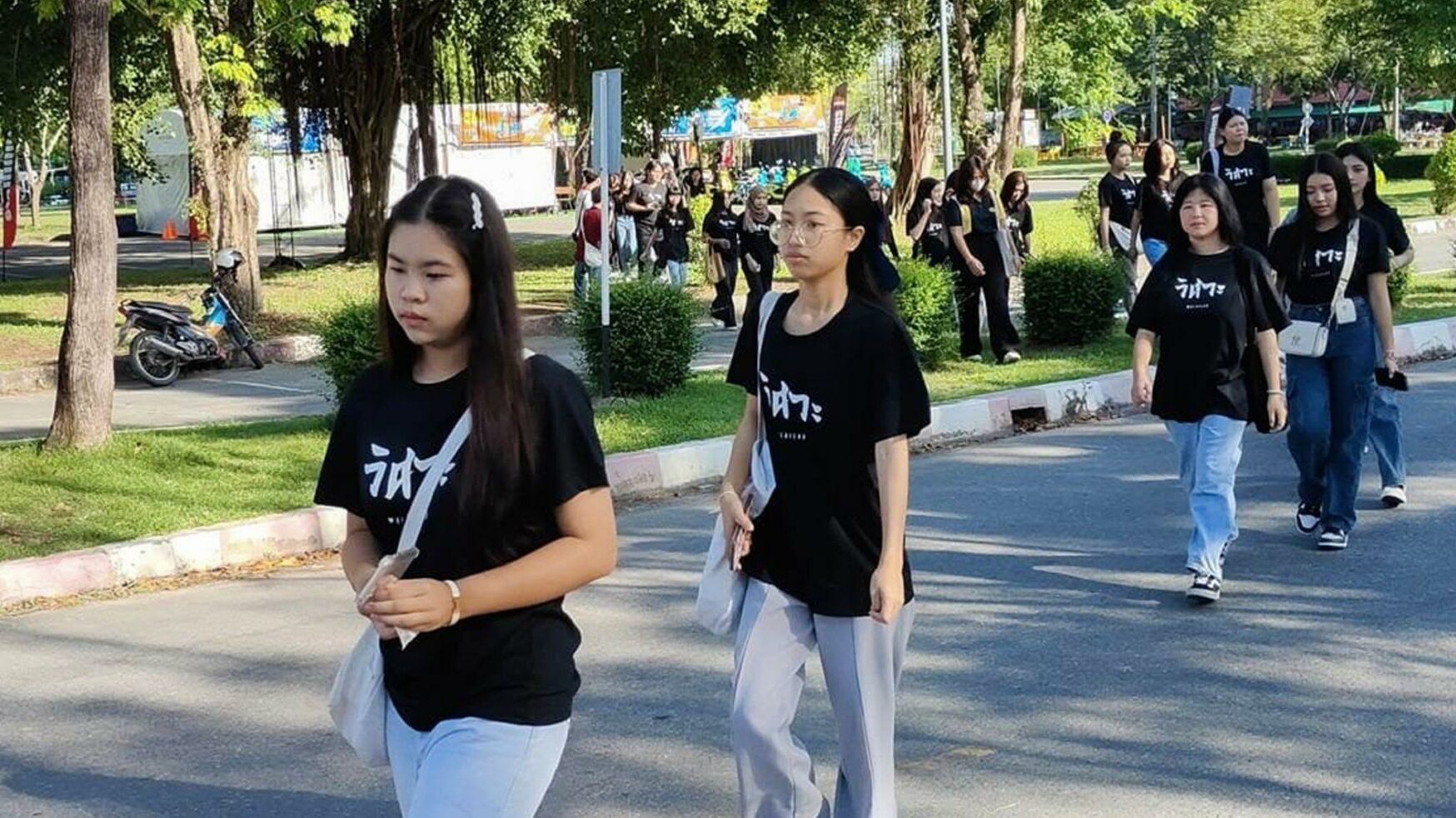
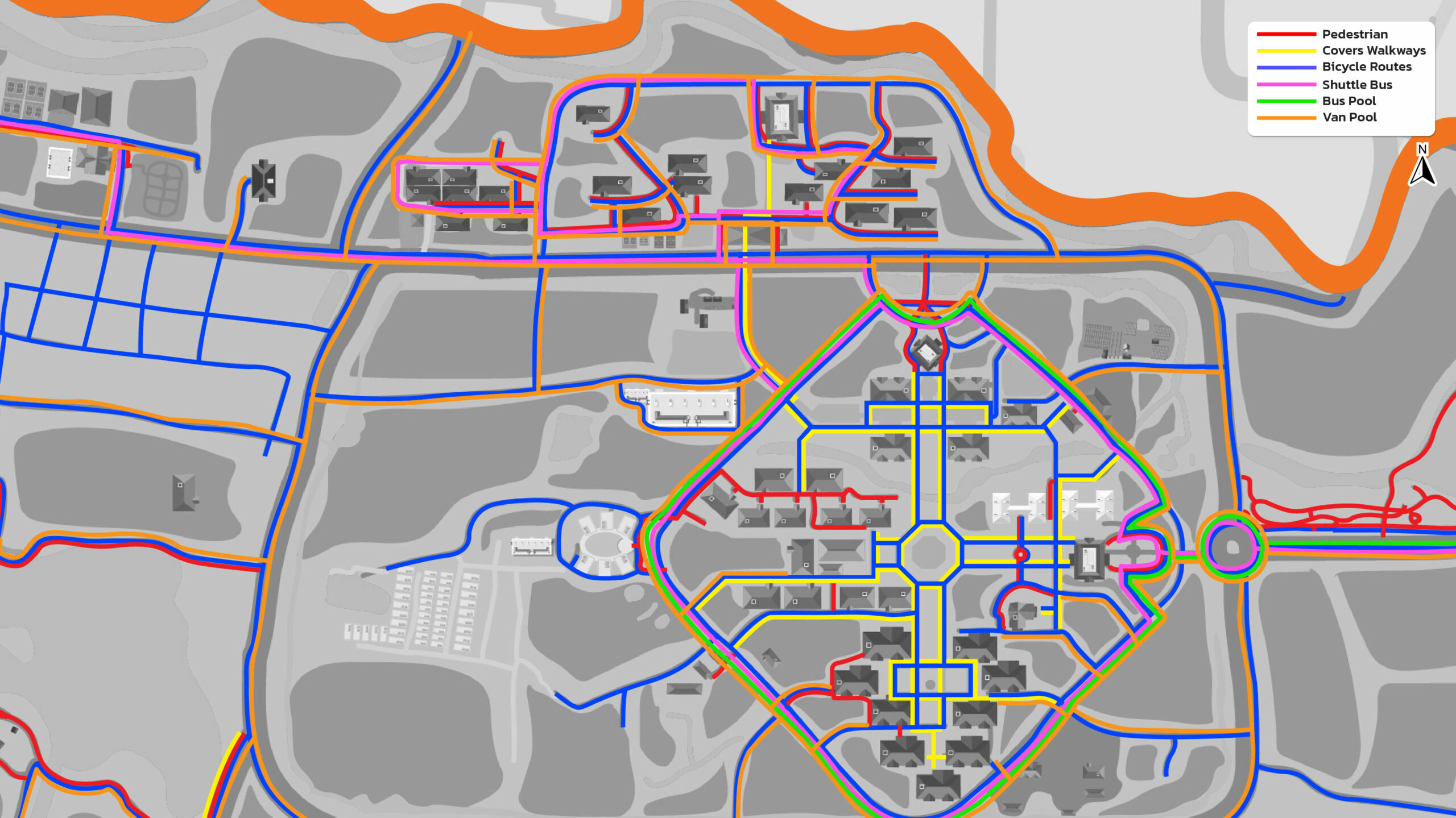
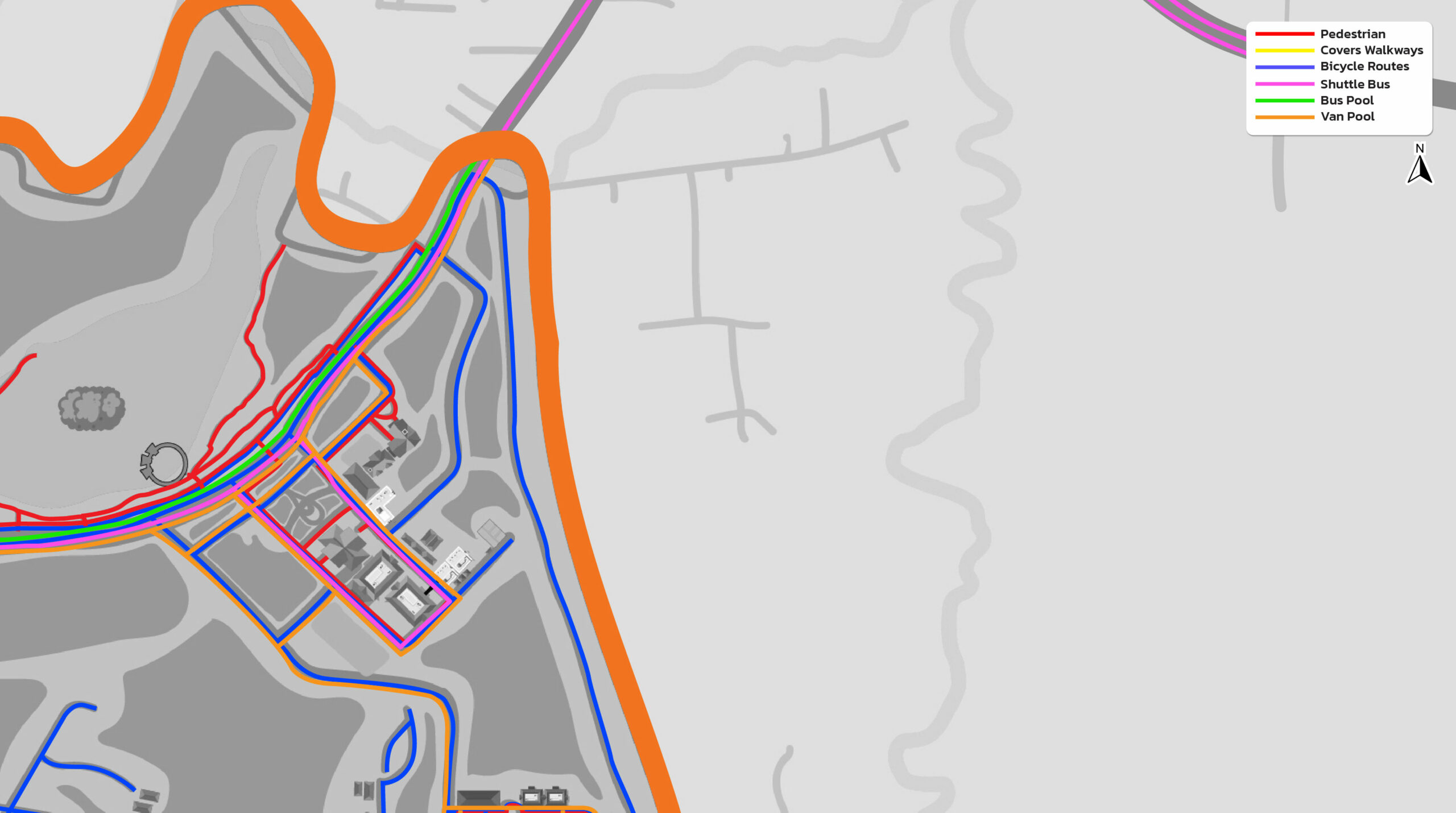
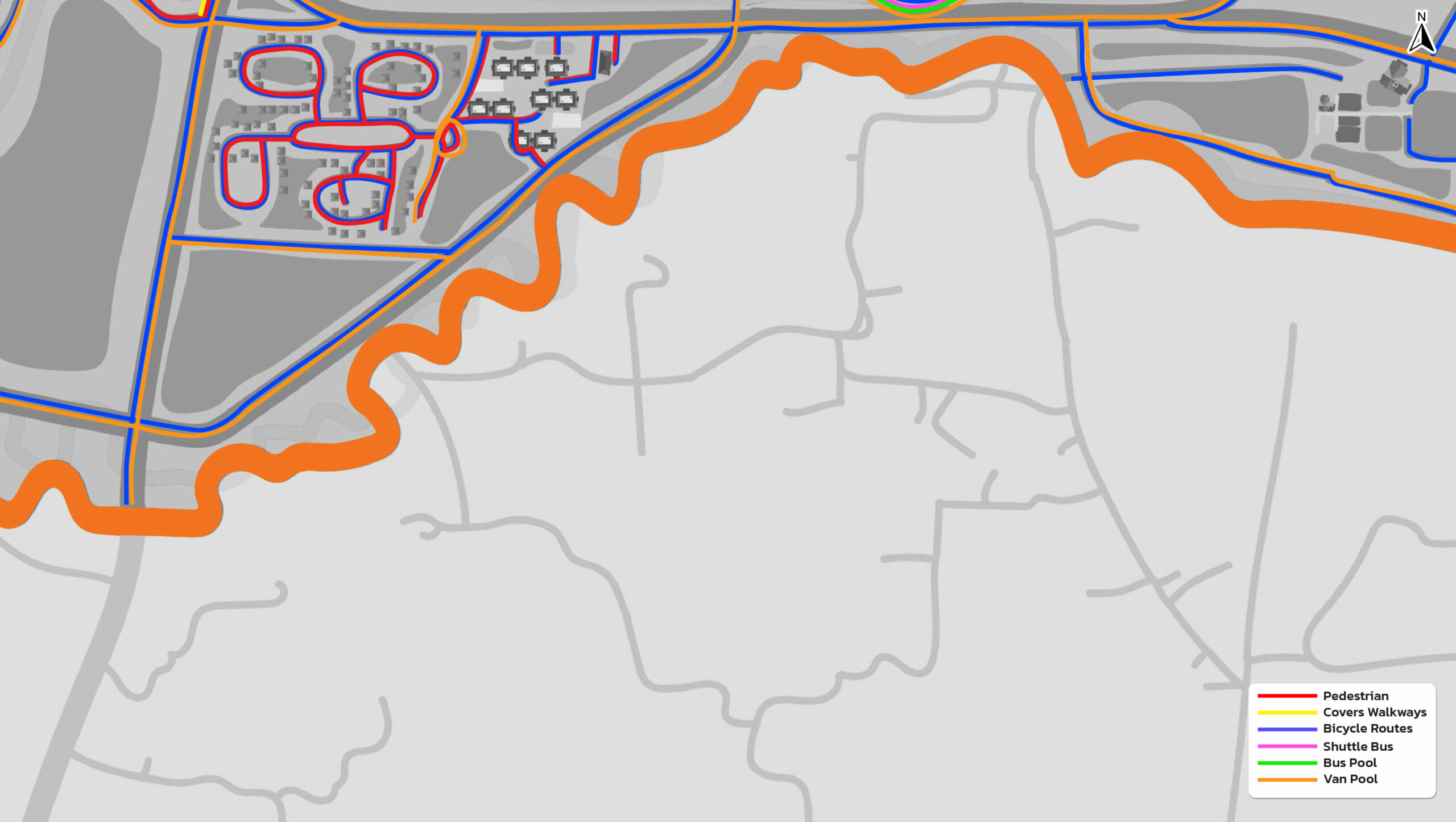
Walailak University continues to maintain and expand its pedestrian pathways and covered walkways to encourage walking as a sustainable mode of transportation, thereby reducing the carbon footprint associated with personal vehicle use. This initiative not only enhances the campus’s visual appeal but also promotes better health and well-being among students and staff. The recent extension of walkways around Walailak Botanic Park has further supported outdoor physical activity. In addition, the university has implemented an electric vehicle (EV) initiative, leading to an increase in the use of electric motorcycles, scooters, and mopeds by students and staff, which has contributed to a significant reduction in on-campus vehicular emissions.
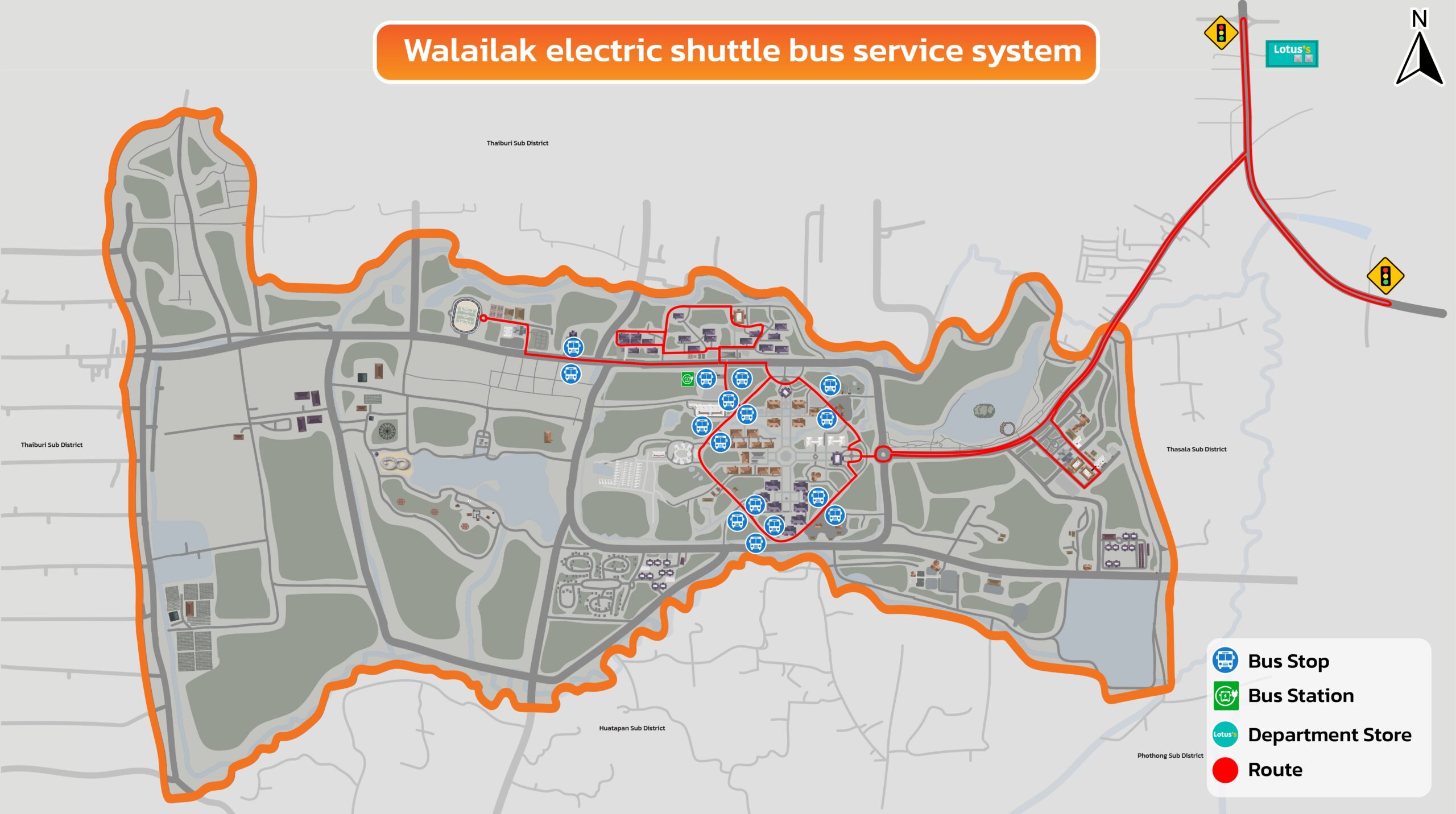
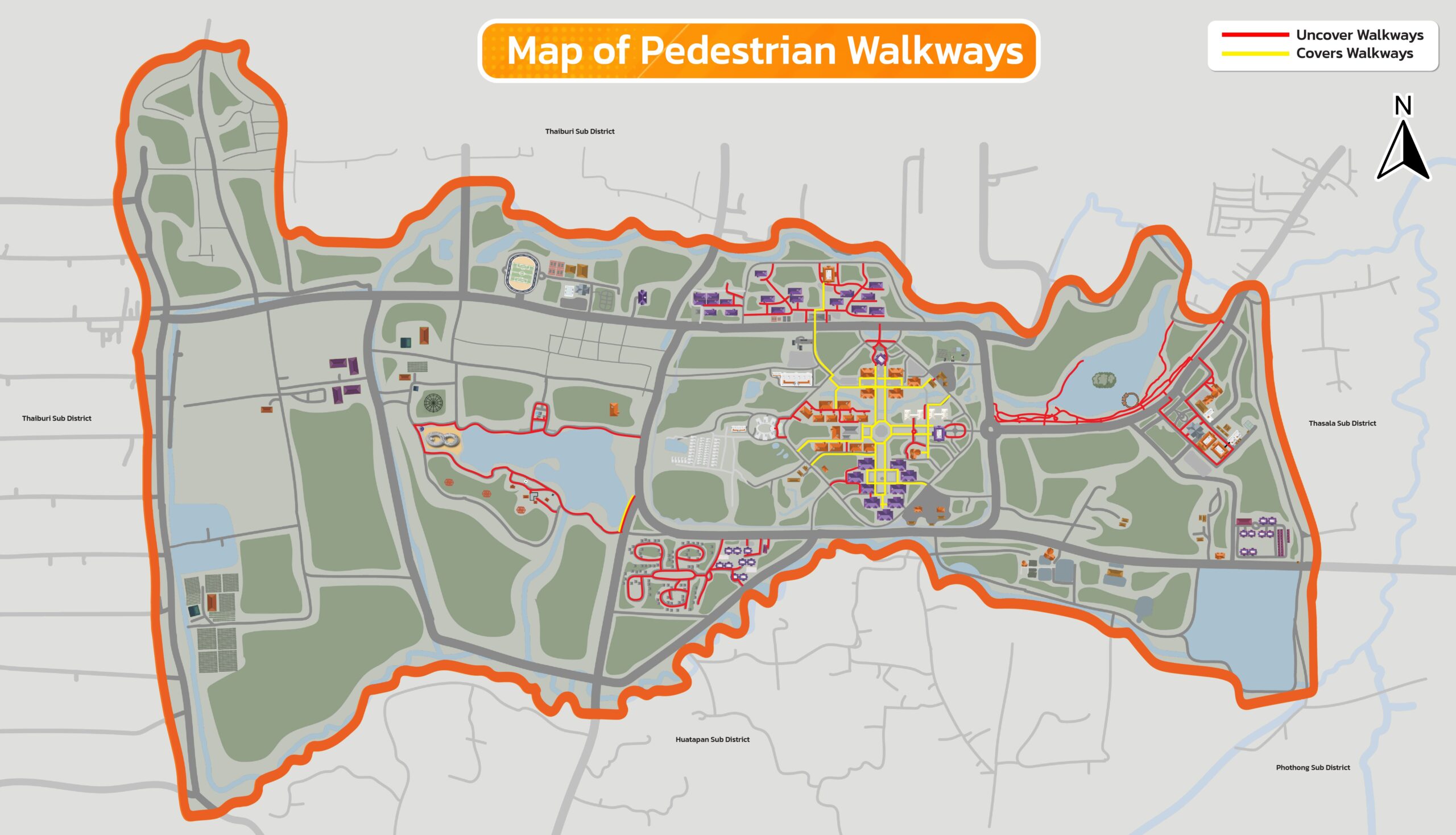
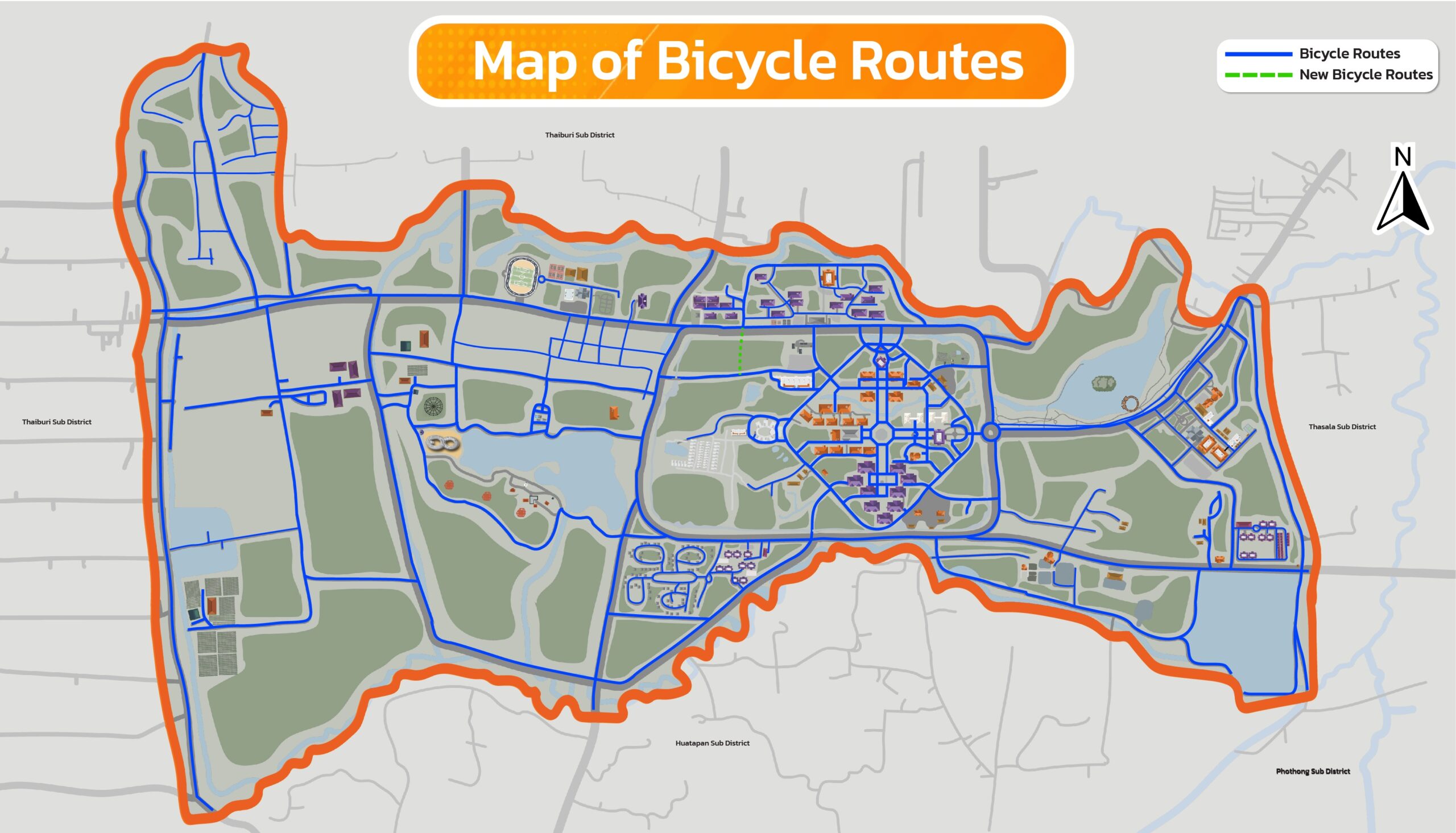
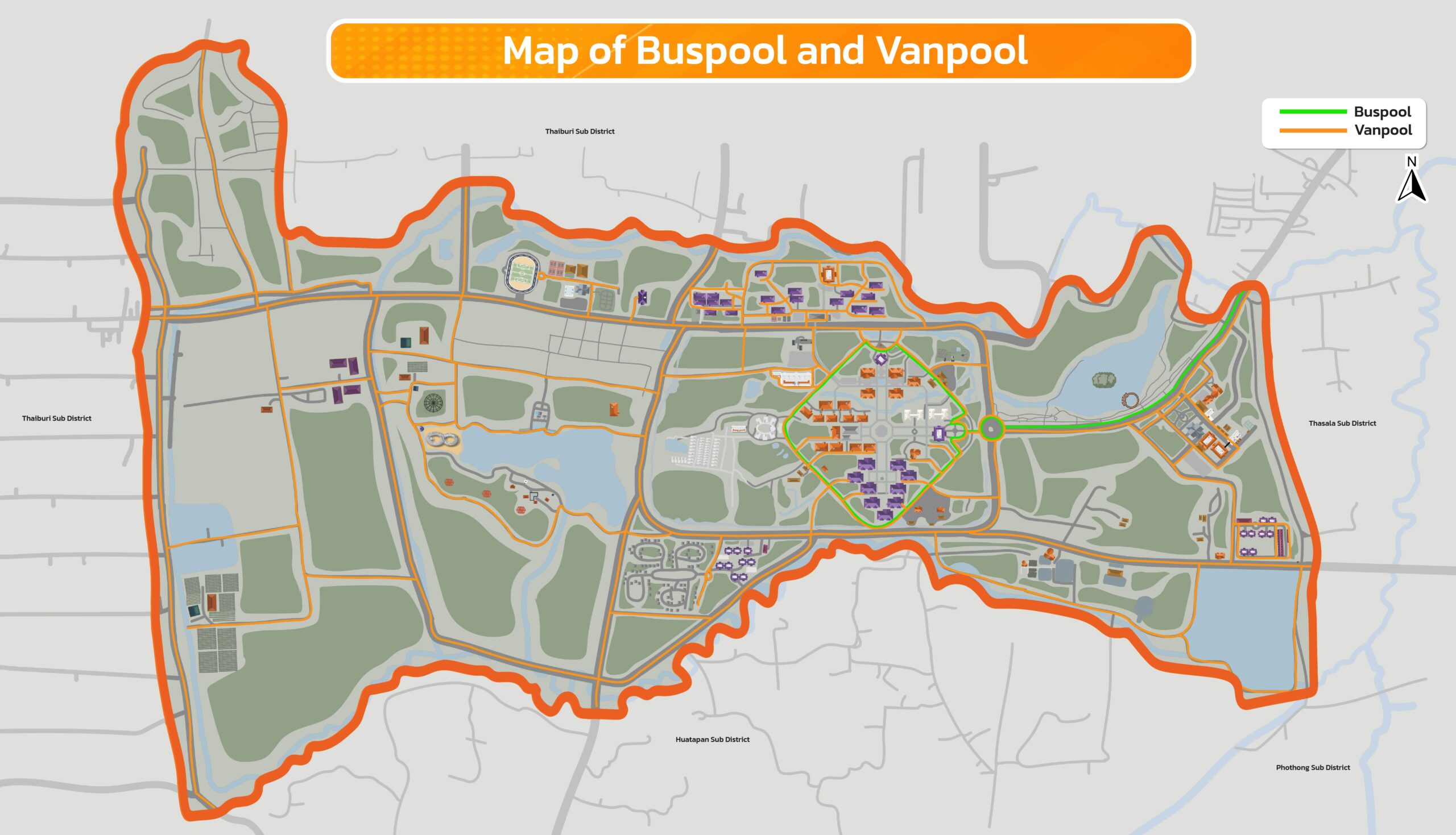
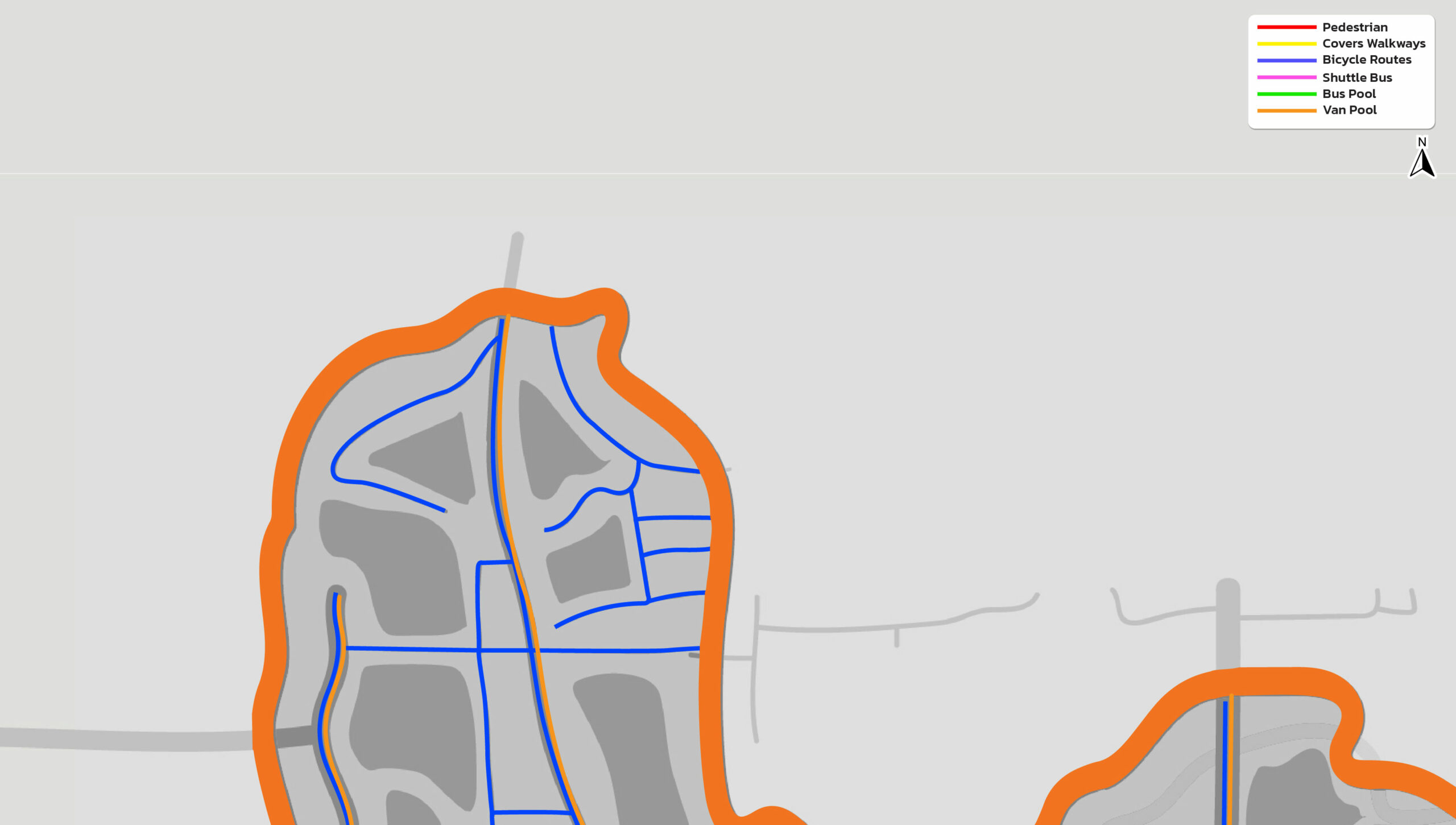
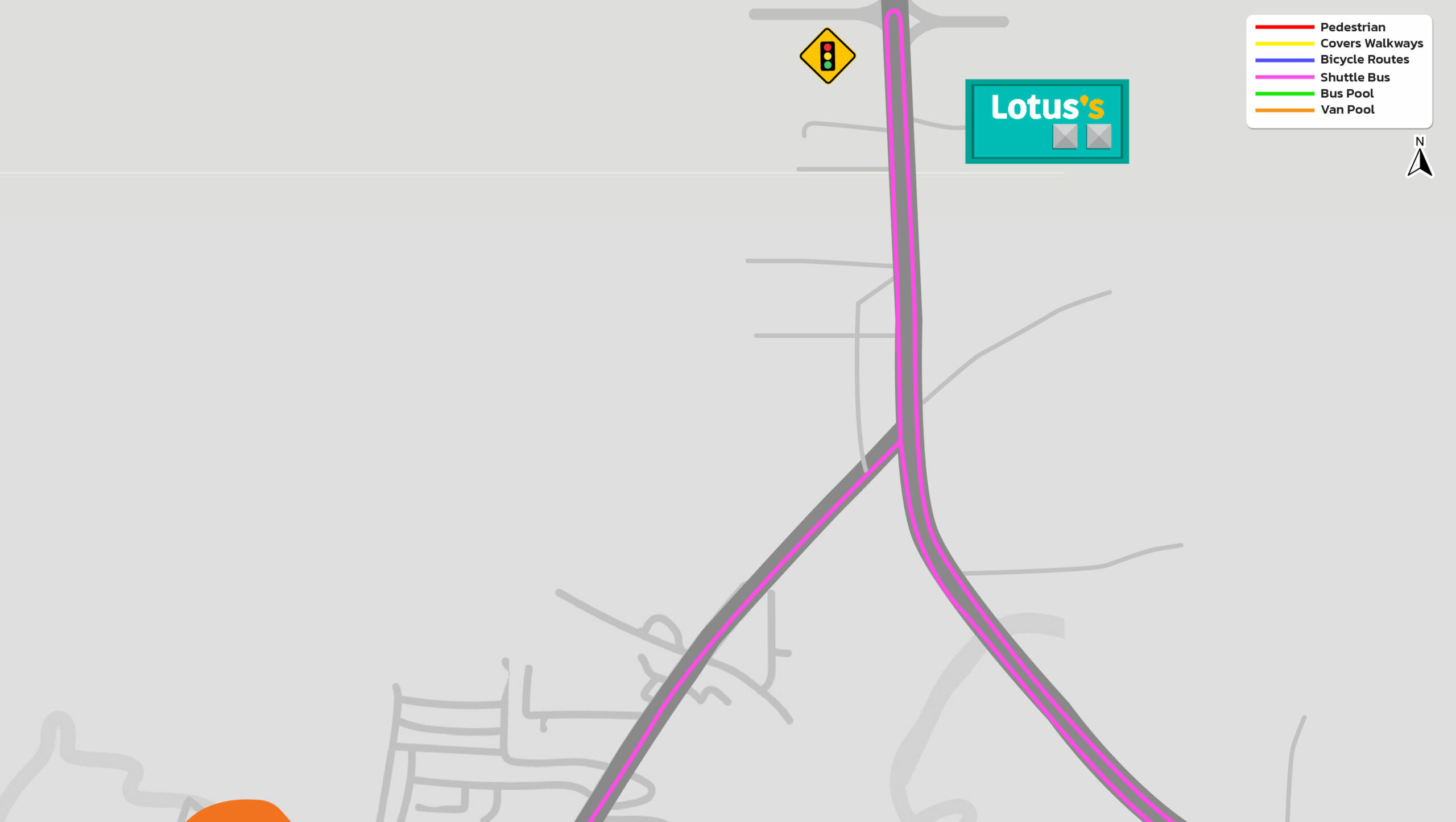
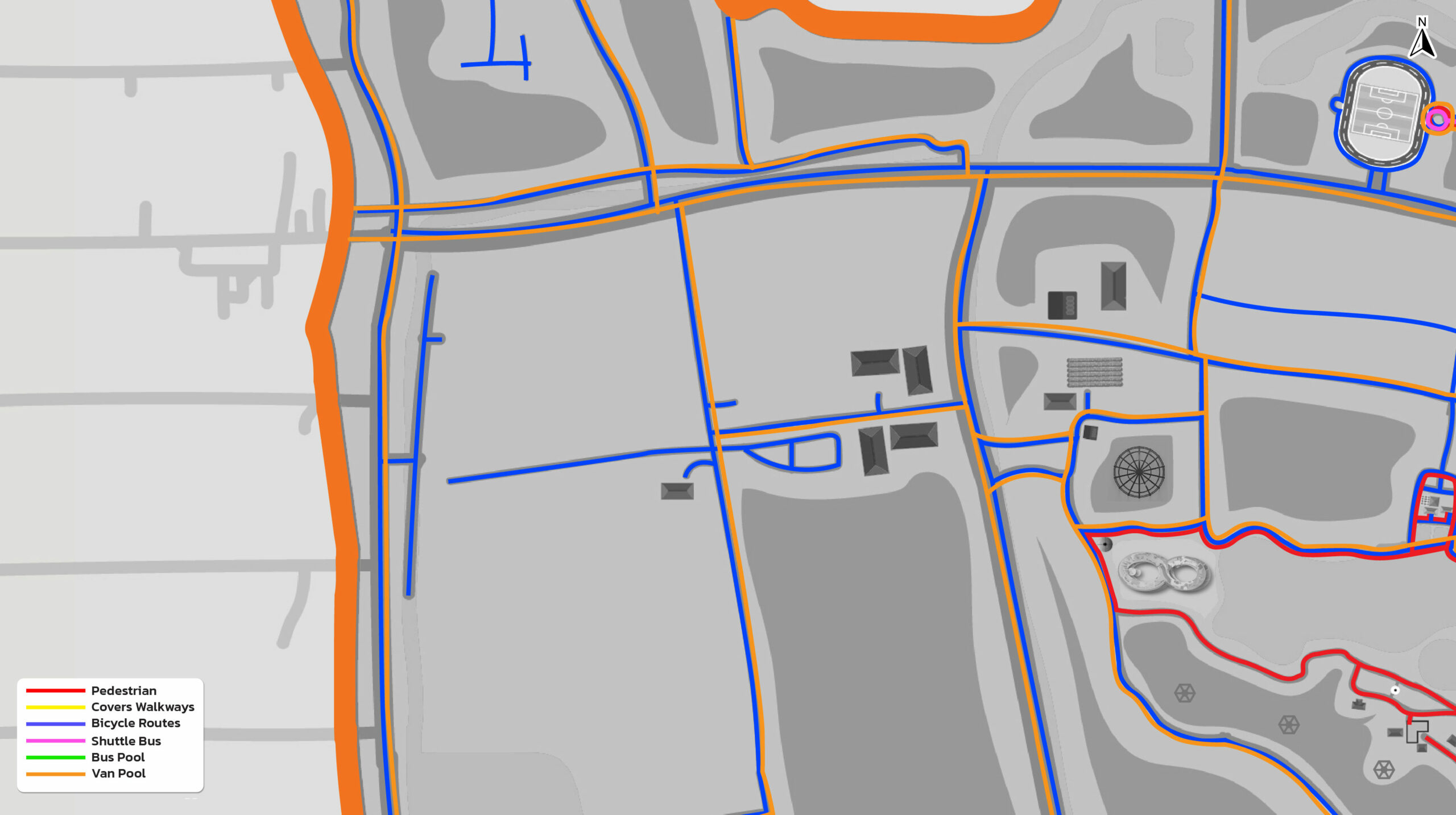
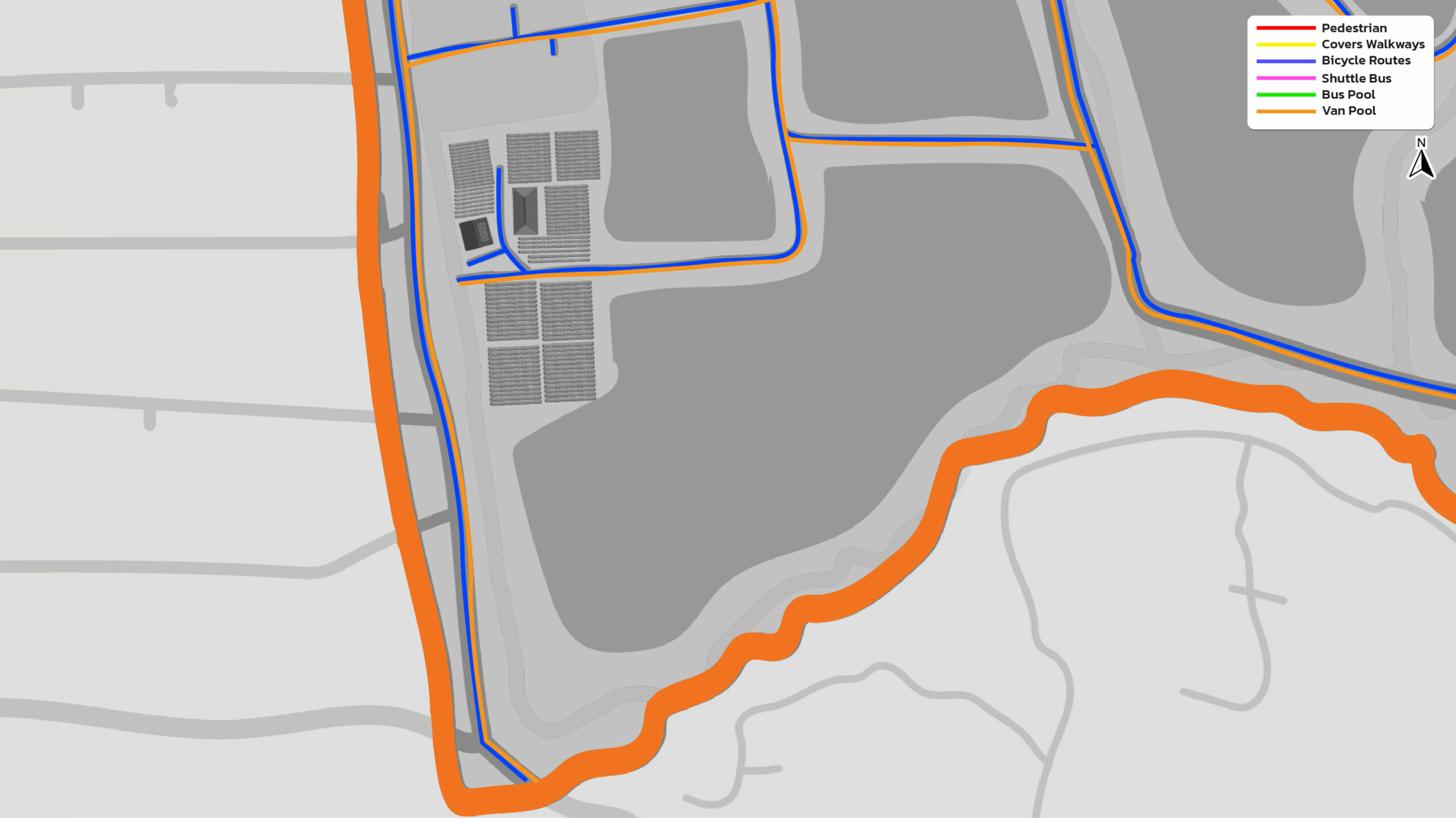
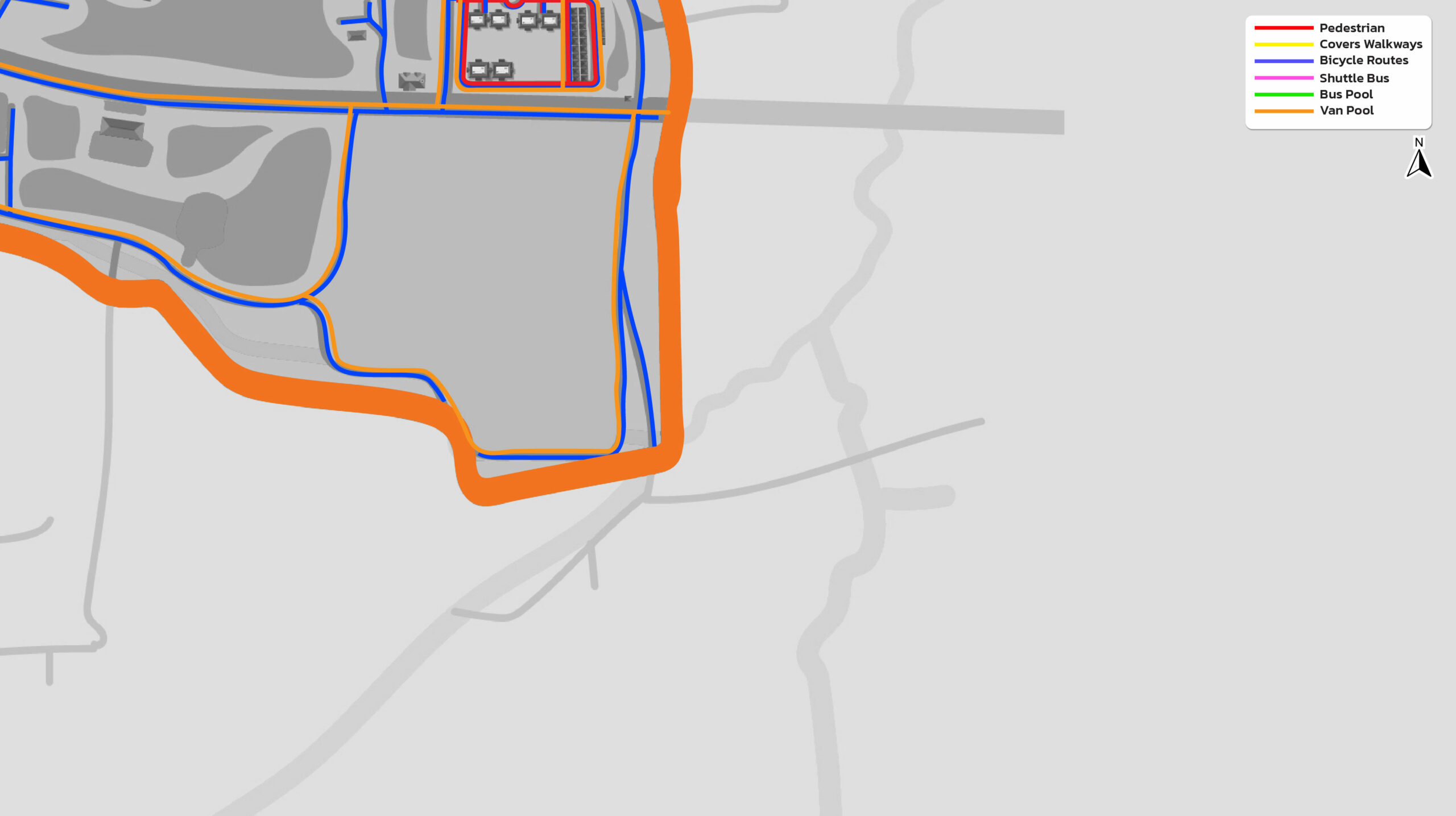
Click on the map for a clearer view with more details.
Walailak University is committed to becoming a leading model of green living, both within and beyond its campus. The university has launched comprehensive initiatives to promote environmental awareness and foster active participation among students, staff, departments, and external stakeholders. These initiatives are integrated into a wide range of green campus policies, including landscape management, energy conservation, waste reduction and management, water resource management, sustainable transportation, and environmental education.
In particular, the university’s sustainable commuting strategy emphasizes walking, cycling, carpooling, and vanpooling. A key component of this strategy is the restriction of vehicle access in designated campus areas. This policy has significantly increased pedestrian movement, reduced fuel consumption, lowered greenhouse gas emissions, and eased traffic congestion—contributing to a more sustainable, safe, and pleasant campus environment.
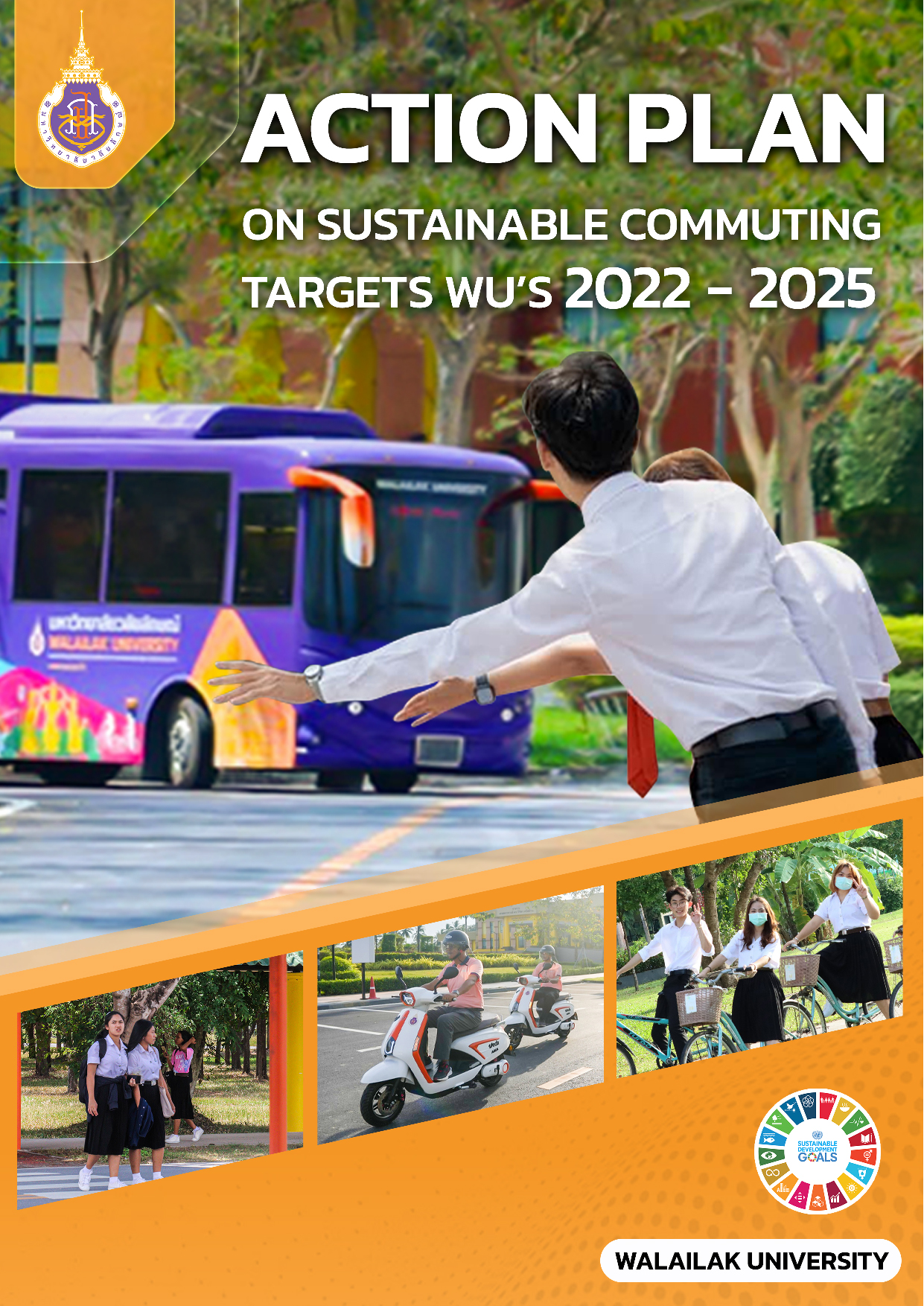
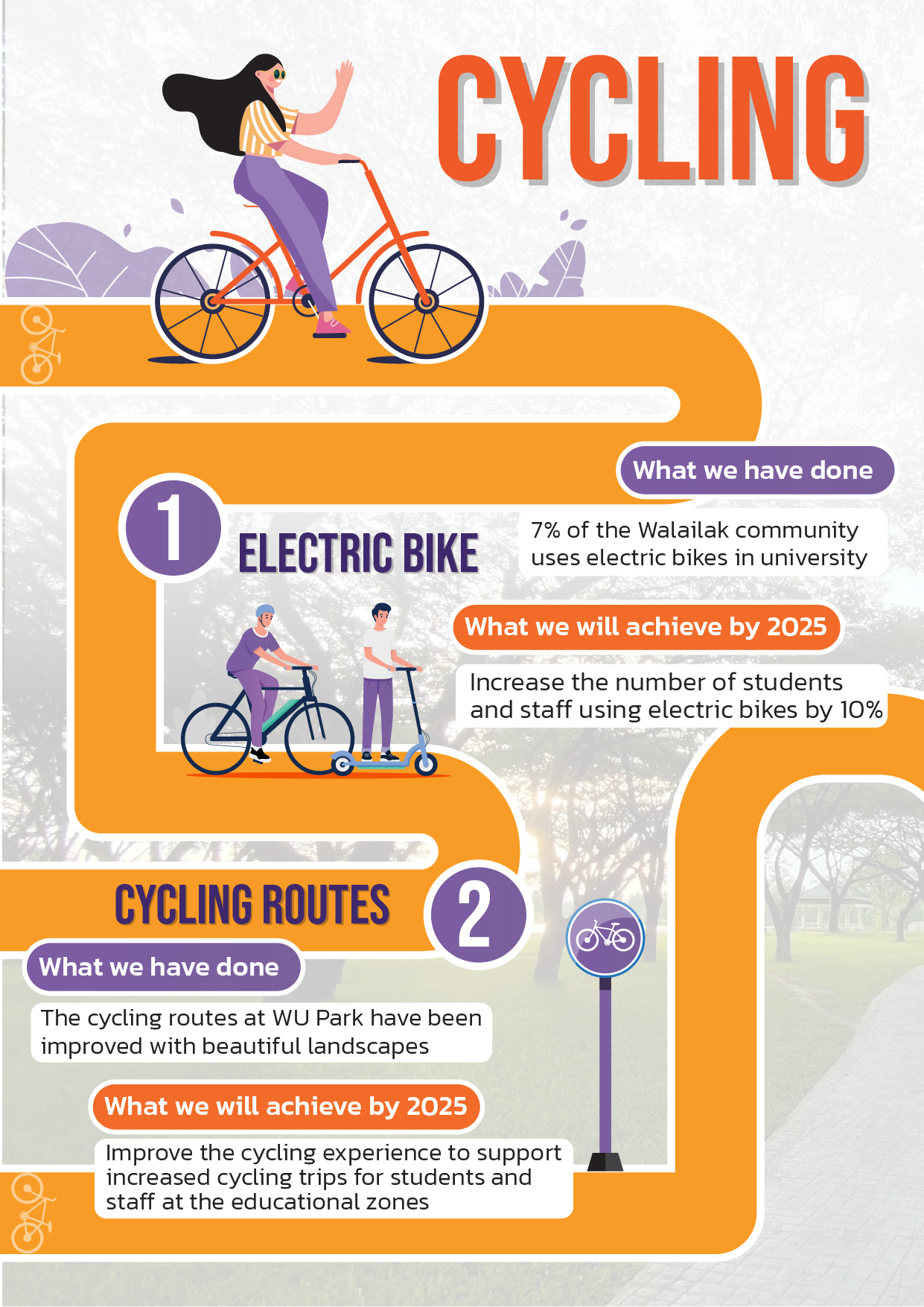
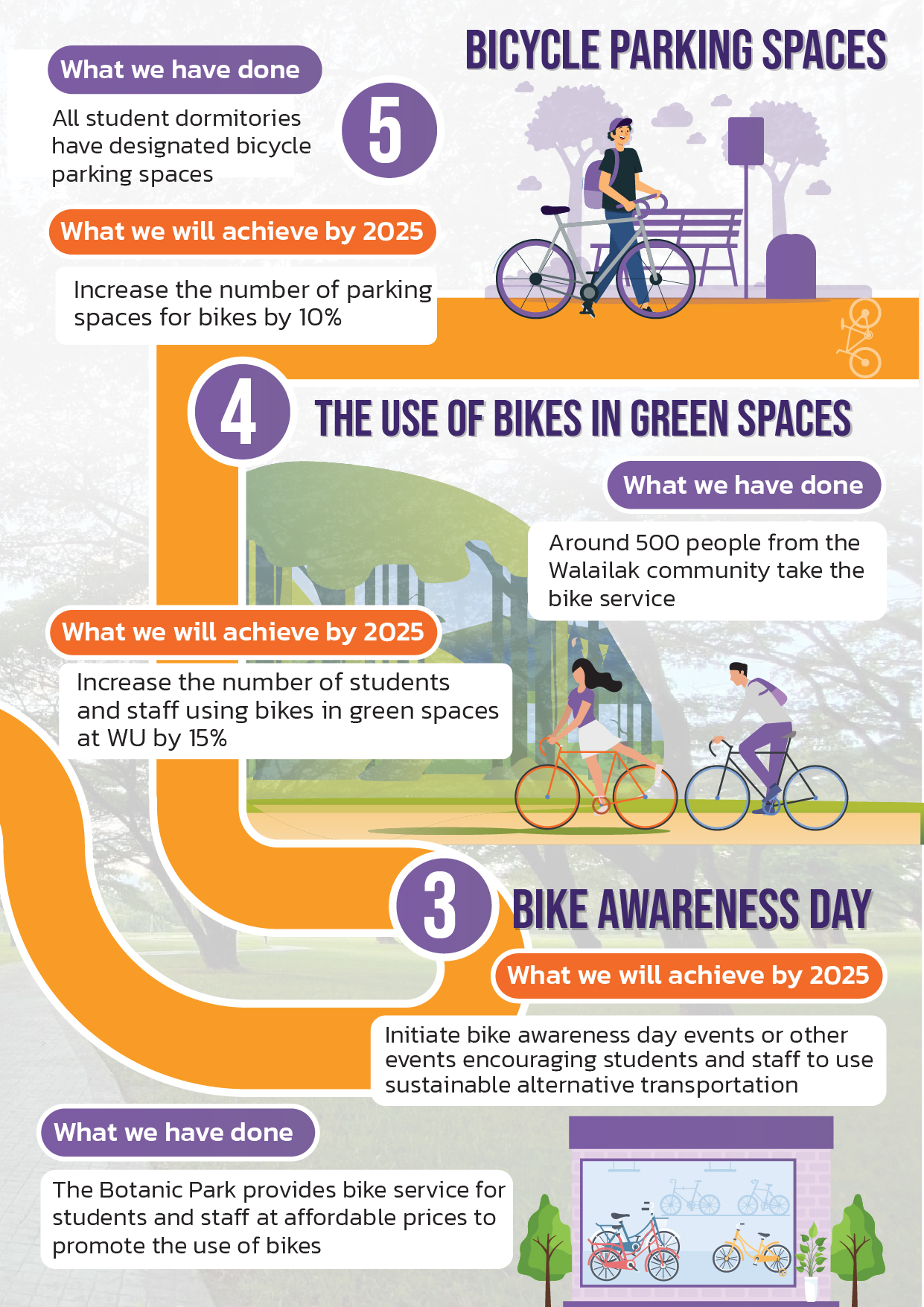
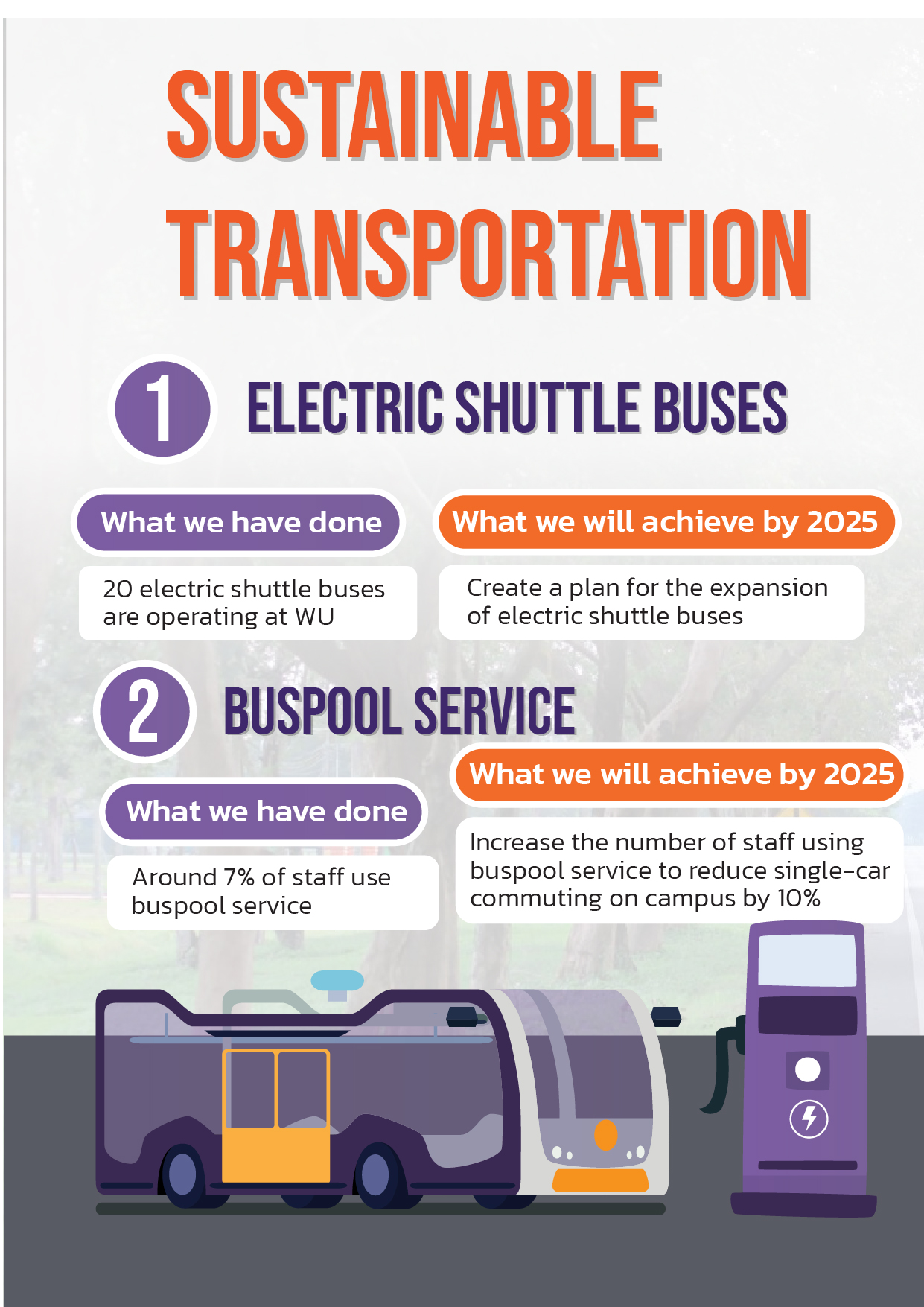
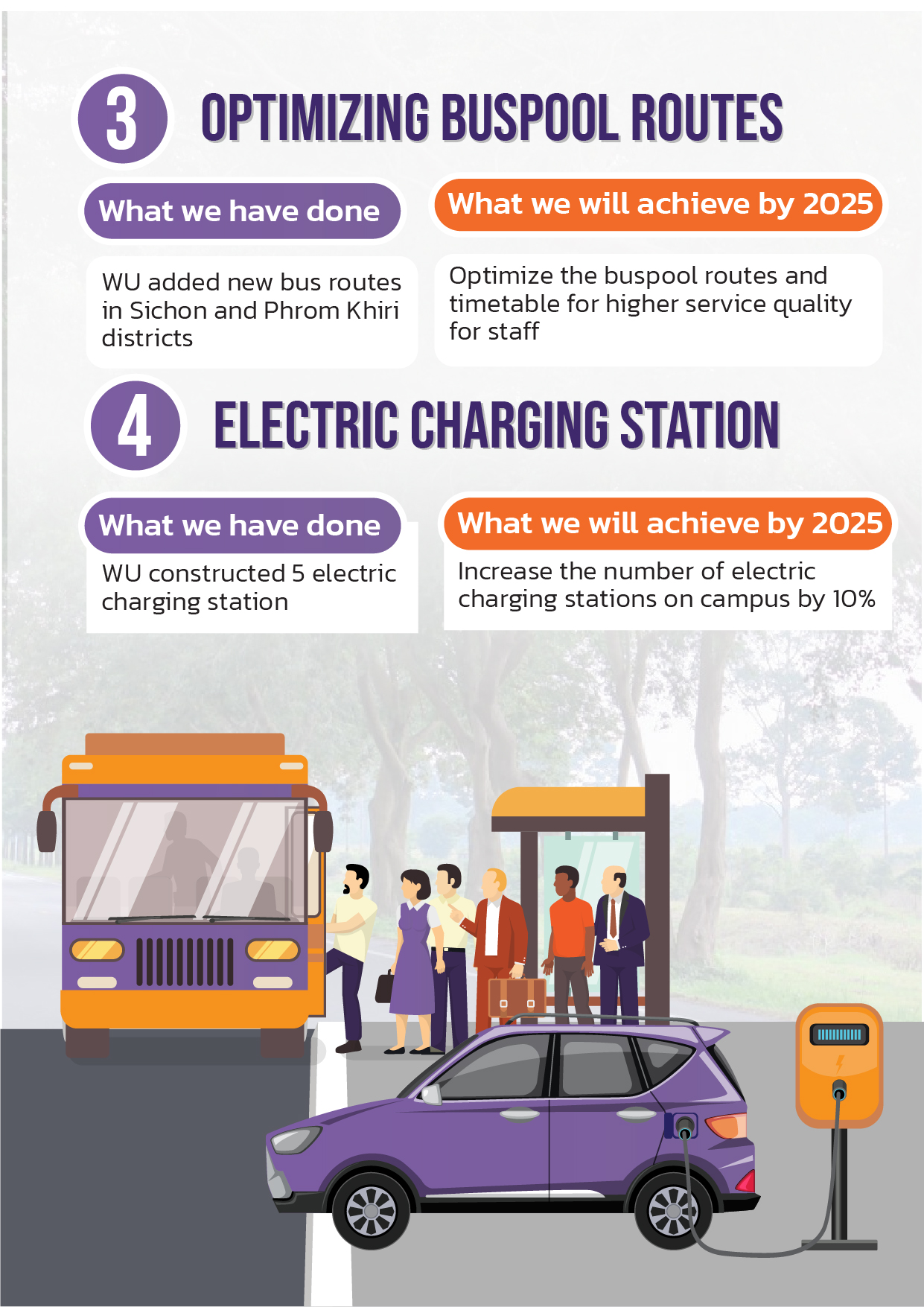
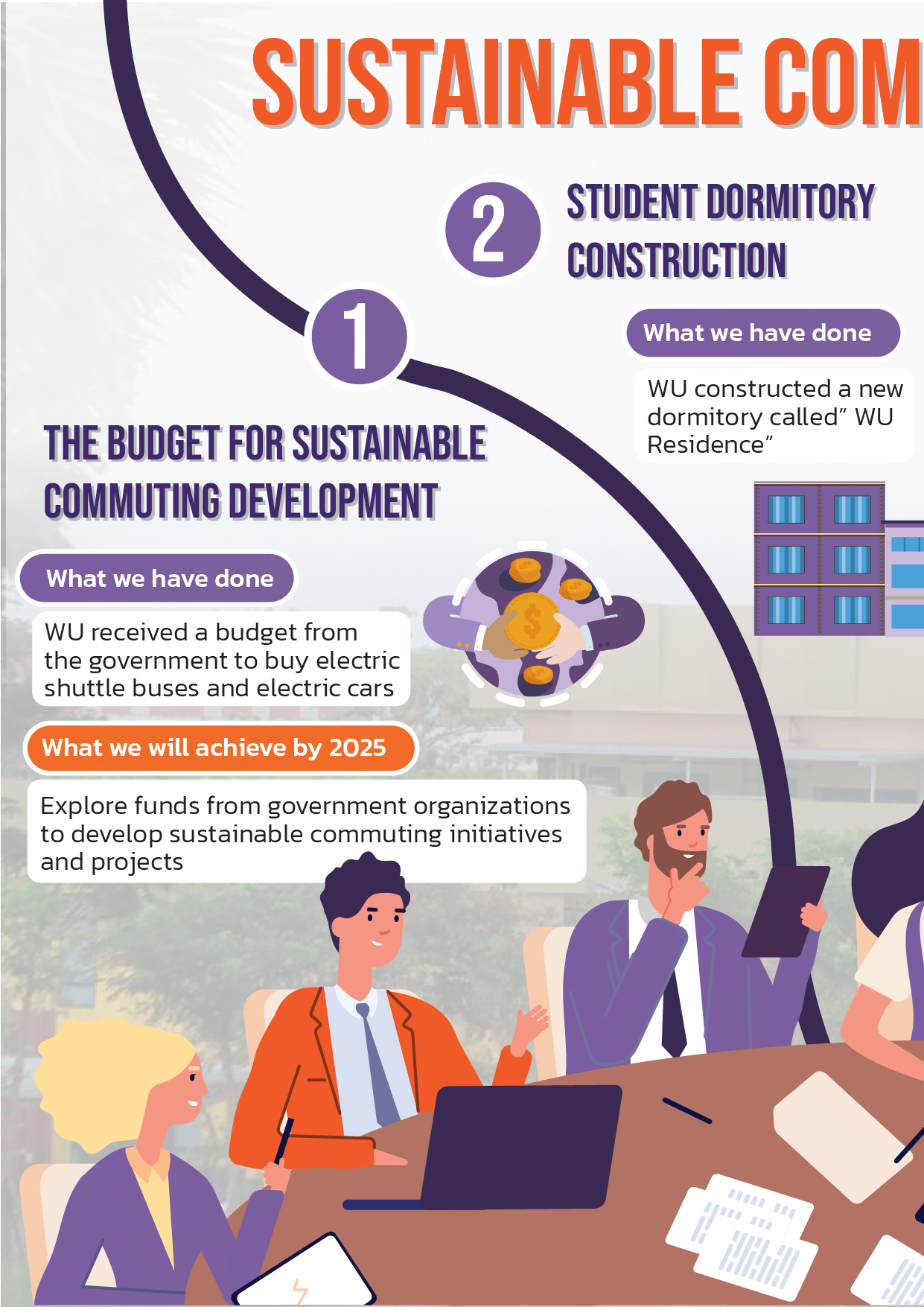
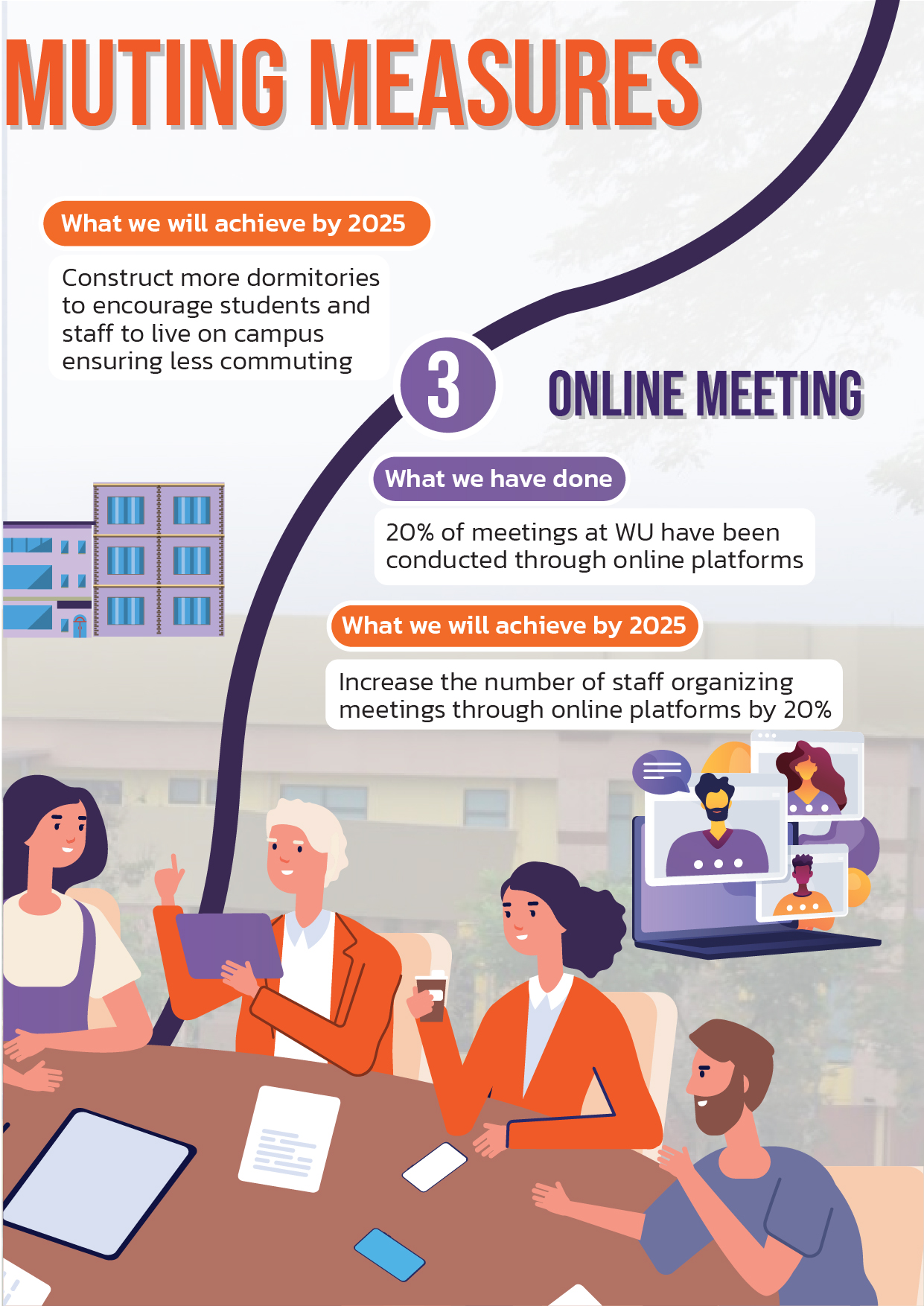
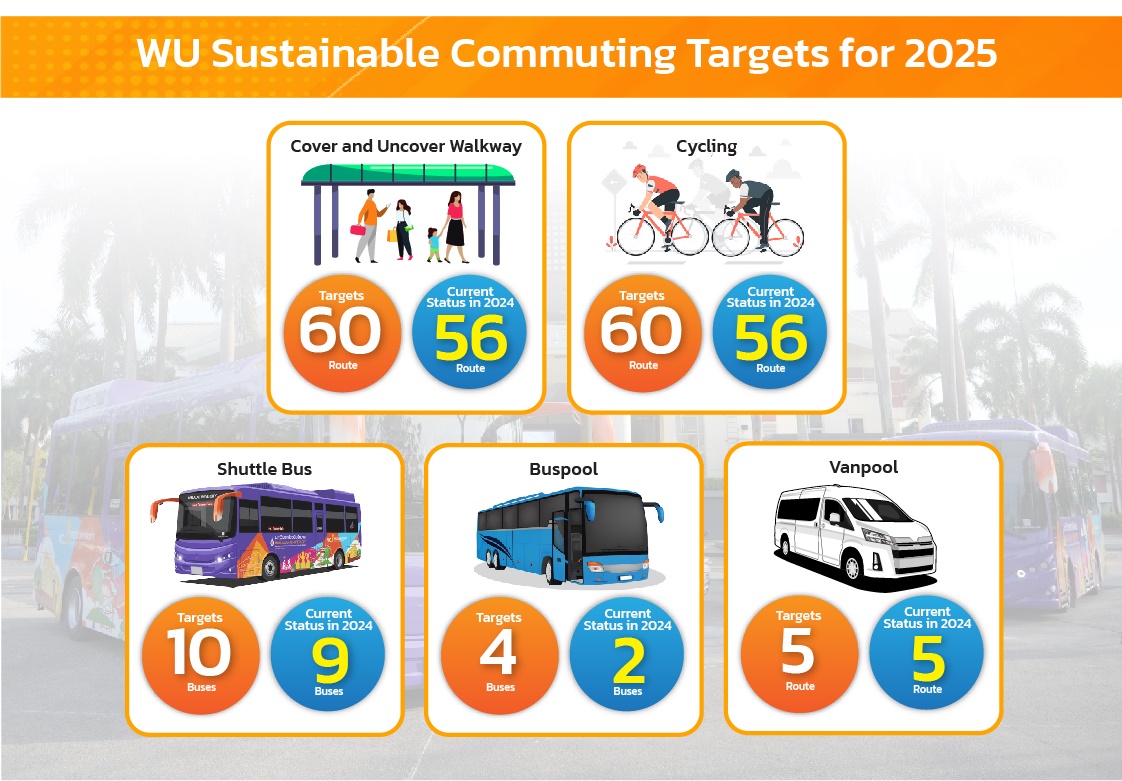
Walailak University issued the WU’s Action Plan on Sustainable Commuting Targets (2022-2025), demonstrating the university’s commitment to developing its campus into a green campus. The action plan is divided into 3 categories, including cycling, sustainable transportation, sustainable commuting measures, and pedestrian.
Walailak University sets its sustainable commuting targets in various ways, including:
Electric Vehicles
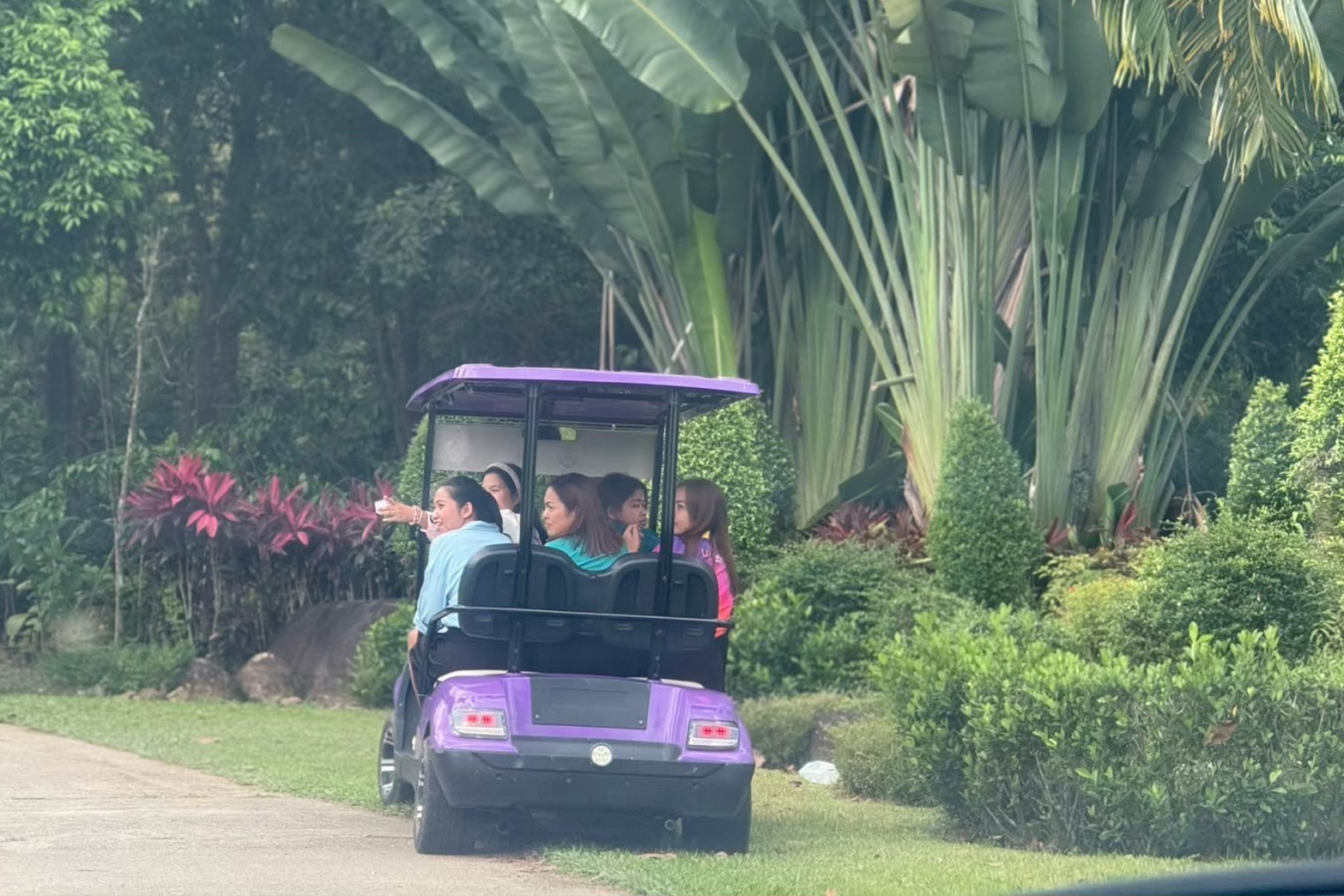
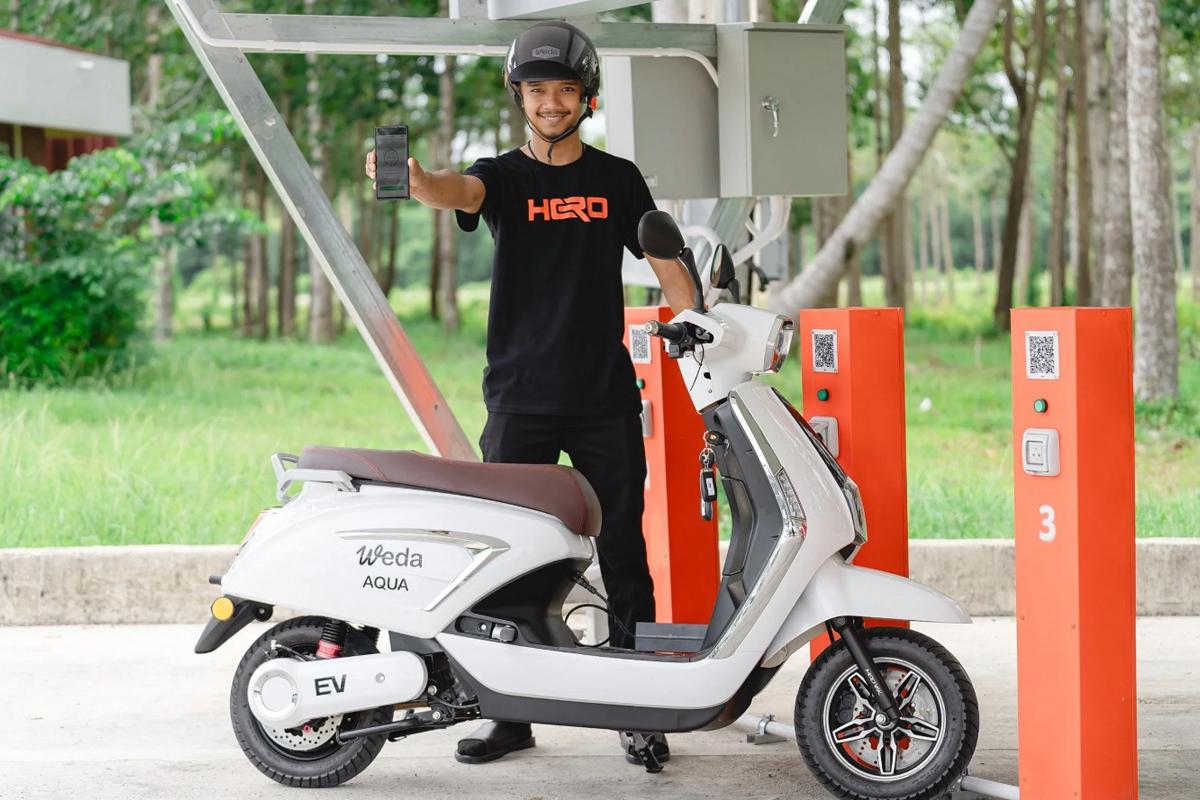
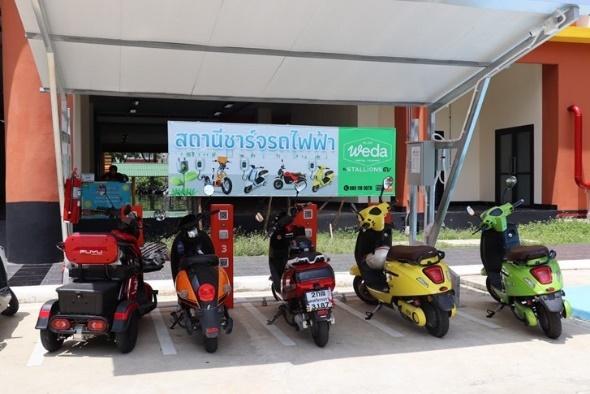
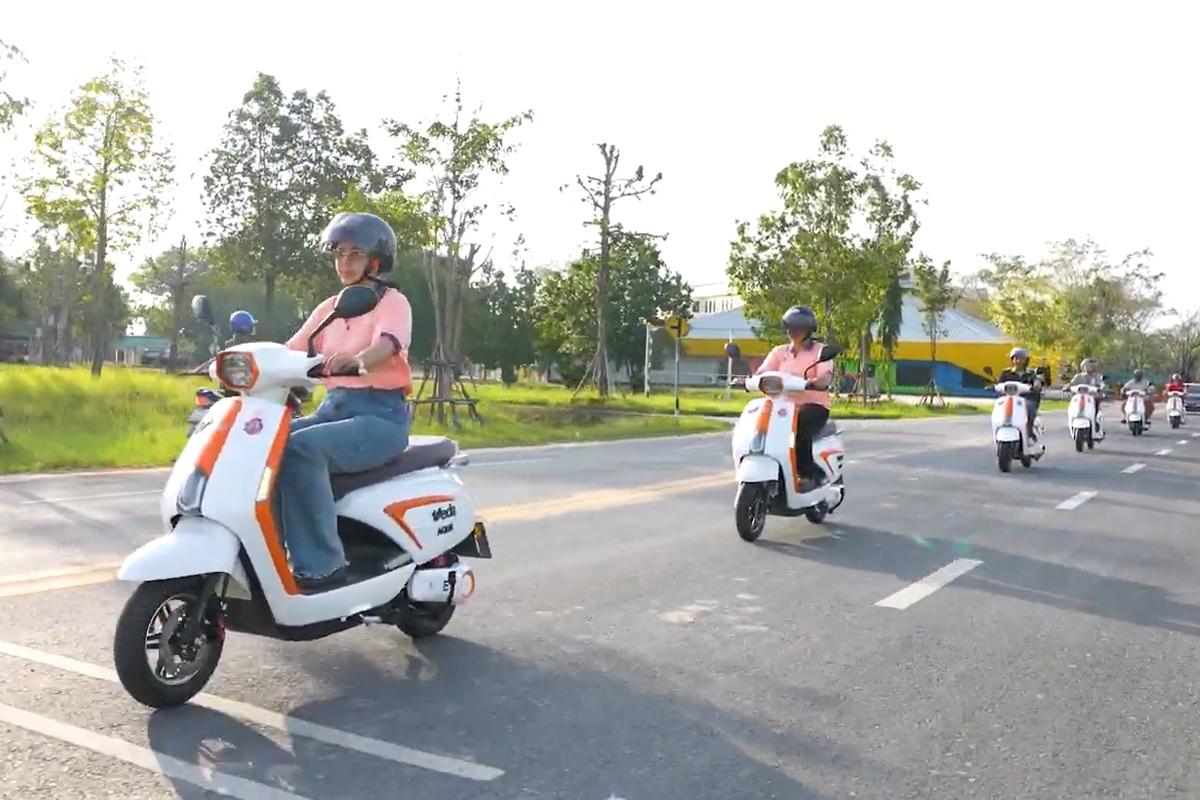
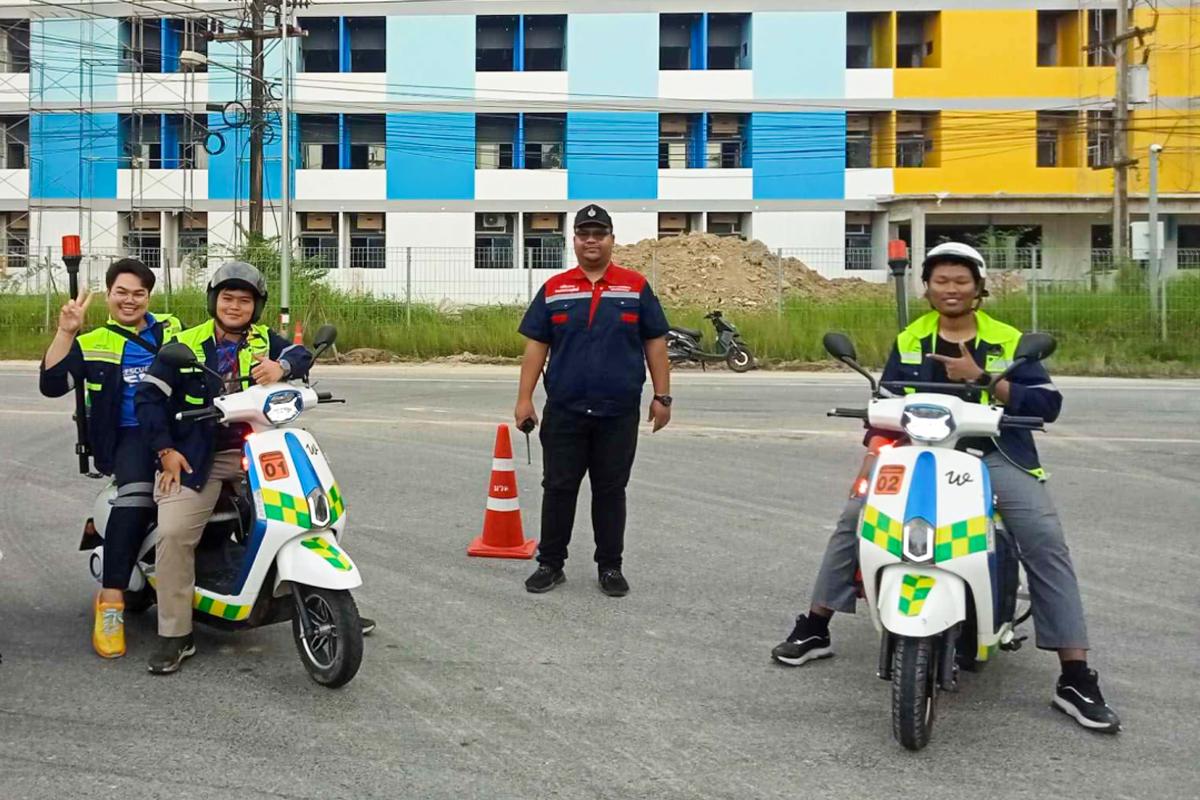
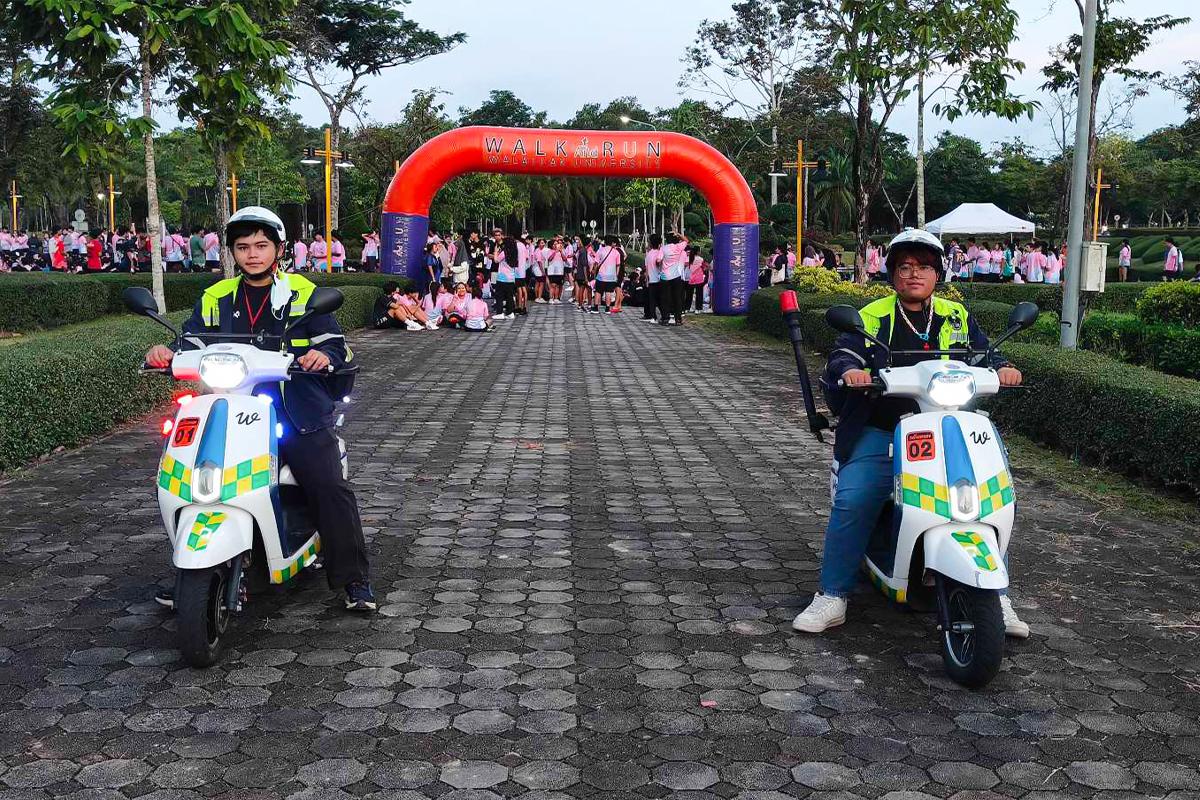
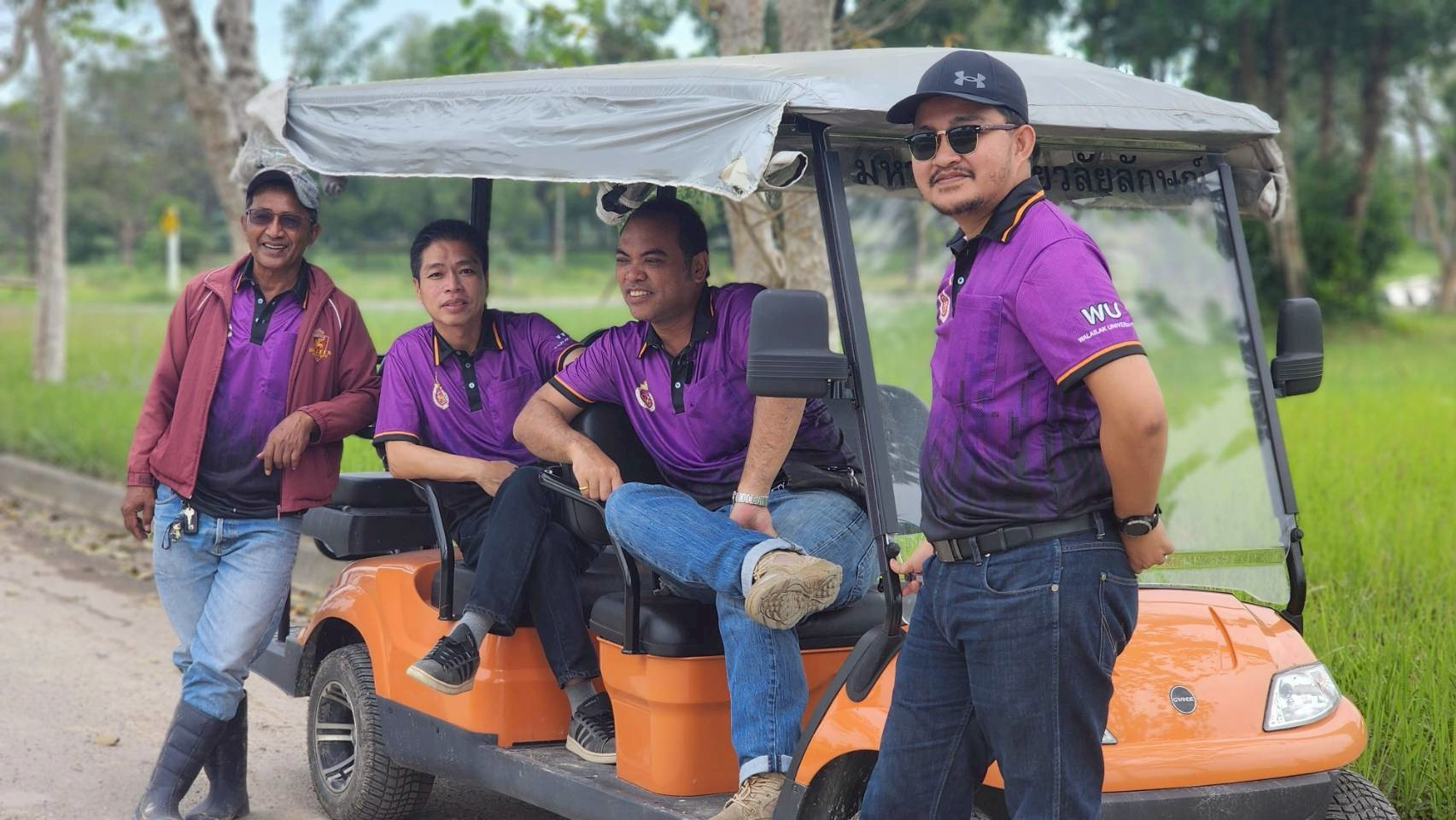
Walailak University operates an expanding fleet of electric vehicles—including cars, buses, shuttle buses, motorcycles, golf carts, scooters, and mopeds—as part of its ongoing efforts to reduce carbon emissions and promote sustainable transportation on campus.
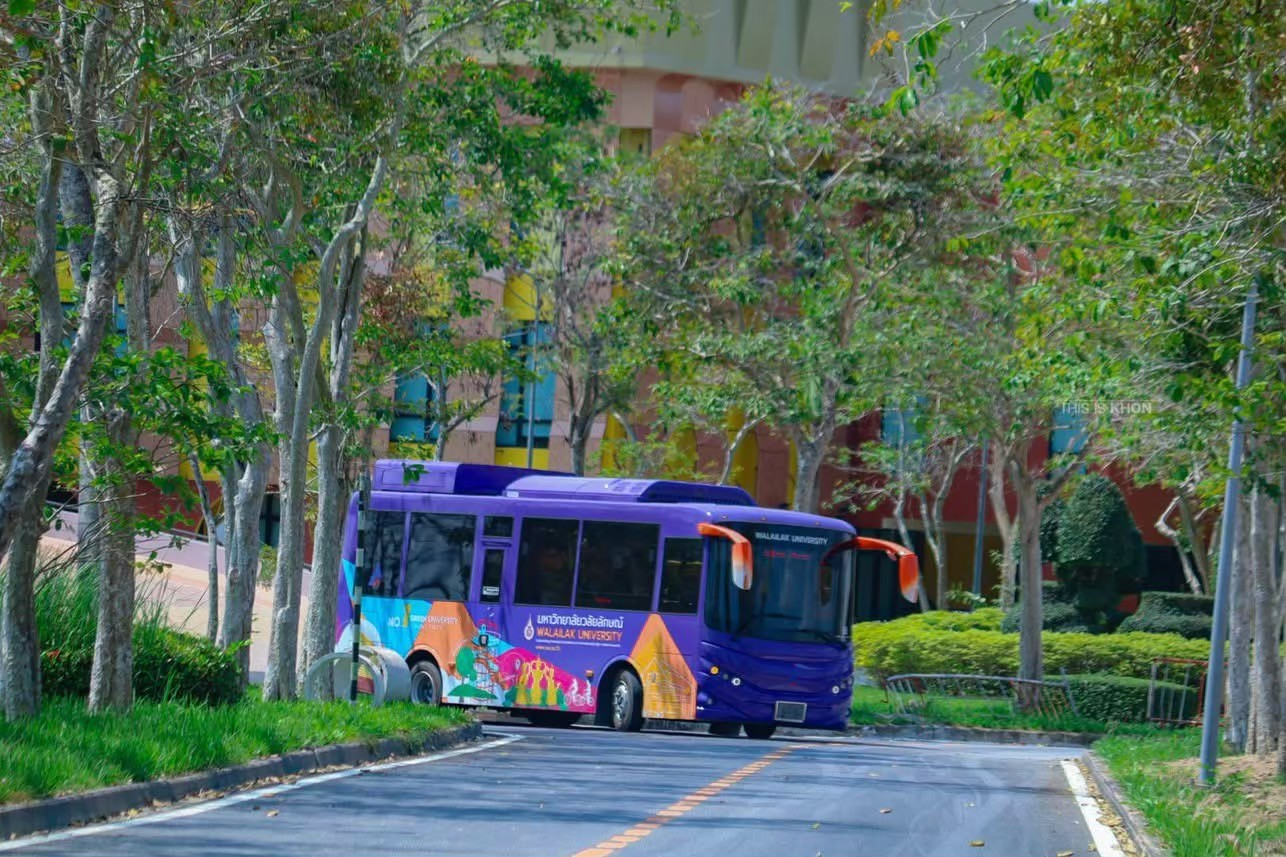
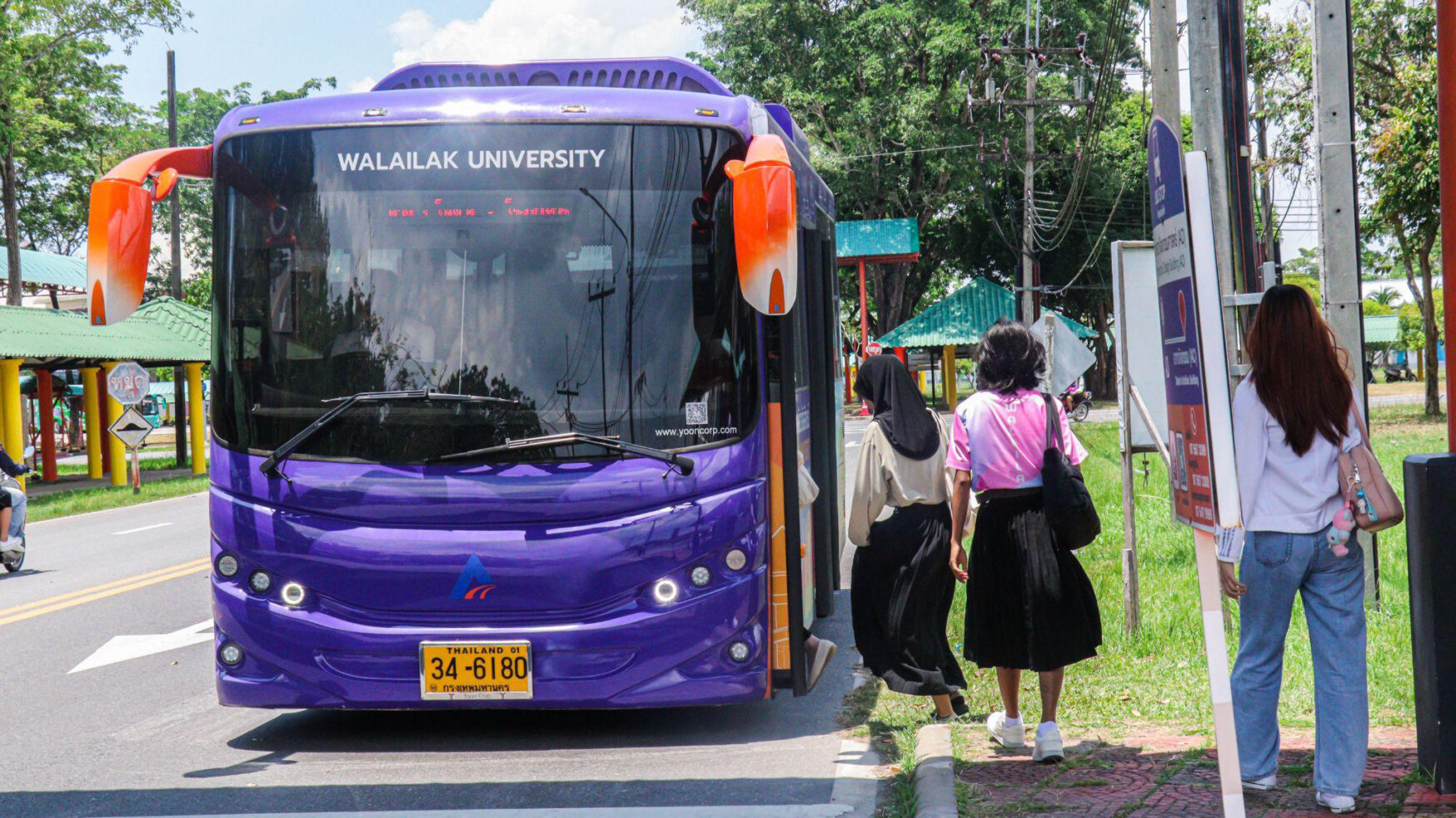
Walailak University offers free shuttle bus services for students and staff, facilitating convenient travel both on and off campus. This service helps reduce traffic congestion and supports the university’s efforts to lower greenhouse gas (GHG) emissions.
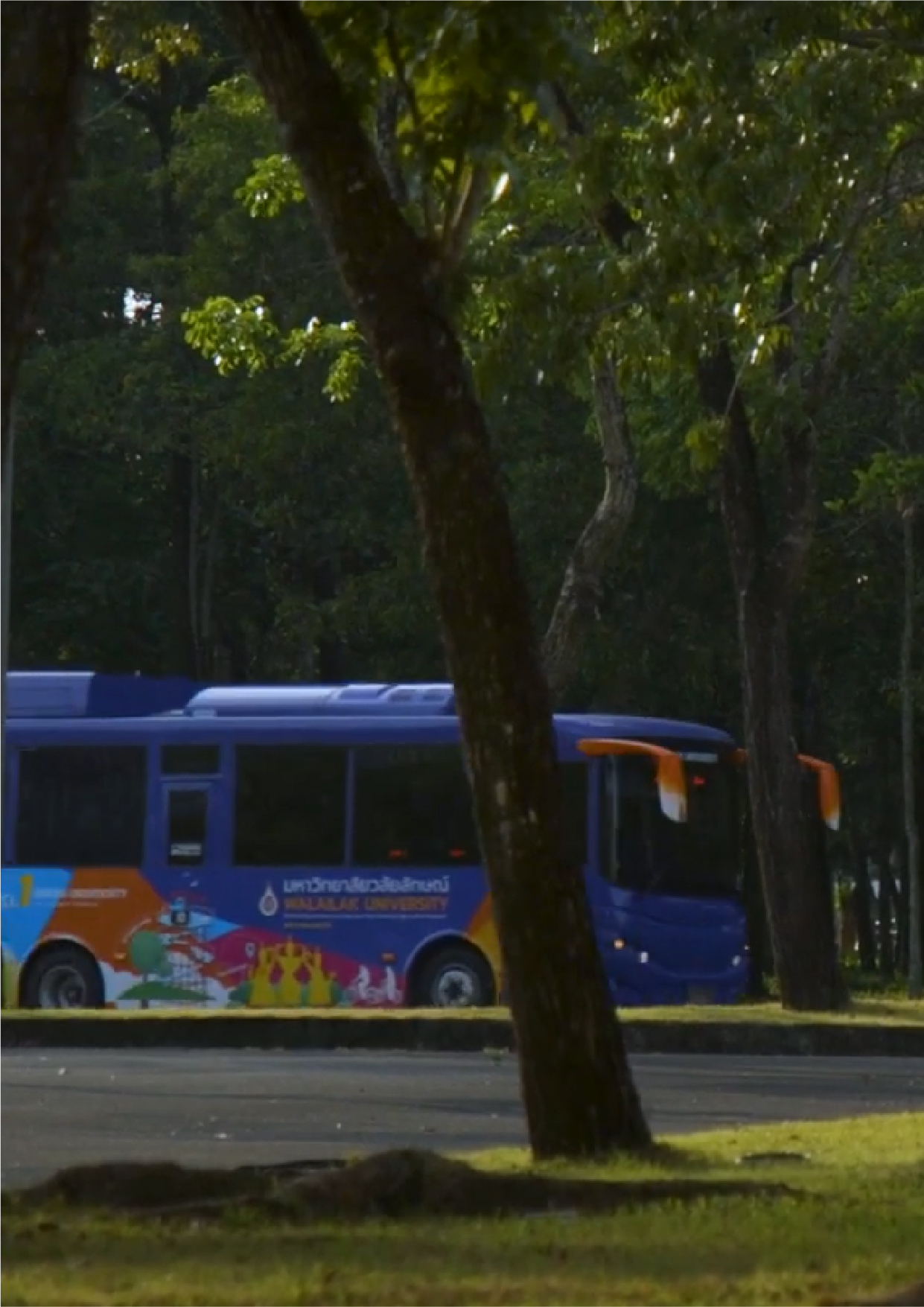
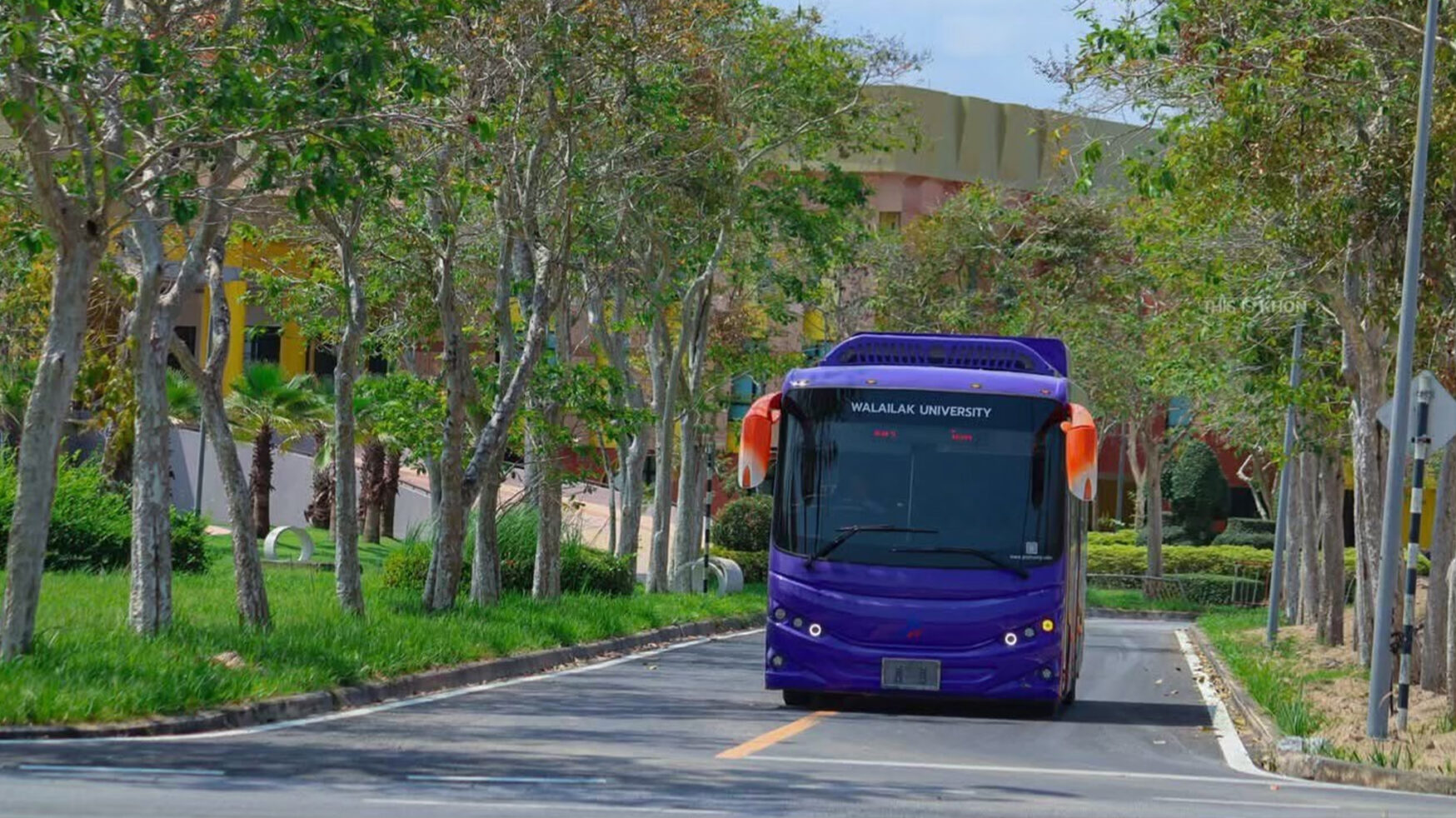
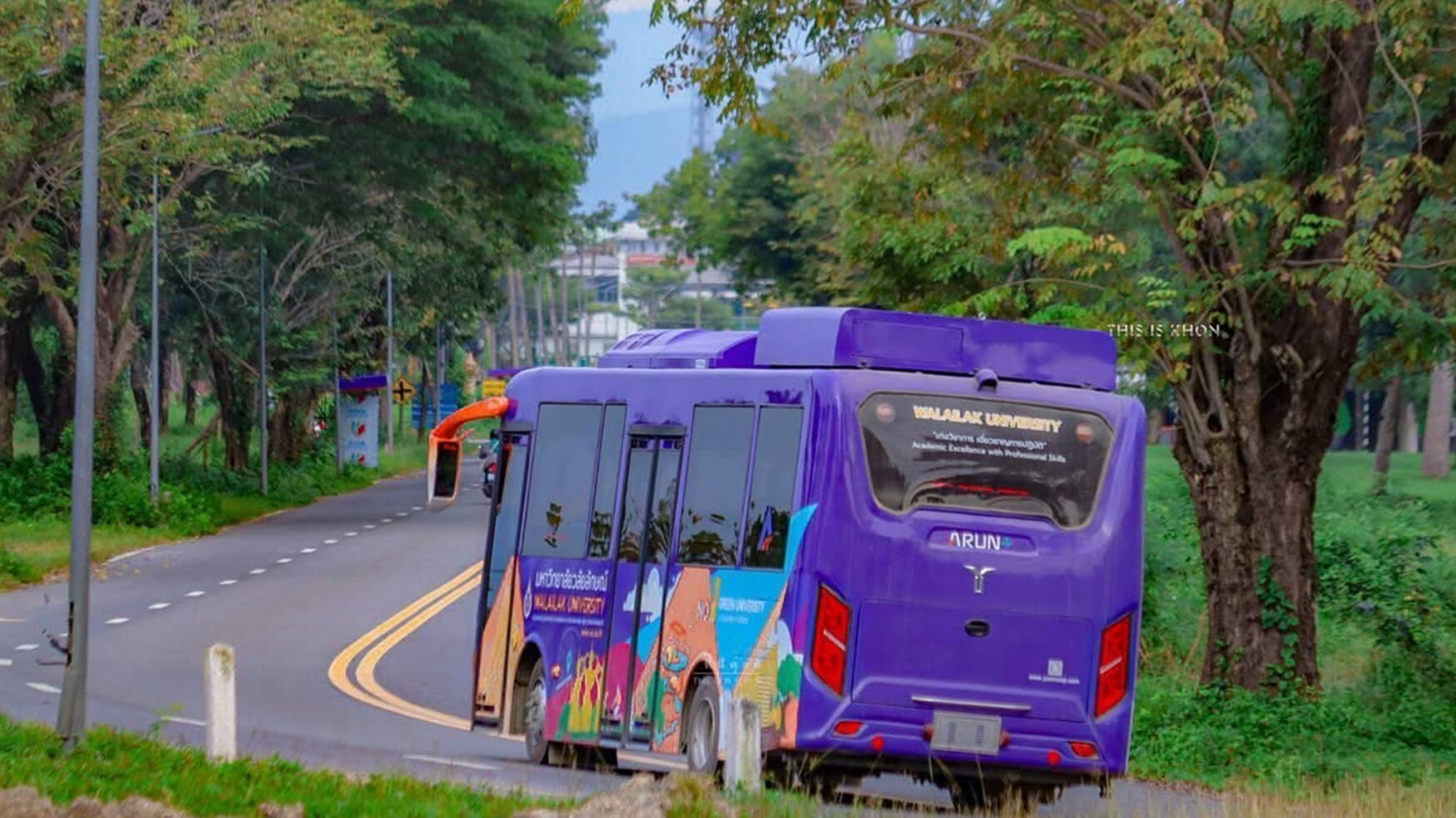
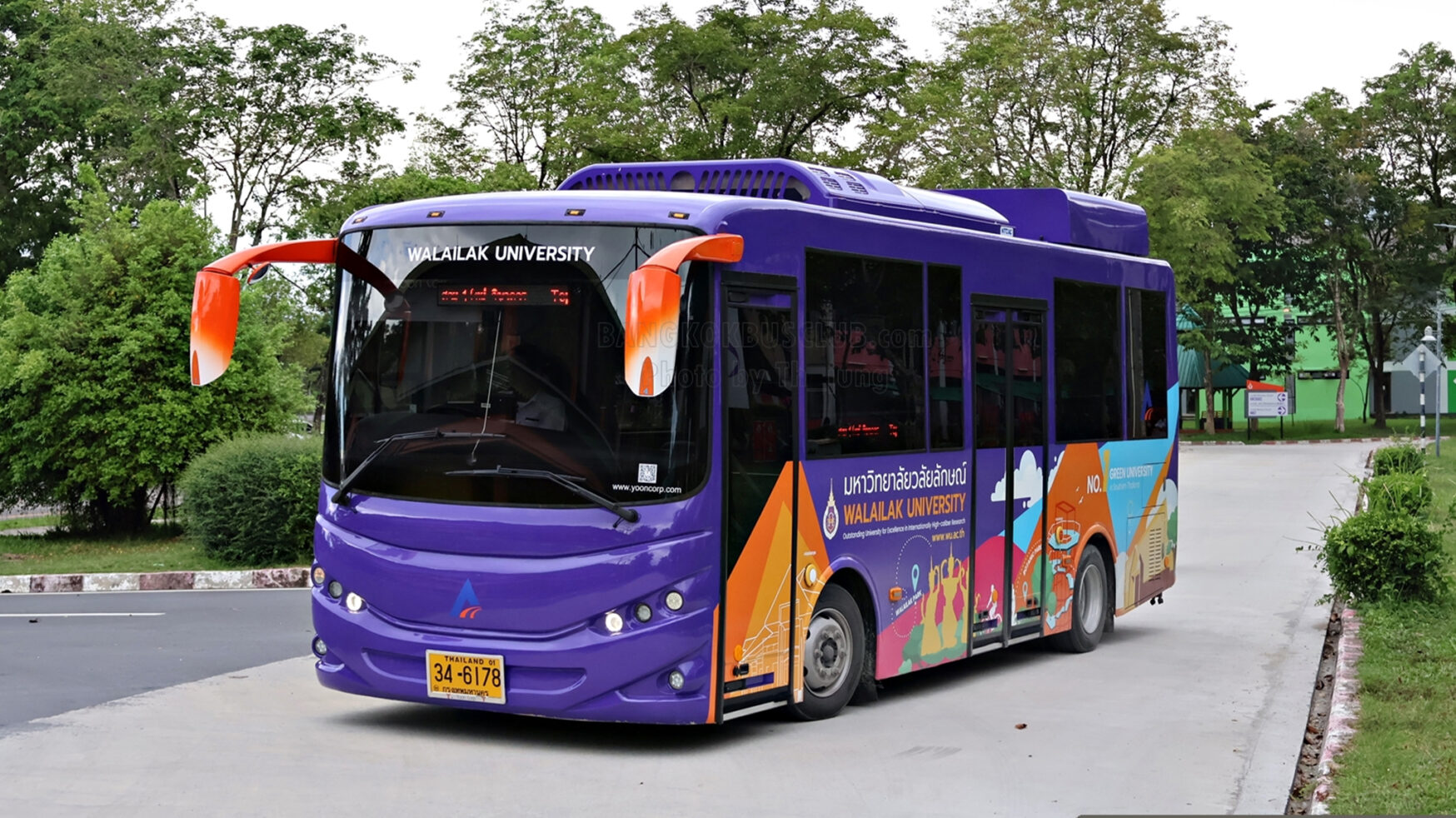
In 2024, Walailak University operated nine electric shuttle buses to facilitate transportation for students and staff both on and off campus. Each of them can carry 20 people, operating from 7:00 AM to 9:00 PM.
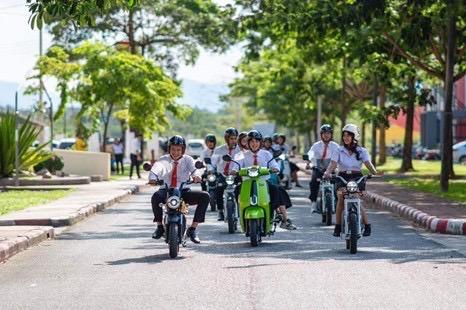
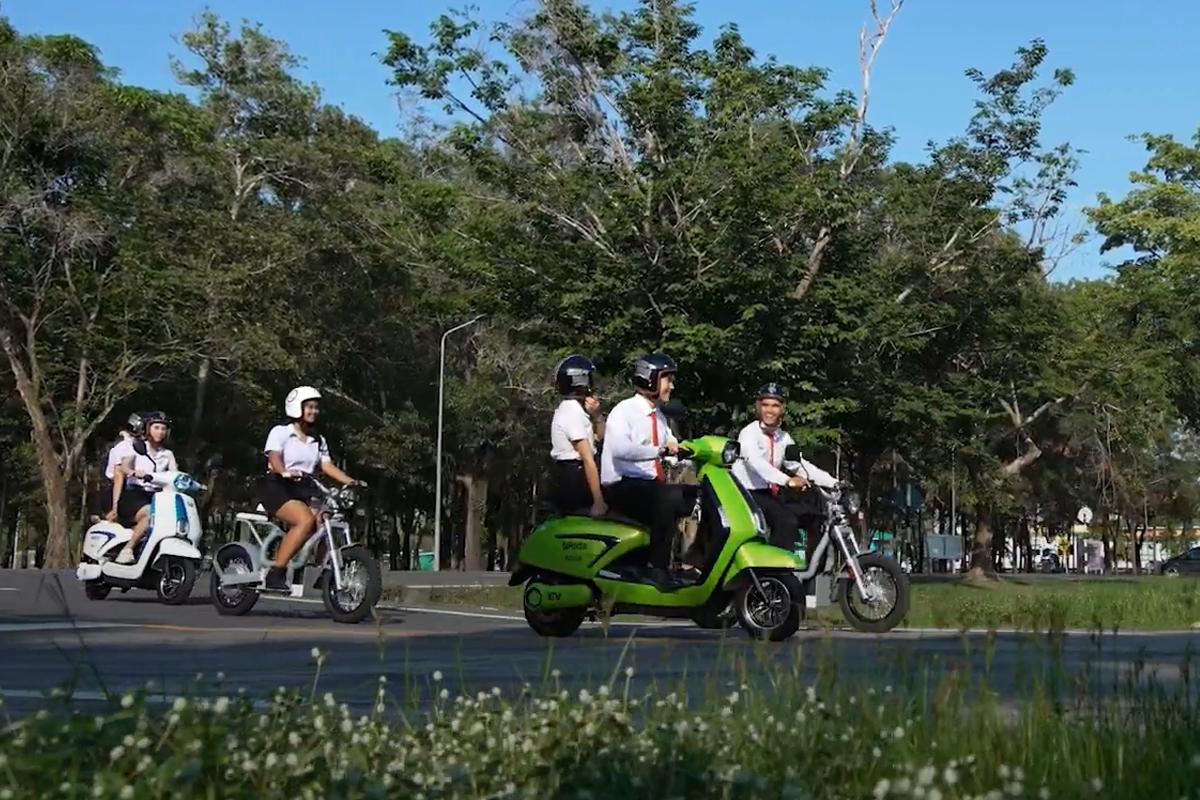
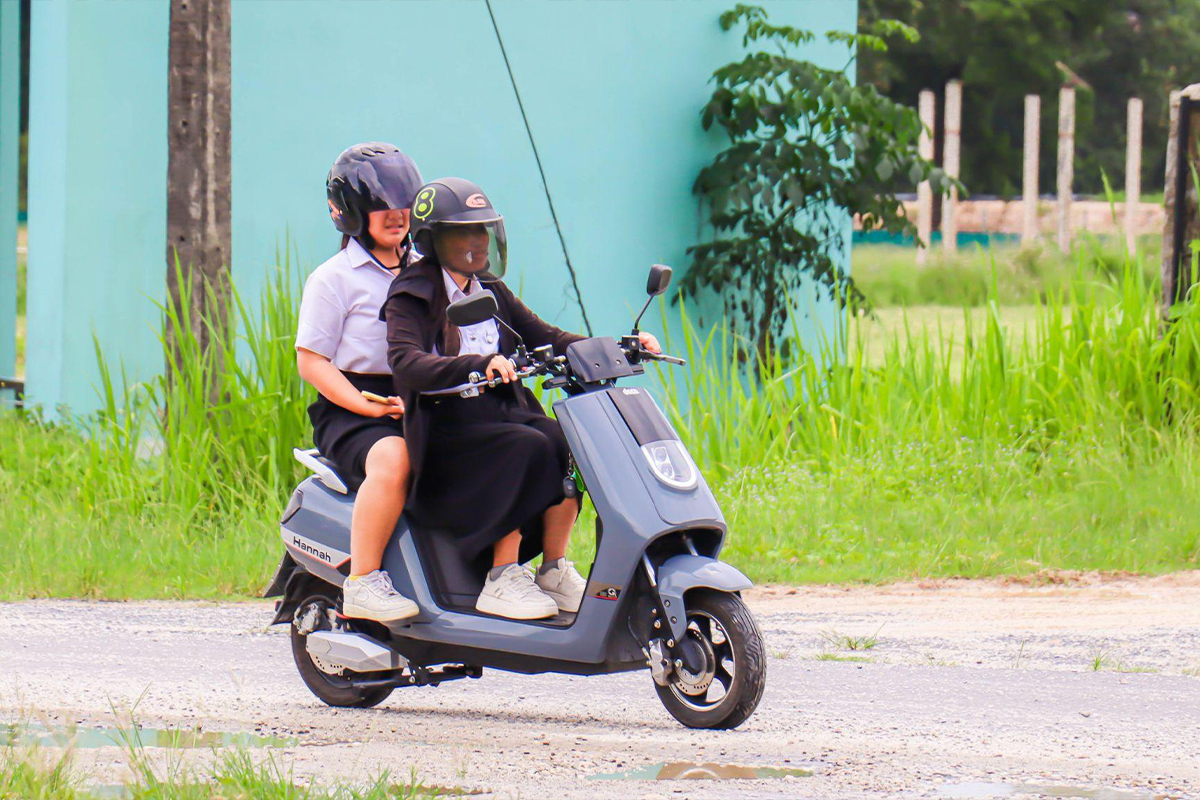
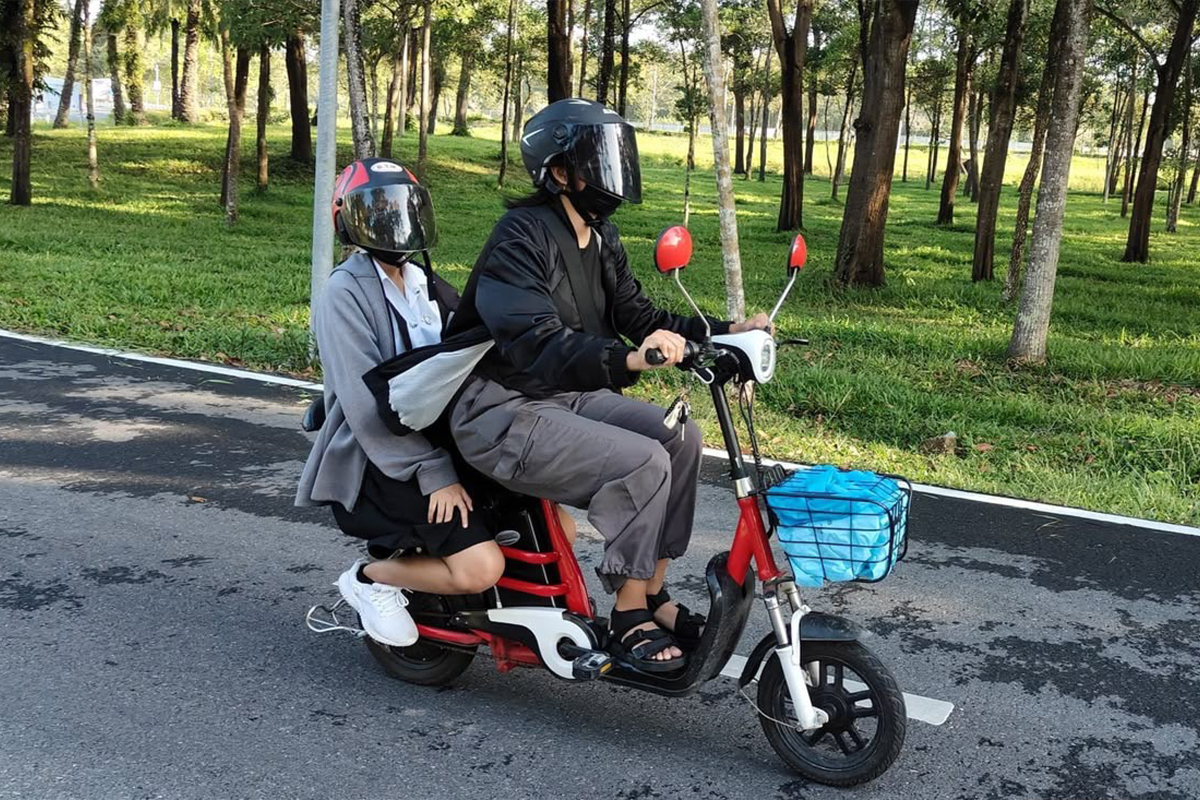
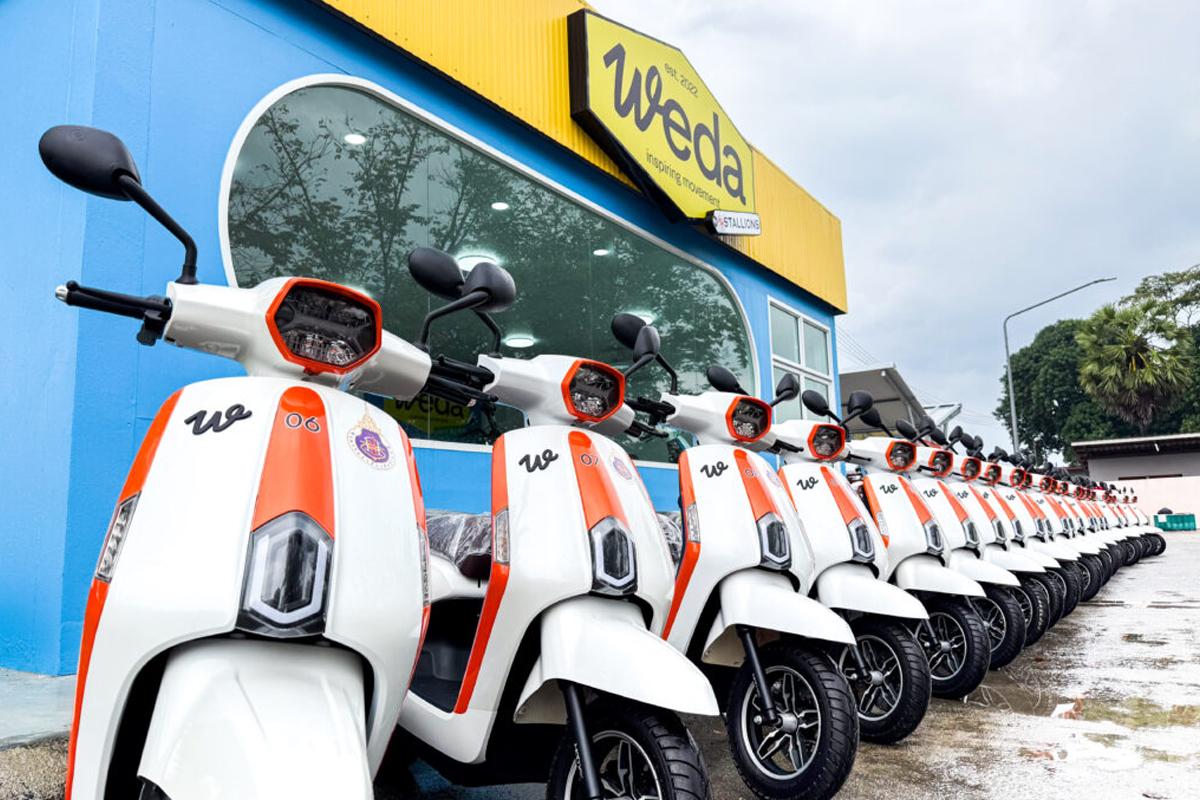
Walailak University continued its campaign encouraging first-year students to avoid using fuel-powered motorcycles, promoting sustainability on campus. In 2024, a total of 344 electric motorbikes were used by students, providing an eco-friendly and convenient mode of transportation across campus.
To further reduce fuel consumption, the university supplied 30 electric motorbikes for staff, enabling efficient and sustainable travel around campus.
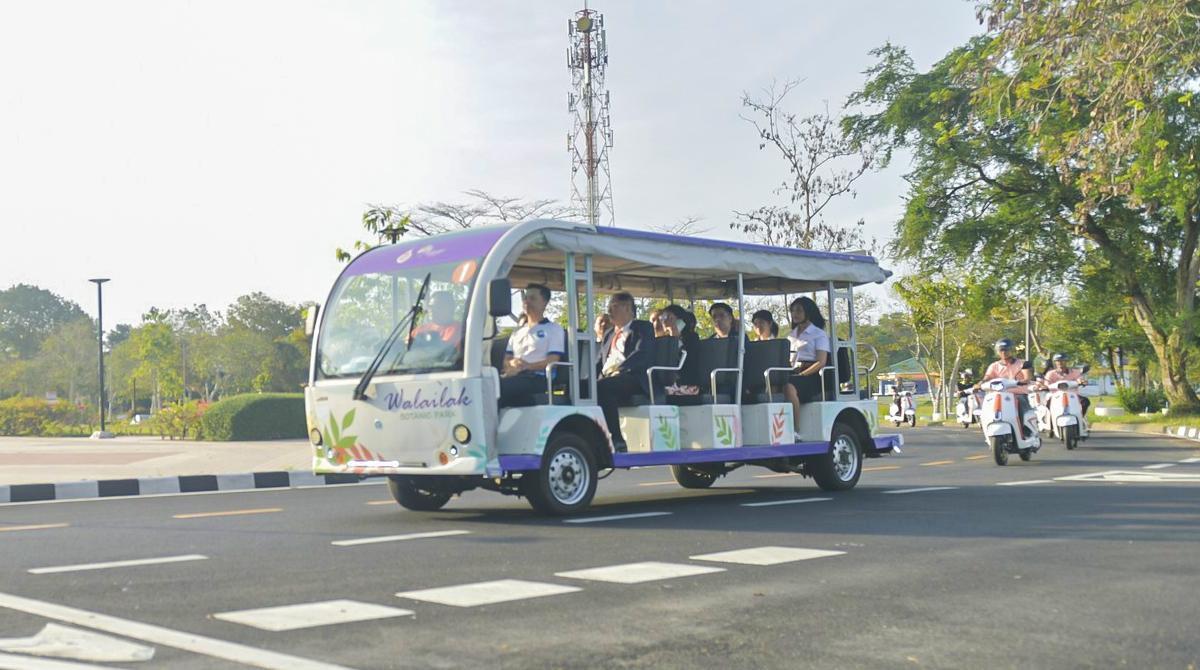
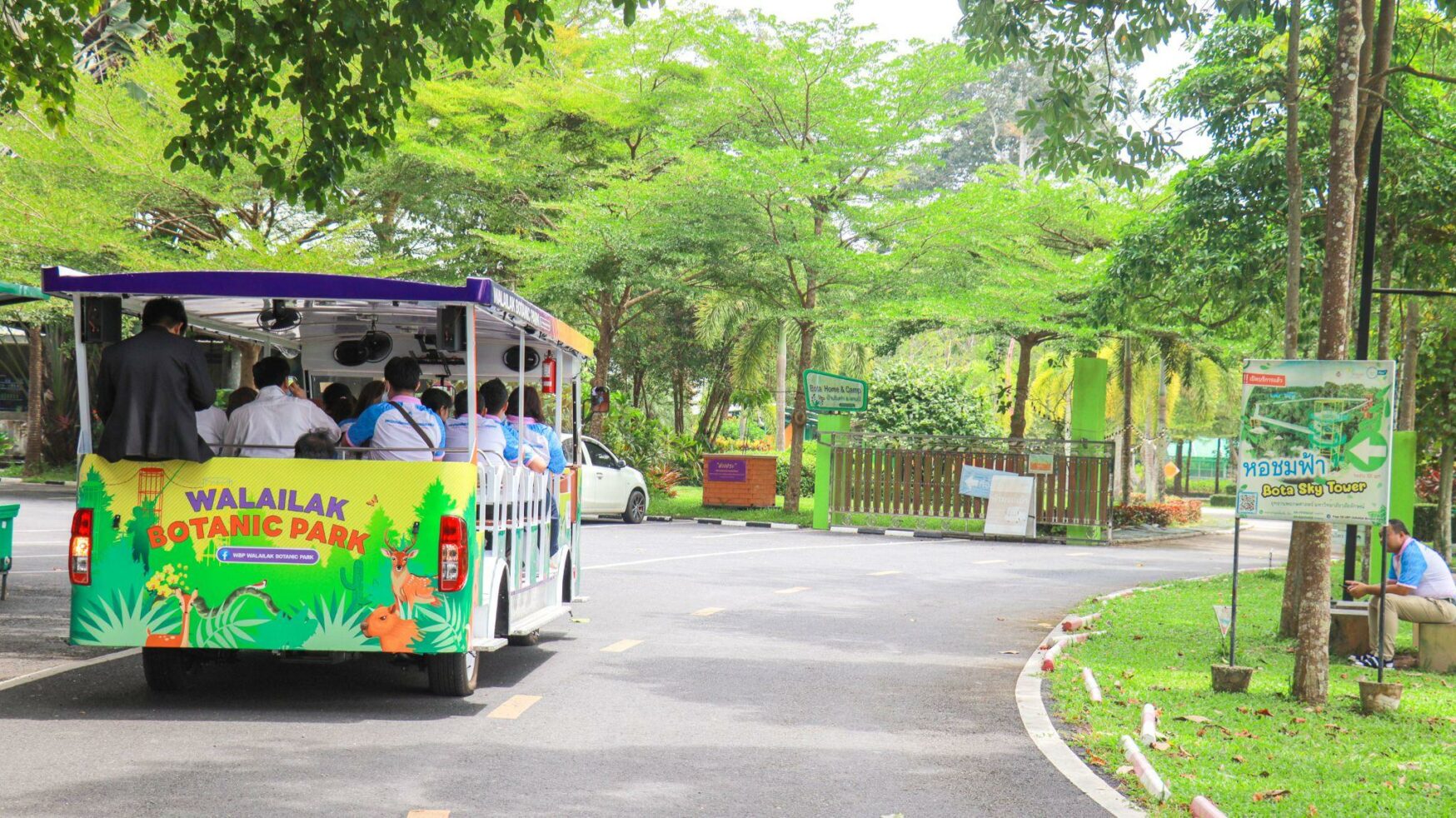
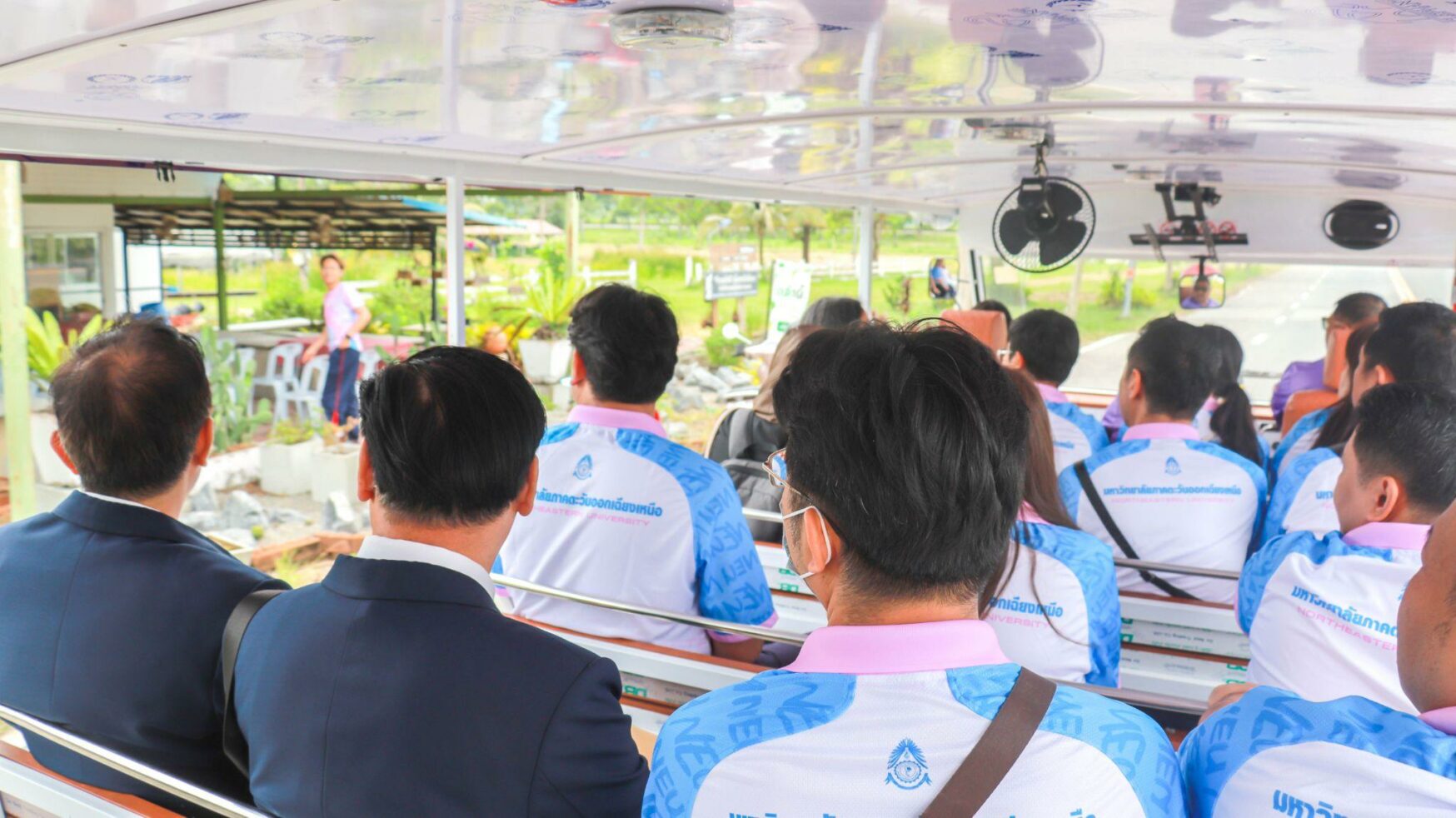
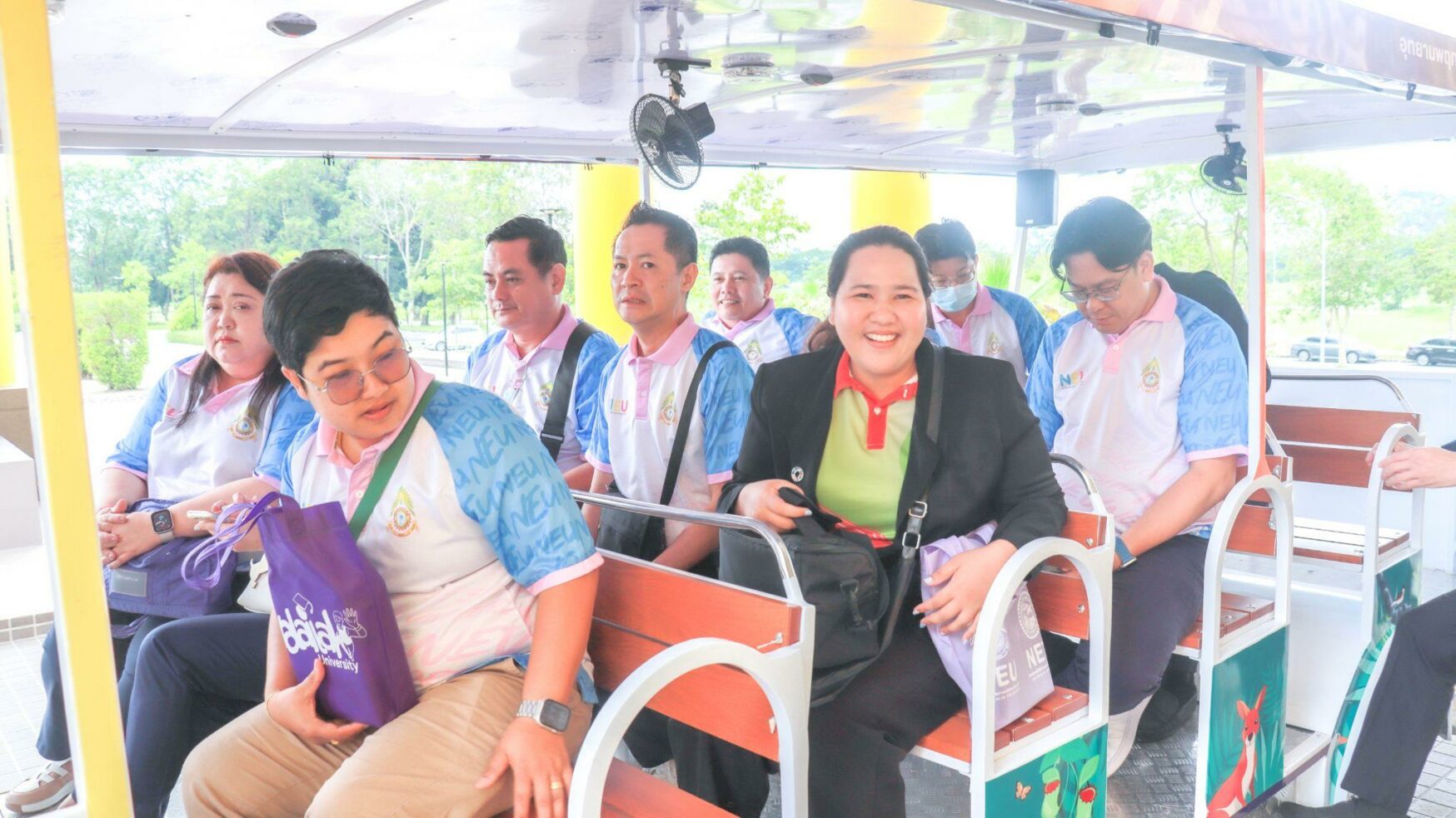
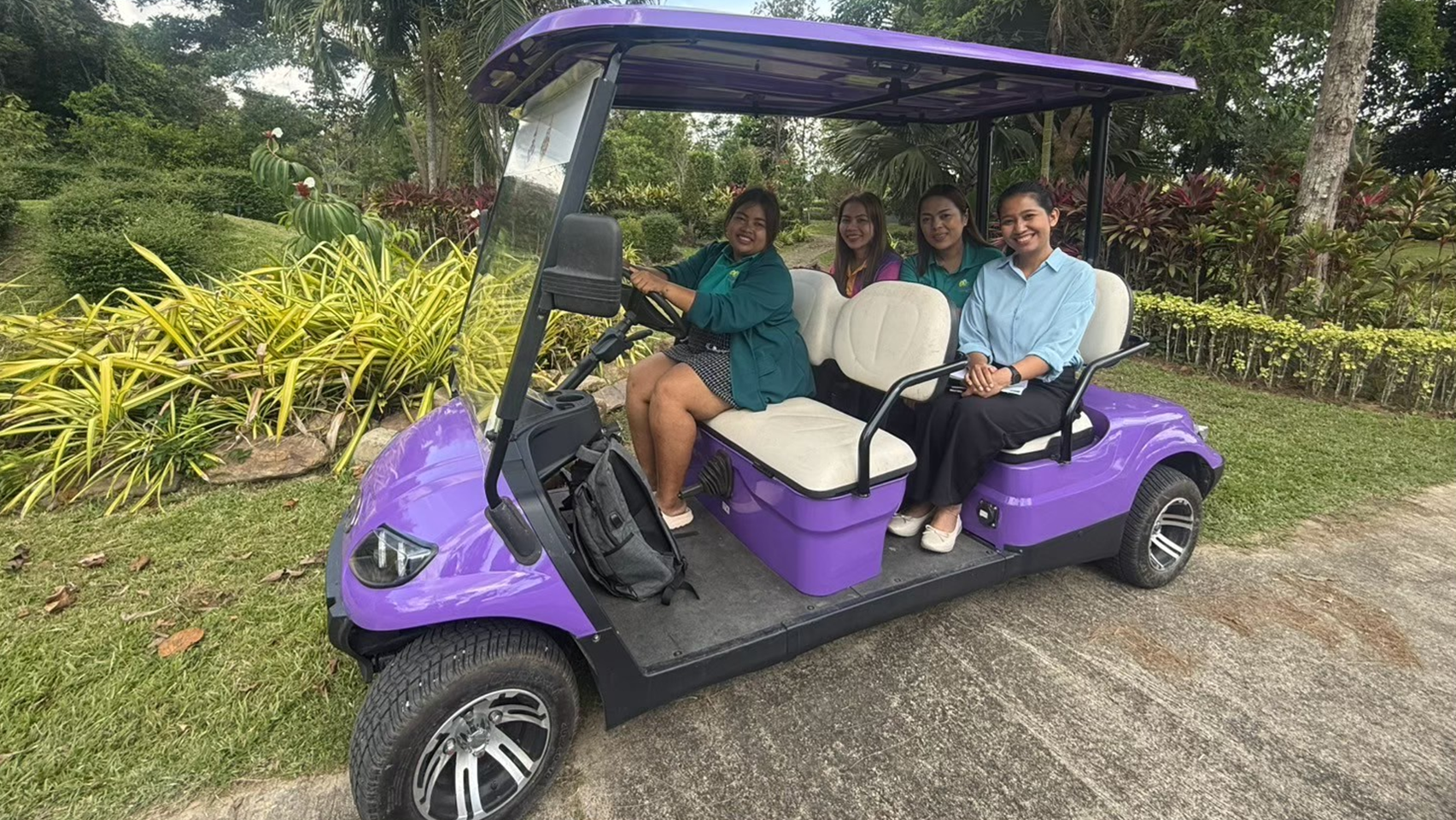
Additionally, the Walailak Botanic Park introduced three electric sightseeing shuttle buses to offer guided tours for external visitors, enhancing the visitor experience while maintaining eco-friendly operations.
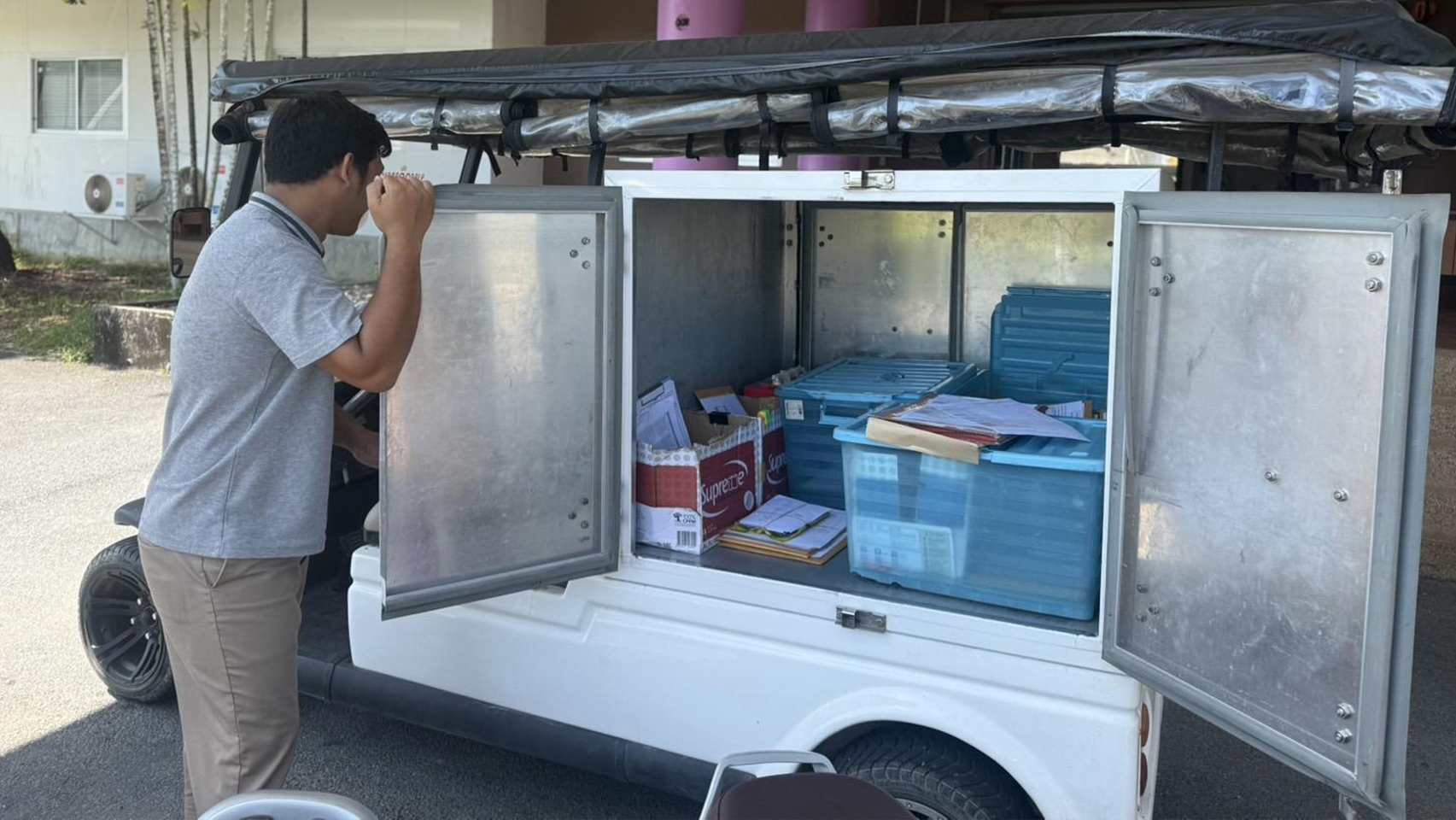
Several organizations at Walailak University have integrated electric vehicles (EVs) into their daily operations to promote environmentally friendly practices and reduce carbon emissions on campus. These EVs are used for a variety of purposes, such as delivering official documents between offices, transporting agricultural products to campus vendors, inspecting and managing agricultural fields, and traveling to offices for the repair and maintenance of electrical equipment. By adopting EVs, the university not only increases operational efficiency but also strengthens its commitment to sustainable transportation and its role as a model for green campus development.
Pedestrian Walkways
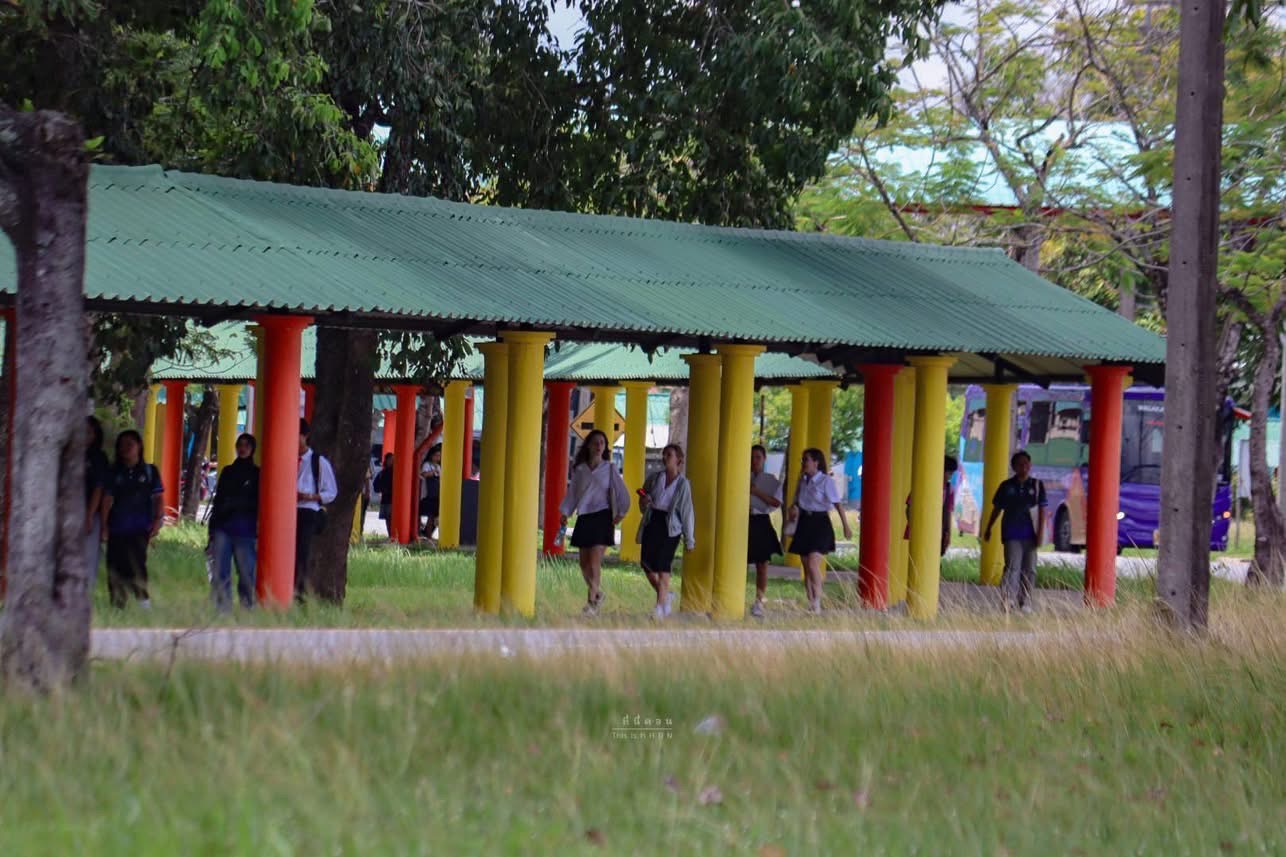
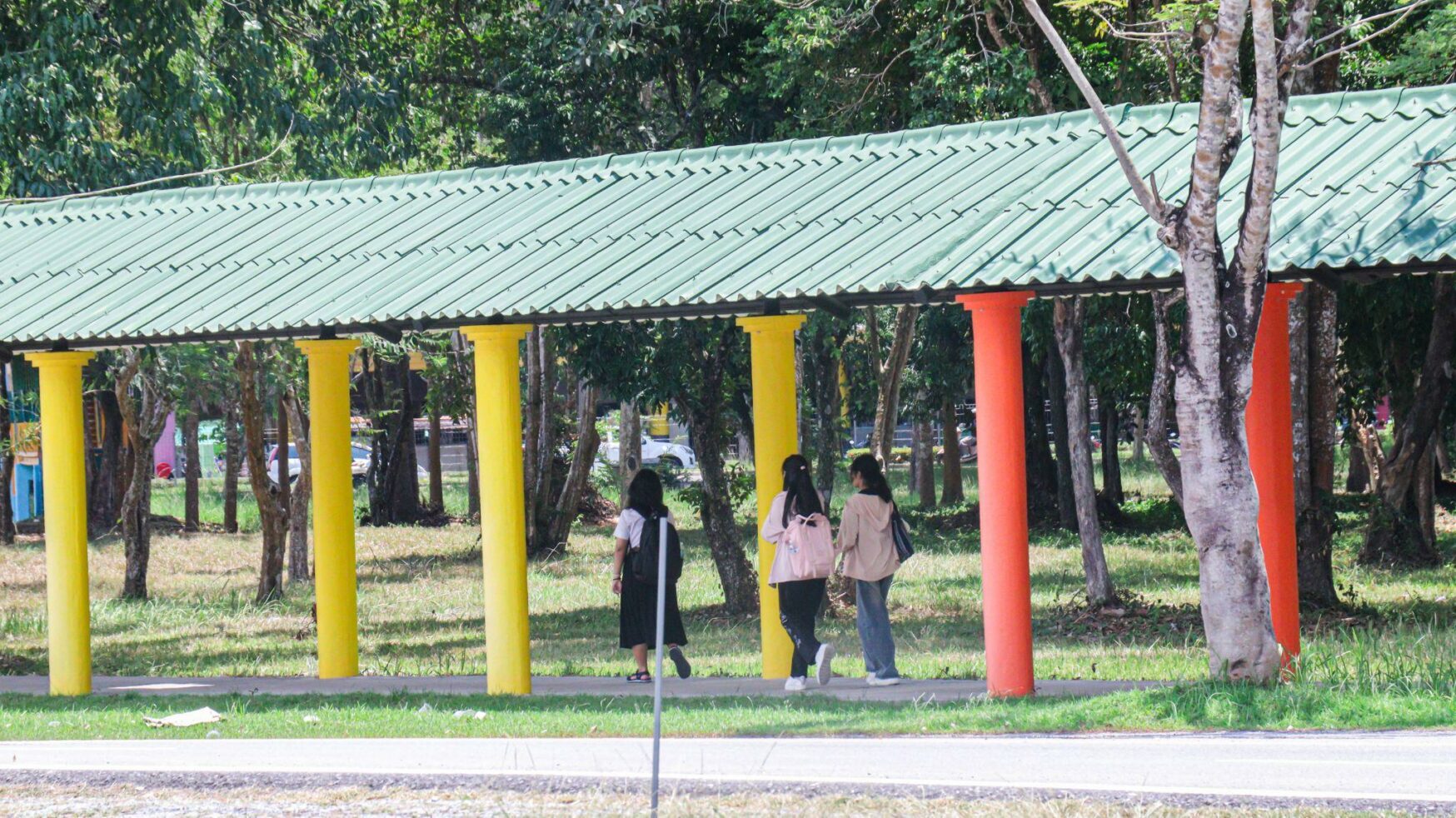
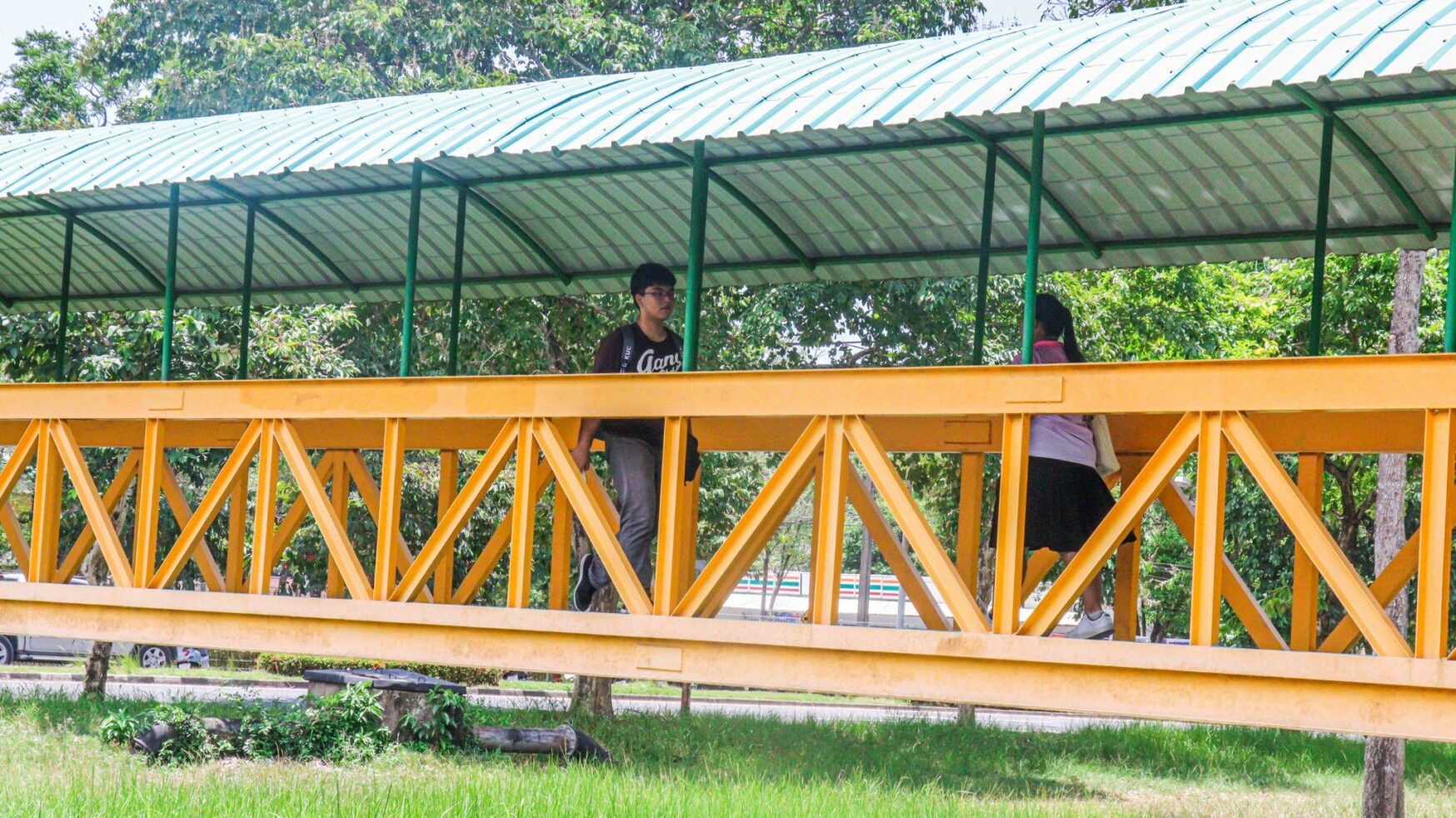
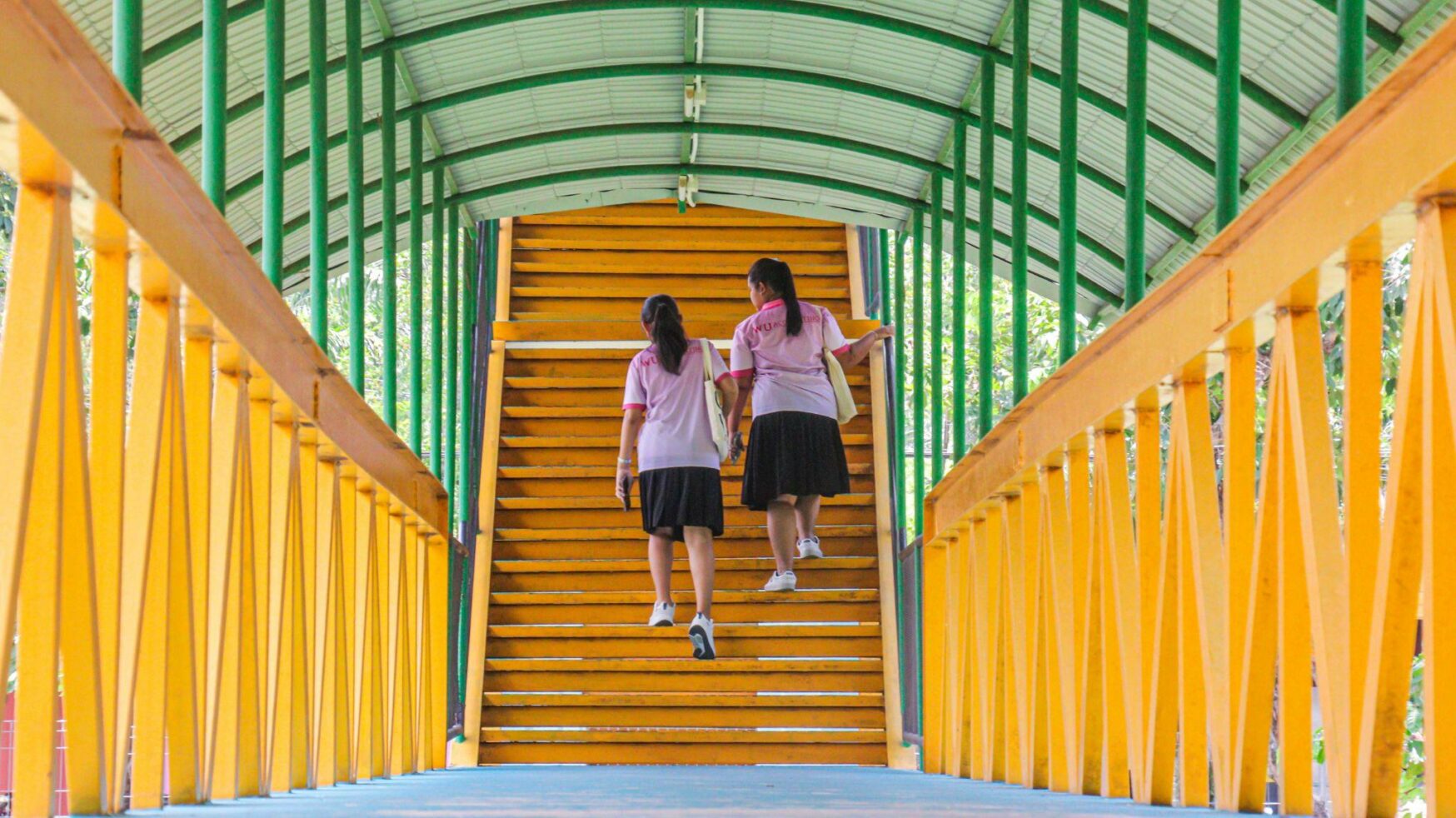
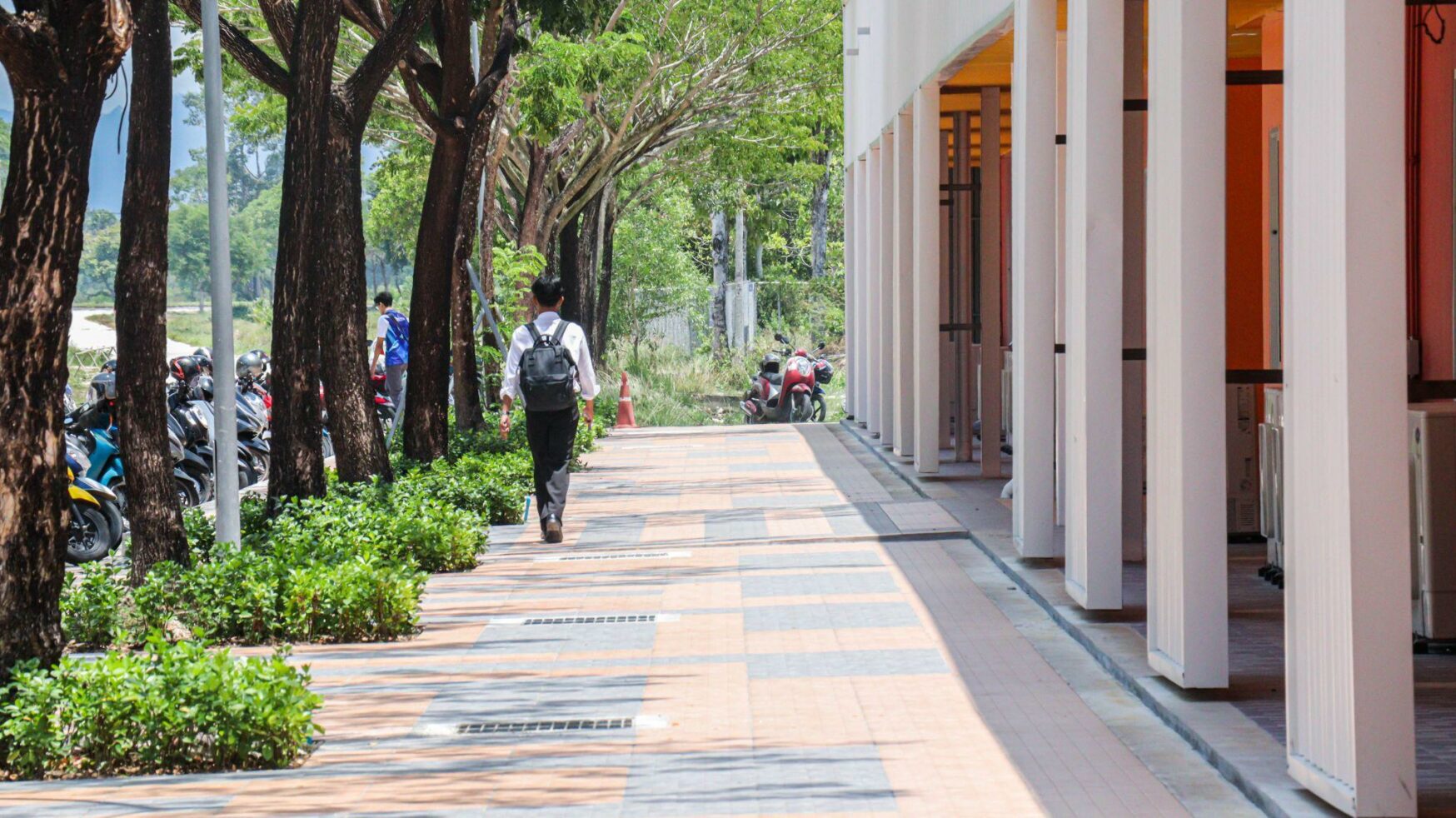
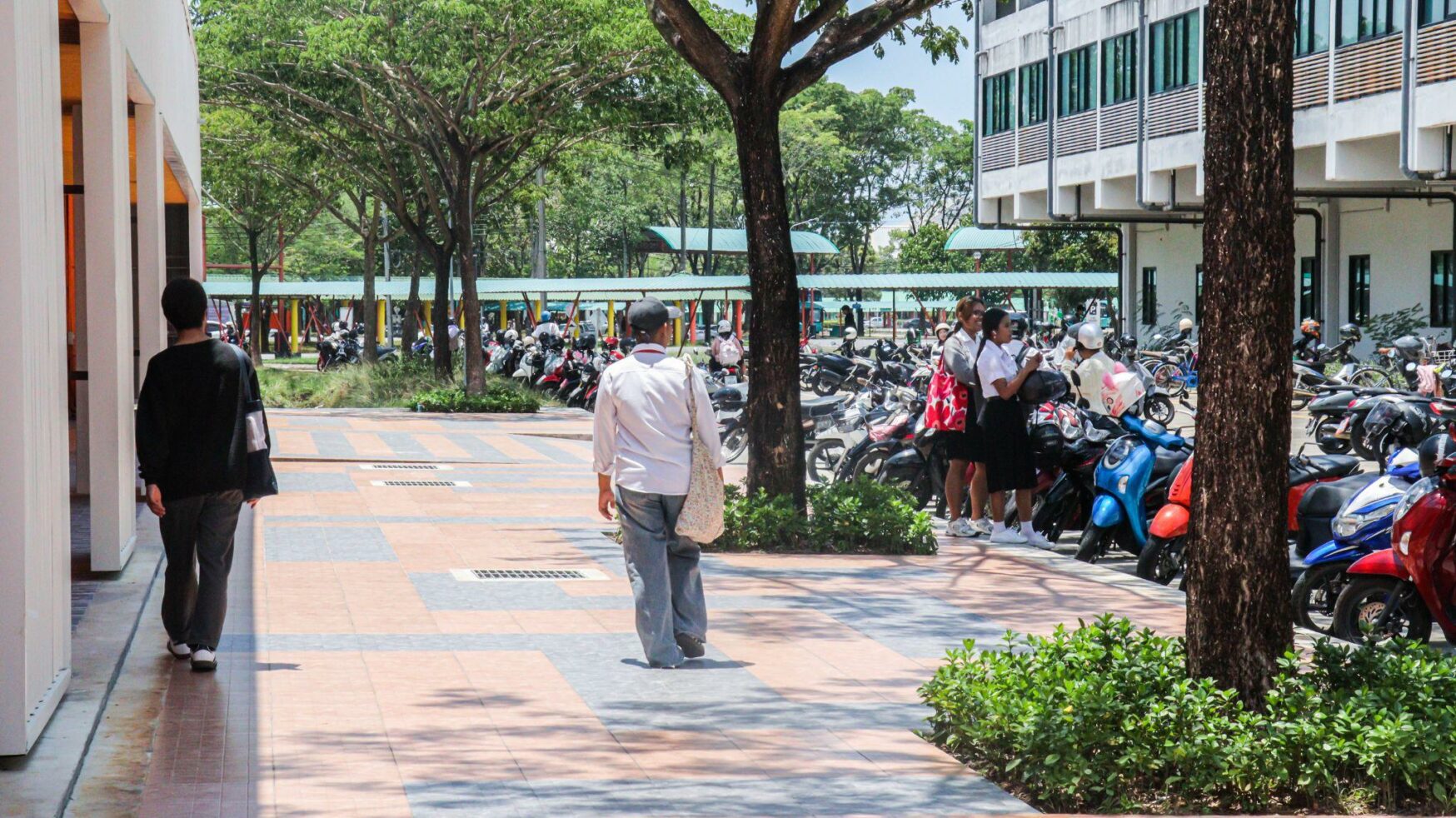
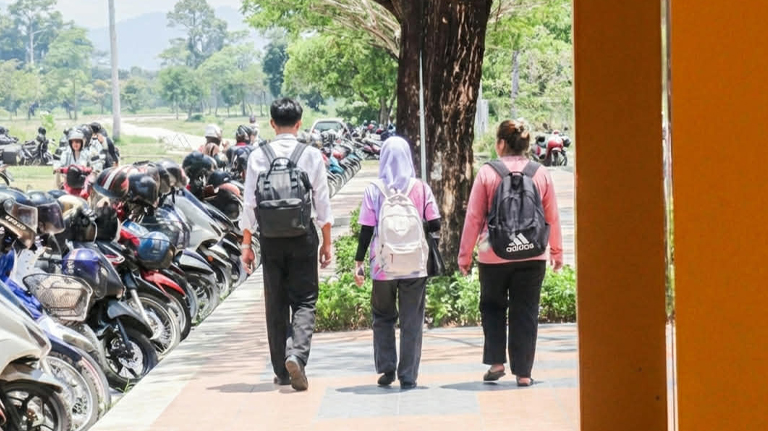
Walailak University provides both covered and uncovered pedestrian walkways to support sustainable mobility across campus. These walkways encourage walking as a primary mode of transportation for the university community, promoting environmental responsibility and healthier lifestyles.
Figures : Cover walkway
Figures : uncover walkway
Bicycle Lanes
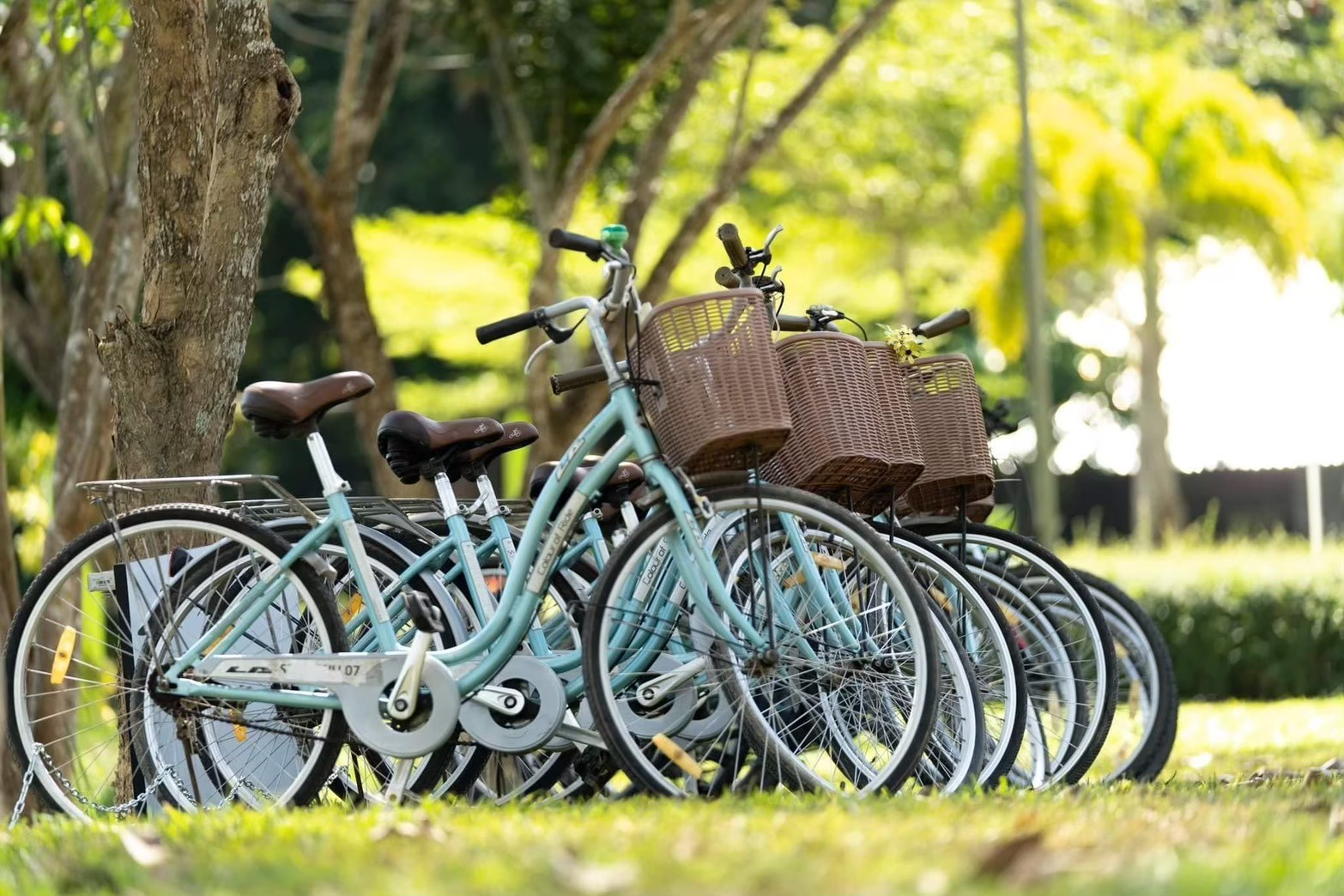
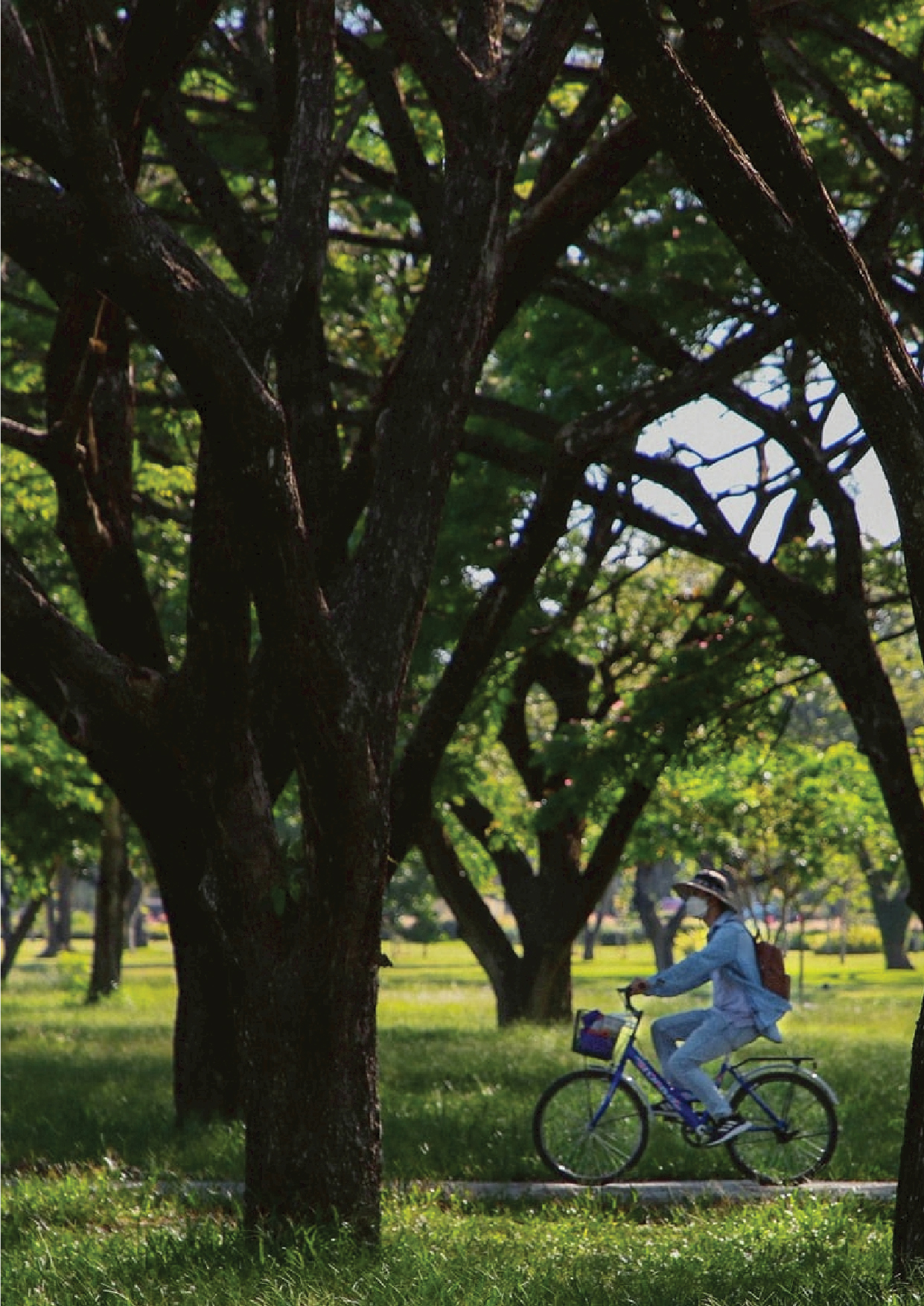
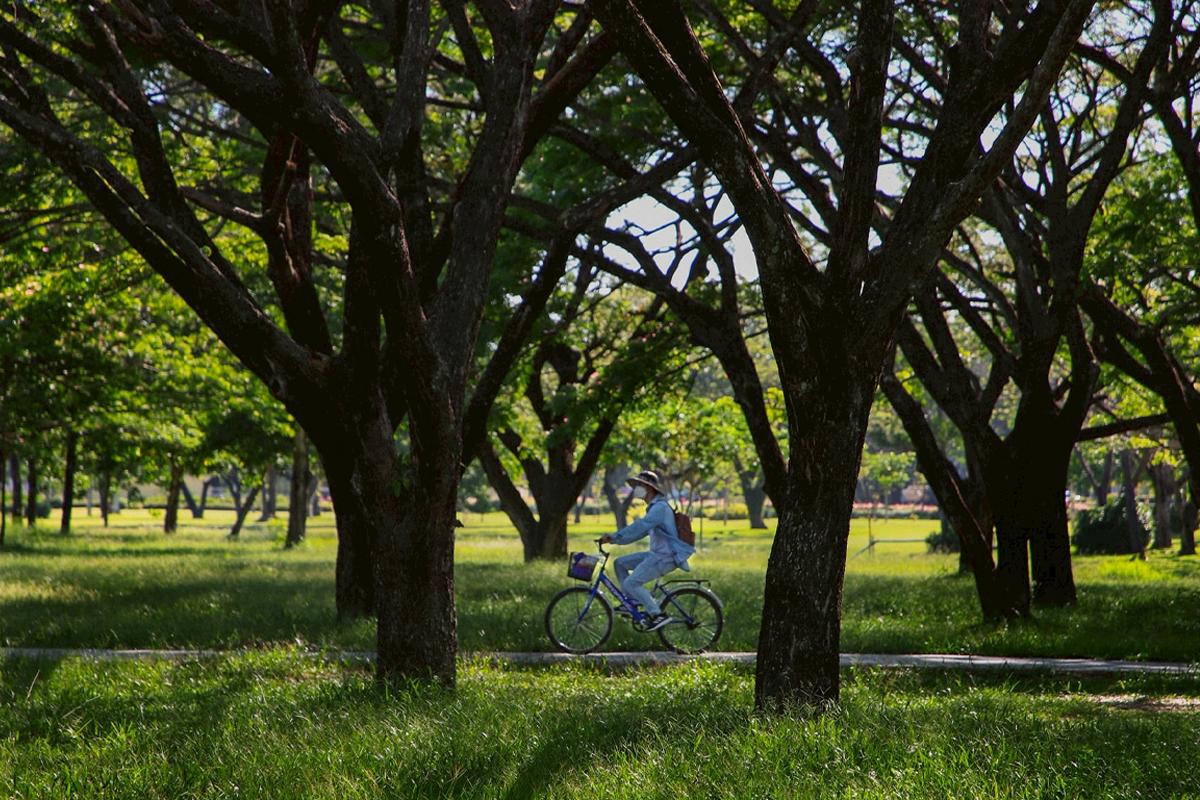
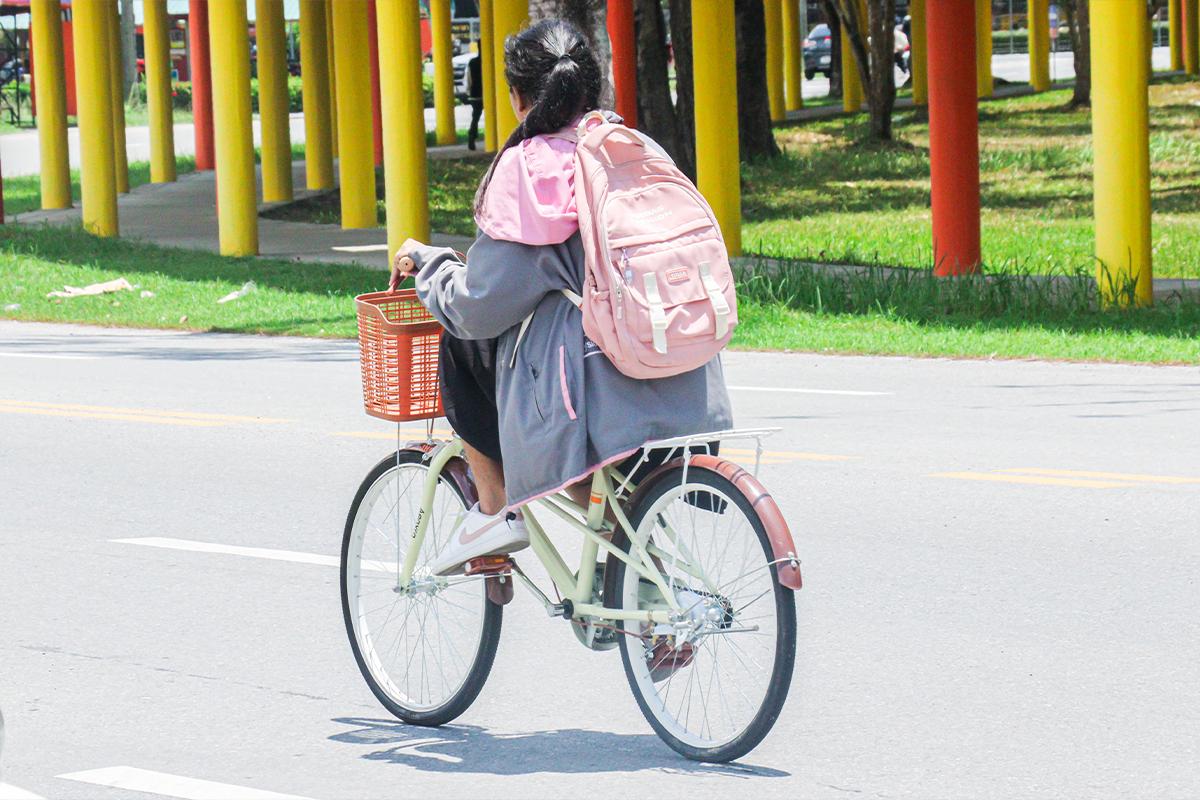
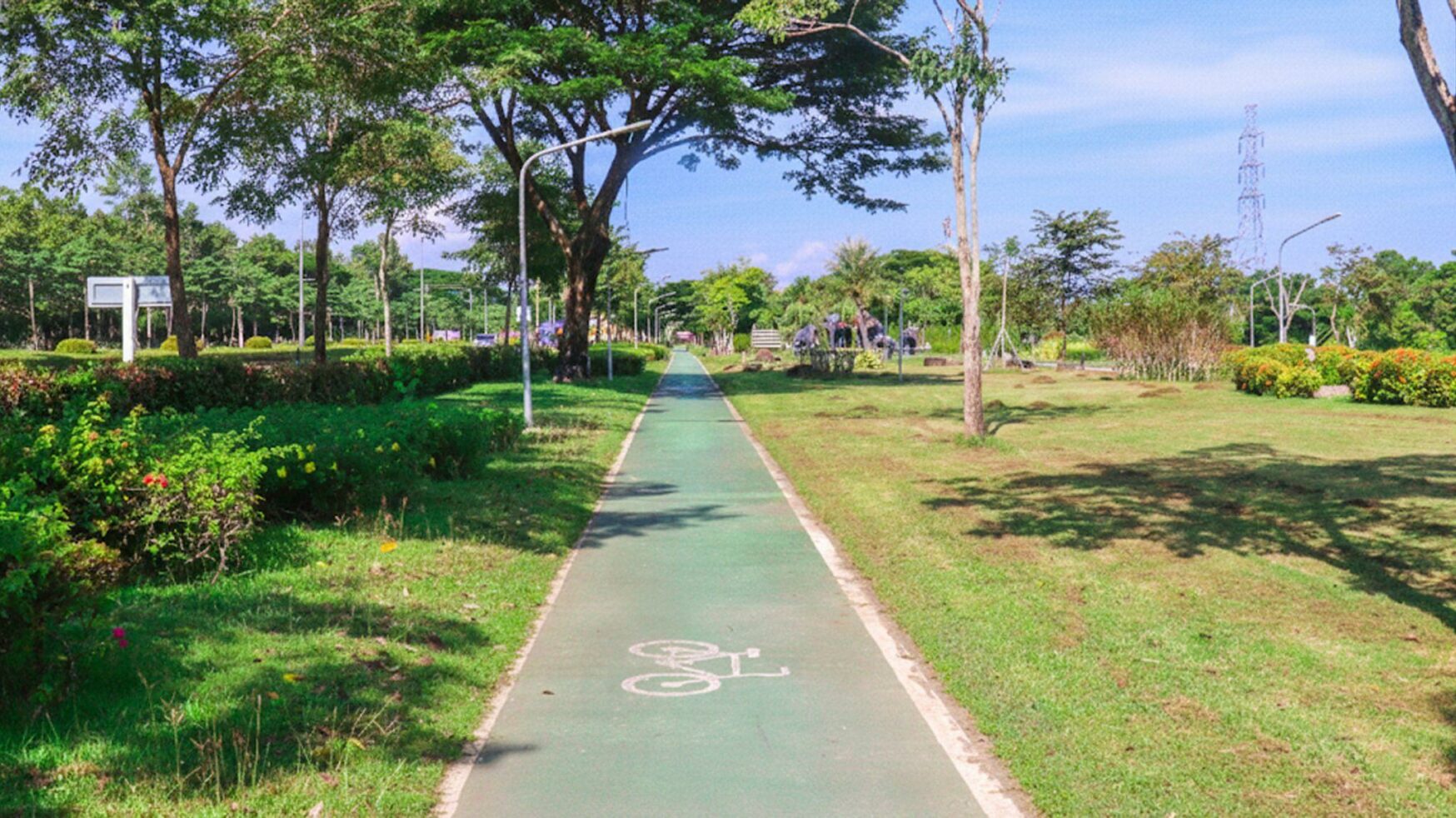
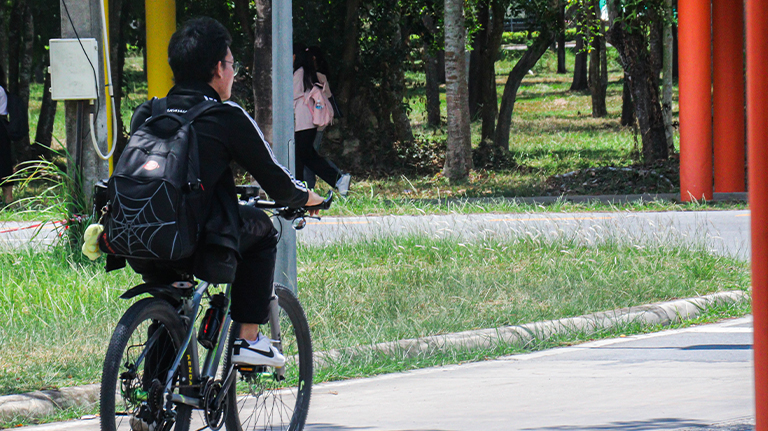
Walailak University has designated bicycle lanes across the campus to promote sustainable commuting. These lanes are available for students, staff, and the general public who choose to travel by bicycle, supporting eco-friendly transportation and reducing environmental impact.
In 2024, Walailak University constructed a bike lane connecting the student dormitories with the Architecture and Design Building, providing students and staff with a convenient and sustainable option for commuting by bicycle.
Buspool and Vanpool Routes
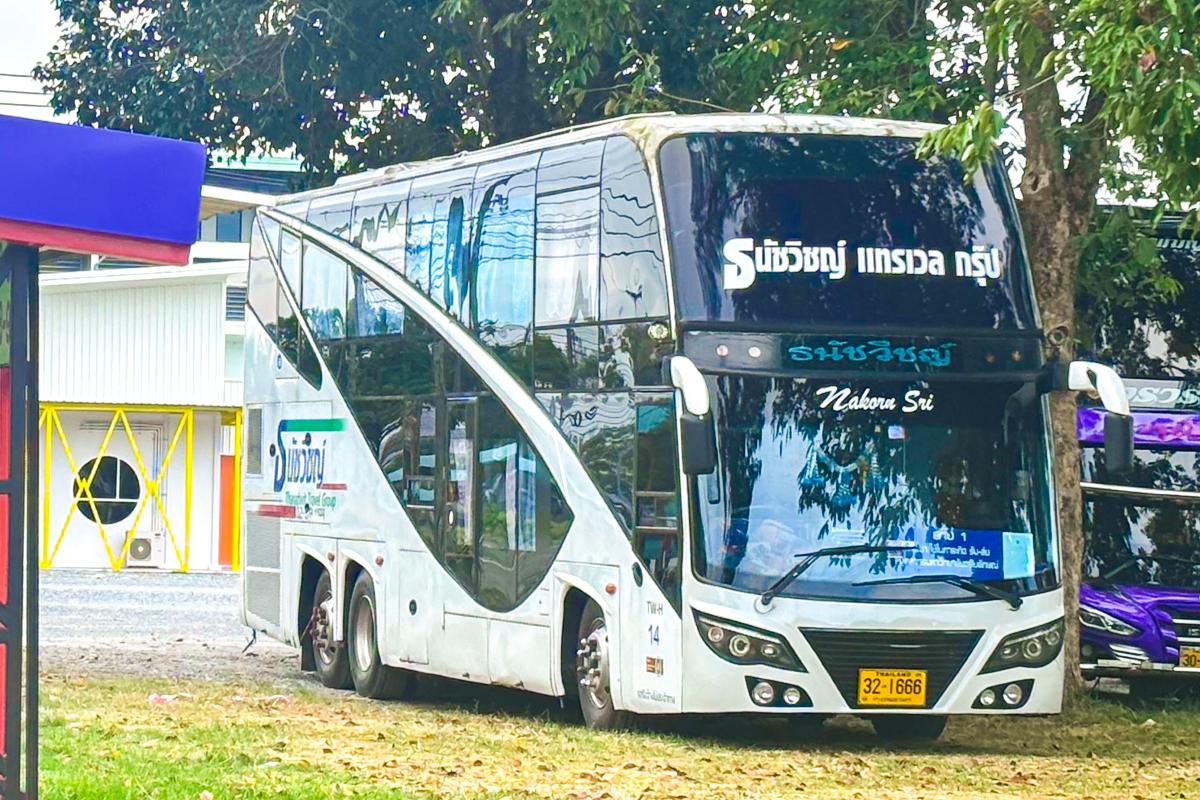
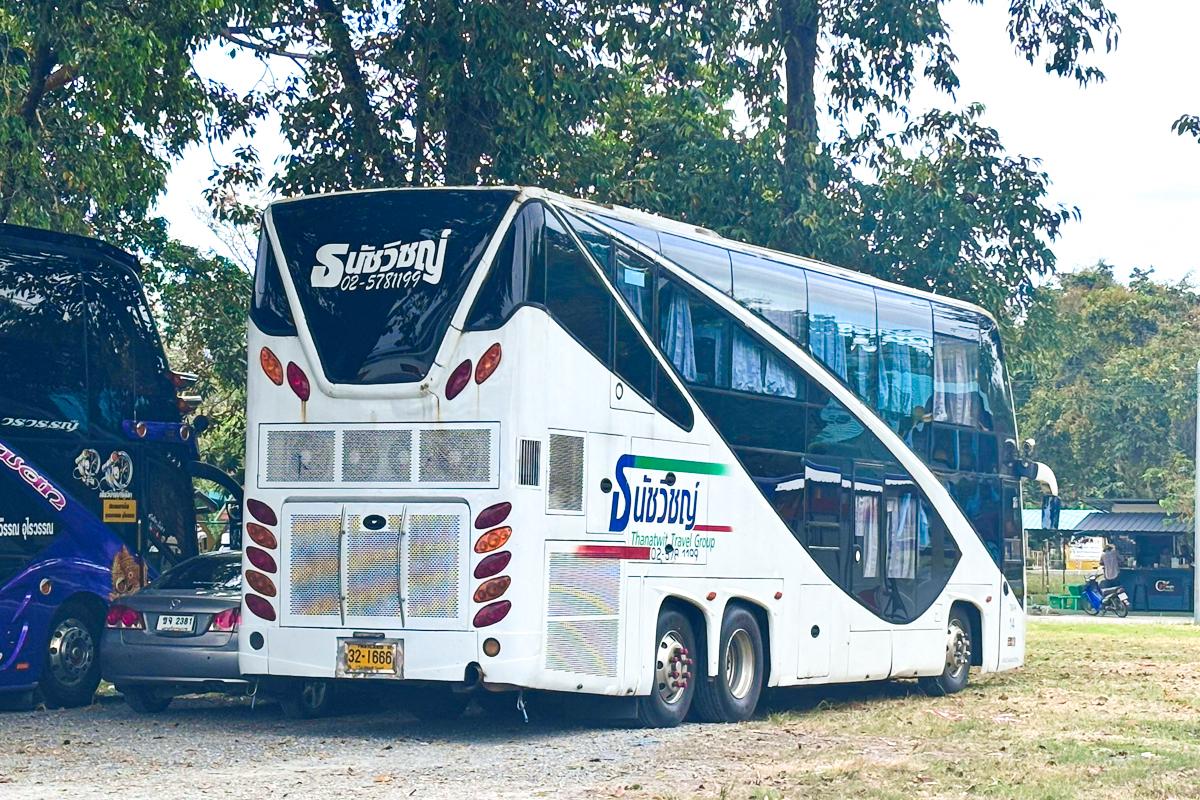
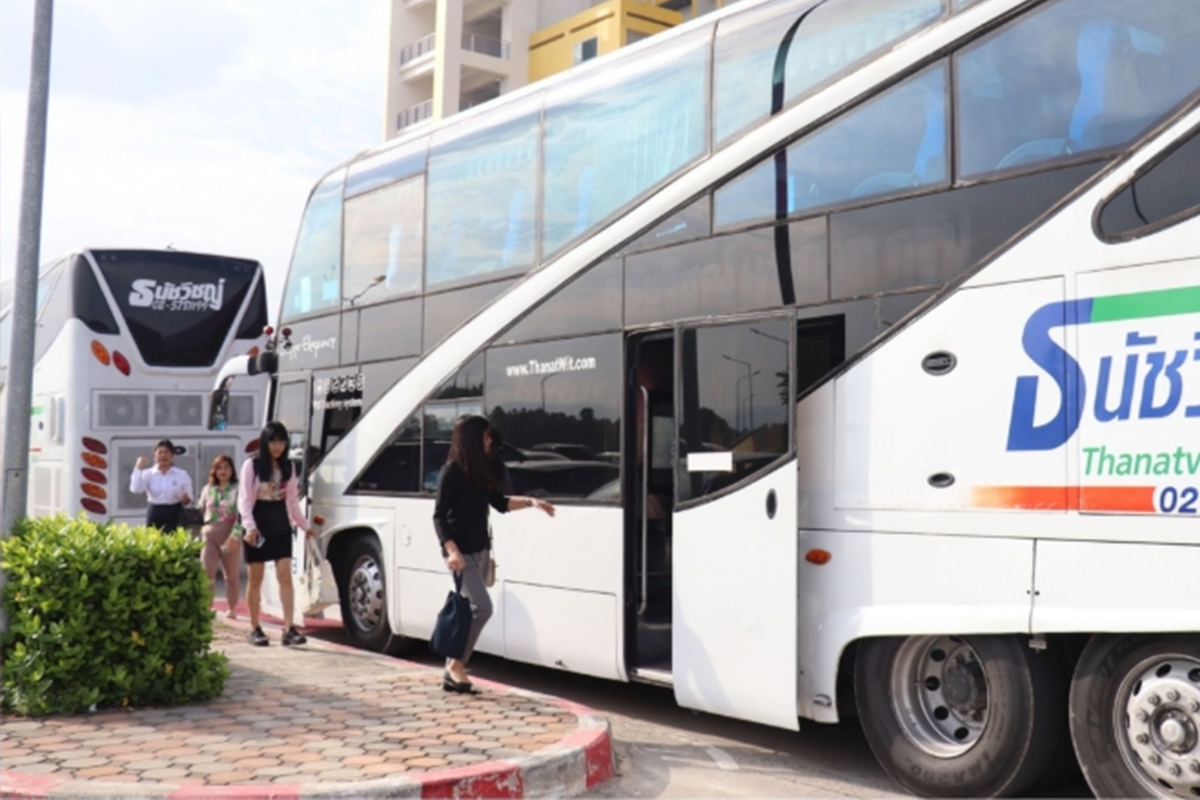
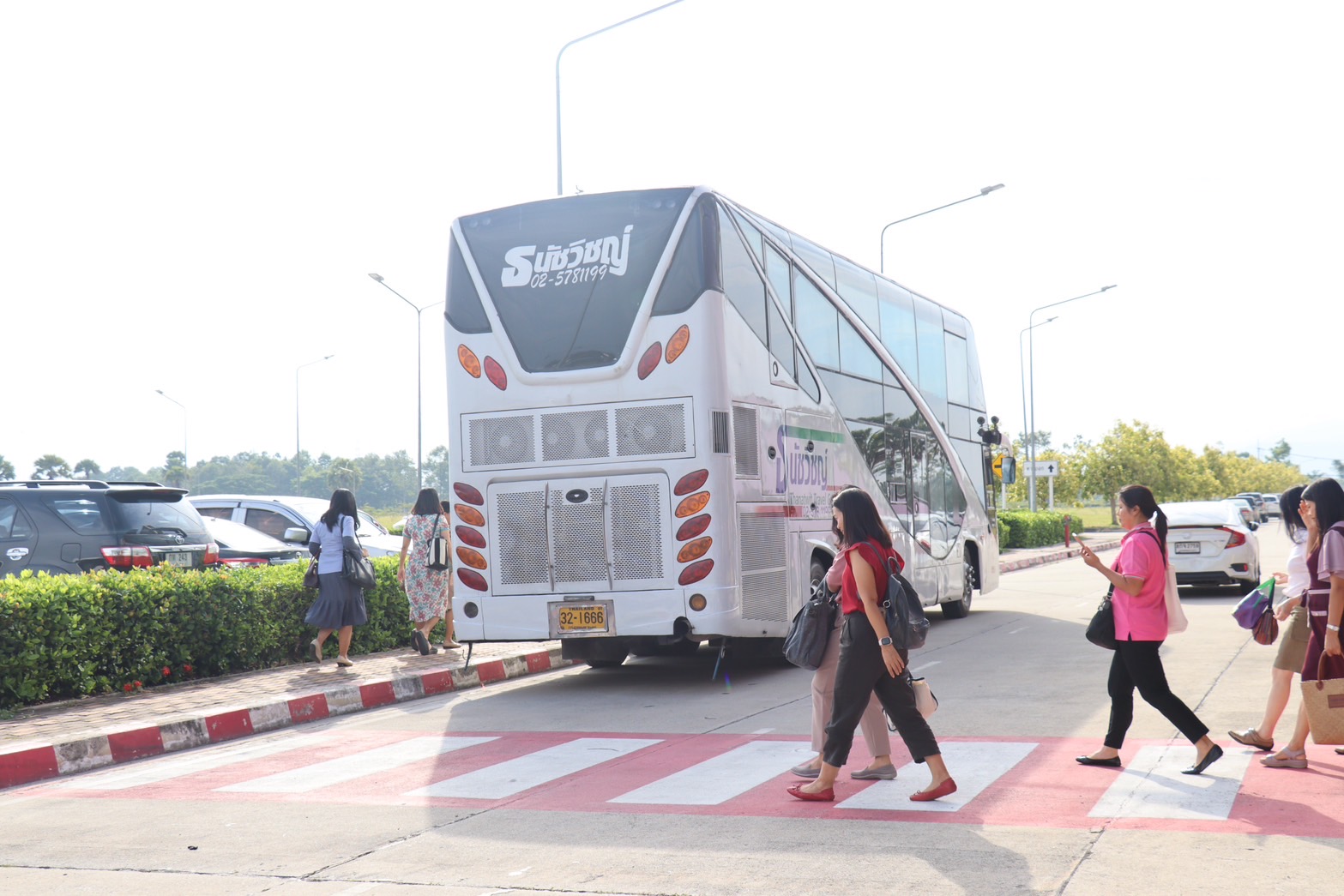
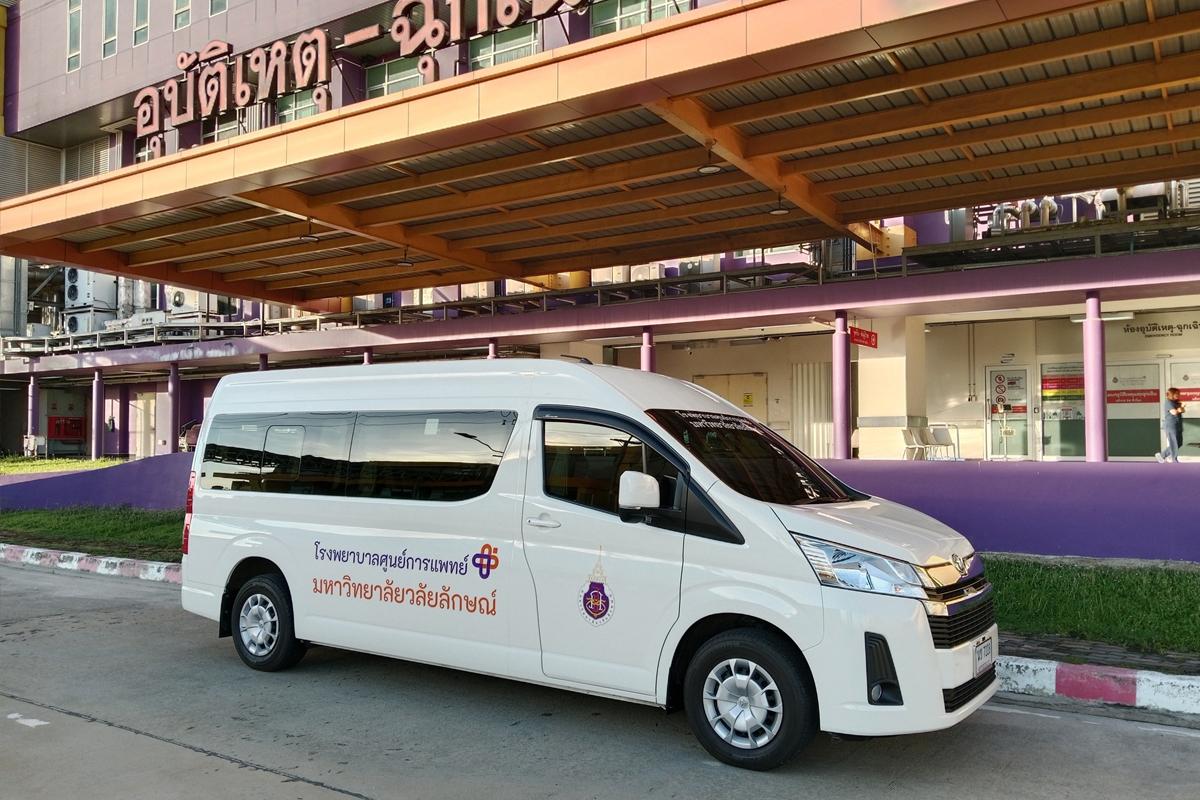
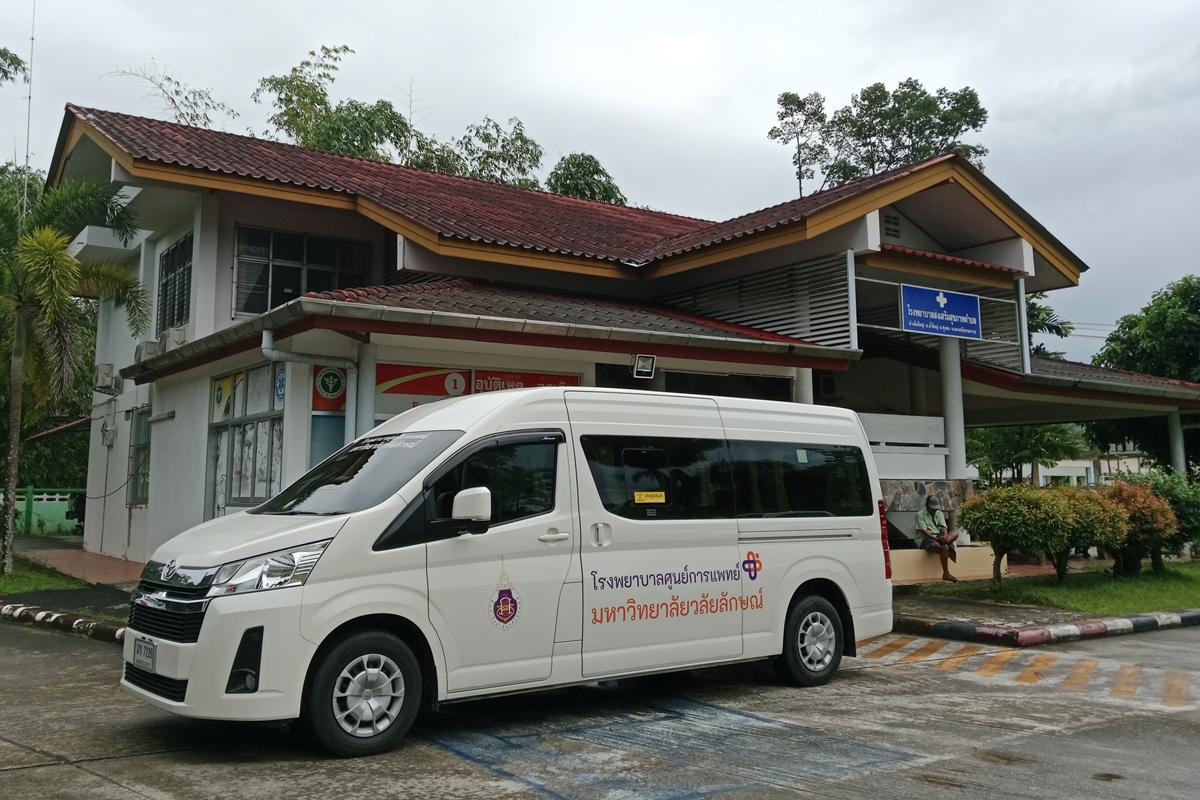
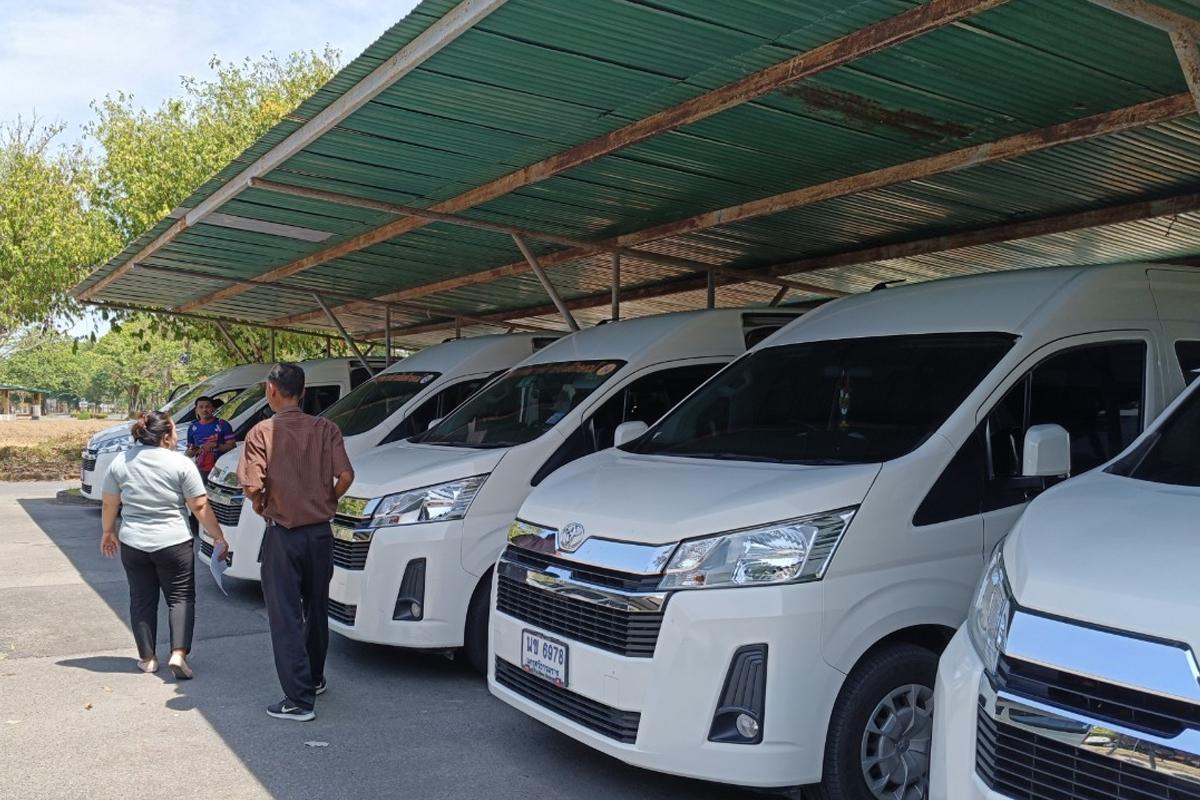
Walailak University provides buspool and vanpool services for staff commuting from their homes to the university. This initiative reduces the number of private vehicles on campus, easing traffic congestion and lowering carbon emissions. By promoting shared transportation, the university not only supports environmental sustainability but also fosters a sense of community among staff members.
Figures : Buspool
Figures : Vanpool
Walailak University’s sustainable commuting framework is driven by a continuous cycle of diagnostic, development, engagement, and measurement. Through diagnostic assessment, the university identifies mobility needs and environmental impacts across campus. Development efforts are reflected in the implementation of electric vehicles, pedestrian walkways, and bicycle lanes that support low-carbon mobility. Active engagement from students, staff, and visitors strengthens a shared culture of sustainability. Finally, consistent measurement of outcomes—such as emission reductions, EV usage, and commuting patterns—ensures evidence-based improvement toward the university’s long-term vision of becoming a leading model for green and sustainable transportation in Thailand.