Collaboration with Local Authorities to Provide Affordable Housing for Local Communities
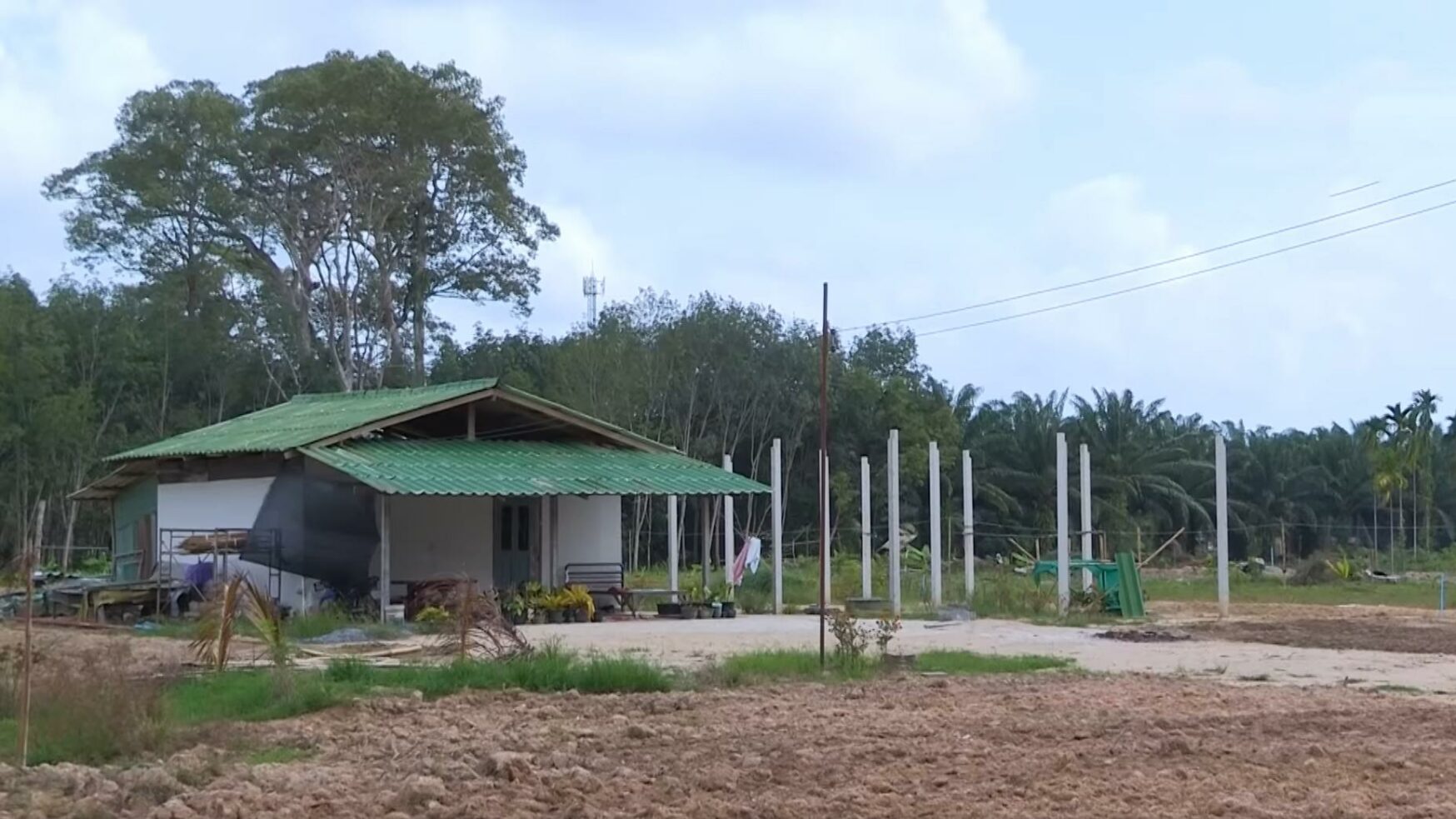
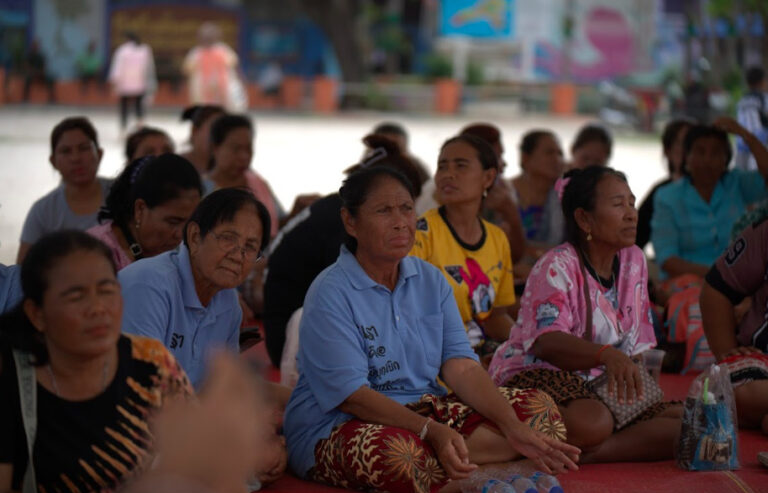
Walailak University is surrounded by vibrant local communities, many of which face significant socio-economic challenges. One such community, the Satit Walailak Pattana community located behind the university, has long struggled with limited access to affordable and stable housing. Severe poverty, lack of financial opportunities, and barriers to accessing housing loans have forced many residents to rent small rooms instead of establishing secure homes. This instability has placed additional burdens on families, making it difficult to achieve long-term stability in their livelihoods, health, and education.
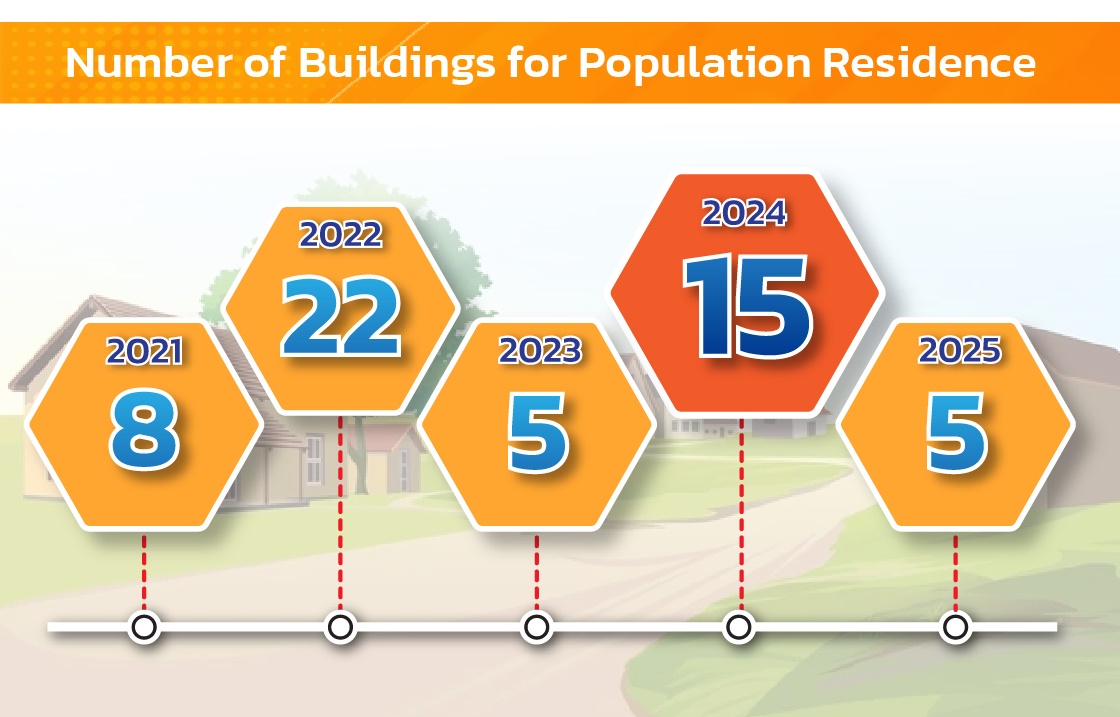
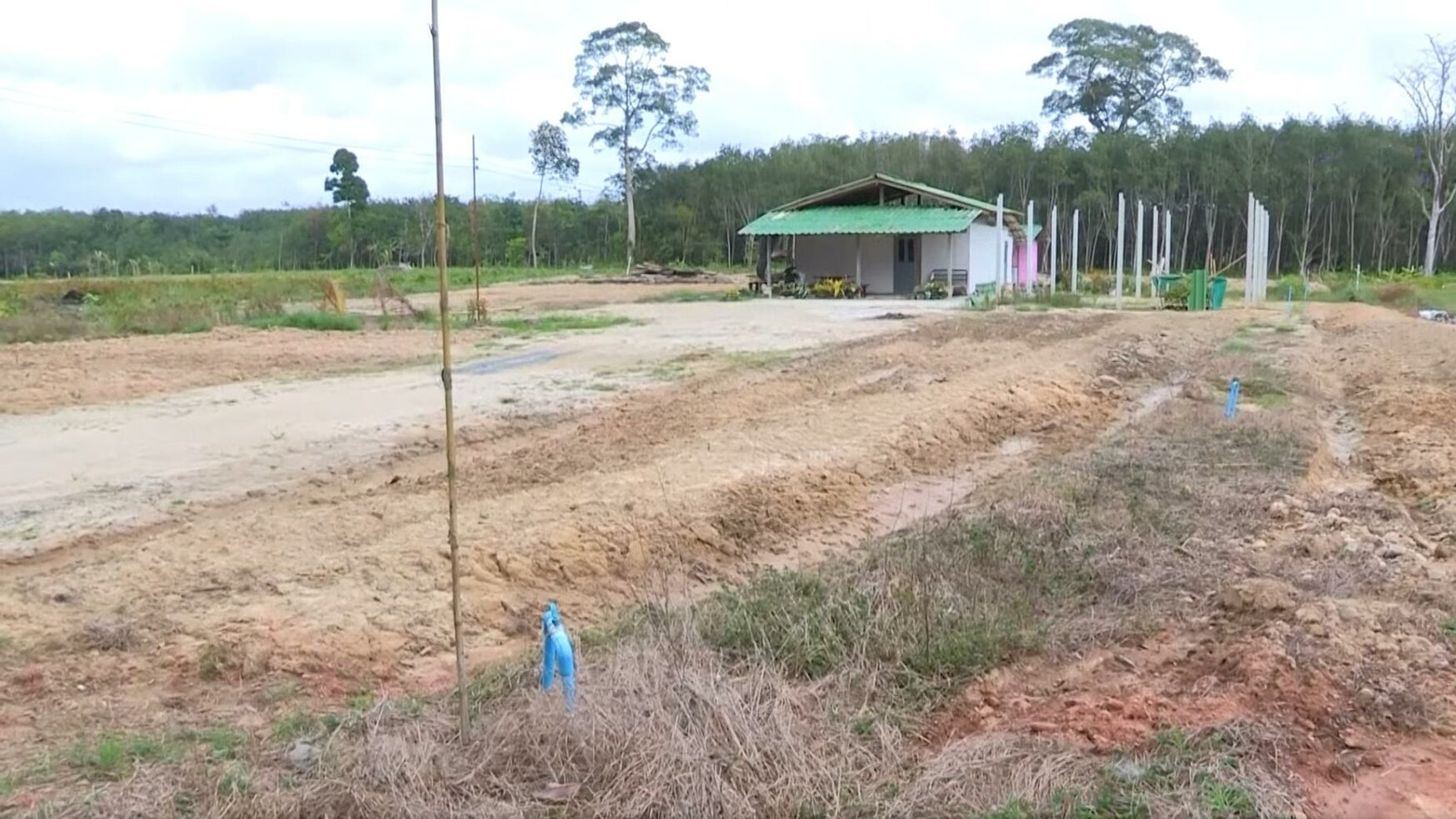
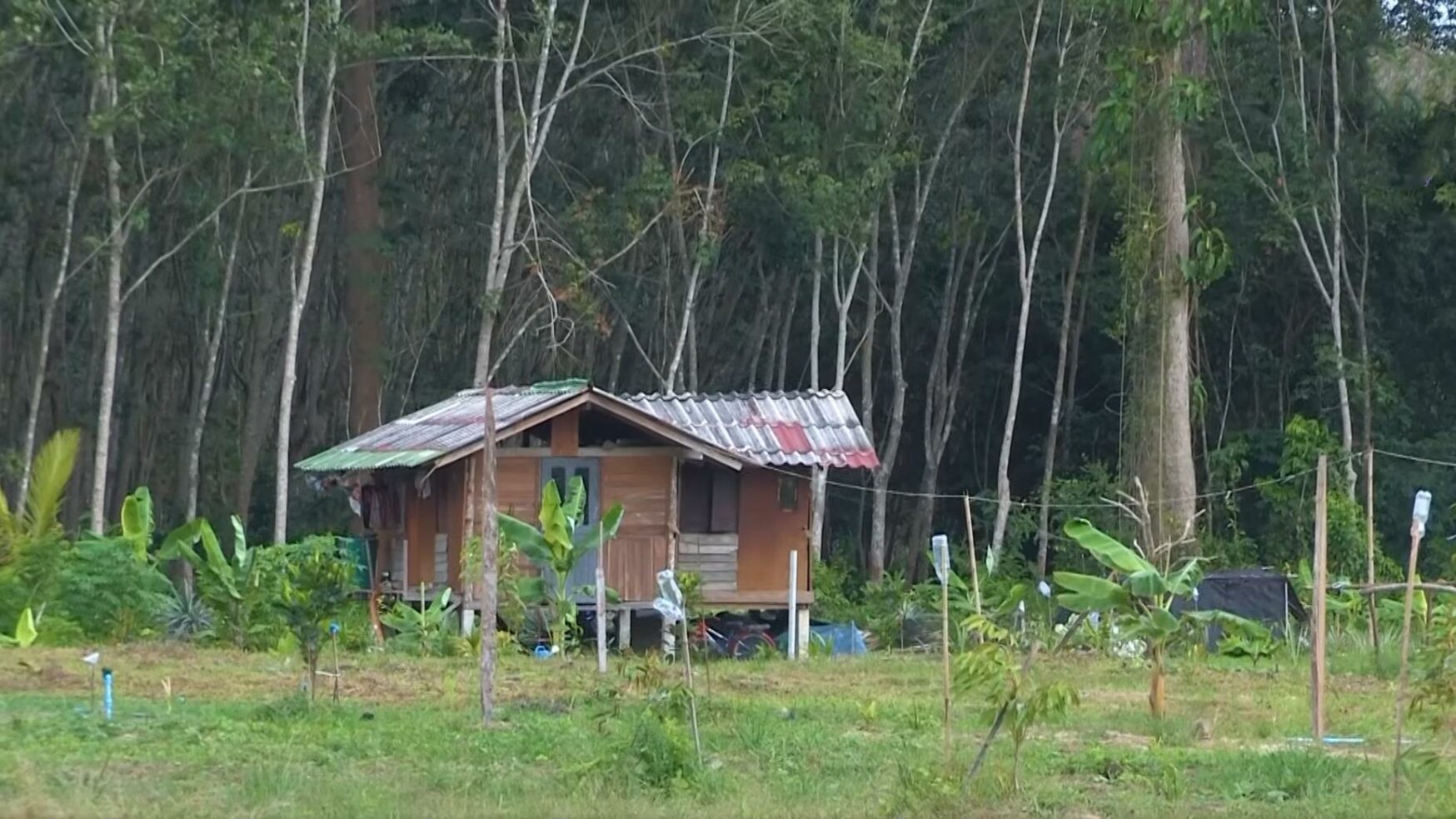
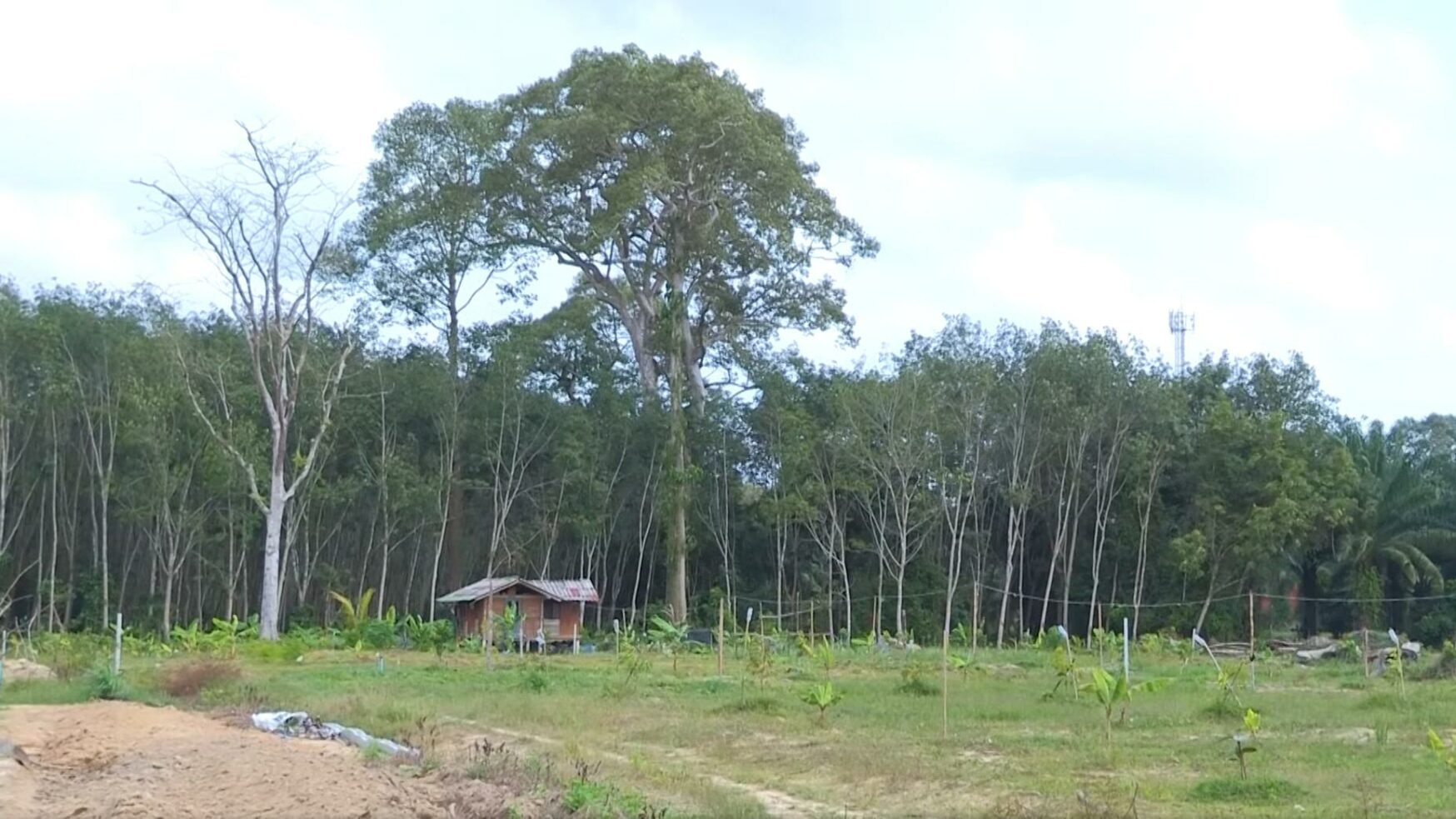
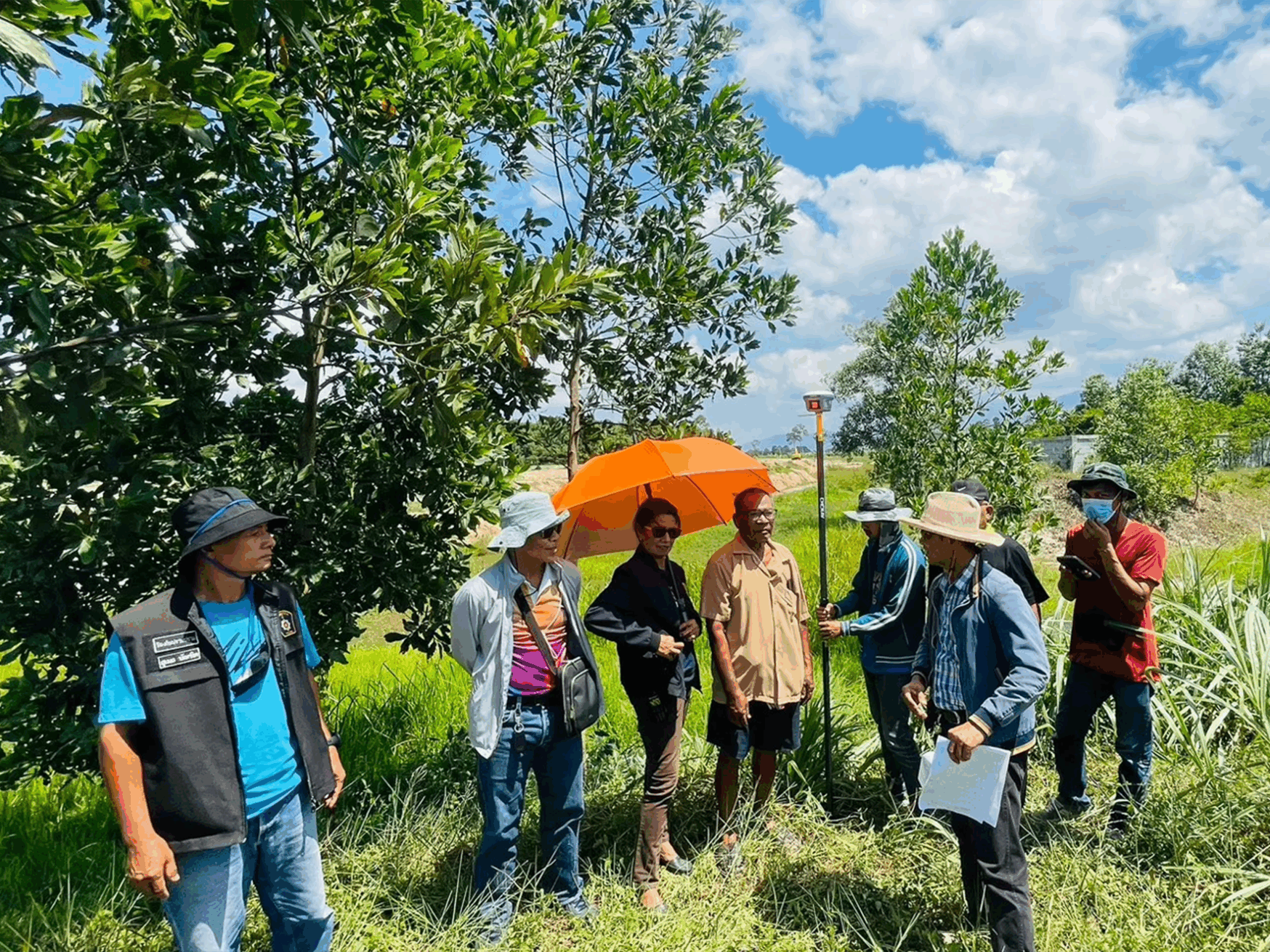
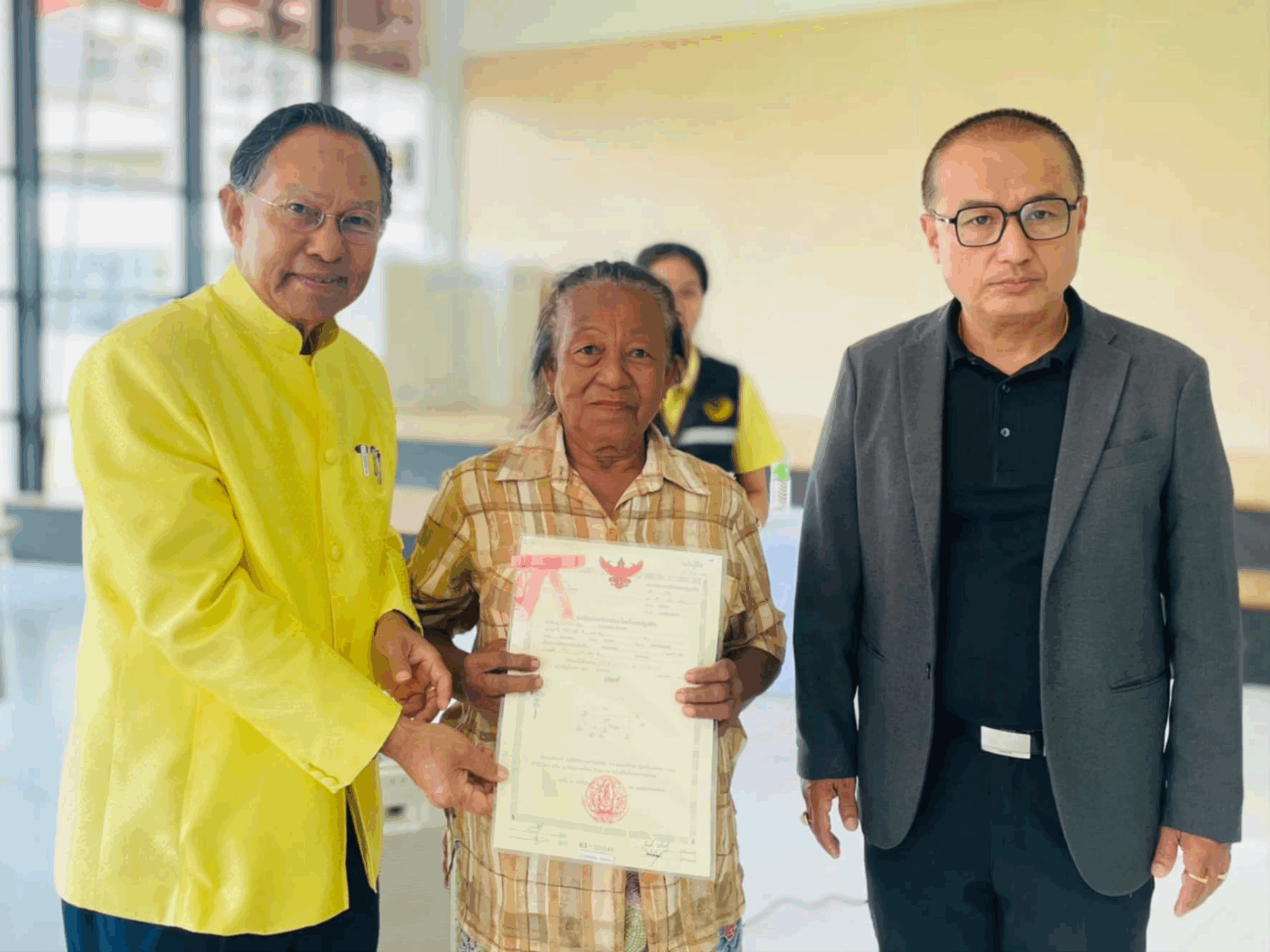
In 2024, Walailak University initiated a collaborative effort with government partners to address this pressing issue. The Agricultural Land Reform Office, the Ministry of Agriculture and Cooperatives, and the Thai Buri Subdistrict Administrative Organization joined hands with WU to design practical solutions for affected families. The collaboration began with joint field visits, during which the teams identified 15 families who lacked adequate housing.
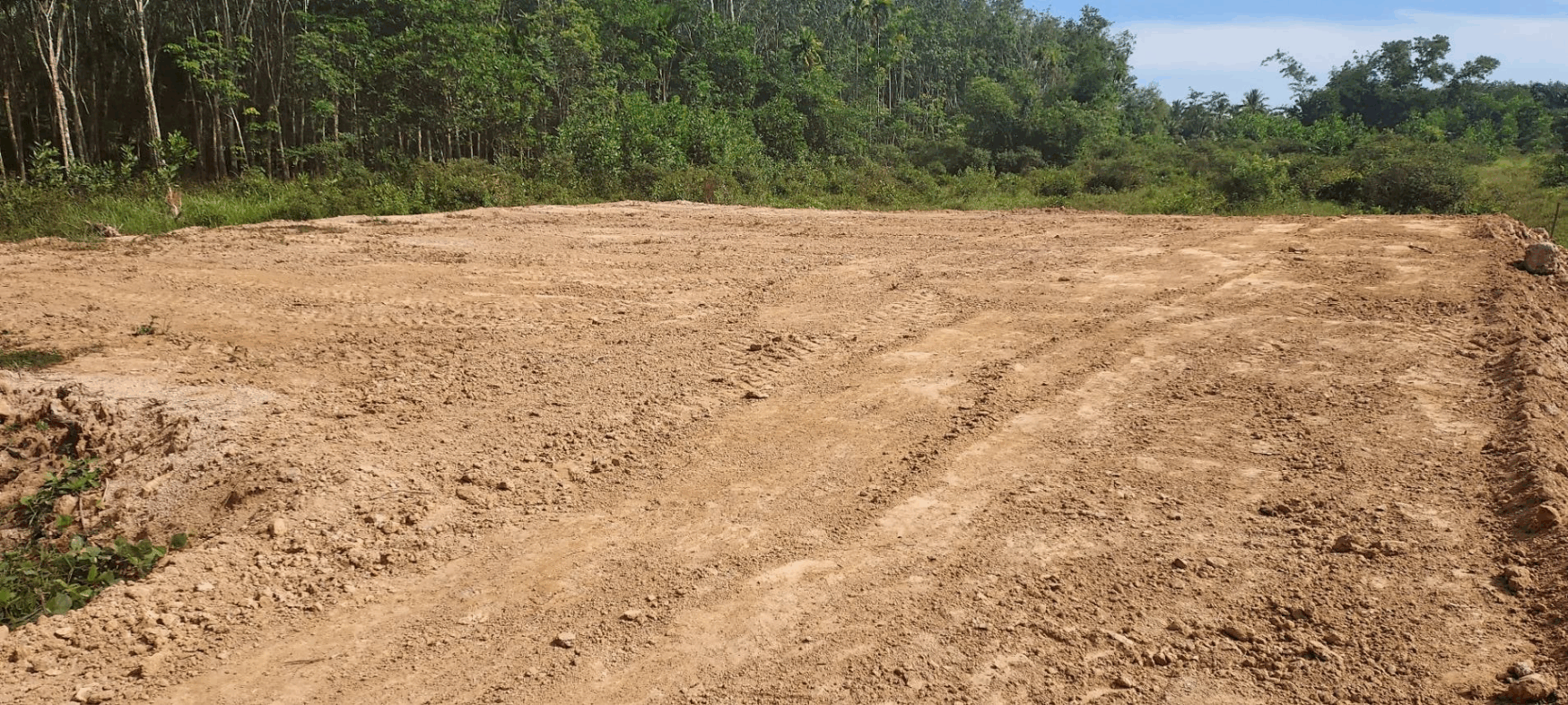
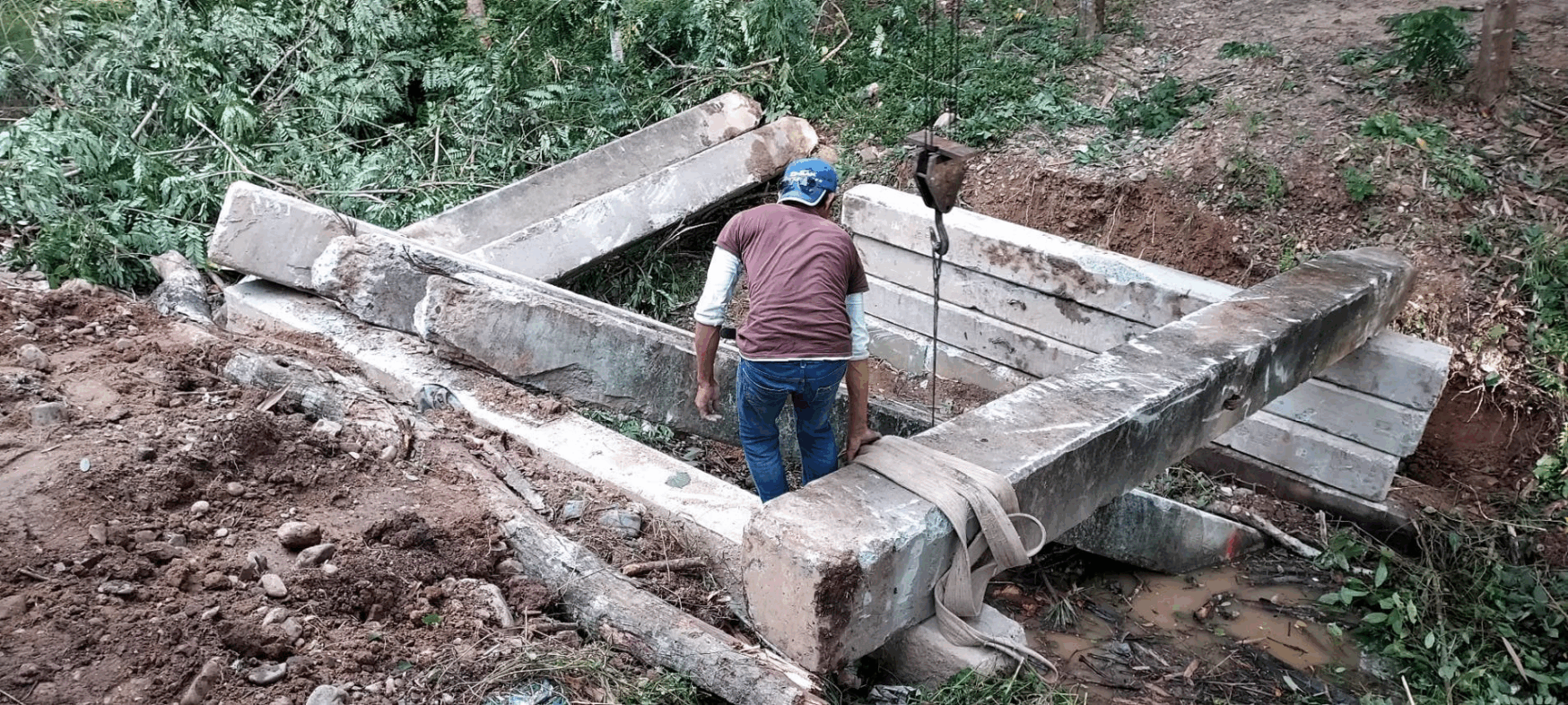
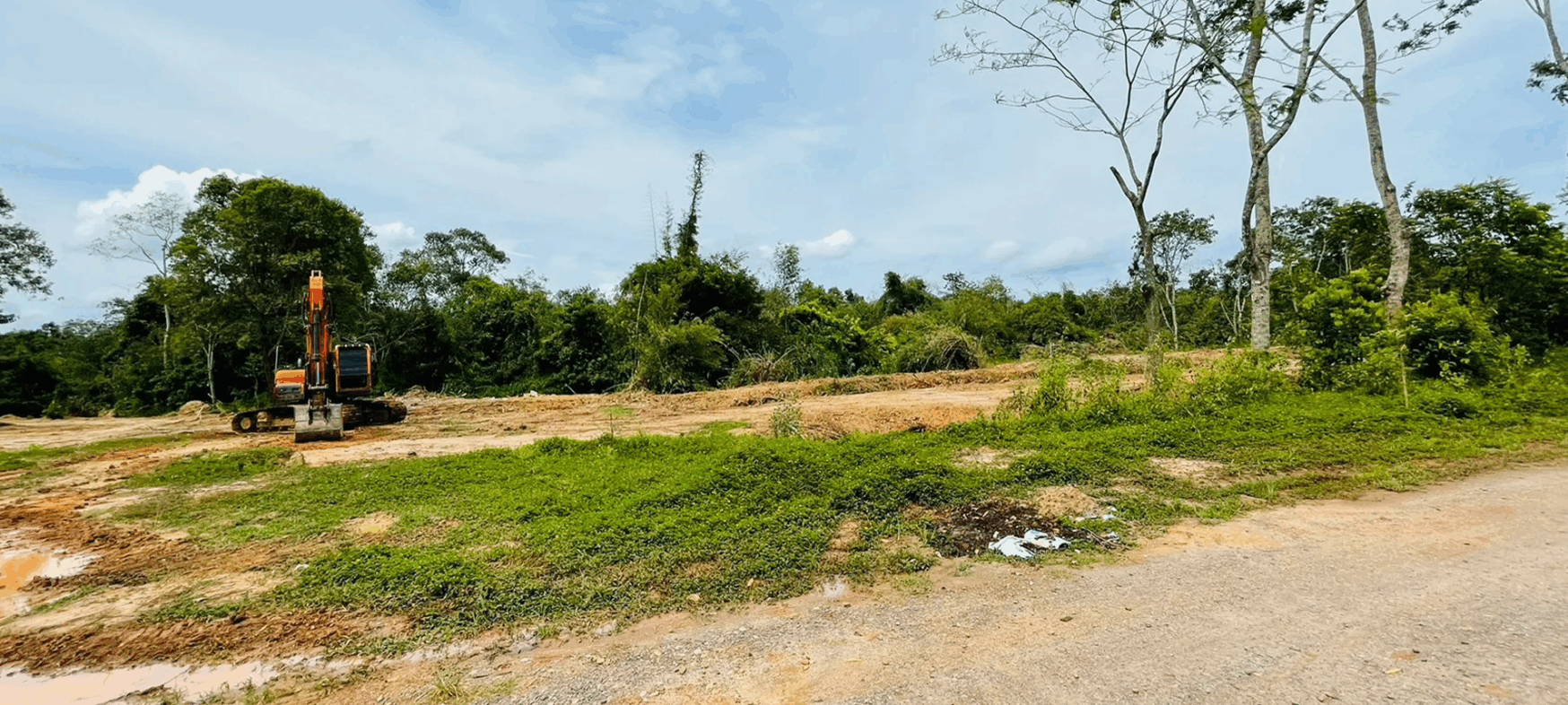
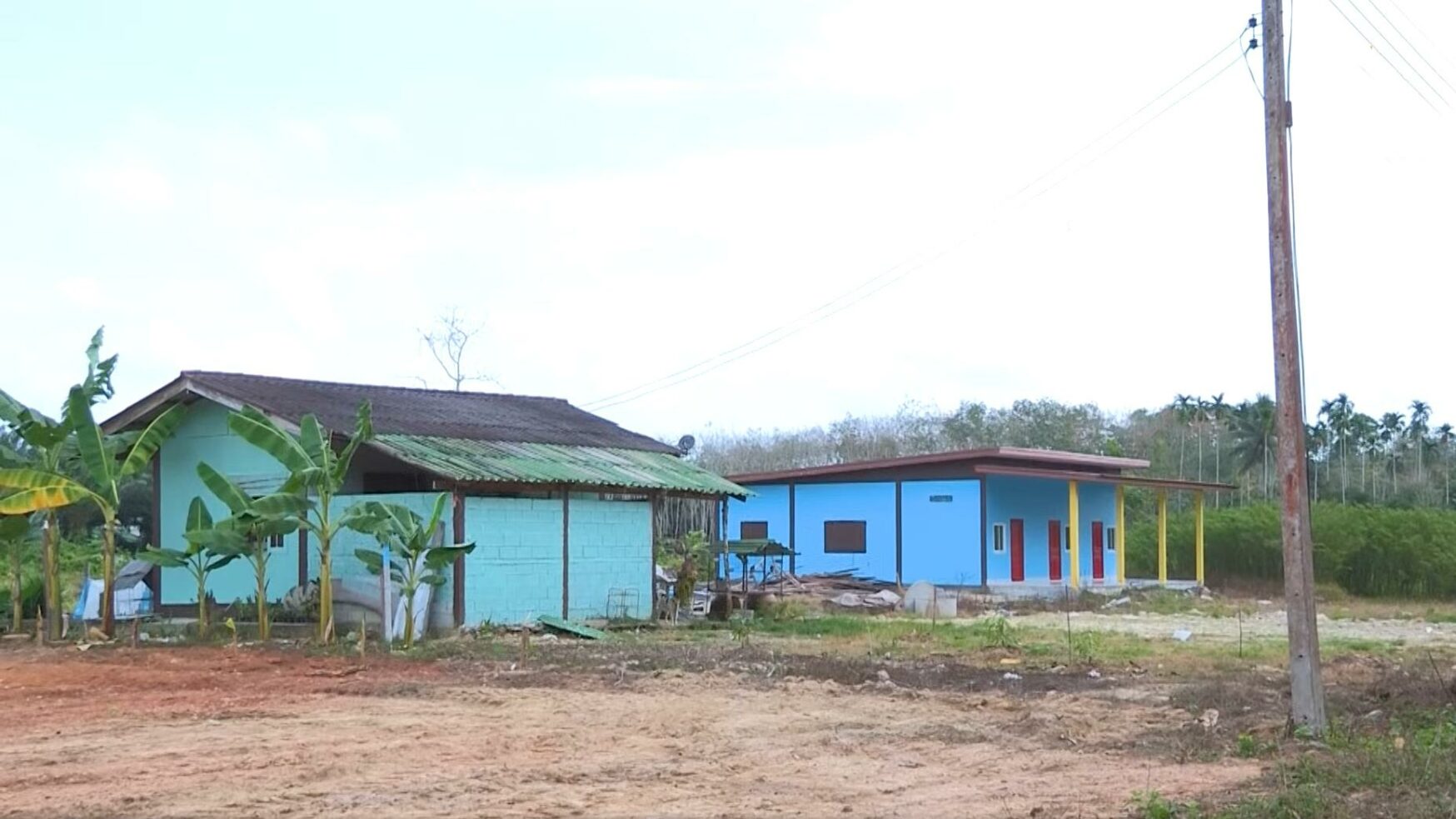
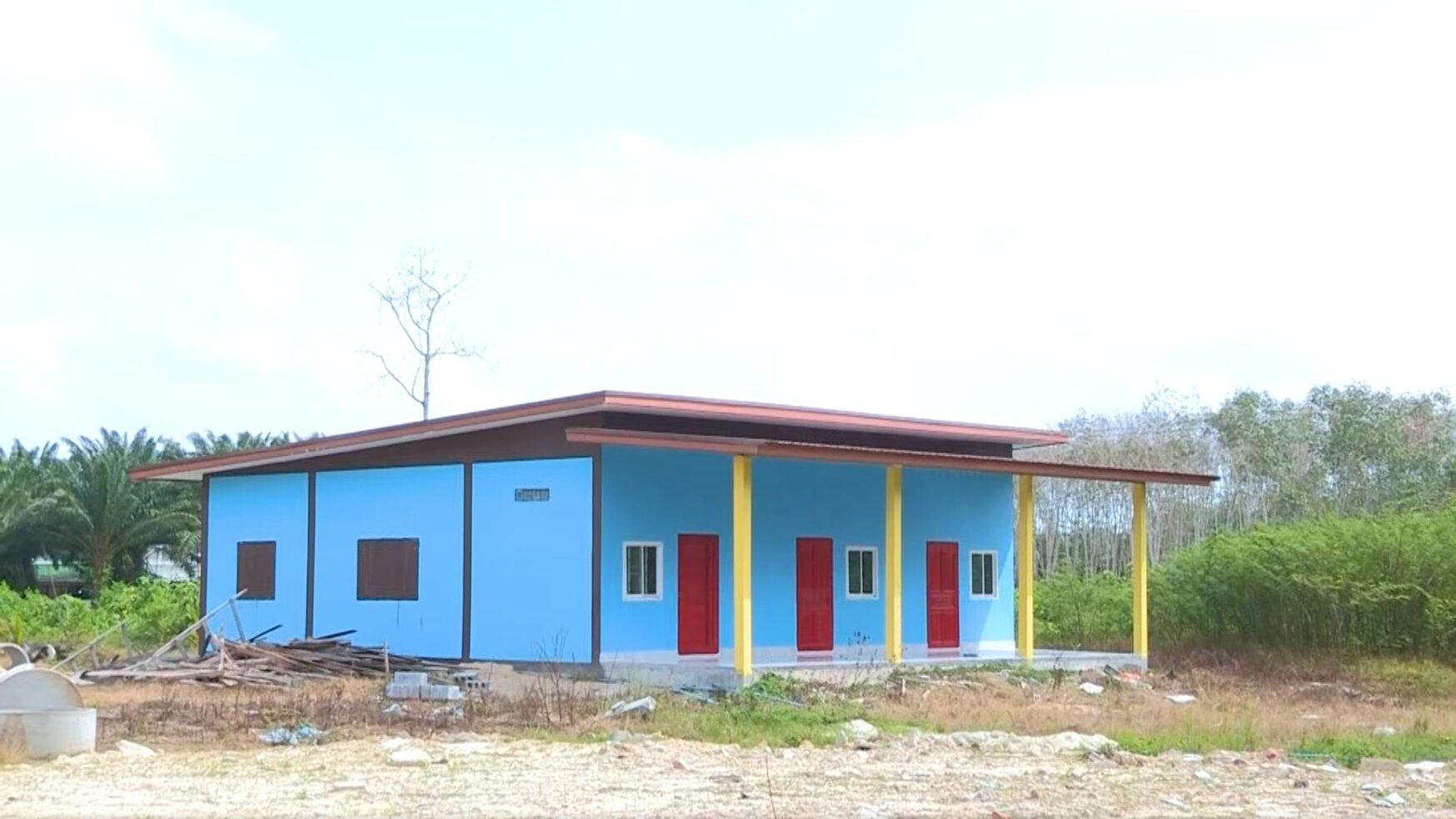
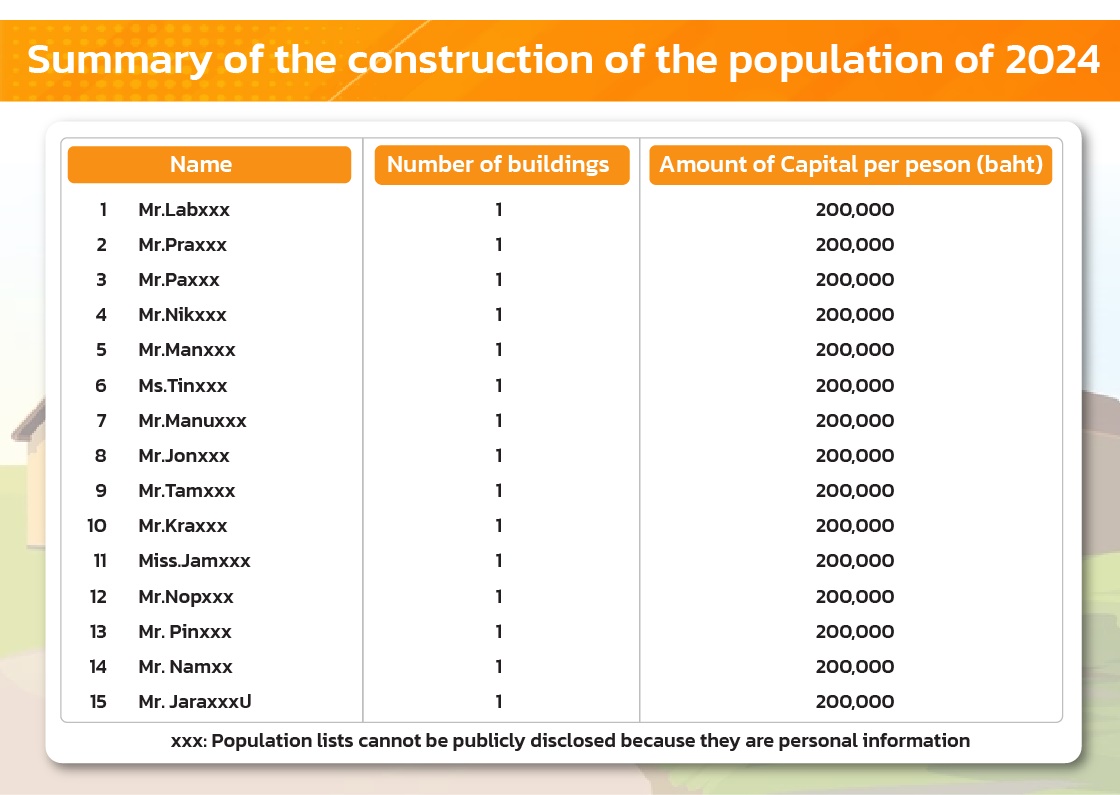
The university took proactive steps by clearing land for construction and offering financial assistance of 200,000 baht per household to cover construction materials and equipment, ensuring that residents could build safe, affordable homes
Note: Lists of who received financial assistance cannot be publicly disclosed as they are personal information
Each partner brought its unique strengths to the initiative. The Agricultural Land Reform Office took on the responsibility of facilitating the legal processes necessary for families to register land for agriculture, ensuring that they not only had a place to live but also land that could provide sustainable livelihoods. Meanwhile, the Thai Buri Subdistrict Administrative Organization provided critical local insights and data that helped Walailak University and the Agricultural Land Reform Office in shaping strategies tailored to the community’s needs. This local knowledge ensured that the measures were practical, inclusive, and responsive to the realities of the community. Walailak University, through its Center for Academic Services, contributed expertise in education, training, and academic services to strengthen long-term career opportunities.
The partnership established a comprehensive support framework consisting of three main measures:
Financial Assistance – Each family received 200,000 baht to cover construction materials and equipment, allowing them to build safe, affordable homes on the allocated land.
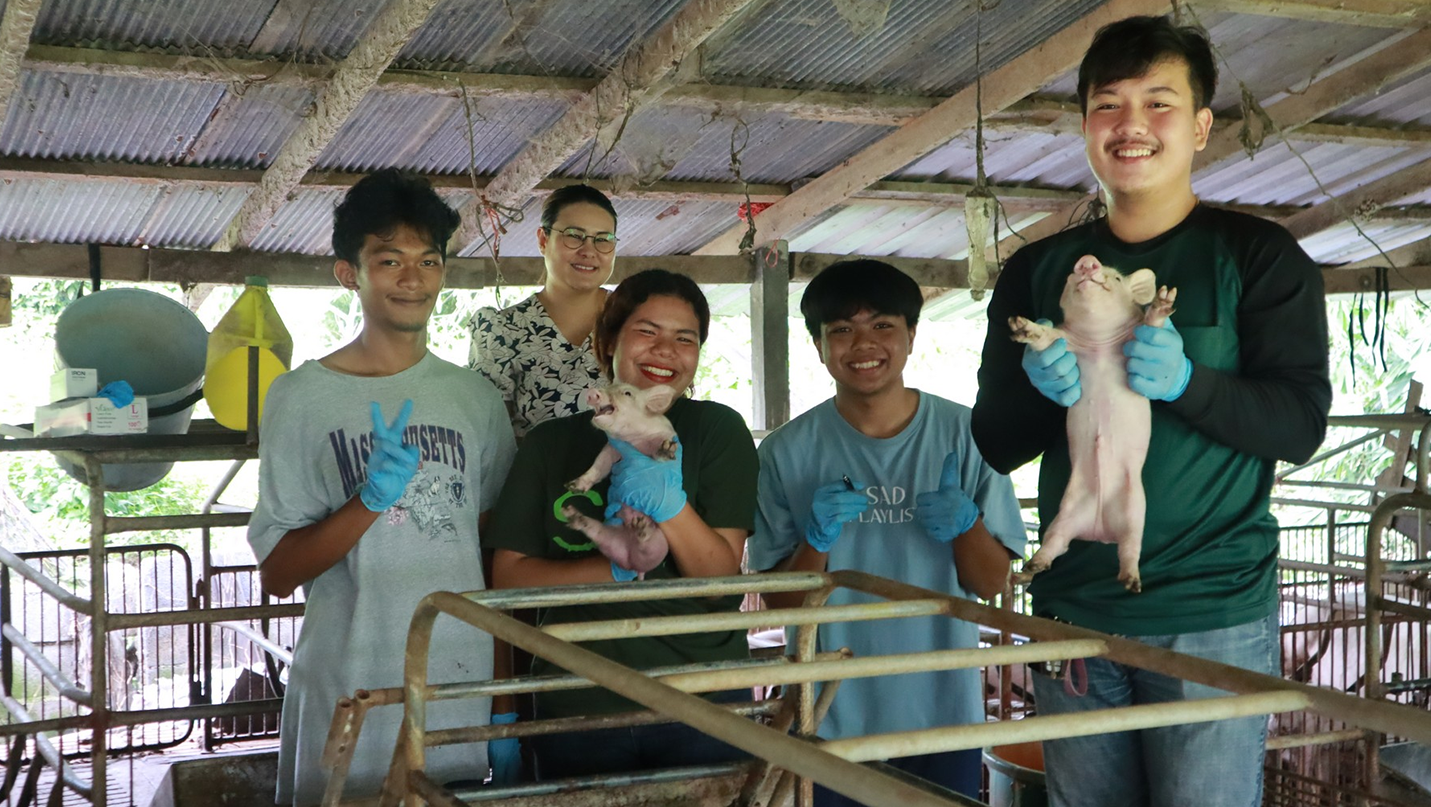
Land Allocation for Agriculture and Aquaculture – Beyond housing, land was allocated to families for farming and aquaculture, giving them a stable source of income and food security. The Agricultural Land Reform Office facilitated the registration and legal processes for land use, ensuring long-term stability.
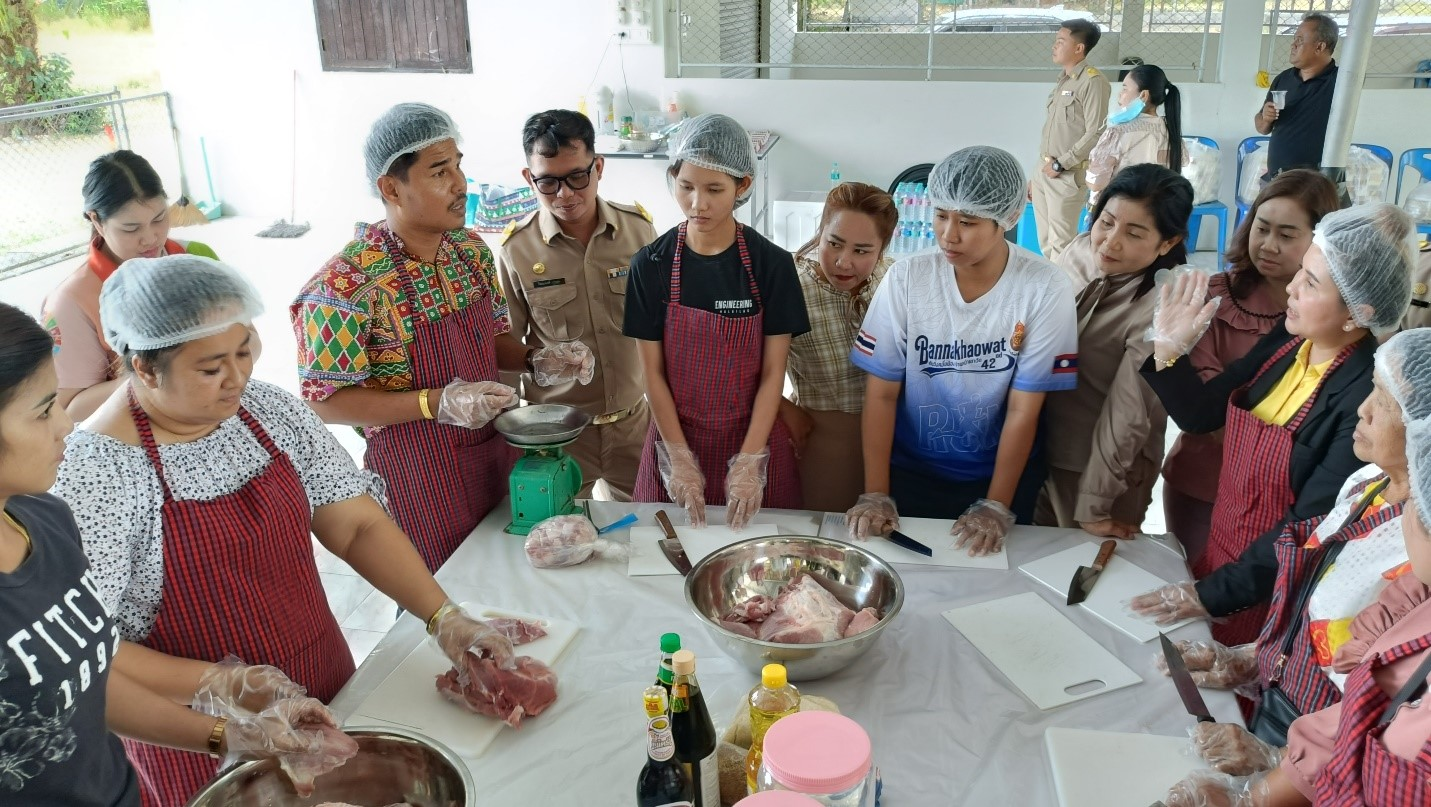
Career Enhancement through Academic Services – Walailak University organized outreach programs and training activities to strengthen residents’ professional skills, enabling families to establish sustainable careers and reduce dependency on external aid.
This initiative highlights the university’s commitment not only to academic excellence but also to social responsibility and sustainable development. By combining housing security, land rights, and livelihood opportunities, the program empowers families to become more self-reliant and resilient.
Looking ahead, Walailak University and its partners are exploring ways to expand this model to other communities in the region. Follow-up strategies include monitoring the living conditions of supported families, expanding outreach services, and strengthening local capacity for economic independence.
Walailak University’s commitment to providing affordable housing and promoting the sustainable growth of the community demonstrates its role as a socially responsible institution, dedicated to improving the quality of life of the surrounding population while advancing sustainable development.
Collaboration for Tackling Accessible Housing for the Moken Ethnic Group in Thailand
The Moken ethnic group, an indigenous sea nomad community residing on Lipe and Adang Islands in Satun Province, has long faced severe housing insecurity due to land encroachment and the rapid expansion of resorts, hotels, and other tourism-related developments. Many Moken families have endured eviction lawsuits and a lack of land tenure, leaving them without stable and permanent housing. These challenges have hindered their access to essential public utilities such as healthcare and clean water. Moreover, the cost of water and electricity in the islands is several times higher than the national average, further worsening their living conditions.
To address these pressing issues, in 2024 Walailak University—through the leadership of Asst. Prof. Supanit Wisadsatorn from the School of Architecture and Design—established a collaborative initiative with multiple partners, including the Chumchonthai Foundation, the National Health Commission Office of Satun Province, the Ministry of Social Development and Human Security, and the Princess Maha Chakri Sirindhorn Anthropology Center. This partnership aims to protect the Moken people’s right to housing, preserve their cultural identity, and promote sustainable community development.
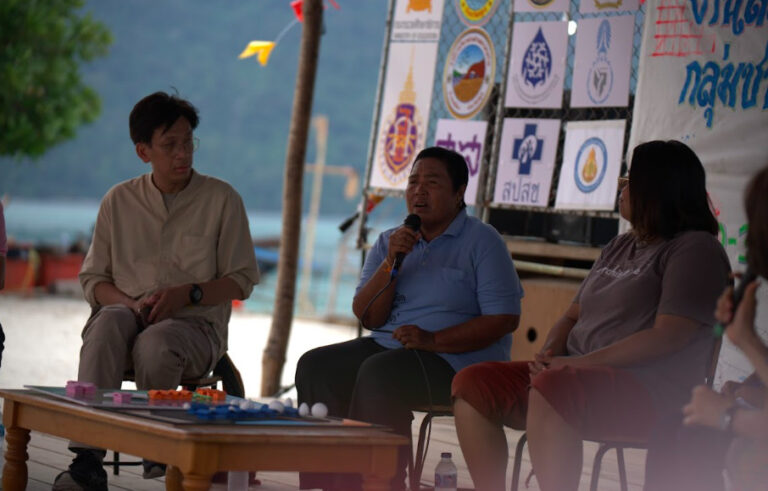
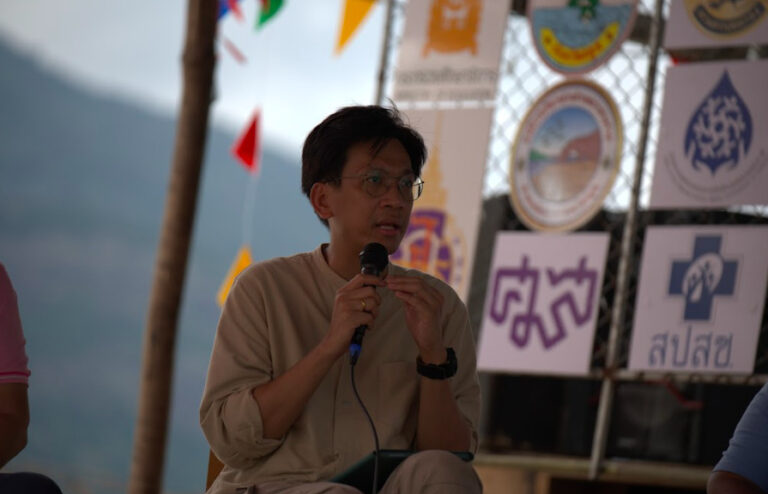
Figures : Asst. Prof. Supanit Wisadsatorn and the partners discussing the solutions for tackling the housing challenge for the Moken ethnic group
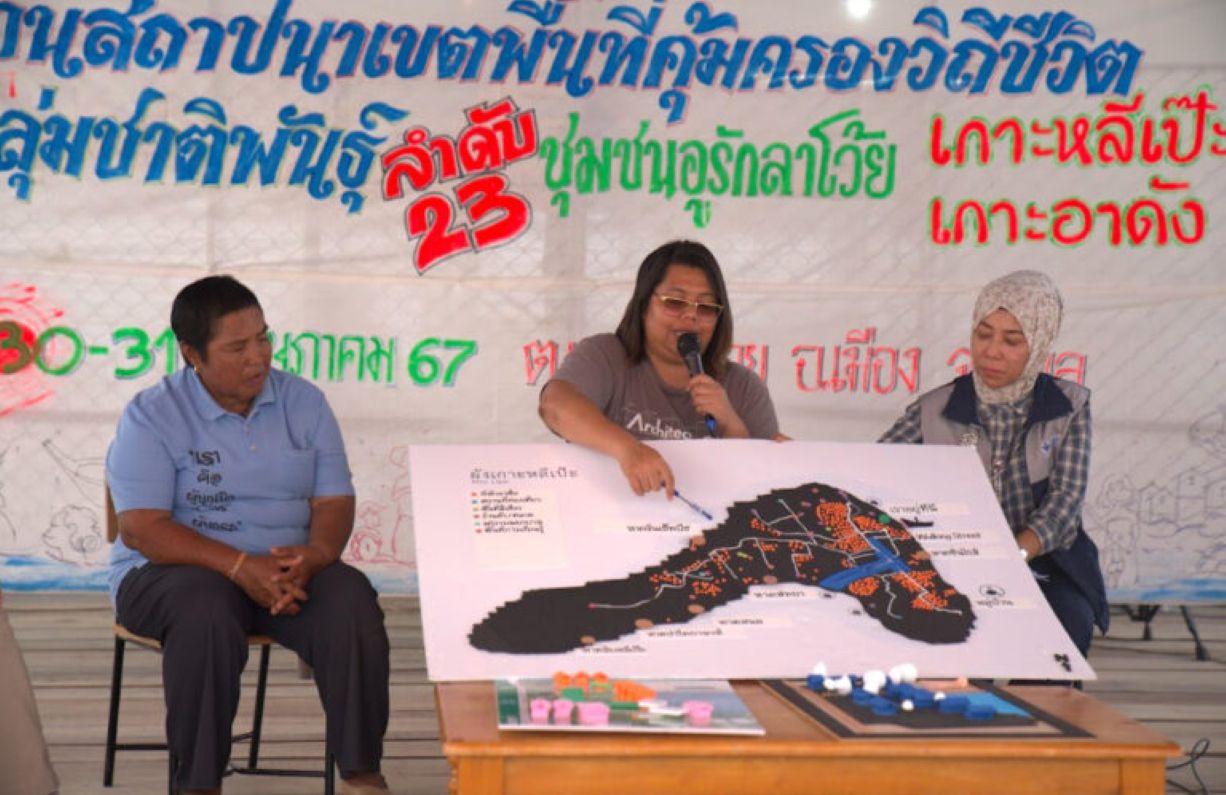
As part of the initiative, Asst. Prof. Supanit Wisadsatorn and the partners conducted a comprehensive survey and research project to assess the urban and spatial planning conditions of the islands. The findings revealed that the existing city plans were distorted due to unregulated tourism development and private land ownership. These changes not only displaced the Moken community but also caused environmental problems such as flooding and waterlogging due to overdevelopment.
Figures : Asst. Prof. Supanit Wisadsatorn, in the middle, revealing the results from her research project and survey to the Moken ethnic group and local people in Lipe Island
In response, the team proposed the establishment of an Indigenous and Community Conserved Area (ICCA) for the Moken ethnic group. This area would serve as a legal and physical space for protecting the Moken’s housing territory and ensuring equitable access to essential public services such as healthcare and utilities. Additionally, the ICCA framework would help preserve the Moken’s cultural heritage, traditional way of life, and relationship with the natural environment.
To ensure long-term sustainability, the collaboration also introduced a participatory urban planning process that actively involves local stakeholders—particularly the Moken community—in identifying problems, setting priorities, and designing solutions. This participatory approach ensures that development reflects the real needs and aspirations of the local people.
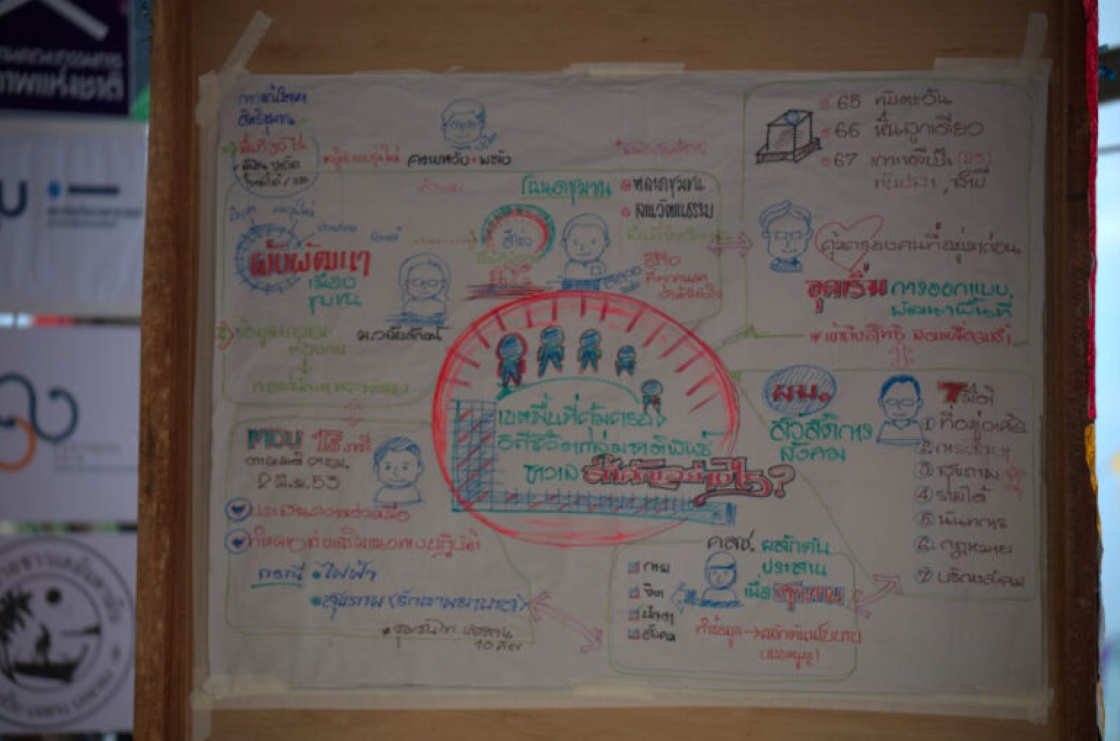
Figures : The concept map of the indigenous and community conserved area of the Moken ethnic group, proposed by WU and its partners
Furthermore, Asst. Prof. Supanit Wisadsatorn developed a cultural and community economic model in the Sikeng community on Lipe Island, designated as a pilot “sandbox” area. This model empowers the Moken to use their cultural capital and traditional knowledge to engage in sustainable tourism and local entrepreneurship, strengthening both the community economy and cultural resilience.
The initiative has gained strong support from government agencies and local organizations, marking an important step toward inclusive and sustainable housing for marginalized ethnic communities in Thailand. Through this collaboration, the Moken people are now better equipped to secure their land rights, protect their culture, and enhance their quality of life in harmony with sustainable tourism and environmental conservation.
In conclusion, Walailak University’s collaborative housing initiatives exemplify a holistic approach to social development through strong community engagement and partnership with government and local organizations. By integrating diagnostic assessments of community needs with practical, sustainable solutions and ongoing measurement of outcomes, the university ensures that its efforts not only provide immediate housing security but also foster long-term social and economic resilience for marginalized communities.