The Wastewater Treatment Process for Environmental Sustainability
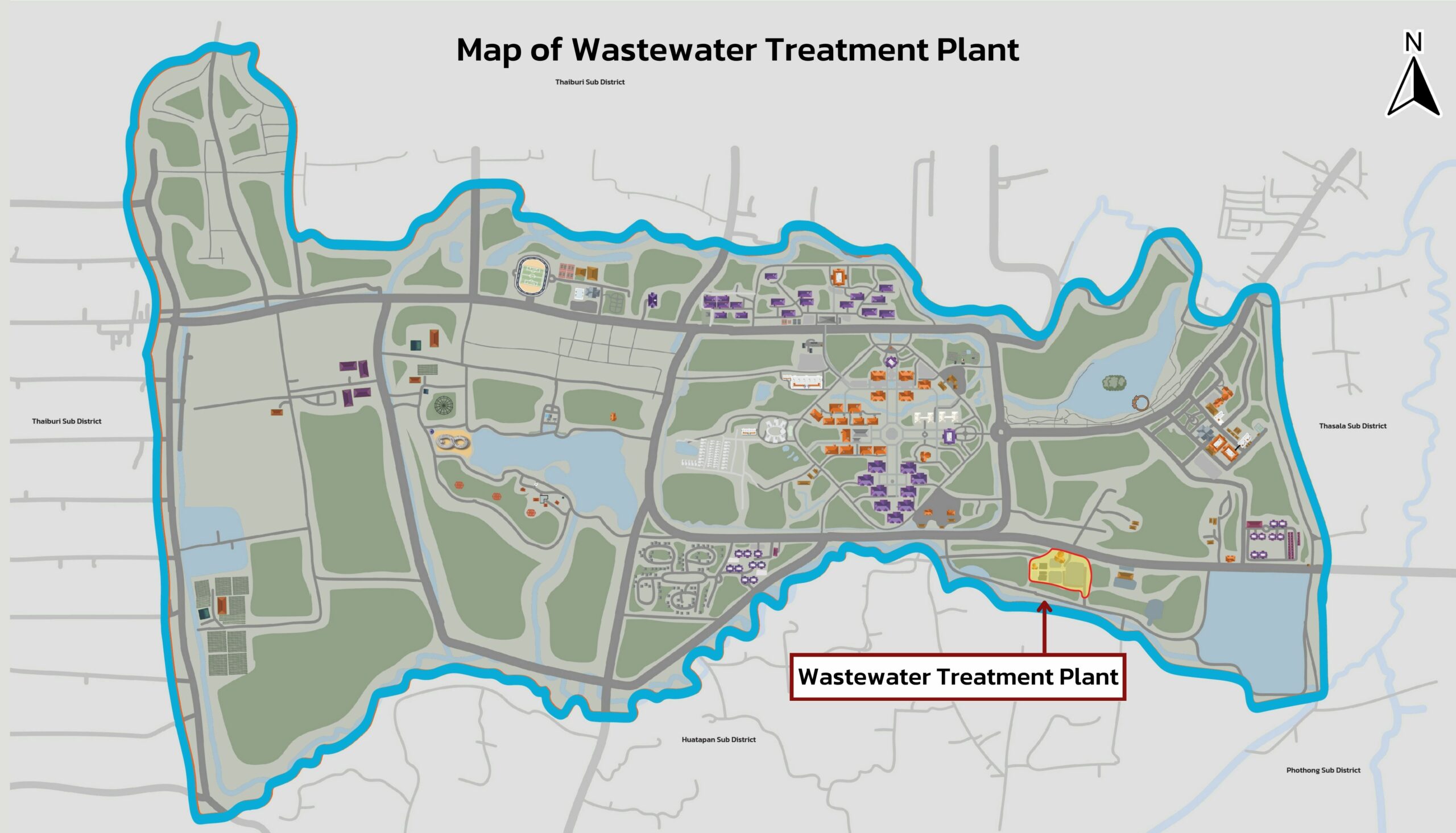
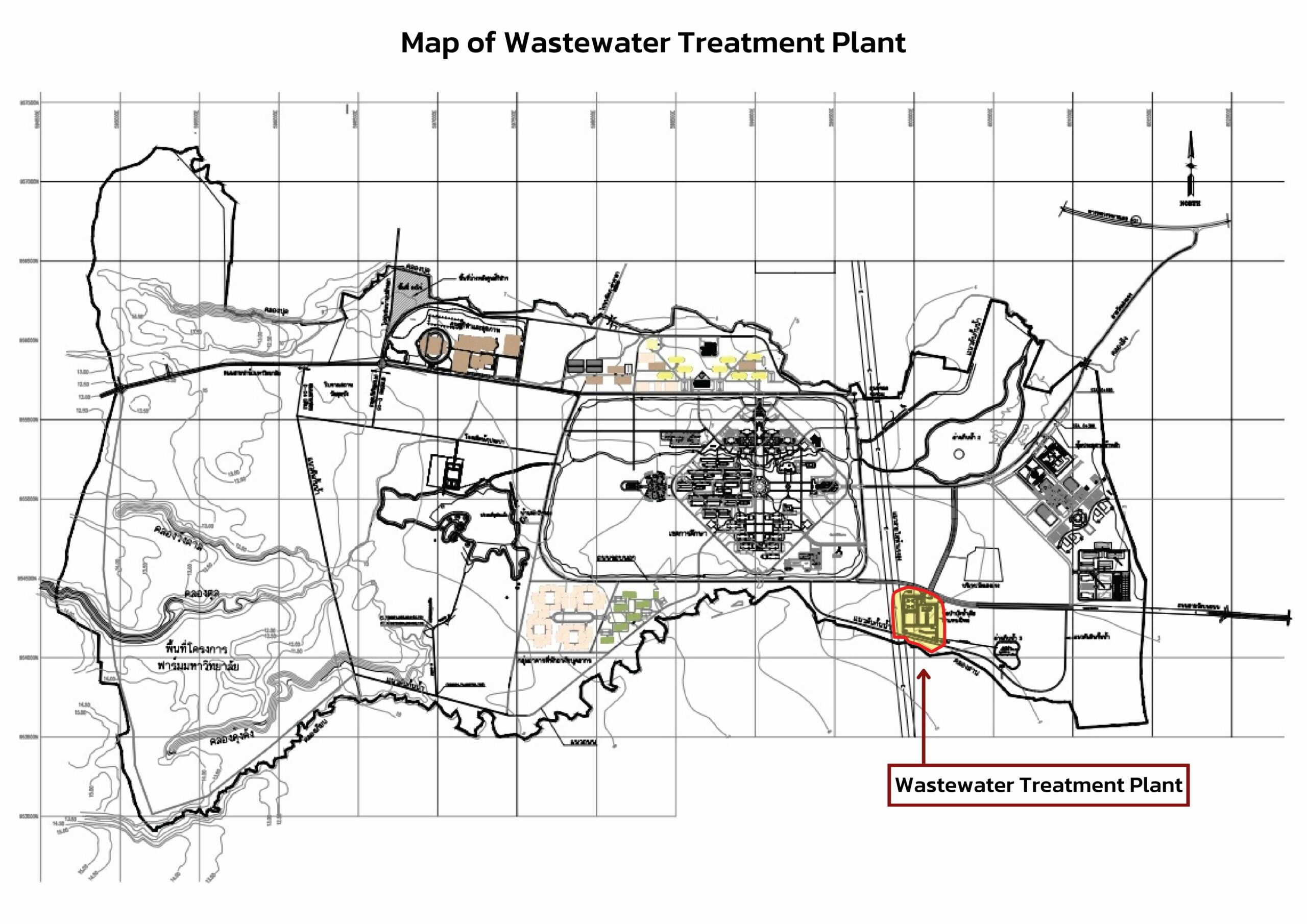
Wastewater generated within the university–from both students and staff–originates from various daily activities such as bathing, dishwashing, laundry, cleaning utensils, and toilet use. This issue has long been regarded by the university as an important environmental concern. To accommodate the volume of wastewater produced, the university has implemented a wastewater management system development project since 2002, covering an area of more than 9,600 square meters. Continuous improvements have been made over the years, particularly in 2024, when the system was upgraded to enhance its efficiency, ensuring optimal treatment performance and restoring balance to the environment.
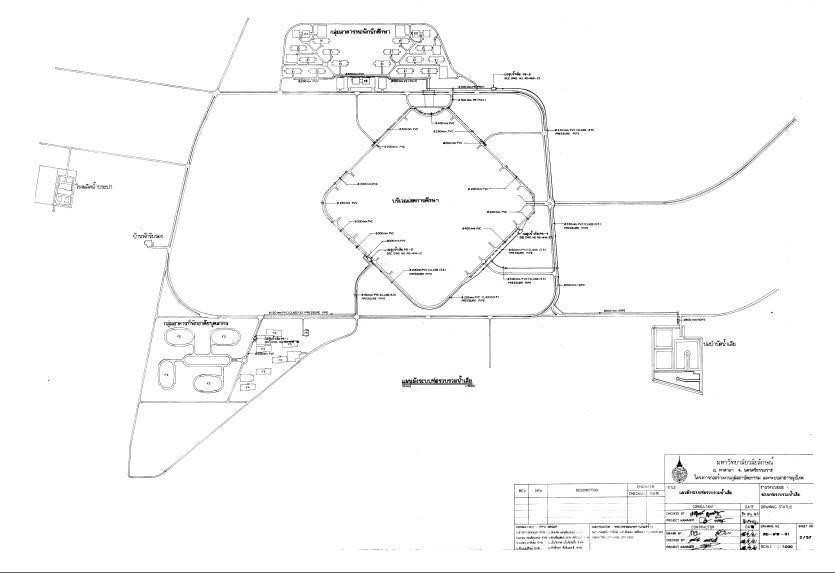
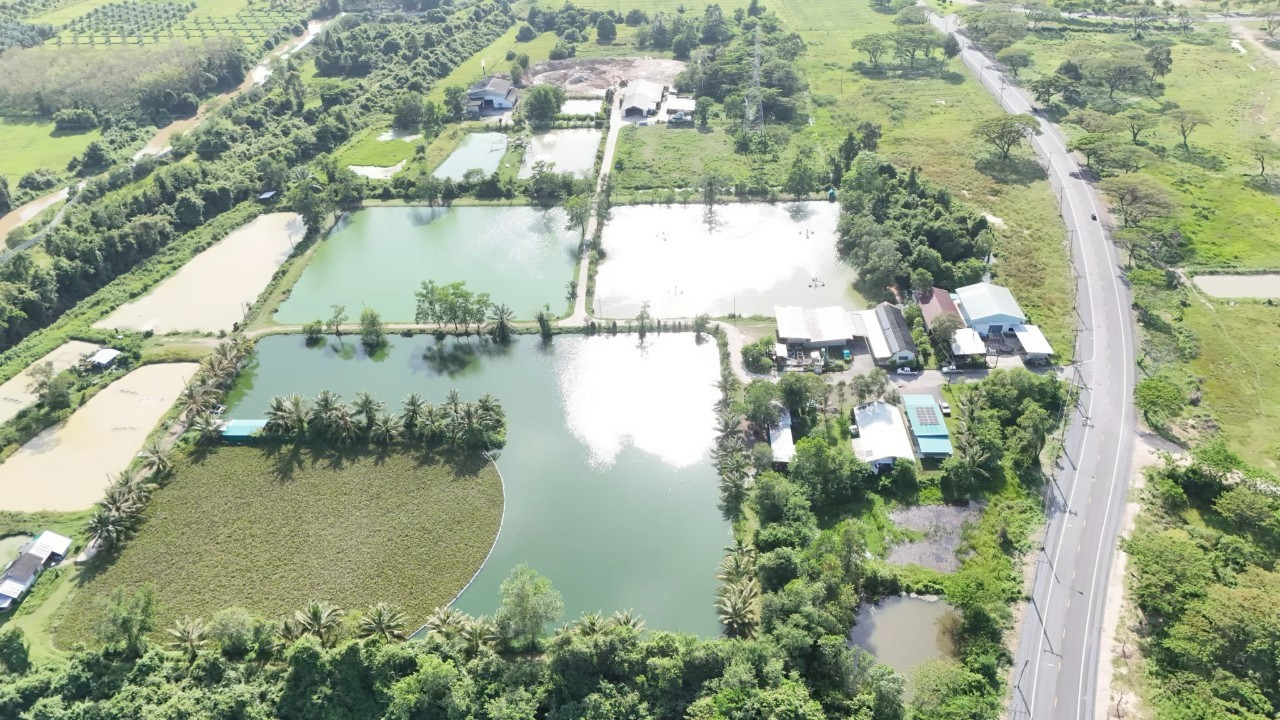
Figures : Water Supply System, the mechanism that was constructed to serve the whole university.
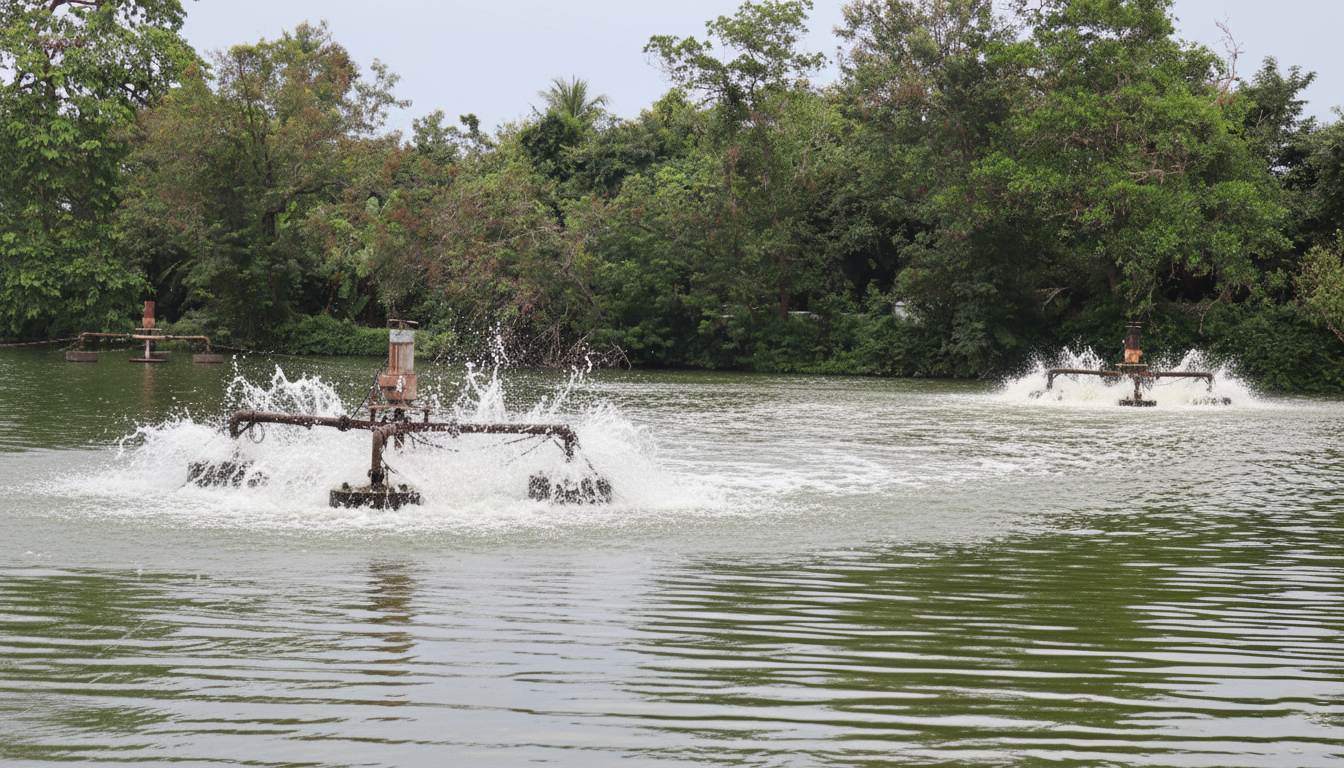
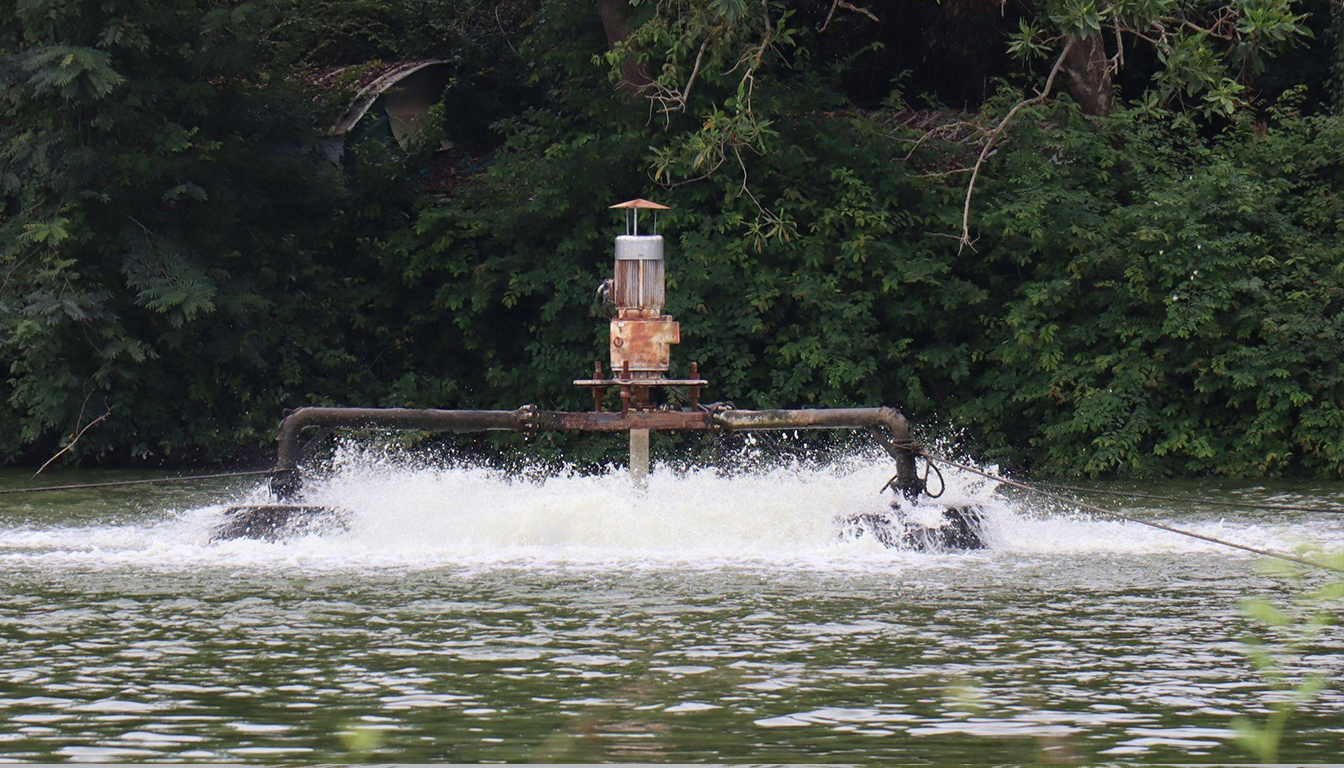
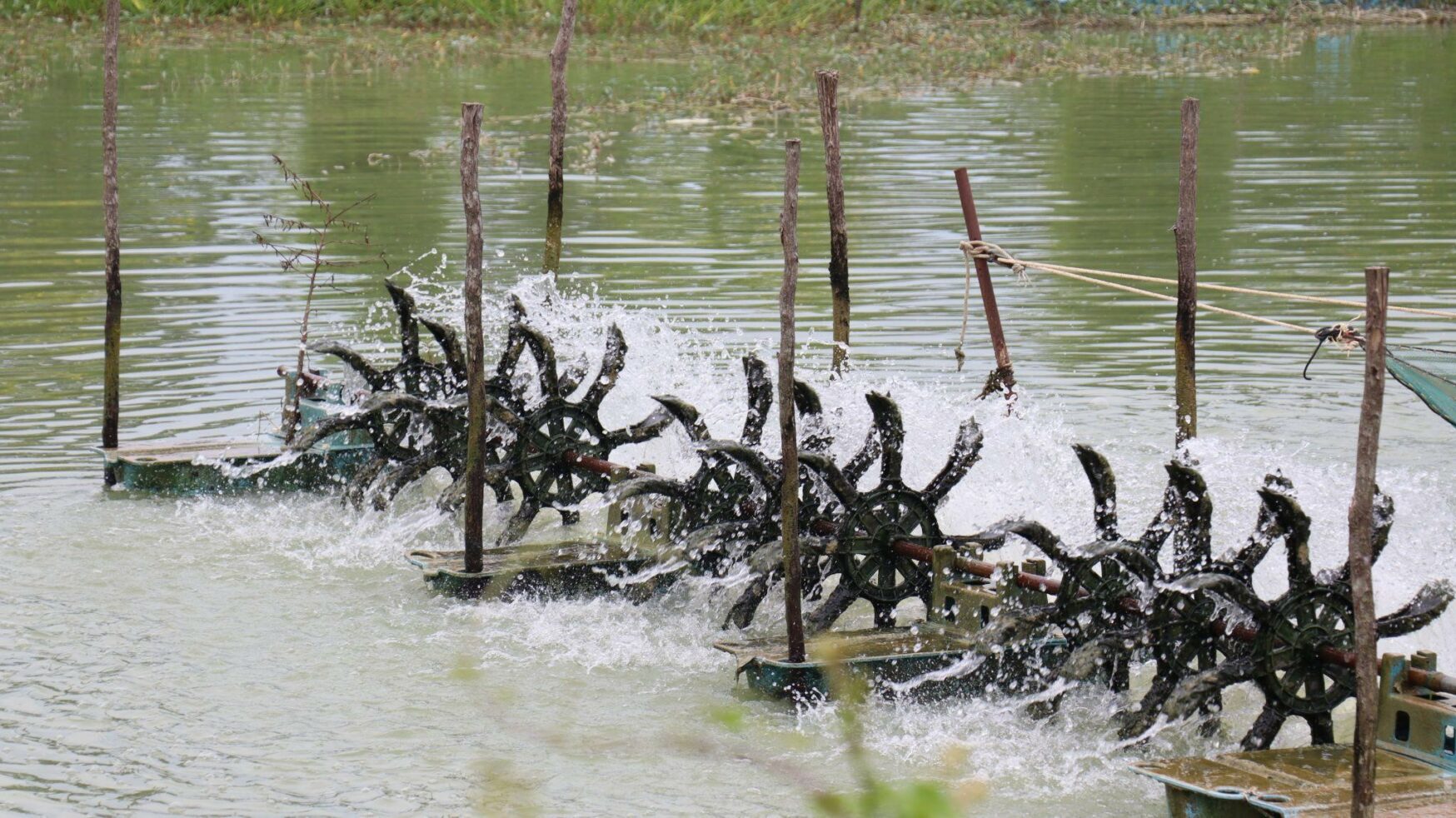
Recognizing the environmental and ecological impacts of wastewater, the university has developed a wastewater management system capable of treating up to 4,000 cubic meters per day. The system employs floating aerators to increase the oxygen level in the water, enabling microorganisms to decompose organic matter more efficiently. This method accelerates the biodegradation process and reduces the biochemical oxygen demand (BOD) by 80-95%.
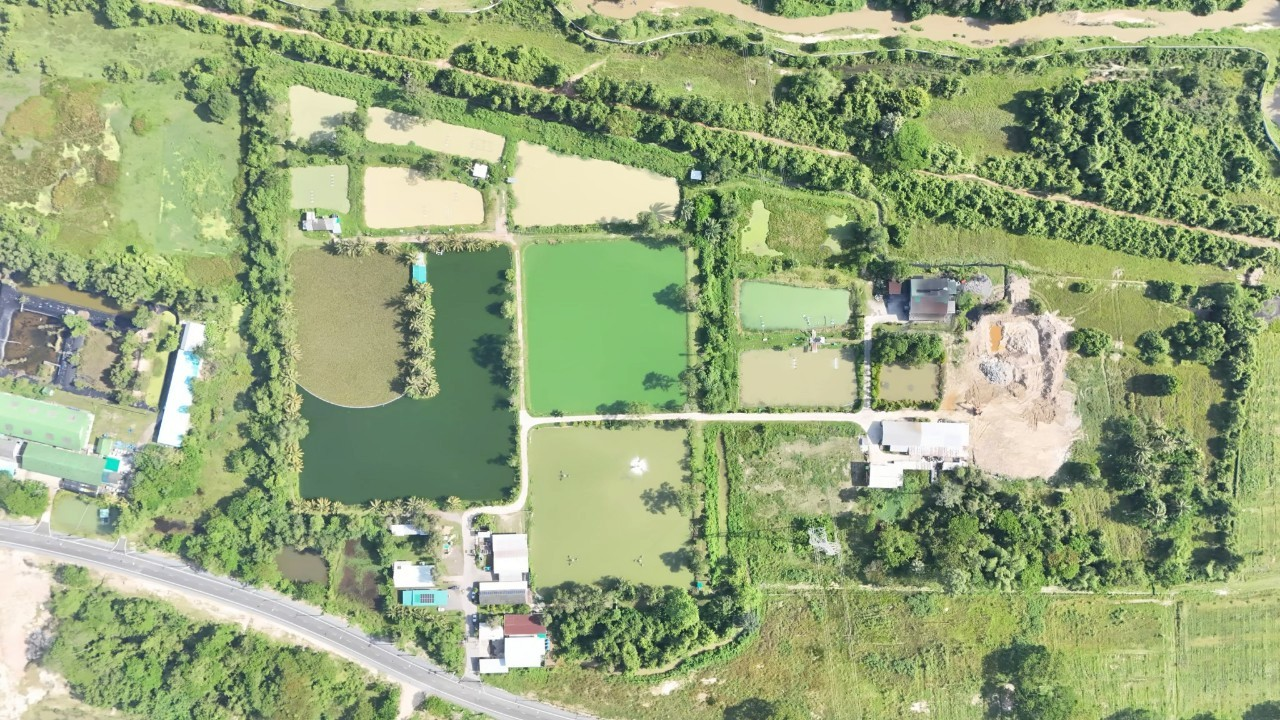
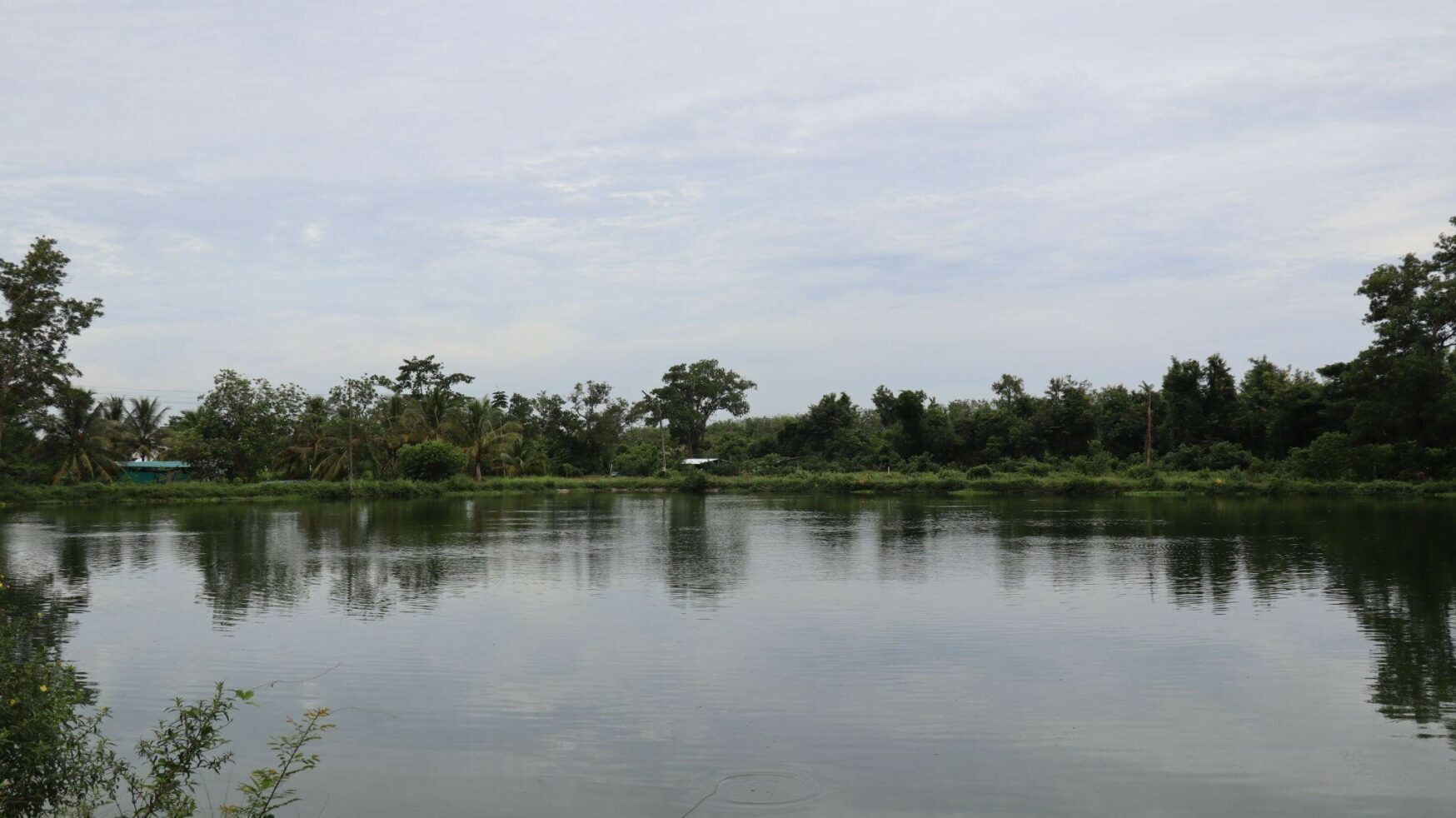
Figures: Top view of Walailak University’s Wastewater Treatment Plant
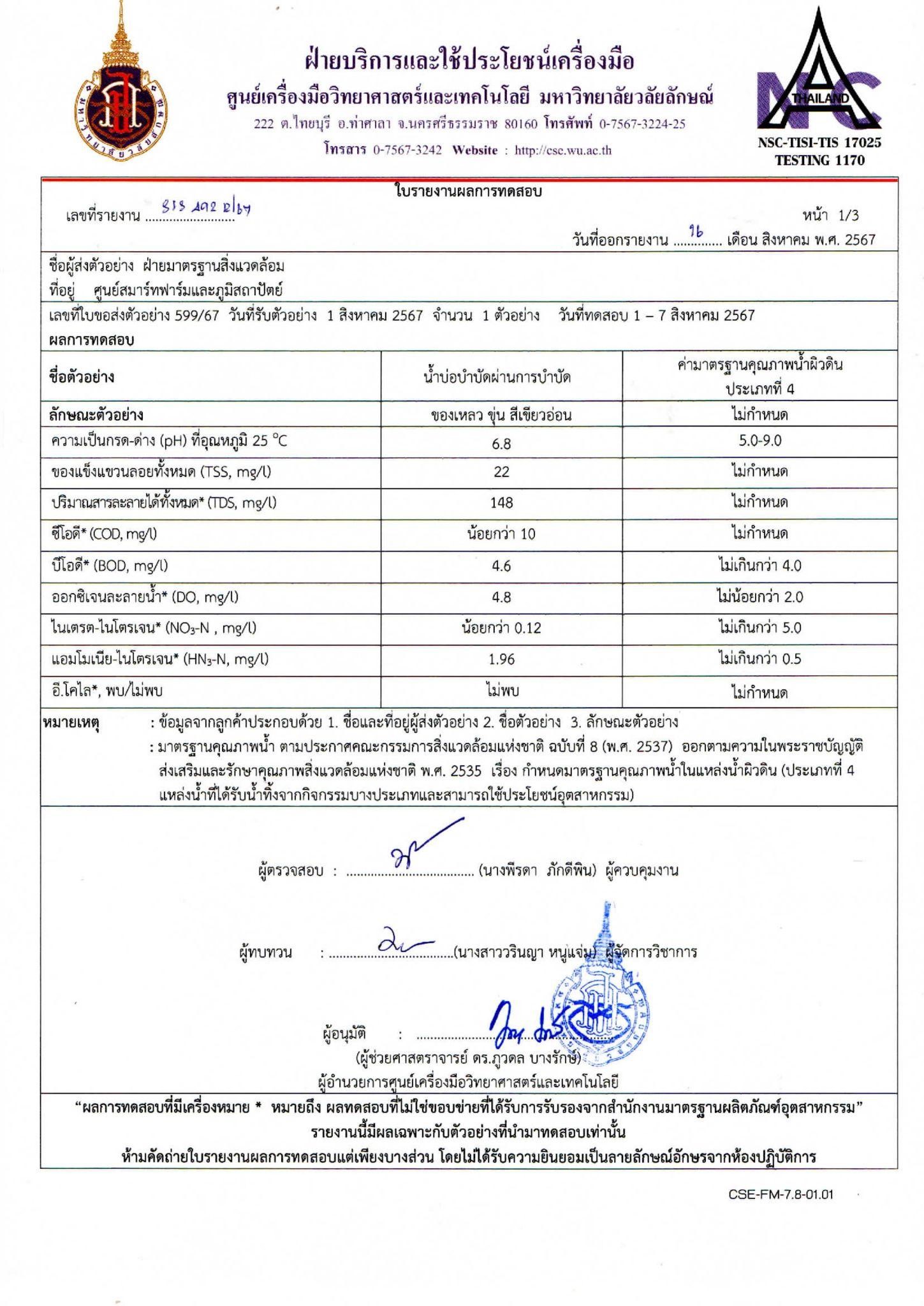
The system relies on aerobic microorganisms that thrive in oxygen-rich environments, maintained by aerators that continuously mix and circulate the water within the treatment ponds to ensure effective processing. The university’s wastewater treatment system is designed as a biological treatment process. Although this process was not newly created in 2024, it has remained in place until today. Once treated, the water undergoes quality assessment through scientific analysis and biological testing using Nile tilapia ponds. After confirming that the treated water meets the effluent discharge standards set by the Pollution Control Department, it is either reused or released into natural water sources. Additionally, the university reuses the treated water for various on-campus activities, further promoting sustainable water management practices.
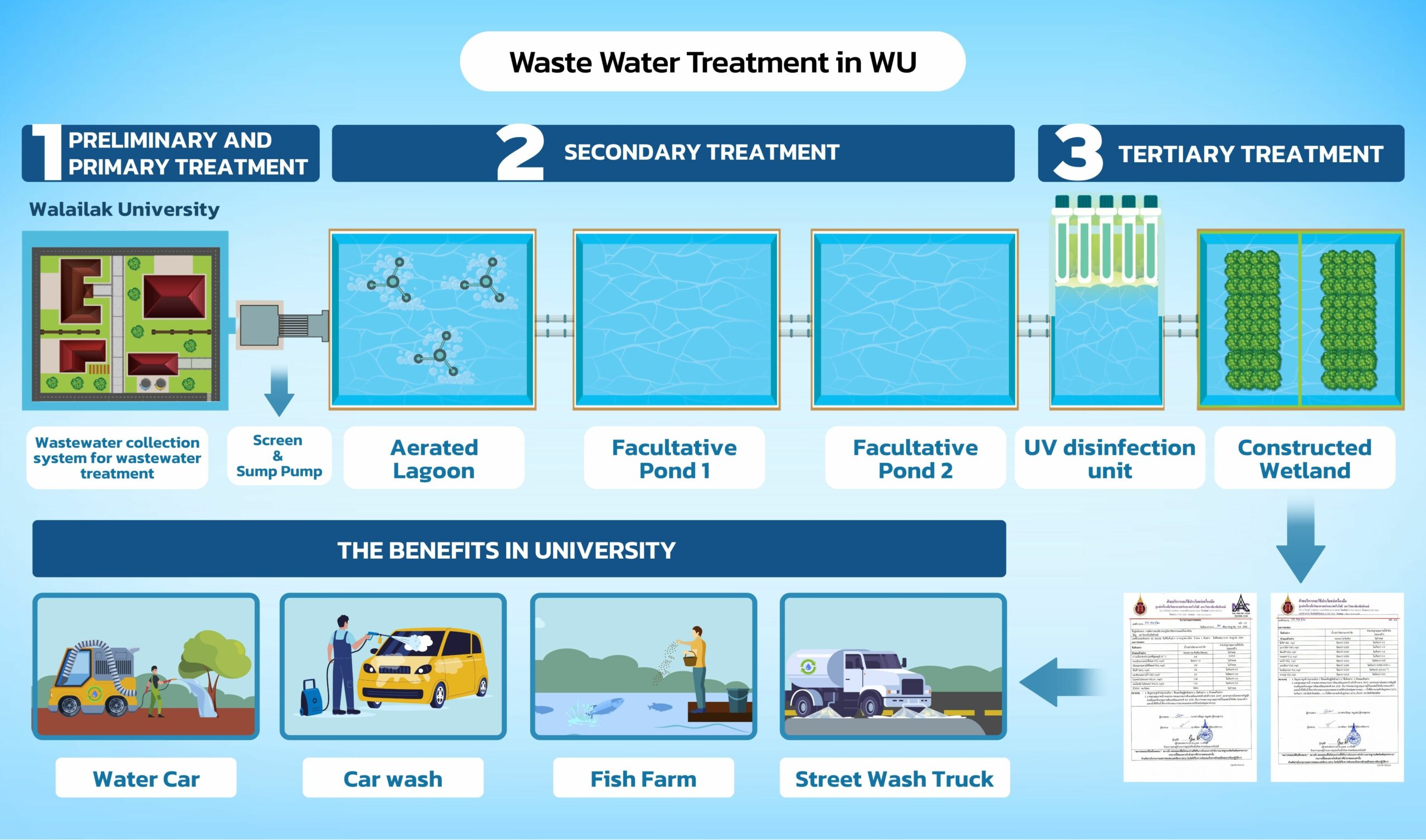
At present, the university has continuously enhanced a process in place to treat wastewater. In 2024, the mechanisms and technologies were upgraded to improve efficiency. The existence of wastewater treatment process can be divided into three main stages, as follows:
Preliminary and Primary Treatment
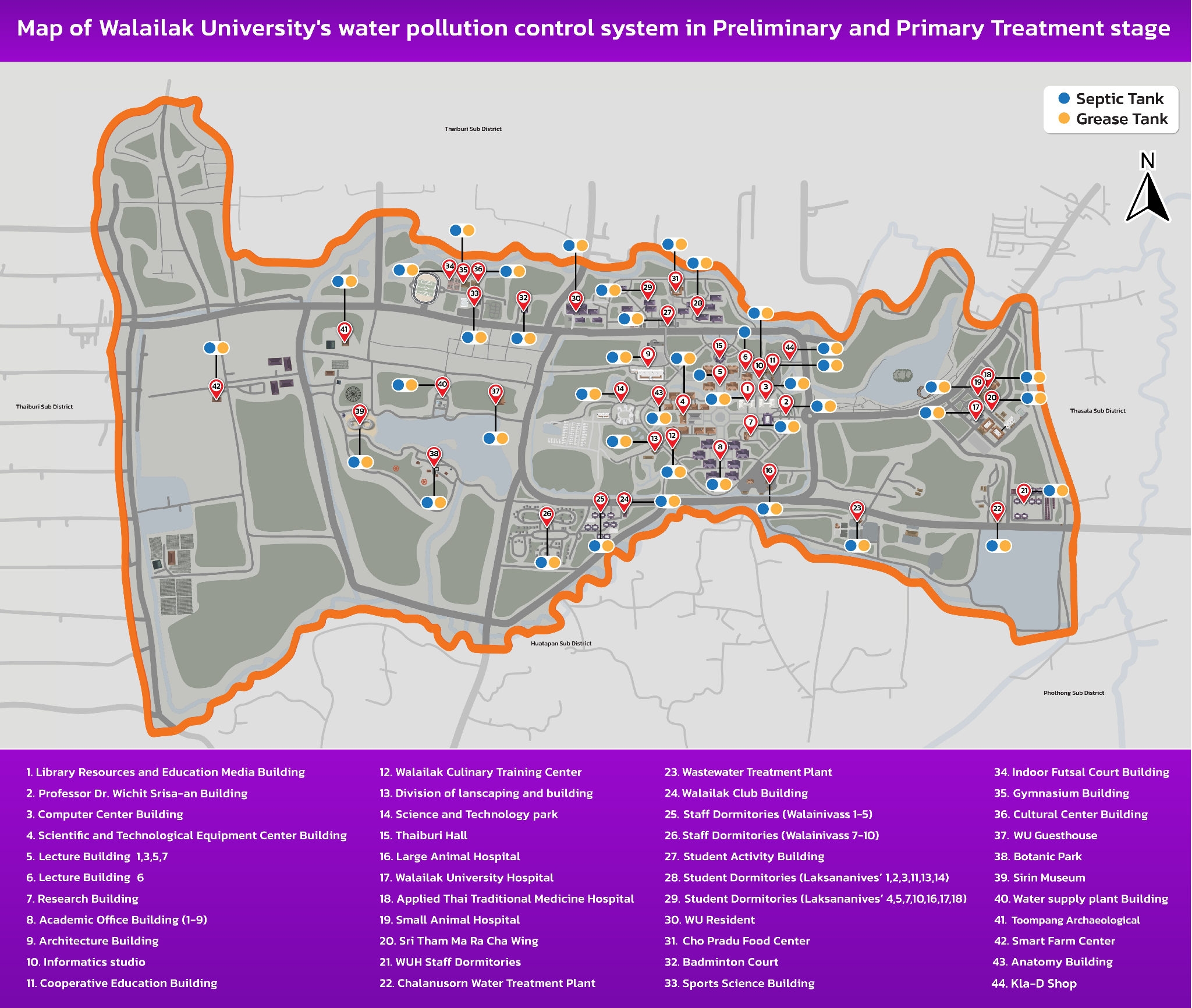
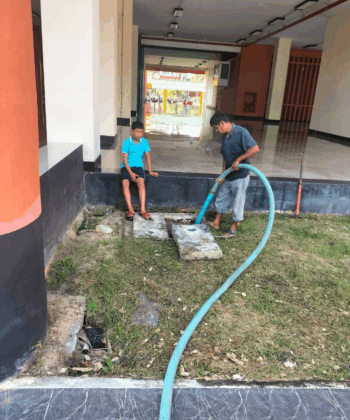
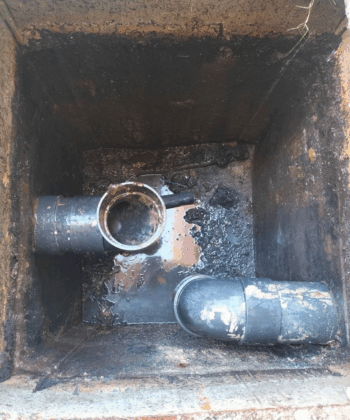
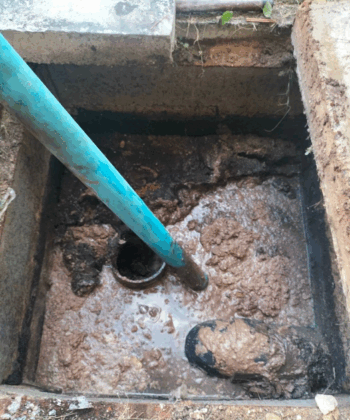
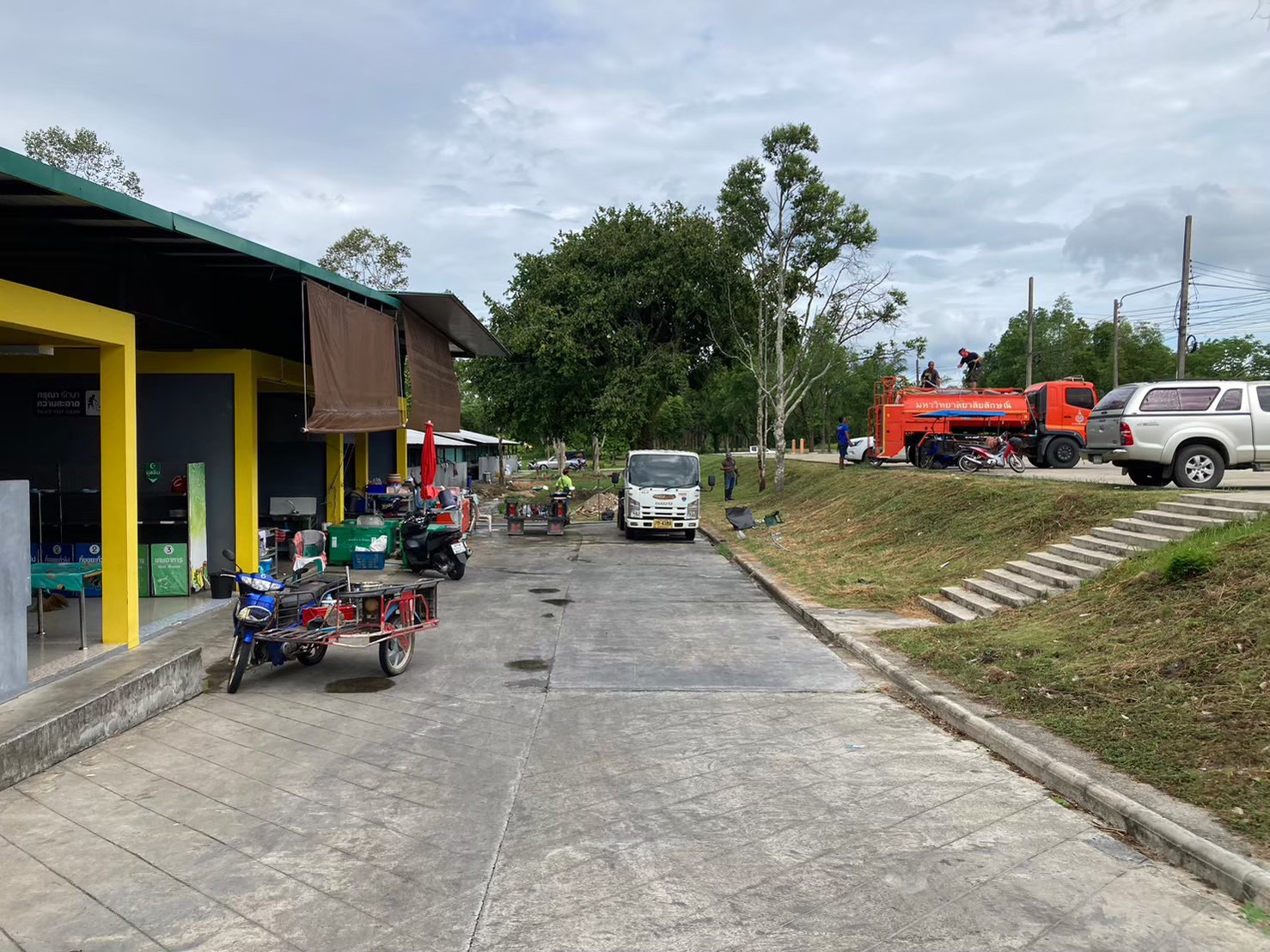
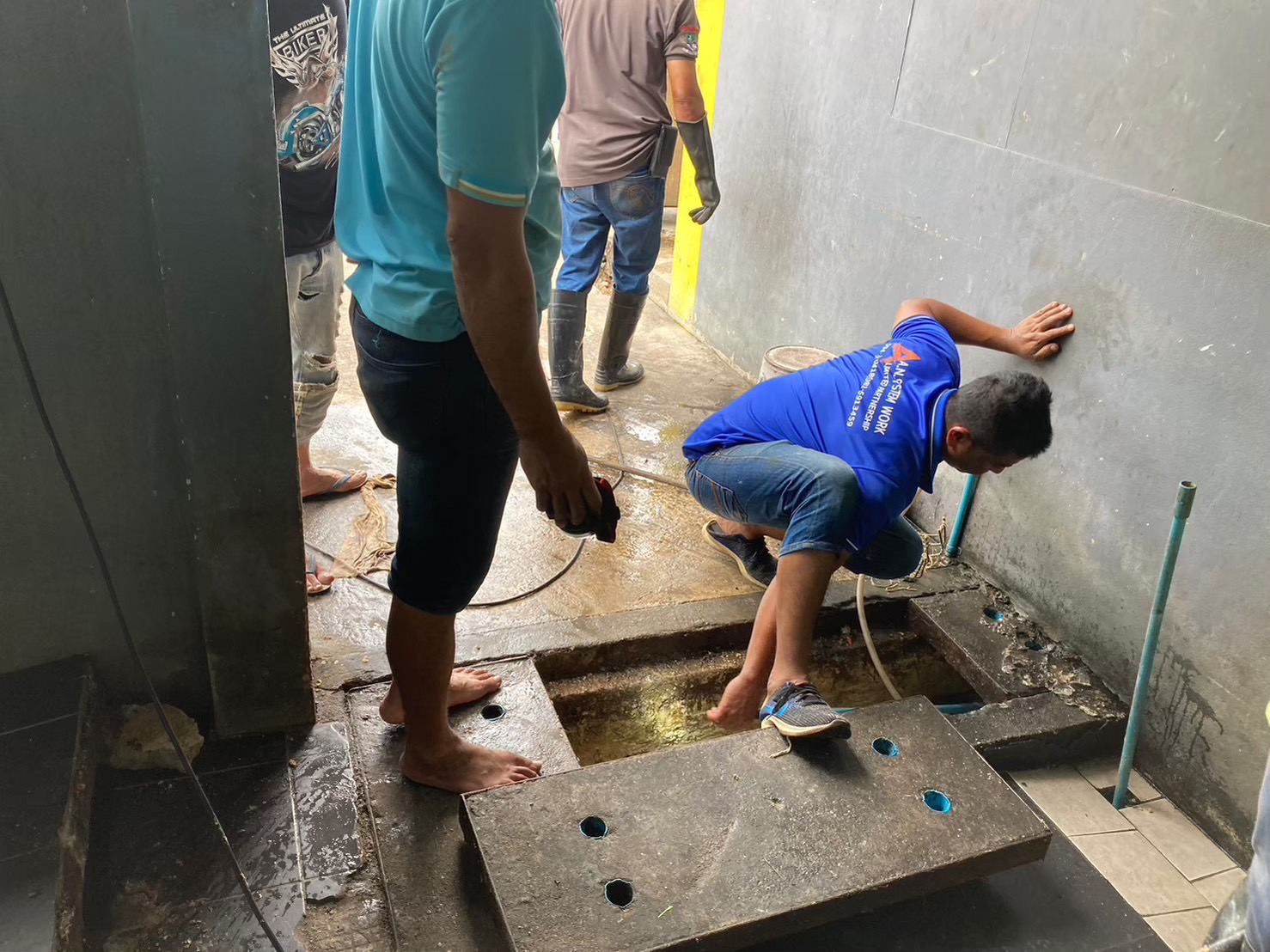
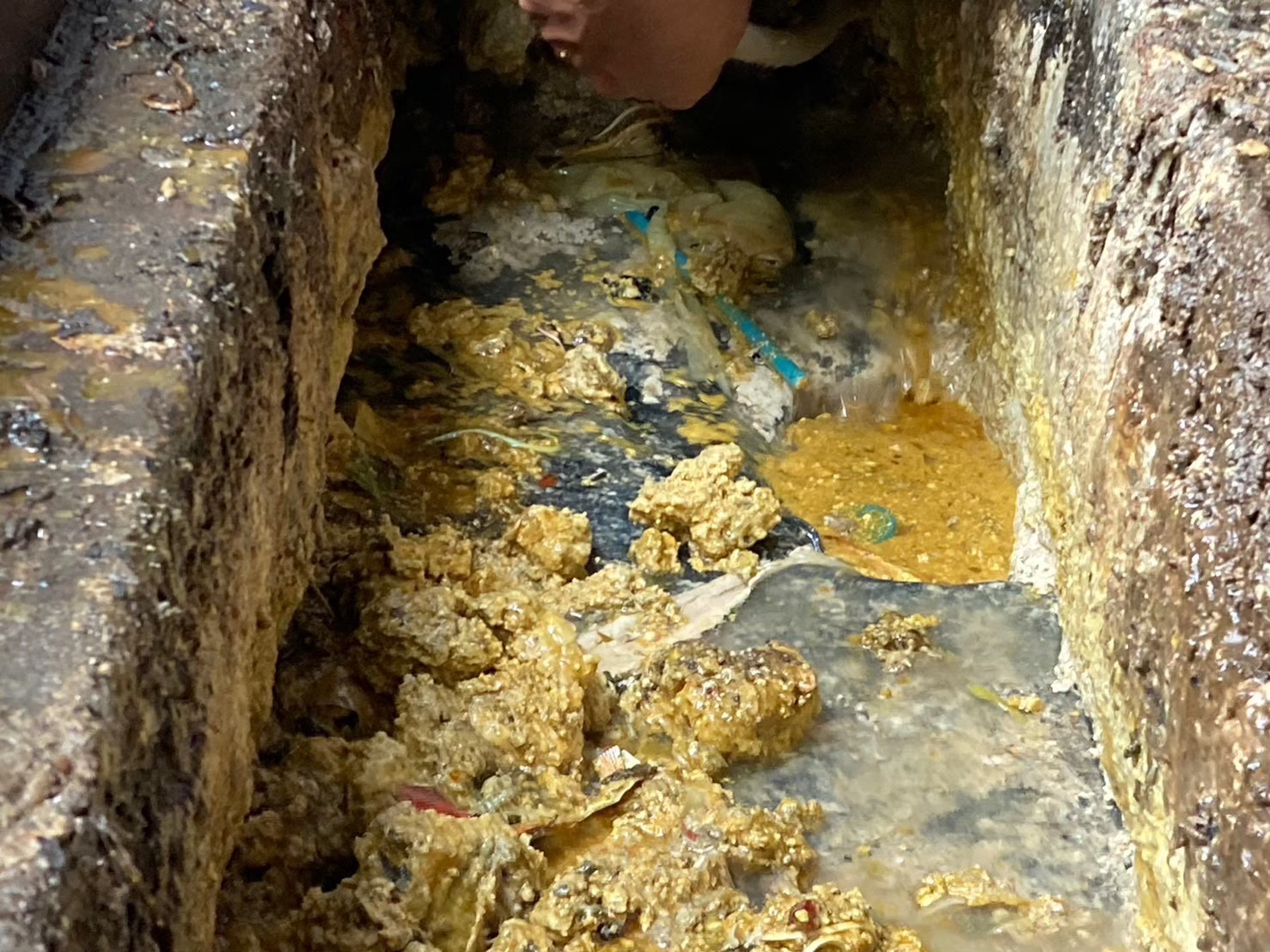
The university’s wastewater management process begins with the separation of solid waste and grease from the wastewater as soon as it leaves the buildings. Grease traps are installed around the cafeterias, and the collected grease is systematically removed on a regular basis to prevent it from causing problems in the later treatment stages.
The wastewater that has been separated from solid waste and grease from all buildings is then pumped and collected for treatment under the Walailak University Wastewater Management Development Project.
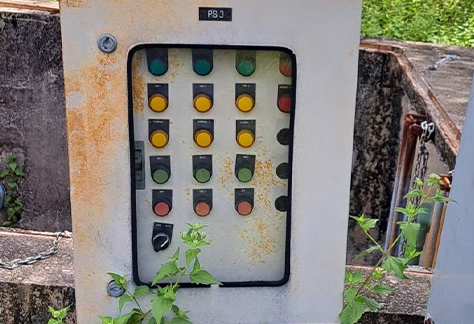
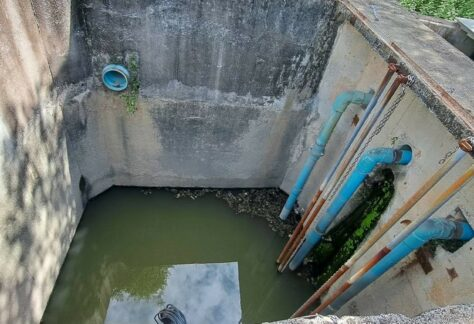
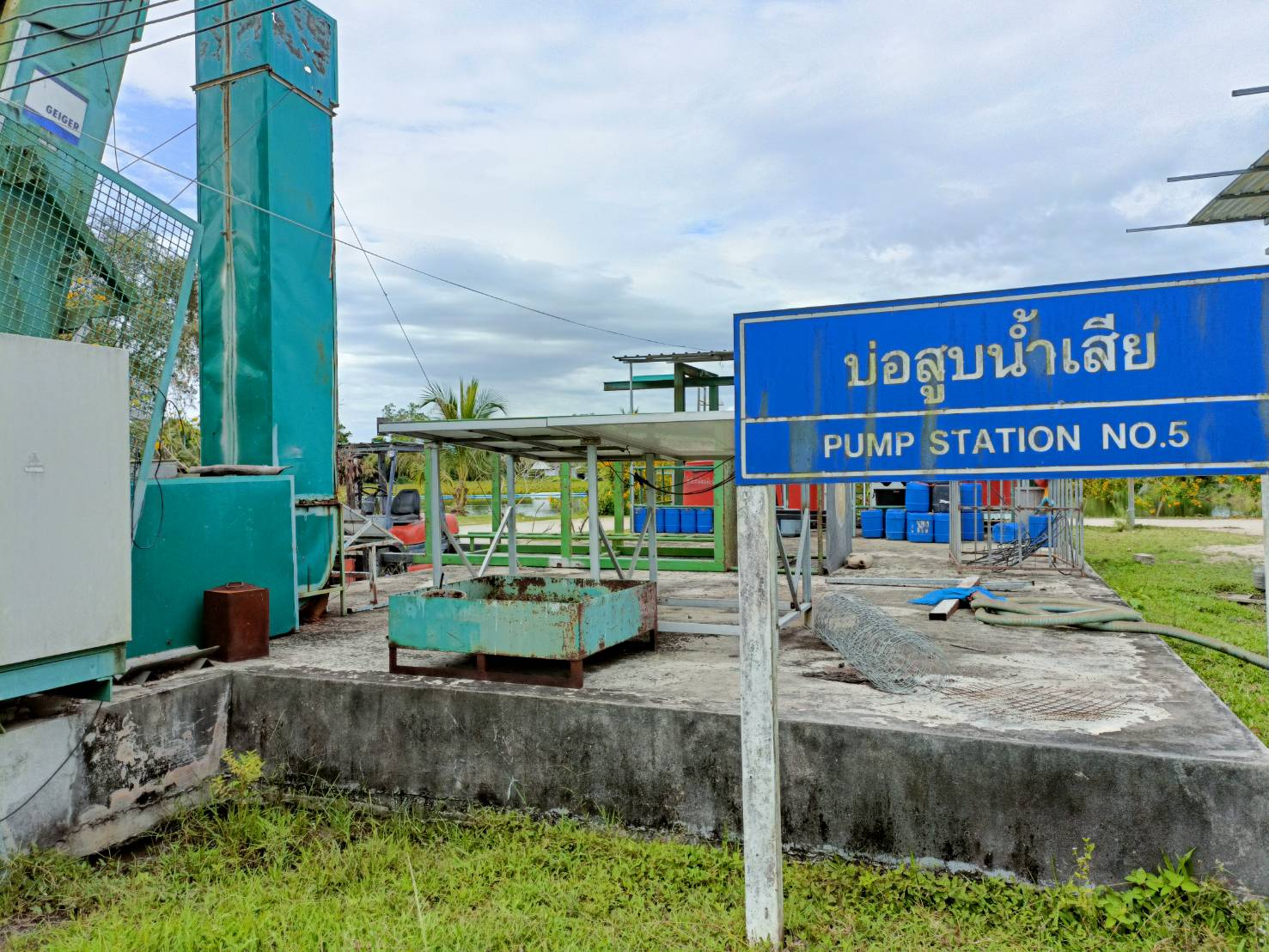
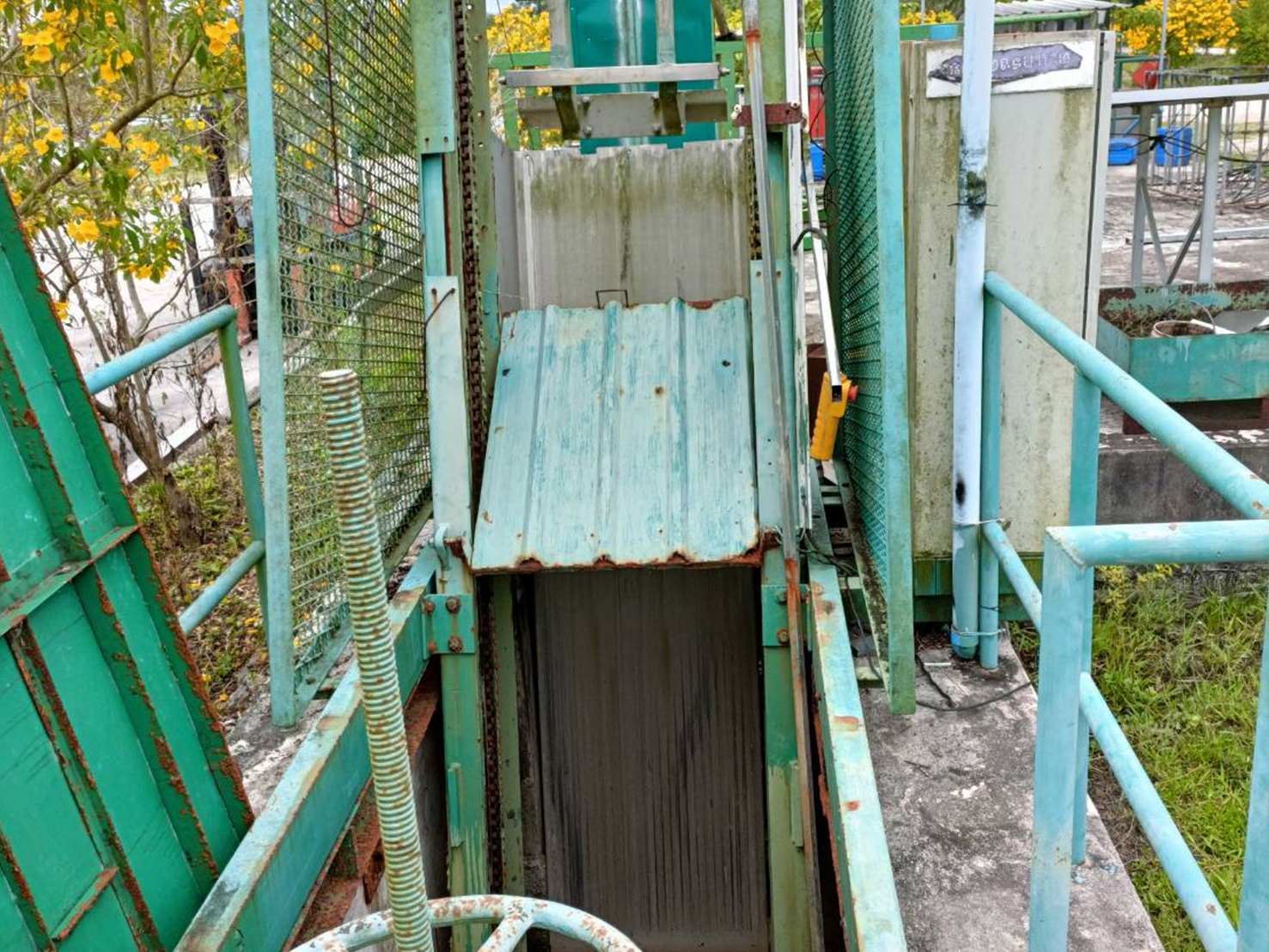
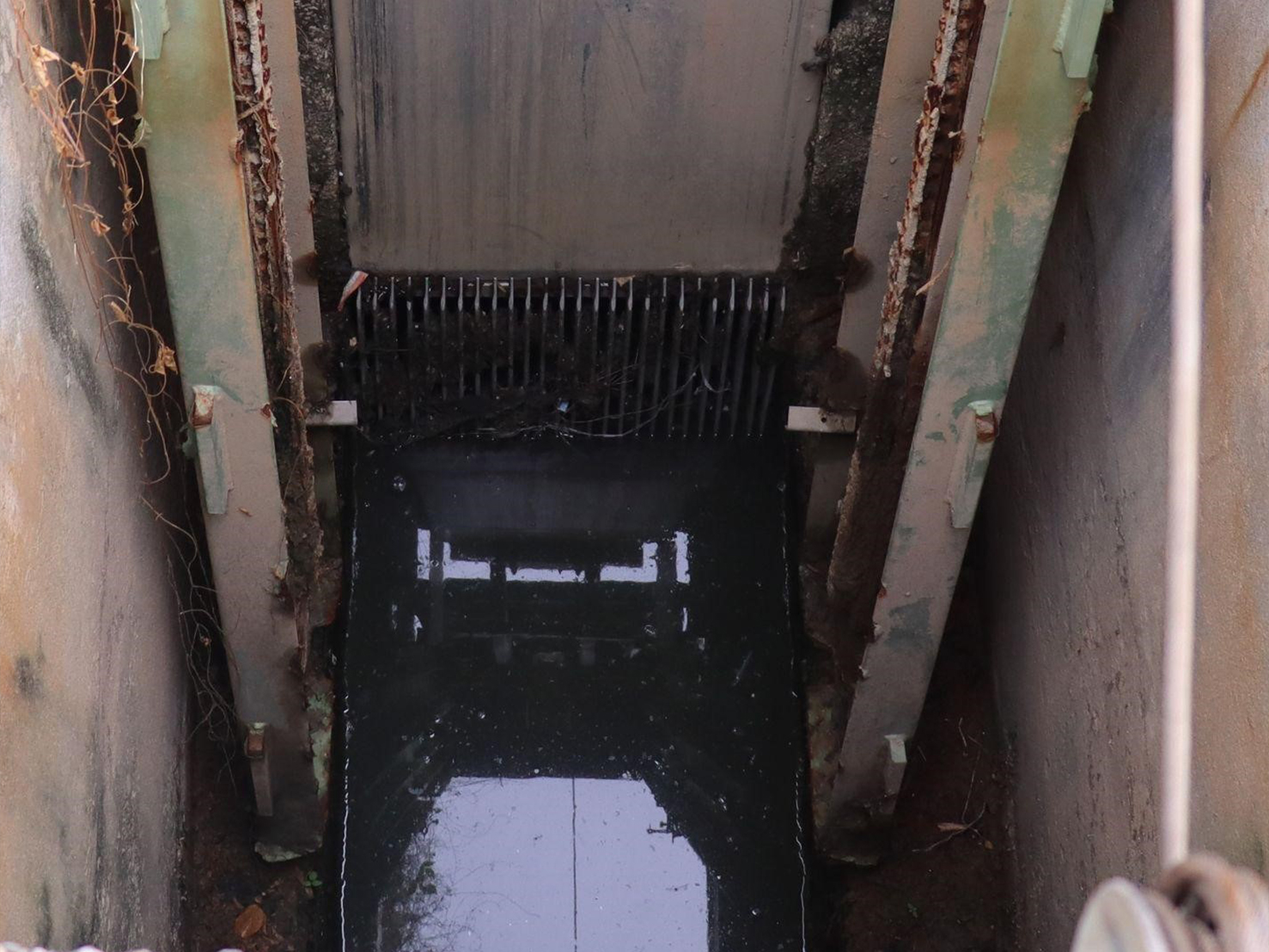
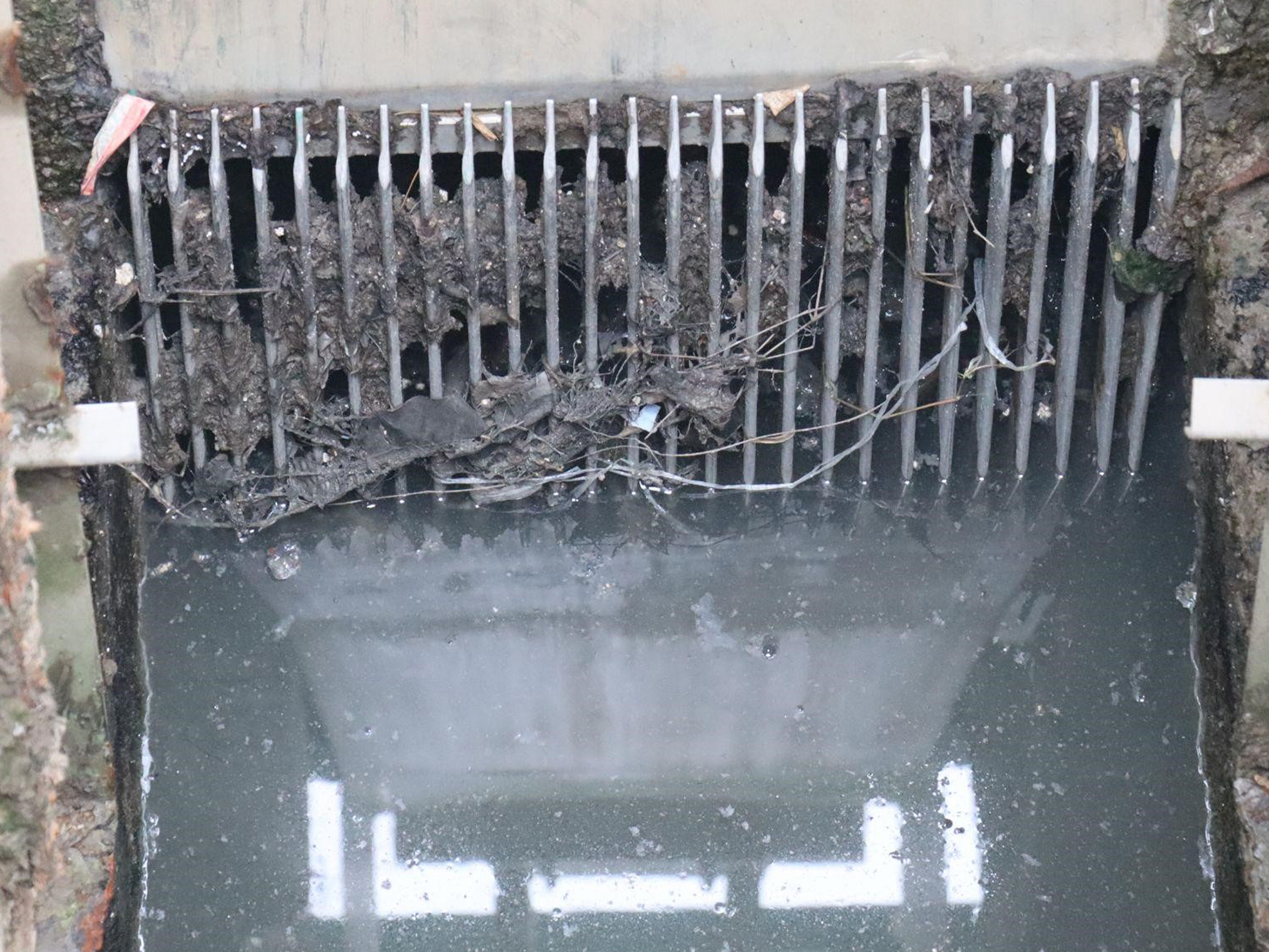
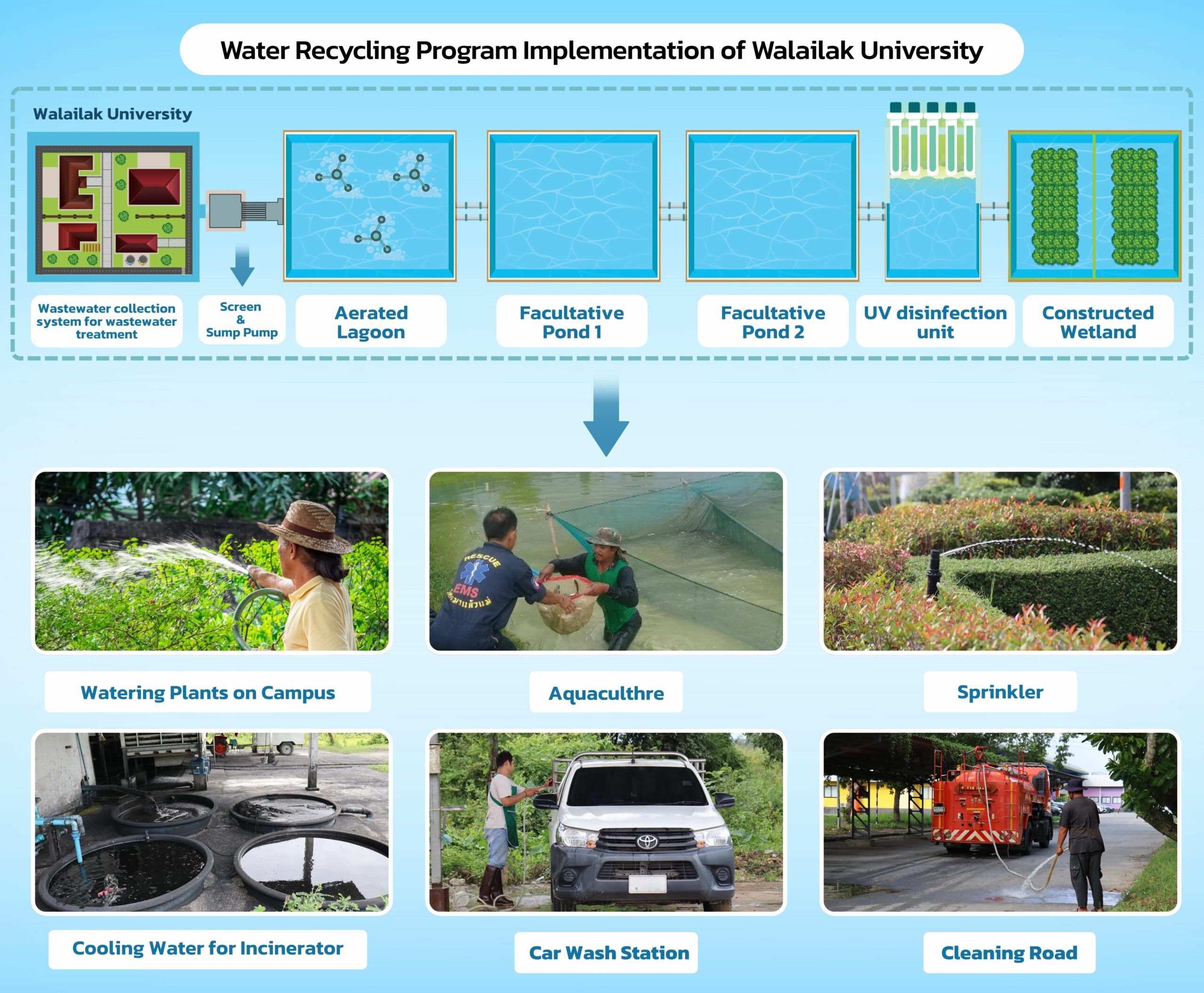
All wastewater is once again screened for solid waste at the pumping station located within the wastewater treatment facility of the project. A motor-driven mechanical screen is installed to prevent debris from entering and clogging the submersible pumps. The fine mechanical screen, equipped with an automatic cleaning brush, efficiently removes solid materials mixed with wastewater. This step is a crucial part of the process that delivers wastewater into the treatment system. After this screening and grease separation stage, the wastewater is pumped into the aerated lagoon for the next phase of treatment.
Secondary Treatment:
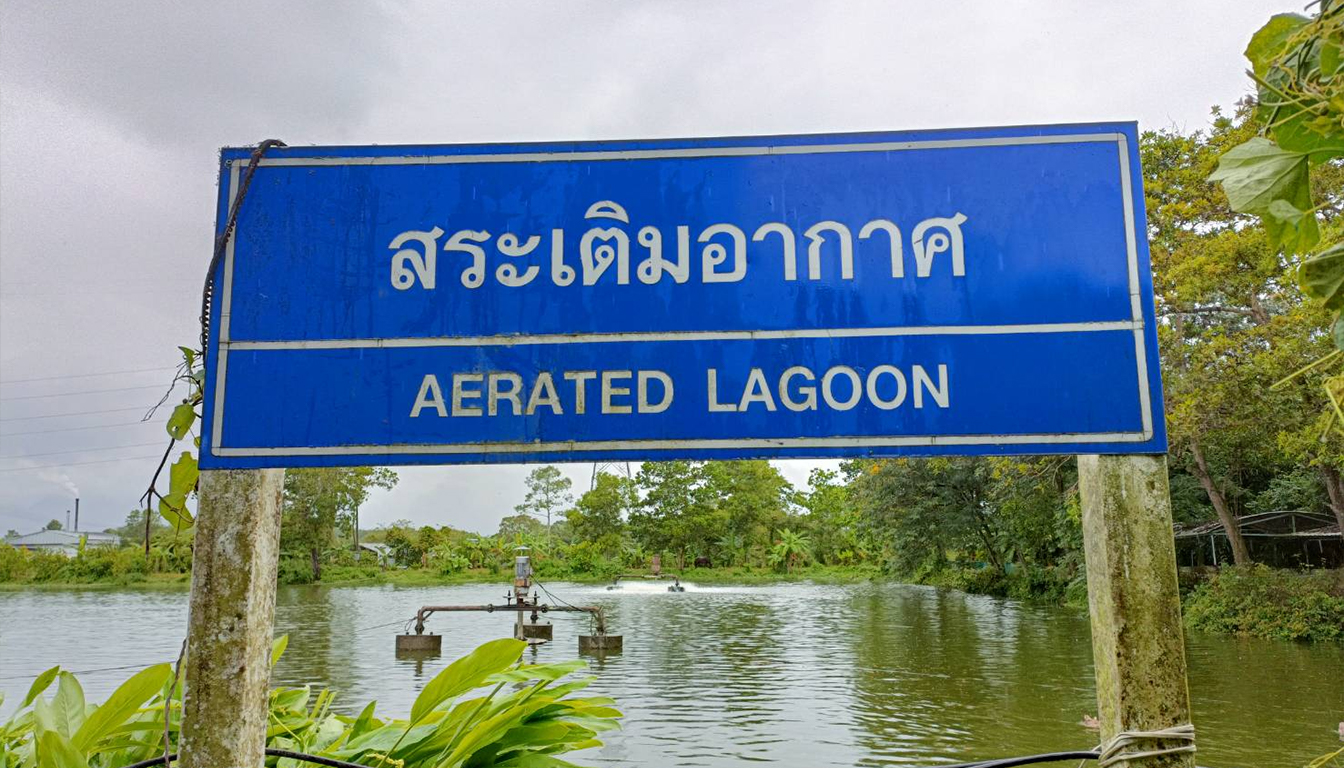
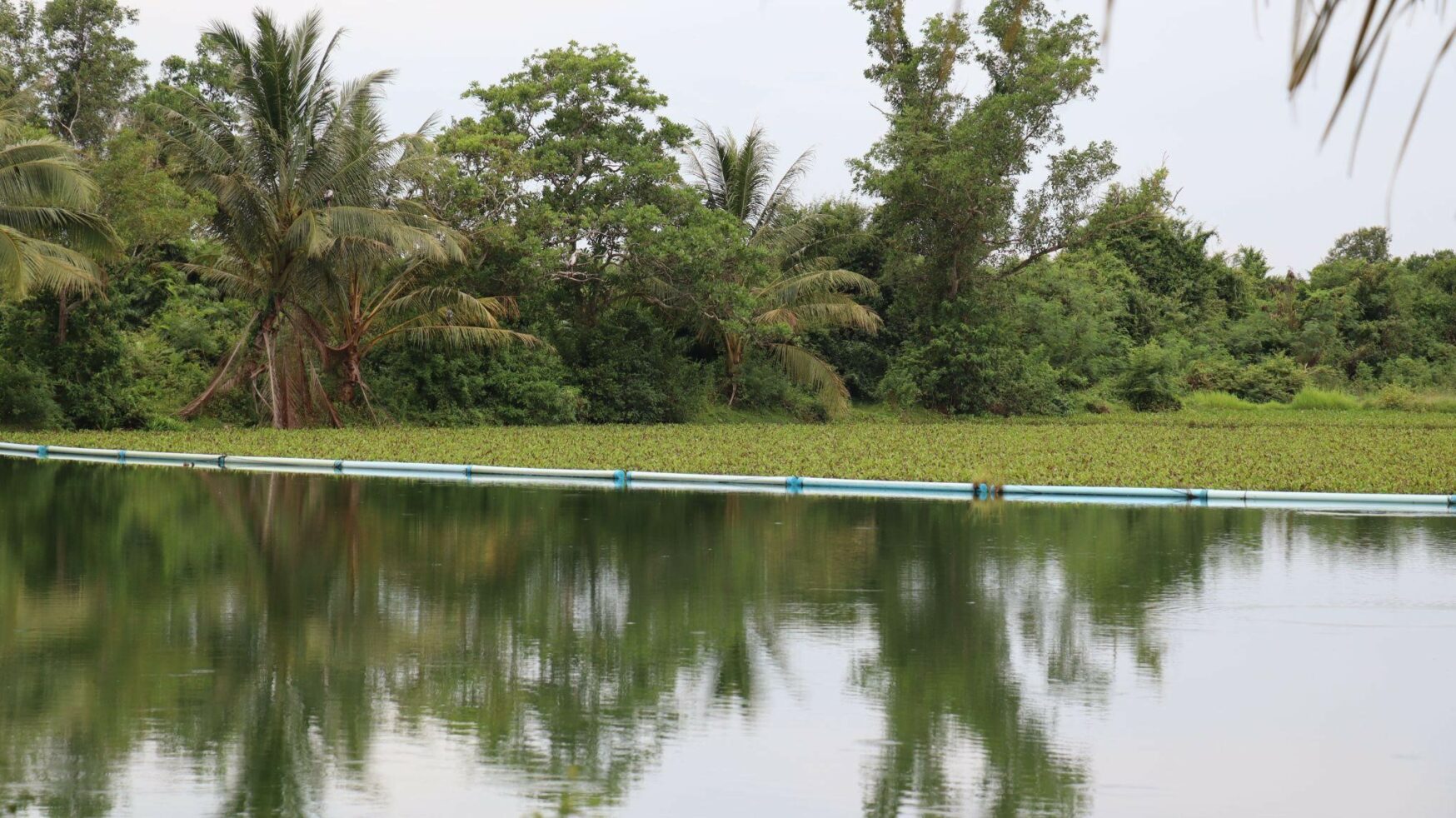
The wastewater is pumped into the Aerated Lagoon, which serves as the core of the entire wastewater treatment system. The university’s aerated lagoon is large, with a depth of approximately 5 meters and a capacity of 18,903 cubic meters. It is equipped with four low-speed float type surface aerators, each with a power of 15 kilowatts, to supply sufficient oxygen to the water. These aerators agitate the water to increase contact with oxygen and promote thorough mixing within the lagoon, allowing aerobic microorganisms to effectively decompose organic matter in the wastewater. This process can reduce the Biochemical Oxygen Demand (BOD) by up to 70%.
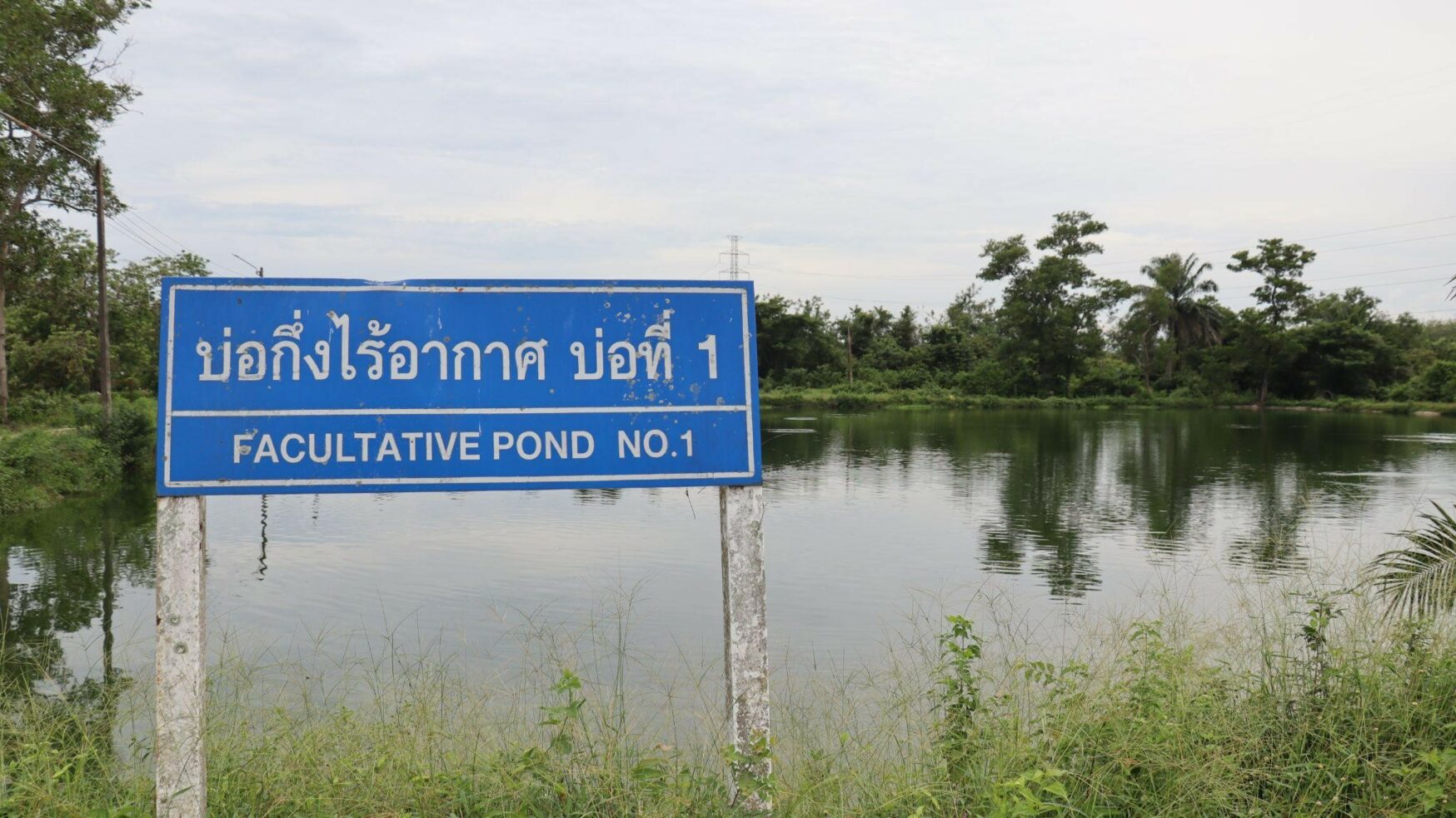
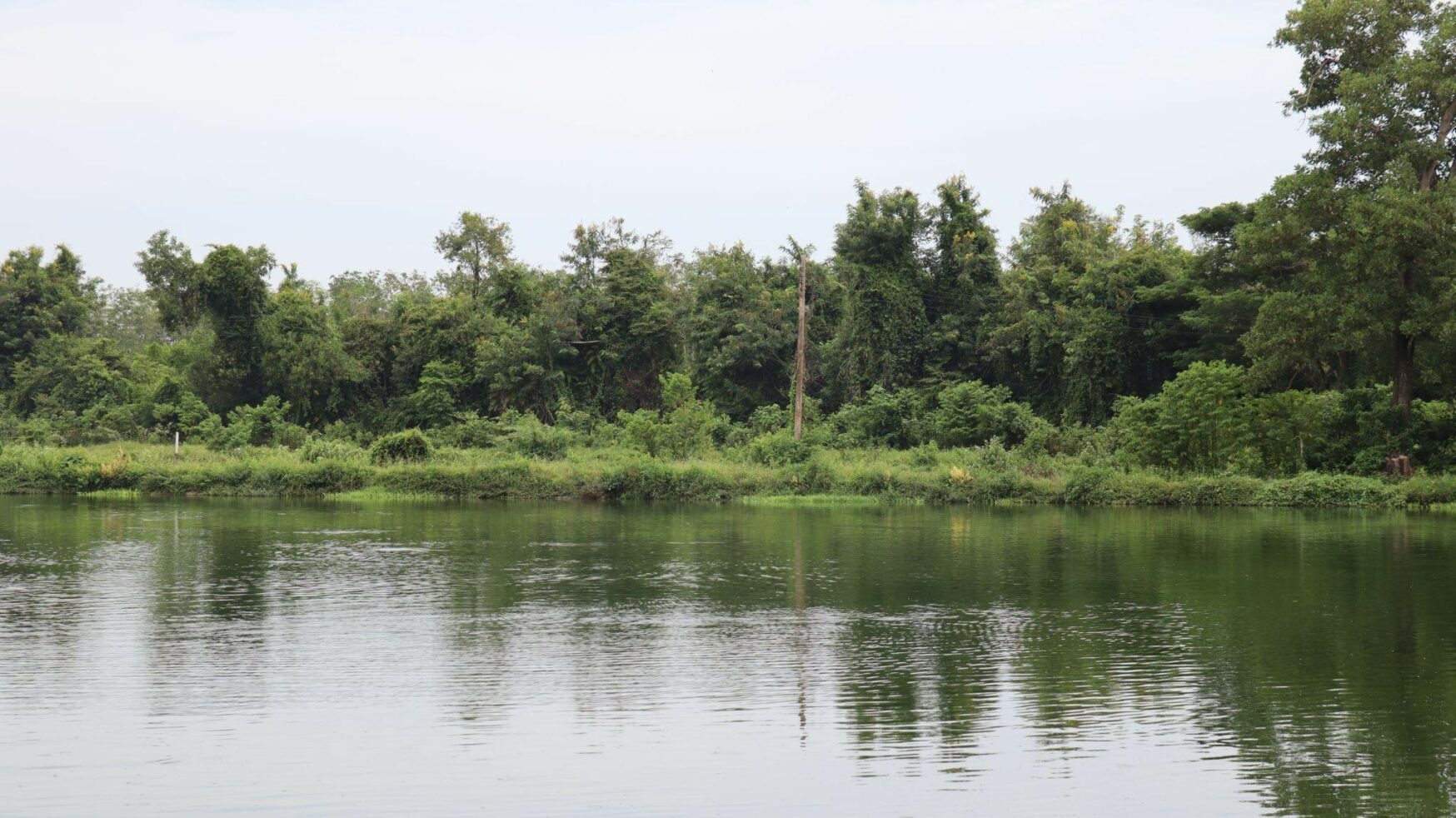
The water is then transferred to Facultative Pond 1, which is about 2 meters deep with a capacity of 18,217 cubic meters. The pond retains water for more than 4 days, allowing sunlight to penetrate to the bottom to promote sedimentation and further stabilize the effluent. Continuous decomposition of organic matter occurs through the combined activity of both aerobic and anaerobic microorganisms, resulting in an additional 60% reduction in BOD.
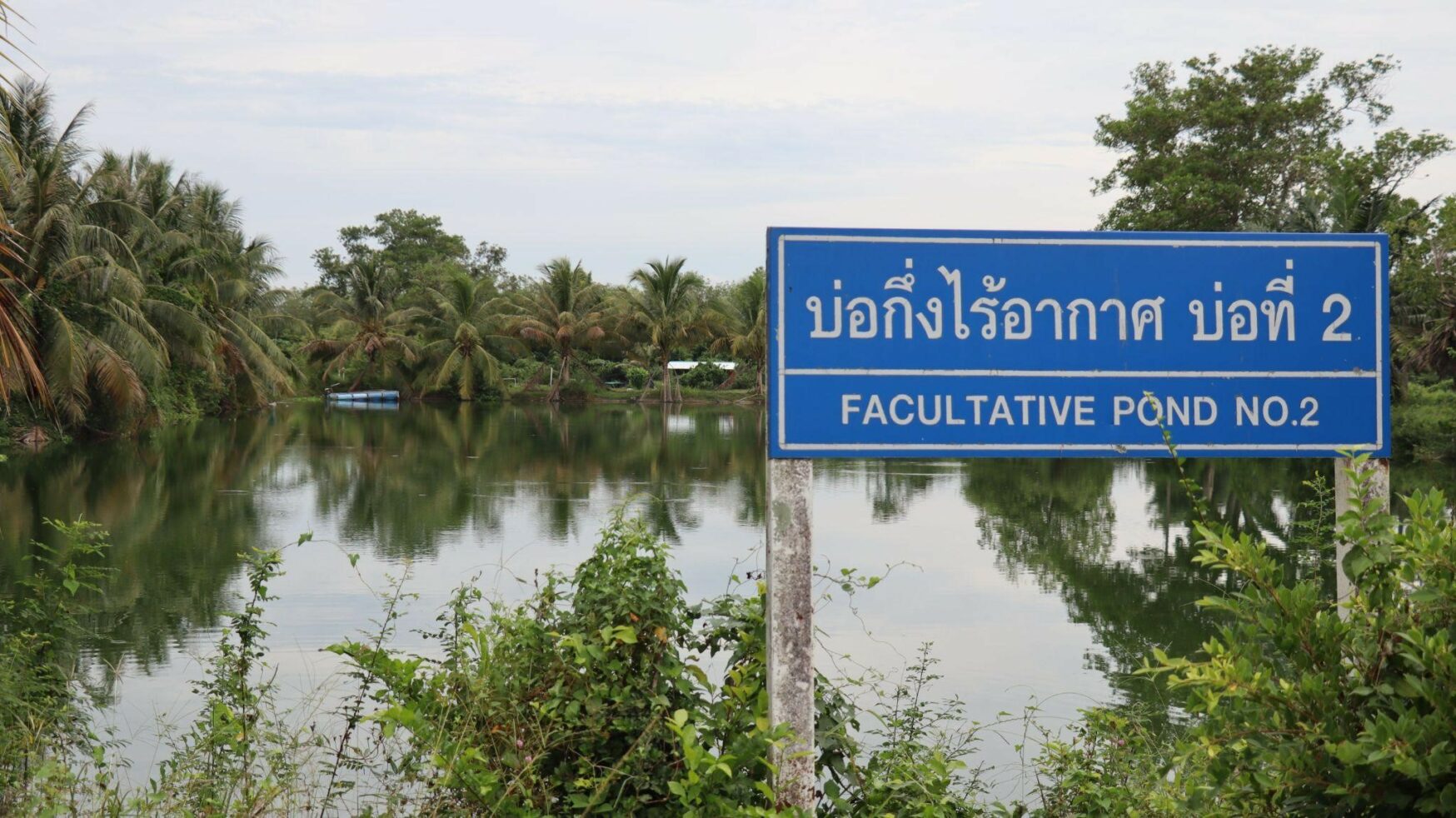
Subsequently, the water flows into Facultative Pond 2, which is also approximately 2 meters deep with a capacity of 37,752 cubic meters. The water retention time exceeds 7 days, allowing sunlight to reach the bottom of the pond for sedimentation and further stabilization. Continuous decomposition of organic matter occurs, aided by both aerobic and anaerobic microorganisms, achieving an additional 50% reduction in BOD.
Tertiary Treatment
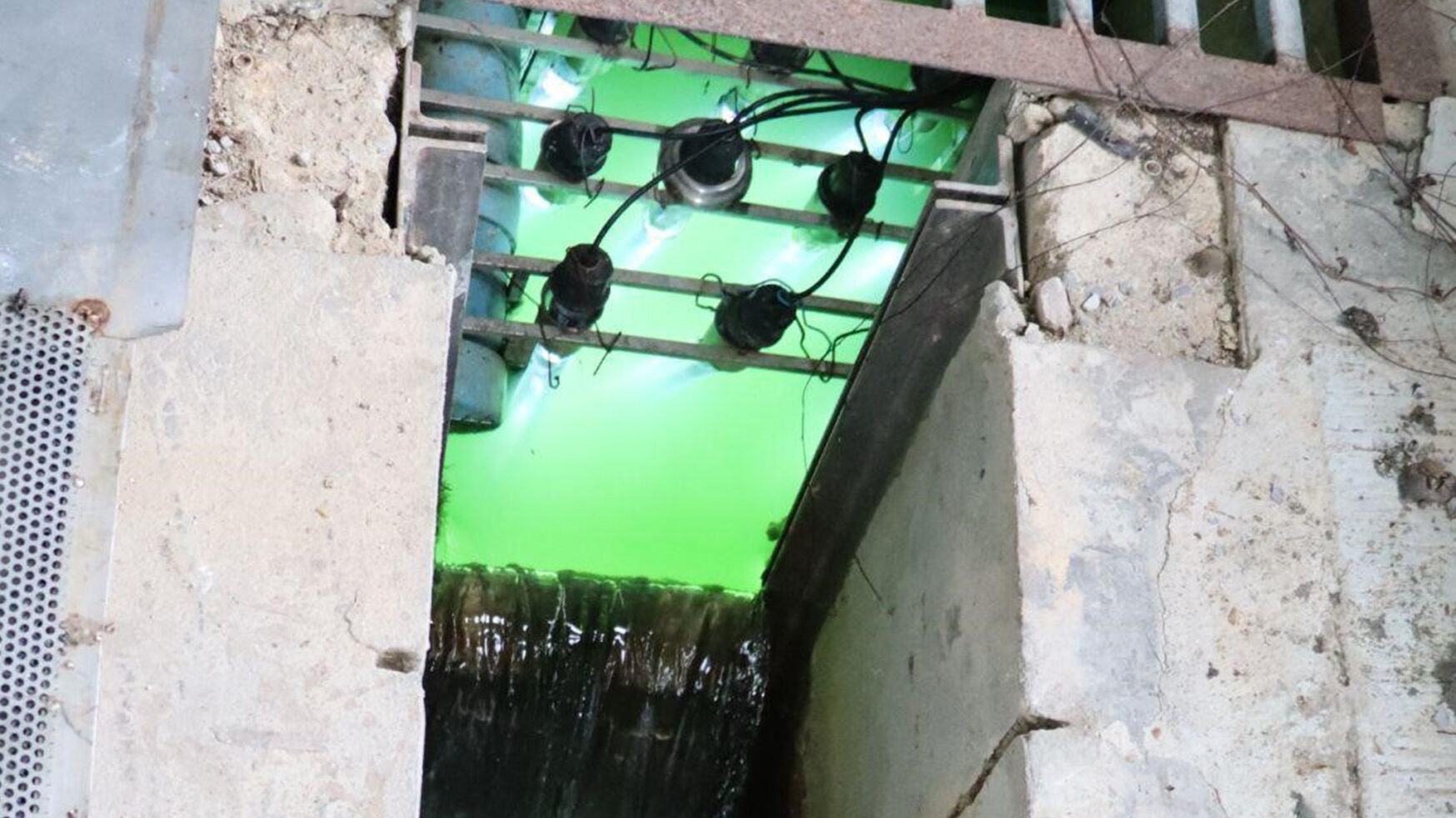
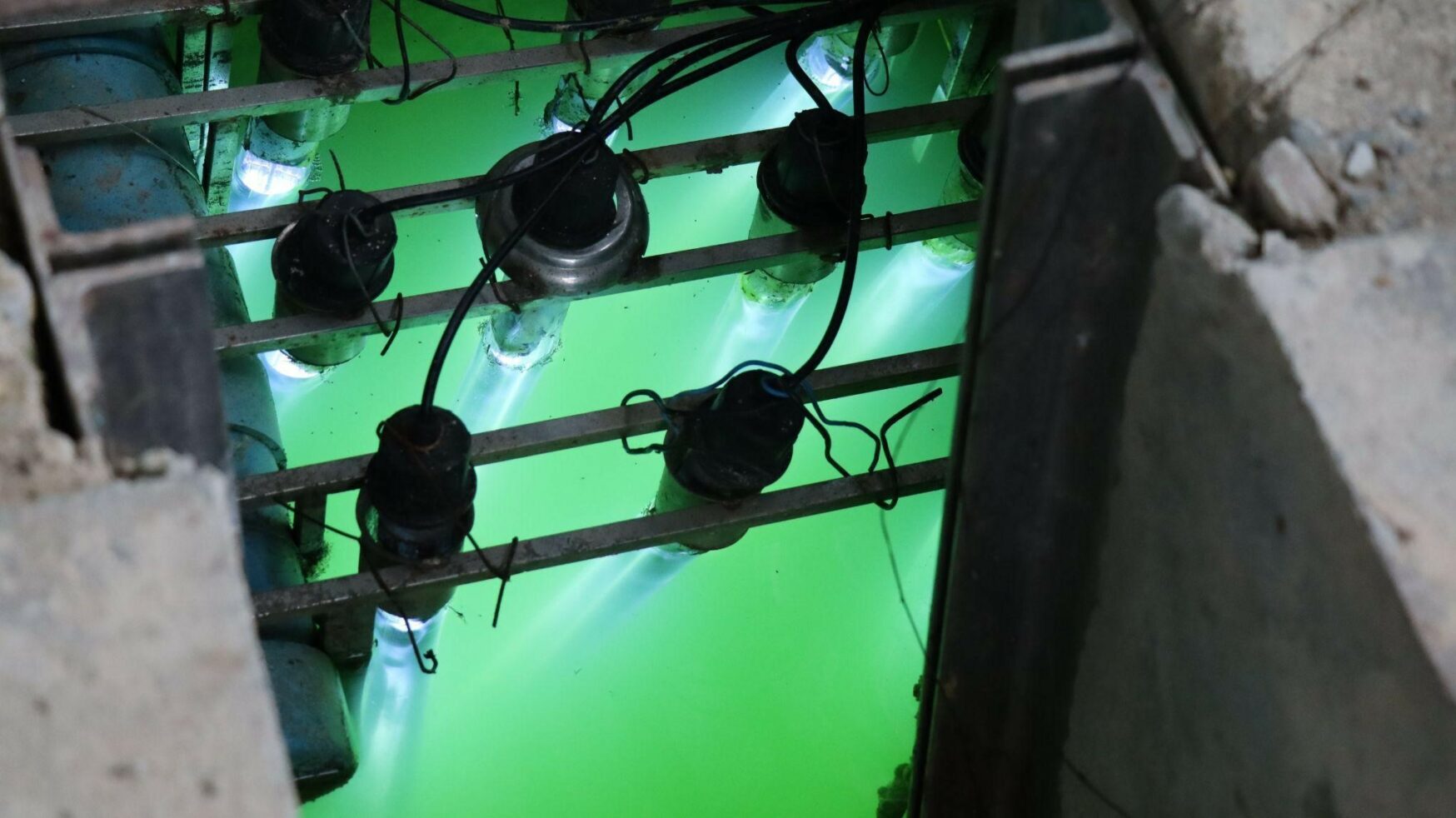
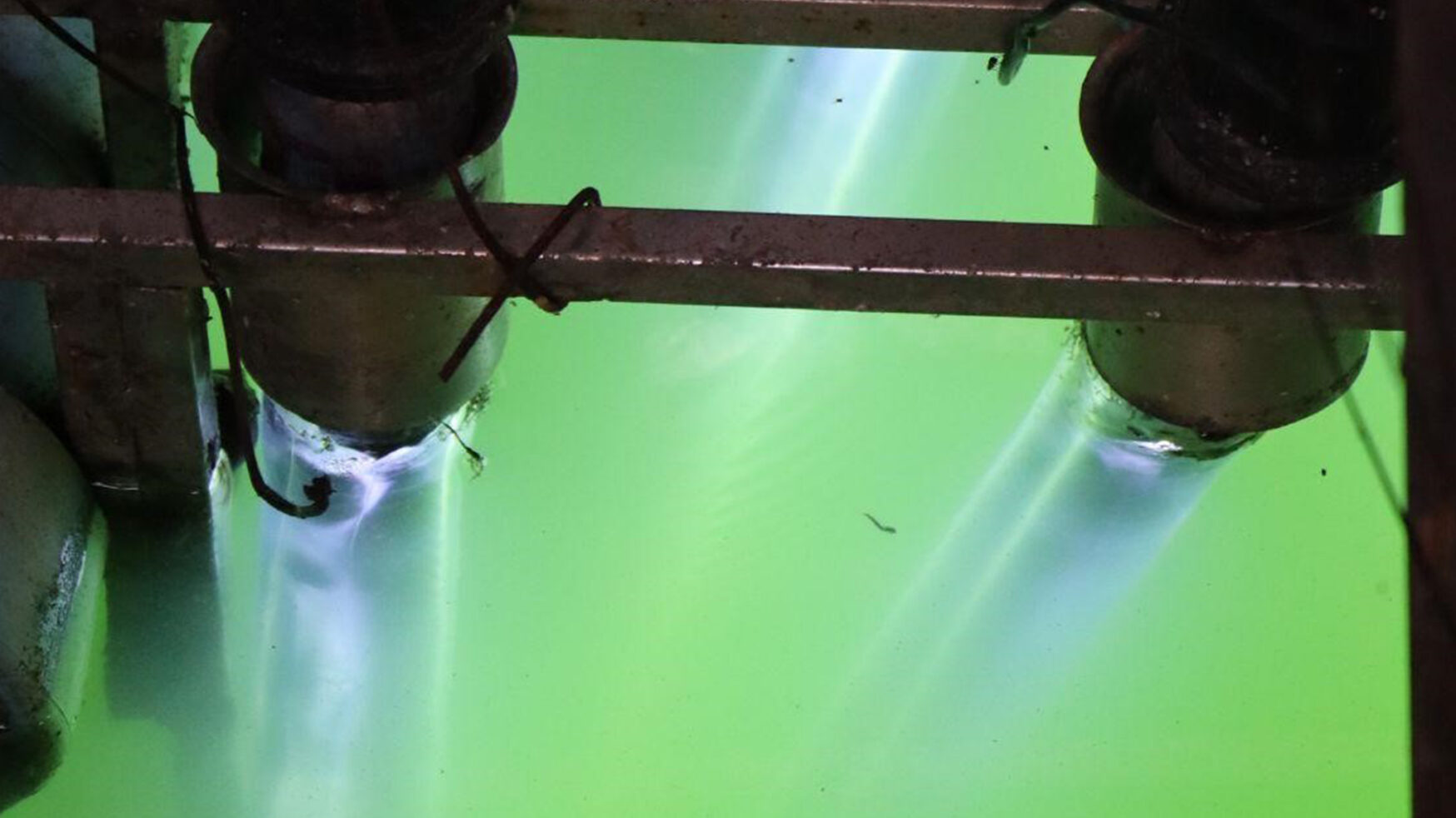
After undergoing the biological treatment process, the wastewater is passed through an ultraviolet (UV) disinfection system to eliminate any remaining pathogens. The system uses ultraviolet light with a wavelength of approximately 254 nanometers to destroy the DNA and RNA of microorganisms such as bacteria, viruses, and protozoa, preventing them from reproducing and ultimately causing their death. This process ensures that the treated water contains no chemical residues, provides rapid disinfection, and does not alter the water’s odor. The UV system is regularly maintained, and the lamps are replaced annually to ensure that bacterial levels remain within safe and acceptable standards before the treated water is released into natural water sources.
The treated water then flows into a constructed wetland, which serves as a temporary storage pond and enhances the treatment efficiency through biological processes involving aquatic plants and soil. In addition, the wetland functions as an ecological learning site for students and researchers, supporting education and research on environmental and ecosystem studies.
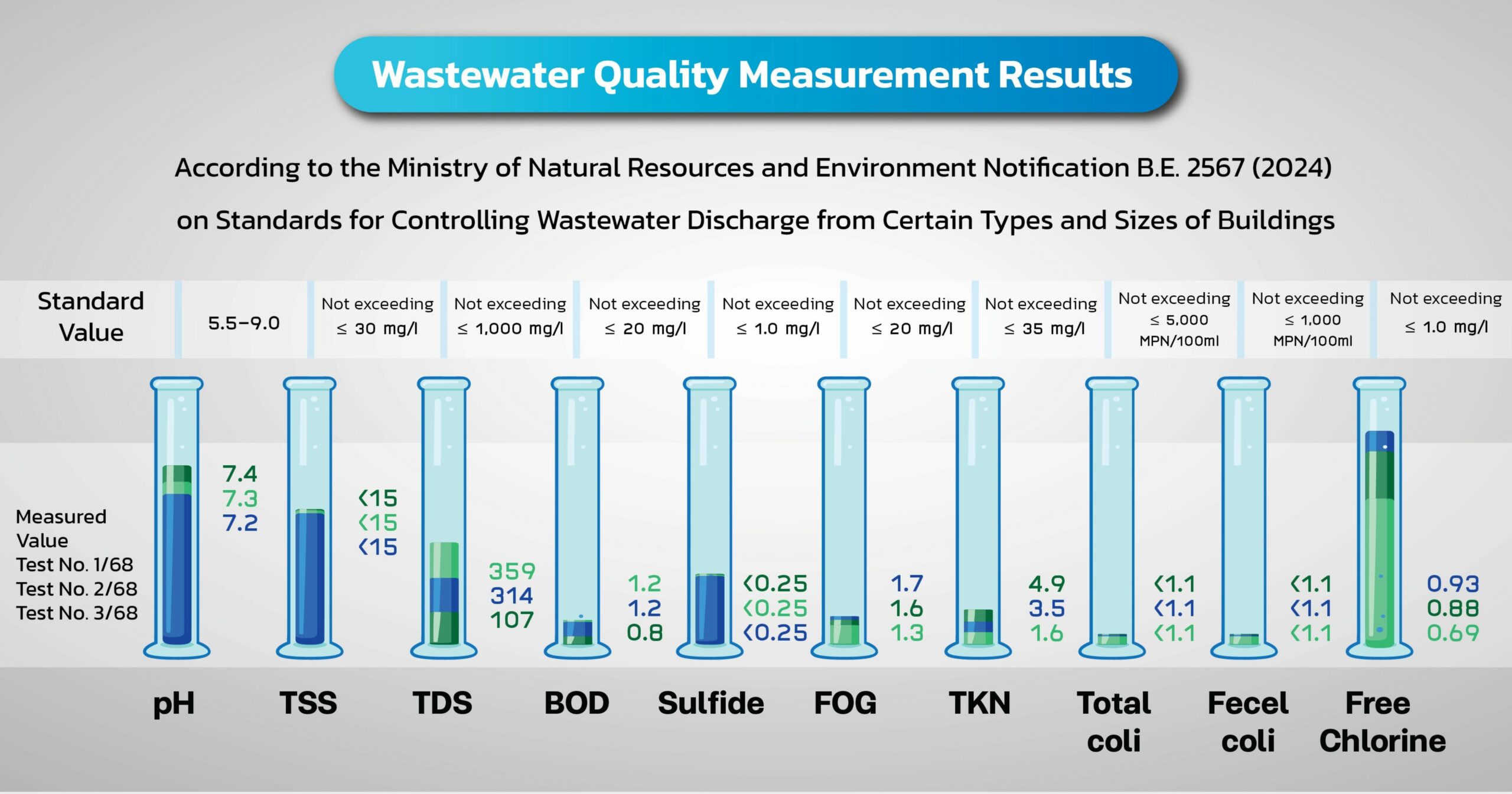
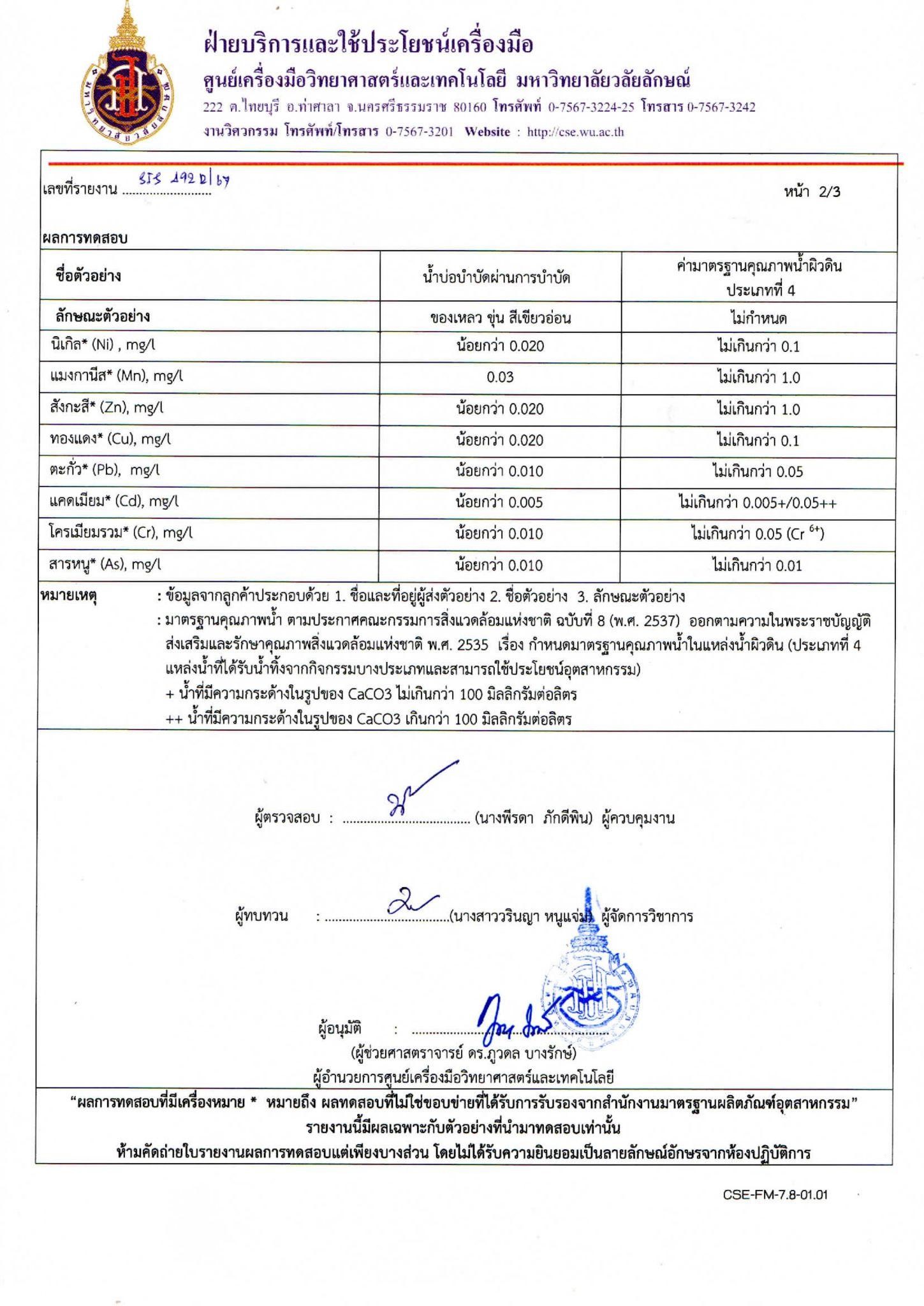
At present, Walailak University ensures the quality control of its wastewater treatment system through a continuous monitoring system. This includes the use of dissolved oxygen (DO) sensors in the aerated lagoon, which are integrated with the aerator pump control system to maintain proper oxygen levels. All treated wastewater is analyzed scientifically to assess various quality parameters, including pH, Total Dissolved Solids (TDS), Total Suspended Solids (TSS), Biochemical Oxygen Demand (BOD), sulfide, fats, oils, and grease (FOG), Total Kjeldahl Nitrogen (TKN), total coliform bacteria, fecal coliform bacteria, and free chlorine. All parameters consistently meet the required environmental standards. To ensure biological safety, the university also conducts tilapia culture tests in experimental ponds before discharging the treated water into natural water sources.
In addition, the university maximizes the use of treated water by reusing it for non-potable purposes, such as street cleaning, landscaping irrigation, and other on-campus activities that do not require potable water quality. This practice reflects the university’s commitment to the efficient and sustainable use of water resources.
Walailak University’s wastewater treatment system focuses not only on the technical aspects of treatment but also on a sustainability-oriented approach. This includes reducing the consumption of natural resources, reusing treated water, and promoting energy efficiency in the pumping and aeration systems. Furthermore, the university encourages active participation from staff and students in maintaining environmental infrastructure, and promotes awareness about waste separation, grease reduction before drainage, and water conservation. Together, these efforts ensure that the university’s wastewater treatment system operates consistently, efficiently, and sustainably, serving as a model for environmentally responsible and socially conscious wastewater management in the long term.
Walailak University has implemented a comprehensive wastewater management system that integrates continuous diagnostic assessments to identify operational challenges and improve treatment efficiency. Through ongoing development of infrastructure and technology, the university enhances its wastewater treatment capacity and promotes environmental balance. Strong community and campus-wide engagement encourages awareness and participation in sustainable practices, such as water reuse and pollution prevention. Regular measurement of wastewater quality ensures compliance with environmental standards, supporting WU’s long-term commitment to sustainable and responsible water resource management.