Water Reuse Management and Measurement: A Guide to a Sustainable Green University
In an era where climate change and water scarcity are global challenges, sustainable water management at all levels has become crucial. This is especially true for educational institutions, which have the potential to serve as role models in the efficient use of water resources. Walailak University recognizes its role and has implemented the policy of becoming a “Happy and Sustainable University,” with a strong emphasis on developing projects for wastewater recycling to support agriculture, internal industrial use, and general university activities. Then, the volume of reuse of water is measured and monitored across the university through advanced technologies and modern instruments.
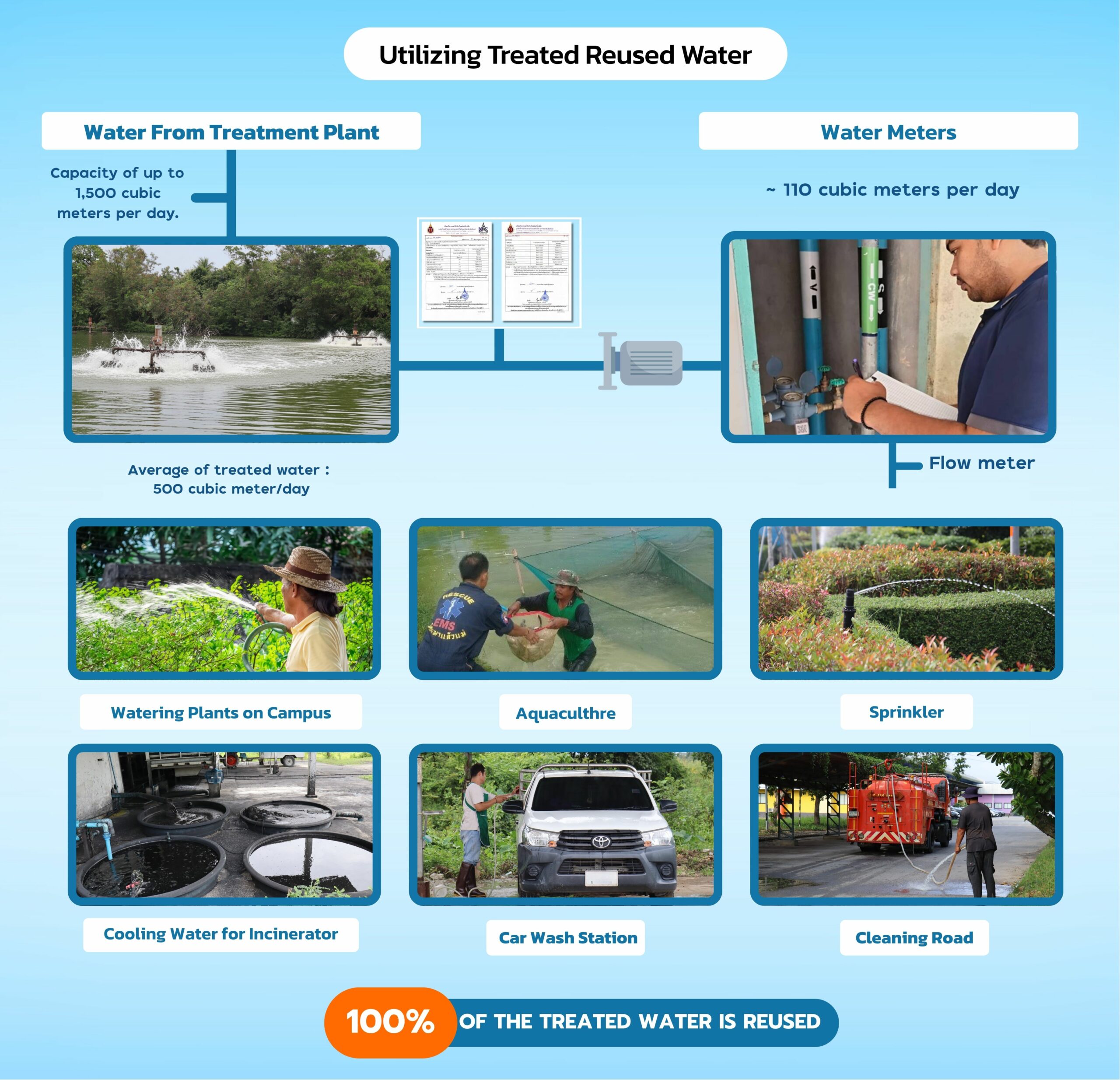
At present, the university operates a wastewater treatment and reuse system with a capacity of up to 1,500 cubic meters per day. The treated water undergoes quality testing in physical, chemical, and biological aspects to ensure it is safe for reuse. In 2024, the university achieved an average of 110 cubic meters of recycled water used daily across various activities, accounting for 100% of the treated wastewater each day. The treated and quality-tested water is reused in the following areas:
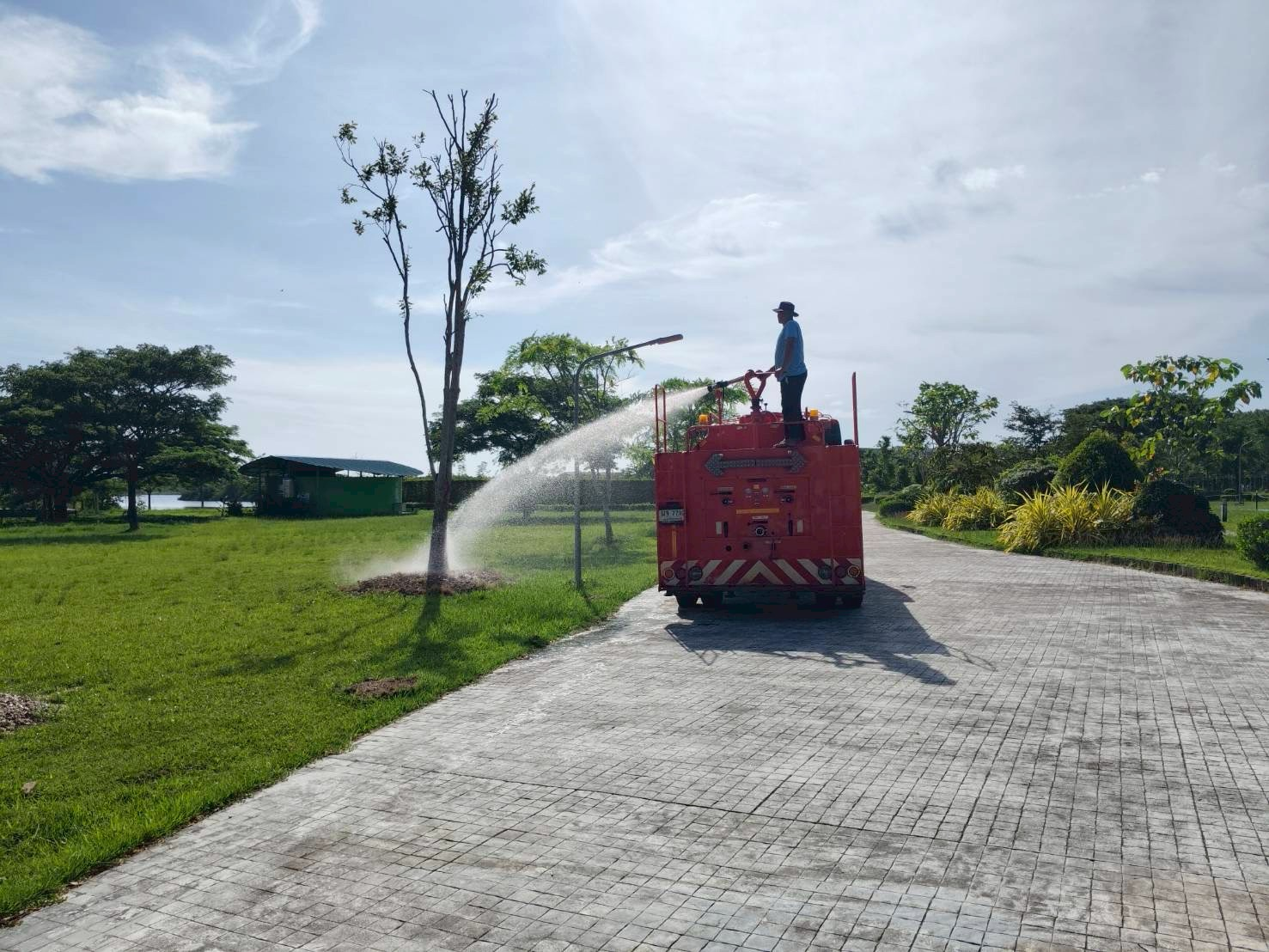
Reused water from wastewater treatment for agricultural purposes
Agriculture
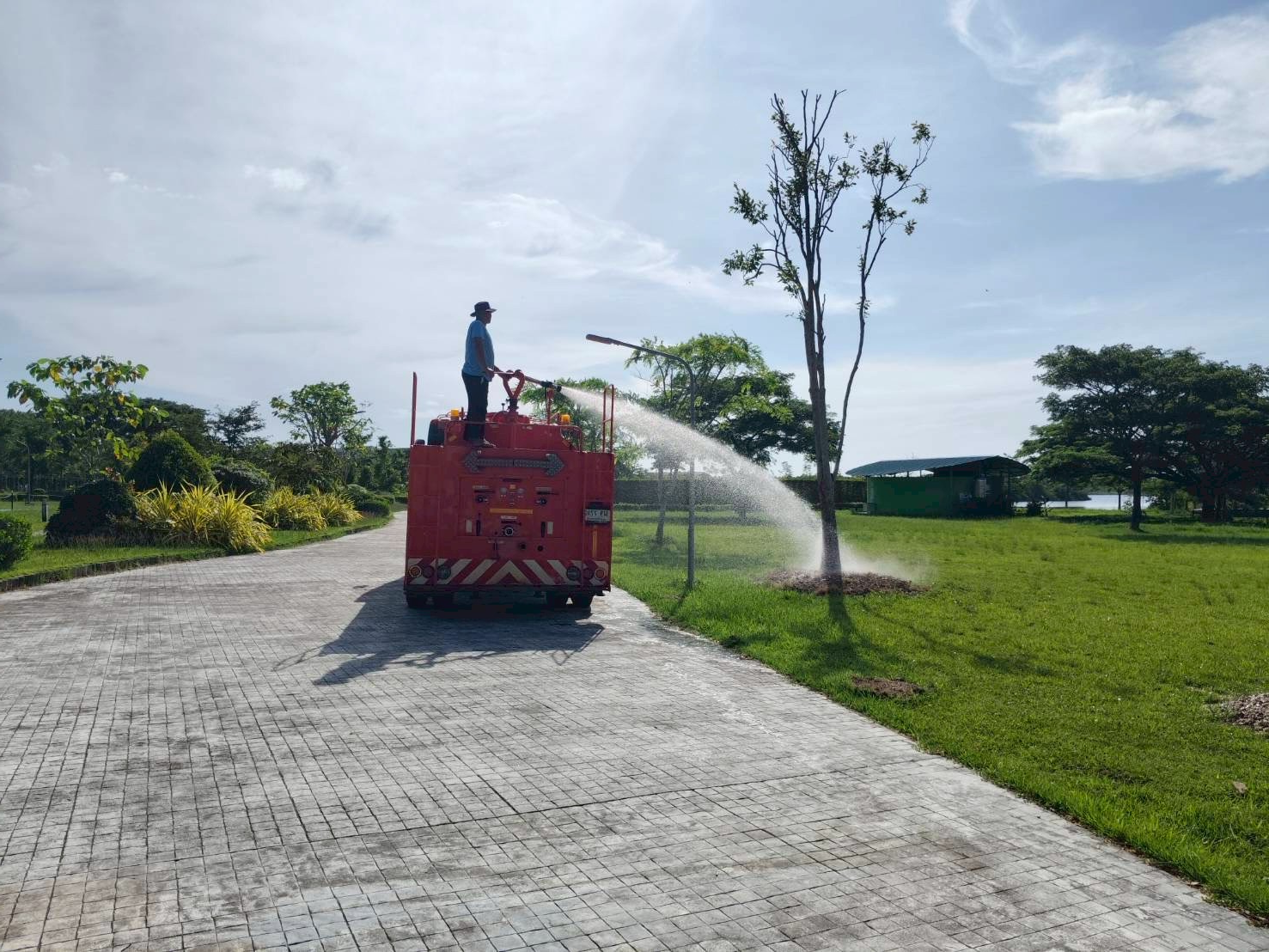
Irrigation of plants and agricultural plots within the university
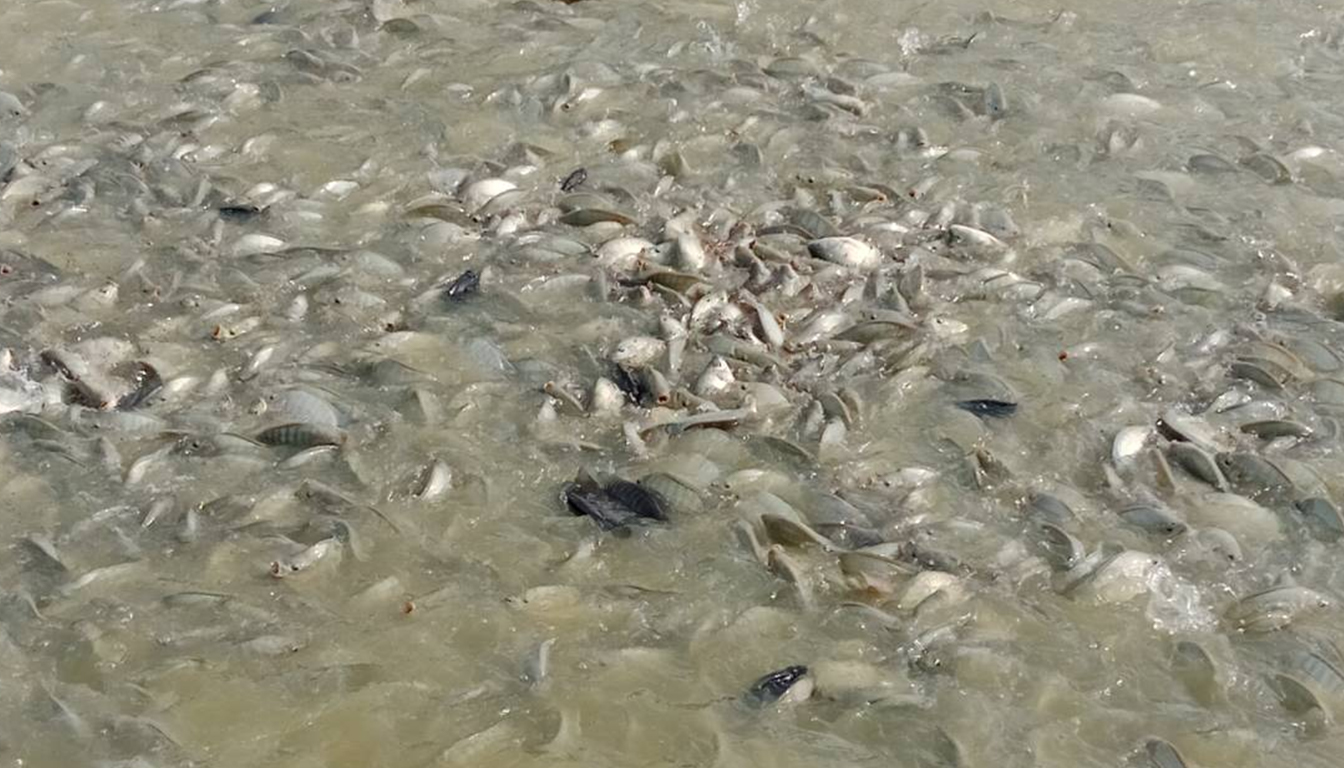
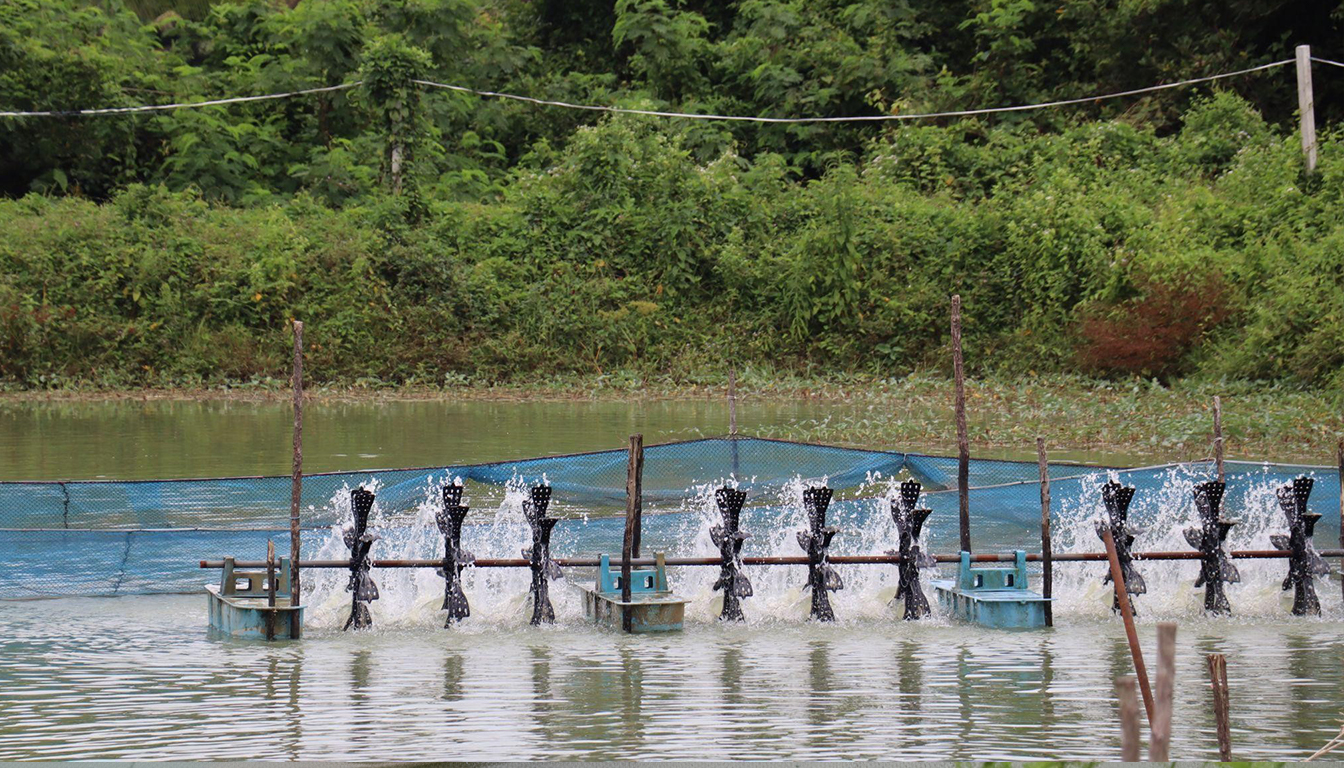
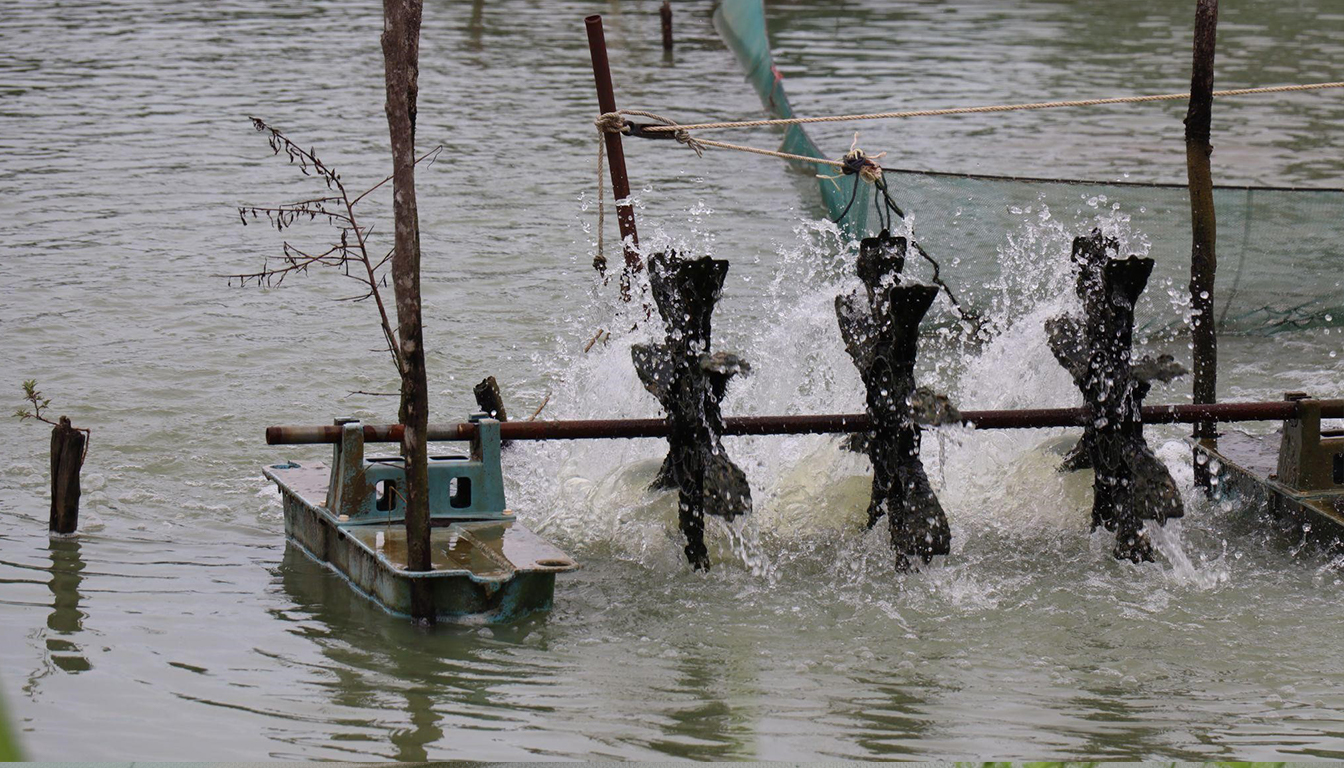
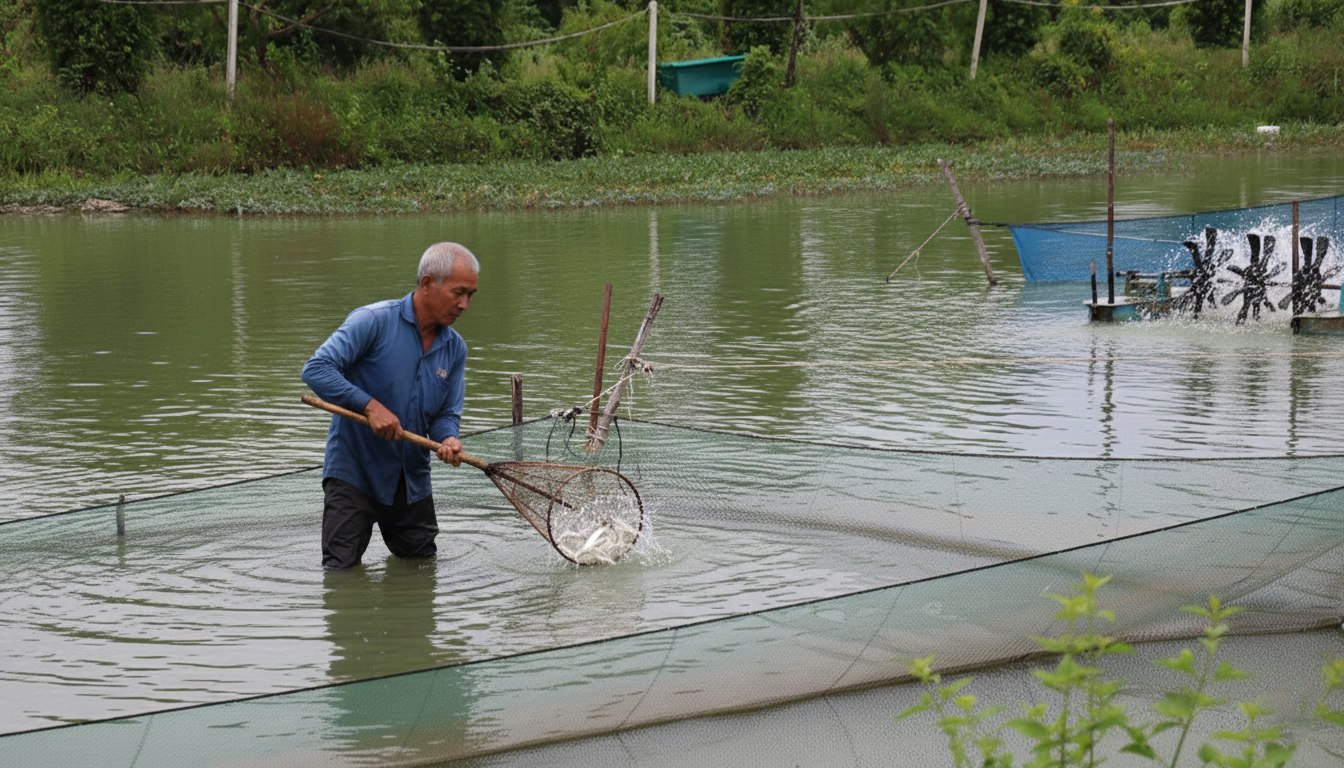
Fish farming
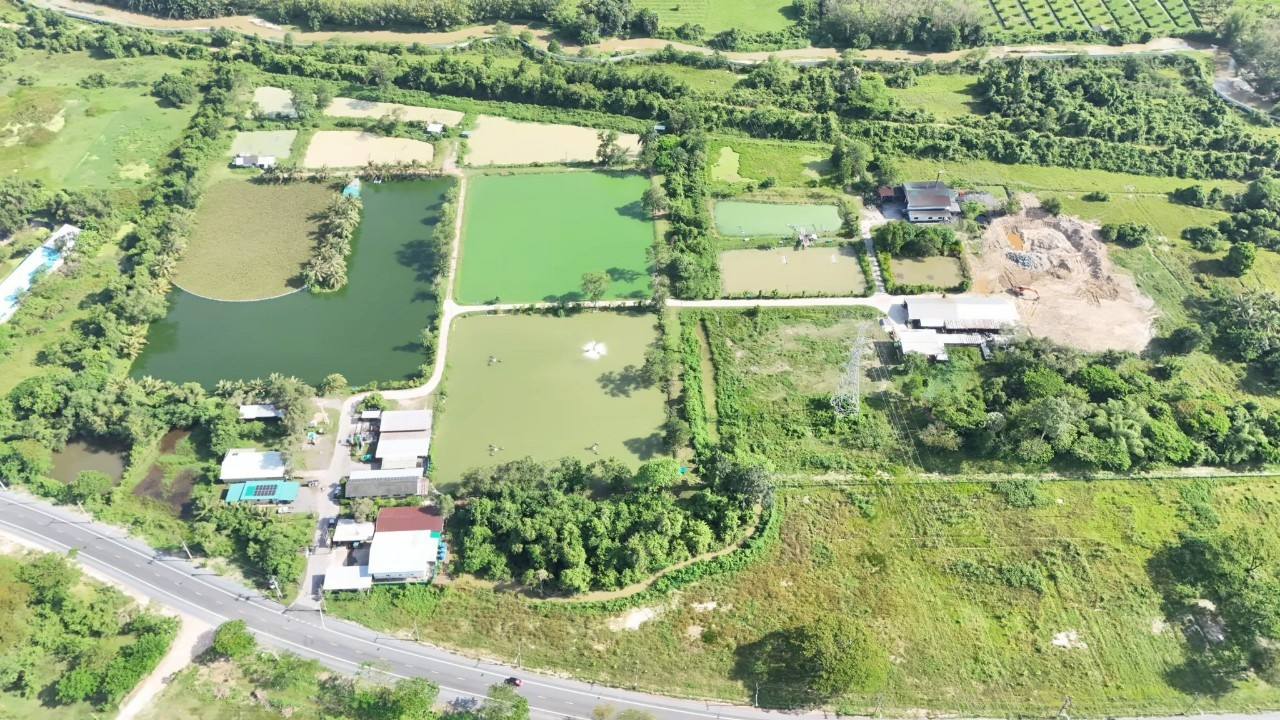
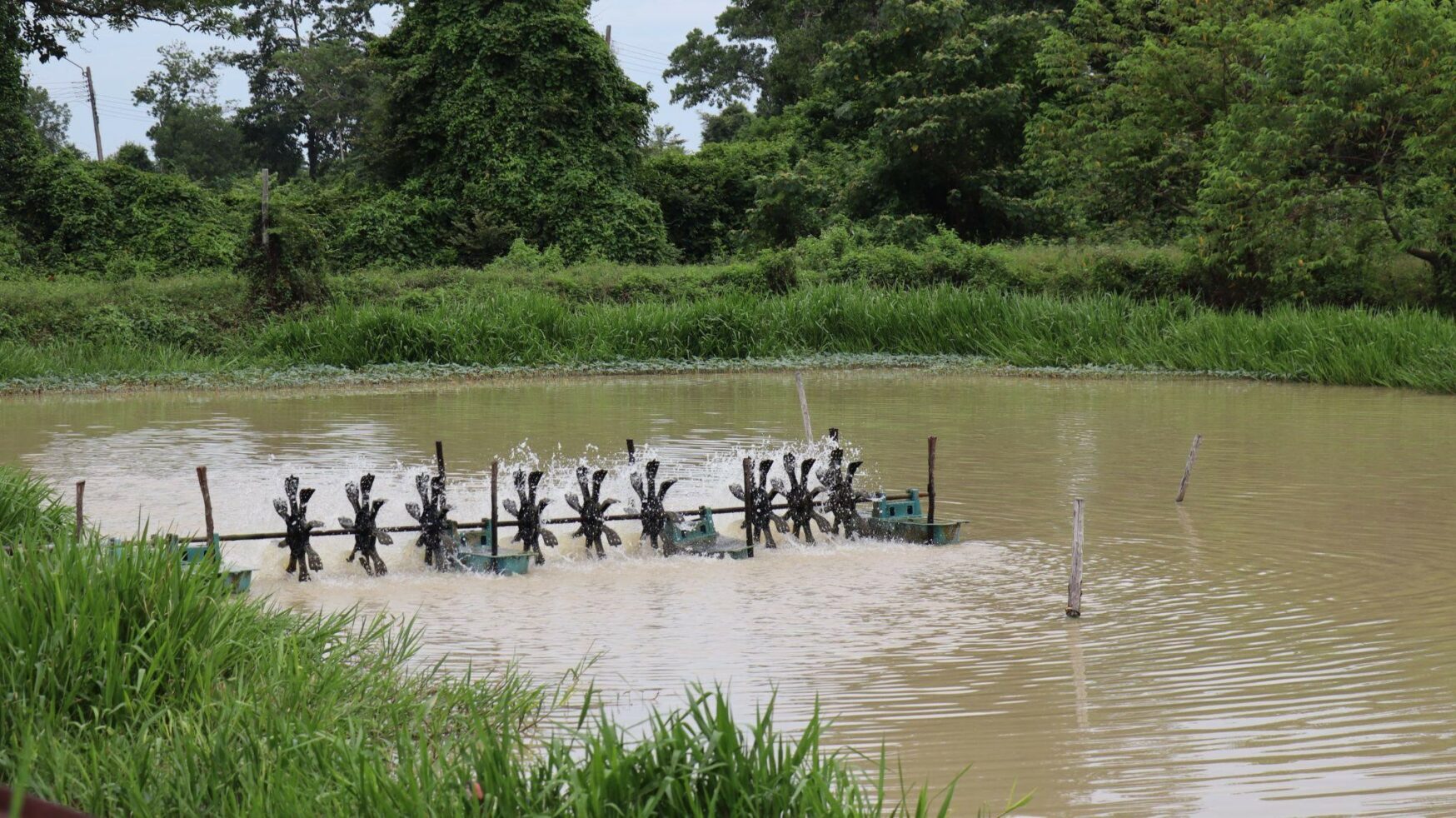
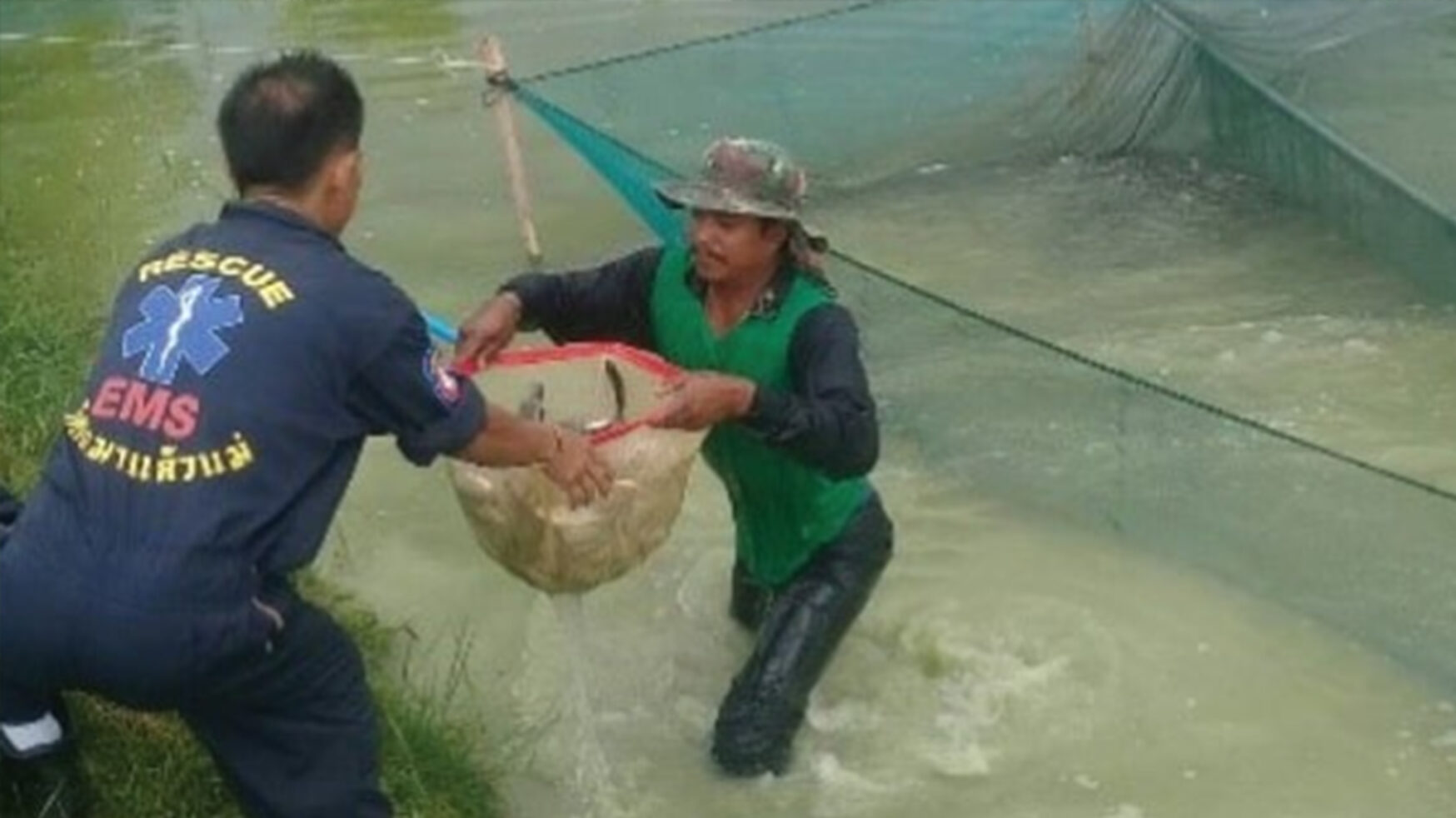
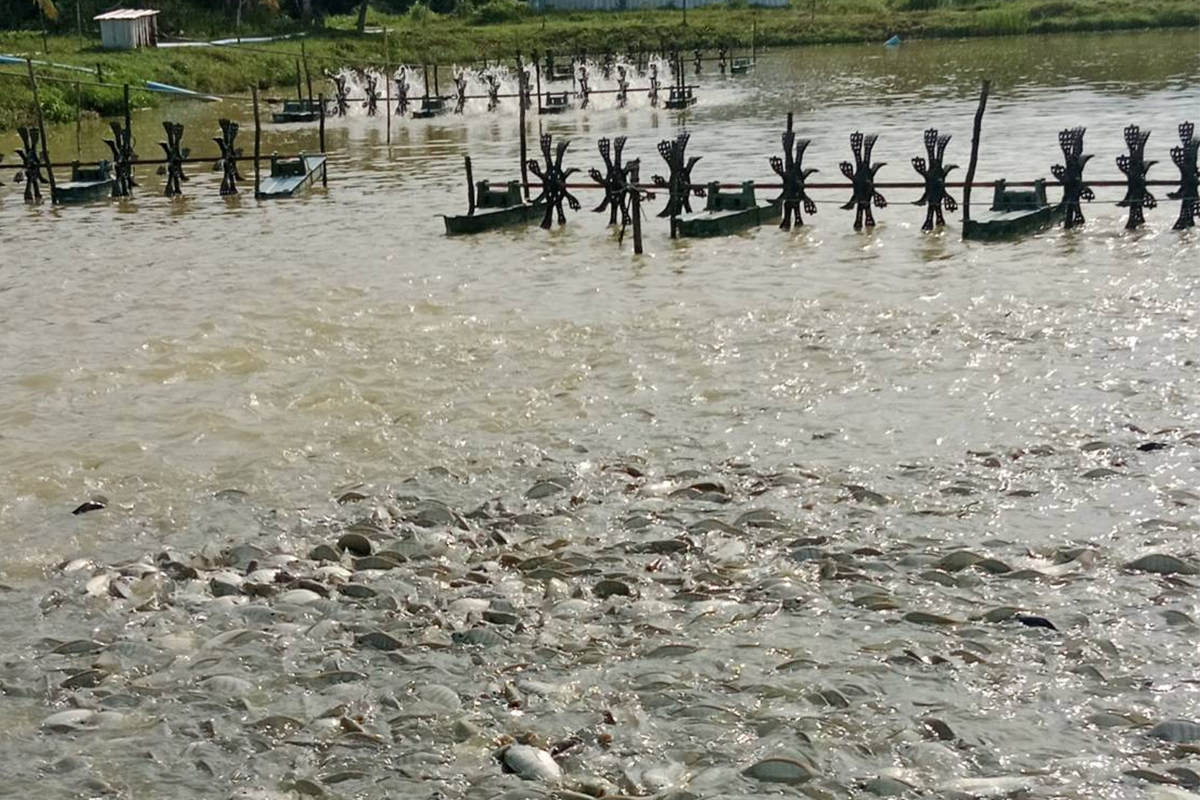
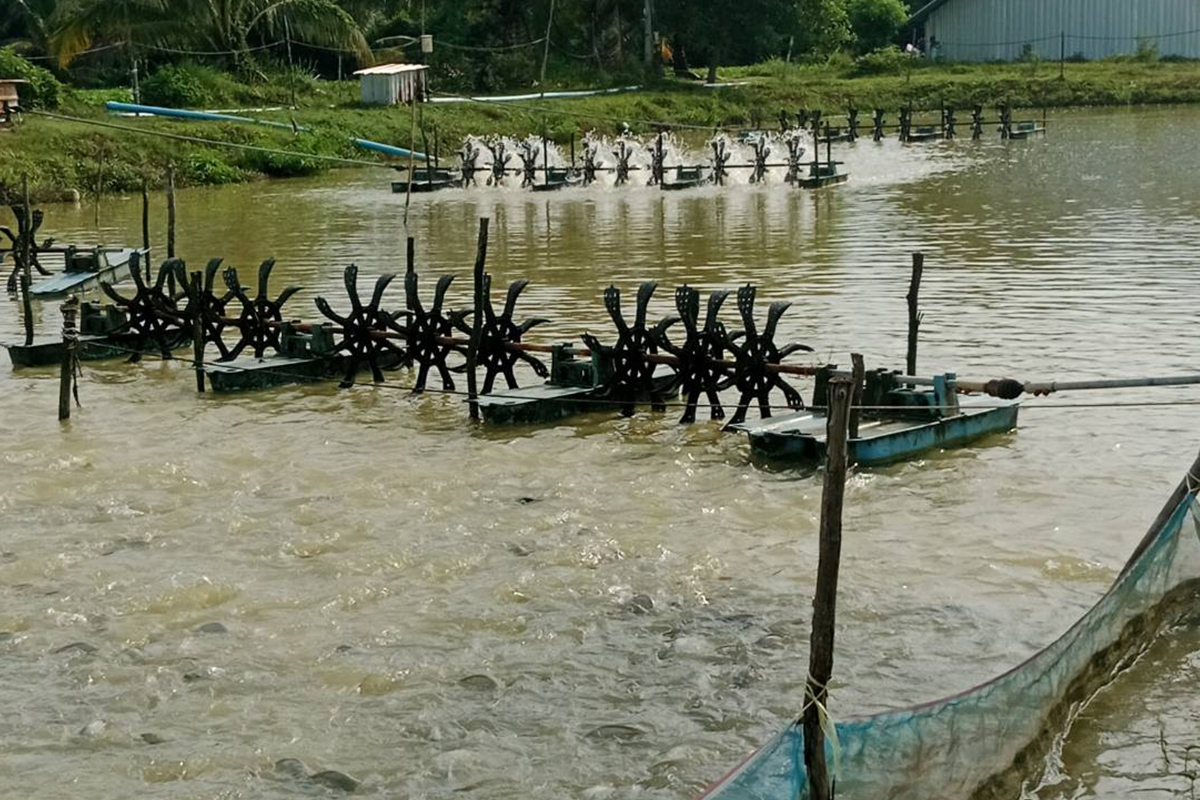
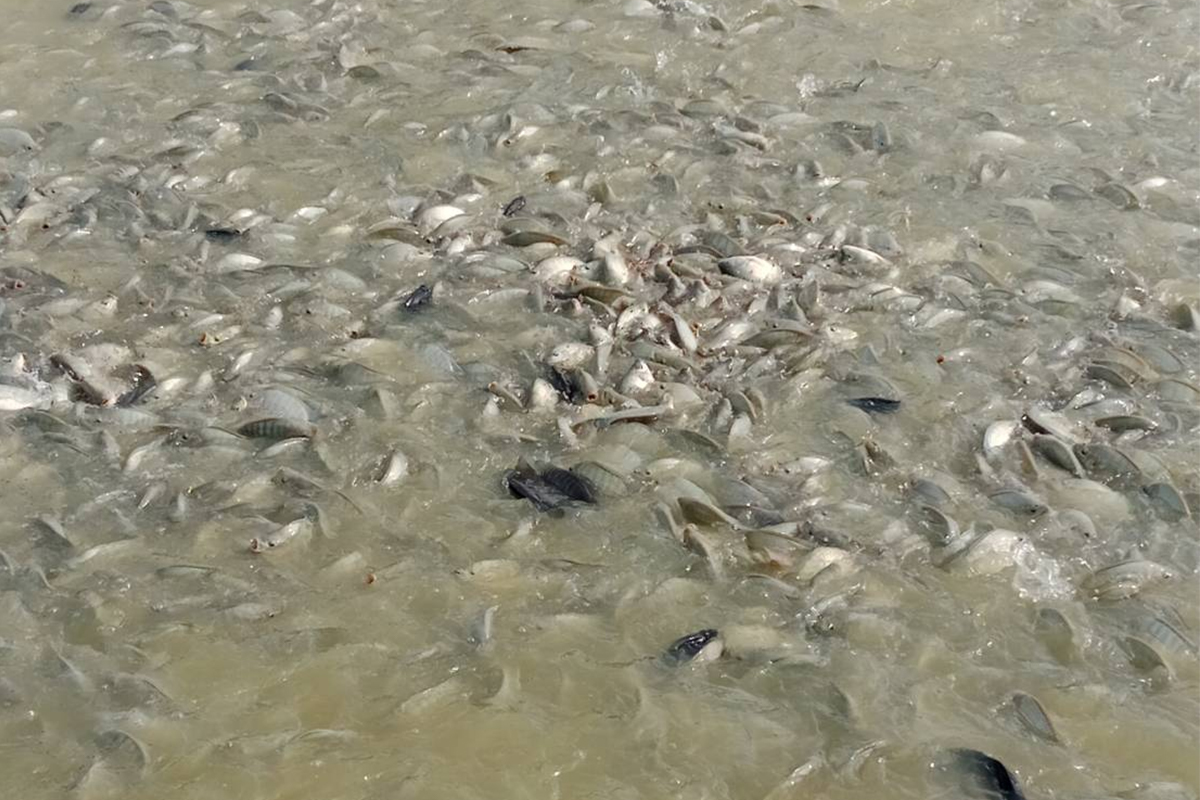
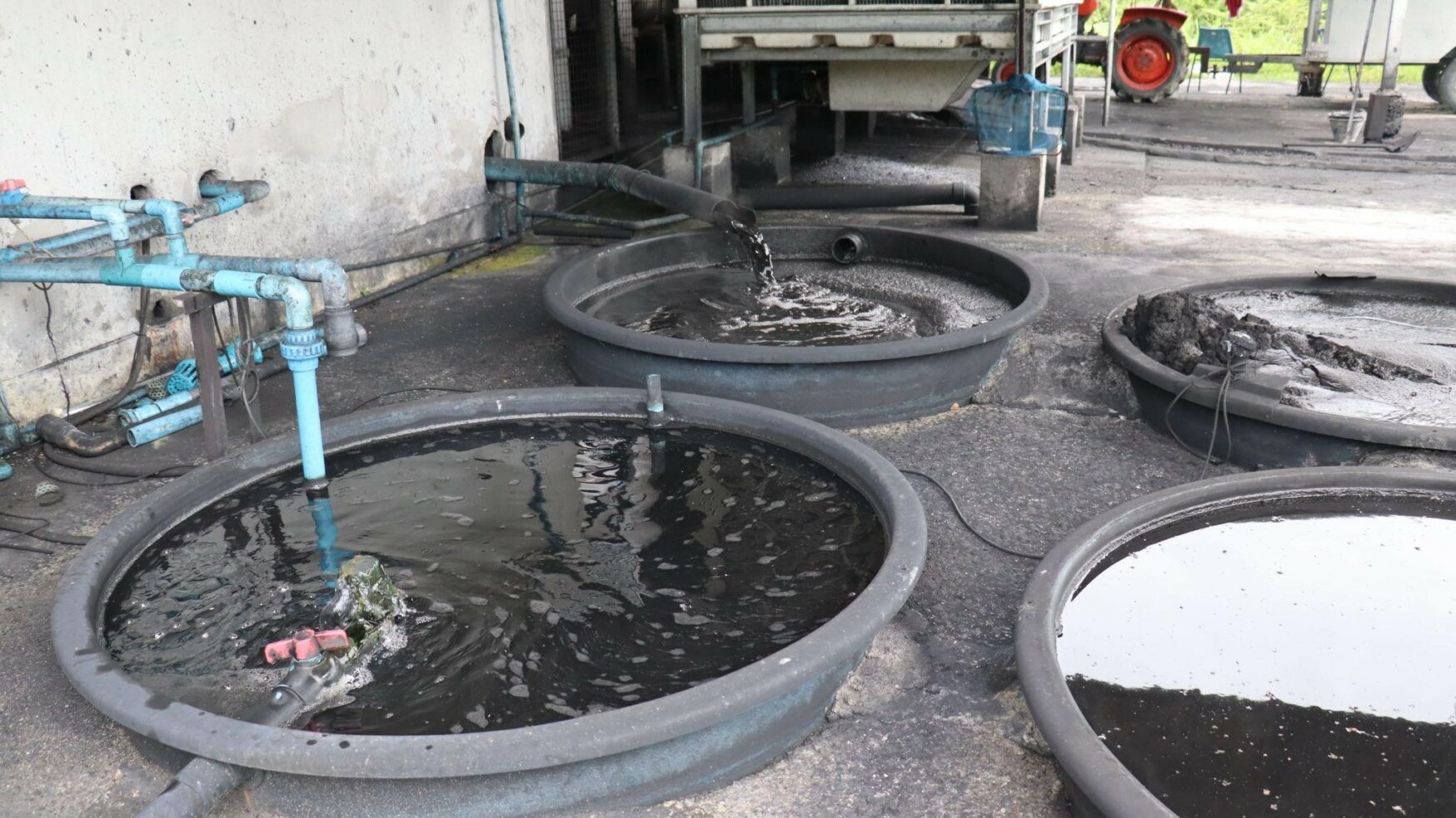
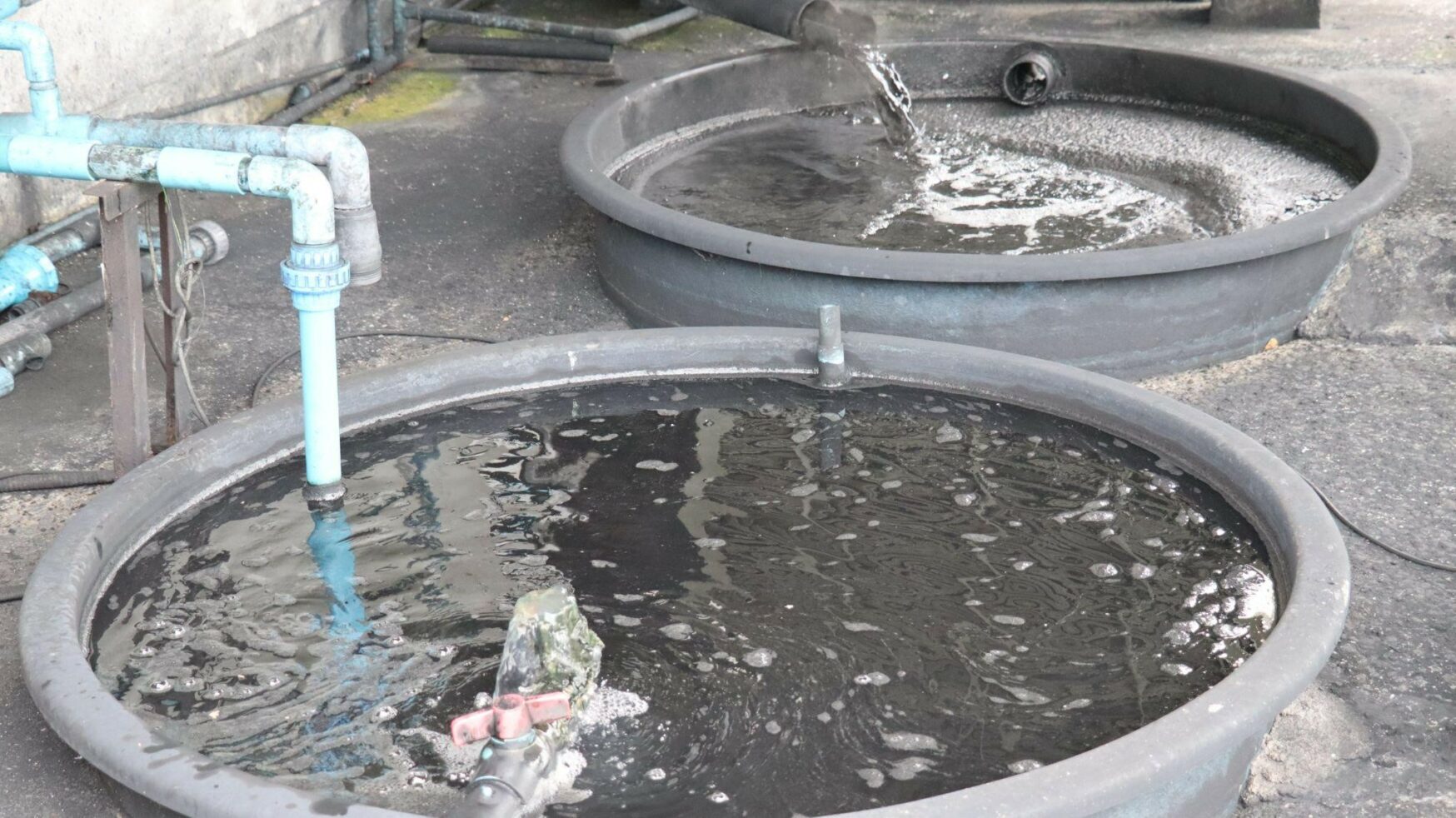
Used in fishponds without chemical contamination
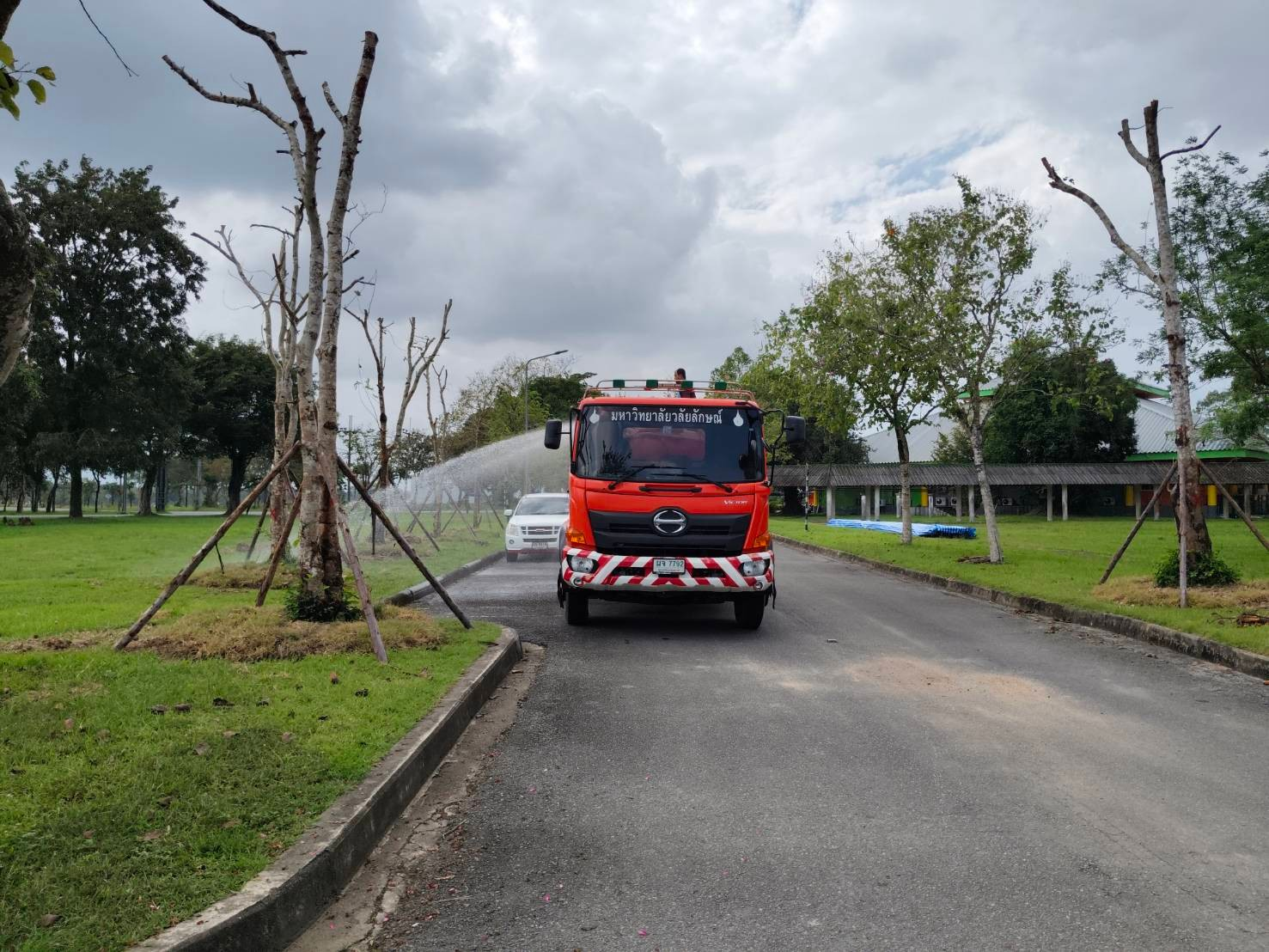
Recycled water for general university activities
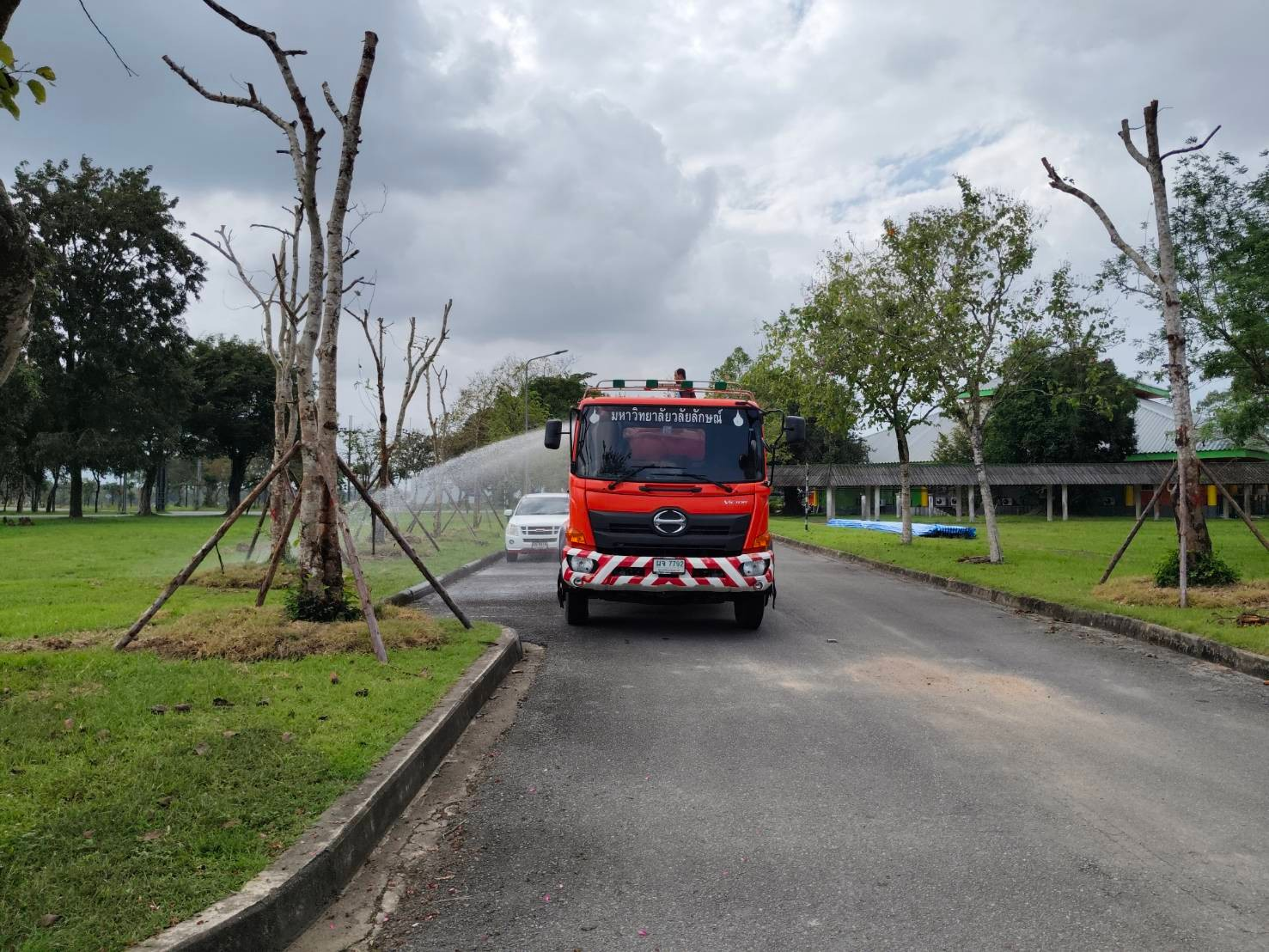
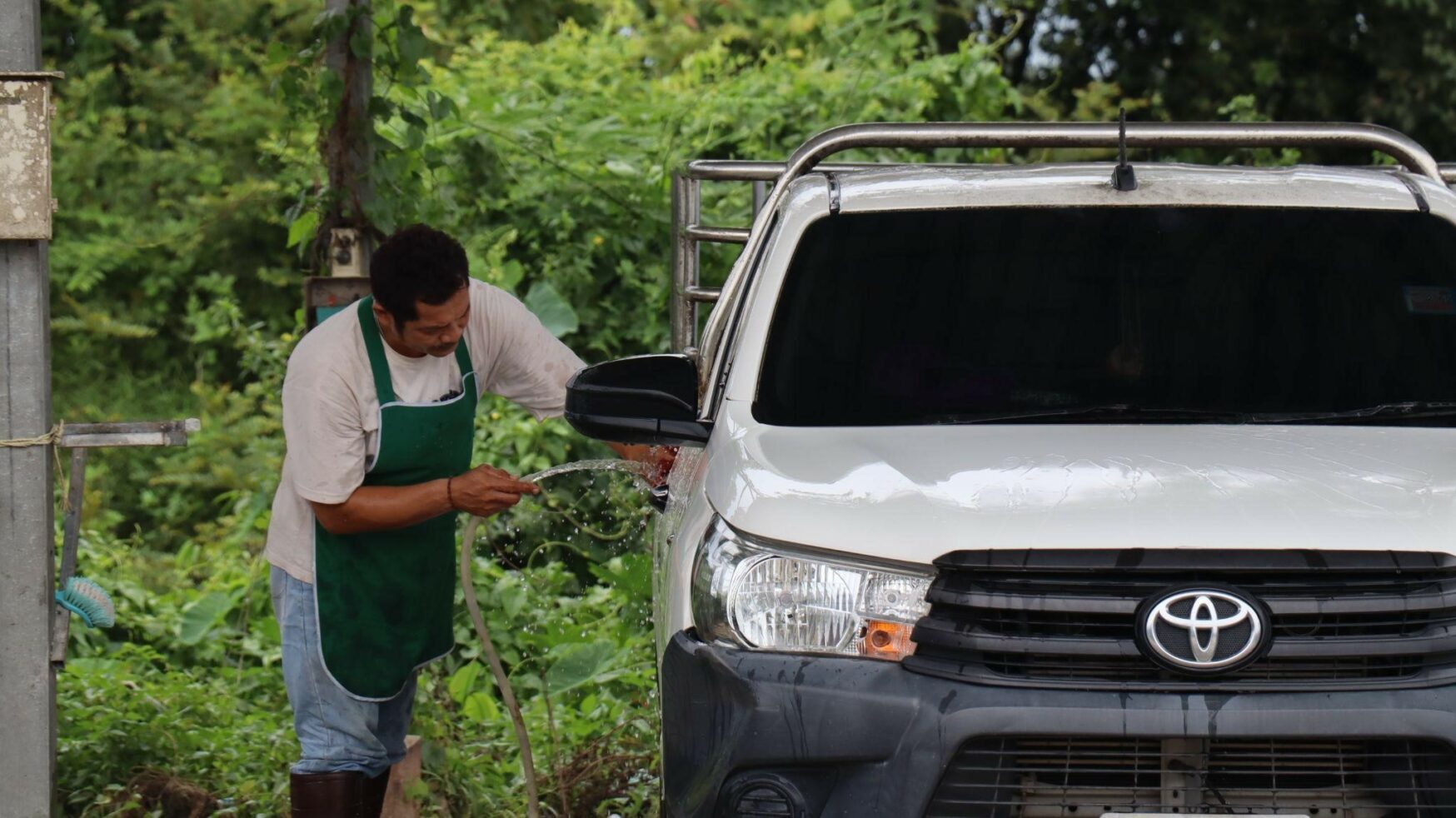
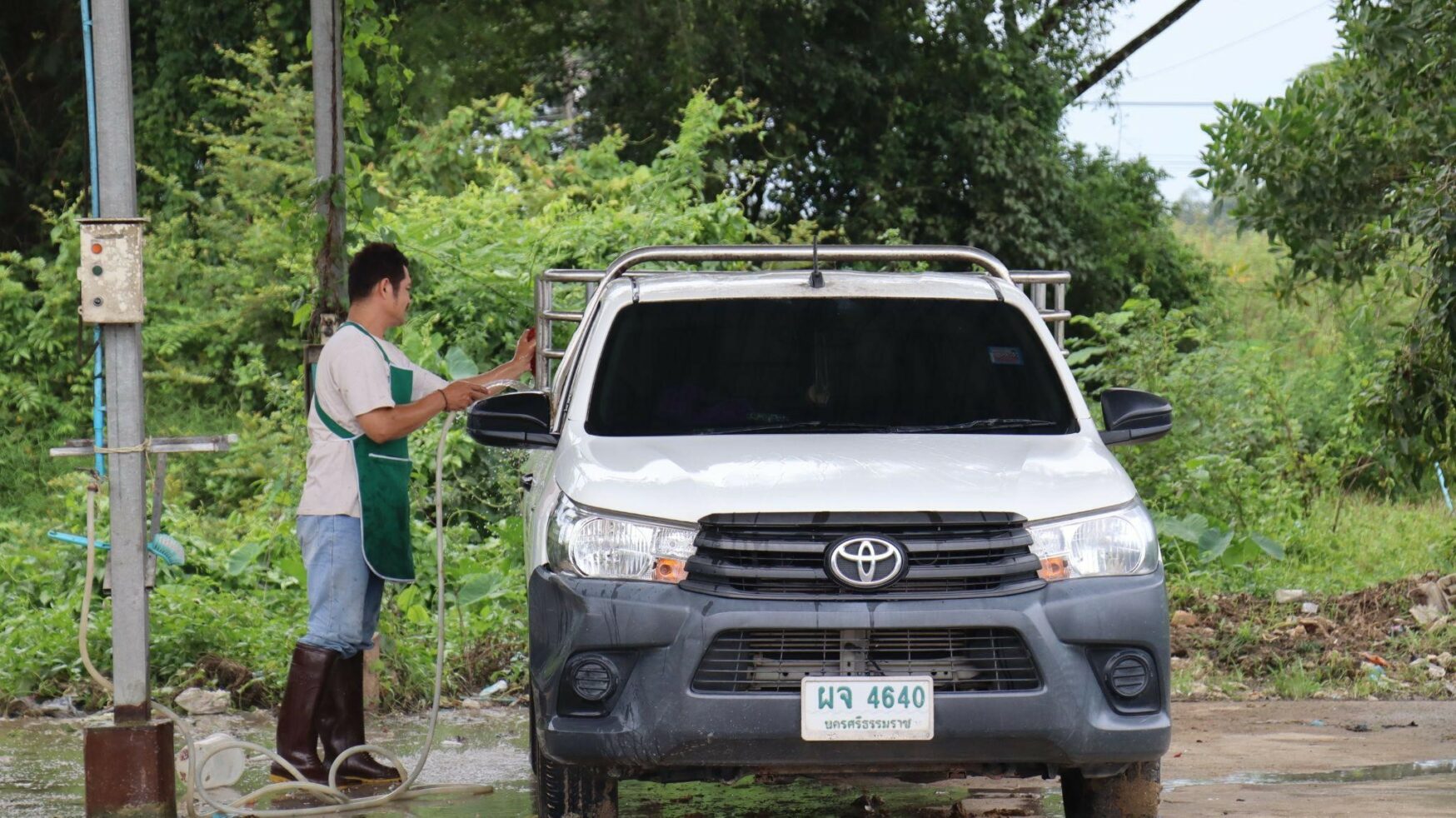
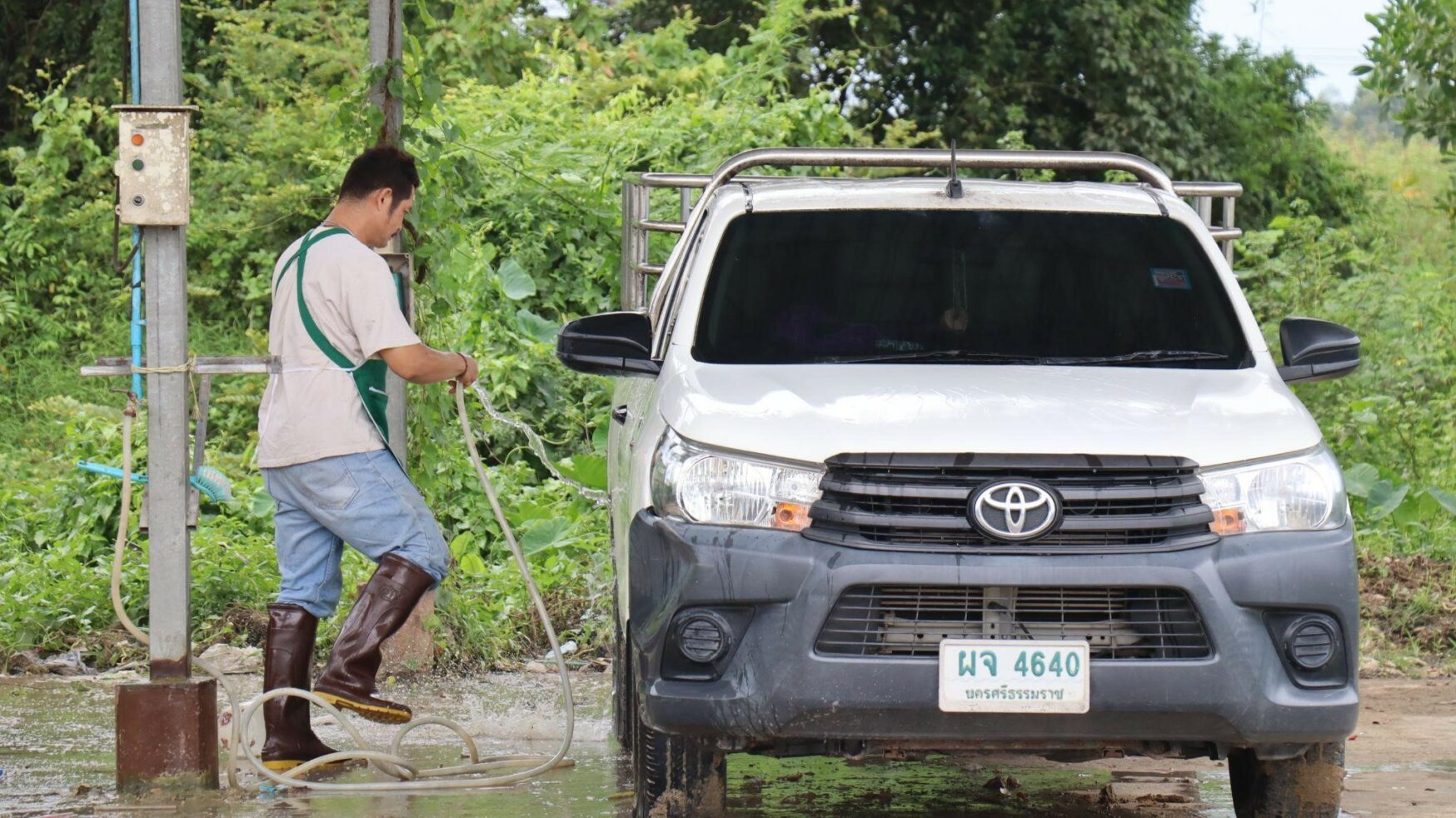
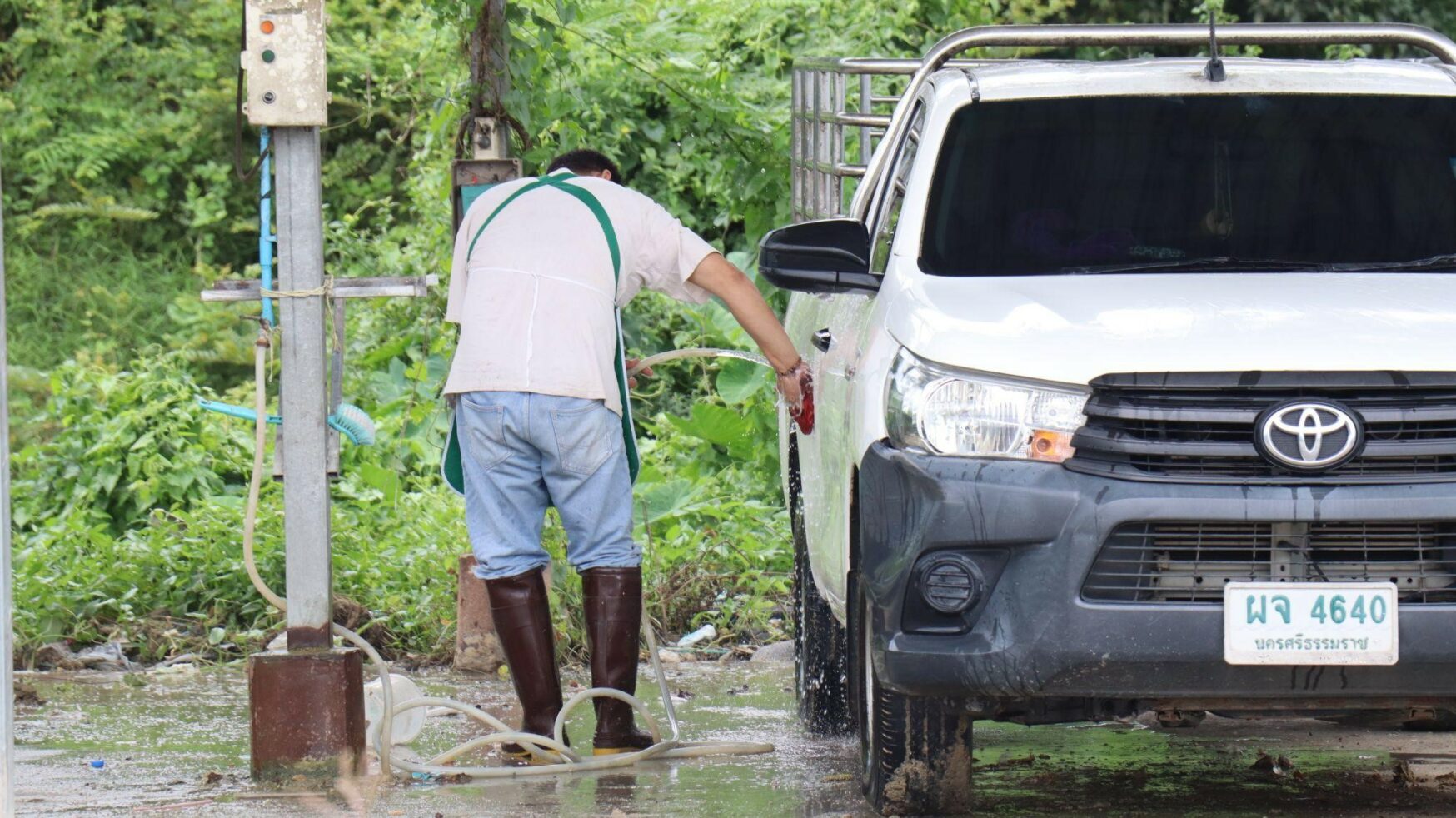
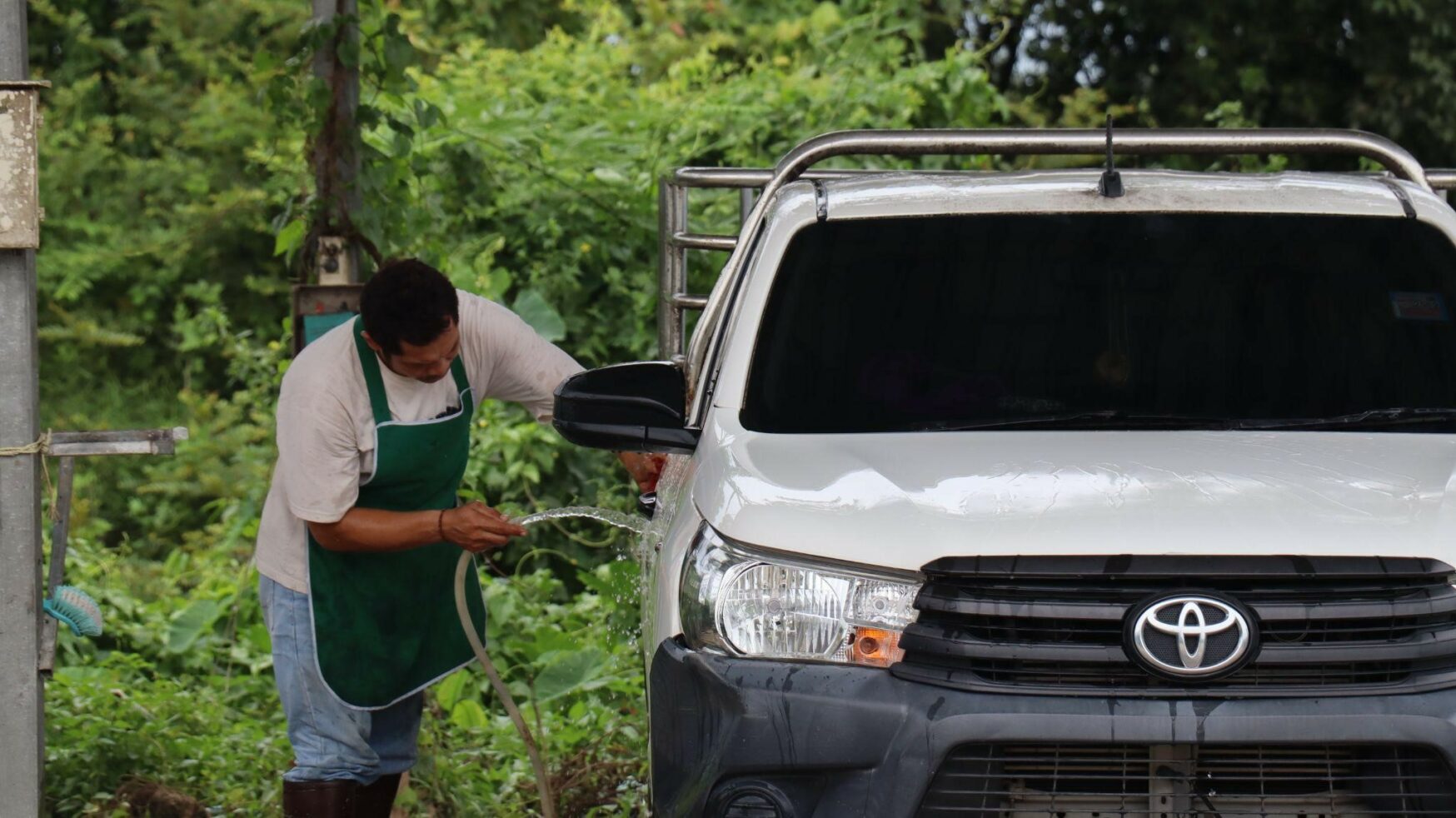
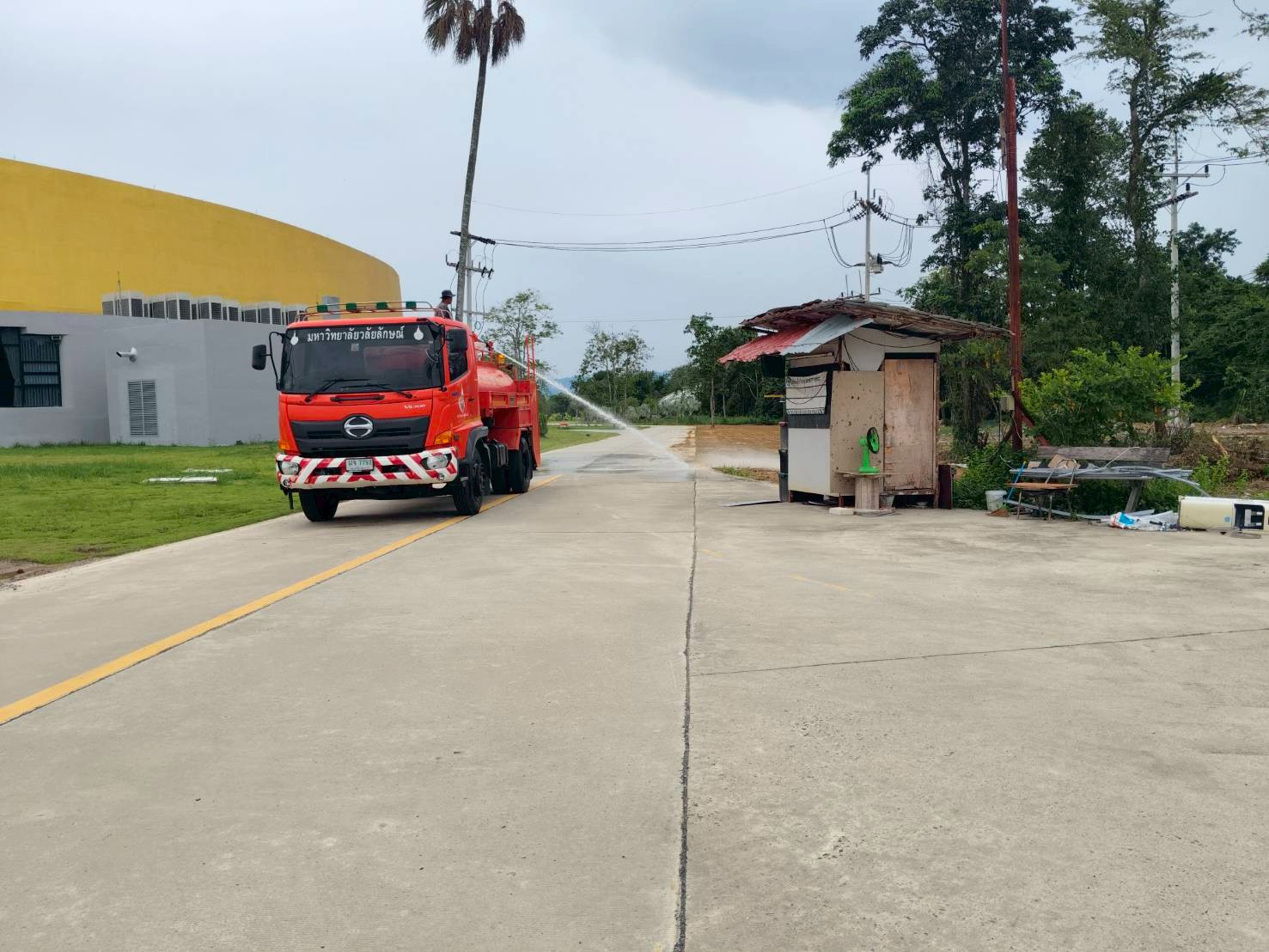
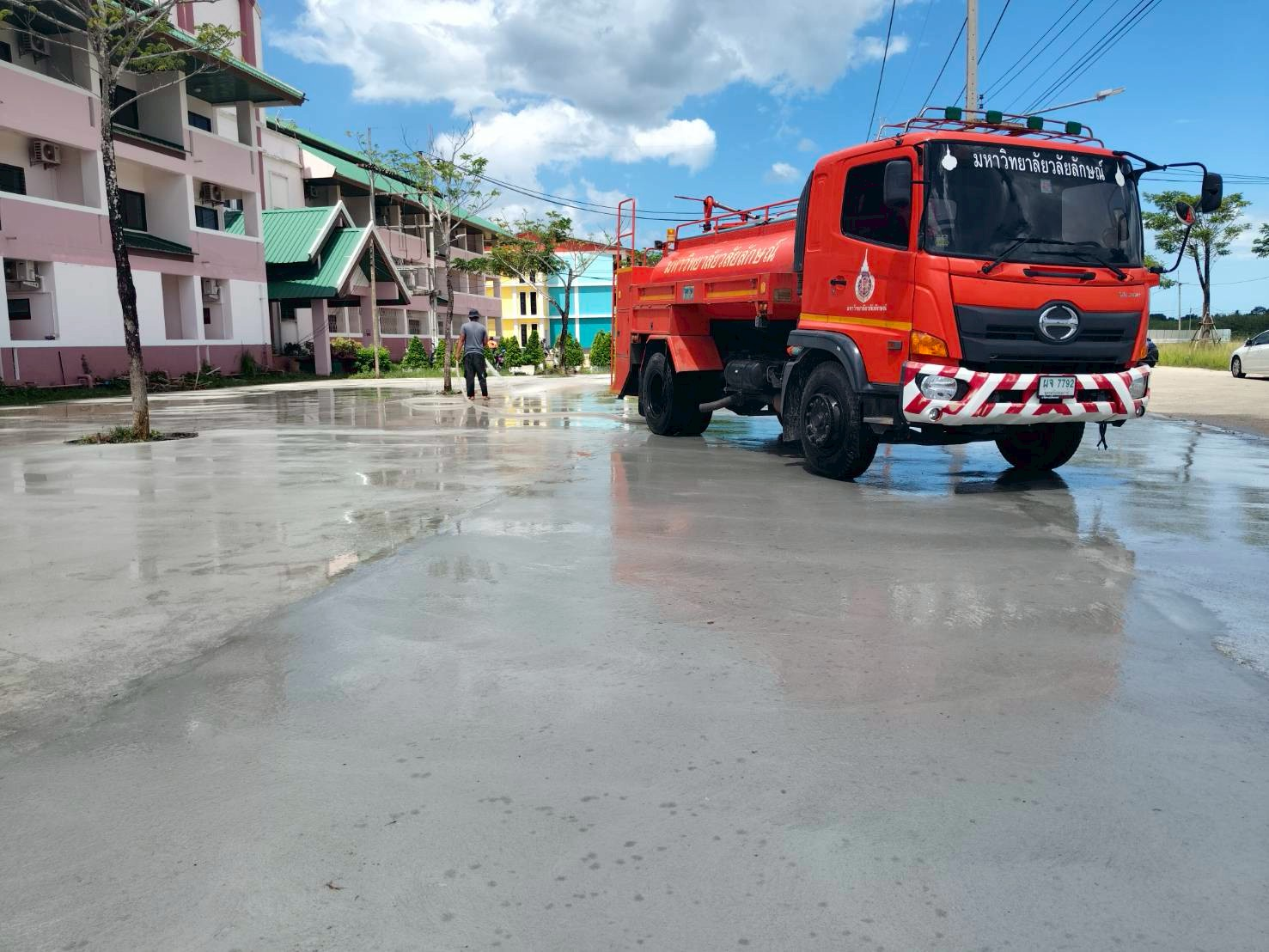
Vehicle washing
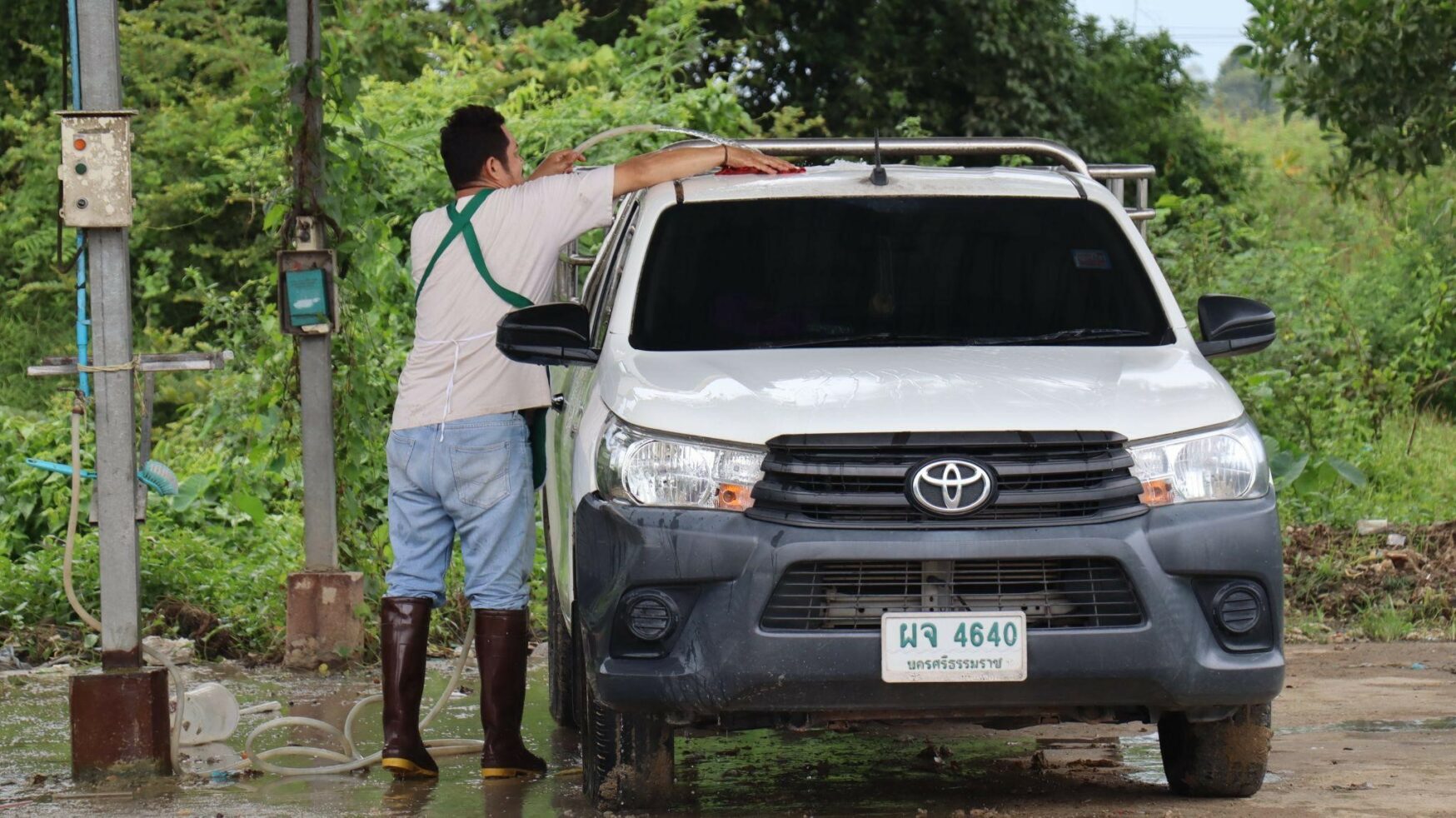
Such as vans and service vehicles within the campus.
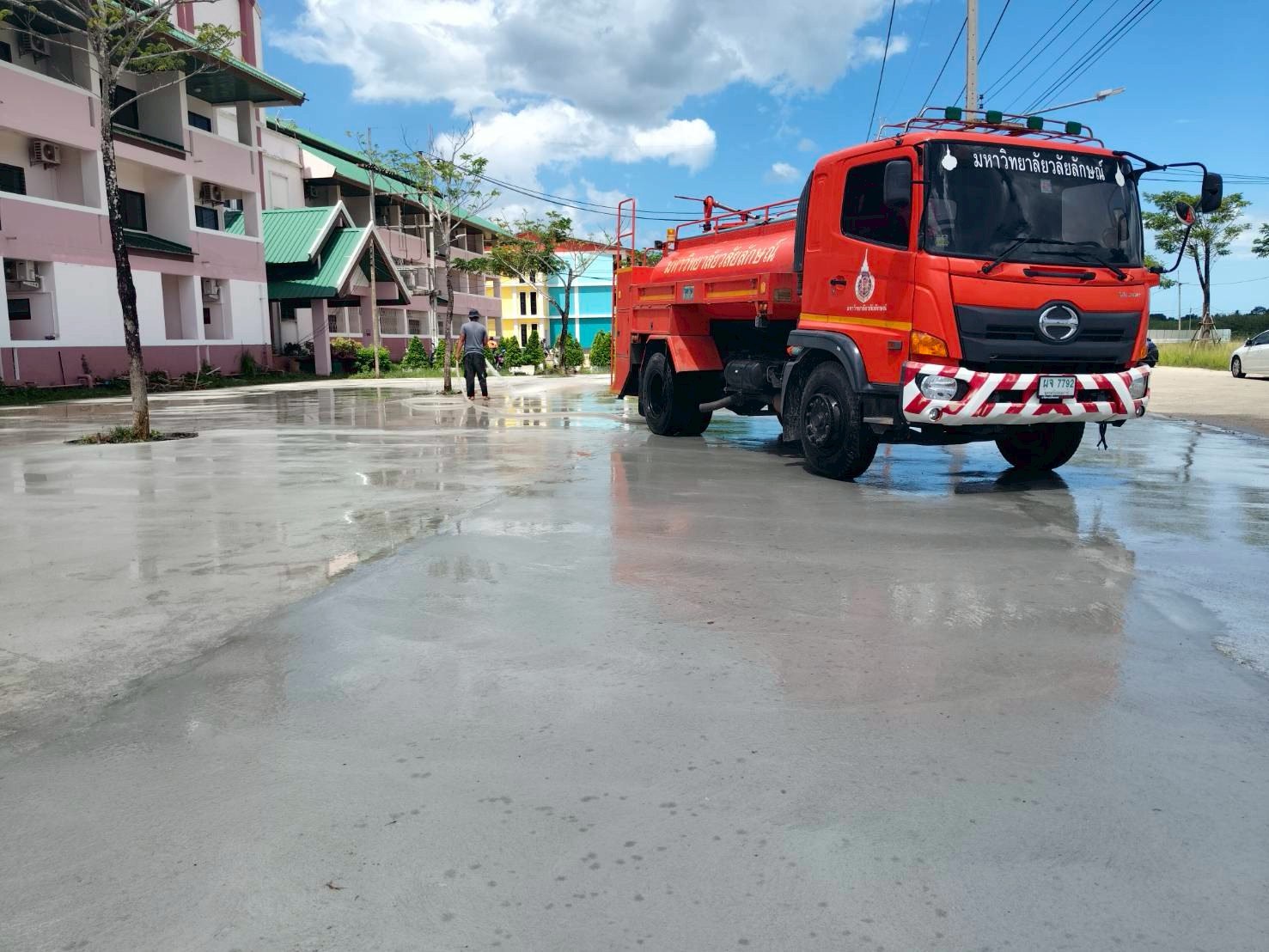
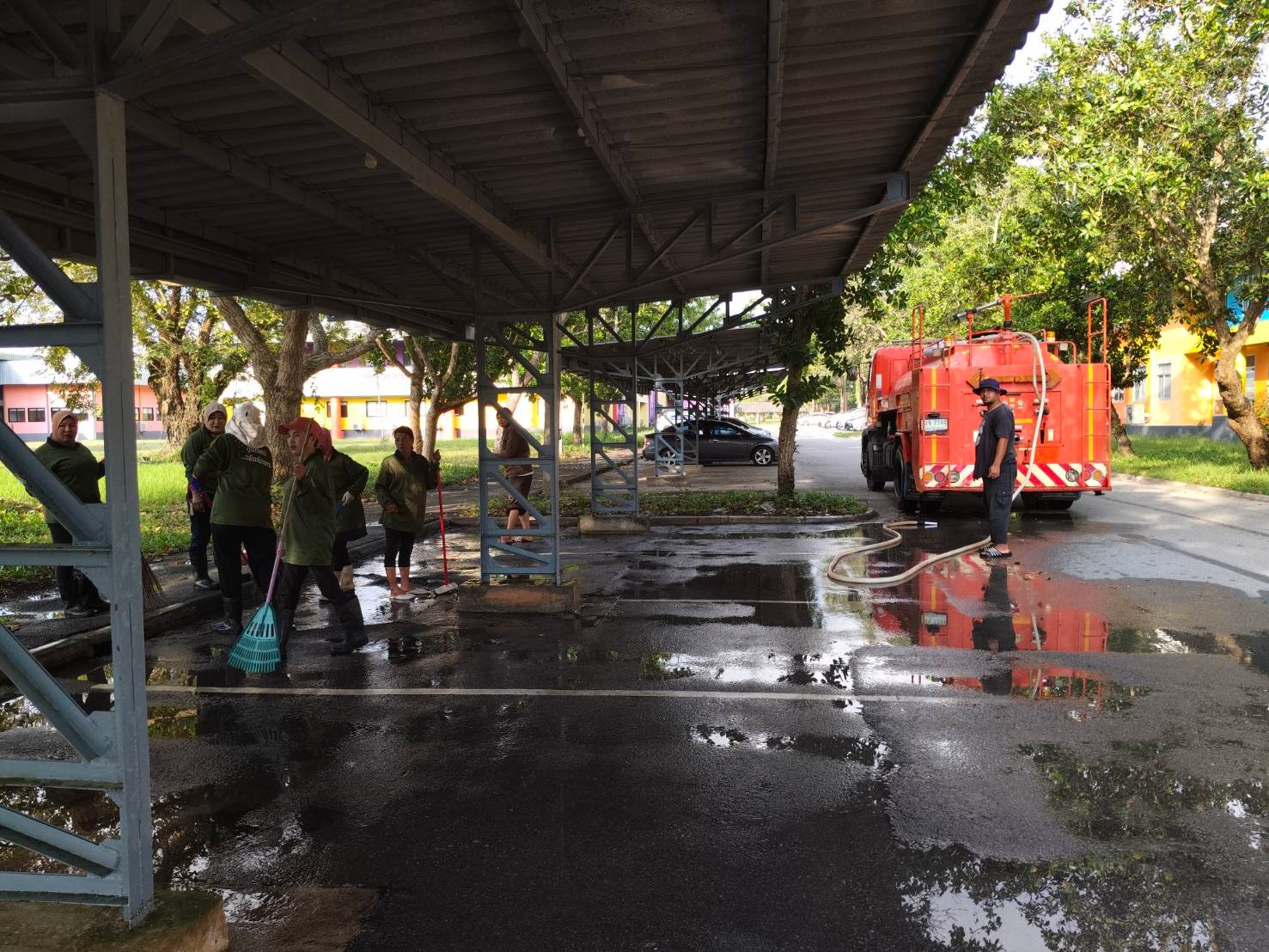
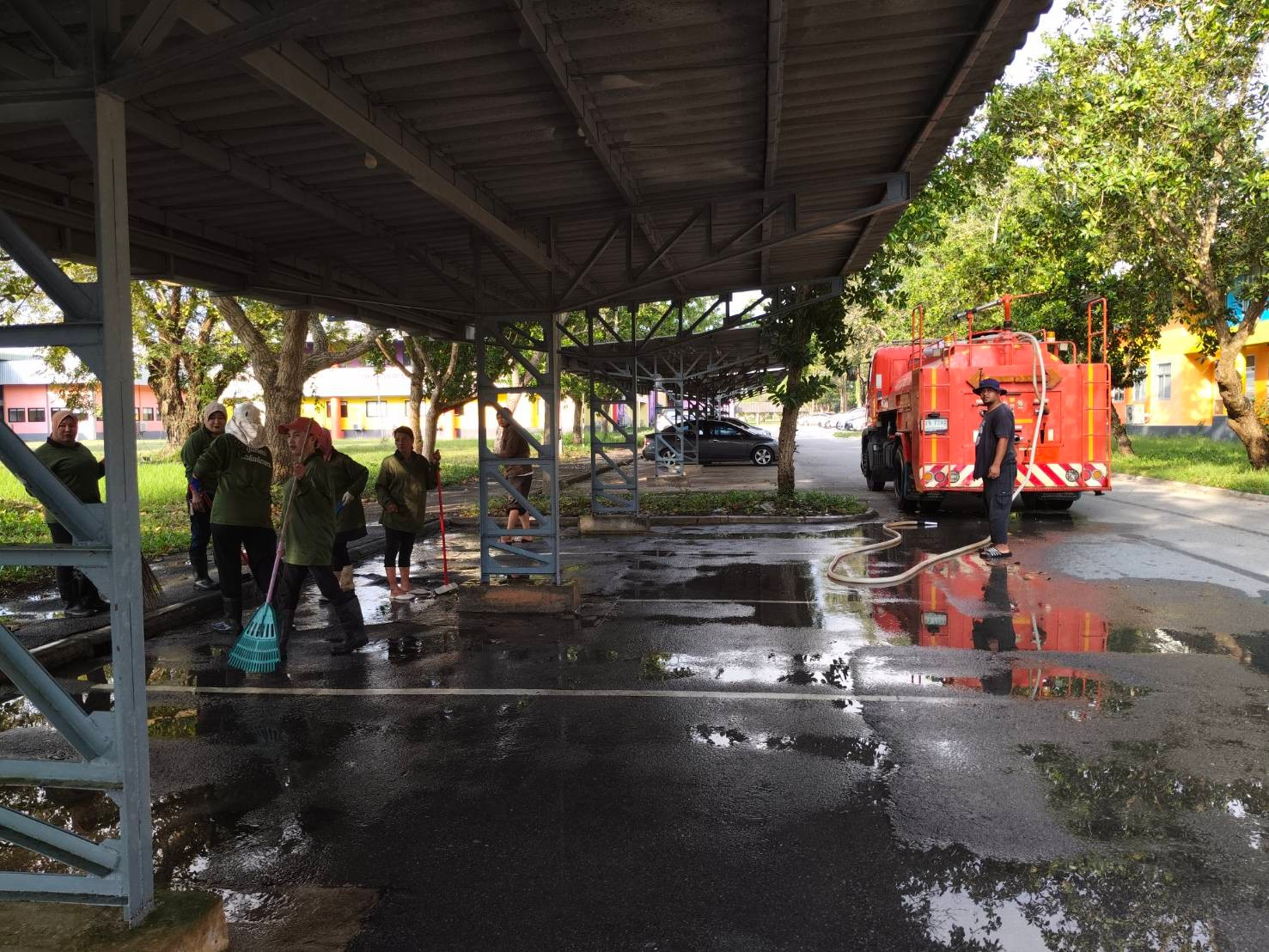
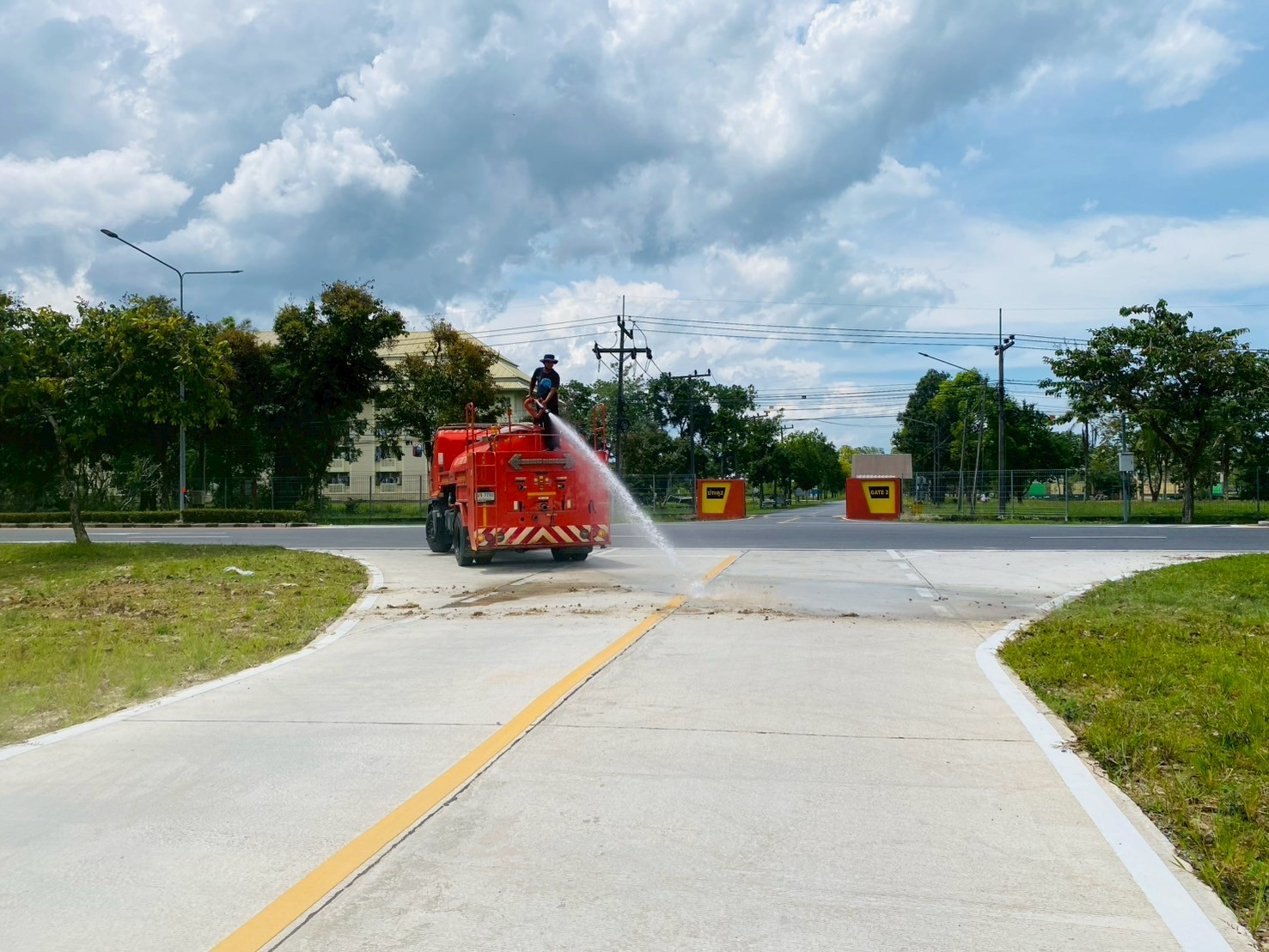
Road cleaning
Washing roads and public areas.
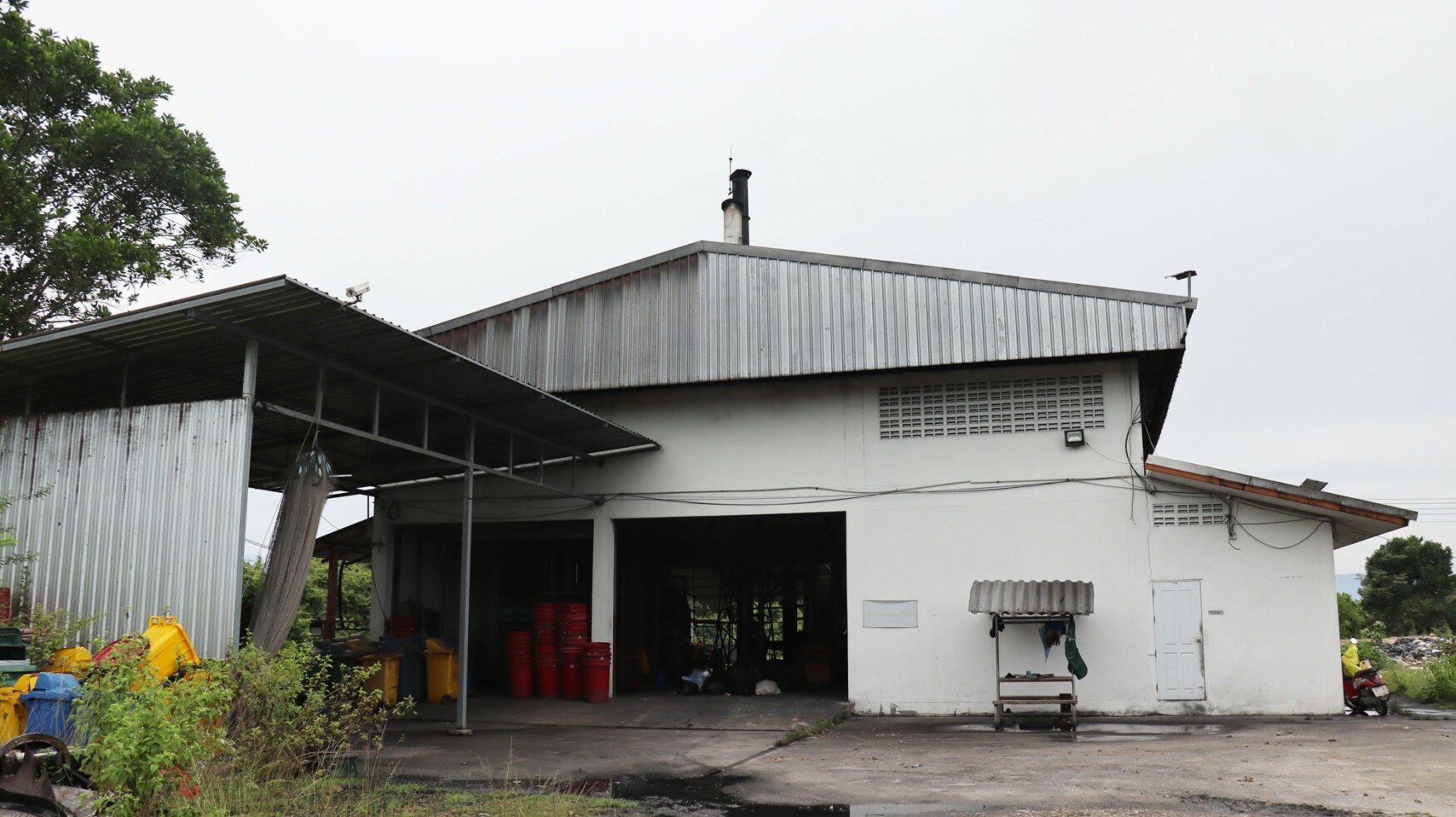
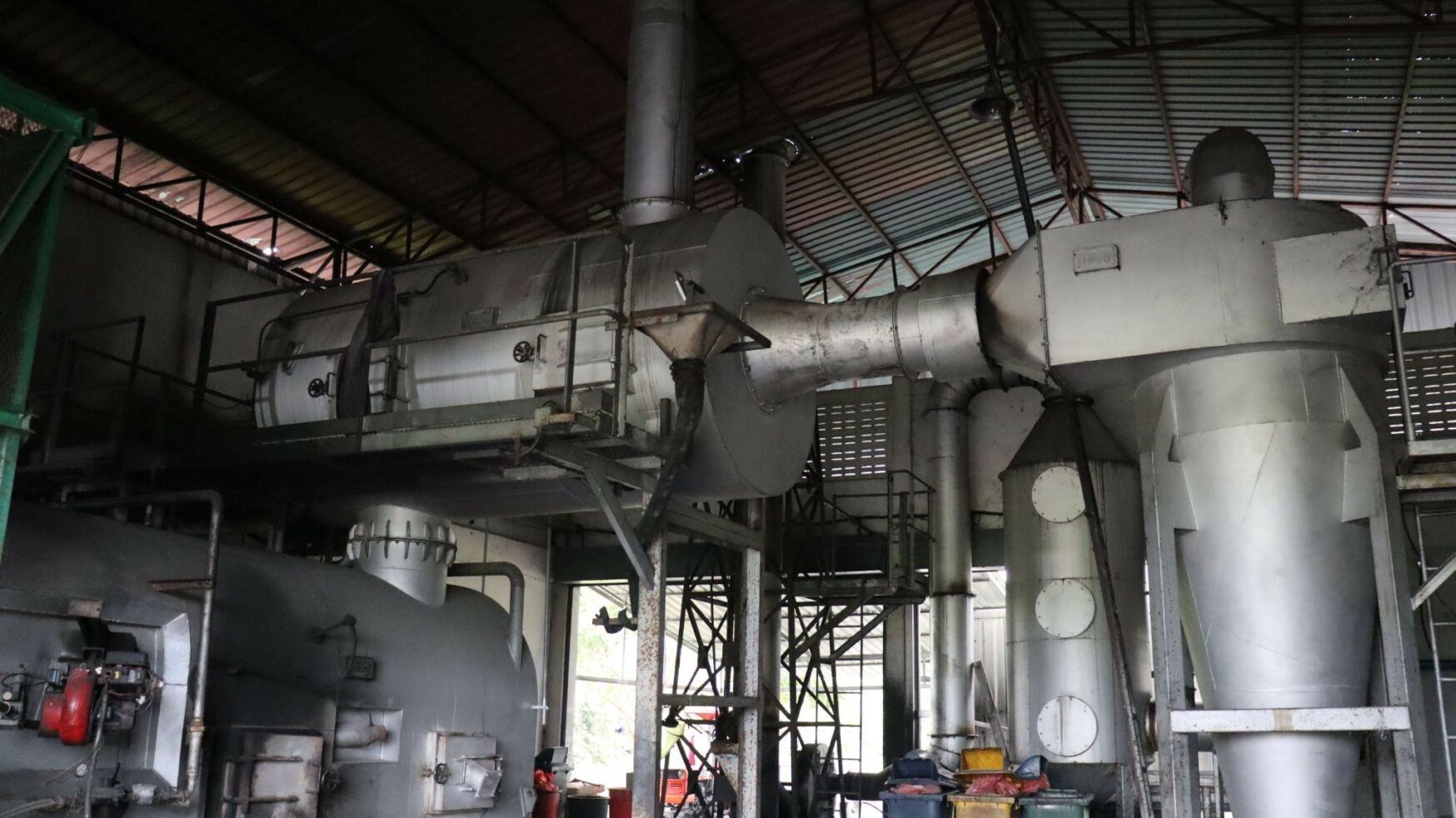
Recycled water for internal industrial purposes
Industrial use
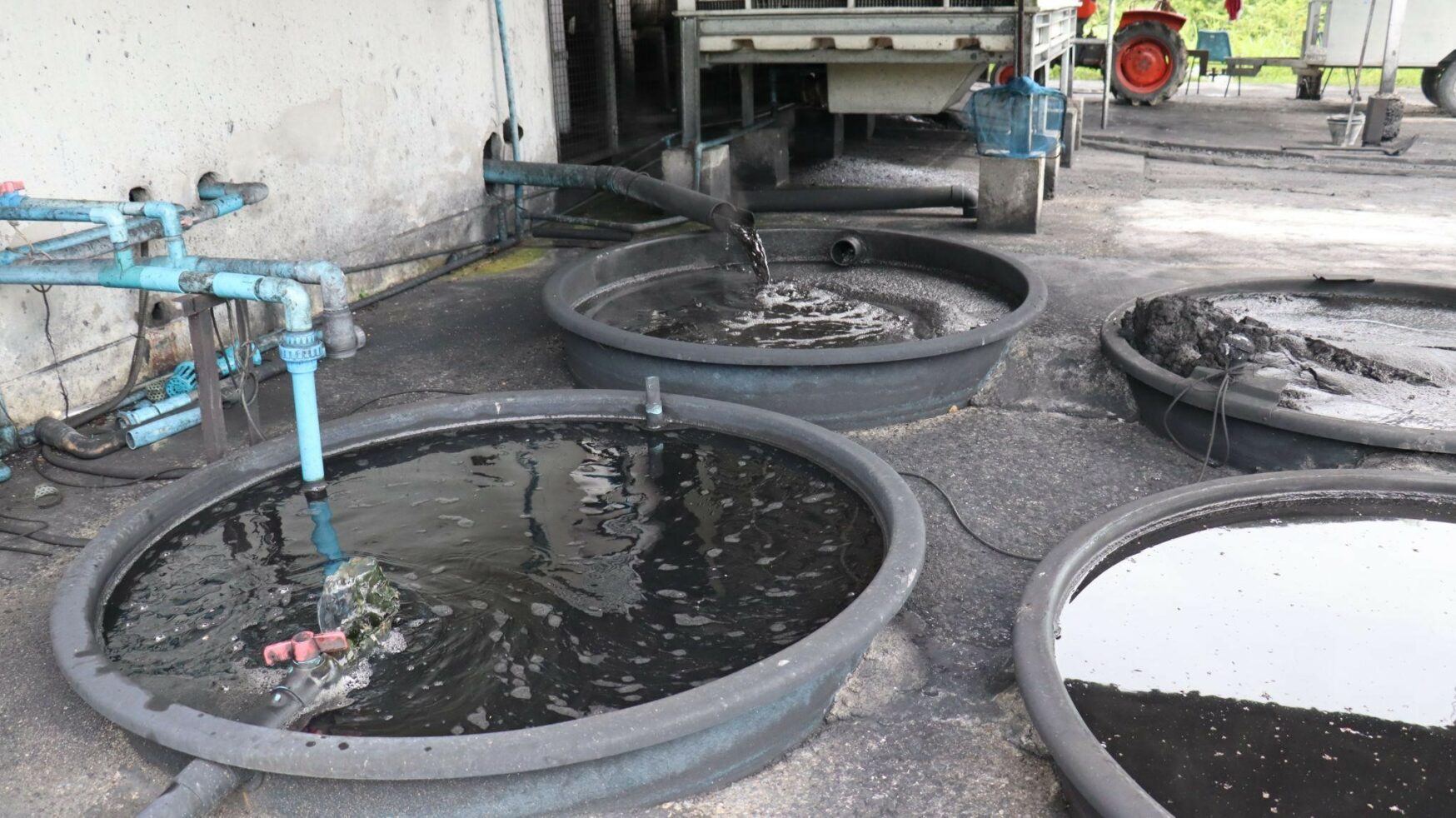
Applied in reducing the temperature of the incinerator in the pollution control project.
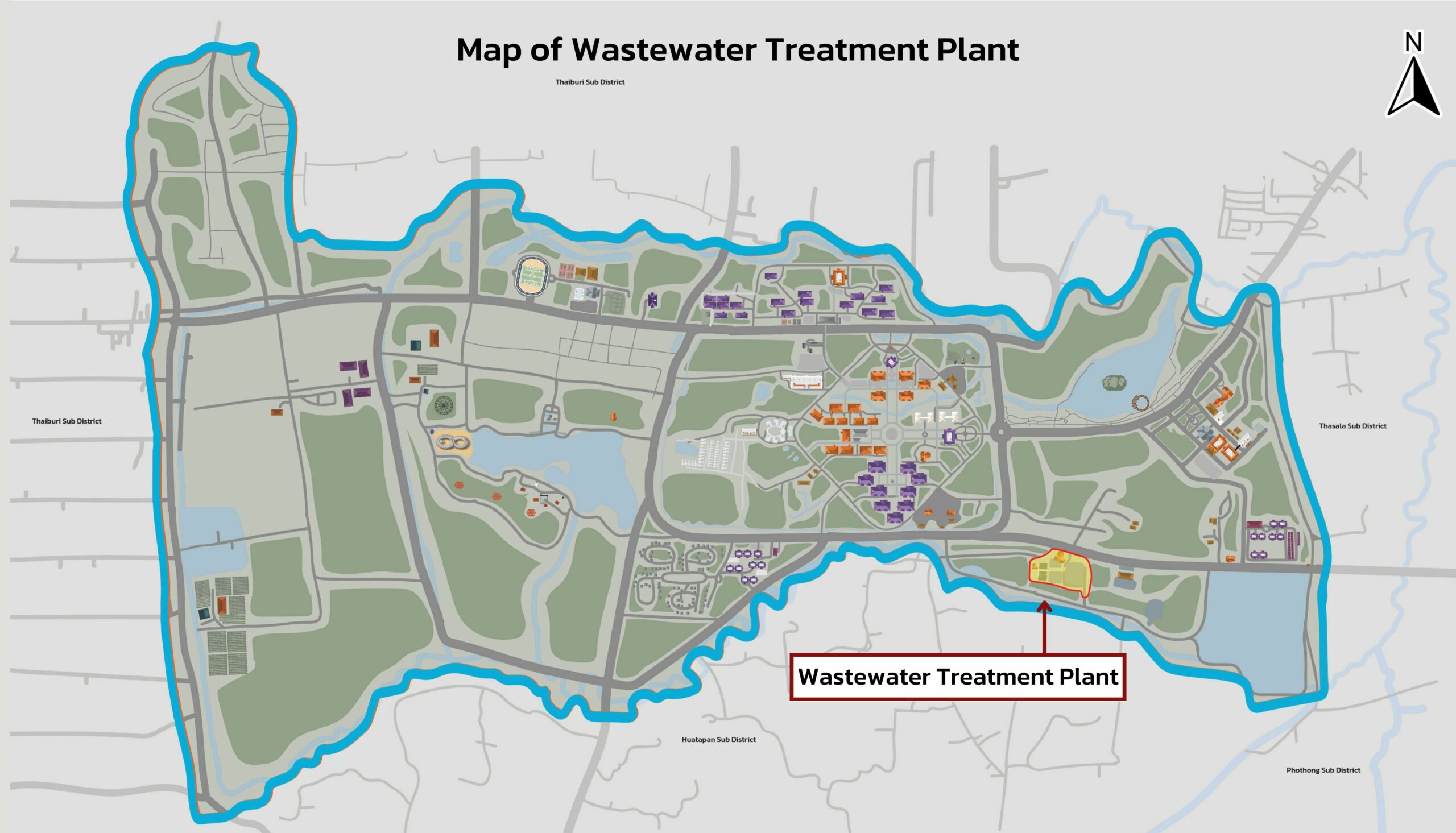
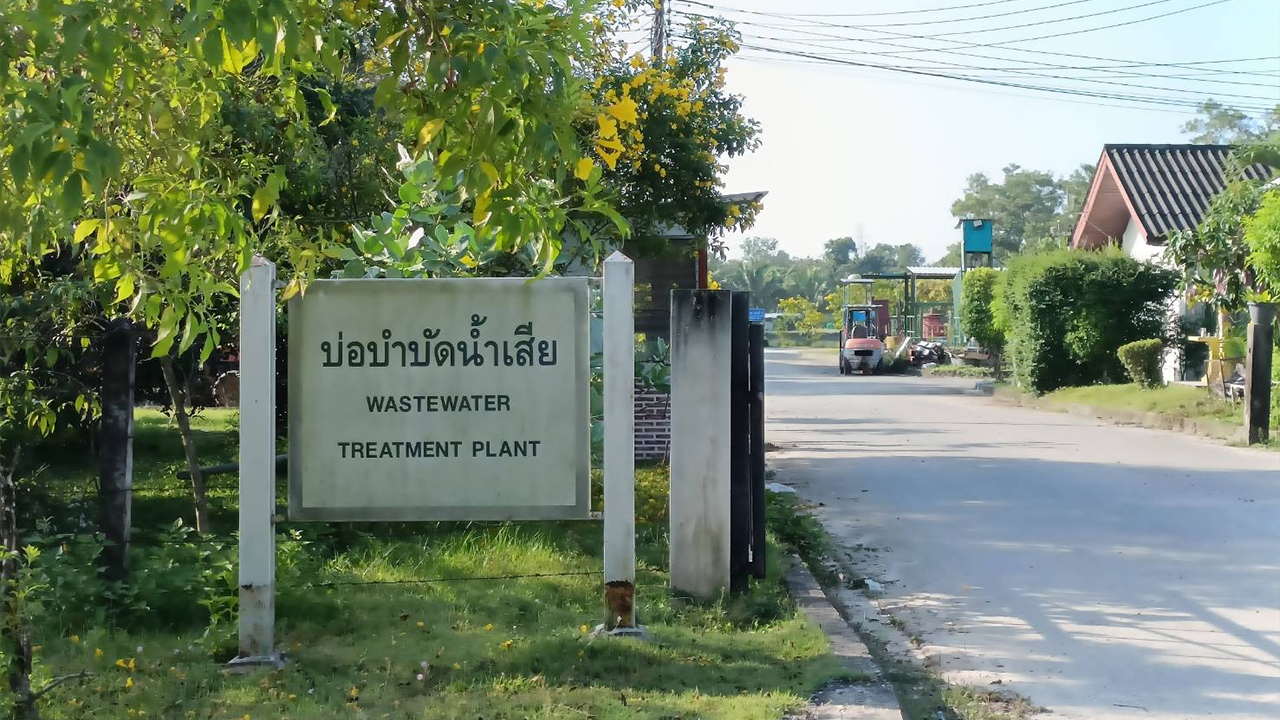
In 2024, the university adopted technologies and measurement approaches to monitor the volume of recycled water, ensuring accuracy in water reuse management and enabling effective performance evaluation. The university continuously measures the amount of recycled water across the campus through the wastewater treatment plant, guaranteeing that treated water is consistently reused. In 2024, the wastewater was treated and monitored using flow meters at a rate of 100–150 cubic meters per day.
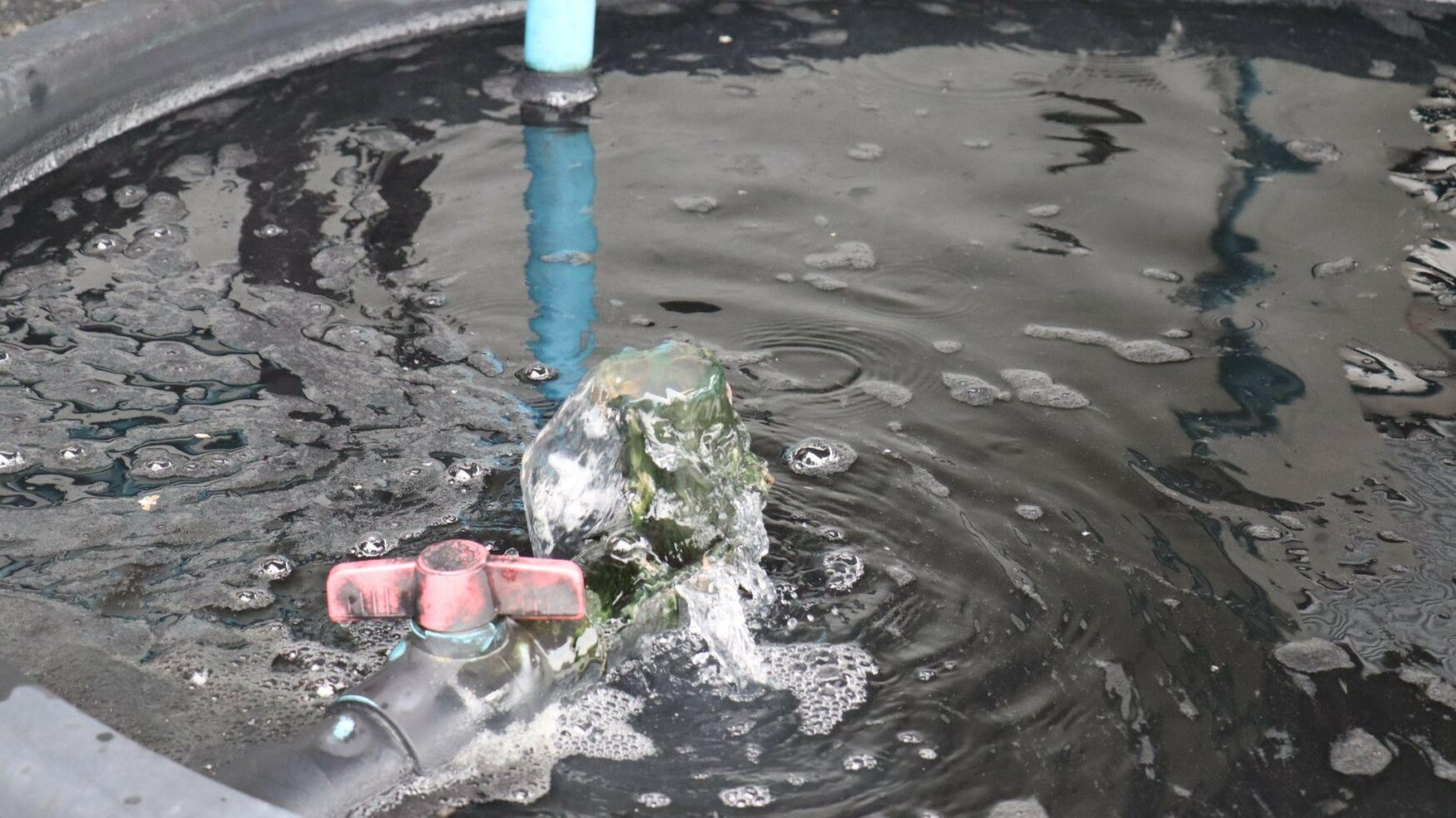
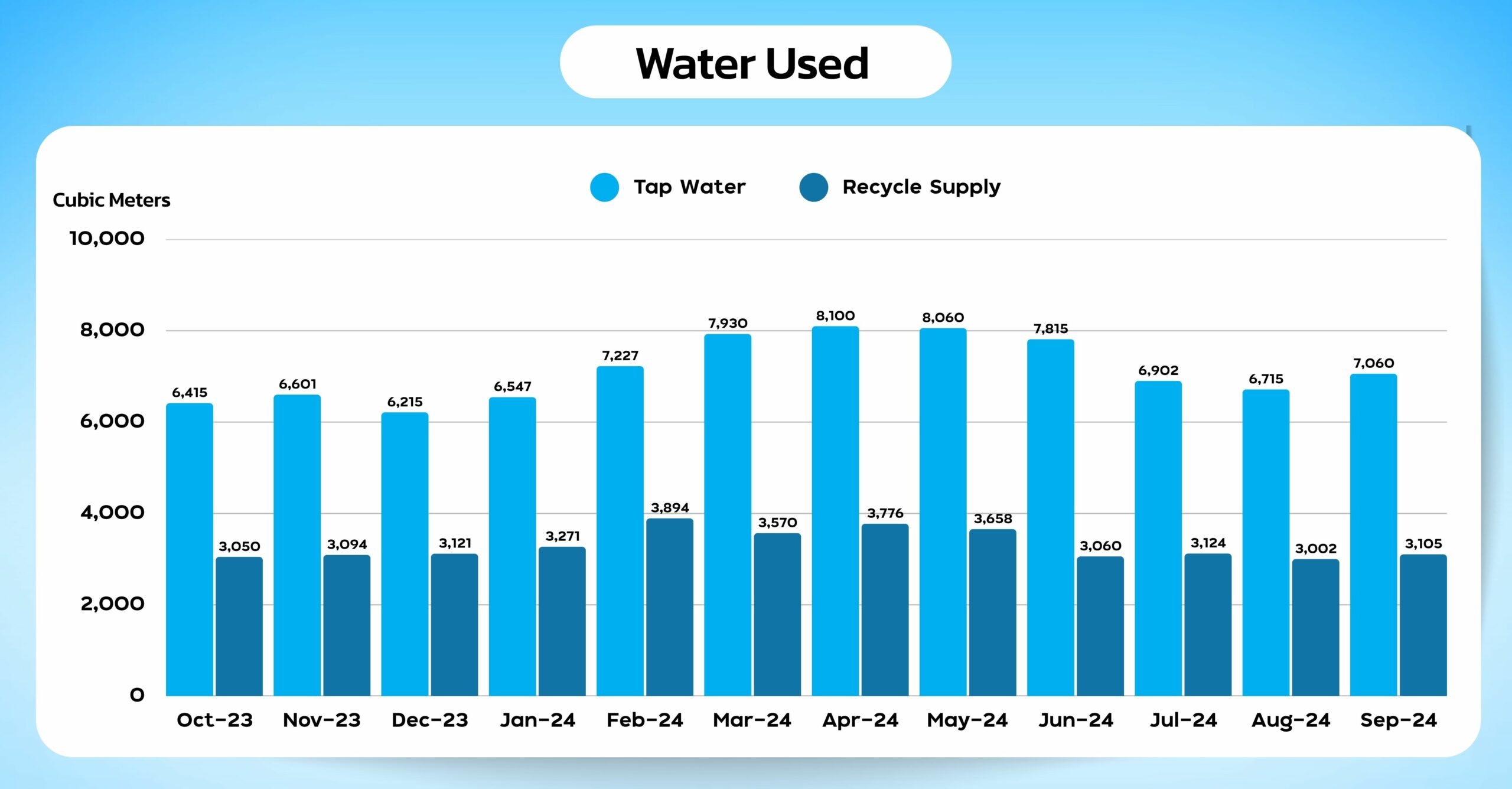
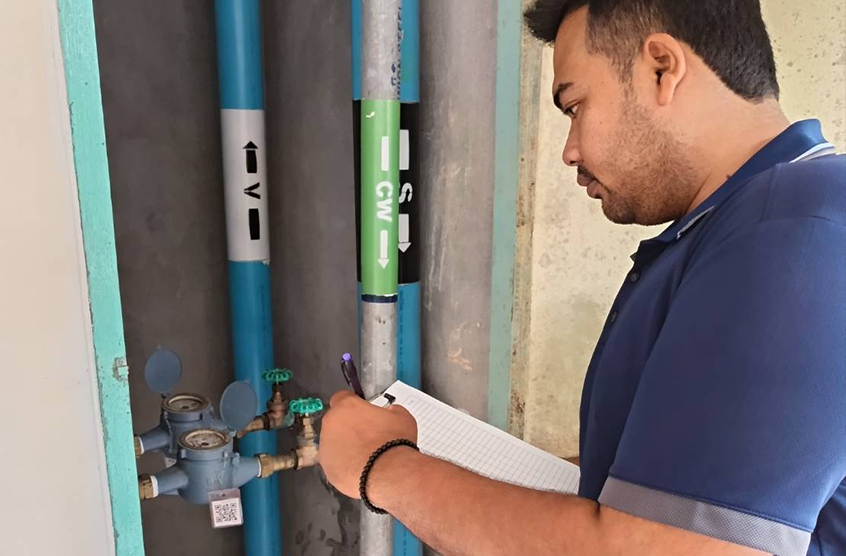
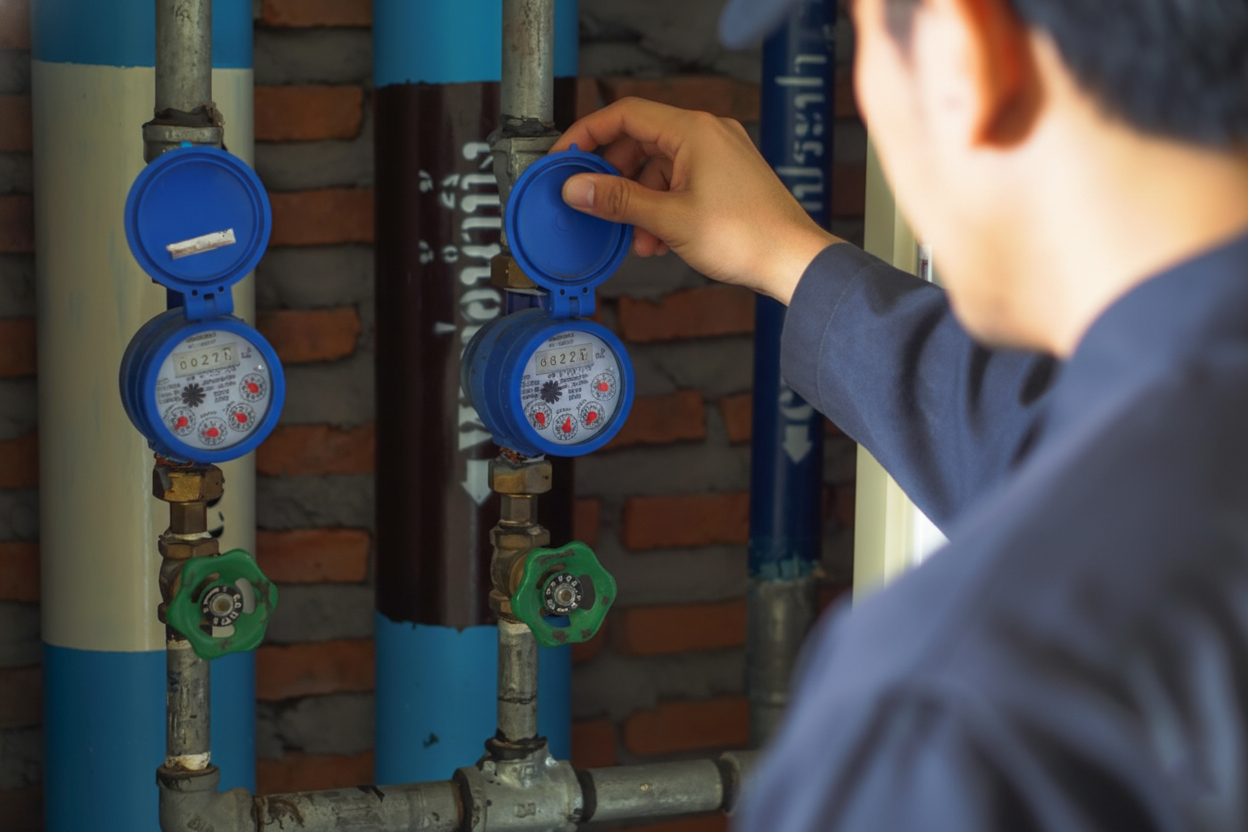
Figure : The measurement of tap water and reused water at Walailak University.
In addition, the university has continuously developed its wastewater management system with technological advancements. At present, the volume of recycled water is measured at approximately 3,310 cubic meters per month, or 110 cubic meters per day. The results show that 100% of the treated wastewater across the campus is reused. To achieve this, the university has developed and installed the following technologies:
Equipment, Systems, and Technologies Used for Measuring Recycled Water Usage
Water Meters
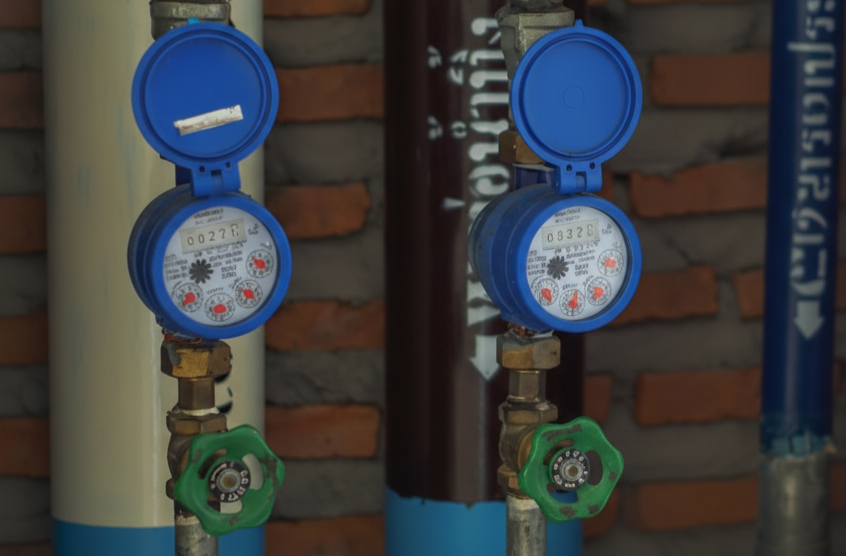
Installed to measure the flow of recycled water. The university has installed mechanical water meters, which operate using a propeller driven by water pressure, at the wastewater treatment plant. The primary purpose is to monitor, control, and efficiently manage water usage by measuring the volume of treated water that is reused. The data is also applied to analyze trends in recycled water consumption within the university, supporting the evaluation of implemented water-saving measures. This process provides real-world learning opportunities that promote analytical thinking and a deeper understanding of sustainable resource management systems.
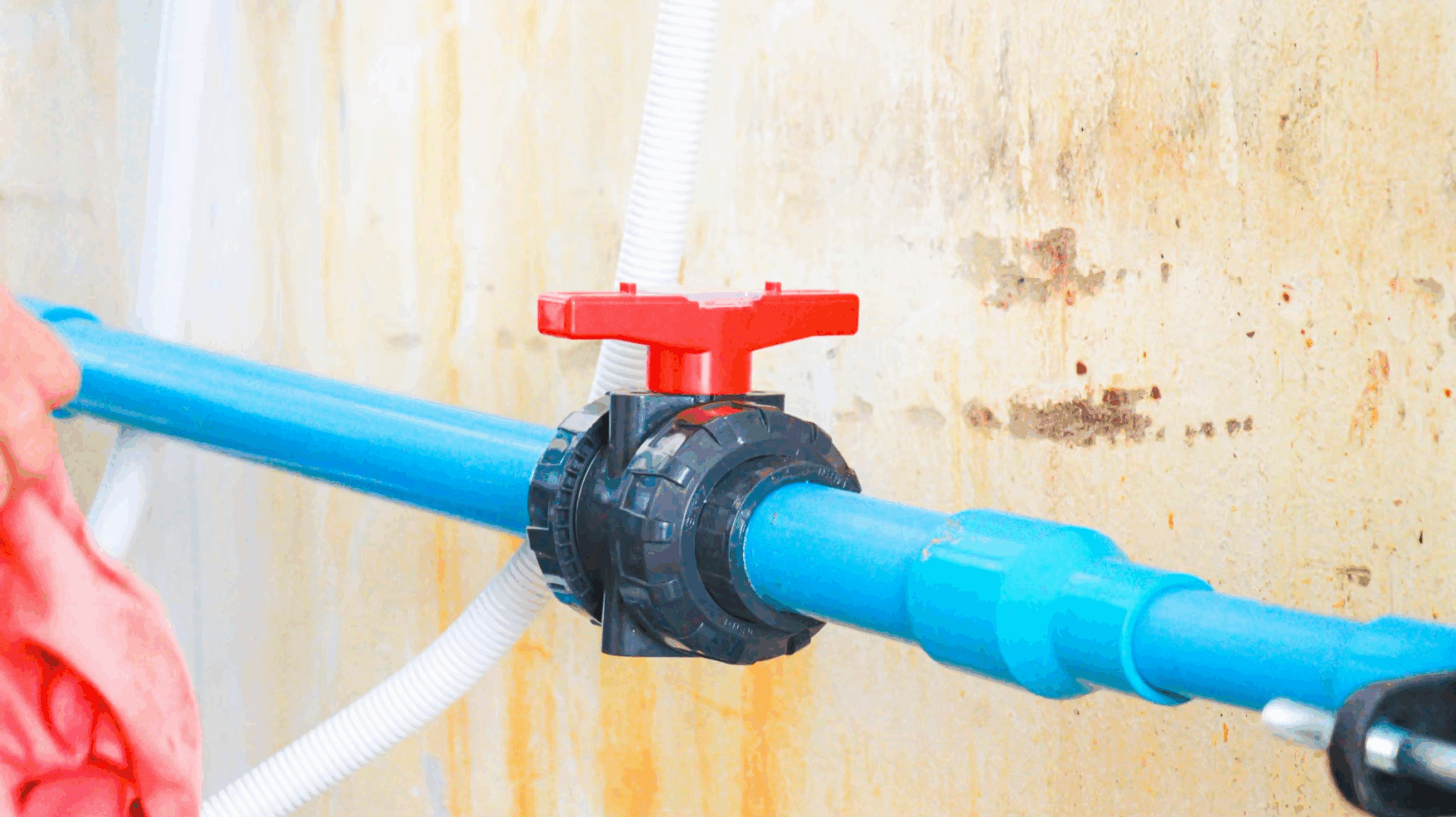
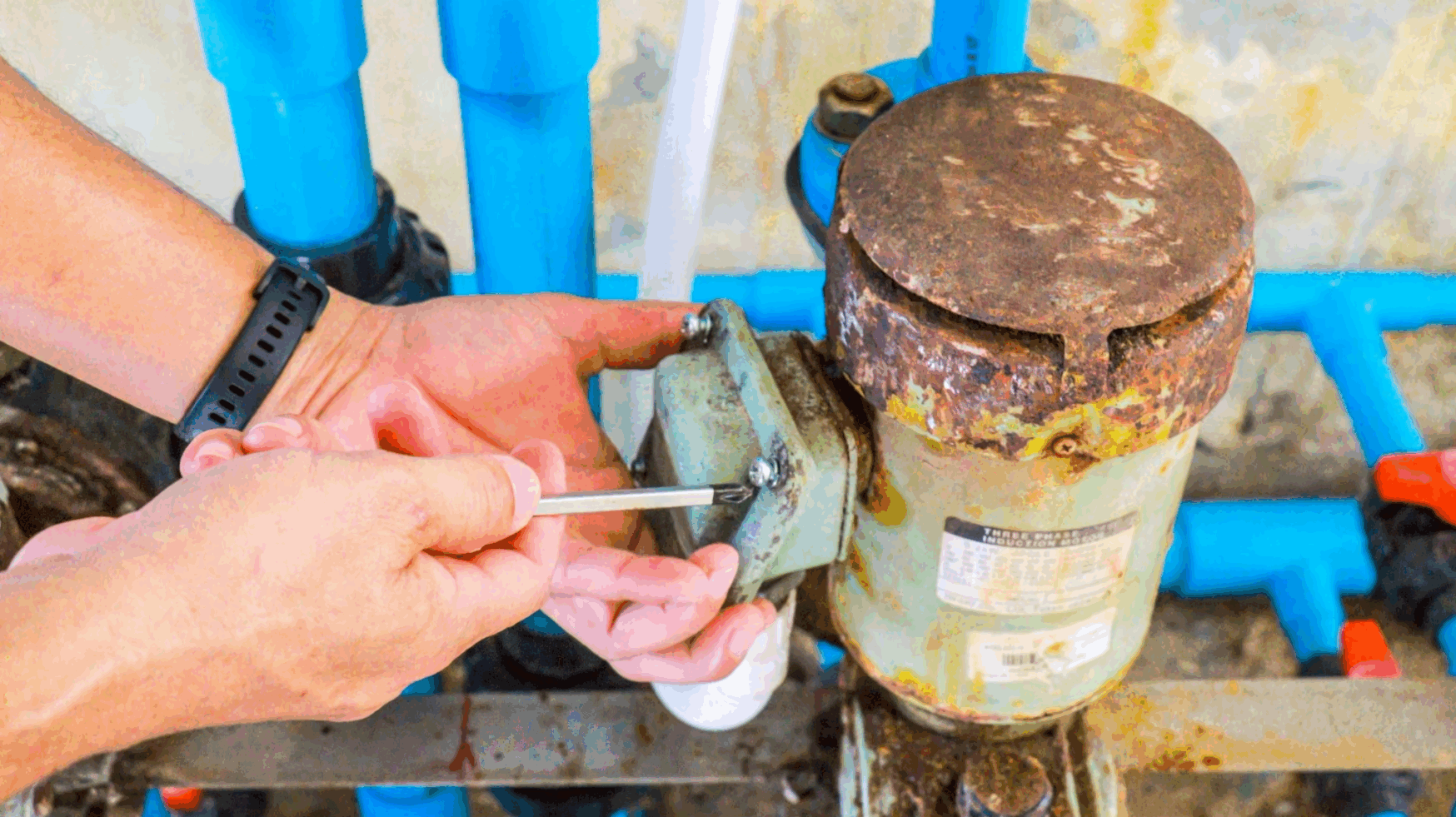
Pumping System
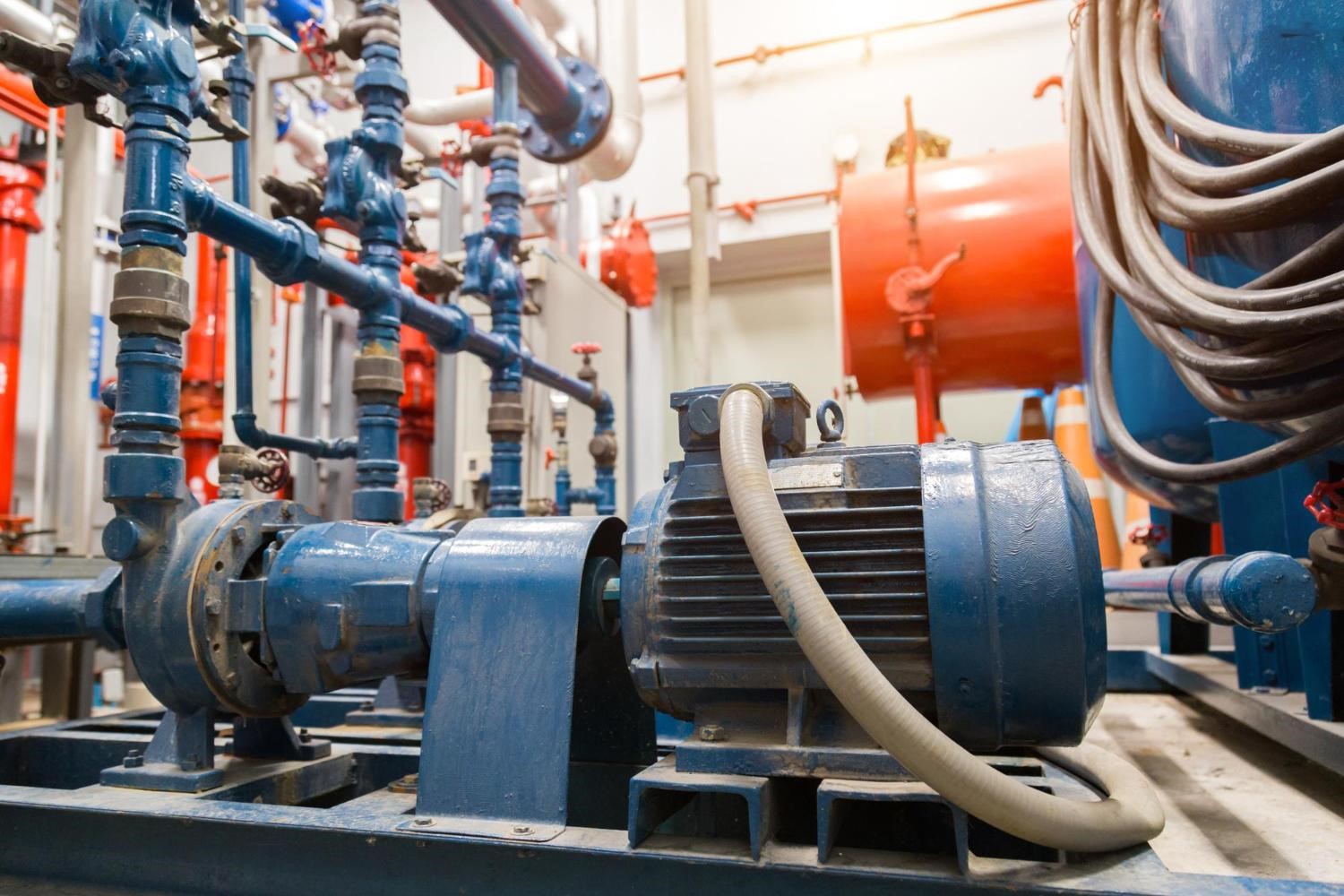
The pumping system is used to deliver water from its source to various areas within the university where it is needed. This system plays a vital role in managing and distributing water resources efficiently, ensuring that user demands are properly met.
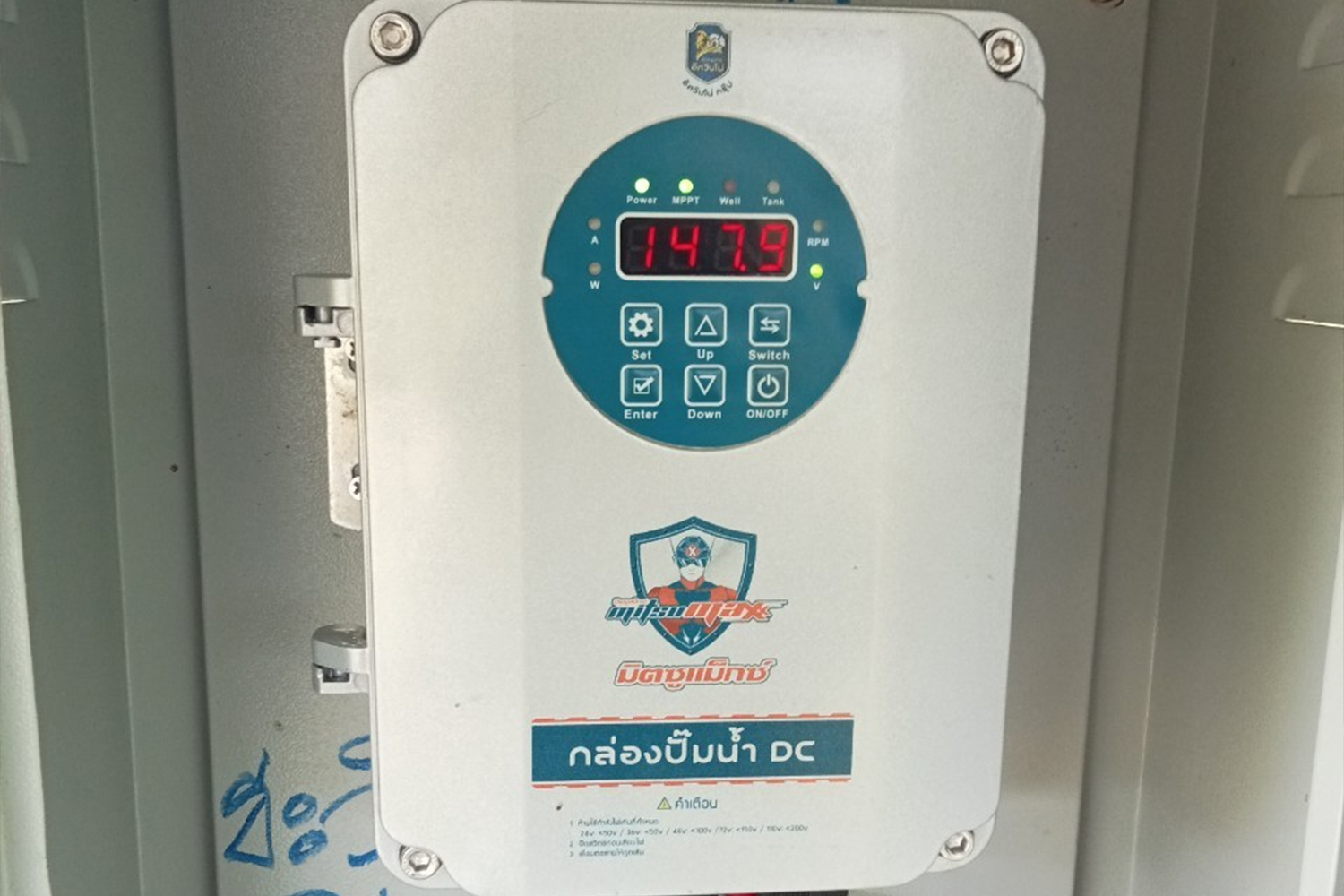
The university has a water distribution control system that can record water volume by integrating pumping technology with measuring and recording devices such as water meters and sensors. This enables real-time monitoring and verification of the volume of water distributed. The system allows administrators to manage water use more effectively, reduce water loss, and prevent excessive consumption.
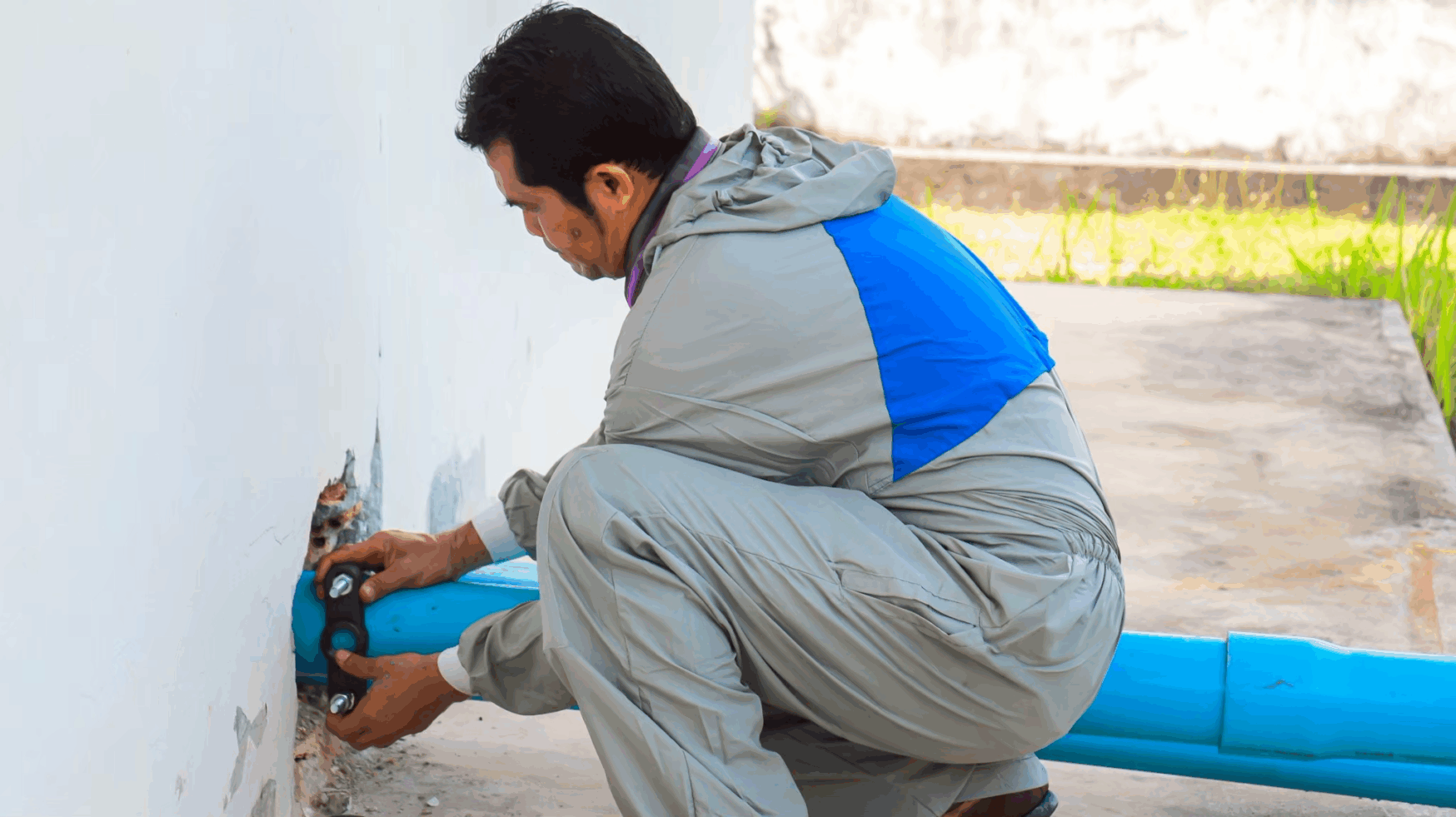
Furthermore, the water volume recording capability within the distribution process enables long-term data analysis, such as planning water usage, detecting system abnormalities like leaks or pump malfunctions, and improving the overall efficiency of the pumping system. In addition, this data can be utilized to raise awareness of responsible water use among university members.
At present, the university has developed and adopted modern sensor technologies for water quality monitoring, integrated with digital systems. This enables online tracking of water quality data and provides alerts when abnormal values are detected. As a result, corrective measures can be taken promptly, reducing risks and enhancing the efficiency of sustainable water management.
In addition, the data obtained from water quality sensors can be utilized in research and education, generating knowledge and raising awareness of effective water management among students and staff. It also helps foster a sense of responsibility for conserving and protecting the university’s water resources, ensuring their long-term sustainability.
Data Collection Methods
- Continuous Monitoring: Through an automatic water meter system.
- Periodic Monitoring: For example, recording data on a daily or monthly basis.
Key Performance Indicators (KPIs)
Through water reuse management and measurement, the university has obtained important indicators that support the sustainable development of water and environmental resource conservation within the campus, such as:
- Proportion of reused water to total wastewater (%): 100%
- Average daily reused water volume (m³/day): 110 cubic meters per day
- Reduction in tap water consumption: 39,725.00 cubic meters per year
- Cost savings from water reuse: 476,700.00 THB per year
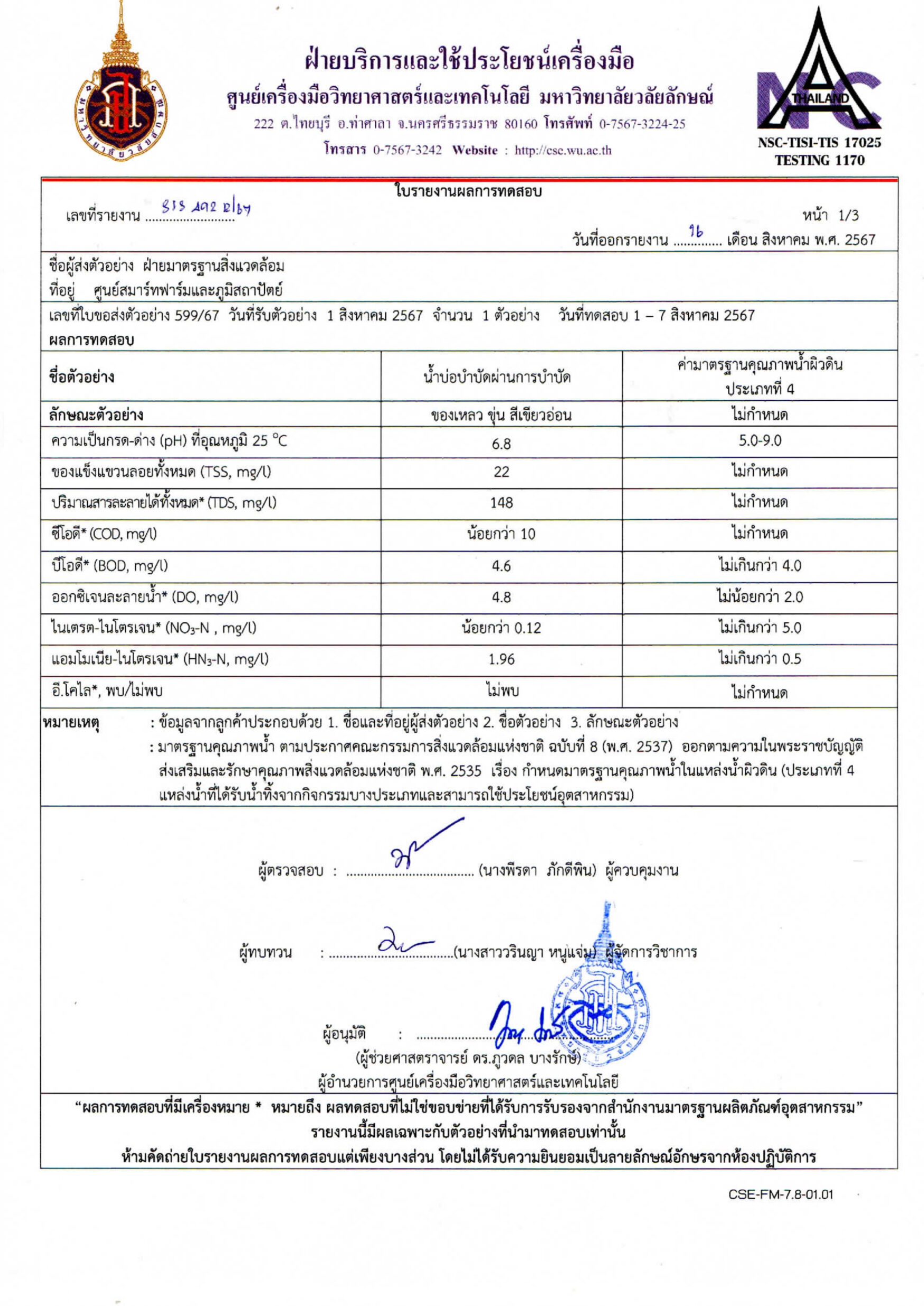
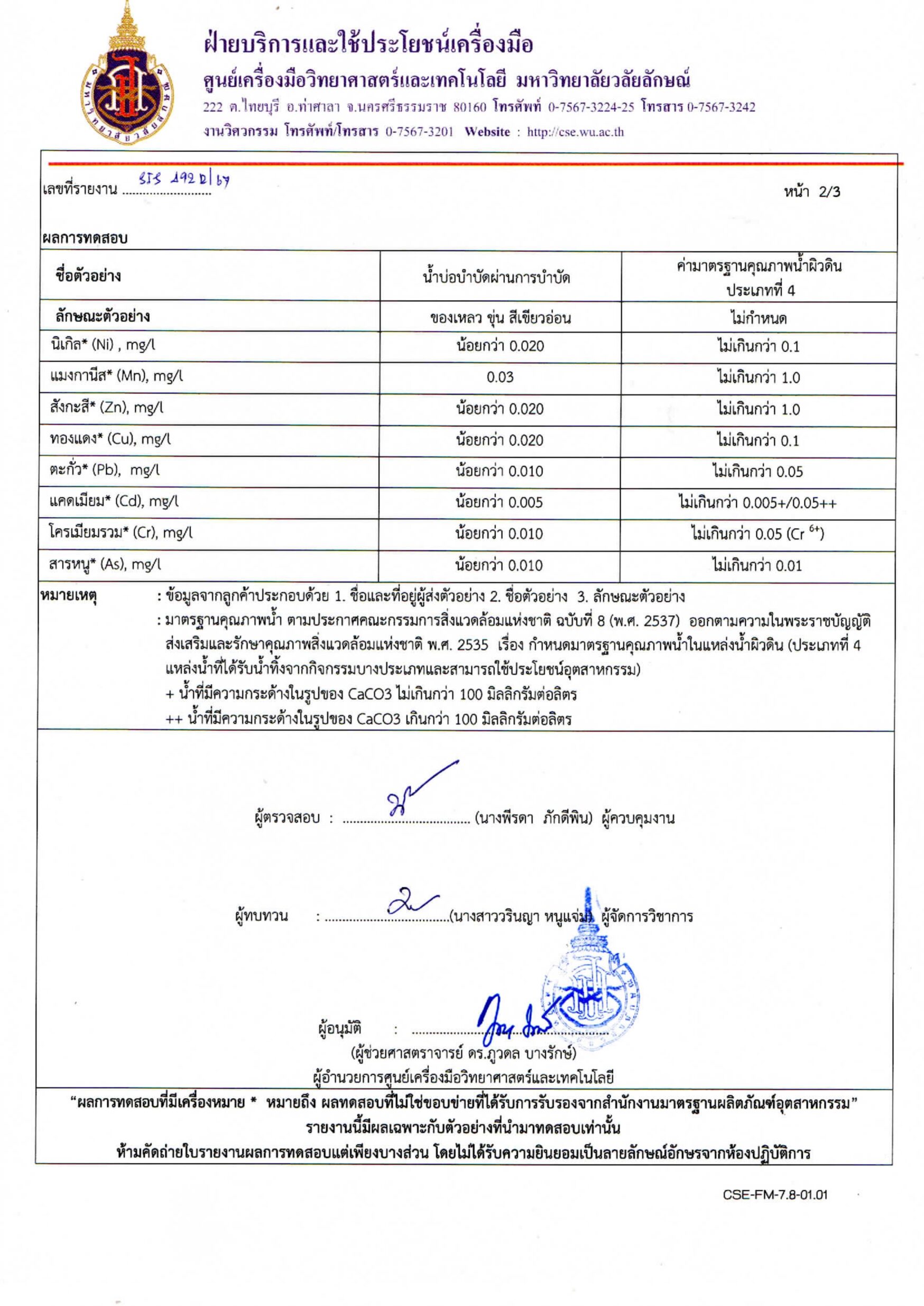
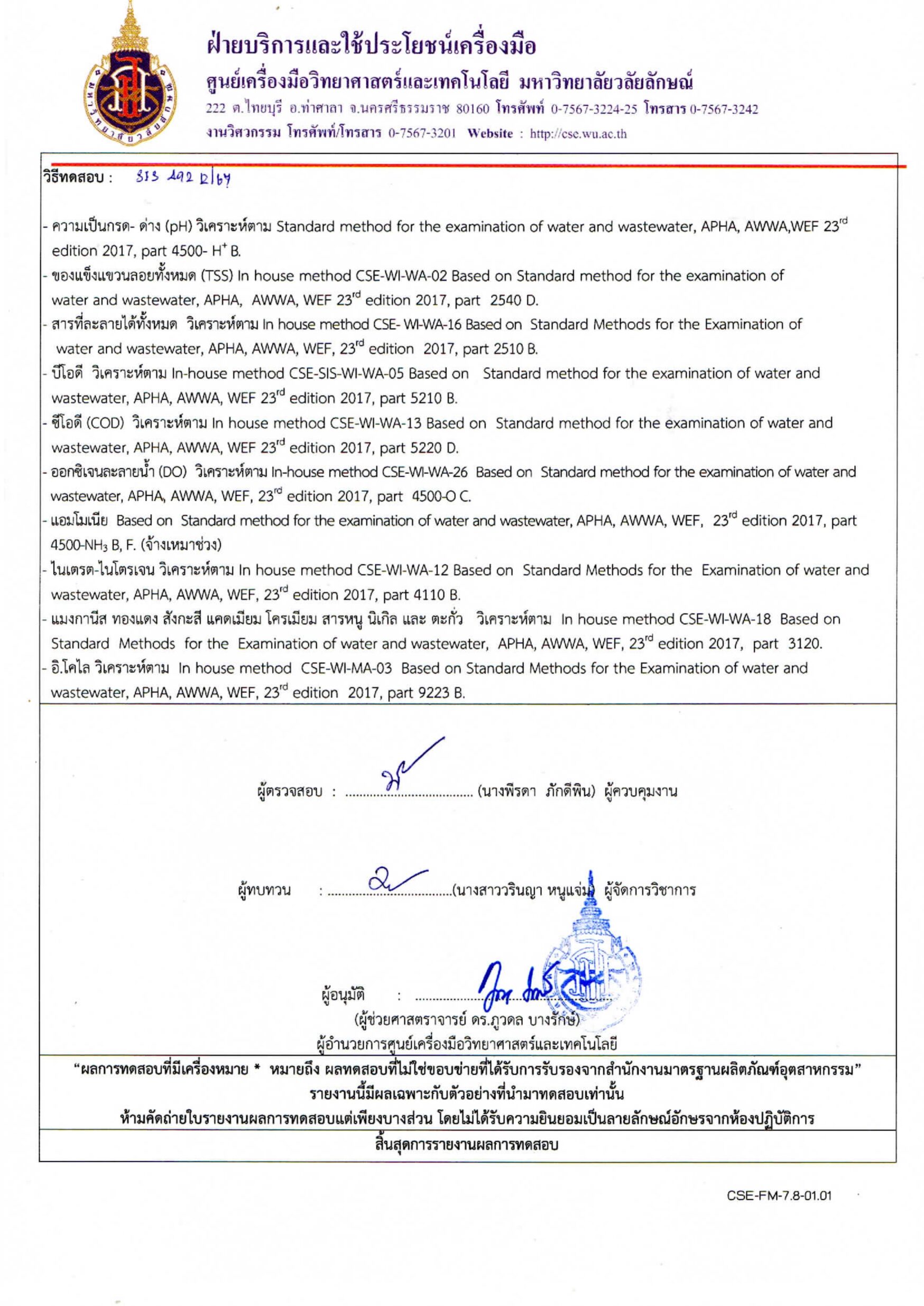
All treated water undergoes quality assessments through scientific and biological evaluation to ensure satisfactory physical, chemical, and biological standards before being reused.
Figures: Quality Assessments through Biological Evaluation.
Figures: Quality Assessments through Chemical Evaluation.
A university is continuously carrying out water reuse activities on campus. These include:
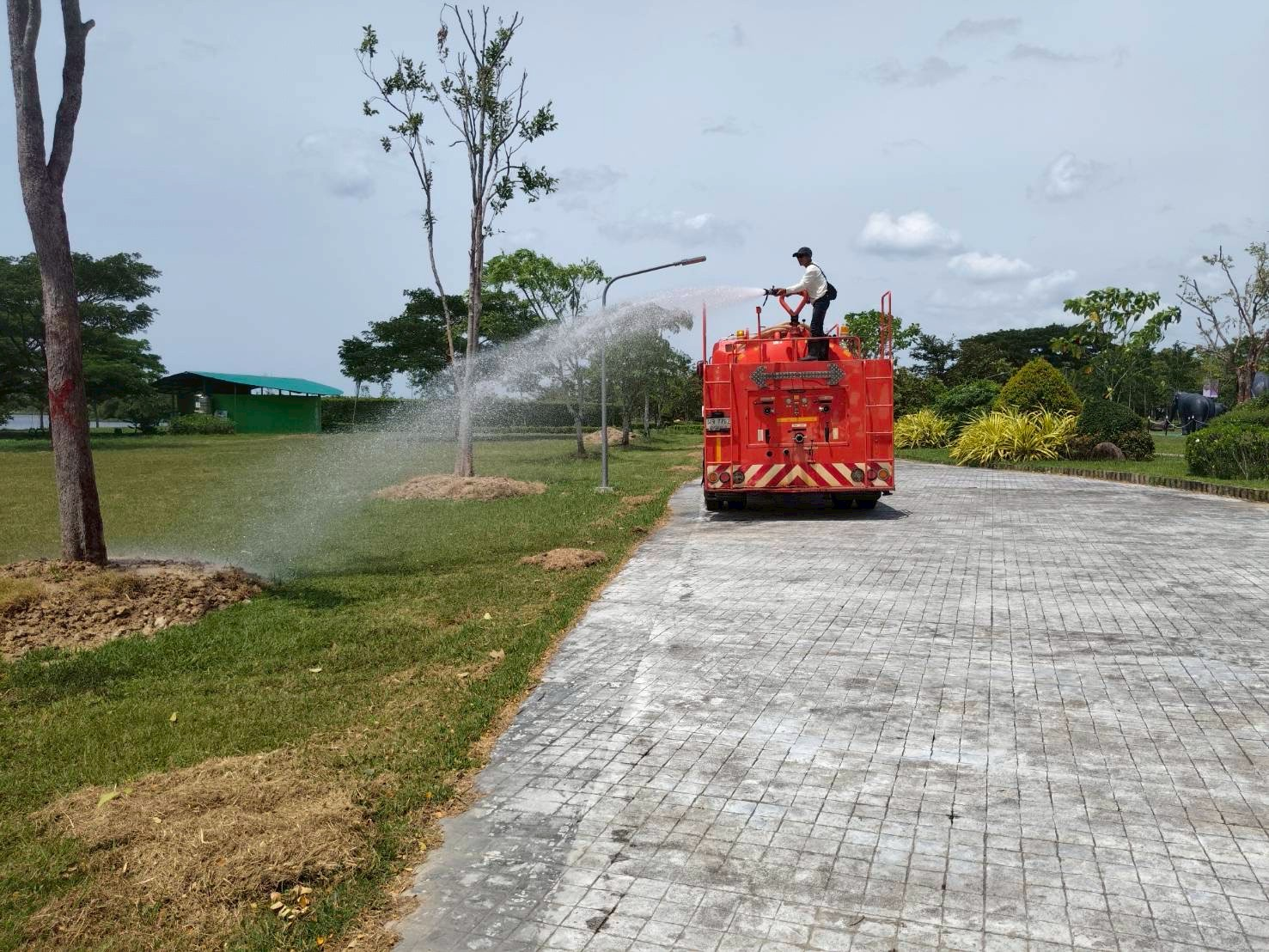
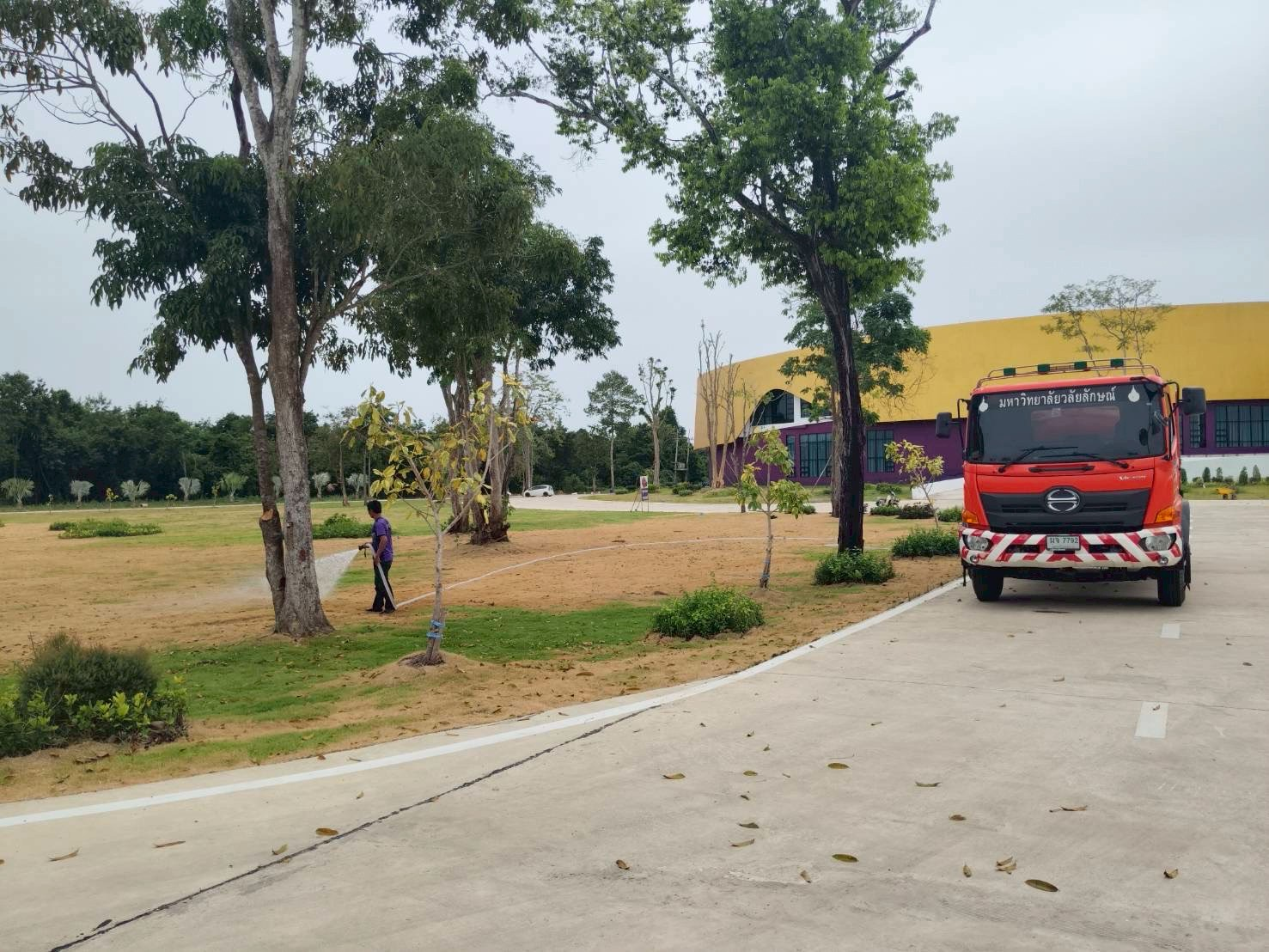
- Watering plants: This helps reduce the use of tap water, especially during the dry season.
- Raising tilapia in a pilot pond: This is used to assess biological water quality.
- Washing vehicles: This reduces water costs and supports internal services.
- Cleaning animal pens, roads, and public spaces.
- Using water for cooling in waste incinerators: This helps to efficiently dissipate heat.
Measuring the volume of reused water not only helps conserve natural resources but also has a positive impact in other areas. In terms of environment, it helps to reduce wastewater discharge and water consumption. In terms of economy, it reduces long-term water expenses. In terms of research, it provides data to support researchers and students. In terms of image, it builds trust with the public and surrounding communities.
Wastewater management and water reuse at the university are examples of sustainable development that integrates strategic planning, technology use, and the participation of all sectors. Data from measuring the volume of reused water plays a crucial role in improving processes and supporting effective decision-making. The university remains committed to continuously developing these approaches to ensure the most efficient use of water resources and to serve as a model for resource management at a national level.
Walailak University applies a systematic diagnostic approach to assess water use and treatment efficiency, leading to the continuous development of advanced wastewater recycling technologies and monitoring systems. Through active engagement of staff, students, and researchers, the university fosters awareness and participation in sustainable water practices. Accurate measurement of recycled water using meters, sensors, and data analysis ensures transparency, efficiency, and continuous improvement—strengthening its role as a model for sustainable and green university management.
Goal 6: Clean Water and Sanitation
Goal 14: Life below water
Goal 17: Partnerships for the Goals