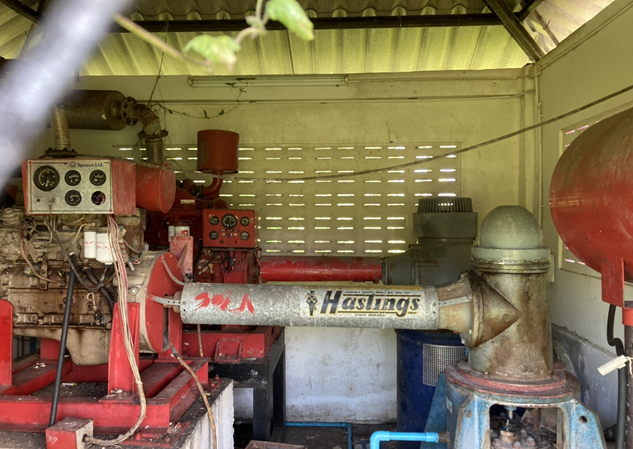
The Innovation of Water Management for Sustainability: Applicable Water Extraction Technologies at Walailak University
Sustainable Water Extraction is a process that integrates applicable technology, innovation, and efficient water resource management practices. Its primary goal is to maintain ecological balance, minimize environmental impact, and ensure long-term water security. Sustainable water extraction on campus is not limited to utilizing water without affecting upstream sources; it also encompasses water storage, production of potable water, efficient water use, wastewater treatment, and water reuse—all in ways that promote comprehensive resource conservation by utilizing sustainable water extraction technologies on associated university grounds on and off campus where water is extracted.
Figures: Sustainable Water Extraction Technologies within the university
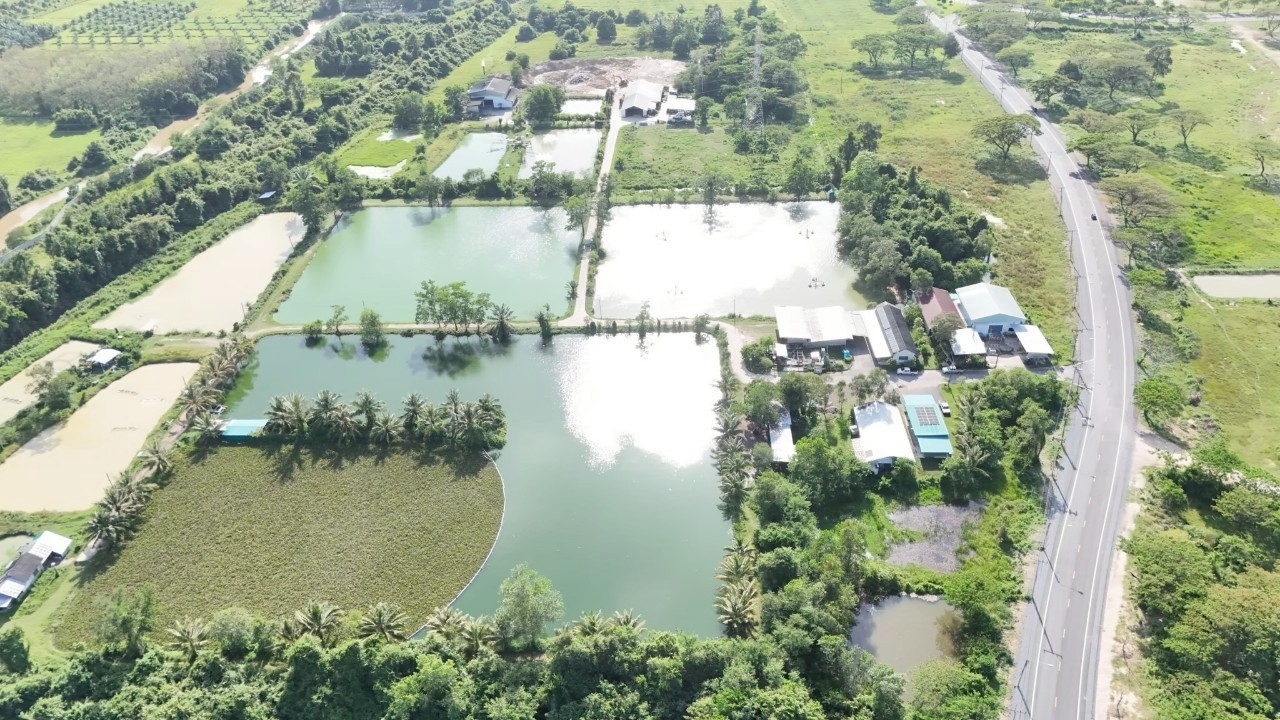
Walailak University, located in the southern region of Thailand, covers a total area of 21,196,440 square meters, making it the largest university in the country in terms of land area. The university has developed a model water management system that exemplifies sustainable applicable water extraction on campus. The university’s water conservation and storage areas now cover 1,712,217.00 square meters, an increase of 40,000.00 square meters from the previous year, and can store up to 14,908,321.00 cubic meters of water. This capacity is sufficient to meet all domestic and consumption needs throughout the year without relying on external water sources, thereby significantly reducing dependence on natural resources from outside the campus and mitigating long-term water resource risks.
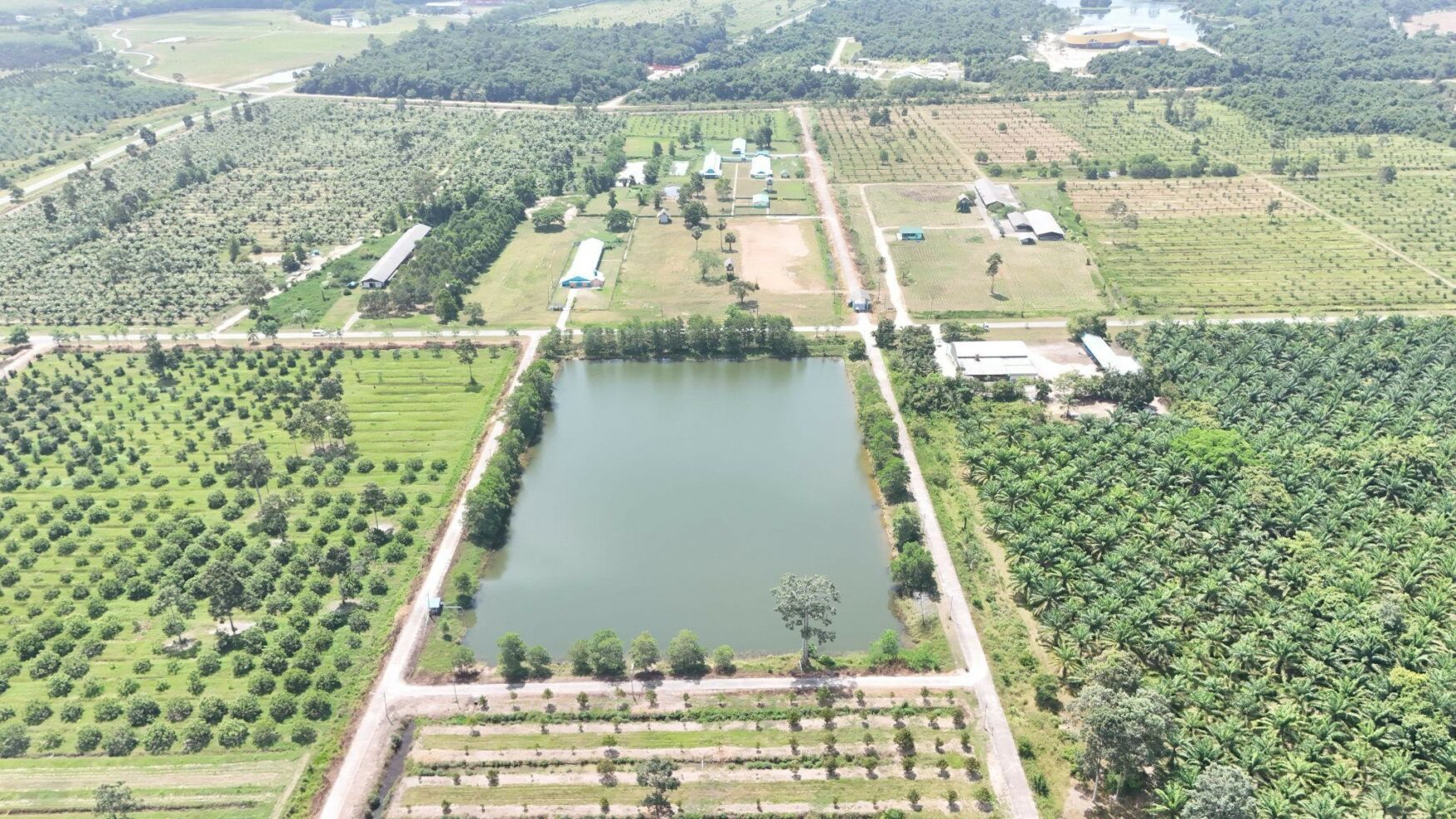
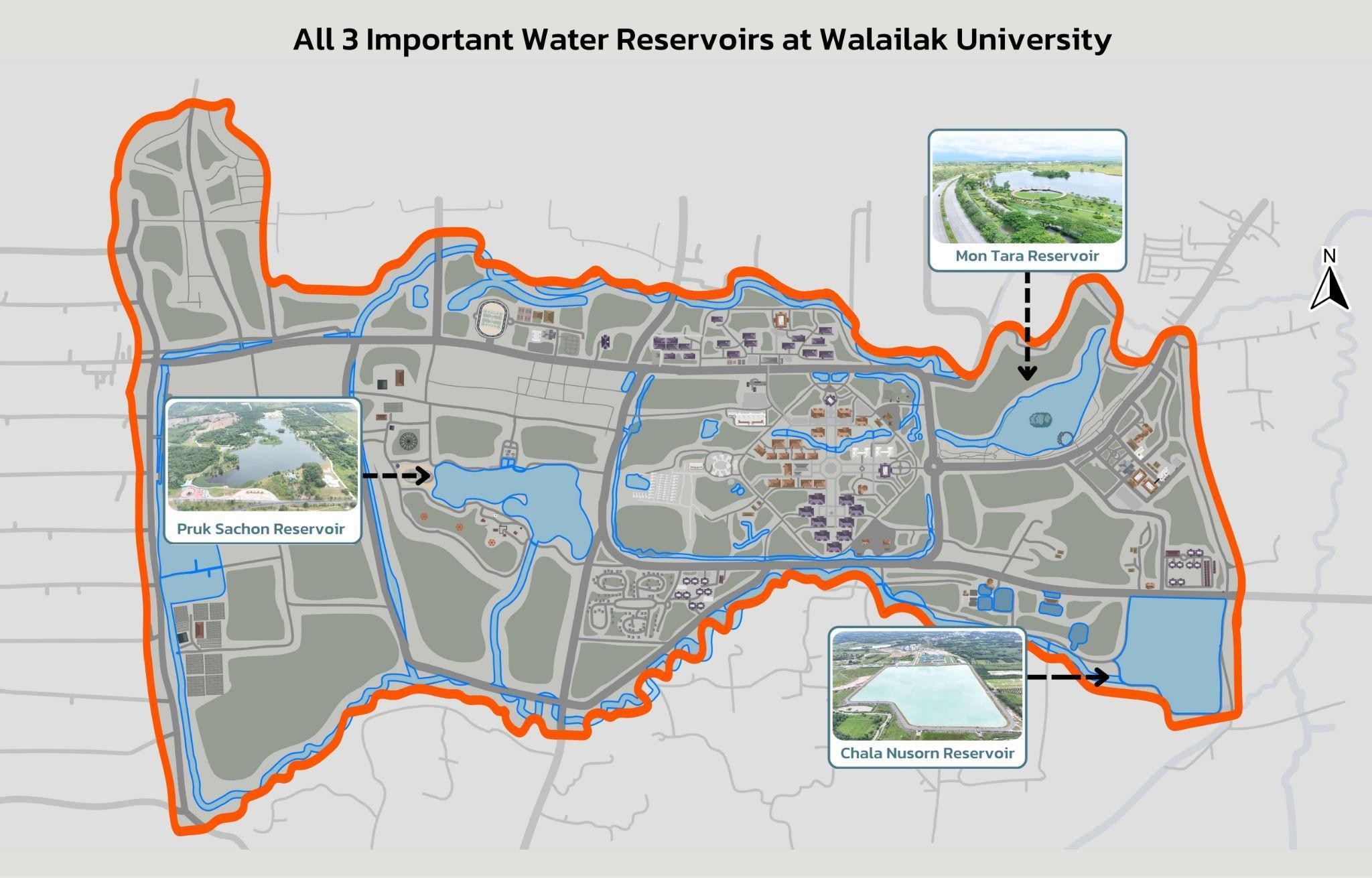
The university has implemented the Monkey Cheek Project, an ecological water management concept that emphasizes “water retention”—storing excess rainwater in designated areas during the rainy season to reduce flood risks and slow down water flow before it reaches natural water sources. In addition to regulating water volume, the monkey cheek system also helps prevent water pollution and supports natural water treatment through constructed wetlands, where aquatic plants absorb excess nutrients and toxins. At Walailak University, the Monkey Cheek Project is carried out through three reservoirs, namely:
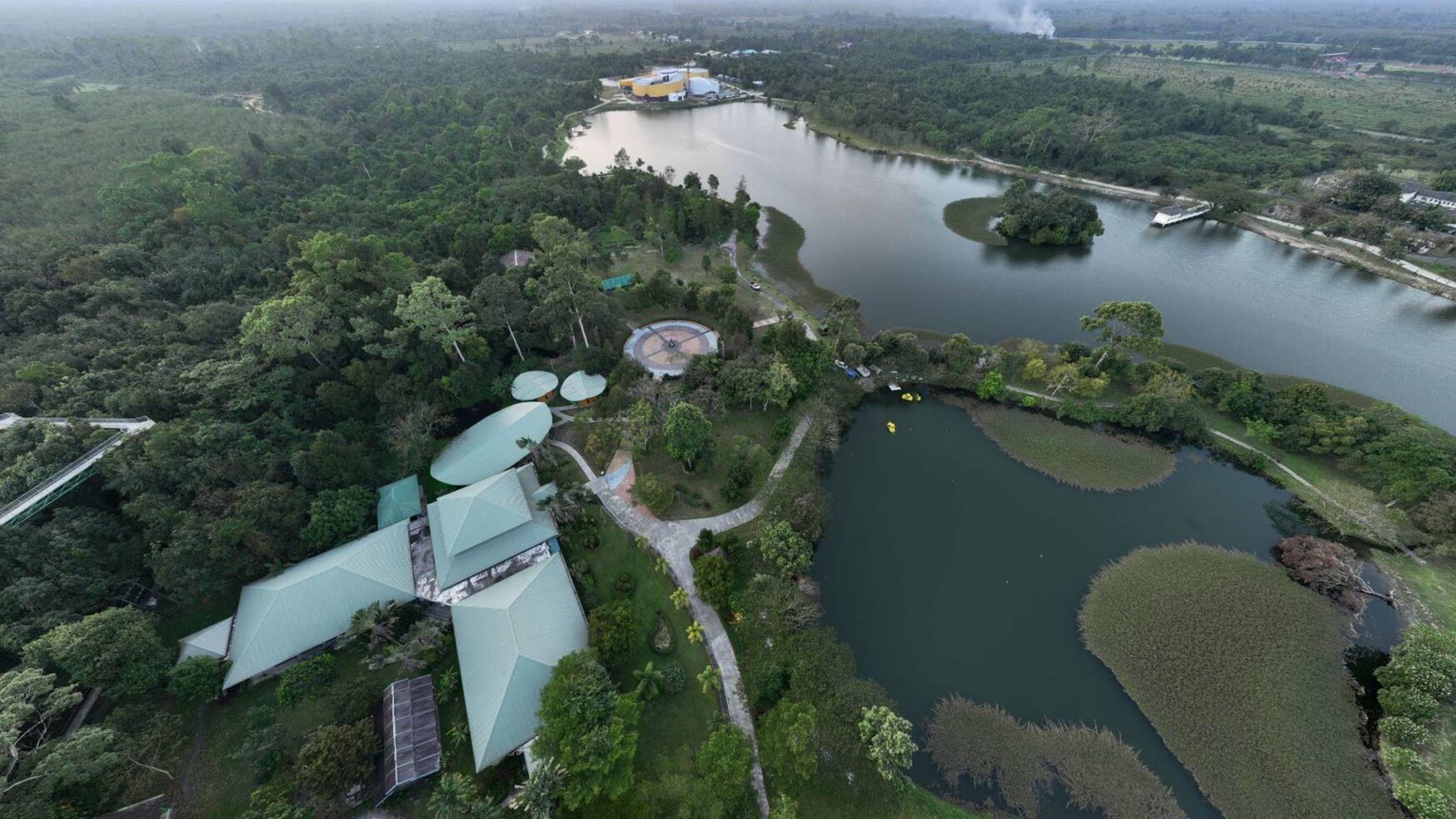
Pruk Sachon Reservoir
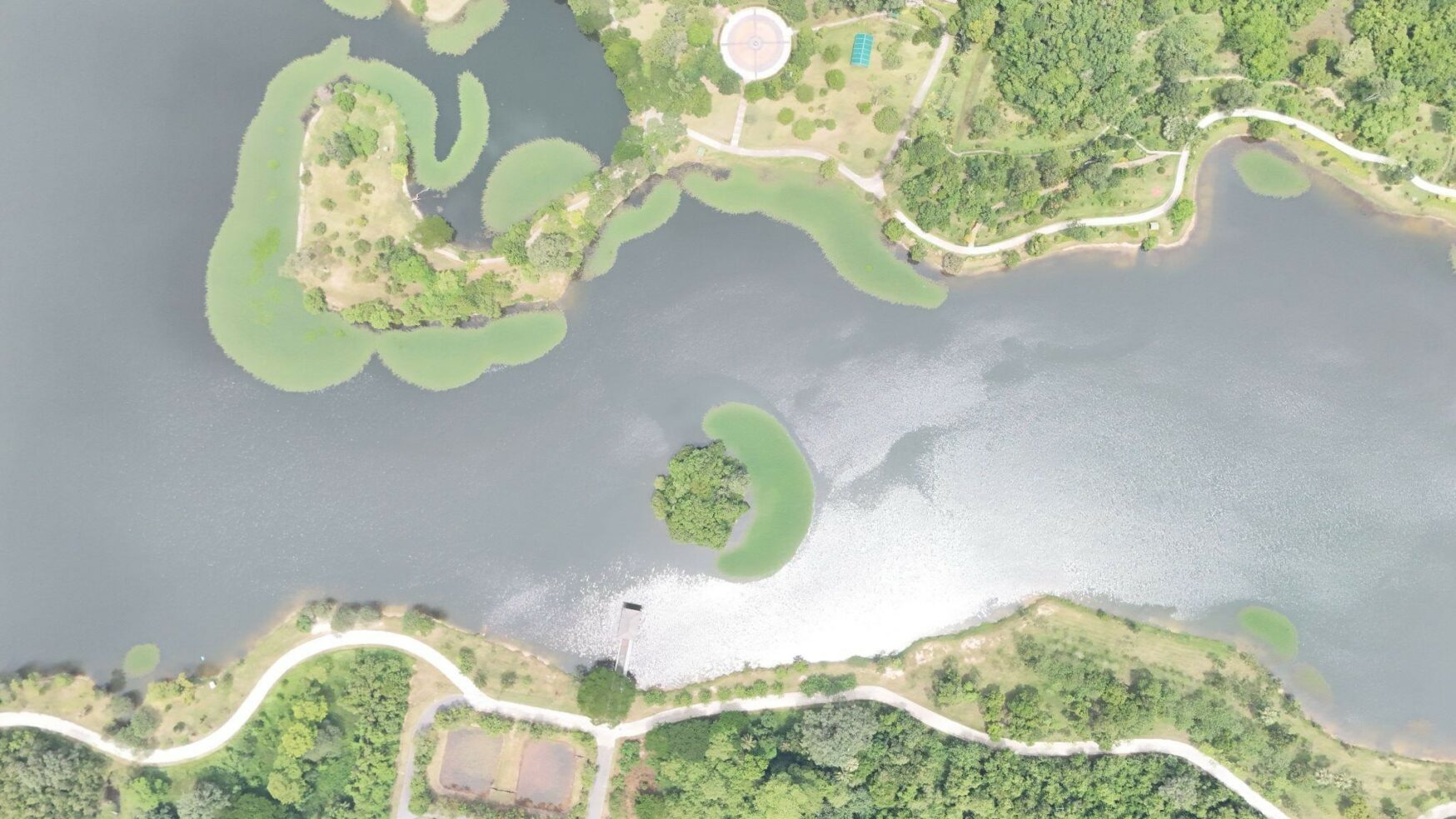
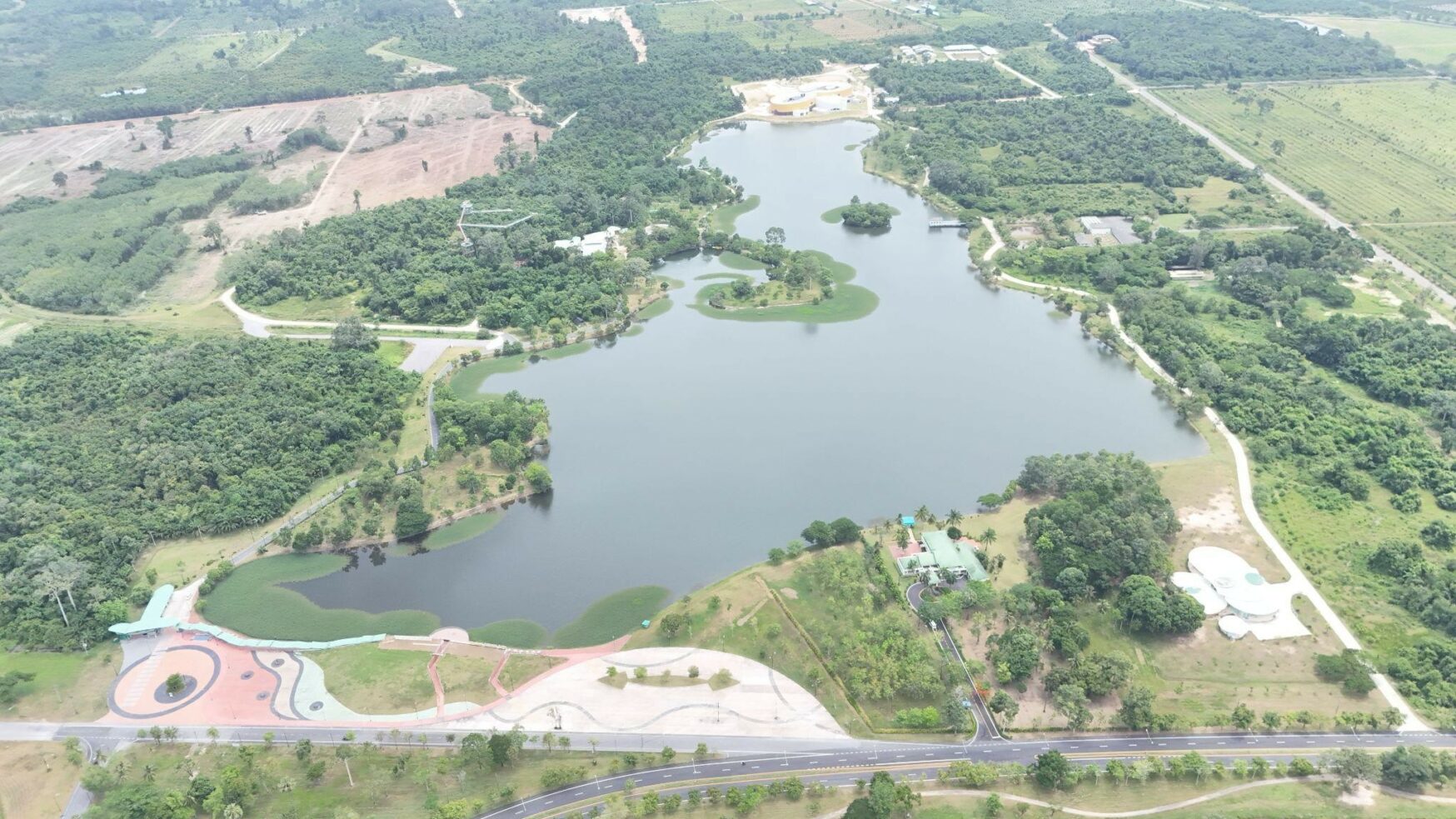
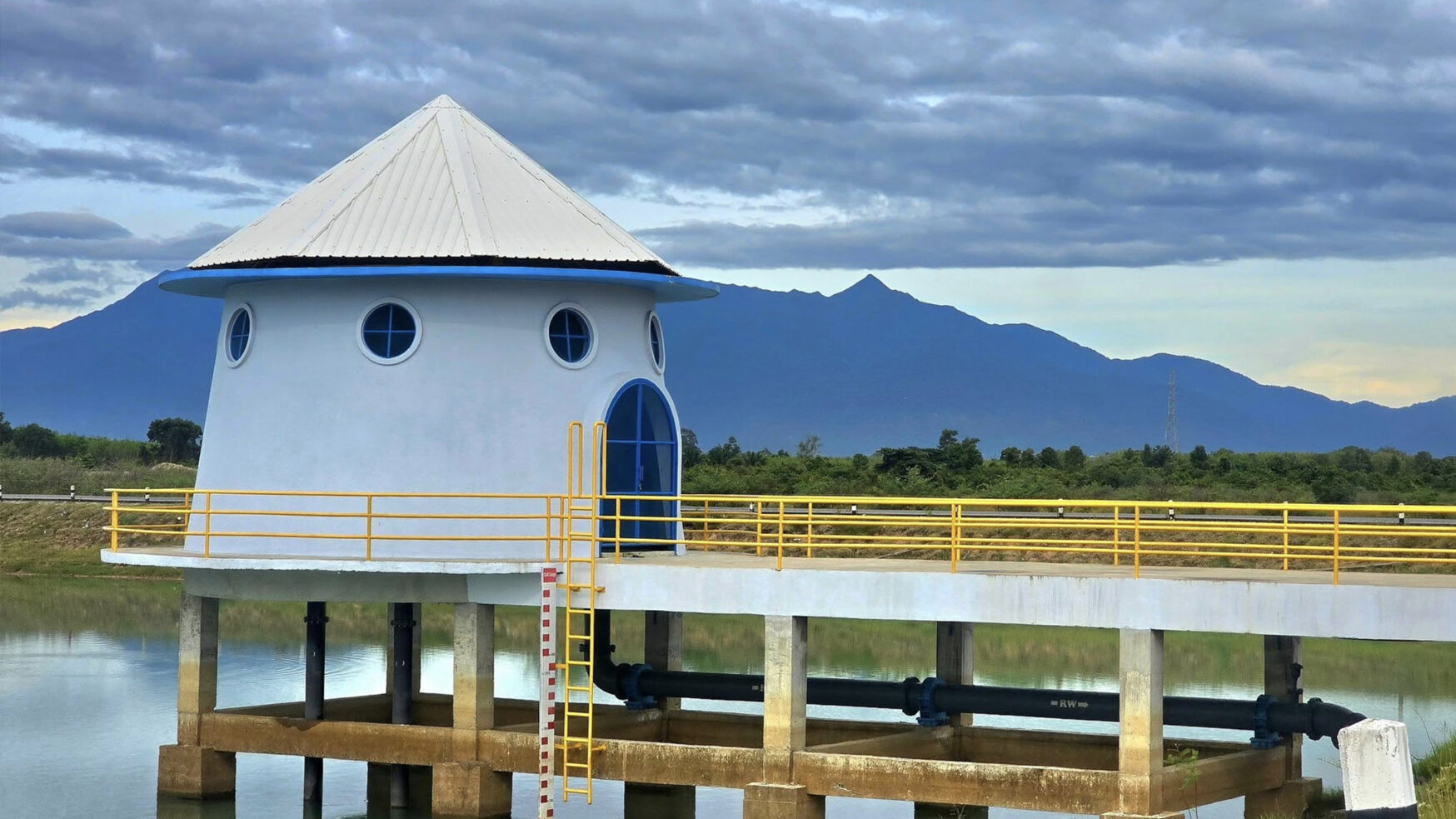
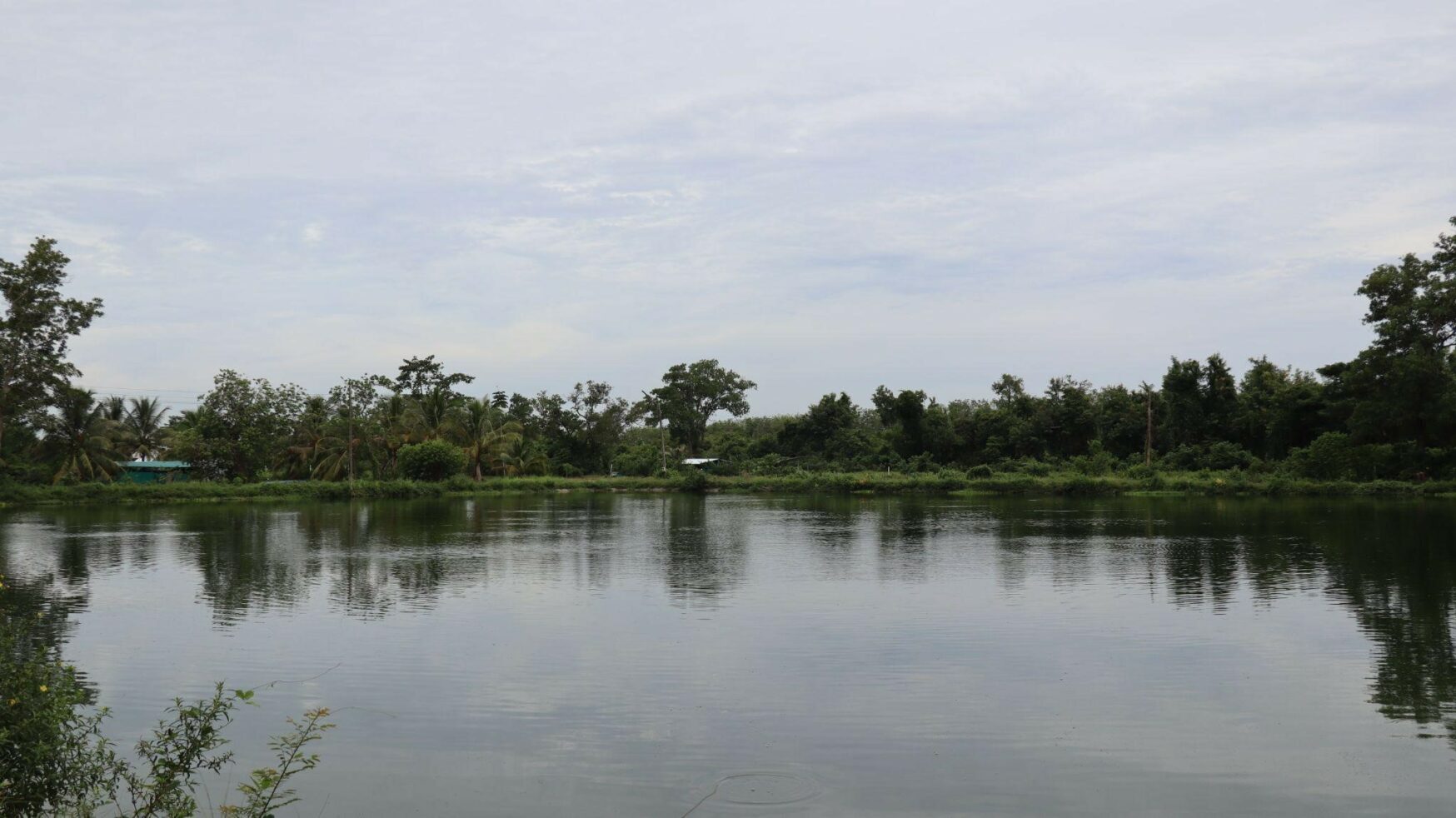
The Pruk Sachon Reservoir covers an area of 259,290 square meters with a water storage capacity of 2,852,190 cubic meters. It was constructed in 1992 with the primary purpose of irrigation and flood level control. In 1997, the former Pruk Sachon Reservoir was converted into a raw water source for tap water production, utilizing sustainable applicable water extraction technology on campus to supply water for domestic consumption and household use within the university. At present, the reservoir serves multiple purposes, including flood prevention, water storage for the dry season, recreational activities, and as a backup raw water source for the university’s tap water production system.
Figures: Pruk Sachon Reservoir serves as the raw water source for producing tap water for consumption and utility purposes within the university by utilizing applicable technology.
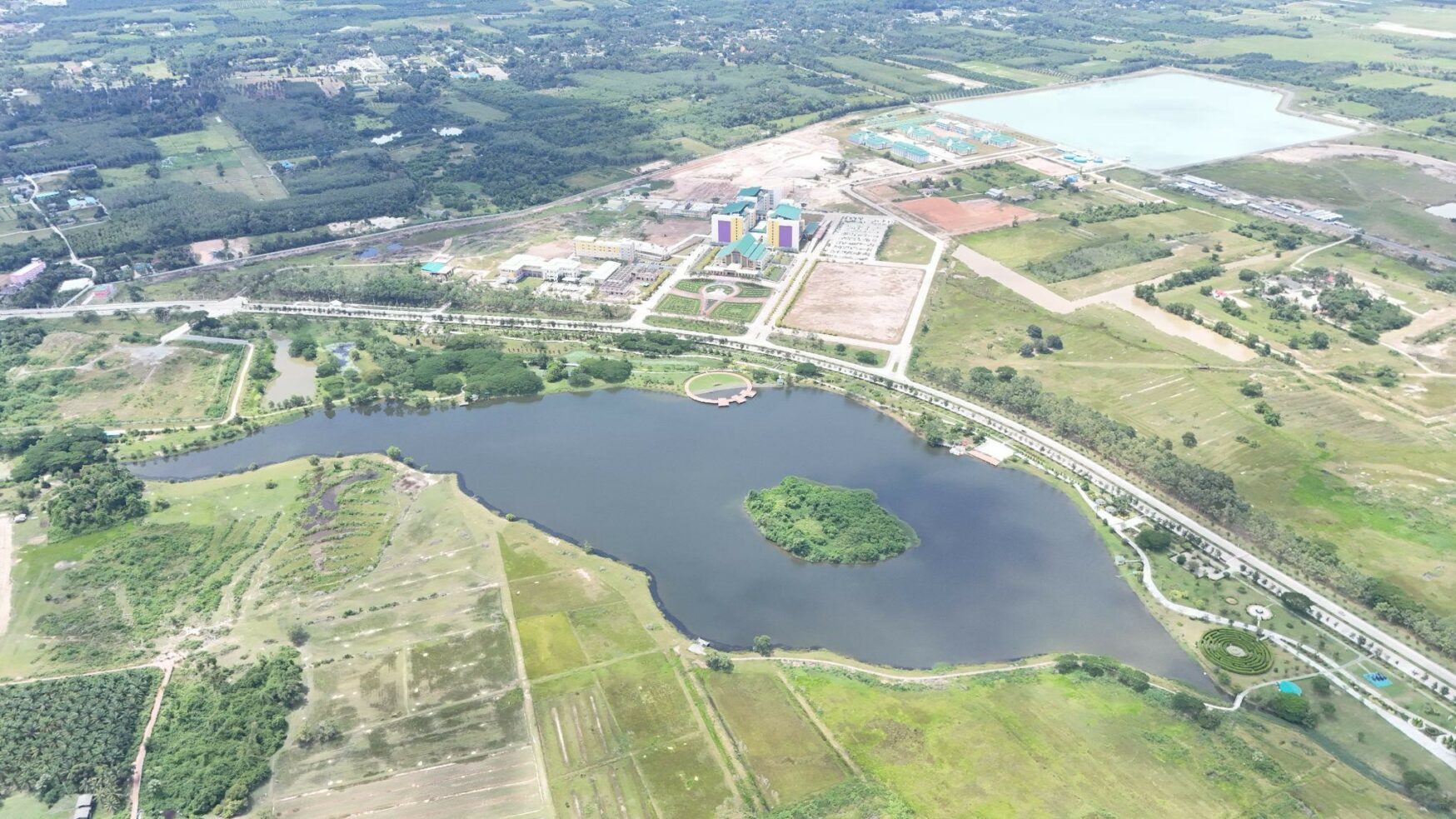
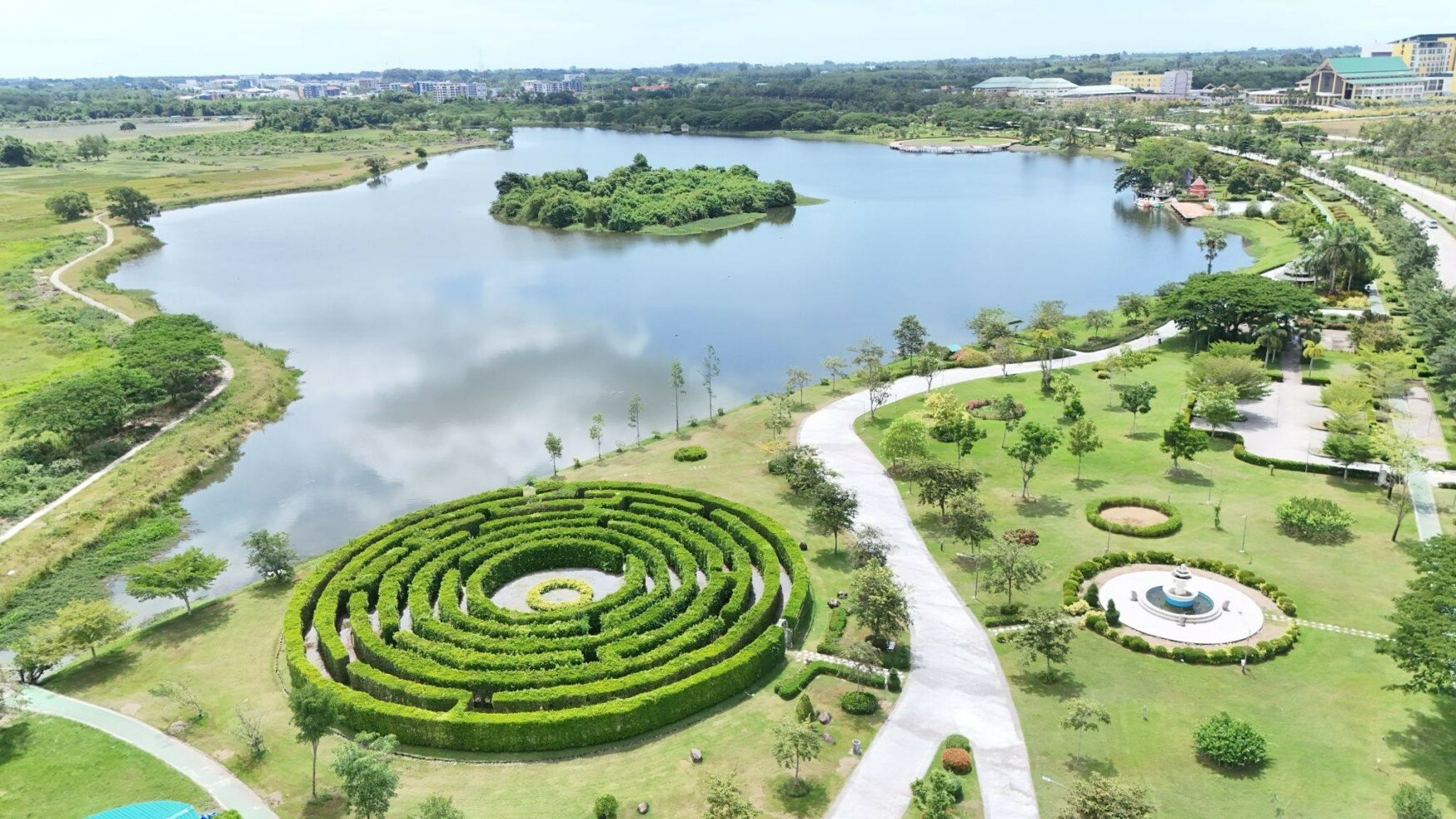
Mon Tara Reservoir
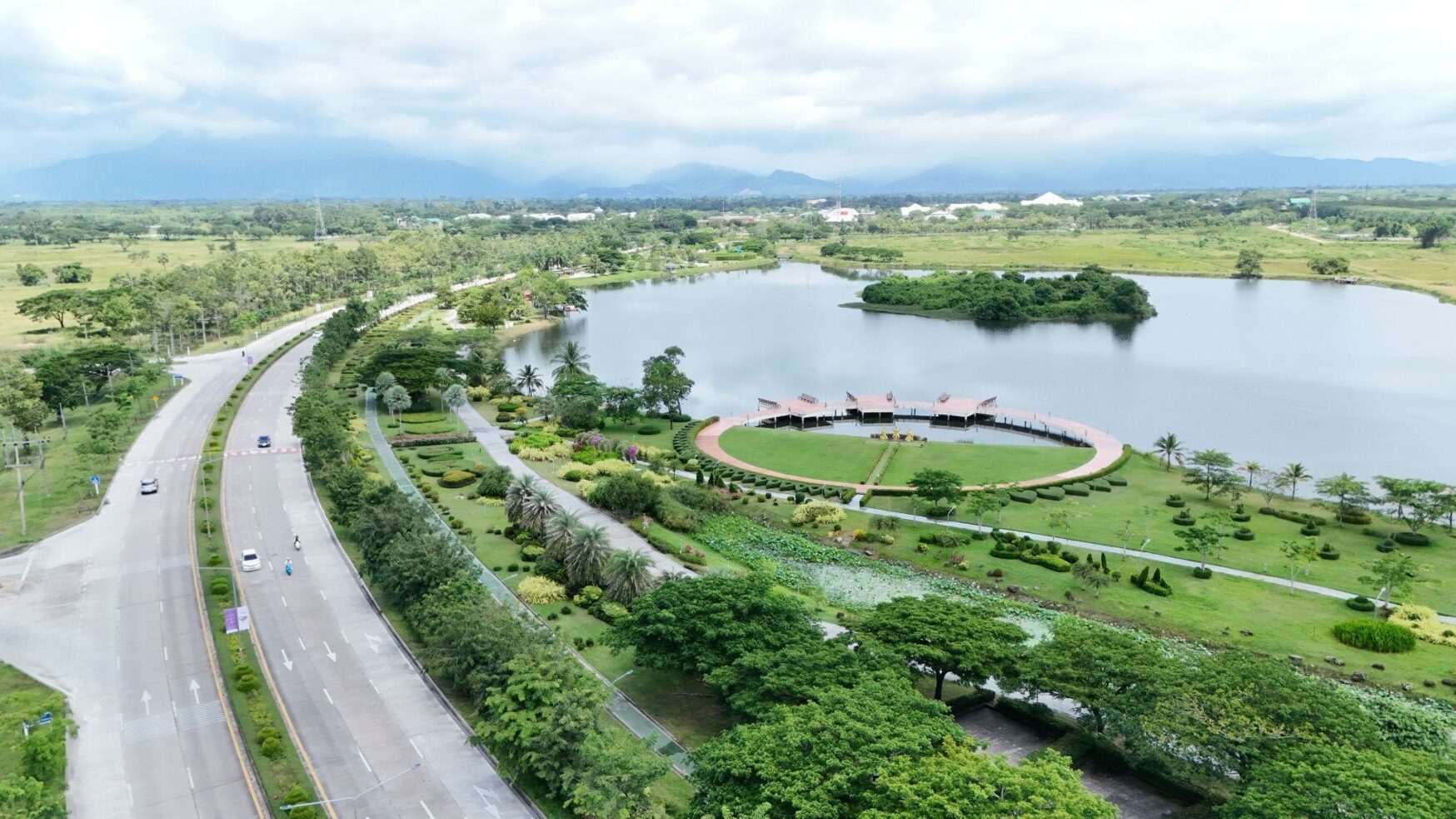
The Mon Tara Reservoir covers an area of 185,125 square meters with a water storage capacity of 2,036,375 cubic meters. It was constructed in 1996 with the primary purpose of irrigation. The reservoir helps alleviate flooding problems during the rainy season, stores water for use in the dry season, and serves as a recreational area for students, university staff, and the general public.
Figures: Mon Tara Reservoir was constructed for irrigation purposes, helping to alleviate flood problems during the rainy season and storing water for use during the dry season by utilizing applicable technology.
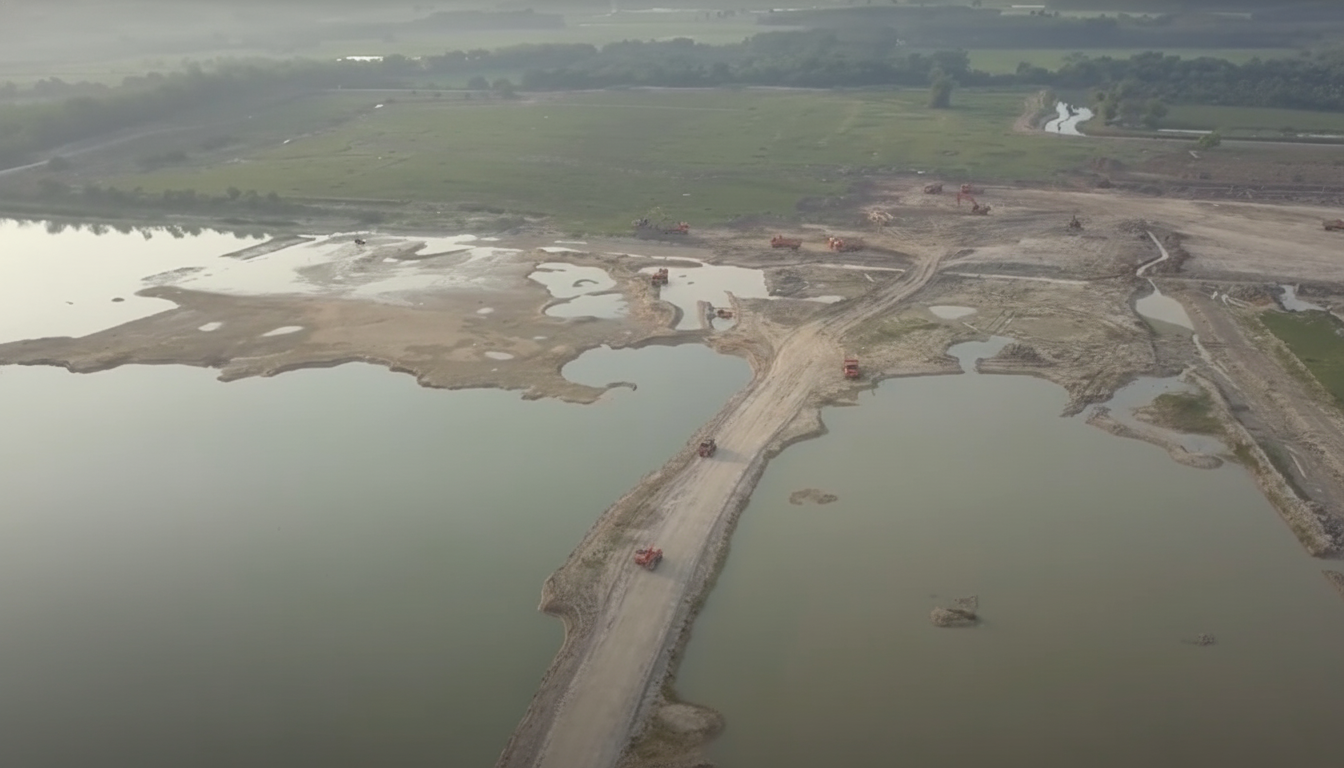
Chala Nusorn Reservoir
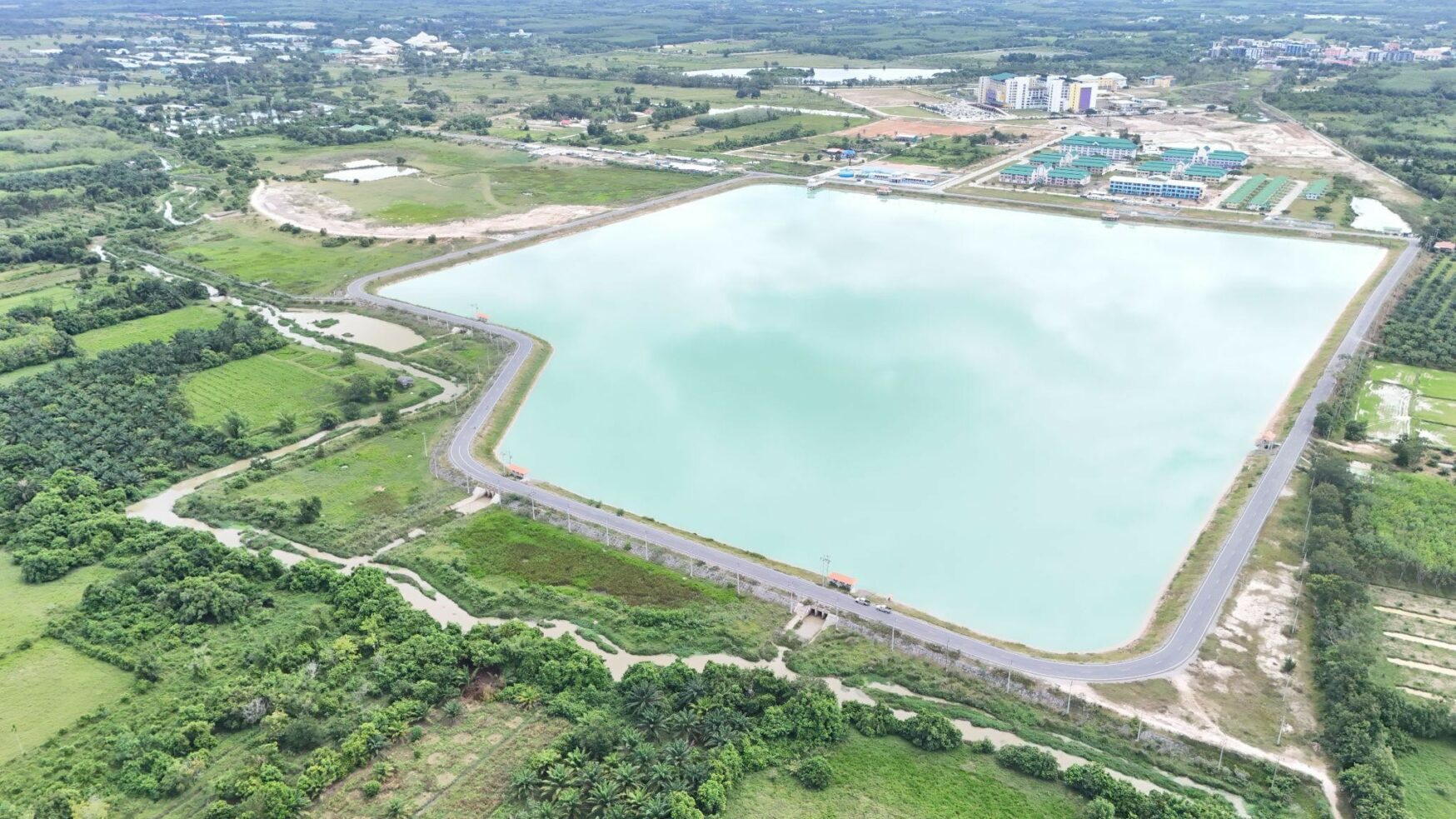
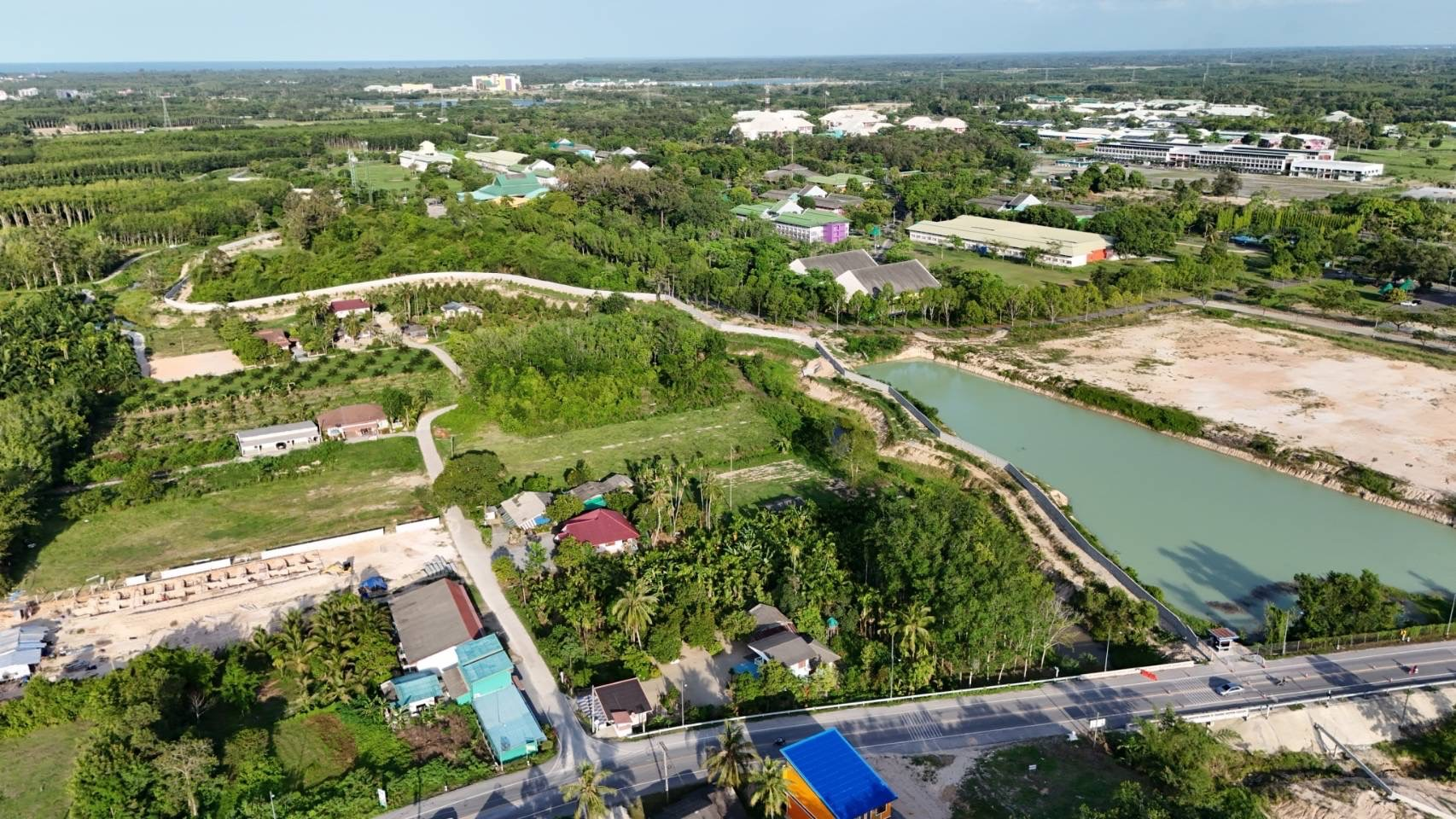
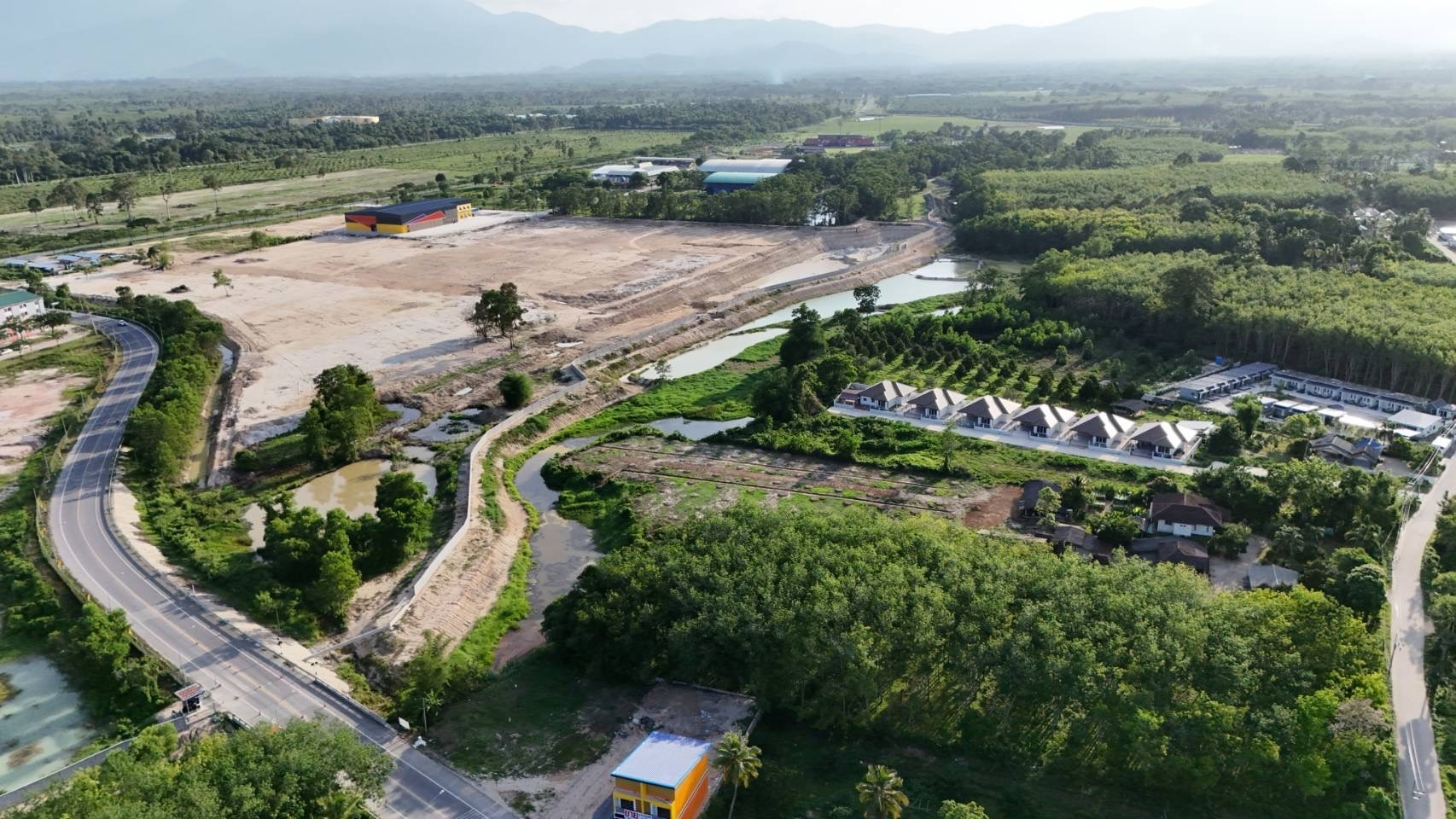
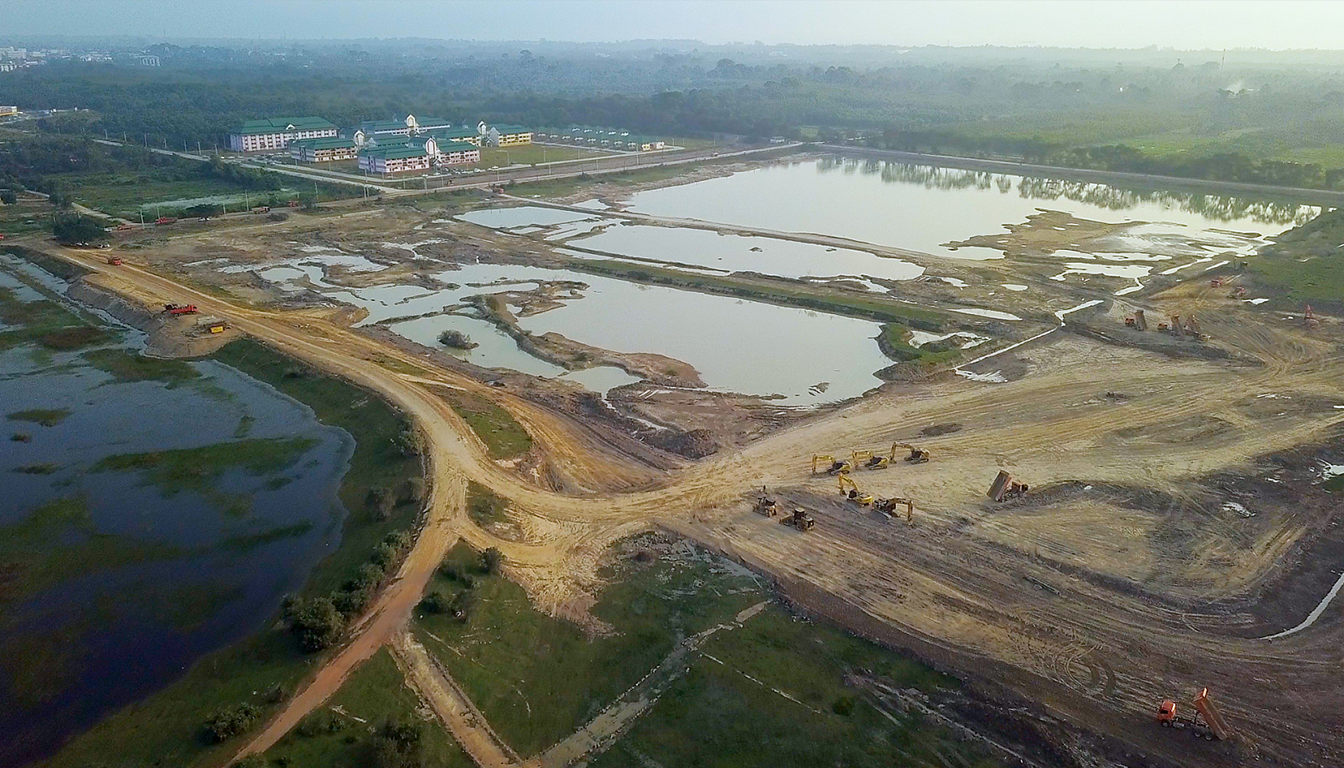
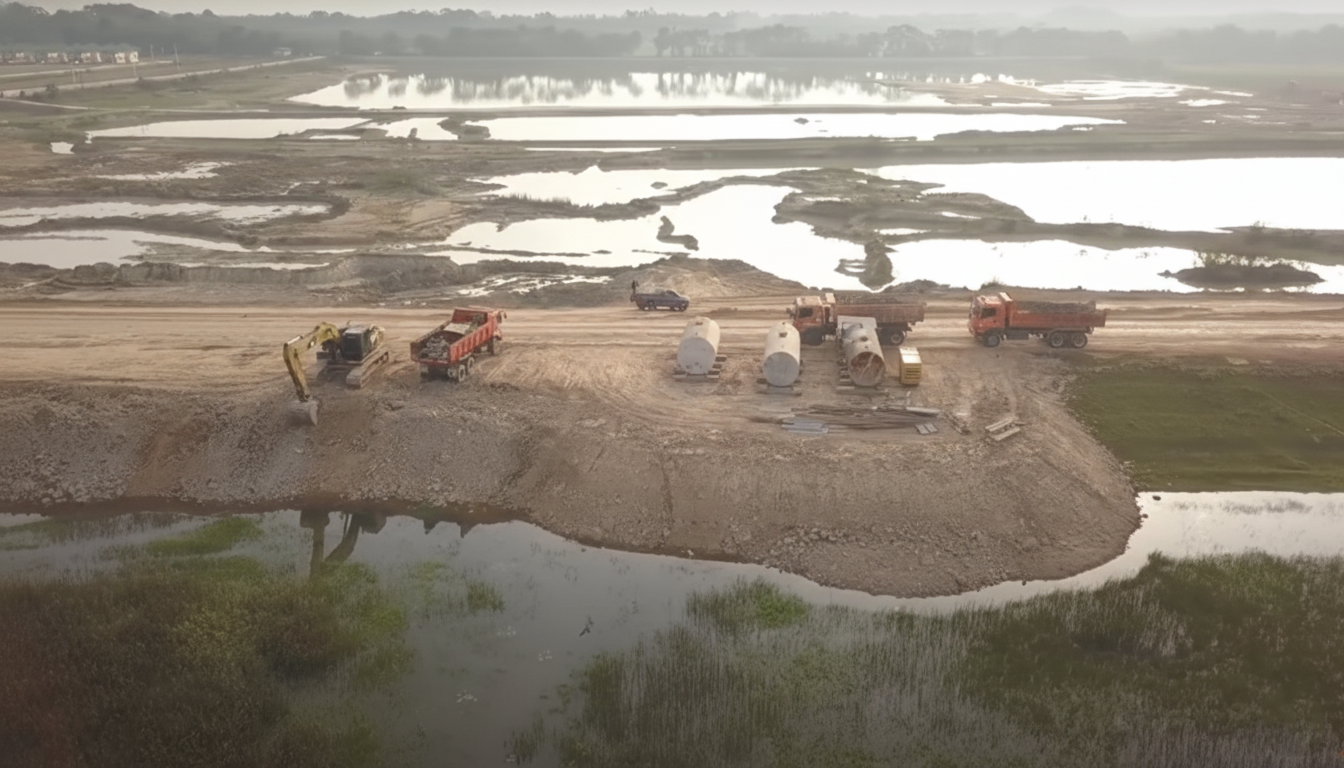
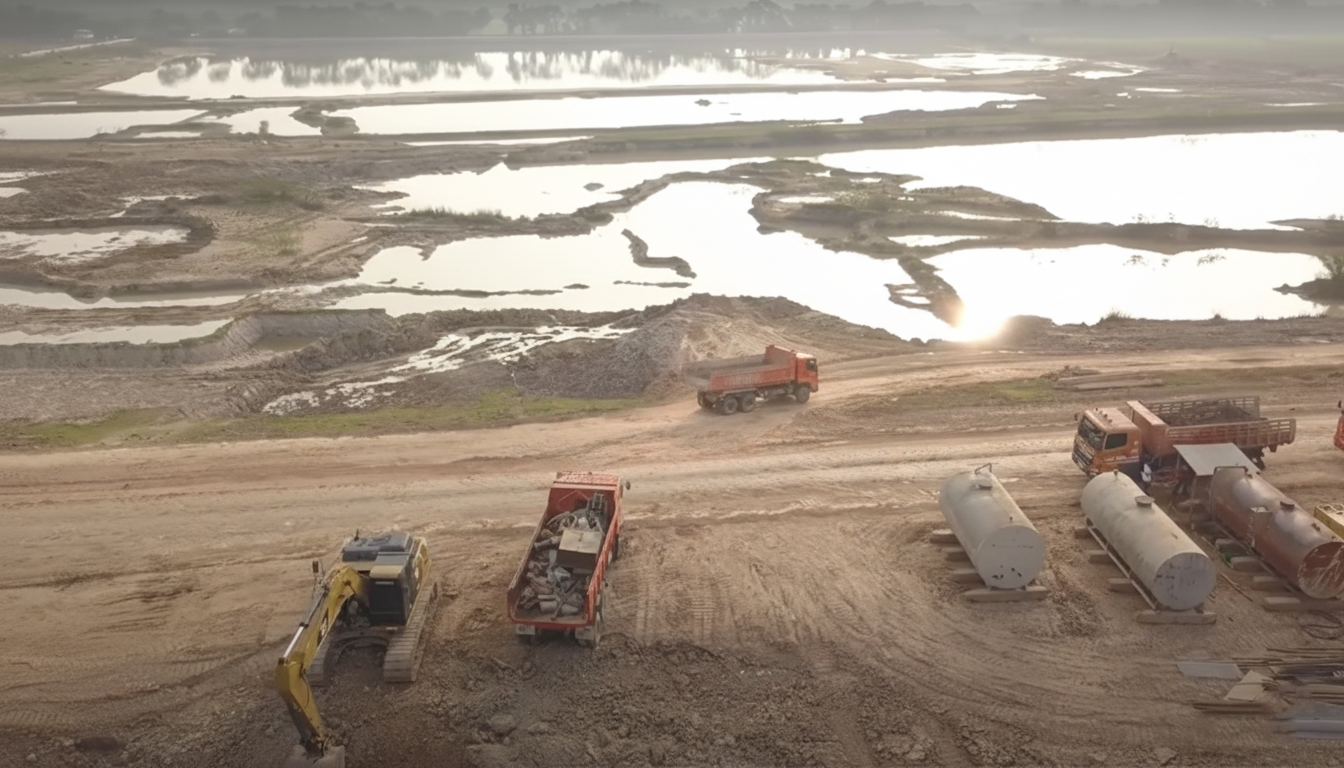
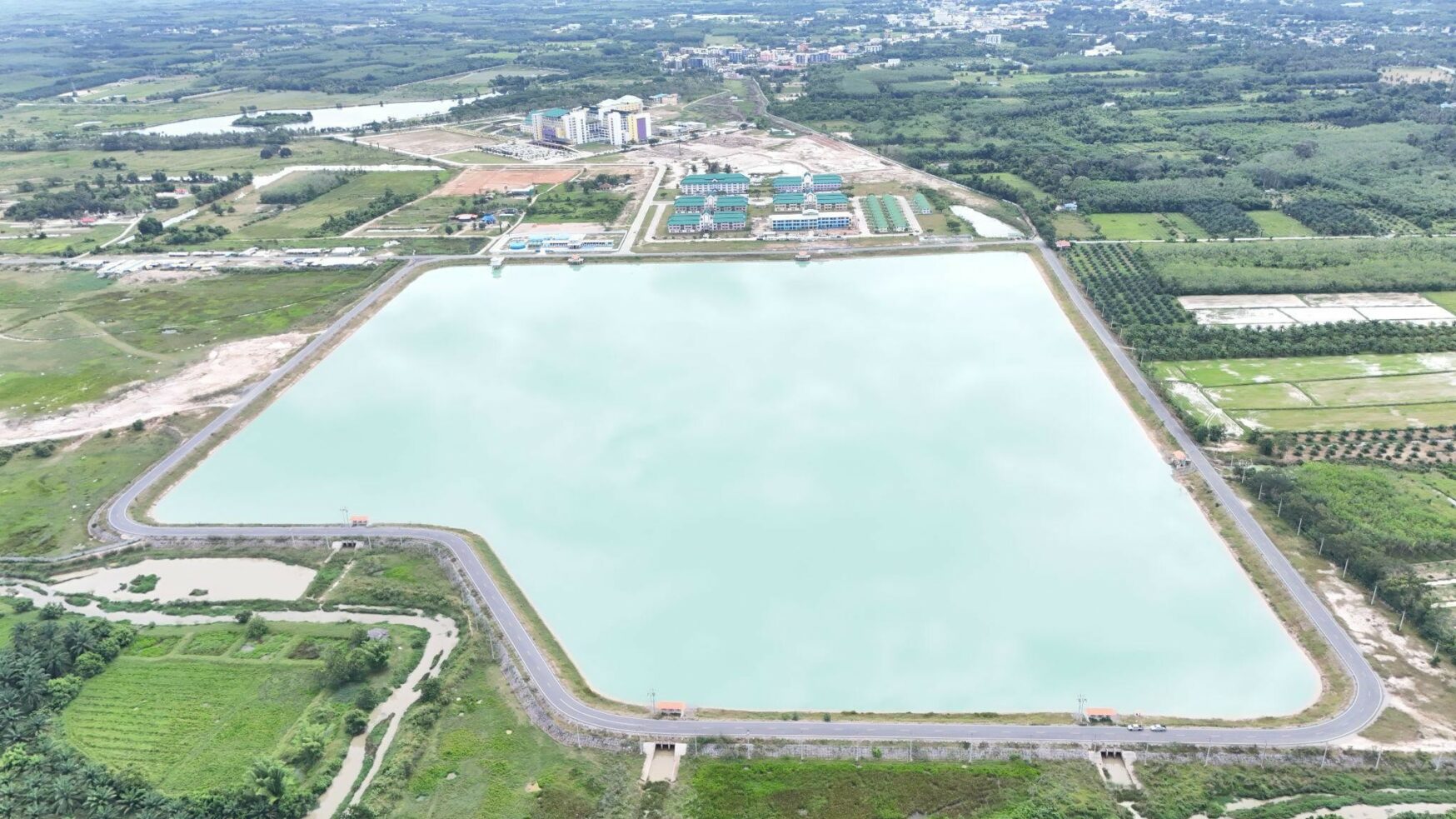
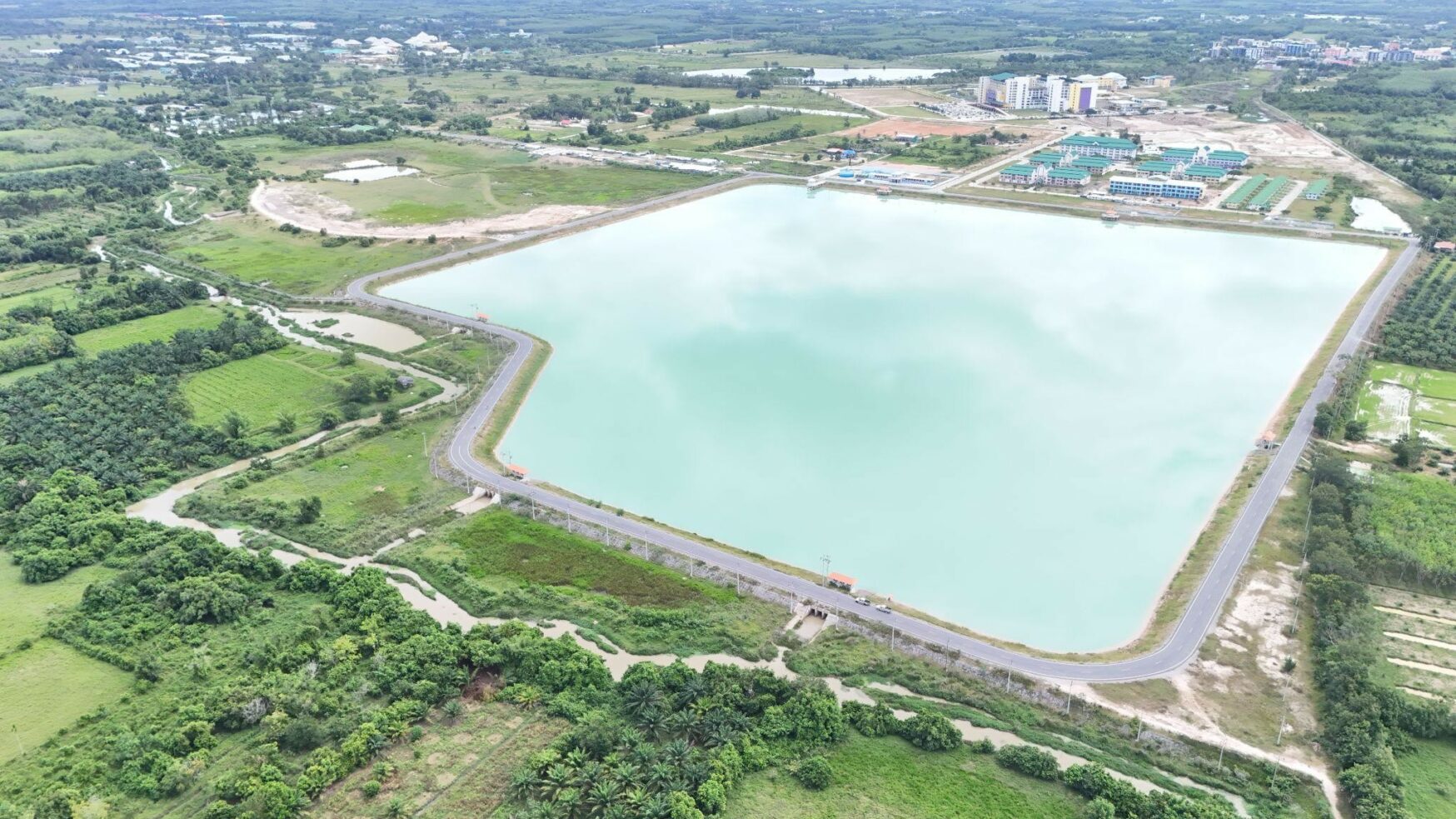
The Chala Nusorn Reservoir covers an area of 329,385 square meters with a water storage capacity of 4,940,775 cubic meters. It was constructed in 2022 for the purposes of irrigation and flood level control. By 2024, it has become widely known as the “Reservoir behind the Walailak University Hospital.” The Chala Nusorn Reservoir functions as an essential “monkey cheek” system that plays a crucial role in addressing water-related issues for both Walailak University and the surrounding communities. The reservoir effectively contributes to flood prevention, reduces the volume of floodwater affecting nearby areas during the rainy season, and serves as a strategic water infrastructure for the future. It acts as a catchment area for rainwater runoff from surrounding lands before it enters the main drainage system, thereby reducing the amount of wastewater that directly reaches the treatment system and enhancing its overall efficiency. This project was jointly implemented by Walailak University and the 7th Machinery Administration Office, Royal Irrigation Department. It represents a significant long-term investment, not only mitigating flooding and drought problems but also ensuring water security for domestic use, agriculture, and the sustainable growth of both the university and neighboring communities.
The Chala Nusorn Reservoir, also known as Walailak University’s Monkey Cheek, serves as an excellent example of infrastructure development that integrates both practical functionality and aesthetic value. This project not only addresses the issues of water scarcity and flooding but also adds long-term value to the surrounding communities and the university. With its modern design and efficient management, the reservoir stands as a symbol of sustainable development and a model for future projects. The Chala Nusorn Reservoir is therefore more than just a water source—it represents a vision for the future, embodying harmonious and sustainable coexistence between the university and the community.
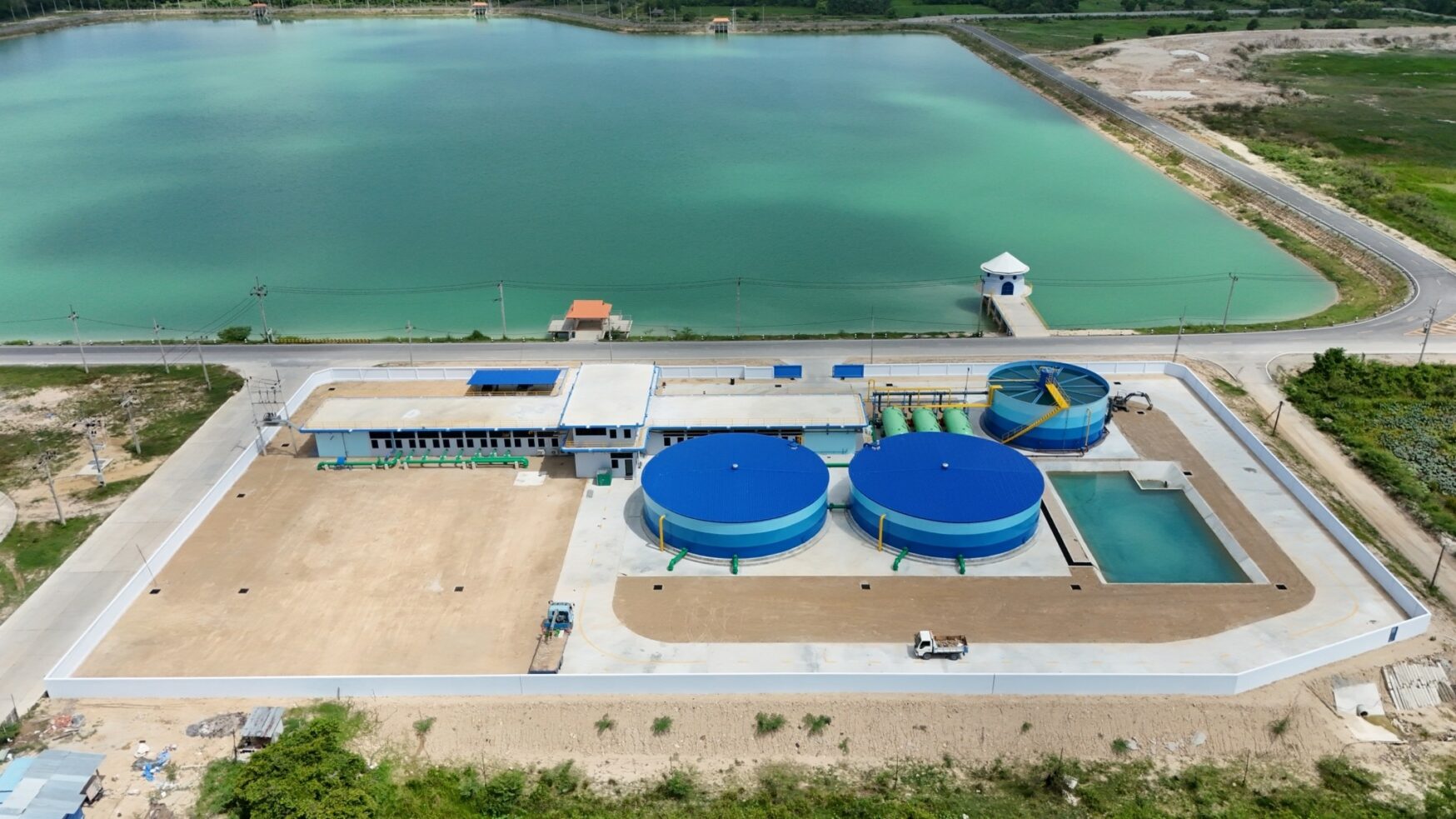
Figures: Chala Nusorn Reservoir was constructed for irrigation and to produce tap water for consumption in 2024 by utilizing applicable technology.
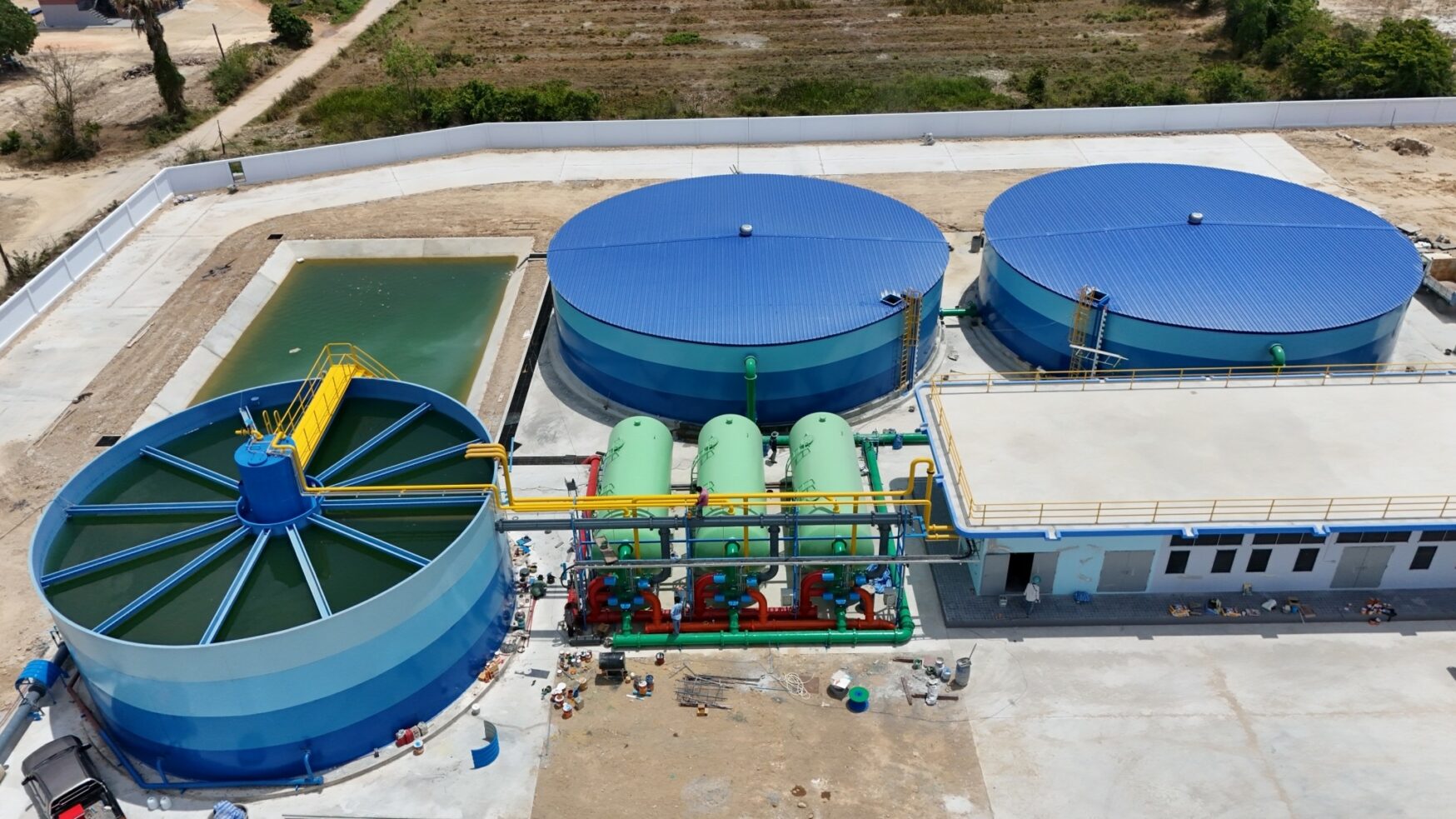
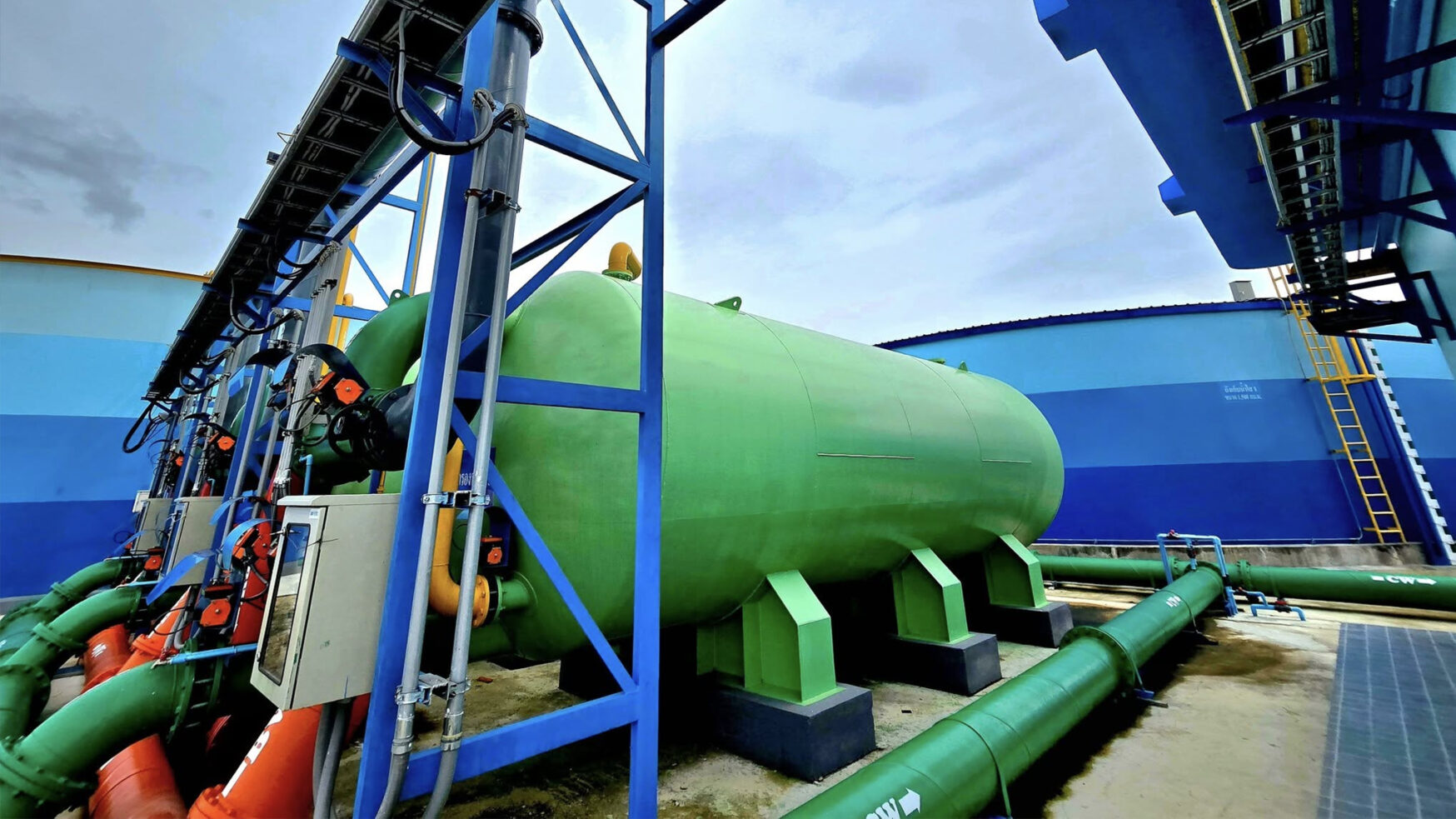
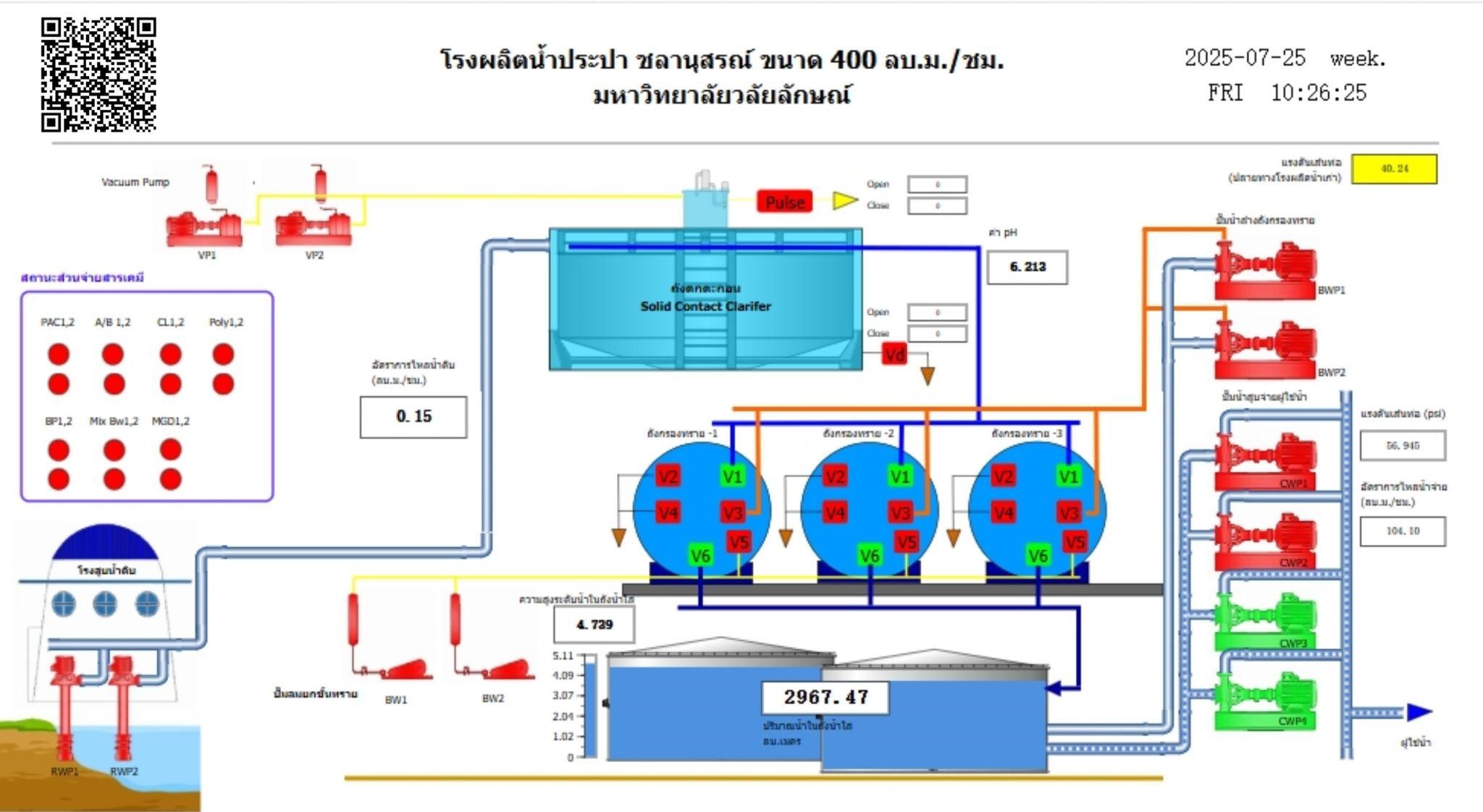
In 2024, the Chala Nusorn Reservoir became one of the major reservoirs managed for rainwater extraction during each seasonal cycle. Since that year, it has been developed as the main raw water source of the university for tap water production. The water extraction process has been ecologically designed, employing a 400-millimeter pipeline pumping system that does not disrupt water circulation or aquatic life within the reservoir. The university’s tap water production process also aligns with the principles of sustainable water extraction utilizing applicable technology, beginning with the chemical dosing process to separate colloids and impurities through a static mixer, followed by sedimentation, filtration, and final disinfection before distribution to users across the campus. This systematic approach ensures that water use within the university is efficiently managed in terms of both quantity and quality.
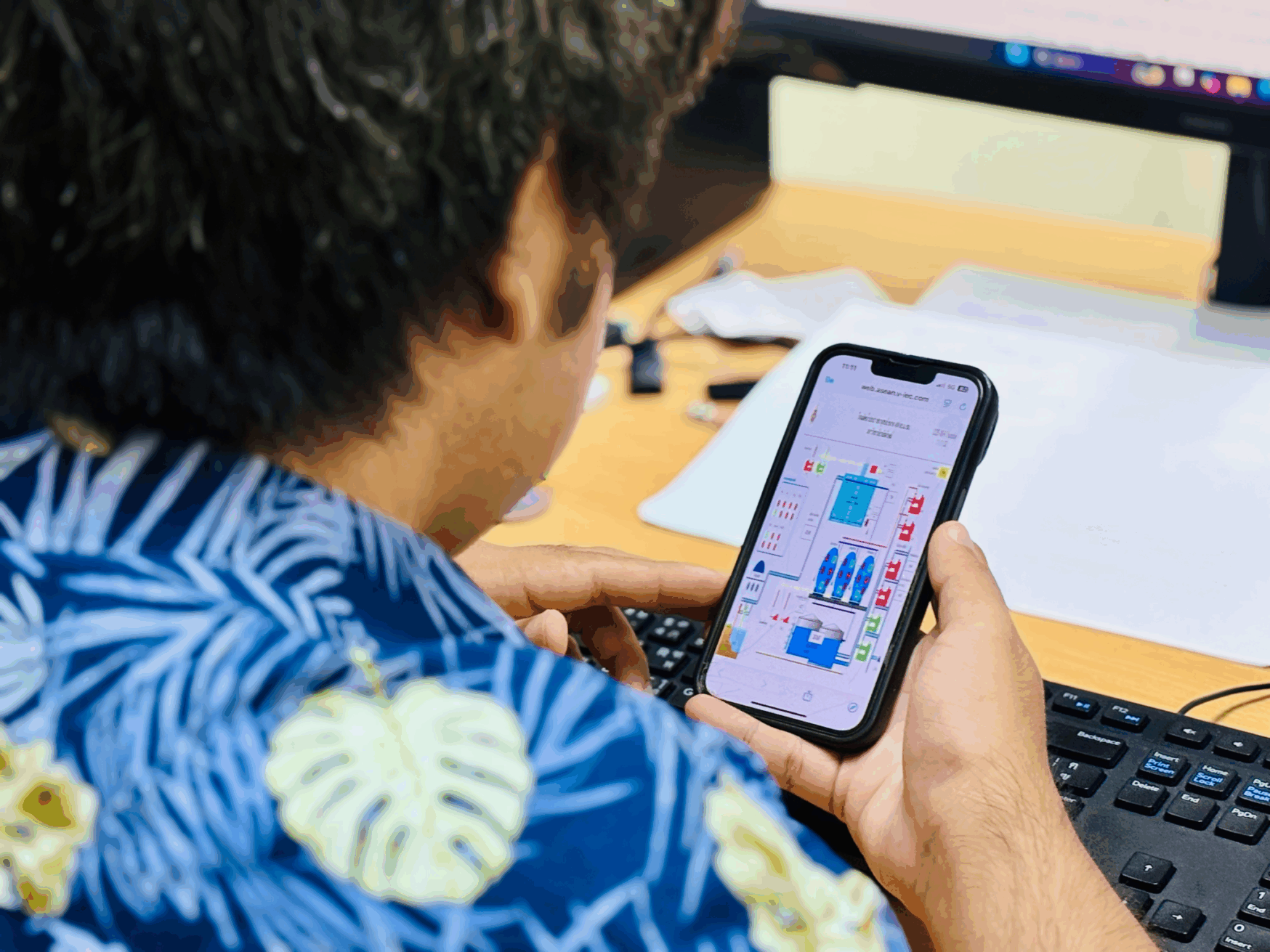
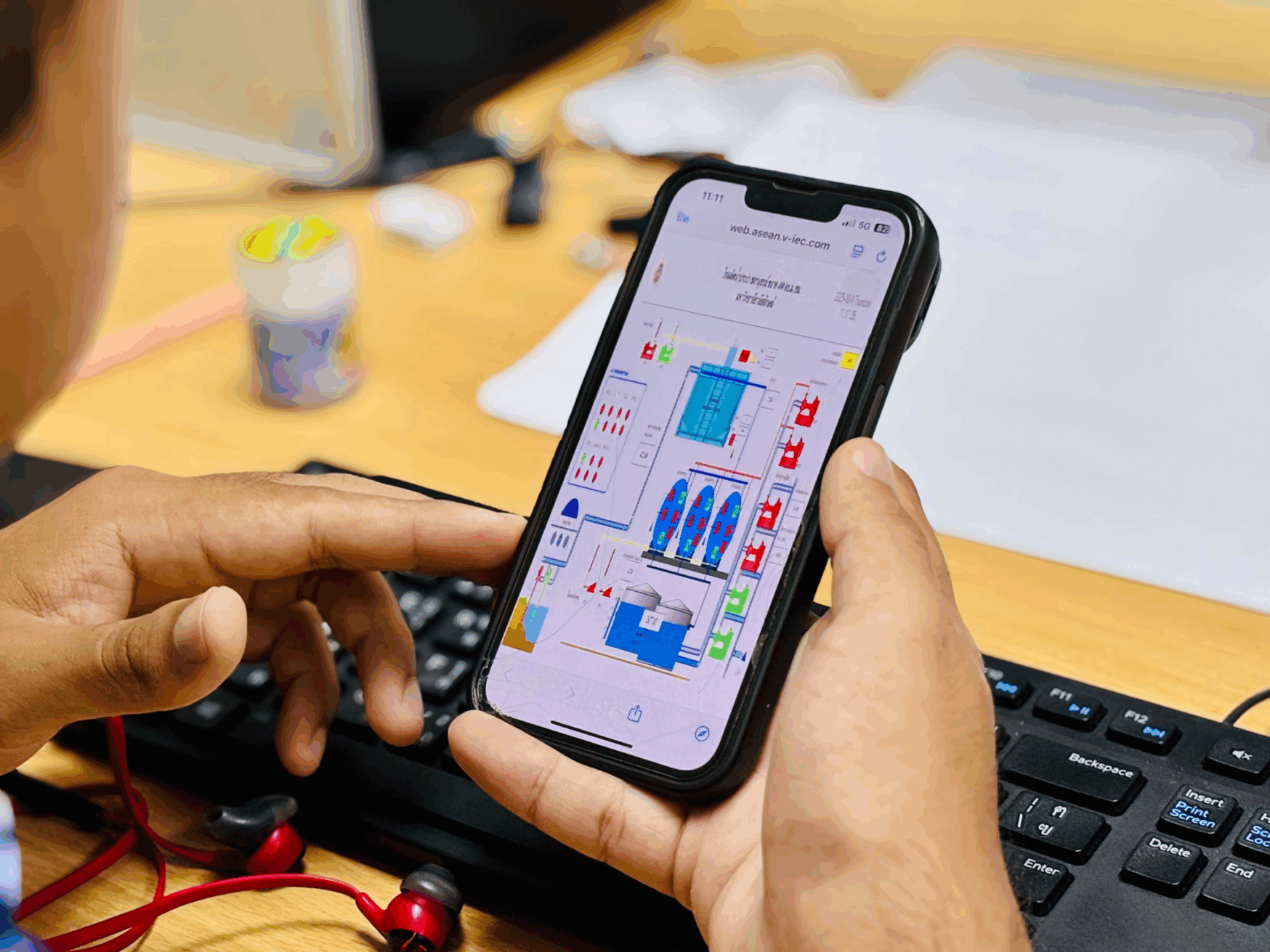
At present, Walailak University closely and continuously monitors and inspects the tap water production system from the Chala Nusorn Reservoir in real time to prevent any operational irregularities and to track the production process in order to avoid possible contamination. This approach demonstrates the university’s efficiency in monitoring, surveillance, and data analysis. In addition, it enhances transparency in operational processes and helps reduce potential business costs, including energy consumption, operational time, and maintenance planning.
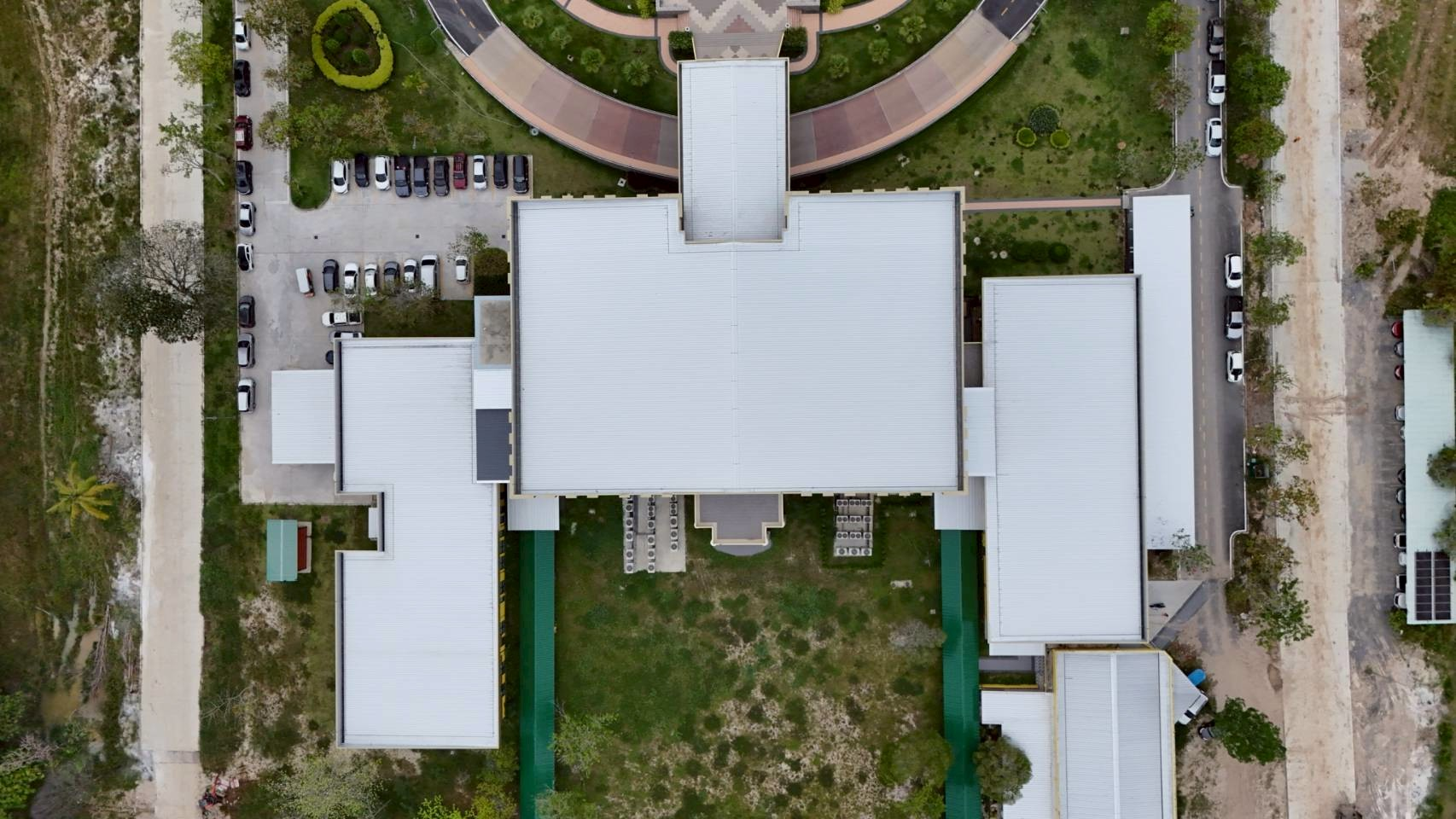
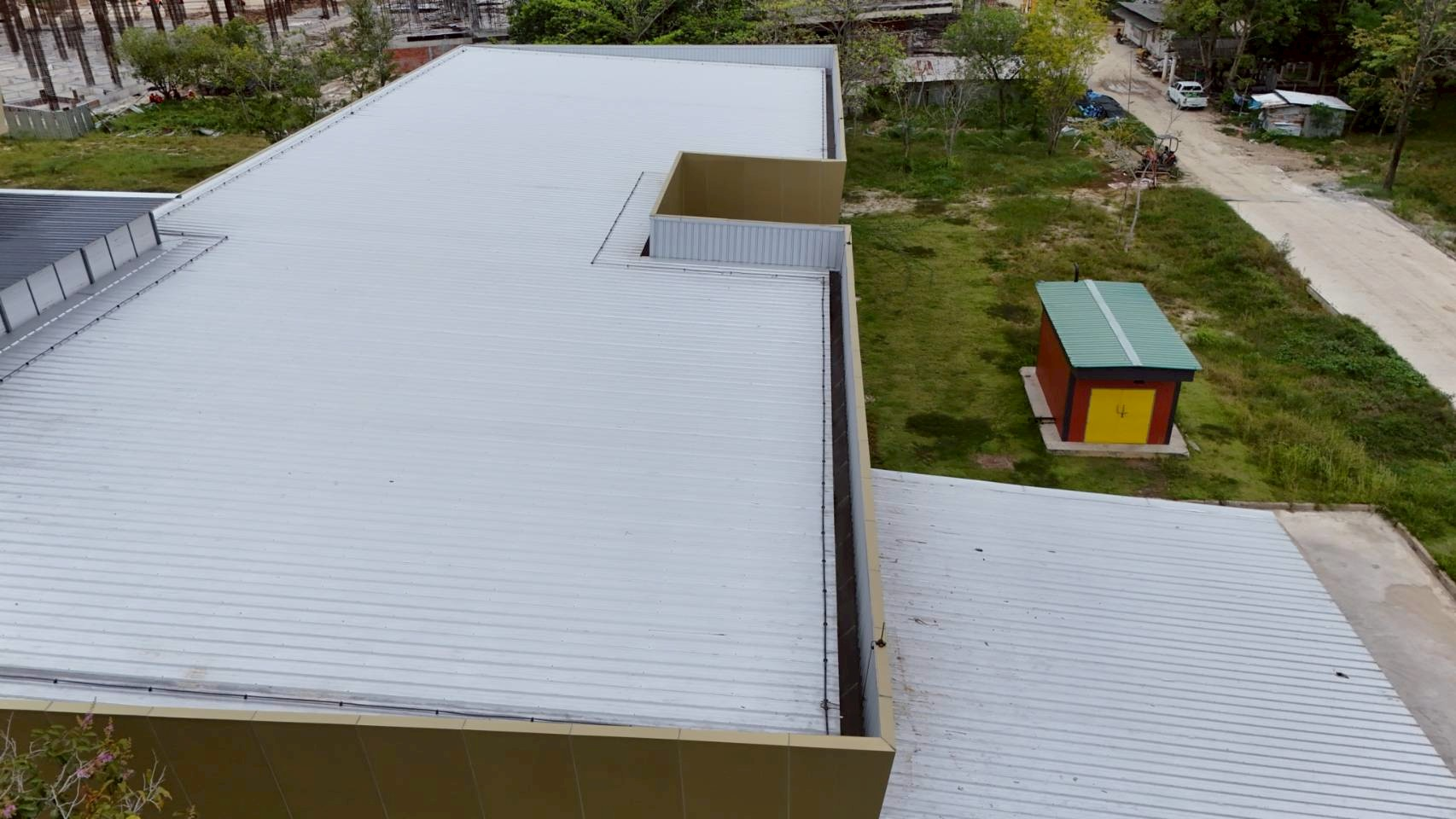
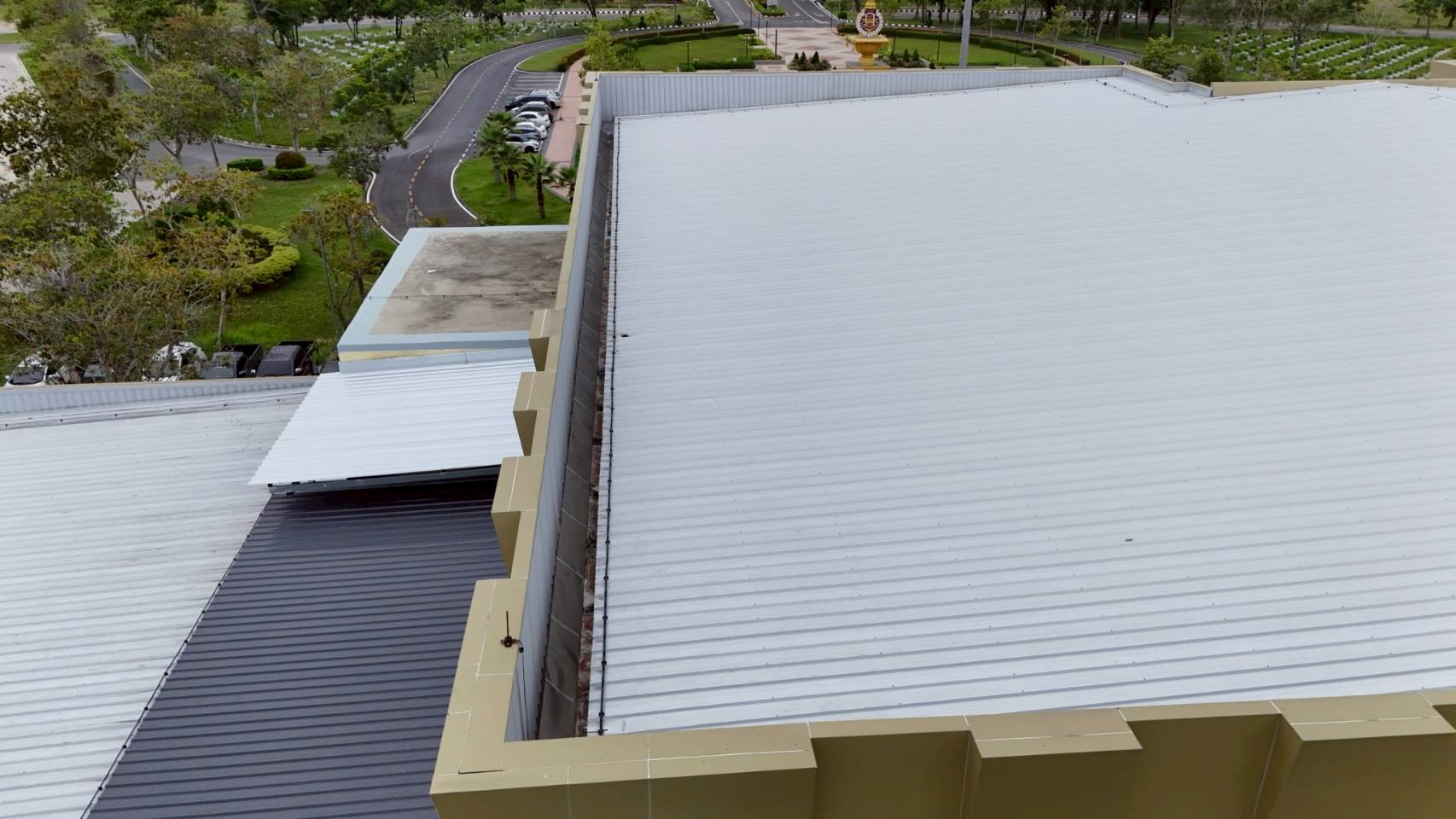
The university has applied water harvesting technologies to enhance the efficiency of its monkey cheek (retention pond) system. In addition, the university has studied and prepared to implement applicable technologies for extracting water from natural and environmental sources, including rainwater harvesting systems equipped with roof gutters and storage tanks to collect rainwater for use in watering plants and basic public utilities, thereby reducing the need for tap water. By integrating the existence of these applicable technologies with the monkey cheek concept, the university has established an efficient, flexible, and environmentally friendly water resource management system. Moreover, it serves as a model of green infrastructure, combining environmental engineering knowledge, modern technology, and local wisdom to support sustainable development at the local level.
Figures: Technologies for extracting water from natural and environmental sources (Roof Gutters)
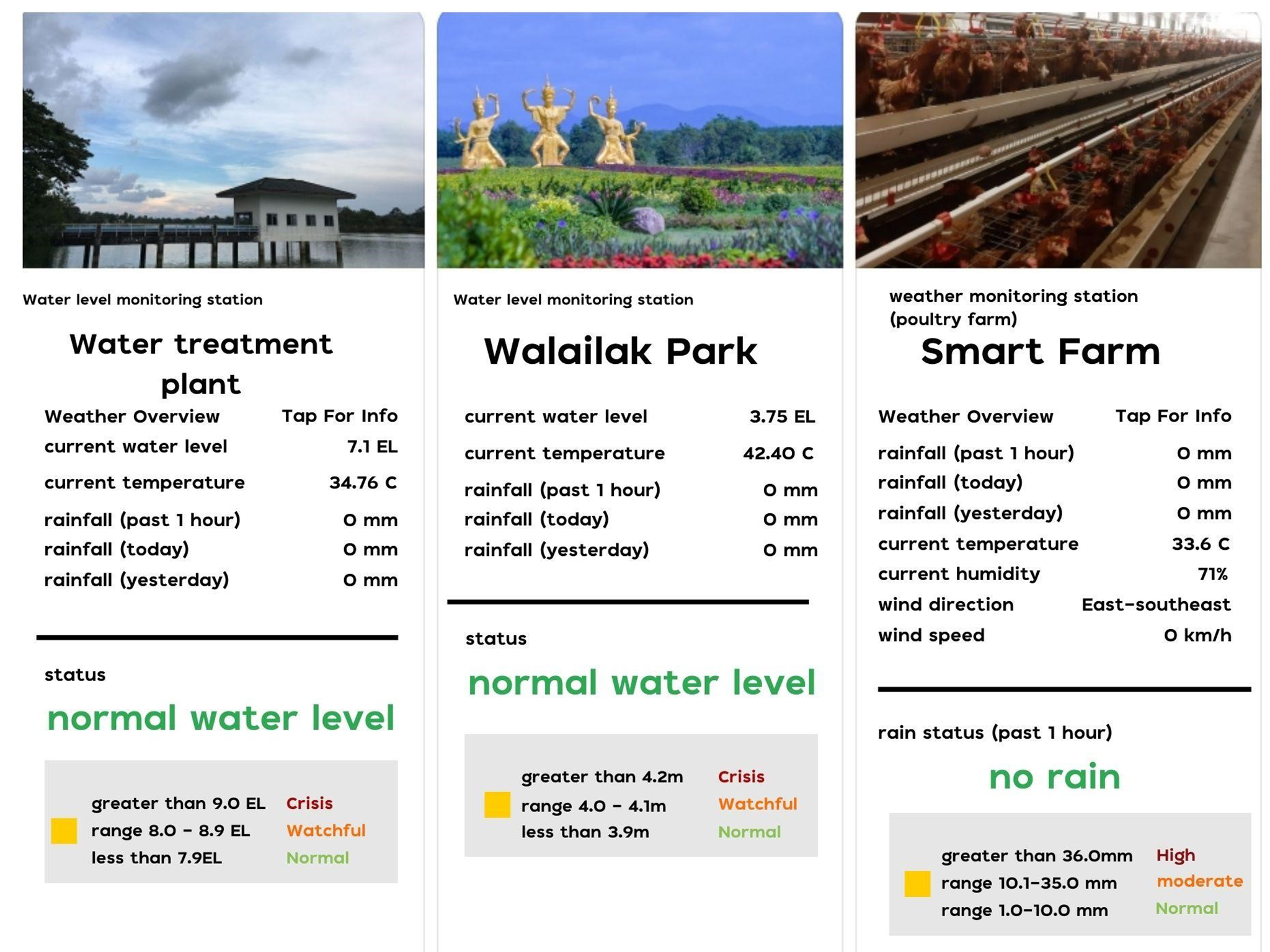
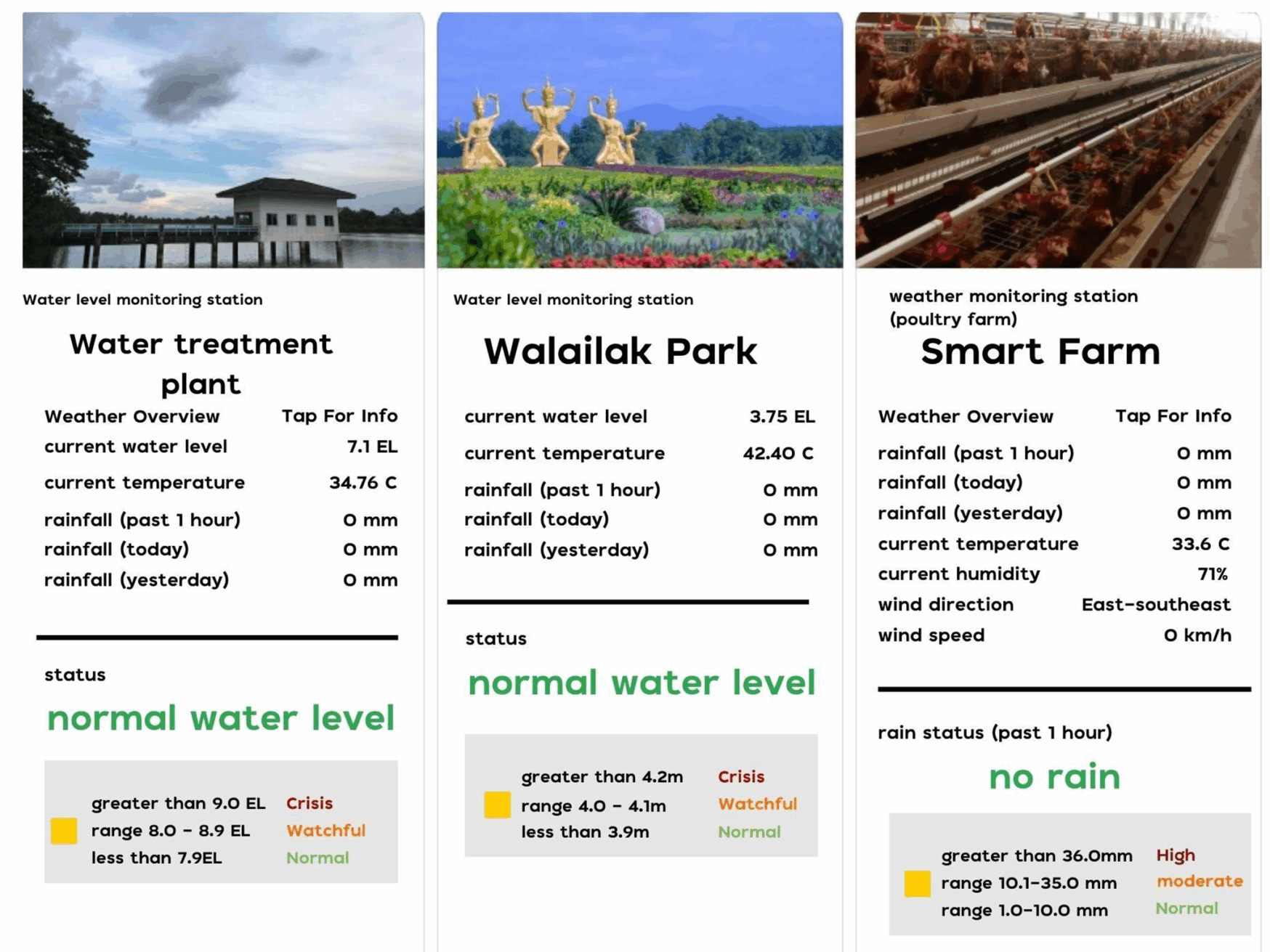
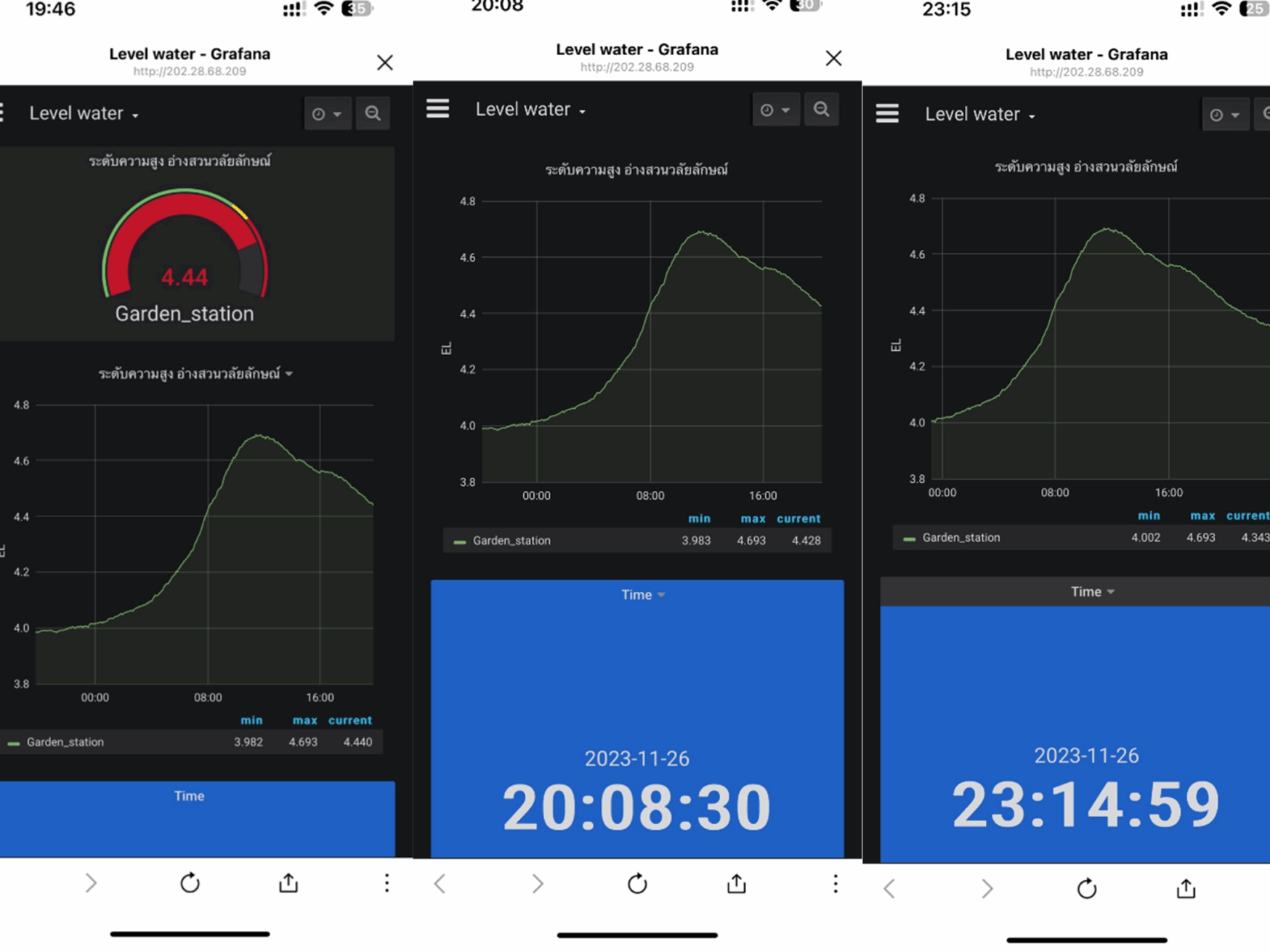
One of the key strengths of the university’s water management system is the integration of digital technology to monitor and control water levels through the BOT CDT application. This system enables real-time monitoring of rainfall data, reservoir water levels, temperature, and weather conditions. Having accurate and up-to-date information enhances the university’s capacity for flexible and responsive water management, particularly during the rainy season or water-related disasters such as floods and droughts. The application serves as an essential tool for monitoring, preventing, and managing water pollution sustainably. It is specifically designed to protect water systems from contamination and features various functions, including data analysis from IoT sensors installed in different water sources, water level alert systems for critical situations, and comprehensive reports on current weather conditions, temperature, and rainfall levels in risk or surveillance areas. These features allow users to access systematic, real-time water information, thereby improving forecasting capabilities and effectively reducing the impacts of flash floods.
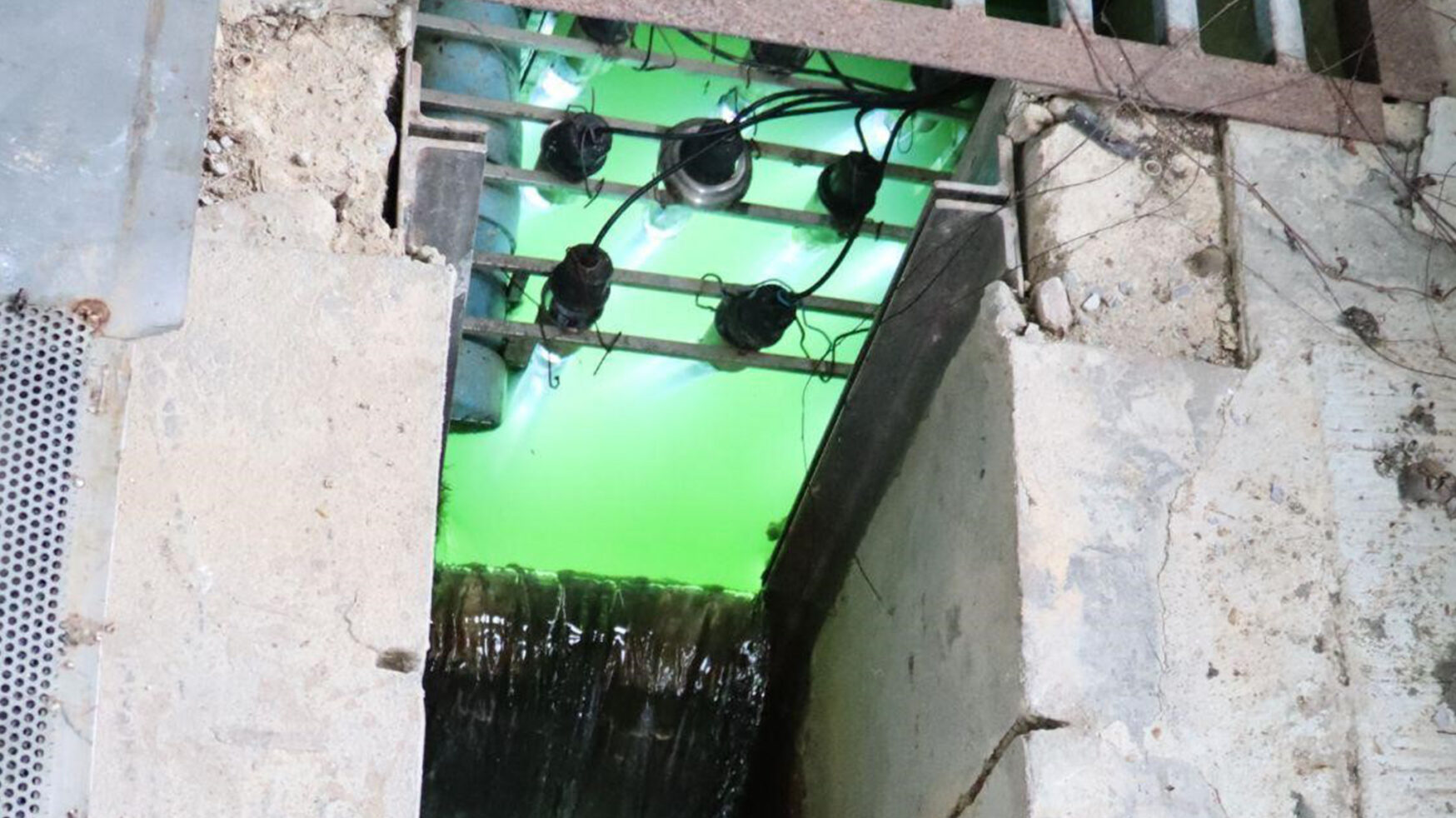
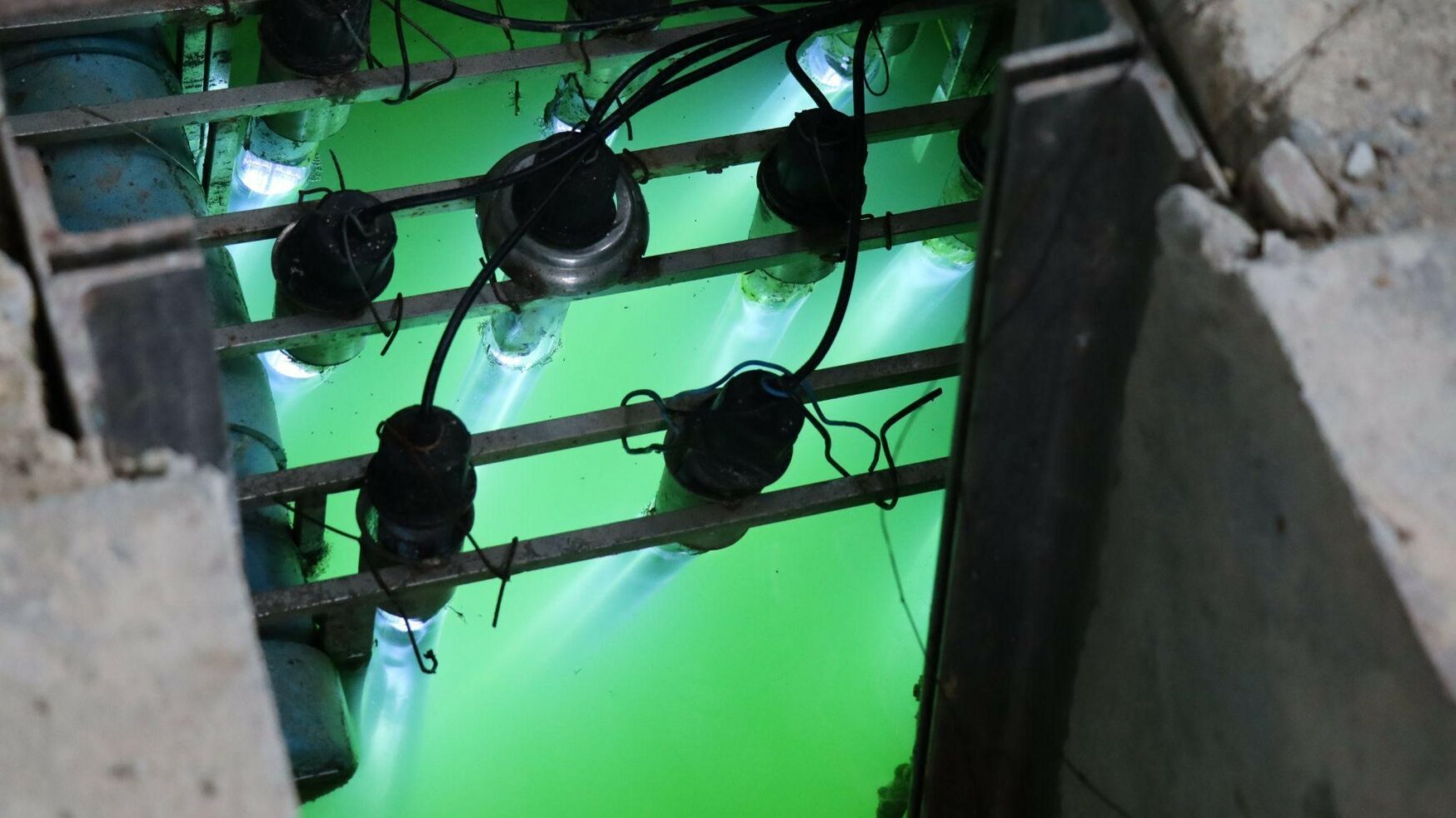
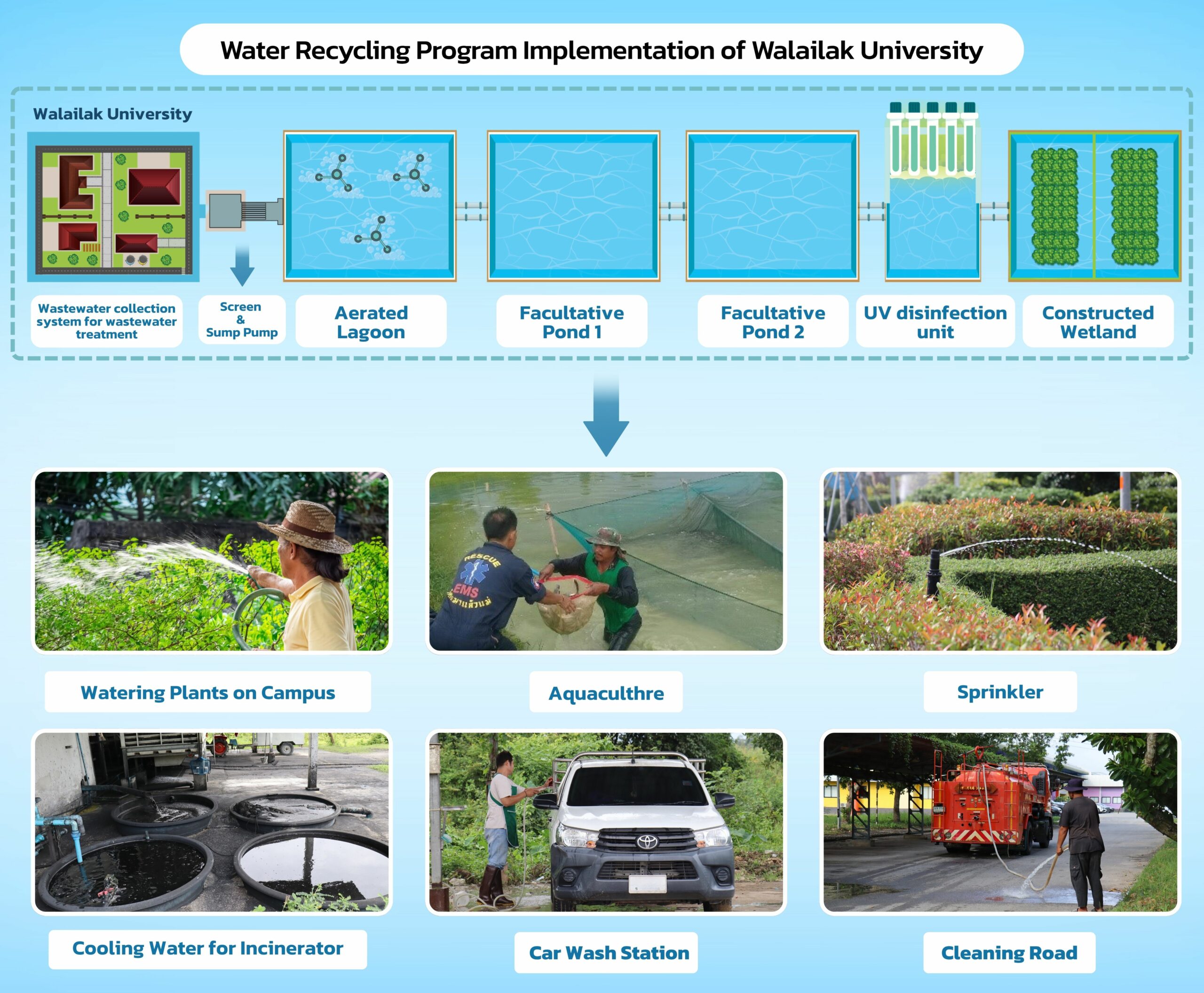
In addition, the university has developed a comprehensive wastewater treatment system, reflecting a commitment to sustainable closed-loop water management. Wastewater from various buildings undergoes multiple stages of treatment, including initial screening to remove debris, aeration to promote the decomposition of organic matter, treatment in semi-anaerobic ponds, and finally, ultraviolet (UV) disinfection to eliminate pathogens. The treated water is then reused or safely released back into the environment without causing any negative impact on the quality of natural water sources.
At present, the university has continuously developed its wastewater treatment process. In 2024, mechanisms and technologies were improved to enhance efficiency. The wastewater treatment process can be divided into three main stages, consisting of:
Preliminary and Primary Treatment
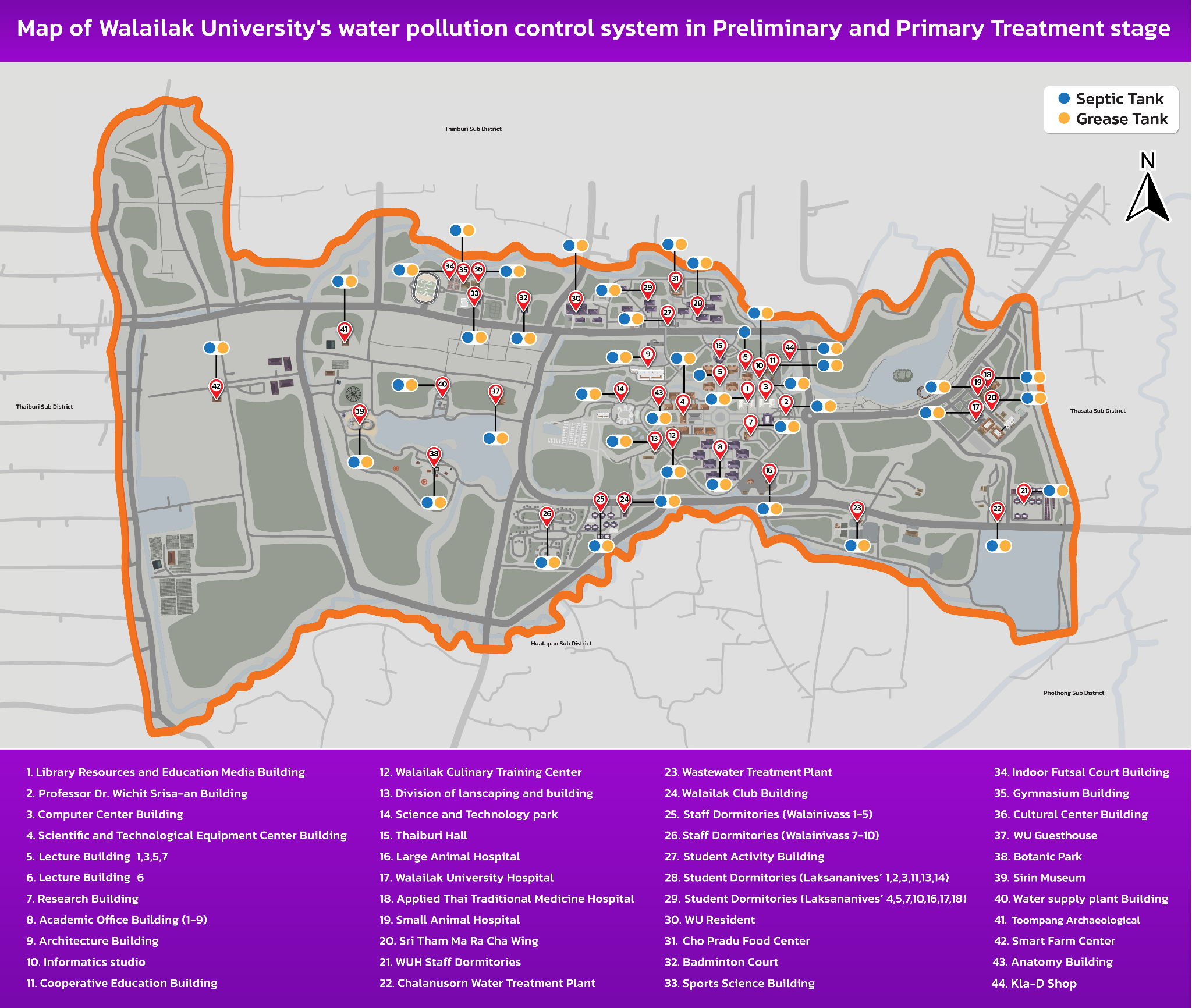
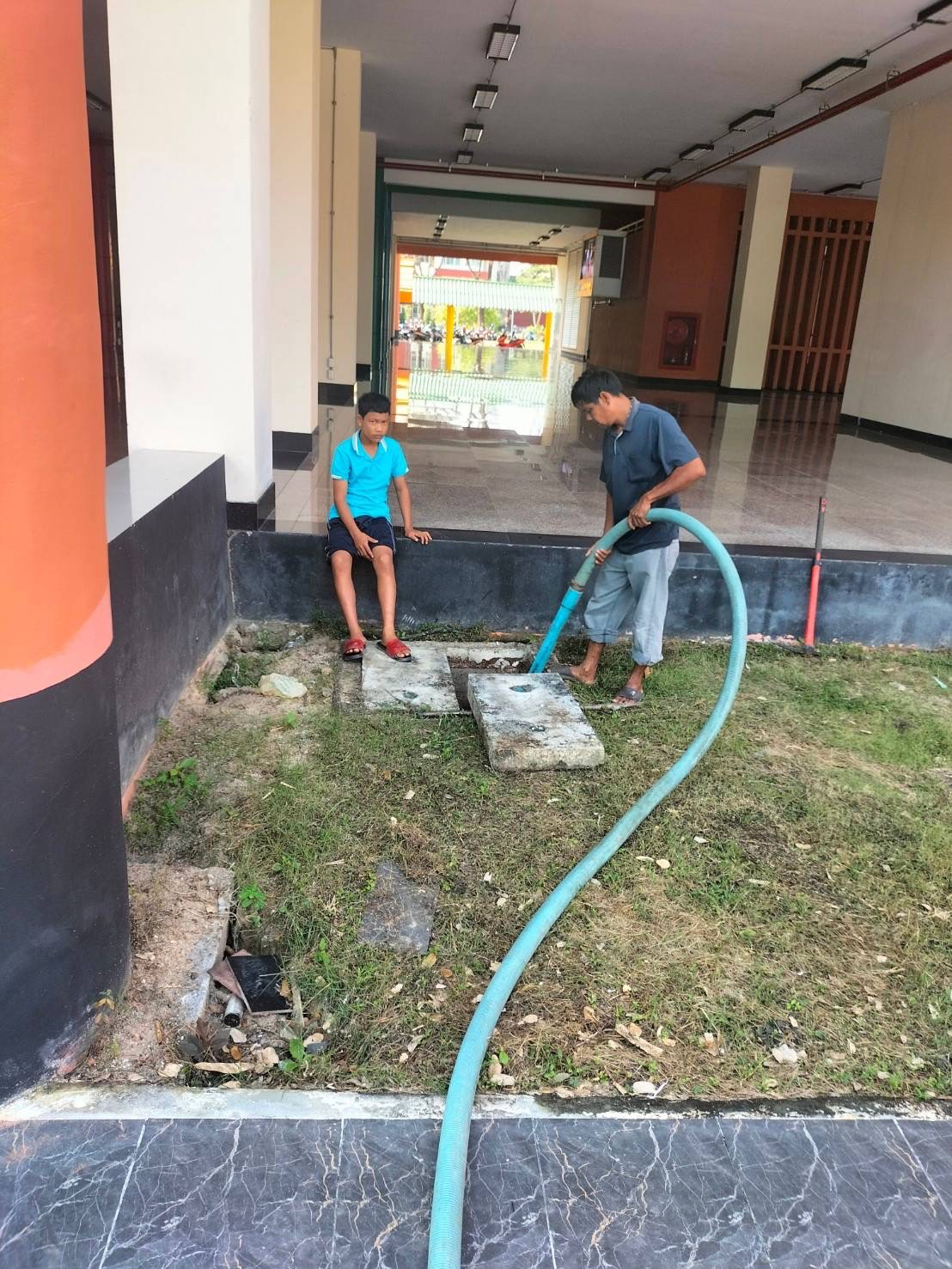
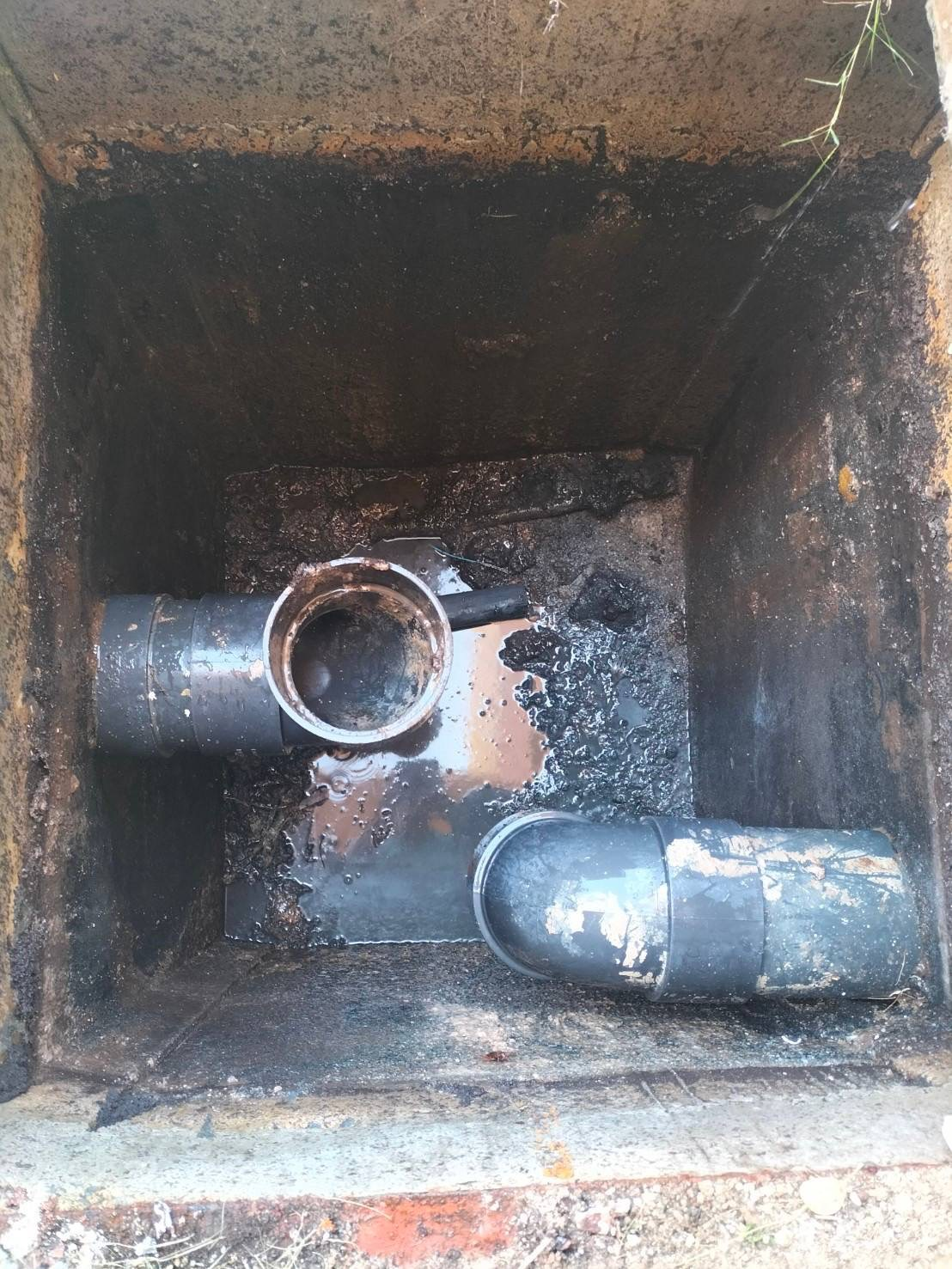
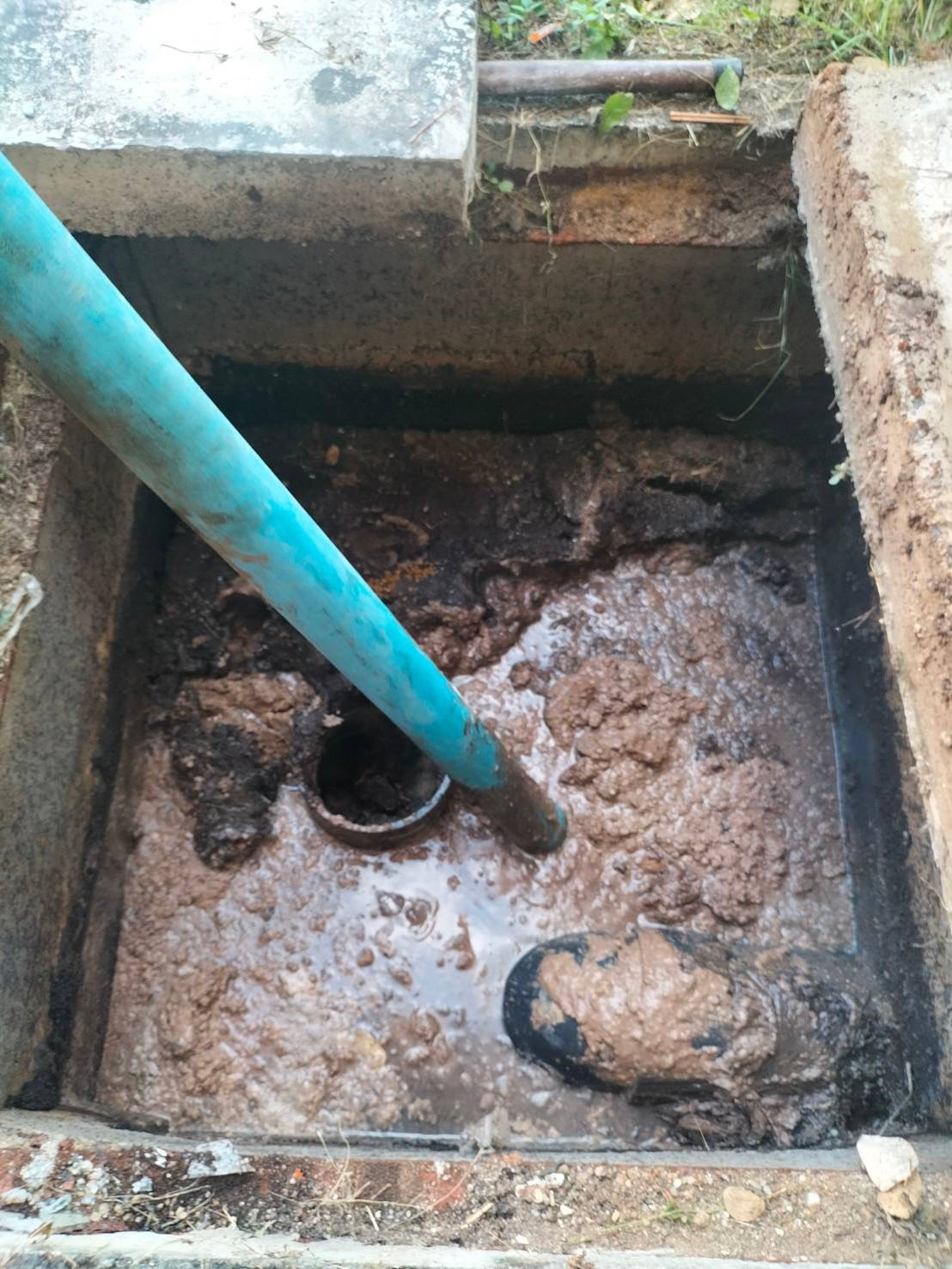
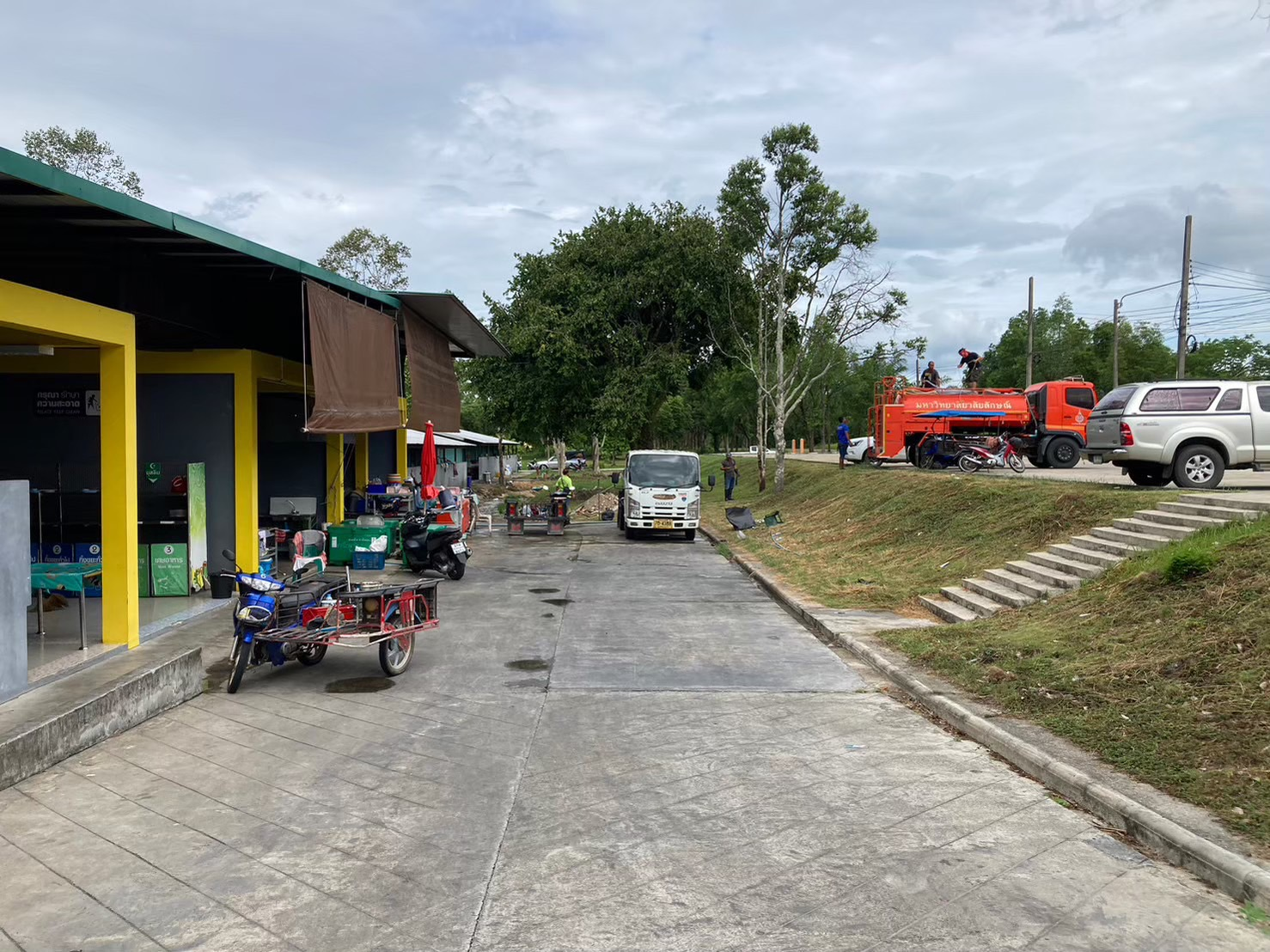
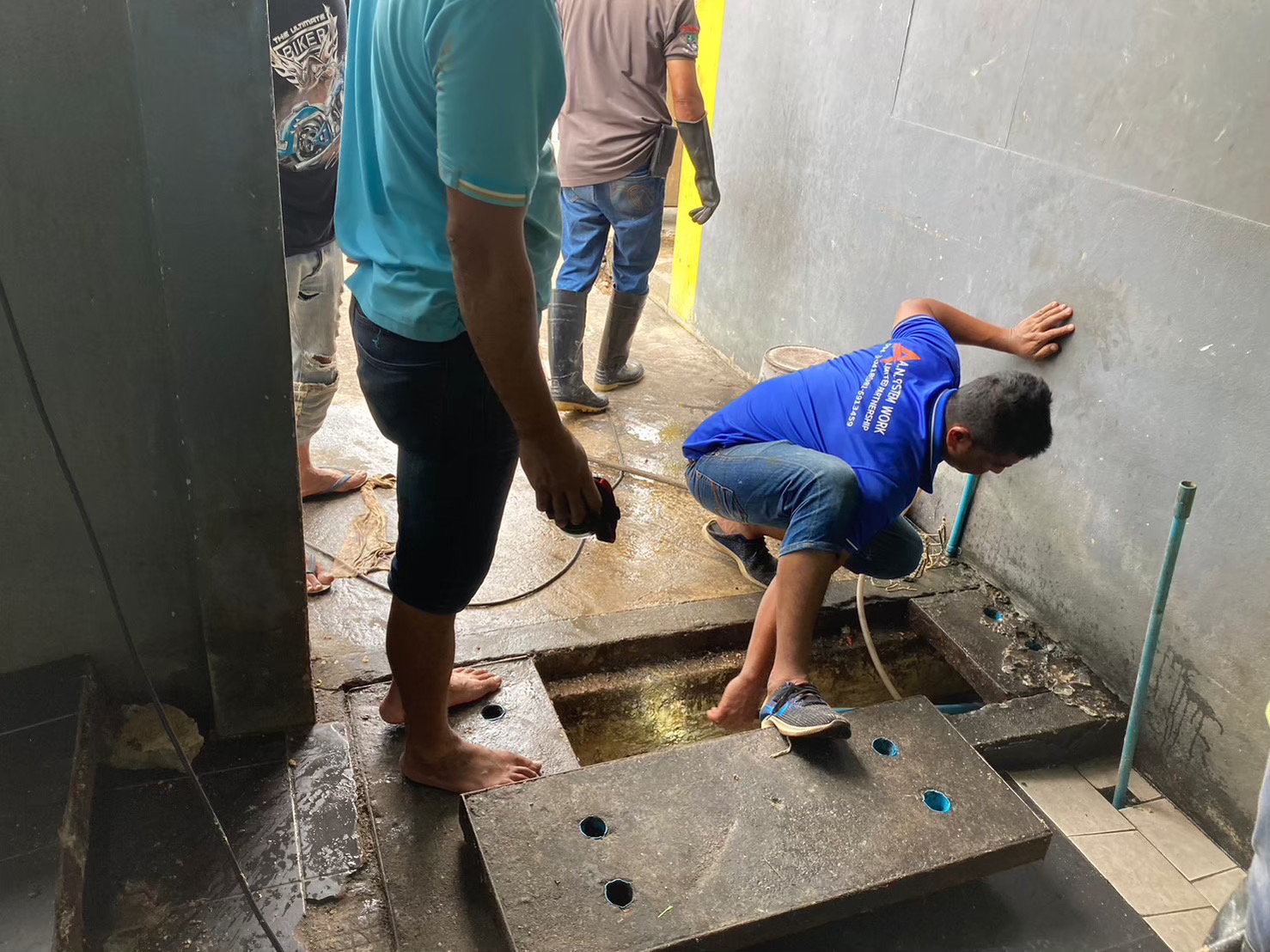
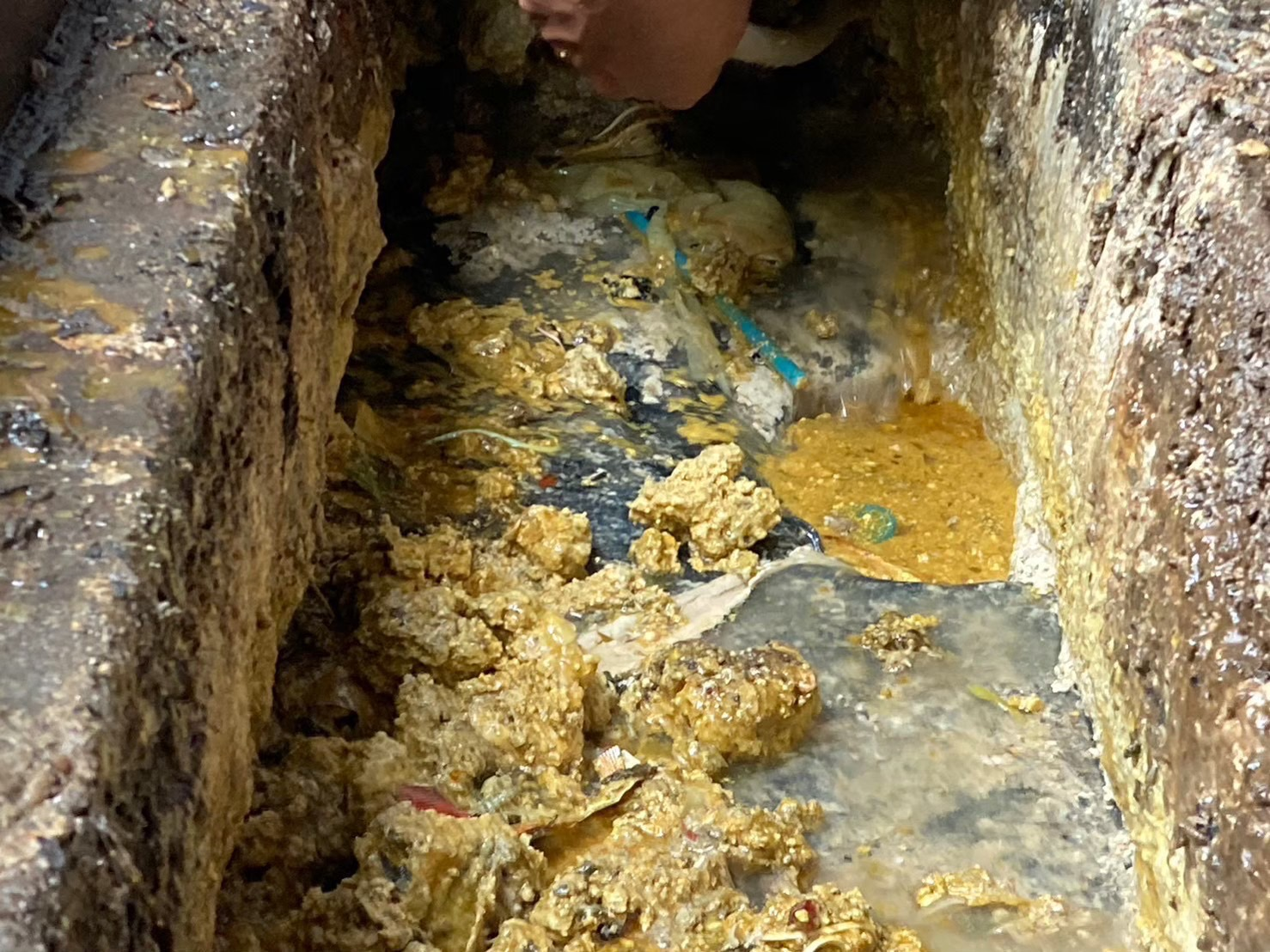
The university’s wastewater management process begins with separating solid waste and grease from wastewater immediately as it leaves the buildings. Grease traps are installed around the cafeterias, and the collected grease is regularly removed in a systematic manner to prevent it from causing problems in the subsequent treatment processes.
Wastewater that has been separated from solid waste and grease in all buildings is pumped and collected for treatment under the Wastewater Management System Development Project of Walailak University.
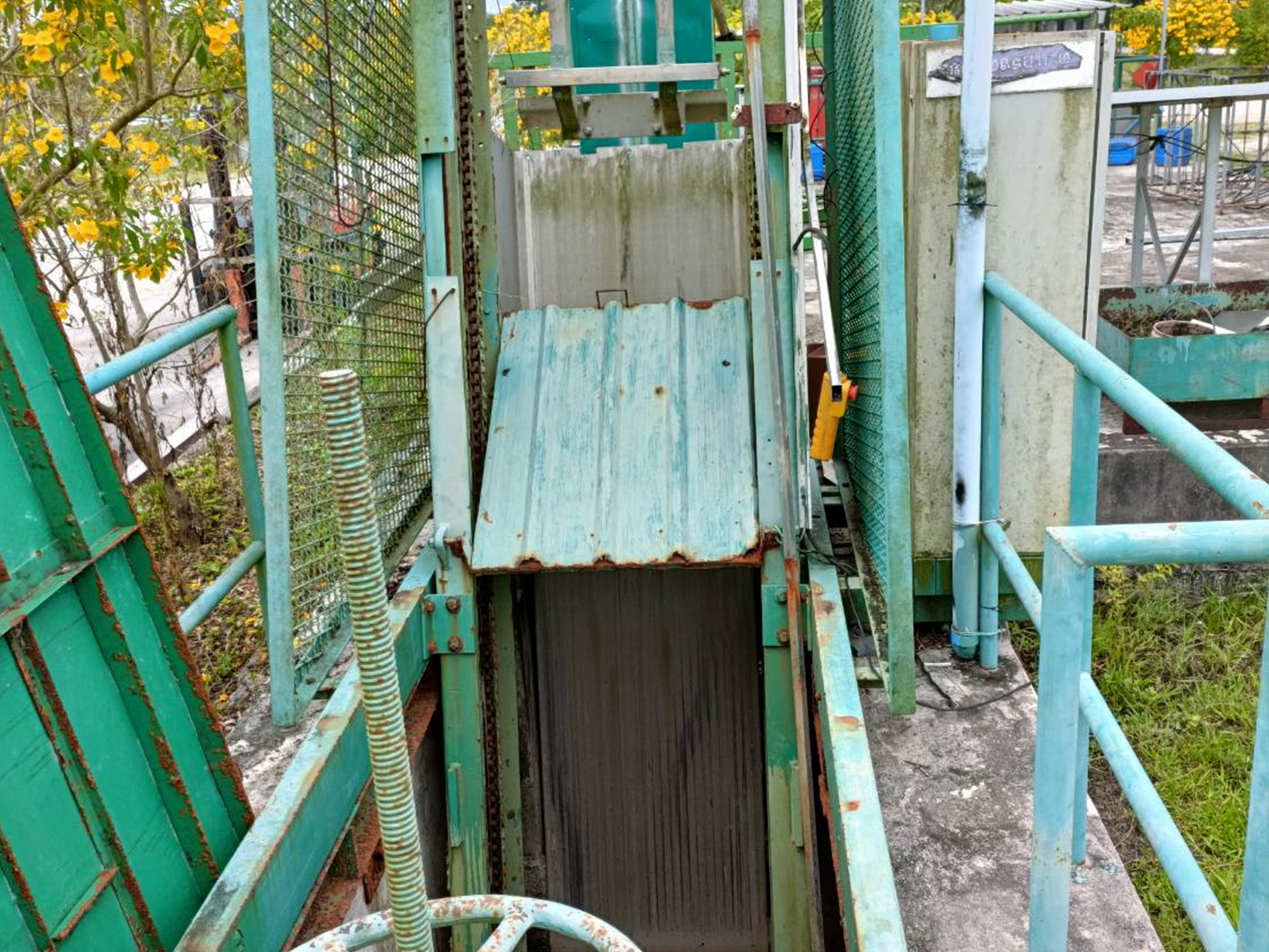
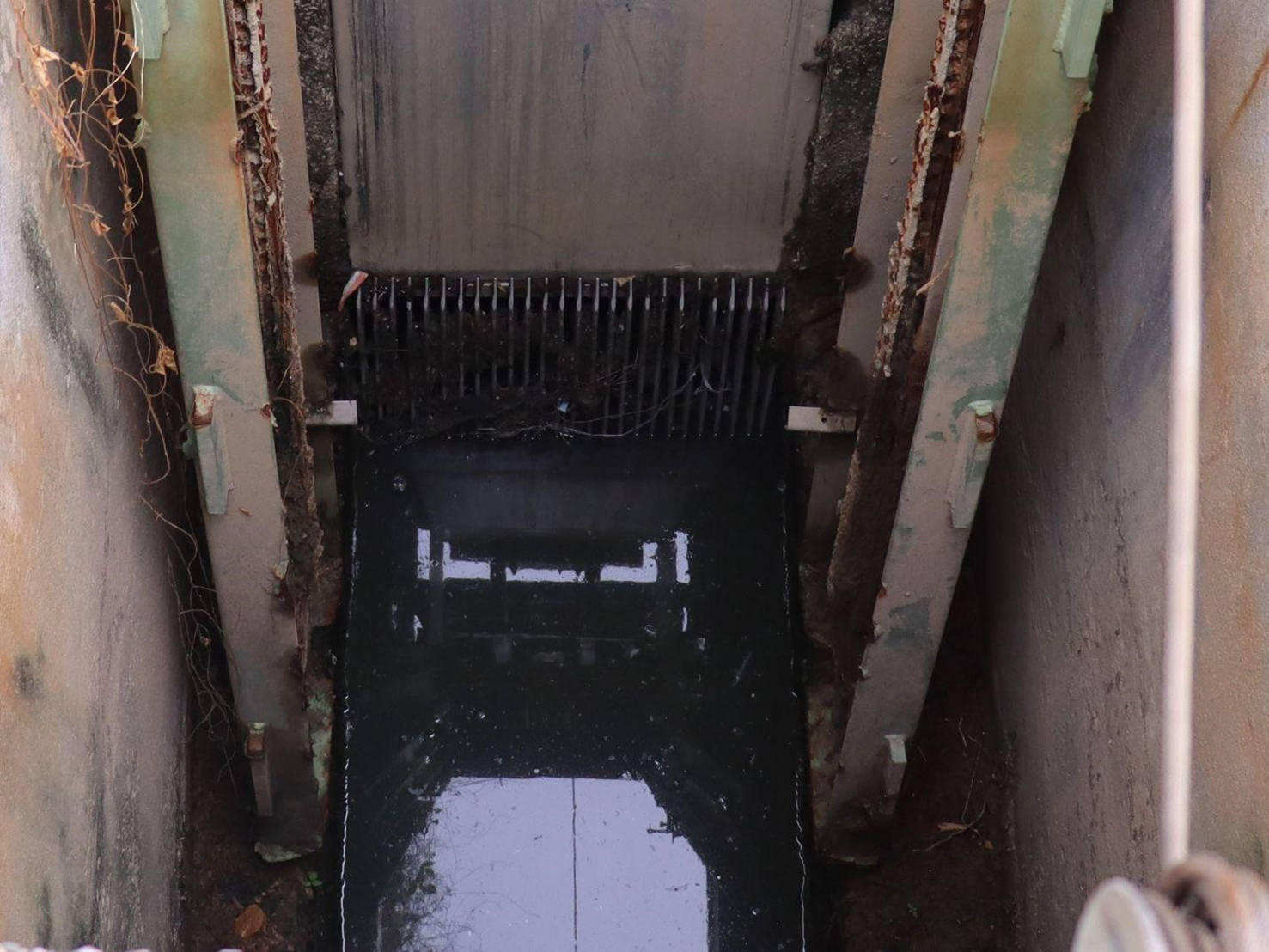
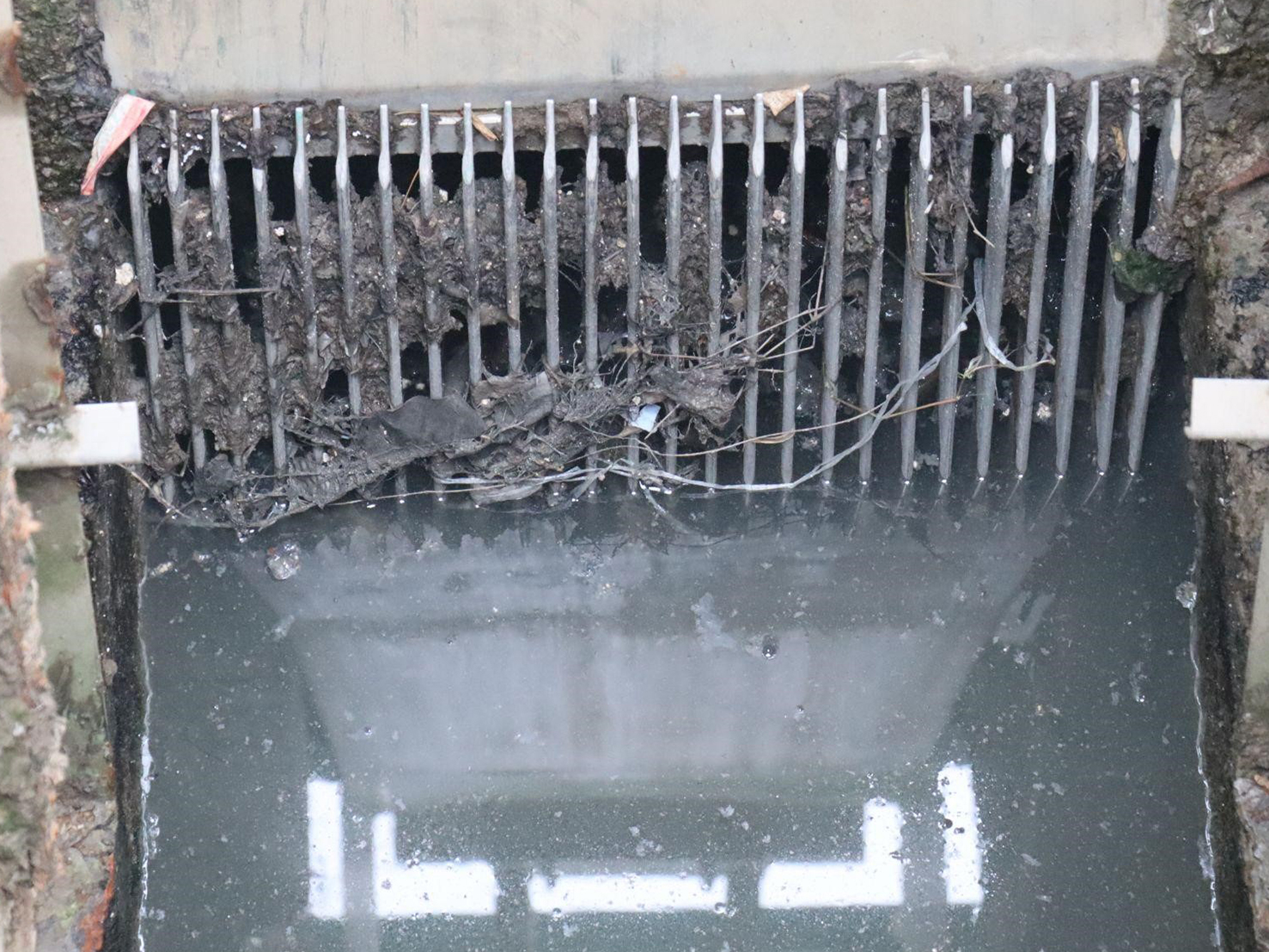
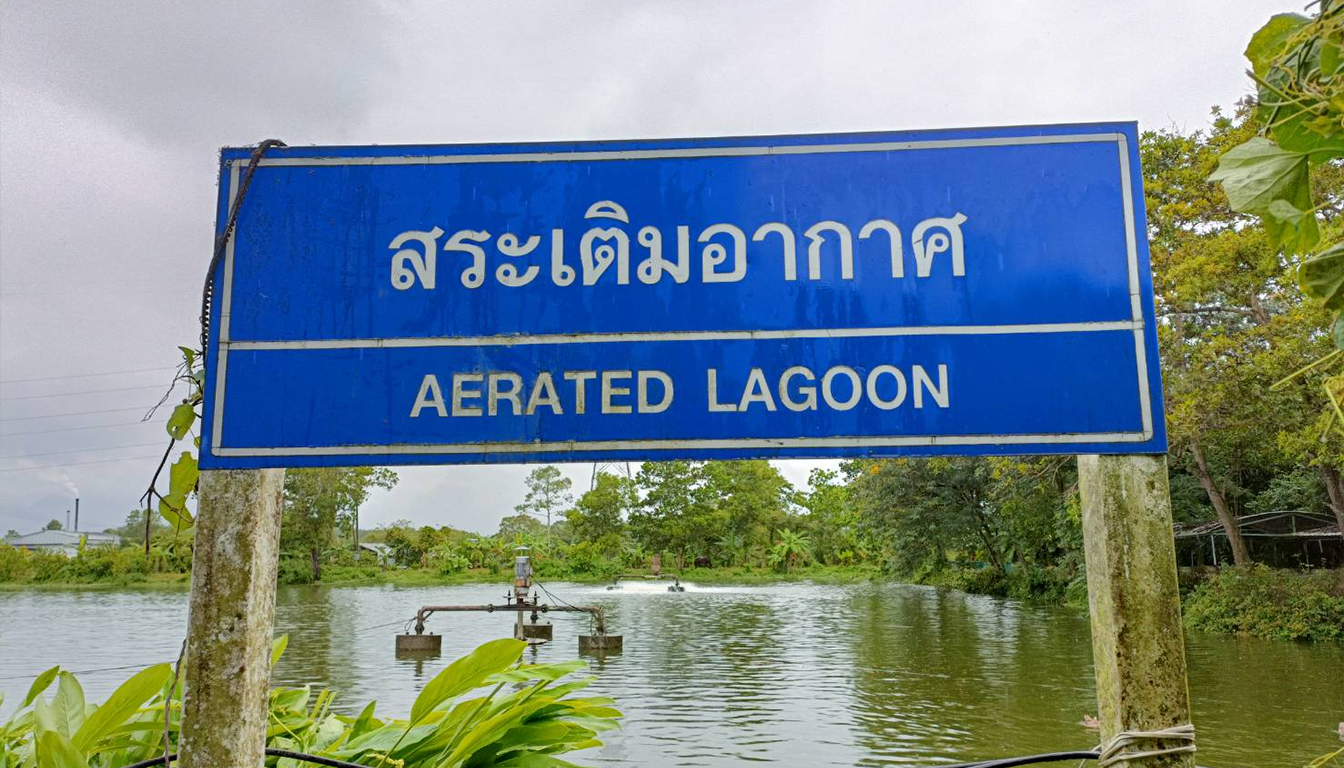
All wastewater is filtered again at the wastewater pumping station located at the treatment plant under the Wastewater Management System Development Project. A motor-driven mechanical screen is installed to prevent solid waste from clogging the submersible pumps. The screen is a fine-type model equipped with automatic brushes that remove debris mixed with the wastewater. This process plays a crucial role in ensuring the smooth transfer of wastewater into the treatment system. After solid waste and grease have been separated, the wastewater is then pumped into the aerated lagoon for further treatment.
Preliminary and Primary Treatment
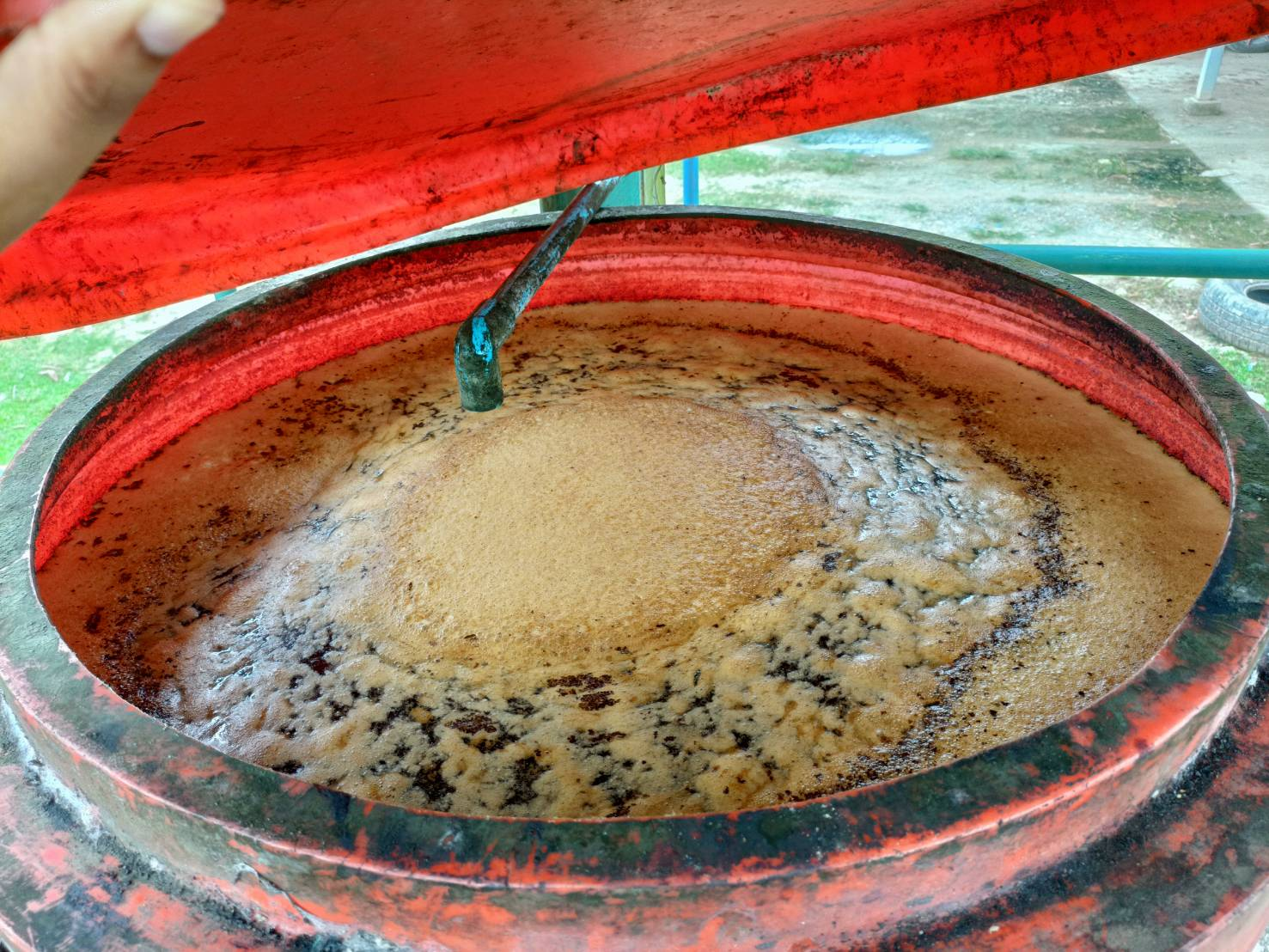
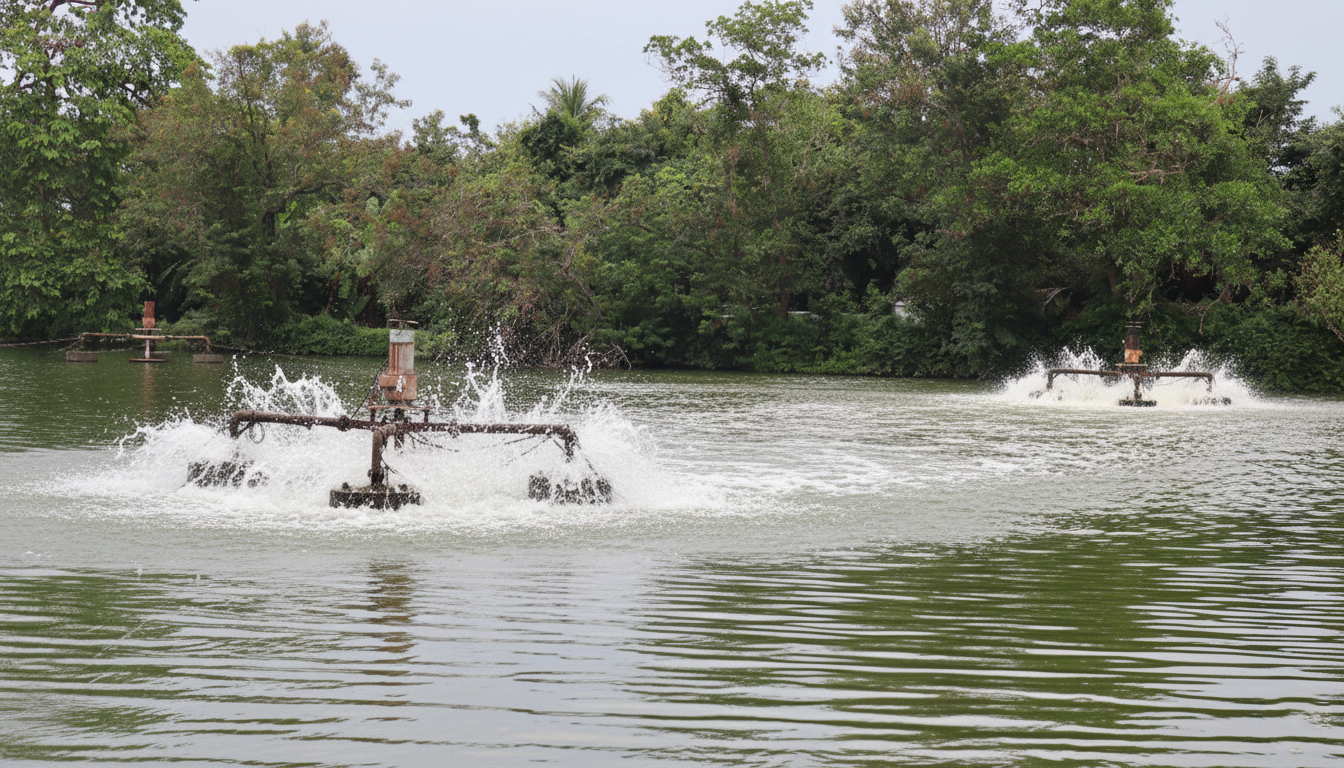
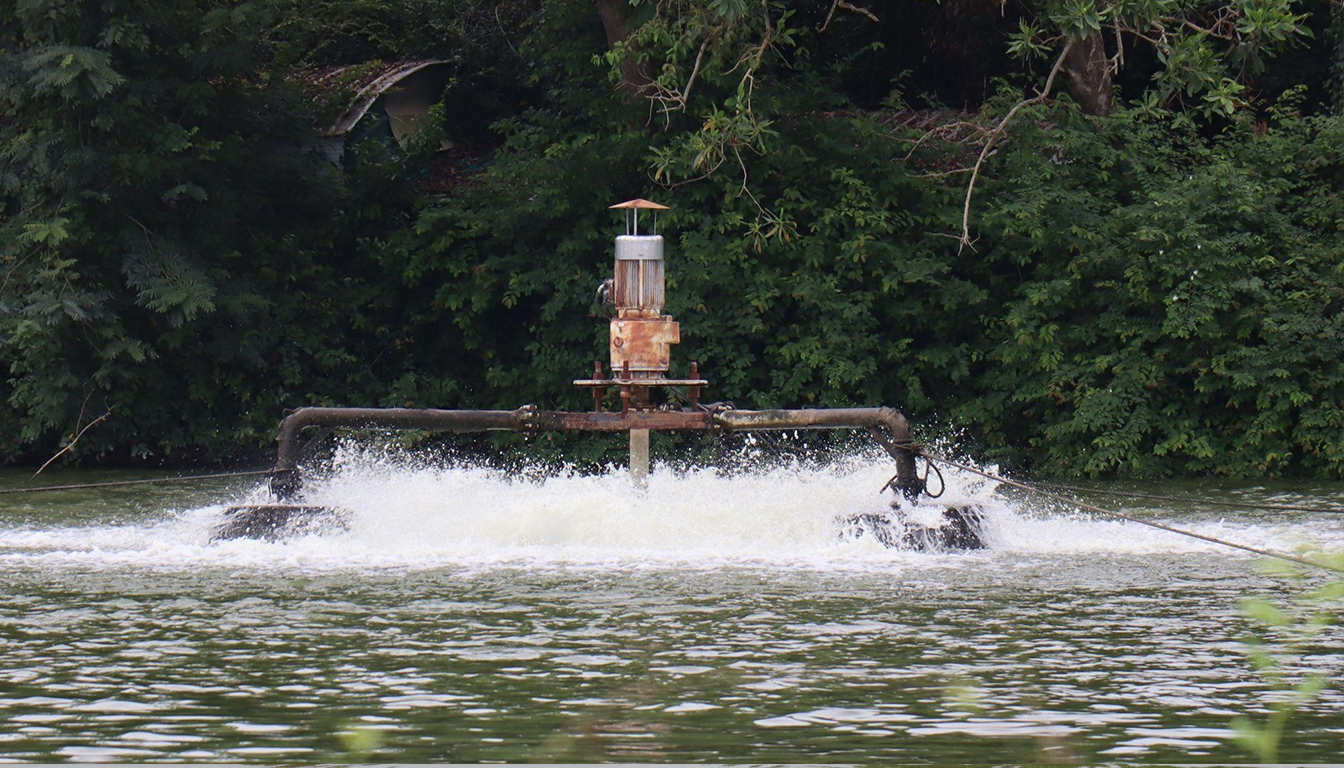
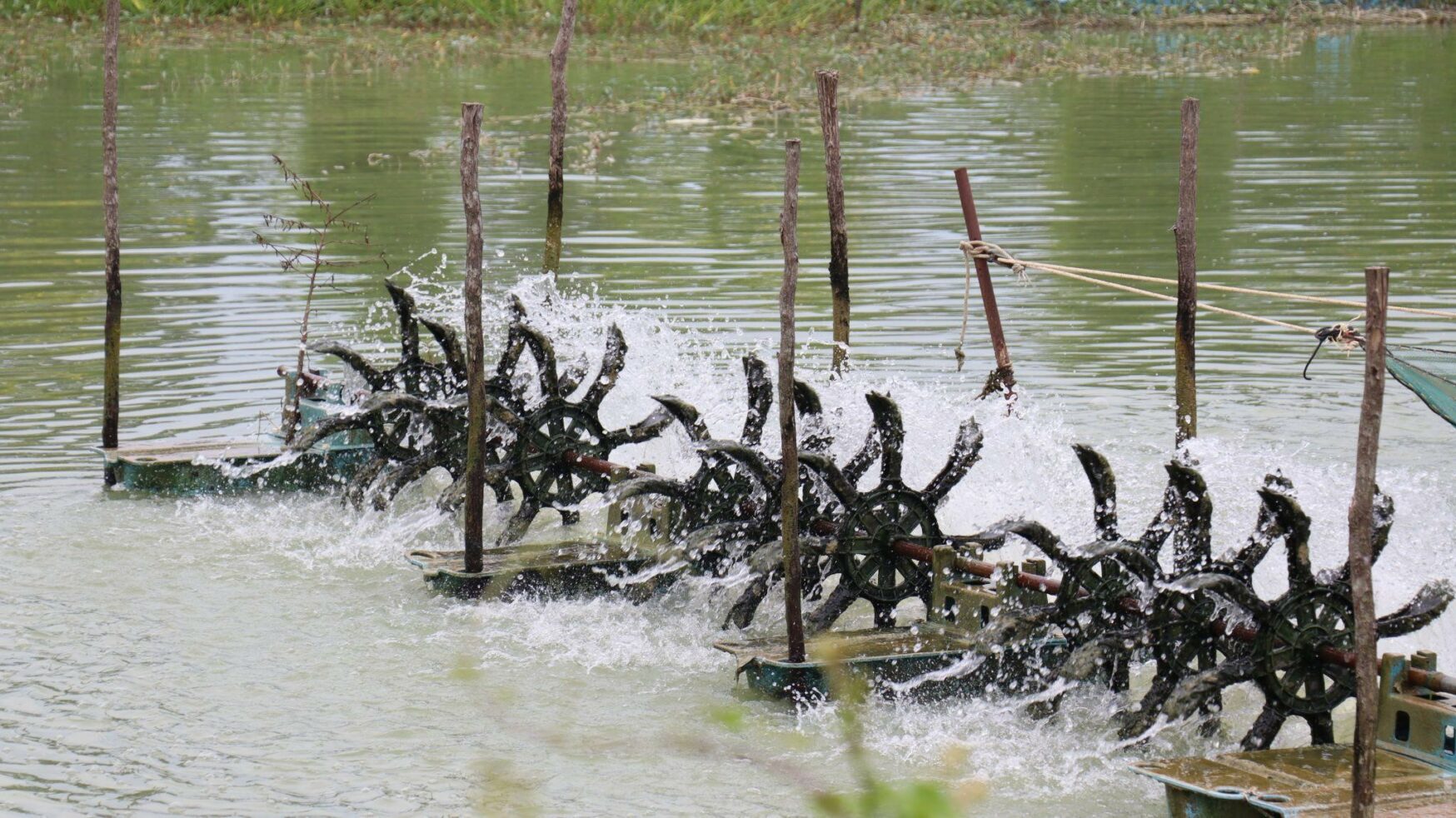
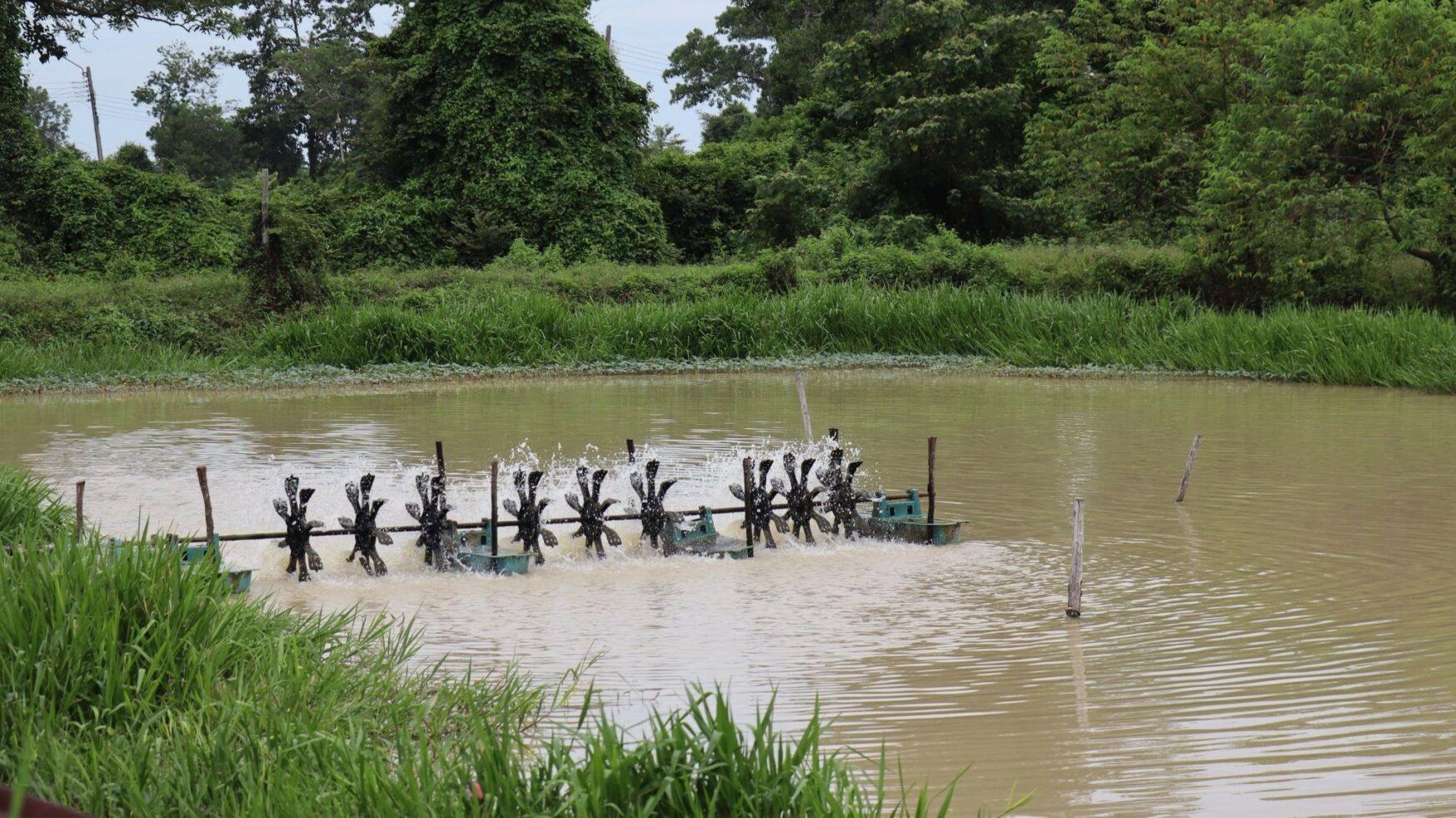
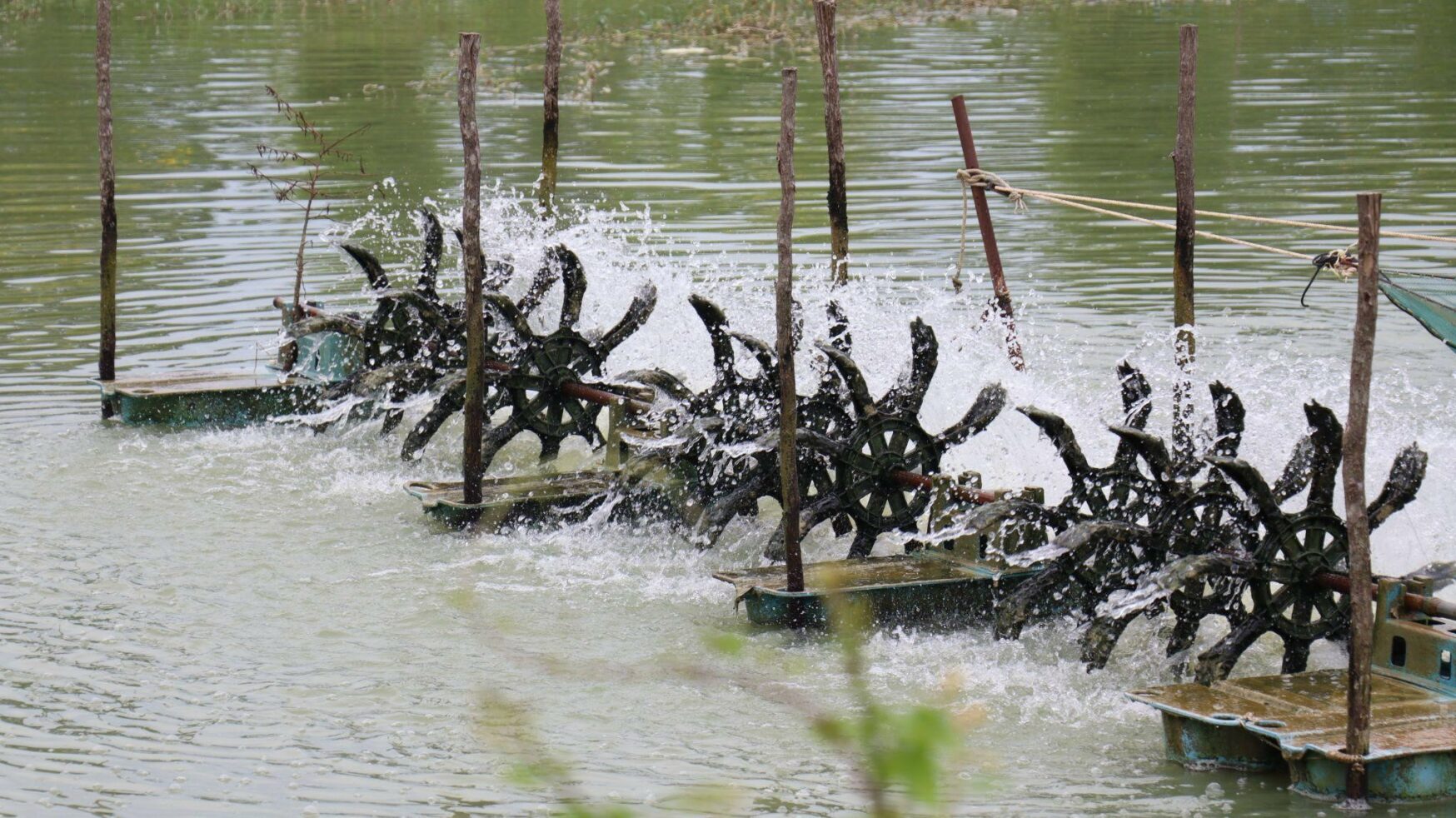
The wastewater is pumped into the aerated lagoon, which serves as the core of the wastewater treatment system. Walailak University’s aerated lagoon is large, with a depth of approximately 5 meters and a capacity of up to 18,903 cubic meters. It is equipped with four 15-kilowatt low-speed float-type surface aerators that function to increase the oxygen level in the water. These aerators agitate the water to enhance contact with oxygen, promoting thorough mixing within the lagoon. This process enables aerobic microorganisms to efficiently decompose organic matter in the wastewater, resulting in up to a 70% reduction in biochemical oxygen demand (BOD).
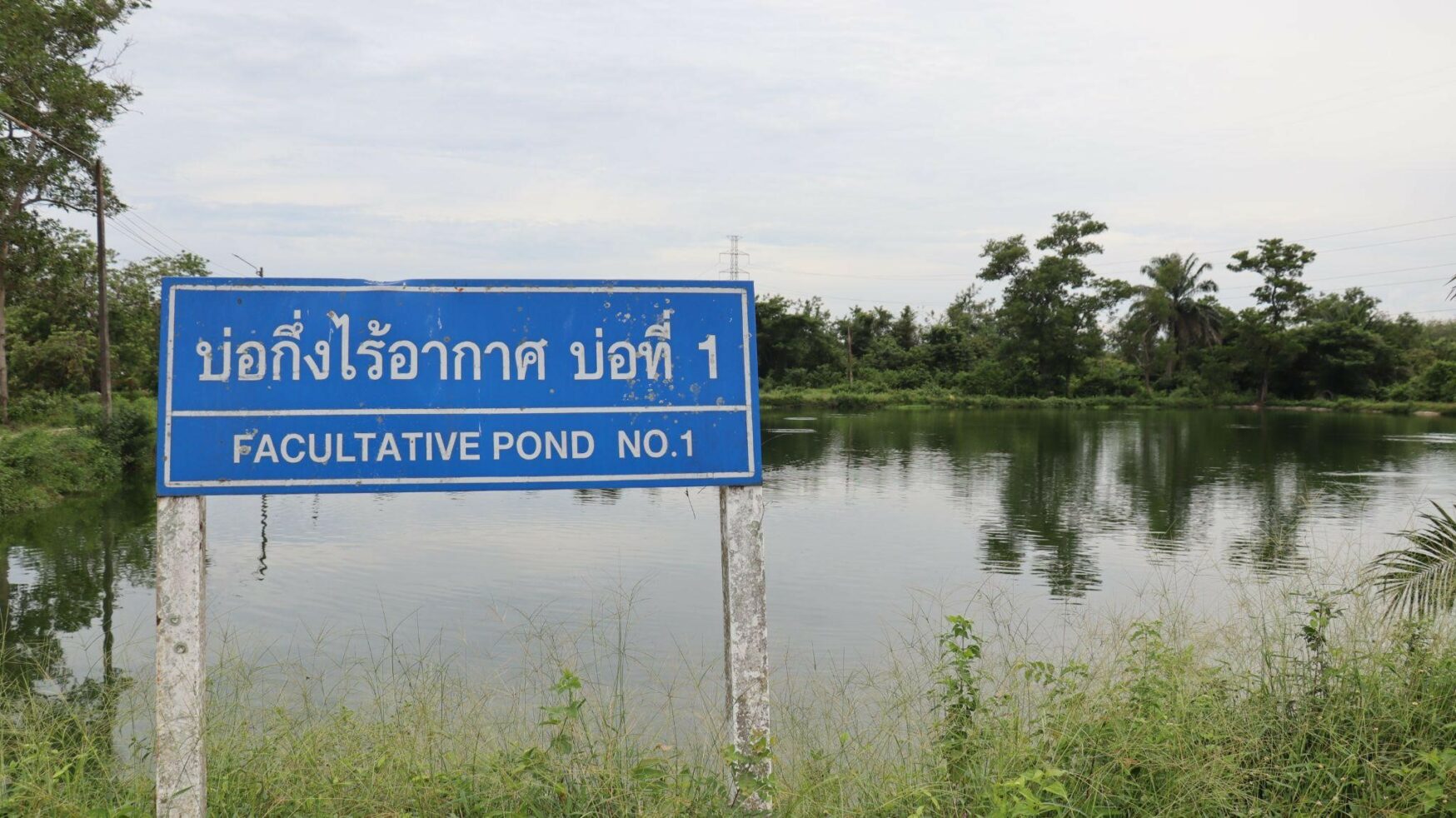
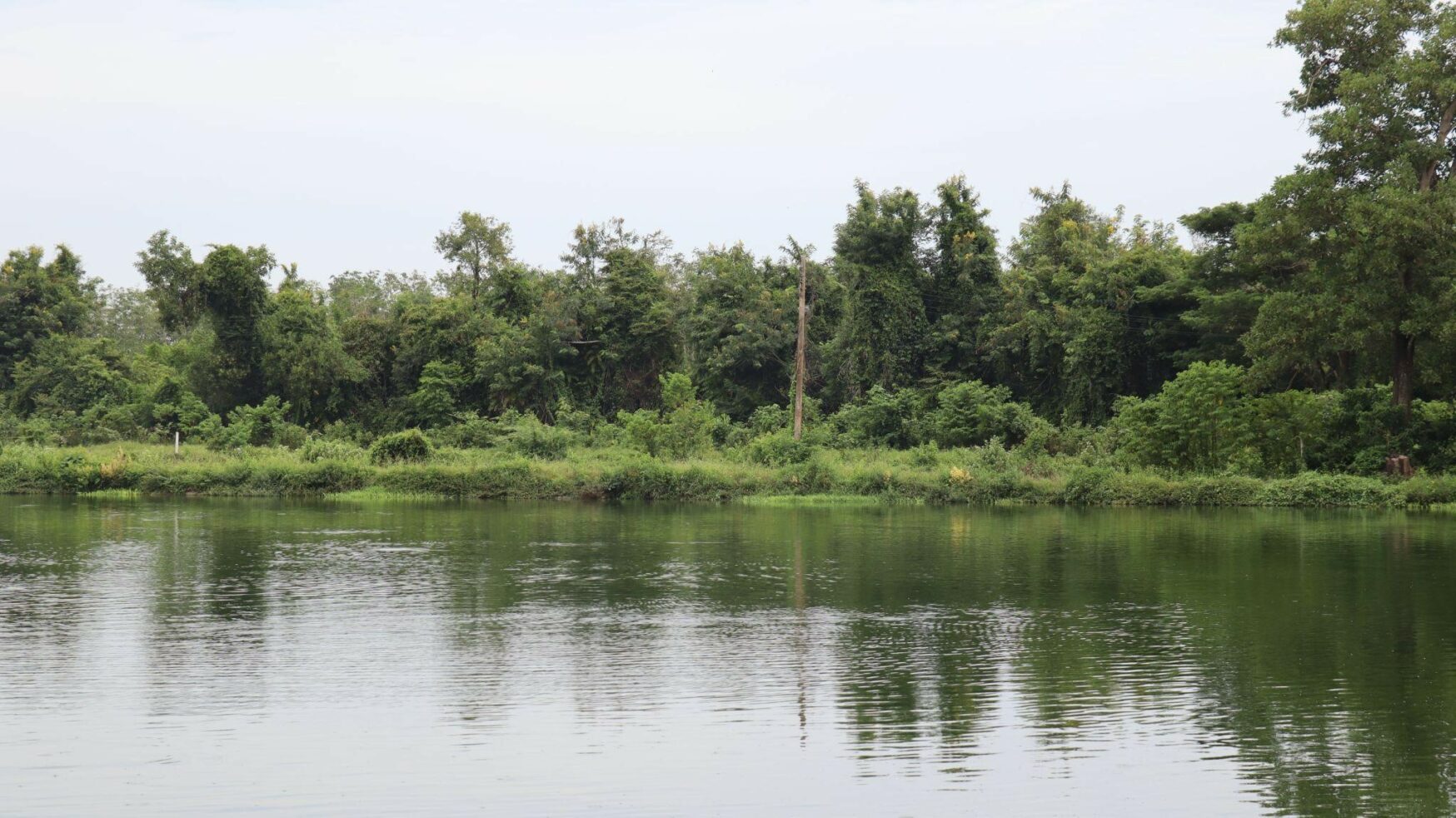
The water is then transferred to the first facultative pond, which is approximately 2 meters deep with a capacity of 18,217 cubic meters. The retention time in this pond exceeds four days, allowing sunlight to reach the bottom for sedimentation and stabilization of the effluent. In this process, both aerobic and anaerobic microorganisms continuously decompose organic matter, resulting in a 60% reduction in BOD levels.
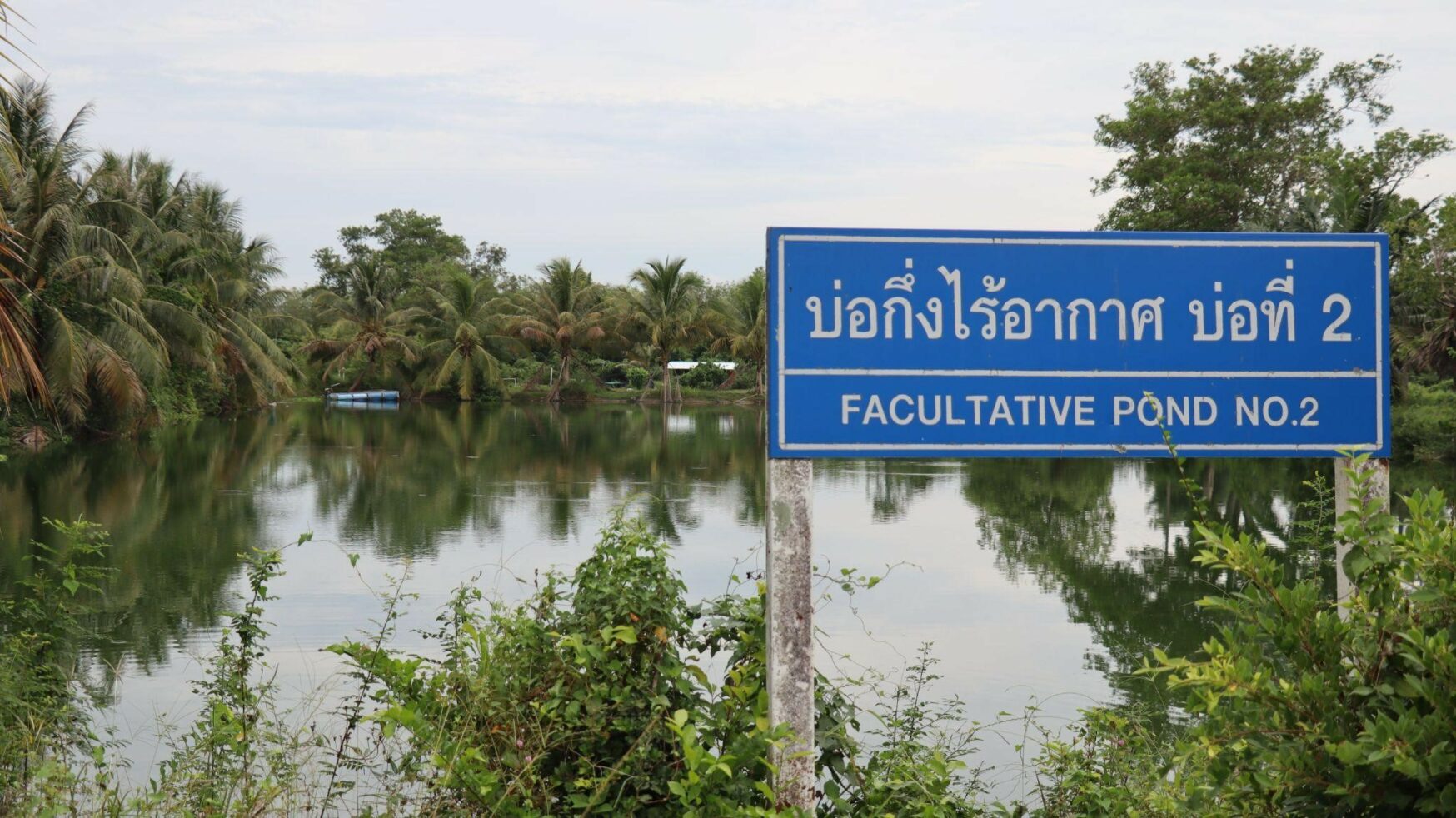
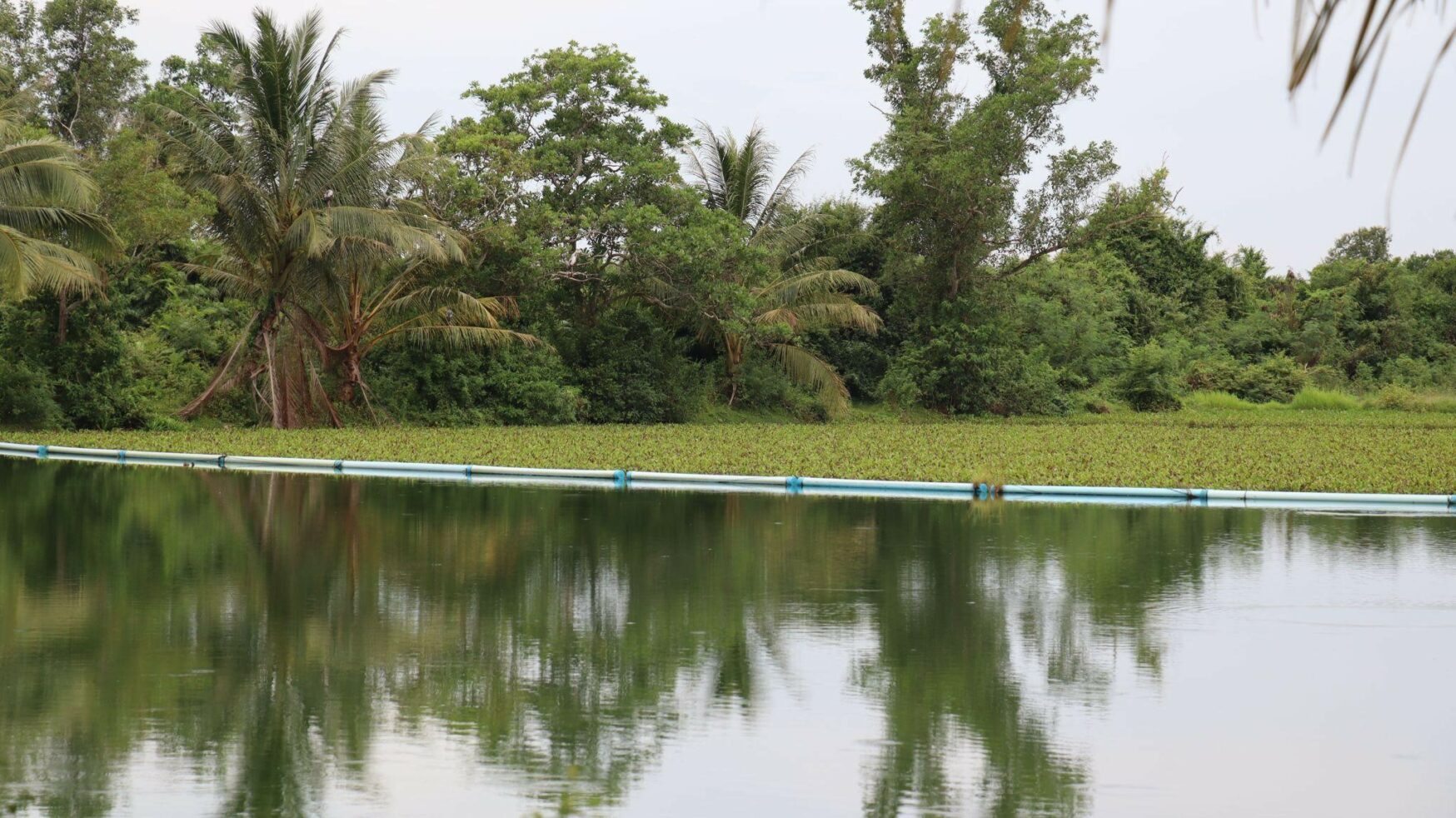
The water is then transferred to the second facultative pond, which is approximately 2 meters deep with a capacity of 37,752 cubic meters. The retention time in this pond exceeds seven days, allowing sunlight to reach the bottom for sedimentation and stabilization of the effluent. In this process, both aerobic and anaerobic microorganisms continuously decompose organic matter, resulting in an additional 50% reduction in BOD levels.
Tertiary Treatment
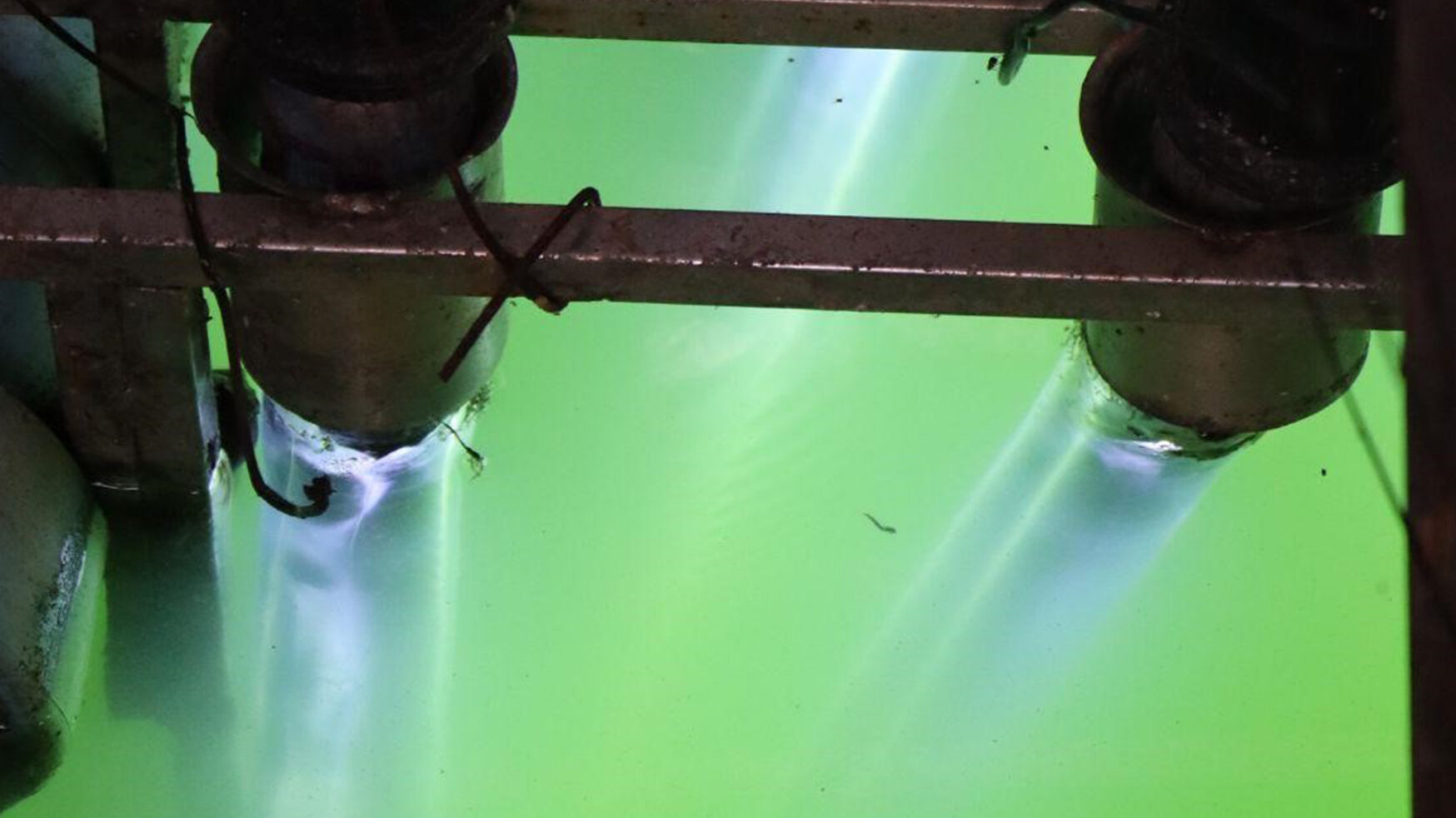
After the biological treatment process, the wastewater is passed through an ultraviolet (UV) disinfection system to eliminate any remaining pathogens. This system uses ultraviolet light with a wavelength of approximately 254 nanometers to destroy the DNA and RNA of microorganisms such as bacteria, viruses, and protozoa, preventing them from reproducing and ultimately causing their death. This process provides several benefits—it leaves no chemical residues in the treated water, disinfects rapidly, and does not alter the water’s odor. The UV system is regularly maintained and the lamps are replaced annually to ensure effective control of bacterial levels within safe standards before the treated water is discharged into natural water sources.
The treated water then flows into a constructed wetland, which serves not only as a temporary storage area but also enhances treatment efficiency through biological processes involving aquatic plants and soil. Additionally, the wetland functions as an ecological learning site for students and researchers.
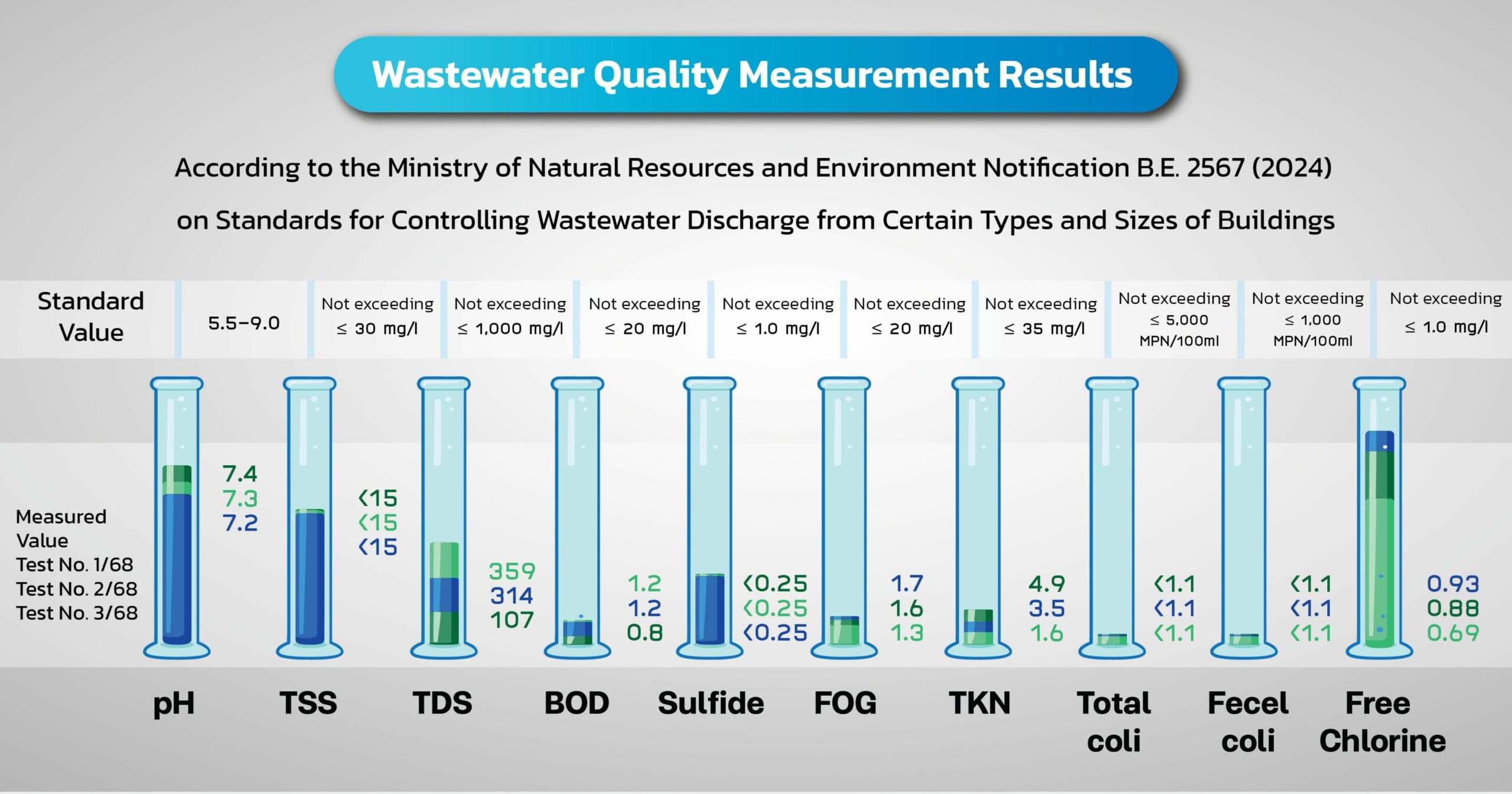
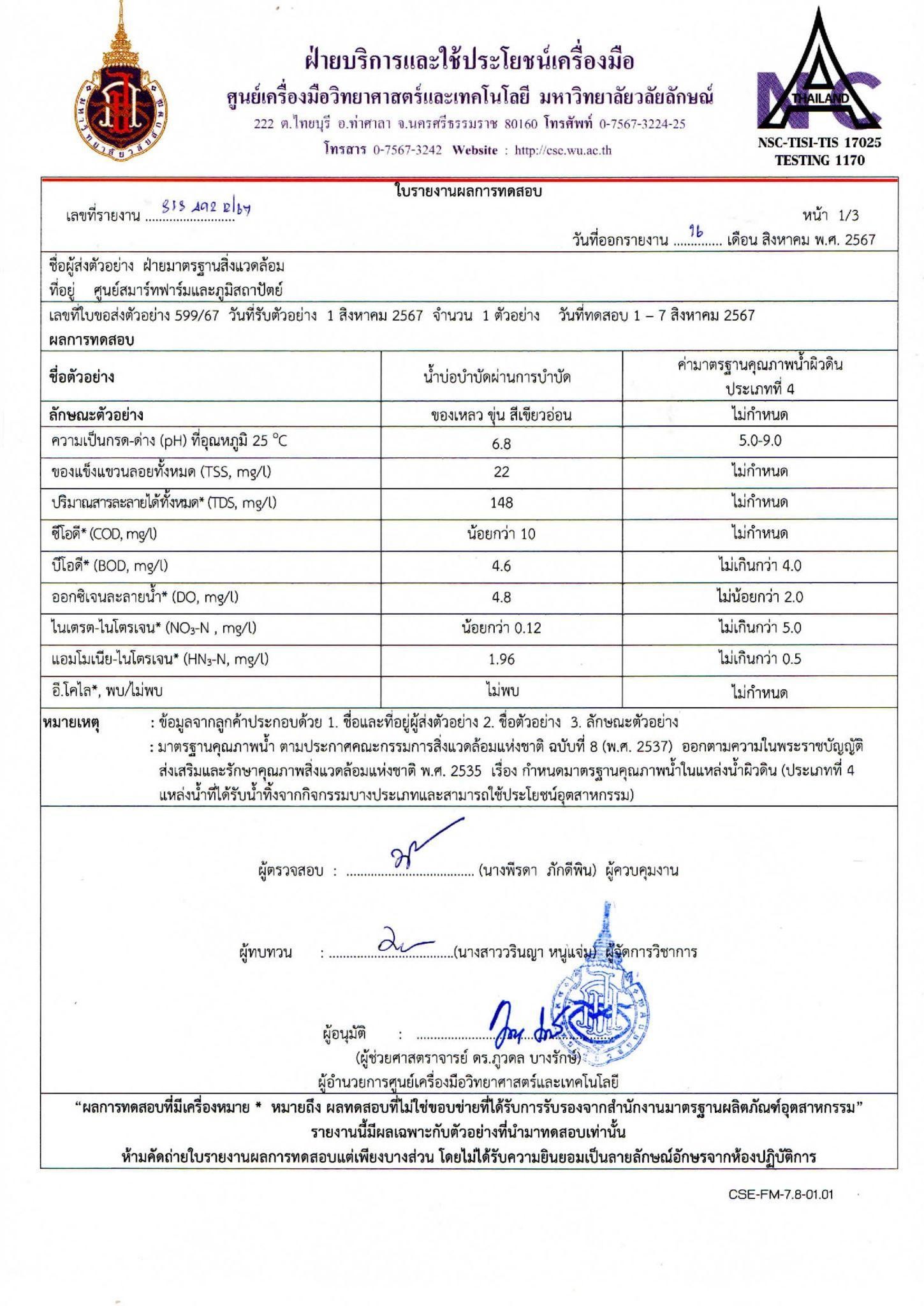
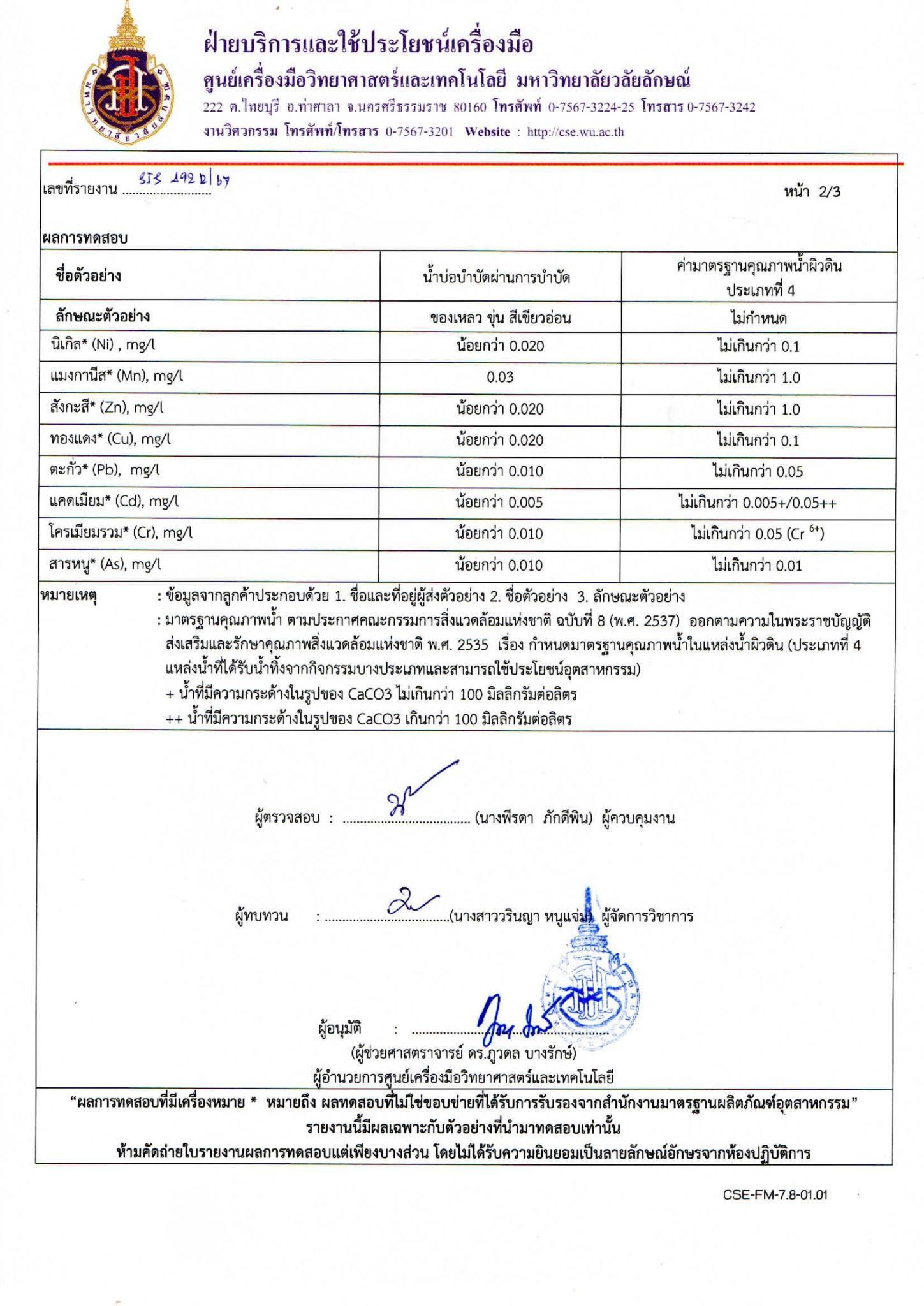
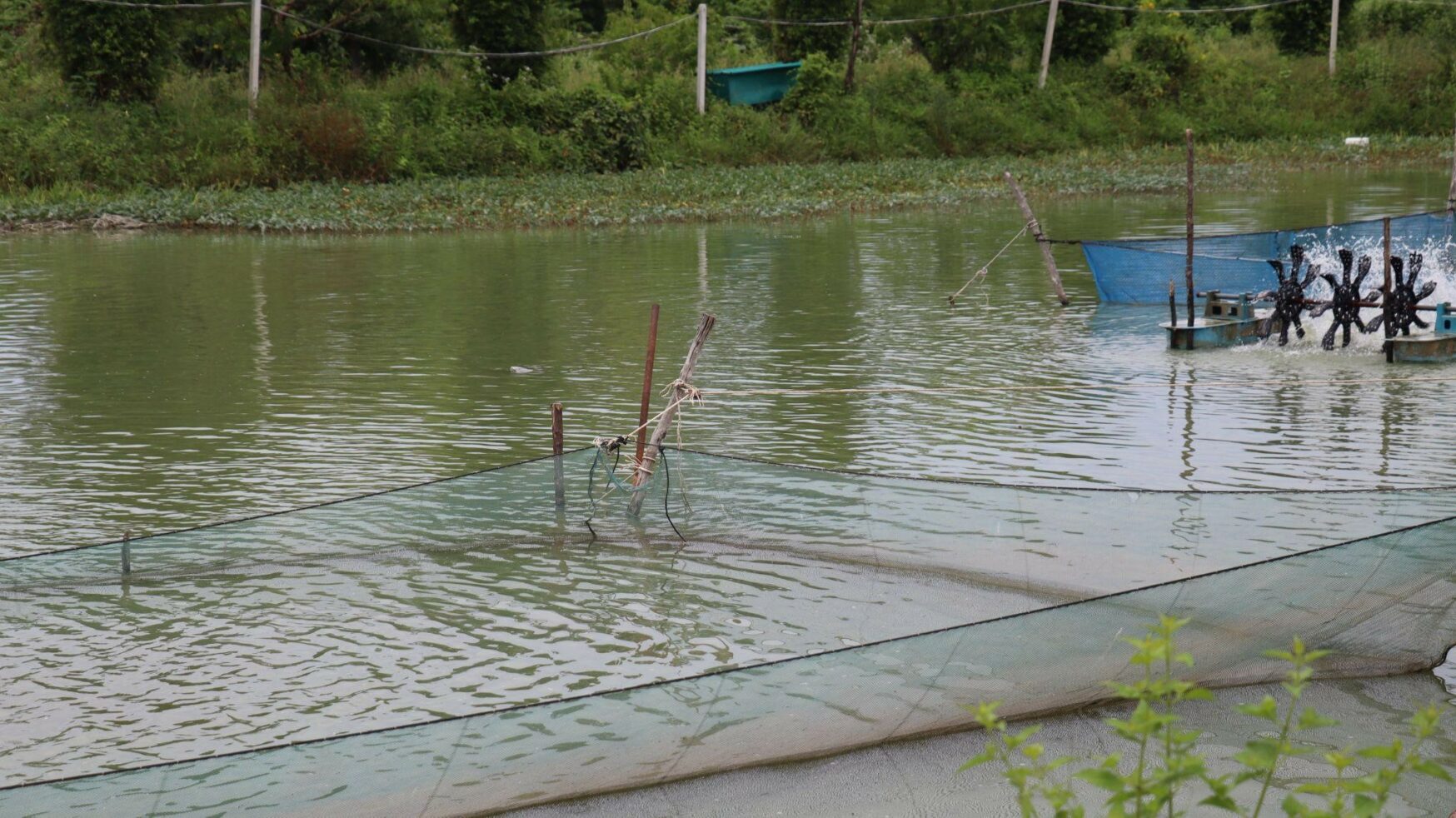
At present, Walailak University maintains strict control over the quality of water within its wastewater treatment system through a continuous monitoring mechanism. The system utilizes dissolved oxygen (DO) sensors in the aeration pond, integrated with automatic control of the aeration pumps. All treated wastewater undergoes scientific quality analysis, including measurements of pH, total dissolved solids (TDS), total suspended solids (TSS), biochemical oxygen demand (BOD), sulfide, fat, oil, and grease (FOG), total Kjeldahl nitrogen (TKN), total coliform bacteria, fecal coliform bacteria, and free chlorine. The results consistently meet all standard parameters. Additionally, Nile tilapia are raised in experimental ponds to assess biological safety before the treated water is discharged into natural water bodies.
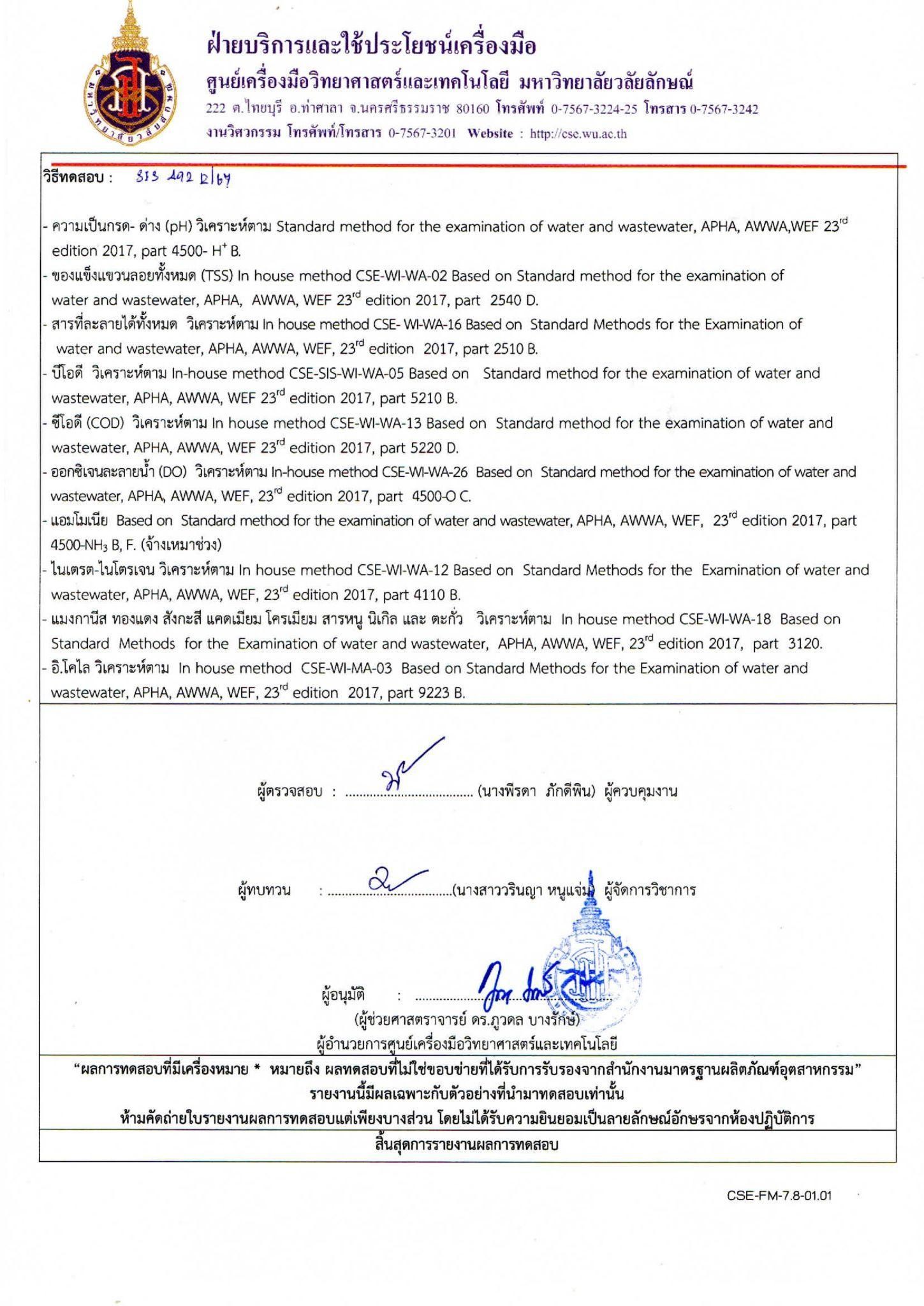
The treated water from the university undergoes chemical analysis to assess whether it meets the required standards before being discharged into natural water bodies. This process ensures effective quality control of the wastewater treatment system. The analysis helps identify contaminants and pollutants in the water, allowing for continuous improvement and optimization of the treatment process.
Figures: Wastewater Quality Measurement Results
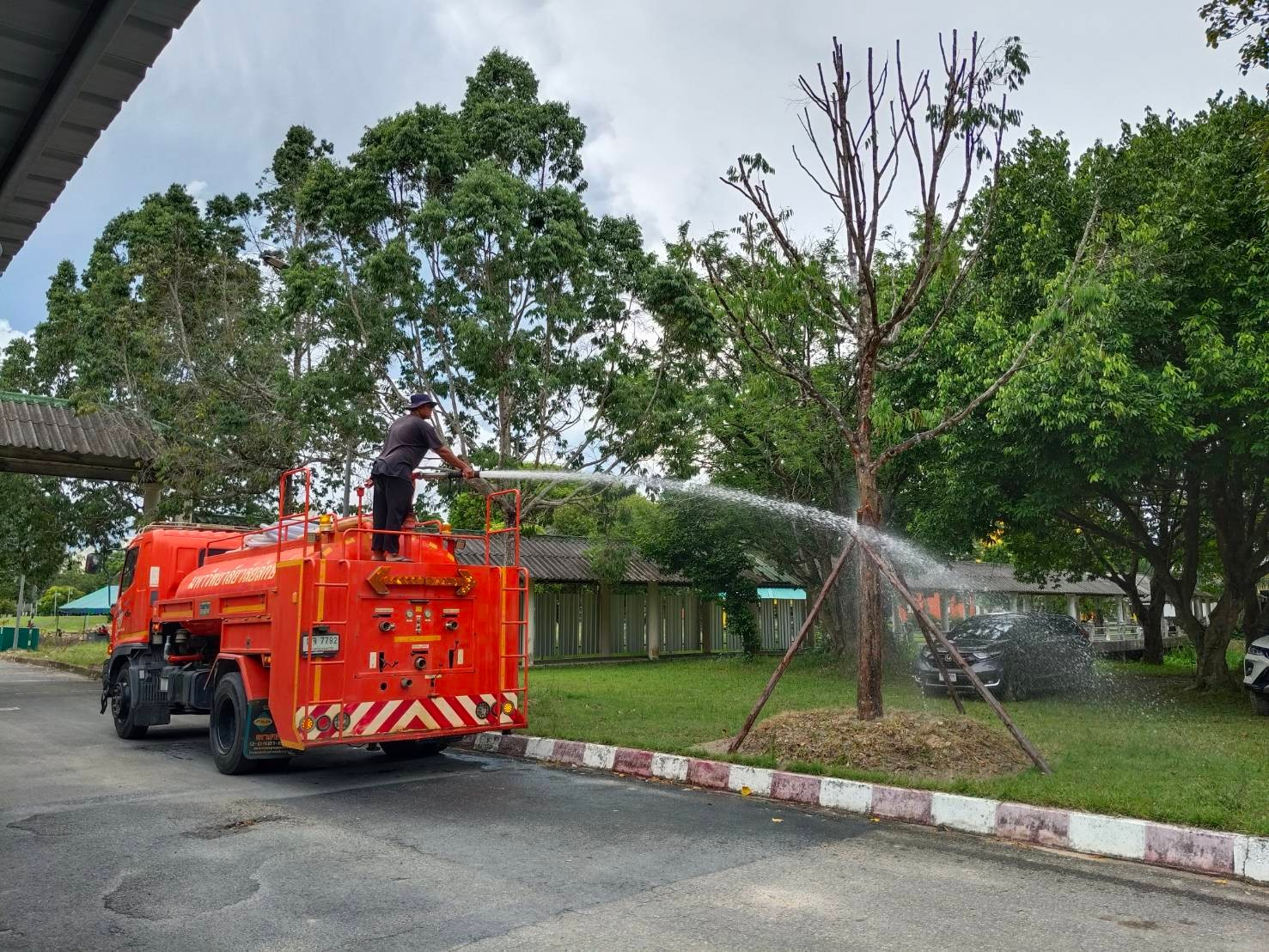
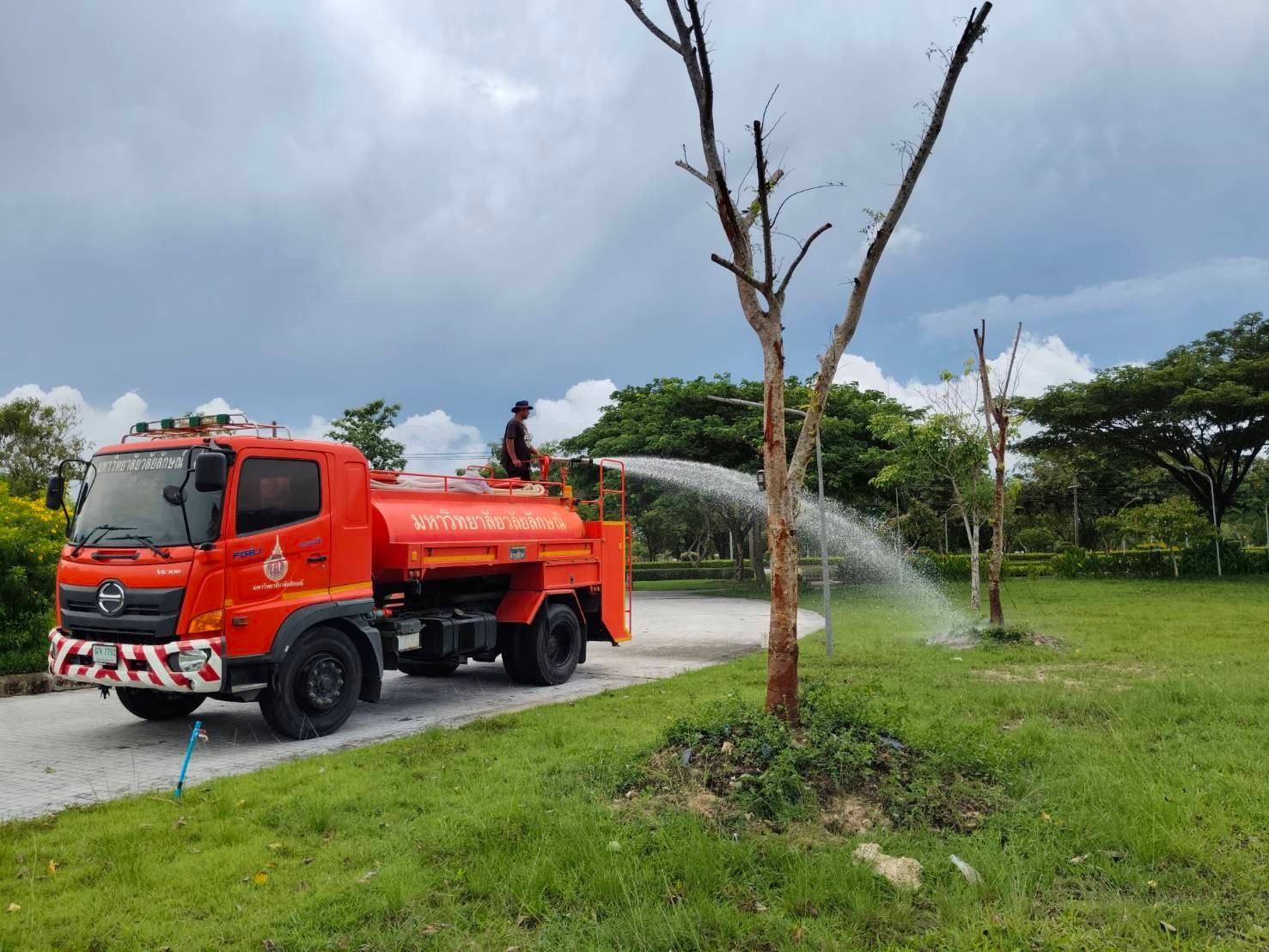
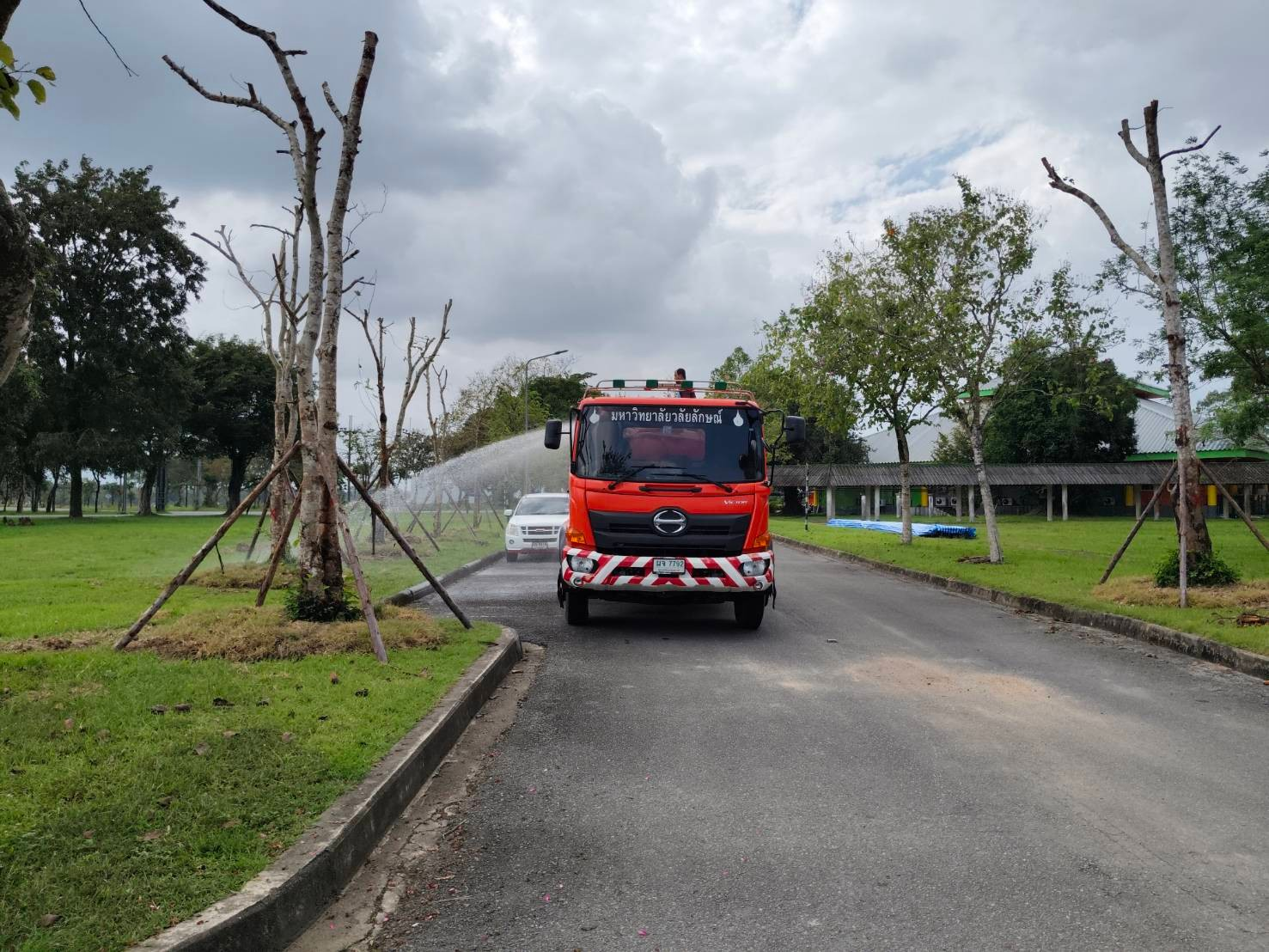
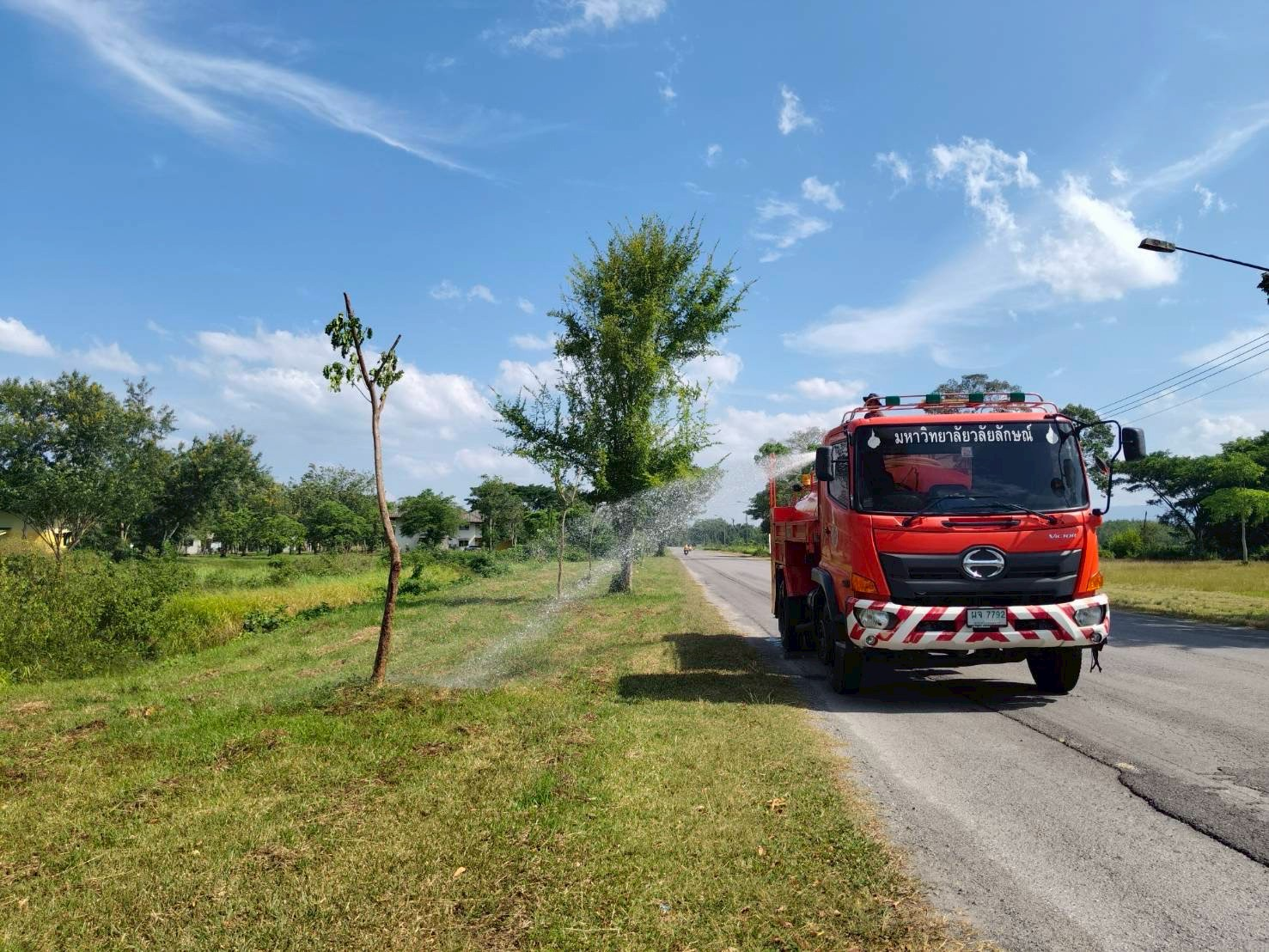
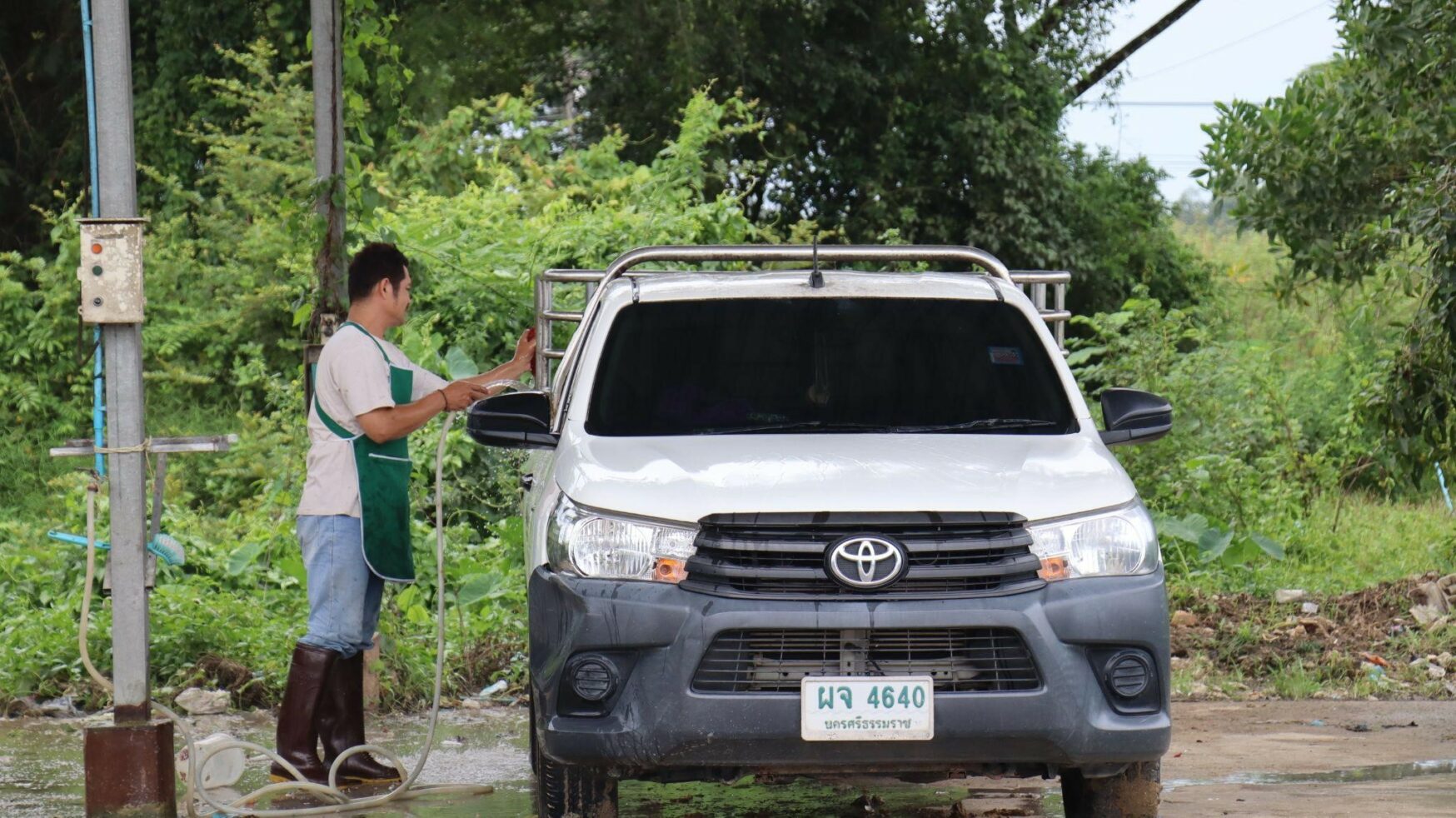
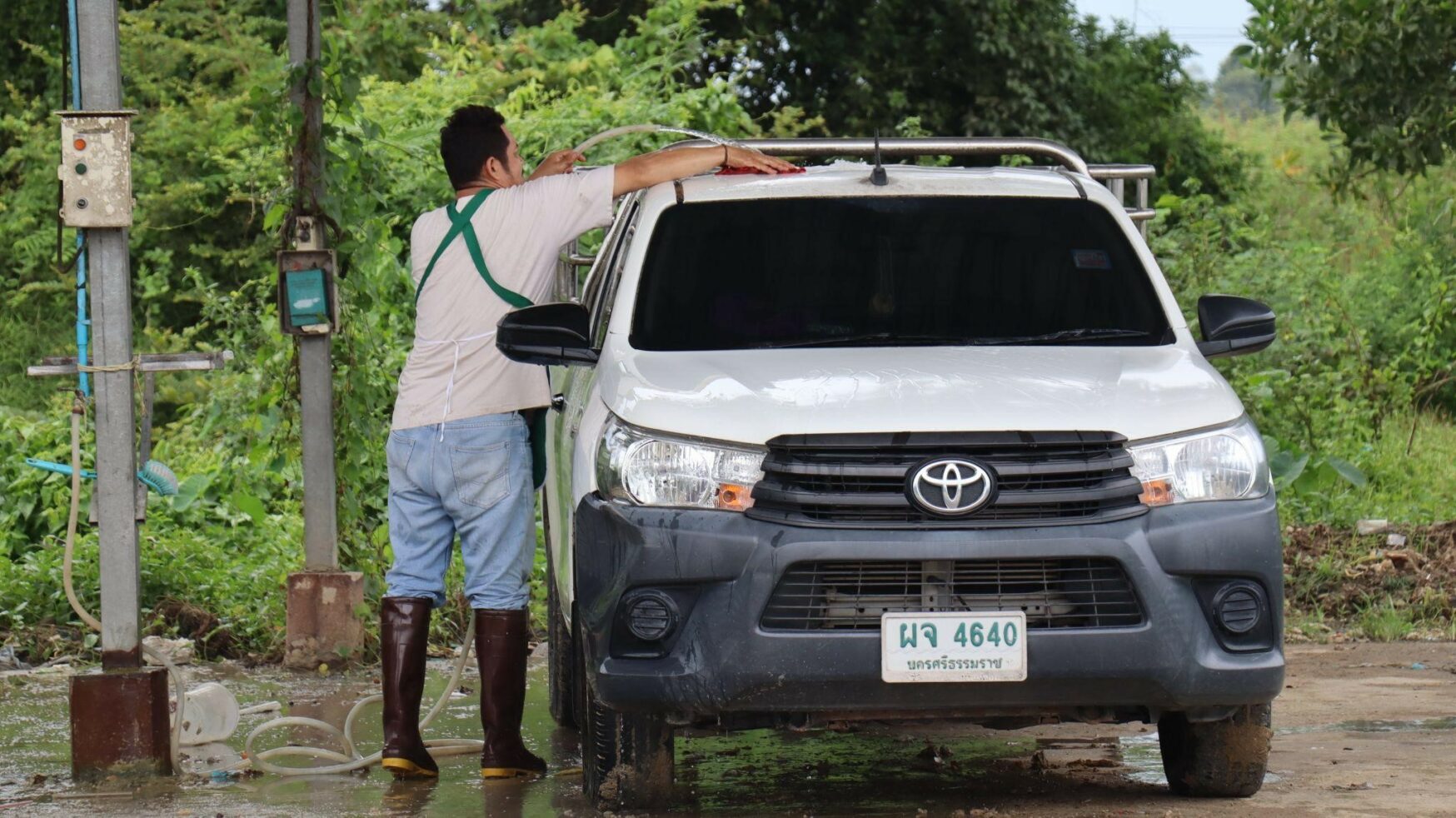
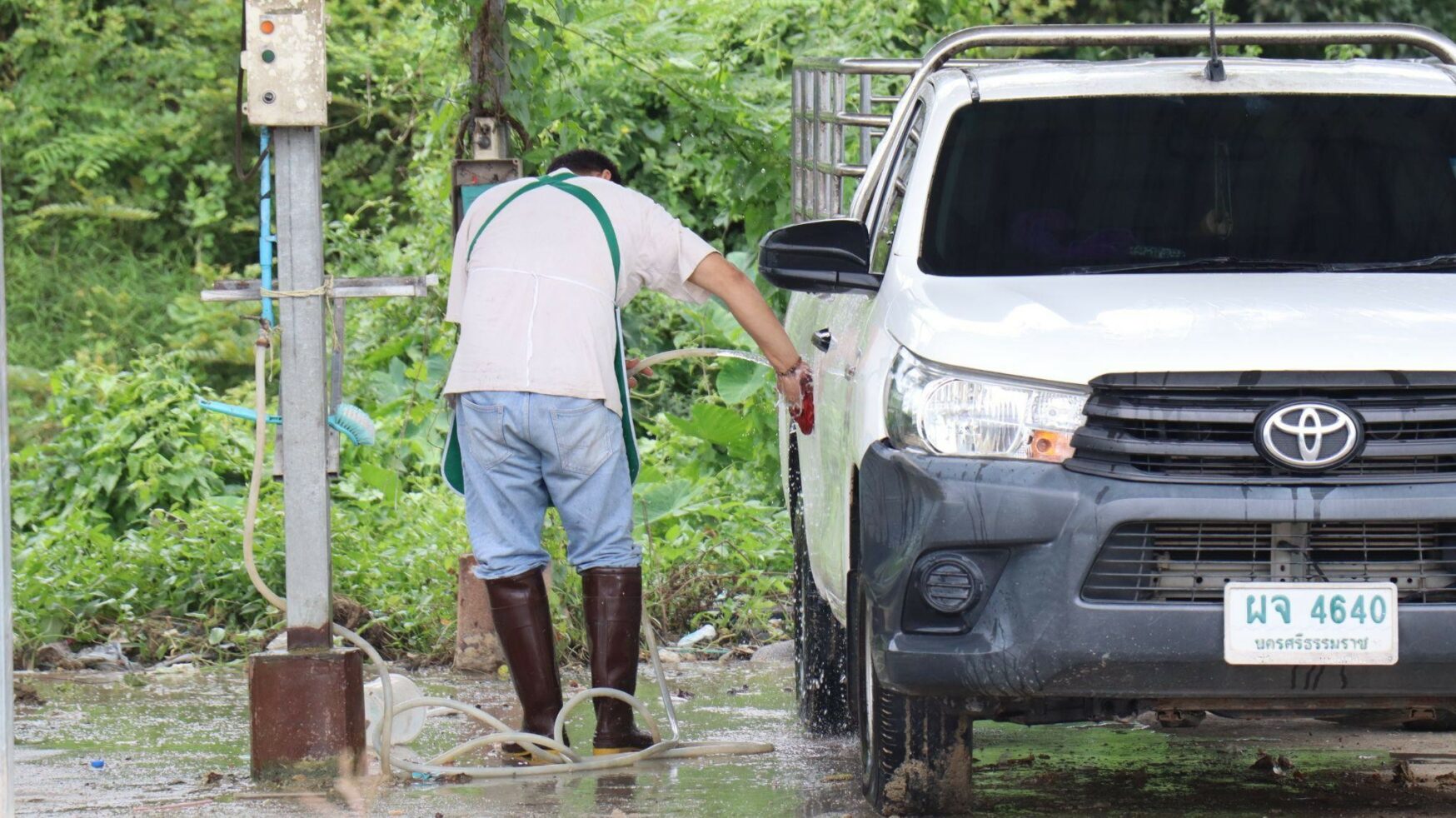
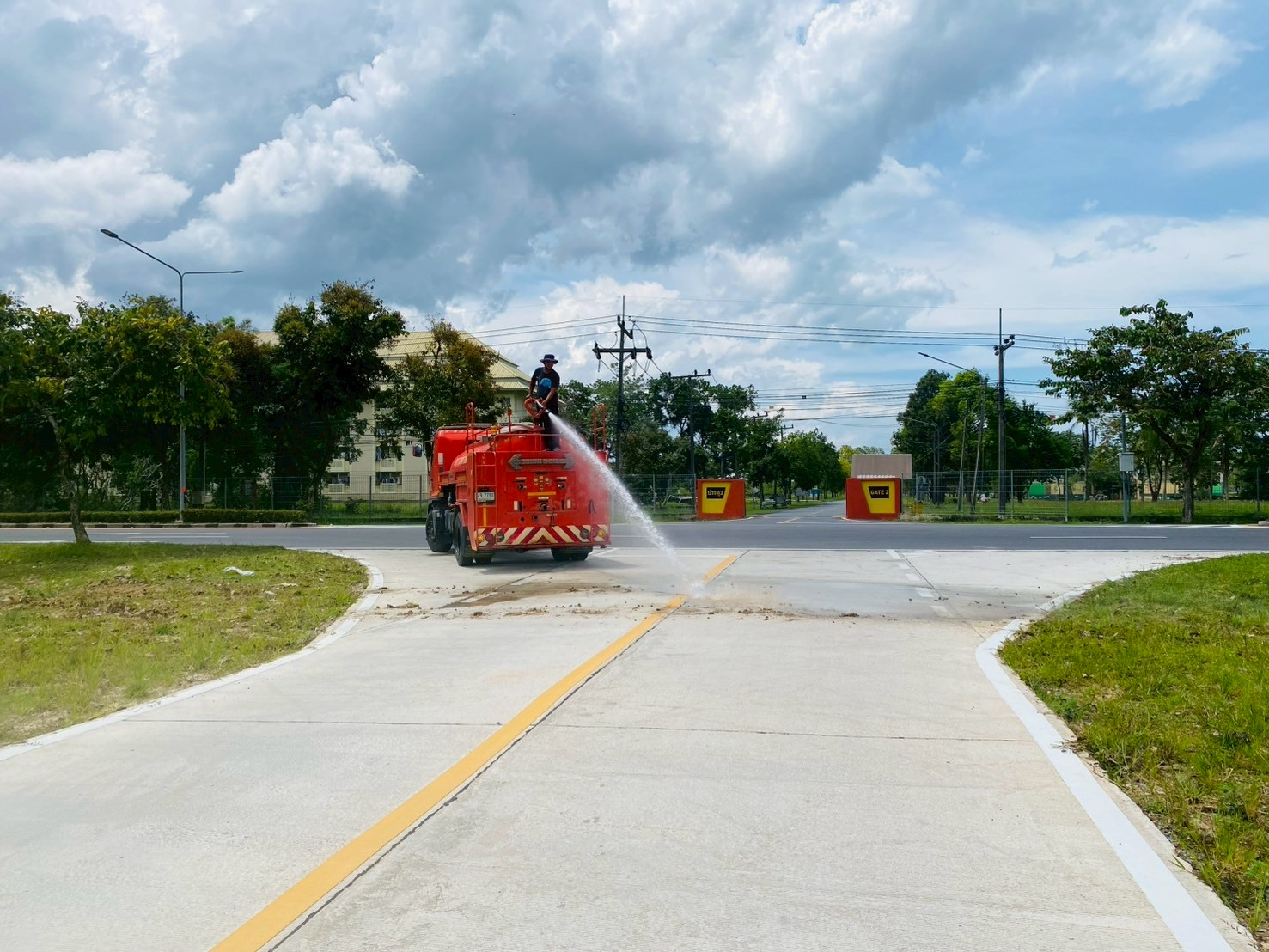
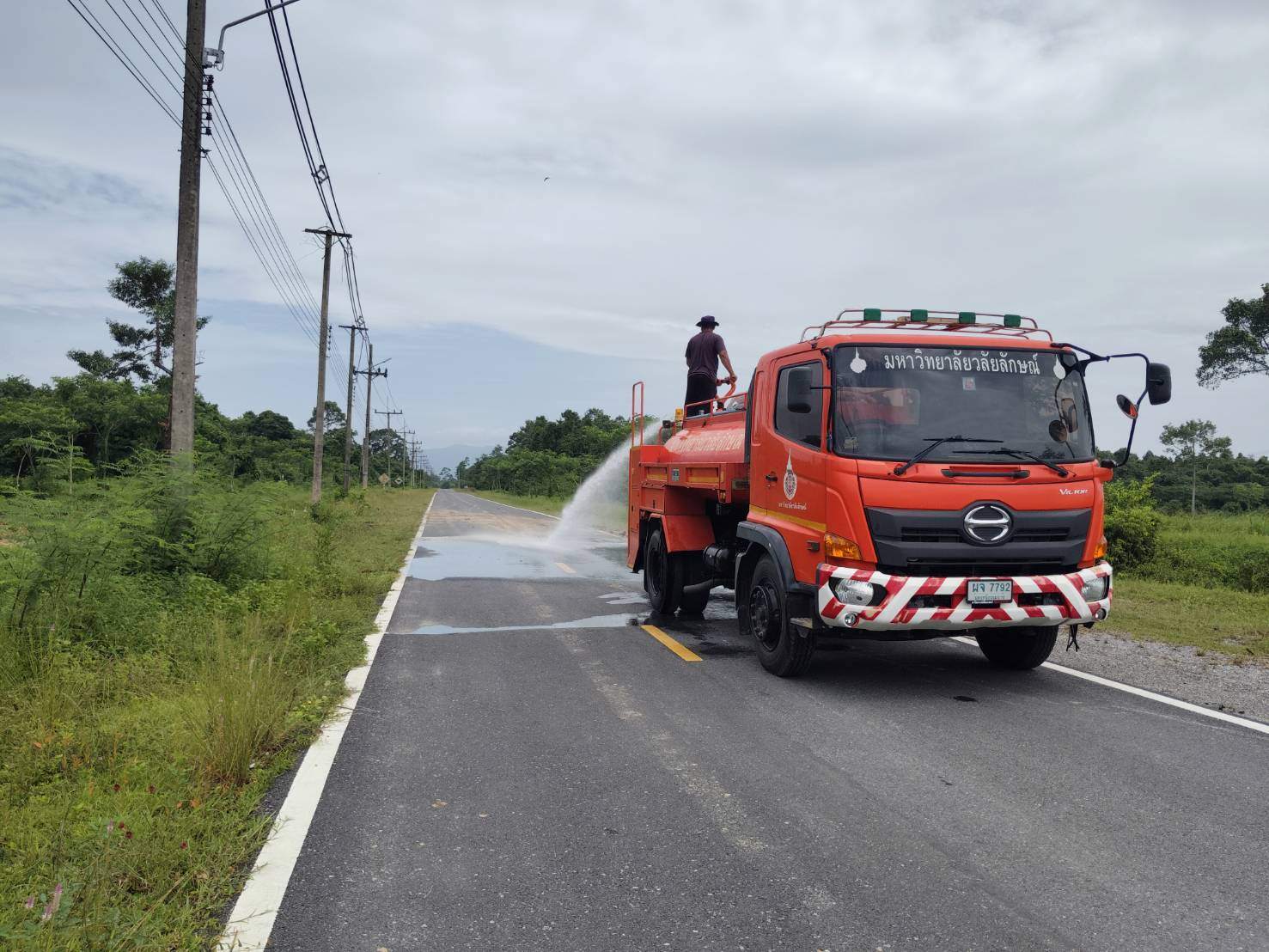
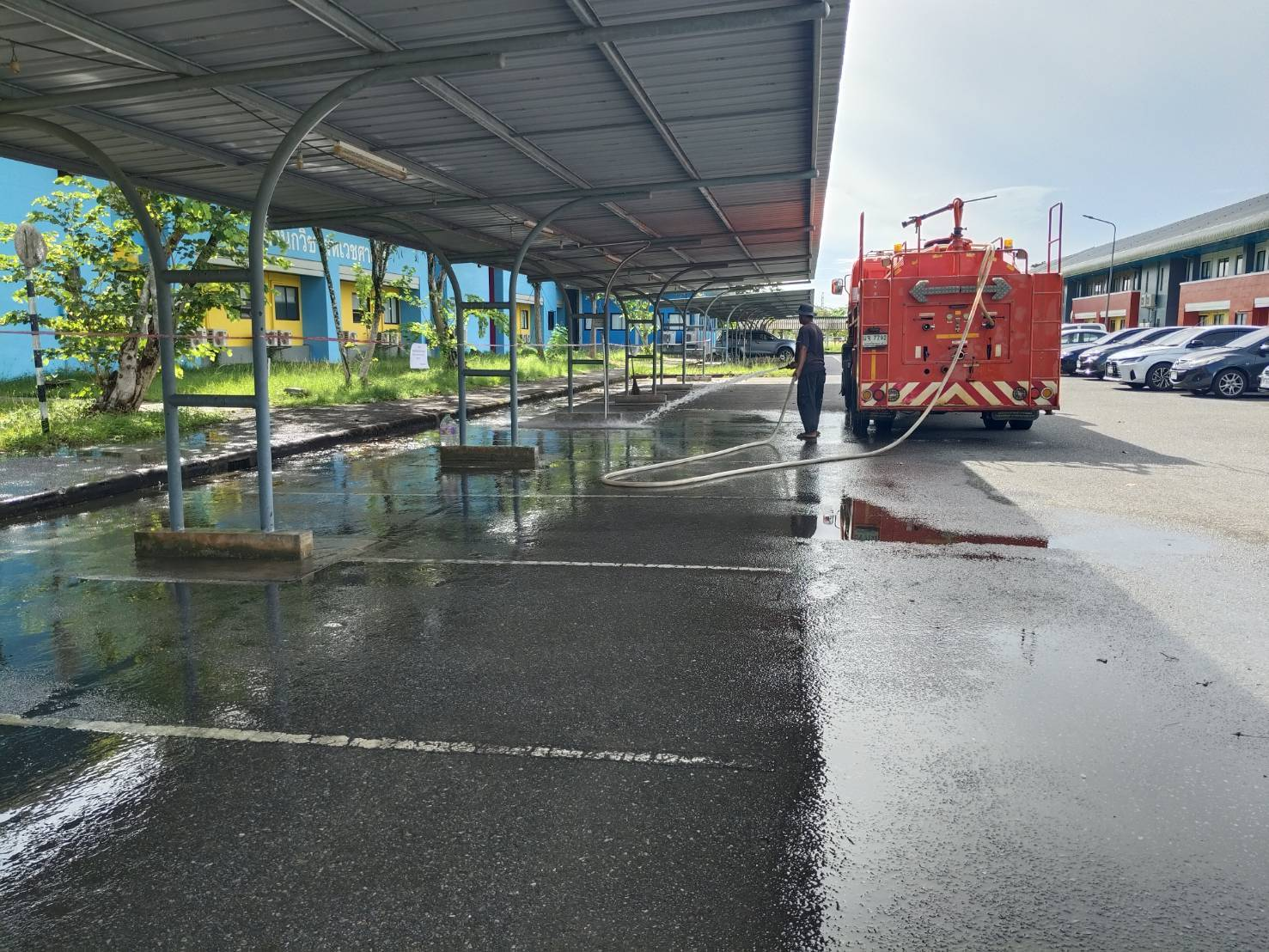
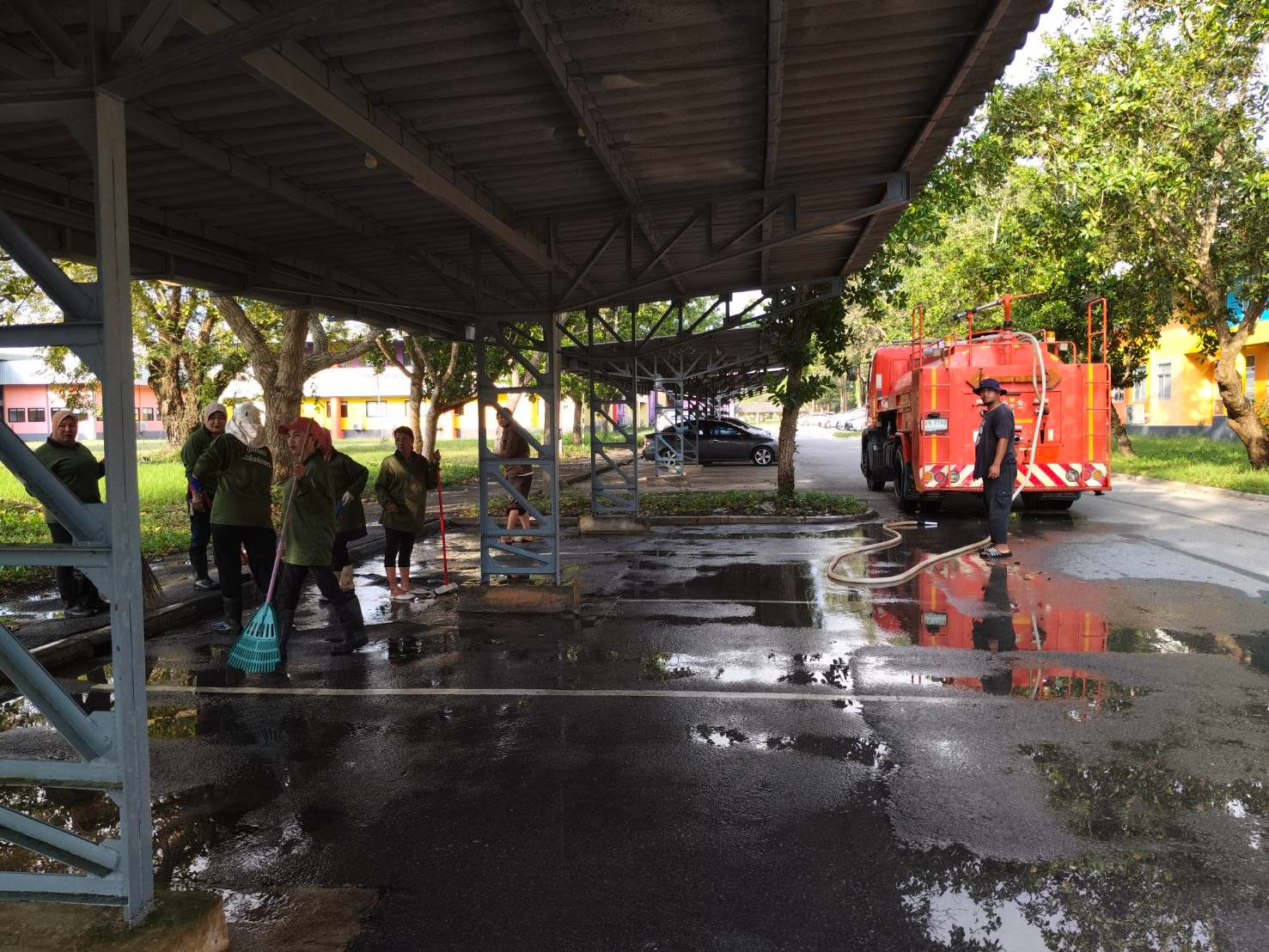
In addition, the university has reused treated water to maximize its benefits, such as for street cleaning, watering plants, and other activities that do not require tap water quality. This reflects the concept of utilizing water resources with appreciation and sustainability.
Figures: Watering plants
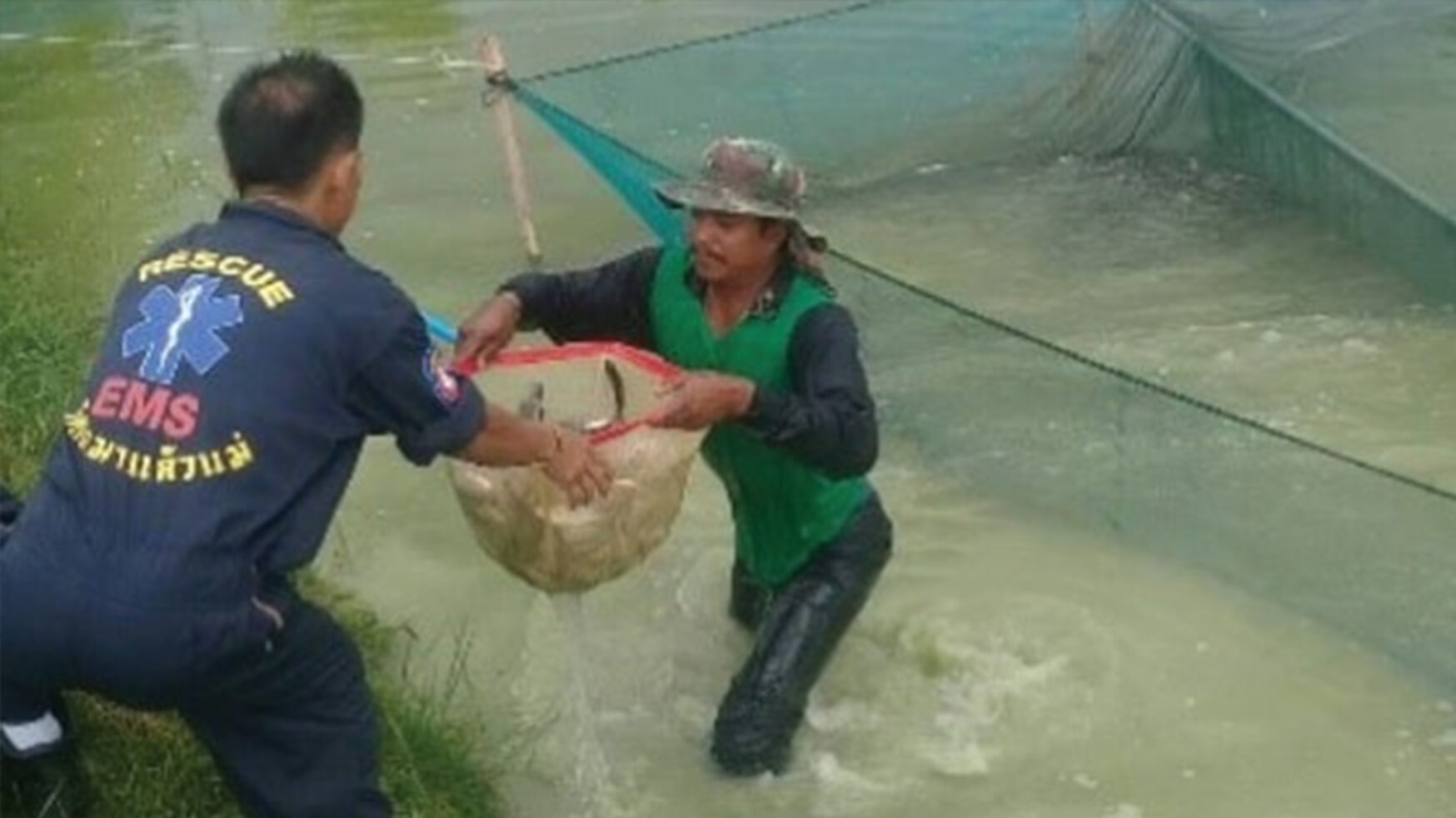
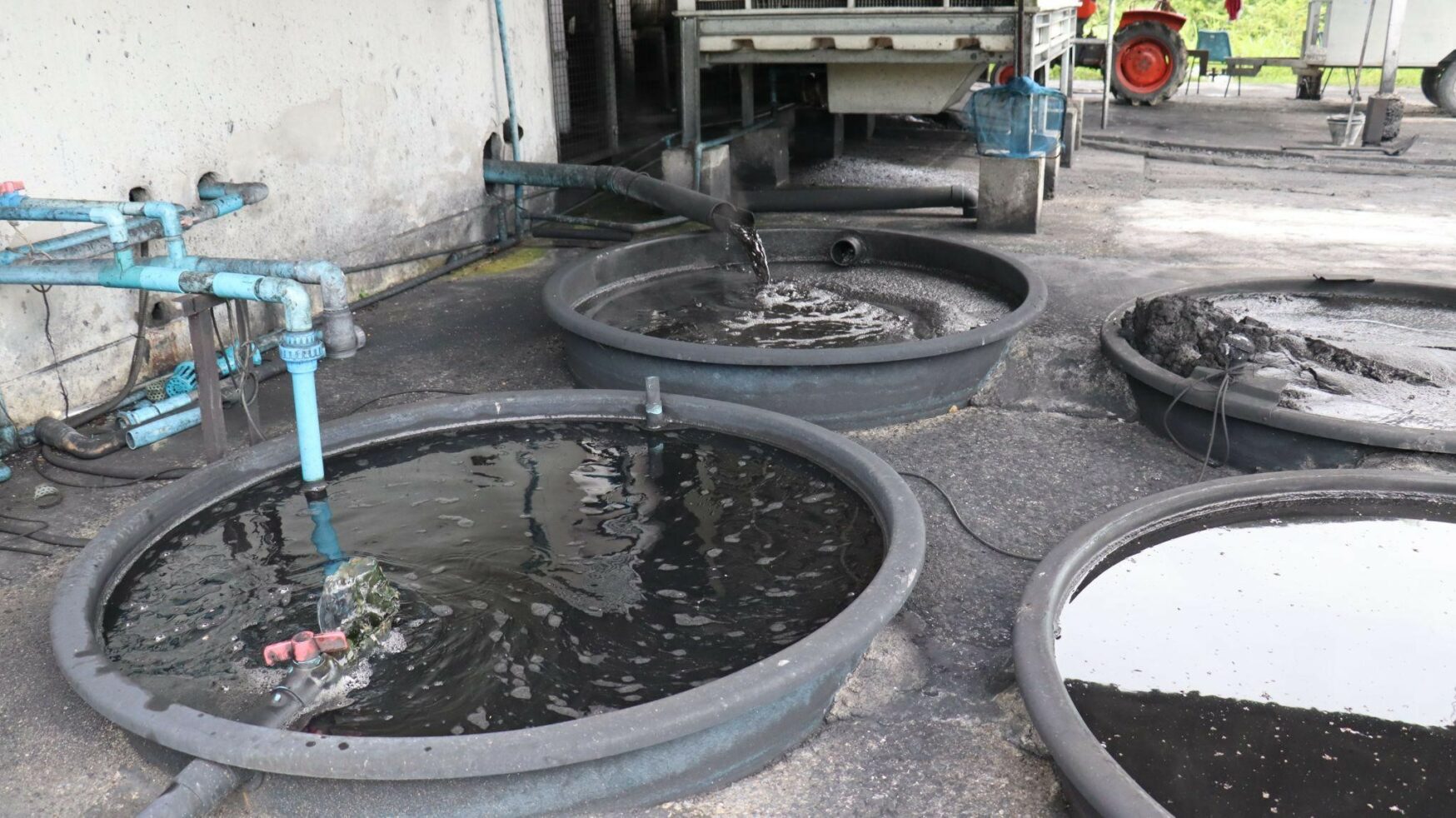
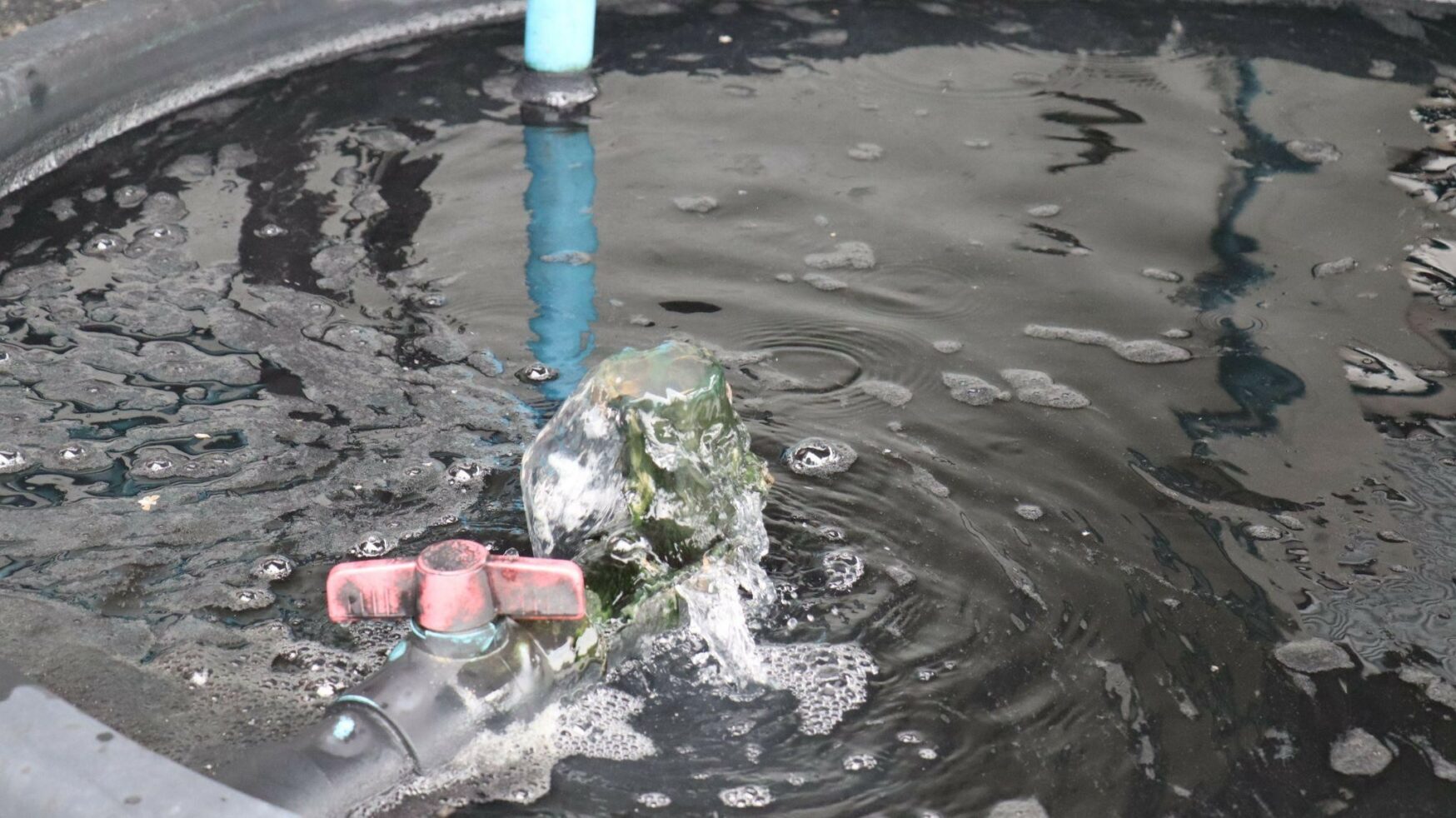
Figures: Tilapia farming in experimental ponds
Figures: Vehicle washing
Figures: Cleaning animal pens, roads, and public spaces
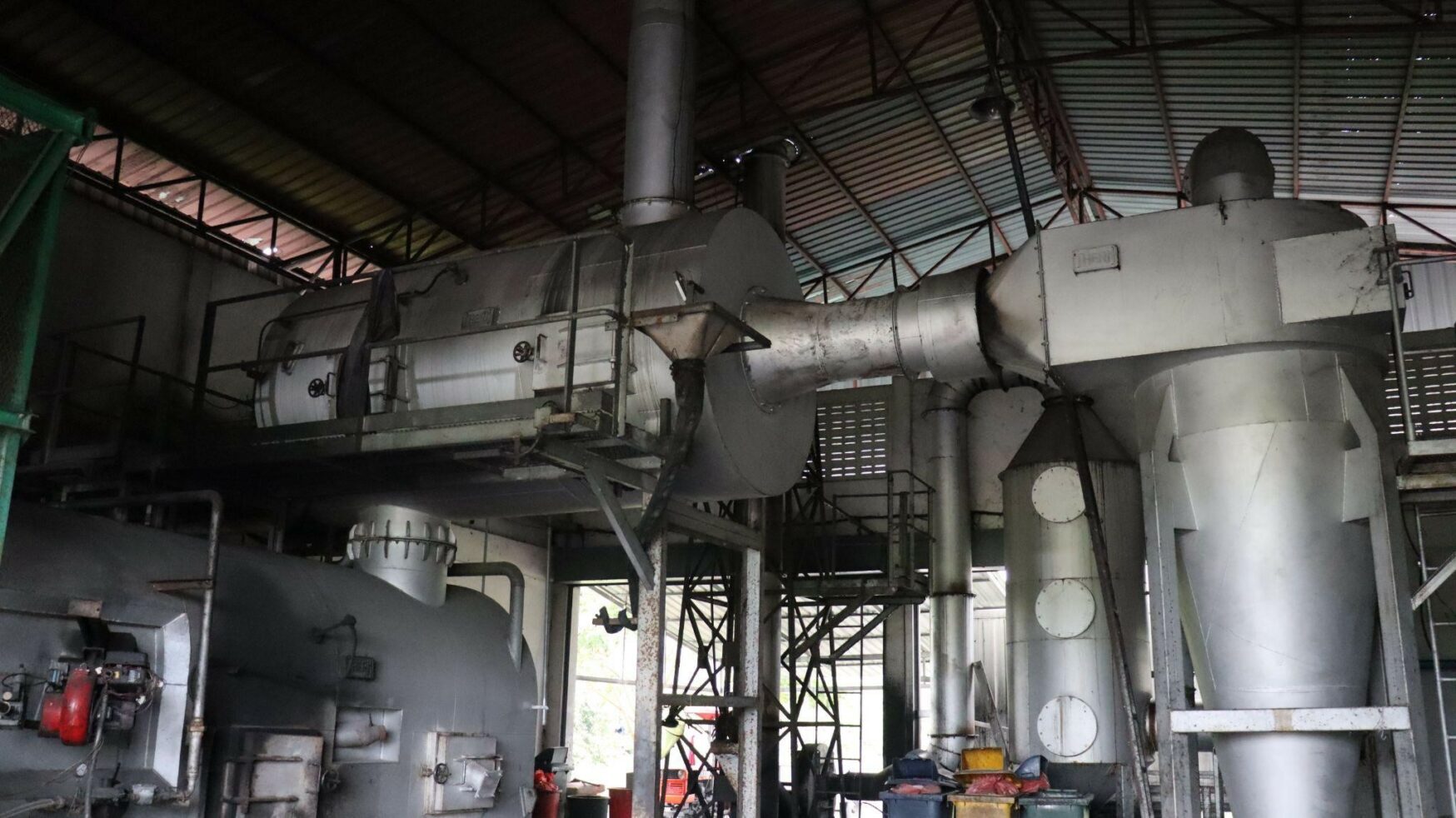
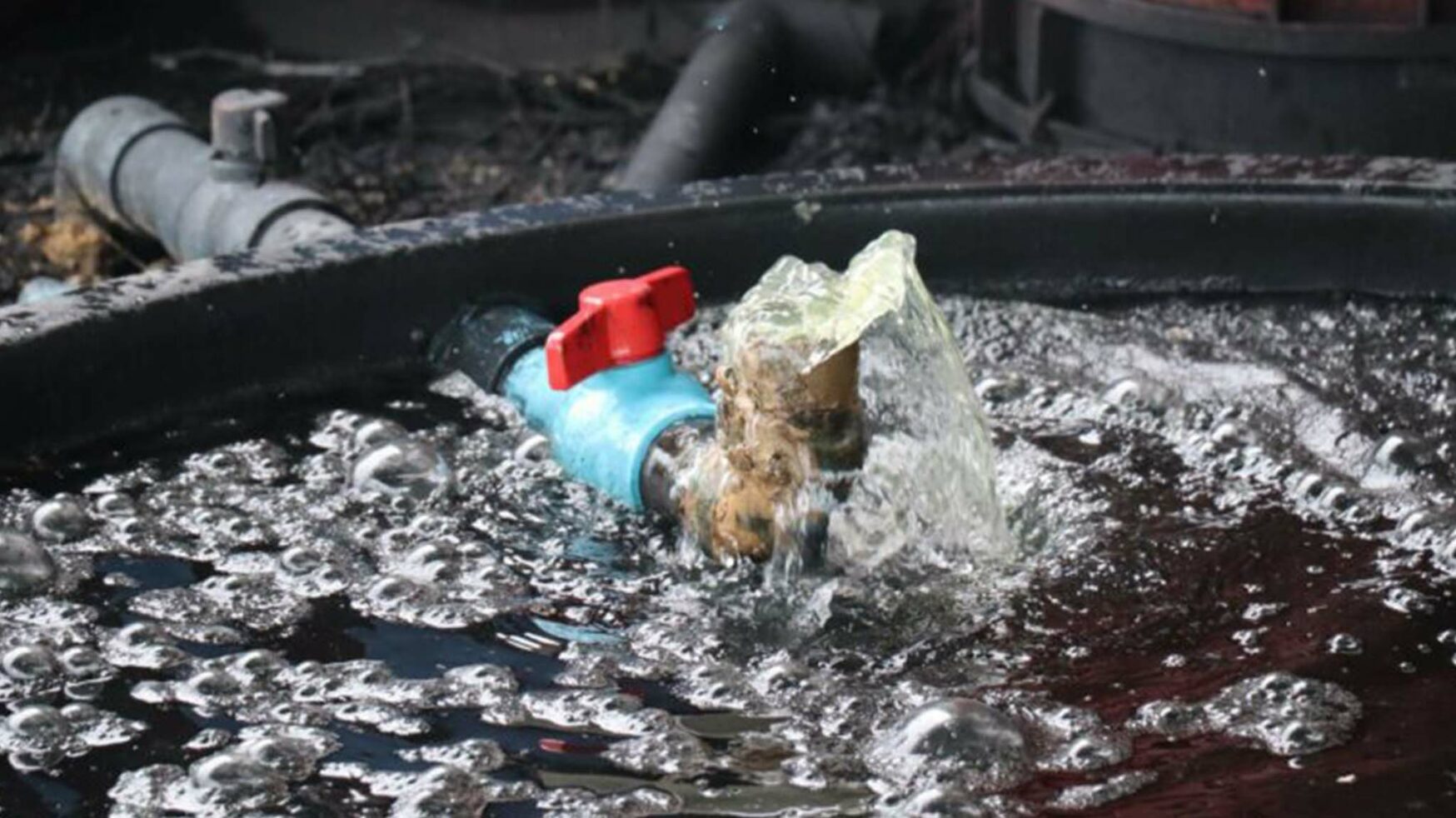
Figures: Cooling water in the waste incinerator
The university’s wastewater treatment does not focus solely on technical management but also emphasizes sustainable approaches. These are based on principles such as reducing the use of natural resources, reusing treated water, and improving energy efficiency in pumping and aeration systems. In addition, active participation from staff and students is encouraged in maintaining environmental infrastructure, along with raising awareness about waste separation, reducing grease before disposal into drains, and conserving water. Altogether, these elements are key to ensuring the university’s wastewater treatment system operates continuously and stably, serving as a true model of wastewater management that integrates long-term social and environmental responsibility.
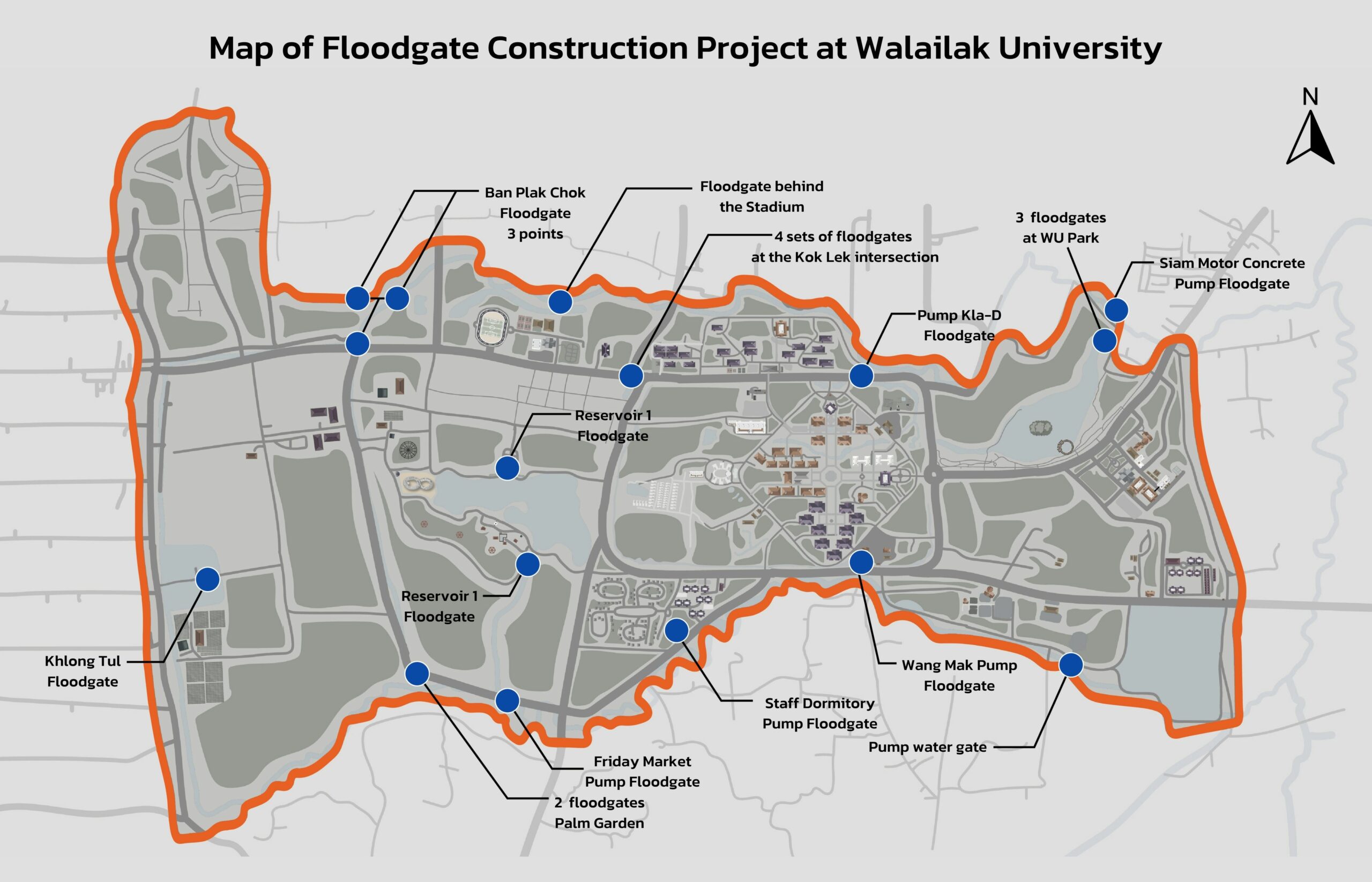
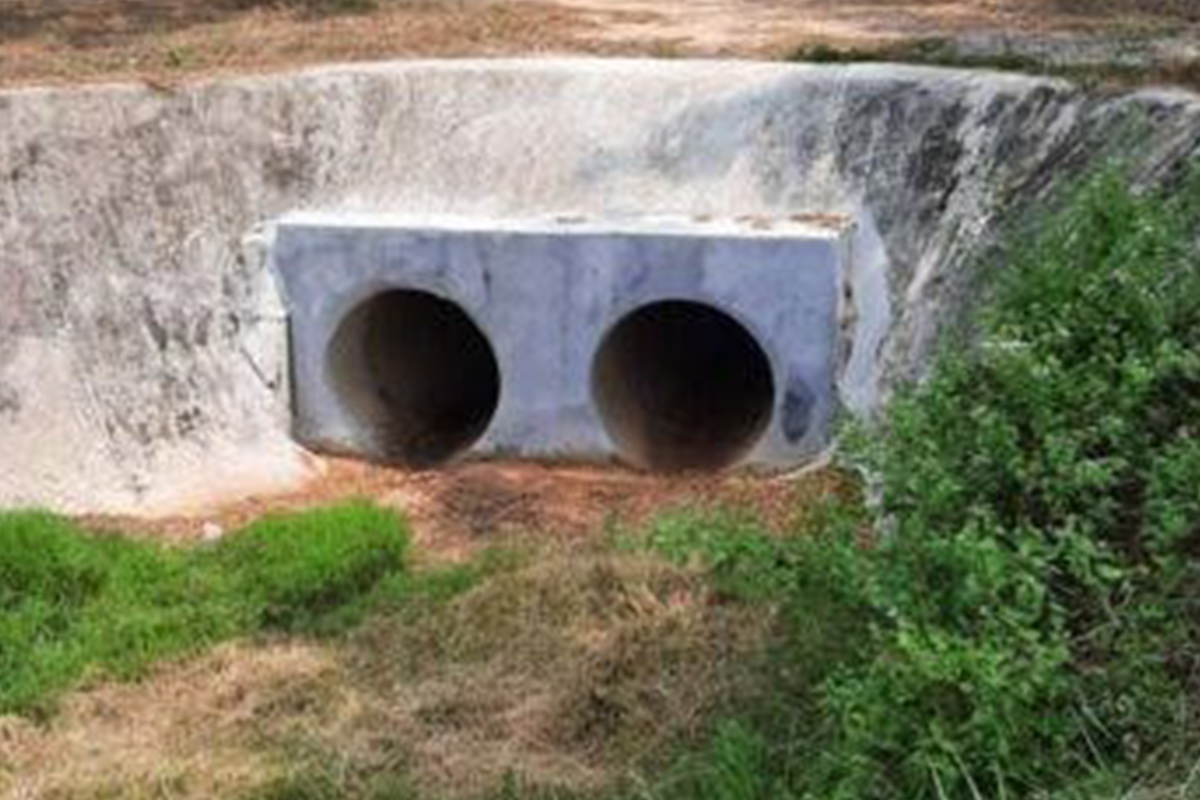
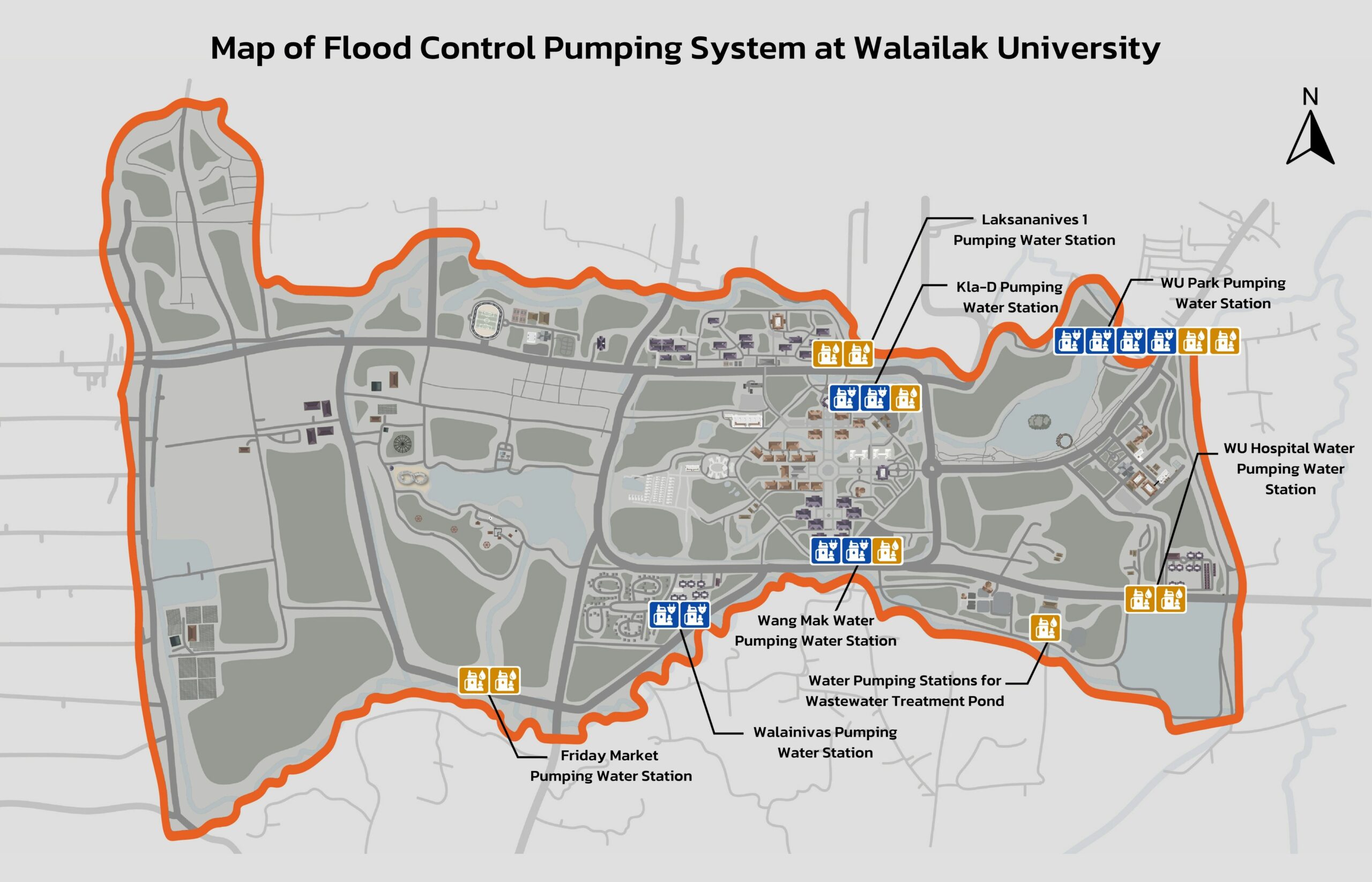
In addition, the university has invested in infrastructure for community-level water management by installing additional sluice gates, establishing pumping stations, and installing drainage pumps to prevent flooding. These measures help regulate water flow, mitigate floods, and create water storage systems for use during the dry season. All operations have been designed to align with the local context and community needs, reflecting the concept of holistic sustainable development.
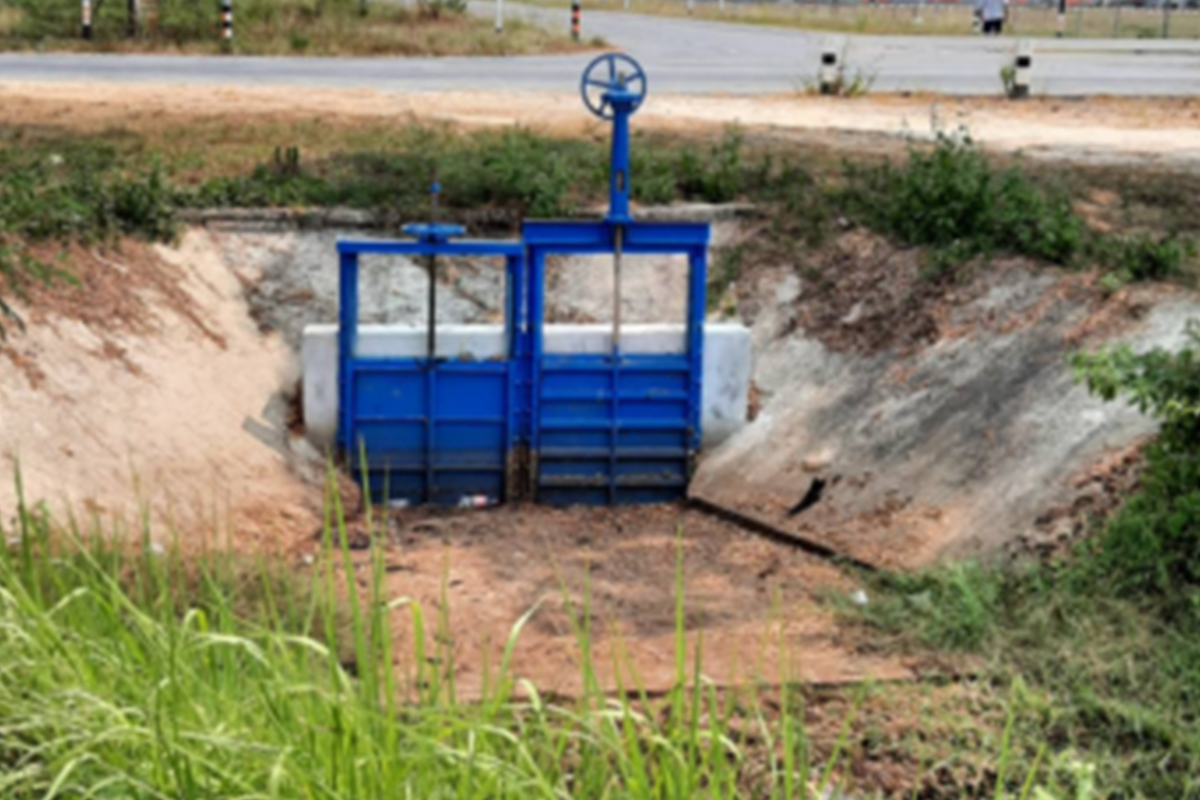
The construction and design of sluice gates serve as essential applicable technology for controlling water levels within the drainage system. These gates can be opened and closed to regulate water levels in canals or rivers, helping to prevent flooding during heavy rainfall and to discharge excess water when necessary. Increasing the number of sluice gates in high-risk areas enhances the flexibility and efficiency of water management.
In 2024, two additional sluice gates were constructed behind Walailak University’s Sports and Health Center to mitigate flooding during the rainy season. At present, the university has a total of 20 sluice gates for flood prevention. Monthly inspections are conducted to ensure that the sluice gates function properly and operate at maximum efficiency.
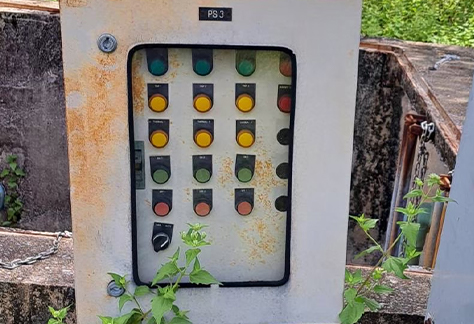
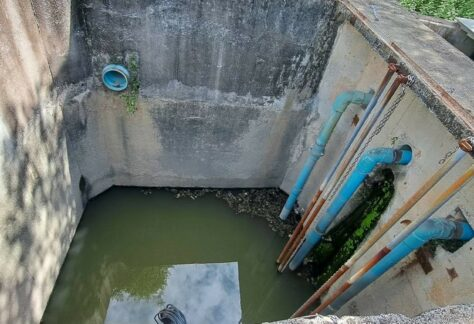
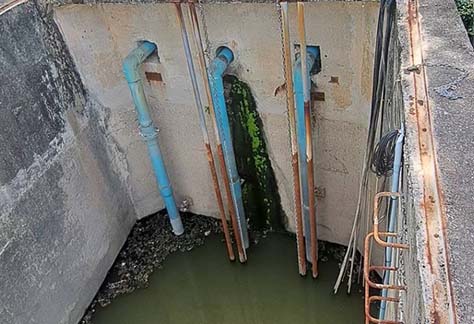
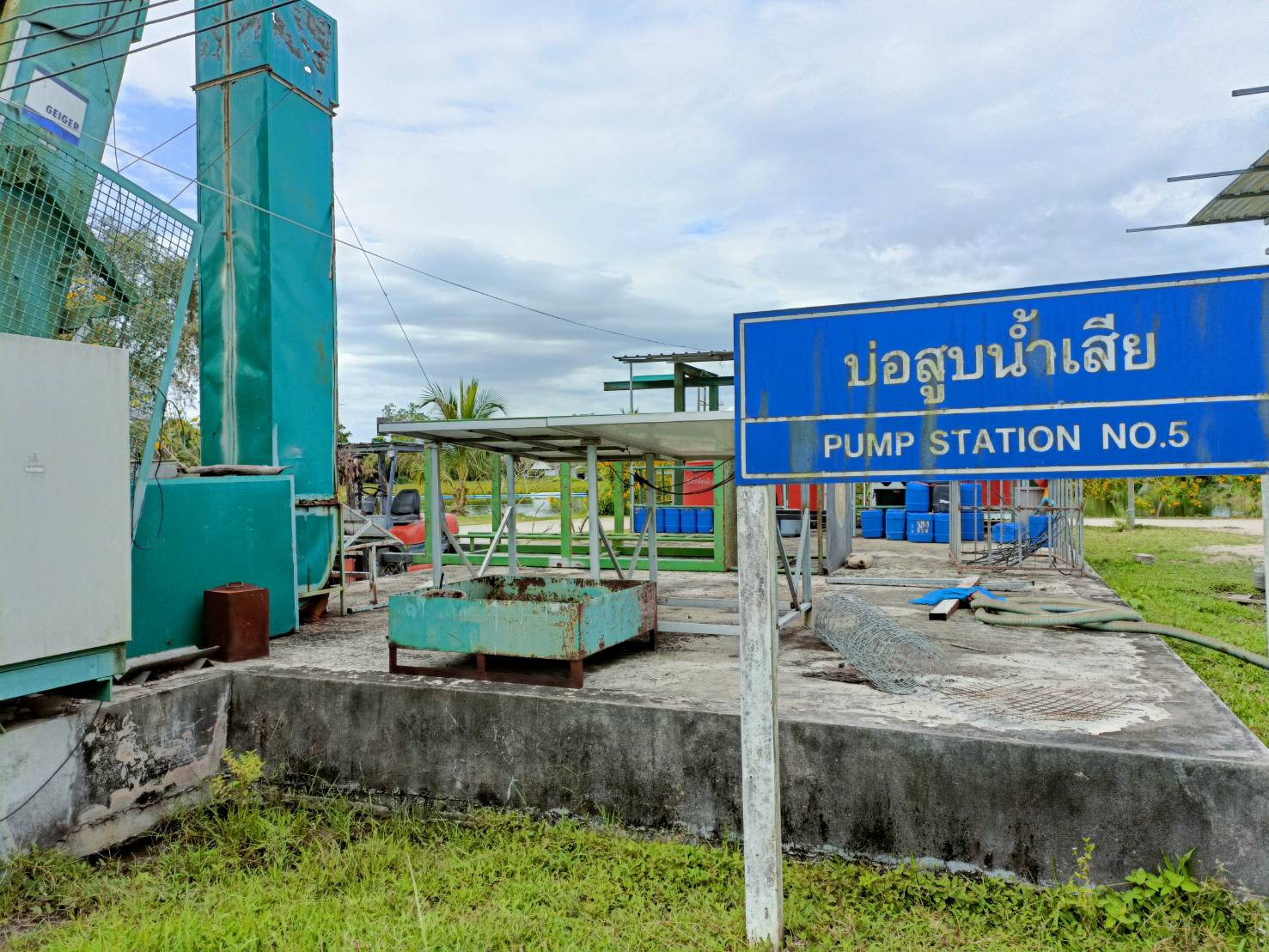
The establishment of pumping stations and the installation of water pumps play a crucial role in accelerating the drainage of floodwater into main canals or rivers, particularly in low-lying areas or locations where natural drainage systems are insufficient. Efficient pumping stations help shorten drainage time and reduce damage to infrastructure and property.
At present, Walailak University has established a total of eight pumping stations on campus: Walailak Park Pumping Station, Wang Mak Pumping Station, Kla-Dee Pumping Station, Walai Niwas Pumping Station, Laksanivet Pumping Station 1, Wastewater Treatment Pond Pumping Station, Friday Market Pumping Station, and Walailak University Hospital Pumping Station. These stations play an important role in “water quality control” by regulating water volumes across the university. The university has installed both electric and engine-driven pumps with capacities of 1–2 cubic meters per second at these pumping stations, totaling 21 units, to cover flood-prone areas. This system helps prevent flooding and water pollution that may occur during flood events in areas surrounding the university.
These water pollution control technologies are essential in flood management and in maintaining water quality within the university area, as floods often carry pollutants and chemicals from communities into public water sources. The existence of applicable technologies such as sediment traps, systems for capturing organic matter and toxins before water enters main canals or rivers helps reduce potential pollution risks. In addition, biological filters, Internet of Things (IoT) technologies, and real-time water quality monitoring sensors enable more effective surveillance and rapid, accurate management of water pollution.
Overall, the university’s water management system and sustainable applicable water extraction technologies serve as a clear example of an approach that not only focuses on sourcing and producing water for present use but also considers the long-term environmental impacts. It emphasizes energy conservation, water reuse, and the integration of technology and community participation to ensure water security and genuinely promote sustainable development at both local and national levels.
Overall, the university’s water management system and sustainable applicable water extraction technologies represent a comprehensive approach that begins with a diagnostic assessment of water resource challenges to guide effective planning and innovation. Continuous development of technologies and infrastructure ensures efficient water use, treatment, and reuse in line with sustainability principles. Strong community engagement fosters collaboration among staff, students, and local communities, enhancing awareness and shared responsibility for environmental stewardship. Moreover, systematic measurement and monitoring of water quality and system performance guarantee transparency, efficiency, and continuous improvement. Altogether, these elements make Walailak University’s model a clear example of water management that not only secures current and future water needs but also promotes long-term sustainable development at both local and national levels.