Taking Education Beyond Campus: Walailak University’s Educational Outreach for Schools and Communities
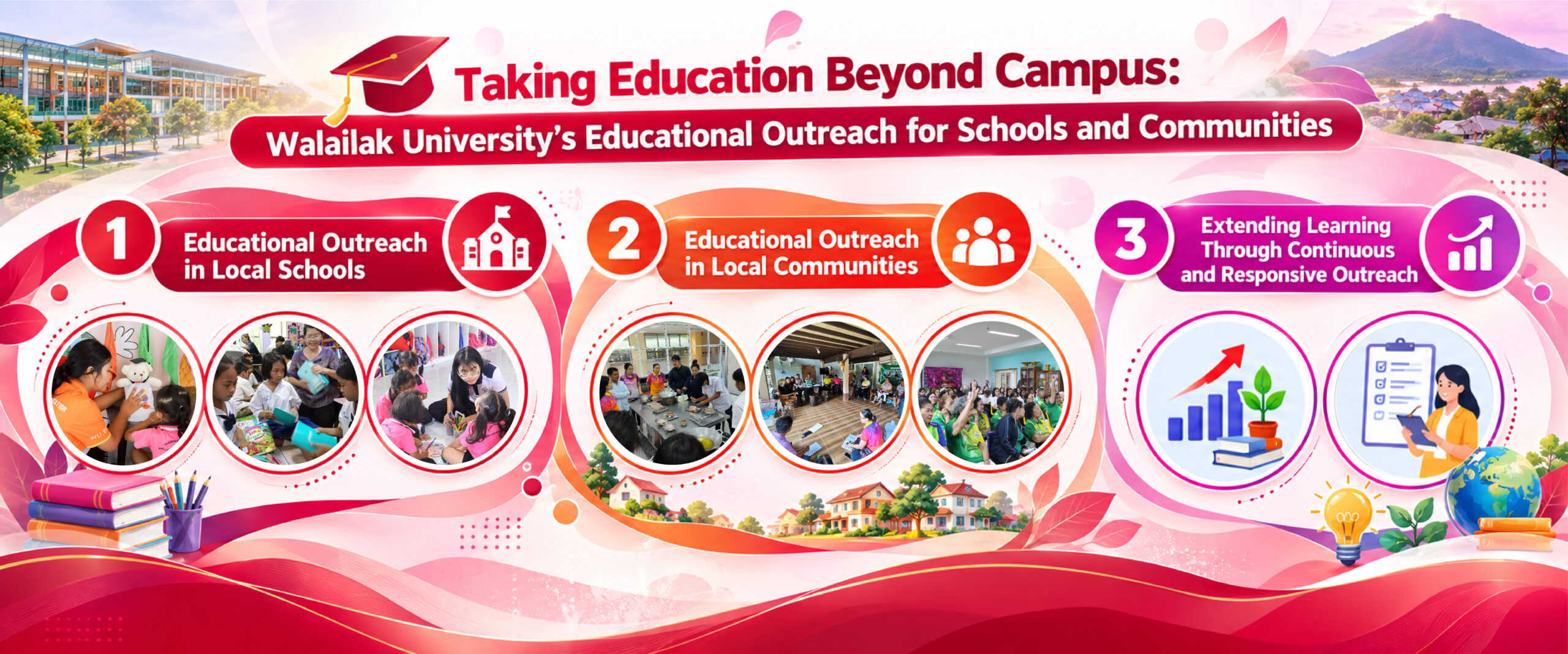
Walailak University promotes access to education and learning opportunities for the public through education outreach activities beyond campus in local schools and communities. The university undertakes both programmed activities that are implemented continuously as part of ongoing programmes and ad-hoc activities that are informed by the diagnostics of specific needs among target groups. These educational outreach activities include lectures, training workshops, demonstrations, consultations, field-based learning, and voluntary student-run activities.
Educational Outreach in Local Schools
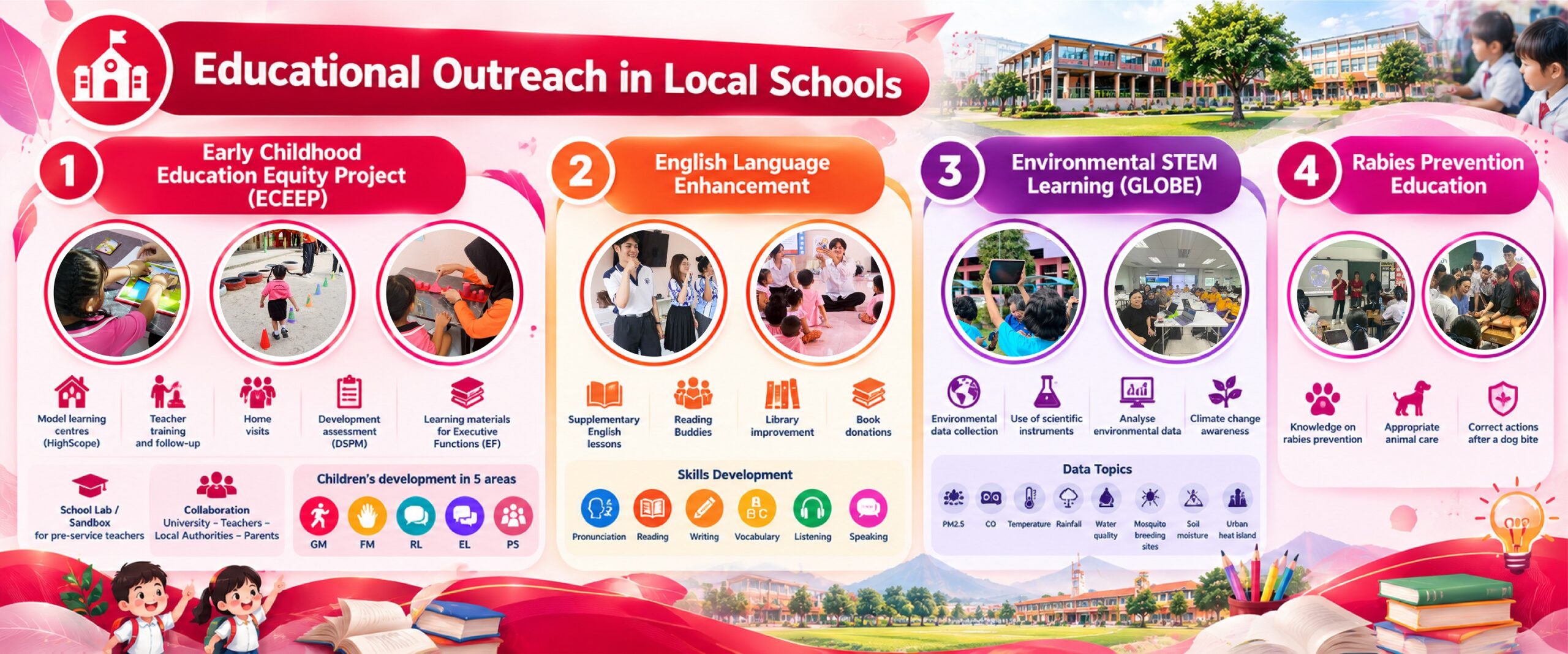
Walailak University undertakes a wide range of educational outreach activities in local schools, focusing on developing the skills and potential of children and young people while supporting teachers and schools in improving the quality of learning.
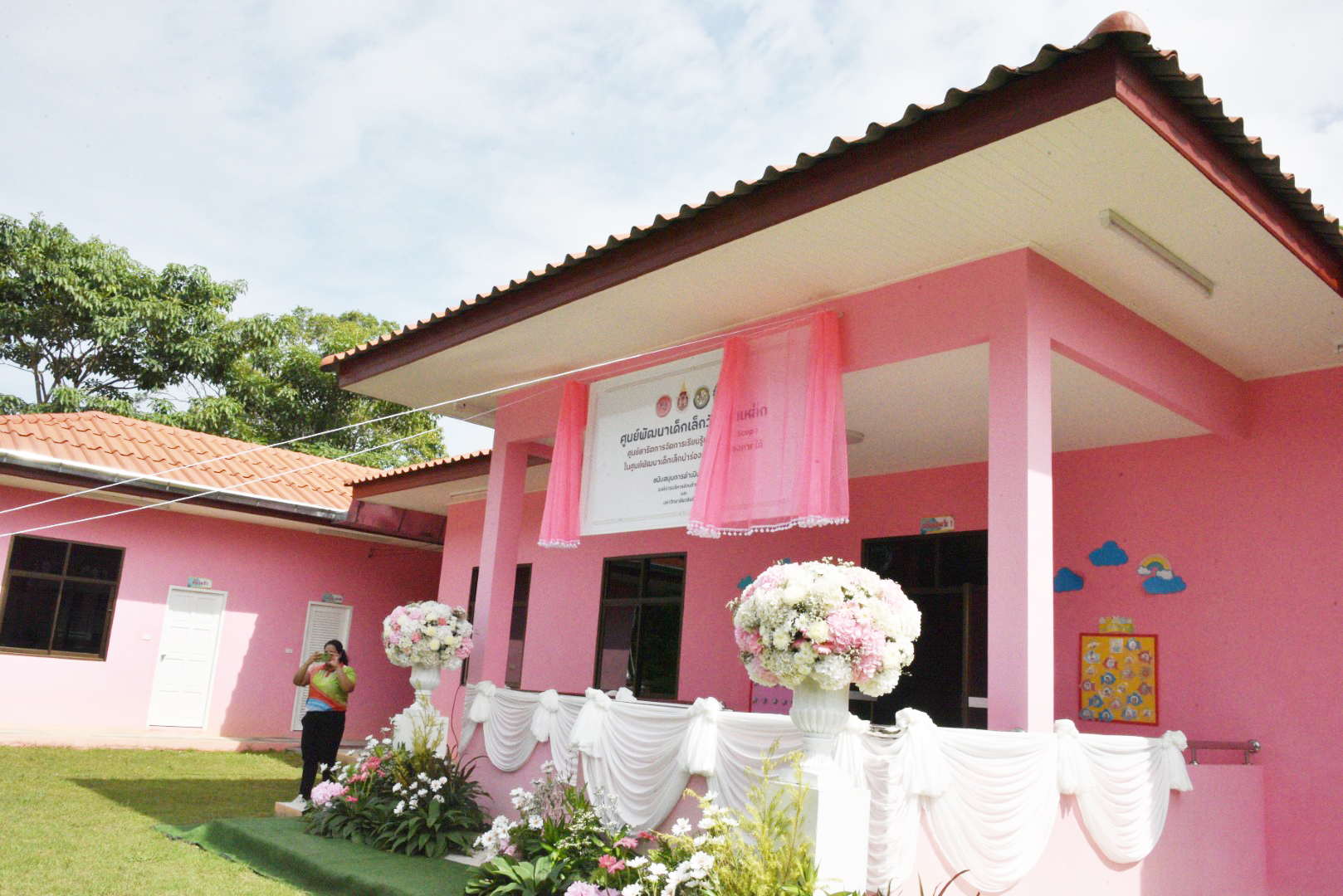
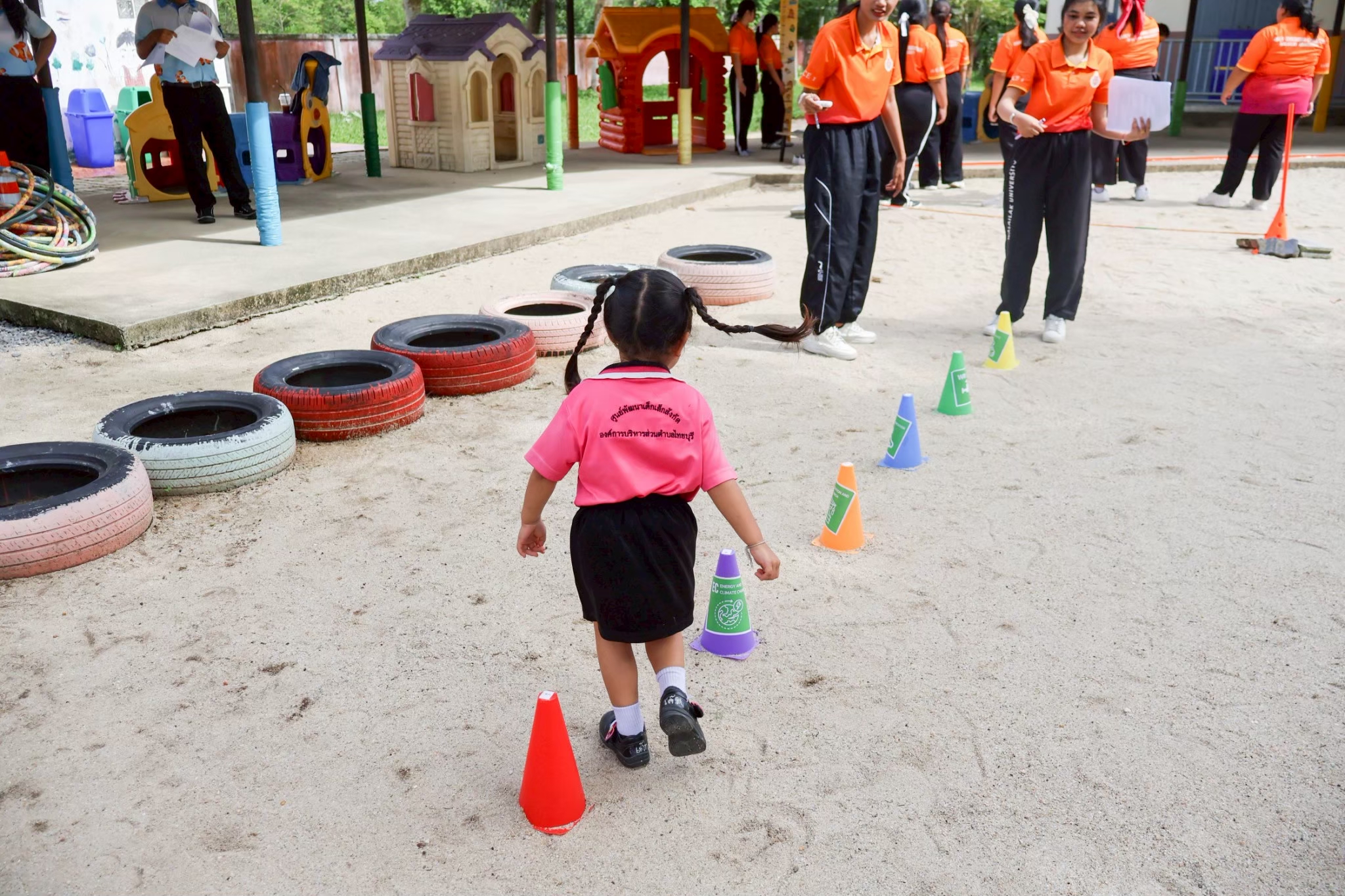
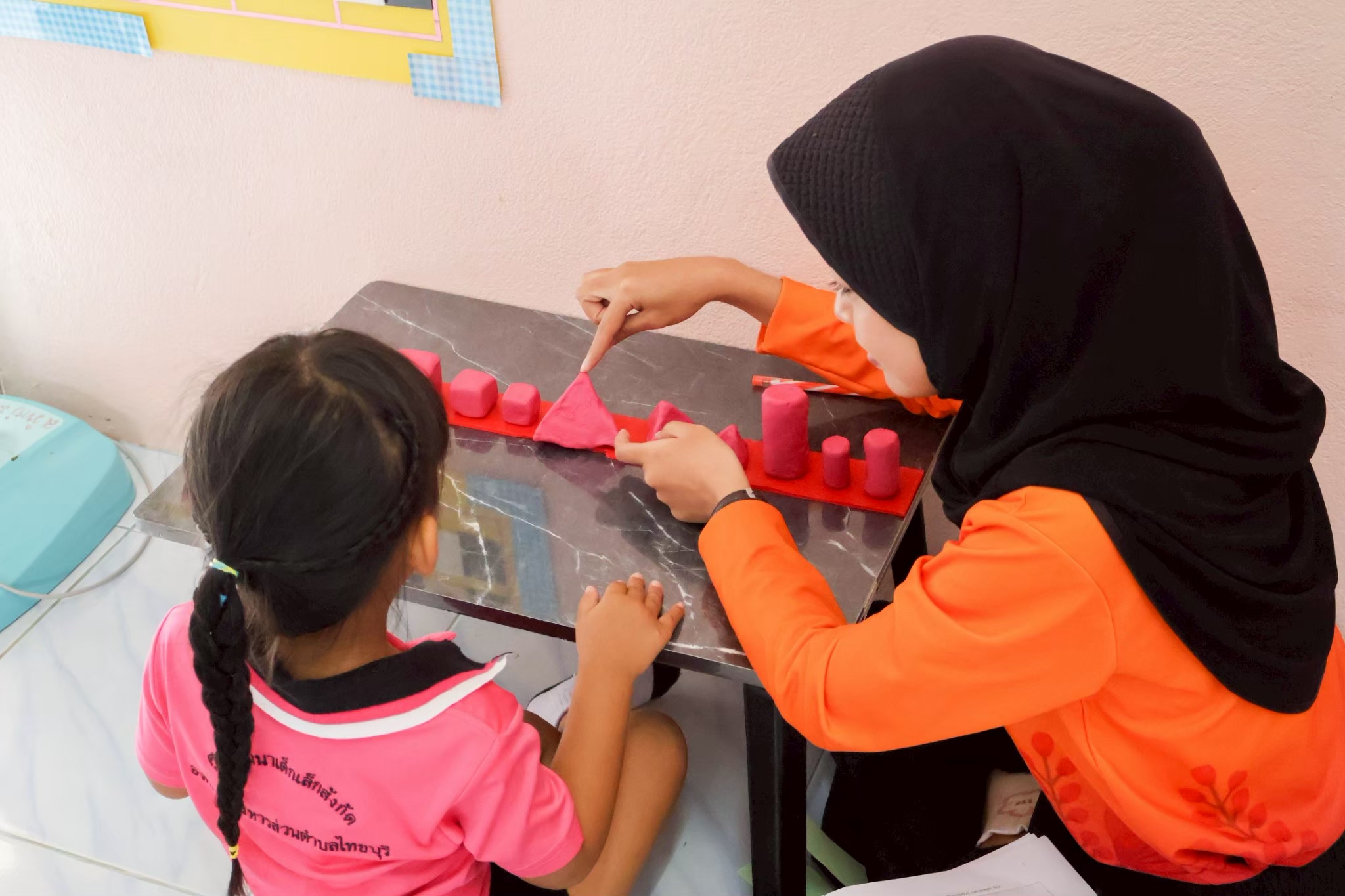
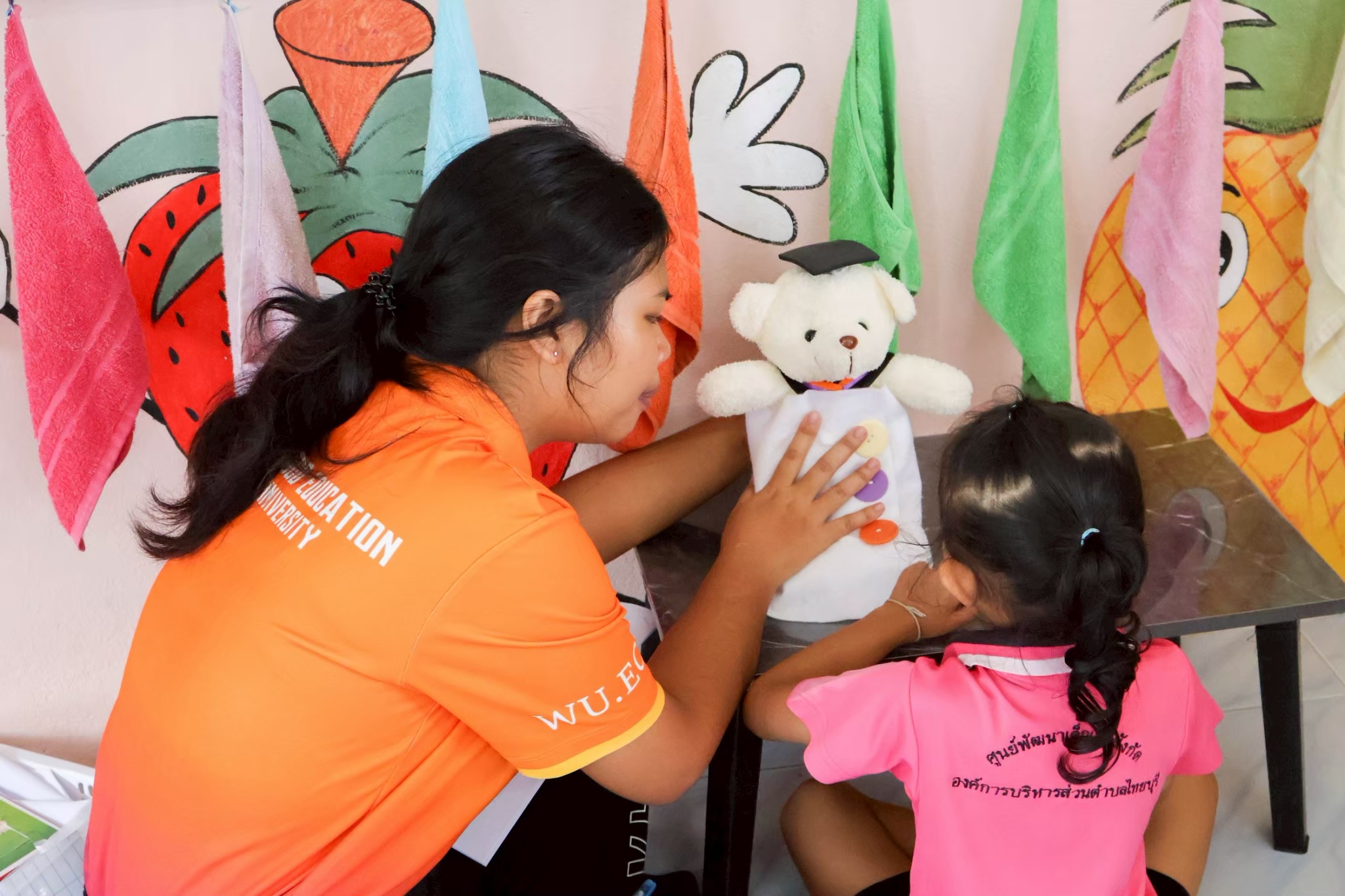
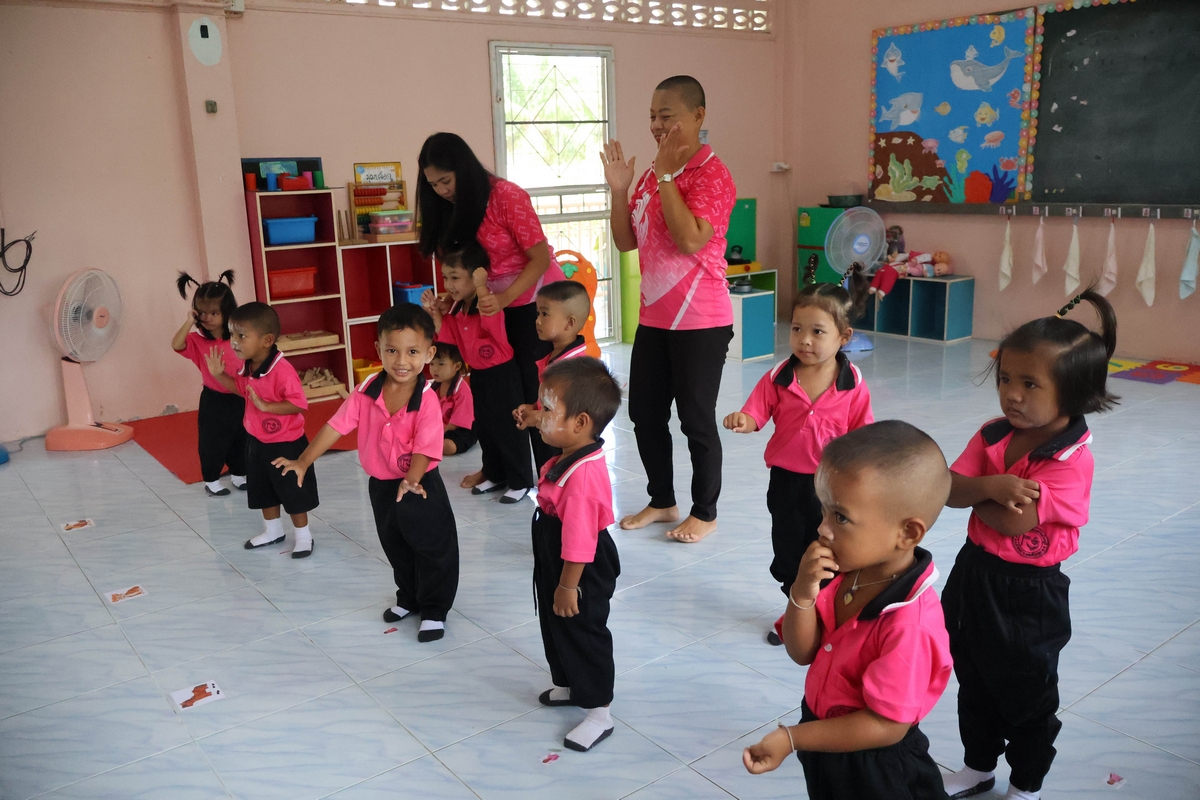
One ongoing programme is the Early Childhood Education Equity Project (ECEEP), implemented by lecturers from the School of Education, Walailak University, in collaboration with early childhood development centres under Thaiburi Subdistrict Administrative Organization. The project has been continuously implemented for five years, from 2020 to 2025. It aims to improve the quality of early childhood education through the development of model learning centres based on the HighScope approach, teacher training and follow-up, home visits, systematic assessment of children’s development using the standard DSPM tool, and the development of learning materials to promote Executive Functions (EF). The project also provides a School Lab/Sandbox where pre-service early childhood education students can gain professional experience through real-world learning environments. The activities promotes engagement among the university, teachers, local authorities, and parents. Children’s development is monitored across five areas: gross motor (GM), fine motor and cognitive development (FM), receptive language (RL), expressive language (EL), and personal-social development (PS). The project also includes a Social Return on Investment (SROI) assessment to examine its social value.
The HighScope approach, teacher training and follow-up, home visits
DSPM
Capacity Building & Community Engagement
School Lab
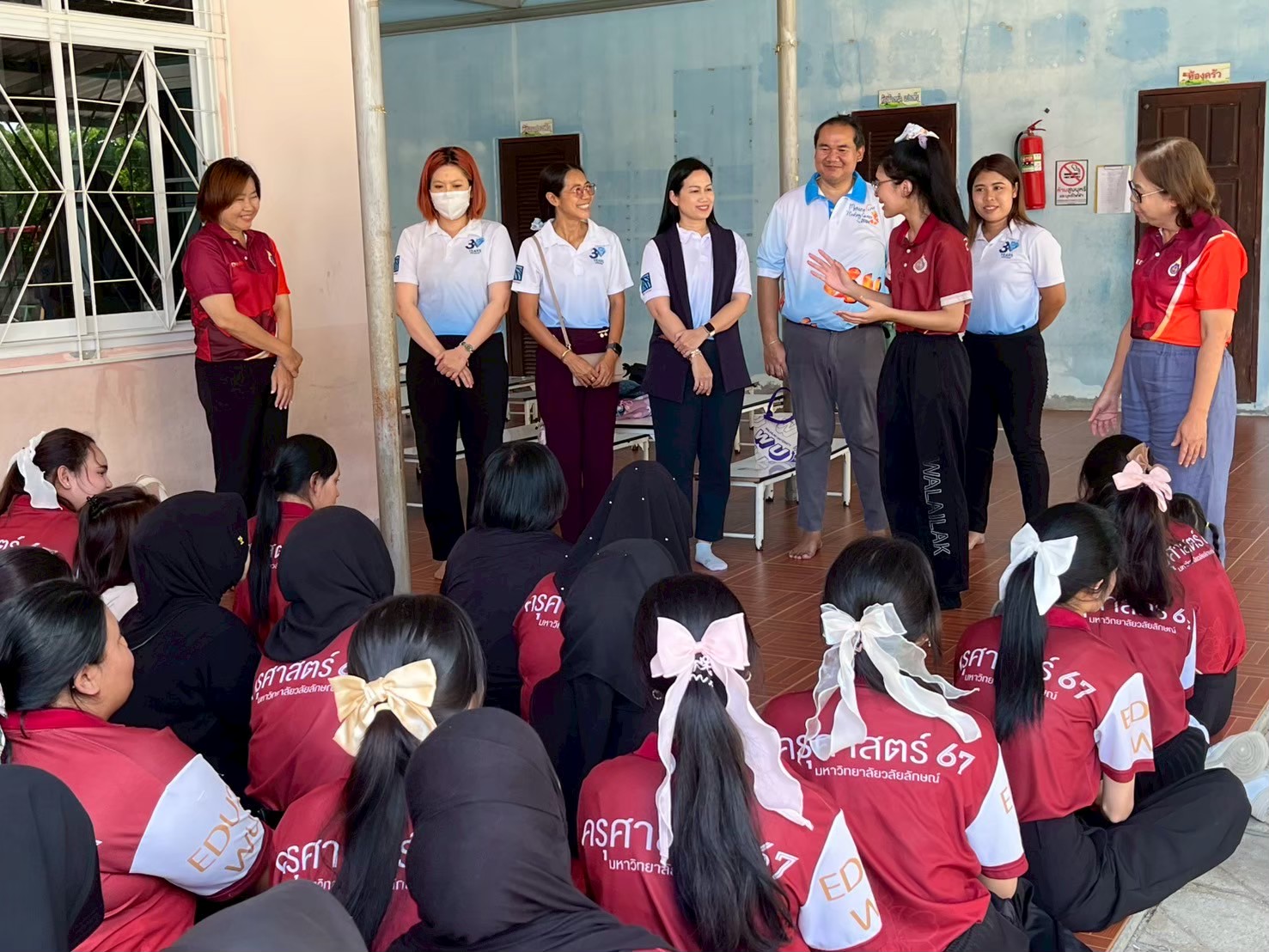
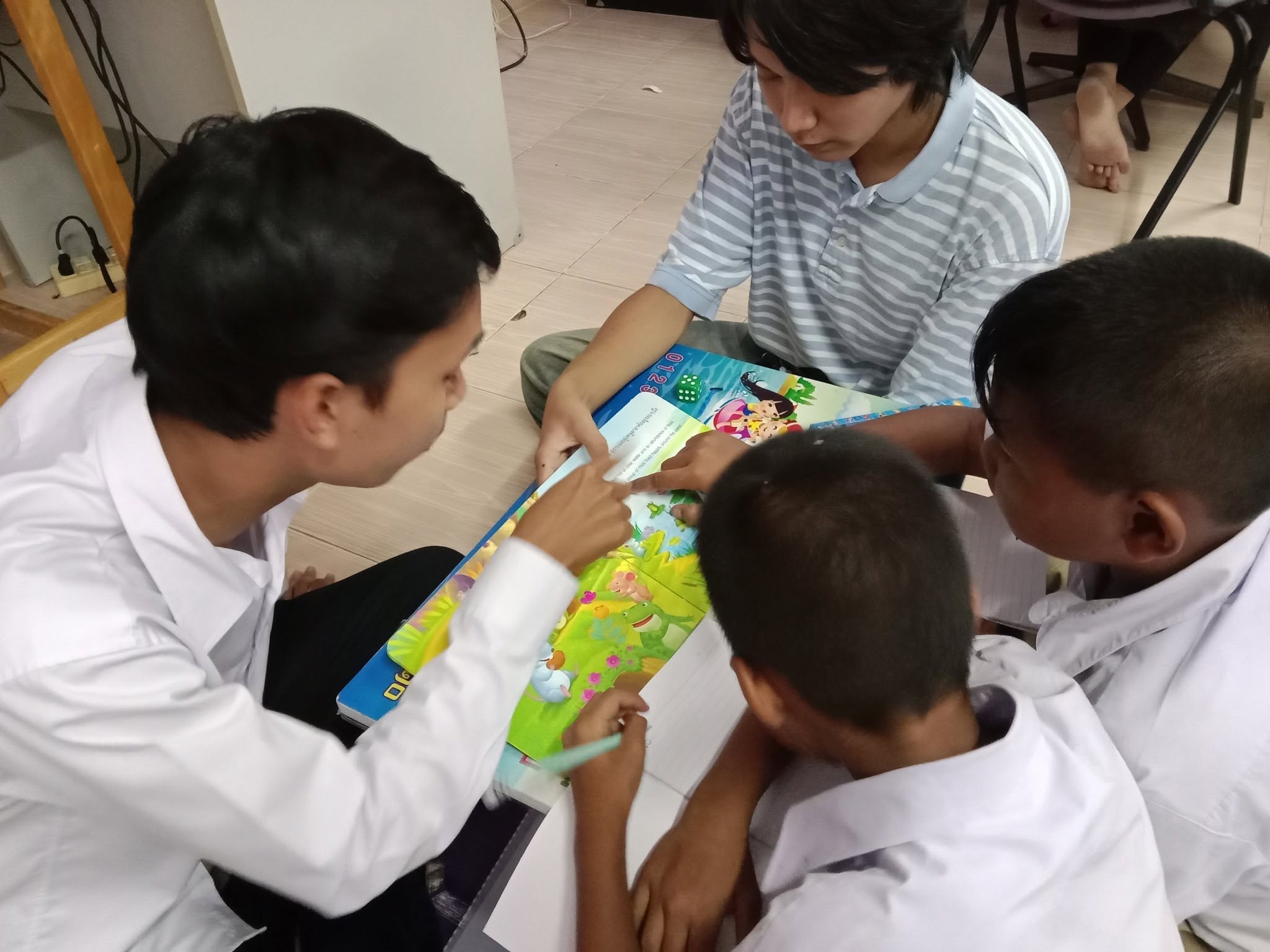
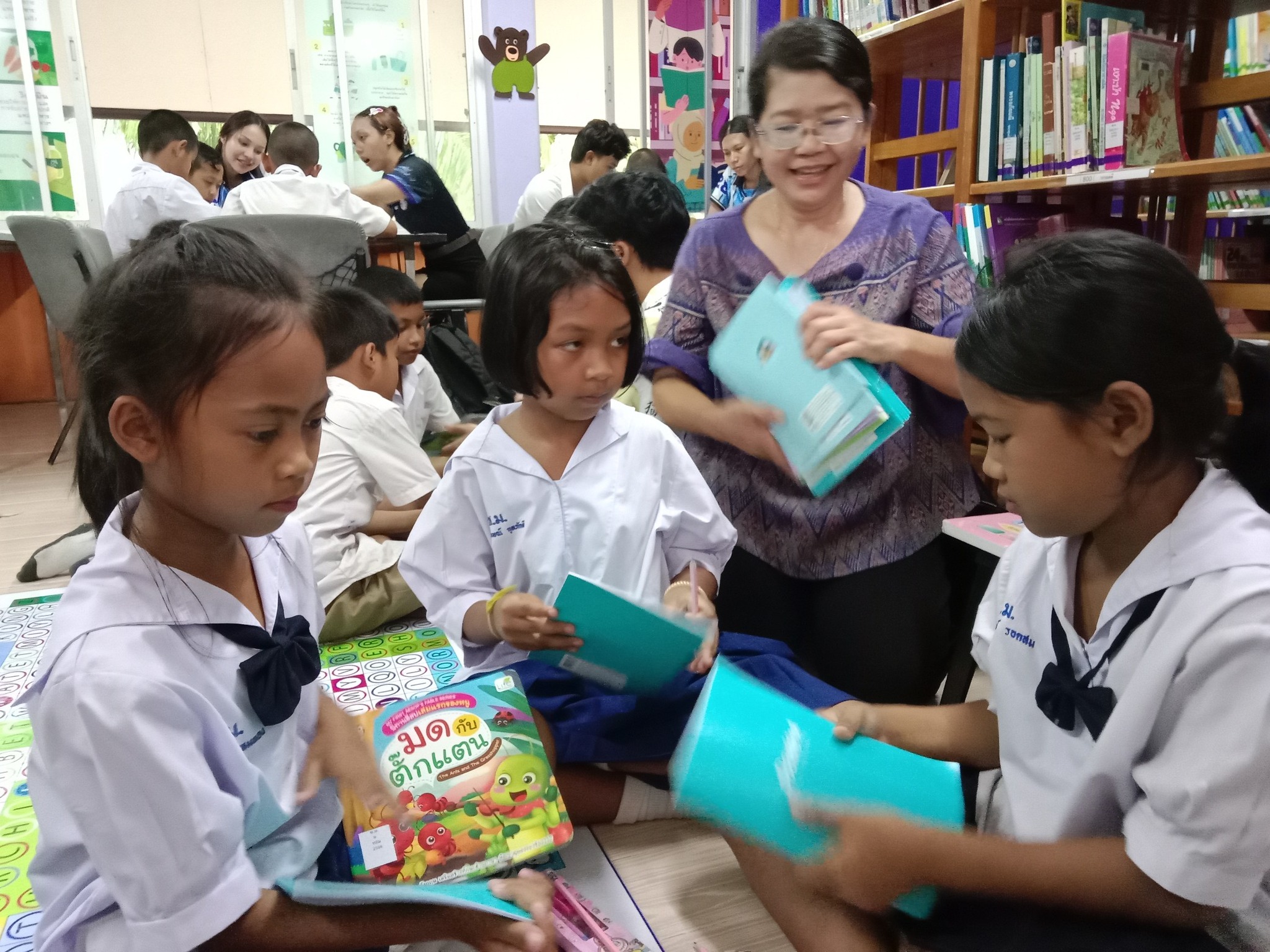
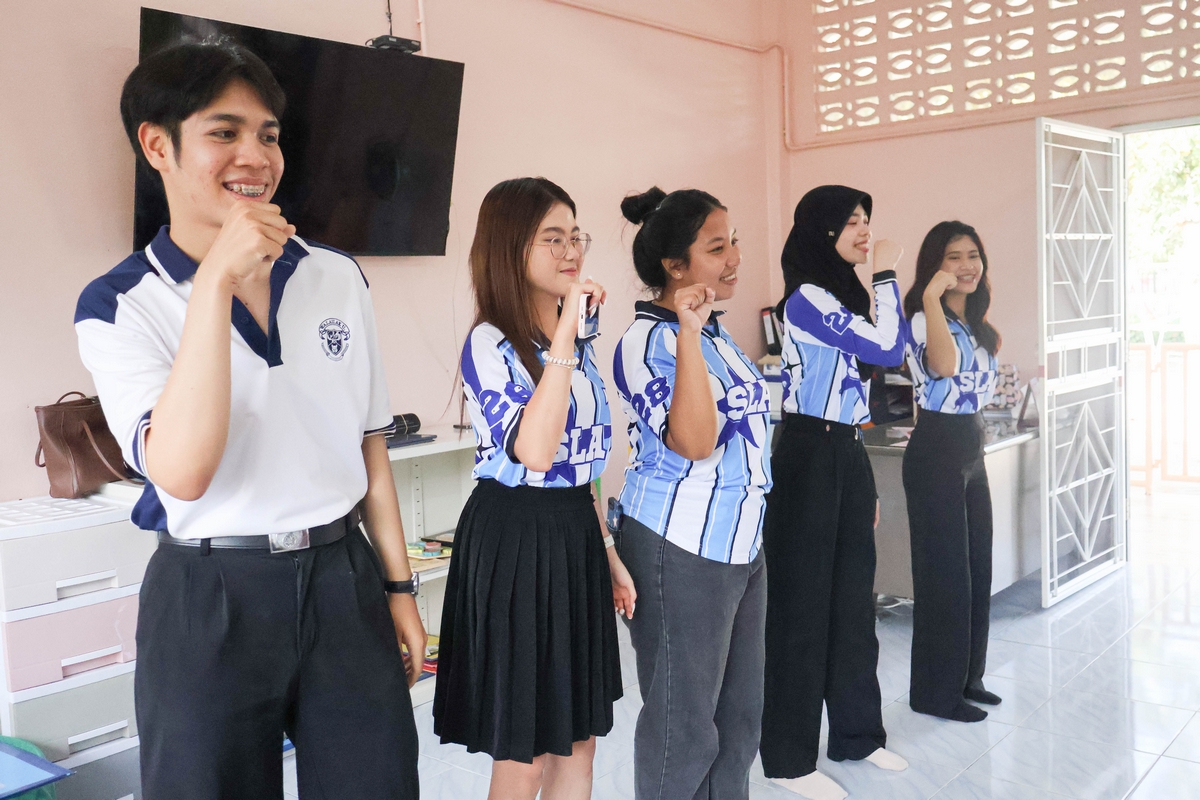
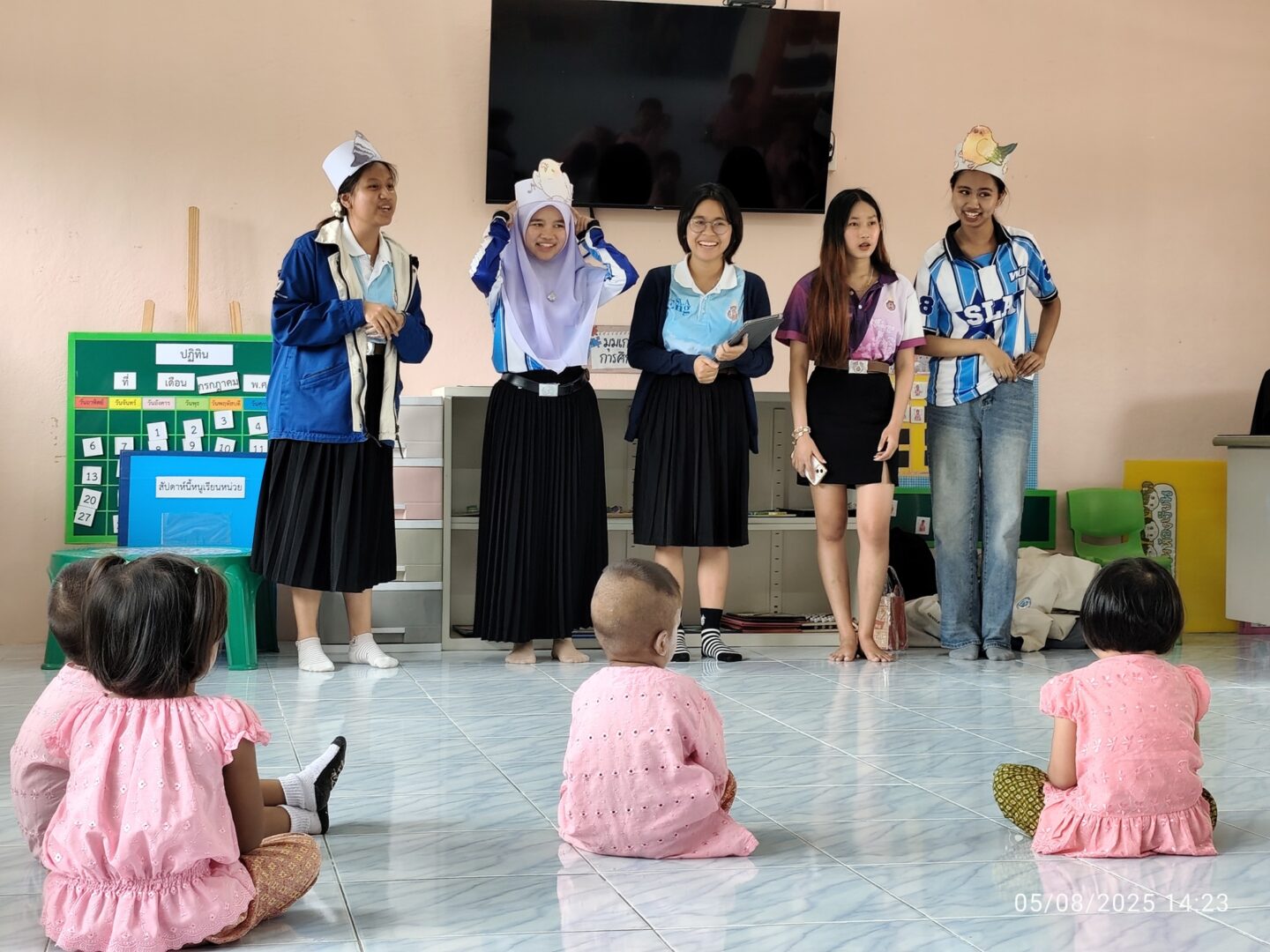
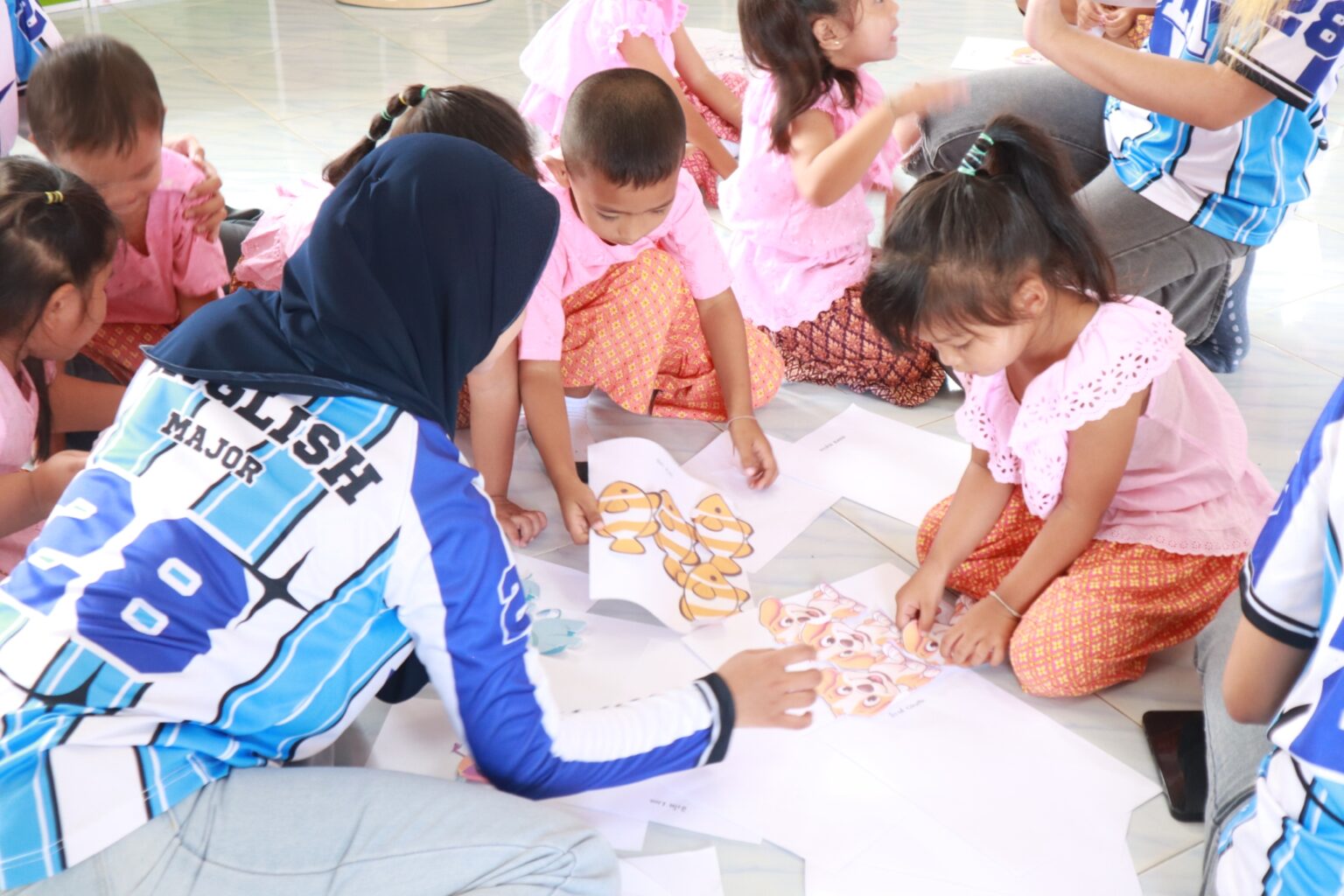
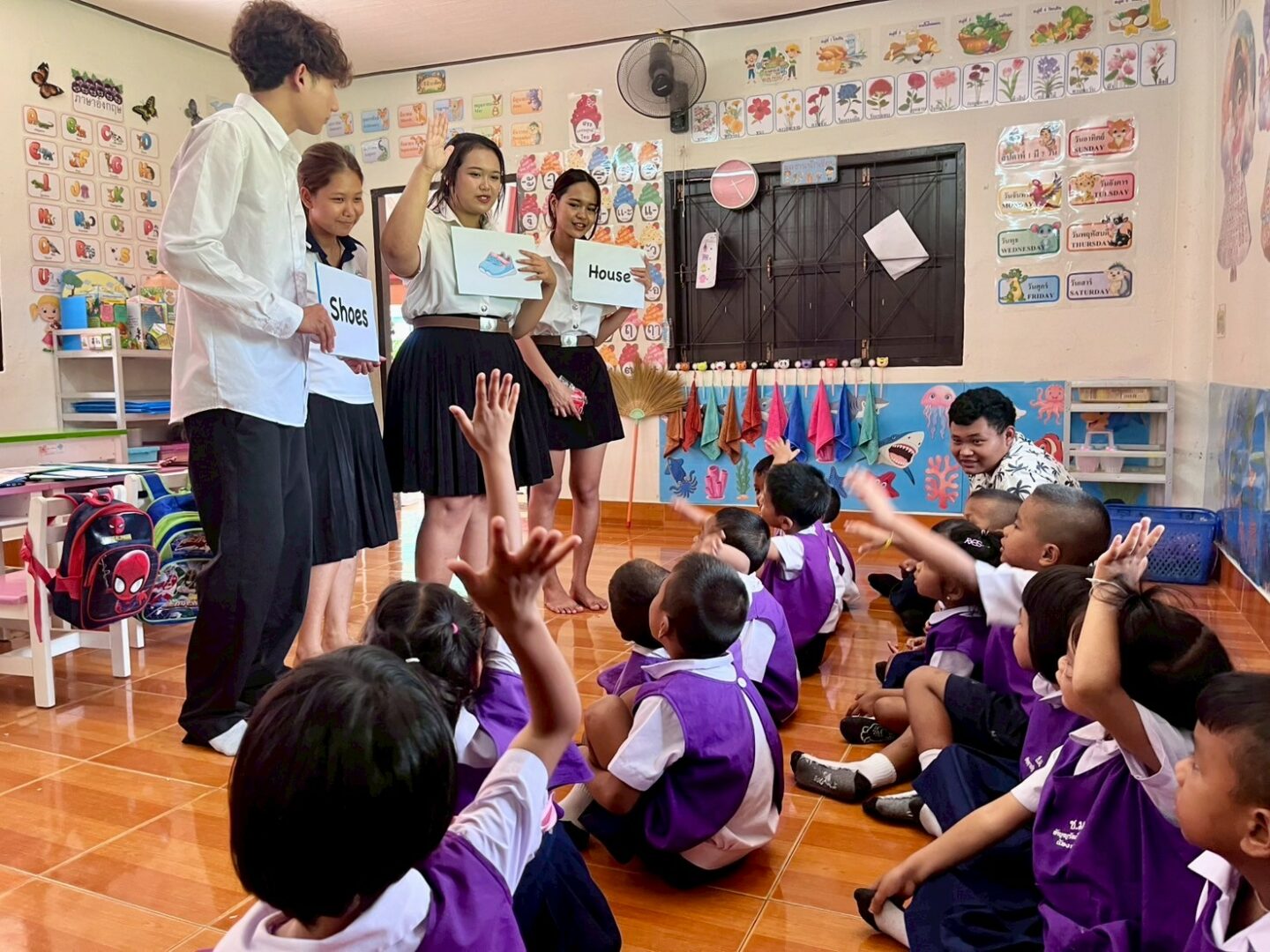
The university also runs an English language enhancement activity for students at Chumchon Mai School, led by lecturers in collaboration with first-year English-major students. The diagnostics for the activity consider students’ needs for additional English language support and access to learning resources. Based on these needs, the university provides development activities including supplementary English lessons, the Reading Buddies activity, in which university students support younger pupils’ reading skills, library improvements, and book donations to expand the school’s learning resources. Students receive support in developing English skills in pronunciation, reading, writing, vocabulary, listening, and speaking. Through active engagement between university lecturers, university students, teachers, and pupils, the activity connects university learning with a local school and community. At the same time, university students apply their classroom knowledge in a real school setting and develop teamwork, leadership, responsibility, and problem-solving skills.
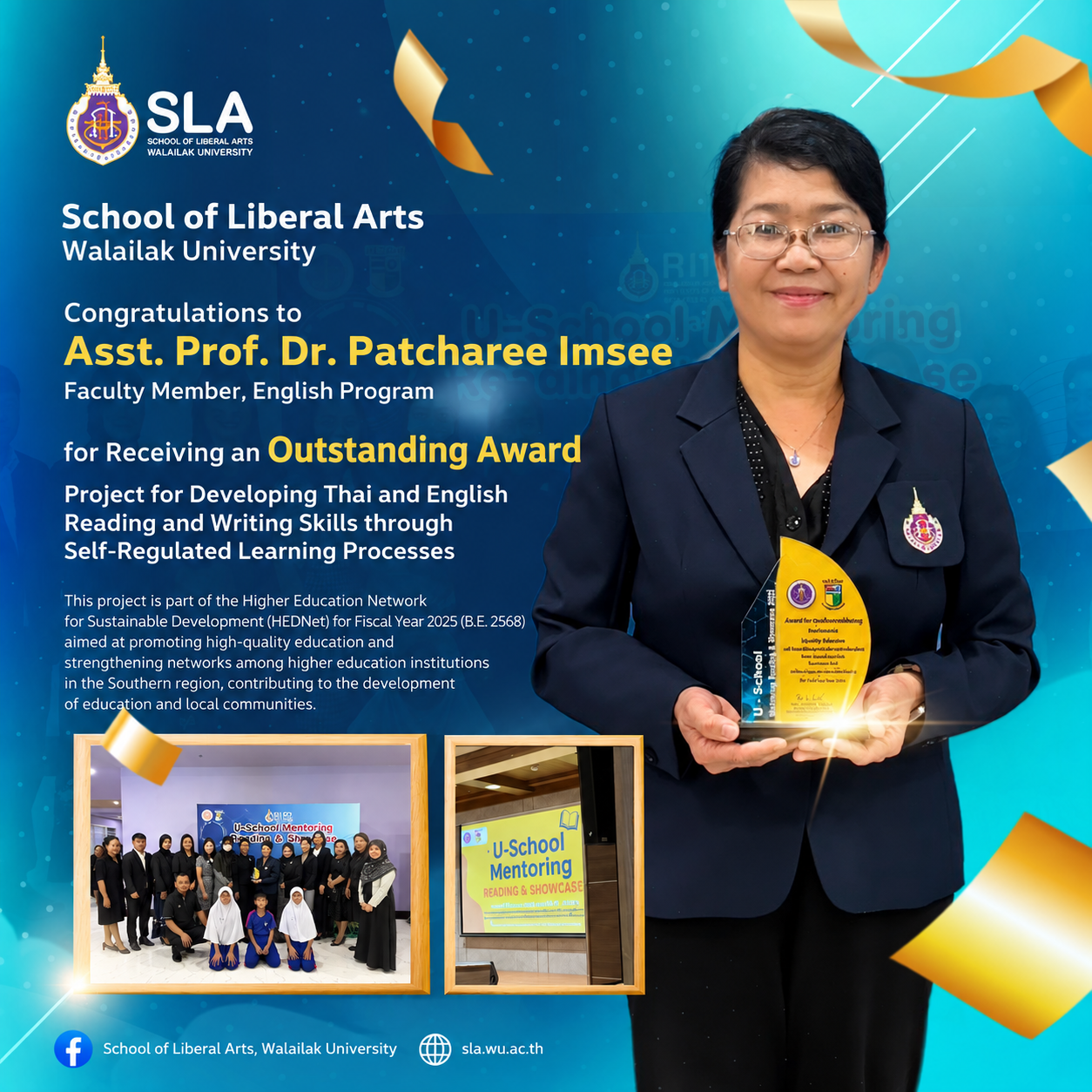
The impact and outcomes of the activity are demonstrated through measurement of its recognition and contribution to local educational development. The activity received an Outstanding Award from the Upper Southern Higher Education Development Network under the U-School project, which recognizes initiatives that improve education quality and support local development through higher education institutions serving as mentors.
In addition, the university has developed knowledge packages and learning materials using English storytelling to support learning experiences for young children. These materials are designed for use in schools and educational settings and cover topics such as body parts and tooth brushing, traffic lights, lions and wolves, as well as English songs for developing young children’s learning skills. These resources extend knowledge and learning opportunities from the University to children in local educational settings.
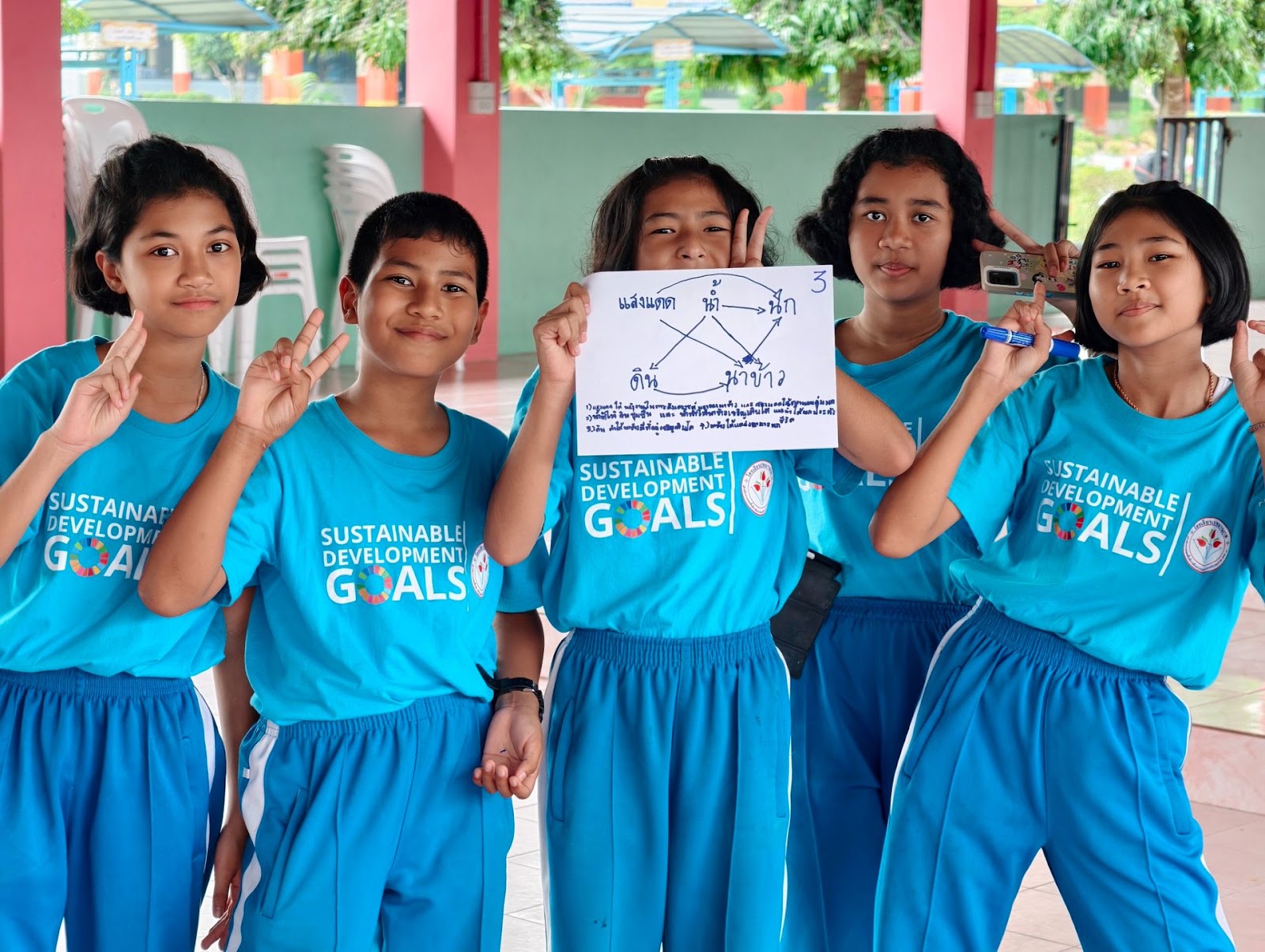
As part of its ad-hoc activities, the university conducts an environmental STEM learning activity linking education with current climate change issues. Diagnostics begin with identifying relevant environmental and climate-related issues and collecting field-based environmental data to help students and teachers understand local conditions. Lecturers from the School of Science work with schools and the international GLOBE network to provide teachers and students with practical learning experiences. Through this engagement, students and teachers receive training and conduct field-based environmental data collection on topics including PM2.5, CO, temperature, rainfall, water quality, mosquito breeding sites, soil moisture, and the urban heat island phenomenon. The development component focuses on building practical scientific and environmental research skills. Participants learn to use GLOBE Observer and scientific instruments, collect field data, analyse environmental data, and apply scientific investigation to real environmental issues. A total of 8 schools, 59 teachers, and 380 students participated in the activities and jointly developed 15 environmental research projects.
As a form of measuring the outcomes of this educational outreach, an activity by Pathumanukul School, Nakhon Si Thammarat, received the 1st IVSS Asia Pacific Region award for research on water quality and phytoplankton during a red tide event in the Thong Kham Bay area, Tha Sala District, Nakhon Si Thammarat. This demonstrates how educational outreach activities beyond campus can provide students with opportunities to engage in scientific investigation and communicate research findings in an authentic learning context.
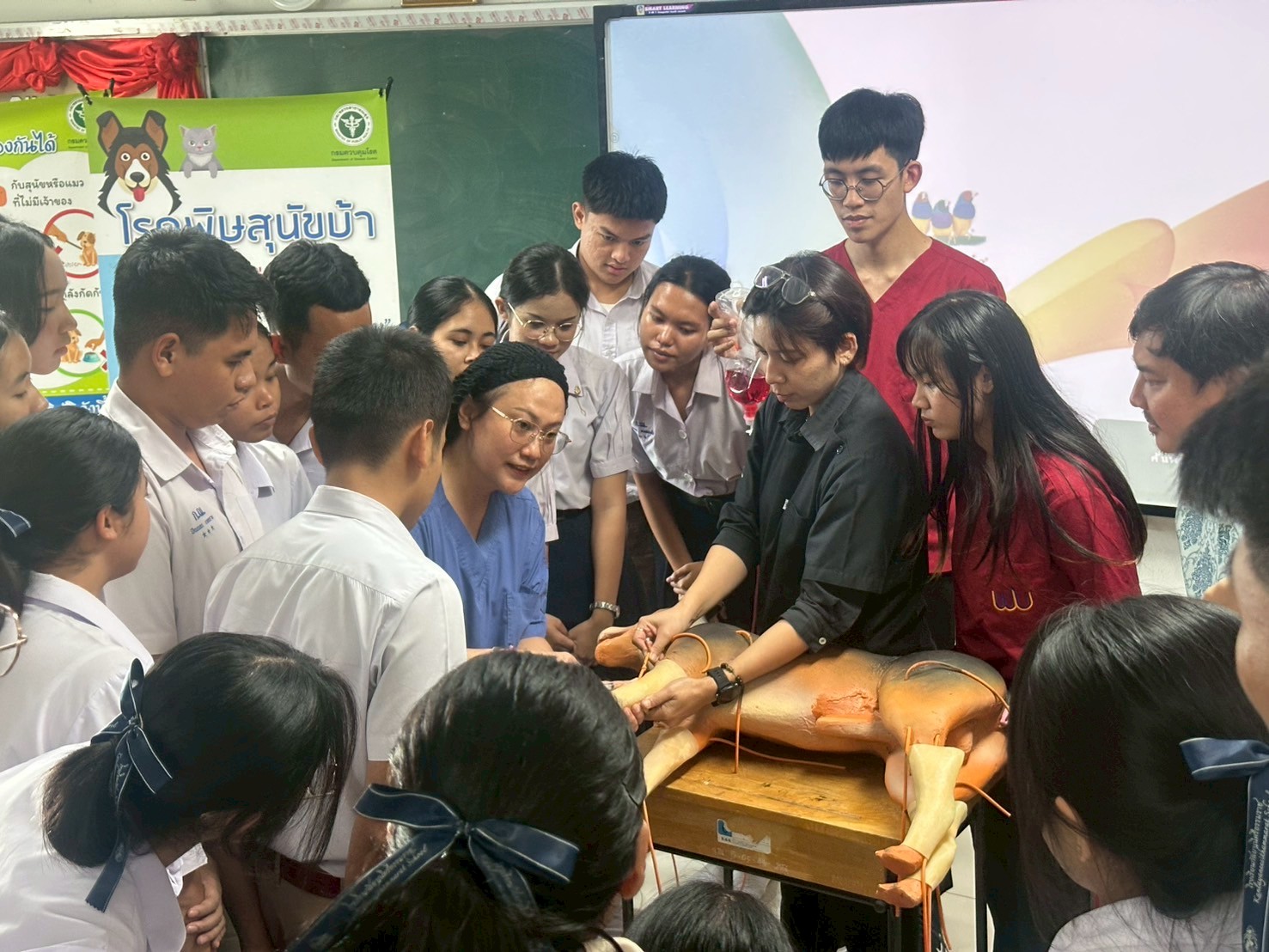
Another ad hoc educational outreach activity at a local school is a rabies prevention activity for school students. The Akkhraratchakumari Veterinary College provides knowledge through performances and demonstrations conducted by veterinary students at Kanlayani Si Thammarat School, Nakhon Si Thammarat. The activity helps students understand rabies prevention, proper animal care, and what to do after a dog bite. It shows how university knowledge can extend beyond campus through age-appropriate outreach delivered directly to young people at a local school.
Educational Outreach in Local Communities
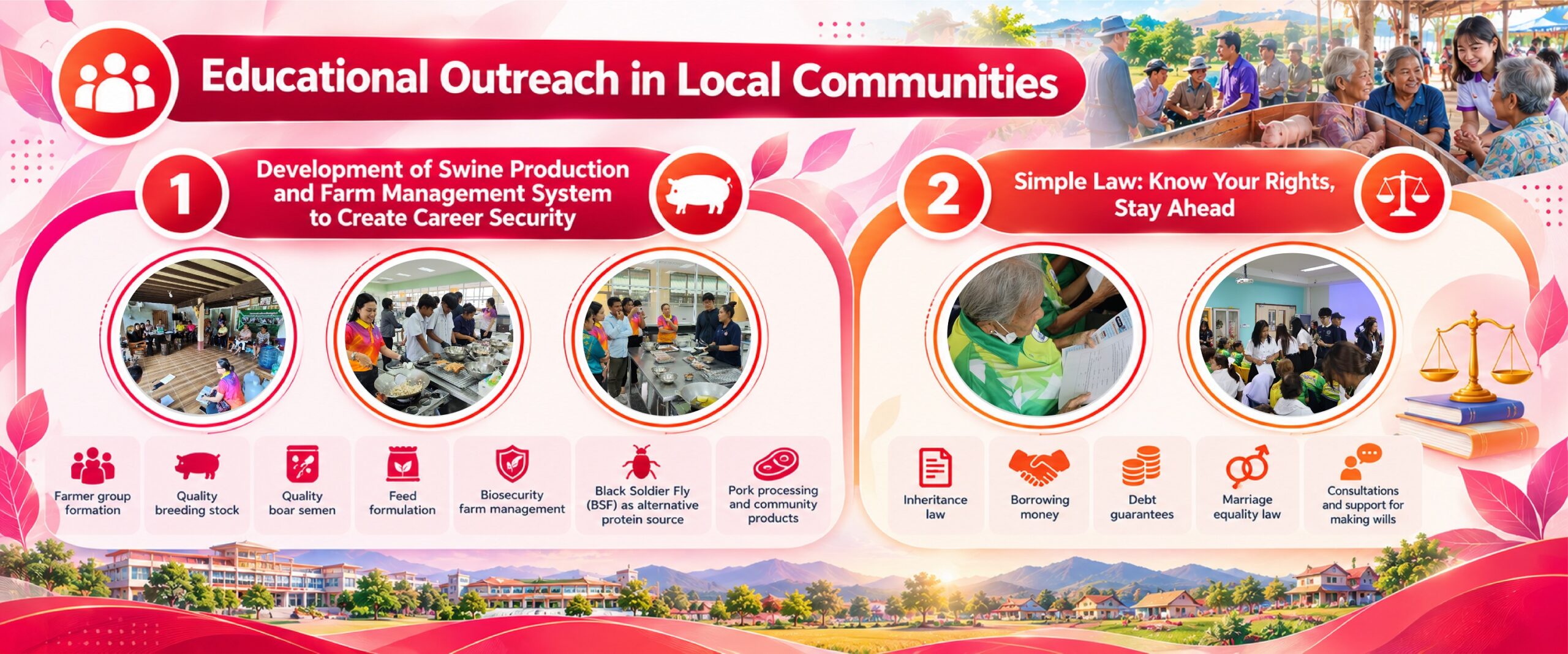
In addition to local schools, Walailak University extends educational outreach beyond campus to local communities through training, consultation, knowledge exchange, and skills development informed by community needs diagnostics.
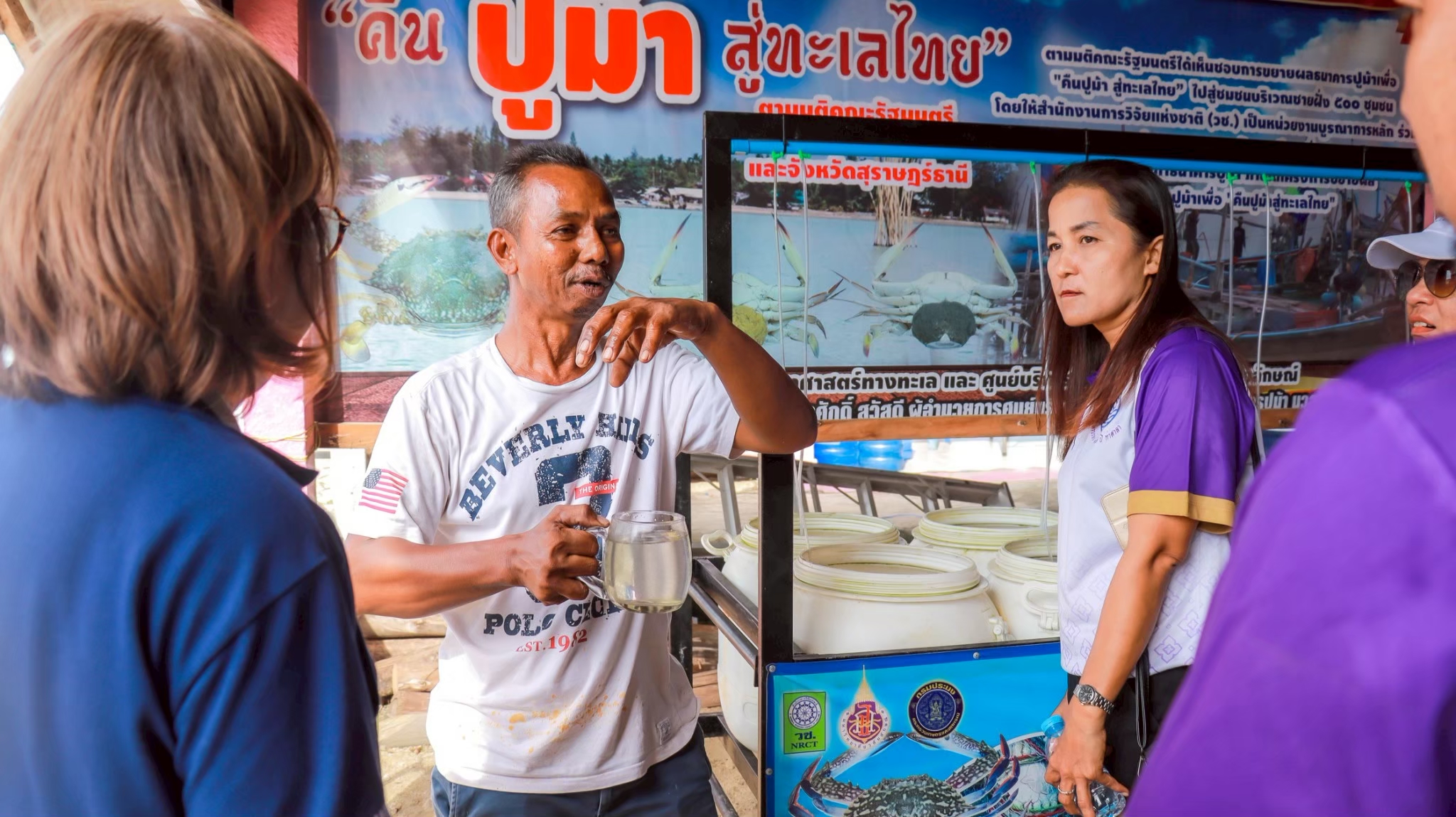
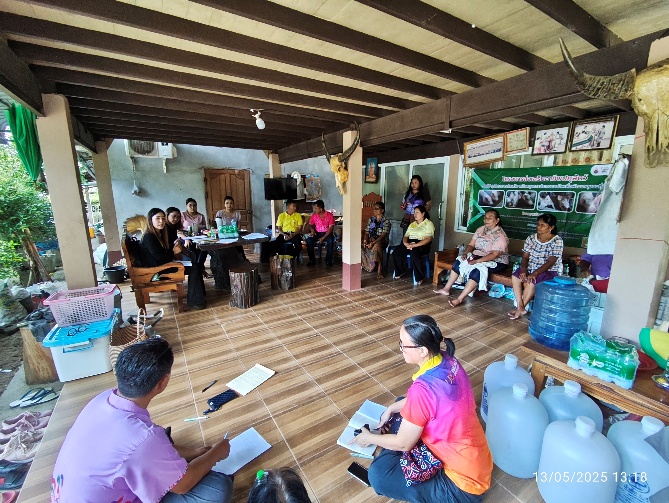
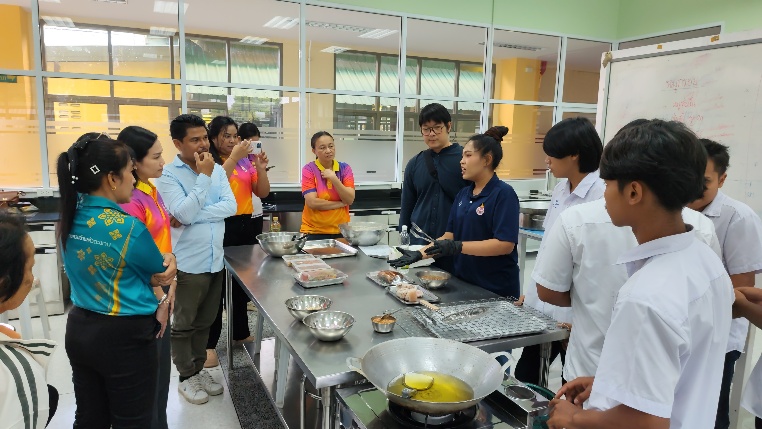
Walailak University conducts Education Outreach Activities Beyond Campus to transfer knowledge of pig production to farmers, community enterprise members, and local community members. The activities aim to enable participants to apply the knowledge in their occupations and improve production quality in practice. The activity diagnostics consider the occupational and production needs of local participants, including animal health, farm management, alternative feed resources, waste management, and value-added processing. Based on these needs, the university provides development opportunities through lectures, demonstrations, and hands-on training.
Key activities include training on pig health promotion and farm management, which provides knowledge on pig health care, animal feed ingredient management, and pig manure management for biogas production at the Walailak University Demonstration Community on 28 May 2023. On 12 June 2023, the university conducted a practical workshop on black soldier fly (BSF) farming for 30 community enterprise members and non-formal education students, providing hands-on experience in BSF production and its use as an alternative protein source for animals. On 27 August 2023, the university held another practical workshop on pork processing for livelihood development for 30 farmers, restaurant operators, non-formal education students, and members of the public. Participants learned and practised pork processing techniques to create value-added products and develop potential livelihood opportunities.
These activities demonstrate the university’s engagement with communities and learner groups beyond campus by bringing expert knowledge to participants through learning approaches suited to their contexts, including lectures, demonstrations, and practical training. The university also provides local farmers and food producers with free access to university learning and research facilities, supporting lifelong learning and continuous vocational skills development.
The outcomes are demonstrated through participant satisfaction measurements and practical application. The activities achieved an overall participant satisfaction rate of 92.01%, and participants applied the knowledge and technologies gained from the training to farm management and production cost reduction. These outcomes demonstrate the university’s role in expanding access to education and learning opportunities from the university to local communities, supporting lifelong learning and access to skills development for community members.
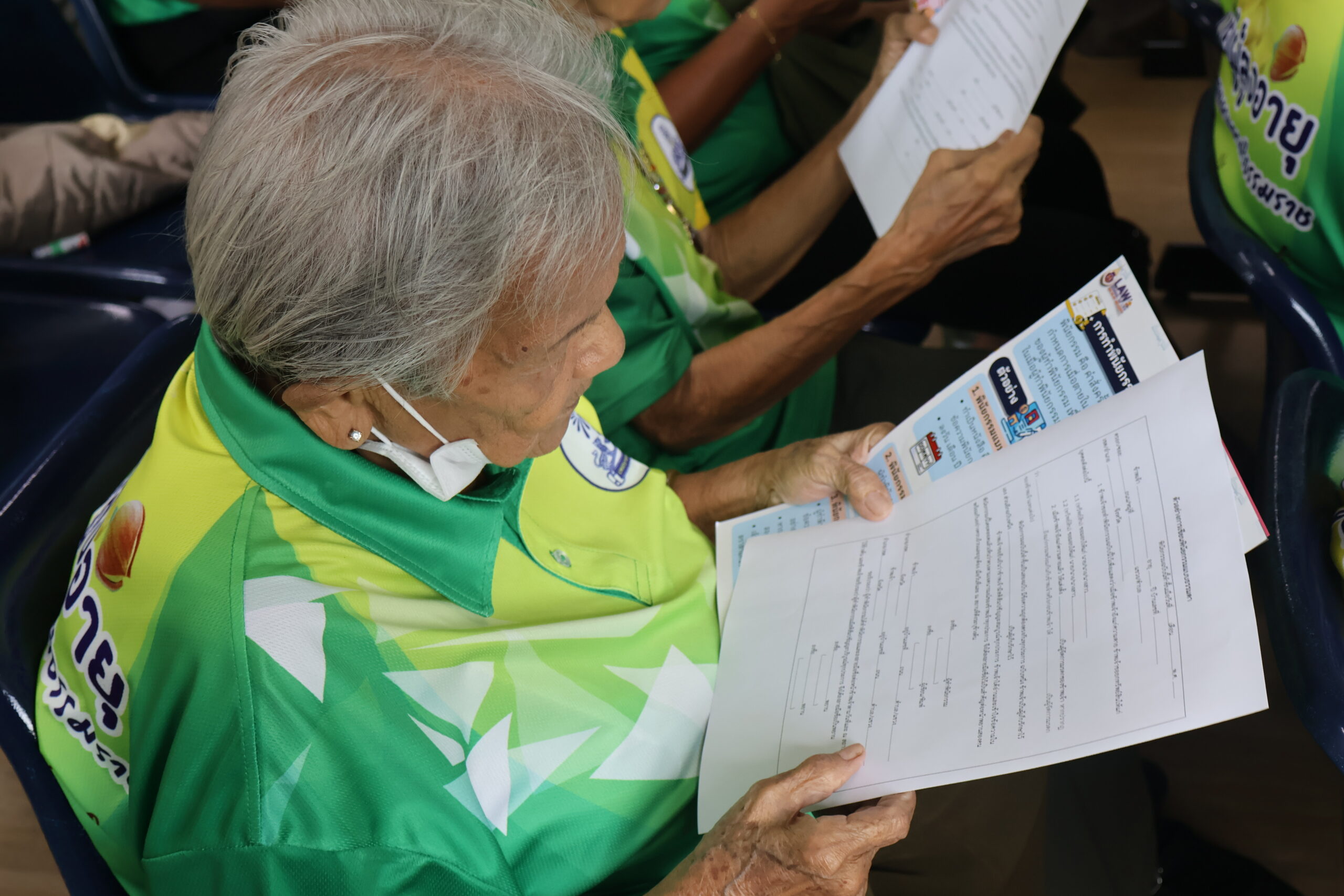
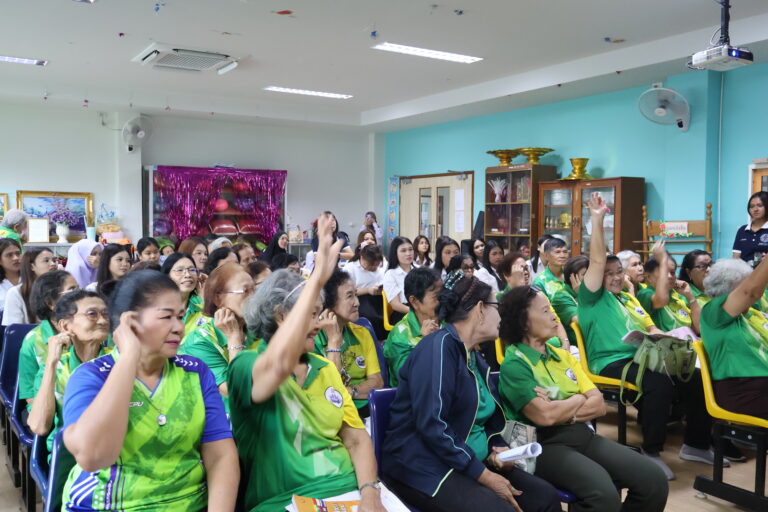
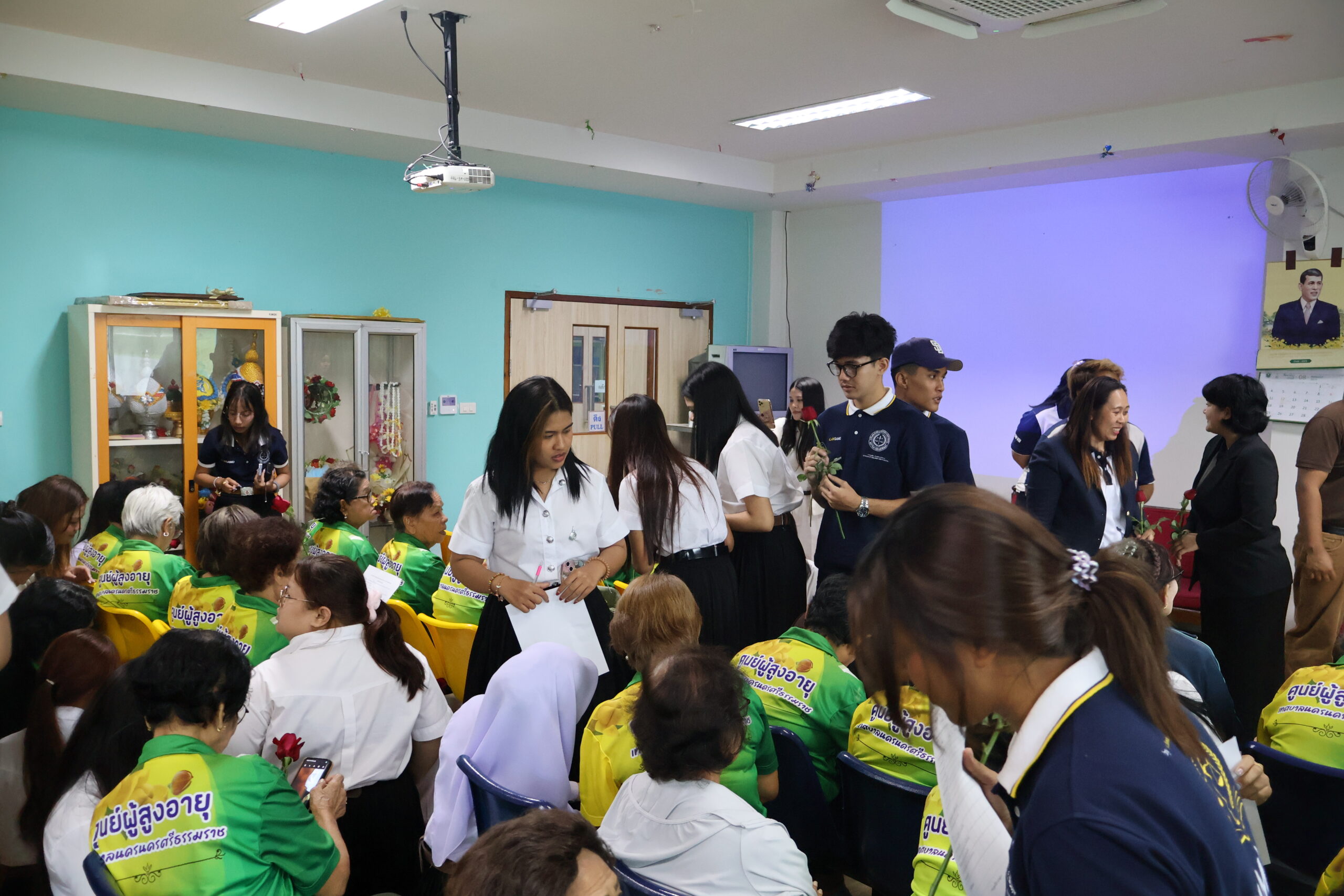
Another example is the “Simple Law: Know Your Rights, Stay Ahead” activity, which brings legal knowledge to older people at the Health Rehabilitation and Capacity Development Centre for Older Persons and the Community Learning Centre at Thung Tha Lat, under the Social Welfare Division of Nakhon Si Thammarat Municipality. The activity’s diagnostics focus on legal knowledge and concerns relevant to older people’s everyday lives, including inheritance law, borrowing money, debt guarantees, and marriage equality law. In response, the university offers development activities through lectures, educational performances, and consultations to make legal knowledge accessible and applicable to daily life.
University students directly engage with older people in the community by listening to their concerns, providing consultations, and explaining procedures for preparing legally enforceable wills. Through this student-run educational outreach, students apply academic knowledge in real community settings while creating accessible learning opportunities for community members. The measurement of the activity’s outcomes is reflected in the positive response from participating older people, who expressed appreciation and actively interacted with the organizers throughout the event. The activity demonstrated an accessible and practically relevant learning experience that enabled community members to gain legal knowledge applicable to their everyday lives.
Extending Learning Through Continuous and Responsive Outreach
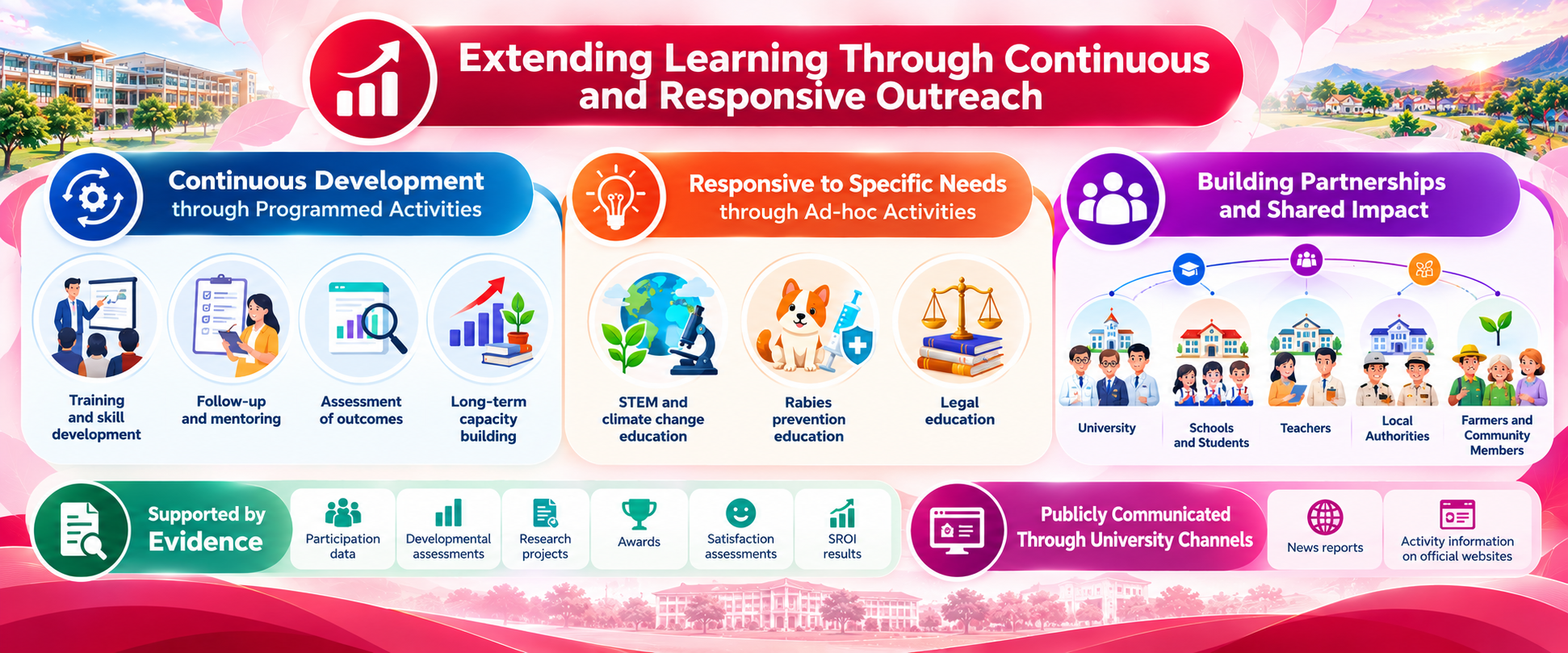
These activities demonstrate Walailak University’s commitment to taking education beyond campus and extending learning opportunities to local schools and communities. Programmed activities support continuous development through training, follow-up, and long-term capacity building, while ad-hoc activities respond to identified needs through targeted educational outreach. Engagement is fostered among the University, schools, students, teachers, local authorities, farmers, and community members, while measurement of outcomes is supported by developmental assessments, participation data, satisfaction assessments, research outputs, and SROI results.
Related links: