Dedicated Outreach Educational Activities on SDGs for the Wider Community, Alumni, Local Residents, and Displaced People
Education for the Sustainable Development Goals (SDGs) plays an important role in raising public awareness, strengthening knowledge, and encouraging collective action towards a more sustainable future. Extending educational opportunities beyond the university campus enables communities, alumni, local residents, and other groups to understand sustainability challenges and apply relevant knowledge to their everyday lives. Through dedicated educational outreach activities, Walailak University seeks to identify community needs, diagnose local challenges, and develop appropriate learning approaches that respond to the social, economic, and environmental contexts of different communities. These initiatives help bridge the gap between academic knowledge and practical community action, empowering participants to make informed decisions, adopt sustainable practices, and contribute to achieving the SDGs. By promoting inclusive and accessible learning opportunities, the university reinforces its commitment to lifelong learning, community engagement, and sustainable development.
Dedicated Outreach Educational Activities on SDGs for the Wider Community and Local Residents
Walailak University (WU), through its Center for Academic Services (CAS), serves as a hub for implementing Sustainable Development Goal (SDG) outreach programmes in local communities both within and beyond Nakhon Si Thammarat Province. Promoting SDG literacy among local residents and community members is an important part of the university’s commitment to community engagement and sustainable development. However, WU recognises that sustainability concepts are often communicated through academic language and technical frameworks that may be difficult for the general public to understand and apply in their daily lives. A diagnostic assessment of this communication gap highlighted the need for more accessible, interactive, and locally relevant educational opportunities that connect the SDGs with the experiences, interests, and development priorities of local communities.
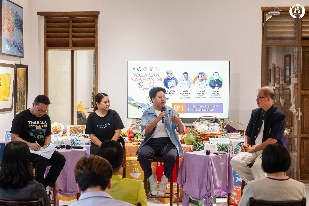
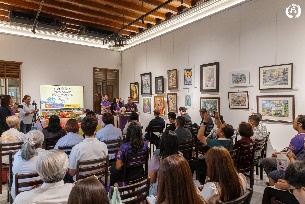
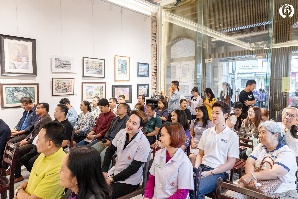
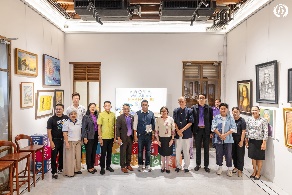
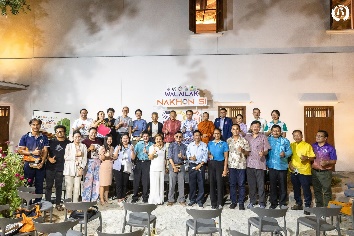
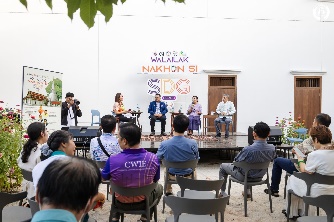
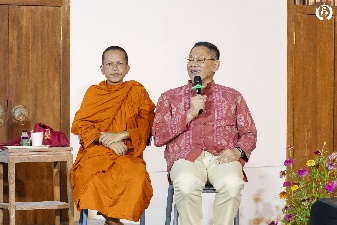
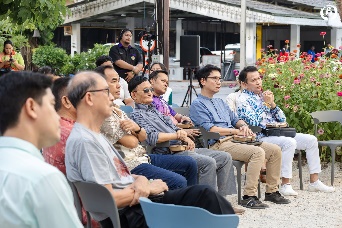
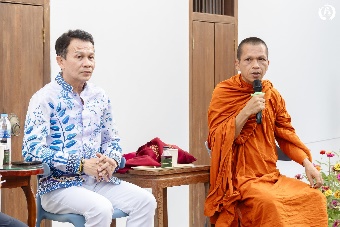
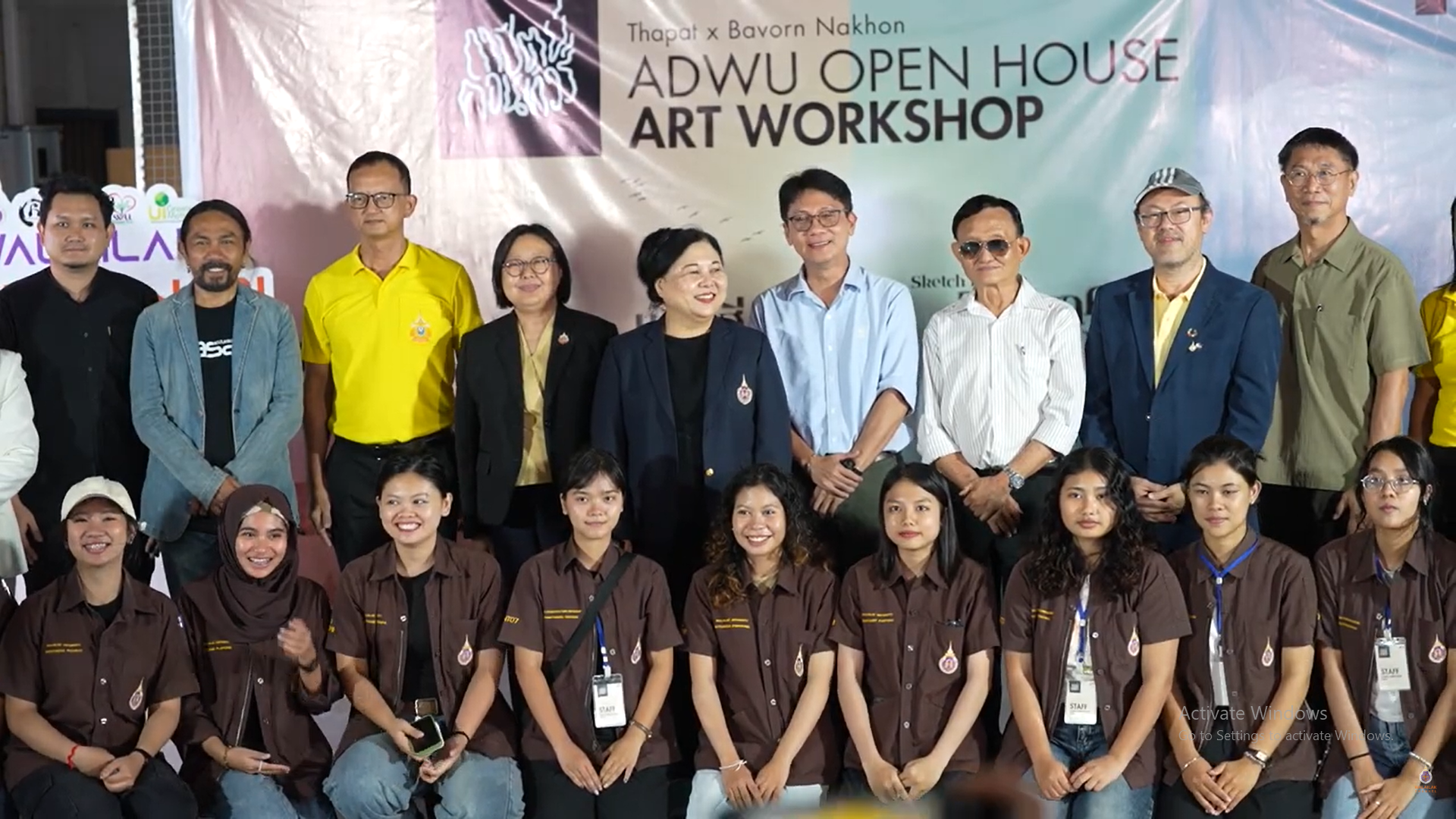
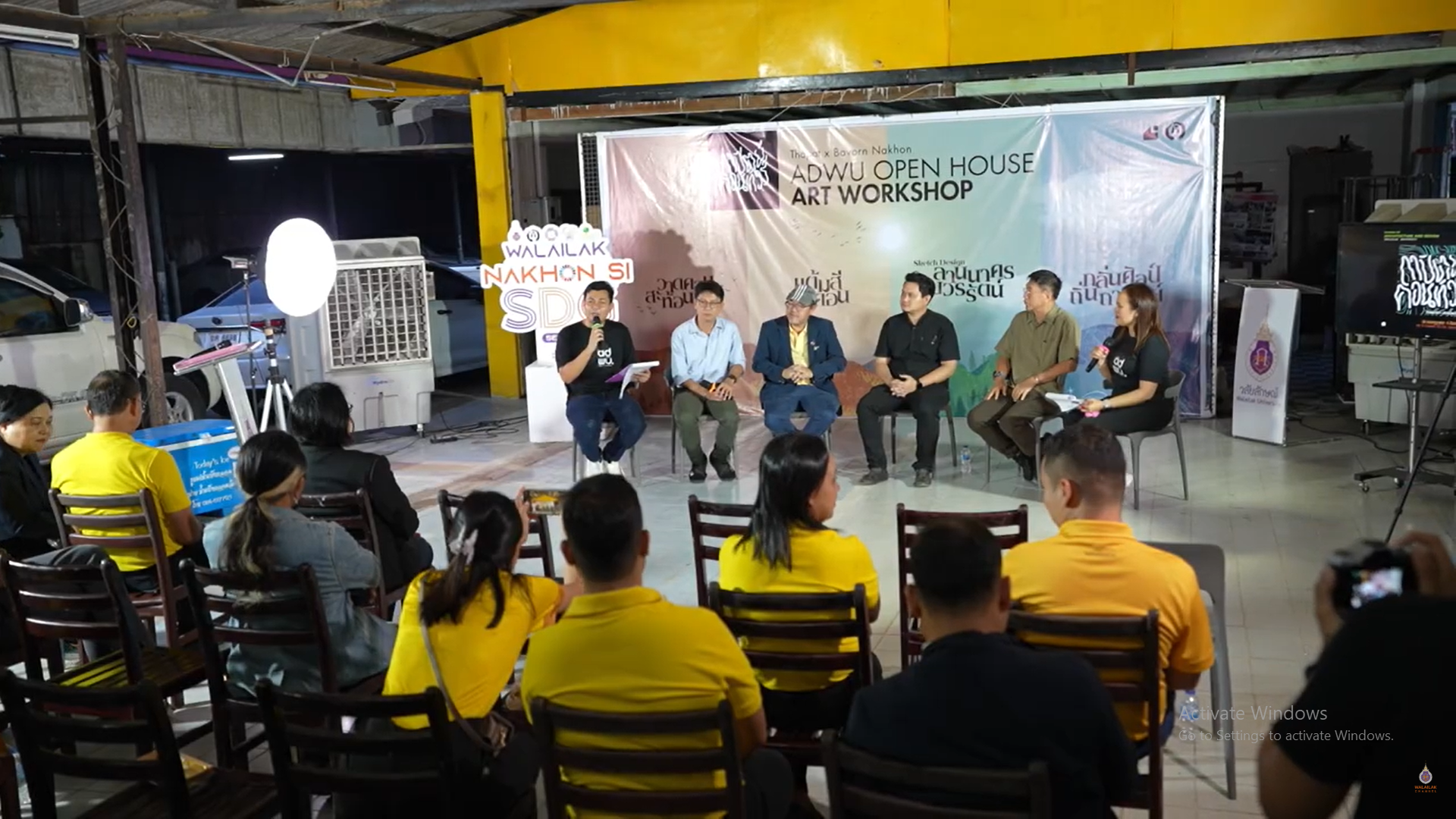
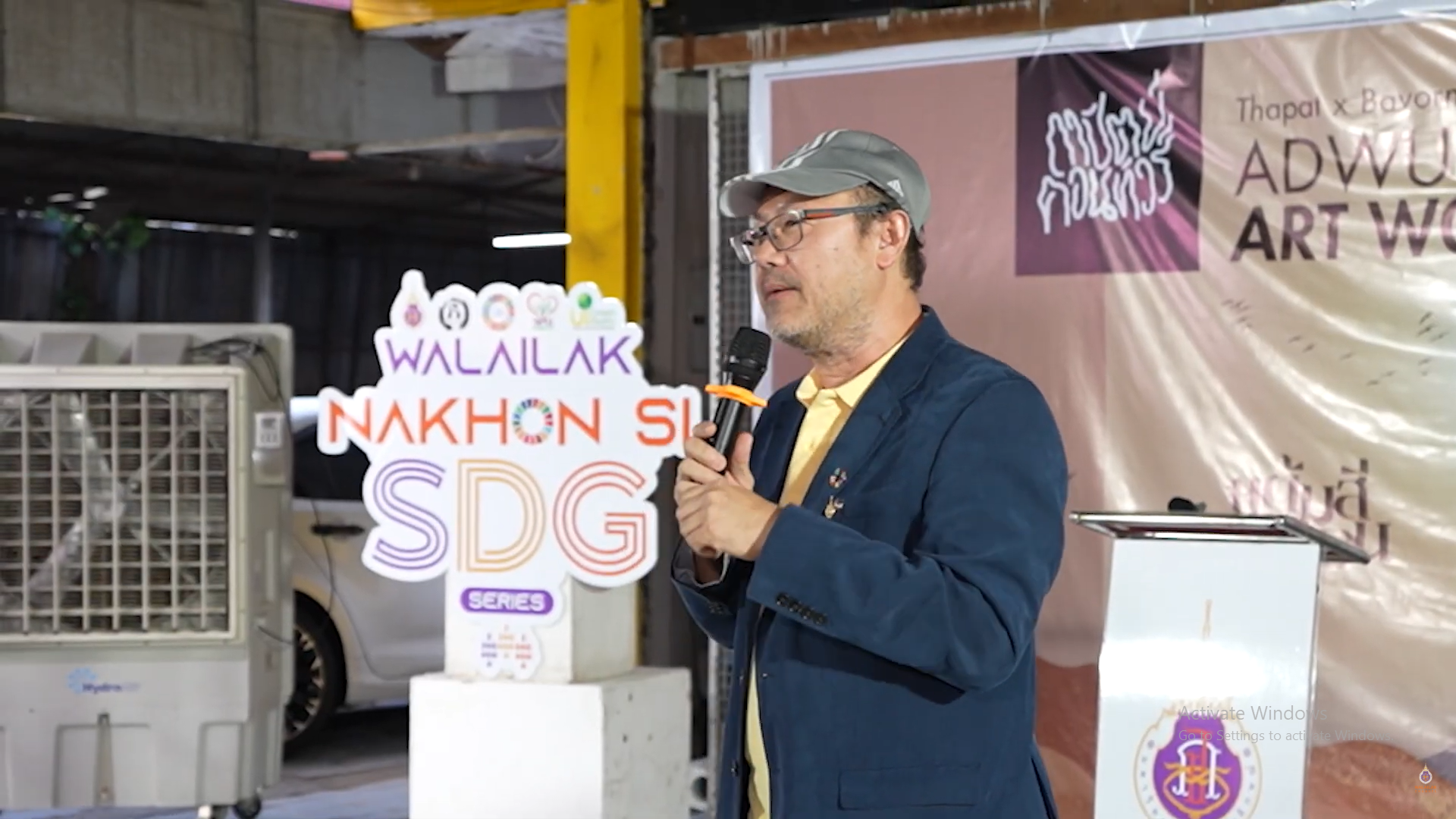
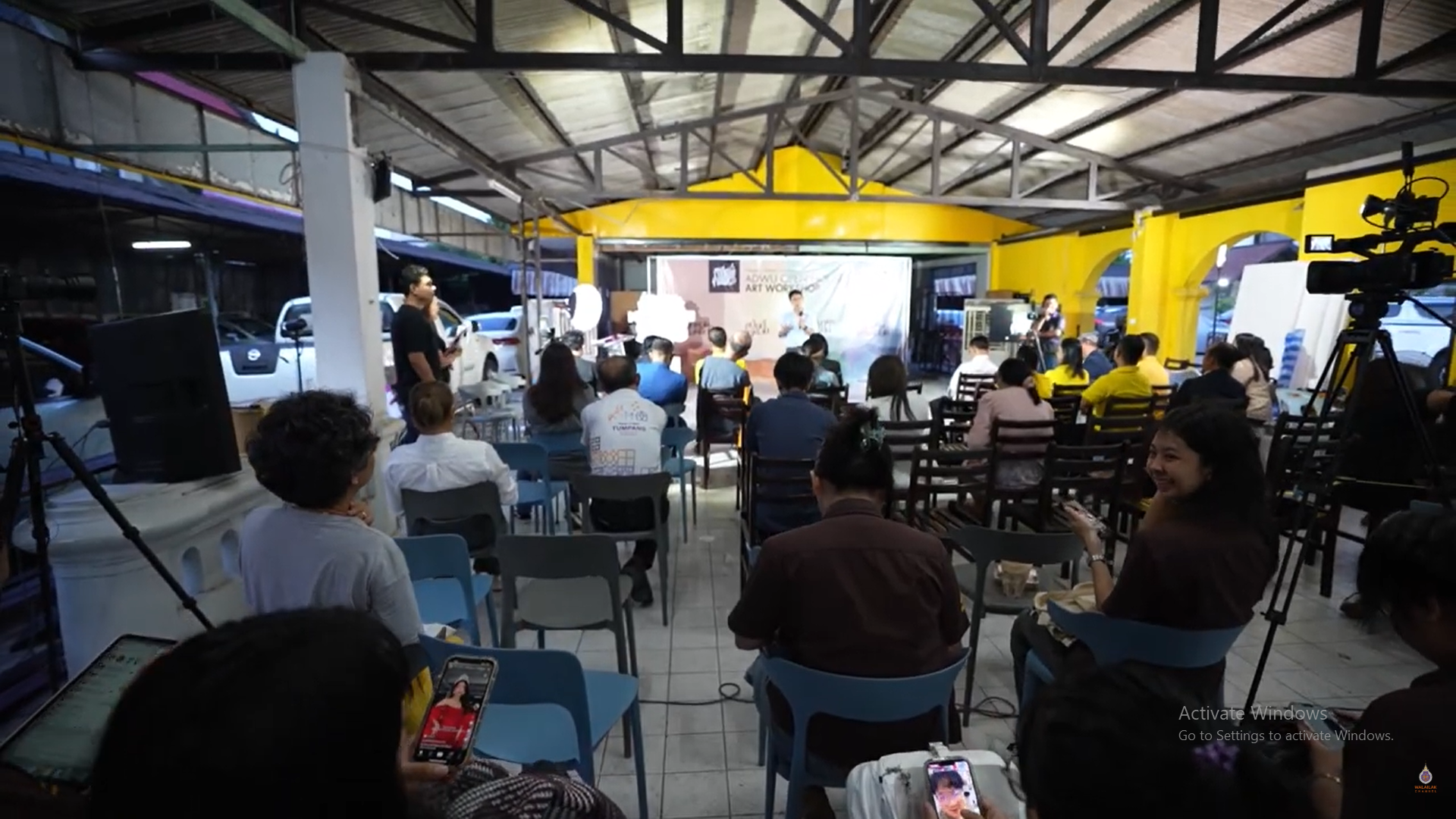
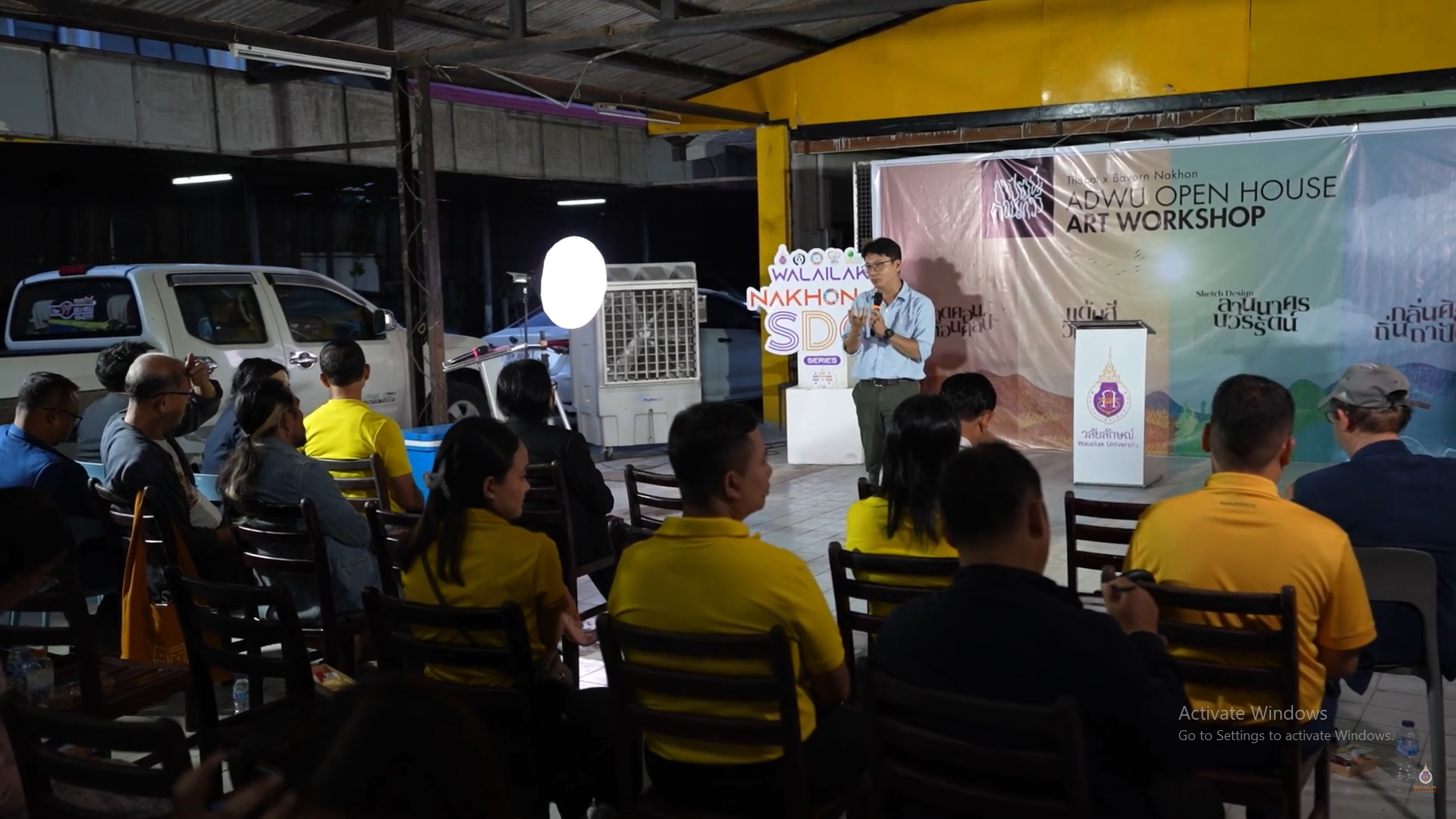
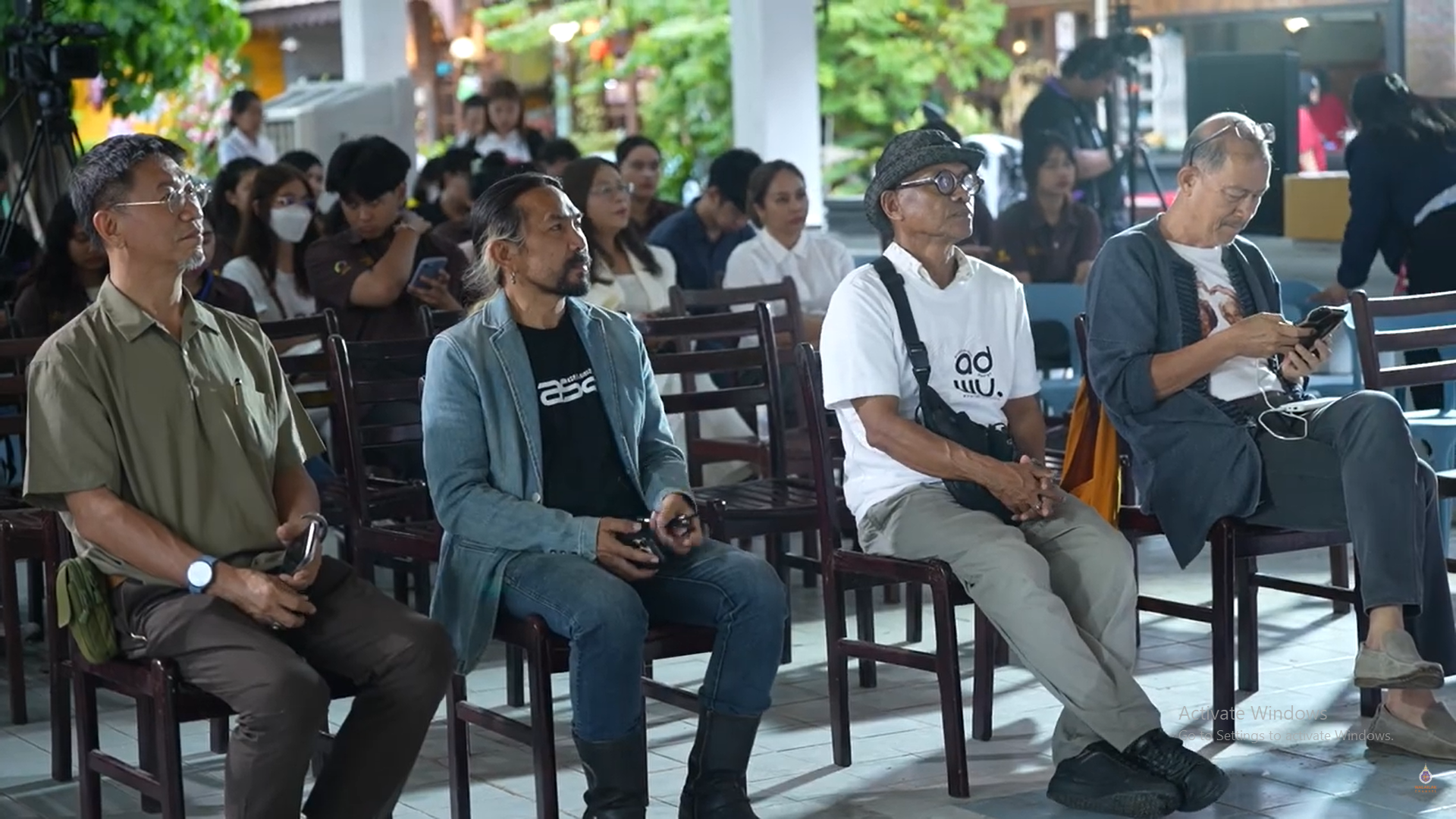
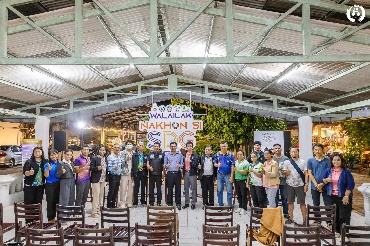
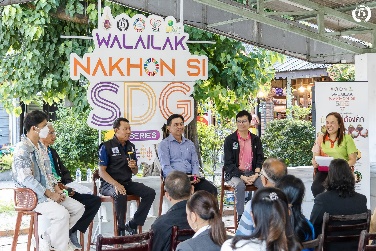
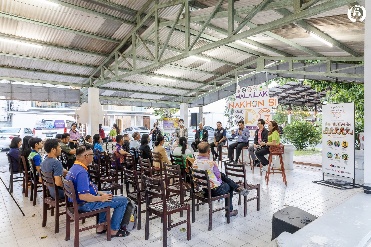
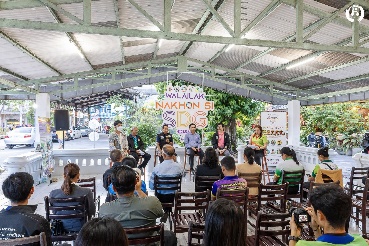
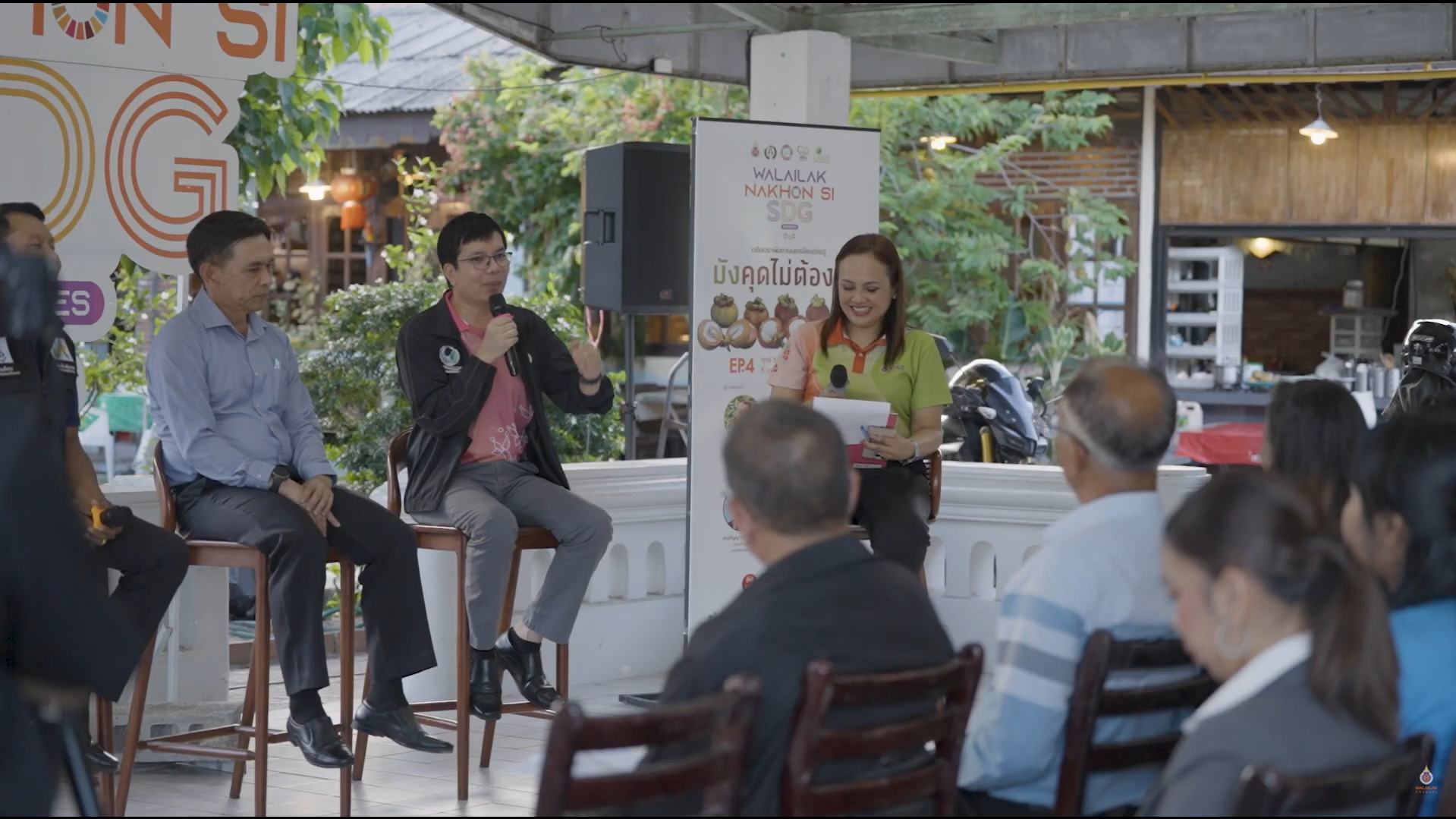
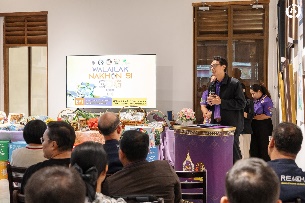
To address this challenge, WU initiated the “Walailak Nakhon Si SDG Series” in 2025. The initiative comprises a series of cross-sectoral dialogue programmes designed to translate the SDGs into practical knowledge through locally relevant topics, real-world examples, and discussions among experts and community stakeholders. Rather than limiting SDG education to formal academic settings, the series provides an opportunity for local residents to learn about sustainability in ways that are understandable, meaningful, and applicable to their communities. The initiative also encourages public participation by enabling attendees to ask questions, exchange perspectives, and explore how different stakeholders can contribute to sustainable development.
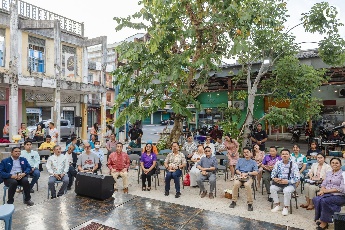
In 2025, the Walailak Nakhon Si SDG Series comprised four episodes addressing tourism management, cultural heritage, lifelong learning, and sustainable agriculture. The programmes brought together experts and staff from WU, educational institutions, non-governmental organisations (NGOs), industry partners, government agencies, and civil society representatives. All four sessions were held in Mueang District, the provincial administrative centre of Nakhon Si Thammarat, providing a central and accessible venue for community members and local residents to participate in the learning activities.
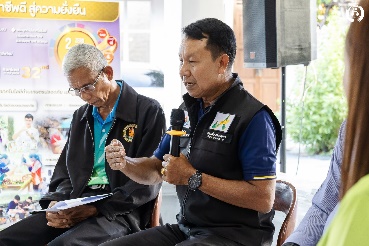
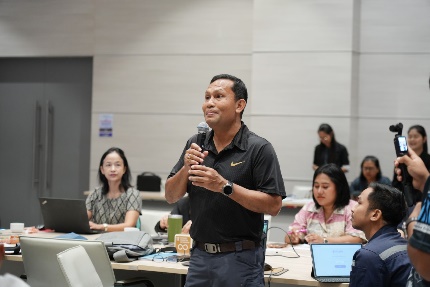
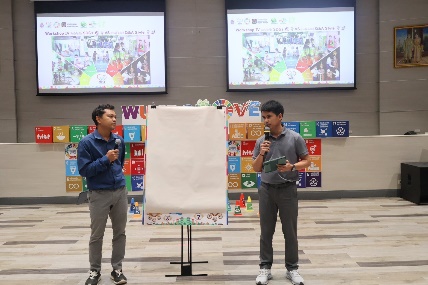
During each session, WU experts introduced relevant SDG concepts in accessible language and connected them with local examples and development challenges. Participants were encouraged to ask questions, discuss issues related to the programme topics, and exchange ideas with academic experts and other stakeholders. This interactive approach helped bridge the gap between academic knowledge and public understanding while creating opportunities for communities to recognise the relevance of the SDGs to local economic development, cultural preservation, environmental sustainability, and social well-being.
1. Enhancing Tourism Event Management for Creativity and Sustainability
This session explored how local festivals and street markets can support creative tourism, generate economic opportunities, and contribute to sustainable community development. Using Tha Sala District as a practical case study, the programme highlighted the success of local events in attracting visitors from Nakhon Si Thammarat and other areas, encouraging tourist spending, and creating opportunities for local businesses and communities. Examples included the Tha Sala Coffee Spirit Festival, Tha Sala Festival, Riam Festival, and Tha Sala Street Arts Festival.
Through the discussion, local residents learned how tourism events can be organised and developed to strengthen local identity, stimulate economic activity, and promote responsible tourism. The session connected these local experiences with relevant SDGs, particularly SDG 2 (Zero Hunger), SDG 11 (Sustainable Cities and Communities), SDG 14 (Life Below Water), SDG 15 (Life on Land), and SDG 17 (Partnerships for the Goals), highlighting the importance of integrating economic opportunities with social and environmental considerations.
2. Empowering Phra Mahathat Woramahawihan Temple towards World Heritage Status
This session focused on the cultural and historical significance of Phra Mahathat Woramahawihan Temple and the collective efforts needed to advance its recognition as a UNESCO World Heritage Site. WU researchers explained the relevant processes and considerations involved in pursuing World Heritage status, helping local residents and stakeholders better understand the requirements and potential implications for heritage conservation and community development.
The session also provided a platform for experts, residents, and relevant stakeholders to exchange ideas and discuss how they could work together to promote the temple’s cultural value. By making heritage-related knowledge more accessible, the programme encouraged community participation in cultural preservation and demonstrated how cooperation among universities, local communities, and other stakeholders can support the protection of cultural heritage. The discussion was particularly relevant to SDG 11 (Sustainable Cities and Communities) and SDG 17 (Partnerships for the Goals).
3. Harnessing Tha Wang Community’s Identity to Shape a Future Lifelong Learning City
This session highlighted the distinctive identity, cultural assets, and development potential of Tha Wang Community as a foundation for community-based tourism and lifelong learning. Participants explored how the community’s historic architecture, urban layout, old temples, museums, and religious and cultural sites could be recognised and communicated as valuable local resources.
By presenting these assets within the broader concept of a lifelong learning city, WU helped local residents understand how cultural heritage and community identity can contribute to educational opportunities, tourism development, and the revitalisation of urban areas. The session also encouraged participants to consider how local knowledge and cultural resources could be preserved and shared with future generations while creating meaningful experiences for visitors. The programme supported learning and discussion related to SDG 4 (Quality Education), SDG 11 (Sustainable Cities and Communities), and SDG 17 (Partnerships for the Goals).
4. Transforming Local Mangosteens of All Grades into Value-Added Products
This session introduced sustainable mangosteen farming and opportunities to increase the value of locally produced mangosteens, including fruit of different grades that might otherwise have limited market opportunities. The programme shared the successful application of Trichoderma Five Plus, a biological product developed to help farmers address fungal diseases affecting crops. Available in spore-powder form, the product was designed for ease of use and to support agricultural practices that are safer for users and consumers and more environmentally responsible.
Through this practical example, local residents and agricultural stakeholders learned how biological approaches to plant disease management could contribute to sustainable farming, while value-added production could create additional economic opportunities for farmers. The session also encouraged participants to consider how agricultural innovation, responsible production, and the effective use of local resources could strengthen rural livelihoods. The programme addressed SDG 1 (No Poverty), SDG 2 (Zero Hunger), SDG 4 (Quality Education), SDG 8 (Decent Work and Economic Growth), SDG 9 (Industry, Innovation and Infrastructure), SDG 12 (Responsible Consumption and Production), SDG 15 (Life on Land), and SDG 17 (Partnerships for the Goals).
The Walailak Nakhon Si SDG Series demonstrates WU’s commitment to extending SDG education beyond the university campus and making sustainability knowledge accessible to the wider community. By using local examples, practical case studies, and interactive discussions, the initiative helps community members understand how global sustainability objectives relate to familiar issues in their own localities. Its four thematic sessions connect the SDGs with tourism, cultural heritage, lifelong learning, and agriculture, illustrating that sustainable development involves interconnected social, economic, cultural, and environmental priorities.
The initiative also creates opportunities for dialogue between academic experts and community stakeholders, enabling local knowledge and perspectives to contribute to discussions about development challenges and potential solutions. This approach can help diagnose community needs, identify opportunities for collaboration, and encourage residents to apply the knowledge gained to local activities and decision-making. By bringing together universities, government agencies, NGOs, industry partners, educational institutions, and civil society representatives, the series further reinforces the role of cross-sectoral partnerships in advancing sustainable development.
Overall, the Walailak Nakhon Si SDG Series represents a practical approach to community-based SDG education that goes beyond the dissemination of academic information. By encouraging accessible learning, public participation, and the exchange of knowledge, WU seeks to strengthen SDG literacy, support informed community action, and empower local residents to participate in shaping a more inclusive and sustainable future. The initiative also provides a foundation for continued outreach education, through which the university can assess community learning needs, measure participation and educational outcomes, and improve future programmes in response to the needs and experiences of the wider community.
Local Community-Centered SDG Outreach: Extending Sustainability Education to the Wider Community
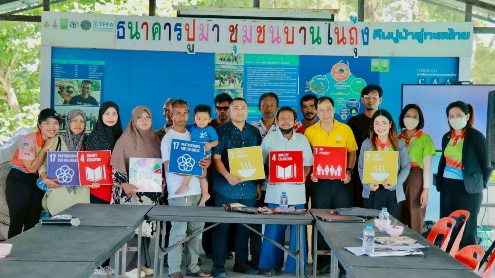
In 2025, Walailak University (WU), through its Center for Academic Services (CAS), continued to provide dedicated educational outreach activities that extended knowledge of the Sustainable Development Goals (SDGs) beyond the university campus to local communities and diverse groups across the region. Recognising that sustainable development requires active participation from people in all sectors of society, WU integrated SDG education into outreach projects addressing issues directly relevant to local livelihoods, community development, and well-being. These initiatives aimed to make sustainability knowledge accessible, practical, and relevant to the everyday experiences of community members, enabling them to better understand local challenges and identify opportunities to contribute to sustainable development.
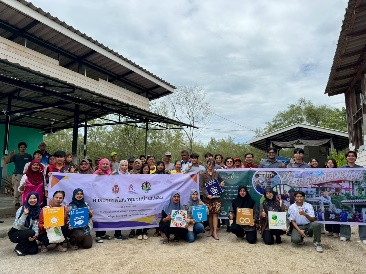
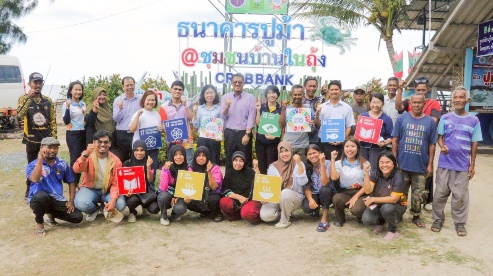
The outreach activities covered a broad range of sustainability themes, including sustainable agriculture and aquaculture, public health, marine resource conservation, cultural heritage preservation, and social sustainability. Through practical training, knowledge-sharing sessions, and community-based learning, participants received educational guidance and practical knowledge related to relevant SDGs. By connecting sustainability principles with familiar local issues, the programmes helped participants understand how global development goals could be translated into practical actions, such as improving agricultural practices, managing aquatic resources responsibly, protecting community heritage, promoting health, and strengthening social well-being.
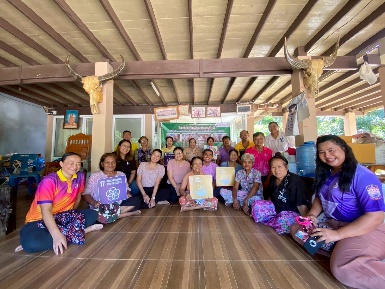
WU’s outreach programmes engaged a diverse range of participants, including young people, local fishermen, students, agriculturists, aquaculturists, university alumni, and displaced people. This inclusive approach reflects the university’s commitment to extending educational opportunities to the wider community, including groups whose learning needs and experiences may differ from those of conventional university students. By providing opportunities for people from different backgrounds to acquire relevant knowledge and exchange experiences, WU sought to strengthen sustainability literacy and encourage broader participation in achieving the SDGs.
Beyond knowledge dissemination, these initiatives fostered dialogue between university personnel, researchers, and community members, creating opportunities to discuss local concerns, exchange practical experiences, and explore collaborative solutions. This engagement enabled the university to better understand community needs, diagnose challenges affecting local livelihoods and well-being, and provide educational support responsive to local circumstances. The interaction between academic knowledge and community experience also helped participants recognise the connections between local development priorities and wider social, economic, and environmental sustainability objectives.
Overall, WU’s local community-centered SDG outreach demonstrates how dedicated educational activities can extend the university’s educational mission beyond formal academic settings and support lifelong learning across the wider community. By combining practical knowledge with SDG education and participatory engagement, CAS helped empower diverse community groups to make informed decisions, adopt more sustainable practices, and contribute to addressing local challenges. These initiatives also provide a foundation for ongoing measurement and evaluation of educational outcomes, including improvements in SDG awareness, the adoption of sustainable practices, and the extent to which participants apply the knowledge gained within their households, workplaces, and communities. Through this continued engagement, WU reinforces its commitment to inclusive education, community empowerment, and sustainable development.
Extending SDG Education to Walailak University Alumni Through Participatory Learning and Practical Workshops
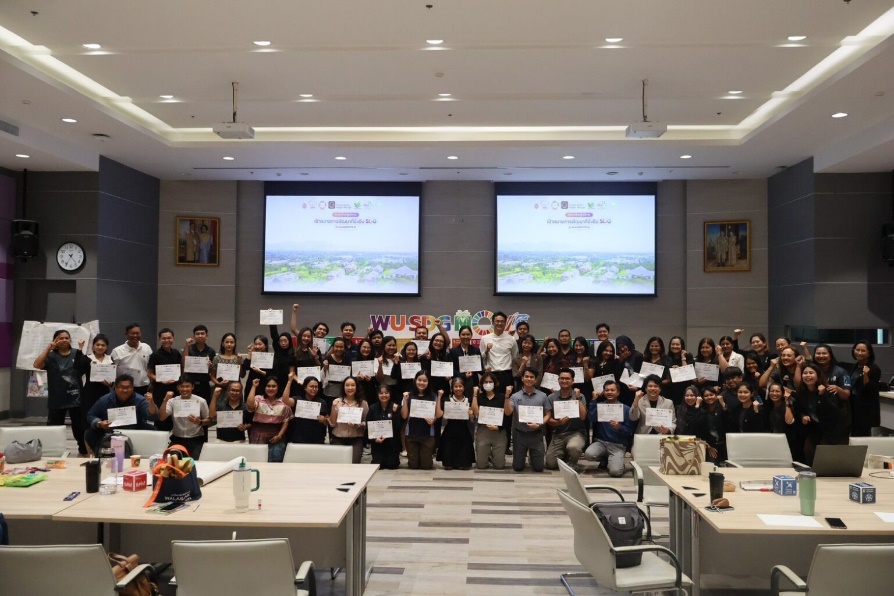
Walailak University (WU) organised a workshop on the Sustainable Development Goals (SDGs) for its alumni to strengthen their understanding of sustainability and encourage them to apply SDG principles in their professional and community activities. As alumni work across diverse sectors, including government organisations, private companies, and the university itself, they represent an important network through which sustainability knowledge can be disseminated and translated into practical action beyond the university campus. By providing dedicated educational opportunities for alumni, WU seeks to maintain its engagement with former students and empower them to contribute to sustainable development throughout their professional careers.
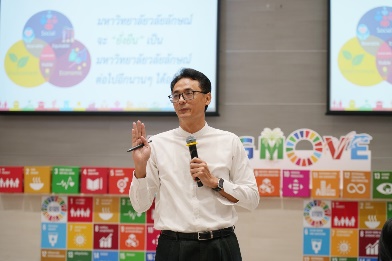
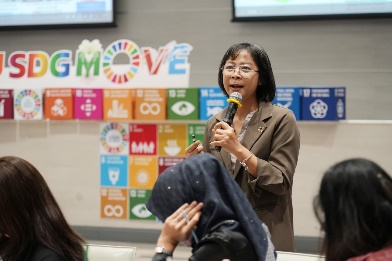
The workshop featured lectures by Assoc. Prof. Dr. Warit Jawjit, Vice President of Walailak University, who presented the university’s policies and strategic approaches to advancing sustainability, and Assoc. Prof. Dr. Laksanara Khwanchum, Deputy Director of the Center for Academic Services, who delivered a lecture on Walailak University’s carbon neutrality mobilisation. These sessions introduced participants to the university’s sustainability direction and carbon neutrality efforts, helping alumni understand how institutional policies and environmental initiatives can contribute to broader sustainability objectives.
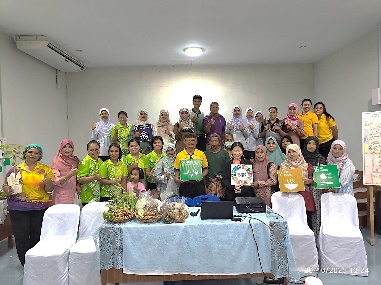
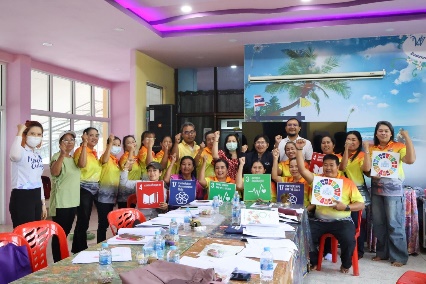
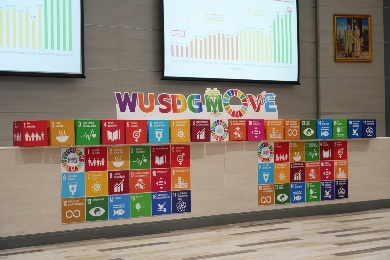
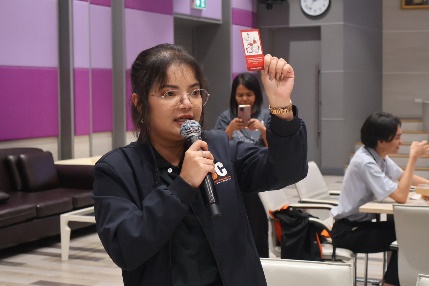
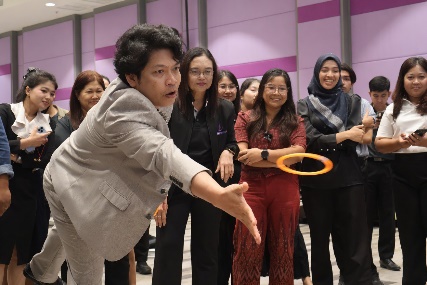
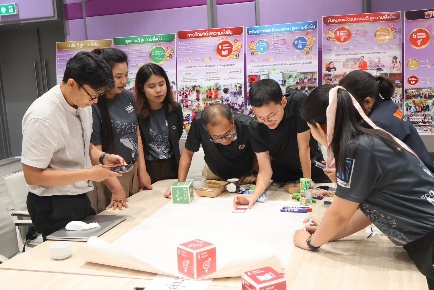
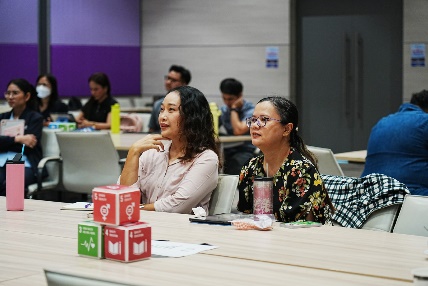
Beyond lectures, the workshop emphasised participatory and experiential learning to make the SDGs more accessible and understandable. Participants engaged in SDG card games, question-and-answer activities, and brainstorming sessions designed to encourage active participation, knowledge exchange, and collaborative problem-solving. Through these activities, alumni had opportunities to explore the relationships between different SDGs, discuss sustainability challenges, and develop ideas, action plans, and potential activities that could be implemented in their respective workplaces and professional contexts.
The participatory format also enabled WU to encourage dialogue among alumni from different professional backgrounds, allowing them to share perspectives and explore how sustainability principles could be integrated into organisational policies, workplace practices, and community initiatives. This approach helped connect the university’s sustainability policies with the practical experiences of participants, while creating opportunities for alumni to become advocates for sustainable development within their own organisations. All participants received certificates upon completion of the workshop in recognition of their participation.
Overall, this dedicated educational activity demonstrates Walailak University’s commitment to extending SDG literacy beyond current students and academic settings to include its alumni as an important part of the wider community. By combining expert lectures with interactive learning and practical planning, the university sought to strengthen participants’ sustainability knowledge, encourage the application of SDG principles in professional settings, and foster continued engagement with the university’s sustainability mission. The workshop also provides a foundation for future assessment of alumni learning outcomes, including the extent to which participants apply their knowledge, develop sustainability-related initiatives, and contribute to advancing the SDGs in their workplaces and communities.
Dedicated Outreach Educational Activities on SDGs for Displaced People and Refugees
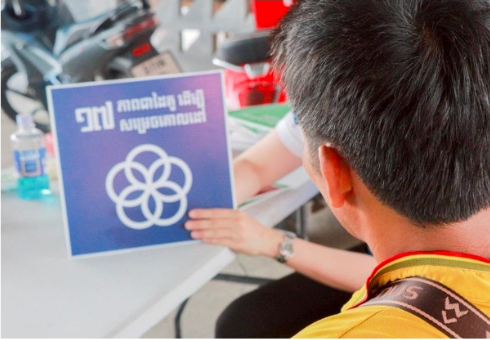
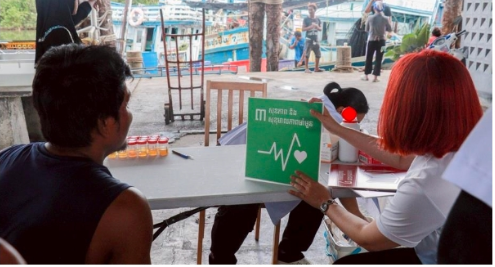
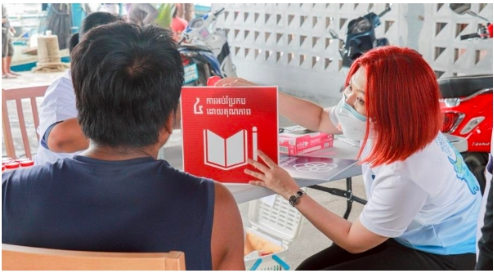
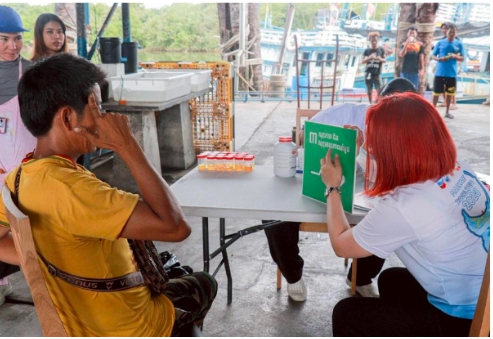
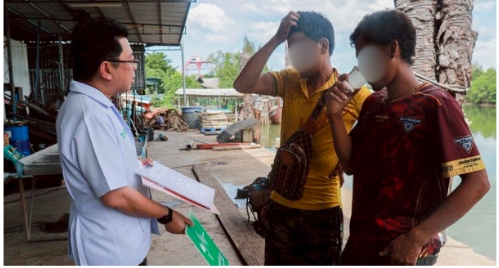
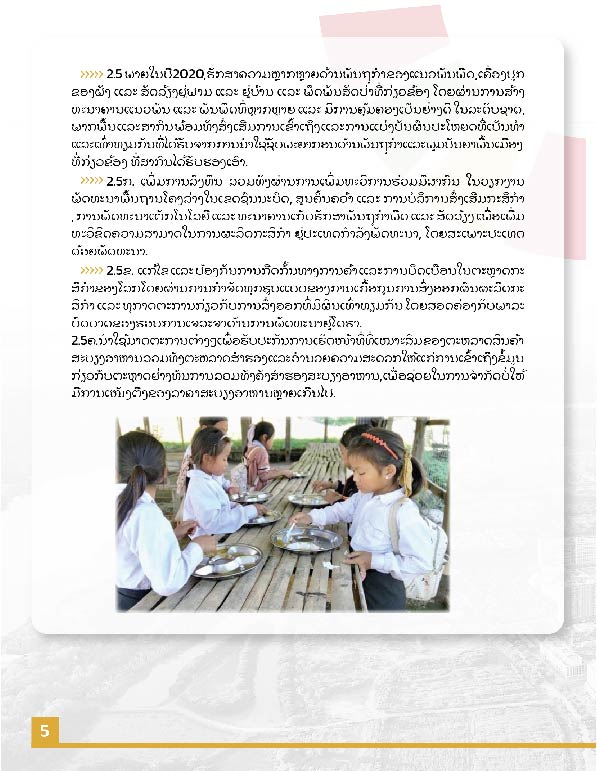
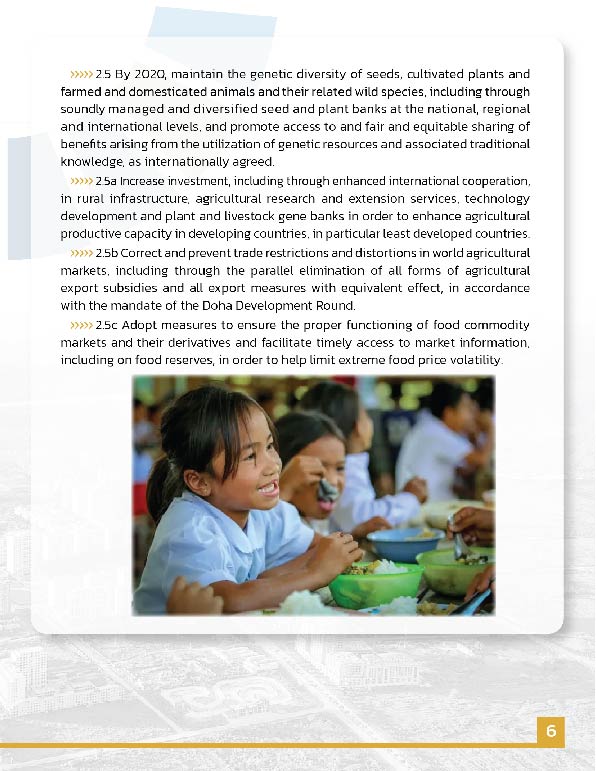
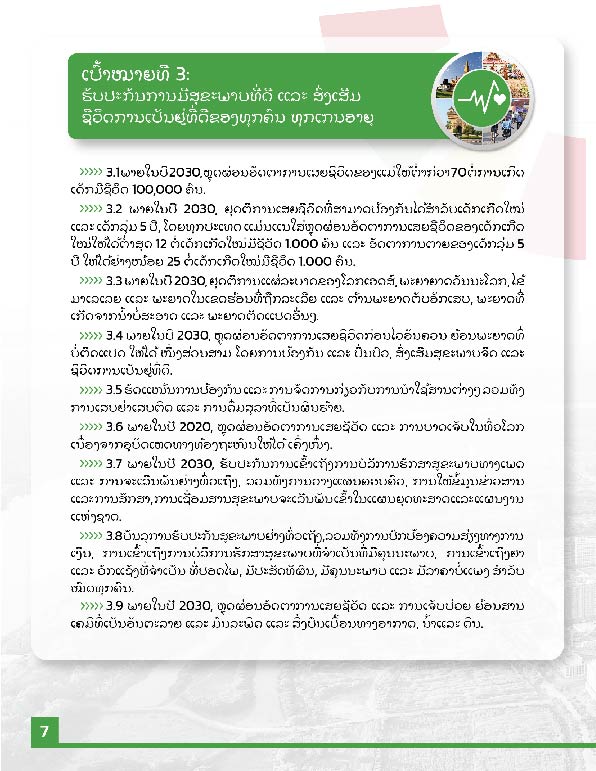
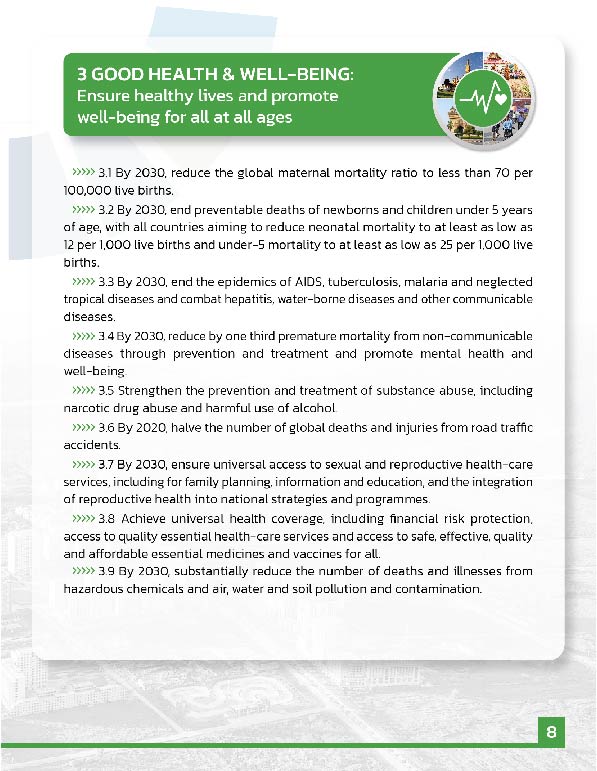
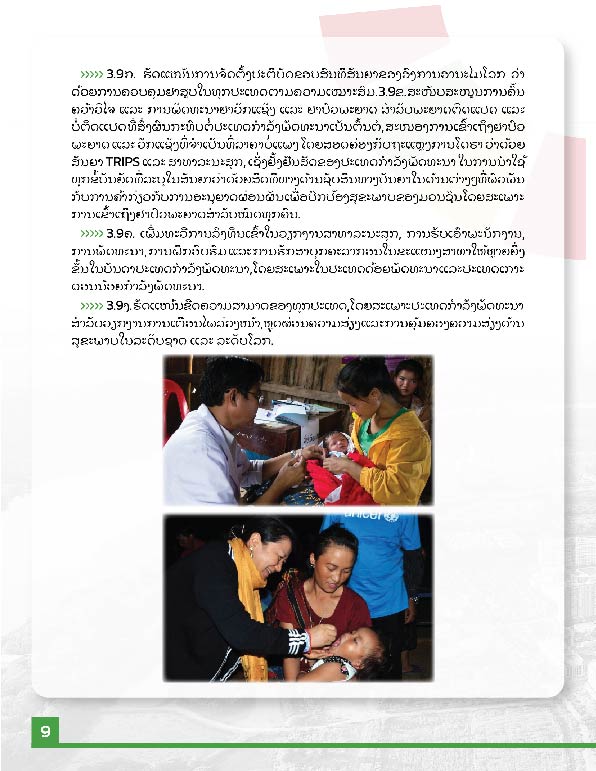
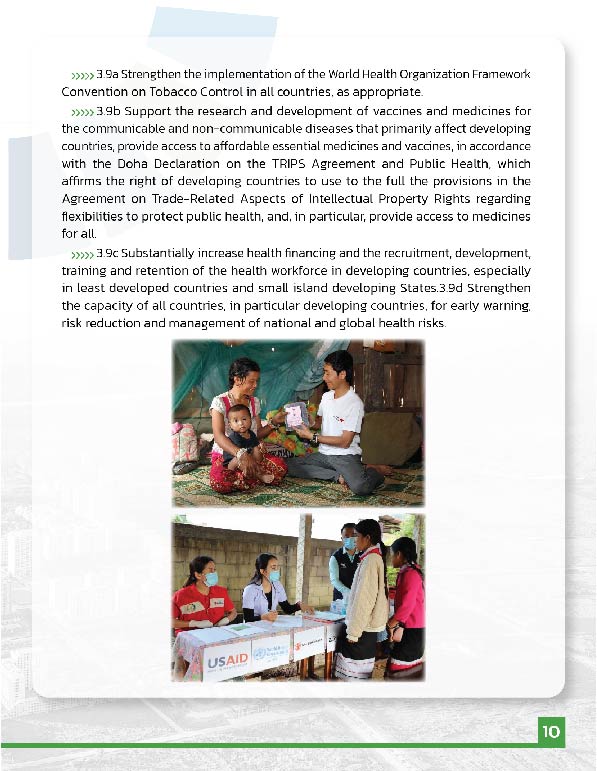
In 2025, Walailak University (WU) conducted community outreach activities for migrant workers from Myanmar, Laos, and Cambodia who were employed in durian farming. Recognising the importance of inclusive education and access to health information for vulnerable and underserved populations, WU integrated health screening with educational outreach to promote well-being and improve participants’ understanding of the United Nations Sustainable Development Goals (SDGs). The initiative reflected the university’s commitment to extending educational opportunities beyond conventional academic settings and ensuring that people from diverse backgrounds could access relevant knowledge to support their health, safety, and quality of life.
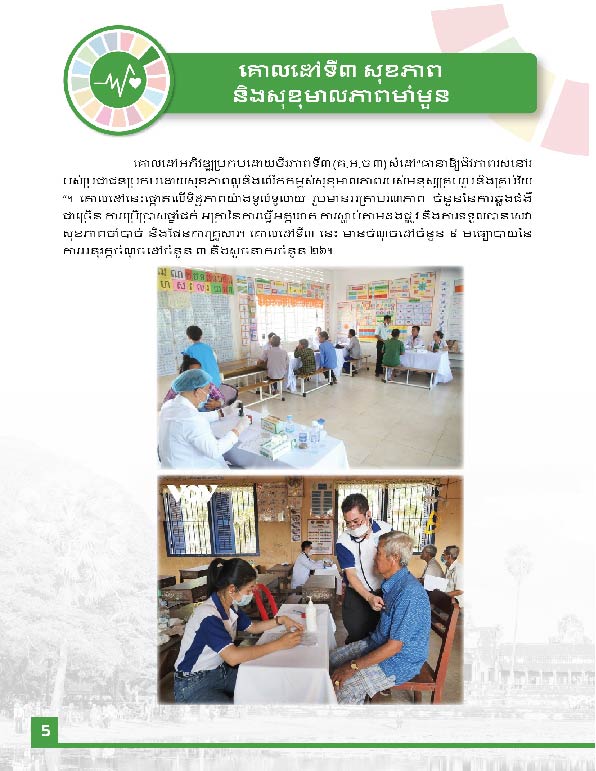
The health screening programme addressed occupational health concerns associated with agricultural work. Durian farm workers often perform physically demanding tasks that involve repetitive movements, prolonged physical exertion, and potentially inappropriate working postures, which may contribute to musculoskeletal pain and other work-related health problems. In addition, their work may involve exposure to agricultural chemicals. To help identify potential health risks, WU provided health screening services, including blood testing to assess possible chemical exposure. These activities offered an opportunity to raise awareness of occupational health and safety, encourage workers to pay attention to their physical well-being, and help them better understand the importance of preventive healthcare.
Alongside the health screening, WU incorporated SDG education into the outreach programme to strengthen participants’ sustainability literacy. However, the university recognised that communicating the SDGs presented particular challenges because participants had diverse linguistic backgrounds and some found conventional explanations difficult to understand. Technical terminology and educational materials presented in unfamiliar languages could create barriers to learning and limit participants’ ability to engage with the goals.
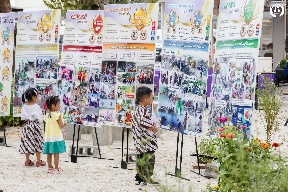
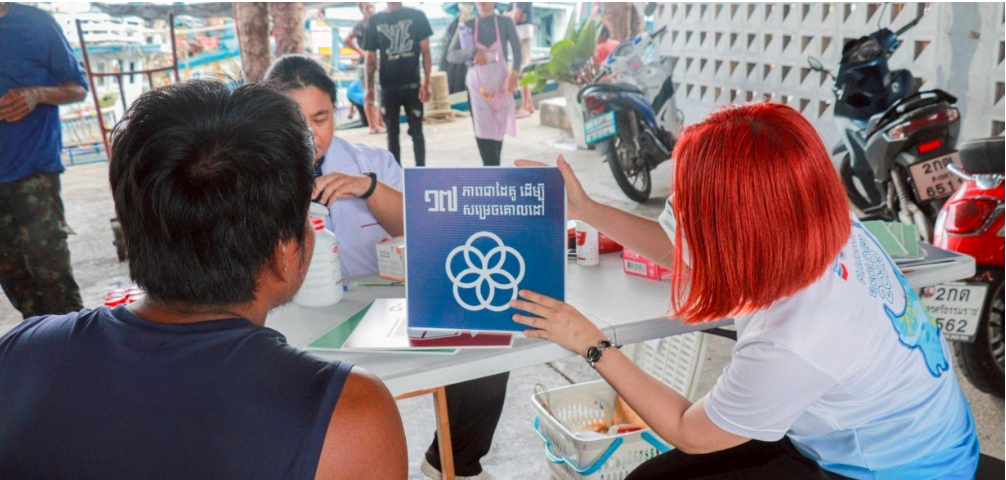
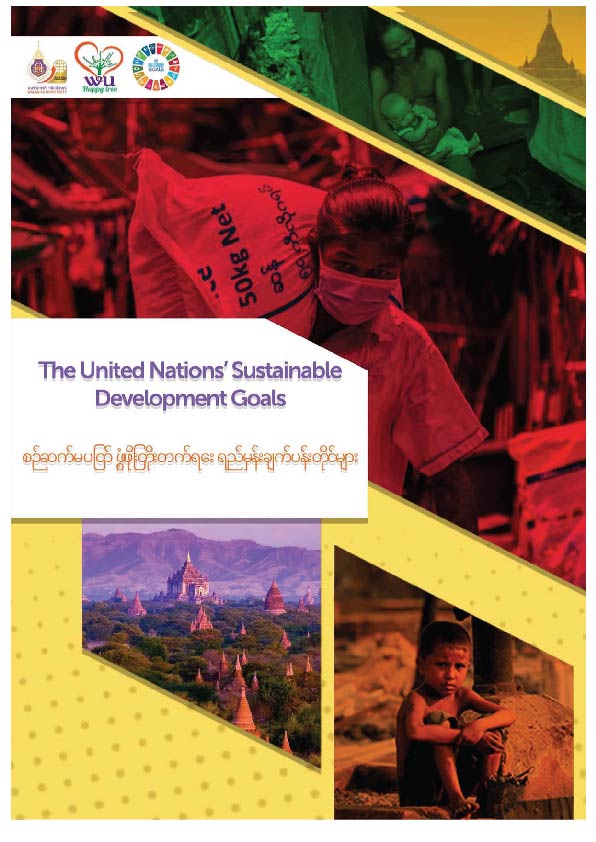
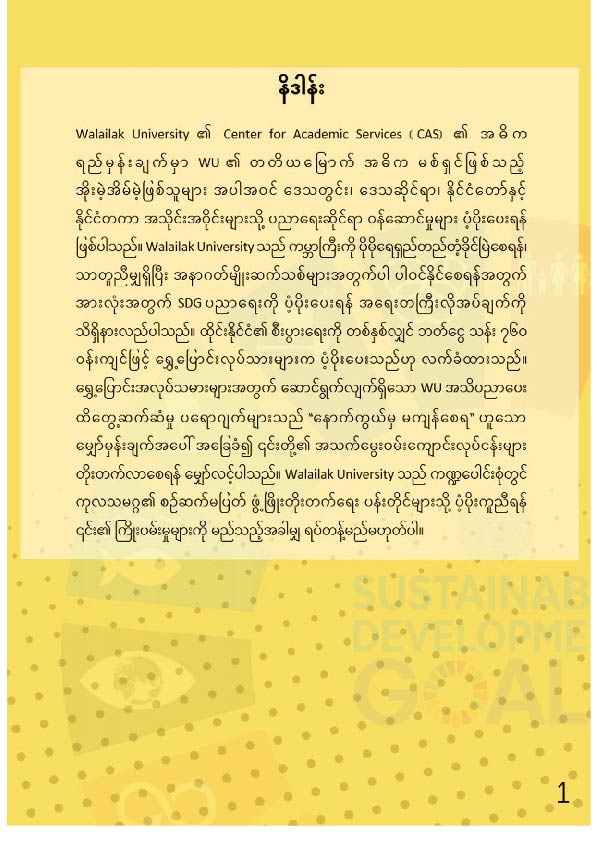
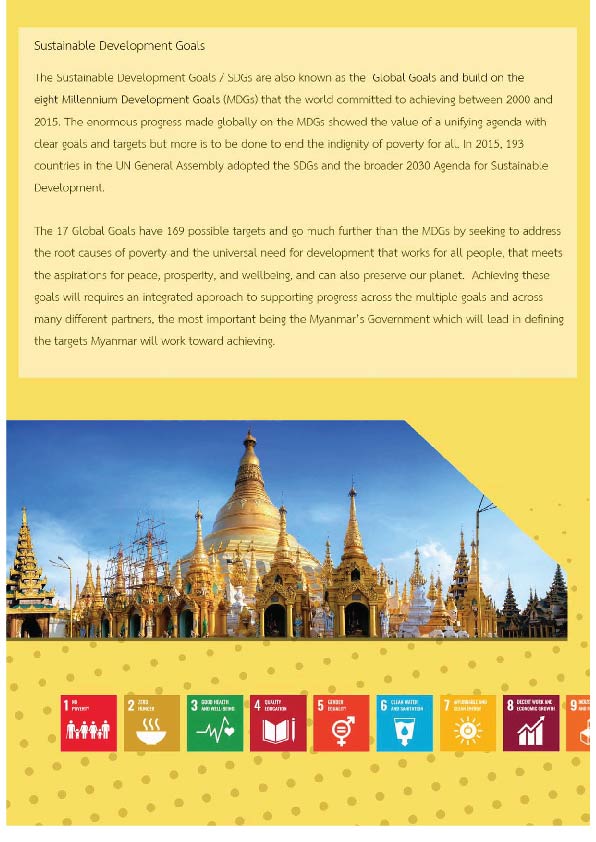
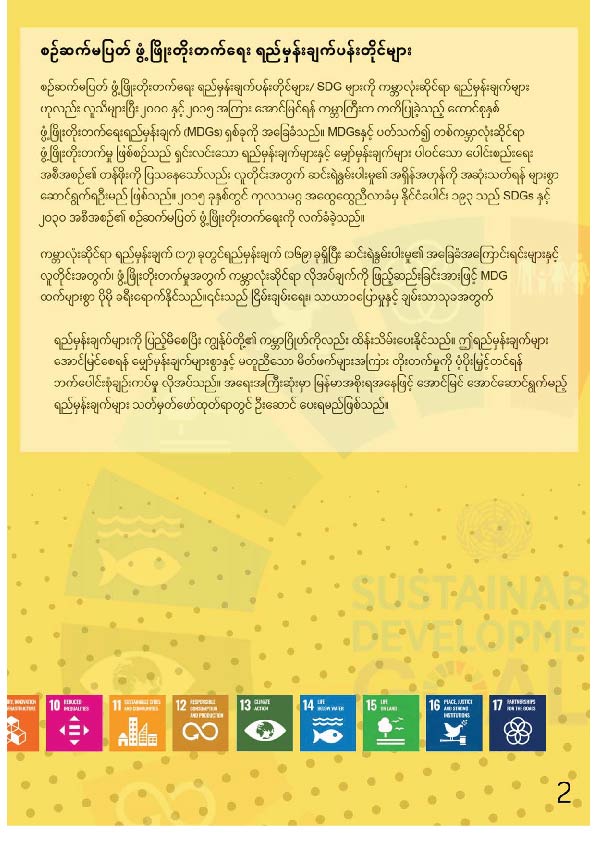
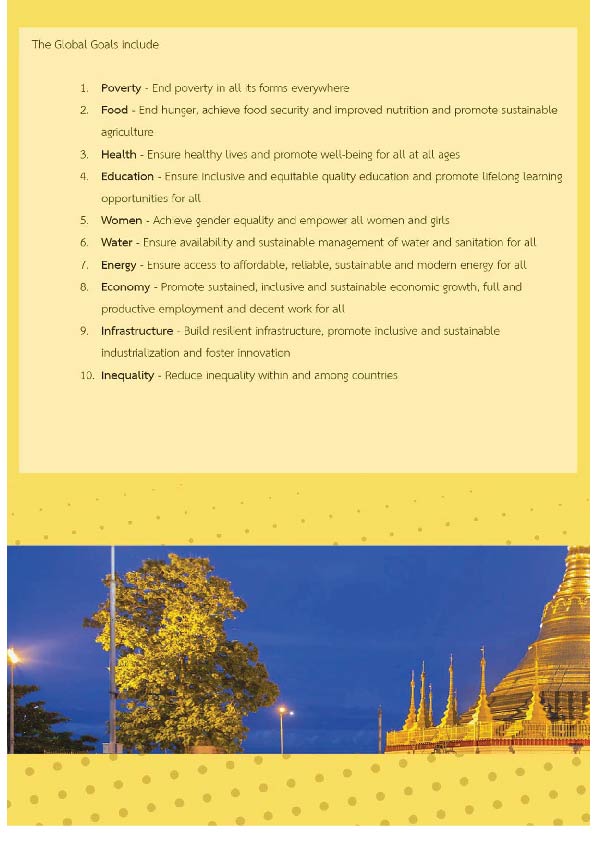
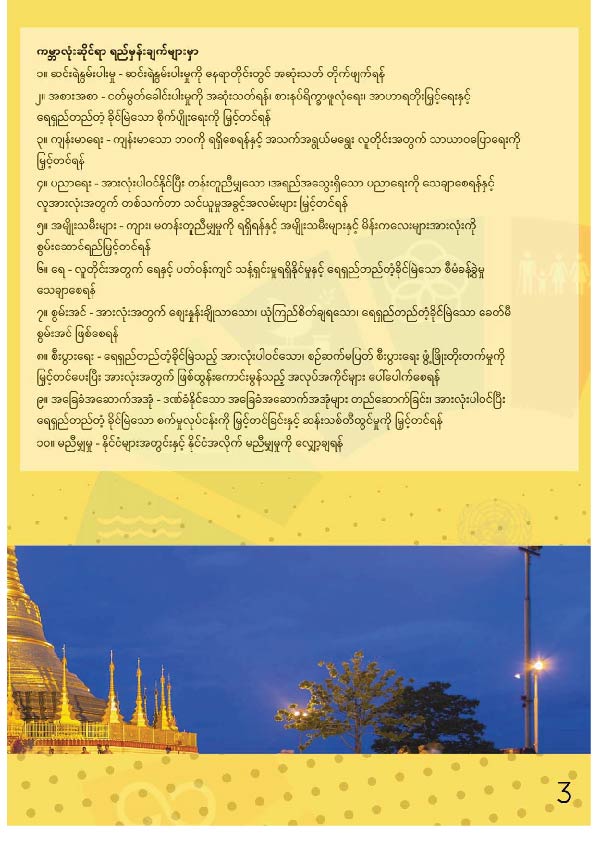
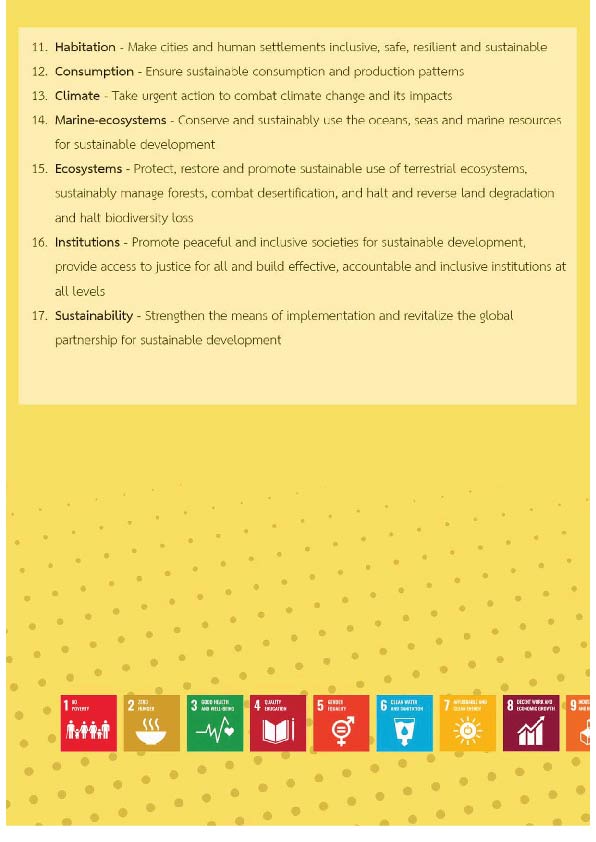
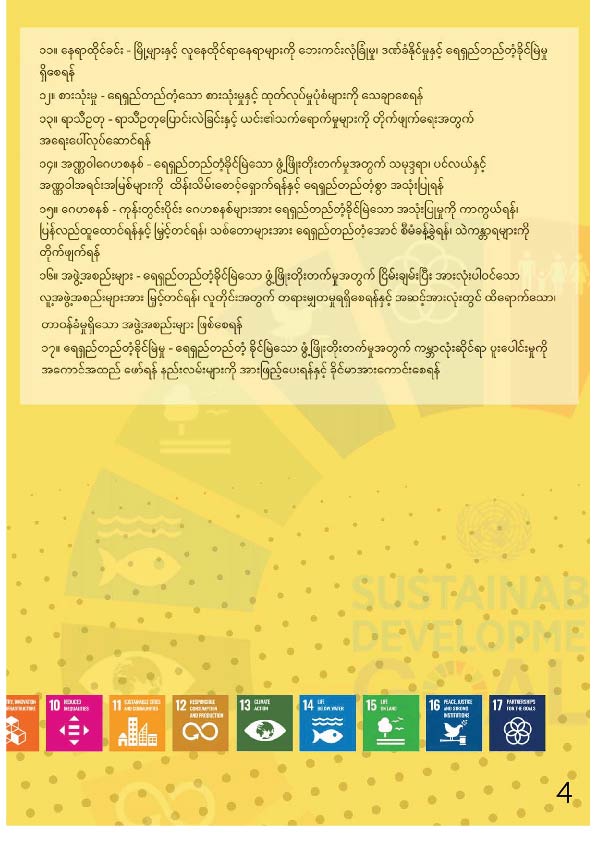
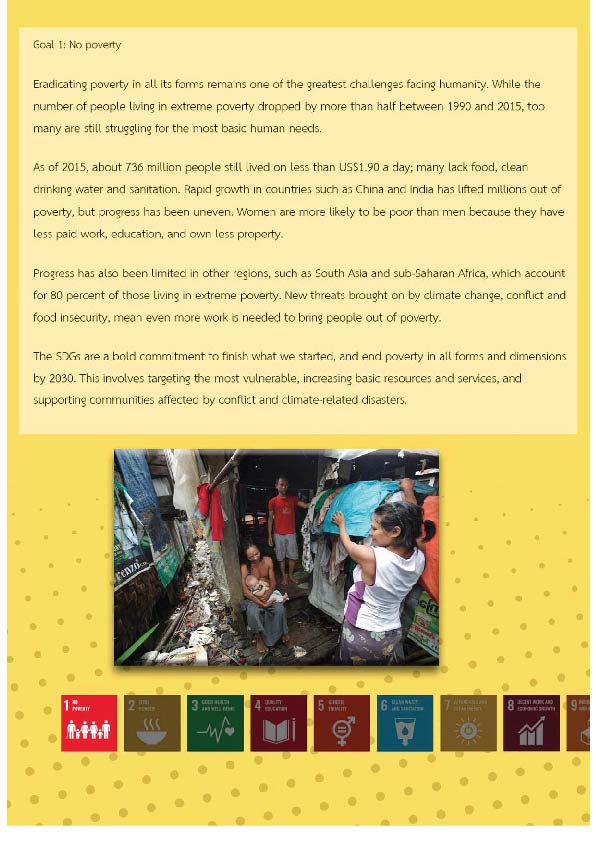
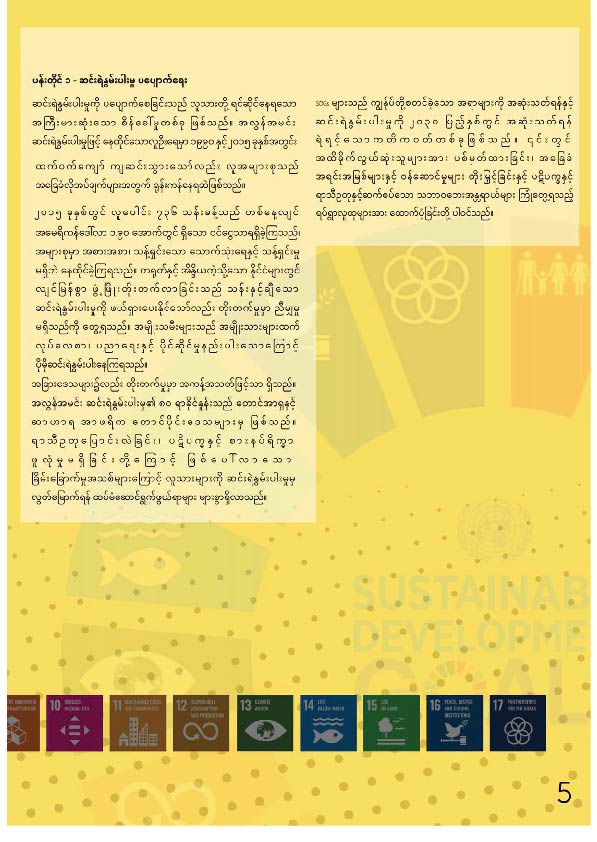
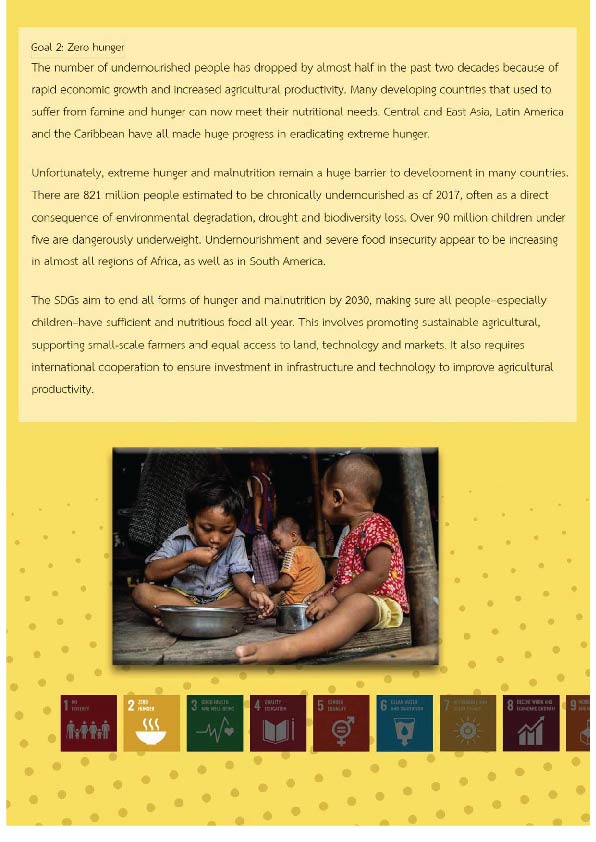
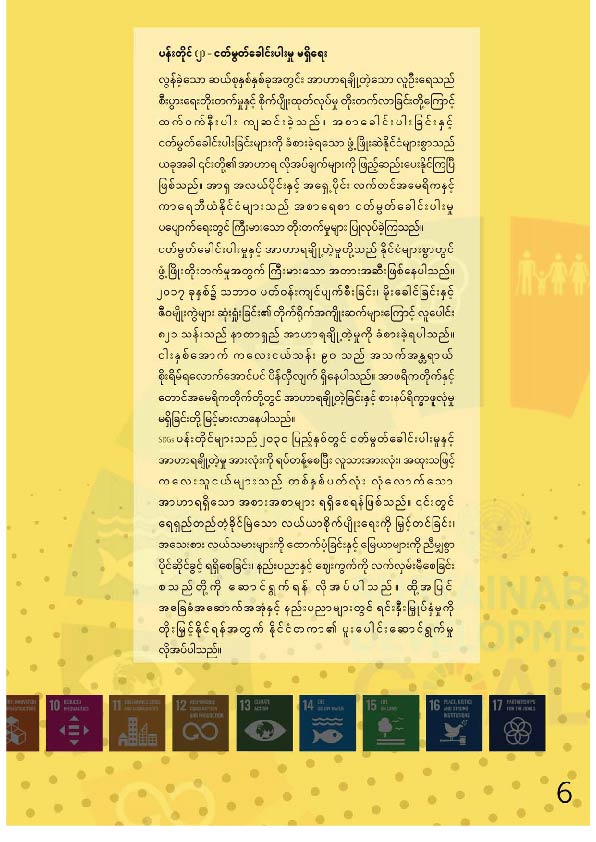
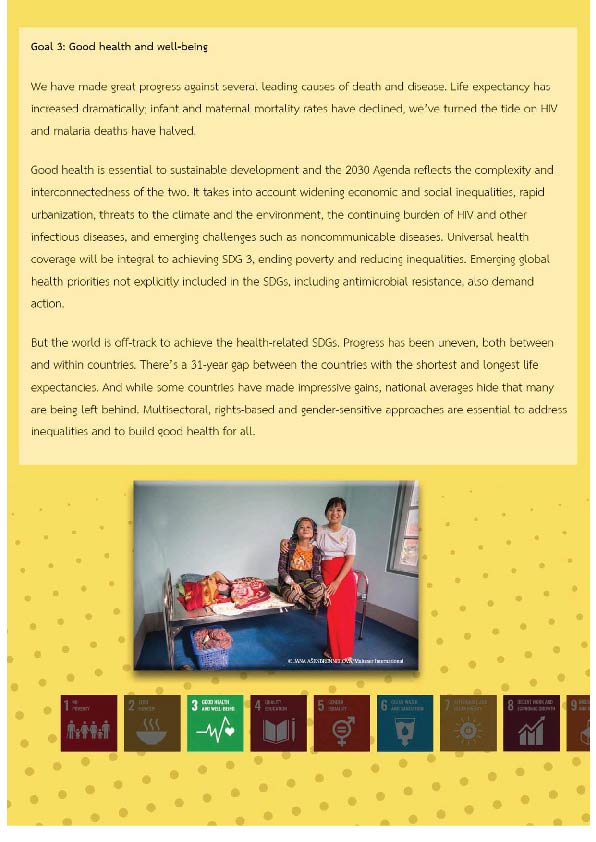
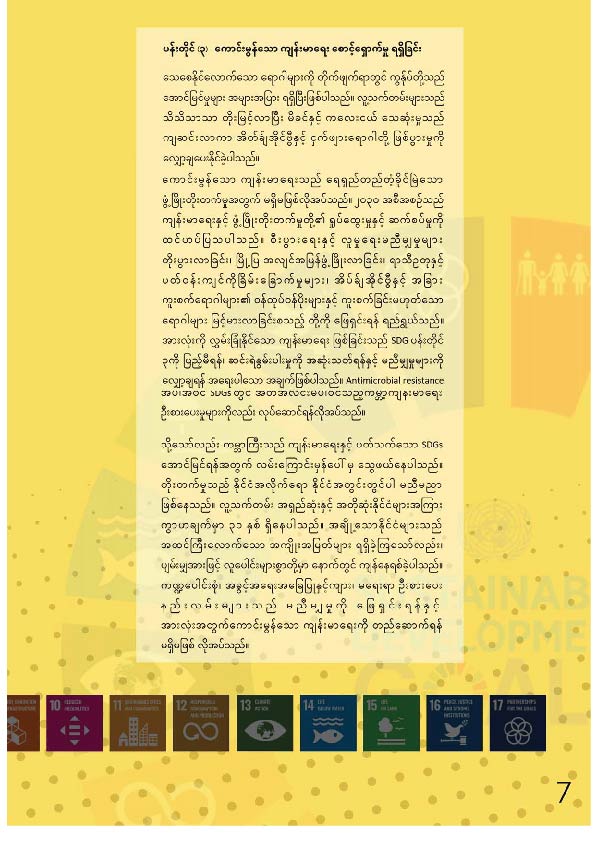
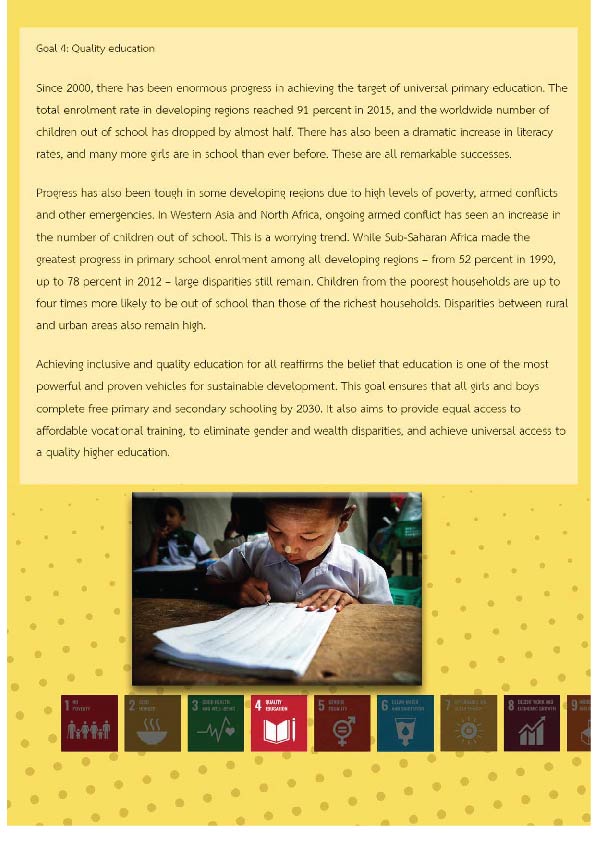
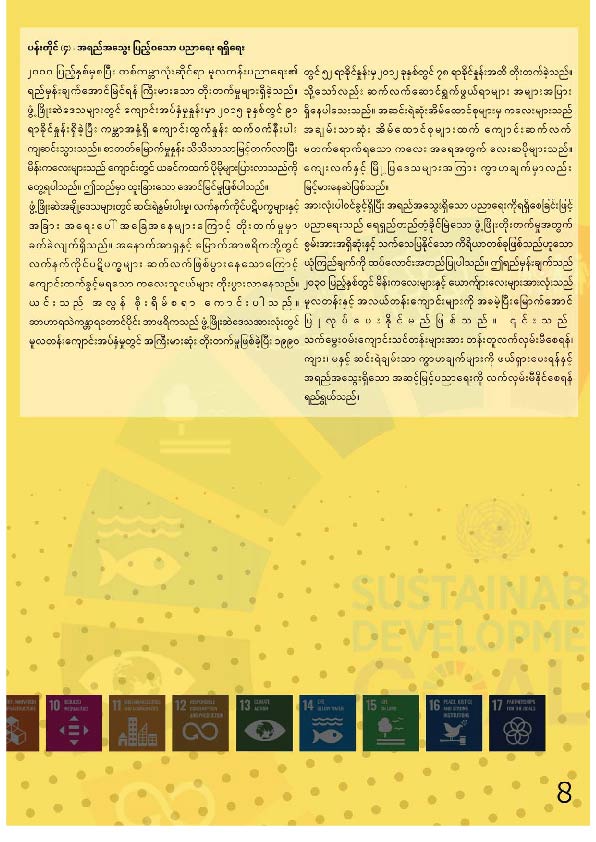
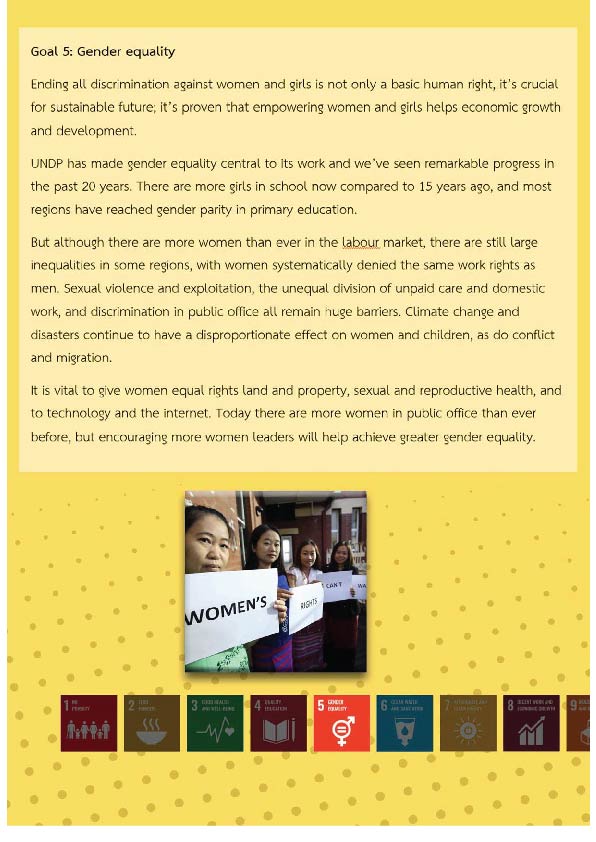
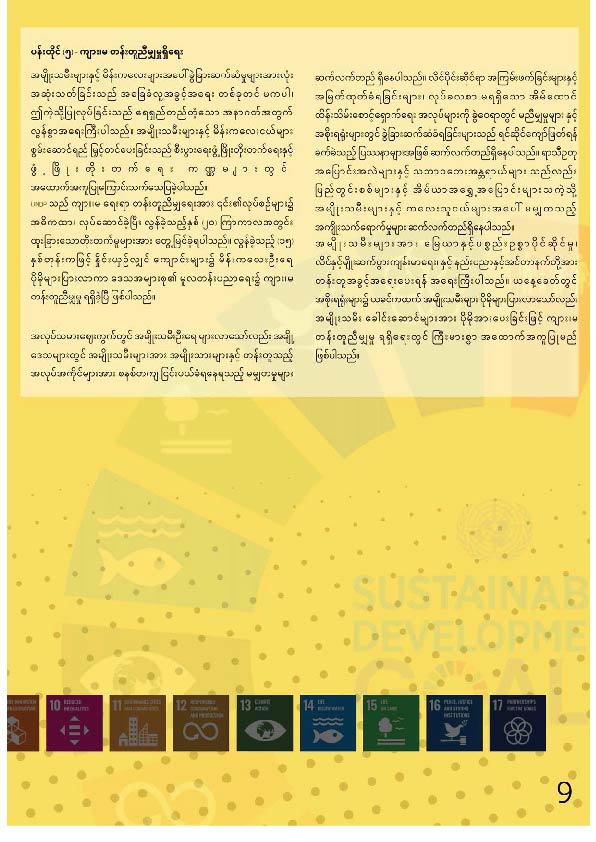
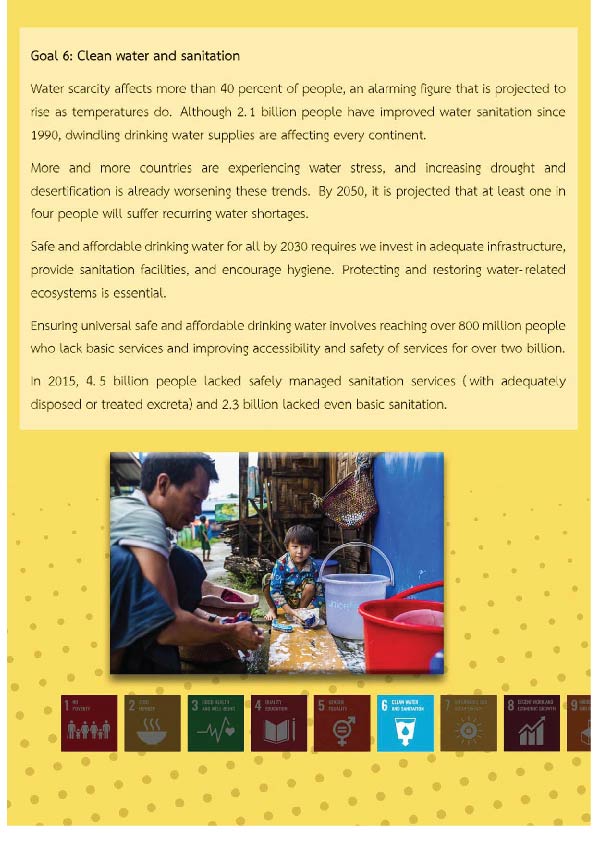
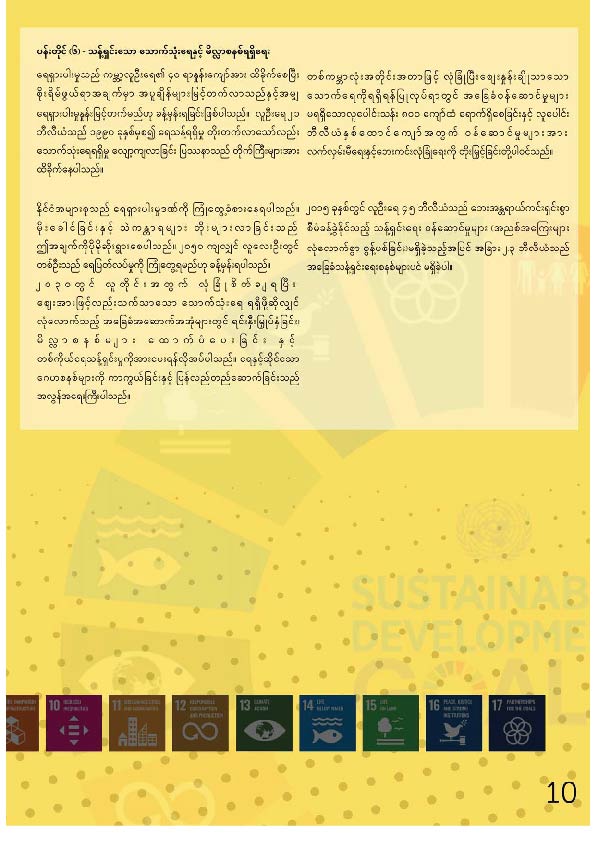
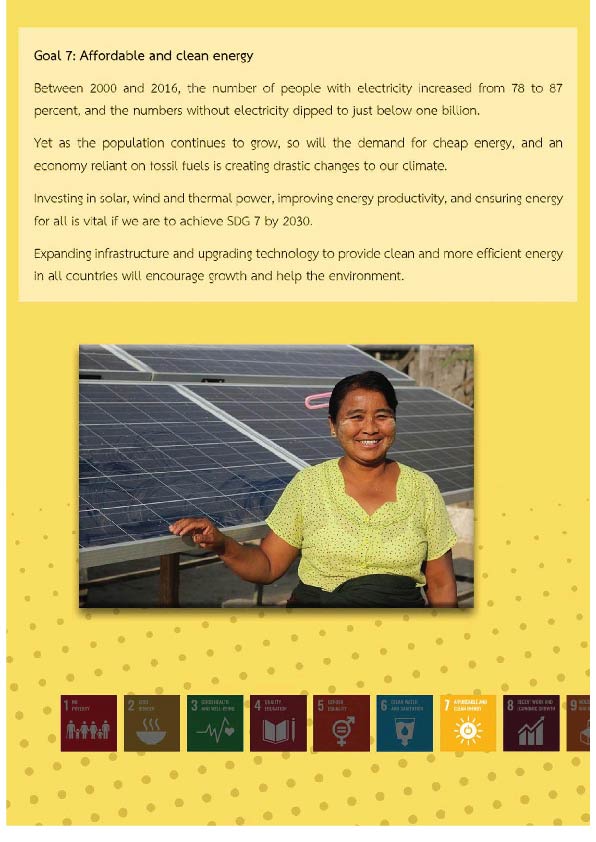
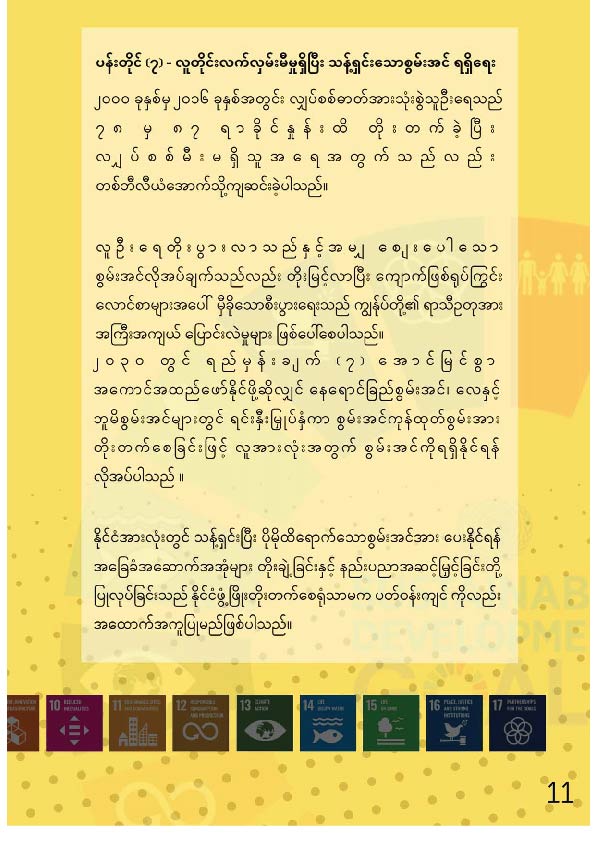
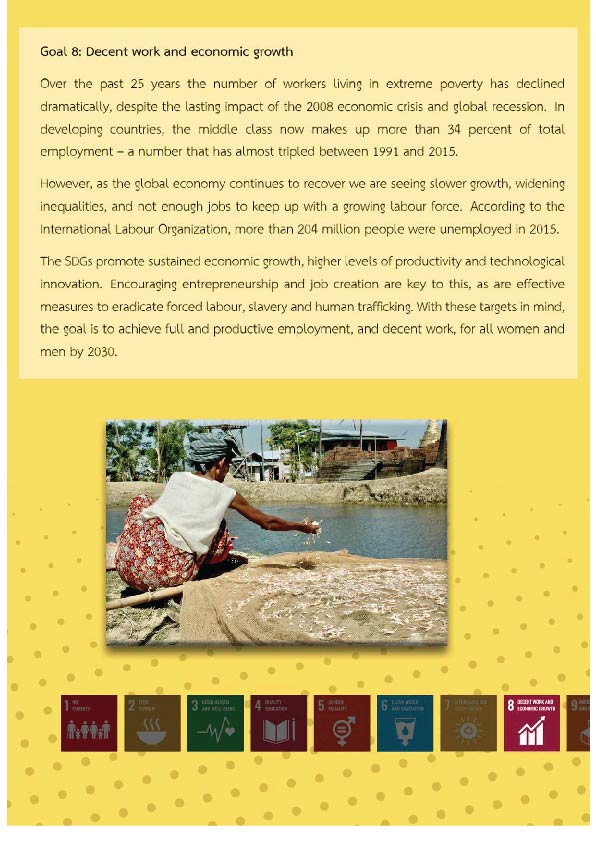
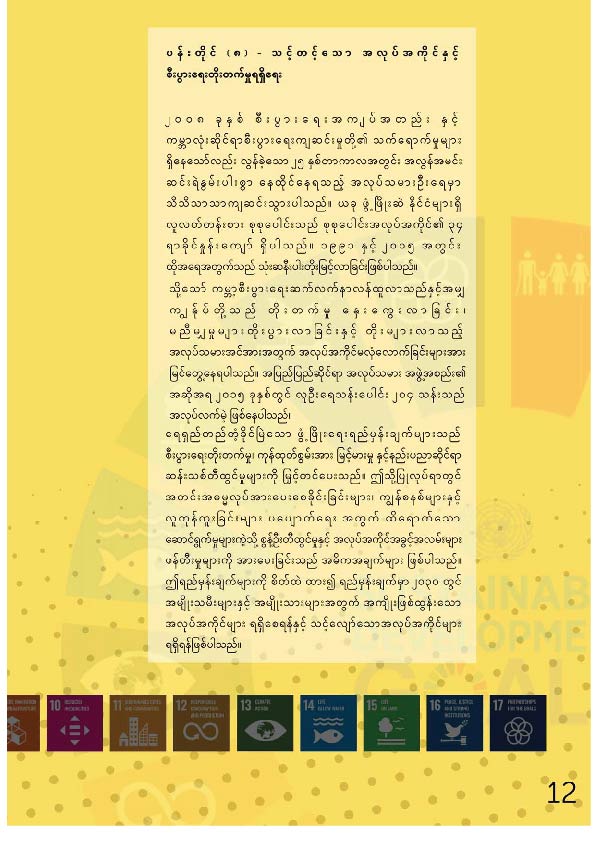
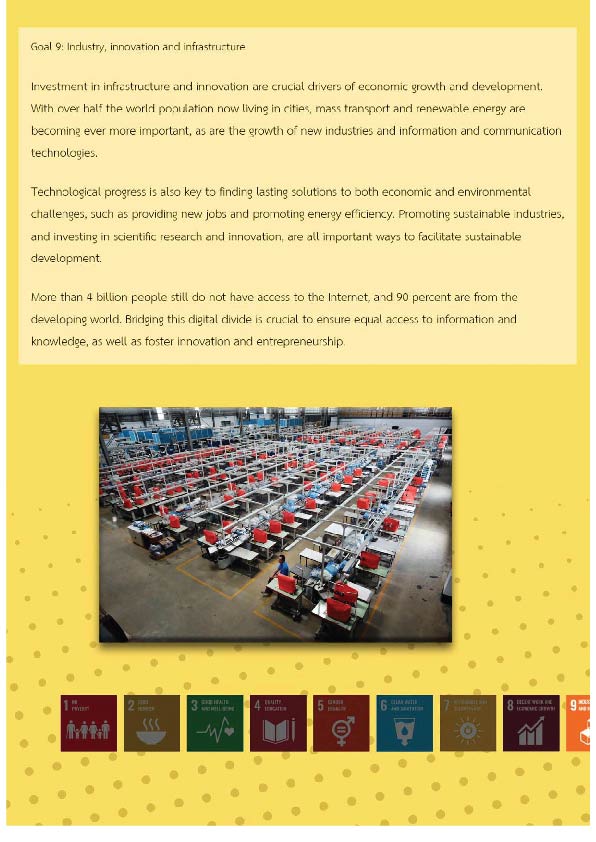
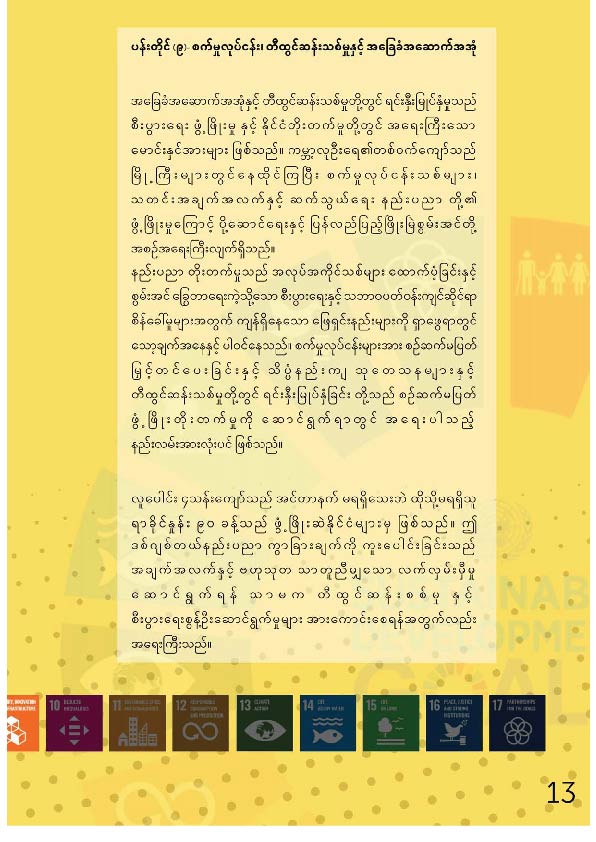
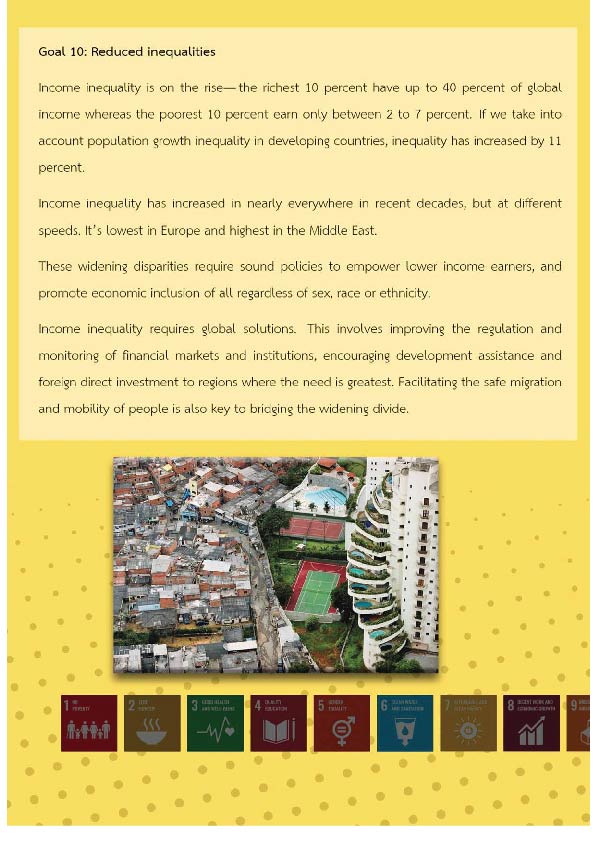
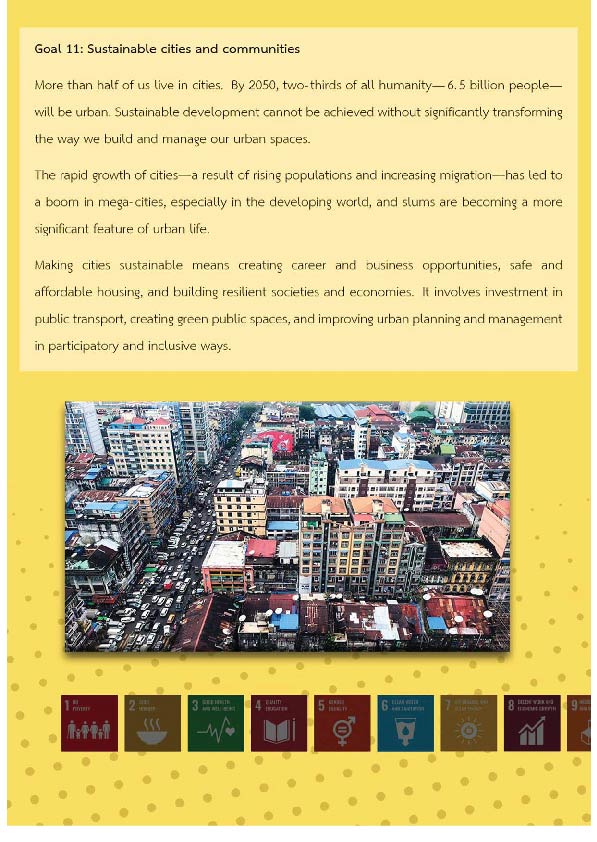
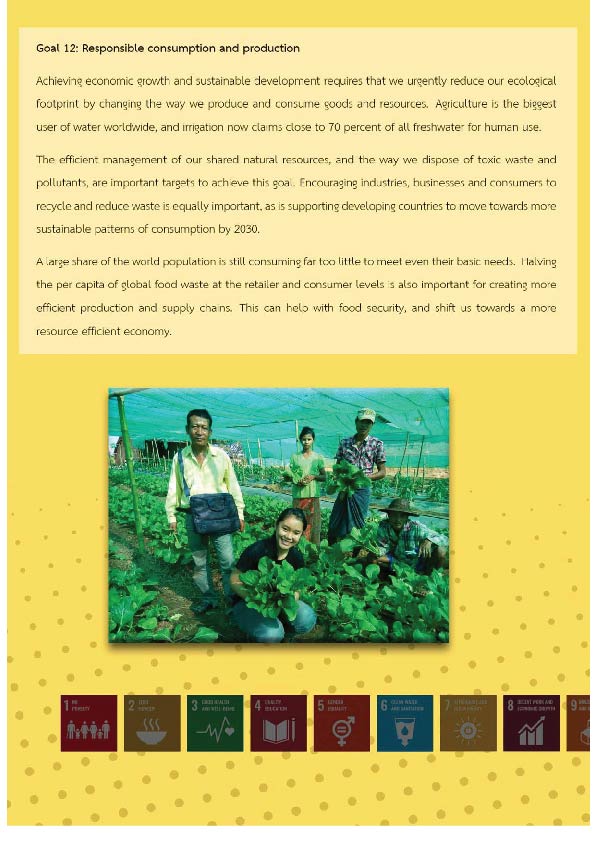
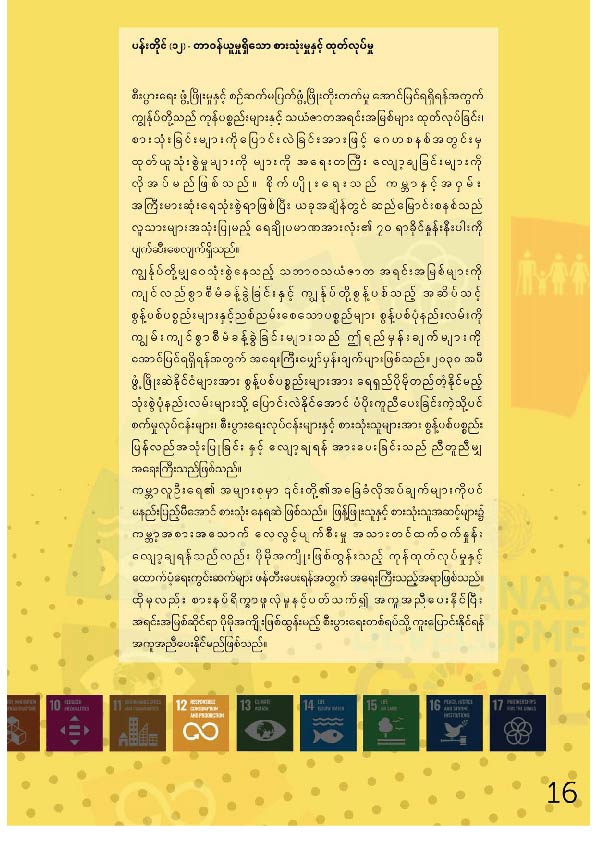
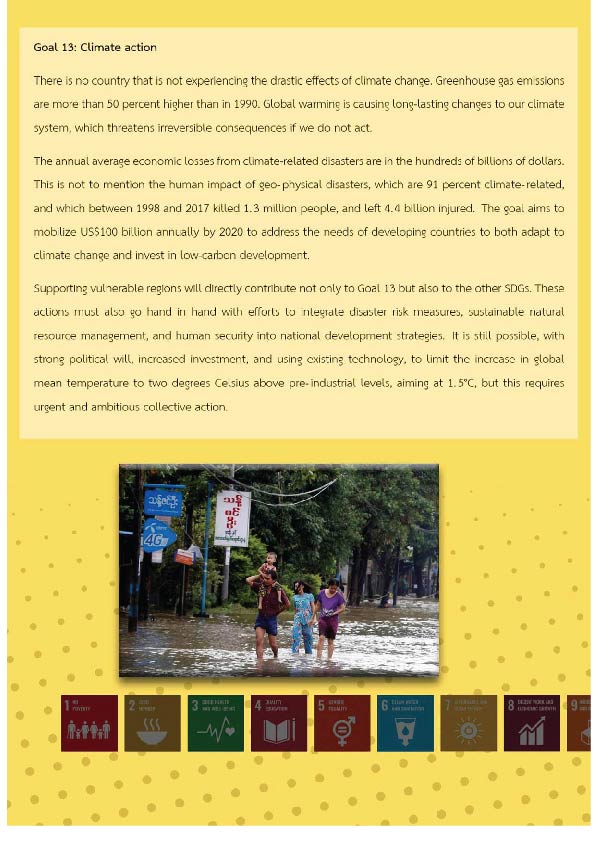
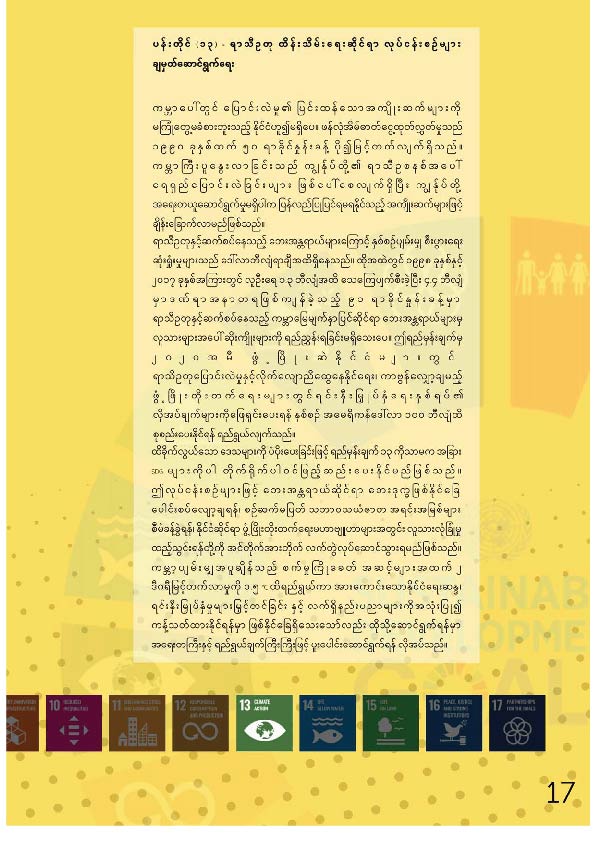
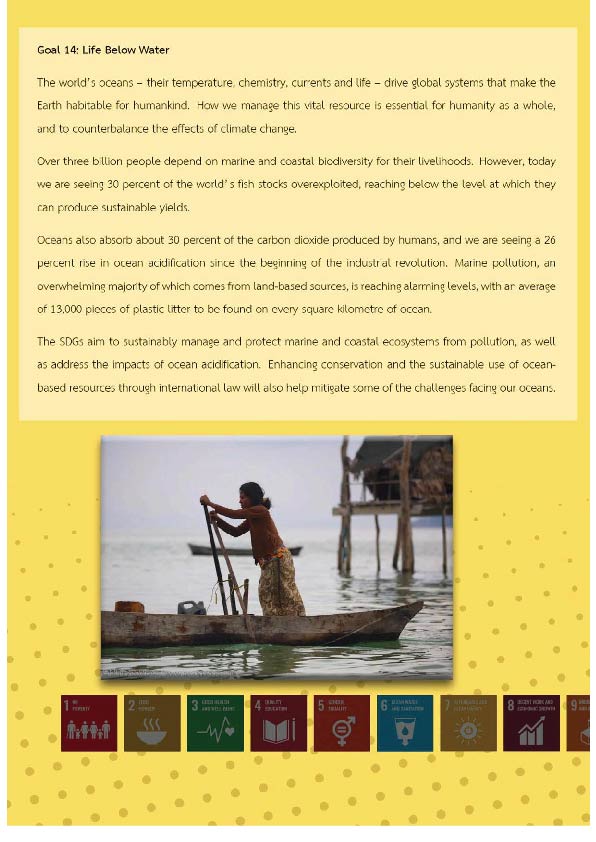
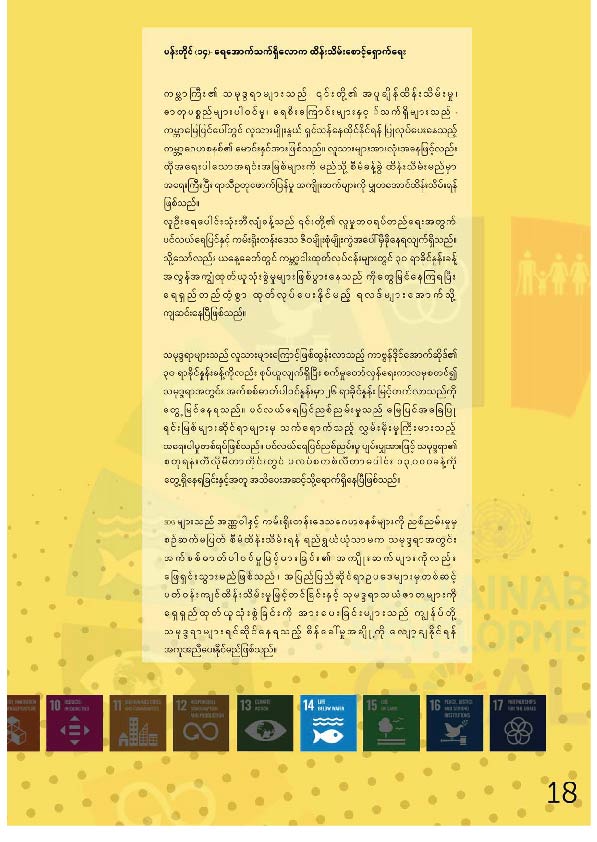
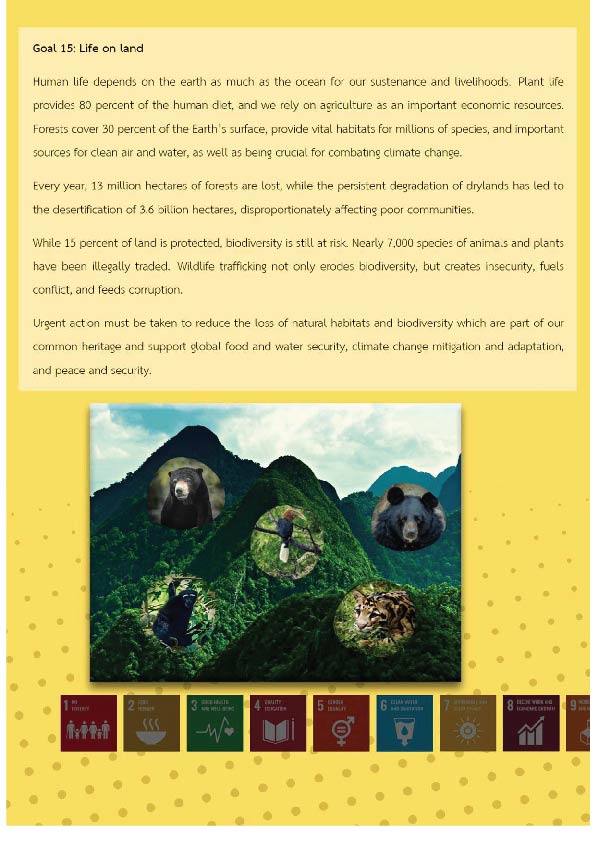
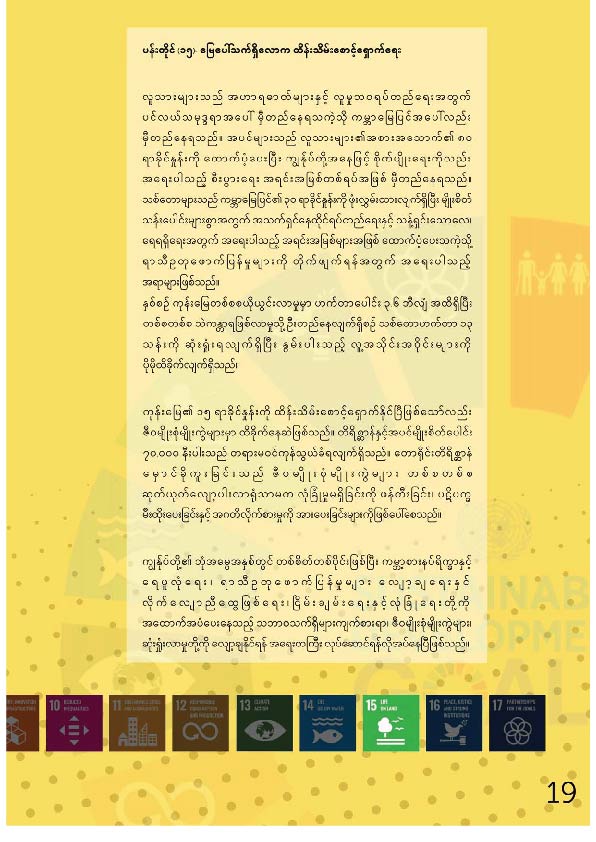
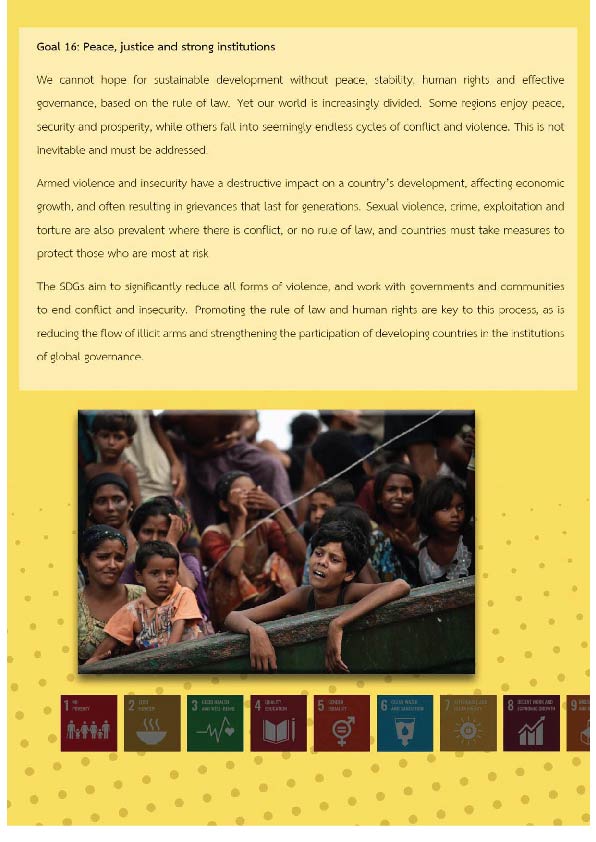
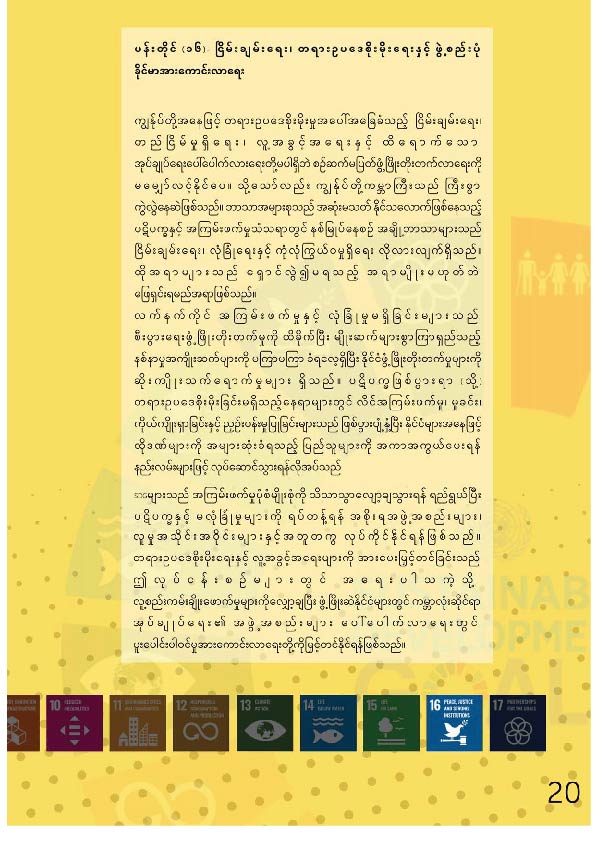
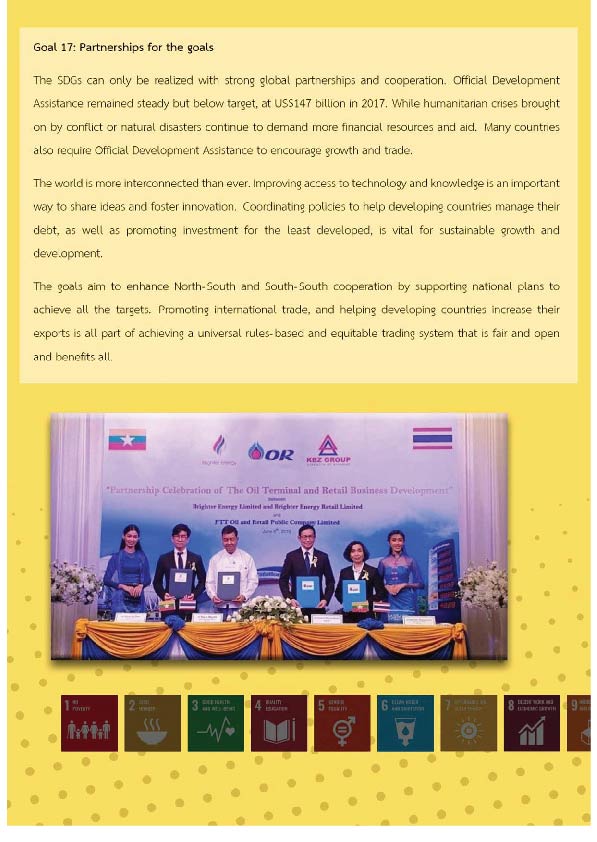
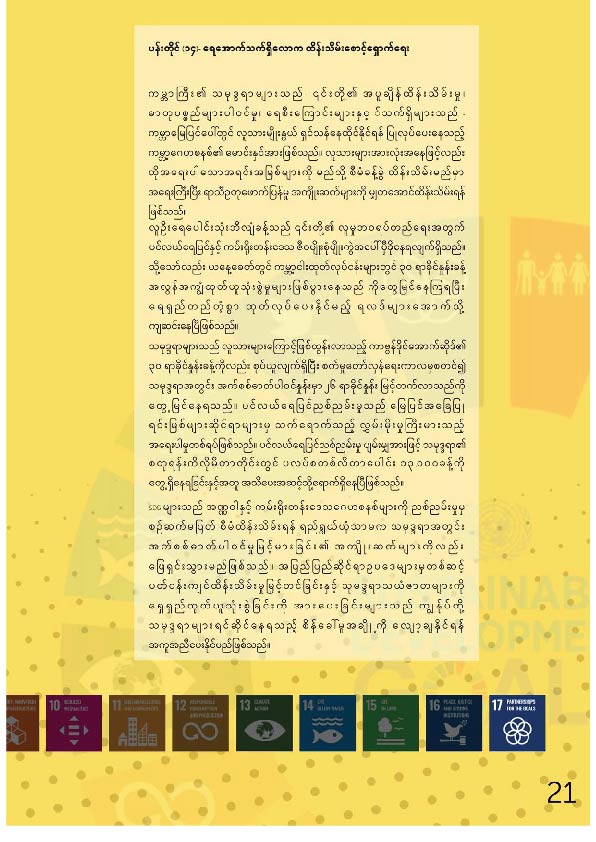
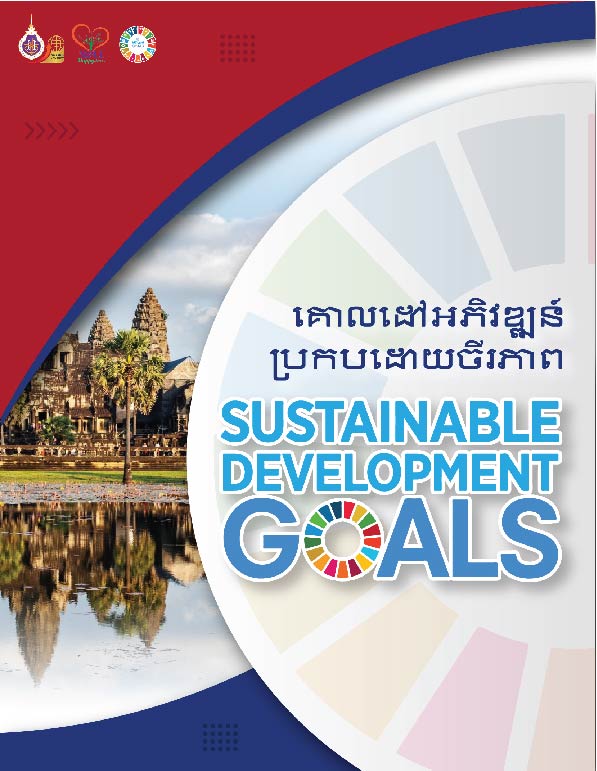
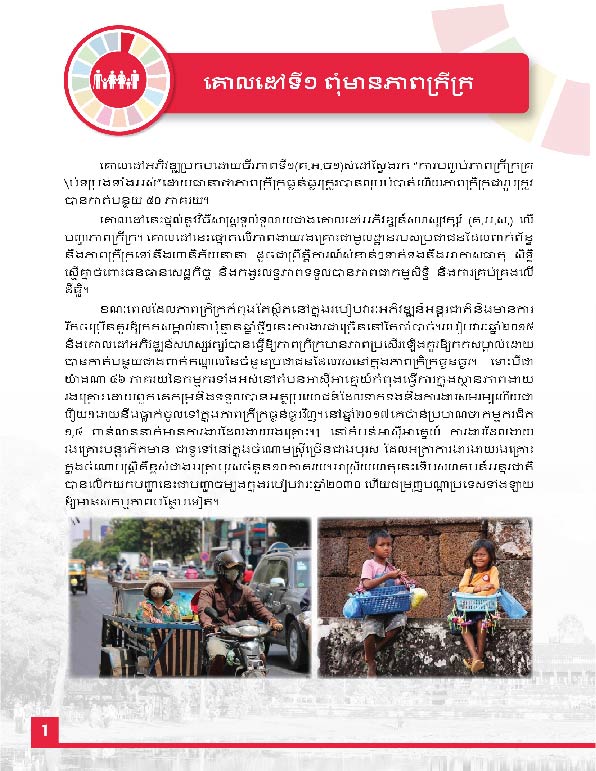
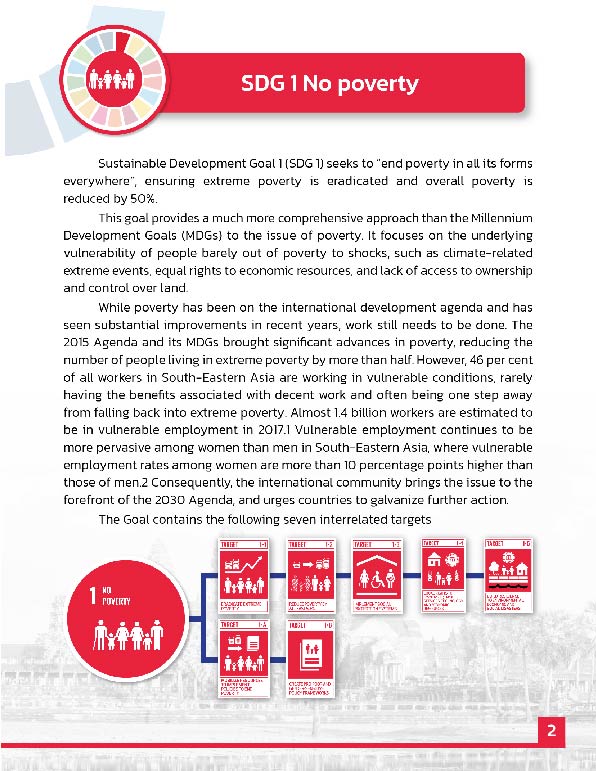
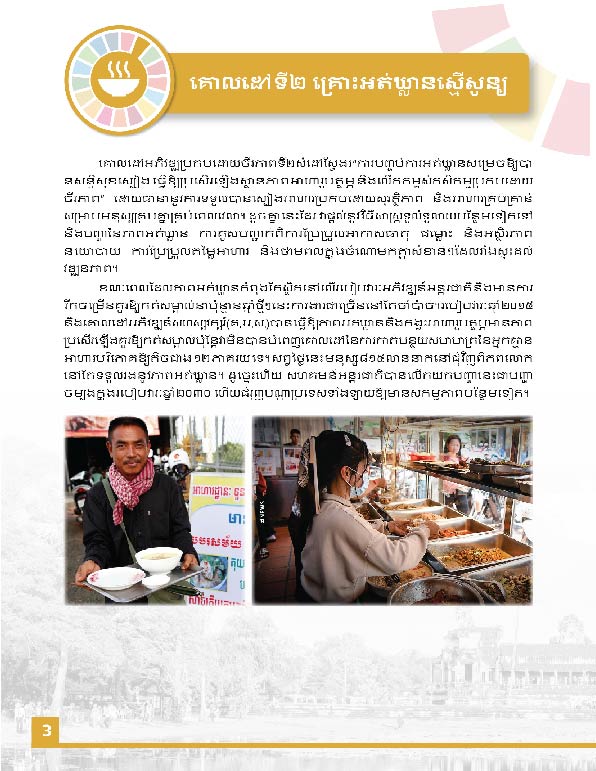
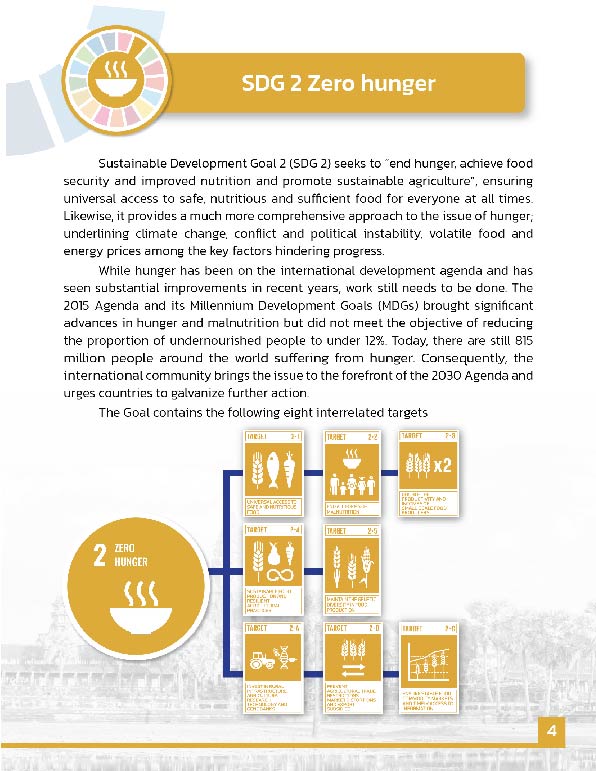
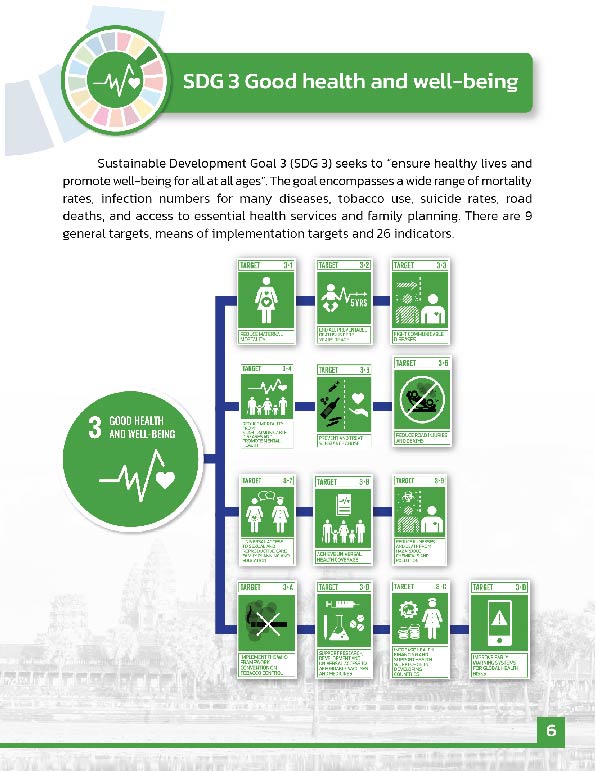
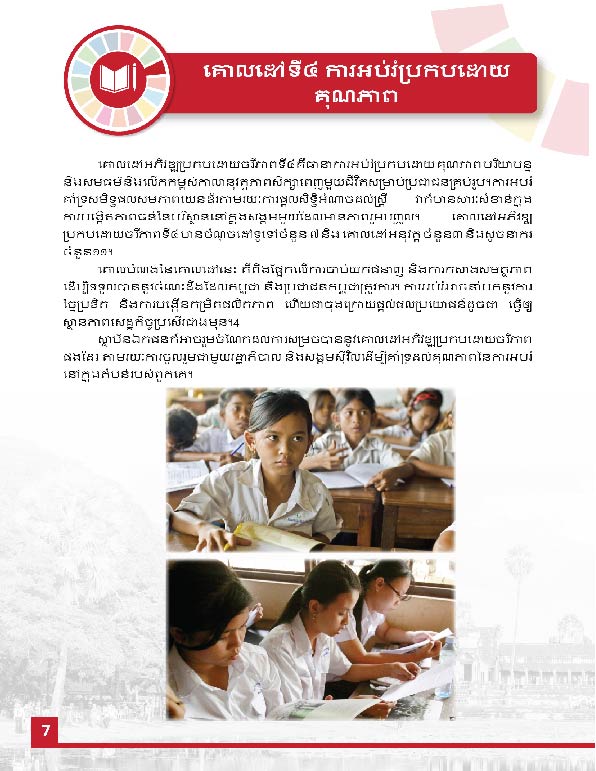
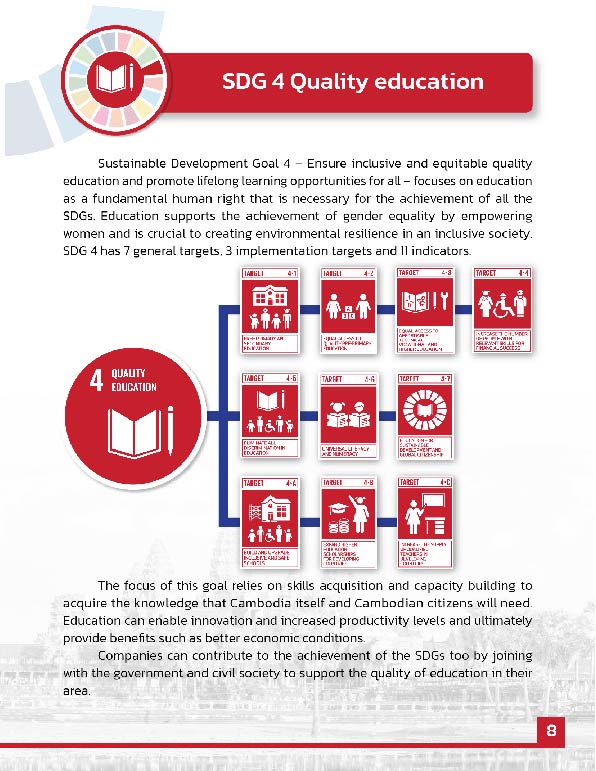
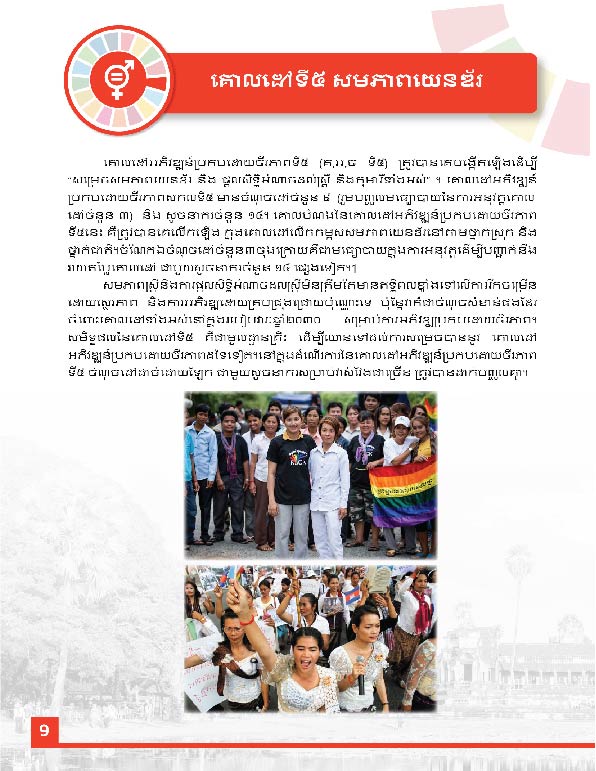
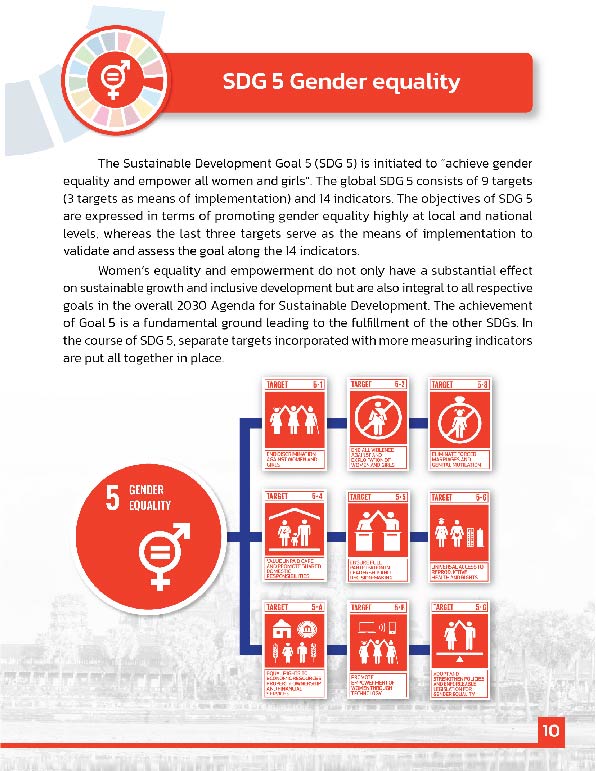
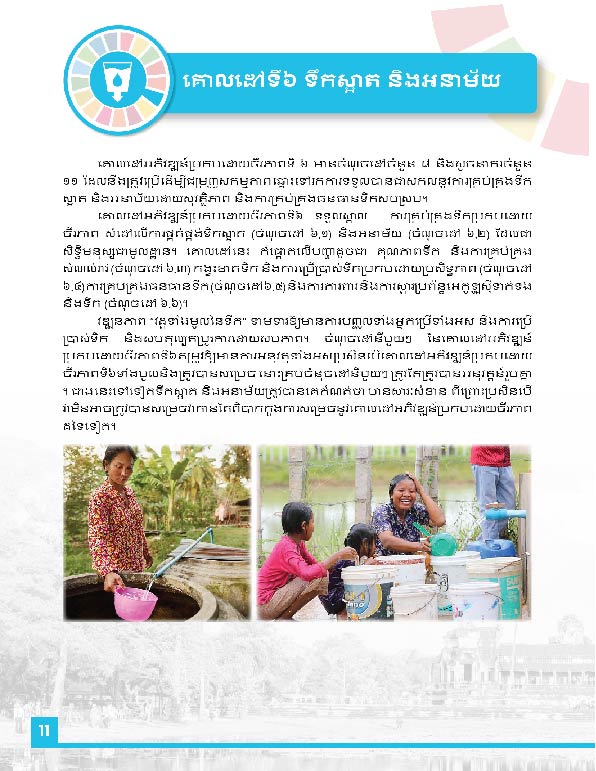
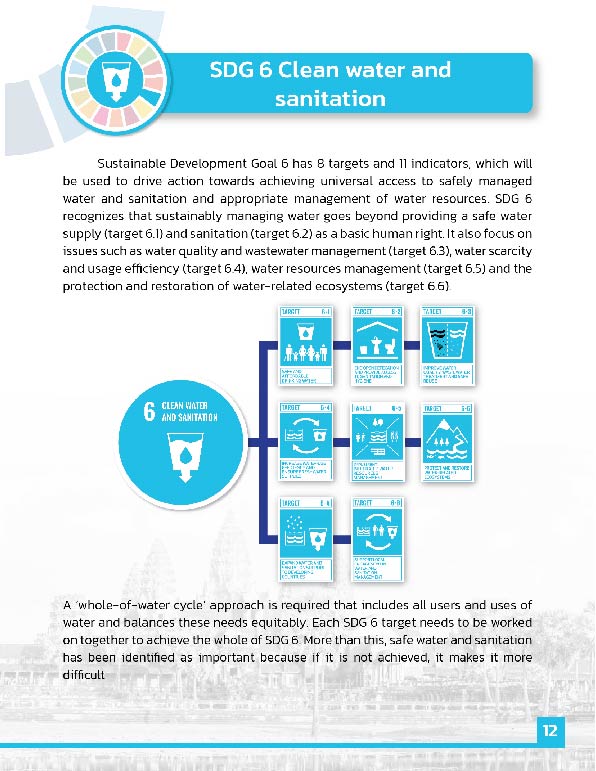
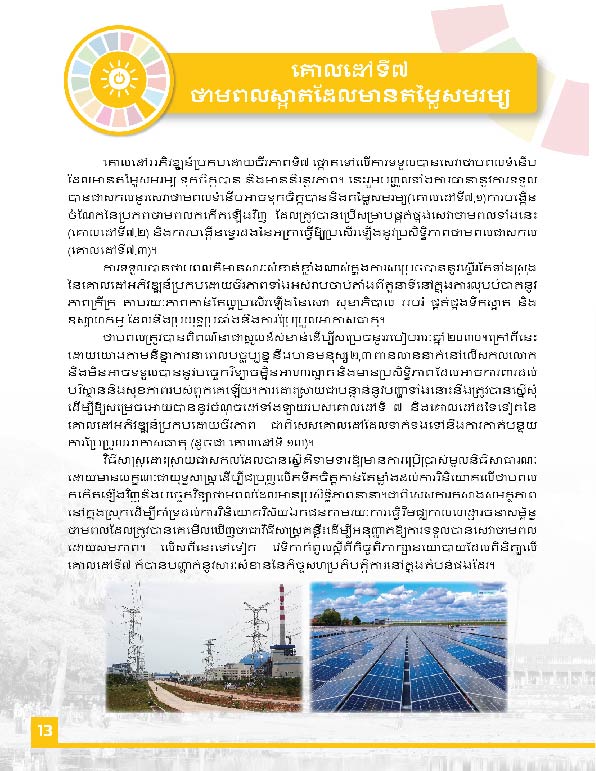
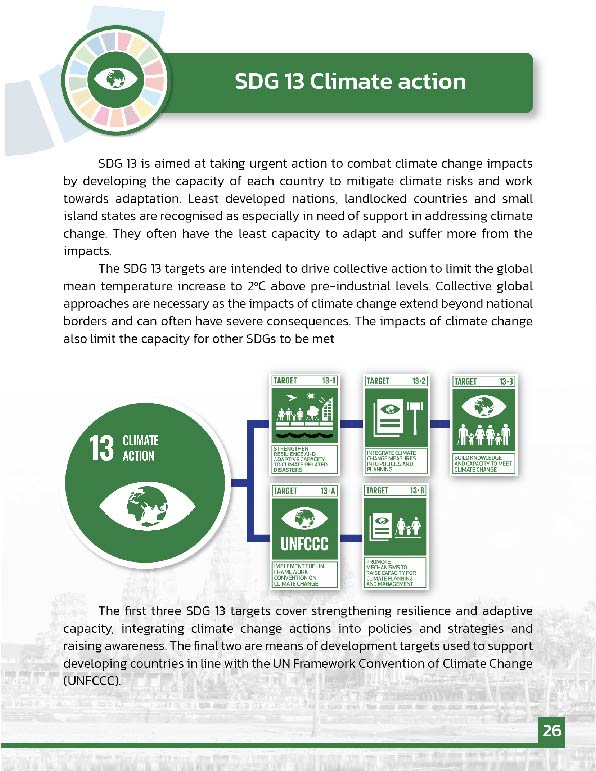
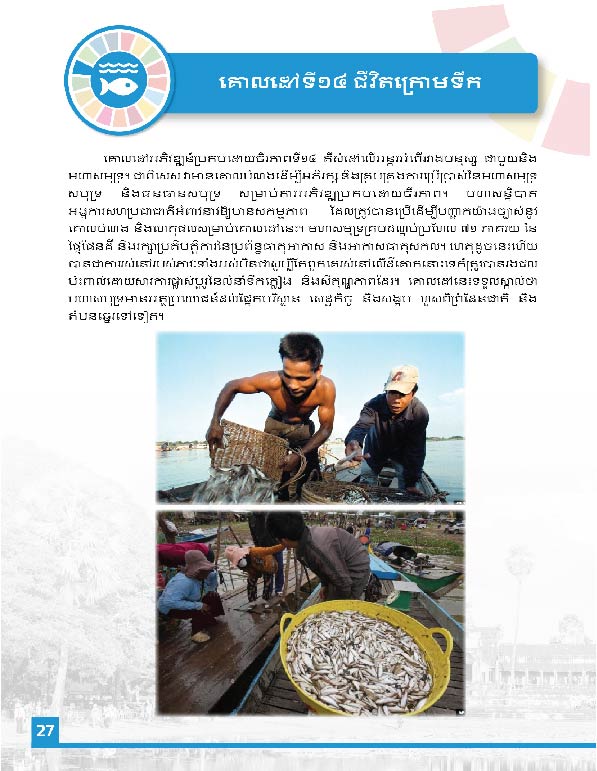
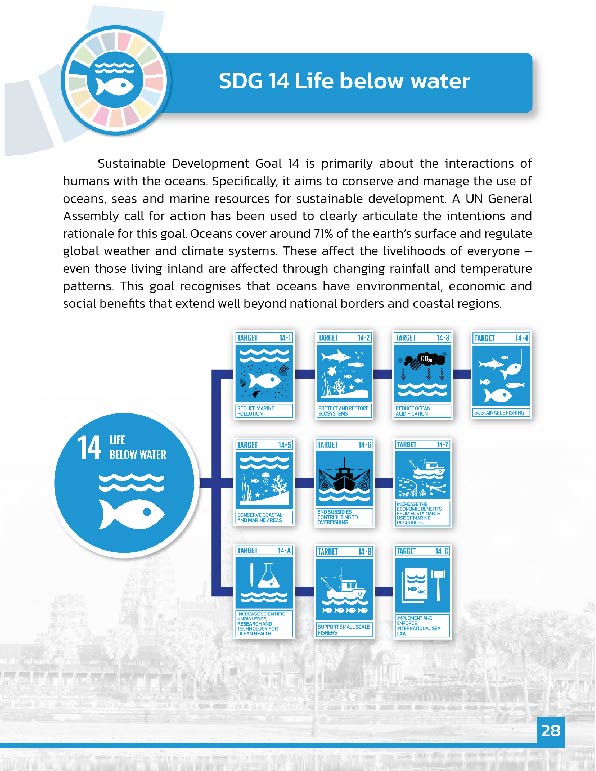
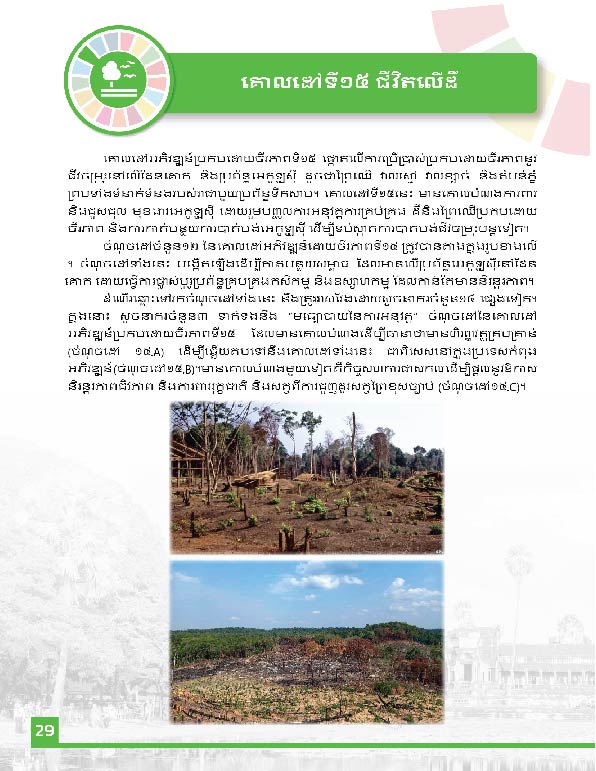
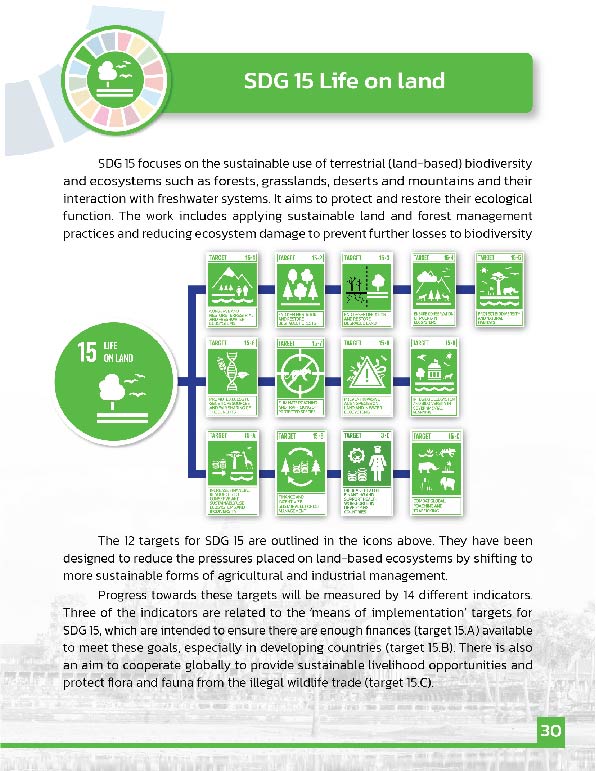
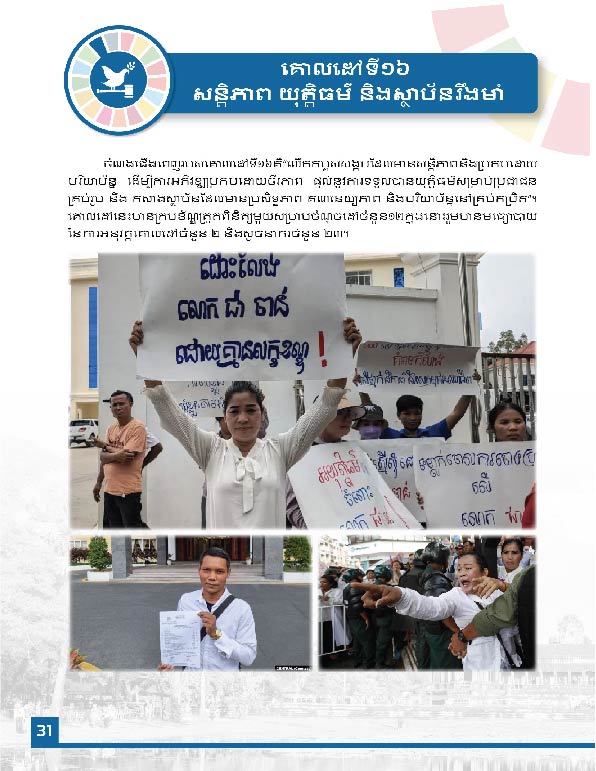
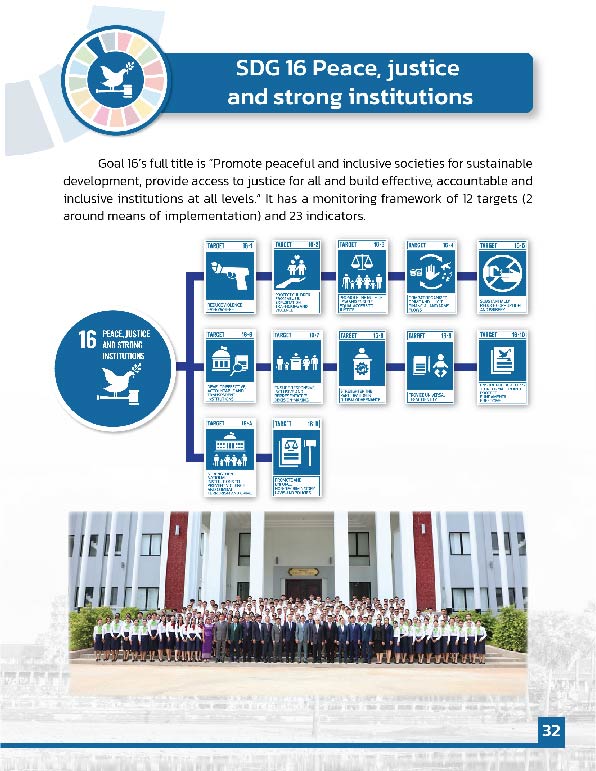
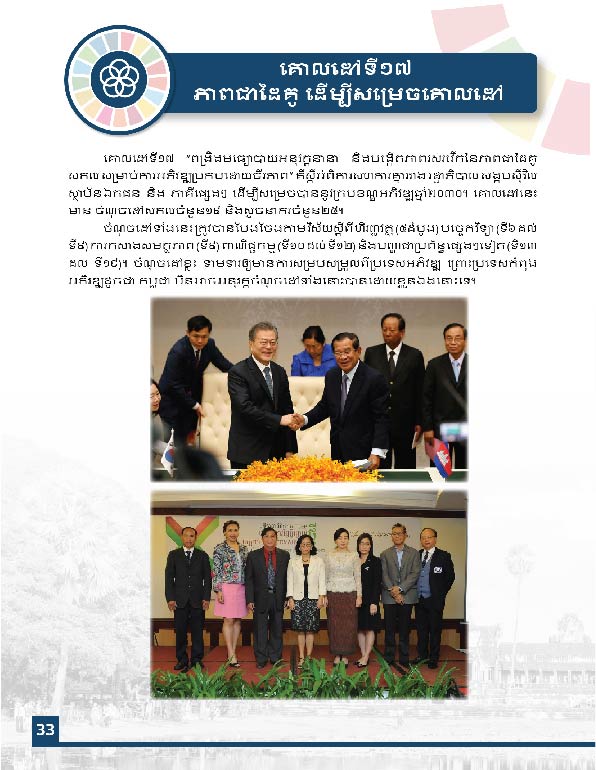
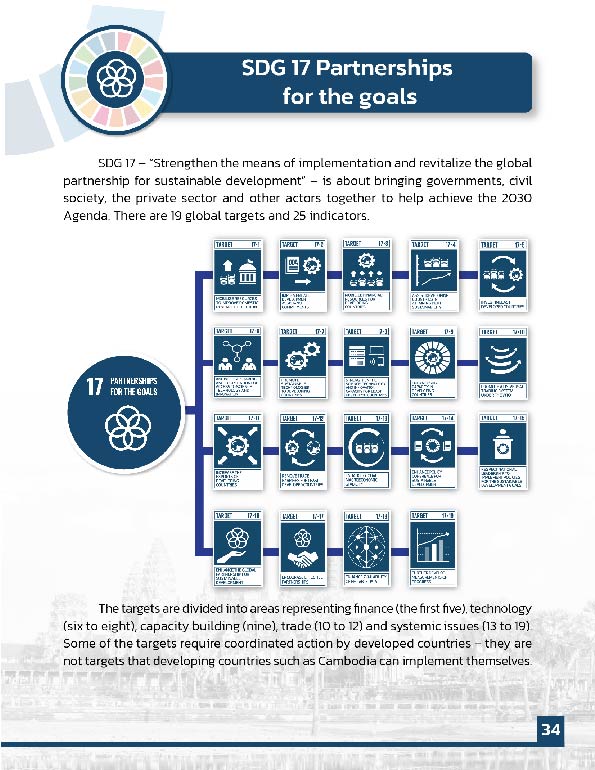
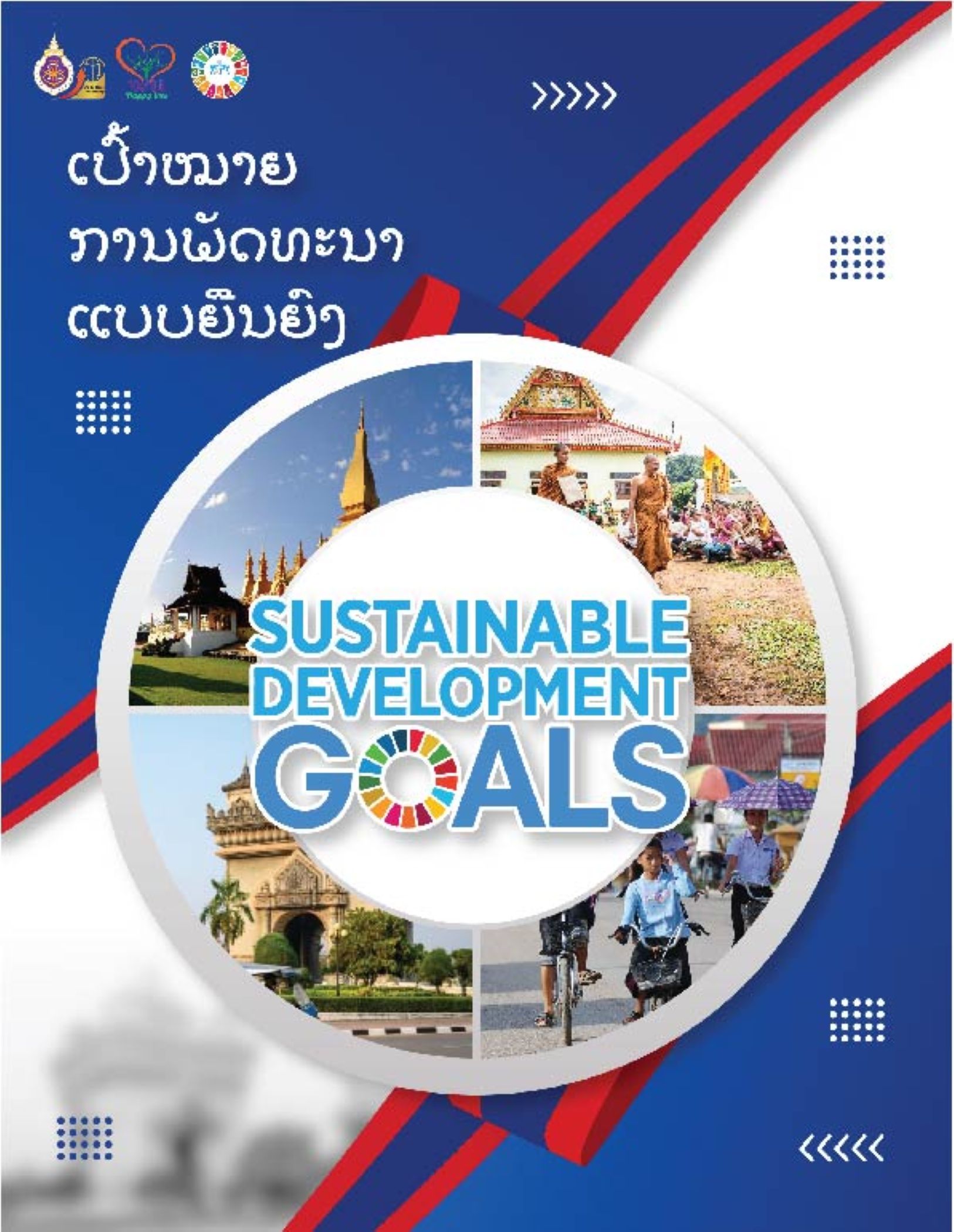
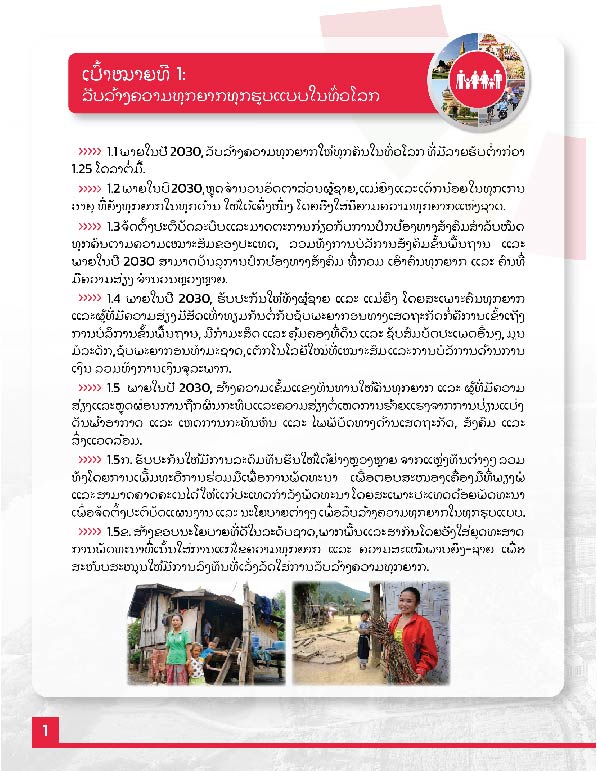
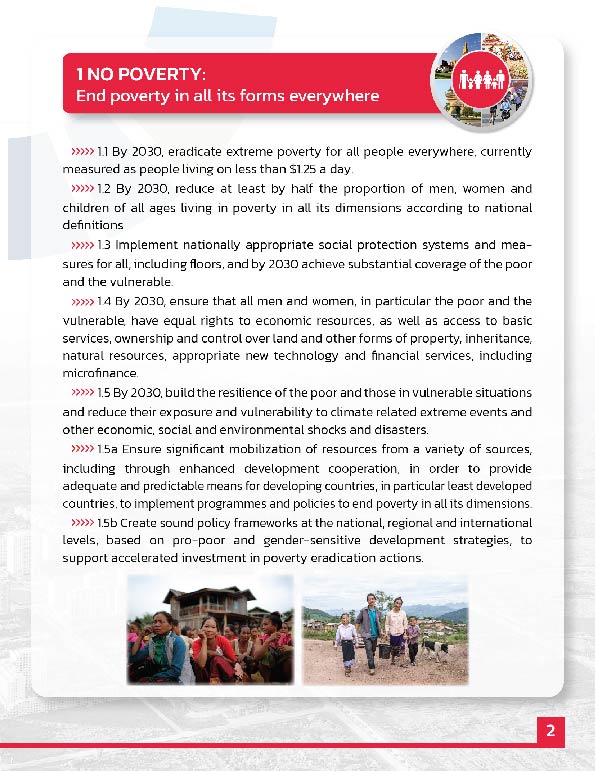
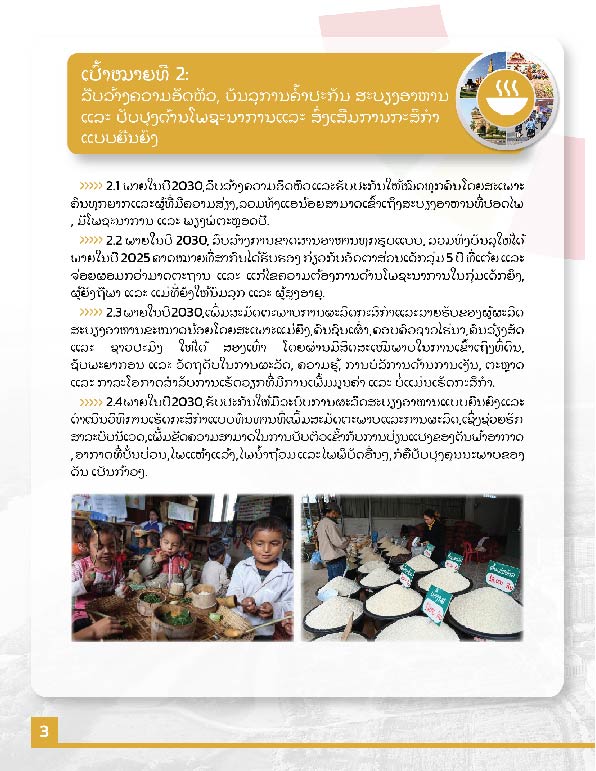
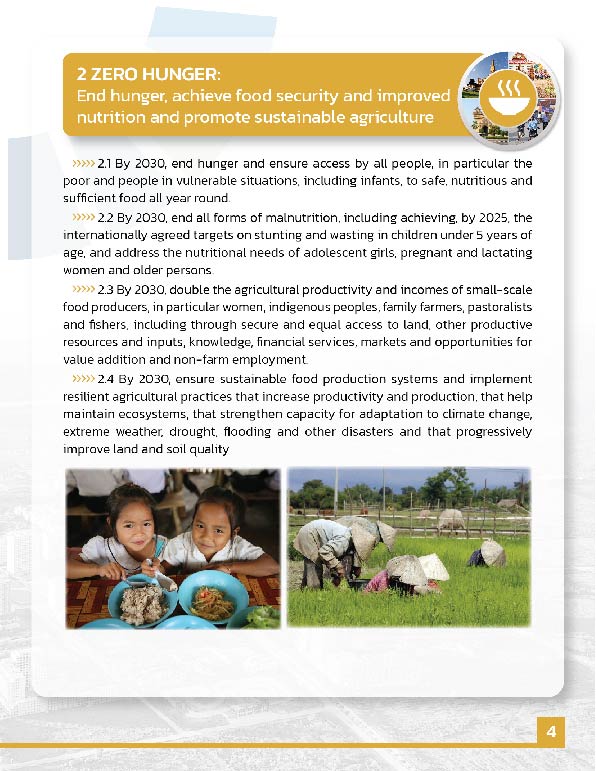
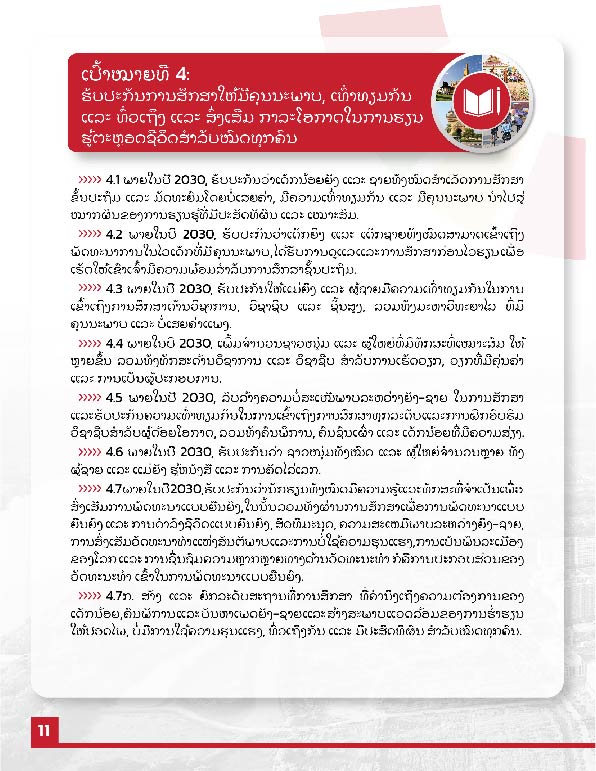
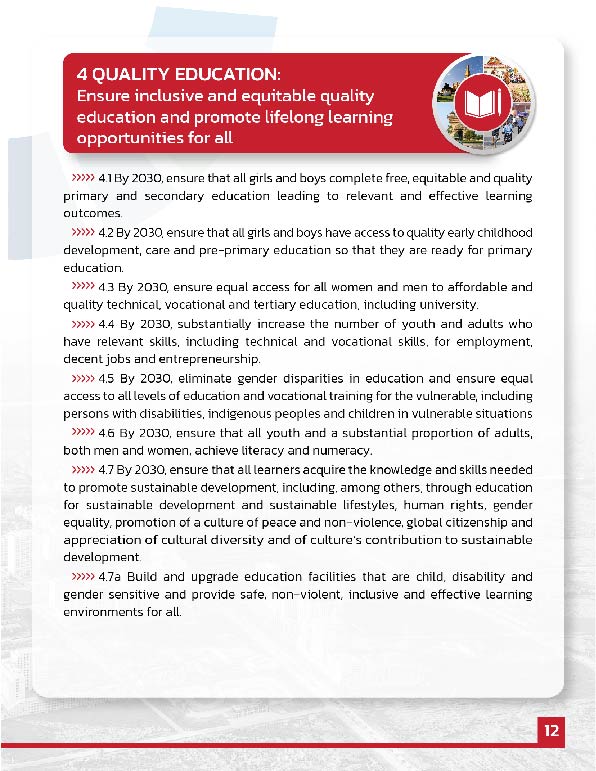
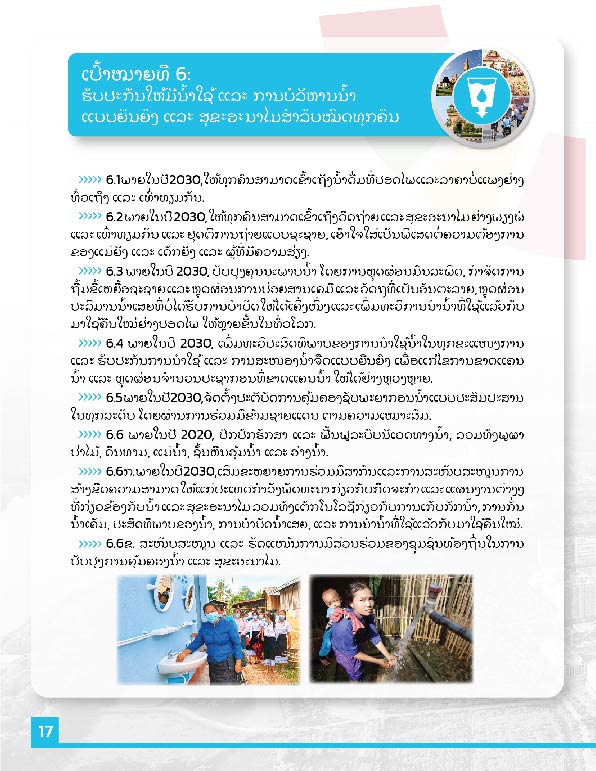
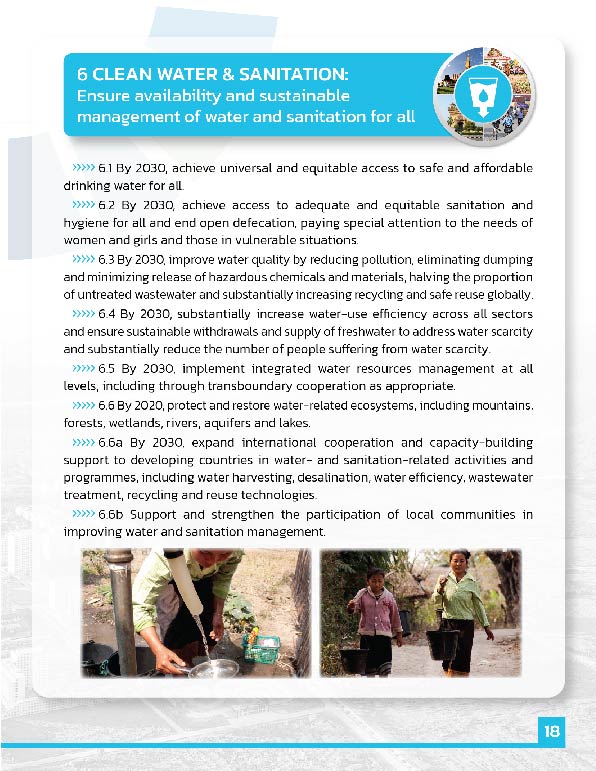
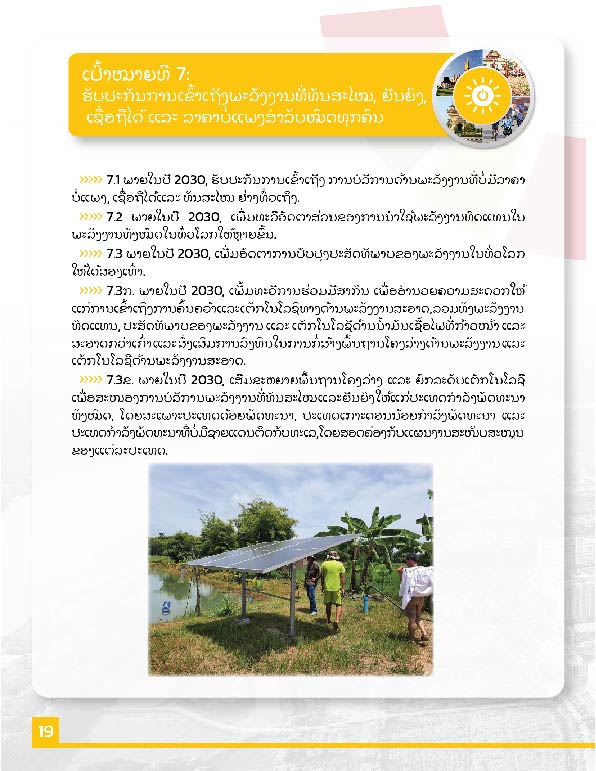
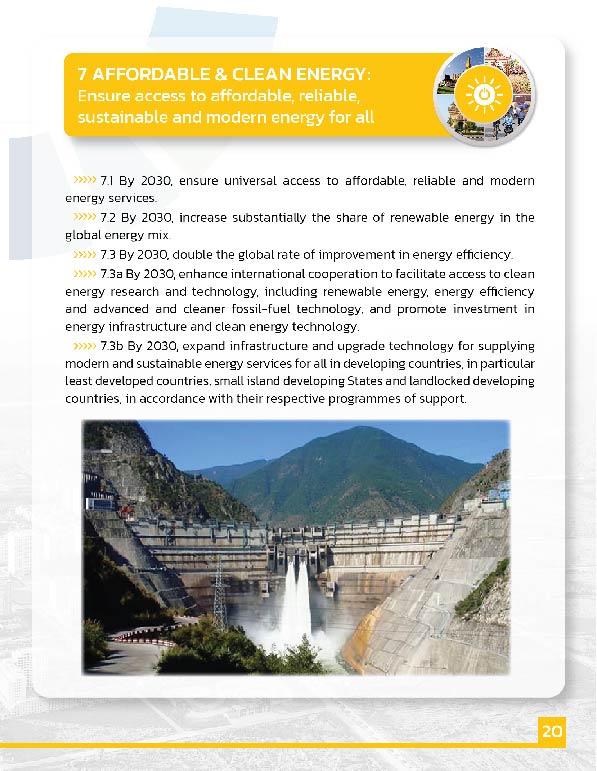
To address these challenges, WU adopted a more inclusive and accessible educational approach. The university introduced the SDGs one goal at a time, using SDG symbols accompanied by explanations in the participants’ own languages, including Khmer, Lao, and Burmese. This visual and multilingual approach helped make the goals easier to recognise and understand, reducing reliance on complex academic explanations. WU also distributed SDG handbooks written in the participants’ respective languages, providing basic information about the goals, their significance, and their relevance to everyday life. These materials enabled participants to learn about the SDGs in a more familiar linguistic context and provided a resource they could refer to beyond the outreach session.
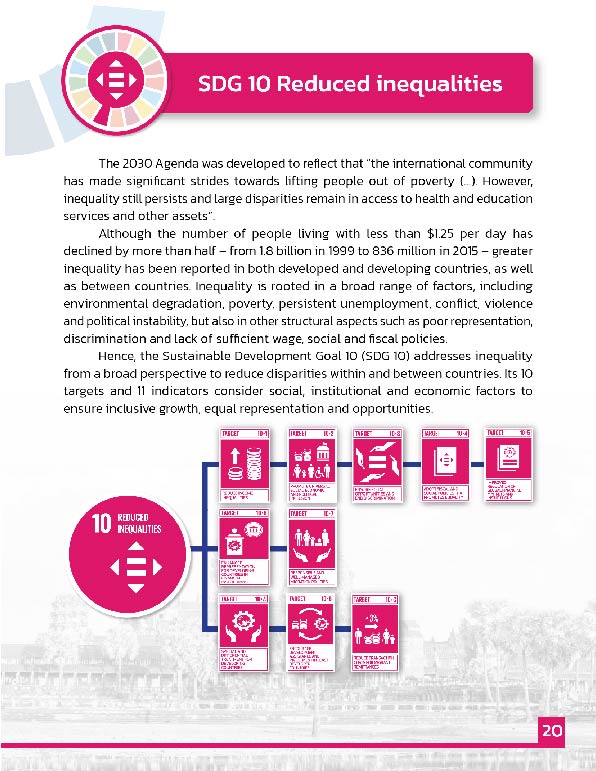
By combining health screening with multilingual SDG education, WU connected immediate health and safety concerns with broader principles of sustainable development. The programme was particularly relevant to SDG 3 (Good Health and Well-being), through its emphasis on preventive healthcare and occupational health awareness; SDG 4 (Quality Education), through accessible and inclusive learning opportunities; and SDG 10 (Reduced Inequalities), through efforts to overcome language barriers that can restrict access to essential information. It also demonstrated the relevance of SDG 8 (Decent Work and Economic Growth), particularly the importance of safe working environments and the protection of workers’ health.
Overall, this initiative demonstrates Walailak University’s commitment to extending educational outreach to migrant workers and other potentially underserved groups. By adapting educational materials to participants’ languages and using visual learning tools, WU sought to make SDG knowledge more accessible to people who might otherwise face barriers to sustainability education. The programme also illustrates the importance of designing outreach activities around the actual needs and circumstances of participants, rather than relying on a standard educational approach for all audiences. Its combination of health-related services and multilingual learning provided a practical foundation for promoting health awareness, strengthening SDG literacy, and encouraging more inclusive participation in sustainable development. Future assessments could measure improvements in participants’ understanding of the SDGs, their awareness of occupational health risks, and their ability to apply the knowledge gained in their daily lives and workplaces.
SDG-Myanmar
SDG-Cambodia
SDG-Laos
Developing Educational Videos to Promote SDG Literacy Among Displaced People and Migrant Workers
Recognising that printed educational materials may not be equally accessible to everyone, Walailak University (WU) continued to expand its approaches to Sustainable Development Goal (SDG) education in 2025 by providing free access to an educational video that explains the SDGs in a simple, engaging, and easy-to-understand format. Some displaced people and migrant workers may face barriers to learning through printed materials, including limited reading proficiency, language differences, or a preference for audiovisual learning. To address these challenges, WU adopted video-based education as an alternative learning medium to make essential sustainability knowledge more accessible to diverse audiences.
Given the significant presence of Burmese migrant workers among displaced and migrant populations in Thailand, WU prioritised the use of the Burmese language to help communicate SDG concepts more effectively to this audience. Presenting the information in a familiar language helps reduce linguistic barriers and enables viewers to engage with the content without relying solely on written explanations in Thai or English. The video introduces the SDGs in an accessible format, helping viewers understand the importance of sustainable development and how the goals relate to everyday life, health, education, employment, social inclusion, and environmental protection.
By offering the video free of charge, WU sought to reduce barriers to educational access and provide a flexible learning resource that viewers could use according to their needs and circumstances. Unlike learning activities that require participants to attend a particular venue or follow a fixed schedule, audiovisual materials can offer greater flexibility and may be shared with wider audiences through appropriate distribution channels. This approach also complements the university’s use of multilingual SDG symbols and printed handbooks, providing different ways for people with diverse learning needs and preferences to access sustainability information.
Through its diverse educational outreach initiatives in 2025, Walailak University (WU), particularly through its Center for Academic Services (CAS), demonstrated its commitment to extending Sustainable Development Goal (SDG) education beyond the university campus to the wider community. From the Walailak Nakhon Si SDG Series and alumni workshops to local community-centered projects and educational activities for displaced people and migrant workers, these initiatives provided multiple opportunities for people from different backgrounds to access sustainability knowledge, exchange experiences, and understand how the SDGs relate to their everyday lives. By connecting global sustainability objectives with local priorities, including public health, sustainable agriculture, marine resource conservation, cultural heritage preservation, tourism, and community development, WU helped make the SDGs more relevant, understandable, and actionable for diverse audiences.
A key benefit of these initiatives was their inclusive and practical approach to education. Interactive discussions, expert lectures, SDG card games, brainstorming sessions, practical demonstrations, multilingual handbooks, and educational videos offered different ways for participants to engage with sustainability concepts. These approaches helped address barriers associated with unfamiliar academic terminology, language differences, and varying learning preferences. In particular, the use of Burmese, Lao, and Khmer educational materials and audiovisual resources helped extend SDG learning opportunities to migrant workers and potentially underserved populations. By adapting educational methods to participants’ needs, WU sought to promote more equitable access to knowledge and strengthen the ability of individuals and communities to make informed decisions.
The initiatives also strengthened connections between the university and external stakeholders, including local residents, alumni, young people, fishermen, farmers, aquaculturists, government agencies, educational institutions, non-governmental organisations, private-sector partners, and civil society representatives. These interactions encouraged knowledge exchange, collaborative problem-solving, and the sharing of practical experiences. They also created opportunities to diagnose local challenges, identify community needs, and explore potential responses informed by both academic expertise and local knowledge. By fostering these relationships, WU supported a collaborative approach to sustainable development in which communities are not merely recipients of information but active participants in identifying priorities and developing solutions.
Beyond improving awareness of the SDGs, these educational activities provided opportunities for participants to consider how sustainability principles could be applied in their workplaces, households, agricultural practices, and community initiatives. Alumni could explore ways to integrate sustainability into their professional responsibilities, local residents could learn about community-based development and cultural preservation, and agricultural workers could gain greater awareness of health-related risks and sustainable practices. Similarly, the university’s outreach to displaced people and migrant workers highlighted the importance of accessible health information and inclusive education. While the extent of long-term behavioural change requires further assessment, these initiatives established valuable foundations for translating sustainability knowledge into practical action.
To strengthen the effectiveness and long-term value of these programmes, WU can use systematic Measurement and evaluation to assess educational outcomes and guide future improvements. Relevant measures could include the number and diversity of participants reached, attendance and engagement rates, changes in SDG knowledge before and after activities, participant satisfaction, accessibility of multilingual learning materials, and the adoption of sustainable practices following participation. For digital educational resources, measures such as video views, audience reach, viewing completion rates, and feedback from viewers could help assess whether audiovisual materials effectively communicate SDG concepts. Where feasible, follow-up assessments could also examine whether participants have implemented proposed ideas, developed sustainability-related activities, or shared their knowledge with colleagues, families, and wider community networks.
By incorporating these measures, WU can better diagnose gaps in educational access, identify successful outreach approaches, and refine its programmes to respond to changing community needs. Measurement should therefore extend beyond counting activities and participants to examining improvements in knowledge, practical application, and community engagement. Such an approach would enable the university to document outcomes more effectively, strengthen accountability, and build an evidence base for future SDG education initiatives.
Walailak University’s dedicated outreach educational activities in 2025 demonstrate the important role of higher education institutions in making sustainability learning accessible to the wider community. Through practical, participatory, and inclusive educational approaches, WU sought to strengthen SDG literacy, empower individuals, encourage cross-sectoral collaboration, and support community capacity-building. These efforts reinforce the university’s role as a partner in local and regional sustainable development while providing a foundation for measuring educational progress and improving future outreach programmes. By continuing to connect academic knowledge with real-world needs and ensuring that learning opportunities reach people from diverse backgrounds, WU can contribute to a more informed, inclusive, and sustainability-conscious society.
Related Links
บวรนคร – เริ่มขึ้นแล้ว! WALAILAK Nakhon Si SDG SERIES EP.1:… | Facebook
มีดี – Kickoff Walailak Nakhon Si SDG Series EP.1… | Facebook
บวรนคร – ภาพบรรยากาศ เวทีเสวนาเพื่อการแลกเปลี่ยนเรียนรู้… | Facebook
บวรนคร – ภาพบรรยากาศ WALAILAK Nakhon Si SDG SERIES (EP.4)… | Facebook
Walailak University | มหาวิทยาลัยวลัยลักษณ์
https://cas.wu.ac.th/archives/39705
https://cas.wu.ac.th/archives/33716
https://cas.wu.ac.th/archives/35734
https://cas.wu.ac.th/archives/34118