Renewable energy on campus

Renewable energy on campus

Energy and Climate Change (EC)
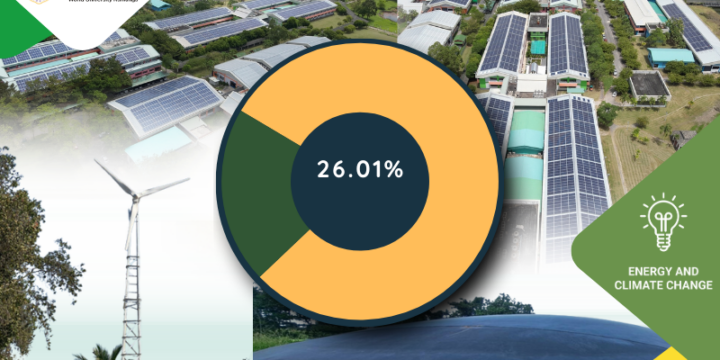
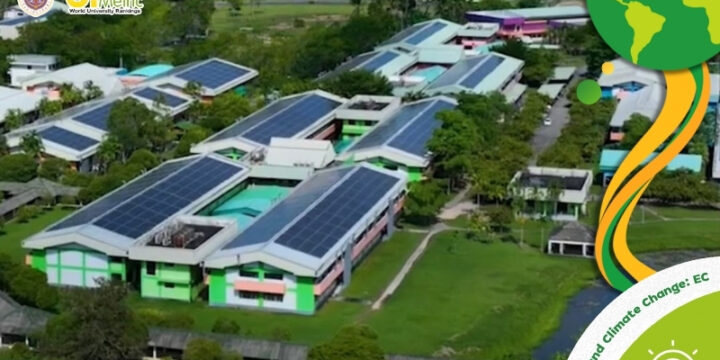
Energy and Climate Change (EC) Renewable Energy Sources in Campus Figures: Distribution map of renewable energy facilities at Walailak University. (Walailak University, Thailand)Walailak University is a leader in integrating multiple renewable energy sources into its operations, showcasing a strong commitment to sustainability and reducing its carbon footprint. The university’s renewable energy portfolio includes > 3 sources: solar power, clean biomass, hydropower, combined heat and power, and wind power. Each of these sources plays a vital role in creating a balanced and sustainable energy system that supports the university’s long-term environmental goals. Renewable energy sources and their capacity (in kilowatt hours) Solar Power Solar power is a cornerstone of the university’s renewable energy strategy. Photovoltaic systems are installed on rooftops and open spaces across the campus, converting sunlight into electricity. This clean energy…
Read More
Electricity usage per year.

Electricity usage per year.

Energy and Climate Change (EC)
Energy and Climate Change (EC) Electricity Usage per Year (in Kilowatt hour) In 2025, Walailak University’s total electricity consumption was 10,977,613.39 kWh. Within the main campus, the top three areas with the highest electricity consumption were the Student Dormitory Buildings, Other Buildings, and Administration Buildings. Based on the total campus population of 17,598, the electricity usage per capita was 623.8 kWh per person. The Electricity Consumption of Each Building at Walailak University (2023 - 2025)Source of data : Division of Service Central.The total energy consumption across the university during the same period was 10,977,613.39 kWh/year. Based on these figures, the ratio of renewable energy production to total energy usage was calculated to be 31.64%. Related SDGs 7 Goal 7: Affordable and clean energy 13 Goal 13: Climate action
Read More
Greenhouse gas emission reduction program (EC.7)

Greenhouse gas emission reduction program (EC.7)

Energy and Climate Change (EC)
Energy and Climate Change (EC) Greenhouse gas emission reduction program Walailak University has implemented a comprehensive greenhouse gas (GHG) emission reduction program that spans all 3 emissions scopes, underscoring its unwavering commitment to sustainability and environmental stewardship. This program addresses initiatives across direct emissions, indirect emissions from energy use, and other indirect emissions within the University’s operations.Scope 1 : Direct Emissions• Stationary CombustionThe University conducts regular maintenance and inspections of its combustion and power generation systems to ensure they operate efficiently and within emissions standards.• Mobile CombustionThe University has transitioned to electric vehicles for its fleet, including minibuses, delivery vans, and security vehicles, significantly reducing reliance on combustion fuels. In 2024, Walailak University successfully reduced greenhouse gas emissions by 47.31 tons of carbon dioxide equivalent through the use of electric…
Read More
Number of innovative program(s) in energy and climate change (EC.9)

Number of innovative program(s) in energy and climate change (EC.9)

Energy and Climate Change (EC)
Energy and Climate Change (EC) Number of innovative program(s) in energy and climate change Walailak University has implemented a series of innovative programs in energy and climate change, contributing to the advancement of sustainability in these fields. Solar Roof Installation at the Center for Scientific and Technological Equipment This project enhances energy efficiency by harnessing solar power, reducing dependence on conventional energy sources. Reference of data : Real-time renewable energy monitoring program Automatic air conditioning on-off control system based on class schedule This platform is designed to help communities manage water resources for agricultural purposes by leveraging mobile cloud computing technology. The web application allows real-time monitoring, data collection, and decision-making on water usage, irrigation scheduling, and resource allocation, ensuring more efficient and sustainable water management. Picture : The architecture…
Read More
Impactful university program(s) on climate change (EC.10)

Impactful university program(s) on climate change (EC.10)

Energy and Climate Change (EC)
Energy and Climate Change (EC) Impactful university program(s) on climate change Walailak University's programs on climate change risks, impacts, mitigation, adaptation, impact reduction, and early warning for 2024 include training, educational media, seminars and conferences, as well as community-based activities at the international level.Training Previous Next educational materials Previous Next Seminars/ConferencesThe university participated in a meeting and presented knowledge about climate change and the current situation at the provincial climate change working group meeting (Nakhon Si Thammarat). The focus was on preparations for carbon neutrality by 2050 and achieving net-zero emissions by 2070, which is part of a workshop aimed at driving the greenhouse gas reduction plan. Previous Next Walailak University organized a seminar on training courses related to climate change and greenhouse gas reduction measures in the industrial sector,…
Read More
Planning, implementation, monitoring and/or evaluation of all programs related to Energy and Climate Change through the utilization of Information and Communication Technology (ICT).

Planning, implementation, monitoring and/or evaluation of all programs related to Energy and Climate Change through the utilization of Information and Communication Technology (ICT).

Energy and Climate Change (EC)
Energy and Climate Change (EC) Planning, implementation, monitoring and/or evaluation of all programs related to Energy and Climate Change through the utilization of Information and Communication Technology (ICT) Walailak University has integrated Information and Communication Technology (ICT) into its planning, implementation, monitoring, and evaluation of programs related to energy and climate change. Planning, implementation, monitoring and/or evaluation of all programs related to Energy and Climate Change through the utilization of Information and Communication Technology (ICT) The Establishment of the Carbon Neutrality Steering Committee at Walailak University. This committee leads the planning process, setting goals and strategies for reducing the university's carbon footprint and achieving carbon neutrality. ICT plays a role in data collection and analysis for decision-making. Meeting on turning on - off air conditioners with Wi-Fi system and air…
Read More
Elements of green building implementation as reflected in all construction and renovation policies (EC.6)

Elements of green building implementation as reflected in all construction and renovation policies (EC.6)

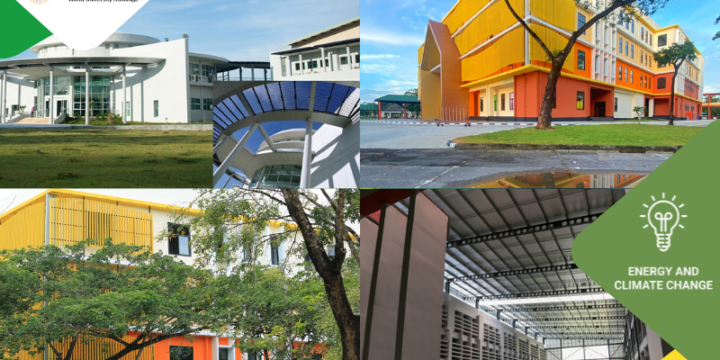
Energy and Climate Change (EC)
Energy and Climate Change (EC) Elements of Green Building Implementation as Reflected in All Construction and Renovation Policies. Walailak University is deeply committed to sustainability, a commitment that is reflected in all its building construction and renovation policies. The university has integrated multiple elements of green building practices to minimize environmental impact, enhance energy efficiency, and create healthy living and learning environments. These green building components encompass more than 3 elements 1. Sun-shading are designed by fin and shade. The design and installation of sun-shading systems using fins and shades on the university's buildings are crucial for developing sustainable and energy-efficient structures. These systems help control the amount of sunlight entering the buildings, thereby reducing heat accumulation and enhancing comfort for occupants.Installation of Fins : Fins, which can be oriented…
Read More
Total electricity usage divided by total campus’ population (kWh per person) (EC.4)

Total electricity usage divided by total campus’ population (kWh per person) (EC.4)

Energy and Climate Change (EC)
Energy and Climate Change (EC) Electricity Usage per Year (in Kilowatt hour) The total electricity consumption of Walailak University in 2024 is 14,520,499.93 kWh. Within the main campus area, the top three highest electricity consumption areas are the shops that charge electricity fees, various building groups such as canteens and gardens, the Integrated Academic Building group, and student dormitories, respectively. When comparing electricity consumption to the number of people on campus (15,860), The electricity usage per capita is 915.54 kWh per person. Source of data : Division of Service Central. Related SDGs 7 Goal 7: Affordable and clean energy 13 Goal 13: Climate action
Read More