
Walailak University Collaborating with National Governments and Regional NGOs for Tackling Climate Change and Promoting Marine Resource Conservation
The Collaboration in Developing the Provincial and Municipal Action Plans for Climate Change for Nakhon Si Thammarat Province
Thailand faces increasingly severe climate change impacts, including prolonged droughts, unprecedented storms, and widespread flooding. Coastal provinces are particularly vulnerable to rising sea levels. In response, the Thai government is implementing proactive measures, such as its Nationally Appropriate Mitigation Action (NAMA) pledge and the Nationally Determined Contribution (NDC) Roadmap, to strengthen resilience across all sectors. Collaboration between private sectors, communities, educational institutions, and international organizations is essential to advancing concrete climate action. At COP26, Thailand pledged to achieve carbon neutrality by 2050 and net-zero greenhouse gas emissions by 2065, highlighting the urgency of provincial and local efforts in reaching these goals.
To support these national targets, each province in Thailand is responsible for developing action plans to reduce carbon emissions, enhance climate resilience, and promote sustainable development. The Provincial and Municipal Action Plans for Climate Change play a crucial role in this strategy by outlining specific steps to address climate risks and adapt to unique environmental and socio-economic conditions.
Nakhon Si Thammarat, a province in southern Thailand, faces significant climate-related challenges, including rising temperatures, sea-level rise, extreme weather events, and coastal erosion. As the province depends heavily on agriculture and fisheries, climate change directly threatens food security, economic stability, and the well-being of local communities.
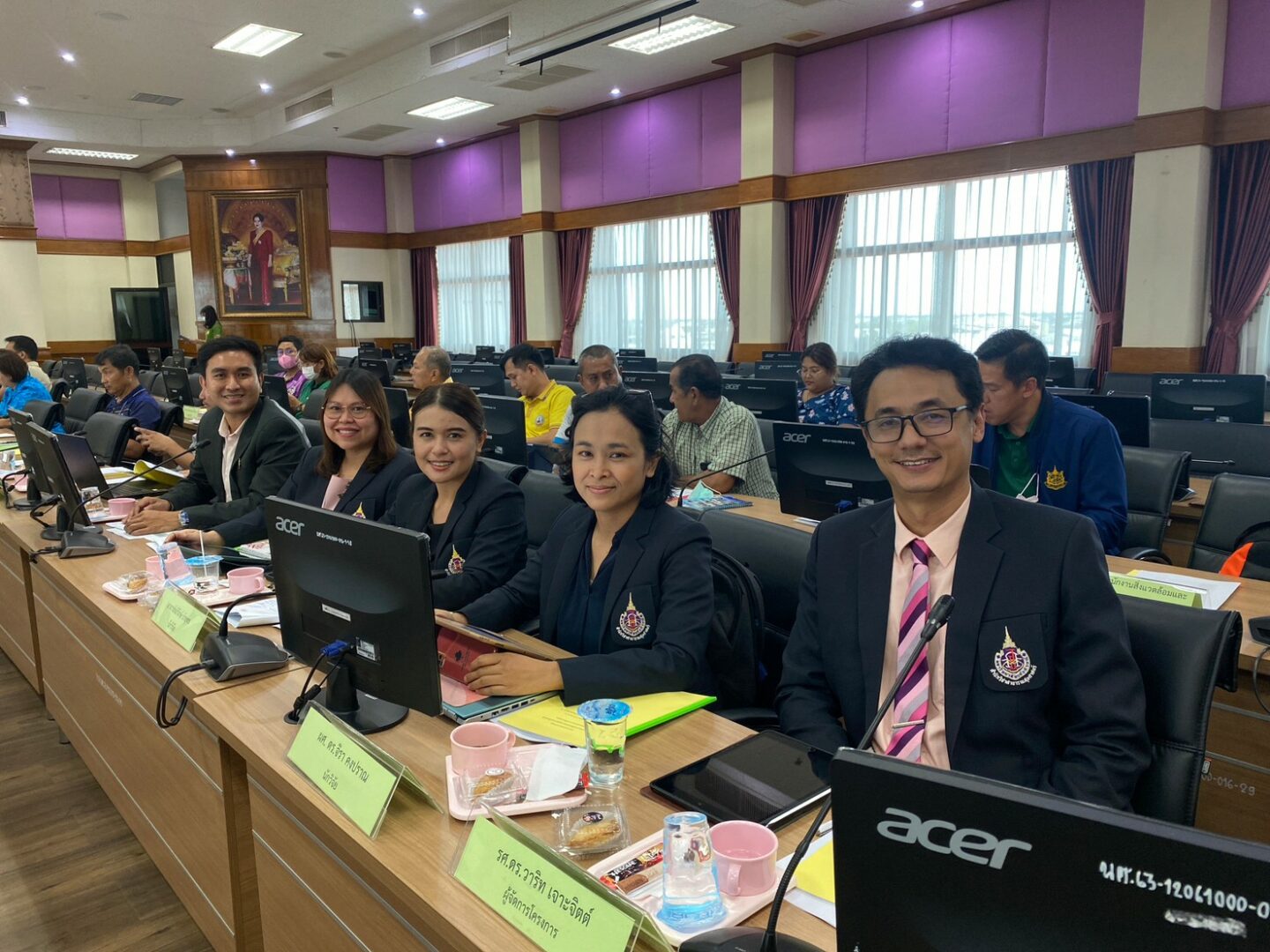
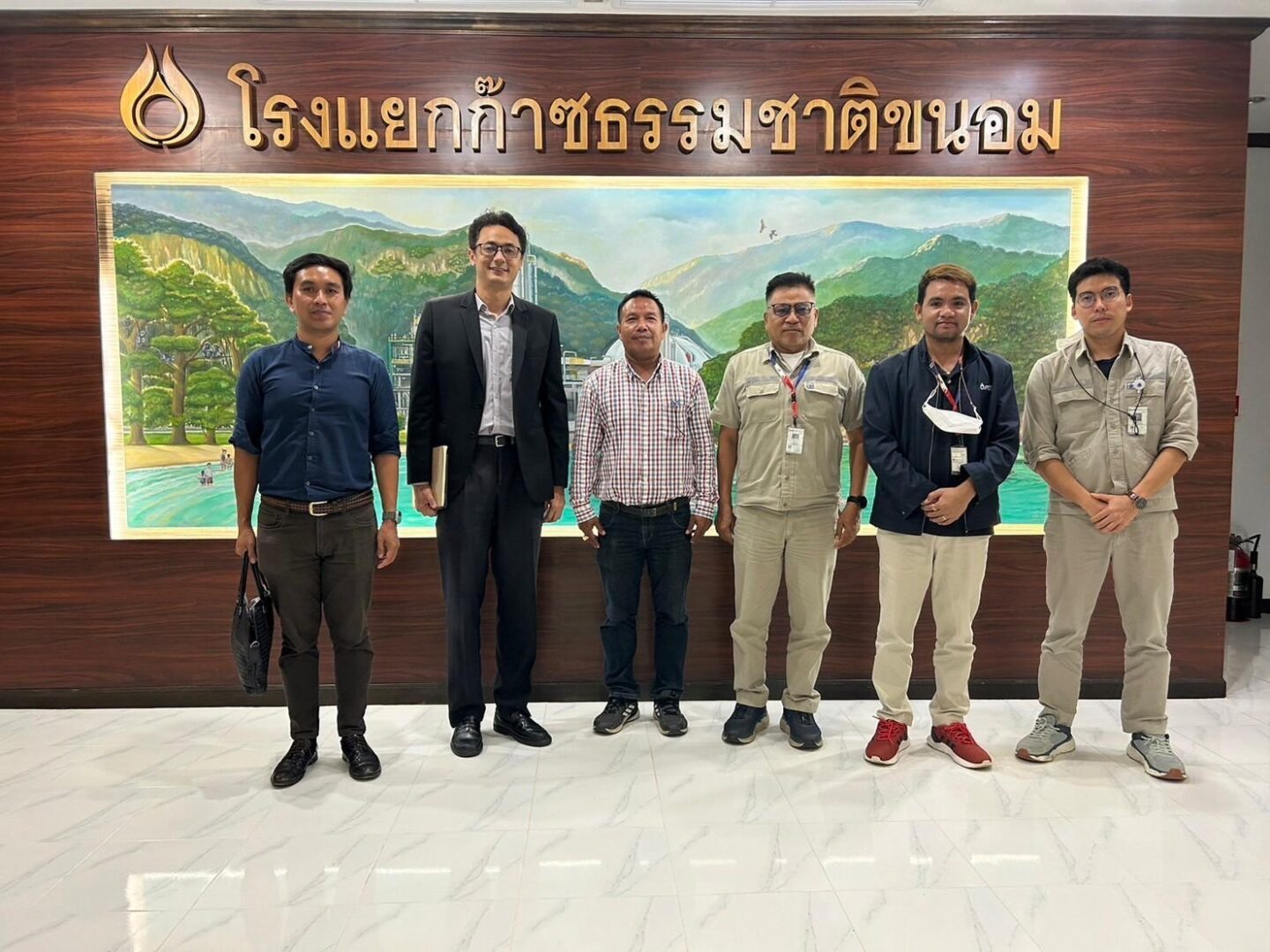
Figures : Assoc. Prof. Dr. Warit Jawjit and his research team visiting government organizations in Nakhon Si Thammarat to gather data for the development of the Provincial and Municipal Action Plans for Climate Change.
The research team developed and input into the government organizations and NGOs the Provincial and Municipal Action Plans for Climate Change, which will serve as key policies to address SDG 13 through several critical processes:
- Evaluating the greenhouse gas (GHG) emissions in Nakhon Si Thammarat and preparing detailed reports on the province’s GHG emissions.
- Analyzing the potential for GHG reduction in Nakhon Si Thammarat, with the action plans guiding all government organizations in the province on climate change mitigation strategies.
- Measuring and preparing Provincial Risk Profile Reports, based on six aspects of Thailand’s National Adaptation Plan, to model likely future risks with and without interventions.
- Developing a Provincial Climate Change Adaptation Plan to enable adaptive management and enhance the region’s resilience to climate change impacts.

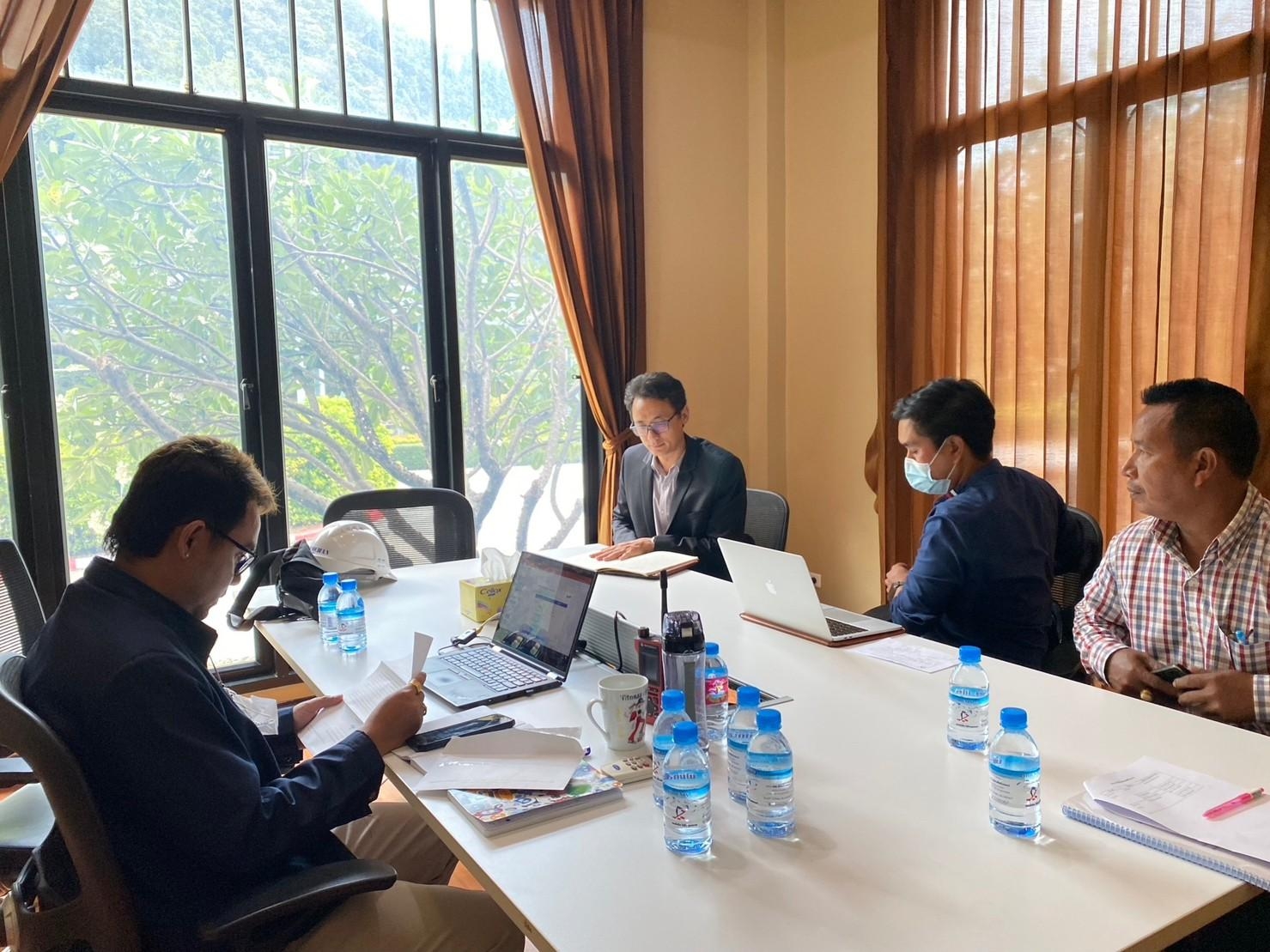
Figure : Assoc. Prof. Dr. Warit Jawjit meeting the staff from government organizations in Nakhon Si Thammarat to prepare the Provincial Risk Profile Reports.
Walailak University identified six key aspects of climate change in the province to address the challenges and issues it faces. These aspects included water management, agriculture and food security, health, tourism, natural resource management, and human settlement security. In addition, the university outlined interventions and measures that the province should adopt to mitigate climate change across these areas. These measures included improving village water supply management, developing climate-resilient crop production, strengthening the public health system, creating maps of high-risk agricultural areas, and implementing forest restoration initiatives.
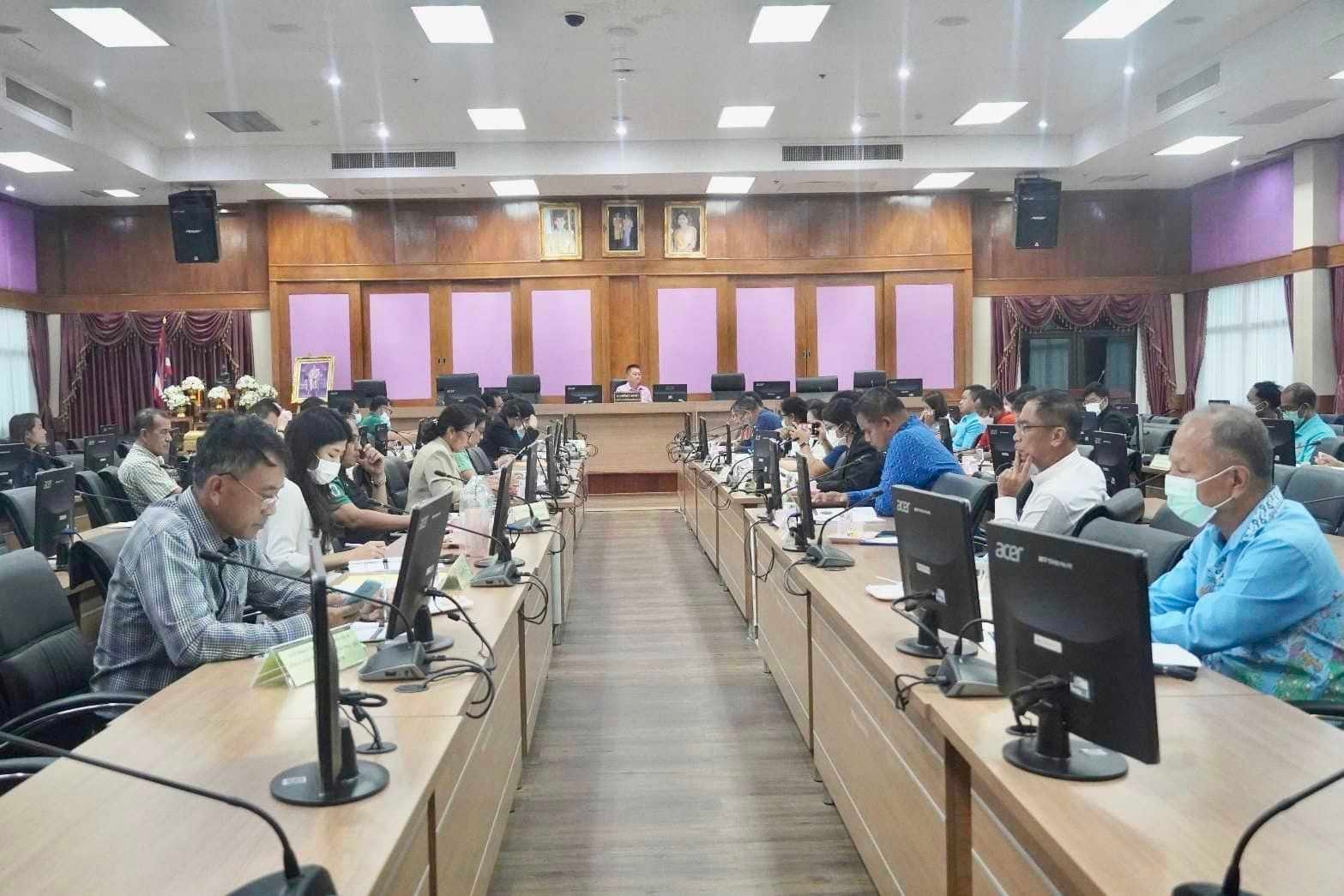
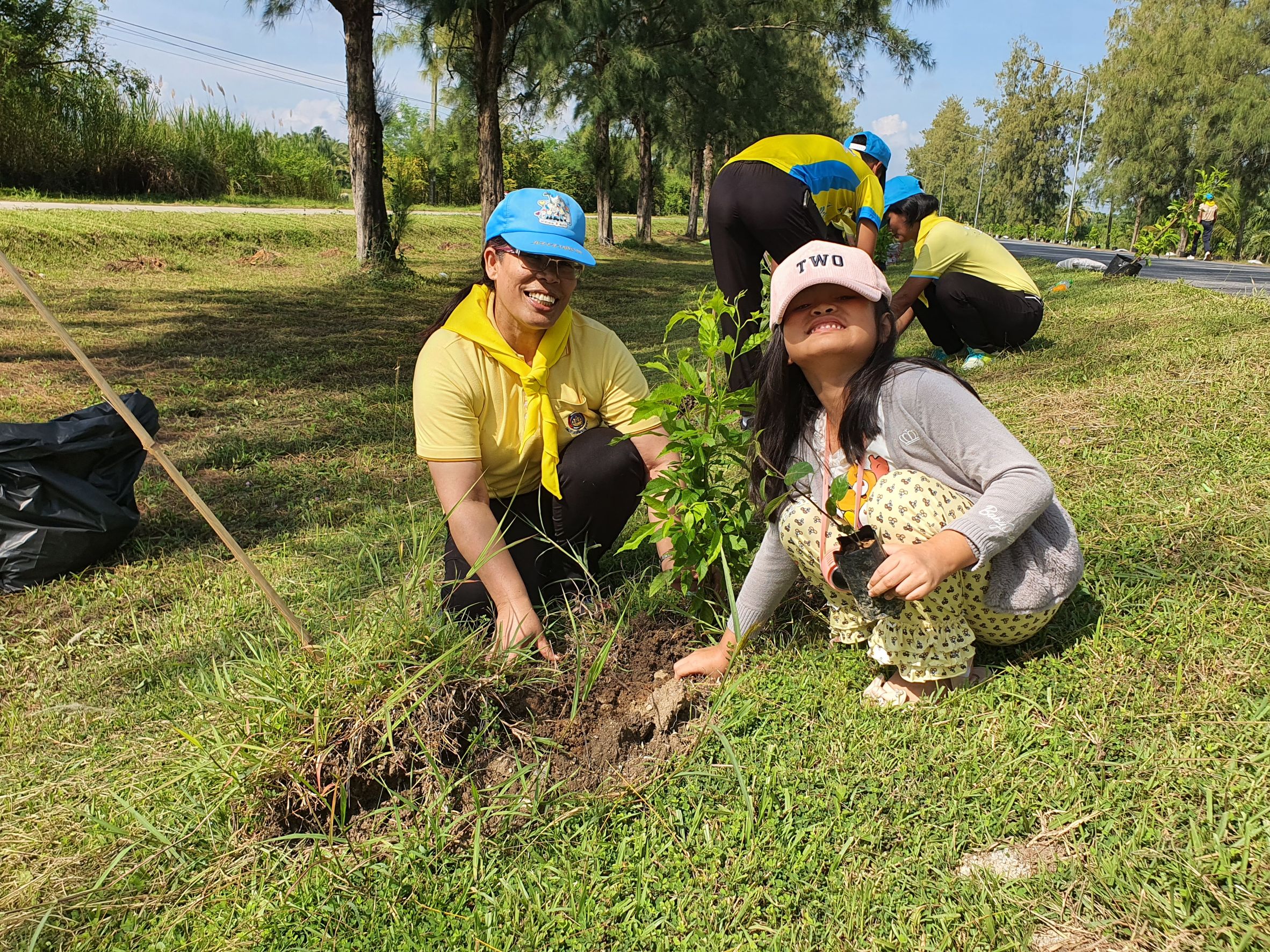
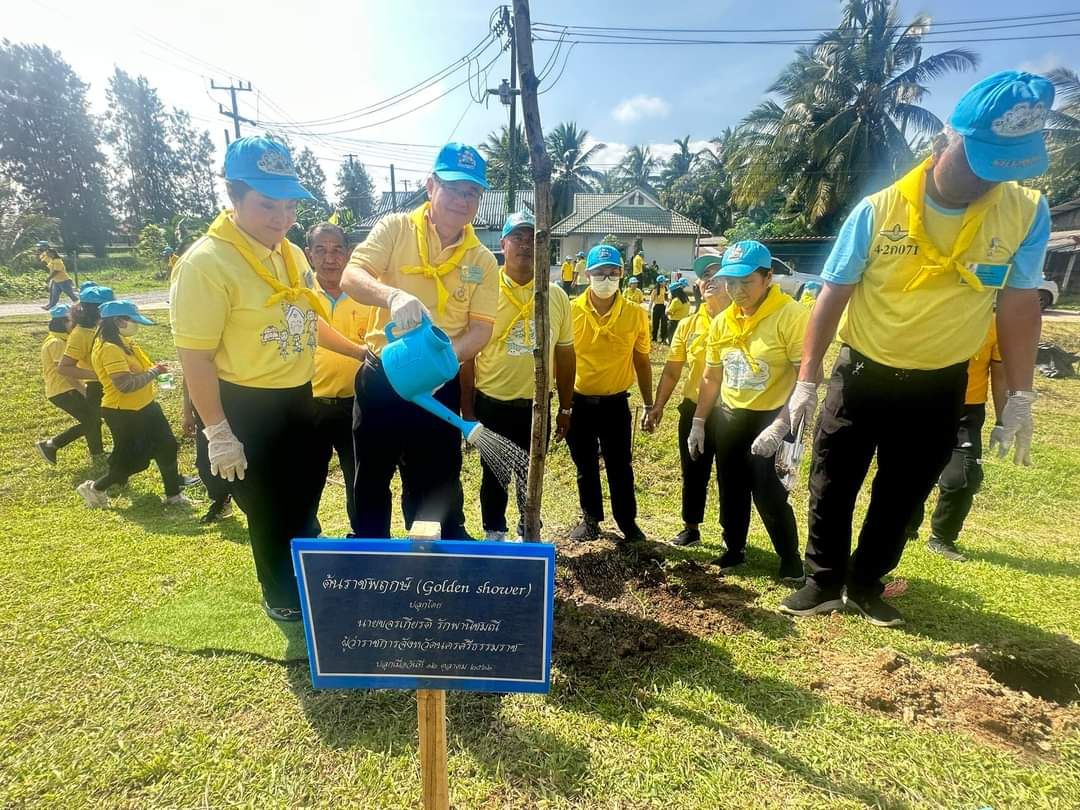
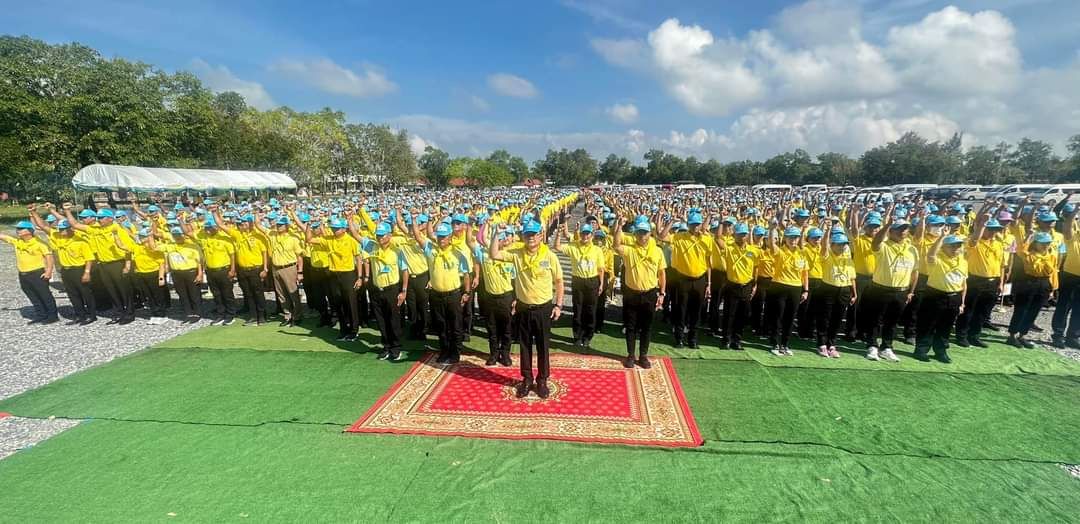
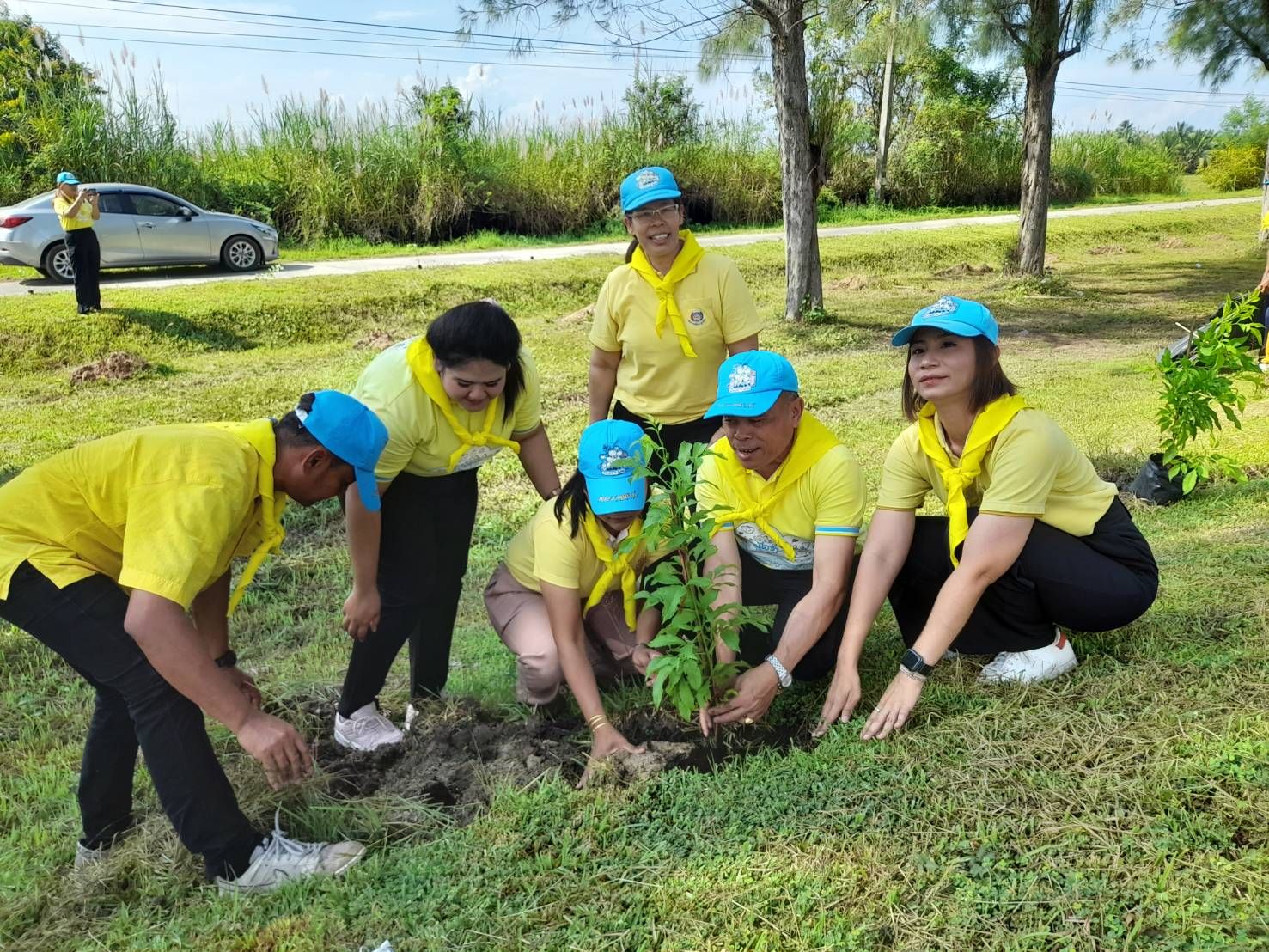
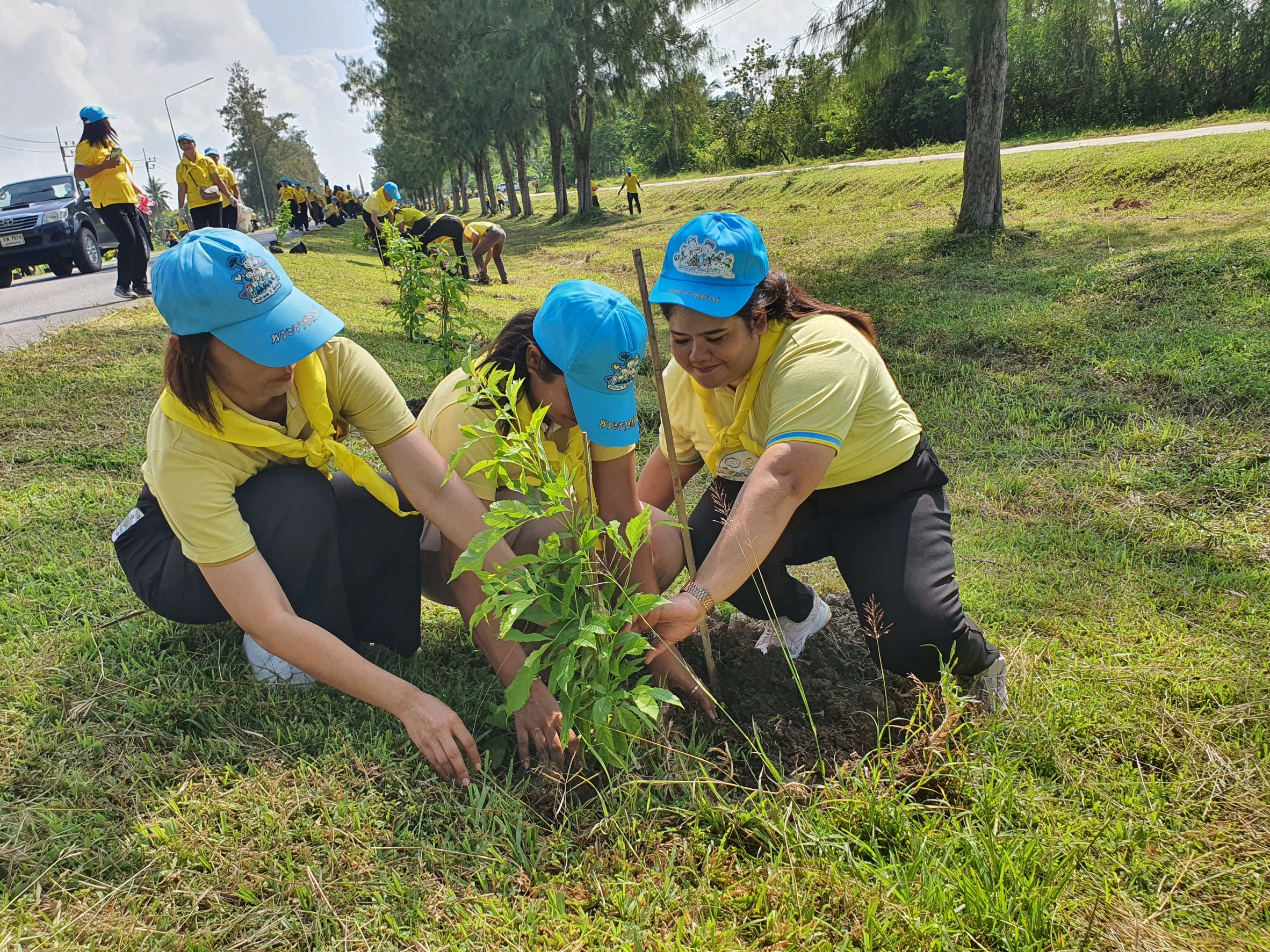
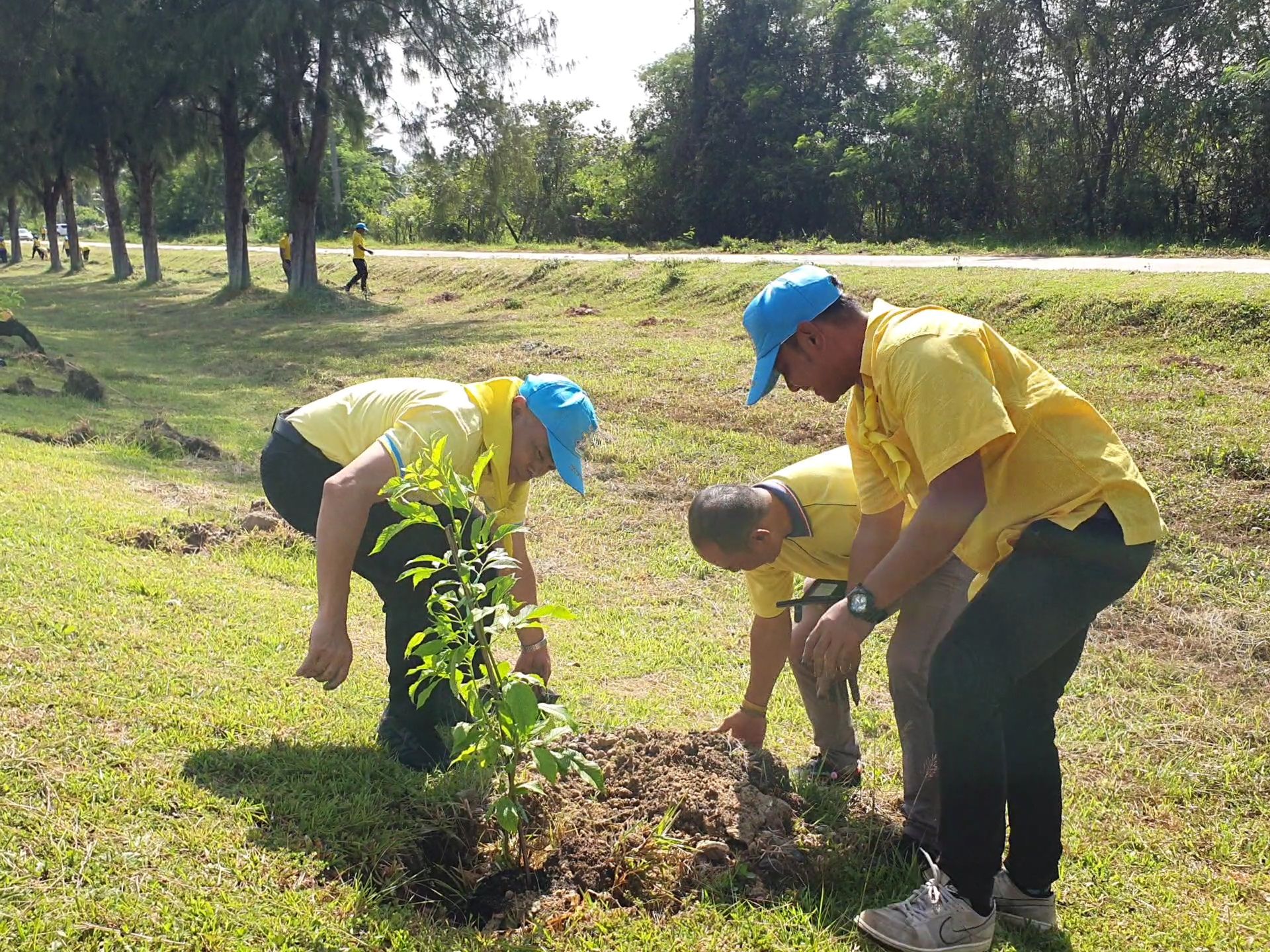
Figures : A government organization in Nakhon Si Thammarat organizing an activity for forest rehabilitation as required by the Provincial and Municipal Action Plans for Climate Change.
Walailak University Continually Collaborating with the Department of Fisheries for SDG Policy Development on Marine Resource Conservation
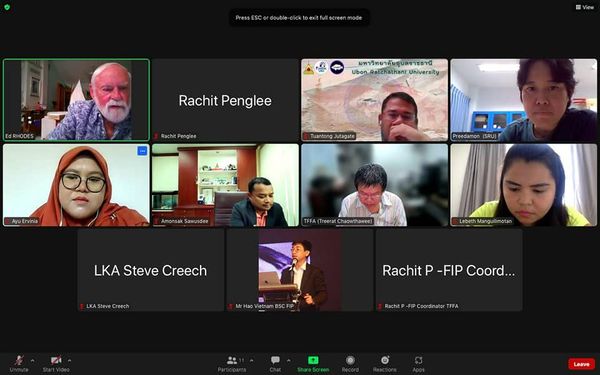
Walailak University has continuously established national and international collaborations to develop SDG policies on marine resource conservation through its research project titled “The Thai Blue Swimming Crab Fishery Improvement Project (BSC FIP).” This project involved partnerships with various national government bodies, NGOs, and international organizations, including the Marine Resources Assessment Group (MREG), the NFI Crab Council (United States), Local Fishery Associations in Surat Thani, Thai Sea Watch Association, Kasetsart University, Ubon Ratchathani University, the Department of Fisheries, the Department of Marine and Coastal Resources, and the Hydro-Informatics Institute.
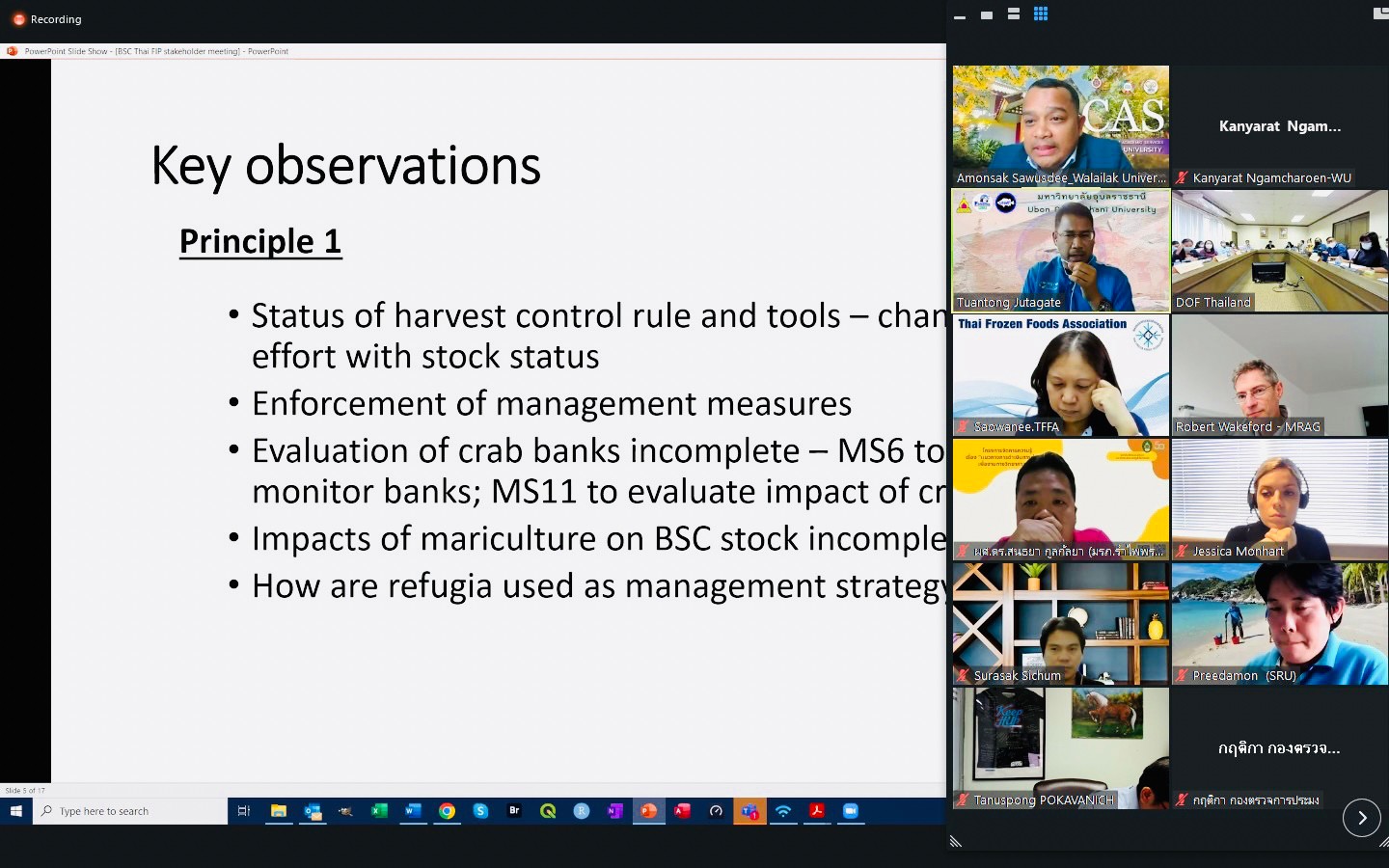
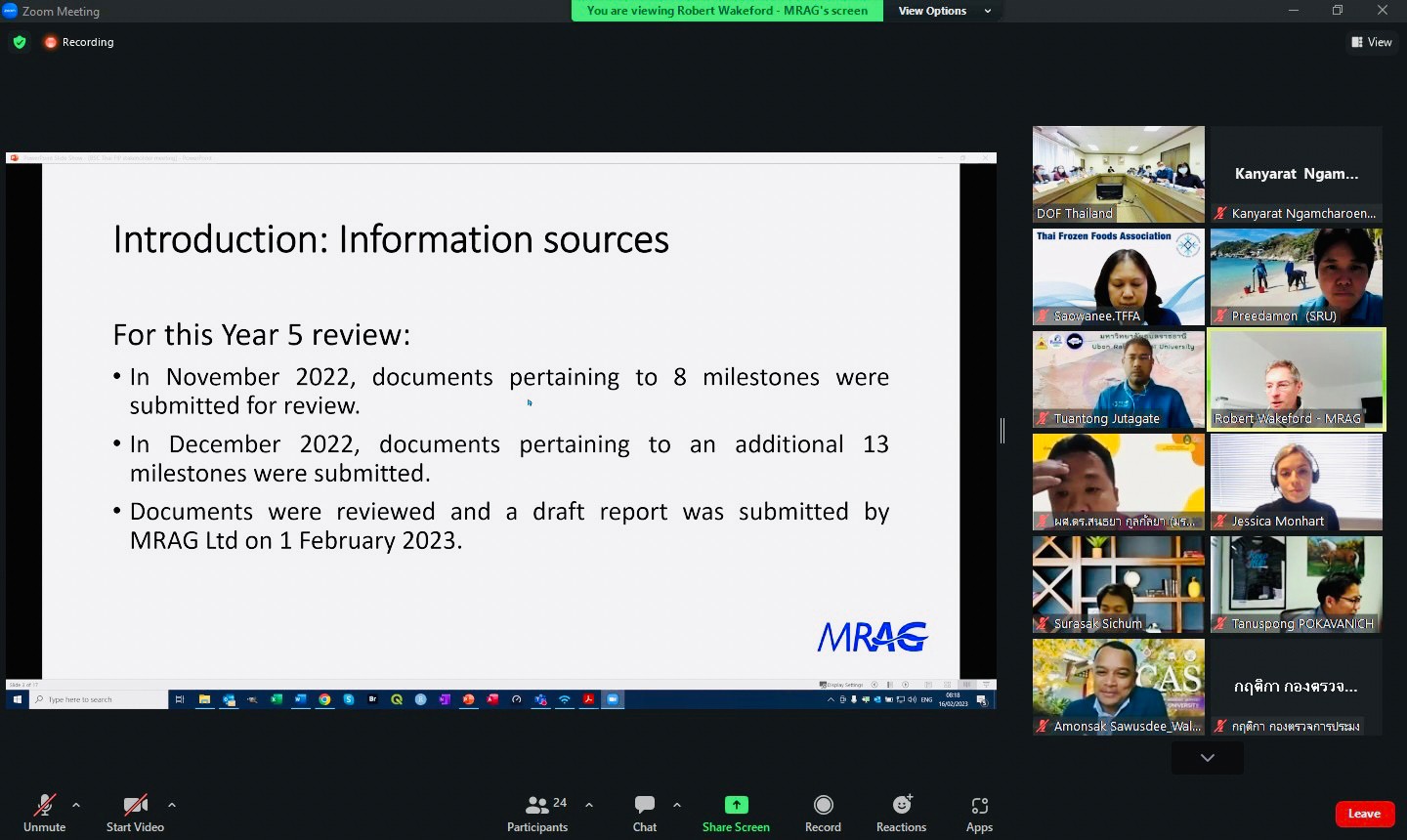
Asst. Prof. Dr. Amonsak Sawusdee of Walailak University, a member of the National Scientific and Technical Committee, has actively contributed to the research for over five years. In 2023, as part of the university’s direct involvement in SDG policy development under the project, Walailak University and other organizations presented measures and guidelines to the Department of Fisheries. These recommendations will inform SDG policies and new strategies to enhance the blue swimming crab population in Ban Don Bay, Surat Thani.
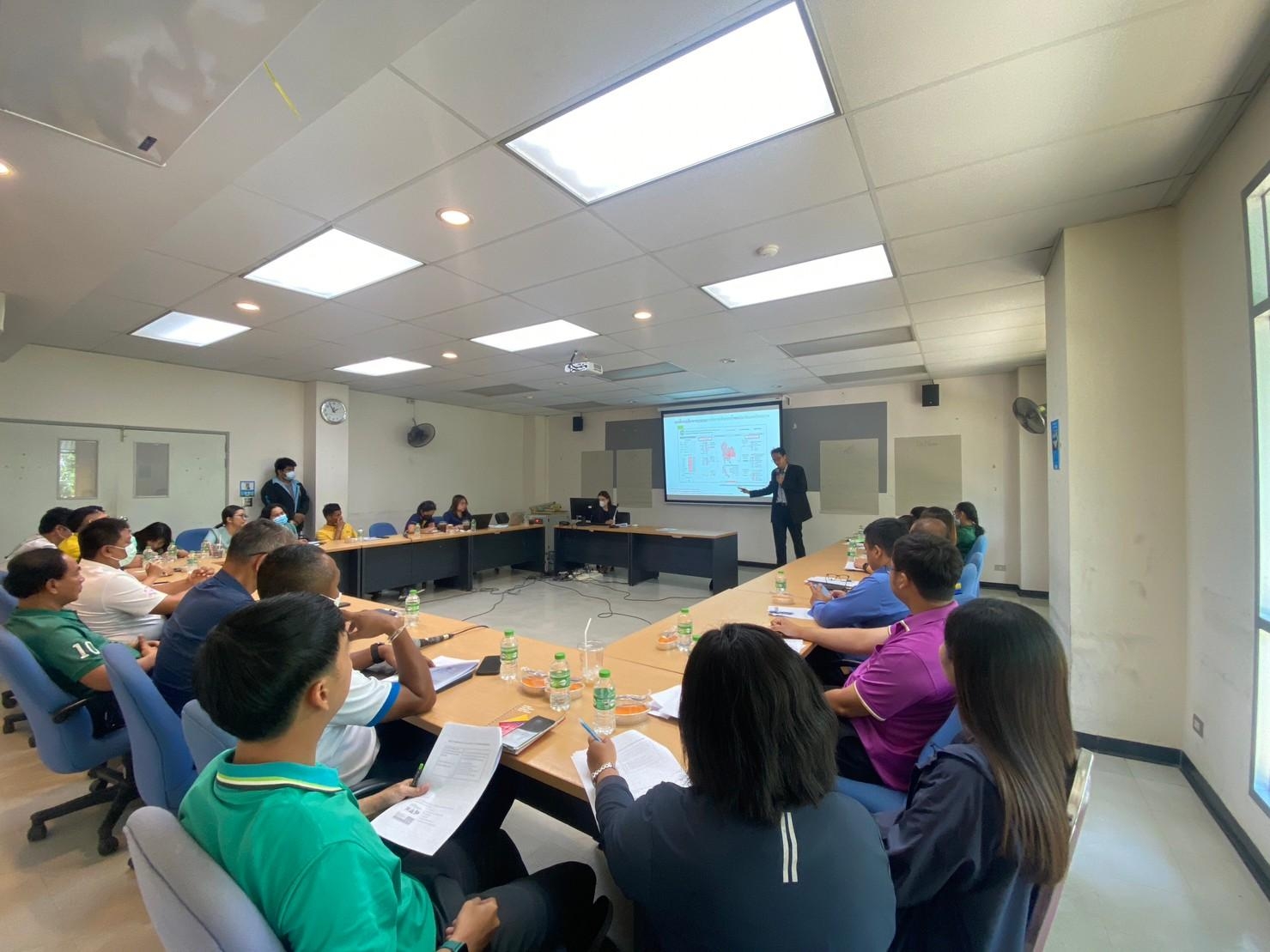
Figures : Assoc. Prof. Dr. Warit Jawjit and his research team visiting government organizations in Nakhon Si Thammarat to gather data for the development of the Provincial and Municipal Action Plans for Climate Change
Asst. Prof. Dr. Amonsak Sawusdee presented the following key measures to the Department of Fisheries for inclusion in future policies:
-
-
- Expanding the number of conservation zones for blue swimming crabs in Ban Don Bay.
- Implementing stricter mesh size limits to protect juvenile crab populations.
- Introducing additional measures to monitor and prevent unsustainable fishing practices in Ban Don Bay.
- Developing harvest control rules to manage and prevent overfishing of blue swimming crabs.
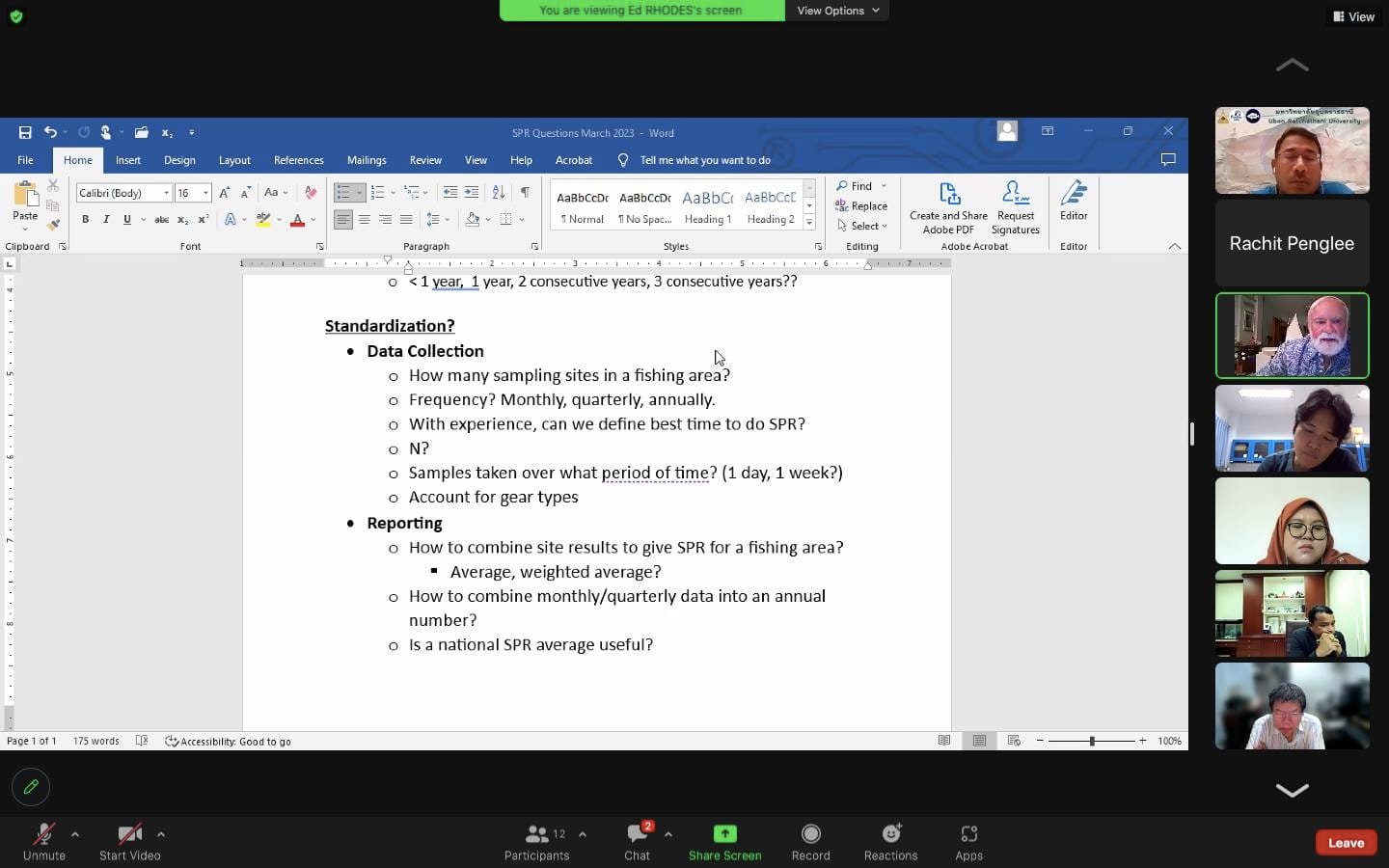
- Encouraging the use of the Length-Based Spawning Potential Ratio (LB-SPR) method to assess the crab population’s status and sustainability every two months.
-
These measures, developed by Asst. Prof. Dr. Amonsak Sawusdee and his research team, were based on models predicting a decline in the crab population if existing policies were not revised. The Department of Fisheries plans to incorporate these recommendations into new policies aimed at ensuring the long-term sustainability of blue swimming crabs in the region.
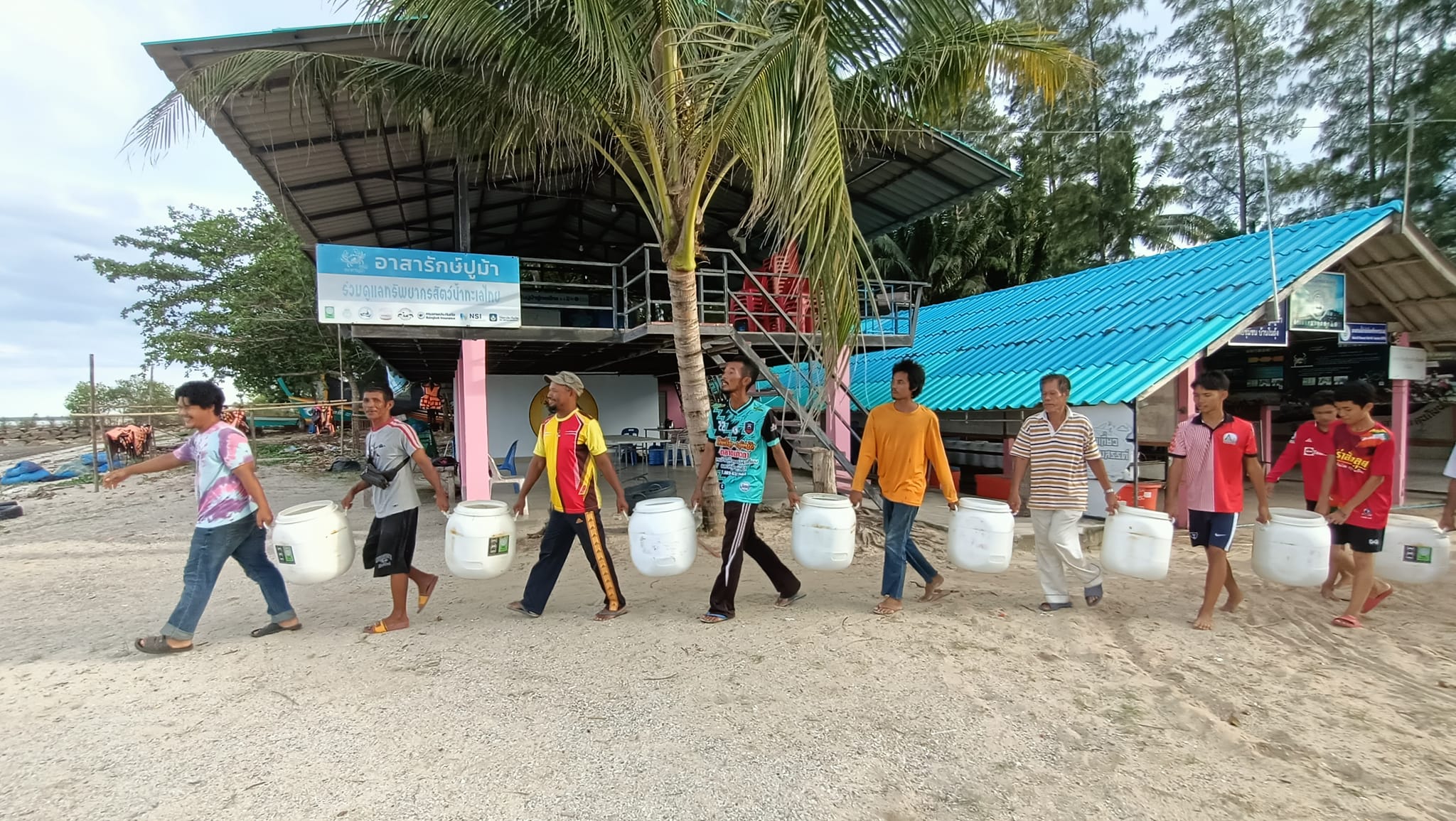
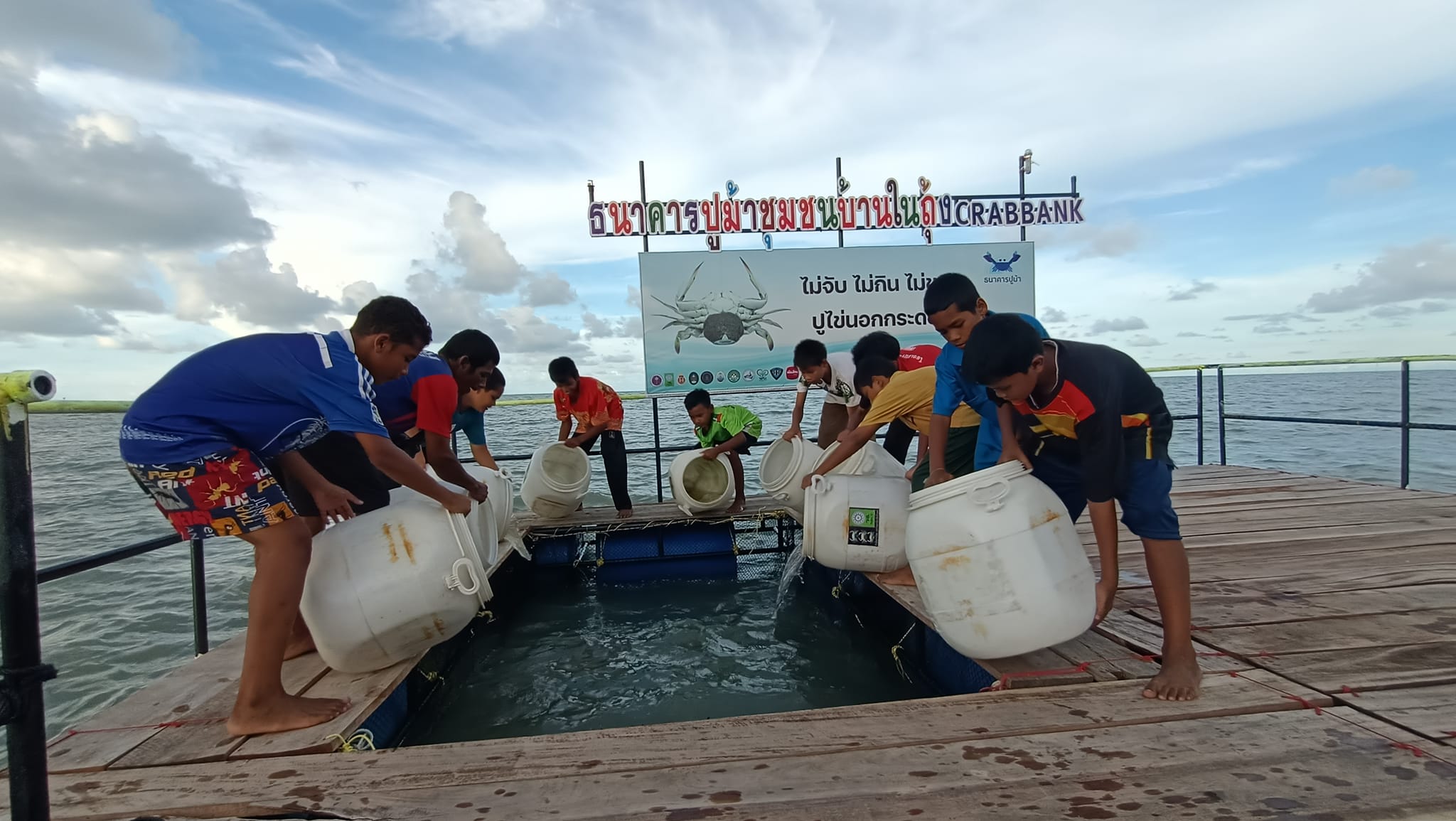
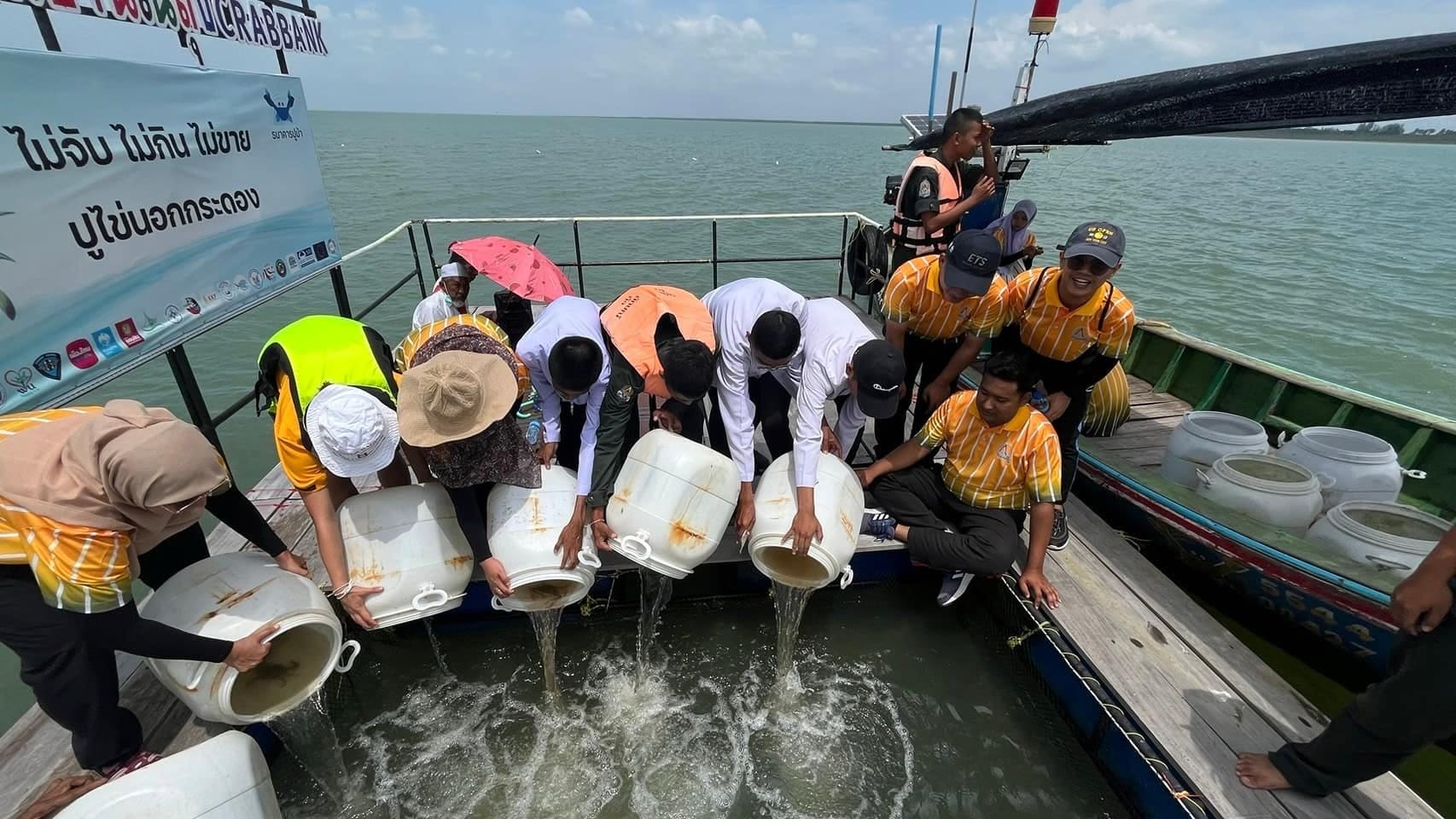
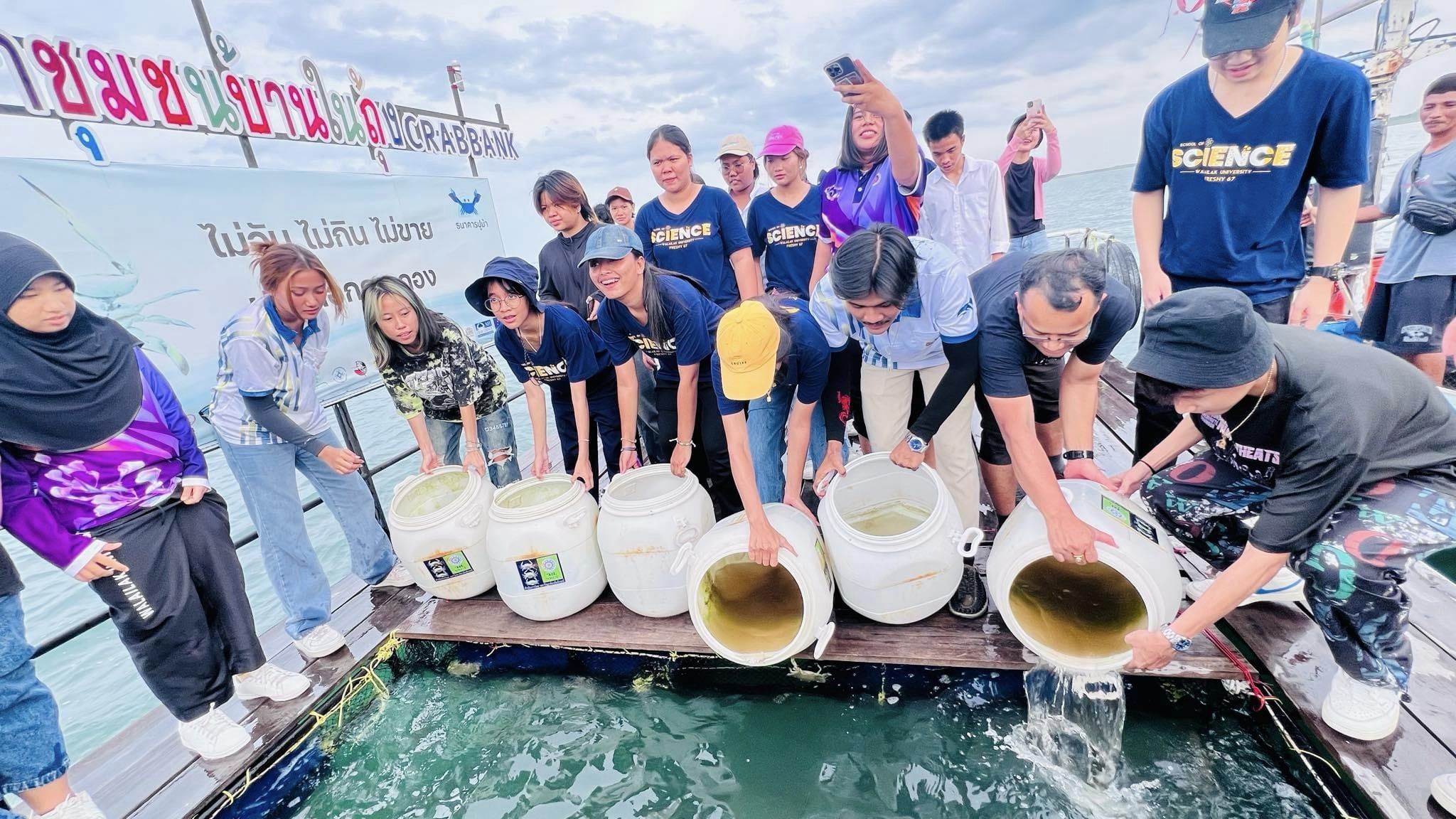
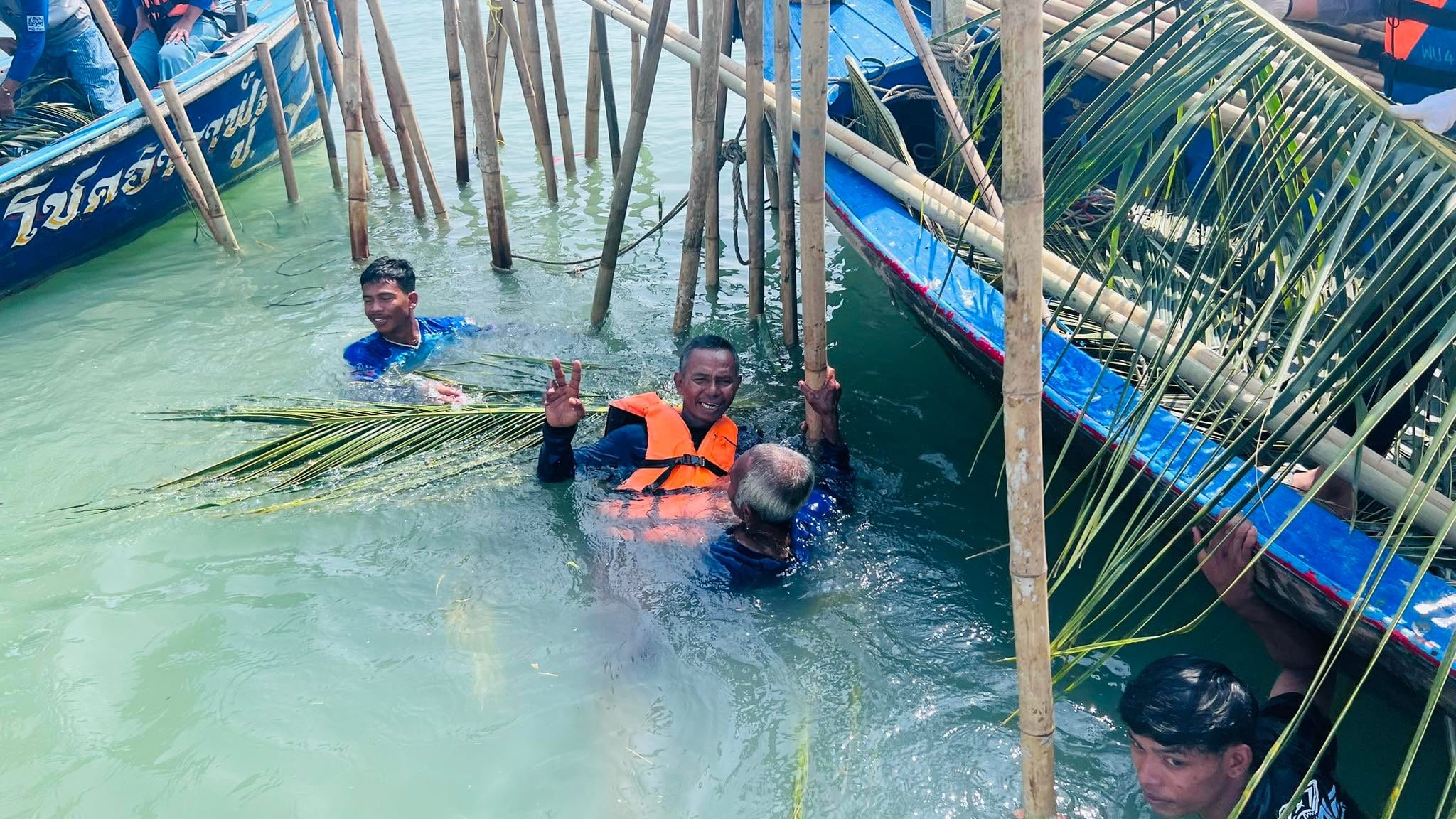
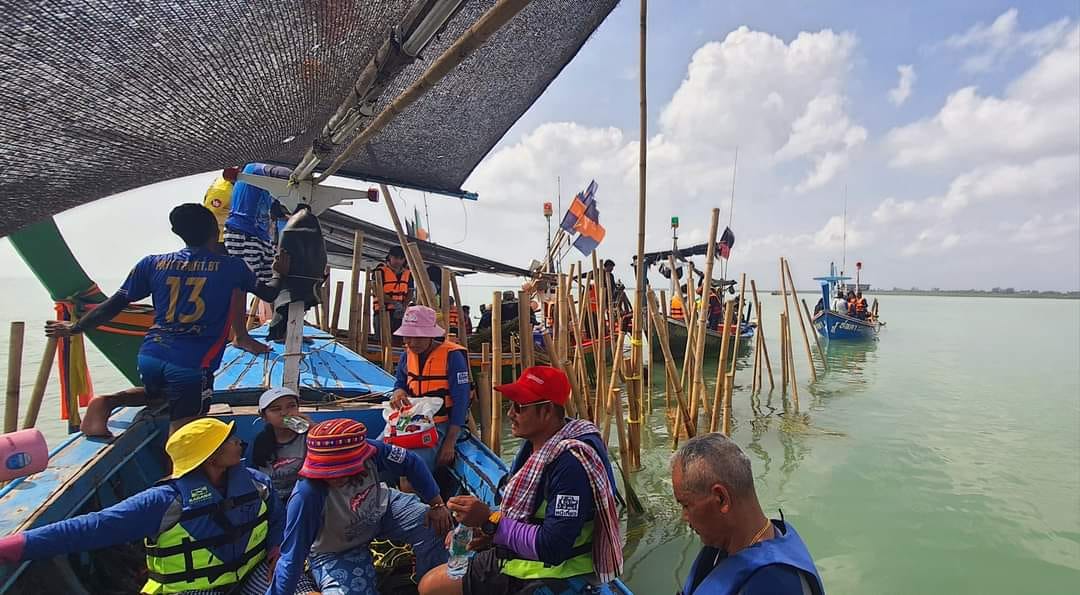
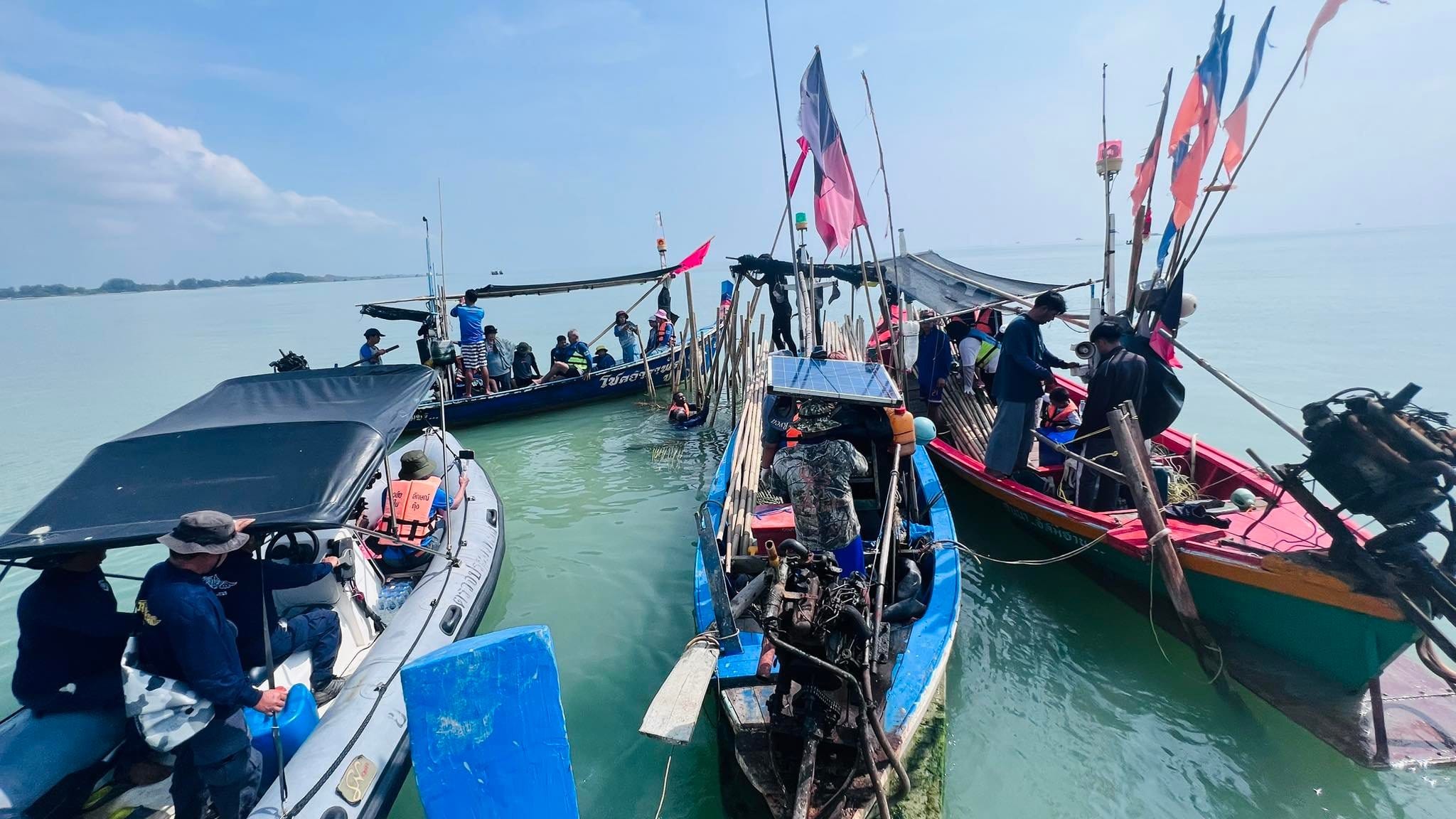
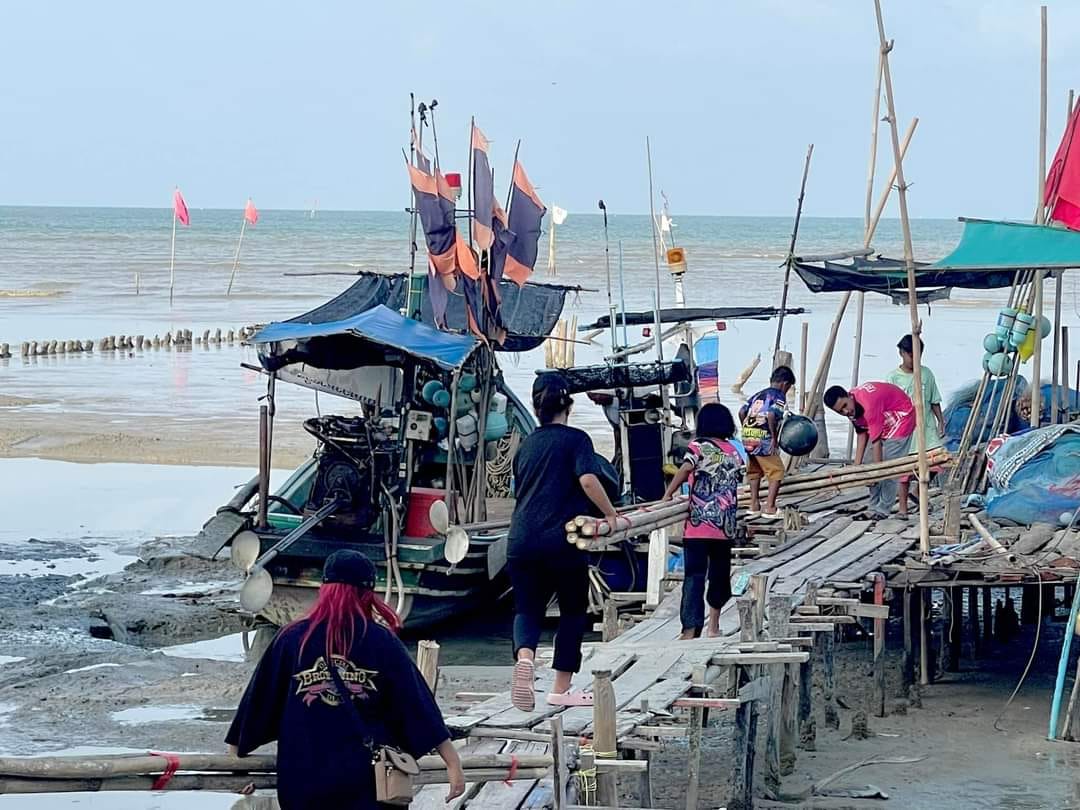
In collaboration with the Department of Fisheries, Walailak University has implemented several key interventions to protect the blue swimming crab population. These initiatives include educating local fishermen on the importance of avoiding harmful fishing practices, releasing blue swimming crab larvae into the wild to boost population growth, and building artificial fish habitats to improve the crabs’ natural environment. By encouraging sustainable fishing methods and restoring marine habitats, these efforts aim to prevent a future decline in the blue swimming crab population, ensuring the long-term sustainability of this crucial species. Additionally, these measures contribute to the health of the local ecosystem and support the livelihoods of fishing communities that depend on this valuable resource.
Figures : The local fishermen releasing blue swimming crab larvae to increase the crab population and building artificial fish habitats as part of the interventions
Related links:
https://cas.wu.ac.th/archives/21697
https://cas.wu.ac.th/archives/21706
https://cas.wu.ac.th/archives/23173
https://cas.wu.ac.th/archives/23187
https://cas.wu.ac.th/archives/24437
https://cas.wu.ac.th/archives/19609
https://fisheryprogress.org/sites/default/files/SRA%20Thailand%20BSC_final_public15122023.pdf
https://fisheryprogress.org/fip-profile/thailand-blue-swimming-crab-bottom-gillnettrap




Goal 17: Partnerships for the Goals
Goal 14: Life below water
Goal 13: Climate Action