Walailak University (WU) has made sustainable community development and the provision of academic services a core strategic priority to uphold its mission of being the “Pillar of the Region.” Over the next five years (2023-2027), the university plans to disseminate research findings and extend technological advancements to local communities, while also promoting lifelong learning. As a local knowledge center, the university offers free access to all facilities such as labs, technologies, plant stocks, and educational resources to help communities achieve balanced and sustainable livelihoods, with a focus on food security, sustainable farming practices, and skill development for alternative career paths.
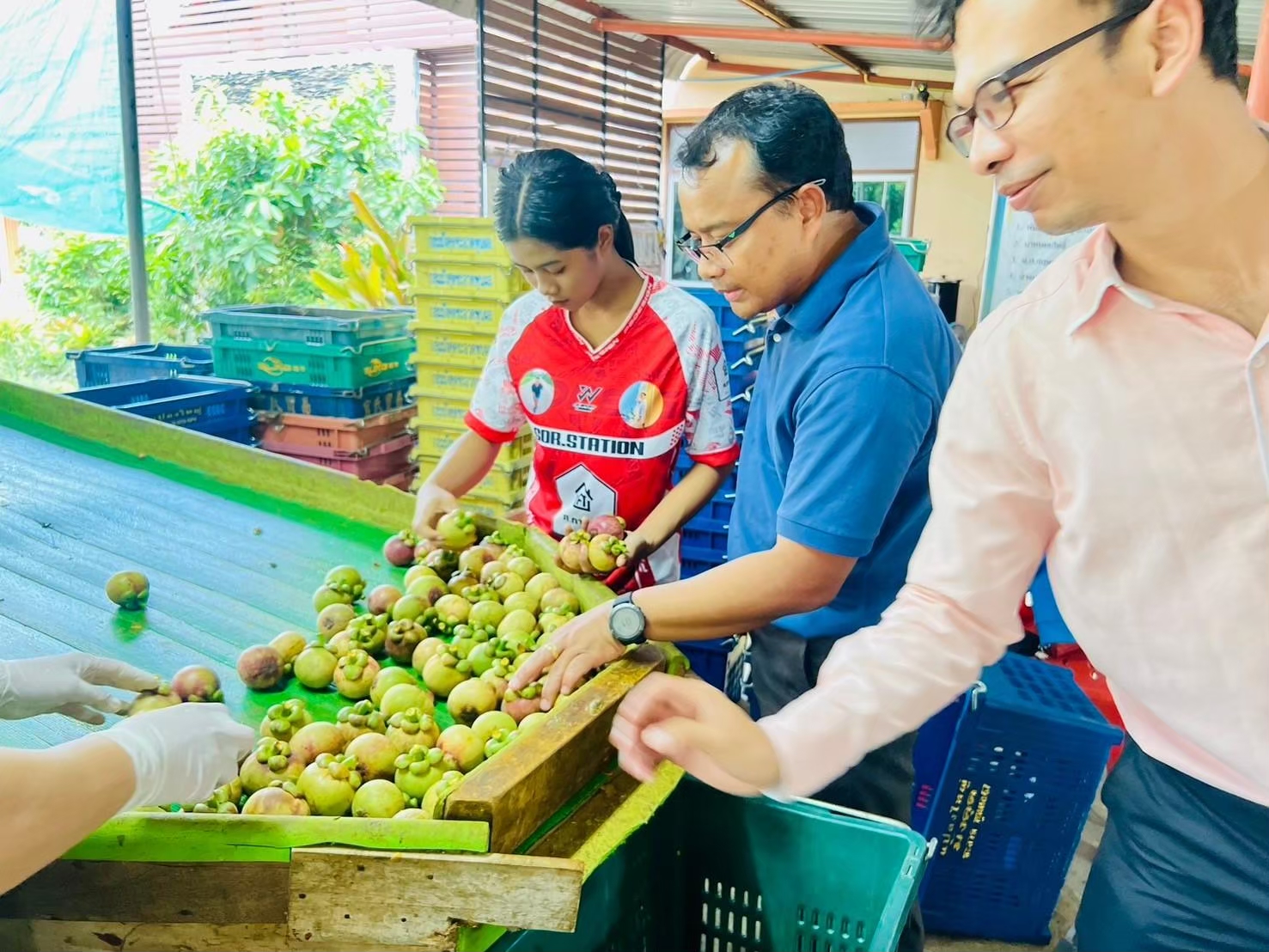
The university provides free academic services and resources, including labs, advanced technologies, and plant stocks, to farmers, food producers, and restaurant operators, involving stakeholders from both the public and private sectors, as well as the general public. Through interactive learning formats such as hands-on workshops, Walailak offers services like soil and water analysis, laboratory testing for livestock seminal fluid, and resource evaluations. The university also encourages collaborative learning by creating networks and involving farmers and entrepreneurs in research projects, enabling them to experiment with new techniques and share findings. Additionally, study tours are organized to help farmers broaden their knowledge.
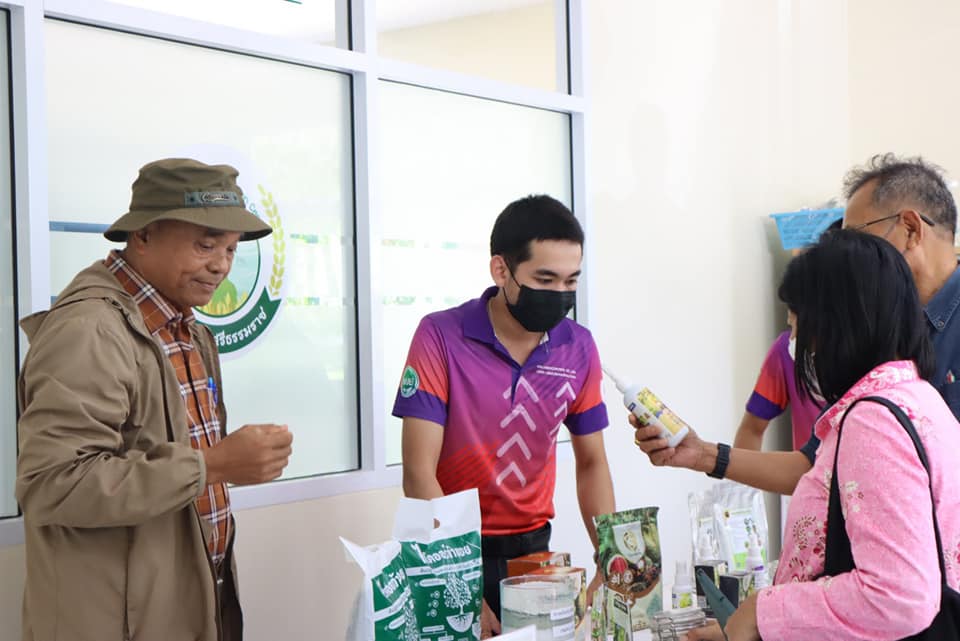
In 2023, Walailak University (WU) is consistently committed to supporting local farmers and food producers by offering free access to all the cutting-edge laboratories, technological resources, and plant stock services. These resources aim to enhance agricultural production, improve food safety, and encourage sustainable practices.
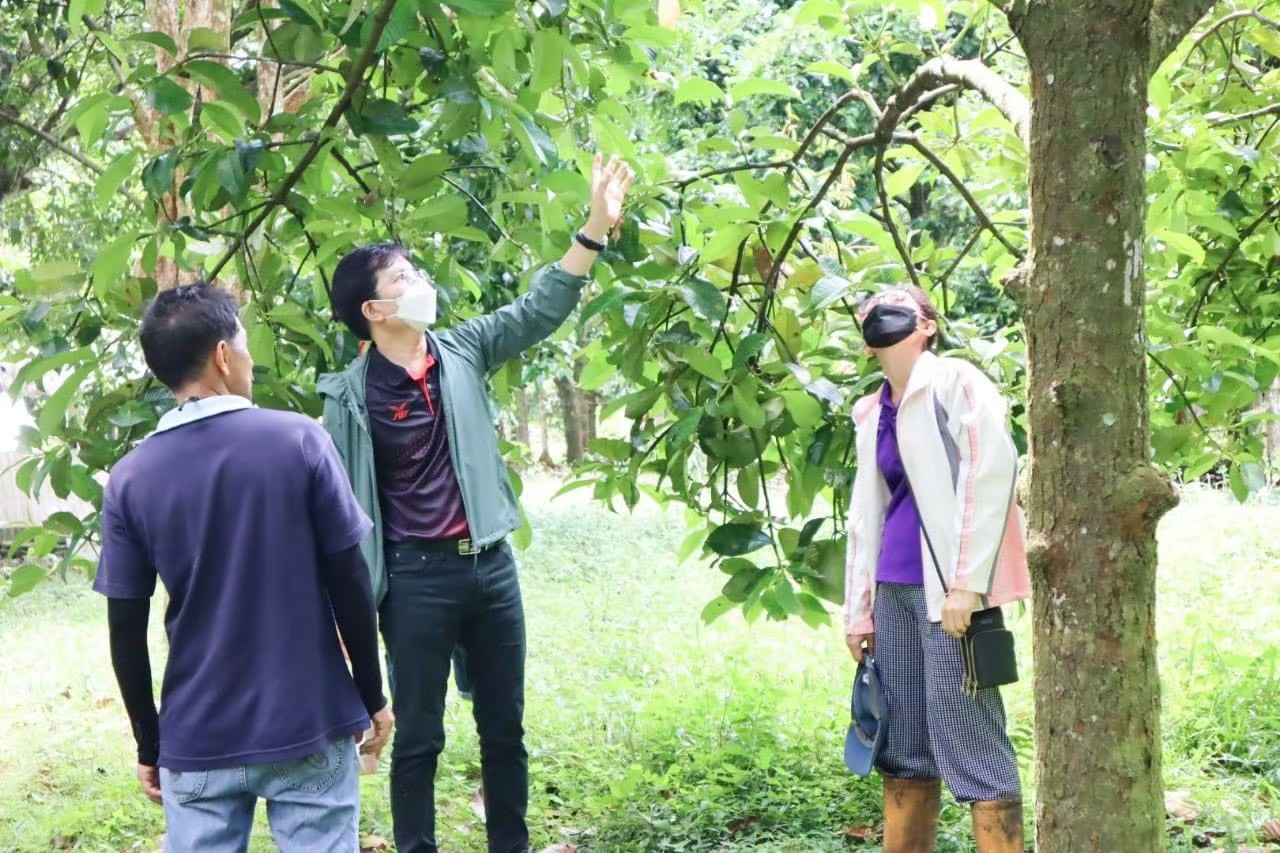
Walailak University has allocated substantial resources to assist local farmers in enhancing their agricultural practices through sustainable methods. By offering access to modern laboratories, advanced agricultural technologies, and high-quality plant stocks, WU helps farmers boost productivity and contribute to regional food security.
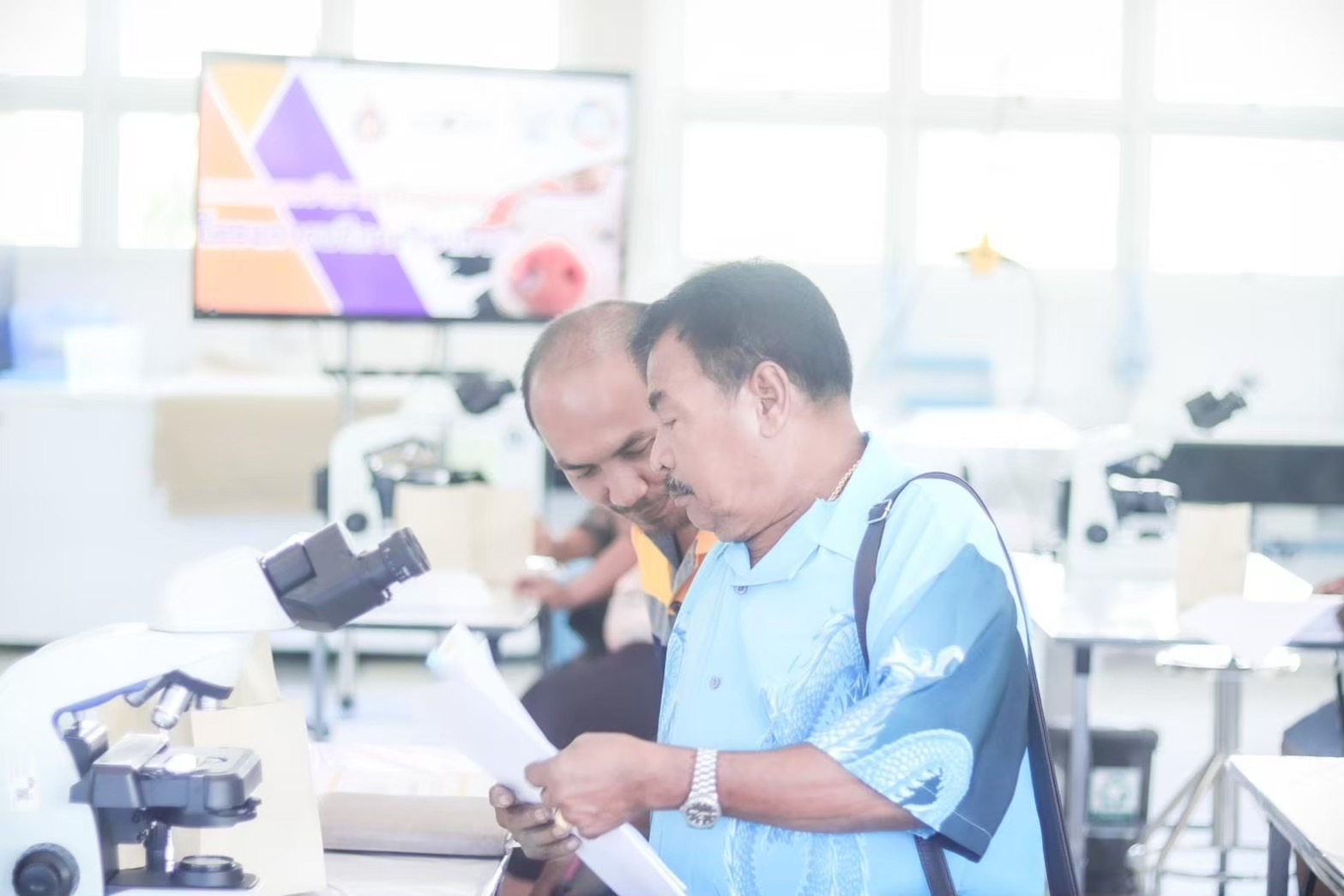
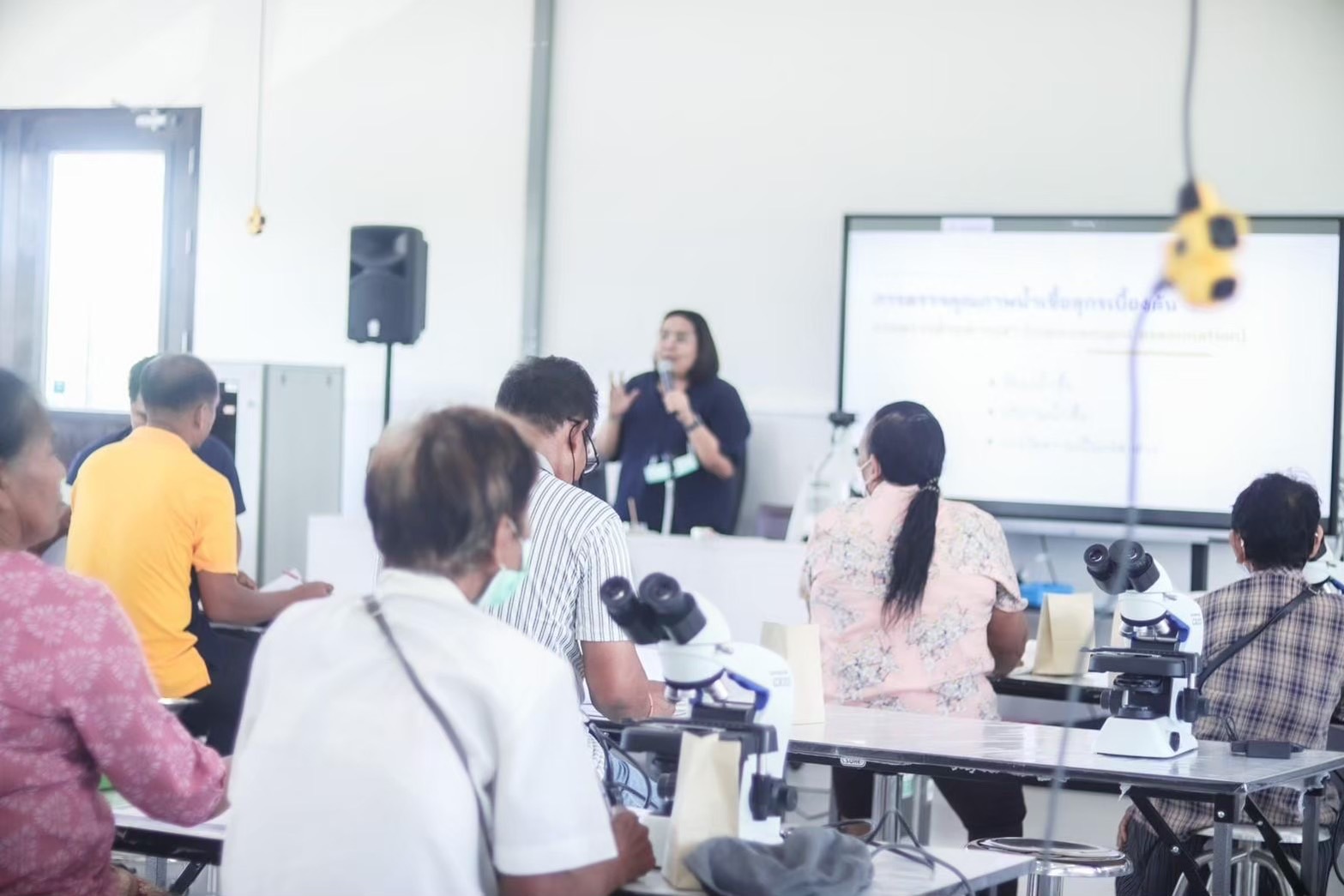
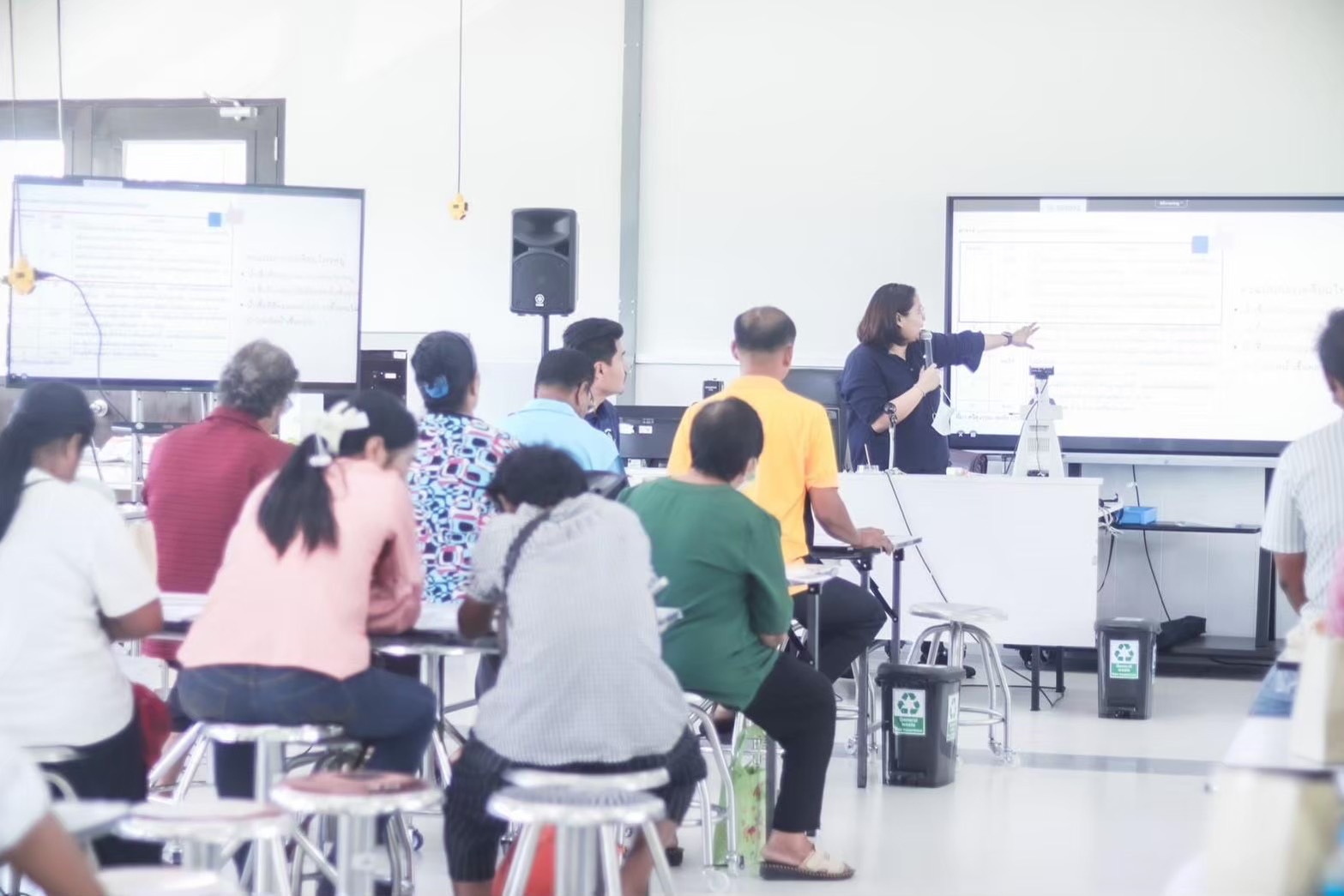
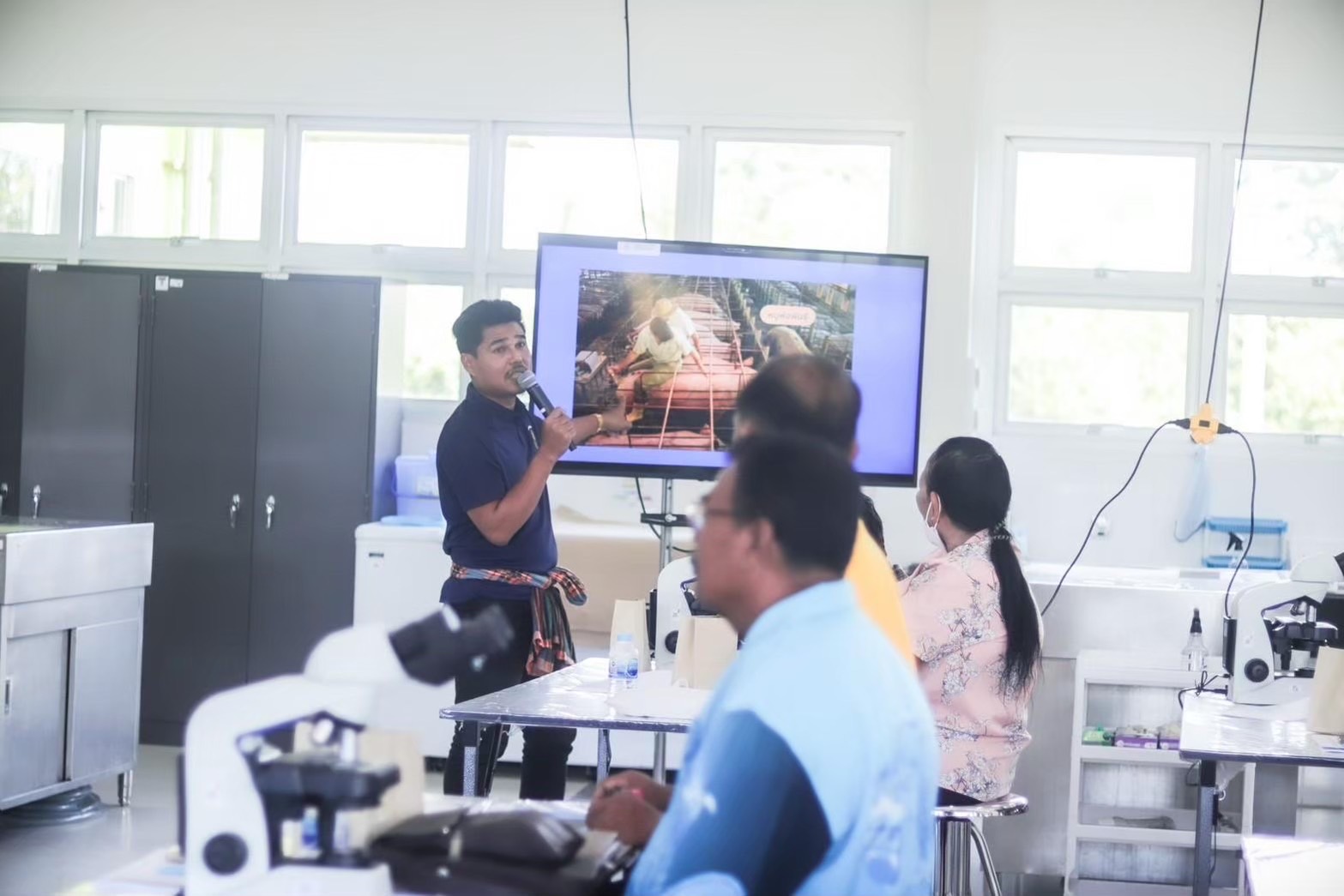
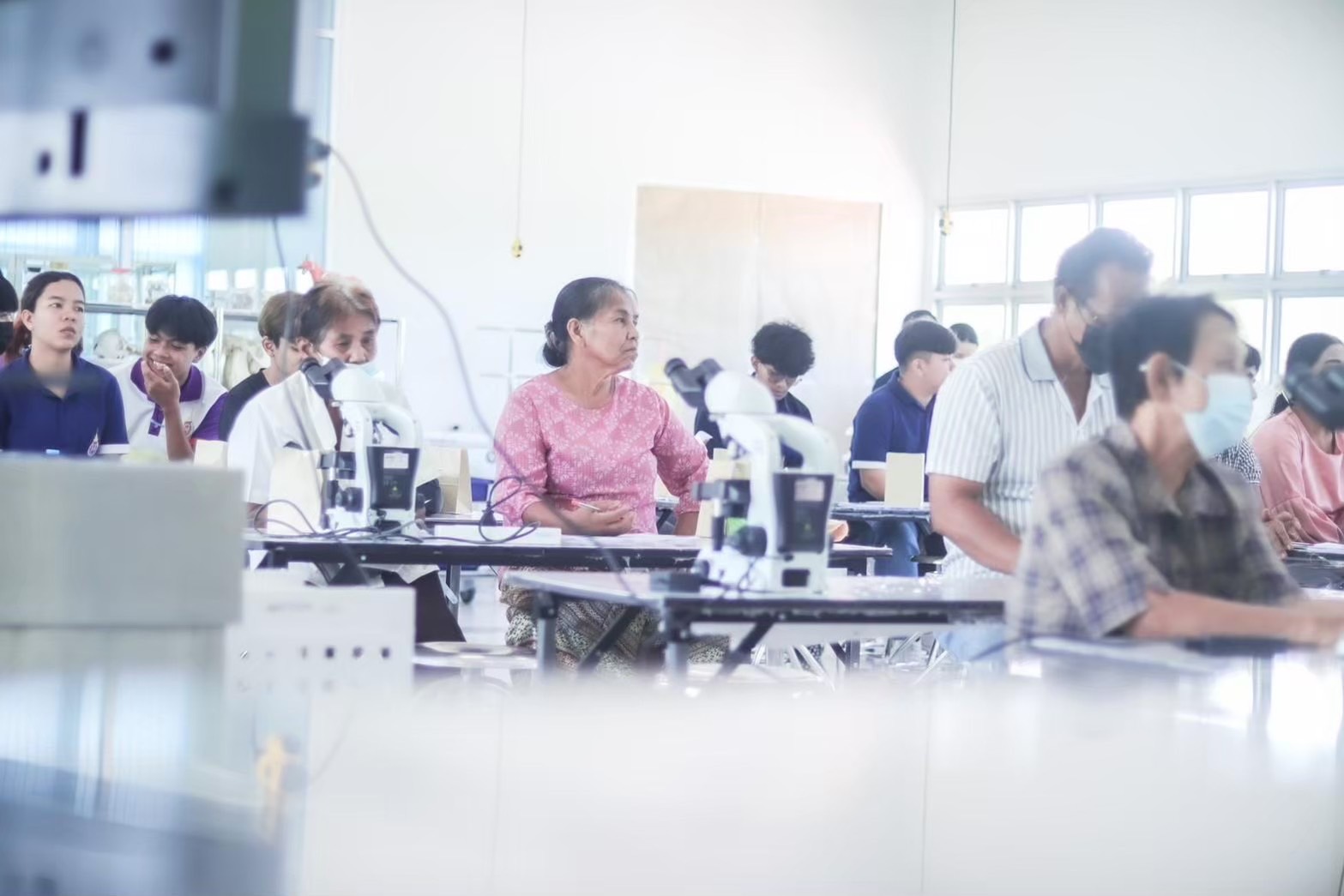
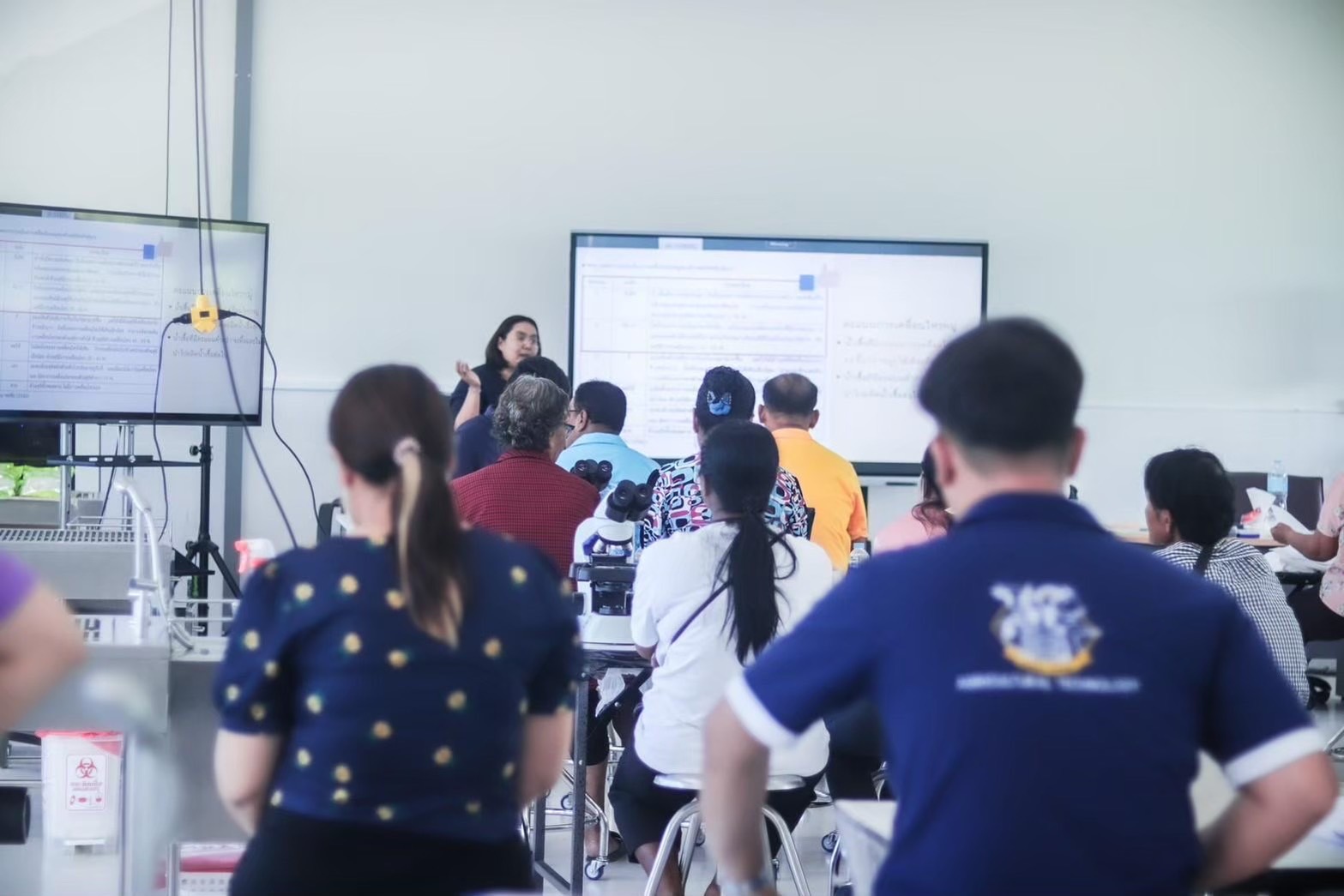
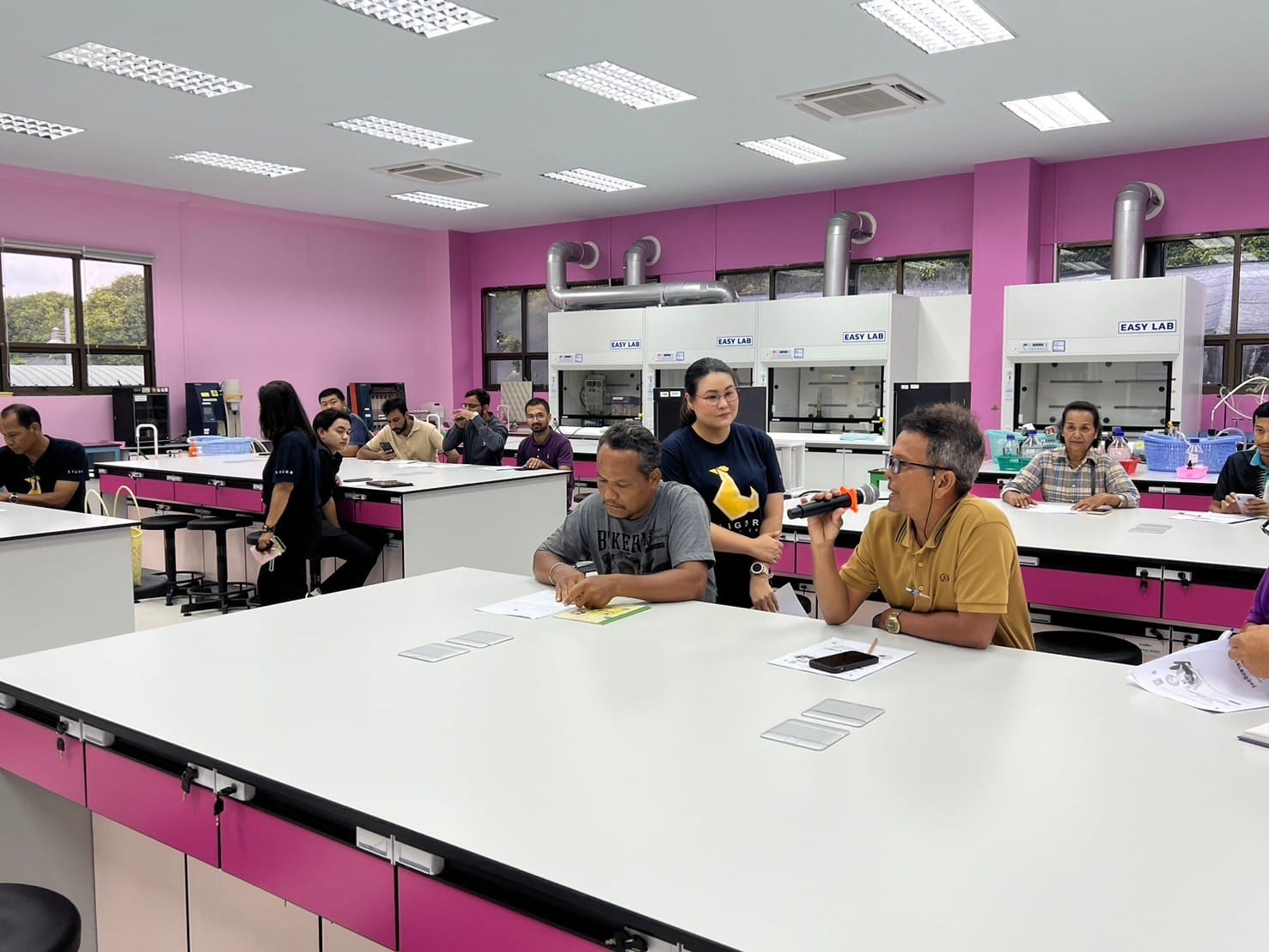
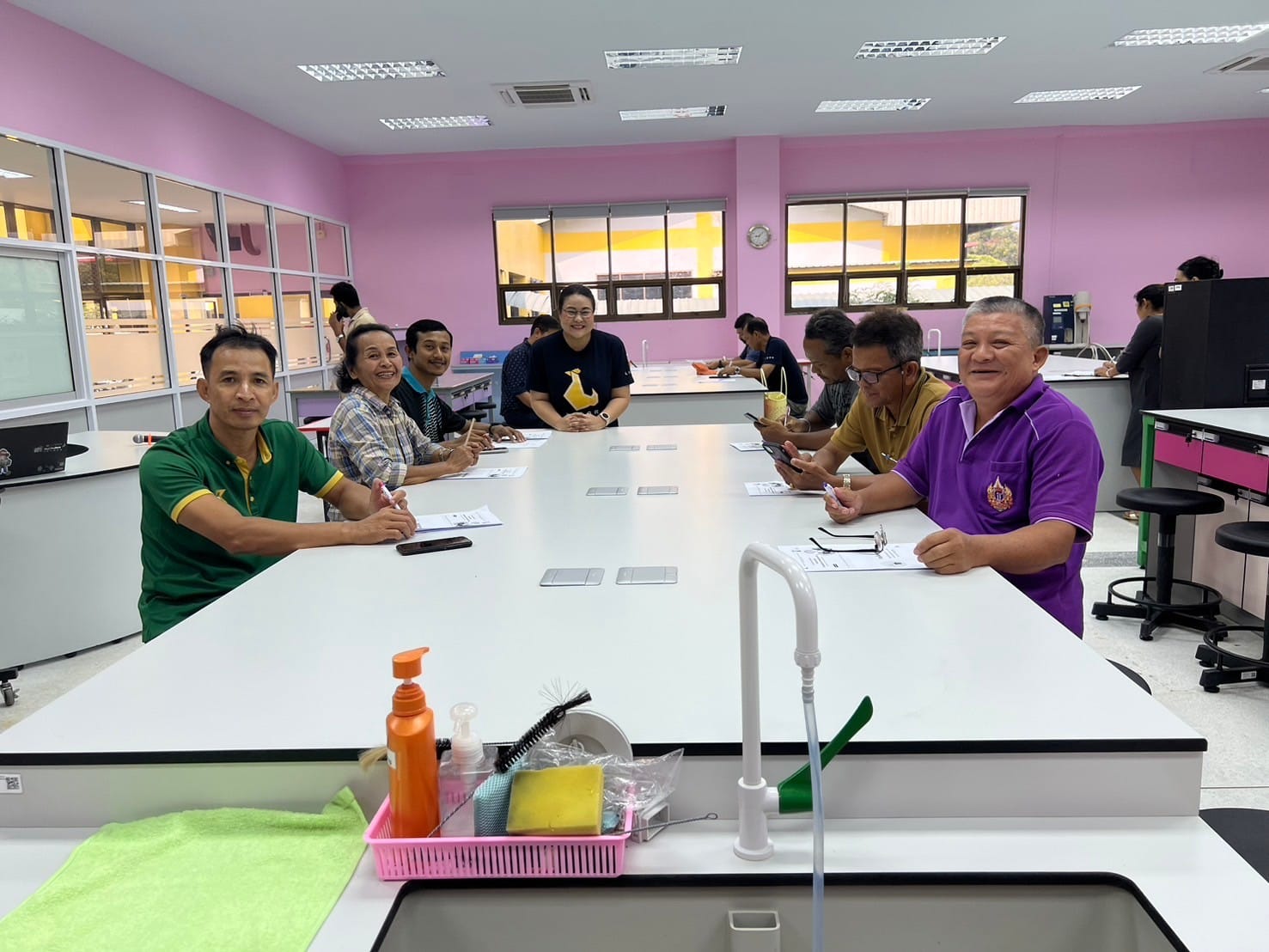
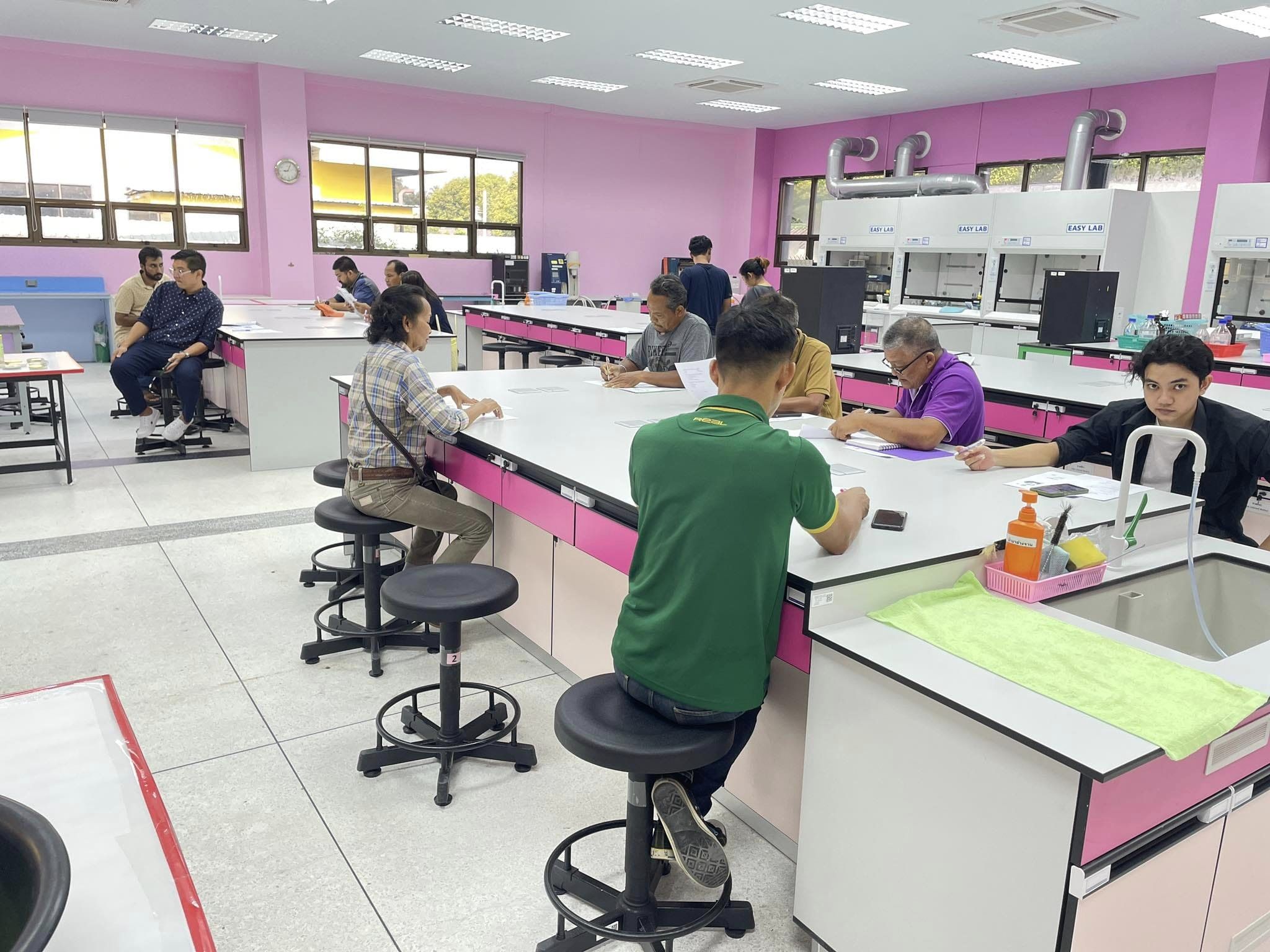
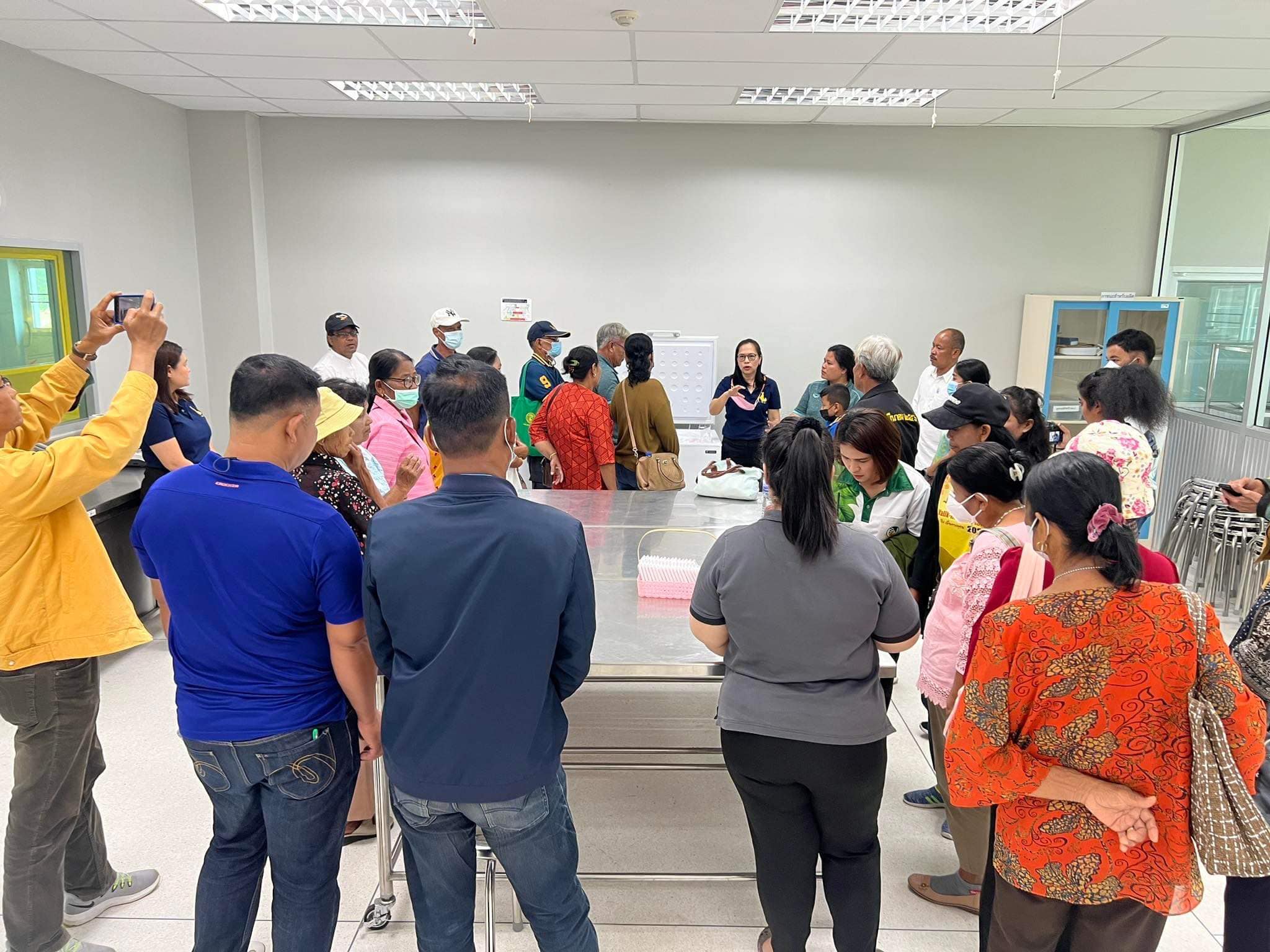
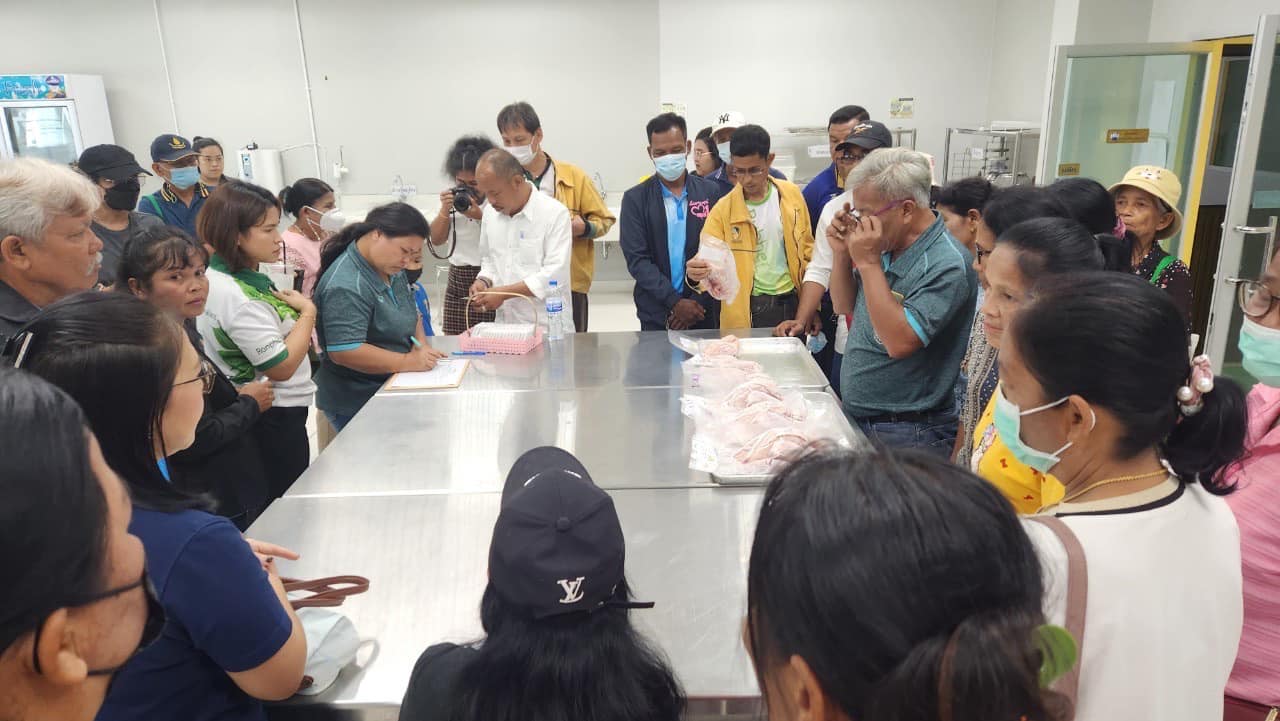
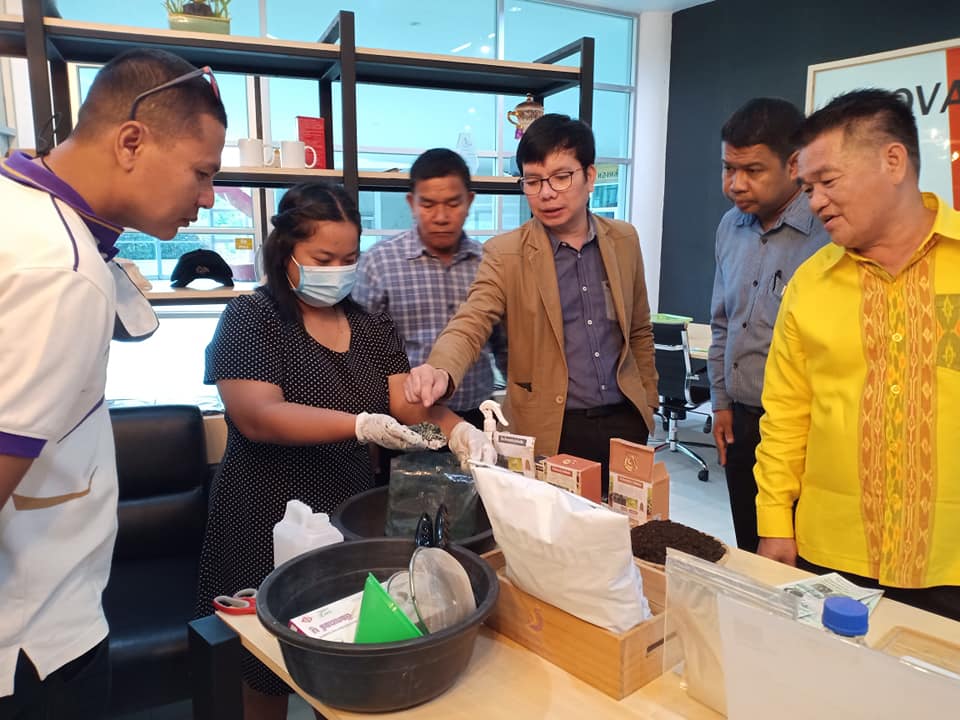
Walailak University is devoted to providing hands-on training programs for farmers and nearby communities, focusing on sustainable practices in livestock and crop production. These workshops, part of the university’s outreach and research initiatives, are held at the Center for Scientific and Technological Equipment.
Local swine farming groups received training in swine seminal fluid quality testing and artificial insemination techniques from the Akkhararatchakumari Veterinary College and the School of Agricultural Technology and Food Industry in collaboration with the Center for Academic Services (CAS). A special workshop addressing “Foot-and-Mouth Disease (FMD) Prevention in Swine” was held for the Walailak Demonstration Community’s swine farmers, facilitated by the veterinary college.
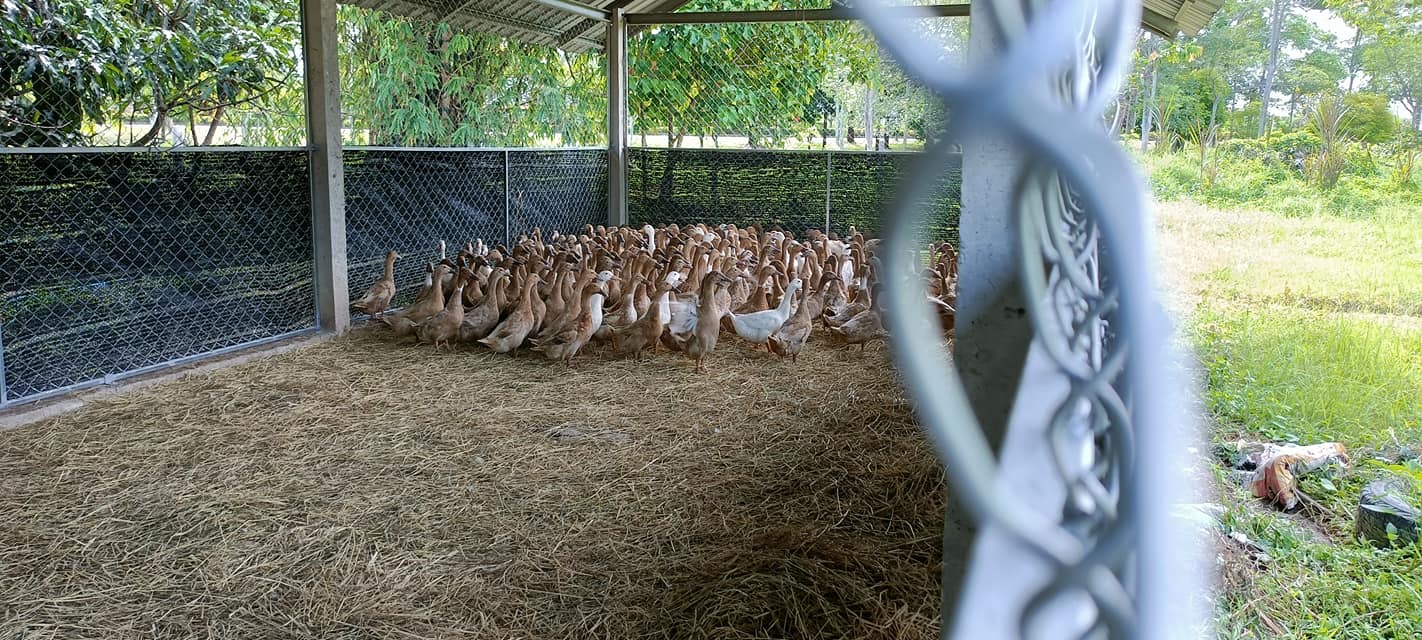
Also, there is a workshop on cost-efficient feeding, titled “Reducing Feed Costs with Local Raw Materials,” which was conducted by Asst. Prof. Dr. Krittika Kabploy of the School of Agricultural Technology and Food Industry, WU. This workshop, part of the “Ligor Chicken” promotion project, helps southern Thai farmers manage their expenses.
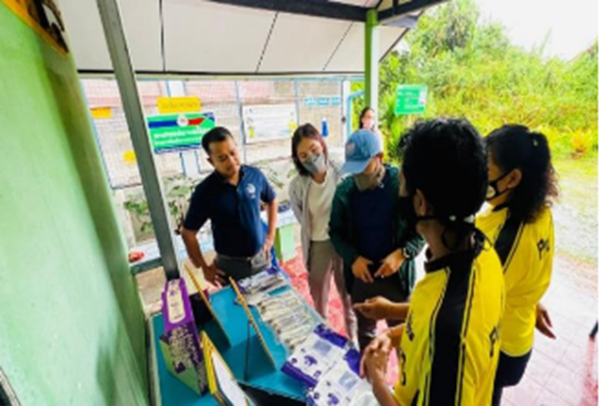
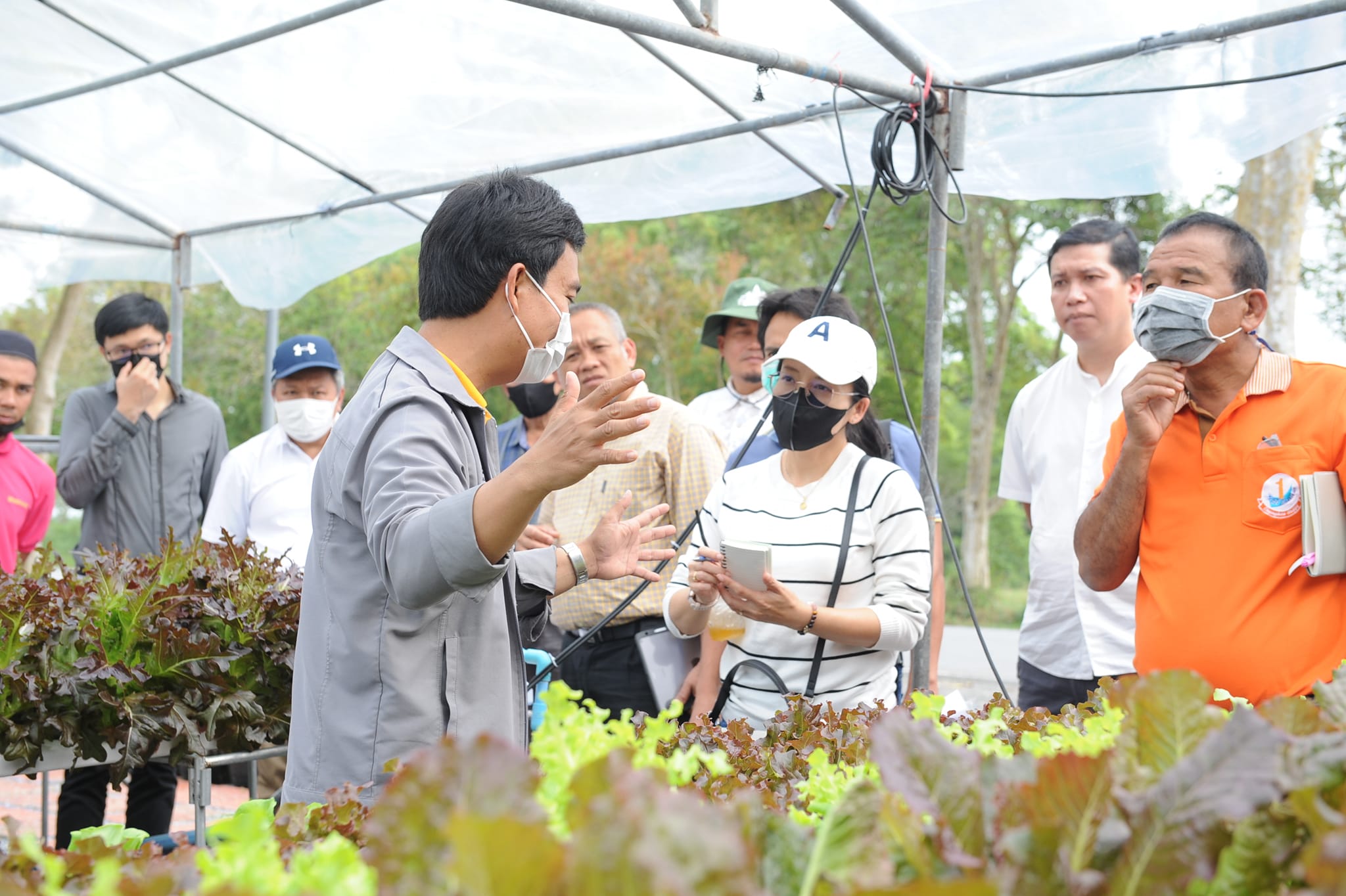
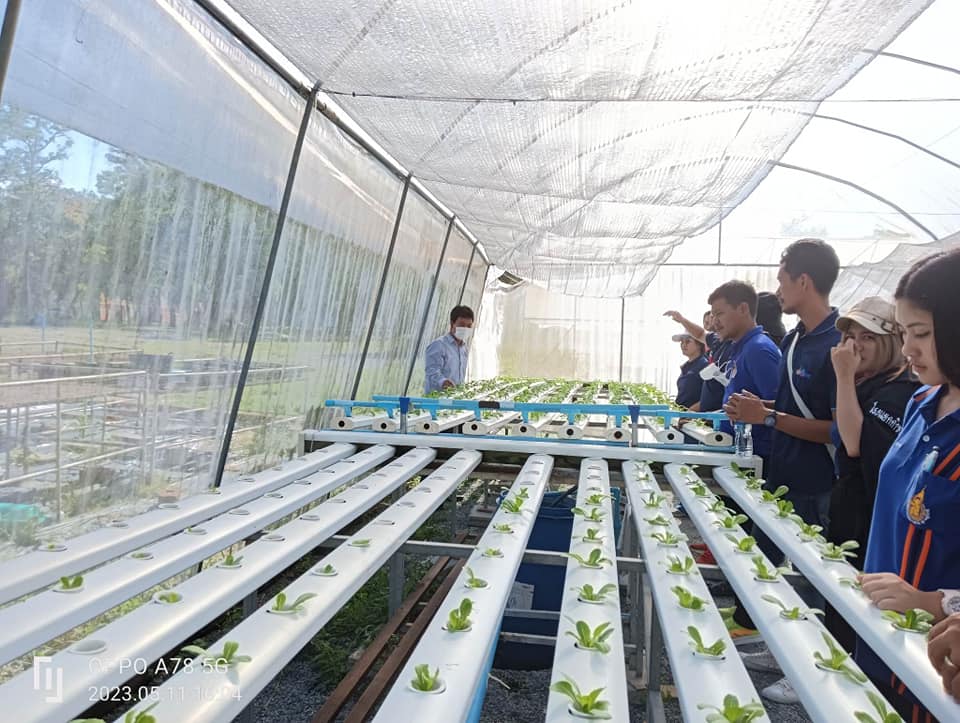
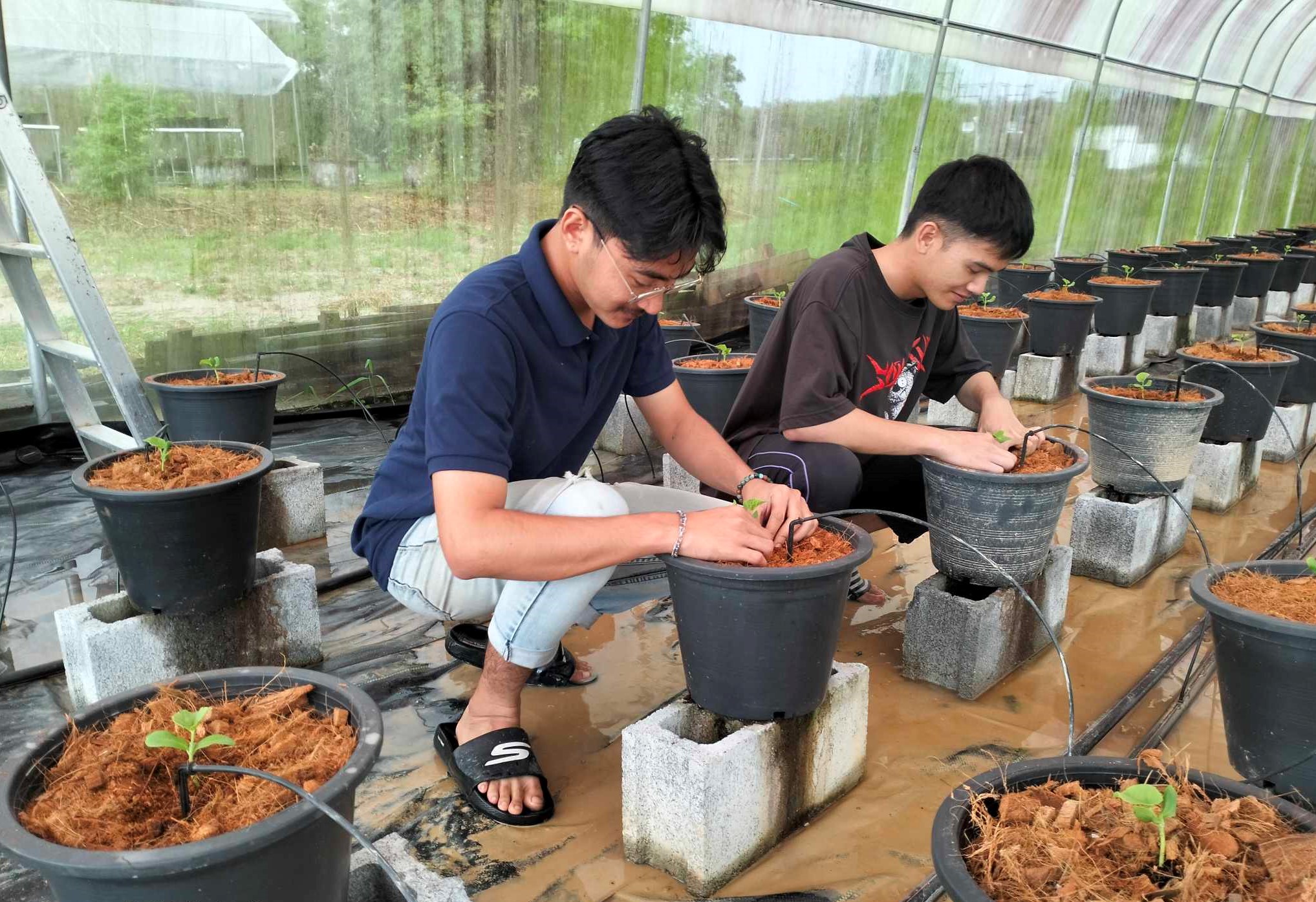
The Agricultural Innovation Development and Demonstration Center (Kla Dee Shop), established in honor of King Rama IX, under the School of Agricultural Technology and Food Industry at Walailak University, follows the royal initiatives of King Rama IX in promoting practical agricultural solutions. With a focus on sustainability and safe food production, the center serves as a resource for farmers and agricultural enthusiasts, providing a platform for learning about the latest innovations in agriculture. The center also engages schools across southern Thailand, inviting students and educators to participate in hands-on agricultural training to promote sustainable food security.
Two primary activities at the center contribute significantly to food security:
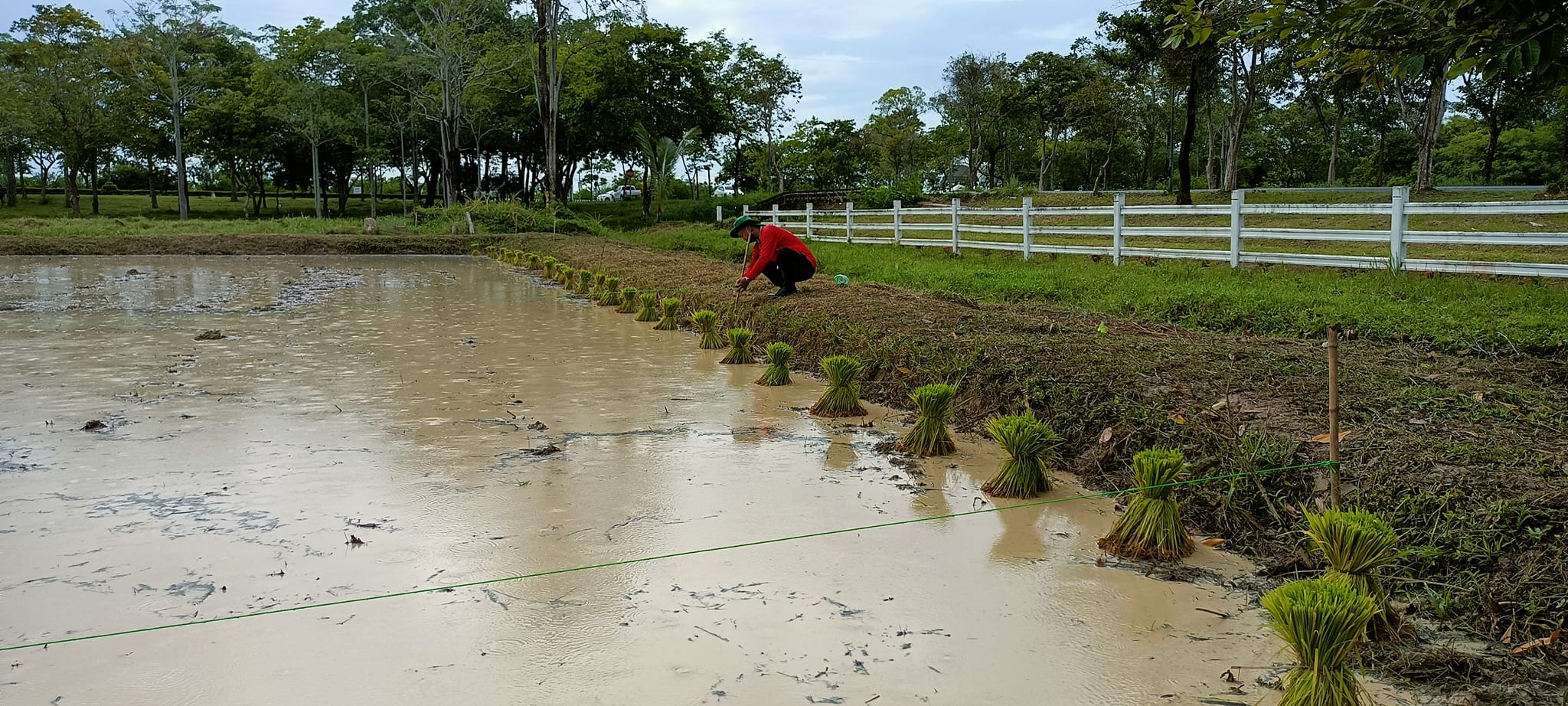
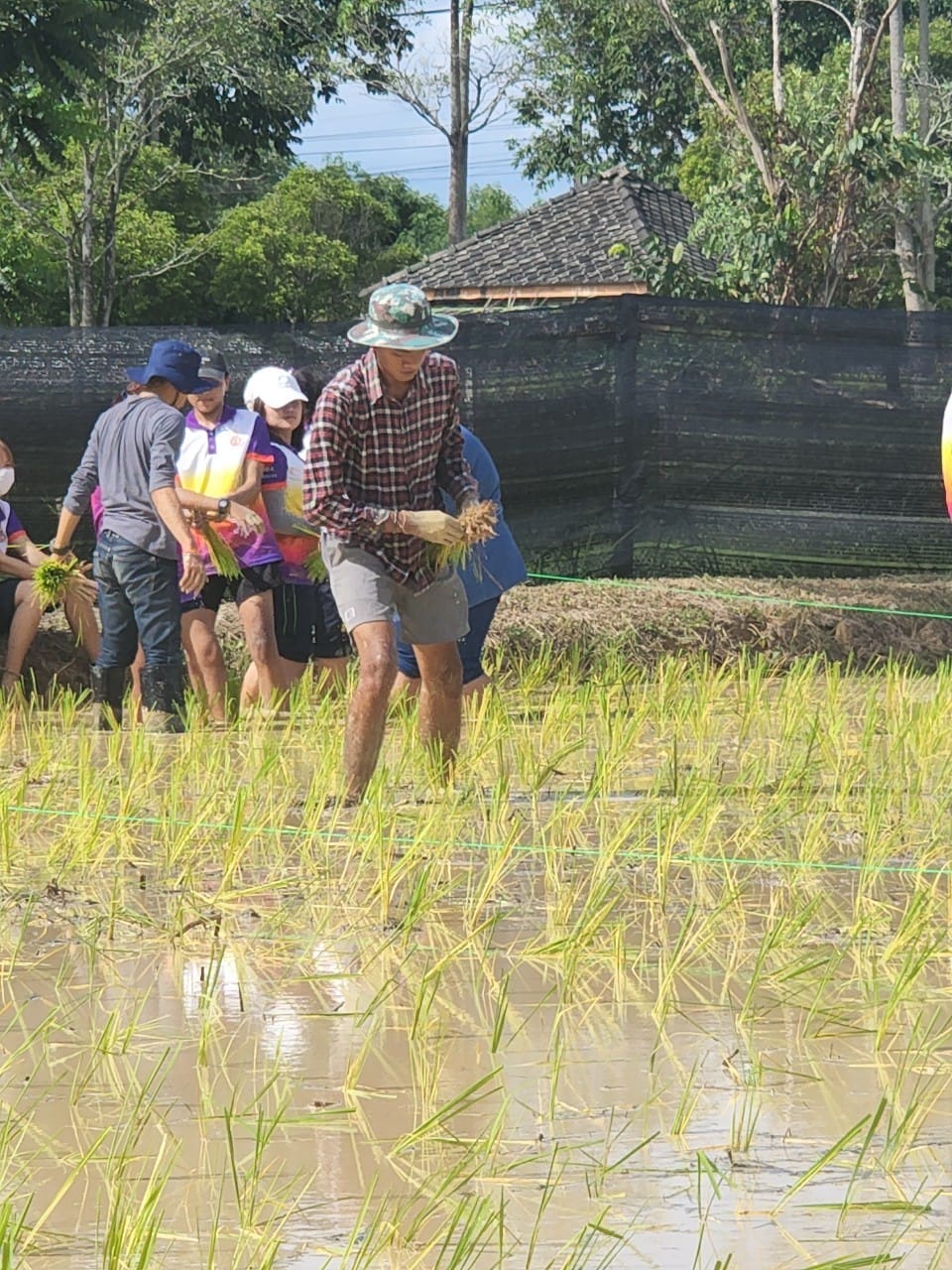
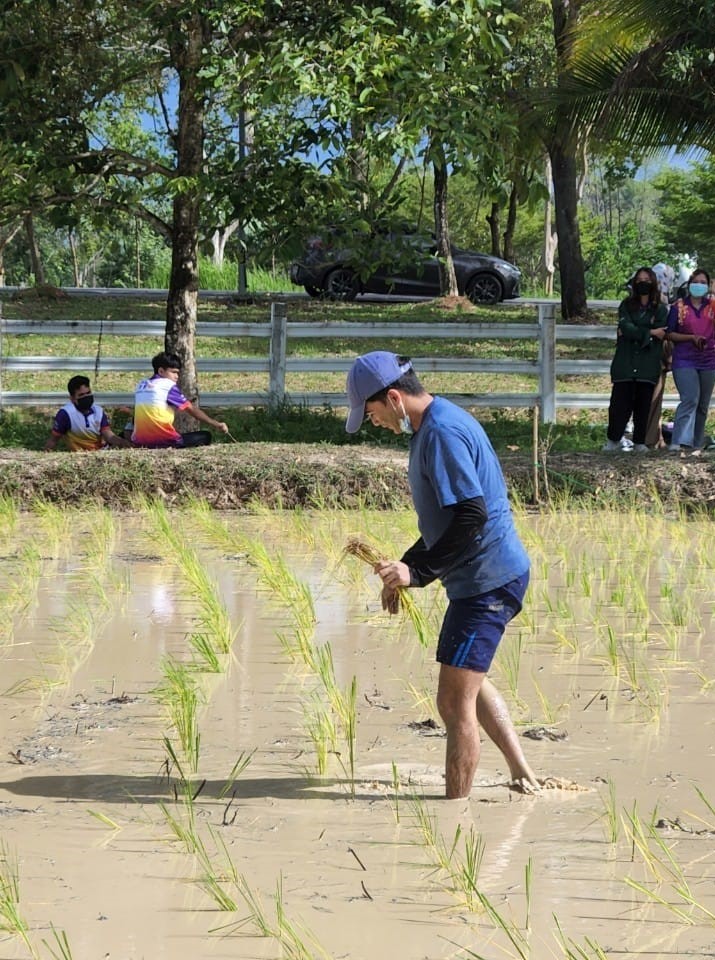
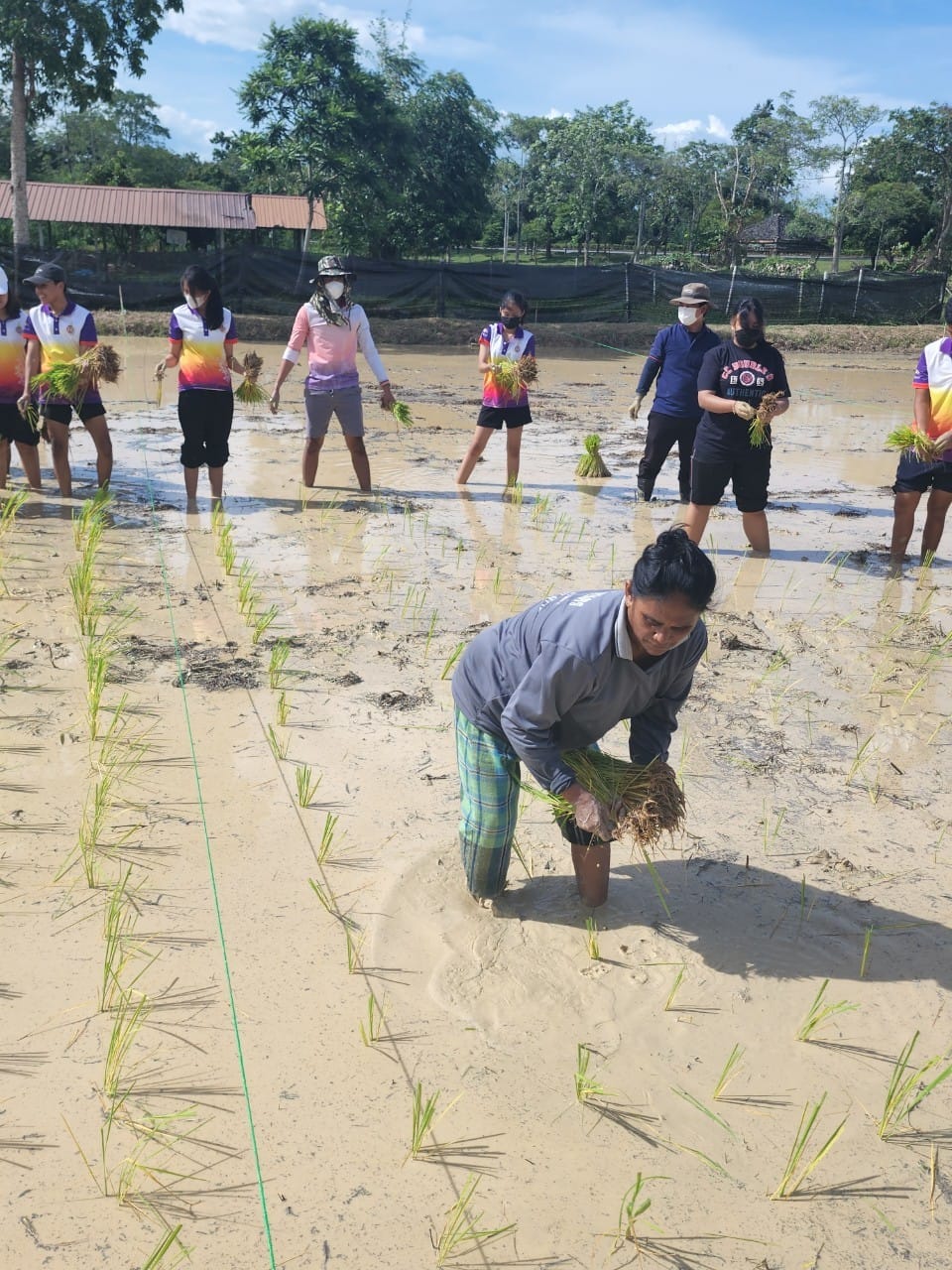
Additionally, the center offers demonstration programs that develop practical skills for both students and farmers. One such program, focused on traditional rice farming, teaches participants the full cycle of rice cultivation. The center prioritizes organic rice farming, using manure as a fertilizer and biological methods for pest control, ensuring high-quality, chemical-free produce.
Walailak University also plays a vital role in empowering local food producers by providing access to its facilities, expert-led training programs, and plant stocks to improve food safety standards and business potential.
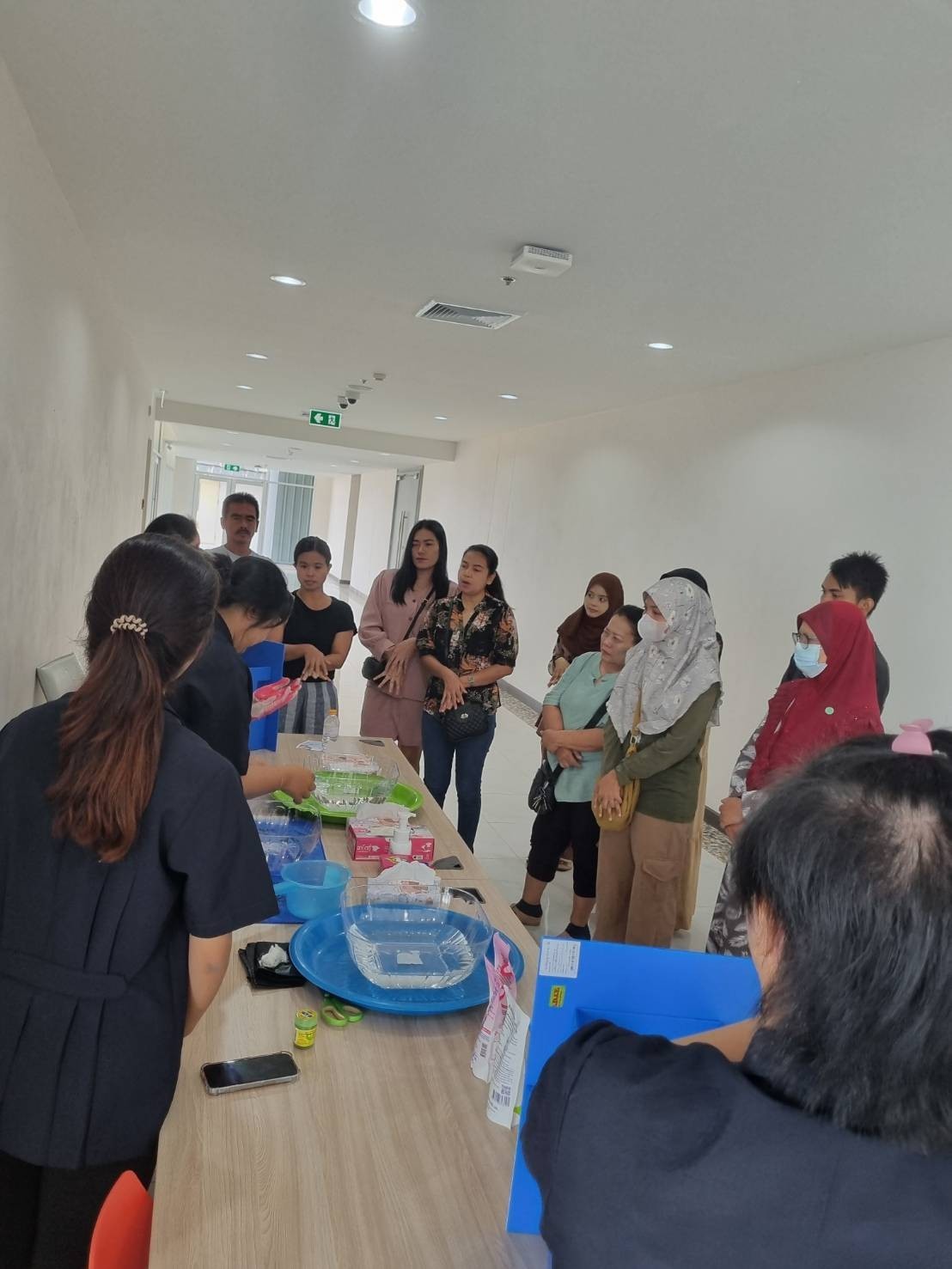
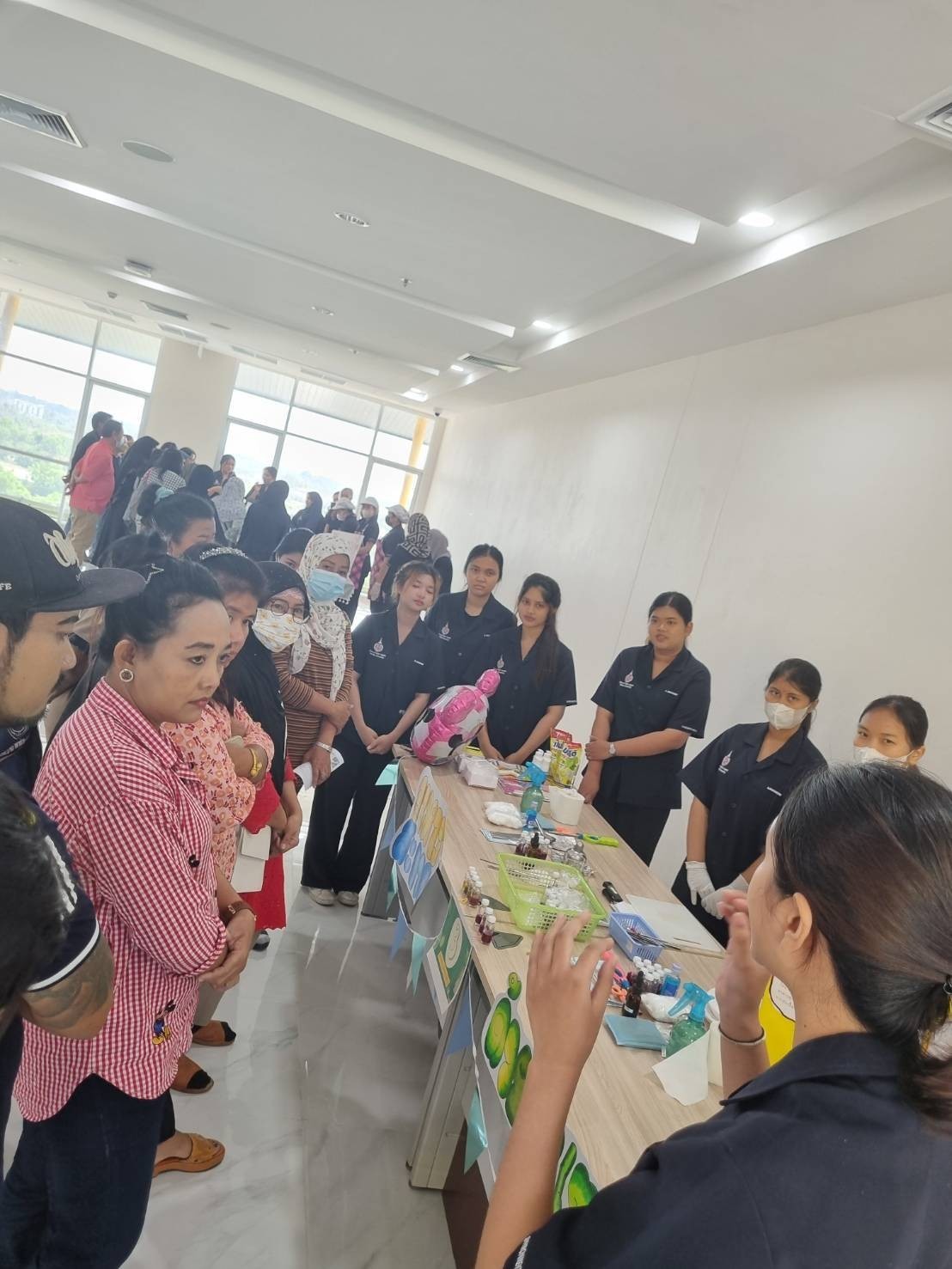
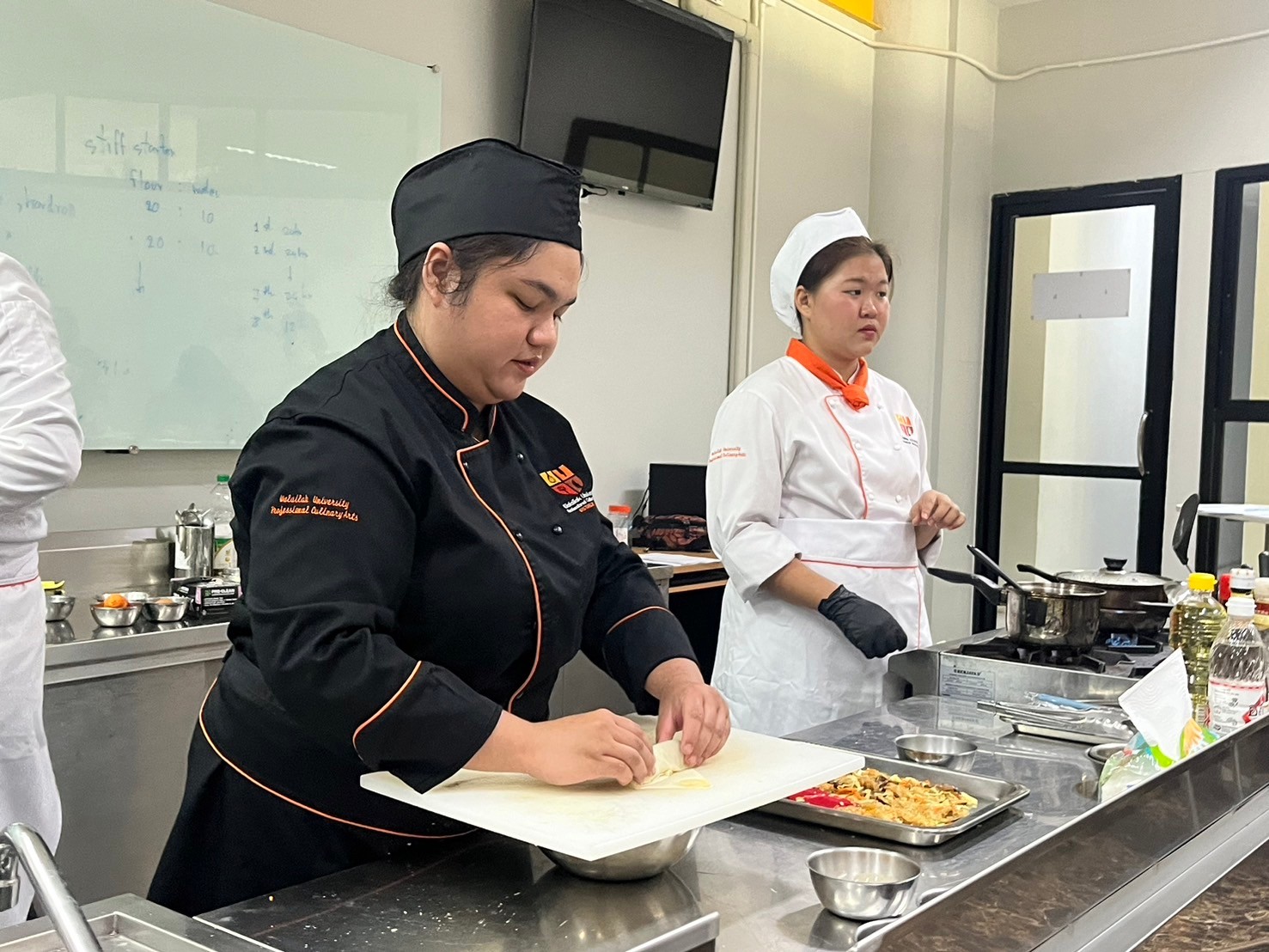
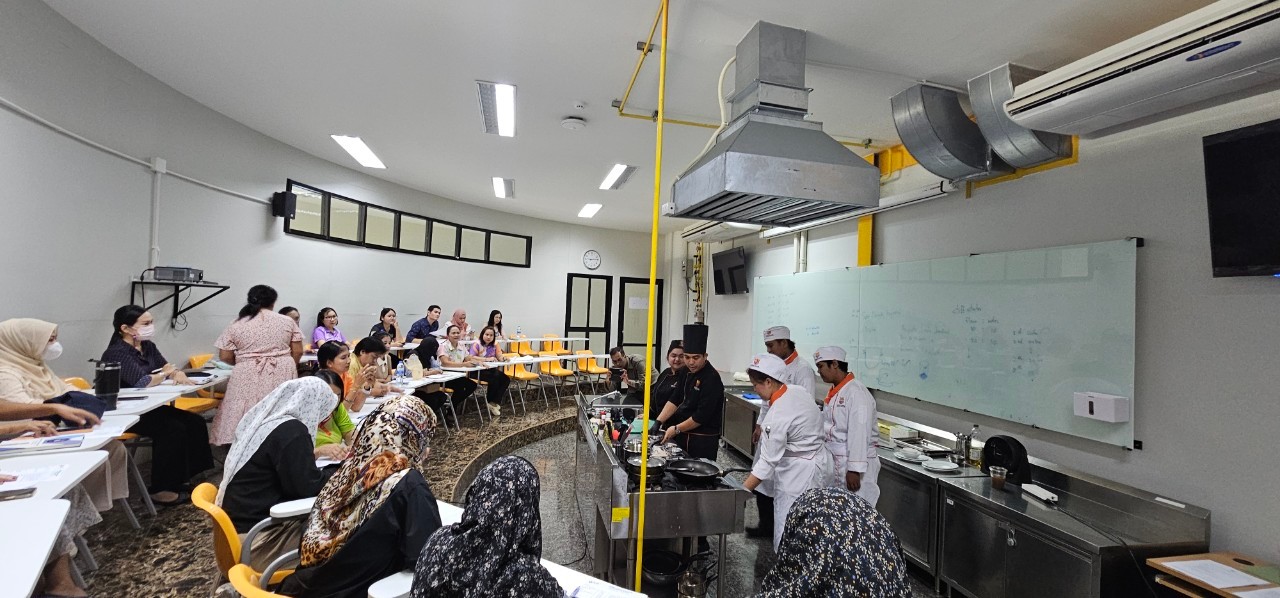
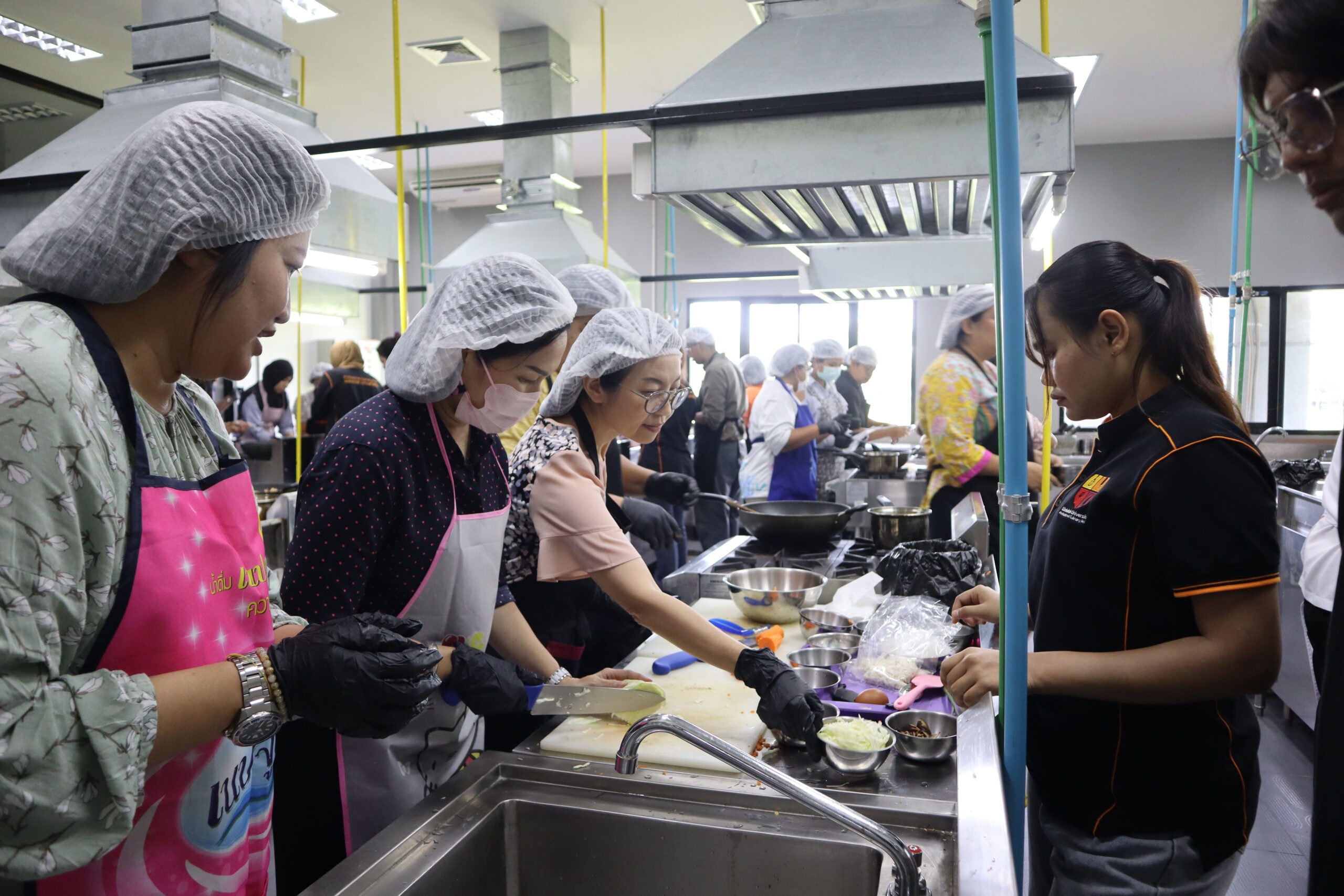
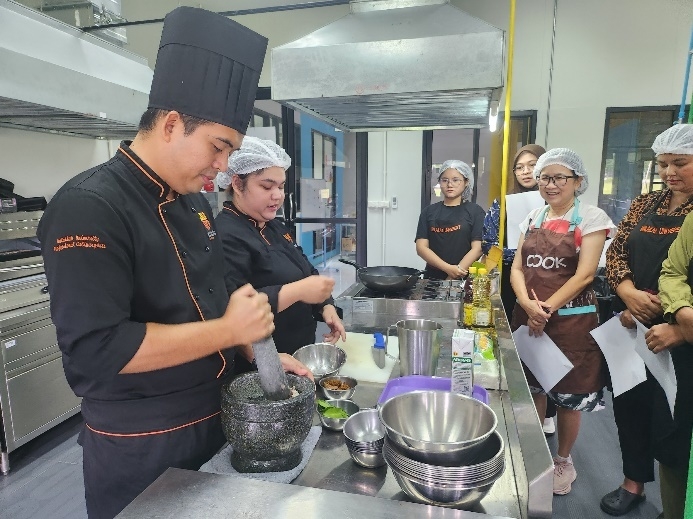
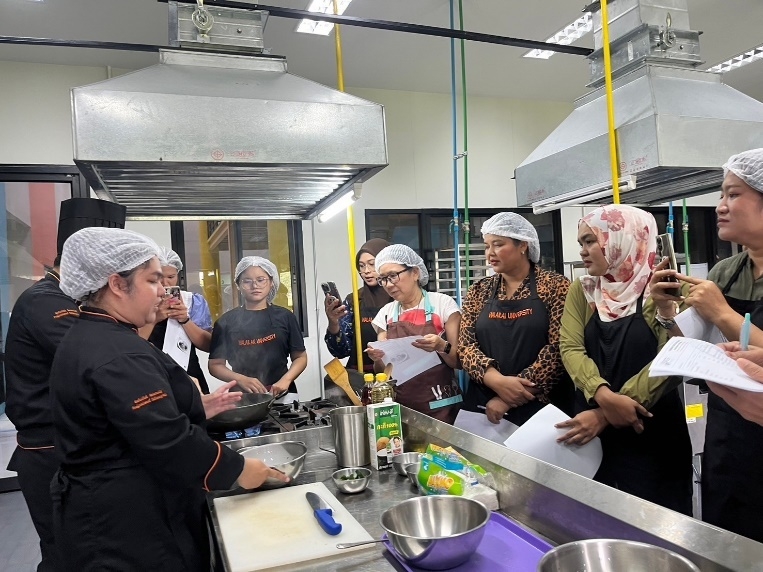
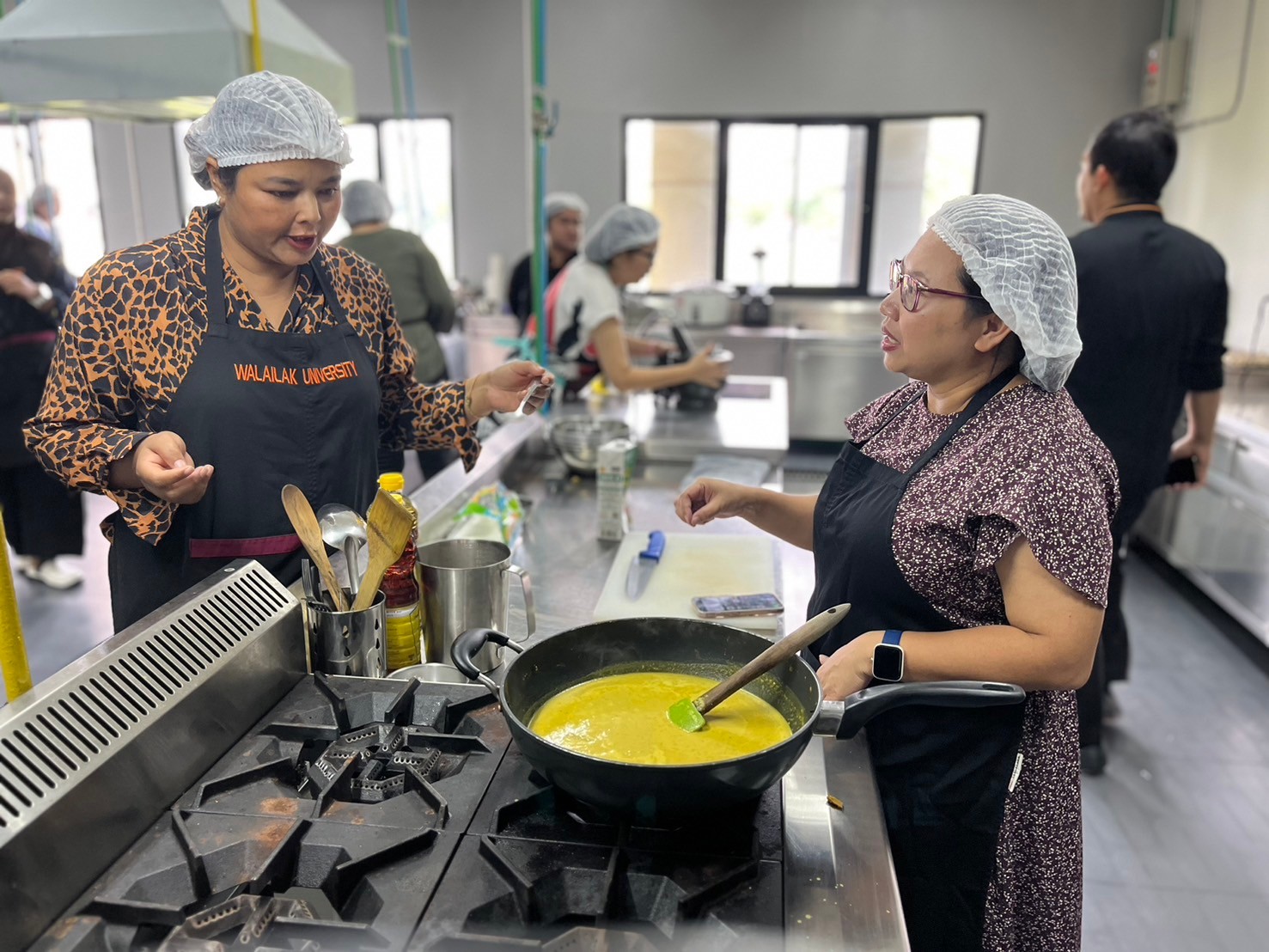
Food producers benefit from WU’s advanced laboratory facilities, which help them improve food safety and production processes. The Walailak Culinary Training Center offers workshops on sanitation and food safety standards for local restaurants and cafés, ensuring compliance with Ministry of Public Health regulations. A notable event, the “Sanitation & Food Safety Training Workshop” held on May 19, 2023, educated local restaurant owners on maintaining food hygiene, thus contributing to public health and enhancing gastronomy tourism in Thasala District.
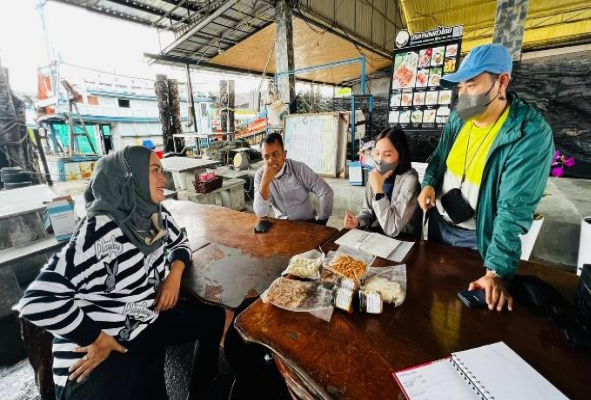
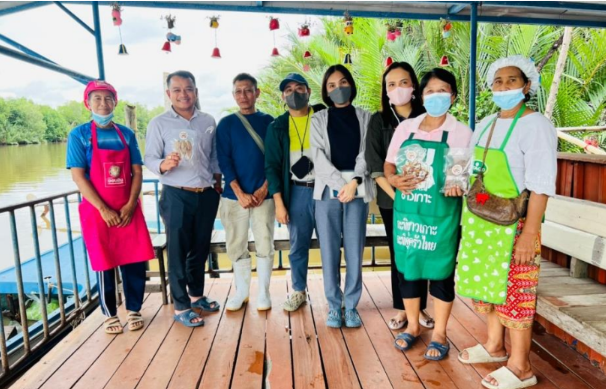
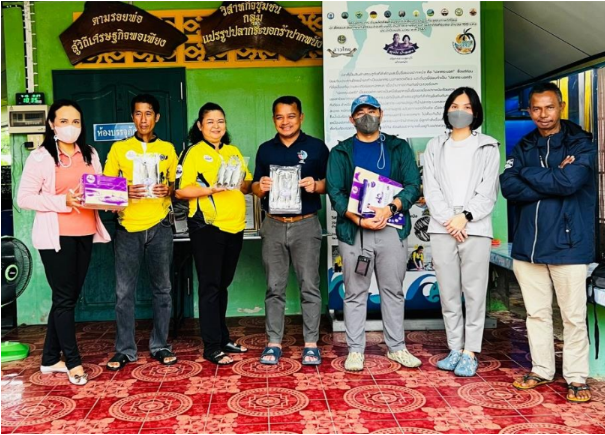
The Center for Academic Services at Walailak University is advancing community engagement through a project that focuses on packaging design and promotion for local seafood products. Led by Asst. Prof. Dr. Amonsak Sawusdee and Ajarn Songpan Janthong, the initiative supports sustainable and socially responsible seafood processing for 12 community fishing groups in Nakhon Si Thammarat. This effort is aimed at boosting community livelihoods, preserving resources, and strengthening the local economy along the Gulf of Thailand.
Key aspects of the project include:
To further promote local seafood, the project has added items to the “LayKhon” app and used professional photography to attract consumers. This initiative not only uplifts the local economy by increasing sales of fresh and processed seafood but also serves as a model for other regions. Online marketing channels are enabling broader access to these products, enhancing consumer trust and raising income for fishing communities across the province.
In addition to lab access, WU helps food producers refine their processes through workshops like the Kimchi Product Development Workshop. This training covered the entire process of making, packaging, and marketing kimchi, enabling local producers to diversify their product offerings. By leveraging WU’s culinary technologies and expertise, participants gained valuable insights into food production trends and created new income streams by capitalizing on the growing demand for this trendy product.
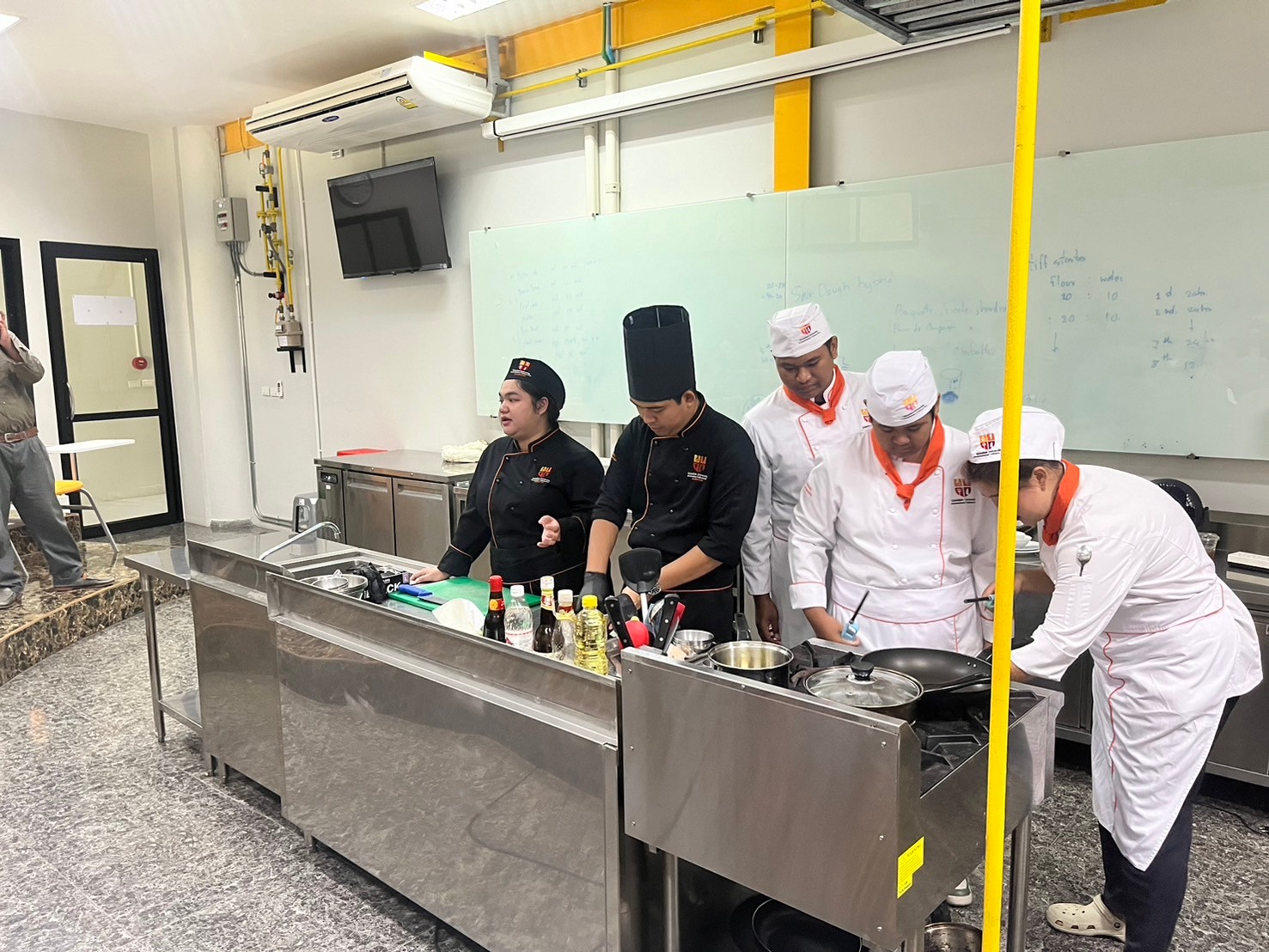
Moreover, WU’s ProChef Culinary Training Center, in collaboration with the Center for Academic Services, offers workshops focused on food processing and culinary skills, with an emphasis on using local ingredients to preserve cultural identity. Two key workshops include:
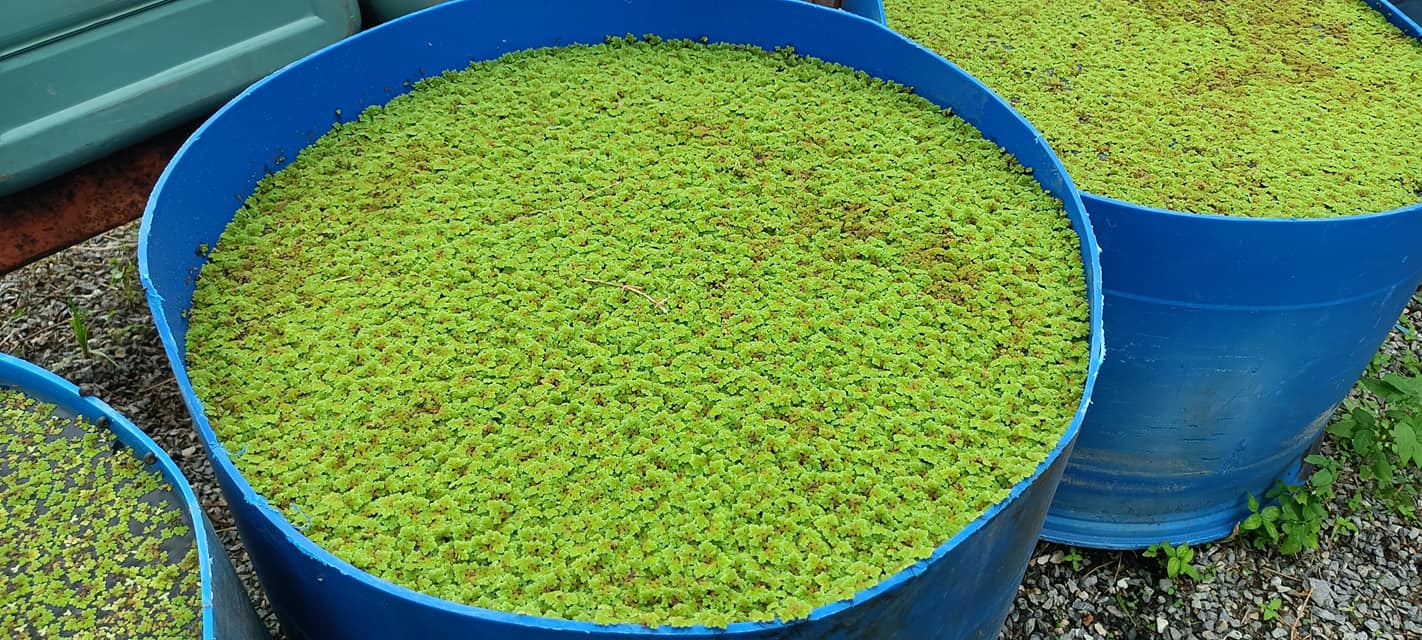
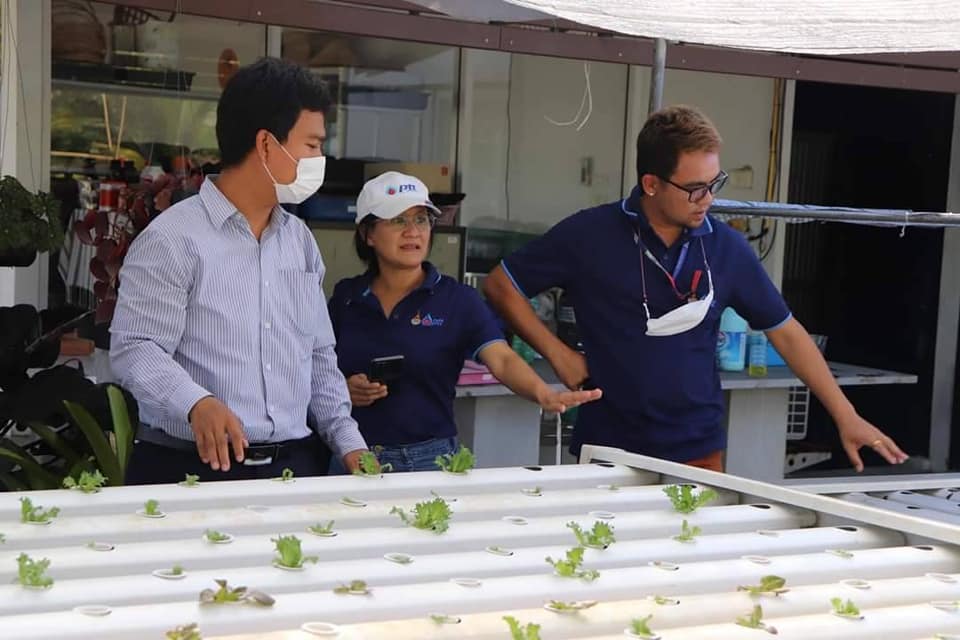
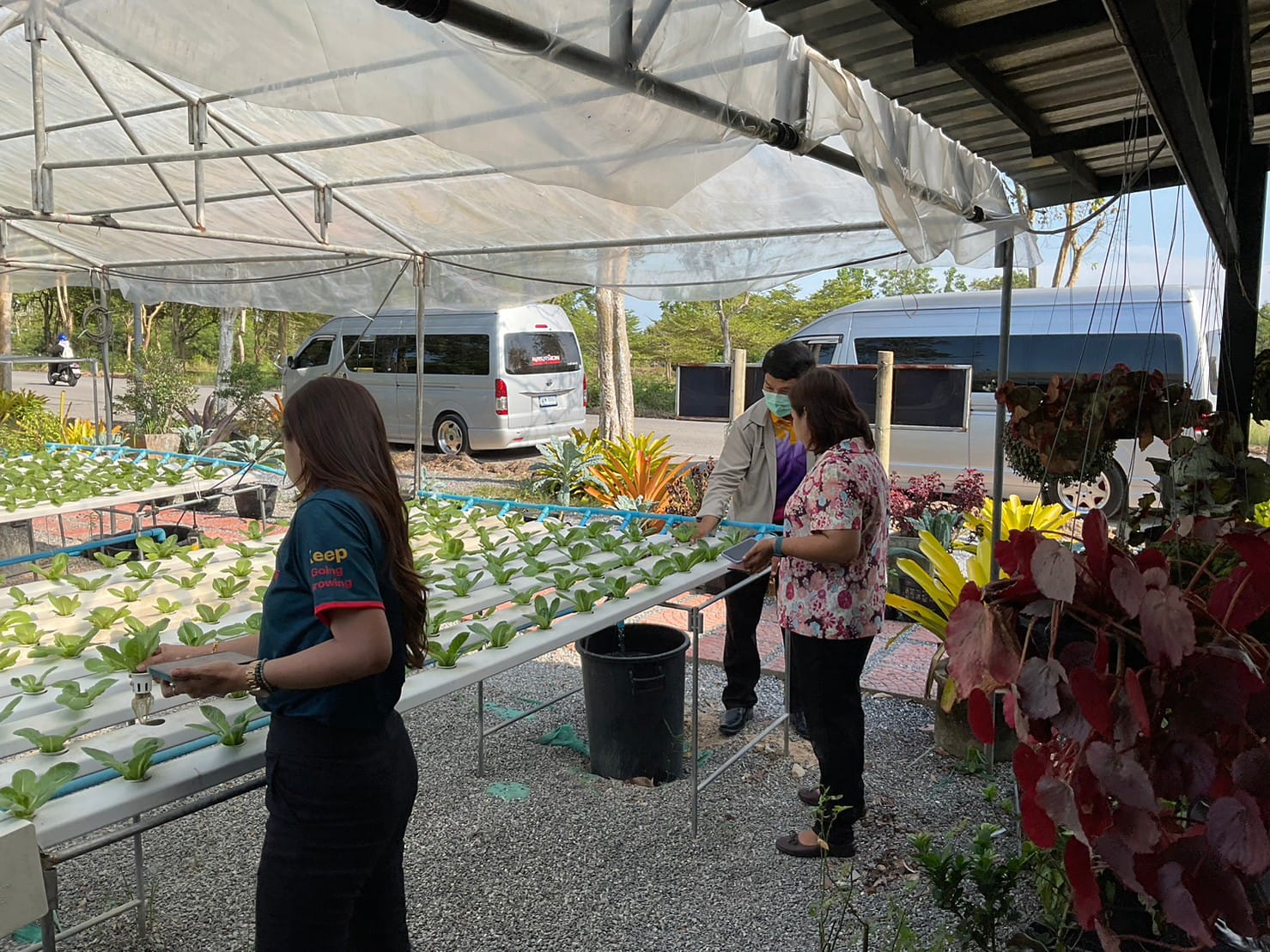
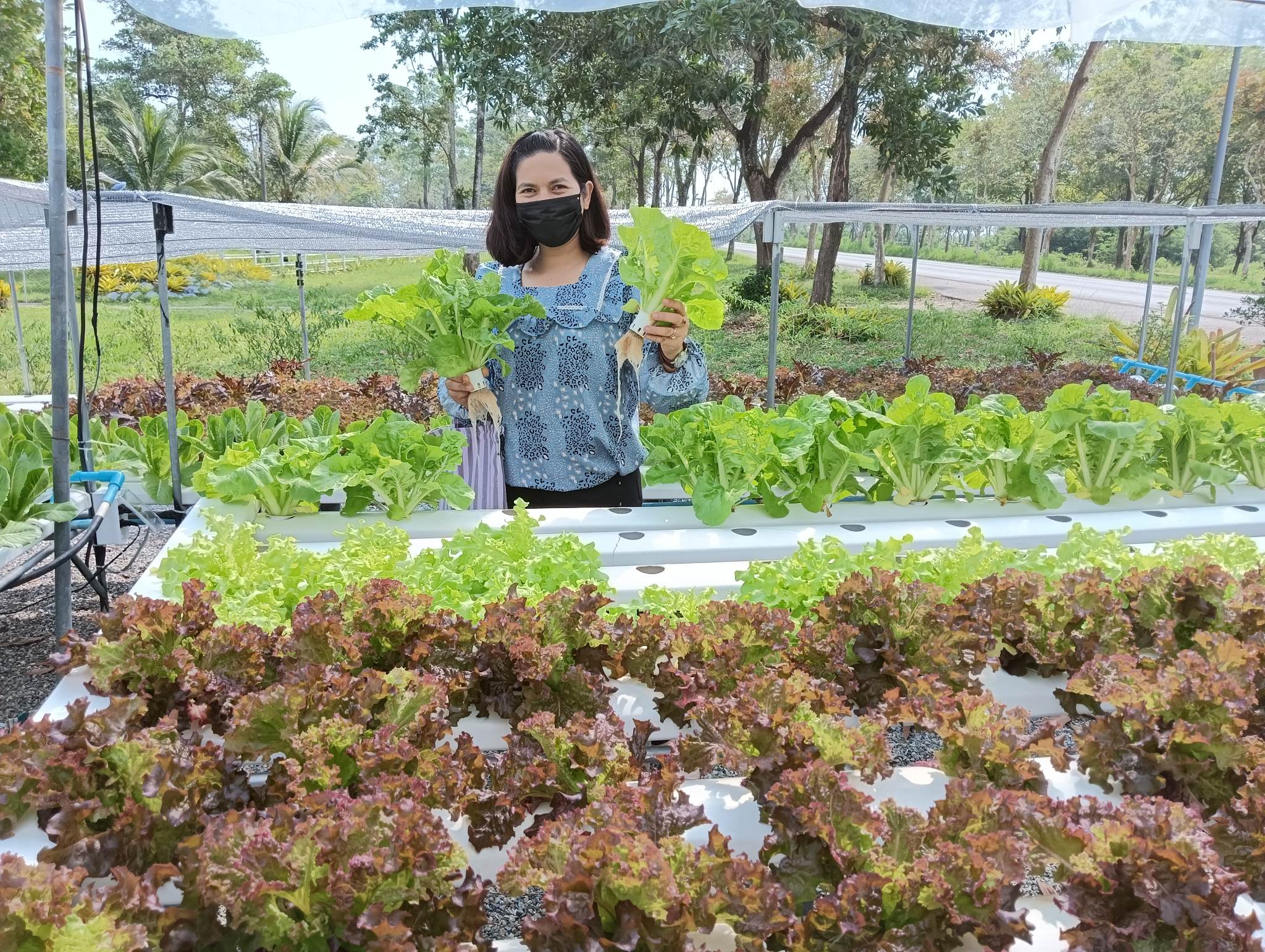
The Kla Dee Center provides food producers with high-quality organic plant stocks, cultivated using hydroponic systems and insect-protected greenhouses. These plant stocks, grown without chemicals, meet the high standards required for both domestic and international markets. By providing food producers with these resources at no cost, WU ensures they can offer safe, sustainable food products that meet consumer demand for organic and chemical-free foods.
Walailak University is at the forefront of advancing sustainable agriculture and food production in southern Thailand. By offering free access to laboratories, cutting-edge technology, and high-quality plant stocks, WU empowers local farmers and food producers to adopt environmentally friendly practices, improve product quality, and contribute to regional food security. Through its continuous efforts in training, research, and innovation, WU plays a pivotal role in fostering economic development, lifelong learning, and a sustainable future for southern Thailand.