Walailak University values protecting and enhancing aquatic ecosystems, including wetlands, rivers, estuaries, coastal areas, and the open ocean. In 2023, Walailak University provided free local and national educational programmes on fresh-water ecosystems. The programmes were the Royal Initiation of the Pak Phanang River Basin Development and the Living Weir Development for Sustainable Community. These programmes mainly focus on water resource security and ecosystem diversity to foster a deeper understanding and commitment to environmental stewardship and ecosystem conservation.
The Pak Phanang River Basin is situated in the southern region of Nakhon Si Thammarat Province, characterized by three distinct topographic areas. The basin serves as a major wetland in Thailand playing a vital role in the local ecosystem and supporting a diverse range of flora and fauna.
The upper basin features steep terrain, while the lower basin is primarily lowland, essential to four interconnected ecosystems. These ecosystems include freshwater in the upper basin, sour water in the swamp areas, brackish water in the central basin, and salt water near the estuary. Spanning approximately 156 kilometers, the river flows from south to north through upstream, midstream, and downstream sections of the basin. It is also fed by significant tributaries in the upstream and midstream areas, such as the Lama Canal, Tham Phra Canal, and Rak Mai Canal.
Local people and agriculturists in Pak Phanang and Hua Sai Districts are grappling with water insecurity, worsened by climate change and the intrusion of saltwater This situation has severely impacted agricultural practices, making it challenging for agriculturists to sustain crop yields and livestock health. The saltwater contamination also disrupts daily life for local communities, affecting the quality and availability of freshwater for household use. Besides, the basin has faced contamination due to some local activities such as improper disposal of agricultural chemicals and waste.
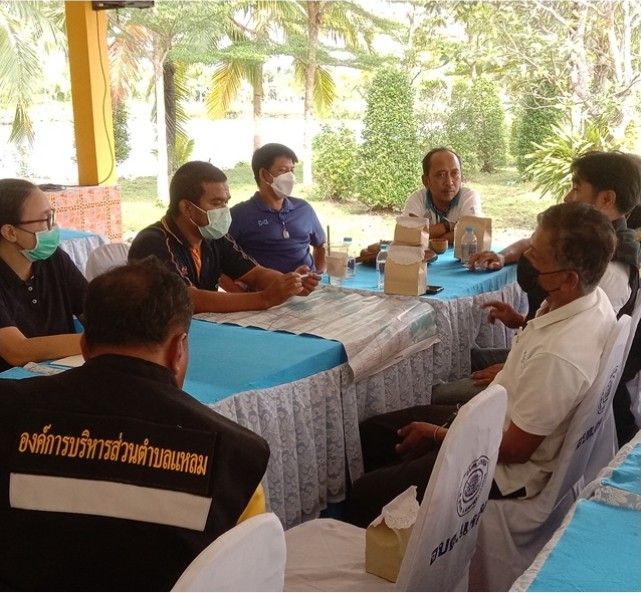
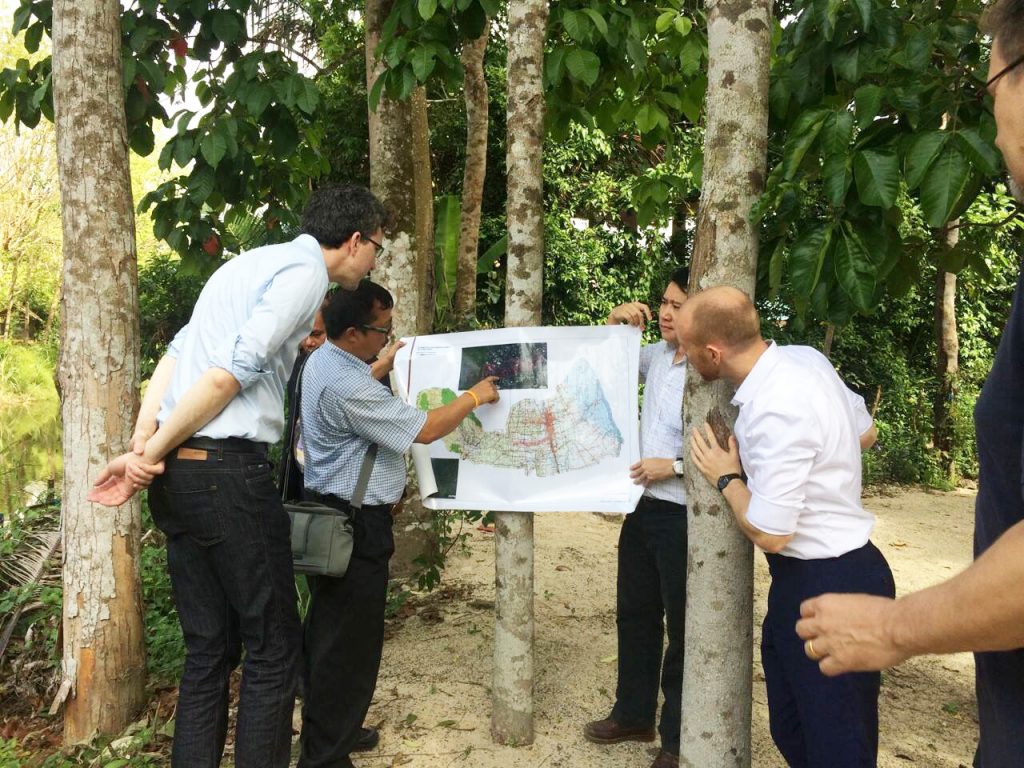
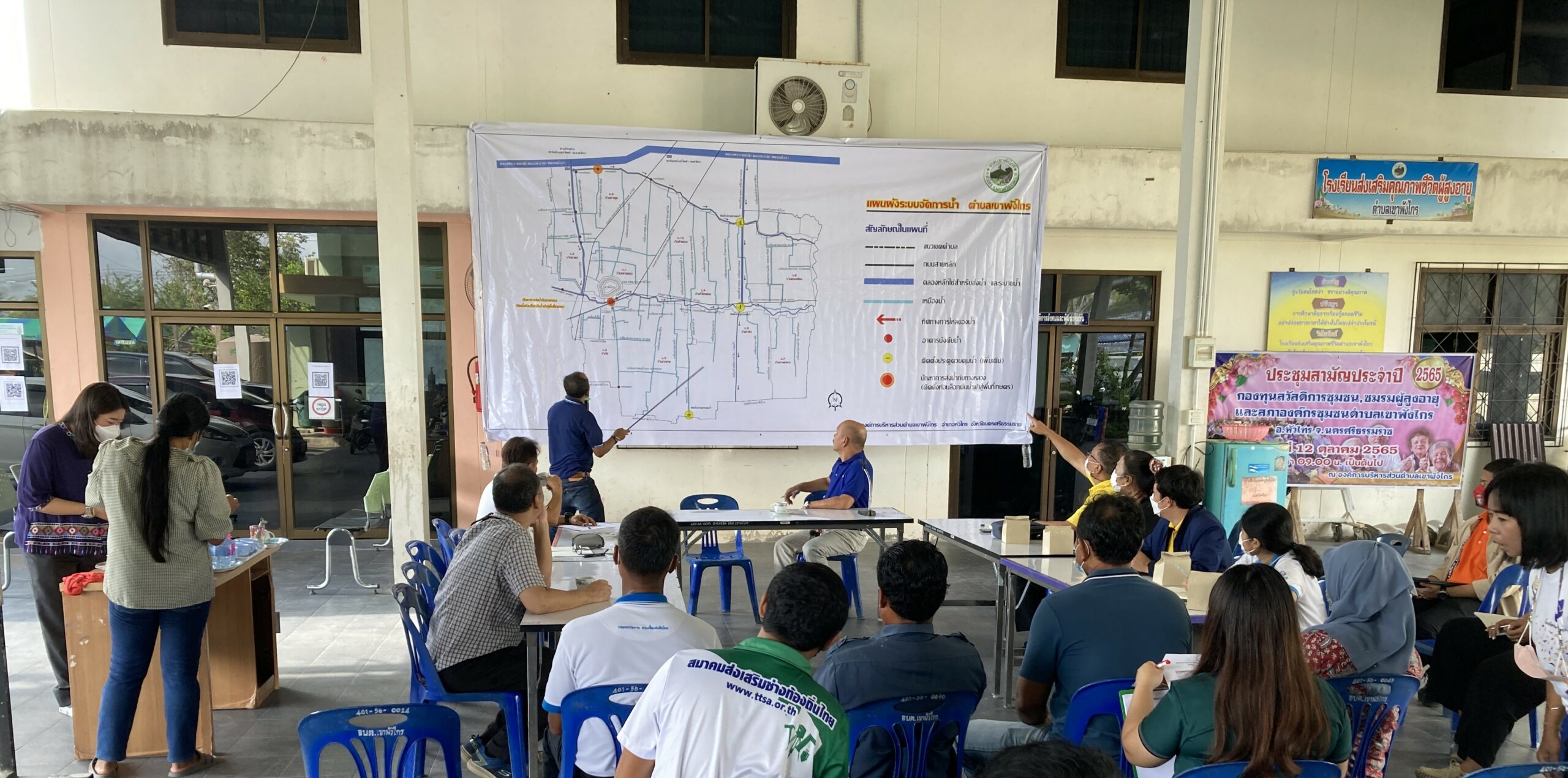
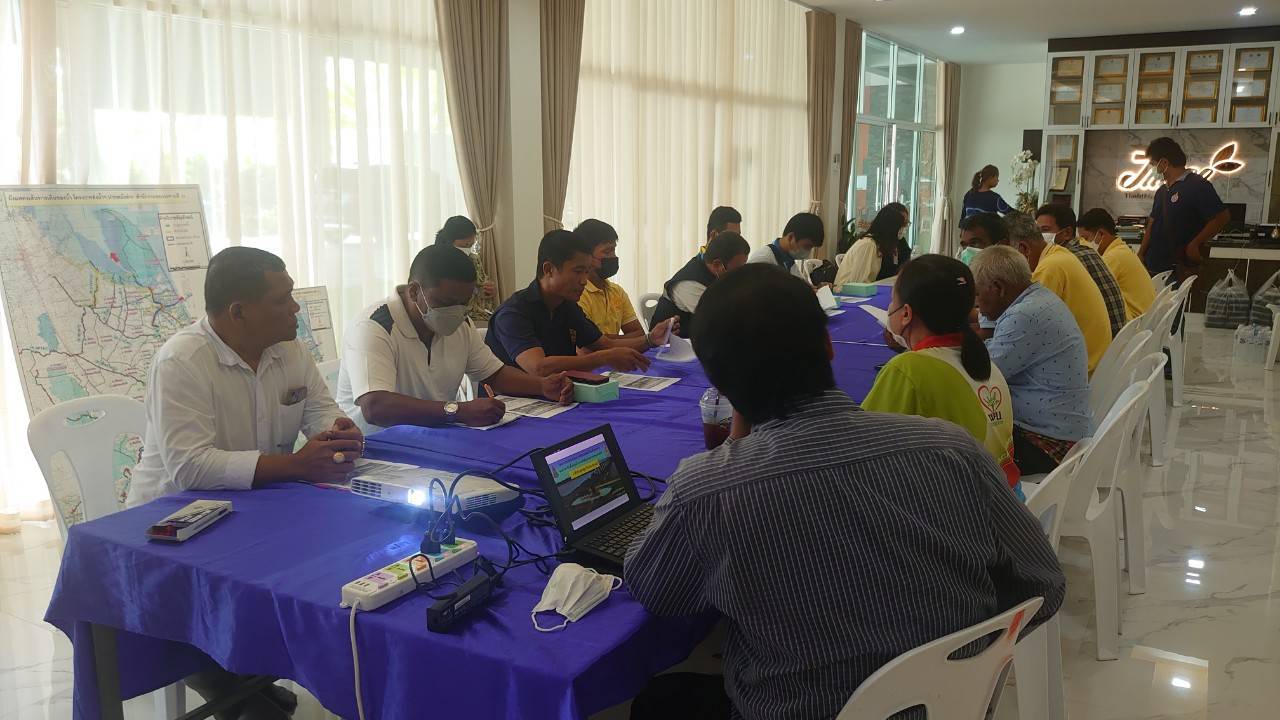
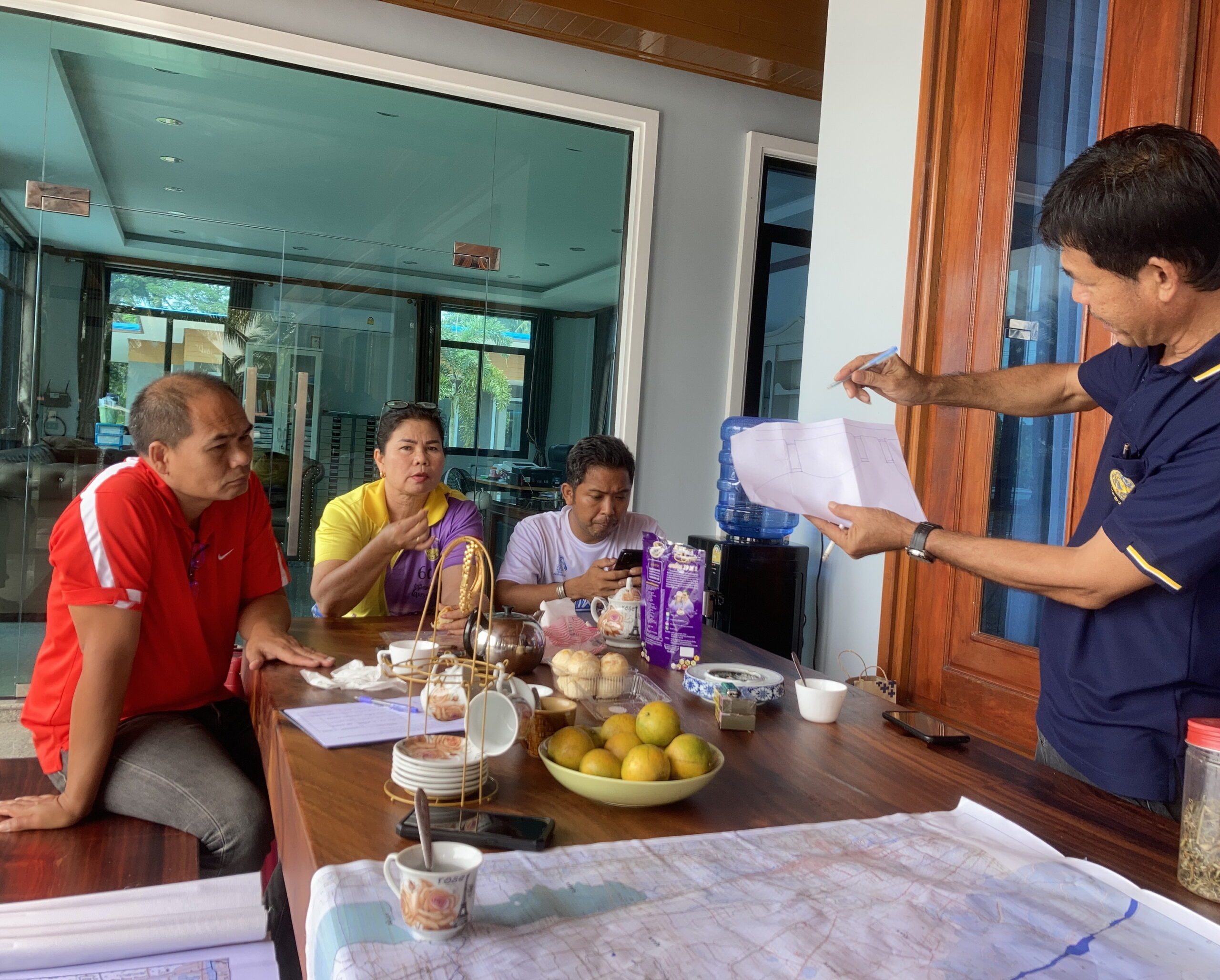
In 2023, Walailak University through Asst. Prof. Dr. Pakorn Ditthakit and researchers from the Center of Excellence in Sustainable Disaster Management, in collaboration with the Office of the Royal Development Projects Board (ORDPB), subdistrict administrative organizations in Pak Phanang District and Hua Sai District, and the Royal Irrigation Department, organized the Royal Initiation of the Pak Phanang River Basin Development. This initiative aims to provide free education to local people, including agriculturists in Pak Phanang District on freshwater resource management for water security and ecosystem diversity protection.
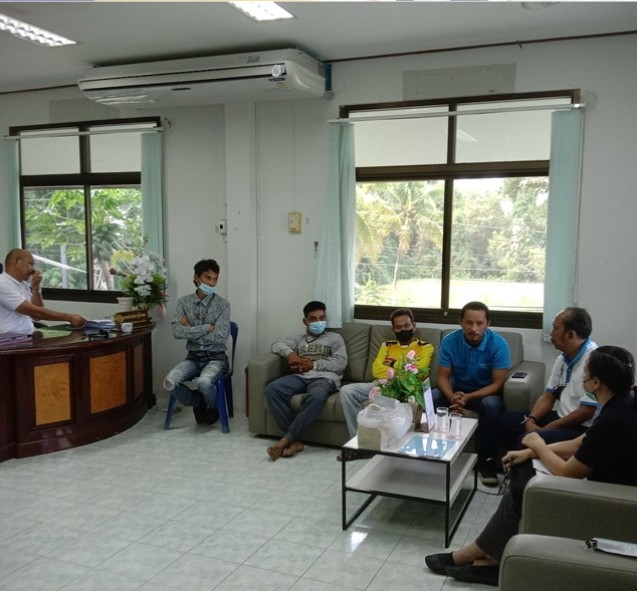
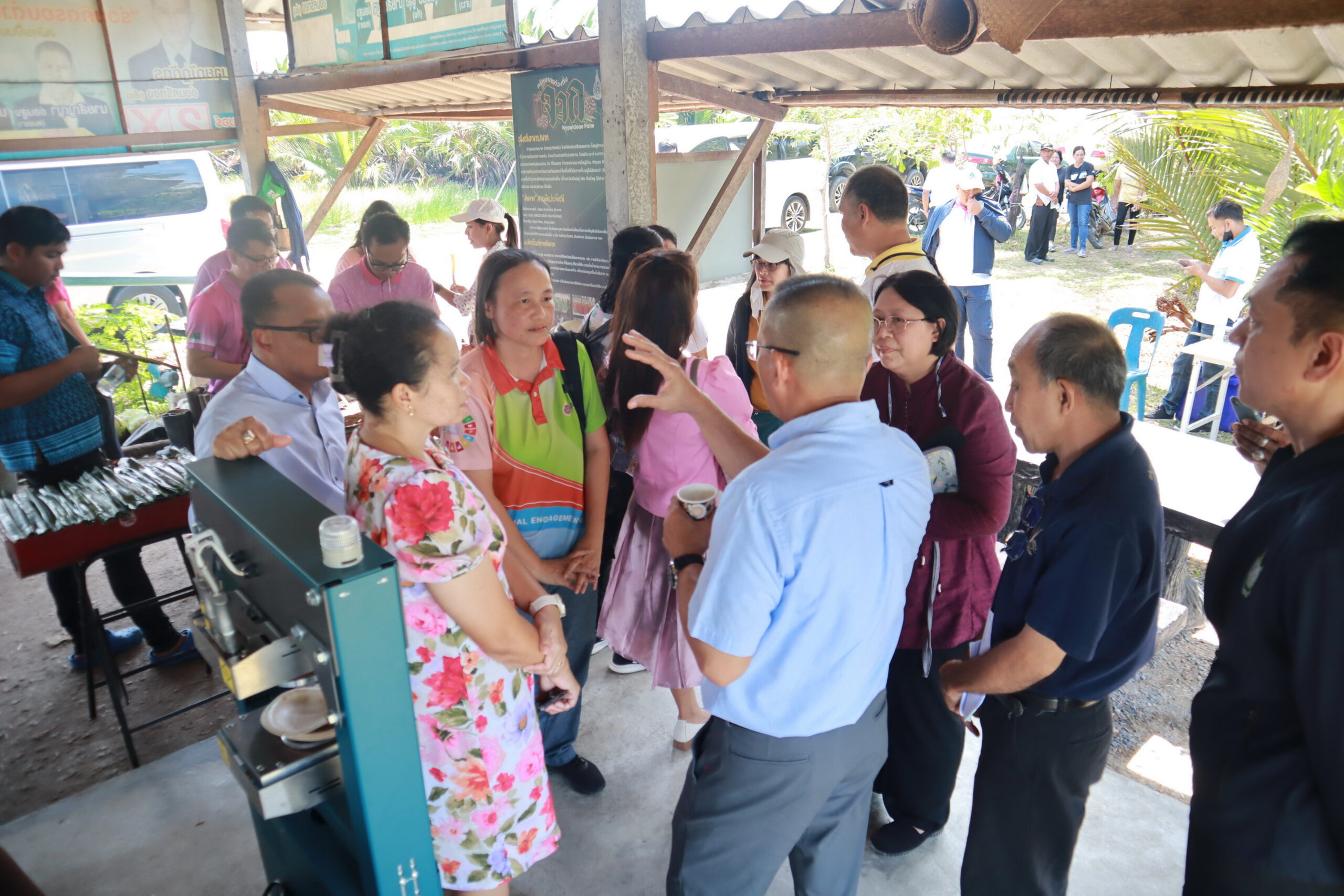
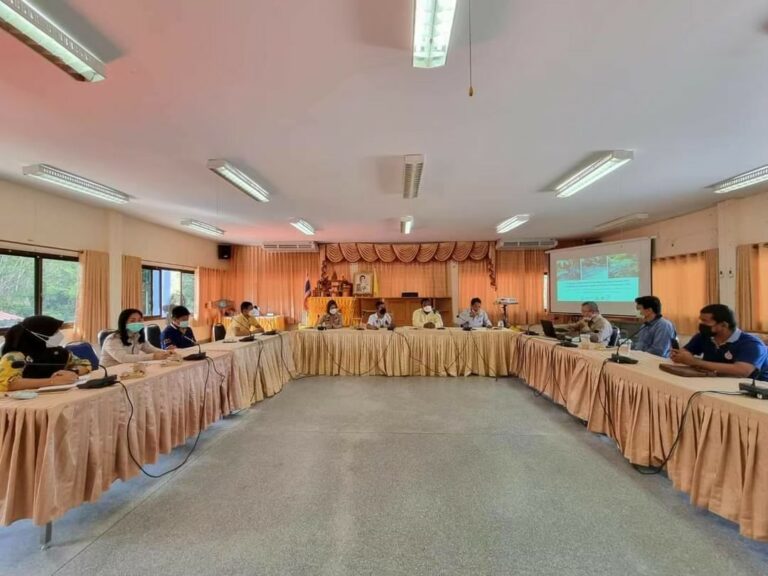
Figures: WU through the Center of Excellence in Sustainable Disaster Management meeting with national and local government officers to plan the initiative.
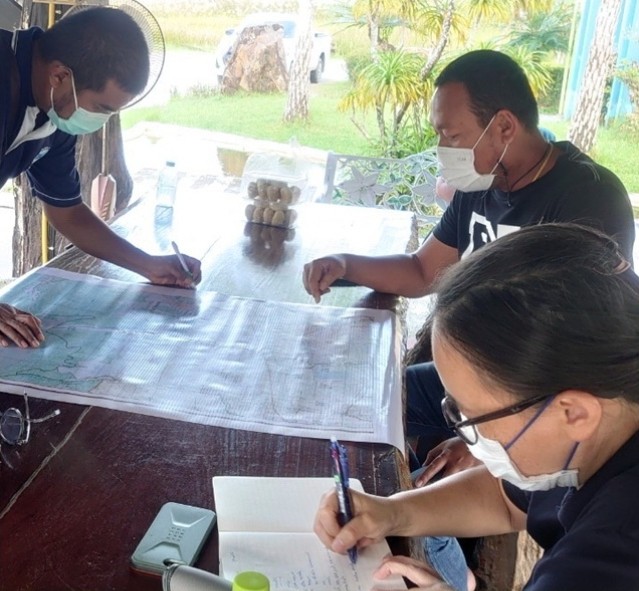
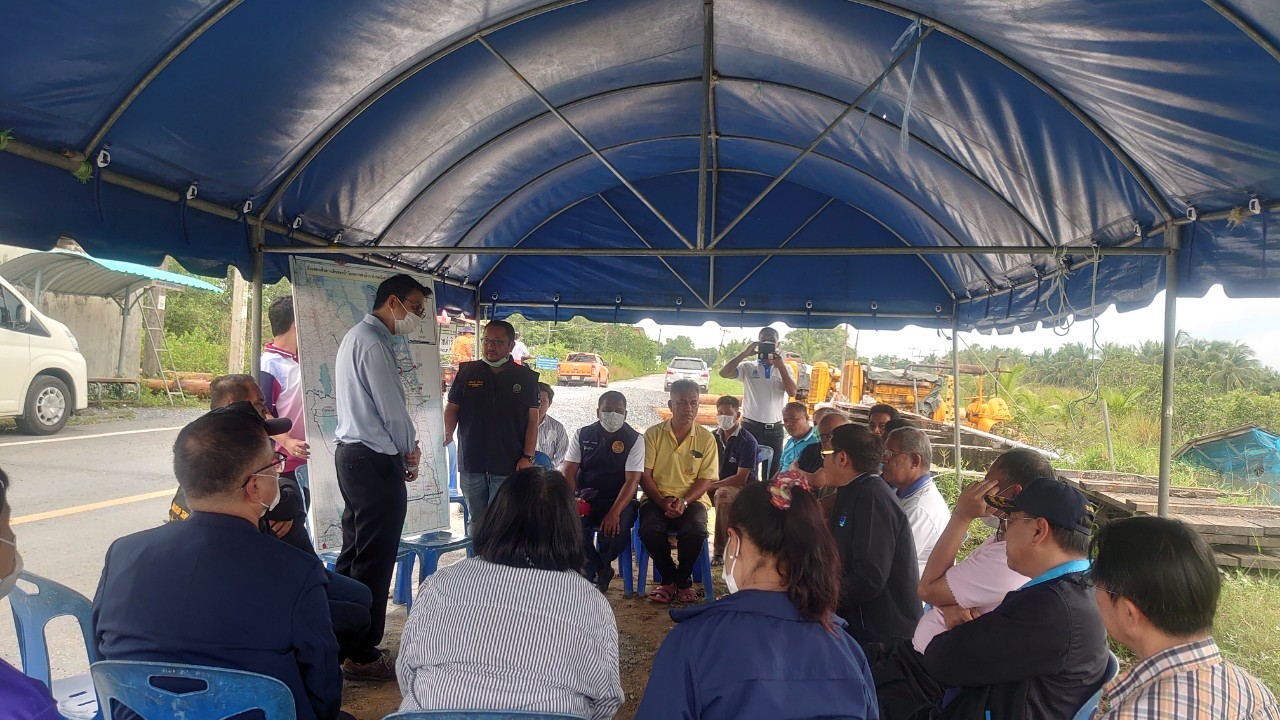
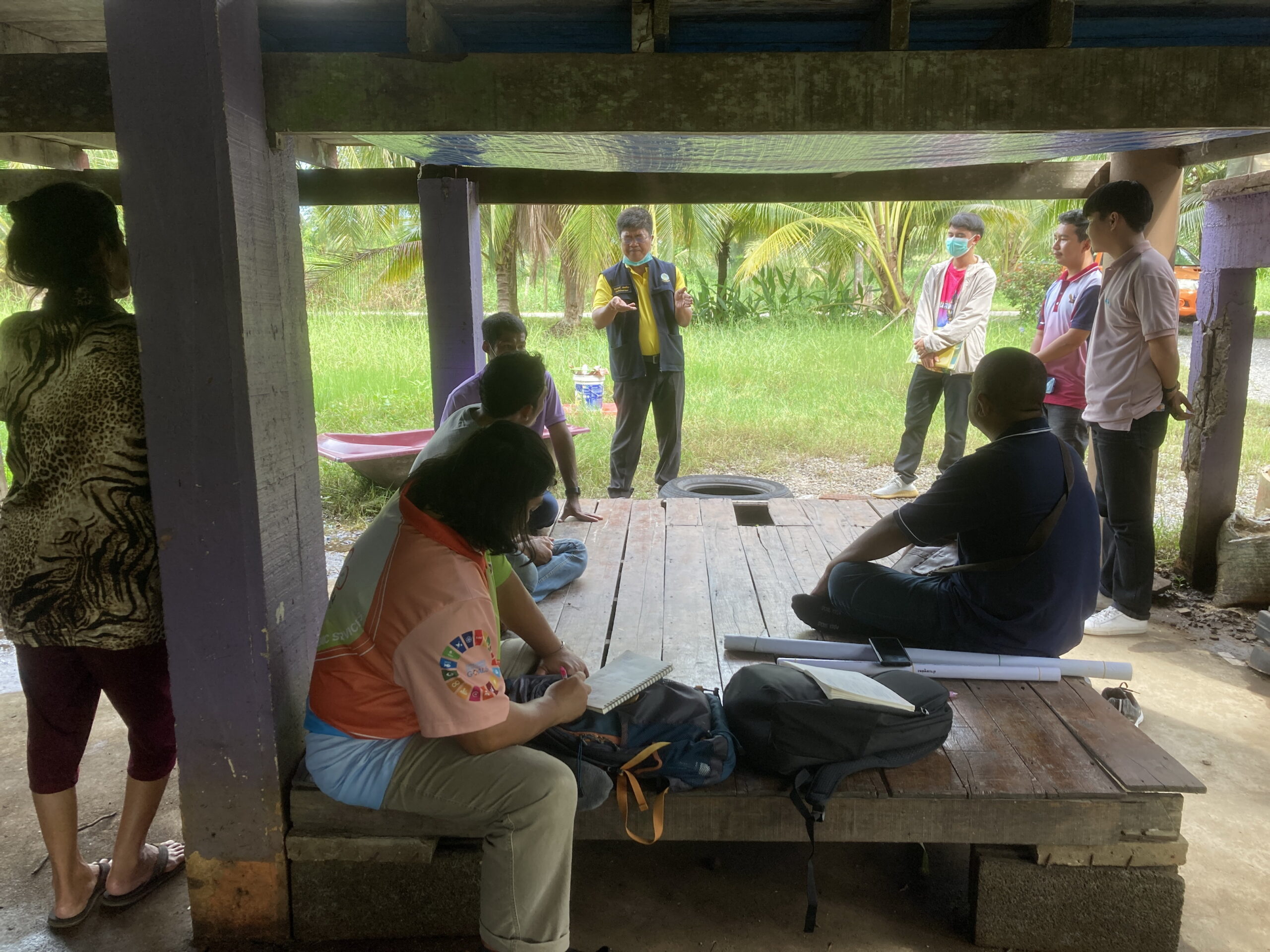
Walailak University arranged meetings with local people from the districts to give them a stage to reflect on their problems and what they want Walailak University to resolve. The center started setting strategies to tackle the challenges and provided knowledge to the local people and agriculturists in water irrigation practices, water management and conservation to promote good management of water sources in the local communities for the sustainability of fresh-water ecosystems.
The knowledge mainly covered shared water resource management enhancement, erosion control measures, biodiversity enhancement, and the promotion of sustainable agricultural and aquacultural practices.
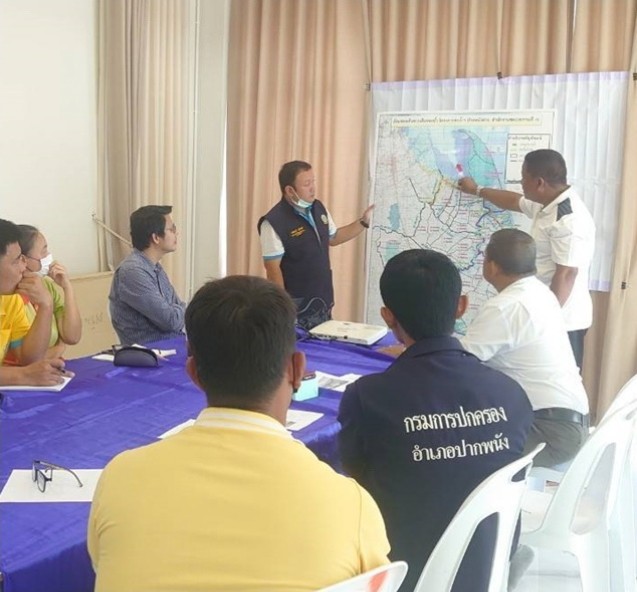
Figures: Walailak University and partners organizing a meeting to provide knowledge about water irrigation practices, water management, and conservation.
The implementation of these strategies has led to noticeable improvements in the Pak Phanang River Basin. There has been a significant increase in biodiversity, highlighted by the growing population of Nile tilapia, a key indicator of ecological health. The reduction in chemical usage has resulted in cleaner water and a more balanced ecosystem, benefiting both aquatic life and surrounding wildlife.
In Na Mai Phai Subdistrict, Thung Song District, Nakhon Si Thammarat, local freshwater ecosystems, particularly streams, have been impacted by environmental issues like soil erosion, strong currents, and reduced moisture. These challenges have led to the deterioration of the ecosystem, affecting the survival of local insects, plants, and freshwater animals.
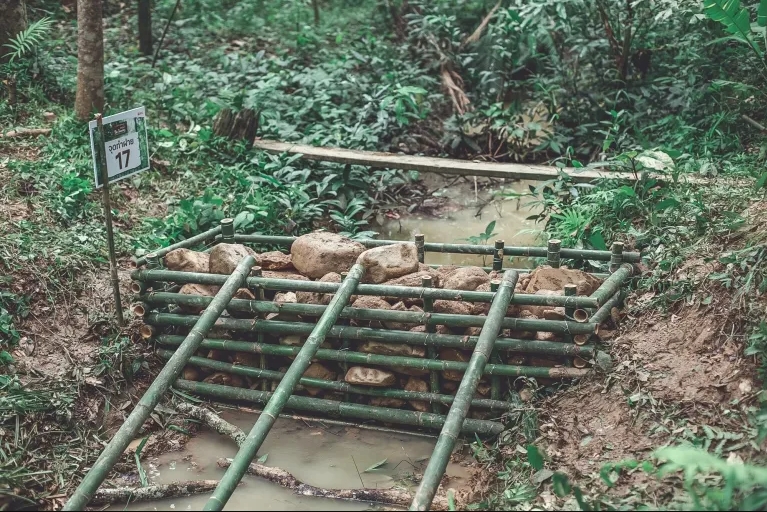
To address these issues, Walailak University, in partnership with local, regional, and national government agencies, initiated a living weir construction project over three years ago. The project aims to create a sustainable pond ecosystem by building a weir with natural, locally sourced materials, allowing water to accumulate gradually and enhancing water security and freshwater ecosystems.
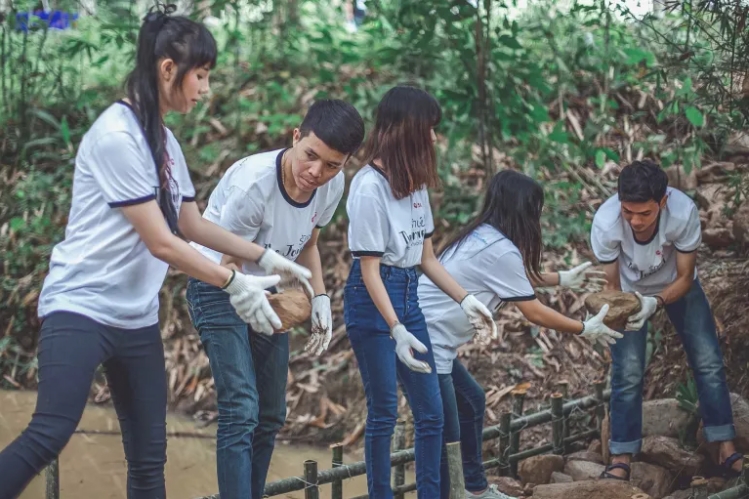
In 2023, Walailak University advanced the project, titled “The Living Weir Development for Sustainable Community,” to provide free educational opportunities focused on water resource management. Led by Mr. Suthira Thongkao, an expert on natural resources and the environment, and a team of researchers, the weir was renovated and expanded to improve water flow regulation. Key construction materials, including bamboo, sandbags, wood, and leaf scraps, were used to support the development of a stable and resilient freshwater environment.
The implementation yielded significant benefits for the local freshwater ecosystem. By using the materials, the weir gradually created a stable pond environment supporting water retention and helping mitigate issues such as soil erosion, strong currents, and moisture loss. This stable ecosystem improved conditions for local insects, plants, and freshwater animals, contributing to increased biodiversity.
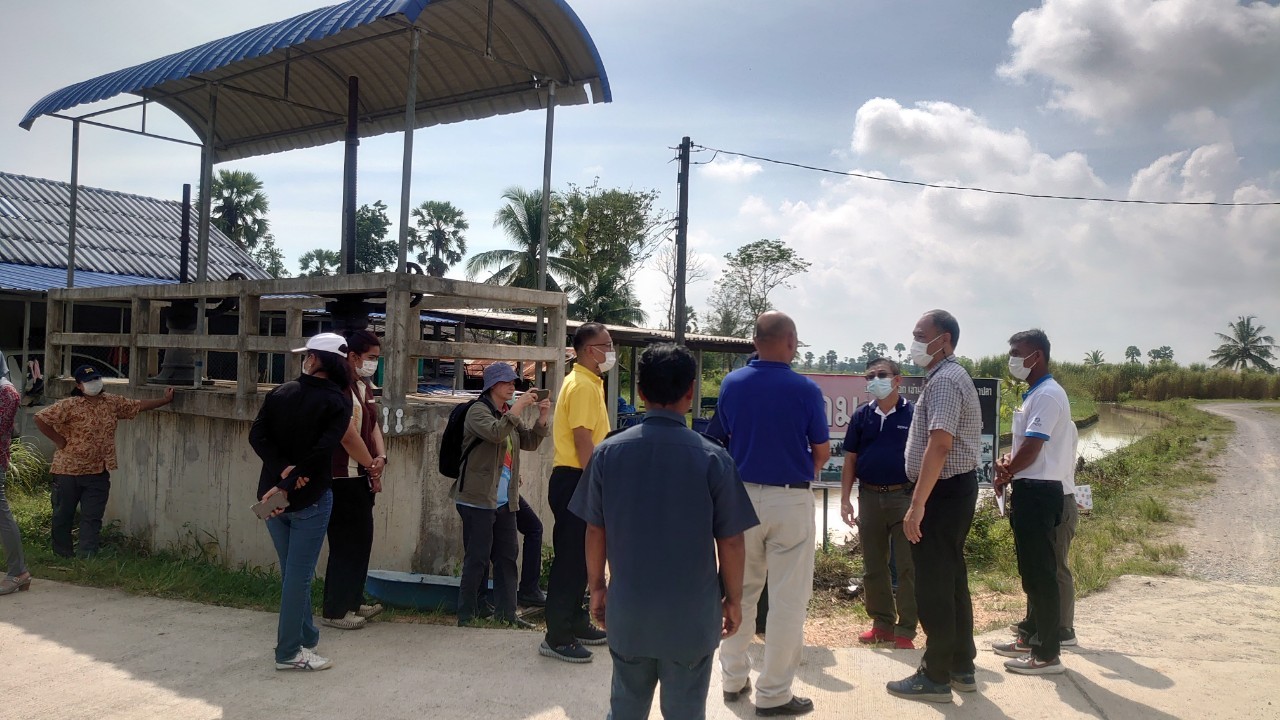
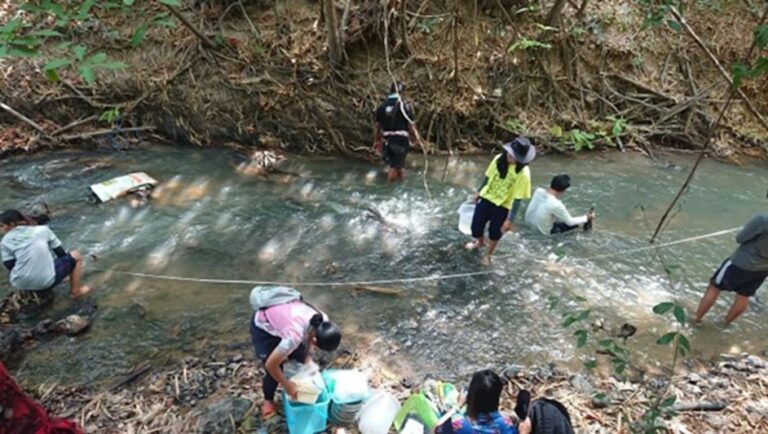
Figures: WU (both students and staff) and partners renovating and expanding the living weir in Na Mai Phai Subdistrict.
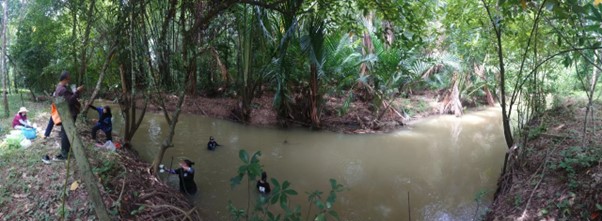
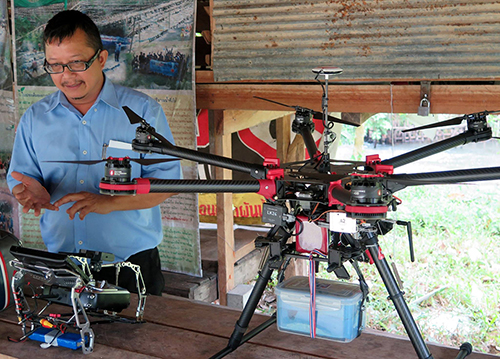
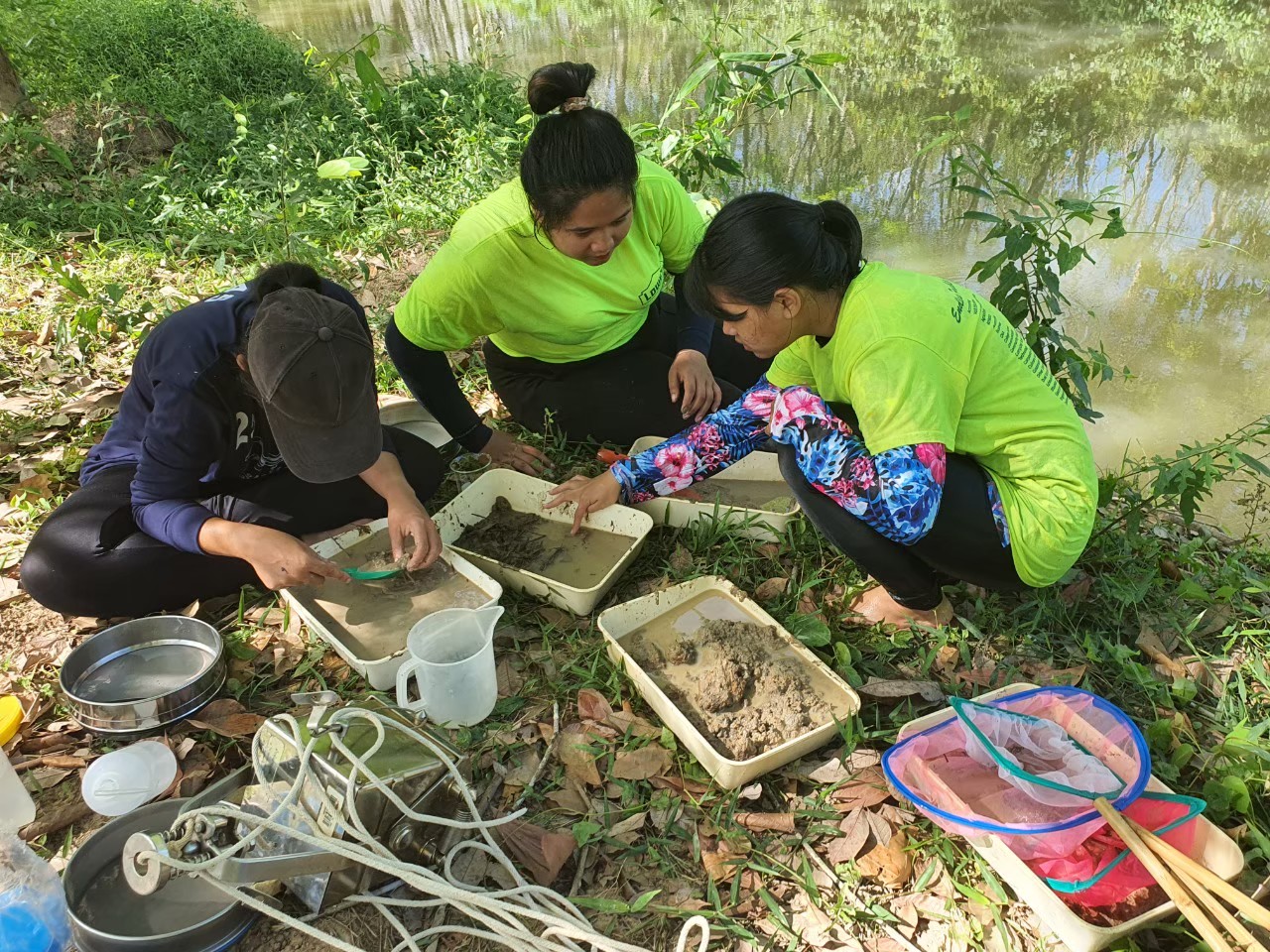
Figures: Mr. Suthira Thongkao and his research team using a drone to investigate the health of freshwater ecosystems of the weir.