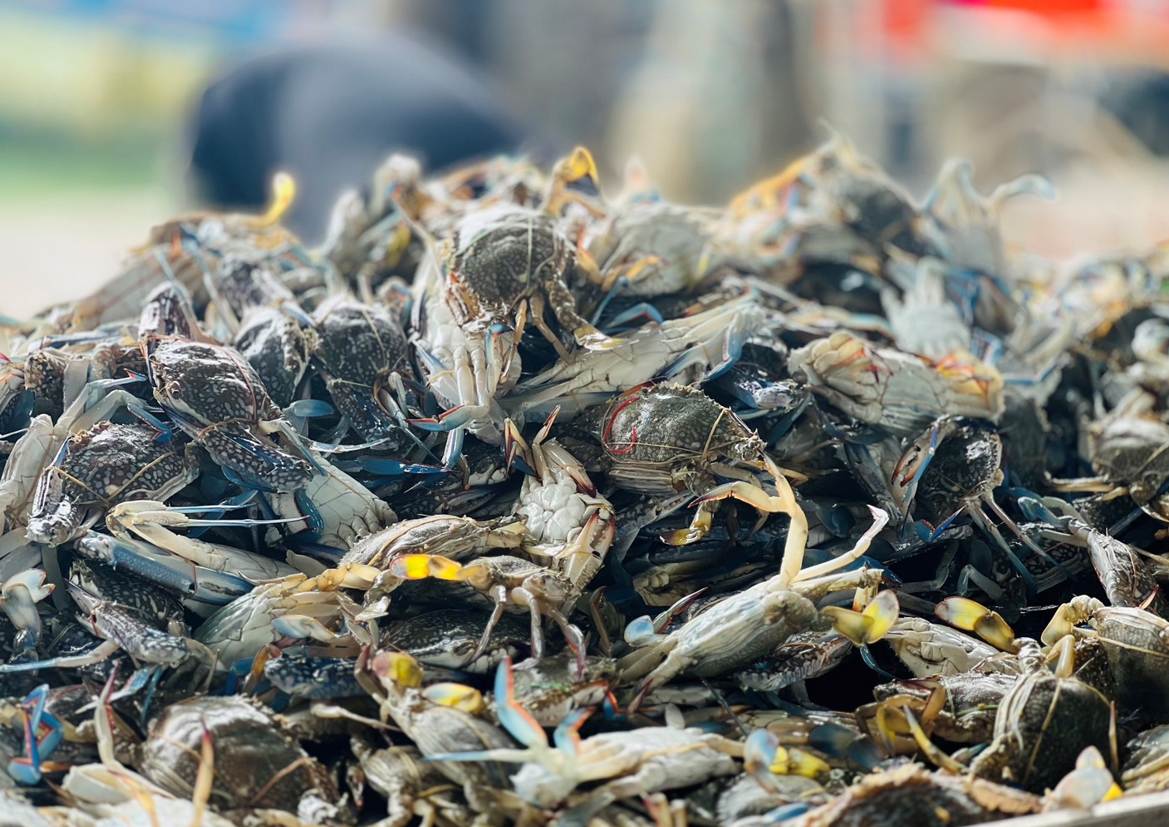
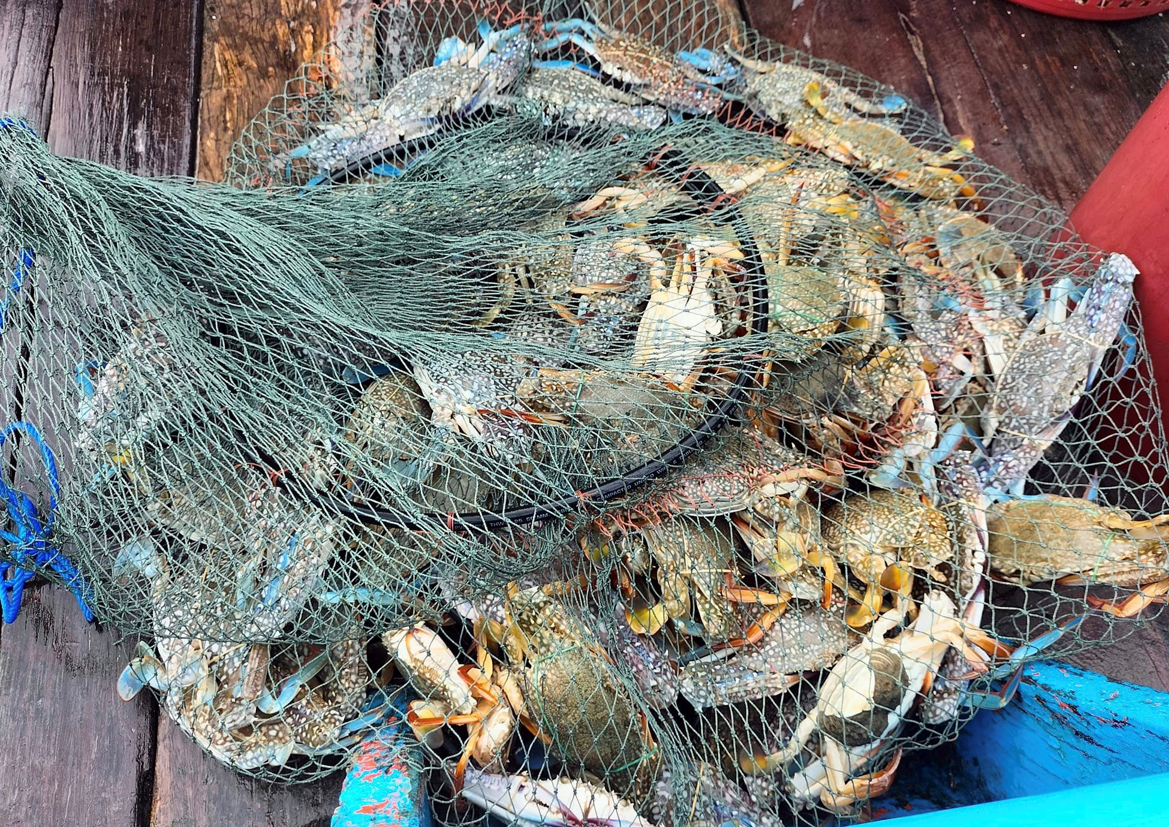
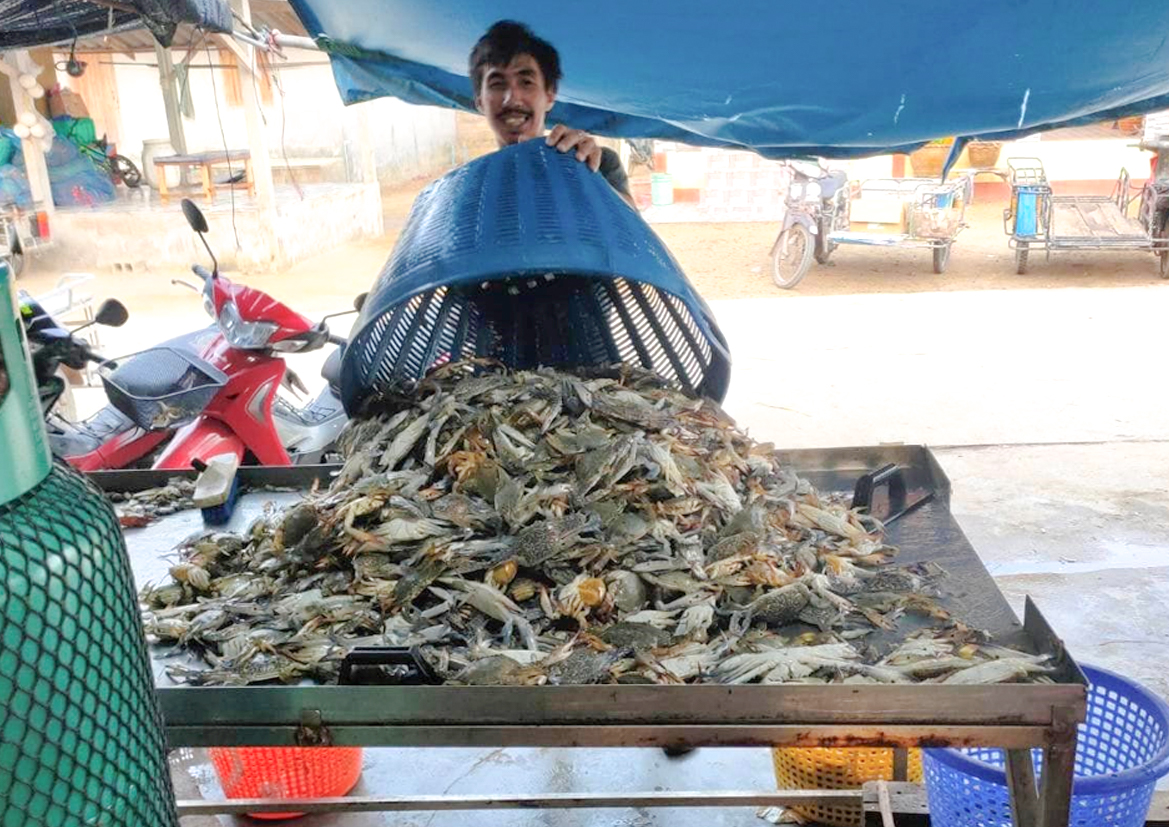
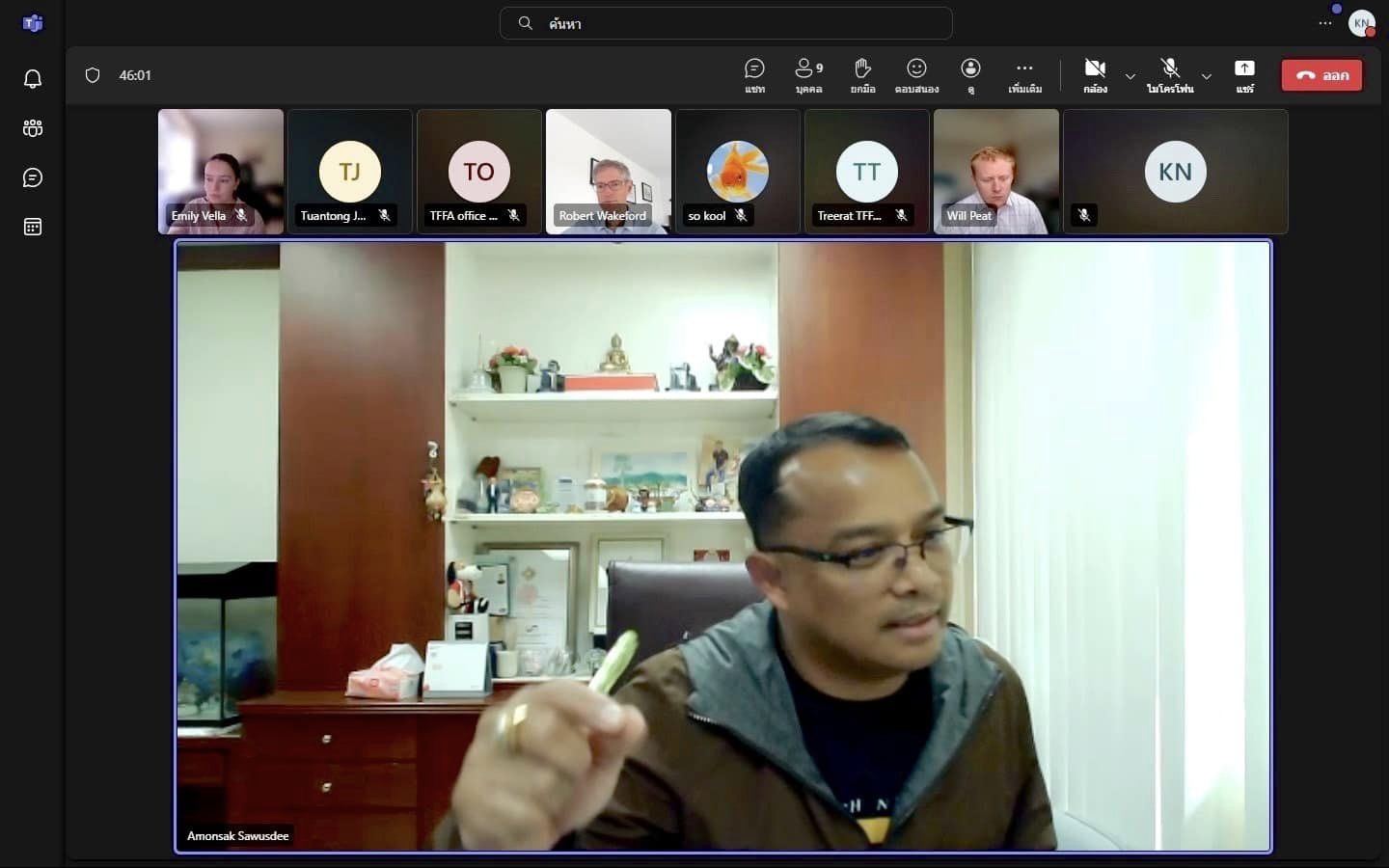
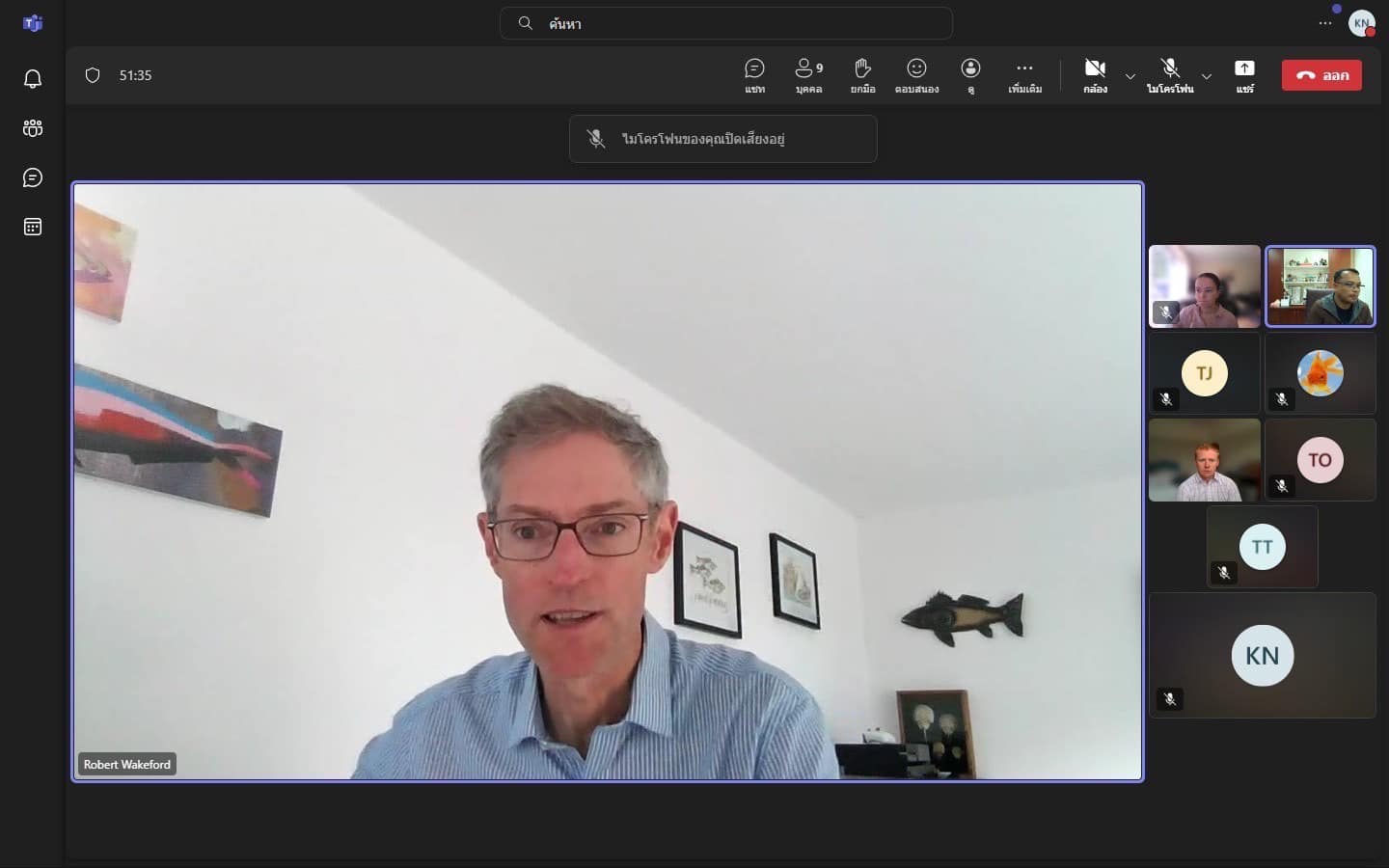
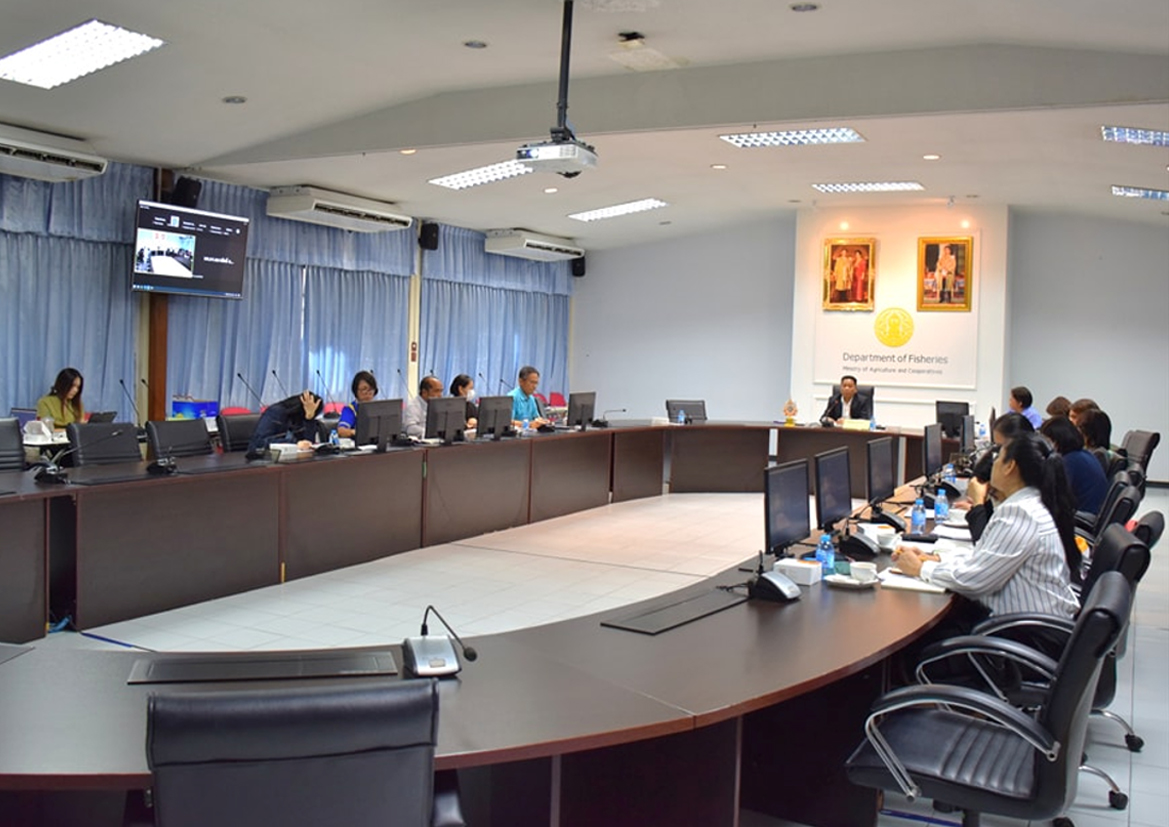
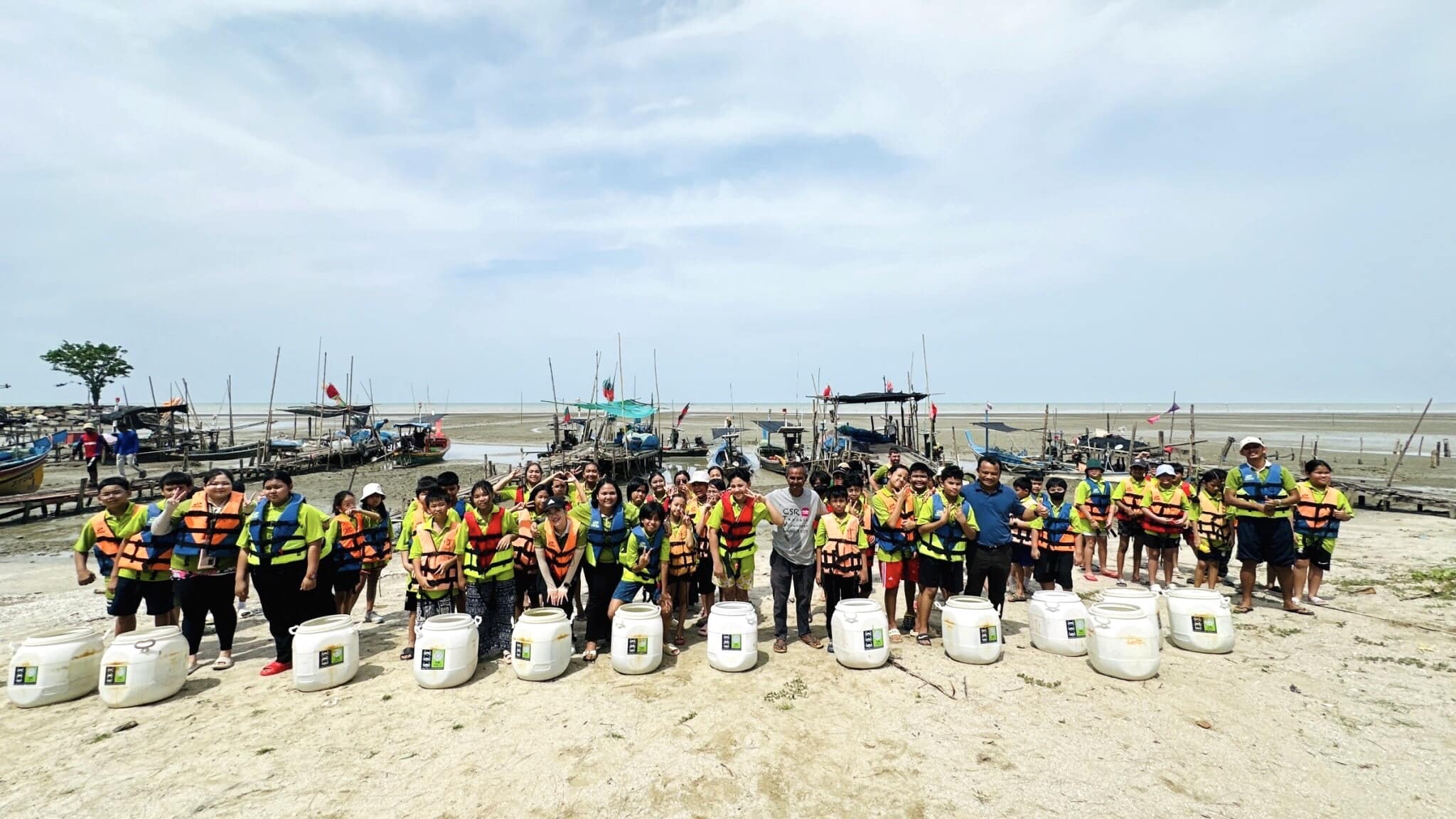
Walailak University (WU), in partnership with local fishing communities and various stakeholders, has launched a groundbreaking initiative to restore blue swimming crab populations along Thailand’s coast. Known as the “Crab Bank” project, this community-centered program seeks to address the urgent need for sustainable fishery practices amid declining marine resources. With blue swimming crabs being one of Thailand’s top seafood exports, the depletion of this resource has far-reaching effects on the economy, food security, and the livelihoods of coastal communities. By combining research, stakeholder collaboration, and local community engagement, WU’s ongoing project aims to protect and maintain Thailand’s shared coastal and aquatic ecosystems and secure a sustainable future for the fishing industry.
Thailand’s coastal regions are home to diverse marine species, providing crucial protein and income for many Thai people, especially those in coastal areas. However, heavy fishing pressure has led to a significant decline in marine resources, particularly the blue swimming crab (BSC), a key species in Thailand’s fishing industry and a valuable export that makes the country one of the top four global exporters. This decline affects fishers, the seafood supply chain, and Thailand’s overall GDP from fishery exports.
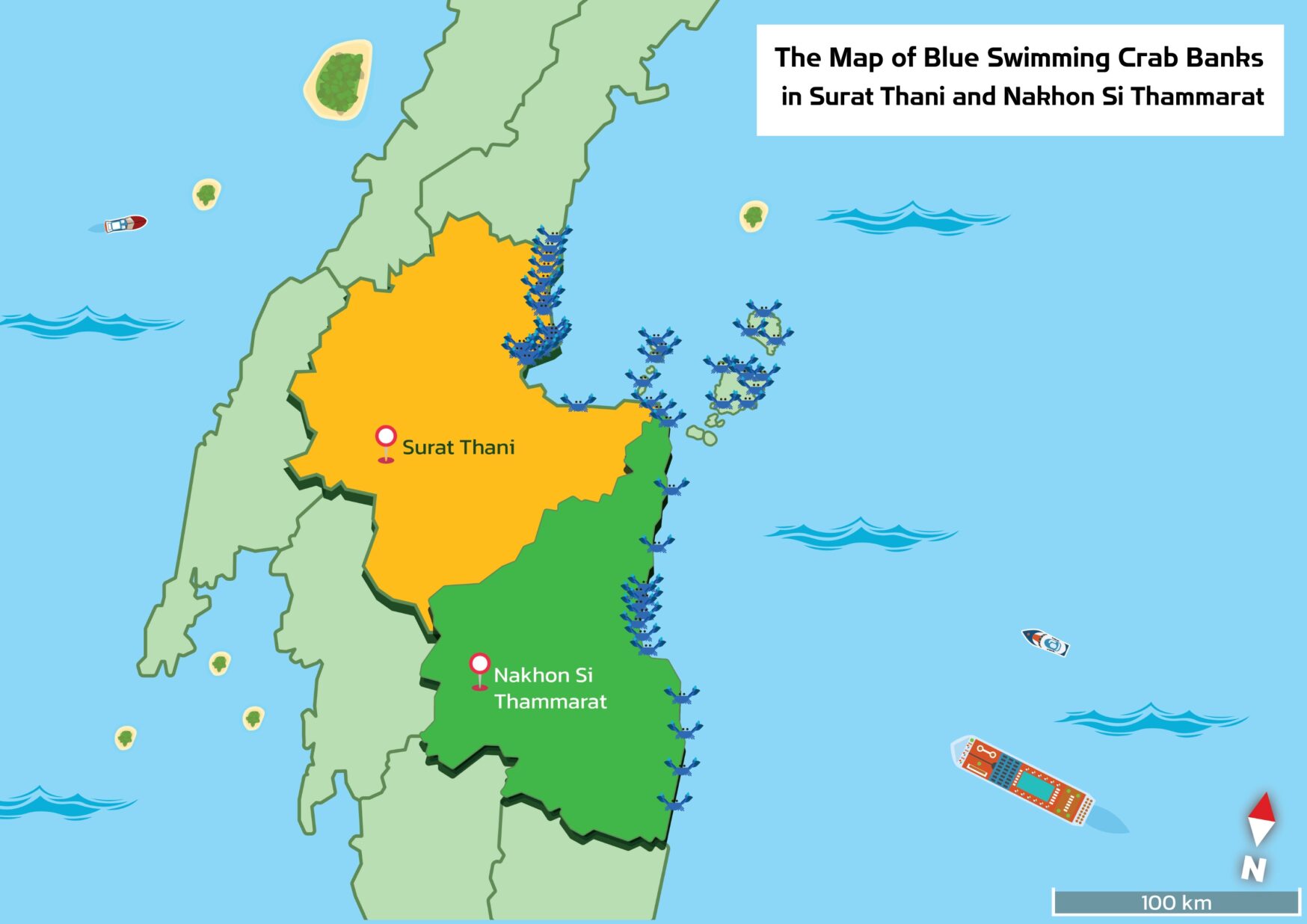
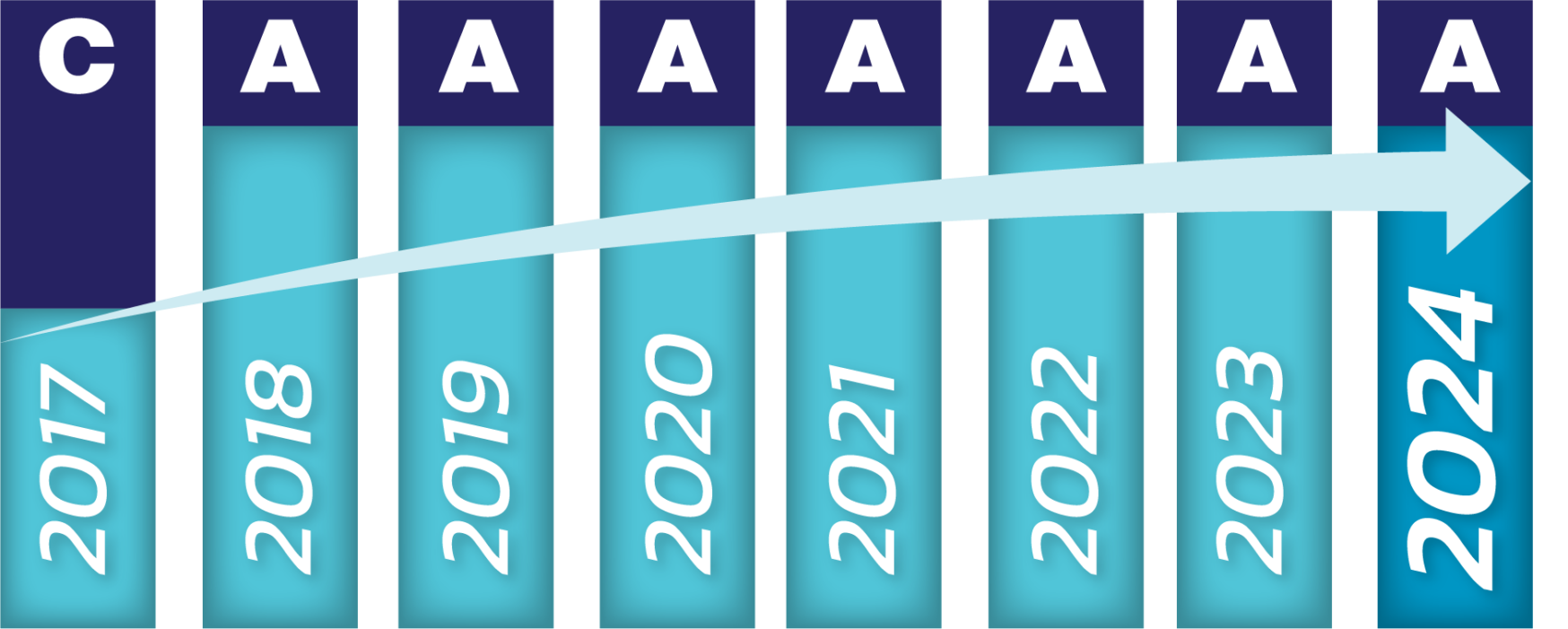
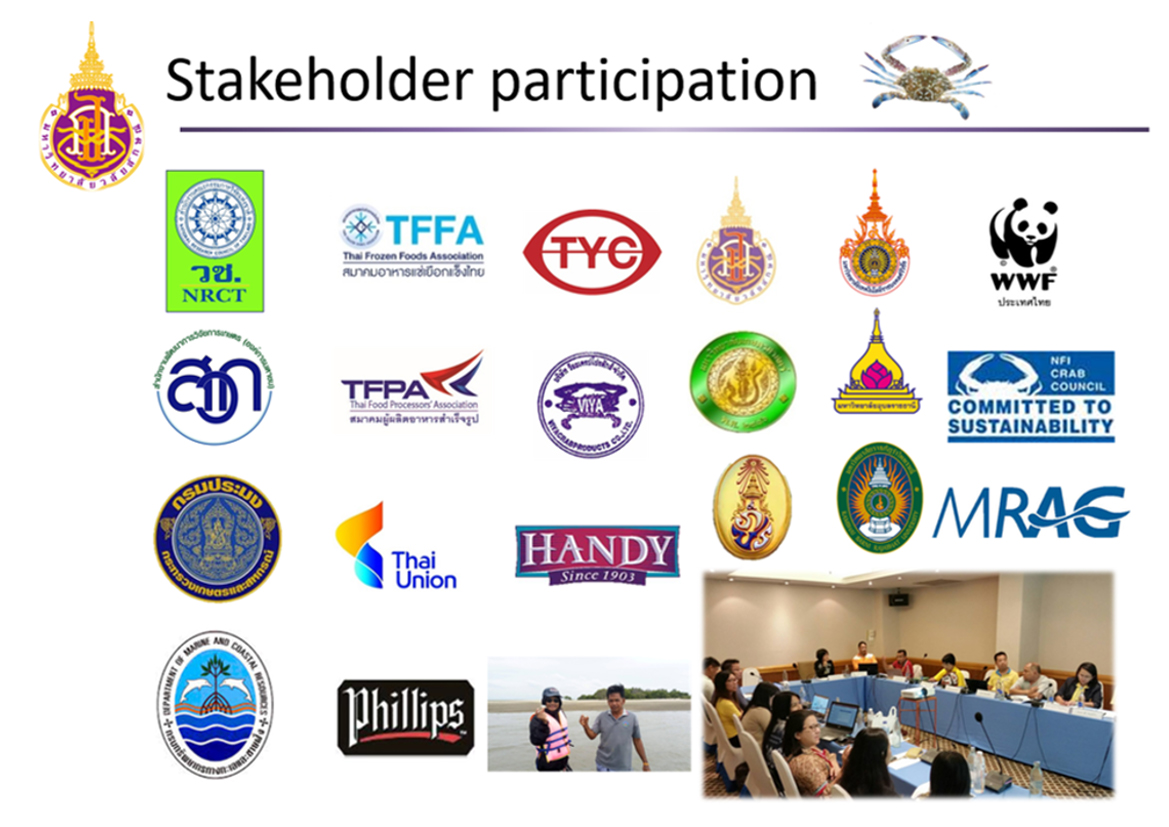
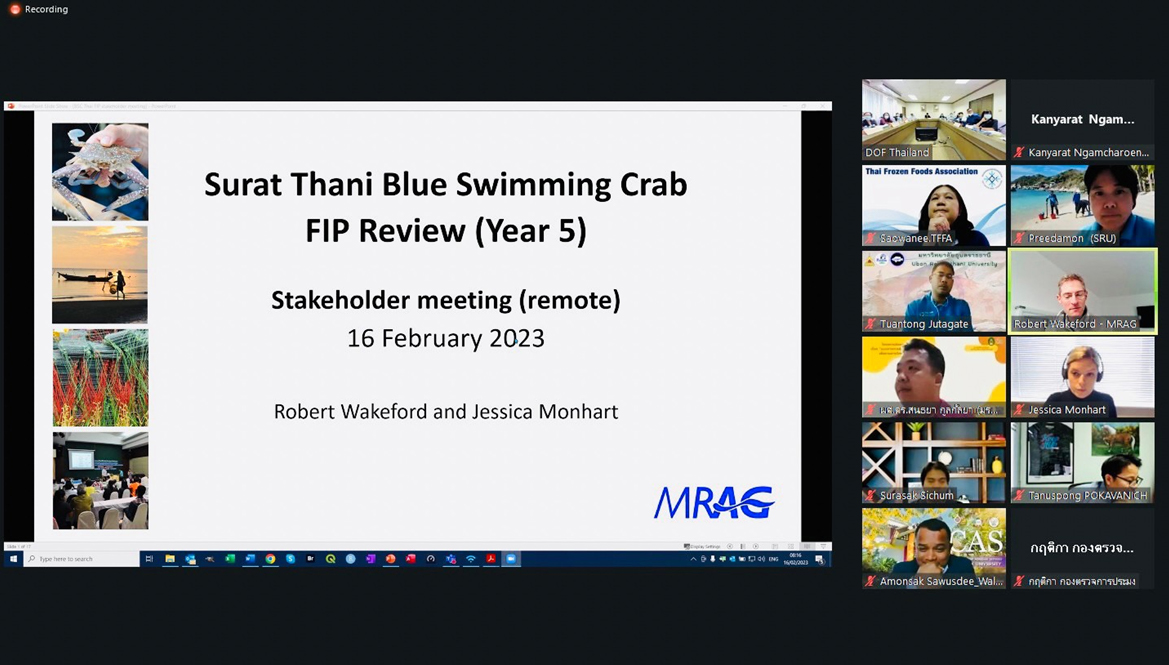
Based in Nakhon Si Thammarat, WU plays a major role in supporting Southern Thailand, where fishing is a primary occupation for local communities. Responding to the needs expressed by BSC fishery stakeholders—including fishers, the Thai Frozen Foods Association, local crab processors, the Thai Food Processor Association, the Department of Fisheries (DoF), and NGOs such as the Federation of Thai Fisherfolk and Thai Sea Watch Association—WU launched an ongoing research project from 2018 to 2024. This initiative aims to replenish BSC stocks and improve fishery management in Nakhon Si Thammarat and Surat Thani provinces, helping Thailand obtain Fishery Improvement Project (FIP) certifications. These certifications are essential for overcoming international trade barriers and opening global markets for Thai BSC products.
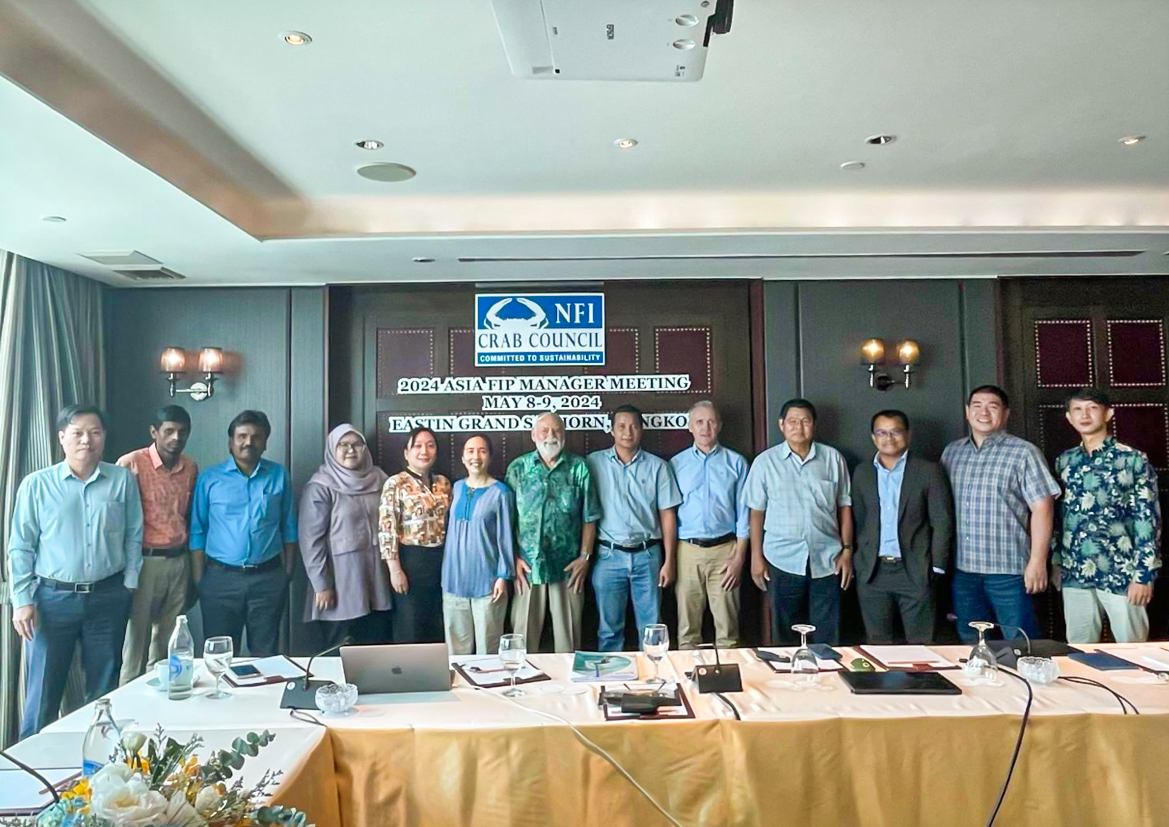
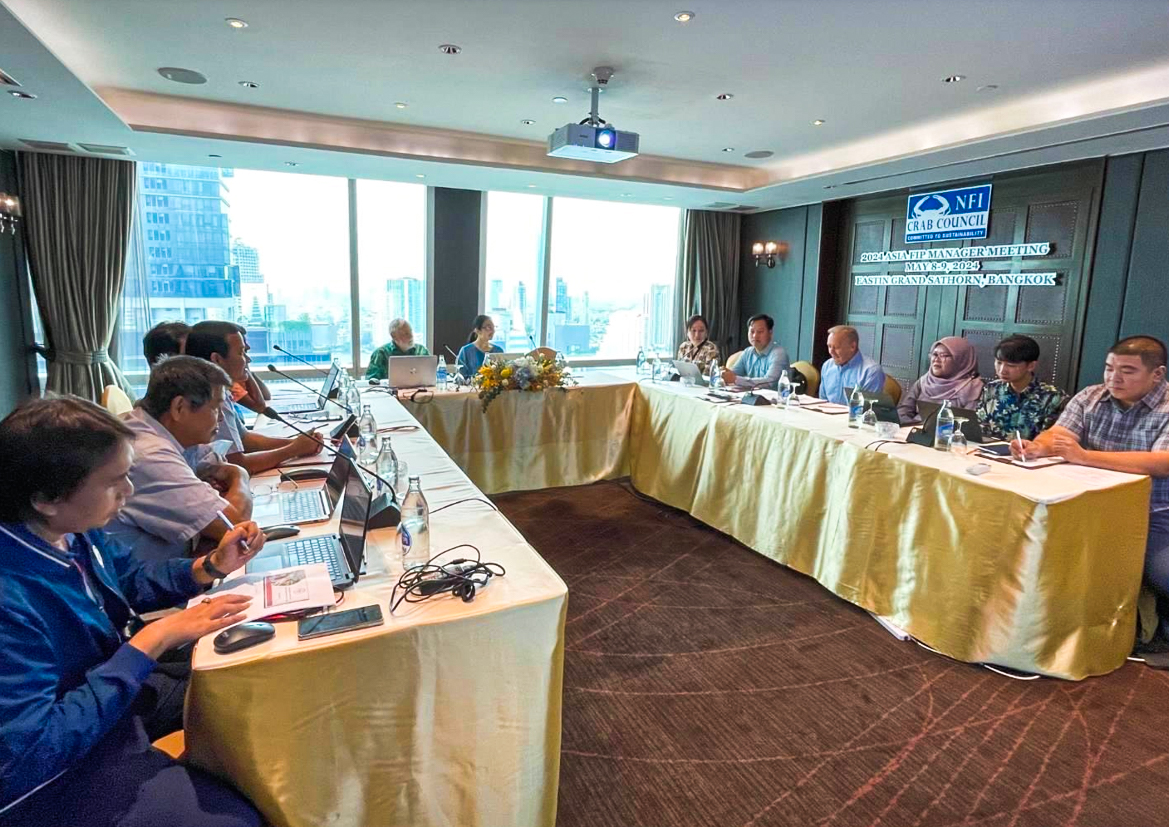
The “Crab Bank” program, launched by WU, is a community-driven project designed to address social needs, foster partnerships, and enhance stakeholder involvement. Supported by the National Research Council of Thailand, the Agricultural Research Development Agency, and the Ministry of Science and Technology, the Crab Bank project involves collecting gravid female crabs, allowing them to spawn, and then releasing young crabs back into the ocean. Alongside this initiative, WU conducts scientific studies to monitor BSC populations, assess fishing habitats, and address related environmental concerns. WU collaborates with both local community and international organizations, including Thai universities, the NFI Crab Council (USA), the World Wildlife Fund, and the Marine Resources Assessment Group (MRAG), focusing especially on Bandon Bay, the largest BSC fishing area in the Gulf of Thailand.
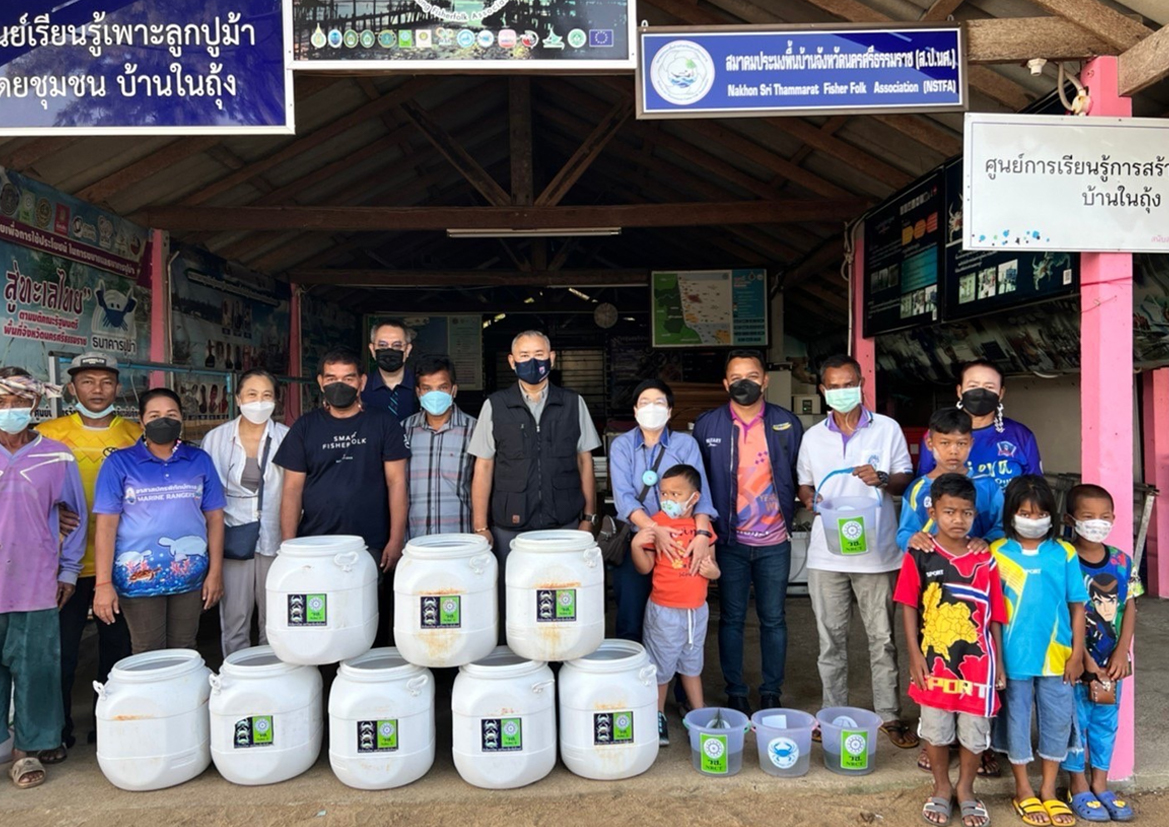
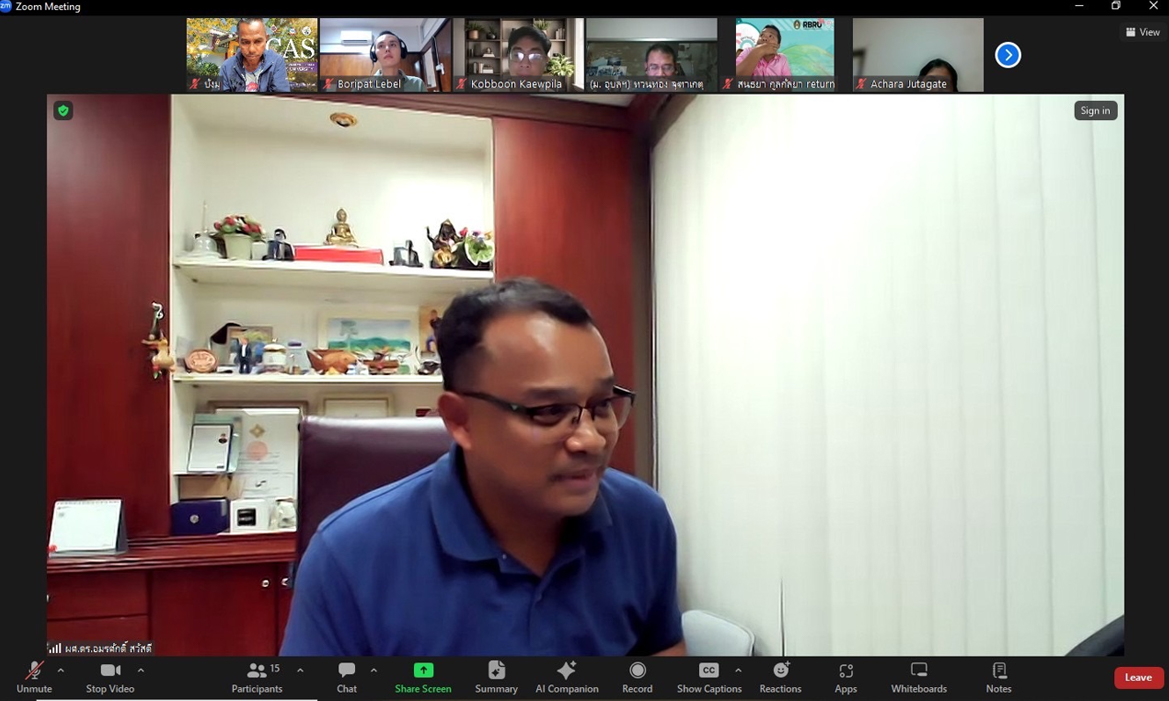
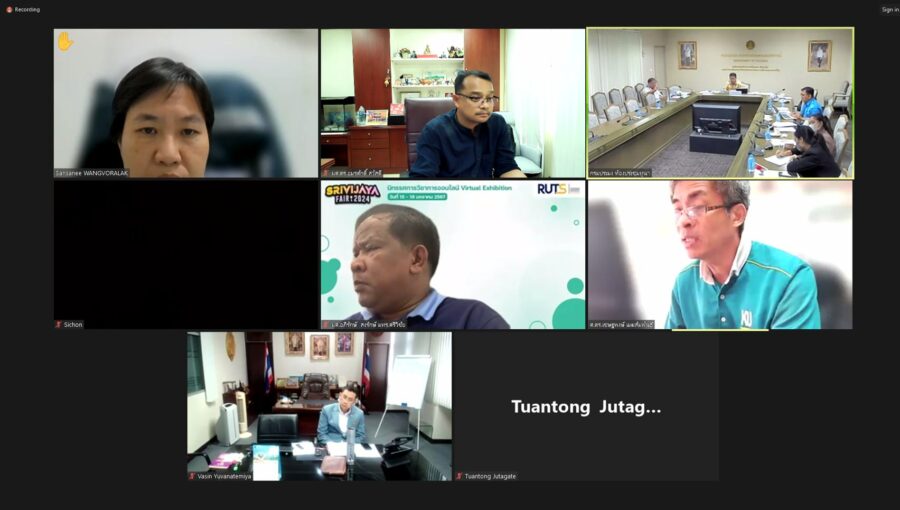
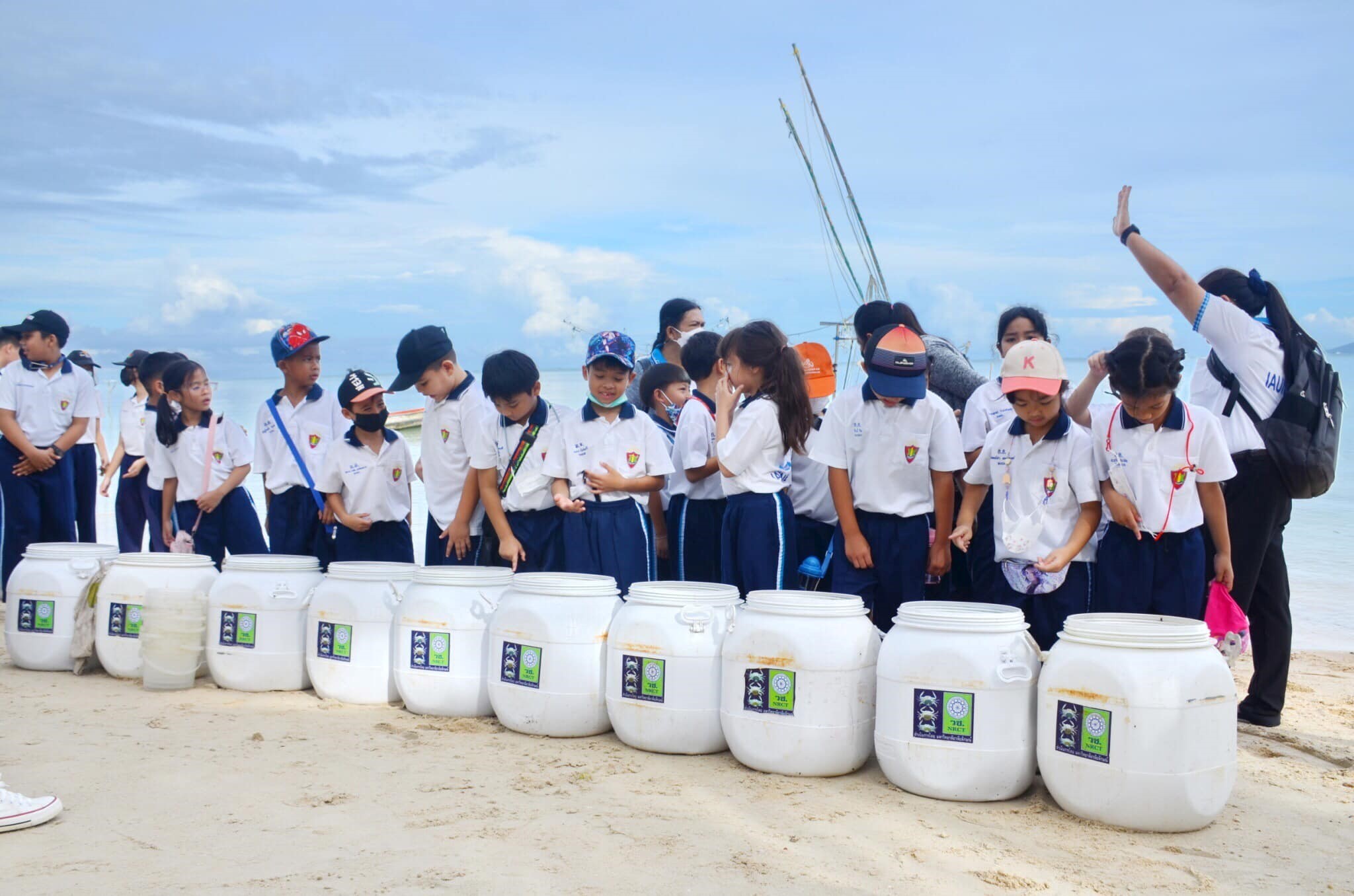
Training sessions and knowledge-sharing are vital parts of this program. Research findings related to crab population restoration are shared with stakeholders through meetings held at local fishery communities and DoF offices. Additionally, educational materials on Crab Bank operations are provided to interested fishers, and their understanding of the initiative is evaluated.
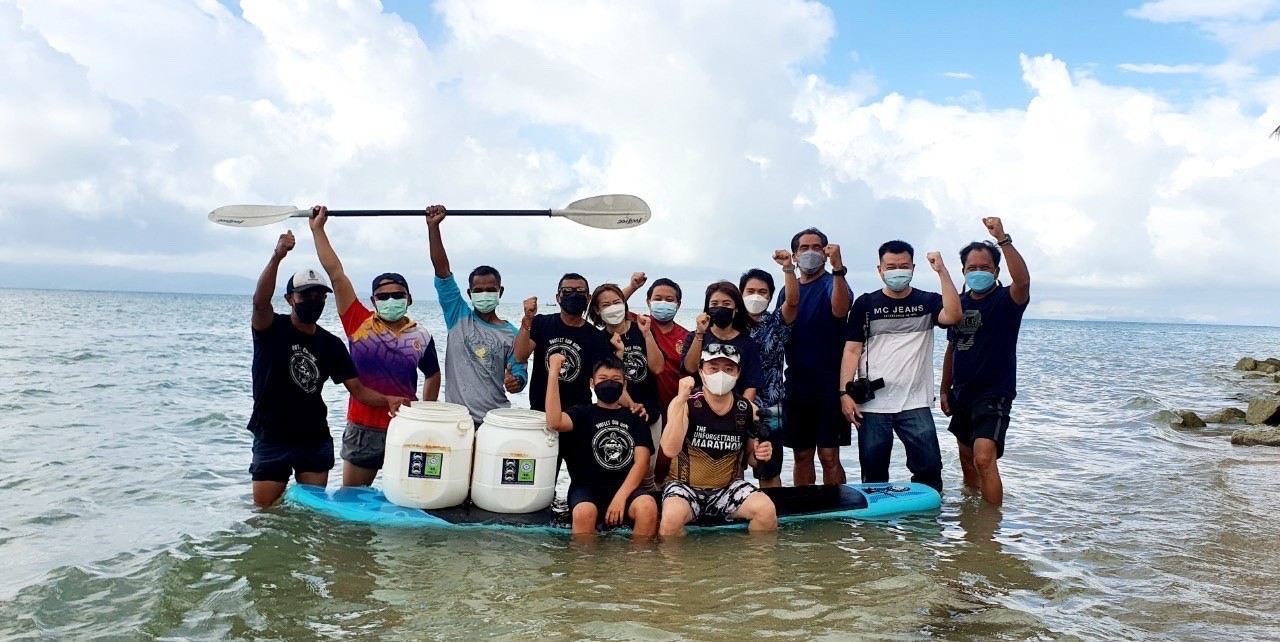
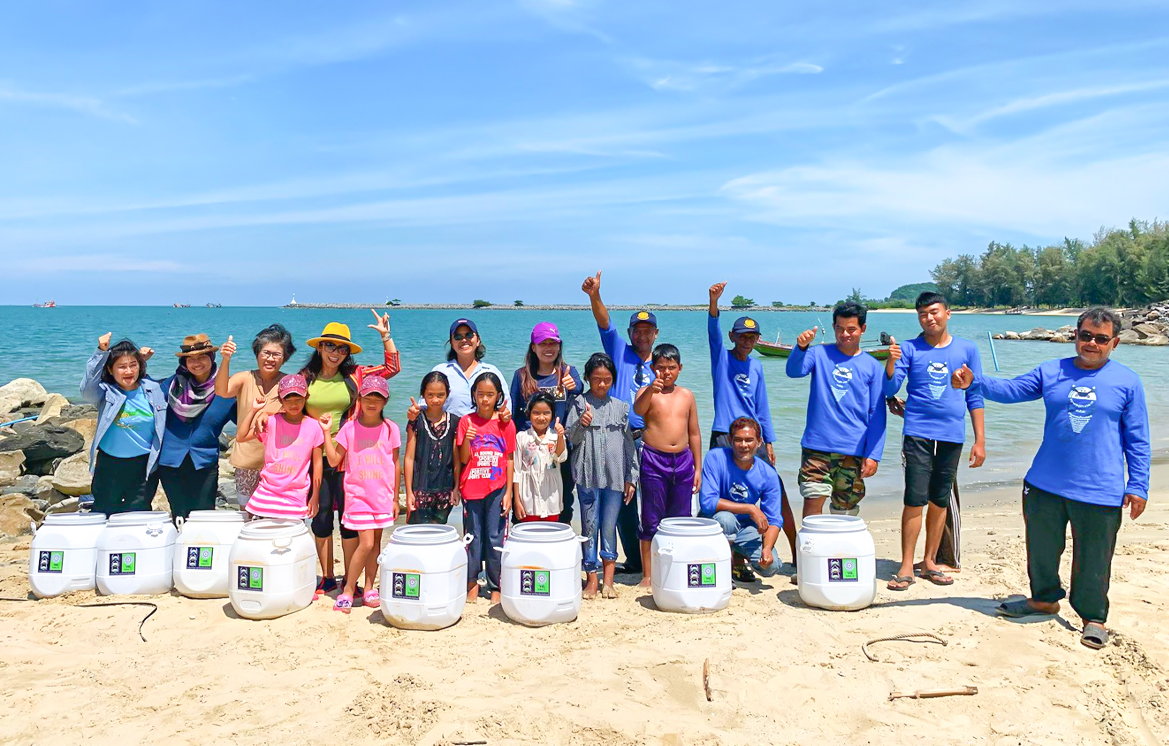
In 2023, WU partnered with the local community to establish 62 Crab Banks along the coastal areas of Nakhon Si Thammarat and Surat Thani. Each bank involves more than ten fishers who serve as committee members and donate gravid female crabs. This effort has resulted in over 600 fisher volunteers, a considerable increase from the project’s initial stages.
The Baan Haad Somboon Blue Crab Bank Learning Center, Surat Thani, has been selected as one of the five exemplary sites nationwide in the “Sustainable Blue Crab Bank of Baan Haad Somboon” initiative. This learning center is part of the first cohort of SDG learning sites, established as part of Thailand’s project to create a continuous cycle of learning for sustainable development. Lessons learned from this work will be presented in December 2023 at a cross-sector learning exchange forum titled “Sustainable Development” of Thailand.
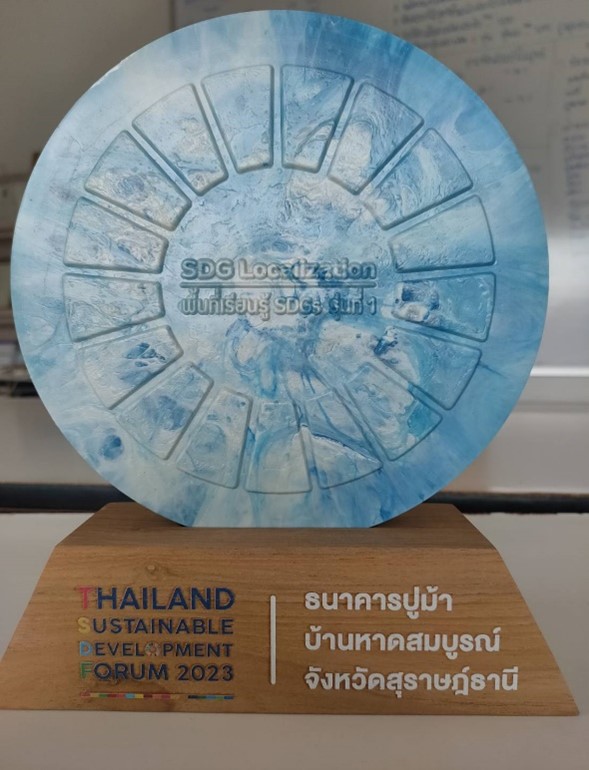
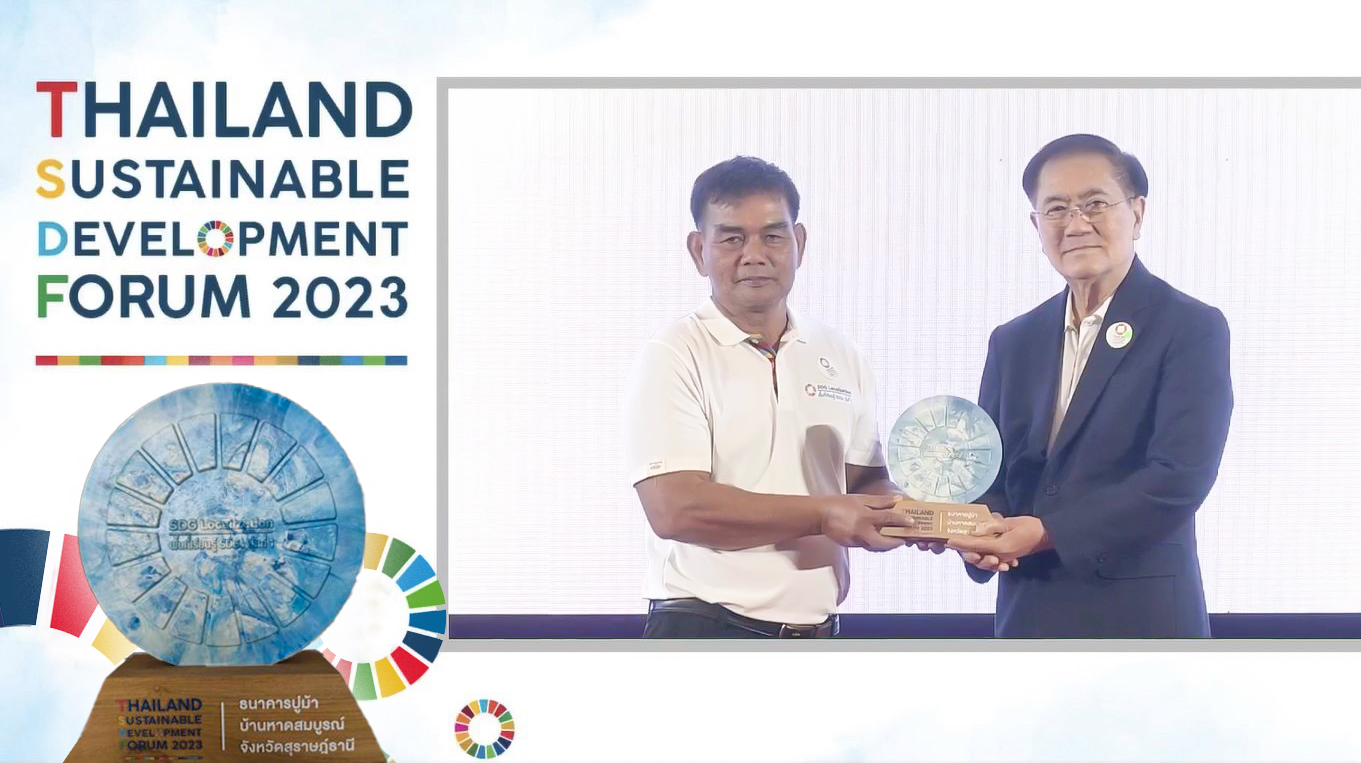
Baan Haad Somboon Blue Crab Bank, supported by Walailak University’s Center for Academic Services over the past five years, has been awarded the “Sustainable Blue Crab Bank of Baan Haad Somboon” plaque. This recognition designates the community as a model learning center for the SDGs, marking it as one of the top five target communities across the country. The award was presented during Thailand’s 2023 cross-sector learning exchange event for “Sustainable Development,” organized by the International Health Policy Program (IHPP).
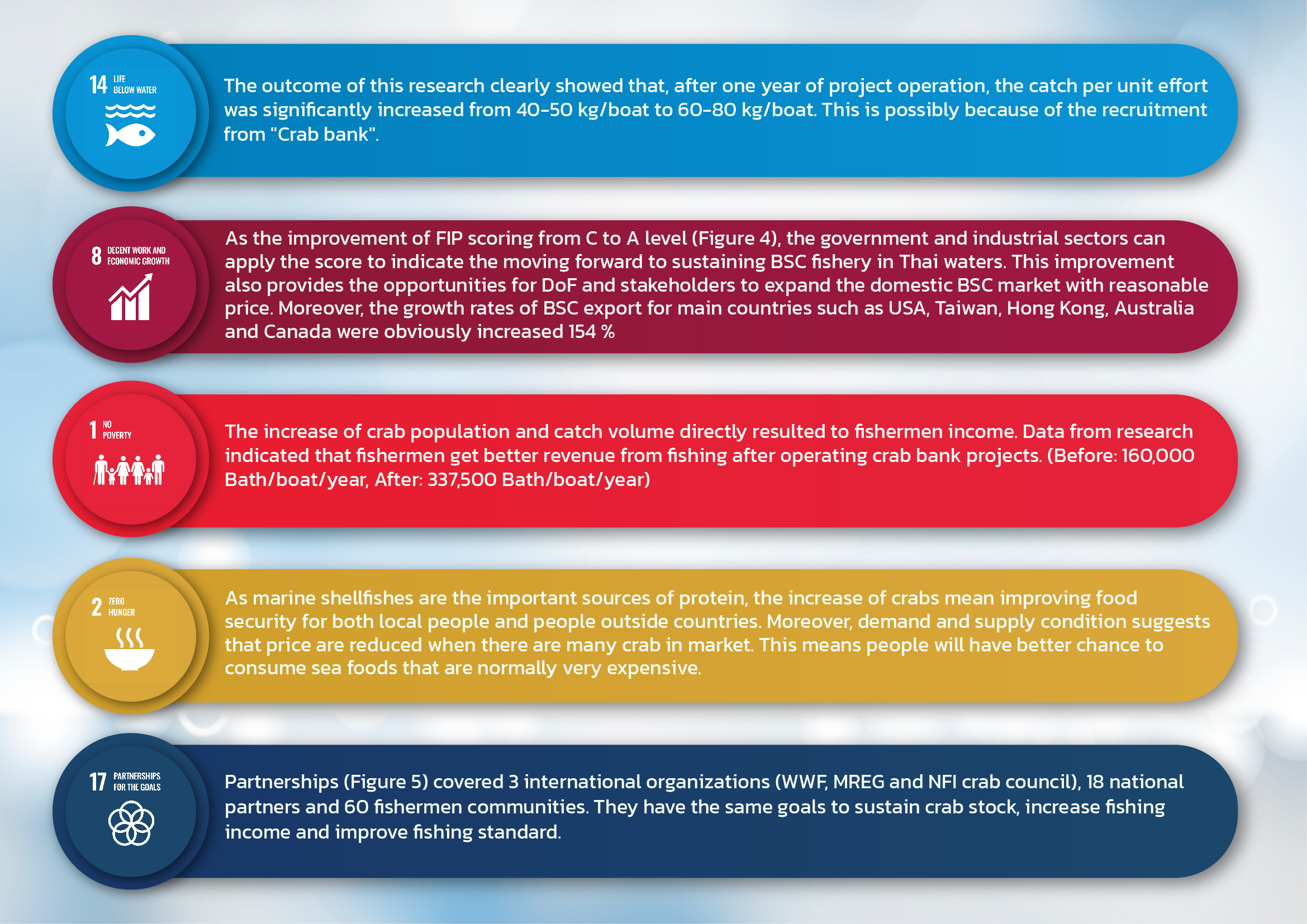
For Social Impact and Alignment with Sustainable Development Goals (SDGs), the Crab Bank initiative cooperated with the local community and contributed to multiple Sustainable Development Goals (SDGs), including Life Below Water, Decent Work, and Economic Growth, Zero Hunger, No Poverty, and Partnerships for the Goals.
This initiative showcases Thailand’s commitment to sustainable fishing practices, establishing the country as a model for blue swimming crab management. Fisher communities across the Gulf of Thailand are now able to catch up to 15 kg of blue swimming crabs per day per boat, demonstrating the project’s success in boosting local fisheries.
Walailak University’s ongoing Crab Bank project exemplifies a successful model for sustainable marine conservation, showcasing how academic institutions can work alongside communities and industry to achieve meaningful ecological and economic outcomes. With an impressive network of over 600 local fisher volunteers and 84 established Crab Banks, the project has already contributed to a significant increase in crab populations, providing a sustainable income boost for local fishers. Recognized nationally for its impact, WU’s initiative aligns with multiple Sustainable Development Goals, including Life Below Water, Decent Work and Economic Growth, and Partnerships for the Goals. By ensuring that Thailand’s fishery exports meet sustainable standards, the Crab Bank project positions Thailand as a leader in responsible fishing practices, offering a template for similar conservation efforts across the region and beyond.