Walailak University’s Free Events for Farmers and Food Producers: Connecting Knowledge, Innovation, and Sustainability
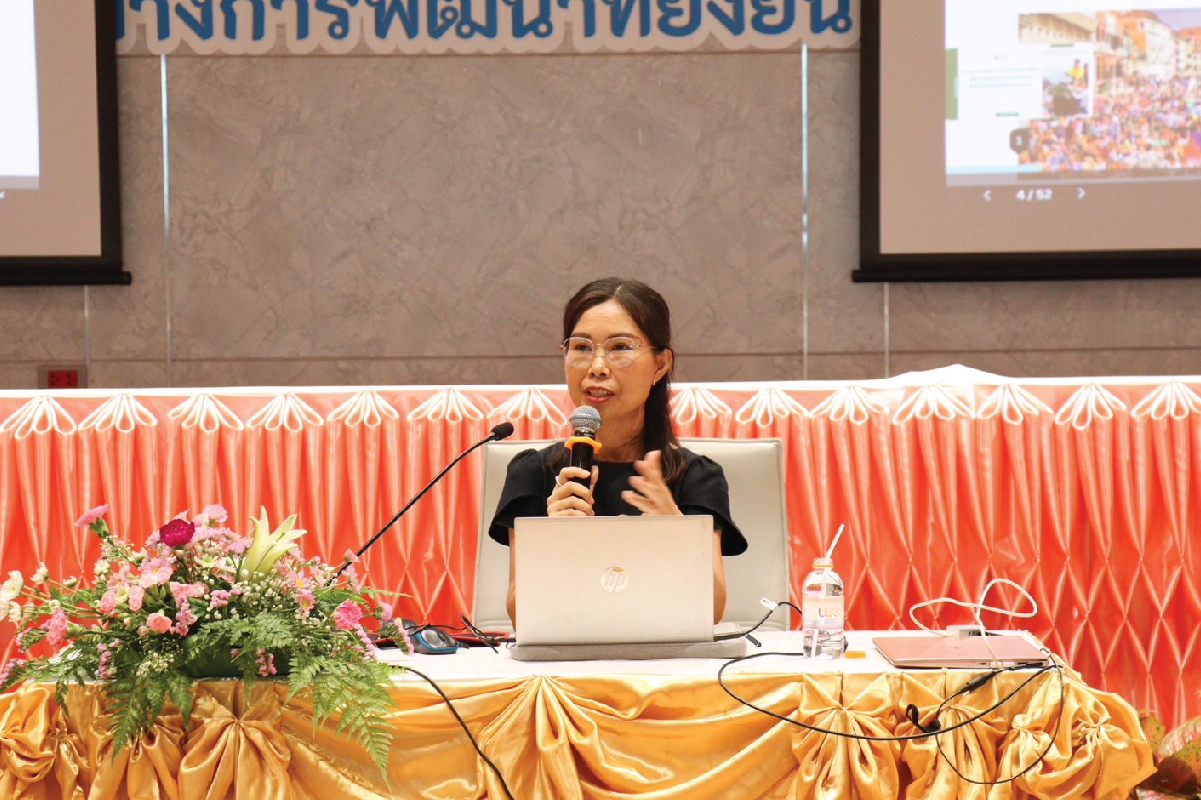
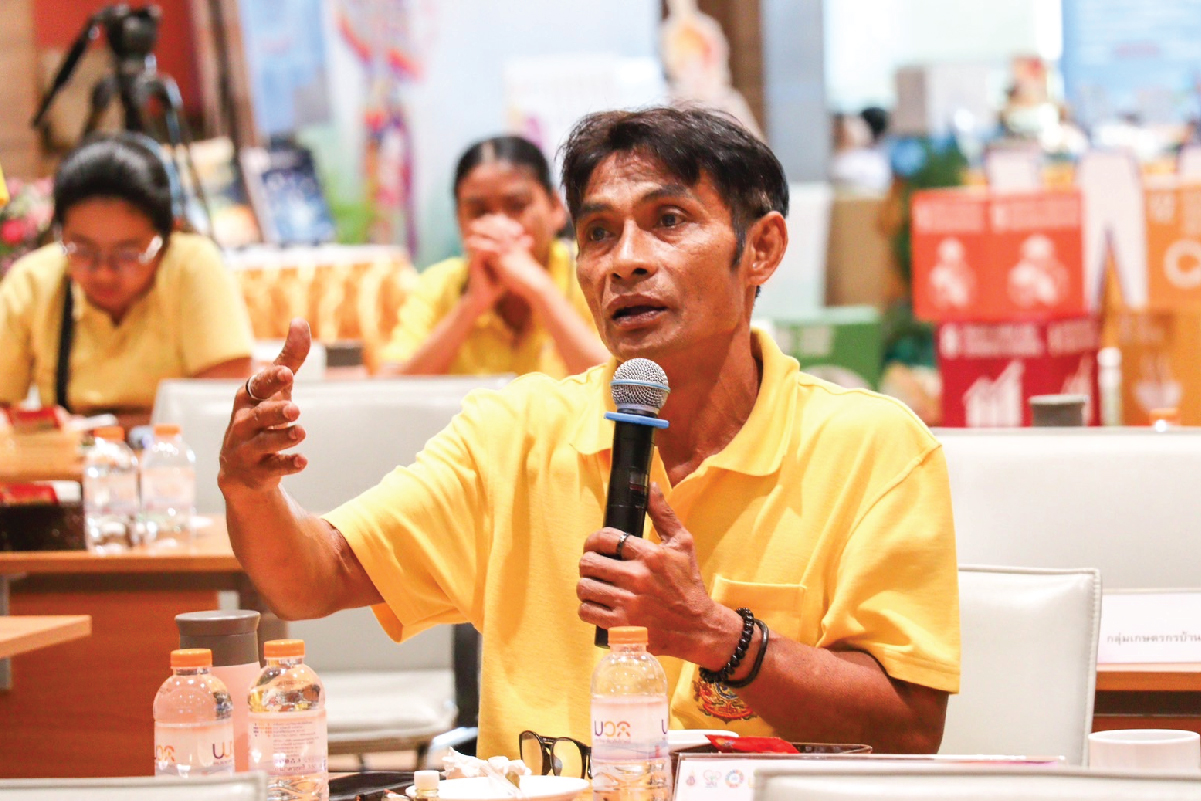
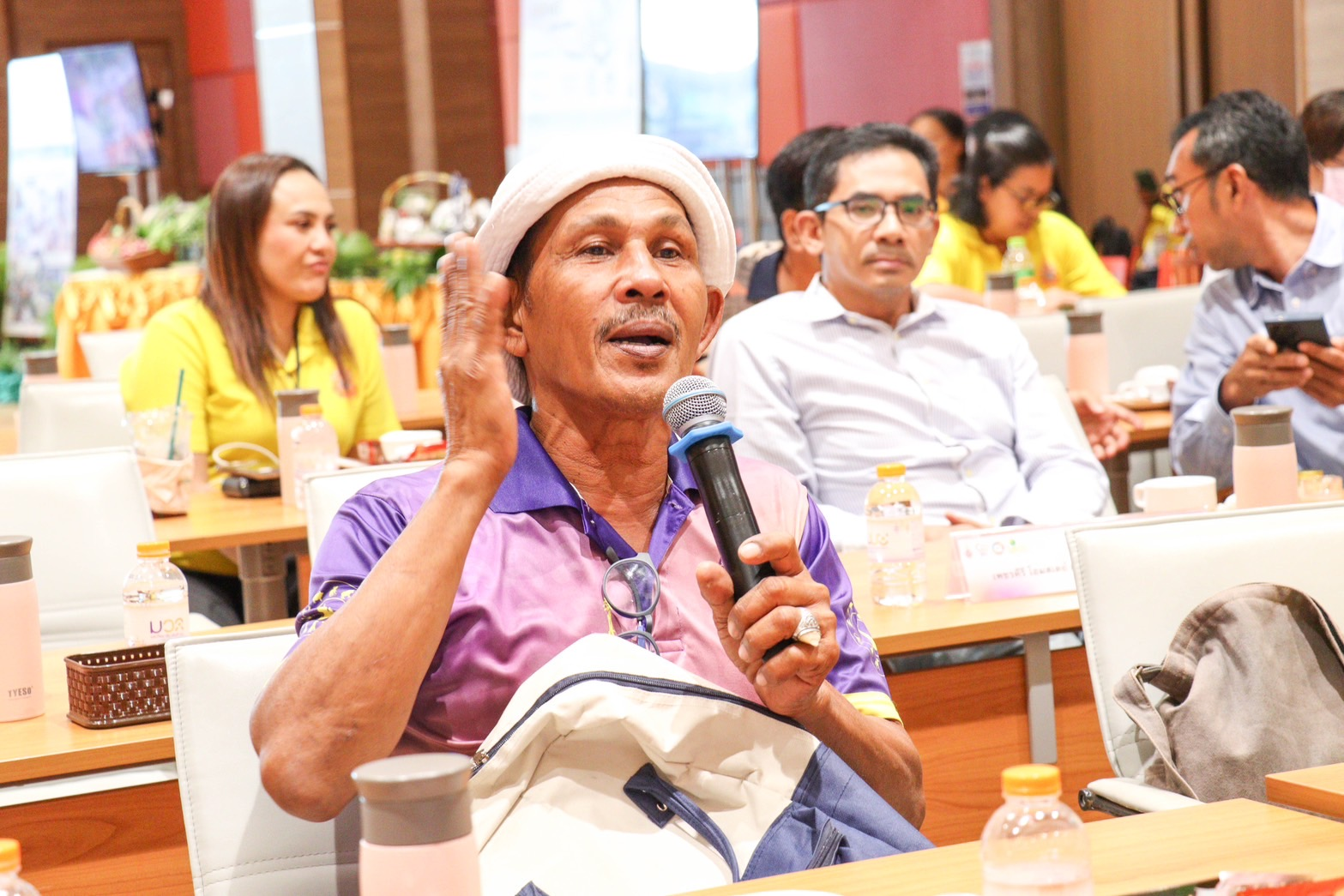
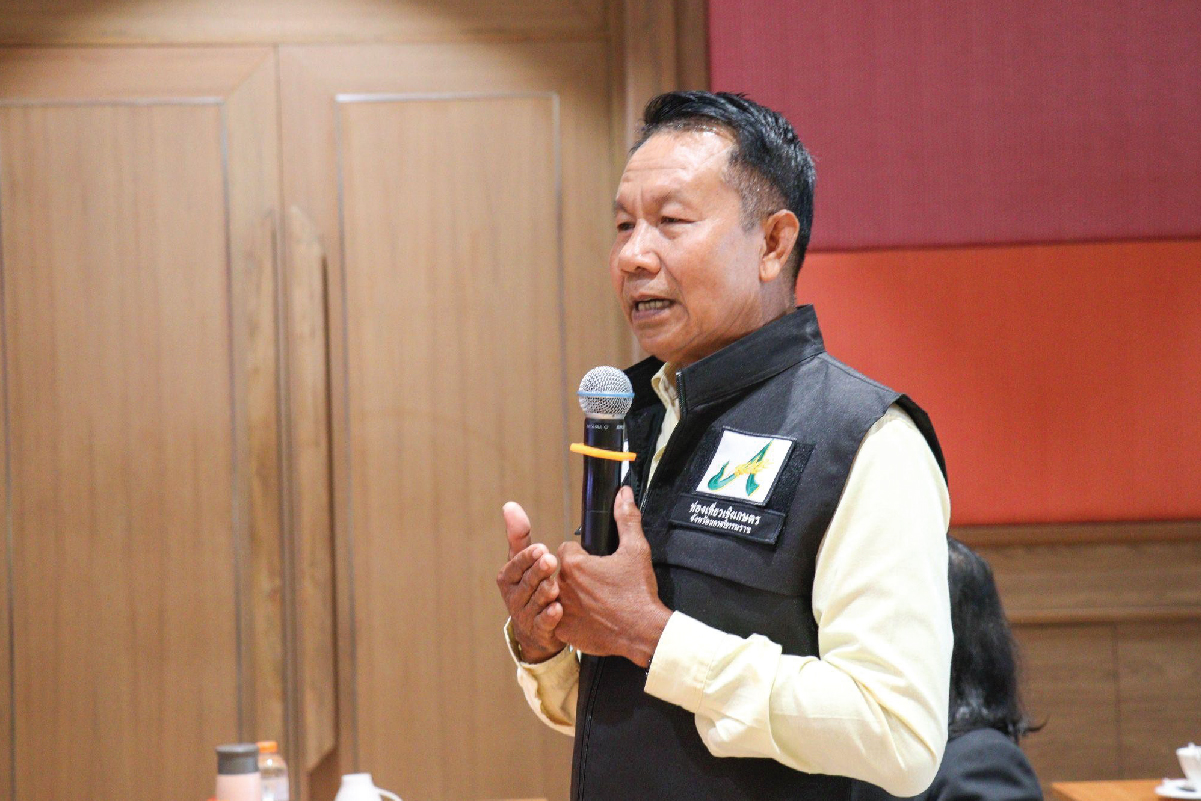
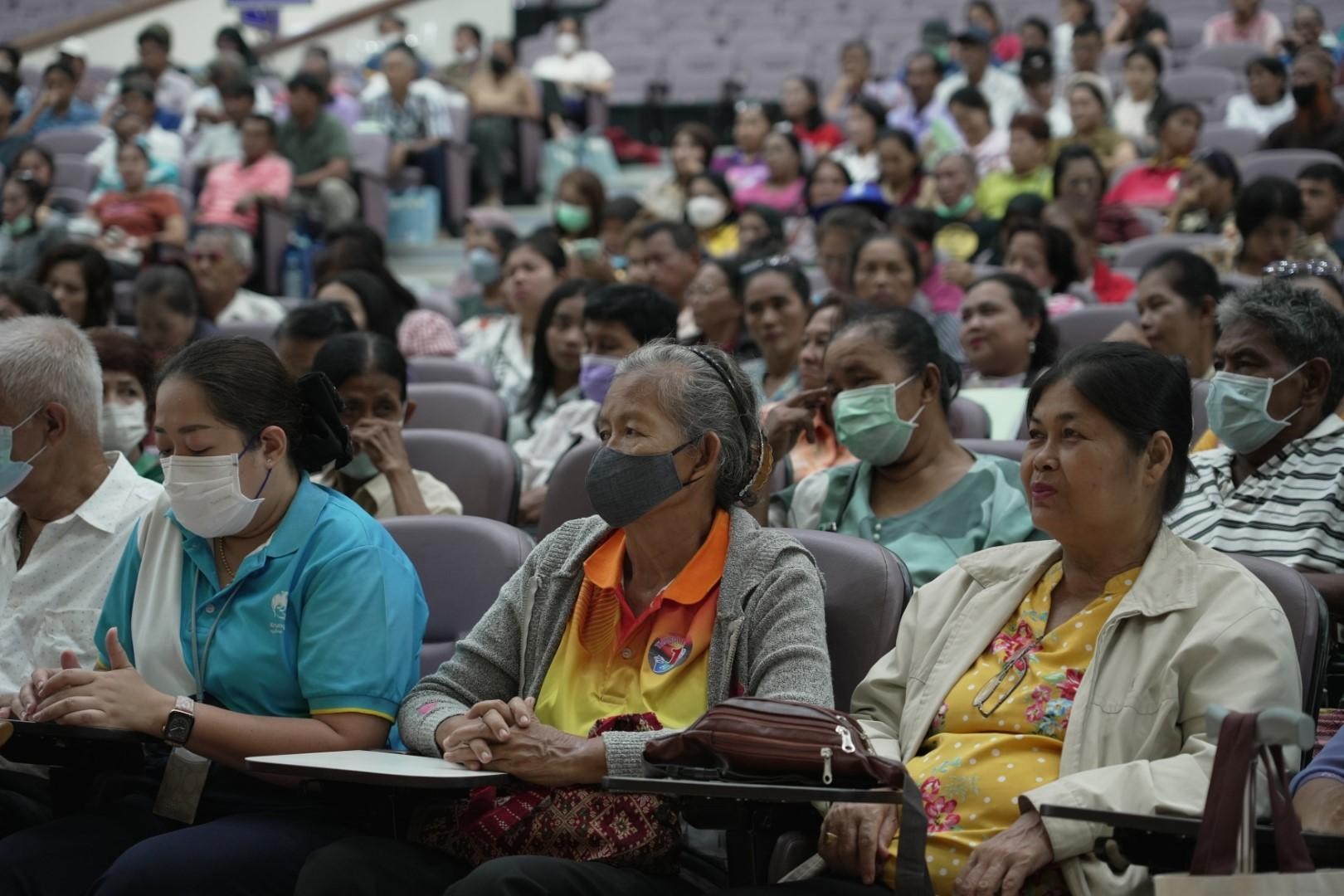
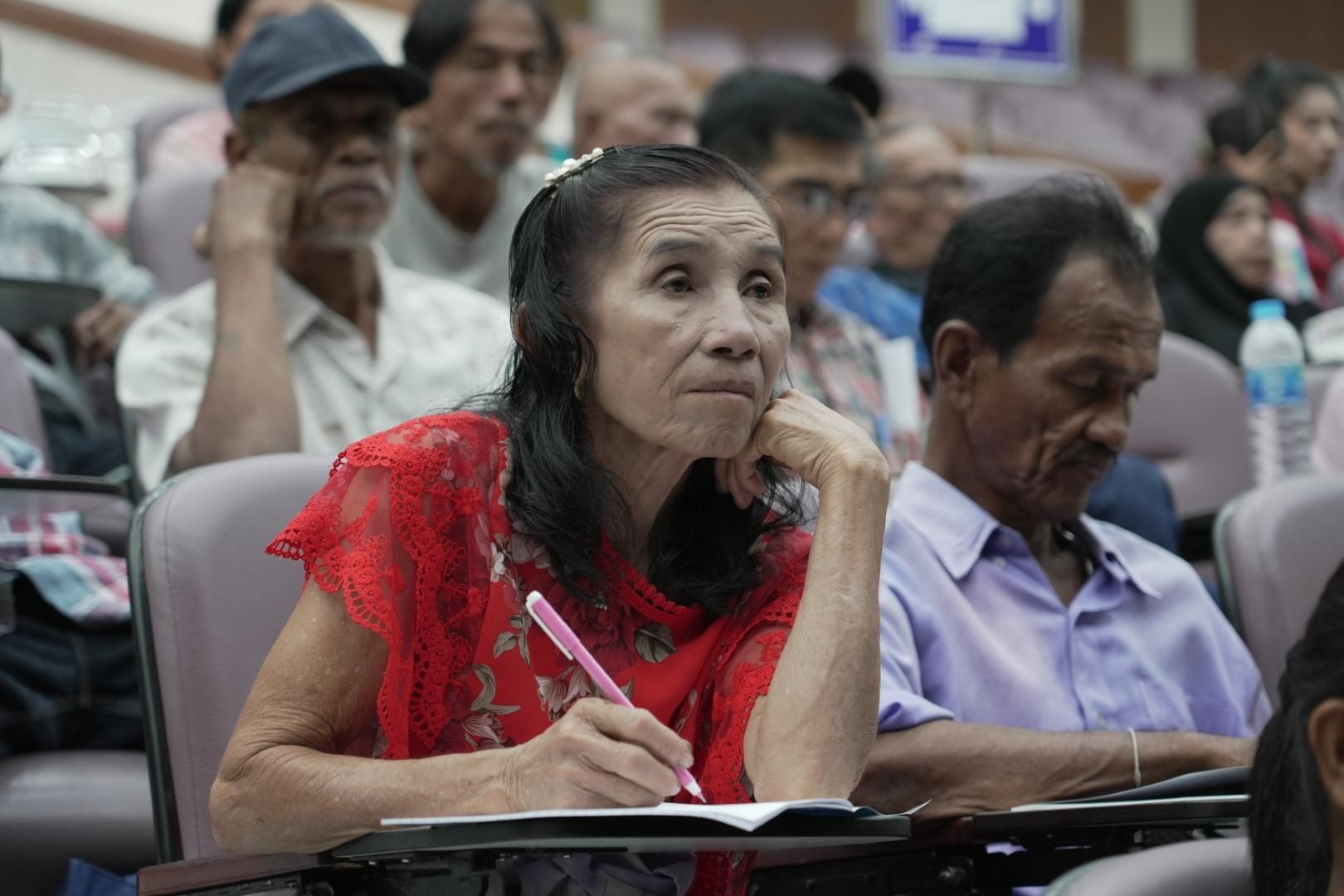
Walailak University recognizes the vital role of agriculture and food as the foundation of Thai society. The university has therefore provided free events for local farmers and food producers to connect and transfer knowledge. These initiatives serve not only as platforms for knowledge transfer from the university to the community but also as opportunities for connection, networking, and experience-sharing among stakeholders. Ultimately, they aim to enhance agricultural capacity and foster long-term sustainability.
Walailak University recognizes the vital role of agriculture and food as the foundation of Thai society. In response to local diagnostics and measurements of community needs, the university has provided free events for local farmers and food producers to connect and transfer knowledge. These initiatives serve not only as platforms for knowledge transfer from the university to the community but also as opportunities for meaningful engagement, networking, and experience-sharing among stakeholders. Ultimately, they aim to enhance agricultural capacity and foster long-term development and sustainability.
Activities Organized by Walailak University
Regional MHESI Fair: SCI POWER FOR FUTURE THAILAND (Southern Region)
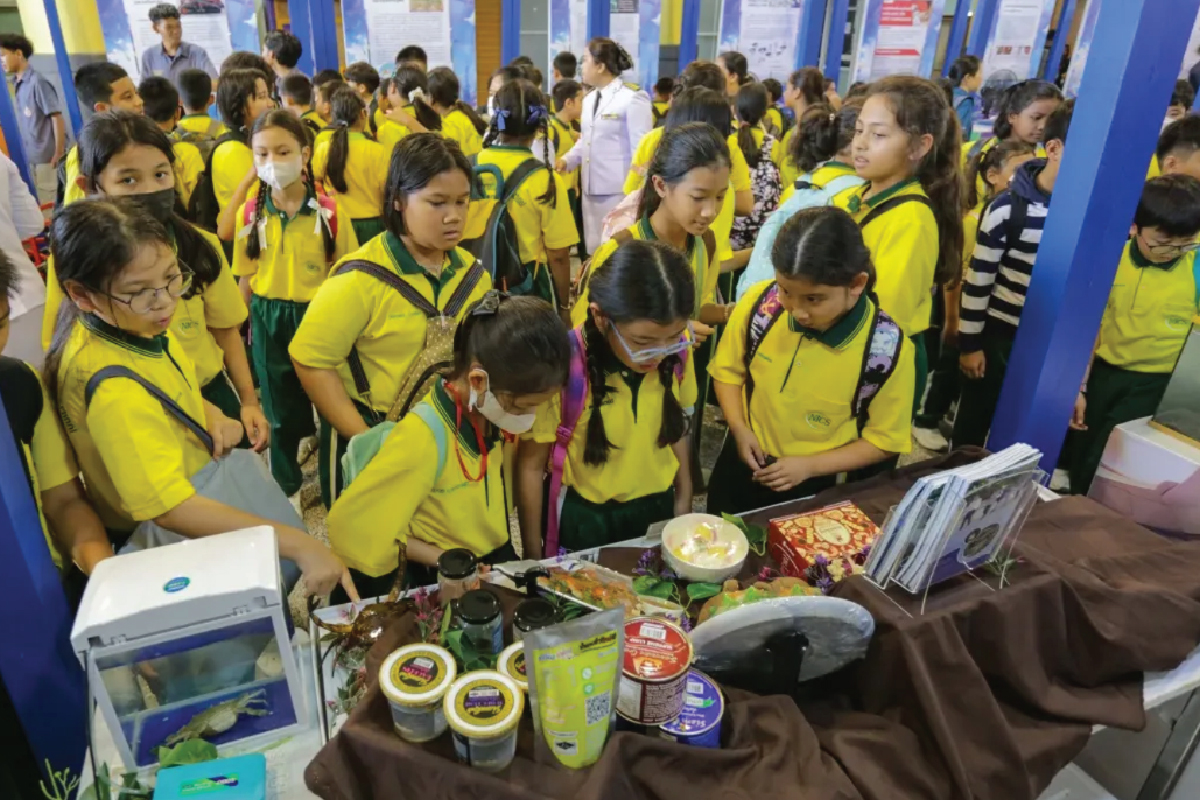
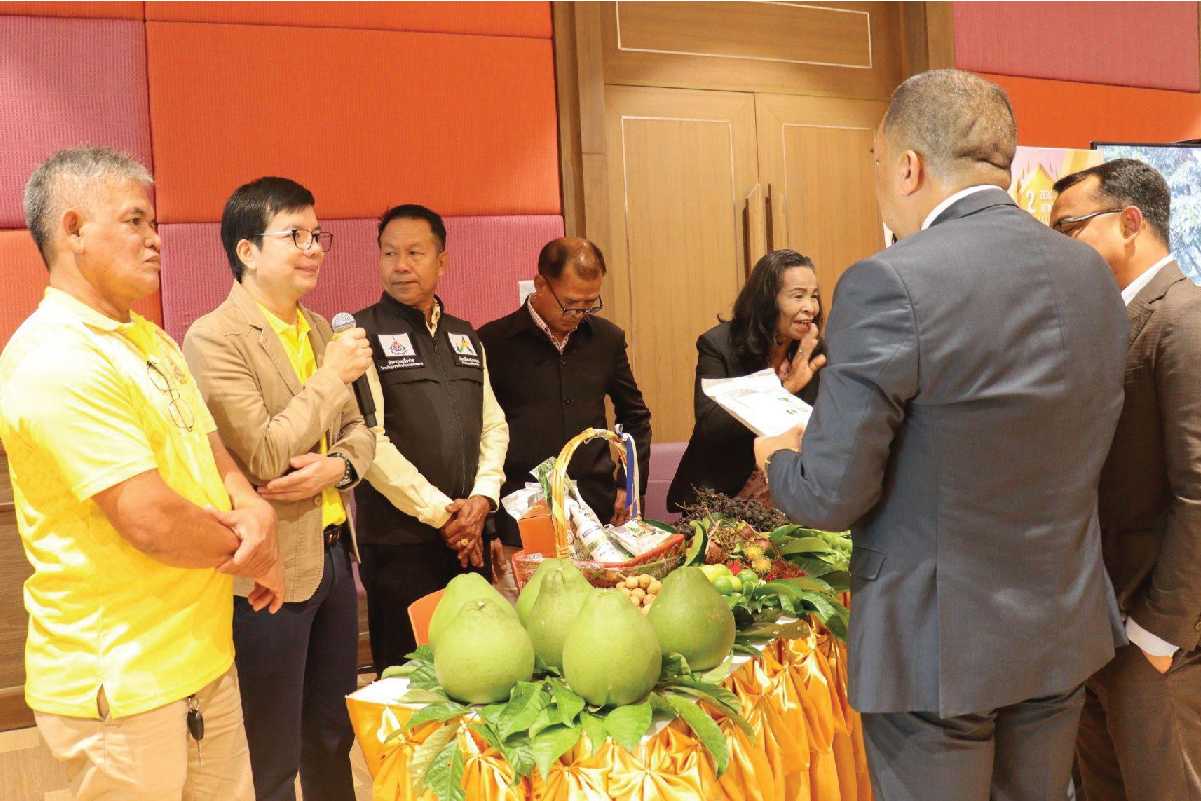
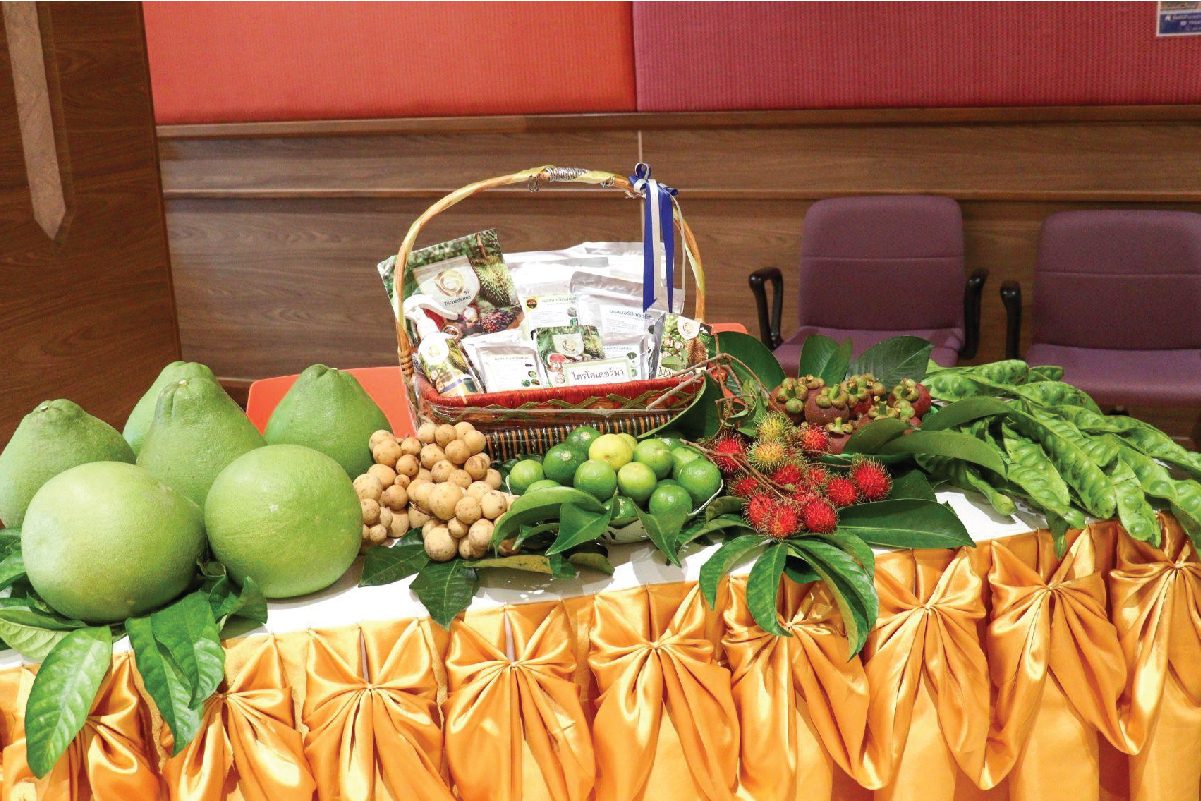
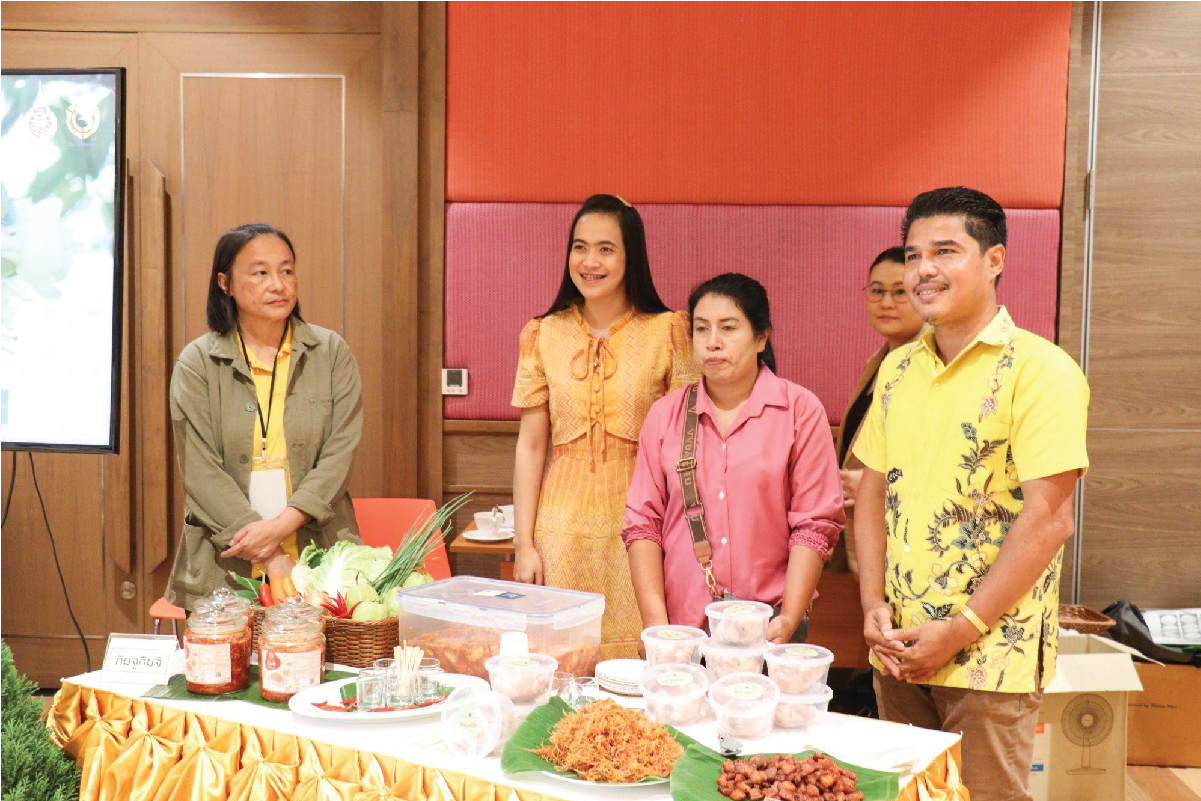
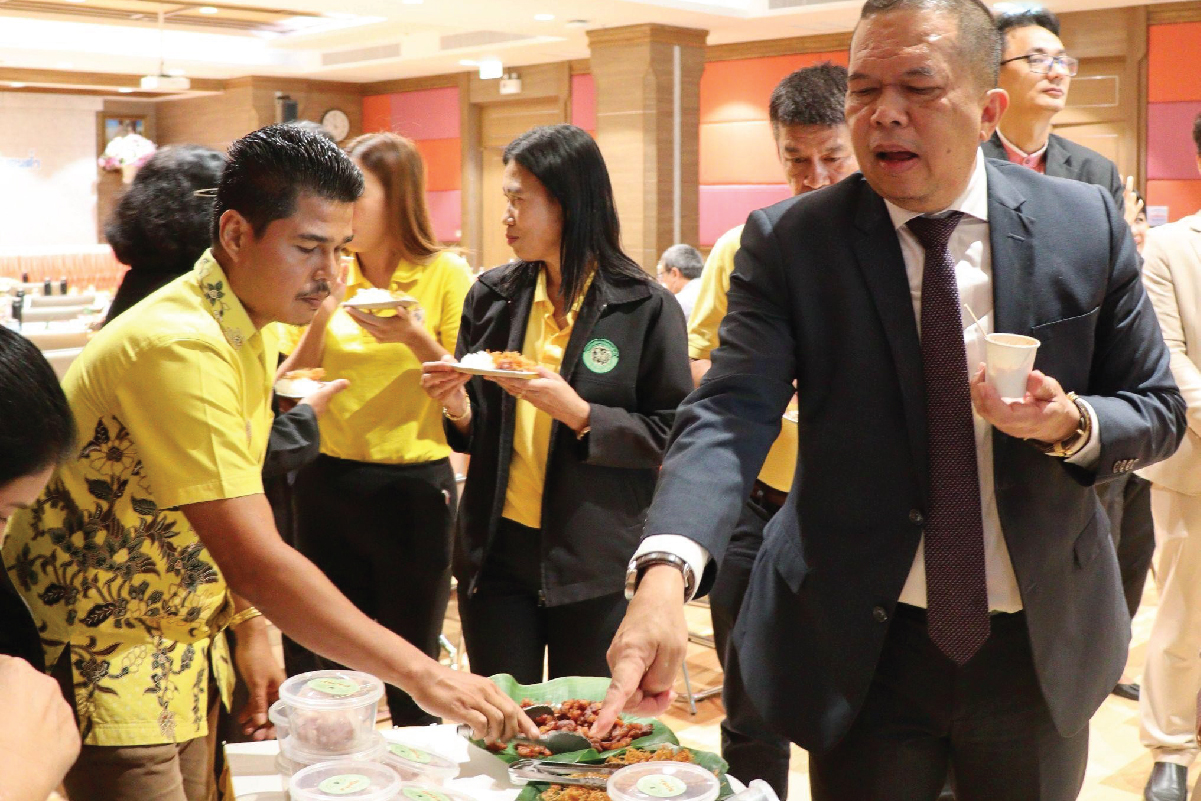
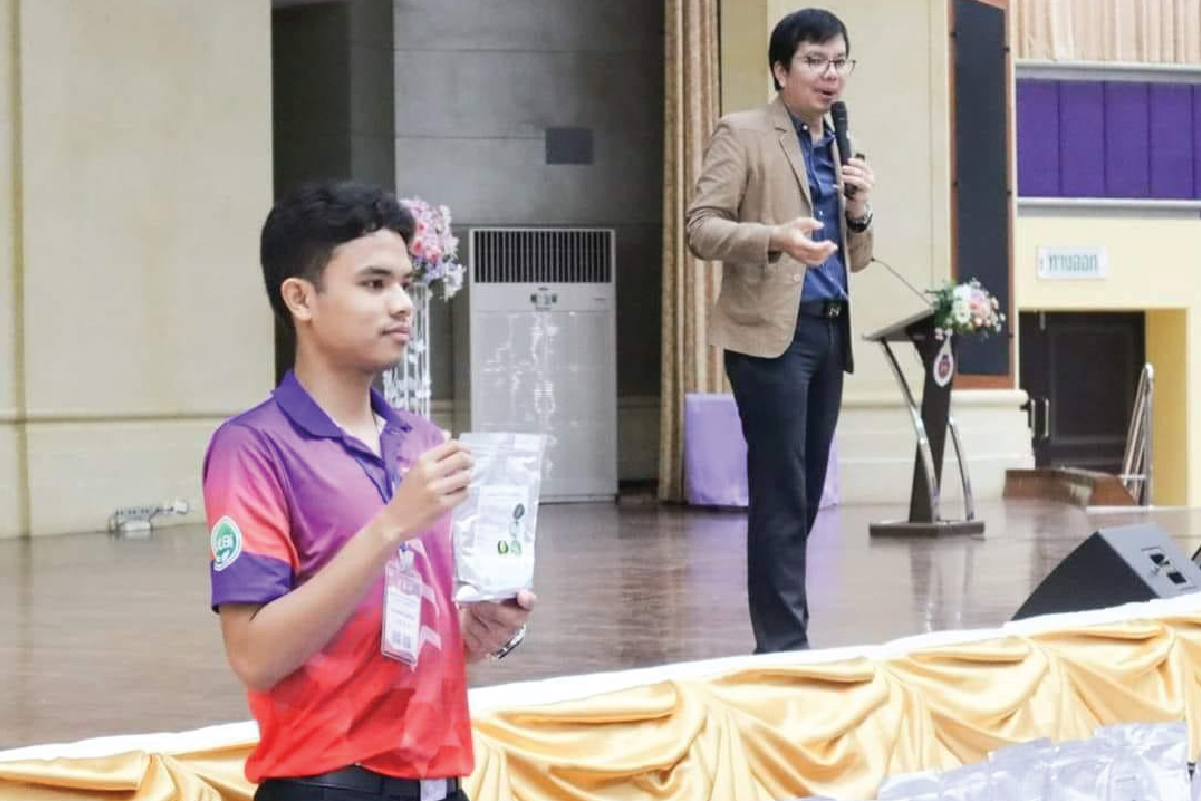
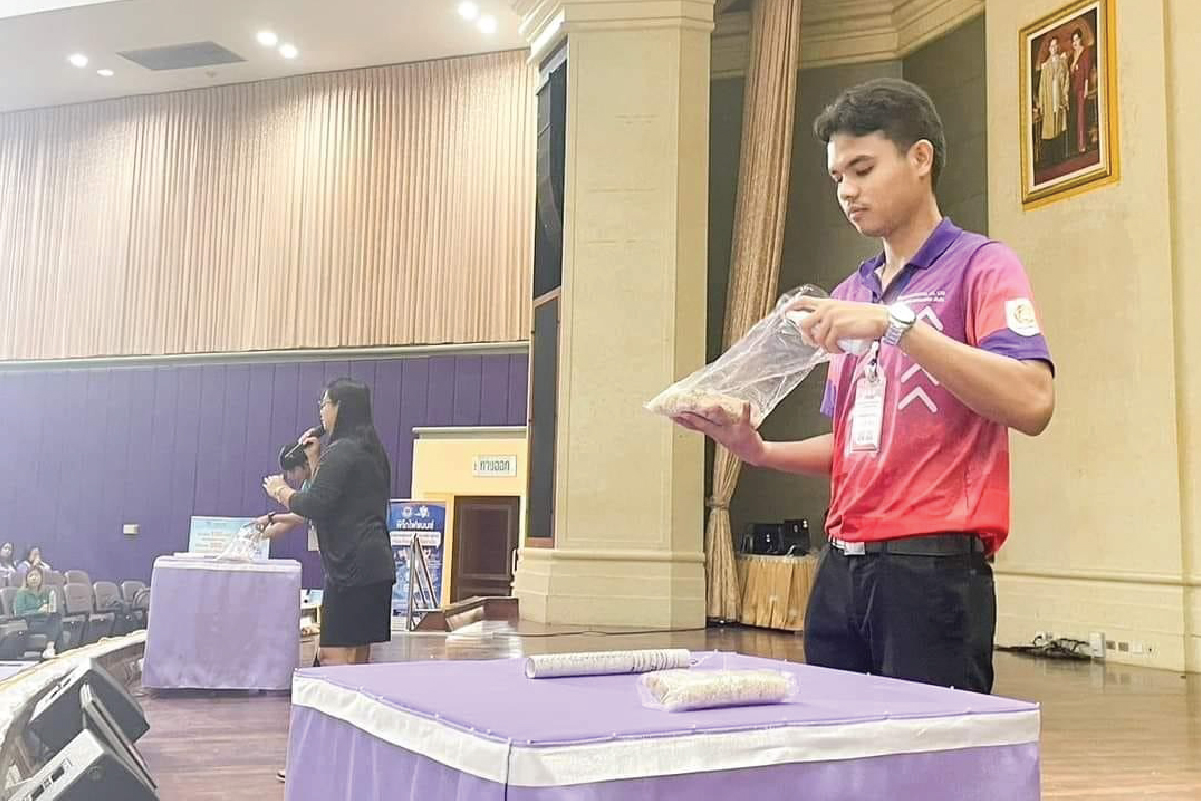
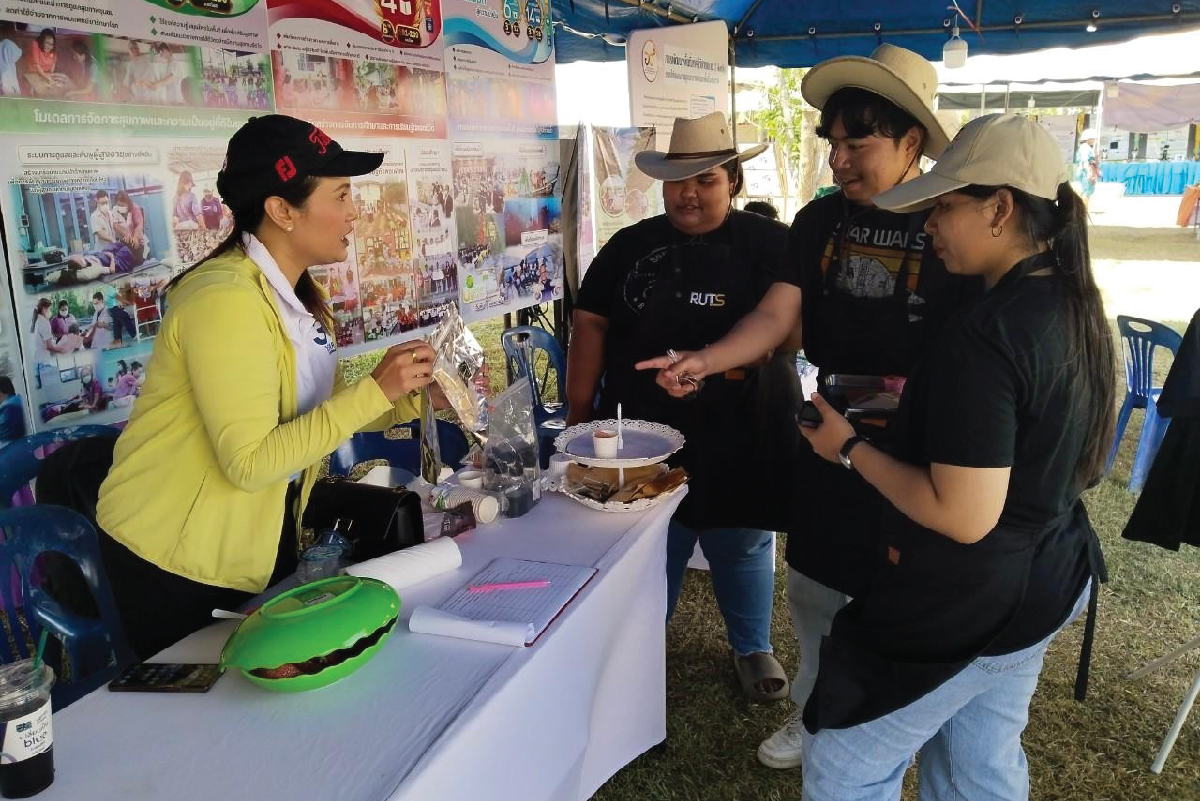
This event features a variety of knowledge zones, where local farmers and food producers can explore and learn. The setup allows participants including local farmers and food producers to connect and transfer knowledge with experts through six specialized zones, each focusing on distinct areas of agricultural and food-related knowledge.
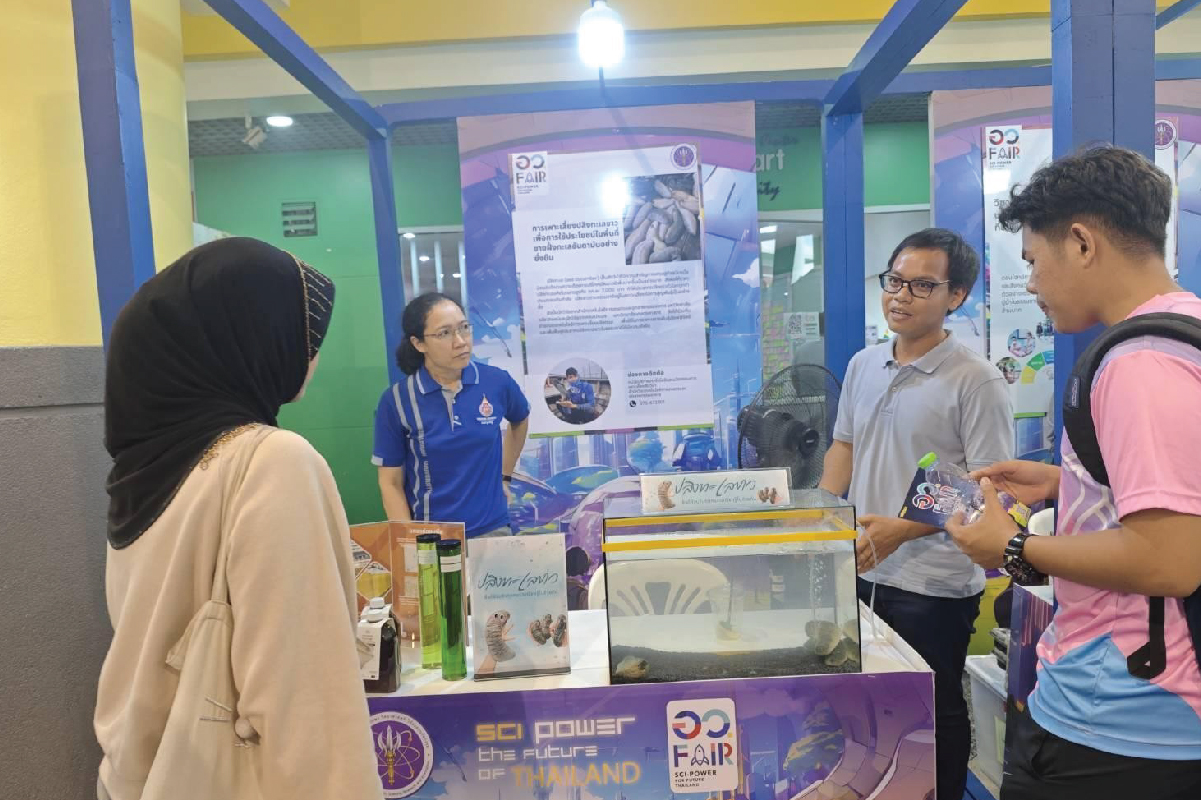
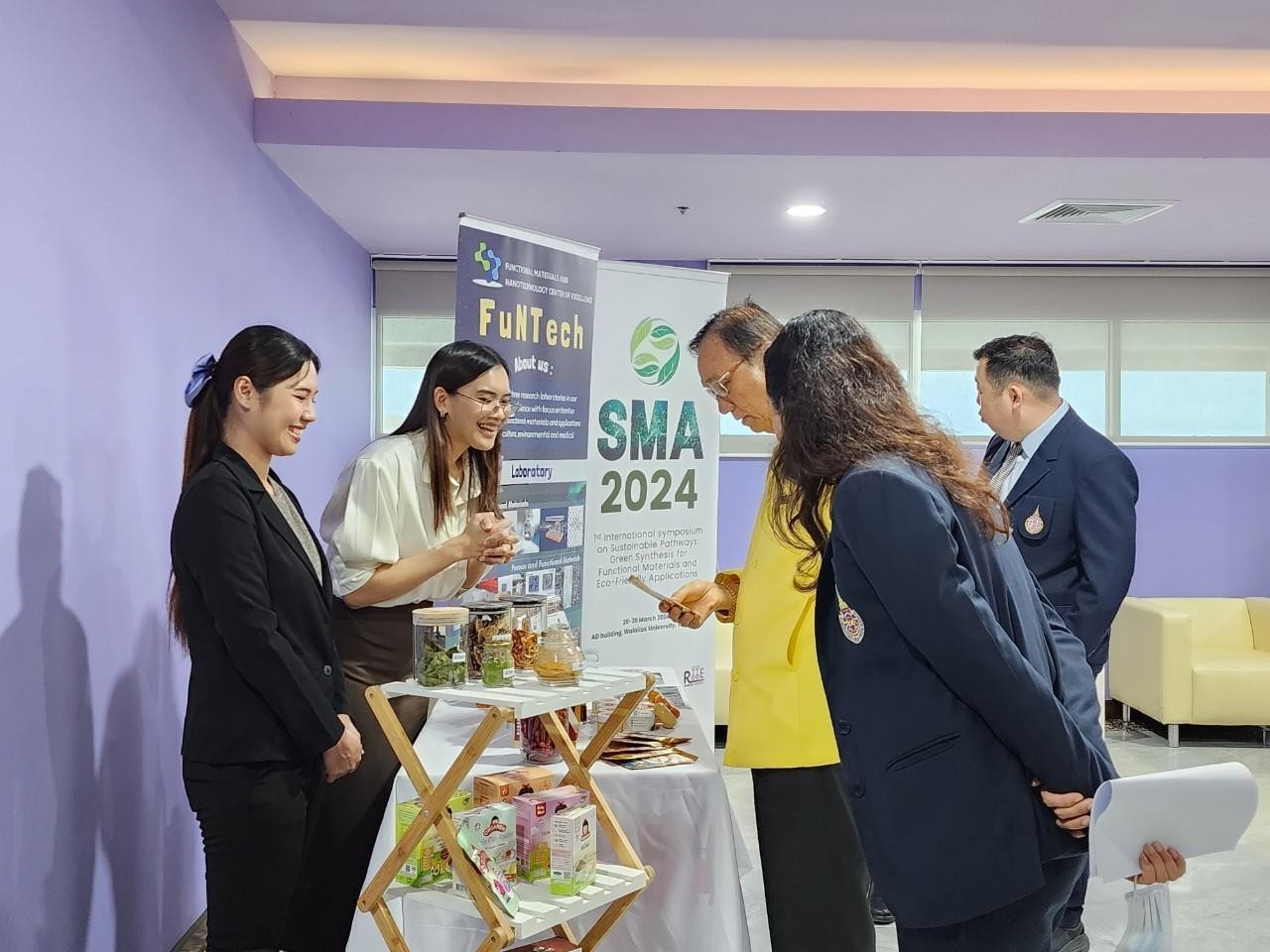
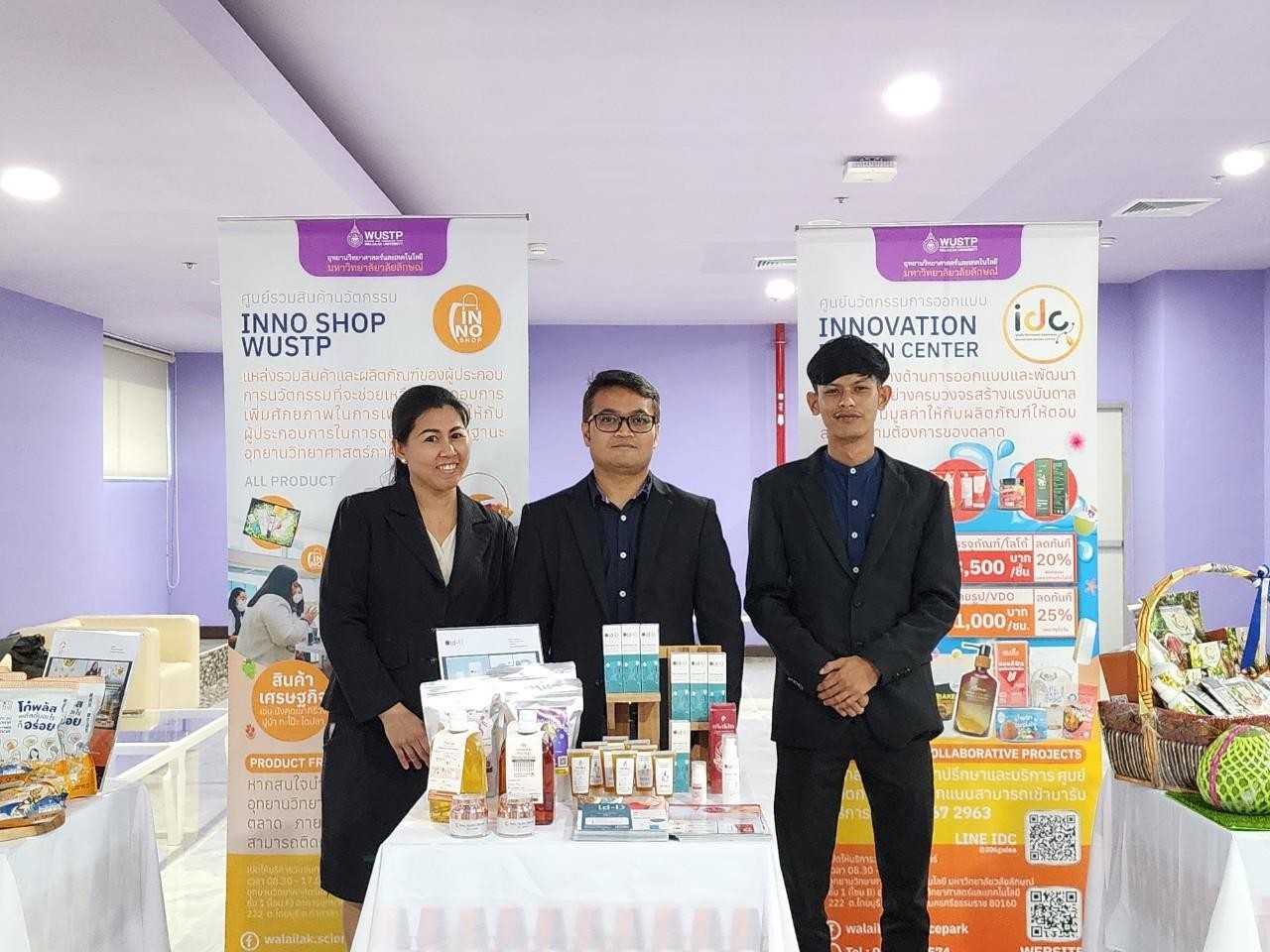
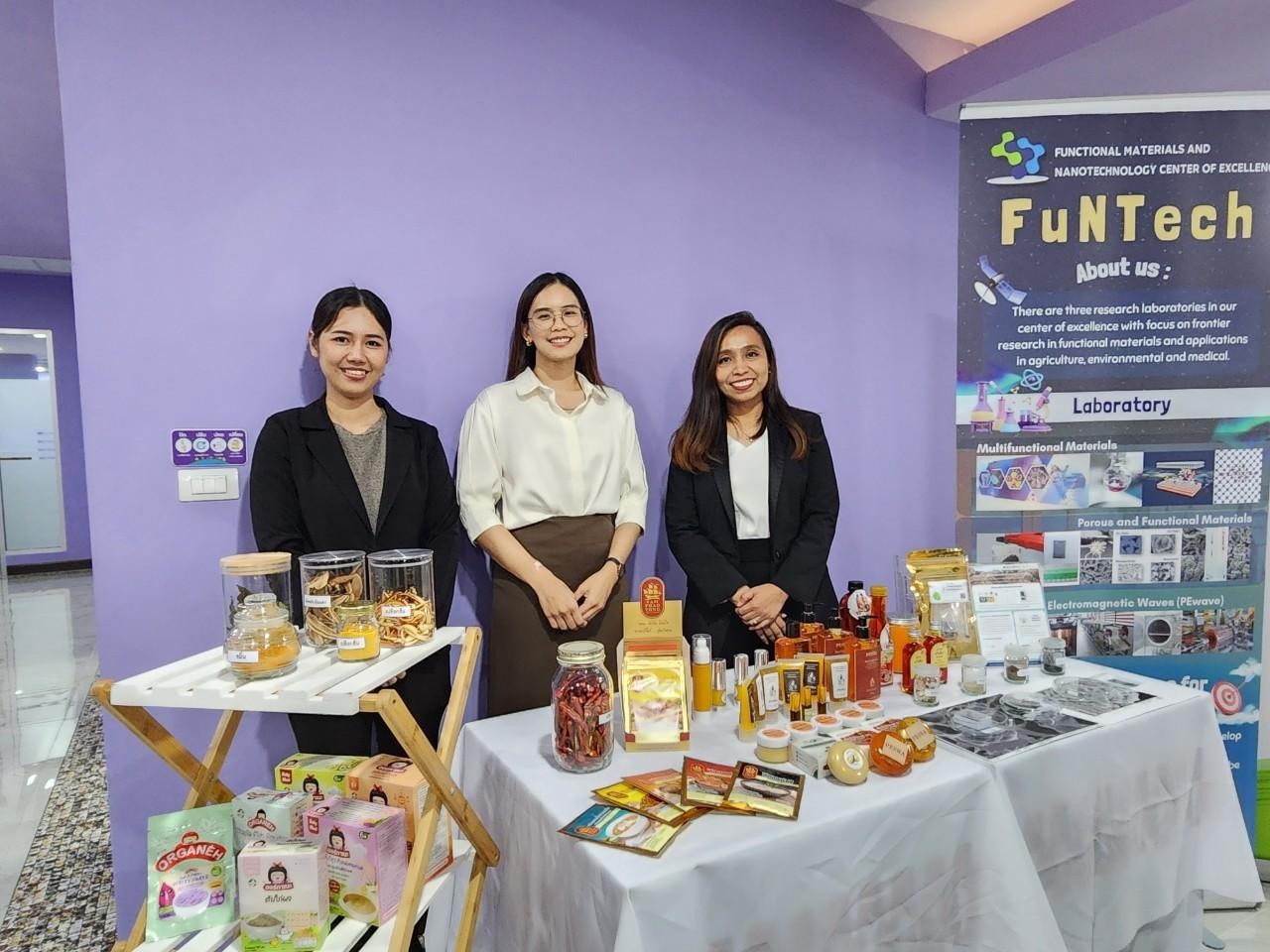
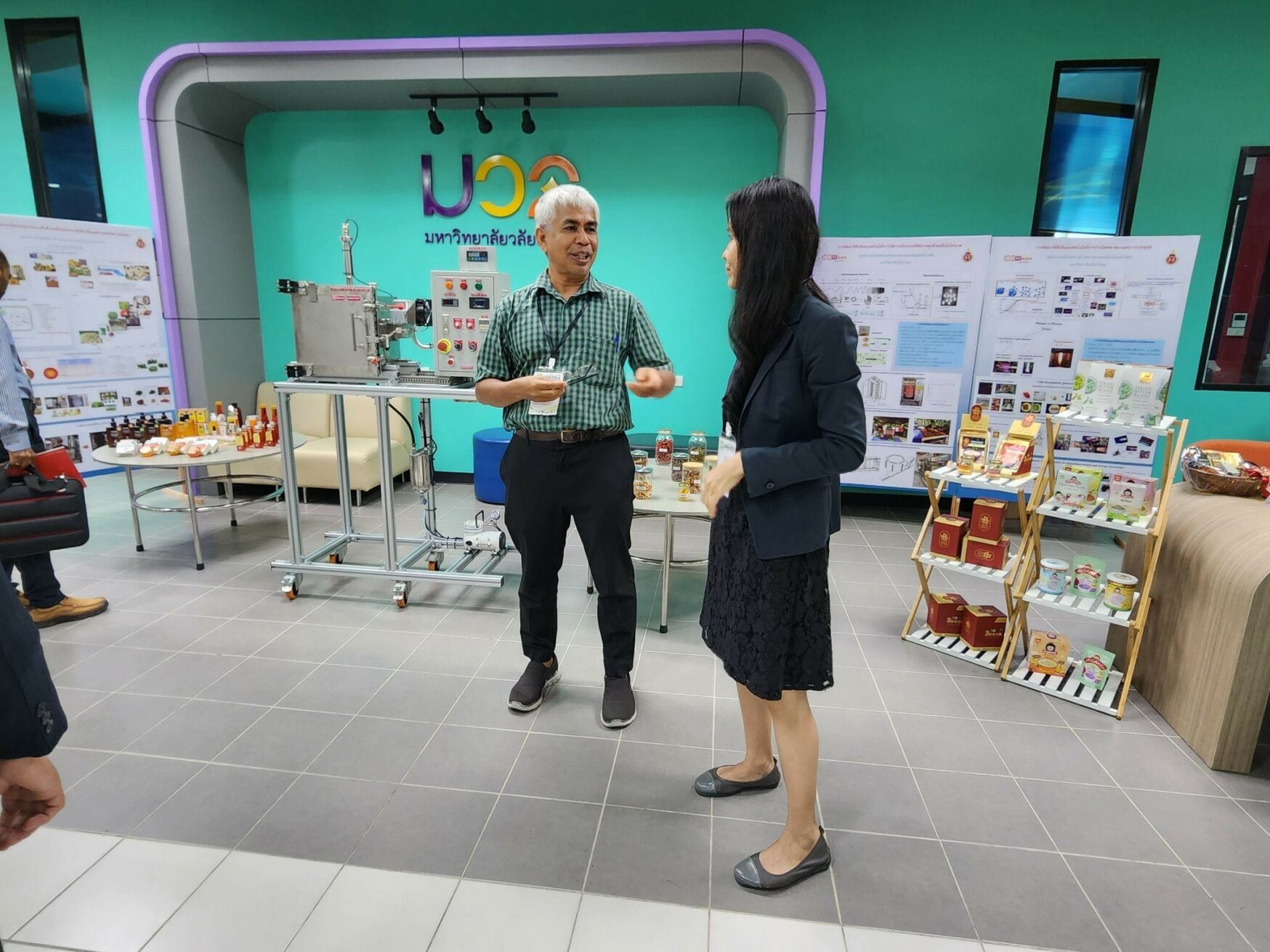
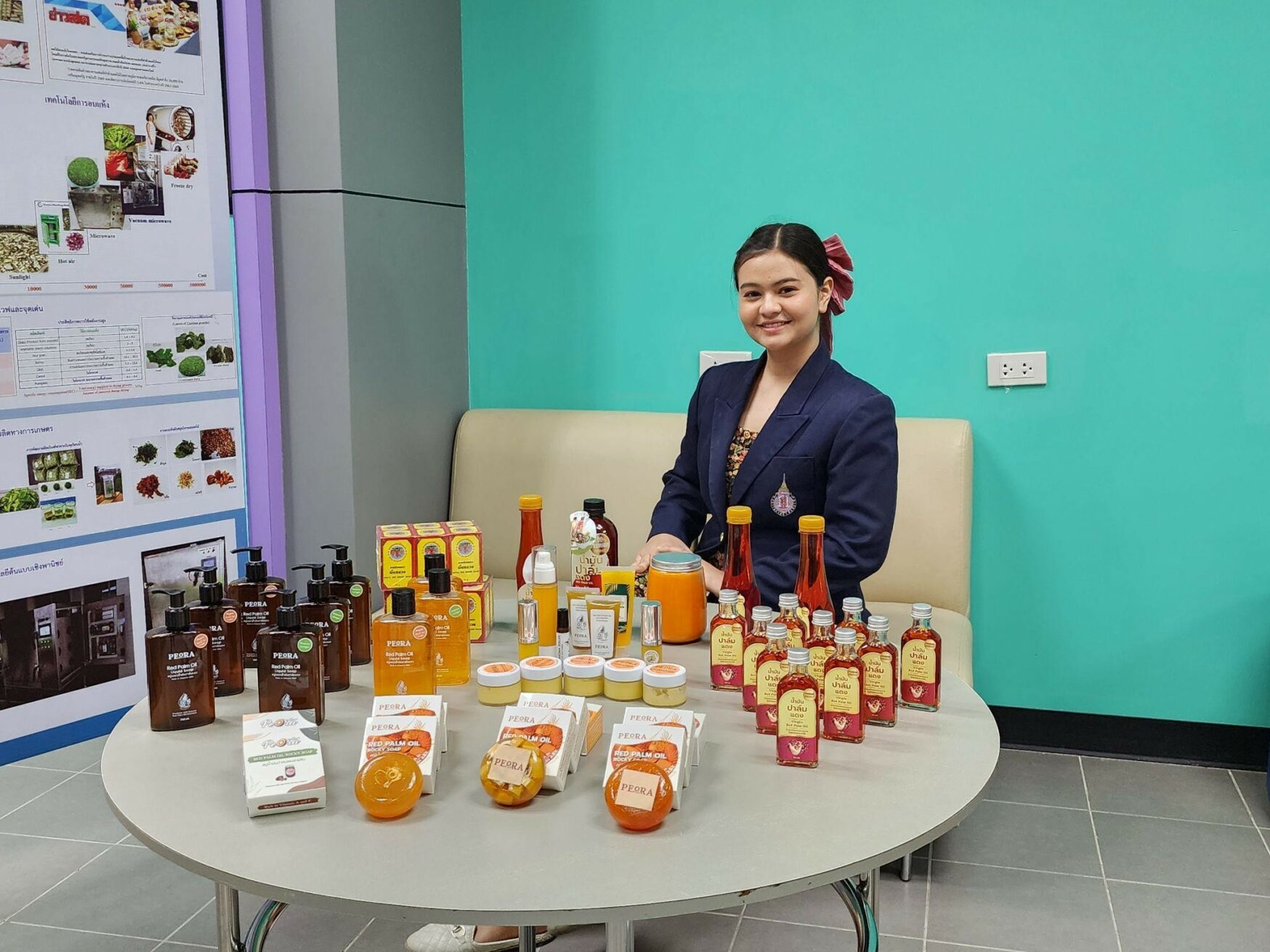
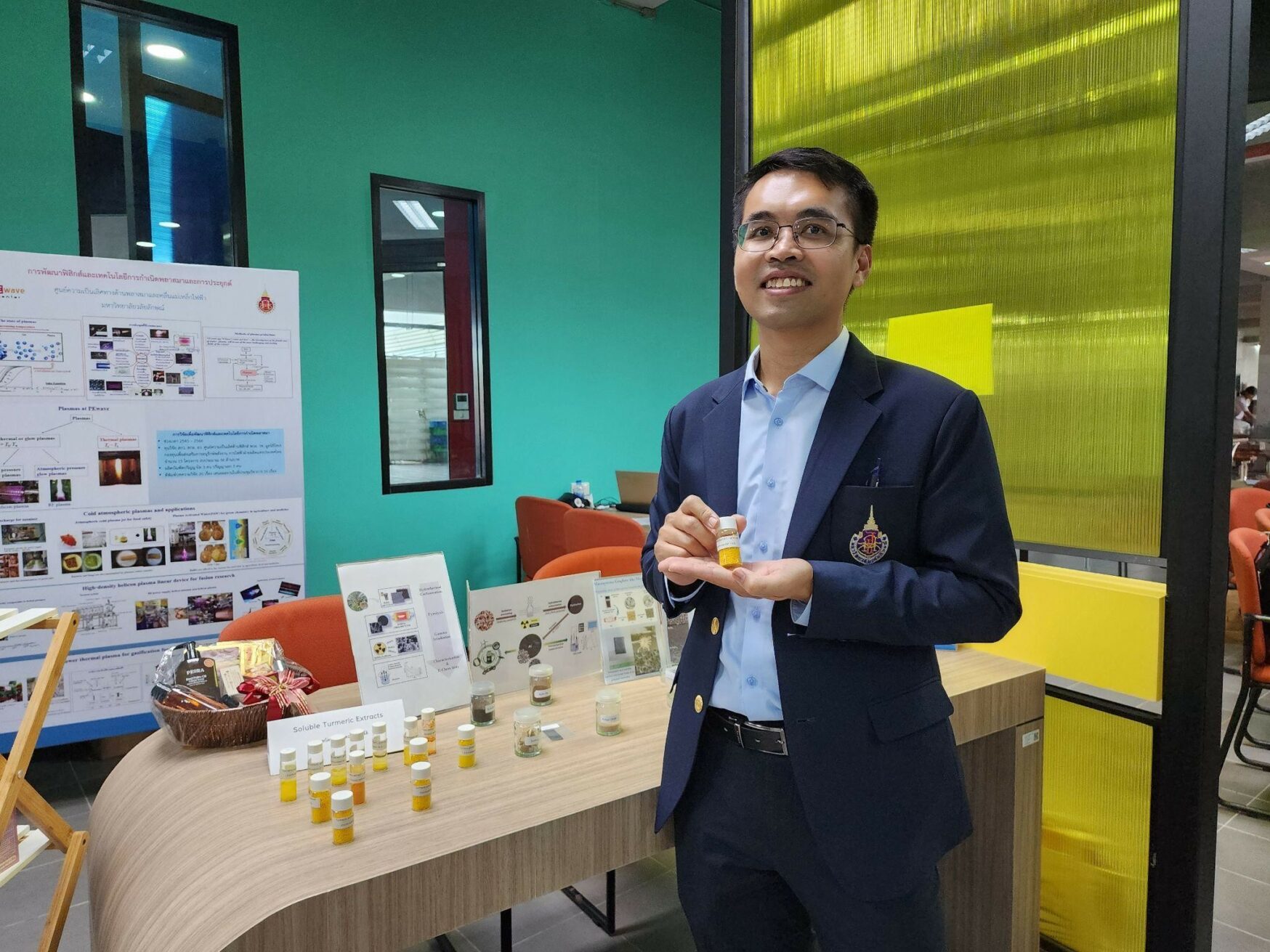
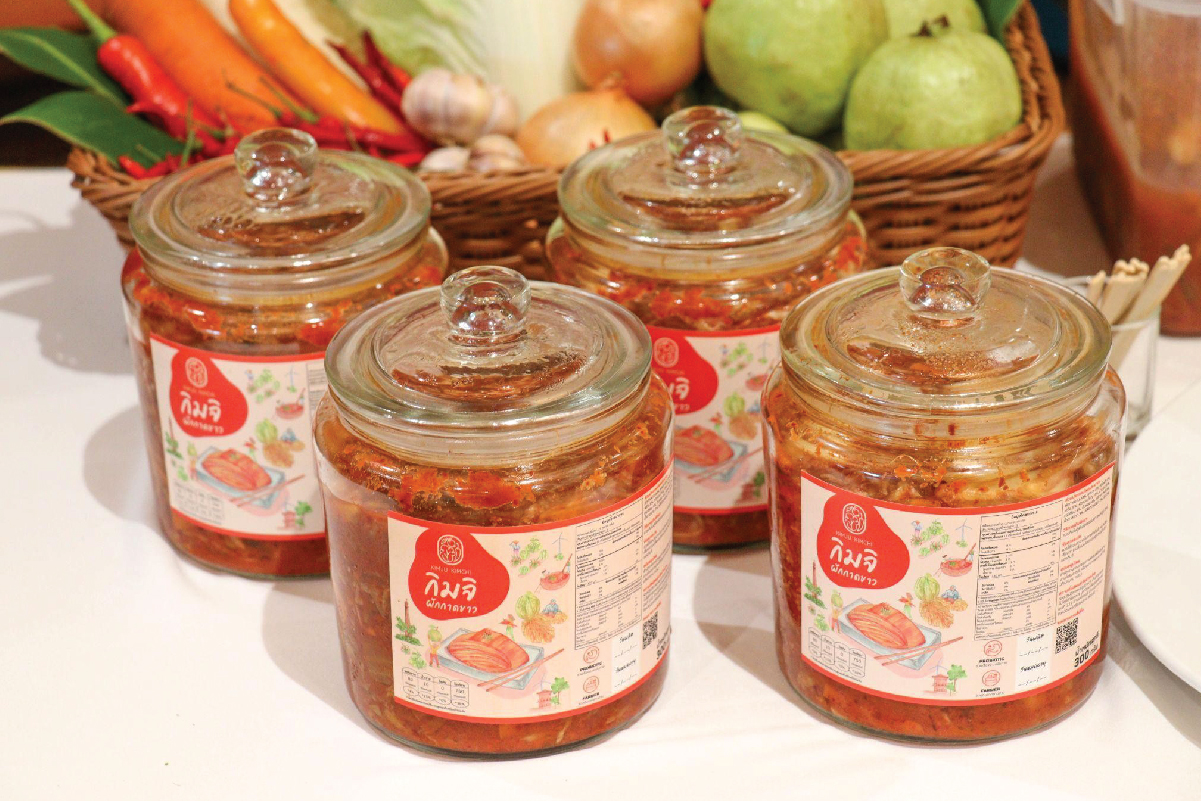
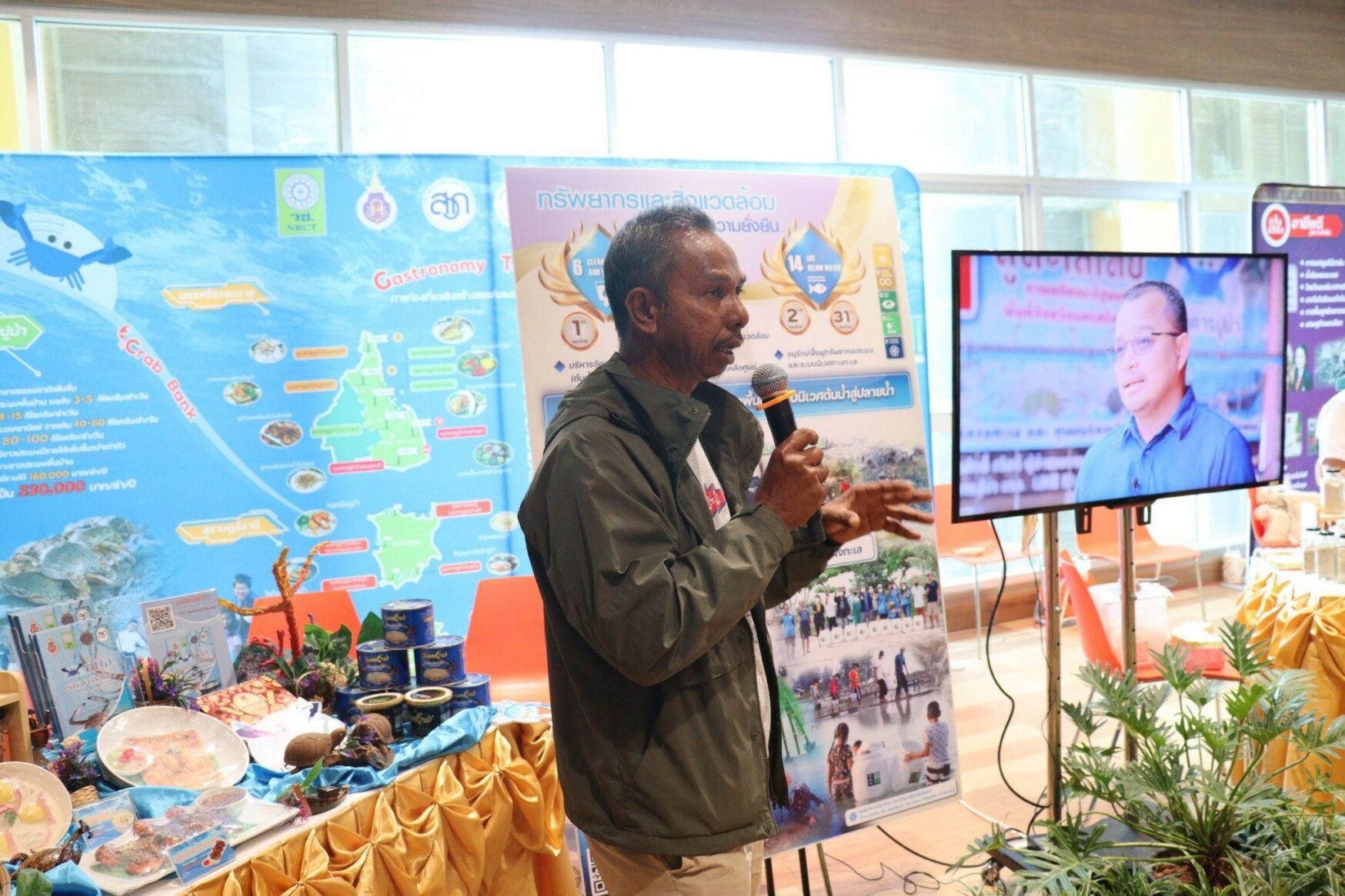
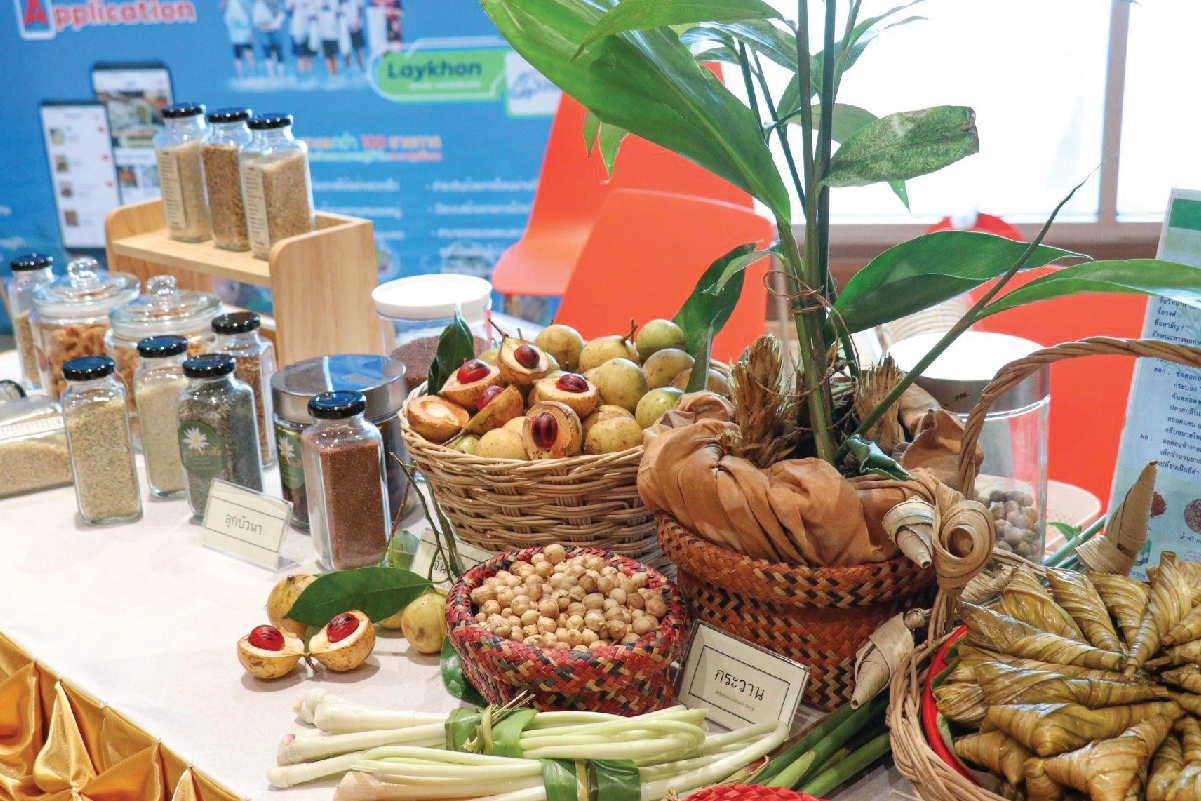
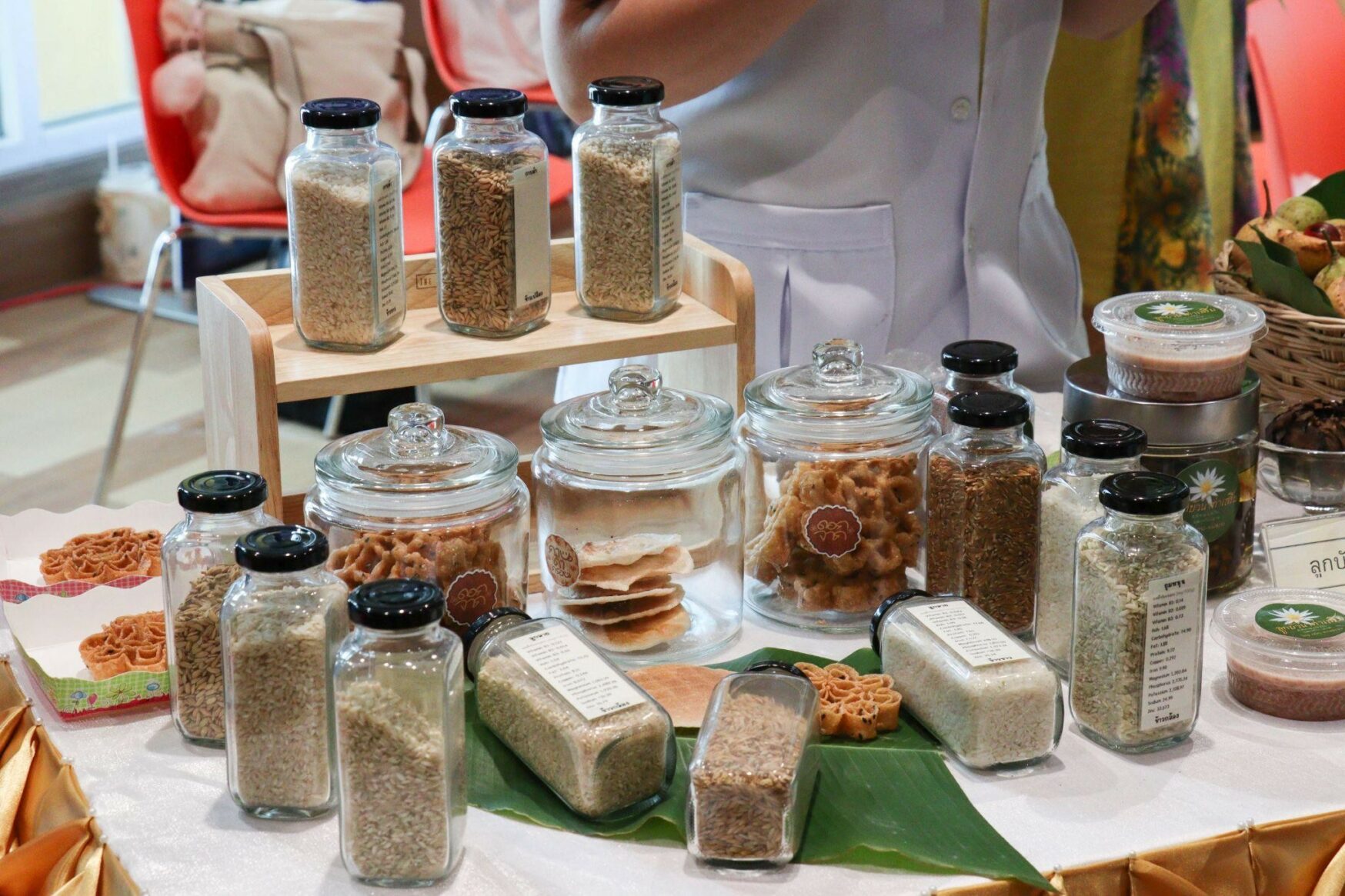
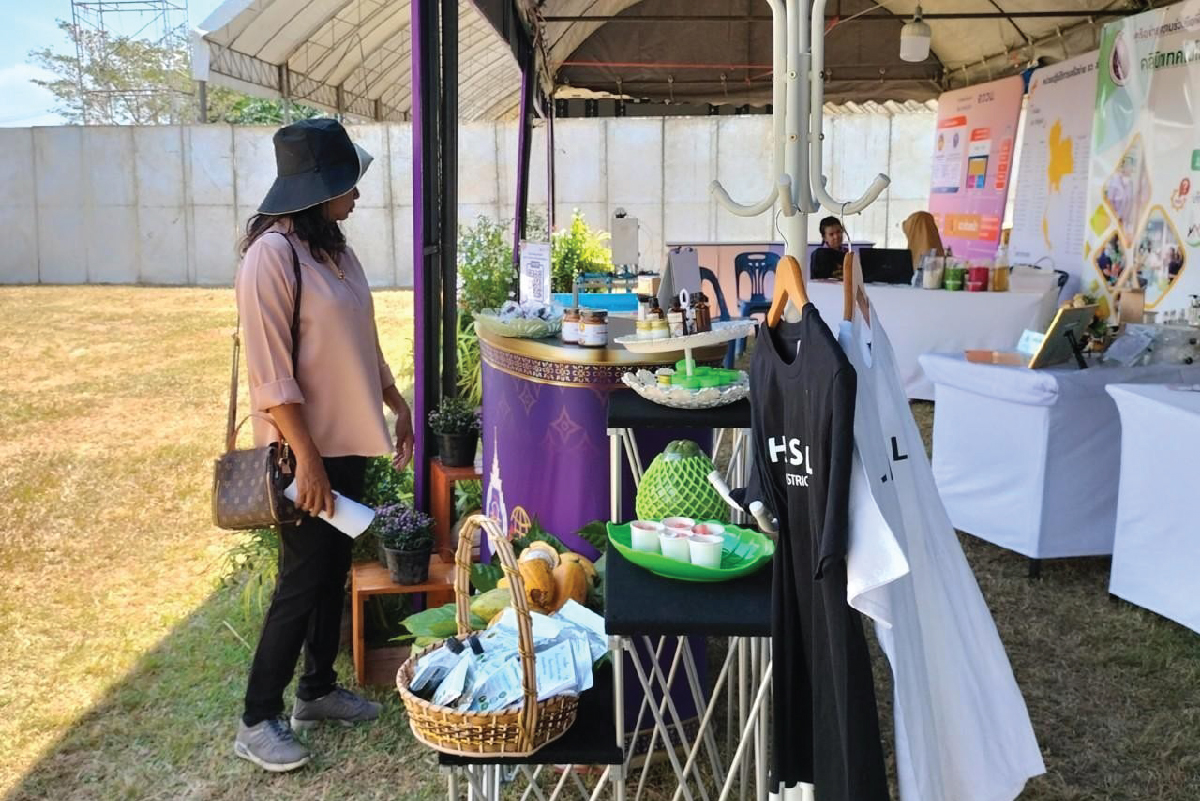
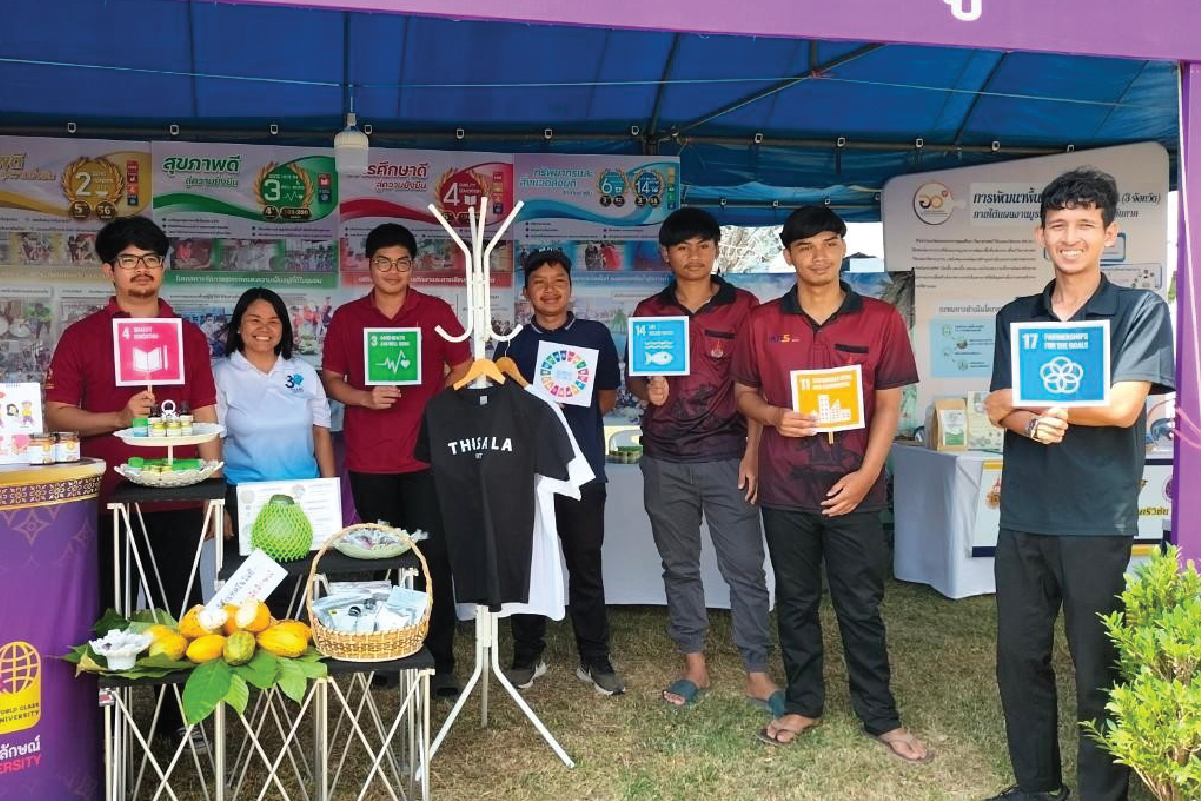
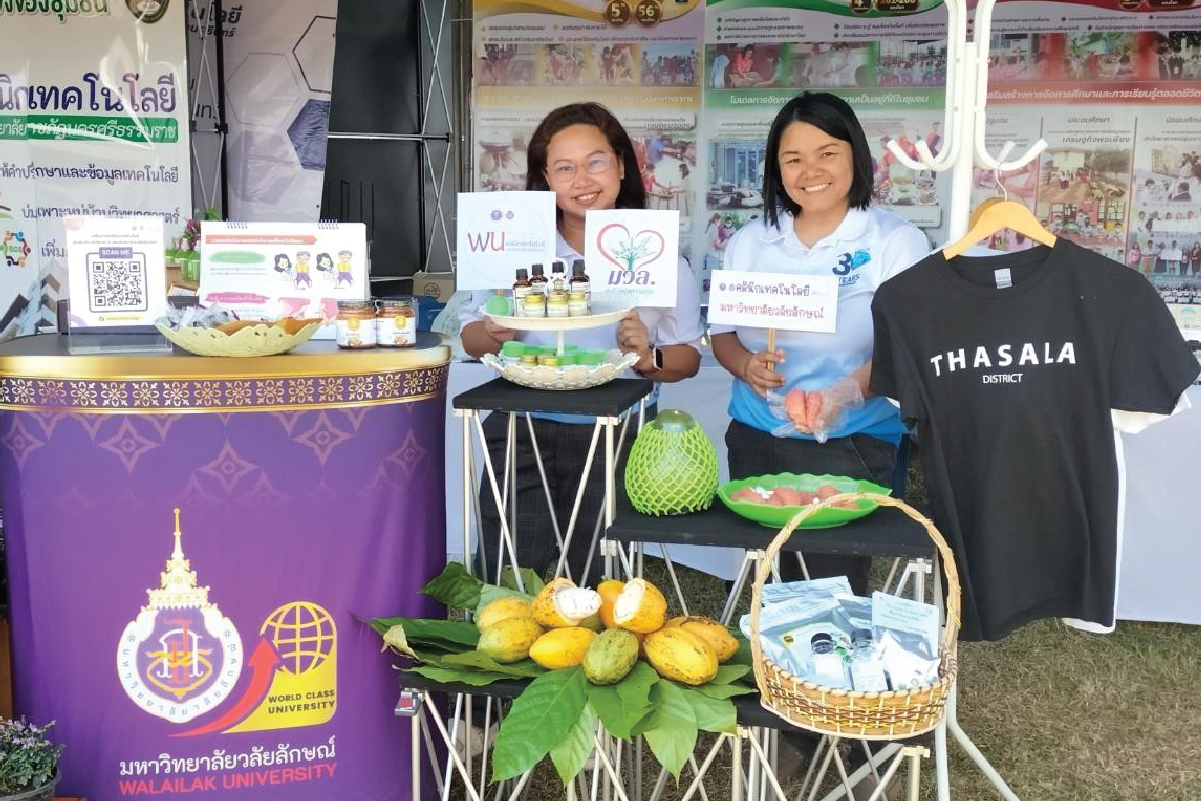
In addition to the six specialized zones, the fair featured a Tech Showcase with 15 exhibition booths. These booths provided opportunities for participants–particularly local farmers and food producers–to connect with experts and exchange knowledge. The showcase highlighted practical research applications and local innovations including IoT-based vessel tracking, sea cucumber aquaculture technology, community crab banks, AI-driven eye assessment, autonomous lawnmowers and go-karts, natural fabric dyeing techniques, palm oil-giner massage gels, biofertilizers, biocontrol agents, natural-extract cosmetics, coffee oil inhalers, upgraded local seed-based products, value-added fishery products, and stingless bee honey innovations.
In addition, there are four academic discussion topics as follows:
Introduction to funding support mechanisms under the “Regional Innovation Business Platform.”
Preparing SMEs for achieving net-zero greenhouse gas emissions (NET ZERO).
ESG trends and the risks SMEs face if they fail to adapt.
Privileges from the government.
Walailak Research Convention 2024 (International Conference)
The event showcases research outcomes that enable farmers and local food producers to connect and exchange knowledge with researchers in agricultural and food-related fields. A key session on “Future Foods: Trends & Impacts”, organized by the School of Agricultural Technology and Food Industry together with the Food Technology and Innovation Research Center of Excellence, provided a platform for knowledge sharing on emerging food innovations. The session featured distinguished speakers: Dr. Nurul Hawa Ahmad, an expert in Salmonella survival kinetics in plant-based products; Prof. Dr. Jaspreet Singh, specializing in sustainable food processing and innovative technologies; and Dr. Nilesh Prakash Nirmal, focusing on functional foods and future trends. Their insights enabled participants to engage in meaningful exchanges and gain valuable perspectives on the future of food.
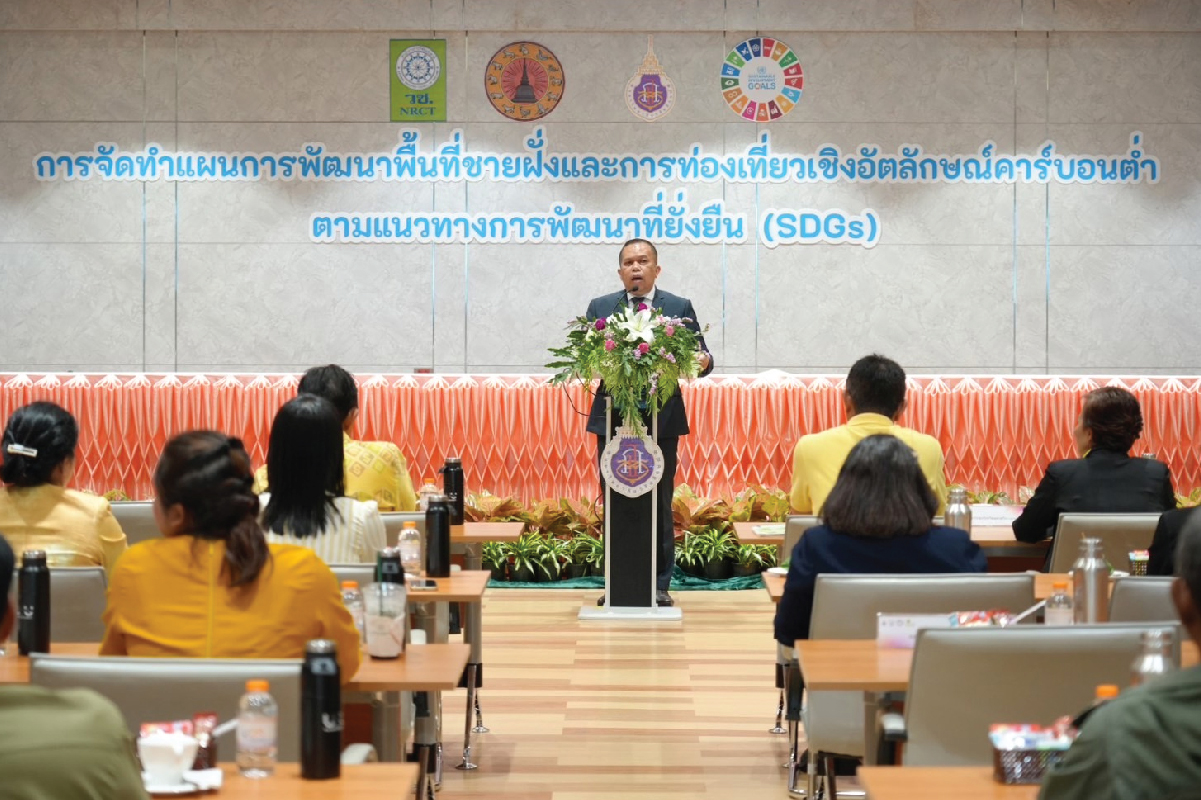
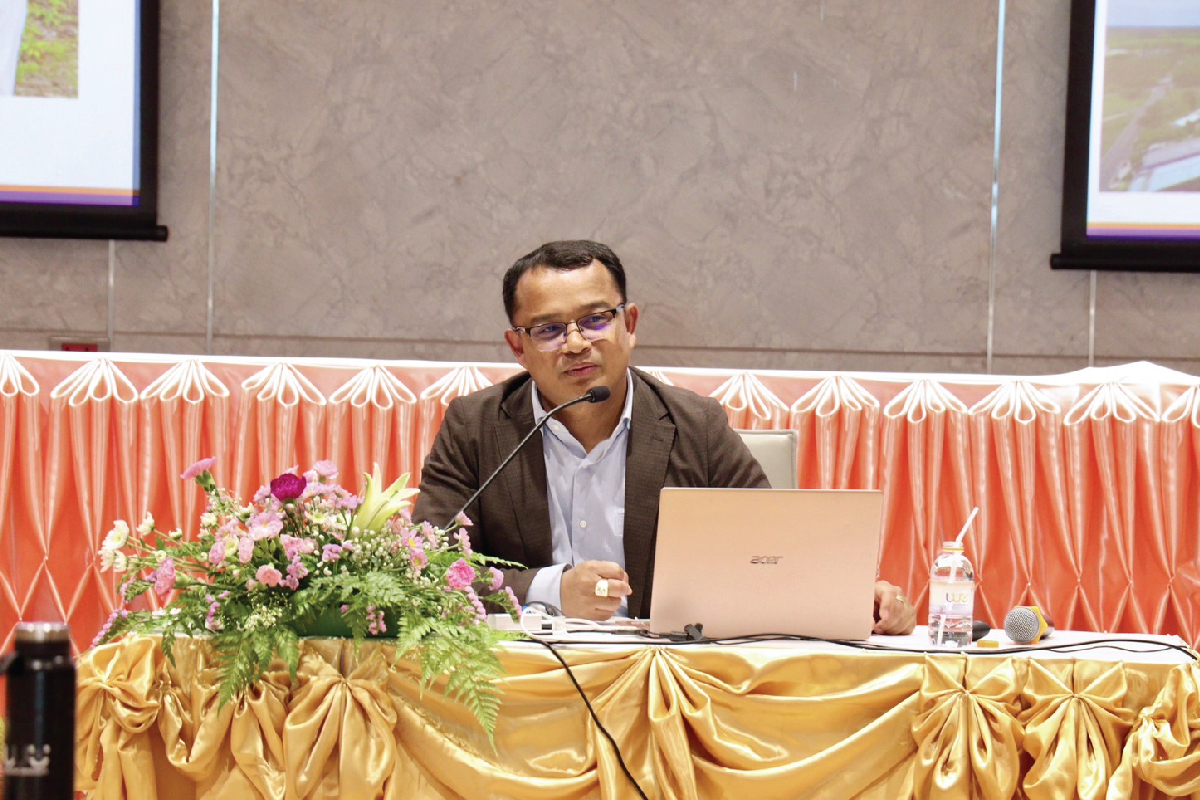
Planning Workshop on Coastal Development and Low-Carbon Identity Tourism
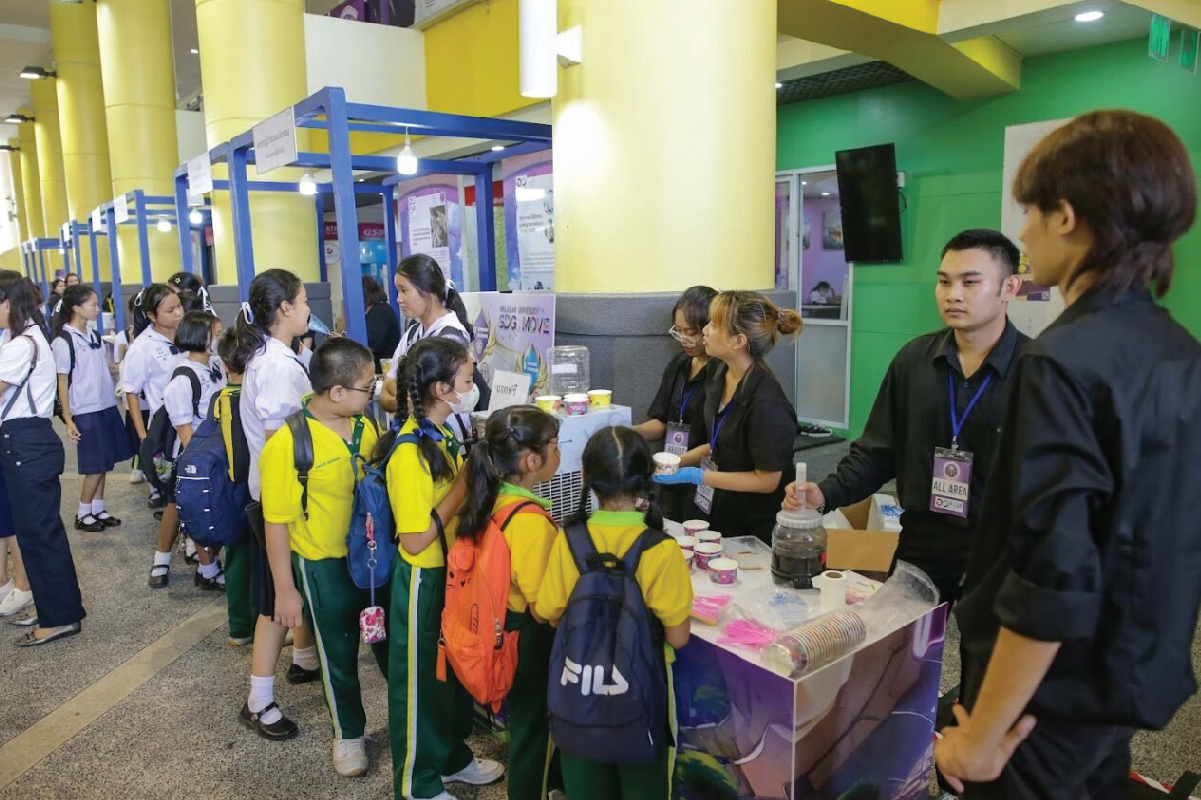
This event aimed to foster collaboration and explore pathways for joint action toward sustainable development (SDGs). It focused on strategic coastal areas of Nakhon Si Thammarat, where most residents are local farmers and food producers. The event provided an important opportunity for participants to share and exchange knowledge among themselves, while also engaging relevant government agencies to drive practical results.
Walailak University also plans to expand such initiatives to other areas of Nakhon Si Thammarat, in line with the unique contexts of each locality. By emphasizing collaboration among all stakeholders, the main goal is to foster co-thinking and co-creation for community development based on sustainability principles, ultimately creating model sustainable communities in the province.
Training Workshop: Integrate Pest Management
Walailak University, in collaboration with the Bank for Agriculture and Agricultural Cooperative (BAAC), organized a practical training program for more than 1,060 farmers from local farmers and food producers in various areas. They learned about “Integrated Pest Management.” The event was conducted free of charge to ensure equal and inclusive access to development opportunities.
Activities in Collaboration with External Agencies
Exhibitions and Agricultural Fairs
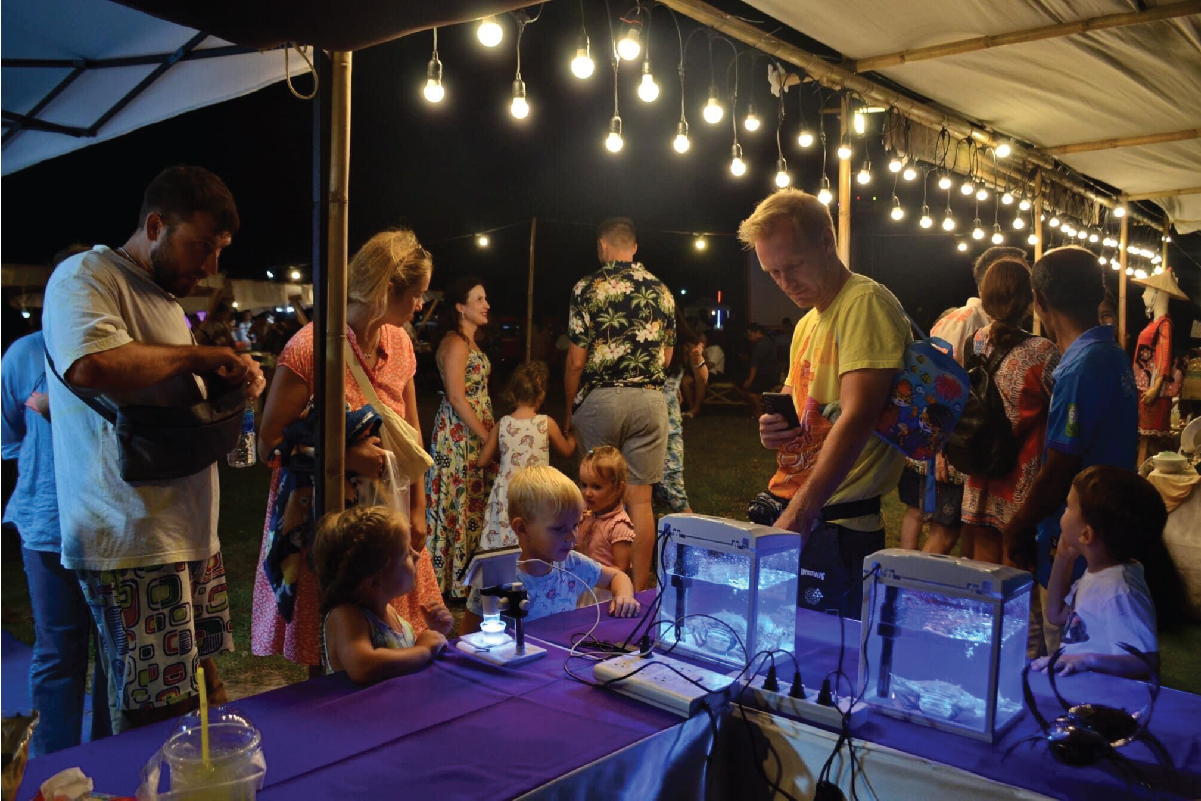
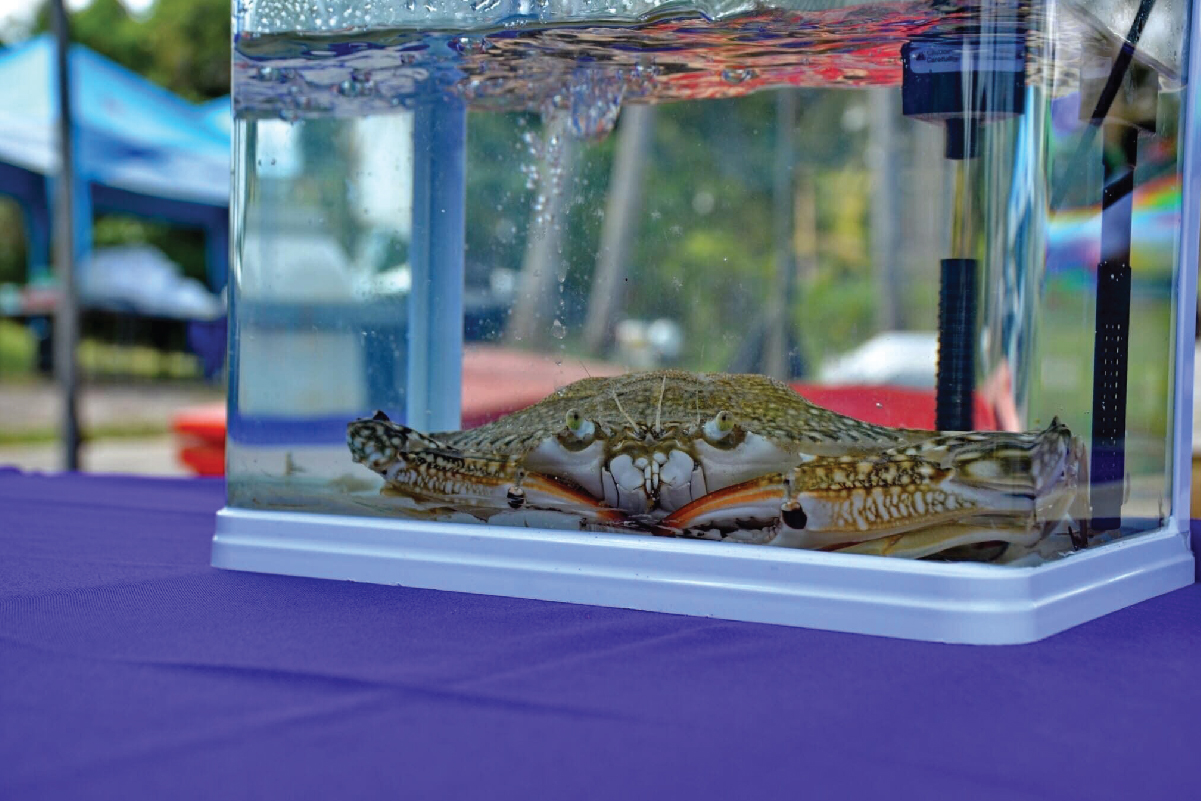
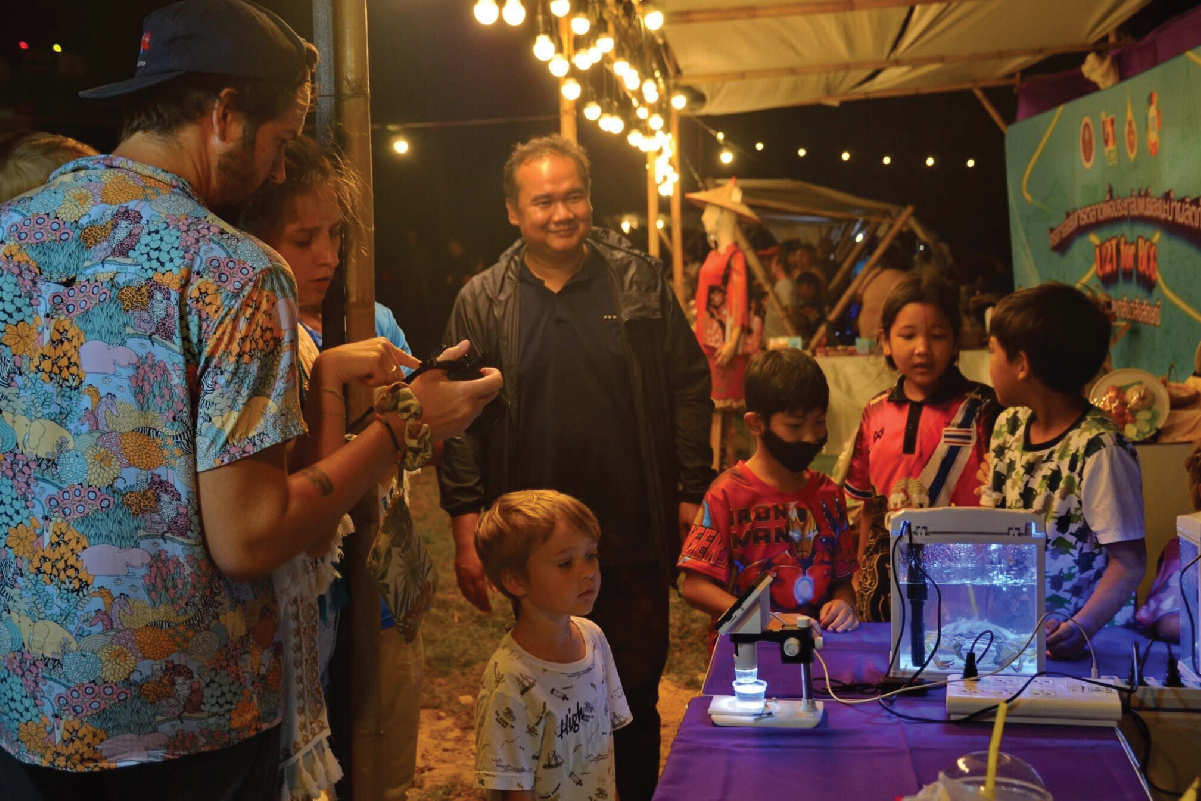
In addition to workshops, Walailak University also engages in other periodic activities that benefit farmers and food producers, such as organizing the Blue Swimming Crab Exhibition and showcasing the university’s research works at the Thung Yai Agriculture Fair 2024.
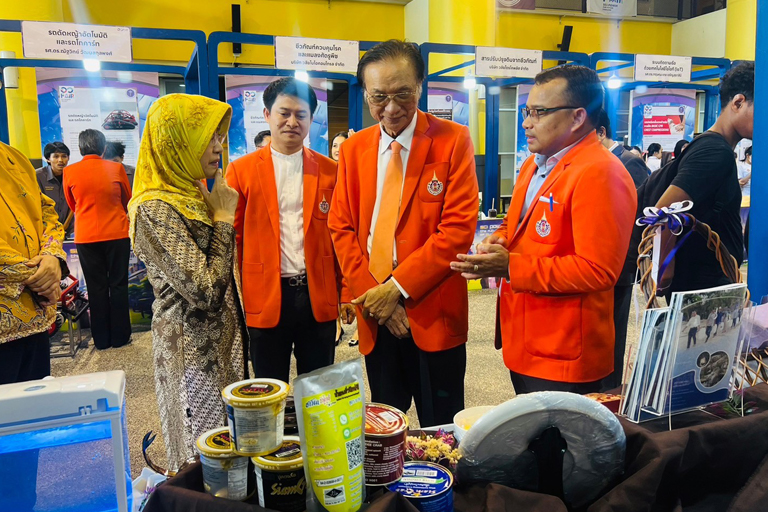
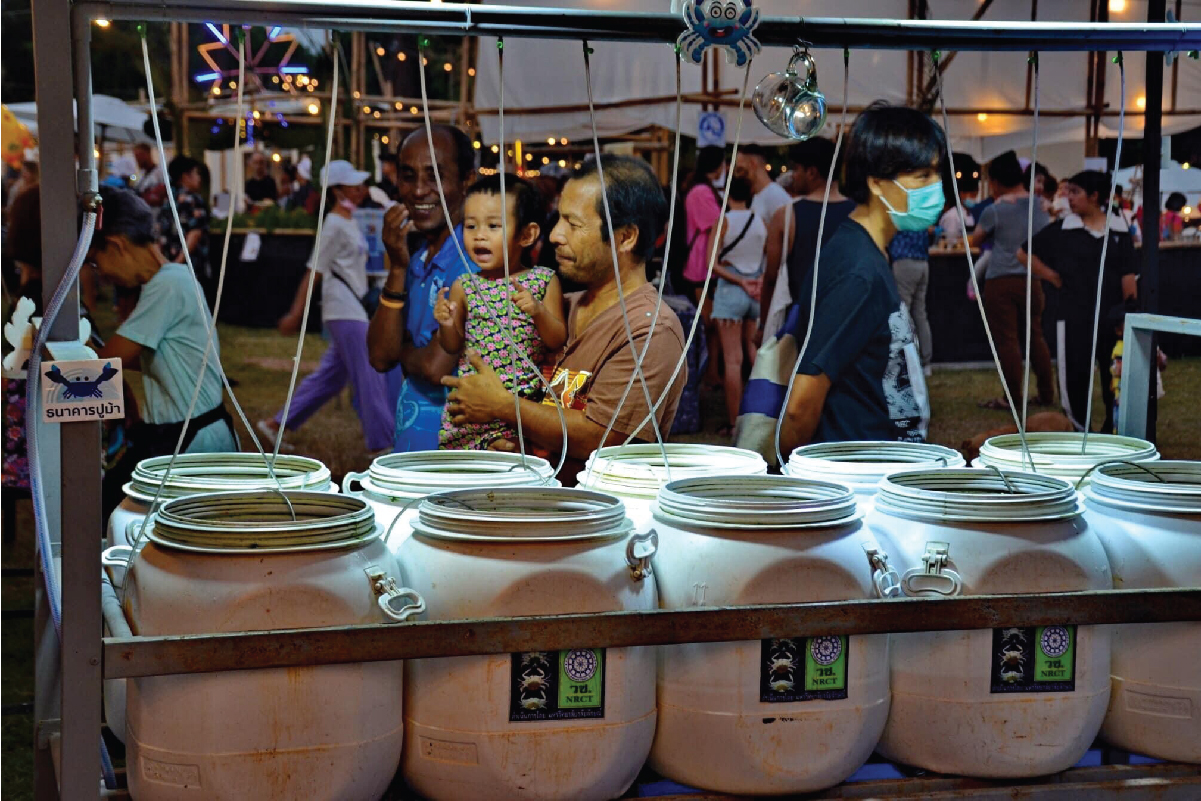
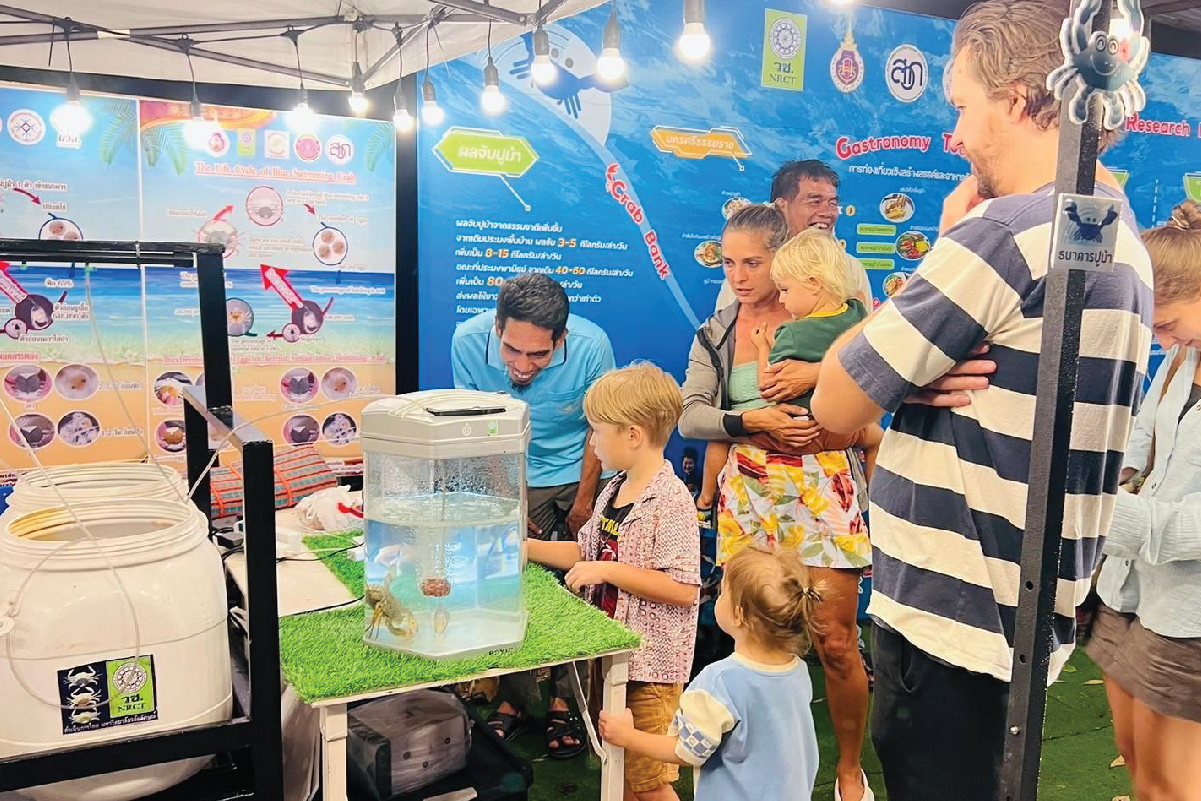
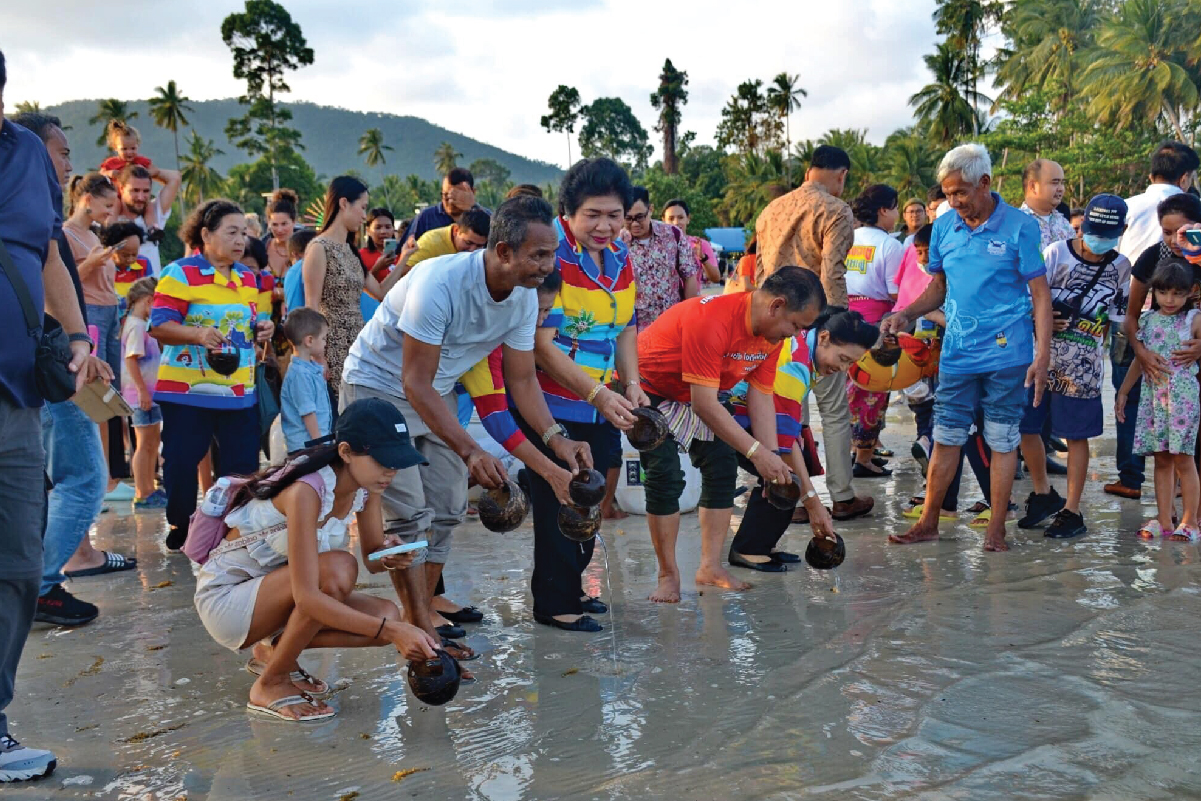
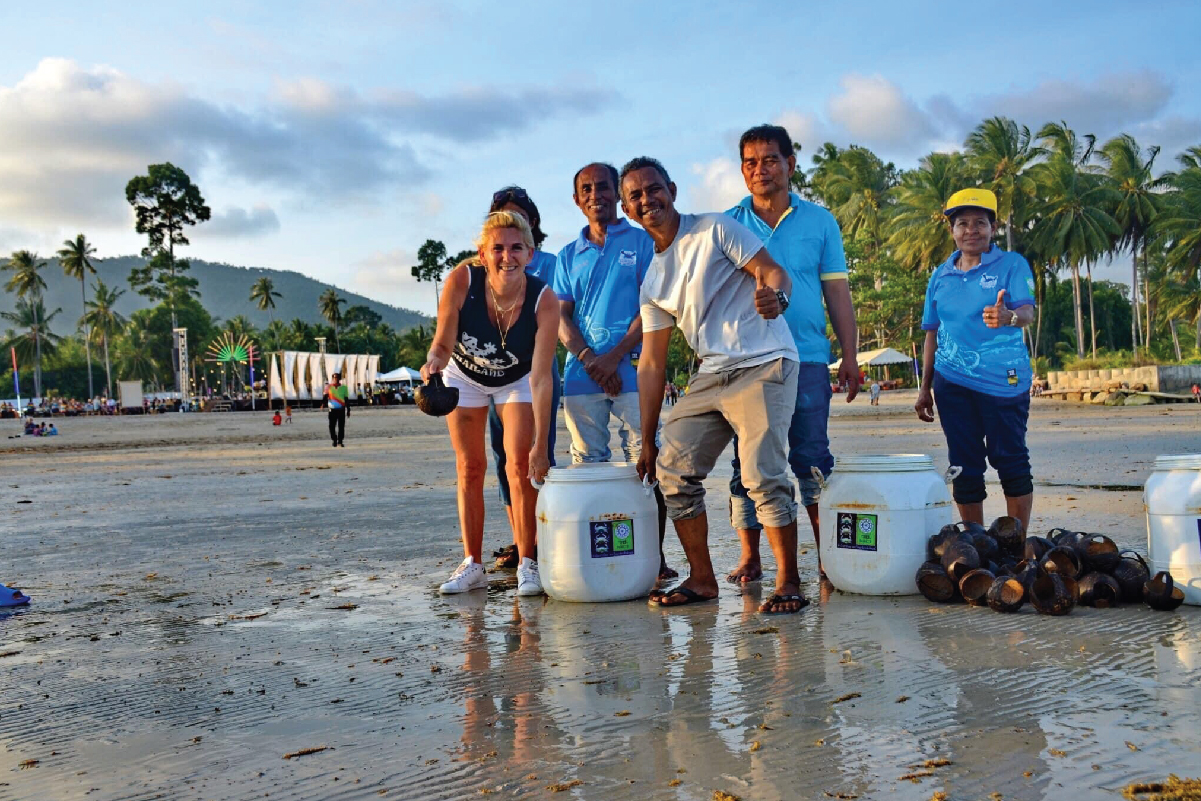
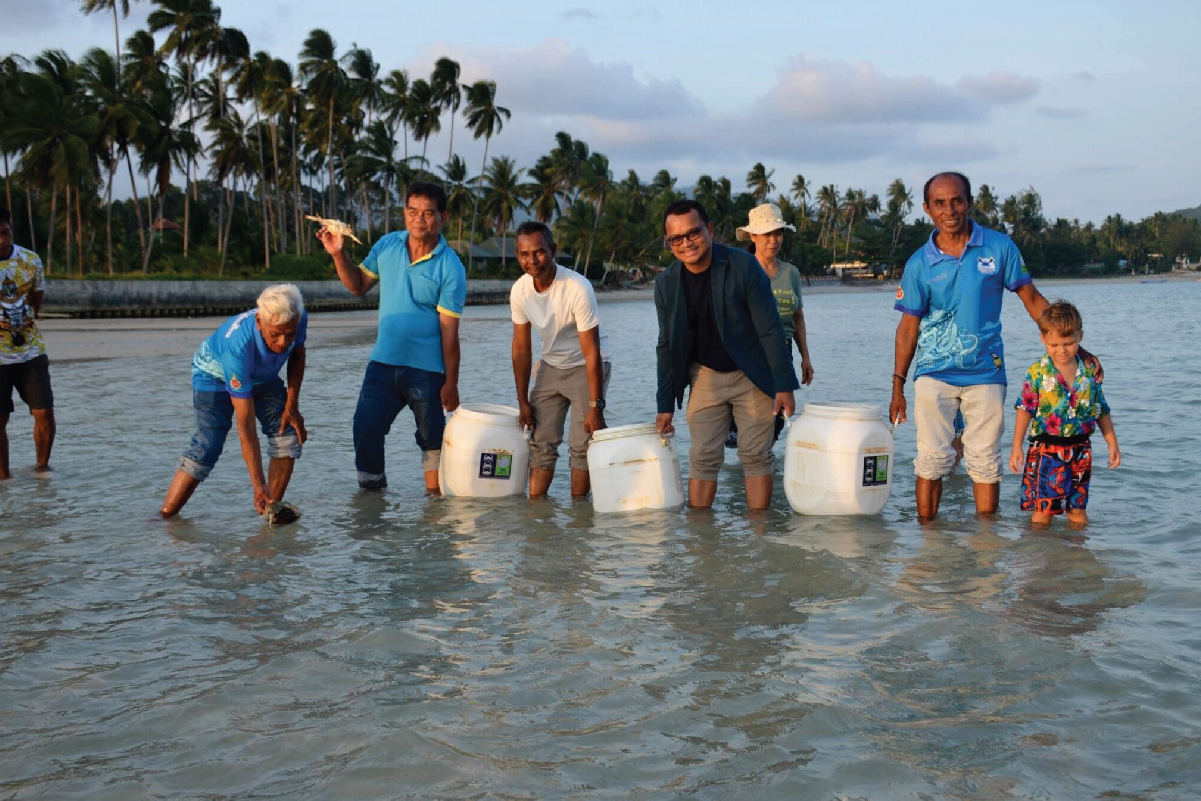
The university showcased research projects on the Blue Swimming Crab Bank and presented products from the project at the Mui Cinema Festival EP.3. It also provided support by supplying equipment for newly established Blue Swimming Crab Bank groups, namely the Thong Nod Phangka community and the Fair House Villa Hotel by the river. In addition, a demonstration model of a crab bank from the Ban Tai Blue Swimming Crab Bank Learning Center was exhibited, allowing tourists to visit and learn about blue swimming crabs and crab bank practices. The event attracted strong interest from local farmers, food producers, and both domestic and international tourists. This initiative was organized to create opportunities for learning and knowledge exchange in aquaculture and marine resource management.
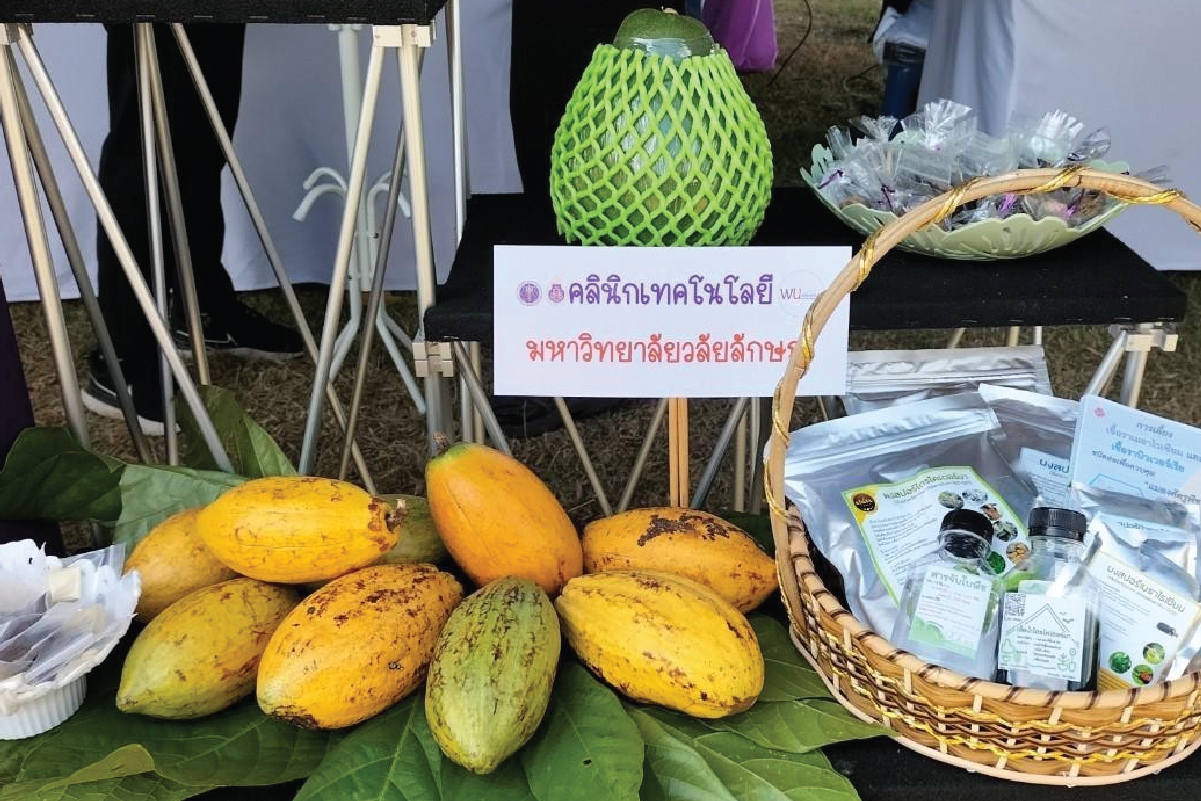
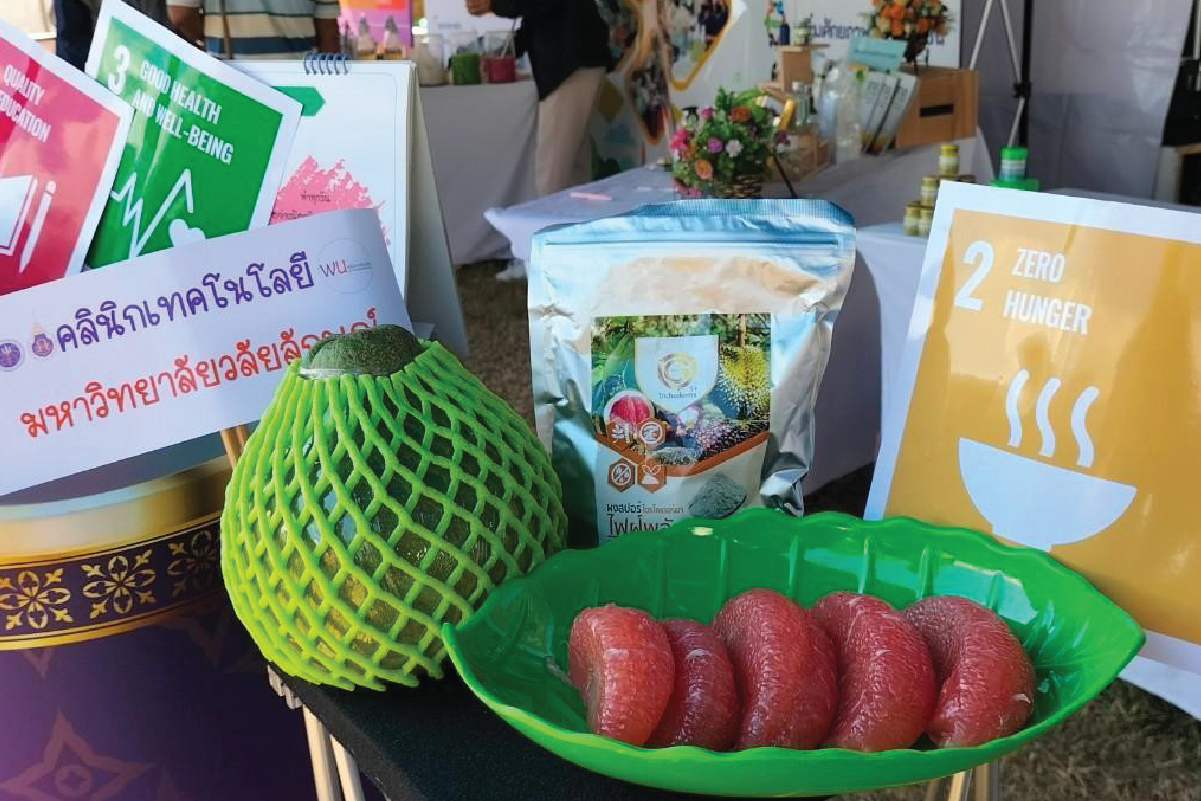
In addition, Walailak University’s Technology Clinic showcased and transferred academic service projects to the community, enabling local farmers and food producers to access opportunities for knowledge exchange. Participants were able to gain insights from research and technologies that could be applied to improve production efficiency, as well as engage in direct discussions with academics and experts for advice and consultation.
The various activities organized by WU, both independently and in collaboration with external agencies, highlight the university’s role as a “bridge connecting knowledge and innovation to practice.” Through continuous diagnostics and measurements of program effectiveness, these initiatives create ongoing opportunities for farmers and food producers to strengthen their capabilities, enhance production efficiency, and exchange valuable experiences. More importantly, they demonstrate the university’s sustained engagement in supporting agricultural development, resilience, and sustainability within Thailand’s agriculture sector and local communities.
The various activities organized by WU, both independently and in collaboration with external agencies, highlight the university’s role as a “bridge connecting knowledge and innovation to practice.” These initiatives create continuous opportunities for farmers and food producers to strengthen their capabilities, enhance production efficiency, and exchange valuable experiences. More importantly, they contribute to securing resilience and sustainability in Thailand’s agriculture sector and local communities.