Toxic waste treatment (WS5)

Toxic waste treatment (WS5)

Waste
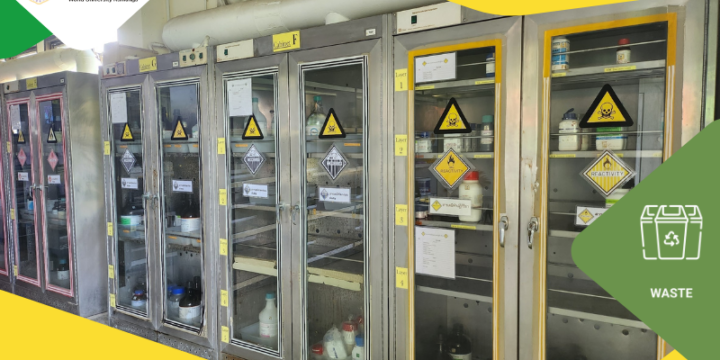
Waste (WS) Toxic Waste Treatment [table id=69 /]Monthly categorization of toxic waste.     The total volume of toxic waste produced at Walailak University = 48.87 tons/year.     In assessing toxic waste production at Walailak University, the total volume for 2024 amounted to 48.87 tons. The toxic waste produced consists of several categories:     Laboratory Chemical Waste: This includes chemical by-products from research and academic activities in the university's laboratories. The total generated from this source was 2.81 tons.     Infectious Waste: Primarily from medical and biological research activities, this category, which includes potentially infectious materials, contributed 45.91 tons, making it the largest source of toxic waste.     Other Toxic Waste: This smaller category includes waste such as electronics, fluorescent lamps, batteries, and aerosol cans. The total waste from this group…
Read More
Inorganic Waste Treatment (WS4)

Inorganic Waste Treatment (WS4)

Waste
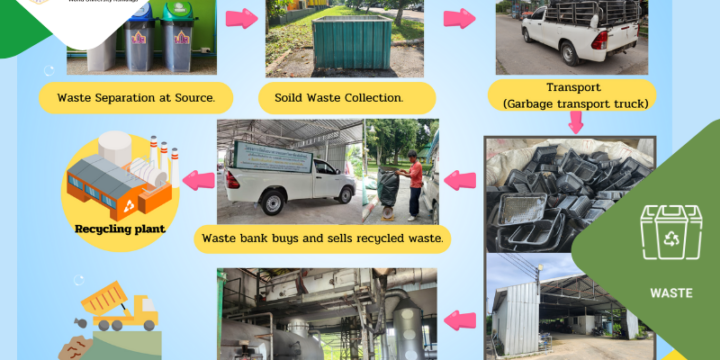
Waste (WS) Inorganic Waste Treatment [table id=67 /]     The total volume of inorganic waste produced at Walailak University = 1,225.55 tons/year.      This waste is categorized into four primary types: paper, plastic, metal, and general waste, which includer non-recyclable plastics. Each category significantly contributes to the total volume, highlighting the diverse sources of inorganic waste produced on campus. Understanding these categories is vital for developing effective waste management strategies that align with sustainability goals.     Inorganic Waste Types     The paper waste category, totaling 42.31 tons, includes office paper, packaging materials, and various other paper-based products used throughout the university. The relatively lower volume of paper waste suggests that the university may be successfully implementing initiatives aimed at reducing paper consumption, such as transitioning to digital formats. These…
Read More
Organic Waste Treatment (WS3)

Organic Waste Treatment (WS3)

Waste
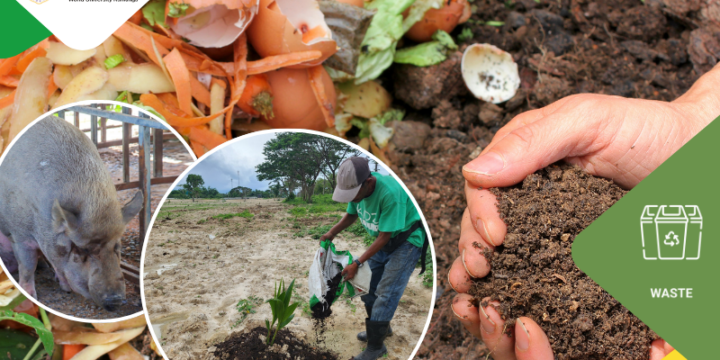
Waste (WS) Organic Waste Treatment [table id=66 /]     Walailak University generates 244.36 tons of organic waste annually, classified into two major categories: food waste from the university cafeteria, which amounts to 51.06 tons, and waste leaves and twigs from the garden, totaling 193.30 tons. The food waste originates from leftovers, food scraps, and biodegradable waste produced during meal preparation and consumption in the university’s cafeterias. Effective management of this waste could include the implementation of converting organic waste into compost and converting organic waste into animal food on the university's farm, thereby reducing reliance on landfill disposal and mitigating methane emissions. *Note: Due to the incompatibility of certain agricultural waste materials, only 90% of the waste can be composted.Percentage of Organic Waste Treatment = 92.09 %     Walailak University…
Read More
Program to Reduce the Use of Paper and Plastic on Campus (WS2)

Program to Reduce the Use of Paper and Plastic on Campus (WS2)

Waste
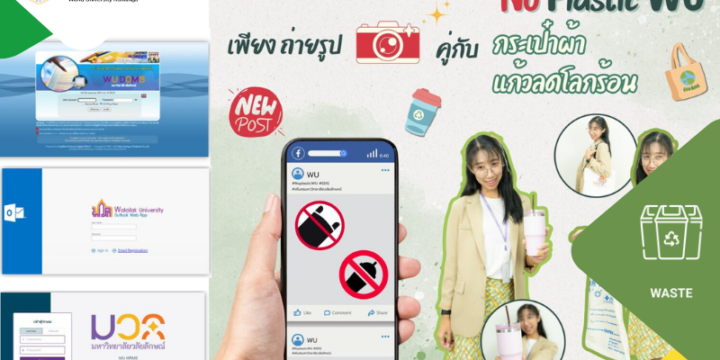
Waste (WS) Program to Reduce the Use of Paper and Plastic on Campus Programs to Reduce the Use of Paper and Plastic on Campus = 22 Programs.About 22 programs aimed at reducing the use of paper and plastic for both staff and students at Walailak University :1) WU DOMS Digital Office2) WU E-Meeting3) WU FINANCIAL4) E-Service The Center for Digital Technology5) WU E-Service buildings and utilities6) WU E-Booking7) WU-HRMS8) System for recording asset data, P.7, and P.7-19) WU E-Car10) Academic Service Information System11) WU-Research Support System12) Walailak University Personel Management Information System13) WU E- Report14) Document and exam production service system15) E-Contract16) Online material requisition system17) BOTAHOME management system18) Course management system19) Teaching Evaluation System20) Walailak University Academic Works Information System (AWIS)21) A plastic reduction campaign or Program “Say no…
Read More
3R (Reduce, Reuse and Recycle) Program for University Waste (WS1)

3R (Reduce, Reuse and Recycle) Program for University Waste (WS1)

Waste
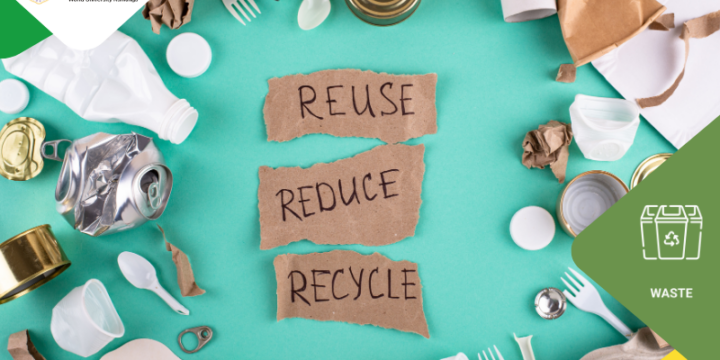
Waste (WS) 3 R Programs in Walailak University 3R Waste Management Practices at the University.All of the following 3R programs are active programs and 100% are fully implemented.1) Food waste from the cafeteria is reduced by using food scraps as animal feed.     The university has a farm where pigs are raised, and organic waste is used as animal feed. This initiative reduces waste and lowers the cost of animal feed production.2) Composting.     The university has established a unit or project to promote composting by converting collected organic waste into compost for use in university gardens and plots. The compost is produced by composting leaves, twigs, and grass clippings to nourish campus trees. This initiative aims to address the high cost of commercial fertilizers and add value to organic…
Read More