มหาวิทยาลัยวลัยลักษณ์ จัดกิจกรรมขับเคลื่อนการห้ามใช้โฟมสำหรับบรรจุอาหารและงดหรือลดปริมาณพลาสติกภายในมหาวิทยาลัย

มหาวิทยาลัยวลัยลักษณ์ จัดกิจกรรมขับเคลื่อนการห้ามใช้โฟมสำหรับบรรจุอาหารและงดหรือลดปริมาณพลาสติกภายในมหาวิทยาลัย

Waste
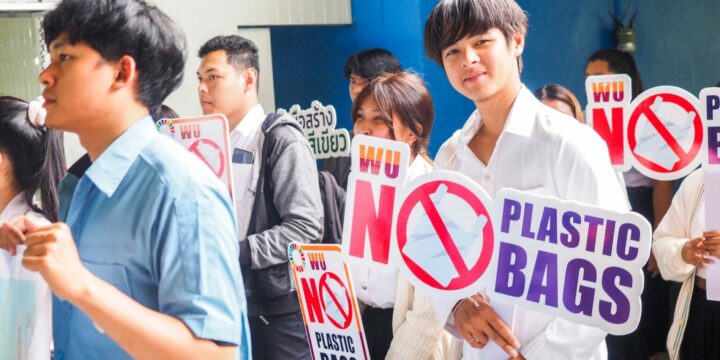
Education and Research (ED) เมื่อวันที่ 15 มกราคม 2568 และ วันที่ 20 มกราคม พ.ศ. 2568 มหาวิทยาลัยวลัยลักษณ์ จัดกิจกรรมขับเคลื่อนการจัดกิจกรรมรณรงค์และประชาสัมพันธ์การห้ามใช้โฟมสำหรับบรรจุอาหารและงดหรือลดปริมาณพลาสติกภายในมหาวิทยาลัย ณ โรงอาหารช่อประดู่และตลาดนัดจันทร์ประดู่ โดยมีตัวแทนกลุ่มนักศึกษาภายในมหาวิทยาลัยร่วมเดินรณรงค์และประชาสัมพันธ์การงดและลดการใช้ถุงพลาสติก รวมทั้งการใช้แก้วพกพาและถุงผ้าแทนถุงหูหิ้วพลาสติก และการให้ผู้ประกอบการของร้านค้าต่างๆ ในทุกพื้นที่ ได้แก่ ร้านค้าภายในศูนย์อาหารช่อประดู่ ศูนย์อาหารกิจกรรม ศูนย์อาหารศูนย์การแพทย์ ตลาดนัดจันทร์ประดู่ ตลาดนัดโบร่า และร้านค้าอื่น ๆ ภายในมหาวิทยาลัยวลัยลักษณ์ ยกเลิกหรืองดการให้ถุงพลาสติกหูหิ้ว ซึ่งแนวทางการดำเนินการดังกล่าว เป็นการสนับสนุนนโยบายห้ามใช้โฟมสำหรับบรรจุอาหารและงดหรือลดปริมาณพลาสติกภายในมหาวิทยาลัยวลัยลักษณ์อย่างเป็นรูปธรรม มีการขับเคลื่อนการผลิตและการบริโภคที่ยั่งยืน มีการจัดการของเสียและขยะอันตรายอย่างถูกวิธี เพื่อลดมลพิษที่เป็นอันตรายต่อมนุษย์และสิ่งแวดล้อมตลอดจนส่งเสริมการบริโภคอย่างรับผิดชอบ เป็นการขับเคลื่อนการเป็นมหาวิทยาลัยสีเขียว  ที่มีการบริหารจัดการเชิงนโยบายภายในมหาวิทยาลัยตามแนวทางการพัฒนาที่ยั่งยืน Sustainable Development Goals (SDGs) Related SDGs 12 Goal 12: Responsible consumption and production
Read More
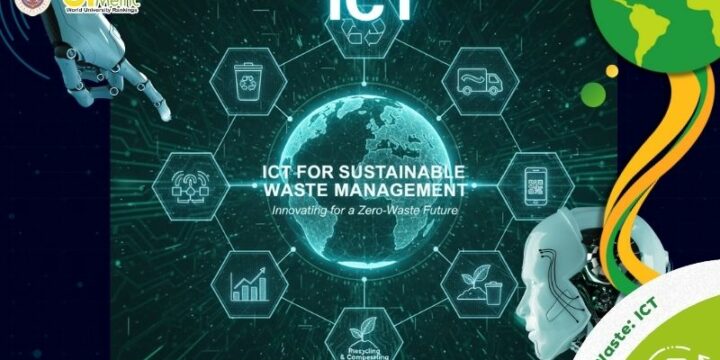
Planning, implementation, monitoring and/or evaluation of all programs related to Waste Management through the utilization of Information and Communication Technology (ICT)

Planning, implementation, monitoring and/or evaluation of all programs related to Waste Management through the utilization of Information and Communication Technology (ICT)

Waste
Waste (WS) Planning, implementation, monitoring and/or evaluation of all programs related to Waste Management through the utilization of Information and Communication Technology (ICT) Figure 1 Planning, implementation, monitoring and/or evaluation of all programs related to Waste Management through the utilization of Information and Communication Technology (ICT) Fifgure 2 Data Flow Diagram Waste Management DashboardWalailak University places great importance on continuous waste management to create a sustainable environment and reduce environmental impacts, in line with UI GreenMetric standards. The university implements systematic strategies for waste reduction, segregation, and recycling.A key tool for monitoring is the waste management dashboard, which serves as a central platform for collecting and analyzing waste data from all areas of the campus. The dashboard provides critical information, including:Waste quantities by type: Data on organic waste, recyclable waste,…
Read More
Sewage disposal

Sewage disposal

Waste
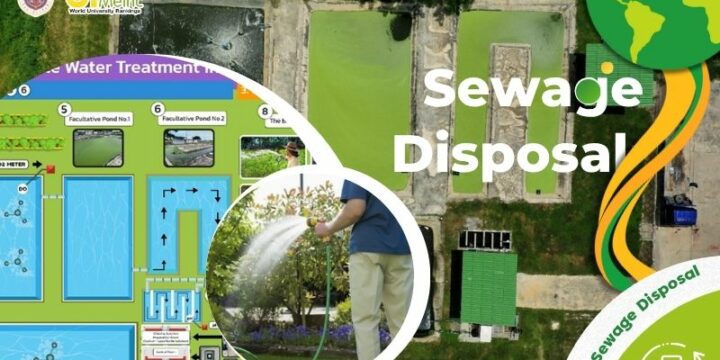
Waste (WS) Sewage Disposal Wastewater Treatment System of Walailak UniversityThe wastewater treatment system at Walailak University receives wastewater from various buildings and facilities across the campus. The system is designed to efficiently manage and treat wastewater while supporting educational initiatives and promoting sustainability. It has a maximum capacity of 4,000 cubic meters per day and primarily employs biological treatment methods, particularly an aeration process using aerobic bacteria to decompose organic matter.After the biological treatment, the water undergoes tertiary treatment, which includes chlorine disinfection to remove remaining contaminants, bacteria, and microorganisms. This process ensures that the treated water meets quality standards and is safe according to regulatory requirements.The treated water can then be reused for various purposes, such as vehicle washing, street cleaning, irrigation, and landscaping, supporting the university’s sustainable water…
Read More
Toxic Waste Treatment

Toxic Waste Treatment

Waste
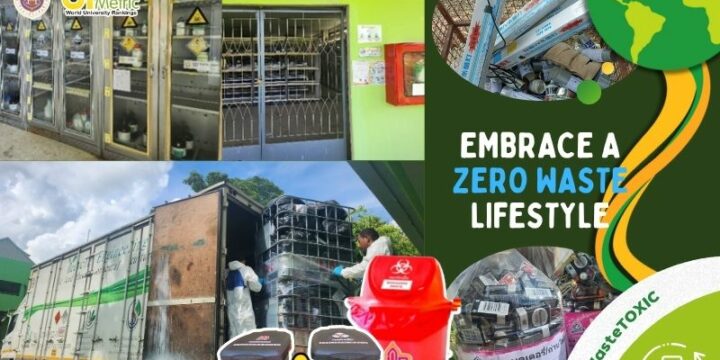
Waste (WS) Toxic Waste Treatment Inorganic waste Generation in University Figure 1.1 Total volume of toxic waste produced in this year Figure 1.2 Total volume of toxic waste produced in this yearThe total volume of toxic waste produced at Walailak University  3.77 tons per year.In assessing toxic waste production at Walailak University, the total volume for 2025  amounted to 3.77 tons. The toxic waste produced consists of several categories:Laboratory Chemical Waste: This includes chemical by-products from research and academic activities in the university's laboratories. The total generated from this source was 3.75 tons.Other Toxic Waste: This smaller category includes waste such as electronics, fluorescent lamps, batteries, and aerosol cans. The total waste from this group was 0.02 tons.Walailak University places great importance on raising environmental awareness among staff and students…
Read More
Inorganic Waste Treatment

Inorganic Waste Treatment

Waste
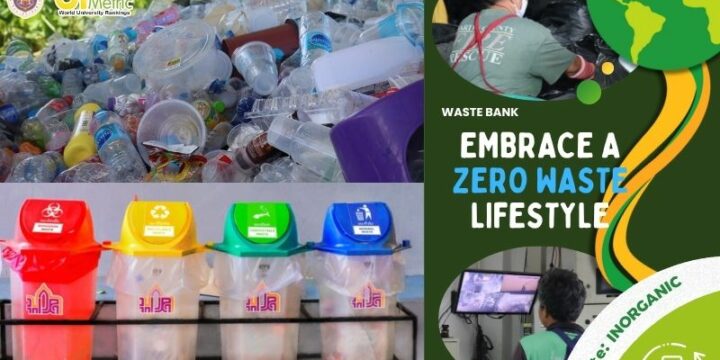
Waste (WS) Inorganic Waste Treatment Inorganic waste Generation in University Figure 1 Total volume inorganic waste produced 569.79 ton per year        Walailak University places great emphasis on systematic inorganic waste management to align with the sustainability criteria of the UI GreenMetric World University Ranking. In the most recent year, the university generated a total of 584.35 tons of inorganic waste per year, which can be categorized into four main groups: paper, plastic, metal, and general waste. This classification highlights the diverse sources of inorganic waste across the campus.Paper waste (discarded paper), totaling 37.06 tons, includes office paper, packaging materials, and other paper products. The relatively small amount indicates the university’s success in implementing paper reduction measures, such as transitioning to digital platforms and promoting electronic documentation.Plastic waste…
Read More
Organic Waste Treatment

Organic Waste Treatment

Waste
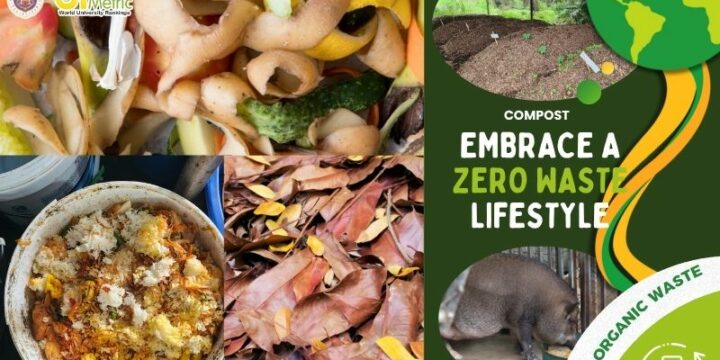
Waste (WS) Organic Waste Treatment Organic waste Generation in University       Walailak University generated a total of 253.9 tons of organic waste in this year . This organic waste can be classified into three main categories as follows:Food Waste: Generated from canteens and other food service points within the university, totaling 9.40 tons.Discarded Vegetables: Vegetable residues from canteens and the KIA-D Demonstrative Farm within the university, totaling 4.17 tons.Garden waste (plant matter): Generated from gardens and landscaped areas of the university, including fallen leaves, pruned branches, and other plant residues, totaling 240.32 tons. Figure 1: Total volume of paper and plastic produced this year Figure 2: Monthly categorization of organic waste Categorization of  organic waste, classified by sources of origin within the university     The total amount of…
Read More
Program to Reduce the Use of Paper and Plastic on Campus

Program to Reduce the Use of Paper and Plastic on Campus

Waste
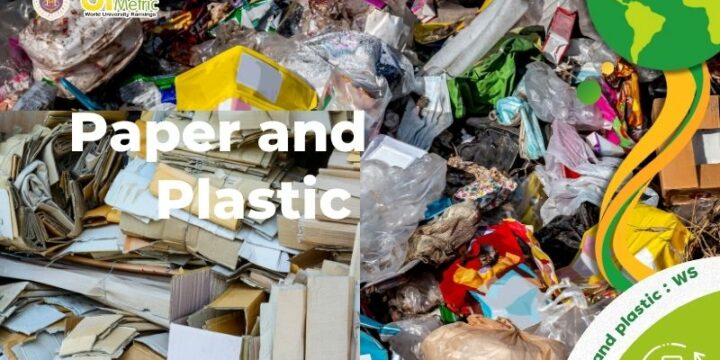
Waste (WS) Program to Reduce the Use of Paper and Plastic on Campus Figure 1 Total volume of paper and plastic produced this yearThe total amount of paper and plastic at Walailak University is 107.9 tons, divided as follows:1.The paper has a total quantity of 37.06 tons, categorized as follows:Cardboard: 24.51 tonsColored paper: 7.16 tonsBlack and white paper: 5.40 tons2.The plastic has a total quantity of 70.84 tonsWalailak University has continuously collected and monitored data on the volume of waste generated from on-campus activities and operations. This information serves as a fundamental basis for planning resource management and minimizing environmental impacts. According to the monitoring results, the total paper waste generated amounted to 37.06 tons, comprising 24.51 tons of cardboard , 7.16 tons of colored paper and 5.40 tons of…
Read More
3R (Reduce, Reuse, Recycle) program for university’s waste

3R (Reduce, Reuse, Recycle) program for university’s waste

Waste
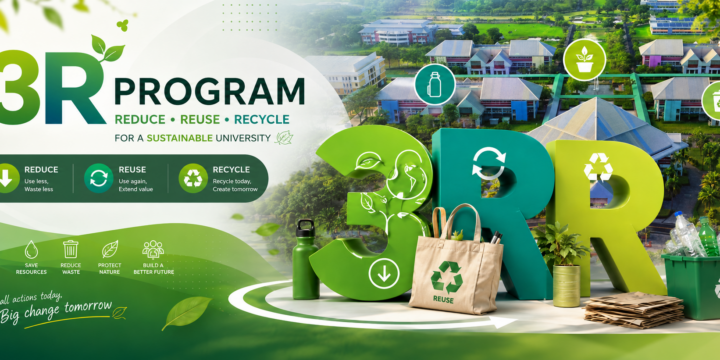
Waste (WS) 3R (Reduce, Reuse and Recycle) Program for University Waste 3 R Programs in Walailak University Currently, Walailak University has 41 active 3R programs, fully implemented to encourage staff and students to participate. Therefore, more than 75% of the 3R programs have been implemented. Figure 1 Currently, Walailak University has fully implemented 41 3R program University's Waste Management Policy and Goals.         Walailak University remains firmly committed to implementing a comprehensive waste management system as outlined in its Green University Policy. With a resolute focus on achieving zero waste, the university takes into account economic, social, and environmental factors, aligning with the Sustainable Development Goals (SDGs).The university has actively promoted awareness and engagement among its faculty, students, and staff to reduce waste at the source. Key…
Read More
Planning, implementation, monitoring and/or evaluation of all programs related to Waste Management through the utilization of Information and Communication Technology (ICT)

Planning, implementation, monitoring and/or evaluation of all programs related to Waste Management through the utilization of Information and Communication Technology (ICT)

Waste
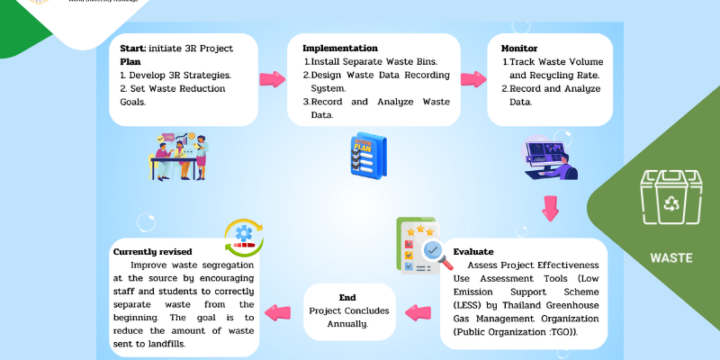
Waste (WS) Planning, implementation, monitoring and/or evaluation of all programs related to Waste Management through the utilization of Information and Communication Technology (ICT) [table id=73 /] Planning: Develop a comprehensive 3R strategy and set measurable targets for waste reduction. Use waste audit software and data analytics tools to analyze current waste generation and identify areas for improvement. Implementation: Install recycling bins across the campus and initiate waste segregation programs. Design a data recording system for the quantities of various types of waste and create an analysis framework for the data. Record the quantities of different types of waste and analyze the data using Microsoft Excel. Monitoring: Track the collection and recycling rates of waste. Use Record the quantities of different types of waste and analyze the data using Microsoft Excel.…
Read More
Sewage disposal (WS.6)

Sewage disposal (WS.6)

Waste
Waste (WS) Sewage Disposal Sewage treatment is carried out using tertiary treatment, which includes disinfection through an ultraviolet (UV) disinfection system. This method effectively eliminates harmful pathogens, ensuring the treated water is safe and environmentally friendly.The wastewater treatment system at Walailak University is designed to efficiently manage and treat the university’s wastewater while supporting educational initiatives and promoting sustainability. The system can handle up to 4,000 cubic meters of wastewater per day and employs biological treatment methods, specifically an air-based process that utilizes aerobic bacteria to break down organic materials.Treatment Process Overview     The wastewater treatment system at Walailak University includes several critical stages to ensure effective sewage management:Mechanical Screening: A mechanically driven screening system removes large debris and waste from the wastewater, preventing blockages in subsequent stages.Wastewater Pumping Station:…
Read More