The Role of the University in Supporting Practical Water Conservation Off Campus and Strengthening Communities through Innovation and Participation beyond the Campus
The Role of the University in Supporting Practical Water Conservation Off Campus and Strengthening Communities through Innovation and Participation beyond the Campus
In recent years, Thailand has faced increasingly severe challenges in water resource management, resulting from climate change, urban expansion, environmental degradation, and inefficient water use. These issues have led to droughts, floods, and inefficient water use. These issues have led to droughts, floods, and instability in access to clean water for people in many areas, particularly in rural communities that rely primarily on agriculture. Water conservation has therefore become a critical agenda that requires collaboration across multiple sectors, including universities, which play a key role as sources of academic knowledge and innovation for sustainable development.
In 2024, the university continued to implement projects that support practical water conservation off campus, aiming to transfer knowledge, technologies, and innovations to local communities about water conservation. The goal is to enable communities to effectively plan and manage water resources under the principle of participatory development. The initiative emphasizes strengthening community capacity to cope with drought, water scarcity, and climate change through integrated water management and community-based disaster risk management (CBDRM).
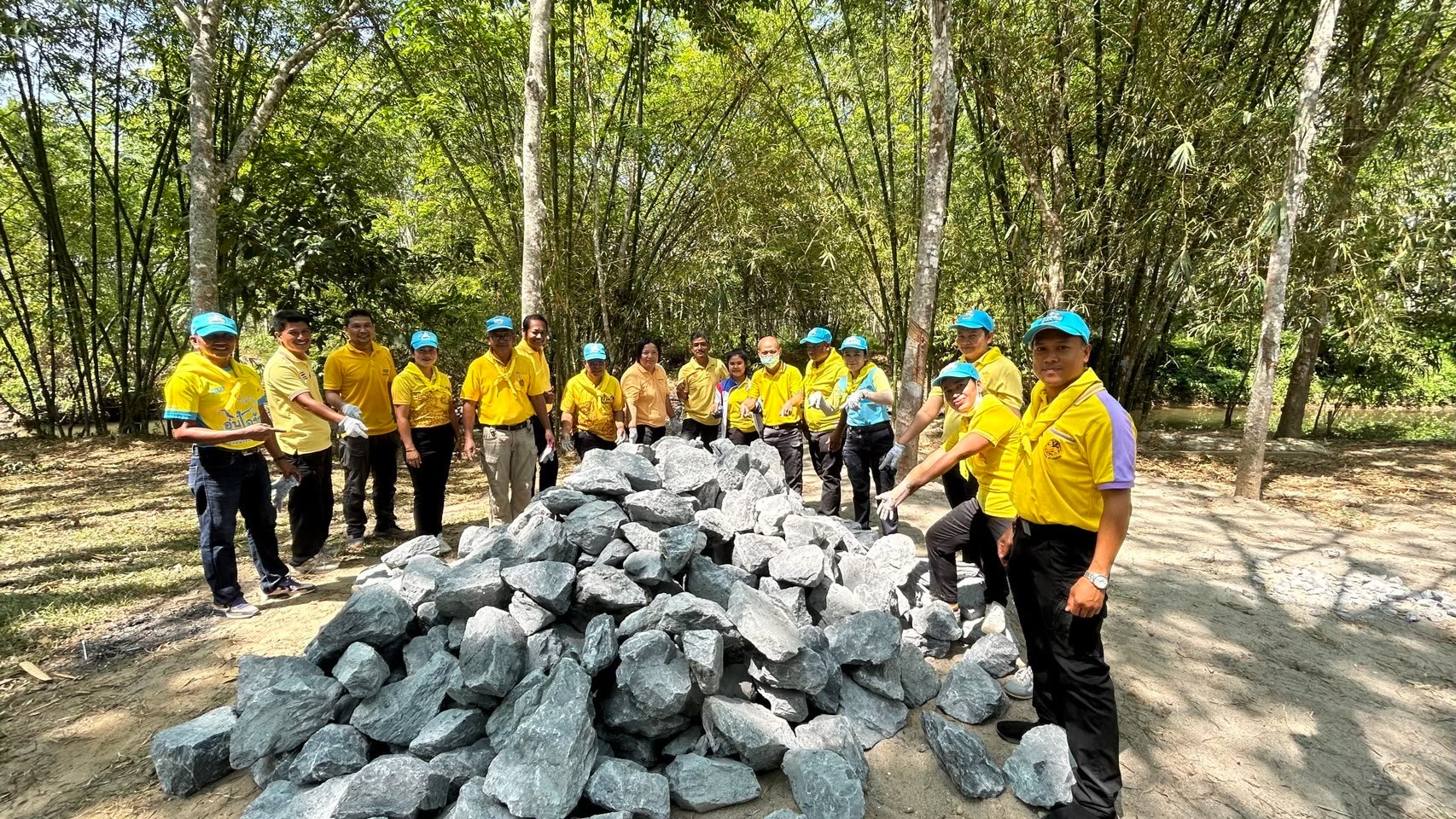
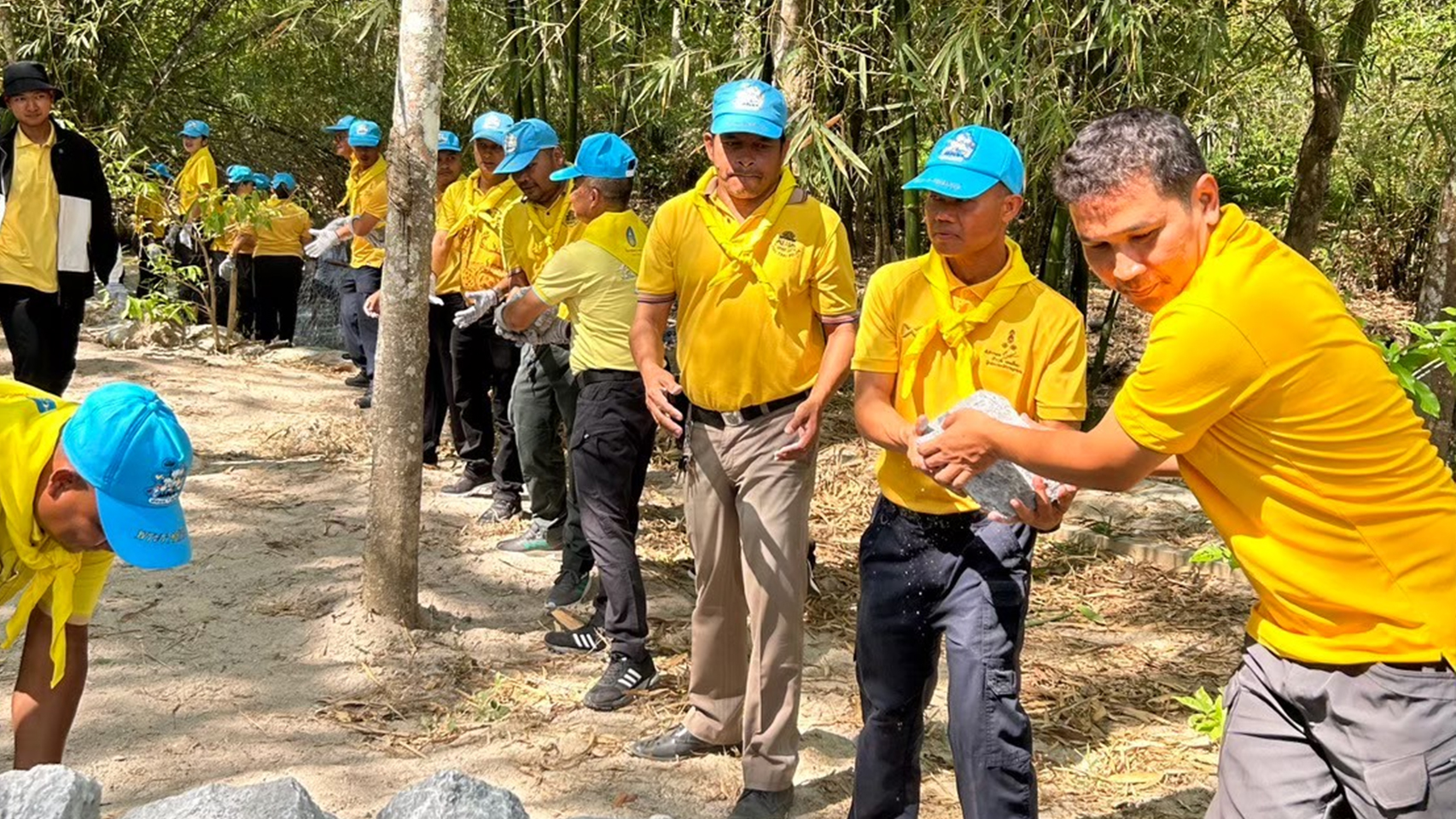
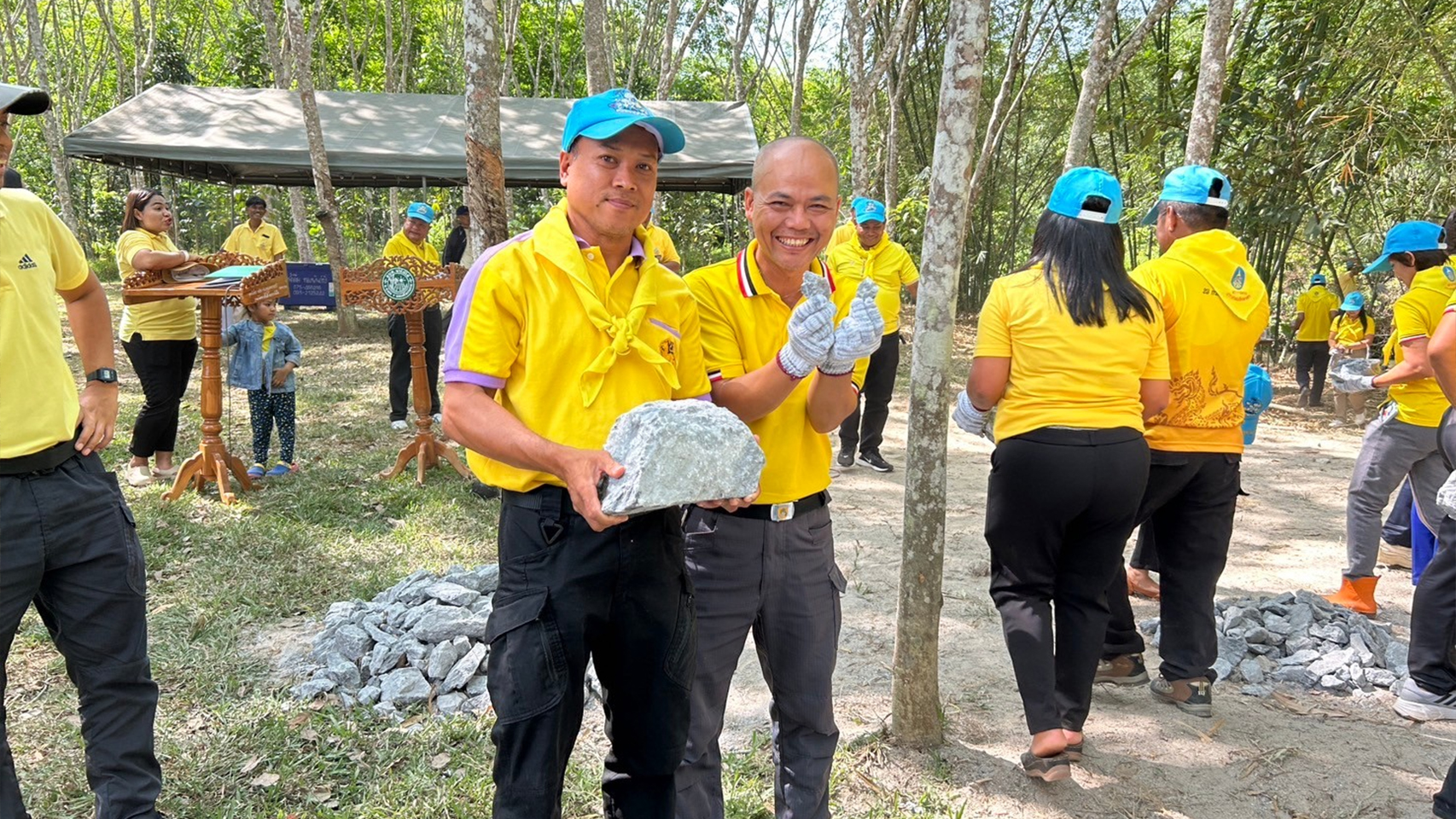
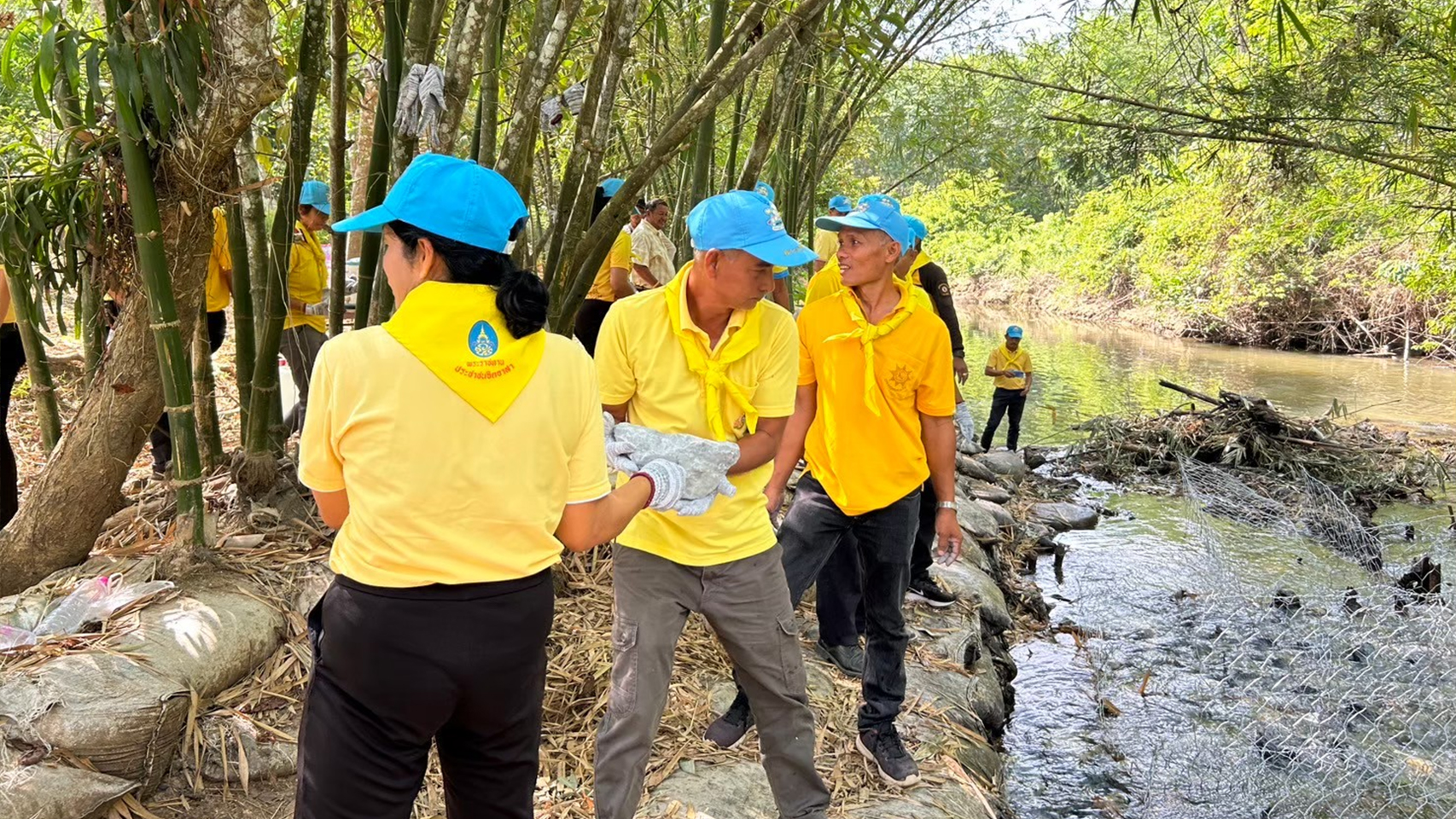
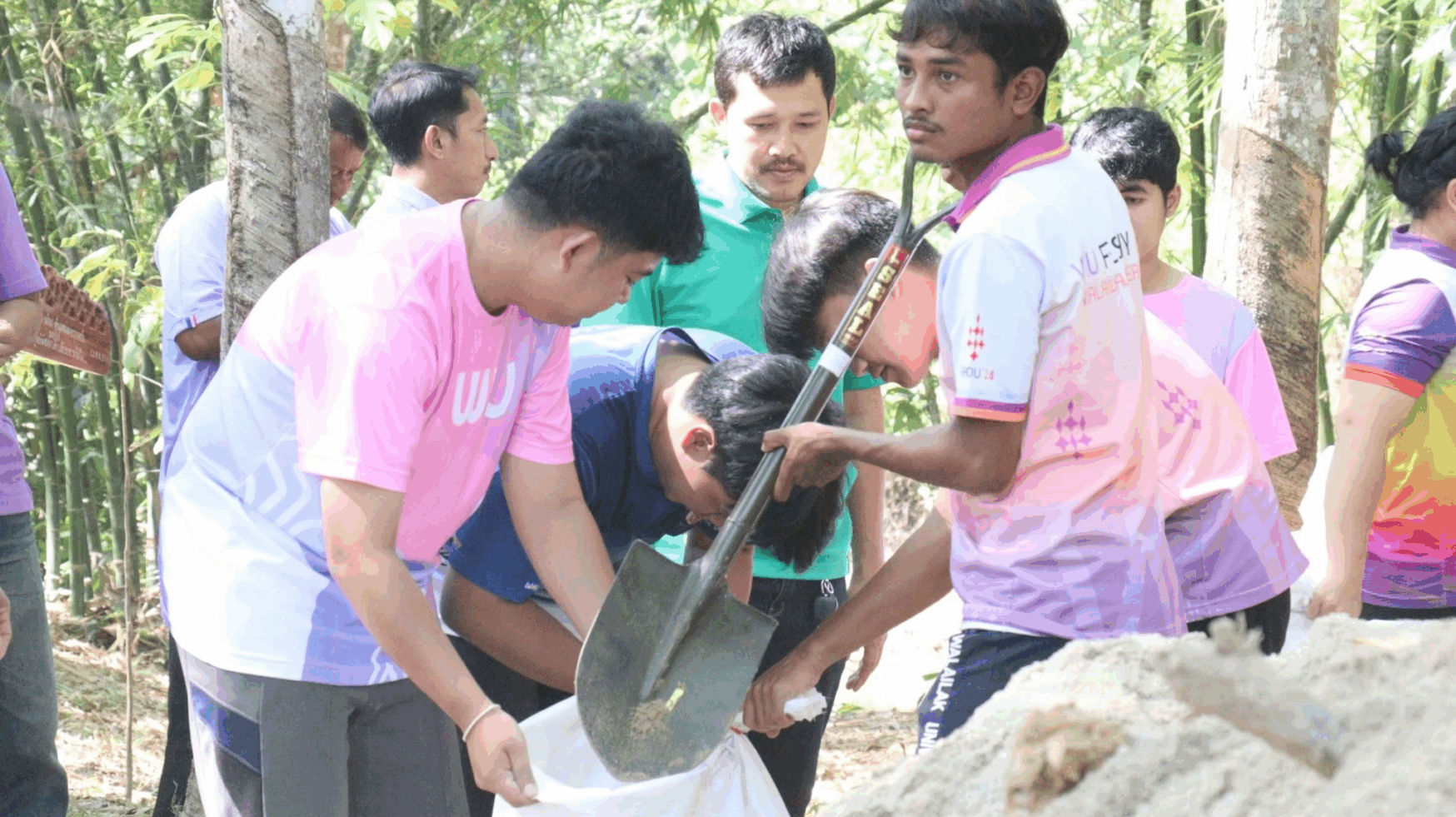
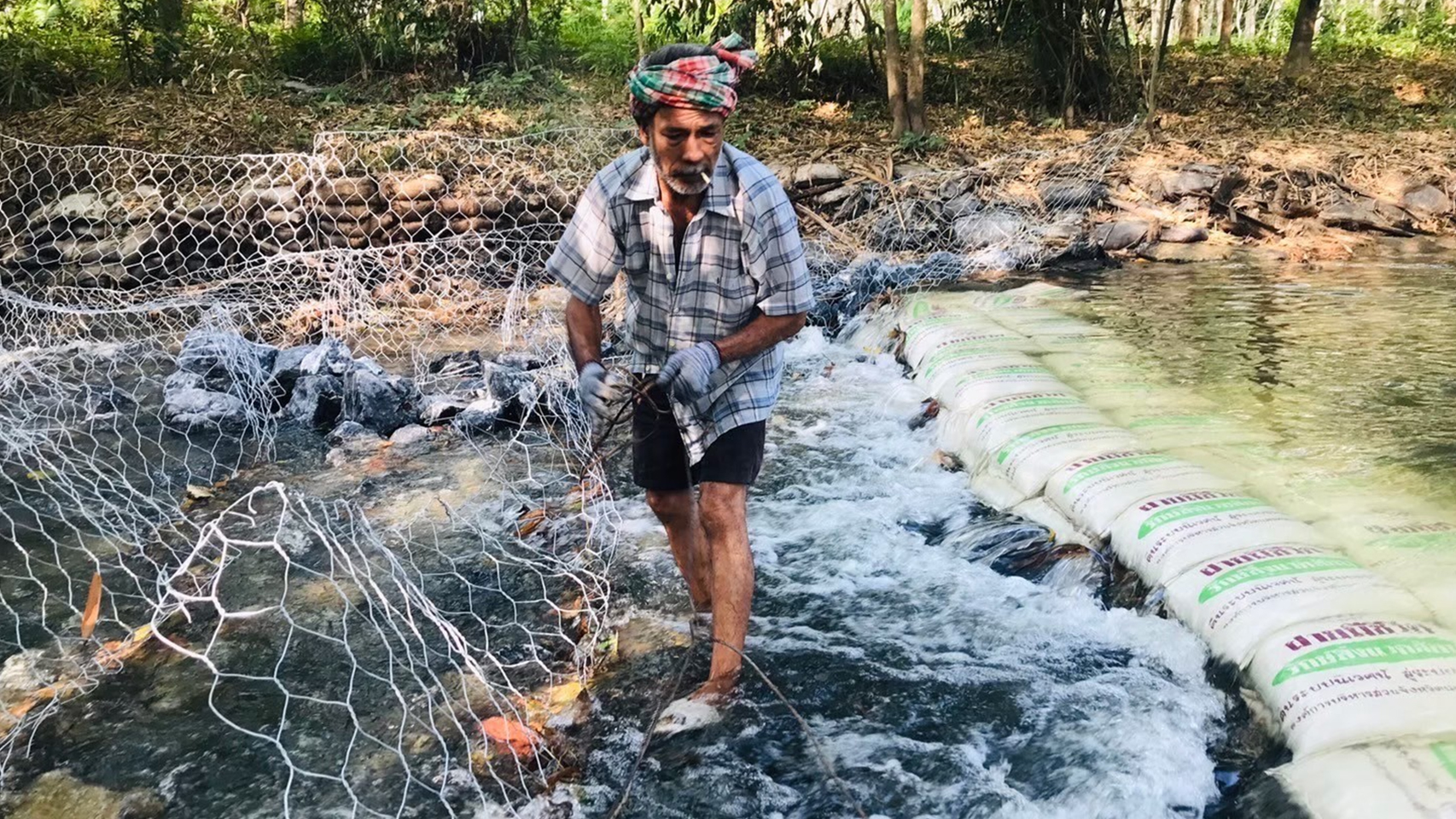
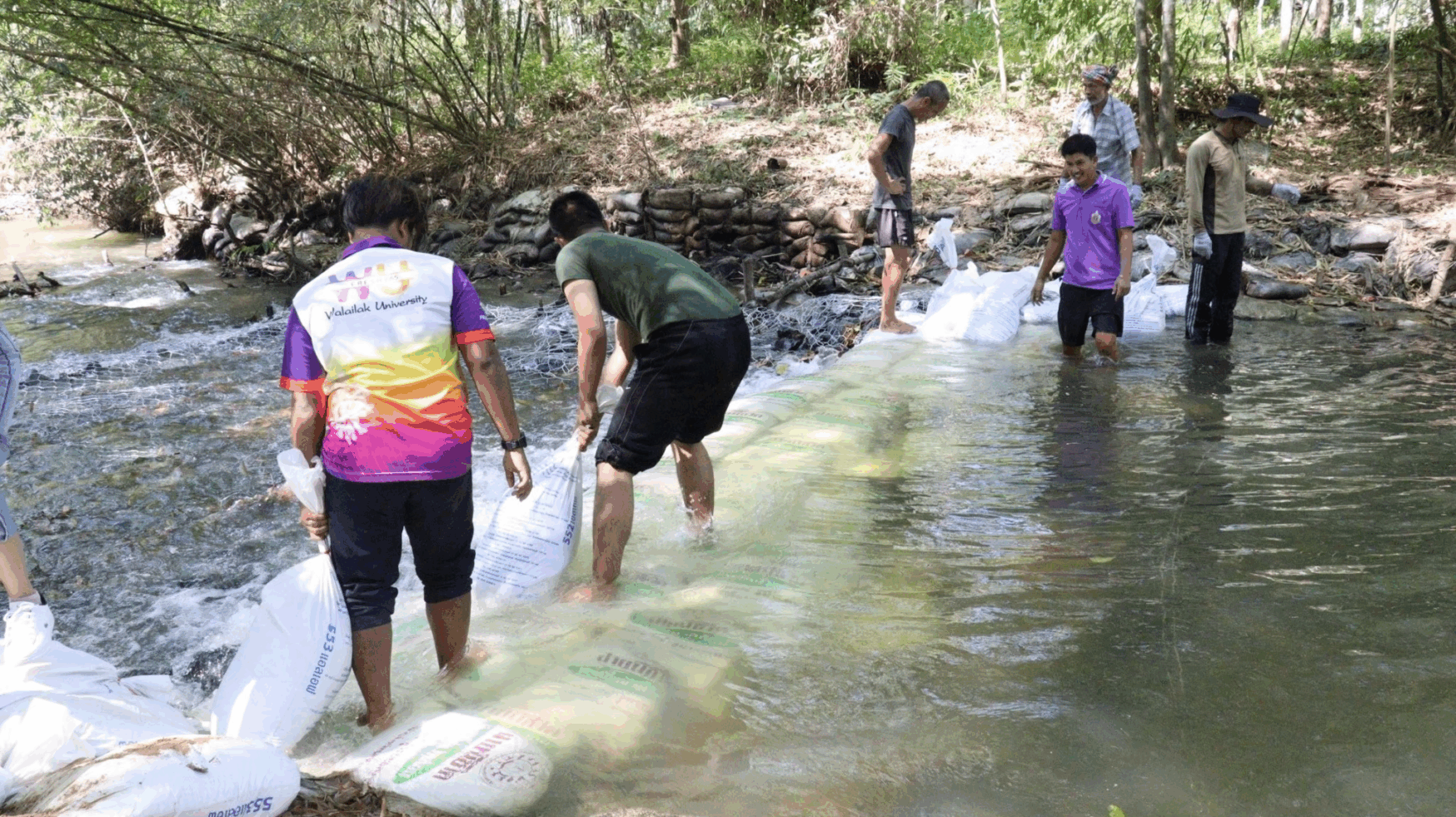
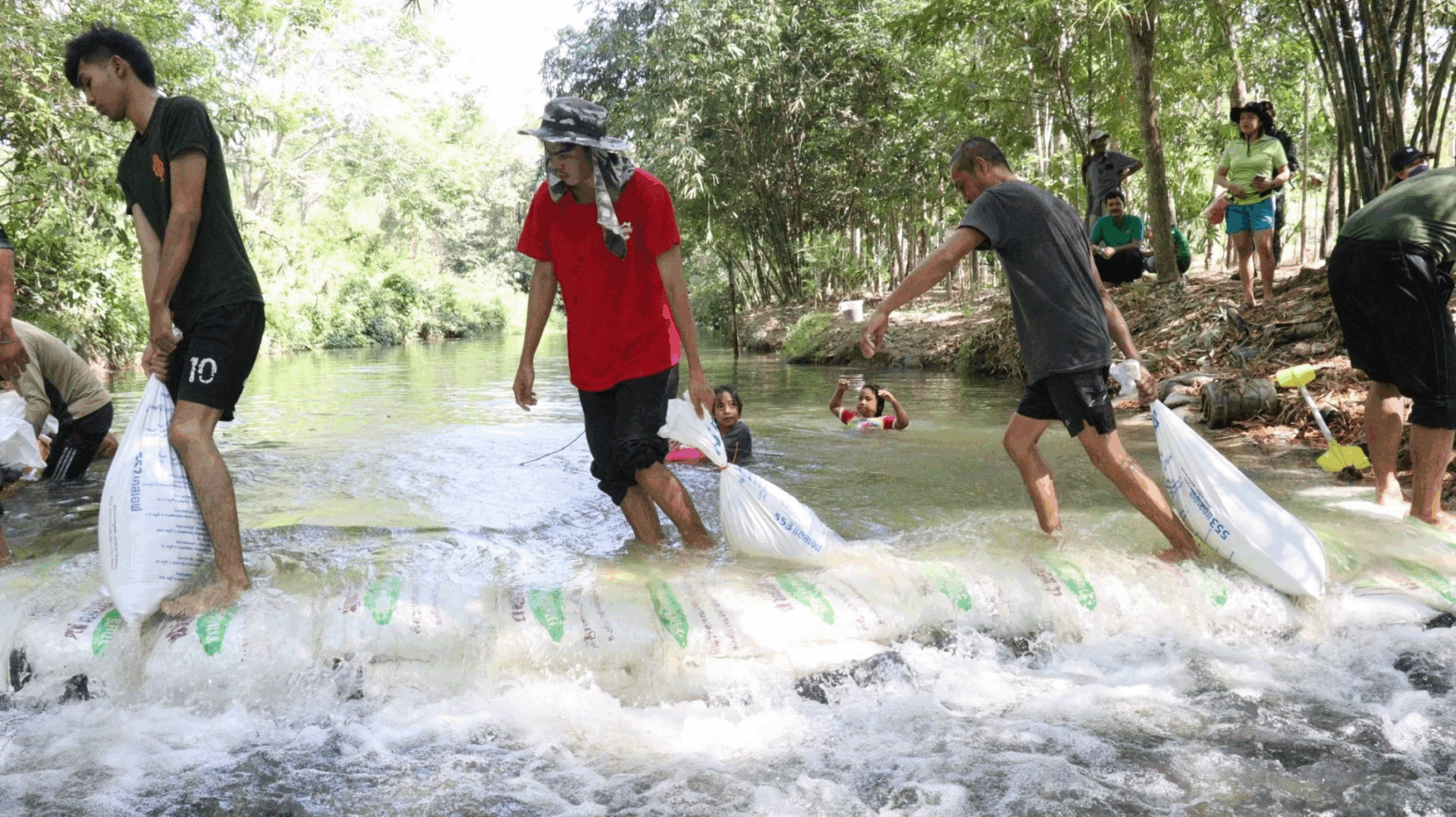
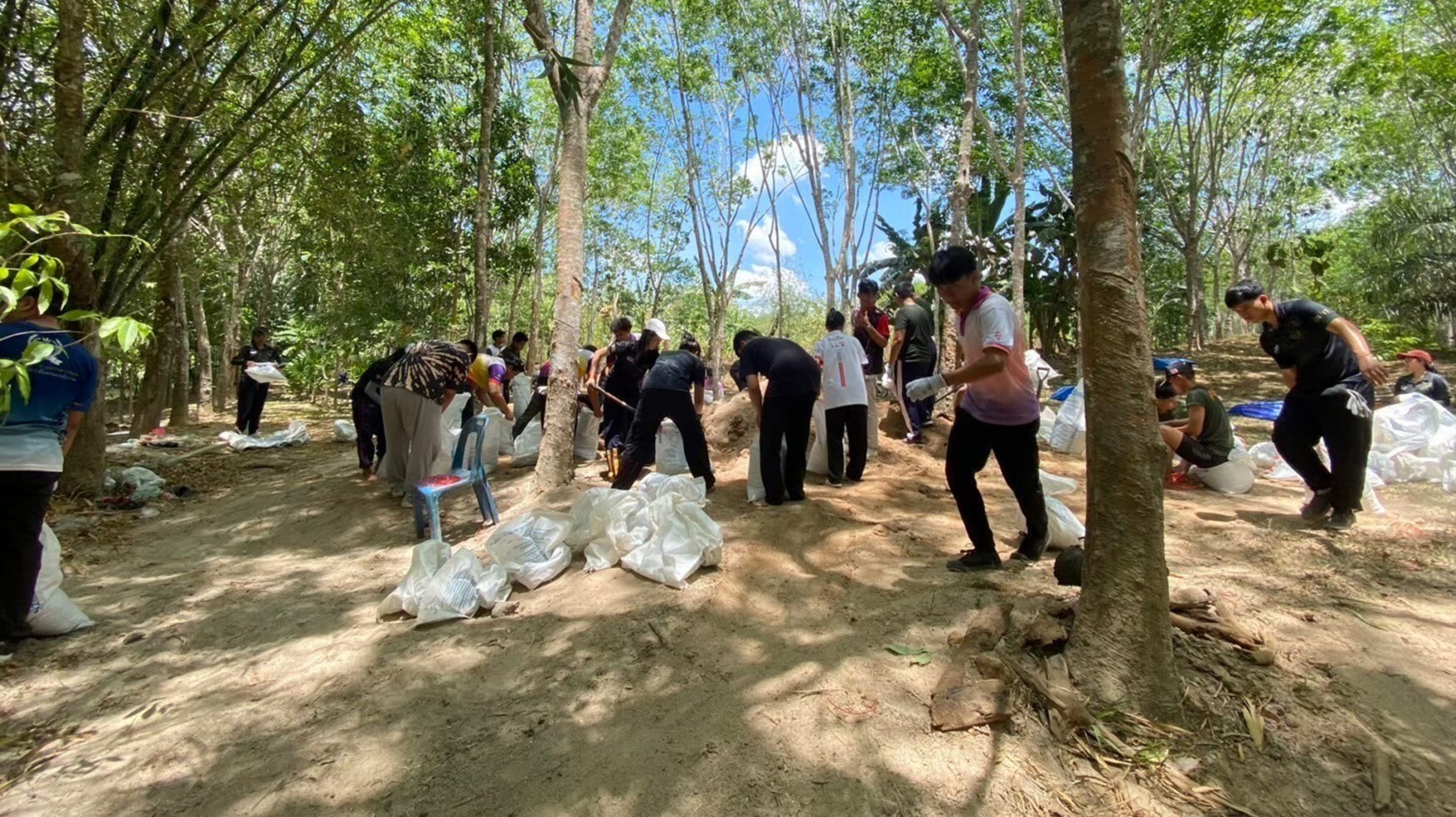
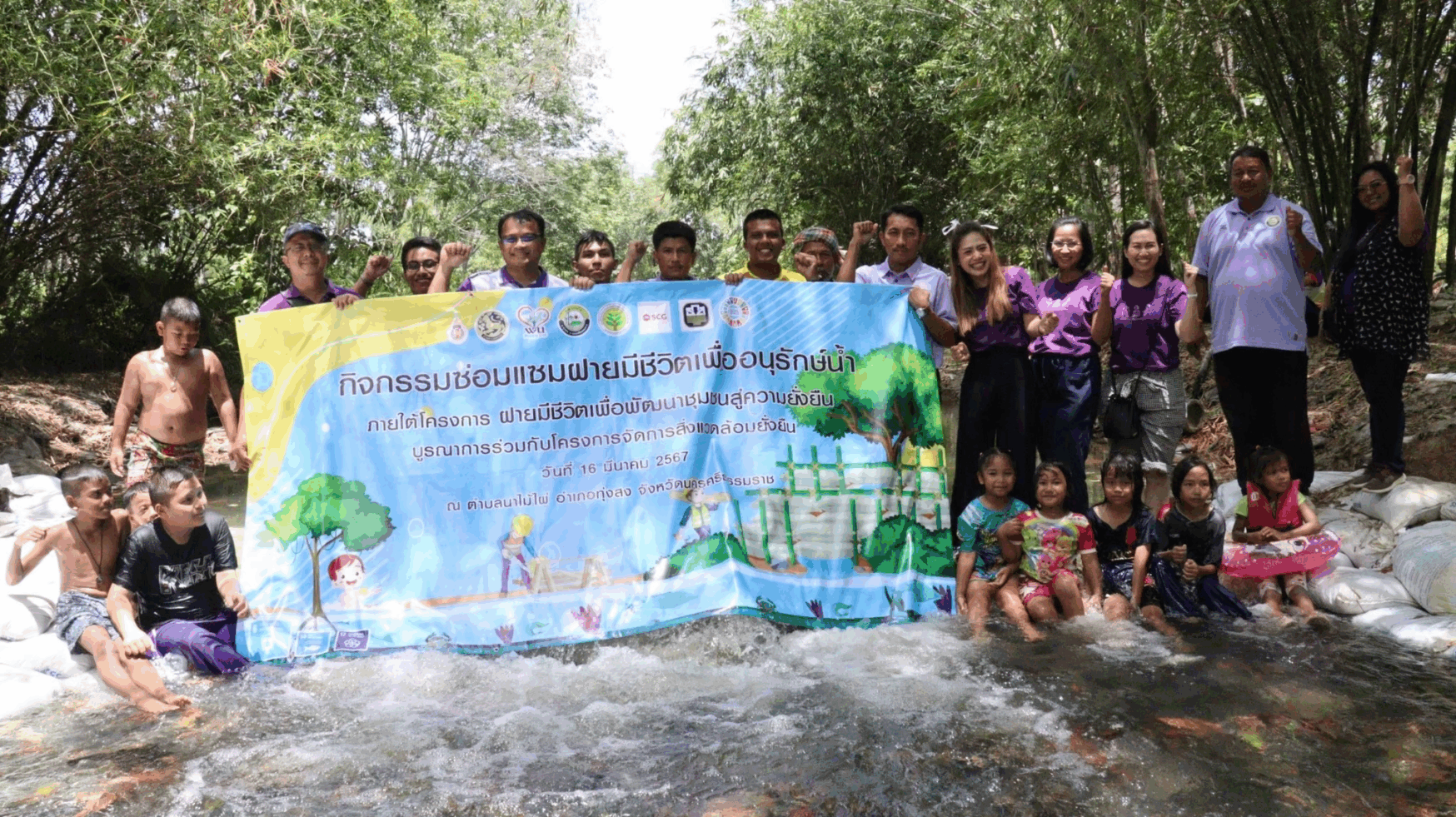
One of the outstanding projects that exemplifies concrete support for practical water conservation off campus in 2024 was the development of the Digital Living Weir Monitoring and Evaluation System in Na Mai Phai Subdistrict, Thung Song District, Nakhon Si Thammarat Province. This agricultural community has long faced severe water shortages for domestic consumption and farming. In collaboration with the community, local administrative organizations, as well as public and private sector agencies, the university developed a living weir that integrates natural resources with digital technology. This enables accurate and continuous monitoring, inspection, and evaluation of the weir’s effectiveness.
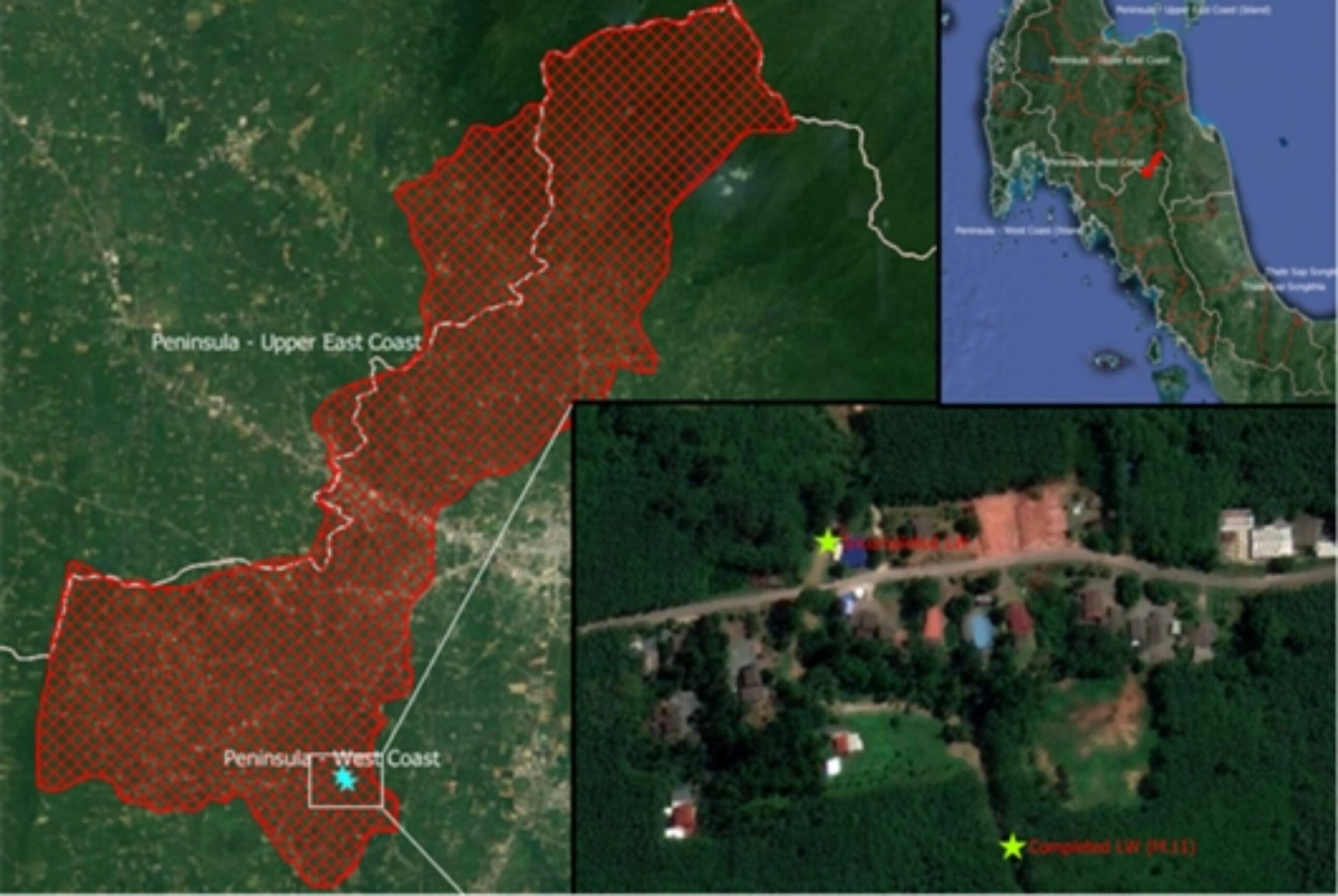
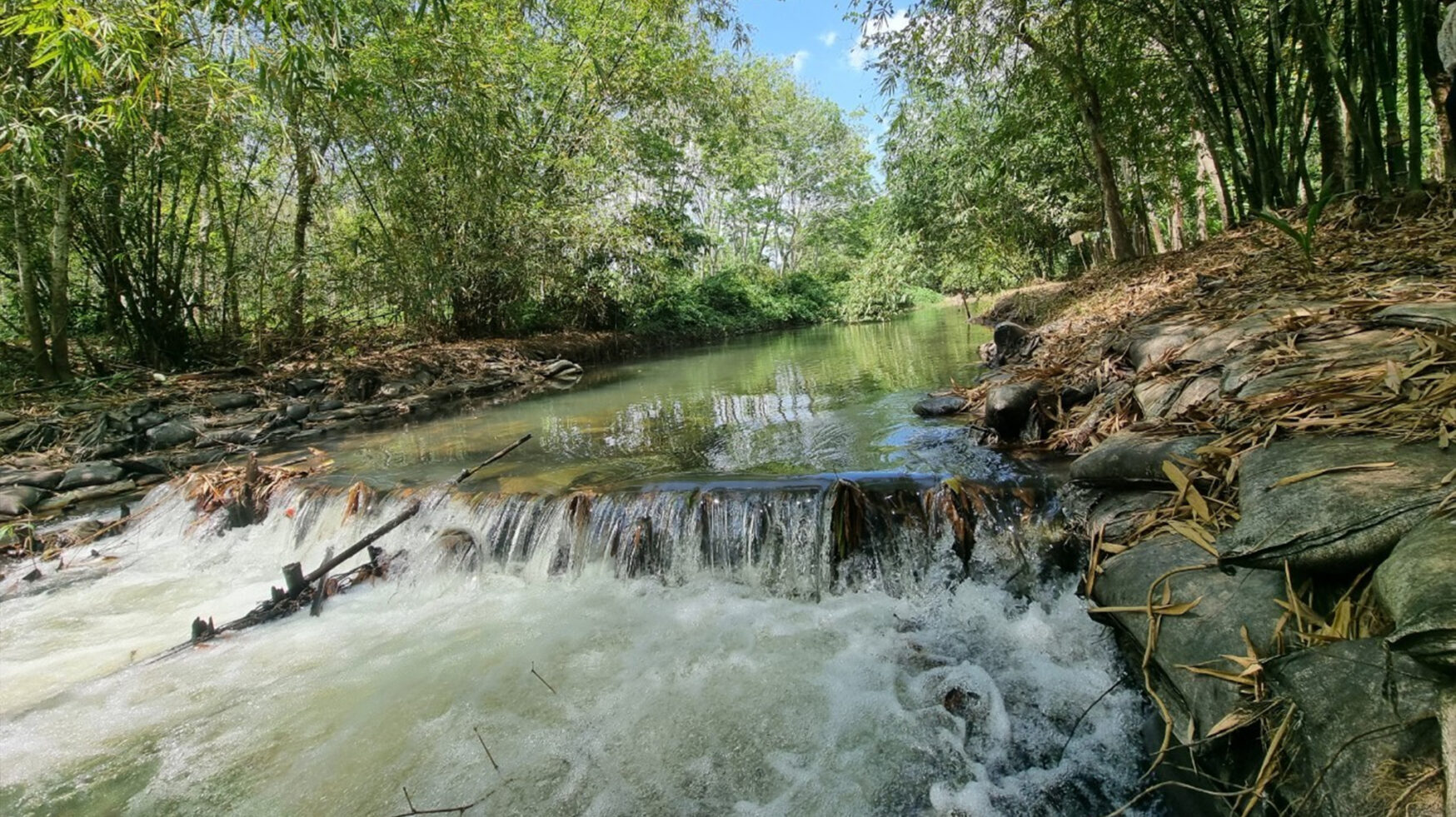
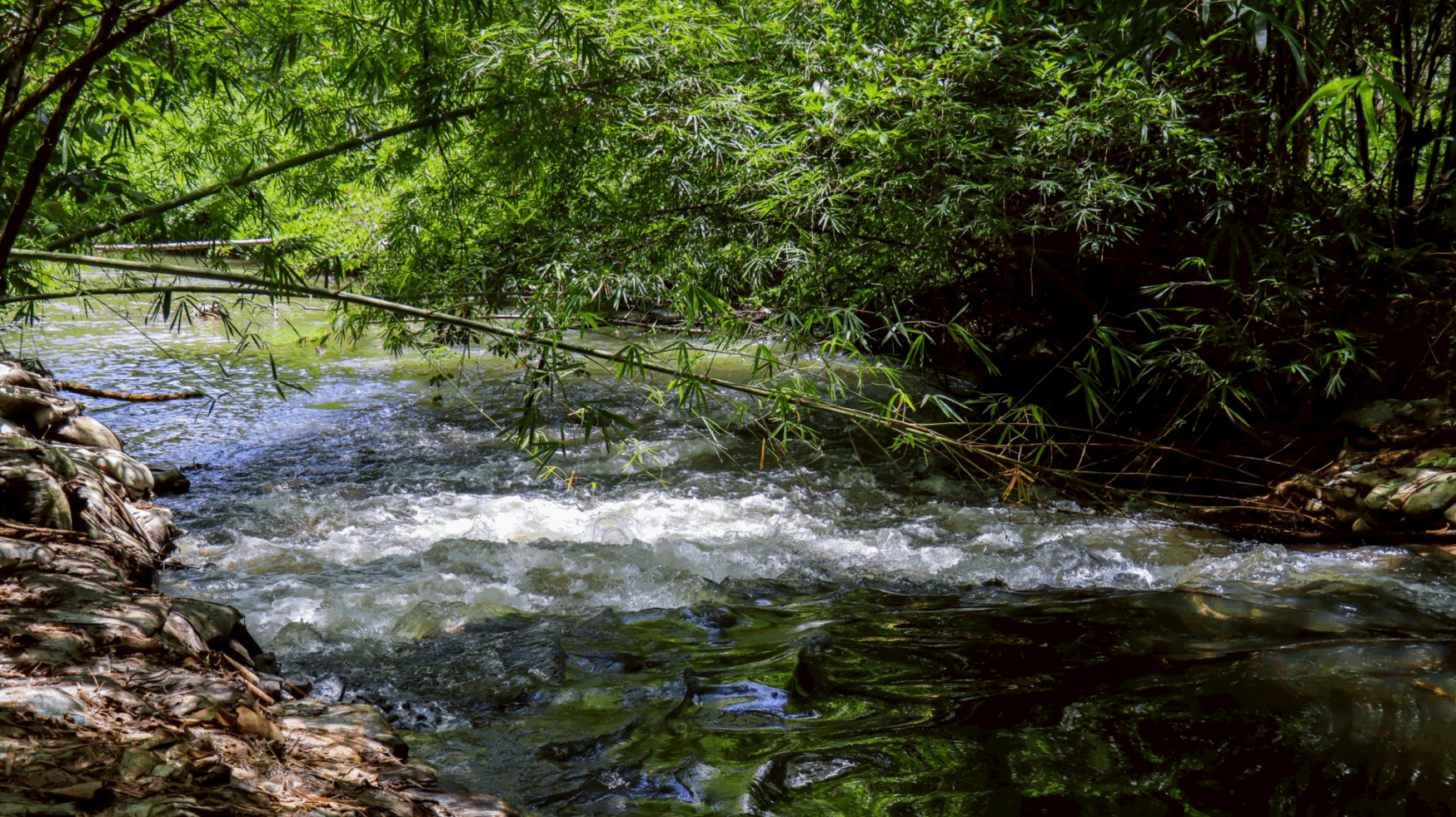
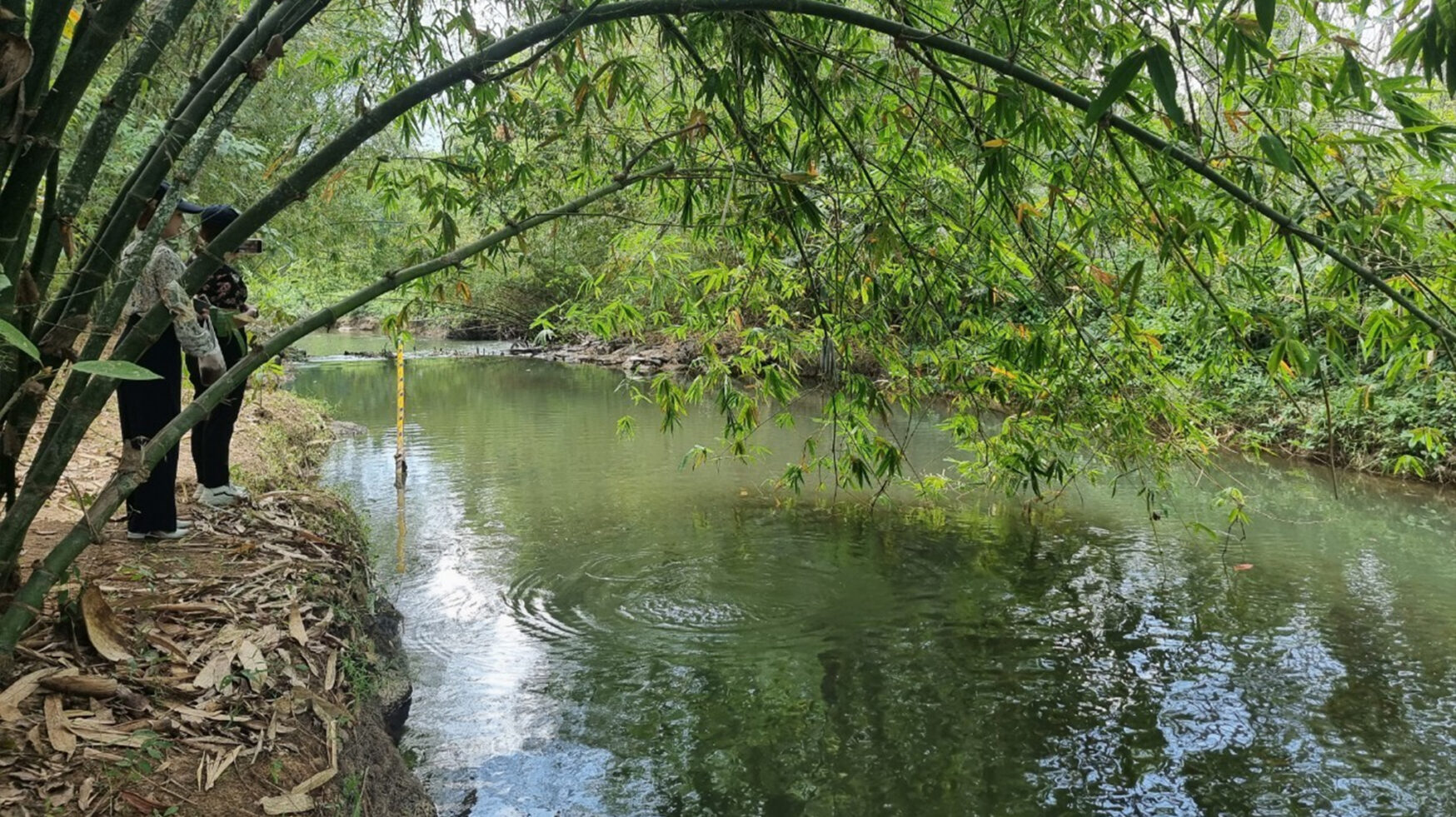
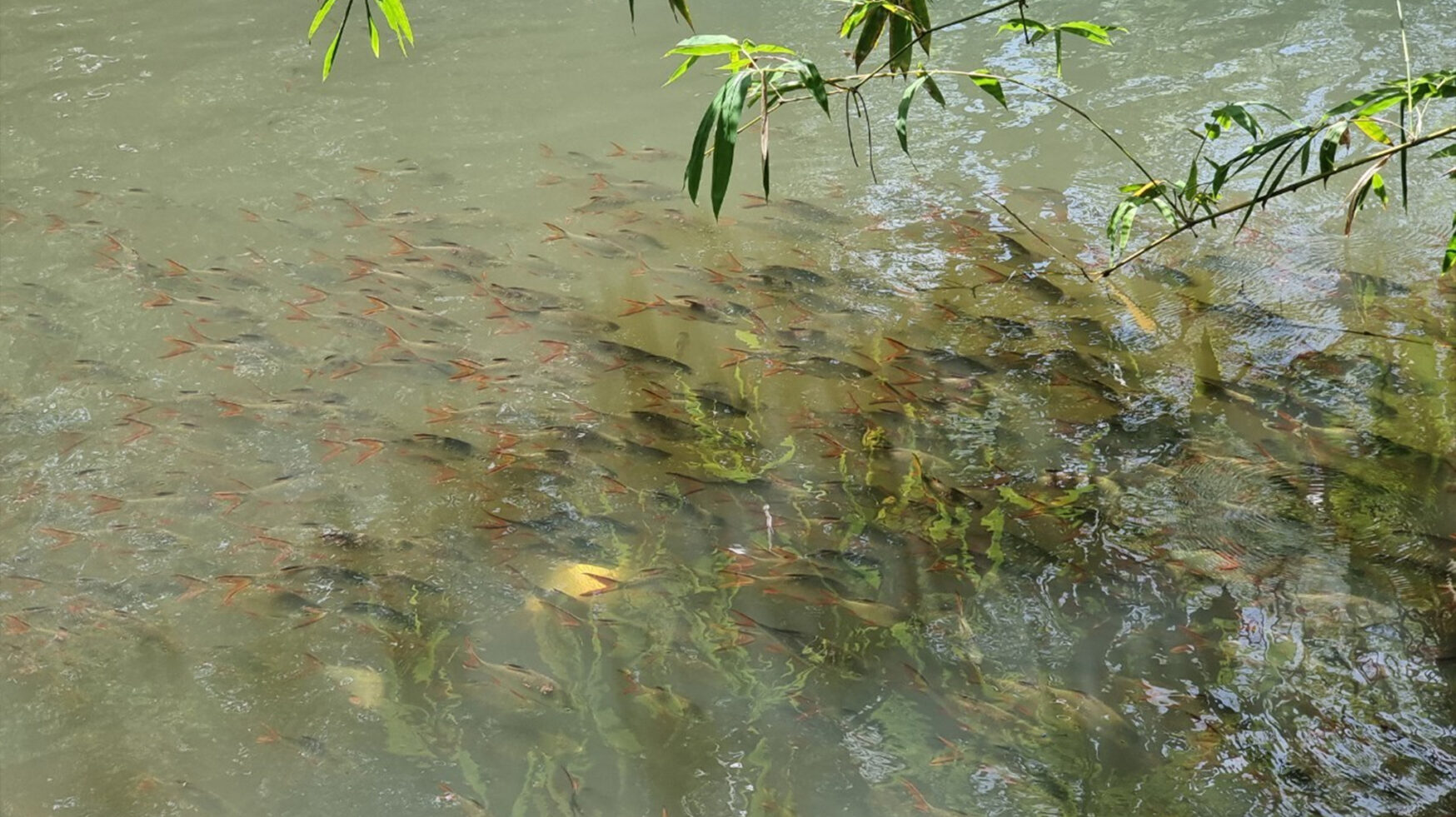
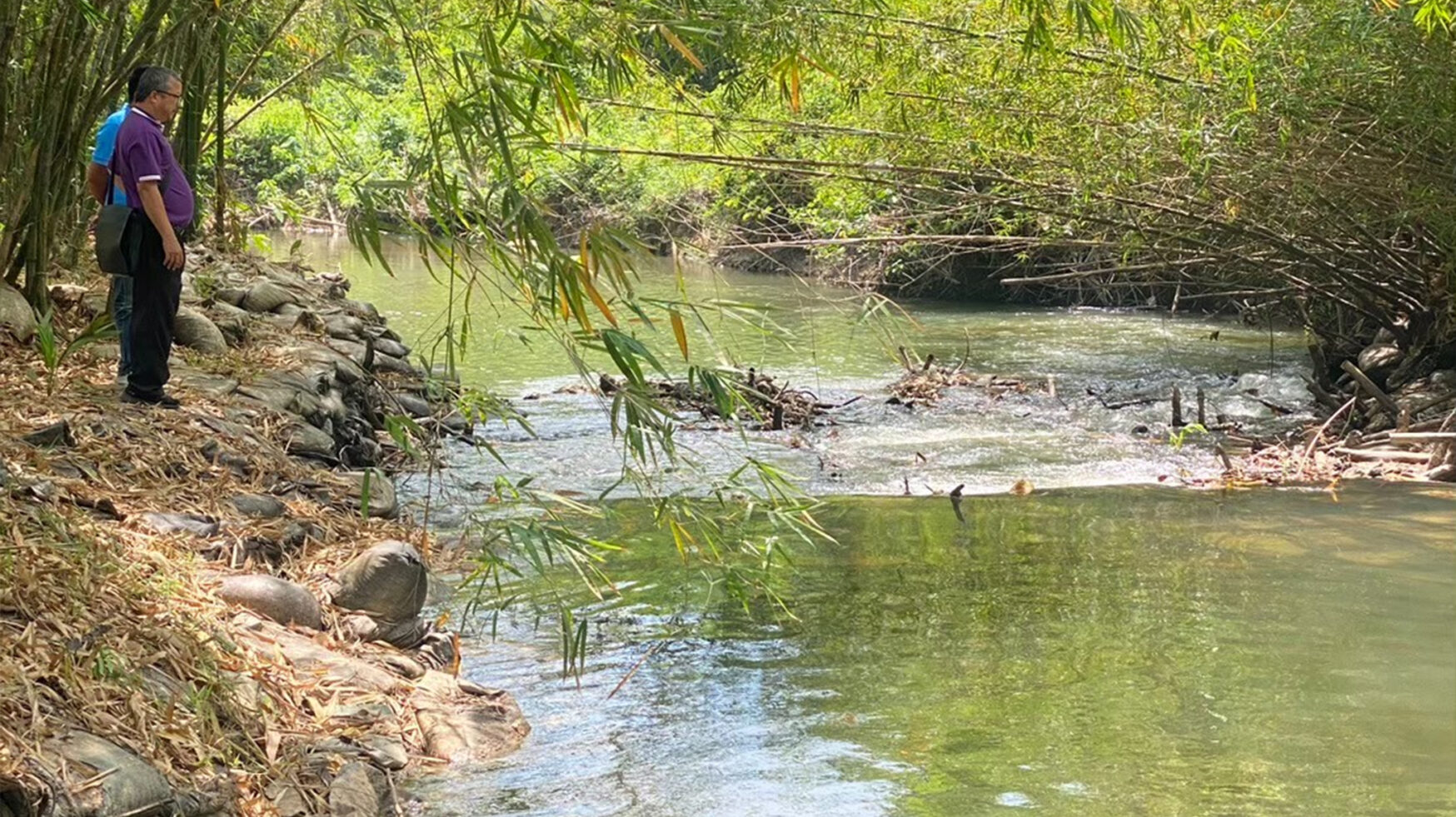
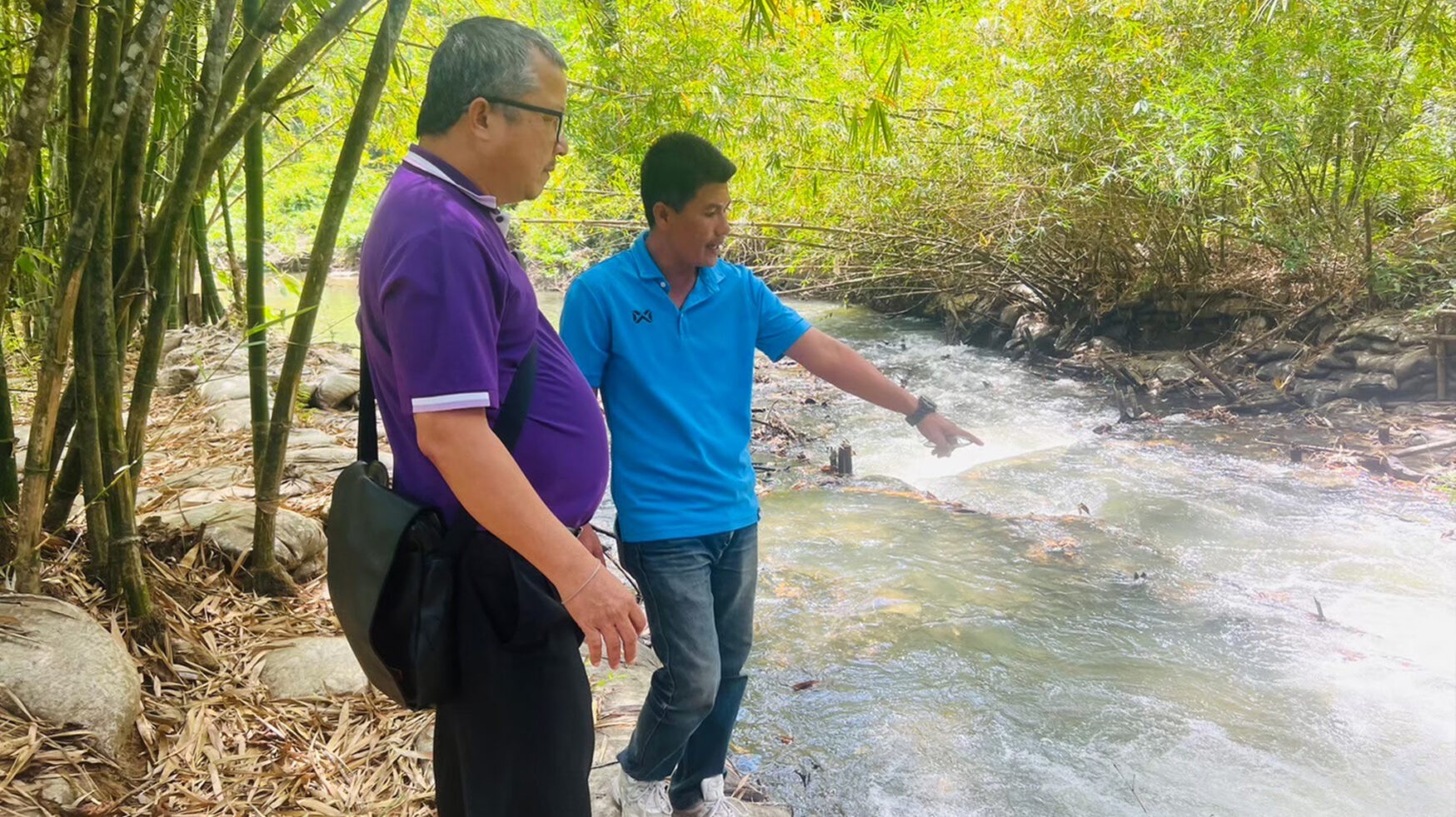
The living weir in this project is located in the midstream area of the Wang Hip River, Na Mai Phai Sub-district, Thung Song District, Nakhon Si Thammarat Province. It was constructed under the concept of sustainable water management through ecosystem-based adaptation measures. The living weir not only helps store water and maintain moisture within the ecosystem but also serves as a habitat for aquatic species, reduces the intensity of water flow during the rainy season, and promotes biodiversity. The implementation of this project is guided by the principles of Nature-based Solutions (NbS) and Ecosystem-based Adaptation (EbA), integrating local community knowledge with the Philosophy of Sufficiency Economy.
Figure: the area of the ‘Living Weir’ in the middle section of Wang Heep River, Na Mai Phai Subdistrict, Thung Song District, Nakhon Si Thammarat Province
The long-term outcomes of the university’s support for water conservation off campus and community empowerment through innovation and participatory engagement beyond the campus include the development of water management systems, as well as monitoring and evaluation methods to assess the changes resulting from the construction of community-based water conservation weirs. This not only enhances the adaptive capacity of ecosystems to address water scarcity through river restoration measures, aquatic ecosystem diversity, and community utilization of conserved water, but also strengthens the adaptive capacity of communities to cope with water shortages through community-based water management measures. These efforts align with the Sustainable Development Goals (SDGs), particularly Goal 6: “Clean Water and Sanitation.”
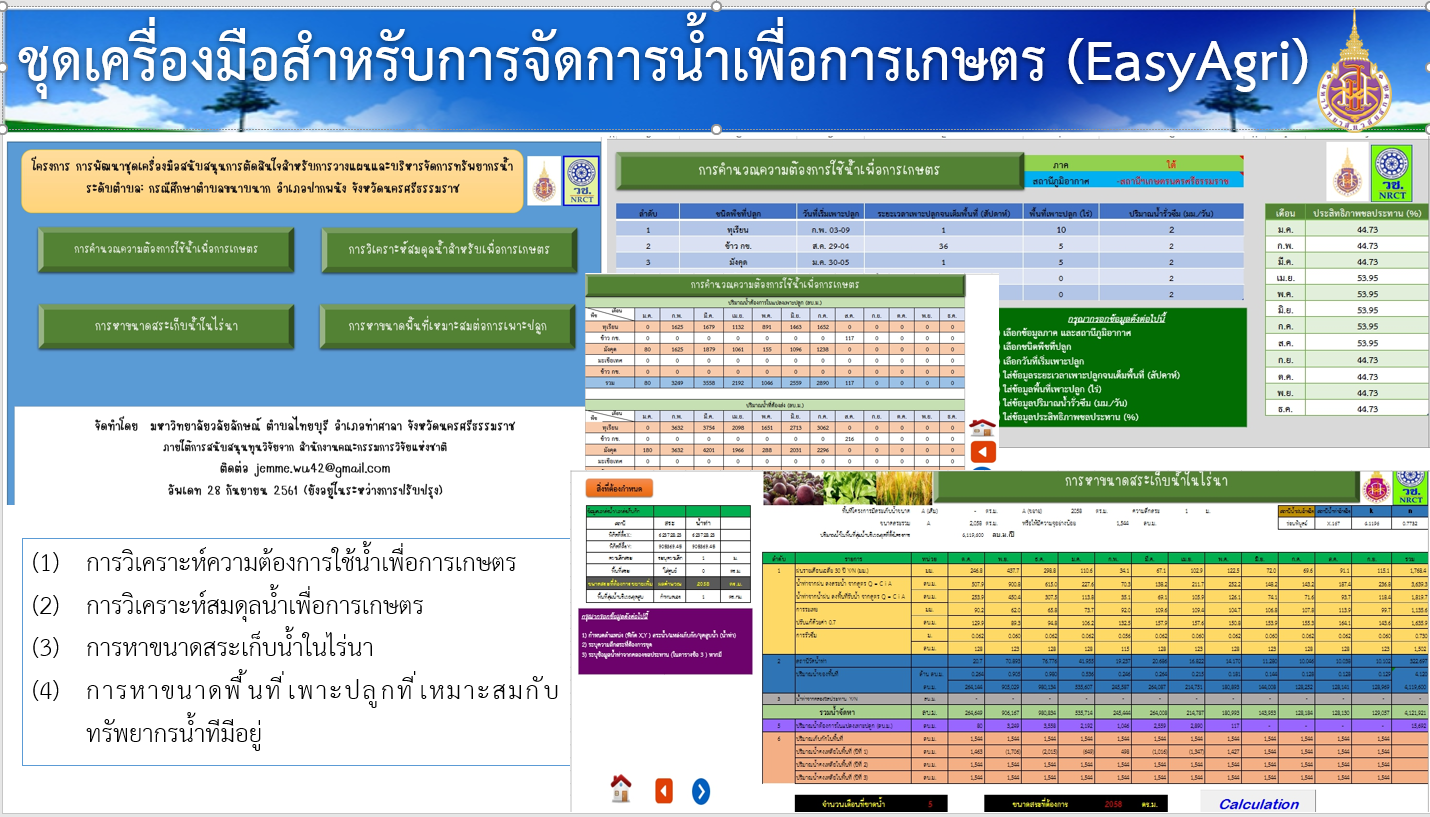
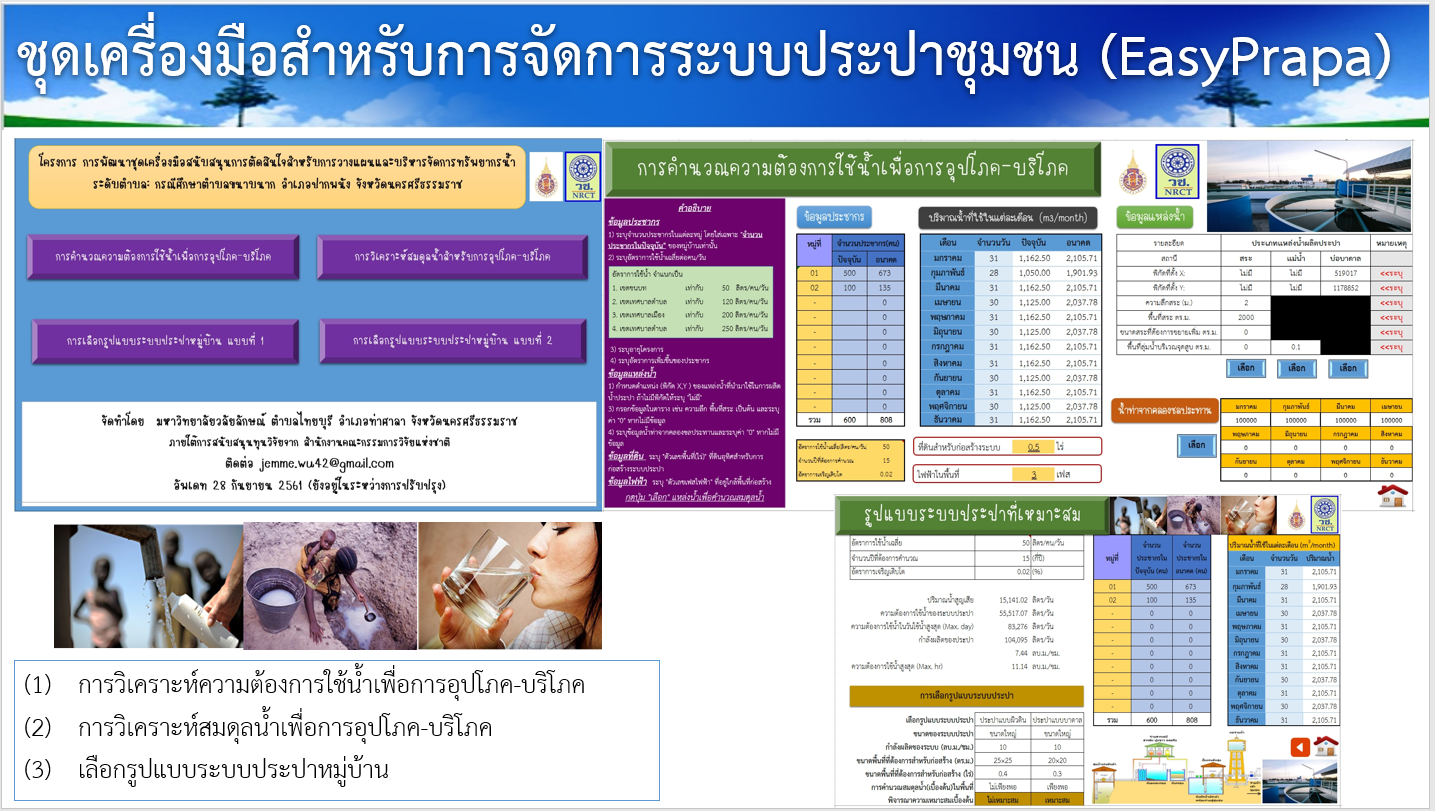
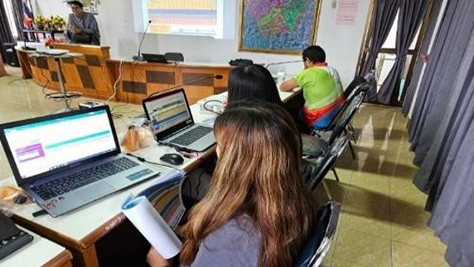
At present, the university promotes the application of innovation for social and community development by introducing a decision-support tool for sub-district-level water resource planning and management, known as the REMS-toolkit. This toolkit, developed using Microsoft Excel and Visual Basic Applications, is designed with user-friendliness and accessibility in mind. It is freely available to communities at no cost and serves as a decision-support program for sub-district-level water management planning. The toolkit was developed under the research project “Development of a Decision-Support Toolkit for Sub-District-Level Water Resource Planning and Management” and consists of two main components:
Easy Agri – a program for analyzing agricultural water data.
Easy Prapa – a program for analyzing domestic water supply data.
This innovation promotes awareness in local areas regarding problems and impacts, while preparing communities to become resilient in coping with droughts and water shortages. It plays a vital role in strengthening the capacity of communities in water management planning, as well as fostering a culture of safety. By doing so, it enhances the ability of communities to respond to disasters through active participation of communities, villages, and individuals in every stage of disaster management within their own areas. This includes raising awareness and understanding among people about potential risks and hazards in their locality, building networks for risk monitoring and prevention, and preparing for possible disasters. Communities are also supported with early warning systems and the capacity to provide initial assistance to disaster victims—whether for themselves, their families, or others in the community. Such an approach helps reduce both the impact and severity of disasters, thereby constituting a sustainable form of disaster management.
The underlying principle and concept of the technology applied in water balance analysis serves as a tool to describe watershed conditions and classify sub-watersheds by evaluating water supply sources and outflow volumes. This application is based on the principle of conservation of mass, whereby water inflow (or available water resources) and water demand are assessed in order to analyze the water balance within the area.
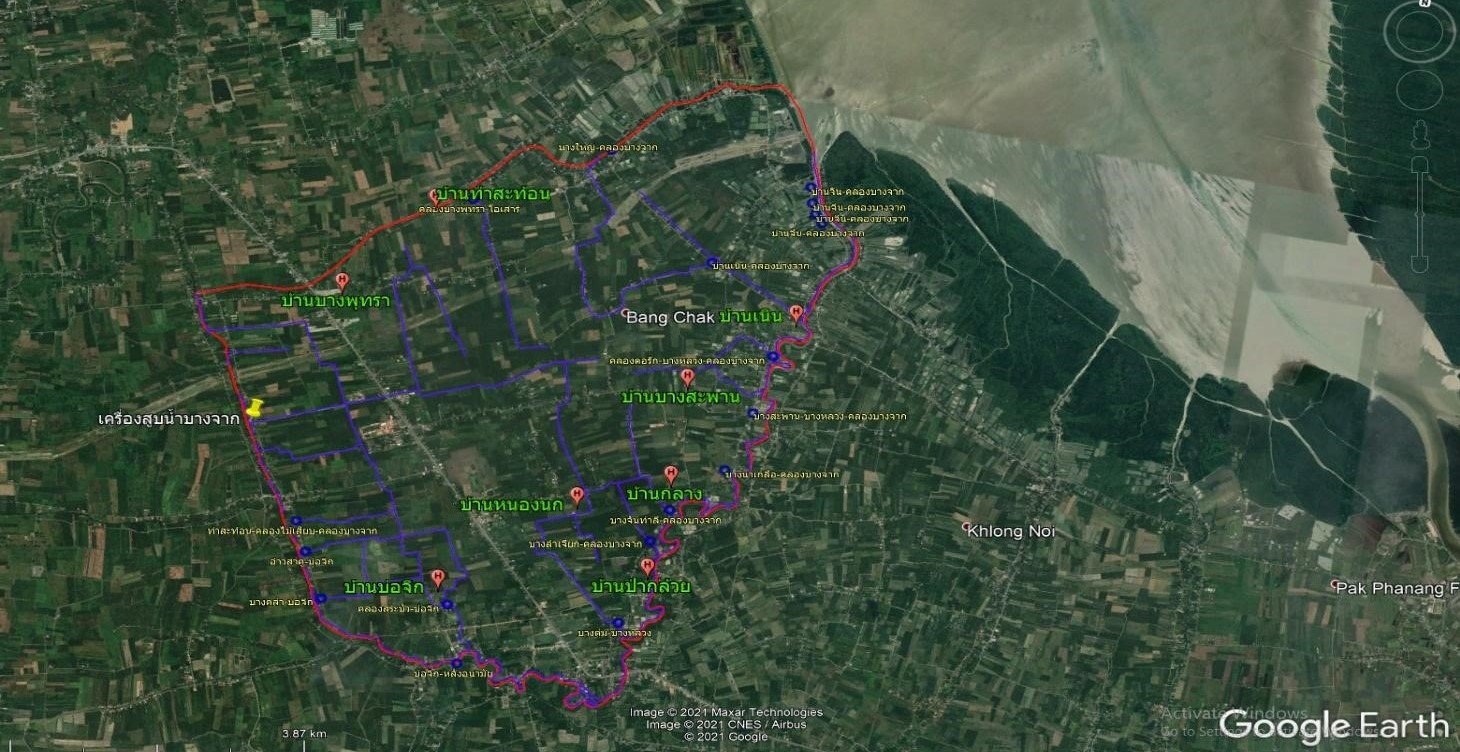
A map based on Google Earth data showing the locations of weirs and surface water sources in Bangchak Subdistrict
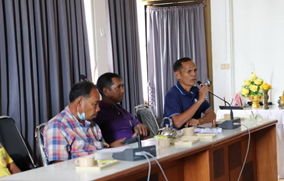
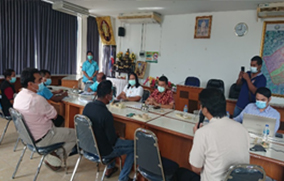
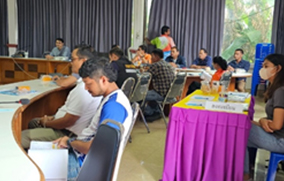
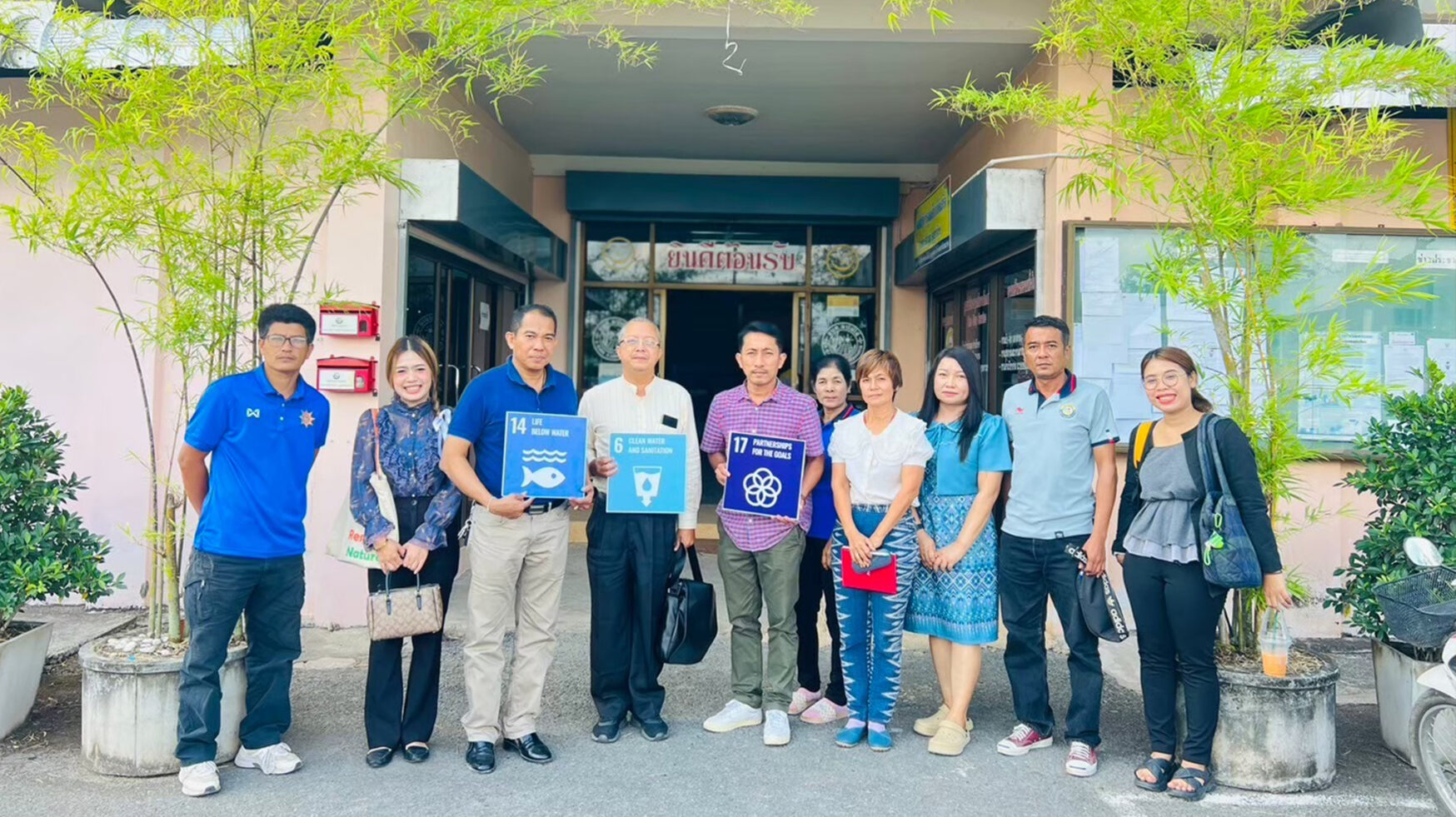
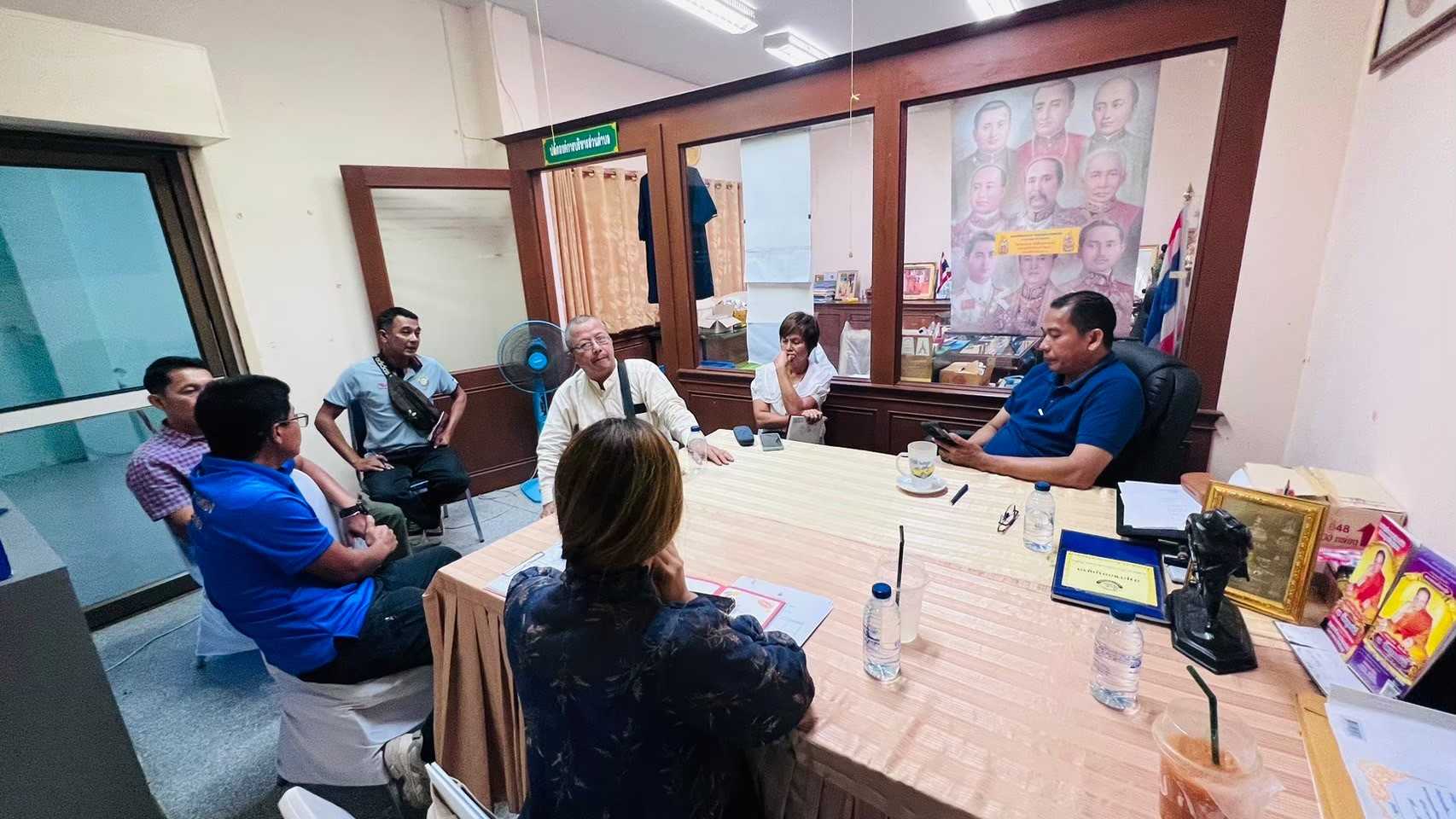
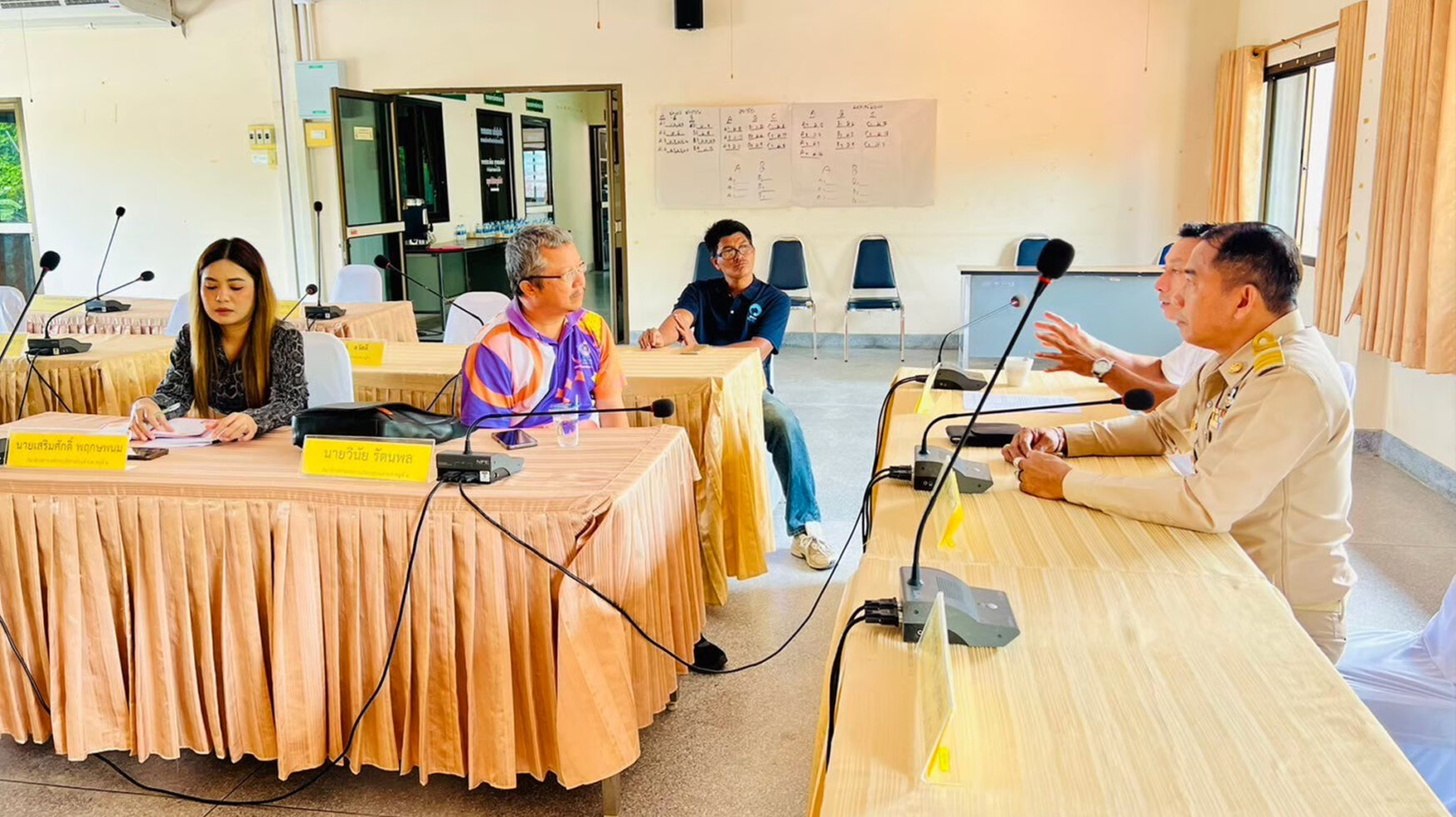
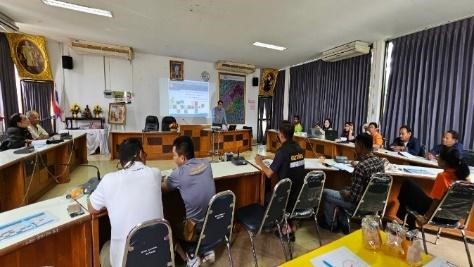
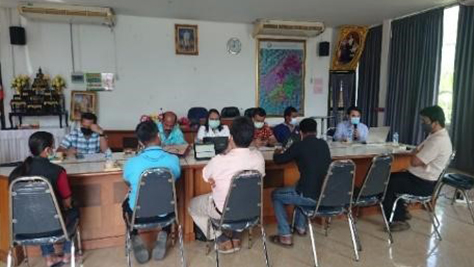
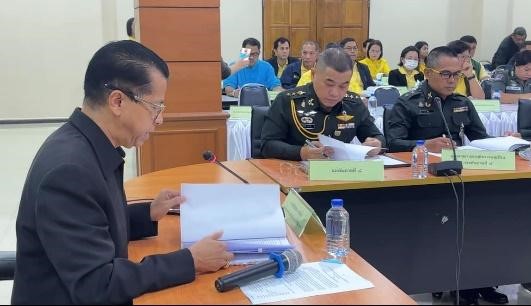
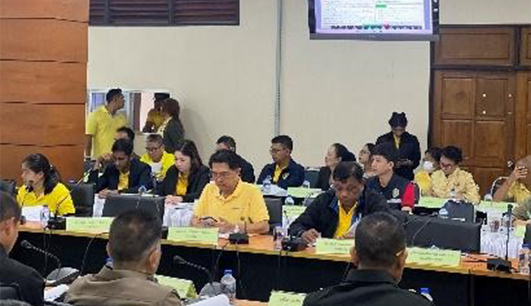
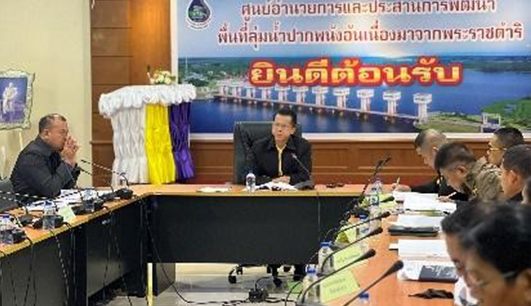
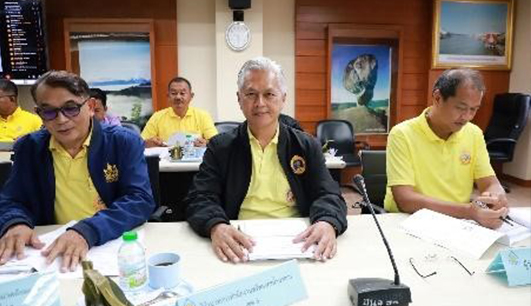
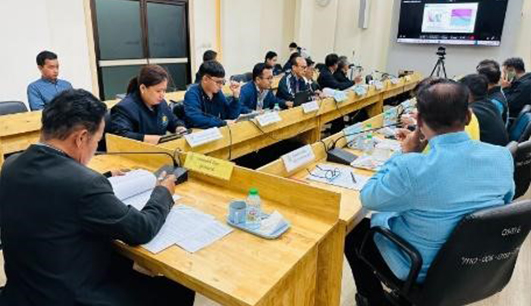
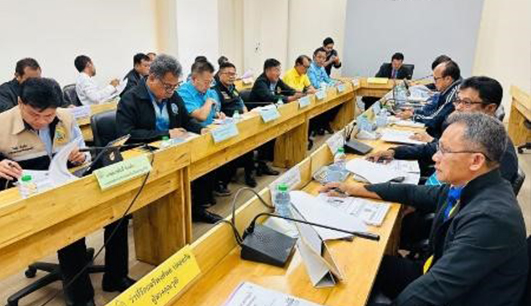
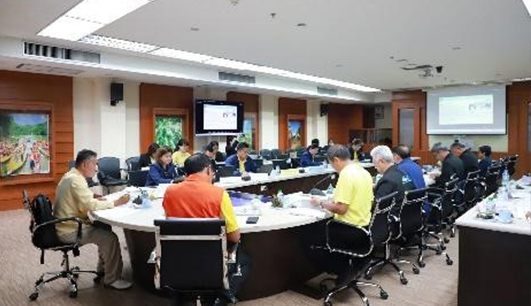
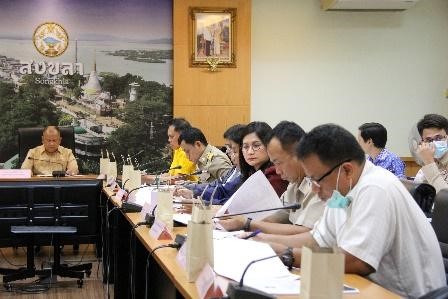
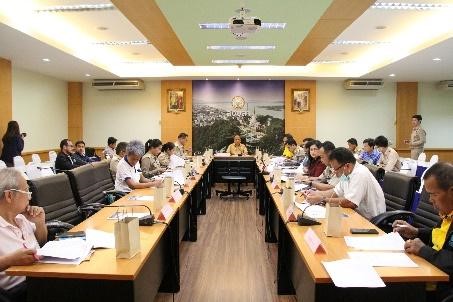
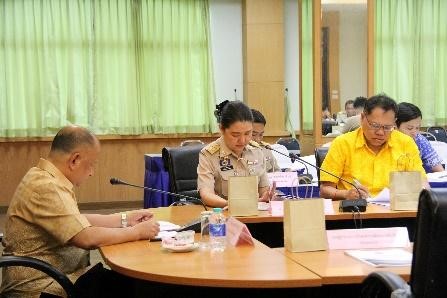
In addition to applying technology to support practical water conservation off campus, the university also plays a key role in promoting community participation through learning activities, workshops, and the establishment of collaborative networks for water resource management at both local and regional levels. Asst. Prof. Dr. Pakorn Ditthakit has served on several committees related to water management, such as the Sub-committee on Regional Water Resources Management in Southern Thailand, the Upper Eastern Southern Basin Committee, and the Sub-committee on Water Resources of Nakhon Si Thammarat Province. His involvement supports policy planning and the advancement of various regional projects, including:
Project to Enhance the Efficiency of Water Resource Management during the Rainy Season 2024 and Water Storage for the Dry Season 2024/2025
Project to Improve the Efficiency of Water Resource Management in Response to Drought and Dry Spell Situations in 2025
Project to Monitor and Evaluate the Performance of River Basin Committees, Monitor the Safety of Dikes, Weirs, and Floodwalls, and Improve the Efficiency of Waterway Drainage
Throughout 2024, various activities and workshops were organized at multiple levels to strengthen water management systems. These included piloting an application for flood reporting, monitoring royal initiative flood relief projects, and implementing water resource development projects in several provinces such as Chumphon, Trang, Yala, Pattani, and Narathiwat. The operations of these projects focused on securing alternative water sources, improving drainage efficiency, and restoring watershed ecosystems to better withstand droughts and dry spells.
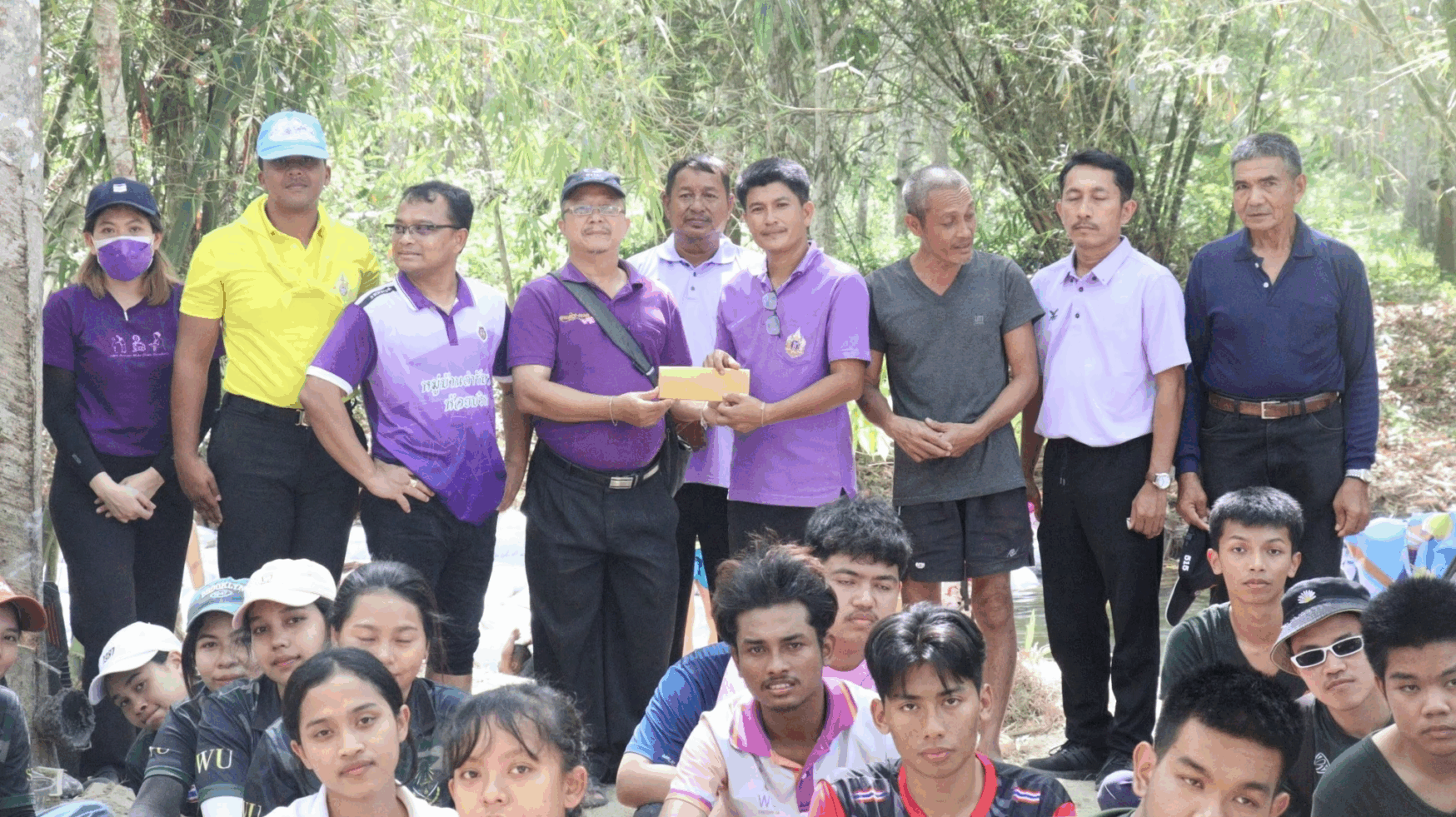
In addition, this off-campus water conservation support extended to awareness campaigns at the individual and household levels through knowledge dissemination, training programs, and the establishment of community learning centers on water conservation, efficient water use, and natural water resource restoration. These initiatives aim to cultivate a long-term culture of sustainable water use. Walailak University adopts a diagnosticapproach to identify water-related challenges in rural and agricultural communities, leading to the development of innovative tools such as the Digital Living Weir Monitoring System and the REMS-toolkit to enhance local water conservation and planning. Through strong community engagement, the university fosters participatory learning, local innovation, and shared responsibility in sustainable water management. Continuous measurement and evaluation of project outcomes ensure data-driven improvements, reinforcing the university’s role in advancing practical, community-centered, and sustainable water management beyond the campus.
In summary, the university’s role in supporting practical water conservation off campus demonstrates the capacity of higher education institutions to serve as a “bridge” linking knowledge, technology, and community participation with sustainable natural resource development. The university does not only function as an academic institution but also as a driving force in addressing environmental challenges at both local and national levels, particularly in the area of water conservation, which directly affects food security, health, ecosystems, and the long-term quality of life of the people.