Strengthening Local, Regional, National, and Global Partnerships for Sustainable Water Management
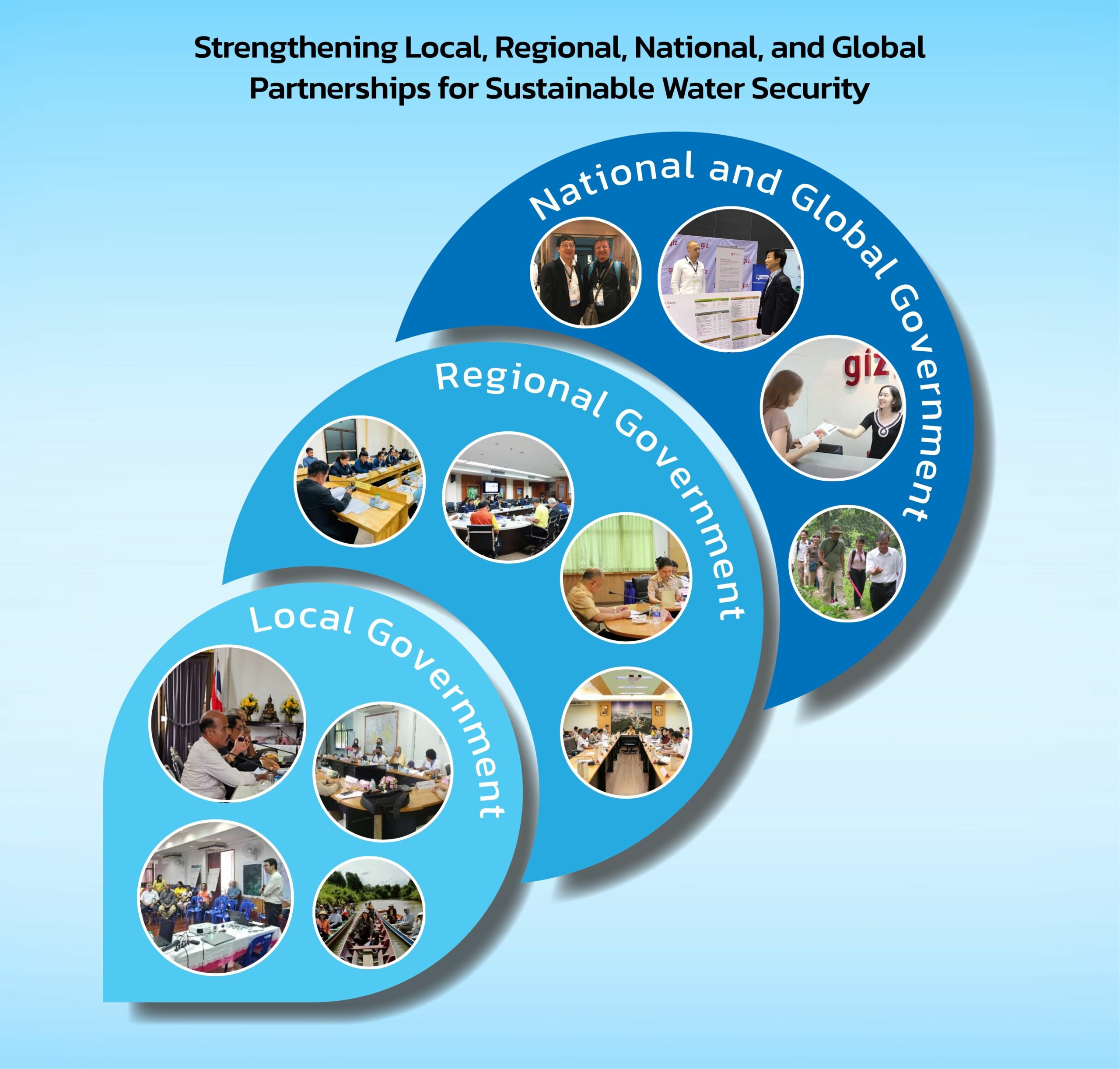
In 2024, Walailak University placed a strong emphasis on strengthening water security through tangible actions and cooperation with local, regional, national and global governments. This cooperation on water security aims to address natural disasters and establish a sustainable and reliable water resource management system that effectively meets the water demands of local communities, including flood prevention, salinity control, and drought mitigation.
This approach aligns with the definition of Water Security provided by the United Nations, which refers to the capacity of a population to ensure sustainable access to sufficient quantities of water of acceptable quality for sustaining livelihoods, human well-being, and socio-economic development, while protecting against water-borne pollution and water-related disasters, and preserving ecosystems in an environment of peace and political stability. Recognizing the importance of sustainable technology application in water management, the university strives to minimize the potential impacts of diverting natural water sources such as rivers or groundwater, which could affect surface water quantity, quality, and natural flow systems. Therefore, Walailak University designs and implements its water management technologies in accordance with the specific contexts of each area, while actively promoting community participation in water governance to ensure long-term and sustainable water security.
Cooperation with Local Government on Water Security
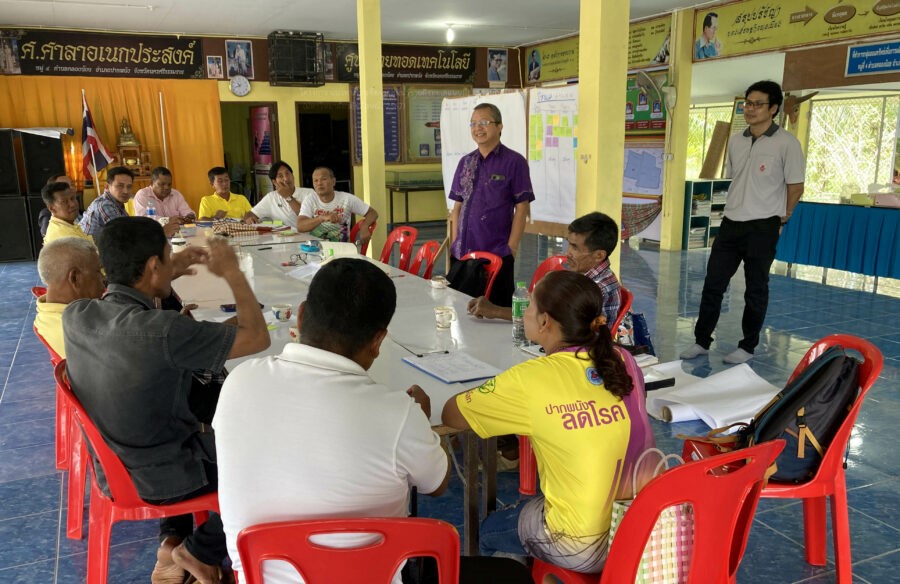
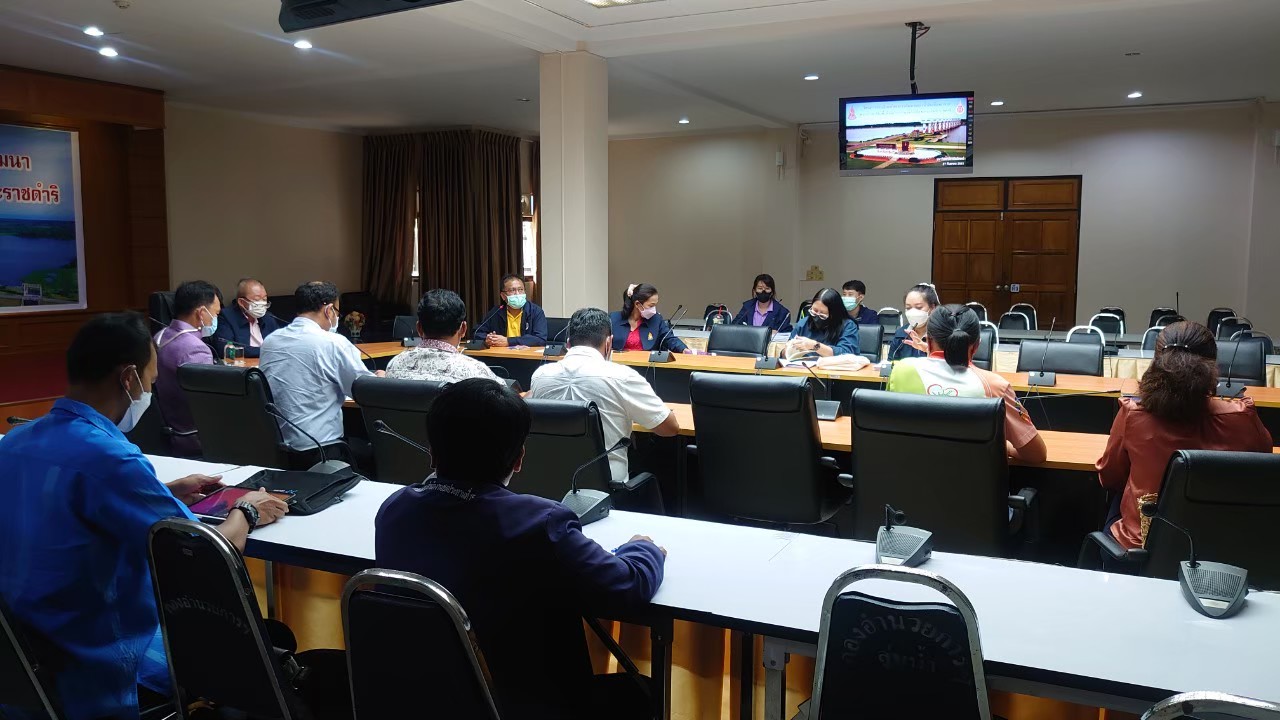
Nakhon Si Thammarat Province is affected by both the southwest and northeast monsoons, which frequently lead to natural disasters, especially flooding. Each year, during the northeast monsoon season, heavy rainfall causes severe impacts in some district areas. To address this issue, in 2024, Walailak University cooperated with local governments—including the Subdistrict Municipality, the Disaster Prevention and Mitigation Provincial Office of Nakhon Si Thammarat—to strengthen water security and safeguard communities from water-related disasters.
The initiative aimed to build community resilience, enhance disaster prevention and mitigation capabilities, and promote a culture of safety. It encouraged local residents and villages to take an active role in every stage of disaster management—before, during, and after an event—thereby improving the community’s ability to respond effectively. This effort aligns with the principles of Community-Based Disaster Risk Management (CBDRM), emphasizing collaboration and the establishment of local networks for hazard monitoring, disaster prevention, and preparedness for future emergencies.
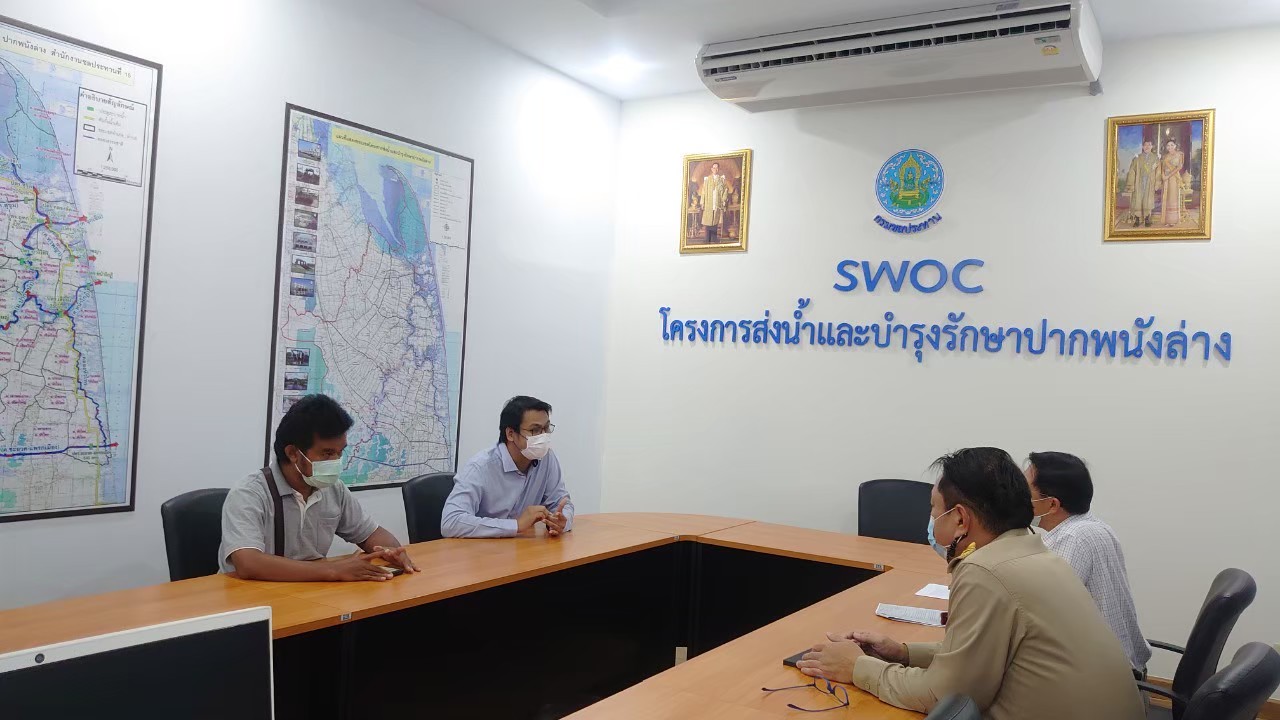
Furthermore, under the Collaborative Water Security Project in the Pak Phanang River Basin, Walailak University worked closely with local authorities, government agencies responsible for water management, community-based water organizations, and residents who benefit from the Royal Initiatives in the area. Together, they implemented measures to improve water management within the Pak Phanang River Basin. These measures included developing drainage systems to regulate water flow and prevent saltwater intrusion through the construction of new drainage canals, installation of water gates, and dredging of existing waterways. The initiative aims to support agricultural productivity, stabilize water levels in the Pak Phanang River, and mitigate problems caused by acidic water conditions.
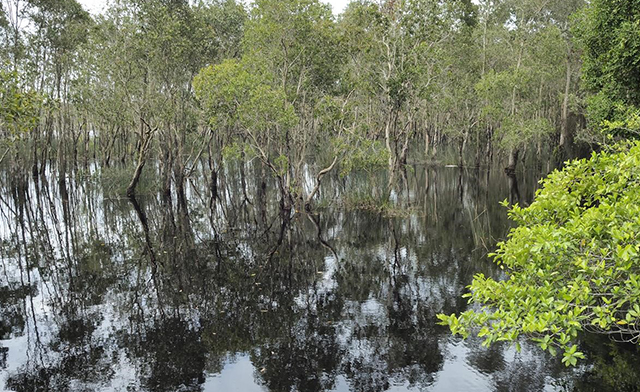
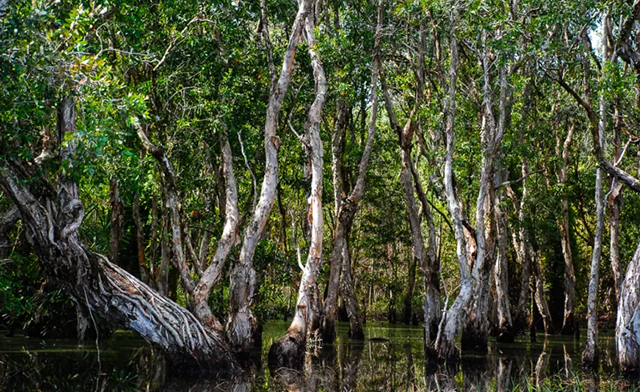
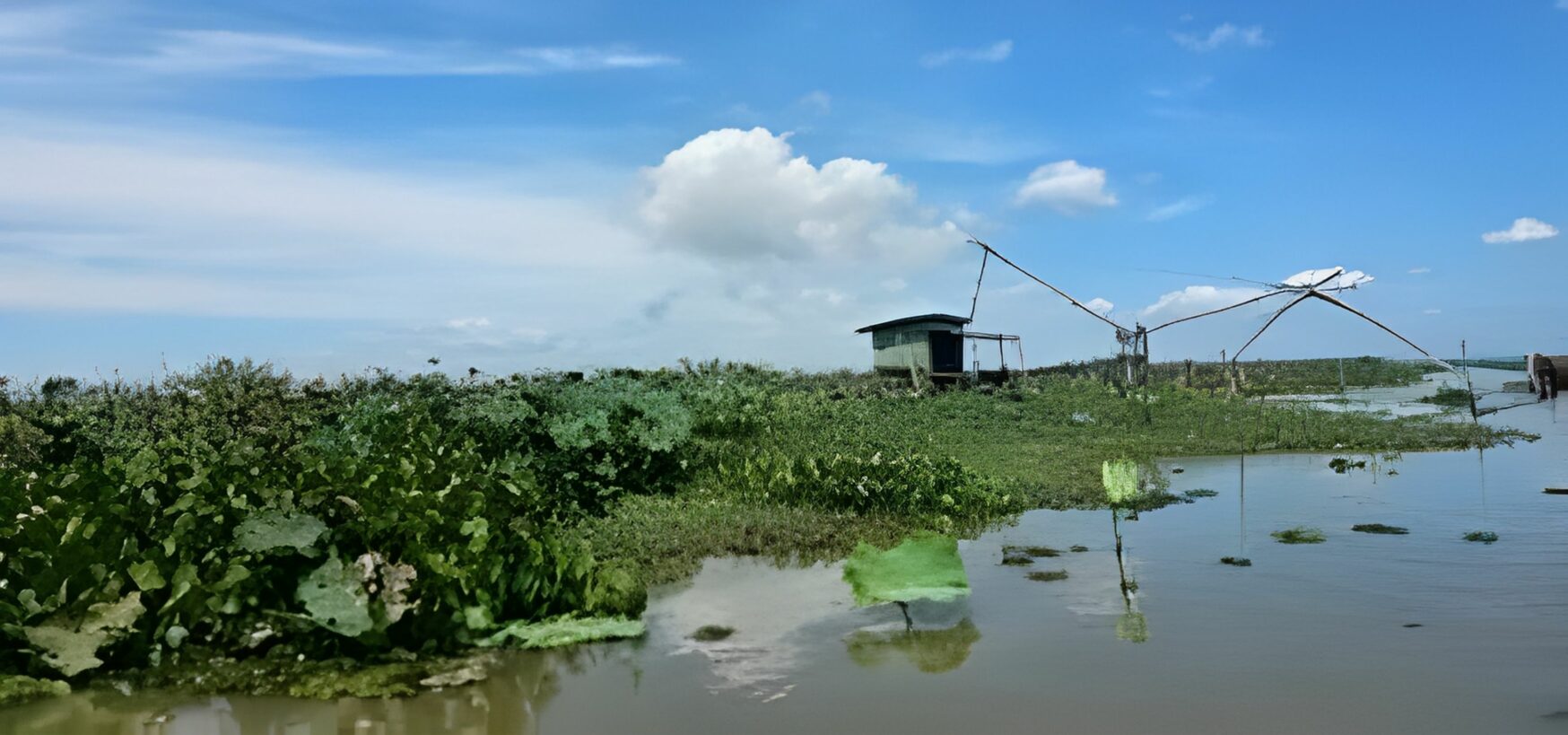
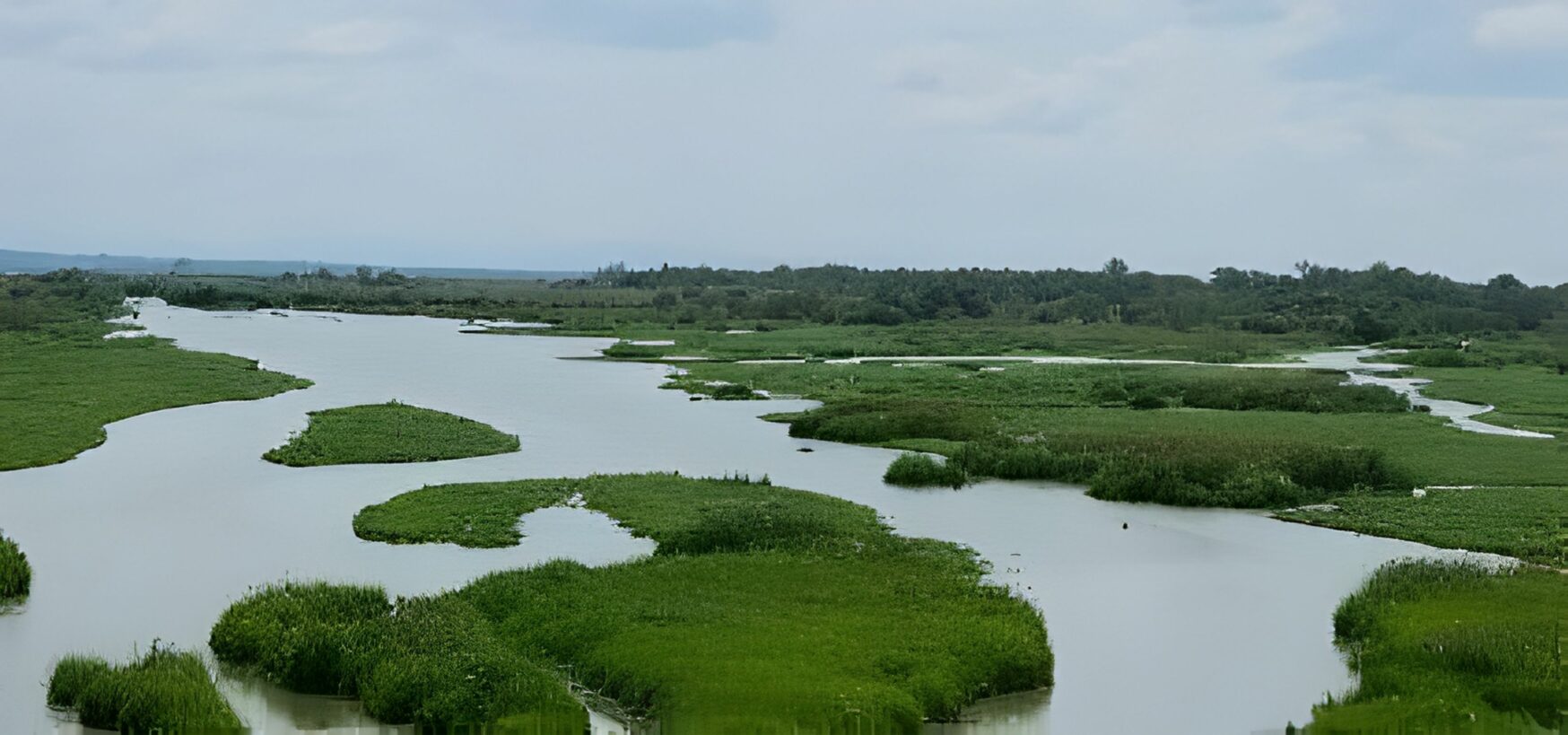
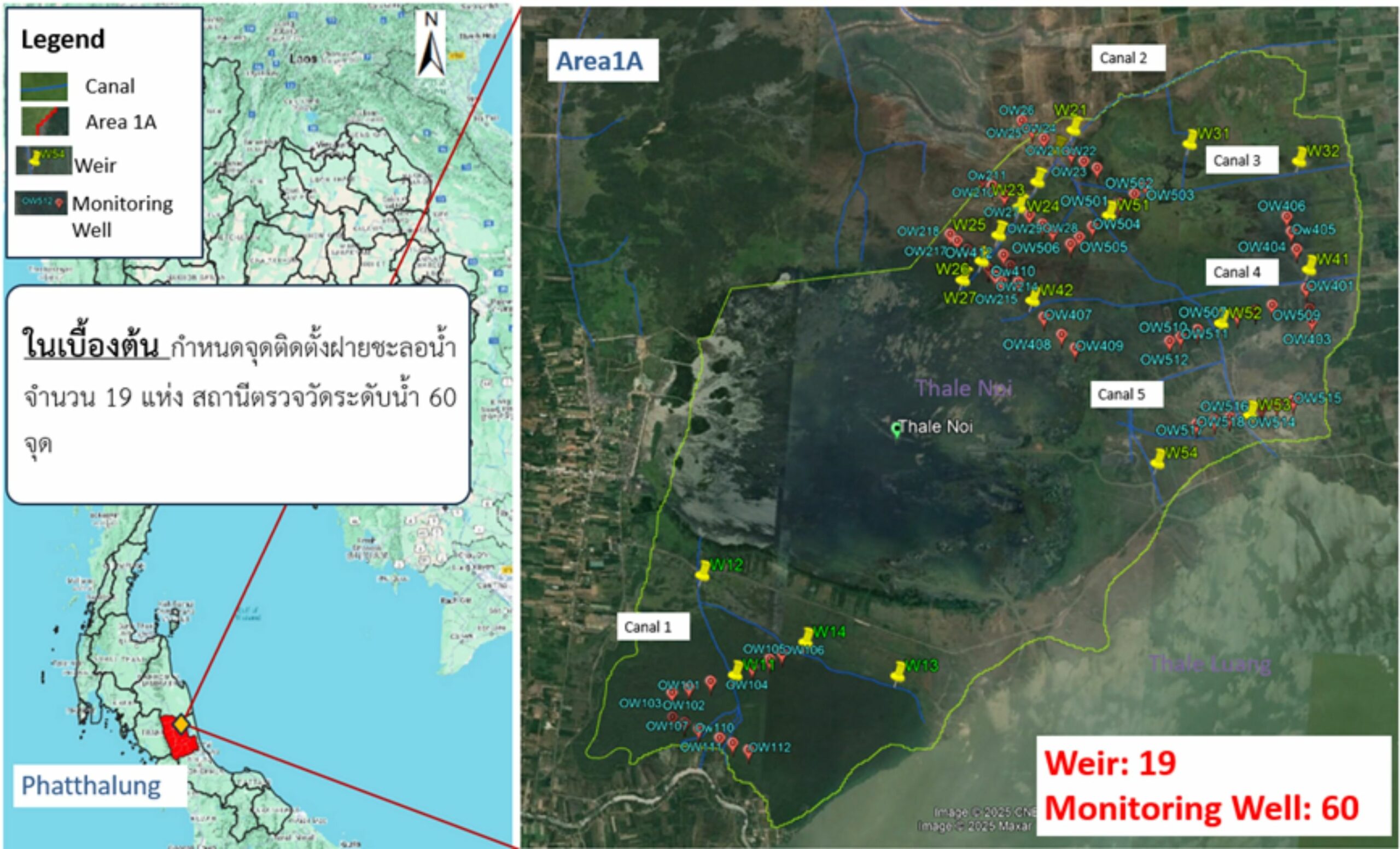
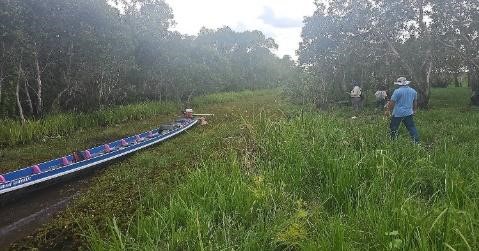
The Kuan Kreng Peat Swamp is a vast wetland within the Songkhla Lake Basin, spanning several districts in Nakhon Si Thammarat and Phatthalung Provinces. It plays a crucial role in slowing water flow and serves as a significant carbon storage area. The project to address issues in the Kuan Kreng Peat Swamp aims to conserve and restore the ecosystem to its natural integrity through cooperation with local governments to enhance water security.
In the past, the Kuan Kreng Peat Swamp was highly fertile, but it now faces complex problems such as seawater intrusion, acidic water from peat soil, wastewater from shrimp farming, and recurrent flooding due to insufficient drainage. These issues largely stem from inappropriate land use and the absence of integrated water management systems.
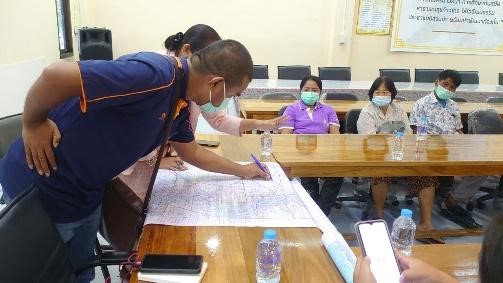
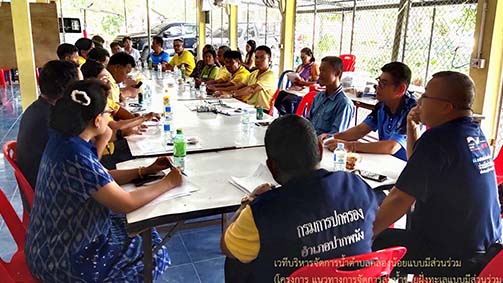
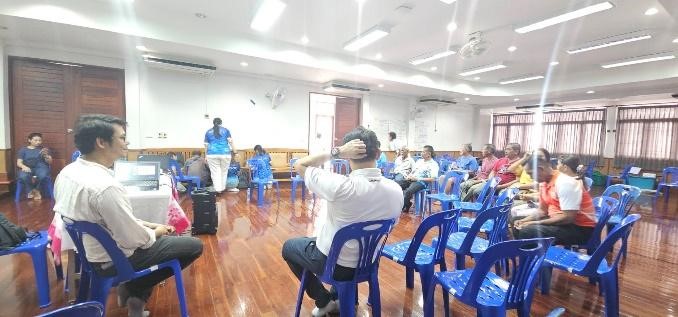
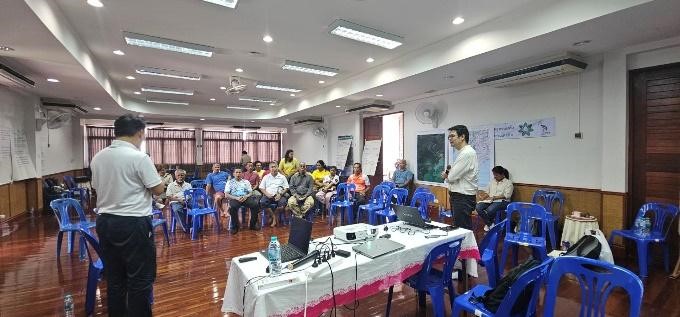
Recognizing the problems affecting local communities, the university has taken an active role in compiling data, analyzing water management systems, and proposing academically grounded solutions. In doing so, Walailak University collaborates with various local government agencies—including the Royal Irrigation Department, Subdistrict Administrative Organizations, and agricultural authorities—to organize stakeholder meetings for the exchange of ideas. These efforts aim to build consensus and develop water management approaches that are appropriate to the local context, thereby strengthening water security.
Furthermore, the university has studied the impact of water gate spacing on maintaining water levels in the peatland, with the goal of determining appropriate locations for check dams that will help conserve water without disrupting the livelihoods and activities of local residents, thereby promoting water security.
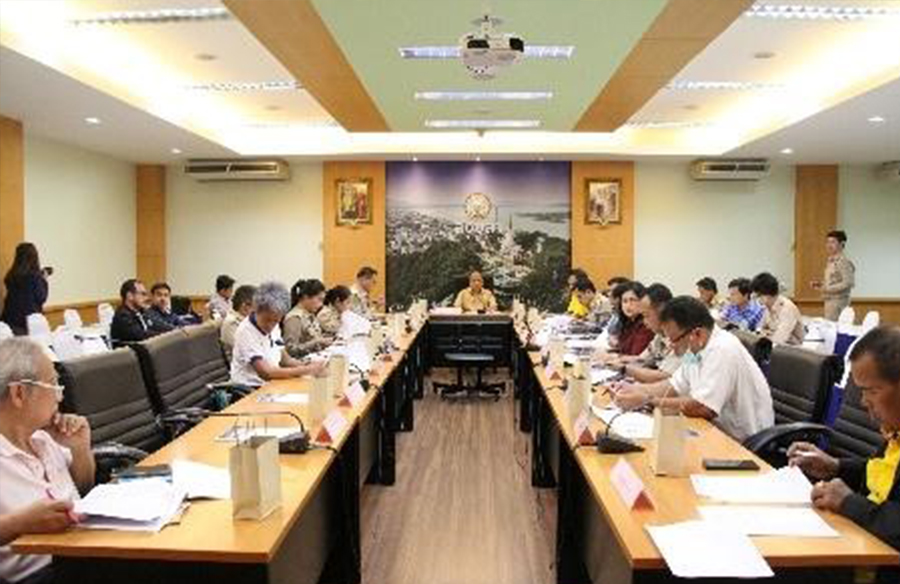
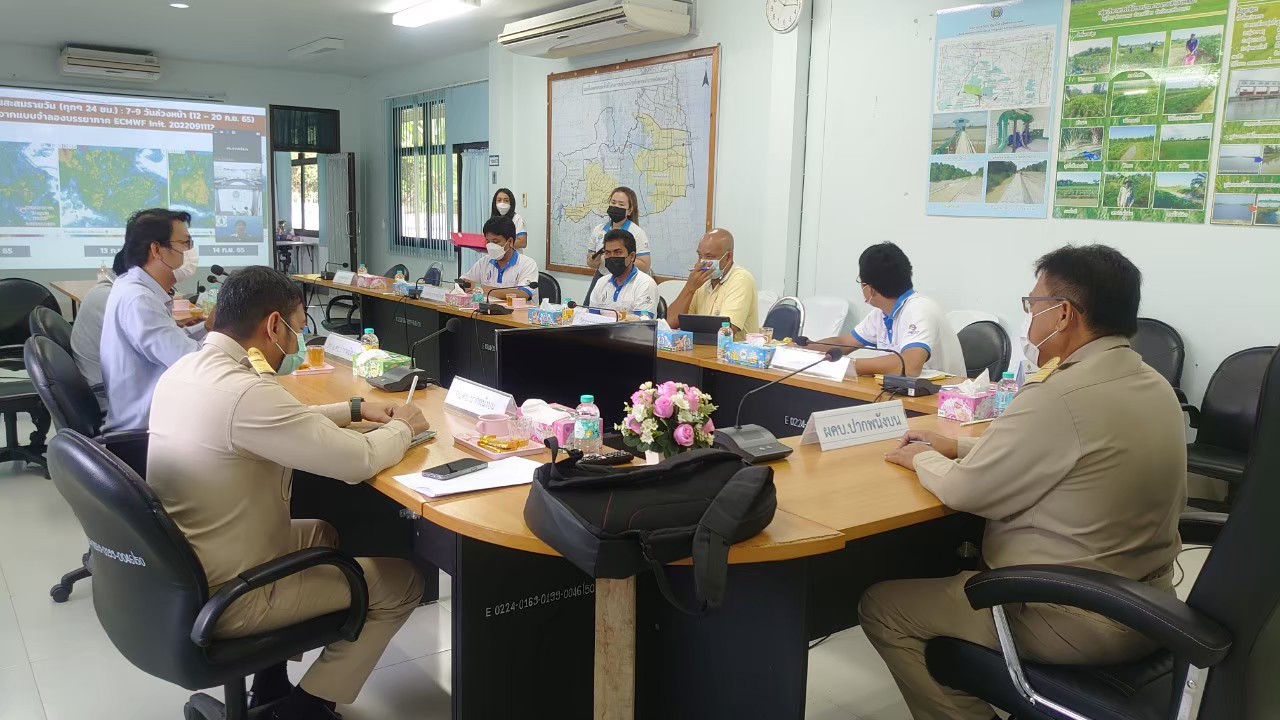
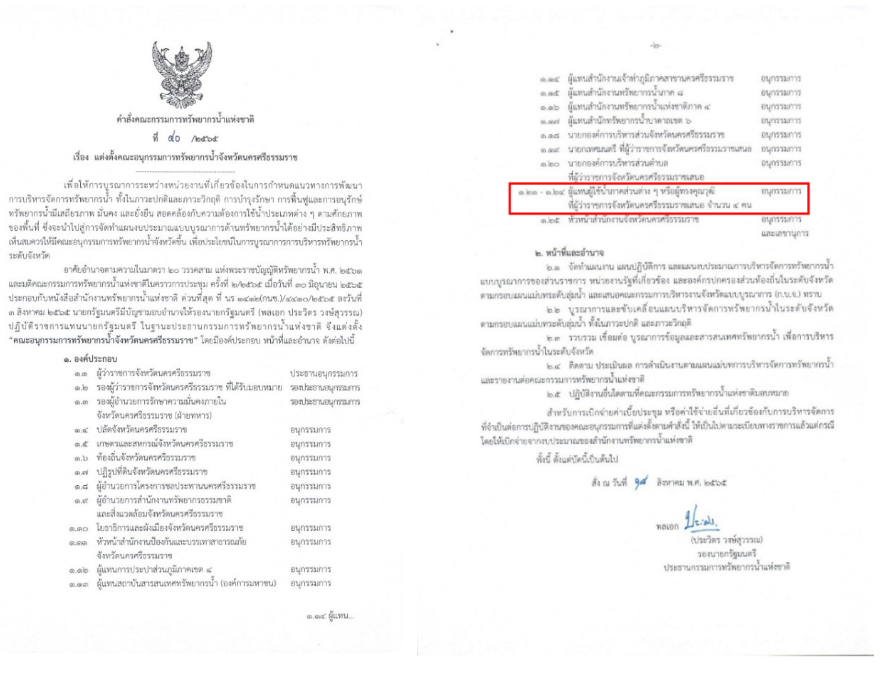
In addition, Asst. Prof. Dr. Pakorn Ditthakit, a water resource management specialist at Walailak University, serves as an expert member of the Nakhon Si Thammarat Provincial Water Resource Subcommittee. In this role, he contributes significantly to the management of water resources in both normal and emergency conditions, emphasizing the preservation, rehabilitation, and sustainable use of water resources. His involvement helps ensure that water resource management in the province remains stable, secure, and aligned with local water demands and environmental capacity.
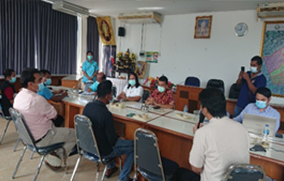
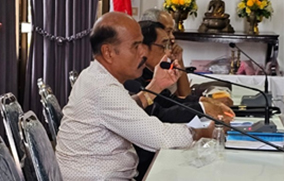
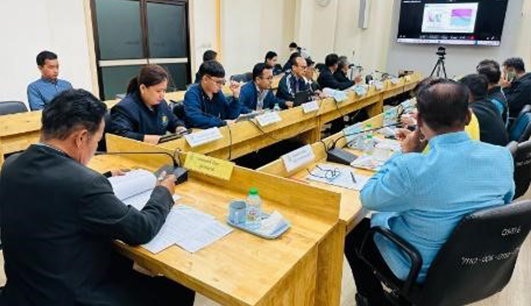
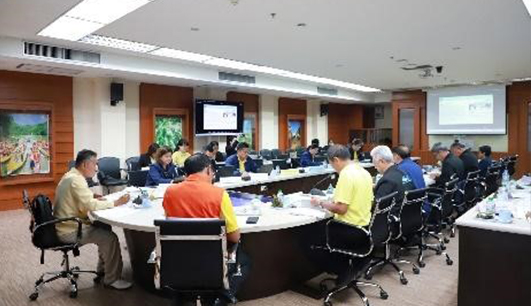
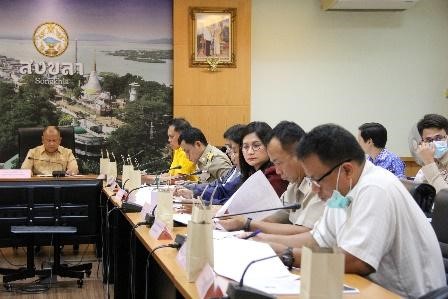
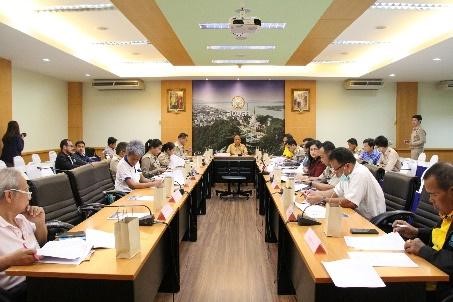
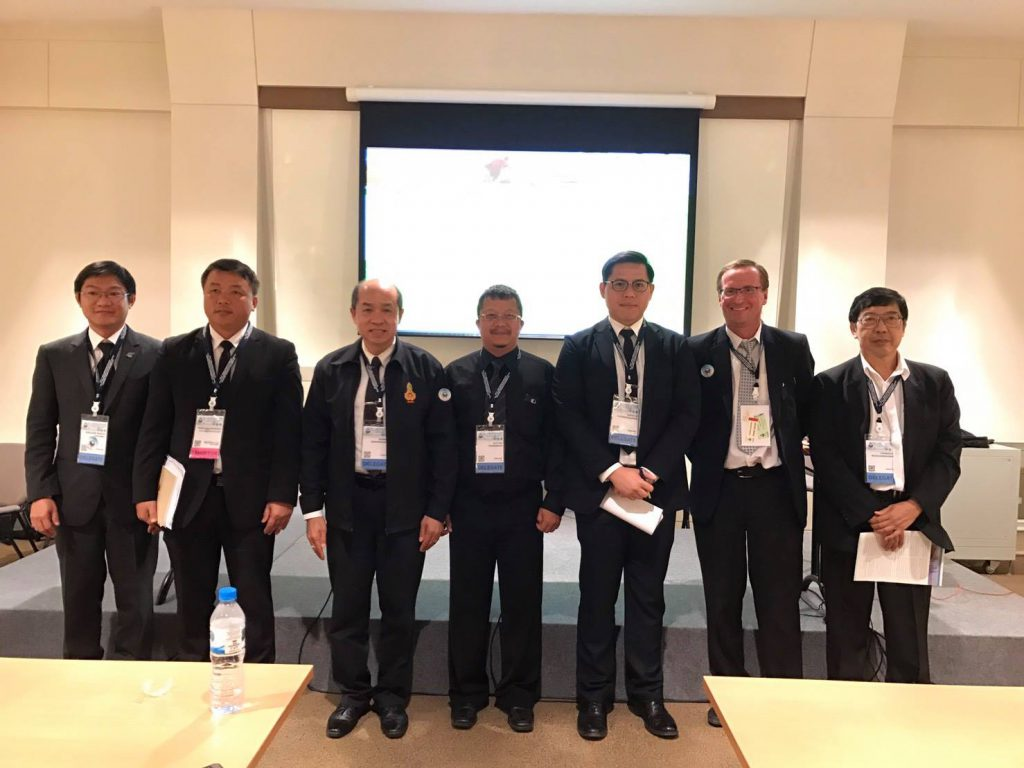
Figures : The Subcommittee on Water Resources of Nakhon Si Thammarat Province
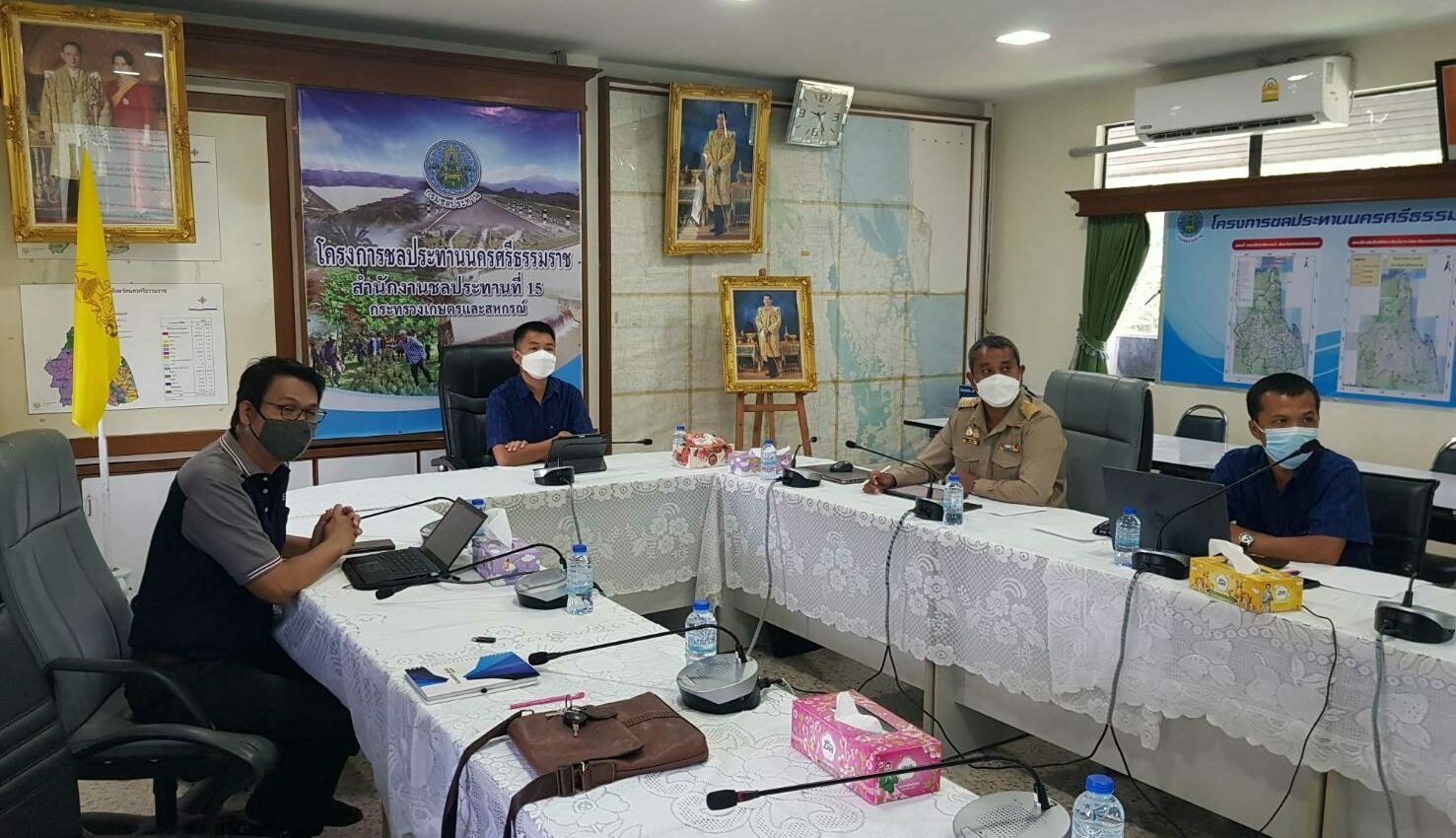
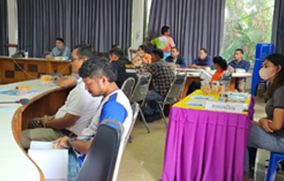
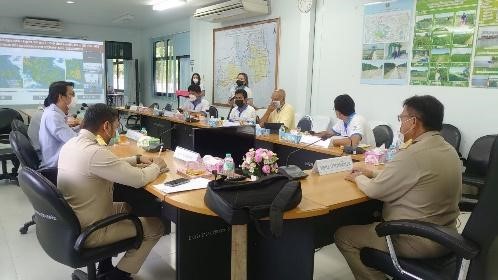
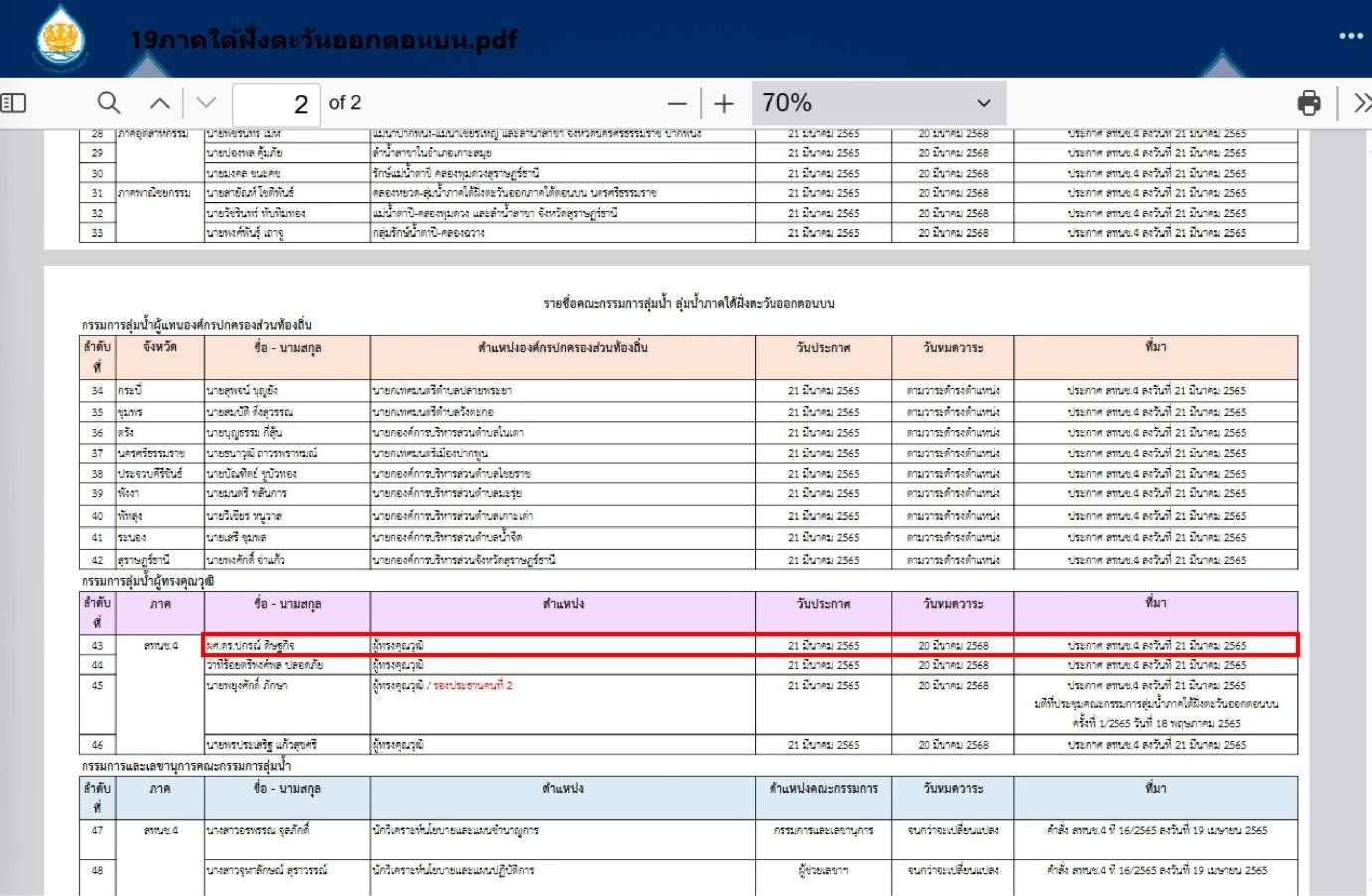
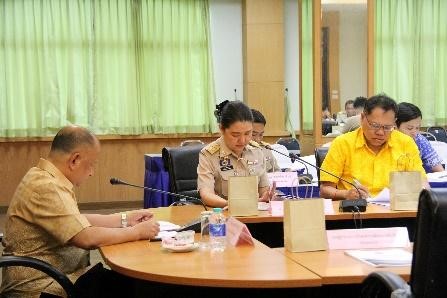
Figures : The Upper Eastern Southern River Basin Committee
Cooperation with Regional Government on Water Security
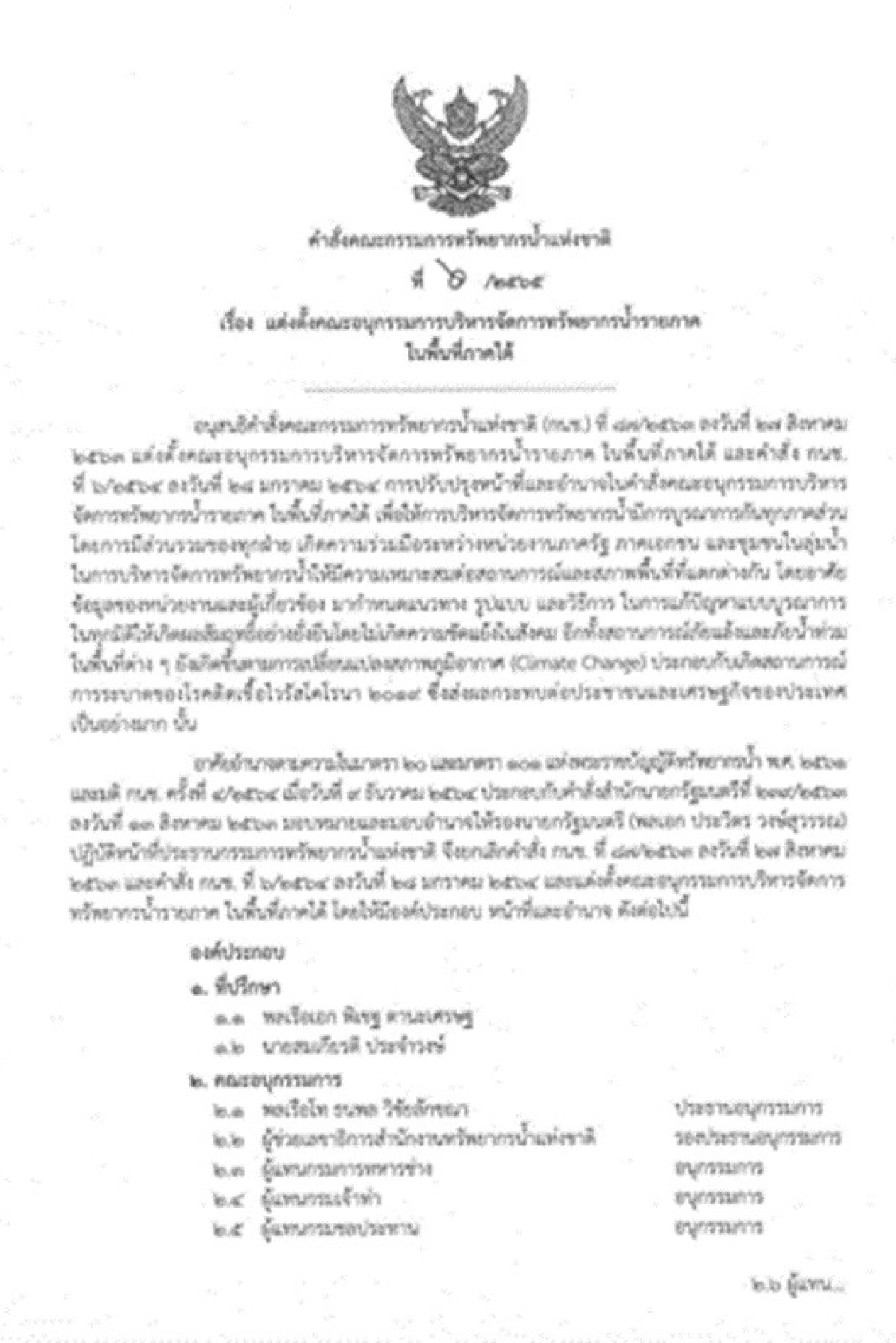
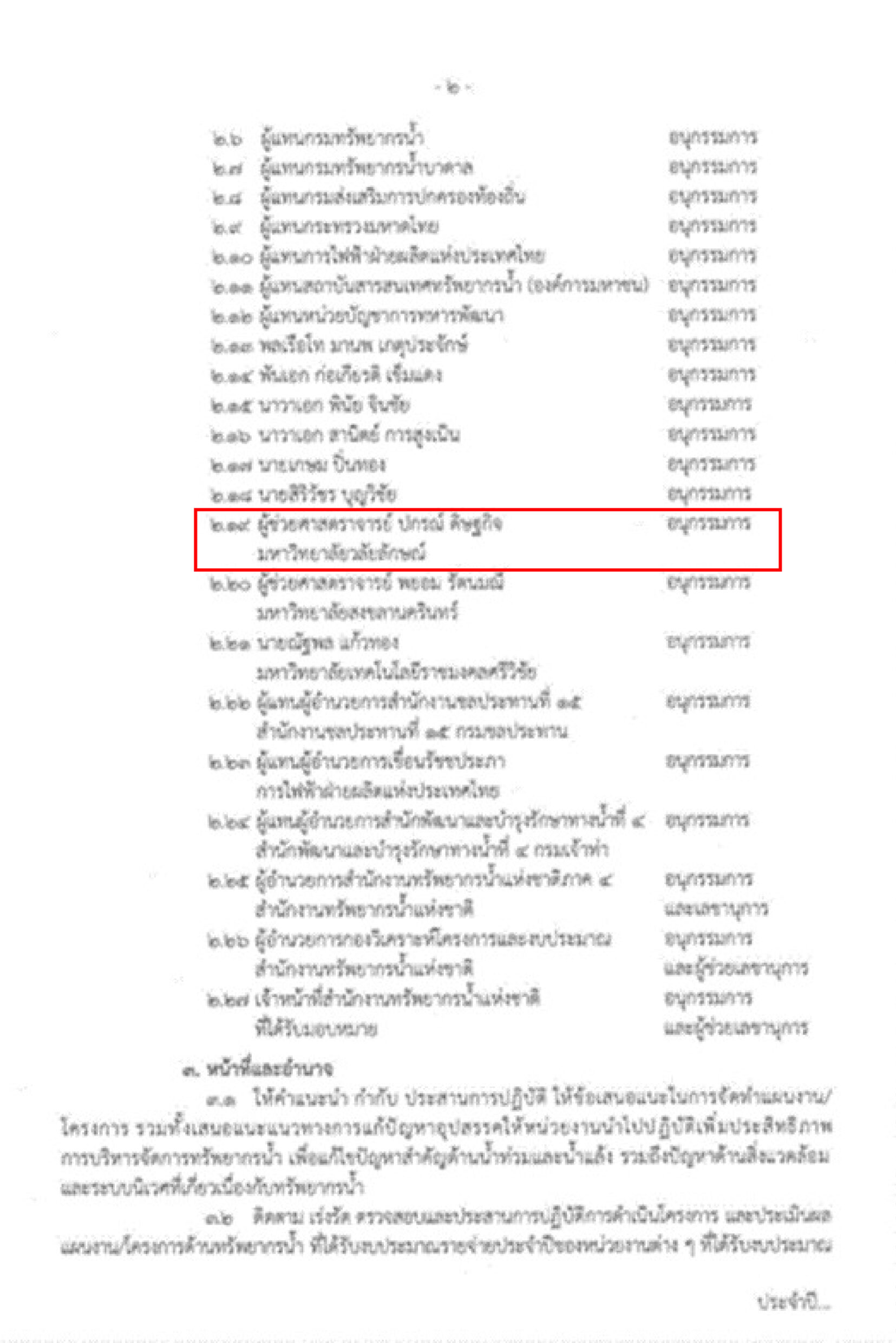
Asst. Prof. Dr. Pakorn Ditthakit, a specialist in water resource management at Walailak University, has been appointed to several important positions. He serves as a member of the Subcommittee on Water Resource Management for Southern Thailand, an expert member of the Upper Eastern Southern Basin Committee, and a member of the Nakhon Si Thammarat Provincial Water Resource Subcommittee. Through these roles, he contributes to the collaborative development, integration, and implementation of comprehensive water resource management plans at the provincial level.
Figures: The appointment Order of the Office of the National Resources to appoint Asst. Prof. Dr. Pakorn Ditthakit as a member of the Water Resource Management Committee in the Southern Region of thailand
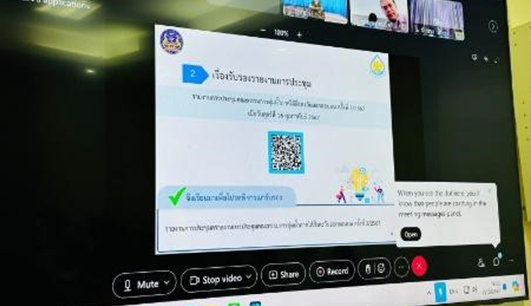
The university has worked closely with regional agencies to strengthen water security by taking part in the Regional Water Resources Management Subcommittee meetings in Southern Thailand. These meetings focused on developing and proposing strategic projects for 2023–2024, providing recommendations to the Chairperson of the National Water Resources Committee. They also included demonstrations of a flood reporting application developed by the National Command Center.
In 2024, Walailak University, together with the Office of the National Water Resources, Regional Office 4, and Rajamangala University of Technology Srivijaya, conducted discussions to formulate both drought and flood prevention and mitigation plans for the upper eastern southern basin, Songkhla Lake basin, lower eastern southern basin, and western southern basin. These discussions, led by the Office of the National Water Resources, Regional Office 4, were held in alignment with the Water Resources Act B.E. 2561. The meetings emphasized data collection to support plan development and explored expanding the functions of basin committees within procurement oversight bodies to facilitate effective implementation of the plans.
Cooperation with National and Global Government on Water Security
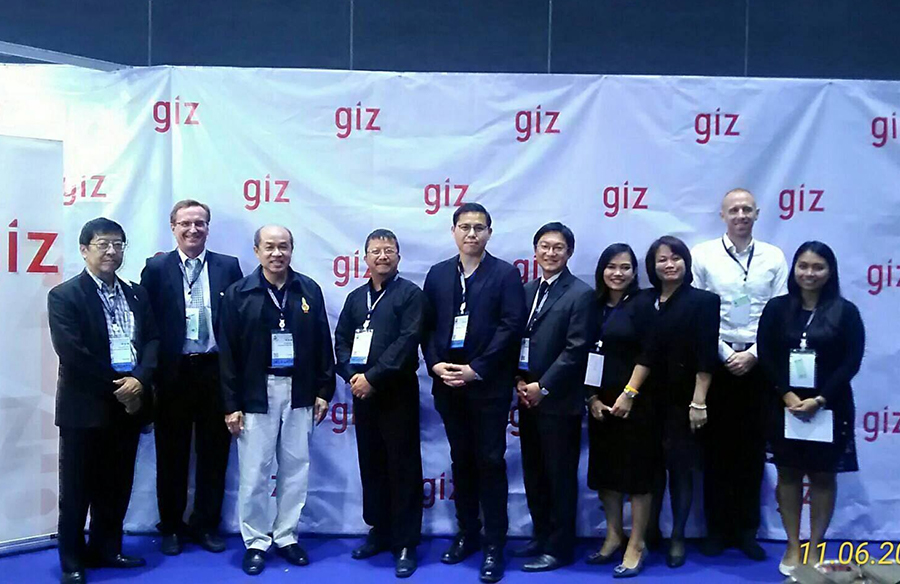
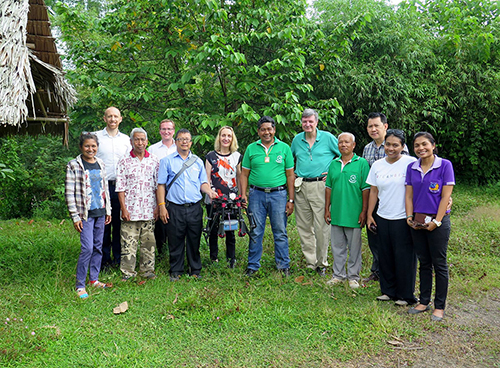
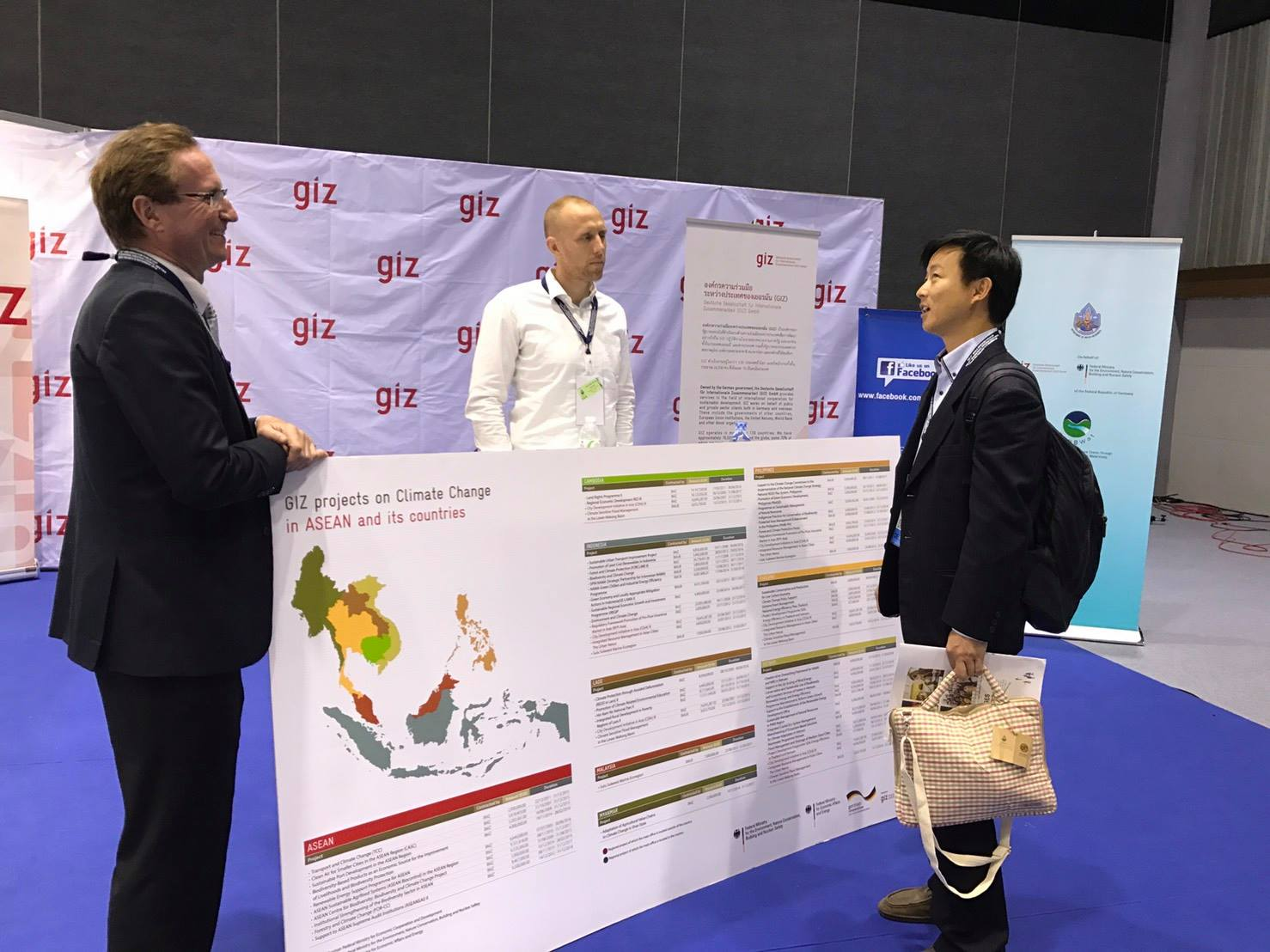
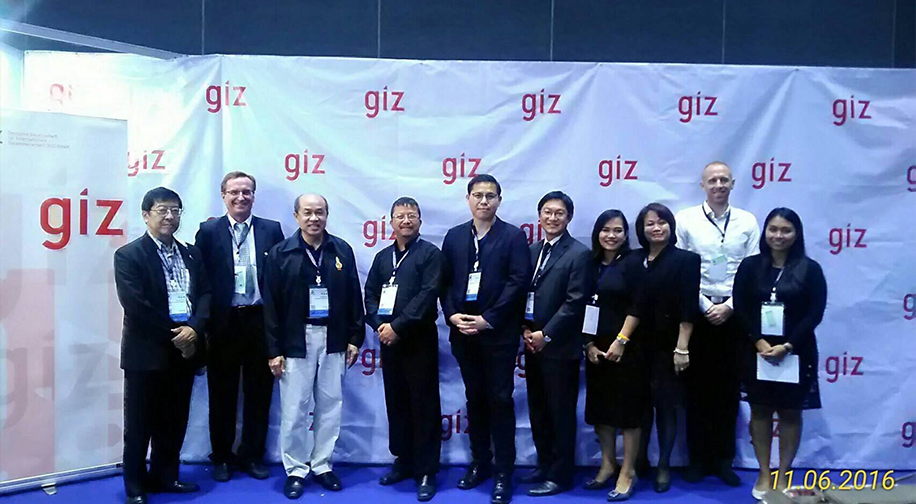
Furthermore, Walailak University has built partnerships with both national and international organizations to advance water security. One notable collaboration is with the Deutsche Gesellschaft für Internationale Zusammenarbeit (GIZ), a German government agency specializing in international cooperation for sustainable development. GIZ works with partners across the public and private sectors in Germany and worldwide, including national governments, the European Union, the United Nations, the World Bank, and various funding institutions. At present, GIZ is implementing over 300 projects aimed at helping Thailand achieve its sustainable development goals. As Thailand continues to evolve into a newly industrialized nation, the areas of cooperation have broadened from vocational education and rural and agricultural development to also encompass environmental protection and climate change mitigation initiatives.
Under the Policy Implementation Project of the Thai-German Cooperation Program on Water Management (TGCP-Water)—one of five key areas of collaboration encompassing energy, waste management, agriculture, water management, and policy implementation—Walailak University focuses on developing models for continuous monitoring and assessment of the impacts and benefits of living weirs. These initiatives support environmental conservation and climate protection objectives.
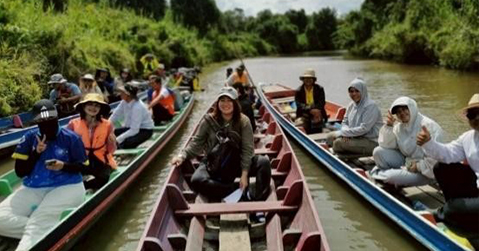
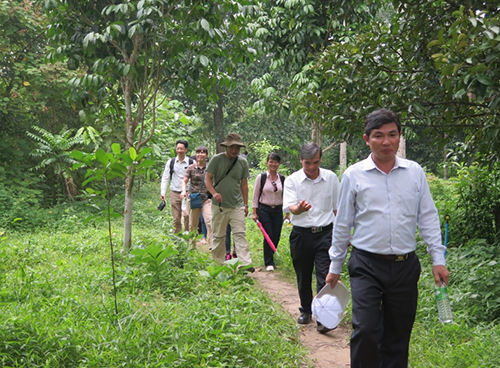
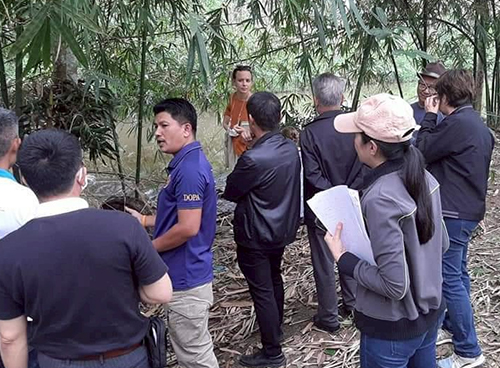
In 2024, Walailak University’s faculty and staff partnered with national and international organizations to advance water security. Their contributions included providing expert advice and consultation through surveys and focus group discussions for data collection in designated study areas. They also took part in training sessions to exchange knowledge and experiences and presented research on ecosystem-based water resource management. This collaboration involved representatives from both the Deutsche Gesellschaft für Internationale Zusammenarbeit (GIZ) and the International Union for Conservation of Nature (IUCN).
Through these multi-level cooperations—local, regional, national, and global—Walailak University has demonstrated a strong commitment to ensuring long-term water security and resilience in response to climate-related challenges. By integrating sustainable technologies, community engagement, and expert-driven policymaking, the university not only safeguards water resources for its campus and surrounding communities but also contributes to Thailand’s broader sustainable development agenda. These efforts reflect Walailak University’s proactive role as a learning institution that bridges academic knowledge with real-world application, fostering a future in which water resources are managed sustainably, equitably, and responsibly for generations to come.
Through these multi-level cooperations—local, regional, national, and global—Walailak University has demonstrated a strong commitment to ensuring long-term water security and resilience in response to climate-related challenges. By integrating diagnostic assessment, sustainable technological development, community engagement, and systematic measurement of outcomes, the university not only safeguards water resources for its campus and surrounding communities but also contributes to Thailand’s broader sustainable development agenda. These efforts reflect Walailak University’s proactive role as a learning institution that bridges academic knowledge with real-world application, fostering a future in which water resources are managed sustainably, equitably, and responsibly for generations to come.