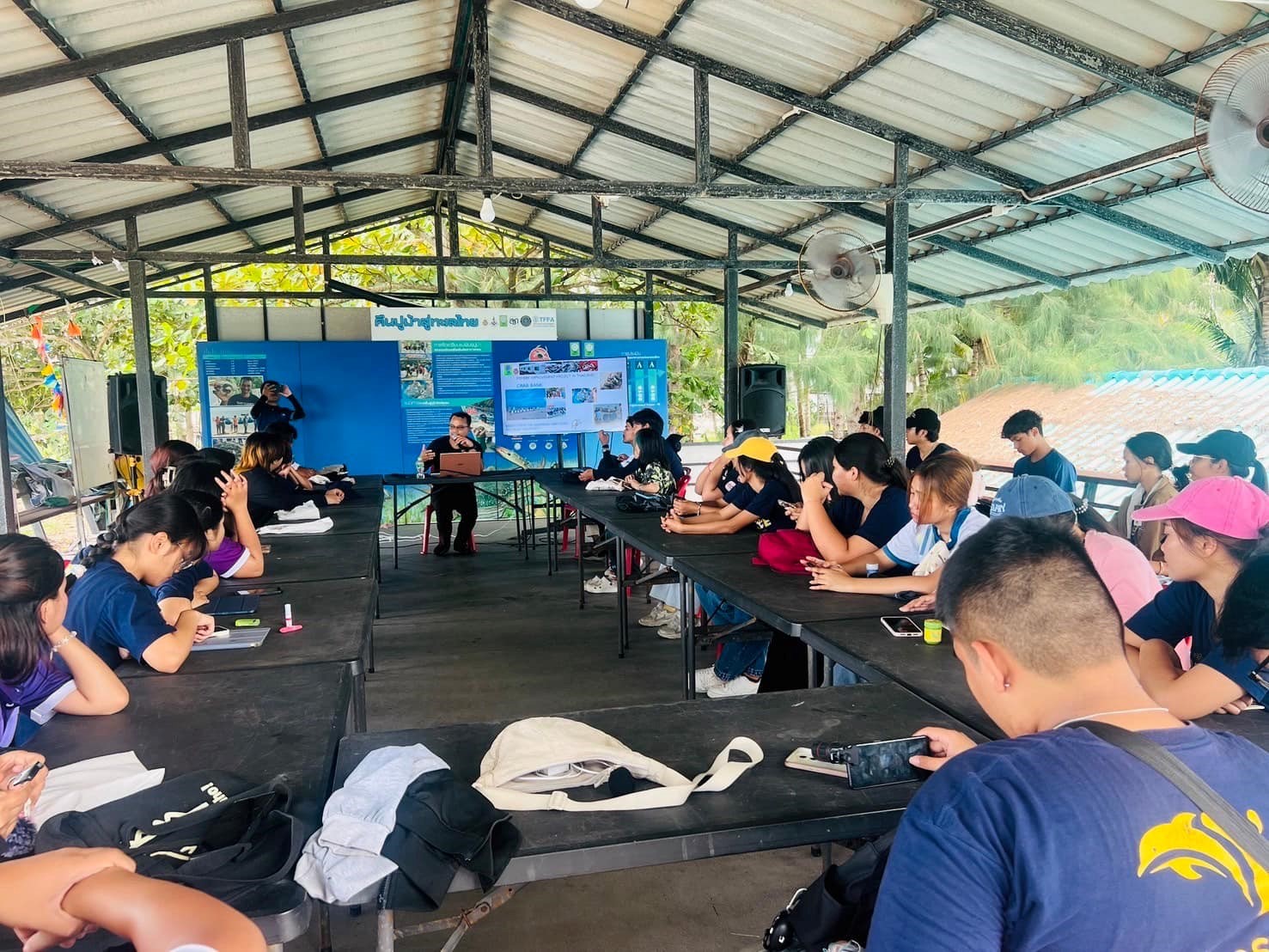
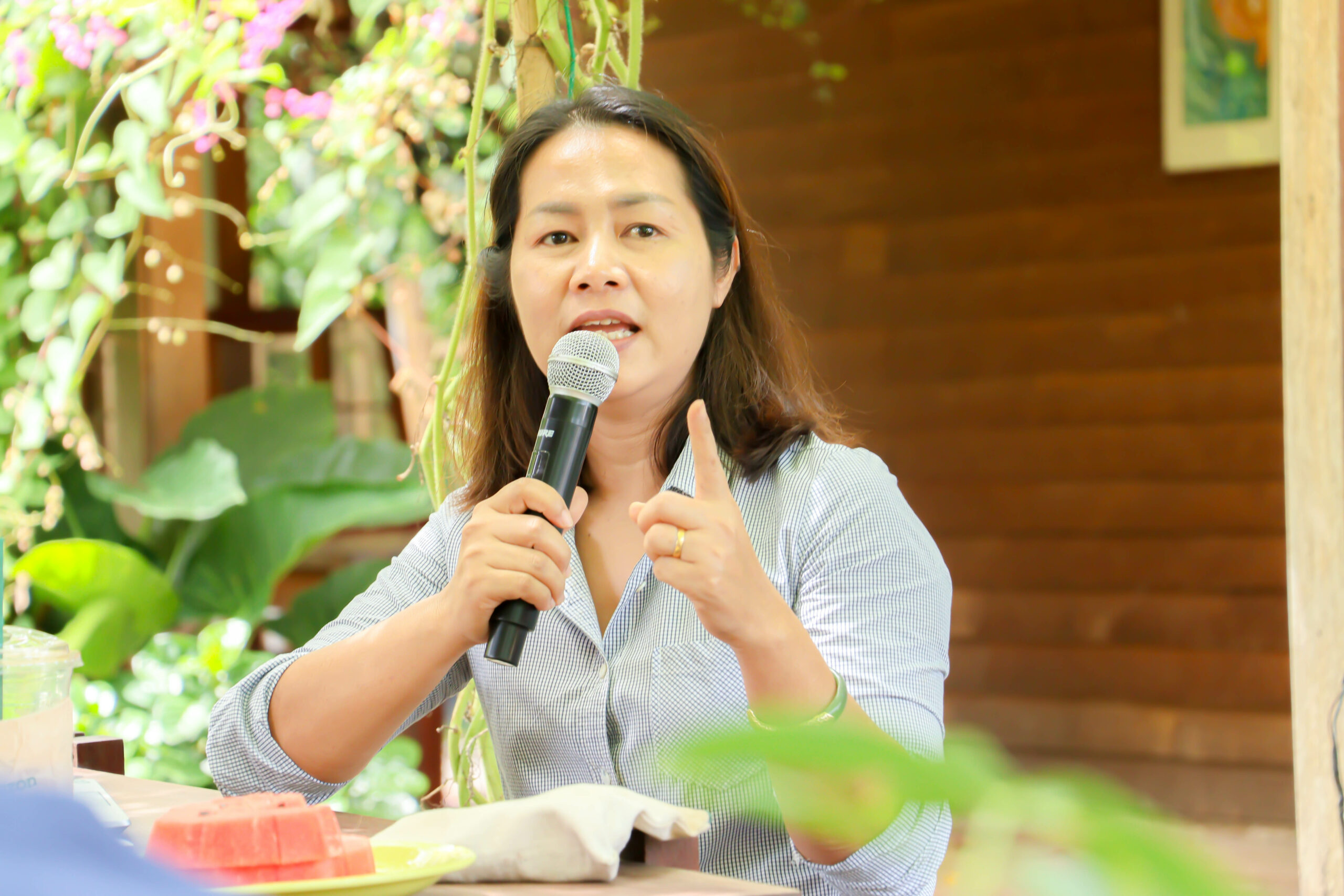
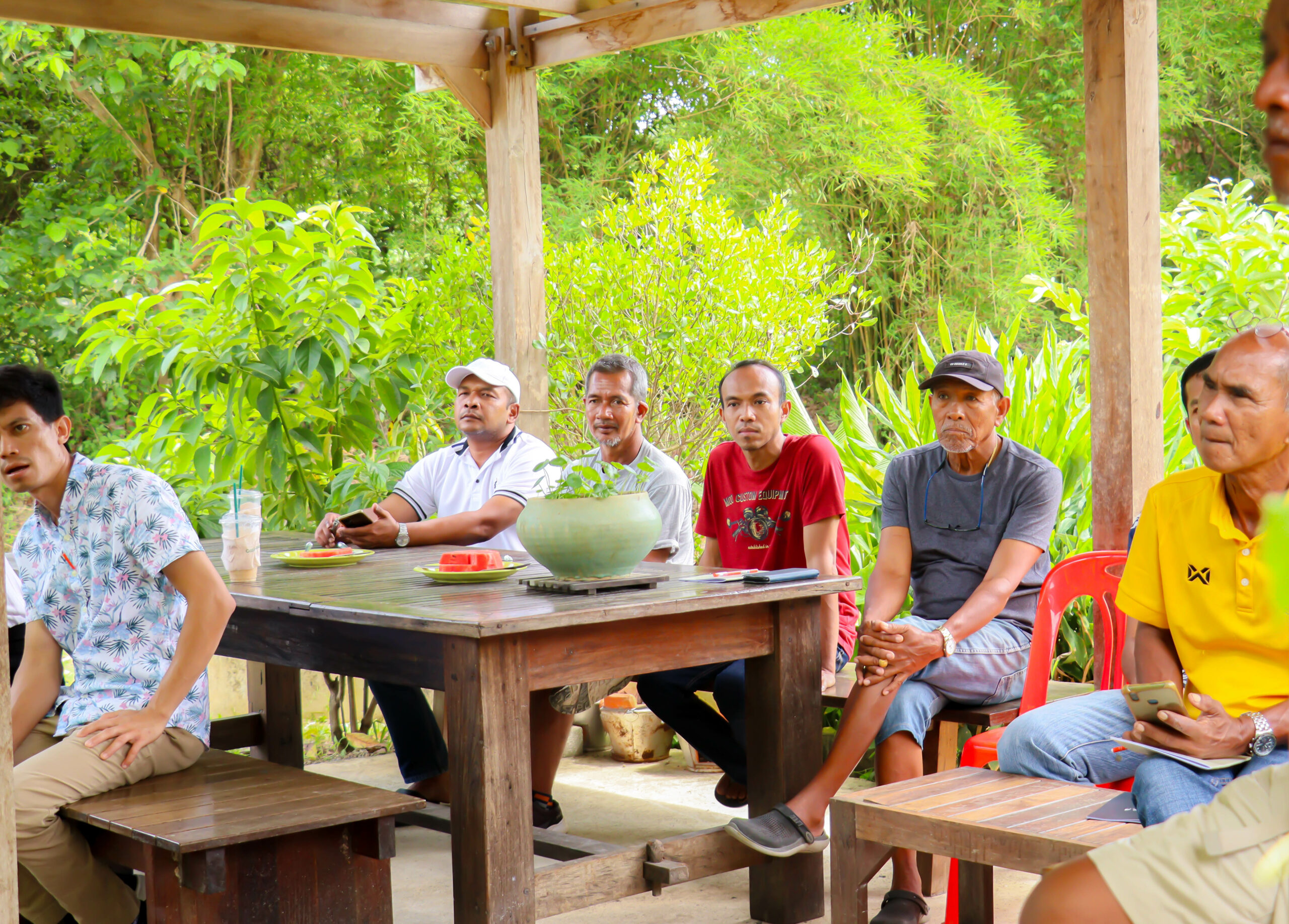
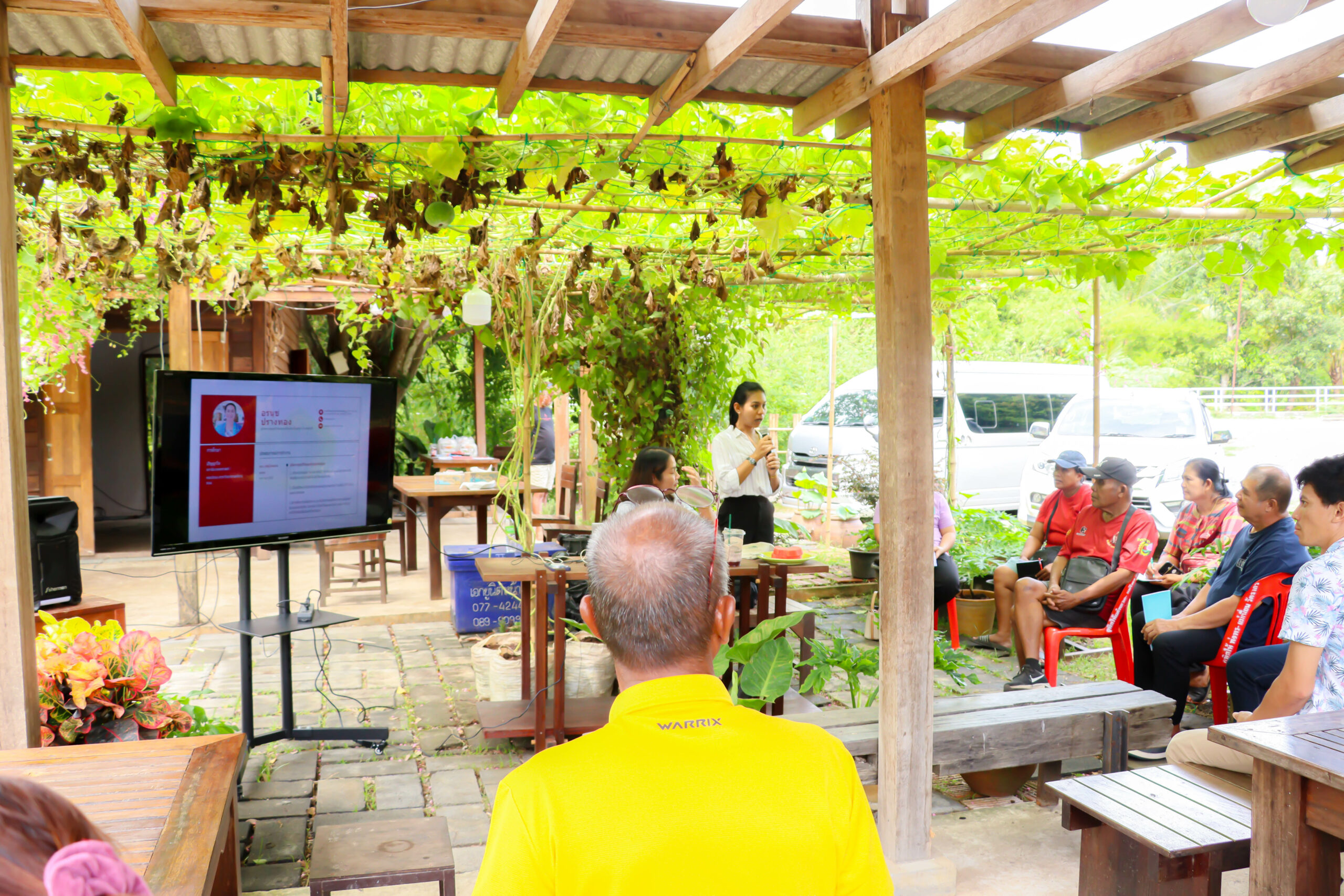
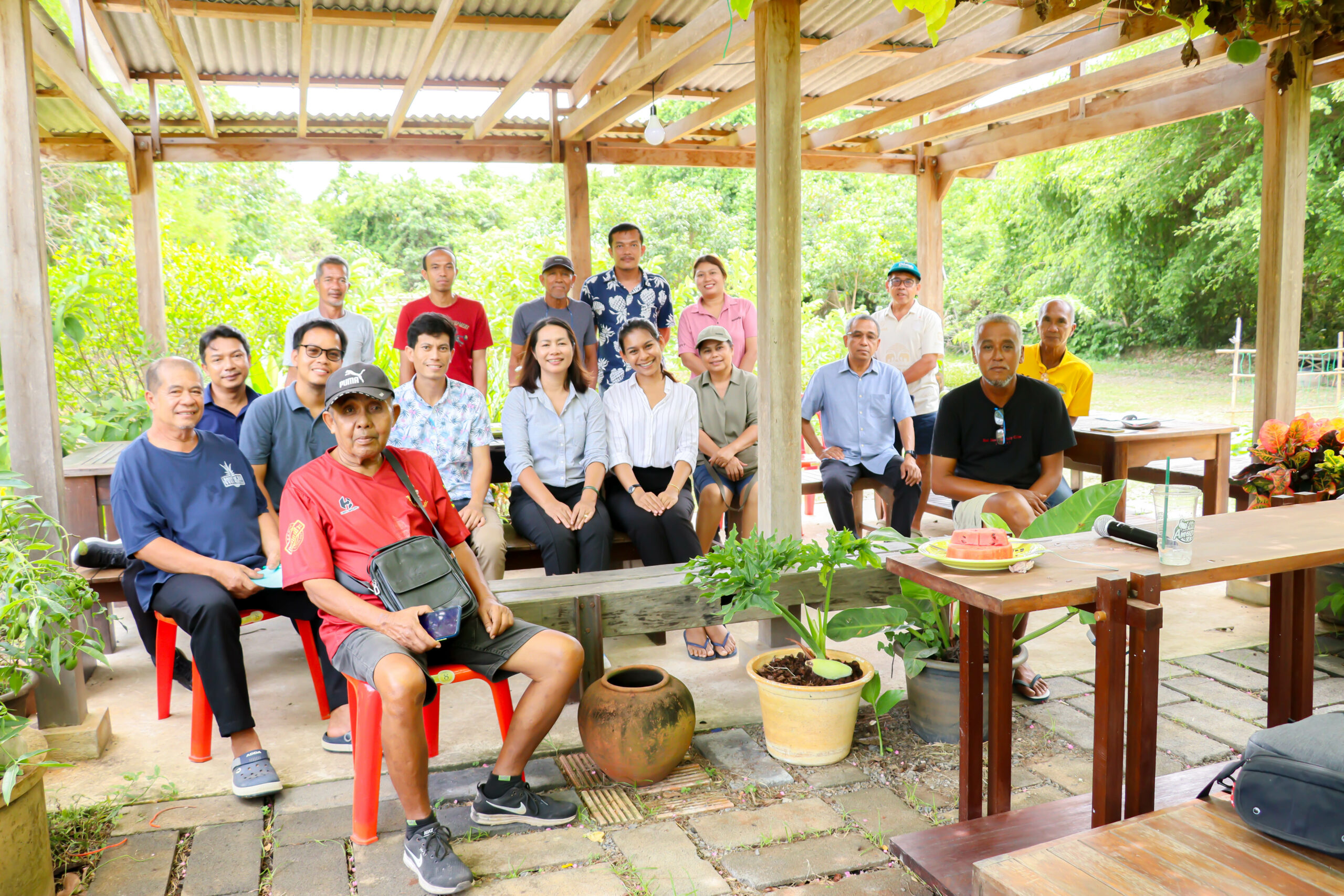
In 2023, Walailak University organized and continued educational and outreach programs to educate practitioners in the fishery industry such as fishermen, academic staff from the fishery department, and those involved in applying knowledge for fishery resources management such as restoration, aquaculture, maintaining and enhancing marine and fresh ecosystem, diversity and sustainable fishery, etc.
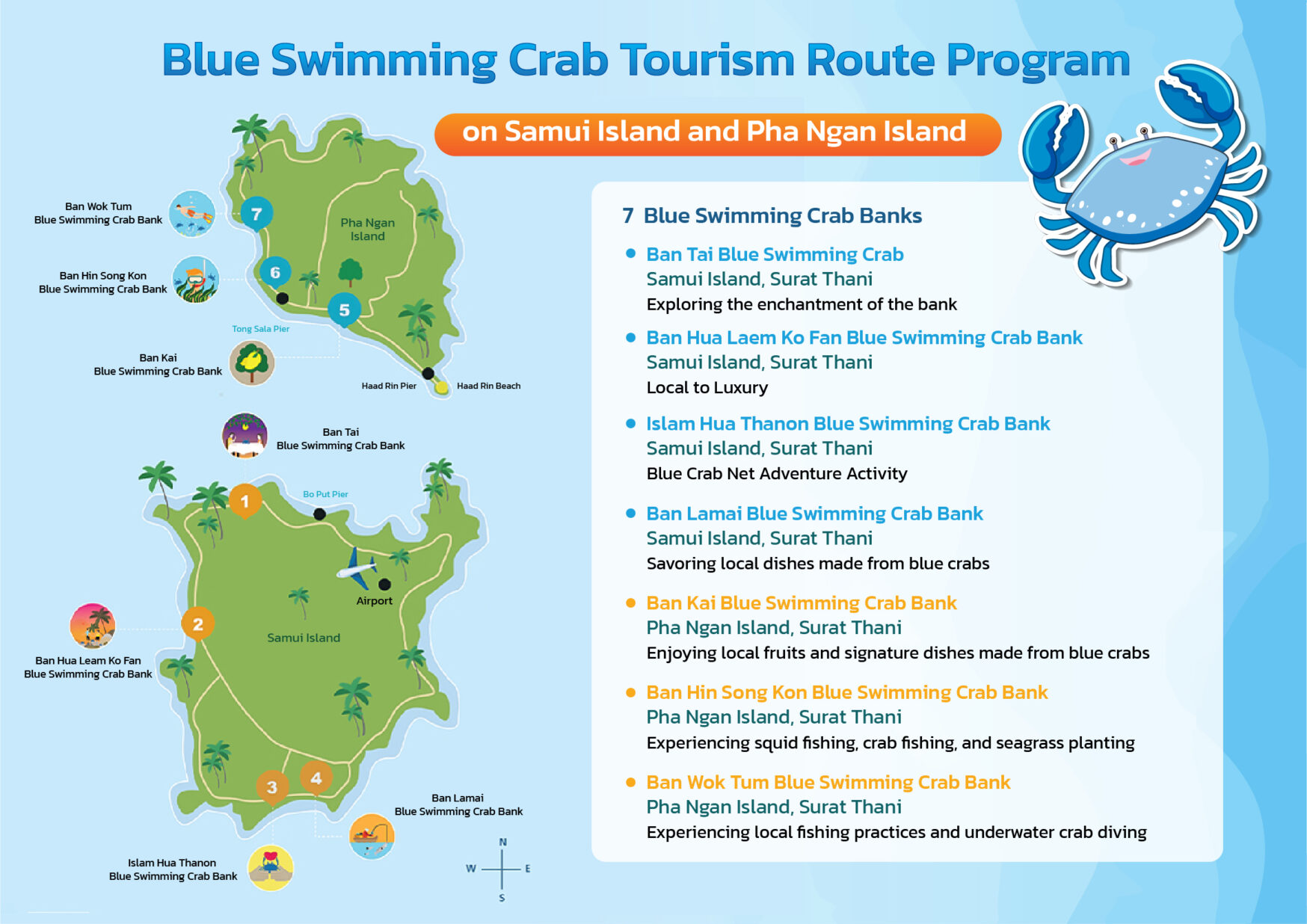
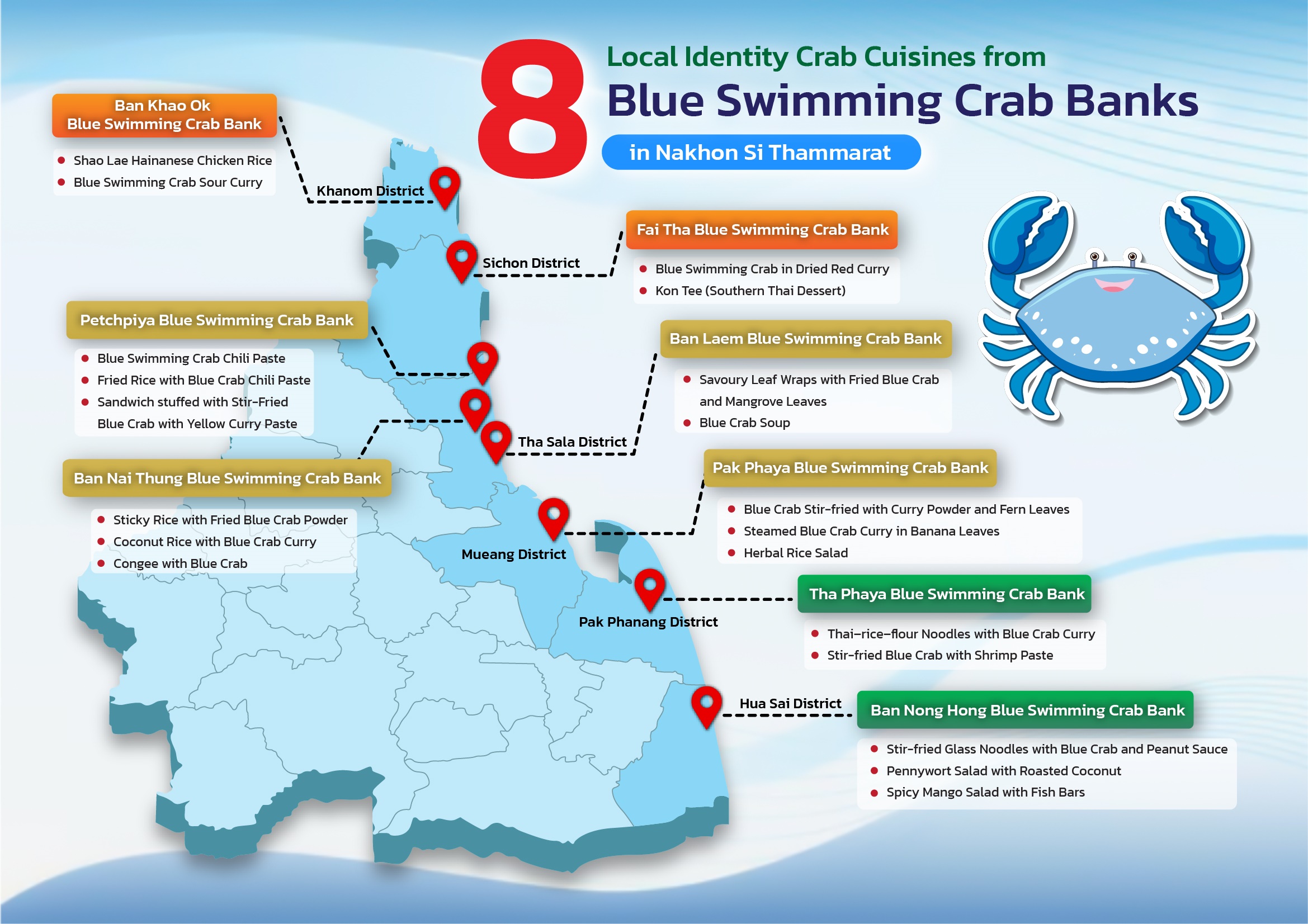
For this year, WU continued the educational outreach on the sustainable management of blue swimming crab resources and the technologies relating to managing the resources. WU also continued the development of the gastronomy tourism of blue crab cuisine concerning local identities and artificial fish habitat construction. In addition, in 2023, Walailak University served as an advisor providing knowledge to national government organizations and NGOs to promote sustainable blue swimming crab fishing in Thailand.
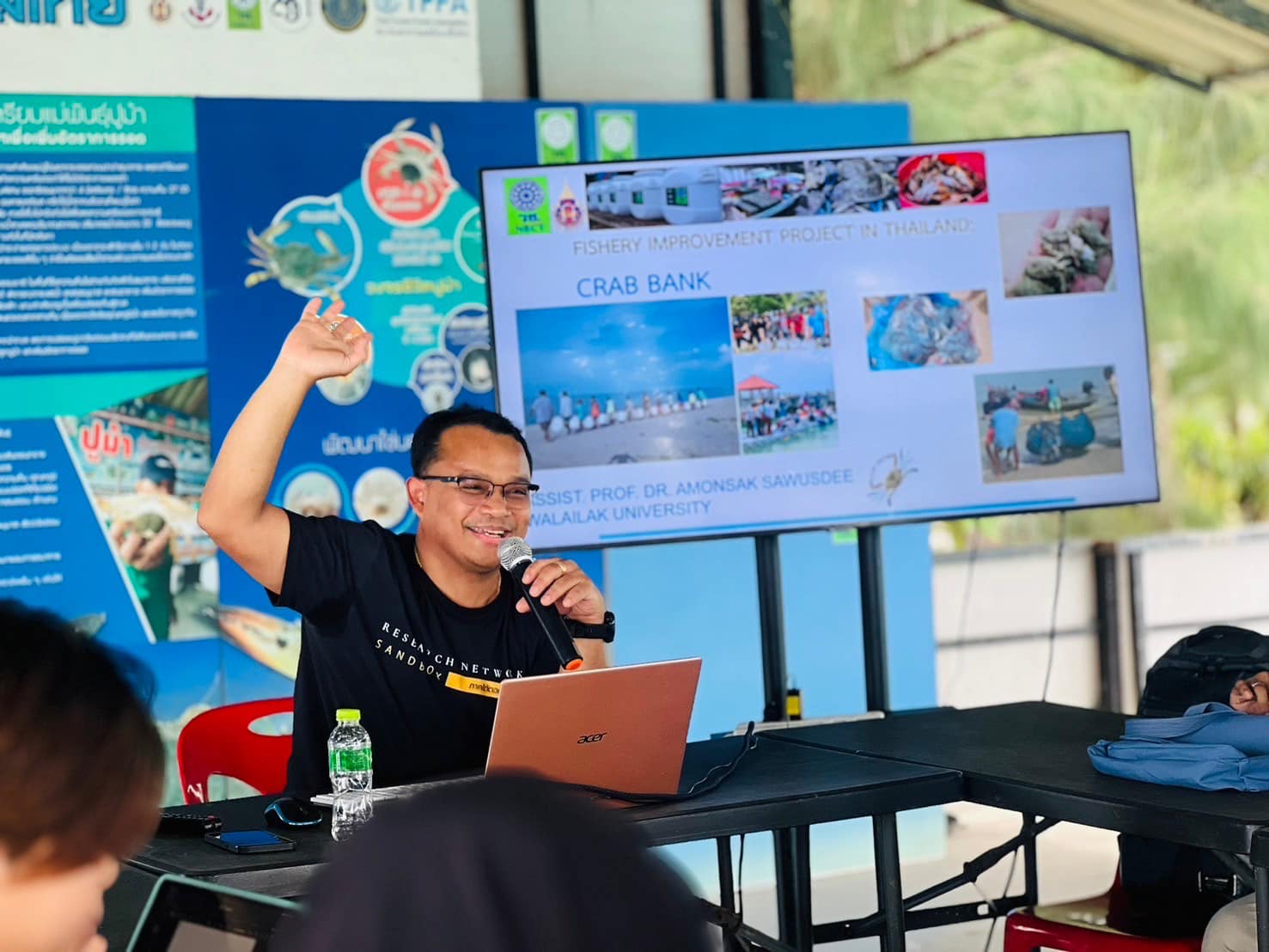
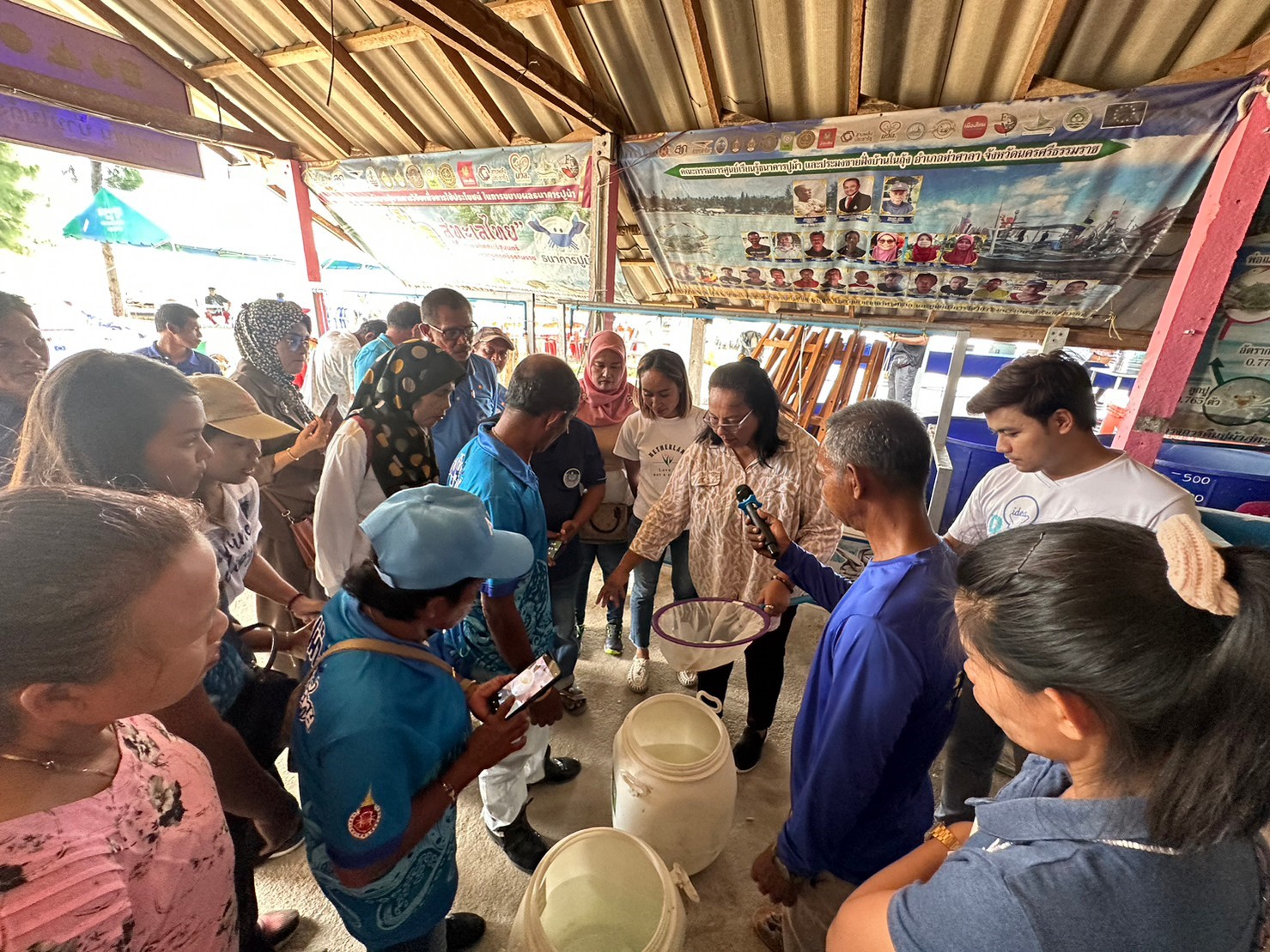
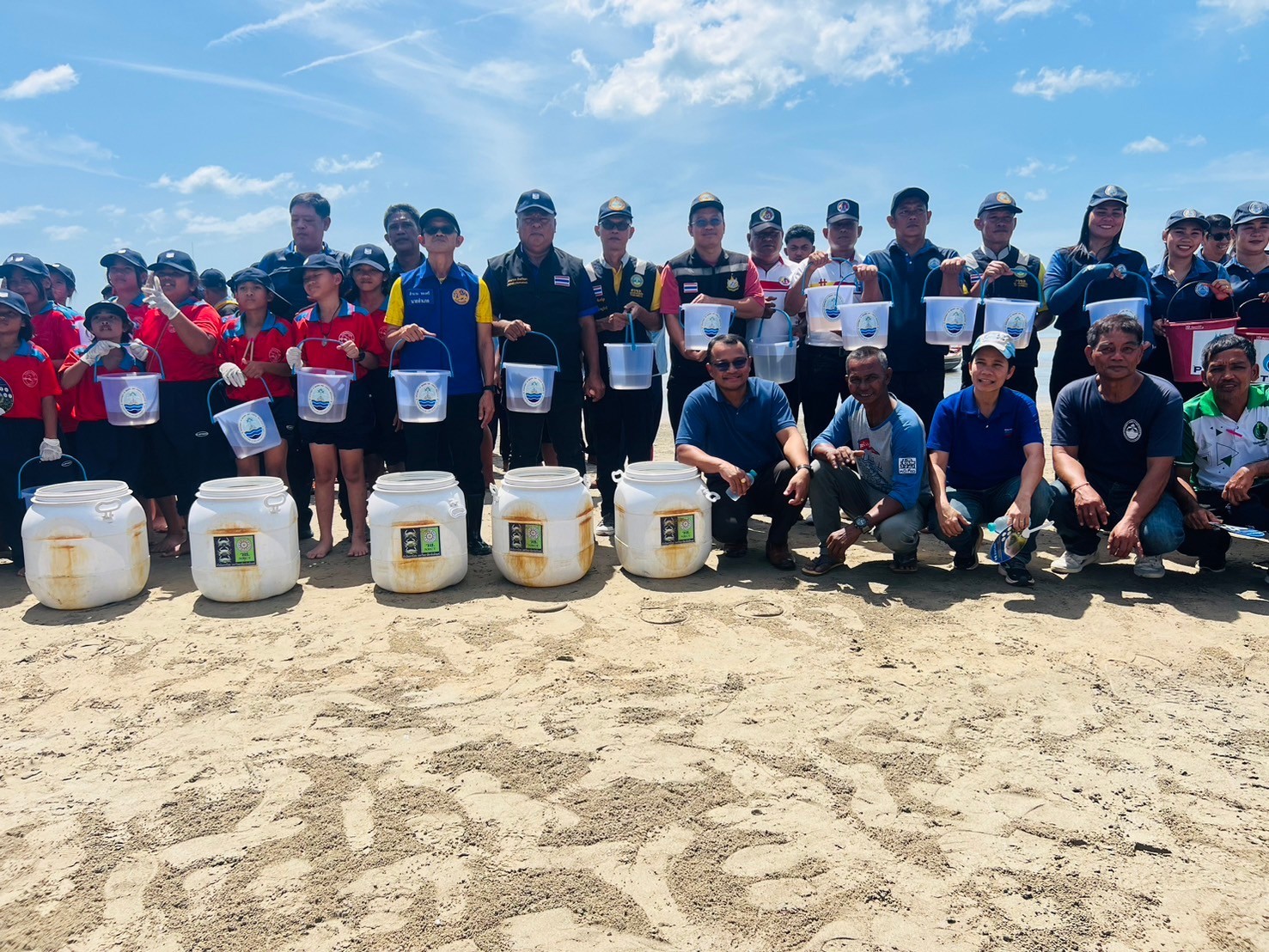
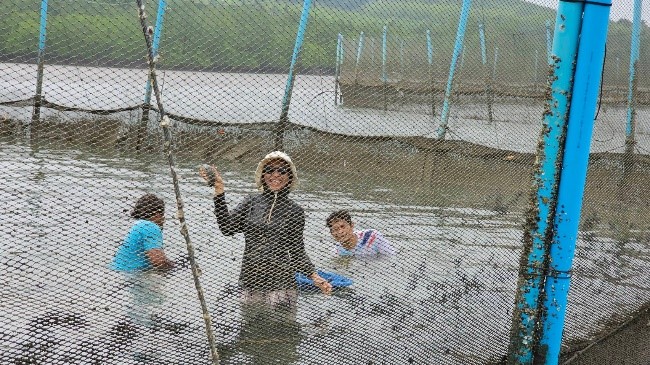
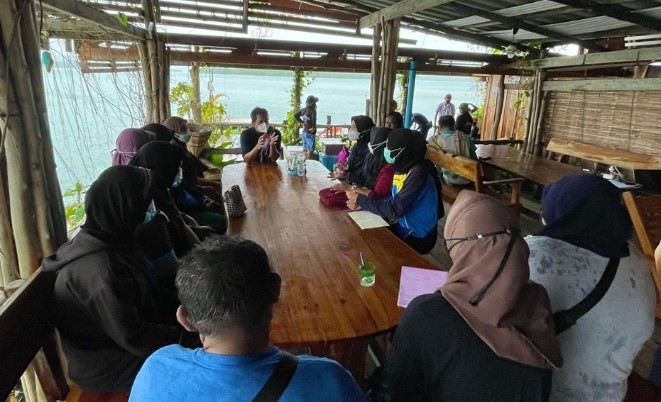
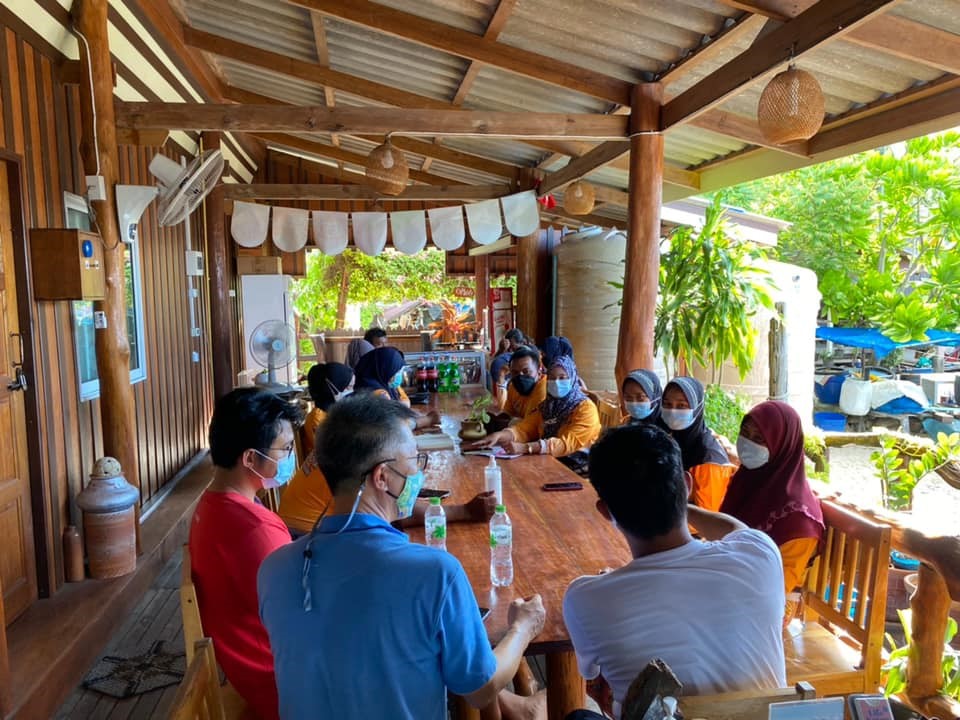
Walailak University continued the educational outreach program on the sustainable management of fisheries in blue swimming crab resources through blue swimming crab banks. By establishing the banks, WU provided knowledge to local fishermen, local authorities in marine government organizations, and the general public about the suitable catching size of blue swimming crabs, legal and illegal fishing practices, the negative impacts of fishing in the spawning season, the conservation of the spawning grounds, and practices in restoring coastal fishery resources. These bodies of knowledge could empower the local community to adopt more sustainable fishing methods, ensuring the long-term viability of the blue swimming crab population.
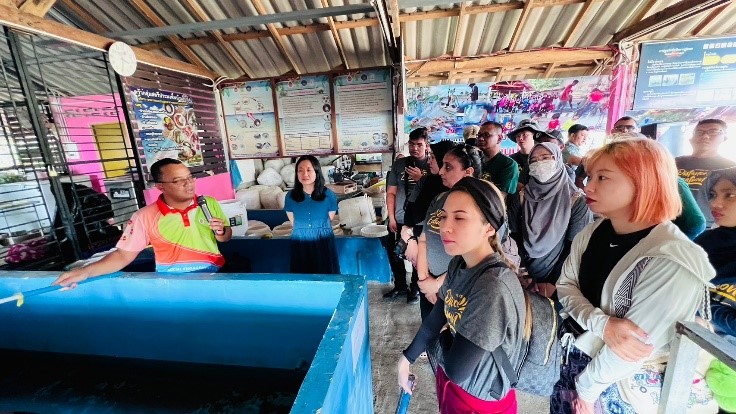
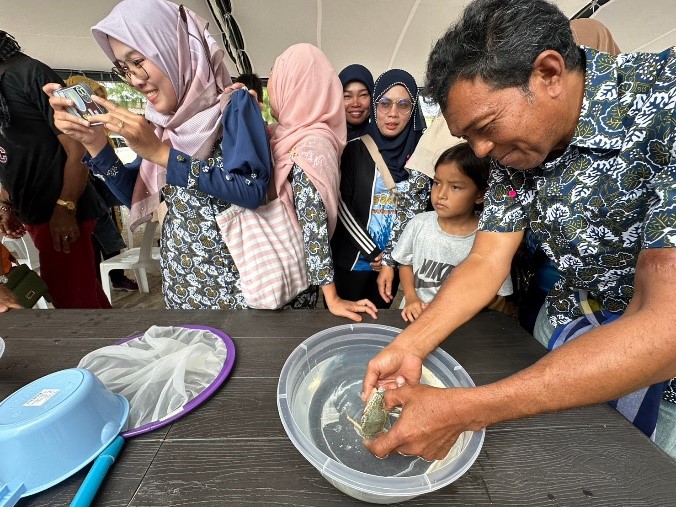
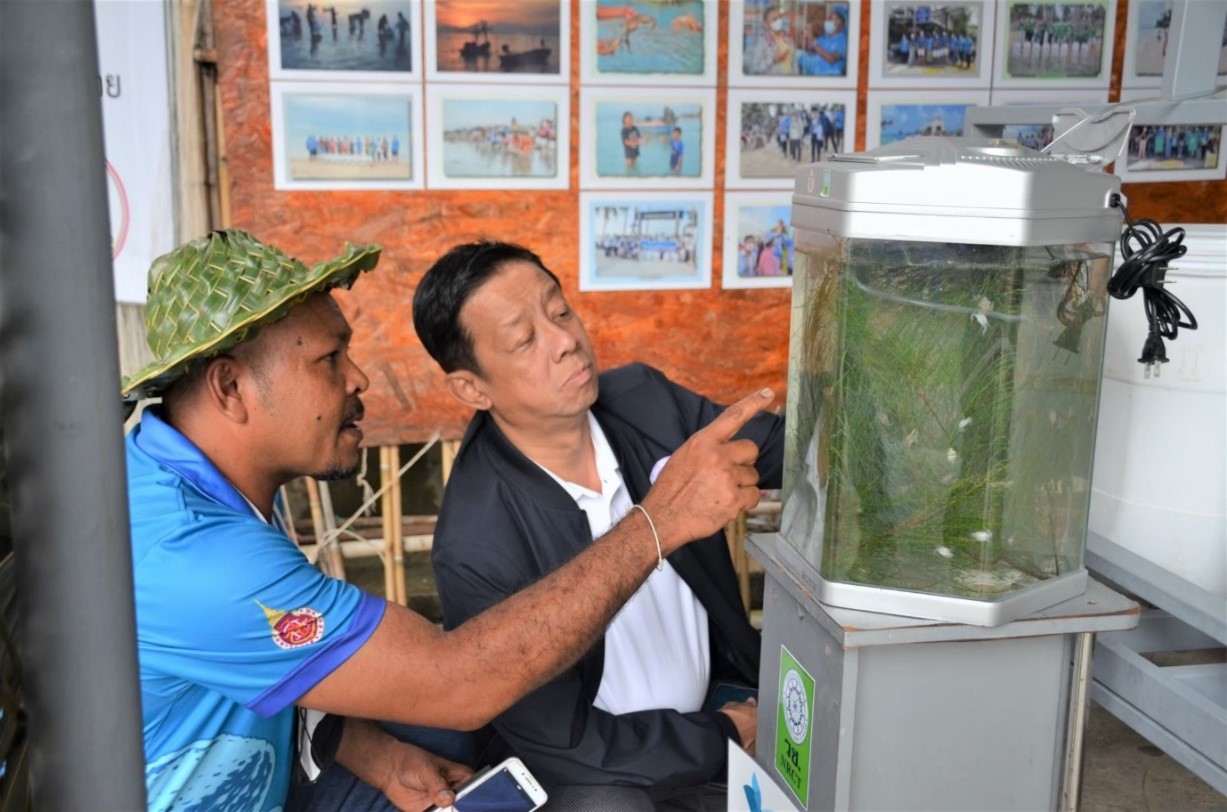
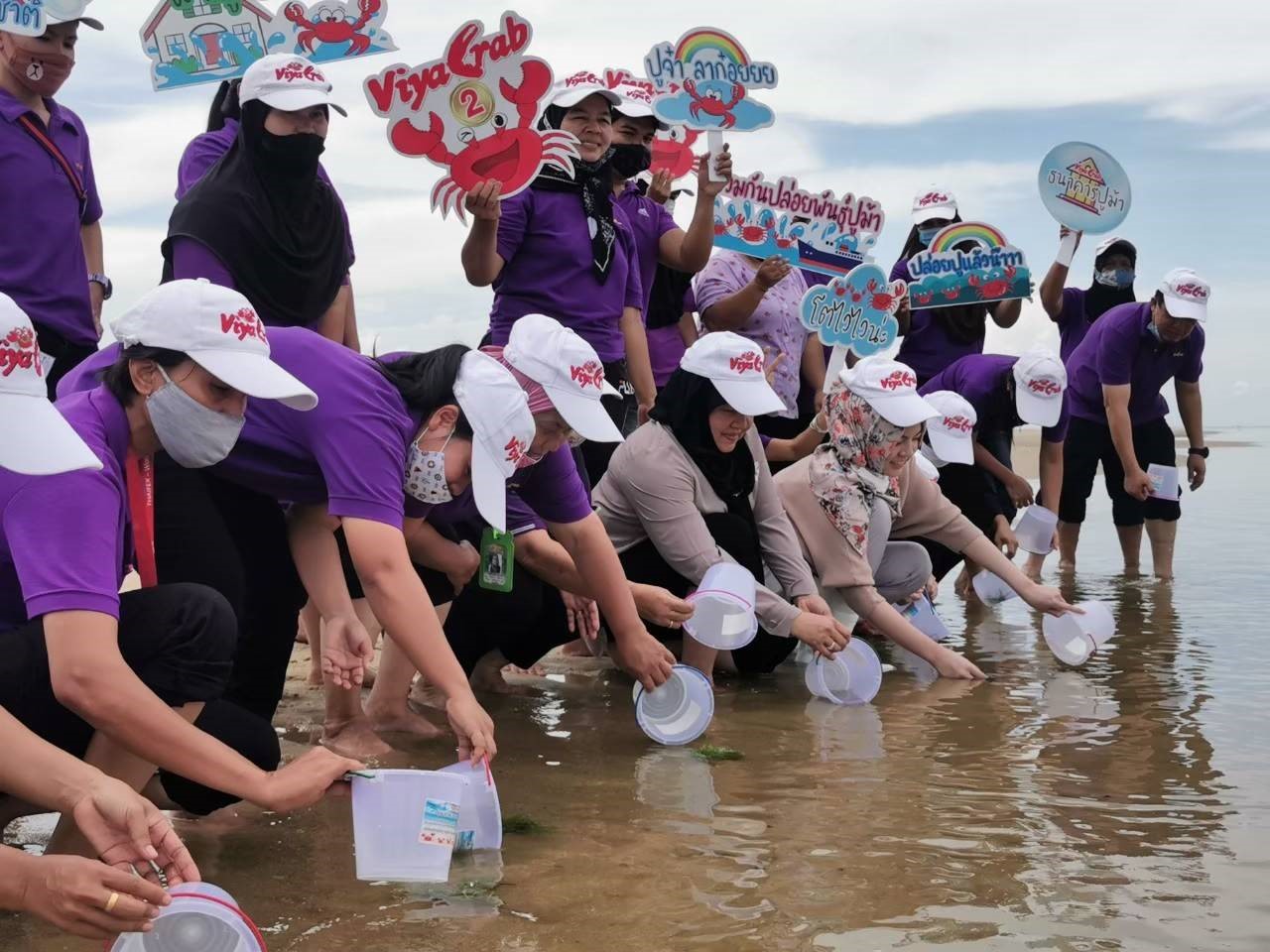
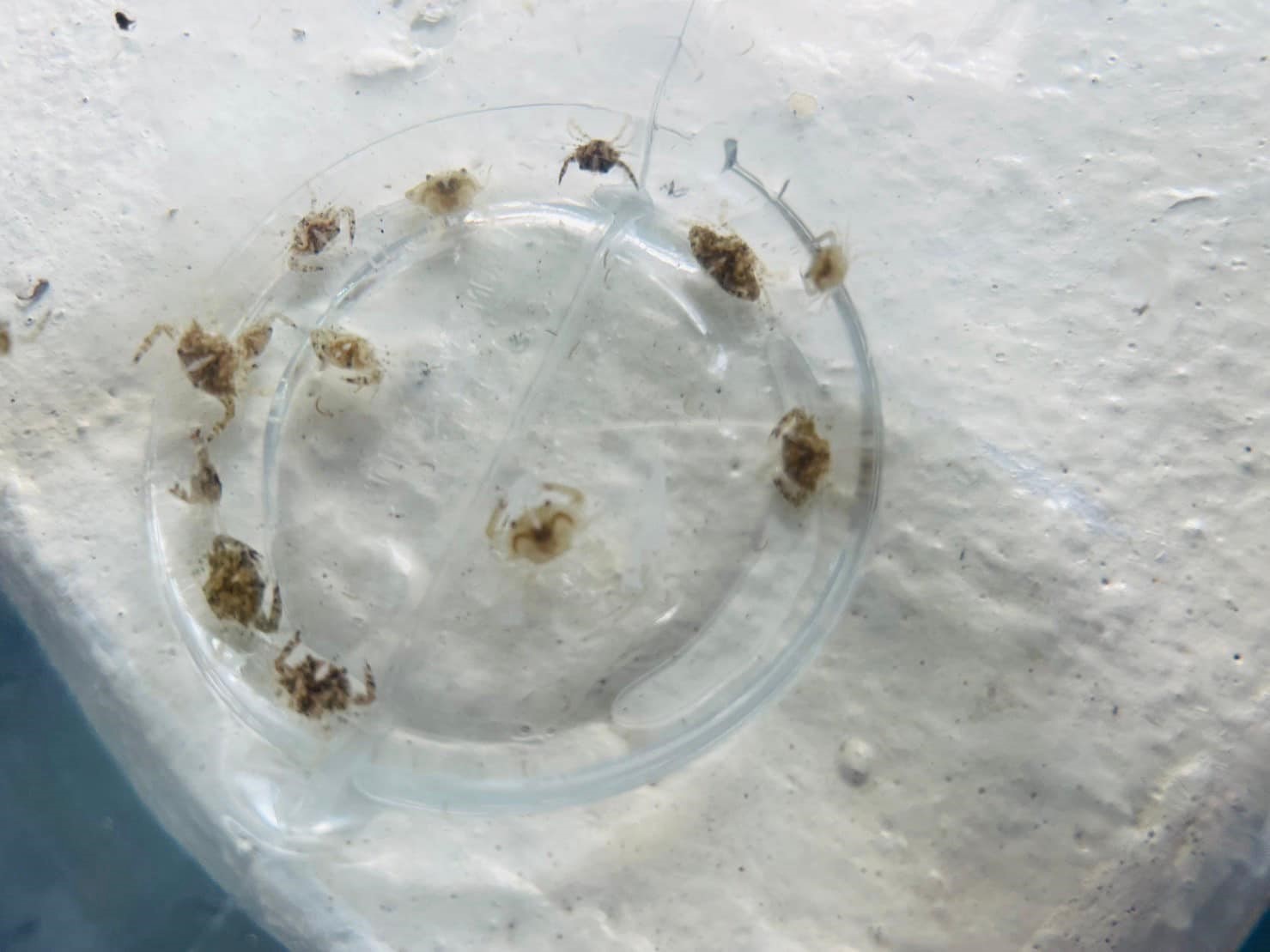
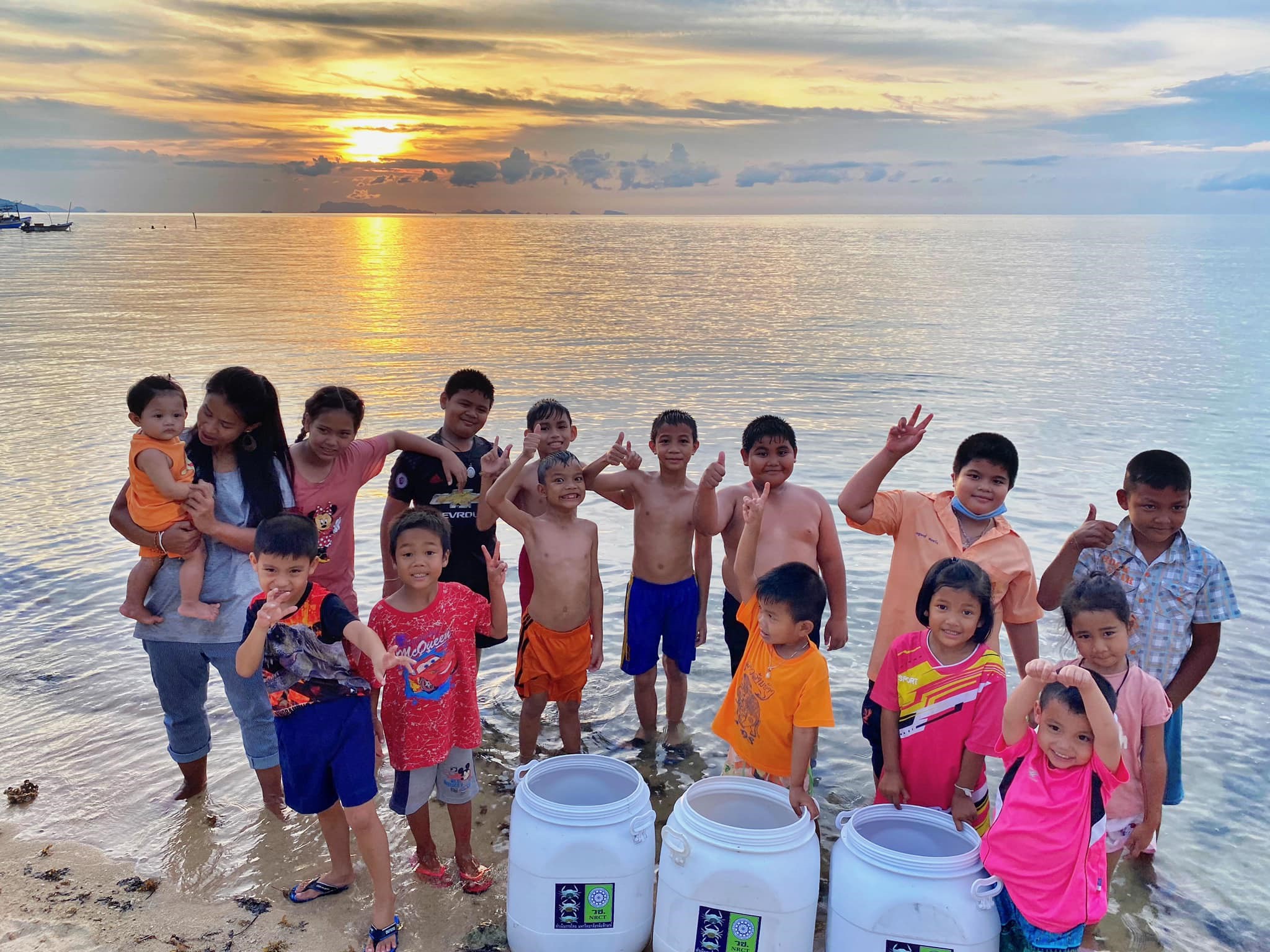
In 2023, Walailak University continued providing the educational outreach program on blue swimming crab aquaculture. This program aimed to educate local fishermen, marine scientists, students, and the general public on hatching and culturing berried female blue swimming crabs and the appropriate farming practices for caring for the crabs from the Zoea stage to the berried stage and releasing them into the sea. By participating in this program, the participants could understand issues, such as hatchery conditions and management, suitable water quality, feeding techniques, releasing methods, and survival rate improvement. This program encouraged local fishermen to release berried female blue swimming crabs to the sea increasing the young crab population in nature.
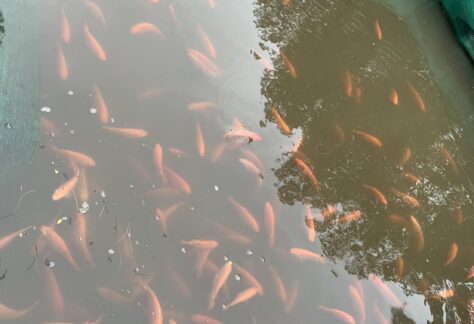
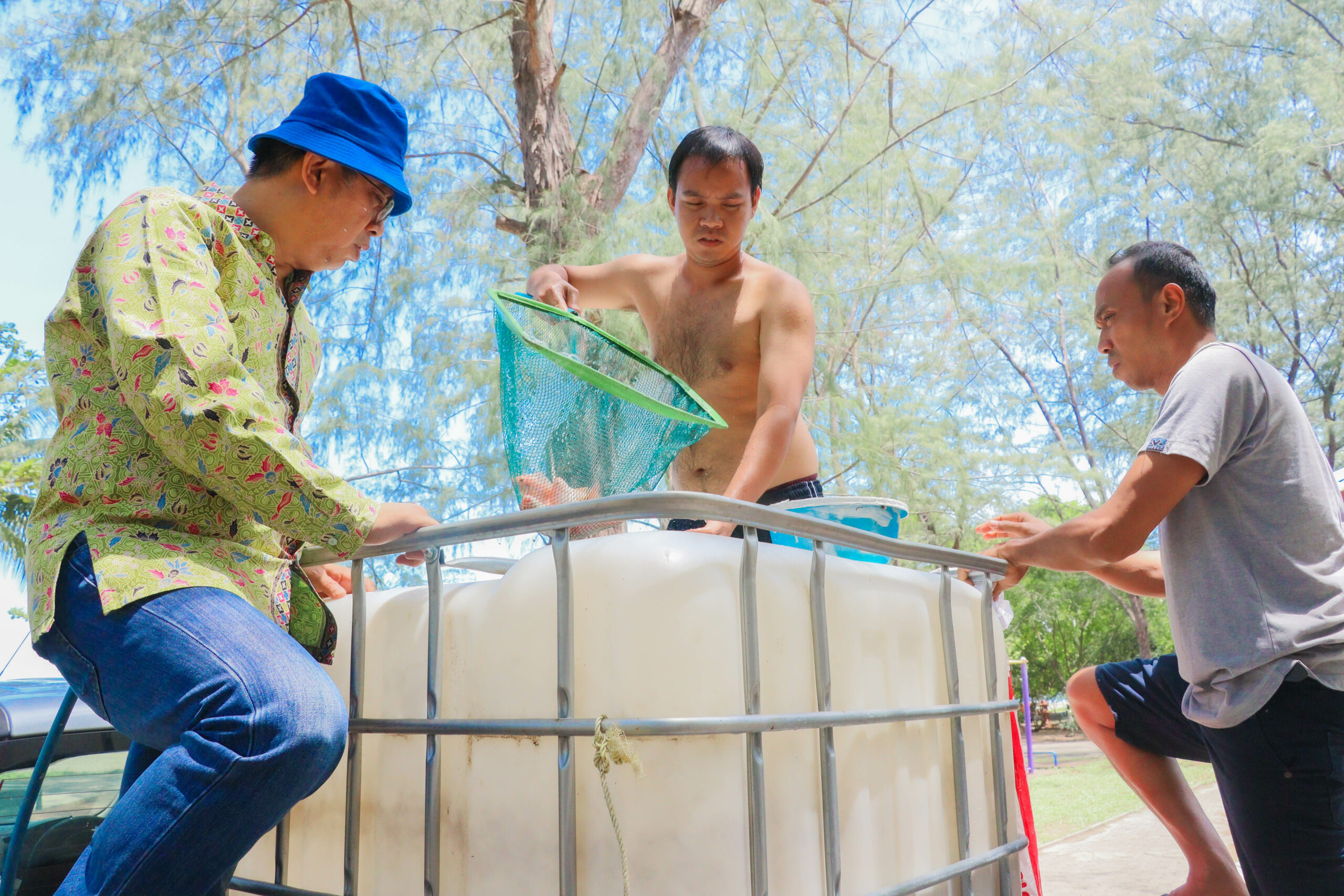
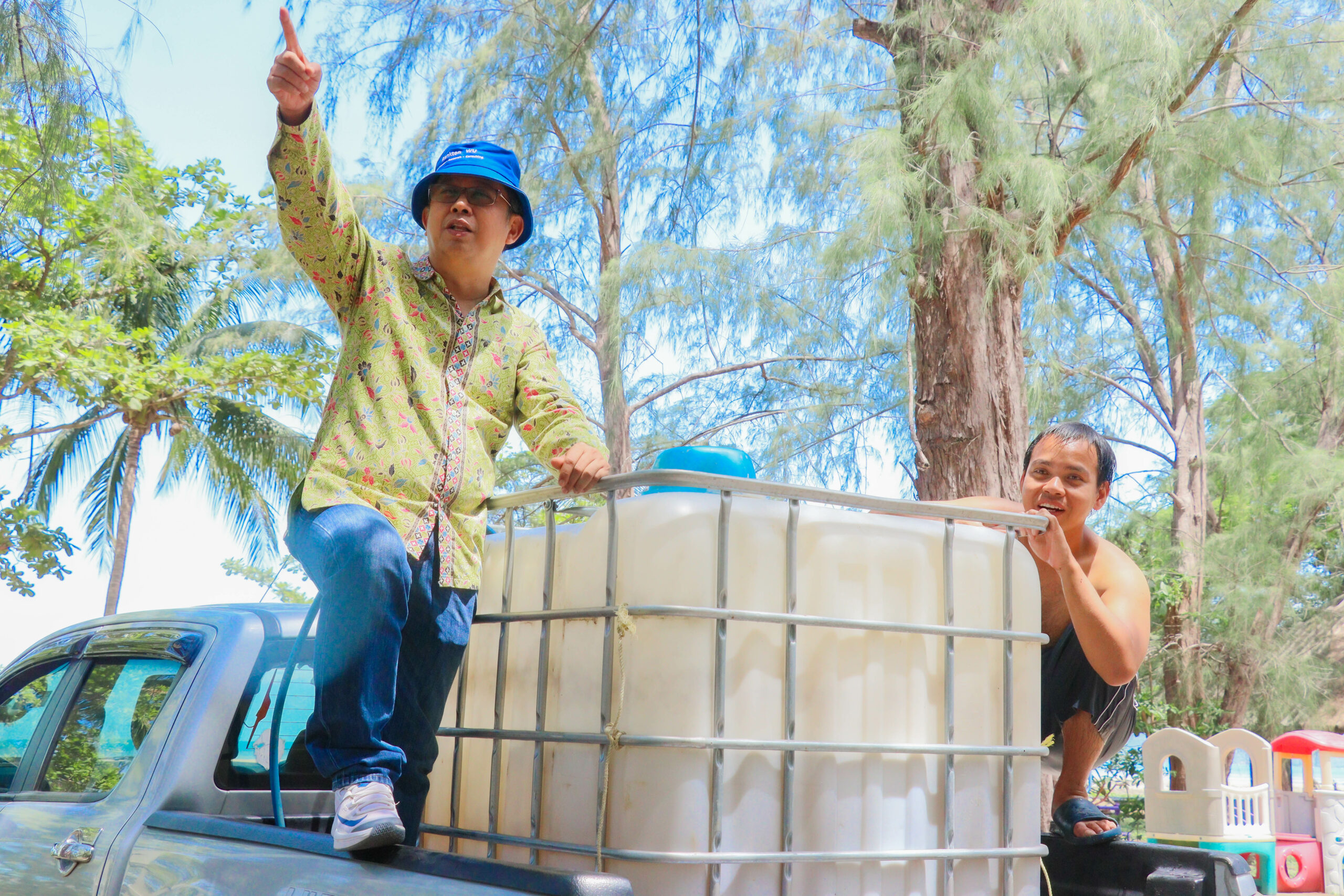
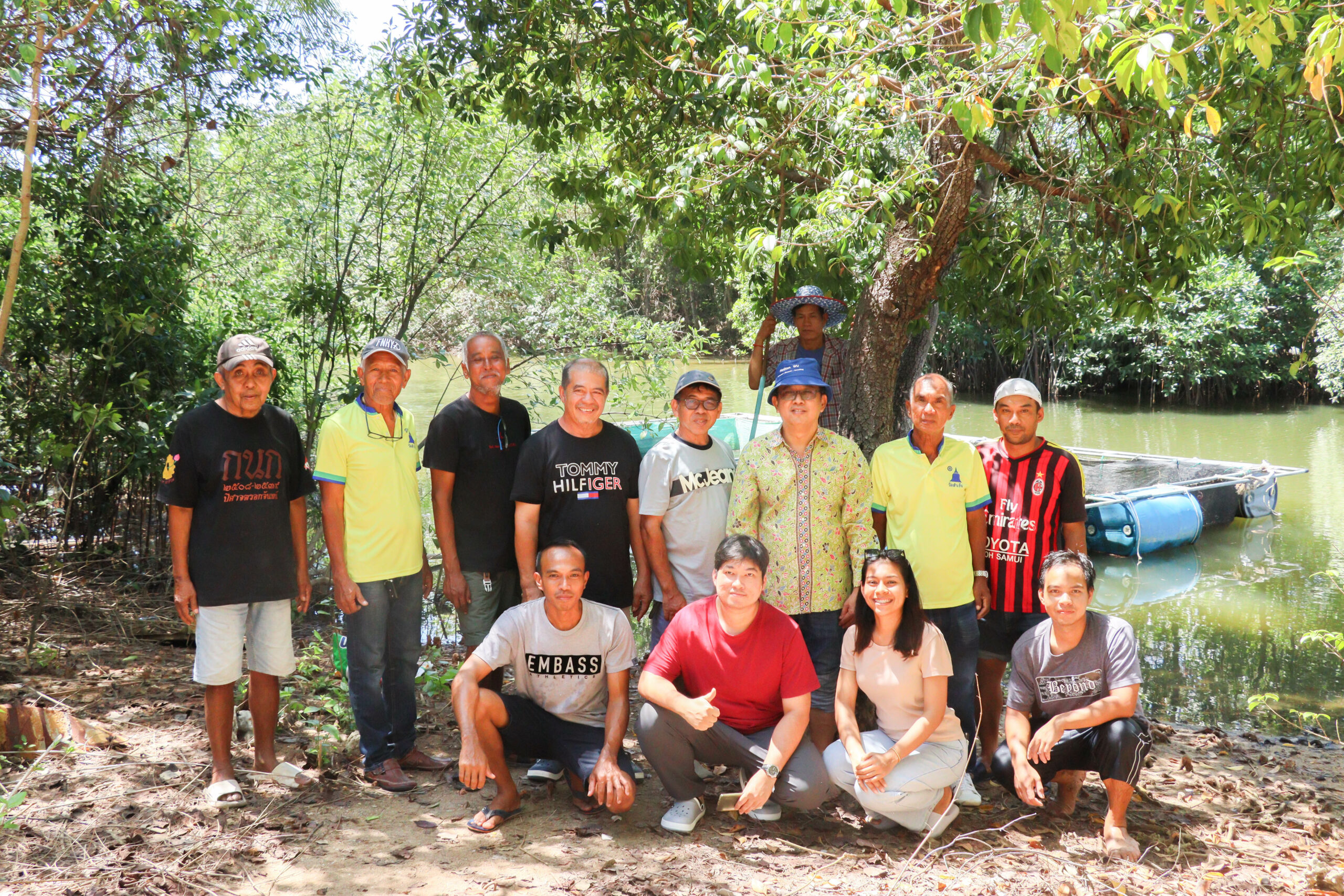
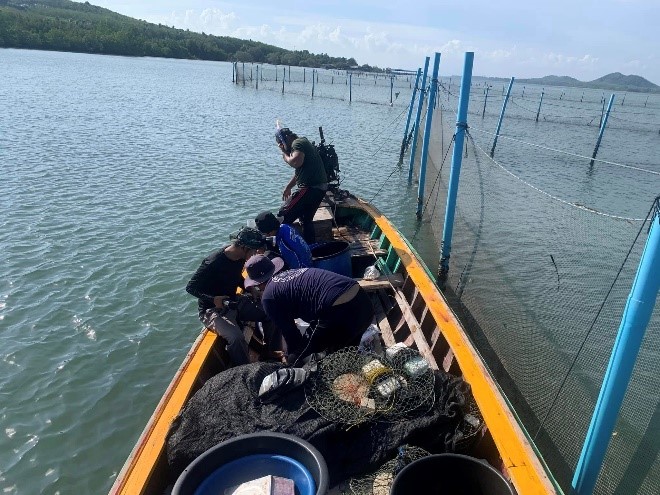
Associate Professor Dr. Suwit Wutisuttimethawee and his team from Walailak University organized a comprehensive educational outreach program to enhance sustainable cage farming practices and management for red tilapia in seawater. Targeting a local community enterprise group on Samui Island, the program was designed to address both economic and environmental sustainability in aquaculture. Participants received in-depth training on managing cage farming operations to optimize yield while minimizing ecological disturbances.
The program introduced practical strategies to help farmers maintain high water quality, an essential factor in reducing the risk of wastewater discharge into the island’s natural water systems. By learning these practices, participants gained valuable knowledge on preventing nutrient pollution and safeguarding the surrounding marine environment.
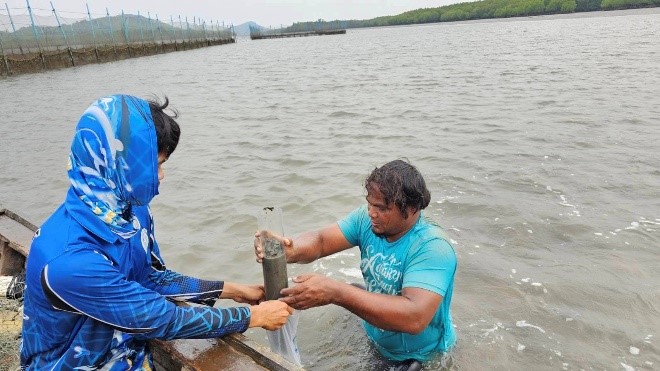
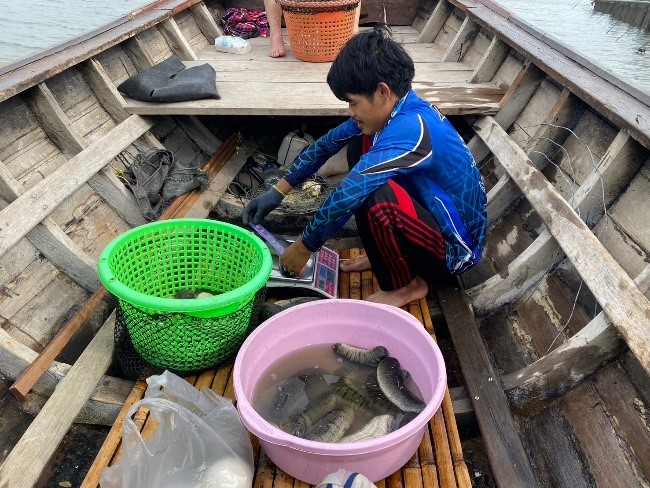
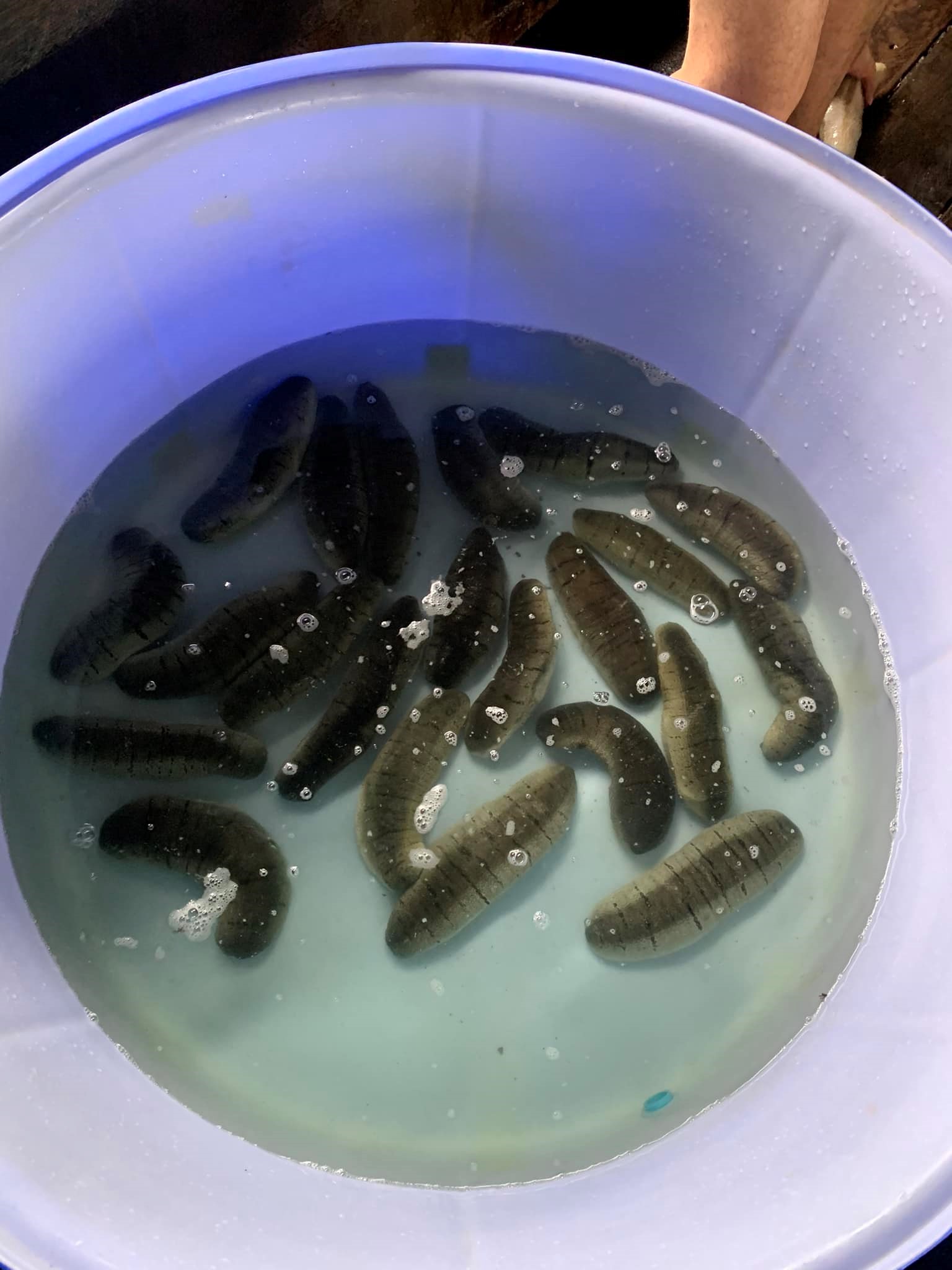
Sea cucumbers have long served as a source of income for communities in Krabi Province, particularly in Ko Sriboya Subdistrict, Nuea Khlong District. Priced at approximately 100–120 baht per kilogram, the value of sea cucumbers increases significantly to 700–1,000 baht per kilogram when processed through dehydration. However, the local fishing practices employed by fishermen in this area often do not align with sustainable fishing standards, raising concerns regarding the potential degradation of marine ecosystems and the depletion of sea cucumber populations.
In response to these environmental and economic concerns, Walailak University, led by Assistant Professor Dr. Anurak Thungtong and his research team, initiated an educational outreach program focused on promoting sustainable sea cucumber farming management among local fishermen. The program provided technical support and knowledge in several key areas, including:
This educational outreach program has successfully fostered greater awareness among local fishermen of the importance of adopting sustainable sea cucumber farming practices. Furthermore, the program has contributed to the preservation of coastal marine ecosystems by discouraging destructive fishing practices, thus supporting broader ecological conservation efforts beyond sea cucumber farming alone.
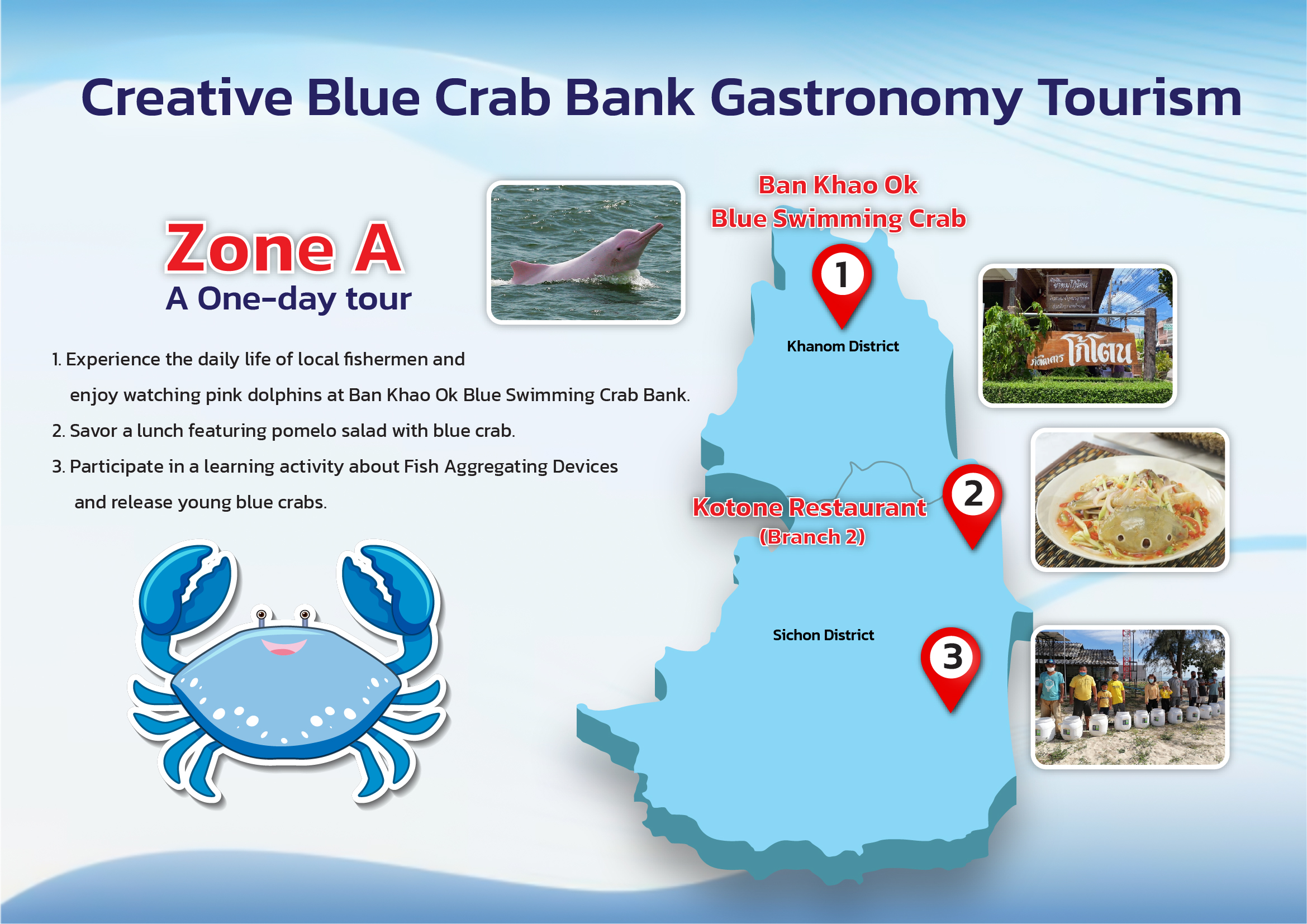
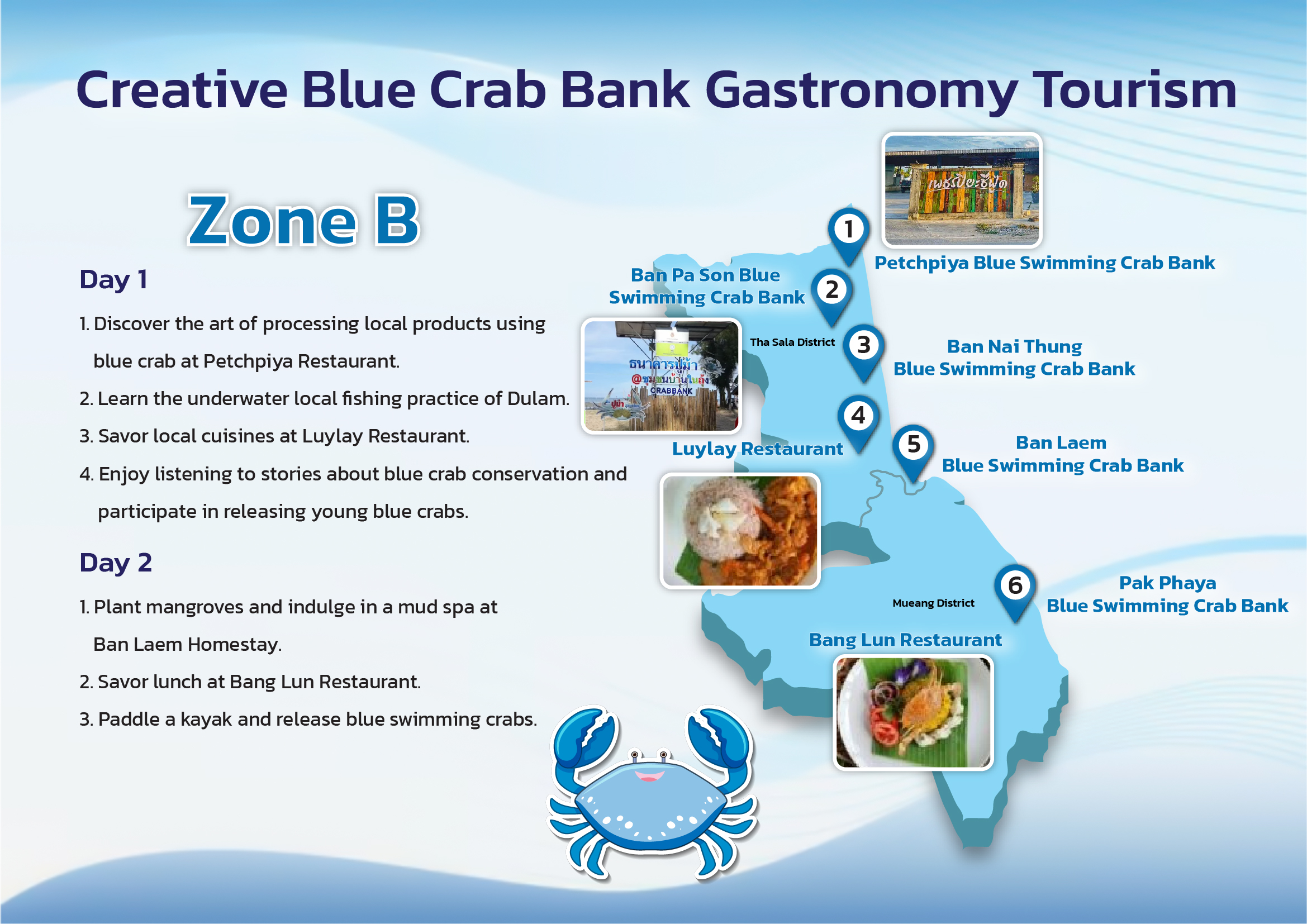
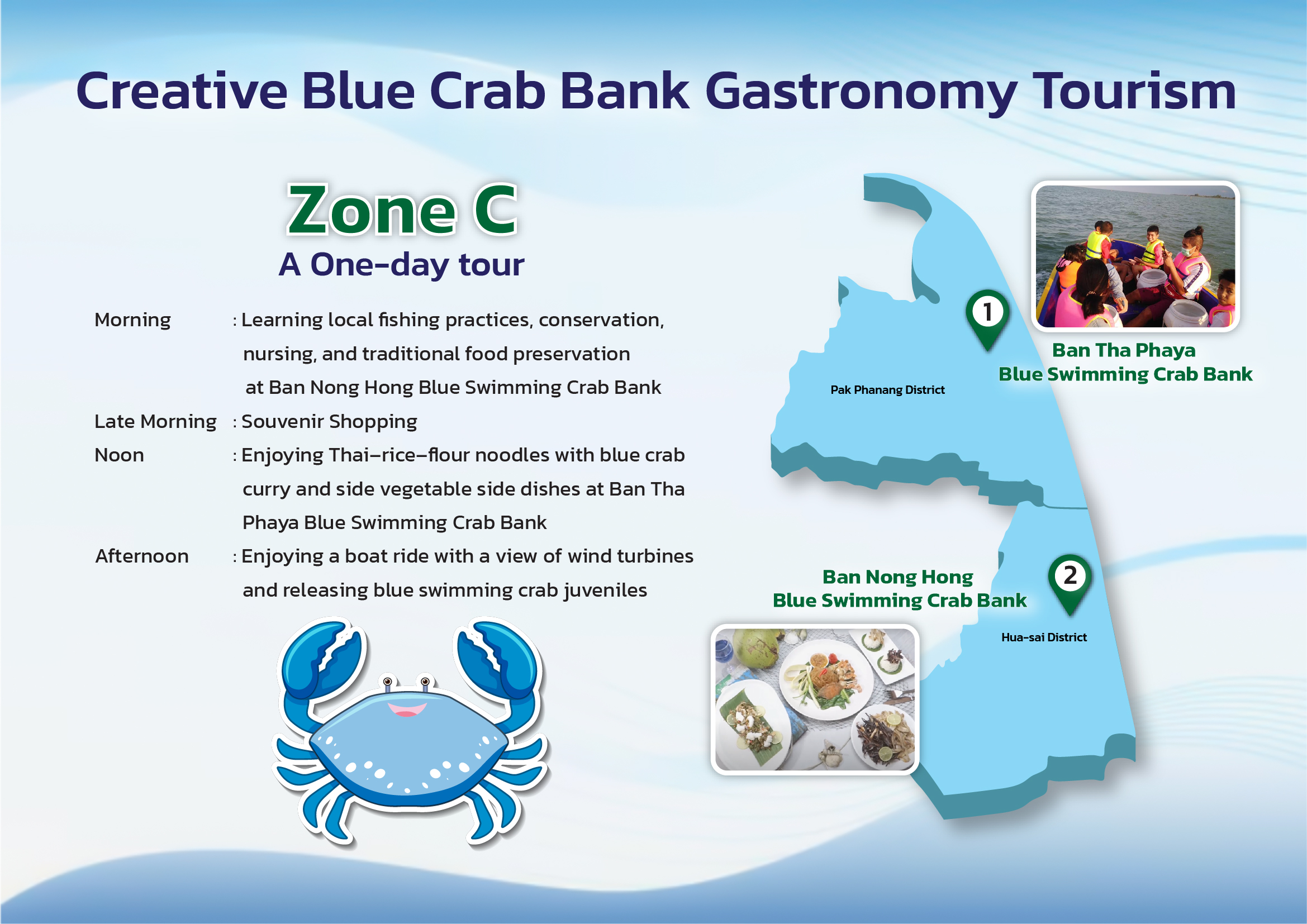
The gastronomy tourism routes are divided into three zones: Zone A, Zone B, and Zone C, spanning areas across Nakhon Si Thammarat and Surat Thani. The targeted areas in Nakhon Si Thammarat include Khanom District, Tha Sala District, Mueang Nakhon Si Thammarat District, Pak Phanang District, and Hua Sai District. In Surat Thani, the routes extend to Samui Island and Pha Ngan Island. Zones A and B cover areas within Nakhon Si Thammarat, while Zone C is designated for the islands in Surat Thani. Each zone offers unique experiences for tourists, including sampling signature local dishes and engaging in traditional fishing practices.
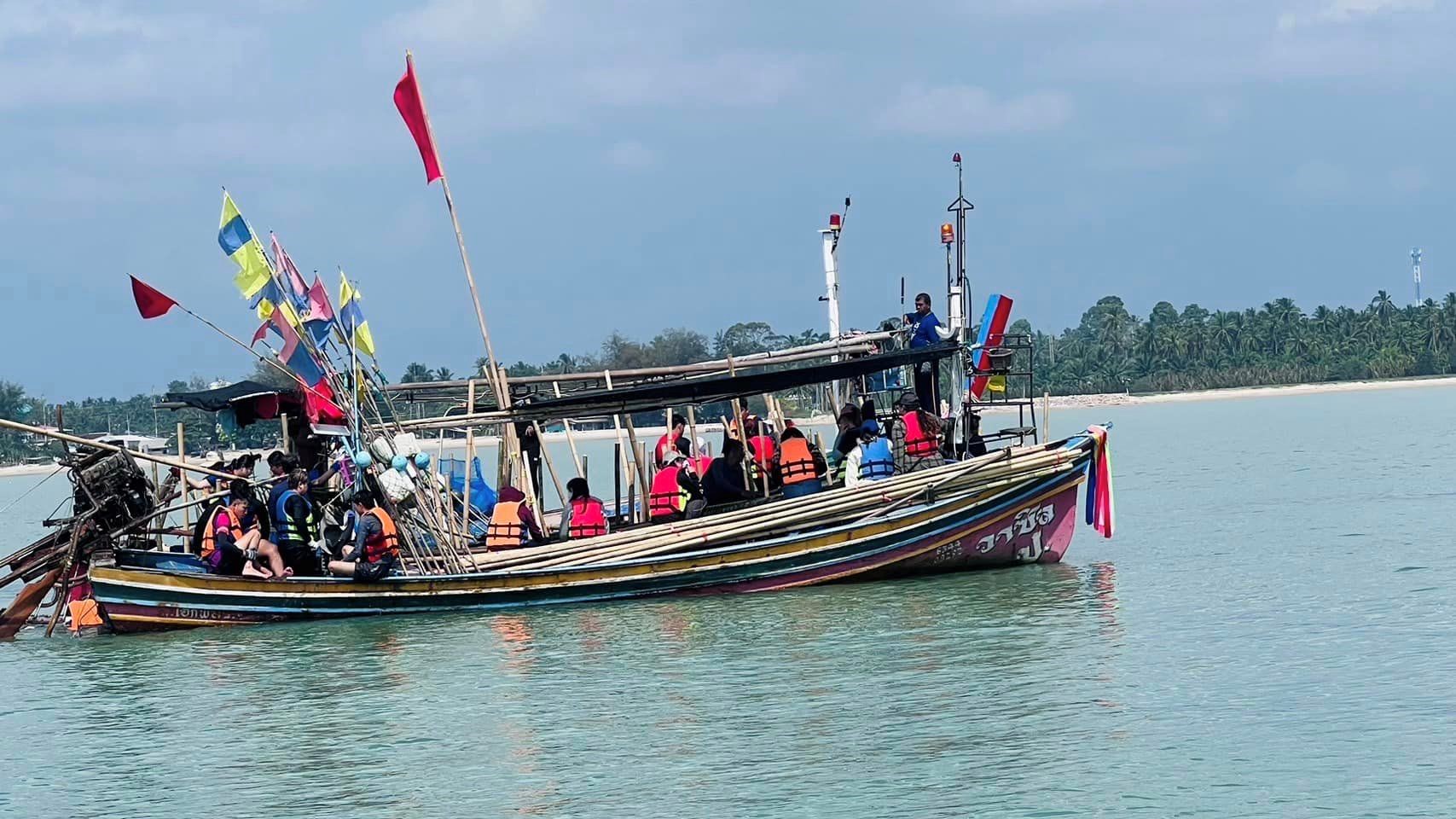
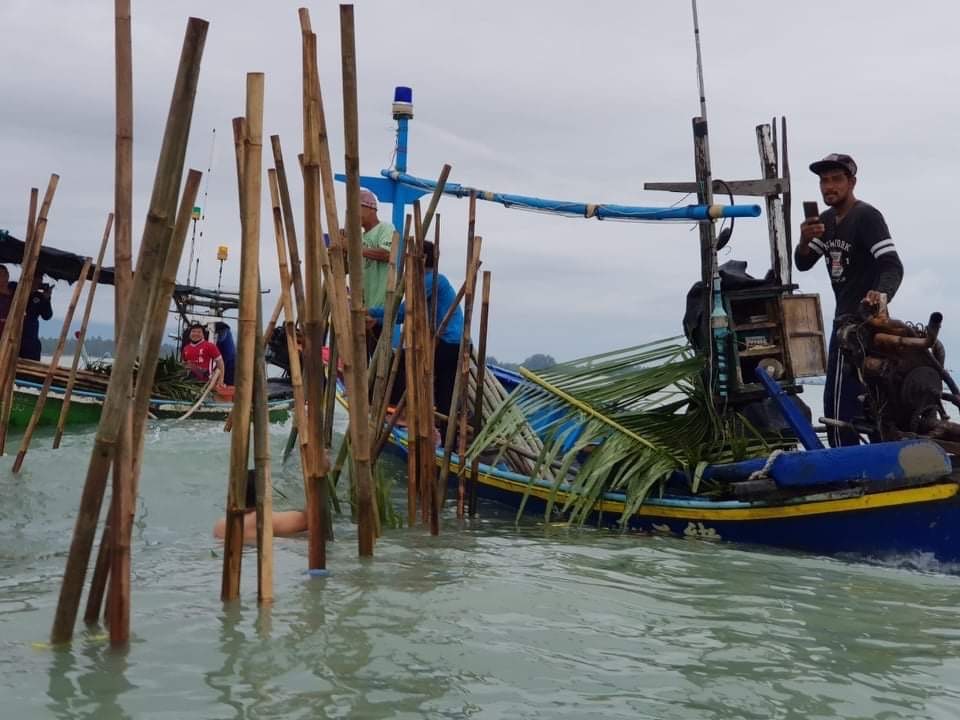
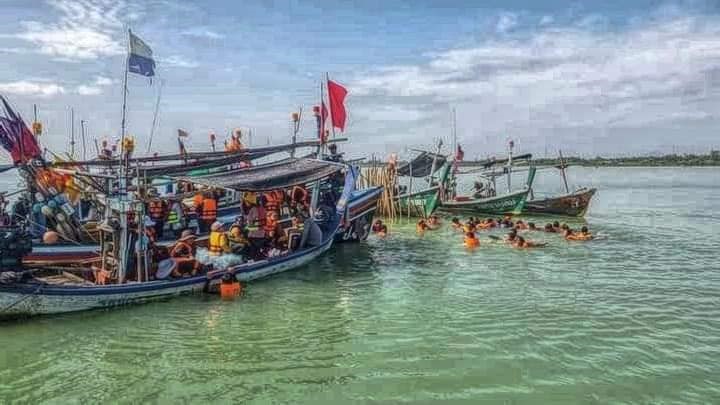
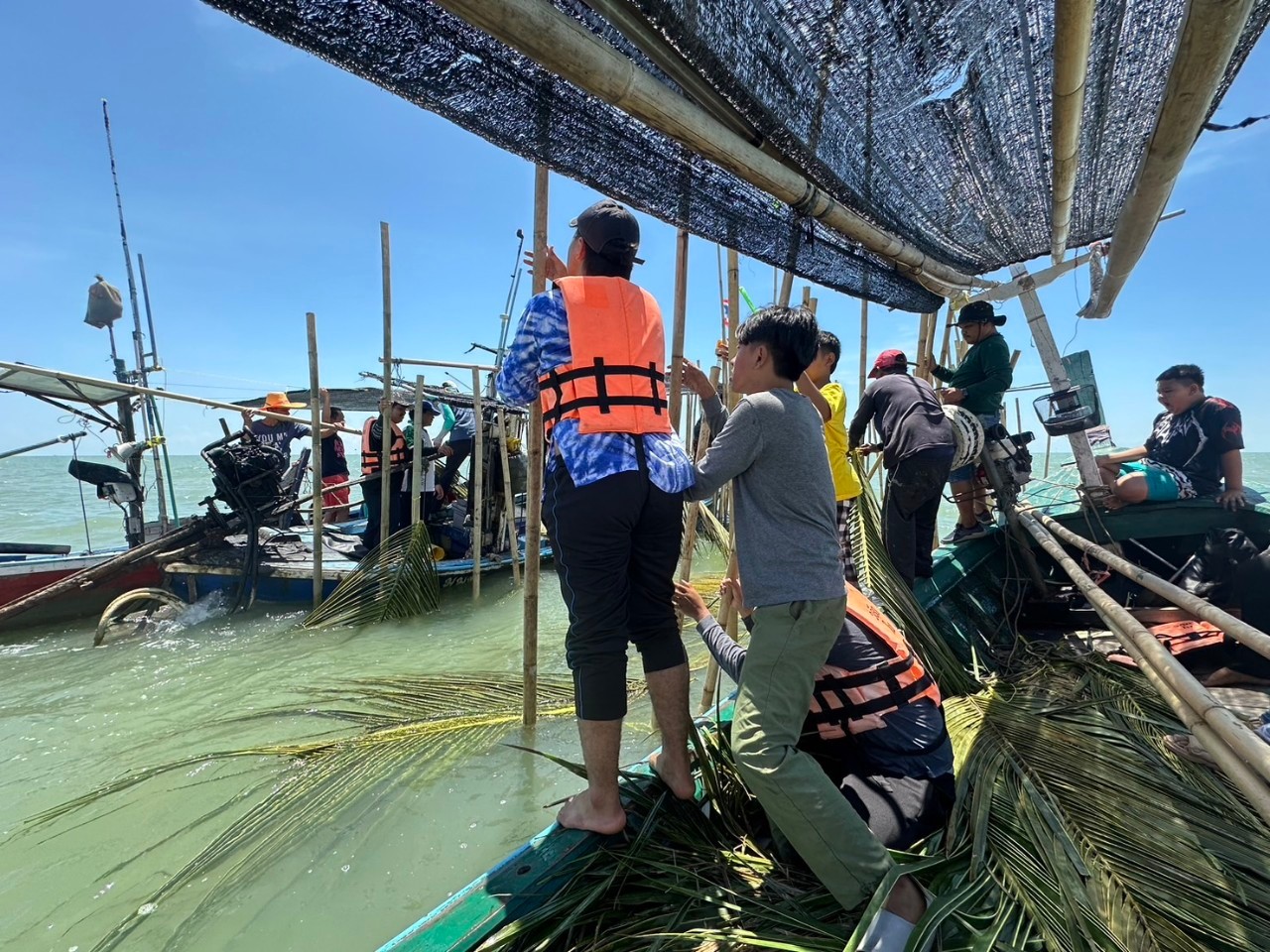
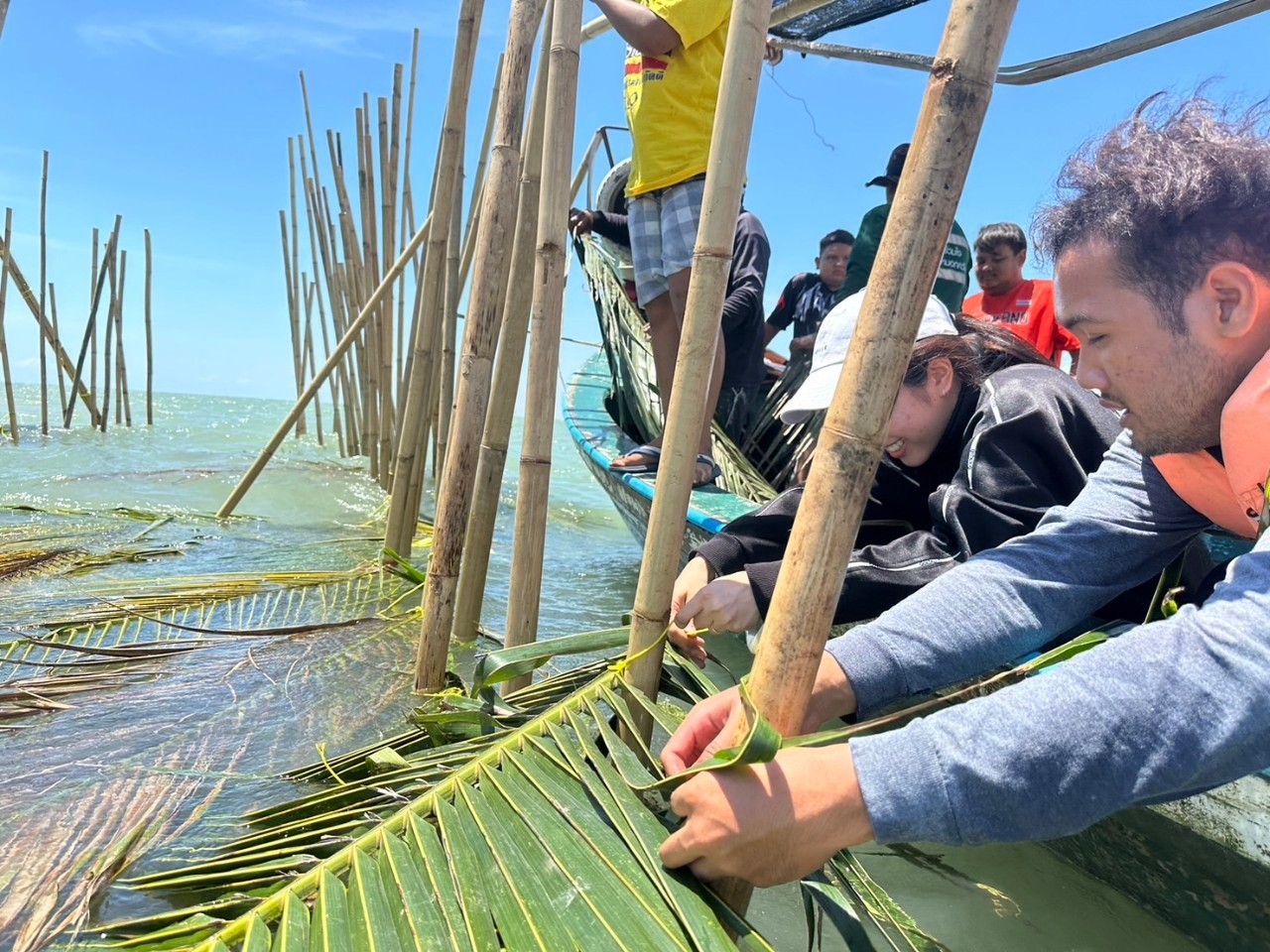
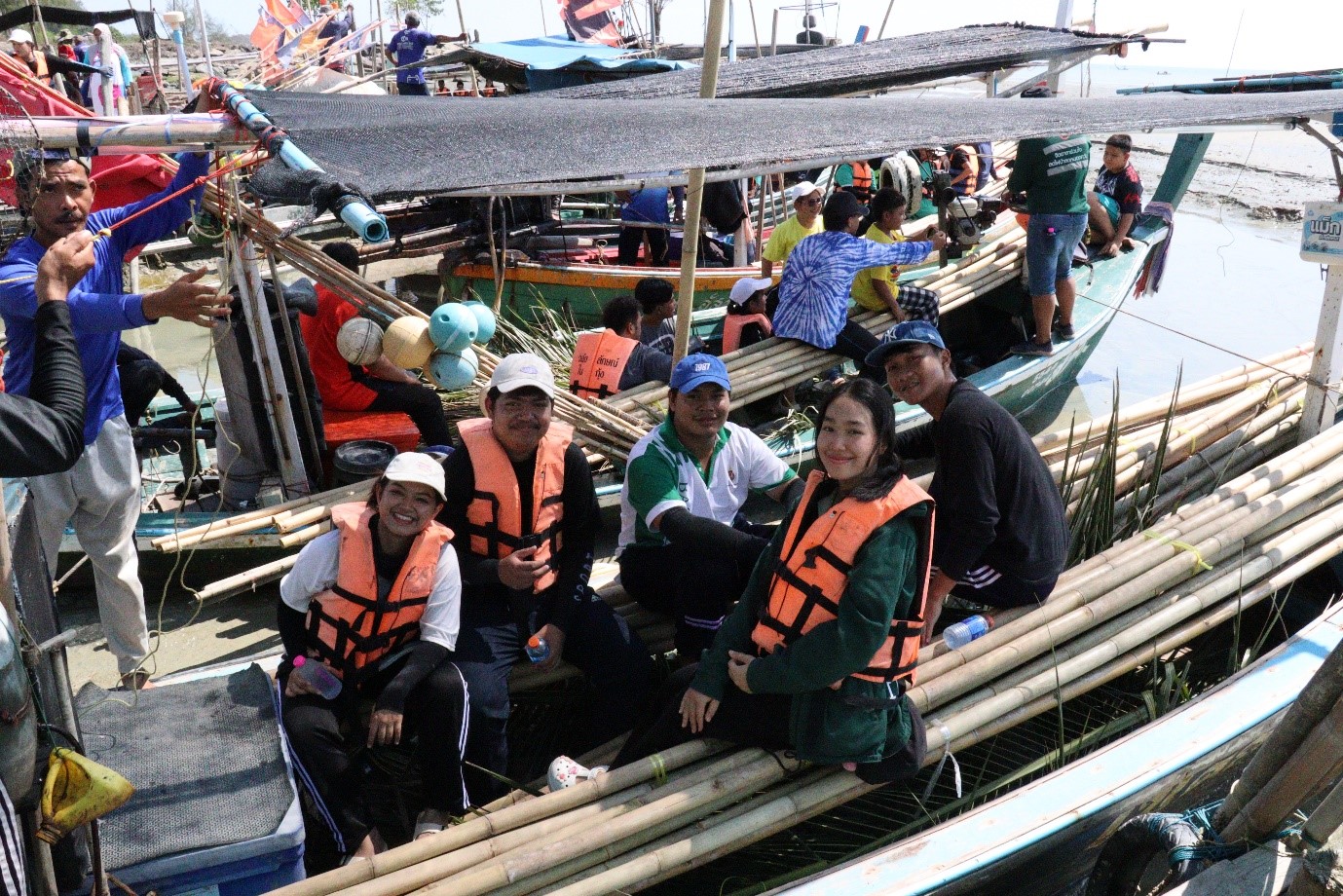
Walailak University (WU) continued its free educational outreach program, dedicated to fostering sustainable ecosystems by building artificial habitats and restoring fish populations. This initiative aimed to enhance biodiversity and ecosystem services within fishing zones. The actions implemented by this program included constructing fish houses to provide habitats and refuge for aquatic species, releasing juvenile aquatic animals into the Thai sea to replenish fishery stocks, and removing plastic waste from the water to minimize microplastics in natural ecosystems.
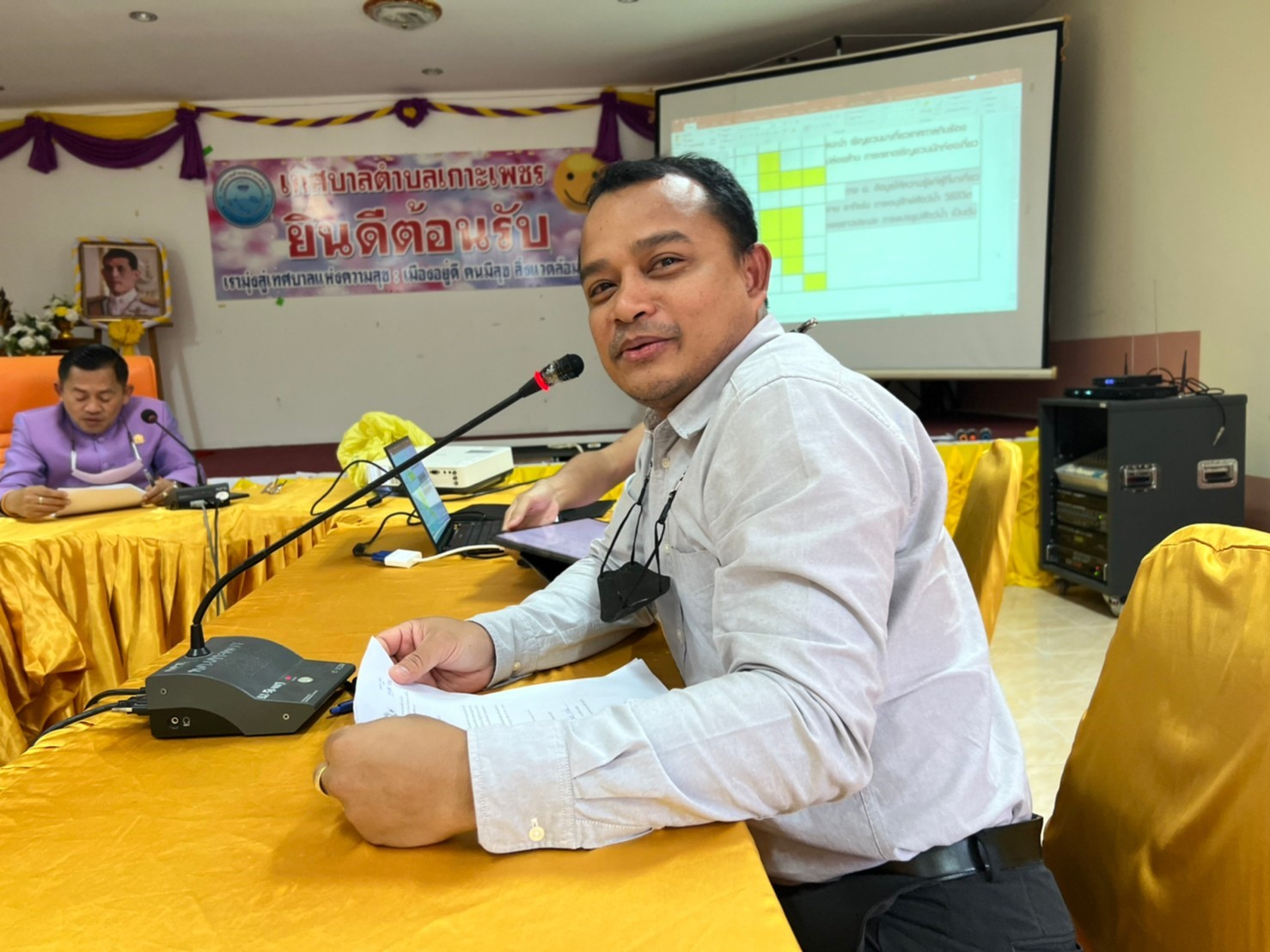
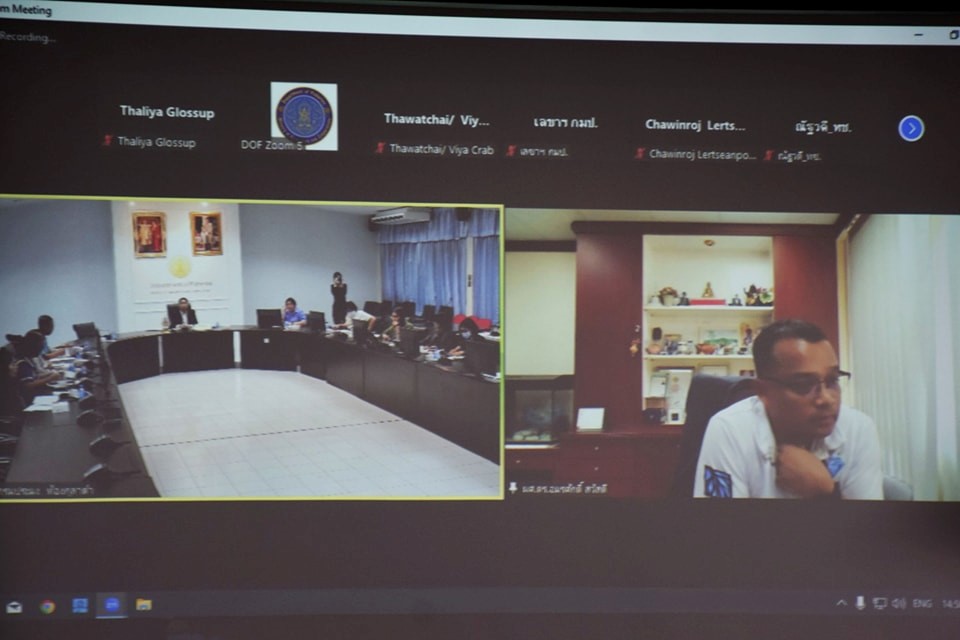
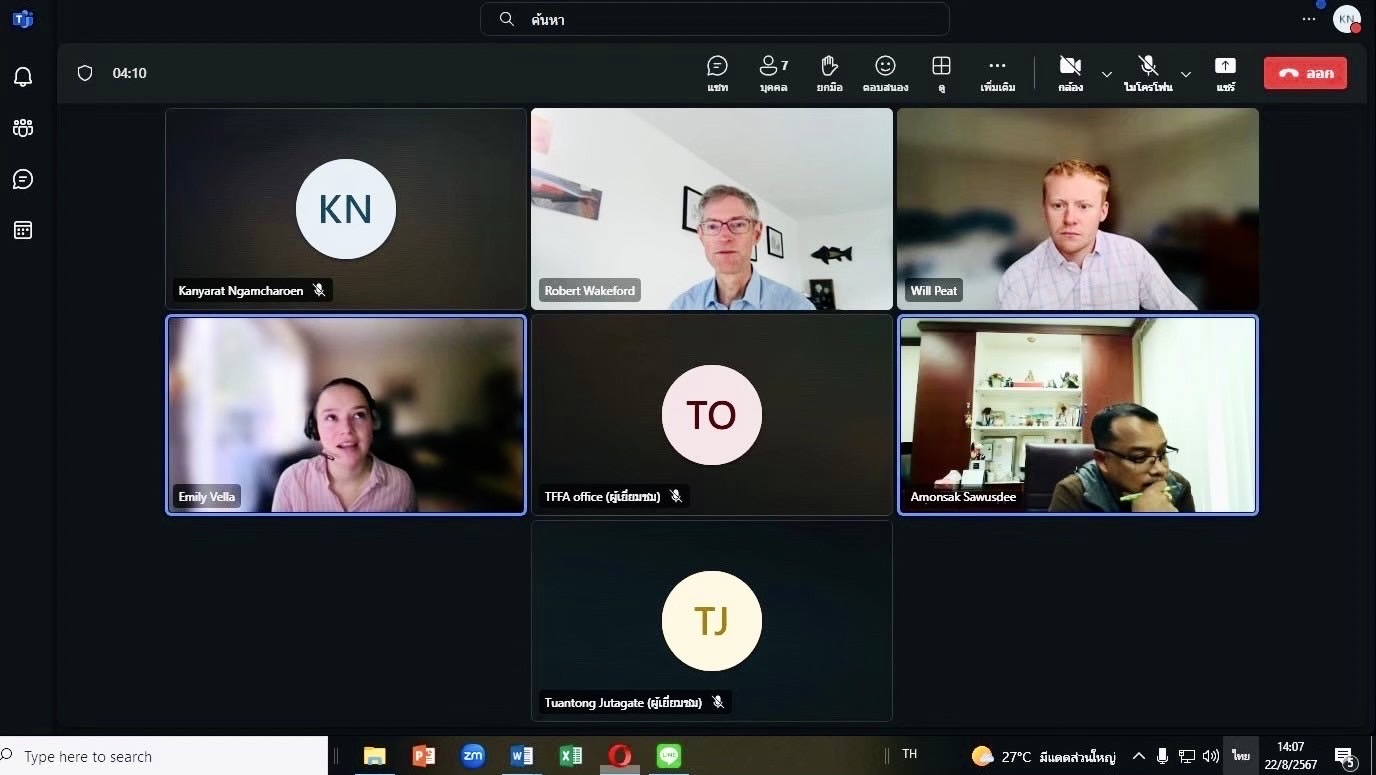
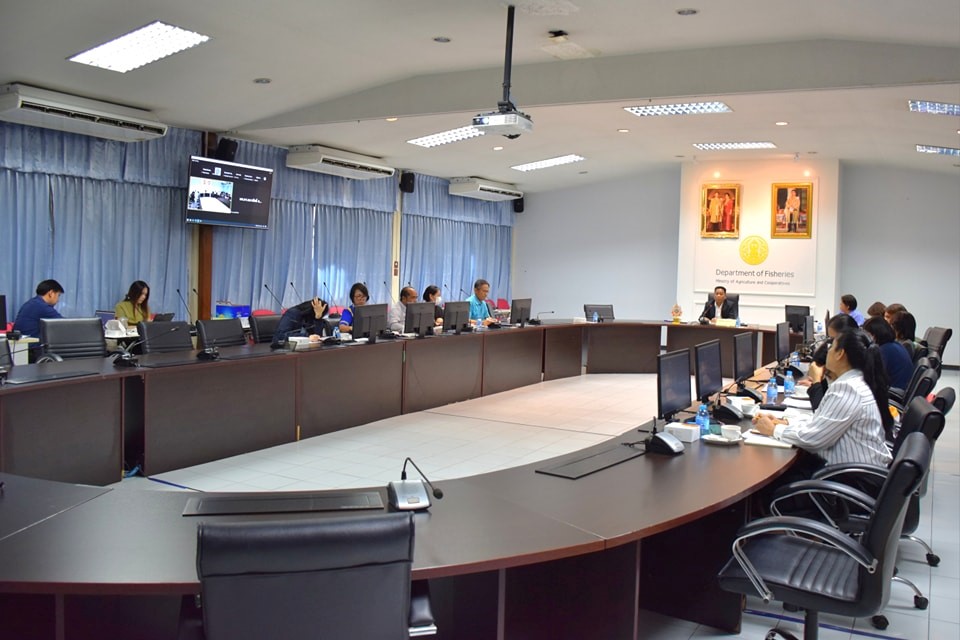
Walailak University, in collaboration with the Department of Fisheries, the Department of Marine and Coastal Resources, the Thai Frozen Foods Association, the World Wildlife Fund (WWF), and representatives from local fishermen’s groups, initiated a comprehensive project aimed at gathering academic data and fostering dialogue on sustainable marine resource management. Through this partnership, Walailak University facilitated the exchange of knowledge and expertise, providing a platform to address the environmental and economic challenges facing the region.
The university disseminated valuable research findings on fishery biology, oceanography, and the socio-economic conditions of local fishing communities. This research informed and shaped policy initiatives, offering evidence-based recommendations for the preservation and sustainable use of marine resources. These efforts had a significant impact in Ban Don Bay, a vital fishing area in the Gulf of Thailand, where the policies derived from this research were implemented to enhance both ecological stability and economic resilience for local communities reliant on fishing.
In 2023, Walailak University significantly advanced sustainable fisheries management in Thailand through comprehensive educational outreach programs. By empowering stakeholders, including local fishermen and government agencies, the university provided essential knowledge and practical skills for sustainable fishery resource management. Notably, programs focused on blue swimming crab resource management educated fishermen and marine authorities on conservation methods, leading to a measurable increase in sustainable practices. The blue swimming crab aquaculture outreach program also contributed to the growth of young crab populations by encouraging local fishermen to release berried female crabs while teaching advanced aquaculture techniques to improve survival rates.
Additionally, the university promoted eco-friendly tourism by integrating blue swimming crab cuisine with local cultural identities, generating income for businesses and raising awareness about marine resource conservation. The artificial fish habitat construction program further enhanced ecosystem health and biodiversity by creating safe habitats and reducing plastic waste.
Partnerships with government agencies, NGOs, and industry associations strengthened national and international collaborations in marine conservation. Through data collection and collaborative research, Walailak University contributed to policy recommendations that promoted ecological stability and economic resilience, particularly in key fishing areas like Ban Don Bay.
Each year, Walailak University, through its researchers, collaborates with local communities to identify and address challenges related to freshwater ecosystems. Local communities and stakeholders actively participate in the development process to overcome these challenges. At the end of each year, the university and the communities jointly assess the success of their projects and initiatives and develop plans for future implementation. This collaborative approach demonstrates Walailak University’s commitment to providing educational outreach programs on the sustainable management of fisheries, aquaculture, and tourism, consistently achieving over 95% satisfaction rates for each project.