Empowering Communities through Free Access to Knowledge and Technology for Food Security, Sustainable Agriculture, and Aquaculture
As a leading educational institution, the university plays a vital role in promoting food security and sustainable agricultural development, particularly within the context of Thai society, where many people continue to face challenges related to income, knowledge, and access to essential resources for efficient food production. Through continuous diagnostics and measurements of local needs, the university is able to design and refine its initiatives to better address food-related challenges. Food security not only means having sufficient food but also ensuring access to safe, nutritious food that is produced sustainably without depleting natural resources in the long term.
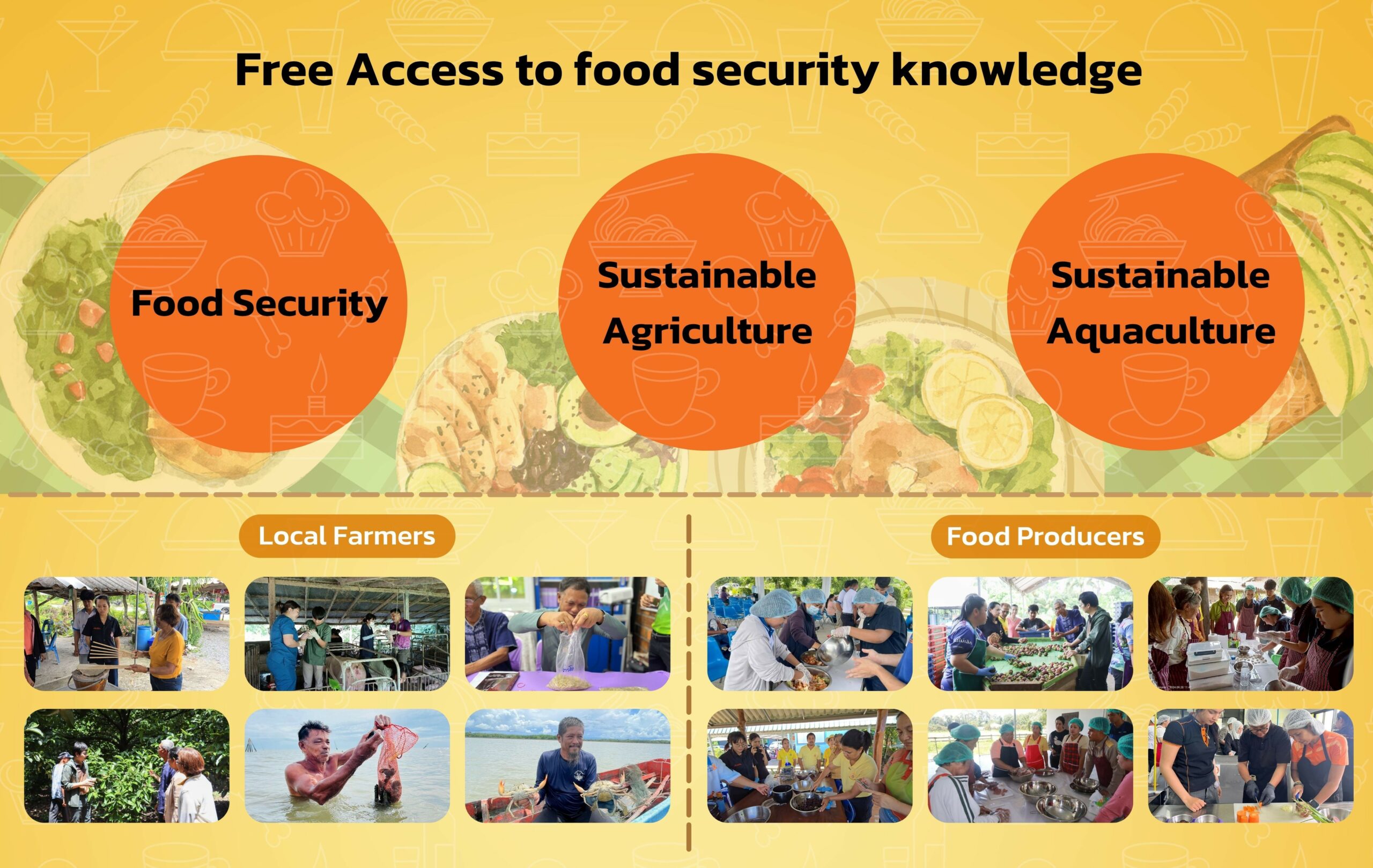
To demonstrate the university’s commitment to driving food security knowledge into the community, various development-oriented activities have been organized to provide free access to food security, sustainable agriculture, and aquaculture knowledge, skills, and technology for local farmers and food producers. These activities are implemented with strong engagement from multiple departments and community stakeholders, and are offered free of charge, enabling participants to apply the acquired knowledge to improve the production, development, and management of food resources effectively.
Food Security
With the goal of enabling communities to sustainably produce, manage, and consume food on their own, the university emphasizes providing access to knowledge, skills, technologies, and socio-economic support for farmers and communities—particularly those with low incomes or limited opportunities. This includes small-scale farmers, community entrepreneurs, and low-income households, ensuring that these groups have the rights and capacity to access sufficient, safe, and nutritious food.
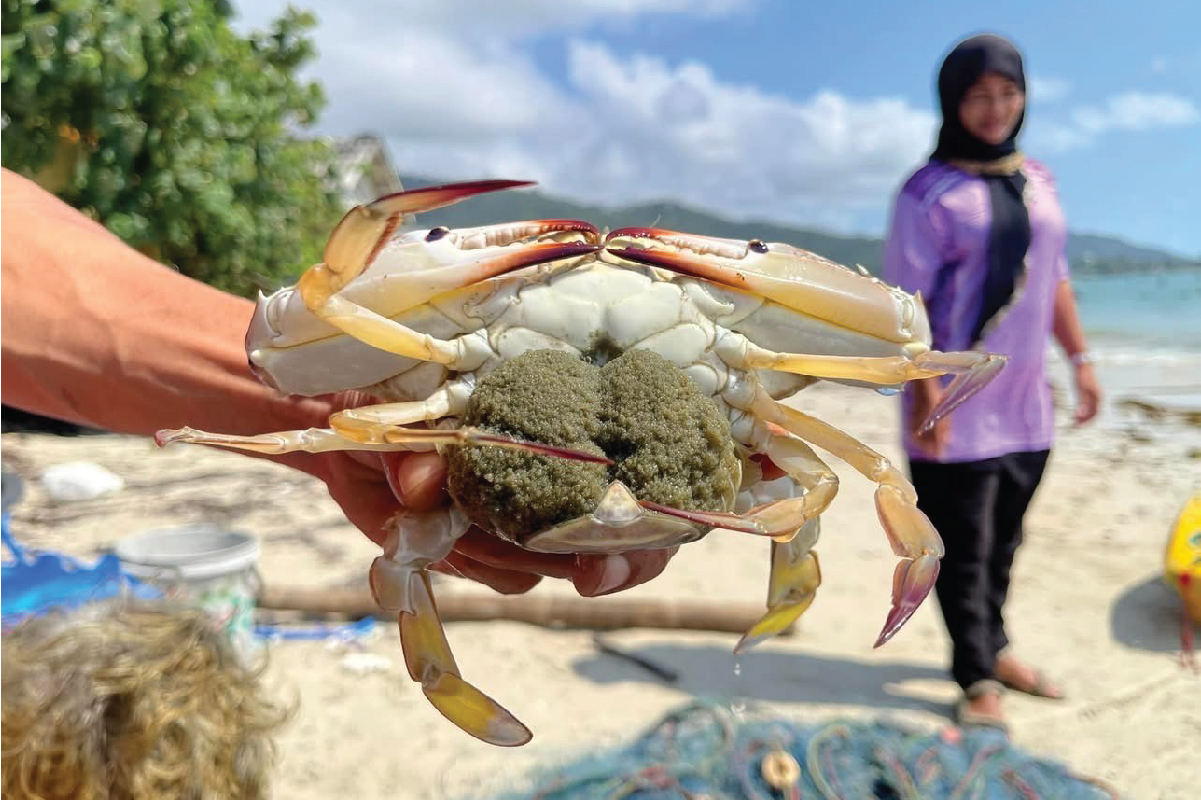
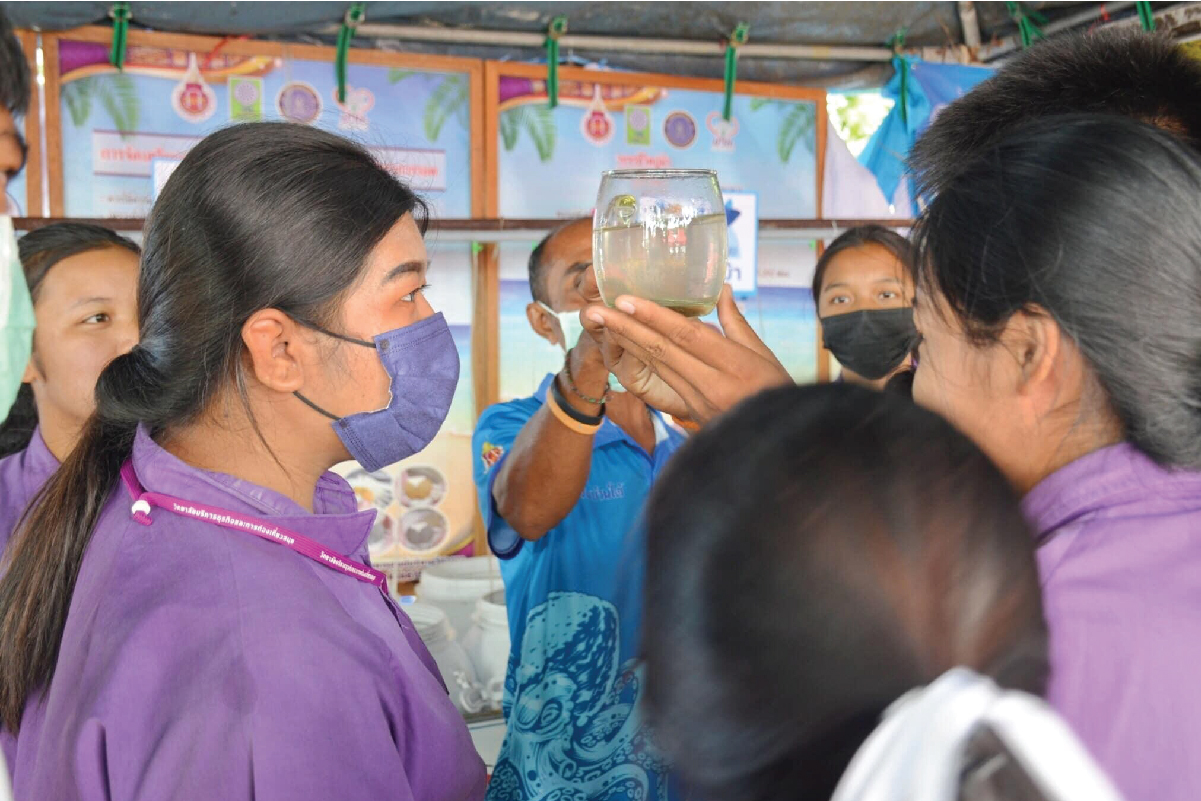
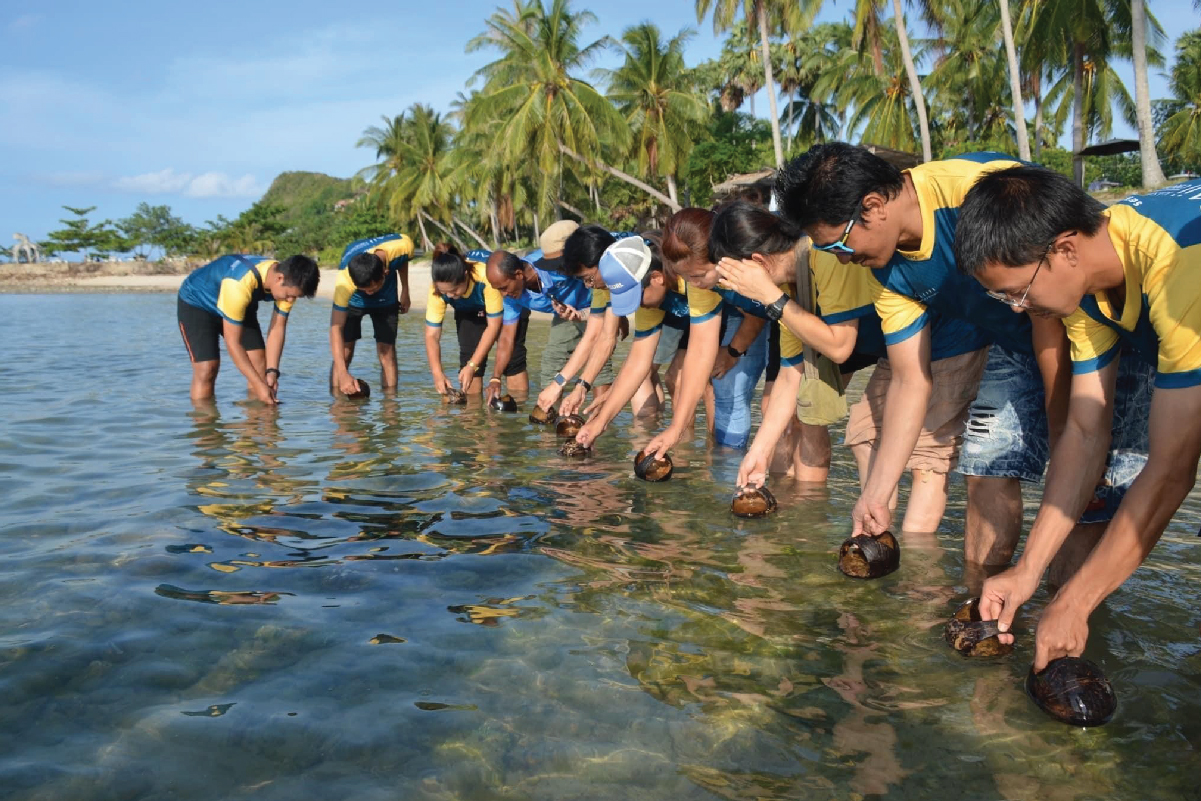
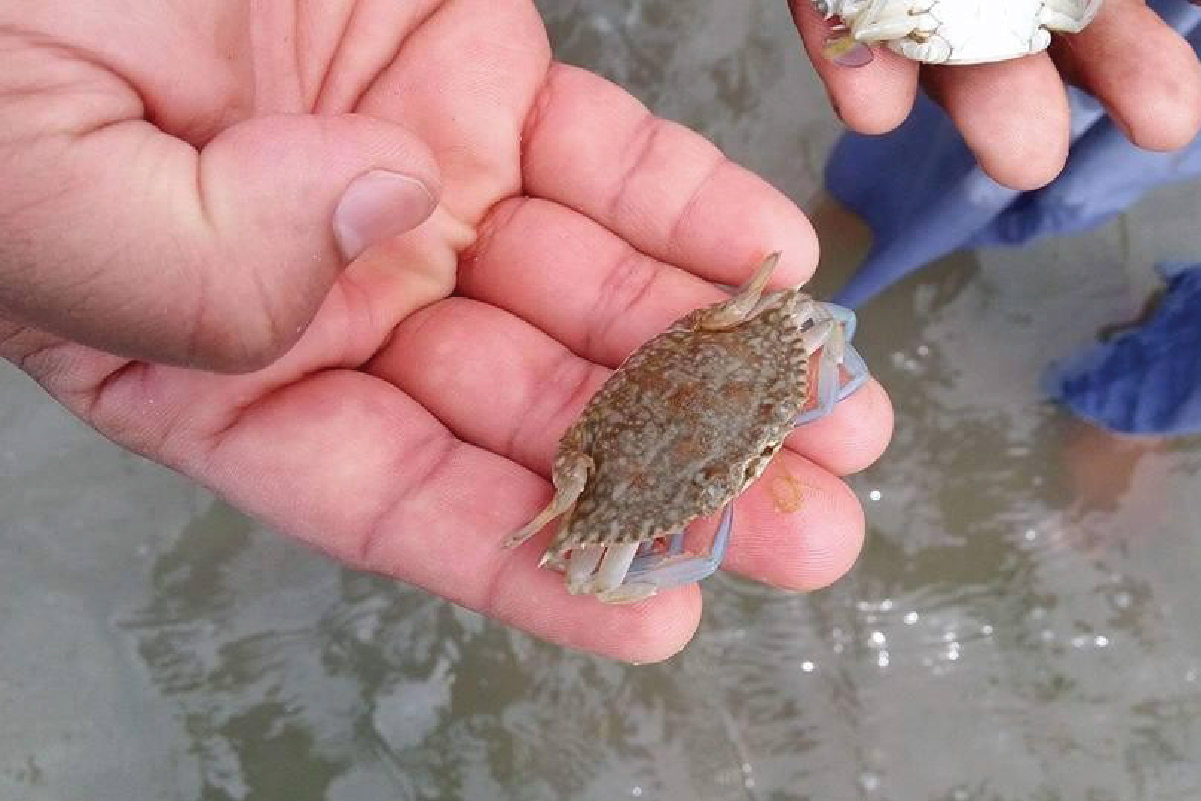
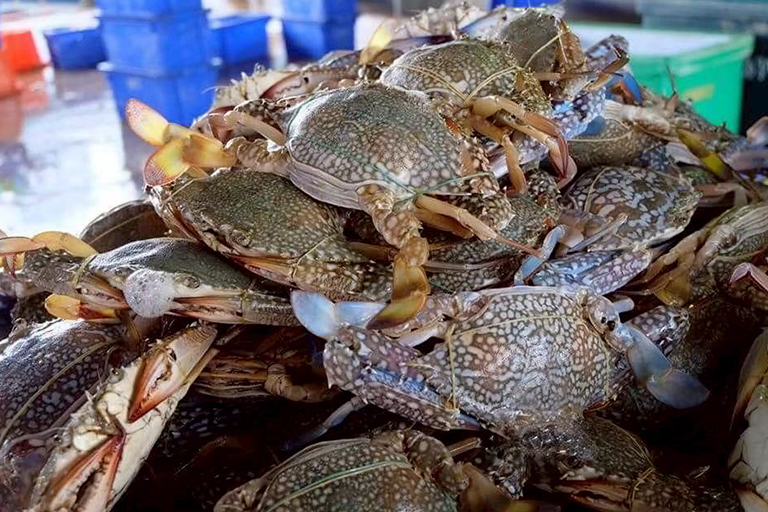
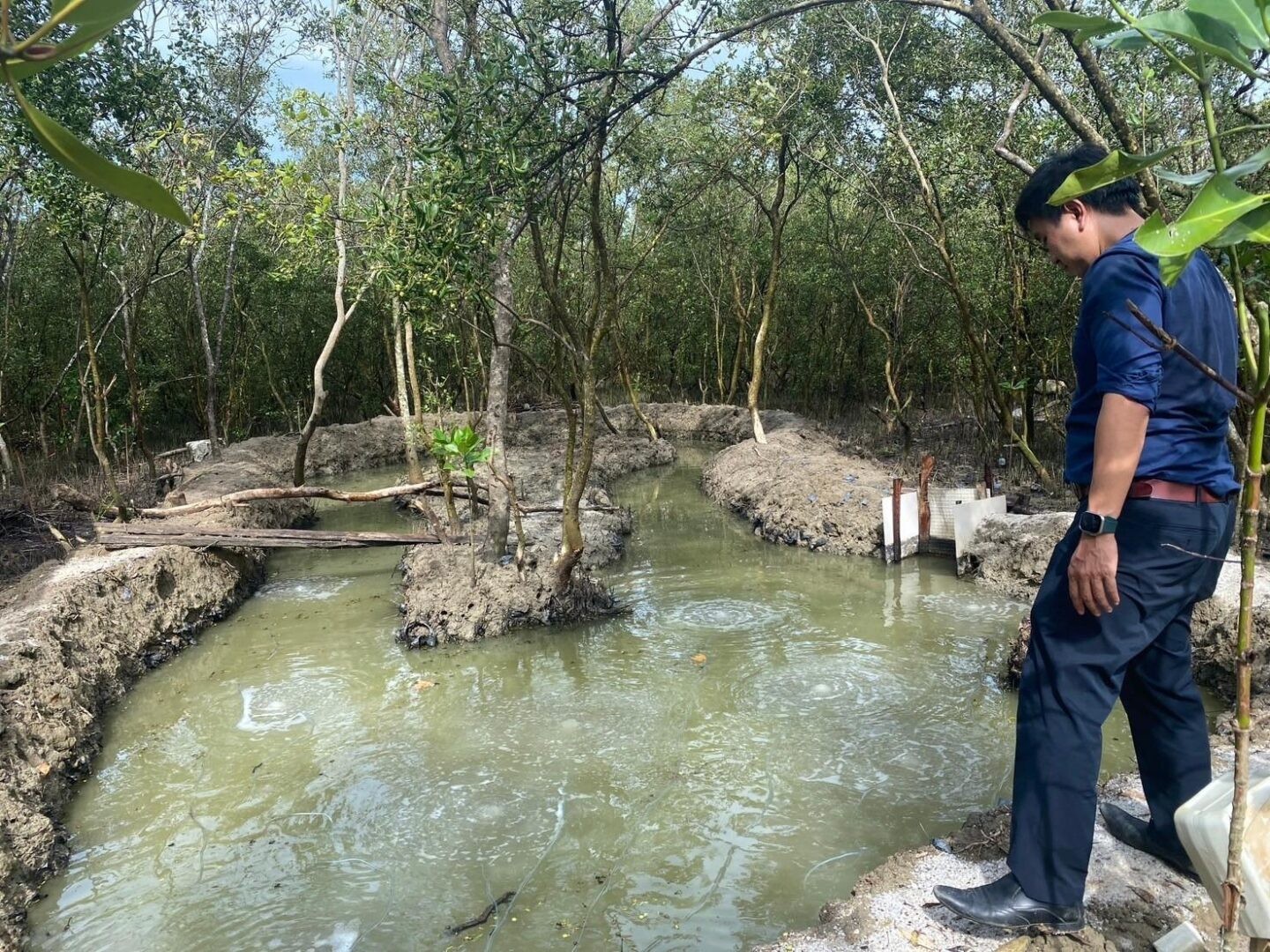
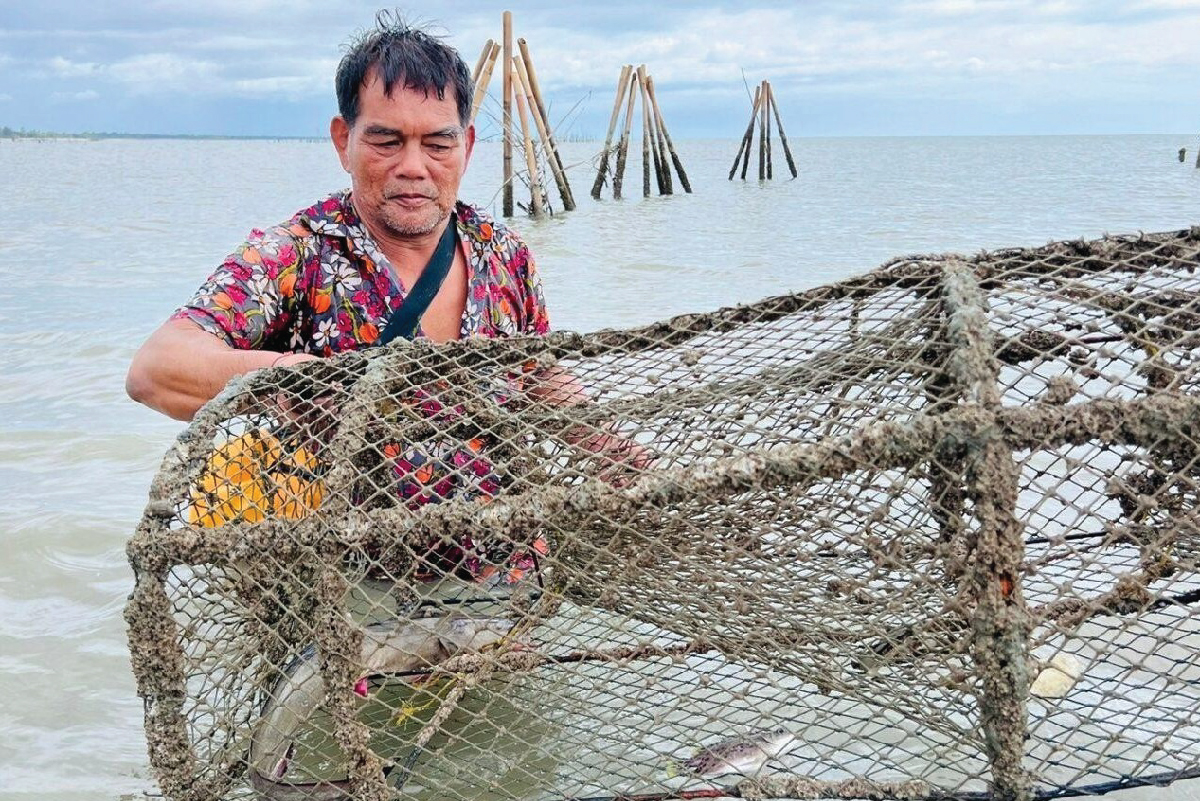
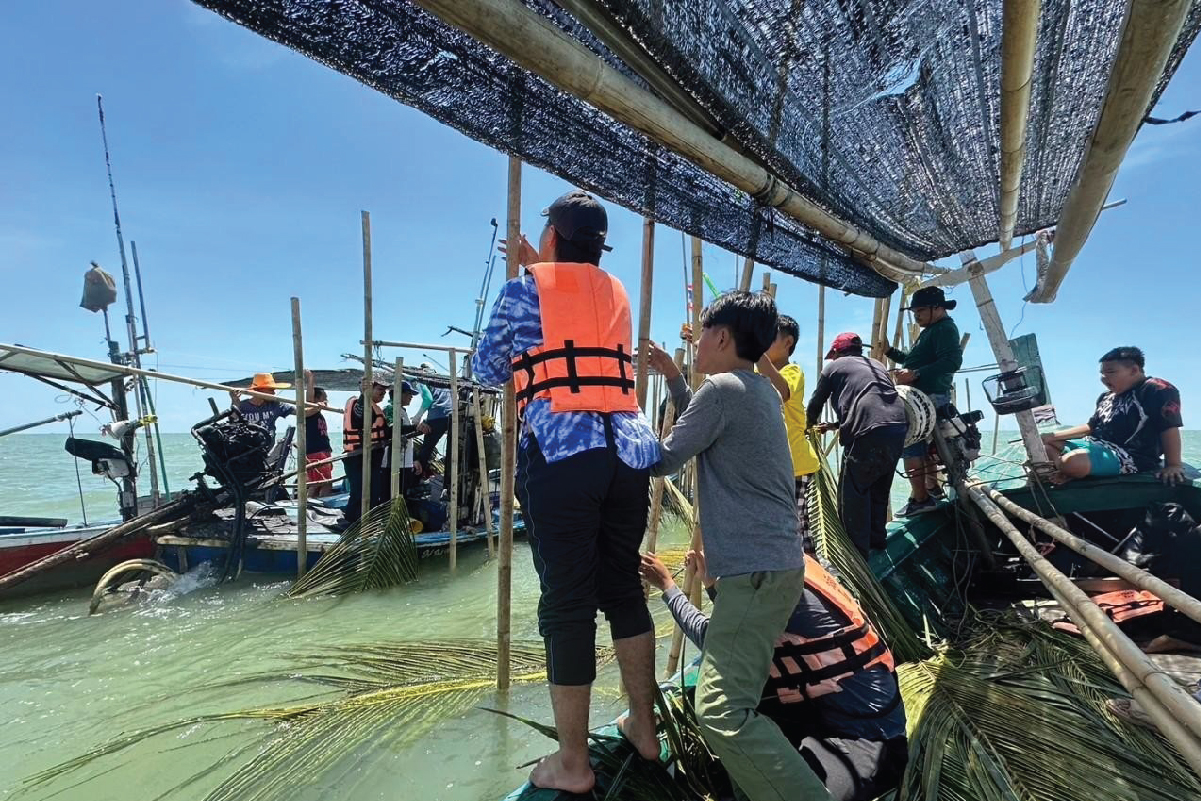
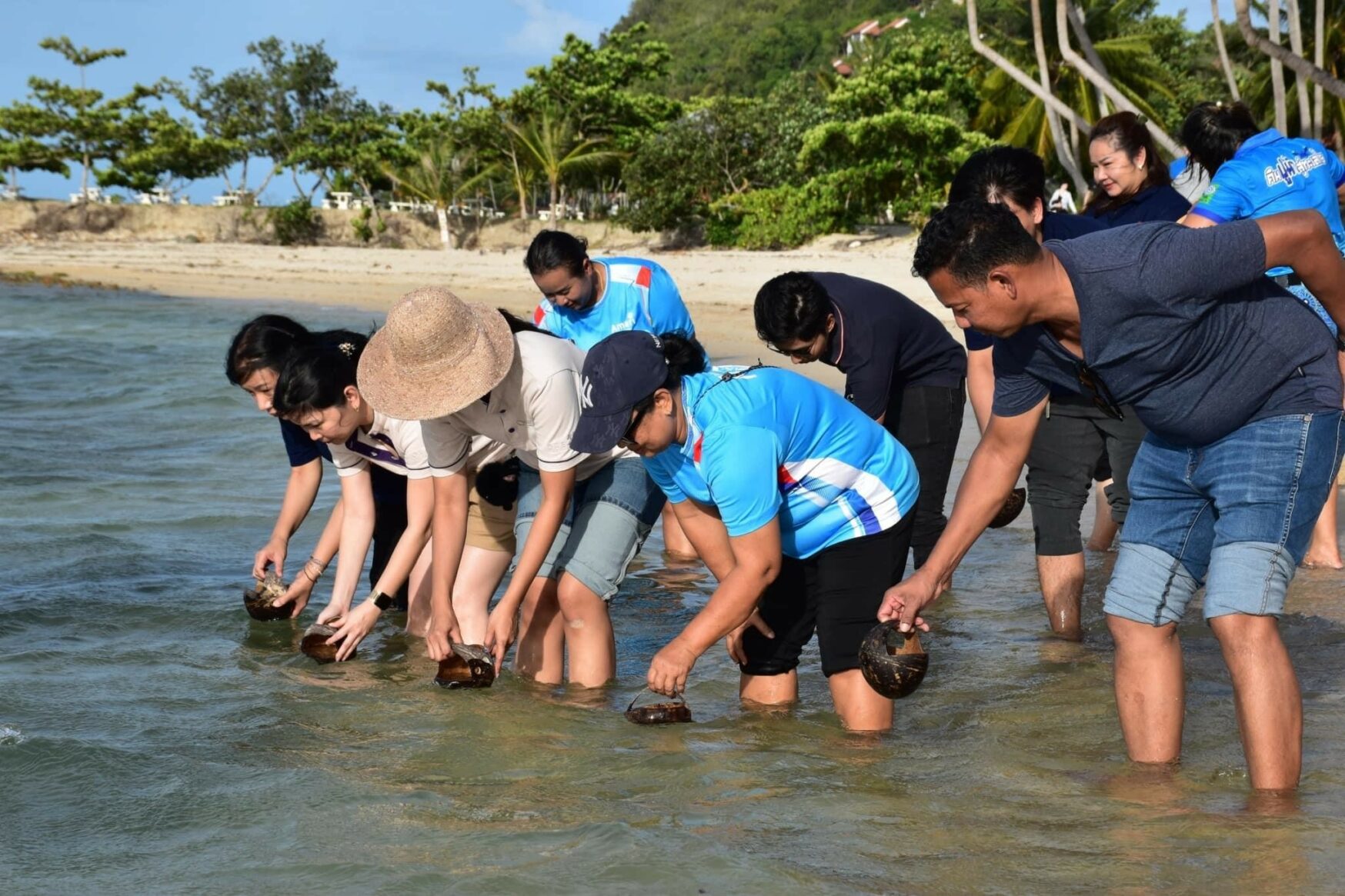
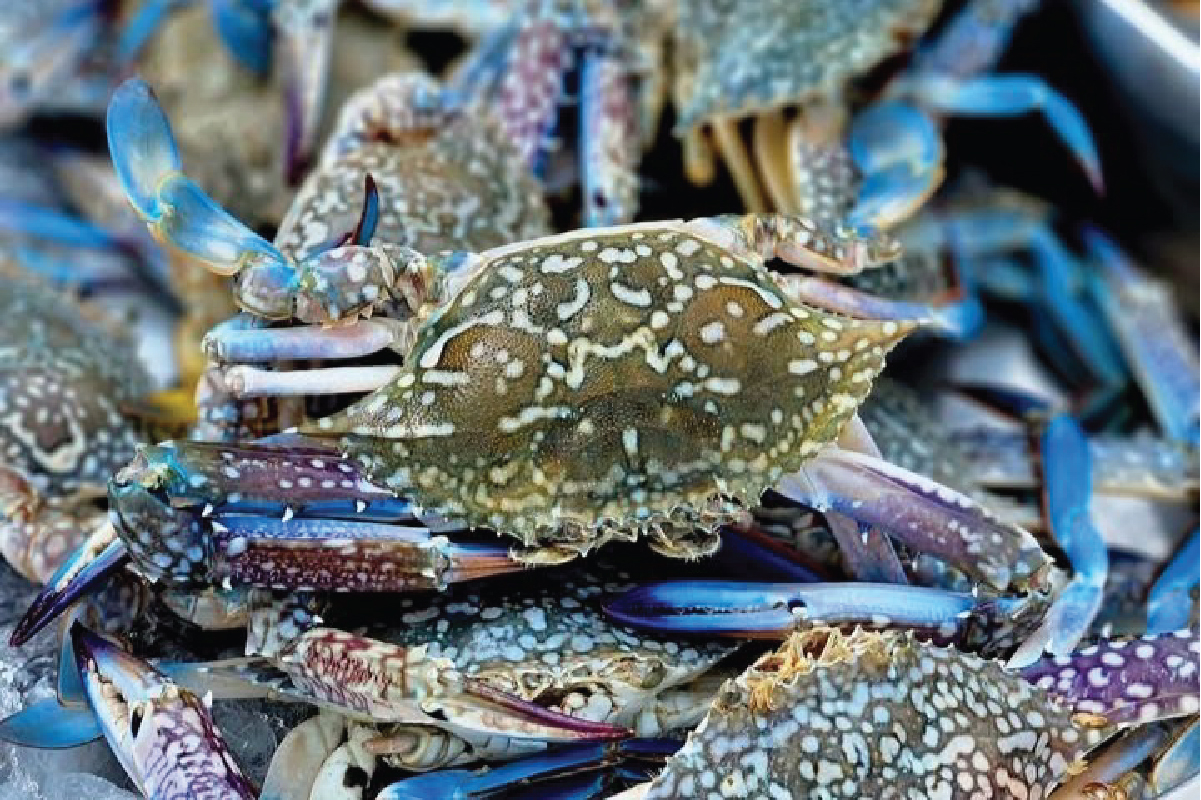
As a source of academic expertise and resources, the university organizes training on food security to enable local farmers and community food producers to achieve sustainable food security in their lives, starting with the establishment of sustainable food sources as the first priority. The activities promoted by the university to engage farmers and food producers in gaining knowledge and skills for creating sustainable food sources include building fish habitats, planting mangroves, and releasing blue swimming crab juveniles.
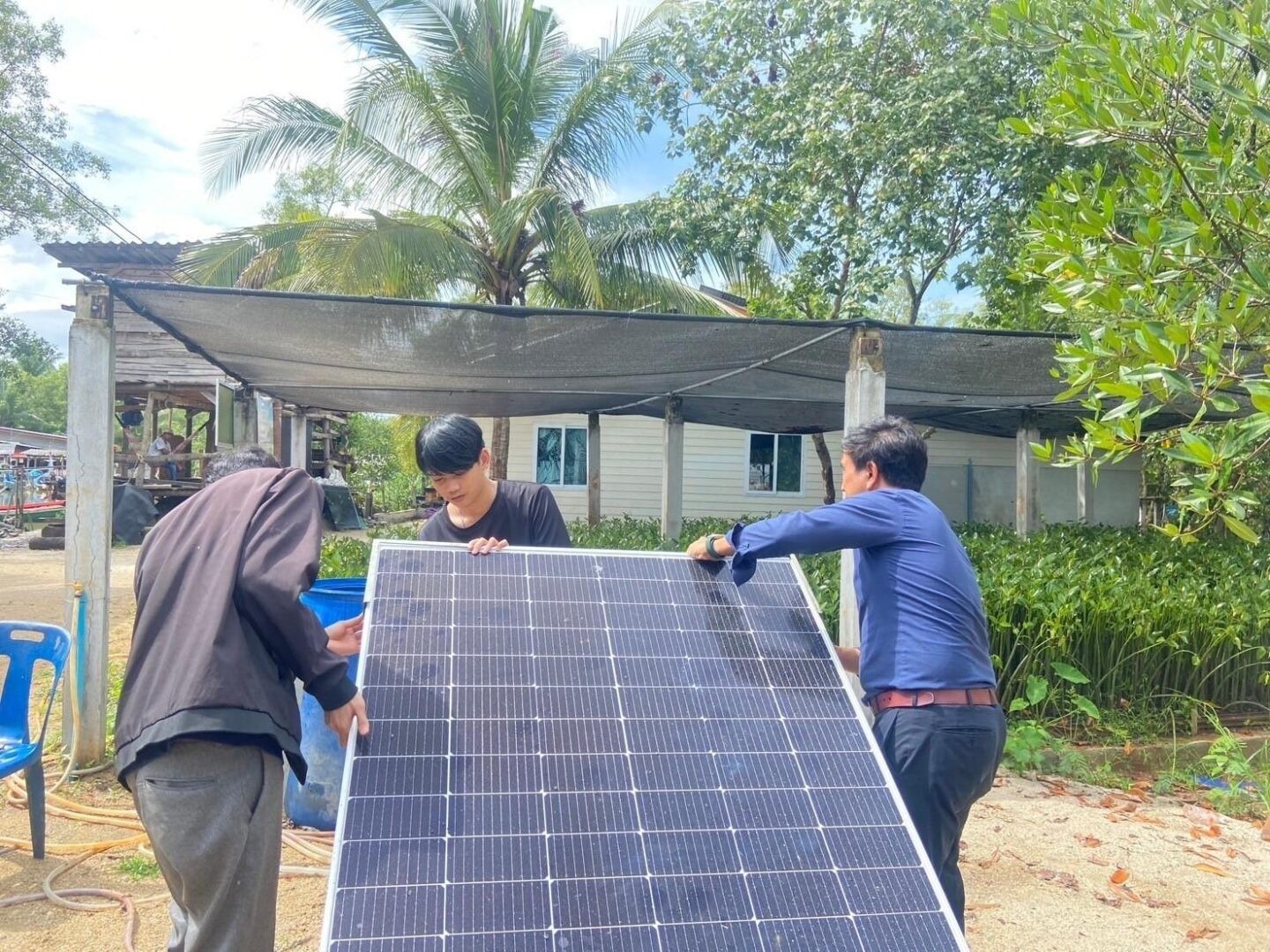
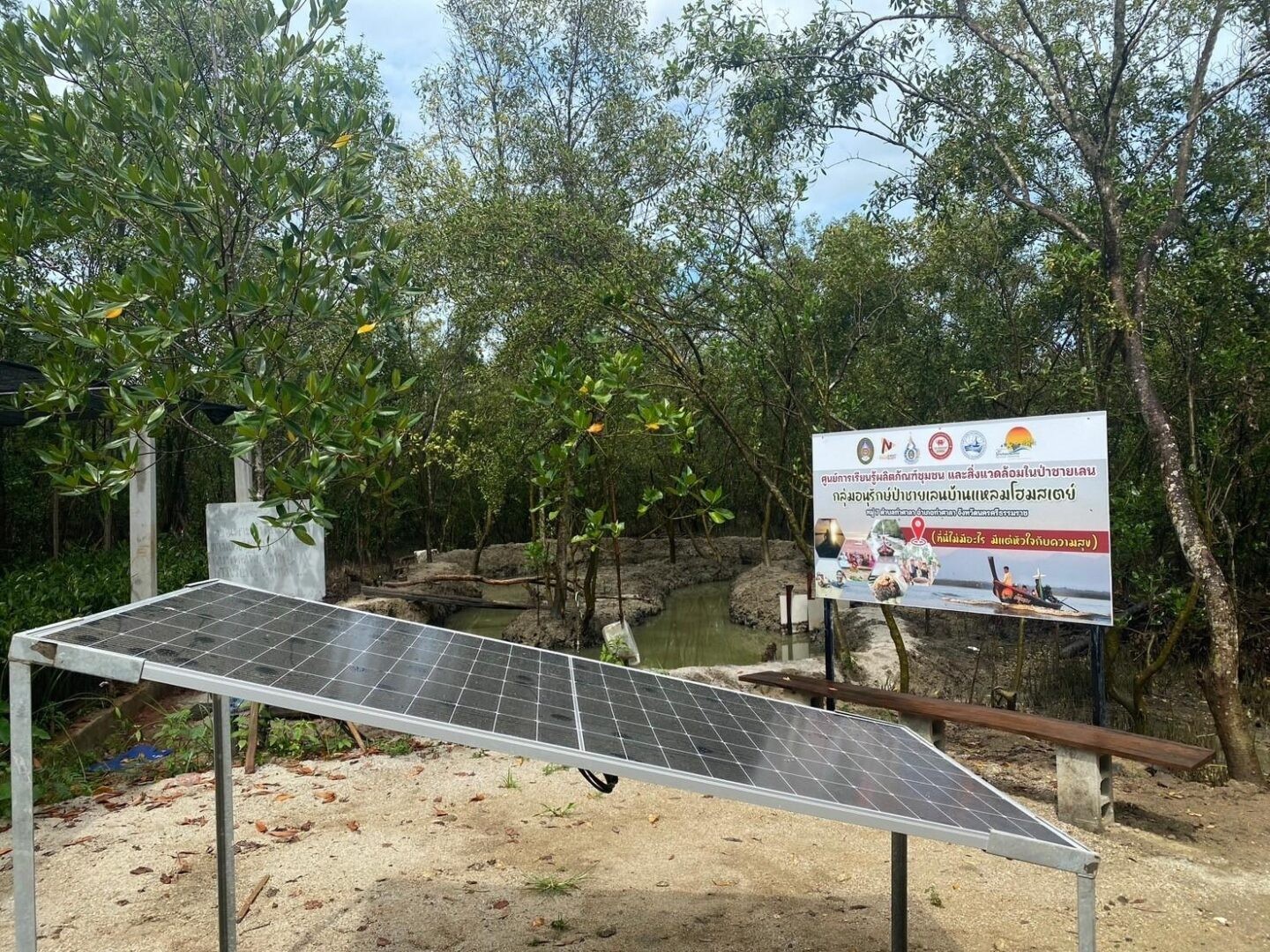
In addition, the university has transferred modern technologies for establishing a model aquatic animal holding center, which includes the installation of solar-powered systems for community aquatic animal ponds as a means to reduce energy consumption. The initiative focuses on educating fishing communities on the use of clean or renewable energy, enabling them to lower production costs and energy expenses efficiently, reduce pollution, and enhance the effectiveness of nurseries for aquatic animals as sustainable food sources for the community.
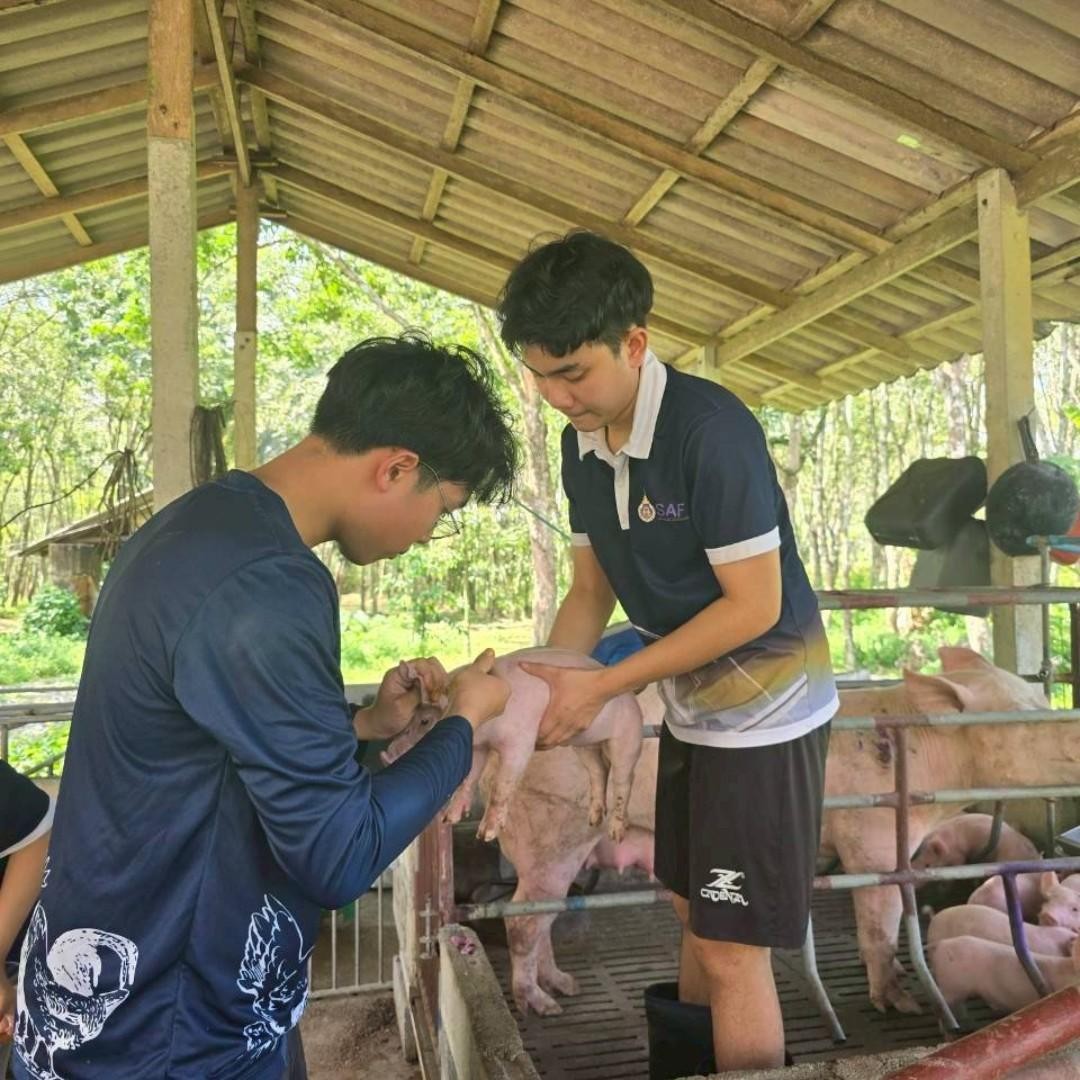
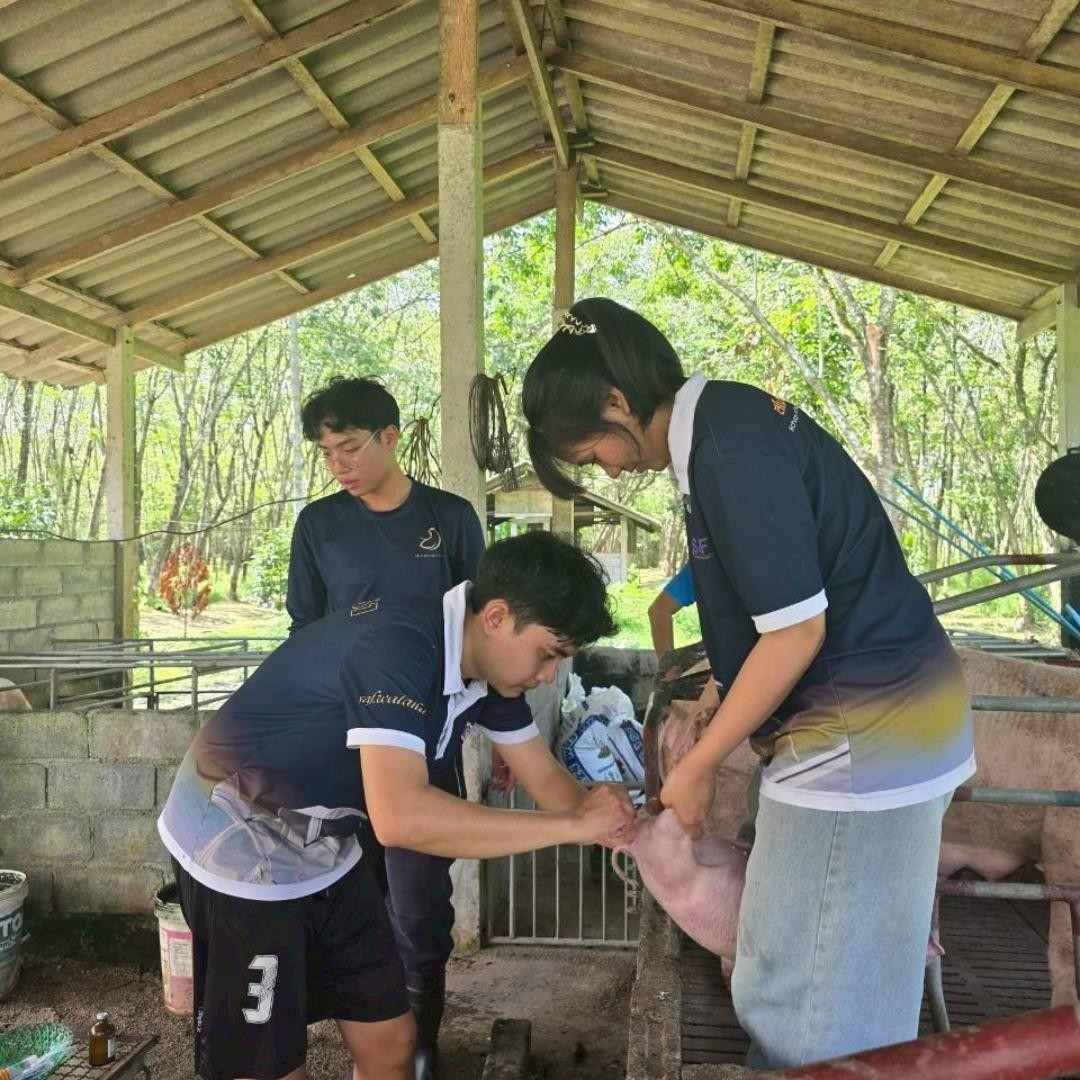
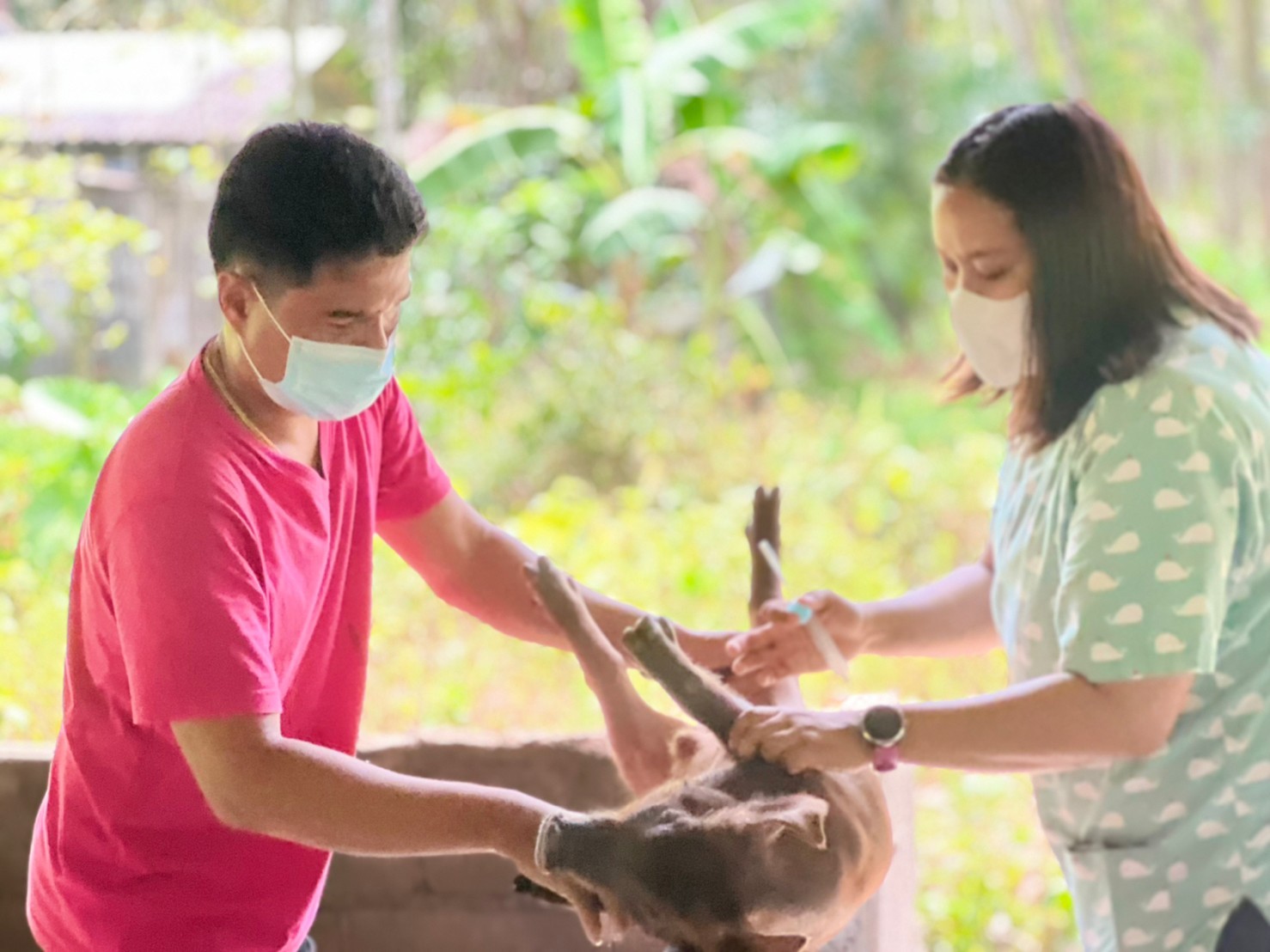
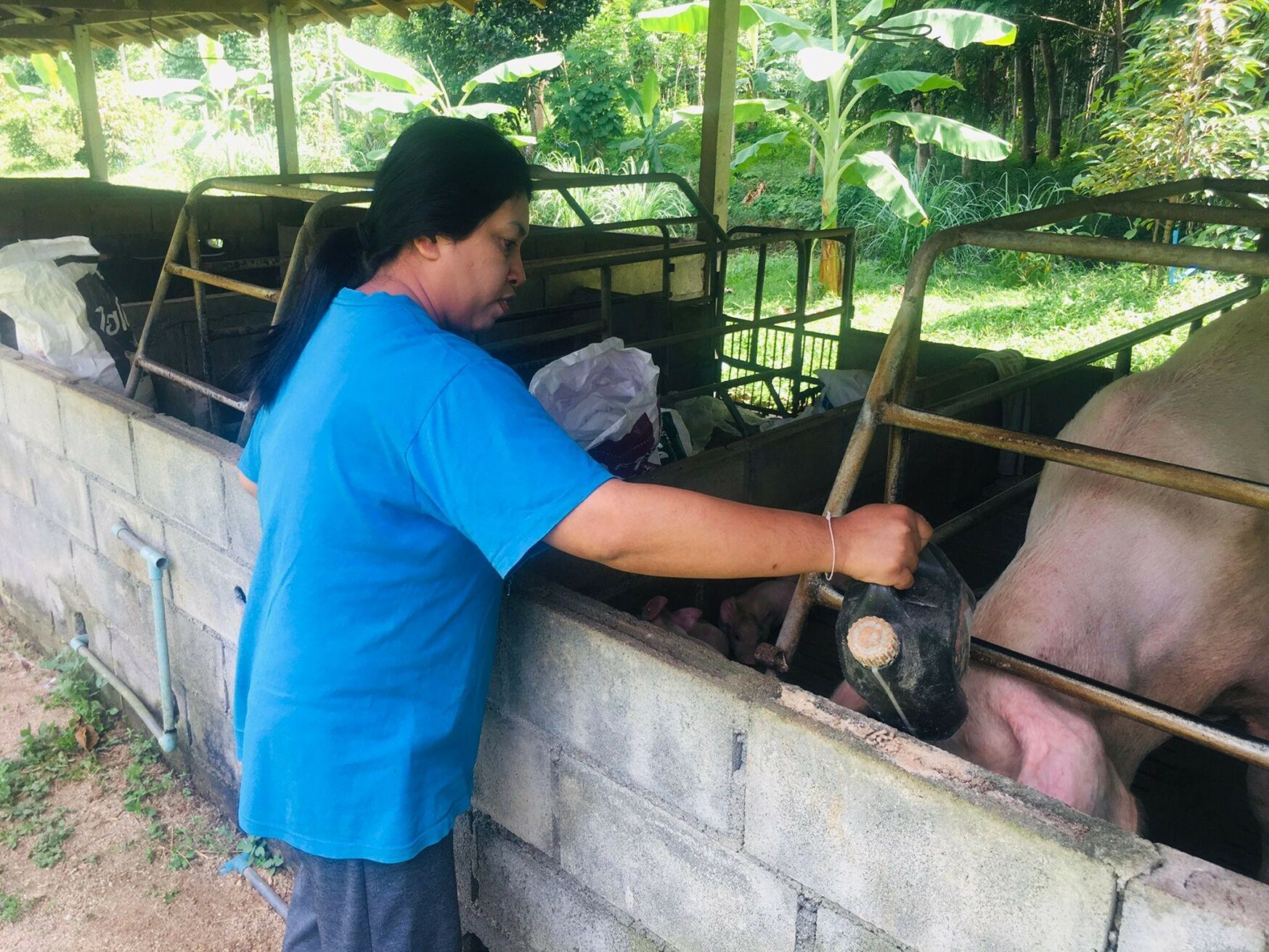
For the development of other food sources, the university has also provided access to swine management techniques. Activities such as teeth clipping, tail docking, and castration of newborn male piglets were demonstrated to the integrated pig farming enterprise group in the Satit Walailak Pattana Community. These practices were demonstrated by university students to help farmers gain hands-on knowledge. Additionally, access to technologies such as vaccination and iron injection for newborn piglets was also provided, supporting sustainable food sources for the future.
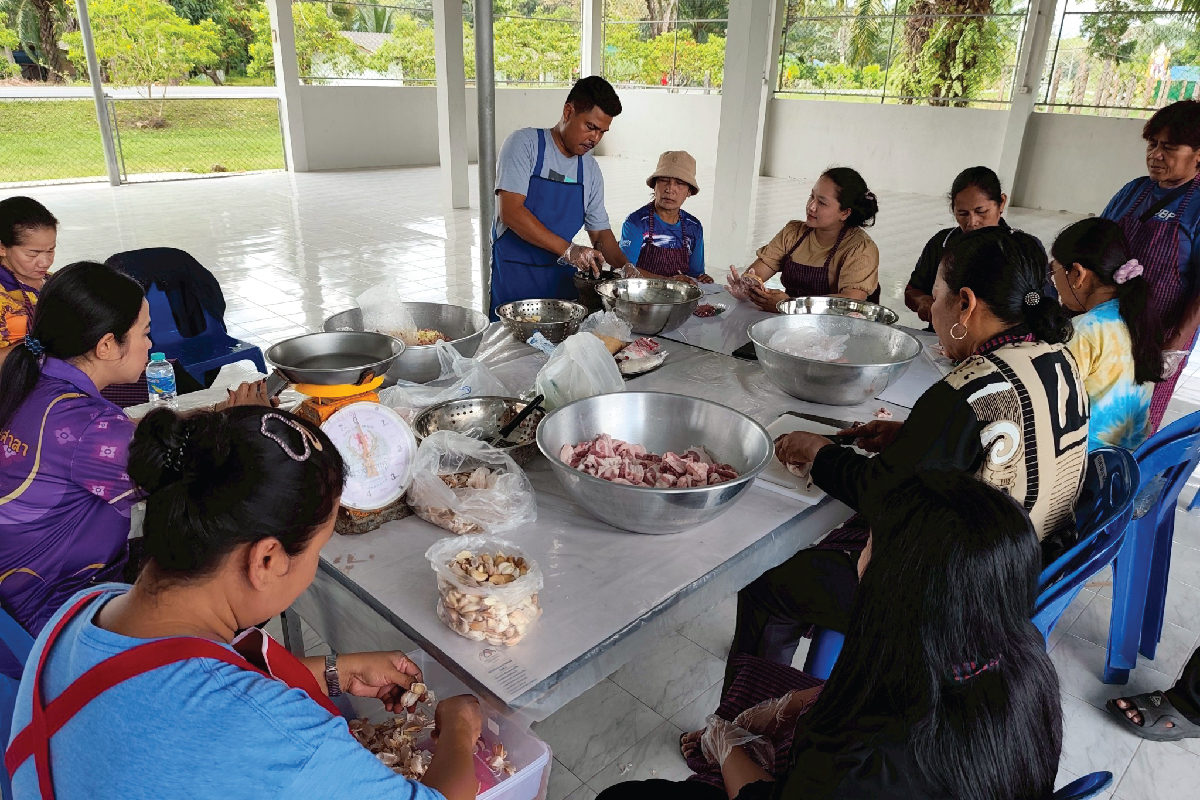
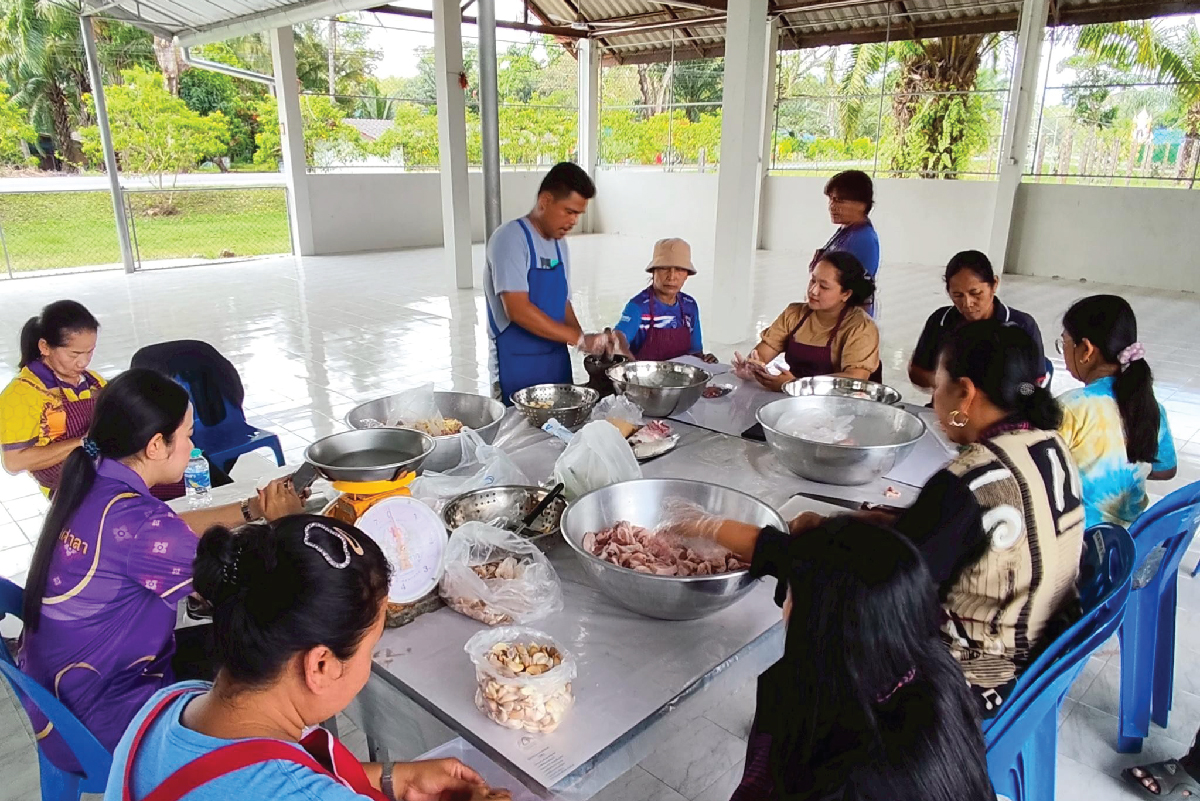
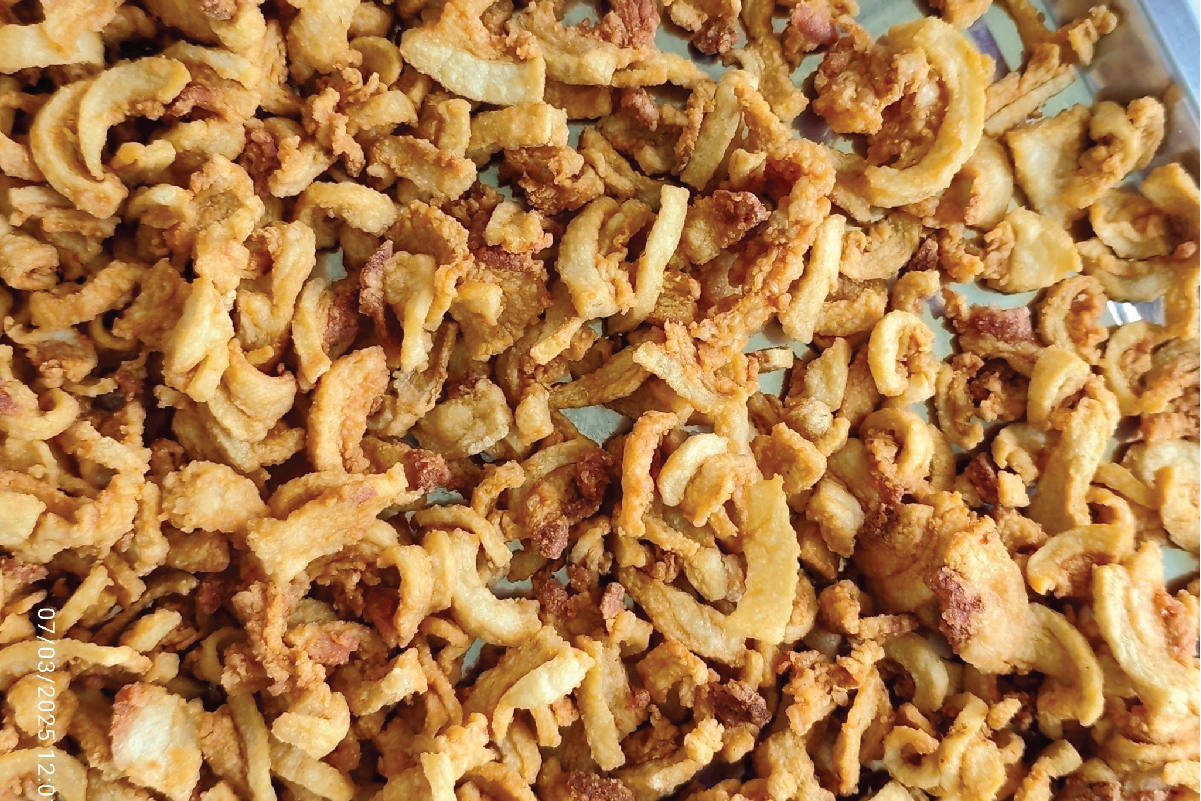
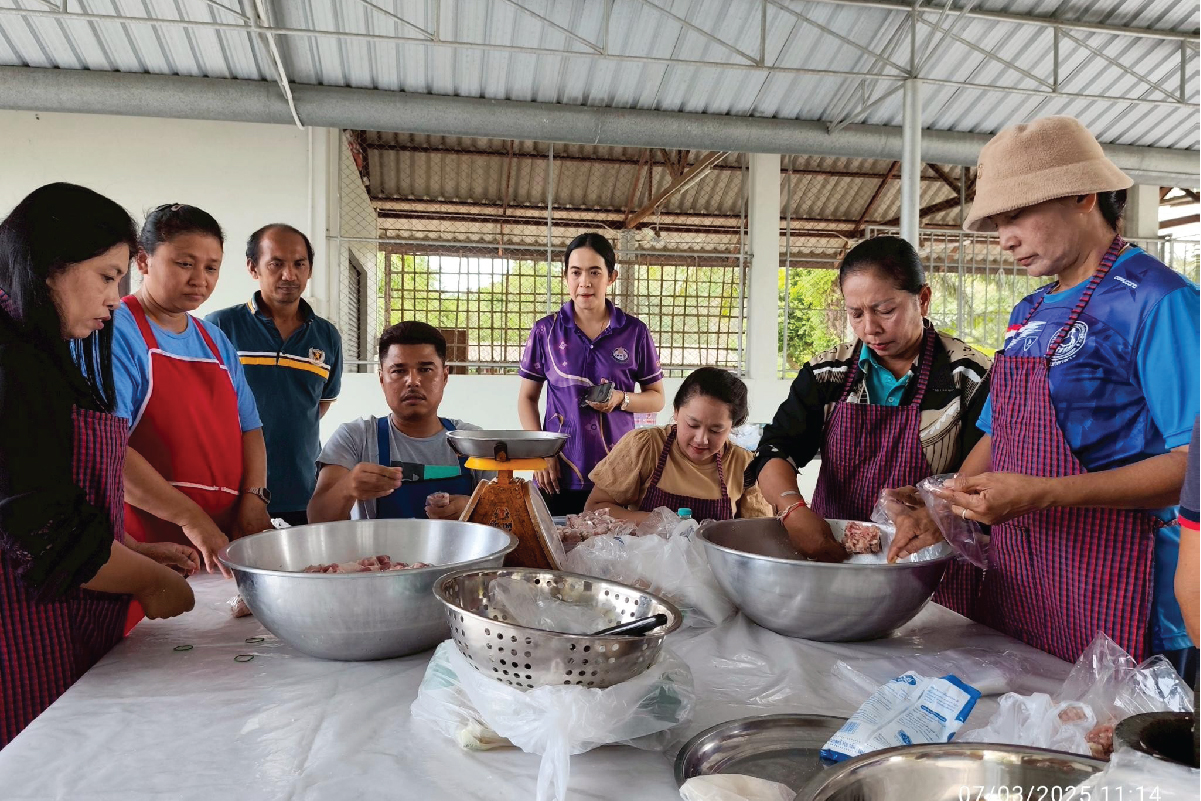
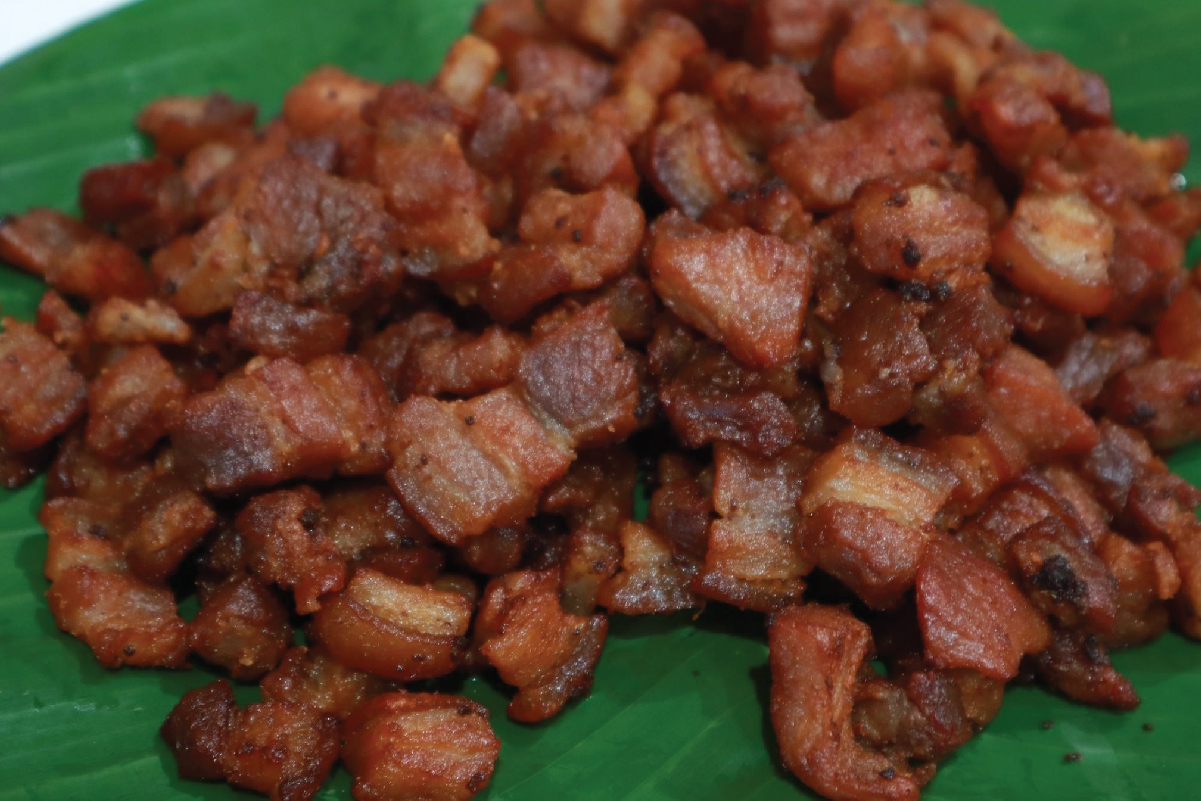
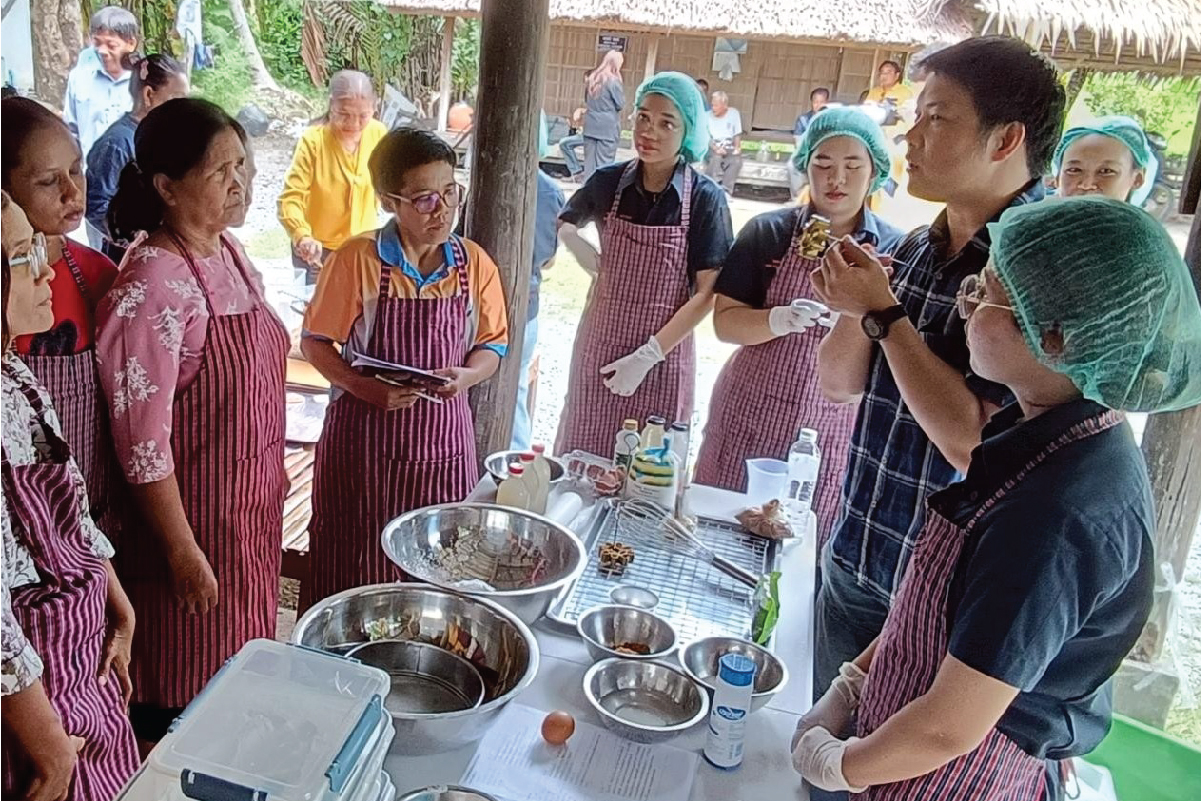
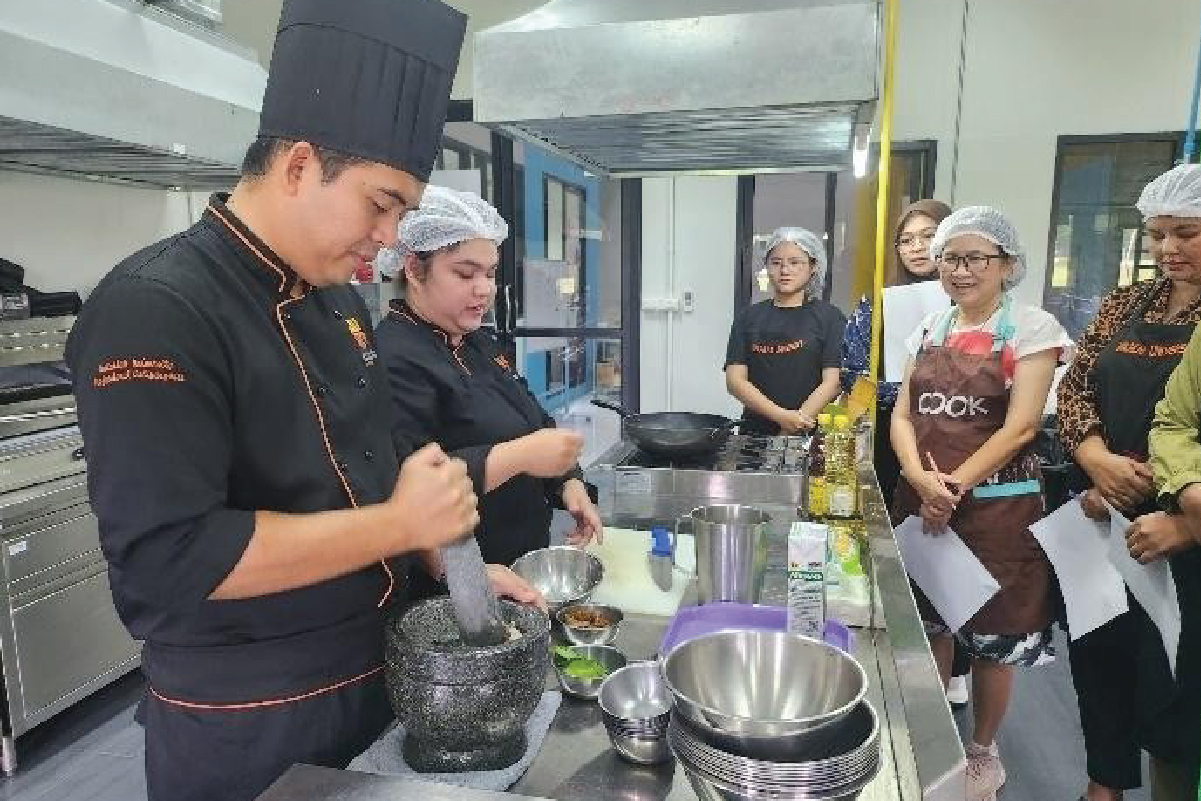
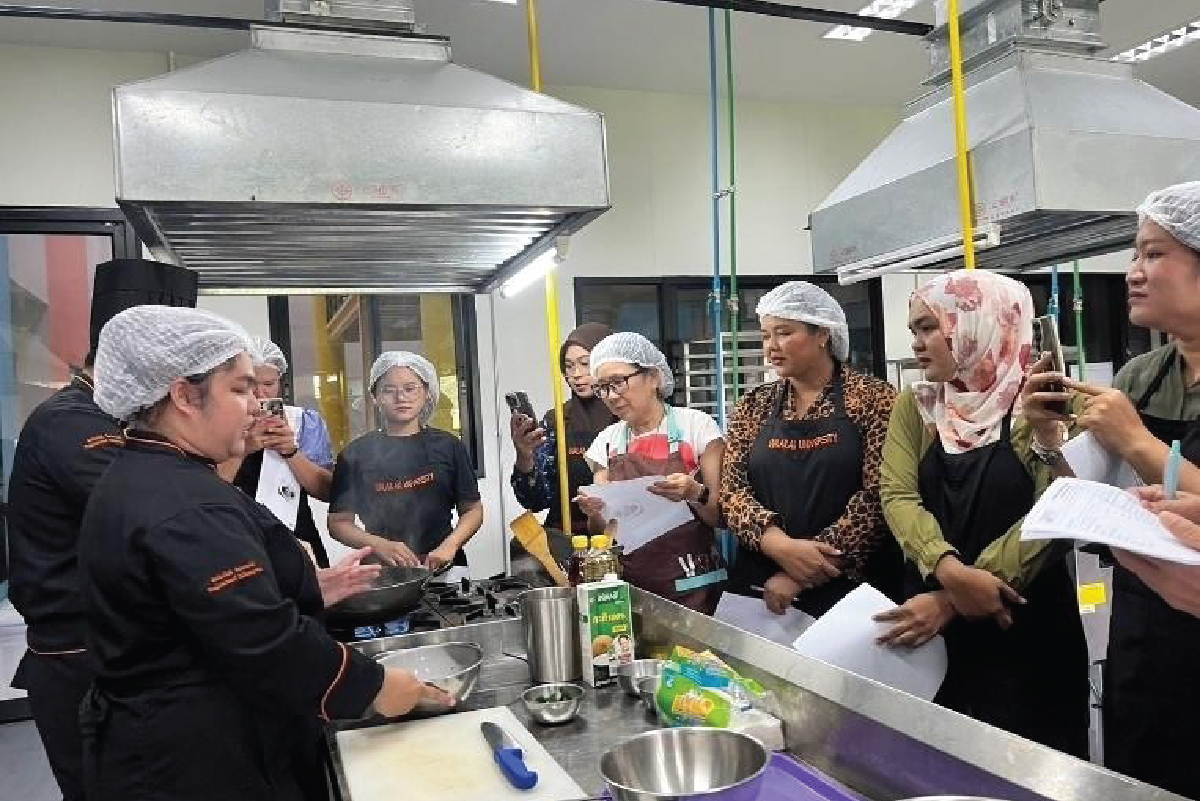
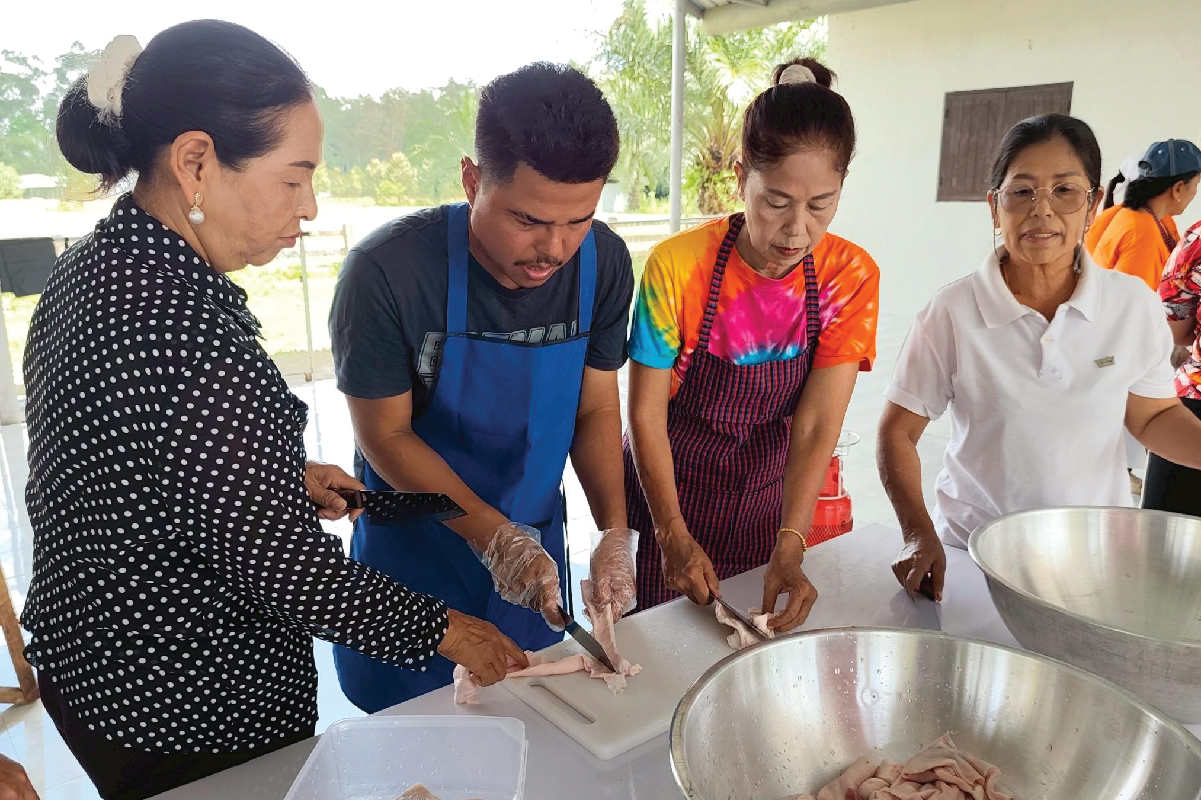
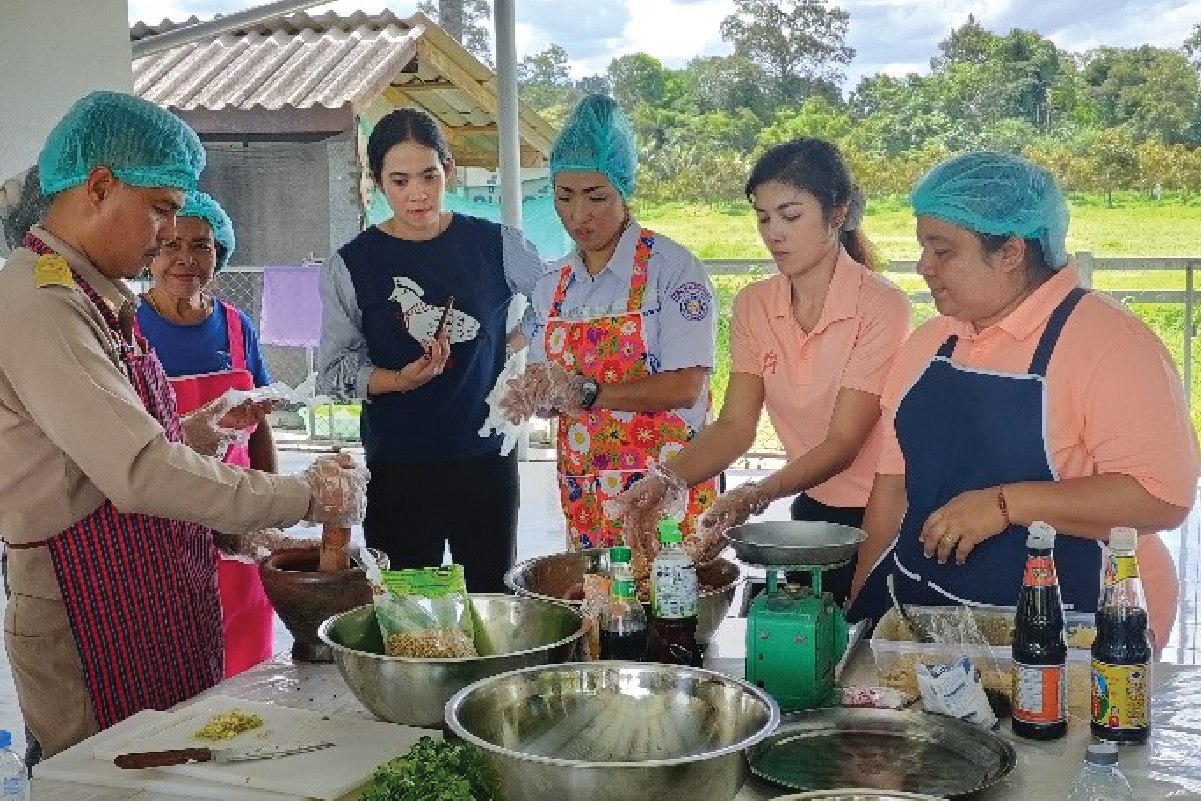
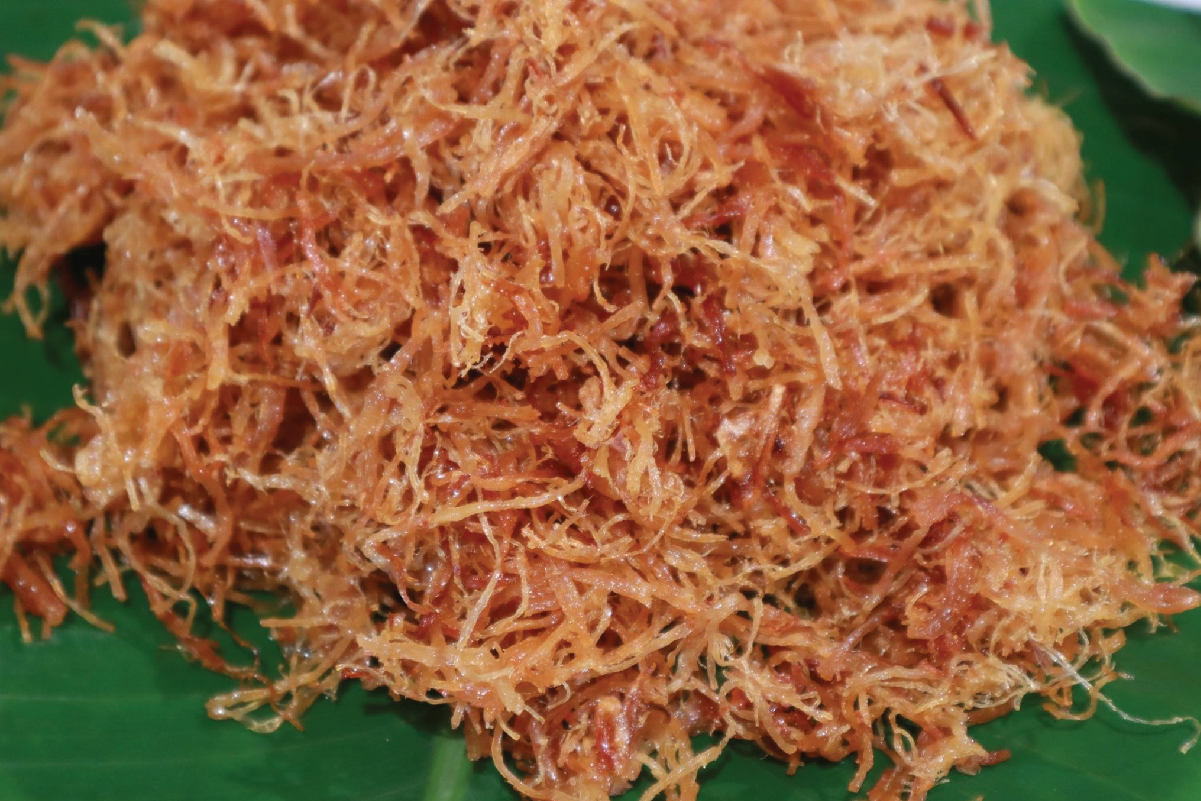
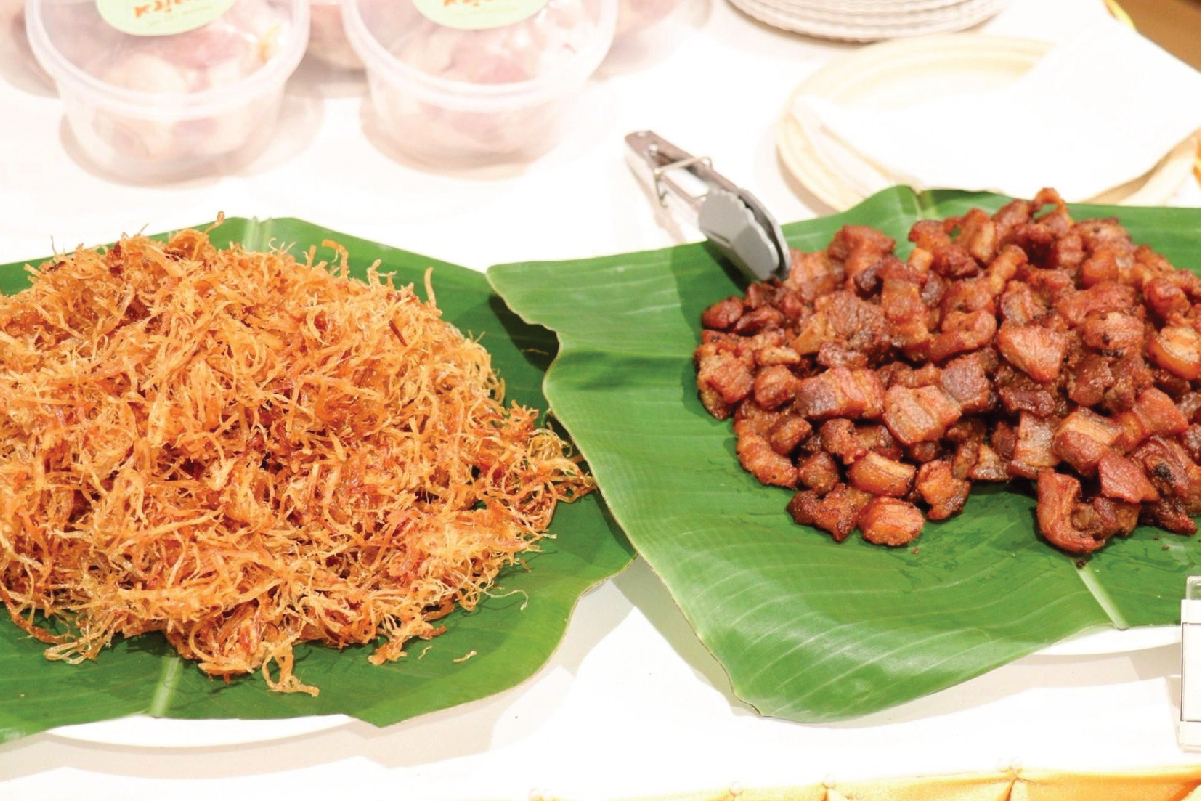
Once sustainable food sources have been established, extending the shelf life of available food becomes another important approach to strengthening food security for local farmers and food producers. For this reason, the university has organized training activities on food preservation using resources from sustainable food sources. For example, pork supplied by the community enterprisesthat had previously received access to knowledge, skills, and technologies from the university was processed into shredded pork, crispy pork sheets, fermented pork (Moo Som), and sun-dried pork.
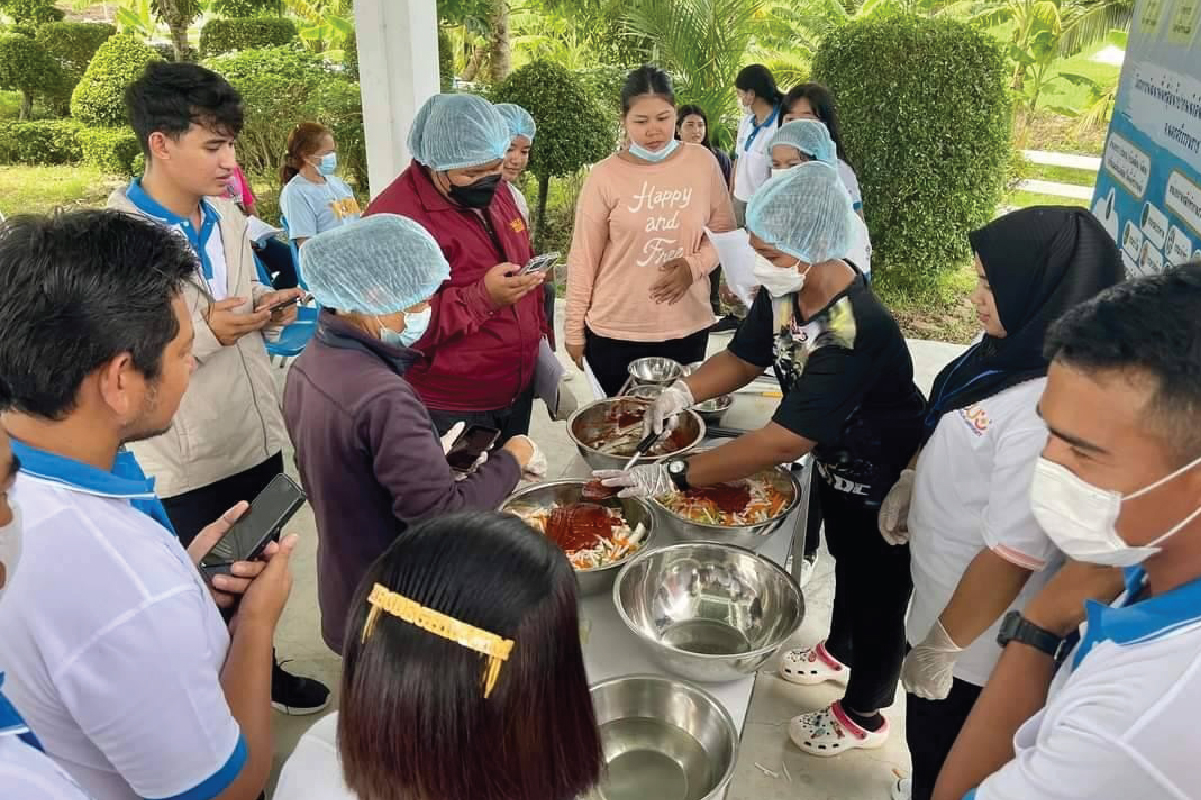
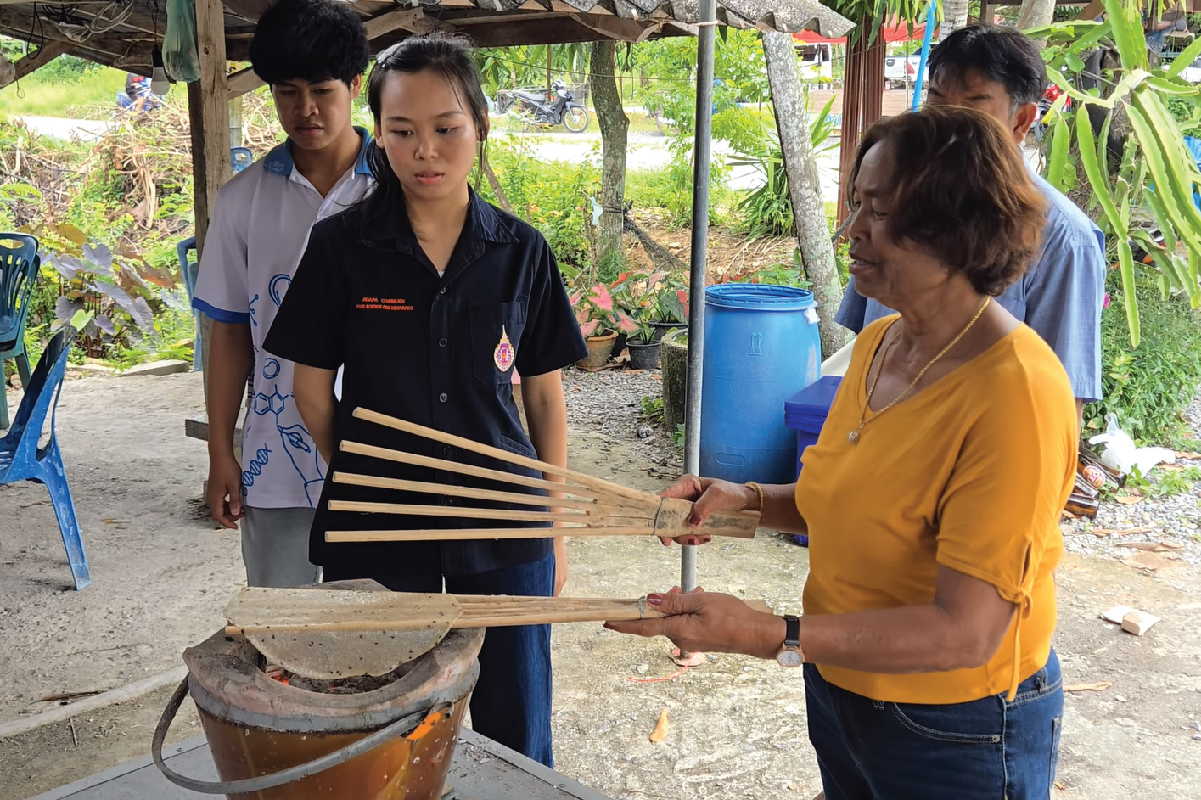
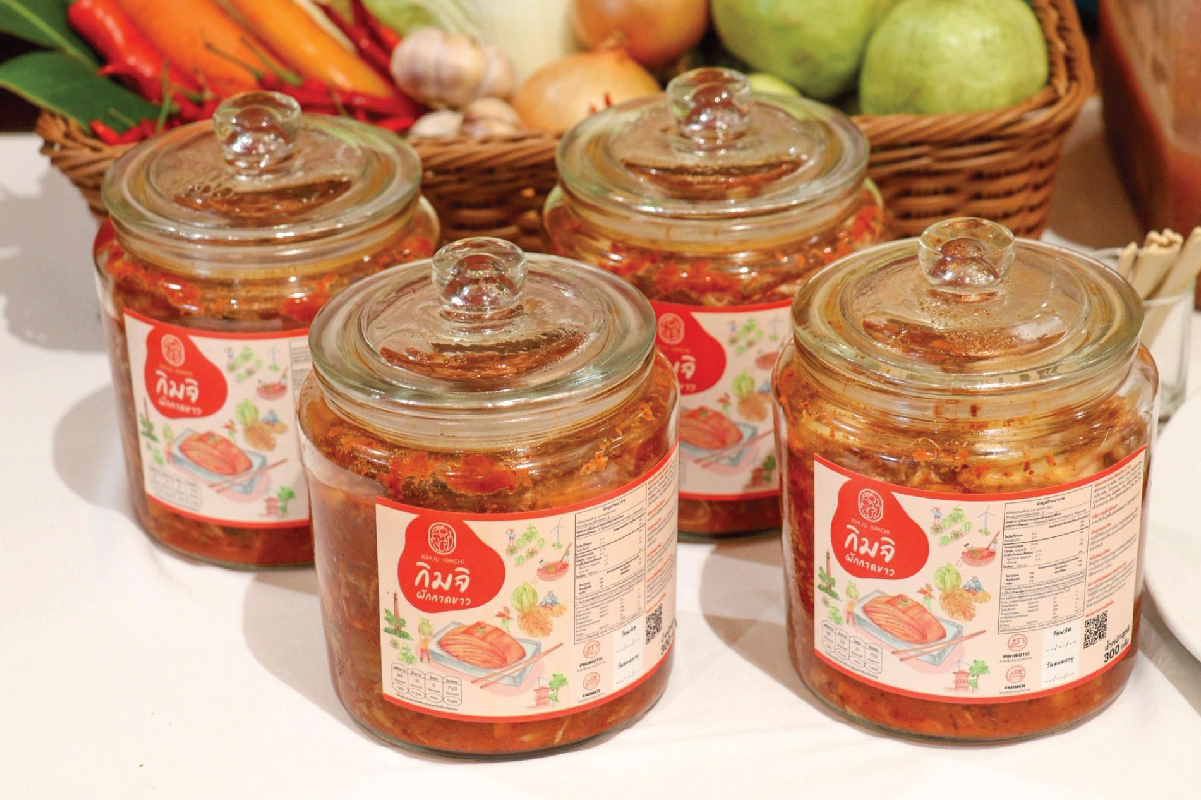
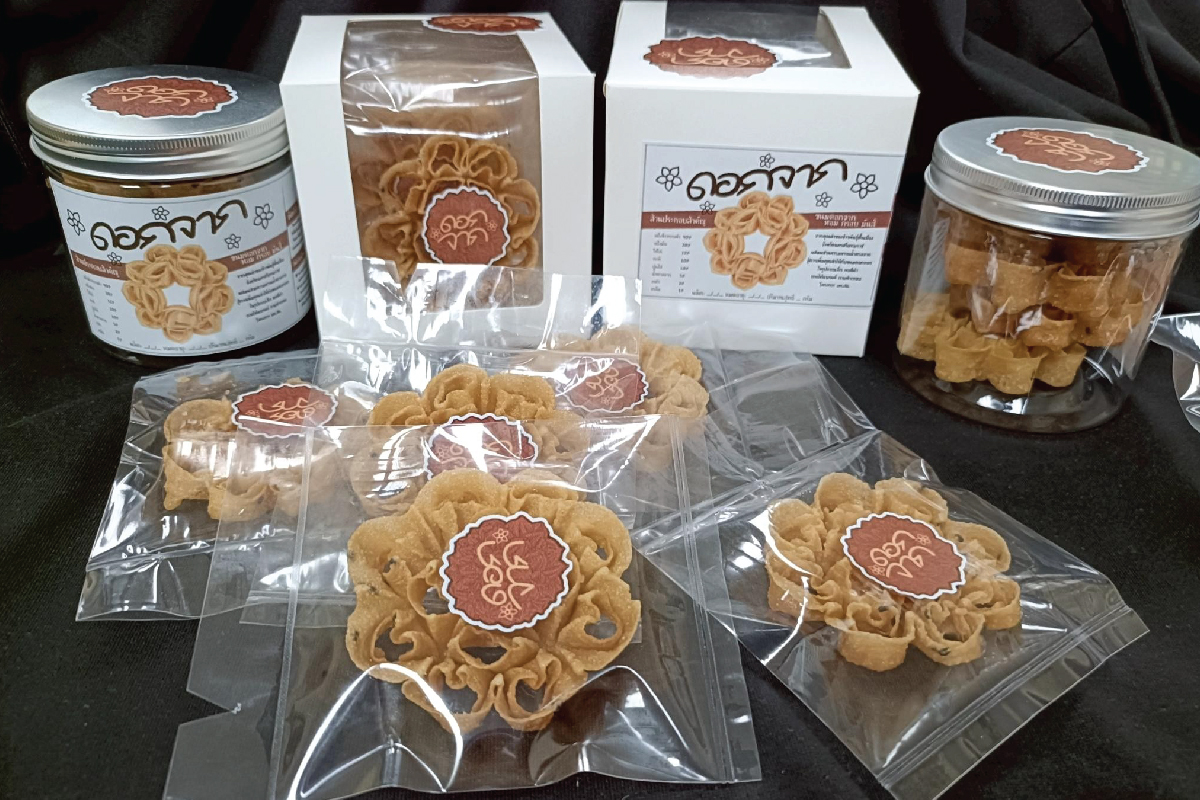
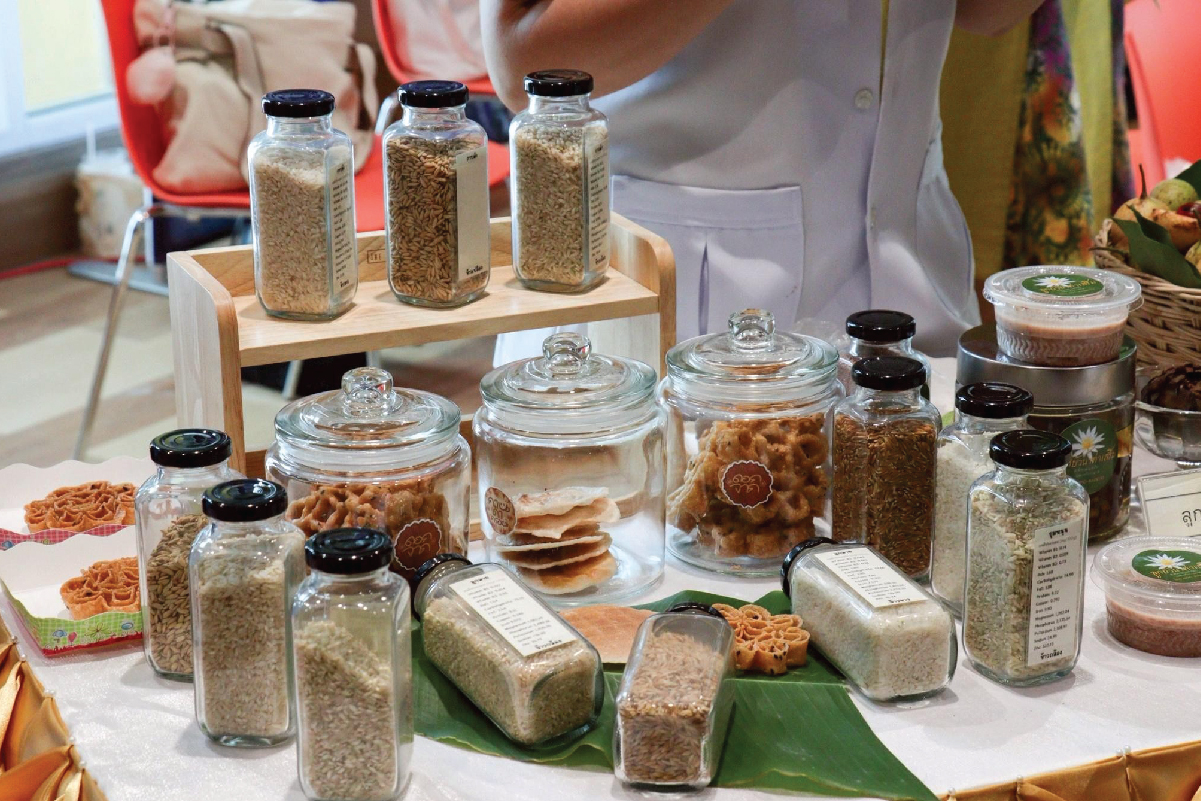
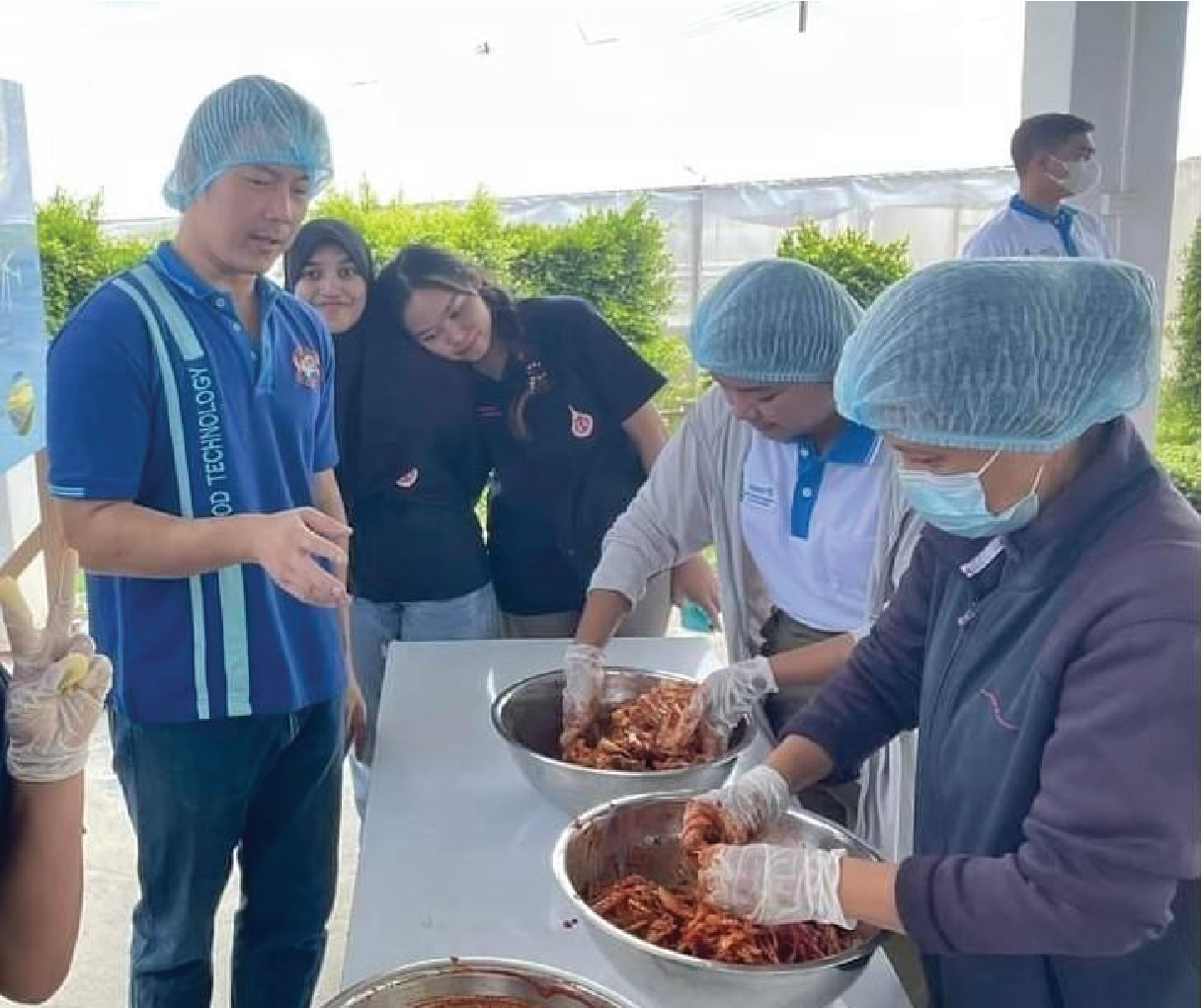
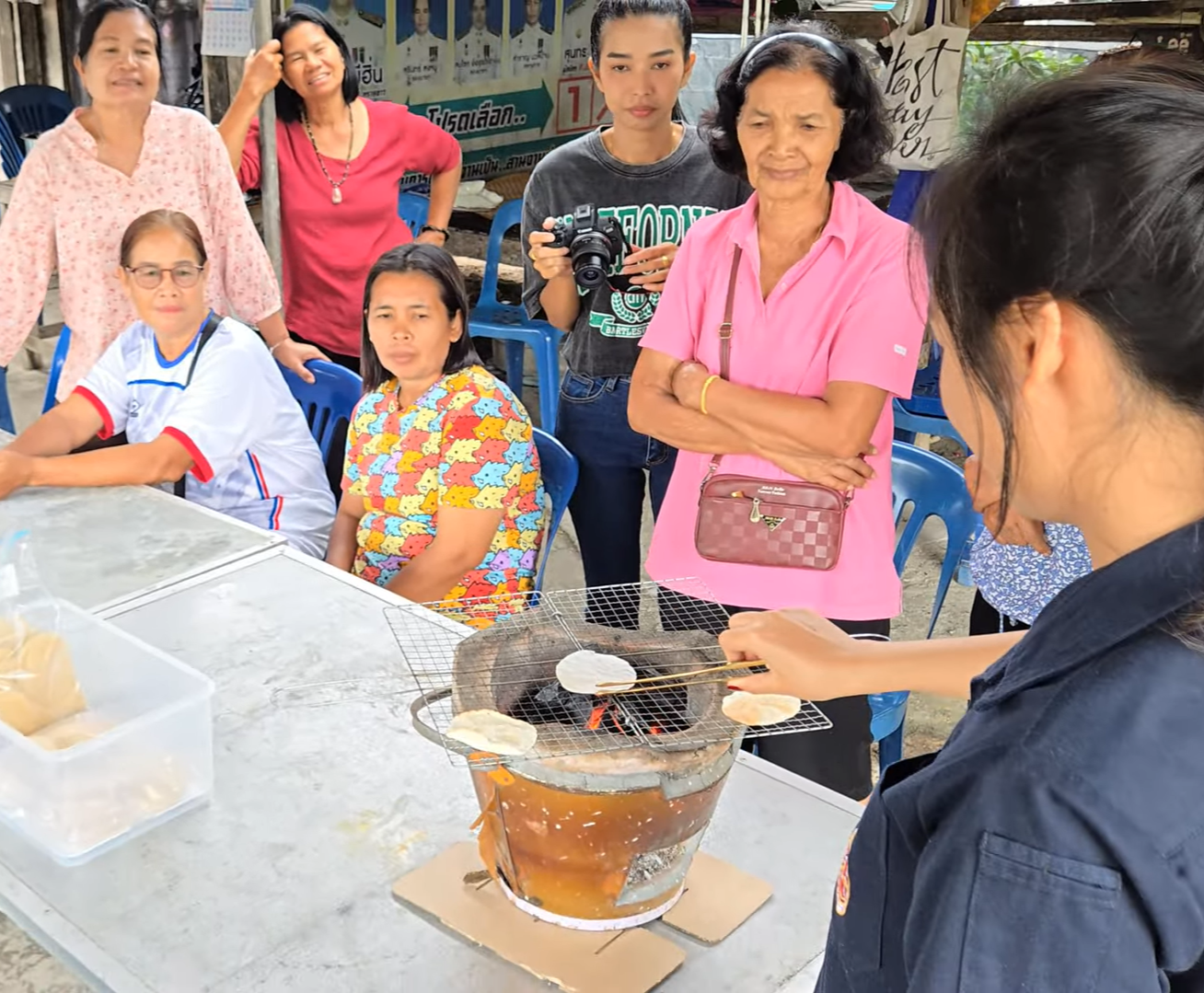
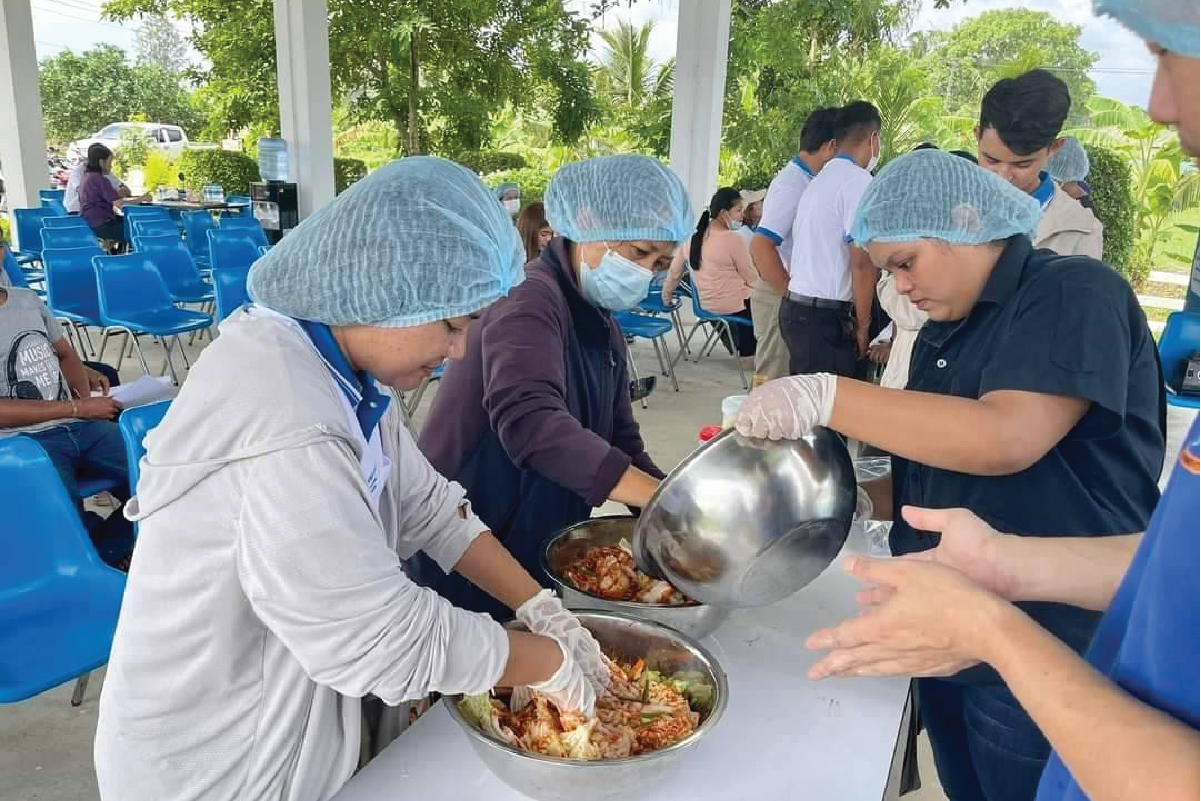
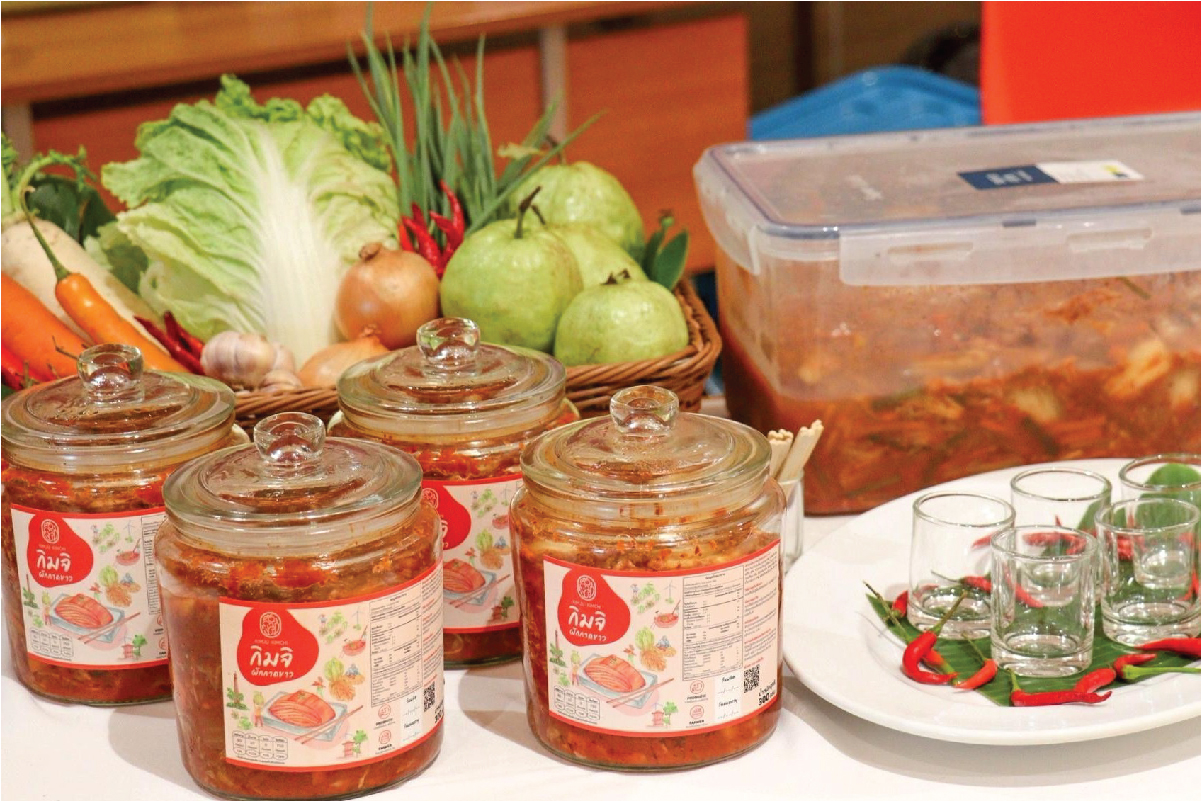
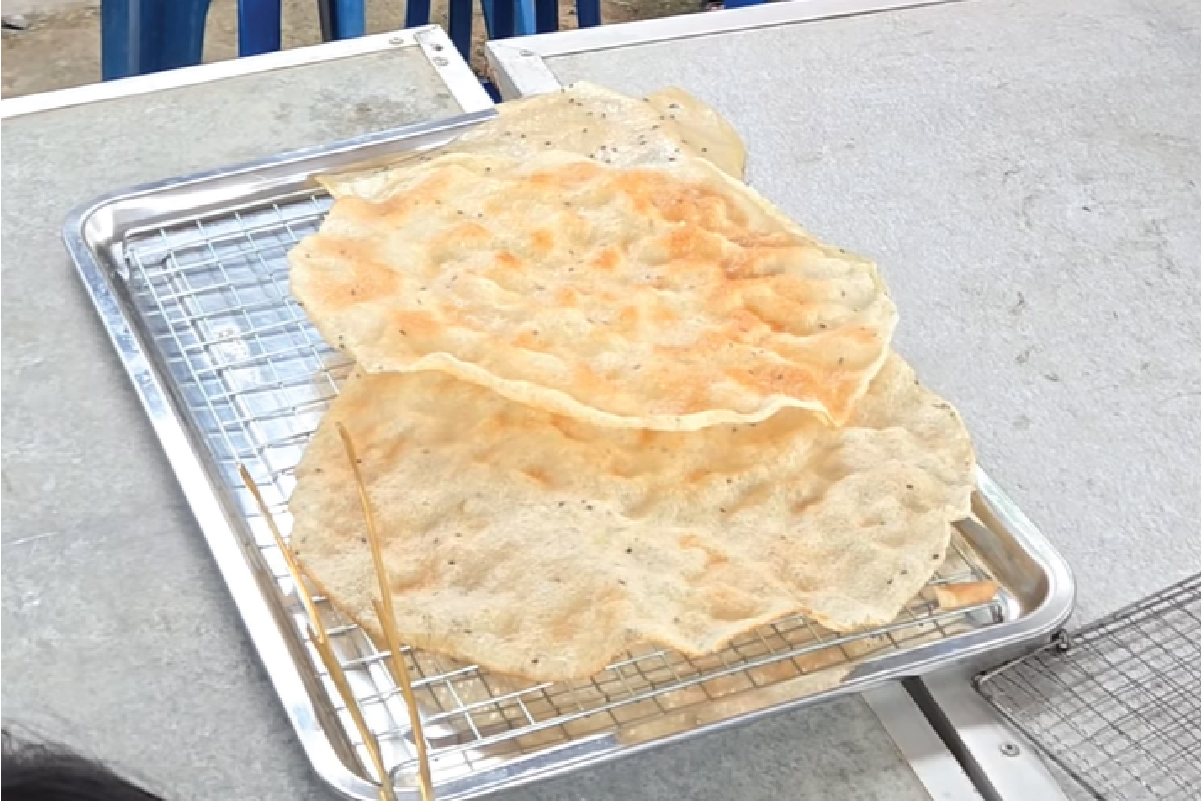
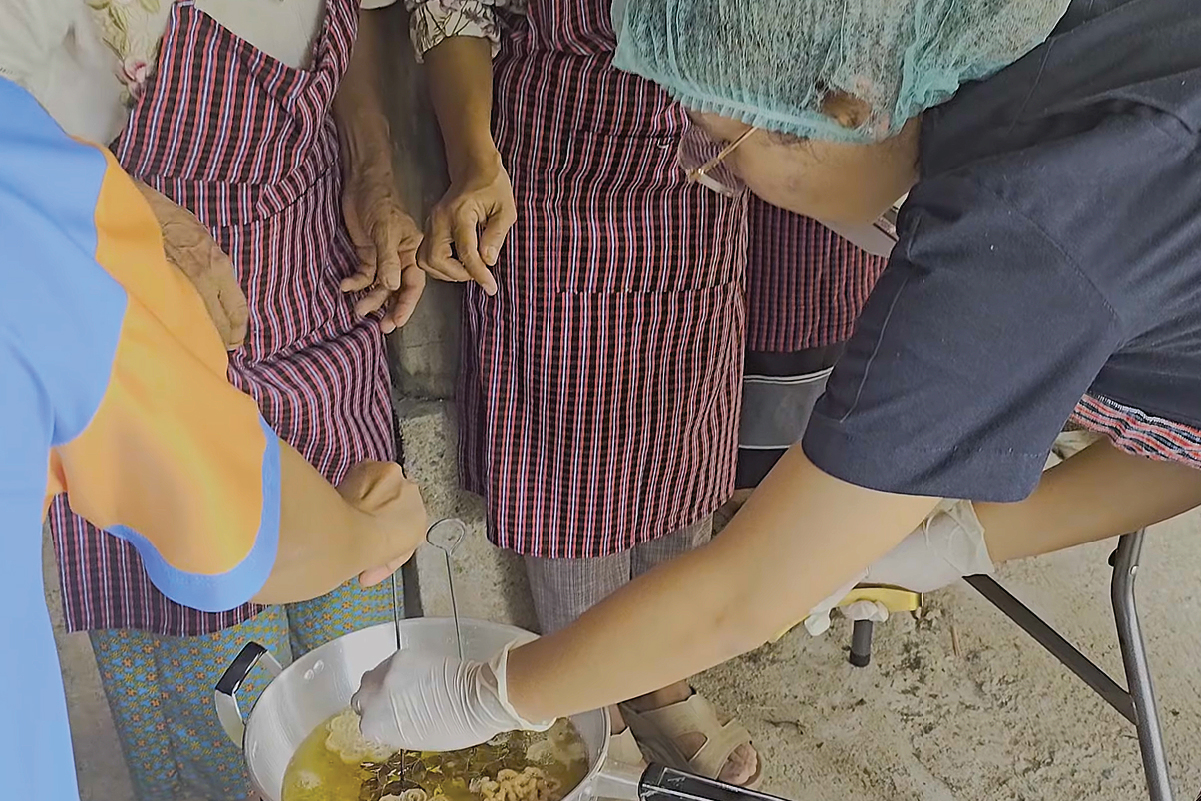
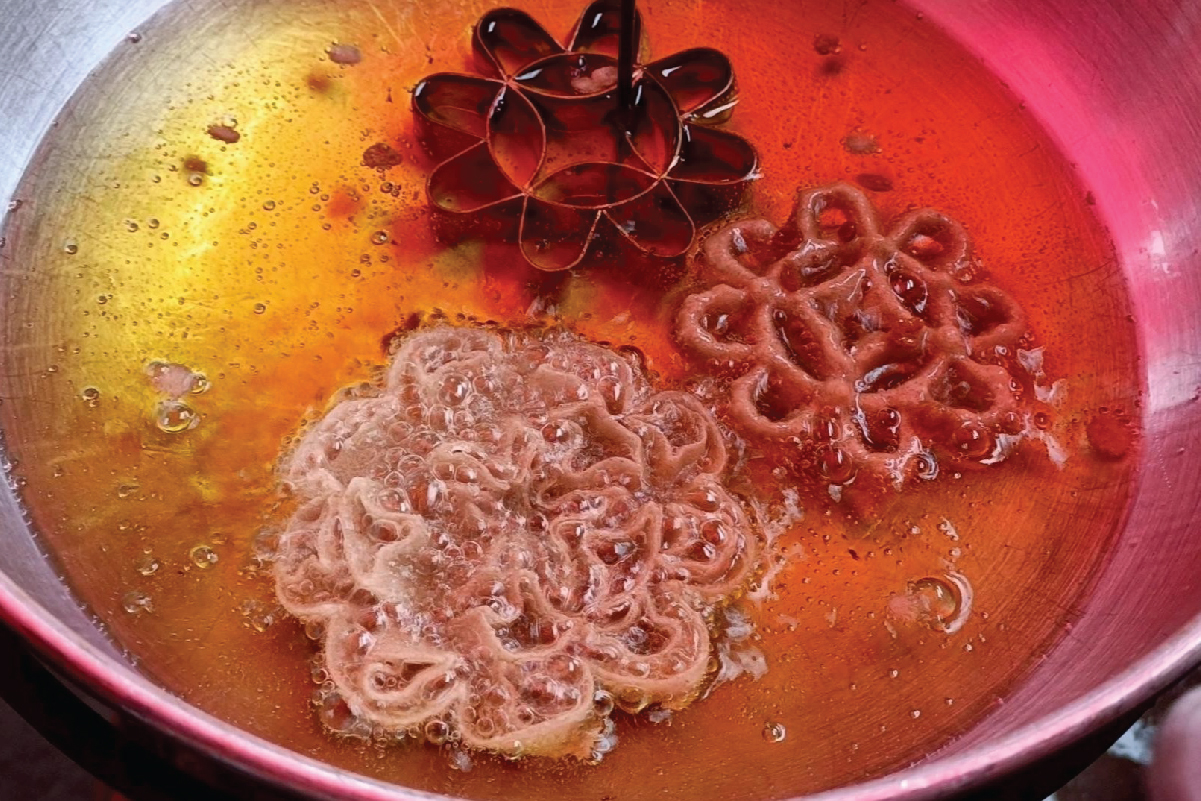
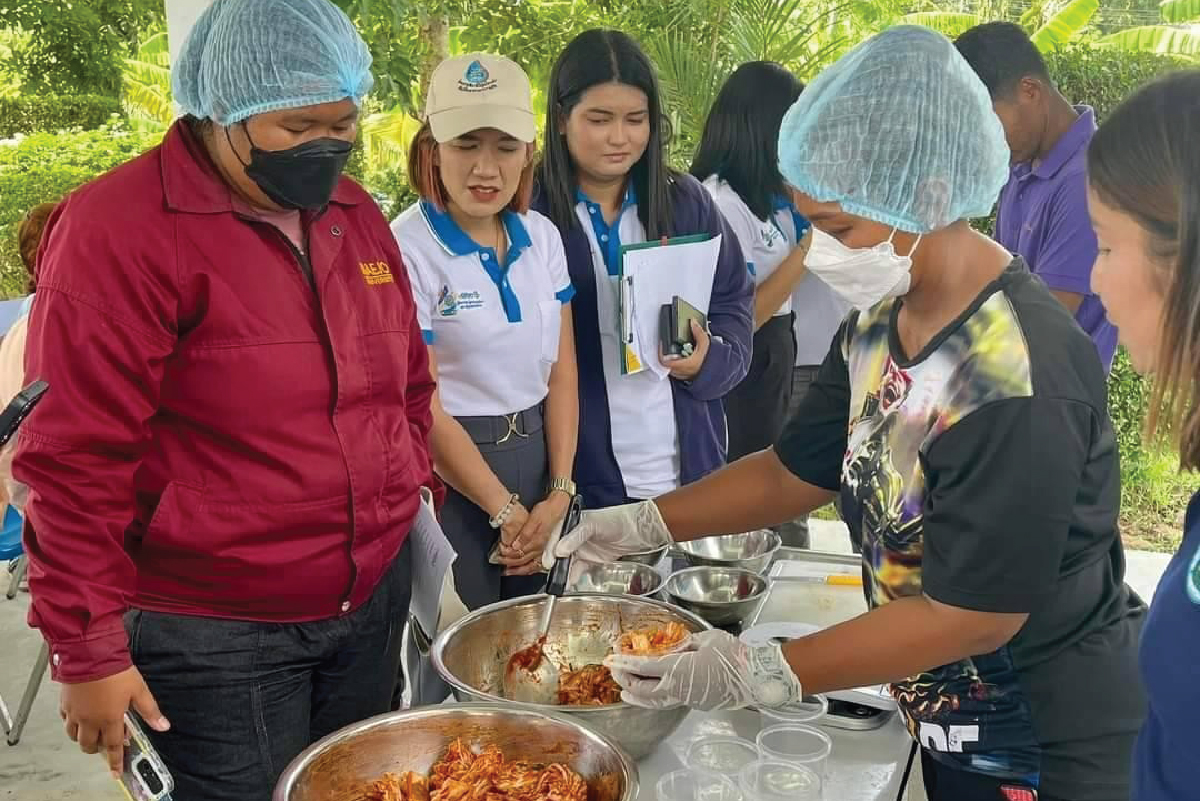
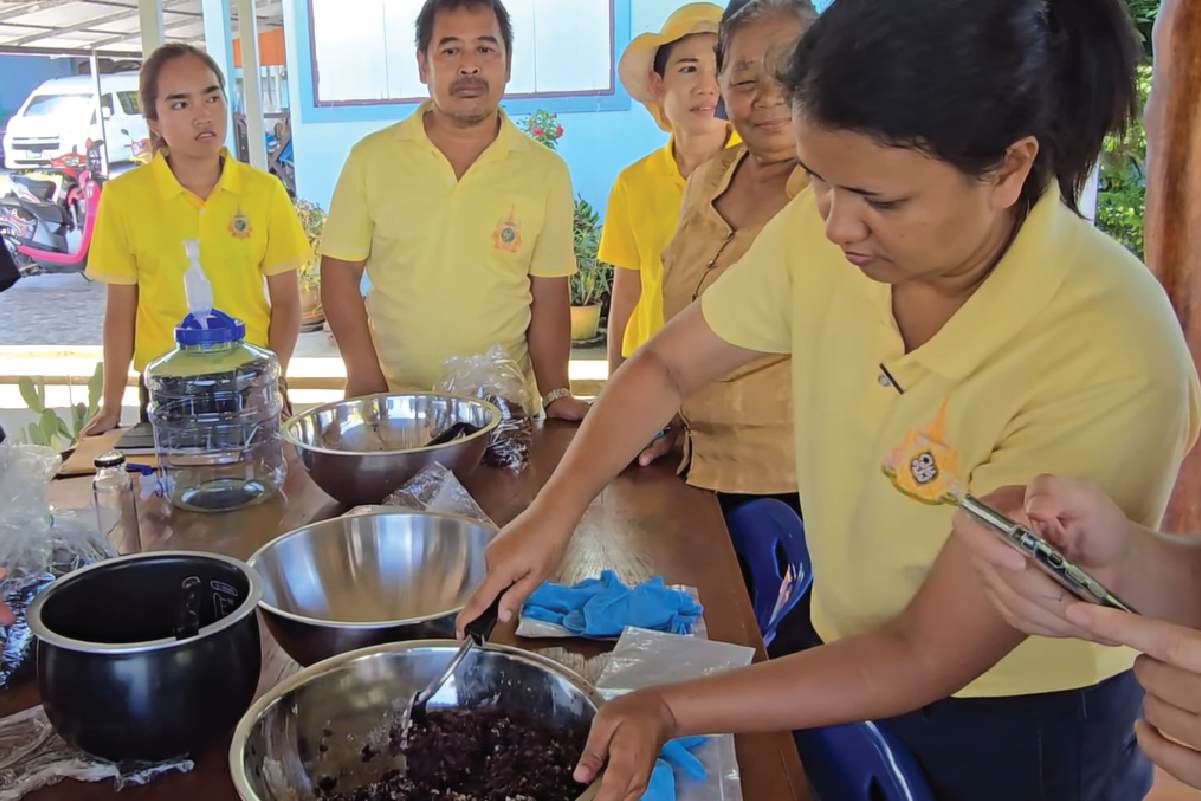
In addition to pork, training also included food preservation methods for other local agricultural products, such as turning indigenous vegetables into kimchi, or transforming native rice varieties, such as Khao Kab Dam, into traditional snacks and desserts like crispy rice crackers (Khao Krieb Wao), Dok Jok, Thong Pub, and rice wine (Sato), allowing them to be stored for longer periods.
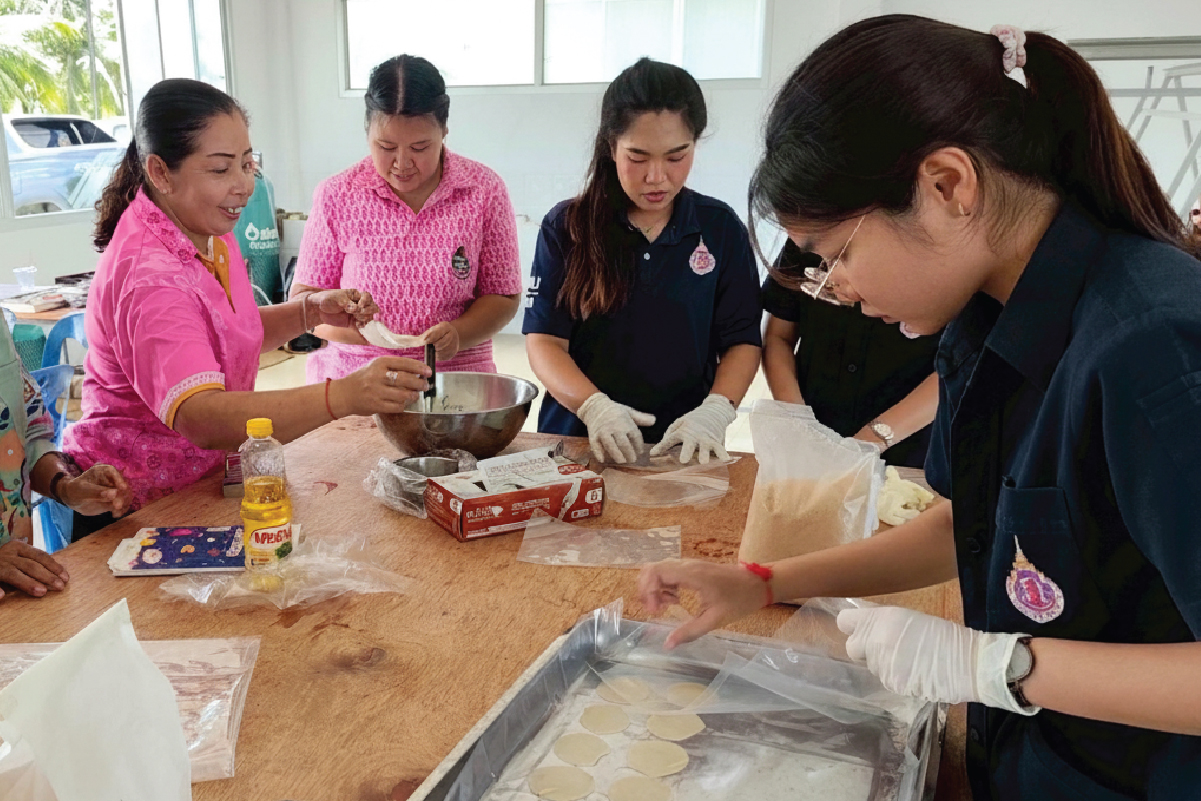
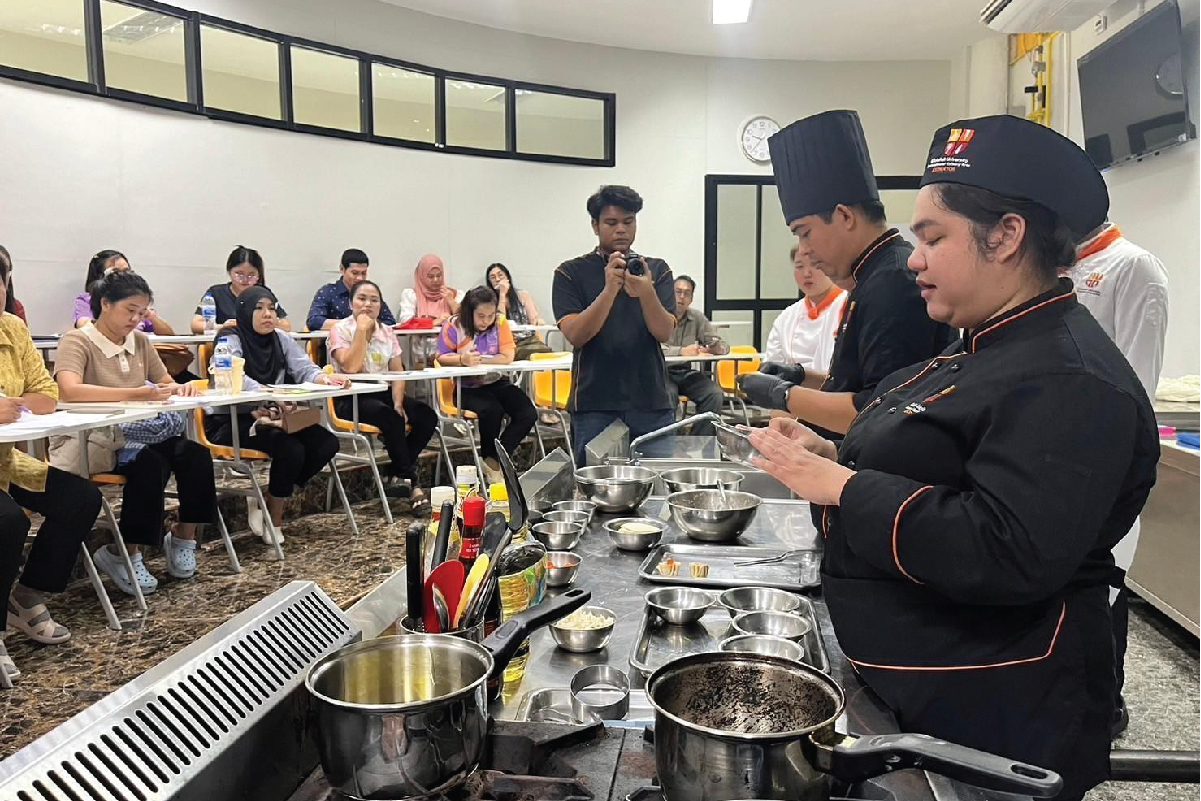
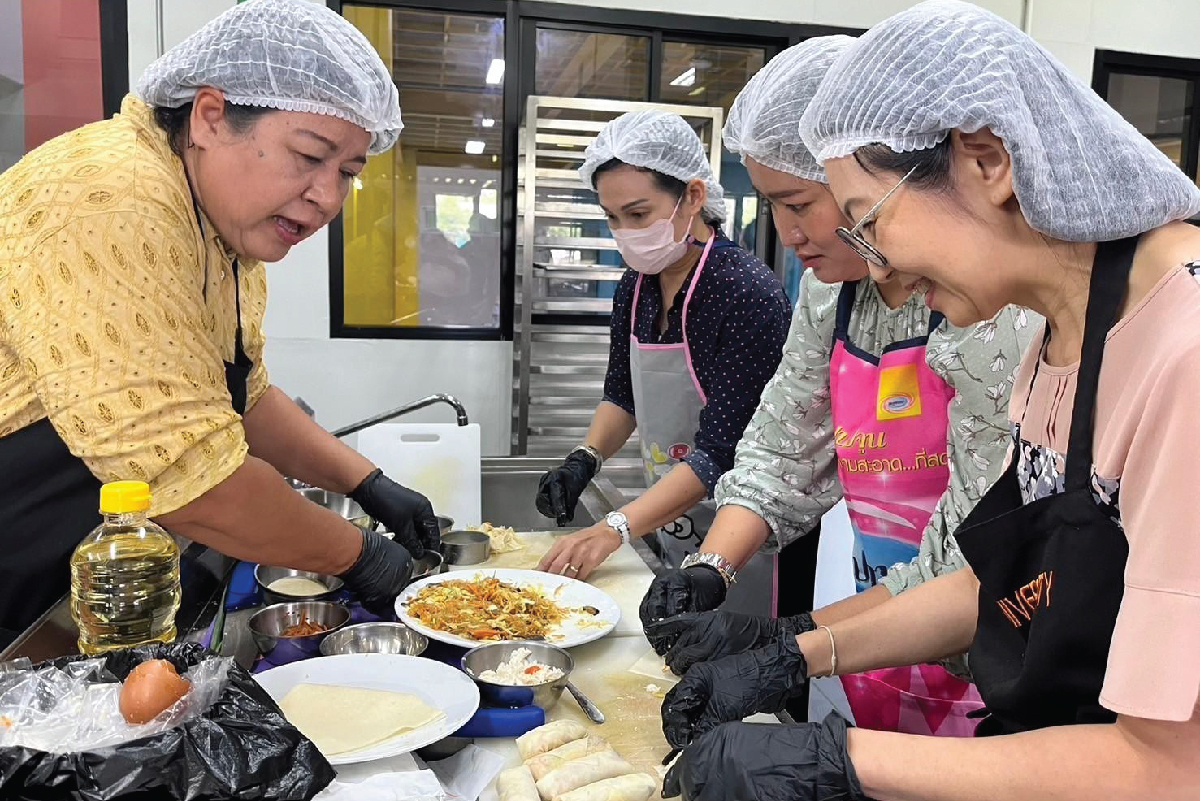
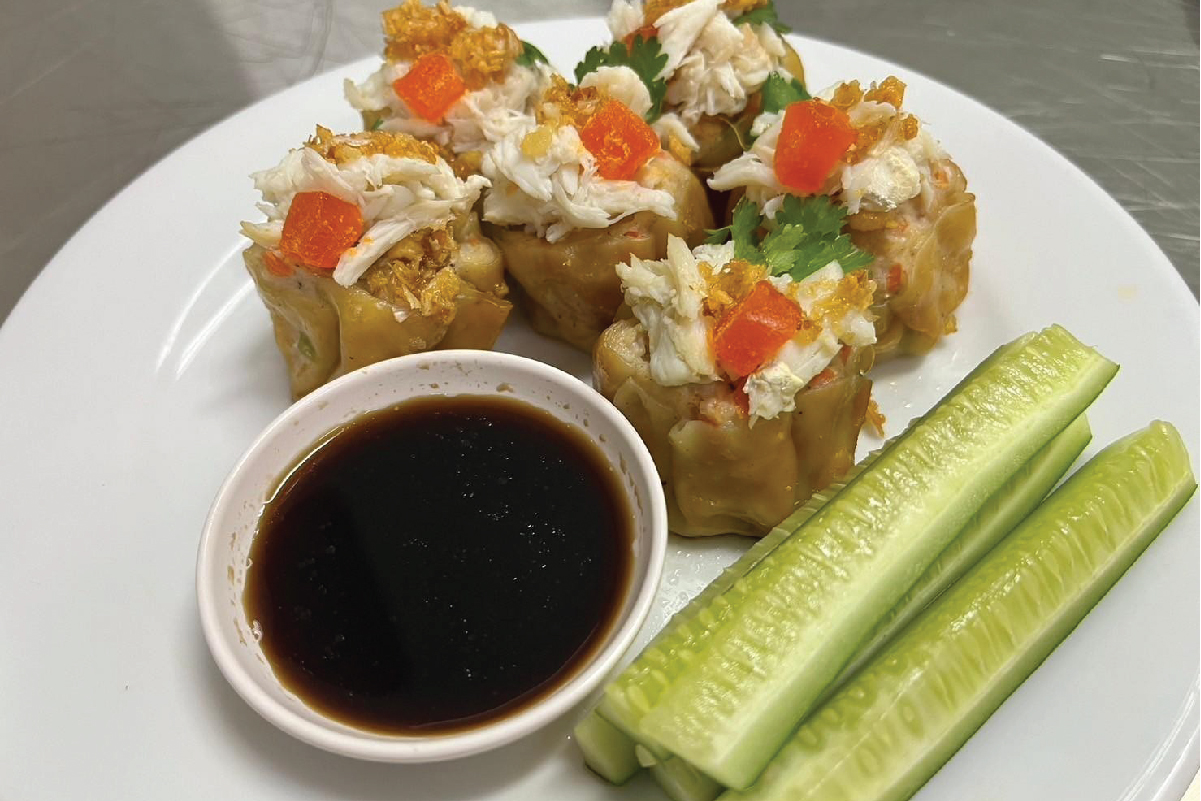
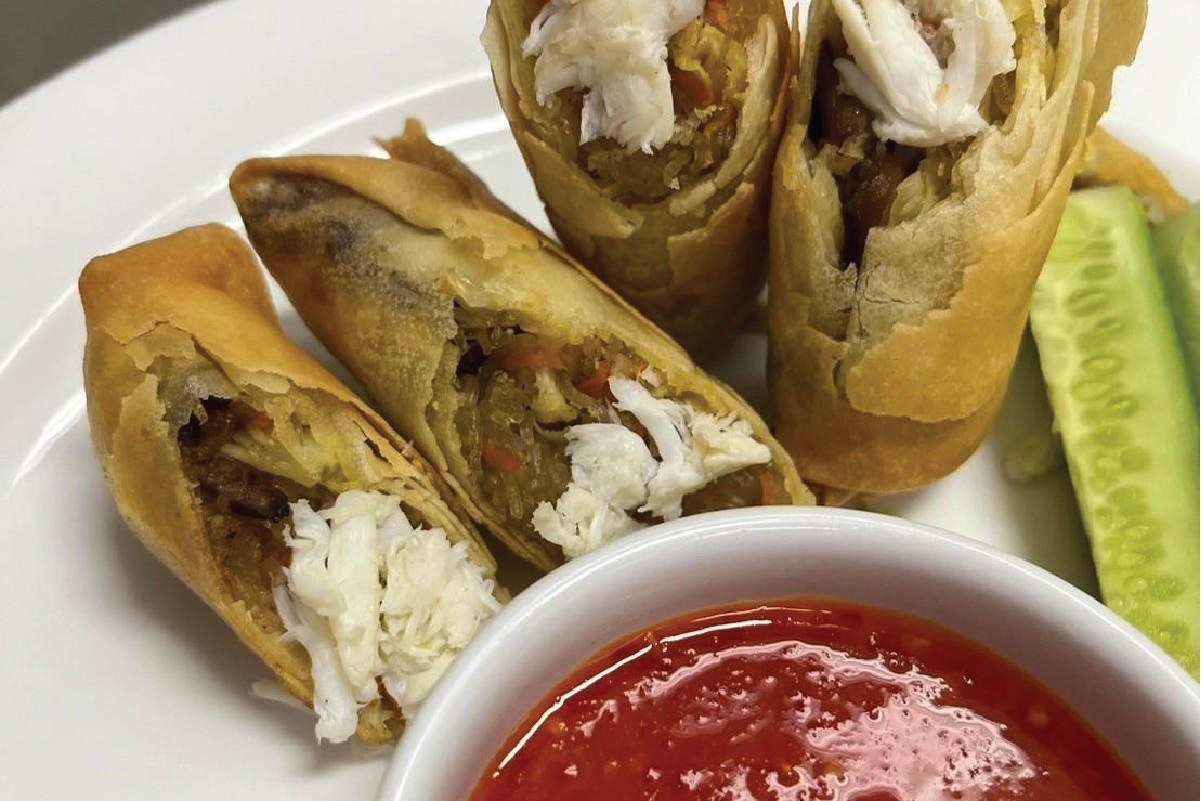
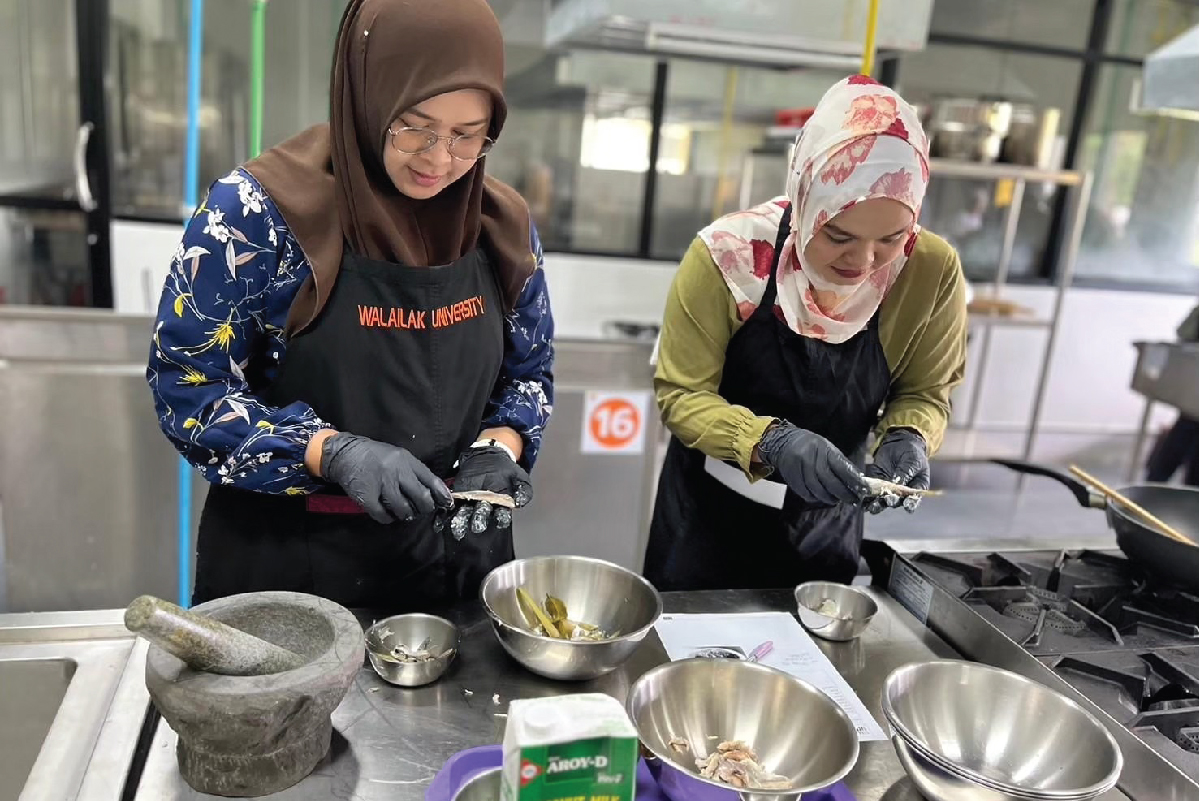
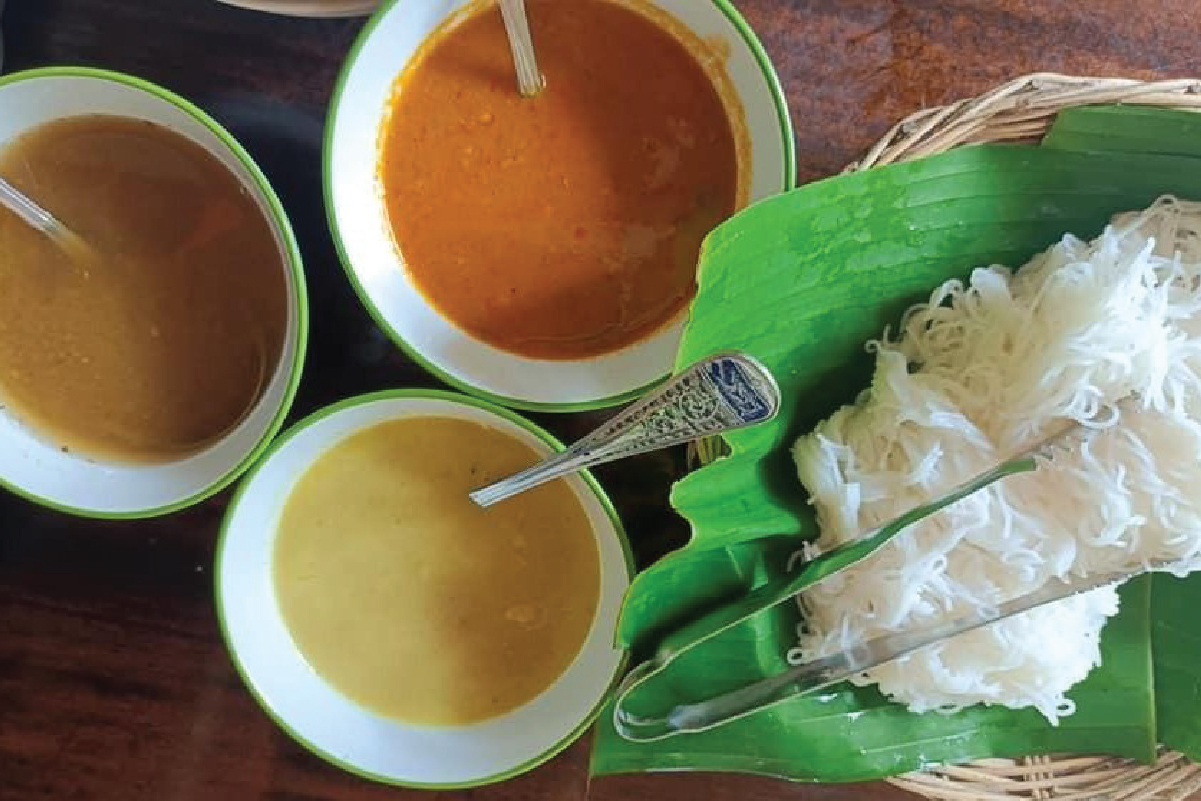
In addition, training was also provided on adding value to existing food by transforming it into traditional local dishes. These included workshops on preparing organic fish curry with rice noodles (Khanom Jeen Nam Ya Pla) and making blue swimming crab dumplings and spring rolls. Income is one of the key factors that enables local people to achieve food security. Therefore, the university has extended its activities to help farmers secure stable income and expand market opportunities for their products.
Such initiatives include applying the Design Thinking process to co-develop market-oriented products and promote the creation of innovative items aligned with consumer trends, thereby generating income and reducing the risks of community-level food insecurity. Other activities include training on producing promotional media, such as TikTok videos for Pla Kob products, as well as developing blue swimming crab banks into community-based tourist attractions. These efforts provide villagers with sufficient income sources and opportunities to further enhance their livelihoods and achieve long-term food and nutrition security.
Sustainable Agriculture
The university is committed to transferring technologies, skills, and knowledge in sustainable agriculture, covering both crops and livestock. The focus is on practices that do not harm the environment, make efficient use of resources, and preserve long-term productivity.
Walailak University Technology Clinic: Services to Elevate Communities Toward Sustainability
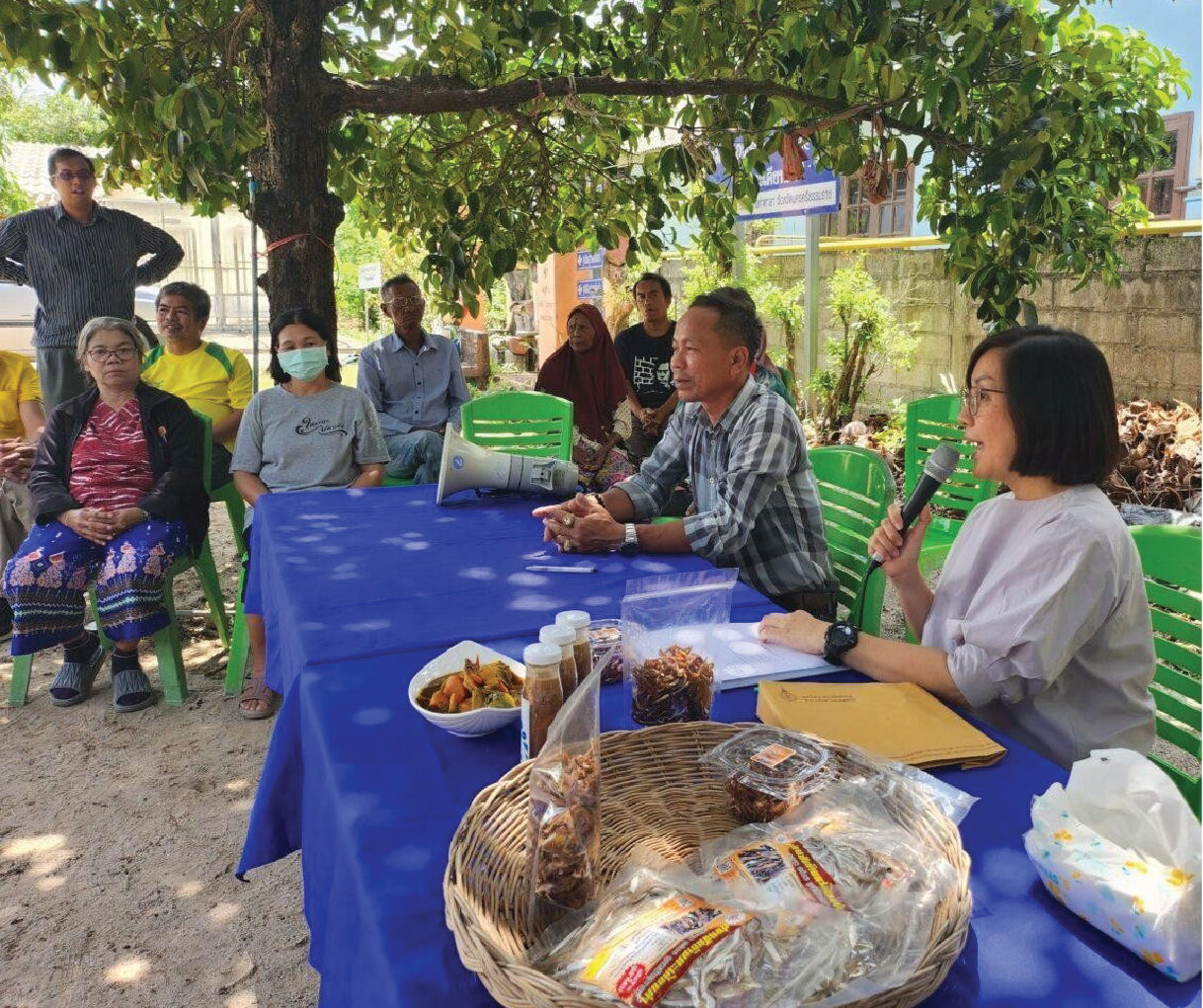
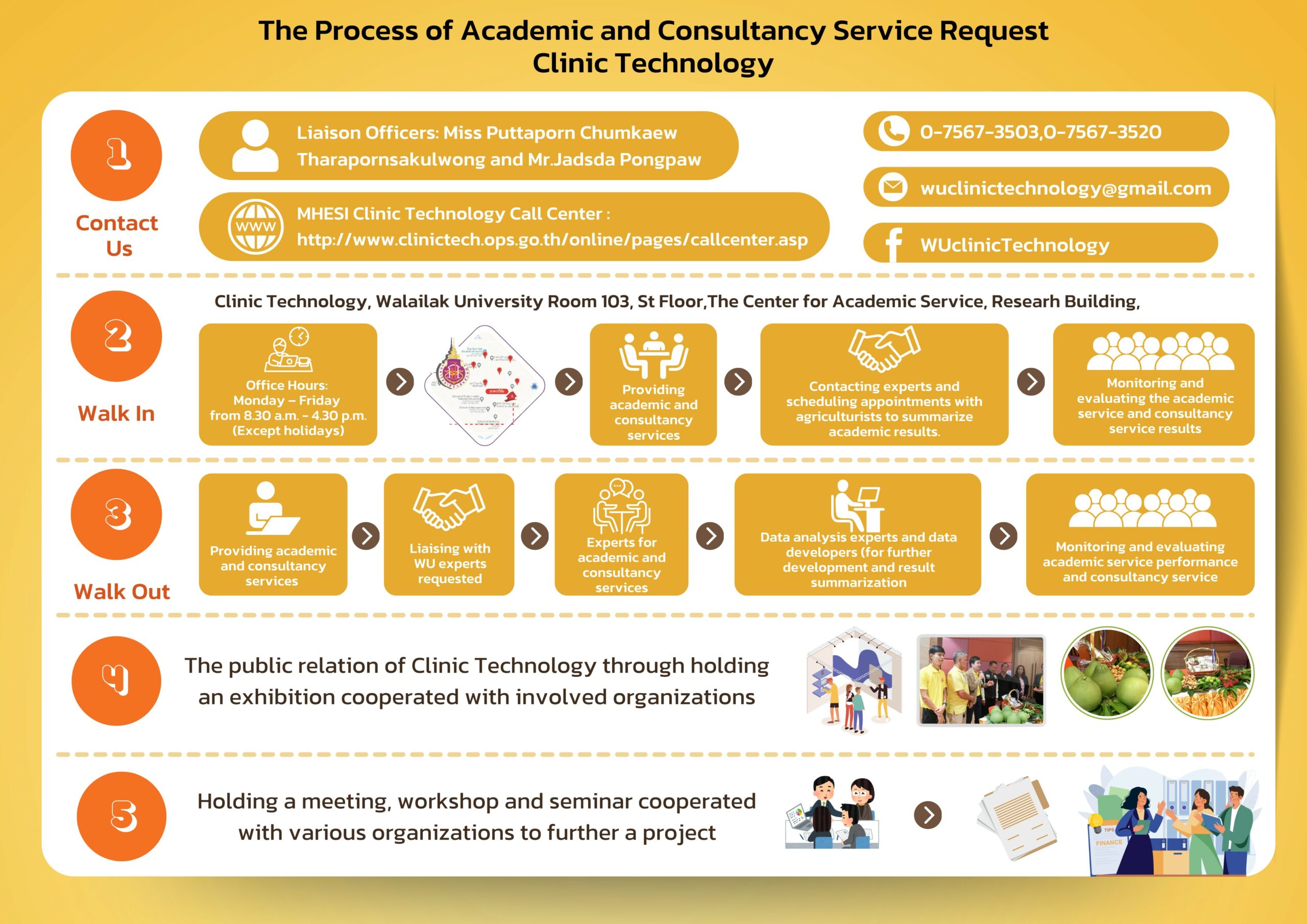
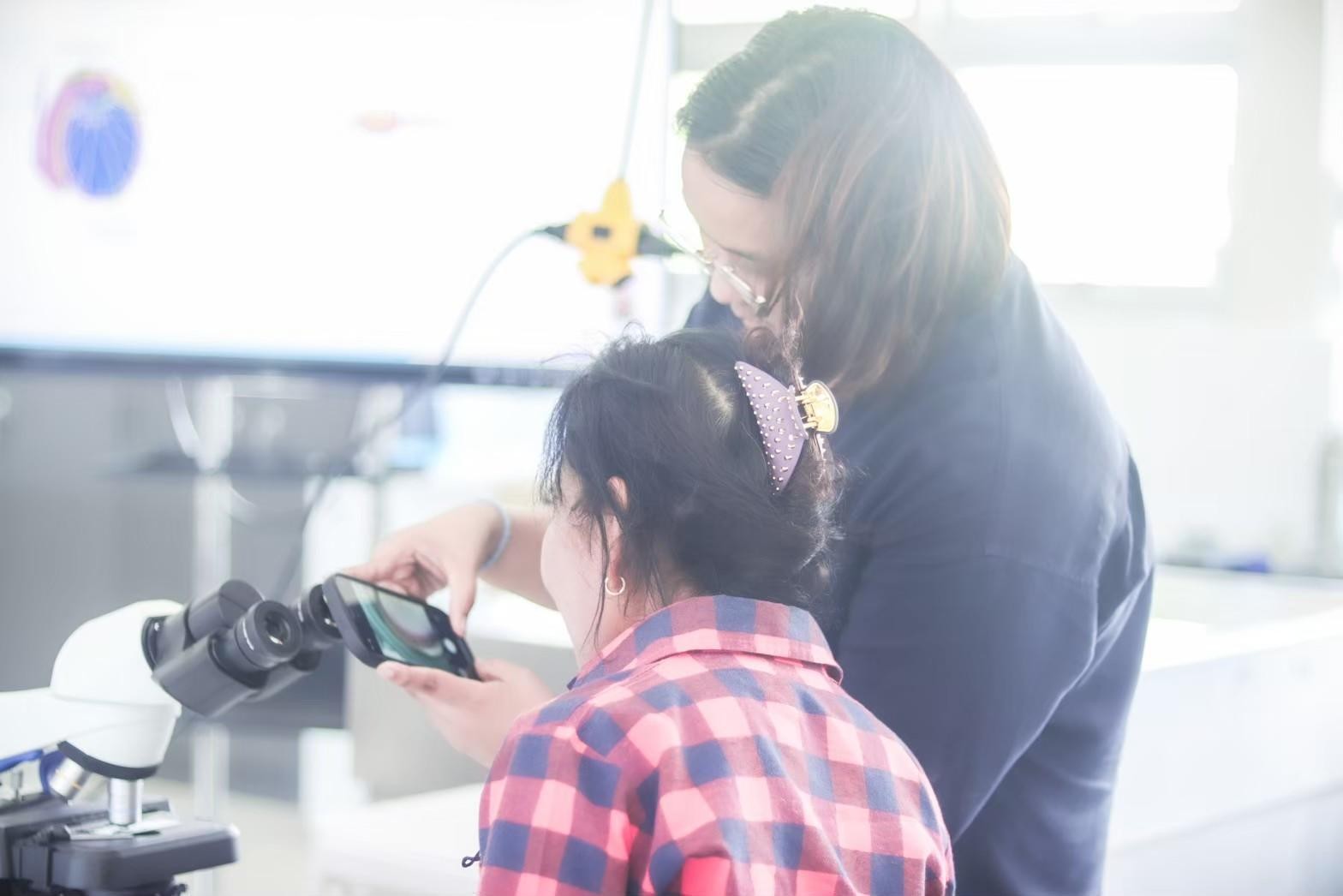
Transferring knowledge and technology from universities to communities is a vital mission that enhances quality of life and strengthens society in the long term. Recognizing this importance, Walailak University launched the Community Technology Consultation and Problem-Solving Project 2024 through the “Technology Clinic” mechanism. The project aims to provide housewives, farmers, and the general public with access to practical scientific and technological knowledge. Services are offered through five channels: telephone, website, and email consultation; direct walk-in visits to the Technology Clinic; on-site (walk-out) consultation for individuals or groups; collaborative activities with partner organizations; and dissemination through exhibitions and public relations events.
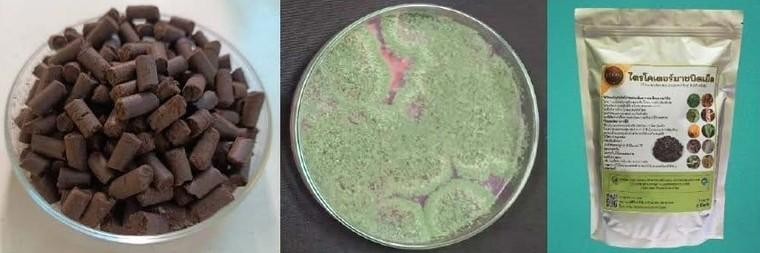
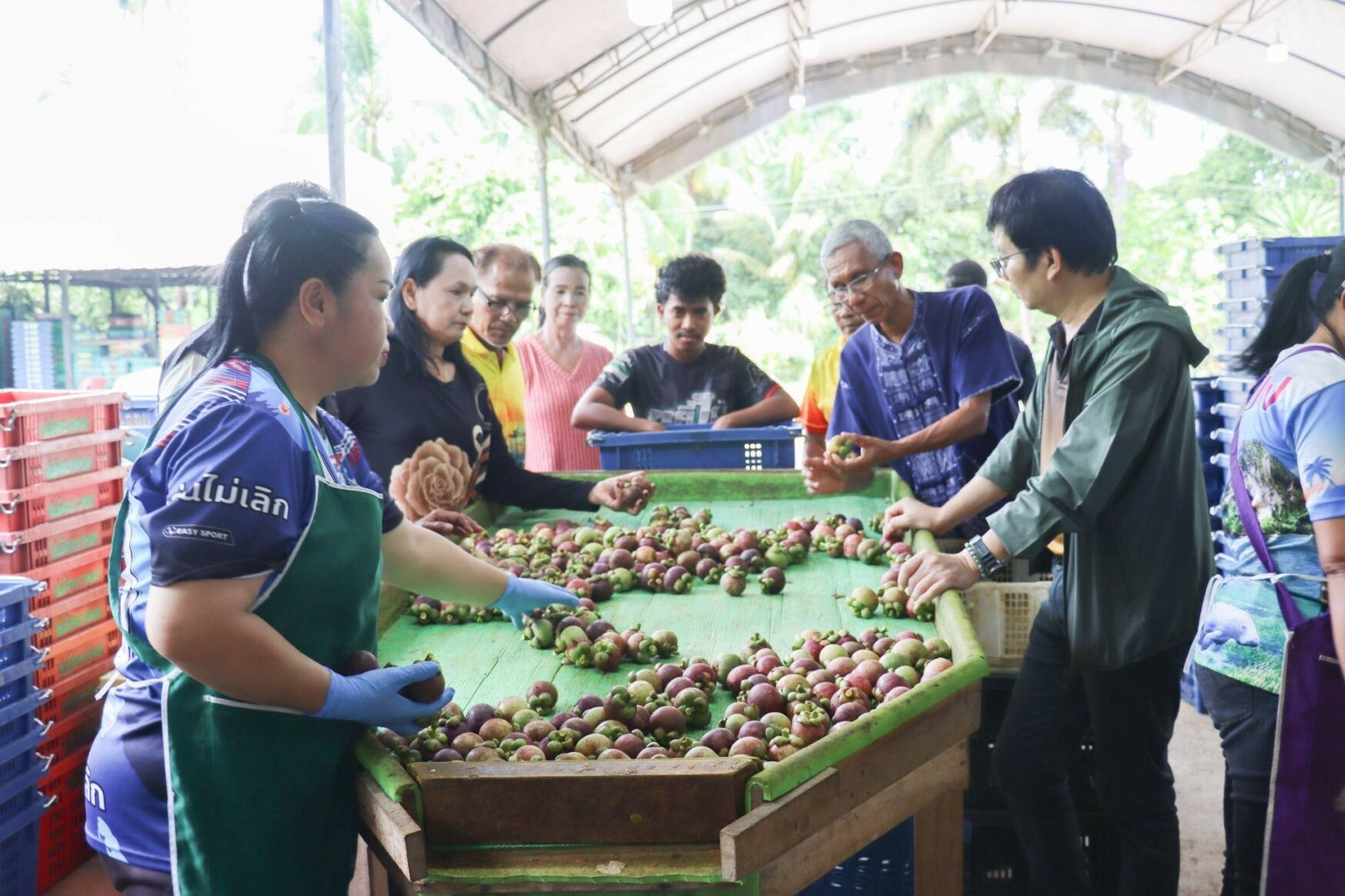
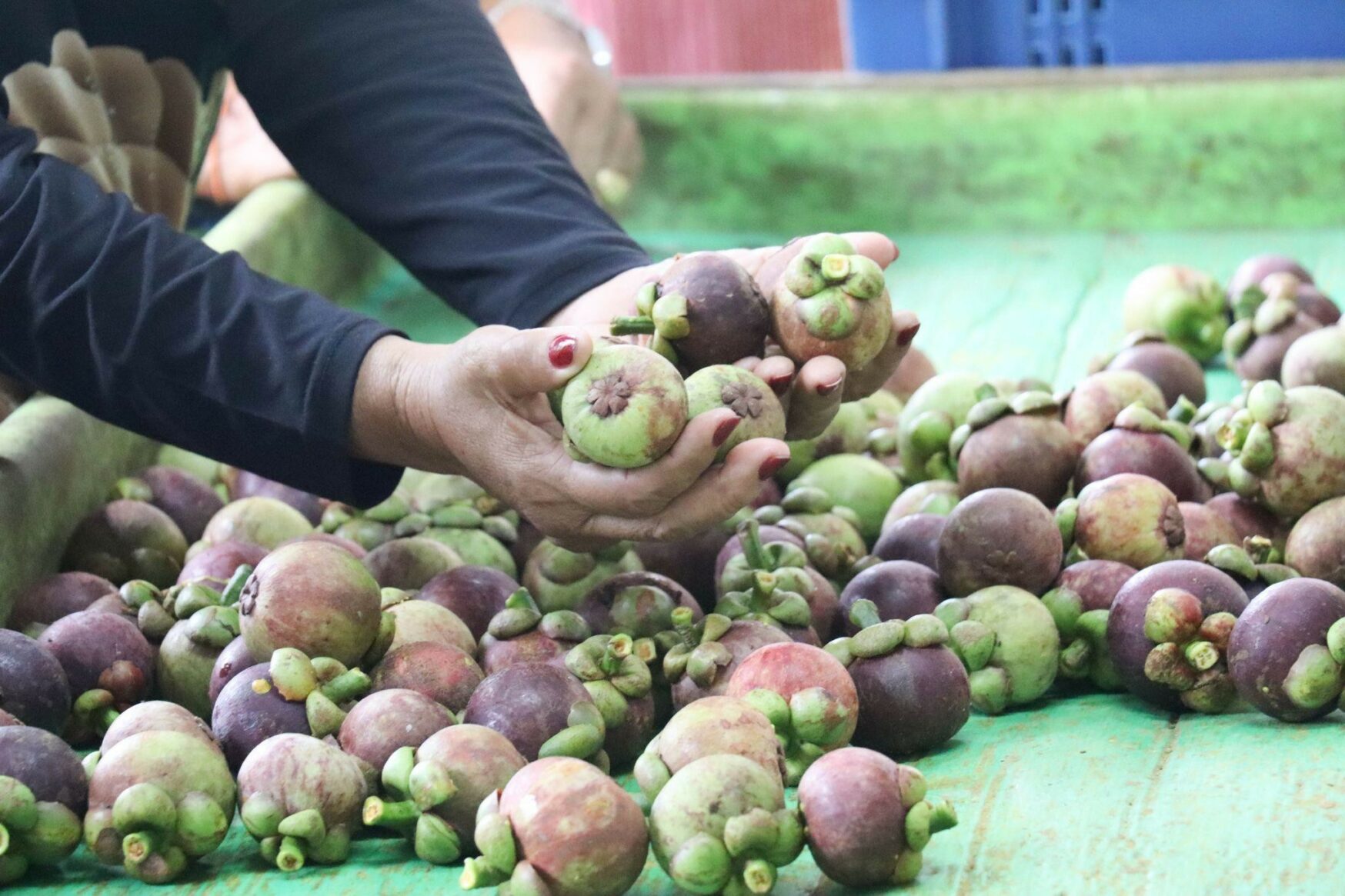
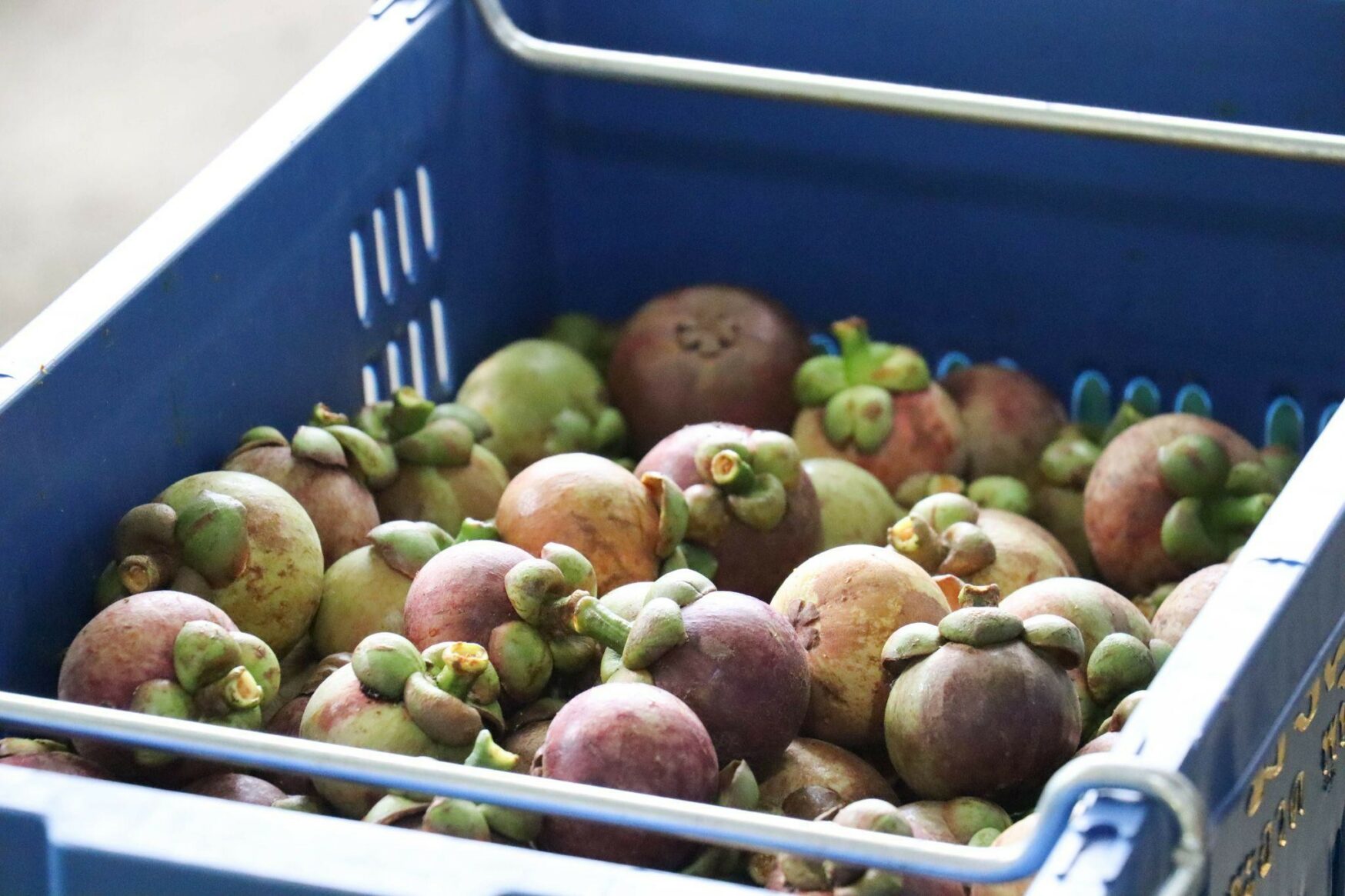
Throughout the year, 279 people received services—exceeding the target by 164%. This included 79 people receiving scientific and technological consultations (covering 13 technologies) and 200 people receiving information services (10 technologies) by 41 experts. The outcomes have been concrete and tangible. For example, local farmers adopted biocontrol agents (Trichoderma, Metarhizium, and Beauveria) to replace chemical pesticides, reducing production costs and health risks, with savings valued at over 146,200 baht. Meanwhile, mangosteen cultivated through biological methods was successfully exported to Japan, China, and Australia, generating revenues of over 26,500,000 baht. Overall, the project yielded a return on investment of 112.19 times.
These results demonstrate that the Walailak University Technology Clinic is a crucial mechanism for driving real change in communities—economically, socially, and environmentally. The project not only reduces costs, increases productivity, and improves farmers’ quality of life, but also highlights the role of the university as a knowledge hub that bridges science and technology with sustainable community development.
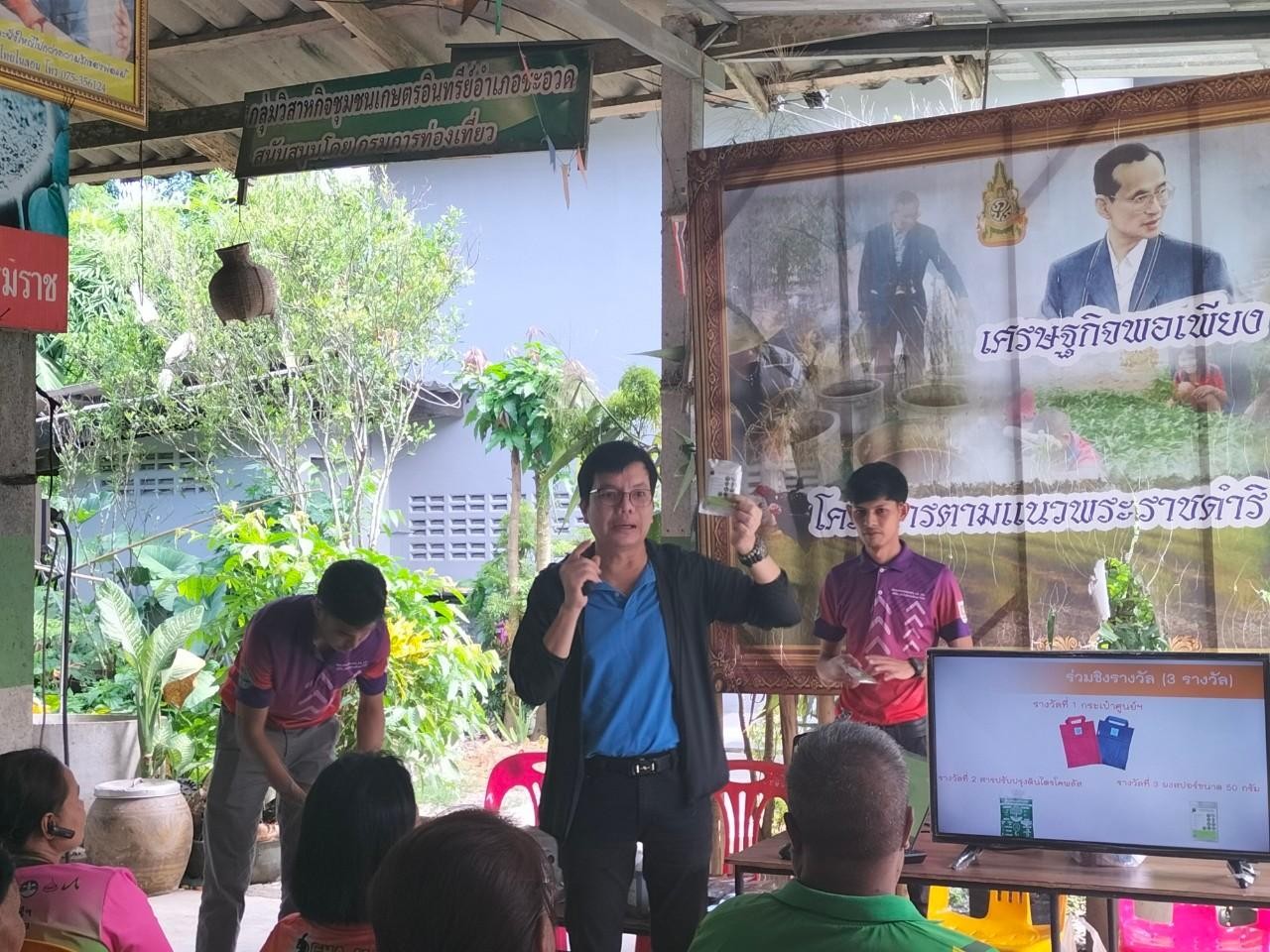
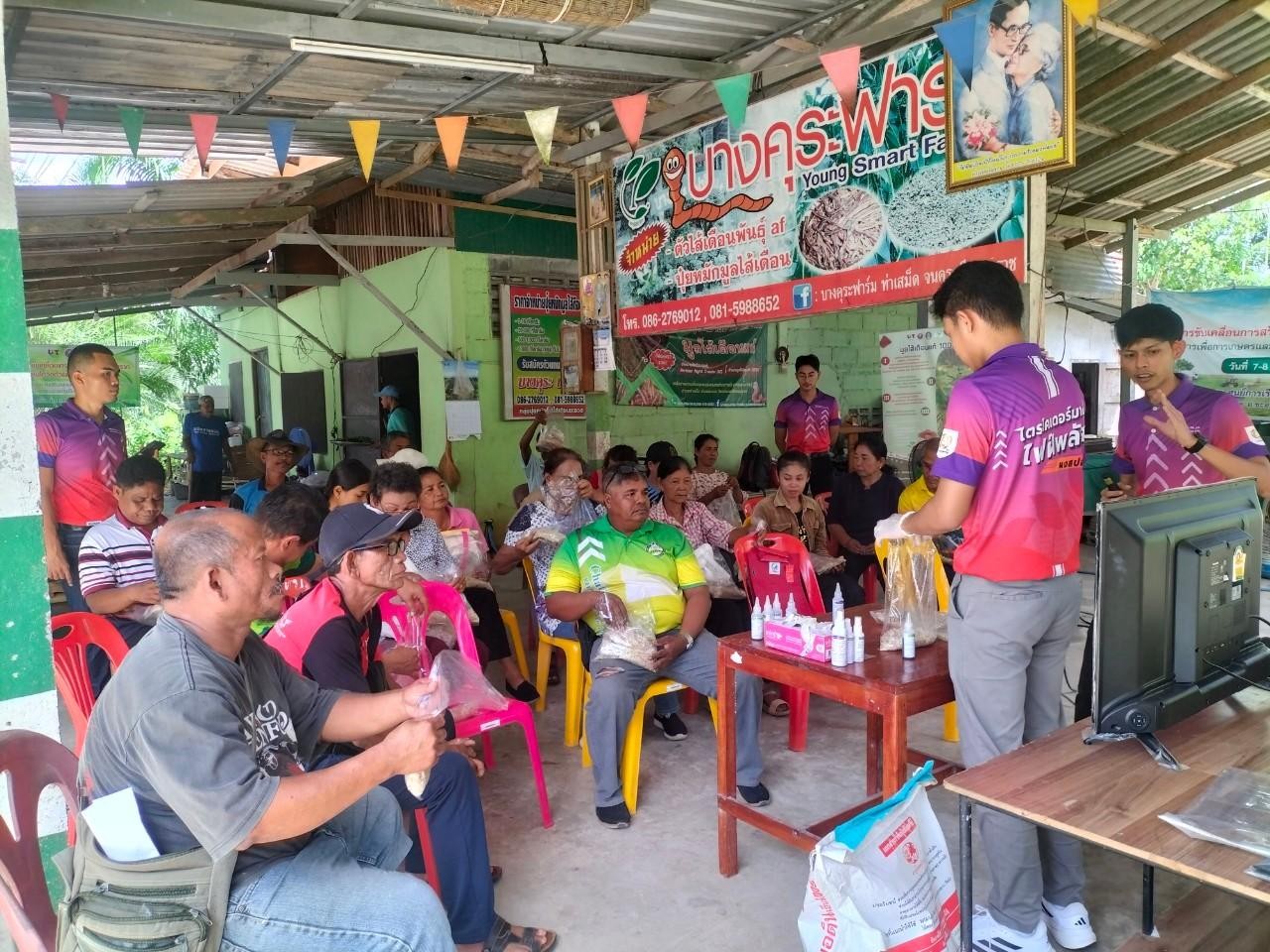
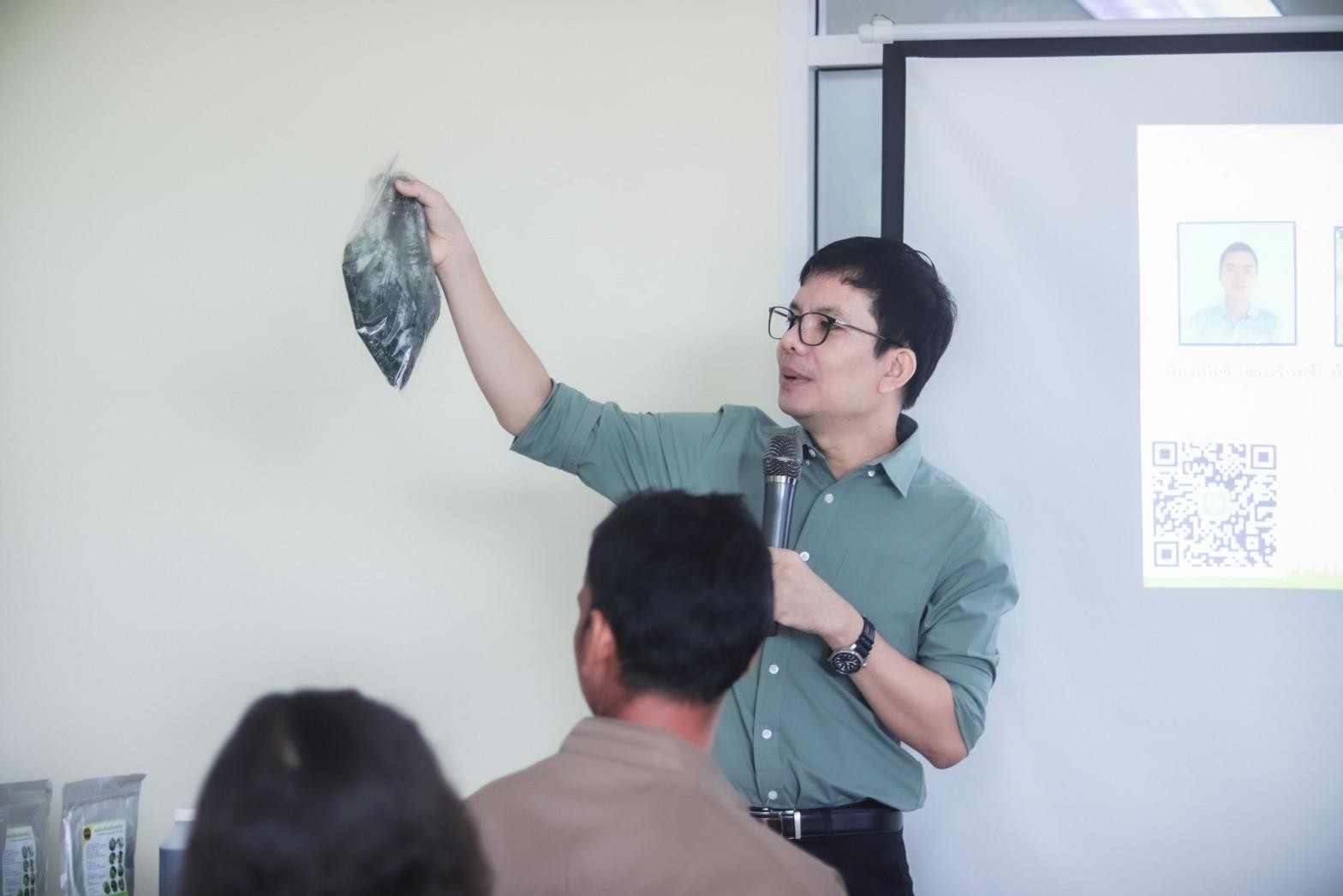
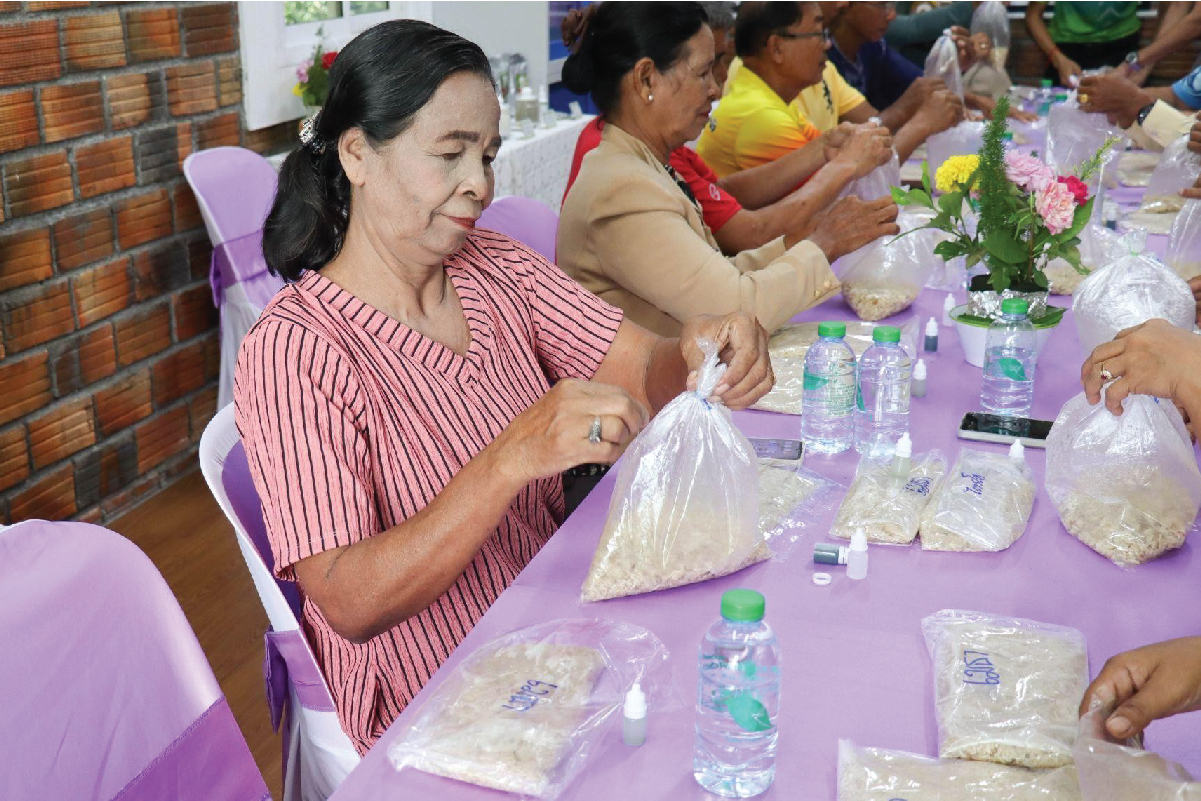
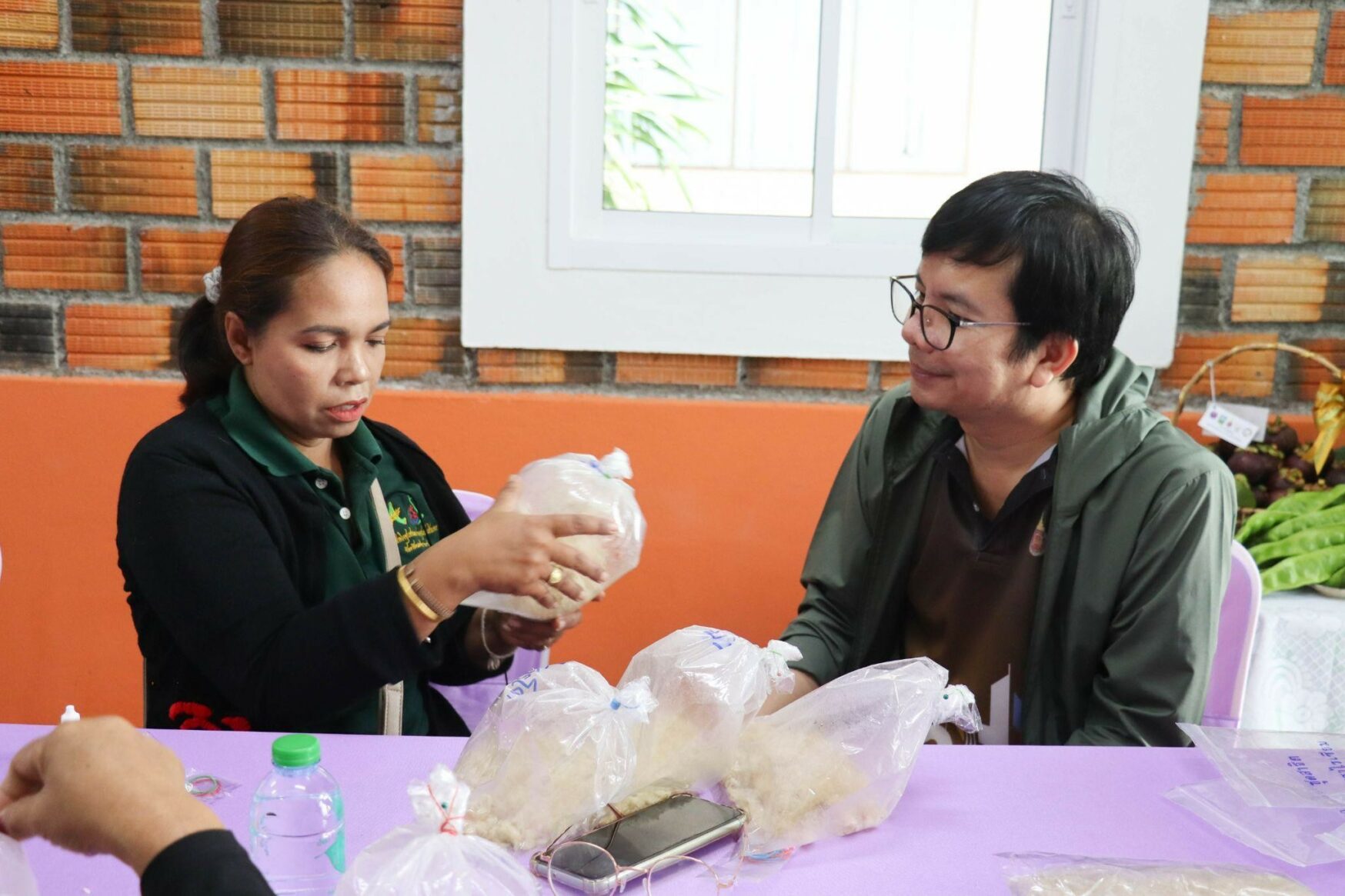
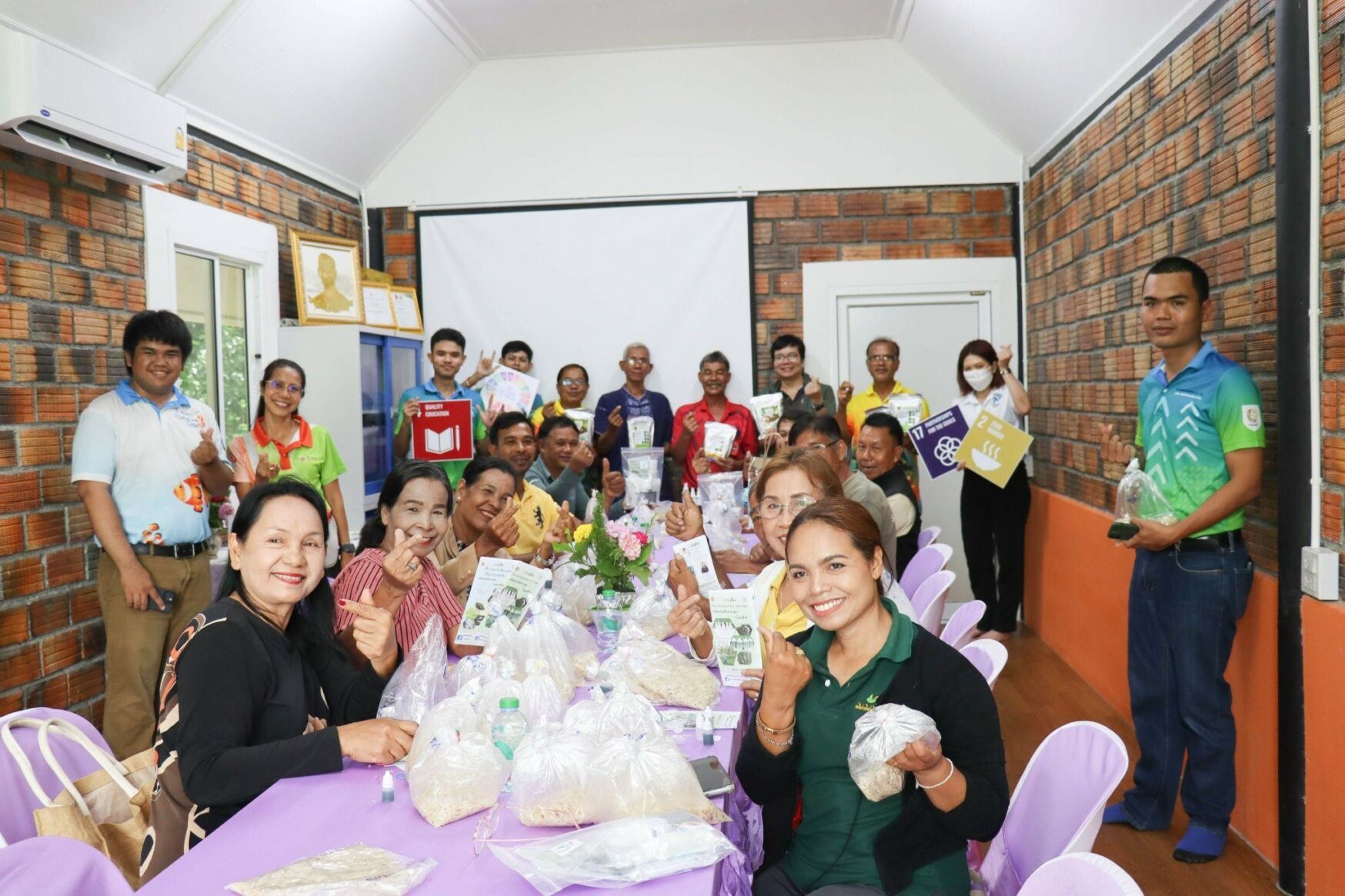
A clear example of the Technology Clinic is to provide consultation services to farmers by granting access to technologies that help increase yields while reducing chemical use, encouraging the adoption of bioproducts instead. Activities include field visits to deliver technologies, skills, and knowledge in organic and integrated farming, such as training farmers on the production of Trichoderma fungi for agricultural use. Furthermore, on-site advisory services are offered by the faculty members who developed these bioproducts. These technologies reduce the reliance on chemical inputs and enhance the safety of agricultural products.
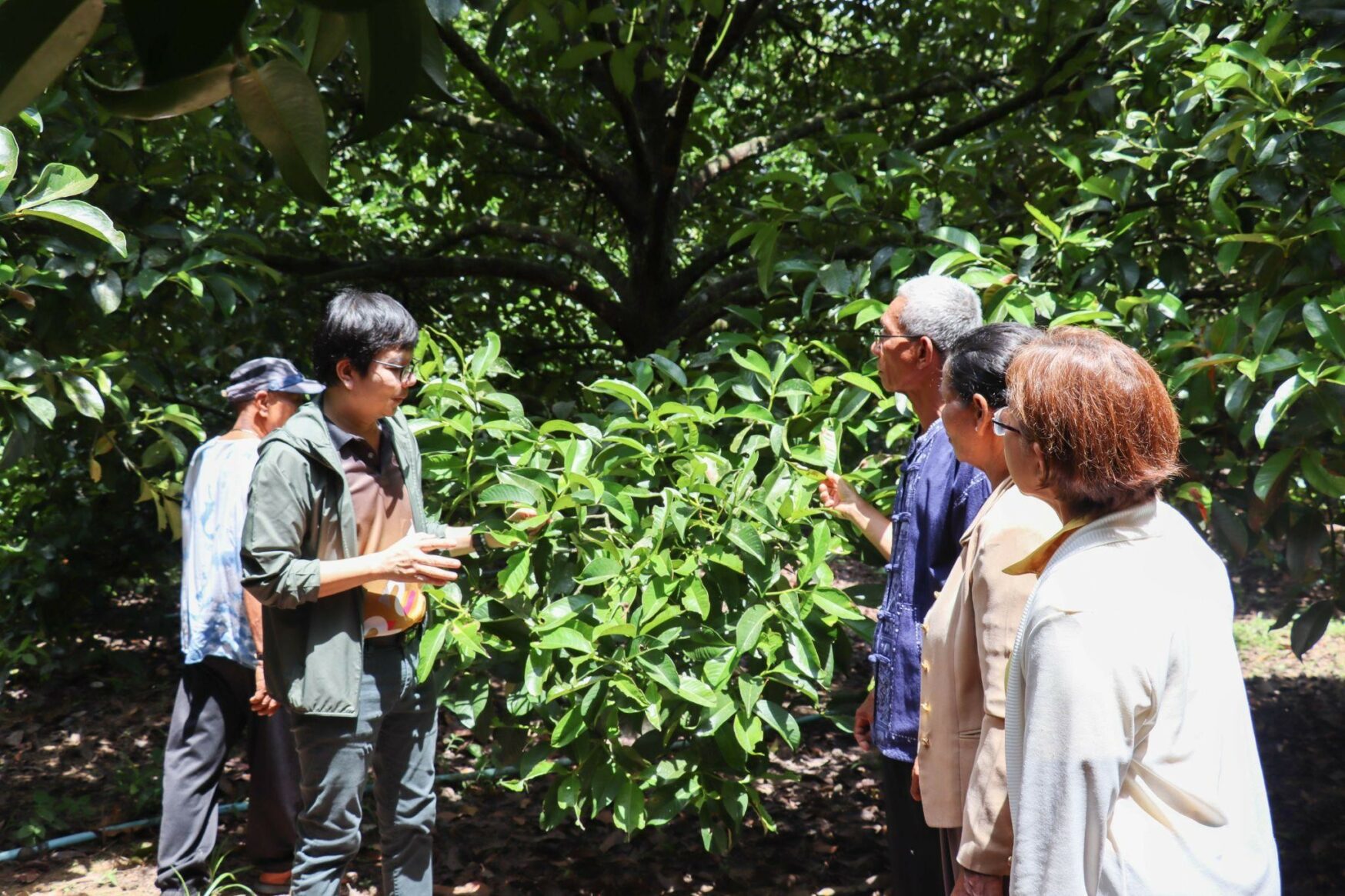
Assoc. Prof. Dr. Warin Intana, a faculty member of the School of Agricultural Technology and Food Industry, Walailak University, together with staff from the Agricultural Bio-input Production and Service Center and the AIC Nakhon Si Thammarat Center, conducted training sessions to transfer knowledge to farmers under the vocational training project for local communities in Phrommakhiri District, Nakhon Si Thammarat Province. The program included lectures on “Pest Management in Mangosteen and Durian” and demonstrations on cultivating Beauveria and Metarhizium fungi.
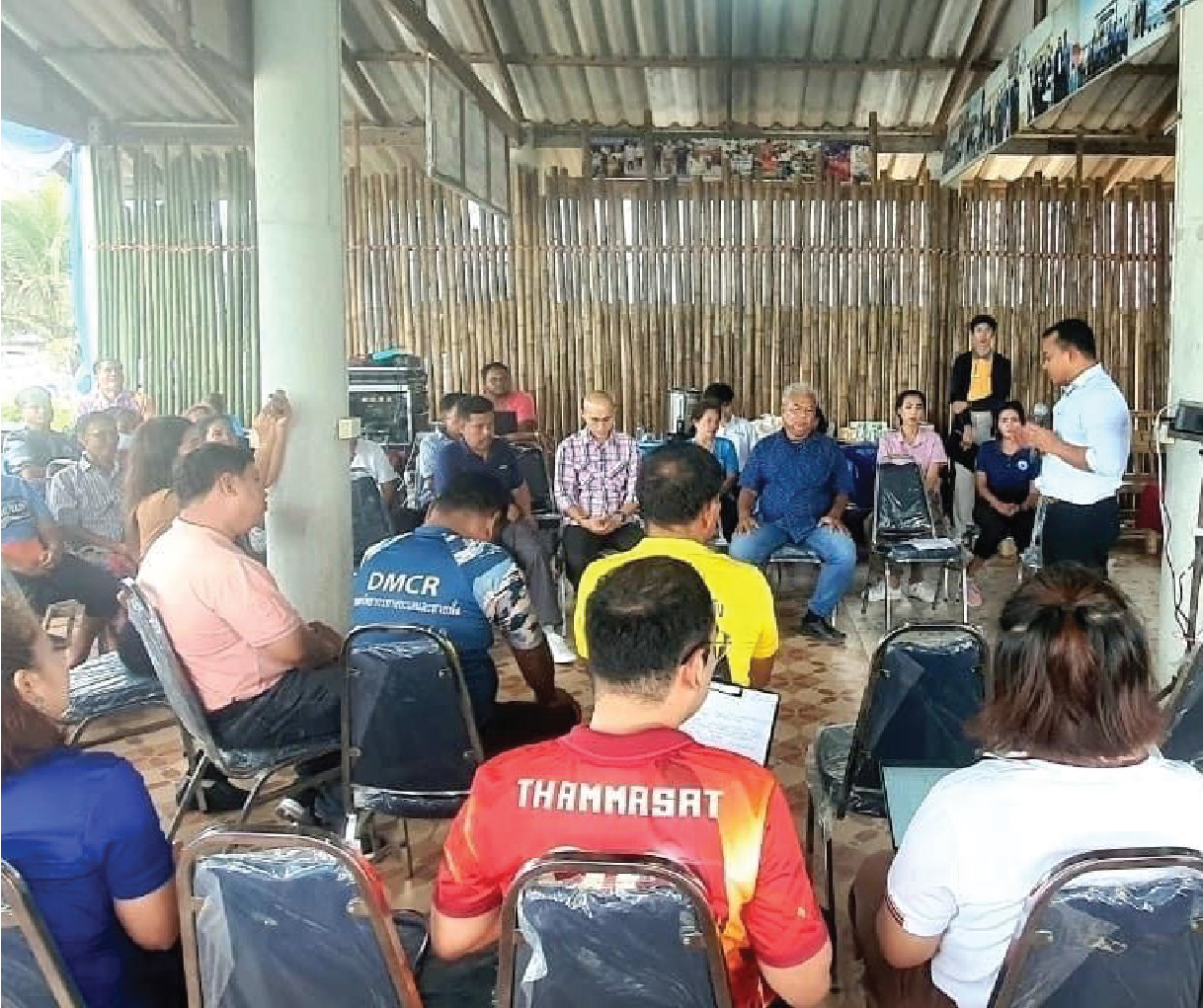
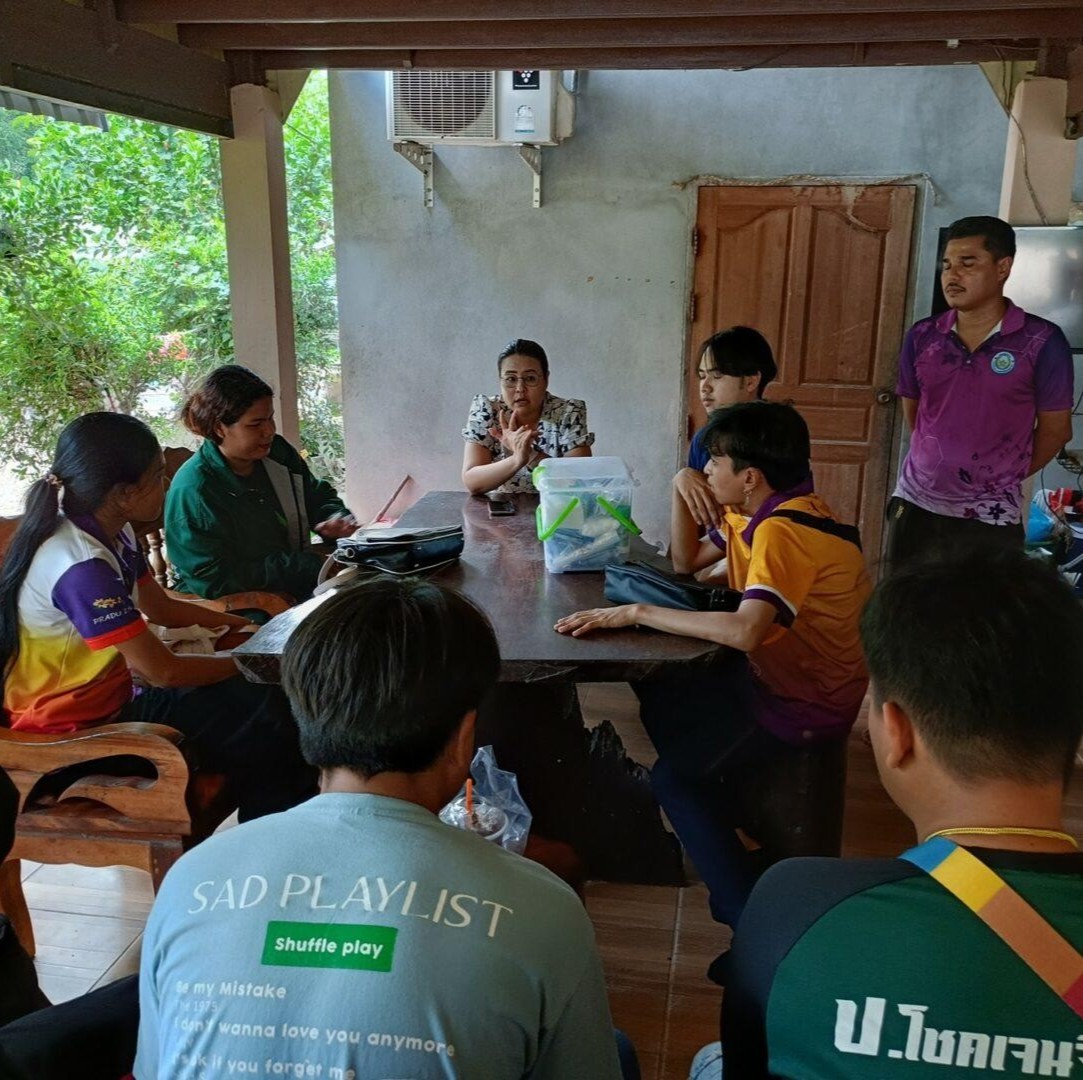
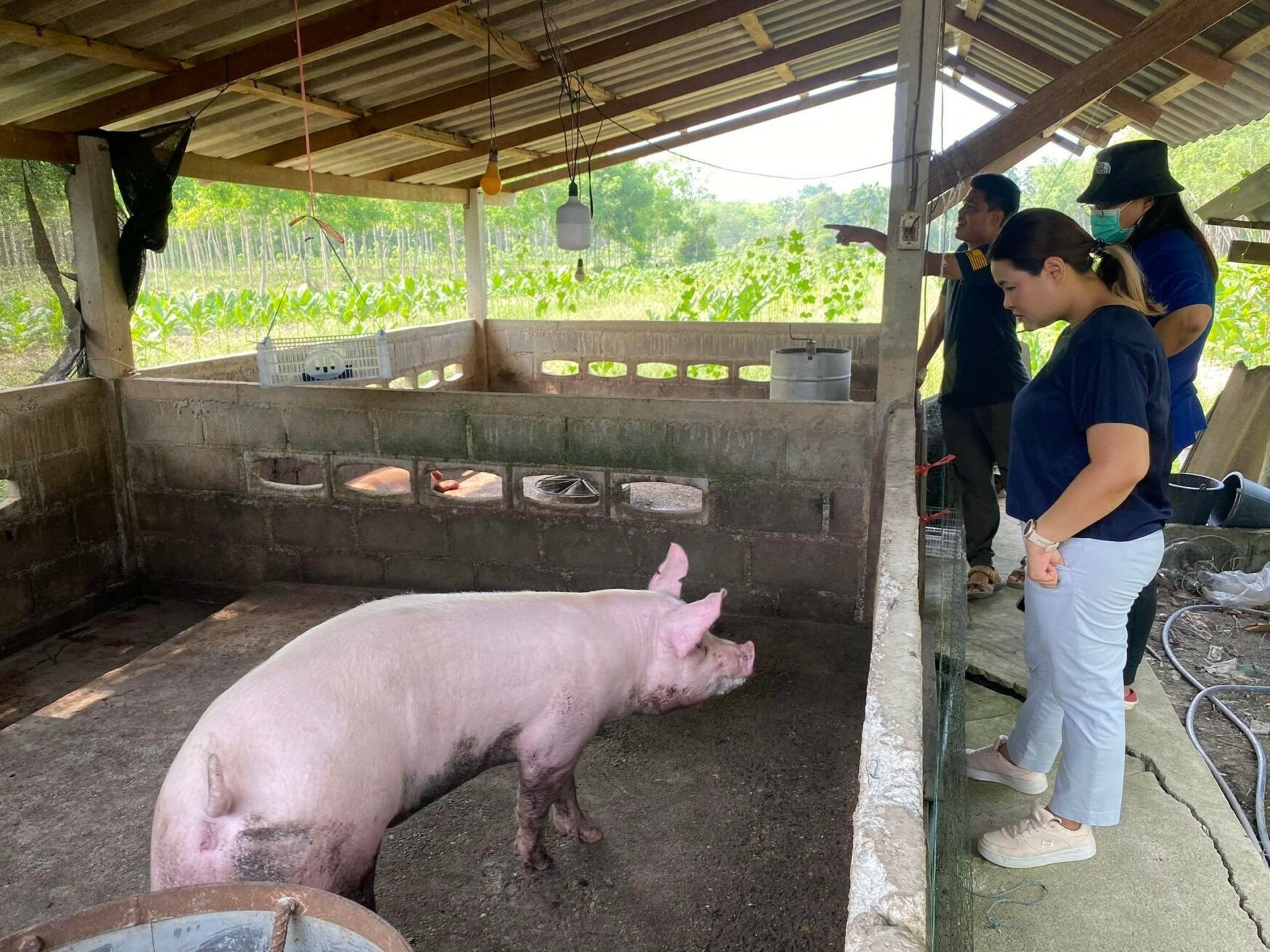
In the field of livestock, the university provides free channels and opportunities for accessing technology, knowledge, and skills related to swine health management, as well as services for detecting pathogenic contamination in pigs and the farm environment. These services are extended to the Integrated Pig Farming Community Enterprise, Satit Walailak Pattana Community, to raise awareness among farmers of the importance of managing and maintaining swine health in fattening pig production. This ensures that pigs are raised to a high quality, while enabling farmers to adopt proper and efficient farming practices that generate income and profit.
The program covers essential knowledge such as basic swine production, the importance of health management from birth, and farming management aspects including housing, feed, water, and pens. It also addresses disease prevention, infection control in pigs, vaccination, medication, and treatment of diseases. Every stage in the production process directly affects farming efficiency, production costs, and profitability, with outcomes reflecting the quality of each farm.
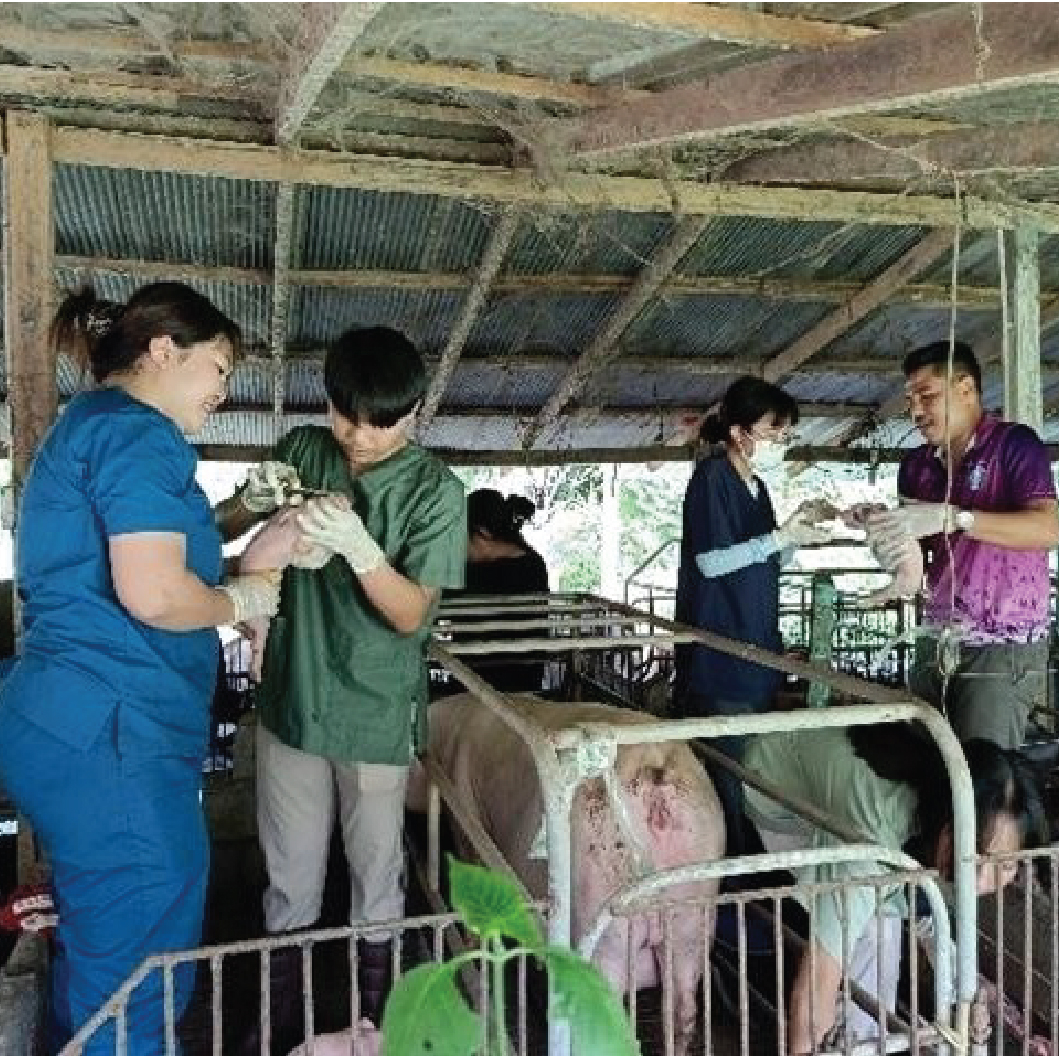
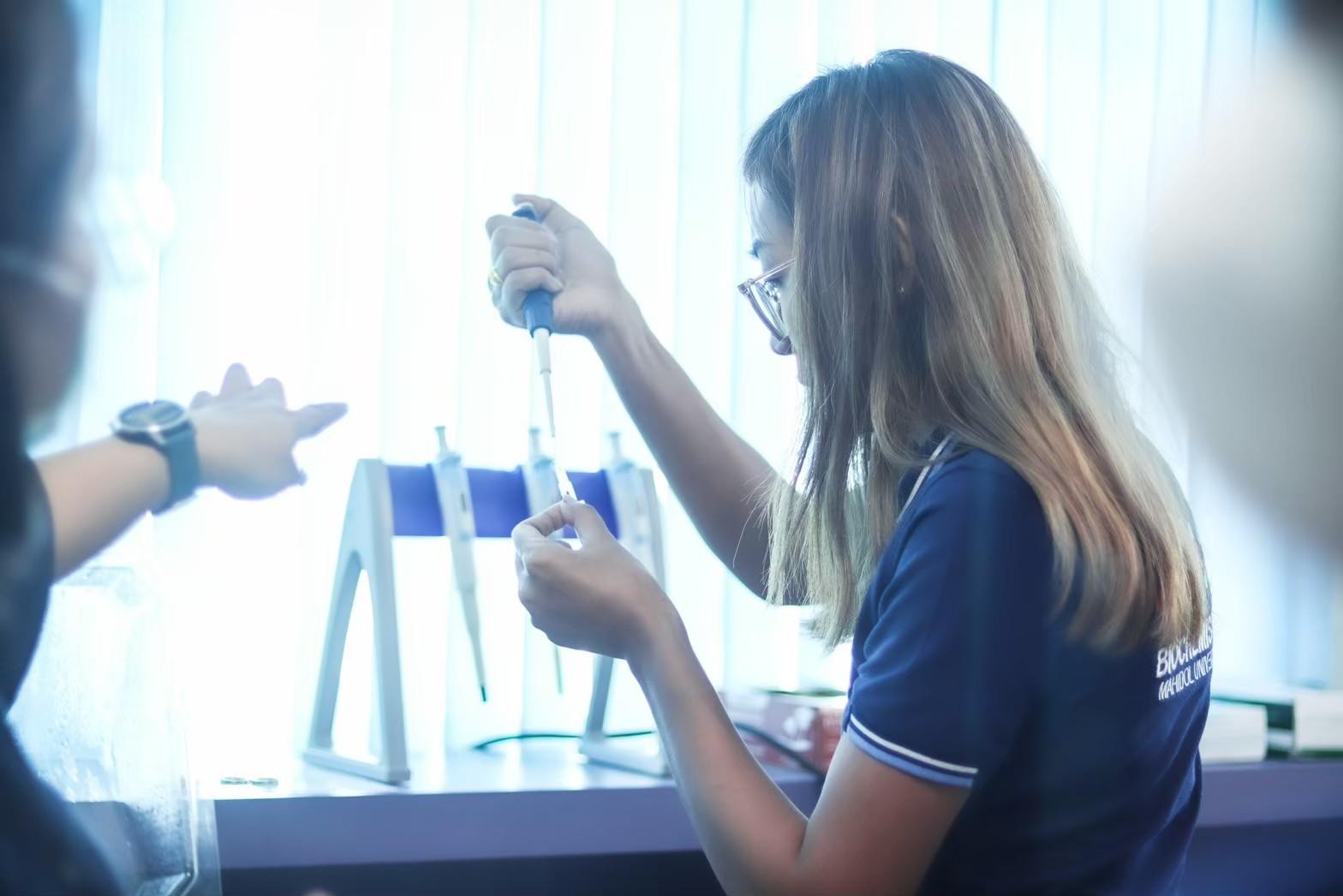
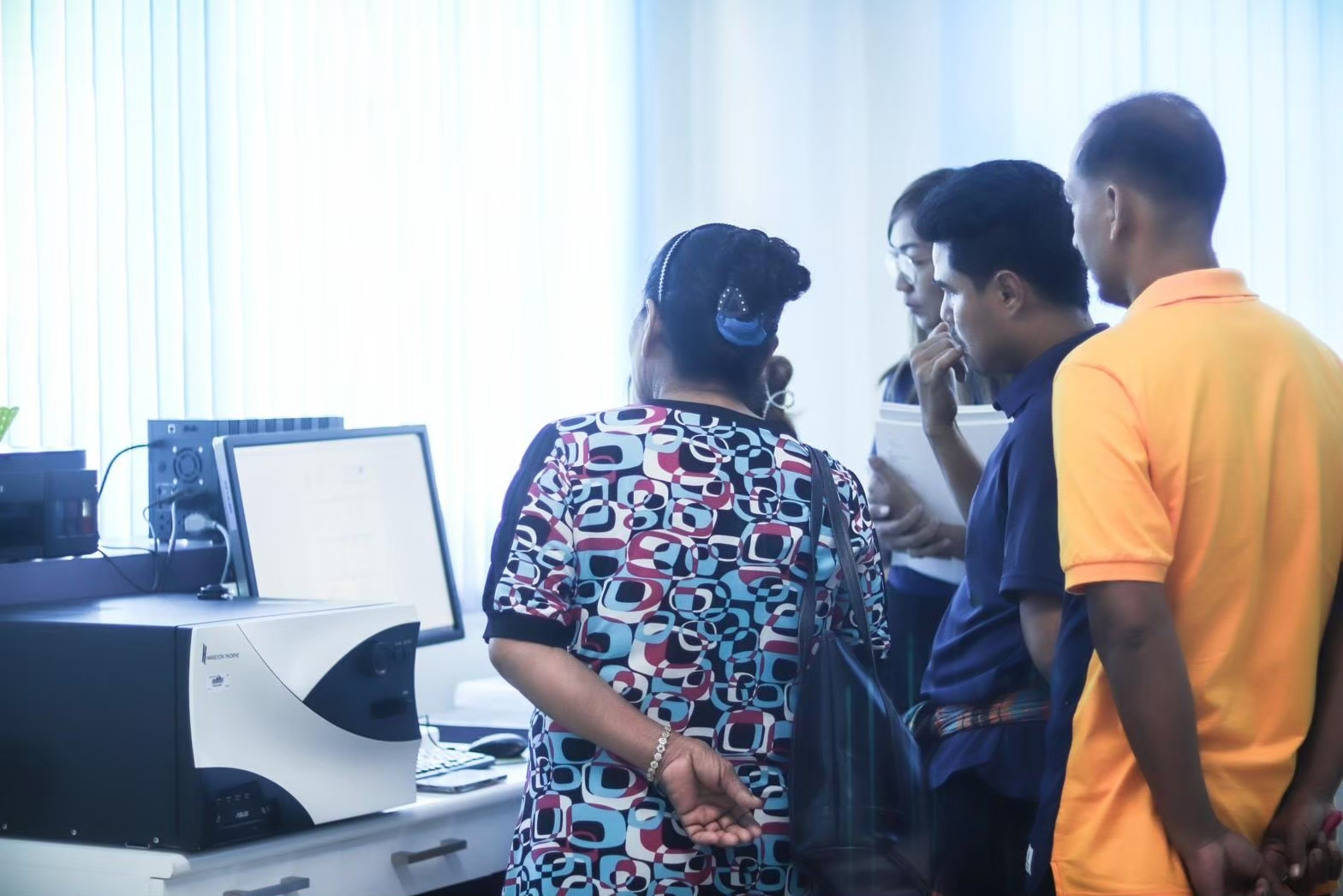
In addition, instructors provided guidance and demonstrations on how to collect feed, water, and manure samples for laboratory testing to detect pathogens present in farms. Akkhraratchakumari Veterinary College (AVC), offers these laboratory services free of charge to participating farmers, along with ongoing consultation and recommendations on swine management and health care.
Moreover, the project incorporates value-added pork product processing, equipping farmers with knowledge and skills to transform raw pork into processed products. This not only enhances product diversity but also extends the value chain, enabling farmers to increase revenue, improve profitability, and strengthen the sustainability of their pig farming enterprises. This sustainable agricultural activity primarily aims to enable farmers to increase productivity without harming the environment, while simultaneously reducing production costs.
Sustainable Aquaculture
Walailak University promotes sustainable aquaculture as a means to balance ecosystem conservation with community livelihoods. The university provides free access to research, technology, and expertise to support local farmers and fishery groups in addressing challenges such as biodiversity loss, invasive species, and climate impacts on aquaculture. These initiatives strengthen local capacity, enhance productivity, and contribute to long-term socio-economic development through environmentally responsible practices.
The Restoration of Hoi Fai Mai (Clam) Habitats
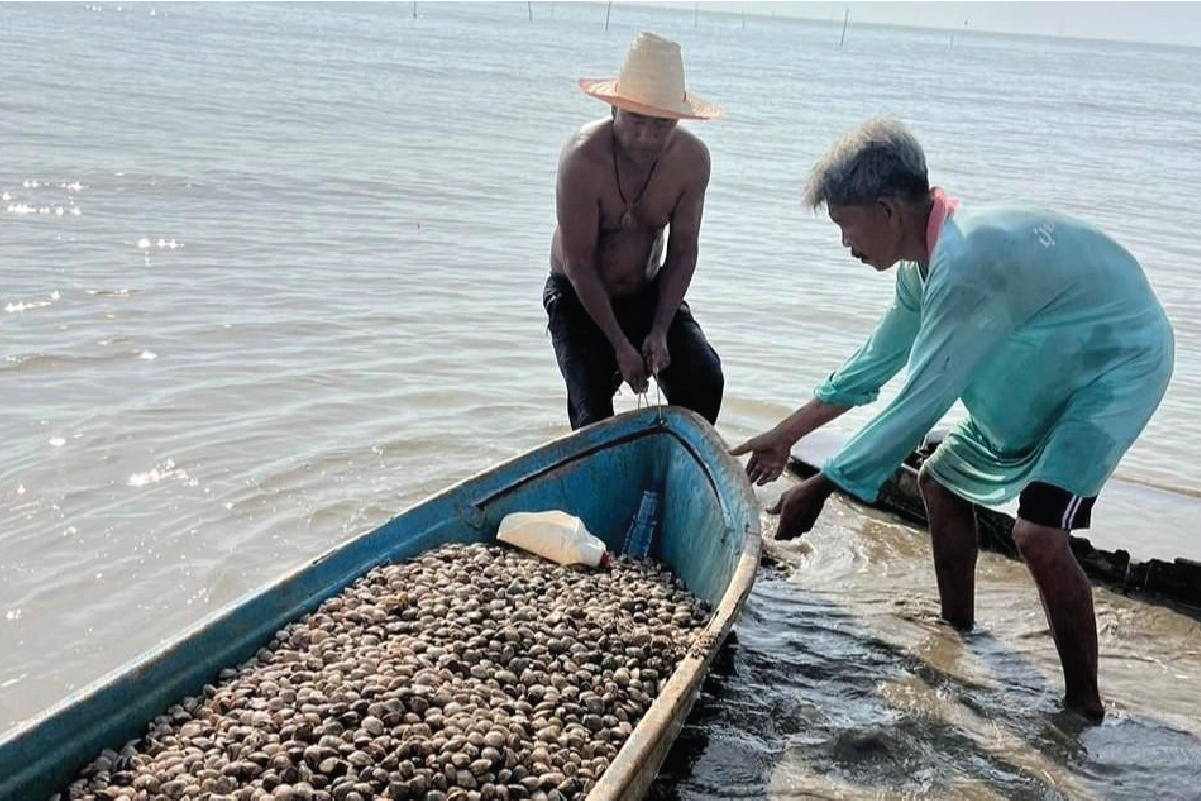
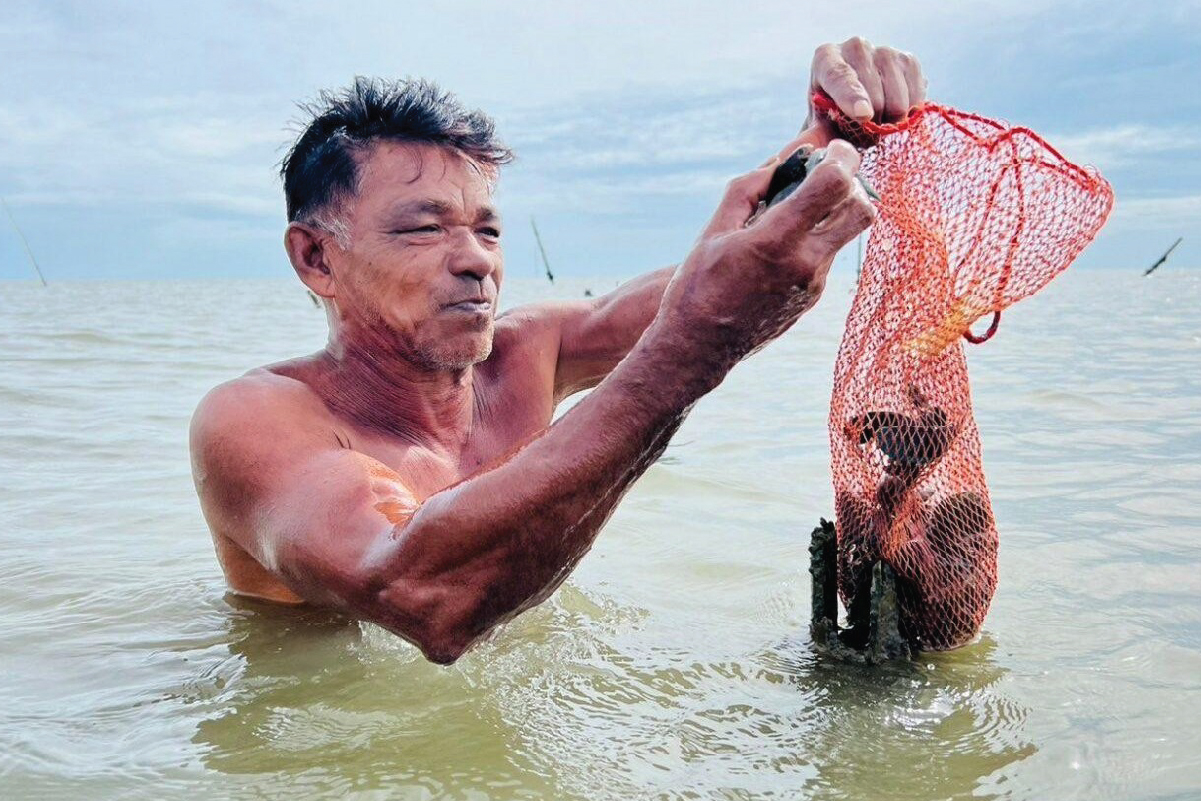
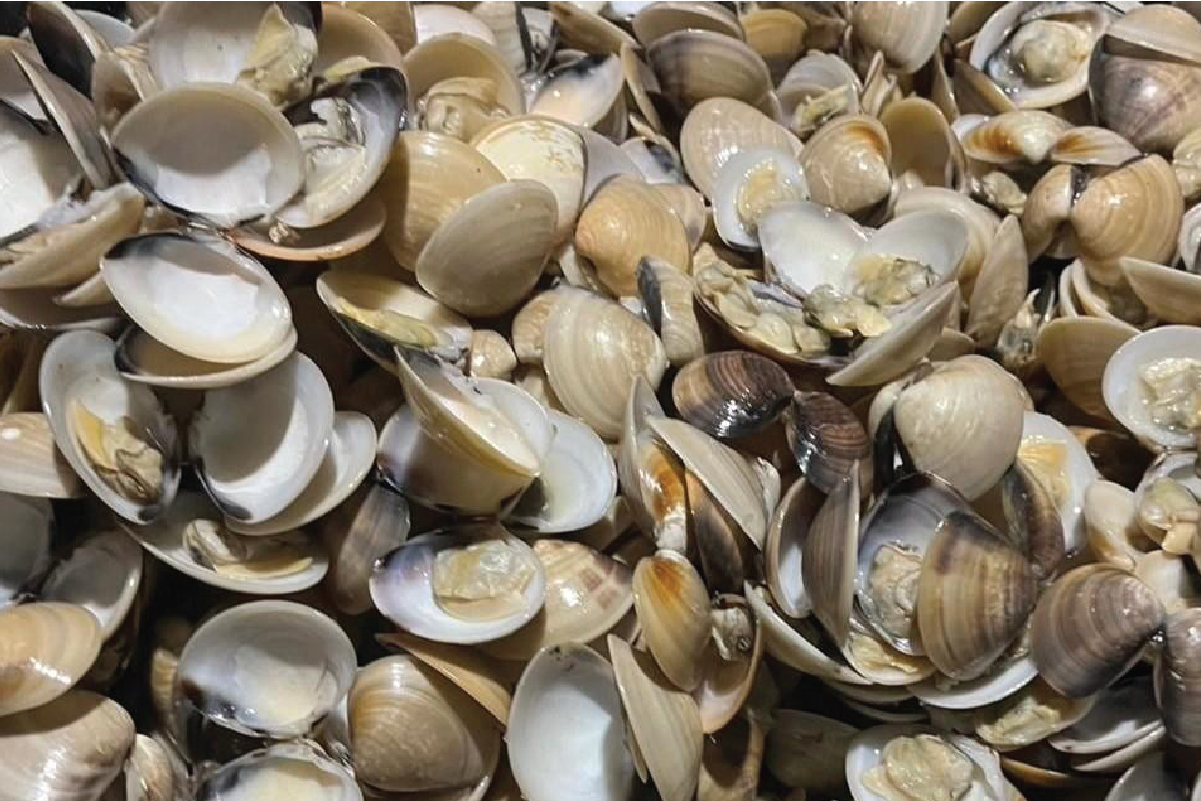
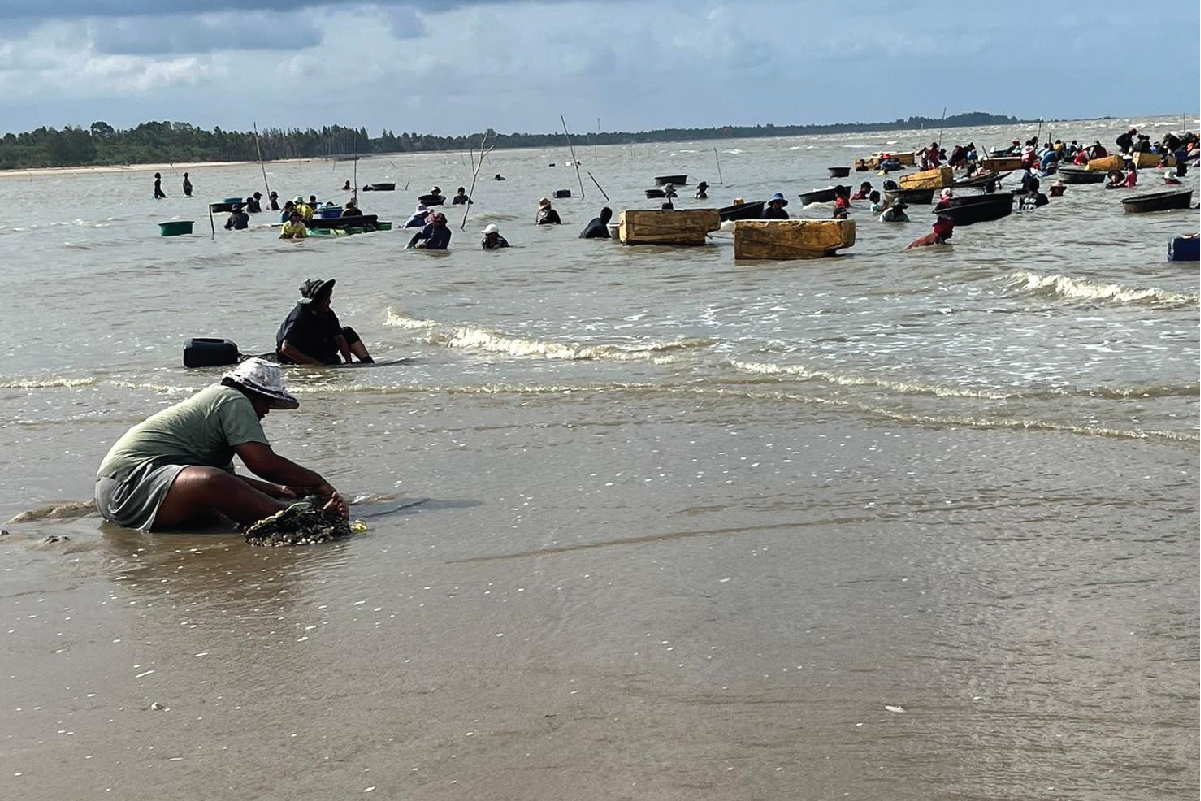
Walailak University is committed to providing free access to sustainable aquaculture practices that preserve ecosystems while ensuring stable income generation. The focus is on providing local farmers with access to the university’s knowledge, skills or technology, supported by expertise, particularly through initiatives such as supporting the restoration of Hoi Fai Mai (Clam) habitats at the Blue Swimming Crab Bank, Pak Nam Tha Muang Village, Wang Subdistrict, Tha Chana District, Surat Thani Province.
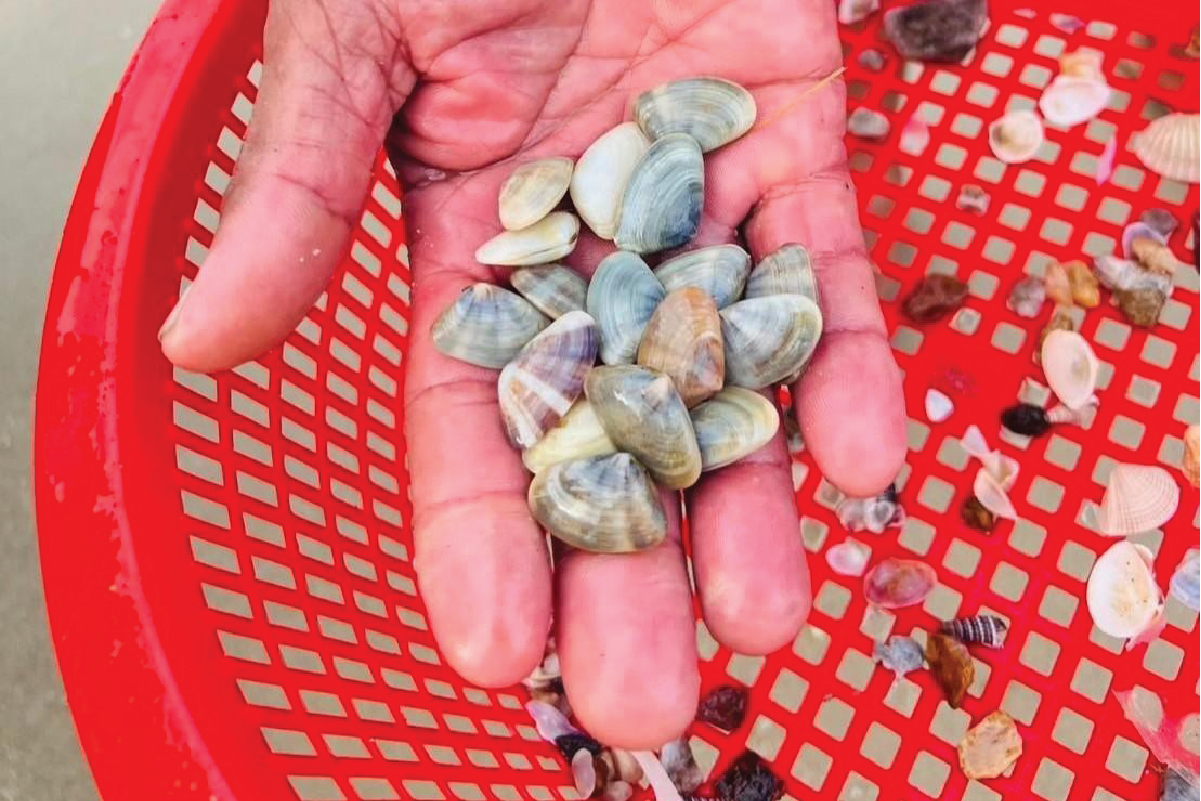
In addition, the university supports the provision and maintenance of educational signage and the refurbishment of the Crab Bank to keep it attractive and functional. Field studies have also been conducted to survey aquatic biodiversity around artificial reefs (fish homes), as well as to assess the feasibility of pilot sites for habitat restoration. These areas serve as important refuges for diverse aquatic species and are designated as conservation zones, including sites for the restoration of Hoi Talub (meretrix clam)and Hoi Chak Teen (babylonia snail).
Development and promotion of nile tilapia farming in brackish water areas
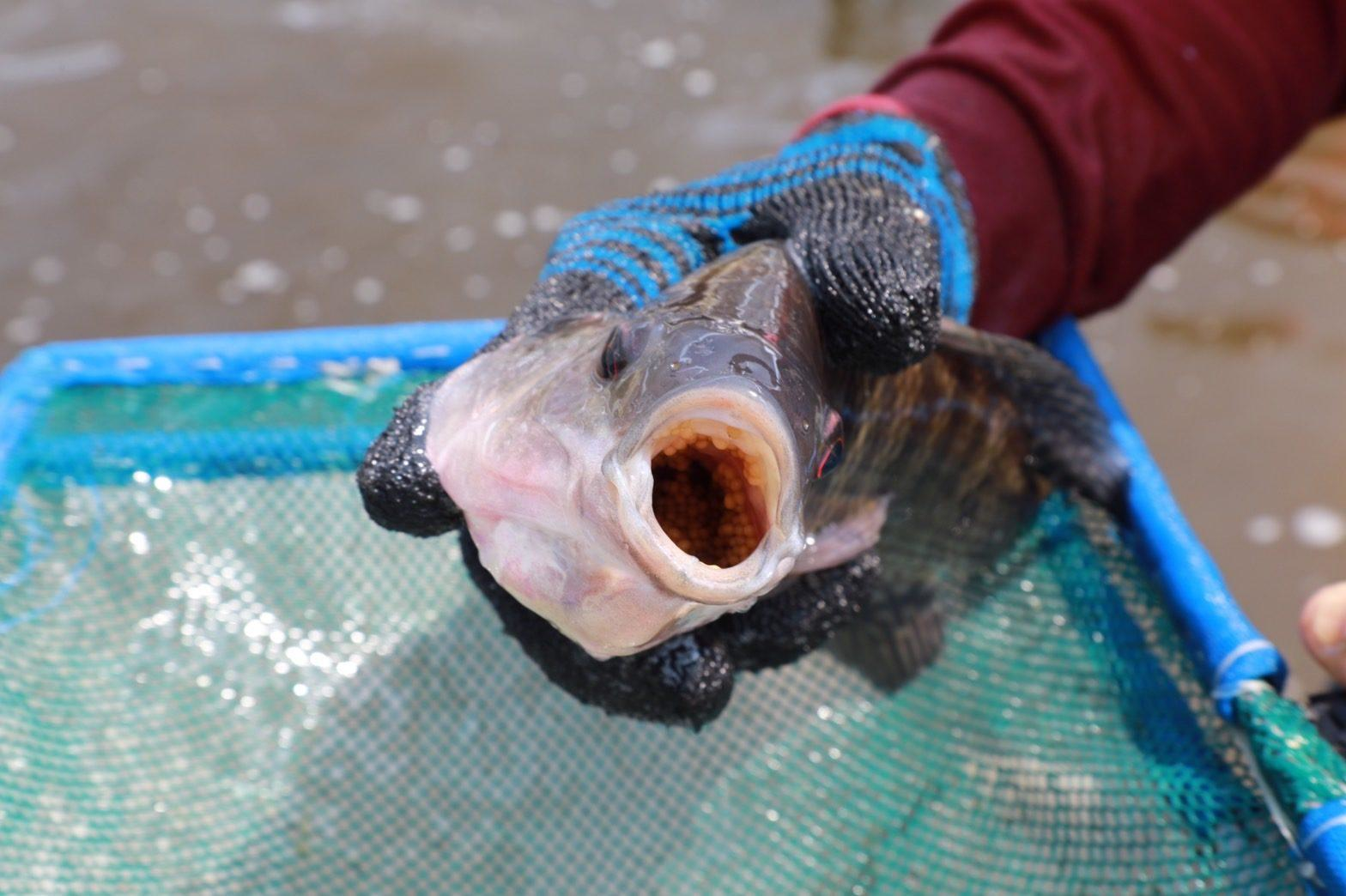
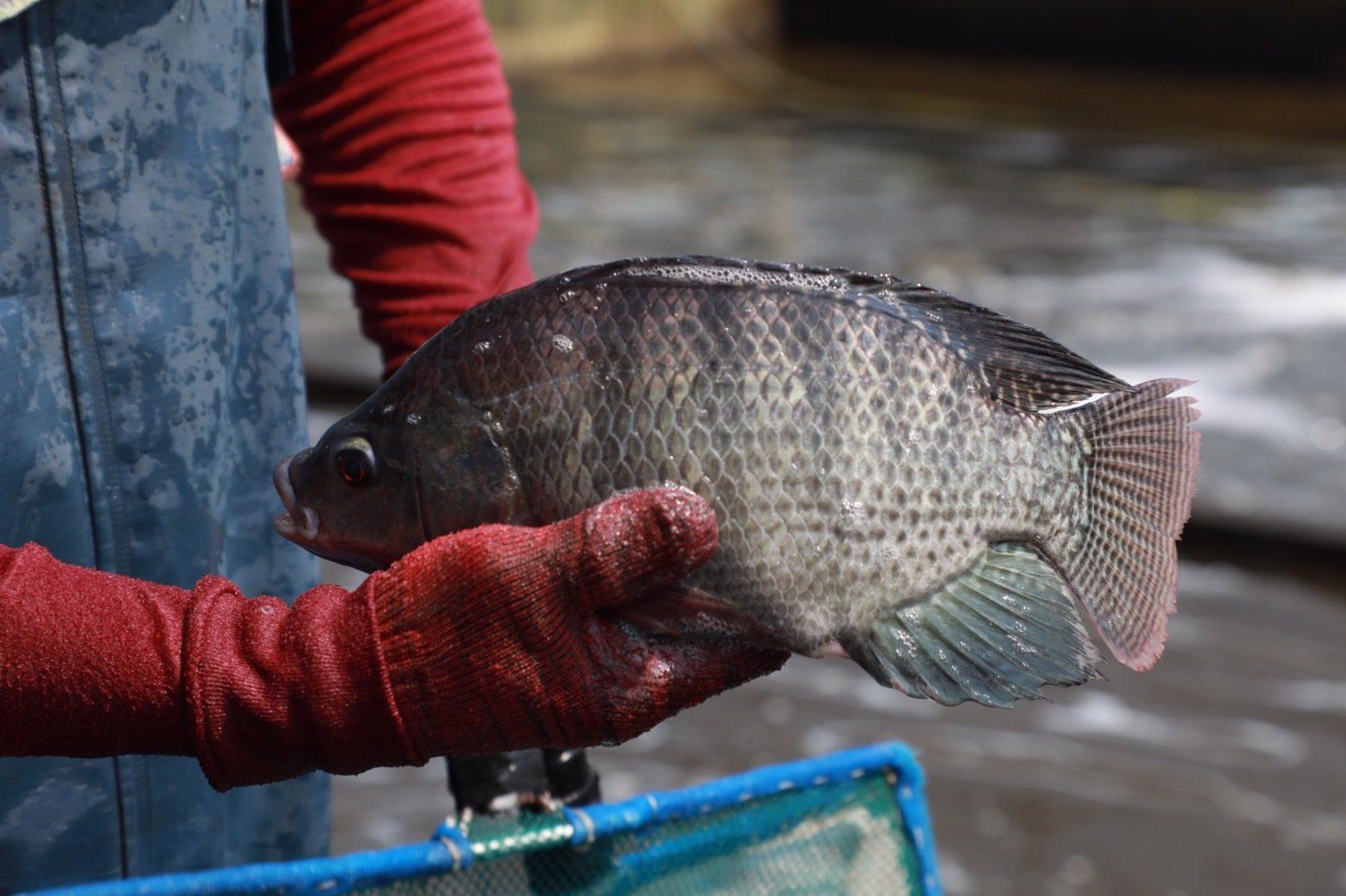
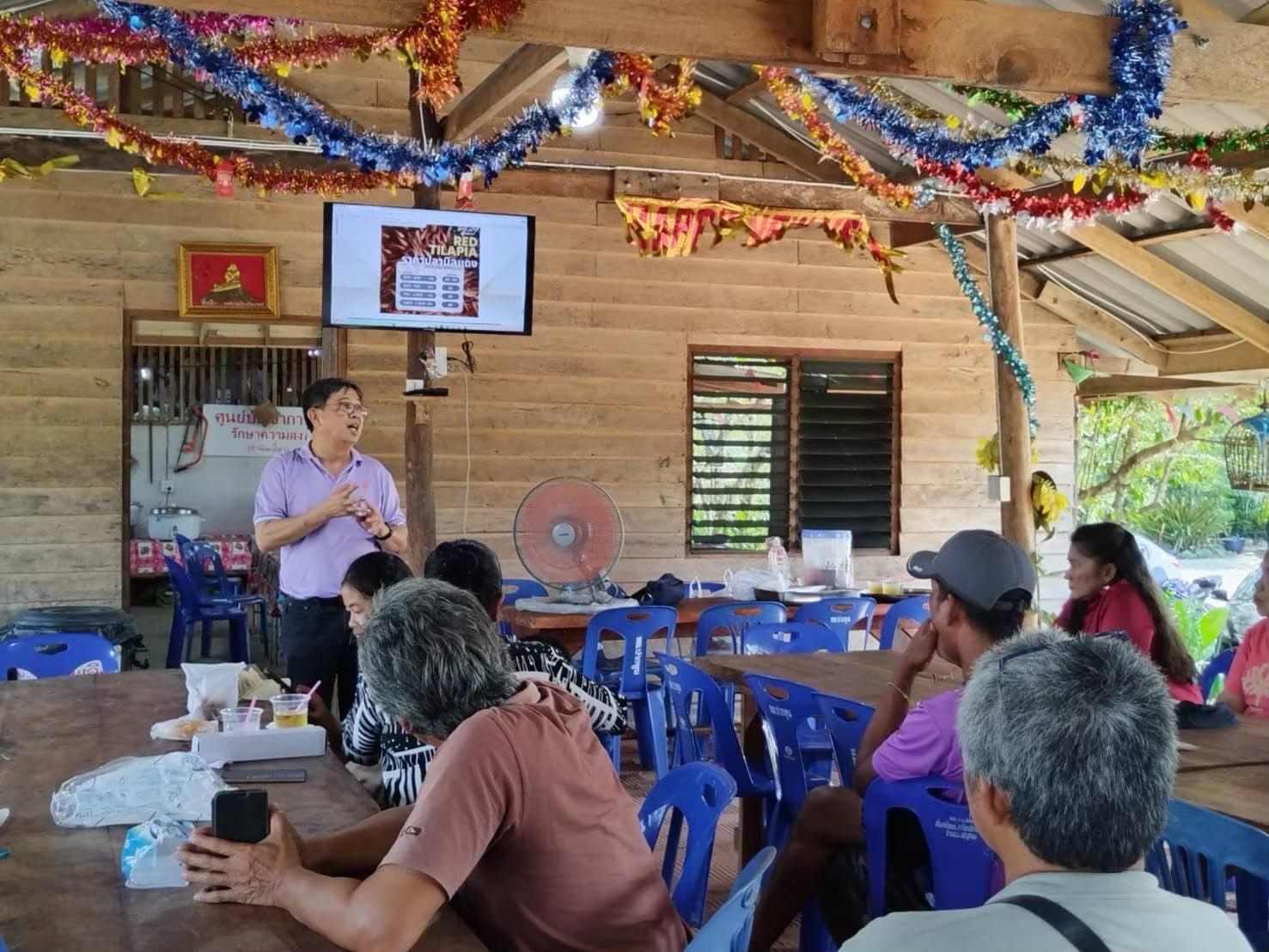
Farmers in the brackish water areas of Nakhon Si Thammarat Province, such as Pak Phun, Pak Phaya, and Hua Sai, face challenges in raising Nile tilapia, as common strains cannot tolerate salinity levels above 15 ppt. As a result, they can only farm during the rainy season, leading to unstable income and forcing many to incur debt. Additional challenges include high feed costs, climate variability, and low fry survival rates. To address these issues, Walailak University initiated a project to enhance the capacity of farmers in raising salt-tolerant Nile tilapia by transferring knowledge on suitable strains, feeding practices, fry nursing, disease management, and marketing strategies. This initiative aligns with national strategies and responds to the local farmers’ needs and potential.
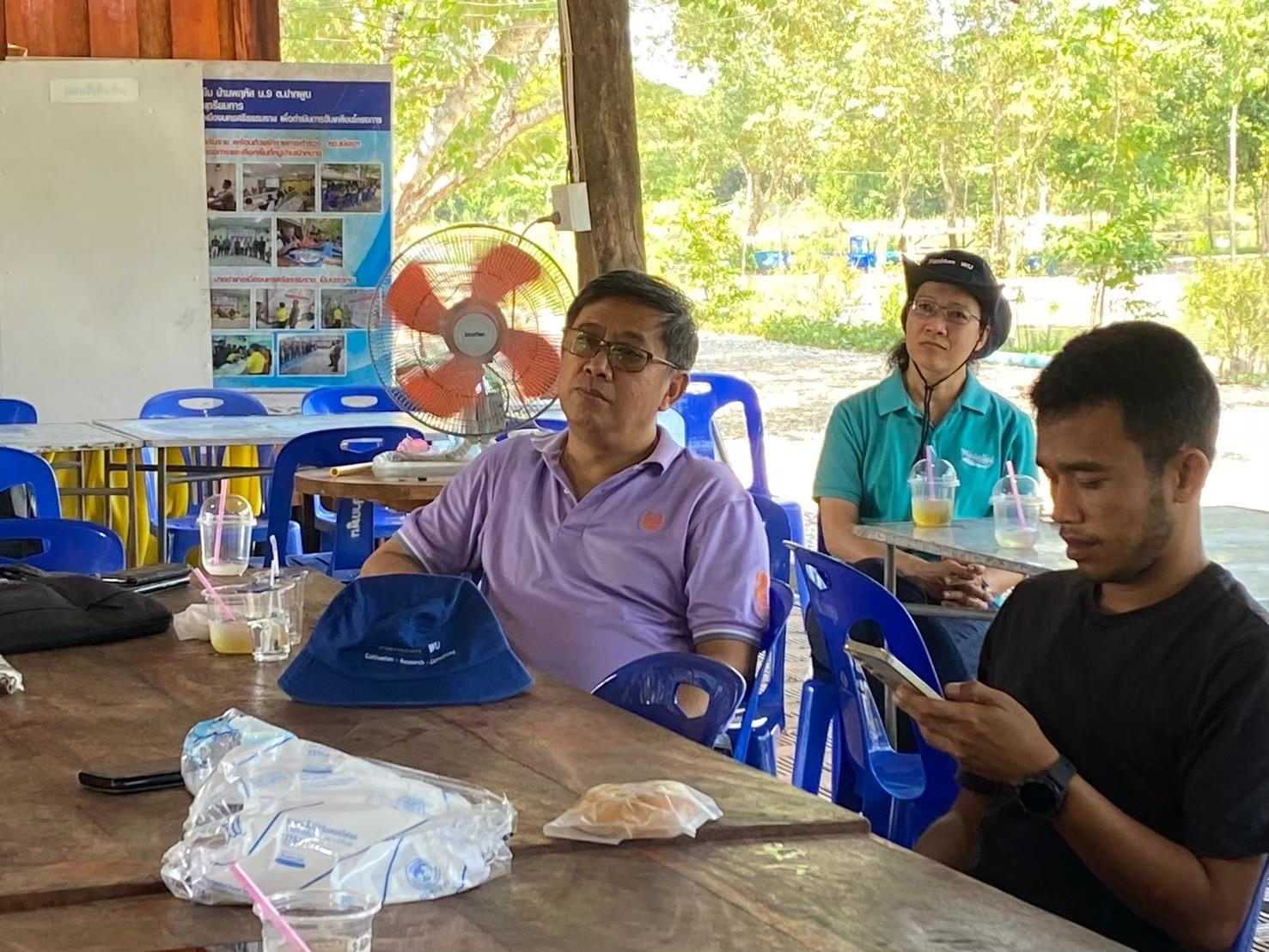
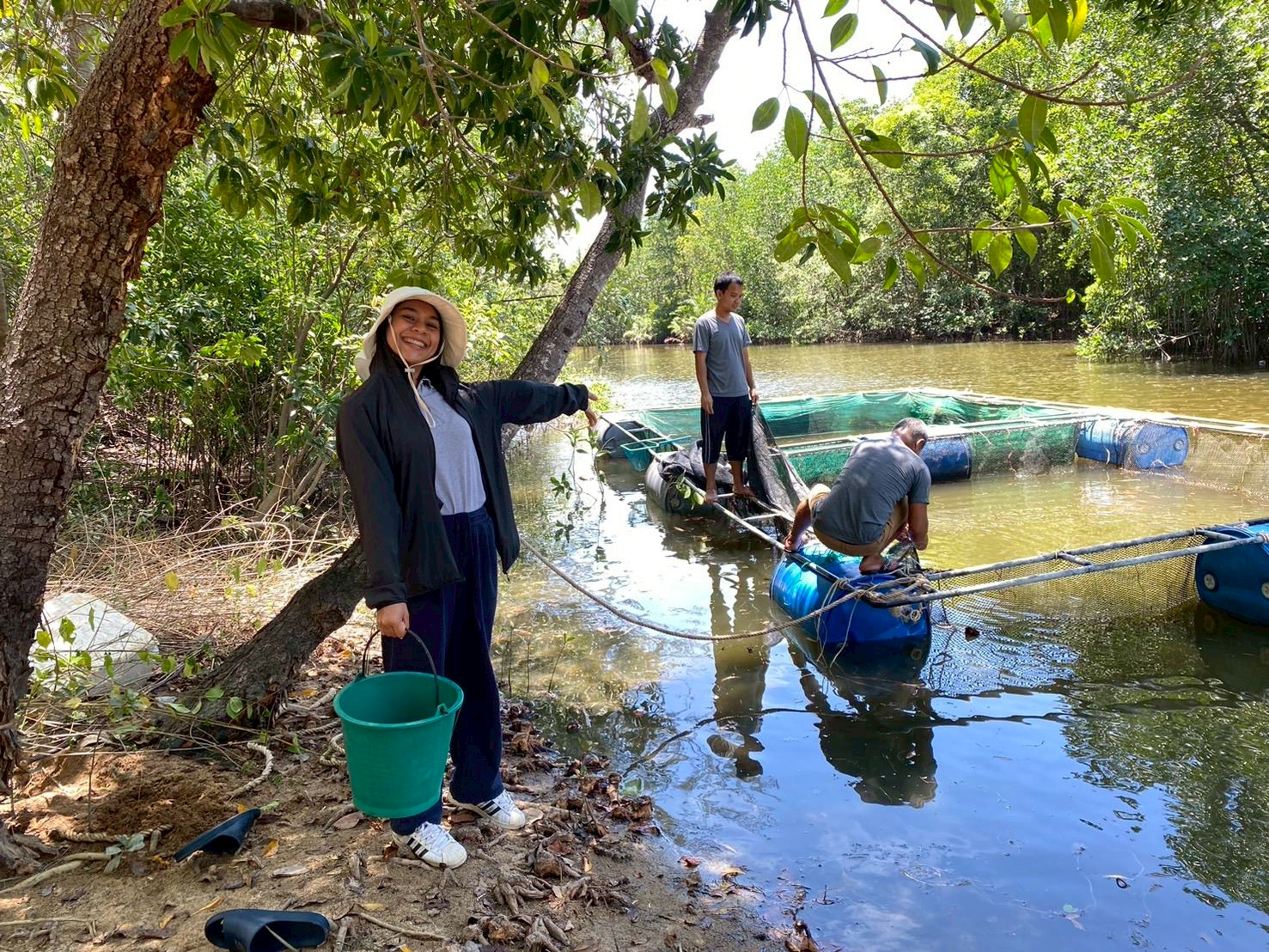
The project organized a training course entitled “Capacity Development in Nursing and Farming of Salt-Tolerant Nile Tilapia” for 20 farmers. The program included both theoretical and practical sessions, covering topics such as selecting suitable strains, fry nursing using nano-bubble closed systems, disease prevention and treatment, feed production for cost reduction, as well as demonstrations of pond and cage farming techniques, and guidance on marketing channels. As a result, farmers gained enhanced knowledge and skills in production and marketing. The fry survival rate increased to no less than 85%, while the overall survival rate of cultured fish improved from 70% to over 80%, clearly elevating farmers’ farming efficiency and capacity.
This project effectively addresses the problems of Nile tilapia farming in brackish water areas of Nakhon Si Thammarat by providing essential knowledge on strains, feed management, nursing techniques, and marketing. It not only improves survival rates and productivity but also fosters the creation of farmer networks and role models, contributing to sustainable income growth. Ultimately, the project strengthens the aquaculture sector in the province, enhances competitiveness, and supports long-term economic development.
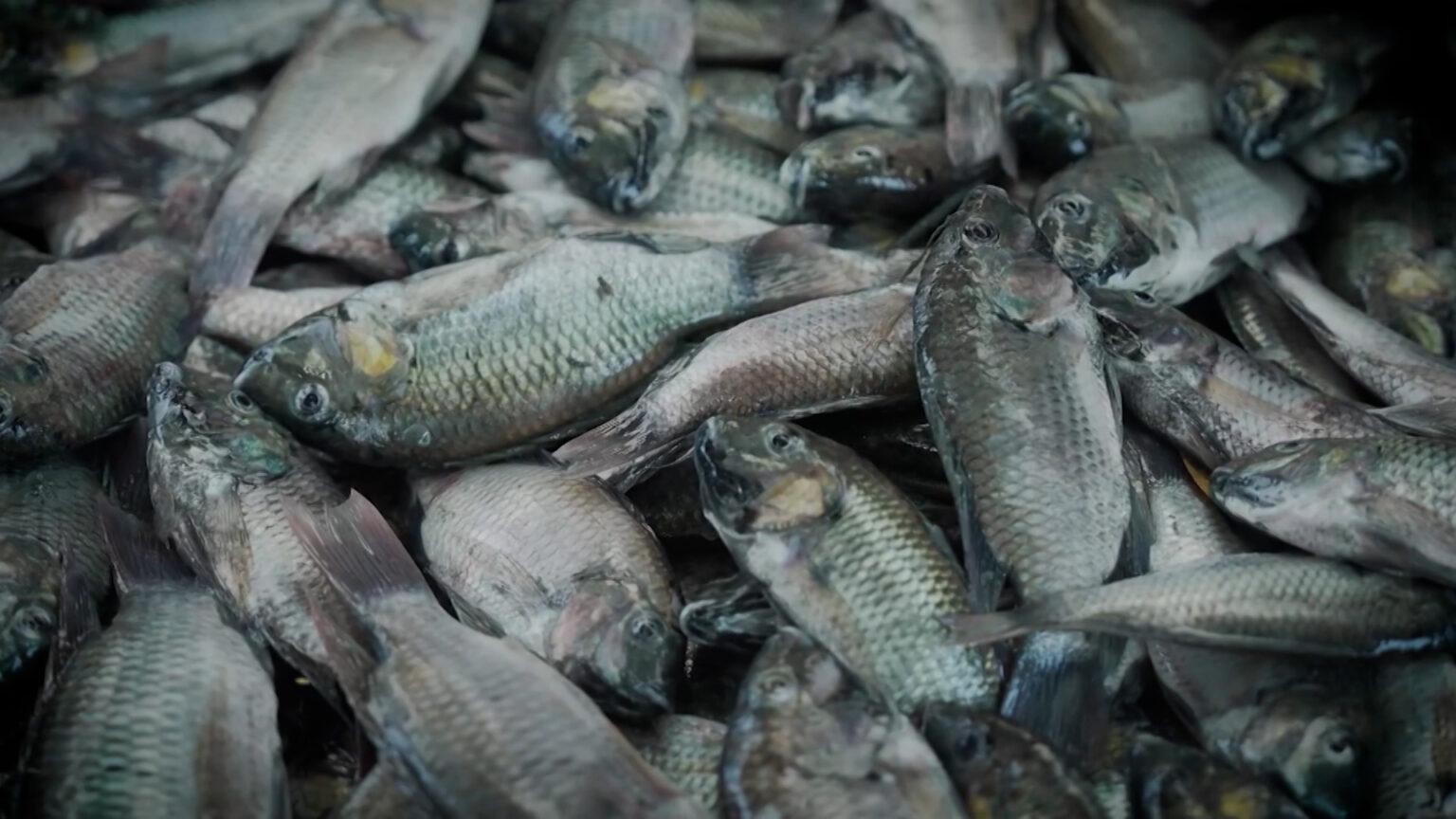
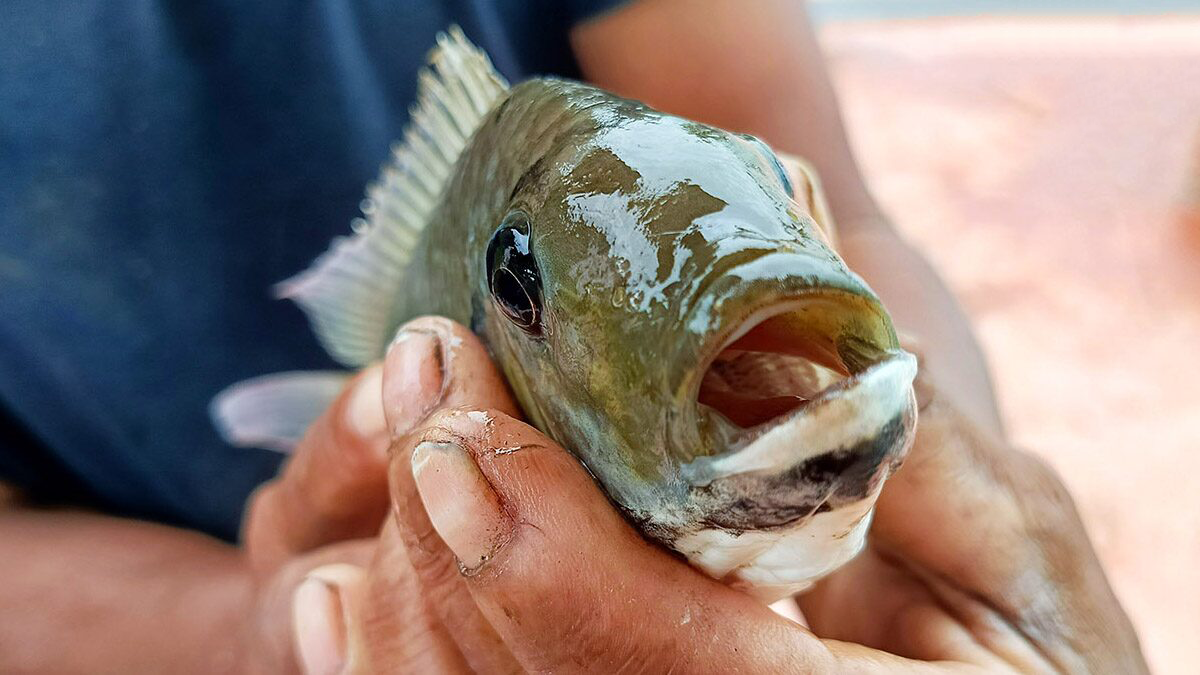
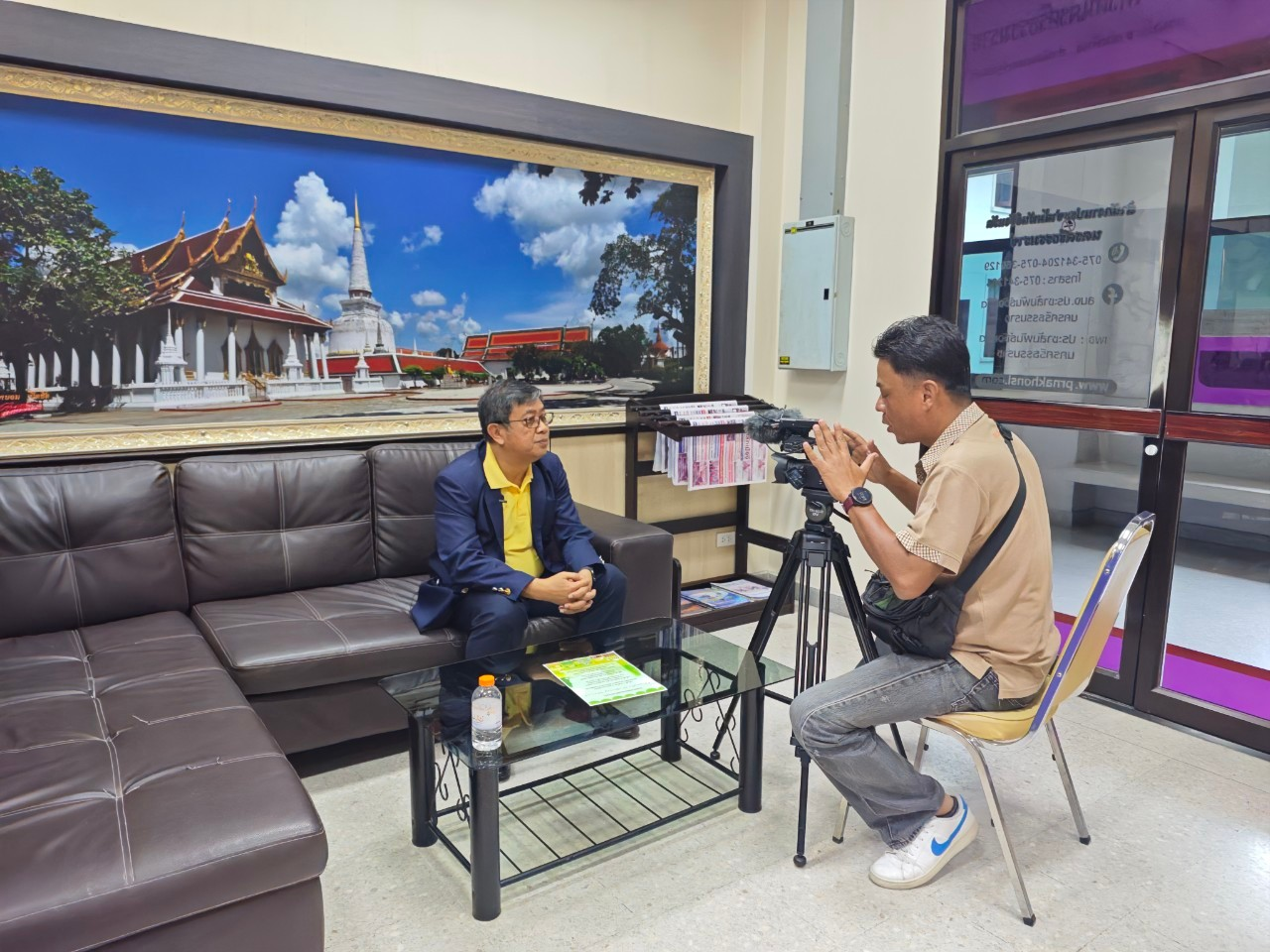
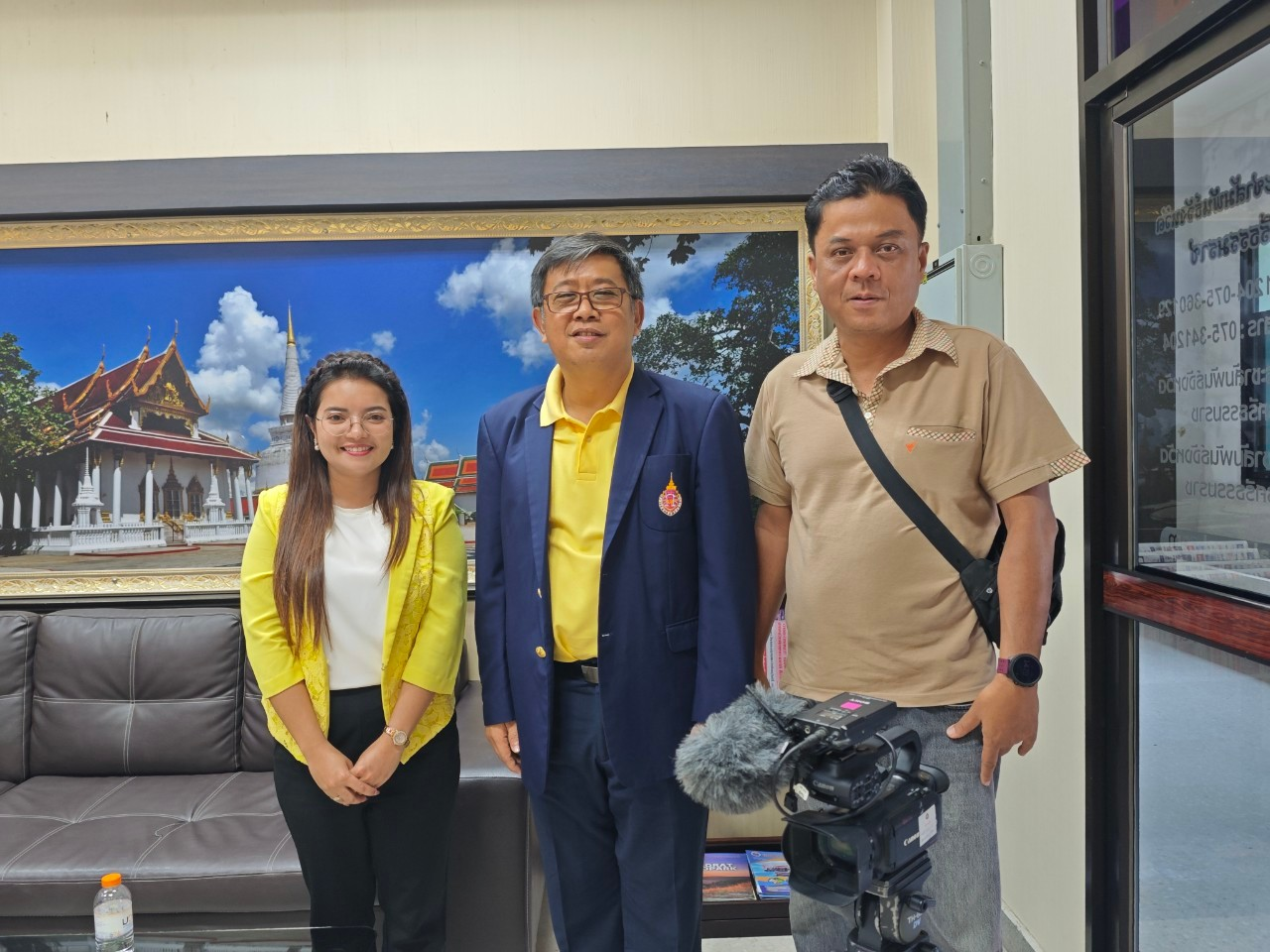
Walailak University, through Assoc. Prof. Dr. Suwit Wuttisuttimethavee, Vice President and expert in aquatic genetics, provided free access to sustainable aquaculture knowledge to local farmers and food producers on the topic “the phenomenon of the blackchin tilapia” in a ThaiPBS news program on July 15, 2024. This academic engagement provided the public with scientific insights into invasive fish species, their potential impacts on local ecosystems, and related challenges to sustainable aquaculture and food security. By sharing expertise with both media and the community, the university played an active role in improving public awareness and access to knowledge on aquatic resource management, supporting informed decision-making for sustainable food systems and the protection of local livelihoods.
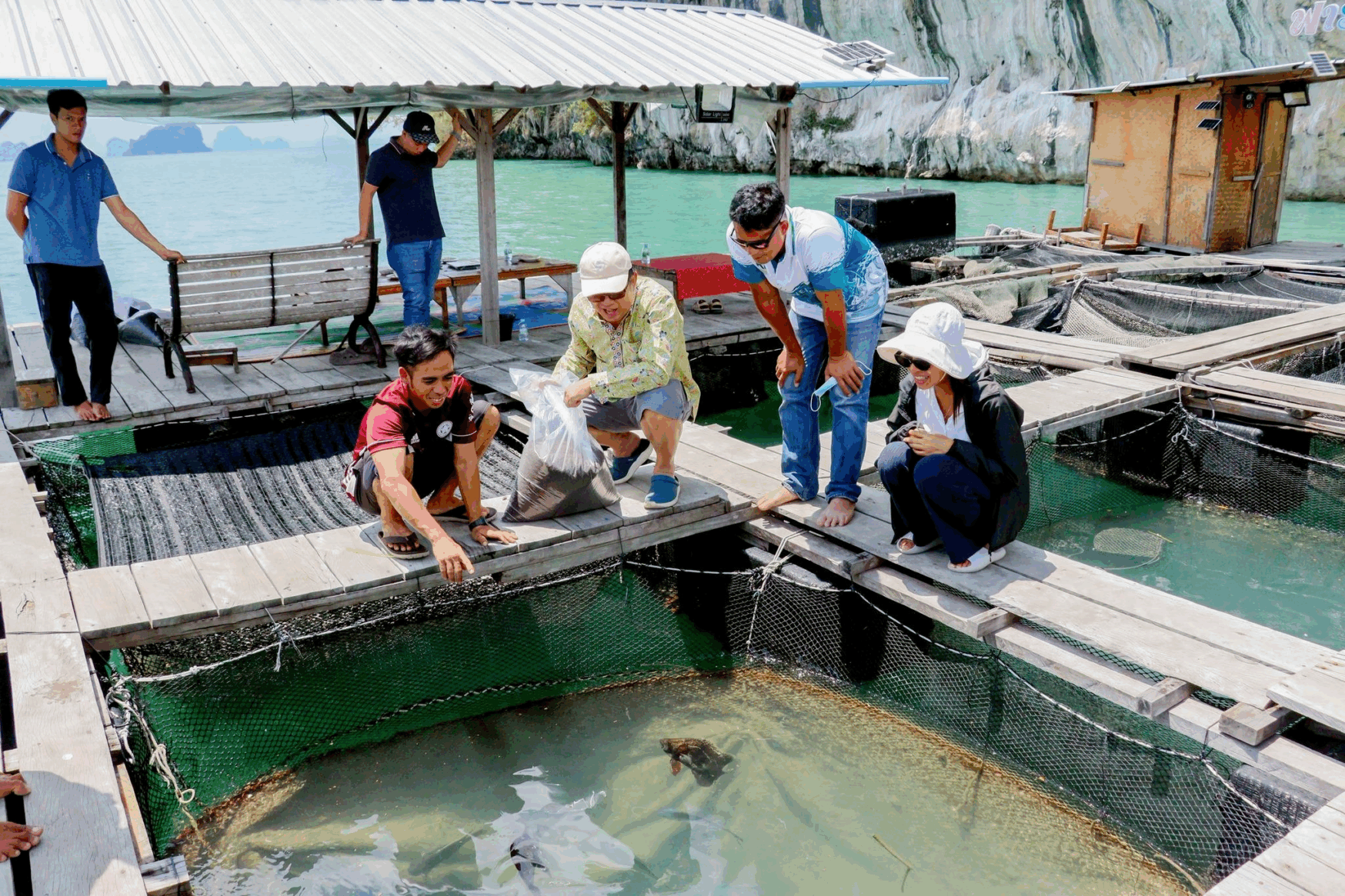
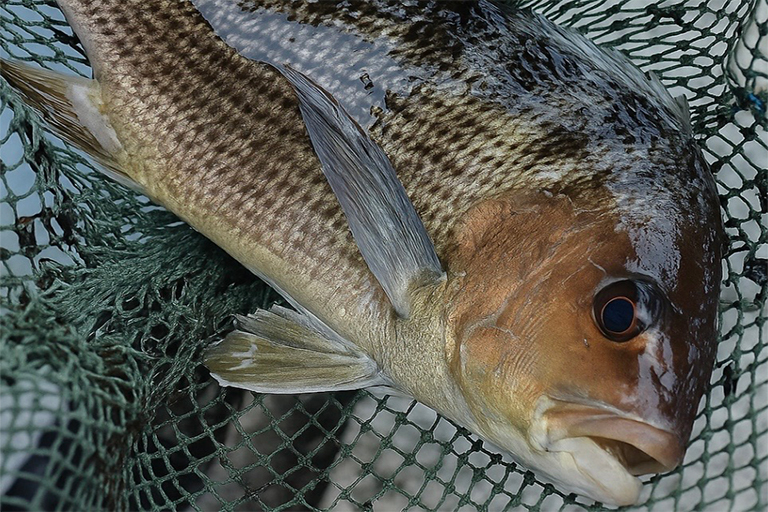
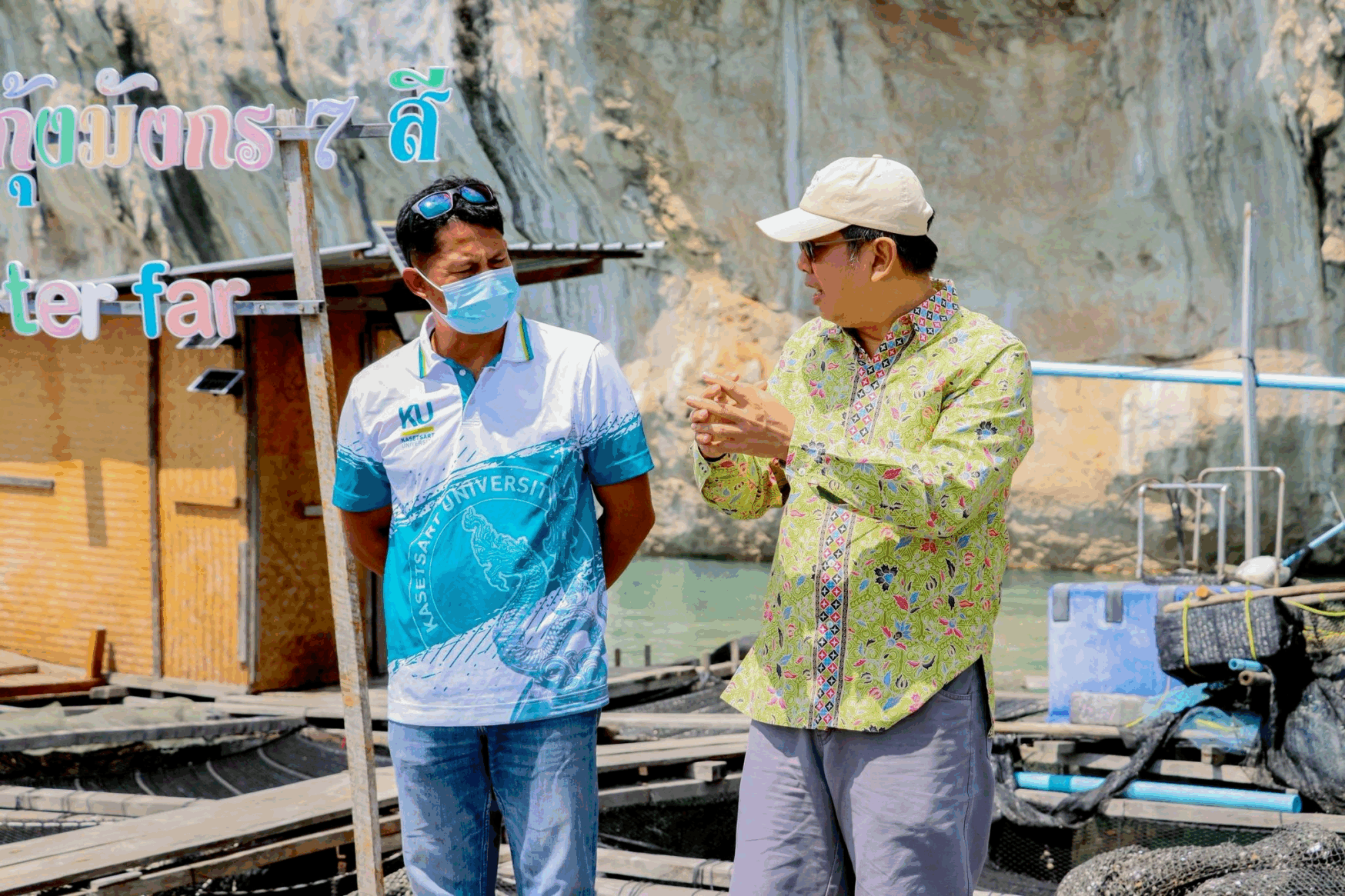
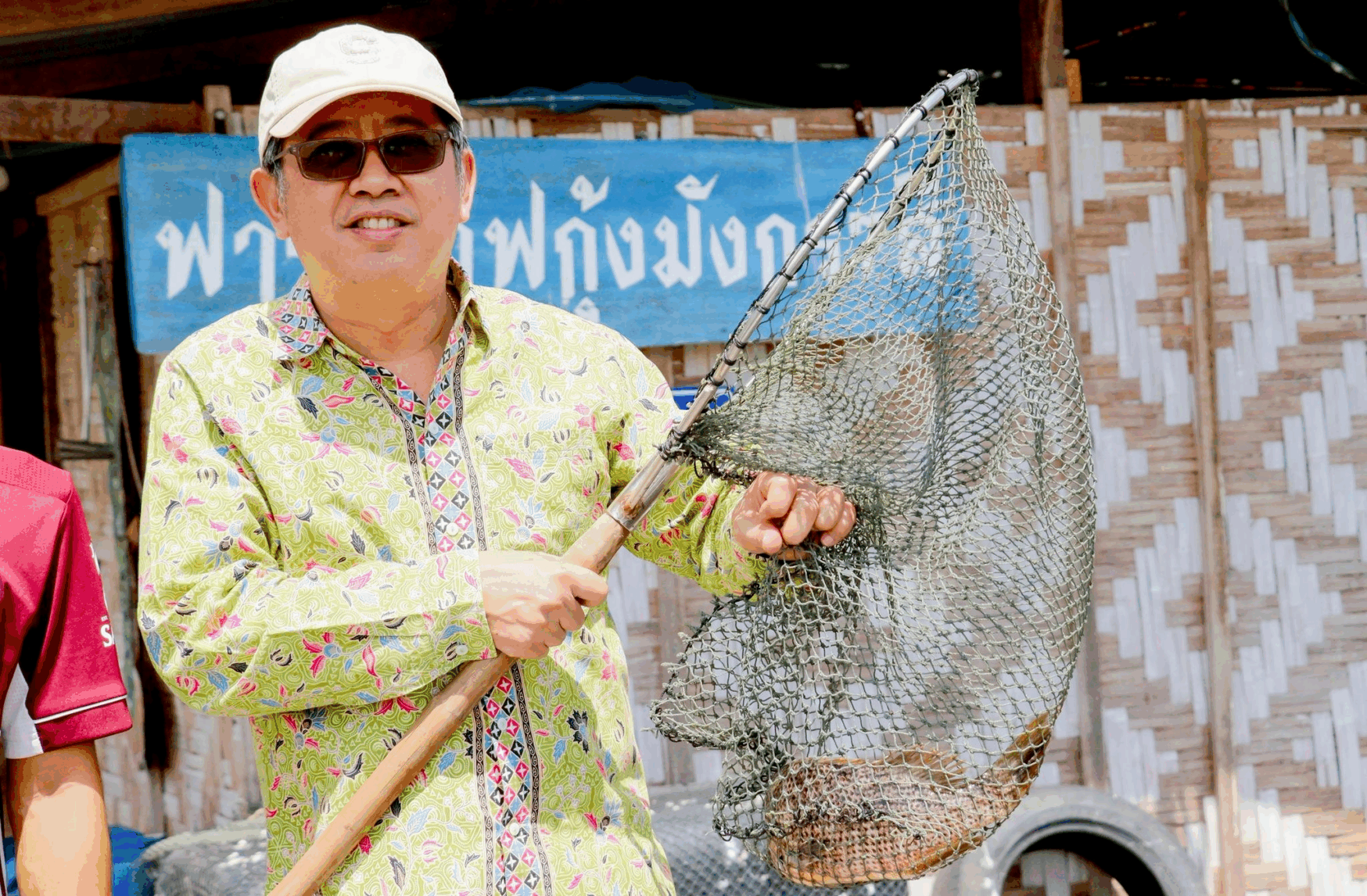
The university also transferred golden snapper aquaculture technology to communities along the Andaman coast to enhance their capacity in producing high-quality golden snapper that can be linked to sustainable tourism. Assoc. Prof. Dr. Suwit Wuthisuthimethavee, an expert from Walailak University, provided free access on sustainable aquaculture knowledge, skills, or technology to local farmers and food producers about the efficiency of golden snapper production. He also encouraged communities to apply the acquired technology to develop new products from golden snapper that will help increase income through tourism in the future.
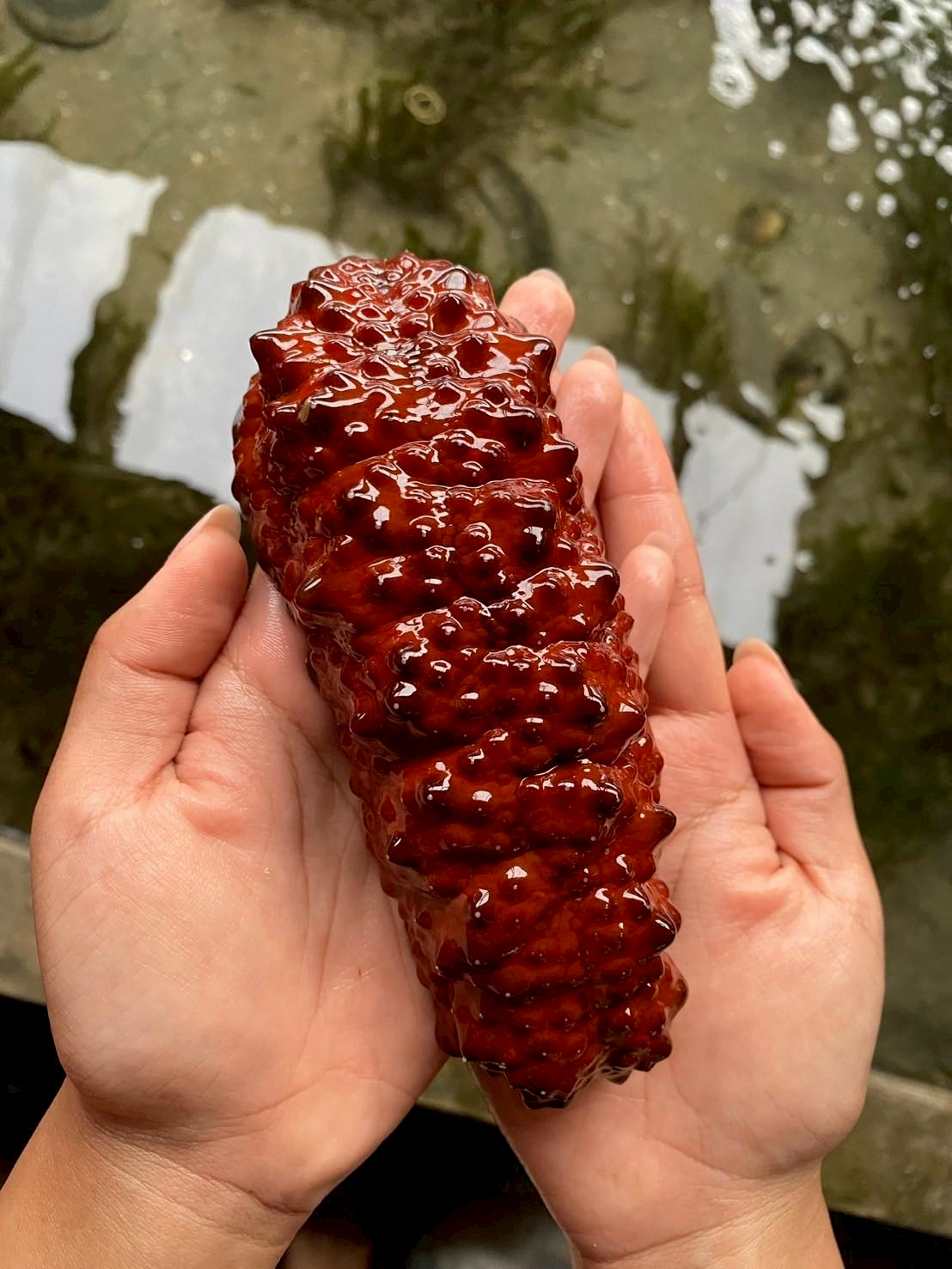
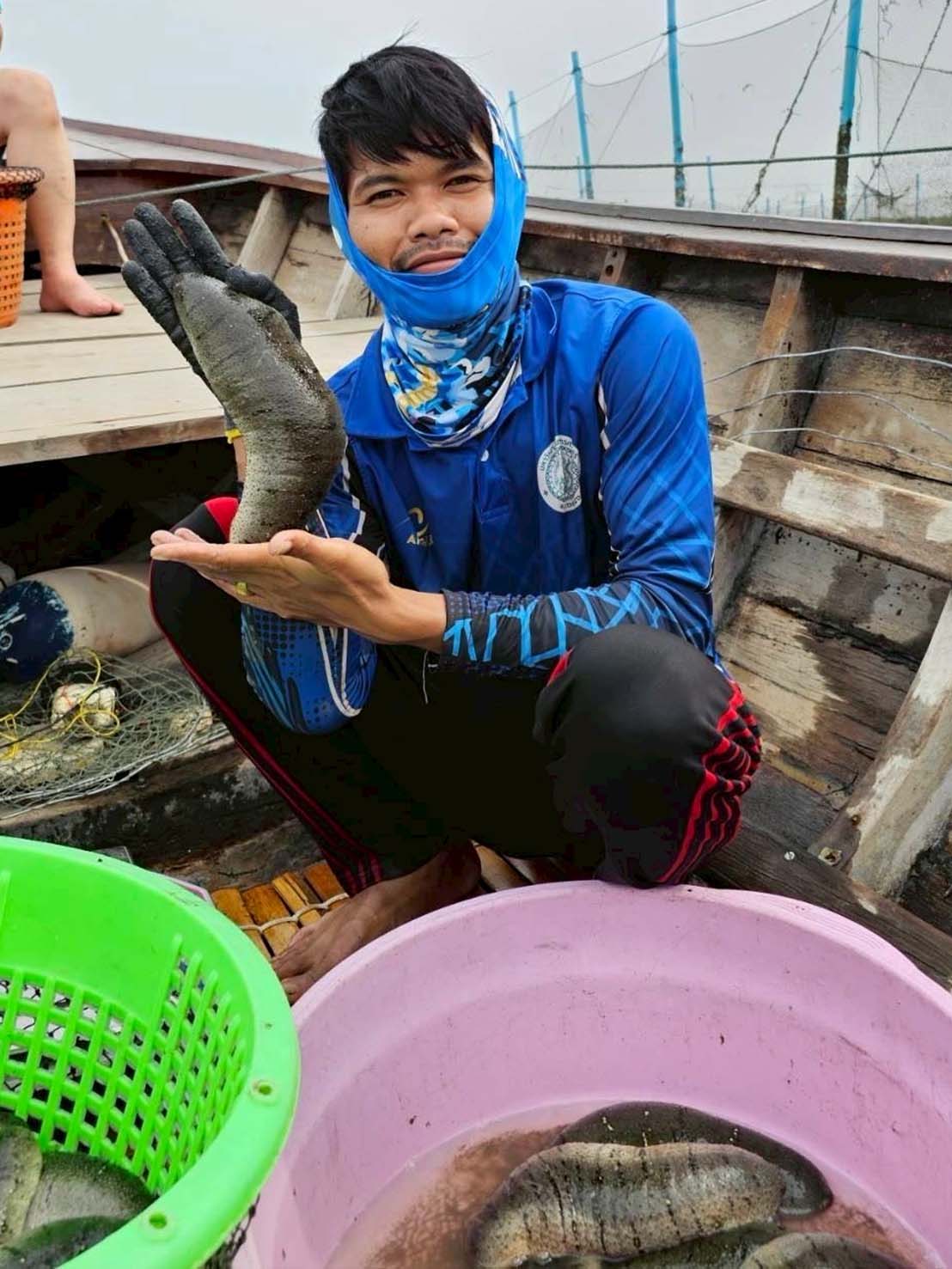
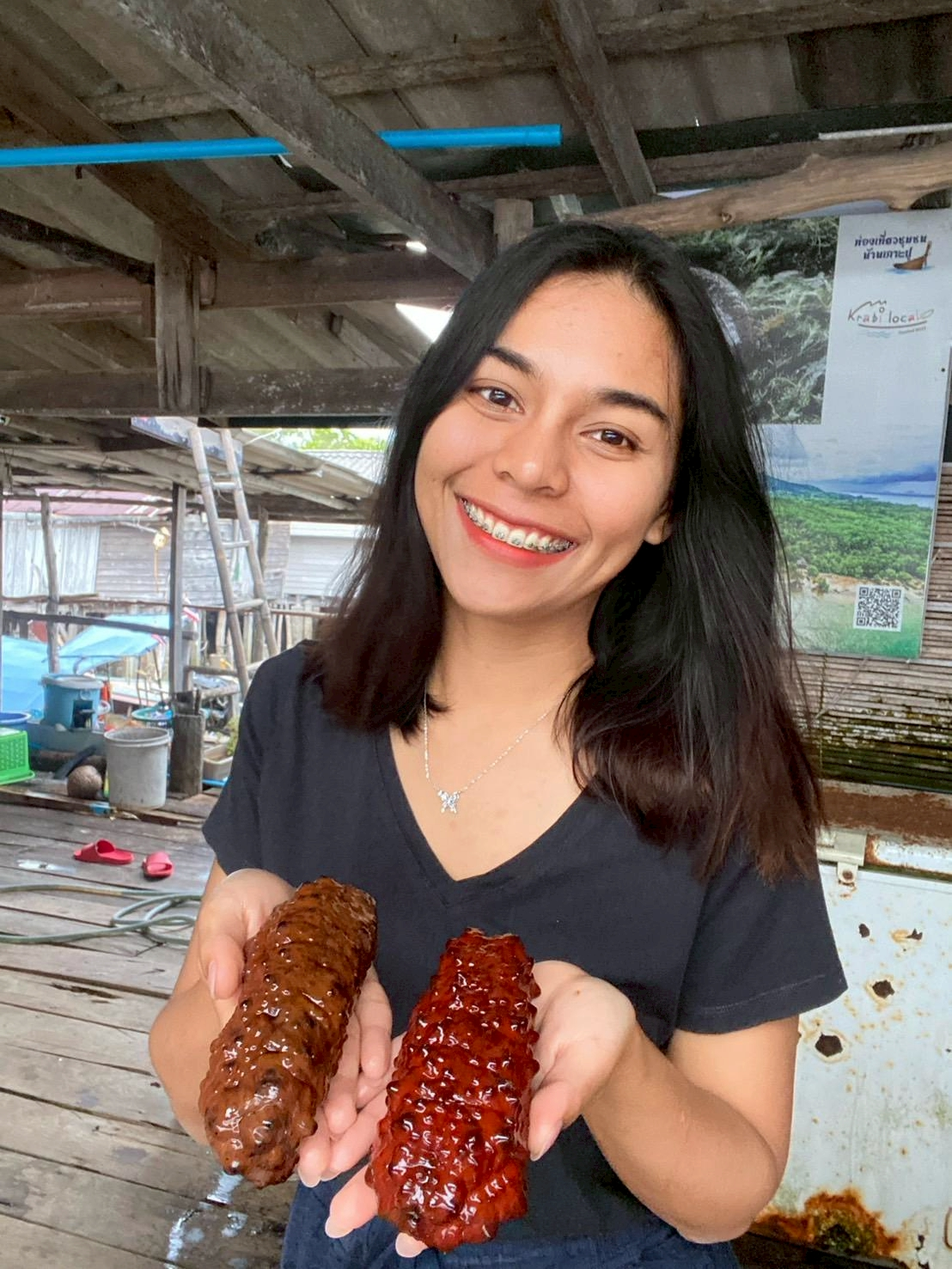
Due to overharvesting beyond the natural regenerative capacity, populations of white sea cucumbers have dramatically declined, placing the species at critical risk of extinction. As a valuable aquatic resource in high demand on the global market, white sea cucumbers currently fetch up to 7,000 THB per kilogram. Recognizing the urgency of conserving marine resources while enhancing community livelihoods, Walailak University has initiated research aimed at sea cucumber propagation and sustainable aquaculture.
Assoc. Prof. Dr. Suwit Wuthisuthimethavee, Vice President of Walailak University, together with the research team, visited Koh Jum and Koh PU in Nuea Khlong District, Krabi Province, to implement a collaborative sea cucumber aquaculture project with local fishing communities. The initiative involves studying optimal conditions for breeding and rearing sea cucumbers, as well as developing broodstock for commercial-scale propagation. This effort not only provides new income opportunities for interested local farmers but also contributes to the marine ecosystem.
All these activities aim to equip aquaculture farmers with the knowledge and capacity to engage in sustainable farming practices that do not harm natural water resources, while ensuring long-term stable livelihoods.