Outreach Educational Activities for the Wider Community, Alumni, Local Residents, and Displaced People on the SDGs
In 2024, Walailak University continued its commitment to advancing education on the United Nations’ Sustainable Development Goals (SDGs) among local communities, alumni, and displaced people. The initiative aims to strengthen literacy and awareness of sustainable development across all aspects of life, fostering a shared understanding of sustainability that is accessible to diverse groups.
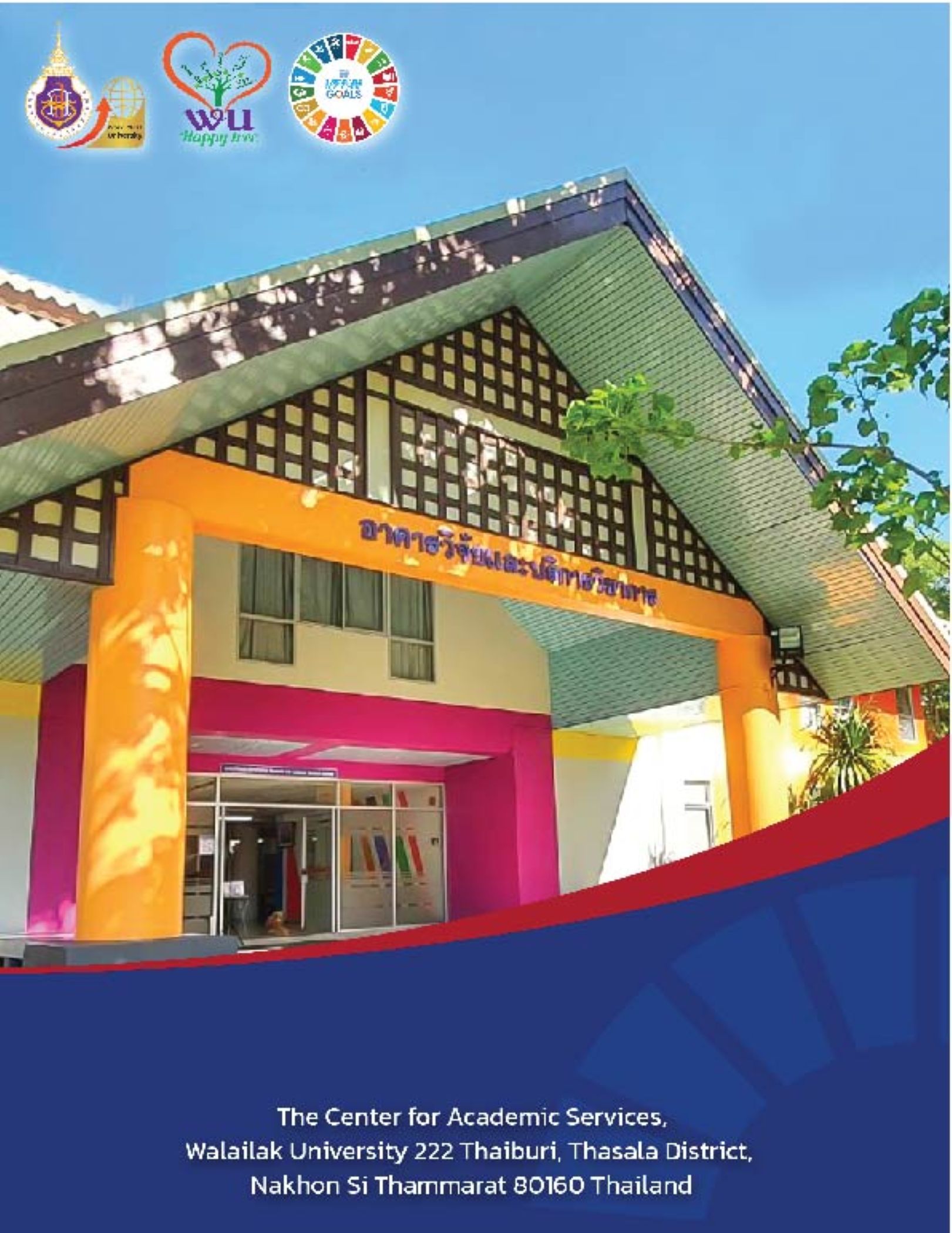
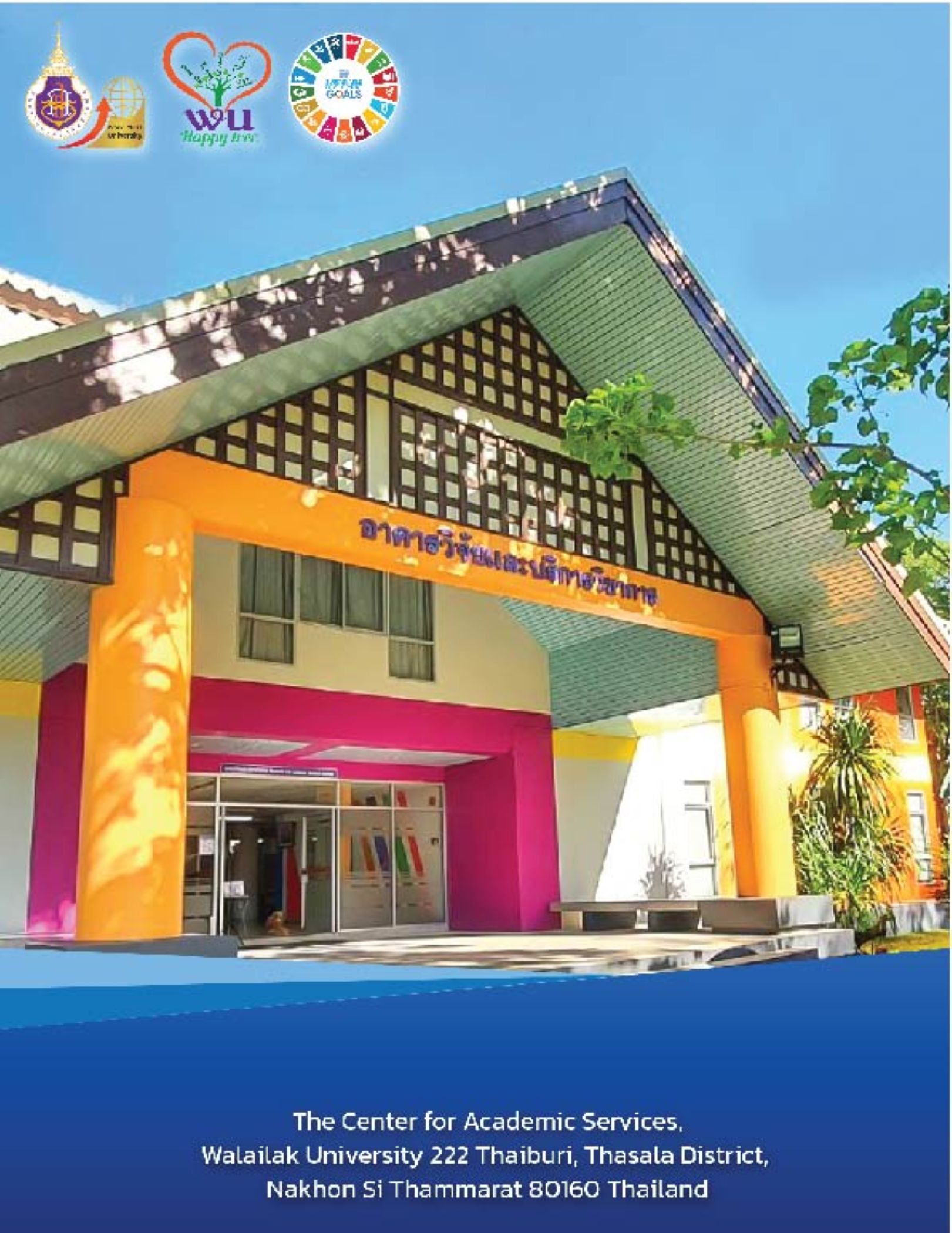
Walailak University, through the Center for Academic Services (CAS), serves as the primary driver of these efforts, delivering SDG-focused education through outreach programs, workshops, and community events. Diagnostic assessments are conducted during these activities to evaluate participants’ understanding of the SDGs and identify areas where further guidance or support is needed. Each outreach activity is designed to integrate SDG concepts, ensuring that participants not only gain practical knowledge but also understand its connection to global sustainability efforts.
Recognizing that some community members may find academic discussions of the SDGs difficult to grasp, CAS presents the content in simple, relatable ways. Educational materials and activities are tailored to the needs of different audiences—whether farmers, fishermen, students, or displaced people—so that complex global goals are translated into meaningful, everyday actions.
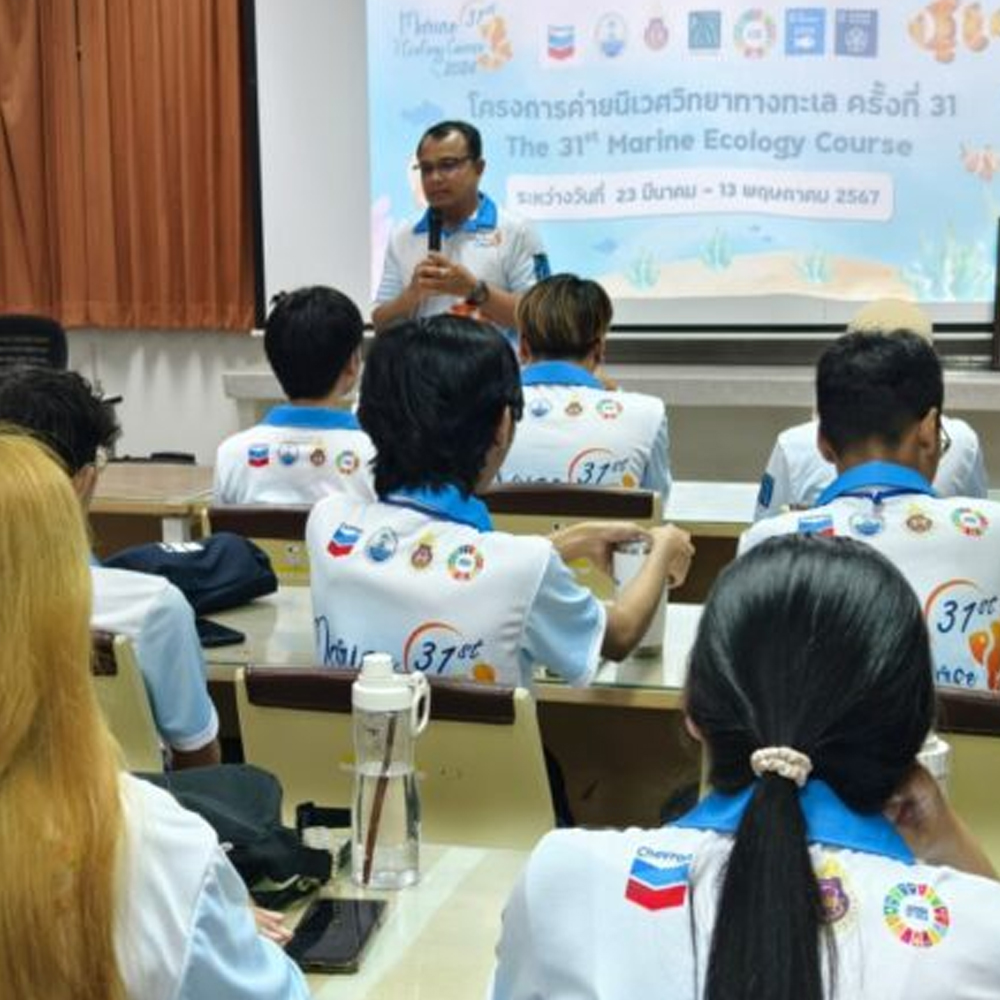
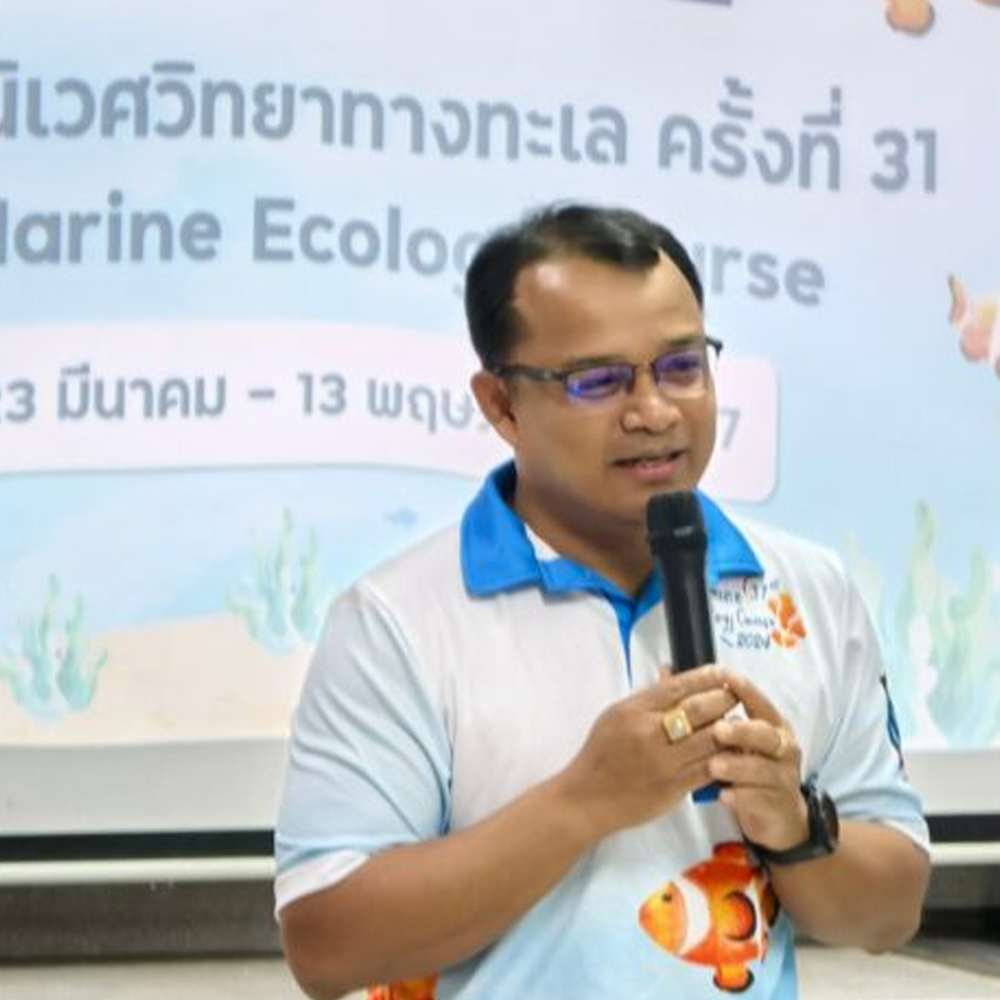
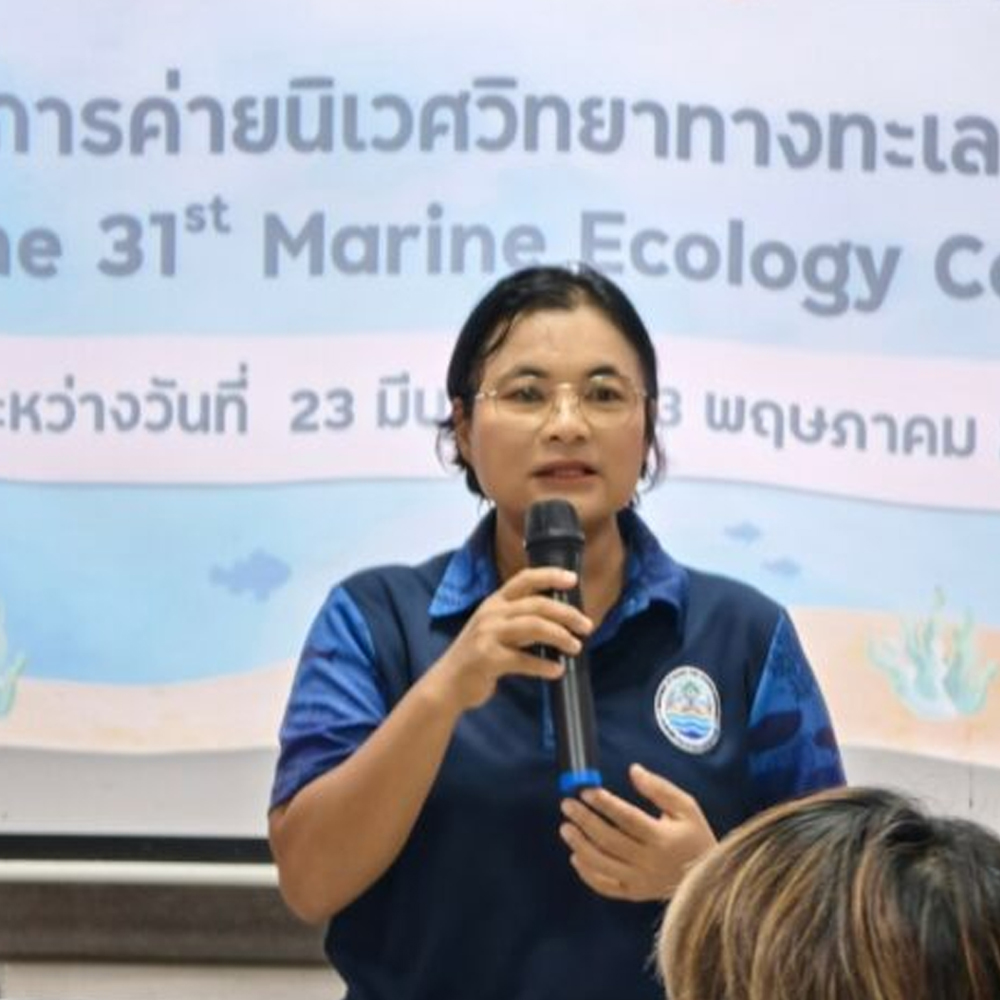
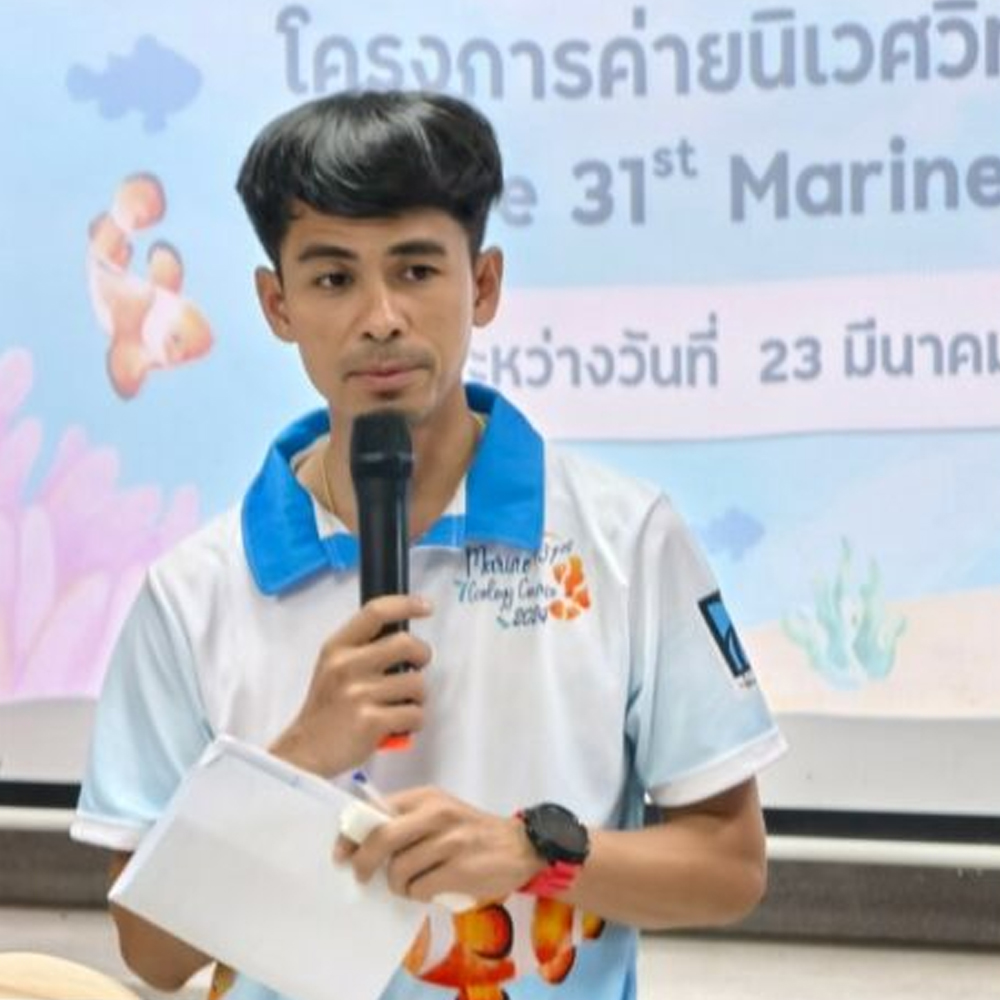
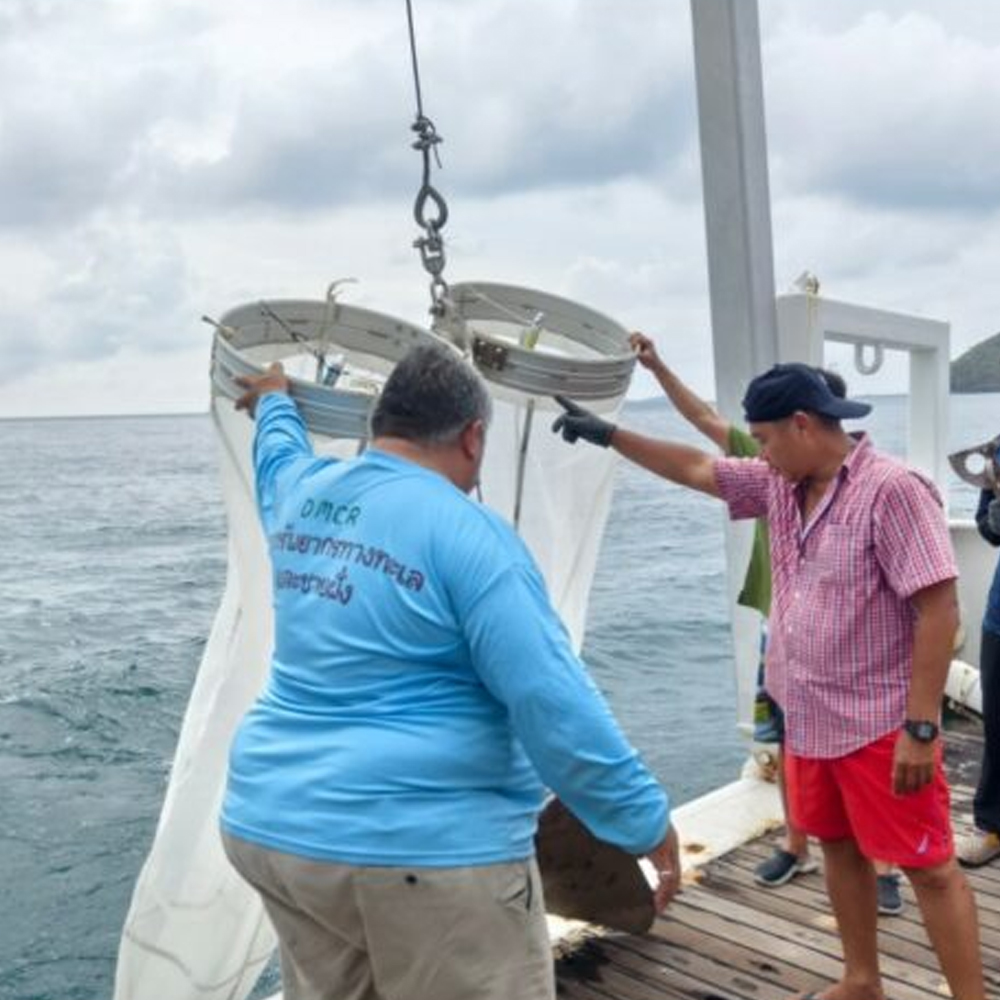
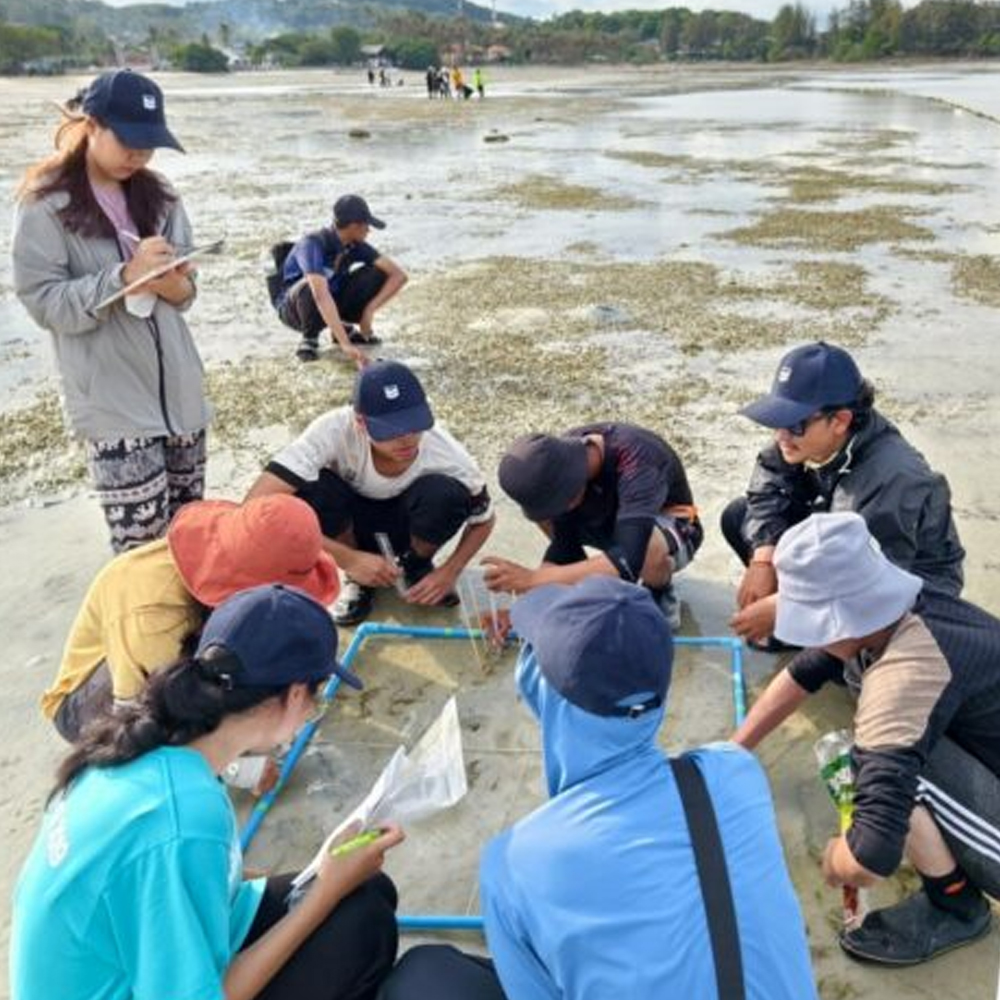
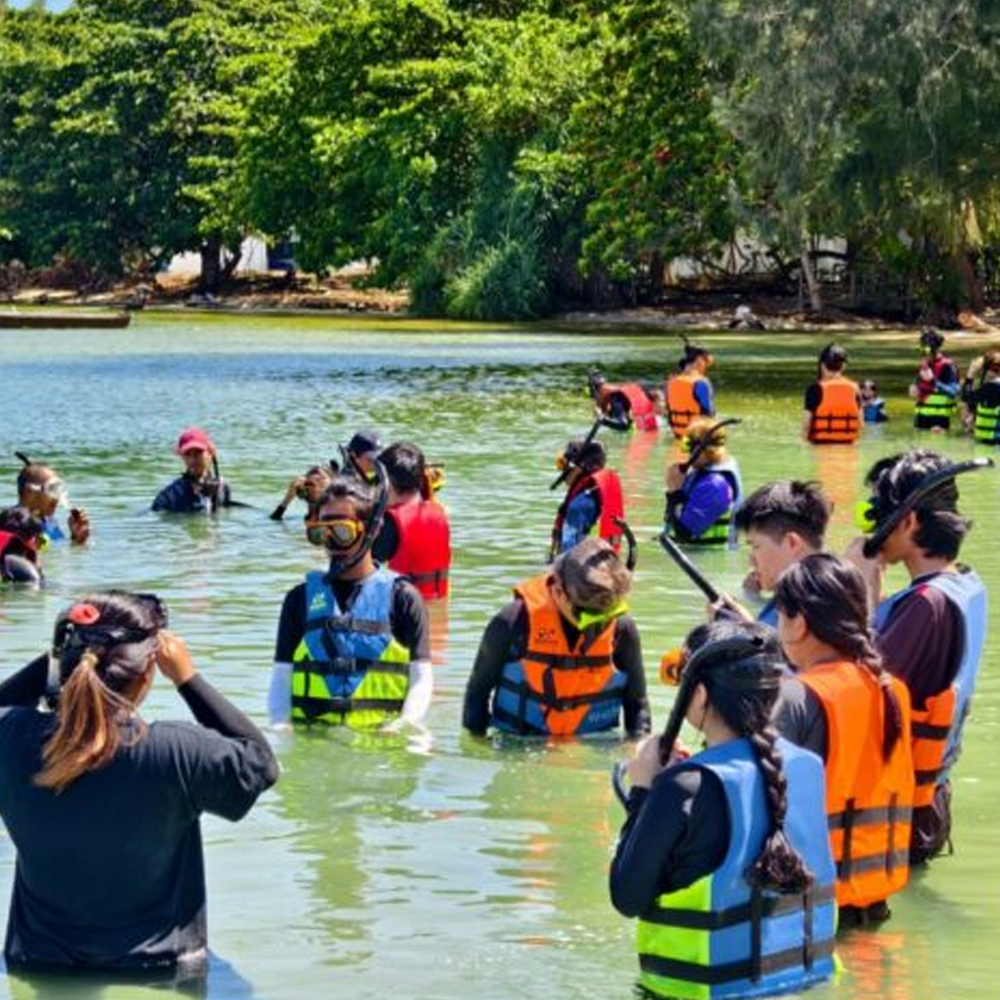
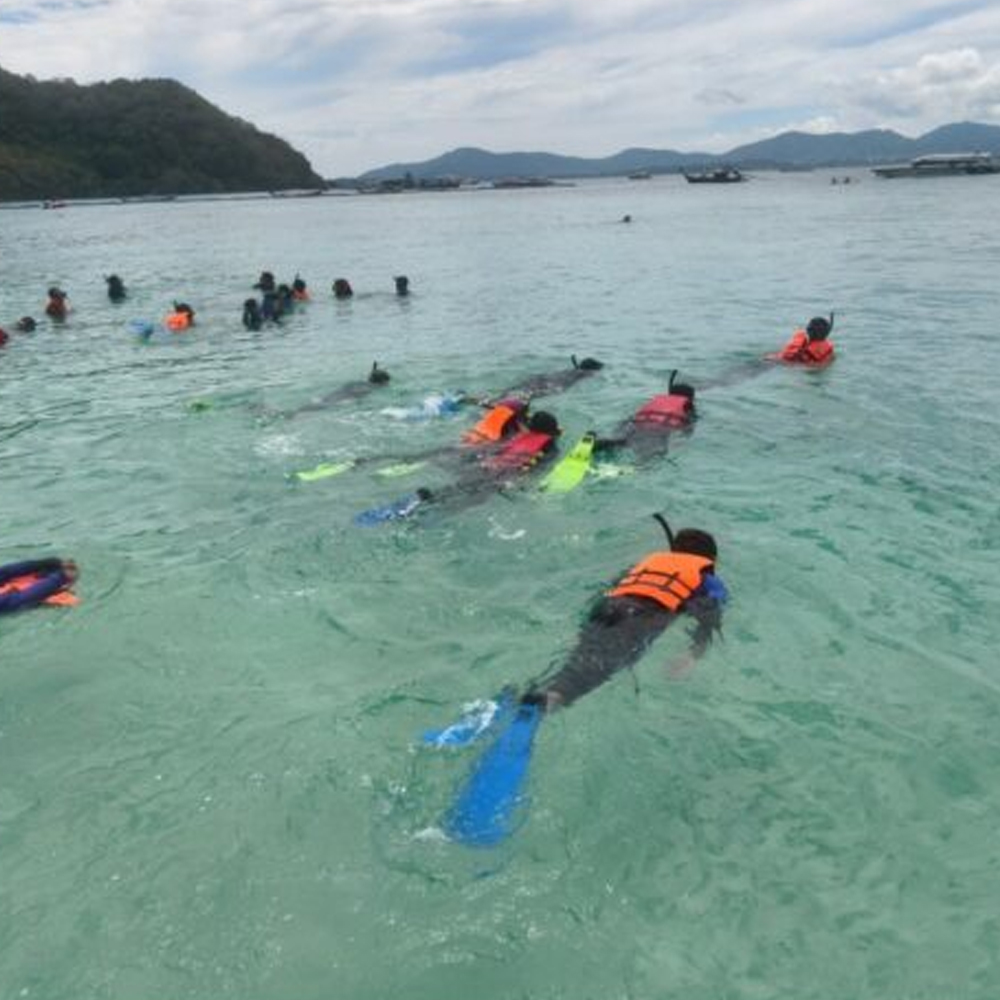
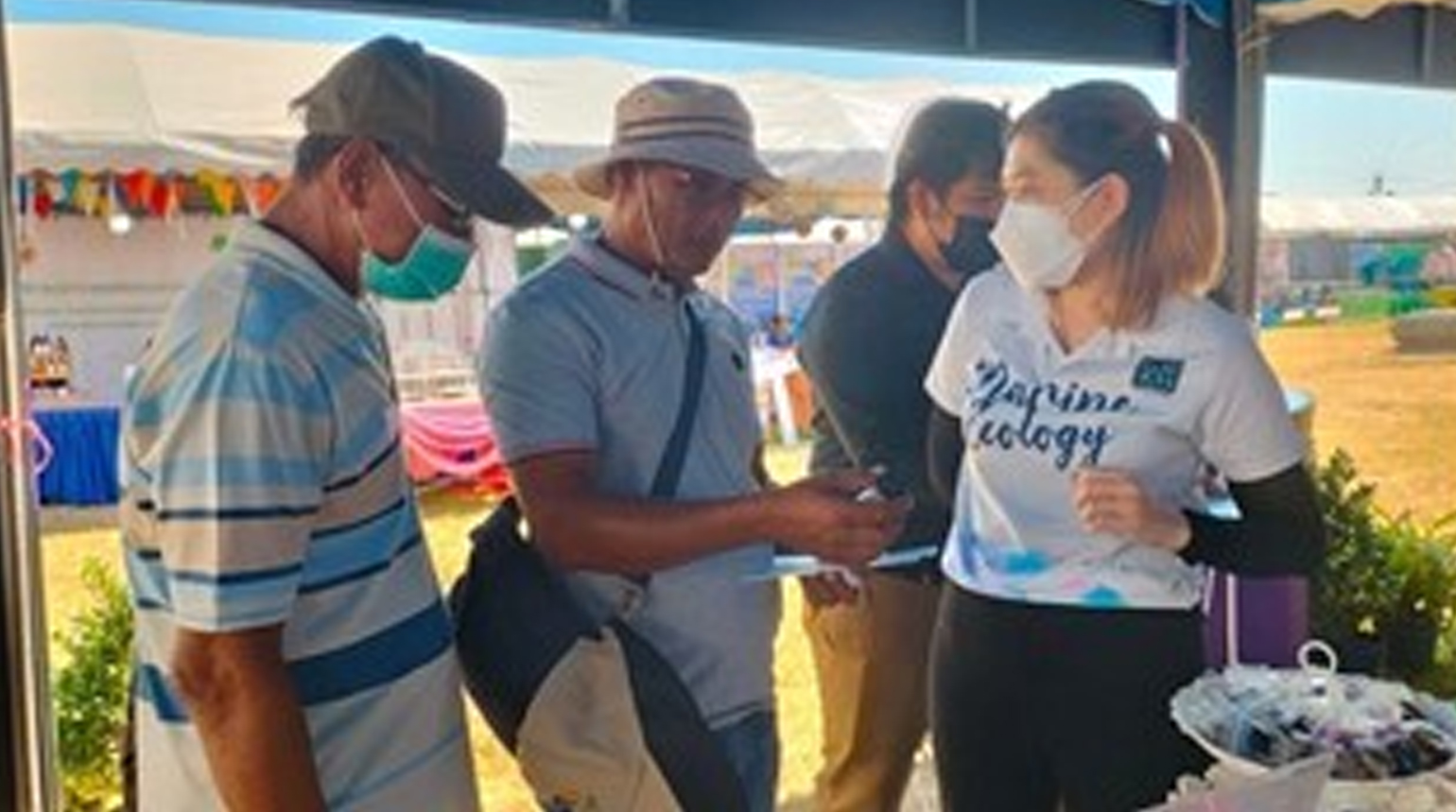
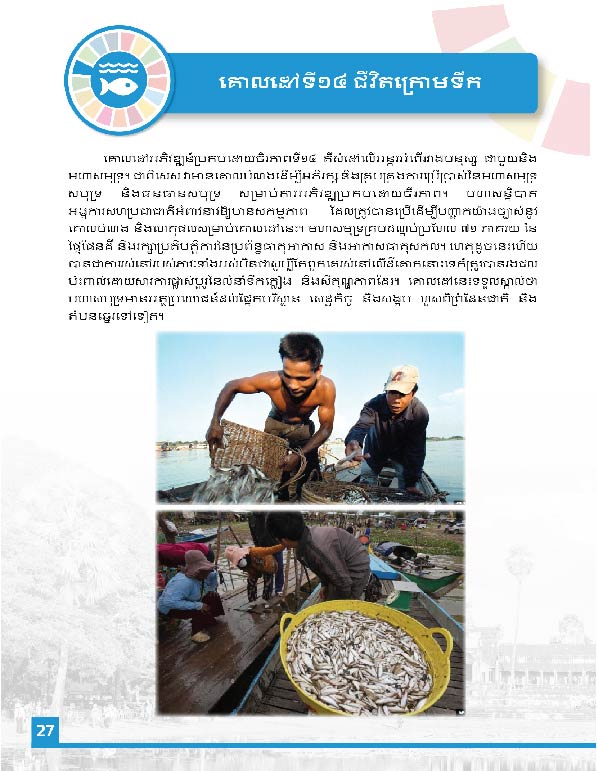
The Walailak University Marine Conservation Club is a student volunteering club established by a group of Walailak students in the School of Science (Marine Science Program). However, the club is freely open to all WU students to be members of the club. This club has been collaborating with NGOs in implementing volunteering programs towards SDG 14 for years, such as educational provision to local communities, waste collection campaigns, blue swimming crab preservation campaigns, plastic reduction awareness, etc.
Local Community-Centered SDG Outreach
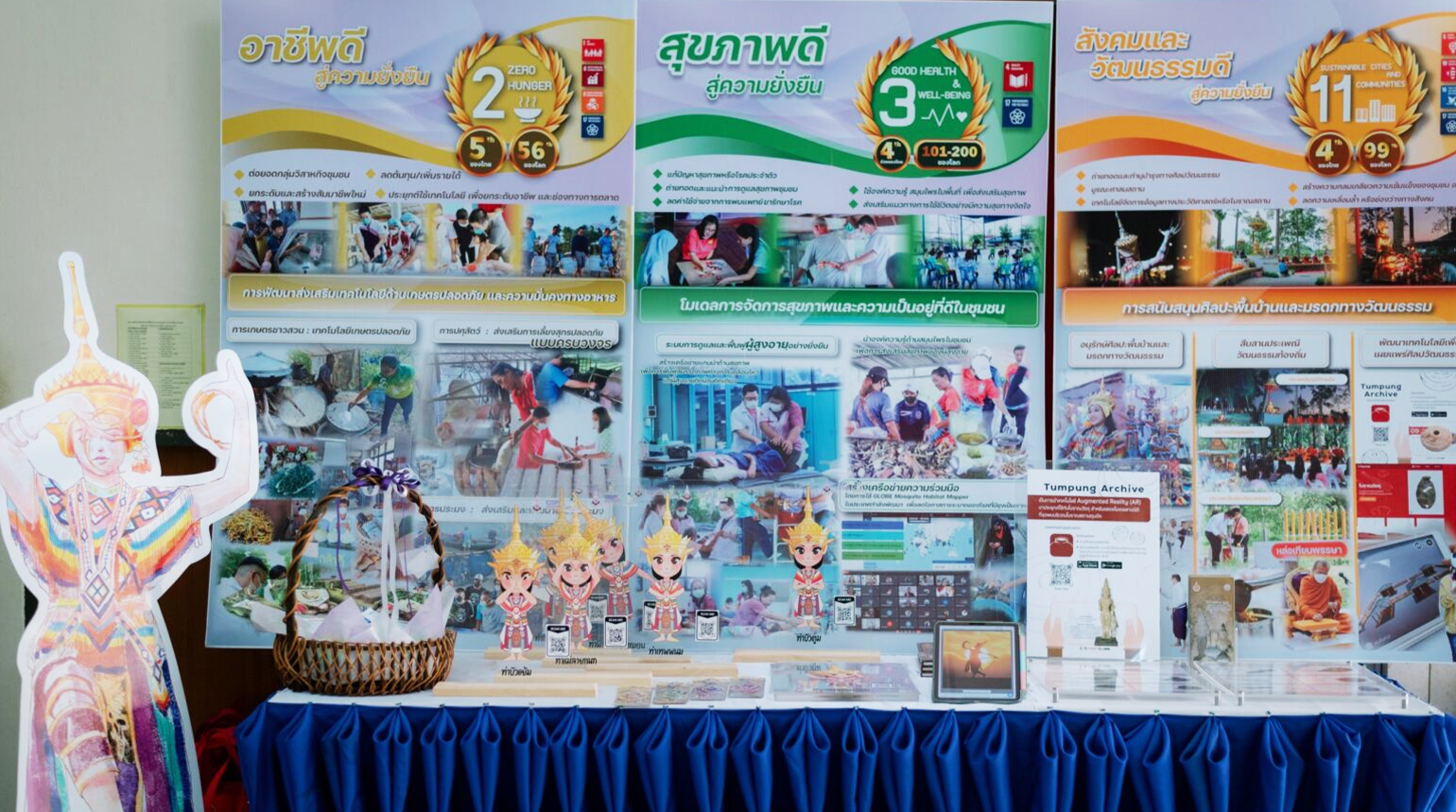
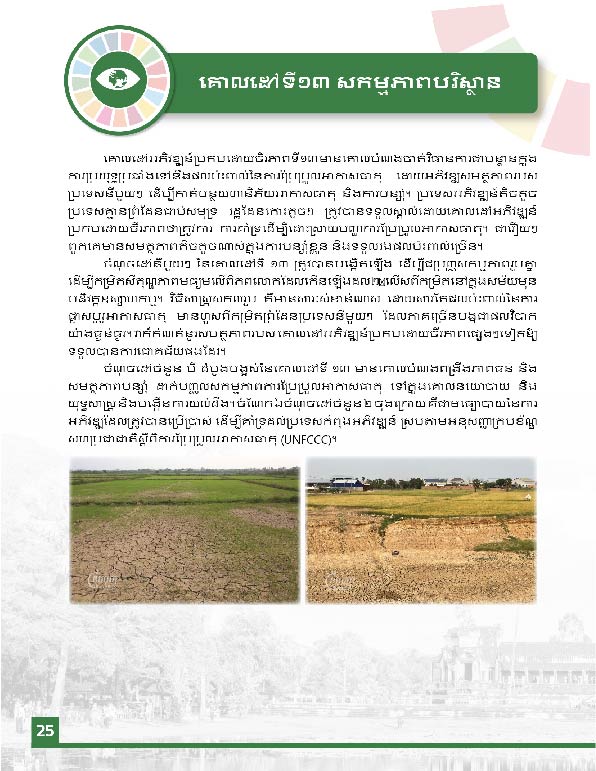
In 2024, CAS launched a wide range of outreach projects focused on sustainability themes directly relevant to local livelihoods and well-being. These included sustainable agriculture and aquaculture, public health, marine resource conservation, cultural heritage preservation, and social sustainability. The projects provided free, practical knowledge alongside education on related SDGs, empowering participants to apply sustainable practices in their daily lives.
Participants included youth, local fishermen, students, agriculturists, aquaculturists, alumni, and displaced people—reflecting the university’s inclusive approach to community engagement. Beyond raising awareness, these initiatives fostered dialogue between the university and the community, encouraging shared problem-solving and collaboration in addressing local challenges. By linking local issues to global goals, Walailak University strengthened both individual capacity and collective responsibility for sustainability.
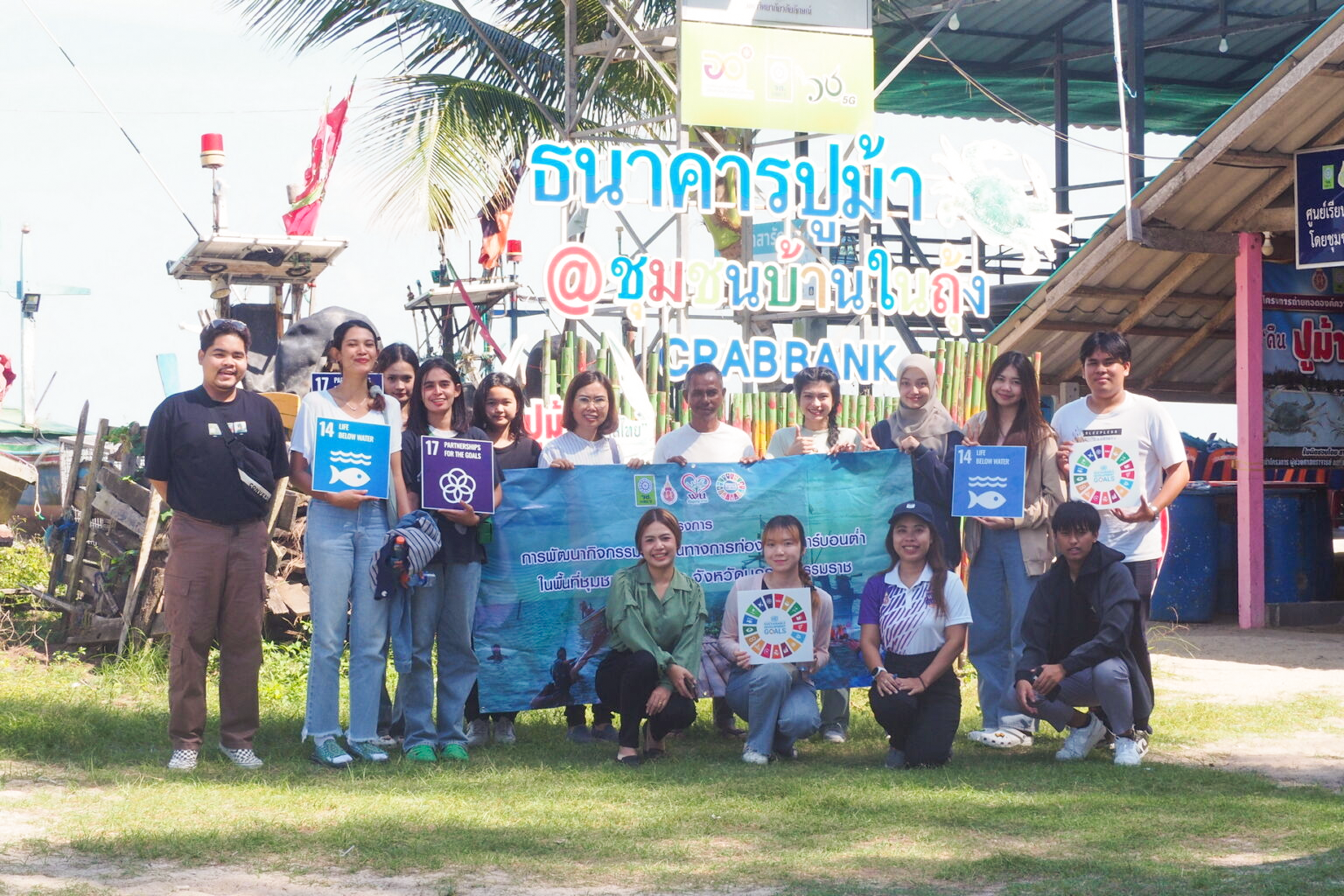
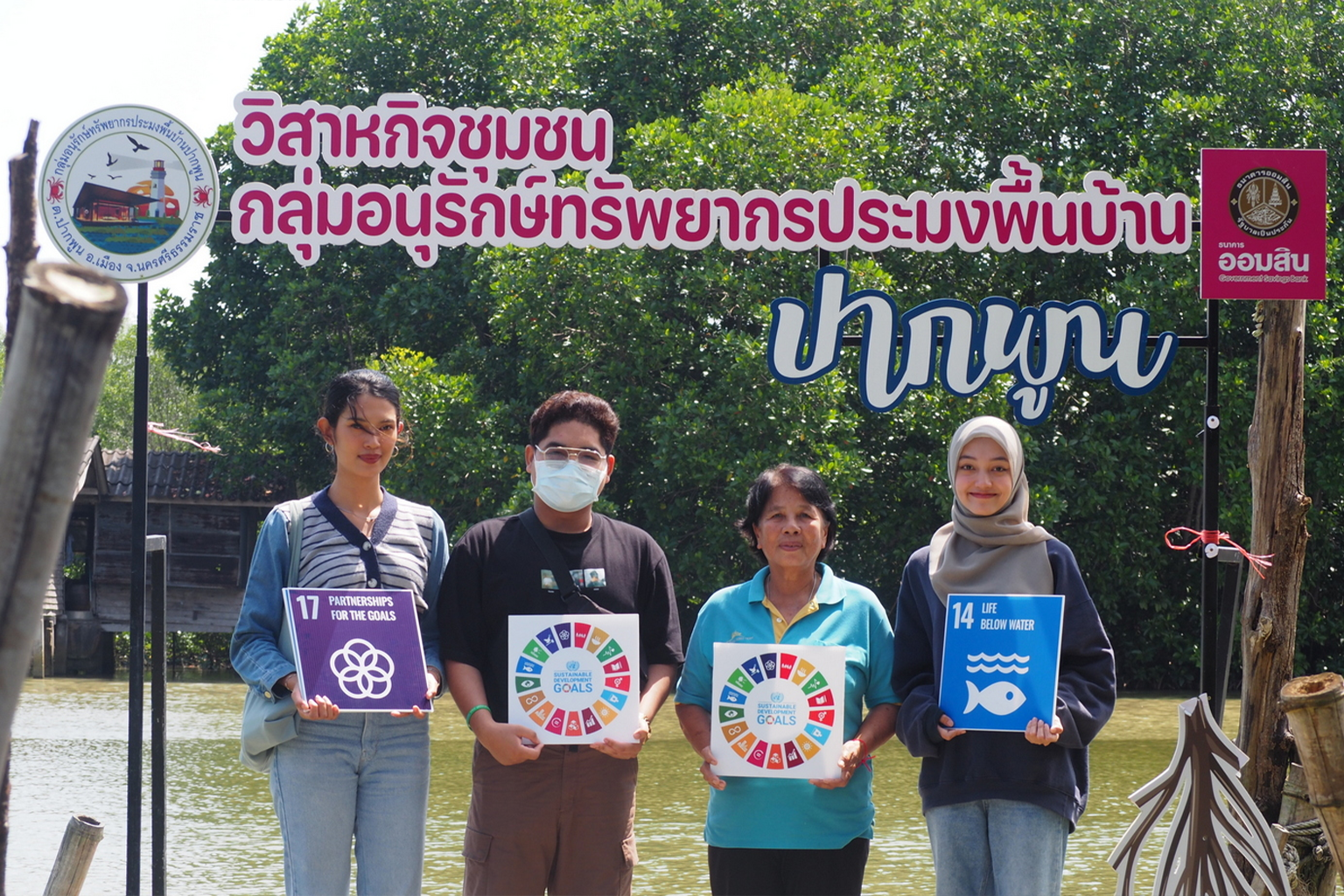
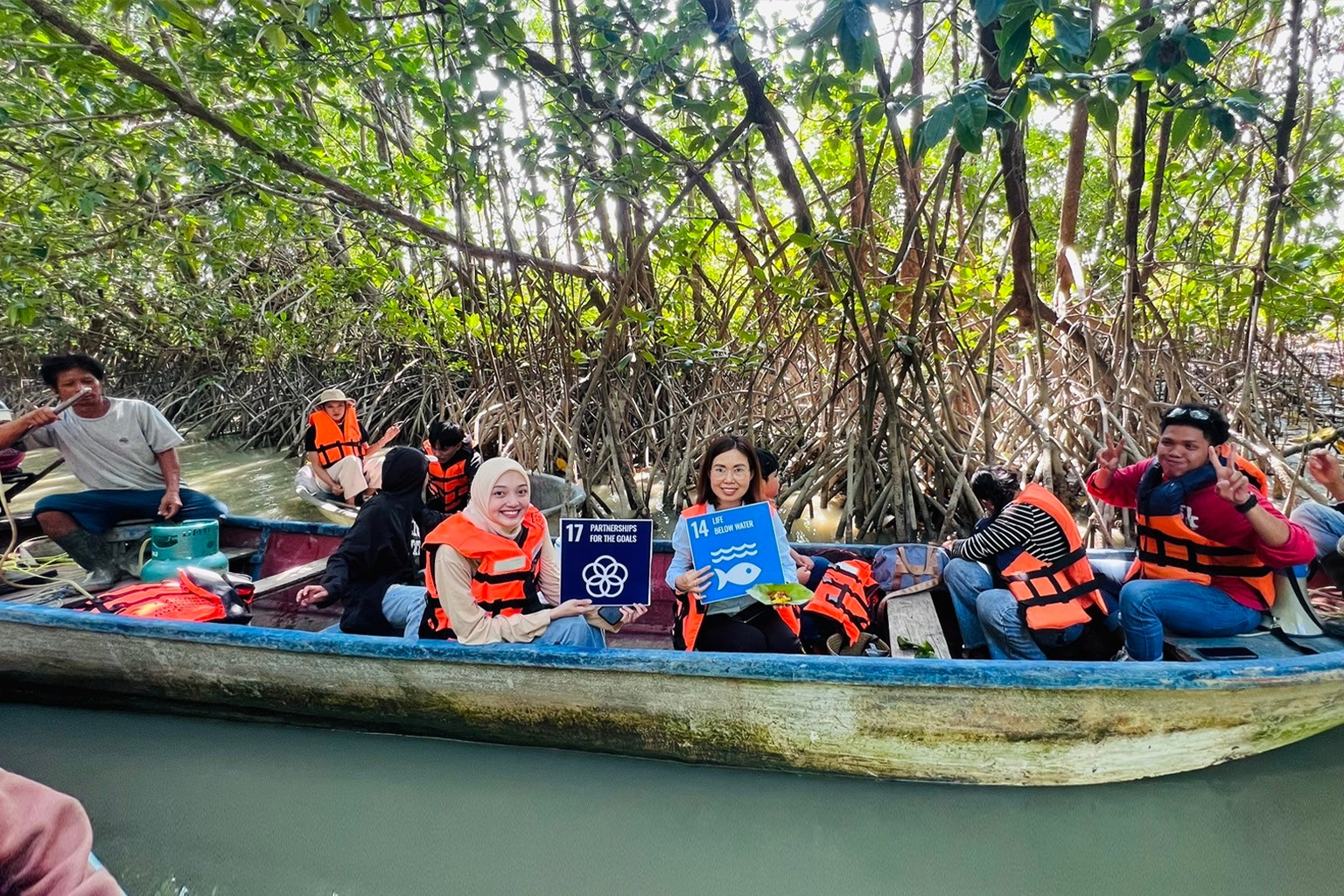
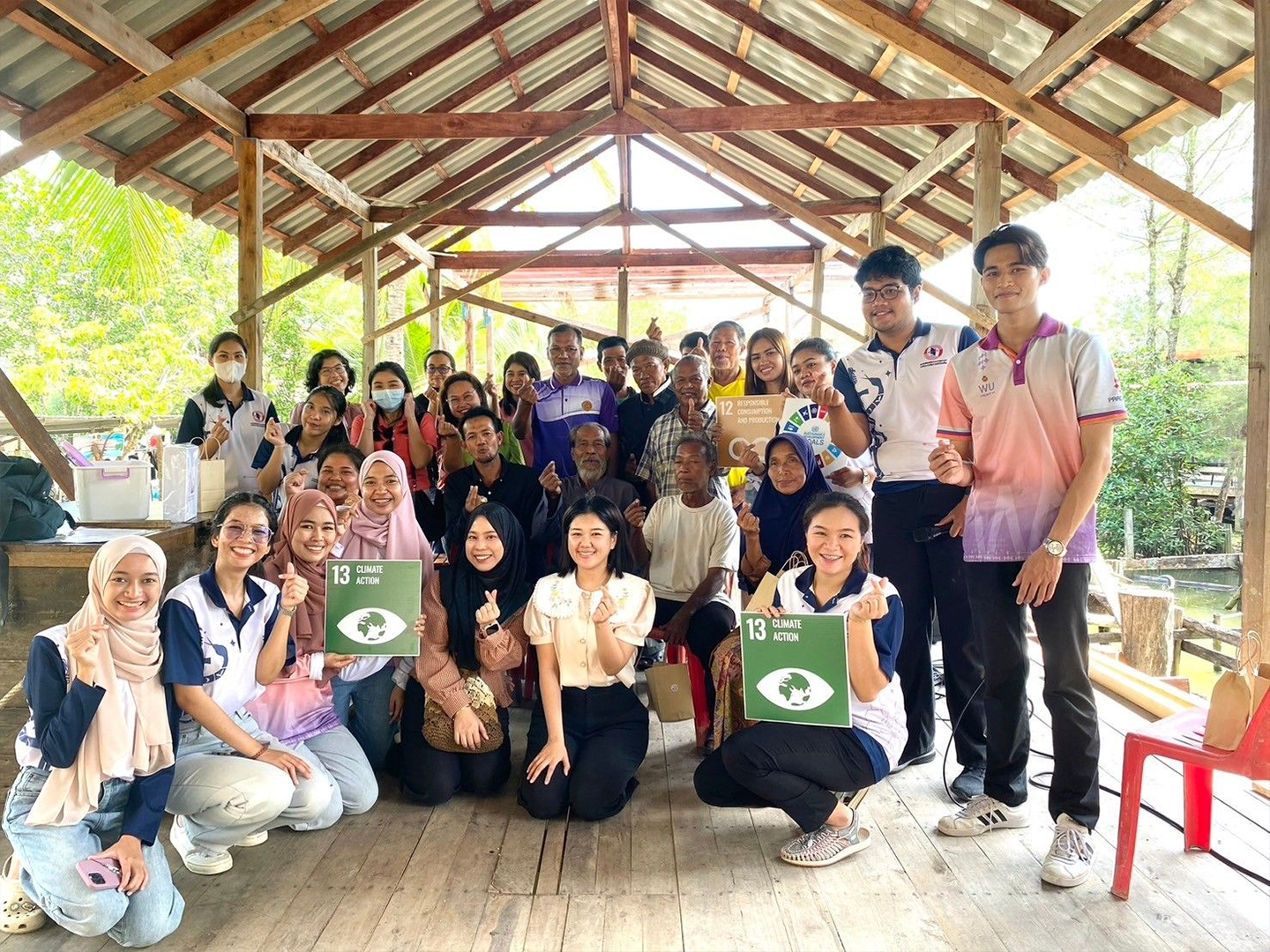
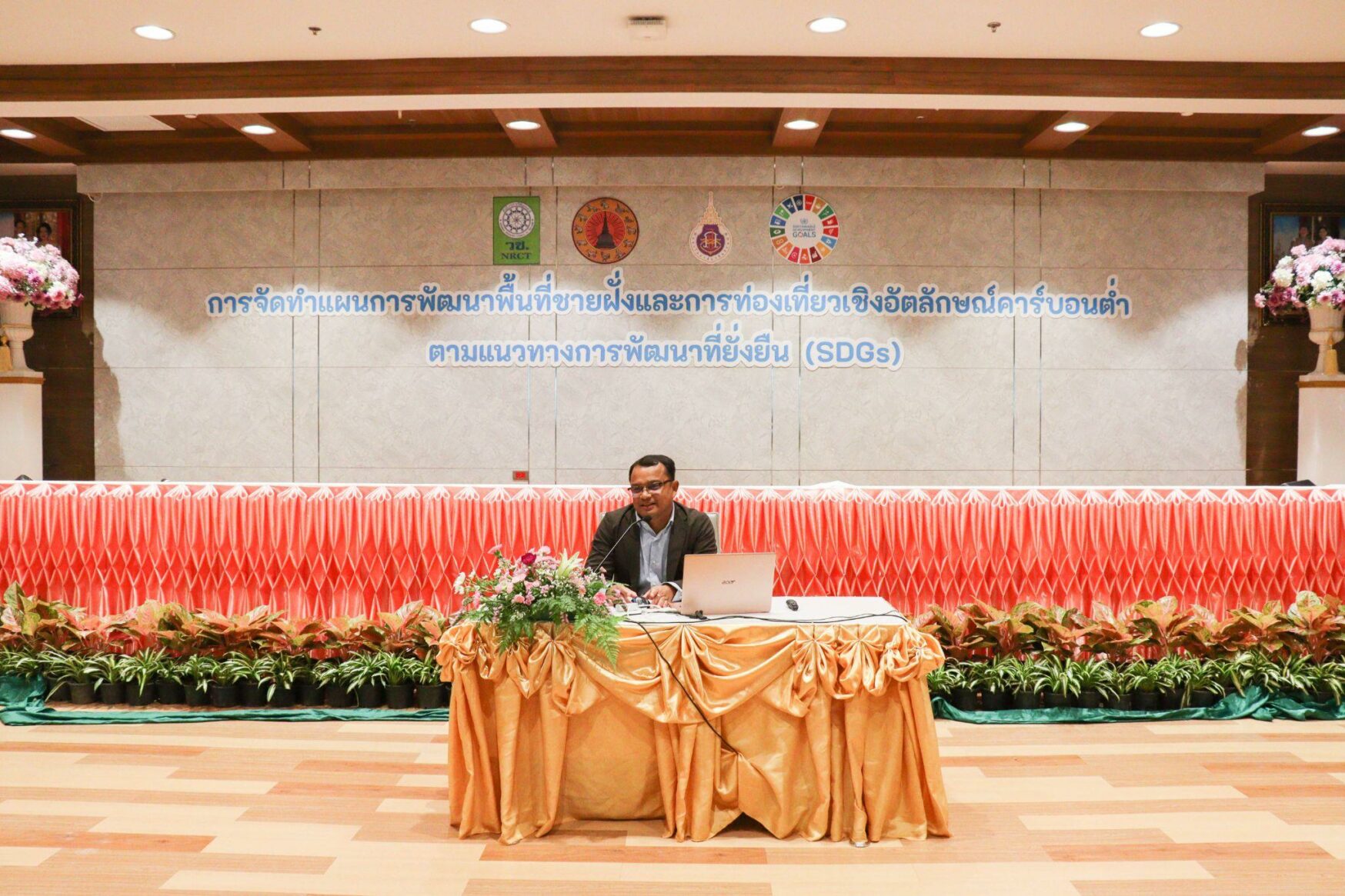
Figures : The SDG education on the Low-carbon Tourism Route development to enhance awareness on the marine and terrestrial environment and ecosystem preservation
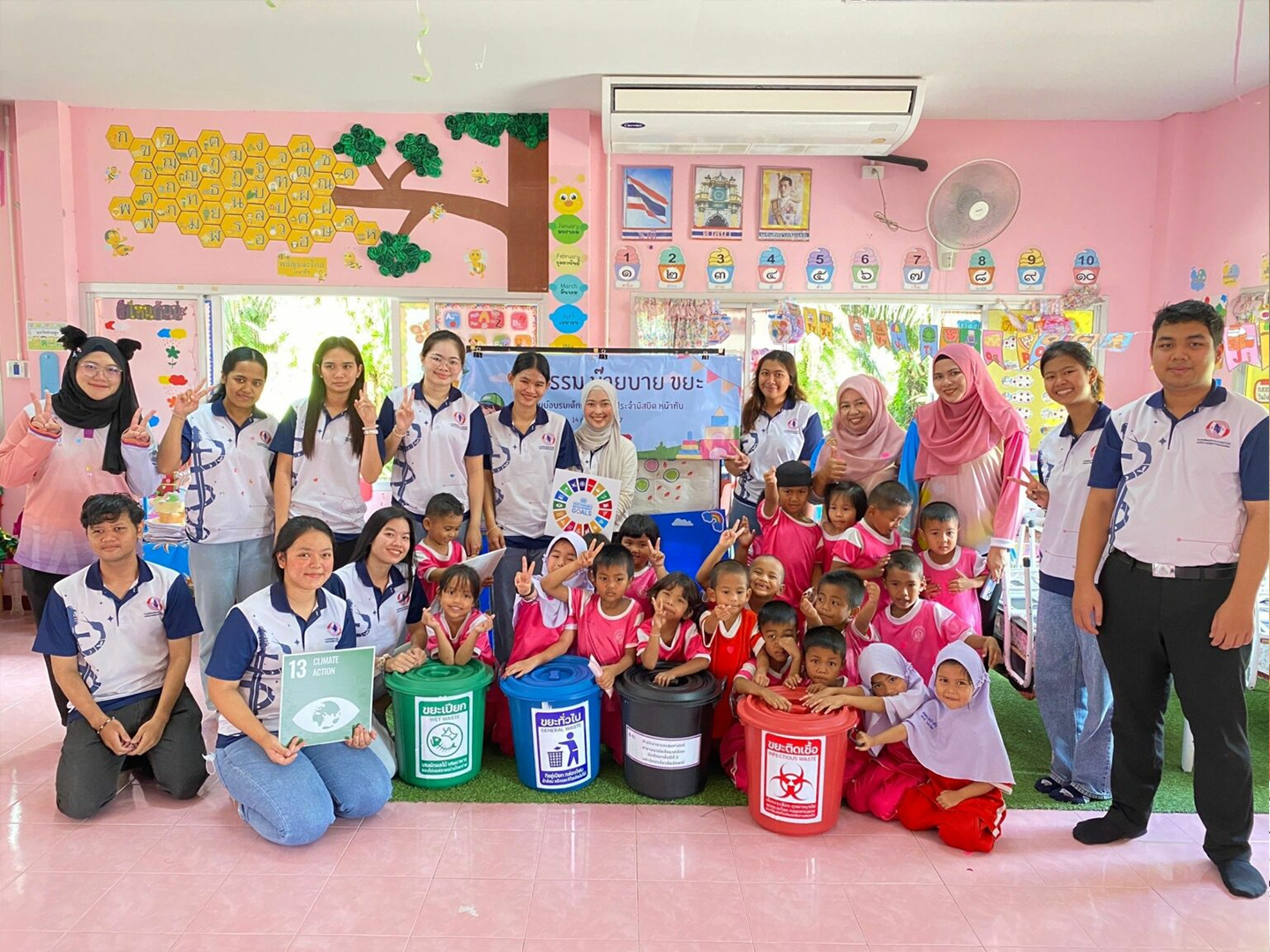
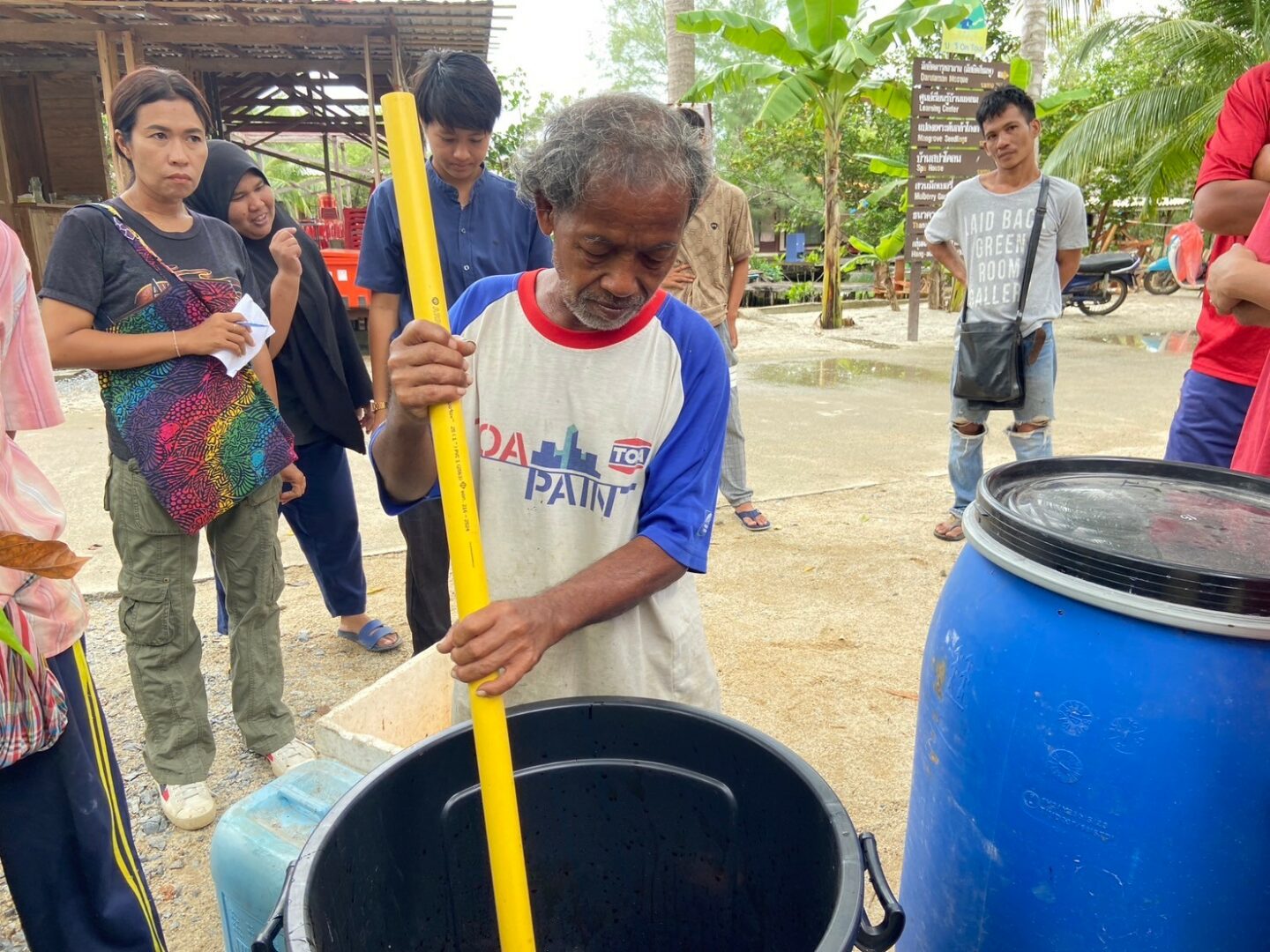
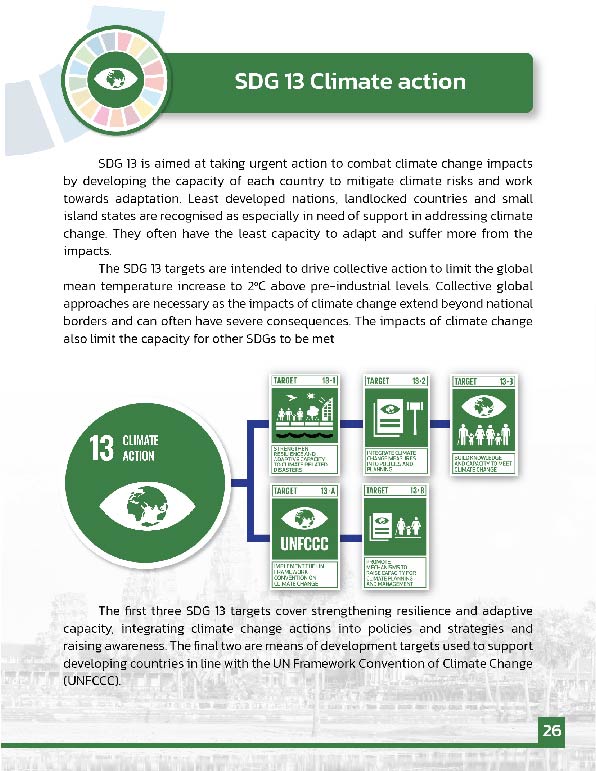
Figures : The SDG education on sustainable waste disposal program for local communities and students to address climate change, integrating SDG education with a focus on SDG 13: Climate Action, and launched a campaign to raise public awareness on climate change.
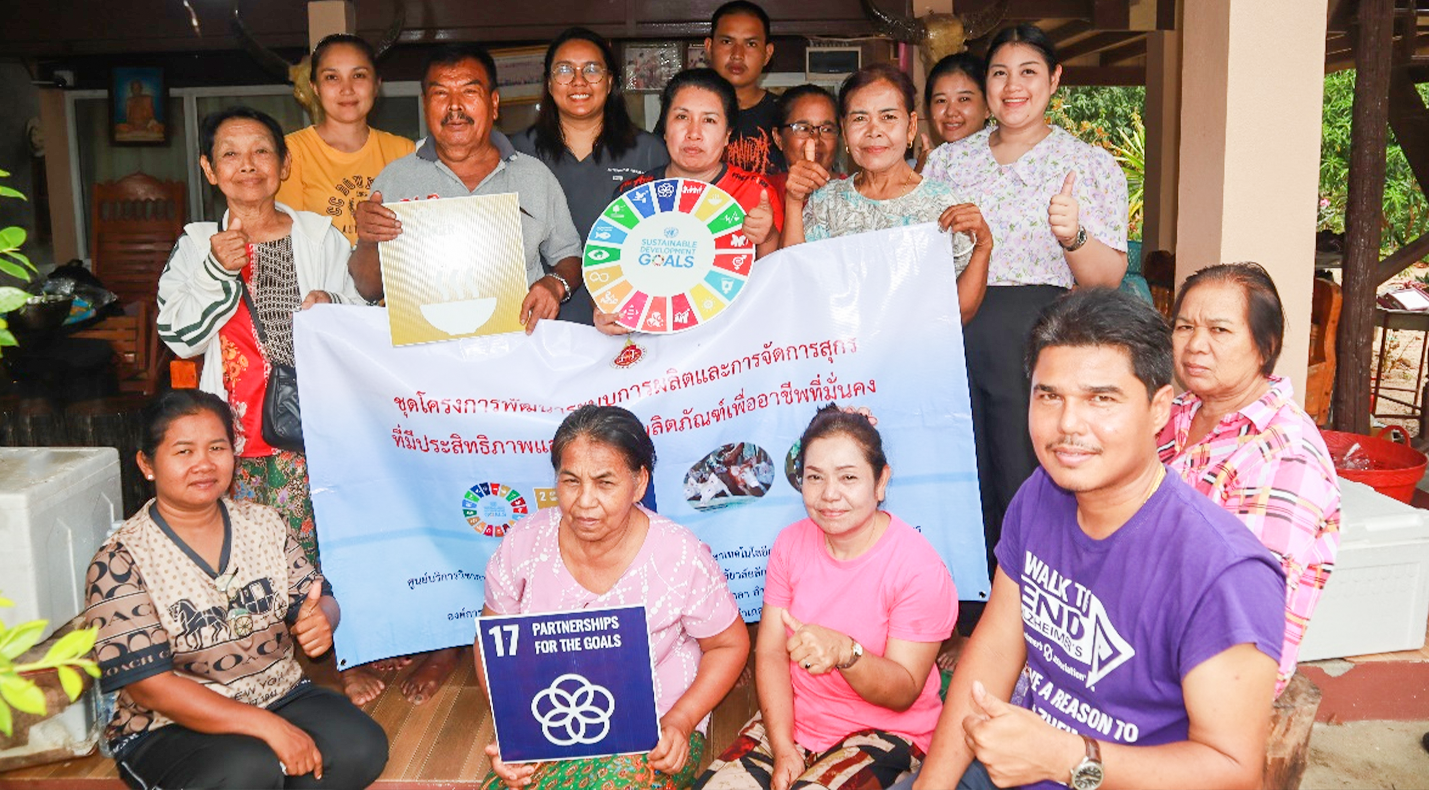
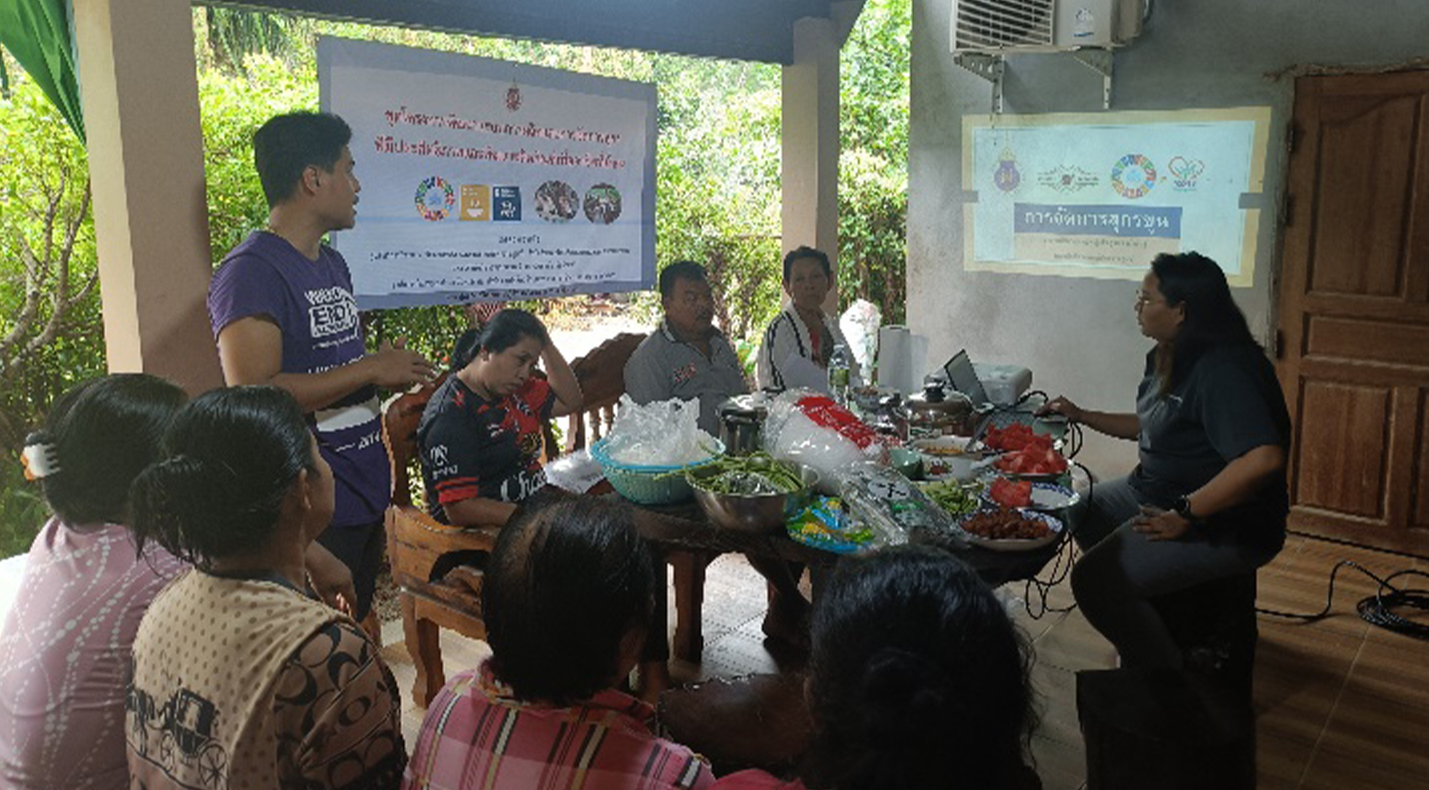
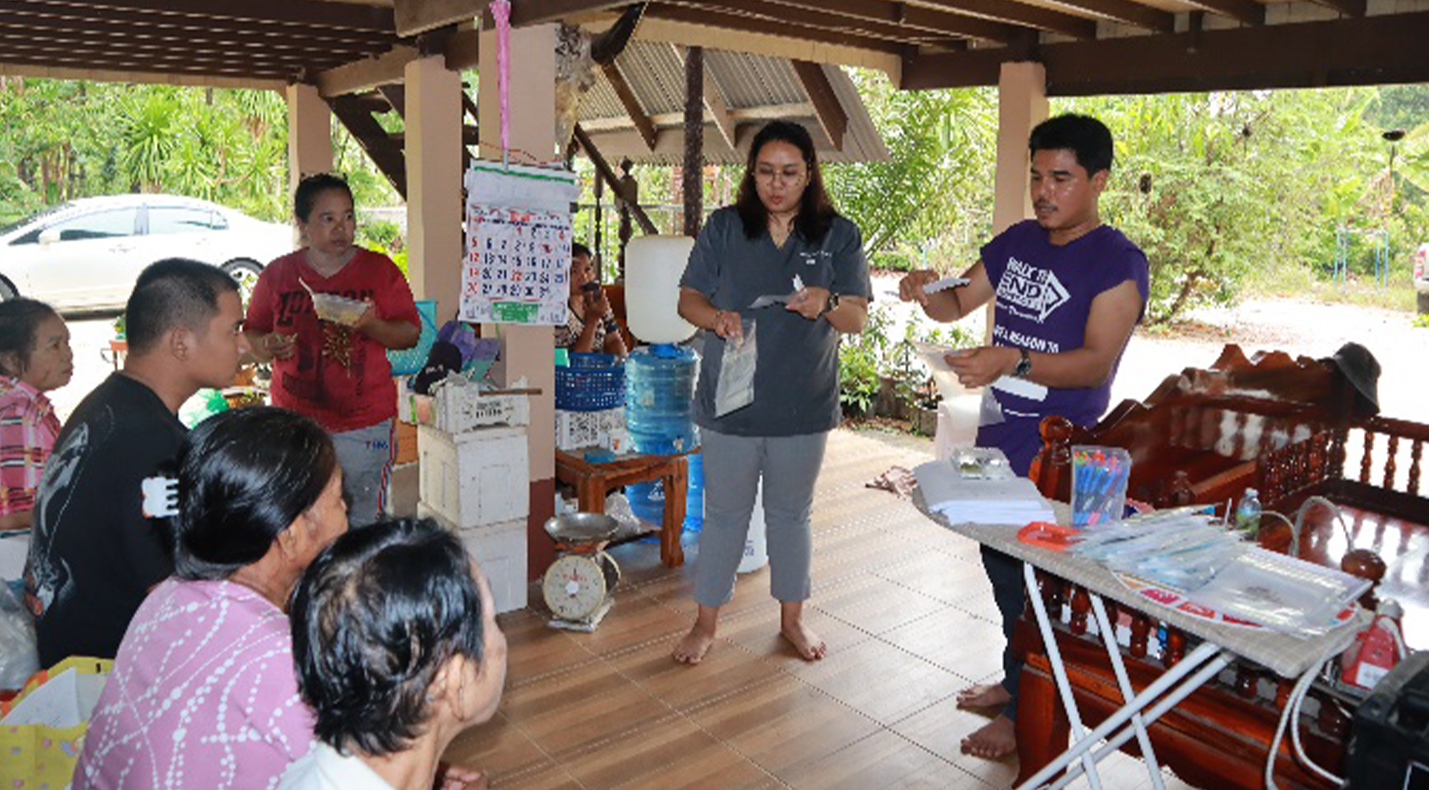
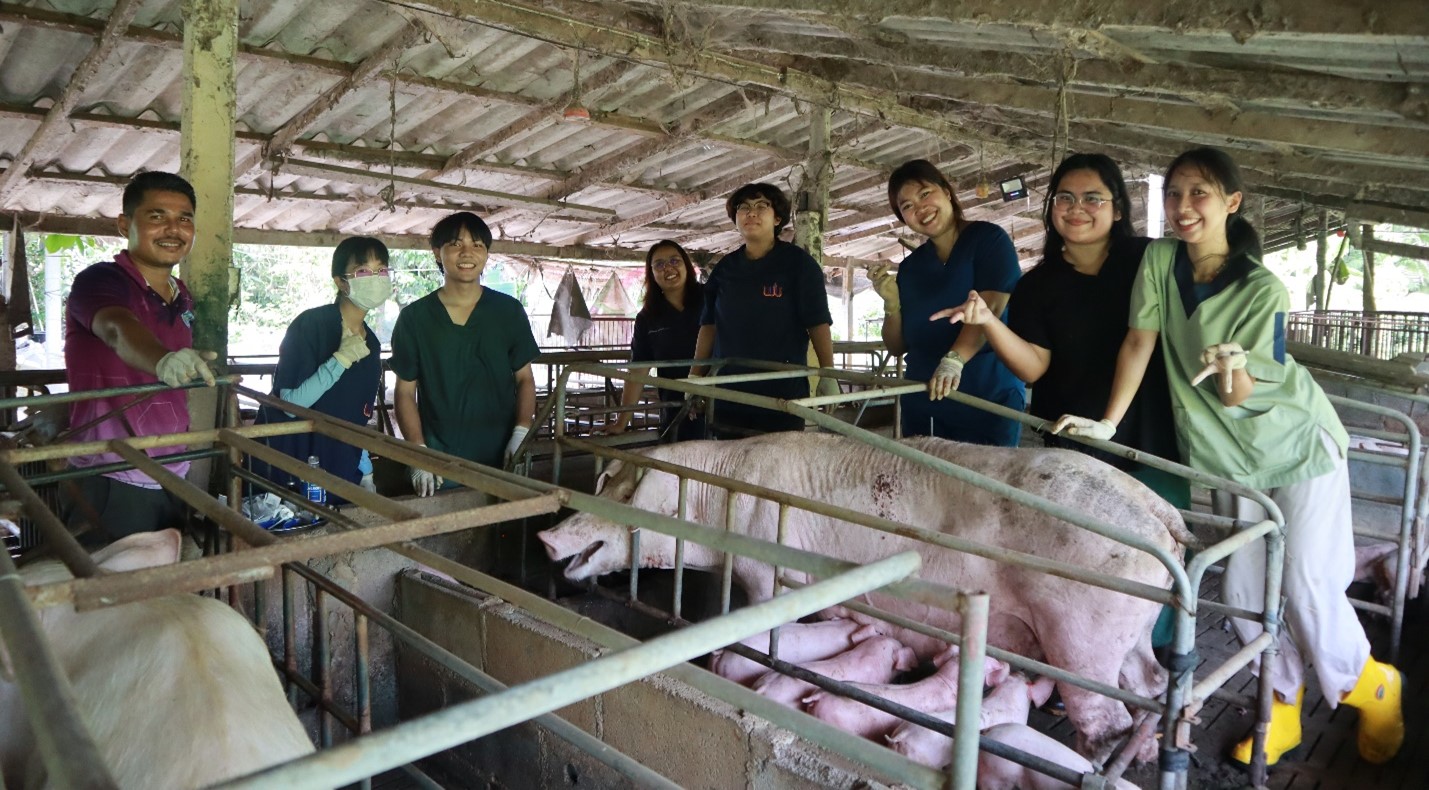
Figures : WU organized the sustainable pig farming program to provide knowledge on the SDGs, especially on SDG 2: Zero Hunge
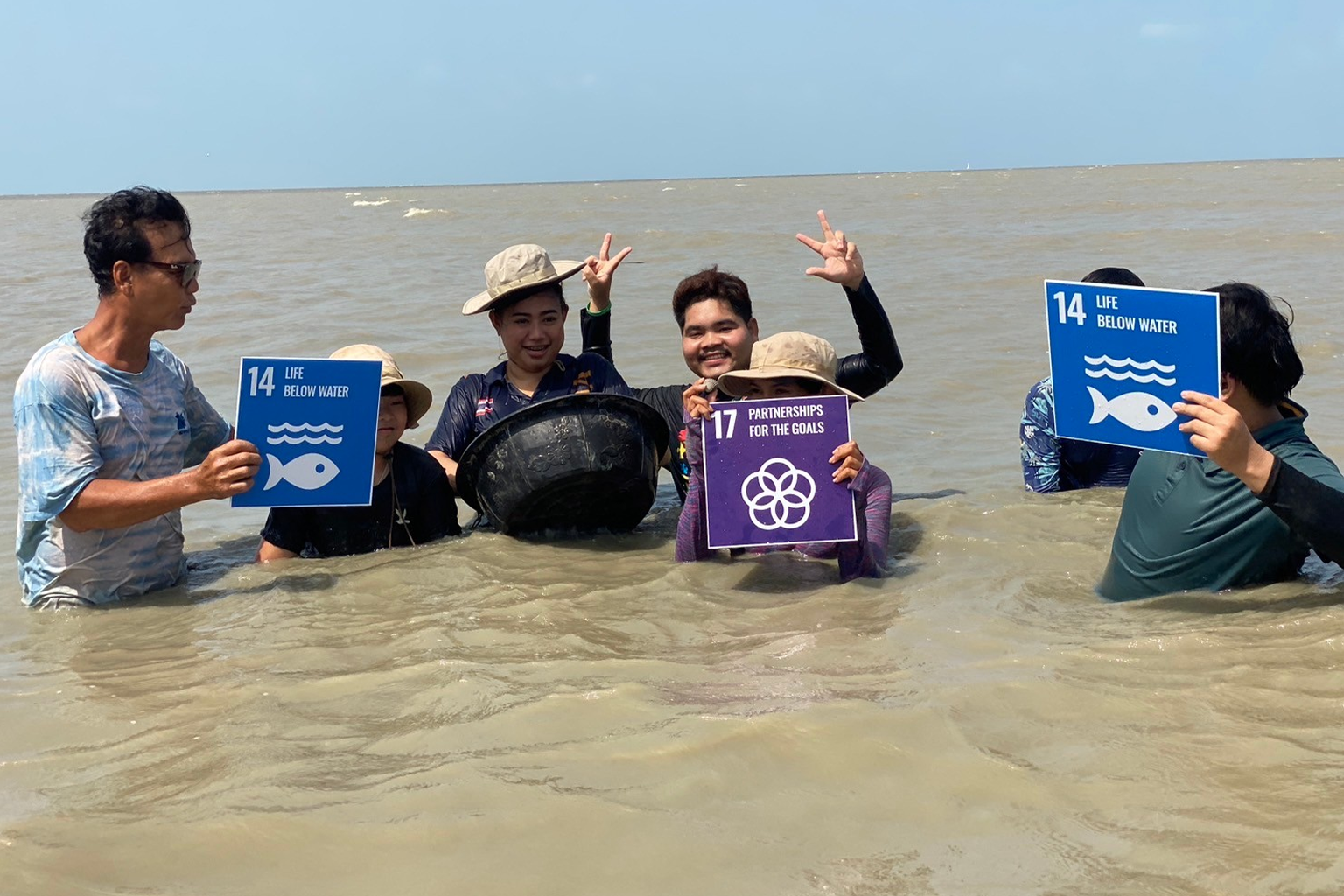
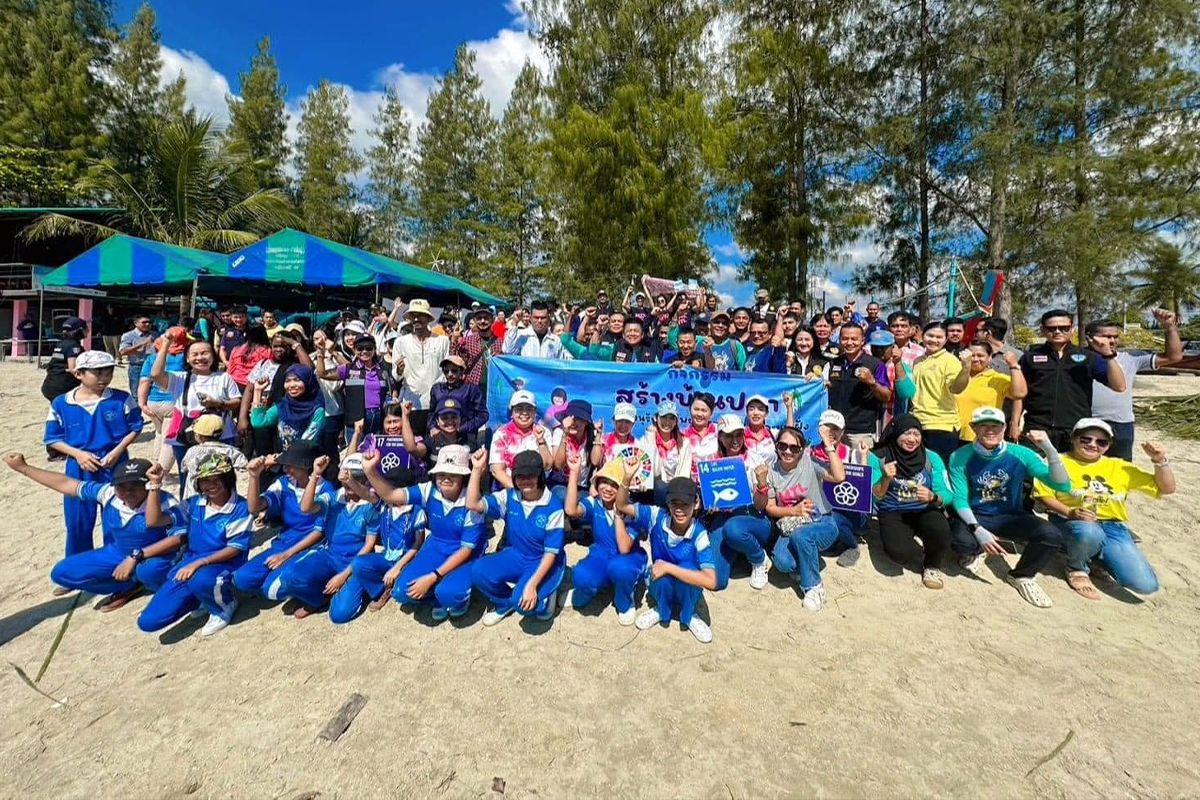
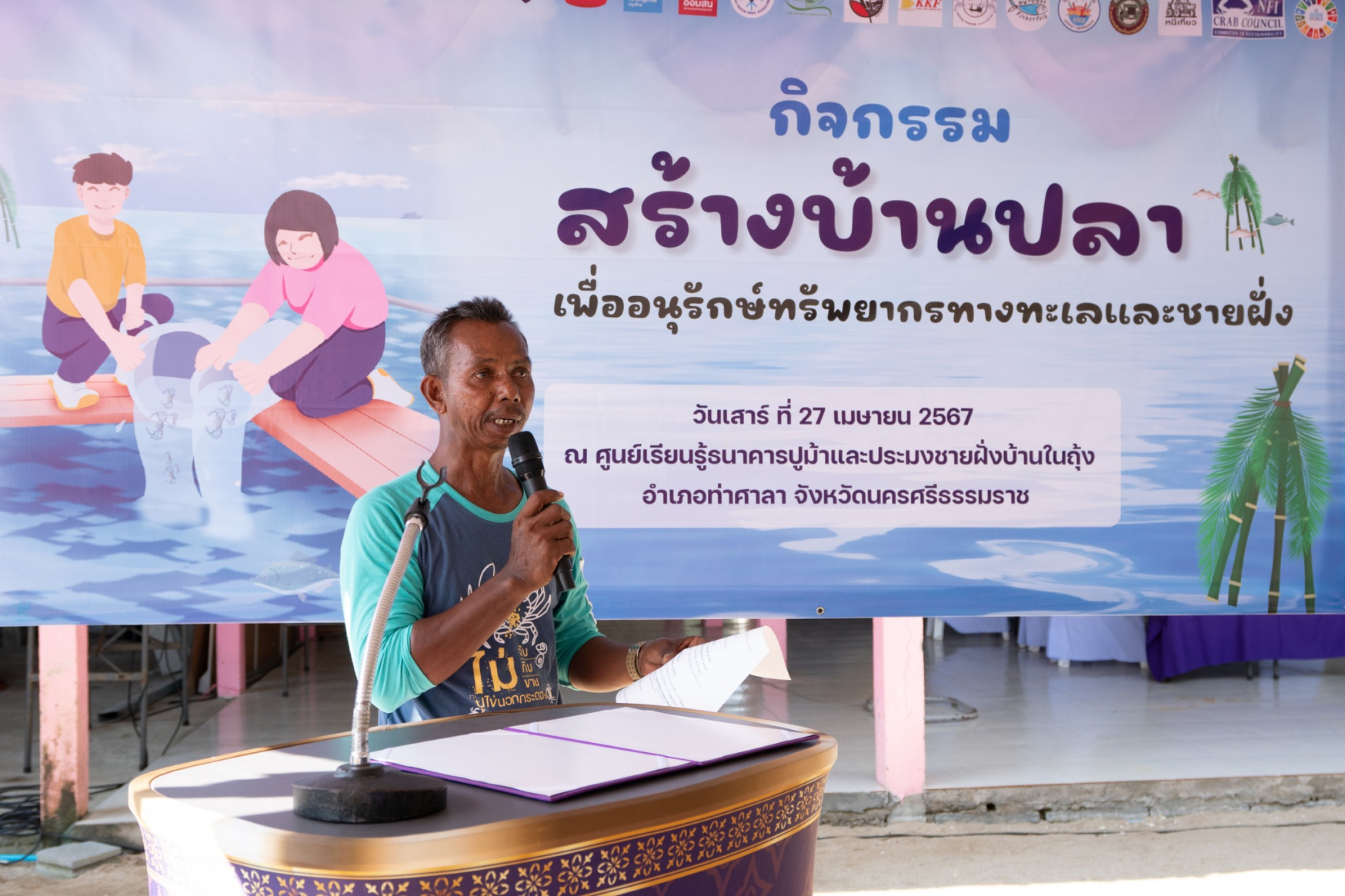
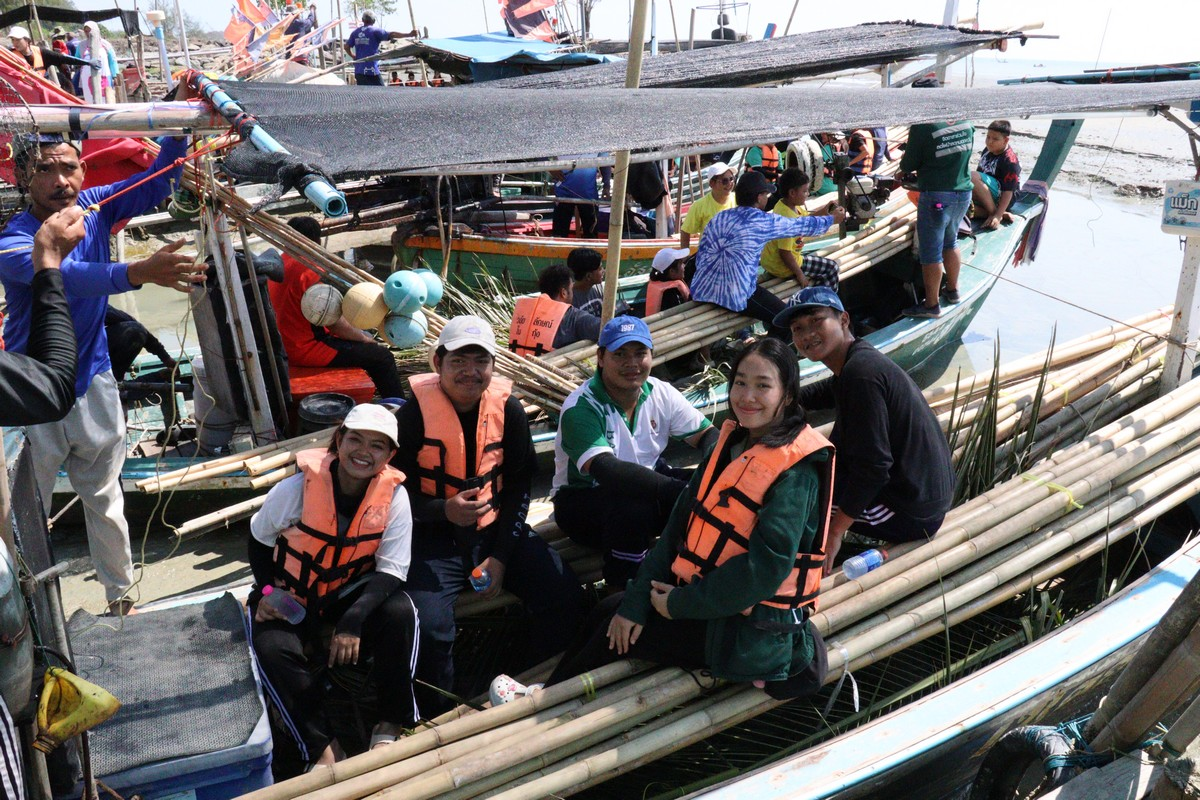
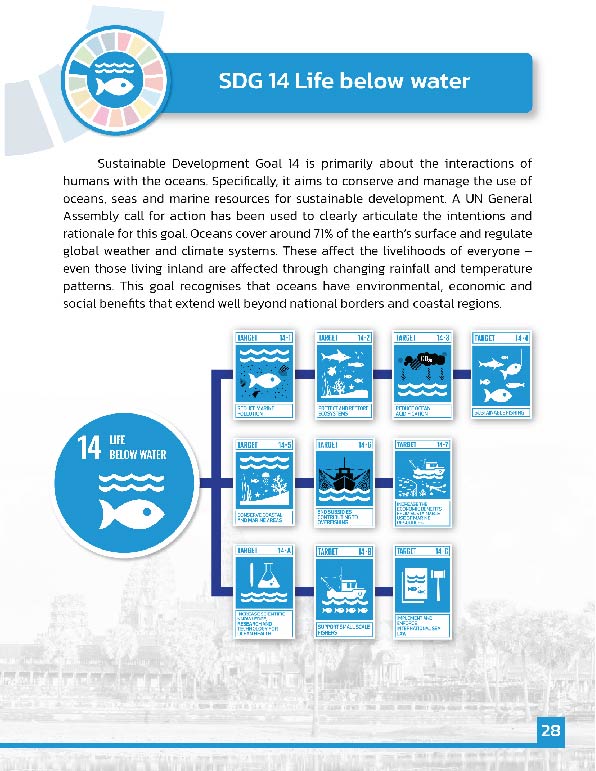
Figures : WU organized the Artificial Fish Habitat Construction to raise awareness among youth, local community members, and the general public on marine resources protection and provide SDG education on SDG 13, SDG 14, and SDG 15
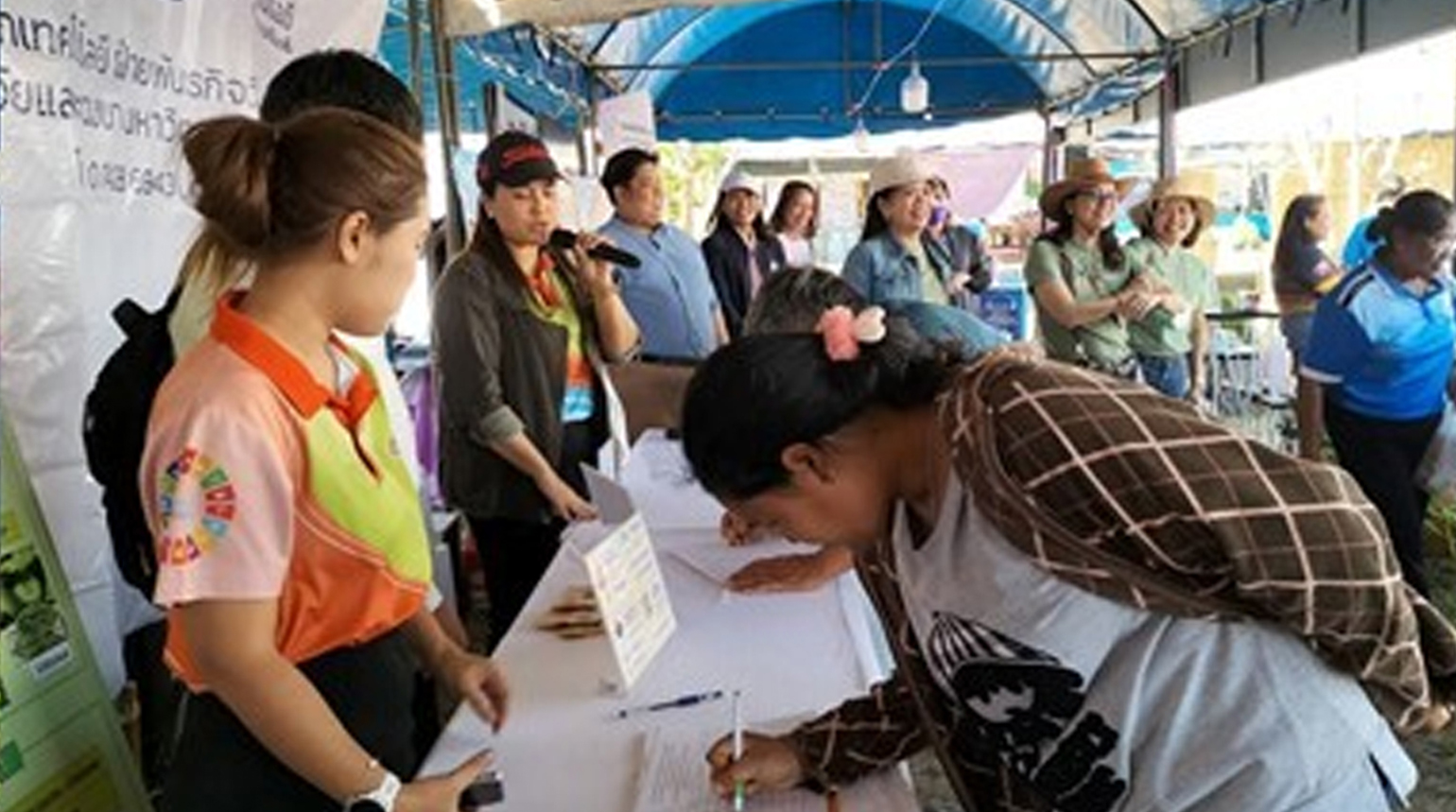
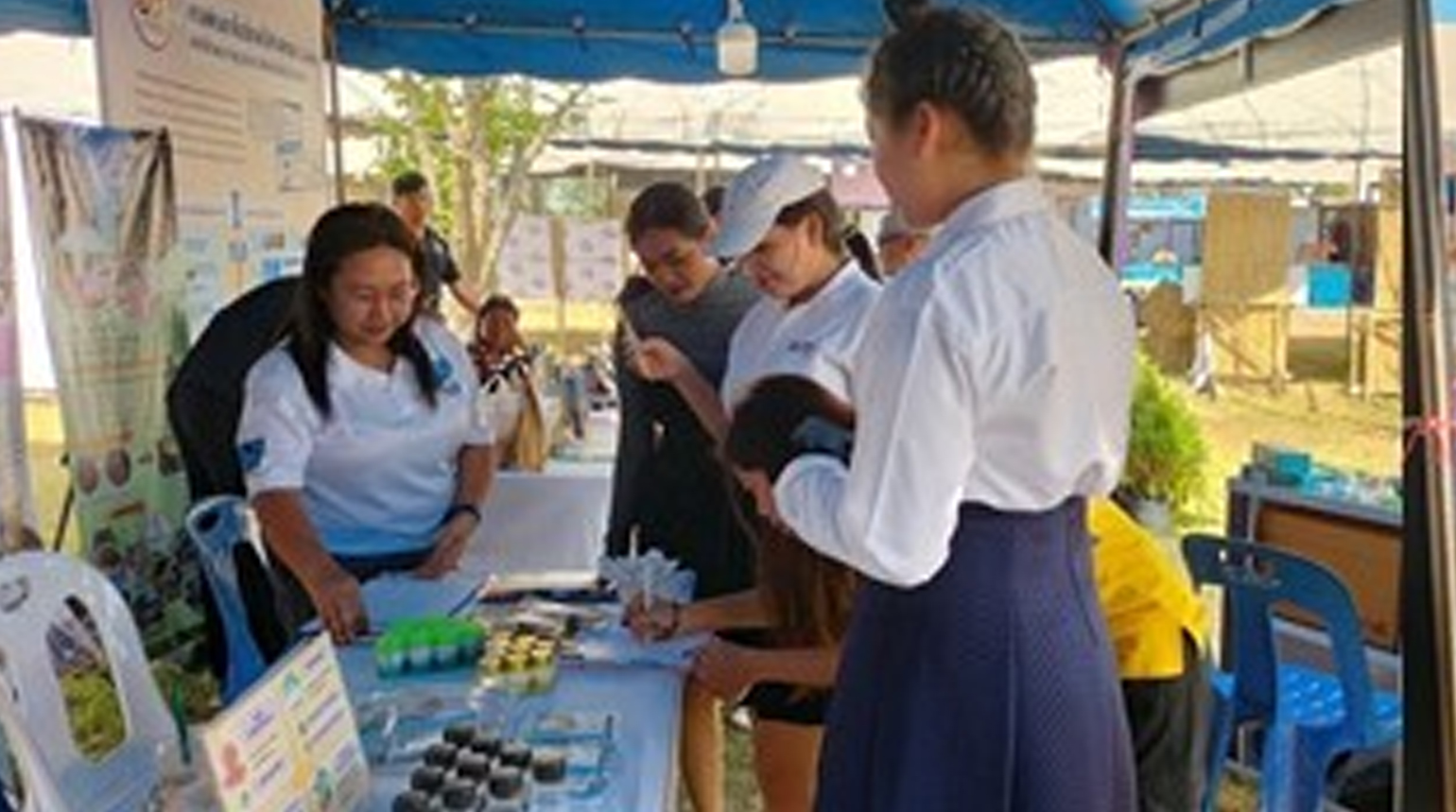
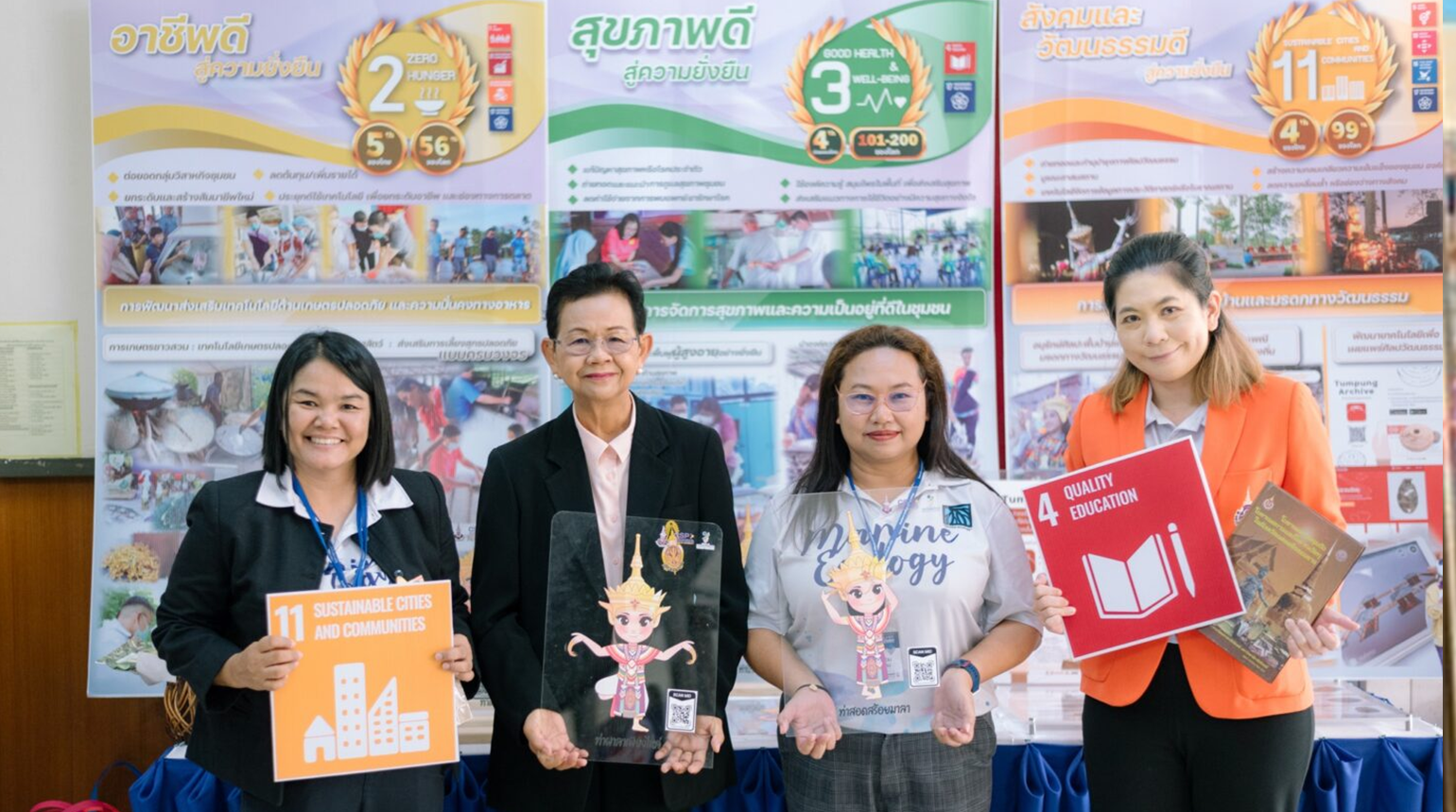
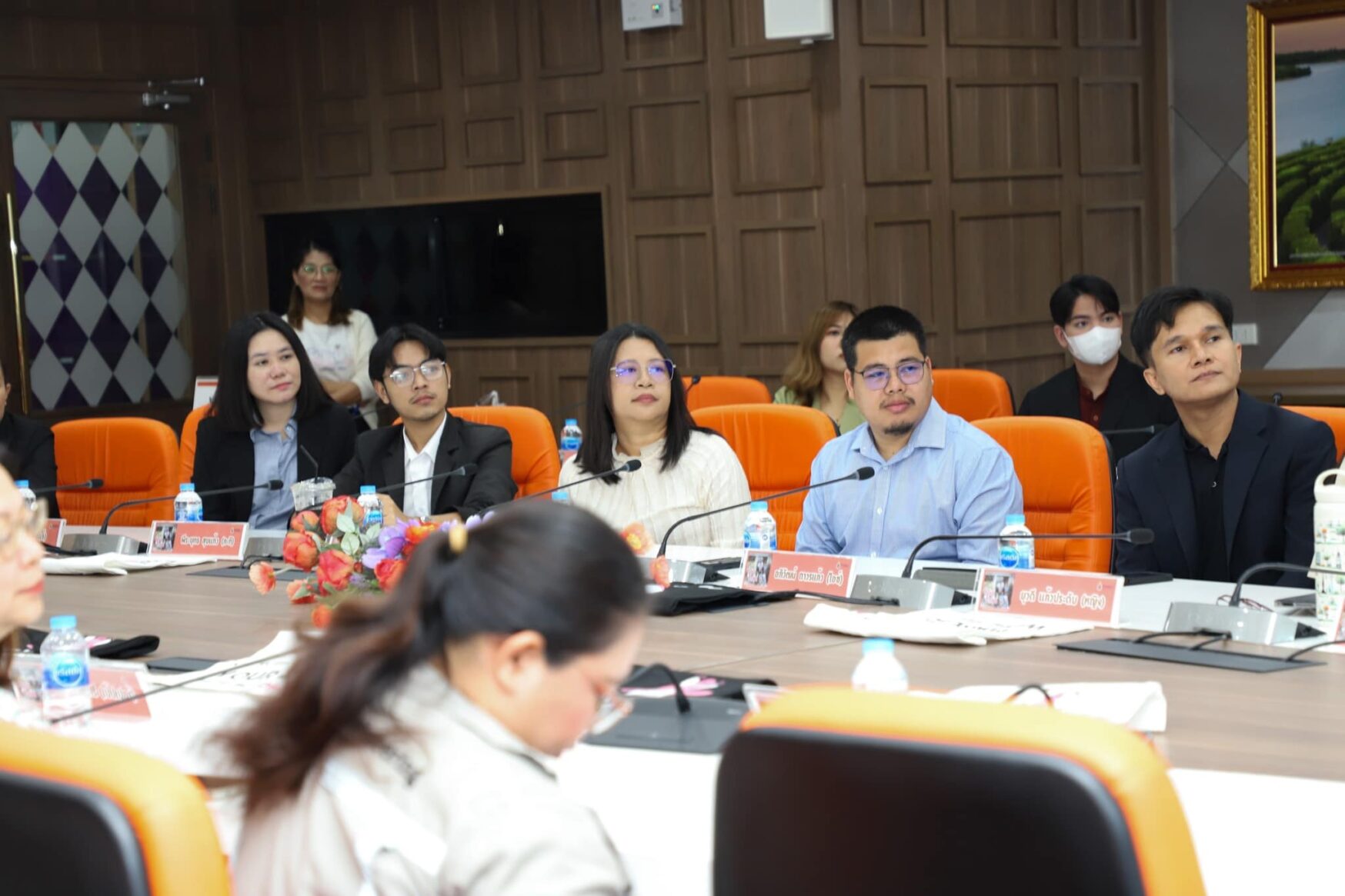
Figures : WU organized a public event to provide knowledge on the SDGs to the general public
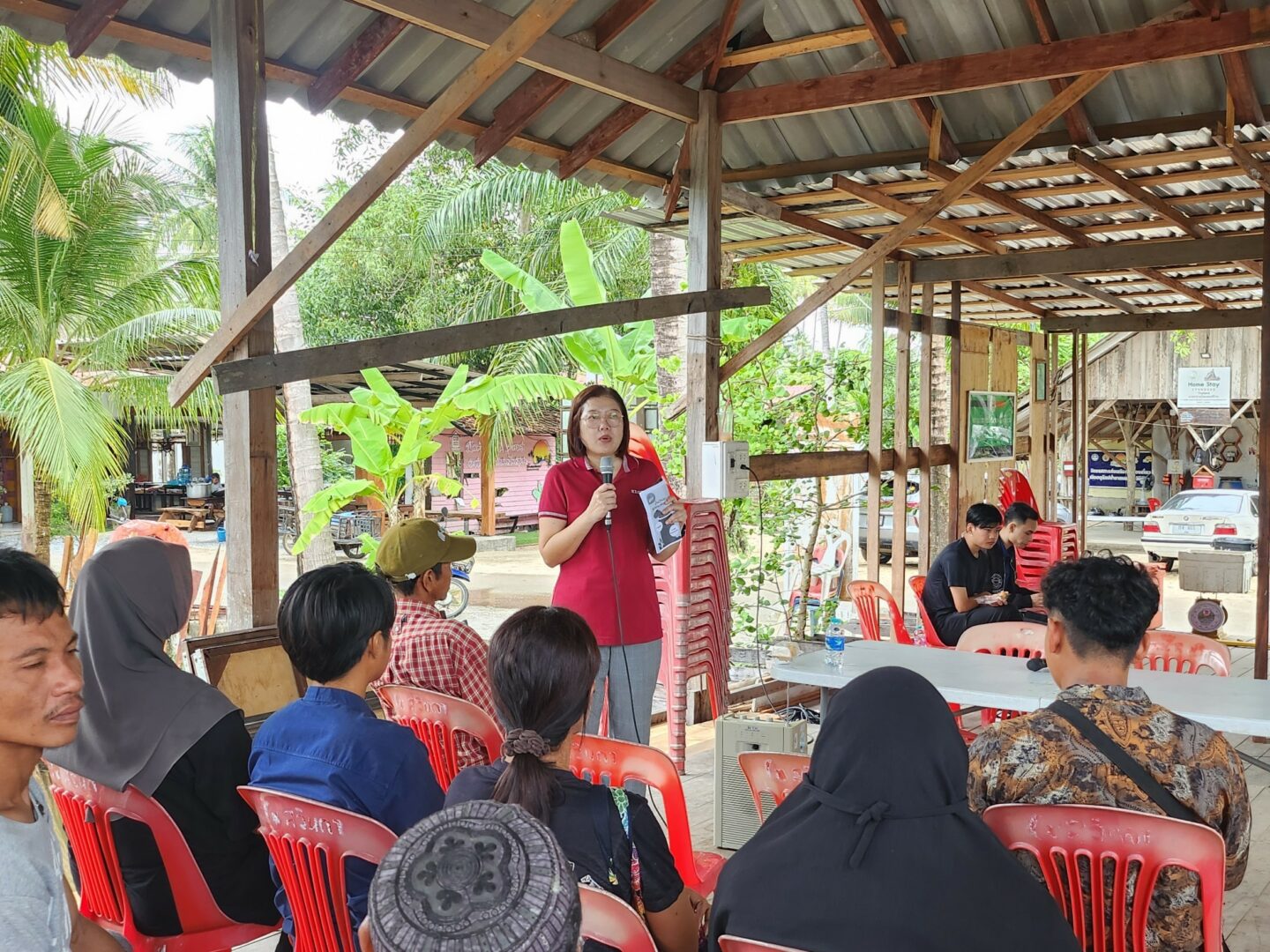
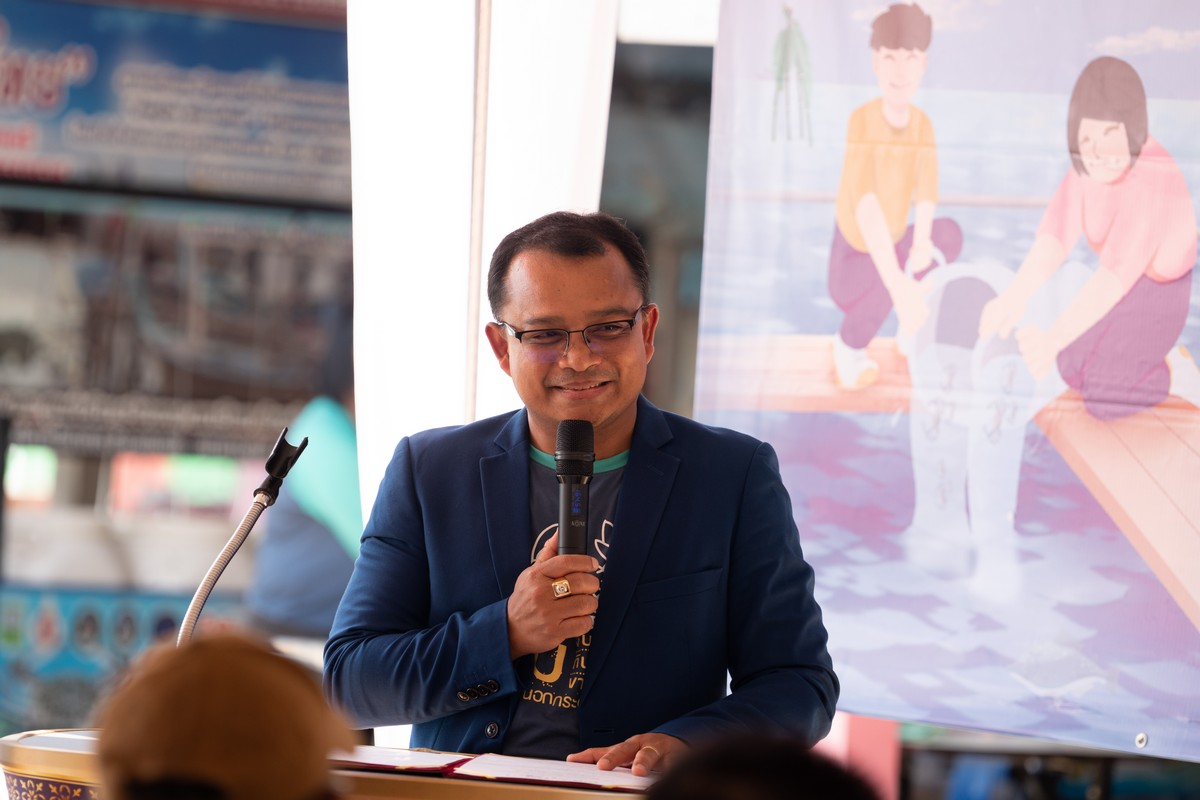
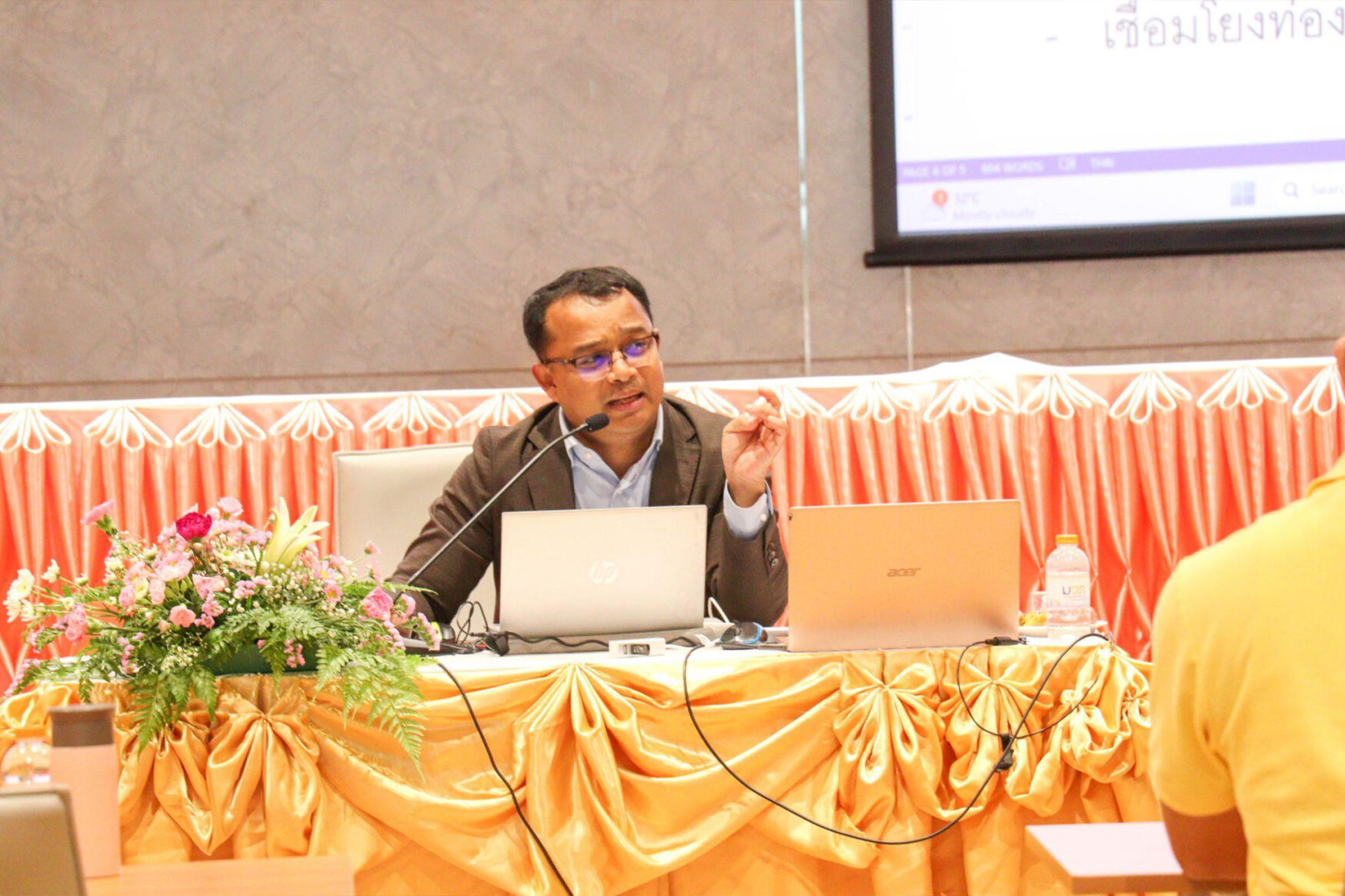
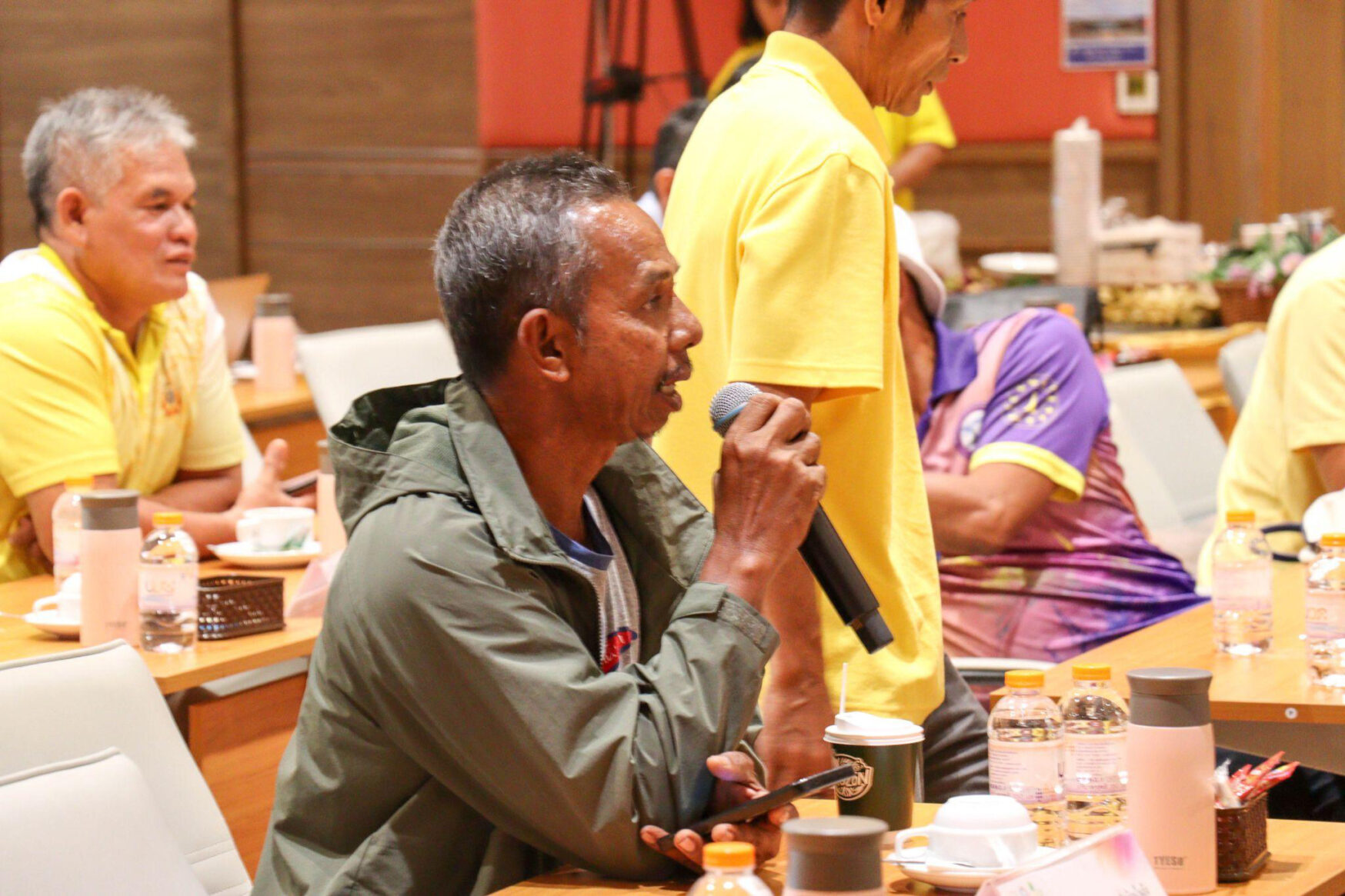
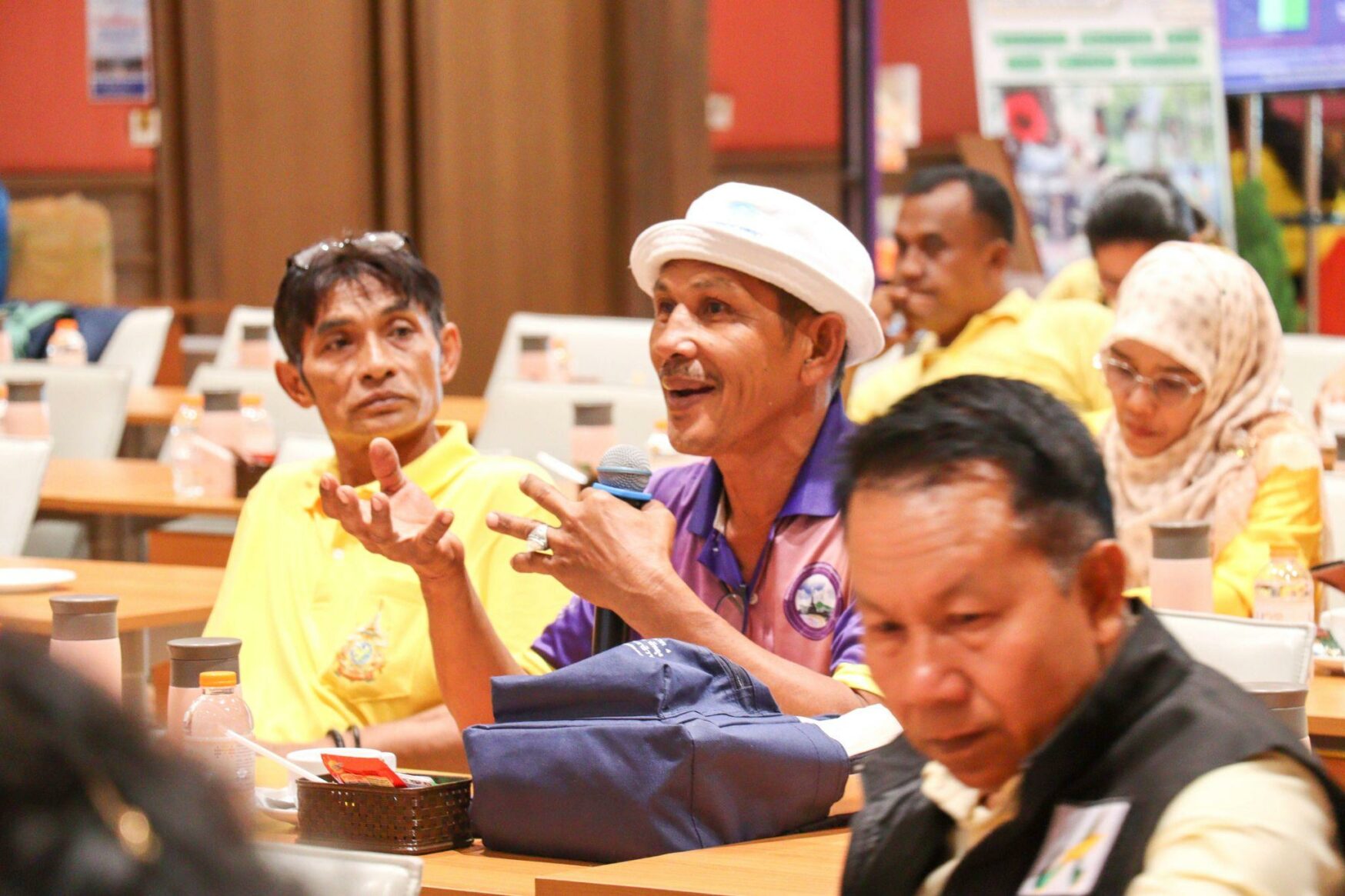
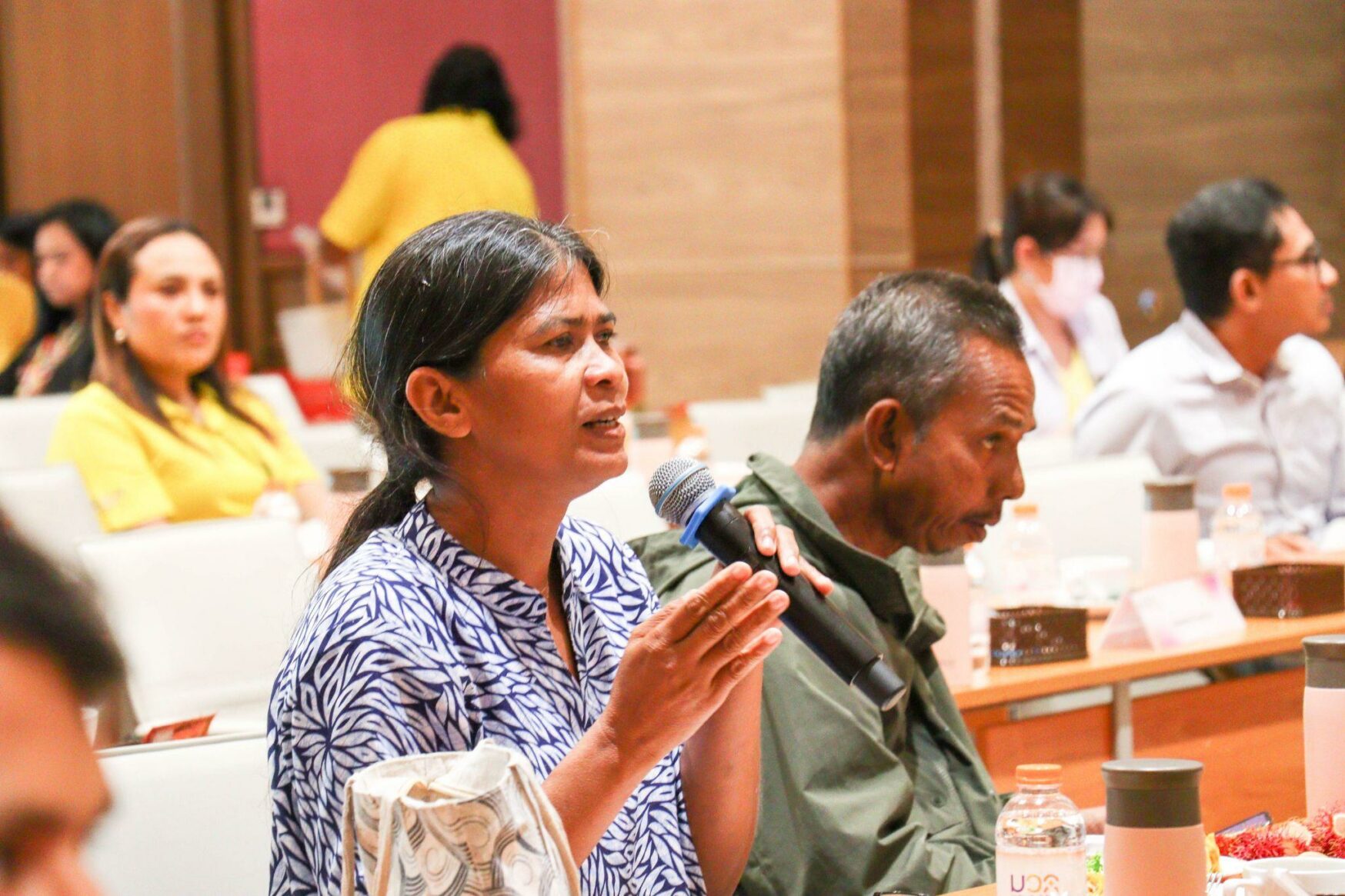
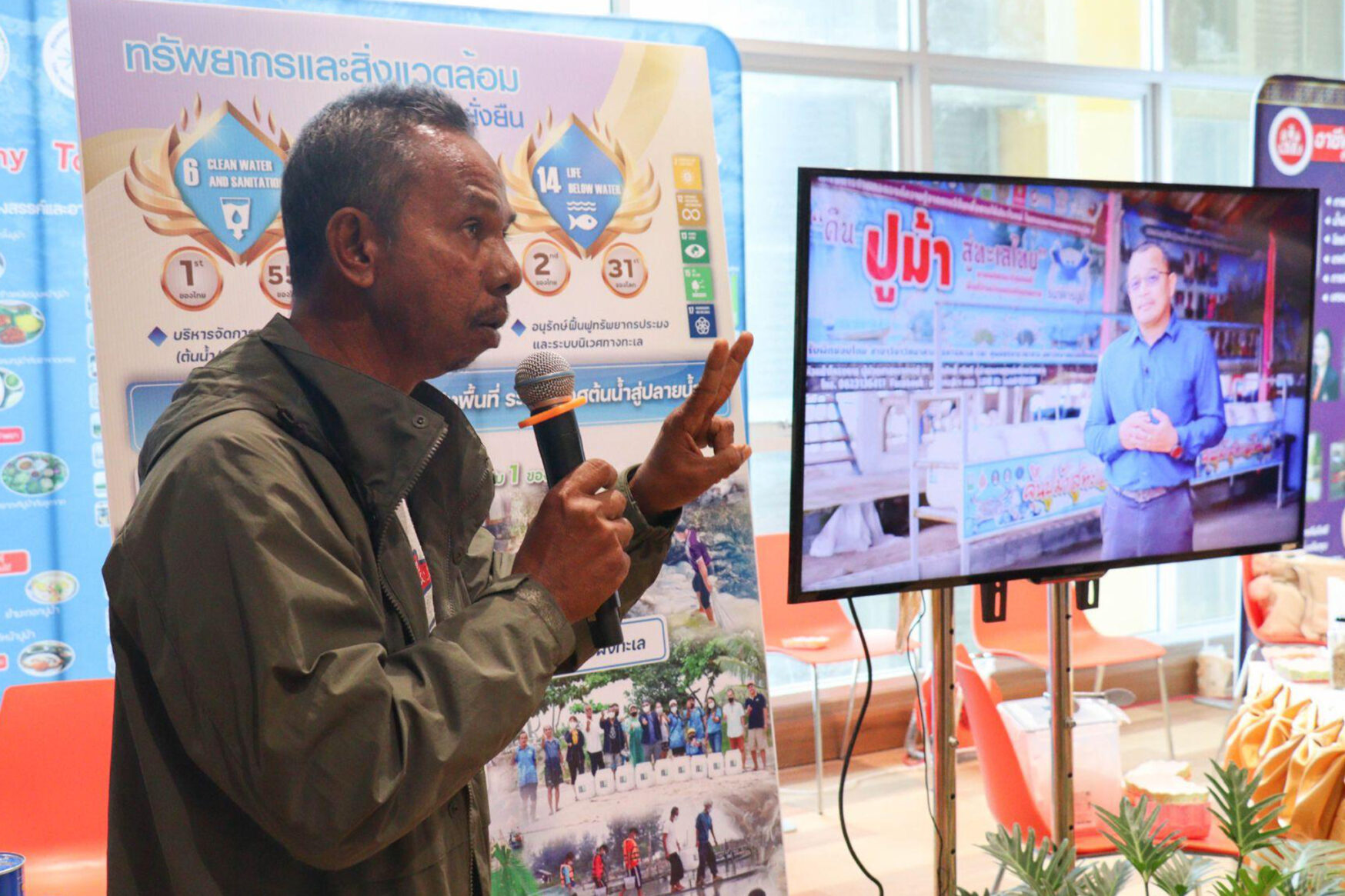
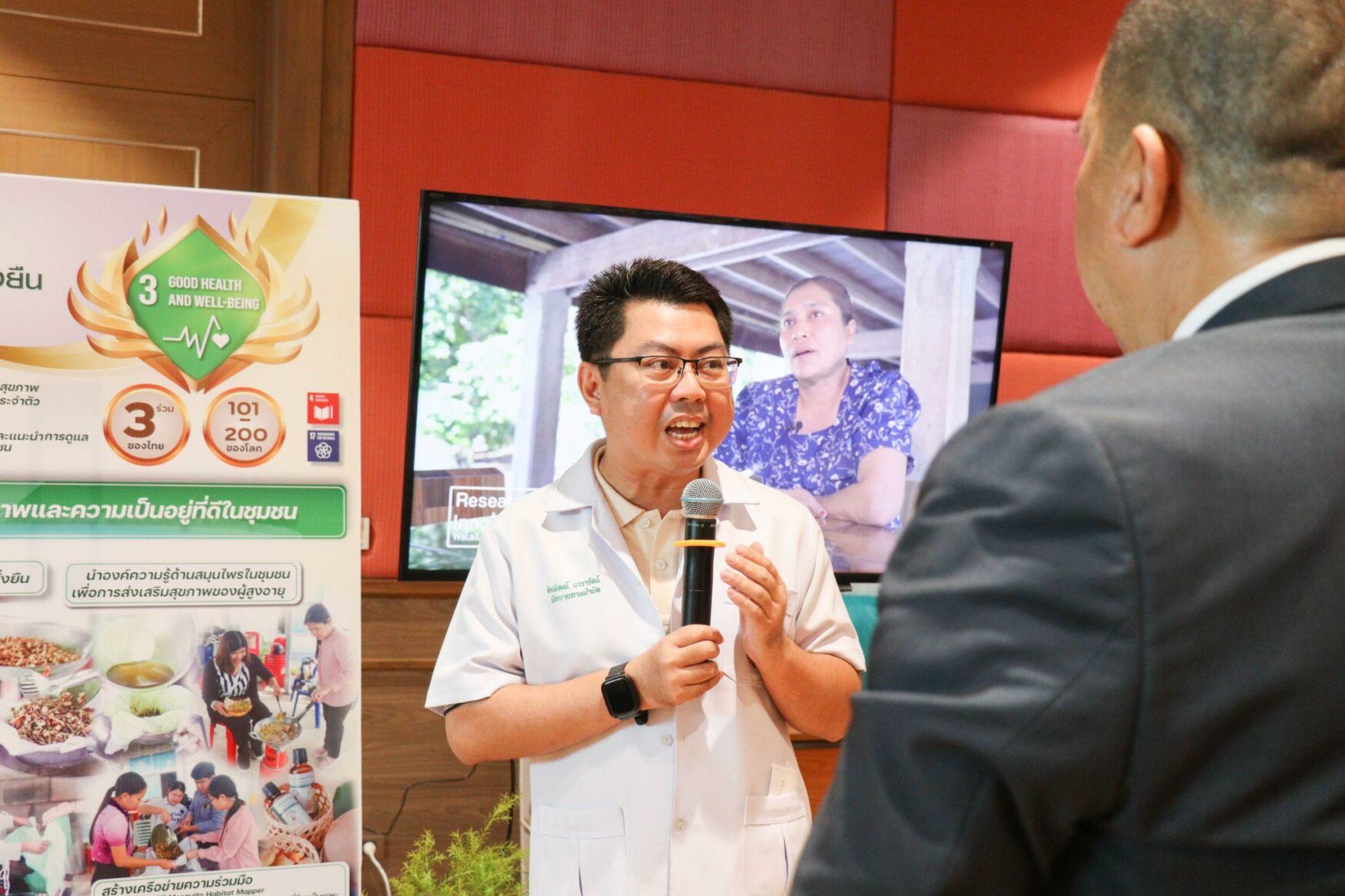
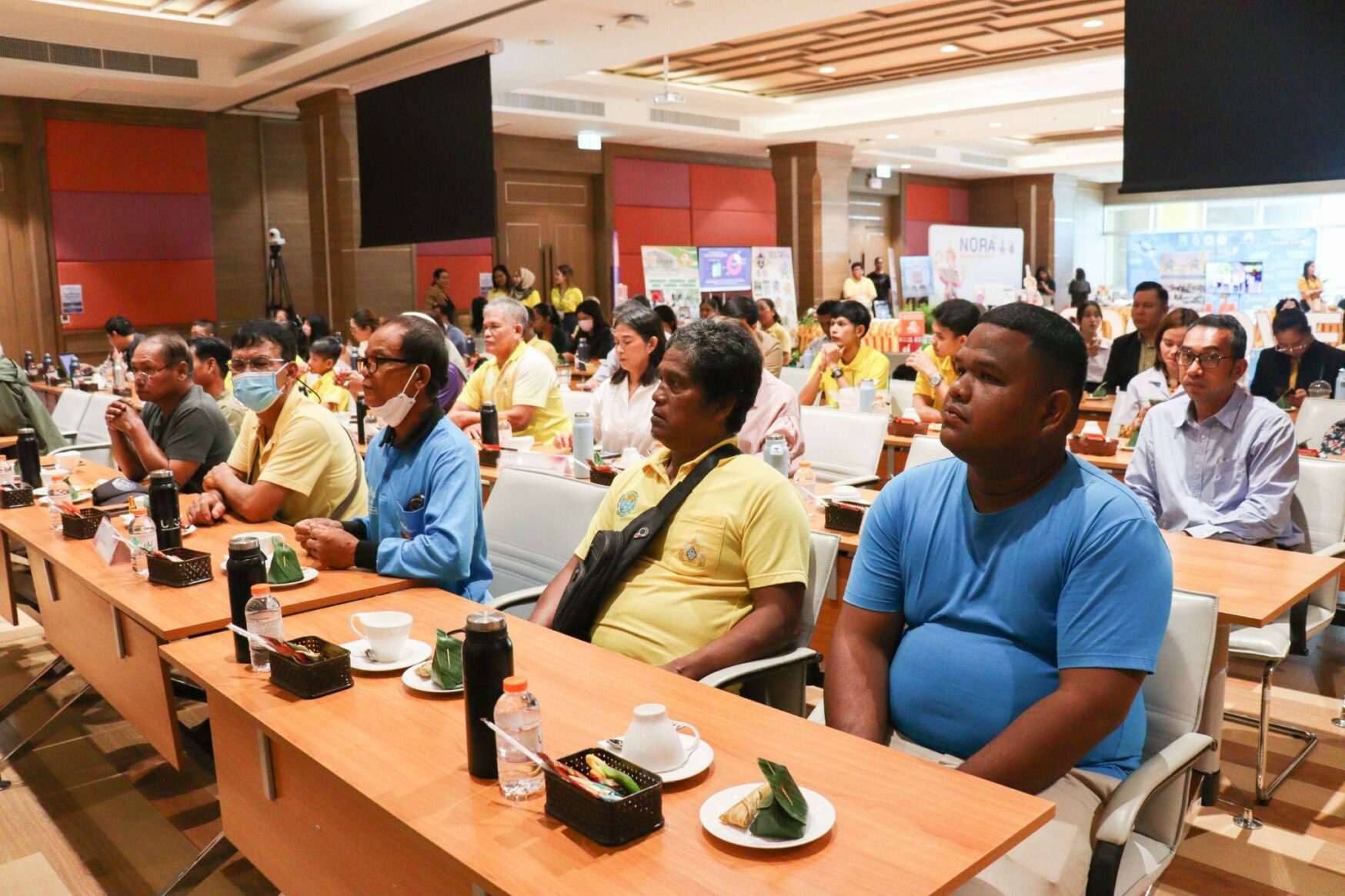
Besides its ongoing outreach projects outside the campus, Walailak University organized in 2024 the Plan Development Project for Coastal Areas and Low-Carbon Identity Tourism Aligned with the Sustainable Development Goals (SDGs). During the event, Asst. Prof. Dr. Amonsak Sawusdee, Director of the Center for Academic Services, delivered comprehensive SDG education to diverse community groups, including local fishermen, farmers, agriculturists, aquaculturists, residents living around the campus, students, and the general public.
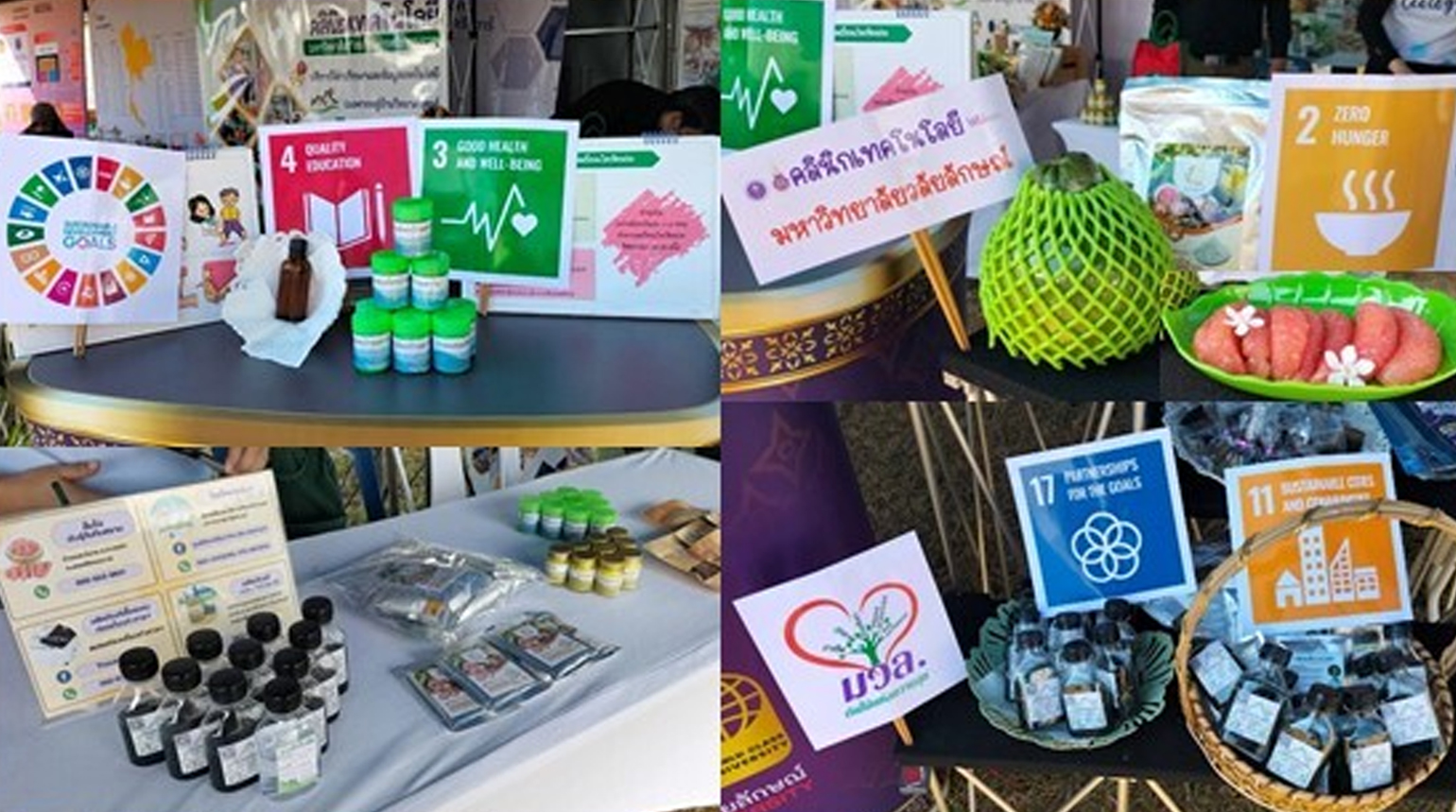
The session introduced fundamental SDG knowledge and highlighted practical strategies for community-driven sustainable development. To enhance learning, the event also featured interactive SDG booths, where participants could explore SDG themes, practical examples, and sustainable practices relevant to their daily lives. In addition to providing information, Walailak University also actively exchanged ideas and opinions with local people, fostering meaningful dialogue to understand local needs, challenges, and perspectives related to sustainable development.
Through this collaborative engagement, participants learned how collective action can support environmental protection, low-carbon tourism, responsible resource management, and improved livelihoods. The event reinforced how local efforts contribute to national SDG advancement and strengthened Walailak University’s role in empowering communities and promoting sustainability throughout Nakhon Si Thammarat Province.
Providing SDG Educational Opportunities for Displaced People and Refugees
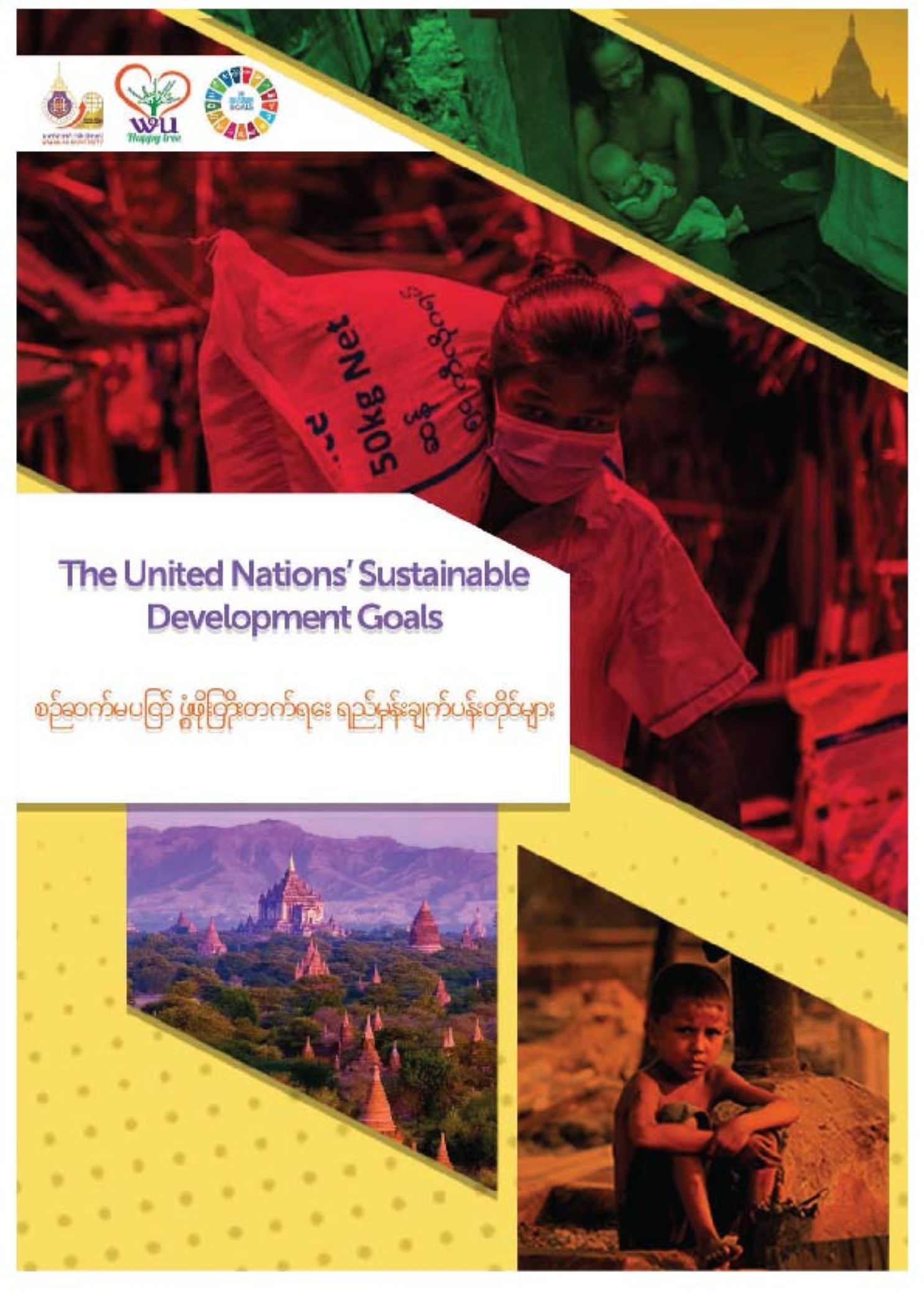
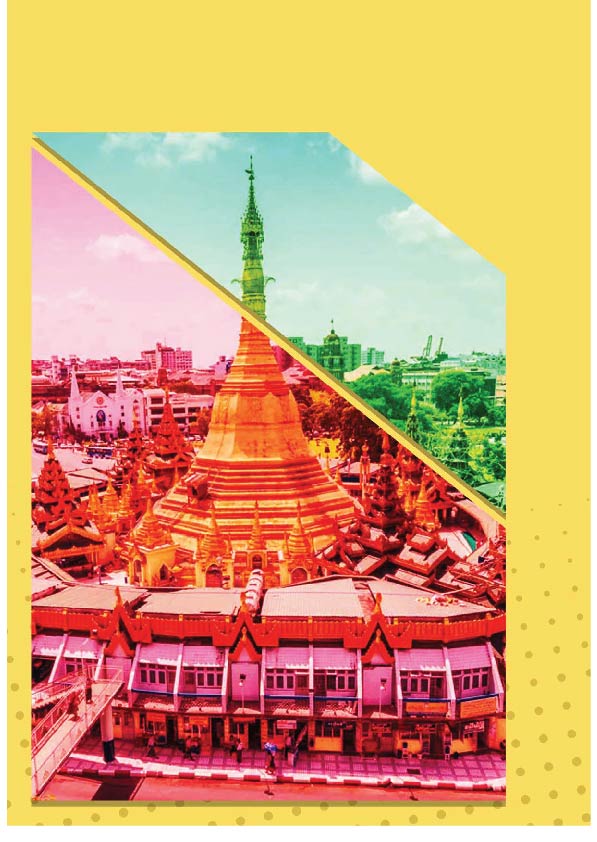
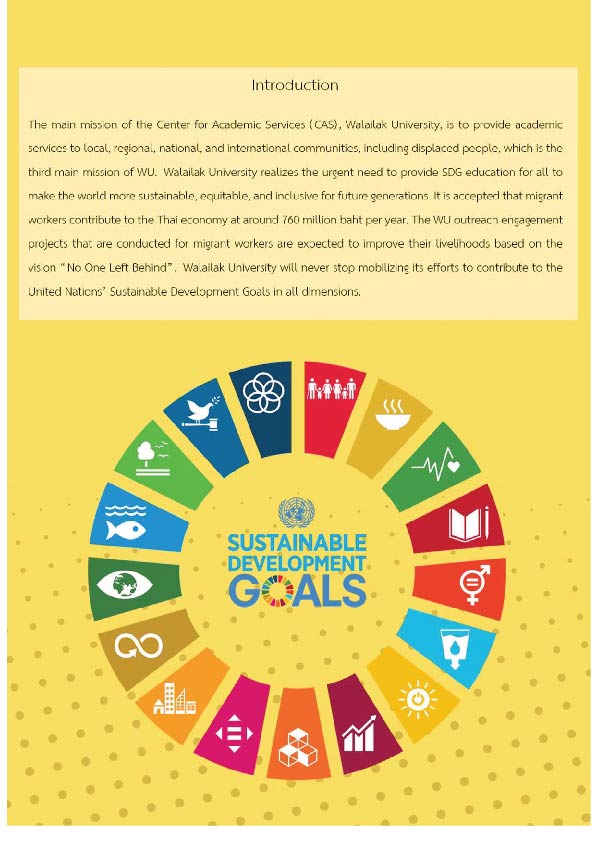
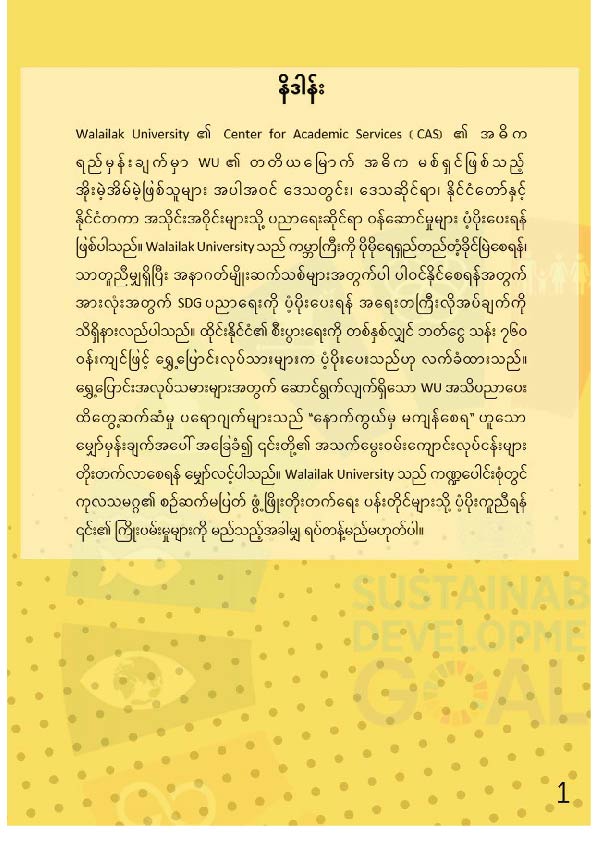
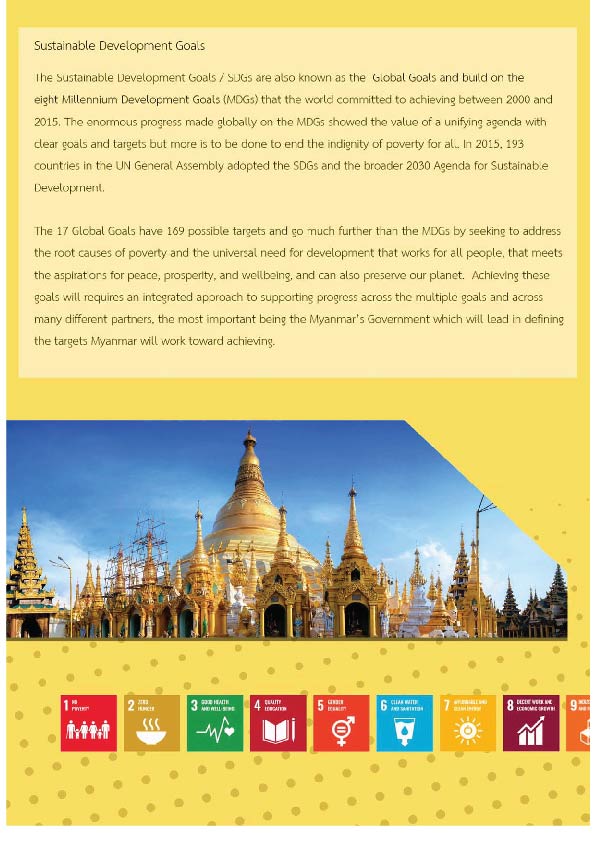
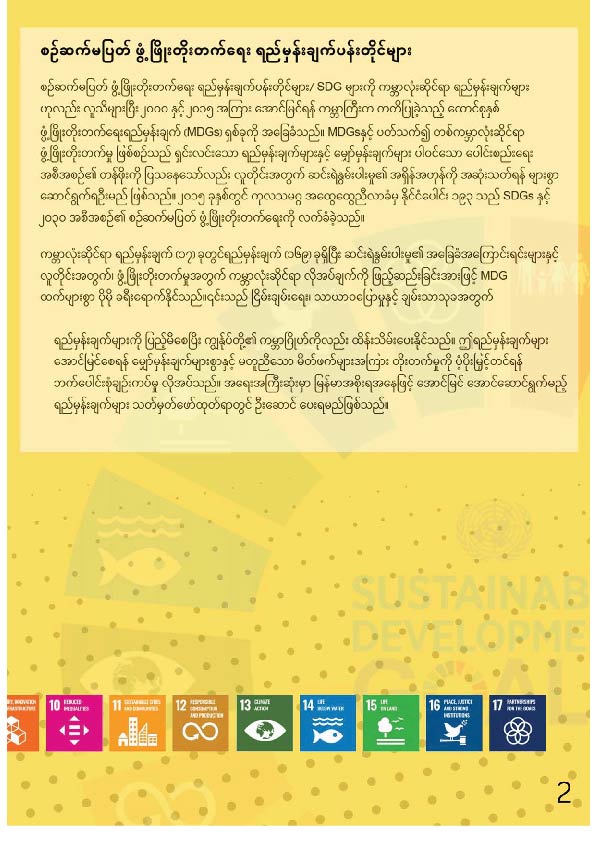
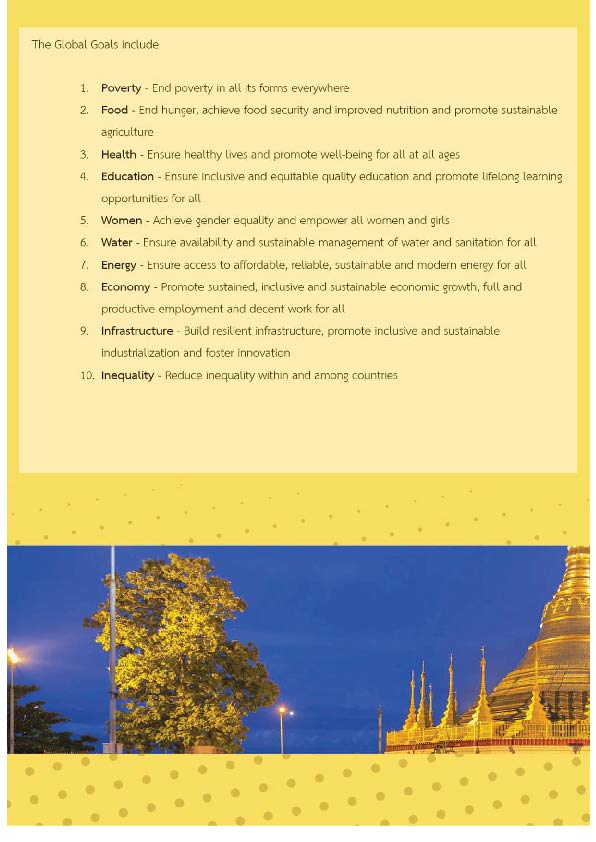
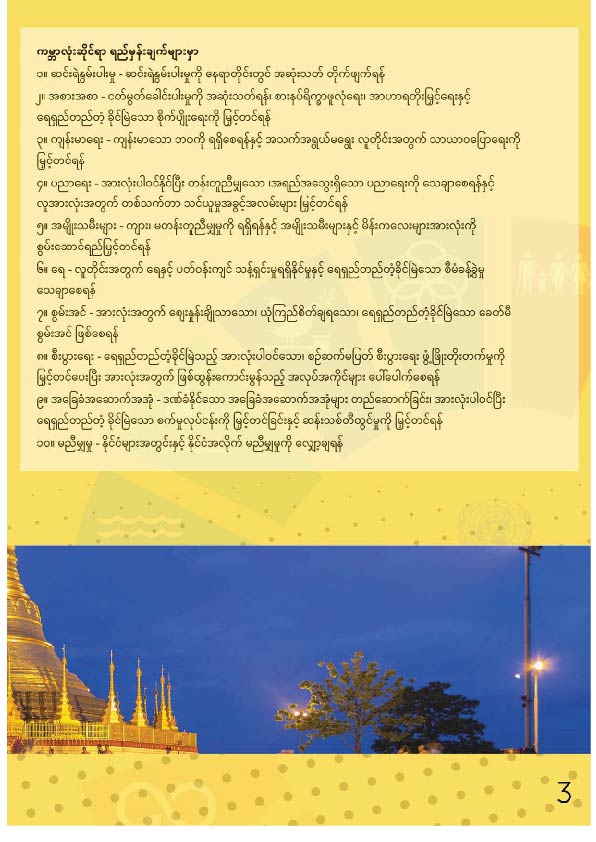
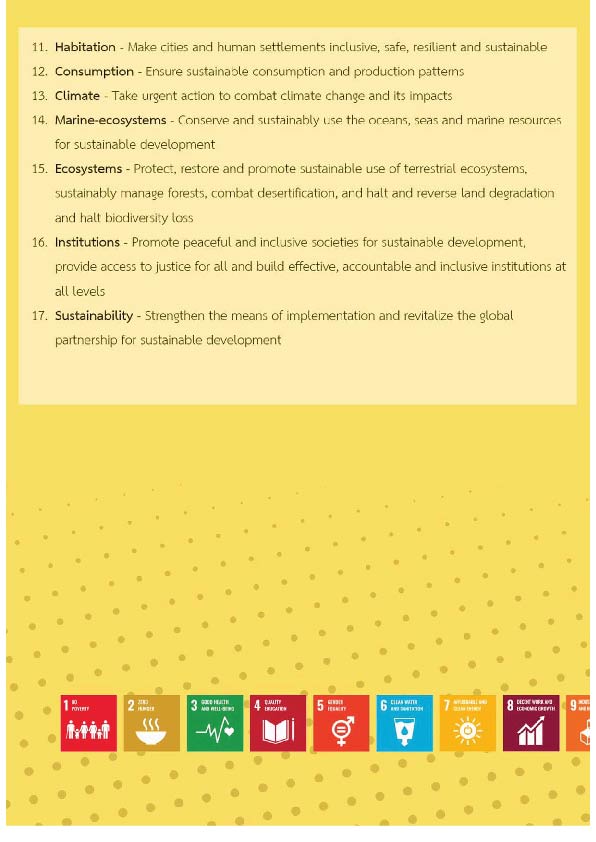
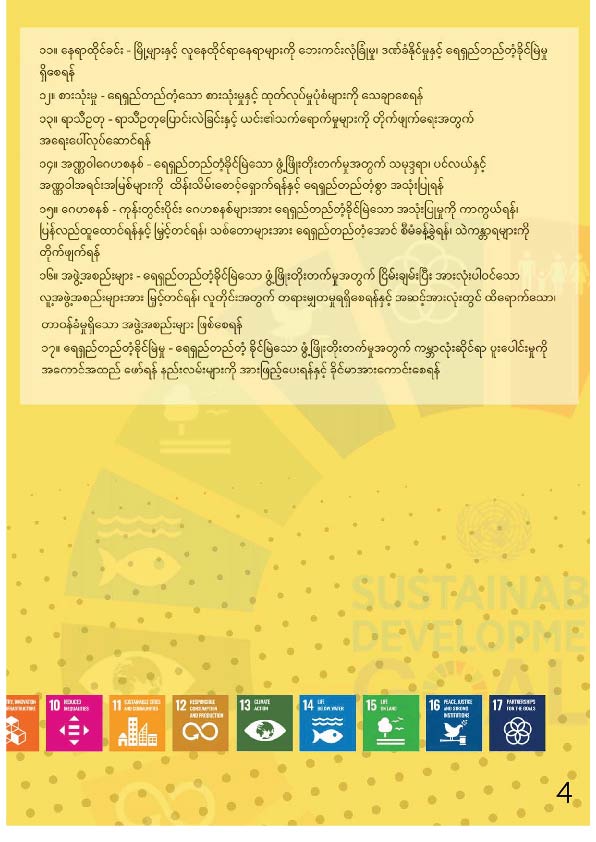
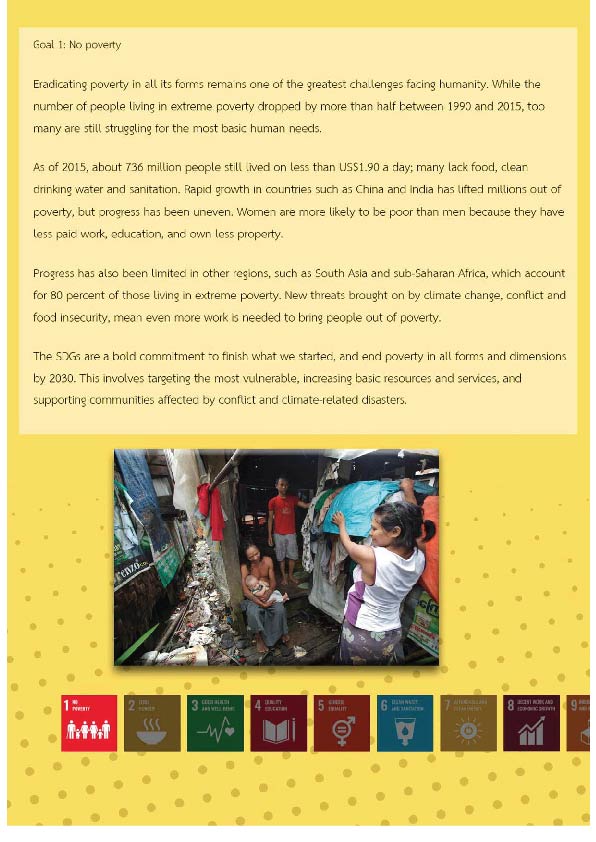
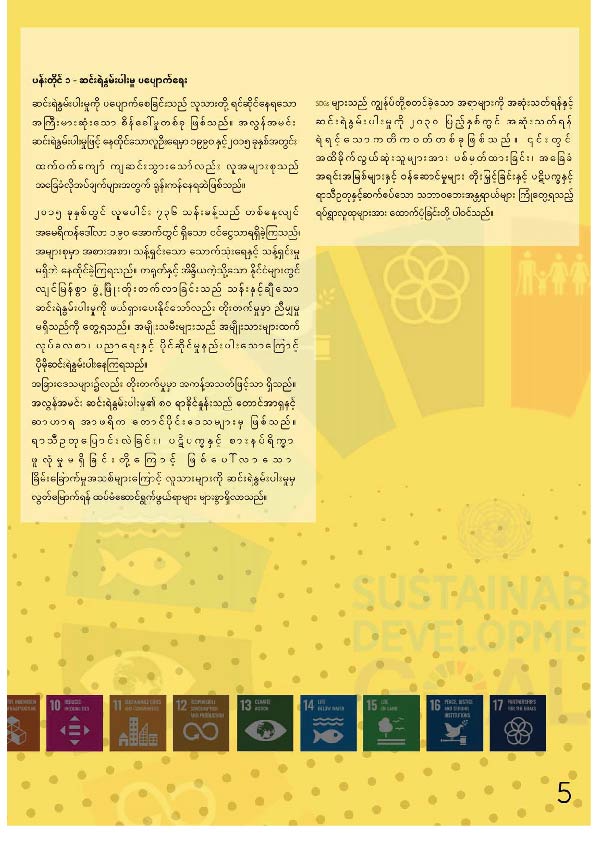
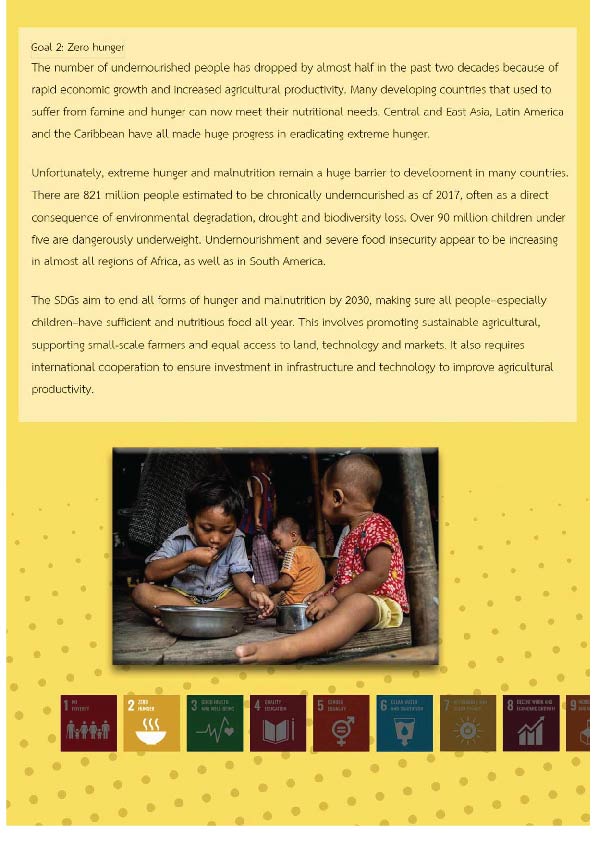
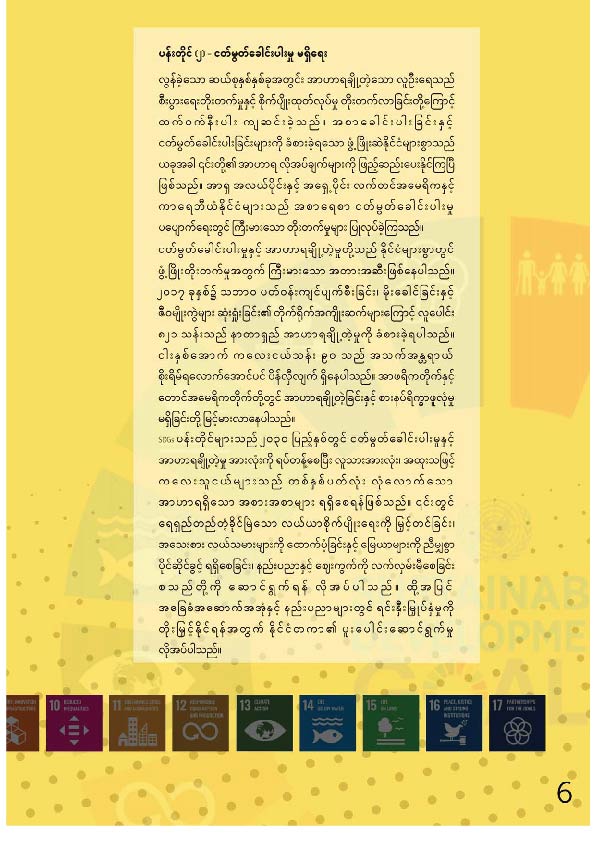
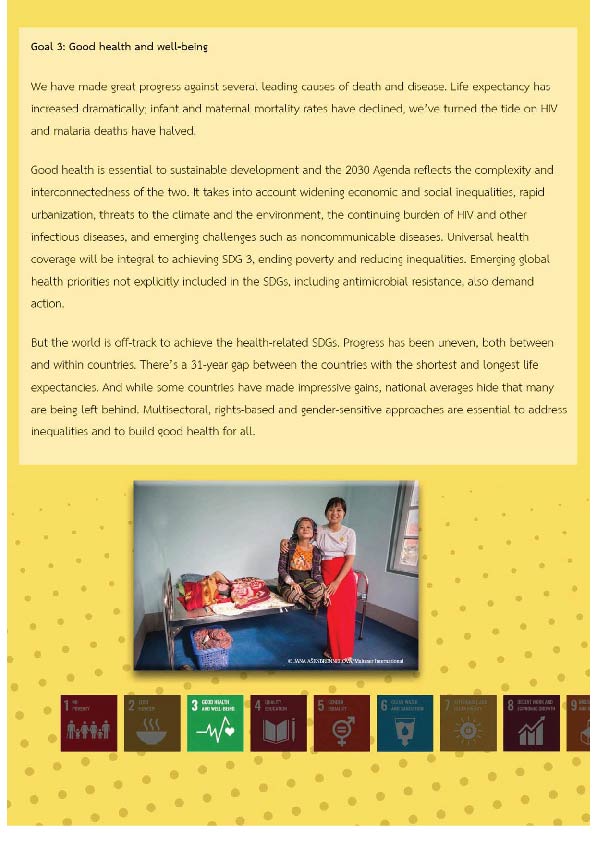
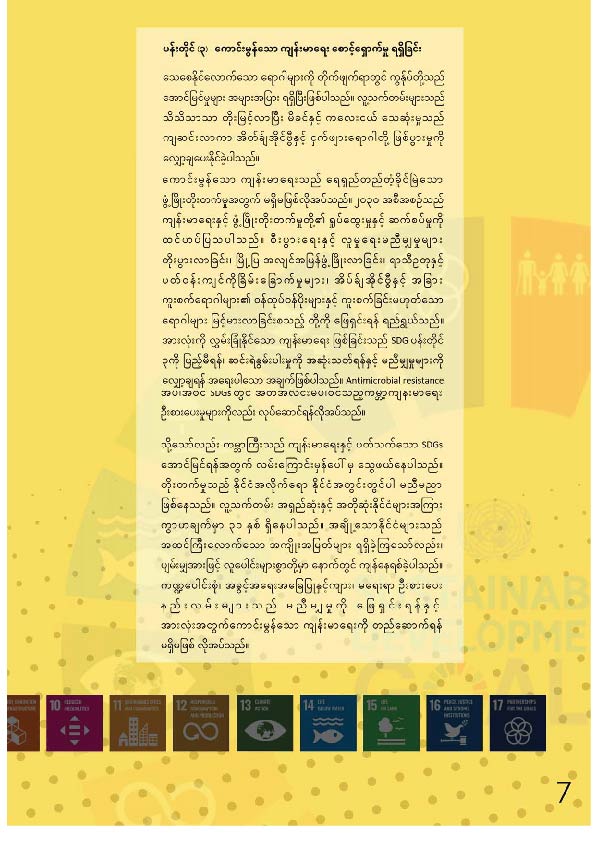
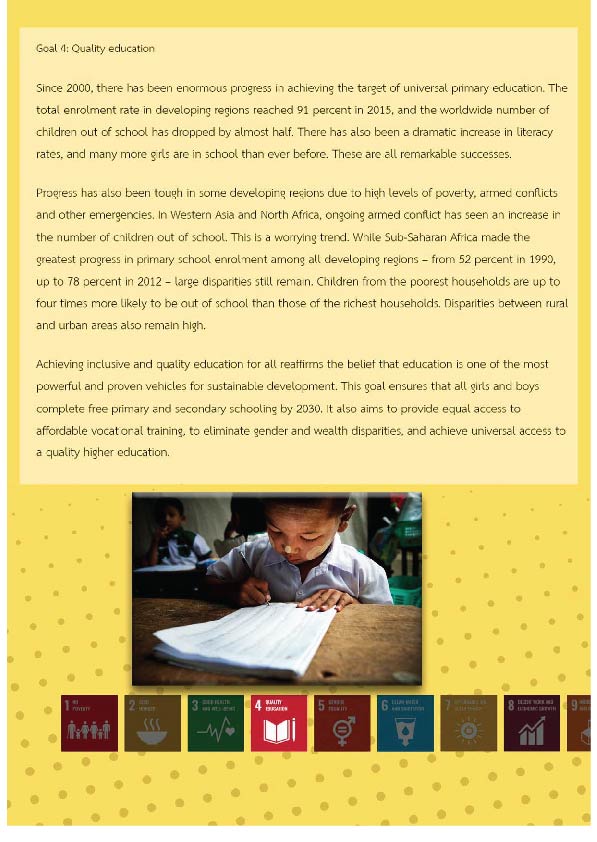
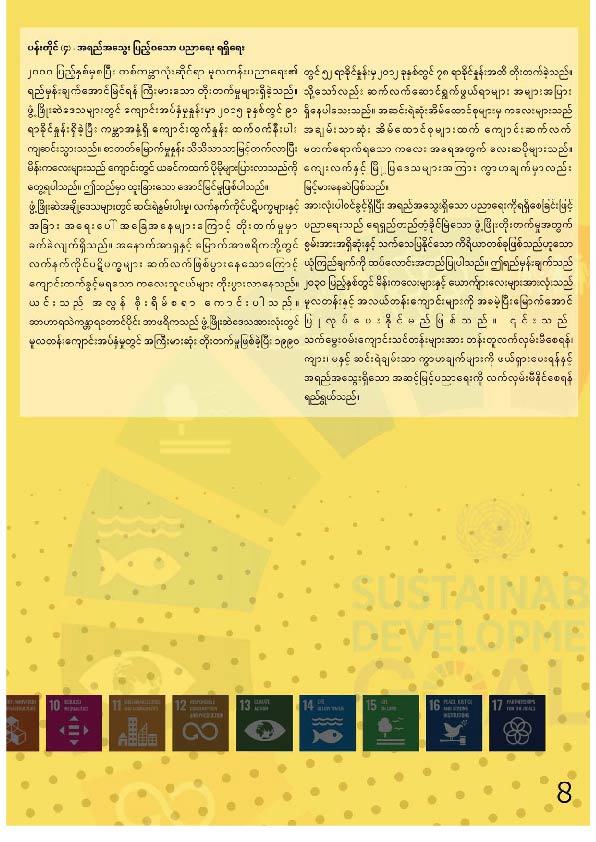
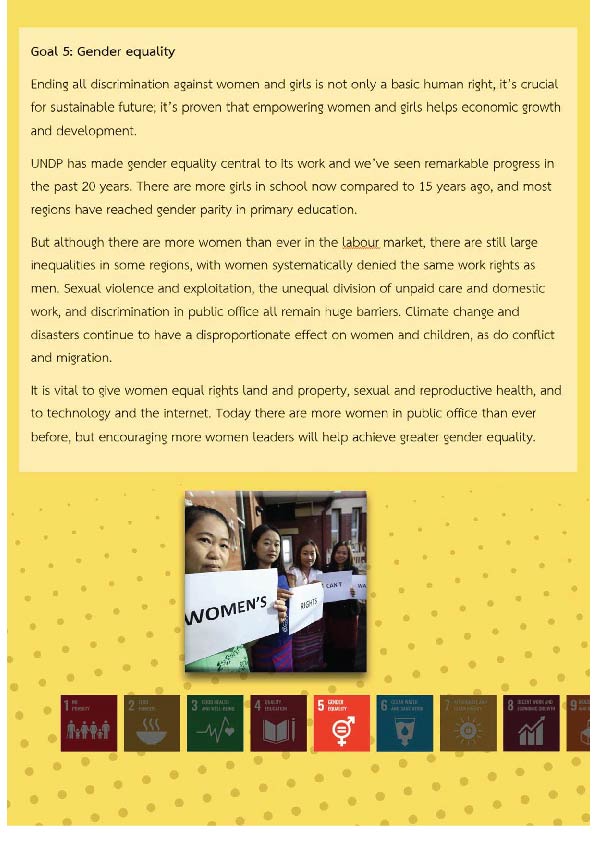
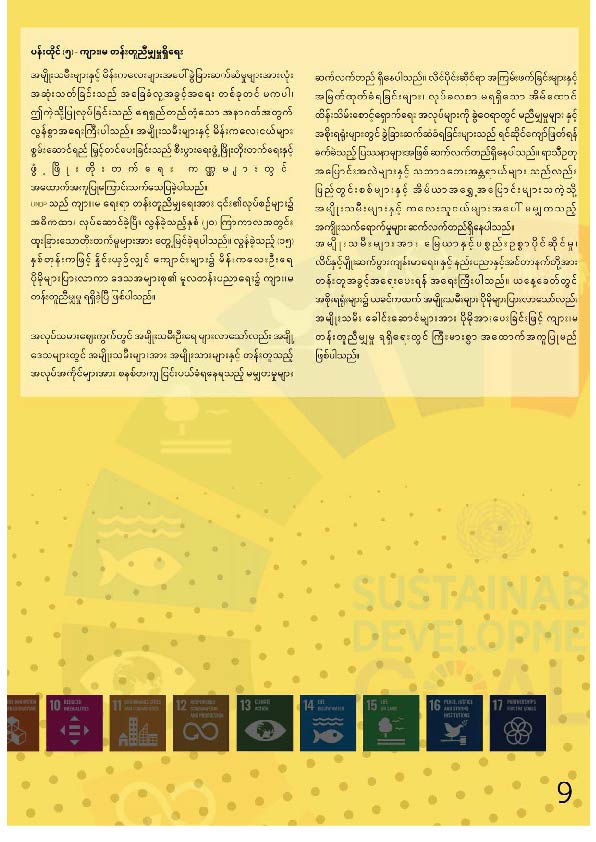
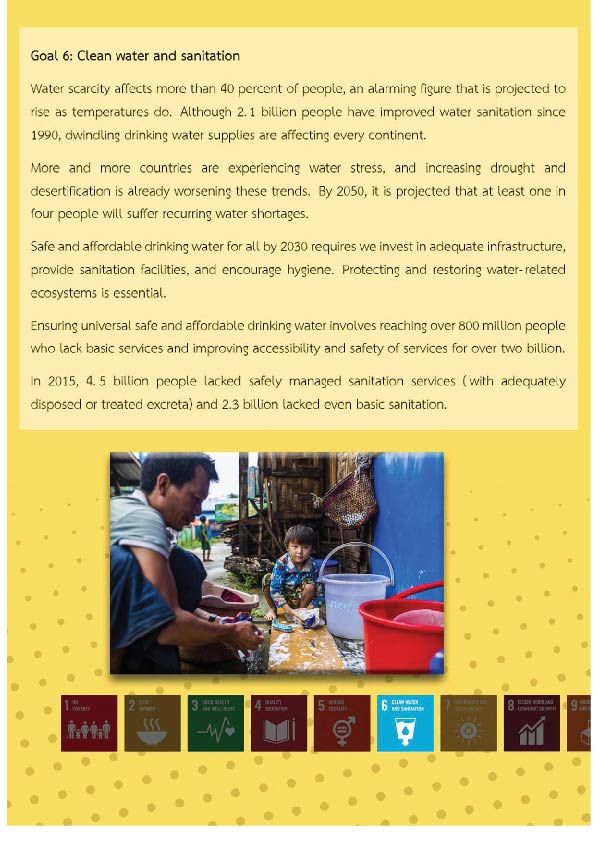
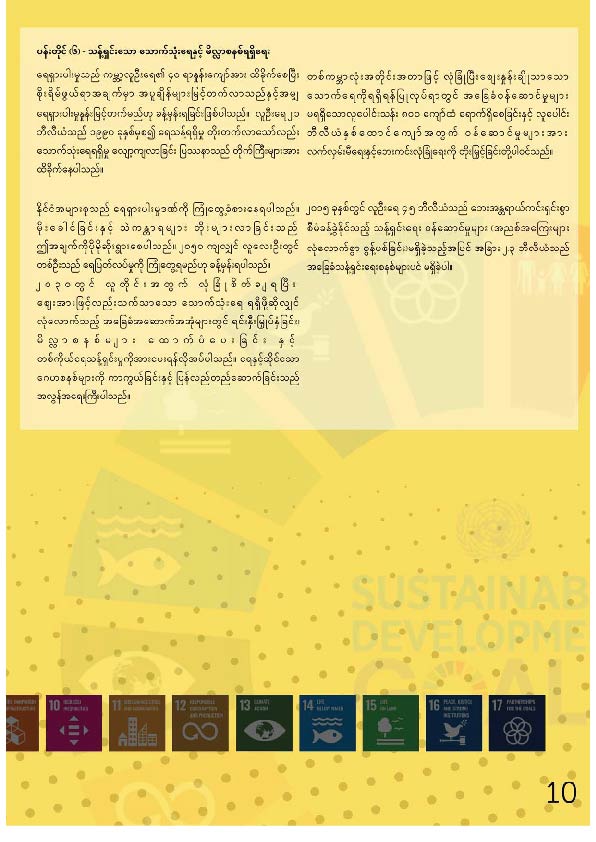
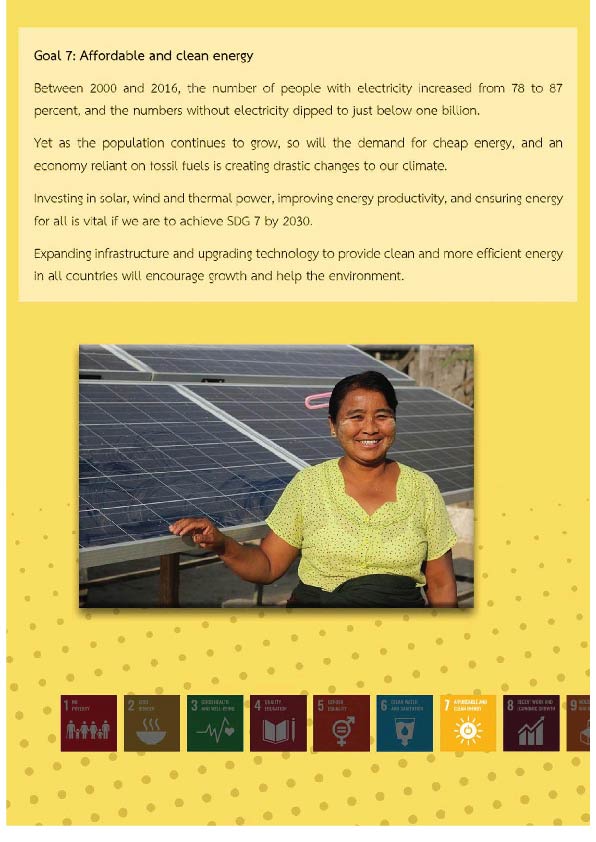
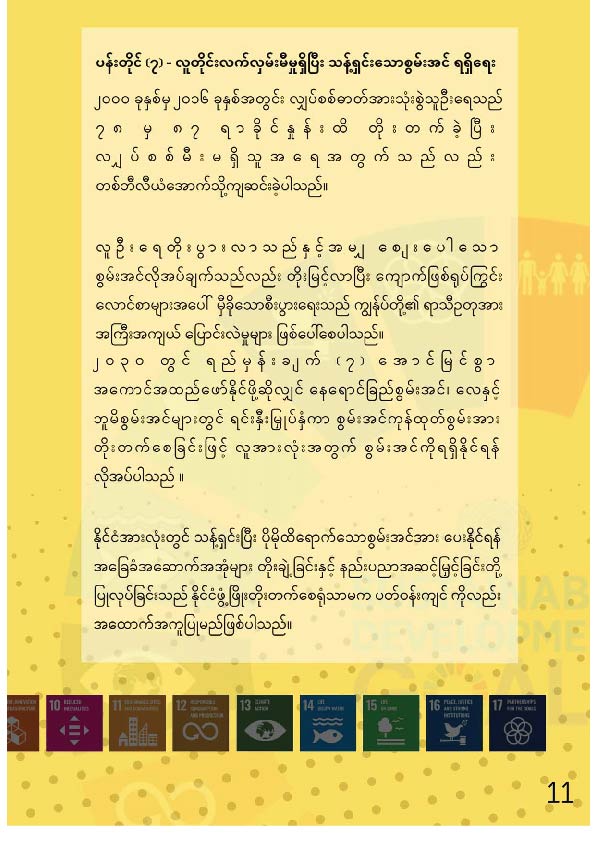
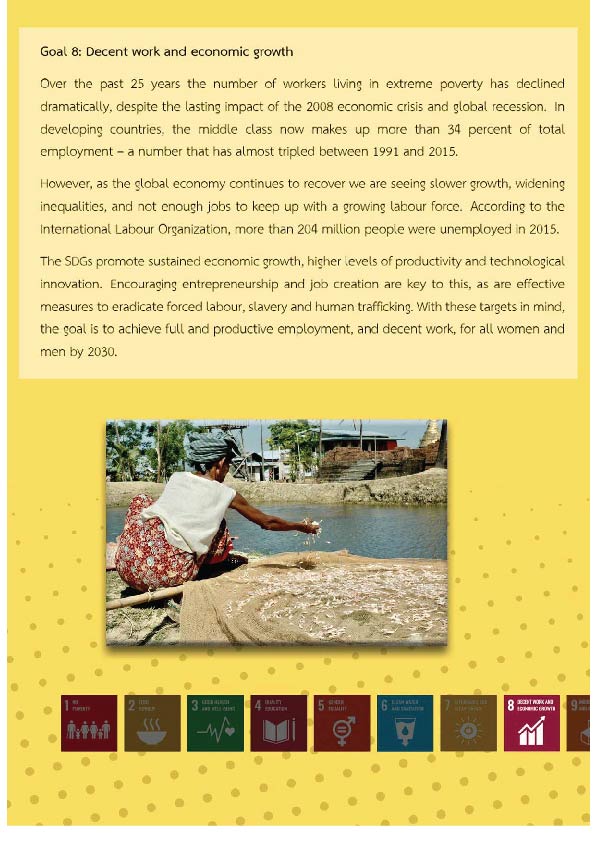
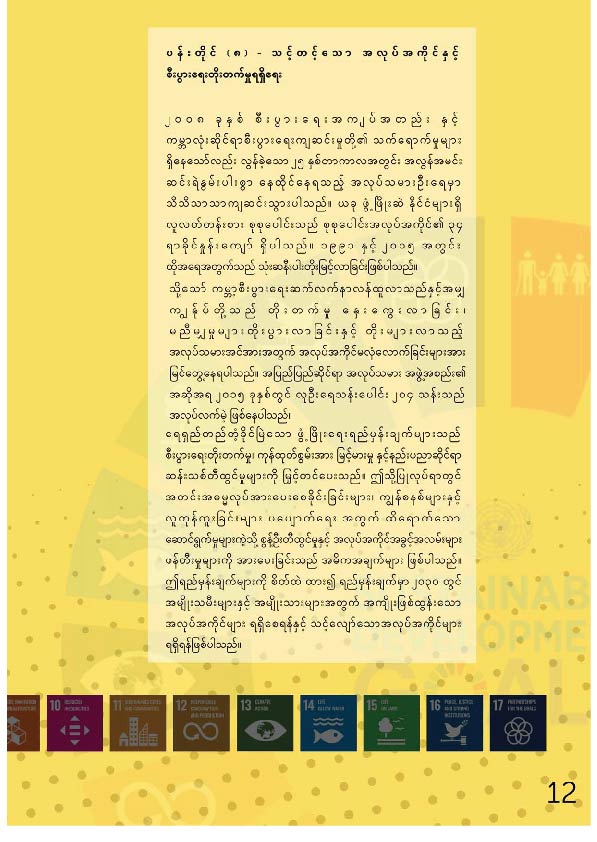
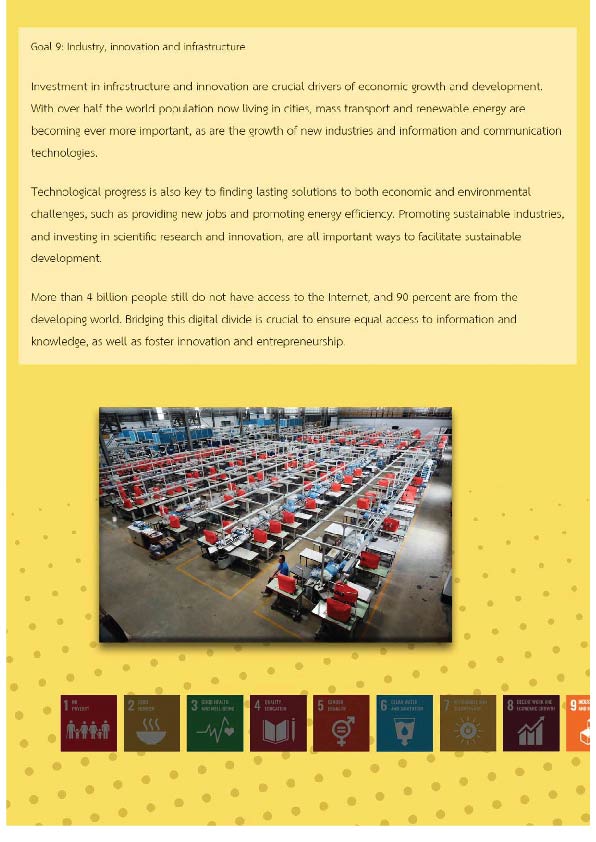
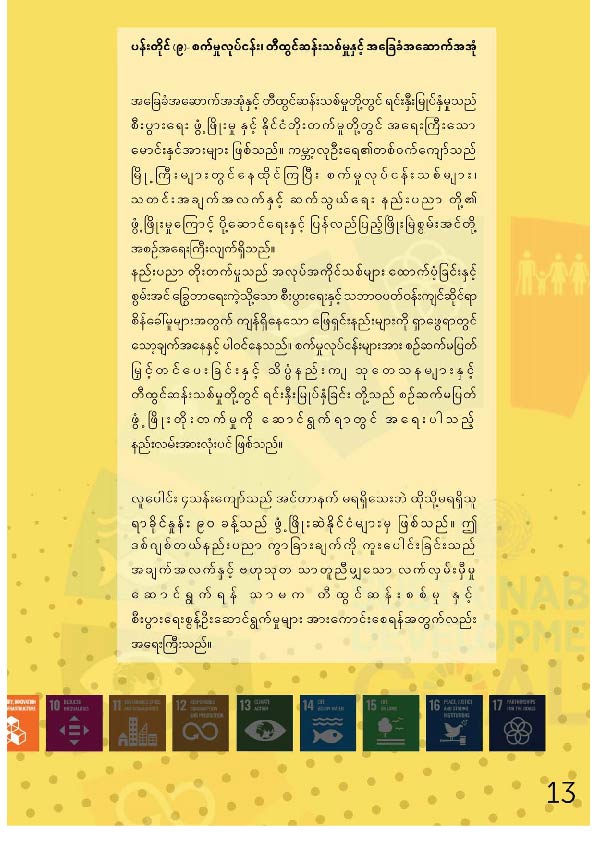
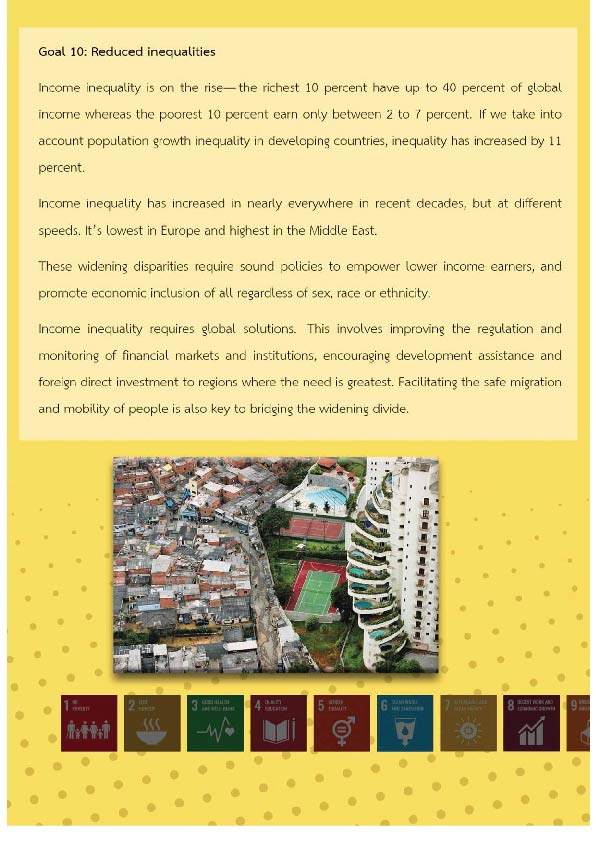
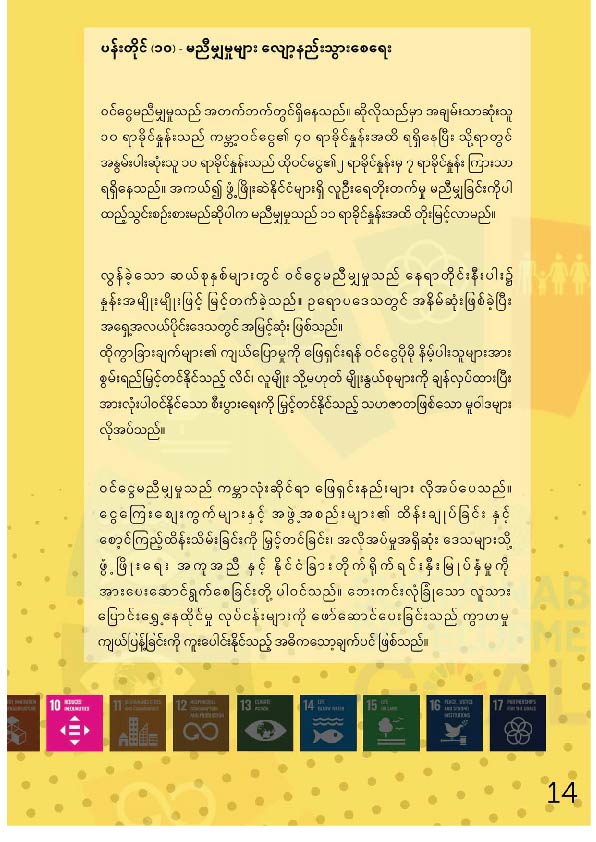
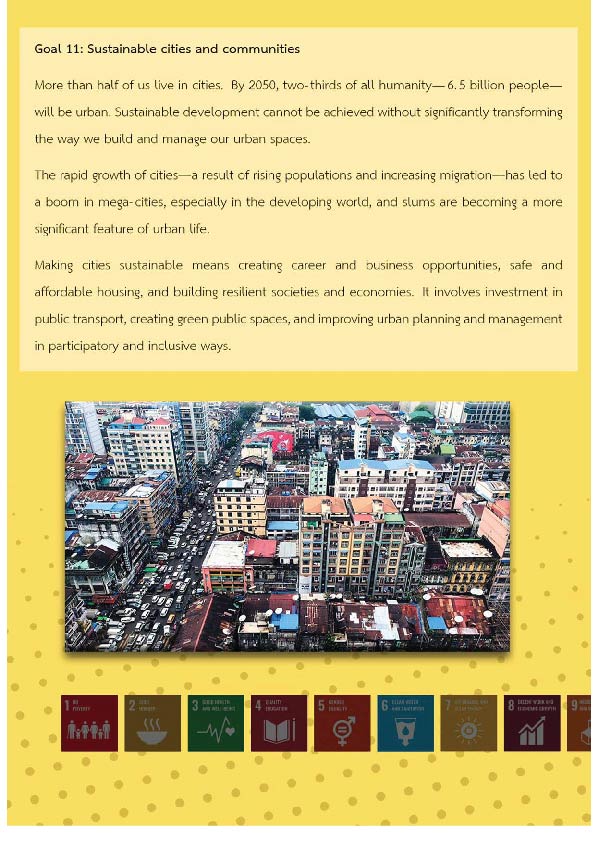
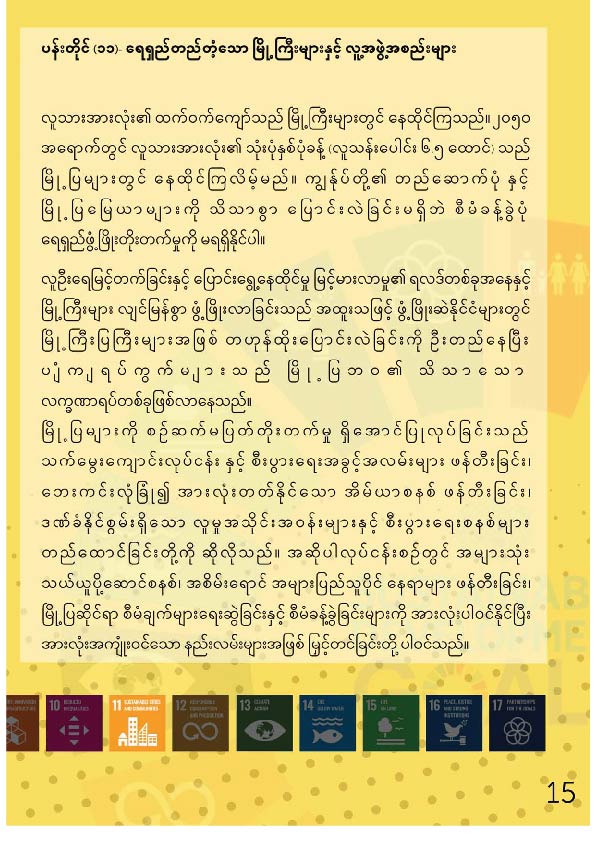
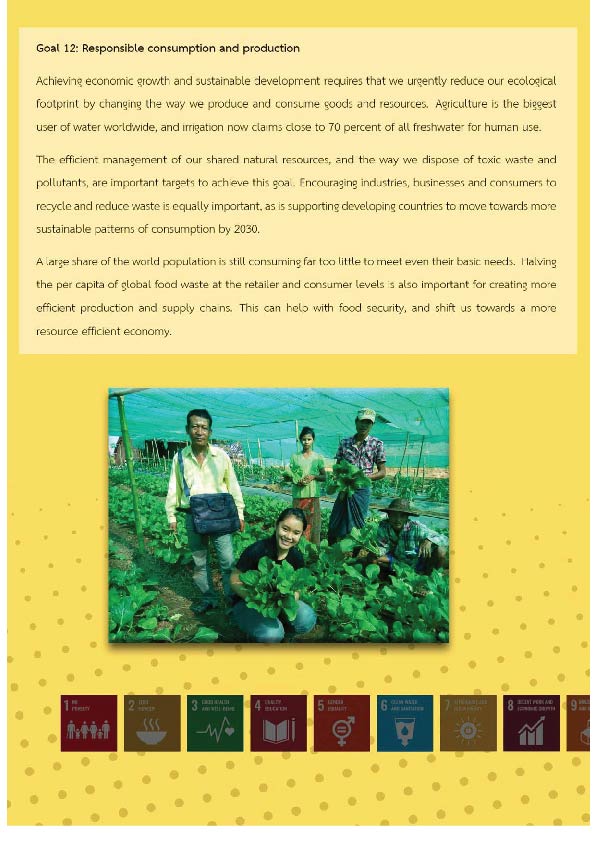
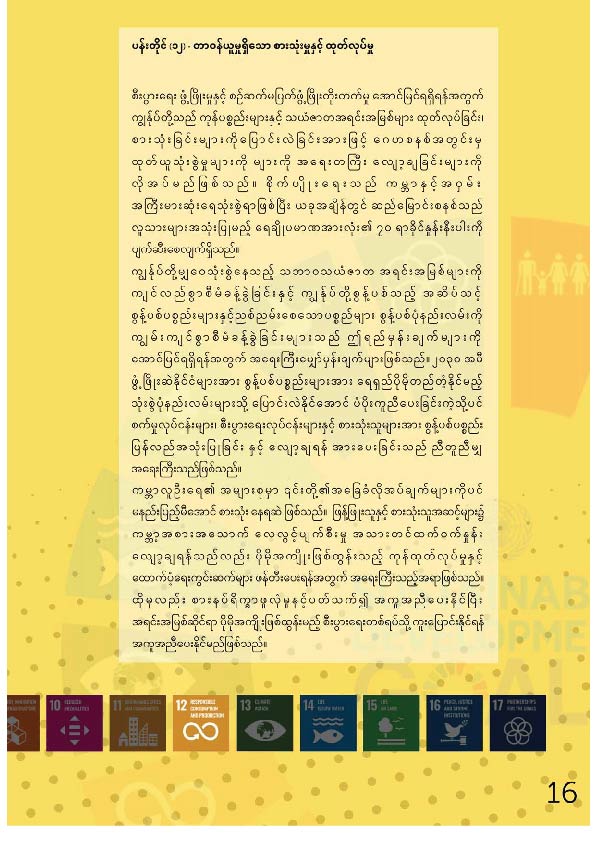
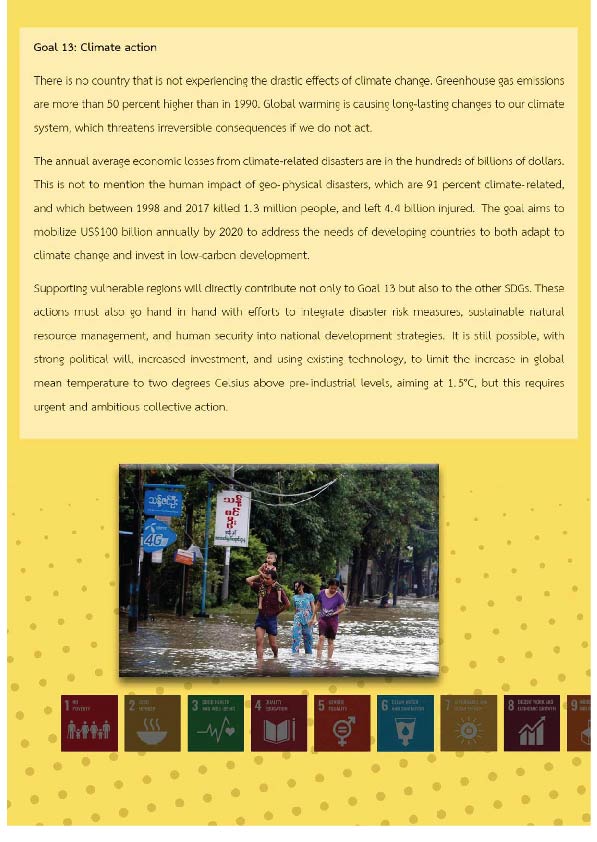
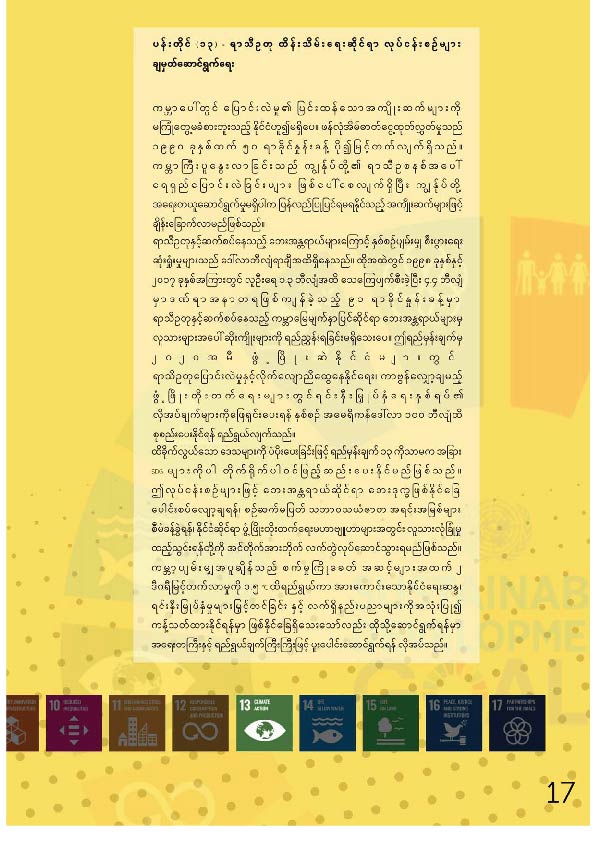
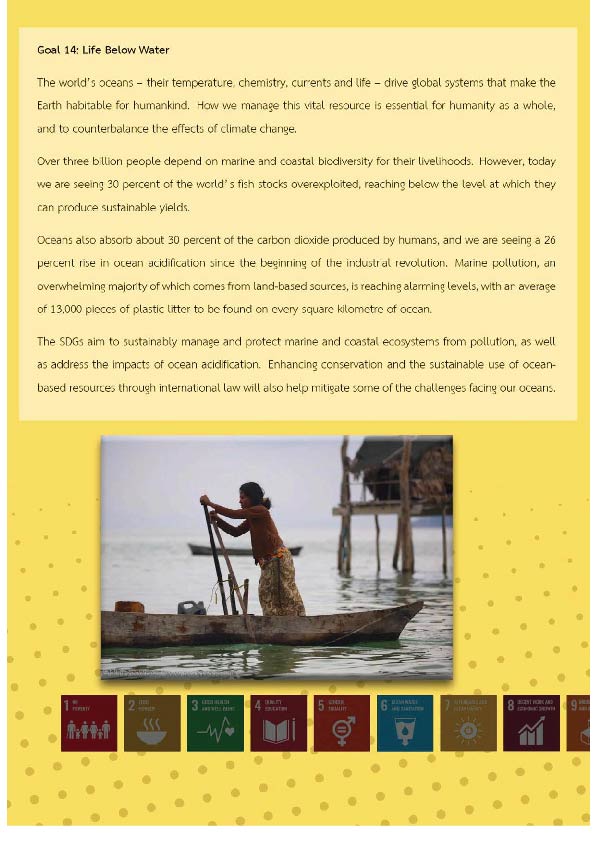
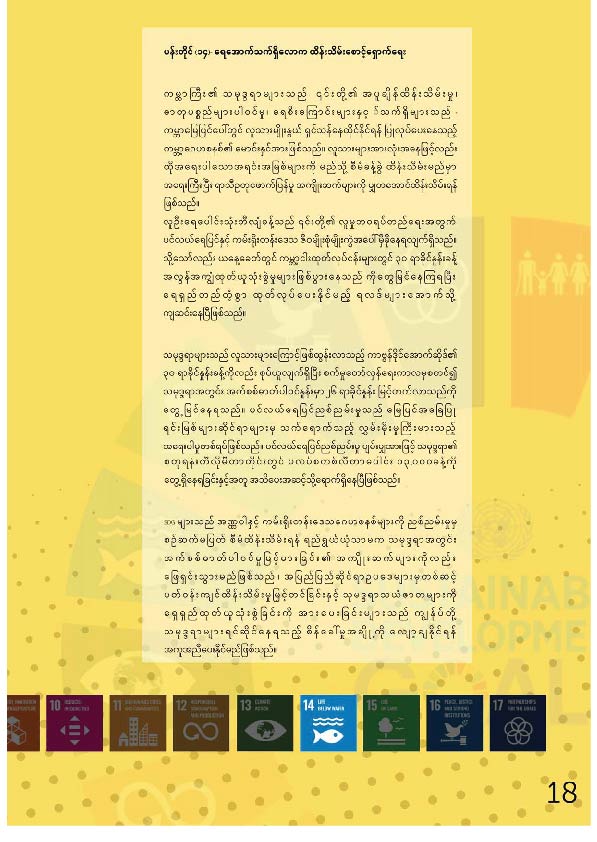
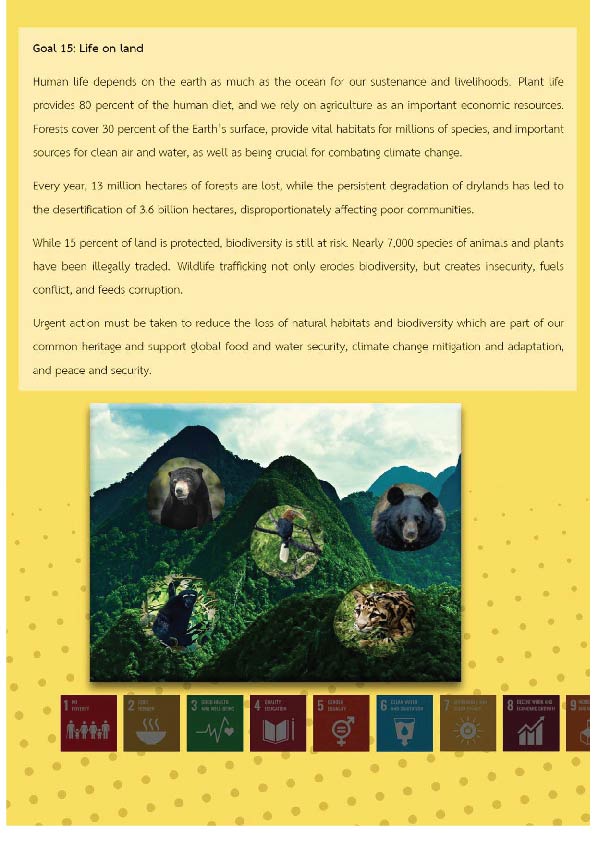
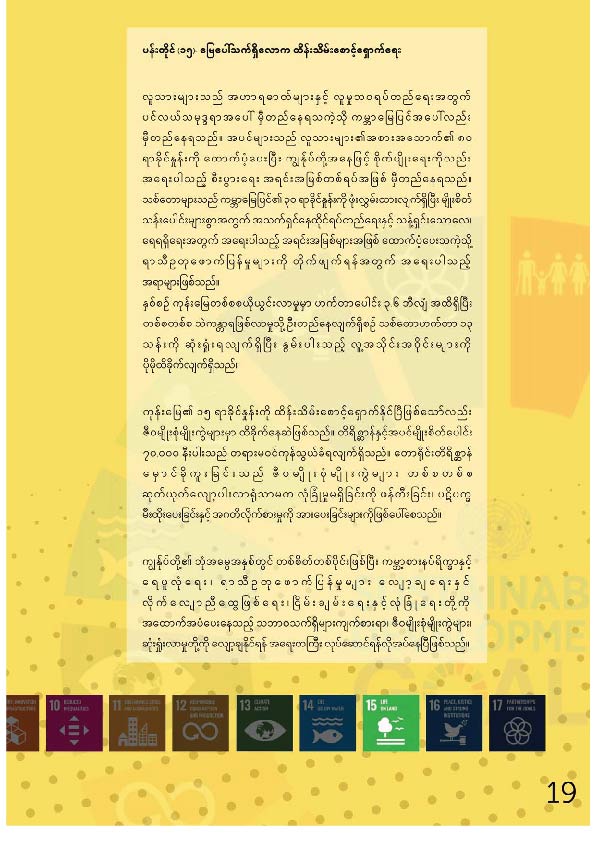
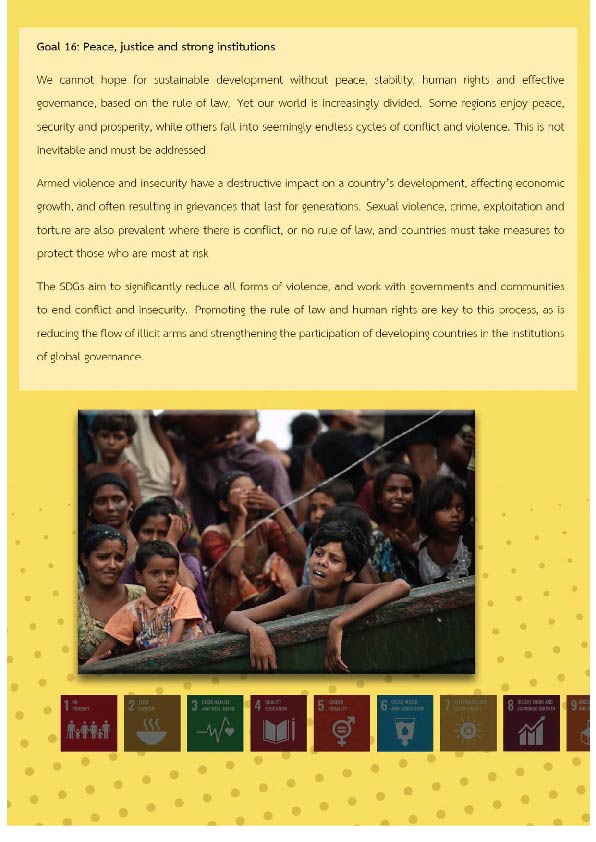
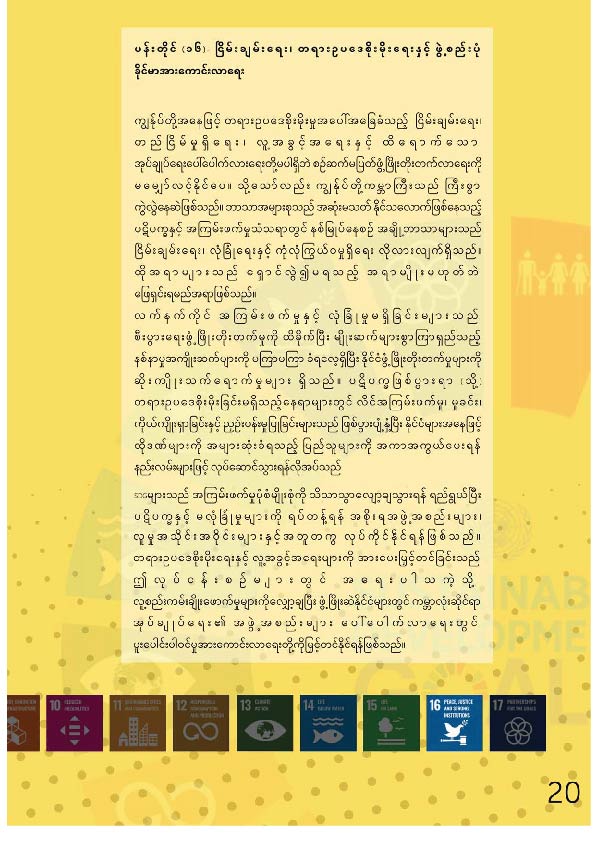
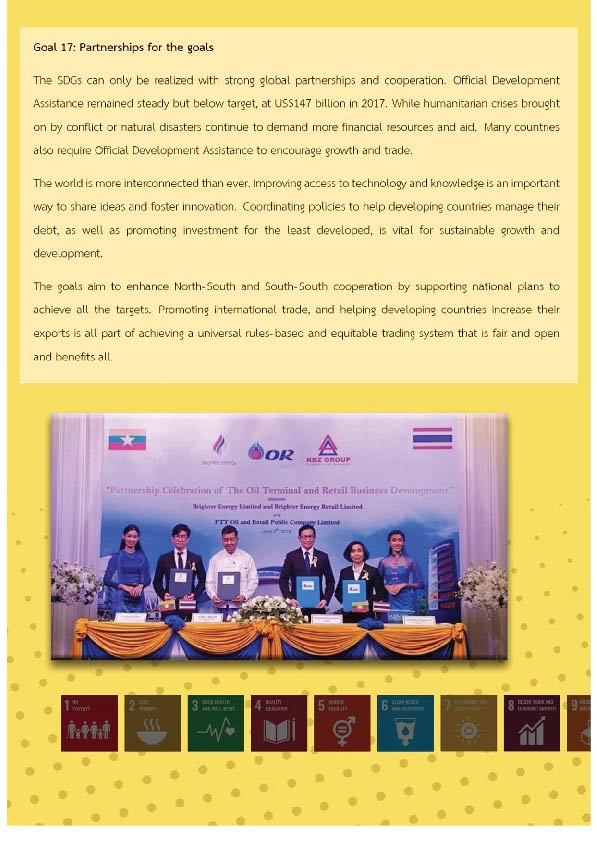
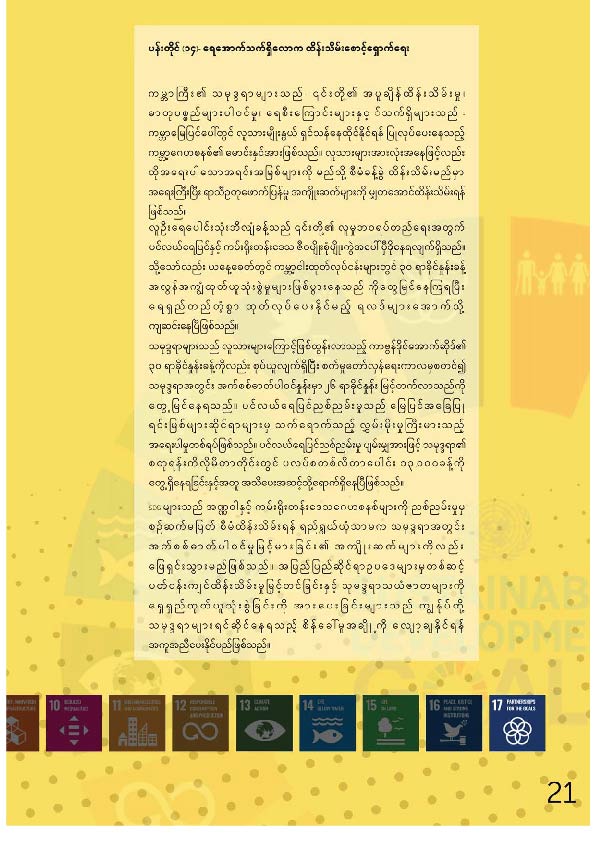
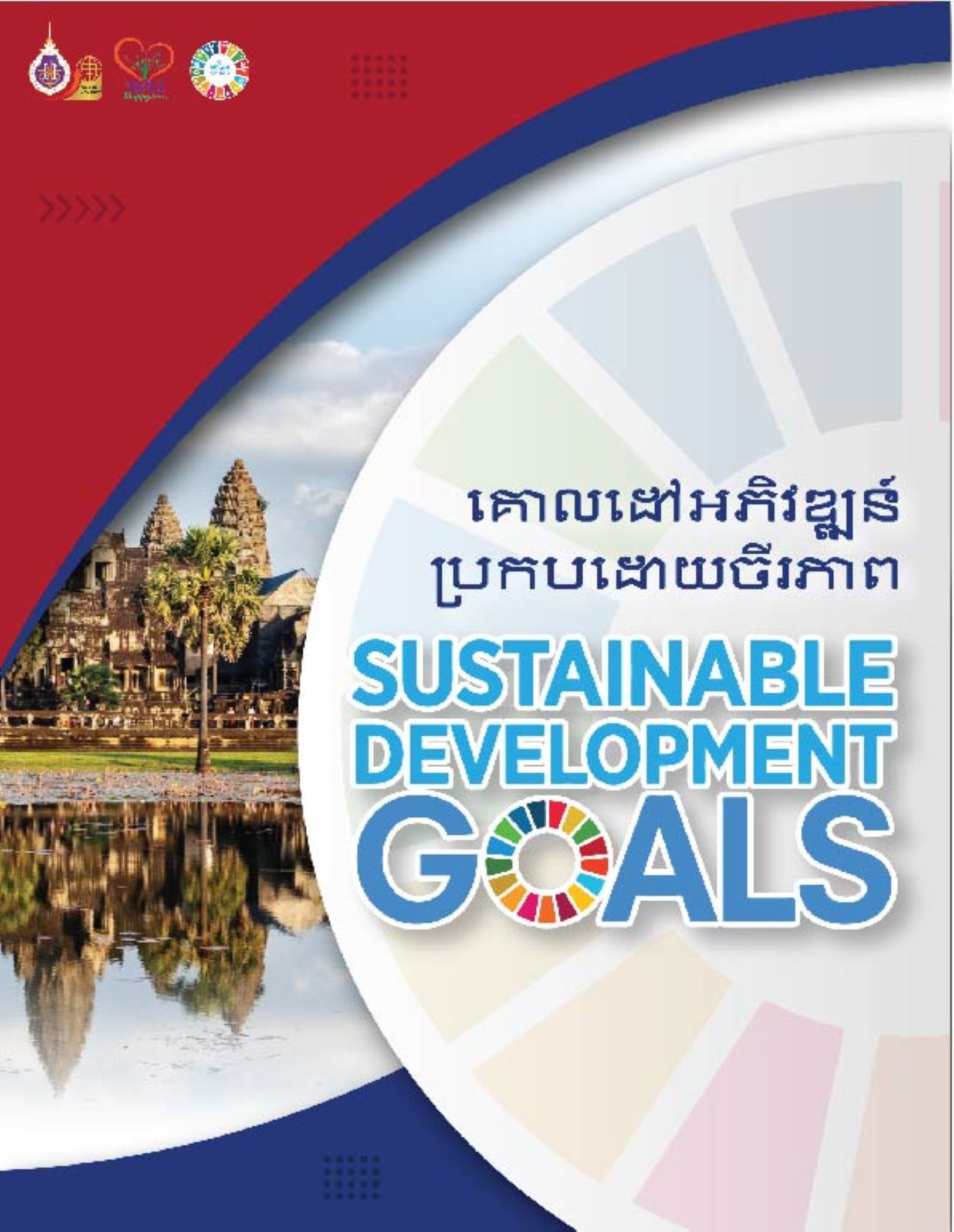
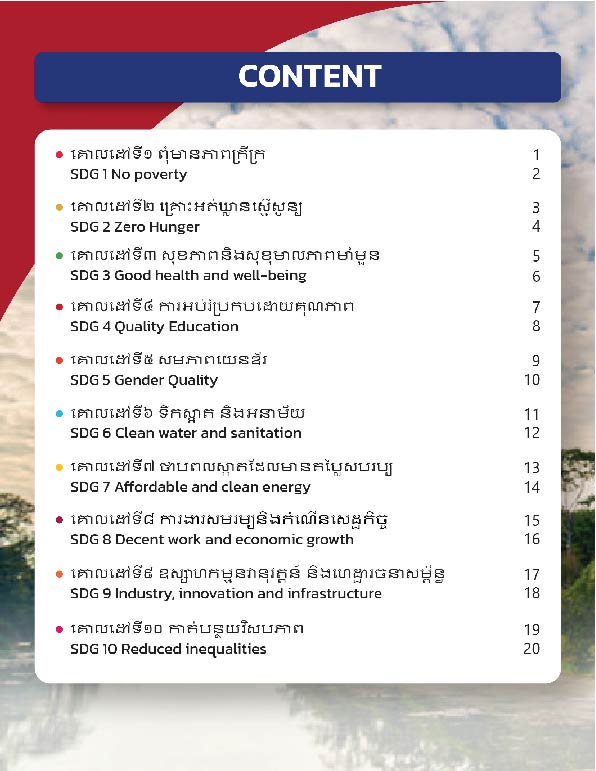
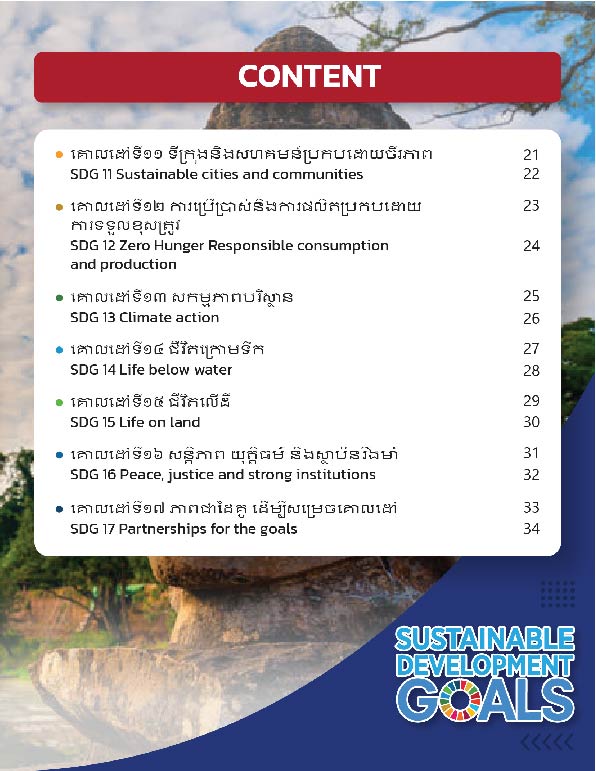
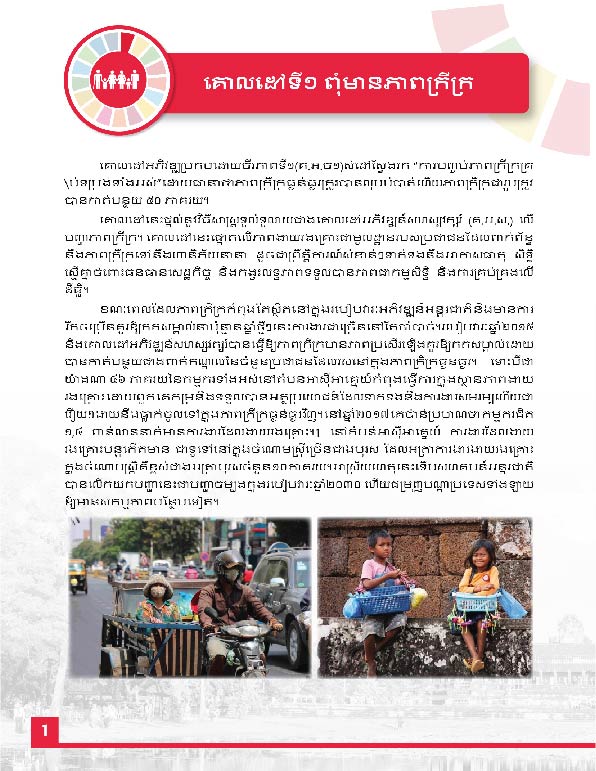
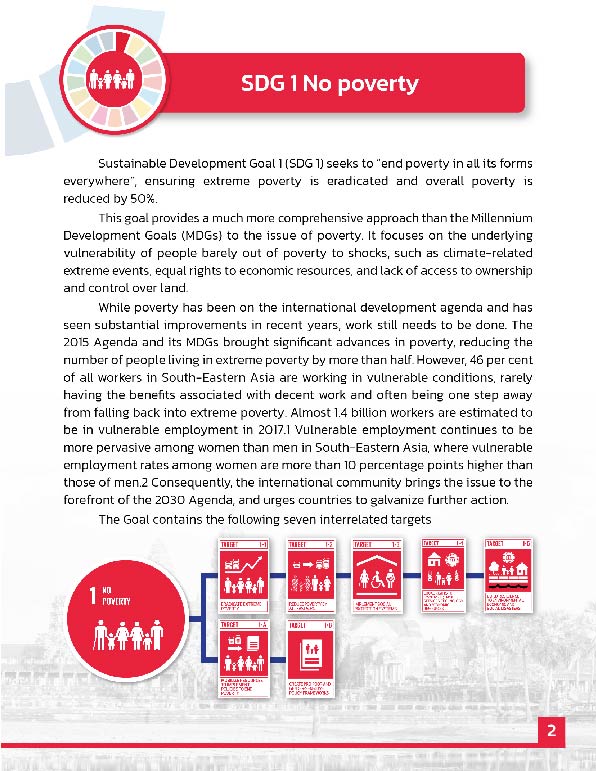
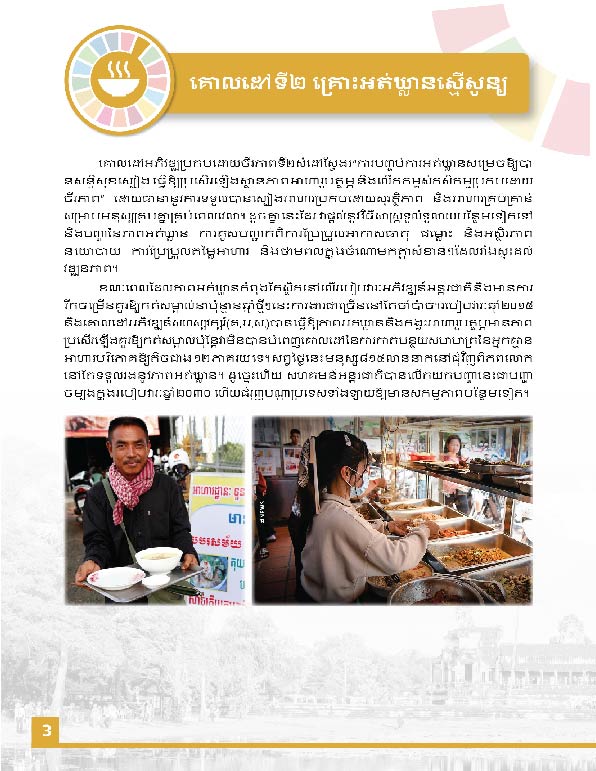
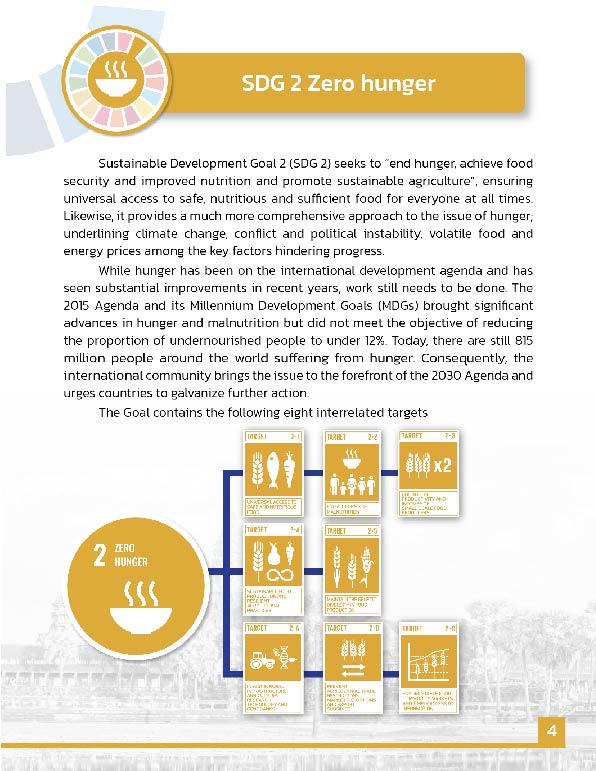
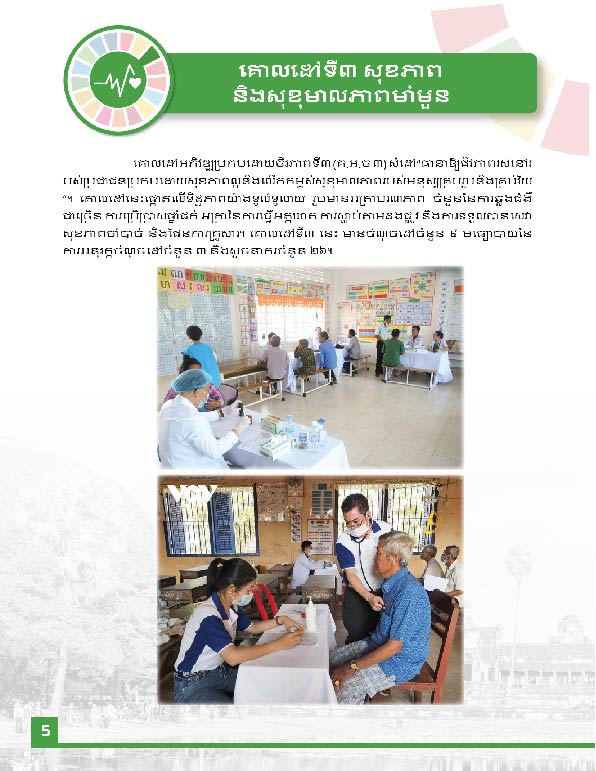
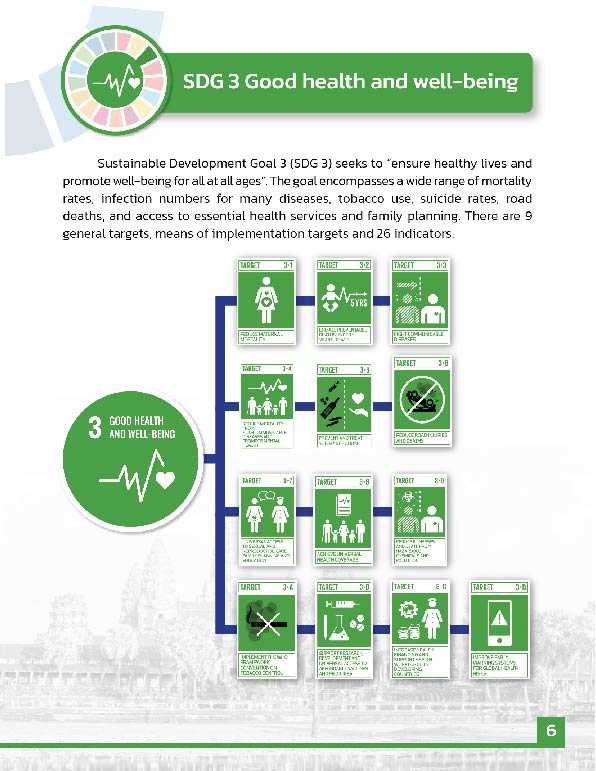
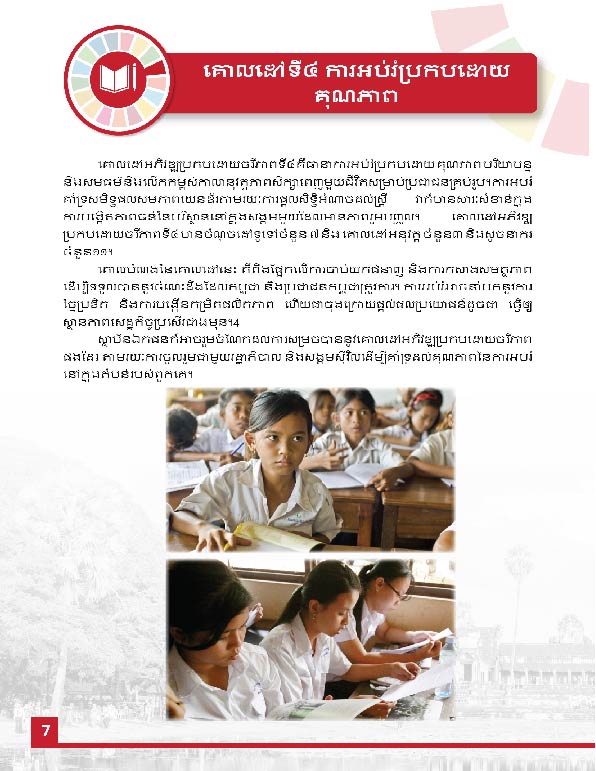
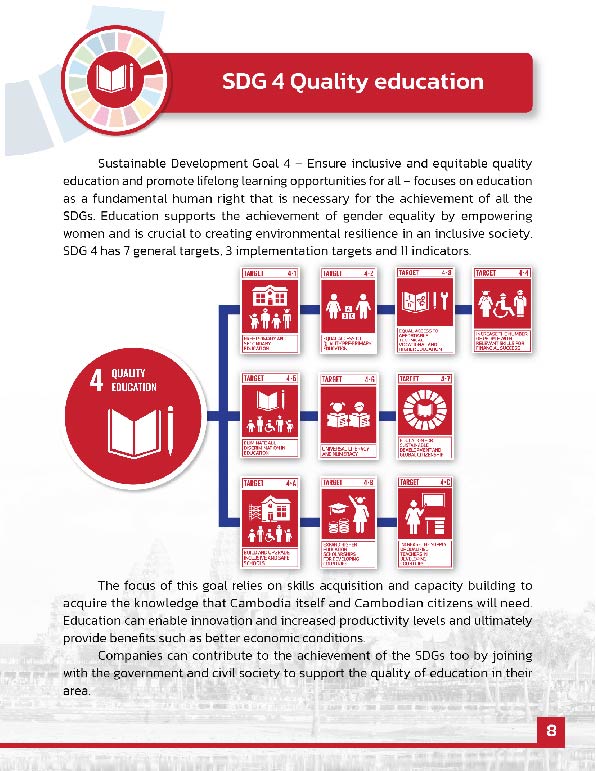
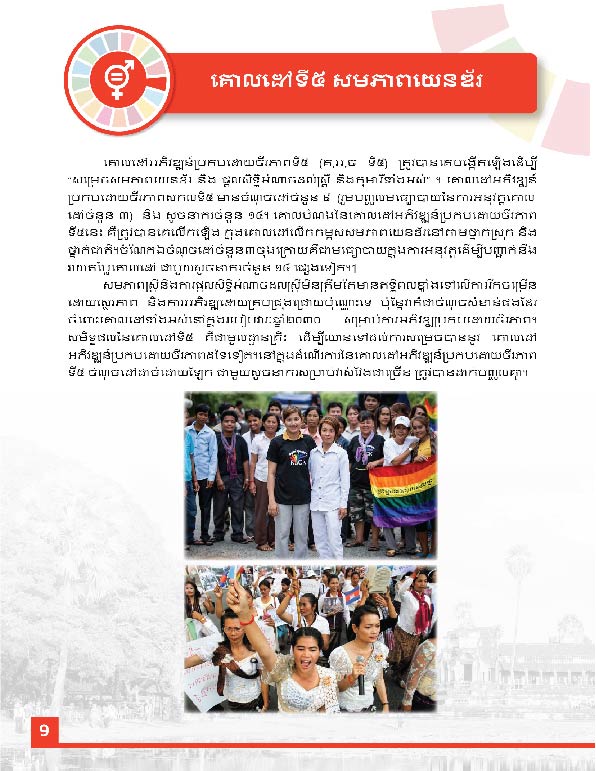
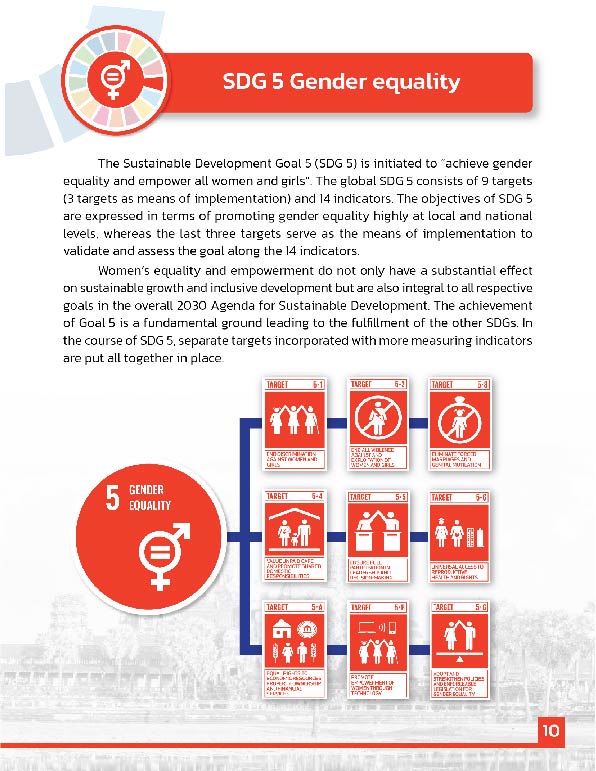
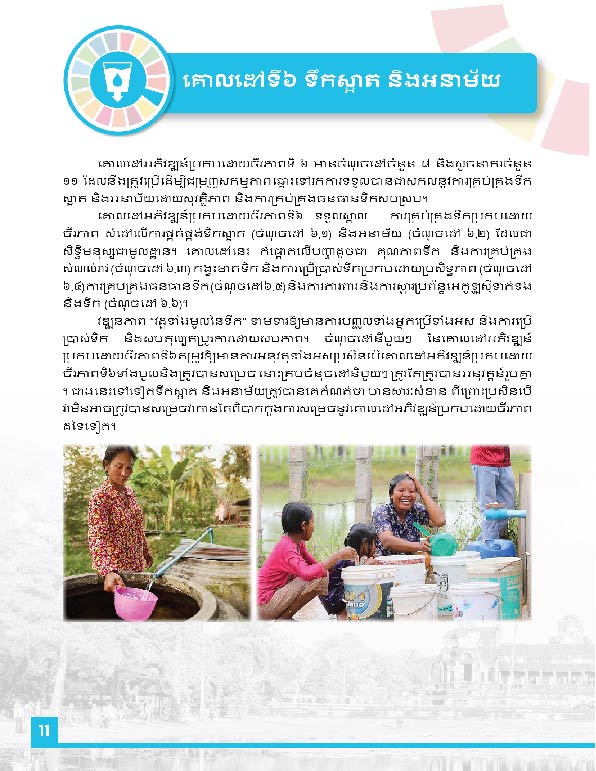
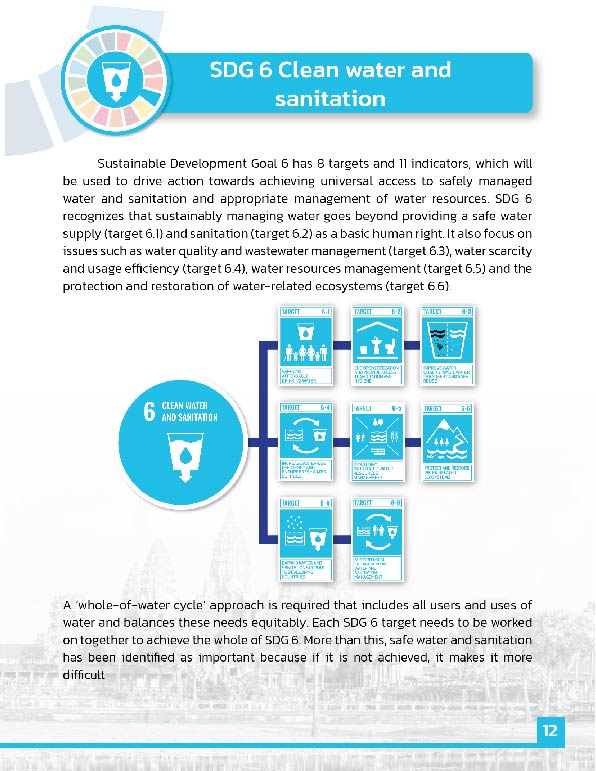
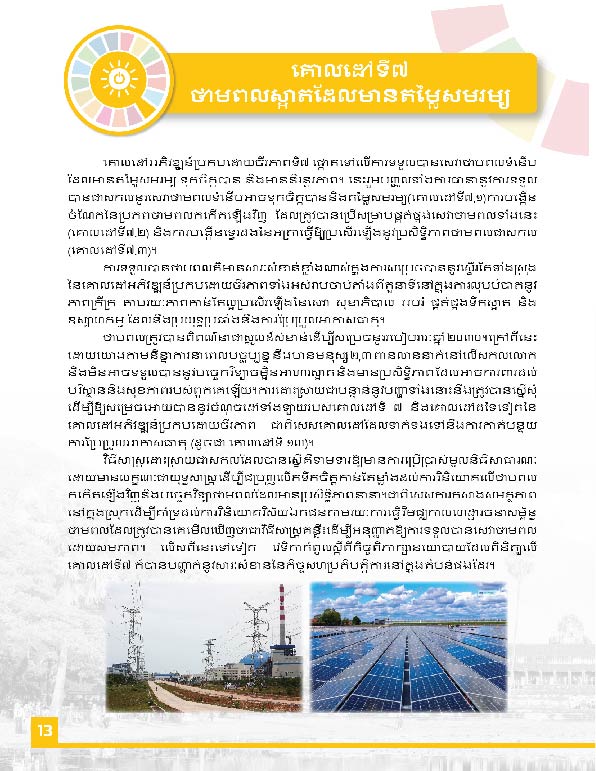
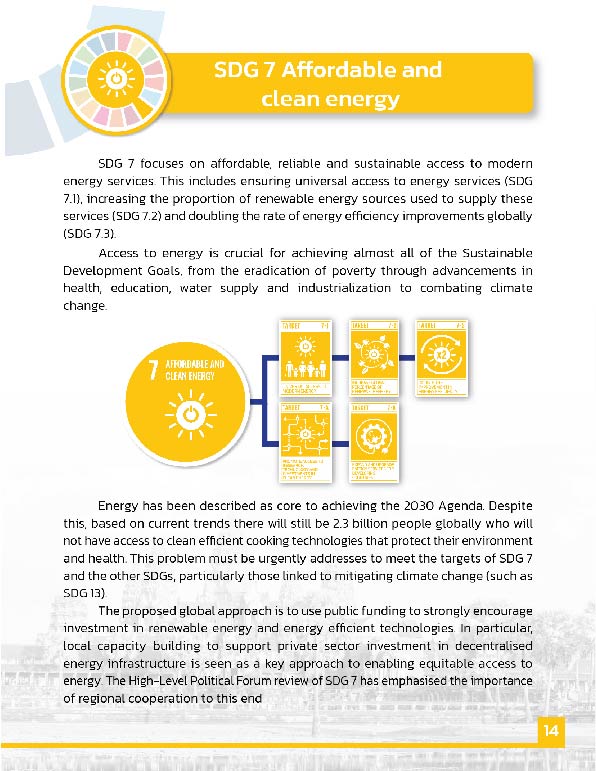
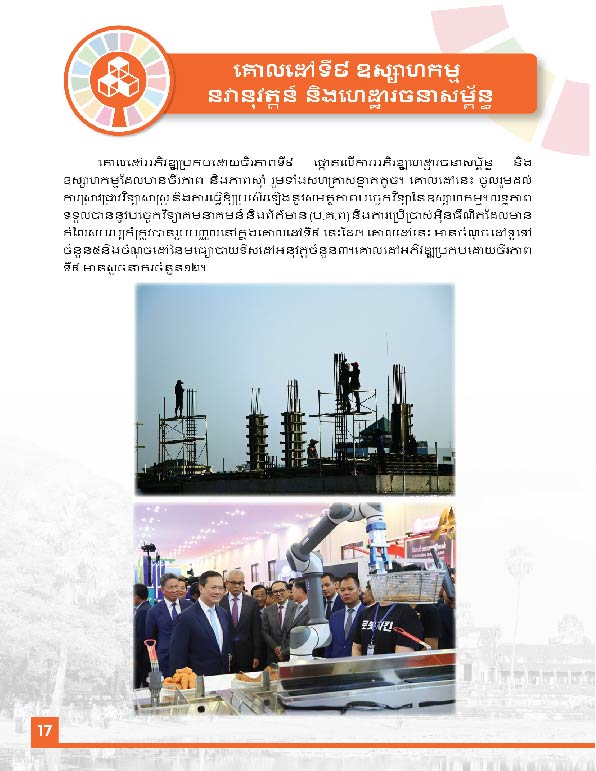
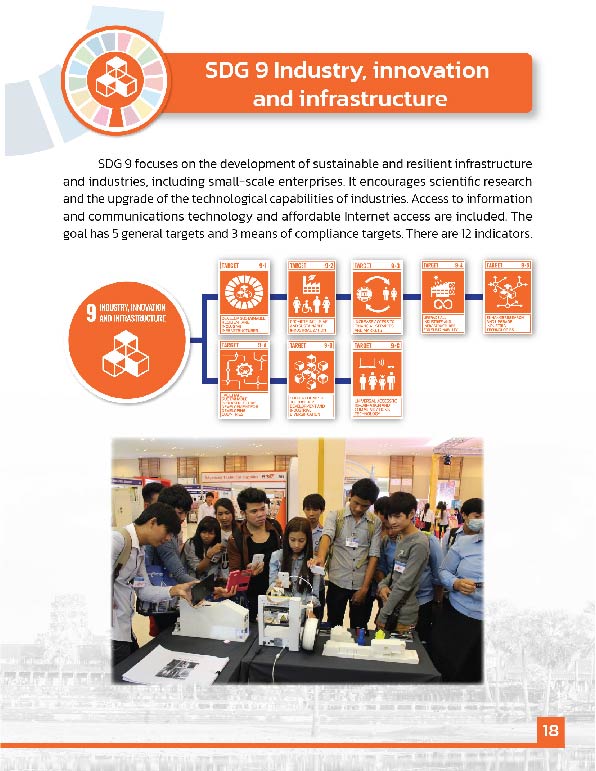
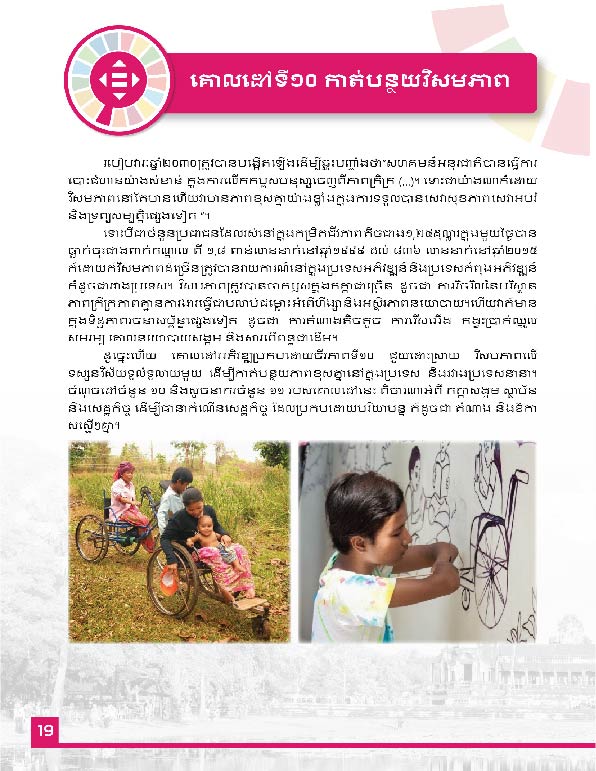
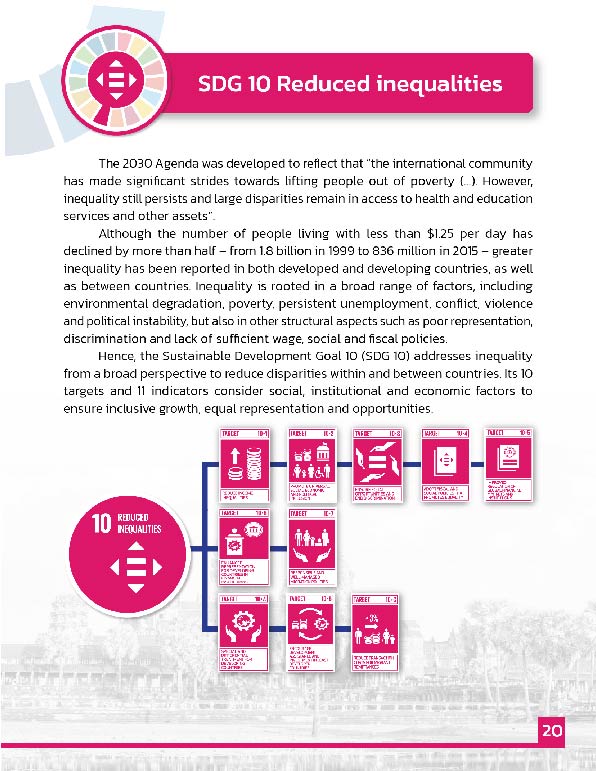
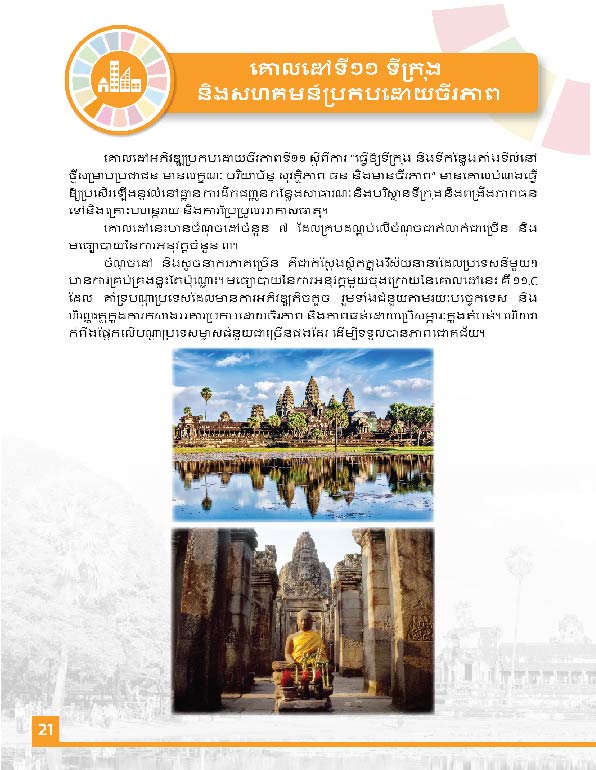
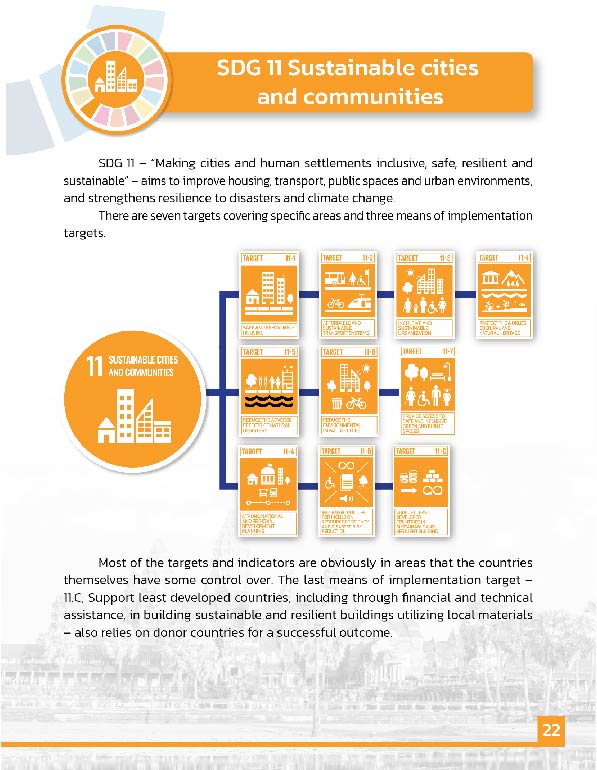
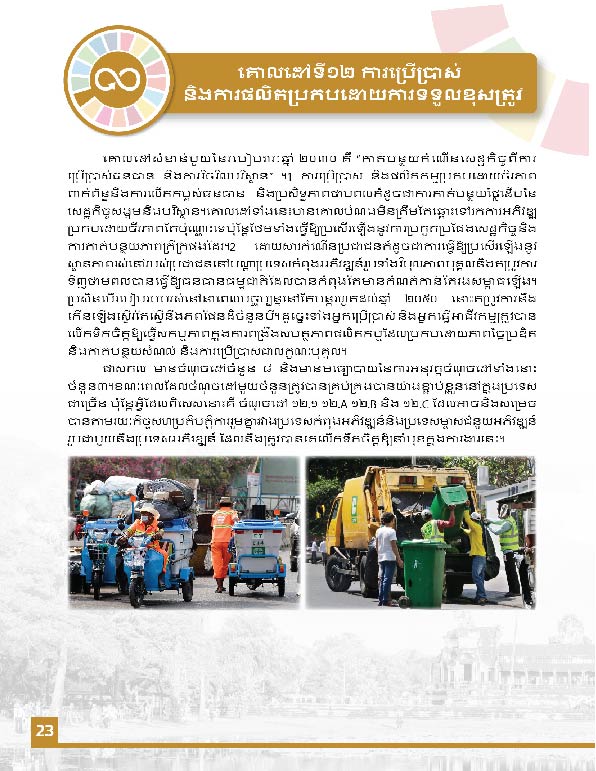
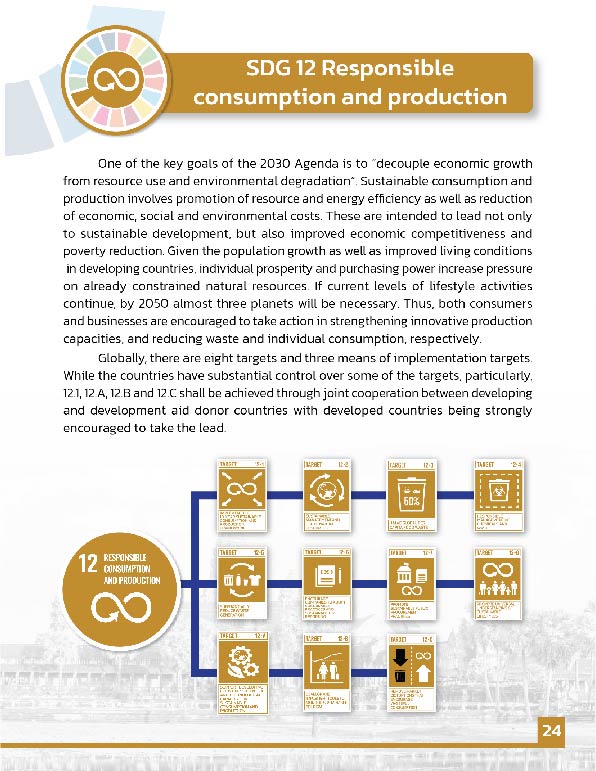
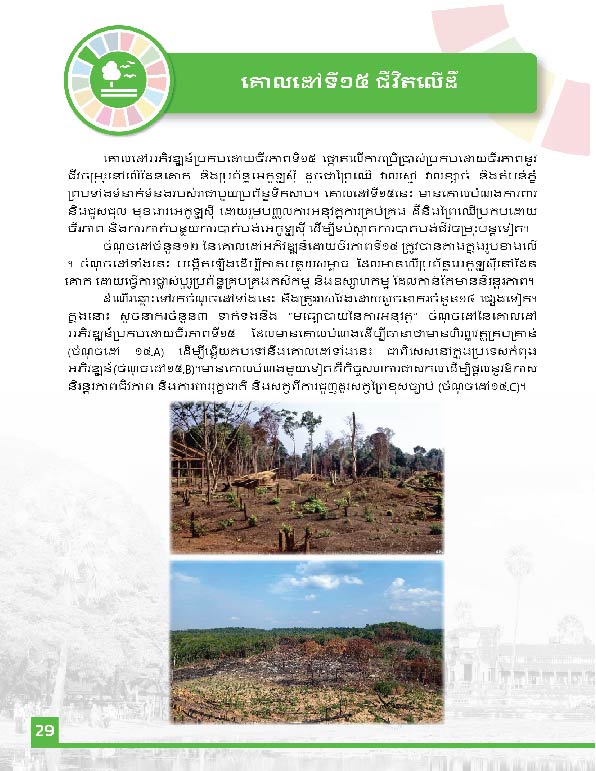
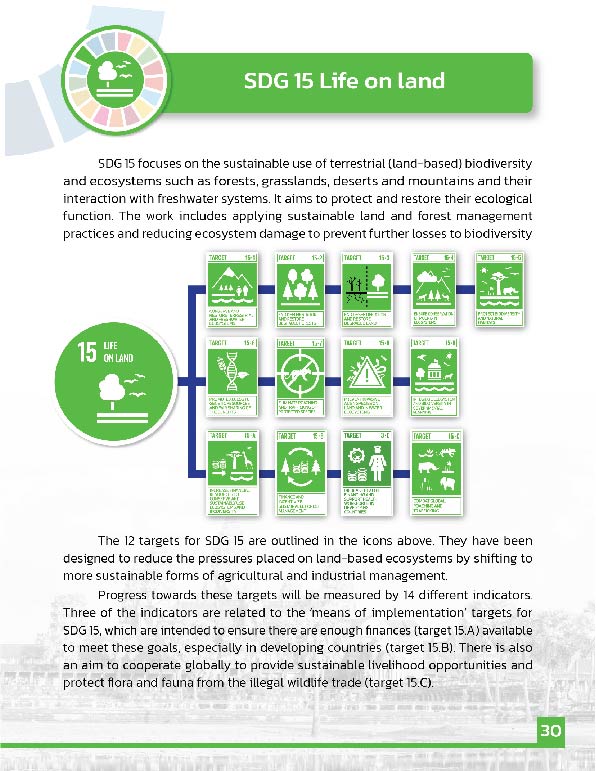
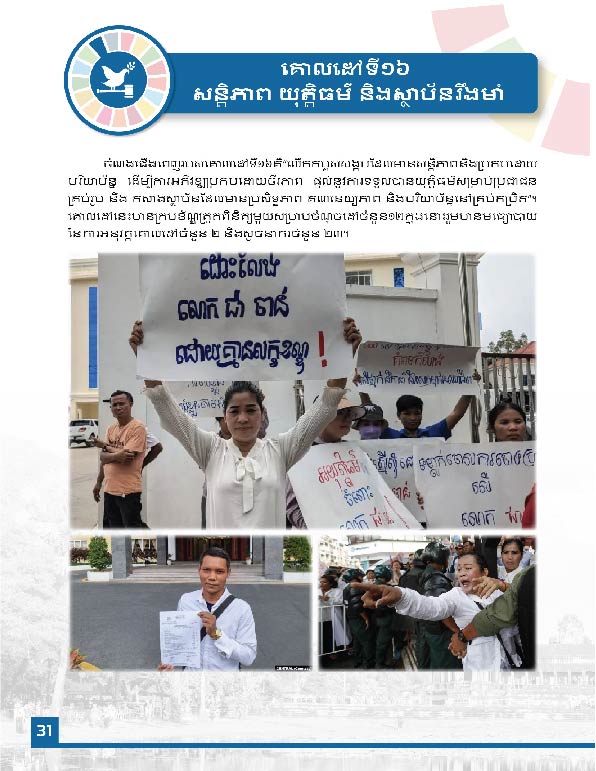
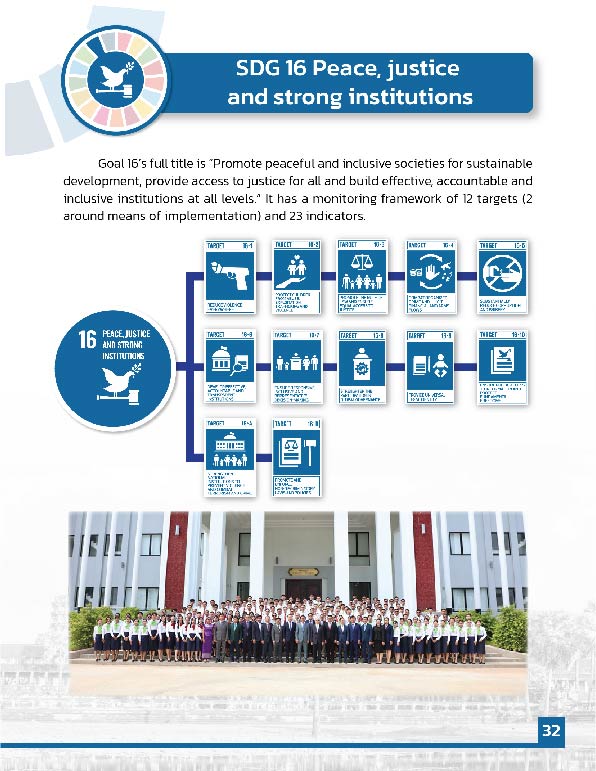
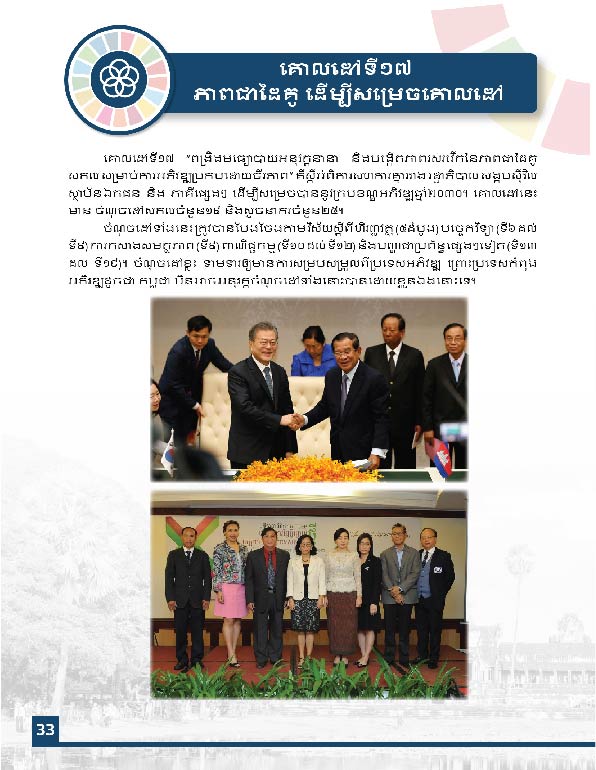
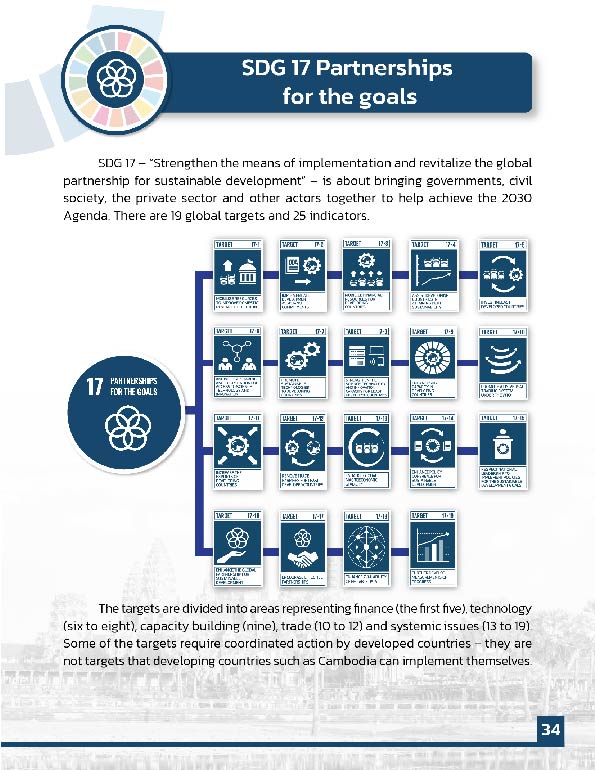
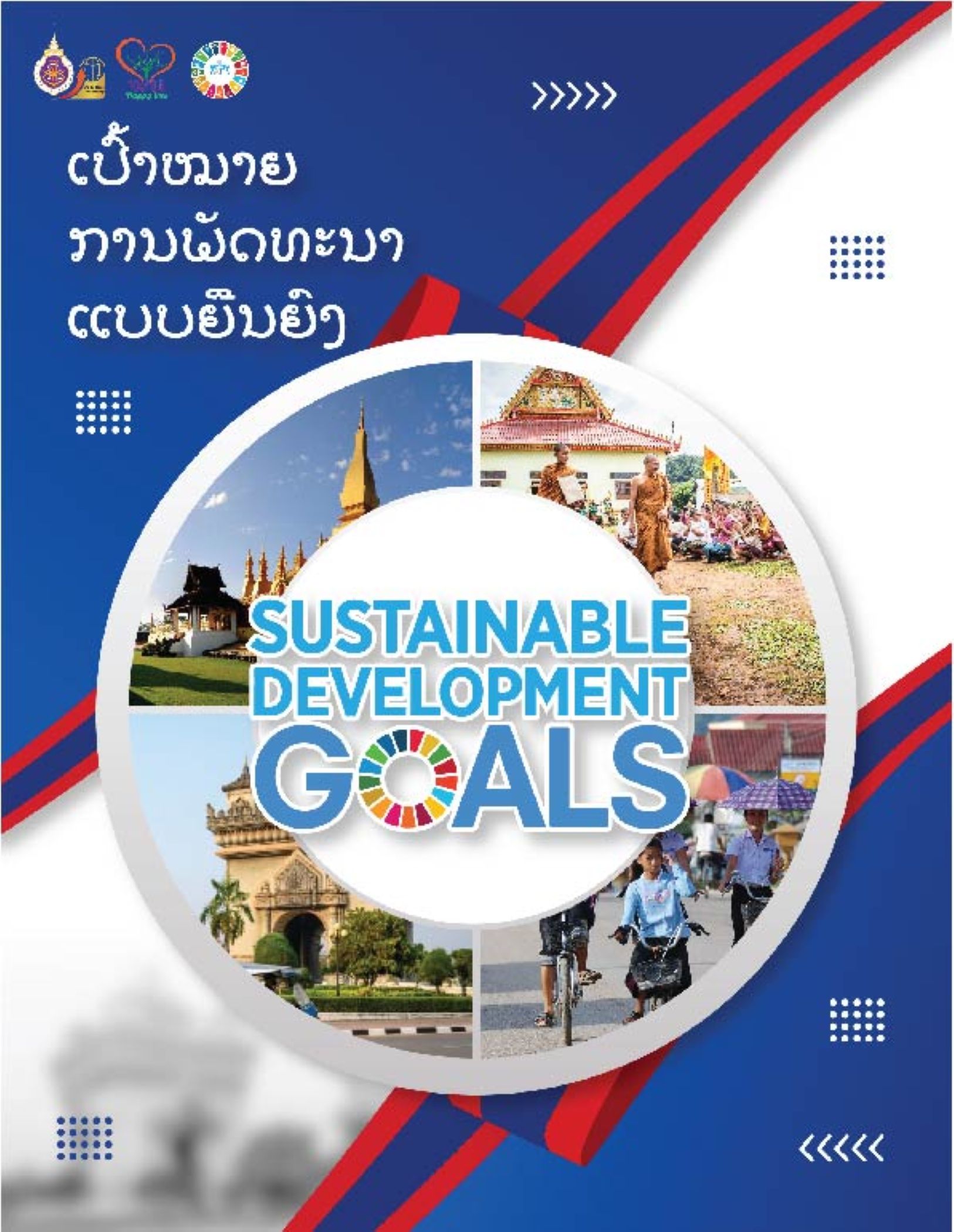
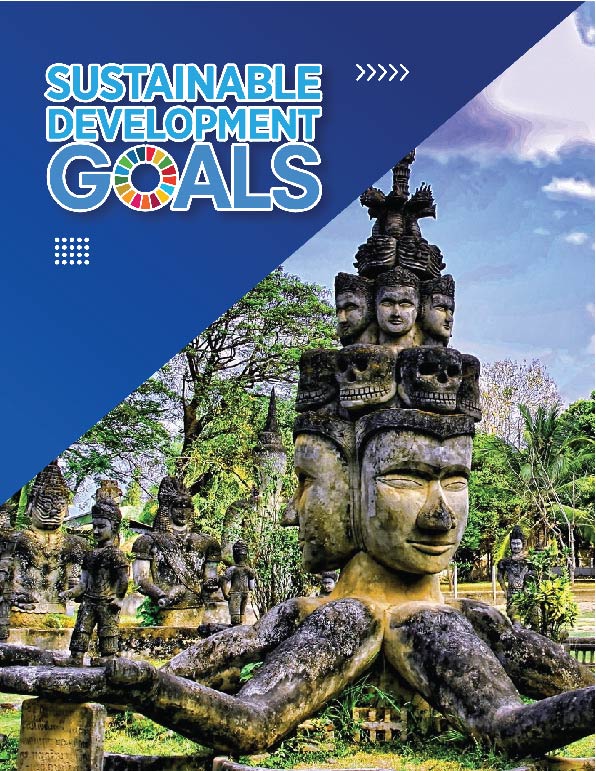
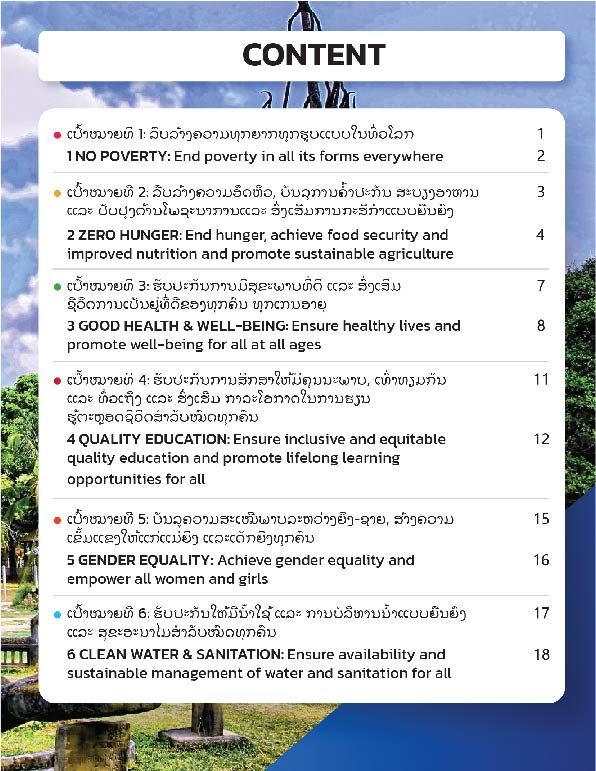
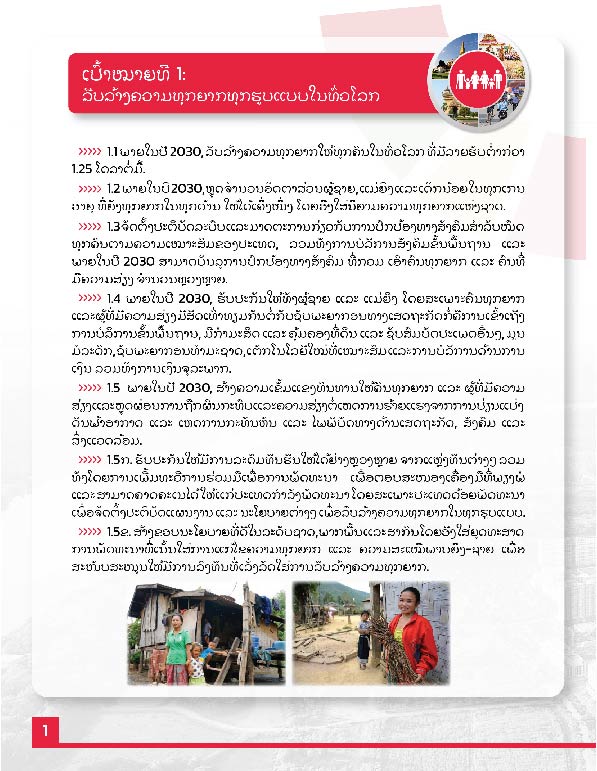
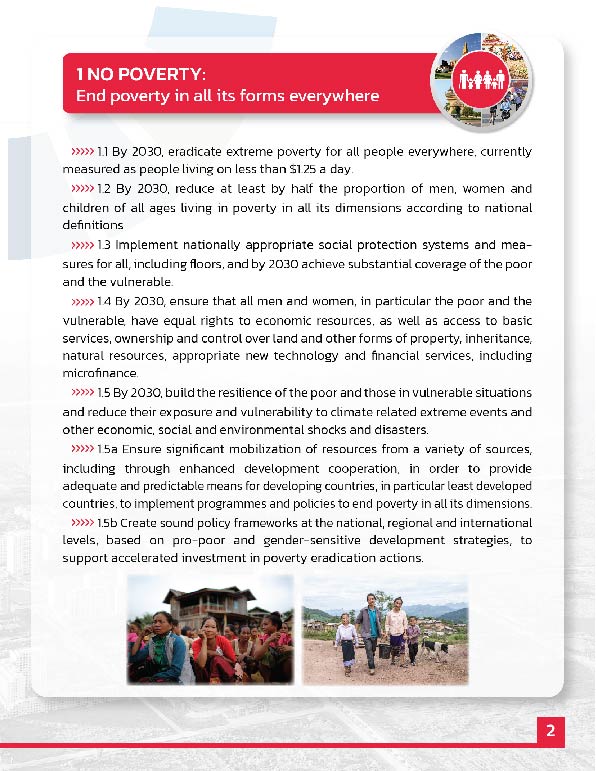
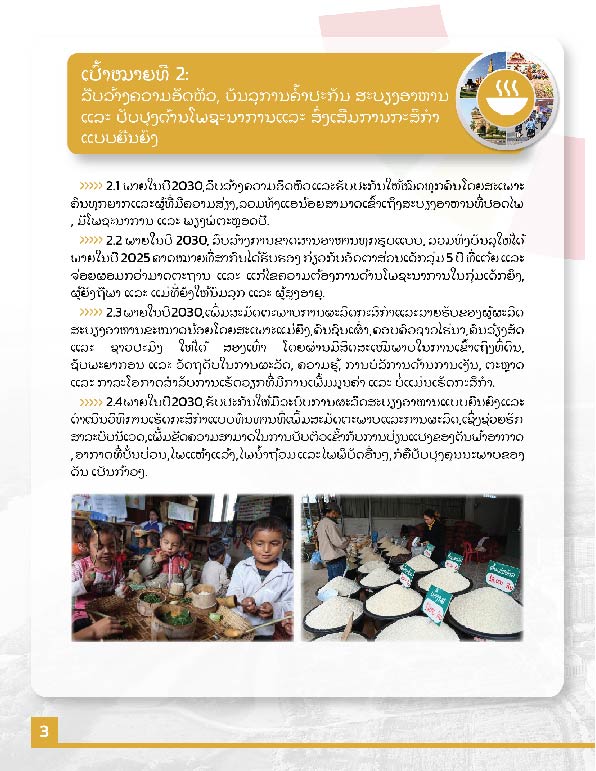
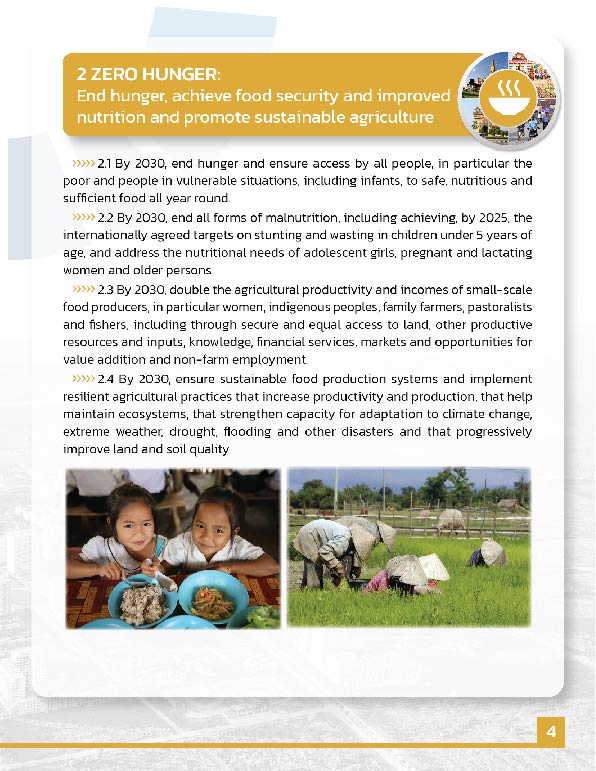
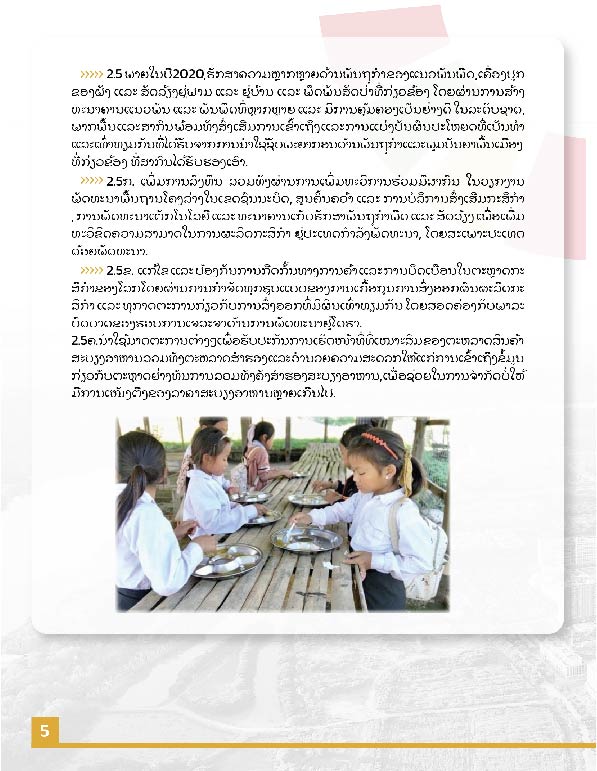
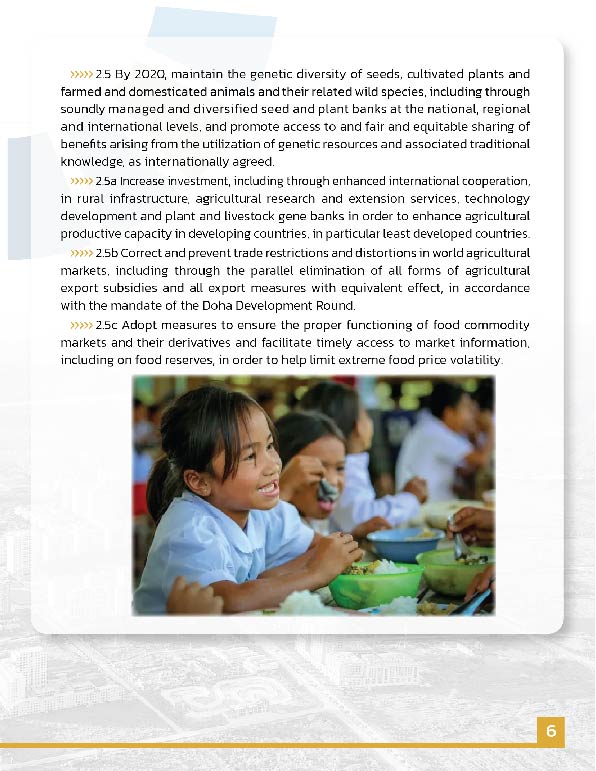
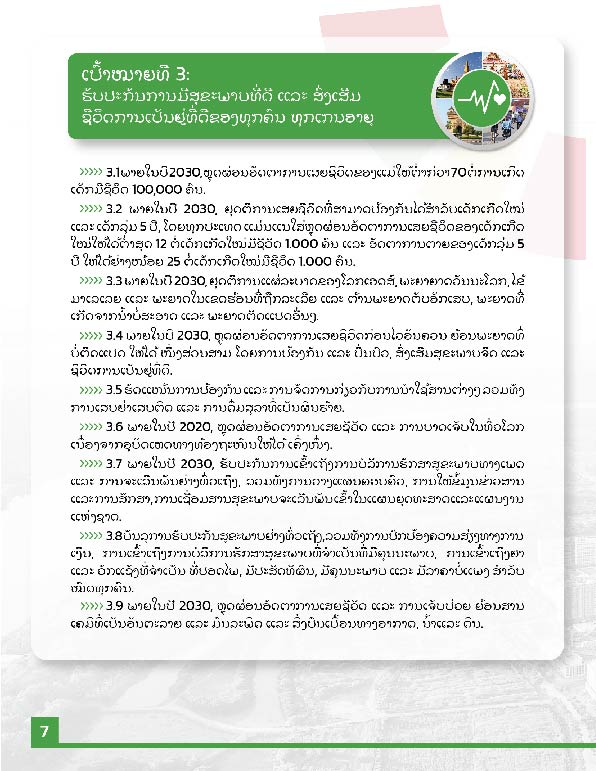
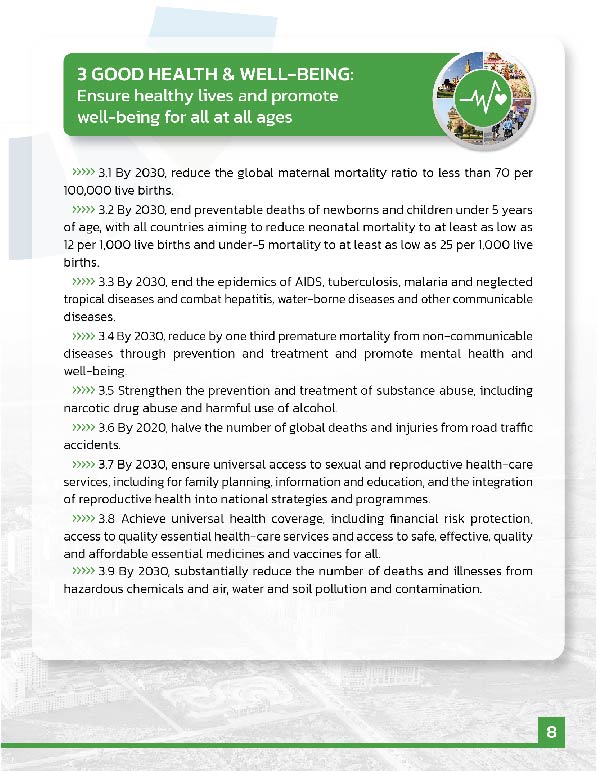
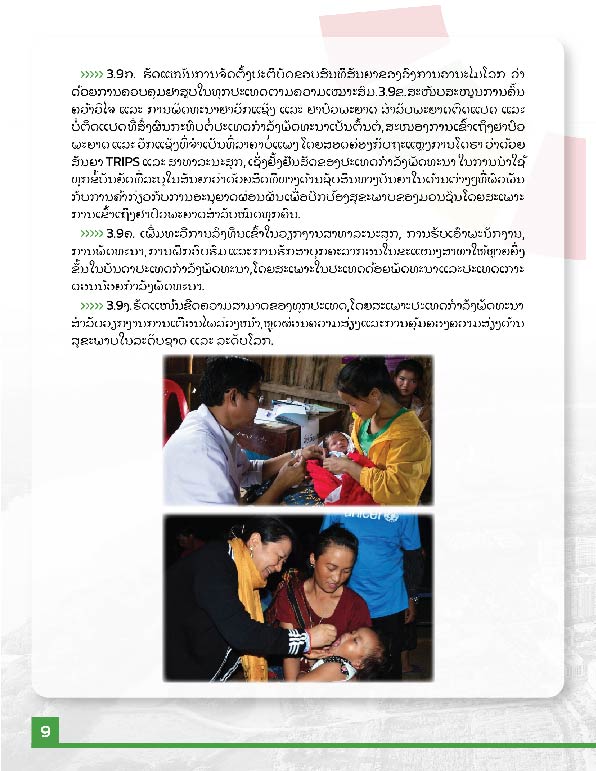
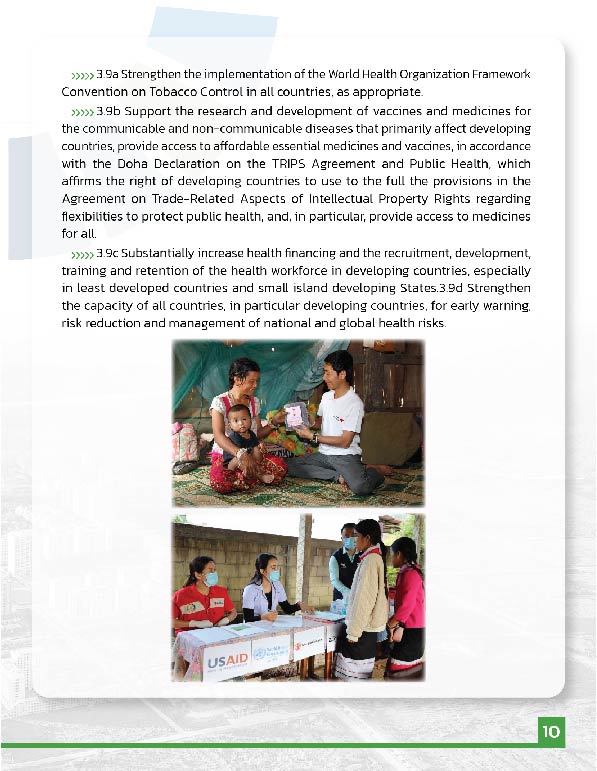
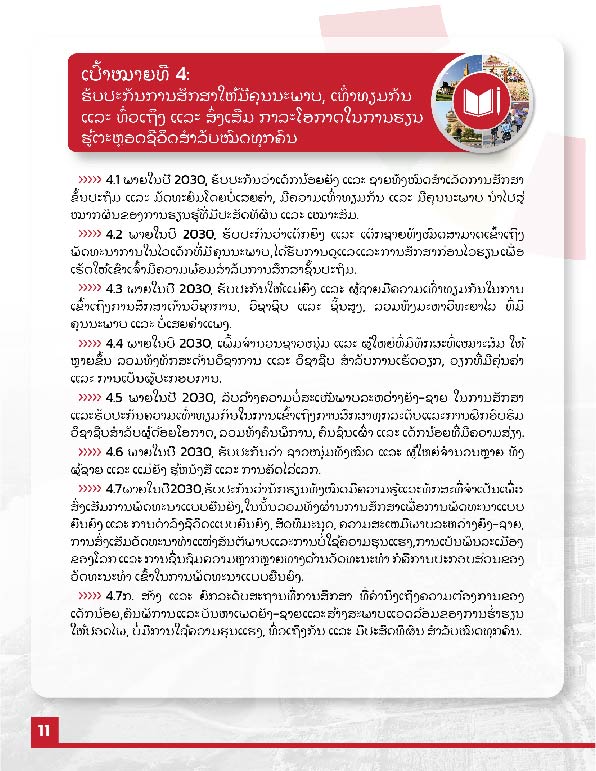
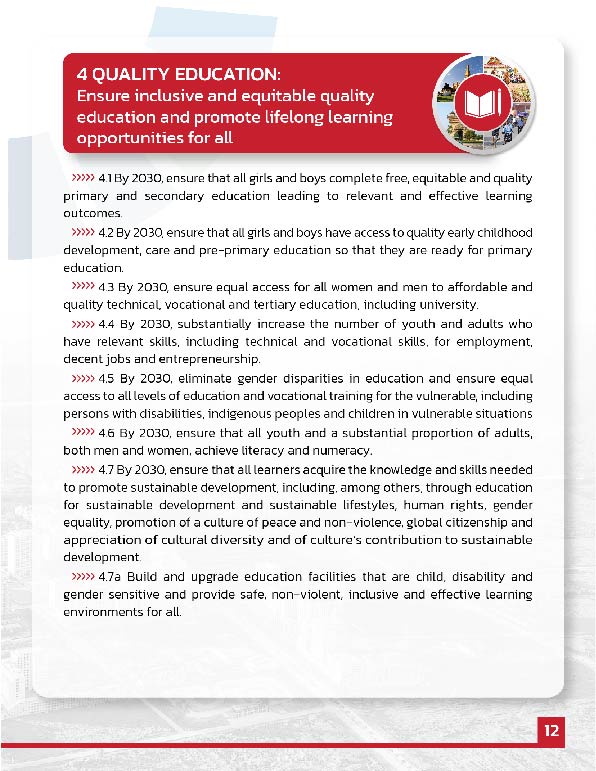
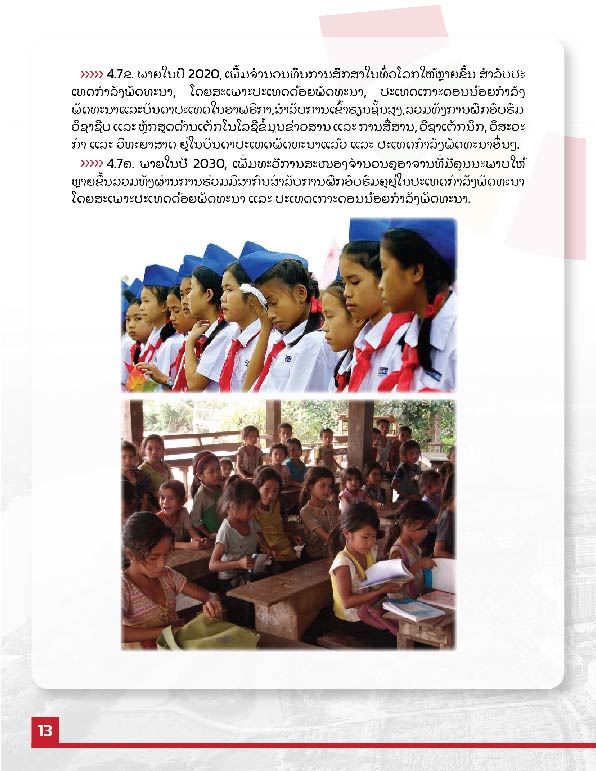
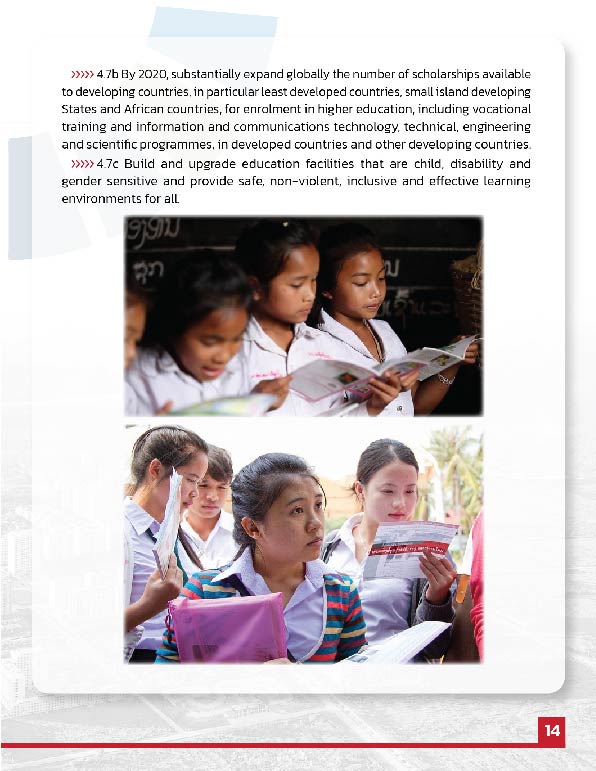
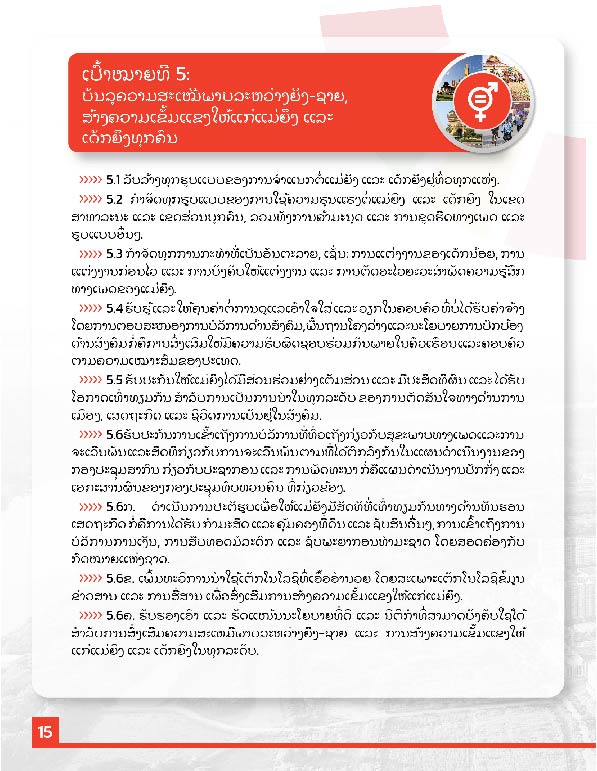
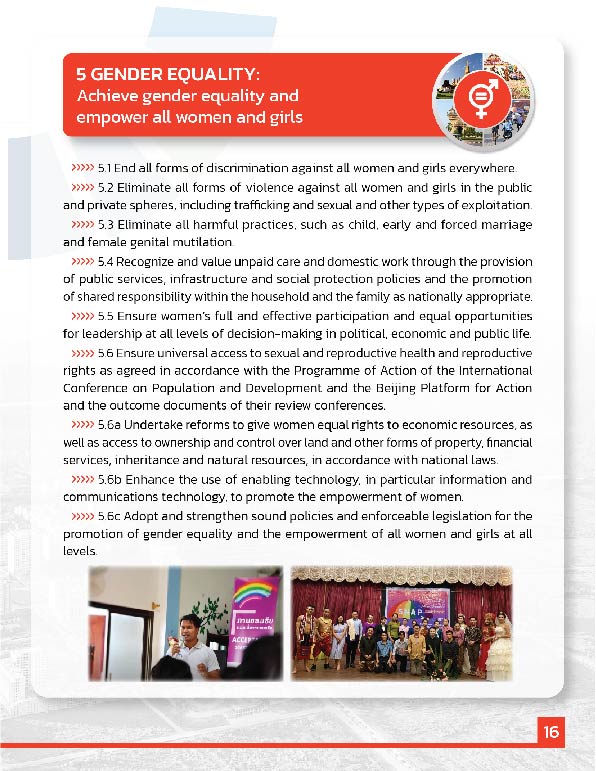
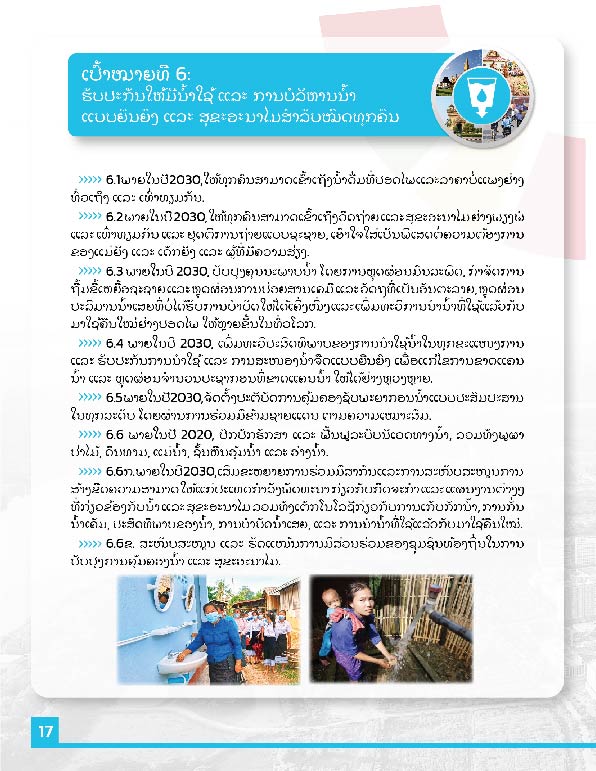
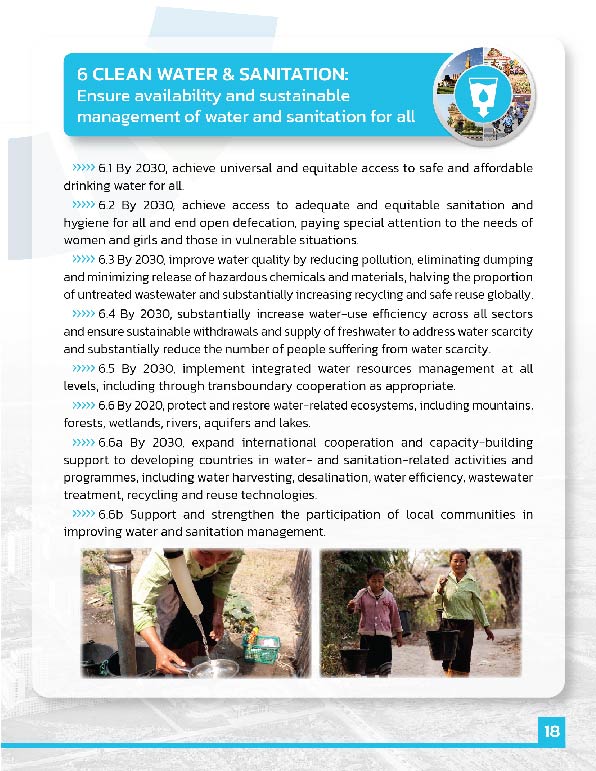
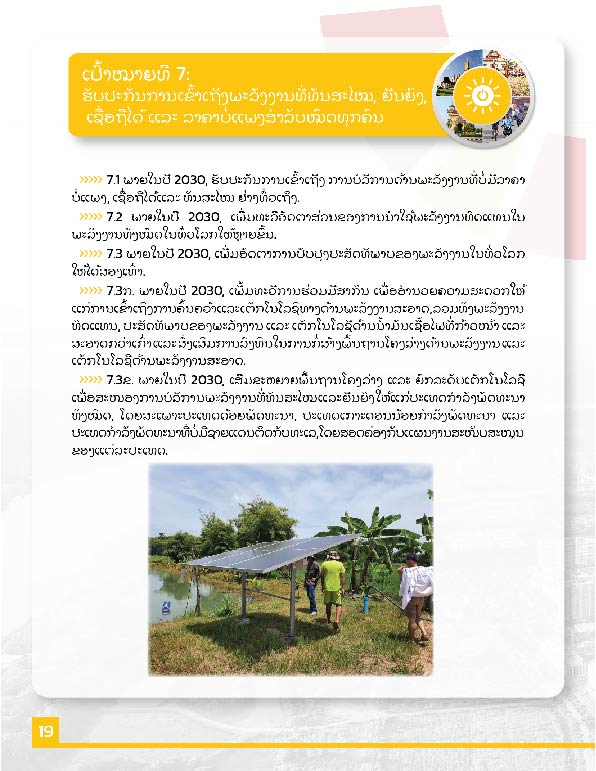
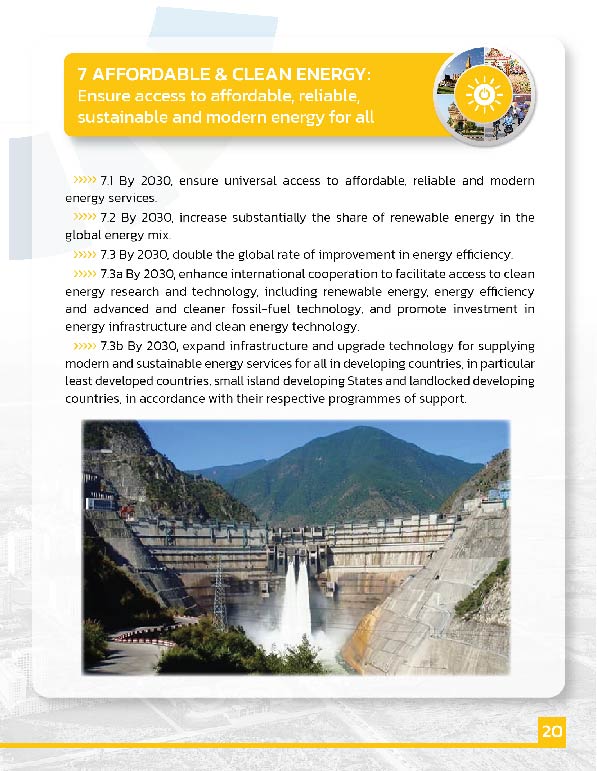
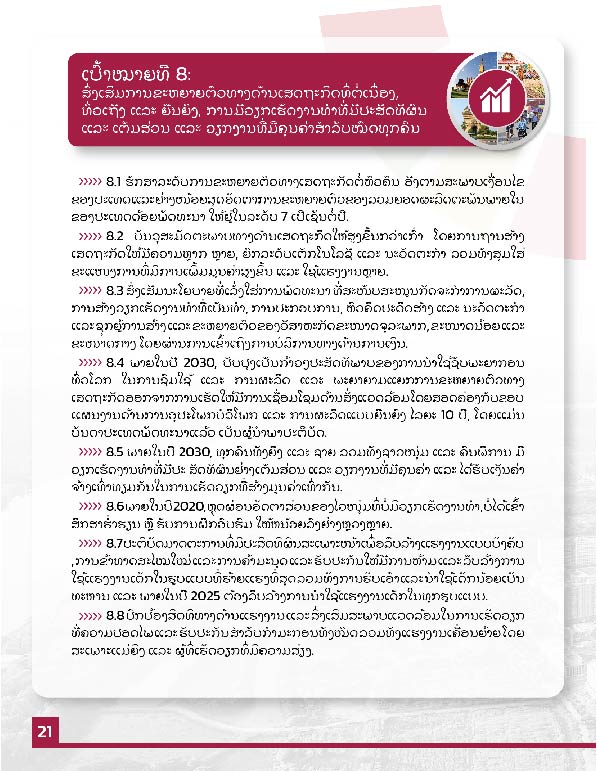
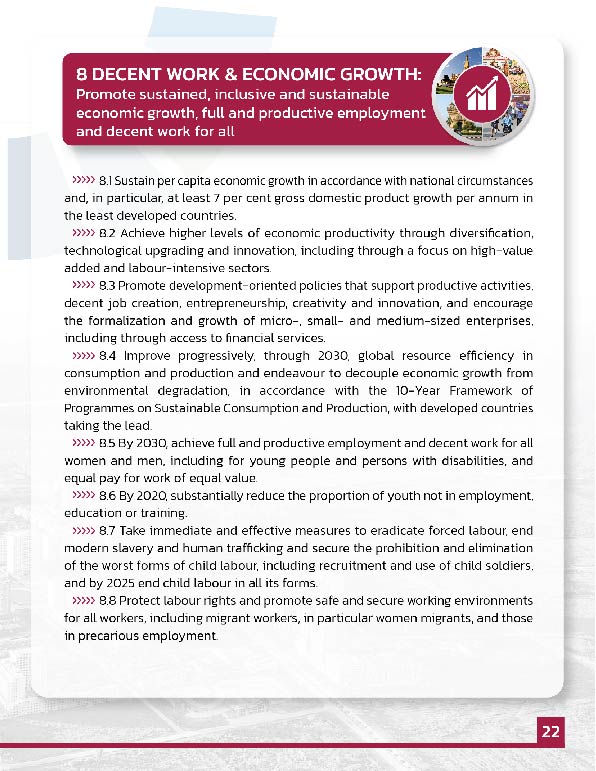
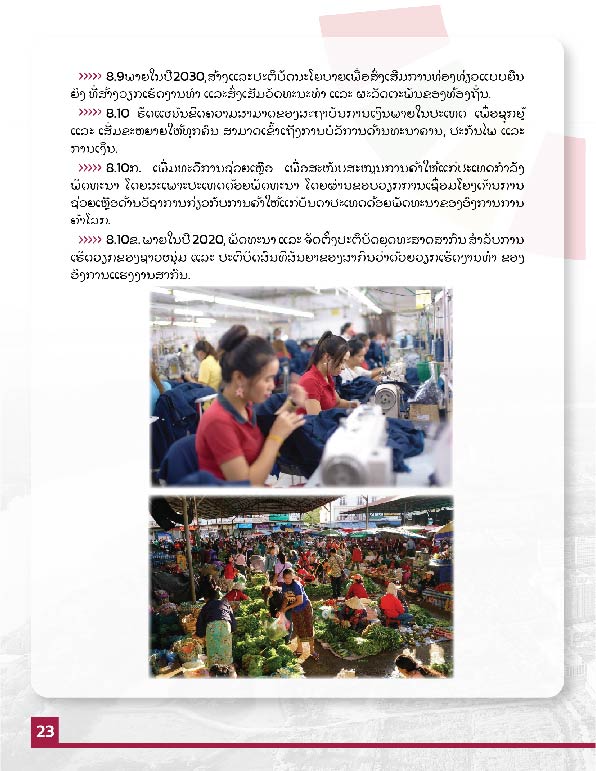
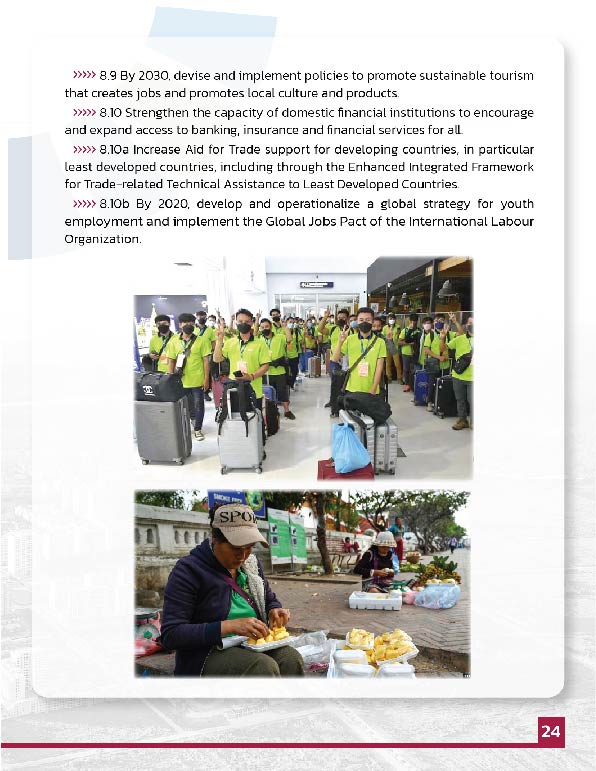
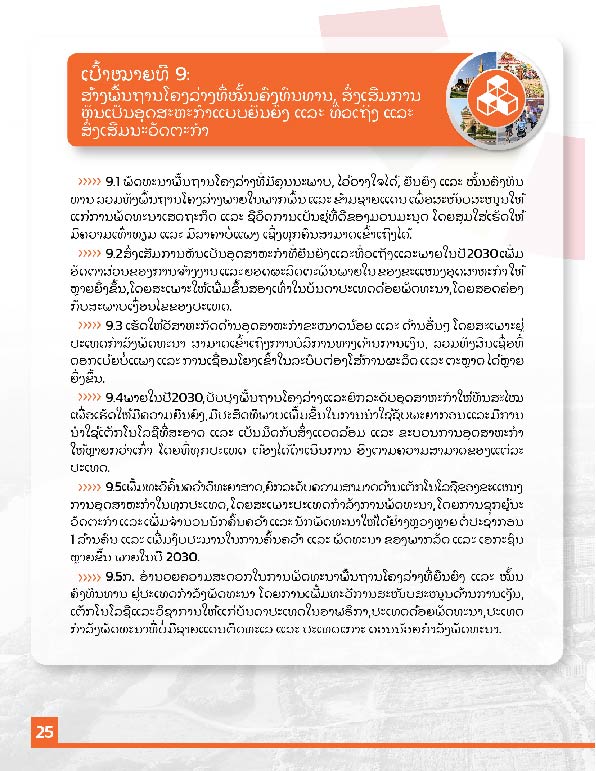
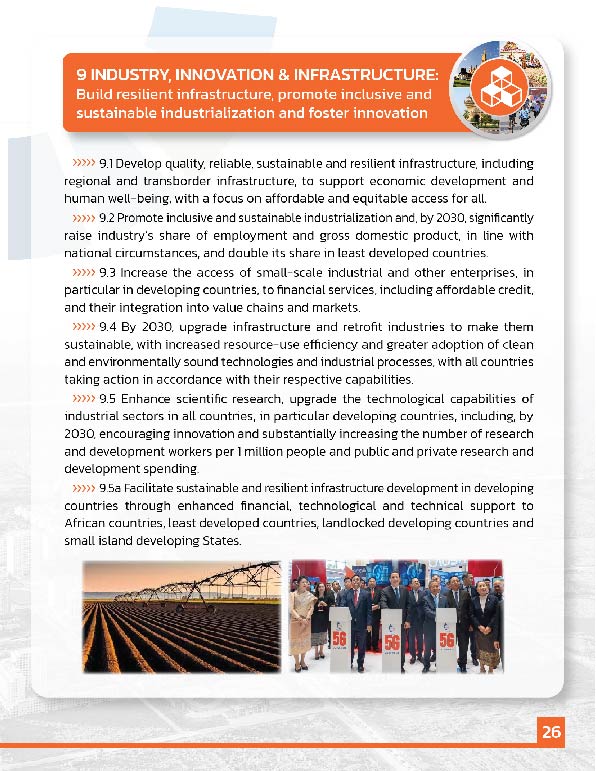
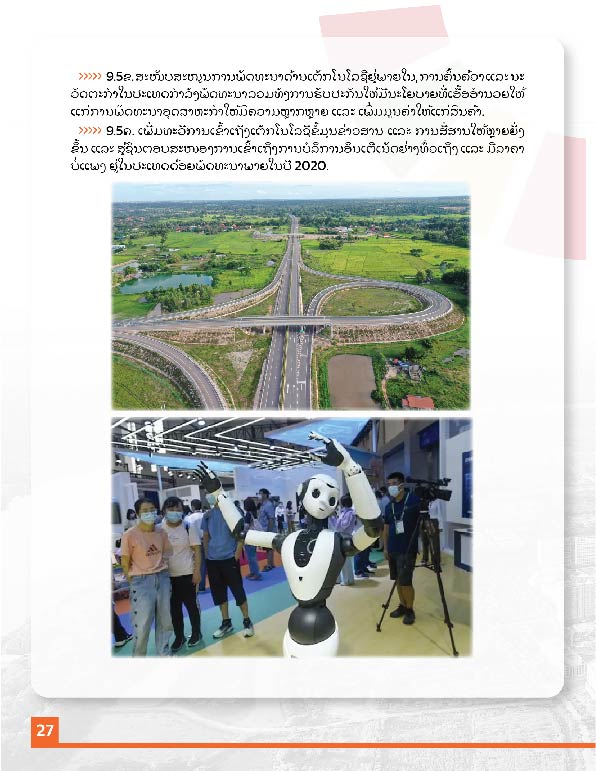
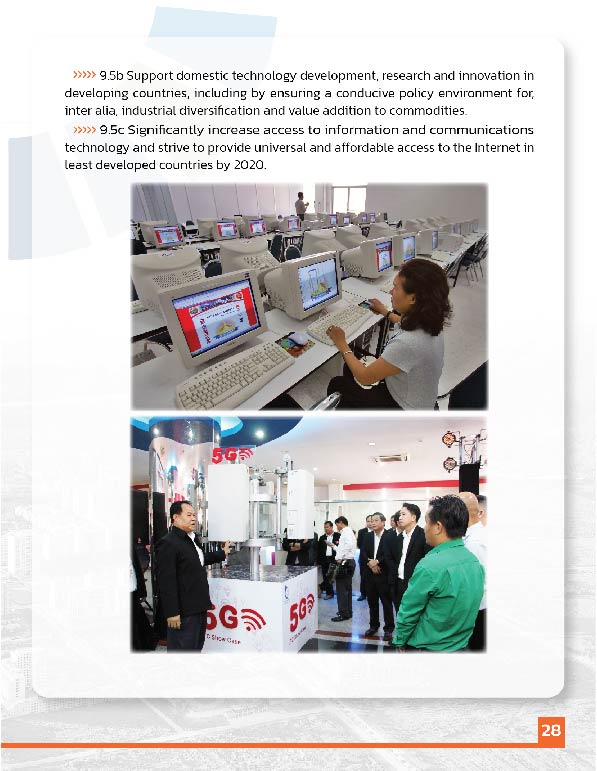
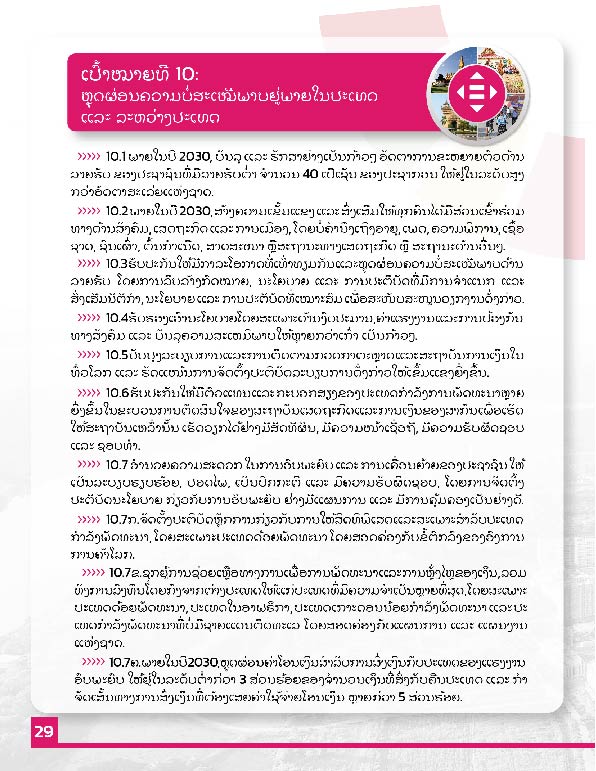
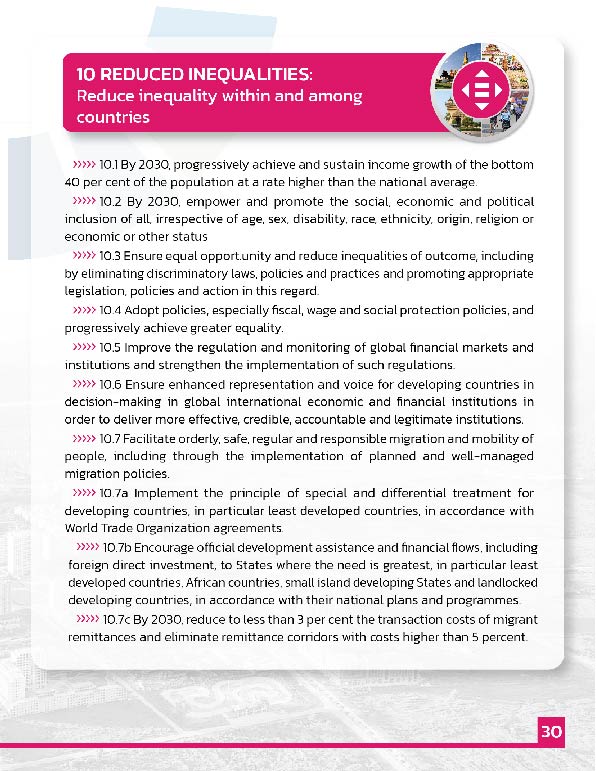
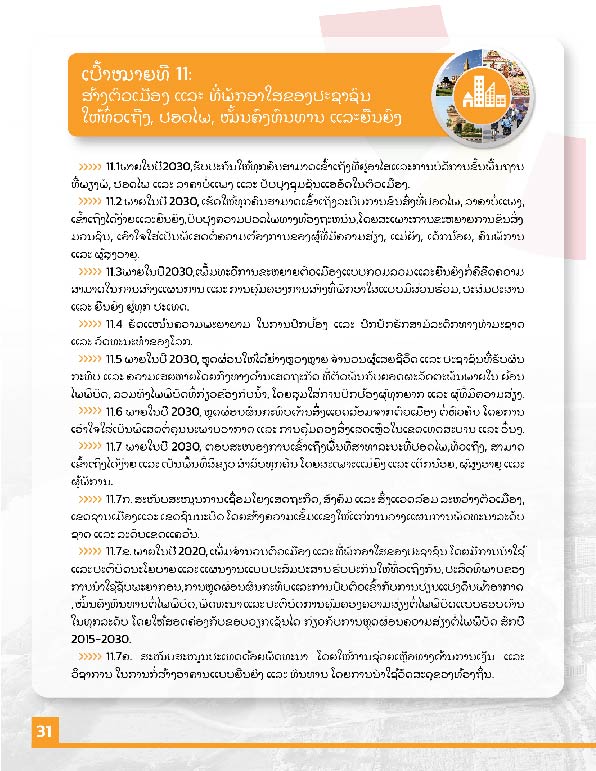
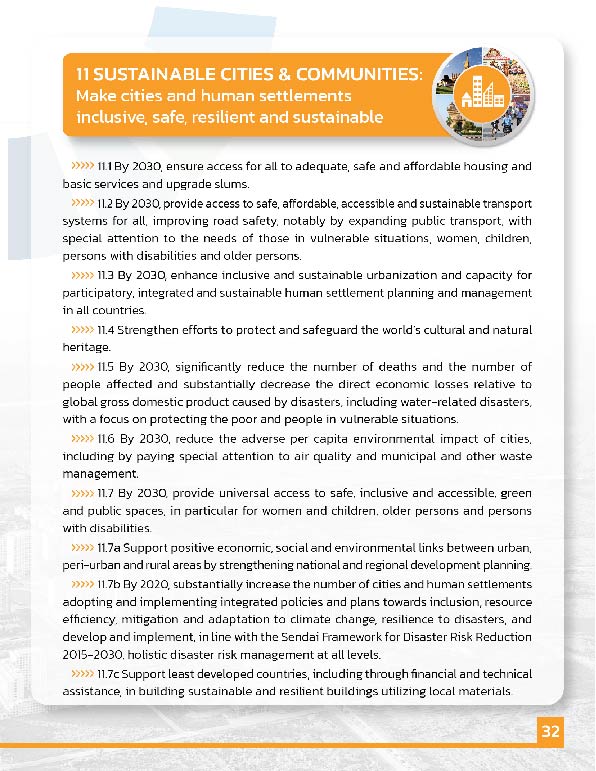
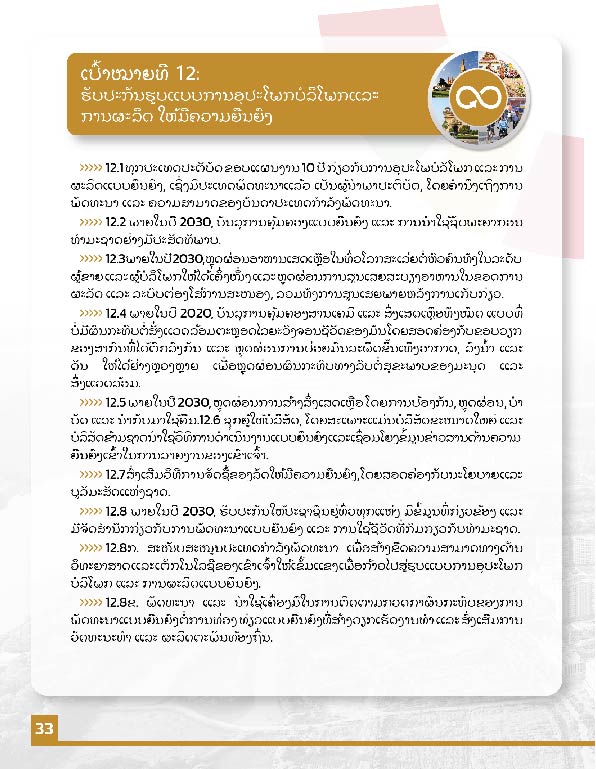
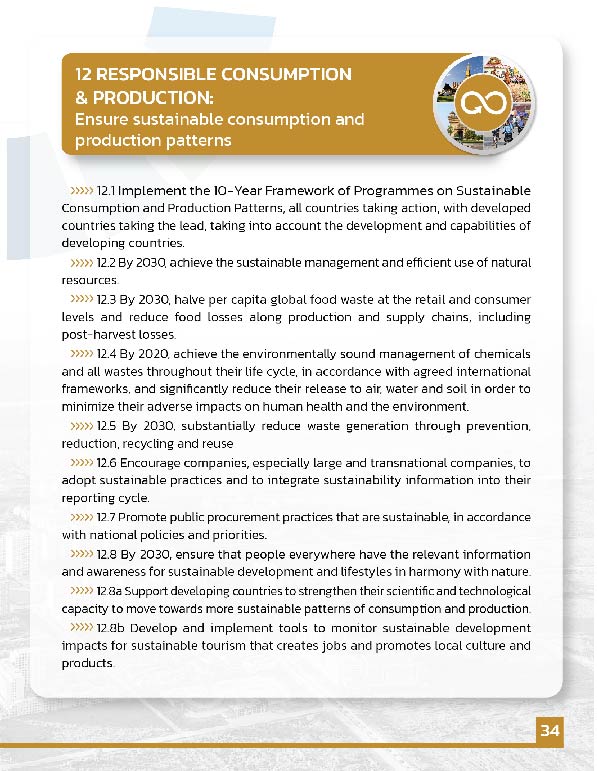
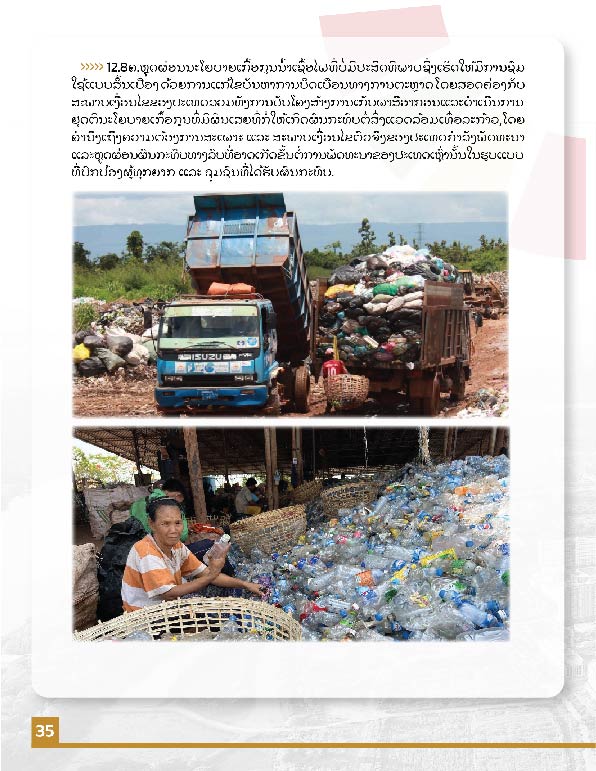
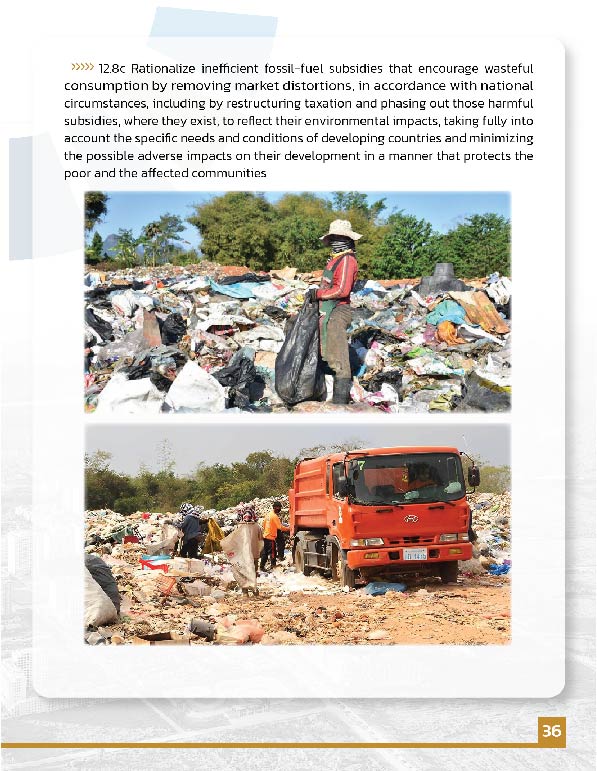
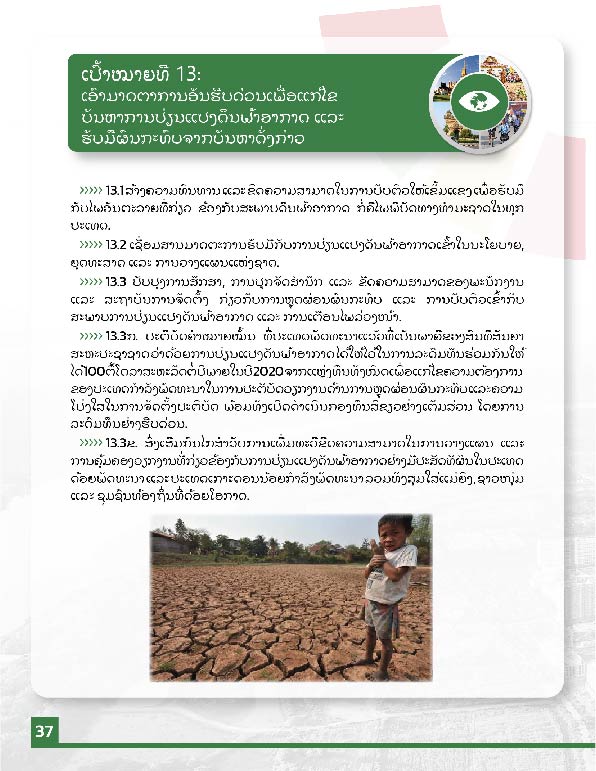
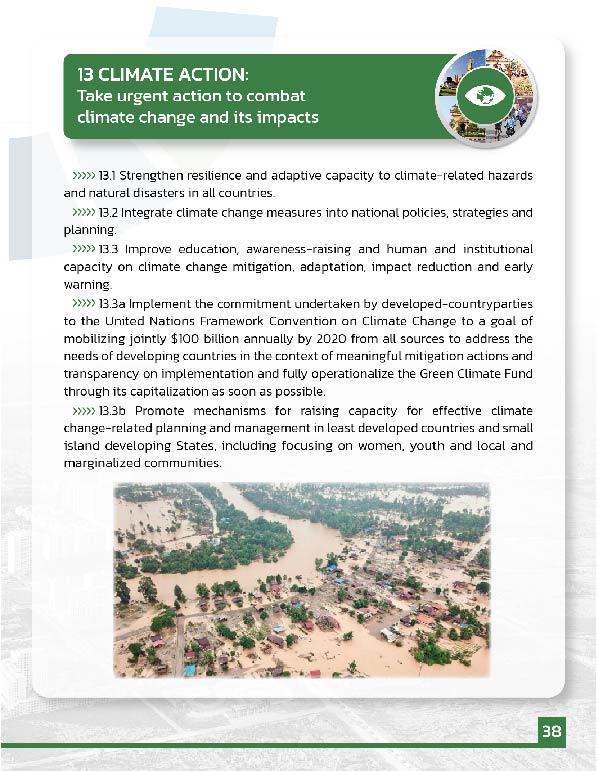
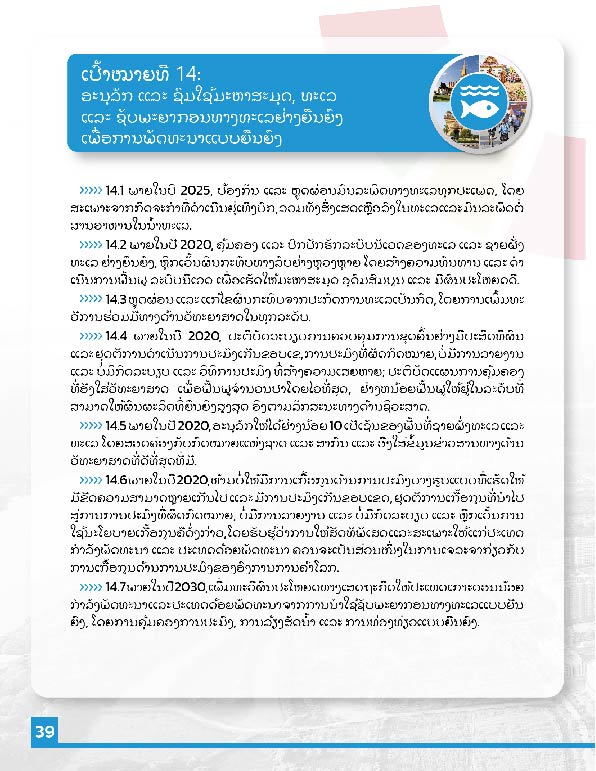
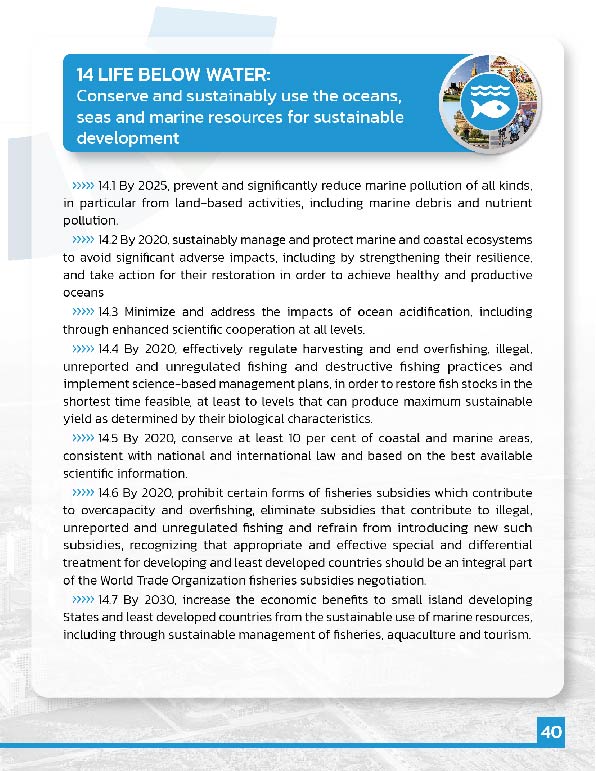
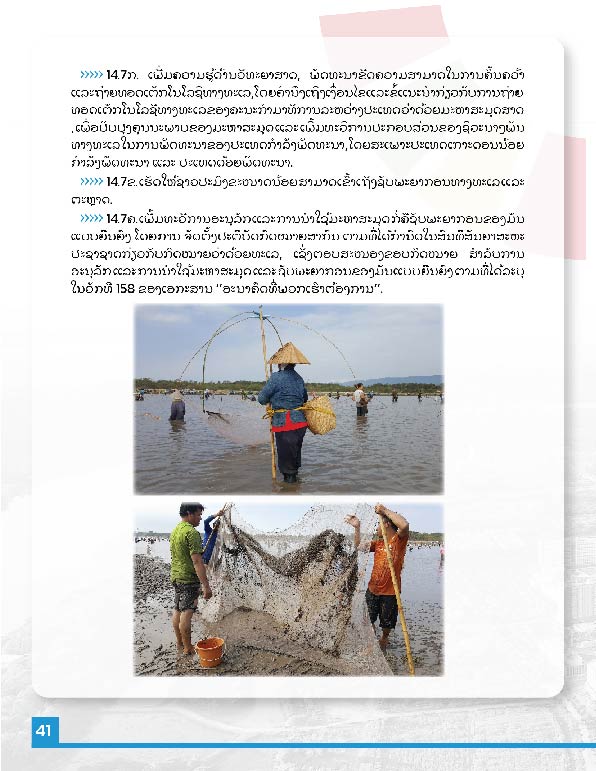
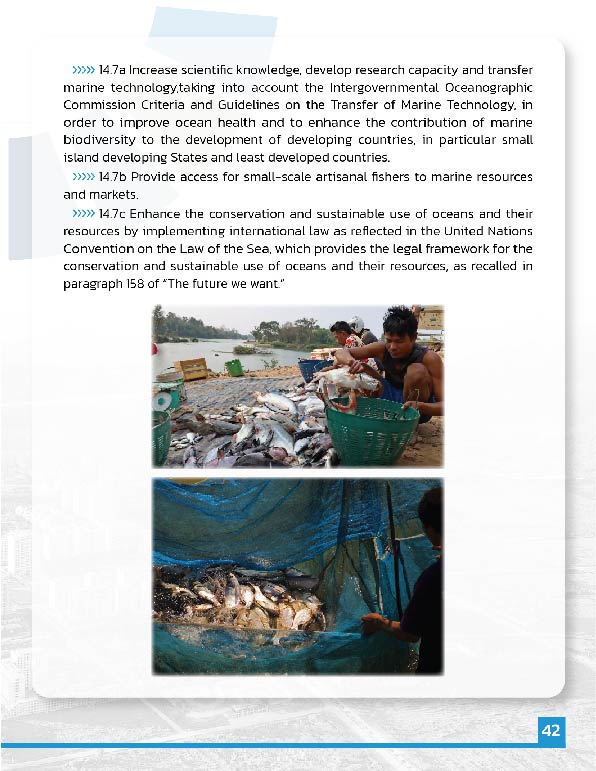
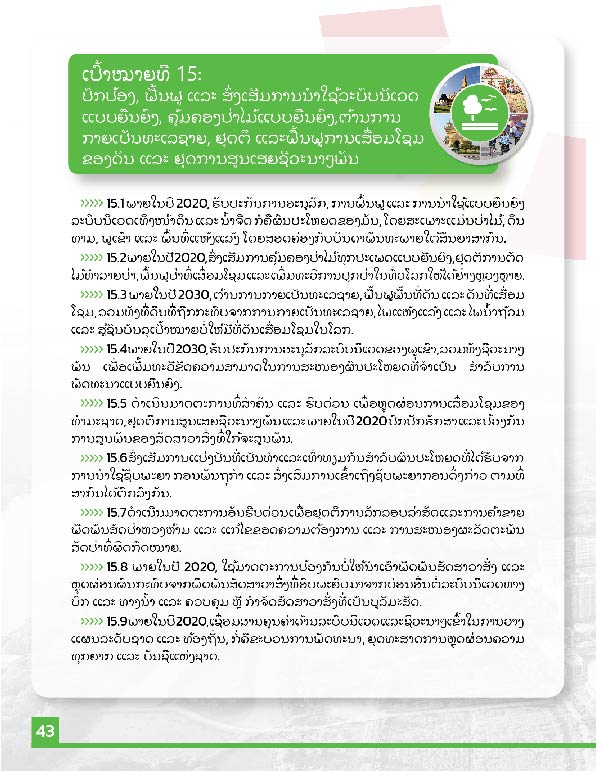
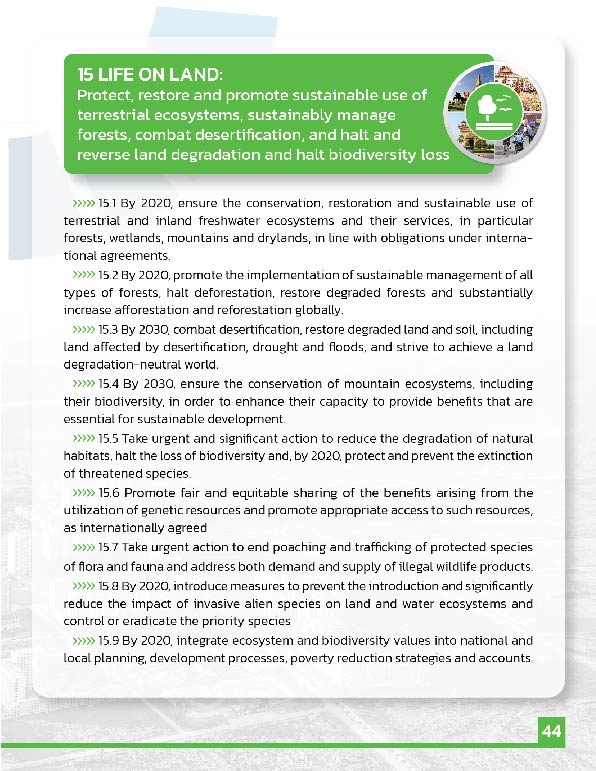
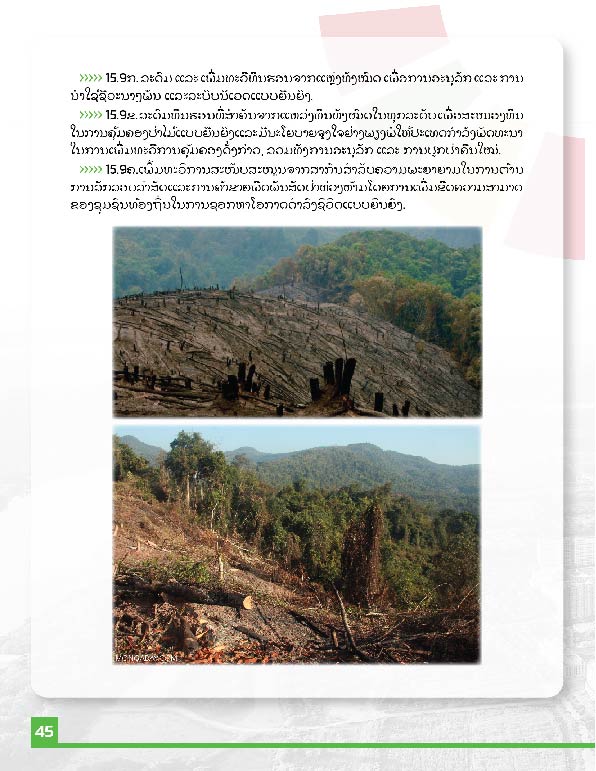
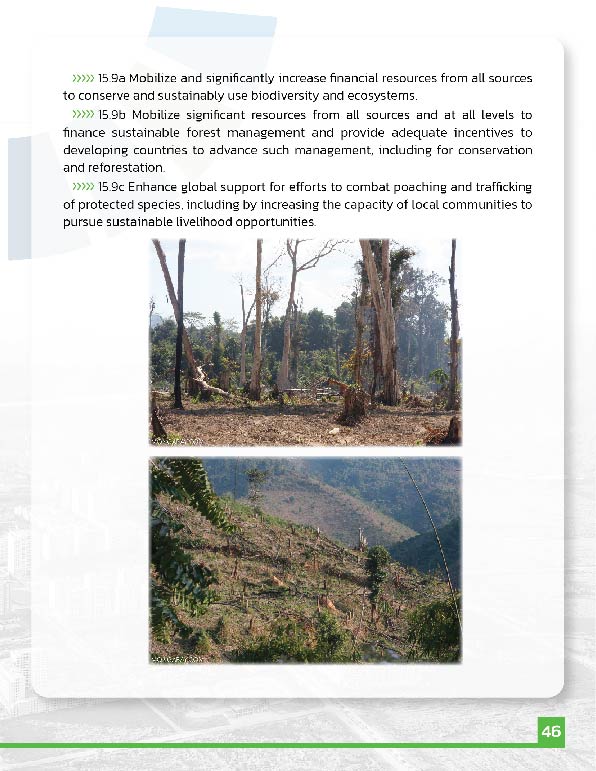
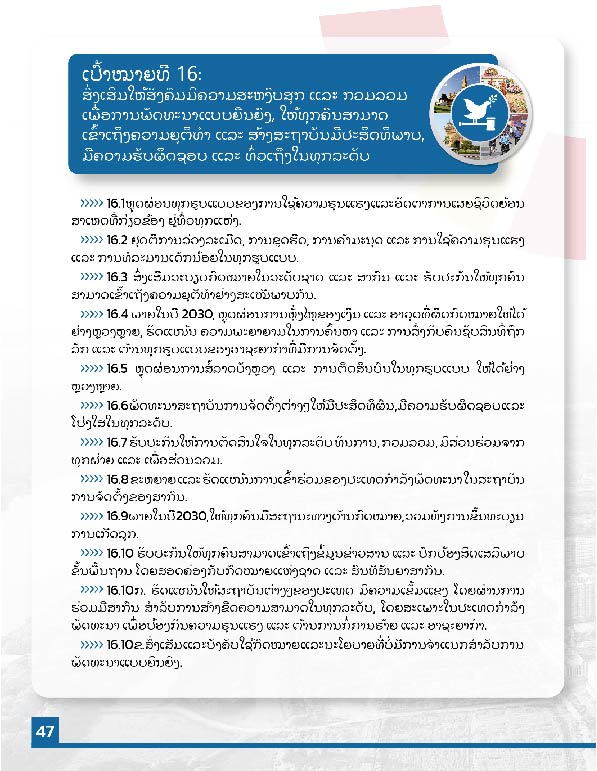
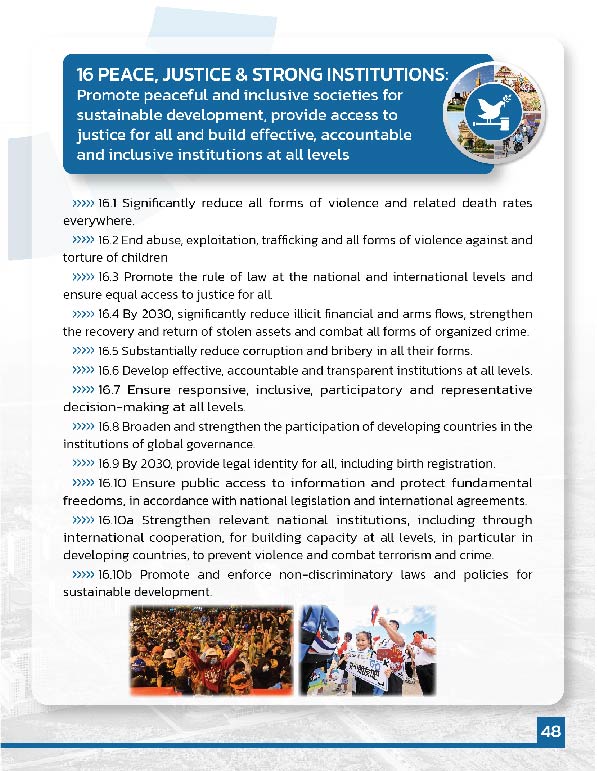
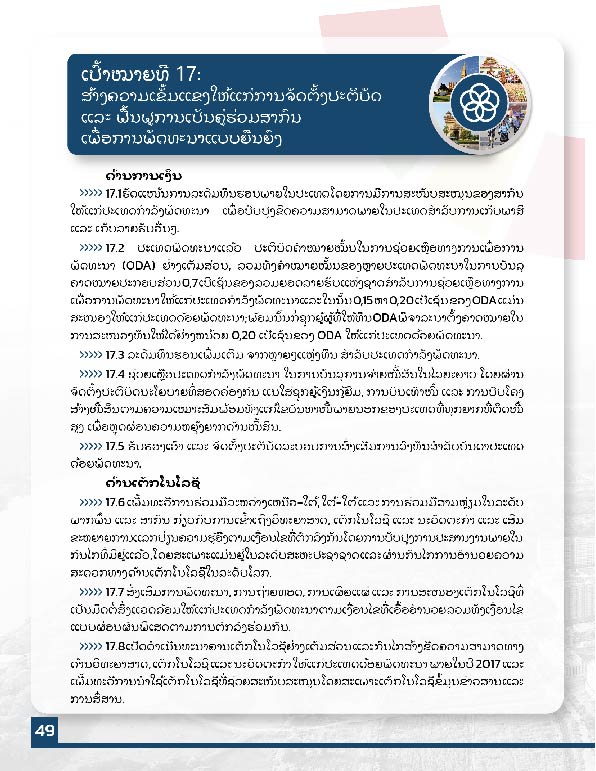
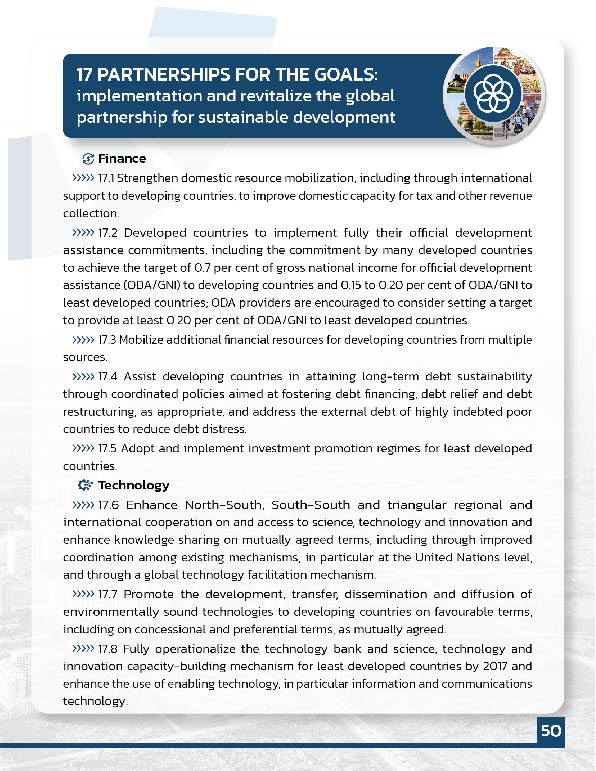
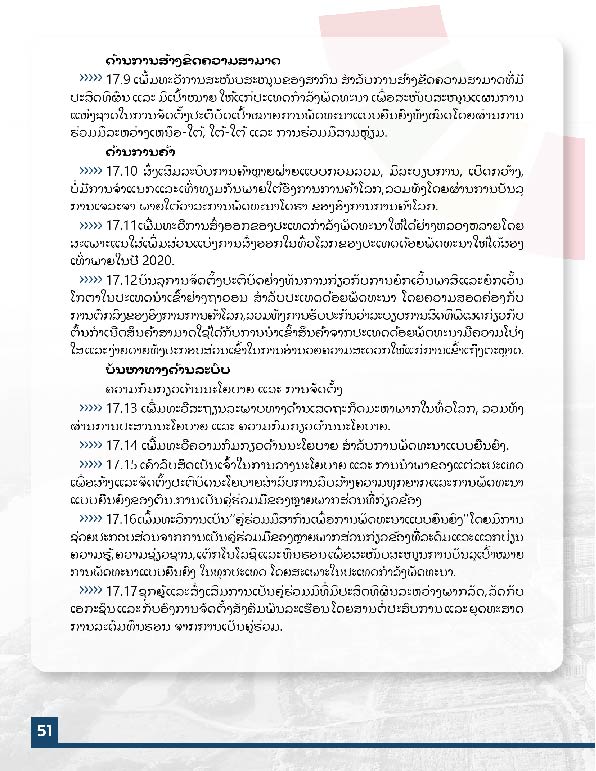
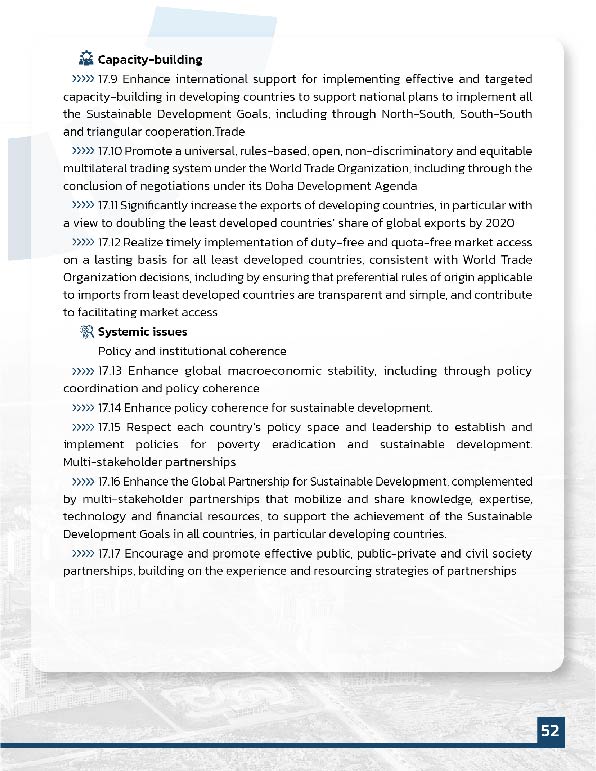
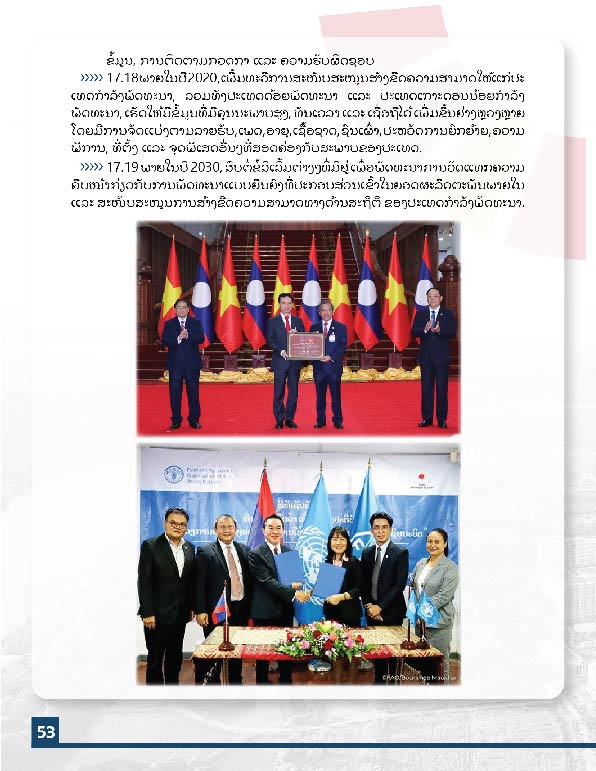
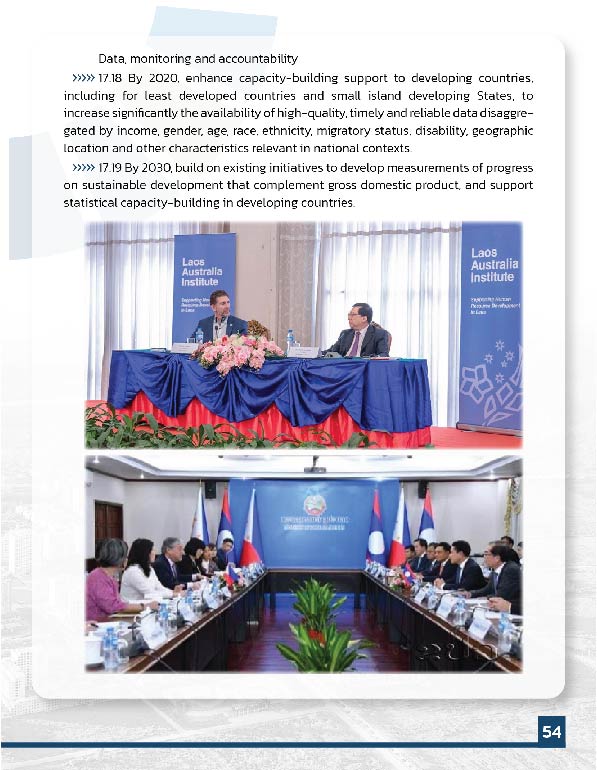
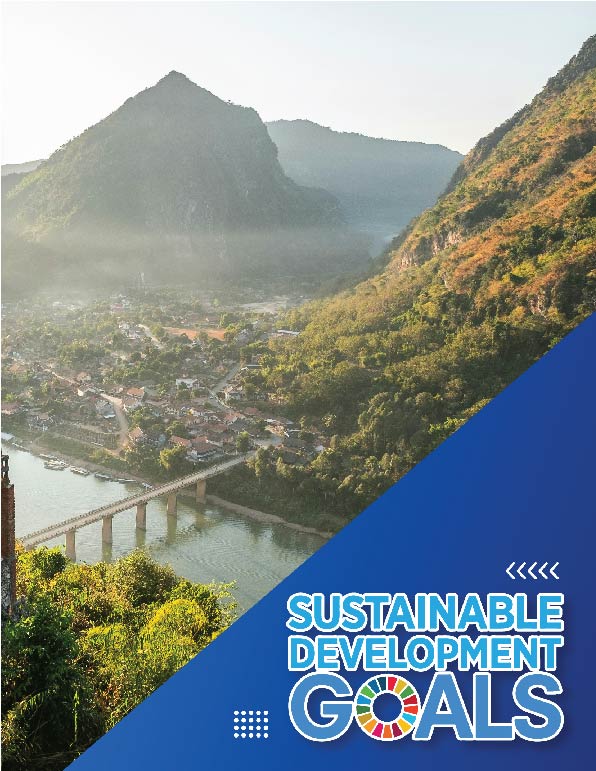
From 2022 to 2023, Walailak University produced SDG booklets in Burmese, Lao, and Khmer to raise awareness and understanding of the Sustainable Development Goals of the United Nations among displaced people living in Thailand. This initiative forms part of WU’s ongoing efforts to promote SDG literacy, ensuring that vulnerable populations have access to essential knowledge about sustainable development and global initiatives.
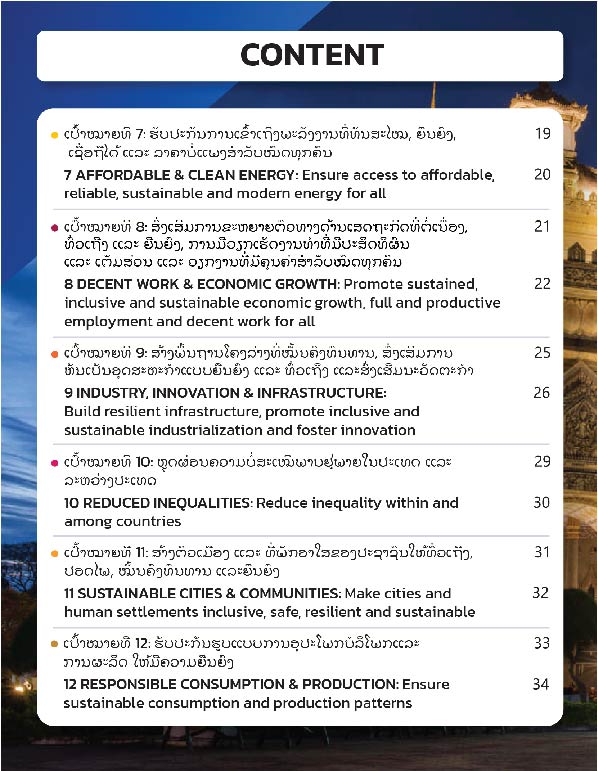
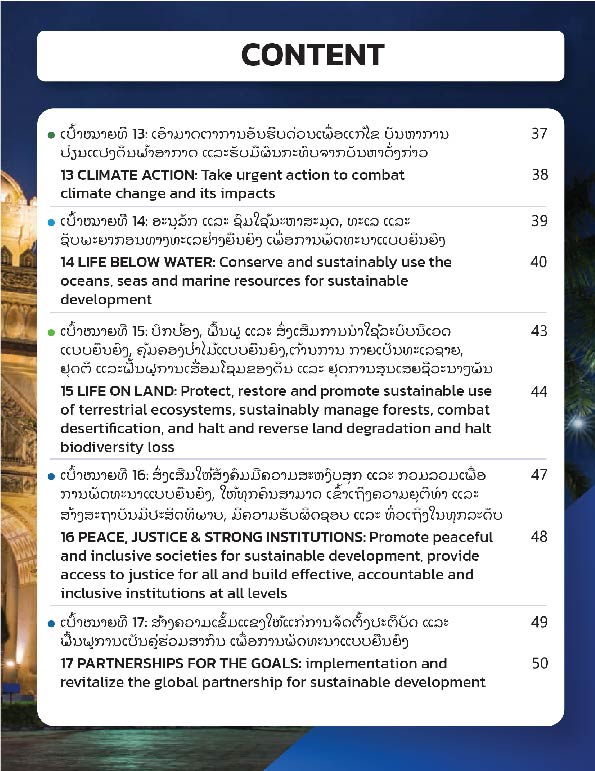
SDG-MYANMAR
SDG-CAMBODIA
SDG-LAOS
Video Media Development on SDGs for SDG Literacy Promotion
Recognizing that some displaced individuals might face challenges in understanding the SDGs solely through printed materials—due to limited reading skills or lack of motivation to read—Walailak University took further steps to enhance accessibility to SDG knowledge. In 2024, the university developed an educational video designed to present the Sustainable Development Goals in a simple, engaging, and easy-to-understand format. Given that most displaced people living in Thailand are Burmese migrant workers who fled the civil conflict that began in 2021, WU prioritized producing the video in the Burmese language. This initiative provided an alternative learning medium for those less inclined to read, ensuring that essential SDG concepts could be communicated effectively and inclusively through audiovisual education.
Outreach Program for Promoting SDG Literacy among Burmese Workers
Myanmar continues to face ongoing civil conflict, forcing many Burmese people to migrate to neighboring countries in search of safety and livelihoods. Thailand is one of the countries with the largest number of Burmese migrant workers. Many of them are unable to return to their homeland due to the threat of forced military recruitment and the persistence of violence.
Walailak University recognizes the importance of supporting these displaced people by ensuring they have access not only to basic rights but also to knowledge that can empower them to live and work more sustainably. Education on the United Nations Sustainable Development Goals (SDGs) is an essential tool in this process, as it provides them with an understanding of sustainable development, equality, and safe practices in their daily lives.
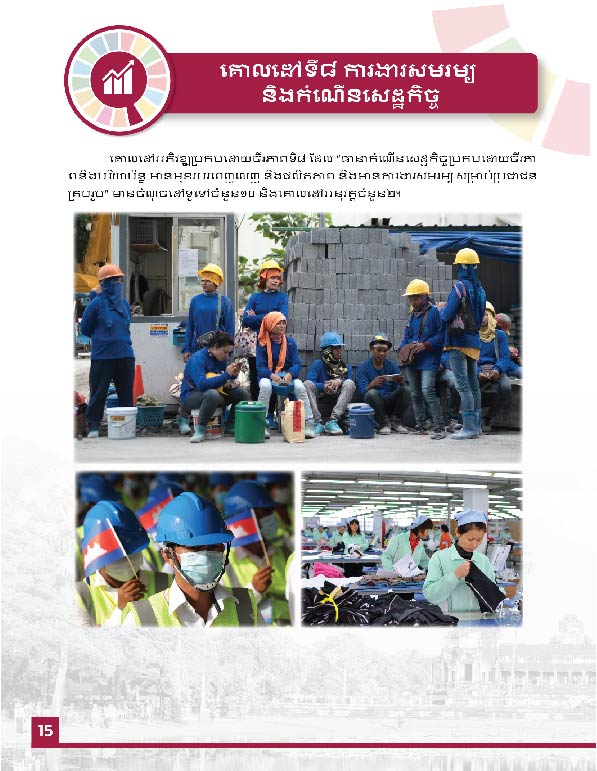
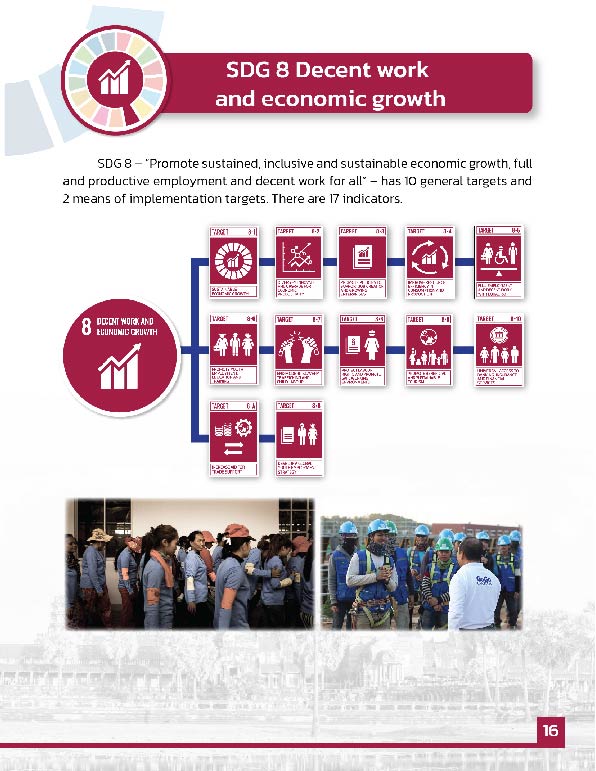
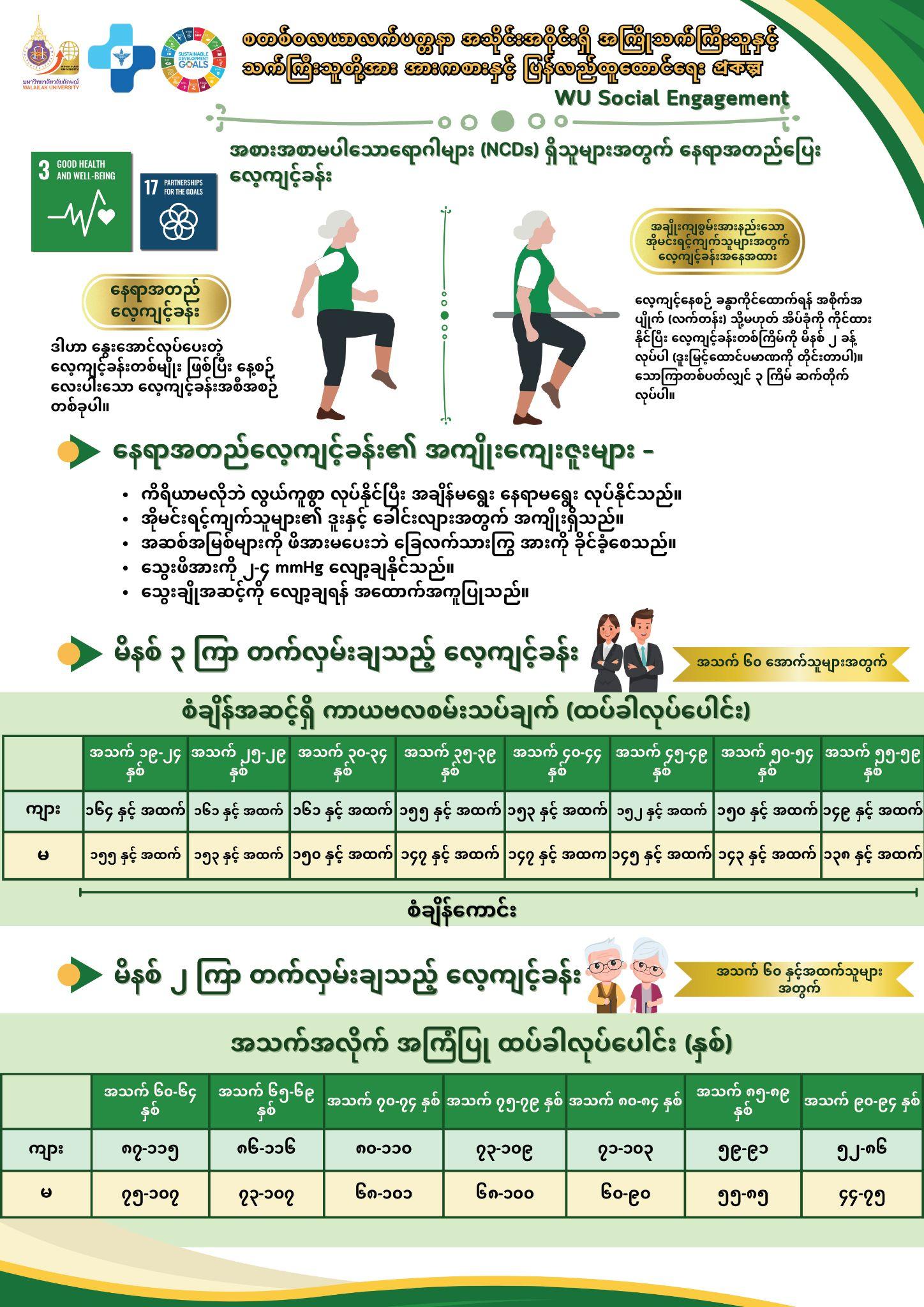
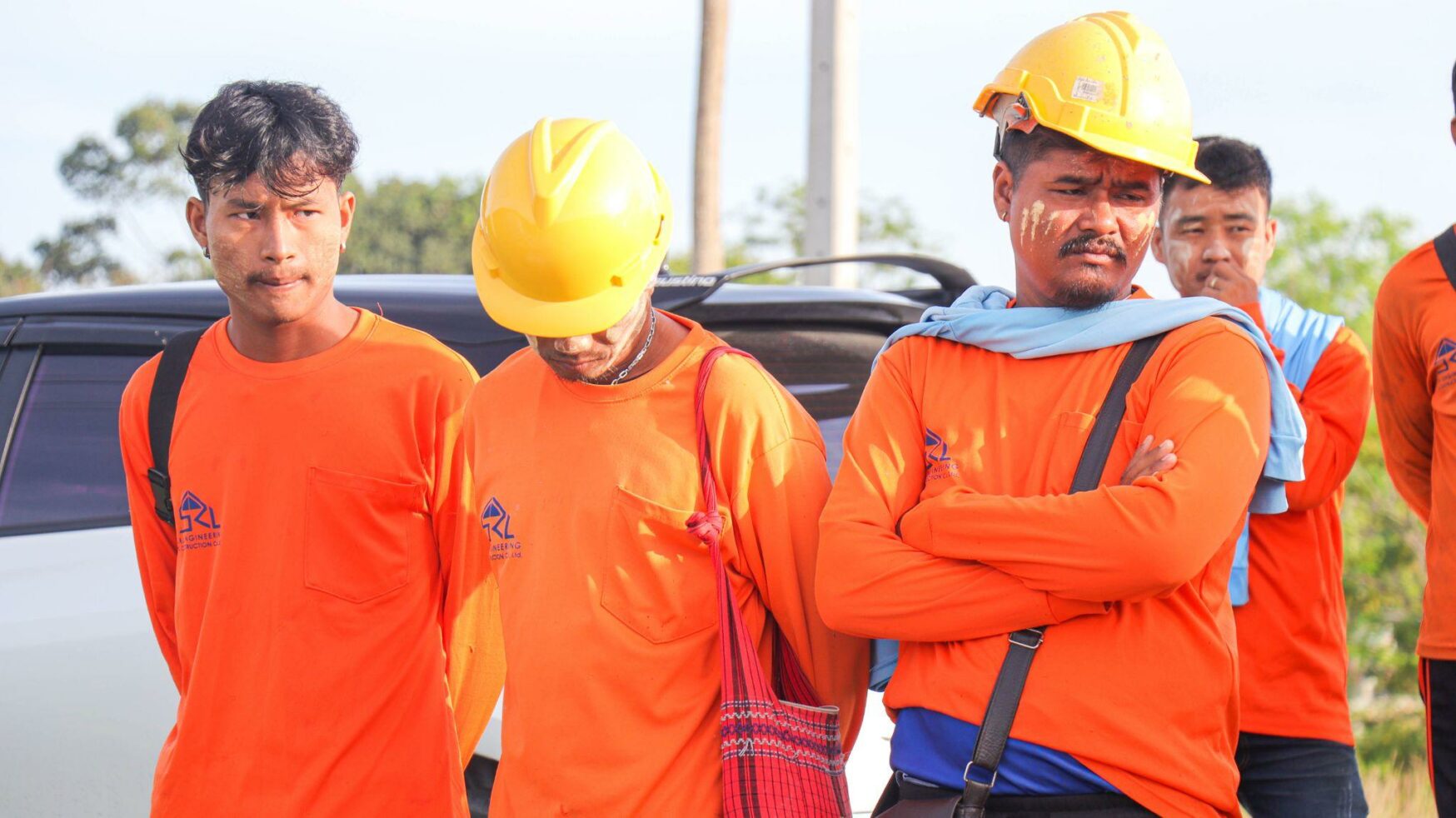
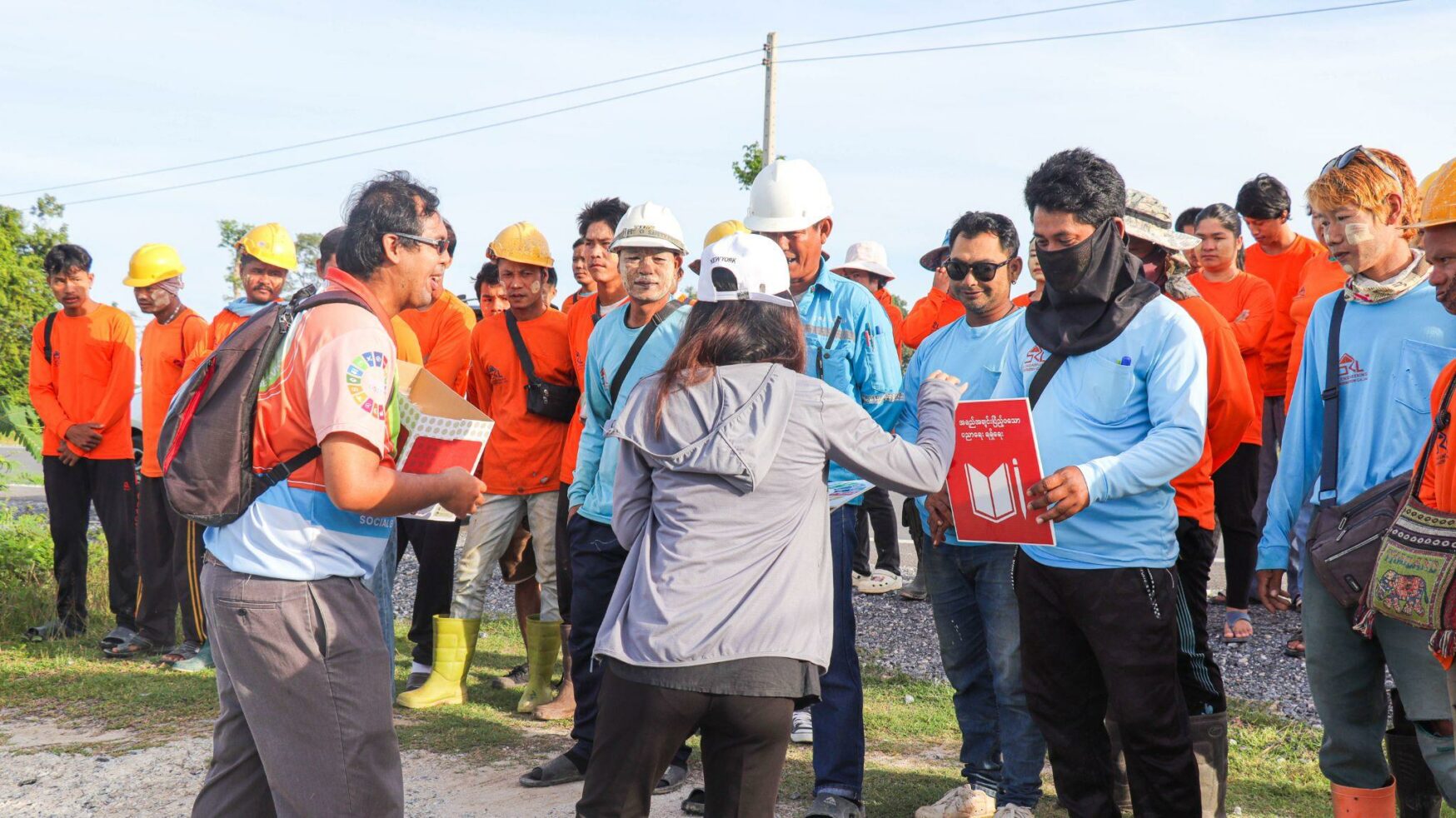
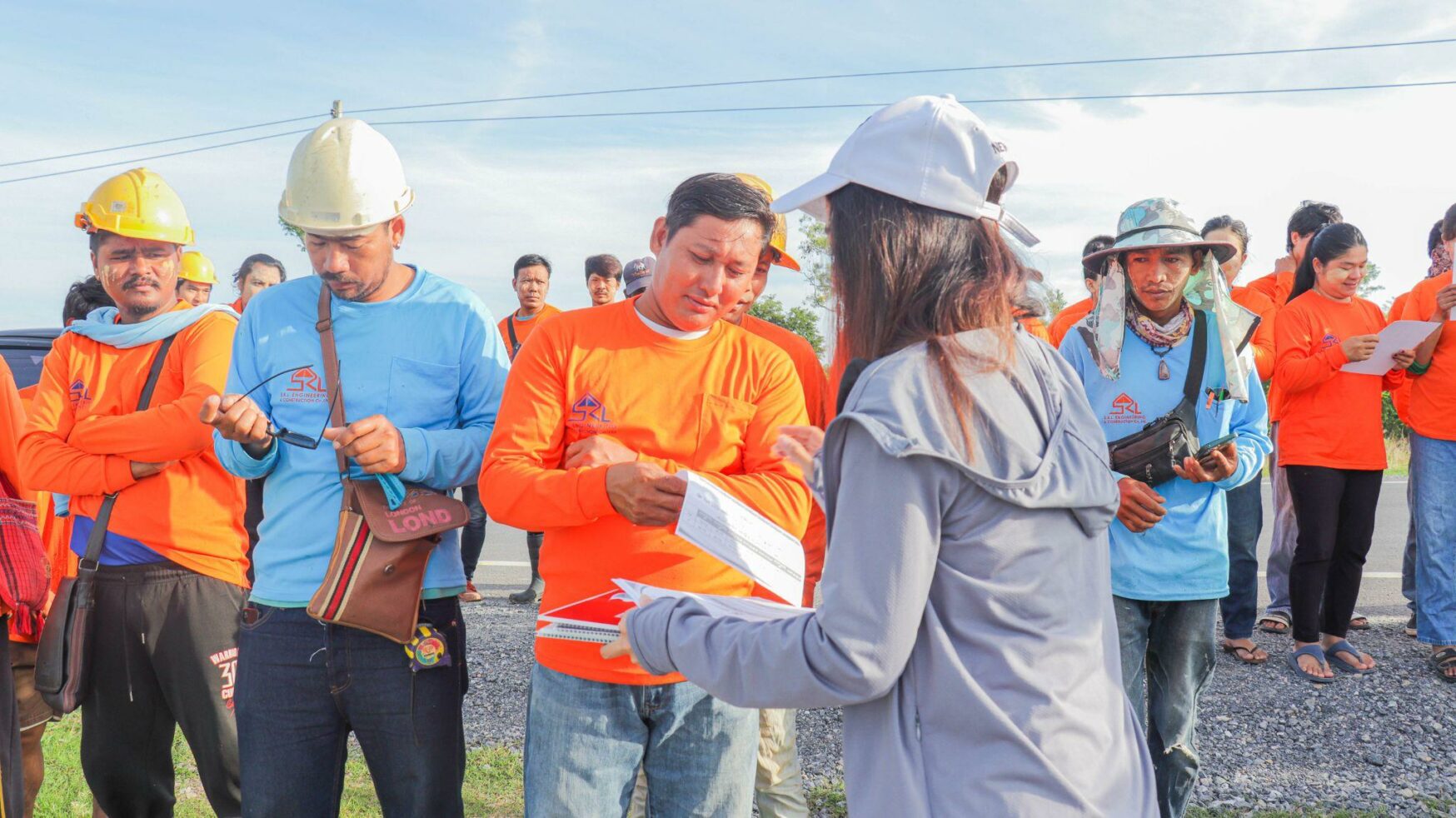
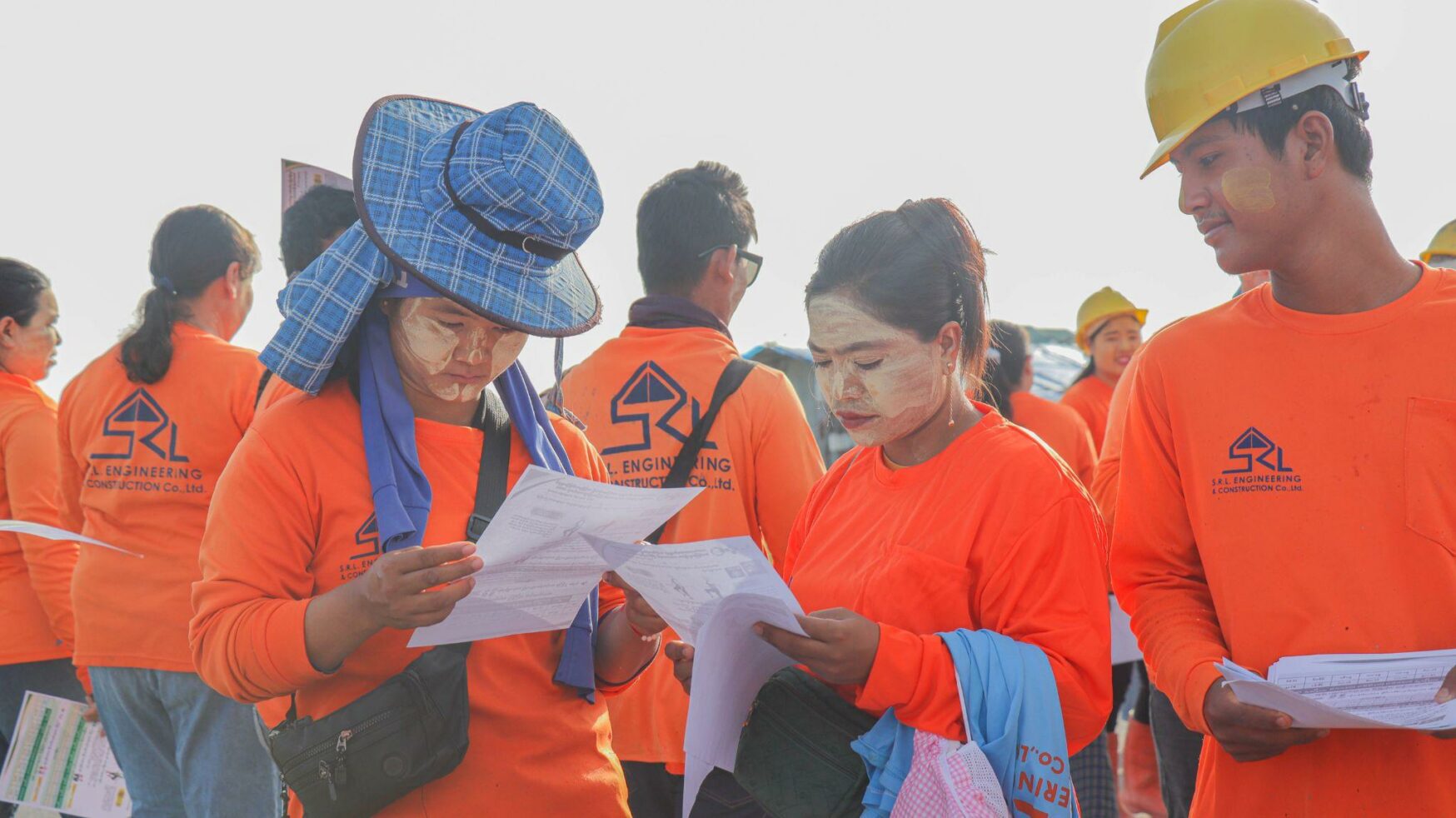
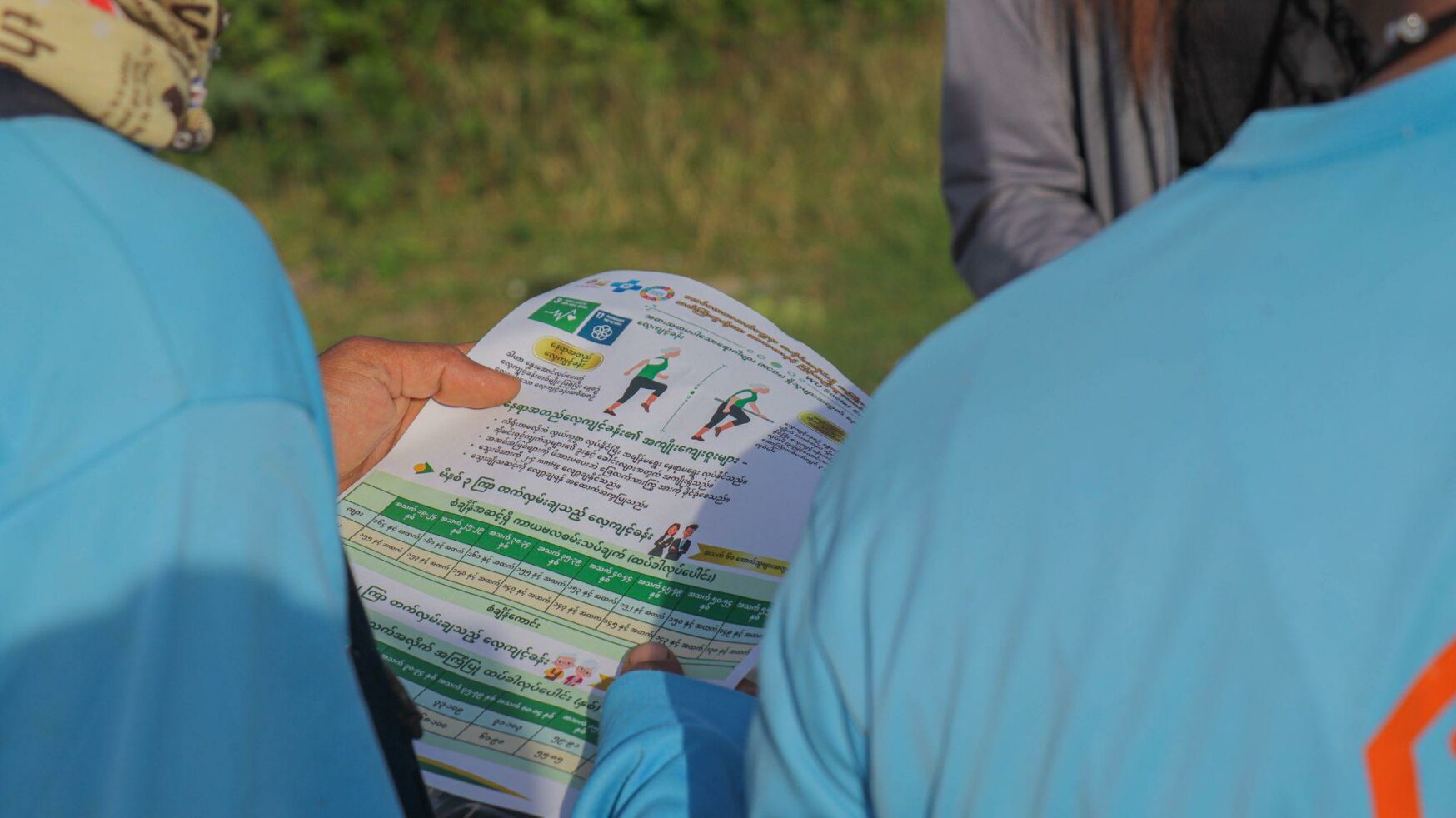
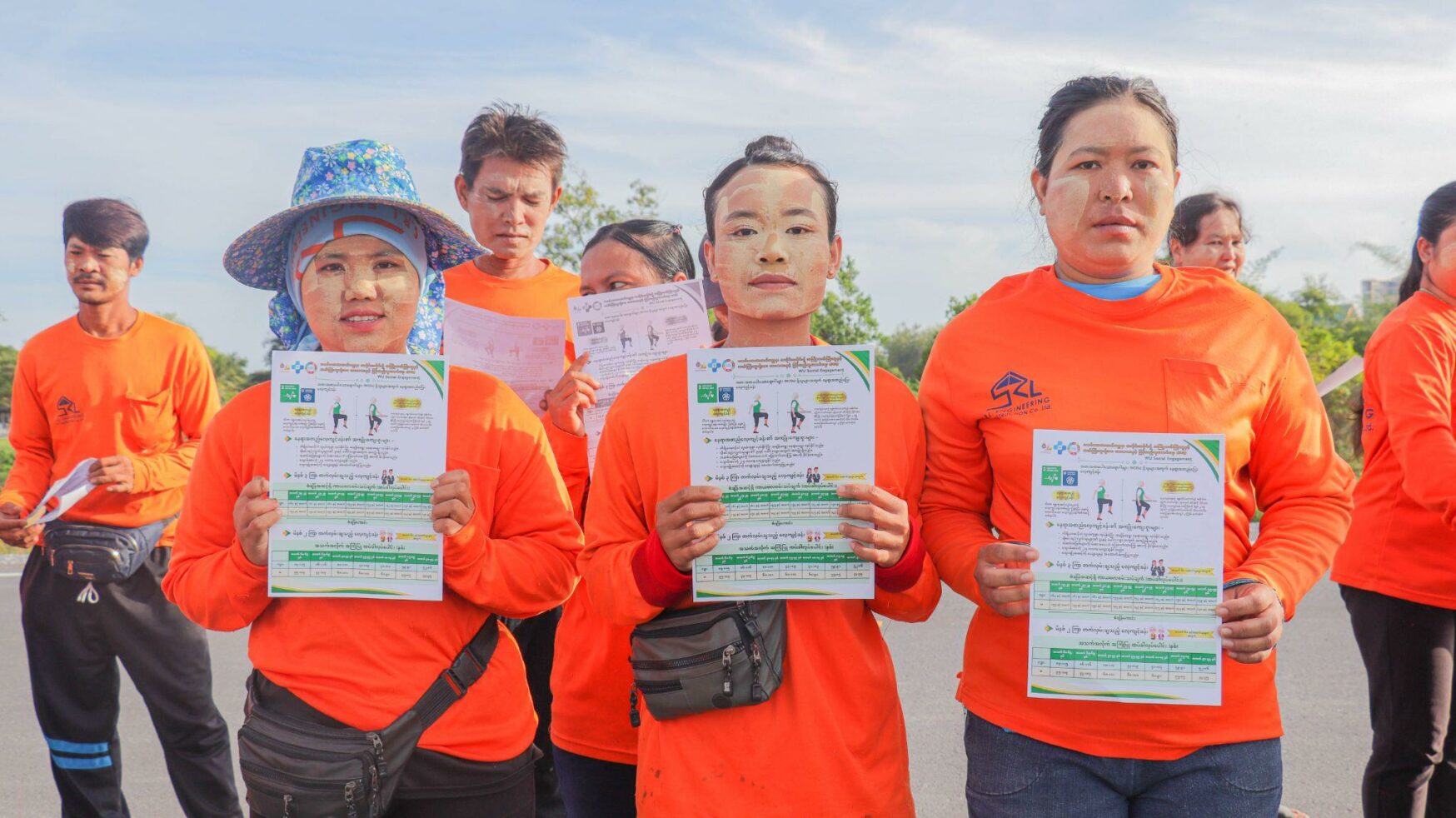
To address this, Walailak University organized outreach activities specifically designed for Burmese migrant workers, particularly those employed in the construction sector. The program focused on providing practical knowledge related to workplace safety, protection measures, and appropriate movement, helping them adapt and work responsibly in their new environment. This initiative forms part of WU’s commitment to SDG 3: Good Health and Well-being. This information was distributed through brochures written in the Burmese language to ensure accessibility and comprehension.
Beyond workplace safety, the outreach integrated education on the SDGs, enabling participants to learn about global goals such as decent work and economic growth (SDG 8), reduced inequalities (SDG 10), and partnerships for the goals (SDG 17). By incorporating SDG knowledge, the initiative aimed to equip migrant workers with a broader understanding of how their well-being and contributions connect to sustainable development both locally and globally.
Providing all materials in the Burmese language not only broke down communication barriers but also reflected Walailak University’s commitment to inclusivity, cultural sensitivity, and community engagement. Through these initiatives, the university strives to empower displaced and marginalized populations, fostering a sense of dignity, safety, and awareness while contributing to the achievement of the SDGs.
Figures : WU organized the education outreach program on SDG for the Burmese construction workers in Tha Sala District to promote the SDG literacy among displaced people and refugees
Promoting SDG Literacy among Alumni
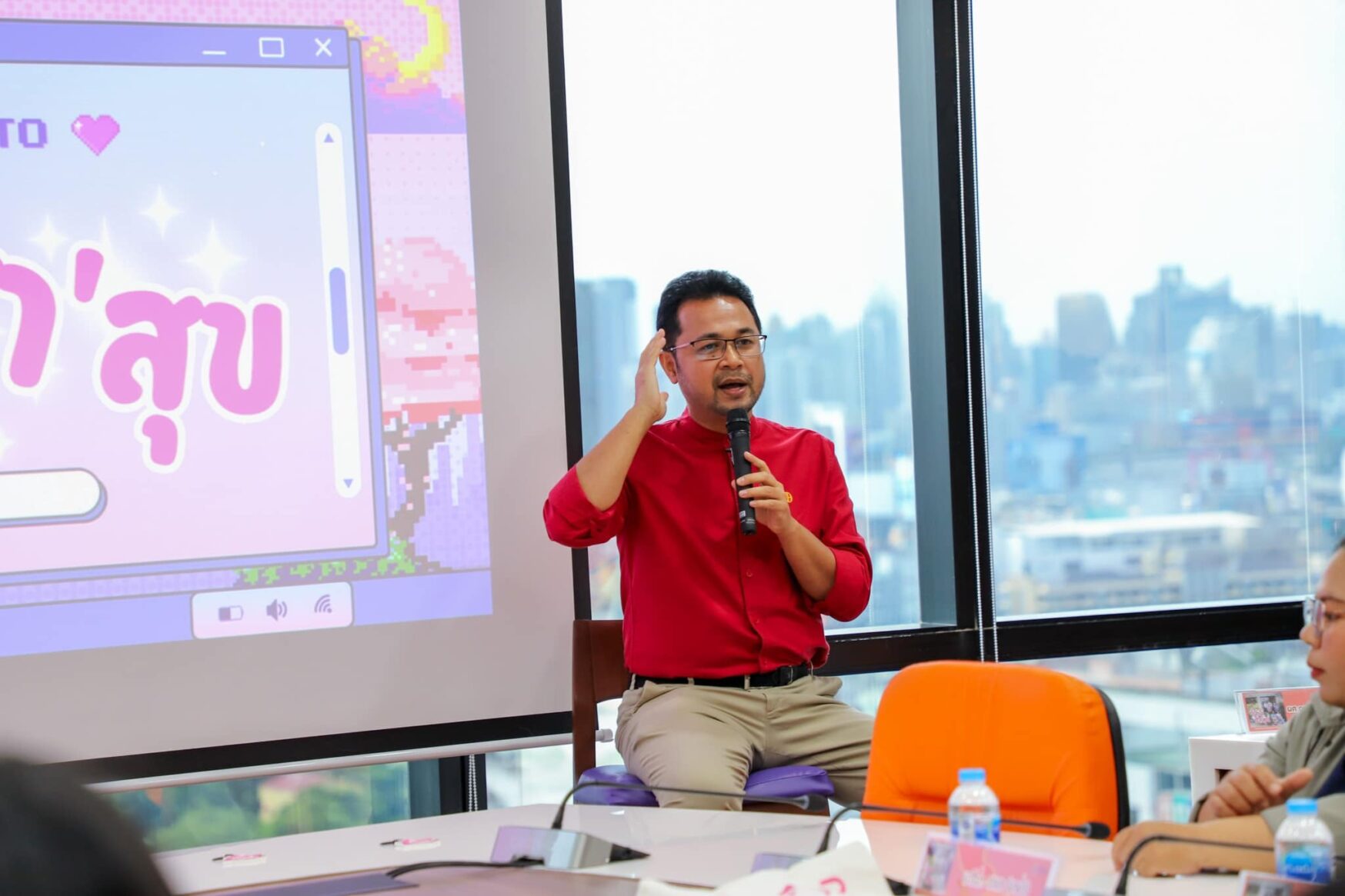
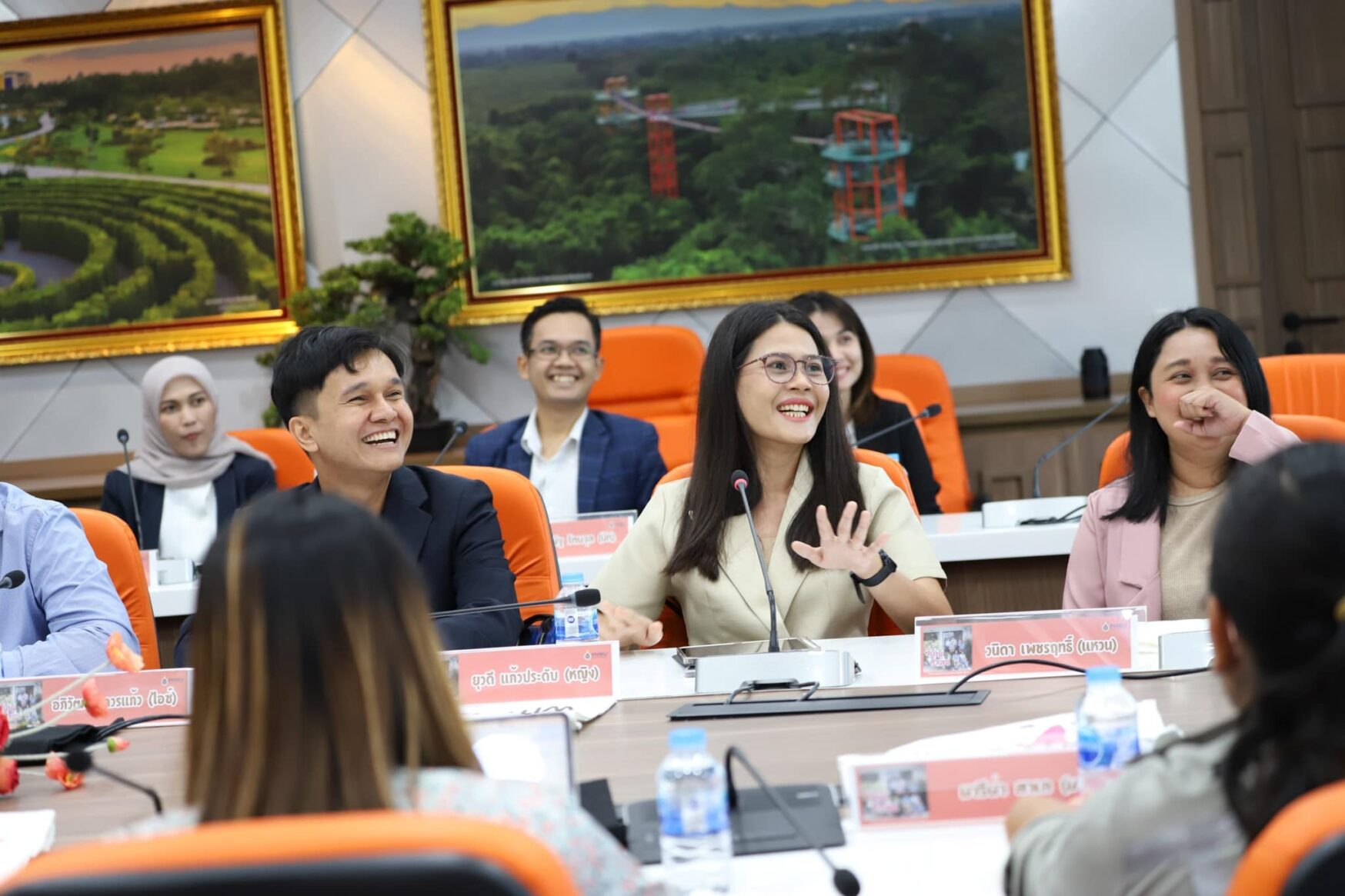
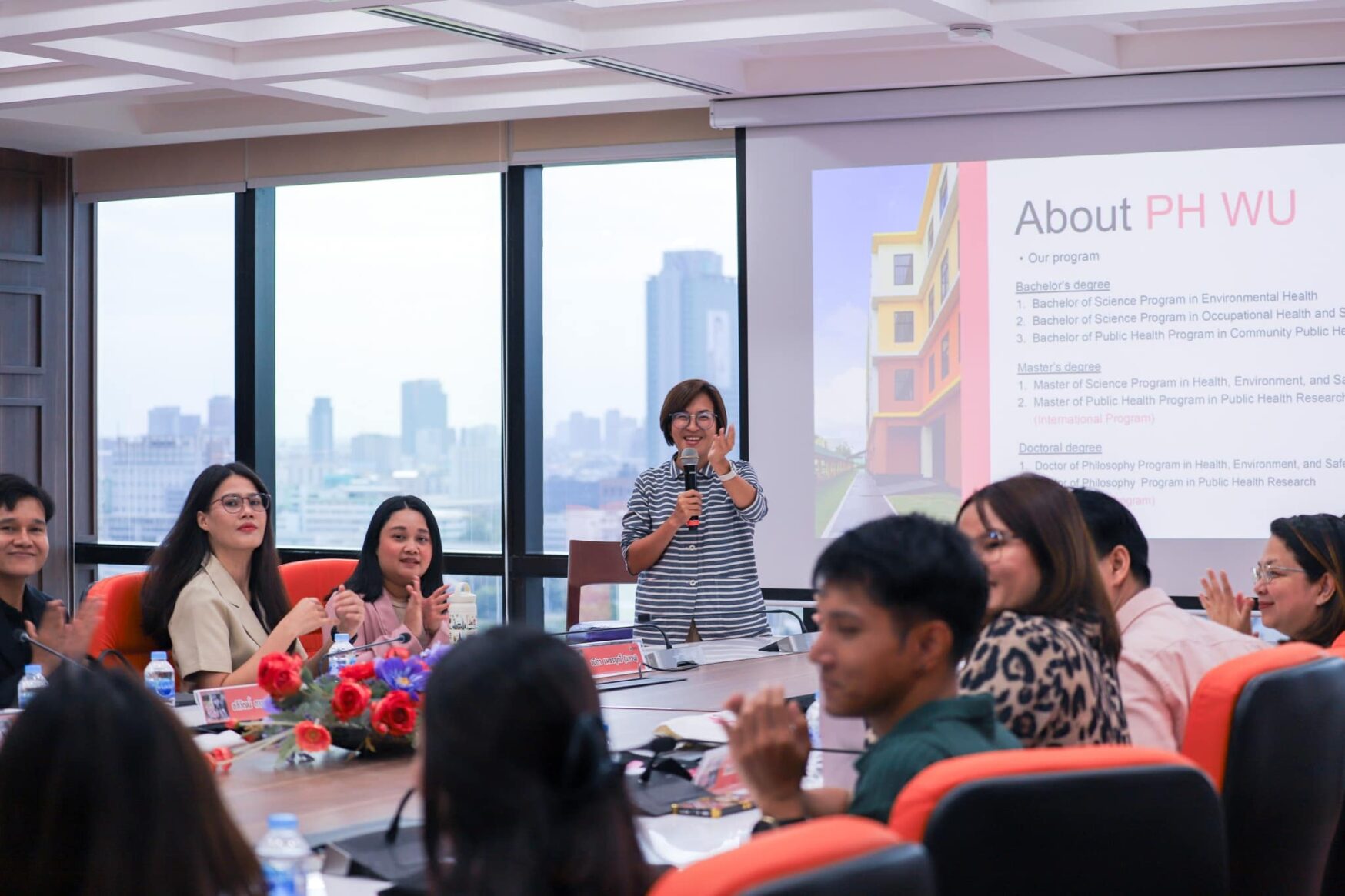
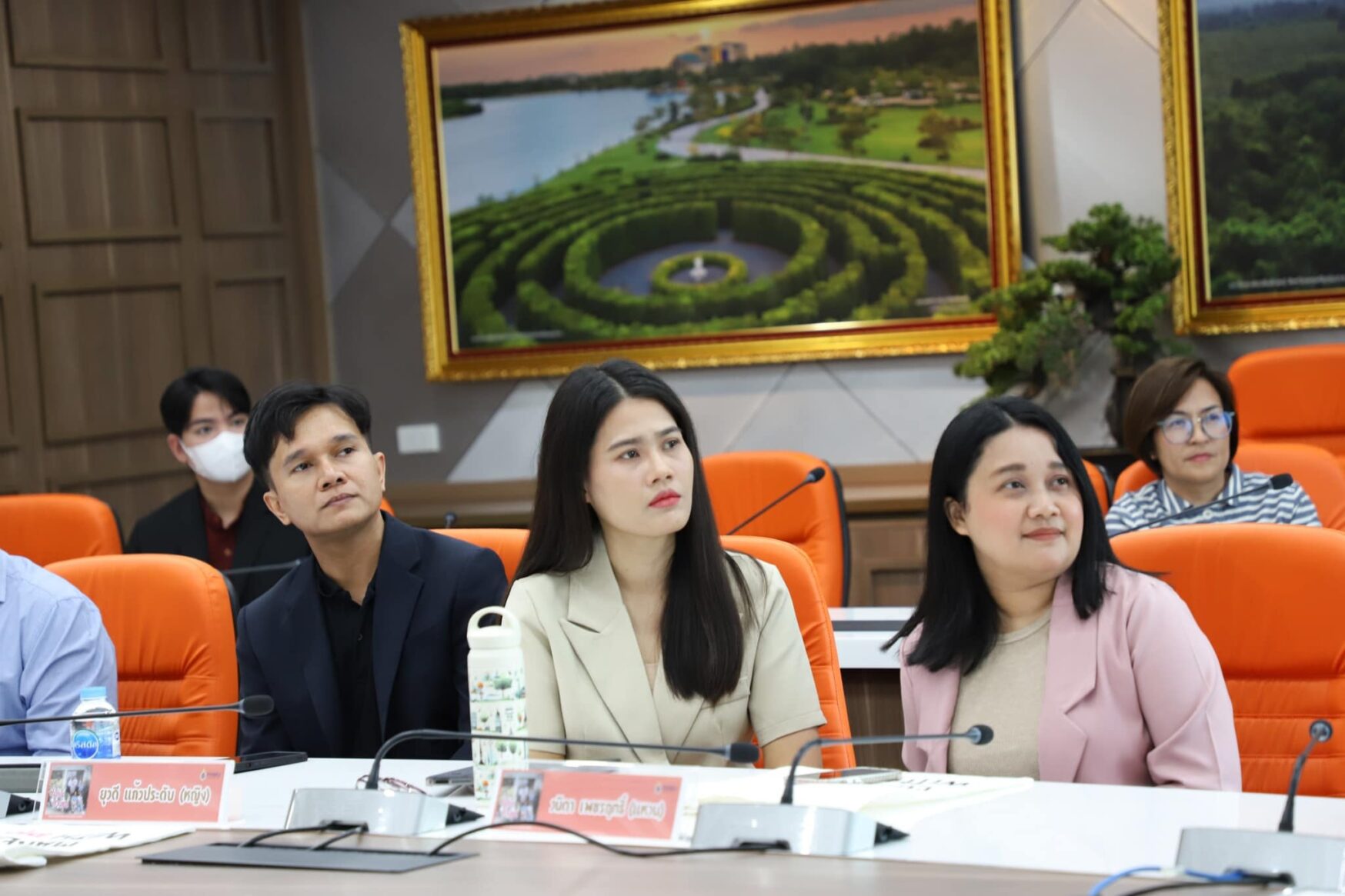
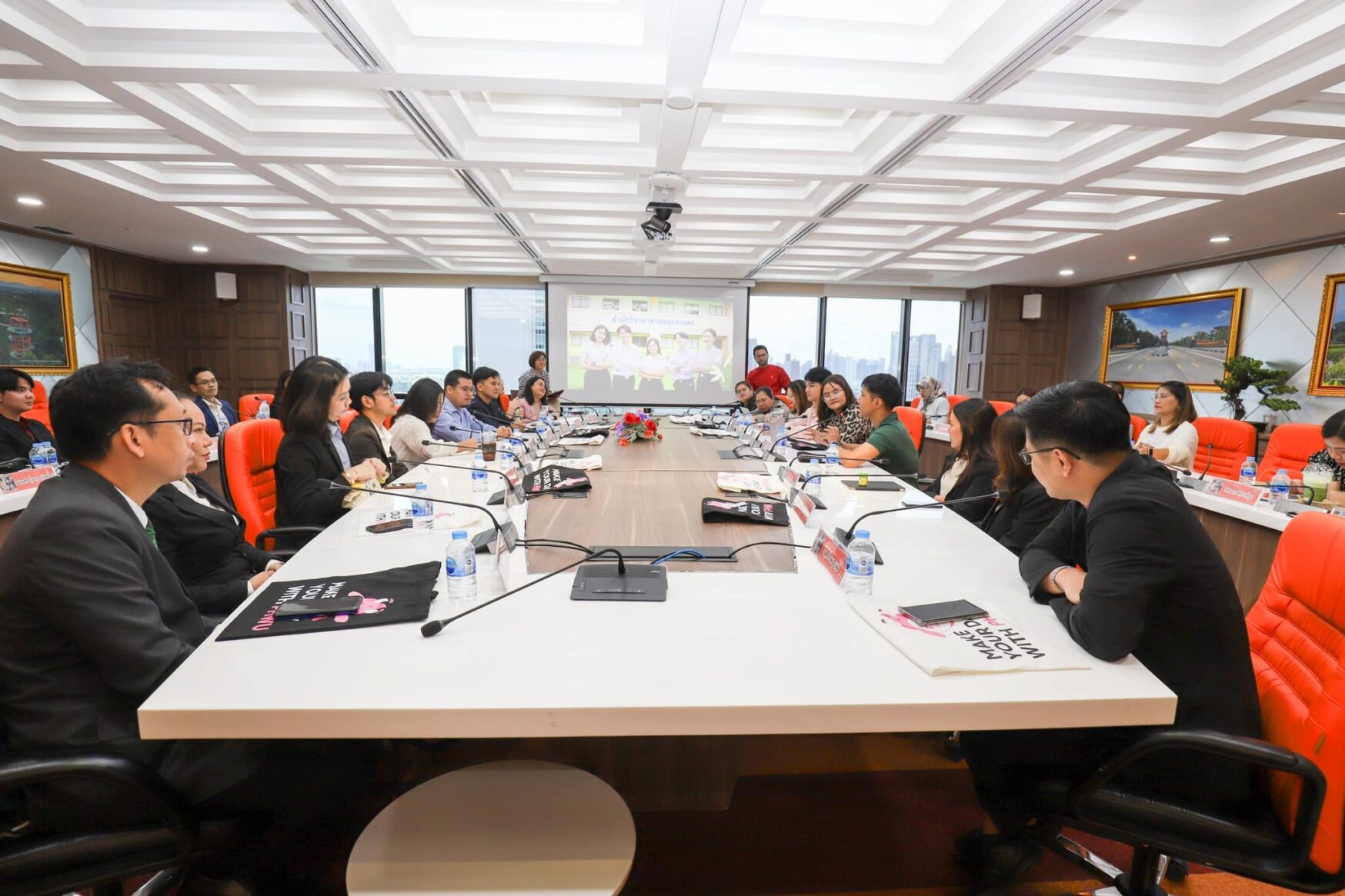
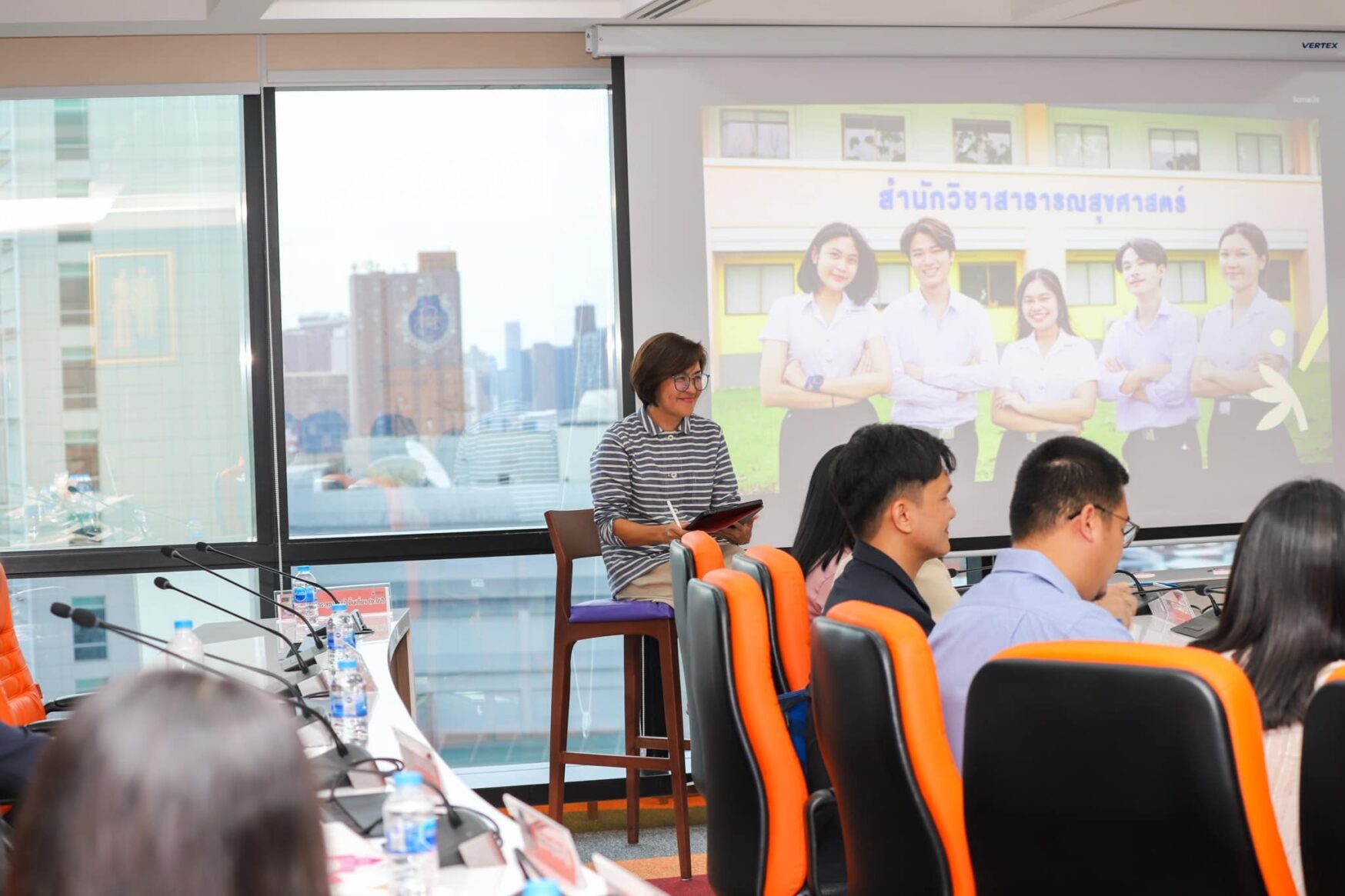
In 2024, Walailak University, through the School of Public Health, organized its annual alumni meeting with the aim of strengthening collaboration and advancing sustainability initiatives. The gathering provided a platform for alumni to engage in discussions on academic and professional issues, while also fostering cooperation between the university and its graduates in shaping a more sustainable future. Importantly, the meeting served as a stage for alumni to express their perspectives and contribute their voices to the university’s decision-making processes.
As part of the program, Walailak University promoted literacy on the United Nations Sustainable Development Goals (SDGs) among its alumni. Participants were introduced to the principles of the SDGs and were provided with updates on the university’s efforts to integrate sustainability both on and off campus. This included sharing examples of ongoing initiatives such as responsible waste management, climate action campaigns, and sustainable community outreach programs.
The session also encouraged active dialogue on how alumni could play a role in mobilizing Walailak University toward becoming a greener and more sustainable campus. Discussions focused on potential policies, strategies, and joint projects that could strengthen the university’s contribution to the SDGs. Alumni were invited to share innovative ideas, best practices from their own professional experiences, and recommendations for future directions.
Through these efforts, Walailak University not only fostered a stronger bond with its alumni network but also promoted a shared sense of responsibility in advancing sustainability. By equipping alumni with SDG knowledge and engaging them in strategic discussions, the university reinforced its commitment to collaborative action for sustainable development and to building a community of lifelong advocates for the SDGs.
Figures : Walailak University organized the event to enhance SDG literacy among alumni of the School of Public Health.
Measuring the Positive Outcomes of SDG-Focused Outreach and Education
In 2024, Walailak University continued its commitment to advancing education on the United Nations’ Sustainable Development Goals (SDGs) among local communities, alumni, and displaced people. The initiative aims to strengthen literacy and awareness of sustainable development across all aspects of life, fostering a shared understanding of sustainability that is accessible to diverse groups.
Walailak University, through the Center for Academic Services (CAS), serves as the primary driver of these efforts, delivering SDG-focused education through outreach programs, workshops, and community events. Diagnostic assessments are conducted during these activities to evaluate participants’ understanding of the SDGs and identify areas where further guidance or support is needed. Each outreach activity is designed to integrate SDG concepts, ensuring that participants not only gain practical knowledge but also understand its connection to global sustainability efforts.
Recognizing that some community members may find academic discussions of the SDGs difficult to grasp, CAS presents the content in simple, relatable ways. Educational materials and activities are tailored to the needs of different audiences—whether farmers, fishermen, students, or displaced people—so that complex global goals are translated into meaningful, everyday actions.