Free Community Educational Outreach Programs on Freshwater Ecosystems
Walailak University has long recognized the critical role of freshwater management in sustaining local communities, agriculture, and ecosystems in Nakhon Si Thammarat Province. As a regional institution, the university is committed to providing community-based educational outreach programs that empower local residents with practical knowledge and skills in sustainable water management. By combining academic research with participatory learning approaches, Walailak University facilitates hands-on experiences and collaborative initiatives that promote the conservation and restoration of freshwater ecosystems.
In 2024, Walailak University carried out several initiatives, including outreach programs in the Pak Phanang River Basin, the “Living Weir” project, and the development of a mobile cloud-based platform for agricultural water management in Don Tako Subdistrict. These programs aimed to enhance water security, support biodiversity, and improve the well-being of local and national communities through effective water management practices.
Outeach Programs in the Pak Phanang River Basin
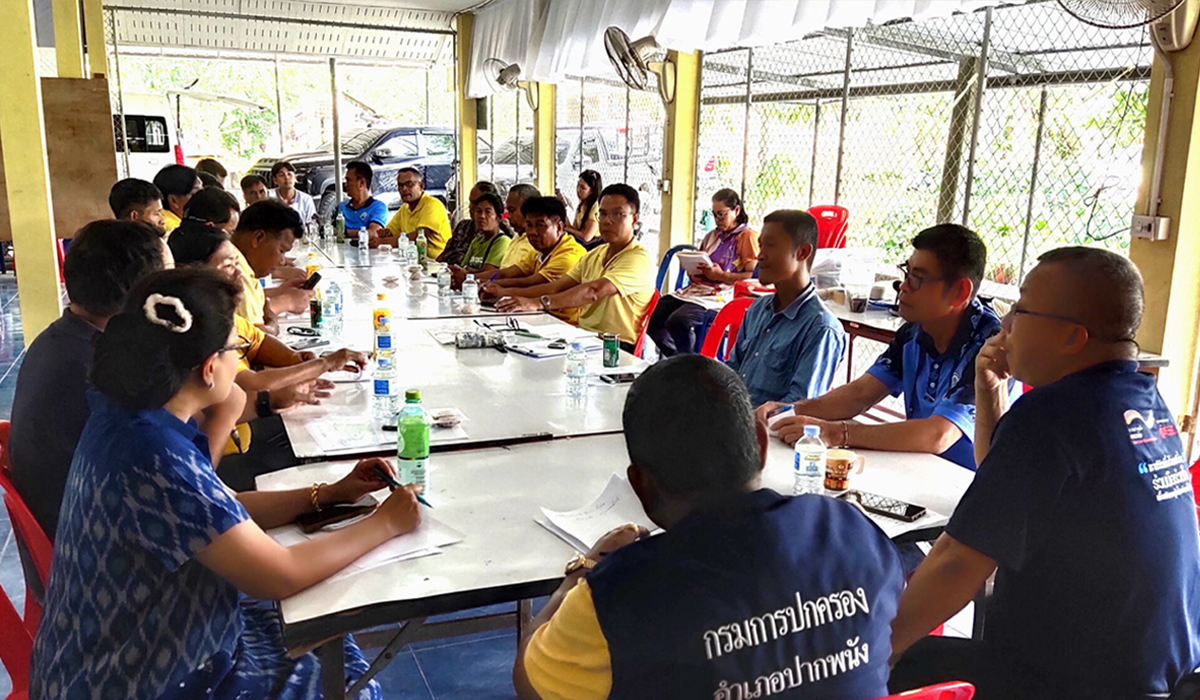
The Pak Phanang Basin Development Project is a Royal Initiative for addressing flooding, saltwater intrusion, and water scarcity for the local people in Pak Phanang District, Nakhon Si Thammarat Province. In 2024, WU was involved in various aspects of this project, including research conduction, outreach program provision and the development of technologies and innovations related to water and environmental management in the Pak Phanang Basin.
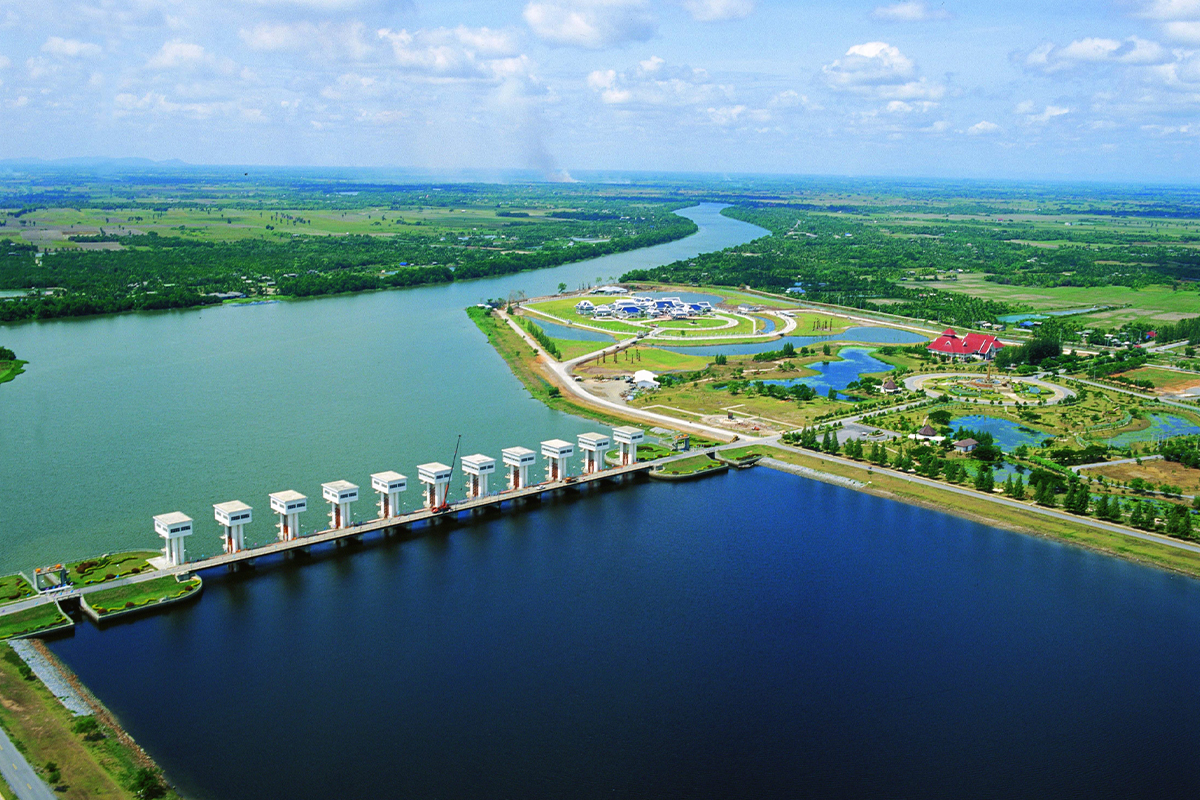
The Pak Phanang Basin Development Project focuses on addressing flooding, saltwater intrusion, and water scarcity within the extensive watershed of the Pak Phanang River. A key component of the project was the construction of the Uthokvibhajaprasid Barrage, designed to block seawater, prevent saltwater intrusion, and store freshwater for use during the dry season. Additionally, canals were dredged to enhance water flow, and emergency water gates were installed to support effective water management throughout the area.
Walailak University has been actively involved in supporting this initiative through research, technological development, and studies on environmental and water management in the basin. The university’s efforts include assessing ecological impacts, providing community education on sustainable water management techniques, and fostering local participation in conserving and managing water resources.
In 2024, Walailak University conducted a comprehensive study on water management systems in the Pak Phanang Basin, focusing on three main objectives: reviewing the outcomes of previous water resource development projects, evaluating opportunities for new water resource initiatives, and examining water management strategies in the context of disasters and climate change.
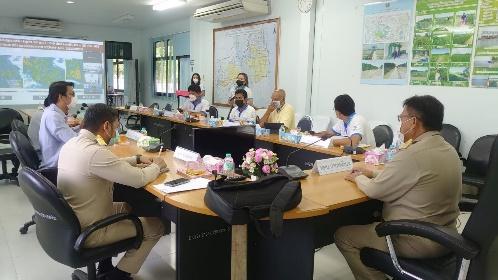
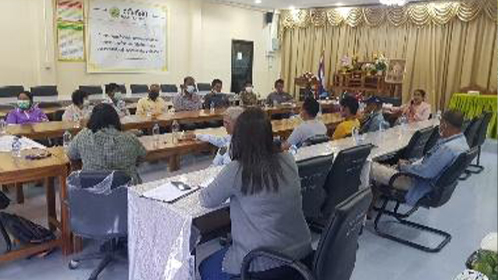
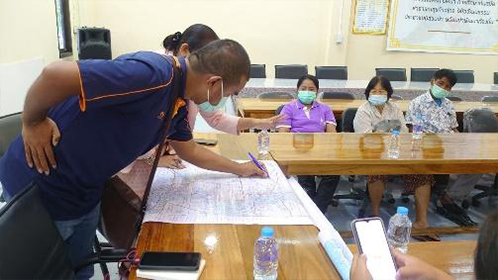
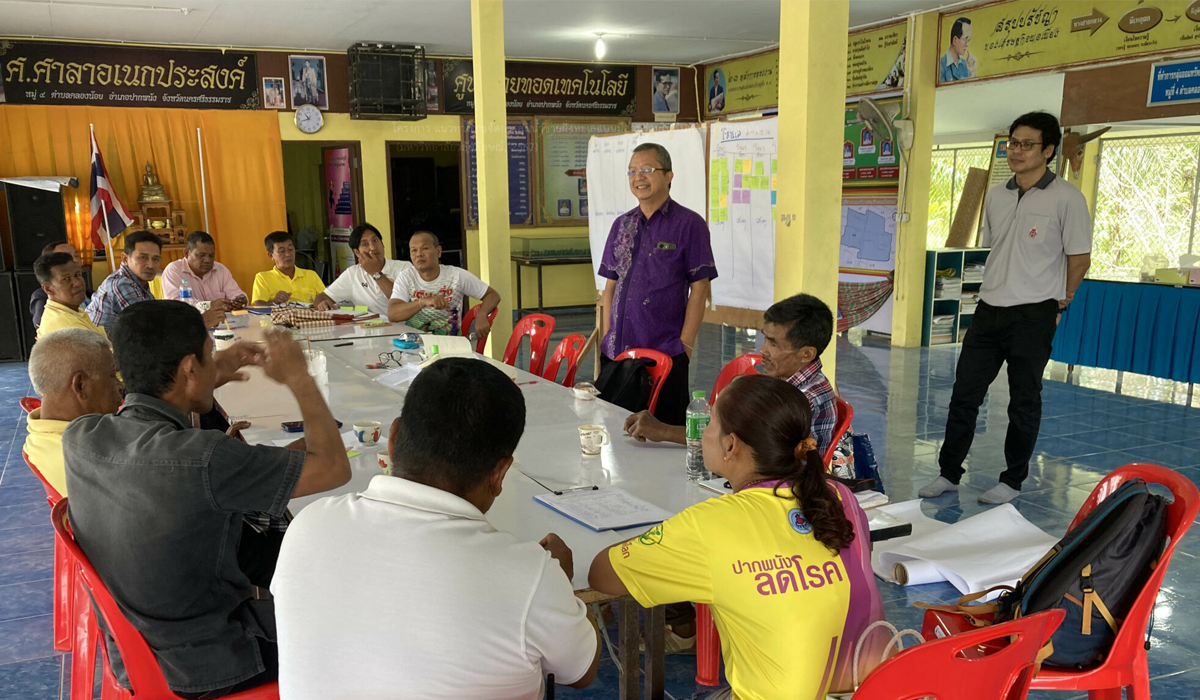
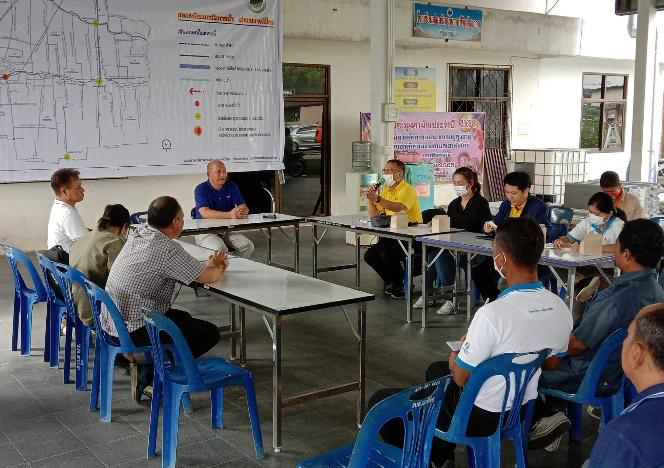
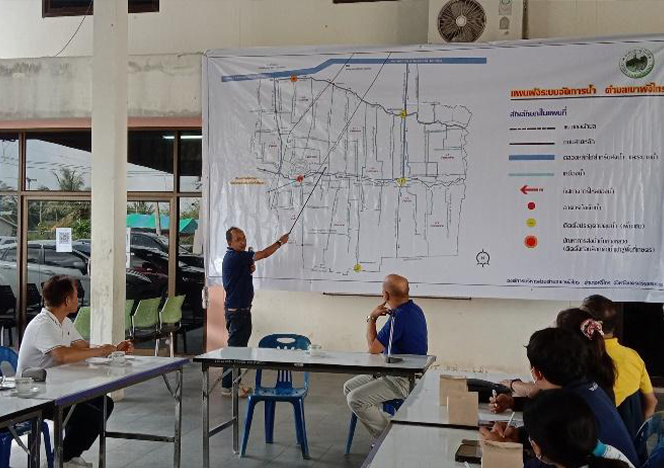
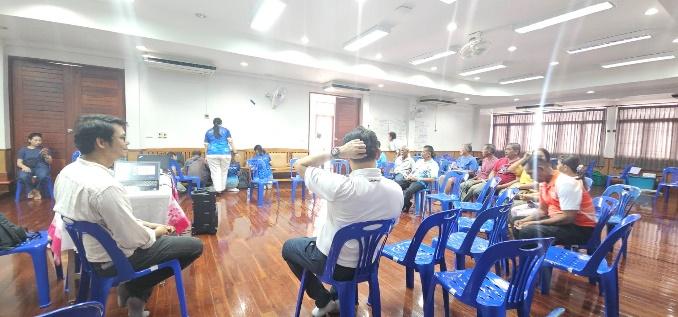
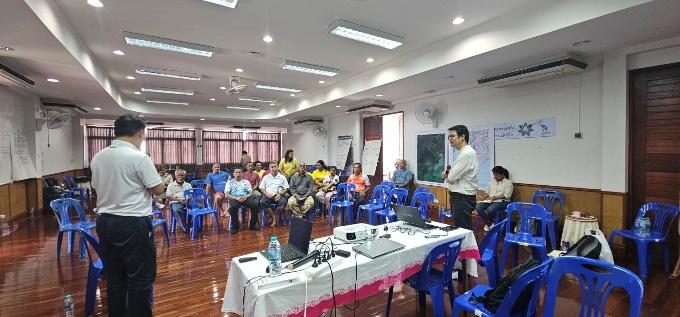
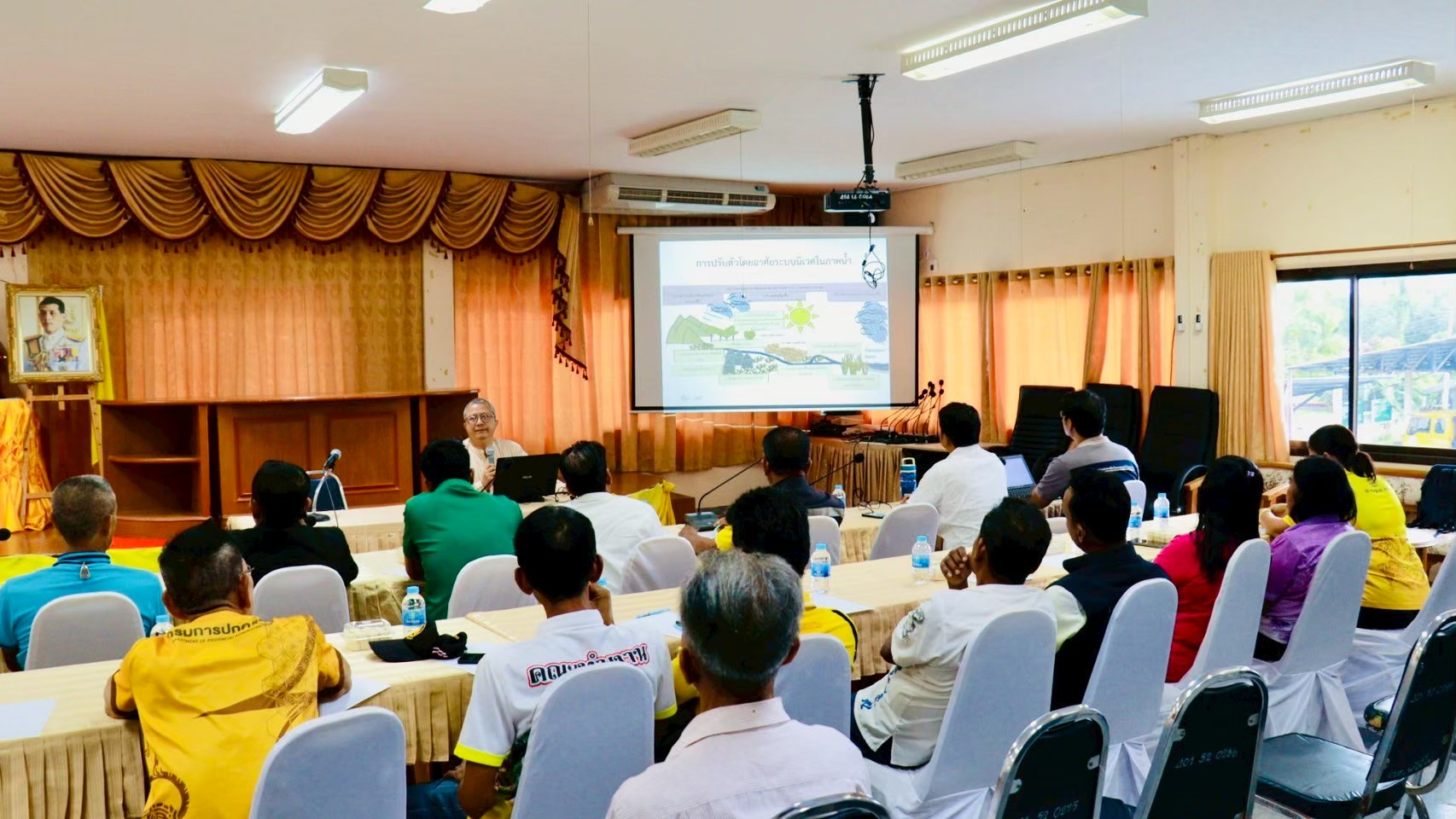
The university actively engaged local communities in these efforts, offering hands-on educational activities such as field data collection, stakeholder seminars, workshops, and discussion forums. These participatory approaches enabled community members to gain practical knowledge of sustainable water management while contributing their perspectives to the planning and decision-making process.
Walailak University has also developed mechanisms to enhance community participation in water management within the watershed management framework. Through community-based forums, local residents, government agencies, and private sector representatives exchange knowledge, collaborate on planning, and jointly establish proactive strategies for water management and development. These discussions consider local geographical conditions and community livelihoods, while also integrating preparations for the annual rainy season. This approach ensures coordinated water management across subdistricts and helps minimize negative impacts on both target communities and neighboring areas.
Platform for Agricultural Water Management in Don Tako Subdistrict with Mobile Cloud Computing
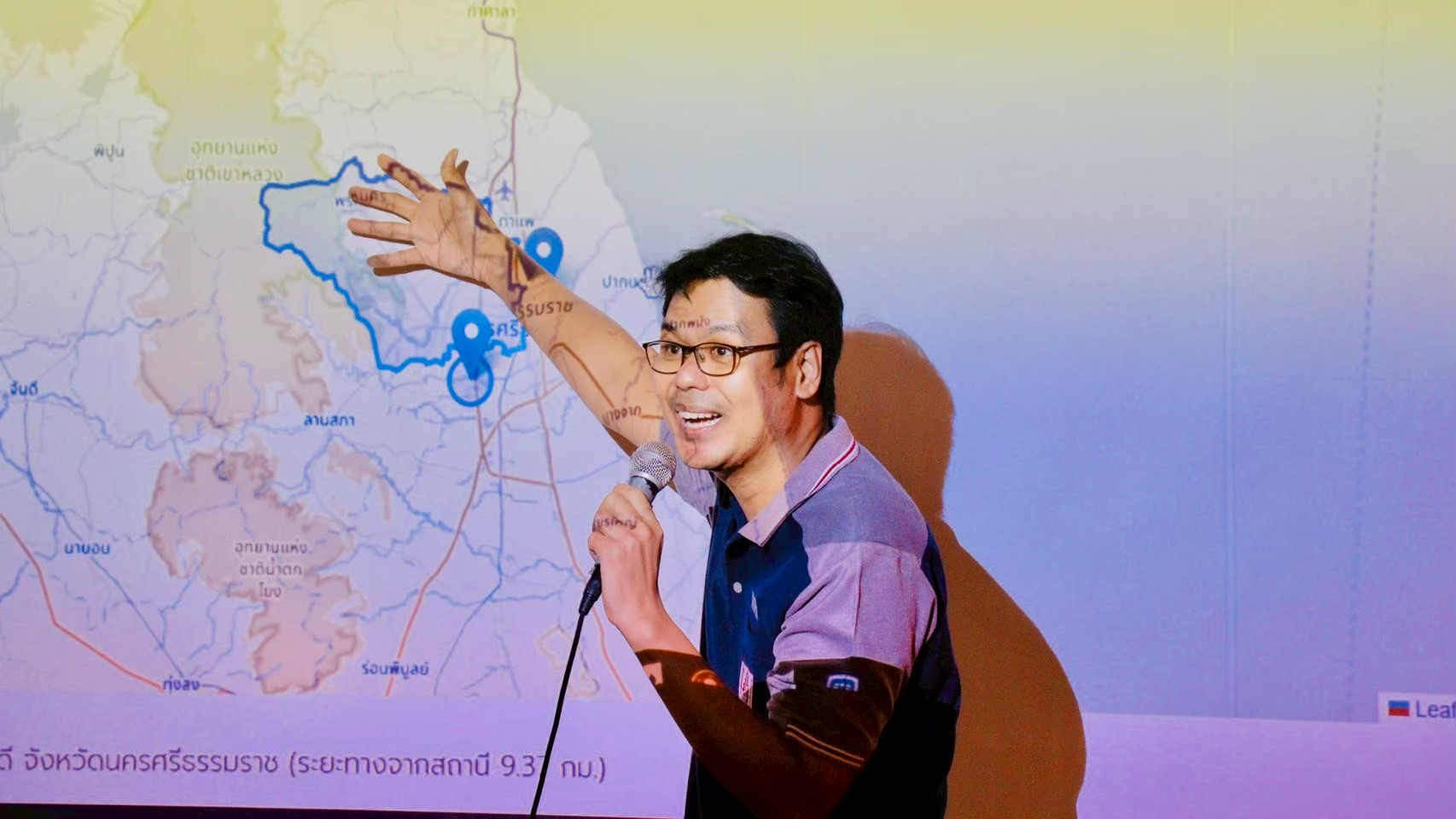
In 2024, Walailak University focused on equipping farmers with advanced water management tools to help them adapt to global changes and climate variability. While government agencies currently use large-scale tools to monitor water shortages and manage allocations for agriculture, these systems are often complex and involve multiple stakeholders.
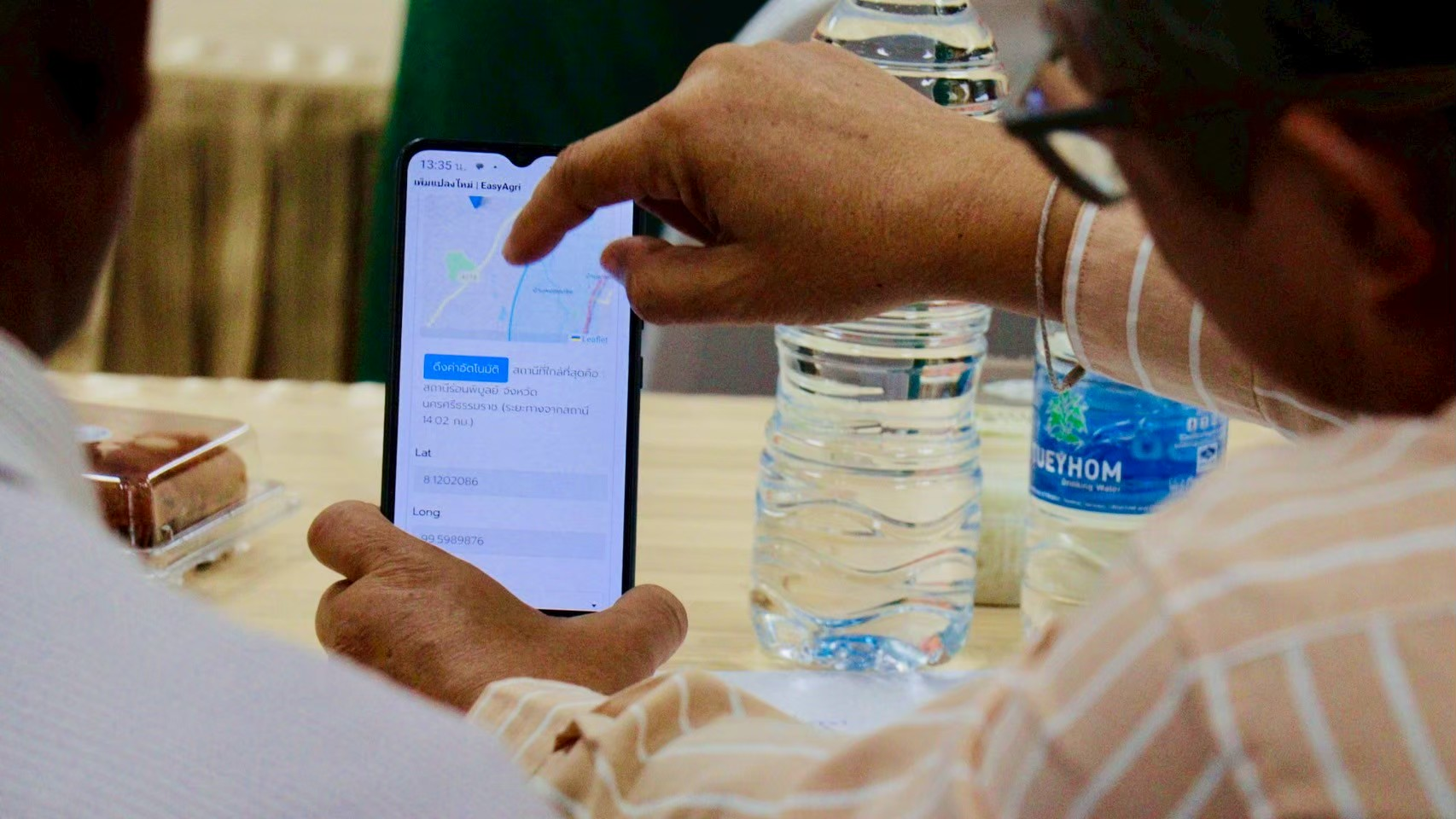
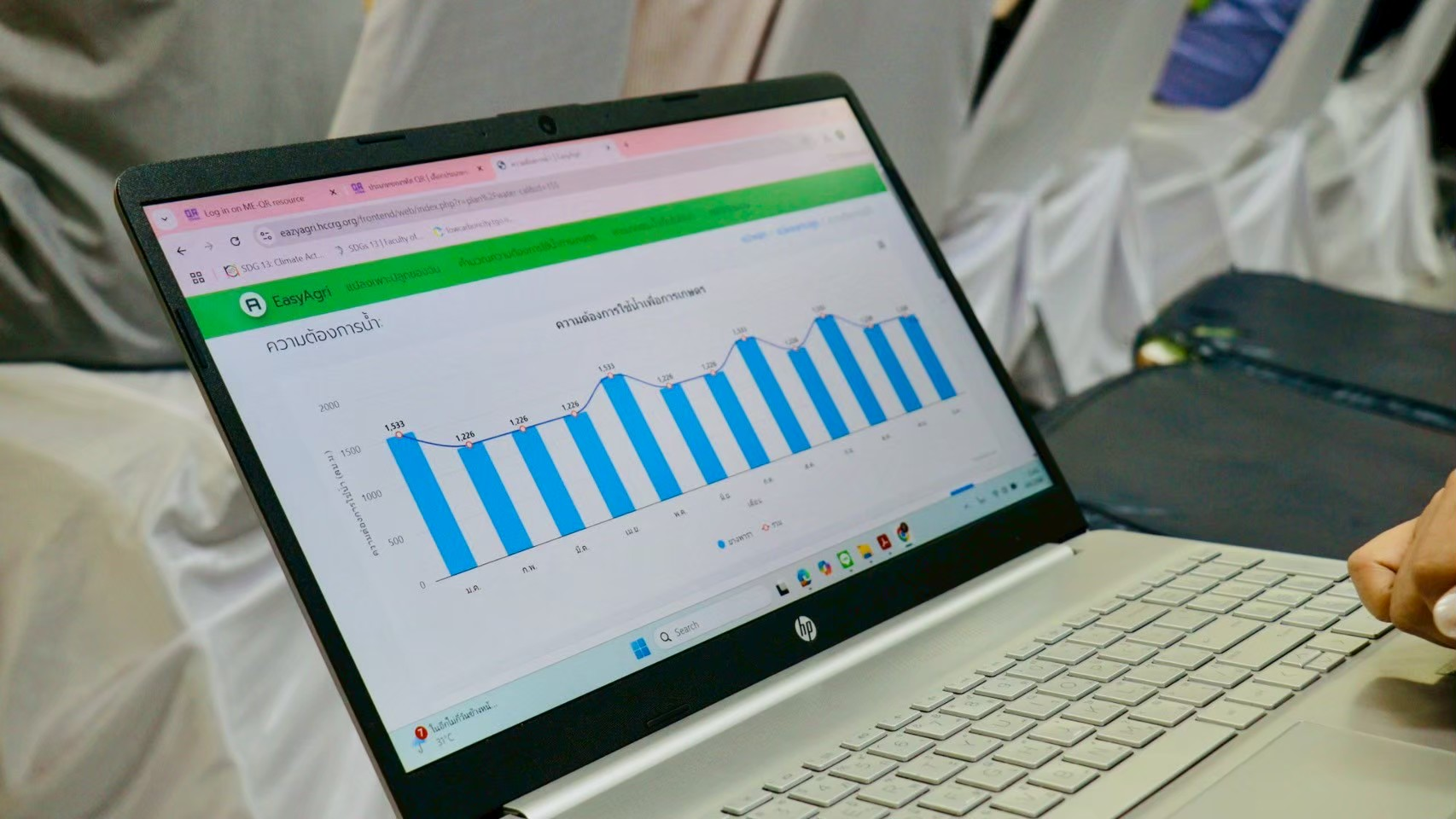
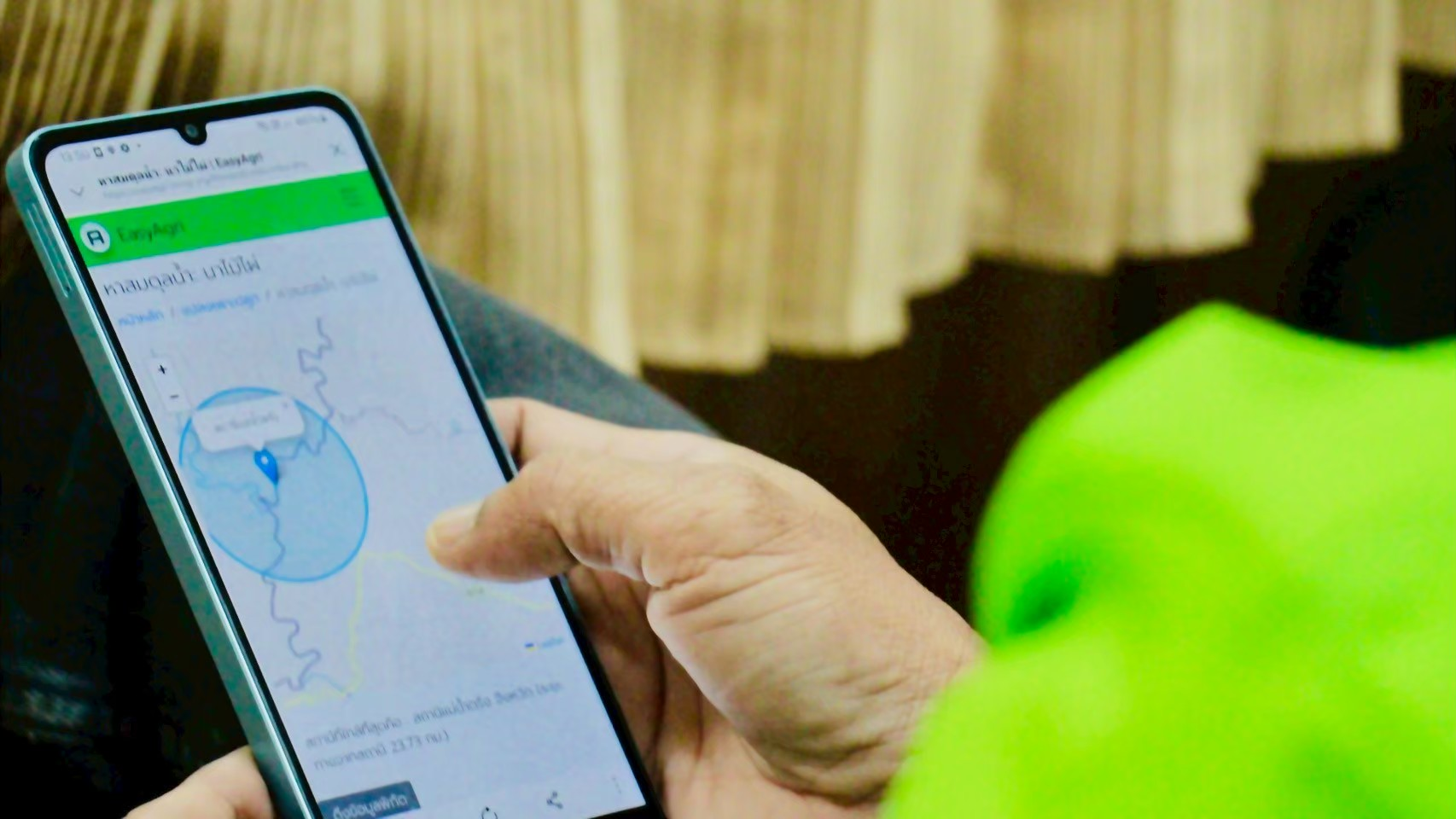
To address this, the university is developing user-friendly, cloud-based tools that allow farmers to independently manage water resources. These tools integrate data on water demand, availability, and analytical results into a digital platform accessible via both computers and mobile devices, making it easier for farmers to plan, monitor, and optimize water use efficiently.
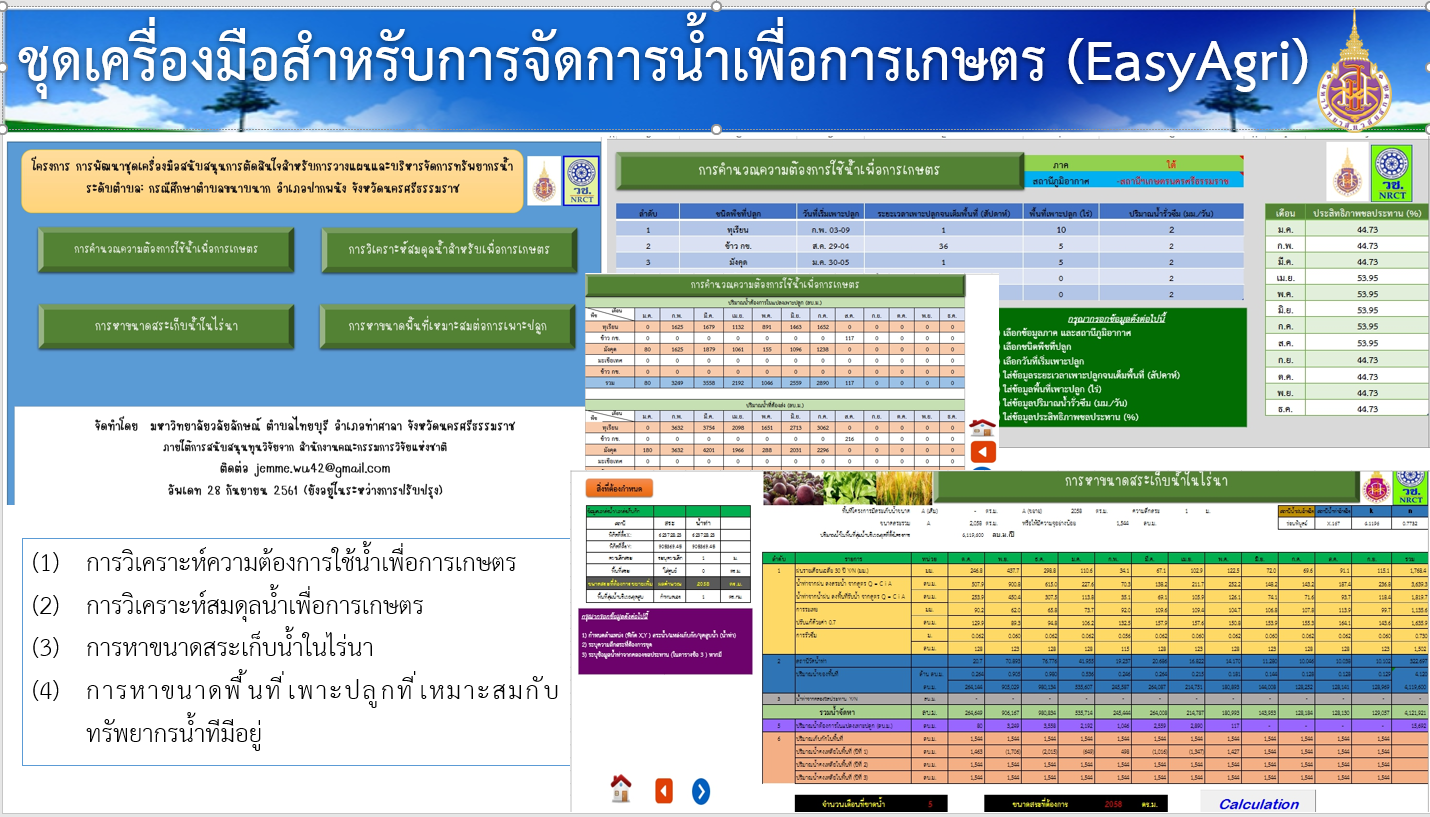
Figures : Agricultural Water Management Toolkit for Promoting Conscious and Efficient Water Usage
Building on this research, the university developed the Community Water Management Platform for Agriculture using mobile cloud computing, based on an initial toolkit called “Easy-Agri.” The platform supports community-based agricultural water management and offers practical training programs, including the use of a Water Supply Web Application for analyzing catchment areas, refining farm pond size calculations, and assessing land suitability for different crops.
The next step is to integrate these tools into a comprehensive water management platform in the form of a web application, to be piloted in Don Tako Subdistrict, Tha Sala District, an area near Walailak University. This location is home to farming groups engaged in rice cultivation and mixed orchards, particularly durian and mangosteen, which are high-value crops with significant water requirements. The platform aims to support decision-making in planning, budgeting, and risk assessment, based on maintaining a balance between water demand and available supply.
Tackling Challenges in the Kuan Kreng Peat Swamp Basin
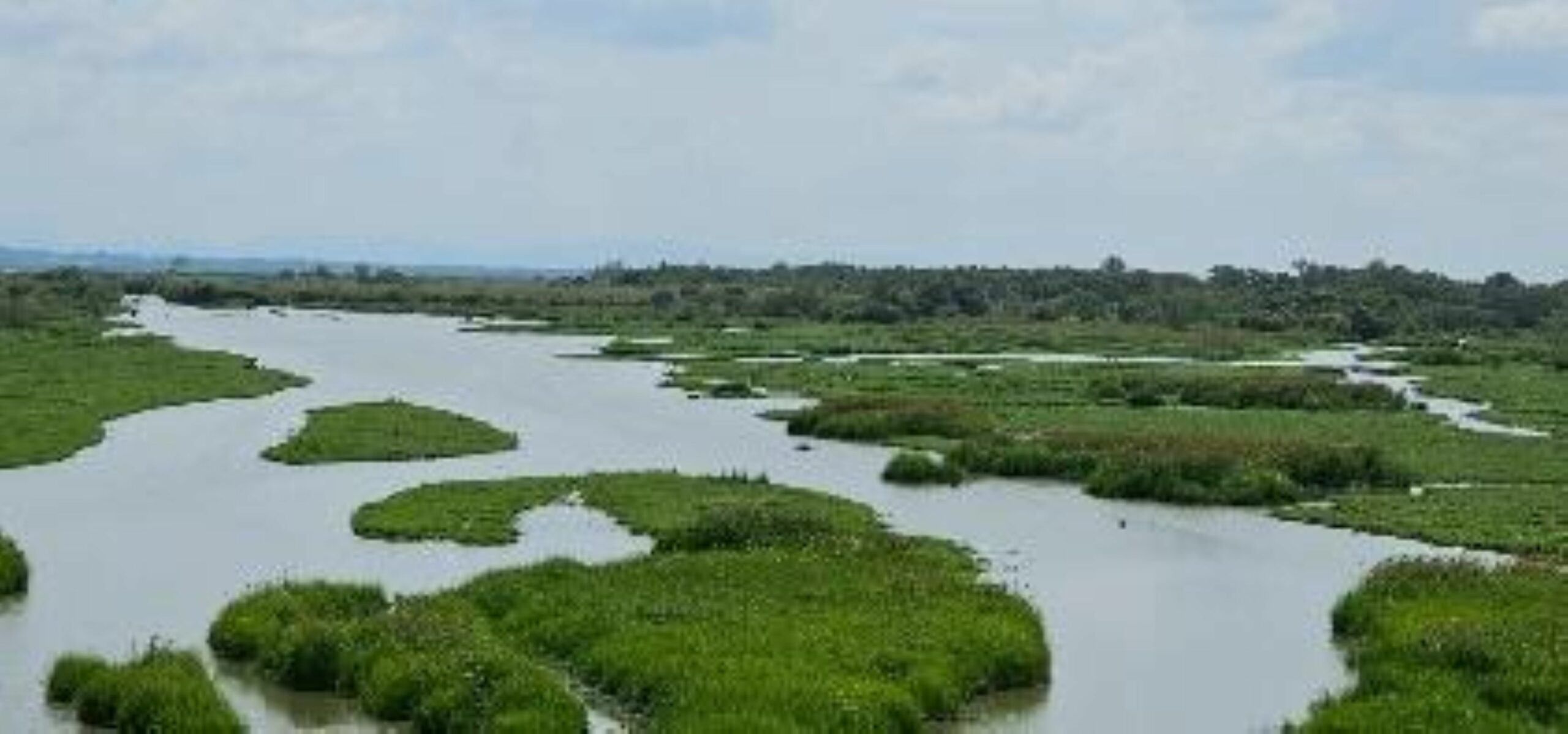
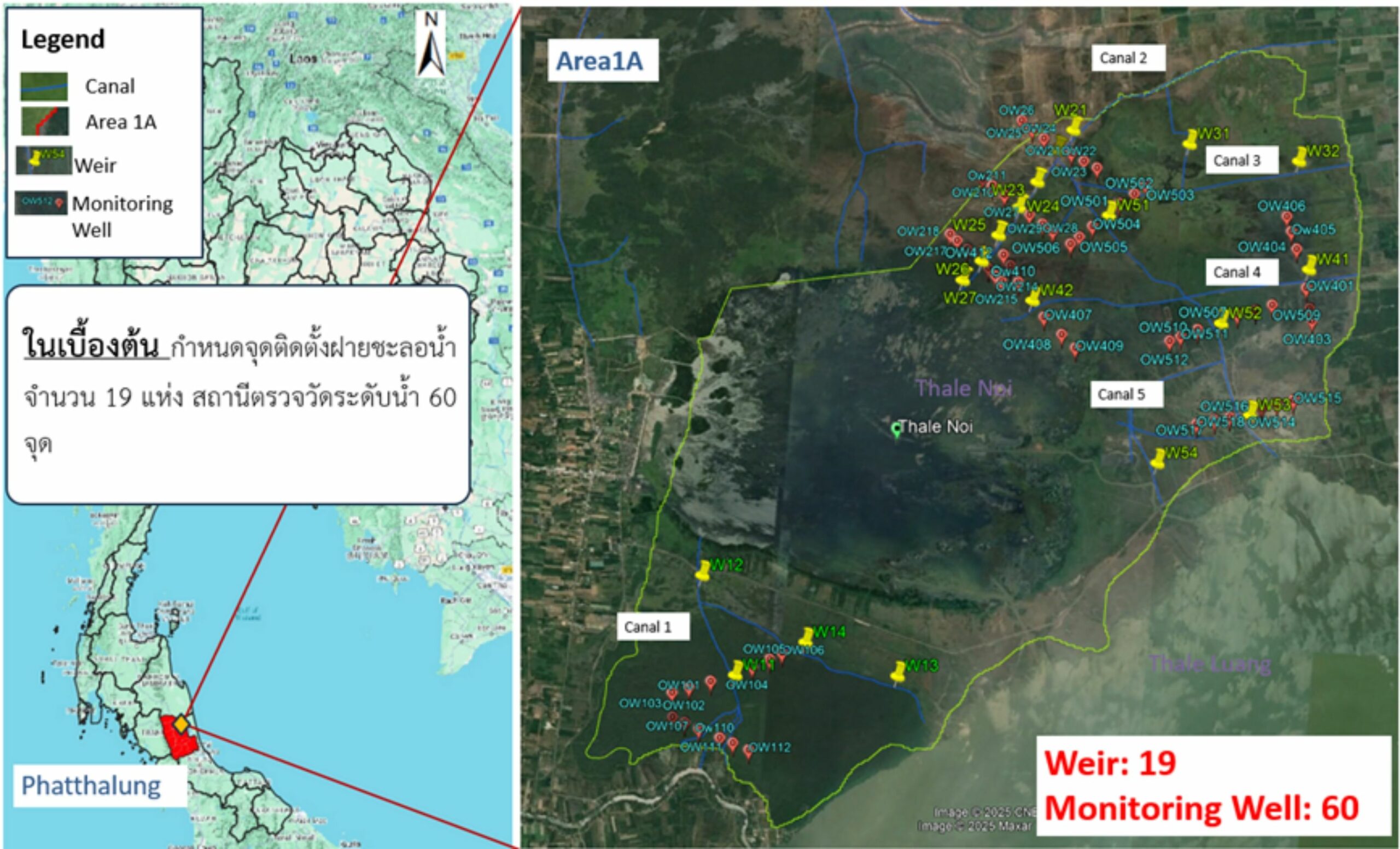
The Kuan Kreng Peat Swamp, a vast wetland within the Songkhla Lake Basin spanning multiple districts in Nakhon Si Thammarat and Phatthalung Provinces, plays a vital role in regulating water flow and storing carbon. The university-led project in this area seeks to conserve and restore the peat swamp ecosystem to its natural condition.
Once highly fertile, the Kuan Kreng Peat Swamp now faces multiple challenges, including seawater intrusion, acidic water from peat soils, wastewater from shrimp farming, and recurrent flooding due to inadequate drainage. These problems are largely the result of unsustainable land use and the lack of integrated water management systems.
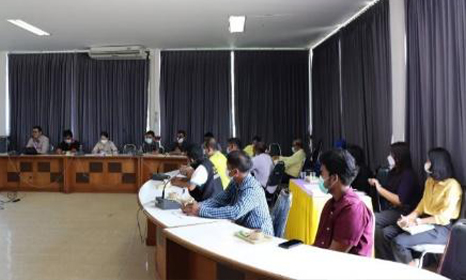
In response, Walailak University has actively gathered data, analyzed local water management systems, and proposed evidence-based solutions. The university also facilitates stakeholder meetings with government agencies, including the Royal Irrigation Department, Subdistrict Administrative Organizations, and agricultural authorities, while providing farmers and local communities with knowledge on integrated water management. These efforts aim to build consensus and implement water management strategies that are practical and appropriate for the local context.
Additionally, Walailak University has studied the effect of water gate spacing on maintaining water levels in the peatland, helping to identify optimal locations for checking dams that conserve water while minimizing disruption to local livelihoods and daily activities.
The “Living Weir” Project for Water Security and Freshwater Biodiversity Preservation
For more than five years, Walailak University has continuously provided community educational outreach programs to the people and local organizations in Na Mai Phai Subdistrict, Thung Song District, Nakhon Si Thammarat Province. These programs focus on the development and maintenance of a weir system to strengthen water security and improve environmental conditions for plants and wildlife. The subdistrict has long faced challenges related to water scarcity, which has significantly affected local livelihoods and ecosystems.
Despite the ongoing efforts, it was found that many local residents and government officials still lacked adequate knowledge and technology for maintaining, improving, and restoring the weir effectively. Recognizing this need, Walailak University has continued to provide technical expertise, training, and collaborative programs to enhance local capacity in sustainable water management.
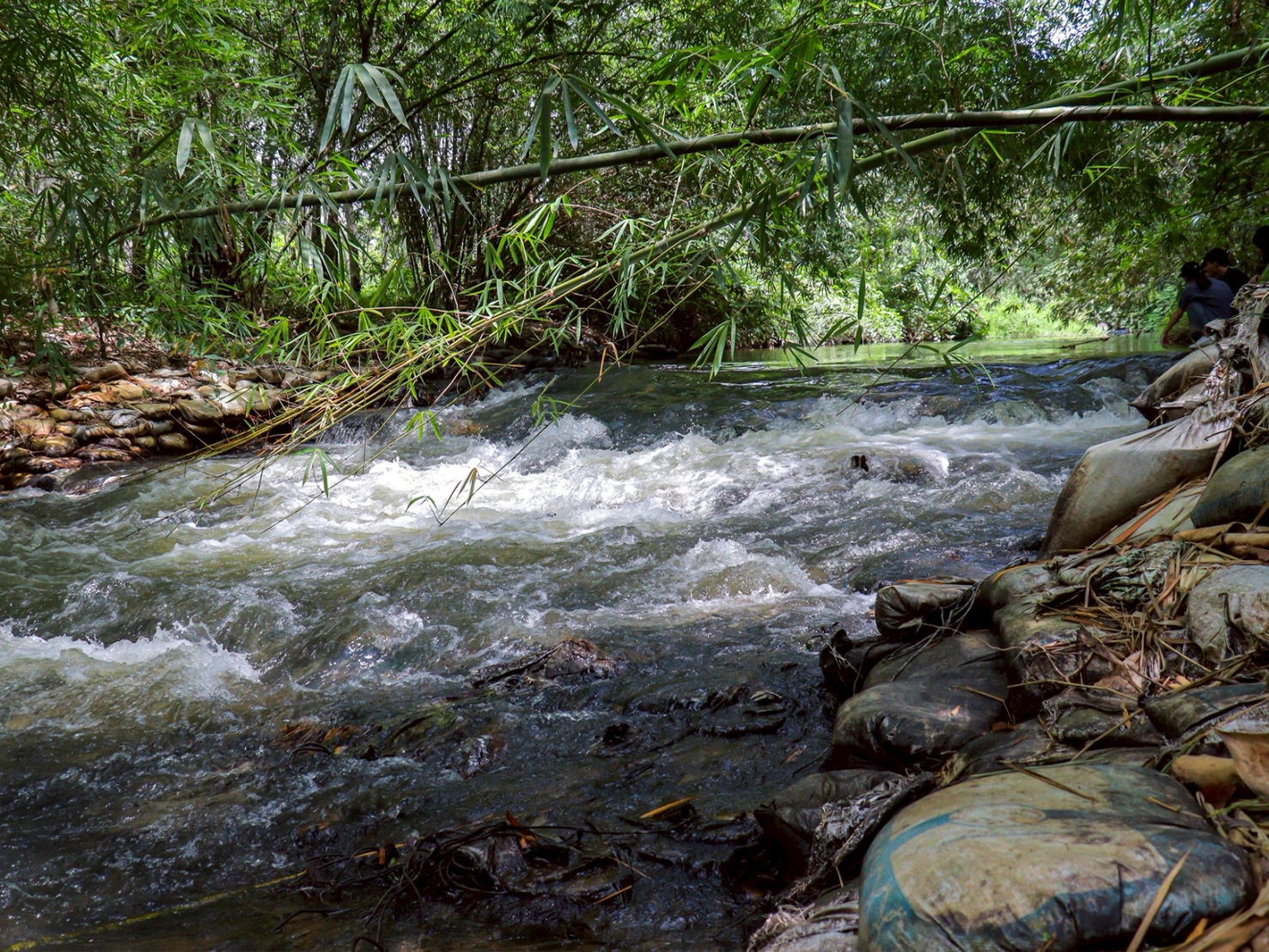
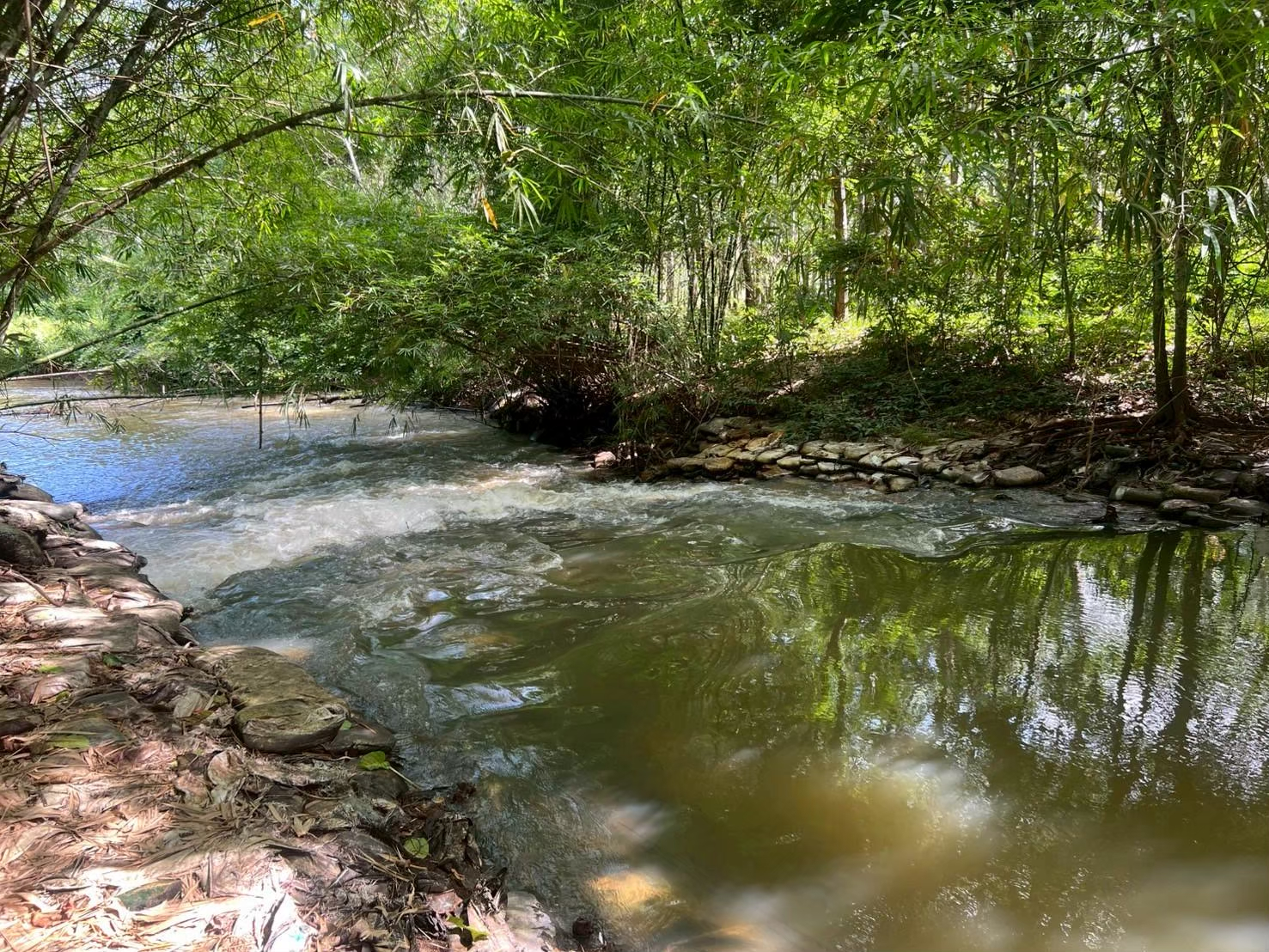
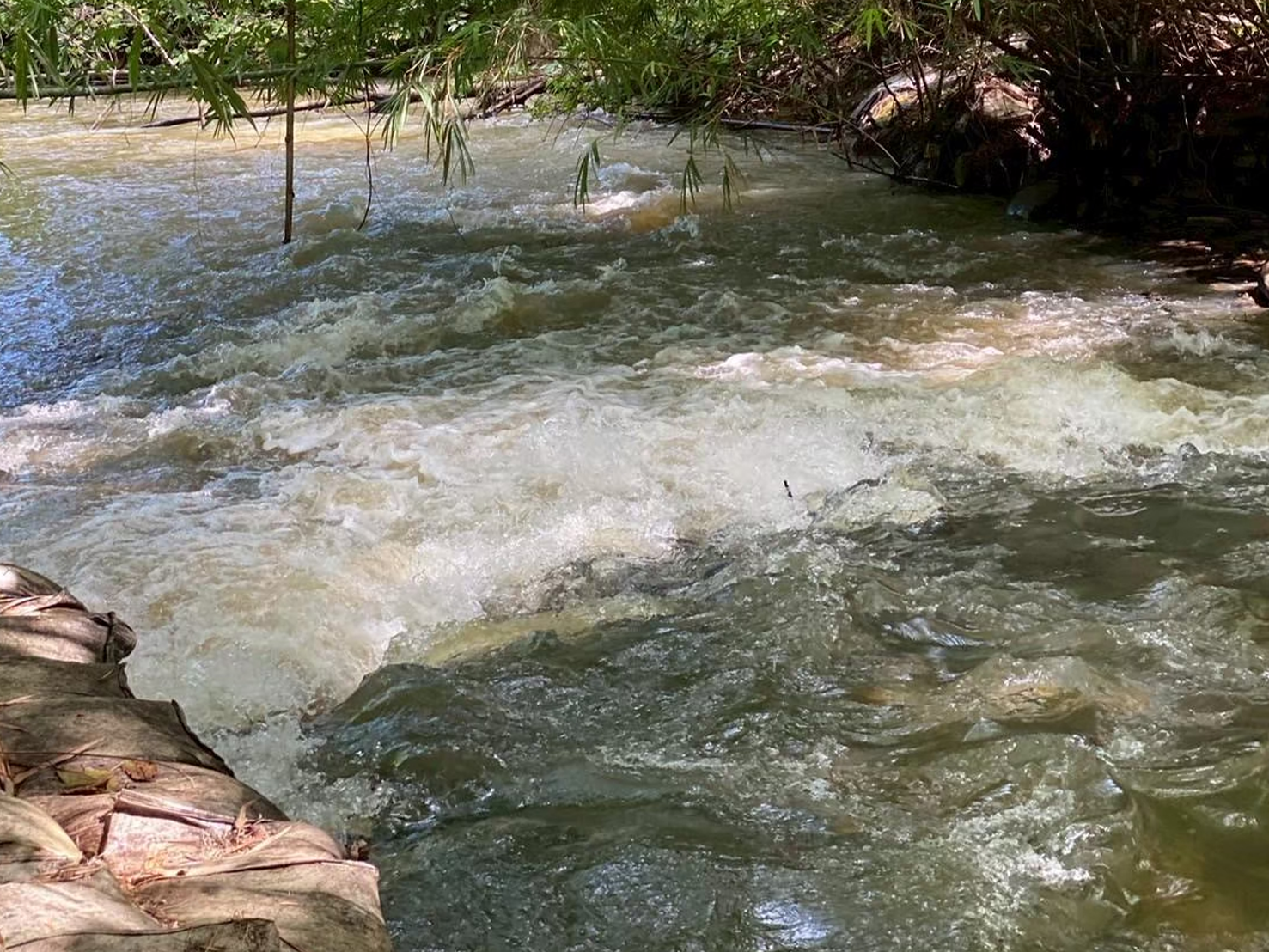
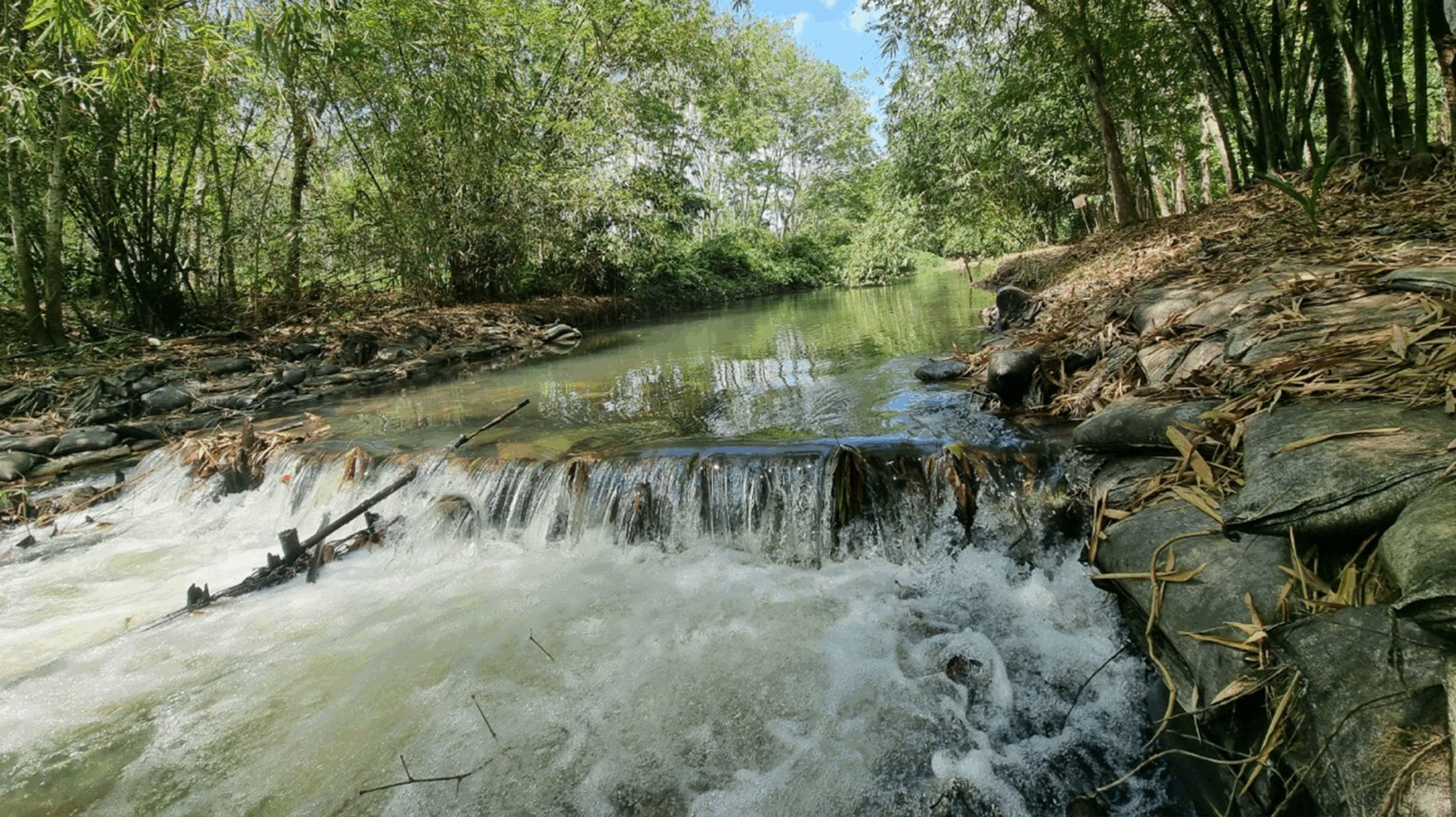
Figures : The weir developed by Walailak University, located in Na Mai Phai Subdistrict, Thung Song District, Nakhon Si Thammarat Province
Survey and Assessment of the Weir Conditions
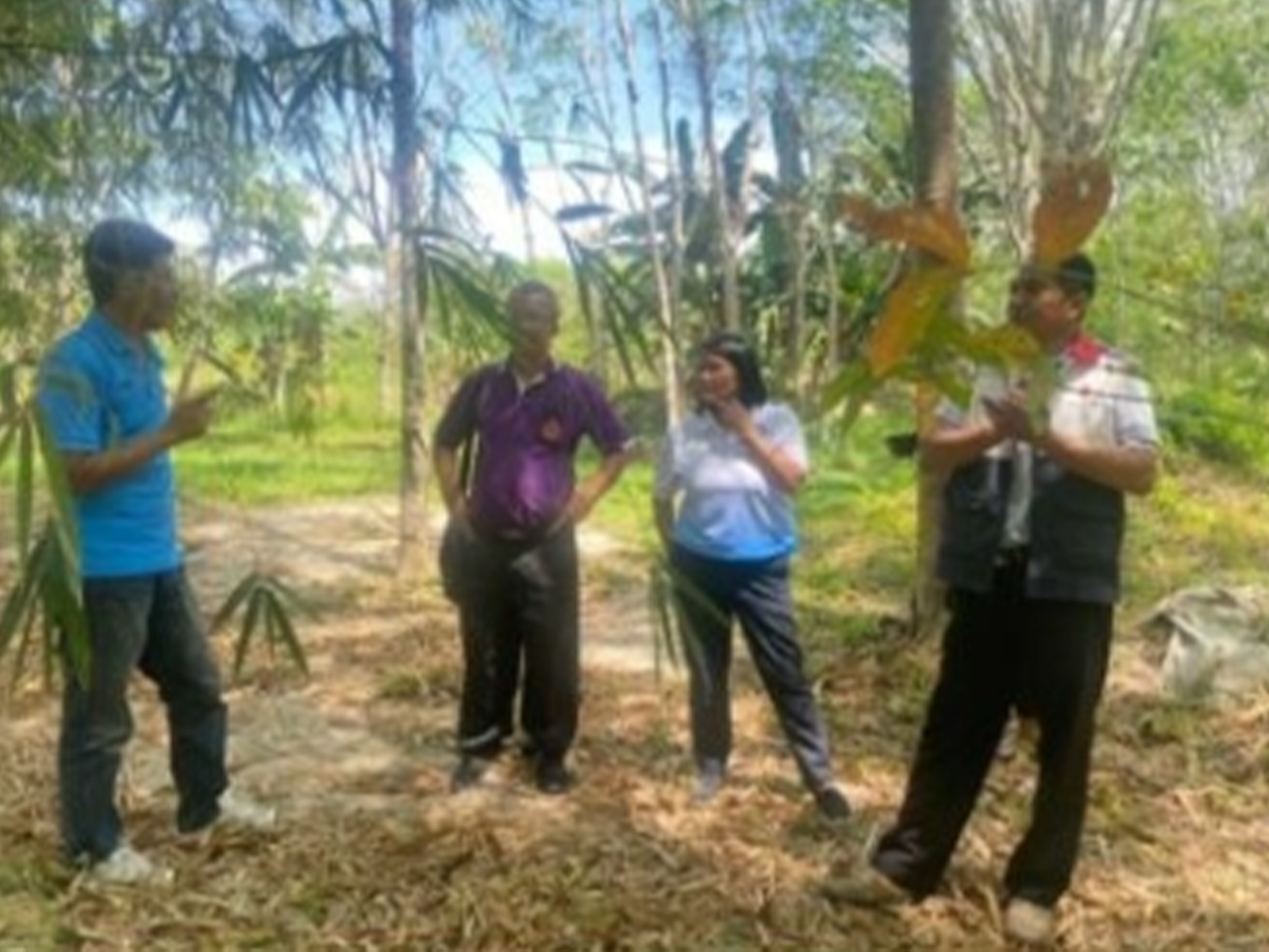
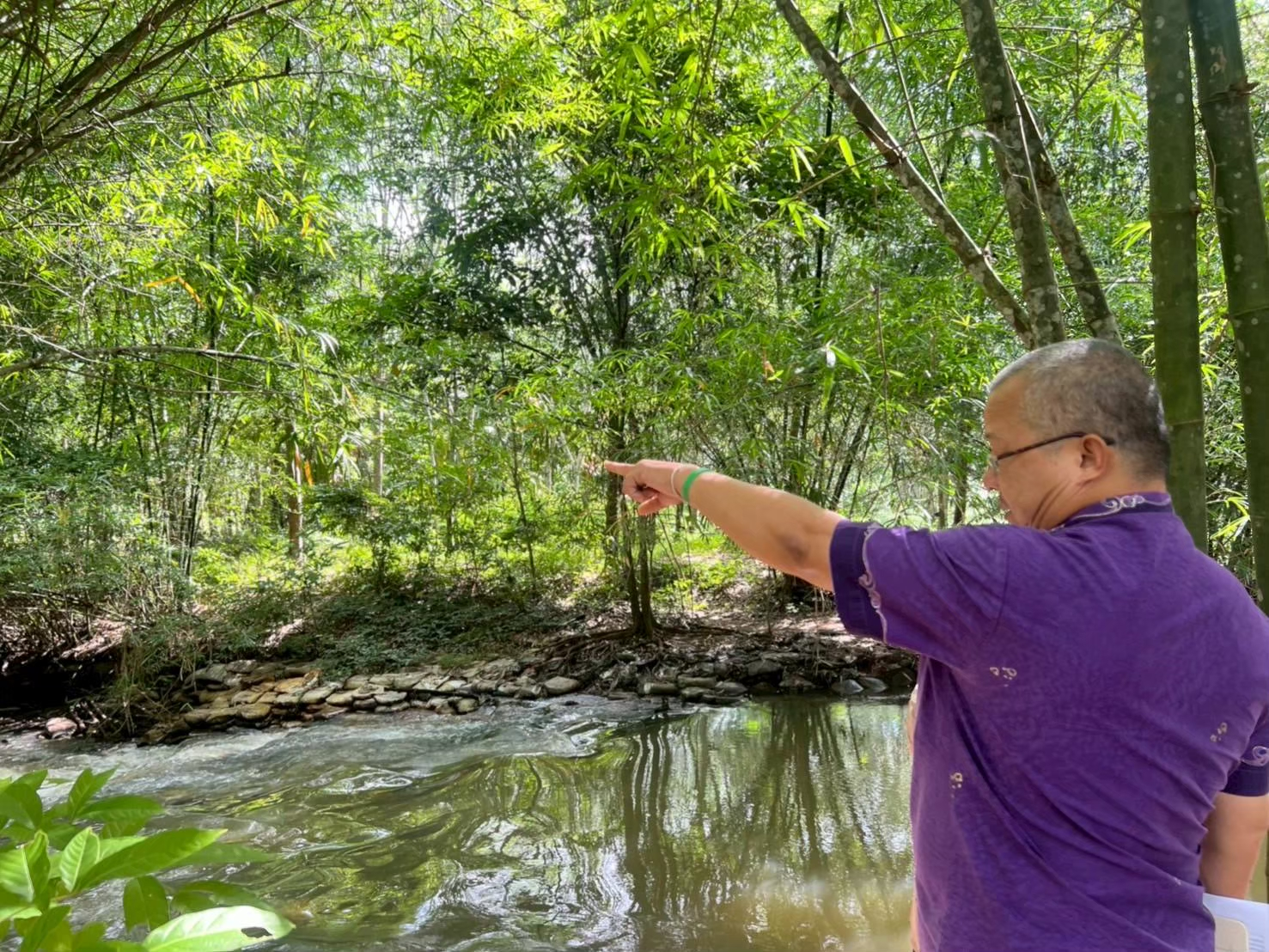
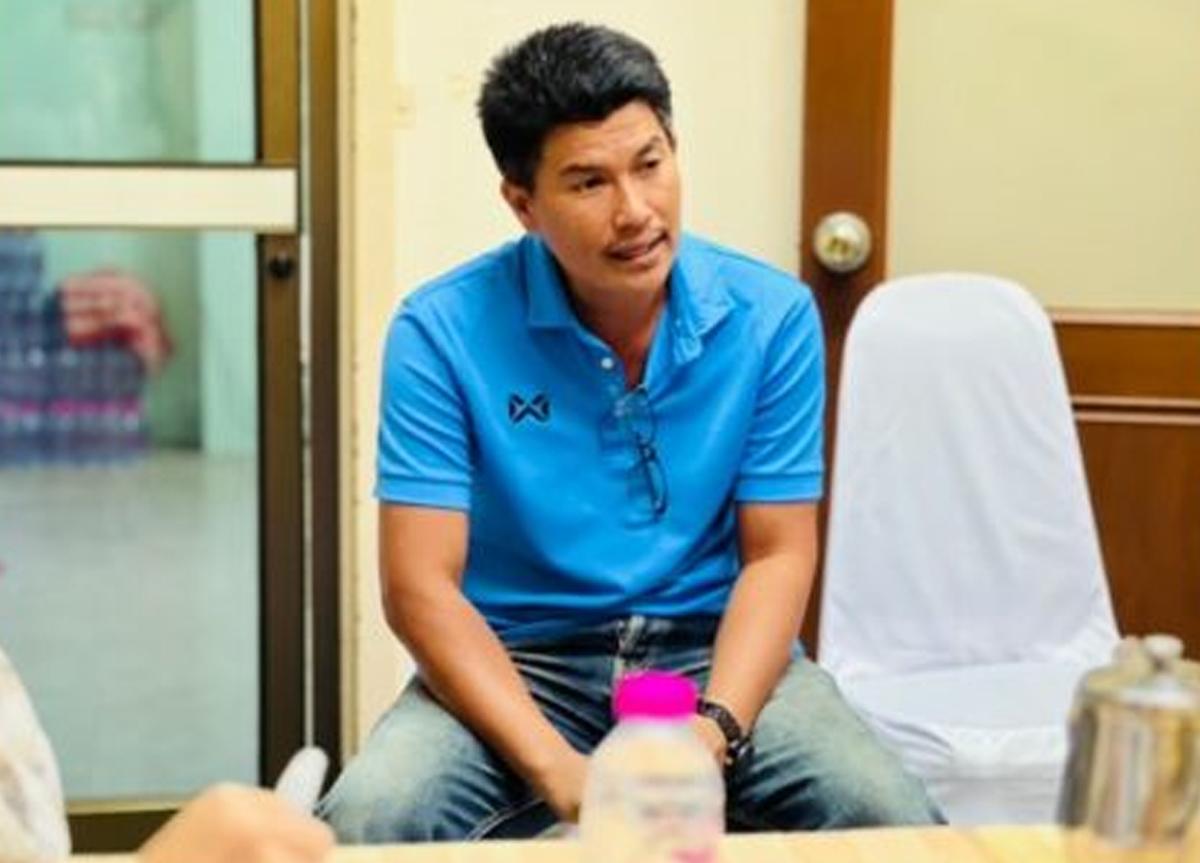
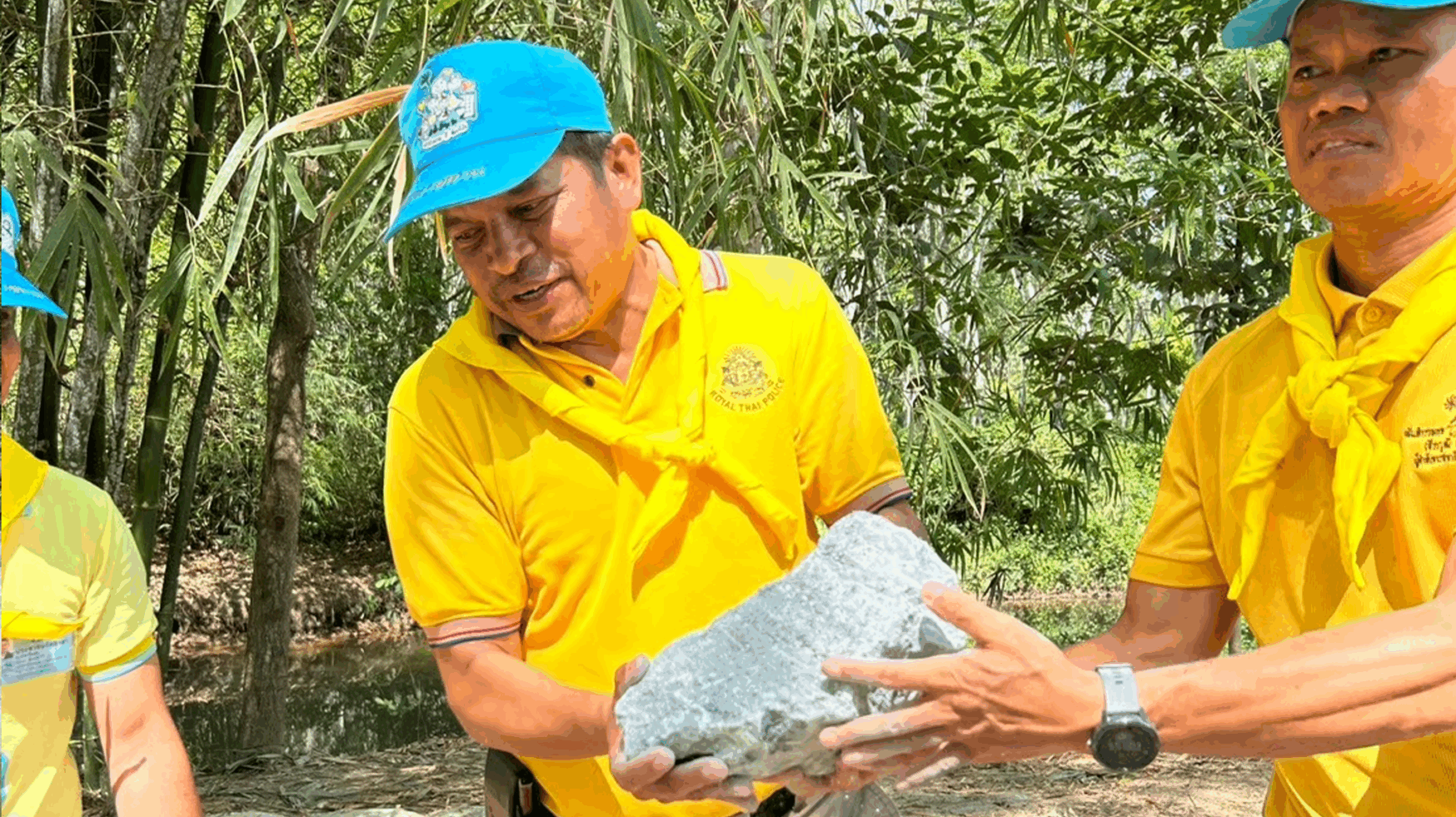
In 2024, Mr. Suthira Thongkao, a researcher specializing in aquatic science from Walailak University, led a site visit to assess the condition of the weir in Na Mai Phai Subdistrict. The visit was conducted in collaboration with representatives from local communities and local government authorities. During the field survey, the team explored the current state of the weir, gathered opinions from local people, and assessed their well-being and dependency on local water resources.
Figures : Mr. Suthira Thongkao and the local people and local government authorities visiting the weir to explore the conditions of the weir
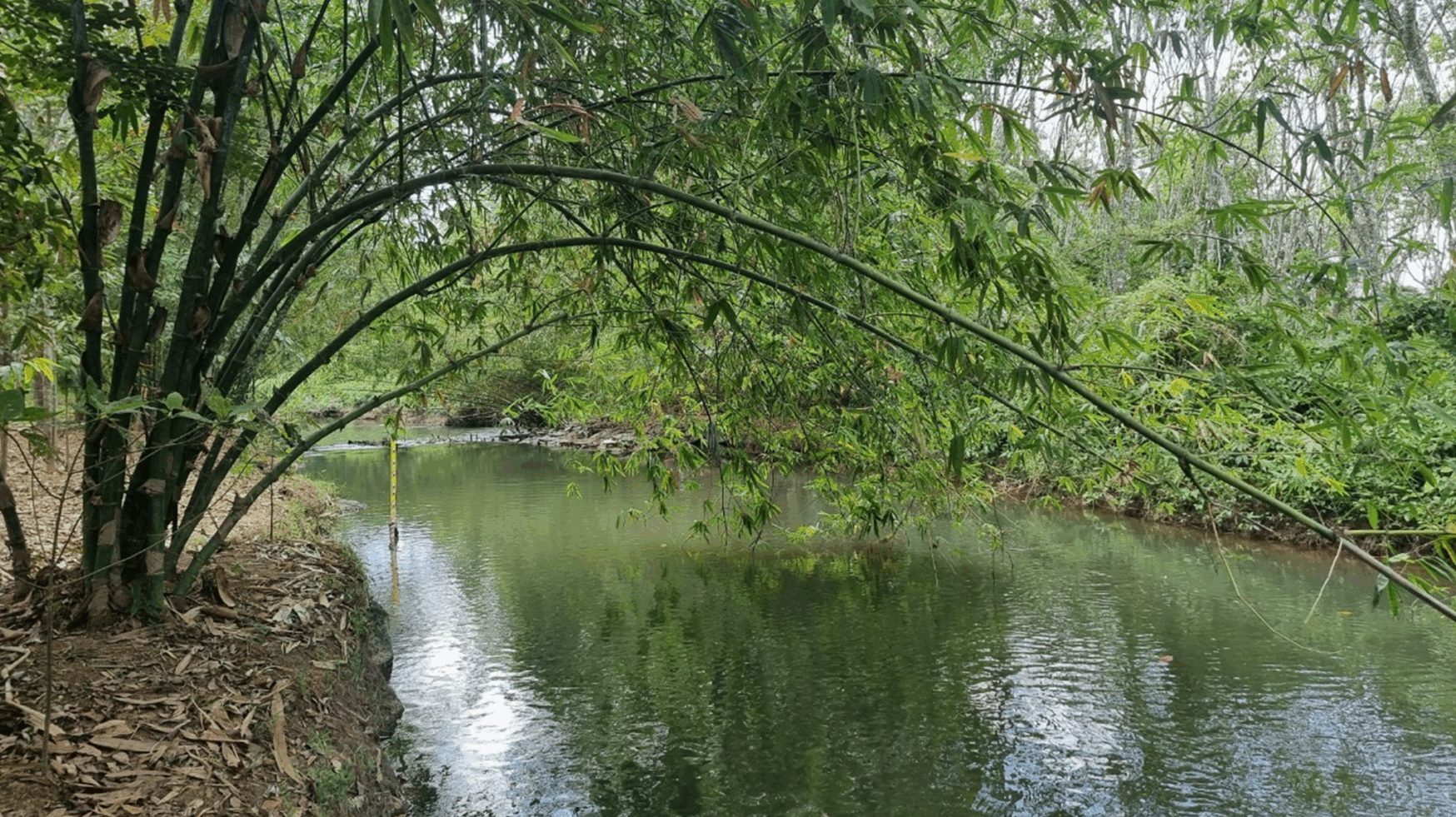
The assessment revealed that the weir had sustained severe structural damage due to insufficient maintenance and the absence of systematic restoration over the years. Additionally, the abundance of aquatic life was found to be low, as few fish or freshwater organisms could be seen in the stream. Many local people who relied on the stream for their agricultural activities were also suffering from water shortages, leading to reduced productivity and increased vulnerability to droughts.
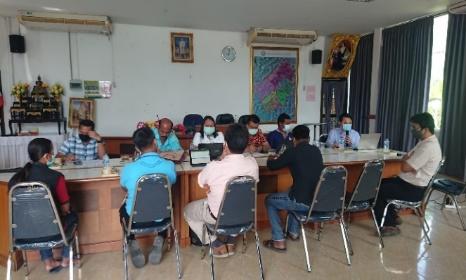
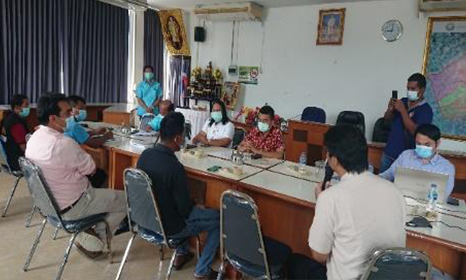
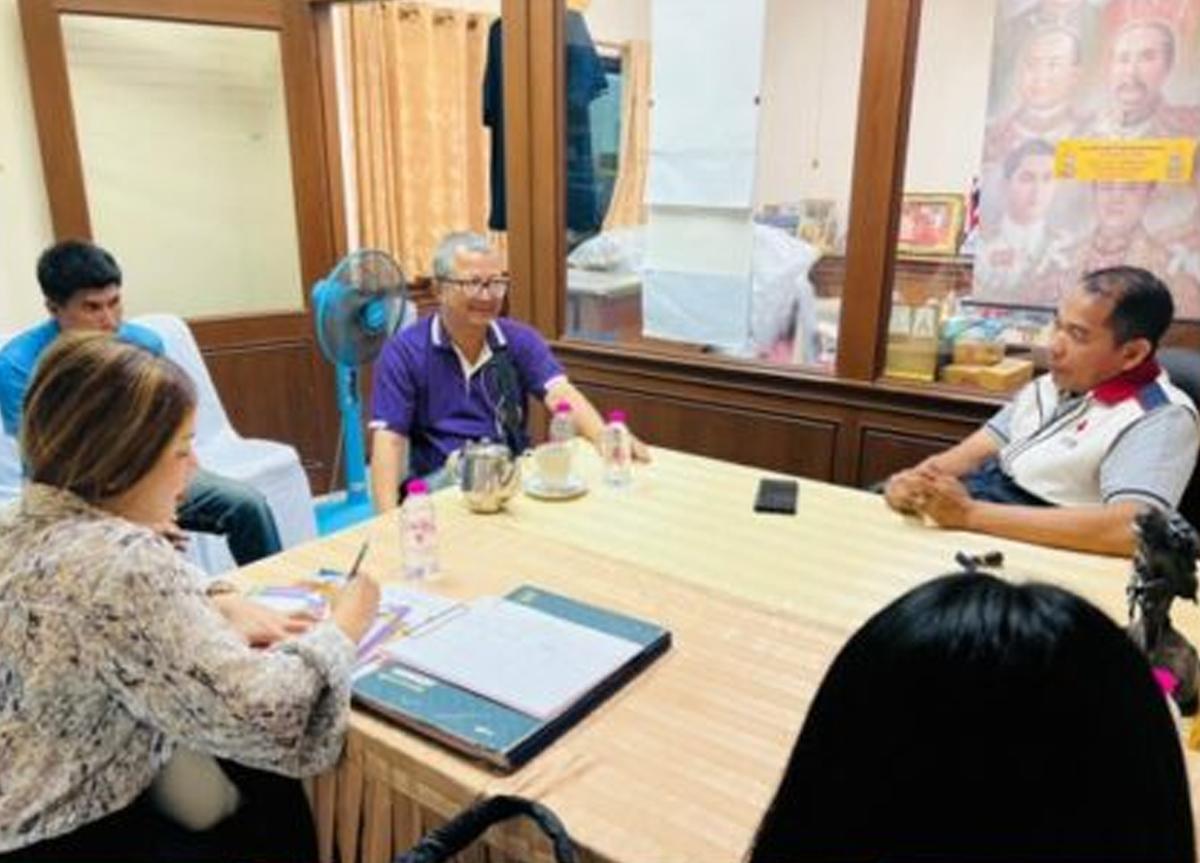
Following the survey, Mr. Thongkao and community representatives organized a public consultation meeting to discuss the findings, identify the underlying causes, and set priorities for the restoration of the weir and its surrounding environment.
Figures : Mr. Suthira Thongkao and the local people and local government authorities visiting the weir to explore the conditions of the weir
Outreach Program on Weir Restoration for Water Security and Plant and Wildlife Conservation
In response to these findings, Walailak University initiated a Community Outreach Project on Weir Restoration for Water Security and Biodiversity Conservation (Living Weir Project). The project aimed to restore the functionality of the weir, enhance water availability for agriculture, and revitalize aquatic and riparian ecosystems in the subdistrict.
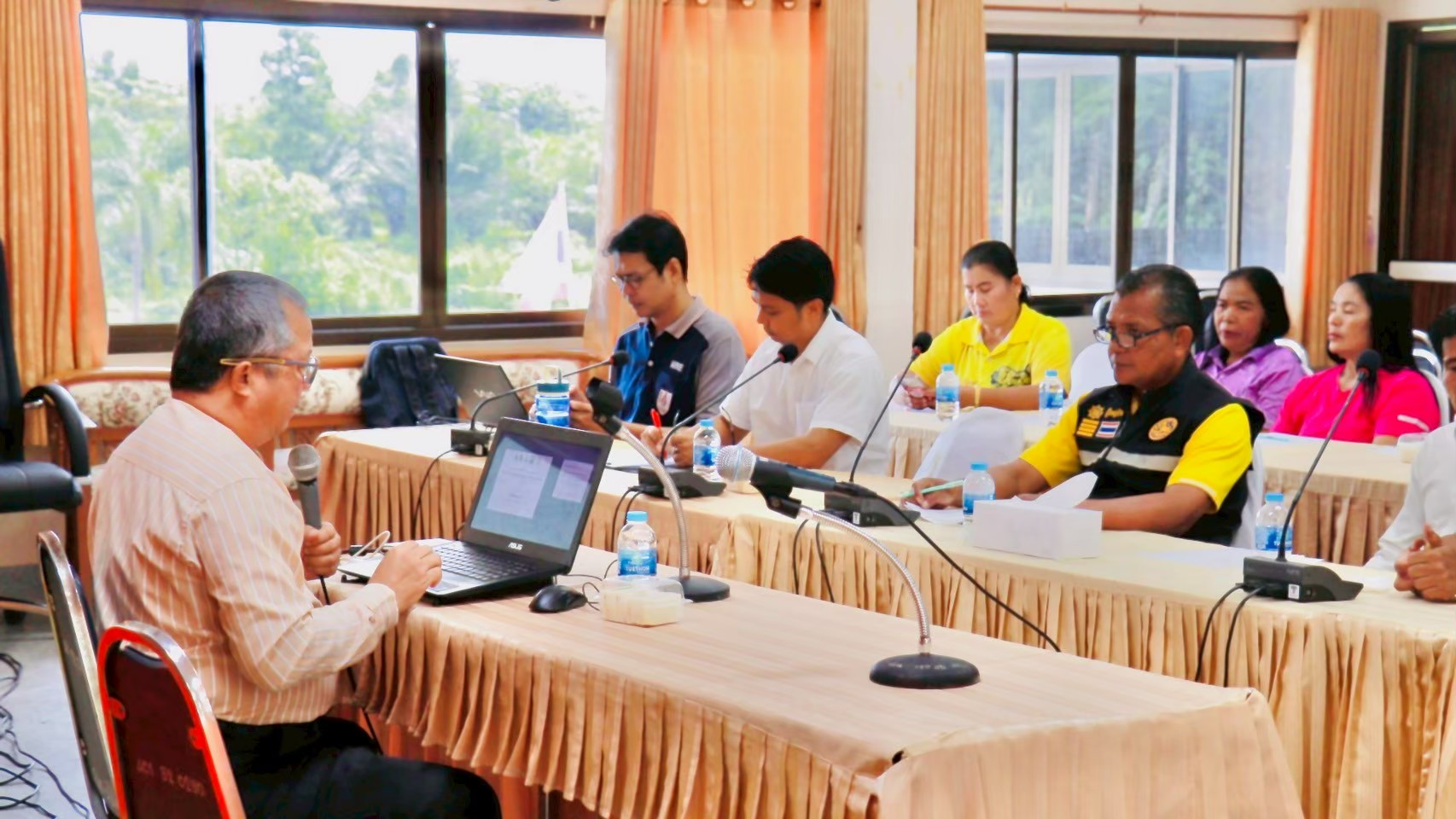
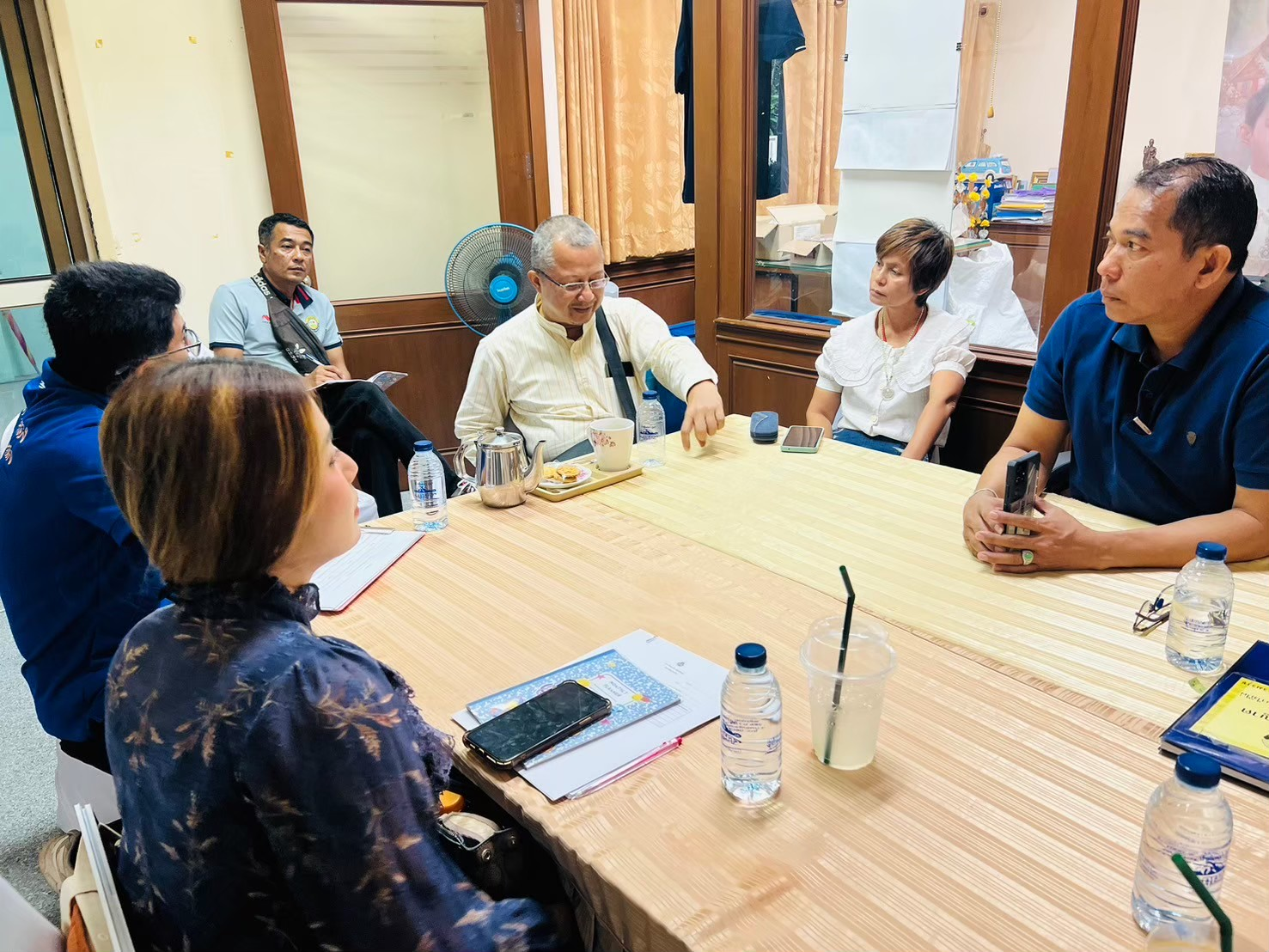
The project was implemented as a collaborative effort between Walailak University, local communities, and local and regional government organizations. It emphasized participatory engagement, where all stakeholders shared ideas and responsibilities through a neutral discussion platform facilitated by the university. This inclusive approach ensured that the voices of local residents, farmers, and government officials were heard in the planning and decision-making process.
Figures : Mr. Suthira Thongkao and the WU team discussing with the representatives of local people and local government authorities to plan and set strategies on the project for restoring and improving the weir
Starting the Restoration: Building with Nature
The restoration activities focused on developing eco-friendly solutions that align with the principles of sustainability. Mr. Thongkao provided practical knowledge and technical guidance on constructing and renovating the weir using natural or “green” materials that do not harm the freshwater ecosystem.
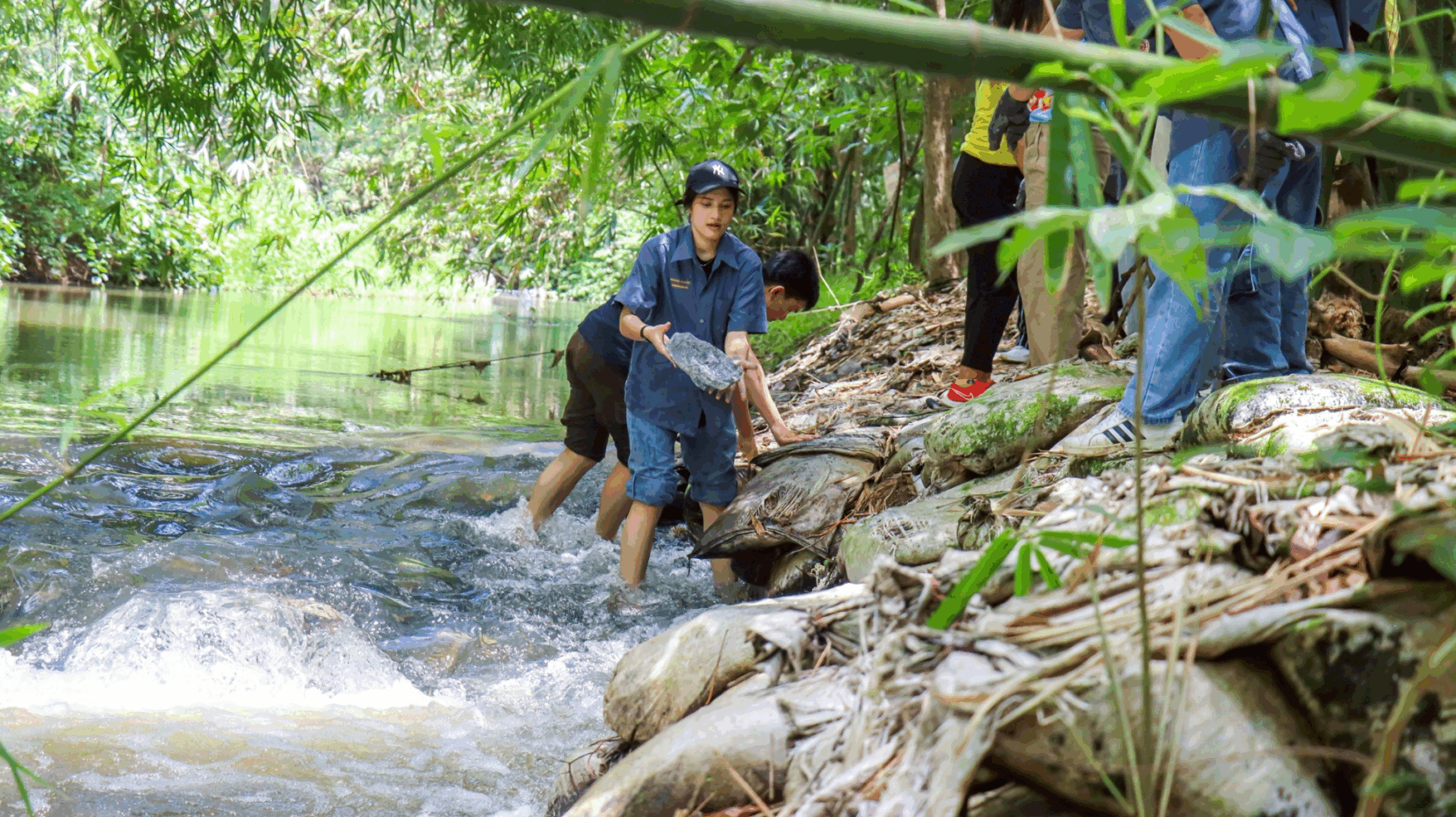
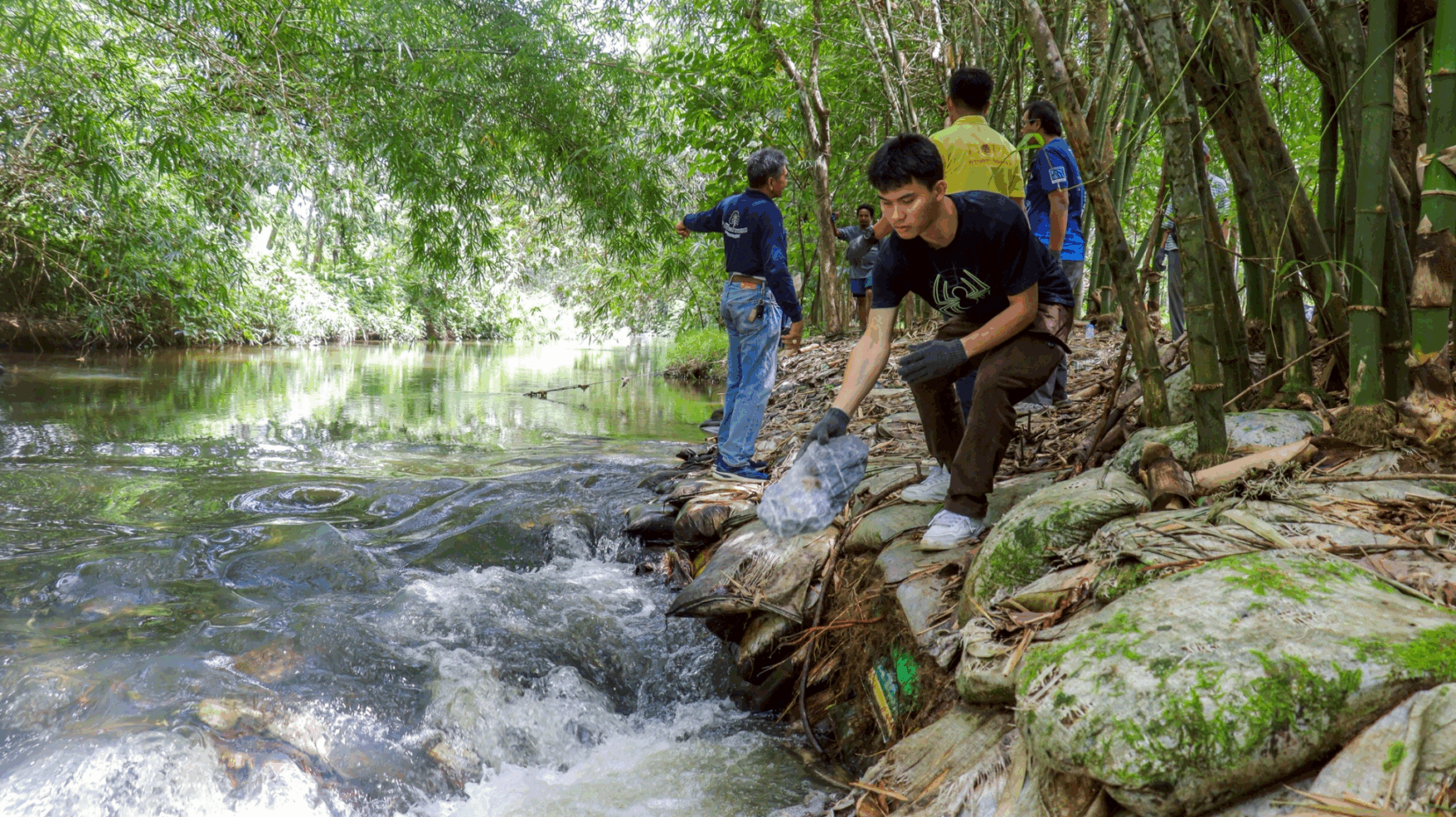
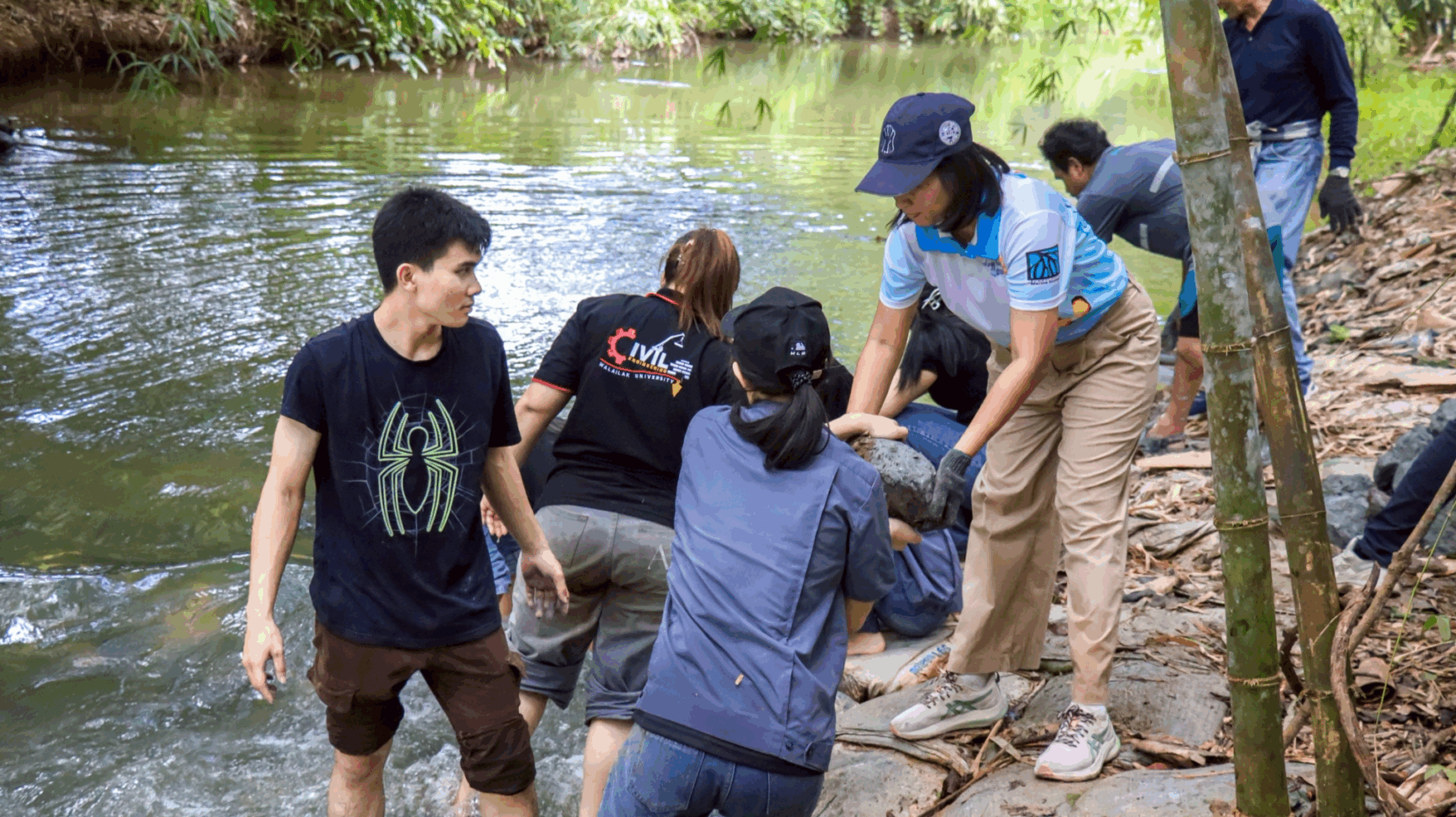
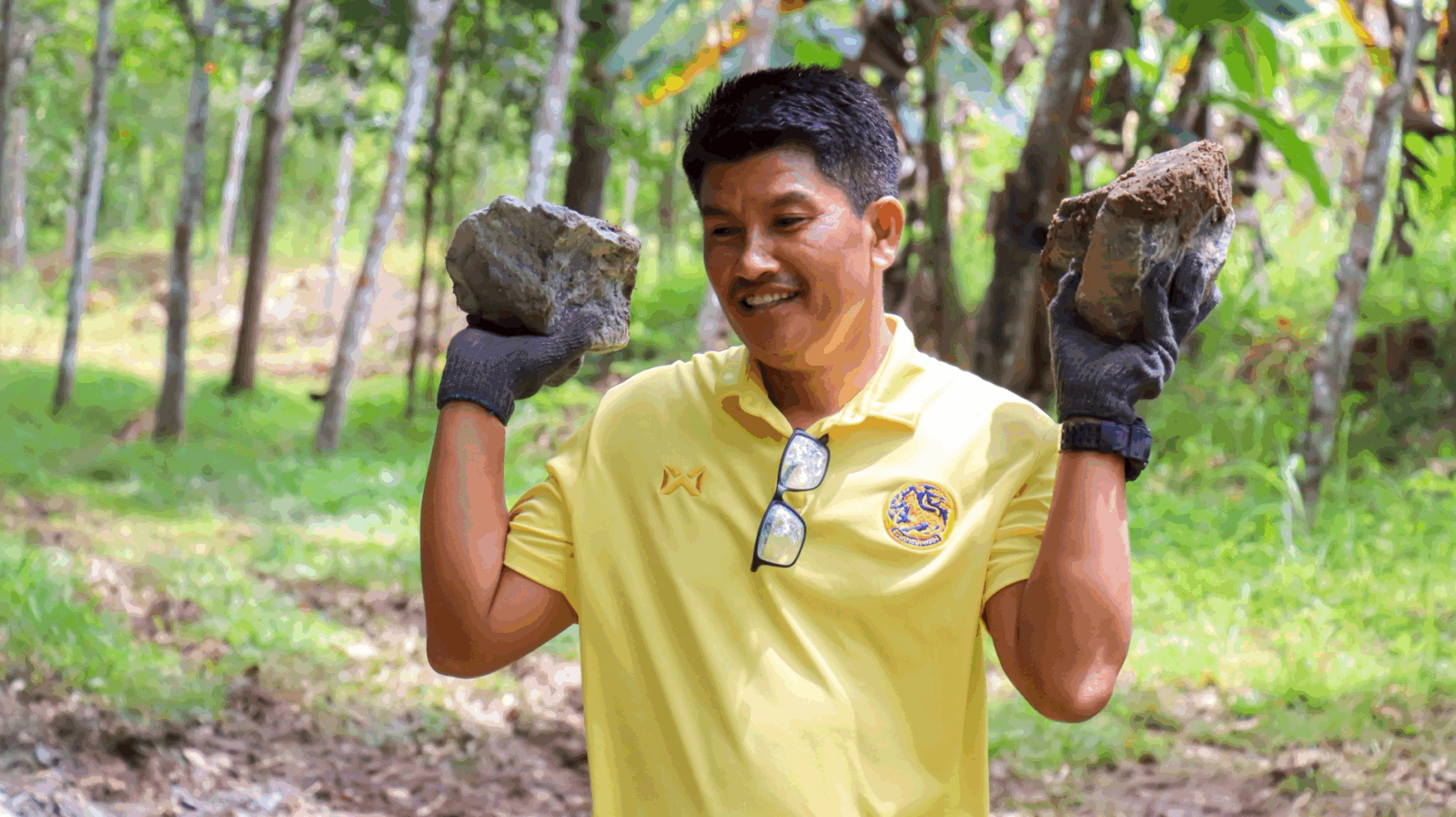
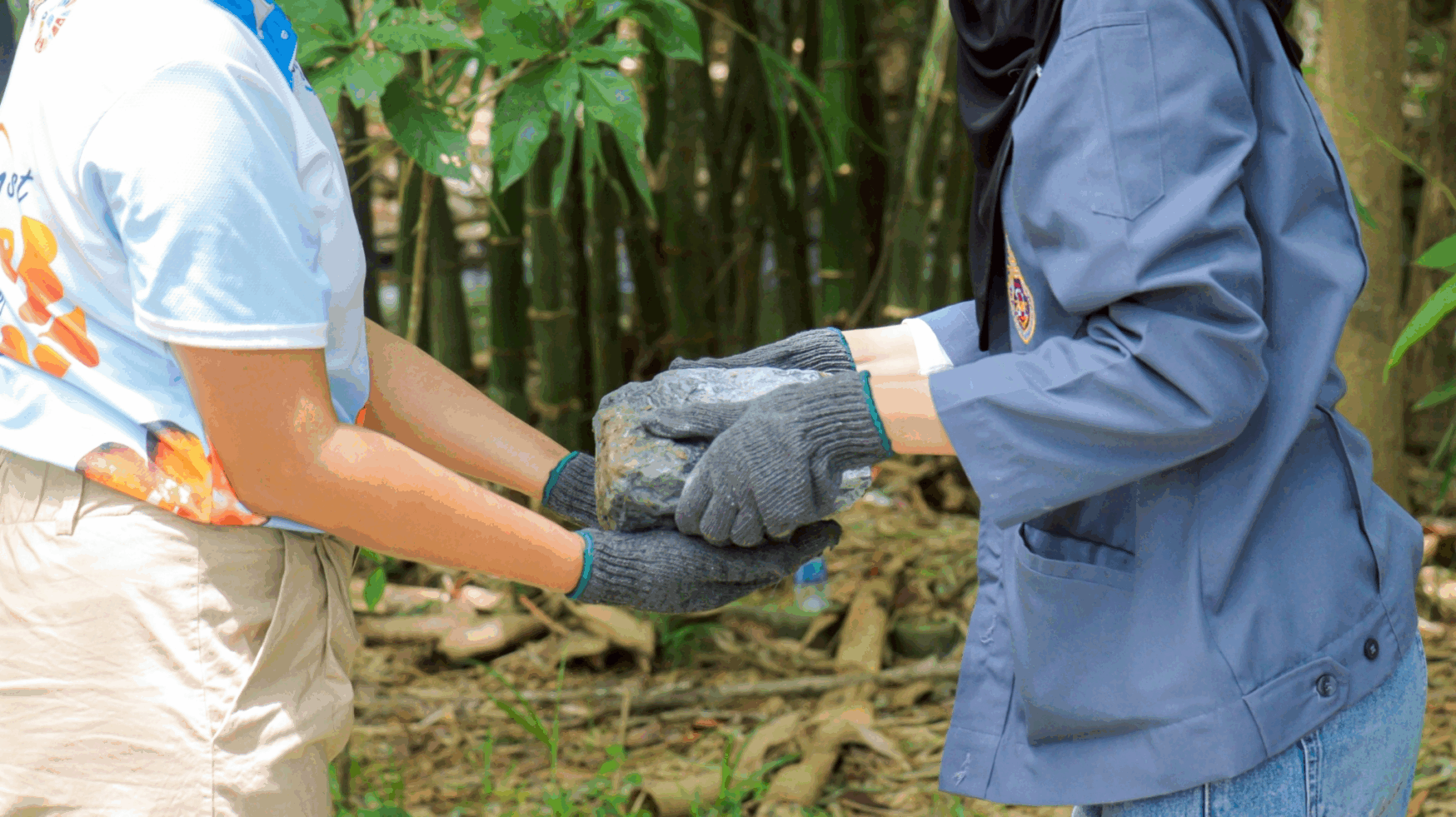
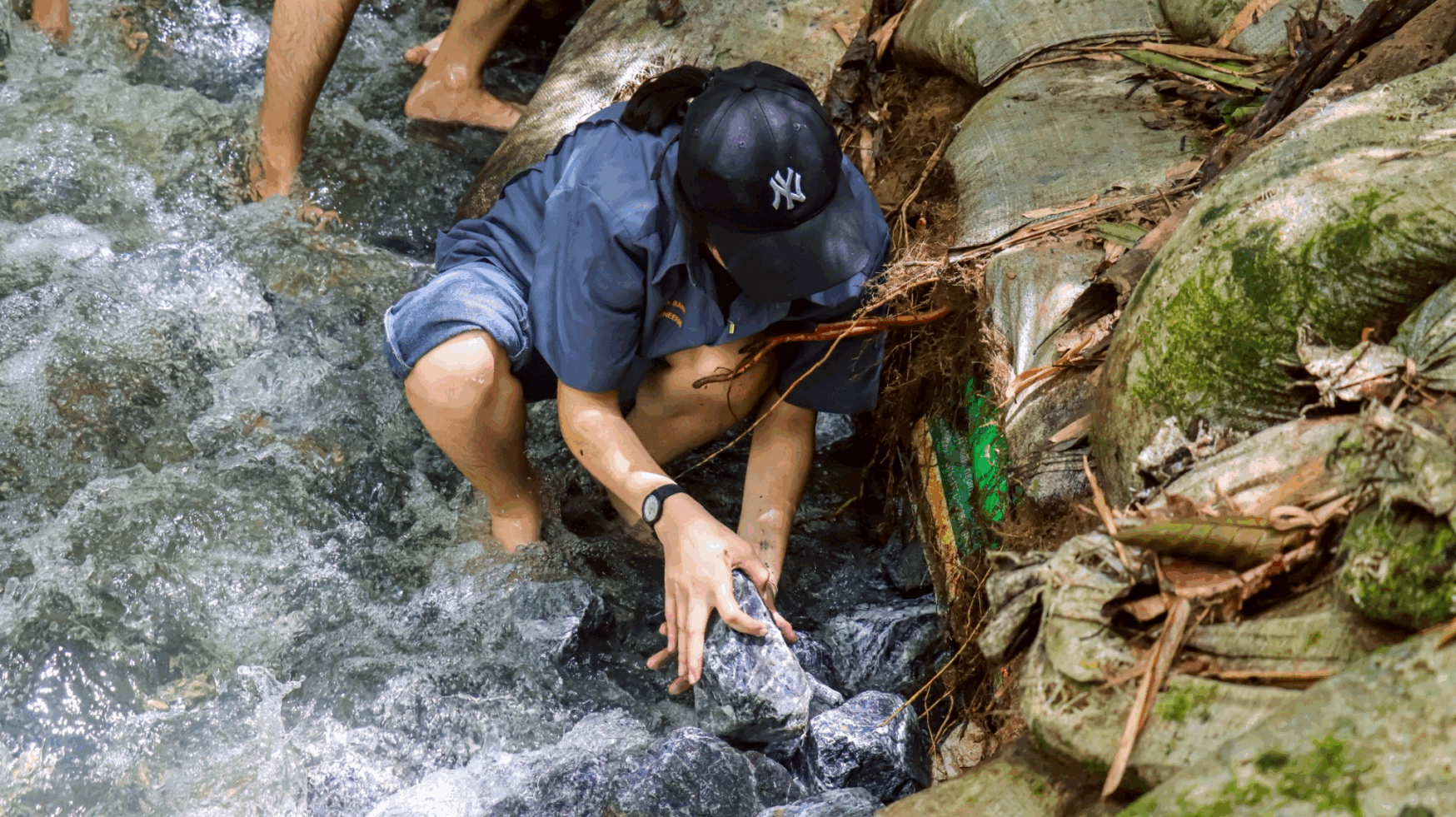
The weir was redesigned in the form of a staircase, which allows the water to flow gradually, reducing destructive currents that previously eroded the riverbanks and damaged nearby vegetation. The structure was built using locally available materials, such as sand, rocks, and bamboo—materials that are biodegradable, affordable, and compatible with the local ecosystem.
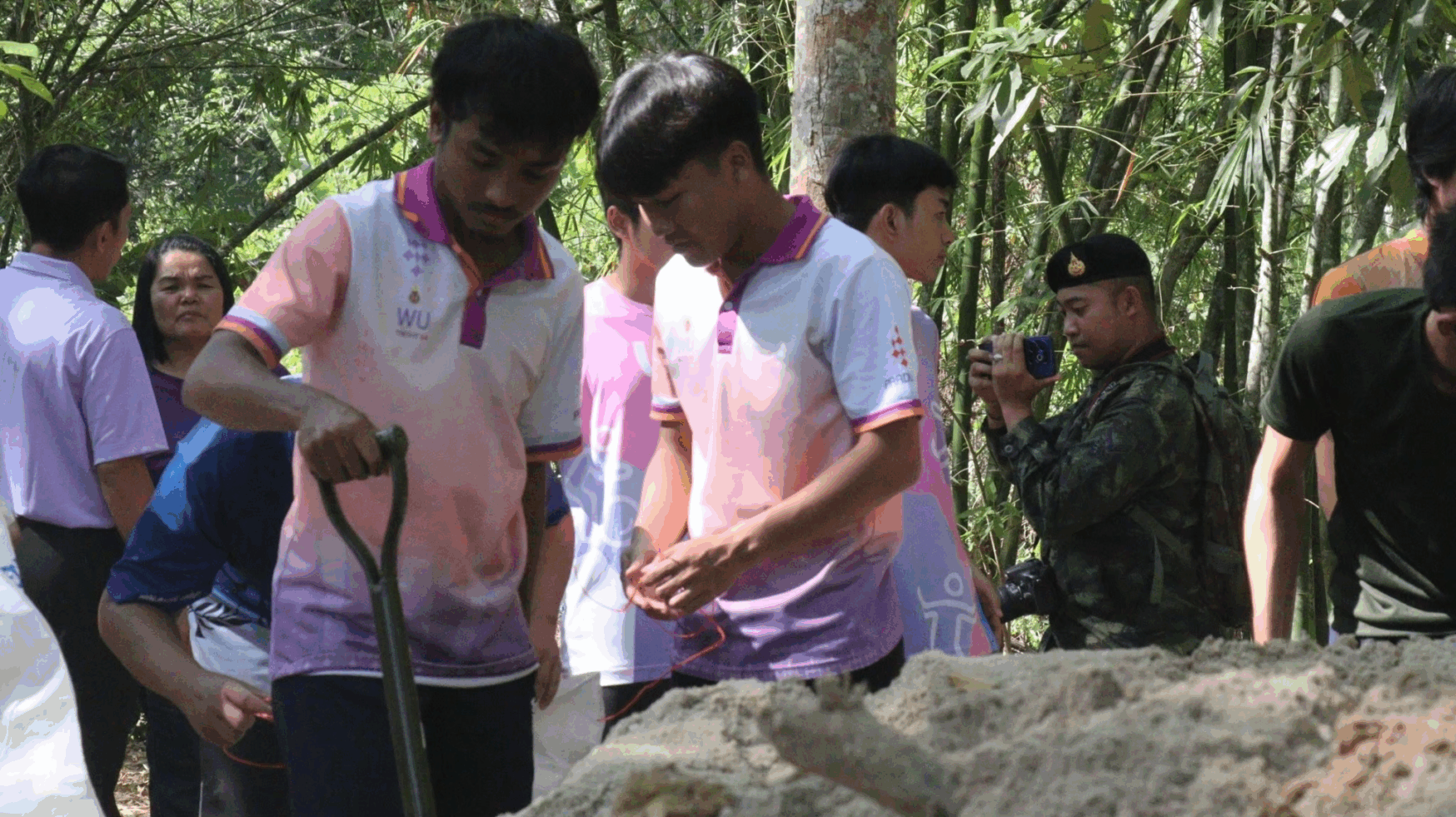
The construction and renovation were carried out through joint efforts of local residents, government staff, and volunteer students, promoting community ownership and environmental stewardship.
The new design brought multiple benefits:
It regulated the water flow, preventing flash flooding and erosion.
It created shallow ponds that store water for agricultural use, mitigating drought effects.
It helped retain soil moisture, supporting plant growth and maintaining riparian vegetation.
It provided habitats for small aquatic organisms and insects, contributing to ecological balance.
Figures : Walailak University, through Mr. Suthira Thongkao, providing the educational program on the construction and renovation of the weir to promote freshwater ecosystem and biodiversity
Monitoring and Evaluation of Ecosystem Health
After the restoration, Walailak University conducted a comprehensive ecological monitoring program to assess changes in biodiversity and environmental health. Two key methods were used:
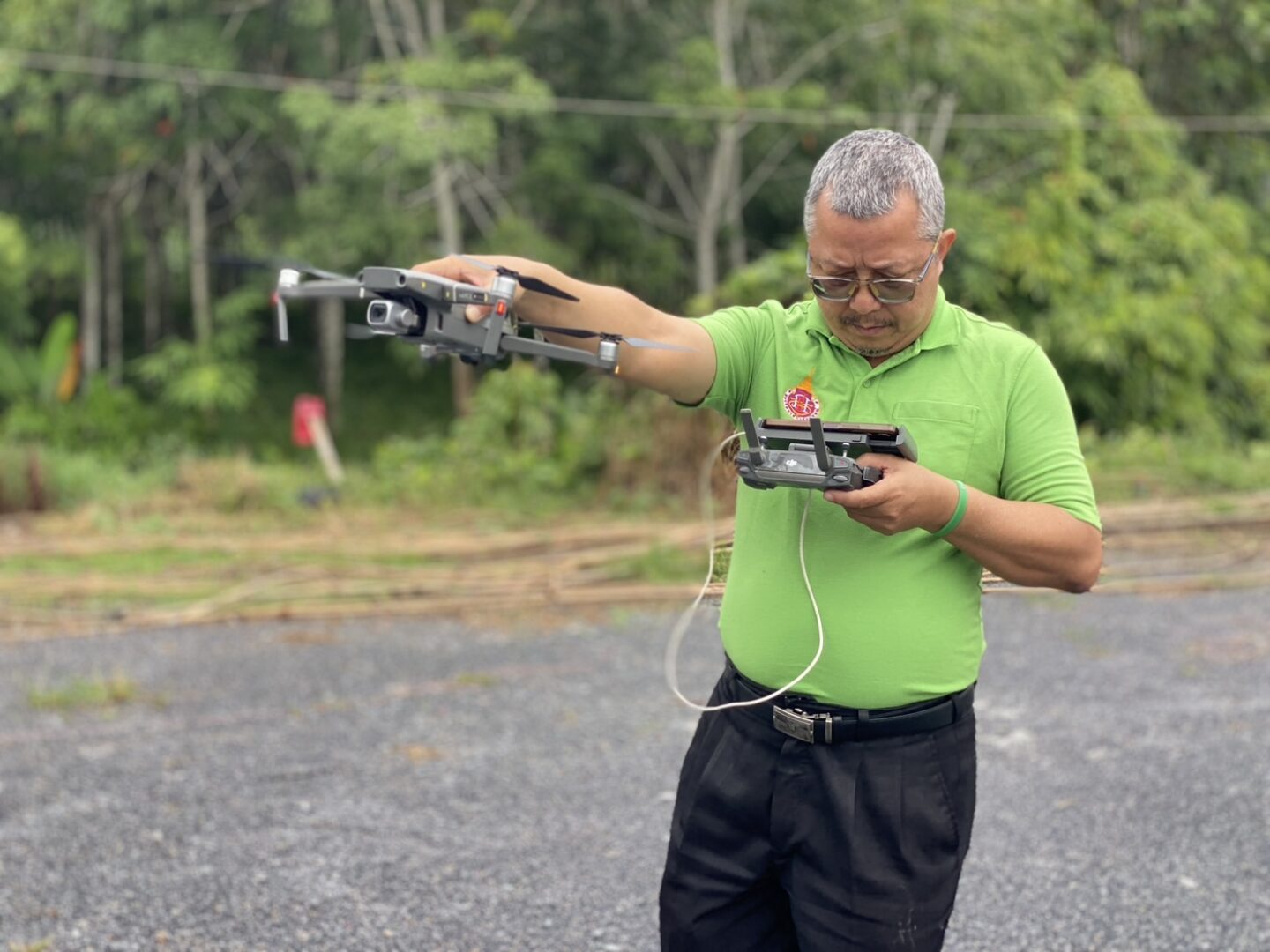
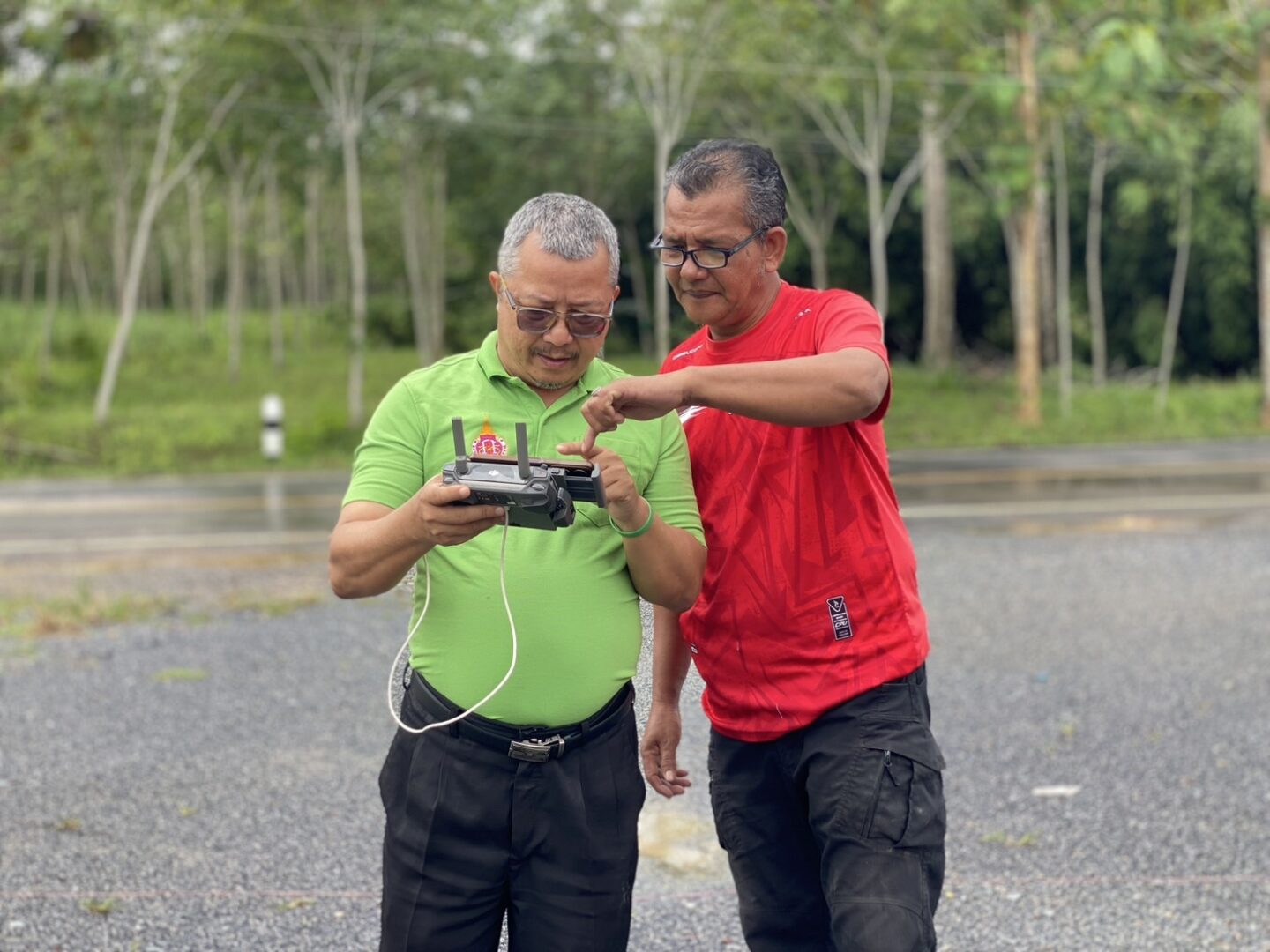
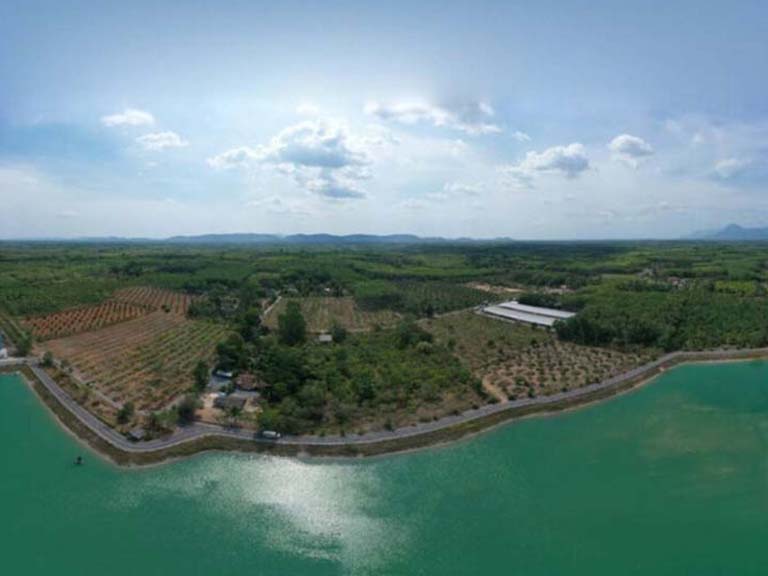
Aerial photography and bird’s-eye imaging to compare the physical changes between the stream with the restored weir and another stream without one.
Figures : WU using a drone for aerial photography in monitoring the weir
2. Field surveys to monitor the abundance and diversity of aquatic species in the area.
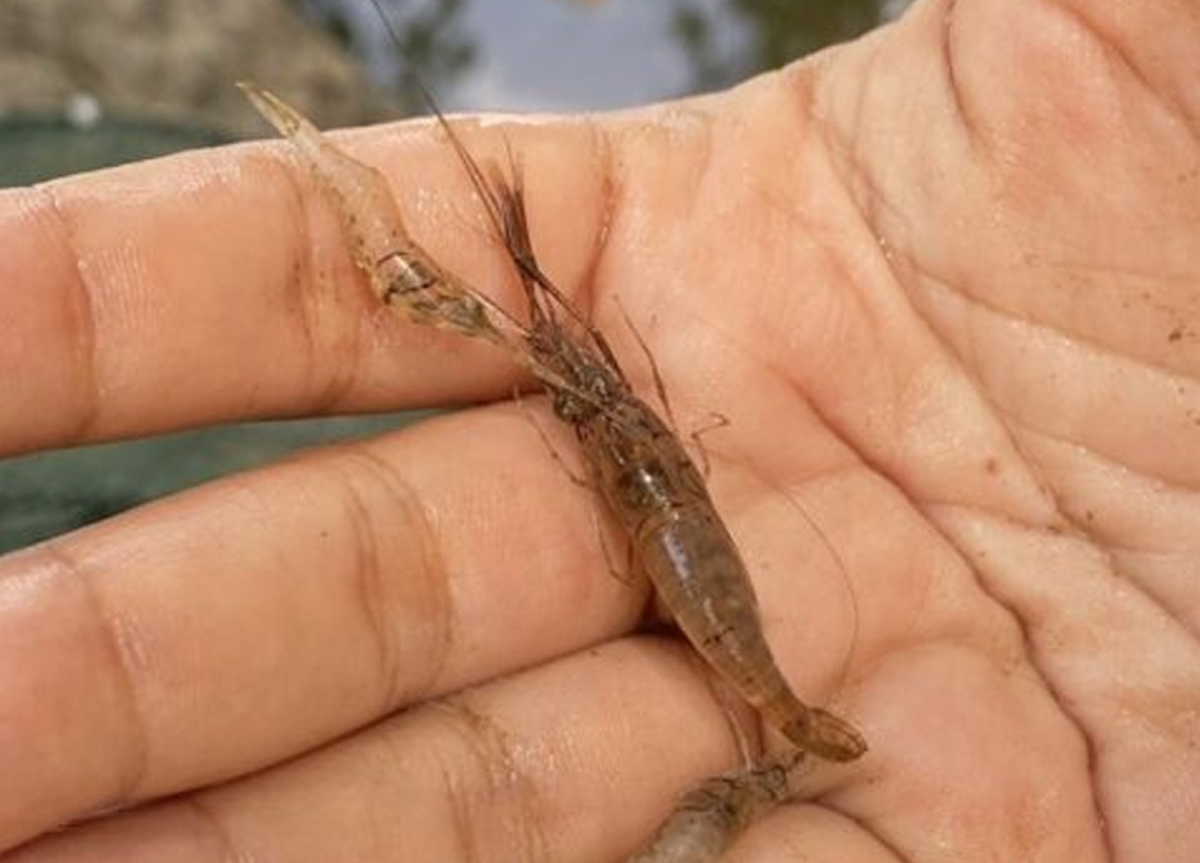
Figures : WU monitoring the abundance of aquatic animals upon the renovation of the weir
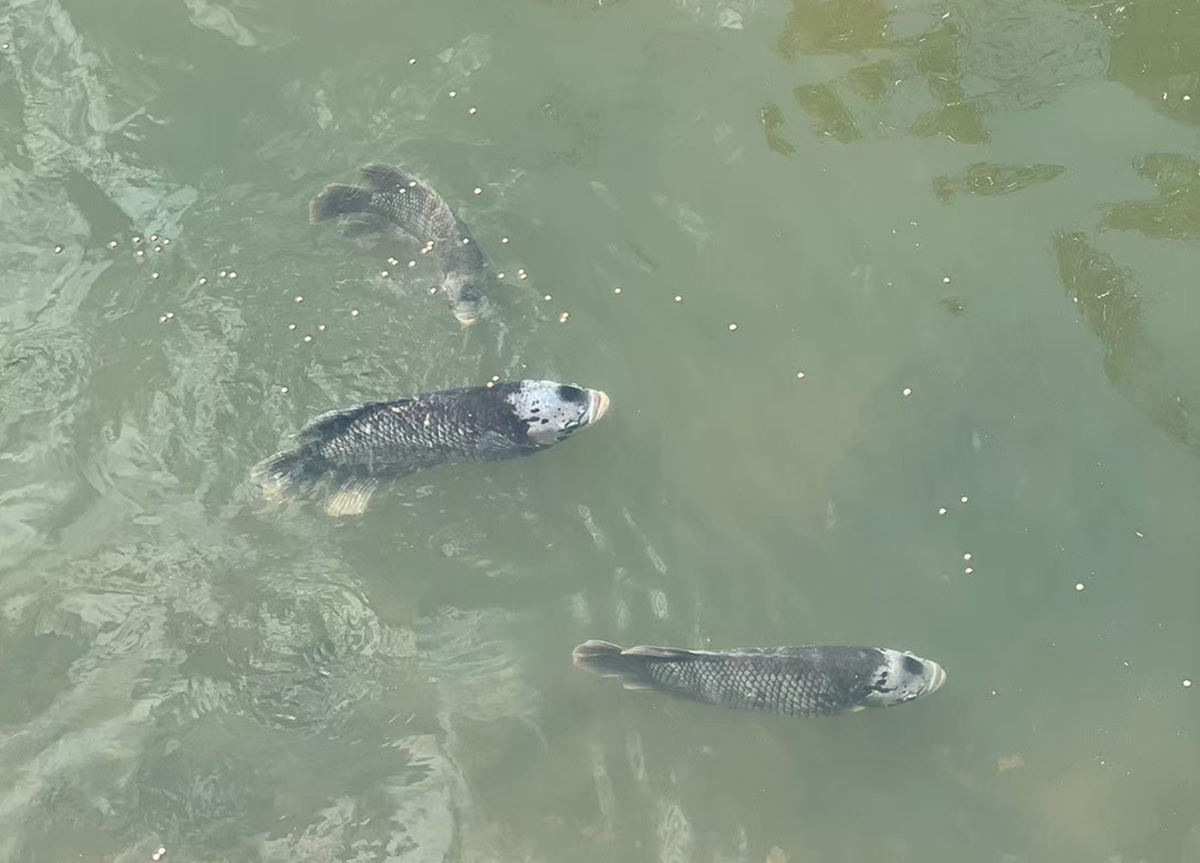
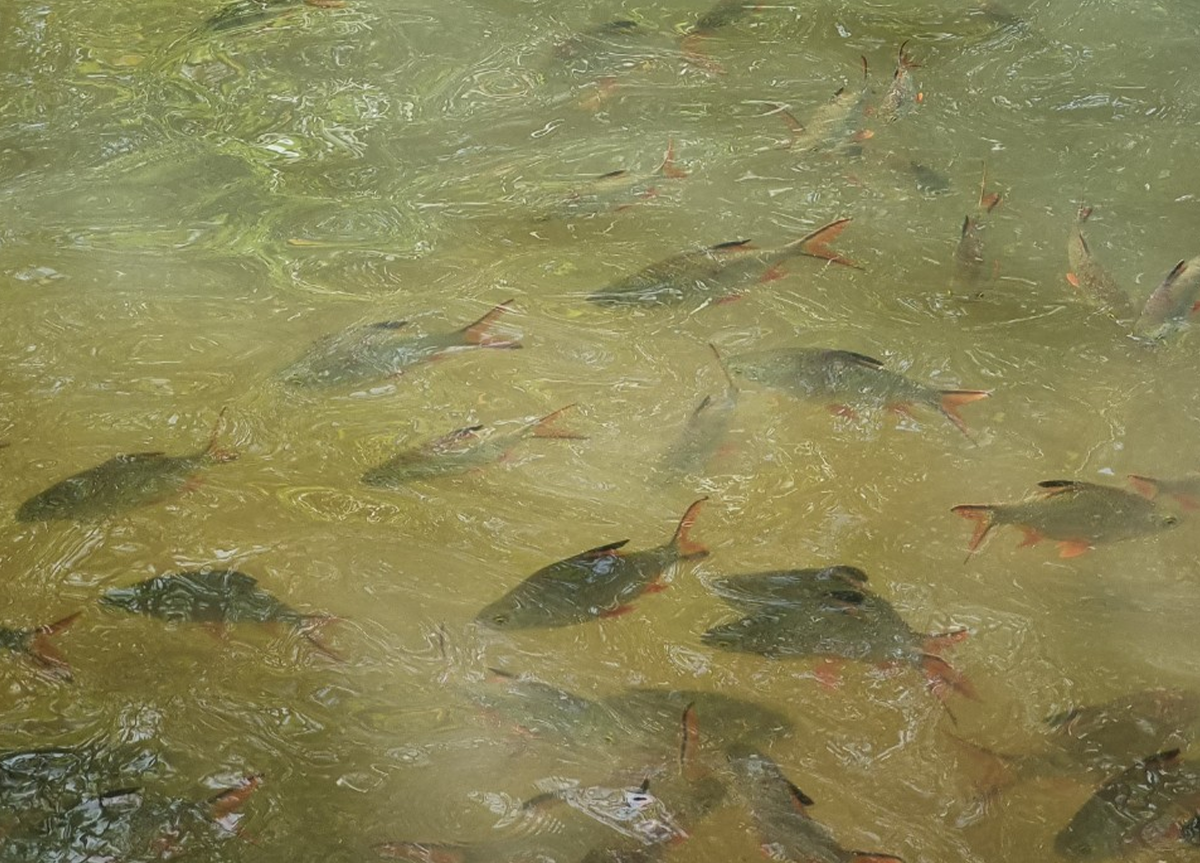
The monitoring results showed a gradual improvement in aquatic biodiversity. Species such as tiny freshwater shrimp, minnows, and snails were increasingly found near the weir, indicating a recovery of aquatic habitats. The staircase structure reduced water velocity, creating calm zones that serve as microhabitats for small organisms. These areas also provided safe breeding and feeding grounds for native fish species that previously migrated to other areas due to strong currents.
Additionally, the restored weir indirectly supported predator-prey balance by offering refuge for smaller fish and preventing their overexposure to invasive species. The improvement in water availability also benefited local flora and fauna, increasing ecosystem resilience and overall biodiversity.