Free Educational Activities to Raise Awareness about Overfishing and Destructive Fishing Practices
In 2024, Walailak University organized free outreach activities for local and national communities to raise awareness about overfishing, illegal, unreported, and unregulated fishing, and destructive fishing practices. These outreach activities were organized for local fishermen, students, youths, and the general public as part of Walailak University’s initiatives on the promotion of sustainable fishery in Nakhon Si Thammarat and Thailand.
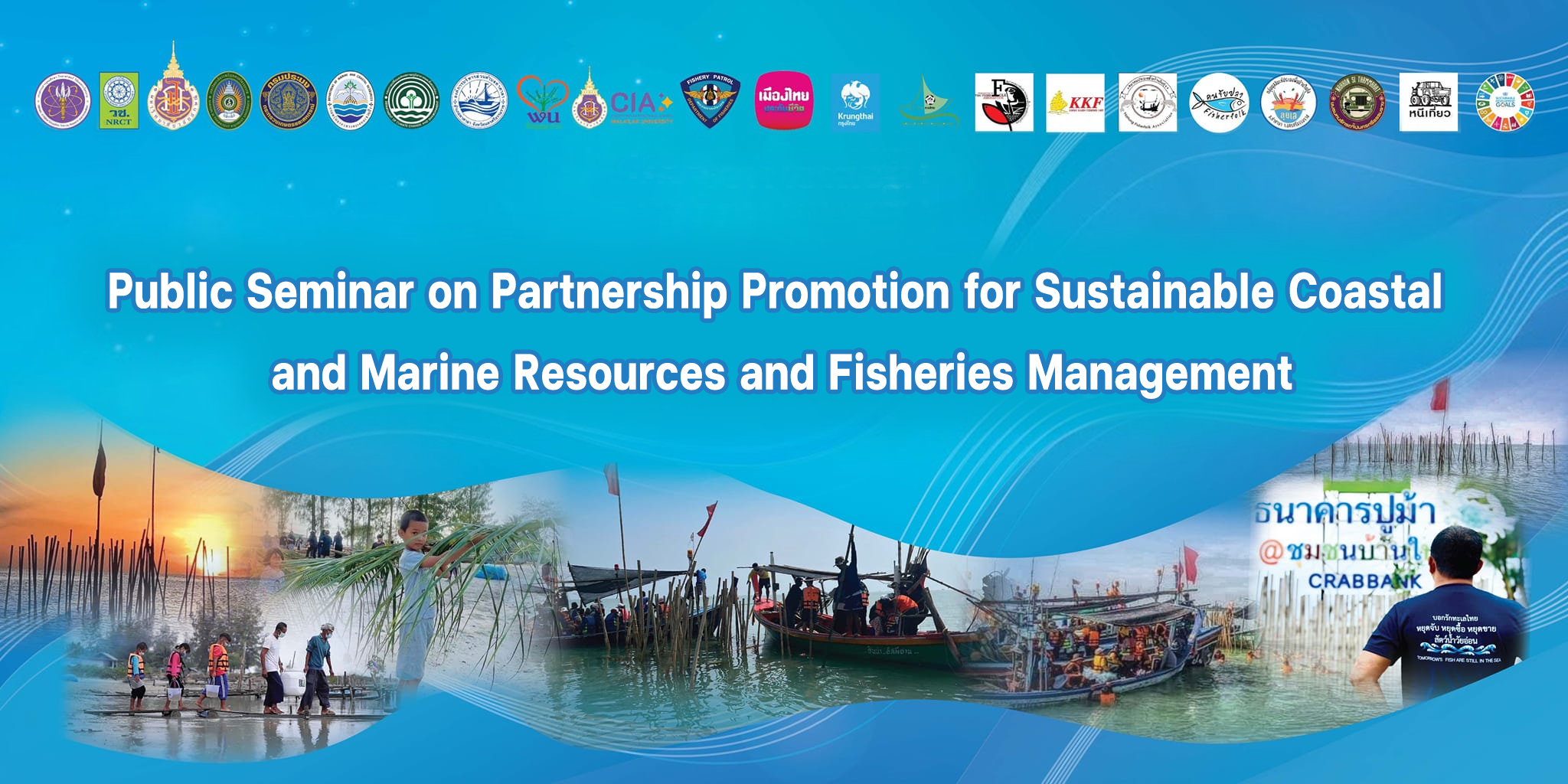
Public Seminar on Partnership Promotion for Sustainable Coastal and Marine Resources and Fisheries Management
Walailak University has long collaborated with local fishermen in Tha Sala District, Nakhon Si Thammarat Province, to promote sustainable fisheries and the conservation of marine resources. Through continuous outreach and academic service activities, the University has aimed to enhance local awareness of environmentally friendly fishing practices and encourage the responsible use of marine resources in alignment with Sustainable Development Goal (SDG) 14: Life Below Water.
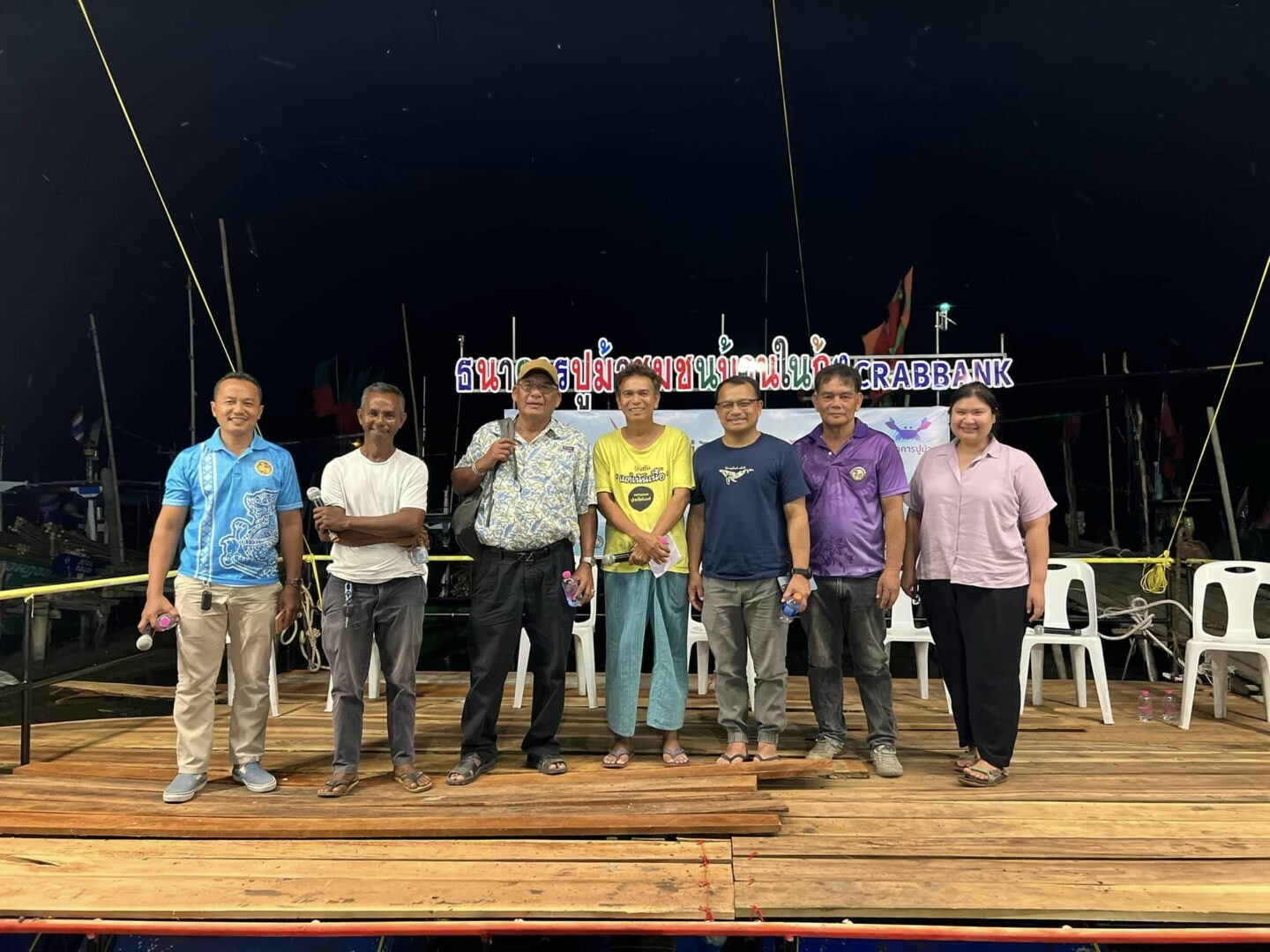
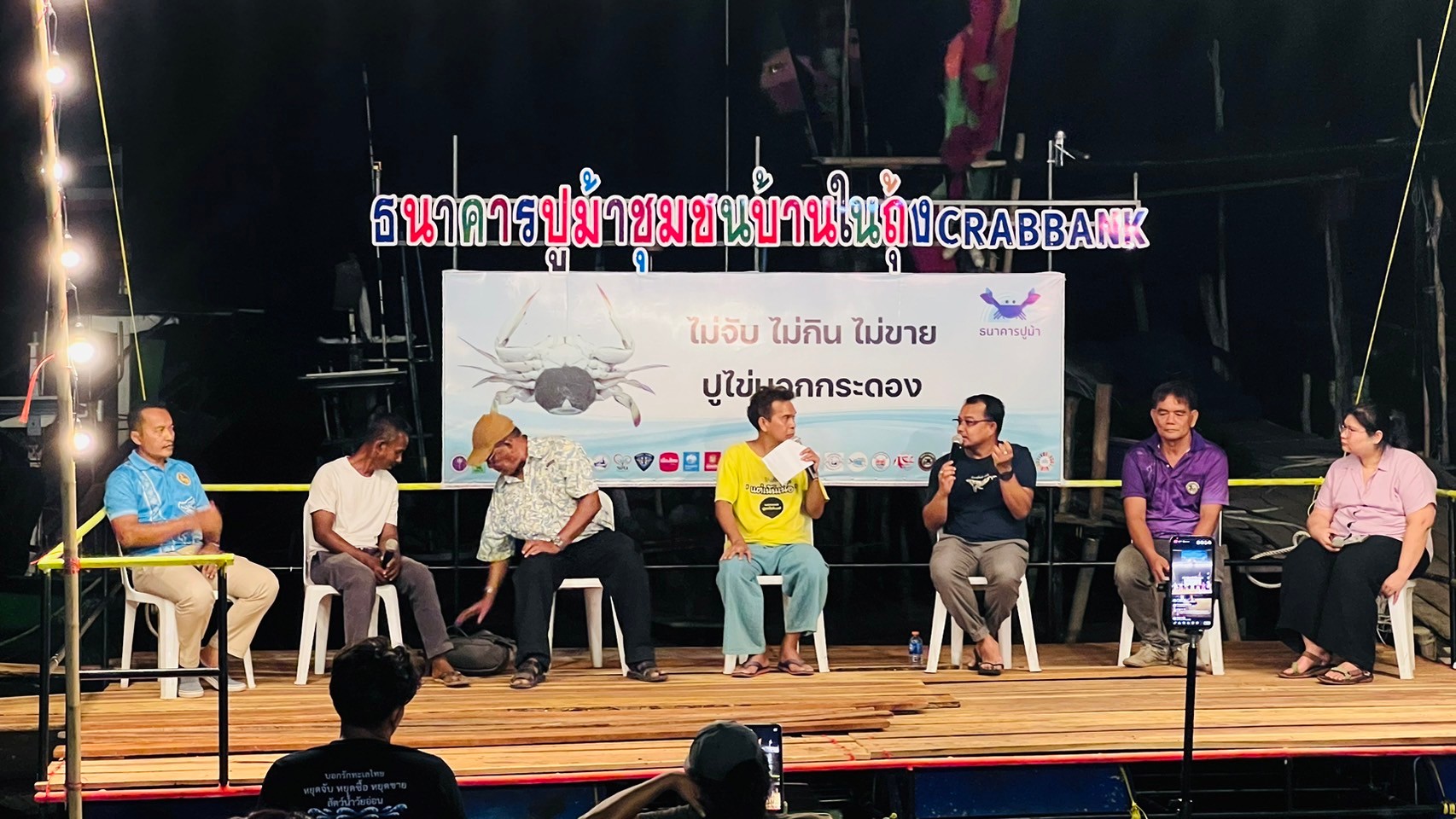
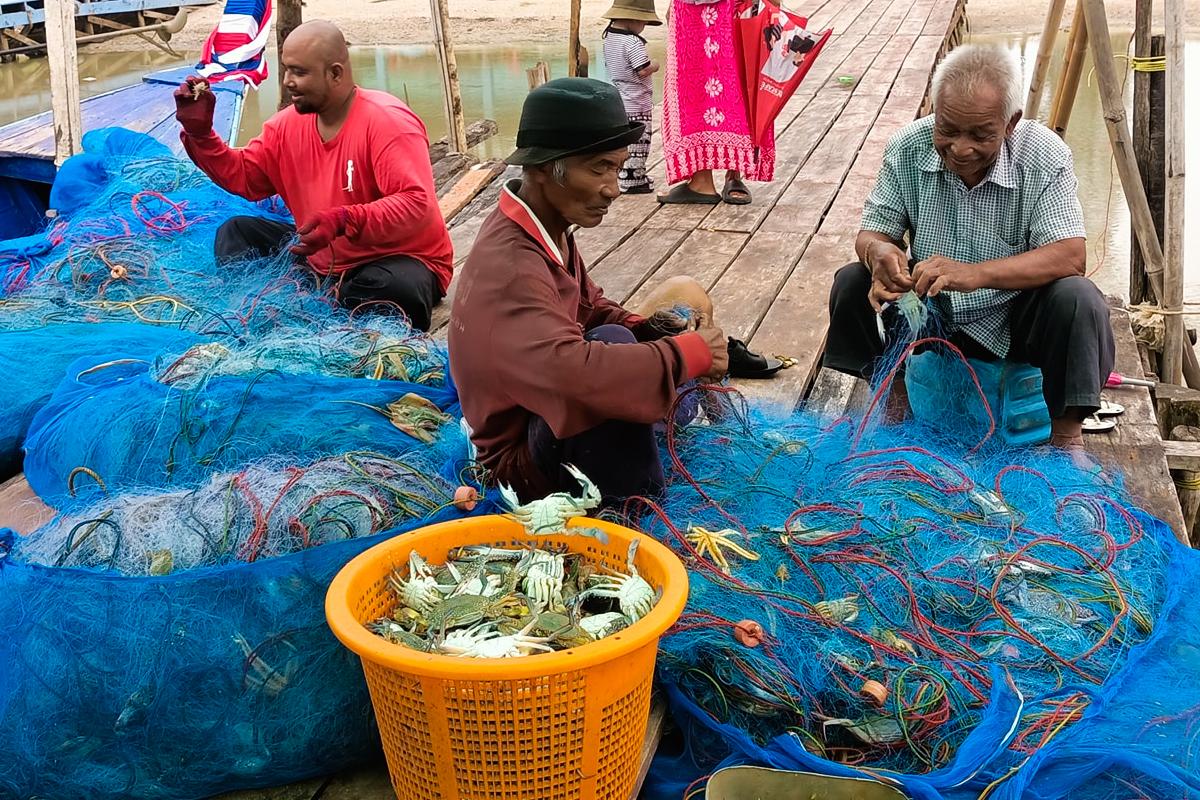
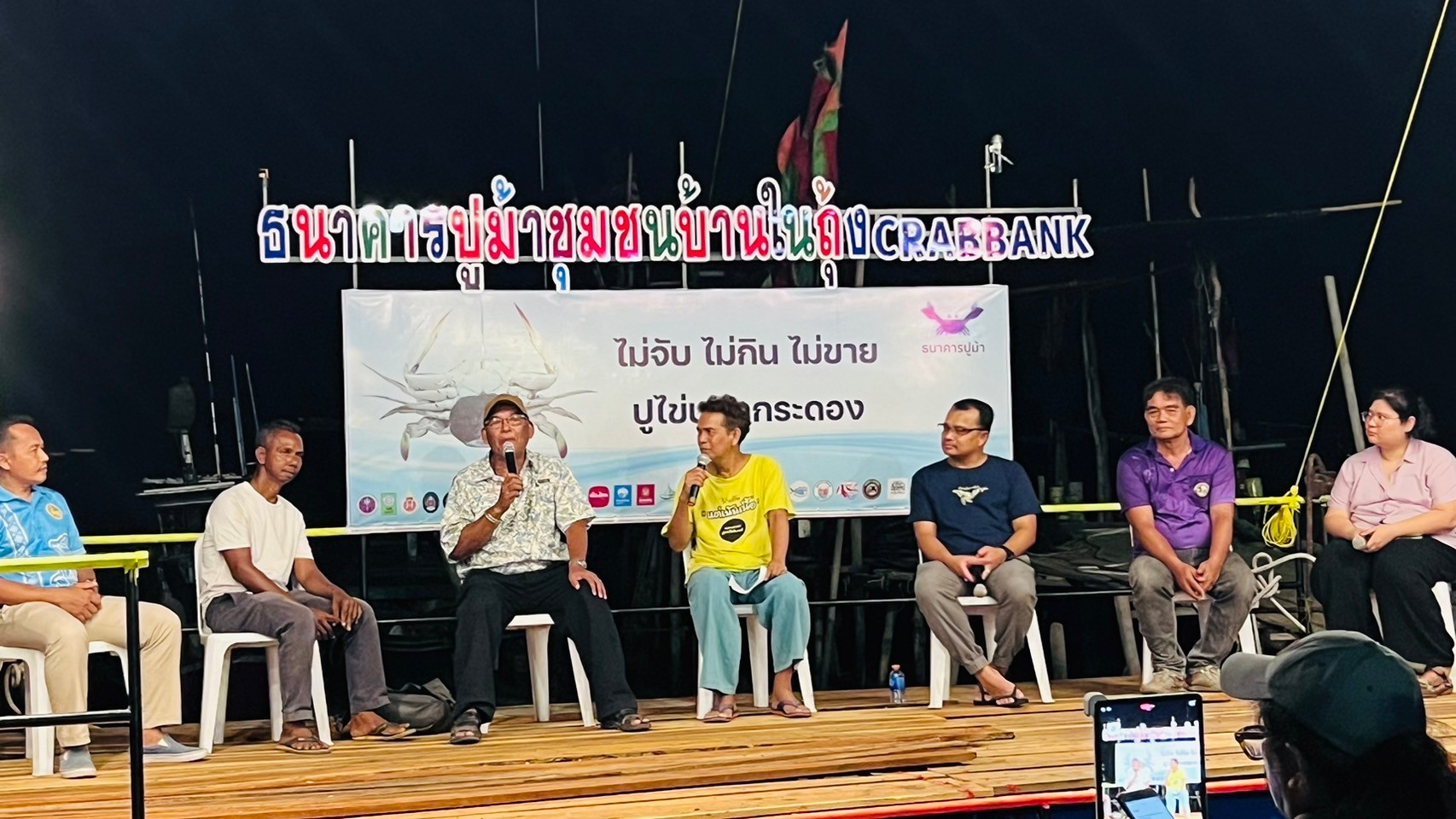
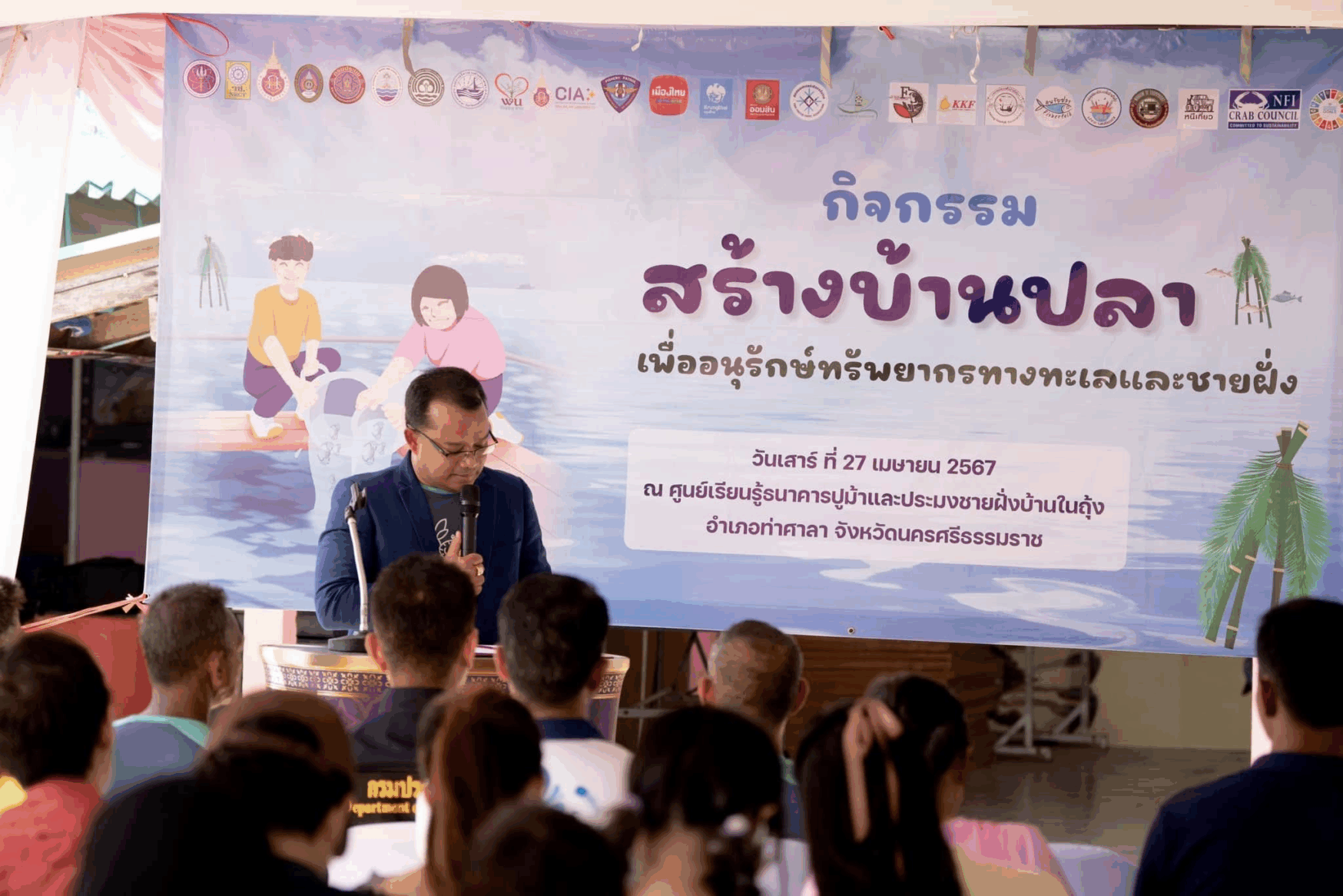
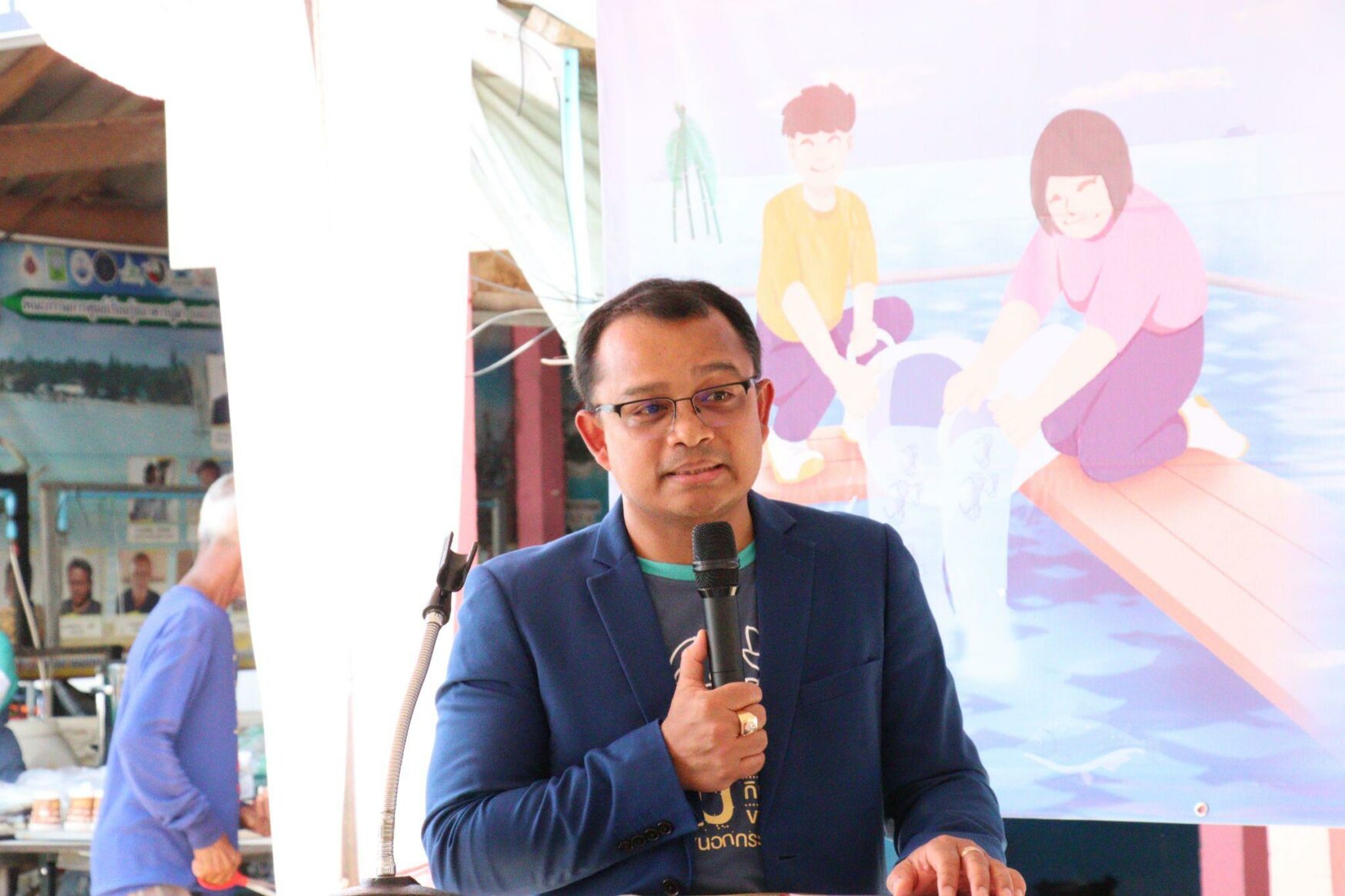
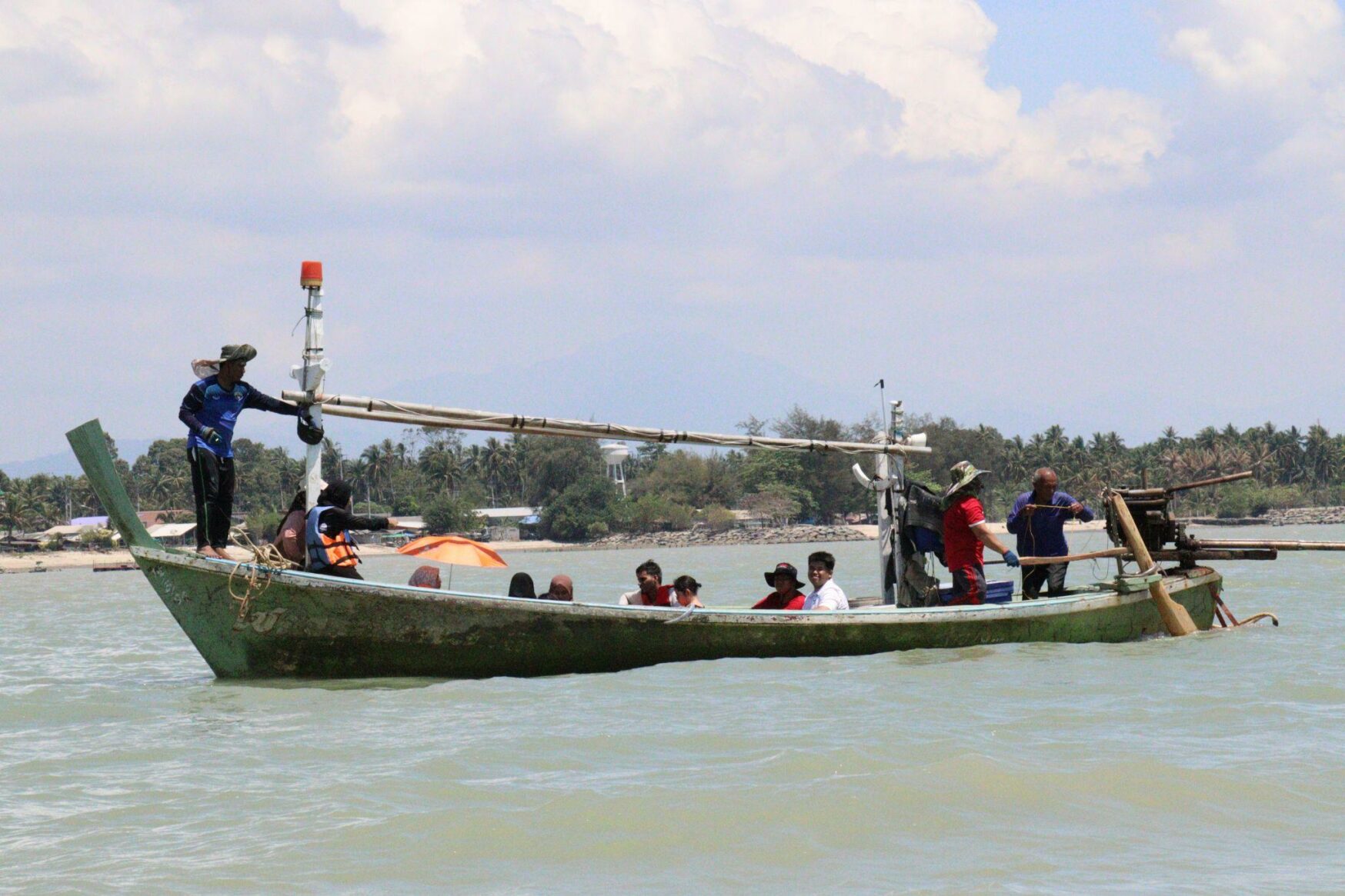
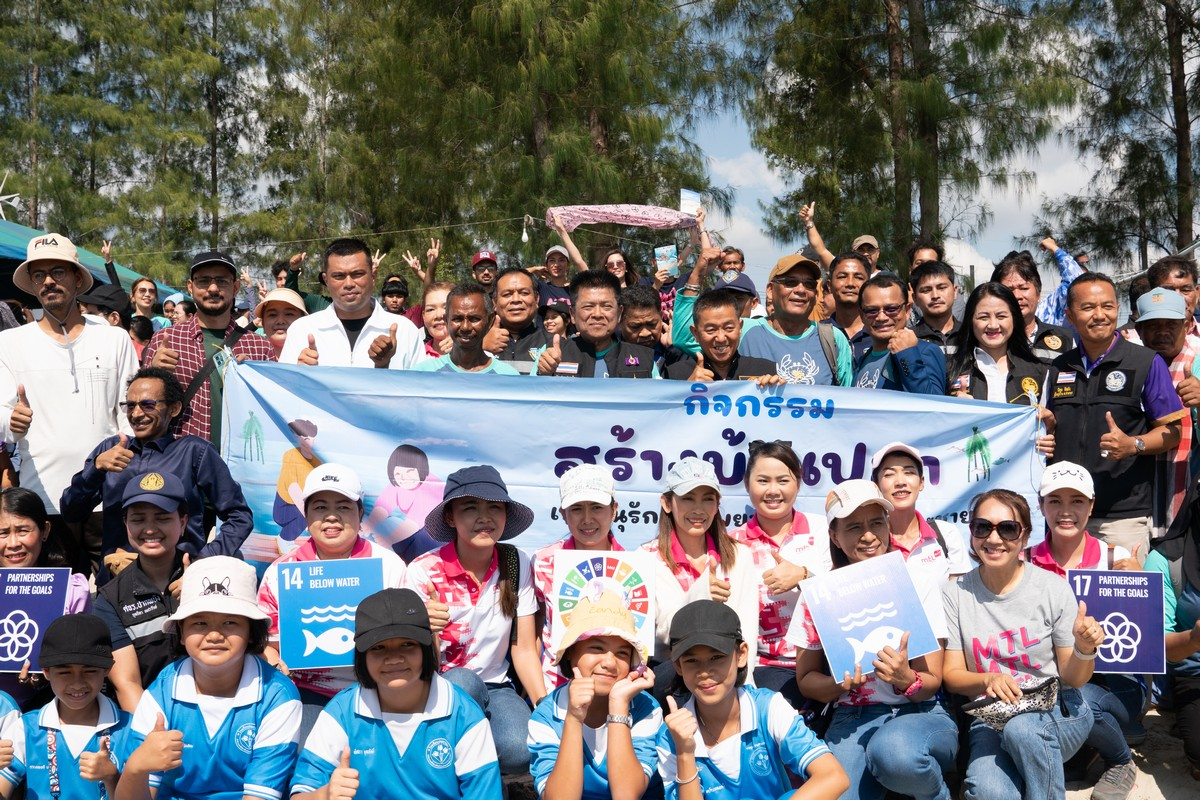
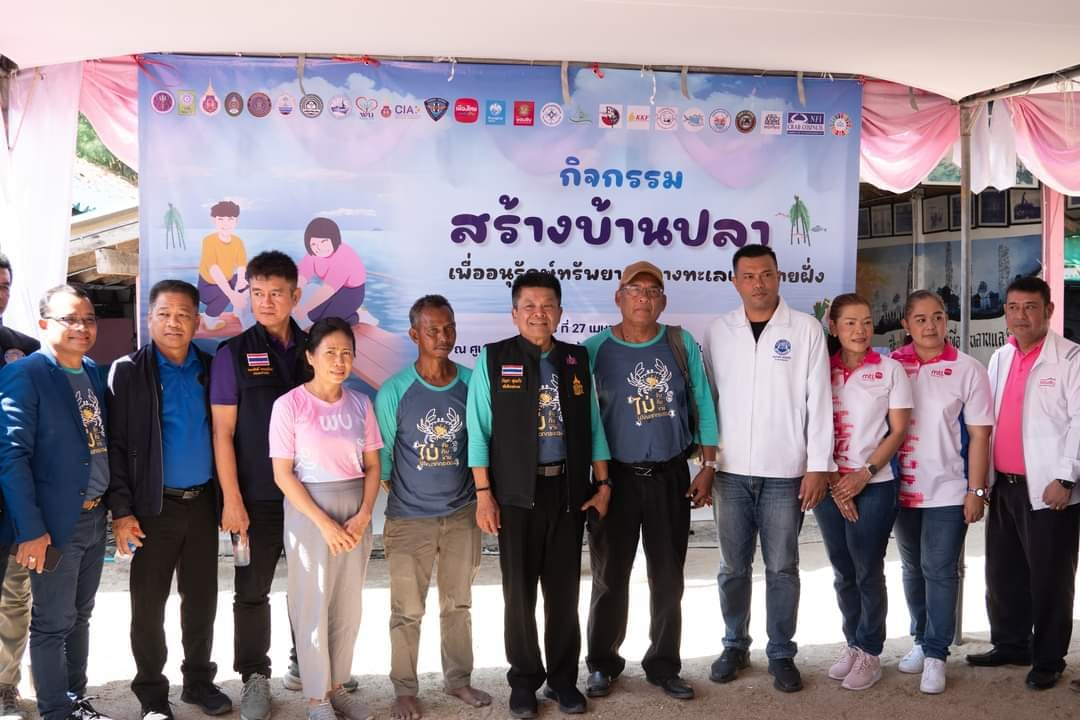
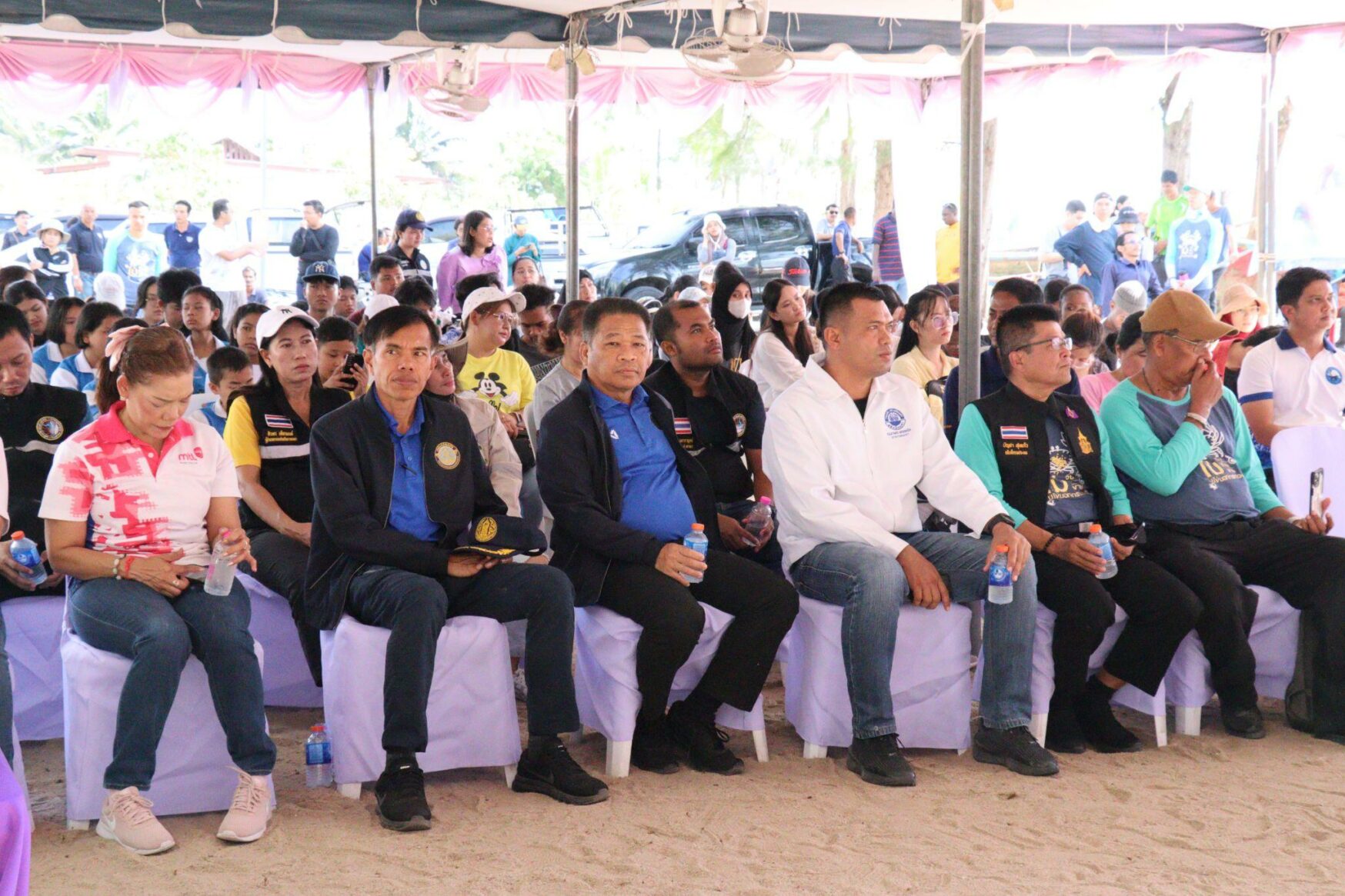
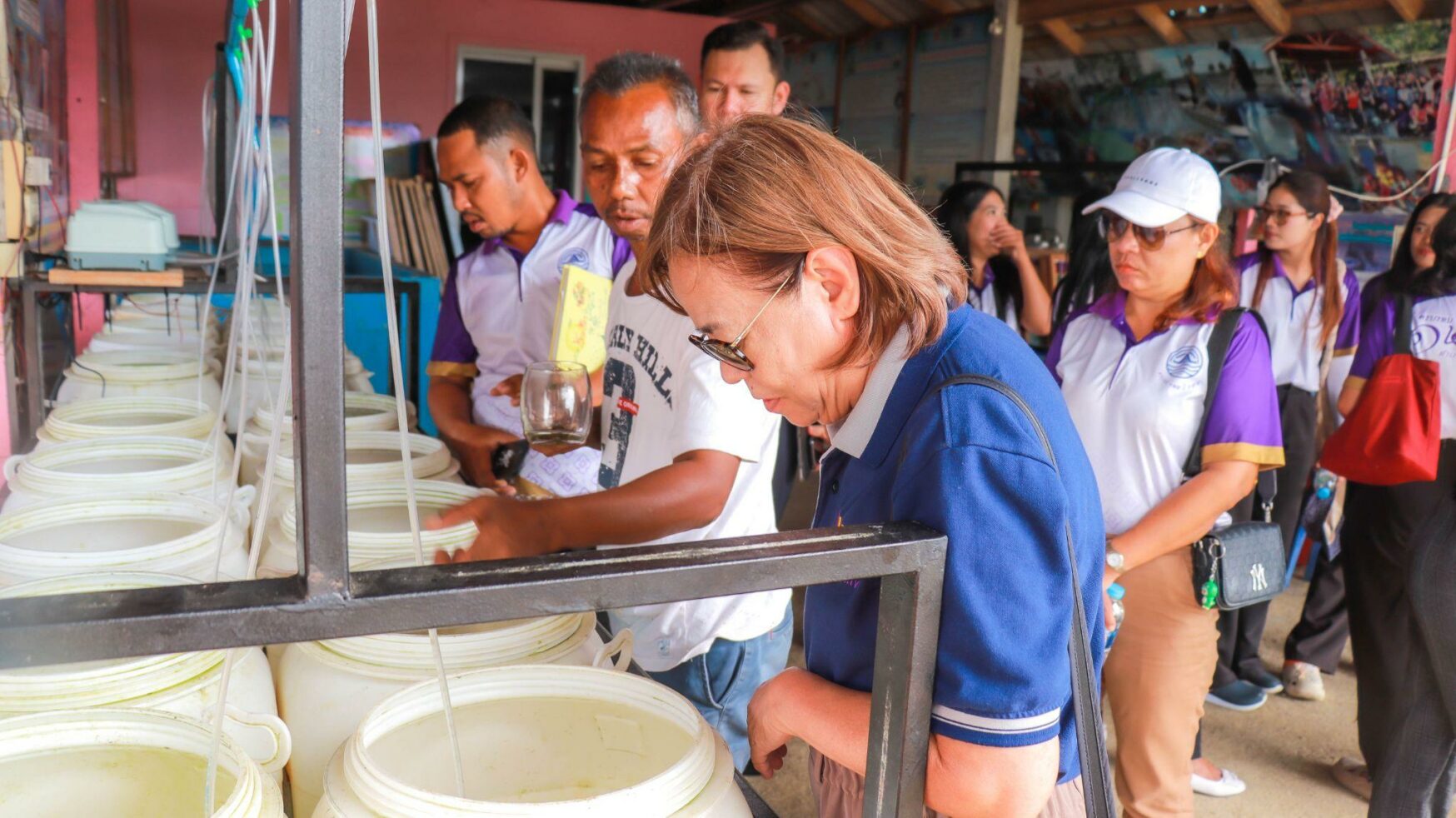
However, as the number of new local fishermen continues to increase each year, there remains a growing need to educate and raise awareness among these new generations of fishermen about sustainable fishing practices and legal compliance. To address this, Walailak University organized a Public Seminar on “Partnership Promotion for Sustainable Coastal and Marine Resources and Fisheries Management” in 2024 at the Ban Nai Thung Blue Swimming Crab Learning Center.
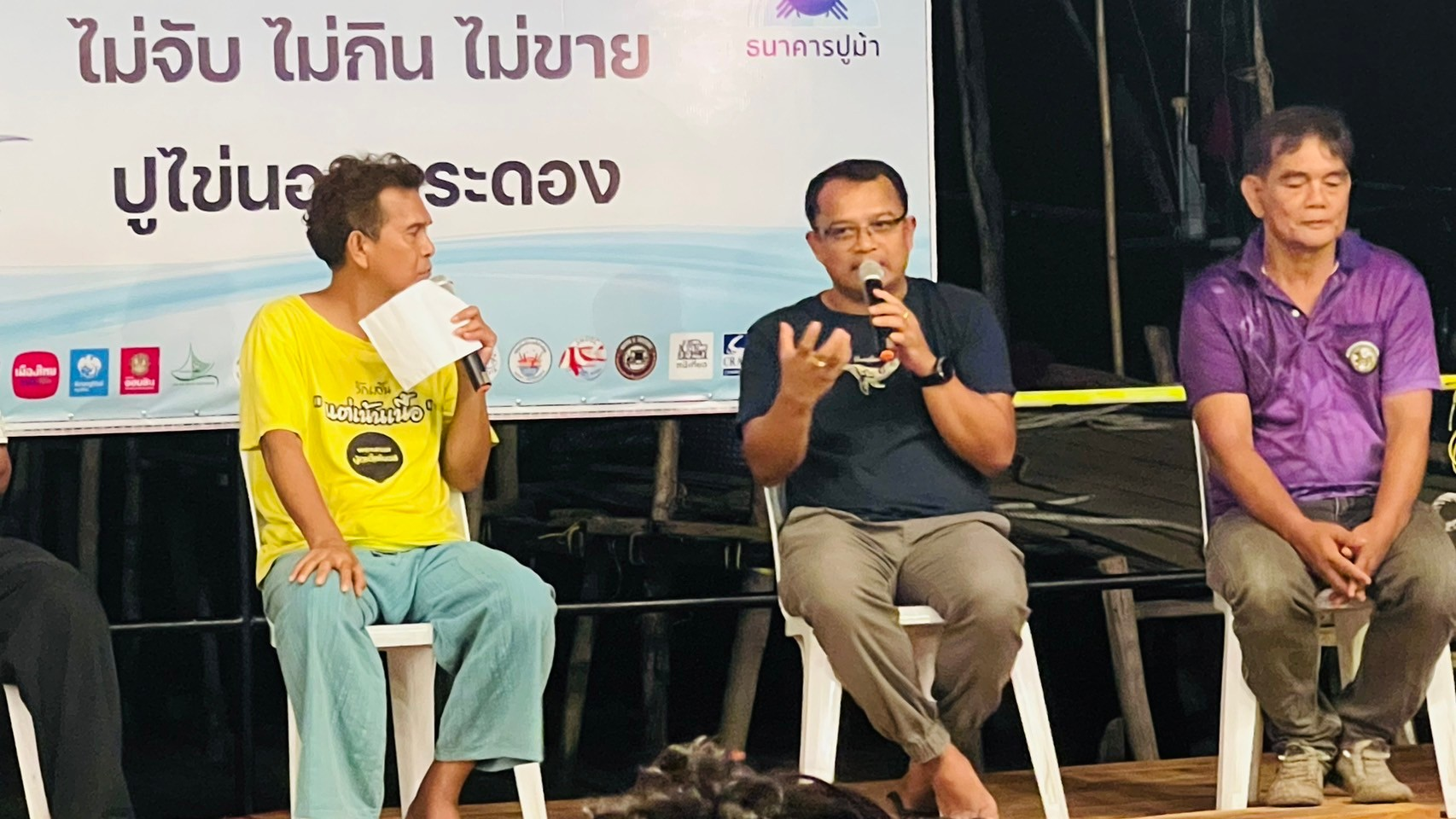
The seminar aimed to strengthen partnerships between new and experienced local fishermen, promote collaboration among fishing communities, and foster knowledge-sharing on sustainable fisheries management within the Gulf of Thailand. It served as a platform for fishermen to exchange experiences, discuss community-based regulations, and learn about modern approaches to sustainable coastal resource management.
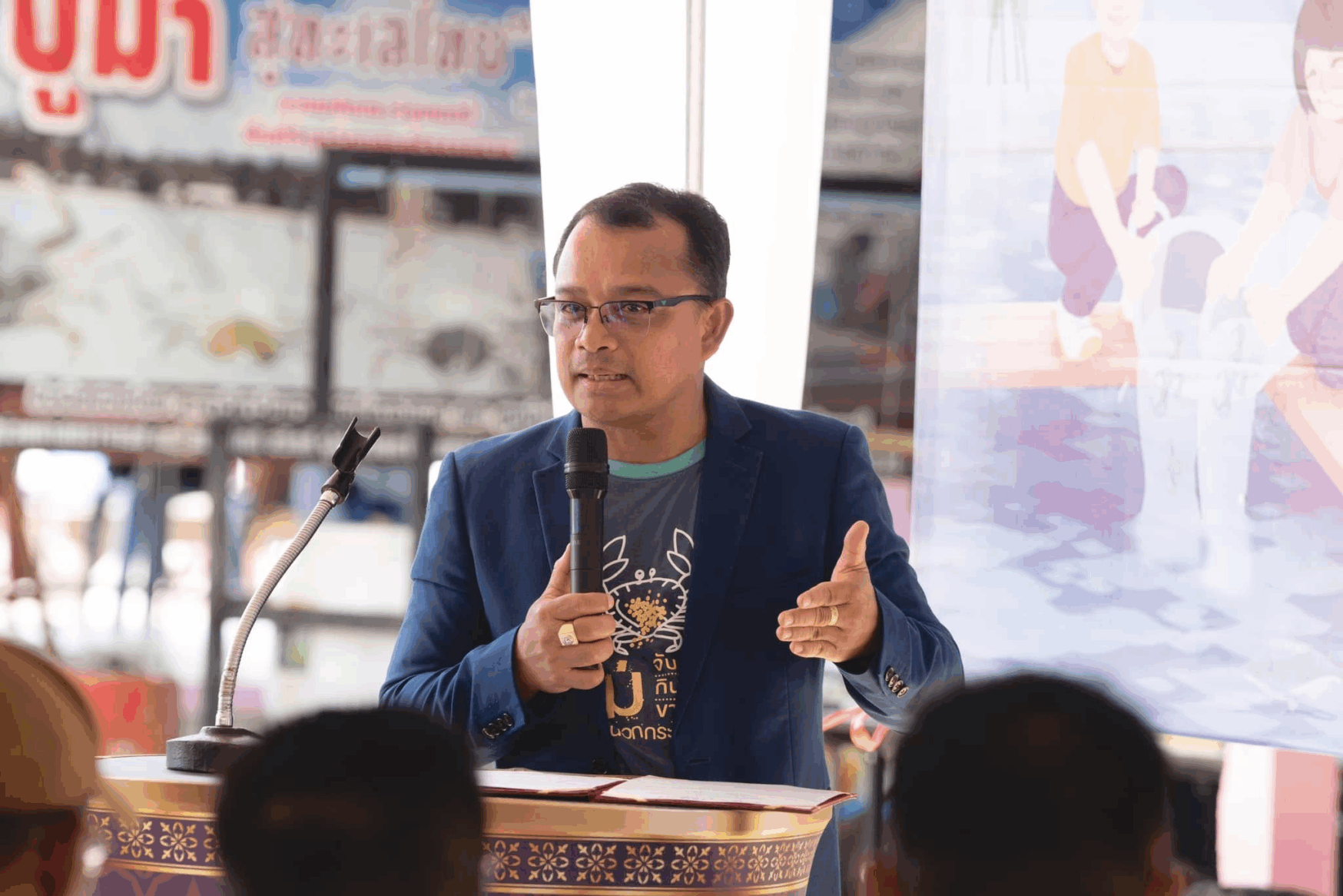
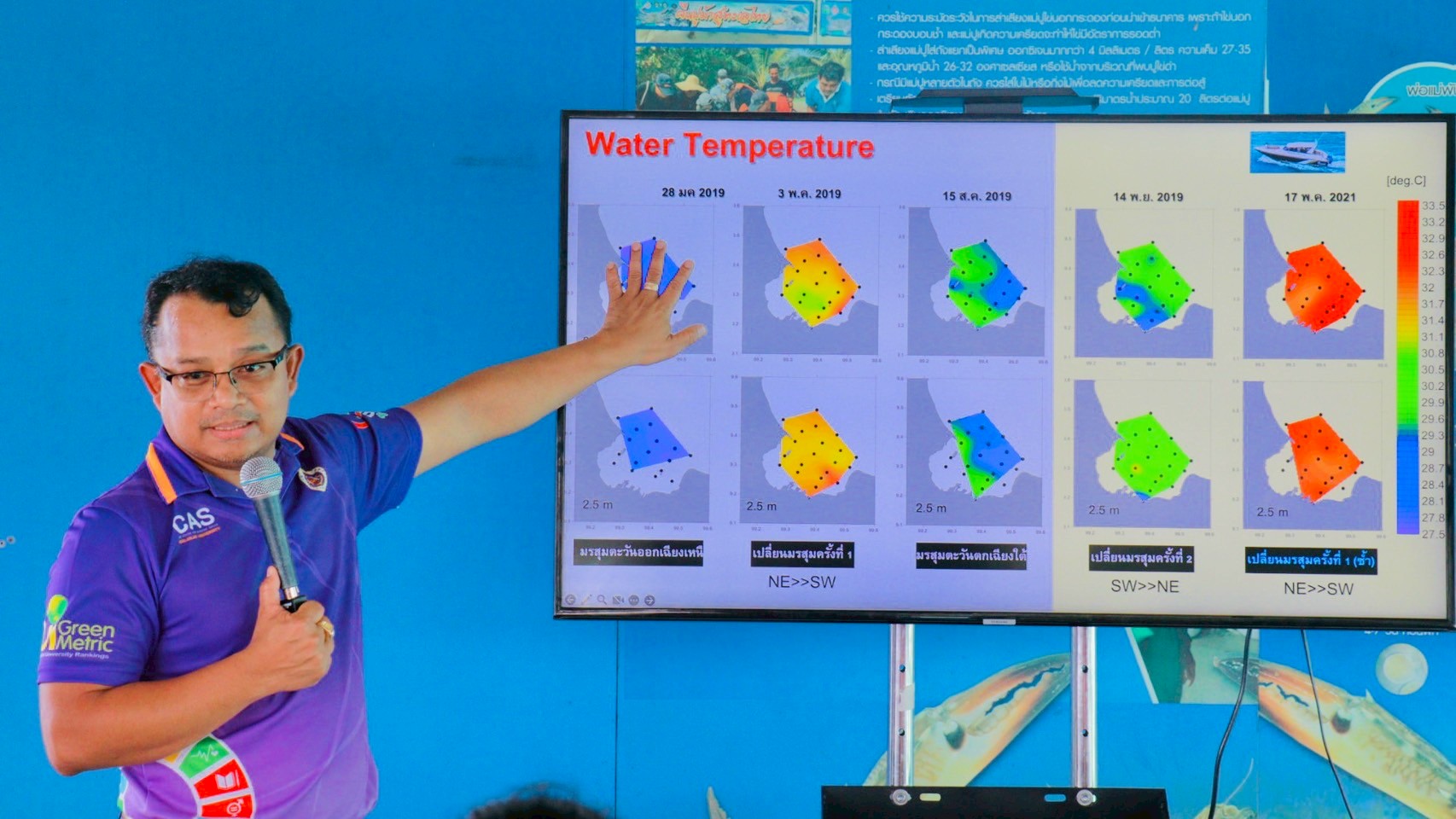
Asst. Prof. Dr. Amonsak Sawusdee, a marine researcher and fisheries expert from Walailak University, delivered lectures covering key issues related to responsible fisheries management and marine conservation. His presentation focused on two major topics:
1. Basic Fishery Laws and Prohibited Fishing Practices
Dr. Amonsak provided an overview of essential fishery laws announced by the Department of Fisheries, emphasizing the importance of compliance to maintain ecological balance and ensure long-term livelihood sustainability. He explained in accessible language several key legal principles concerning environmental protection—such as prohibitions against releasing harmful materials into the sea, generating pollution, or using electricity in fishing.
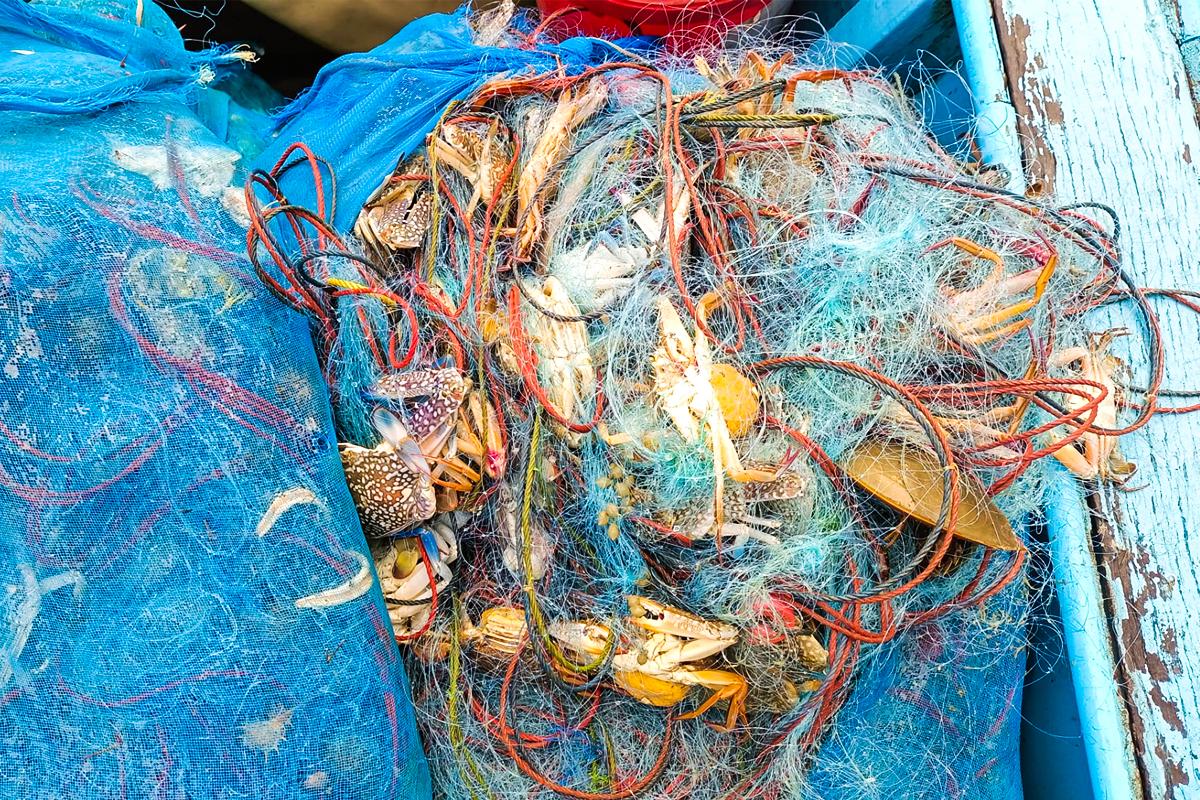
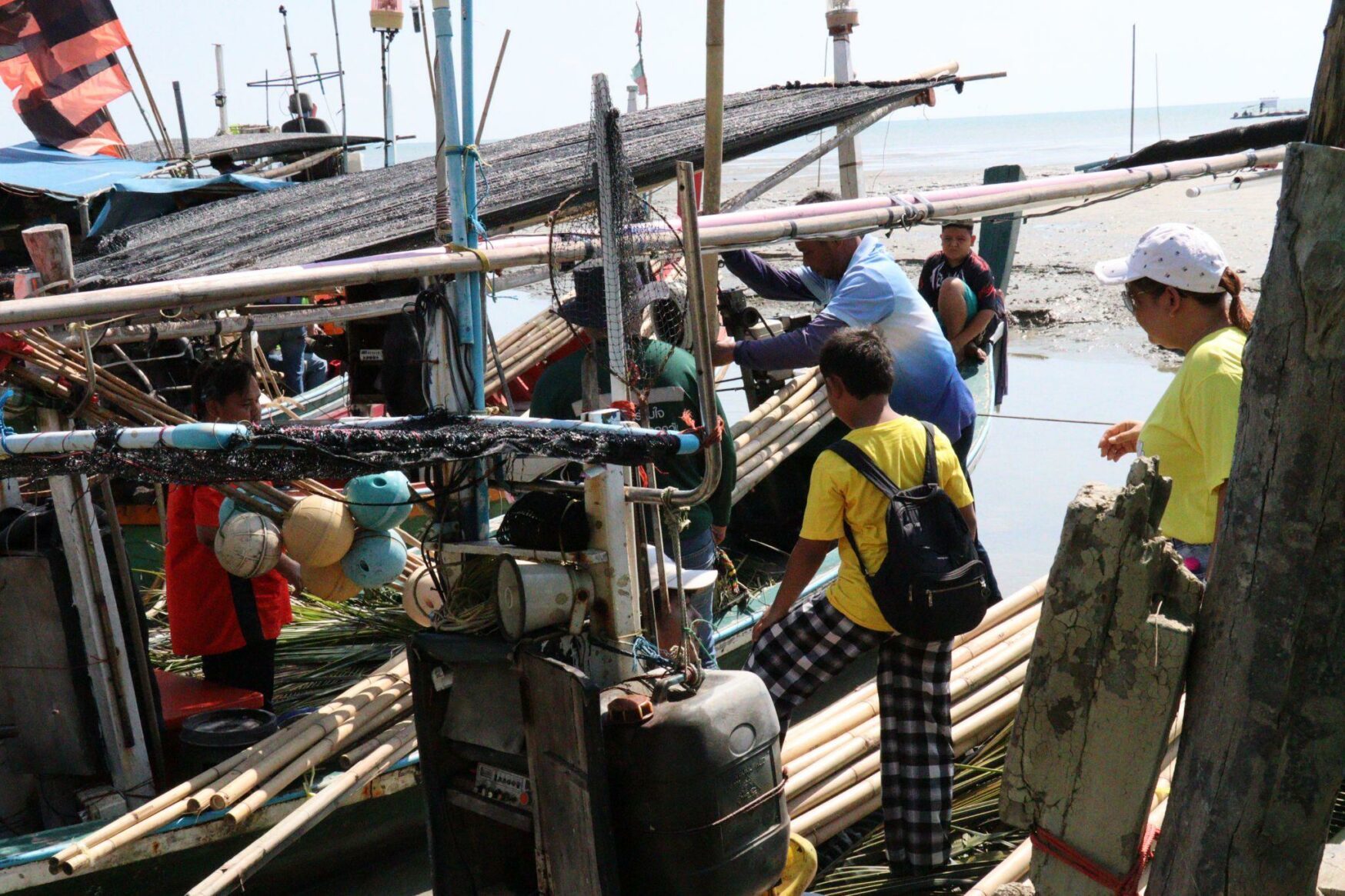
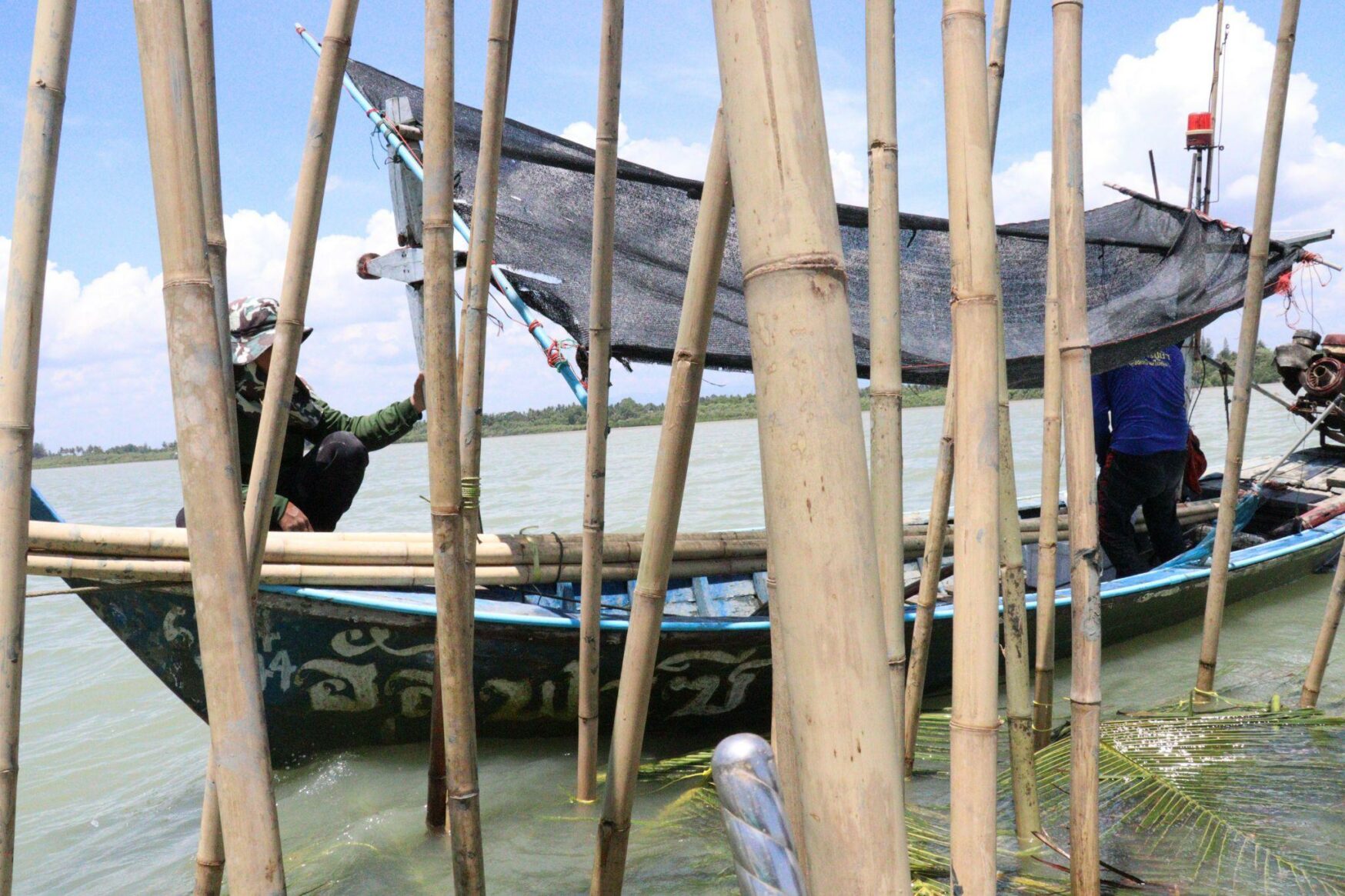
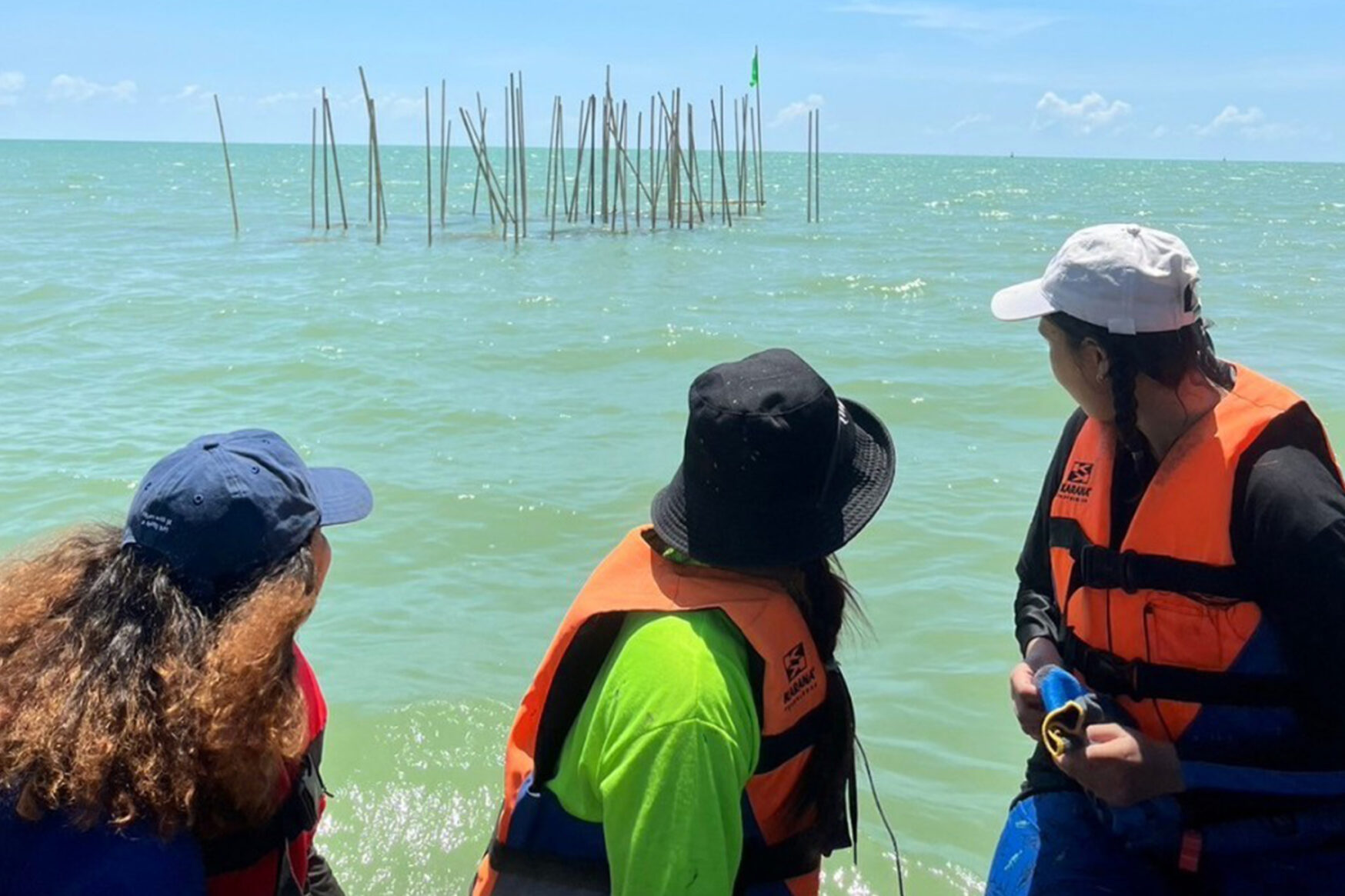
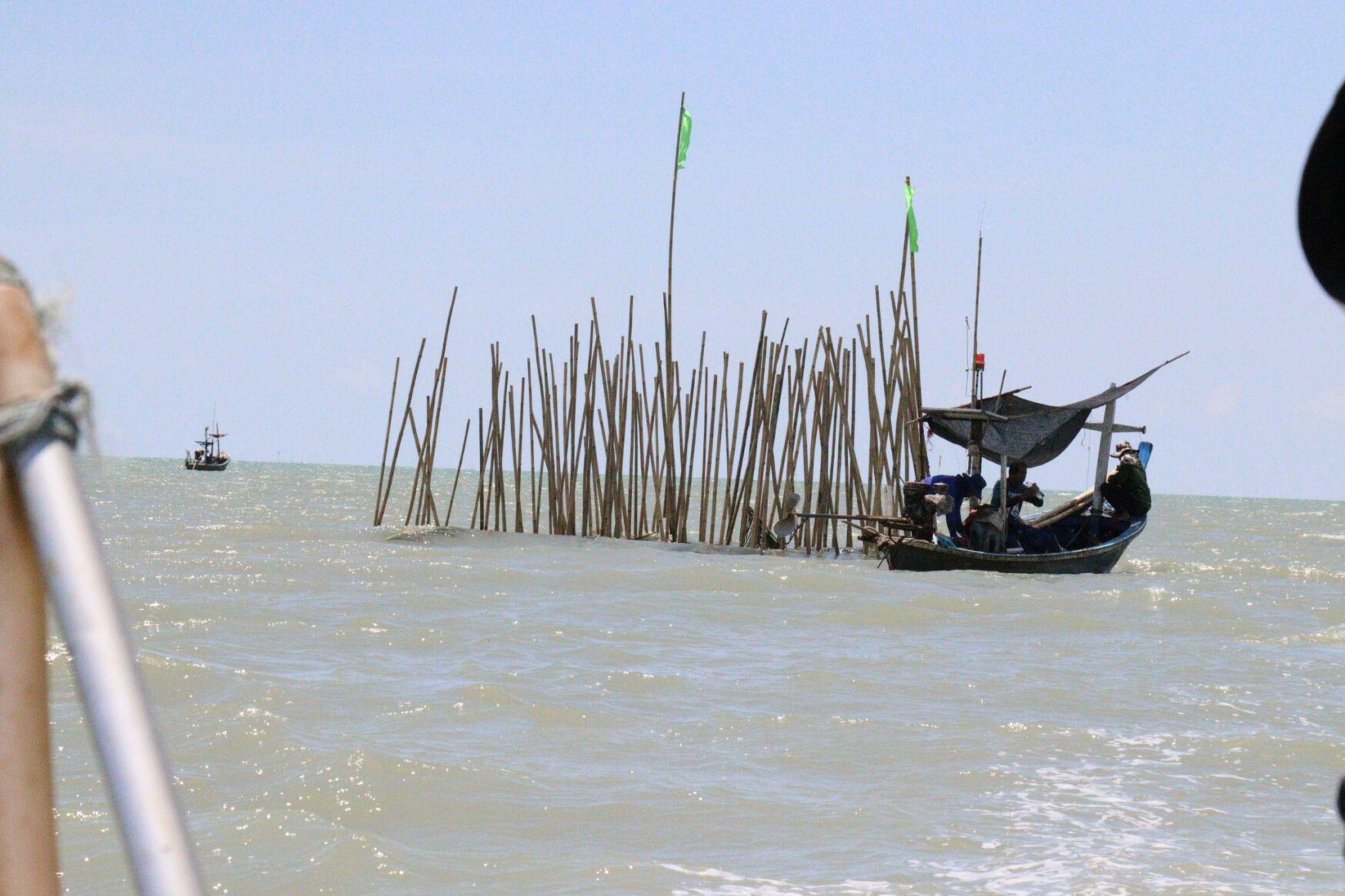
He also clarified regulations on banned fishing gear under both national and community laws, including bamboo fish traps (Lhee), foldable fish traps, and lift net float systems (Phong Pang), which are known to cause ecological harm or lead to overfishing.
2. Preserved Areas and Regulations for Blue Swimming Crab Fishing
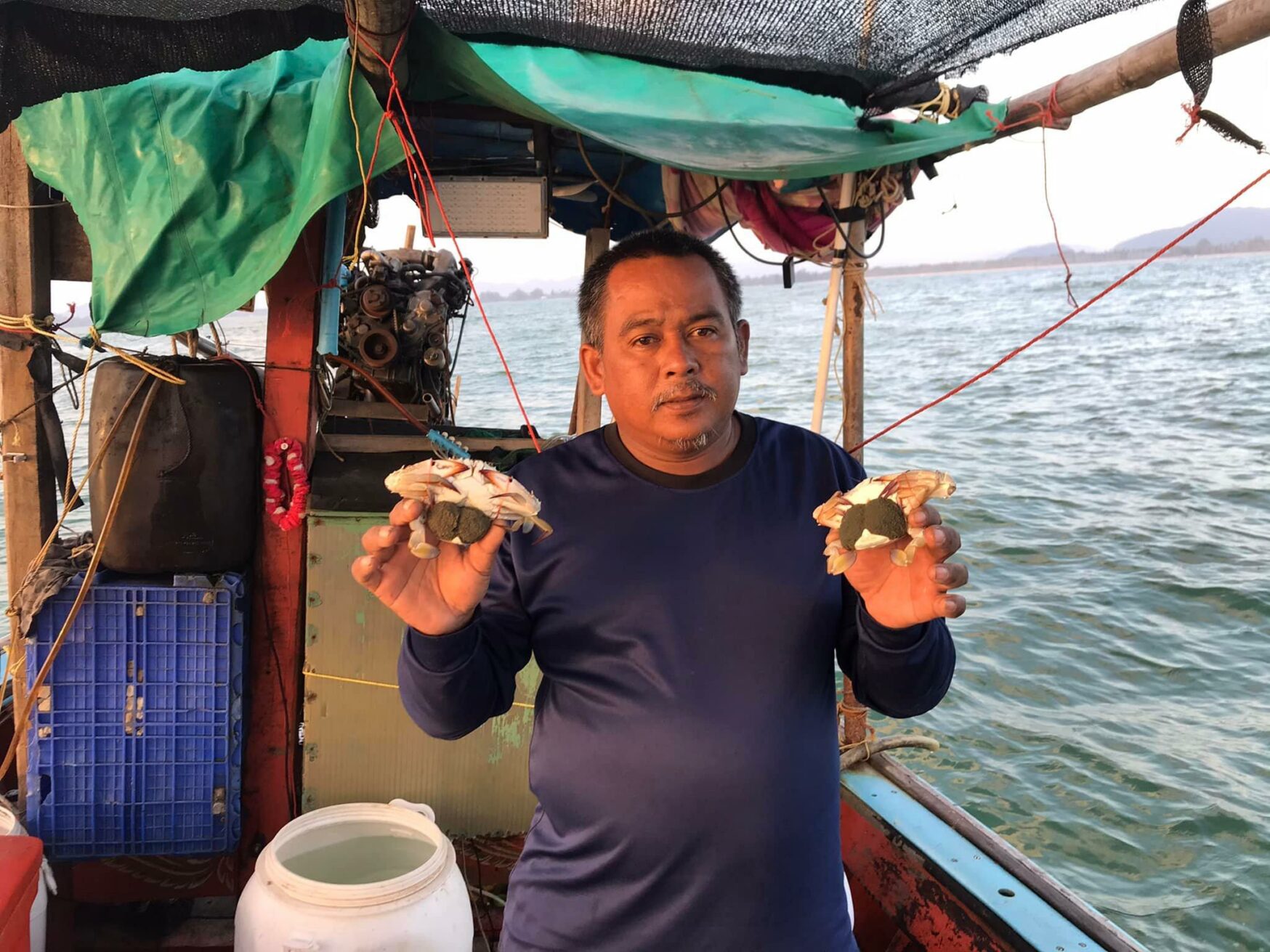
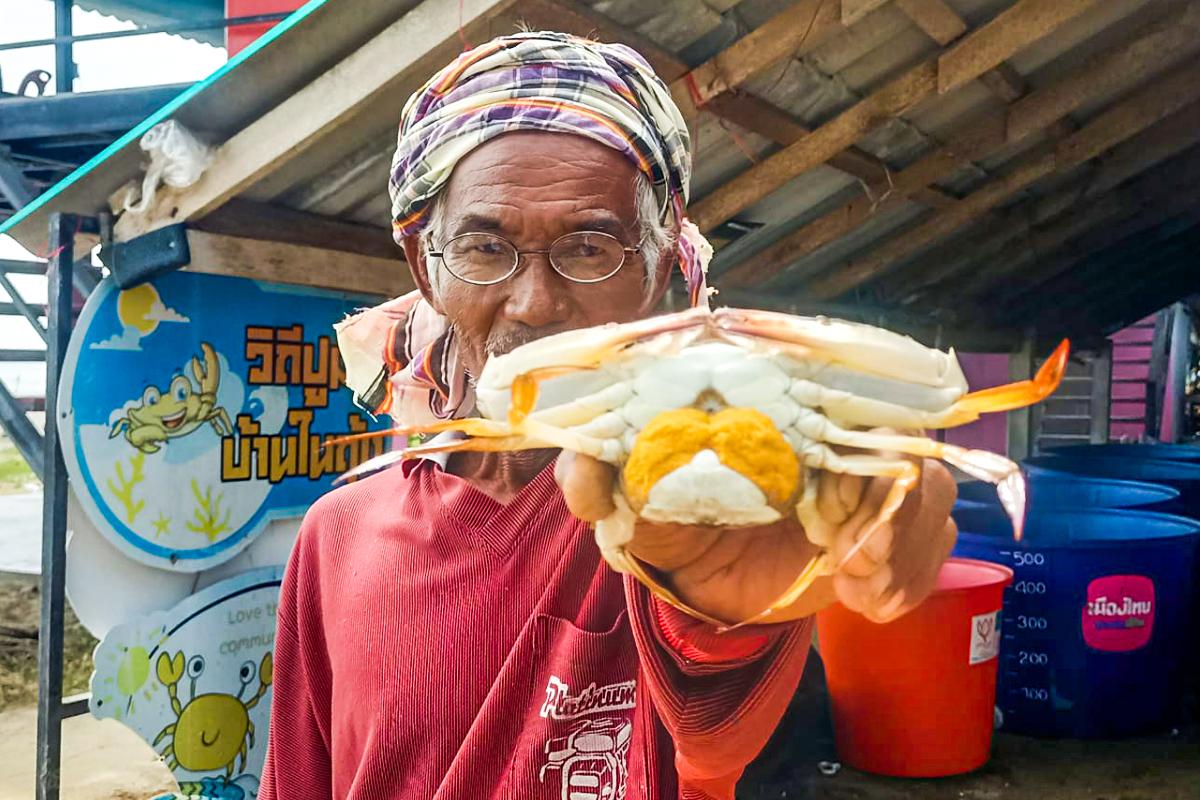
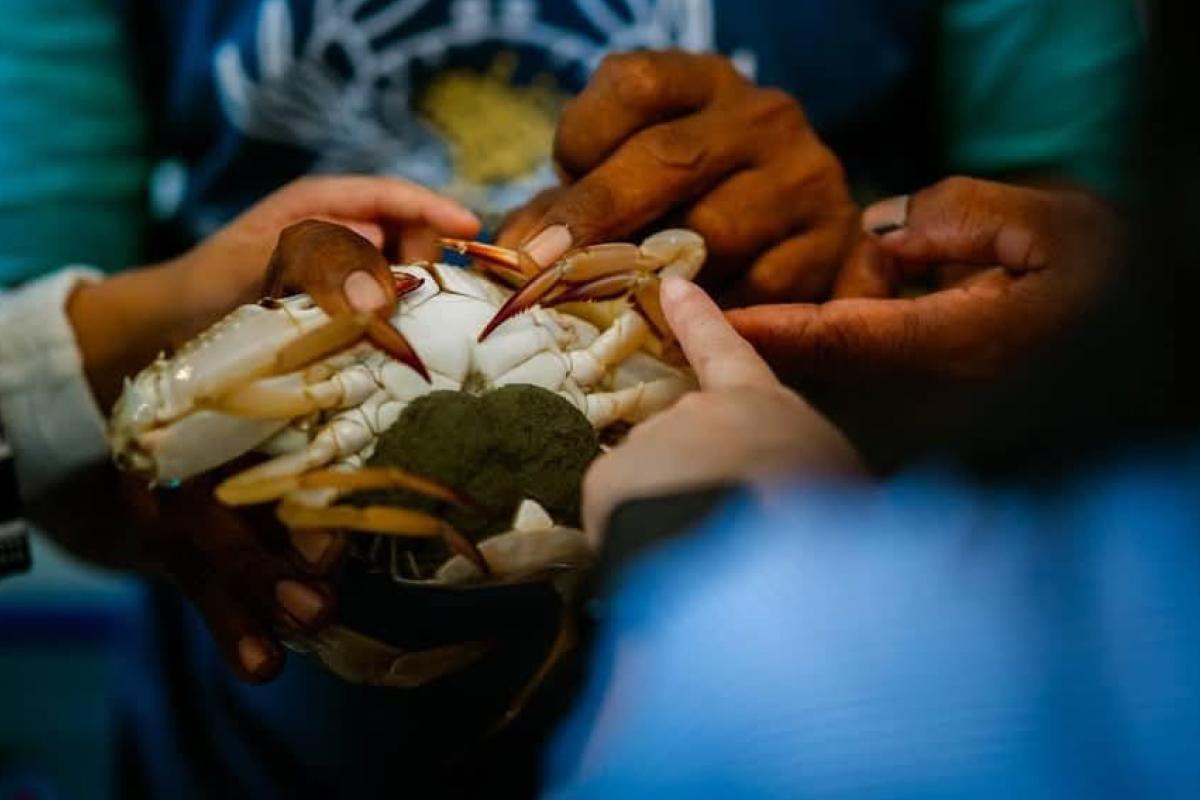
In the second part of his lecture, Dr. Amonsak addressed the regulations governing blue swimming crab (Portunus pelagicus) fishing—an economically significant aquatic species in Southern Thailand. He explained that sustainable management of blue crab populations is crucial for maintaining local income and marine biodiversity. The regulations discussed included the prohibition of catching berried female crabs and the restriction on using nets larger than 10 cm in mesh size for blue crab fishing. He also provided detailed information on blue crab preserved zones in the Gulf of Thailand, advising fishermen to strictly avoid fishing in these protected areas to allow the crab population to replenish naturally.
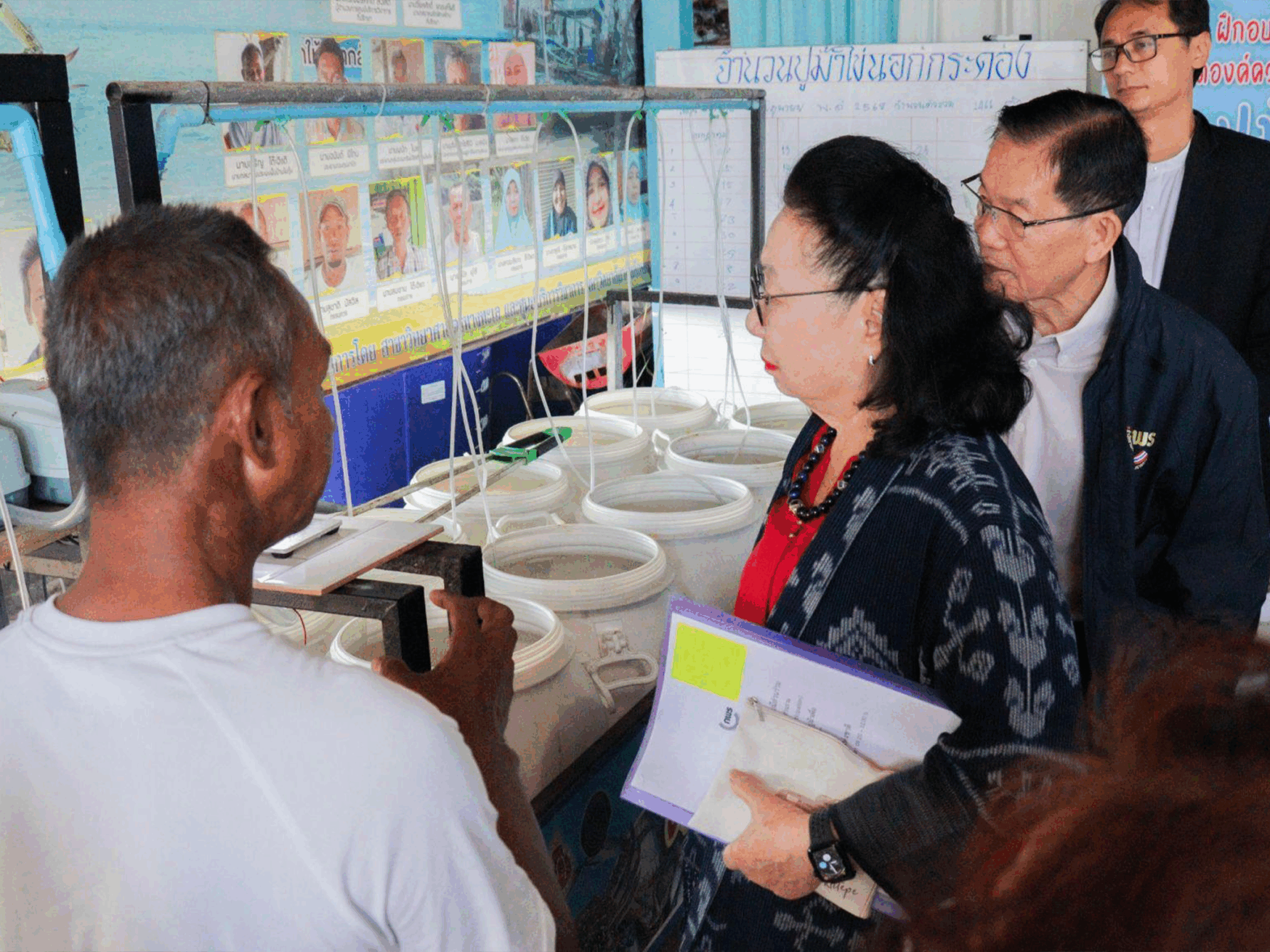
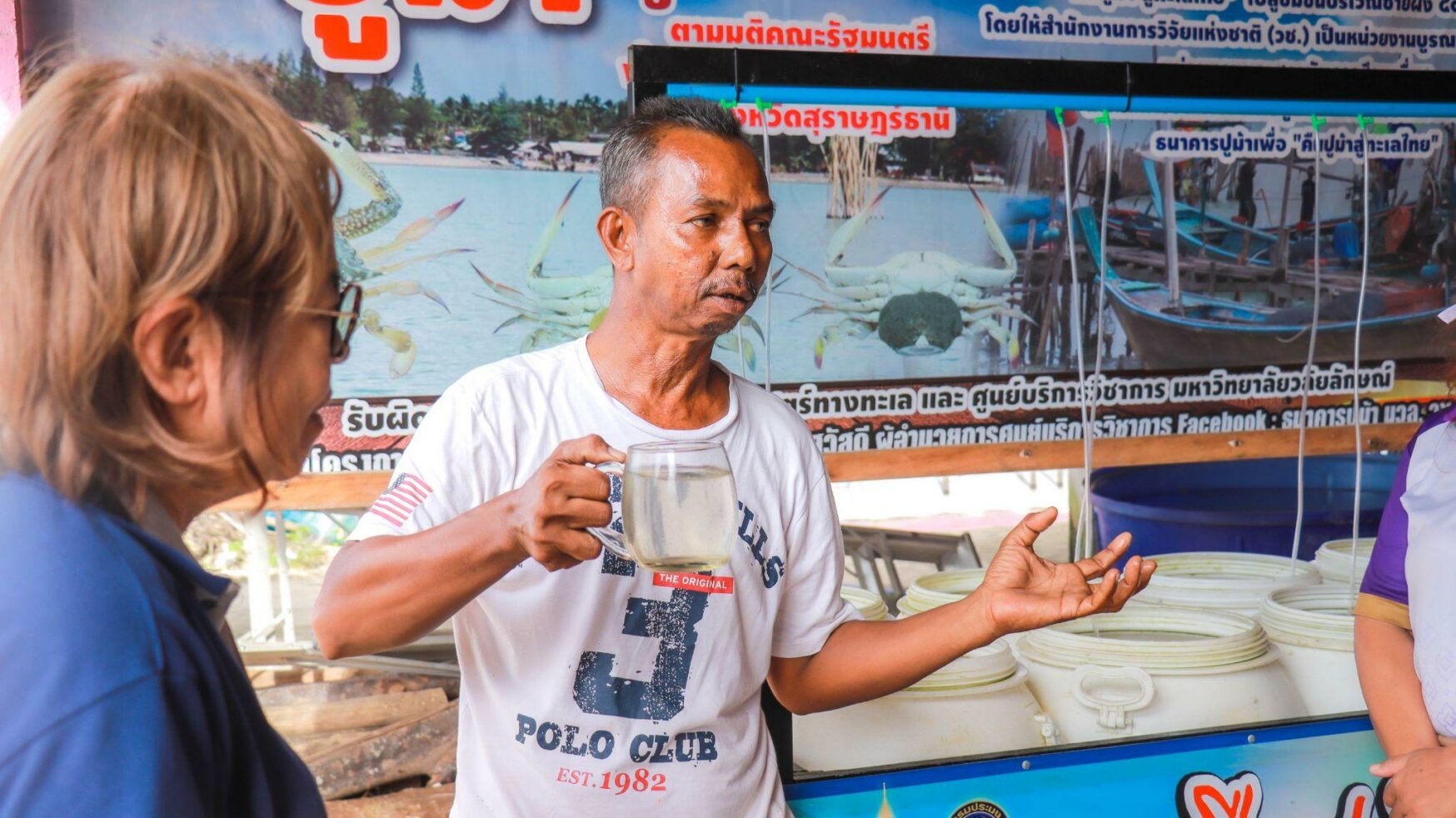
In addition to expert lectures, Walailak University invited local community leaders to share their valuable experiences and success stories in sustainable fisheries. Mr. Charoen Toitae, Head of the Ban Nai Thung Blue Crab Bank Learning Center, and Mr. Piya Saea, Head of the Haddsomboon Blue Swimming Crab Bank, presented case studies on community-based fisheries management. They shared how local regulations, collective agreements, and knowledge exchange among fishermen have significantly contributed to the restoration of marine resources and the improvement of local livelihoods.
This seminar reflects Walailak University’s strong commitment to promoting collaborative learning and sustainable community development. By integrating academic expertise with local wisdom, the University continues to act as a bridge between research and practice—empowering coastal communities to become active partners in conserving marine resources and ensuring sustainable fisheries for future generations.
Raising Awareness about Integrating Fishing Practices with Boosting Aquatic Animal Populations
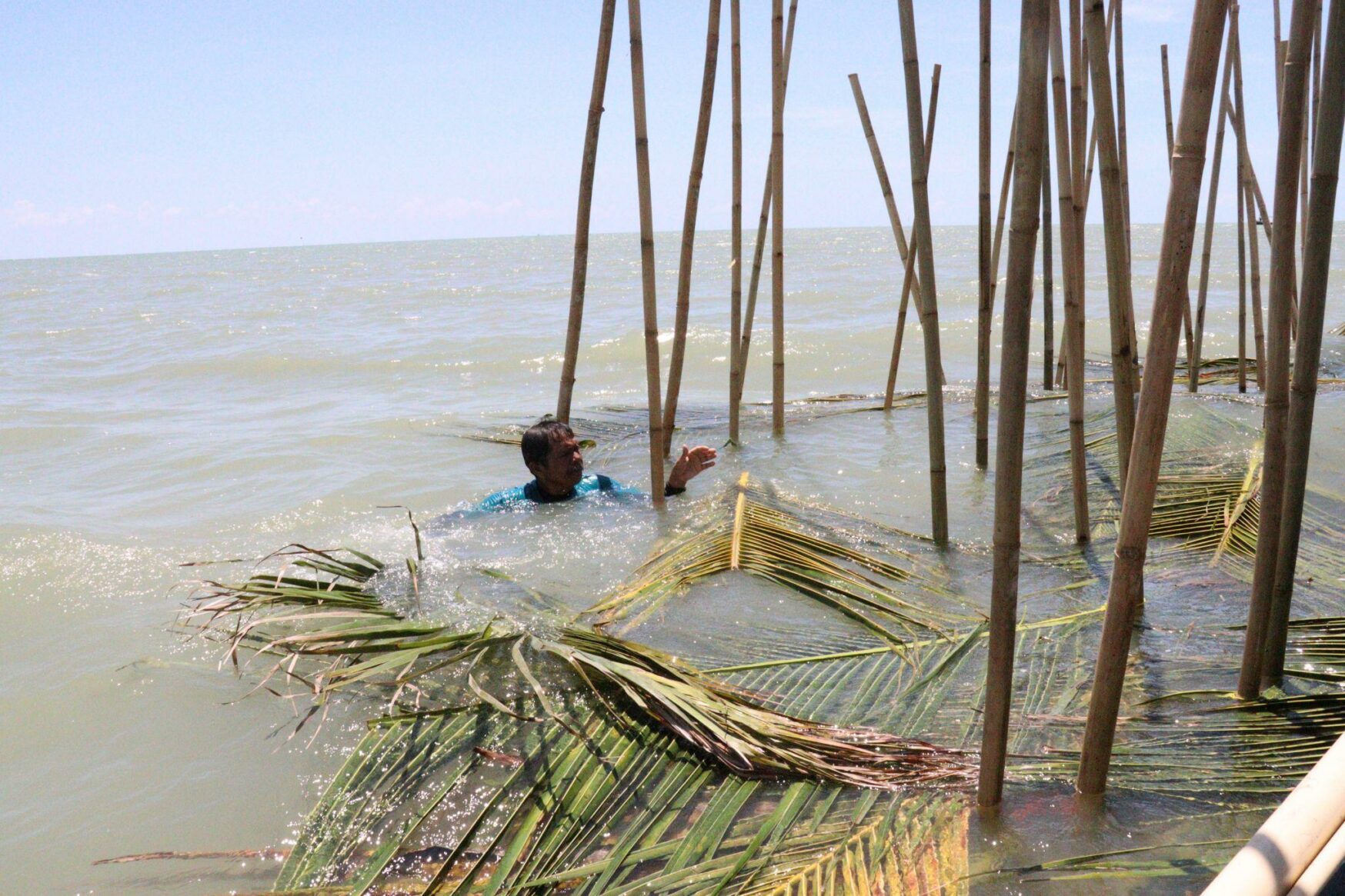
Walailak University continues its commitment to sustainable marine resource management and biodiversity conservation through community engagement and practical learning activities. In 2024, the University organized an environmental education event focused on the construction of artificial habitats in coastal areas of Tha Sala District, Nakhon Si Thammarat Province. The activity was designed to promote awareness among local fishermen and community members about the importance of integrating responsible fishing practices with efforts to enhance aquatic animal populations.
During the event, Asst. Prof. Dr. Amonsak Sawusdee, a marine biologist and fisheries expert from Walailak University, delivered a lecture titled “Integrating Sustainable Fishing Practices with Marine Habitat Restoration.” His talk emphasized how responsible fishing and marine conservation can coexist to ensure long-term ecological balance and community livelihoods.
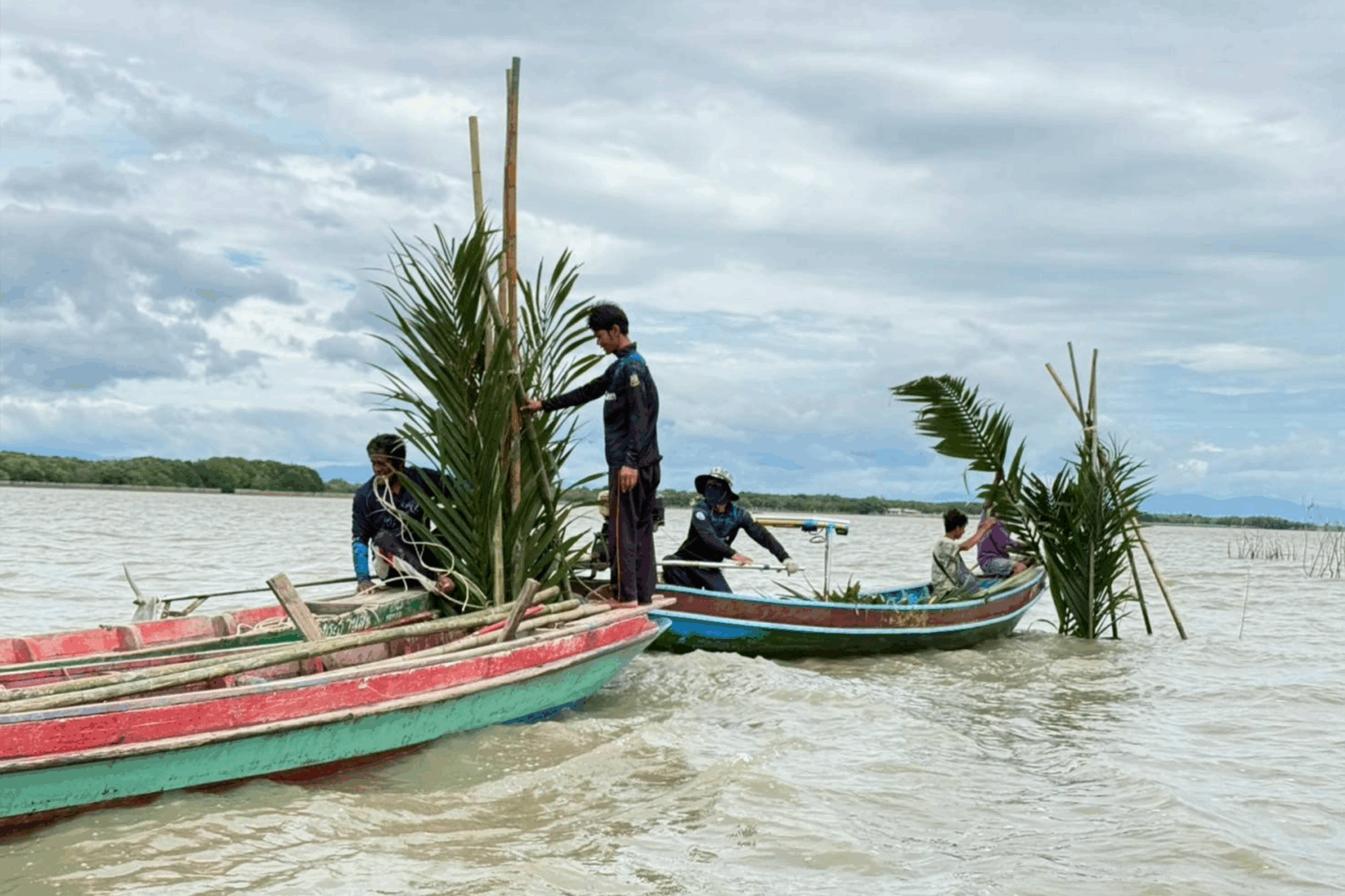
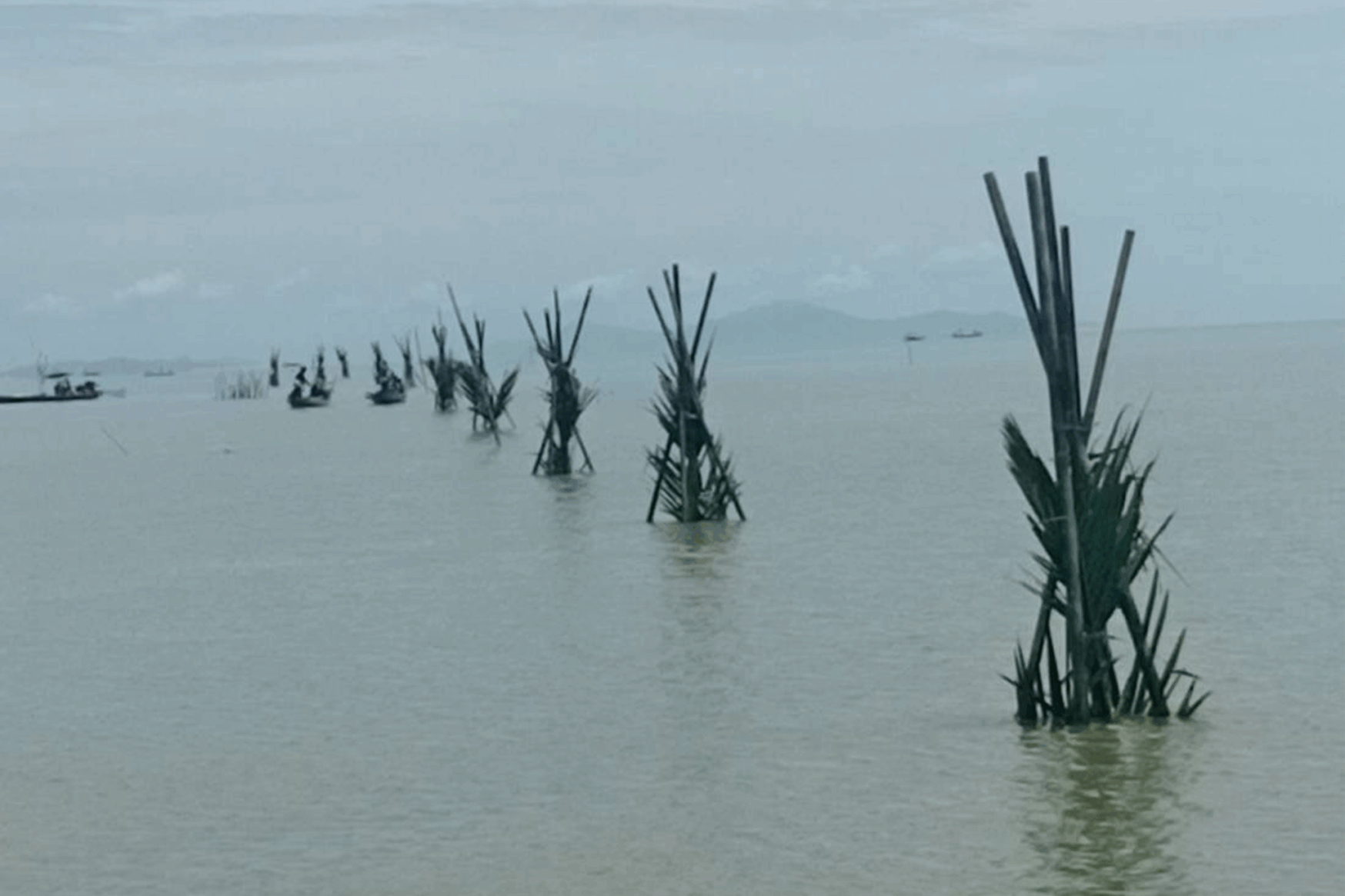
Dr. Amonsak explained that overfishing and habitat destruction have been major causes of declining fish and shellfish populations in the Gulf of Thailand. To counter this, Walailak University, together with local fishermen, has initiated projects to construct artificial habitats in the Ban Nai Thung Sea, an area recognized for its rich biodiversity and role as a nursery ground for juvenile marine animals.
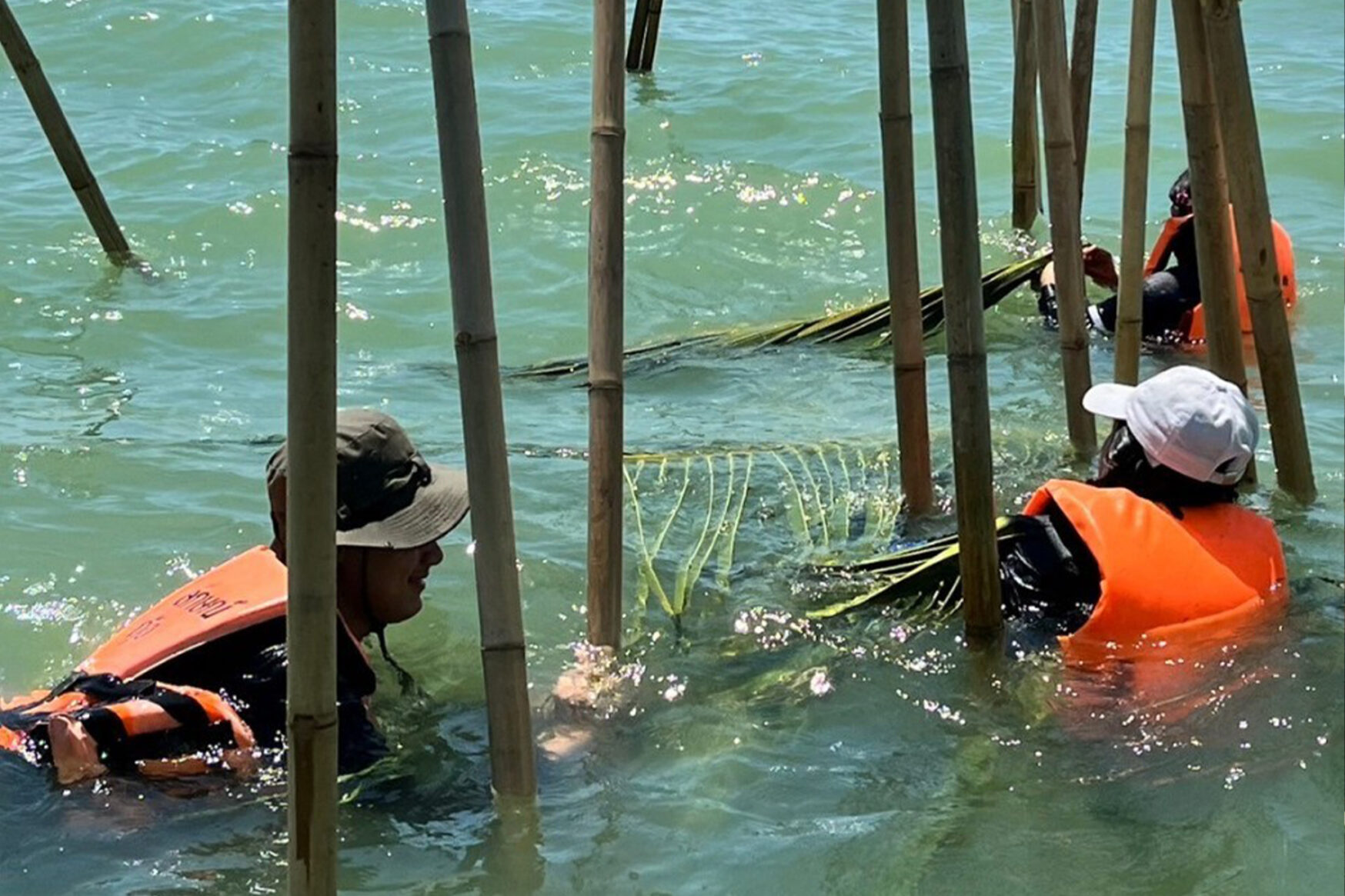
These artificial habitats—made from eco-friendly materials—serve as safe shelters for young aquatic species, protecting them from natural predators and providing ideal conditions for growth. The structures also encourage coral and seaweed colonization, which helps restore the ecological balance and improve overall marine biodiversity.
Dr. Amonsak also highlighted the importance of identifying and protecting preserved marine areas, explaining that the artificial habitats should be established only in designated conservation zones where fishing activities are limited or prohibited. Such measures ensure that young marine animals can grow safely until they reach maturity, contributing to population recovery and the sustainability of local fisheries.
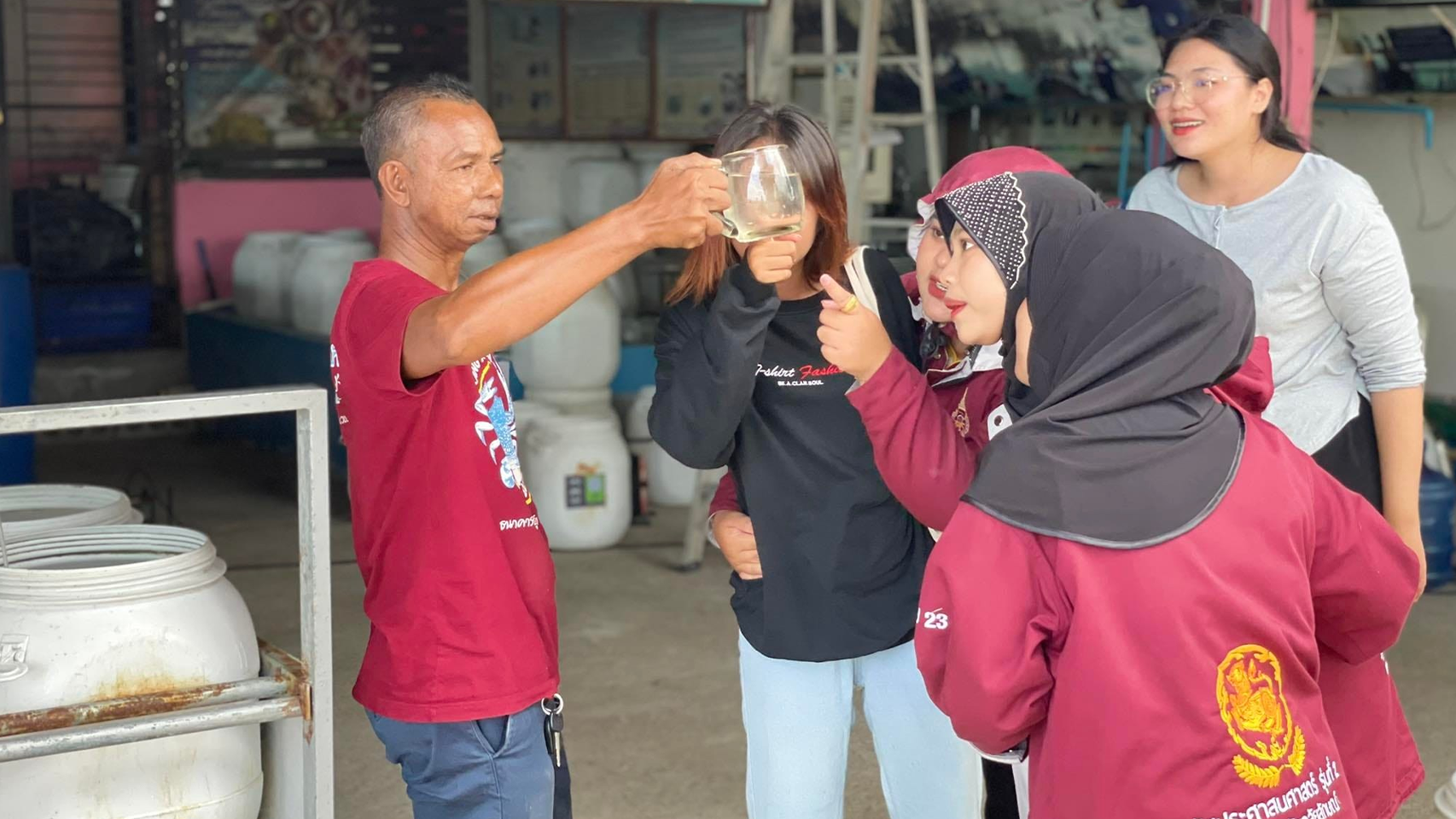
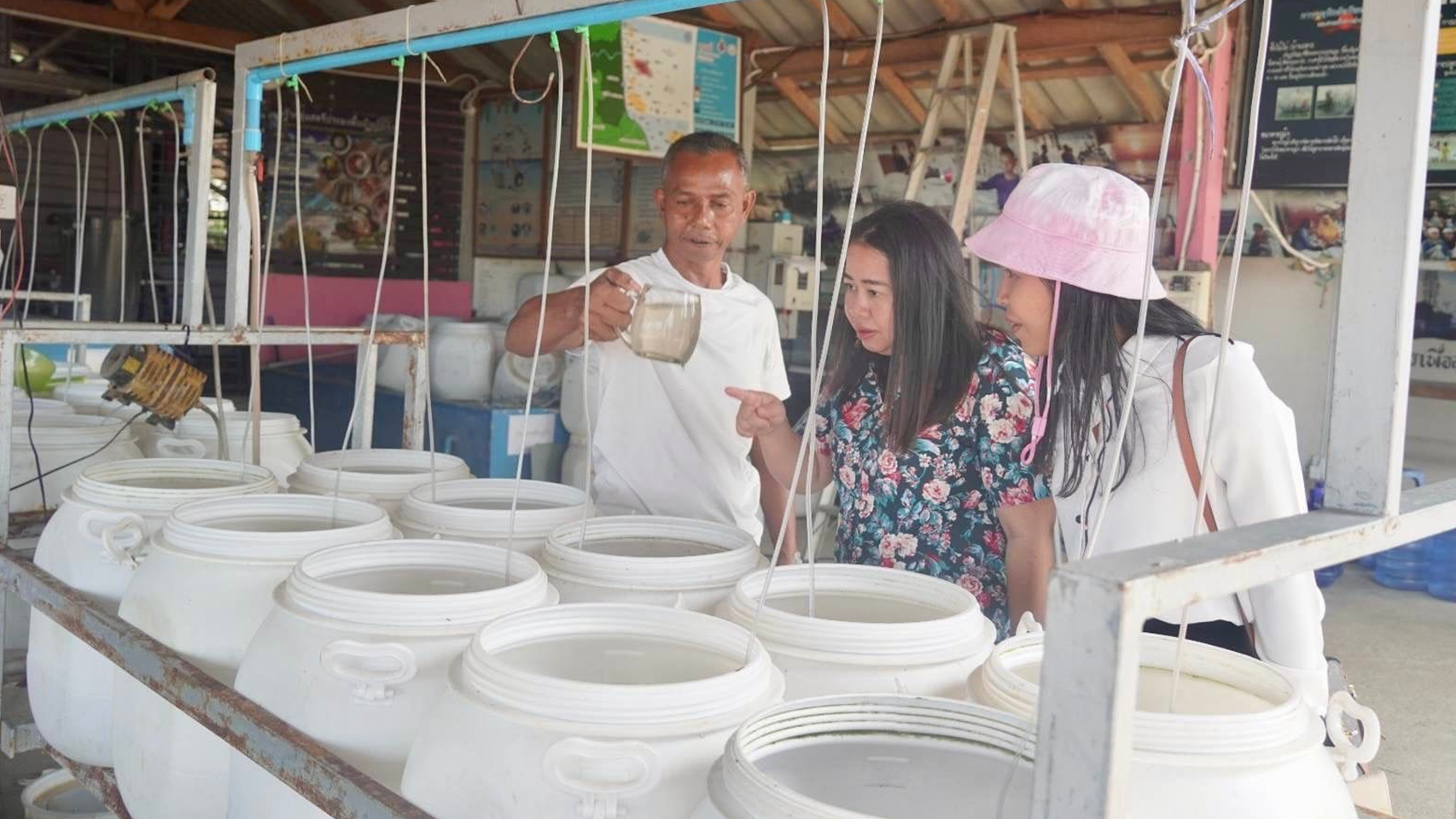
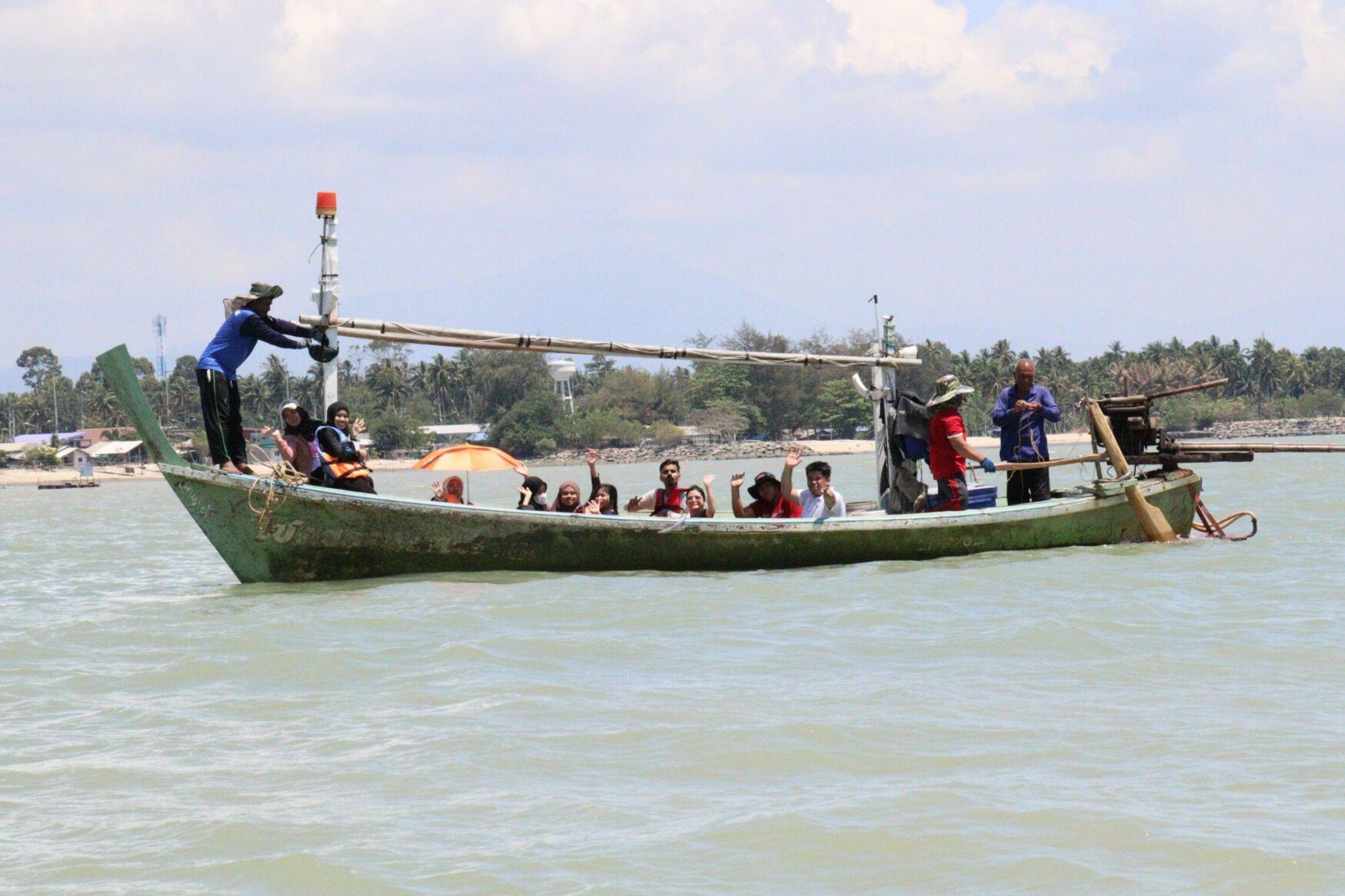
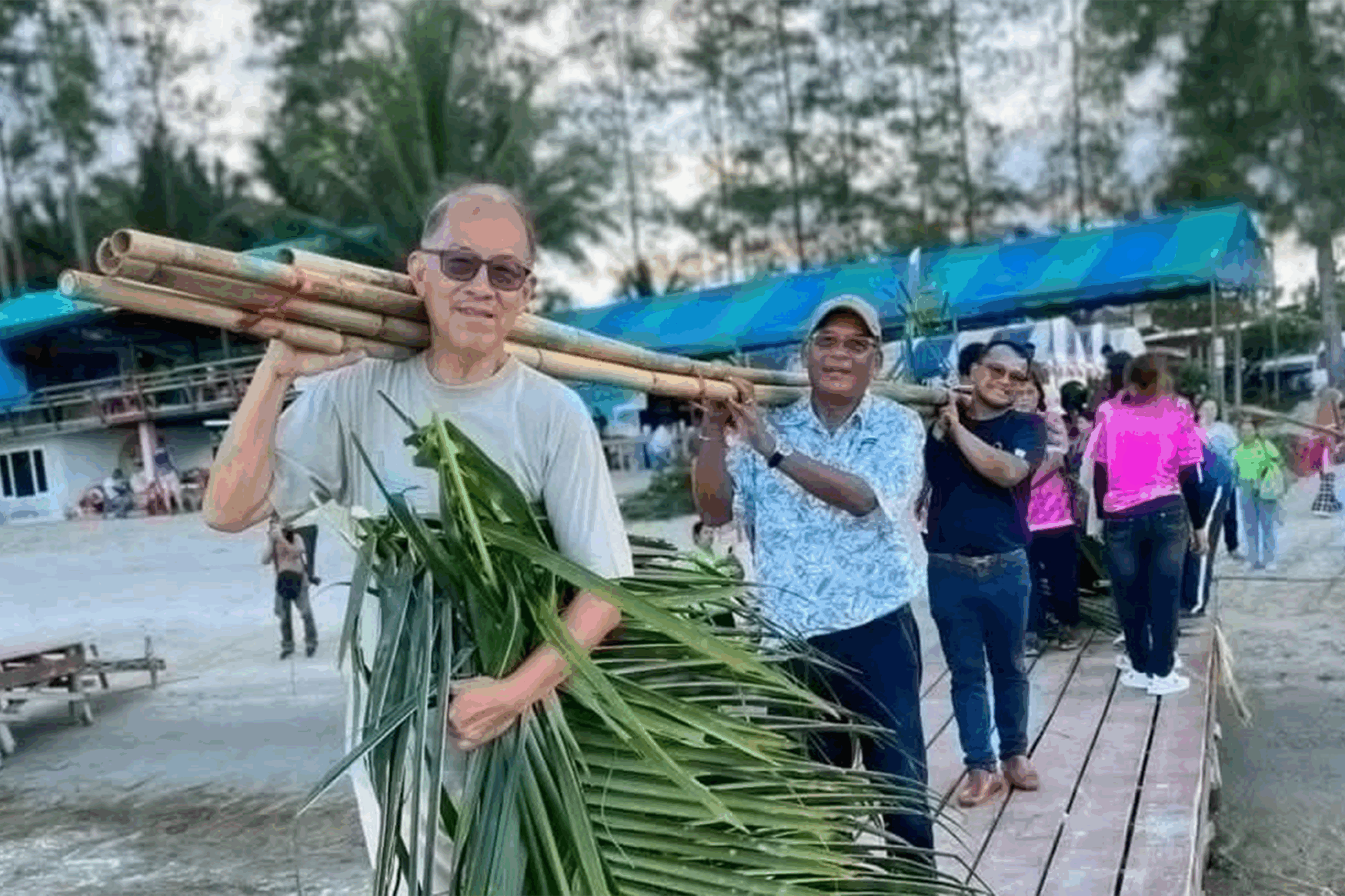
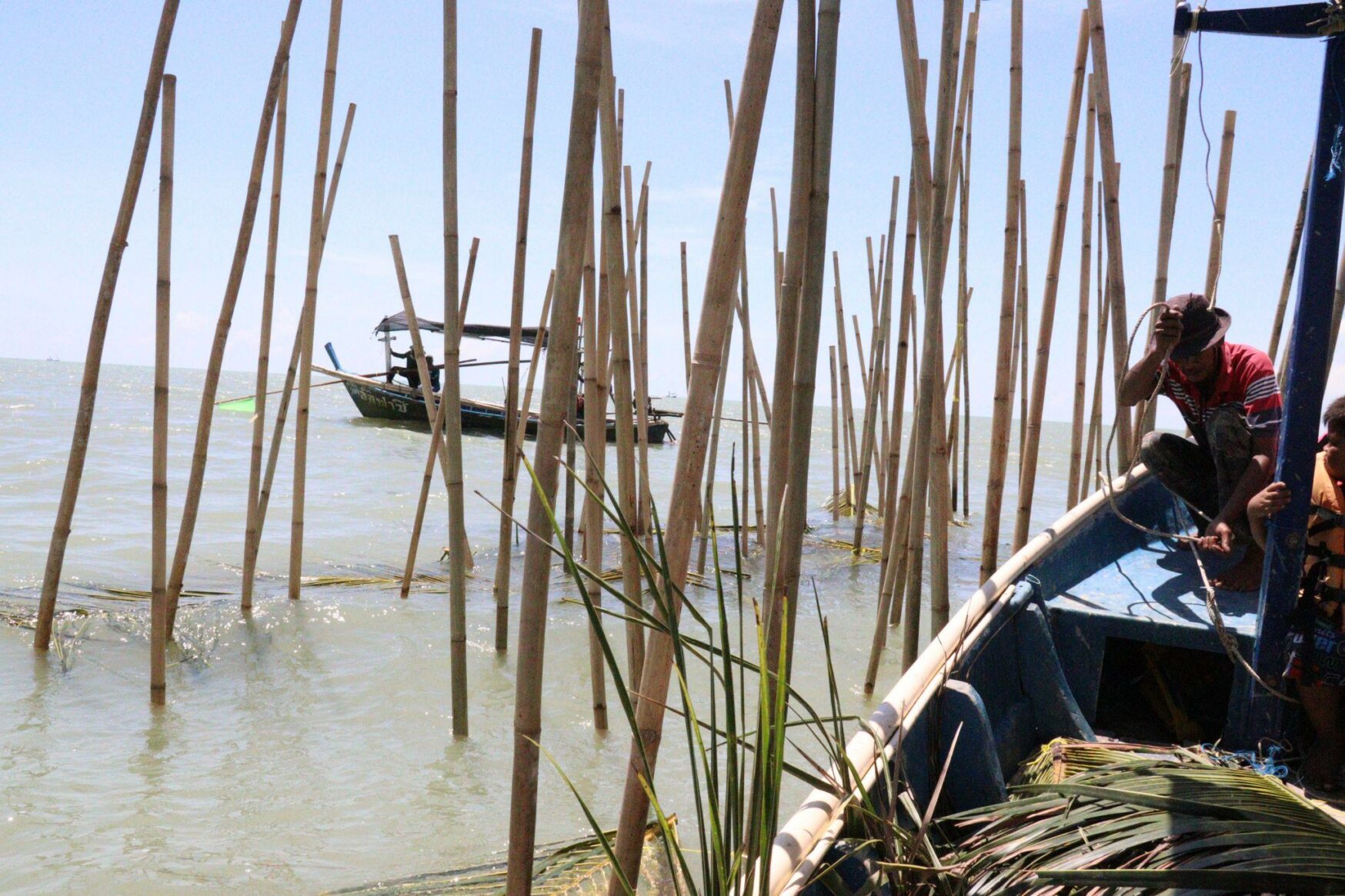
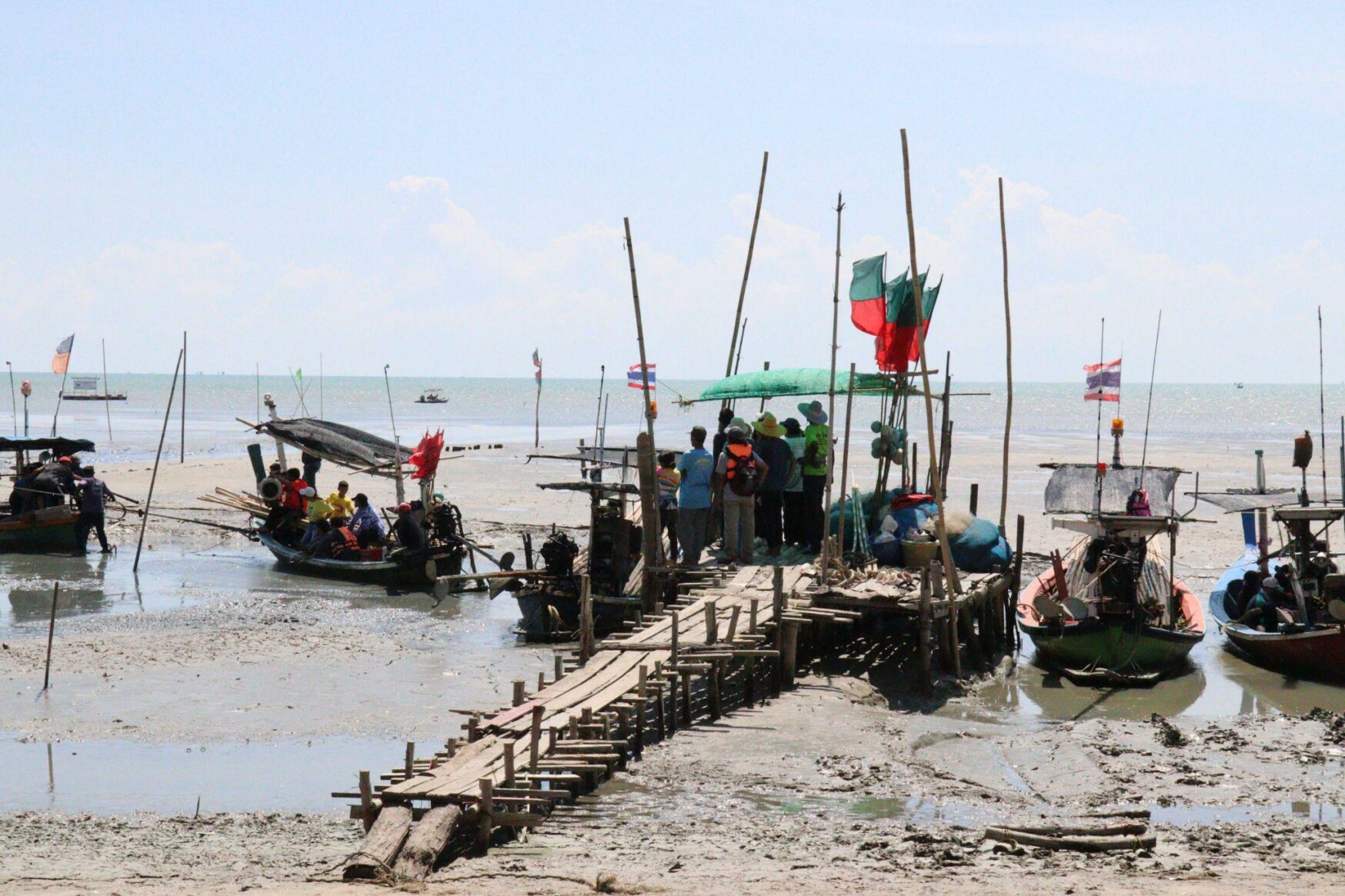
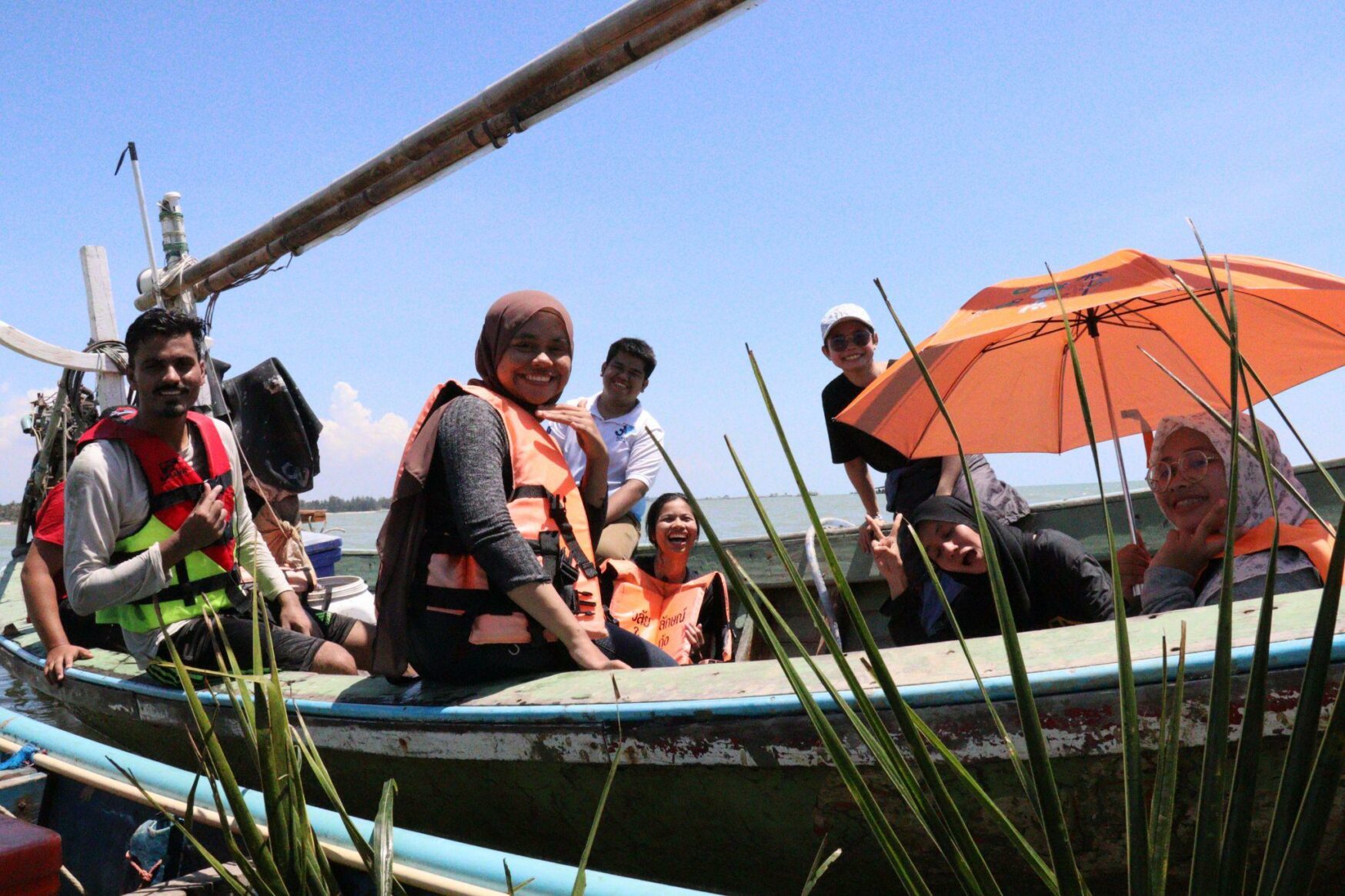
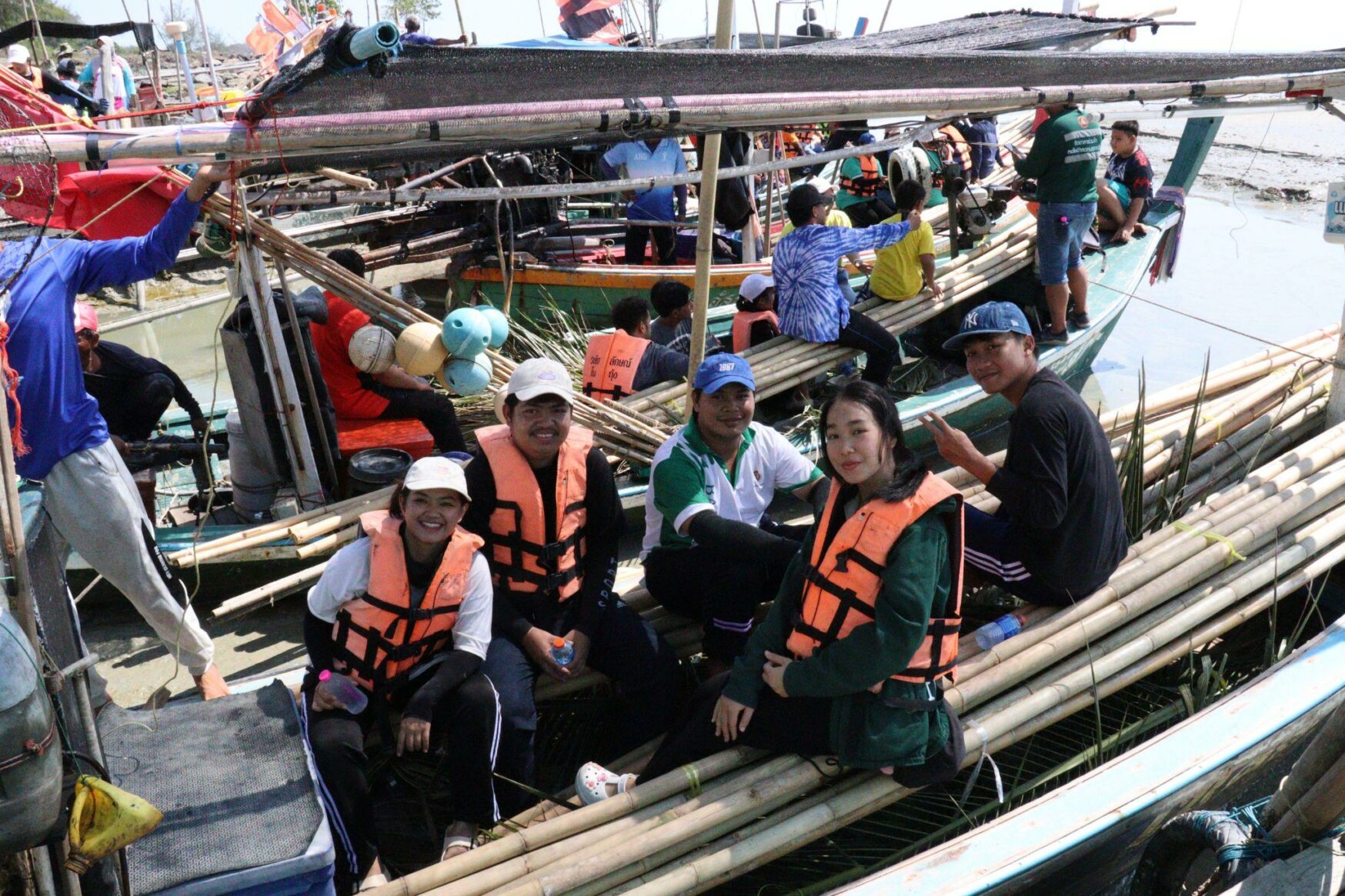
Furthermore, participants, including local fishermen, youth volunteers, and community leaders, actively joined in the hands-on construction and deployment of artificial habitats in the sea. This collaboration not only strengthened community participation in marine conservation but also deepened local understanding of how sustainable fisheries management directly benefits their own livelihoods.
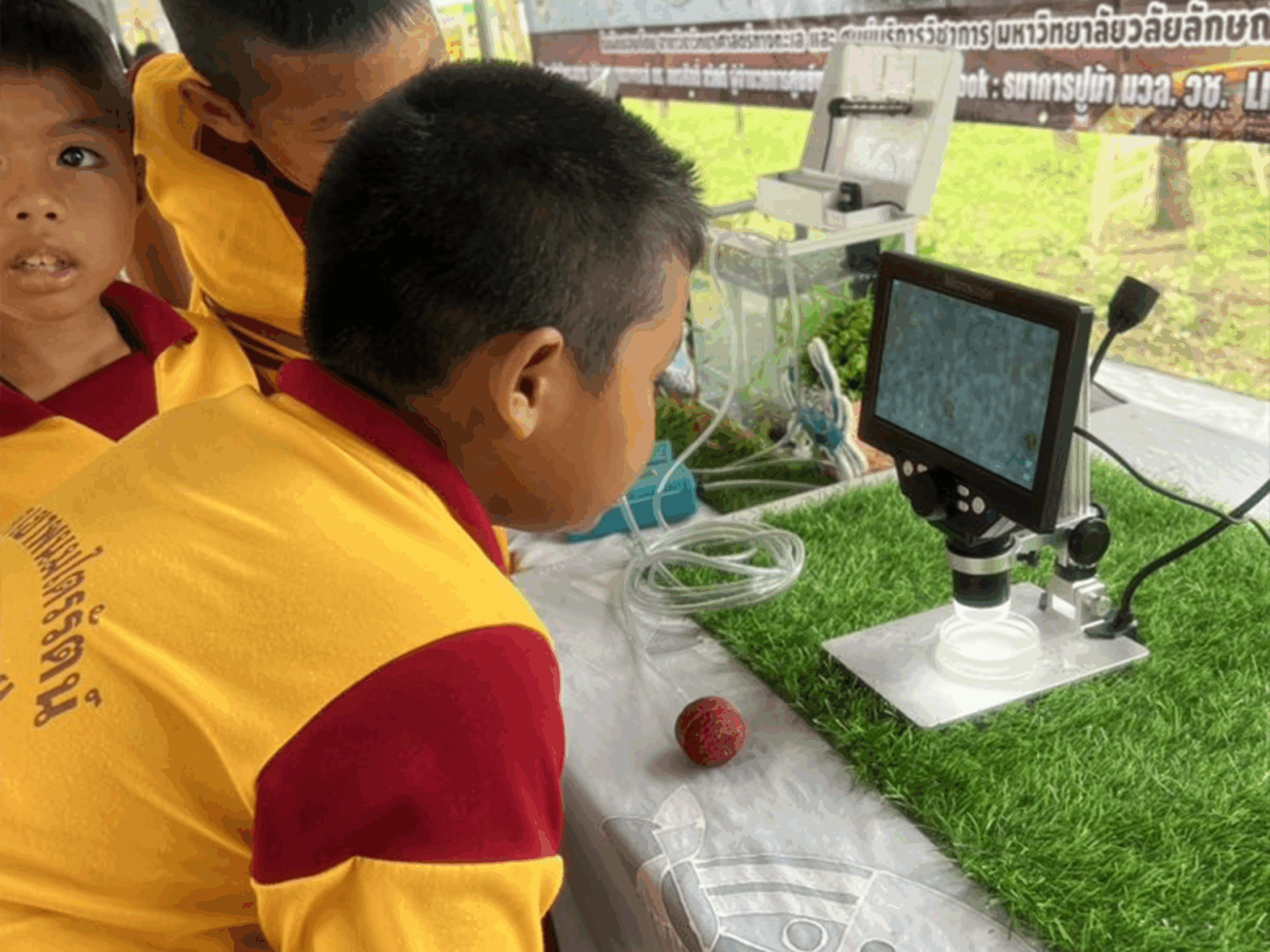
Walailak University’s educational outreach activities have demonstrated significant benefits for both local communities and the coastal marine ecosystems of Southern Thailand. By providing knowledge and hands-on experiences, these programs have empowered fishermen to adopt more sustainable fishing practices, adhere to legal regulations, and actively participate in the protection of marine resources. Local leaders and youth participants have gained a better understanding of the importance of marine biodiversity, the life cycles of key aquatic species, and the ecological consequences of destructive fishing practices. This knowledge fosters a culture of responsibility and stewardship among coastal communities.
The construction of artificial habitats, coupled with the promotion of responsible fishing, has created measurable ecological benefits. Juvenile marine animals now have safe shelters that reduce predation and support higher survival rates, leading to healthier populations of economically important species such as blue swimming crabs. The restored habitats have also encouraged coral and seaweed colonization, improving biodiversity and the overall resilience of the coastal ecosystem. These tangible outcomes demonstrate the practical value of integrating scientific research, local knowledge, and community action.
Moreover, the seminars and collaborative projects have strengthened social cohesion and partnerships among fishermen, local authorities, NGOs, and academic institutions. By sharing experiences and case studies, participants have learned how collective agreements and community-based regulations can lead to more effective fisheries management. Such collaboration not only ensures compliance with sustainable practices but also enhances livelihoods by maintaining productive and balanced marine ecosystems.
Collaborative Educational Outreach for Sustainable Fisheries and Marine Conservation in Southern Thailand
Walailak University continued its strong collaboration with the Fisheries Office of Nakhon Si Thammarat Province, the Association of Thai Fisherfolk Federation, the National Research Council of Thailand (NRCT), and the Agricultural Research Development Agency (Public Organization) to organize educational outreach activities at both local and national levels. These initiatives aimed to raise awareness of overfishing, illegal, unreported, and unregulated (IUU) fishing, and destructive fishing practices affecting blue swimming crab populations. The programs engaged fishermen, government officials, youth, NGOs, and the general public in Nakhon Si Thammarat and Surat Thani Provinces, promoting a broad understanding of sustainable fishing and marine resource conservation.
The outreach activities were aligned with international standards under the Fishery Improvement Project (FIP) and emphasized education on sustainable catch sizes and the ecological harm caused by illegal fishing gear. Guided by an ecosystem-based approach, the initiatives sought to maintain and restore fisheries and related ecosystems in the southern coastal regions near Walailak University. Communities were educated on the importance of avoiding the capture of immature aquatic animals, reducing ghost fishing, and preventing unaccounted fishing mortality.
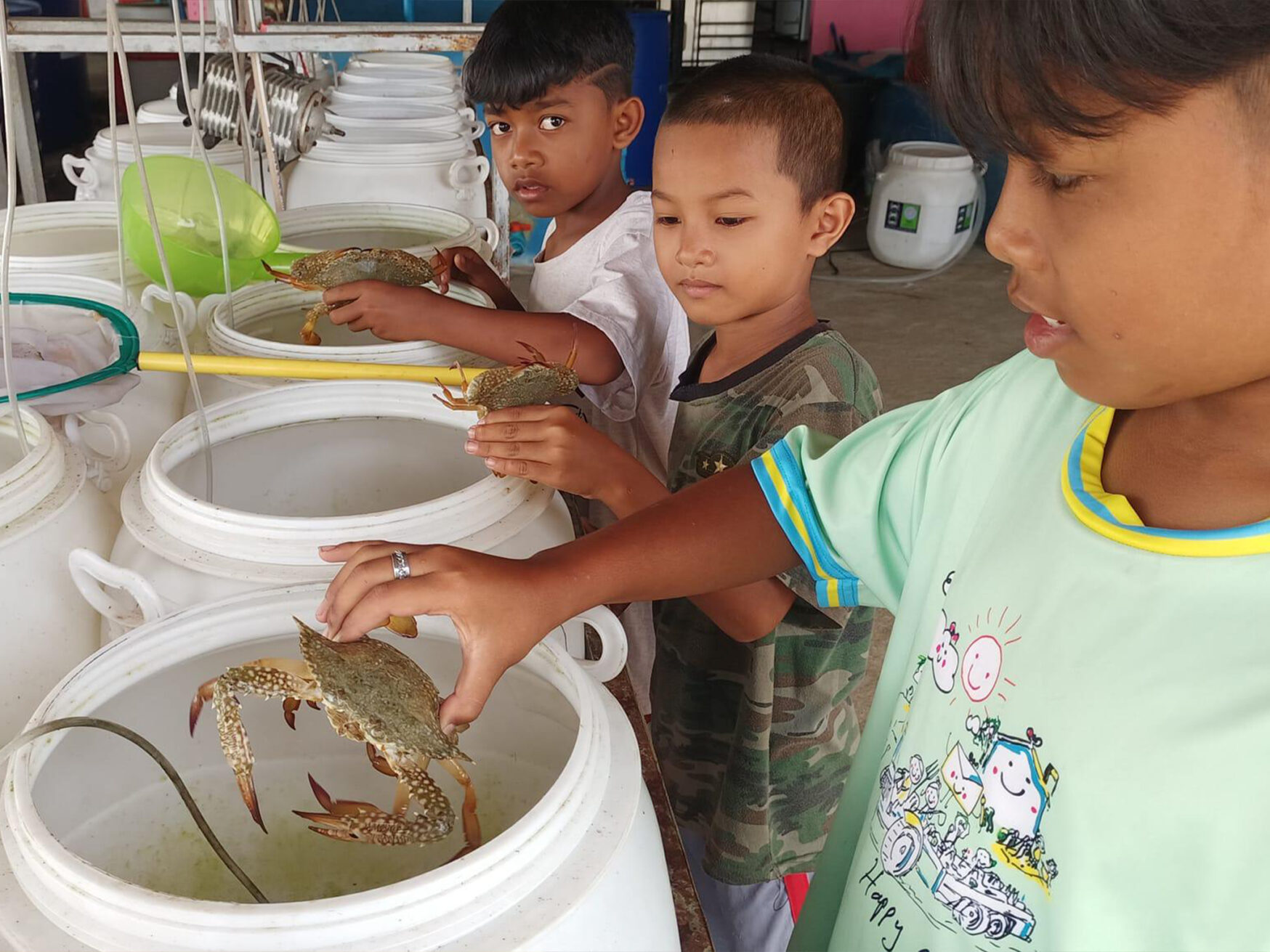
Participants also gained practical knowledge about marine animal life cycles, trophic interactions within marine ecosystems, bycatch reduction, species recruitment, survival rates, and the concept of maximum sustainable yield for key economic species. These lessons aimed to encourage more responsible fishing behavior and foster long-term ecosystem health and balance.