Sustainable Management Strategy of Aquatic Resources in Pak Phanang River Basin and Bandon Bay
Walailak University has been actively engaged in advancing sustainable water and aquatic resource management across Southern Thailand, addressing critical environmental challenges while supporting local communities. Through collaboration with government agencies, private sector partners, and local residents, the University contributes research, innovative solutions, and educational initiatives to promote ecosystem conservation, resilient livelihoods, and sustainable development. Key initiatives include the Pak Phanang River Basin Project, which mitigates flooding, saltwater intrusion, and water shortages; the Kuan Kreng Peat Swamp Project, focused on wetland restoration and integrated water management; and the Bandon Bay Sustainable Fisheries Project, aimed at preserving marine biodiversity, promoting responsible fishing practices, and ensuring long-term ecological and economic resilience. Together, these efforts exemplify Walailak University’s commitment to evidence-based, community-centered, and ecosystem-focused approaches to natural resource management.
The Projects in the Pak Phanang River Basin
The Pak Phanang Basin Development Project, a Royal Initiative, focuses on mitigating flooding, saltwater intrusion, and water shortages in the Pak Phanang River Basin, Nakhon Si Thammarat Province. Walailak University contributes to this effort through research, feasibility studies, and the creation of innovative water and environmental management solutions for the basin.
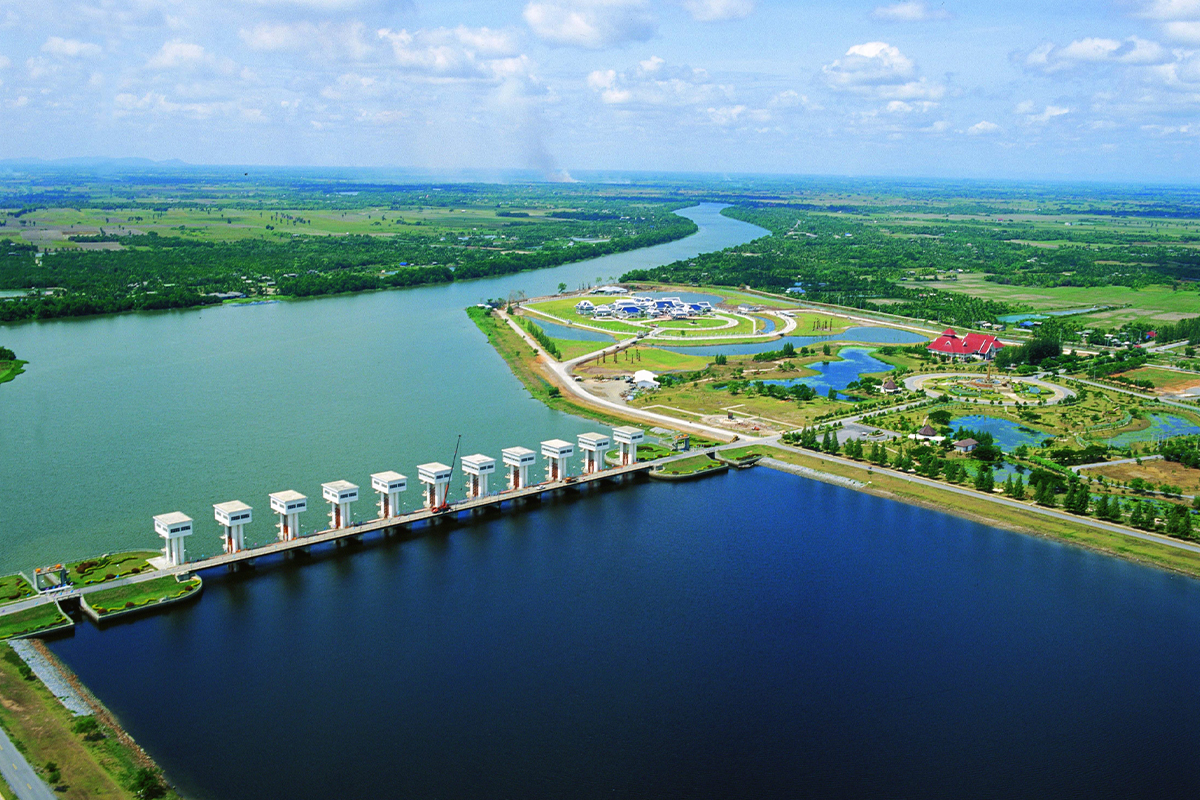
The Pak Phanang Basin Development Project aims to address flooding, saltwater intrusion, and water shortages across the extensive watershed of the Pak Phanang River. The initiative began with the construction of the Uthokvibhajaprasid Barrage, designed to separate seawater from the river, prevent saltwater intrusion, and store freshwater for use during the dry season. In addition, canals have been dredged to improve water circulation, and emergency water gates have been installed to enhance water management throughout the area.
Walailak University has contributed significantly to this project by conducting research, studies, and developing technologies for water and environmental management in the Pak Phanang Basin. The University’s involvement includes assessing the project’s ecological impact, offering educational opportunities for local communities on effective water management techniques, and promoting community engagement in the conservation of water resources.
In 2024, Walailak University conducted a project to study water management systems in the Pak Phanang Basin under the Royal Initiative, with the following key objectives:
To evaluate the outcomes of previous water resource development projects.
To explore the potential for new water resource development.
To assess water management practices in the context of disasters and climate change.
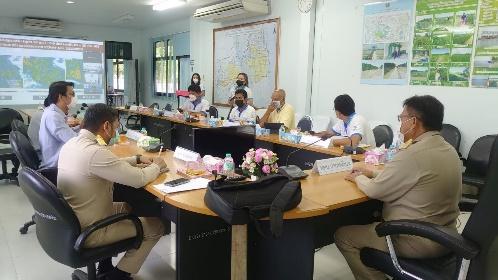
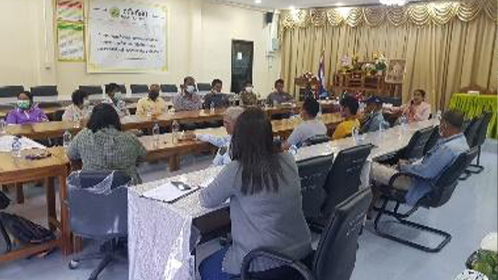
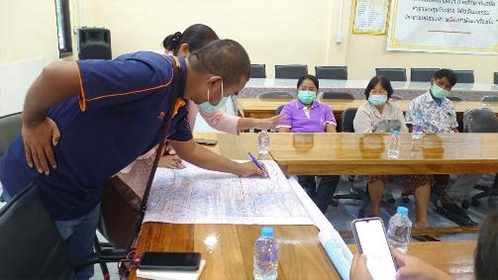
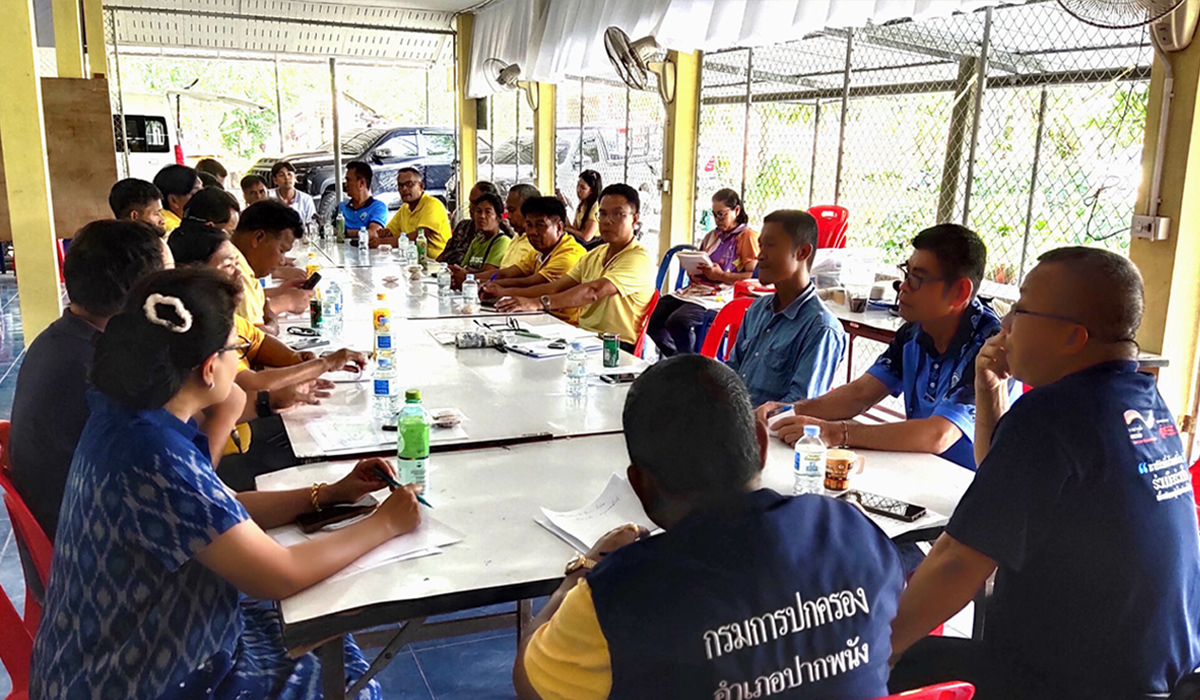
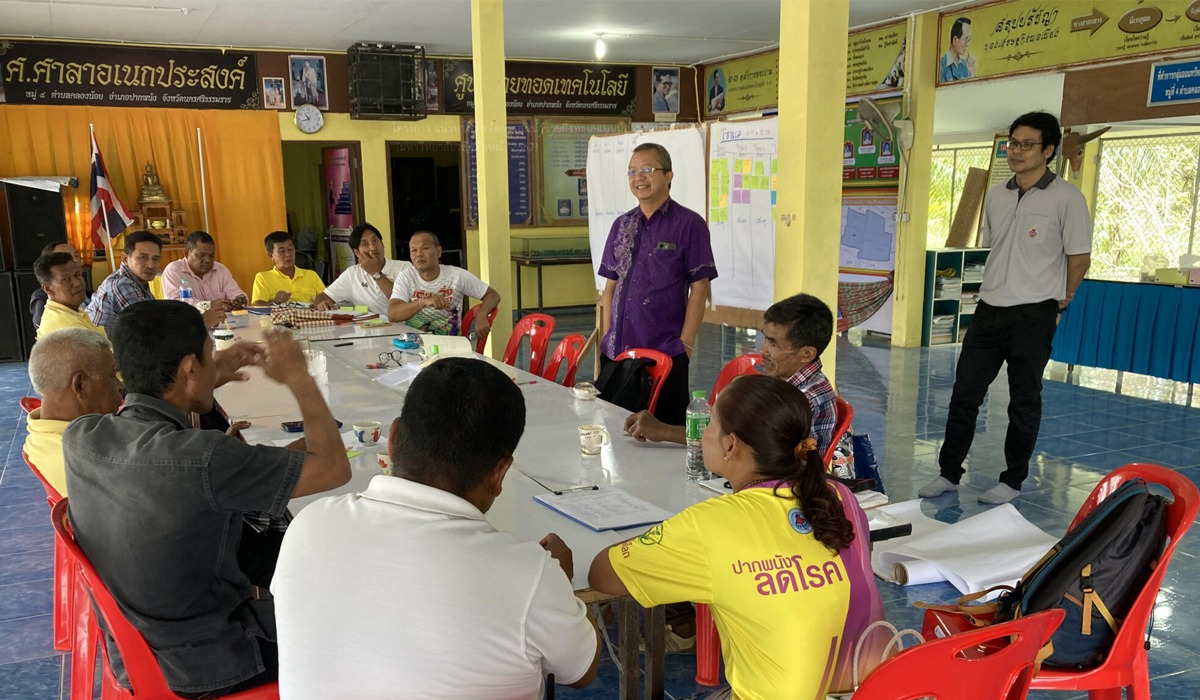
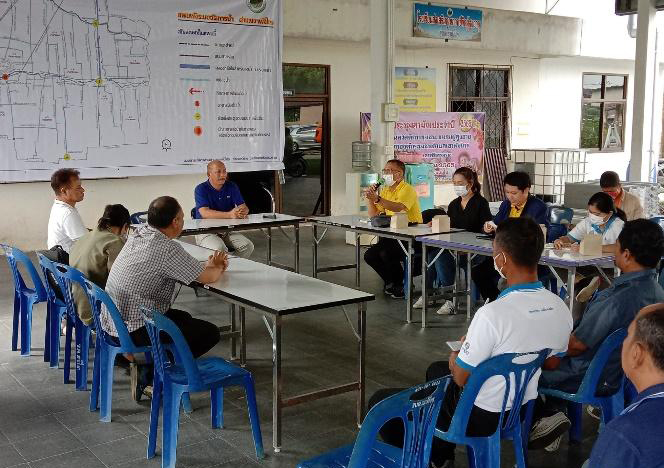
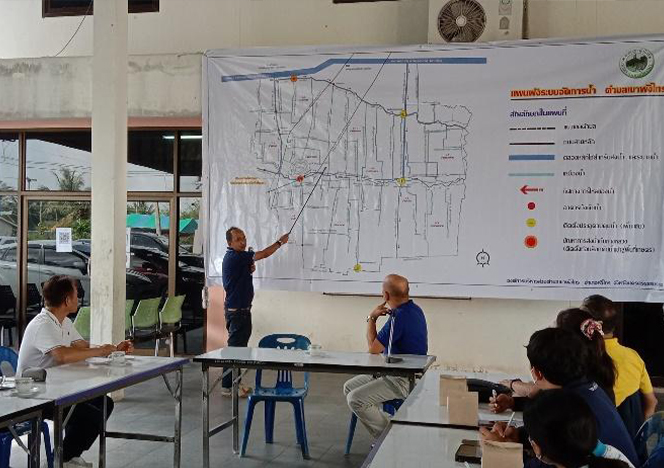
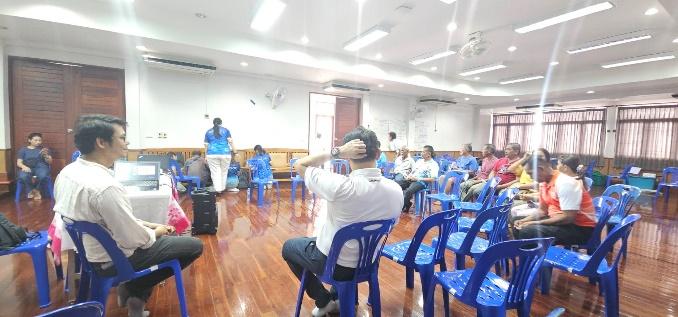
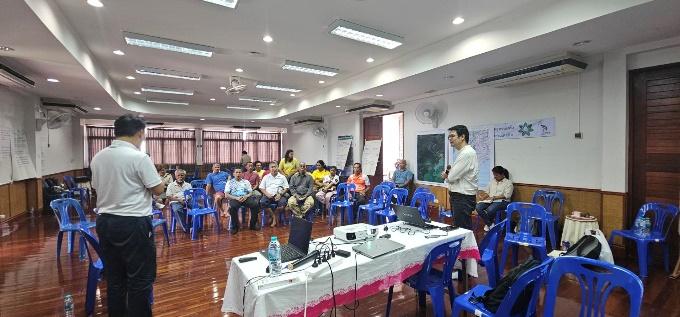
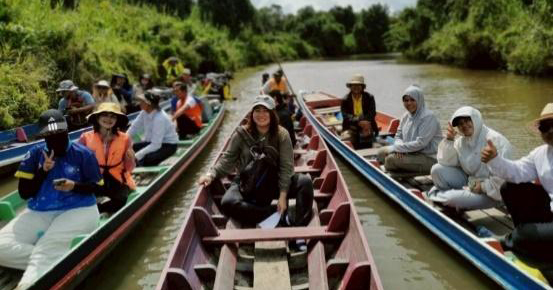
The University carried out activities in close collaboration with local communities, providing educational opportunities for residents to learn about effective water management. These activities included field data collection, stakeholder seminars, workshops, and opinion-exchange forums, representing a genuine participatory approach to water resource management.
The University has also established processes to enhance participation and strengthen water management mechanisms within the watershed management framework. Through community-based participatory forums, knowledge is shared among local residents, private sector stakeholders, and government agencies. Together, they discuss, plan, and agree on proactive measures for water management, development, and problem-solving, taking into account diverse geographical conditions and community livelihoods. Preparations for the rainy season are integrated into these plans to ensure comprehensive water management across subdistricts while minimizing negative impacts on both target communities and neighboring areas.
A Systemic Study of Problems in the Kuan Kreng Peat Swamp Basin
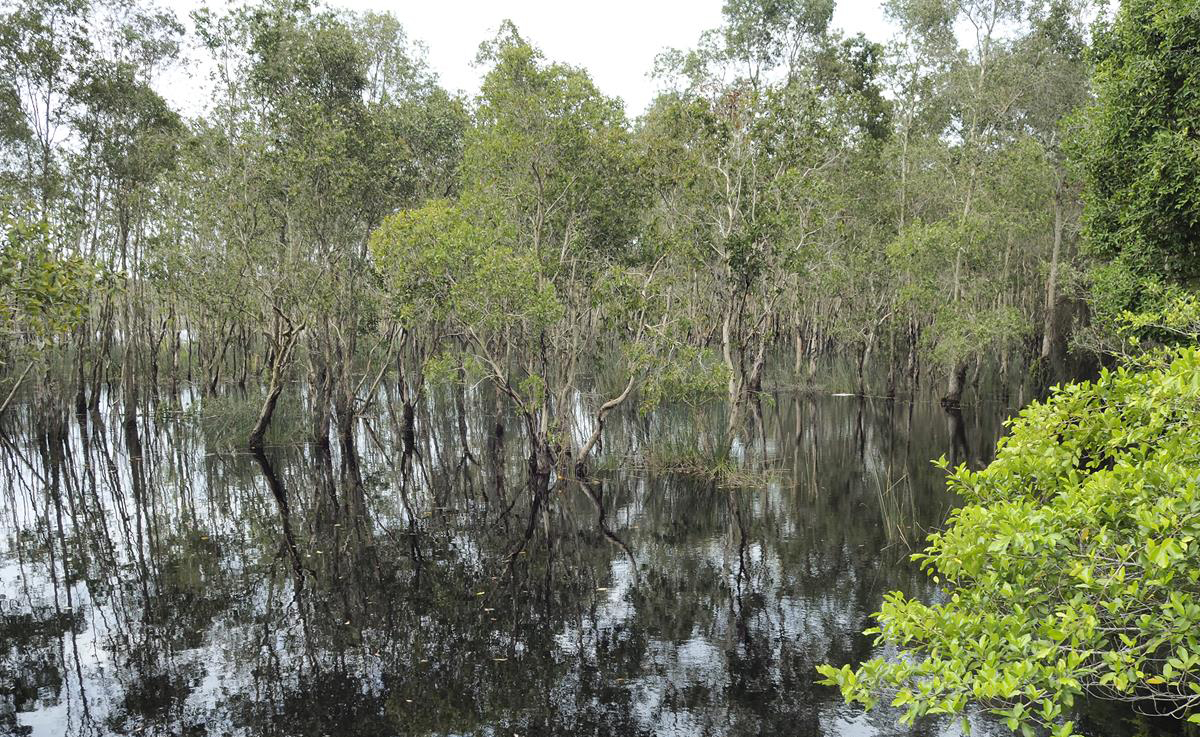
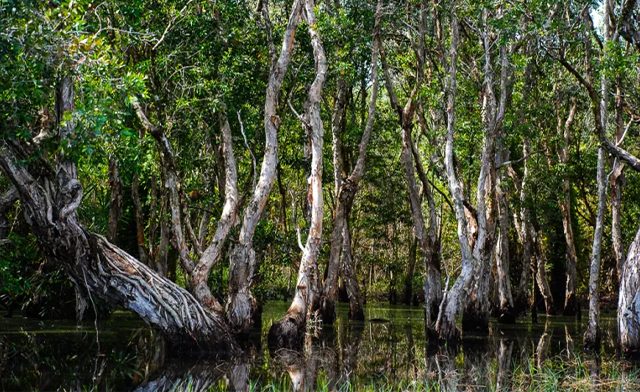
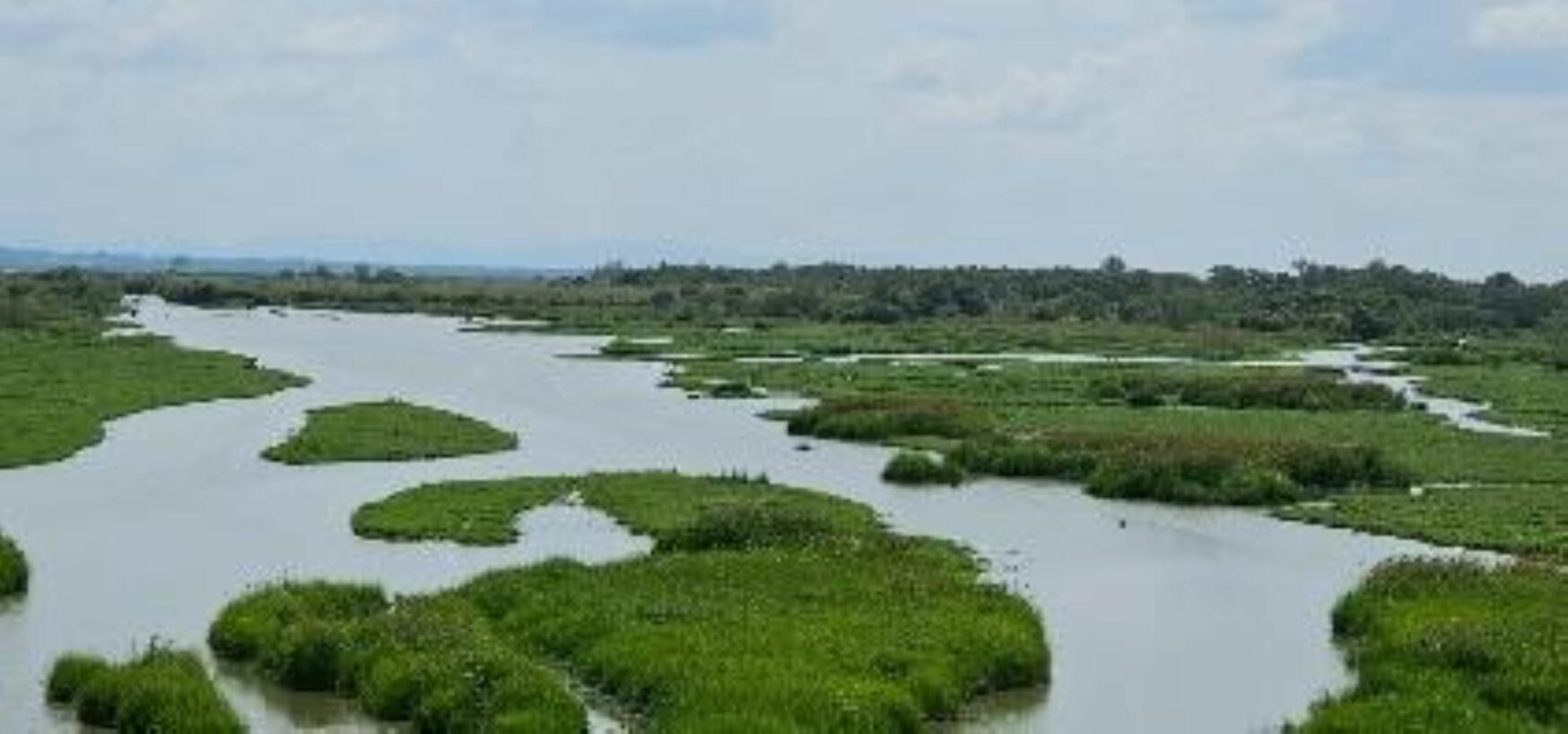
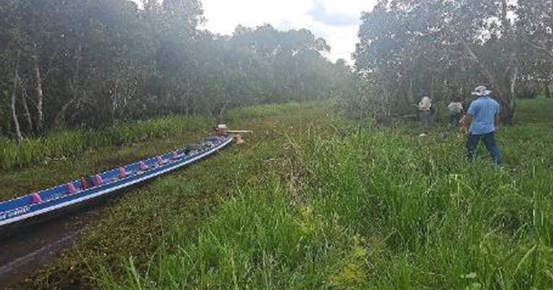
The Kuan Kreng Peat Swamp, a vast wetland within the Songkhla Lake Basin spanning multiple districts of Nakhon Si Thammarat and Phatthalung Provinces, plays a vital role in regulating water flow and serves as an important carbon storage area. The project addressing challenges in the Kuan Kreng Peat Swamp focuses on conserving and restoring the ecosystem to its natural condition.
Historically, the Kuan Kreng Peat Swamp was highly fertile; however, it now faces complex challenges, including seawater intrusion, acidic water from peat soils, wastewater from shrimp farming, and recurrent flooding caused by inadequate drainage. These problems are largely the result of inappropriate land use and the lack of integrated water management systems.
Recognizing the challenges faced by local communities, the University has actively collected data, analyzed water management systems, and proposed evidence-based solutions. It also facilitates stakeholder meetings to exchange ideas with government agencies, including the Royal Irrigation Department, Subdistrict Administrative Organizations, and agricultural authorities, while offering learning opportunities for farmers and the general public on integrated water management. These efforts aim to build consensus and develop water management approaches tailored to the local context.
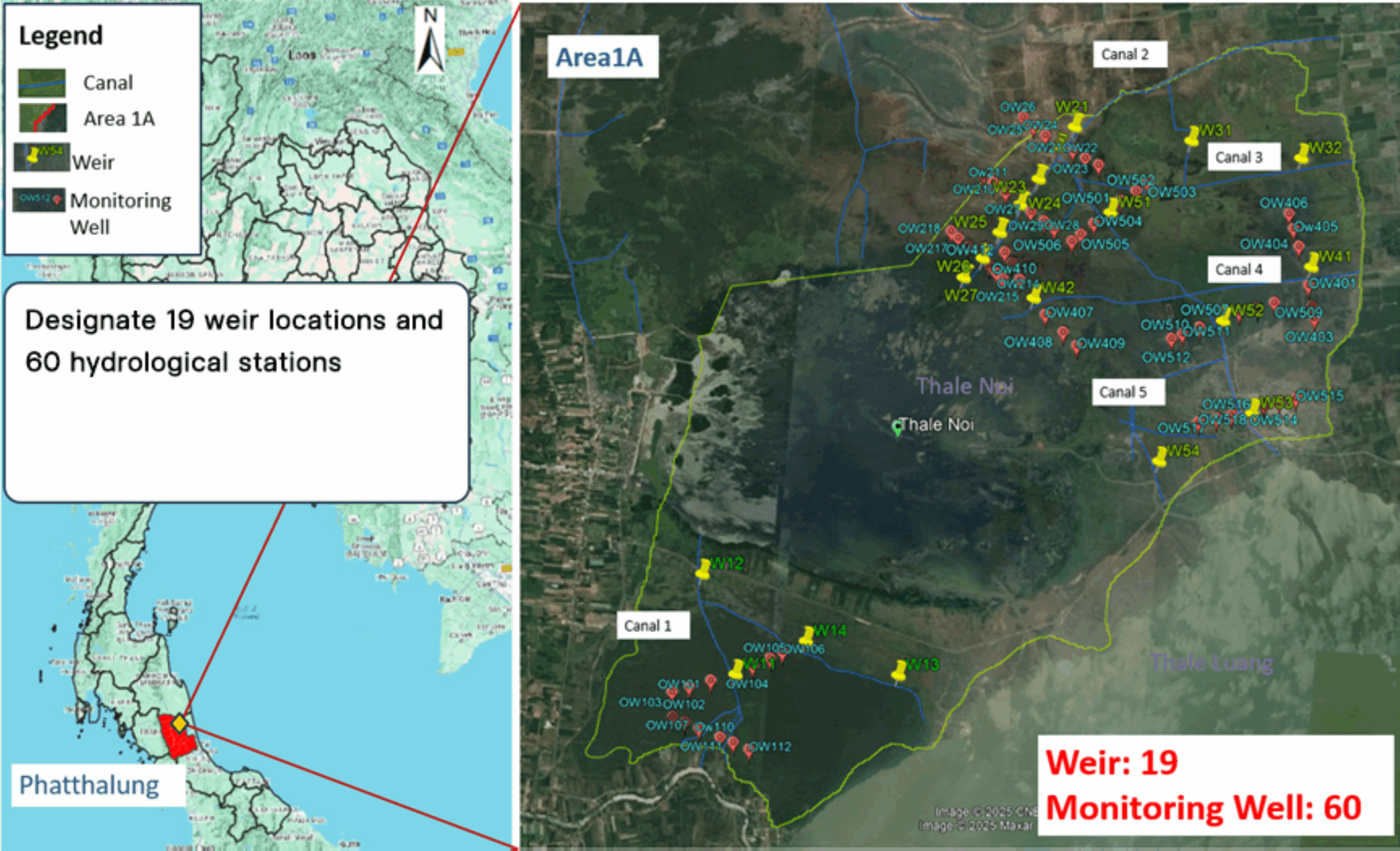
Furthermore, the University has examined the impact of water gate placement on maintaining water levels in the peatland, aiming to identify optimal locations for checking dams that conserve water while minimizing disruption to local livelihoods and activities.
Sustainable Aquatic Resource Management in Bandon Bay
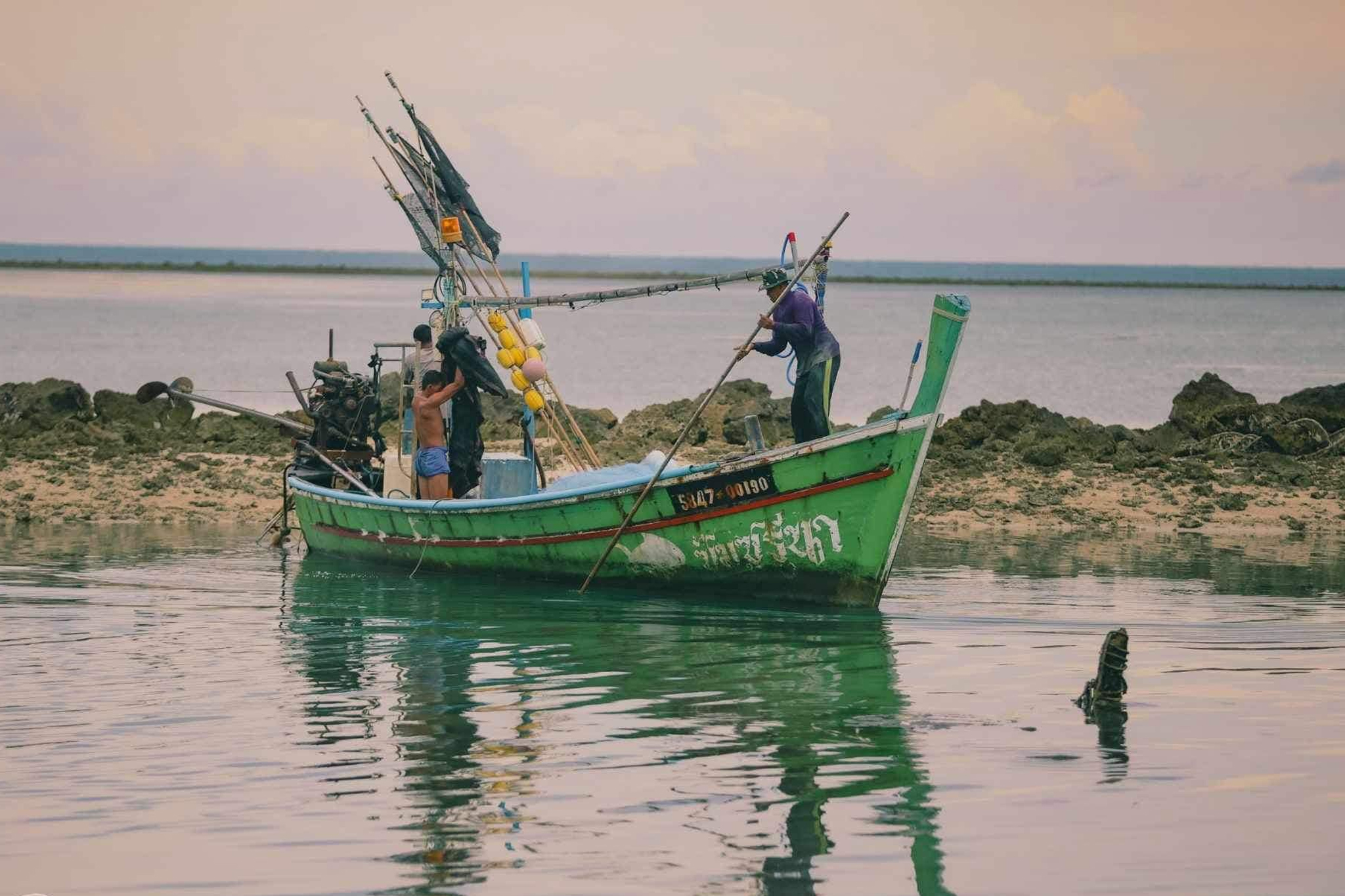
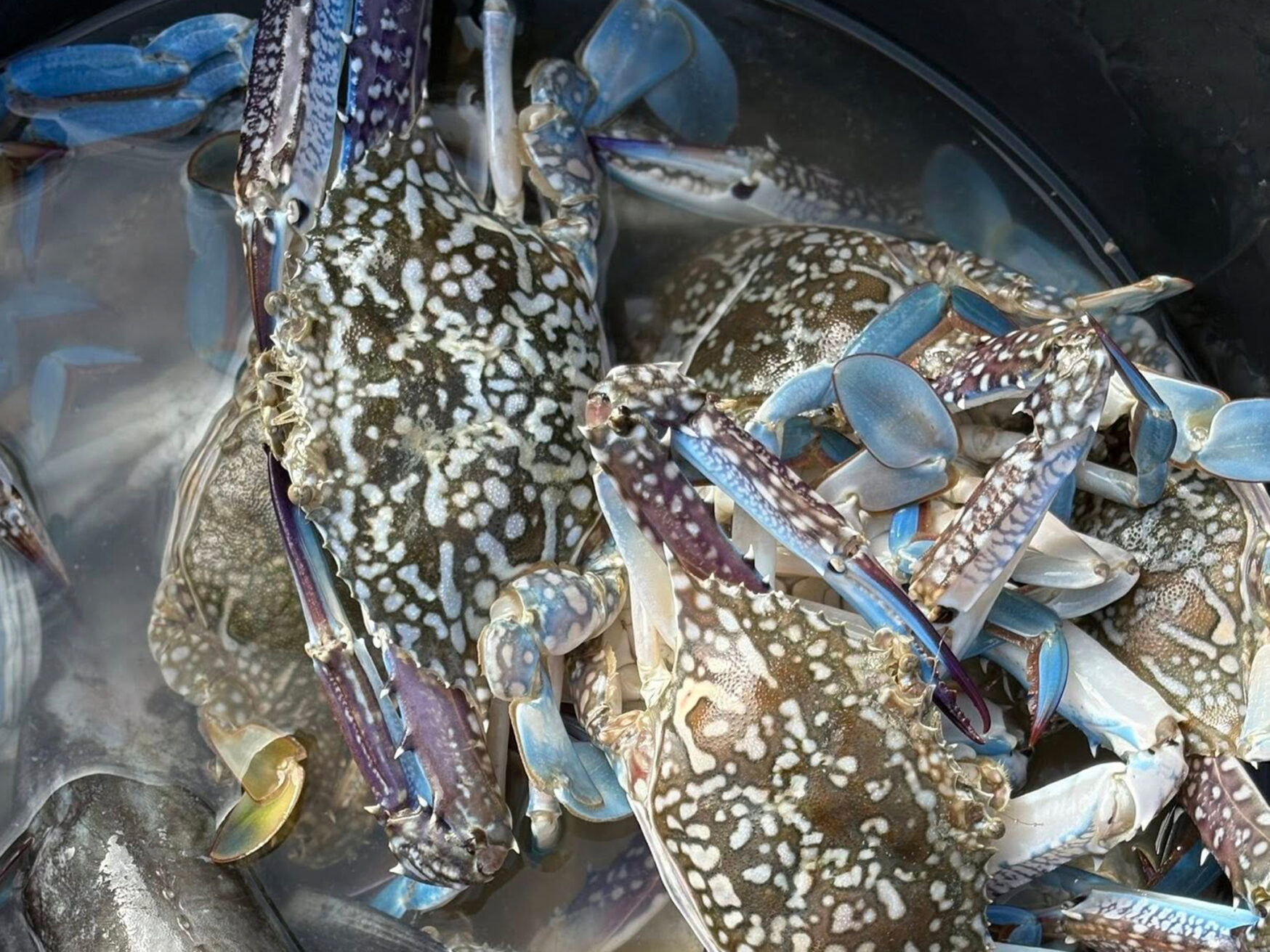
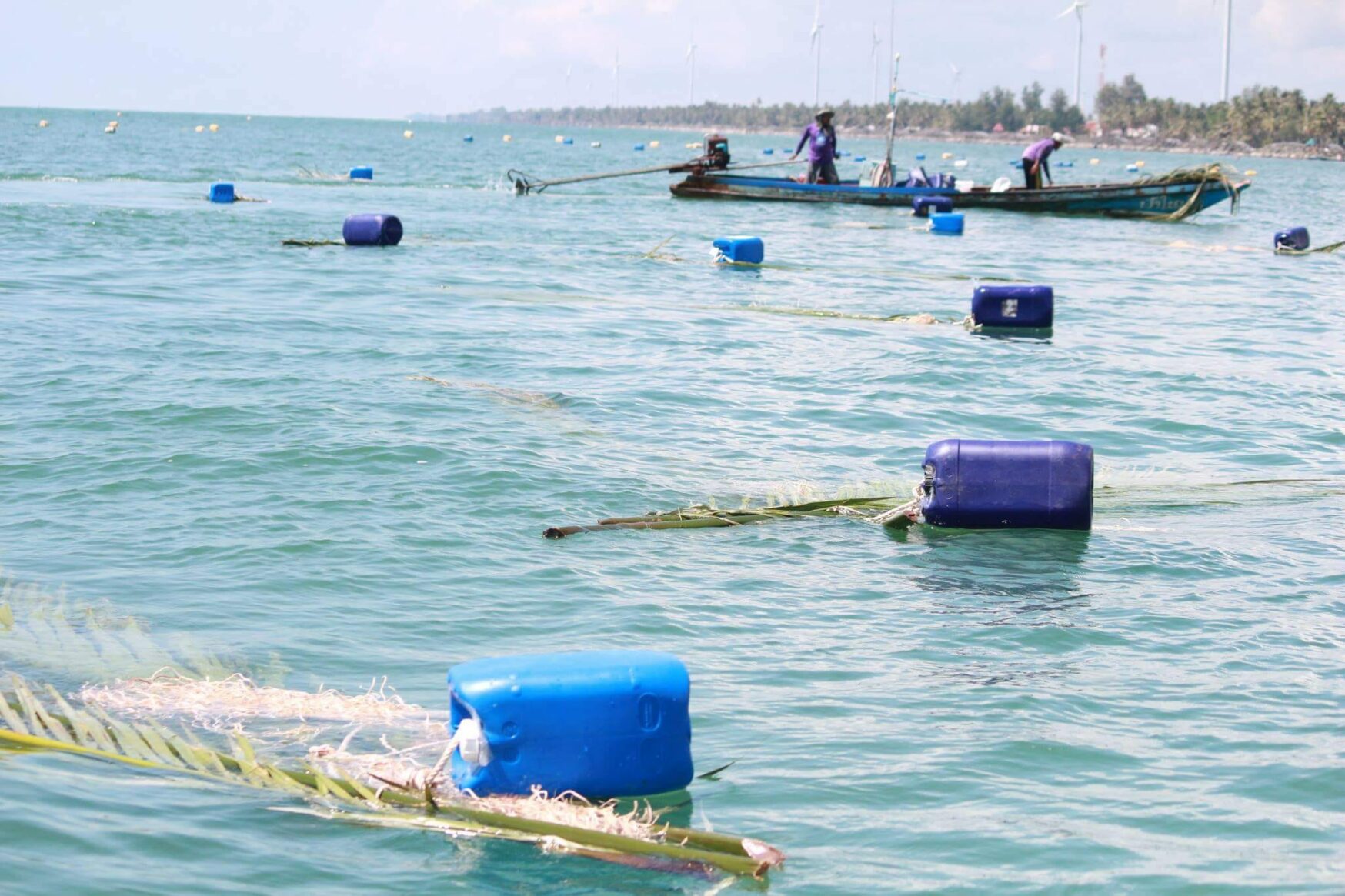
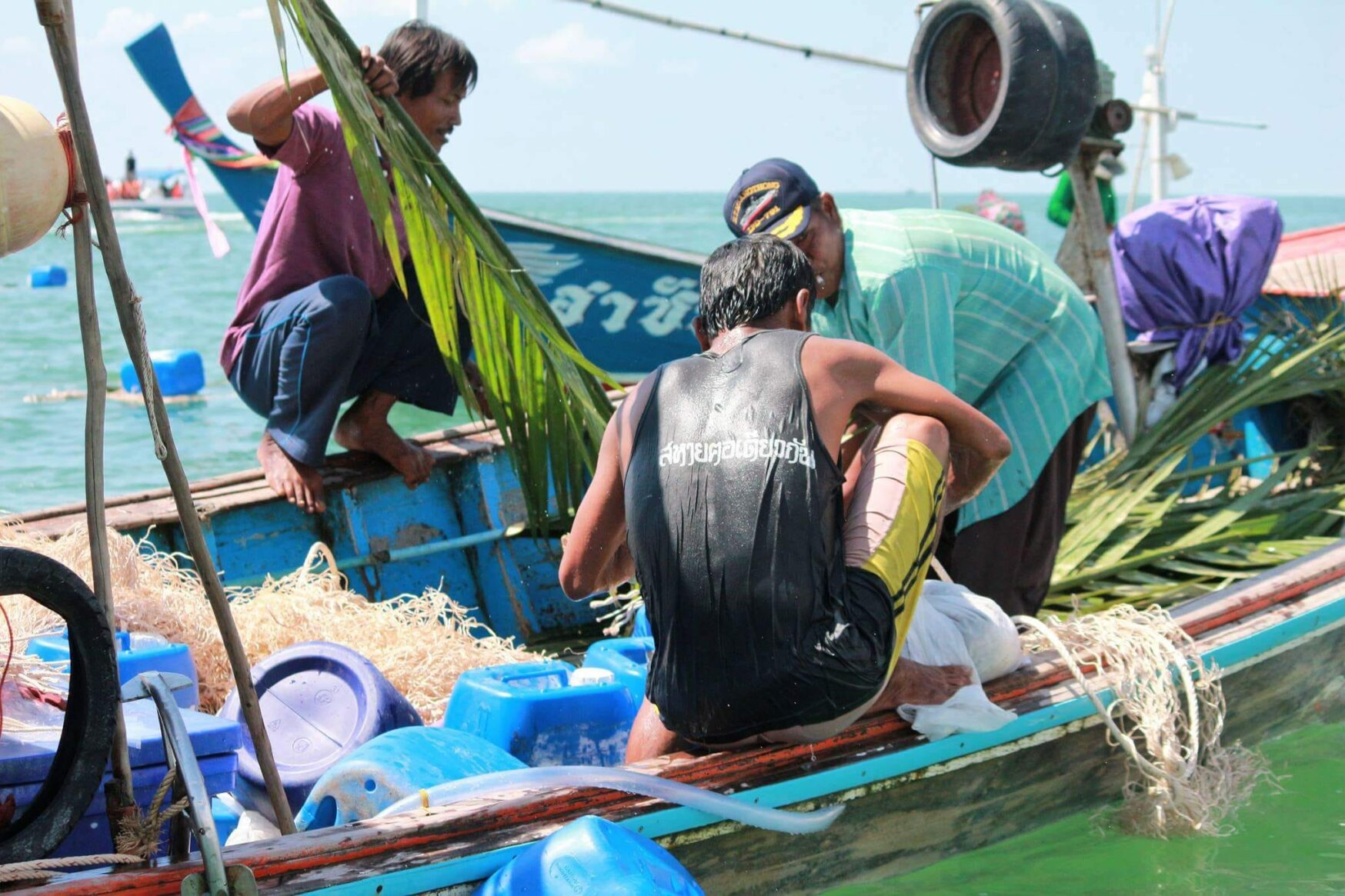
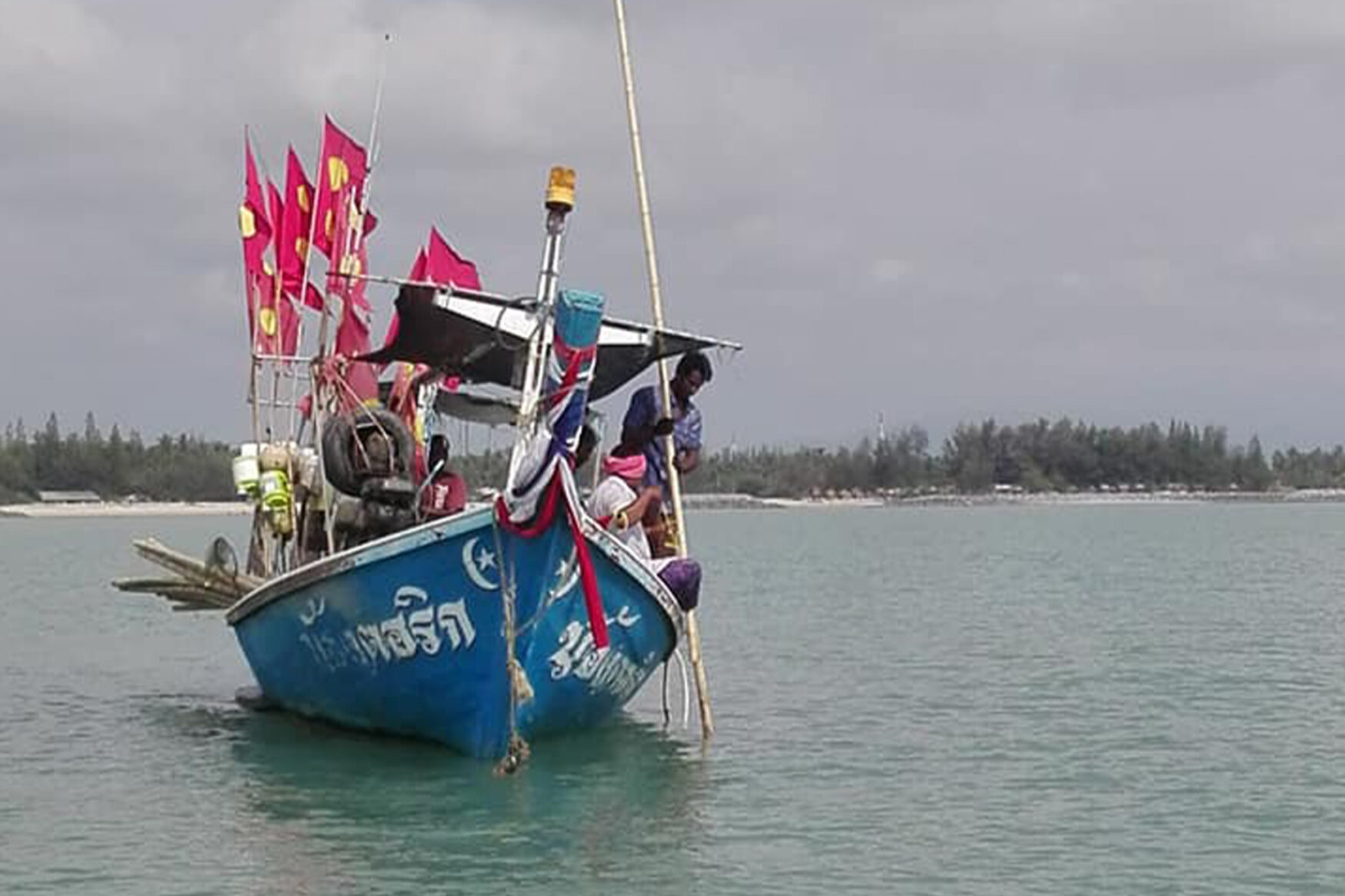
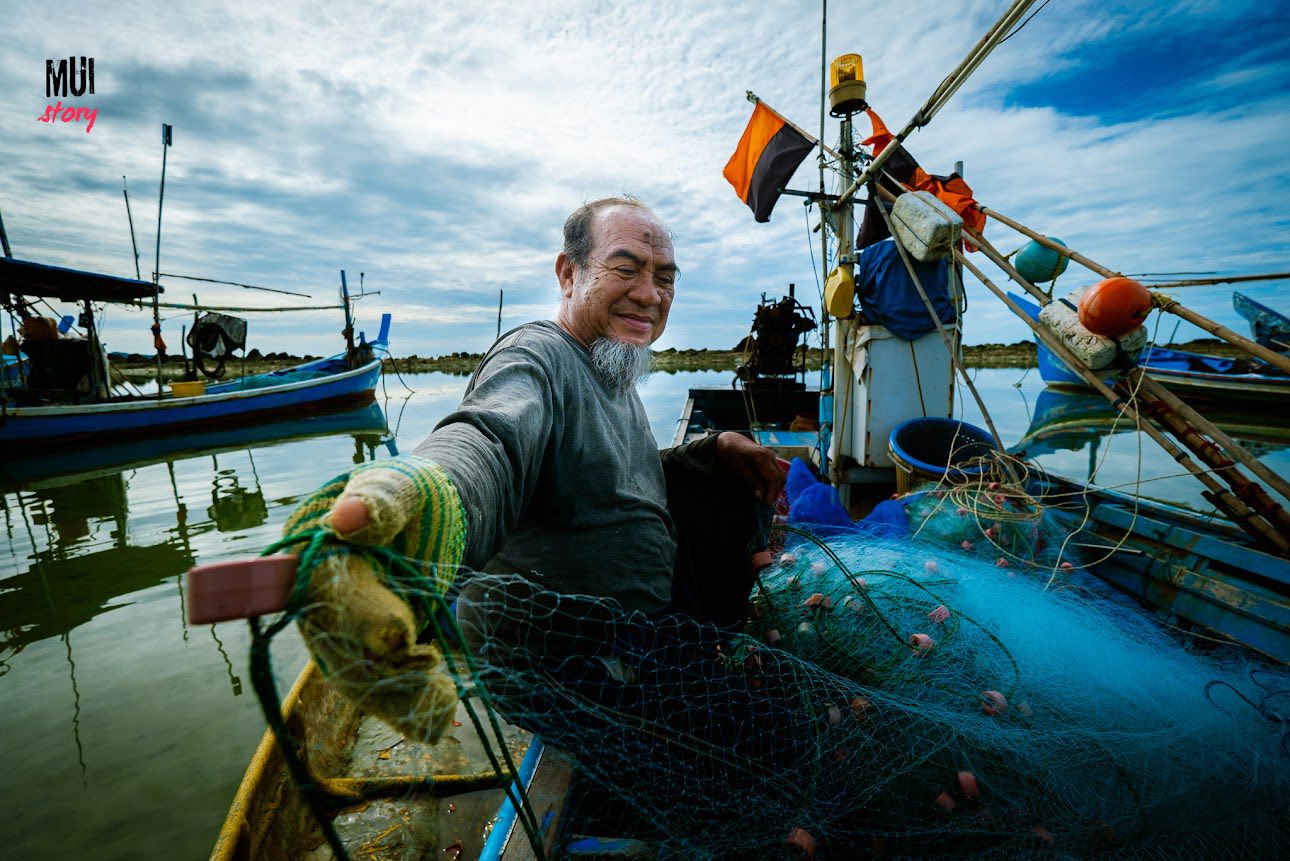
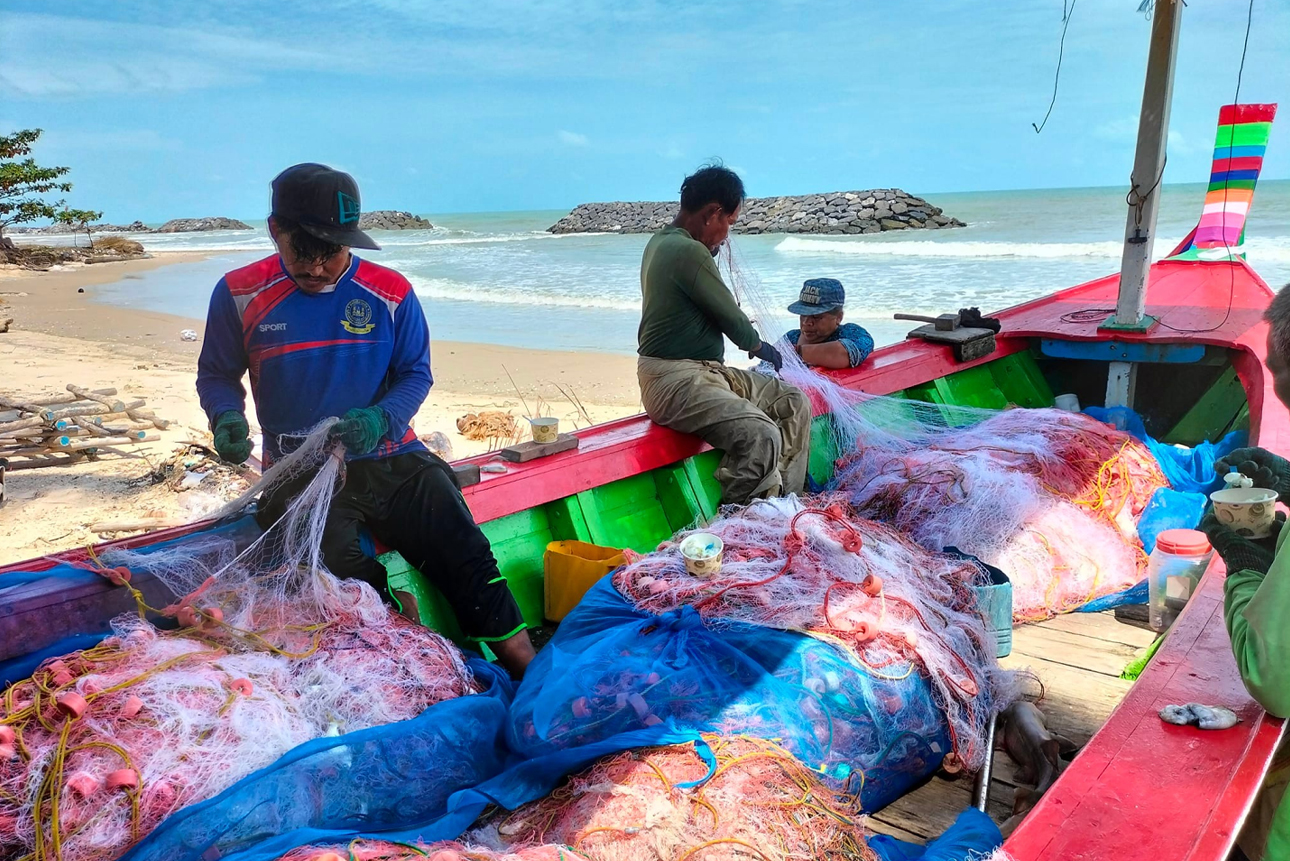
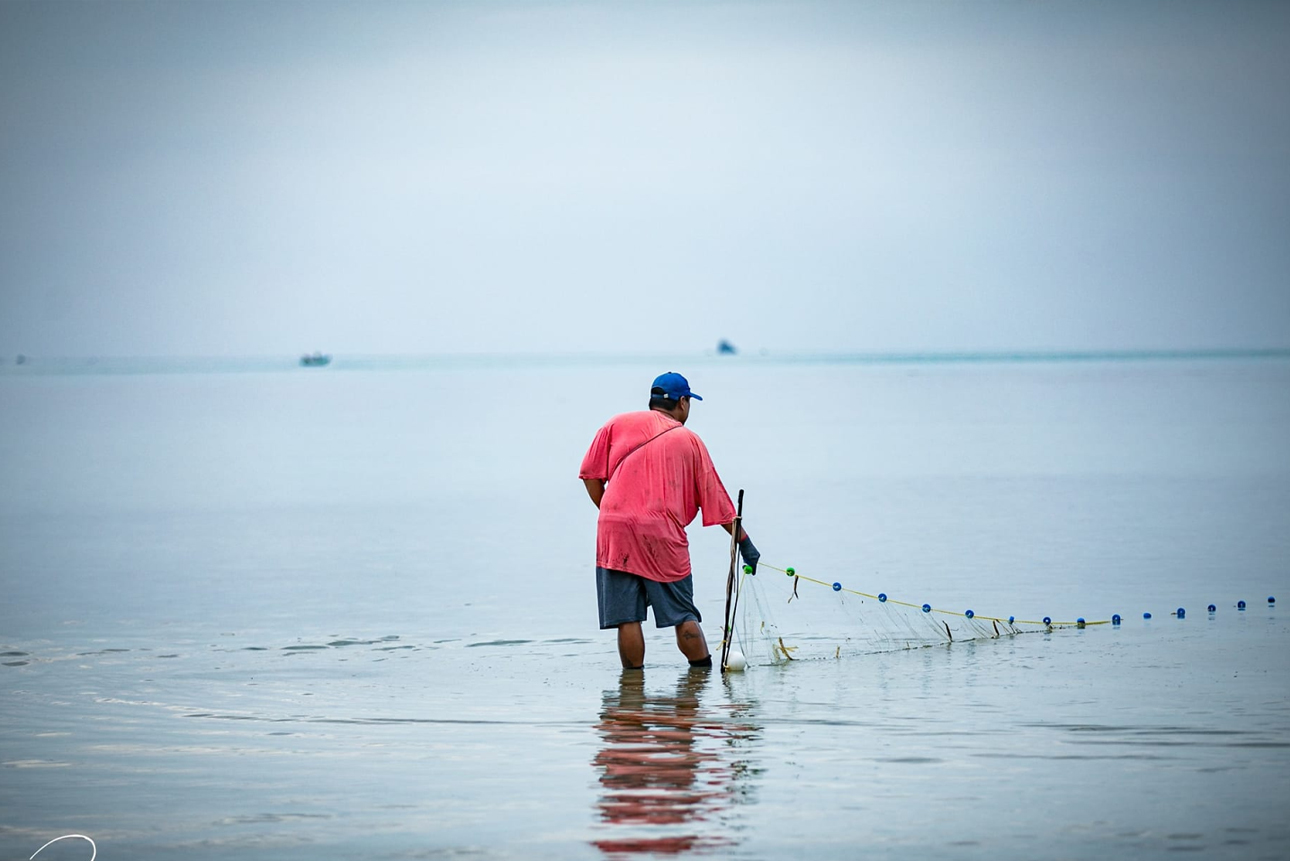
Bandon Bay, located within the Gulf of Thailand, plays a vital role in the nation’s fishing industry—particularly as a major habitat for blue swimming crabs, one of Thailand’s most valuable seafood exports. However, decades of overfishing, combined with environmental degradation and unsustainable land use, have placed increasing pressure on the bay’s ecosystem and the livelihoods of local fishers.
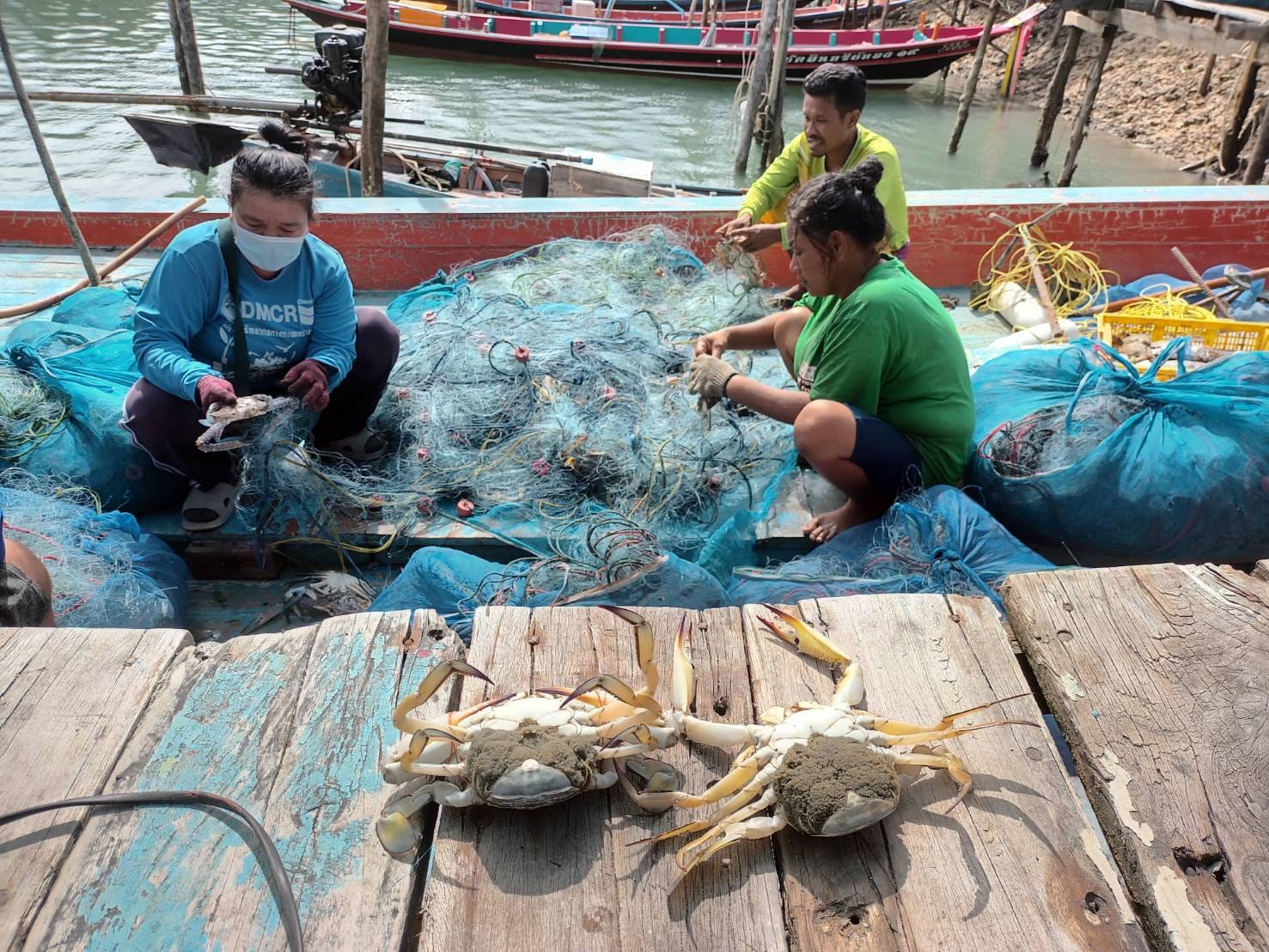
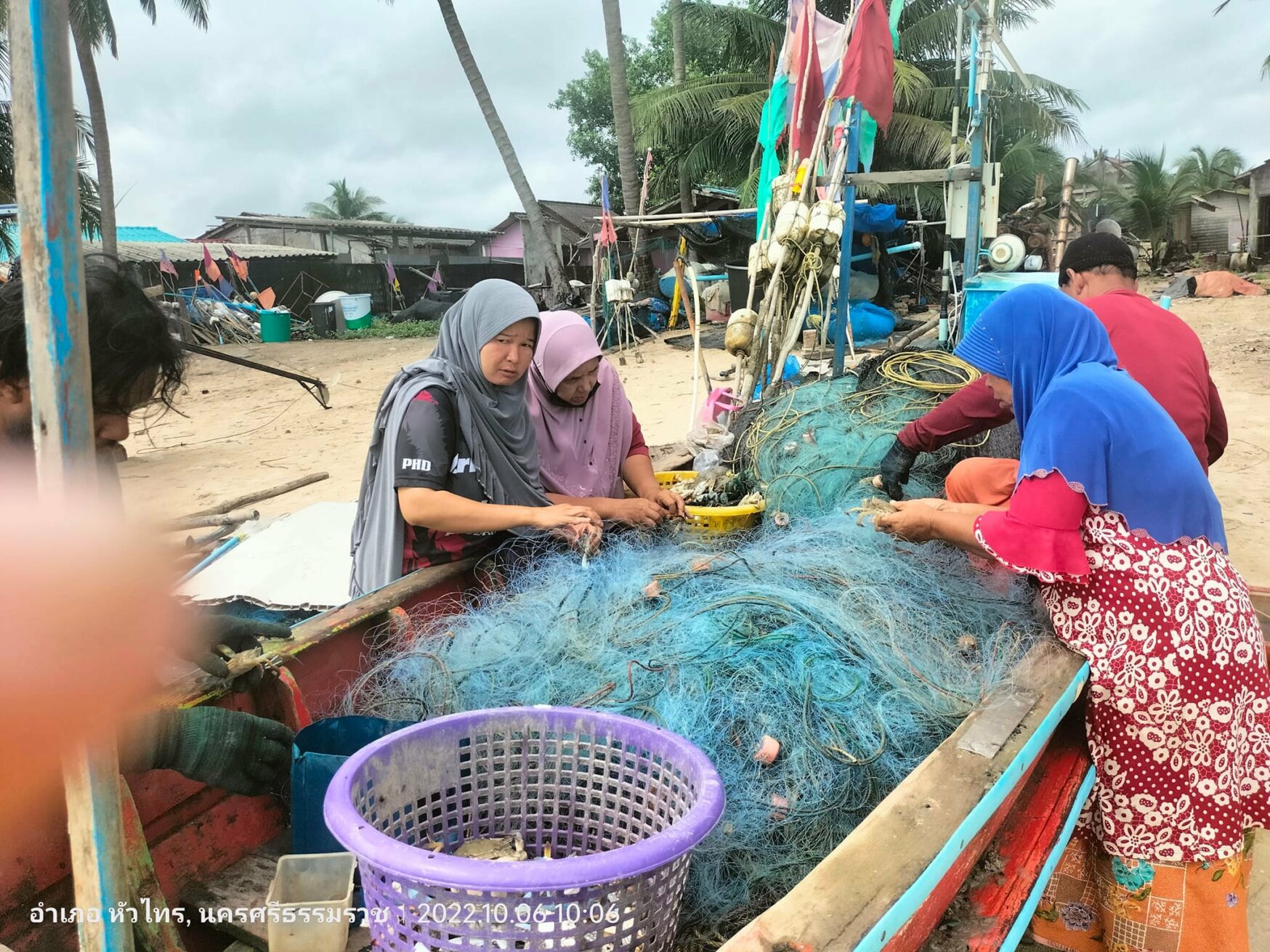
Since 2020, Walailak University (WU) has worked collaboratively with key partners, including the Department of Fisheries (DoF), the Department of Marine and Coastal Resources (DMCR), the Thai Frozen Foods Association, and local fishing communities, to promote sustainable fishing practices, restore aquatic habitats, and support ecosystem-based livelihoods. The university’s research and community-based interventions in Bandon Bay are part of its broader mission to safeguard marine biodiversity and strengthen coastal community resilience.
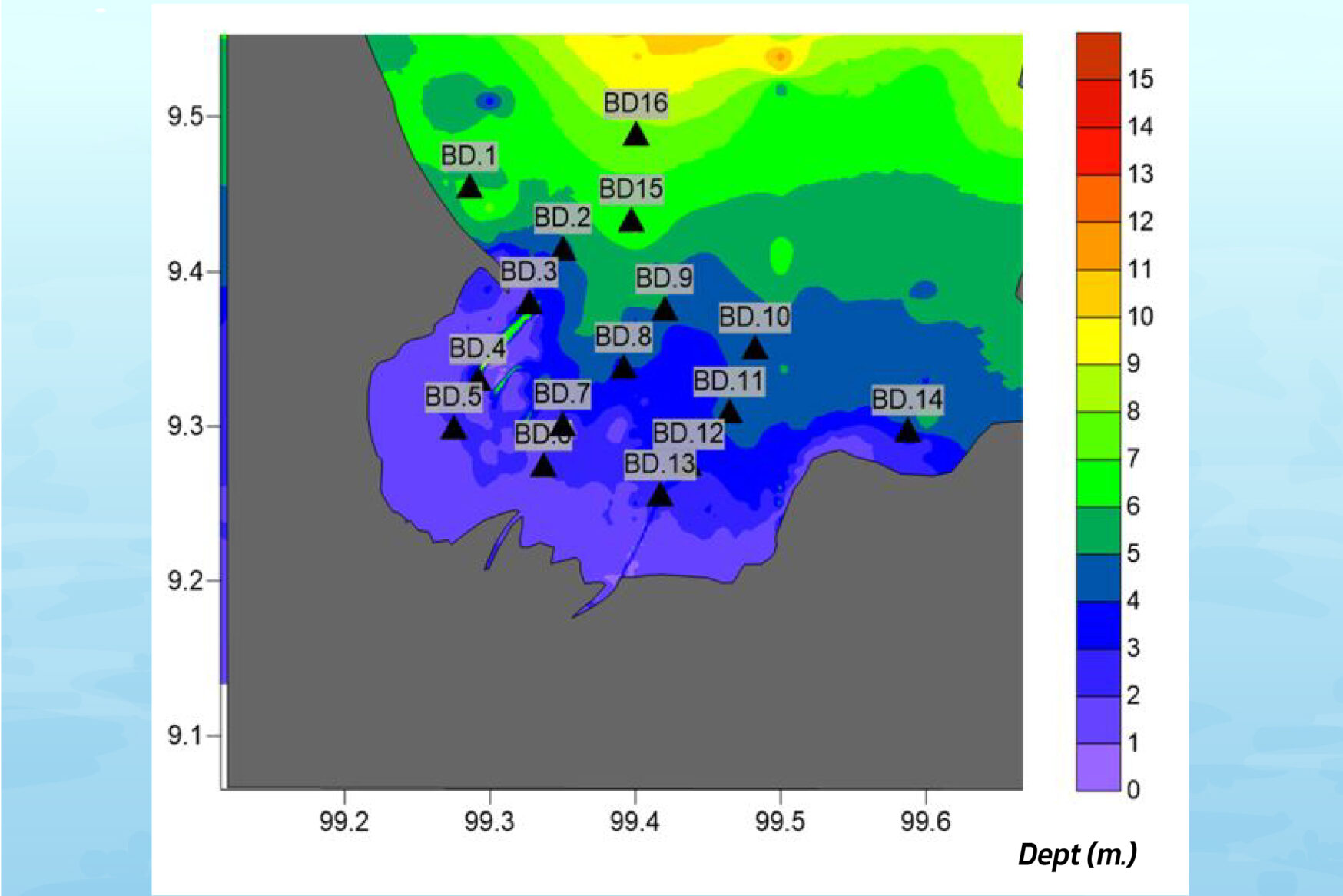
In 2024, WU further advanced its collaboration with governmental and private sectors by developing a comprehensive aquatic resource management plan for Bandon Bay—one of Southern Thailand’s largest and most ecologically significant watershed areas. This initiative involved collecting vital data on ecosystem conditions, fishery resources, and land use to guide a sustainable, long-term management strategy for the bay’s aquatic environment.
The research outcomes culminated in a Strategic Environmental and Fishery Management Plan, jointly created by WU’s research team, the Department of Fisheries, and local fishing communities. The plan encompasses a range of targeted actions designed to restore biodiversity, reduce environmental pressures, and sustain local livelihoods:
Key Strategic Actions
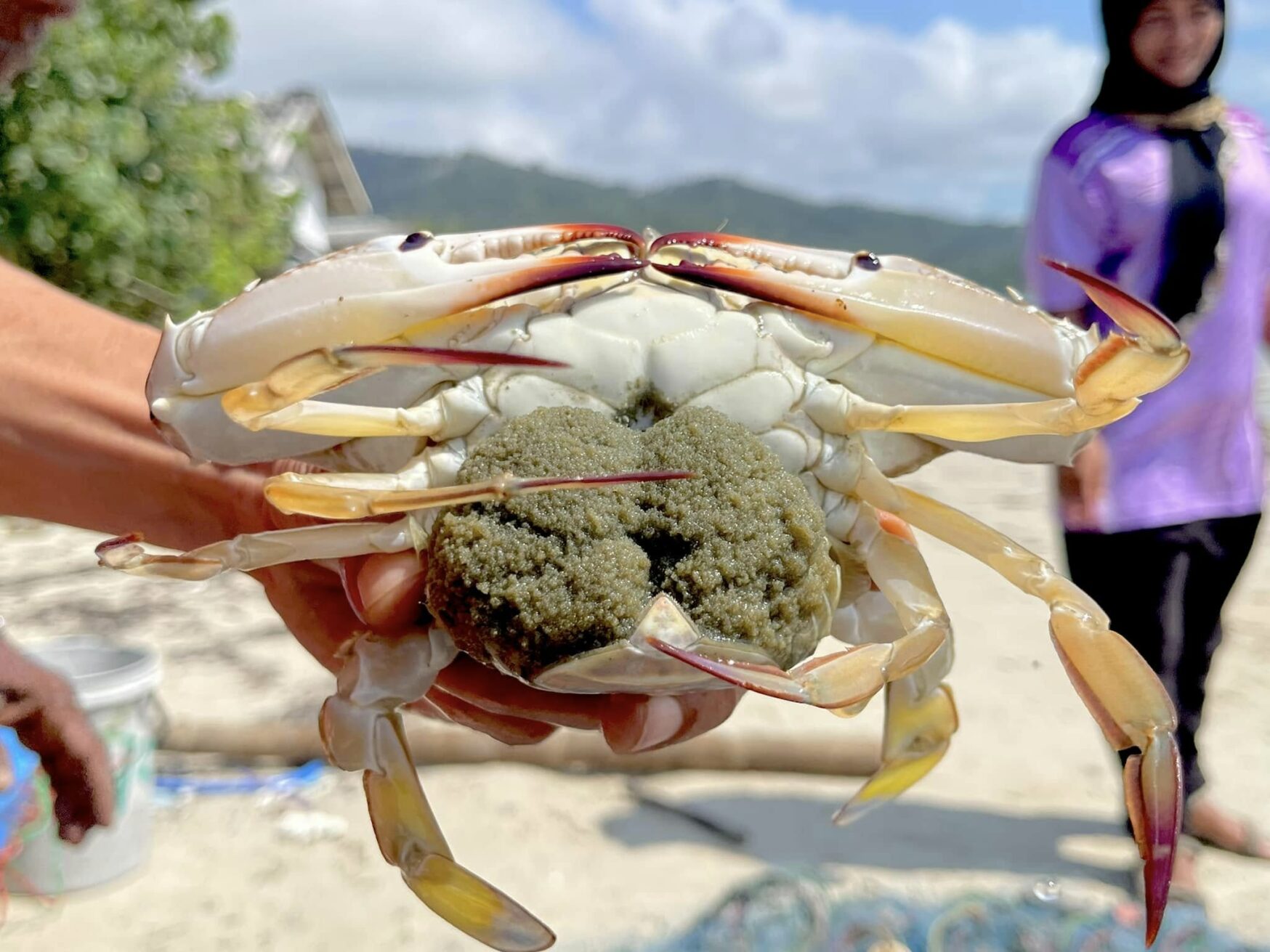
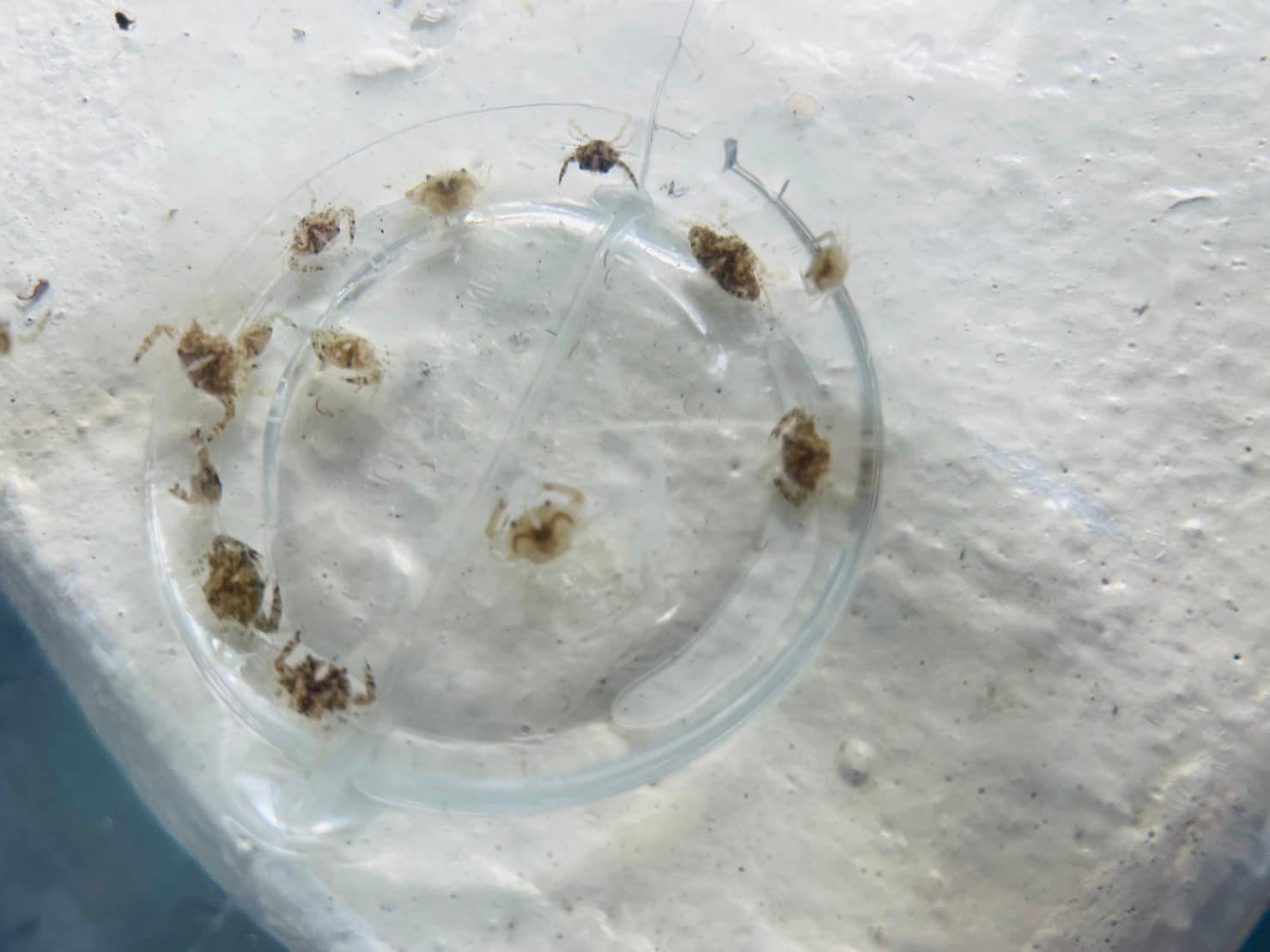
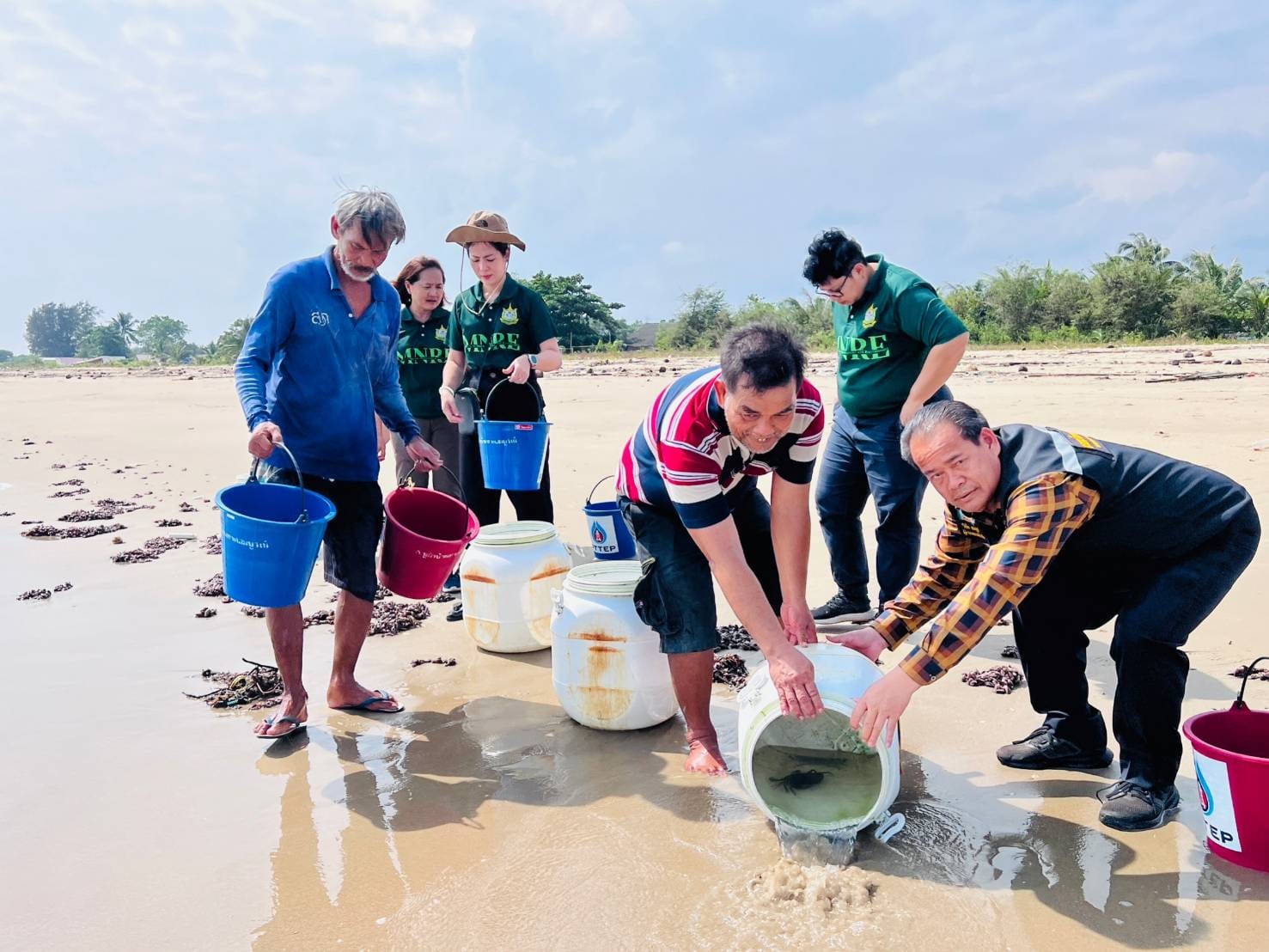
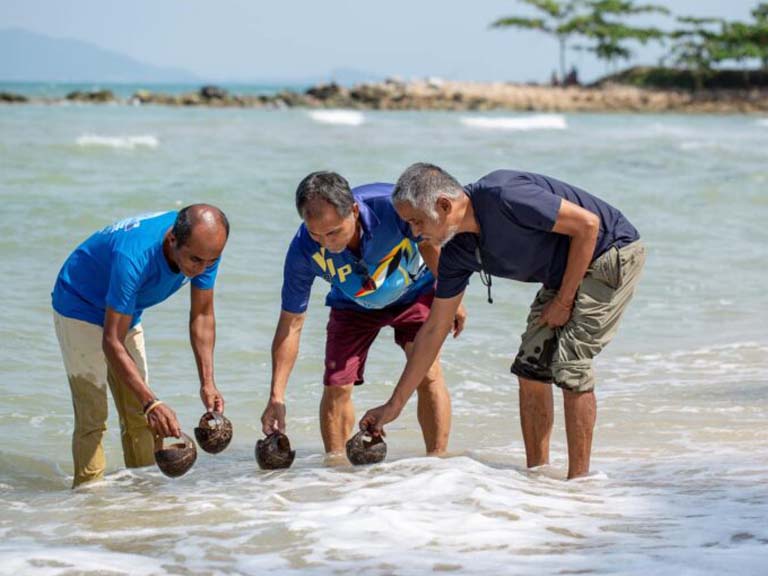
Raising Awareness for Sustainable Fishing Educate fishers on responsible harvesting practices—such as catching only blue crabs larger than 10 cm and delivering gravid (egg-bearing) females to designated hatching stations. This ensures the release of juvenile crabs back into the wild, supporting population replenishment.
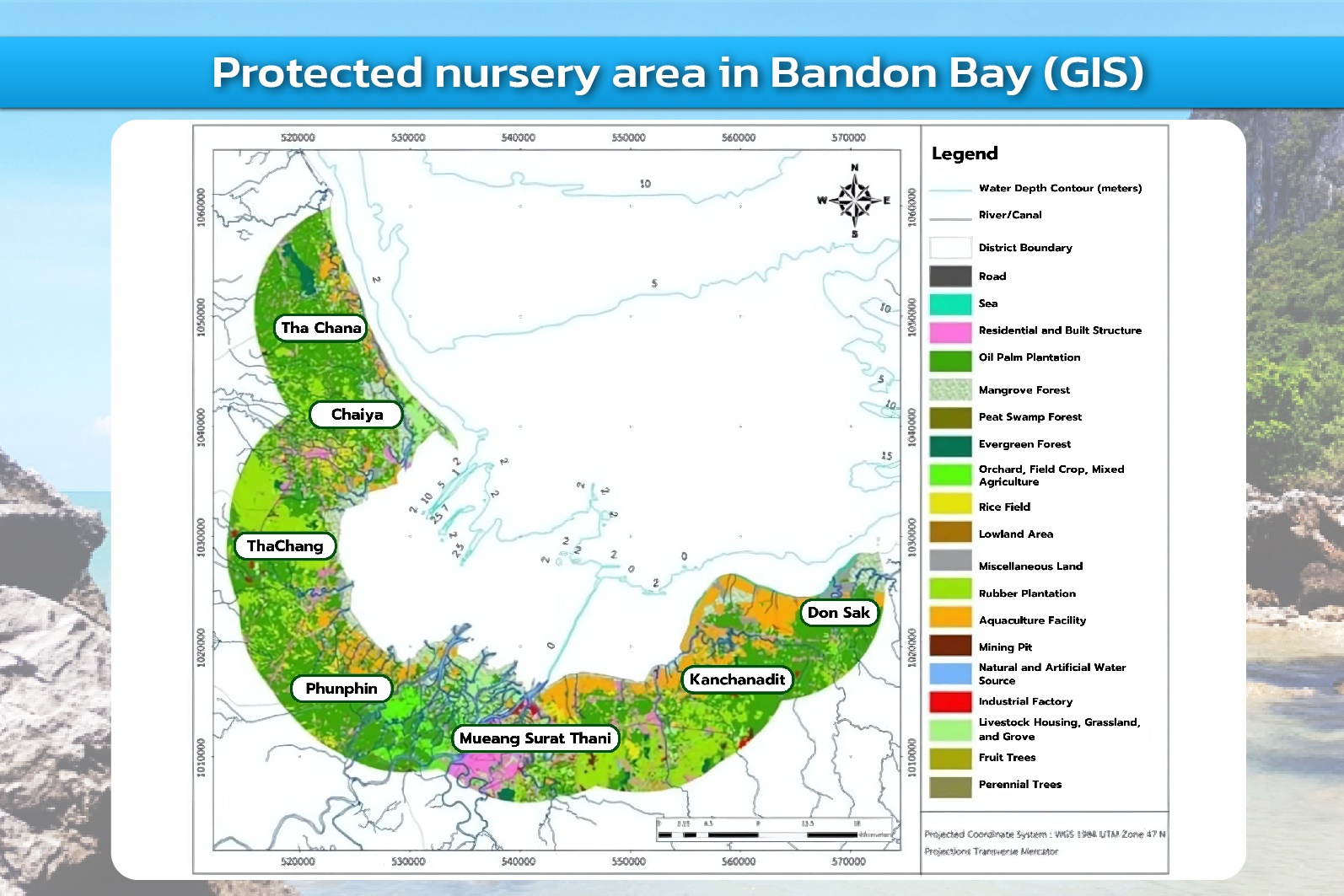
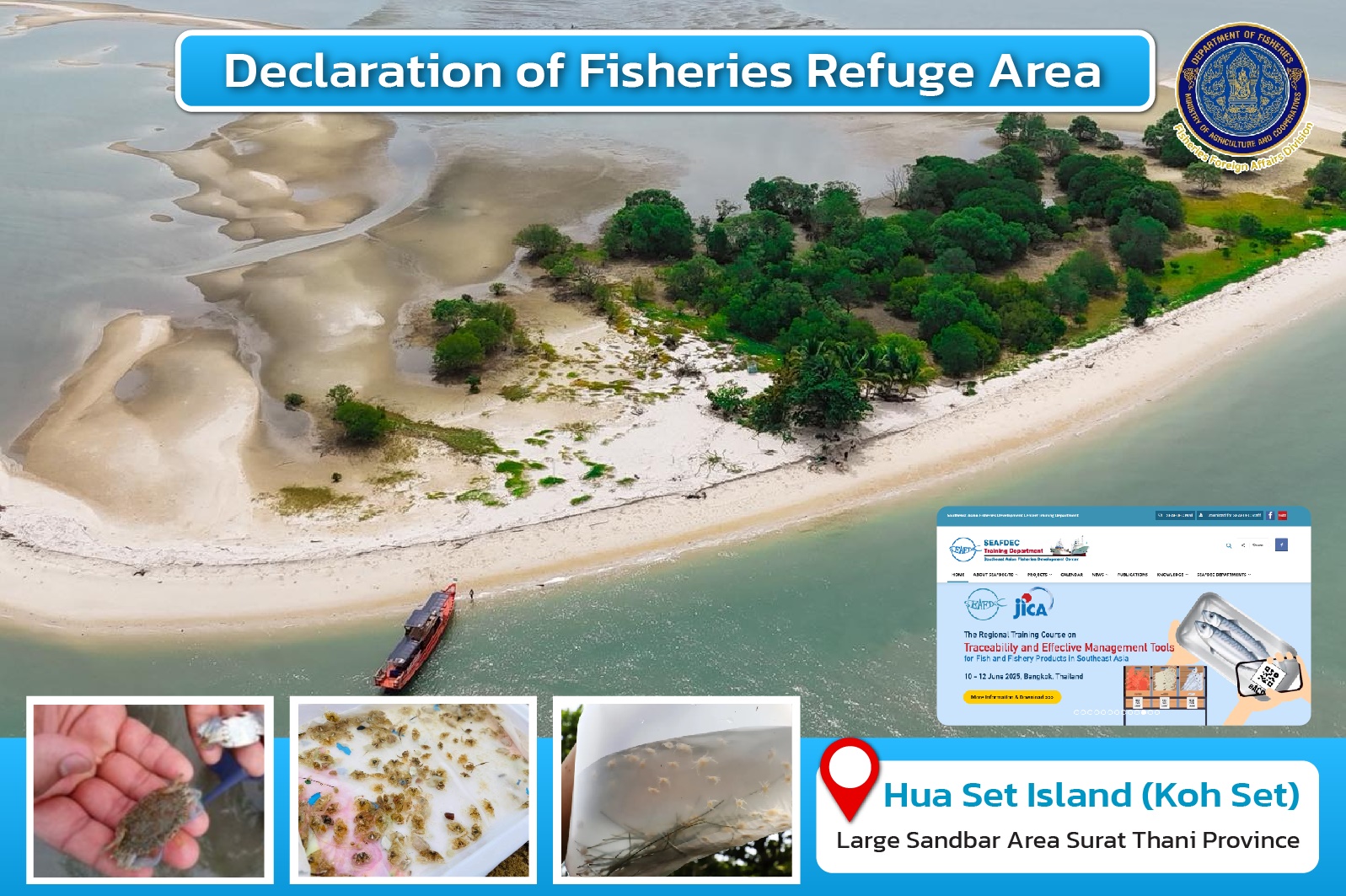
Establishing Priority Larval Release Areas Designate Tha Chana, Chaiya, Don Sak, and Kanchanadit Districts as critical release sites for blue crab larvae during breeding seasons, leveraging their natural nursery conditions and high food availability to increase survival rates.
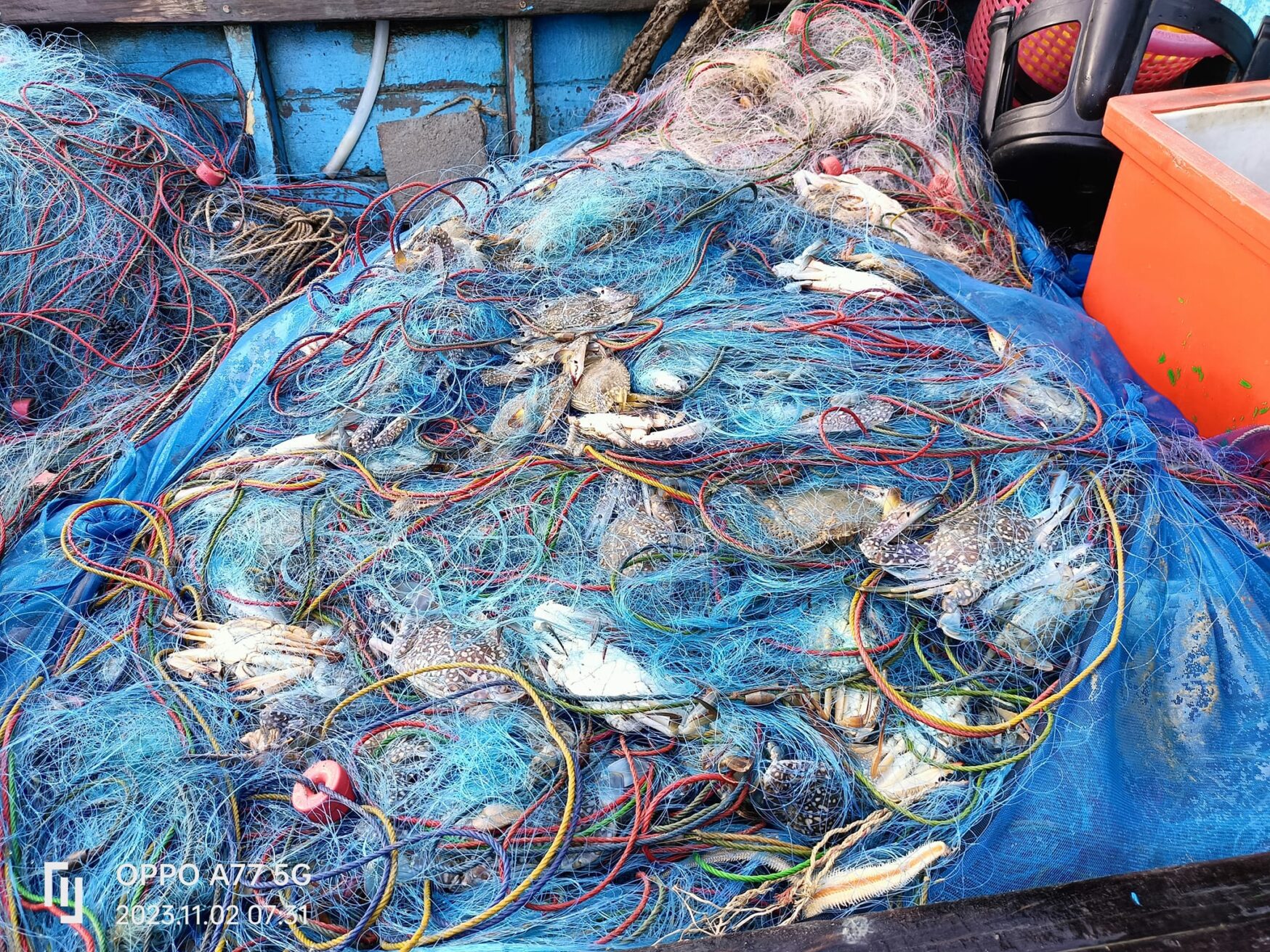
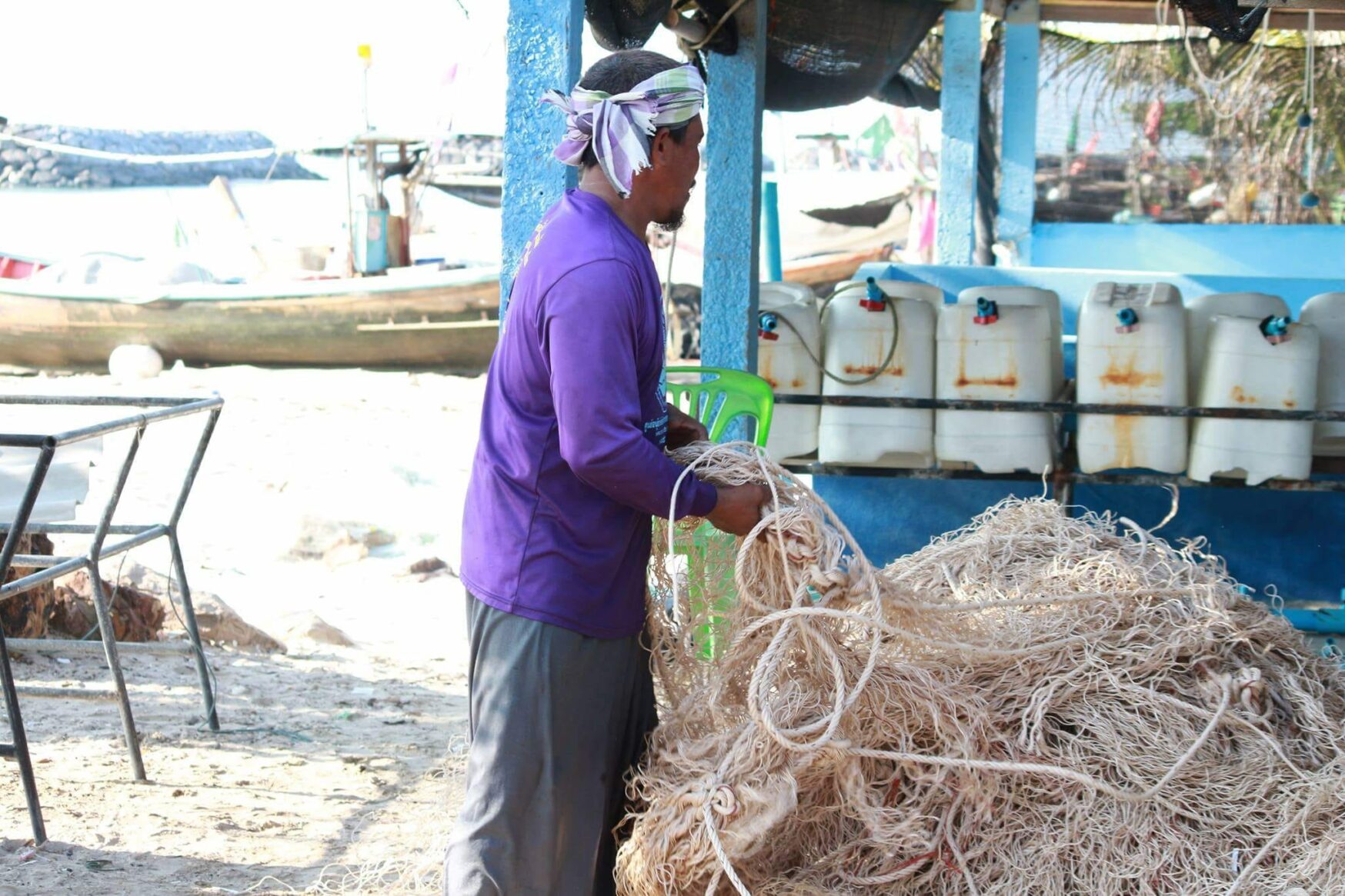
Tracking and Reducing Ghost Fishing Conduct ongoing research to build a database of lost or discarded fishing gear, mitigating the destructive effects of “ghost fishing” on marine life and habitats.
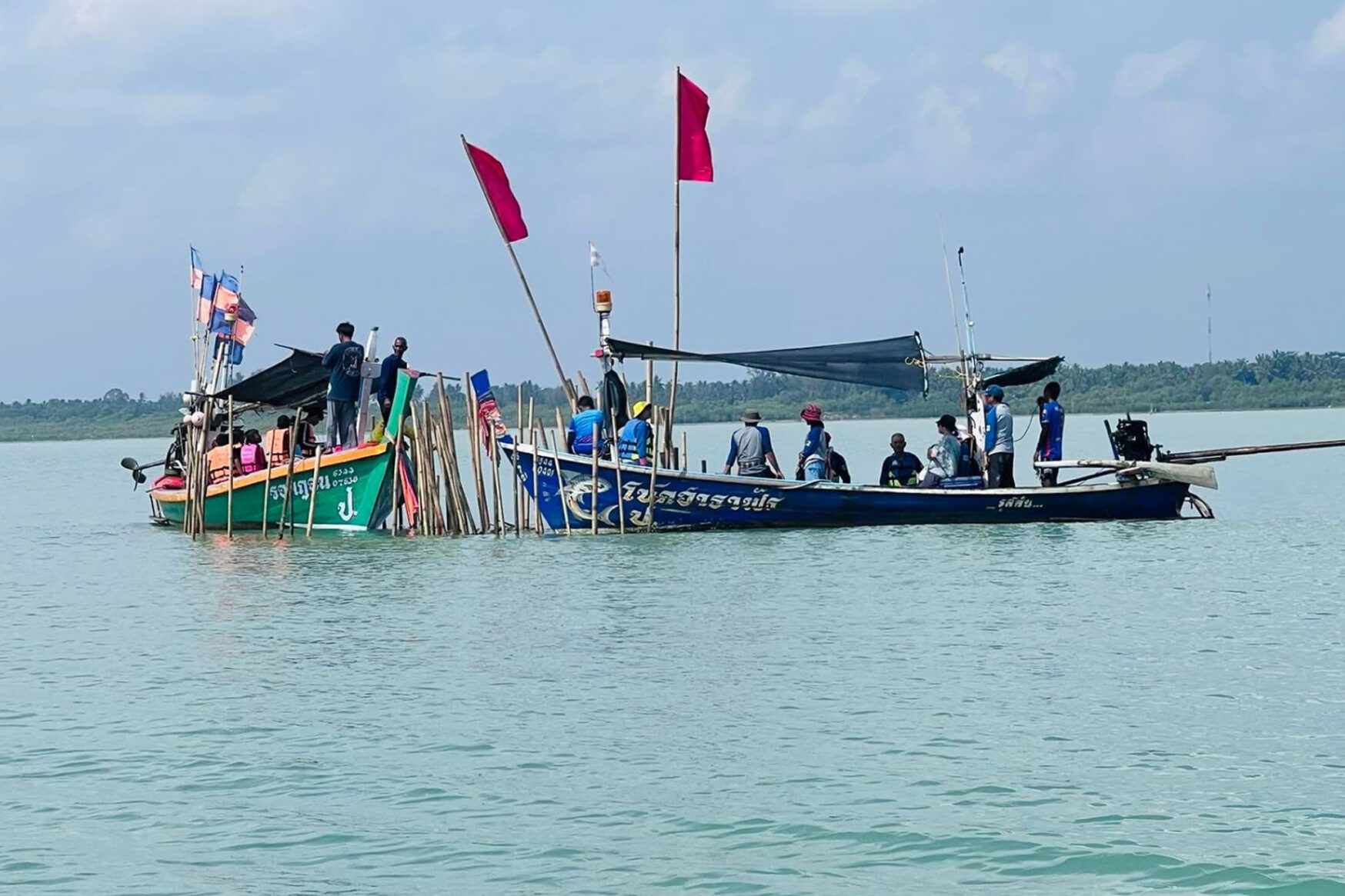
Organizing Ecological Clean-Ups Implement regular clean-up campaigns to remove abandoned fishing gear and marine debris from sensitive zones, protecting aquatic habitats and restoring ecosystem balance.
Implementing Community-Based Spawning Measures Develop community-approved spawning guidelines and establish minimum size limits to maintain sustainable blue crab populations and improve the spawning potential ratio (SPR).
Monitoring Blue Swimming Crab Populations Conduct regular stock assessments to track crab abundance and adjust management practices to maintain balanced and sustainable populations.
Designating Nearshore Nursery Zones Mark nearshore areas as protected nursery zones, discouraging fishing in these regions to safeguard juvenile aquatic species and crab embryos.
Promoting Legal and Sustainable Fishing Gear Encourage the use of 2.5-inch mesh nets to minimize seabed disturbance, reduce bycatch, and ensure compliance with sustainable fishing standards.
Monitoring Coastal Erosion and Wave Impacts Assess erosion patterns, wave impacts, and sediment deposition to inform land-use planning and protect fragile coastal ecosystems.
Implementing Managed Coastal Use Guidelines Establish sustainable coastal management measures that prevent environmental degradation and promote responsible resource utilization.
Preventing Heavy Metal Contamination Collaborate with coastal industries to reduce pollution and prevent heavy metal accumulation, ensuring long-term water quality and ecosystem health.
Supporting Organic and Sustainable Agriculture Promote chemical-free farming practices in nearby agricultural zones to reduce harmful runoff and nutrient loading into Bandon Bay.
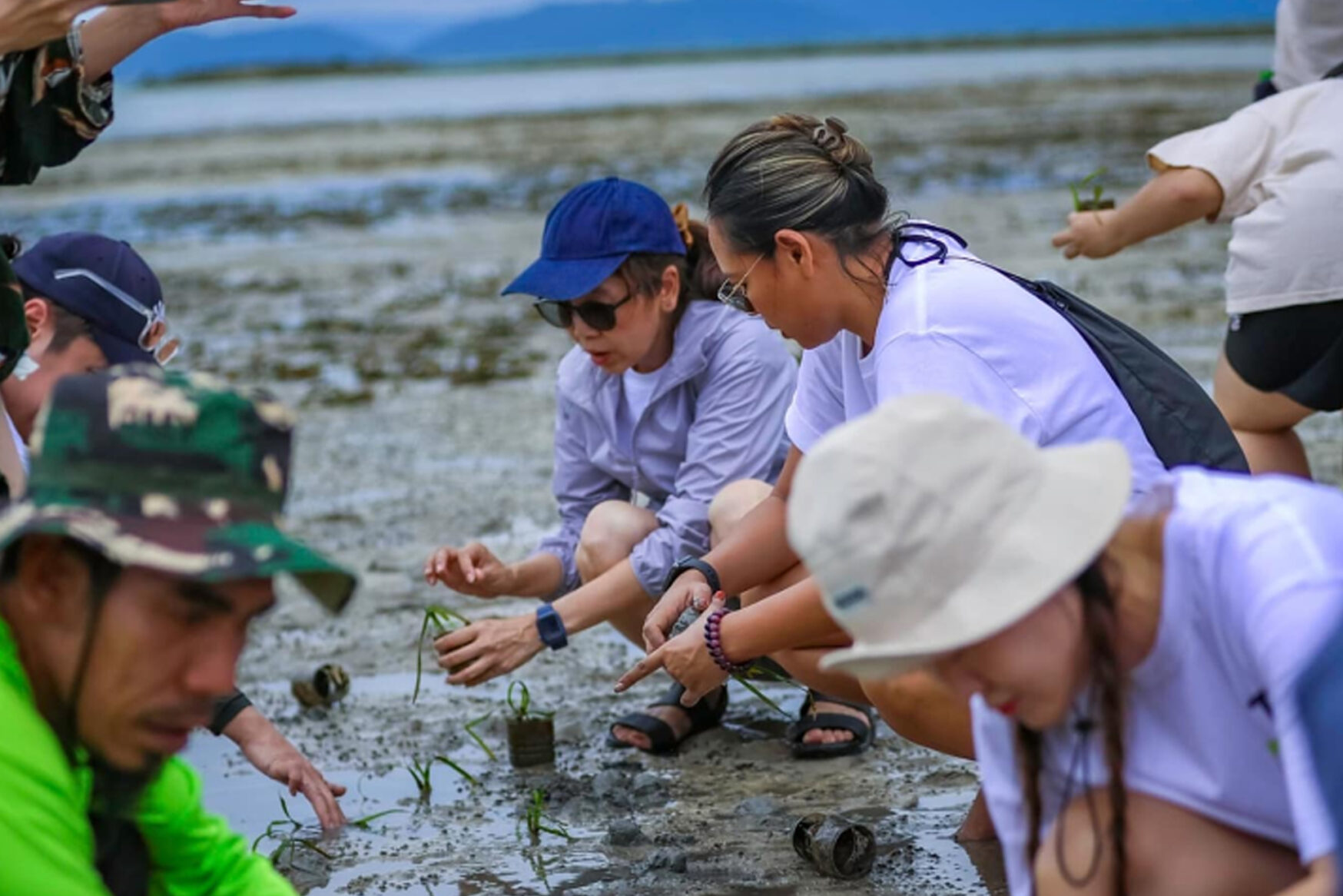
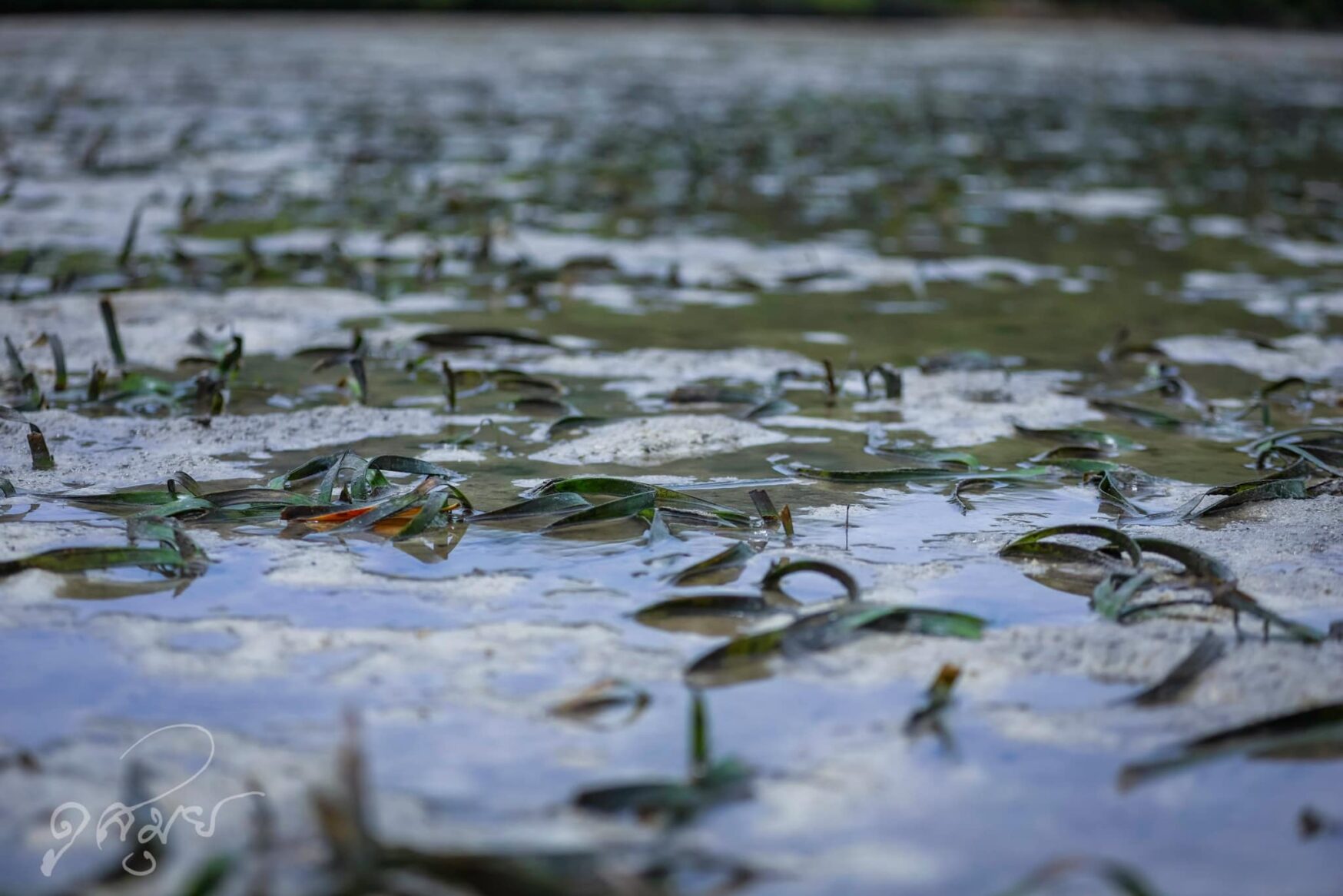
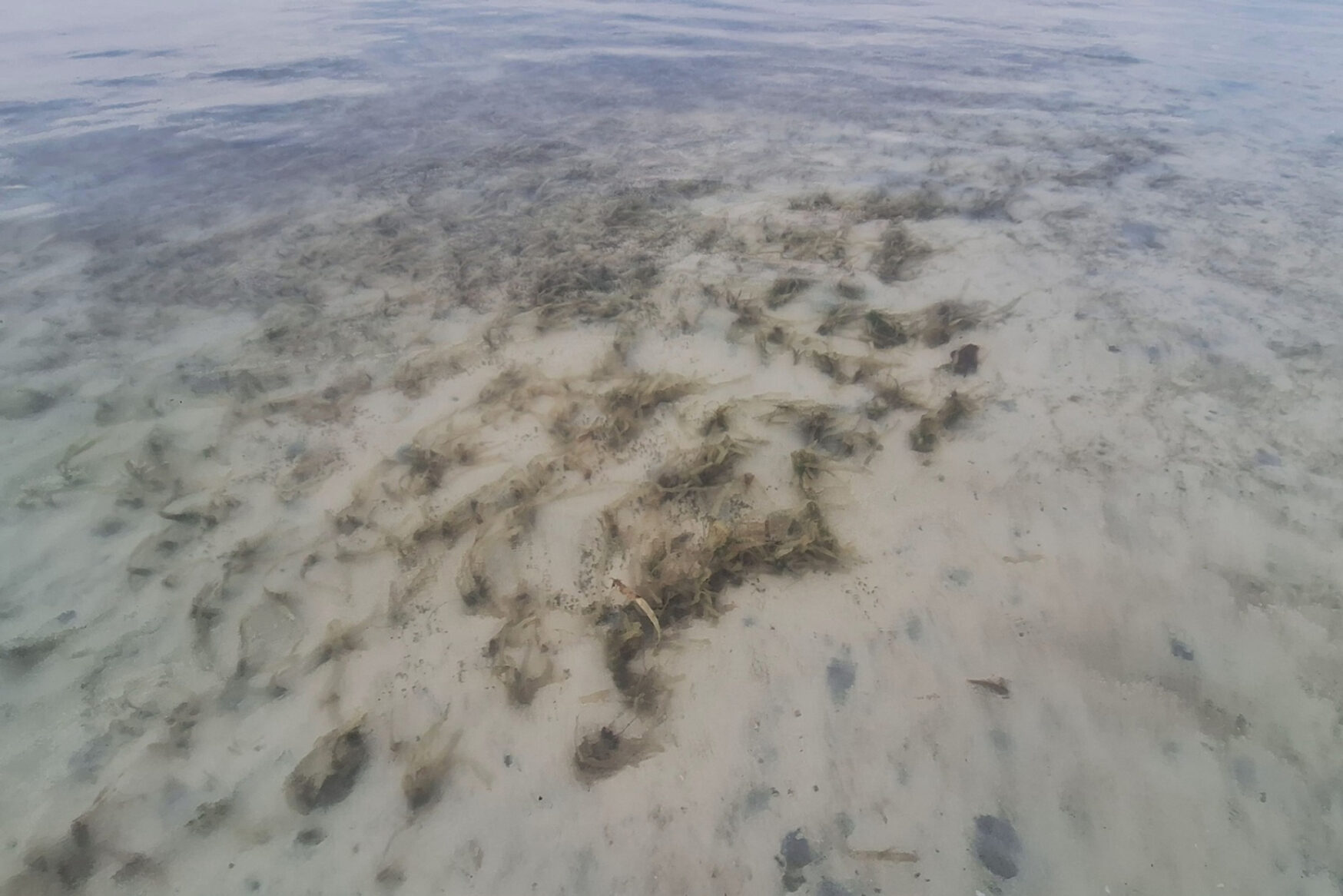
Monitoring Water Quality and Nutrient Levels Regularly test key chemical indicators—such as nitrates, nitrites, and phosphorus—in sensitive areas like spawning grounds and seagrass beds to maintain optimal water conditions and ecosystem balance.
Through these comprehensive efforts, Walailak University’s sustainable management strategy for Bandon Bay exemplifies the integration of scientific research, community participation, and ecosystem-based management. The project not only revitalizes aquatic resources and strengthens the local fishing economy but also serves as a national model for sustainable fisheries and coastal conservation in Thailand.