The Wastewater Treatment Process for Environmental Sustainability

The Wastewater Treatment Process for Environmental Sustainability

Case Studies
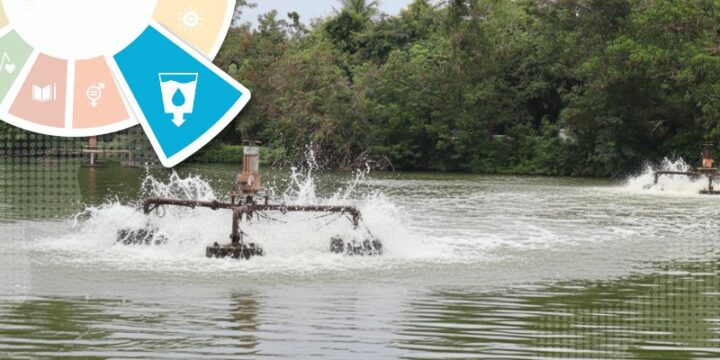
Sustainability and Stewardship Wastewater generated within the university–from both students and staff–originates from various daily activities such as bathing, dishwashing, laundry, cleaning utensils, and toilet use. This issue has long been regarded by the university as an important environmental concern. To accommodate the volume of wastewater produced, the university has implemented a wastewater management system development project since 2002, covering an area of more than 9,600 square meters. Continuous improvements have been made over the years, particularly in 2024, when the system was upgraded to enhance its efficiency, ensuring optimal treatment performance and restoring balance to the environment. Figures : Water Supply System, the mechanism that was constructed to serve the whole university. Recognizing the environmental and ecological impacts of wastewater, the university has developed a wastewater management system capable…
Read More
Monitoring of Water Consumption for Domestic Use in 2024, Walailak University

Monitoring of Water Consumption for Domestic Use in 2024, Walailak University

Case Studies
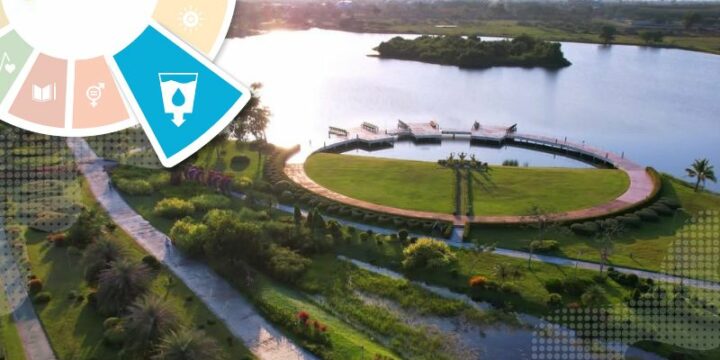
Sustainability and Stewardship Walailak University is located in the southern region of Thailand, covering a total area of 21,196,440 square meters, making it the largest university in the country in terms of land area. Due to its geographical characteristics, the area is prone to drought during the summer season and experiences heavy rainfall during the rainy season. Recognizing the necessity of systematic and sustainable water resource management, the university has developed and constructed water storage facilities within its premises. These include three main reservoirs (Pruksa Chon Reservoir, Mon Thara Reservoir, and Chala Nusorn Reservoir), along with ponds and lakes, serving as water reserves for consumption and agriculture. They also play an important role in effectively preventing and mitigating flood problems during the rainy season.Walailak University is located in the southern…
Read More
Walailak University’s Commitment to Inclusive Access  to Lifelong Learning

Walailak University’s Commitment to Inclusive Access to Lifelong Learning

Case Studies
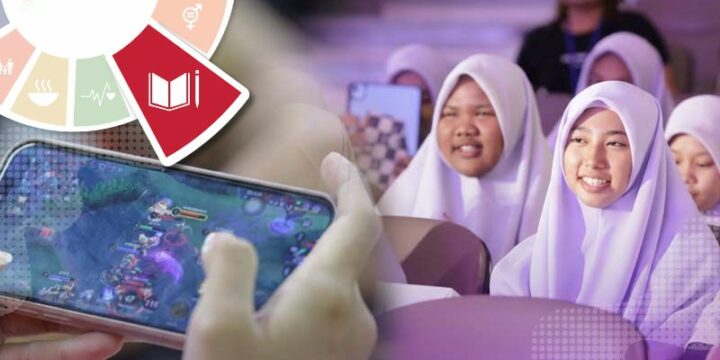
Walailak University (WU), as a public higher education institution with a mission to serve community needs, adheres to the principles of inclusive education, ensuring that everyone has equal access to learning opportunities. Thus, the university strives to foster a learning society where no one is left behind by creating Lifelong Learning Policy, announced on 8 November 2022. The existence of the Lifelong Learning Policy ensures that access to these activities is open to all individuals, regardless of ethnicity, religion, disability, immigration status, or gender. This commitment is clearly reflected in the following statement from the policy:    "Walailak University is a center for lifelong learning that opens up equal educational opportunities for all, based on democratic participation, and does not discriminate on the basis of ethnicity, religion, skin color, physical…
Read More
The Educational Outreach Activities Beyond Campus

The Educational Outreach Activities Beyond Campus

Case Studies
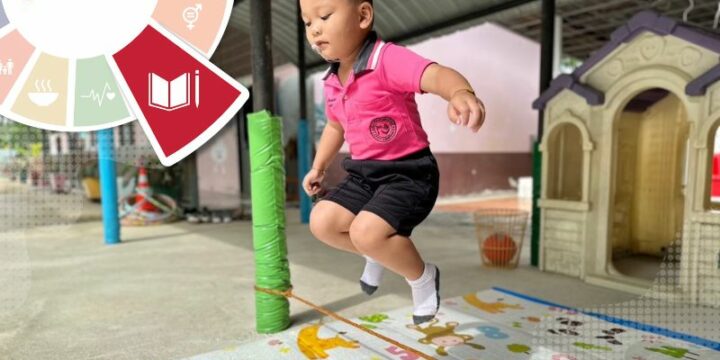
Walailak University, with its wealth of knowledge, resources, and personnel, cannot achieve sustainable community development if such knowledge remains confined within the university walls. Therefore, Walailak University places strong emphasis on educational outreach activities for communities through social engagement projects, focusing on both continuous programs and ad-hoc activities, extending to local schools and communities. The Educational Outreach Activities under the Continuous Programs The implementation of continuous educational activities is a core mission that helps create sustainable learning opportunities for surrounding communities and society. Walailak University has designed and operated long-term programs with consistent continuity to enhance the quality of education among different target groups. These programs focus on promoting access to learning resources, developing essential skills, and building the potential of learners at all levels. Such activities serve as a…
Read More
WU’s Collaborations with Governments and NGOs for Tackling Climate Change, Promoting Marine Resource Conservation, and Improving Well-being for Thai Society

WU’s Collaborations with Governments and NGOs for Tackling Climate Change, Promoting Marine Resource Conservation, and Improving Well-being for Thai Society

Case Studies
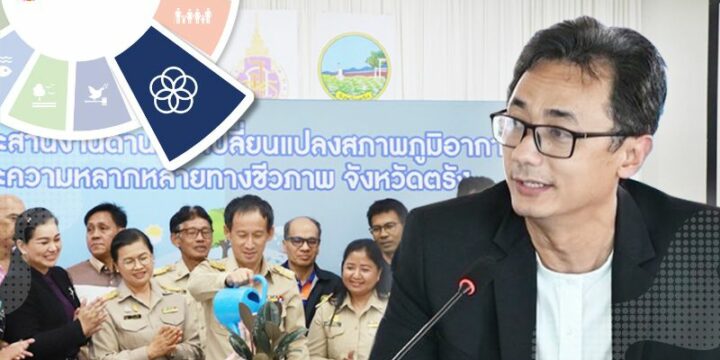
Outreach and Engagement Walailak University has direct involvement in, and provides substantial input into, national government and regional non-governmental organizations in SDG policy development. This includes identifying existing and emerging problems and challenges, formulating policies and strategic frameworks, modeling future scenarios with and without targeted interventions, monitoring and reporting on policy implementation and impacts, and supporting adaptive management to improve long-term sustainability outcomes. Since Professor Dr. Sombat Thamrongthanyawong assumed the presidency, Walailak University researchers have increasingly collaborated with government bodies and NGOs to advance policy and strategy development toward achieving the United Nations’ Sustainable Development Goals. This aligns with the university’s commitment to becoming a leading institution in SDG implementation.In 2024, Assoc. Prof. Dr. Warit Jawjit continued to work with partners on the development of the Provincial and Municipal Action…
Read More
Transformation of Brownfield Land for the Construction of the Sirin Museum

Transformation of Brownfield Land for the Construction of the Sirin Museum

Case Studies
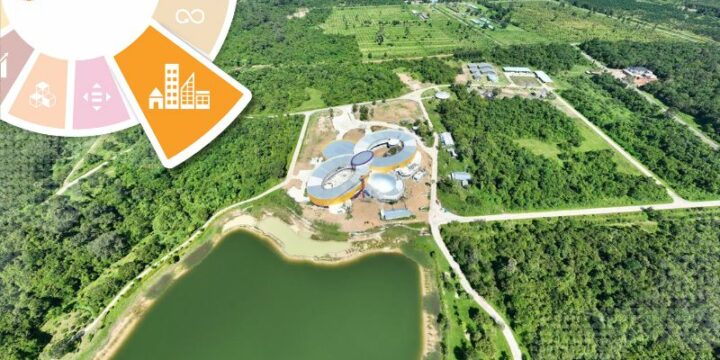
sustainablility and stewardship Most of the area where Walailak University (WU) is now located was once a vast, dense forest. Over time, much of this land was cleared and used for agricultural purposes. Before the university was established, the area had been utilized for various types of farming, including agriculture, aquaculture, and livestock activities such as dairy, Nile tilapia, goat, and pig farming, as well as mangosteen and rubber tree cultivation. Consequently, some parts of the land had already become brownfield sites due to possible contamination from chemical substances or fertilizers, while other areas were left abandoned.In later years, Walailak University developed several of its new buildings on these brownfield sites—both on land that had been previously contaminated and on areas affected by the university’s earlier activities. For example, the…
Read More
Adopting Sustainable Standards for New Building Construction

Adopting Sustainable Standards for New Building Construction

Case Studies
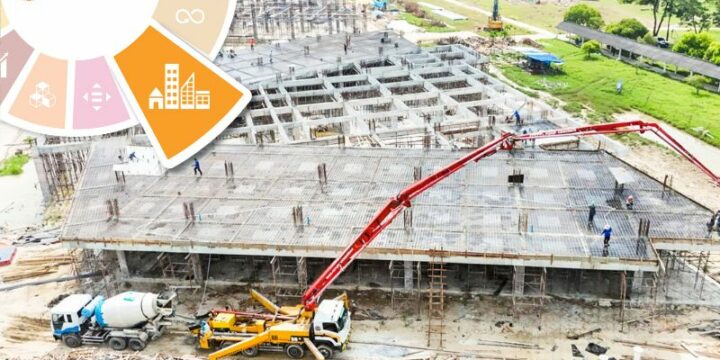
sustainablility and stewardship Walailak University (WU) has long prioritized sustainability and the application of high standards in its infrastructure development and energy management initiatives. A notable example is the Center for Library Resources and Educational Media, which was constructed in accordance with the Engineering Institute of Thailand (EIT) Standard under His Majesty the King’s Patronage. This standard emphasizes precision, structural integrity, and meticulous implementation throughout the design and construction process. The building’s maintenance is also overseen by licensed architects and engineers from the Division of Landscaping and Building, ensuring continuous adherence to safety and quality standards. In addition to meeting EIT requirements, the center operates in full compliance with the Building Energy Code (BEC) — Thailand’s national standard for energy efficiency in buildings. The BEC certification, granted by the Department…
Read More
Collaboration with Local Authorities to Provide Affordable Housing for Local Communities

Collaboration with Local Authorities to Provide Affordable Housing for Local Communities

Case Studies
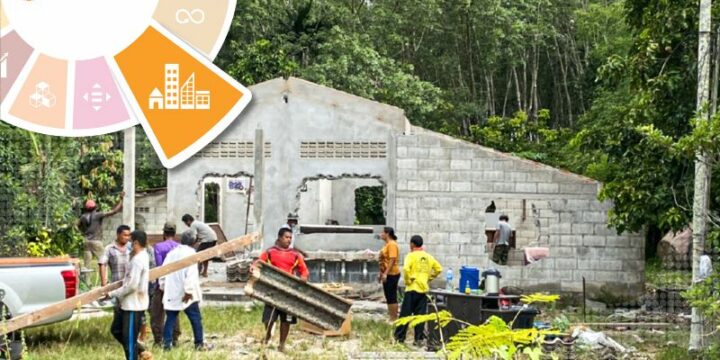
Outreach and Engagement Walailak University is surrounded by vibrant local communities, many of which face significant socio-economic challenges. One such community, the Satit Walailak Pattana community located behind the university, has long struggled with limited access to affordable and stable housing. Severe poverty, lack of financial opportunities, and barriers to accessing housing loans have forced many residents to rent small rooms instead of establishing secure homes. This instability has placed additional burdens on families, making it difficult to achieve long-term stability in their livelihoods, health, and education. In 2024, Walailak University initiated a collaborative effort with government partners to address this pressing issue. The Agricultural Land Reform Office, the Ministry of Agriculture and Cooperatives, and the Thai Buri Subdistrict Administrative Organization joined hands with WU to design practical solutions for…
Read More
Pedestrian Access Prioritization on Campus

Pedestrian Access Prioritization on Campus

Case Studies
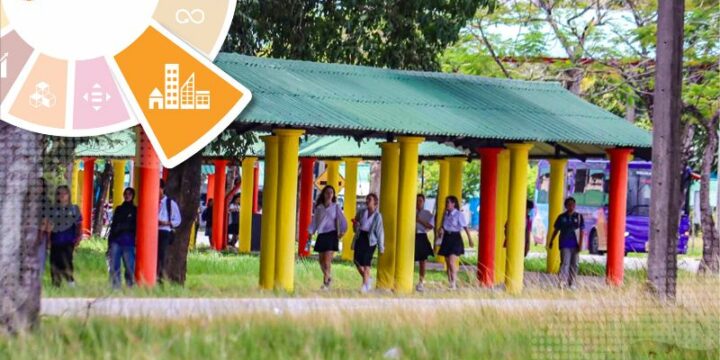
sustainablility and stewardship Walailak University places great importance on prioritizing pedestrian access for students, staff, and the general public within the campus. The university has implemented an infrastructure development project to construct pedestrian walkways covering all areas of the campus, aiming to enhance safety, convenience, and overall quality of life for students, personnel, and visitors. This project is part of the university’s Sustainable Campus Policy, which focuses on creating an environment conducive to learning and high-quality living. The construction of walkways spans key areas of the university, including routes connecting academic buildings, dormitories, libraries, cafeterias, and outdoor activity spaces, facilitating safe and convenient movement for students and staff. The design of the walkways also adheres to safety standards, accessibility principles for persons with disabilities (Universal Design), and the use of…
Read More
Providing Affordable Housing for Students

Providing Affordable Housing for Students

Case Studies
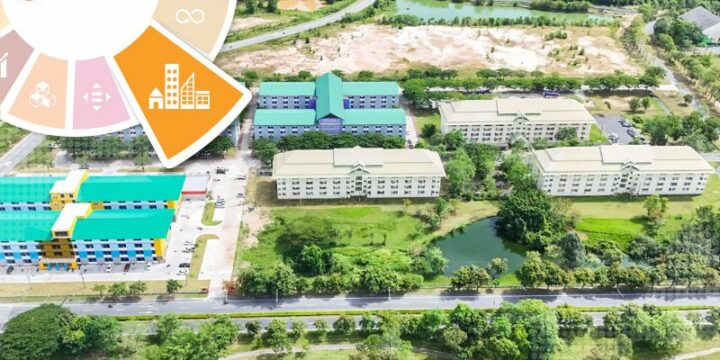
sustainablility and stewardship Walailak University (WU) is committed to supporting students’ well-being by ensuring access to affordable, high-quality housing on campus. Recognizing that off-campus rental costs in Tha Sala District have risen significantly due to urban expansion and increased migration, WU has consistently set dormitory fees lower than market prices. By doing so, the university helps reduce students’ financial burdens and creates an environment where they can focus on their academic and personal development. Click on the map for a clearer view with more details. Affordable Housing Management and Evaluation The Center of Property Management oversees all student dormitories and plays a central role in maintaining affordable pricing and quality facilities. To strengthen student participation, the center has established Student Dormitory Committees in every dormitory. These committees represent student voices by…
Read More