Collaboration with Local Authorities on Planning and Affordable Housing Development

Collaboration with Local Authorities on Planning and Affordable Housing Development

Case Studies
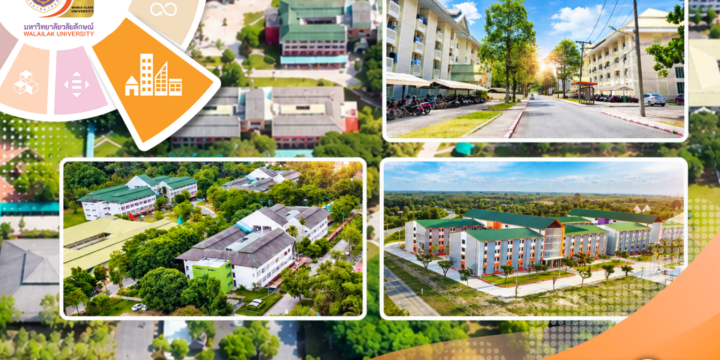
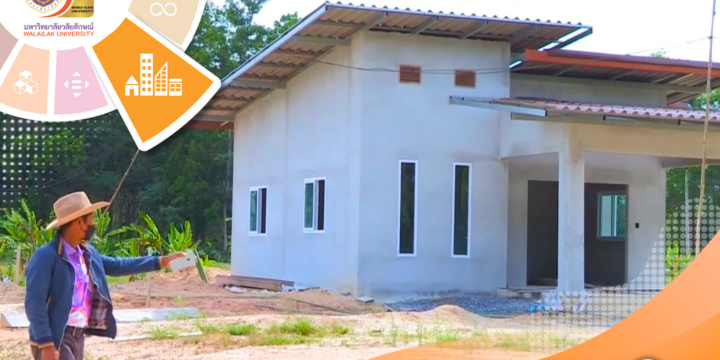
Sustainability and Stewardship Collaboration with Local Authorities on Planning and Affordable Housing Development Walailak University is closely connected with the surrounding local communities, where some residents continue to face socio-economic challenges that affect their access to secure and affordable housing. The Satit Walailak Pattana community, located behind the University, is one such community where households have experienced difficulties in securing stable housing due to limited financial resources, insufficient access to housing finance, and other economic constraints. For some families, these challenges have resulted in continued reliance on rented accommodation, making it more difficult to establish long-term residential and financial stability. Recognizing the importance of adequate housing as a foundation for community well-being and sustainable development, Walailak University has worked in collaboration with local authorities to support efforts addressing housing needs…
Read More
Pedestrian-Friendly Campus: Prioritizing Safe and Accessible Walking

Pedestrian-Friendly Campus: Prioritizing Safe and Accessible Walking

Case Studies
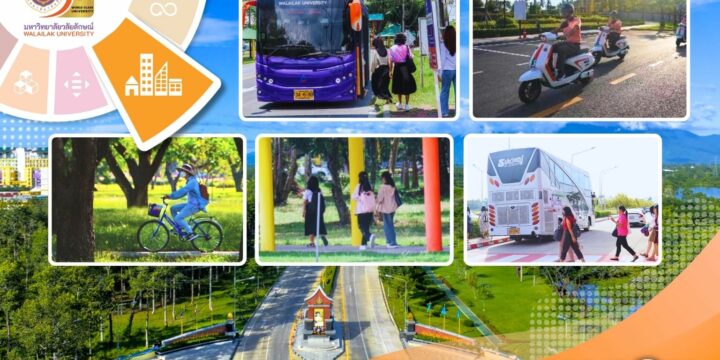
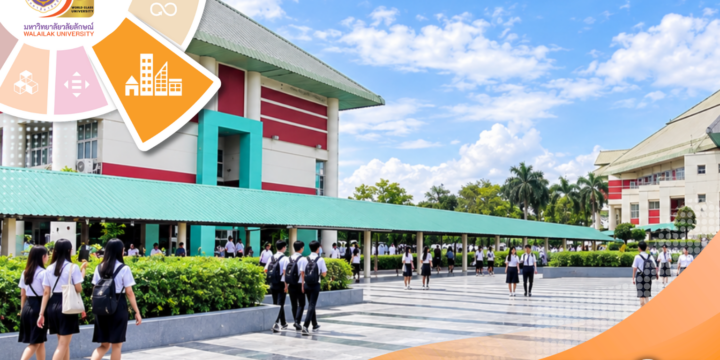
Sustainability and Stewardship Pedestrian-Friendly Campus: Prioritizing Safe and Accessible Walking Walailak University places great importance on prioritizing pedestrian access for students, staff, and visitors as part of its commitment to creating a safe, accessible, and sustainable campus environment. The University has developed campus infrastructure to provide pedestrian walkways across key areas of the campus, supporting safe and convenient movement between academic buildings, student dormitories, libraries, cafeterias, and outdoor activity spaces. These pedestrian facilities form an important part of the University’s Sustainable Campus Policy, which seeks to create an environment conducive to learning, living, and working. Diagnostic assessments of pedestrian access and campus mobility needs can help identify areas requiring improvement and inform measures to enhance the safety and convenience of pedestrian movement.The development of pedestrian infrastructure also reflects the University’s…
Read More
Supporting Student Well-Being Through Affordable On-Campus Housing

Supporting Student Well-Being Through Affordable On-Campus Housing

Case Studies
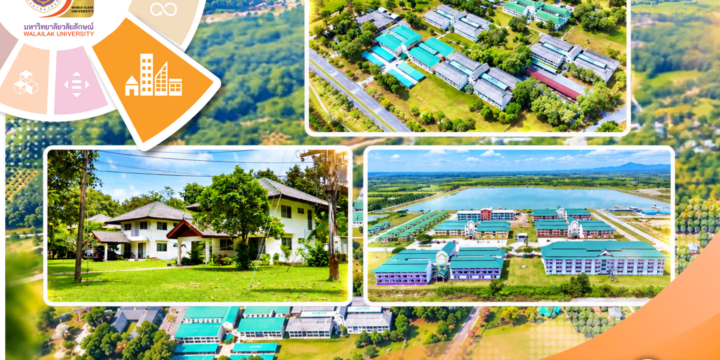
Sustainability and Stewardship Supporting Student Well-Being Through Affordable On-Campus Housing Access to safe, affordable, and suitable housing is an important factor in enabling students to pursue higher education successfully. For many students, particularly those from low-income households or those who travel from distant areas, the cost of accommodation, transportation, food, and other living expenses can create significant financial pressures. Conducting a diagnostic assessment of students’ accommodation needs and financial challenges can help universities identify barriers to access and develop appropriate measures to support students. Providing affordable housing close to educational facilities can help reduce these burdens while allowing students to live in a safe, supportive, and convenient environment. Walailak University recognizes that access to affordable accommodation is an important component of an inclusive and student-centered campus. By providing reasonably priced…
Read More
Affordable Housing Support for Walailak University Employees

Affordable Housing Support for Walailak University Employees

Case Studies
Sustainability and Stewardship Affordable Housing Support for Walailak University Employees Access to safe, adequate, and affordable housing is an important component of employee well-being and quality of life. For university employees, housing costs can represent a significant part of household expenditure, particularly for those who have recently joined the University, employees with lower incomes, or those who relocate from other areas to work on campus. Providing affordable housing options can therefore help reduce financial pressure and enable employees to live in a safe and convenient environment close to their workplace. Diagnostic assessments of employees’ housing needs, affordability challenges, and accommodation preferences can help identify gaps in existing provision and inform appropriate housing support measures. Walailak University recognizes that supporting employees goes beyond providing salaries and employment opportunities. A supportive workplace…
Read More
Promoting Flexible and Remote Working Practices at Walailak University

Promoting Flexible and Remote Working Practices at Walailak University

Case Studies
Sustainability and Stewardship Promoting Flexible and Remote Working Practices at Walailak University Modern workplaces increasingly require organizations to develop flexible working arrangements that allow employees to continue performing their responsibilities beyond the traditional office environment. For a large university community, where employees may live in different communities and travel considerable distances to campus, providing appropriate alternatives to daily commuting can contribute to operational resilience, employee flexibility, and more sustainable mobility. Diagnostic assessments of commuting patterns, workplace requirements, and operational needs can help identify opportunities to implement flexible working arrangements effectively. Remote working is particularly valuable when circumstances make travelling to the workplace difficult or unsafe. Natural disasters, epidemics, emergency situations, and other unexpected events can disrupt transportation and limit access to workplaces. Having an established mechanism for employees to work…
Read More
Walailak University Actions to Promote Sustainable Commuting on Campus

Walailak University Actions to Promote Sustainable Commuting on Campus

Case Studies
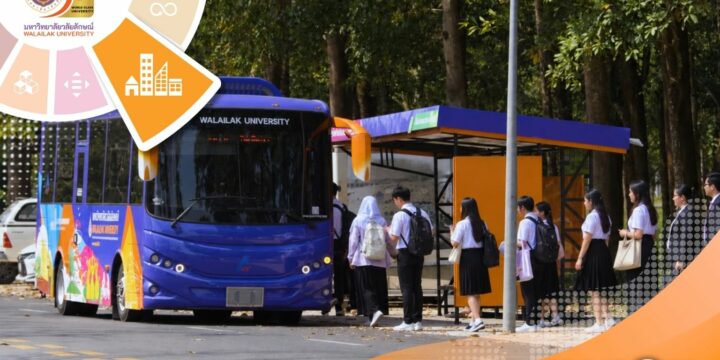
Sustainability and Stewardship Walailak University Actions to Promote Sustainable Commuting on Campus Walailak University recognizes sustainable commuting as an important component of creating a safe, accessible, environmentally responsible, and sustainable campus. Daily travel by students, staff, and visitors can contribute to traffic congestion, energy consumption, and greenhouse gas emissions when it relies heavily on conventional fuel-powered vehicles. Promoting more sustainable modes of transportation can help reduce these impacts while supporting healthier and more convenient mobility across the University. Diagnostic assessments of commuting patterns, transportation demand, traffic congestion, and travel-related emissions can help the University identify key mobility challenges and determine areas requiring improvement. To encourage a shift toward more sustainable commuting practices, Walailak University has undertaken a range of measures that provide practical alternatives to private and fuel-powered transportation. These…
Read More
Walailak University’s Sustainable Transportation Measures and Targets

Walailak University’s Sustainable Transportation Measures and Targets

Case Studies
Sustainability and Stewardship Walailak University’s Sustainable Transportation Measures and Targets Walailak University is committed to serving as a model of green living both within and beyond the campus. The University has implemented comprehensive initiatives to promote environmental awareness and encourage active participation among students, staff, academic and administrative units, and external stakeholders. These efforts are integrated into a broad range of green campus policies covering landscape management, energy conservation, waste reduction and management, water resource management, sustainable transportation, and environmental education. Diagnostic assessments of environmental performance and campus sustainability challenges help identify areas for improvement and inform the development of appropriate environmental management strategies. As part of these efforts, the University has developed a sustainable commuting strategy that promotes walking, cycling, carpooling, and vanpooling as alternatives to individual vehicle use.…
Read More
Walailak University Promotes Sexual and Reproductive Health through Information and Education Services

Walailak University Promotes Sexual and Reproductive Health through Information and Education Services

Case Studies
Sustainability and Stewardship Walailak University Promotes Sexual and Reproductive Health through Information and Education Services Walailak University (WU) is committed to providing students with free access to sexual and reproductive health-care services, including information and education services, to promote their sexual and reproductive health and well-being. In 2025, the university provided these services through its healthcare units and student health promotion activities, enabling students to access reliable sexual and reproductive health information, health screening, vaccination programmes, counselling, and educational opportunities. Through the existence of provision of accessible sexual and reproductive healthcare services and educational resources, the university aims to strengthen students’ health literacy, encourage responsible sexual and reproductive health behaviours, prevent sexually transmitted infections (STIs), and support informed decisions about their sexual and reproductive health. Information Services Walailak University provides…
Read More
Preserving the Cultural Heritage of Local Communities, the Nation, and Displaced Groups

Preserving the Cultural Heritage of Local Communities, the Nation, and Displaced Groups

Case Studies
Sustainability and Stewardship Preserving the Cultural Heritage of Local Communities, the Nation, and Displaced Groups Intangible cultural heritage, including local traditions, folklore, languages, traditional knowledge, performing arts, food practices, and religious customs, represents an important part of the identity and collective memory of communities. However, these forms of heritage can gradually decline when traditional knowledge is no longer passed between generations, when younger generations have fewer opportunities to participate in cultural practices, or when languages and community traditions are affected by social and environmental changes. This is particularly important for cultural practices that are primarily transmitted through oral traditions, such as indigenous languages that have no established writing system. Recognizing these challenges, Walailak University (WU) conducts diagnostic assessments to diagnose risks to intangible cultural heritage, including the loss of traditional…
Read More
Walailak University’s Contribution to Arts and Heritage through Public Performances

Walailak University’s Contribution to Arts and Heritage through Public Performances

Case Studies
Sustainability and Stewardship Walailak University’s Contribution to Arts and Heritage through Public Performances Walailak University remains committed to serving as a cultural hub by engaging communities in the preservation, promotion, and revitalization of cultural traditions, fine arts, and applied arts. Guided by its 20-year Strategic Plan (B.E. 2561–2580), the University places strong emphasis on research, academic services, and cultural heritage preservation as important contributions to national development. In 2024, Walailak University collaborated with a wide range of internal and external partners to implement more than 30 arts and cultural programs. Delivered through both ad hoc activities and ongoing programs, these initiatives contribute to the promotion of local and national arts and cultural heritage while creating opportunities for community participation and cultural learning. Diagnostic assessments of community needs, cultural participation, and…
Read More