Events Promoting Ocean and Marine Resource Conservation and Sustainable Utilisation

Events Promoting Ocean and Marine Resource Conservation and Sustainable Utilisation

Case Studies
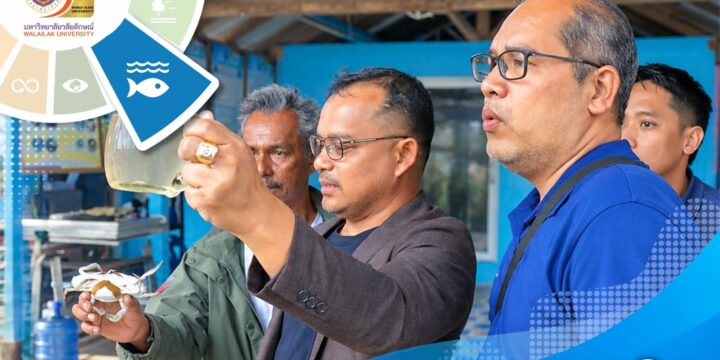
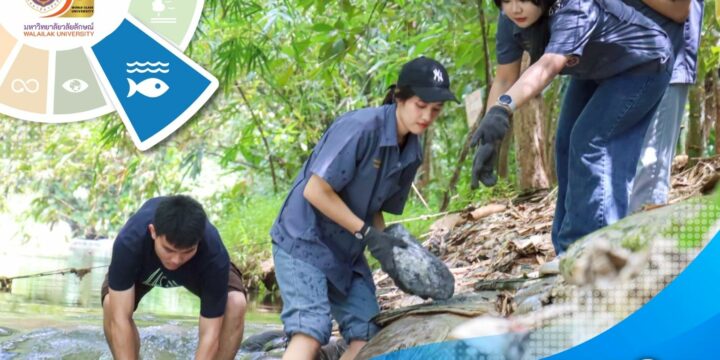
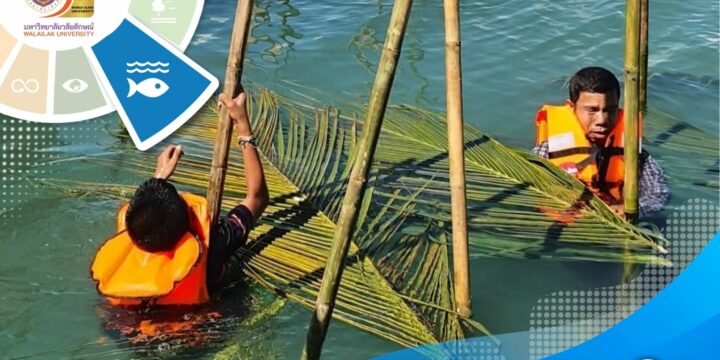
Sustainability and Stewardship Events Promoting Ocean and Marine Resource Conservation and Sustainable Utilisation Oceans, seas, rivers, and other aquatic ecosystems play a vital role in sustaining biodiversity, supporting livelihoods, providing food, and maintaining the environmental balance of communities. However, these ecosystems are increasingly affected by pollution, overfishing, habitat degradation, climate change, and other human activities. Diagnostic assessments of these pressures are important for identifying environmental risks, understanding the causes of ecosystem degradation, and determining appropriate conservation priorities. Promoting conservation and the sustainable utilisation of marine and aquatic resources is therefore essential to protect ecosystems while ensuring that communities can continue to benefit from these resources in the future.Recognising the importance of healthy aquatic ecosystems, Walailak University supports and organises events and activities that promote awareness, conservation, and sustainable use of…
Read More
Walailak University Promotes Sustainable Food Choices for All on Campus, Including Vegetarian and Vegan Food

Walailak University Promotes Sustainable Food Choices for All on Campus, Including Vegetarian and Vegan Food

Case Studies
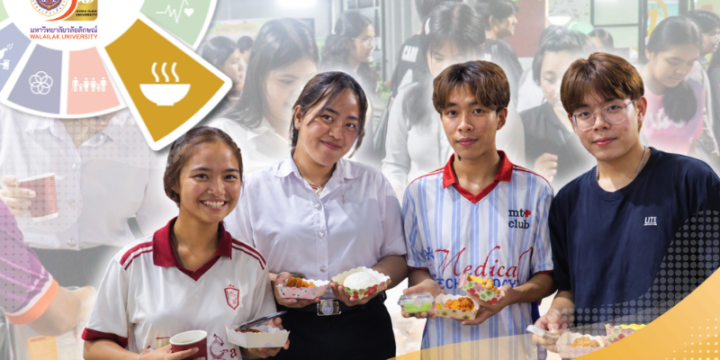
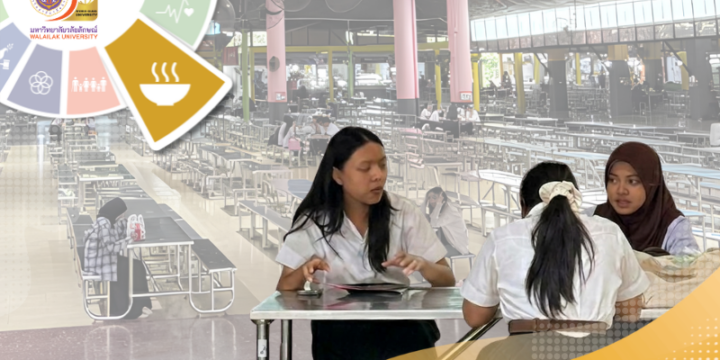
Sustainability and Stewardship Walailak University Promotes Sustainable Food Choices for All on Campus, Including Vegetarian and Vegan Food Walailak University prioritises the provision of sustainable food choices for students, staff, and other campus users by connecting food procurement from trusted sources with environmentally responsible production, support for local businesses, and food services that meet diverse dietary needs, including vegetarian and vegan food. In 2025, these efforts aimed to enable all on campus to access and choose food suited to their dietary preferences through a network of food courts, shops, food outlets, and campus markets.The university's approach to sustainable food extends from ingredient production to consumption. It considers food safety, responsible use of natural resources, reduced reliance on chemicals, protection of biodiversity and animal welfare, and income generation and economic opportunities…
Read More
Walailak University Implements Interventions to Prevent and Alleviate Hunger and Promote Food Access among Students

Walailak University Implements Interventions to Prevent and Alleviate Hunger and Promote Food Access among Students

Case Studies
Sustainability and Stewardship Walailak University Implements Interventions to Prevent and Alleviate Hunger and Promote Food Access among Students Walailak University implements measures and activities aimed at preventing and alleviating hunger among students (Students hunger interventions) through the provision of food and beverages to students in situations where access to food may be limited. These interventions focus on providing direct and practical assistance that is targeted, accessible, and responsive to students’ needs during periods when they may be at greater risk of food shortages, including examination periods, disasters or emergencies, as well as activities that provide students with access to food at no cost. These measures include the direct provision of food and beverages, the distribution of food to areas where students are affected, and activities that enable students to access…
Read More
Programme to Address Student Food Insecurity and Hunger

Programme to Address Student Food Insecurity and Hunger

Case Studies
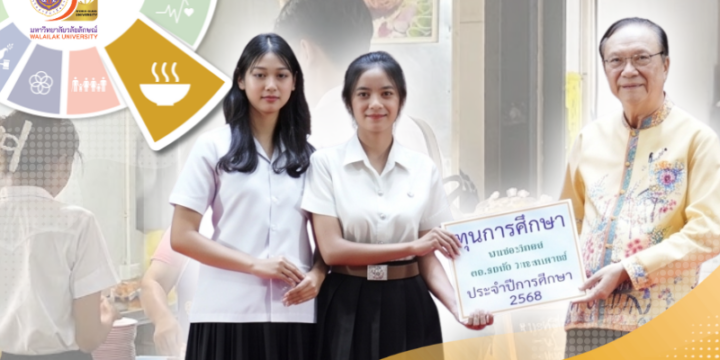
Sustainability and Stewardship Free Meal Grant Programme Food insecurity and hunger among students are urgent challenges faced by universities around the world, including Walailak University. Although the University is located in an area with abundant food resources, some students, particularly those facing financial constraints, may still experience difficulties in obtaining reliable access to a sufficient quantity of affordable and nutritious food. Food insecurity can affect not only students’ physical and mental well-being but also their ability to concentrate and perform effectively in their studies. Recognising the importance of addressing student food insecurity and hunger, Walailak University has established a range of continuous, targeted and coordinated interventions to ensure that students experiencing food insecurity can access sufficient and nutritious food. One of the University’s longstanding programmes is the Free Meal Grant…
Read More

Walailak University Tracks and Measures Campus Food Waste from Food Served Across the University in 2025

Case Studies
Sustainability and Stewardship Walailak University recognizes the importance of systematically reducing and managing food waste. The university has established a campus food waste tracking and measurement system to measure the amount of food waste generated from food served within the university, covering areas where food is prepared, provided, sold, and consumed across the university. This system enables the university to identify the actual amount of food waste generated, as well as the locations and stages where it occurs, and to use the data to develop appropriate measures to reduce food waste. In 2025, Walailak University measured the amount of food waste generated from food served within the university continuously throughout the year. The Center for Smart Farming and Landscape Architecture is the main unit responsible for implementing the measurement and…
Read More
Free Educational Activities on Overfishing and Destructive Fishing Practices Awareness Raising

Free Educational Activities on Overfishing and Destructive Fishing Practices Awareness Raising

Case Studies
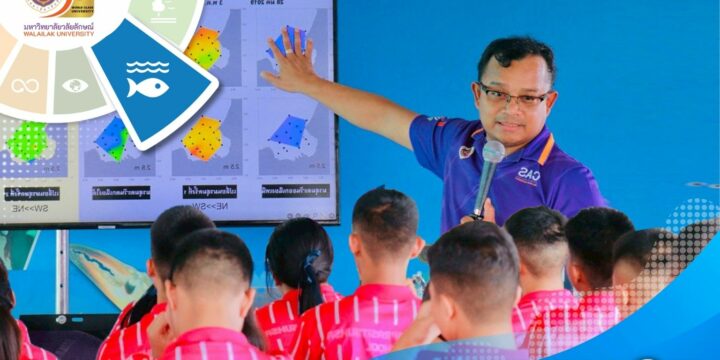
Sustainability and Stewardship Free Educational Activities on Overfishing and Destructive Fishing Practices Awareness Raising Walailak University recognizes the importance of promoting sustainable fisheries and protecting marine resources from the impacts of overfishing and destructive fishing practices. Through free educational and community outreach activities, the University raises awareness among local and national communities about responsible fishing practices, the conservation of marine ecosystems, and the long-term impacts of unsustainable fishing. These activities also help identify and diagnose challenges associated with unsustainable fishing practices, gaps in conservation awareness, and risks to marine biodiversity. By incorporating diagnostic assessments of local fishing practices and resource-management challenges, WU encourages participants to better understand the importance of protecting aquatic resources and supporting sustainable livelihoods for present and future generations. Educational Outreach on Sustainable Fisheries and Marine Conservation…
Read More
WU Offering Free Educational Outreach Programmes on Sustainable Fisheries, Aquaculture, and Tourism

WU Offering Free Educational Outreach Programmes on Sustainable Fisheries, Aquaculture, and Tourism

Case Studies
Sustainability and Stewardship WU Offering Free Educational Outreach Programmes on Sustainable Fisheries, Aquaculture, and Tourism Sustainable management of marine and coastal resources is essential for protecting ecosystems, supporting livelihoods, and ensuring the long-term well-being of local communities. Fisheries, aquaculture, and tourism are closely connected to the marine environment and provide important economic, social, and cultural benefits. However, unsustainable practices and increasing environmental pressures can threaten marine resources and the communities that depend on them. Diagnostic assessments of these challenges can help identify environmental risks, gaps in local knowledge, and opportunities to improve resource management.Walailak University (WU) recognizes the importance of sharing knowledge and promoting sustainable practices beyond the university. Through free educational outreach programmes, WU provides local and national communities with opportunities to learn about sustainable fisheries, responsible aquaculture, and…
Read More
Free Educational Outreach Programs on Freshwater Ecosystems

Free Educational Outreach Programs on Freshwater Ecosystems

Case Studies
Sustainability and Stewardship Free Educational Outreach Programs on Freshwater Ecosystems Freshwater ecosystems are essential for community livelihoods, agricultural production, biodiversity, and long-term water security. However, communities in Na Mai Phai Subdistrict, Thung Song District, Nakhon Si Thammarat Province, face seasonal water shortages, unpredictable rainfall, riverbank erosion, and degradation of freshwater habitats. Although the area is located near the Khao Luang Mountain Range and is connected by several natural streams, insufficient water retention during the dry season can affect agricultural activities, while intense monsoon flows can cause erosion, damage existing water-management structures, and disturb aquatic habitats. These challenges require a systematic diagnostic assessment of freshwater conditions and the factors affecting local water security and ecosystem health, as well as efforts to strengthen community knowledge and capacity in freshwater ecosystem conservation, sustainable…
Read More
Redevelopment of Brownfield Land for a Sports Facility

Redevelopment of Brownfield Land for a Sports Facility

Case Studies
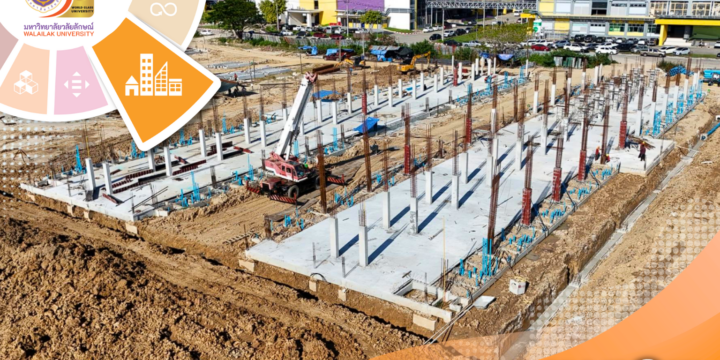
Sustainability and Stewardship Redevelopment of Brownfield Land for a Sports Facility Walailak University recognizes the importance of making efficient use of existing land and infrastructure while supporting the sustainable development of its campus. Where appropriate, the University seeks to redevelop previously used or disturbed land rather than expanding development into new areas. Diagnostic assessments of land conditions, previous land uses, and potential environmental constraints can help identify suitable sites for redevelopment. This approach helps optimize land resources, reduce pressure on undeveloped areas, and support the continued improvement of facilities for the university community.As part of this approach, Walailak University has redeveloped brownfield land for the development of the WU Badminton Court, transforming a previously utilized site into a functional sports facility. Diagnostic evaluations of previously used land can help inform…
Read More
Implementing Sustainable Standards for New Building Construction

Implementing Sustainable Standards for New Building Construction

Case Studies
Sustainability and Stewardship Implementing Sustainable Standards for New Building Construction As universities continue to expand their educational, research, and support facilities, the construction of new buildings presents an important opportunity to integrate sustainability into long-term campus development. New buildings can have significant impacts on energy and water consumption, material use, waste generation, greenhouse gas emissions, and the surrounding environment throughout their life cycle. Therefore, incorporating sustainable standards from the planning and design stages is essential to ensure that campus development supports environmental responsibility while providing safe, healthy, accessible, and efficient spaces for students, staff, and the wider university community. Diagnostic assessments of environmental conditions, resource requirements, and potential sustainability impacts can help identify areas for improvement before construction begins. Walailak University recognizes that sustainable building development is an important component…
Read More