
Enhancing Water Management Education: Commitment to Community Engagement and Sustainability
Water is an essential resource for both life and national development. However, in recent years, water-related issues—such as drought, flooding, saltwater intrusion, and wastewater from various activities—have become increasingly severe, particularly in fragile ecosystems and areas with diverse land use in Nakhon Si Thammarat Province. Examples include the Pak Phanang River basin, Na Mai Phai Subdistrict, and other regions at both the provincial and national levels.
Given this context, Walailak University, as a local university, recognizes the urgent need to provide educational opportunities for local communities to learn about good water management. The university applies a community-based participatory learning approach to build foundational knowledge, develop water management skills, and promote the conservation of natural resources in ways that are suitable to the community’s context.
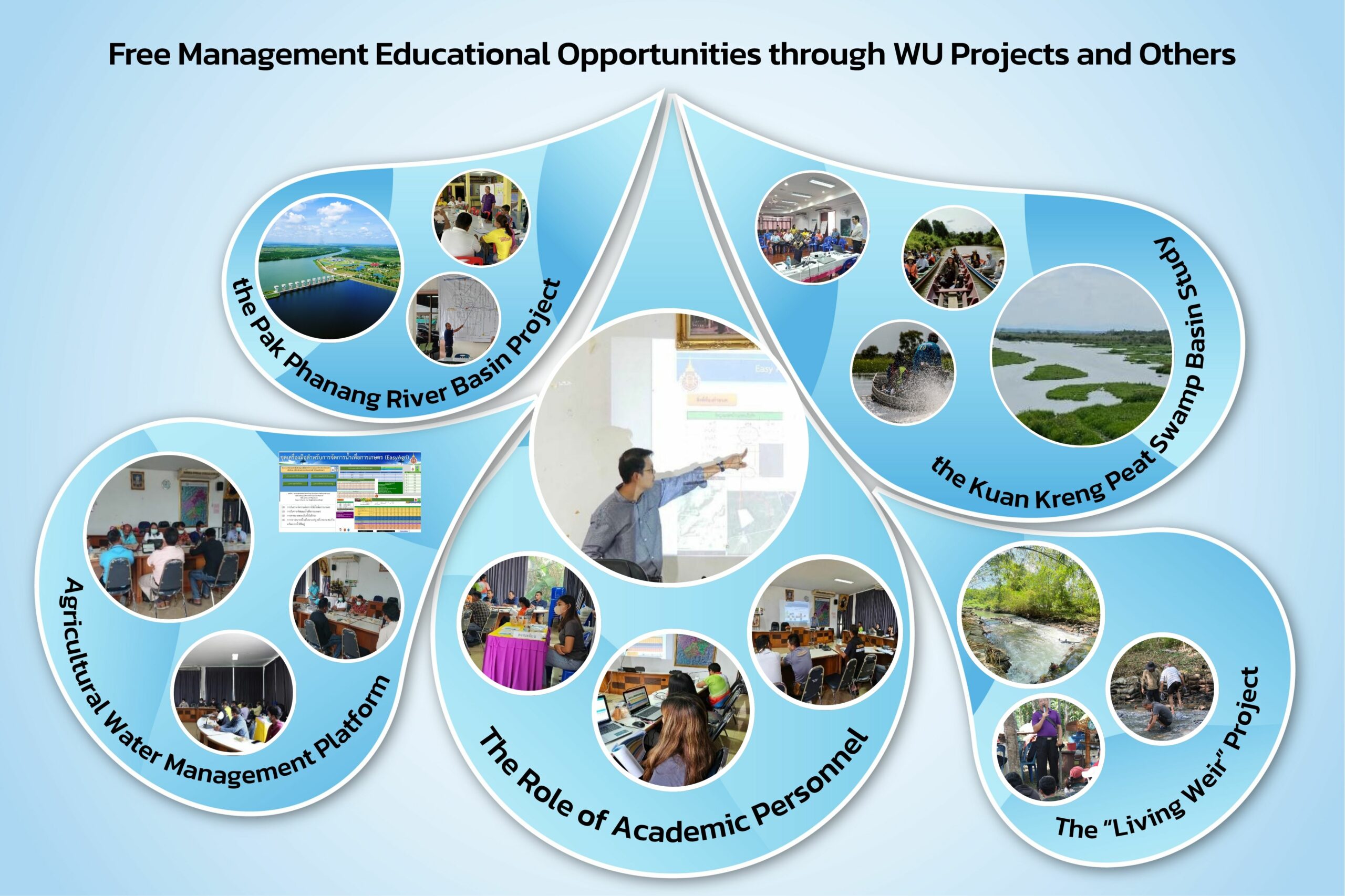
In 2024, the university carried out various activities under both ongoing projects, which support long-term monitoring and knowledge development, and new initiatives that arise from the everyday lives of local people. These programs provide free educational opportunities for local communities to learn about good water management, with the aim of enabling communities to move toward sustainable development. Examples include:
The Projects in the Pak Phanang River Basin
The Pak Phanang Basin Development Project is a Royal Initiative aimed at addressing flooding, saltwater intrusion, and water scarcity in the Pak Phanang River Basin of Nakhon Si Thammarat Province. Walailak University is currently involved in various aspects of this project, including research, studies, and the development of technologies related to water and environmental management in the Pak Phanang Basin.
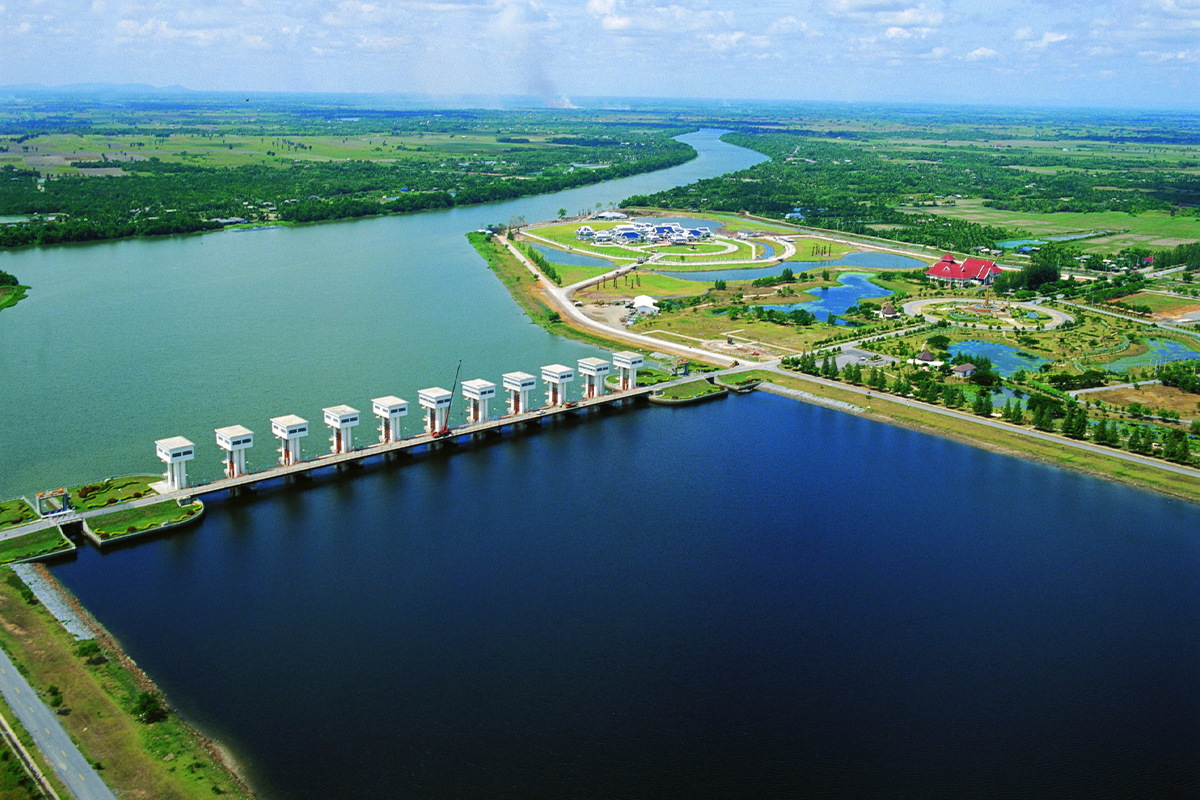
The main objectives of the Pak Phanang Basin Development Project are to solve the problems of flooding, saltwater intrusion, and water shortages in this large watershed through which the Pak Phanang River flows. The project began with the construction of the Uthokvibhajaprasid Barrage to separate seawater from the river, prevent saltwater intrusion, and store freshwater for use during the dry season. In addition, canals have been dredged to improve water circulation, and emergency water gates have been built to facilitate water management in the area.
Walailak University has played an important role in this project by conducting studies, research, and developing technologies related to water and environmental management in the Pak Phanang Basin. This includes studying the project’s impact on ecosystems, providing educational opportunities for local communities to learn about good water management technologies, and promoting community participation in water resource conservation.
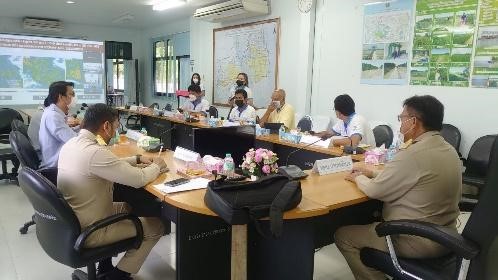
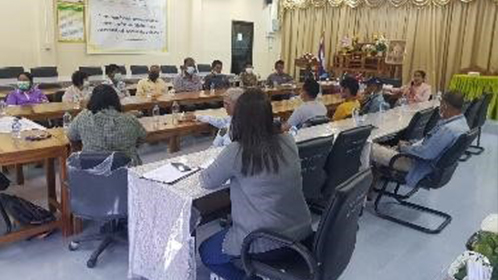
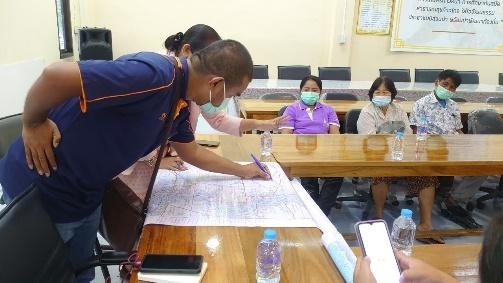
In 2024, the university carried out a project to study water management systems in the Pak Phanang Basin under the Royal Initiative, with the following key objectives:
- To study the achievements of past water resource development projects.
- To analyze the potential for new water resource development.
- To assess water management in the context of disasters and climate change.
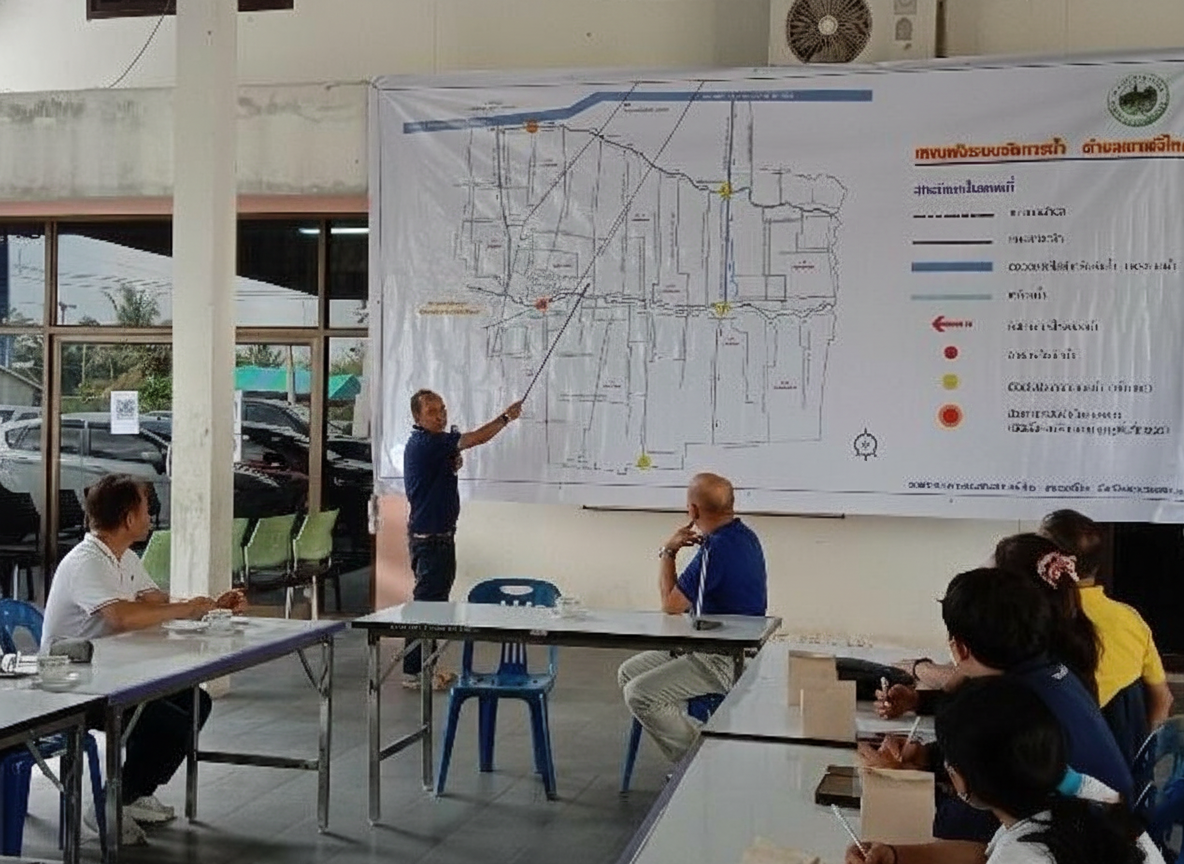
The University has implemented activities in collaboration with local communities in the Pak Phanang Basin, providing educational opportunities for local communities to learn about good water management through field data collection, stakeholder seminars, workshops, and forums for exchanging opinions. Such activities serve as genuine participatory approaches to water resource management.
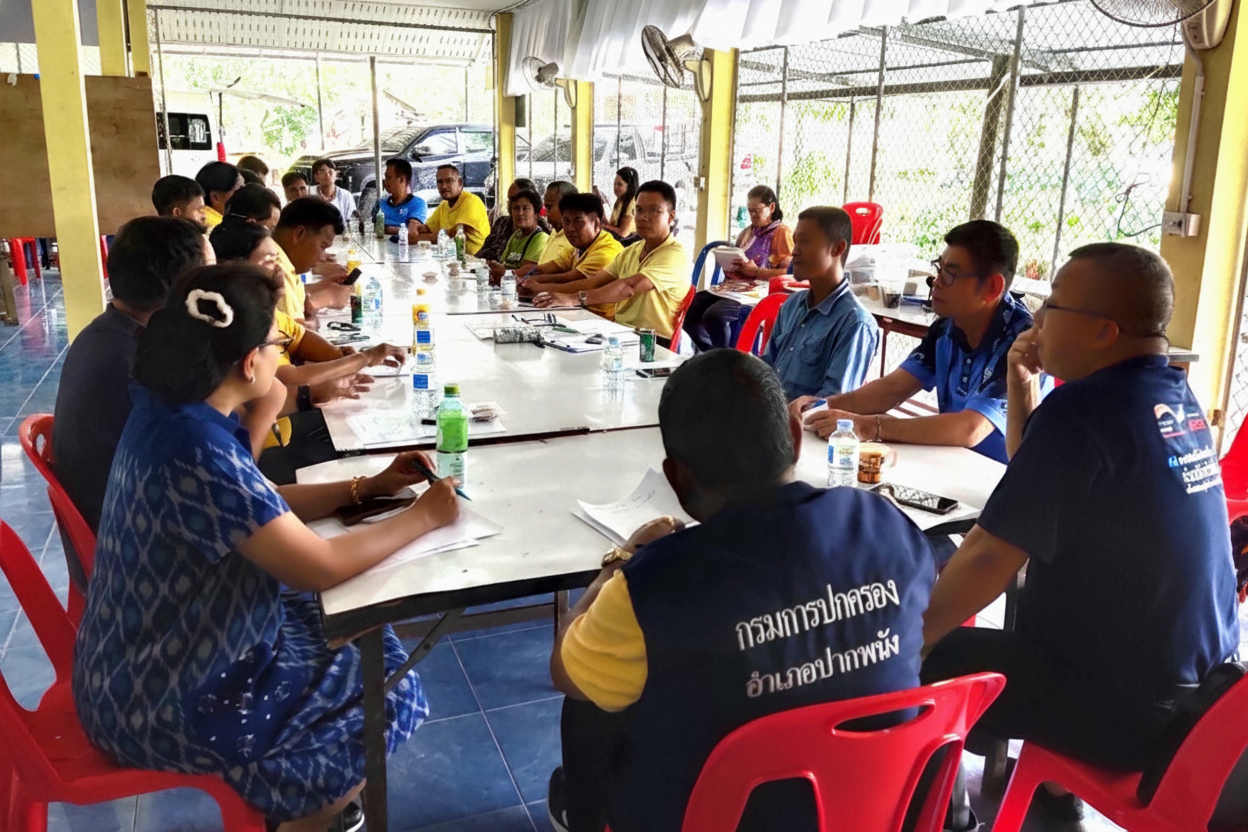
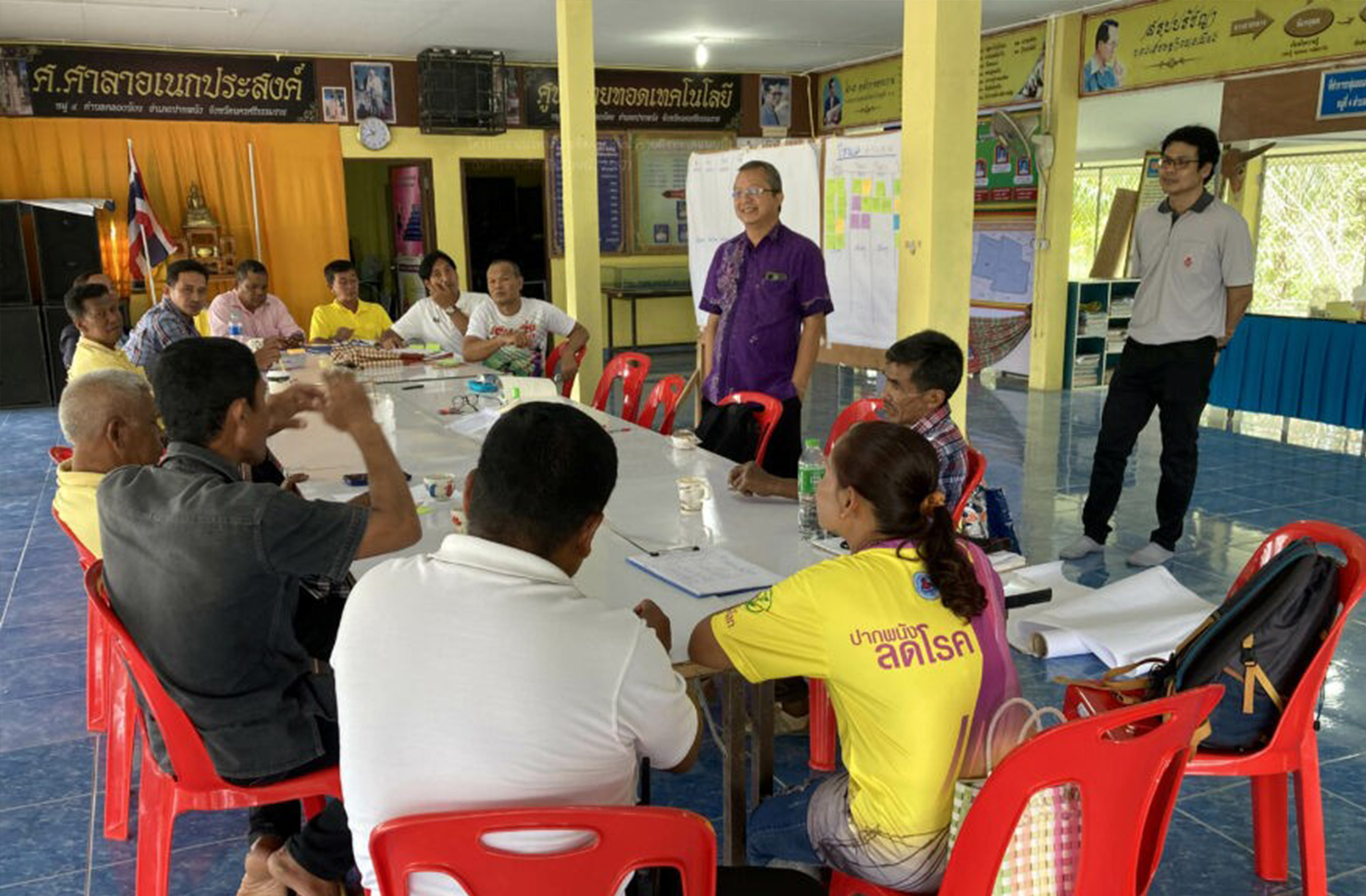
The university has also established processes to strengthen participation and mechanisms for water management under the watershed management framework. Through participatory community-based water management forums, knowledge is exchanged among local people, private sector entities, and government agencies. Together, they discuss, plan, and agree on proactive measures for water management, development, and problem-solving in diverse contexts, including geographical conditions and community livelihoods. Preparations for the rainy season at the end of the year are also integrated into the plan to ensure comprehensive water management across subdistricts, while minimizing impacts between target communities and neighboring areas.
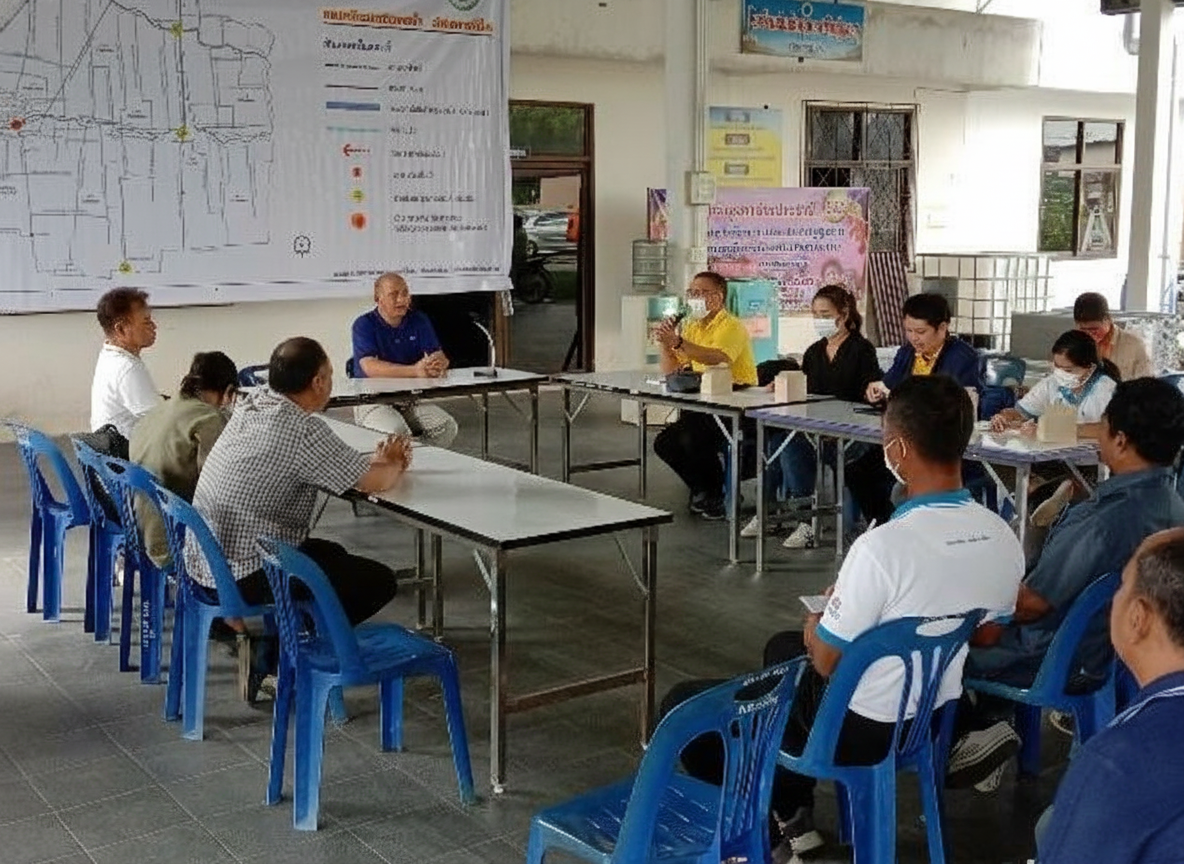
Platform for Agricultural Water Management in Community with Mobile Cloud Computing (Don Tako Area)
In 2024, Walailak University aims to provide farmers with modern water management tools for agriculture, enabling them to strengthen their capabilities to keep pace with global changes and climate variability. Currently, government agencies employ water management tools to analyze the responsiveness of water governance systems through large-scale projects, which monitor and address water shortages throughout the year and allocate sufficient water for agricultural use. Such tools are vital for analyzing water management systems, which involve complex processes, multiple stakeholders, and long operational chains.
For this reason, the university is committed to developing user-friendly water management tools so that farmers can operate independently. These tools are designed to enhance the efficiency of water management systems by using cloud-based databases that integrate analytical results, water demand, and assessments of available water resources. The goal is to develop a digital platform accessible via both personal computers and mobile phones, making it easier for farmers to adopt.
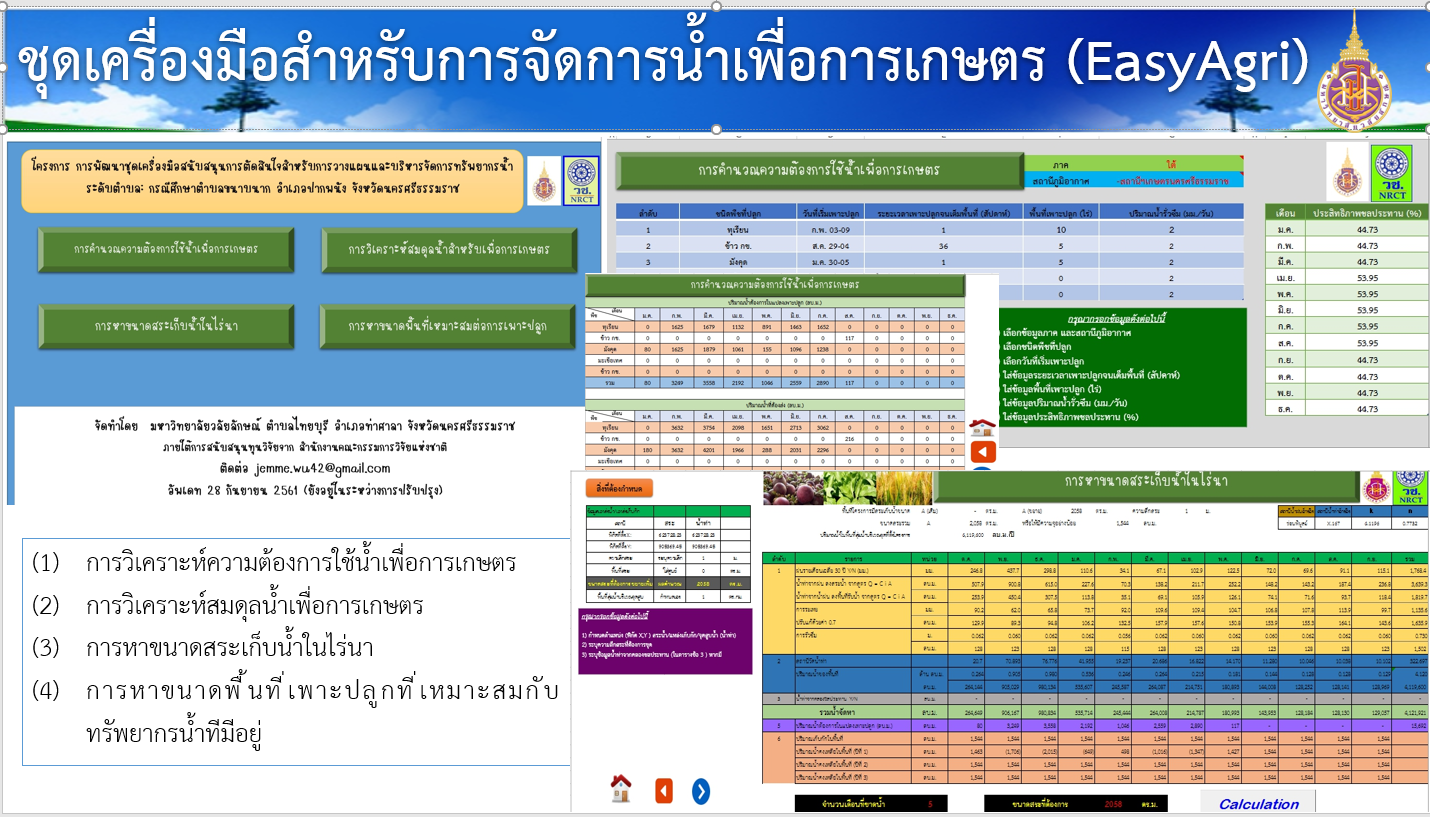
Accordingly, the university has designed the Community Water Management Platform for Agriculture with Mobile Cloud Computing, an outcome of an initial research project that produced a toolkit known as “Easy-Agri.” This toolkit supports community-based agricultural water management and includes activities such as training programs on a Water Supply Web Application, which is a suitable technique for analyzing catchment areas, improving applications for calculating appropriate farm pond sizes, and determining land suitability for various crops.
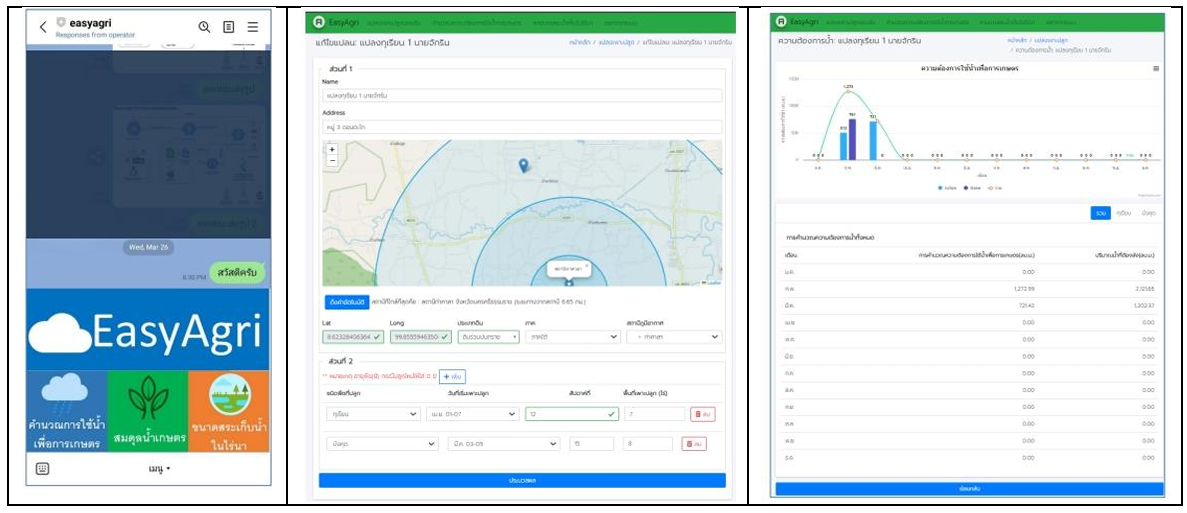
The next step is to integrate these tools into a comprehensive water management platform in the form of a web application, to be piloted in Don Tako Subdistrict, Tha Sala District, an area near Walailak University. This location is home to farming groups engaged in rice cultivation and mixed orchards, particularly durian and mangosteen, which are high-value crops with significant water requirements. The platform aims to support decision-making in planning, budgeting, and risk assessment, based on maintaining a balance between water demand and available supply.
A Systemic Study of Problems in the Kuan Kreng Peat Swamp Basin
The Kuan Kreng Peat Swamp is a vast wetland within the Songkhla Lake Basin, spanning several districts of Nakhon Si Thammarat and Phatthalung Provinces. It plays a crucial role in slowing water flow and serves as a significant carbon storage area. The project to address issues in the Kuan Kreng Peat Swamp aims to conserve and restore the ecosystem to its natural integrity.
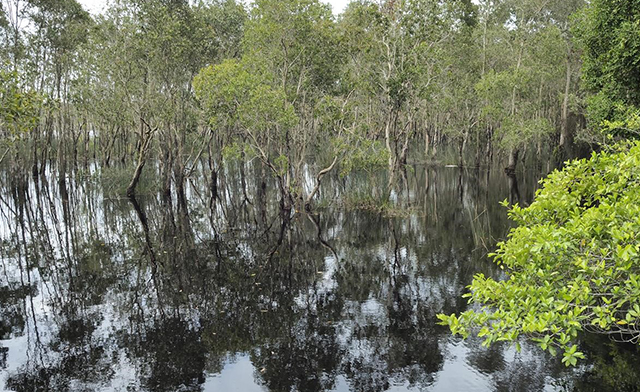
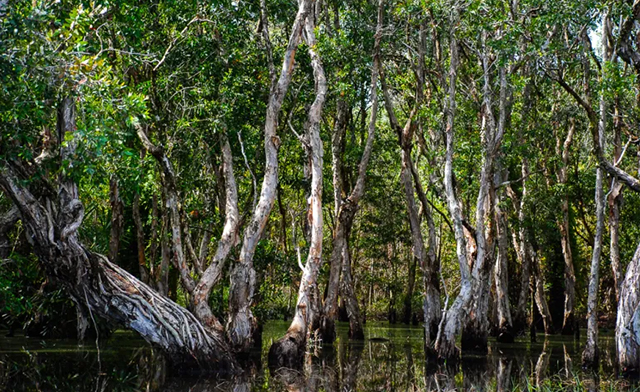
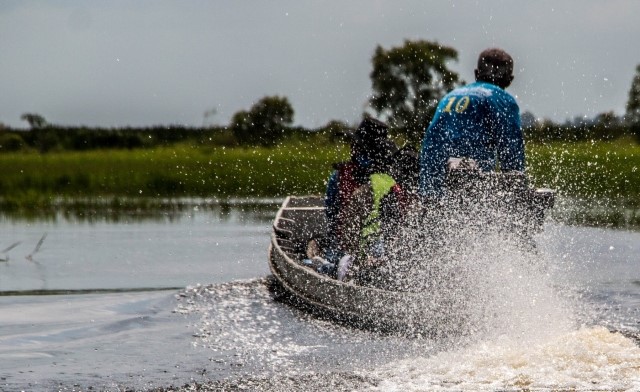
In the past, the Kuan Kreng Peat Swamp was highly fertile, but it now faces complex problems such as seawater intrusion, acidic water from peat soil, wastewater from shrimp farming, and recurrent flooding due to insufficient drainage. These issues largely stem from inappropriate land use and the absence of integrated water management systems.
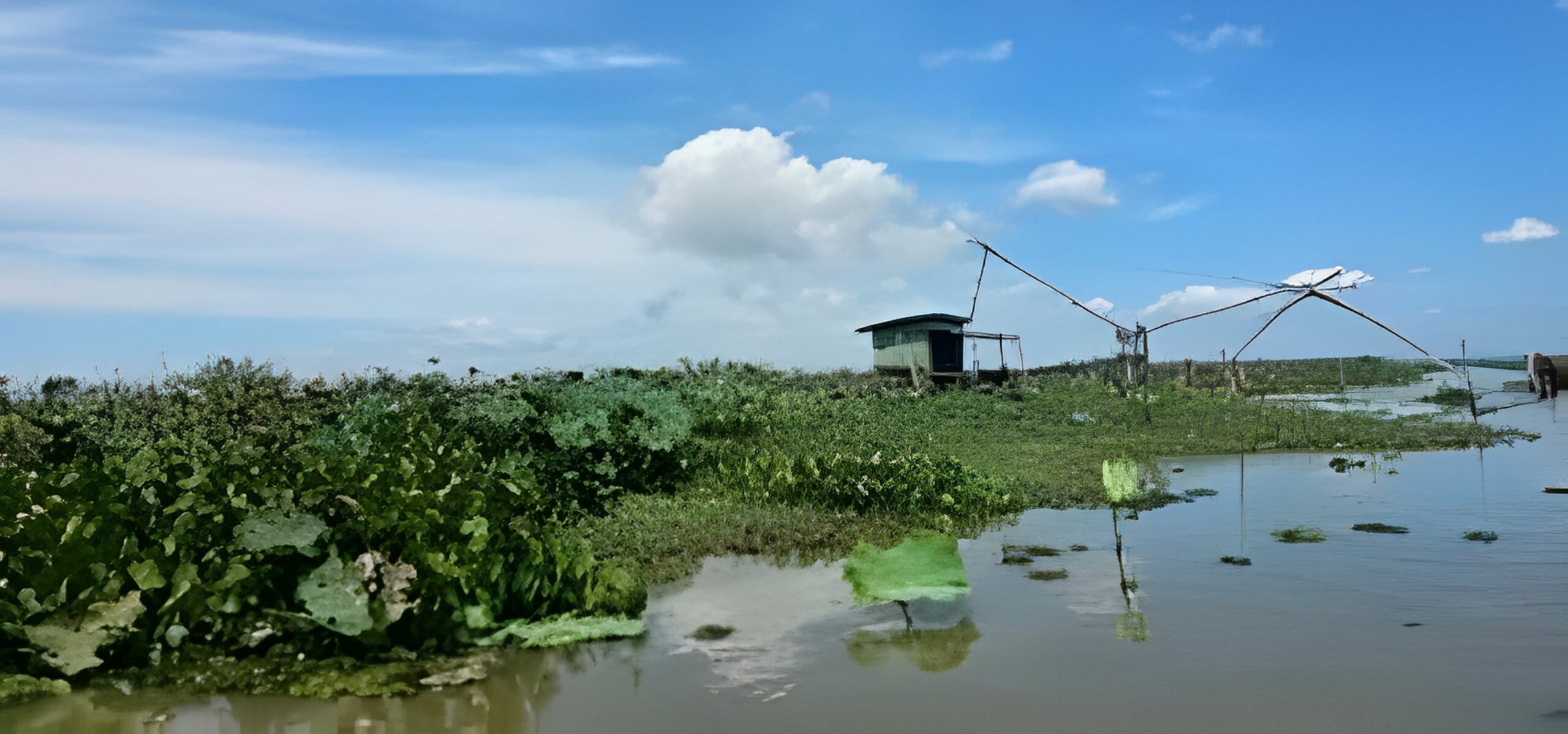
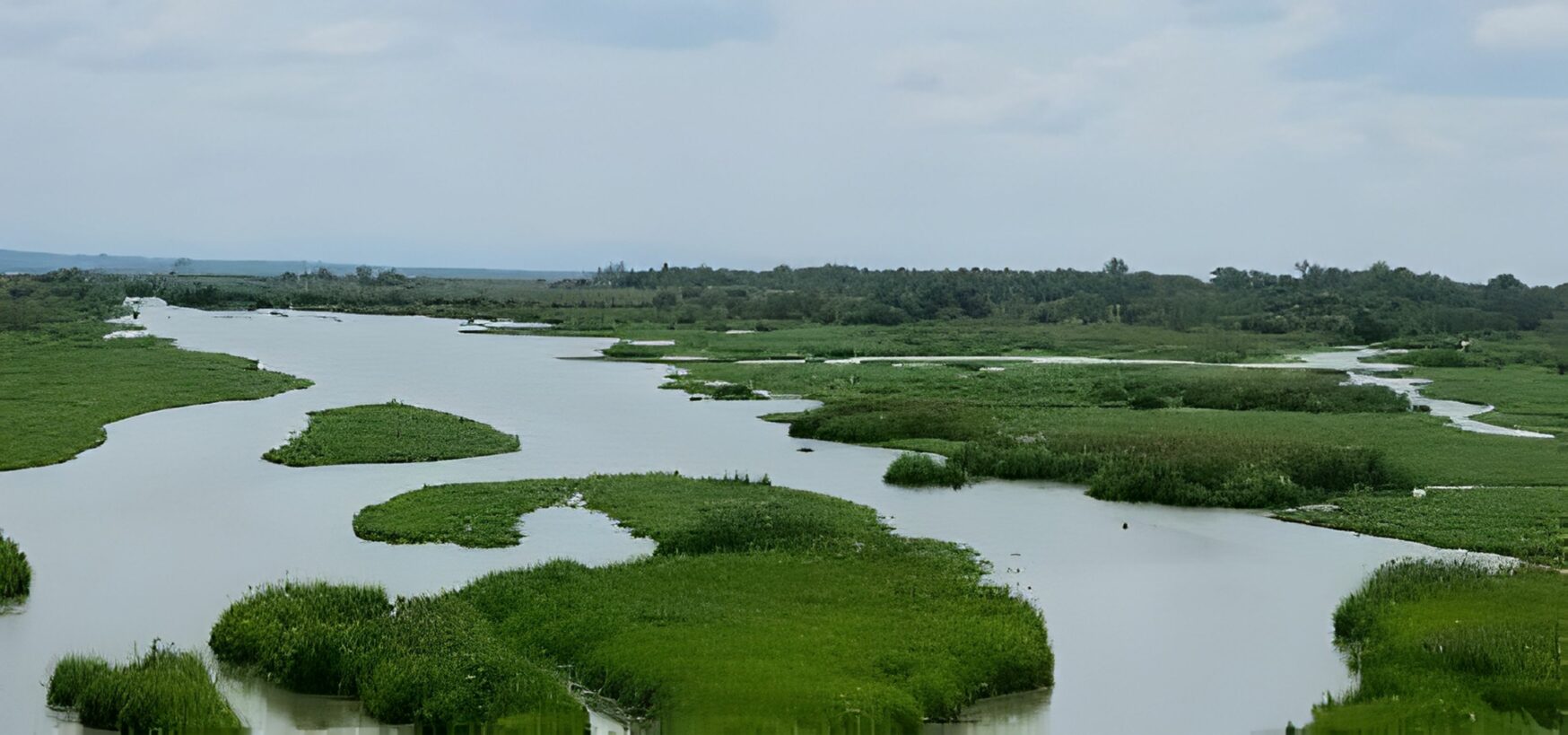
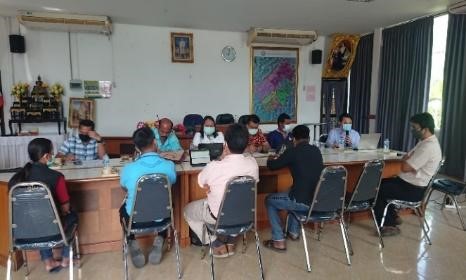
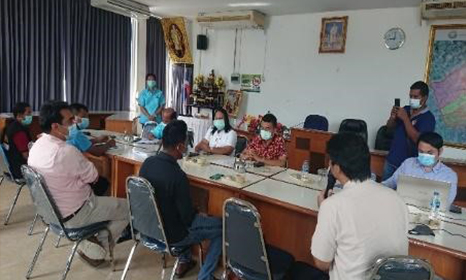
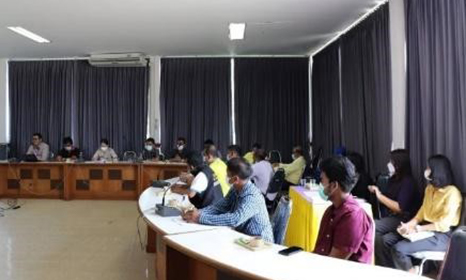
Recognizing the problems affecting local communities, the university has taken an active role in compiling data, analyzing water management systems, and proposing academically grounded solutions. It also organizes stakeholder meetings to exchange ideas with government agencies such as the Royal Irrigation Department, Subdistrict Administrative Organizations, and agricultural authorities, while providing learning opportunities for farmers and the general public on integrated water management. These efforts aim to build consensus and establish water management approaches suited to the local context.
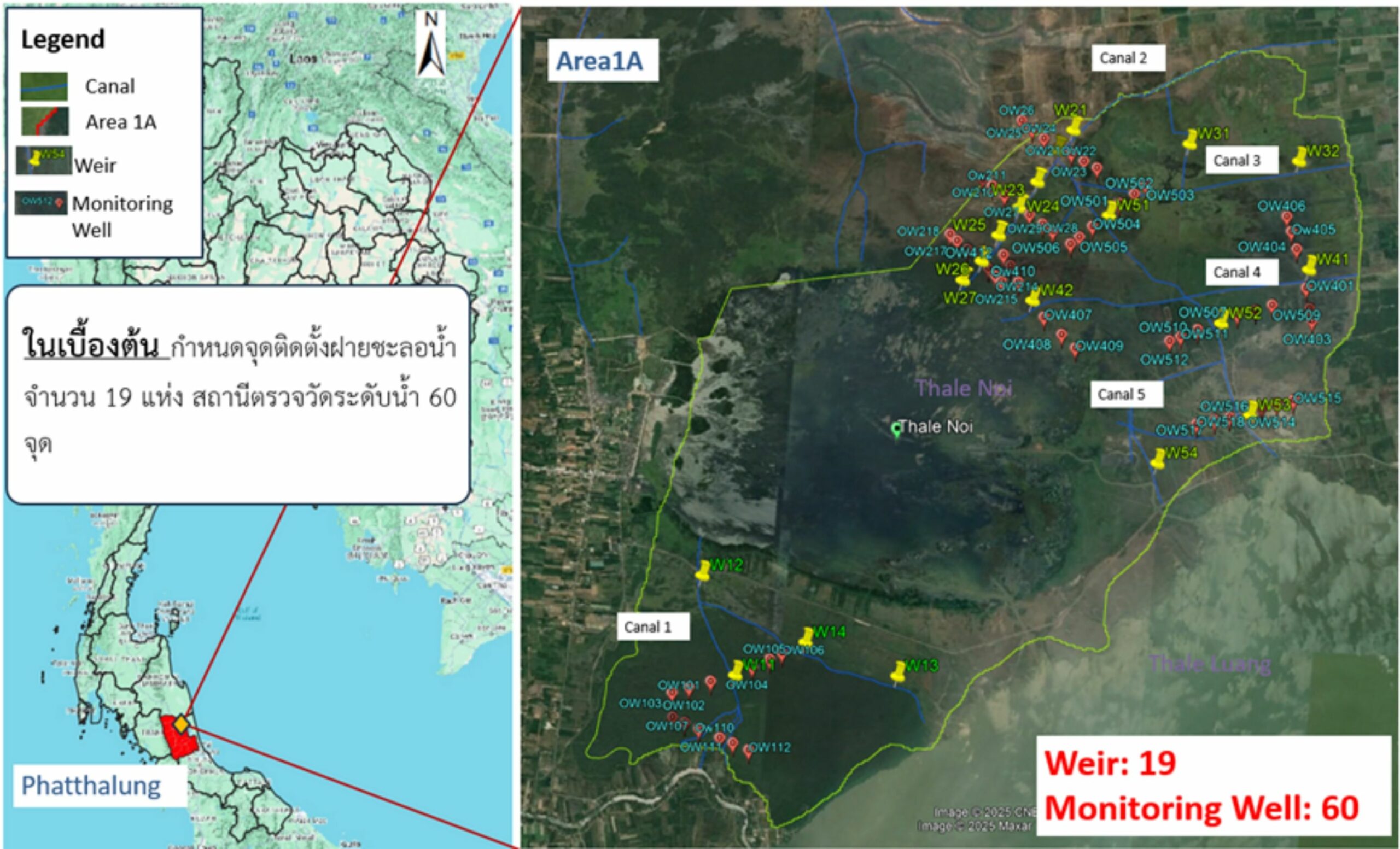
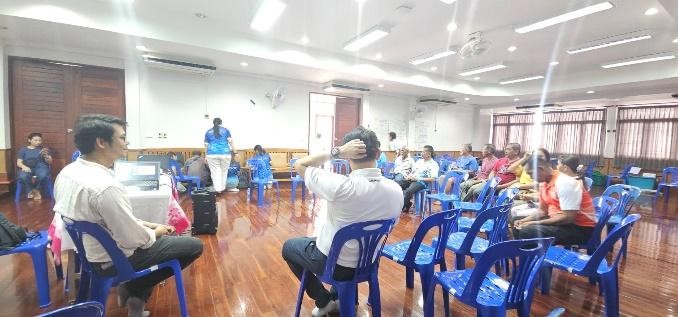
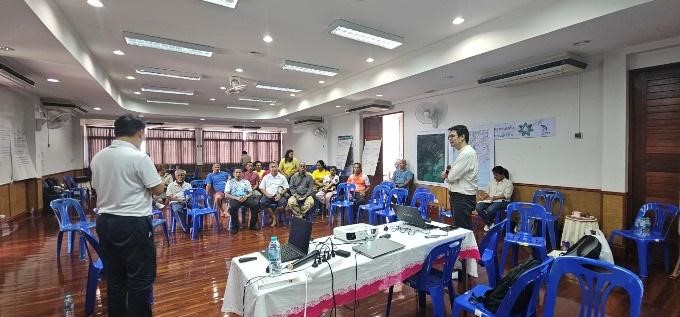
Furthermore, the university has studied the impact of water gate spacing on maintaining water levels in the peatland, with the goal of determining appropriate locations for checking dams that will help conserve water without disrupting the livelihoods and activities of local residents.
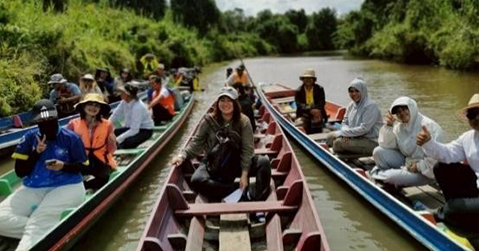
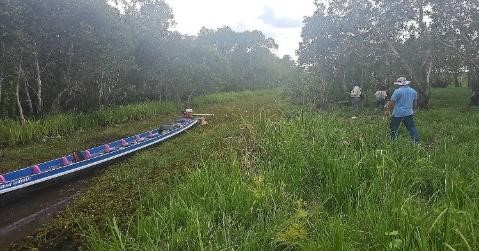
The “Living Weir” Project and Community-Based Learning Activities
In addition to the Pak Phanang River Basin area, Walailak University has also implemented the “Living Weir” Project in Na Mai Phai, Thung Song District, Nakhon Si Thammarat Province. This ongoing project, initiated in 2021, addresses the reliance of Na Mai Phai communities on natural resources, with water serving as a fundamental factor for agriculture, domestic consumption, and ecosystem balance. However, under current climate change conditions, communities face risks such as drought and water scarcity, while improper water management remains a key obstacle to sustainable development.
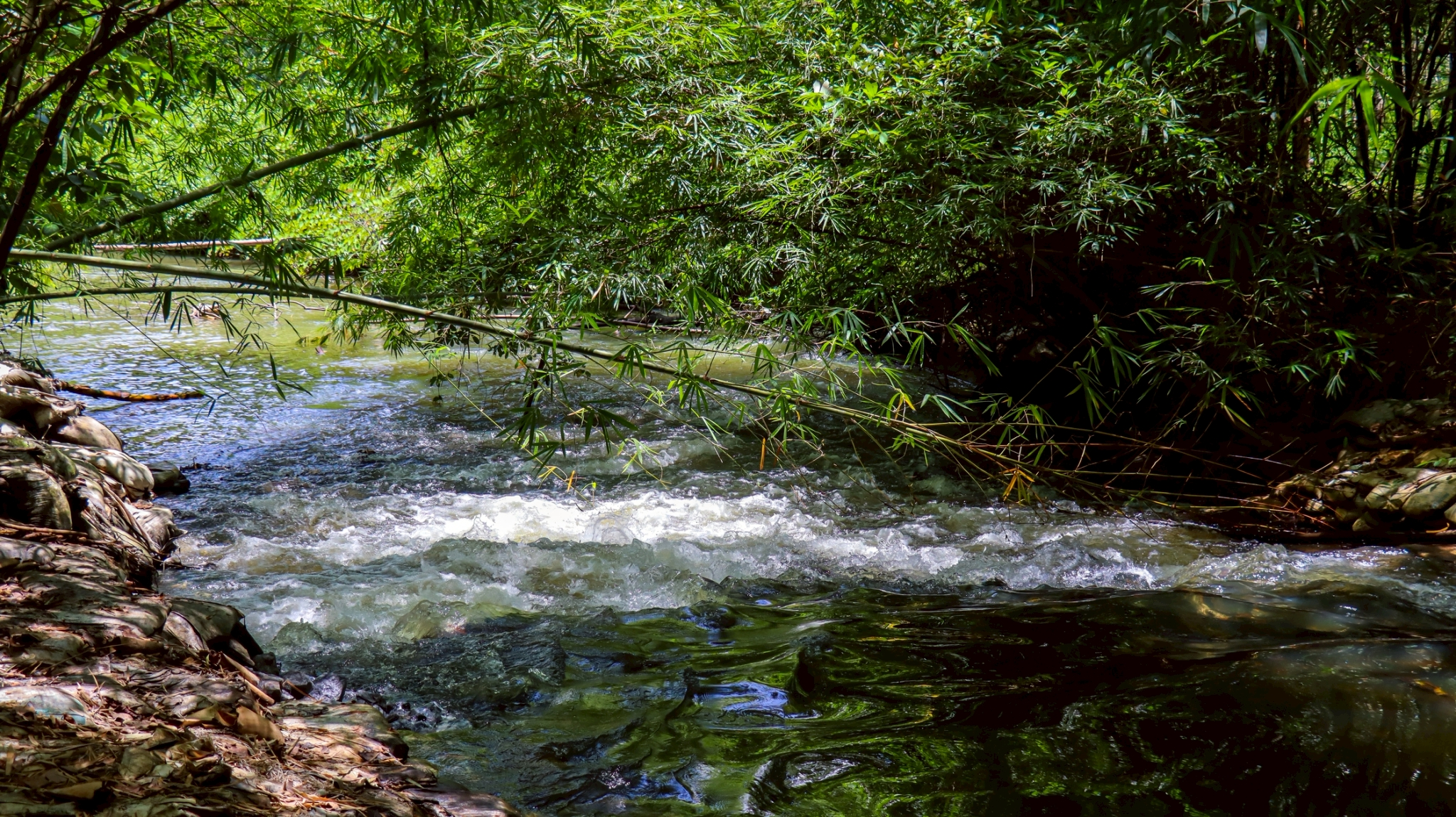
In 2024, the university therefore sought water management approaches suitable for the community context, focusing on water conservation efficiency through the concept of the Living Weir. This approach is aligned with natural principles and local wisdom. Studying the Living Weir is not only about learning natural engineering techniques but also provides opportunities for education that fosters life skills, environmental awareness, and ecosystem understanding at the community level. Alongside this, the project involves designing and developing technologies to support water management and conservation that remain consistent with natural principles and local knowledge, ensuring no harm to ecosystems, the environment, or local biodiversity.
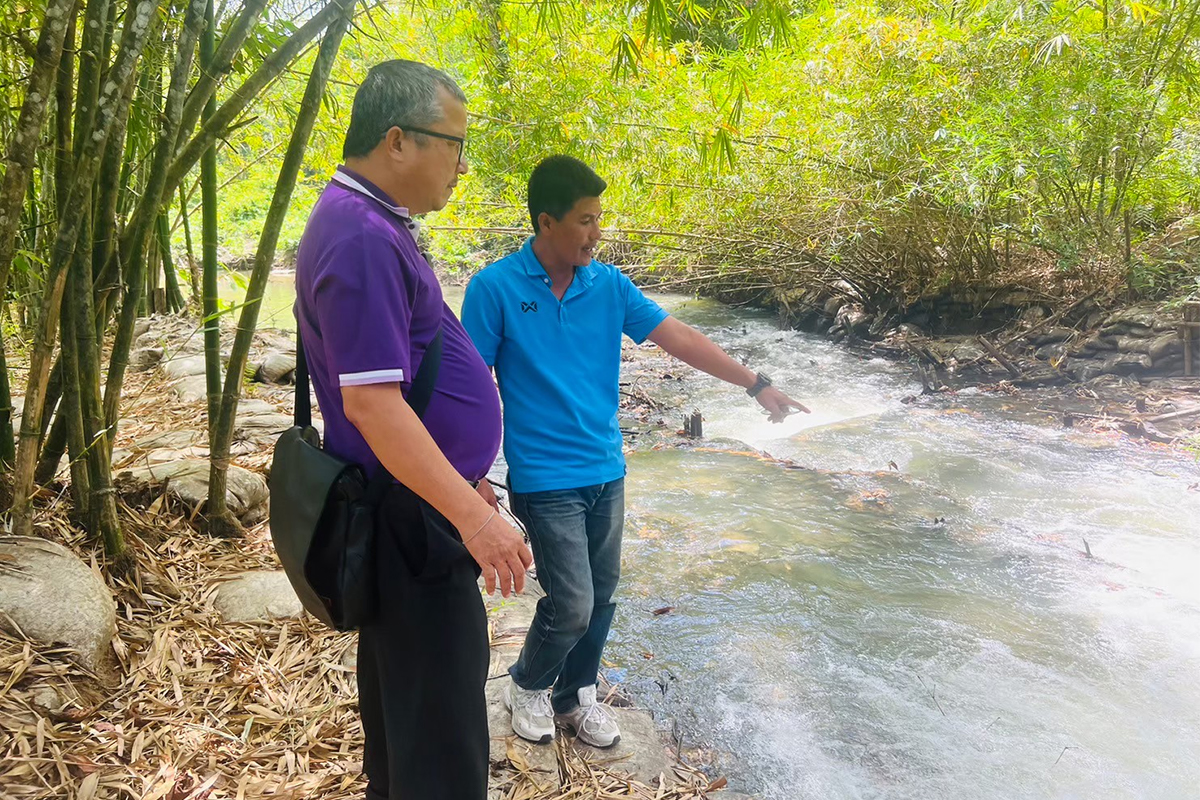
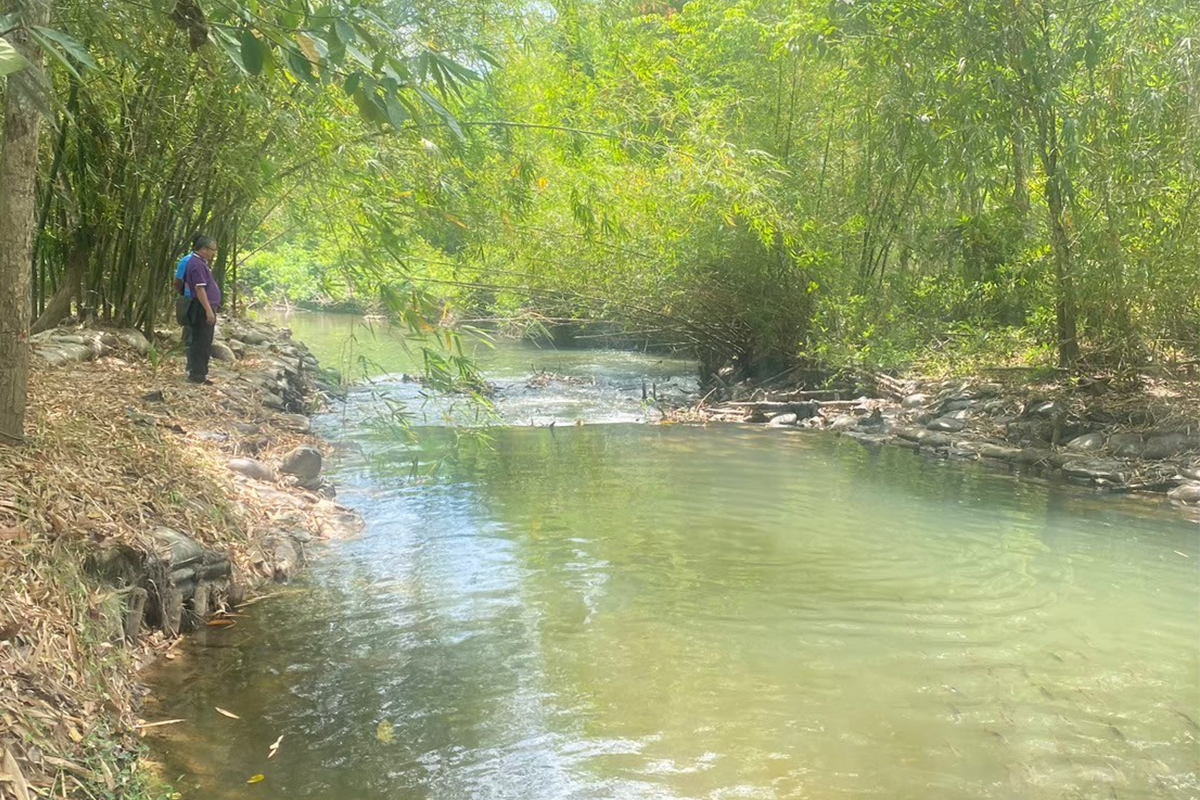
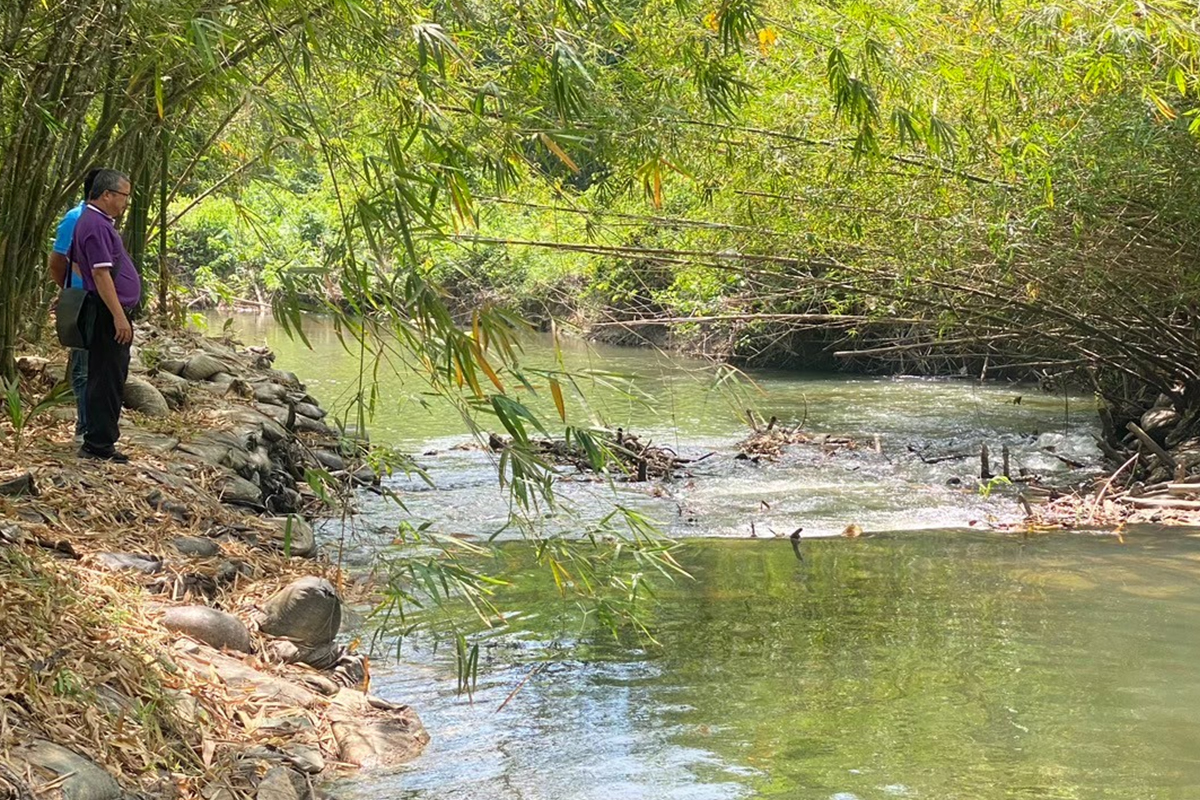
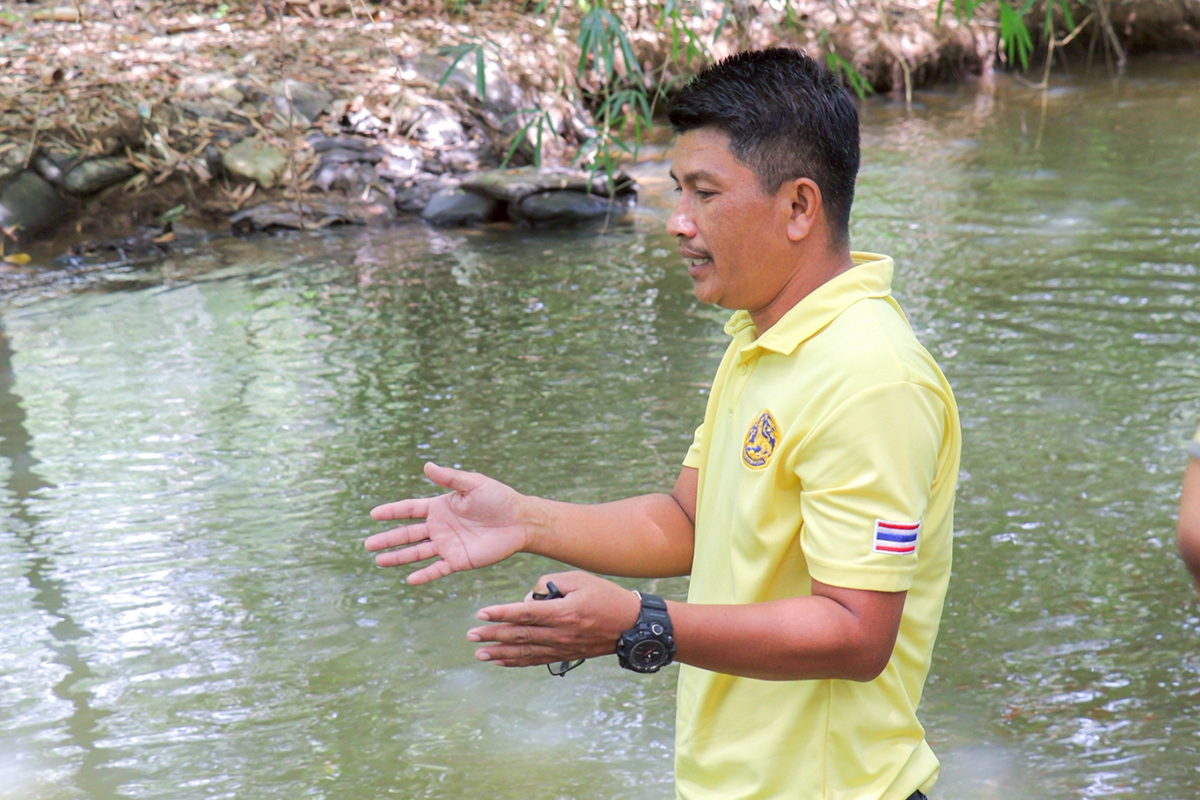
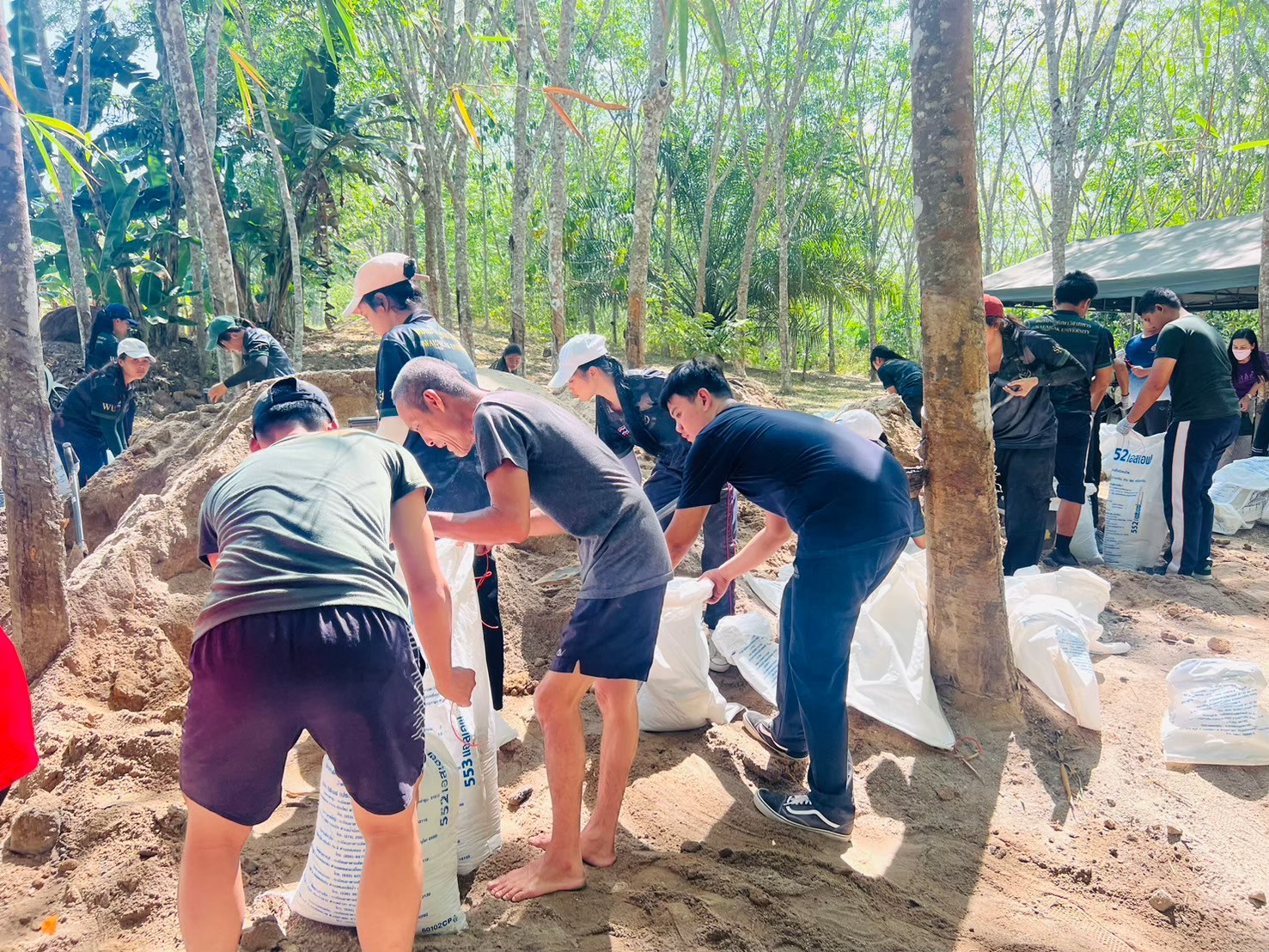
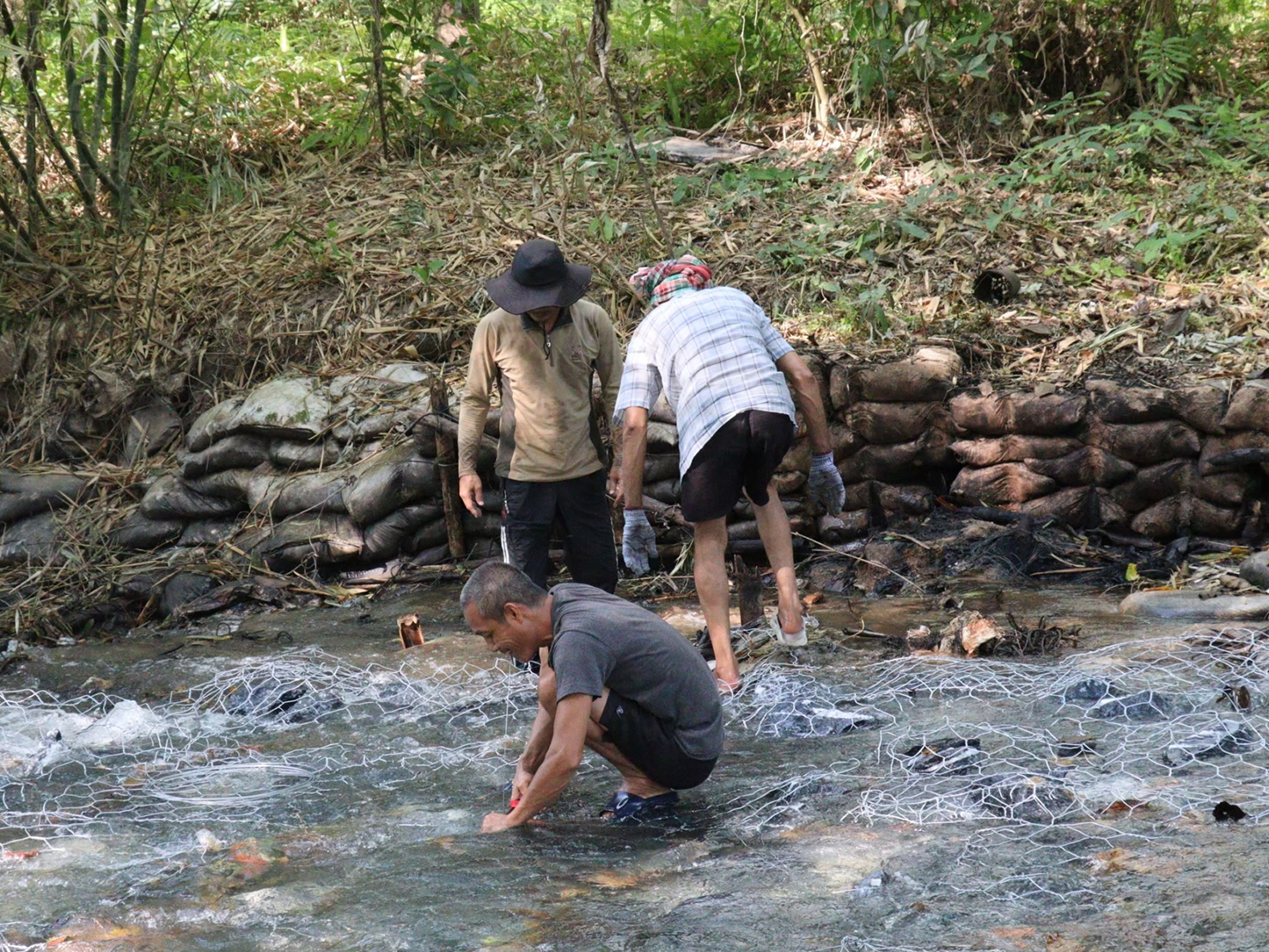
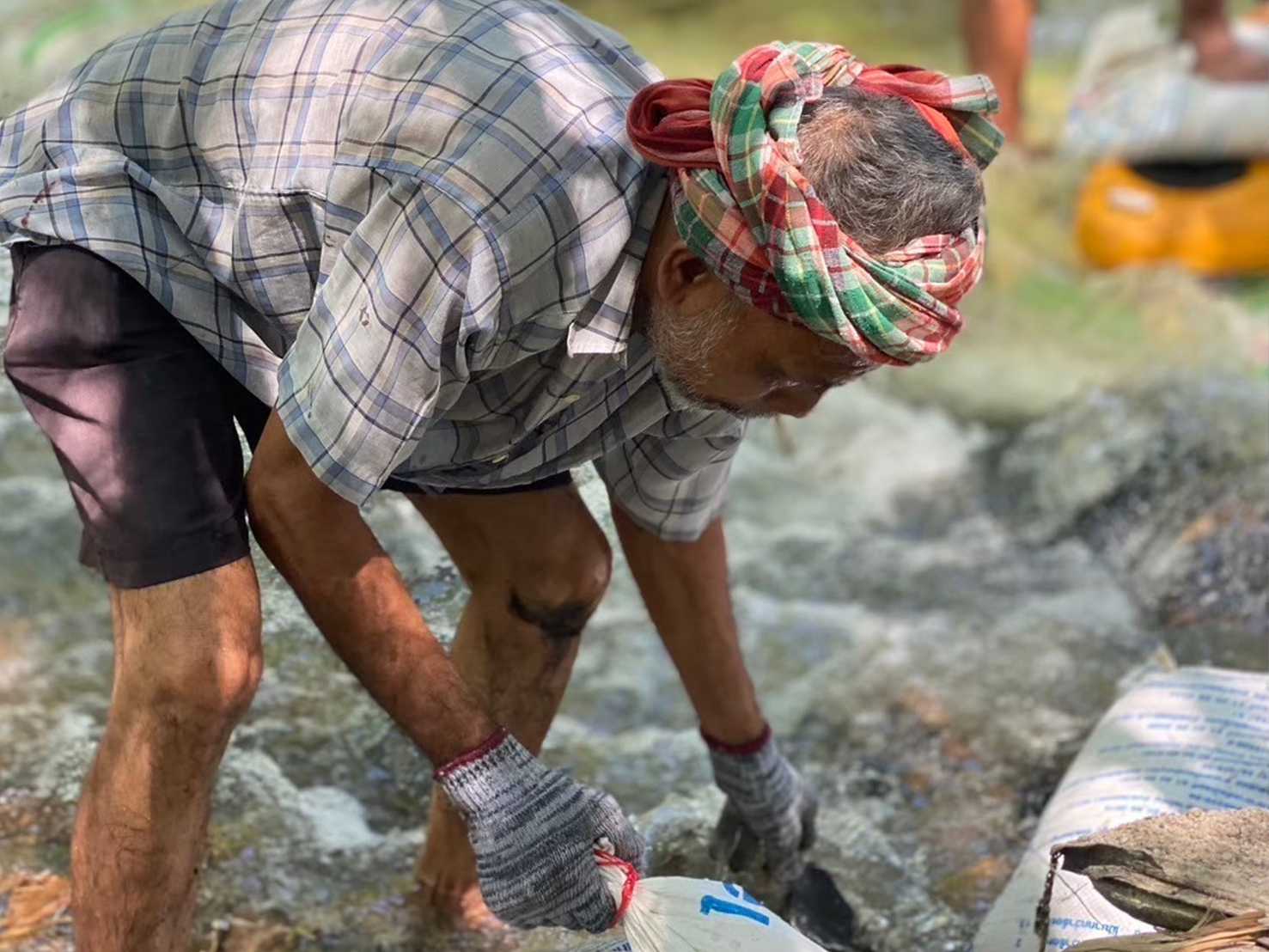
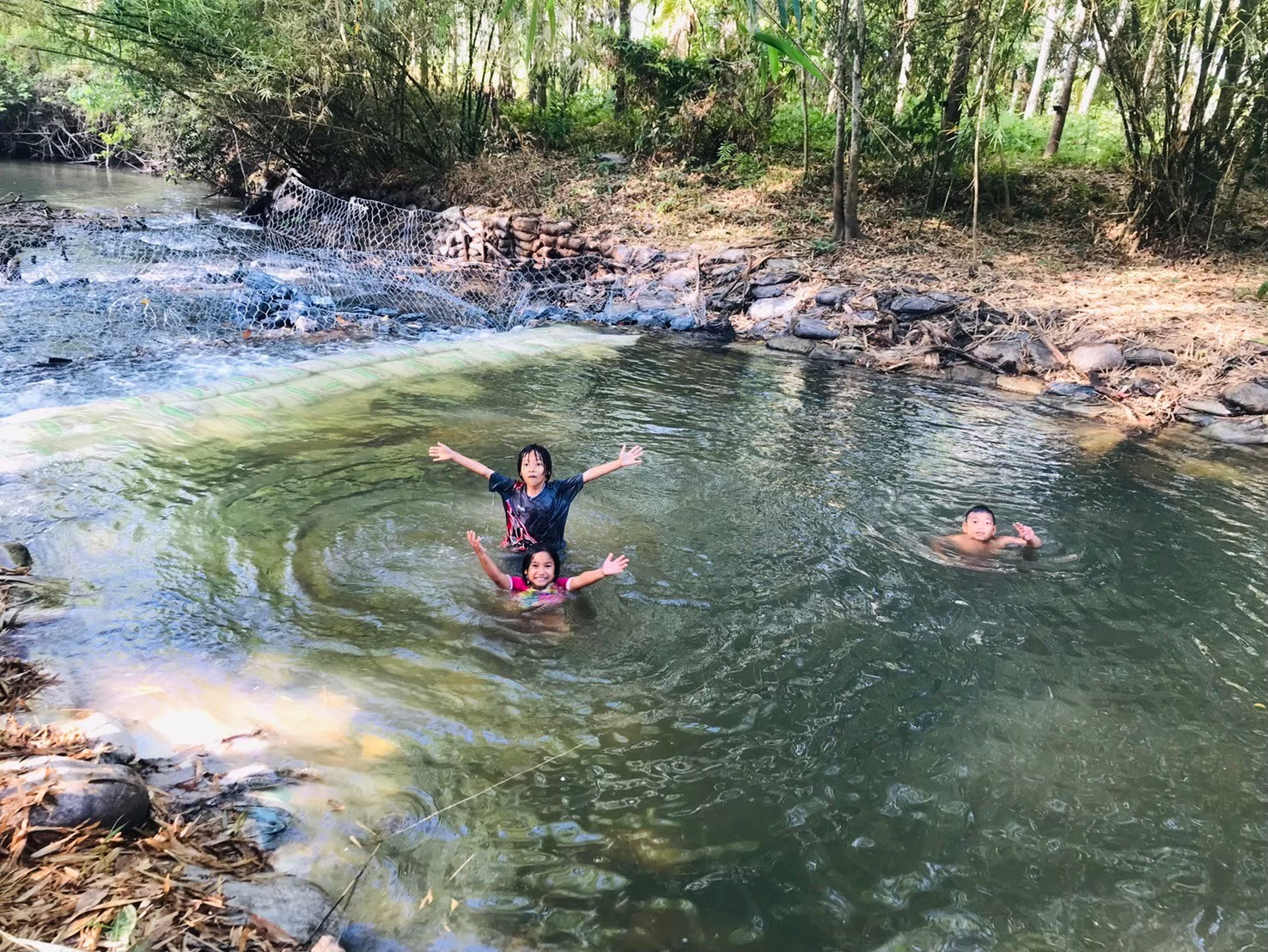
A Living Weir is a small water-retaining structure designed to harmonize with the natural environment. It uses local natural materials such as bamboo, soil, rocks, and vegetation, enabling ecological restoration in degraded upstream areas. Constructing a Living Weir in Namai Phai helps slow water flow, reduce soil erosion, and increase moisture in the area, leading to the sustainable recovery of forests and biodiversity. Moreover, Living Weirs foster community participation, serving as a platform for collaborative learning in design, construction, and maintenance—core aspects of meaningful experiential education that can be extended to sustainable community development.
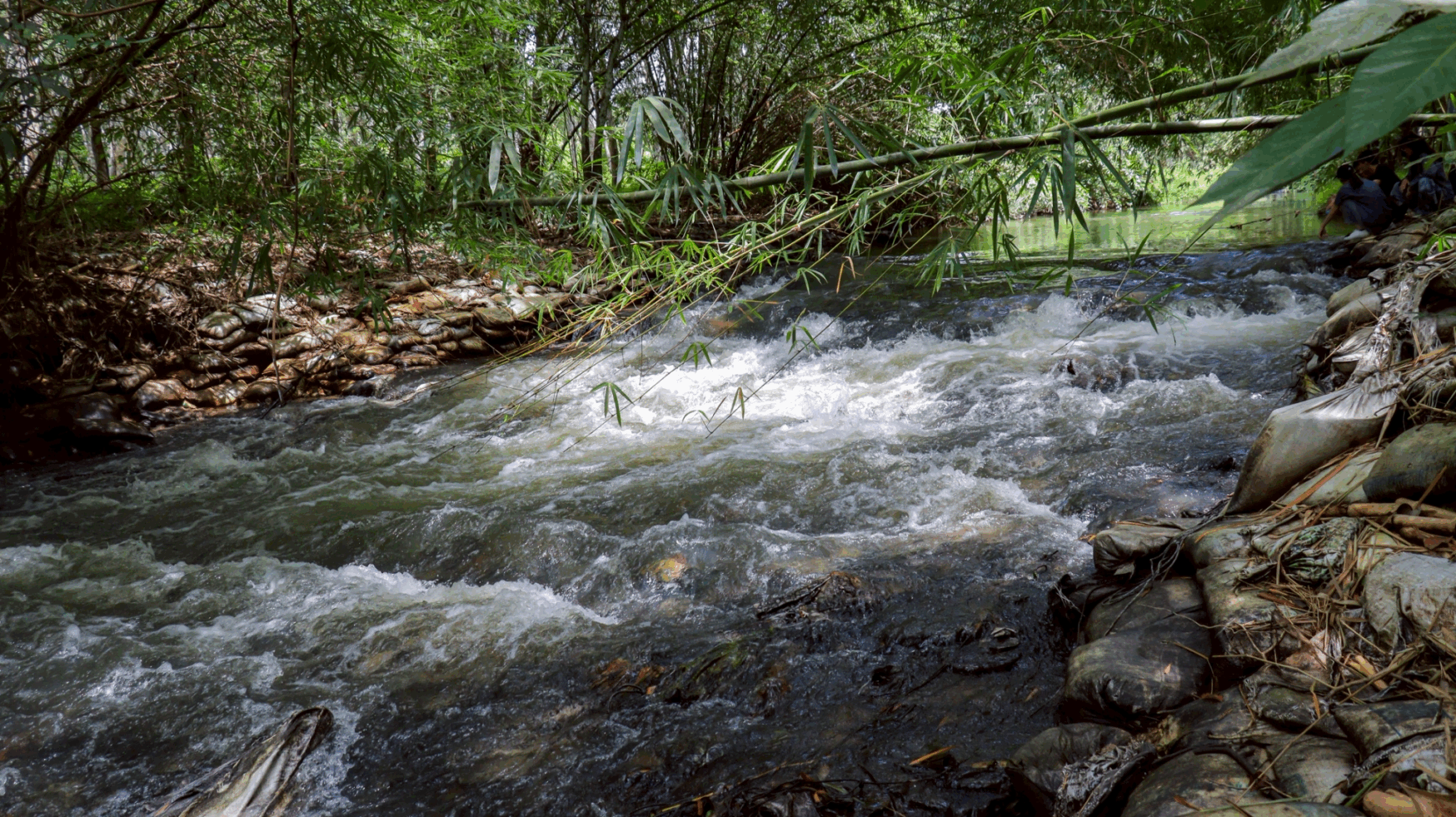
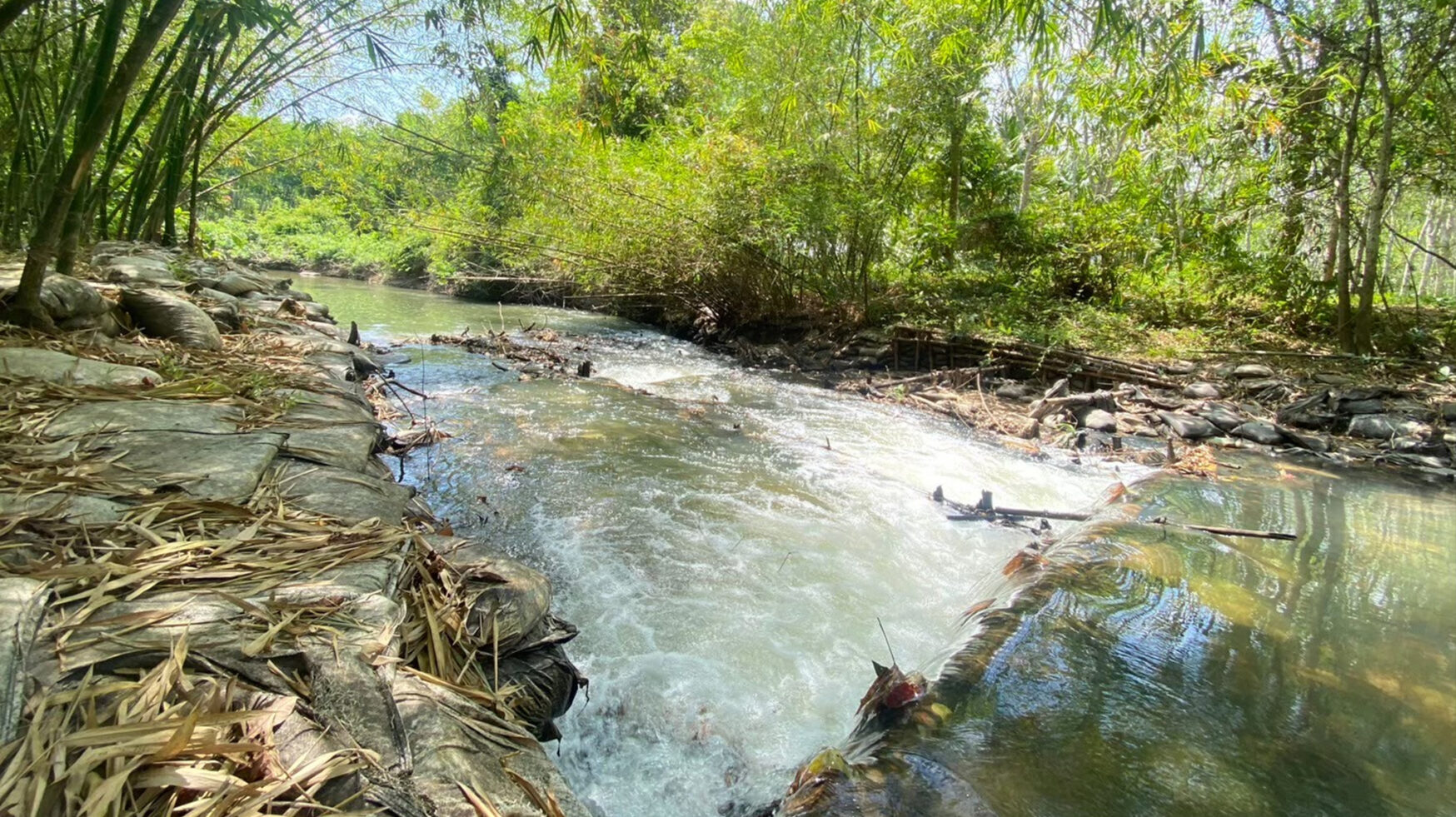
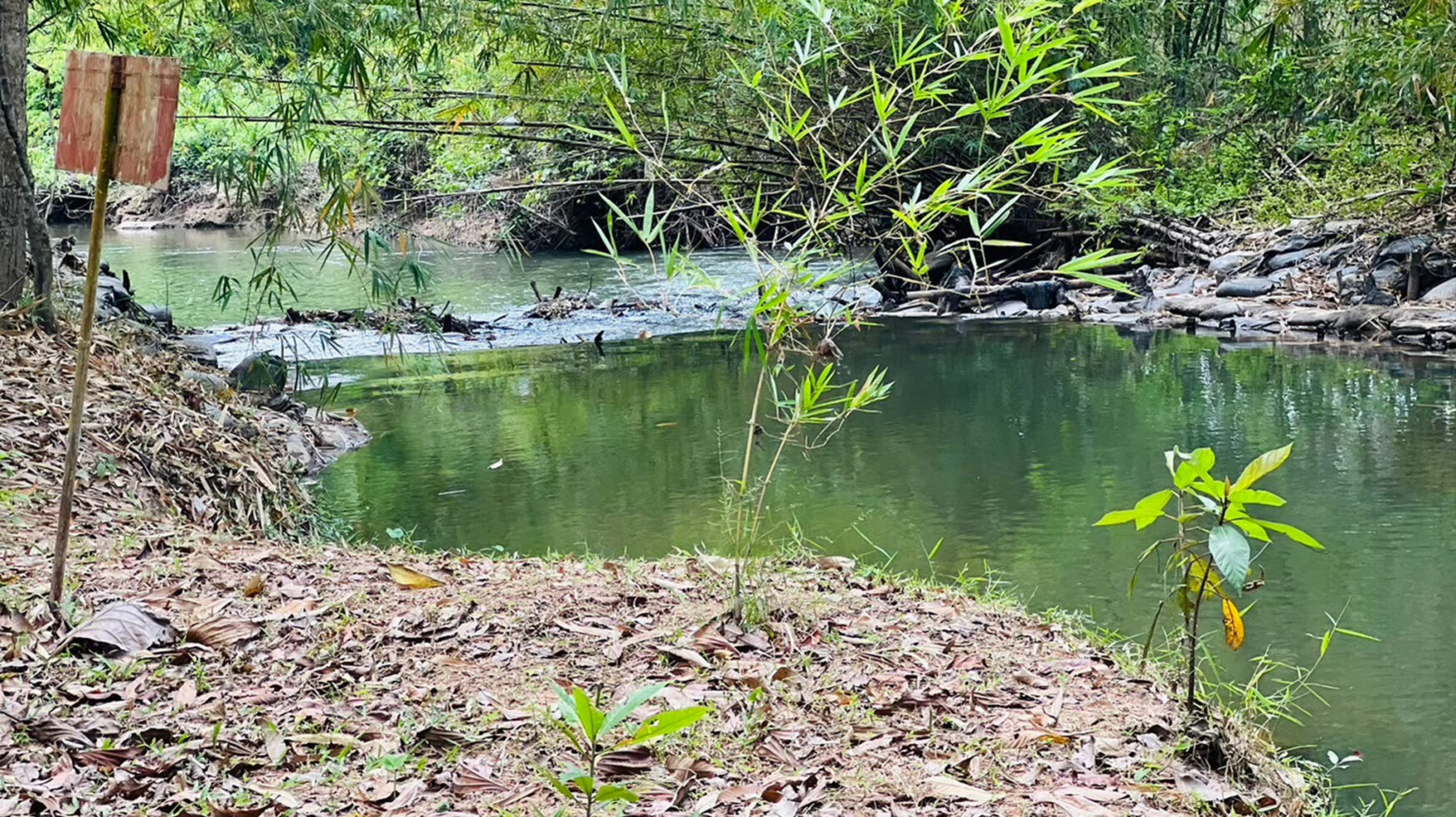
The Living Weir is not merely an effective water management strategy; it is also an important educational opportunity. Walailak University emphasizes integrated good water management education to promote community sustainability. The Living Weir acts as an effective learning tool within the community context, allowing residents to integrate its concepts through experiential learning—developing problem-solving, analytical thinking, and teamwork skills. It becomes a learning space for people of all ages, a source of knowledge from real-life experiences, and a means to preserve traditional local wisdom that is at risk of disappearing.
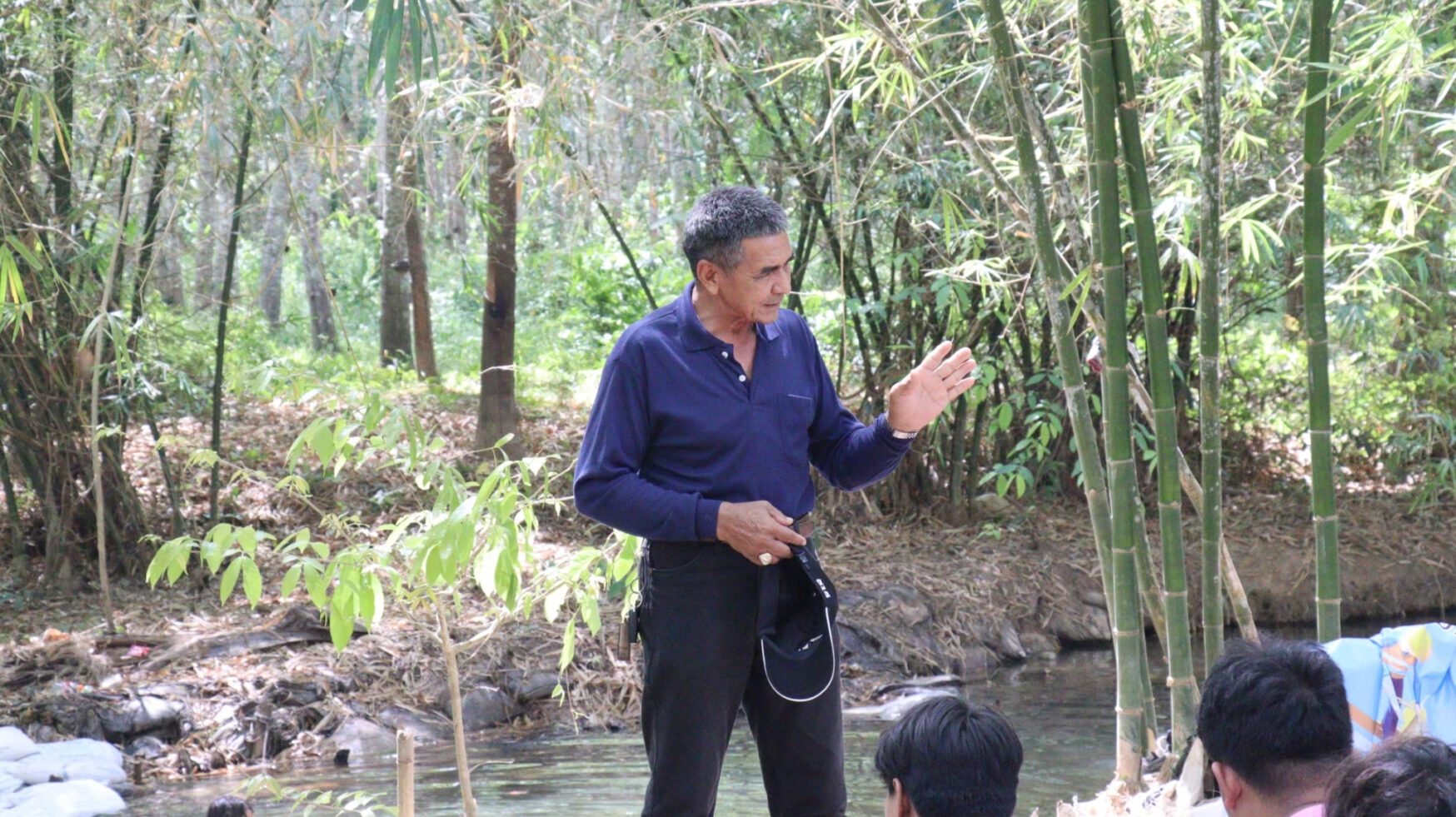
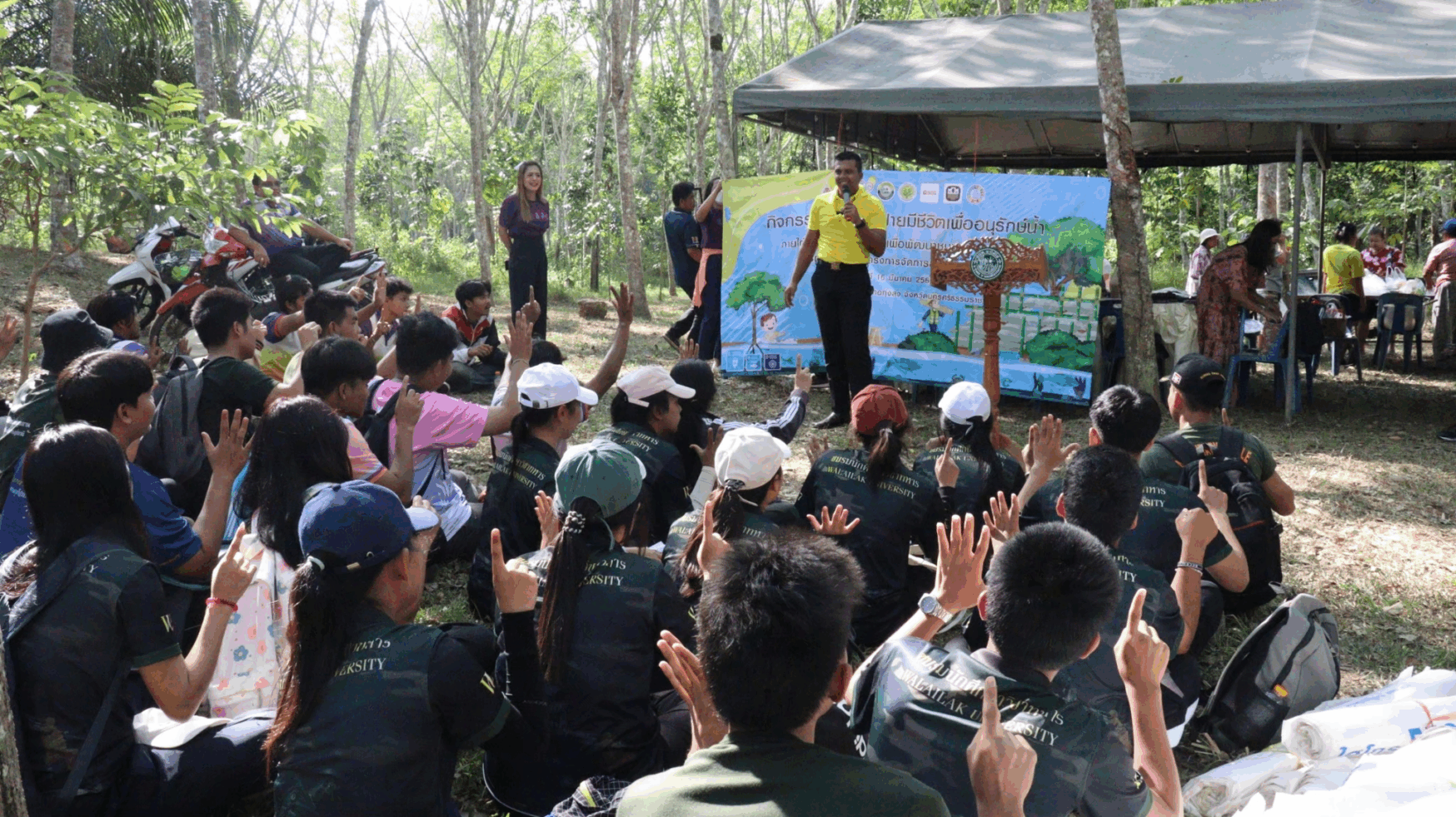
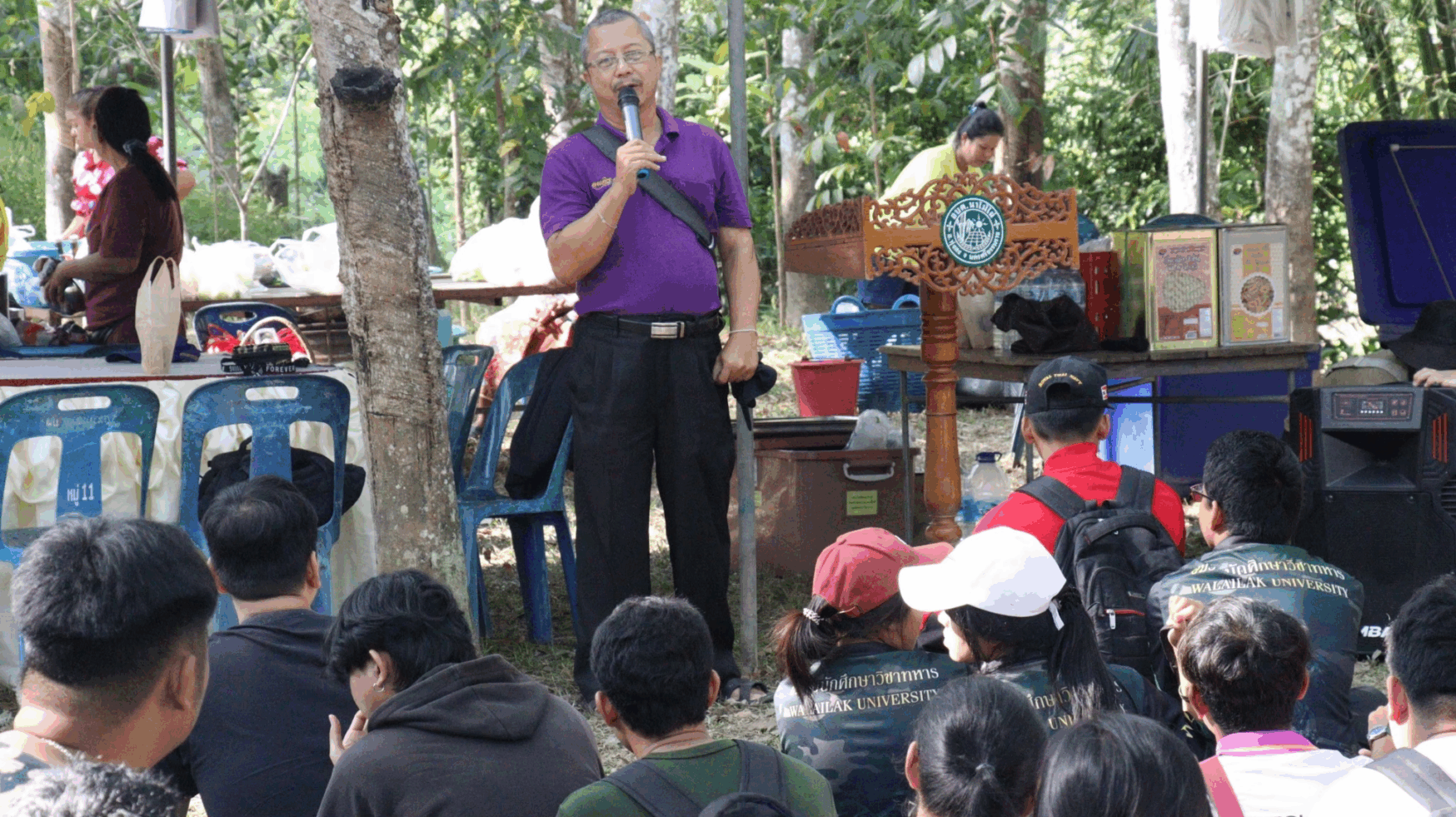
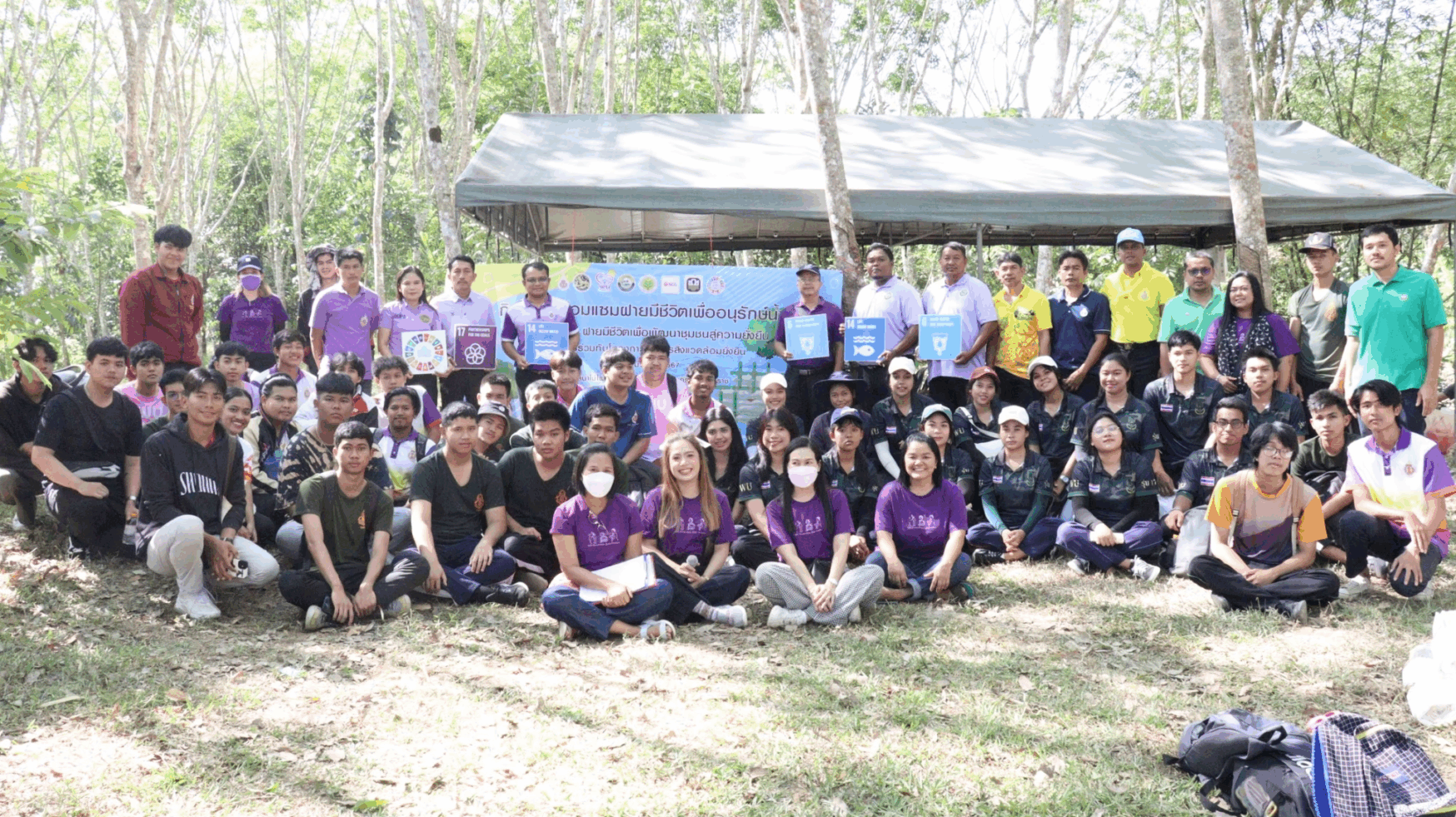
In 2024, the university provided educational opportunities for local communities by organizing free training programs to provide knowledge, monitor ecological systems, and encourage public participation—especially among youth in local communities—instilling awareness and understanding of water and ecosystem conservation. Furthermore, the educational potential of the Living Weir extends to research and knowledge development at both local and national levels, including studies on environmental impacts, assessments of efficiency in different contexts, and innovations blending indigenous wisdom with modern technology. These outputs can evolve into curricula, knowledge resources, or policy frameworks that advance sustainable water resource management.
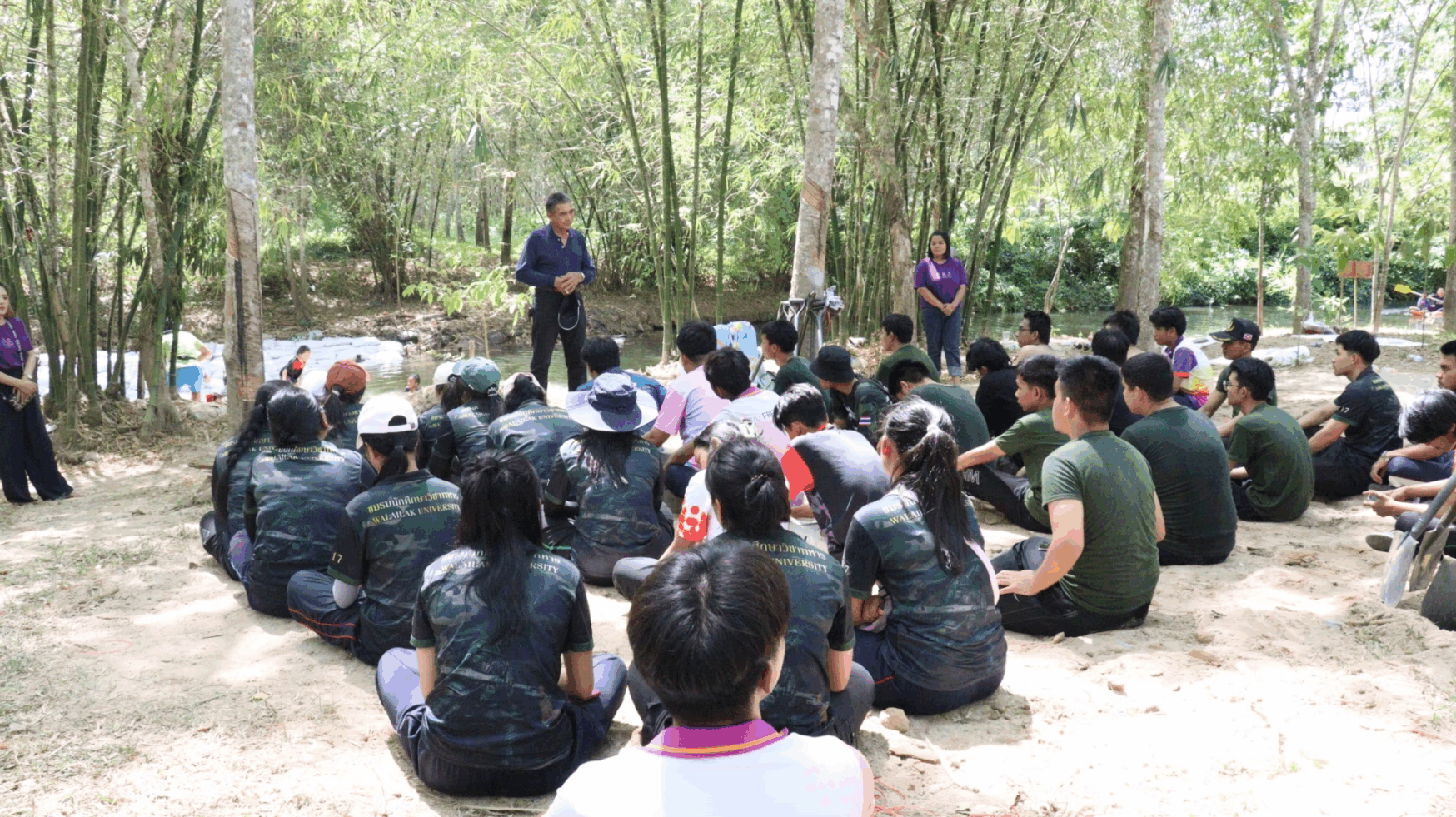
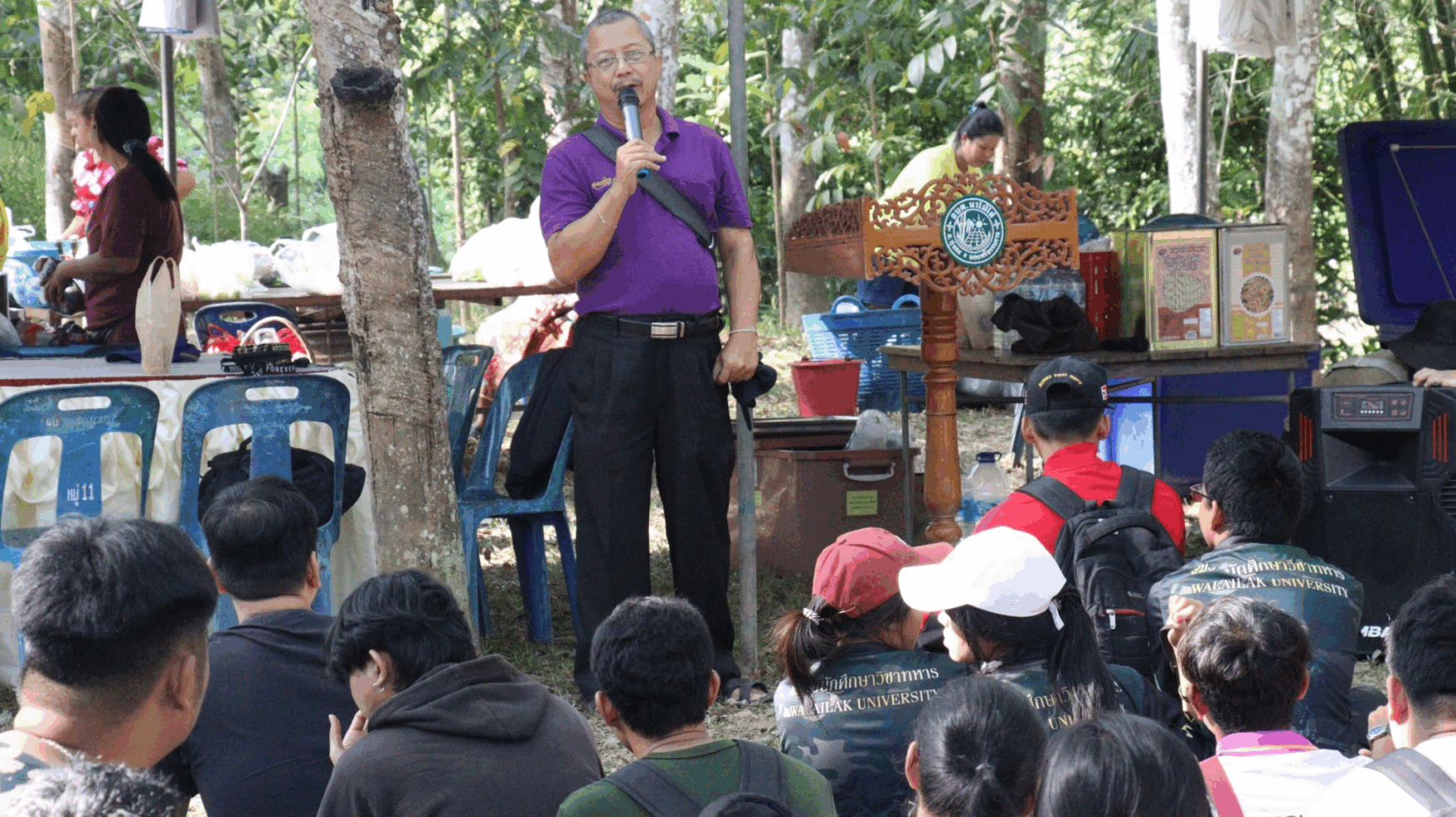
The university also creates opportunities for learners at all levels to develop knowledge, skills, and attitudes essential for living in harmony with nature. When education becomes part of water management, and water management becomes part of living education, it creates a crucial opportunity to nurture citizens who understand nature and can participate meaningfully and sustainably in society.
The Role of Academic Personnel in Advancing Educational Opportunities for Integrated Water Management
In 2024, Assoc. Prof. Dr. Pakorn Ditthakit, a water resource management expert at Walailak University, played a key role in promoting regional educational opportunities by serving in important positions on several water management committees, including:
The Subcommittee on Regional Water Resources Management in Southern Thailand
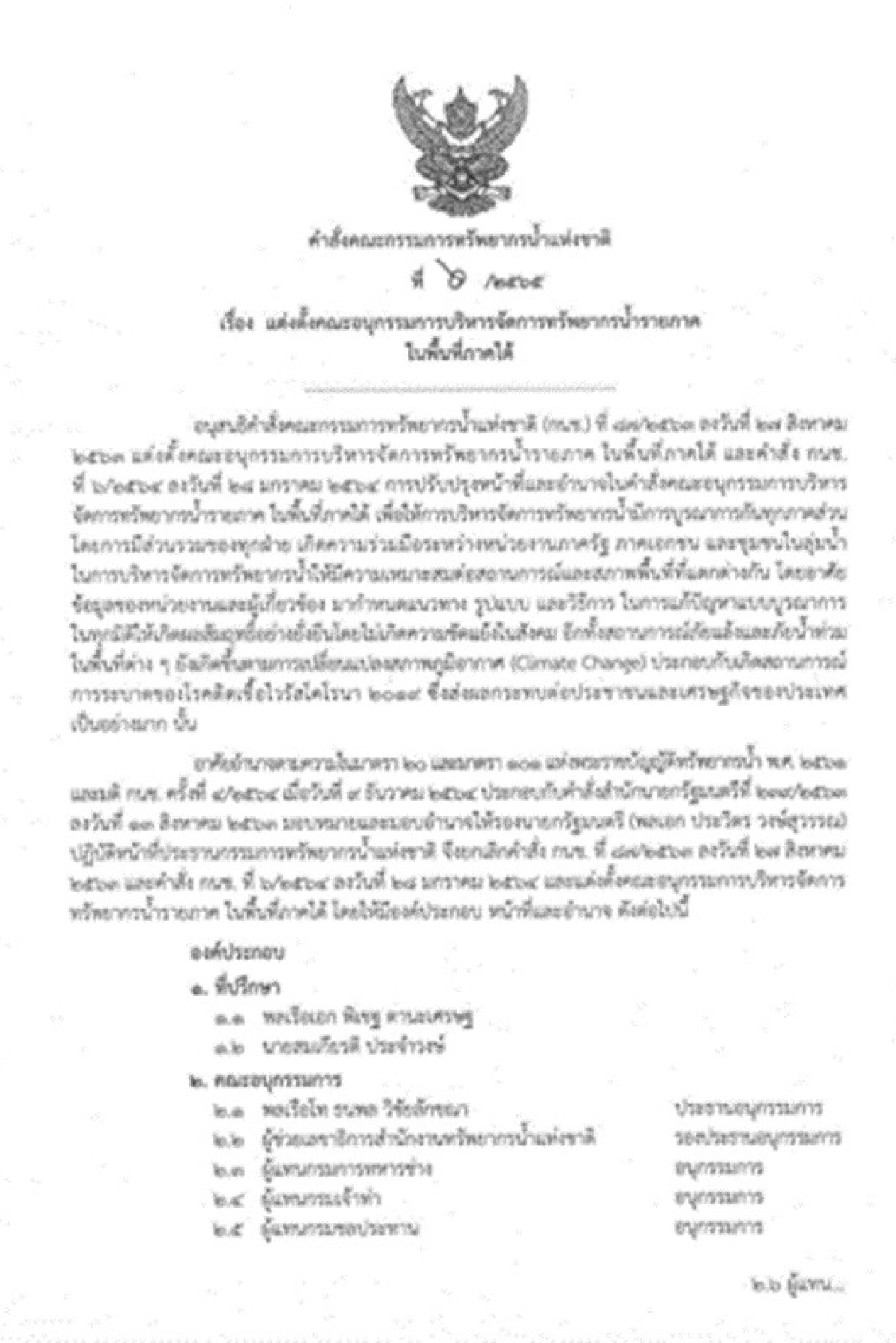
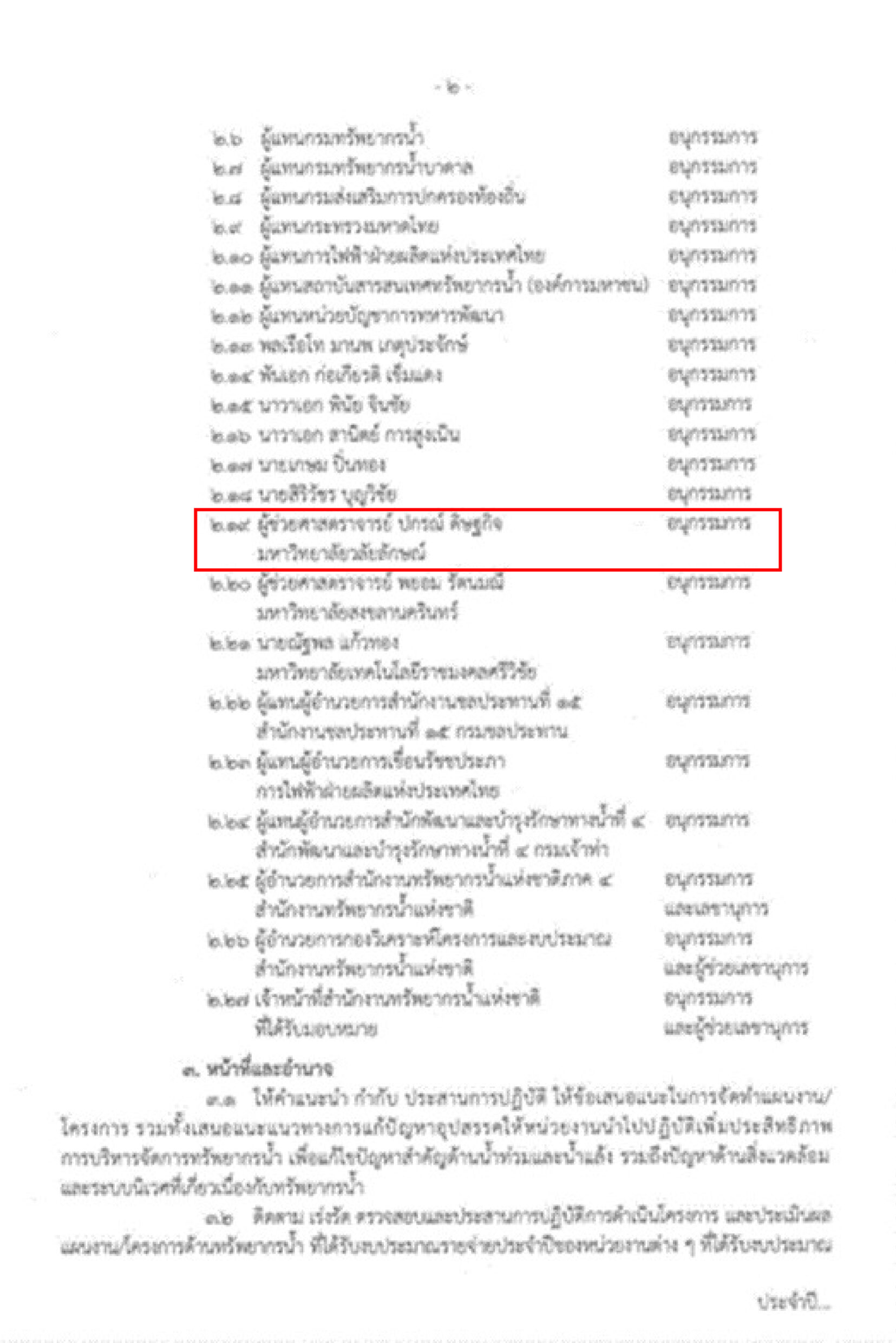
Figures: The appointment Order of the Office of the National Resources to appoint Asst. Prof. Dr. Pakorn Ditthakit as a member of the Water Resource Management Committee in the Southern Region of thailand
The Upper Eastern Southern River Basin Committee
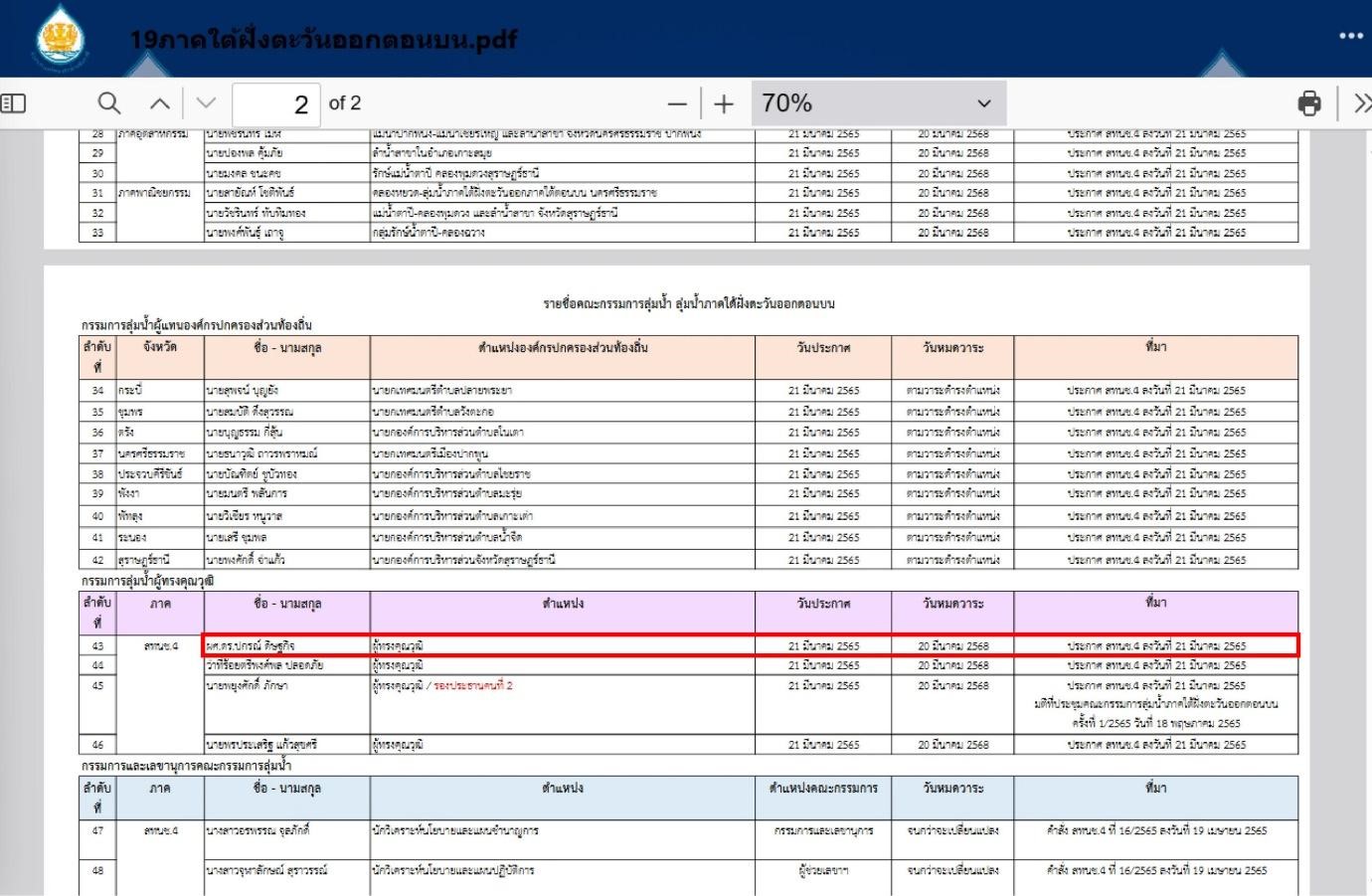
Figures: The appointment Order of the Office of the National Resources to appoint Asst. Prof. Dr. Pakorn Ditthakit as a member of the Upper Eastern Southern River Basin Committee of Thailand.
The Subcommittee on Water Resources of Nakhon Si Thammarat Province
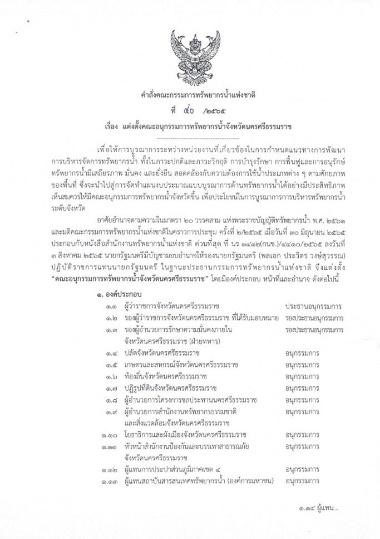
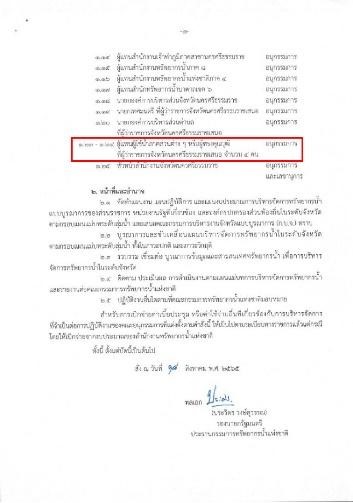
Figures: The appointment Order of the Office of the National Resources to appoint Asst. Prof. Dr. Pakorn Ditthakit as a member of the Subcommittee on Water Resources of Nakhon Si Thammarat Province of Thailand.
Assoc. Prof. Dr. Pakorn Ditthakit actively participated in meetings of these committees and subcommittees to advance sustainable water resource management, focusing on five key areas: domestic water supply management, securing water for production sectors, flood and disaster management, and governance. Examples of his contributions include:
- Water resource management in the Songkhla Lake Basin (Meeting 3/2024): focusing on development, administration, maintenance, rehabilitation, and conservation of water resources in the basin, as well as preparing for the 2024 rainy season.
- Drought-season water management in the Upper Eastern Southern Basin: addressing water shortages in Provincial Waterworks Authority service areas, planning water management in drought-prone zones, and preparing water management strategies for the Kuan Kreng Peat Swamp to prevent wildfires, while also providing guidance on Type 2 water use permits.
- Implementation of the Pak Phanang Basin Development Project under the Royal Initiative: ensuring balanced water management that benefits ecosystems while optimizing resource utilization.
Dr. Pakorn’s roles encompass planning, inter-agency integration, and knowledge dissemination. As a resource speaker, he has provided training and education on water management to government officials, community leaders, and the public, thereby expanding educational opportunities both in policy and practice.
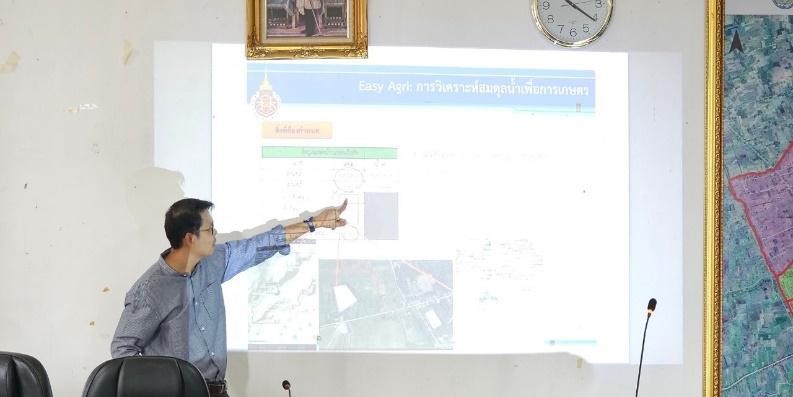
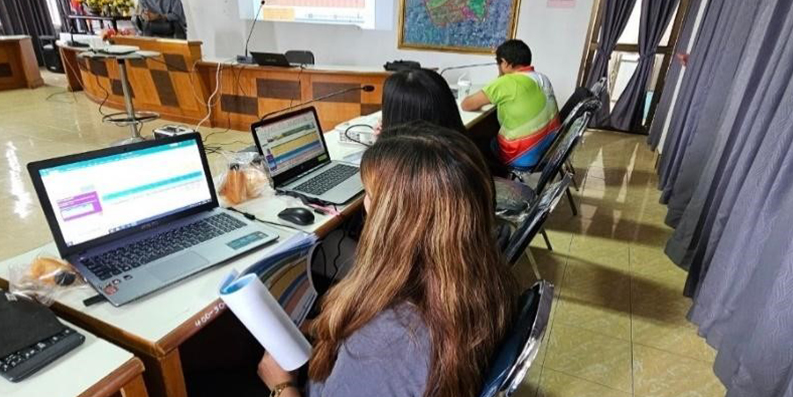
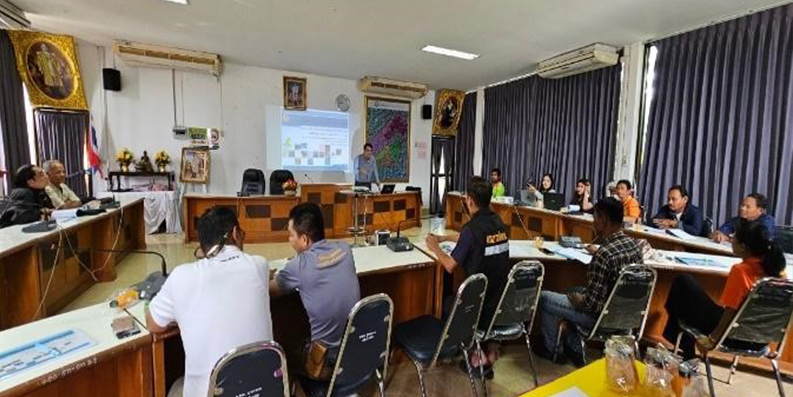
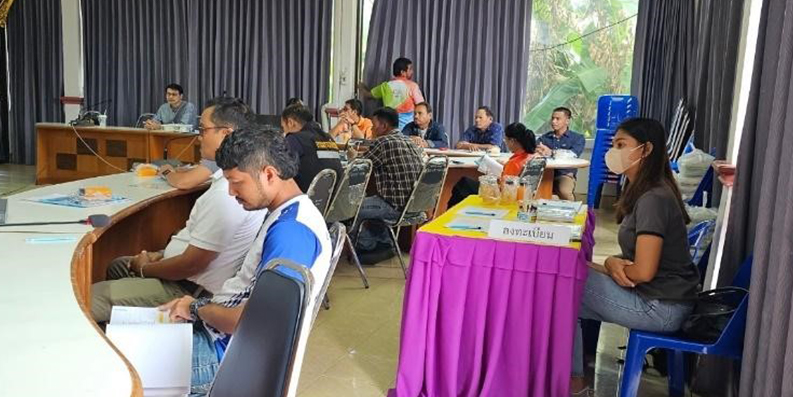
The university’s activities have contributed to the development of more effective participatory water management systems, generating knowledge for communities and extending outcomes into joint planning at the local level. This has led to collaborative agreements on water governance that support community livelihoods while maintaining the balance of local ecosystems in a sustainable manner. Furthermore, the university has continuously supported educational opportunities in water management and conservation, with an emphasis on cross-sectoral participation. This approach has become a key driver of genuine sustainable development in the region.
Case studies from Nakhon Si Thammarat Province and other areas highlight the significant role of the university in advancing educational opportunities for sustainable water management—whether in spatial, academic, or policy dimensions. Collaboration among academic institutions, communities, and relevant agencies has emerged as a core mechanism for driving water management that is responsive to local contexts and the challenges of future environmental change.
Walailak University applies a diagnostic approach to identify water-related challenges in local ecosystems and communities, guiding effective solutions tailored to regional contexts. Through ongoing development of educational programs, research, and technology—such as mobile water management platforms and Living Weir projects—the university promotes sustainable resource use. Strong community engagement ensures participatory learning and collaborative problem-solving, empowering local people to manage water sustainably. Continuous measurement of outcomes supports knowledge-based decision-making, reinforcing the university’s role as a model for integrated water management and sustainability education.
Related links:
https://cas.wu.ac.th/archives/26123
https://cas.wu.ac.th/archives/36917
https://cas.wu.ac.th/archives/36927
https://cas.wu.ac.th/archives/36935
https://cas.wu.ac.th/archives/36944
https://cas.wu.ac.th/archives/36954
https://cas.wu.ac.th/archives/36974
https://cas.wu.ac.th/archives/36964
https://cas.wu.ac.th/archives/25885
https://cas.wu.ac.th/archives/25572
https://cas.wu.ac.th/archives/25405
https://cas.wu.ac.th/archives/26626
https://cas.wu.ac.th/archives/26309
https://www.suratthani.go.th/home/news-announcement/executive-news/3-2567-6.html
https://www.suratthani.go.th/home/news-announcement/executive-news/1-2567-6.html+
https://nakhonsithammarat.prd.go.th/th/content/category/detail/id/9/iid/325586
Goal 6: Clean Water and Sanitation
Goal 14: Life below water
Goal 17: Partnerships for the Goals