Monitoring Water Consumption for Domestic Use at Walailak University in 2025

Monitoring Water Consumption for Domestic Use at Walailak University in 2025

Sustainability and Stewardship
Sustainability and Stewardship Monitoring Water Consumption for Domestic Use at Walailak University in 2025 Water consumption tracking is an essential process for effective water resource management. It focuses on measuring and collecting data on the total volume of water used by the university from various sources, including water from the mains supply, treated water and water extracted from natural water sources within the university, such as reservoirs and other surface water sources. This process enables the university to monitor overall water consumption, assess patterns of water use, and utilise the data to support systematic water management planning. It also demonstrates the university's responsibility for addressing the environmental impacts associated with water consumption, with an emphasis on measurement across the whole university, systematic data collection, and public disclosure of information to…
Read More
WU’s Plan to Minimize Alterations to Aquatic Ecosystems

WU’s Plan to Minimize Alterations to Aquatic Ecosystems

Sustainability and Stewardship
Sustainability and Stewardship WU’s Plan to Minimize Alterations to Aquatic Ecosystems Aquatic ecosystems are essential for maintaining biodiversity, supporting food security, sustaining local livelihoods, and preserving the ecological balance of rivers, wetlands, coastal areas, and marine environments. However, human activities can cause physical alterations, such as habitat degradation and changes to natural waterways; chemical alterations resulting from pollution and the release of harmful substances; and biological alterations that affect aquatic species, biodiversity, and ecosystem health. These changes can disrupt ecological processes, reduce the resilience of aquatic environments, and threaten the long-term sustainability of natural resources. To address these challenges, Walailak University recognises the importance of proactive environmental planning and systematic measures to minimise alterations to aquatic ecosystems. Having an established plan to minimise physical, chemical, and biological alterations is essential…
Read More
WU’s Policies to Prevent and Reduce Marine Pollution from Land-Based Activities

WU’s Policies to Prevent and Reduce Marine Pollution from Land-Based Activities

Sustainability and Stewardship
Sustainability and Stewardship WU’s Policies to Prevent and Reduce Marine Pollution from Land-Based Activities Marine pollution poses a serious threat to marine ecosystems, biodiversity, human health, and the livelihoods of coastal communities. Pollution from land-based activities, including improper waste disposal, plastic pollution, untreated wastewater, and the release of harmful chemicals, can be transported through rivers, drainage systems, and coastal waterways into the sea. These pollutants can damage marine habitats, threaten aquatic species, contaminate seafood, and undermine the sustainability of fisheries and coastal tourism. Diagnostic assessments of pollution sources and pathways are therefore important for identifying environmental risks, understanding the causes of marine pollution, and determining appropriate preventive measures. Preventing and reducing marine pollution requires effective environmental policies, responsible resource management, and coordinated action to address pollution at its sources.As an…
Read More
Walailak University’s Action Plan to Reduce Plastic Waste on Campus

Walailak University’s Action Plan to Reduce Plastic Waste on Campus

Sustainability and Stewardship
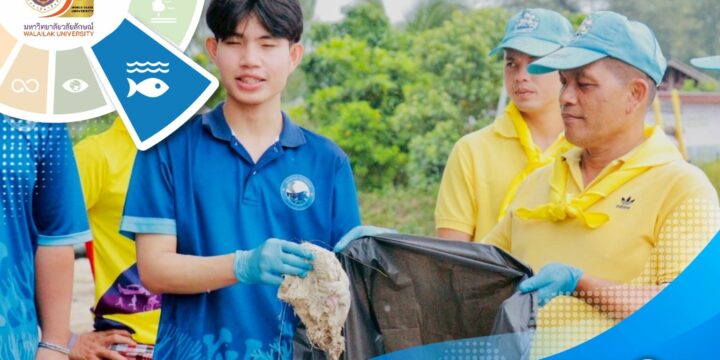
Sustainability and Stewardship Walailak University’s Action Plan to Reduce Plastic Waste on Campus Walailak University is committed to reducing plastic waste on campus through sustainable waste management practices and initiatives that encourage responsible consumption. By promoting plastic waste reduction, improving waste separation, and encouraging the reuse of materials, the University aims to minimize the environmental impacts of plastic pollution and reduce the amount of plastic waste generated by its campus community. Diagnostic assessments of campus waste generation and disposal practices can help identify major sources of plastic waste, evaluate existing waste management challenges, and determine opportunities for improvement. These efforts support the transition towards a more sustainable campus environment and contribute to the conservation of aquatic ecosystems by helping prevent plastic waste from entering natural waterways and the marine environment.…
Read More
Wastewater Management Standards and Treatment Guidelines to Protect Aquatic Ecosystems and Public Health

Wastewater Management Standards and Treatment Guidelines to Protect Aquatic Ecosystems and Public Health

Sustainability and Stewardship
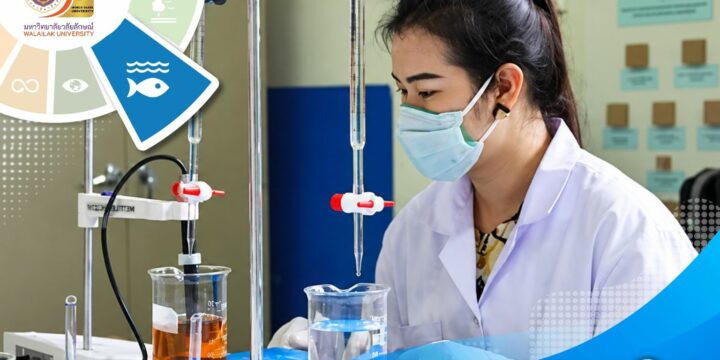
Sustainability and Stewardship Wastewater Management Standards and Treatment Guidelines to Protect Aquatic Ecosystems and Public Health Walailak University (WU) recognizes wastewater management as an important component of environmental protection and sustainable water resource management. By establishing and continuously improving its wastewater treatment system, the University seeks to maintain water quality, minimize pollution entering natural water sources, and protect aquatic ecosystems, wildlife, and human health. The University's approach incorporates systematic wastewater collection, multi-stage treatment, scientific water quality assessment, diagnostic monitoring of treatment performance, and the application of effluent discharge standards established by Thailand's Pollution Control Department.The University's commitment to wastewater management dates back to 2002, when the Wastewater Management Development Project was established to accommodate wastewater generated across the campus. Covering an area of more than 9,600 square meters, the facility…
Read More
Walailak University’s Policy on the Sustainable Harvesting of Aquatic Food for Campus Consumption

Walailak University’s Policy on the Sustainable Harvesting of Aquatic Food for Campus Consumption

Sustainability and Stewardship
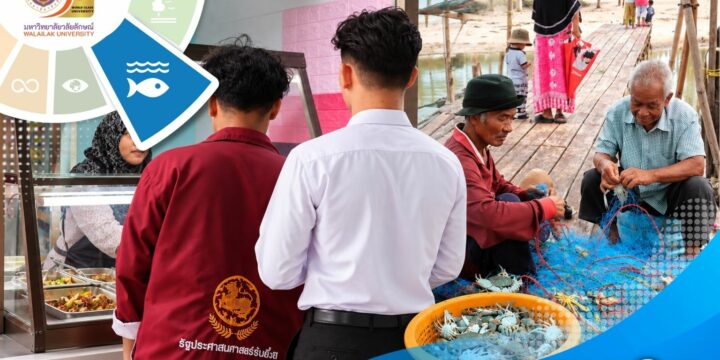
Sustainability and Stewardship Walailak University’s Policy on the Sustainable Harvesting of Aquatic Food for Campus Consumption Walailak University recognises the importance of ensuring that aquatic food served on campus comes from sustainably harvested sources to protect marine and freshwater ecosystems and support responsible fisheries. Through its food-related policies and procurement practices, the University promotes the responsible sourcing of aquatic products and encourages food providers to consider the environmental sustainability of seafood and other aquatic food resources. Diagnostic assessments of sourcing practices and supply-chain conditions can help identify potential sustainability risks and opportunities to improve the responsible procurement of aquatic food. By establishing measures to support sustainable harvesting, responsible sourcing, and the diagnosis of potential environmental impacts, WU aims to reduce pressure on aquatic populations, protect biodiversity, and contribute to the…
Read More
Interventions and Activities to Support Food Access and Alleviate Staff Hunger

Interventions and Activities to Support Food Access and Alleviate Staff Hunger

Sustainability and Stewardship
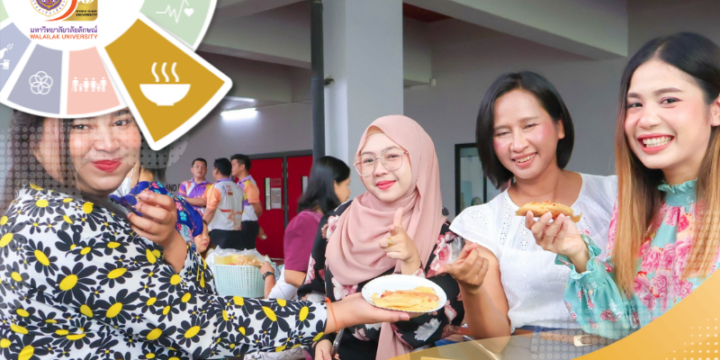
Sustainability and Stewardship Intervention and Activities to Support Food Access and Alleviate Staff Hunger In 2025, Walailak University (WU) implemented staff hunger interventions to prevent or alleviate hunger among members of staff by providing free access to food, snacks, desserts, and refreshments during various university activities, including meetings, training sessions, and other staff-related events. Through the provision of food support interventions, the university aimed to improve staff access to food and reduce the need for employees to purchase meals or refreshments while participating in university activities. These initiatives represent practical efforts to support staff food accessibility and well-being within the workplace. Examples of these interventions implemented in 2025 are presented below. Monastic Fire Offering Ceremony 2025 Walailak University organized the Monastic Fire Offering Ceremony 2025, providing staff with free access…
Read More
Walailak University Promotes Healthy and Affordable Food Choices, Creating Better Choices for Everyone on Campus

Walailak University Promotes Healthy and Affordable Food Choices, Creating Better Choices for Everyone on Campus

Sustainability and Stewardship
Sustainability and Stewardship Walailak University places importance on creating a food environment that supports the health and daily well-being of students, staff, and service users on campus. The university promotes healthy food choices that provide nutritional value while ensuring that food remains affordable and accessible to meet the diverse needs of consumers. Its implementation covers the provision of diverse food and beverage choices, the management of food providers, the promotion of food sanitation standards, and consideration of appropriate food prices. The university aims to ensure that members of the university community can access appropriate food in their daily lives. This approach considers not only the availability of healthy food choices but also their affordability and accessibility in terms of location, providing choices that address nutritional value, diversity, and ability to…
Read More
Walailak University Promotes Sustainable Food Choices for All on Campus, Including Vegetarian and Vegan Food

Walailak University Promotes Sustainable Food Choices for All on Campus, Including Vegetarian and Vegan Food

Sustainability and Stewardship
Sustainability and Stewardship Walailak University Promotes Sustainable Food Choices for All on Campus, Including Vegetarian and Vegan Food Walailak University prioritises the provision of sustainable food choices for students, staff, and other campus users by connecting food procurement from trusted sources with environmentally responsible production, support for local businesses, and food services that meet diverse dietary needs, including vegetarian and vegan food. In 2025, these efforts aimed to enable all on campus to access and choose food suited to their dietary preferences through a network of food courts, shops, food outlets, and campus markets.The university's approach to sustainable food extends from ingredient production to consumption. It considers food safety, responsible use of natural resources, reduced reliance on chemicals, protection of biodiversity and animal welfare, and income generation and economic opportunities…
Read More
Walailak University Implements Interventions to Prevent and Alleviate Hunger and Promote Food Access among Students

Walailak University Implements Interventions to Prevent and Alleviate Hunger and Promote Food Access among Students

Case Studies, Sustainability and Stewardship
Sustainability and Stewardship Walailak University Implements Interventions to Prevent and Alleviate Hunger and Promote Food Access among Students Walailak University implements measures and activities aimed at preventing and alleviating hunger among students (Students hunger interventions) through the provision of food and beverages to students in situations where access to food may be limited. These interventions focus on providing direct and practical assistance that is targeted, accessible, and responsive to students’ needs during periods when they may be at greater risk of food shortages, including examination periods, disasters or emergencies, as well as activities that provide students with access to food at no cost. These measures include the direct provision of food and beverages, the distribution of food to areas where students are affected, and activities that enable students to access…
Read More