Water Pollution Control and Monitoring in campus area

Water Pollution Control and Monitoring in campus area

Water
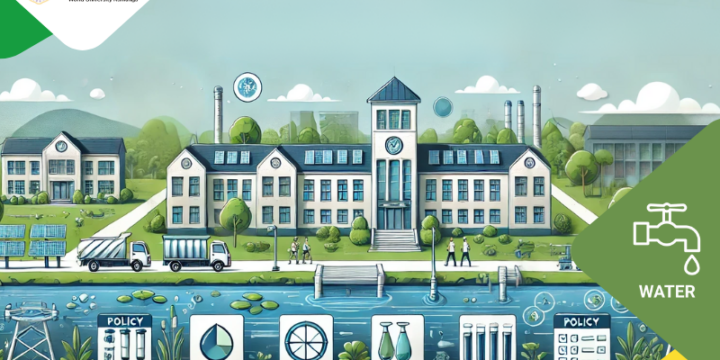
Water (WR) Water Pollution Control and Monitoring in campus area Walailak University applies strict quality control measures from raw water intake to final potable water distribution. Monitoring processes include:Raw Water Quality Checks: Initial assessments using field test kits. Figures: Weekly raw water sampling at the Chalanusorn Reservoir for preliminary water quality testing before the water treatment process. (Walailak University, Thailand)Potable Water Monitoring: Monthly laboratory analysis aligned with Provincial Waterworks Authority standards and WHO (2011, Annex 1/2017) guidelines. Safe Chemical Use: Chlorination and treatment chemicals are carefully selected to ensure safety for human consumption and minimal ecological impact, with a documented decline in chemical usage compared to past operations.
Read More
Water Pollution Treatment in campus area

Water Pollution Treatment in campus area

sub-WR, Water
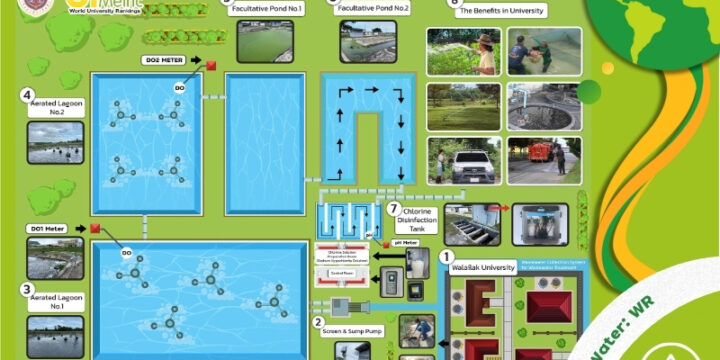
Water (WR) Water Pollution Treatment in campus area Walailak University operates an advanced wastewater treatment system that is capable of handling all wastewater generated on campus. The system applies tertiary treatment, consisting of the following stages Figures: Wastewater Treatment Plant of Walailak University. Figures: Map of Wastewater Sources within Walailak University (Walailak University, Thailand). Figures: Wastewater Treatment System of Walailak University.Preliminary and Primary Treatment (Screen & Sump Pump): Fine screens with automated brushes remove solid waste, while sump pumps transfer wastewater to aeration ponds.Secondary Treatment (Aerated Lagoon): A 5-meter-deep aerated lagoon equipped with vertical surface aerators ensures thorough oxygenation, enabling bacteria to degrade organic matter effectively.Stabilization Ponds (Facultative Pond and Maturation Pond): Facultative ponds (approx.2 meters deep) allow aerobic processes and sunlight penetration, supporting further stabilization of organic matter. Maturation…
Read More
Water Pollution Prevention in campus area

Water Pollution Prevention in campus area

sub-WR, Water
Water (WR) Water Pollution Prevention in campus area 1. Hazardous Waste Management from University LaboratoriesThe university has implemented a systematic process for managing hazardous laboratory waste to prevent environmental contamination, particularly of water resources. Waste is first classified and documented by type and source, followed by an assessment of concentration levels and hazard characteristics. It is then safely stored and segregated to prevent leakage or cross-contamination. The waste is collected and transferred to the university’s central storage facility, where it is handled in accordance with strict safety protocols. It is then disposed of by licensed contractors authorized by government agencies, ensuring compliance with environmental standards. Figures: Hazardous Waste Management from University Laboratories. (Walailak University, Thailand) Hazardous Waste Management Manual from University Laboratories. (Walailak University, Thailand)2. Food Waste ManagementWalailak University generates approximately…
Read More
Water pollution control in campus area

Water pollution control in campus area

Water
Water (WR) Water pollution control in campus area Announcement of Walailak University Subject: Water Reuse Guidelines. (Walailak University, Thailand) Figures: Map of Walailak University’s water pollution control system. (Walailak University, Thailand) Figures: Diagram of the Wastewater Collection System. (Walailak University, Thailand)Water Pollution Control at Walailak UniversityWalailak University has established a comprehensive and systematic framework for controlling water pollution, preventing contaminated water from entering the campus water system and surrounding ecosystems. Polluted water sources within the university may include stormwater runoff contaminated with litter and chemicals, wastewater from laboratories containing hazardous substances, and drainage systems clogged with pollutants such as oil and grease from parking areas. To ensure effective management, the university implements a three-stage approach: Prevention, Treatment, Control, and Monitoring.https://youtu.be/5XIWMWScVvw?si=NmKhVU7uYhNMbXZe Water pollution prevention in campus Water Pollution Treatment in the campus…
Read More
Planning, implementation, monitoring and/or evaluation of all programs related to Water Management through the utilization of Information and Communication Technology (ICT)

Planning, implementation, monitoring and/or evaluation of all programs related to Water Management through the utilization of Information and Communication Technology (ICT)

Water
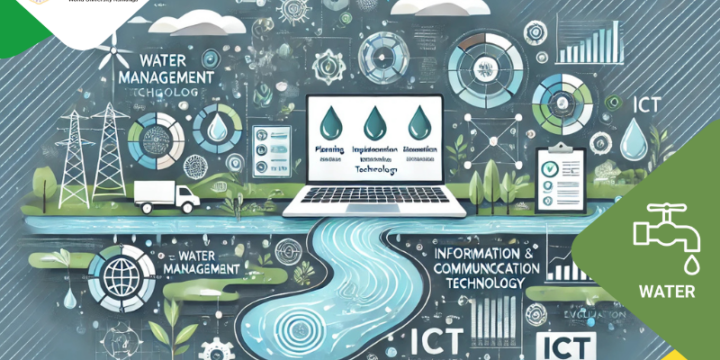
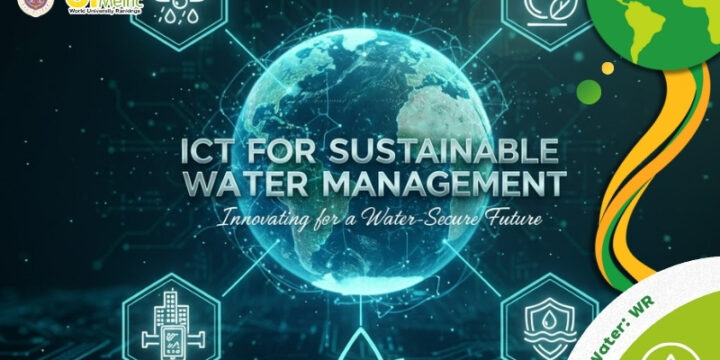
Water (WR) Planning, implementation, monitoring and/or evaluation of all programs related to Water Management through the utilization of Information and Communication Technology (ICT) Walailak University places a strong emphasis on integrating Information and Communication Technology (ICT) into all stages of its water management programs — from planning and implementation to monitoring and evaluation. This strategic integration enhances efficiency, accuracy, and sustainability in the management of water resources across the campus.• Planning Figures: Coordination meetings to plan and analyze the university’s water management system, covering water demand, building water use, and wastewater management. (Walailak University, Thailand)The university conducts coordination meetings to plan and analyze the entire water management system, encompassing water demand, usage in campus buildings, and wastewater treatment processes. ICT tools, including digital data records, GIS mapping, Google Earth, and online…
Read More
Water-efficient appliances usage

Water-efficient appliances usage

Water
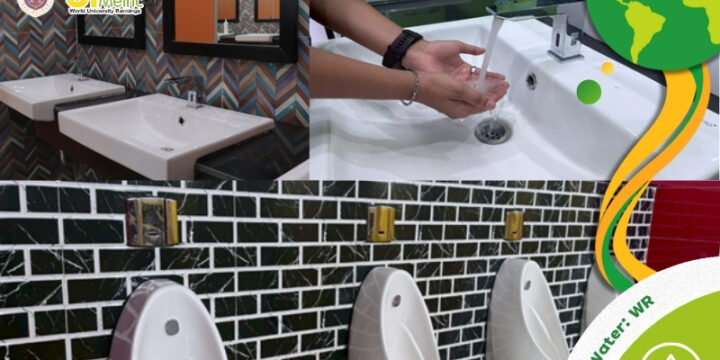
Water (WR) Water-efficient appliances usage Figures: Campus Map of Water-Efficient Appliance Installations in All University Buildings. (Walailak University, Thailand)Walailak University has a policy to promote reduced water usage and efficient water management within the university for maximum benefit. The university has applied building standards aimed at minimizing water use. Announcement of Walailak University Subject : Water Reuse Guidelines. Thai version see : https://bit.ly/3G0jyQv Walailak University has a policy to promote reduced water usage and efficient water management within the university for maximum benefit. The university has adopted building standards aimed at minimizing water use, as follows:• FaucetsSelf-closing faucets have been installed instead of swivel faucets, effectively controlling and limiting water usage. Picture : Automatic faucets• Urinal flush valvesThese have been replaced with water-saving models (6 liters), reducing water consumption by…
Read More
Water recycling program implementation

Water recycling program implementation

Water
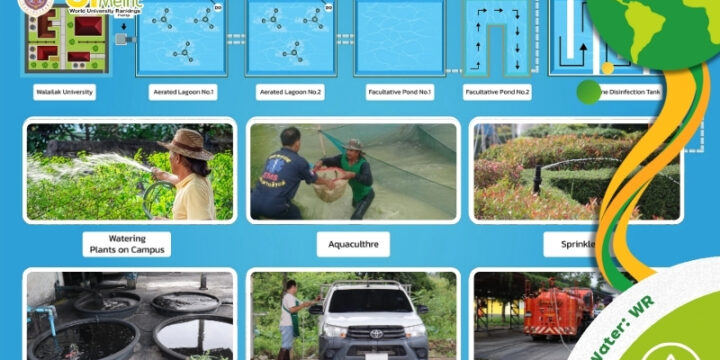
Water (WR) Water recycling program implementation Walailak University has implemented a water recycling program to promote sustainable water use and achieve > 50% water recycled. In 2025, the university’s daily water consumption for domestic purposes was 960.37 cubic meters, of which 768.29 cubic meters per day (approximately 80% of total water use) entered the wastewater system. Approximately 729.88 cubic meters per day of treated water (reflecting a 5% loss during the treatment process) was reused in the following activities: 1. Watering Plants on Campus: Treated water is used for watering plants and ornamental trees throughout the campus to maintain greenery and reduce the use of new tap water. This activity helps promote a healthy campus ecosystem and supports a pleasant, shaded environment. 2. Aquaculture: Treated water, tested to meet quality…
Read More
Water Conservation Program Implementation

Water Conservation Program Implementation

Water
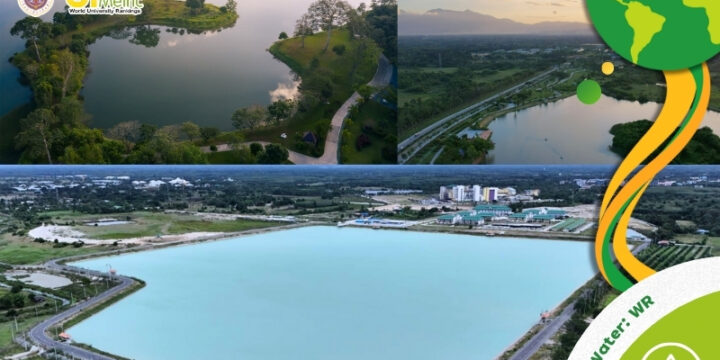
Water (WR) Water Conservation Program Implementation Figures: The Process of Water Management in the Reservoirs. (Walailak University, Thailand)The Process of Water Management in the ReservoirsWalailak University has established a comprehensive water management system that integrates natural water resource development, flood prevention, efficient distribution, and wastewater recycling. The university relies on three primary reservoirs: Pruk Sachon Reservoir, Mon Tara Reservoir, and Chala Nusorn Reservoir, which serve as essential infrastructure for sustainable water utilization and climate resilience within the campus.1. Reservoir and Natural Water Source Management           The university continually improves natural water sources and develops previously flooded areas into reservoirs to increase its water storage capacity. This approach not only enhances water security but also strengthens the university’s resilience against seasonal water shortages and climate-related risks. Figures: The reservoirs within Walailak University.…
Read More
Planning, implementation, monitoring and/or evaluation of all programs related to Water Management through the utilization of Information and Communication Technology (ICT)

Planning, implementation, monitoring and/or evaluation of all programs related to Water Management through the utilization of Information and Communication Technology (ICT)

Water
Water (WR) Planning, implementation, monitoring and/or evaluation of all programs related to Water Management through the utilization of Information and Communication Technology (ICT) • PlanningAnalysis of Water Management Needs and Usage Analytics: In this step, WU assess the water management needs by analyzing water usage in various buildings and wastewater management. This involves collecting data on water consumption, including the number of users and types of water used, to determine overall water usage. Reference of data : Division of landscaping and building• Implementation of Equipment and ICT SystemsWU install the necessary equipment and ICT systems, including water level monitoring sensors that track the amount of water in tanks or collected rainwater. These sensors facilitate real-time tracking of water levels and provide alerts when levels exceed certain thresholds, which is particularly…
Read More
Water pollution control in campus area (WR.5)

Water pollution control in campus area (WR.5)

Water
Water (WR) Water pollution control in campus area Walailak University has policies and guidelines on wastewater treatment from buildings and all places across the campus that are based on legally required standards and requirements to protect the ecosystems, human life, and wildlife around the campus. Besides the guidelines and policies, WU has a manual on wastewater treatment on campus. - Wastewater Treatment Manual - Reference of data : Wastewater Treatment ManualThe university has realized that the staff working on building maintenance must be supported by the university so that the staff can perform preliminary checks and tackle any problems with proper procedures. The procedures for wastewater treatment at WU prevent the wastewater from entering the ecosystems around the campus using standard measures and procedures. Regarding human life, the treatment procedures…
Read More