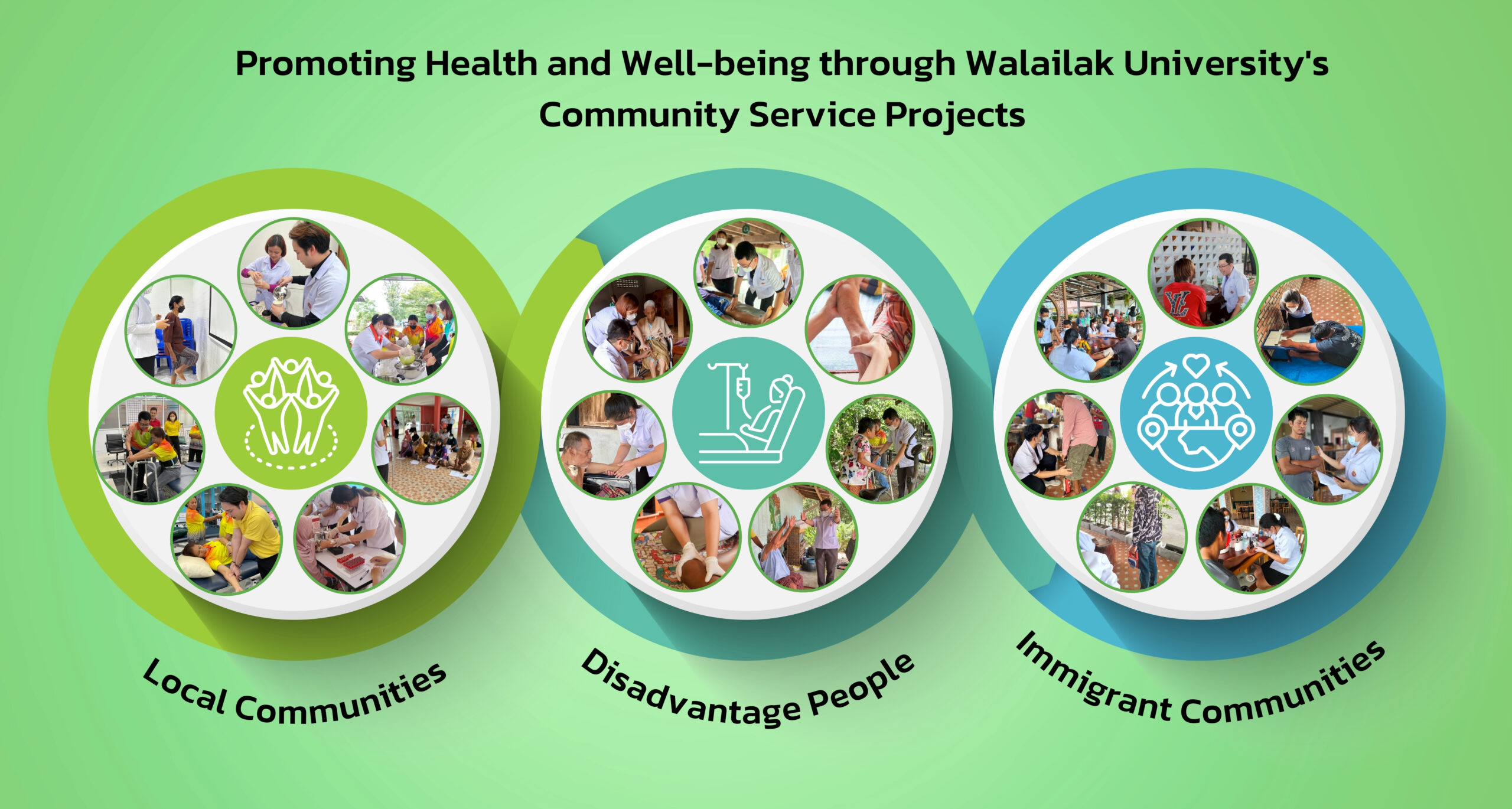
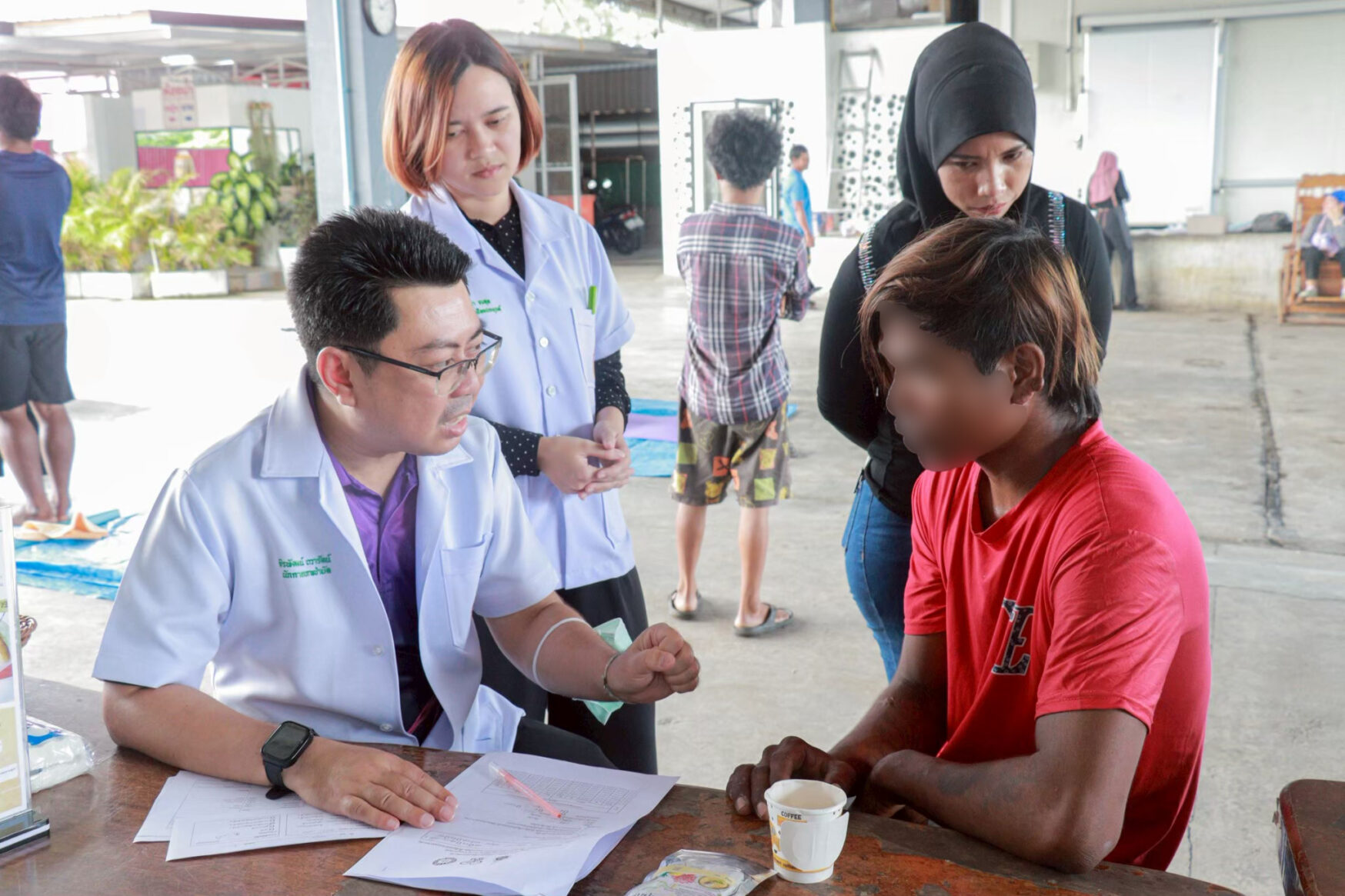
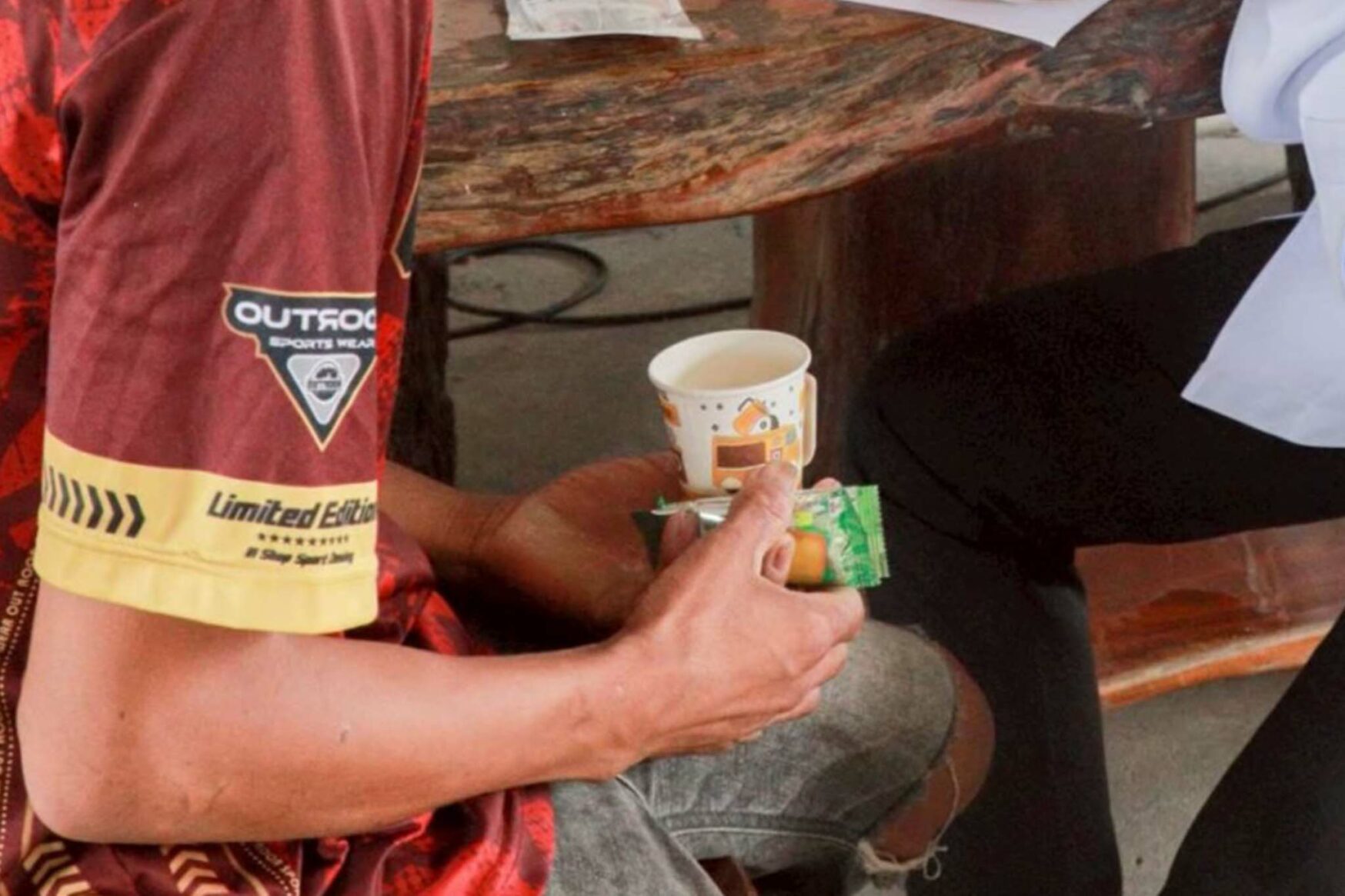
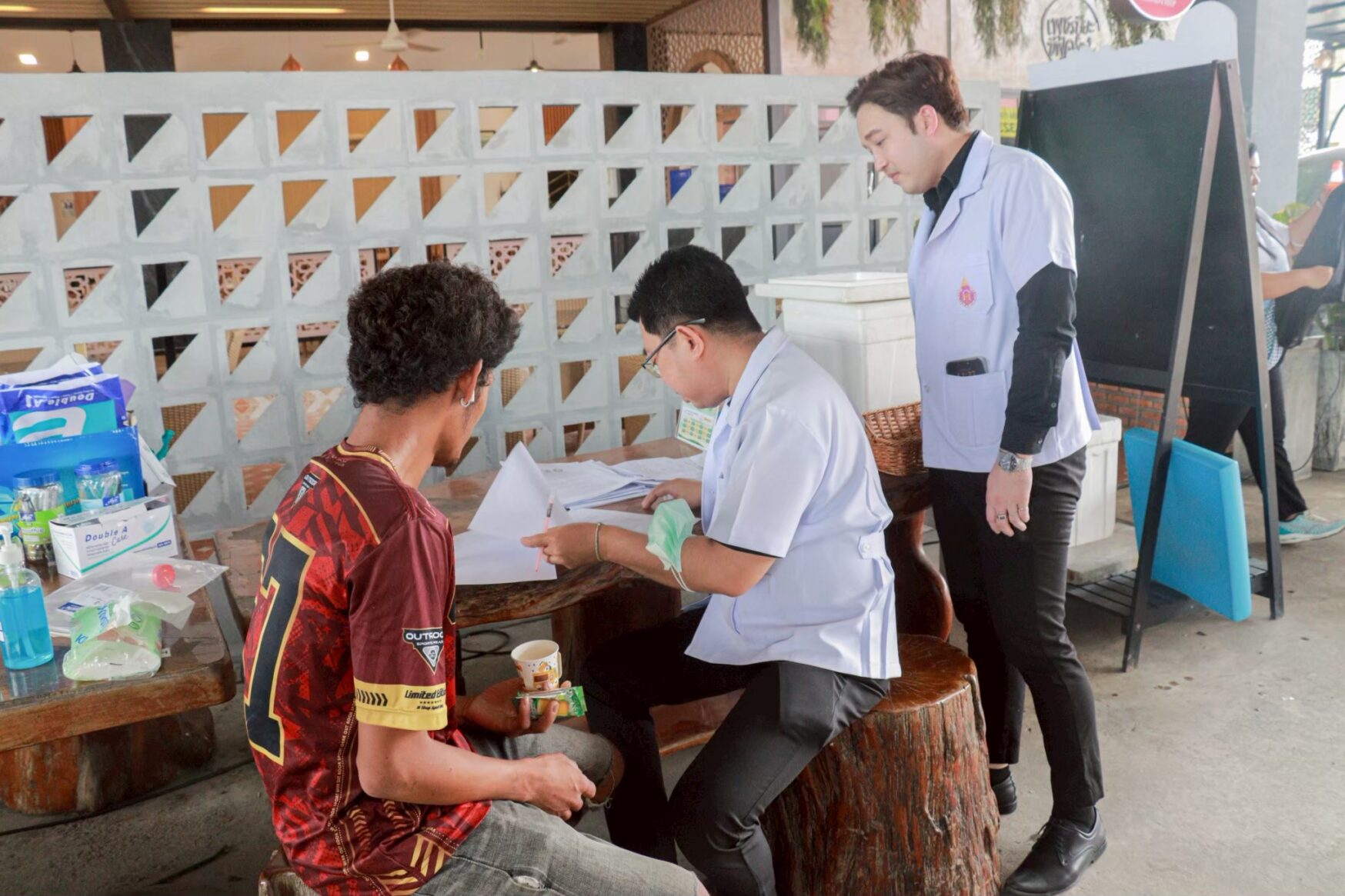
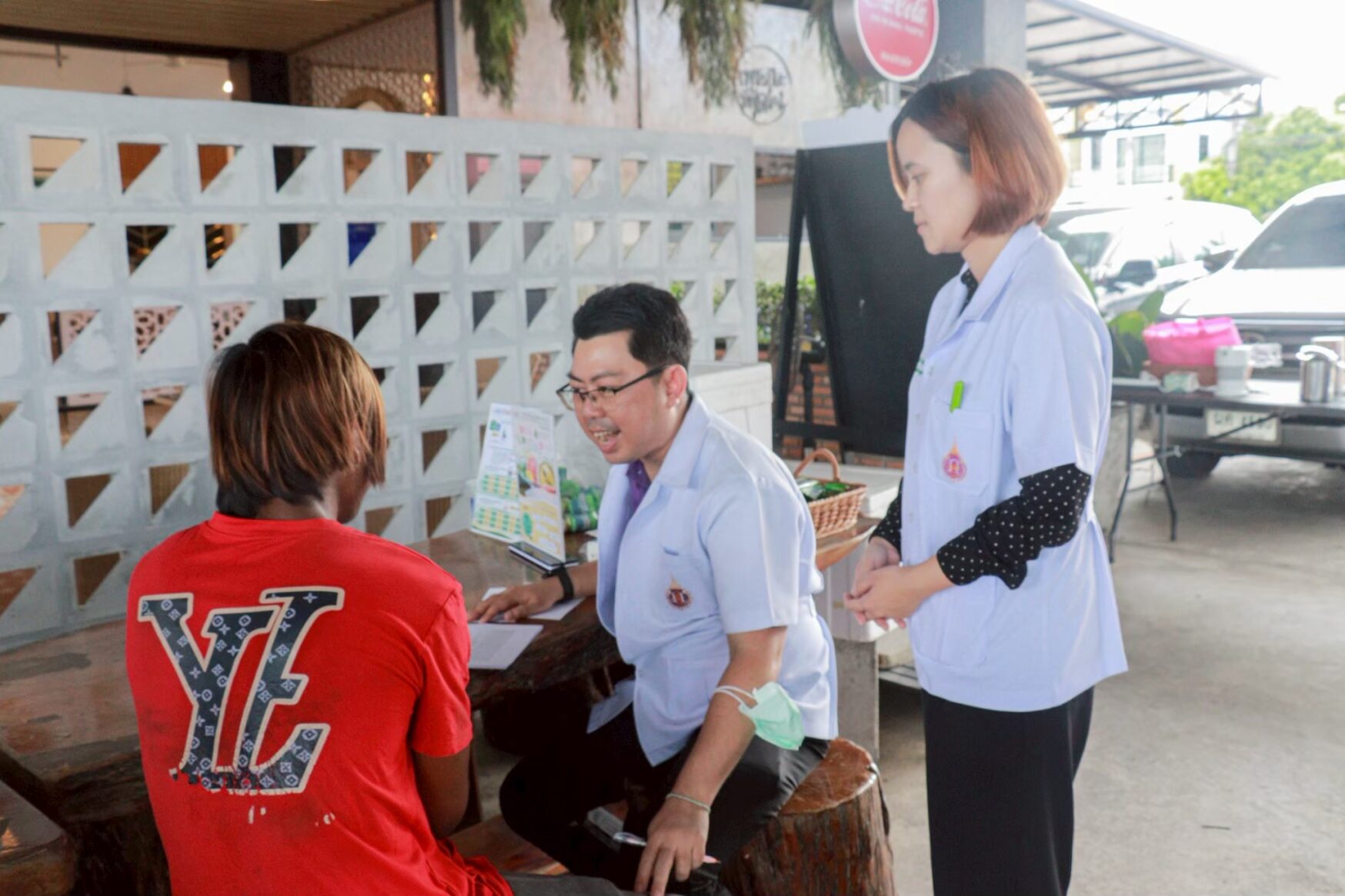
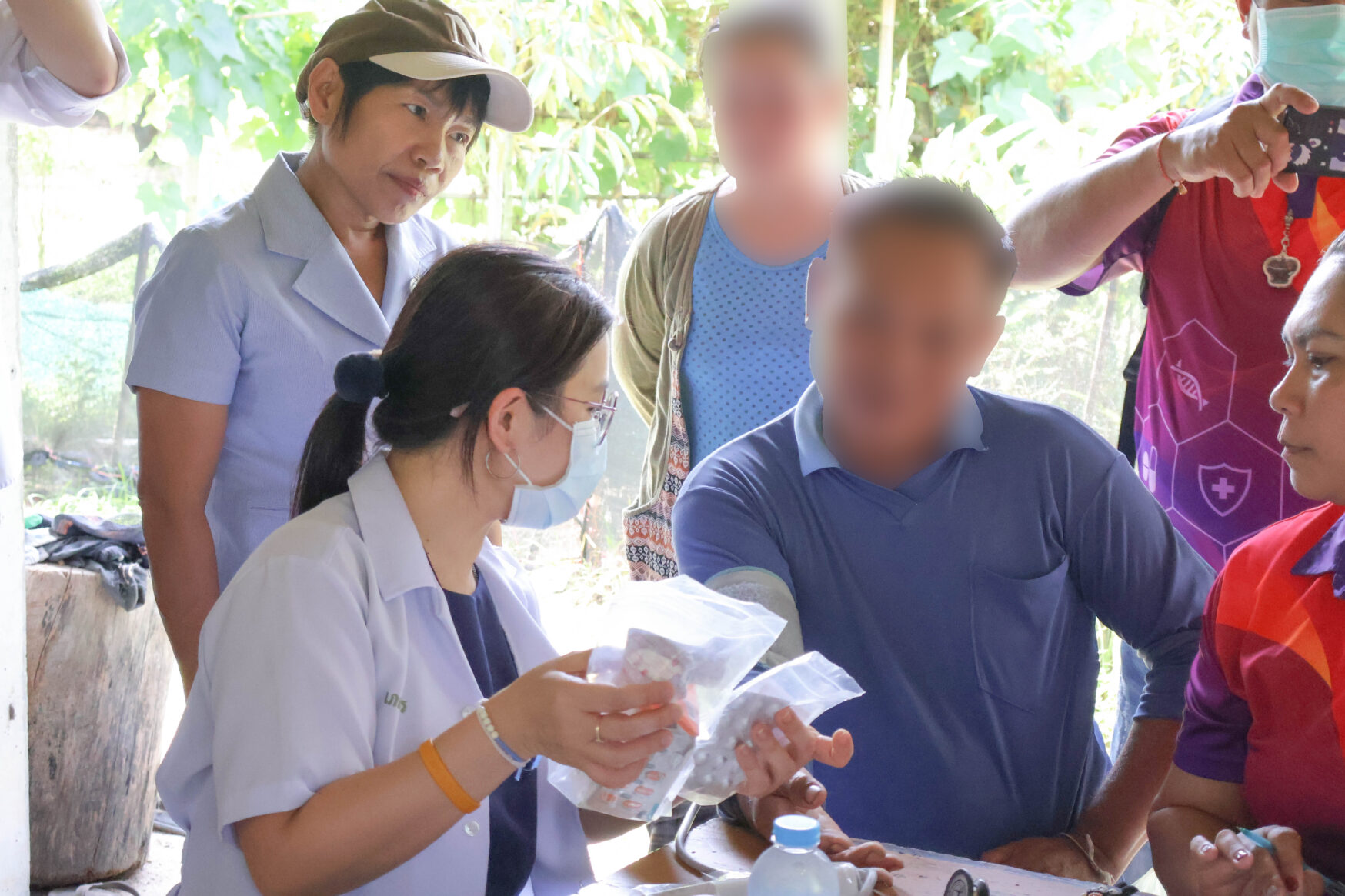
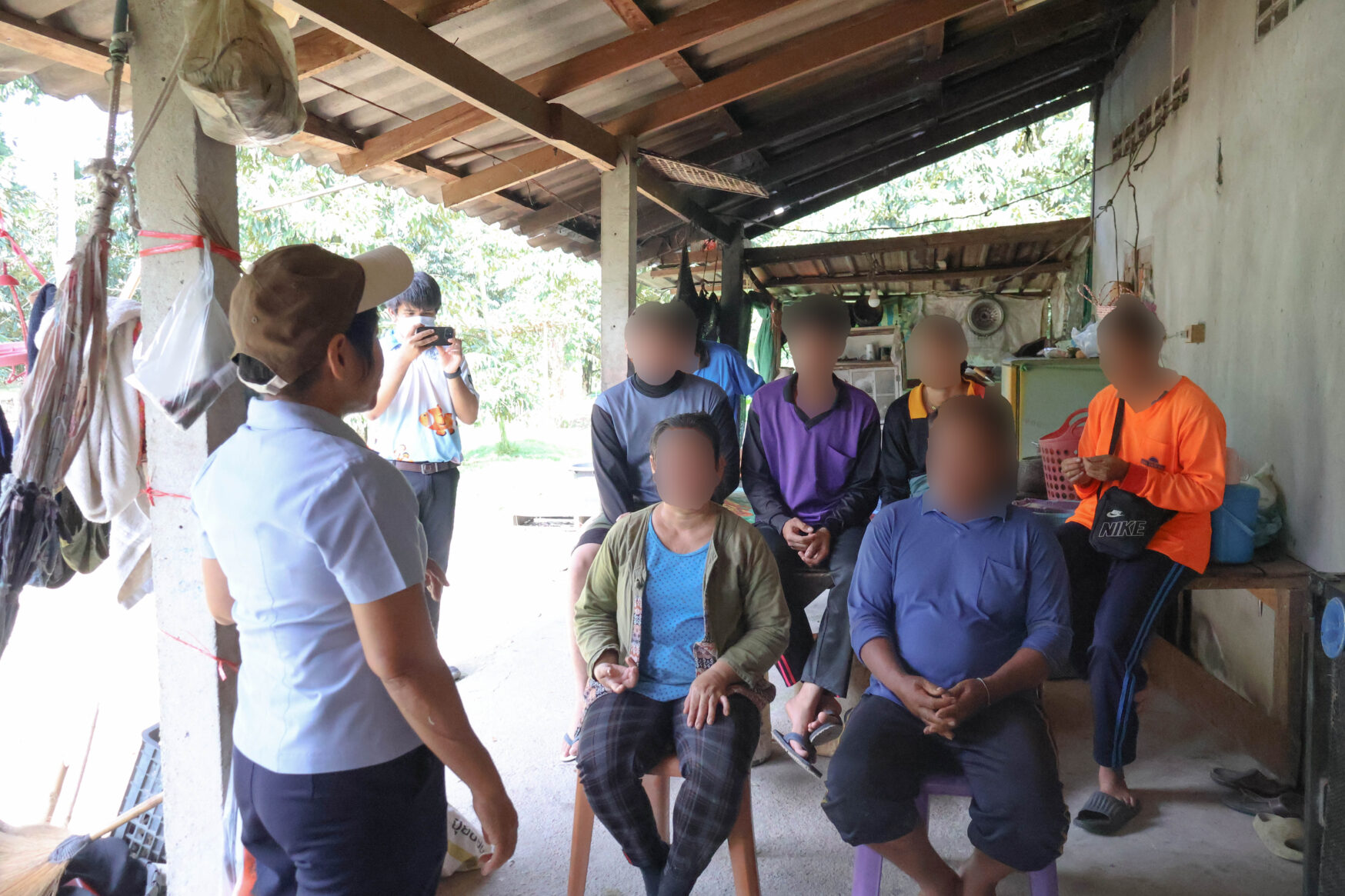
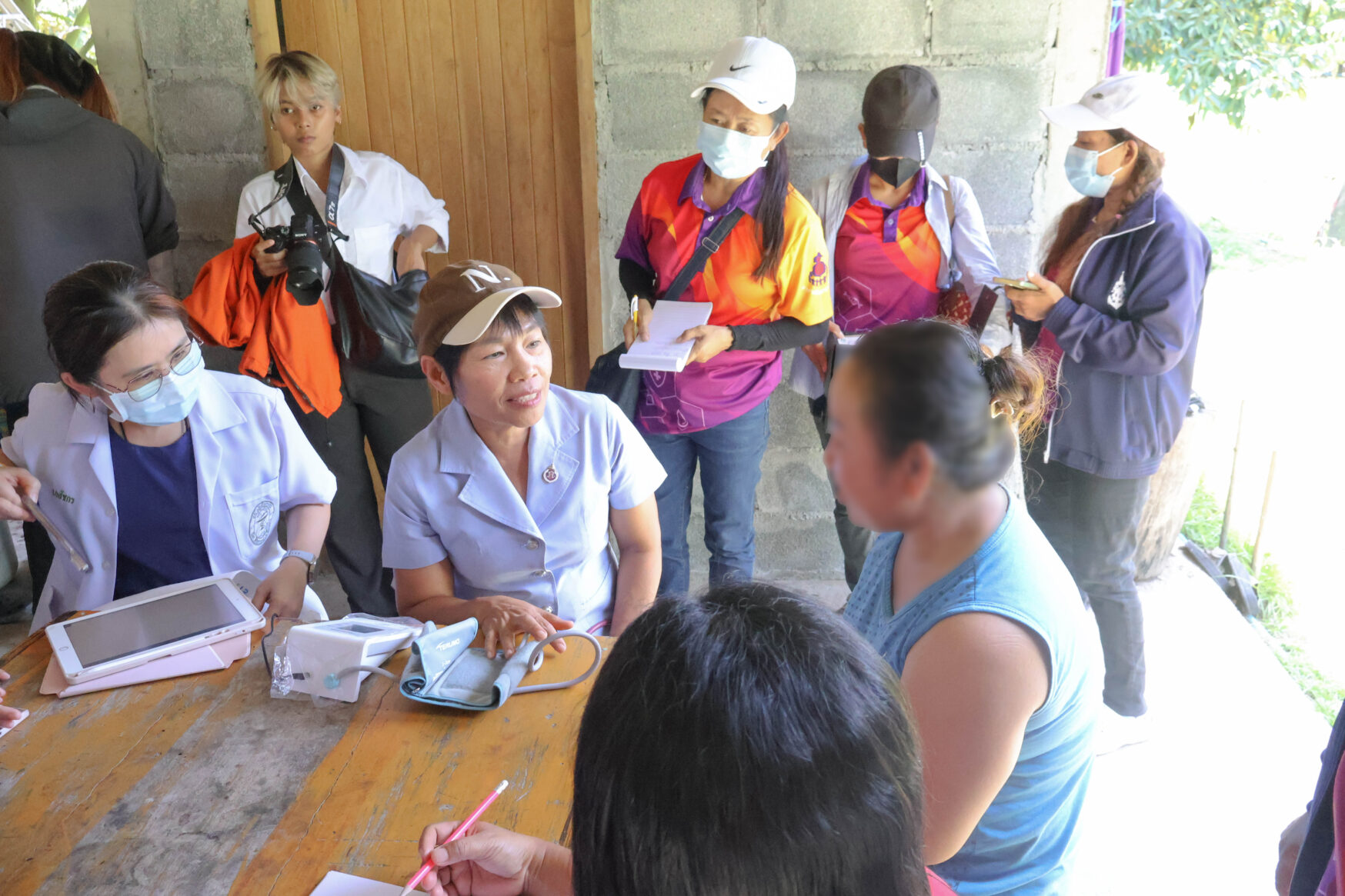
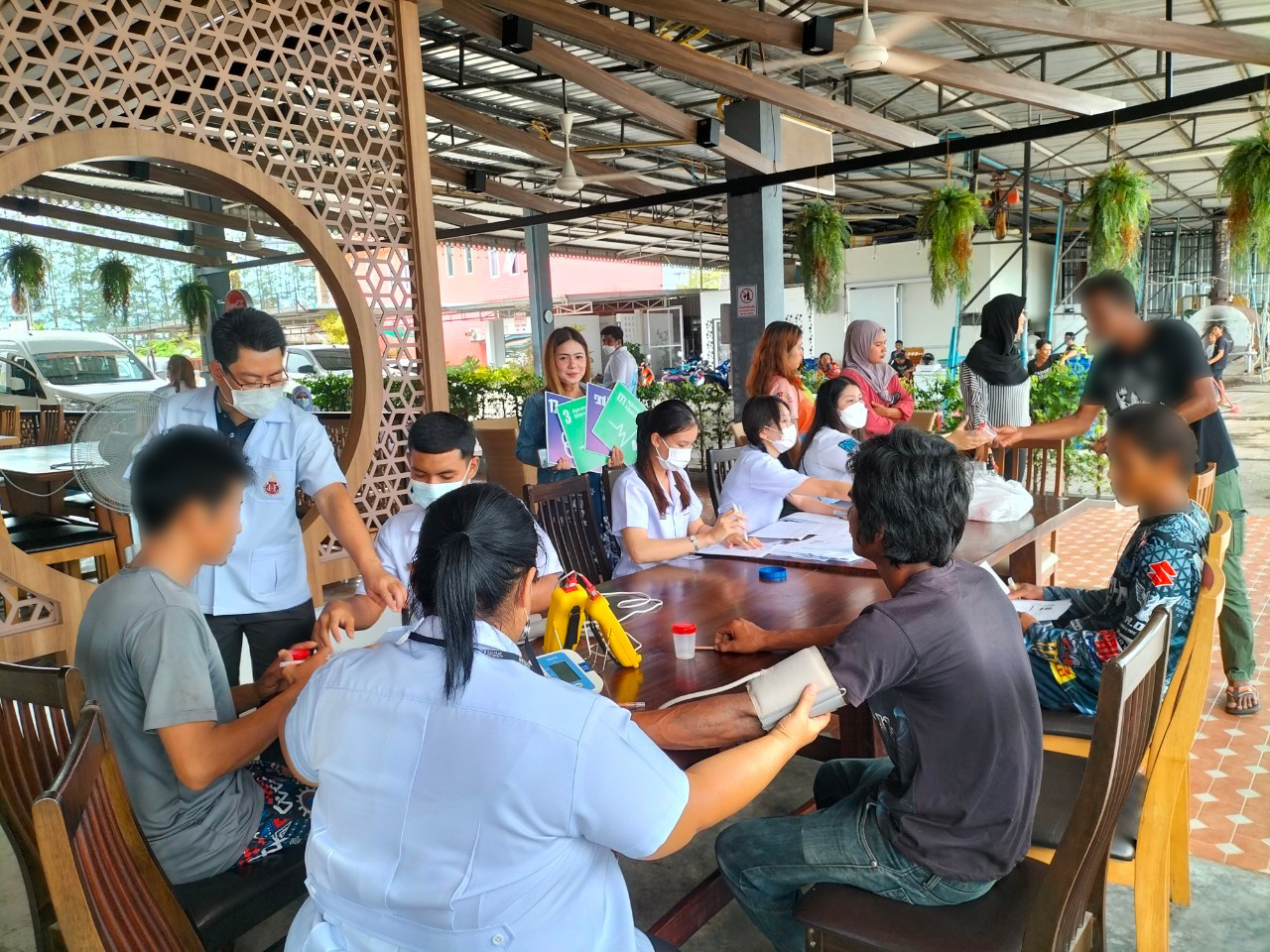
Promoting Health and Well-being through Walailak University’s Community Service Projects
Health is a fundamental priority for everyone. However, access to health knowledge and services remains limited for certain groups due to geographical and socio-economic barriers. As part of its mission to serve as a “Pillar of the Region,” Walailak University delivers health outreach programmes under the “Walailak Health Model Programmes.” These programmes encompass a range of projects across various health disciplines — including physical therapy, traditional Thai medicine, pharmacy, medical technology, diagnostic sciences, and other medical sciences — to deliver integrated actions that improve or promote the health and well-being of local communities, disadvantaged populations, and immigrant groups. Beyond addressing immediate health concerns, these programmes promote long-term sustainability through needs assessment, project development, community engagement, systematic impact measurement, and continuous evaluation.
Health is a fundamental priority for everyone. However, access to health knowledge and services remains limited for certain groups due to geographical and socio-economic barriers. As part of its mission to serve as a “Pillar of the Region,” Walailak University delivers health outreach programmes under the “Walailak Health Model Programmes.” These programmes encompass a range of projects across various health disciplines — including physical therapy, traditional Thai medicine, pharmacy, Medical Technology and other medical sciences — to deliver integrated actions that improve or promote health and well-being of local communities, disadvantaged populations, and immigrant groups. Beyond addressing immediate health concerns, these programmes promote long-term sustainability through needs assessment, project development, community participation, and systematic impact evaluation.
The Projects for General Public in Local Communities
The university has continuously implemented academic service projects for the communities, delivering health outreach programmes and projects to the general public in local communities across various health science disciplines—such as physiotherapy, applied Thai traditional medicine, pharmacy, nursing, and medical technology—in order to improve and promote health and well-being.
The Project for Health Promotion and Rehabilitation for Homebound and Bedridden Patients through Physical Therapy
This project aims to promote health, rehabilitate patients, and improve quality of life for the local community. A health database and referral system between hospitals, physicians, and the community were established to ensure services are delivered quickly, are easily accessible, and meet professional standards.
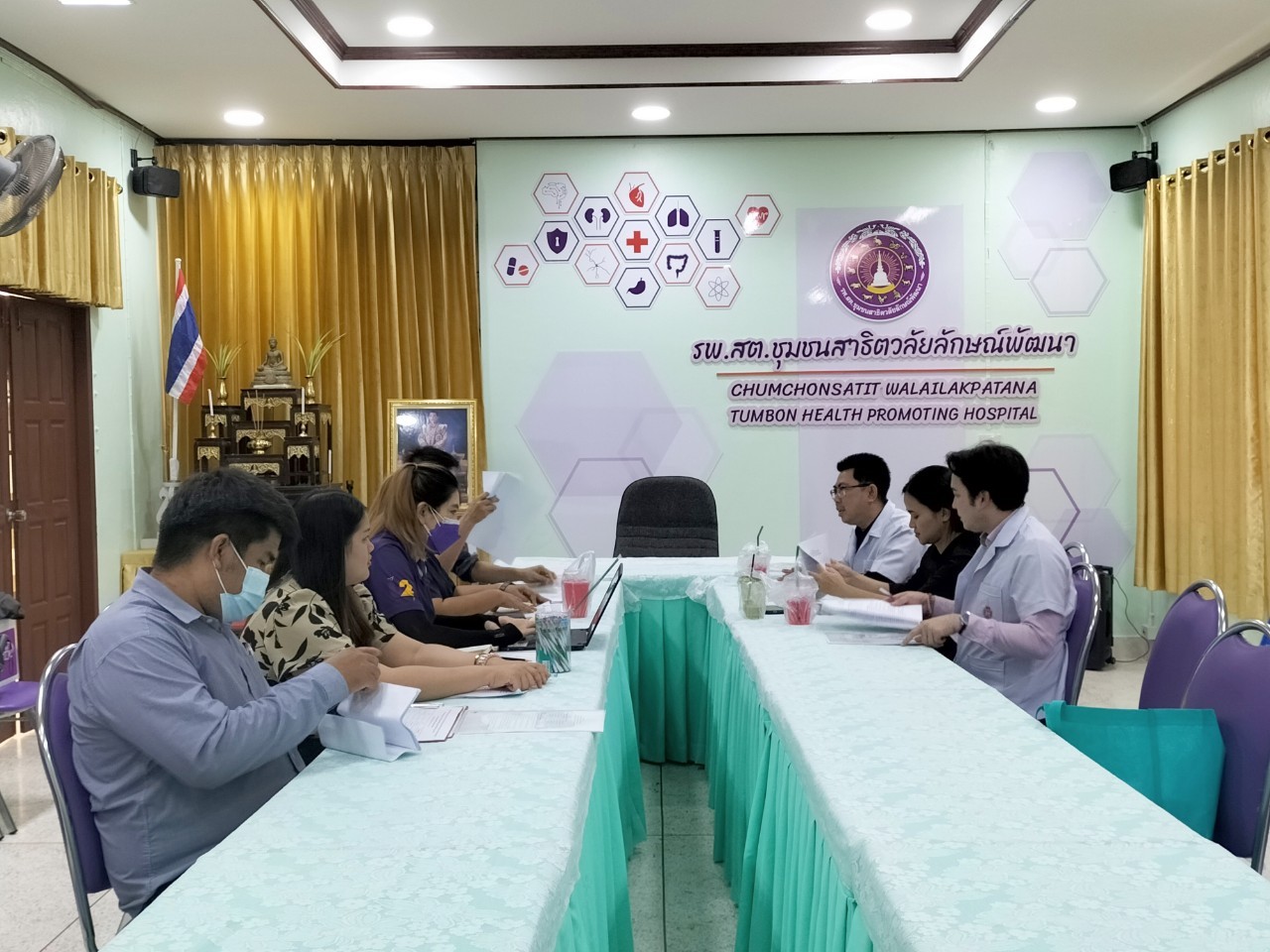
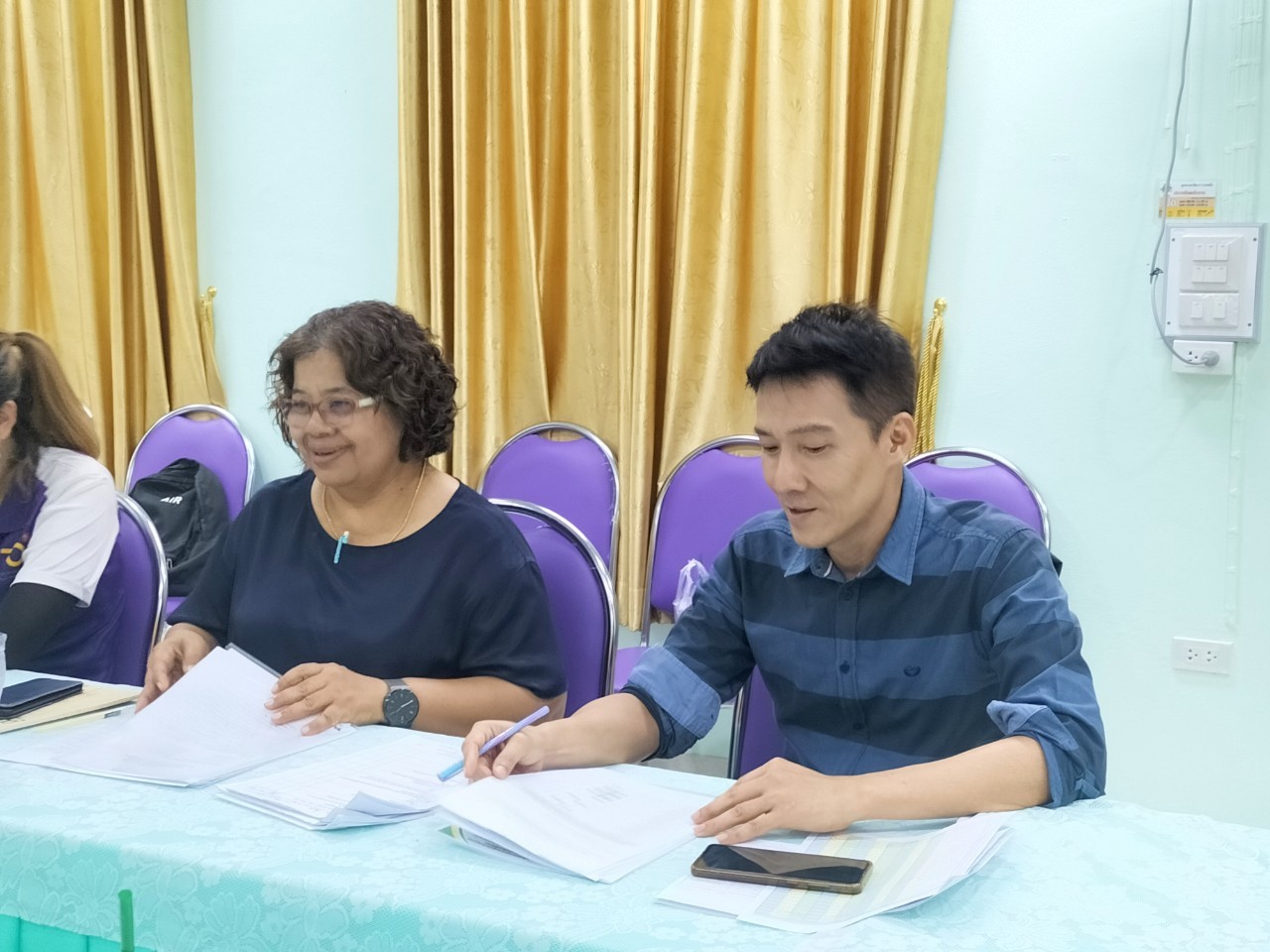
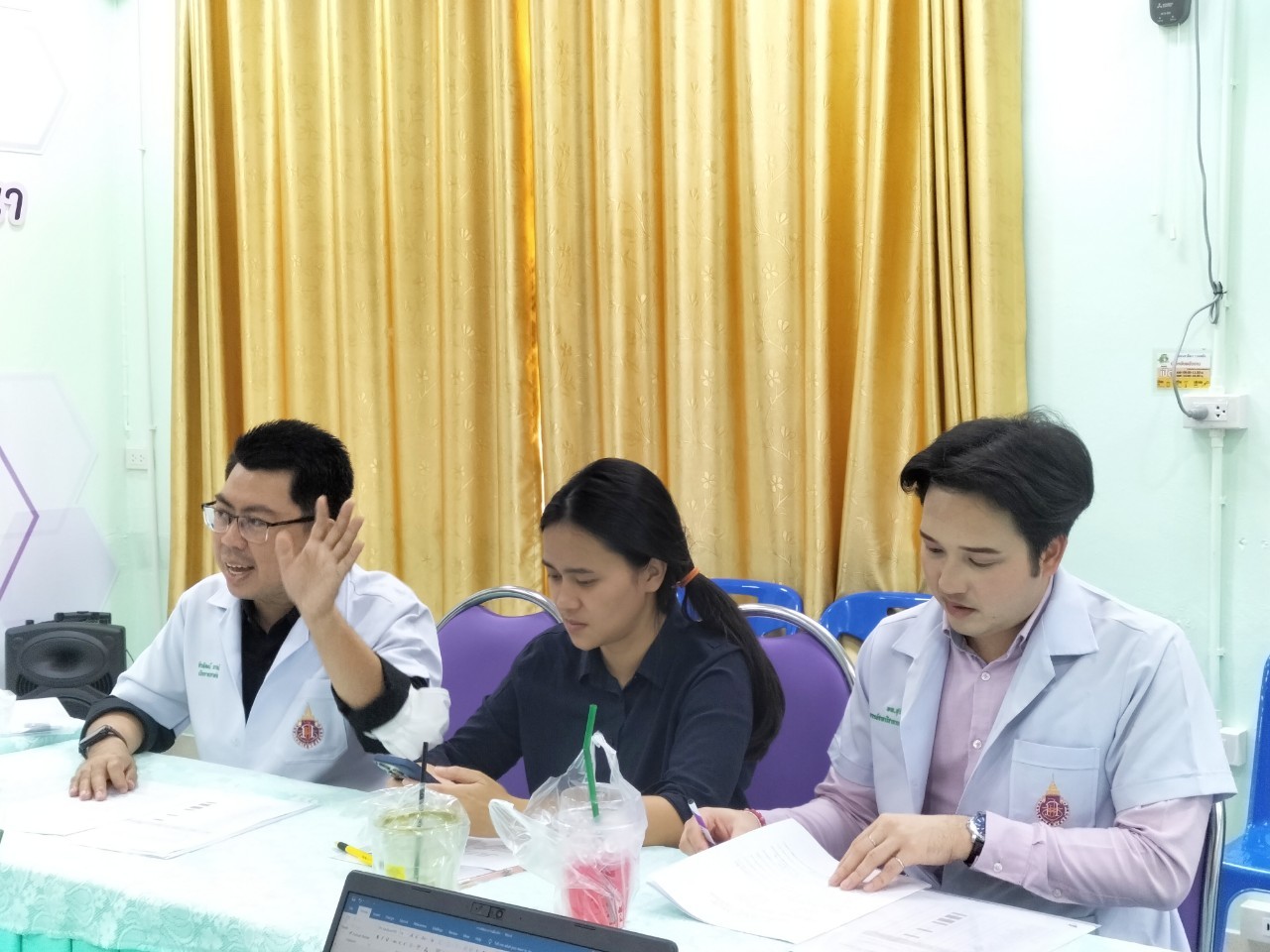
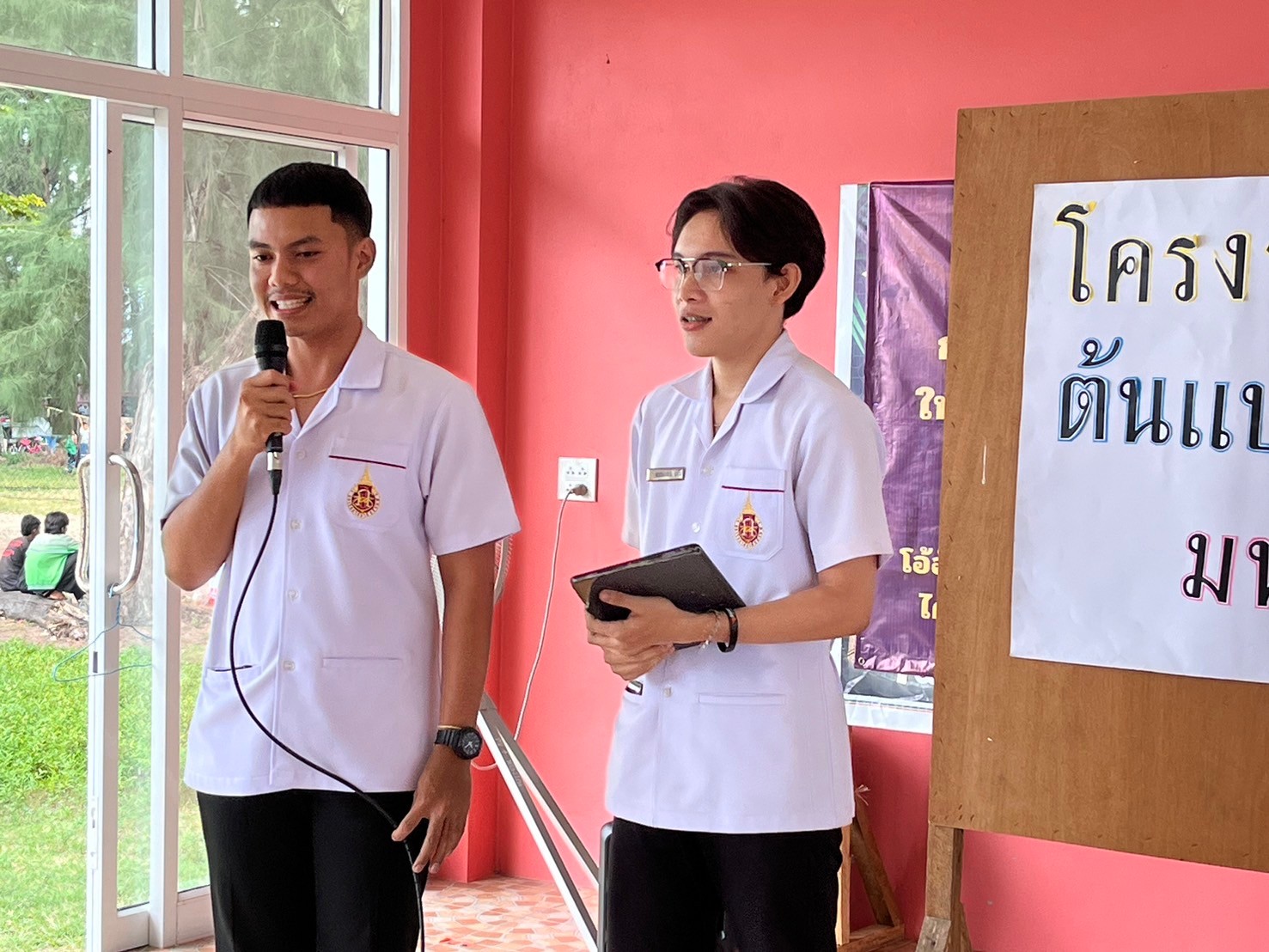
The process of this project began with meetings between the project team and Subdistrict Health Promoting Hospitals to further develop and expand the patient database and referral system for those requiring rehabilitation services. Also, these meetings were held to review the existing system, identify gaps, and design an area-based referral model—either by improving the current system or by creating a new one adapted to local needs. The database was designed and developed to facilitate a shared understanding between hospitals and communities for patient referrals from central hospitals back to their local areas.
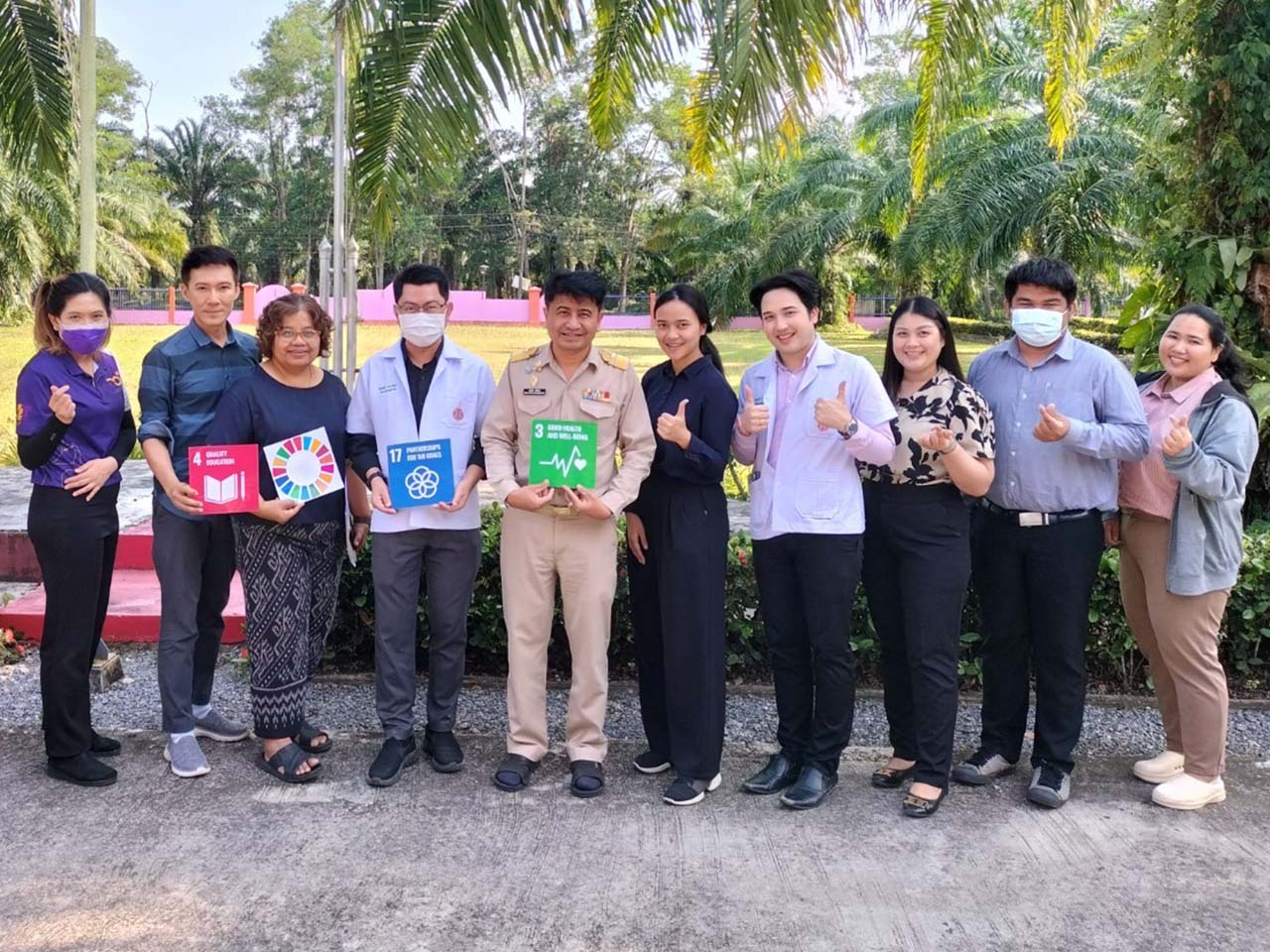
Figures : Meeting with health organization before delivering health outreach programs
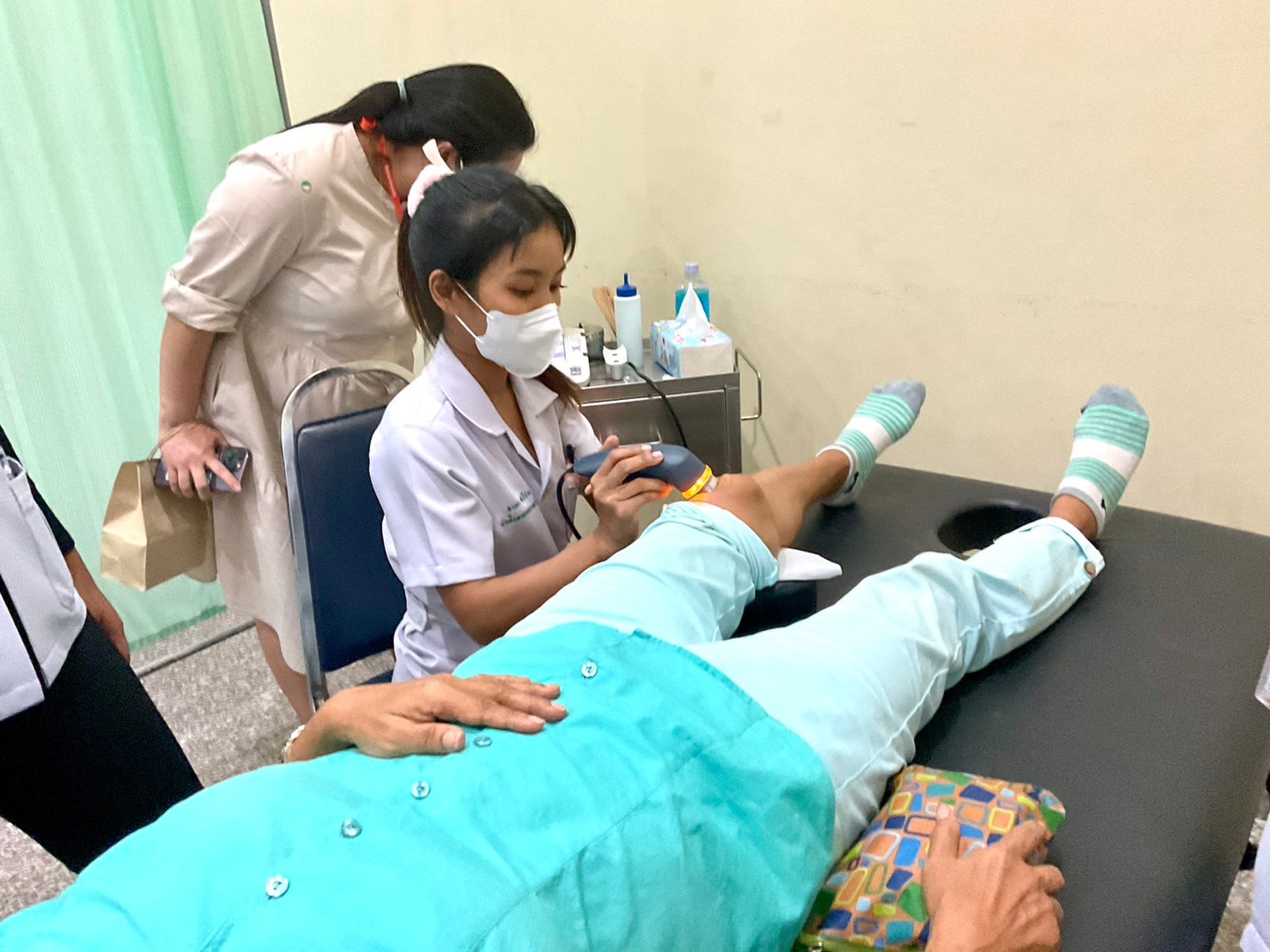
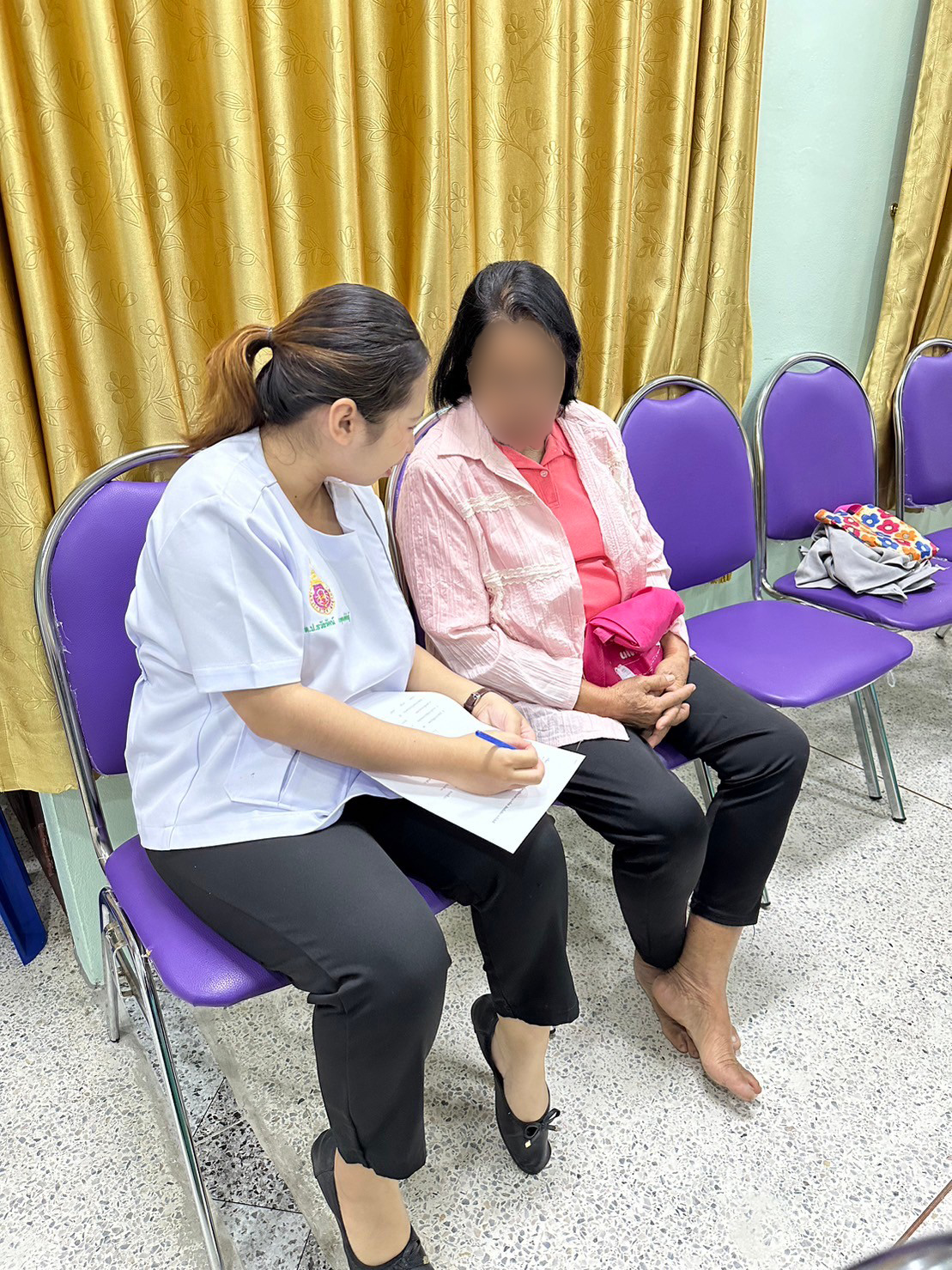
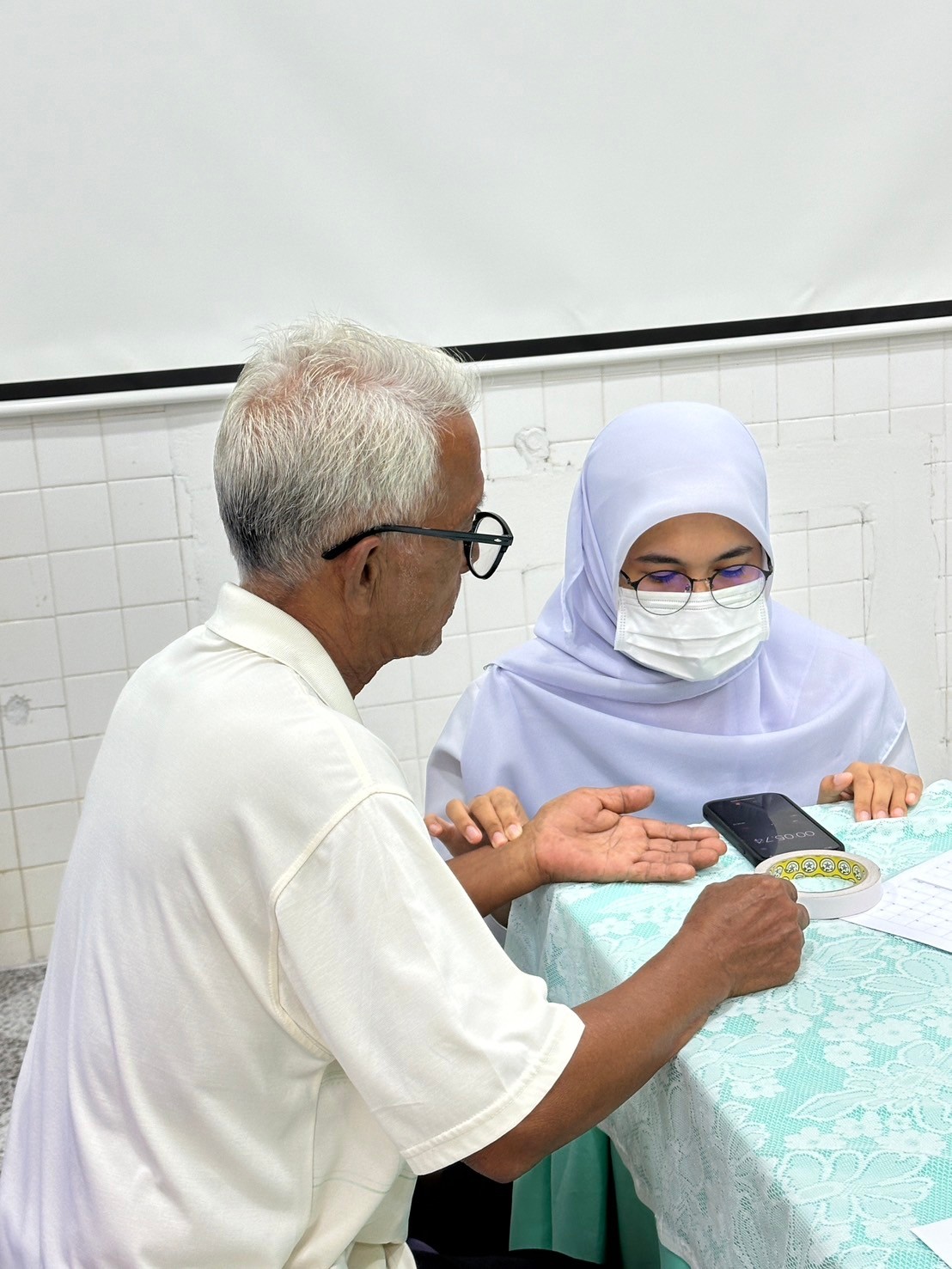
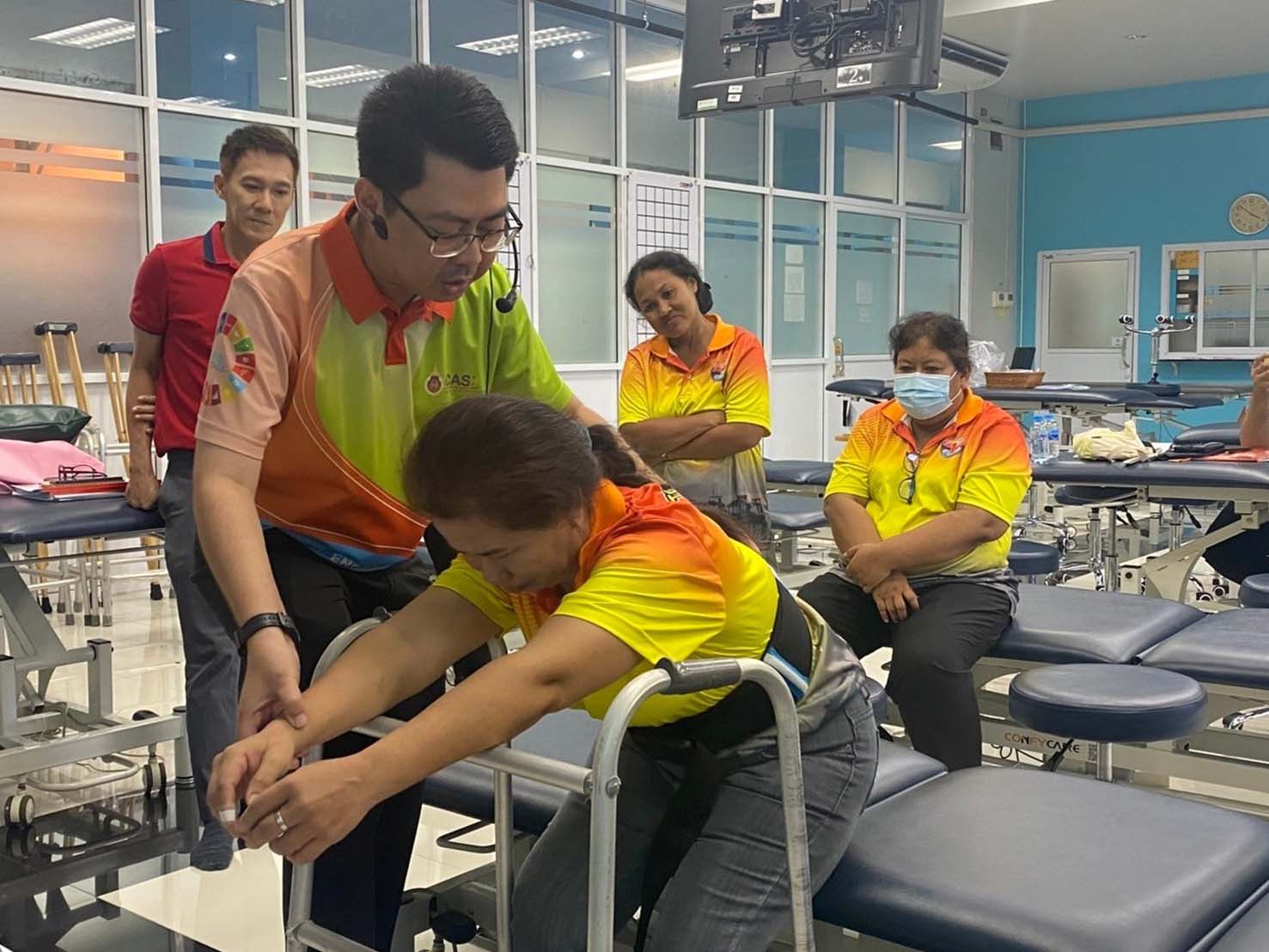
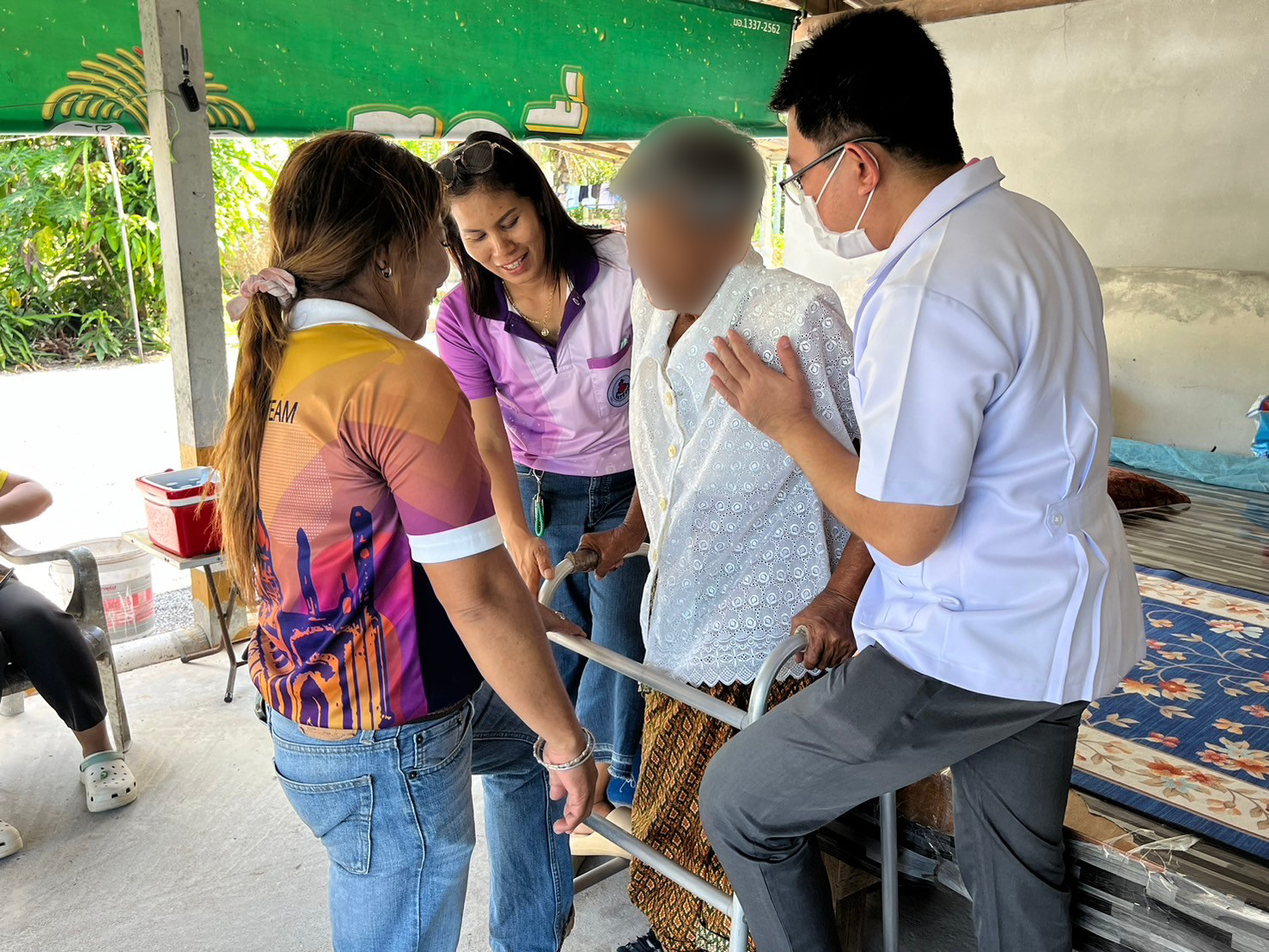
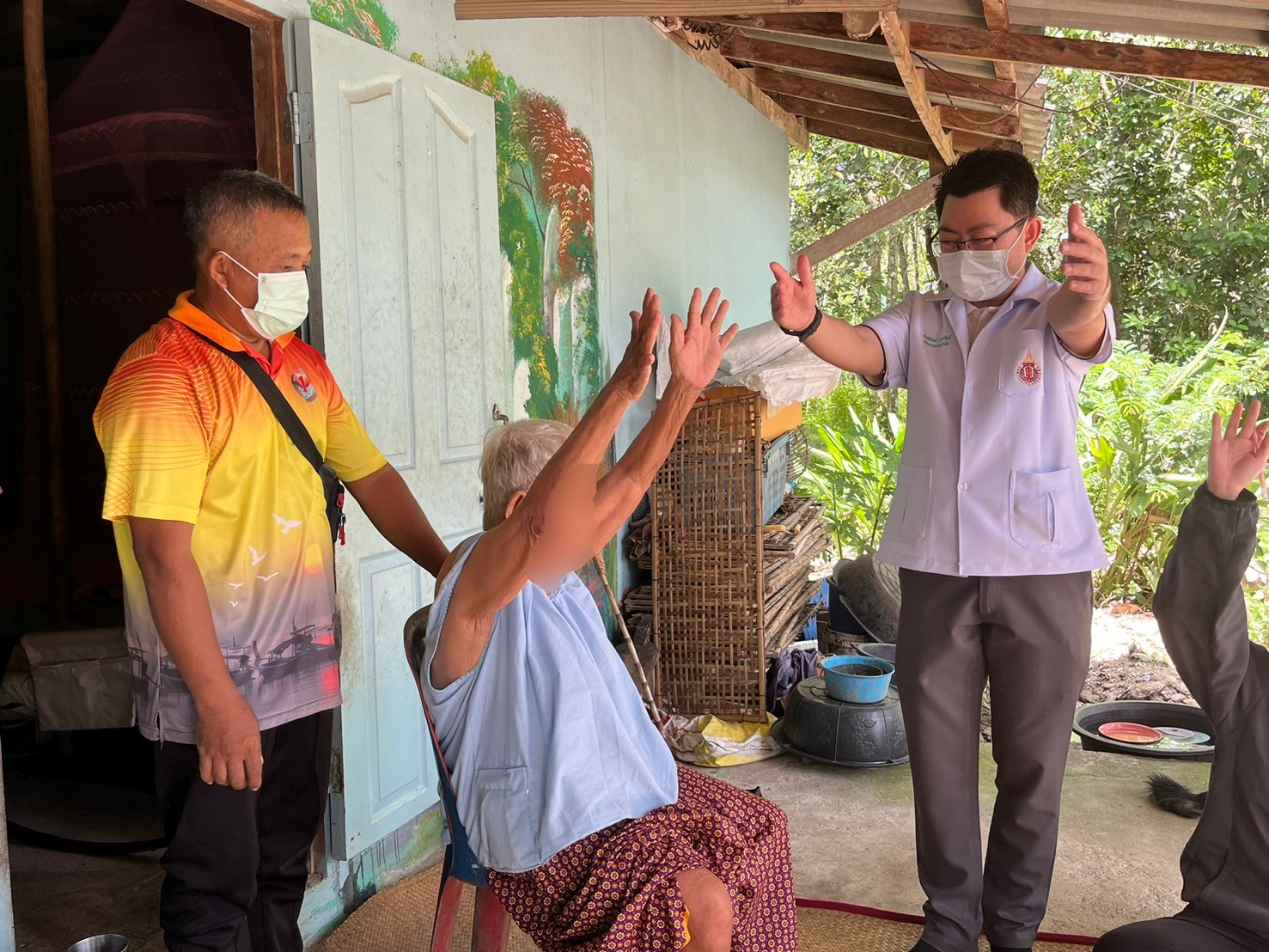
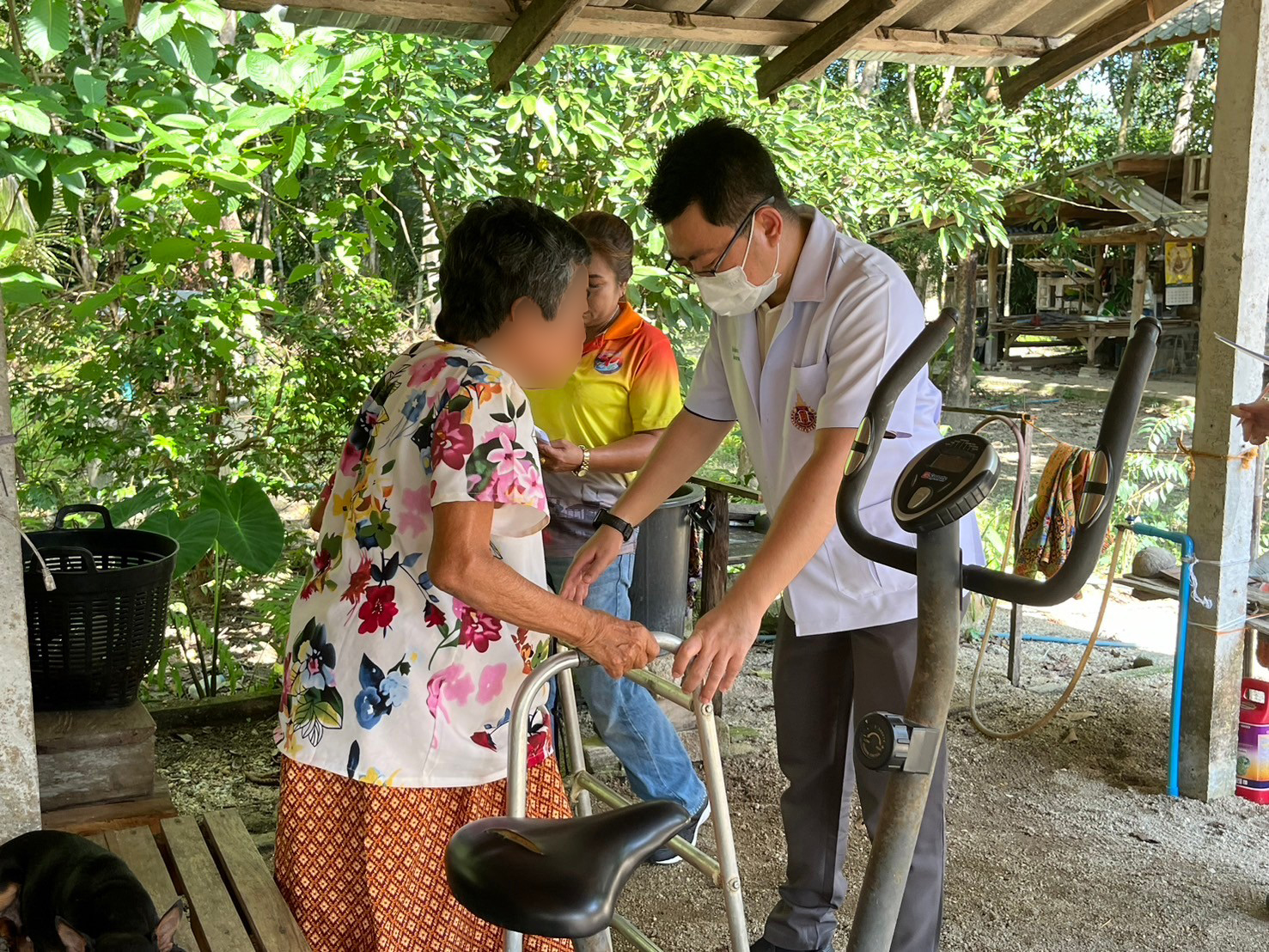
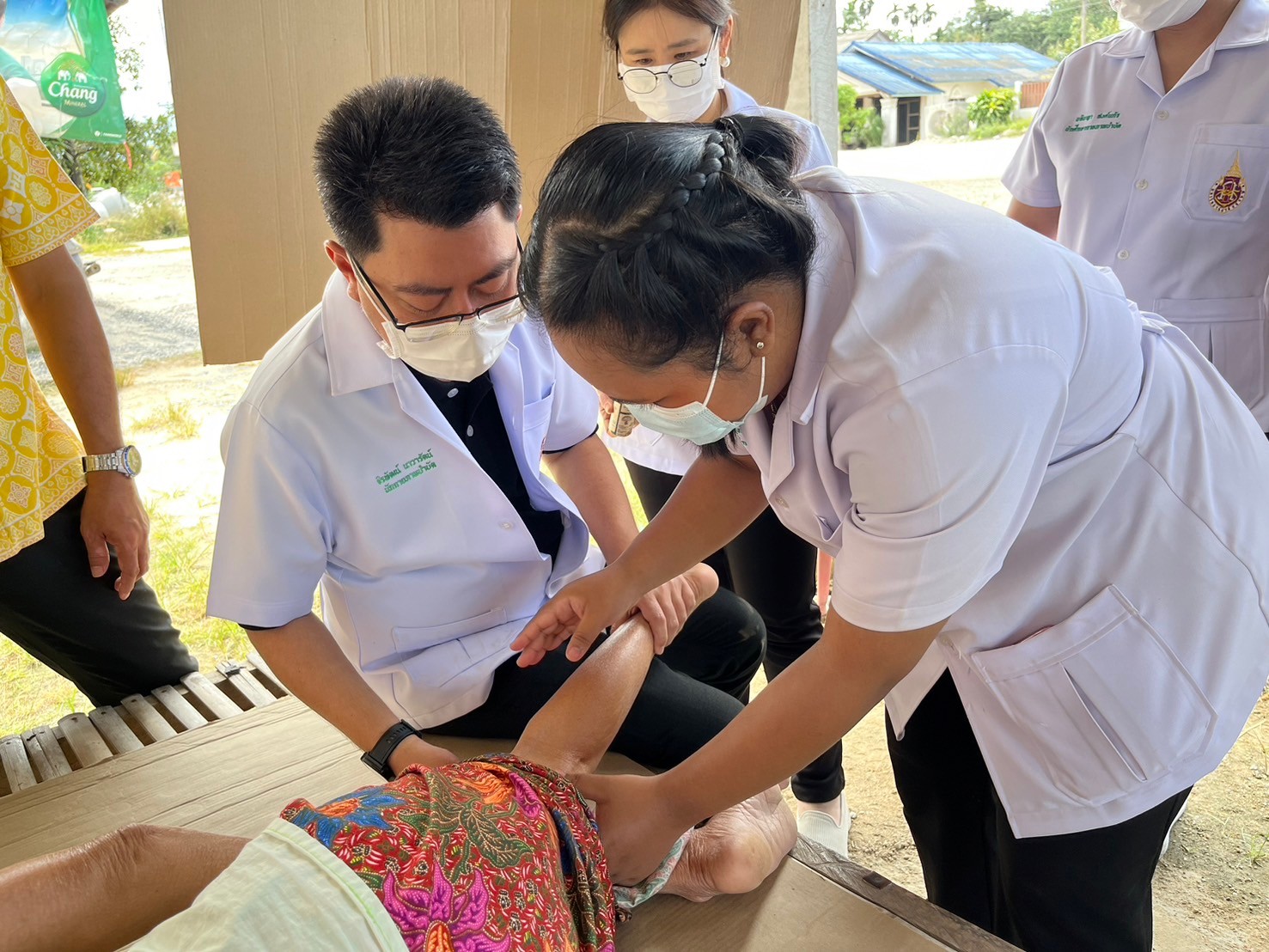
The project included activities to enhance physiotherapy services by conducting field assessments, screening, and providing rehabilitation programs for elderly patients by physiotherapists together with trained community leaders. 13 patients received rehabilitation services, with the frequency of physiotherapy sessions adjusted according to the severity of their conditions.
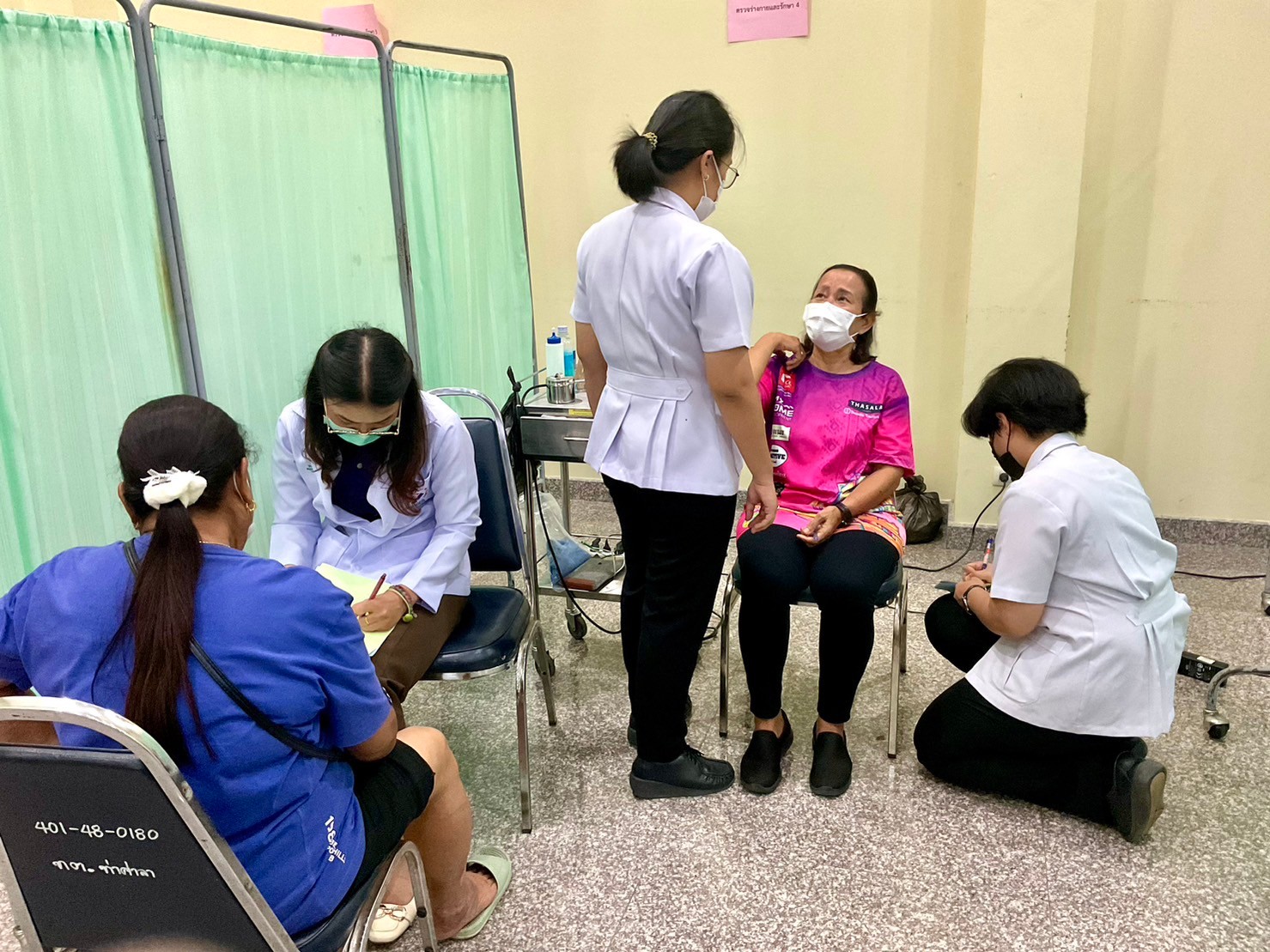
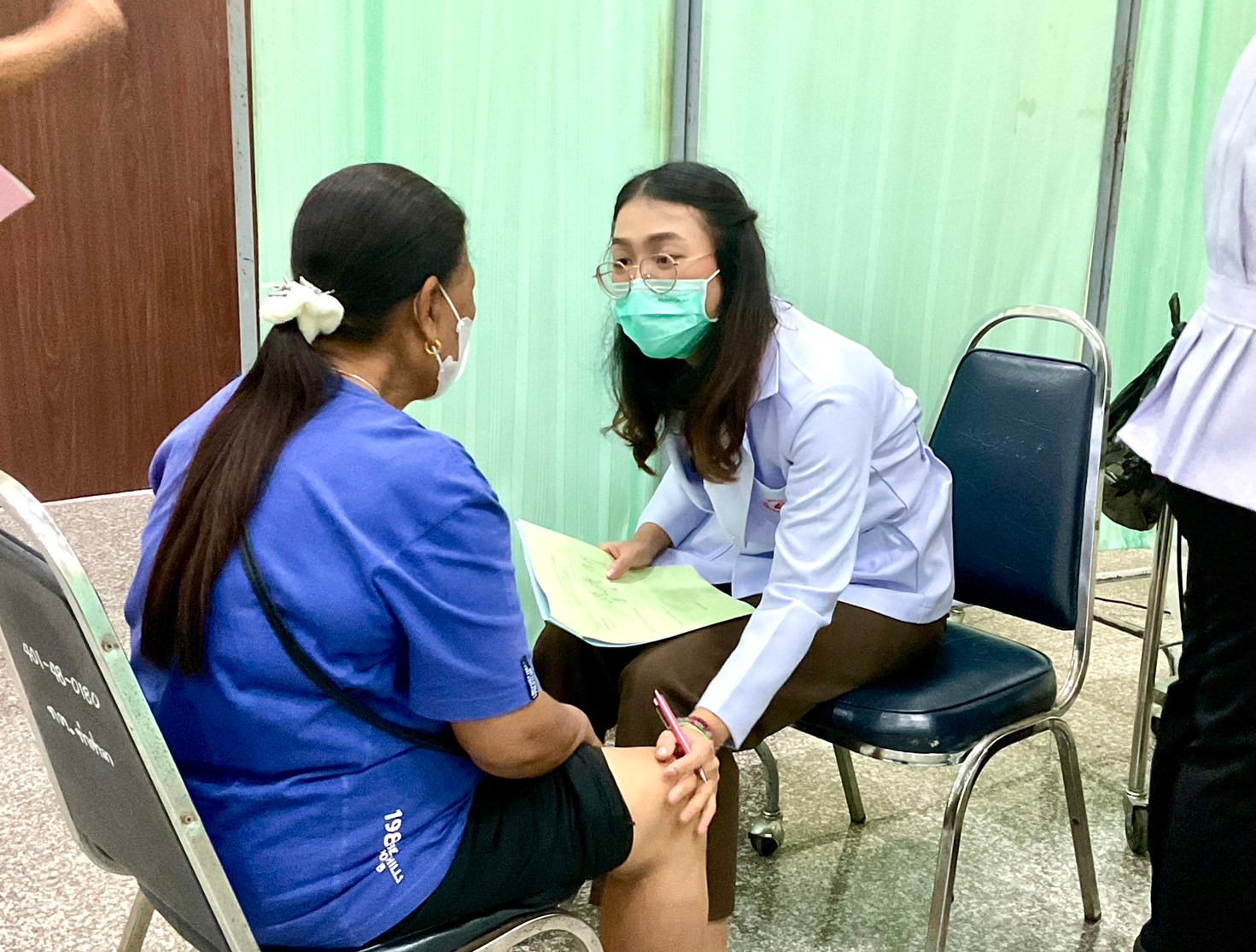
Figures : Conducting field assessments, screening, and providing rehabilitation programs for elderly patients
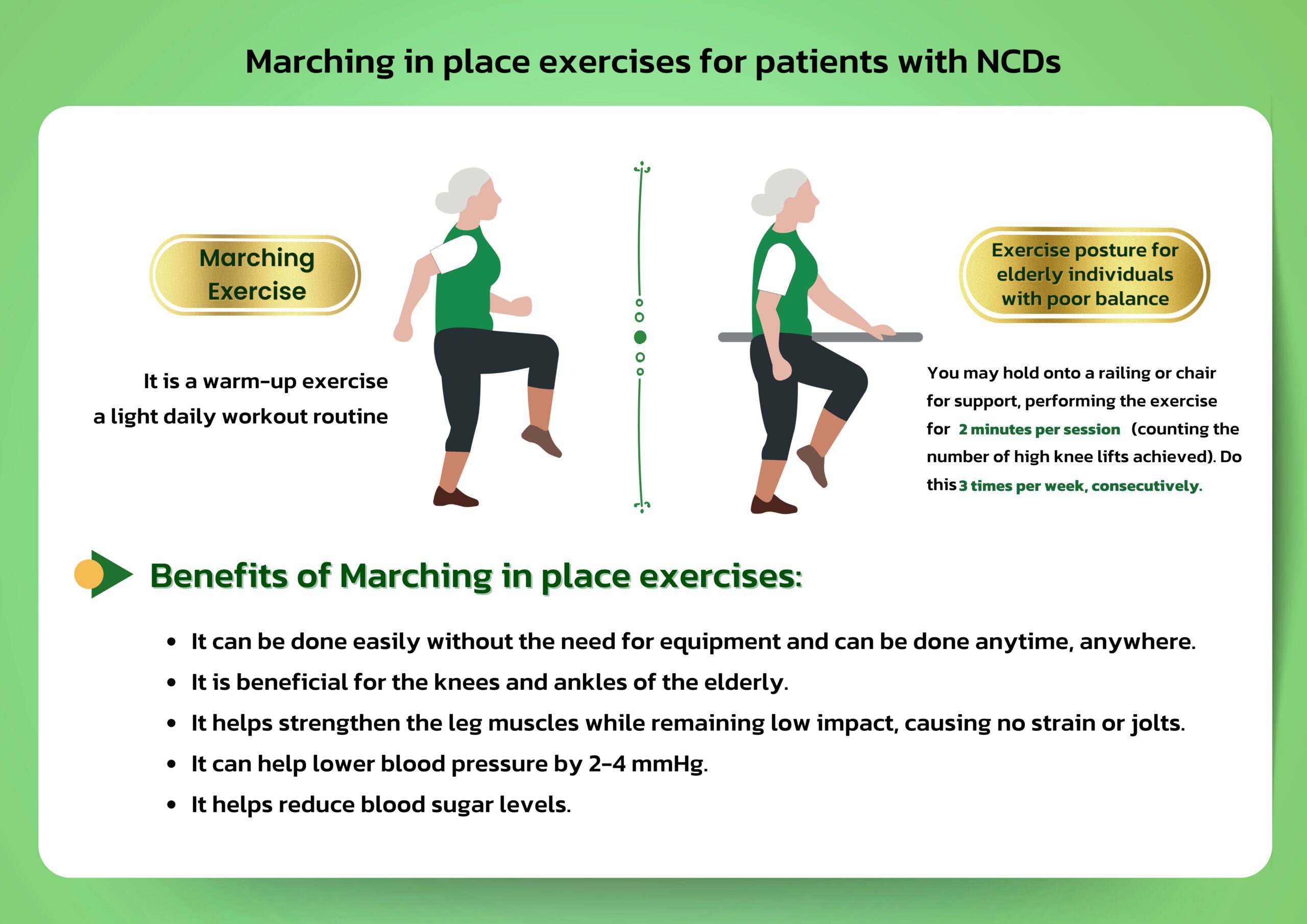
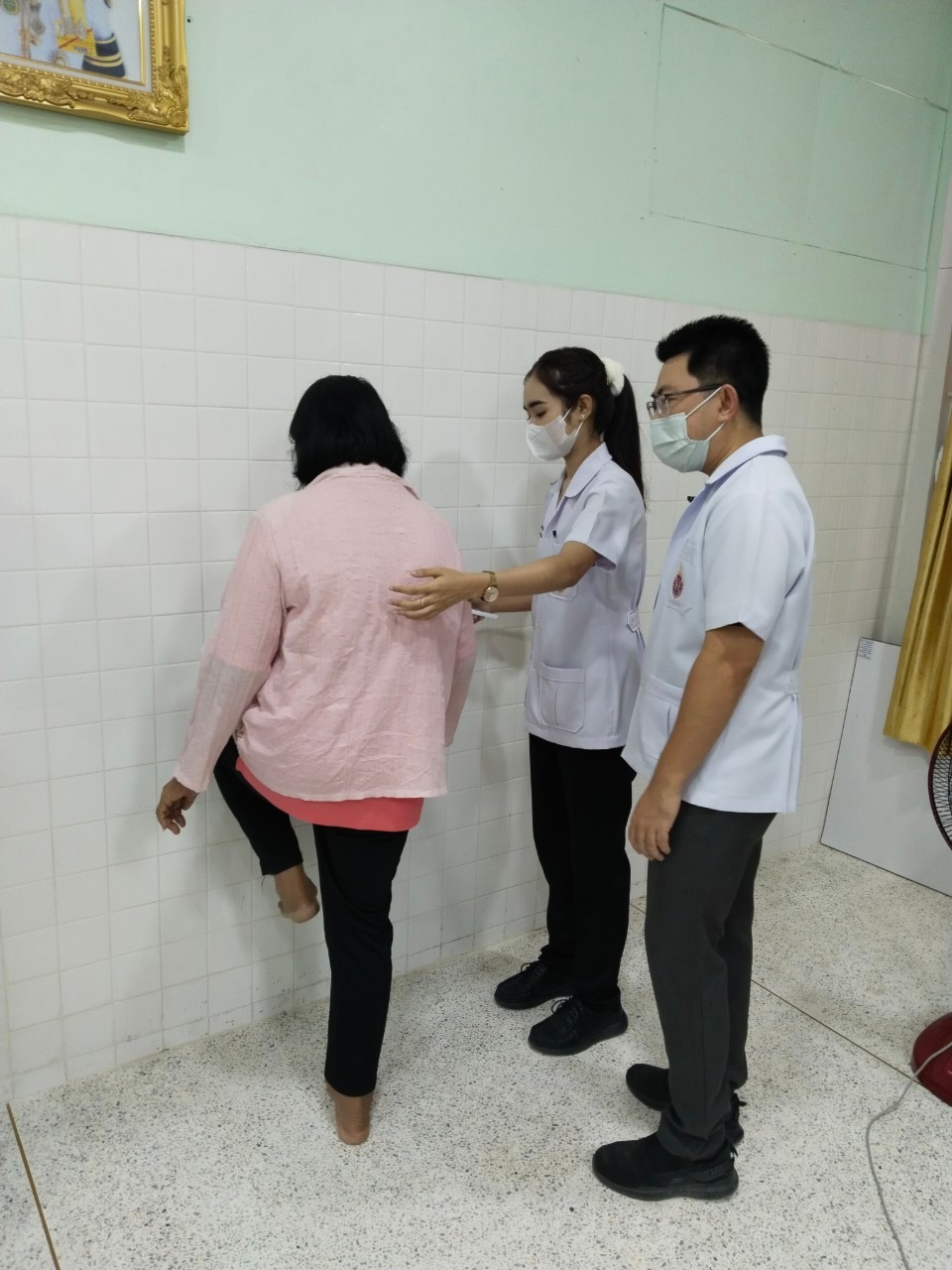
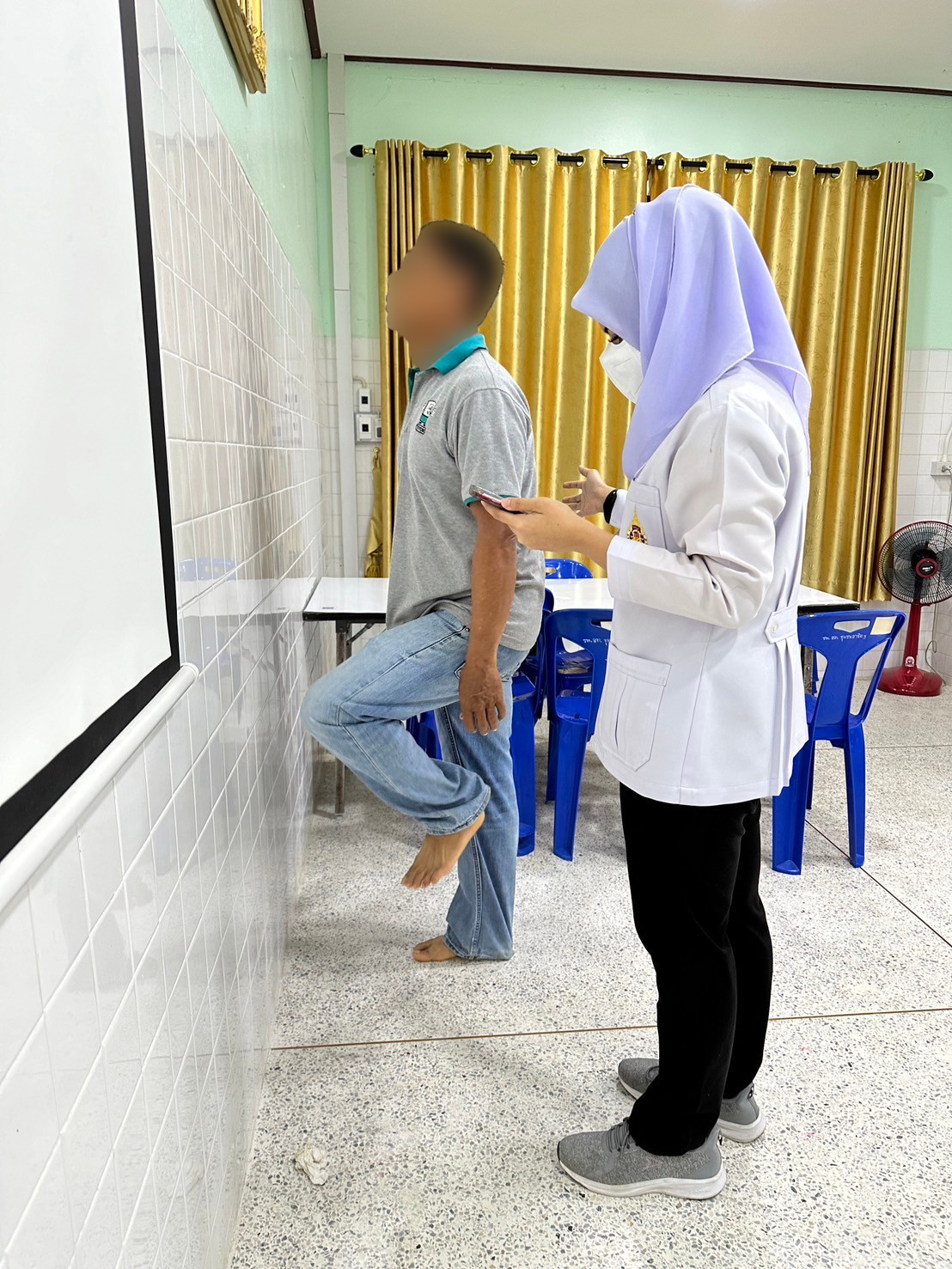
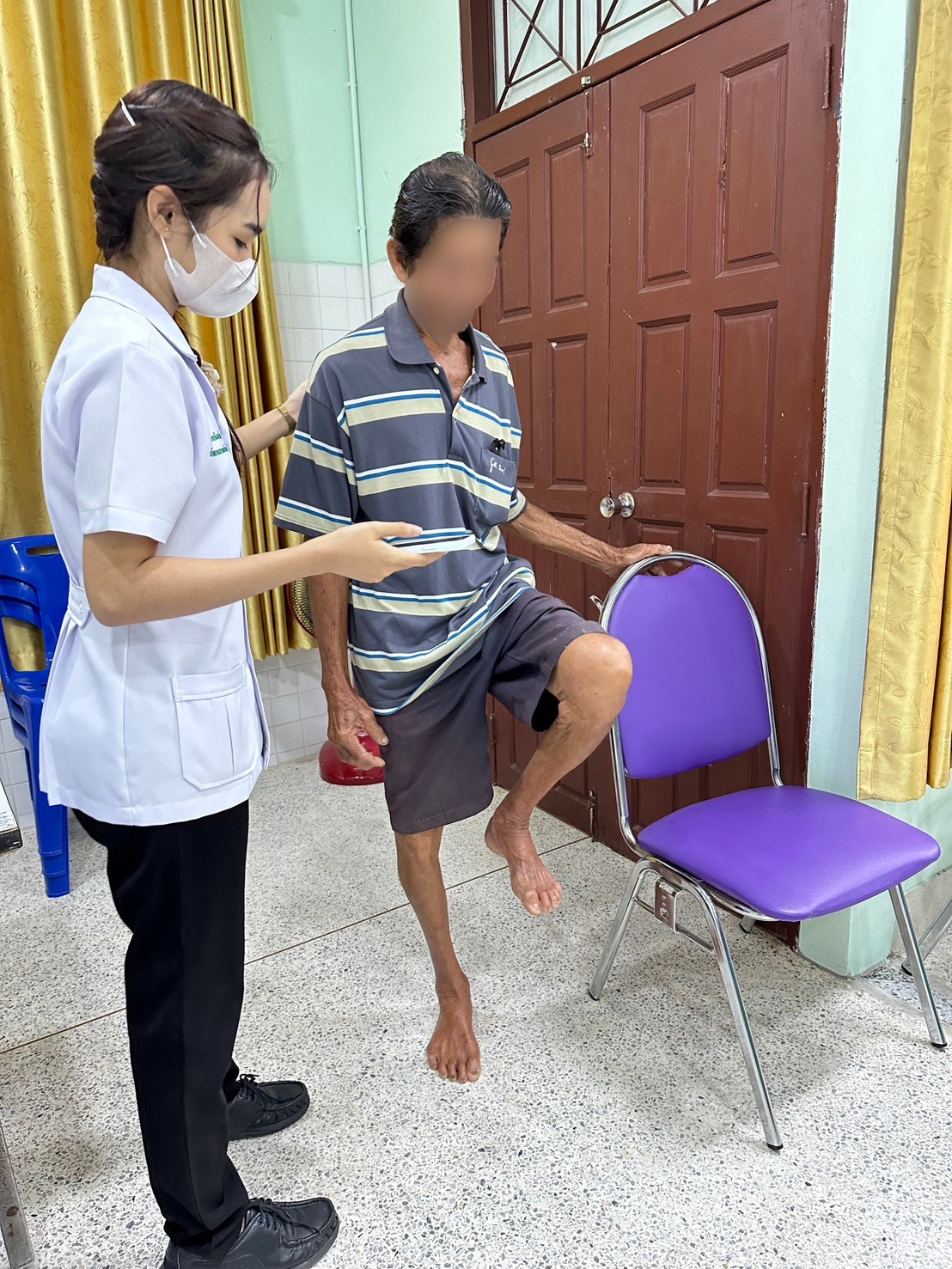
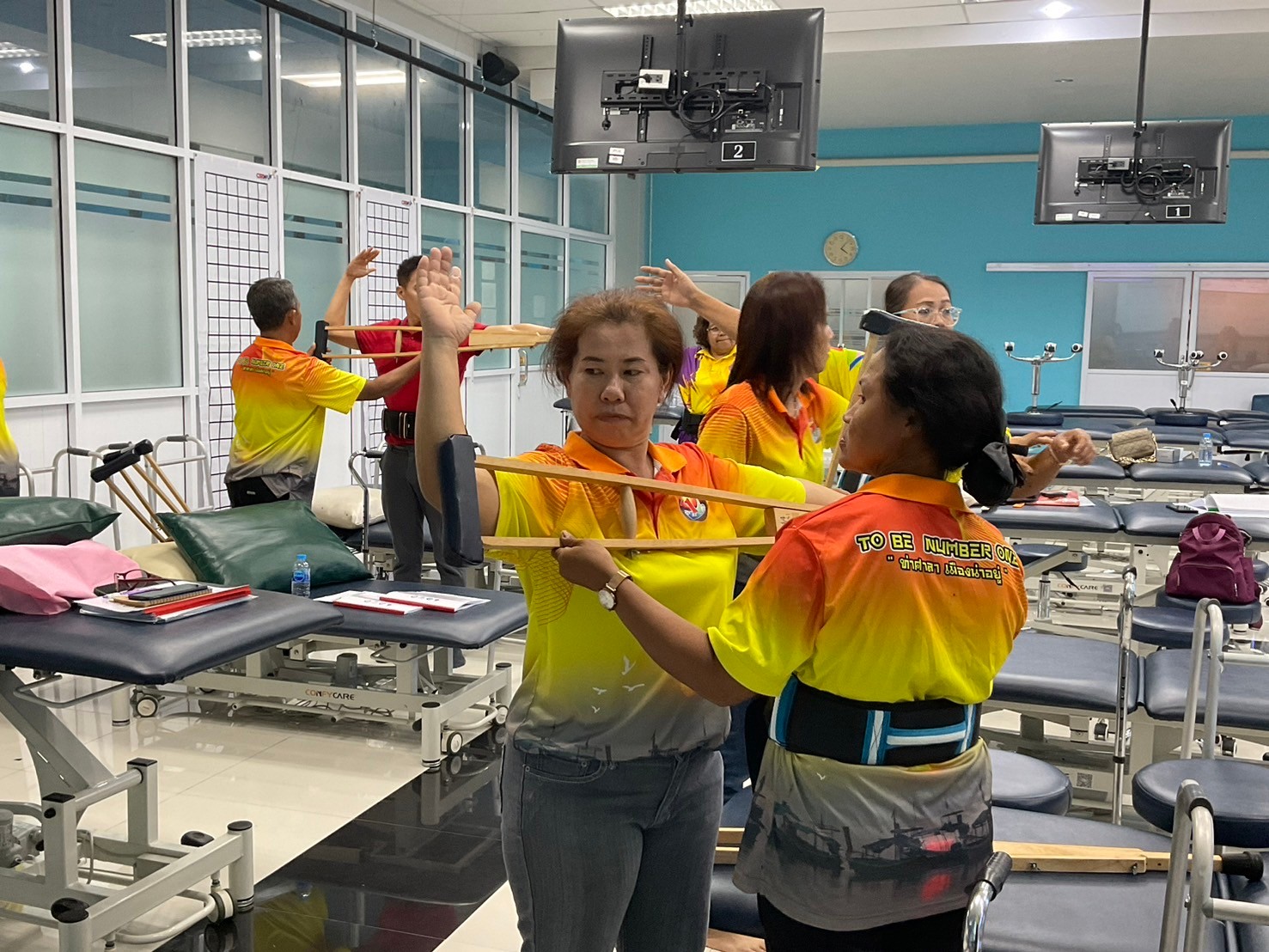
In addition, 29 pre-elderly individuals or those at risk of developing non-communicable diseases (NCDs) were screened. The exercise program emphasized marching in place, a simple activity that requires no equipment, can be performed anywhere and anytime, does not stress the knees or ankles, strengthens leg muscles, reduces blood pressure by 2–4 mmHg, and helps lower blood sugar levels.
The initial screening showed that only 10 patients (34.48%) had normal cardiorespiratory endurance. However, after providing continuous education on NCD prevention and management, along with regular monitoring and community-based support, the proportion of individuals with normal cardiorespiratory endurance increased to 85%.
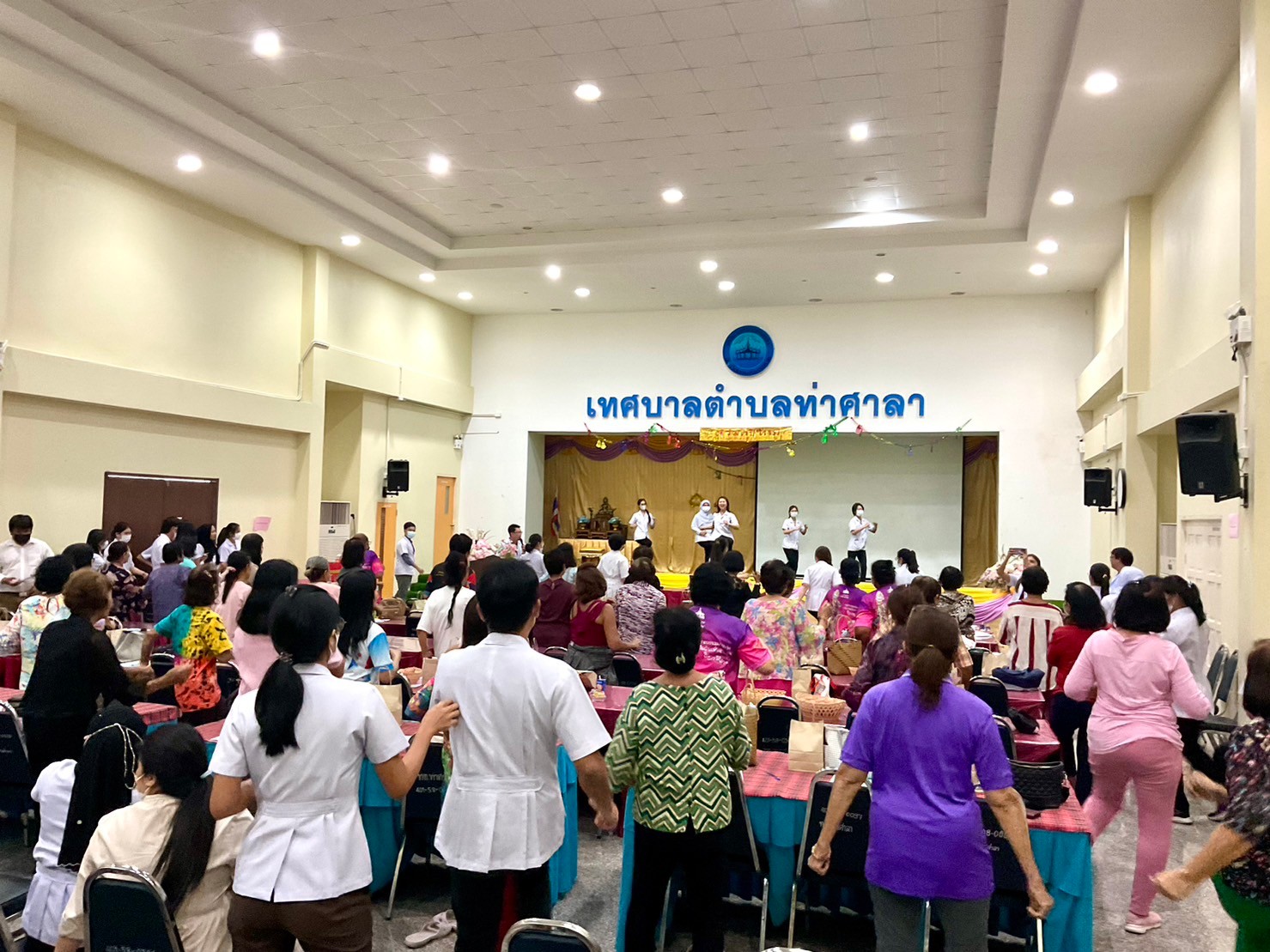
Figures : Marching in place exercises for patients with NCDs in local communities
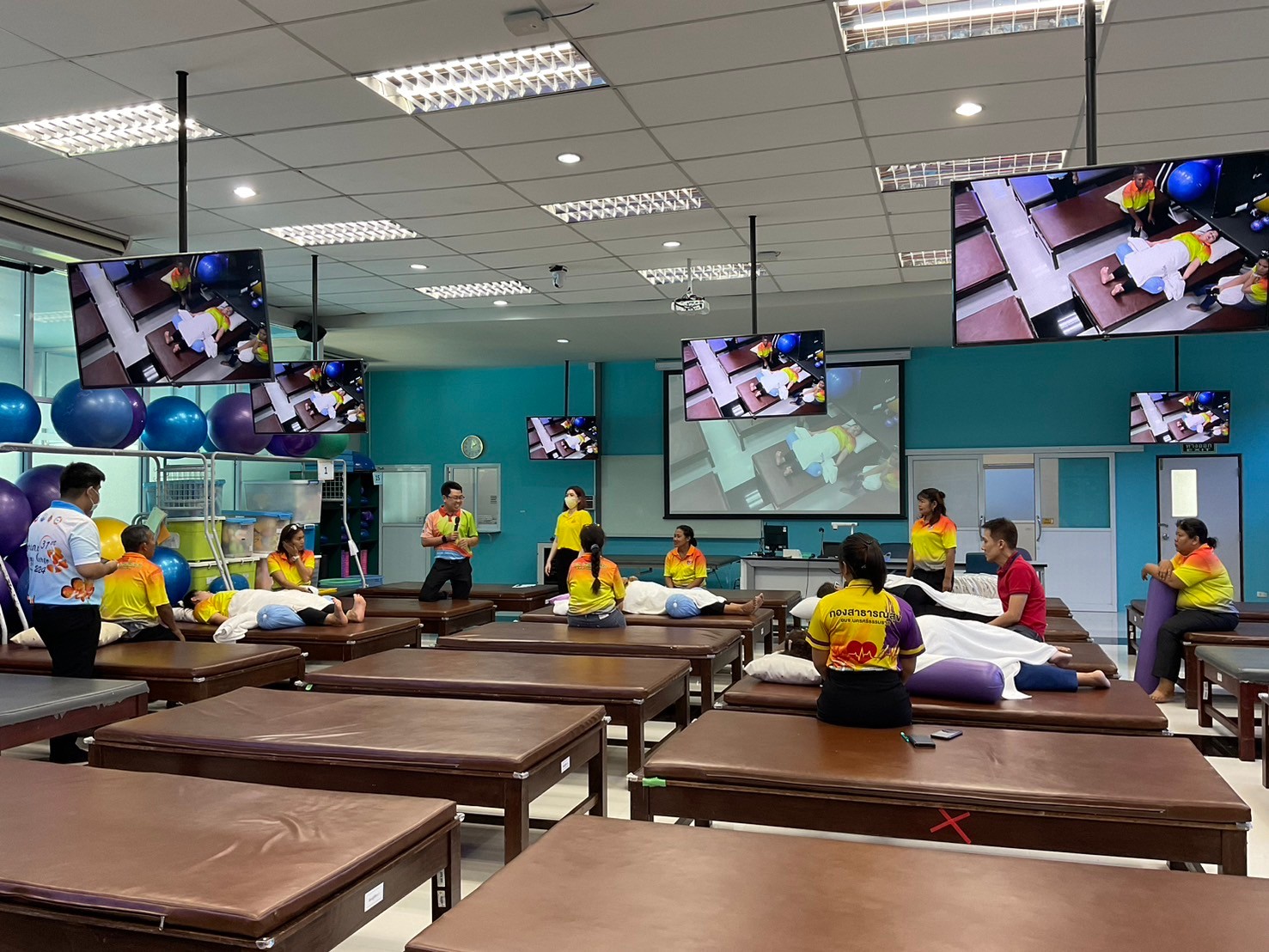
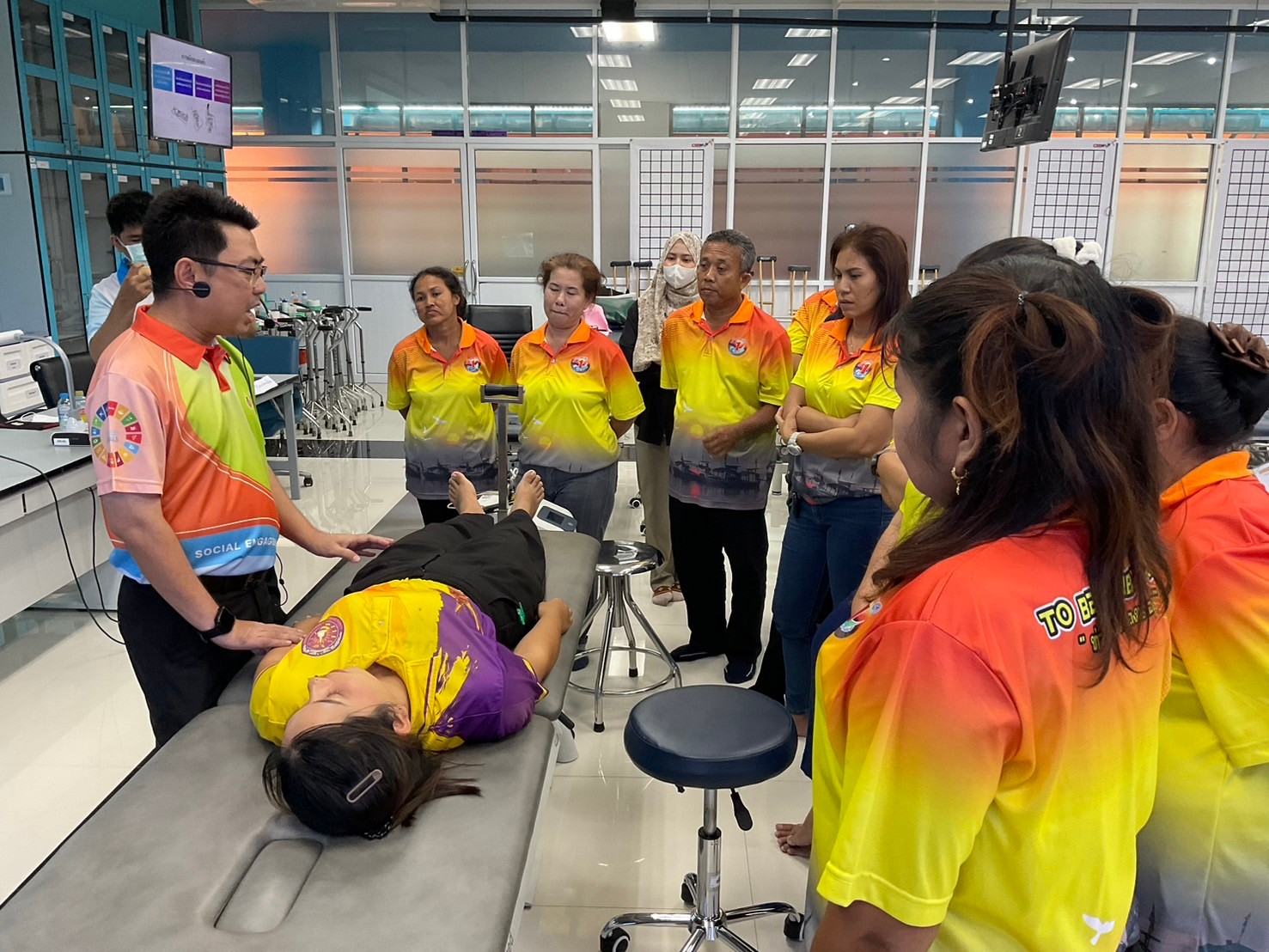
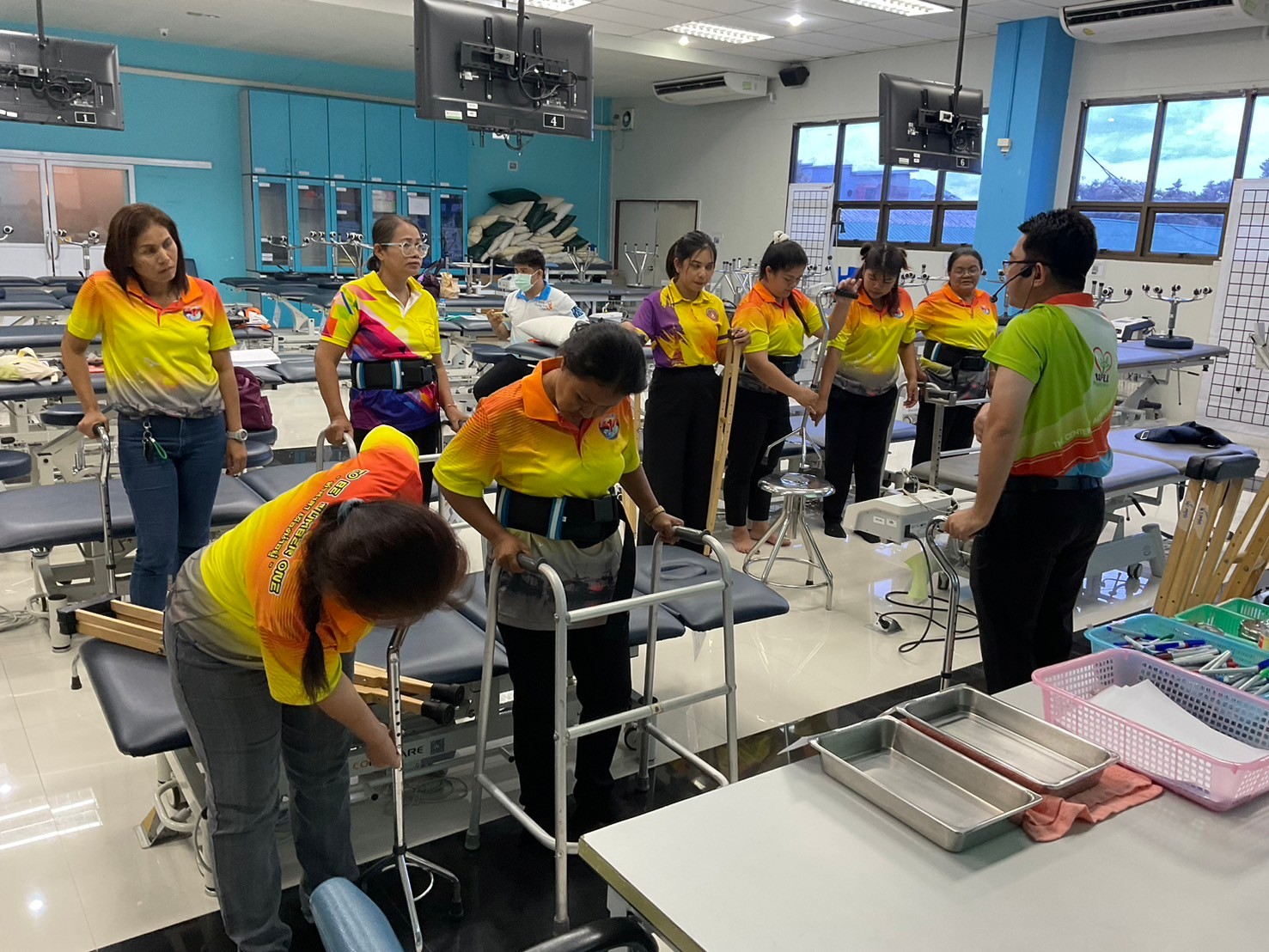
The project also focused on enhancing the skills and capabilities of existing community health leaders while training new ones based on local needs. A total of 12 leaders participated in training sessions on elderly care and rehabilitation. Follow-up and evaluation results showed that 100% of the trained community health volunteers were able to apply the knowledge effectively at an excellent level.
The Project for Development of Herbal Products and Community Health Promotion with Applied Thai Traditional Medicine
This project focuses on the development of herbal products and Thai traditional medicine services, aiming to utilize local herbs as community-based health products. Through field surveys, questionnaires, and interviews, it was found that most community members suffer from non-communicable diseases (NCDs), such as diabetes, hypertension, and osteoarthritis, with a tendency to become homebound or bedridden patients in the future. Their current health management relies primarily on regular medical visits and long-term medication use.
At present, community members also show an interest in using herbs as an alternative approach to healthcare. However, they lack proper knowledge and guidelines for safe and effective herbal use. Many households grow herbs or collect them from their surroundings but are not fully aware of their benefits or correct applications for health promotion. To address this gap, the university delivered health outreach project, including various activities as following:
Knowledge Transfer on Herbal Use and Thai Traditional Massage Therapy for Health Care
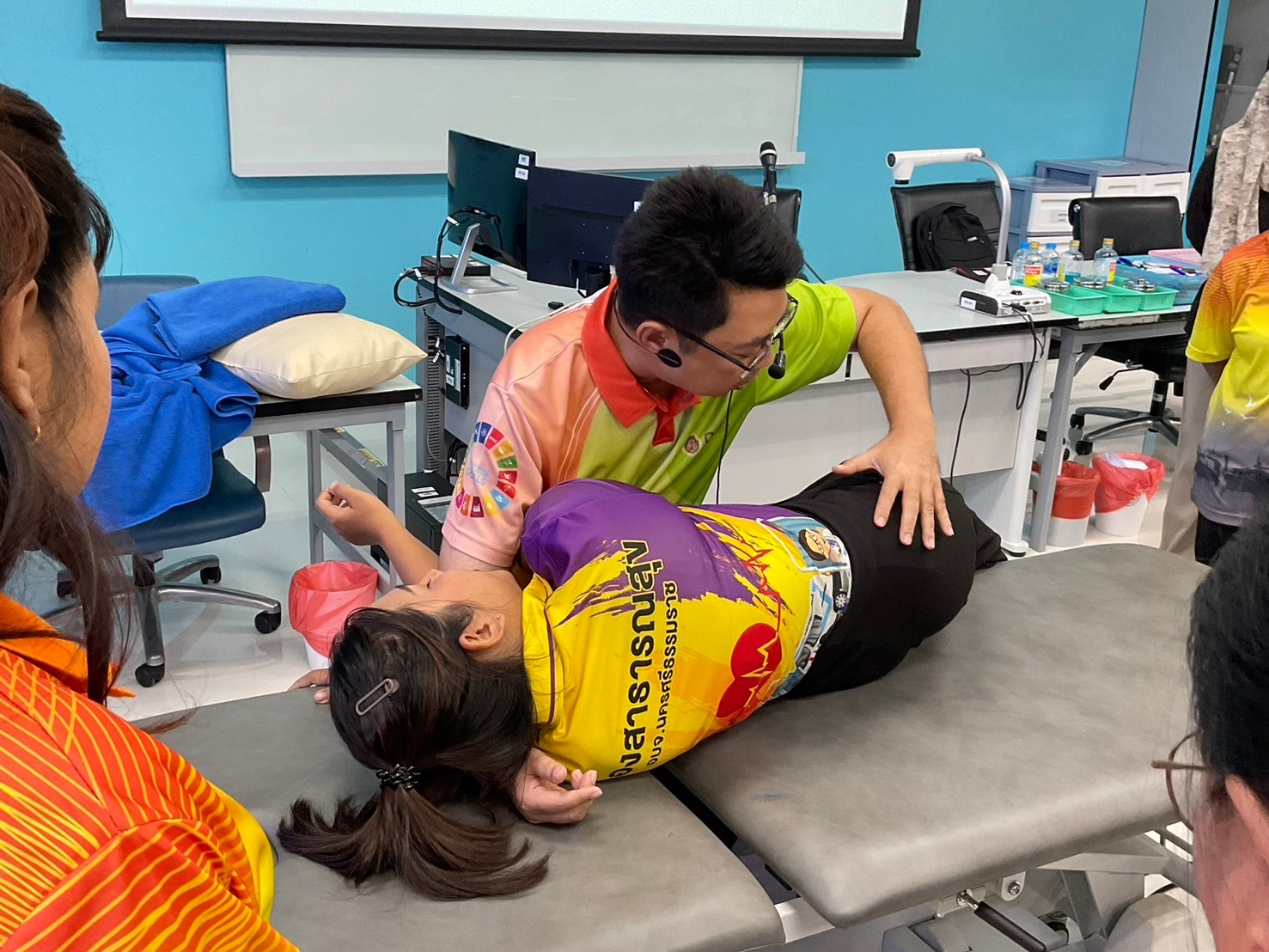
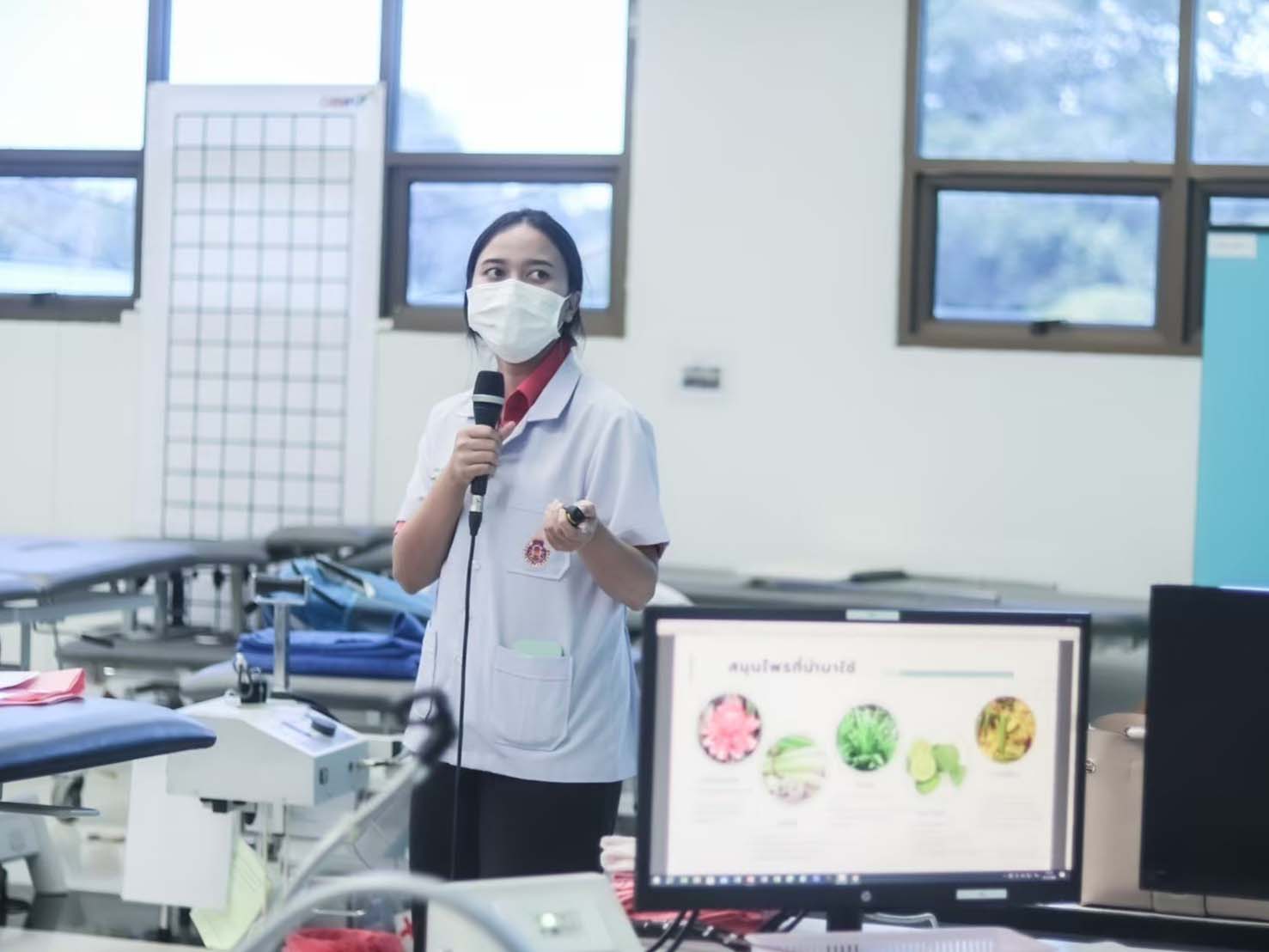
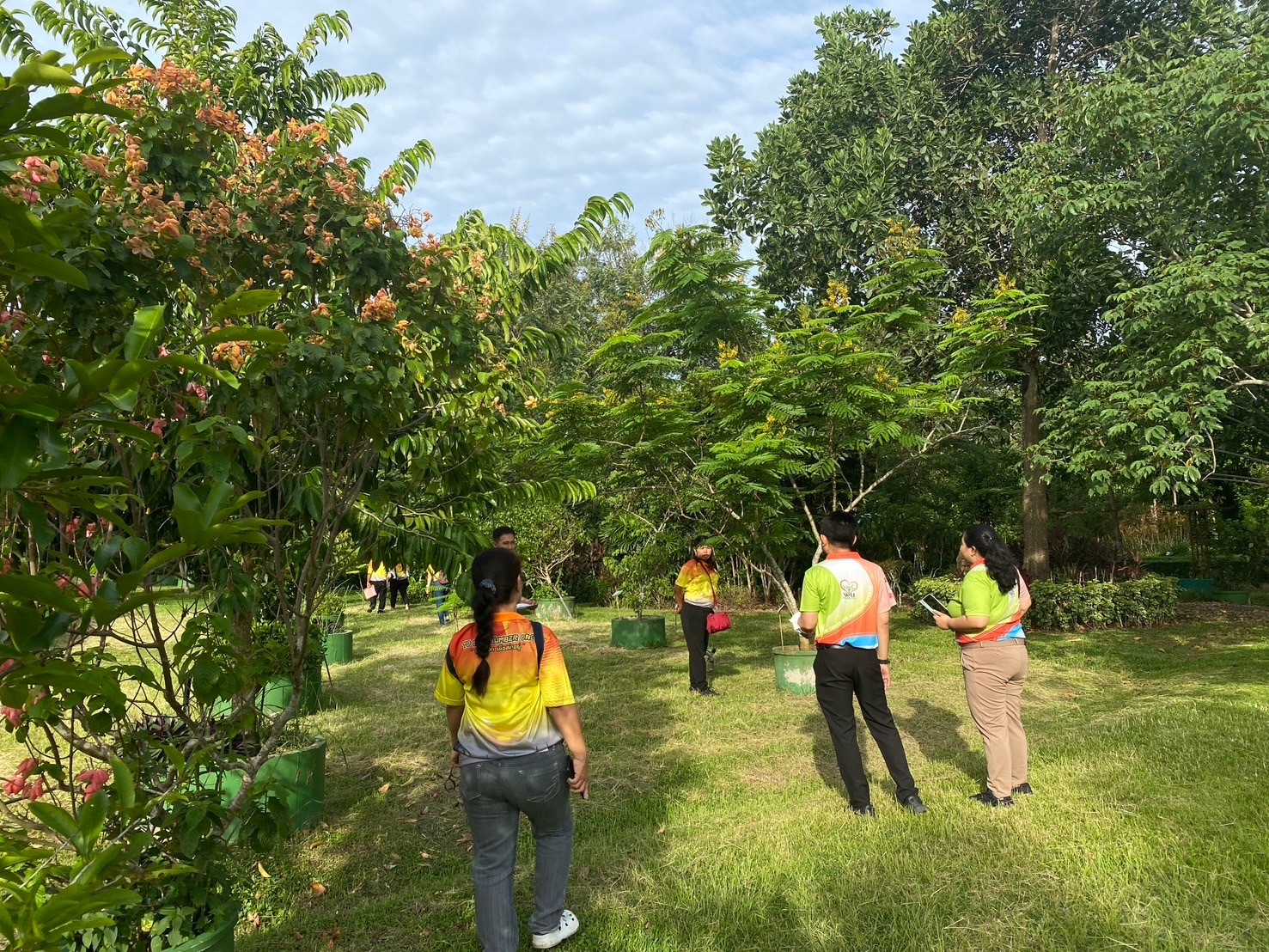
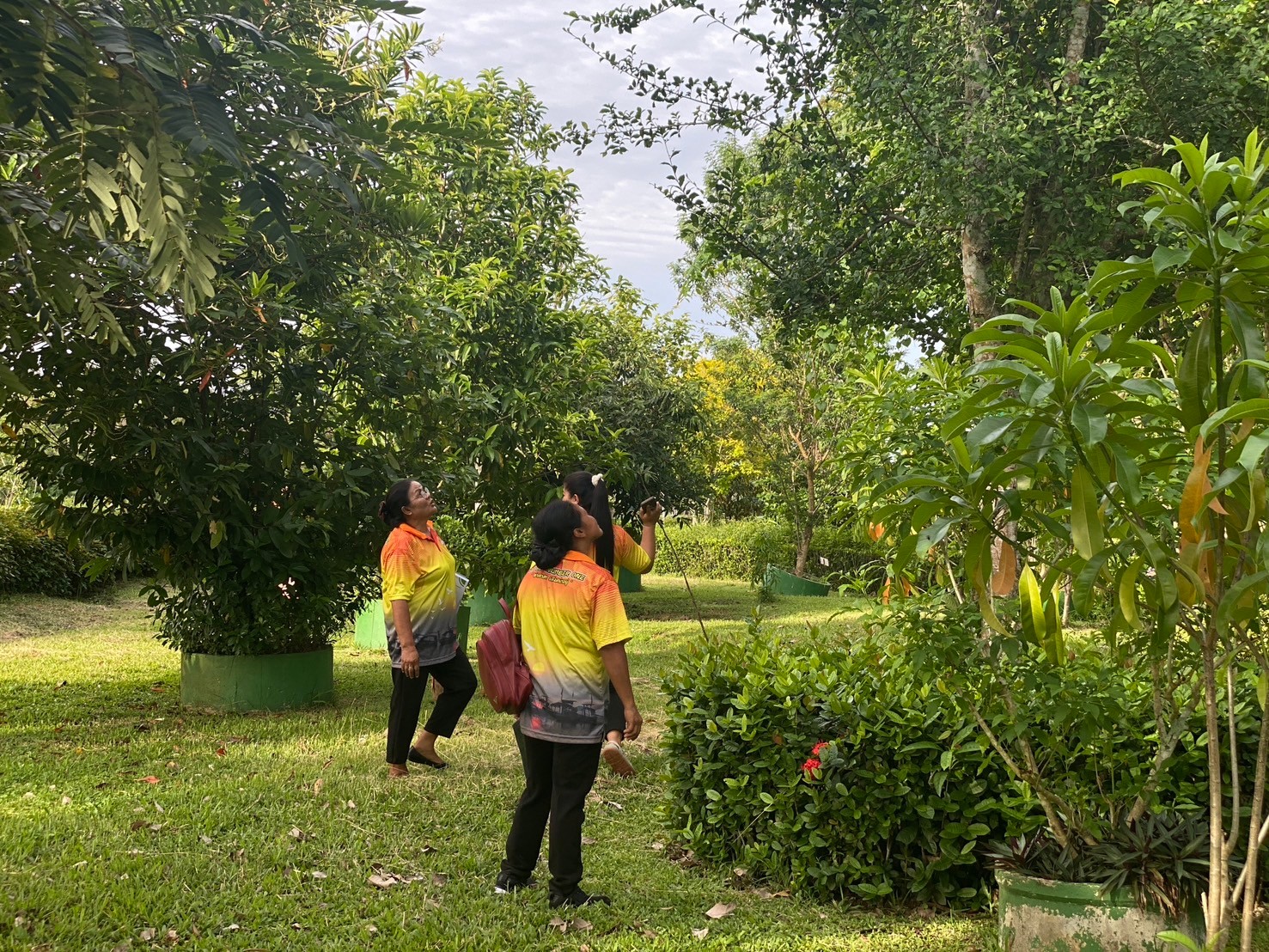
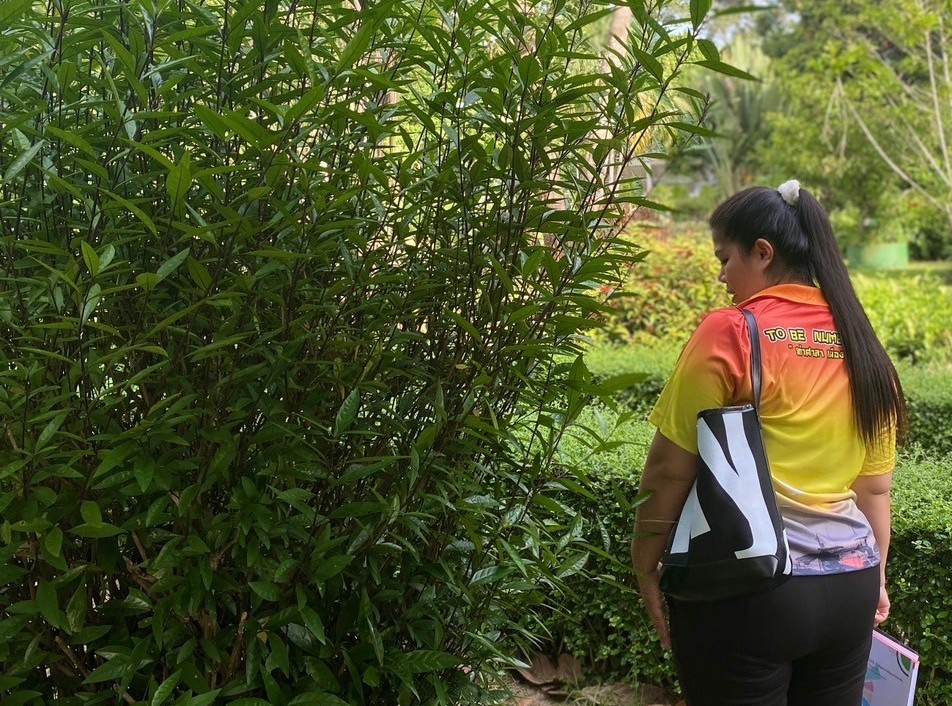
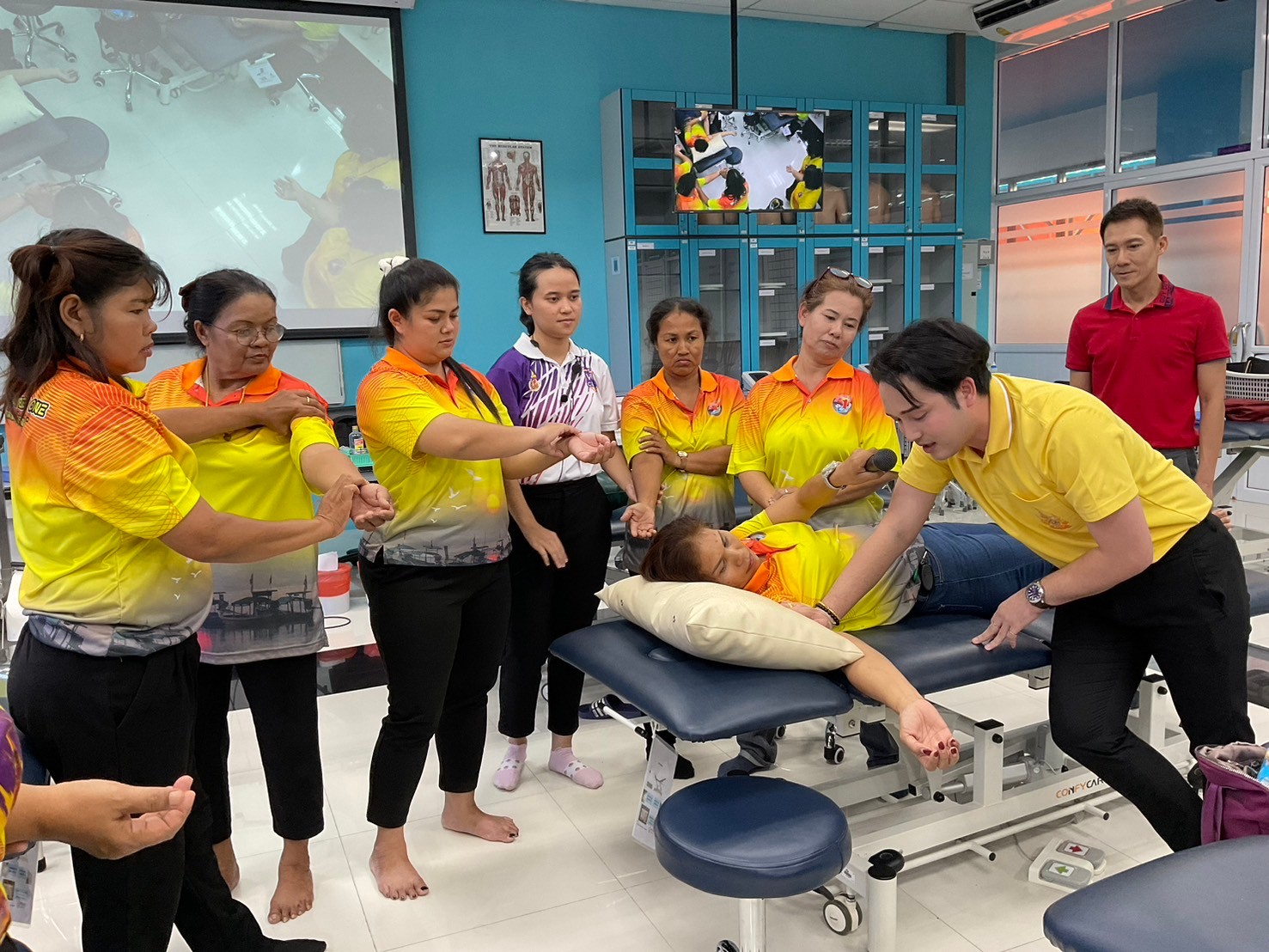
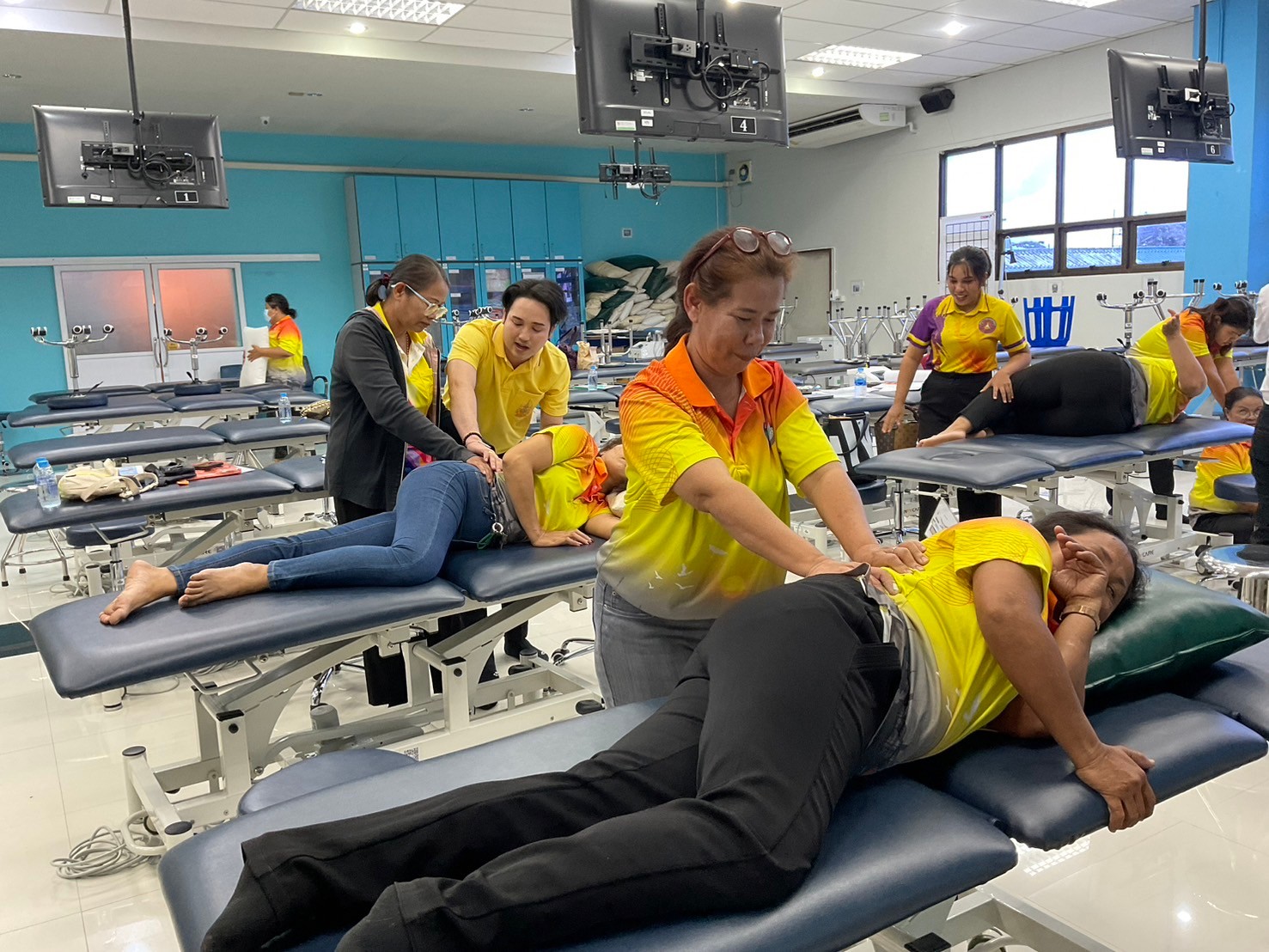
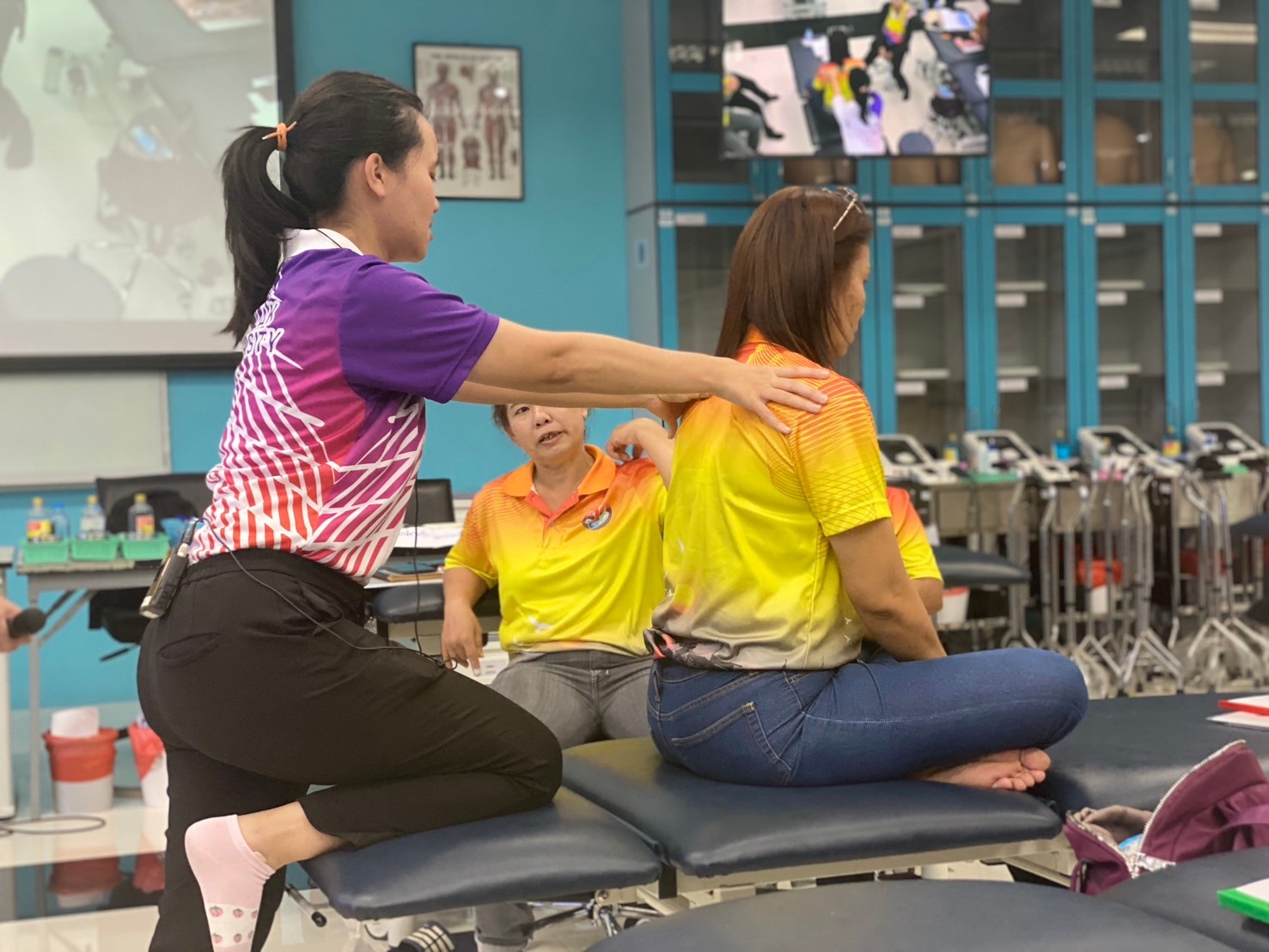
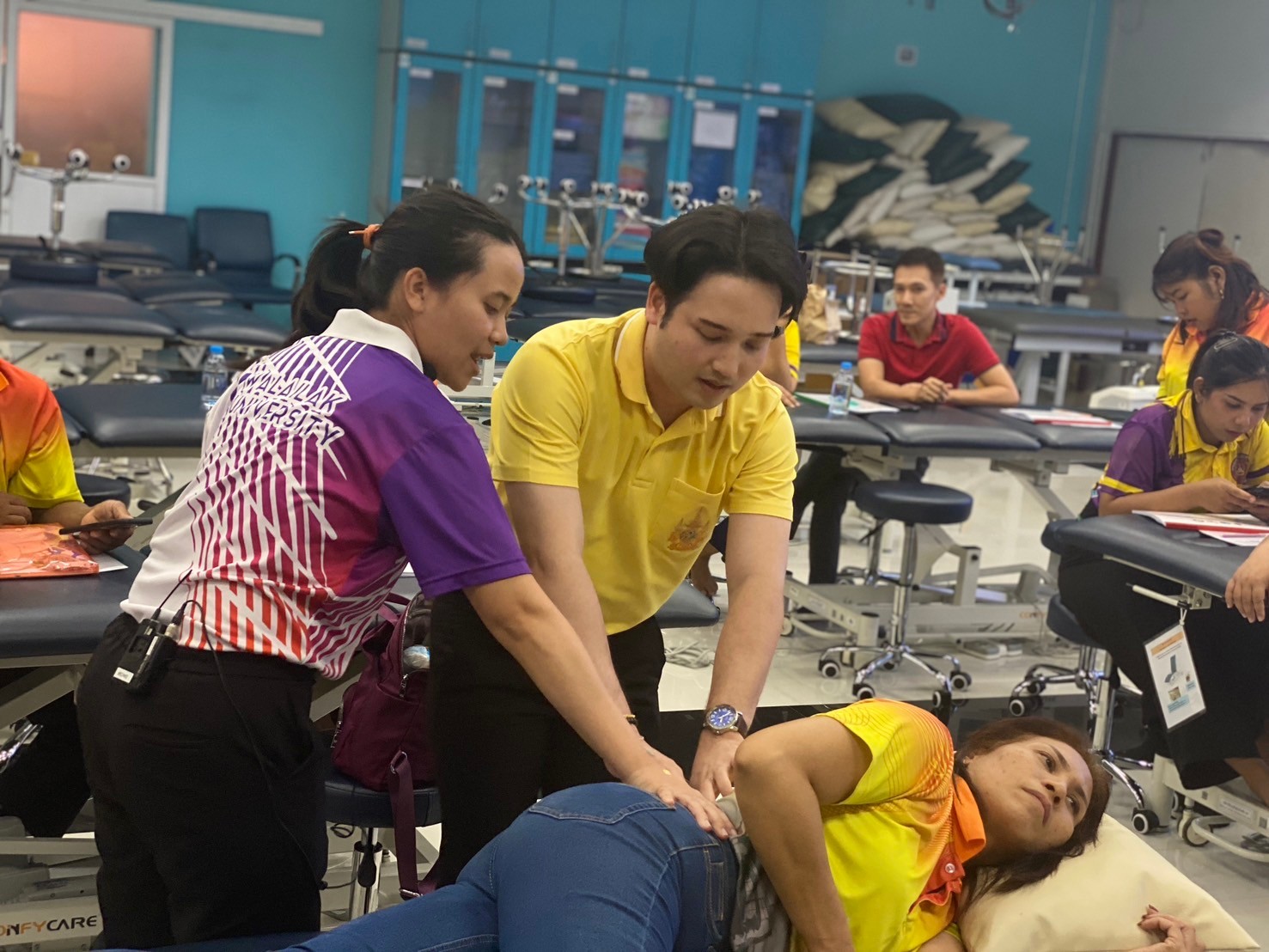
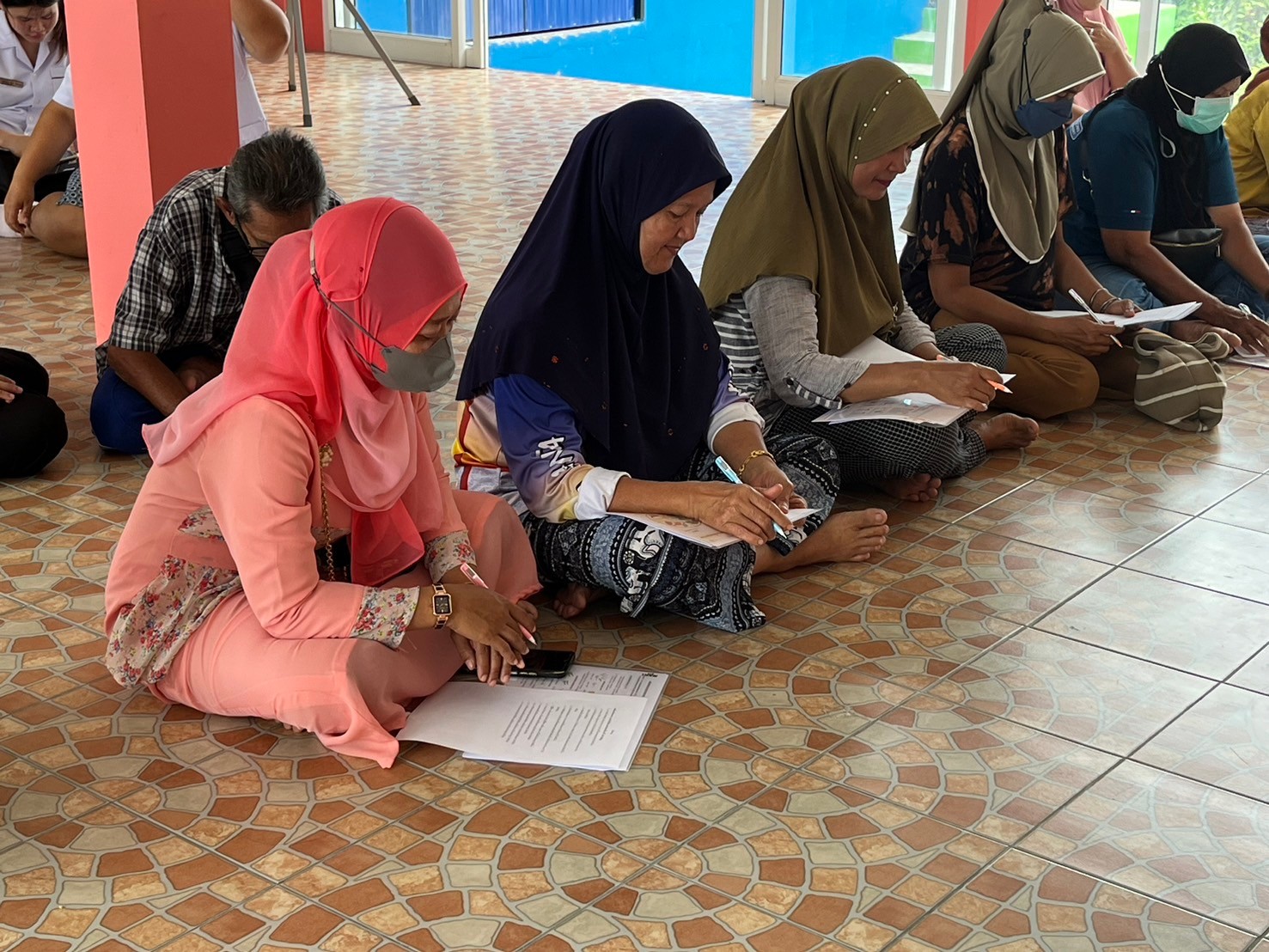
Training sessions were conducted for interested community representatives in local communities, focusing on familiar herbs commonly found in households and local areas. The training included lectures, interactive demonstrations, and a knowledge-testing game to reinforce learning. Moreover, a workshop was organized to strengthen the capacity of health volunteers and community leaders in promoting healthcare through Thai traditional massage therapy based on applied Thai traditional medicine.
Figures : Knowledge Transfer on Herbal Use and Thai Traditional Massage Therapy for Health Care for Local Communities
Herbal Product Development for Community Health
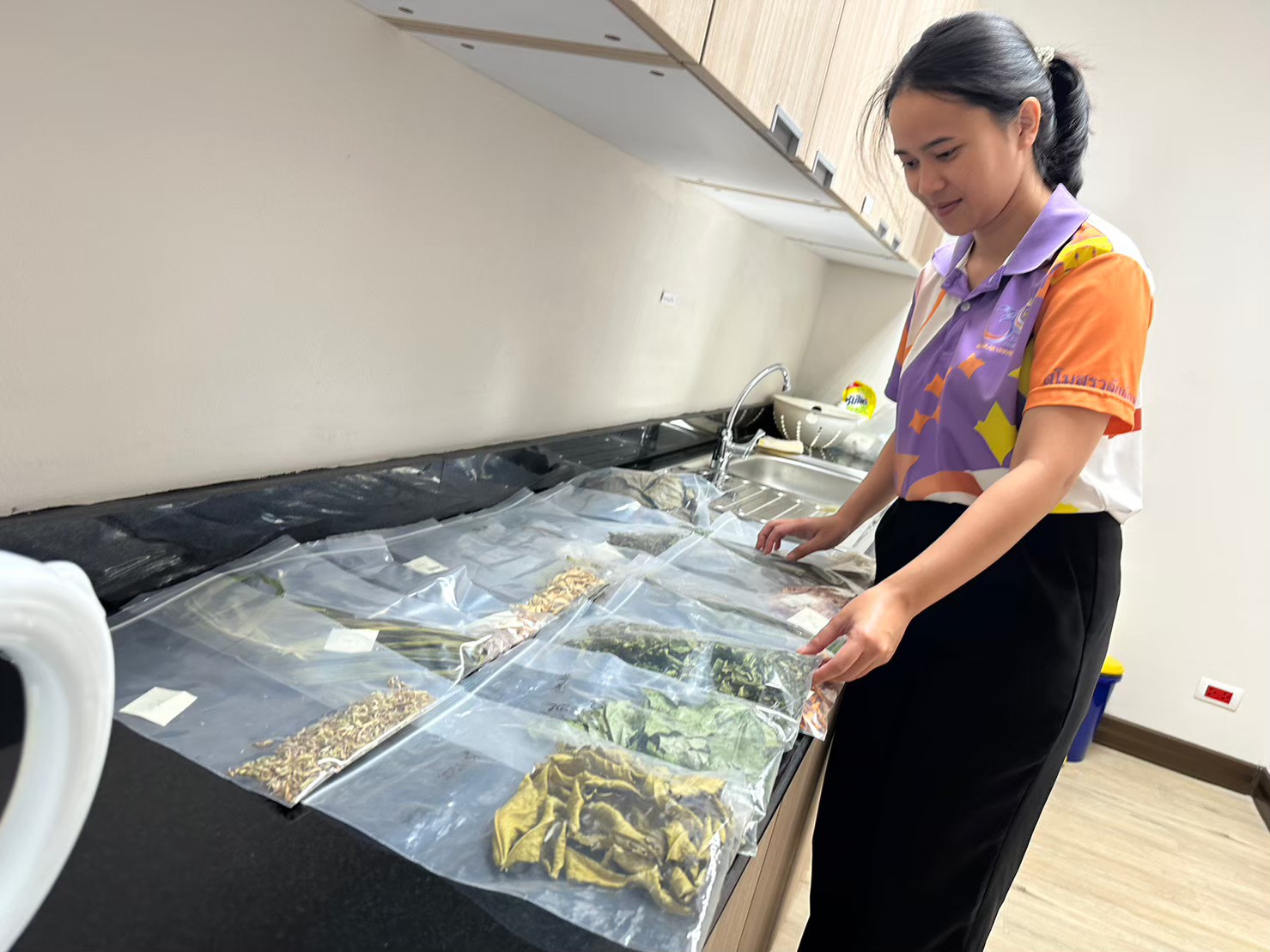
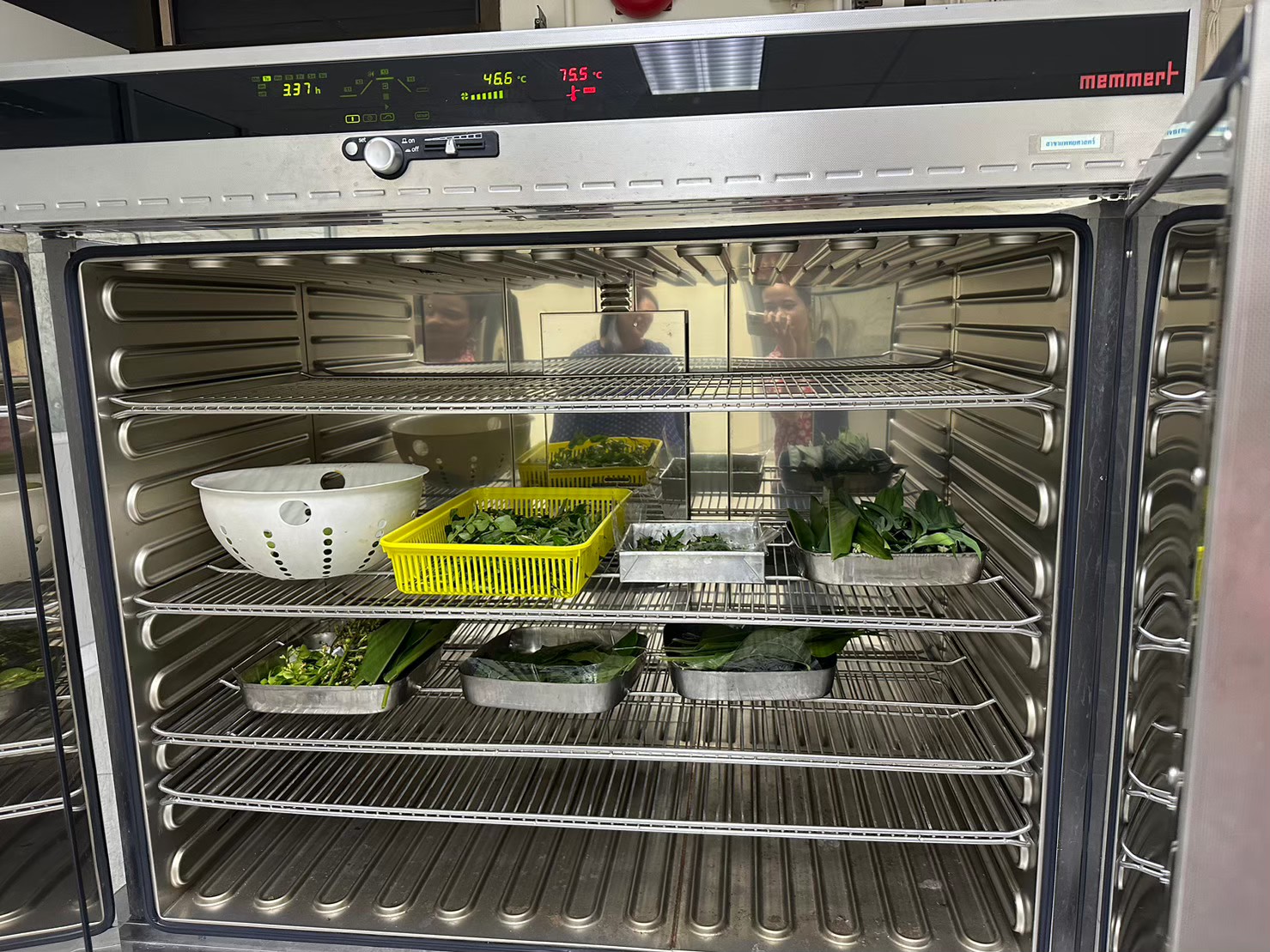
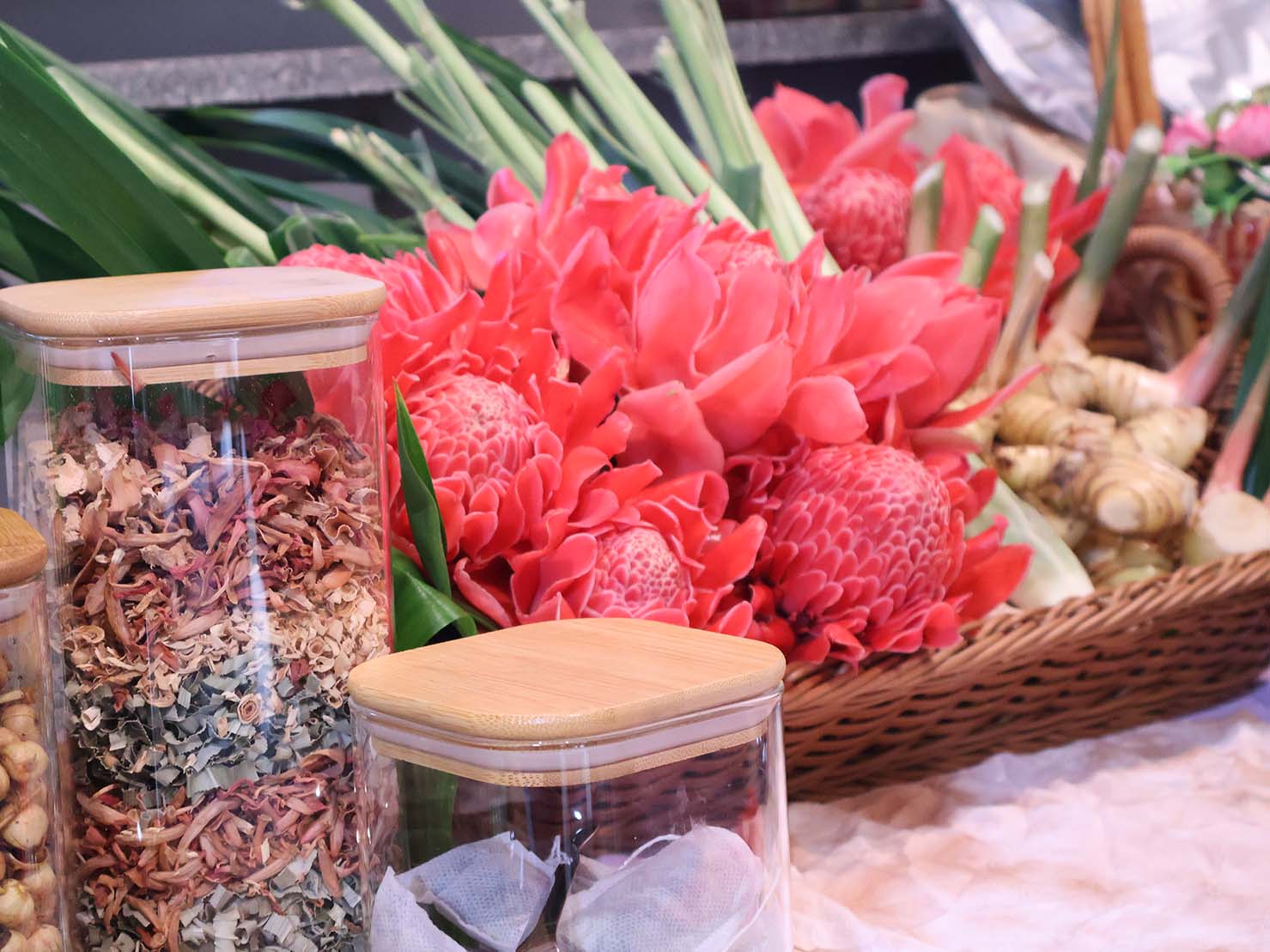
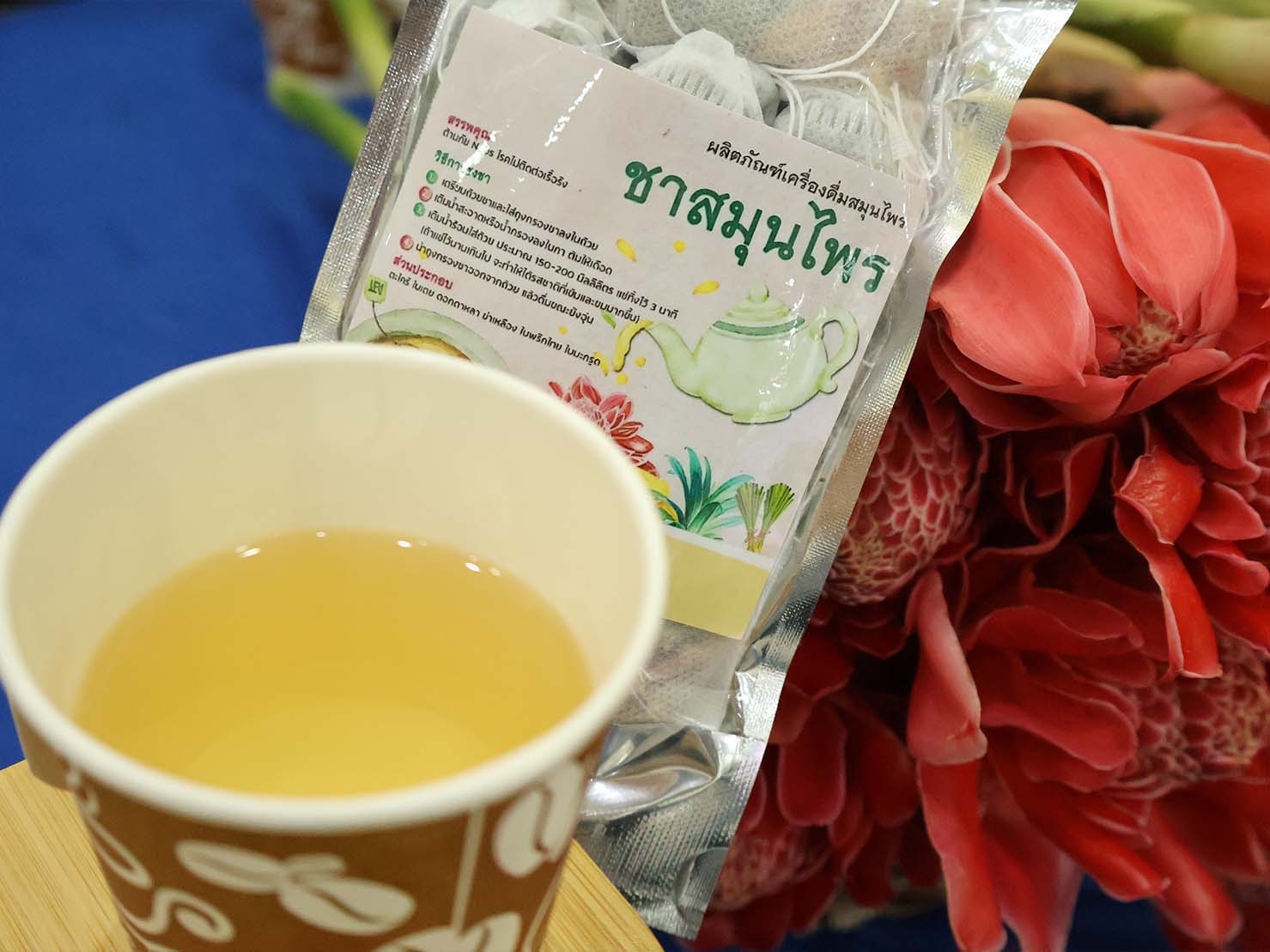
Another key activity was skill-building in herbal processing, specifically the preparation of herbal tea using locally available plants. This activity provided participants with hands-on experience—from proper raw material selection, cleaning, size reduction through grinding, simple drying methods such as sun-drying, to final packaging into tea bags. The training aimed to create both practical skills and awareness in the community, enabling people to use herbal products safely and effectively in daily life. Supporting materials, including handouts with health information, precautions, and usage guidelines, were distributed to ensure sustainable knowledge transfer.
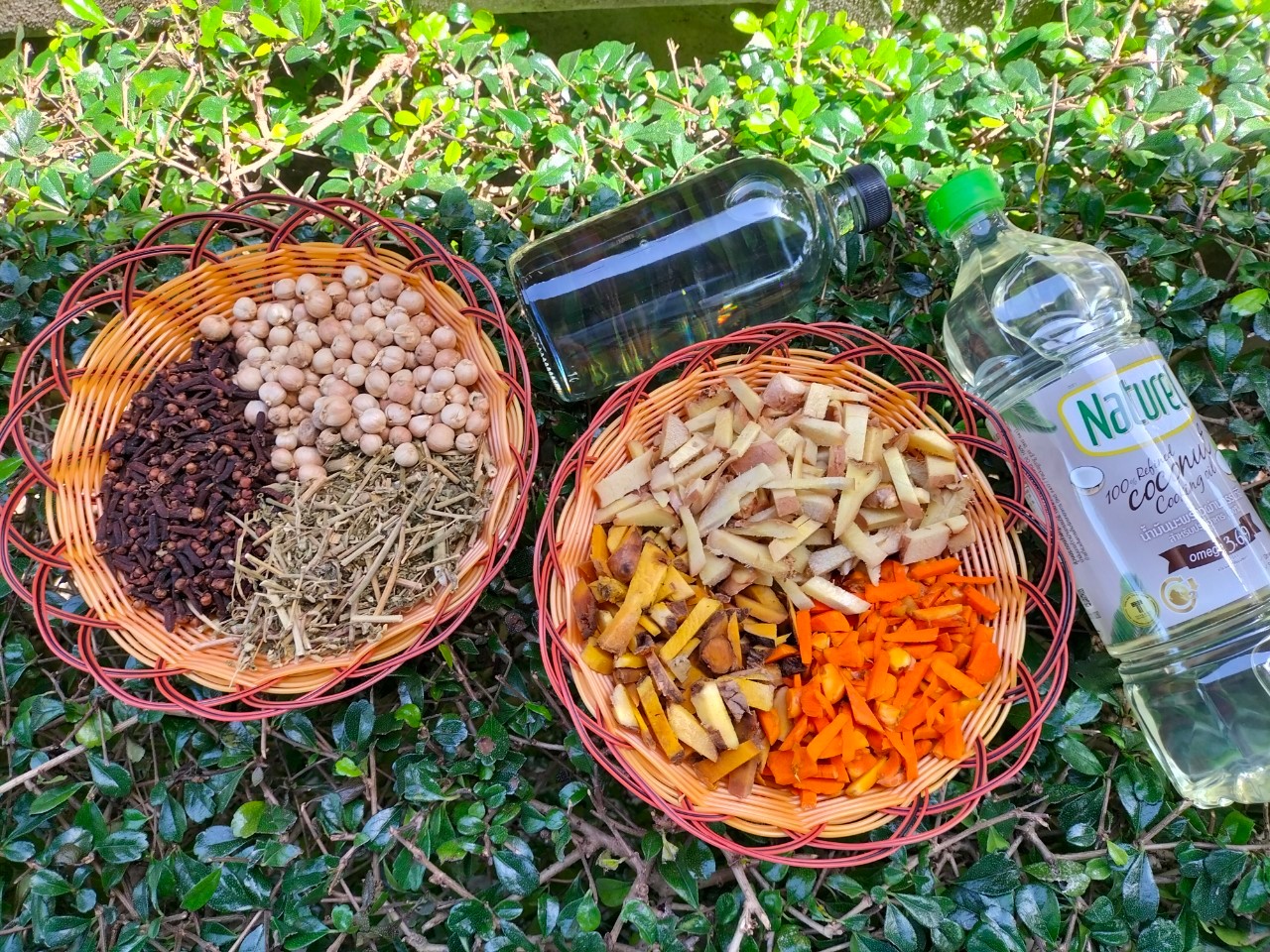
The Project for Elevation of Herbs to Community Herbal Massage Oil Products
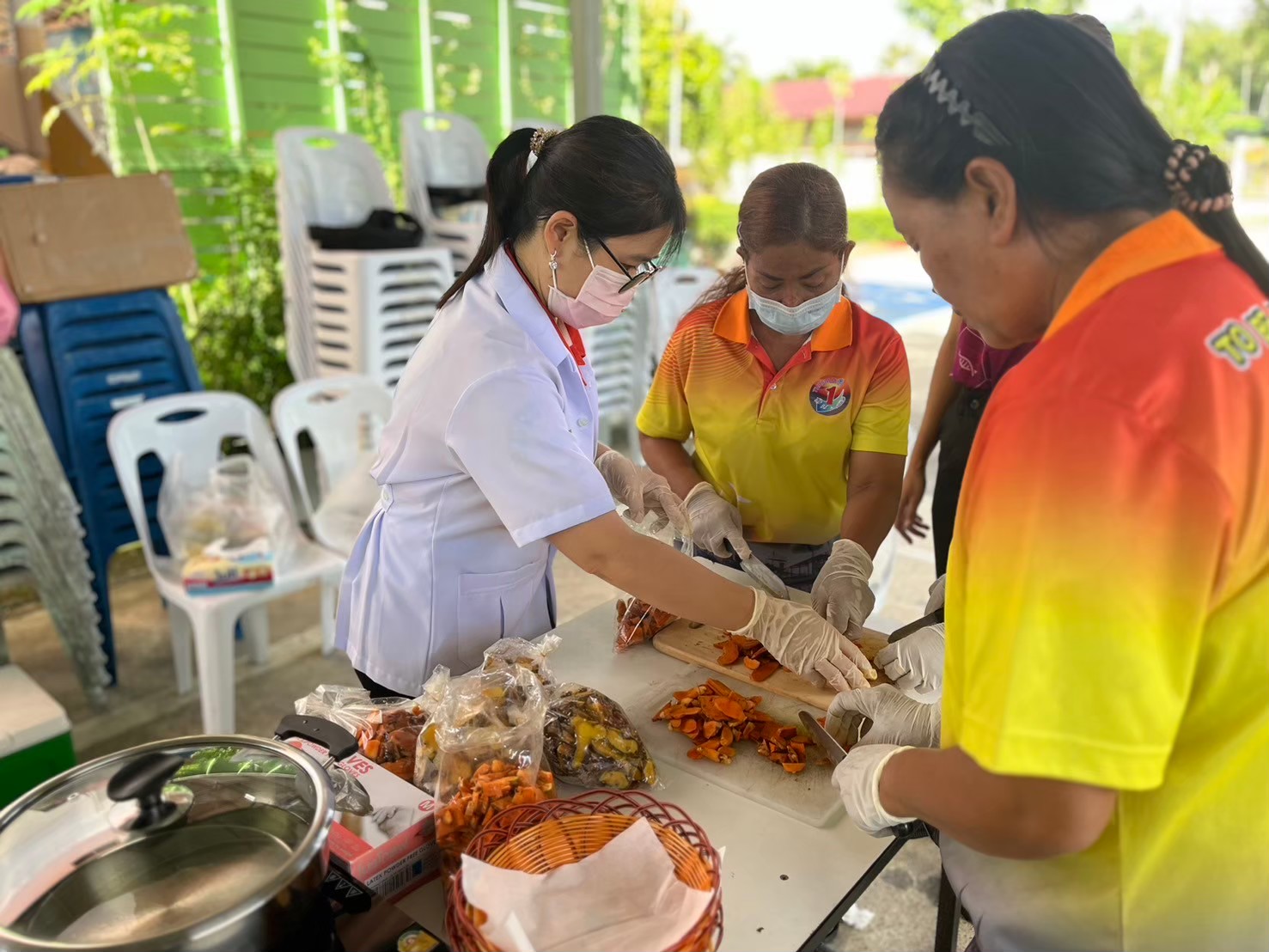
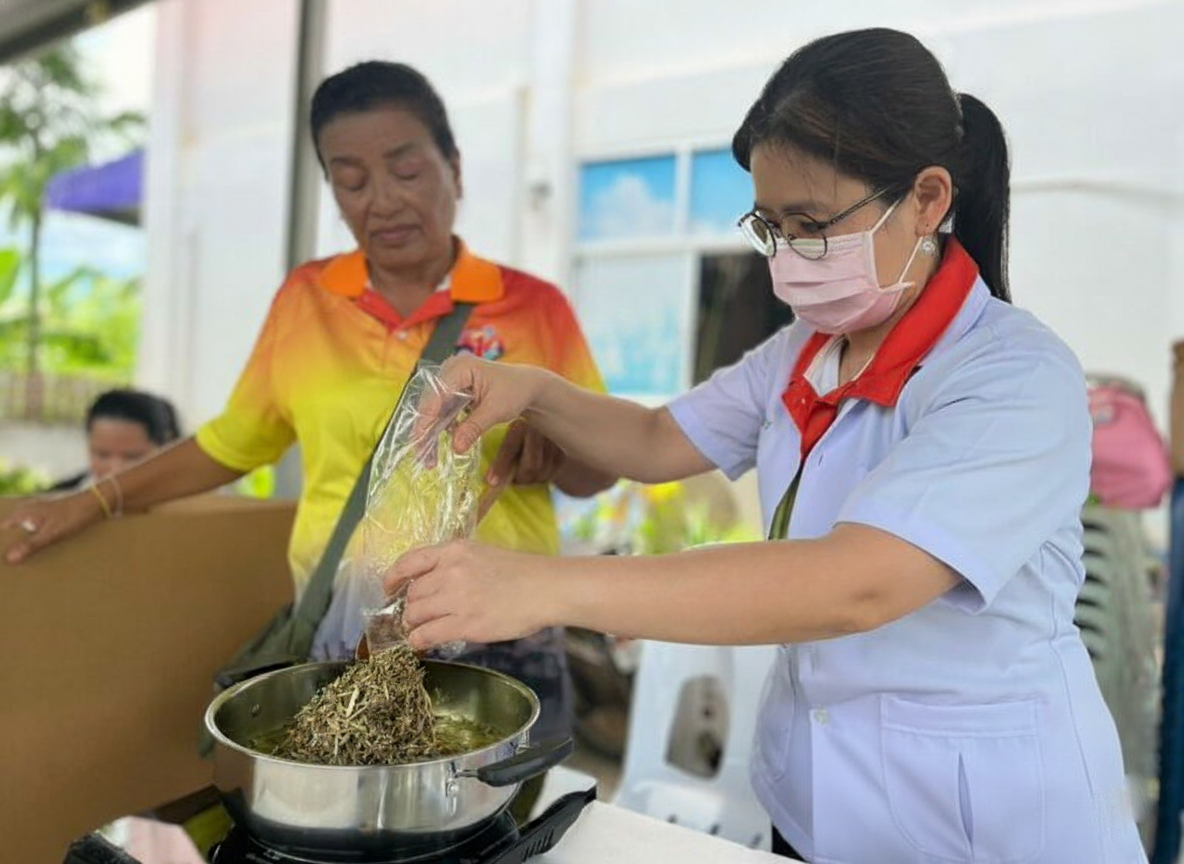
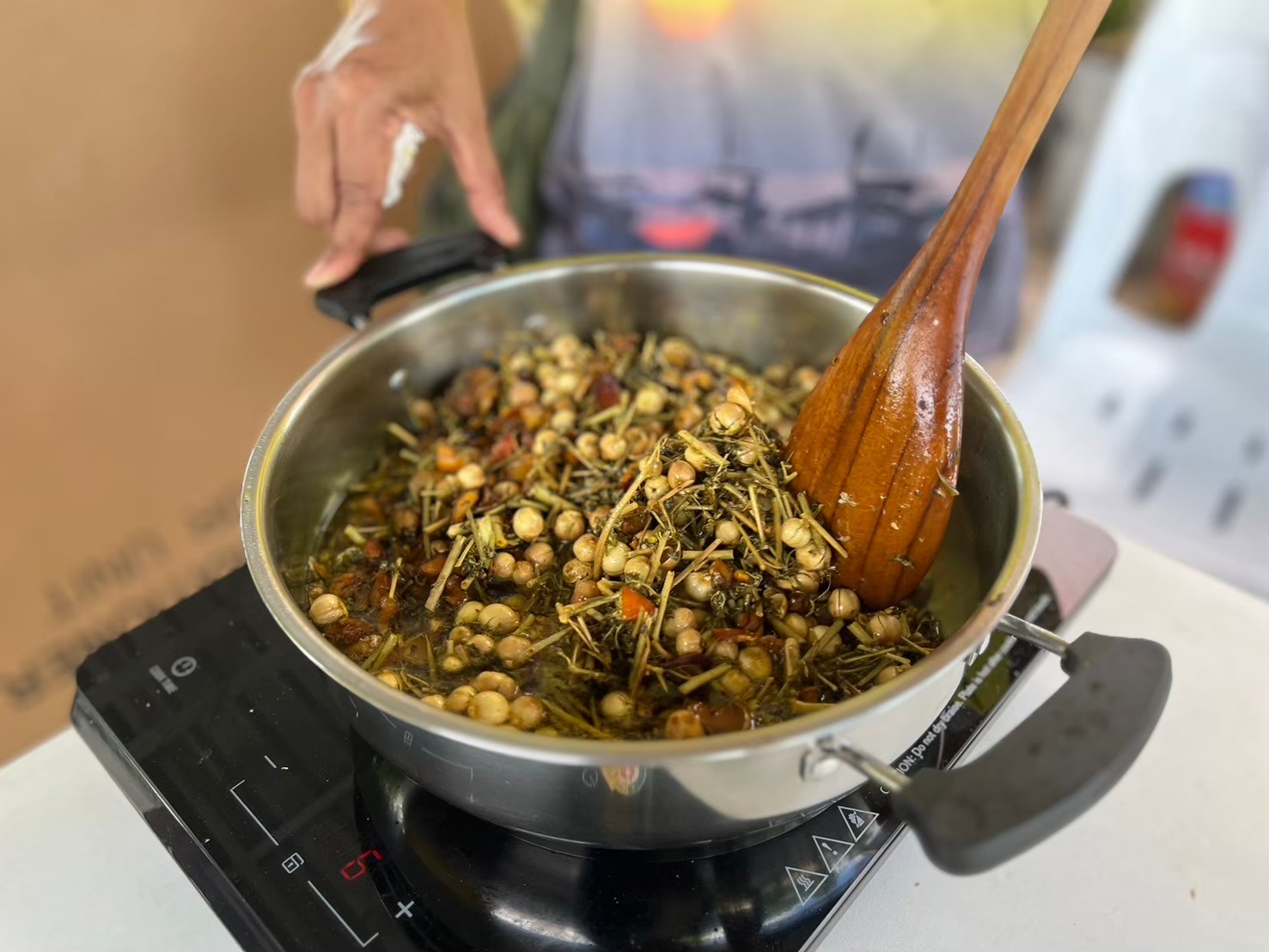
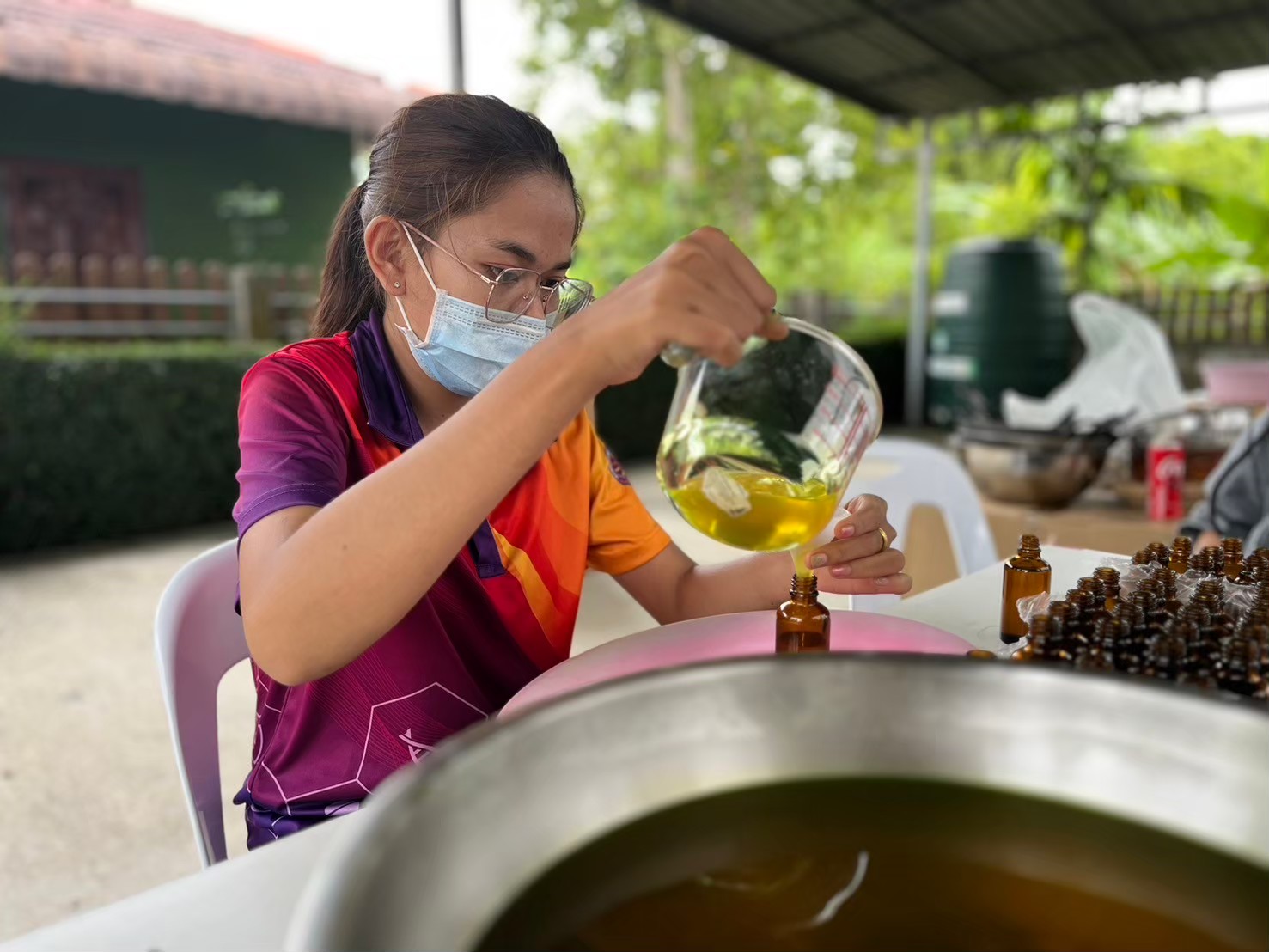
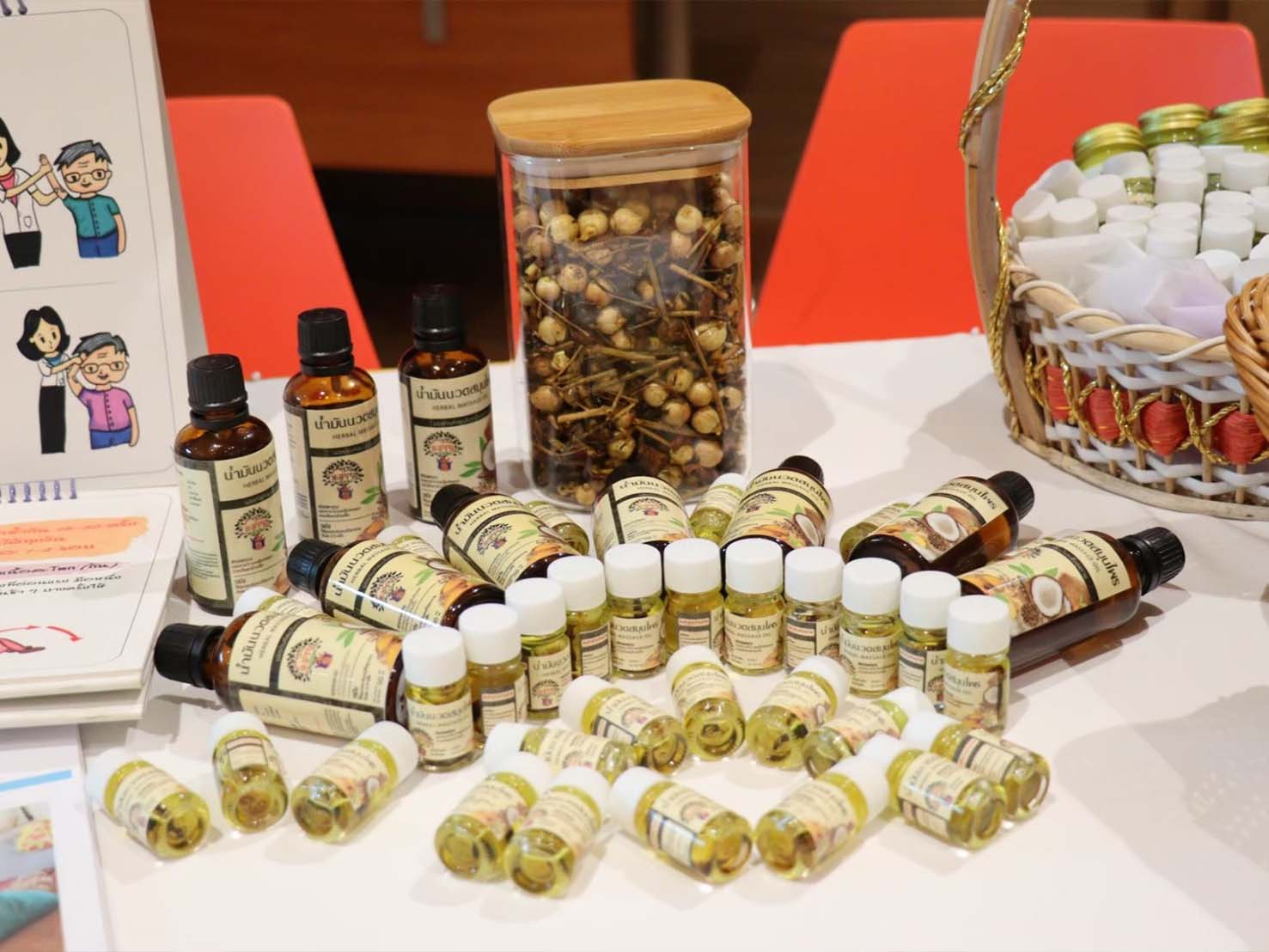
This project focuses on enhancing the development of herbal products to promote health and well-being. It generates new knowledge and creates health-oriented products derived from local herbs to address health problems. The university delivered this health outreach project to improve community health and quality of life by utilizing locally available herbs for disease treatment among community members who seek care at Ban Thung Chon Sub-district Health Promoting Hospital and Satit Walailak Pattana Community Sub-district Health Promoting Hospital. Survey findings revealed that musculoskeletal pain remains a significant health issue in the community, and service users expressed the need to improve the massage oil formula to provide greater warmth. In response, the project carried out the following activity: the transfer of knowledge on a newly developed massage oil formula with enhanced warming properties to community health volunteers. After production, the formula was further applied to the general public receiving services at Ban Thung Chon Sub-district Health Promoting Hospital and Satit Walailak Pattana Community Sub-district Health Promoting Hospital, with 40 participants benefiting from the activity.
Figures : The knowledge transfer for oil massage to local communities
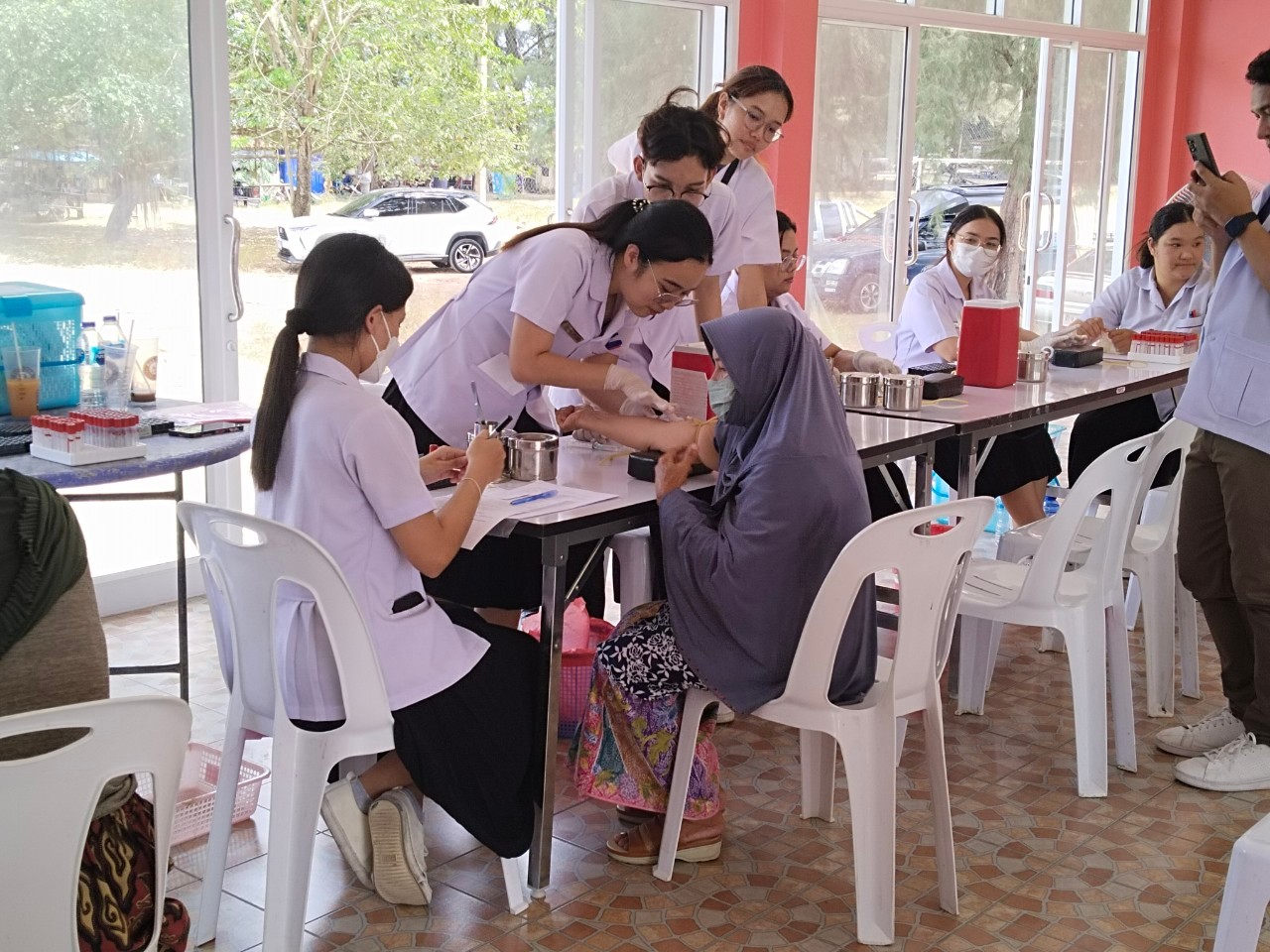
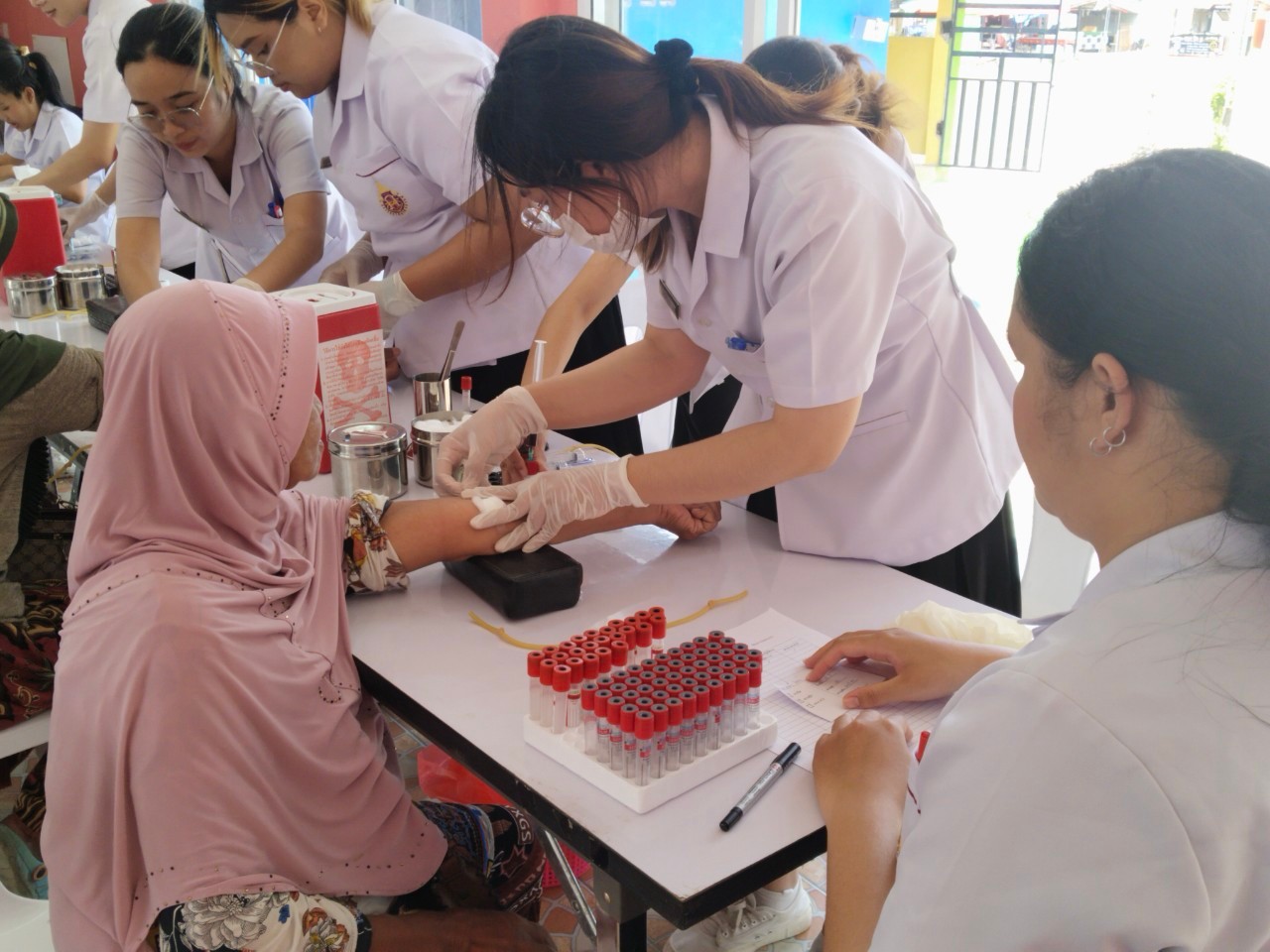
The Ban Tha Sung Bon Project: Community Well-Being Model of Allied Health Sciences, Walailak University
Chronic diseases related to the renal system, hypertension, diabetes, obesity, and liver diseases are major public health concerns that significantly affect people’s quality of life. This is particularly evident among the elderly and working-age groups who are prone to risky behaviors such as poor dietary habits, lack of exercise, and irregular health check-ups. Therefore, the university delivered a health outreach project by implementing health screening and risk assessment for early detection of health problems, disease prevention planning, and reducing long-term healthcare costs.
Health screening and preliminary risk assessment activities for kidney disease, gout, and hepatitis were therefore organized to raise awareness, encourage self-care, and promote proper health behavior modification among the general public.
Results
A total of 35 individuals participated in the health screening: 10 males (28.6%) and 25 females (71.4%). The results are as follows:
- Body Mass Index (BMI)
- Males (aged 40–75 years): Most had a normal BMI.
- Females (aged 27–84 years): Most had a BMI within Obesity Class I.
- Kidney Disease Screening
- The majority of participants had hypertension (75.4%) and a history of diabetes (27.8%).
- Blood Urea Nitrogen (BUN): Normal in 7.6% of participants.
- Creatinine: Normal in 54.5%.
- Estimated Glomerular Filtration Rate (eGFR): Low in many participants, with a very high risk of kidney disease observed in 68.9%.
- Among those under 60 years old, 67% of males and 50% of females were at very high risk.
- Among those over 60 years old, 100% of males and 64% of females were at very high risk.
3. Gout Screening
- Most participants were over 60 years old and classified as obese (BMI > 22.9 kg/m²).
- Uric acid levels: 28 participants had normal levels, while 2 had elevated levels.
- Health behavior scores related to gout risk were ≤16, indicating a high risk of hyperuricemia.
- Hepatitis Screening
- Hepatitis B:
- 1 participant tested positive for infection and required confirmatory testing and referral for treatment.
- 12 participants had immunity.
- 19 participants (59%) had no immunity, placing them at risk of infection. They were advised to complete the three-dose vaccination schedule.
- Hepatitis C:
- No infections were detected (100% of participants tested negative).
Summary
The health screening revealed that chronic diseases related to hypertension, obesity, kidney disorders, and the risk of hepatitis B remain critical health issues in the community—particularly among the elderly, who are at very high risk. Health screening and preventive counseling are therefore crucial for health monitoring and improving access to healthcare services, helping to reduce risks and prevent complications in the future.
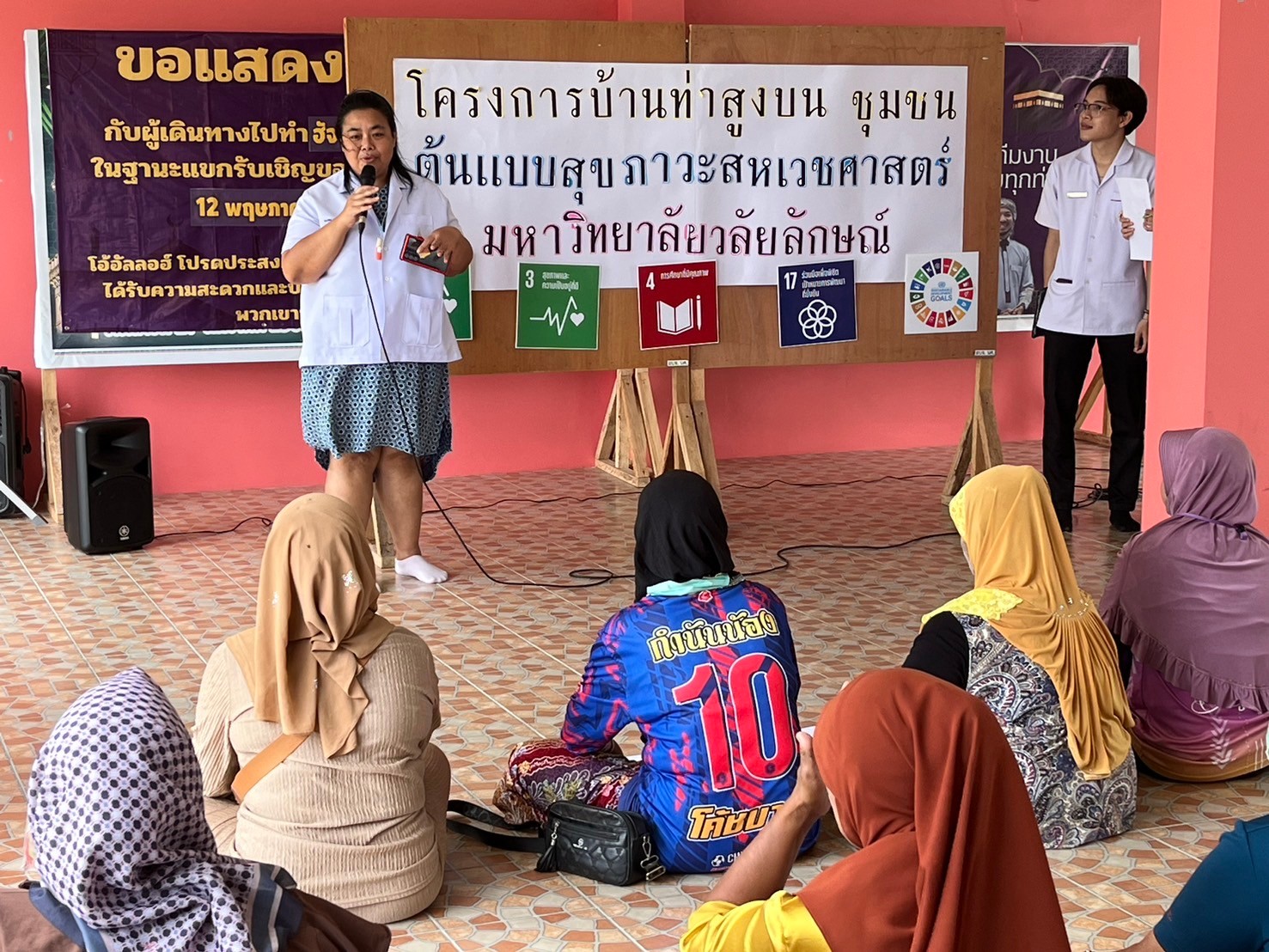
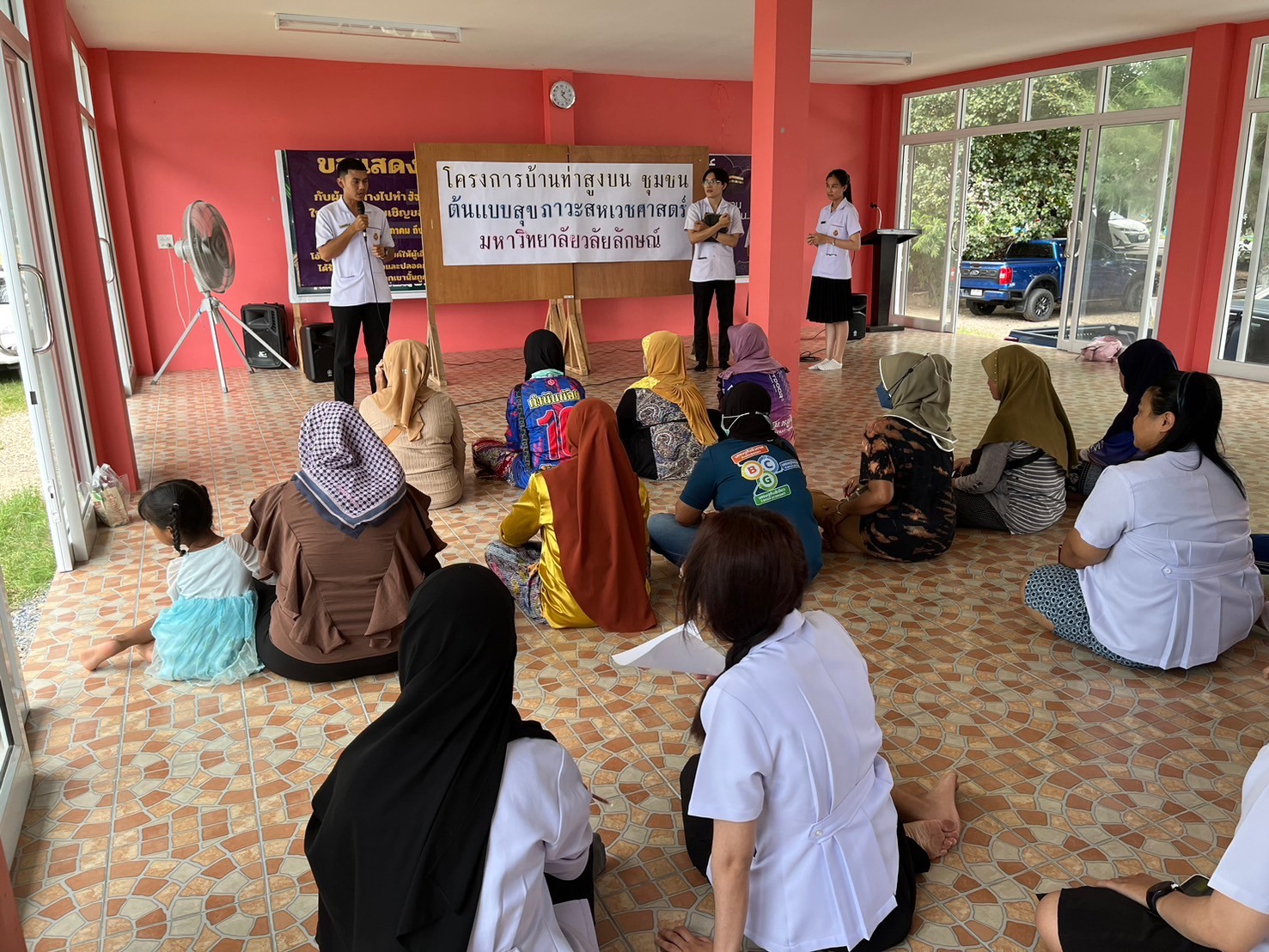
Additionally, training activities were conducted to enhance the capacity of village health volunteers (VHVs) in health promotion, rehabilitation, and basic patient care. This initiative strengthened community health networks by enabling VHVs to provide primary health guidance and support to community members. As a result, the community is empowered to take care of its own health and move toward becoming a sustainable model for community health.
Figures : Training activities were conducted to enhance the capacity of village health volunteers (VHVs) in health promotion, rehabilitation, and basic patient care.
The Projects for Disadvantage People
In addition to providing healthcare services to the general public in communities, there are vulnerable groups who face limitations in accessing healthcare services due to their physical conditions—particularly bedridden patients, who are considered disadvantaged people. To address this, the university has delivered health outreach projects aimed at enhancing healthcare accessibility for these groups in an inclusive and appropriate manner.
The Project for Health Promotion and Rehabilitation for Homebound and Bedridden Patients through Physical Therapy
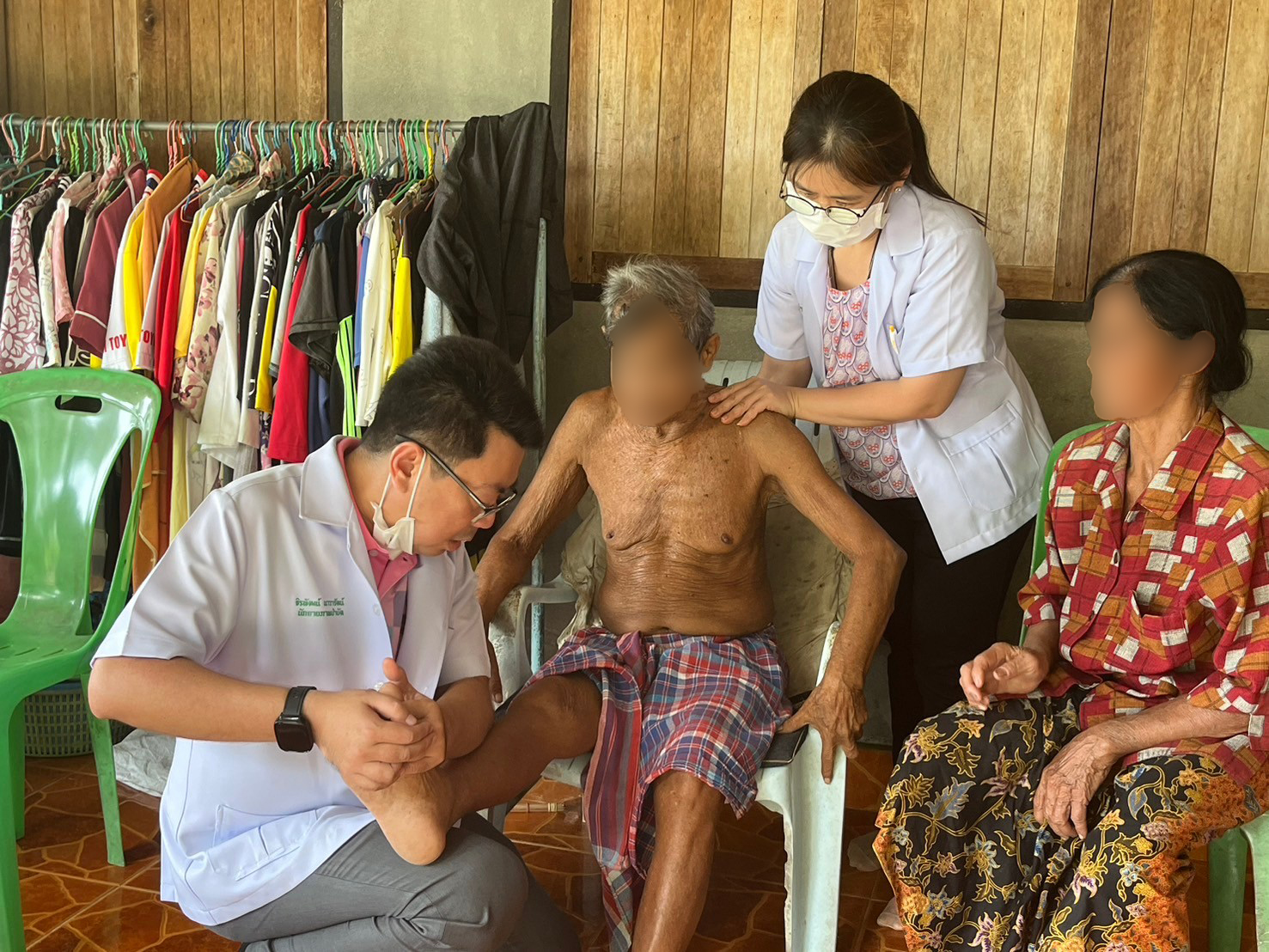
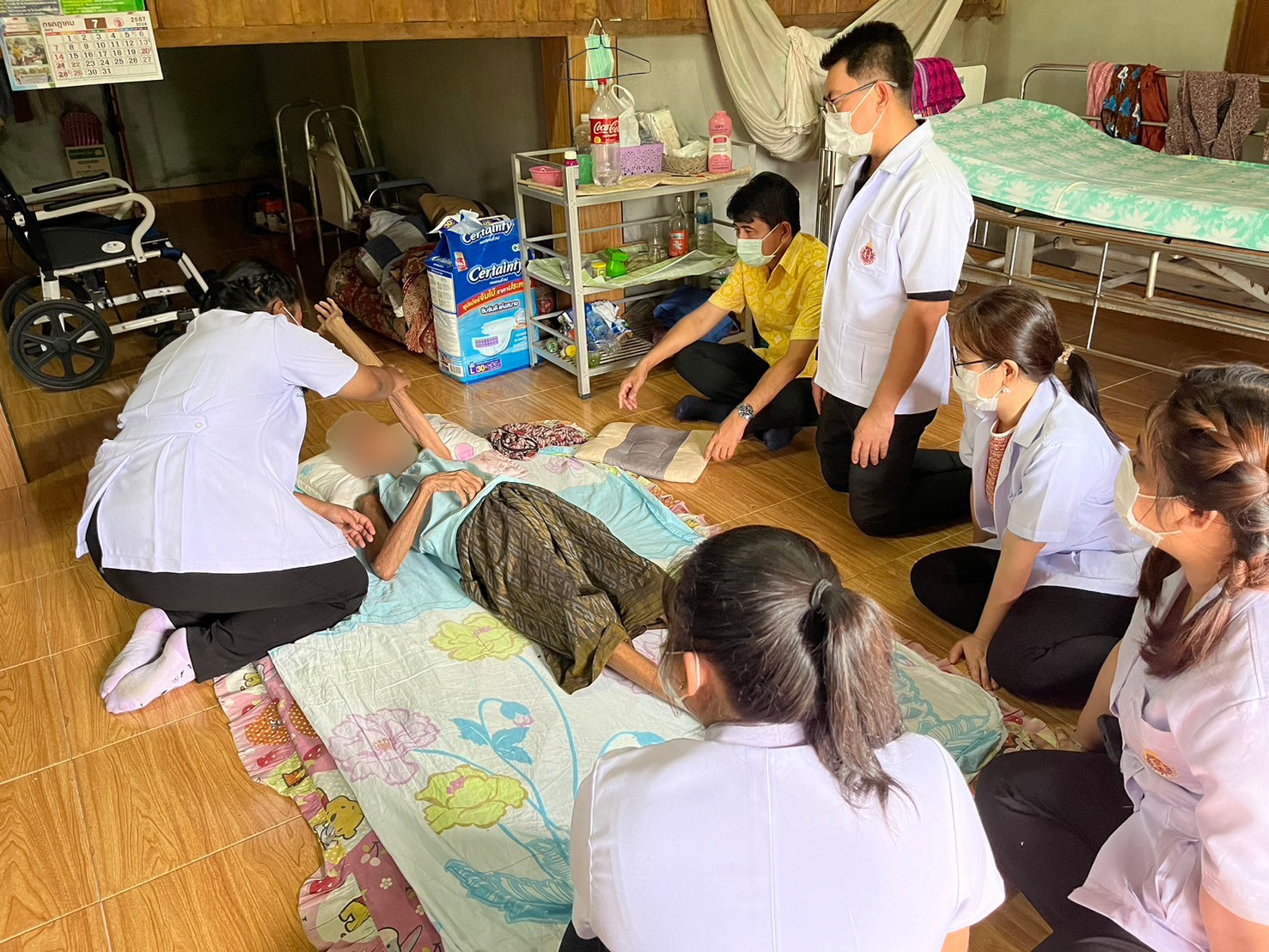
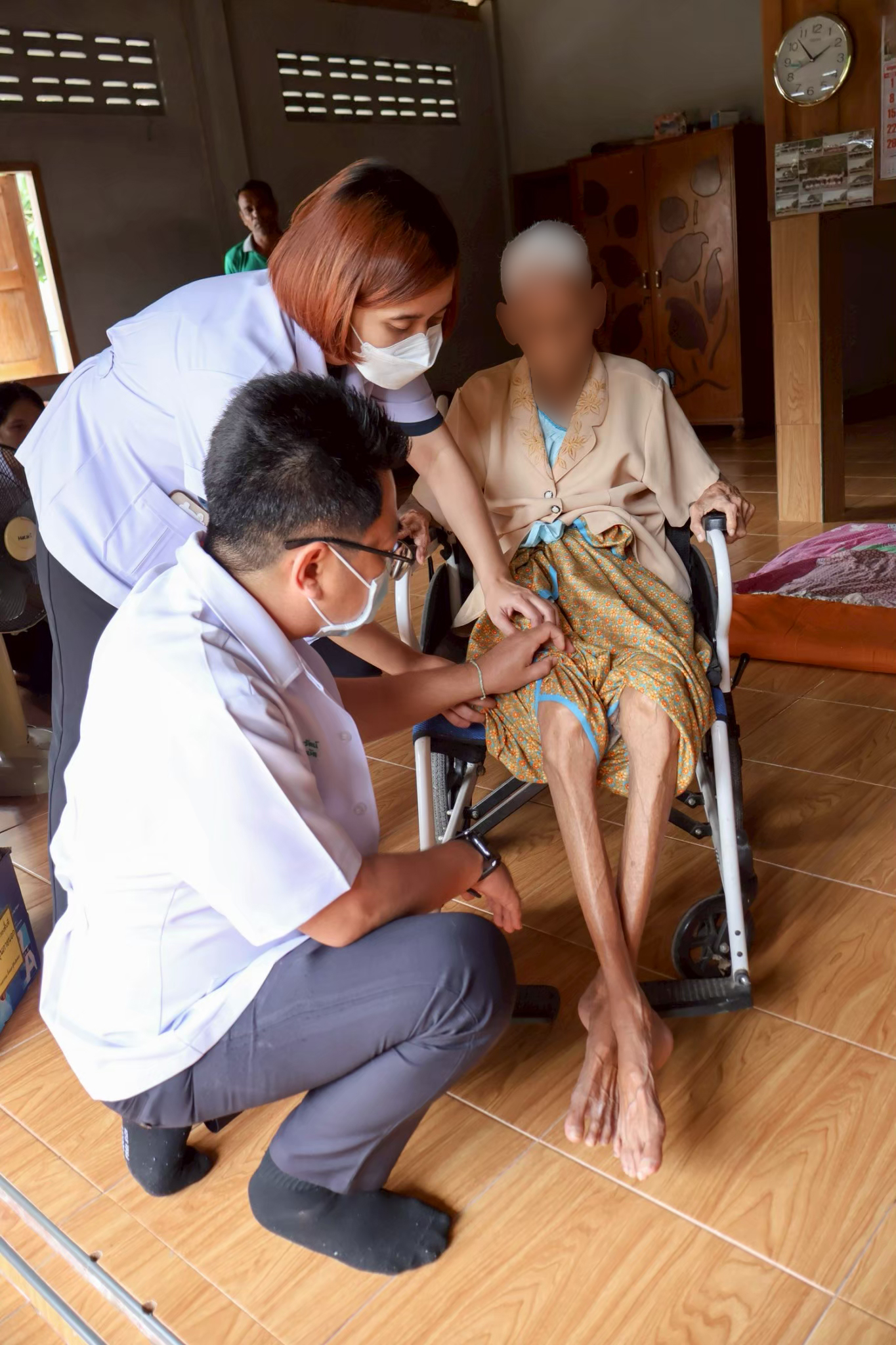
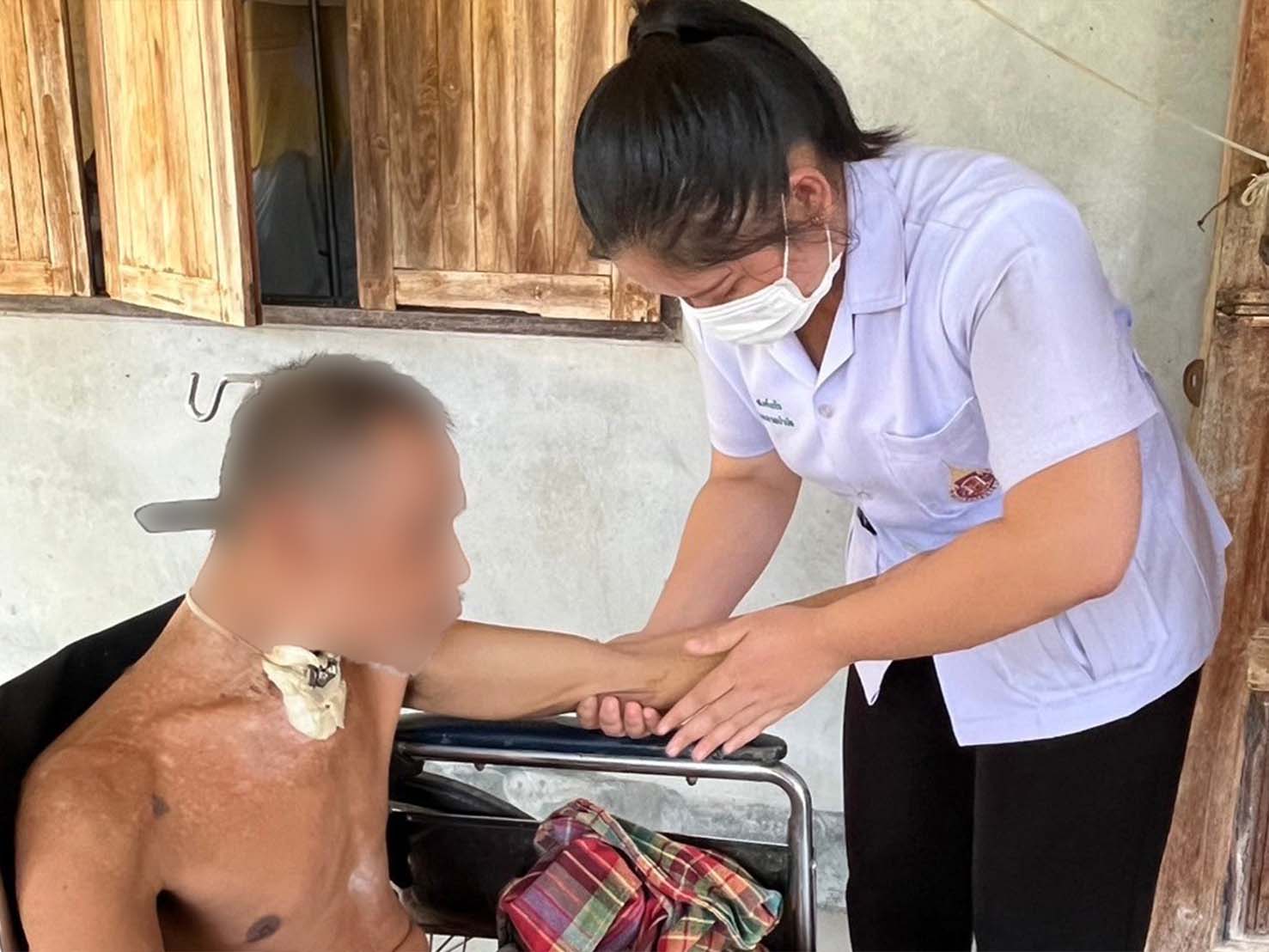
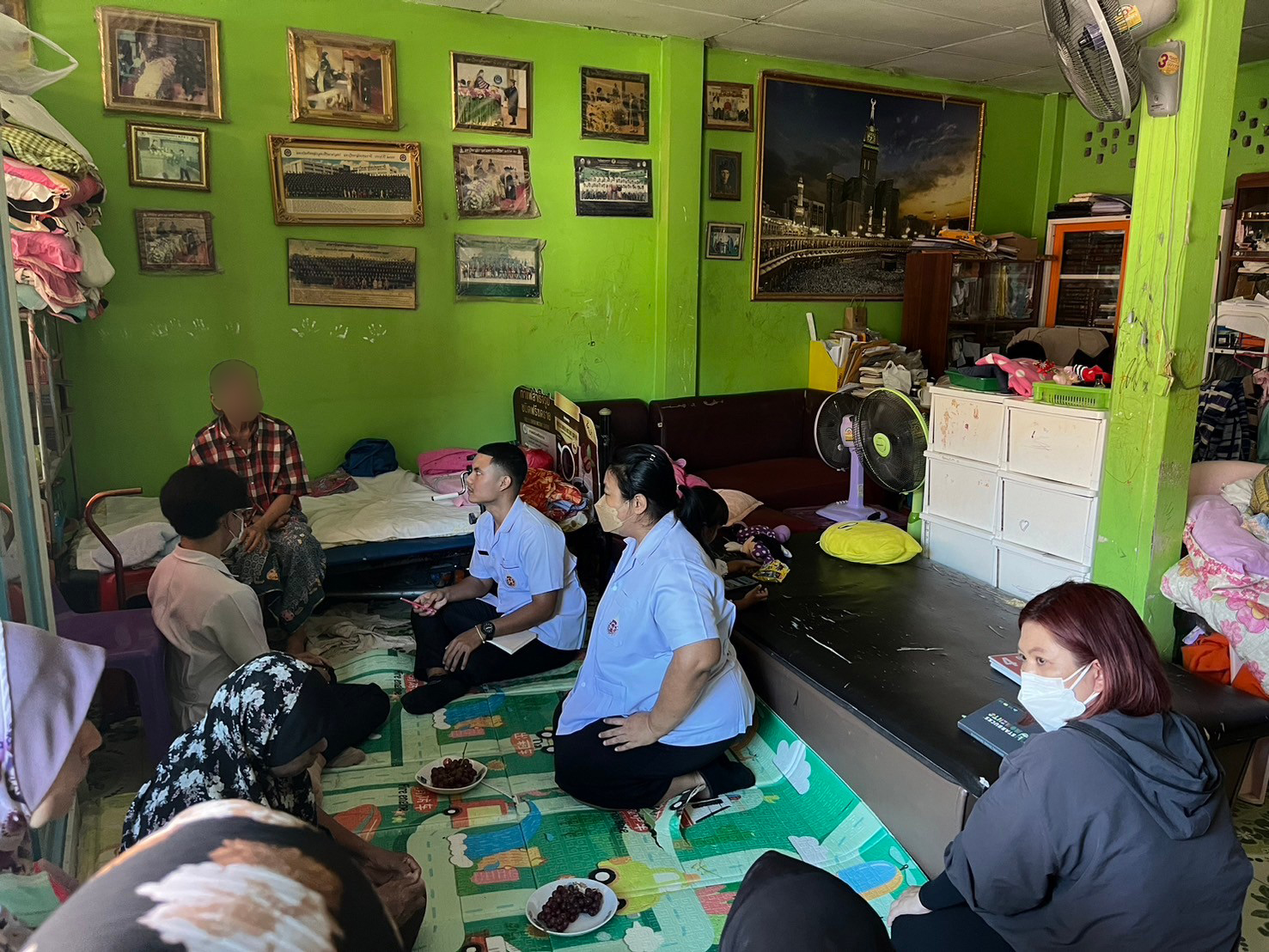
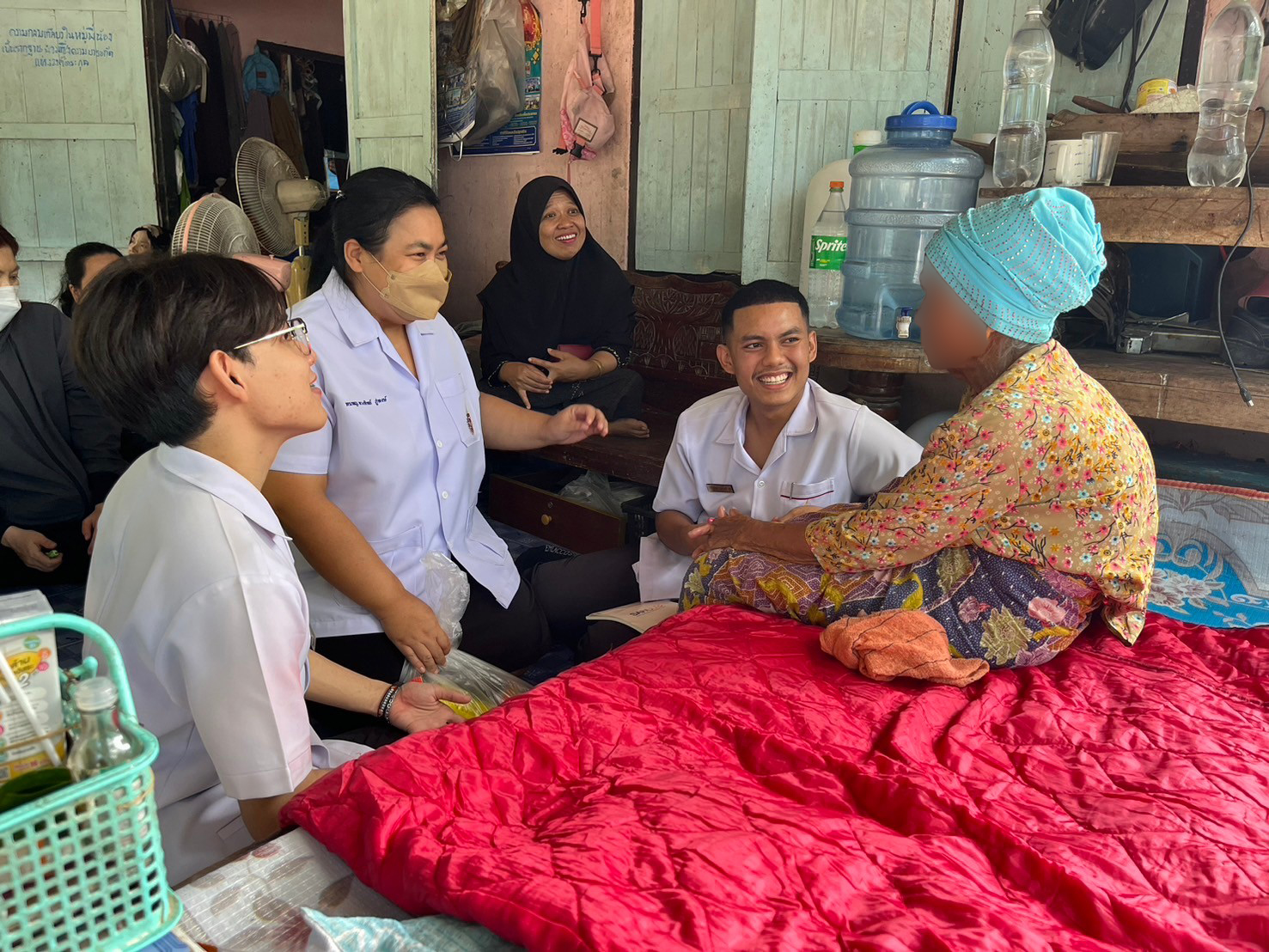
Following capacity-building activities for Village Health Volunteers (VHVs), faculty members from Physical Therapy led VHVs in home visits to bedridden patients to provide rehabilitation and care services. They also monitored the application of knowledge and skills acquired by VHVs after training, under the close supervision of expert faculty members.
The results showed that 100% of VHVs were able to effectively apply their knowledge in the rehabilitation of bedridden patients. In addition, faculty experts provided guidance to family caregivers on how to care for bedridden patients to ensure continuity and effectiveness of care, recognizing that VHVs and the project team cannot be present with patients at all times. Family caregivers, therefore, play a crucial role in providing consistent and close care.
Figures : Health Outreach Project Implementing Home Visits for Disadvantaged People
The Project for Development of Herbal Products and Community Health Promotion with Applied Thai Traditional Medicine
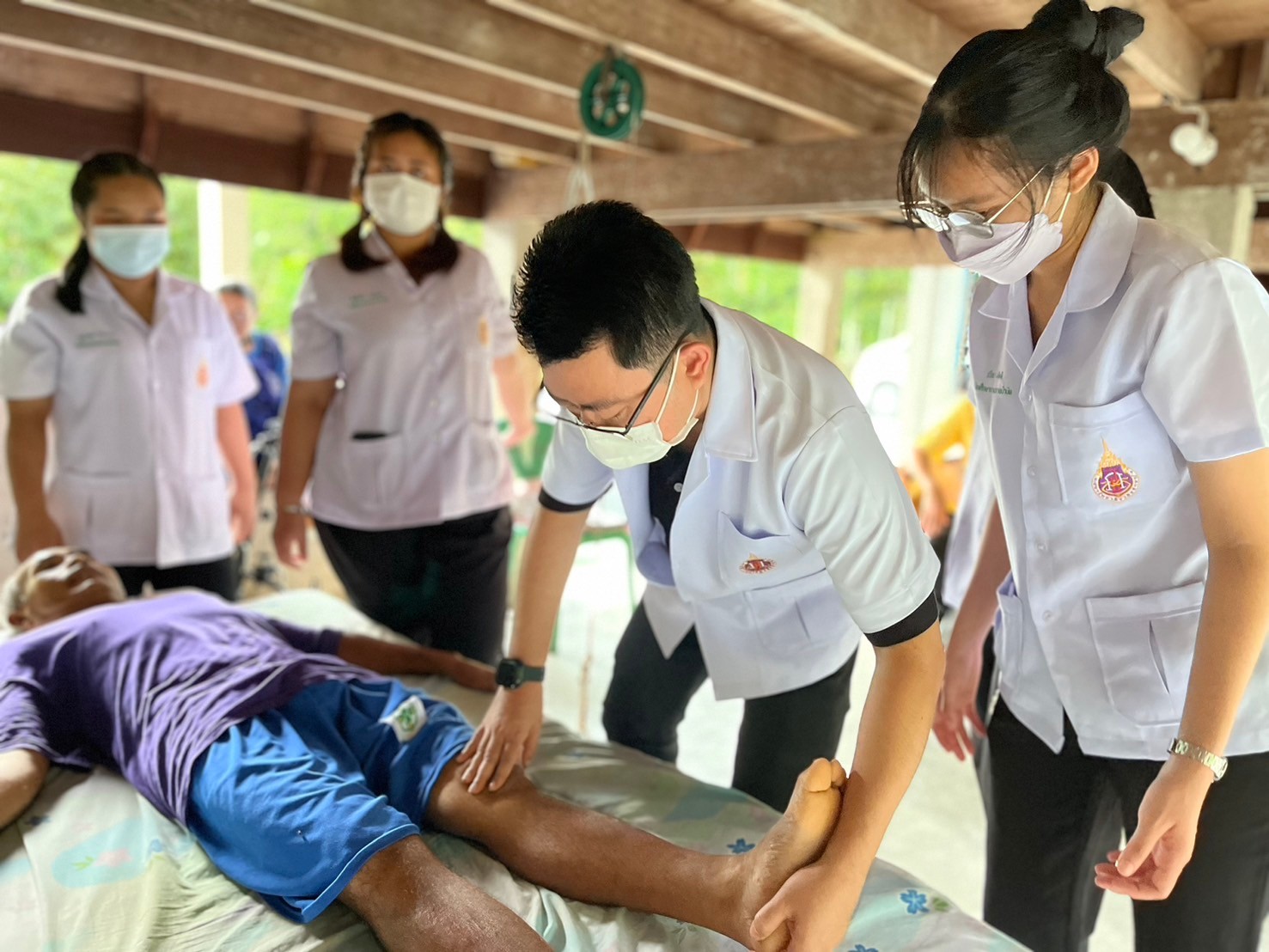
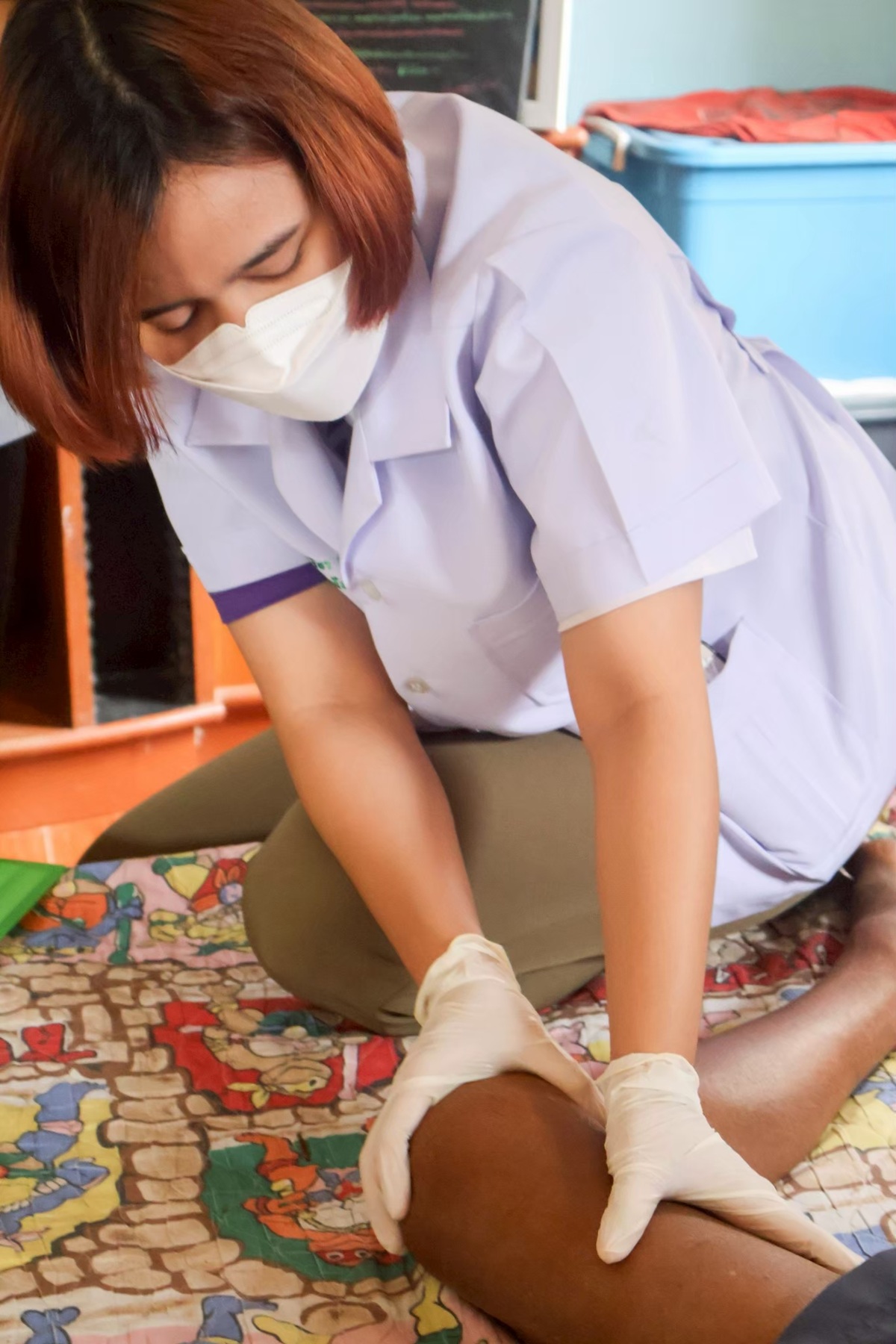
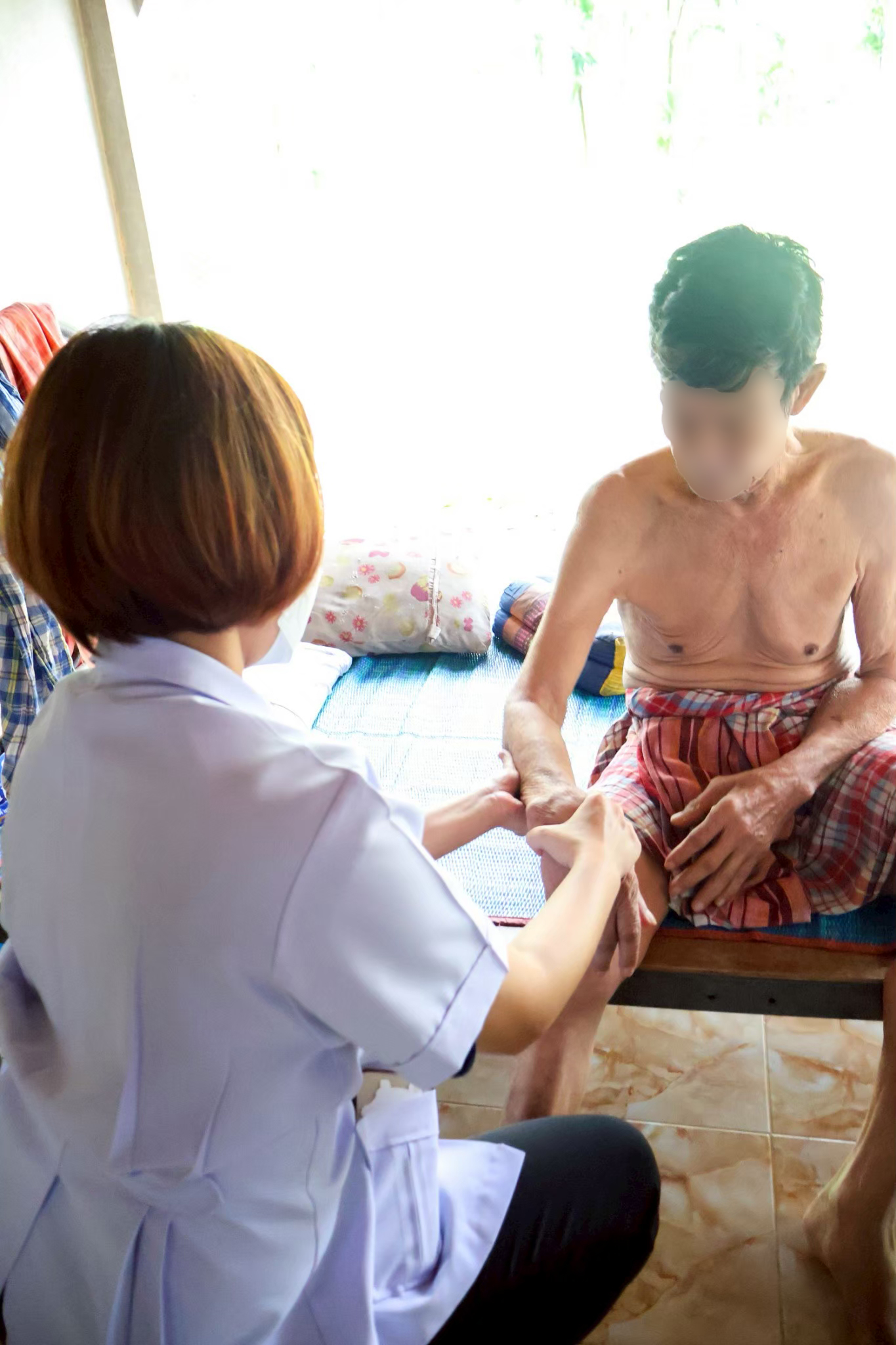
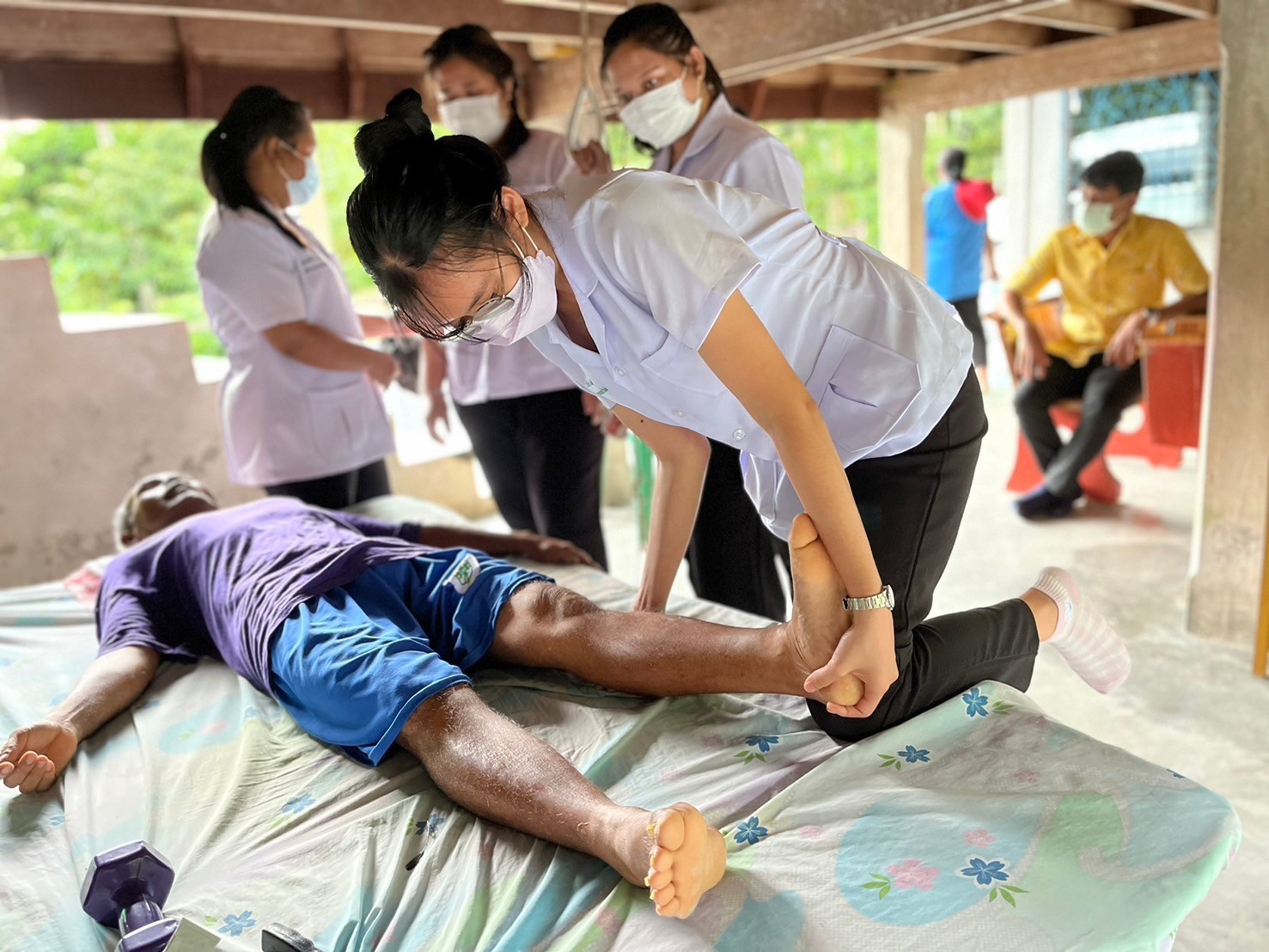
The project also conducted home visits for bedridden patients, offering specialized massage services to alleviate muscle stiffness and tightness caused by prolonged immobility. These massages were administered by faculty experts together with trained VHVs, ensuring proper techniques and safety for patients.
This activity not only helped reduce pain and the risk of musculoskeletal complications but also improved blood circulation, enhanced muscle flexibility, and promoted relaxation. As a result, the quality of life of bedridden patients was improved. Furthermore, training sessions were provided for family caregivers, demonstrating correct massage techniques that could be applied in daily life to ensure continuity of care.
Figures : Thai Traditional Massage for Disadvantaged People
The Project for Elevation of Herbs to Community Herbal Massage Oil Products
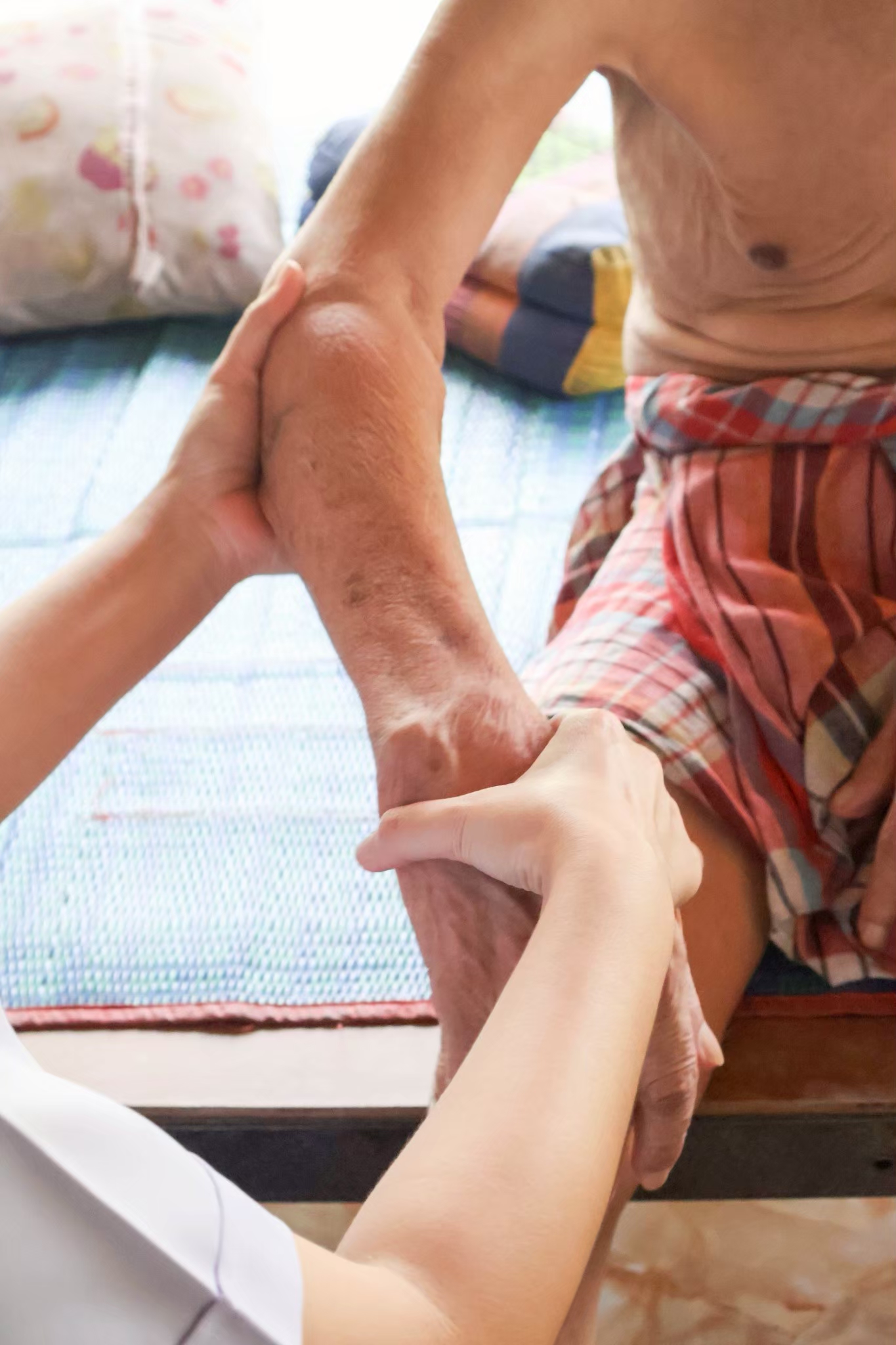
During home visits to 20 elderly bedridden patients, the project integrated care services by introducing a newly developed herbal massage oil in combination with therapeutic massage techniques. The oil, prepared under the supervision of faculty experts in Thai Traditional Medicine, contained natural herbal ingredients known for relieving pain, relaxing muscles, and stimulating blood circulation.
When applied alongside traditional therapeutic massage techniques, the oil enhanced the effectiveness of relieving stiffness and tightness caused by long-term immobility. Additionally, caregivers were trained in proper usage and basic massage techniques for continued application at home. As a result, patients reported feeling more relaxed, with reduced pain and improved quality of life, while caregivers gained skills and confidence for long-term patient care.
Figures : Figures : Use of massage oil in bedridden patients
The Ban Tha Sung Bon Project: Community Well-Being Model of Allied Health Sciences, Walailak University
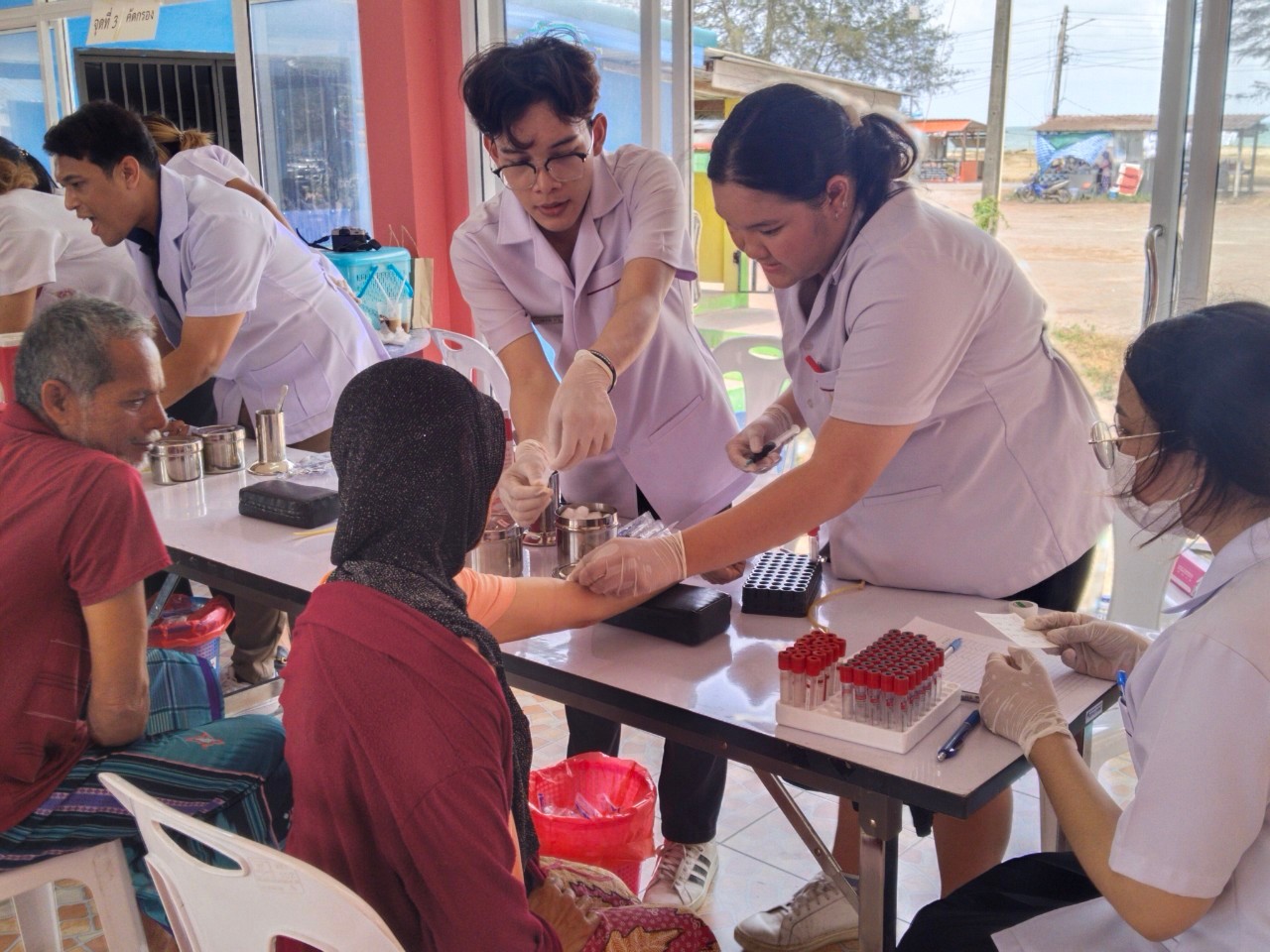
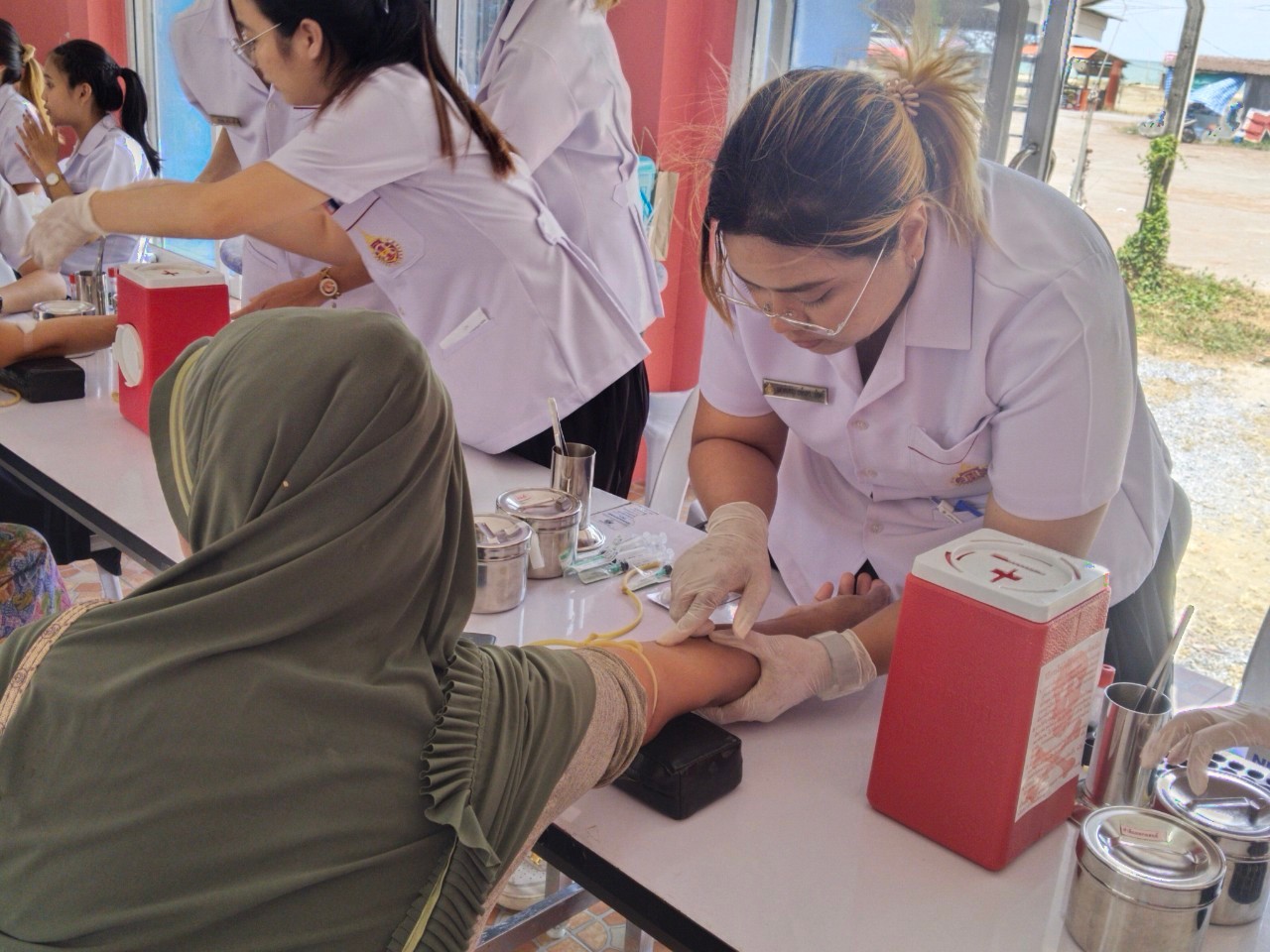
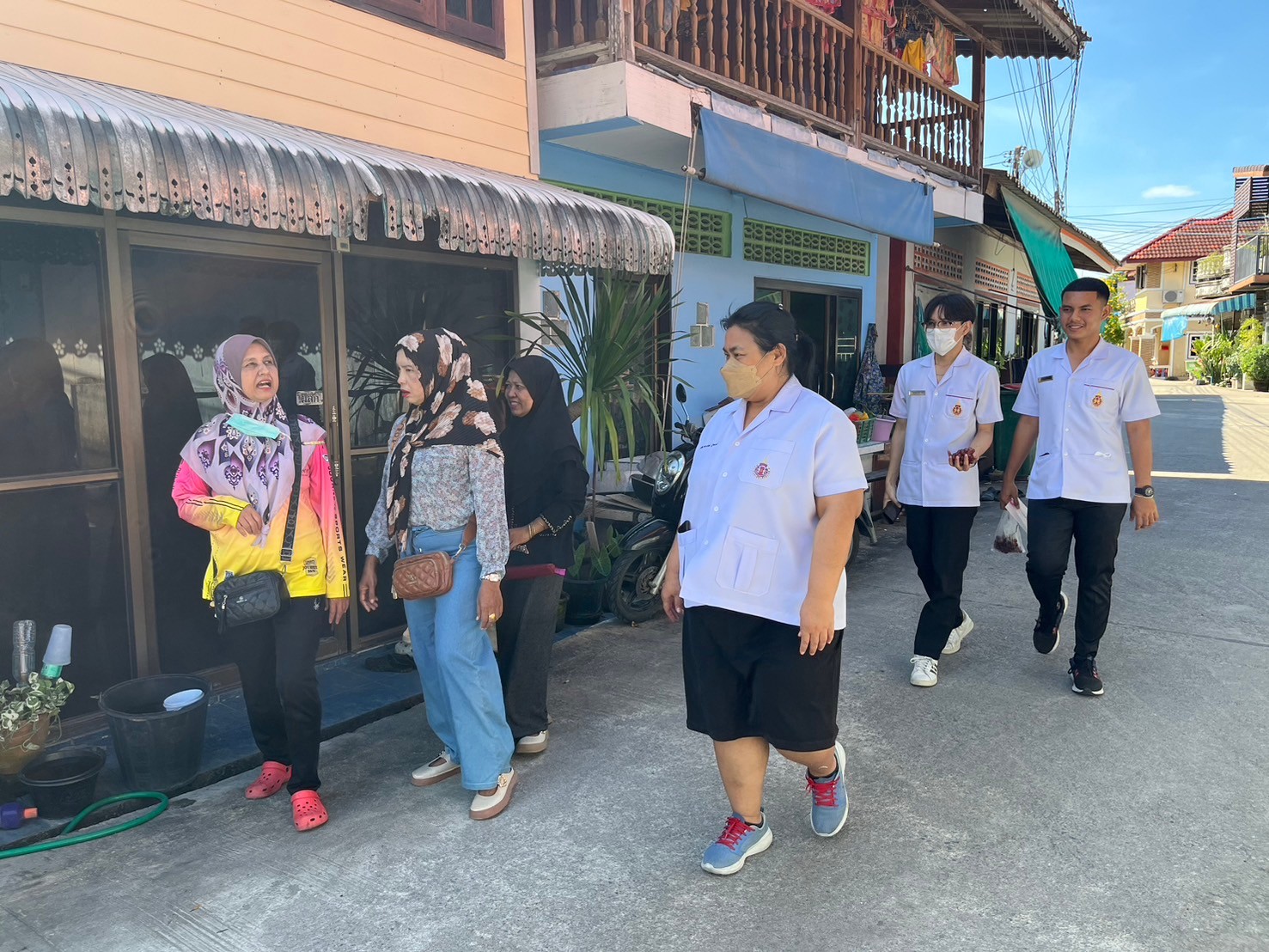
Home health visits represent a key activity prioritized by the university. Faculty members and medical technology students participated in community outreach to provide close healthcare monitoring. During these visits, blood samples were collected to test for anemia—a common health issue across age groups, particularly among elderly bedridden patients. Early screening enabled timely detection of abnormalities and facilitated appropriate treatment or preventive measures.
Figures : Health Outreach Project Implementing Home Visits for Disadvantaged People
In addition to physical health assessments, the team also provided practical self-care advice, including healthy dietary practices and adequate rest. Moreover, the activity emphasized psychosocial support for the elderly, disabled individuals, and bedridden patients by engaging in close conversations and listening to their concerns, helping them feel cared for and not abandoned by society.
This initiative not only enhanced both physical and mental well-being within the community but also served as valuable experiential learning for students. It enabled them to develop real-world skills in communication, patient care, and empathy, preparing them to become future healthcare professionals with both knowledge and compassion.
The Projects for Refugee/Immigrant Communities
Immigrant workers represent a vital labor force that drives the local economy, particularly in the fishing, agriculture, and food production sectors. Despite their significant contributions to national development, this group often faces barriers to accessing healthcare services due to language difficulties, legal status, and limited health literacy. Consequently, immigrant workers are at high risk of occupational injuries, chronic illnesses, and a declining quality of life. To address these challenges, Walailak University has delivered health outreach projects dedicated to immigrant workers. These projects include health promotion, rehabilitation, and the integration of knowledge in complementary medicine—covering health screening, physical therapy rehabilitation, the application of Thai herbal wisdom, and the development of model healthy communities. Such activities not only reduce health risks but also improve the quality of life of migrant workers, enabling them to work safely and sustainably.
The Project for Health Promotion and Rehabilitation for Homebound and Bedridden Patients through Physical Therapy
Immigrant workers in the fishing sector play a key role in supporting the local economy and seafood production. However, the physically demanding nature of fishing—such as lifting, hauling, and sorting marine products—often causes fatigue and increases the risk of musculoskeletal injuries, especially affecting the hands and back, which are used repetitively in daily work.
Despite these risks, immigrant workers often lack access to occupational health information and services, resulting in limited knowledge about injury prevention and long-term musculoskeletal care. It is therefore crucial to provide knowledge on body care, particularly stretching exercises and workplace behavior modification, which can reduce the risk of injuries, enhance physical performance, and improve quality of life.
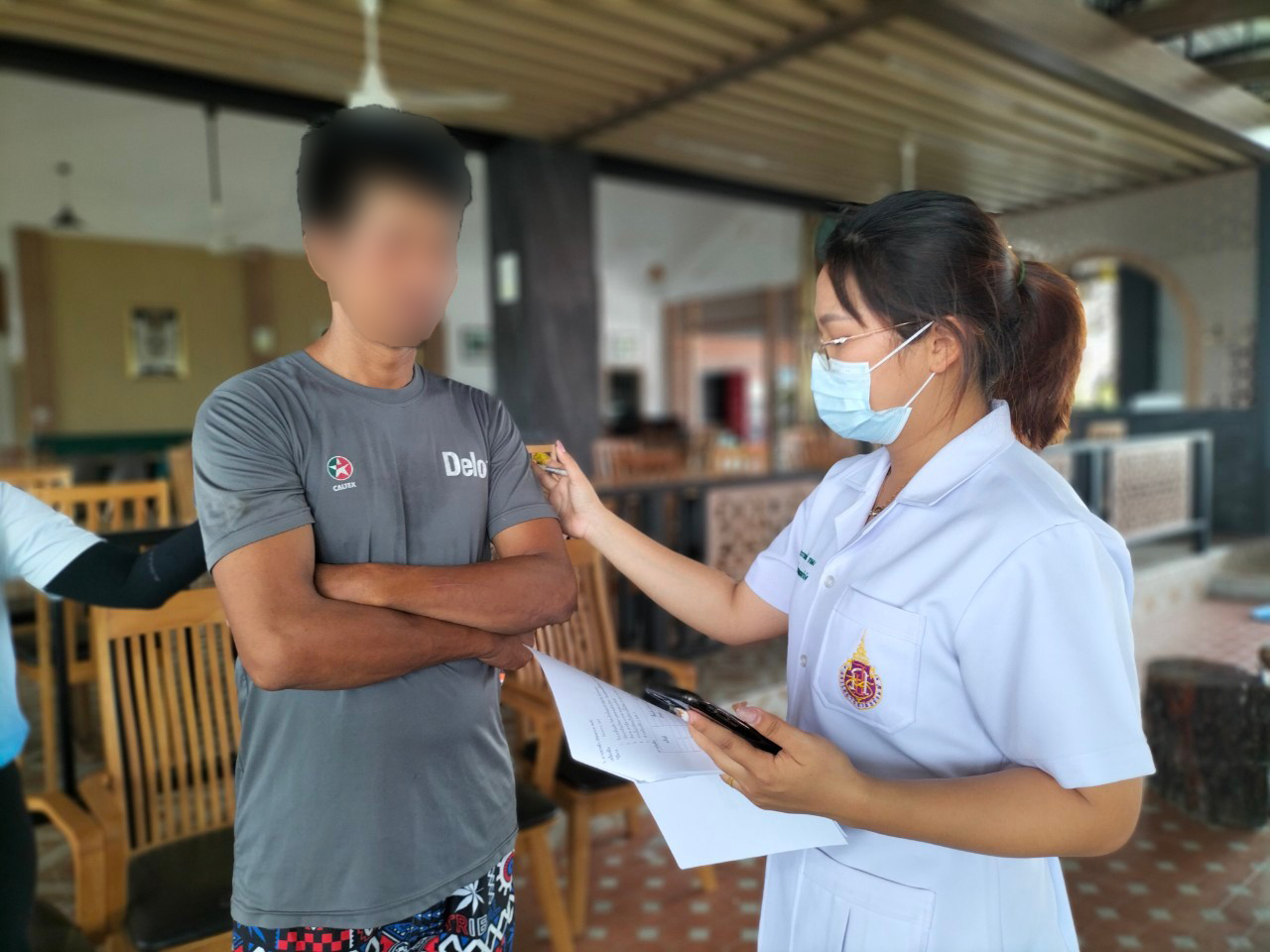
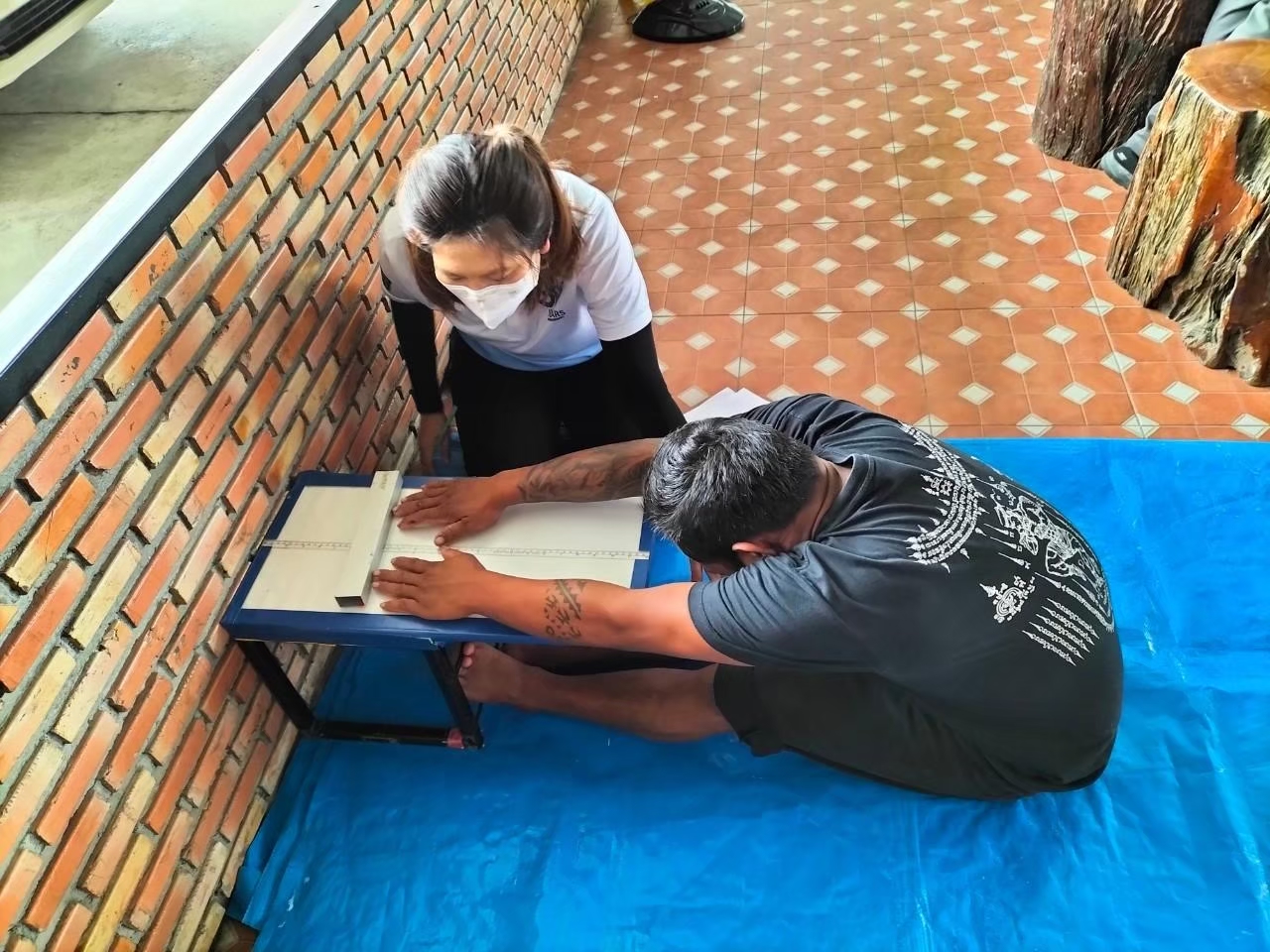
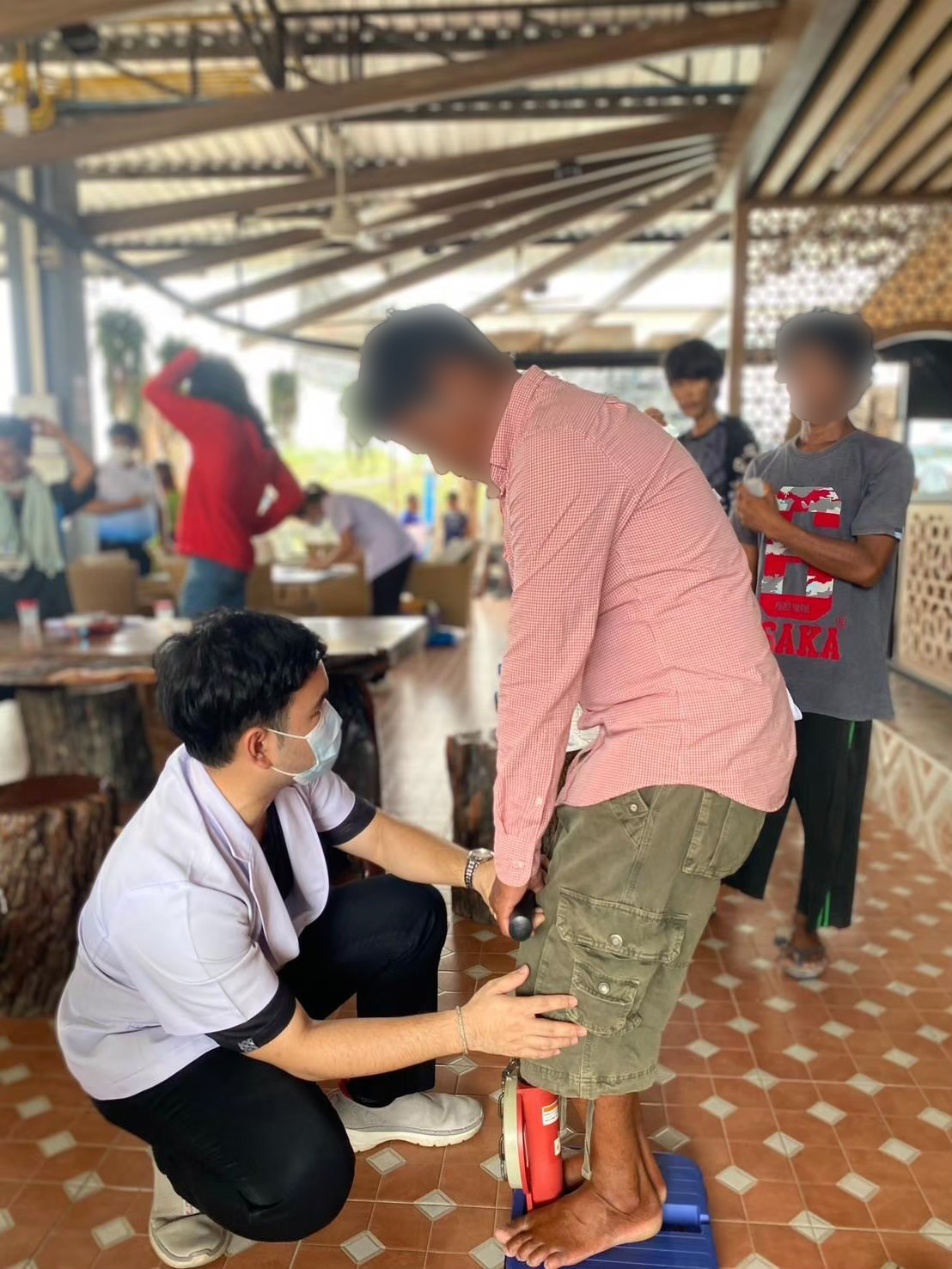
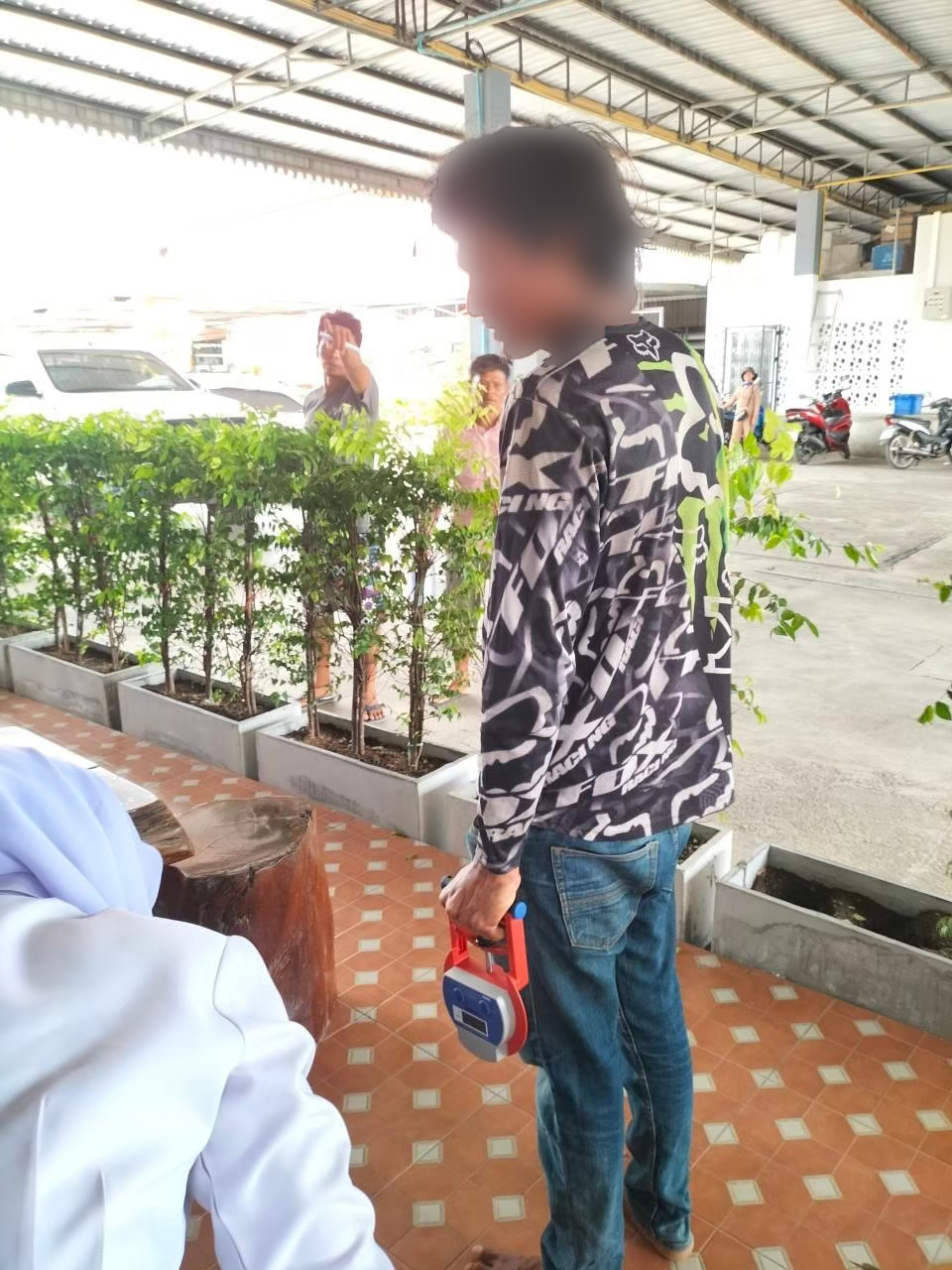
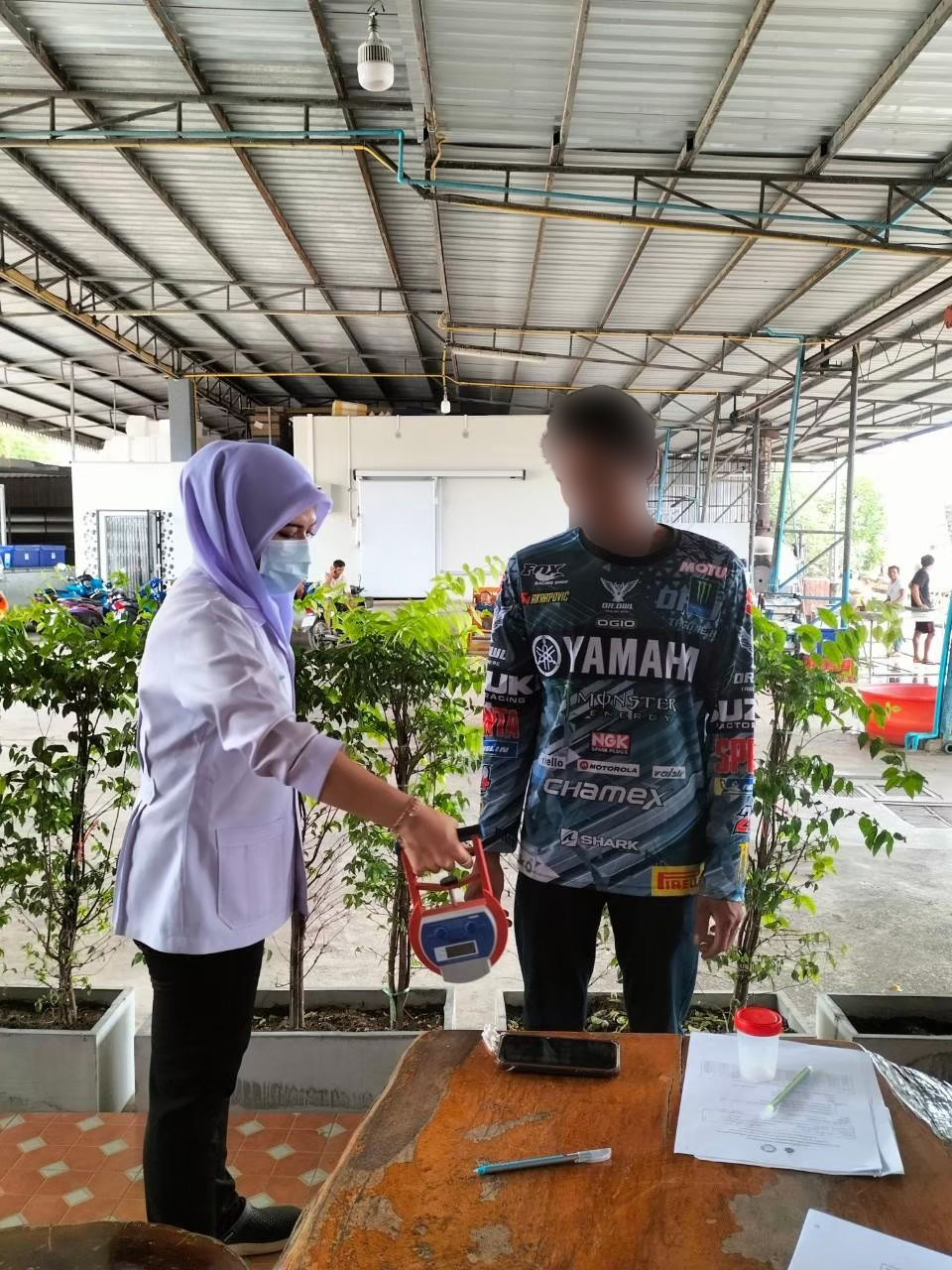
Figures : Potential assessment activities (physical therapy) in migrant workers
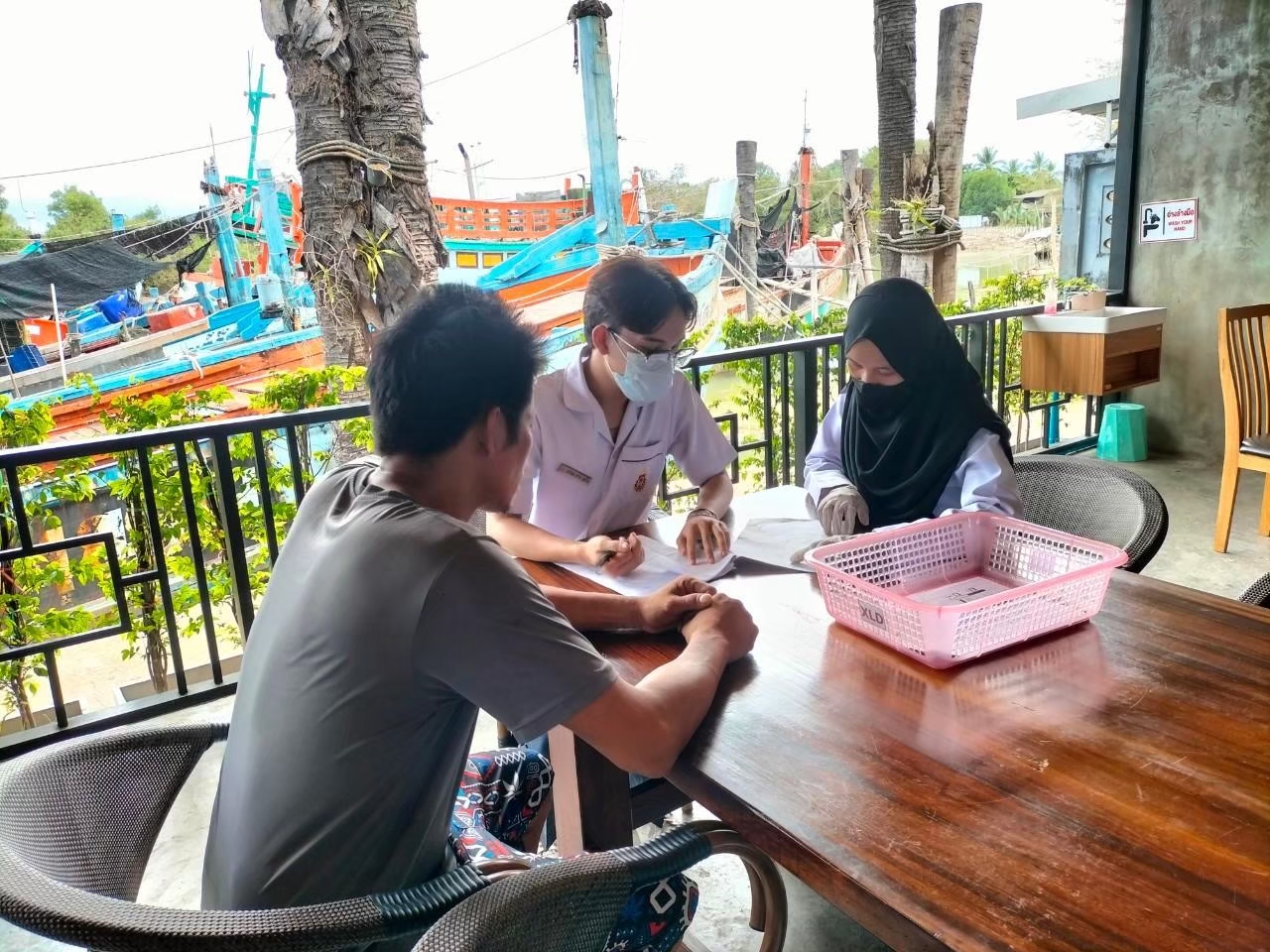
Accordingly, a knowledge transfer and personalized counseling activity was conducted with 30 migrant workers in Tha Sala District, most of whom were Cambodian nationals (93%), with the remainder being Laotian (7%). The findings revealed that 80% of these workers had weak hand muscles and limited flexibility in the back, conditions that increase the risk of occupational injuries. Therefore, individualized guidance on stretching and preventive care was provided to support safer and more sustainable work practices.
The Project for Development of Herbal Products and Community Health Promotion with Applied Thai Traditional Medicine
Immigrant workers are a key economic force; however, they often face limited access to healthcare services and health education. This increases their vulnerability to chronic diseases, poor nutrition, and health issues associated with physically demanding labor.
The use of Thai herbal remedies—an enduring local wisdom—can be applied to promote health and reduce disease risks naturally and safely. Knowledge transfer activities on herbal medicine for immigrant workers were thus organized, not only to raise awareness about natural healthcare but also to equip workers with practical skills in selecting and applying local herbs appropriately.
This activity went beyond standard health screening—such as blood pressure measurement, anemia screening, and urinalysis—by integrating preventive healthcare services through herbal tea products. This provided both direct health benefits and experiential learning opportunities for immigrant workers. By combining academic knowledge with practical healthcare approaches, the project laid a strong foundation for improving the quality of life of immigrant workers and advancing the sustainable use of Thai herbal medicine in modern society.
Figures : Herbal tea donation activity for migrant workers
The Project for Elevation of Herbs to Community Herbal Massage Oil Products
Immigrant workers in rural areas, particularly those employed in durian orchards, are often engaged in strenuous physical activities such as carrying heavy harvests, climbing trees, and working outdoors for extended periods. These tasks frequently result in muscle pain and accumulated fatigue. Without proper care, such conditions can negatively impact work efficiency and long-term health.
At the same time, access to healthcare services for immigrant workers is limited due to language barriers, social status, and limited opportunities to receive medical care. In this context, the integration of Thai herbal wisdom into health practices provides a suitable, safe, and culturally relevant approach for initial health management.
The distribution of herbal massage oil, along with demonstrations and guidance on its use to 10 immigrant workers, served not only to alleviate muscle pain and physical strain but also to raise awareness about self-care practices. This empowerment enabled workers to apply the knowledge in their daily lives, contributing to long-term improvements in health, quality of life, and sustainable work capacity.
The Ban Tha Sung Bon Project: Community Well-Being Model of Allied Health Sciences, Walailak University
Immigrant workers form a critical part of the workforce that sustains both the economy and society in many regions of Thailand. However, they frequently encounter difficulties in accessing healthcare services due to language barriers, legal status, and unfamiliarity with the Thai public health system. These obstacles increase their vulnerability to neglecting personal health and reduce opportunities for early disease prevention and treatment.
Urinary tract conditions and anemia are common health problems among migrant workers, particularly those engaged in labor-intensive jobs with limited income and poor dietary diversity. Without timely screening and treatment, such conditions can lead to complications that impair both quality of life and work productivity.
To address this, health education and screening activities for urinary tract conditions and anemia were organized for immigrant workers. These initiatives were crucial for promoting health, preventing disease, and improving access to basic healthcare services. Additionally, they helped raise awareness of proper health behaviors, contributing to enhanced quality of life and well-being among migrant workers.
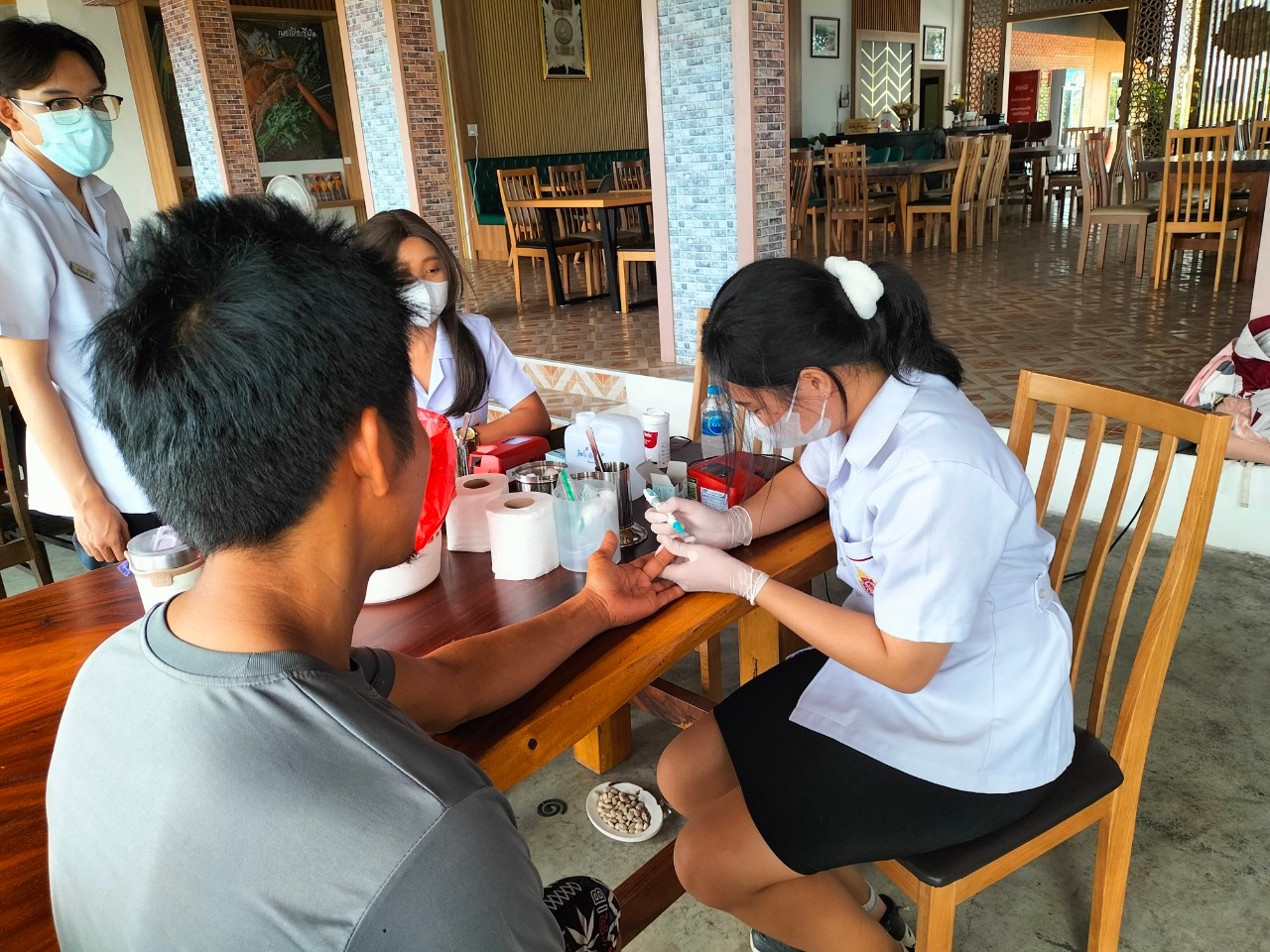
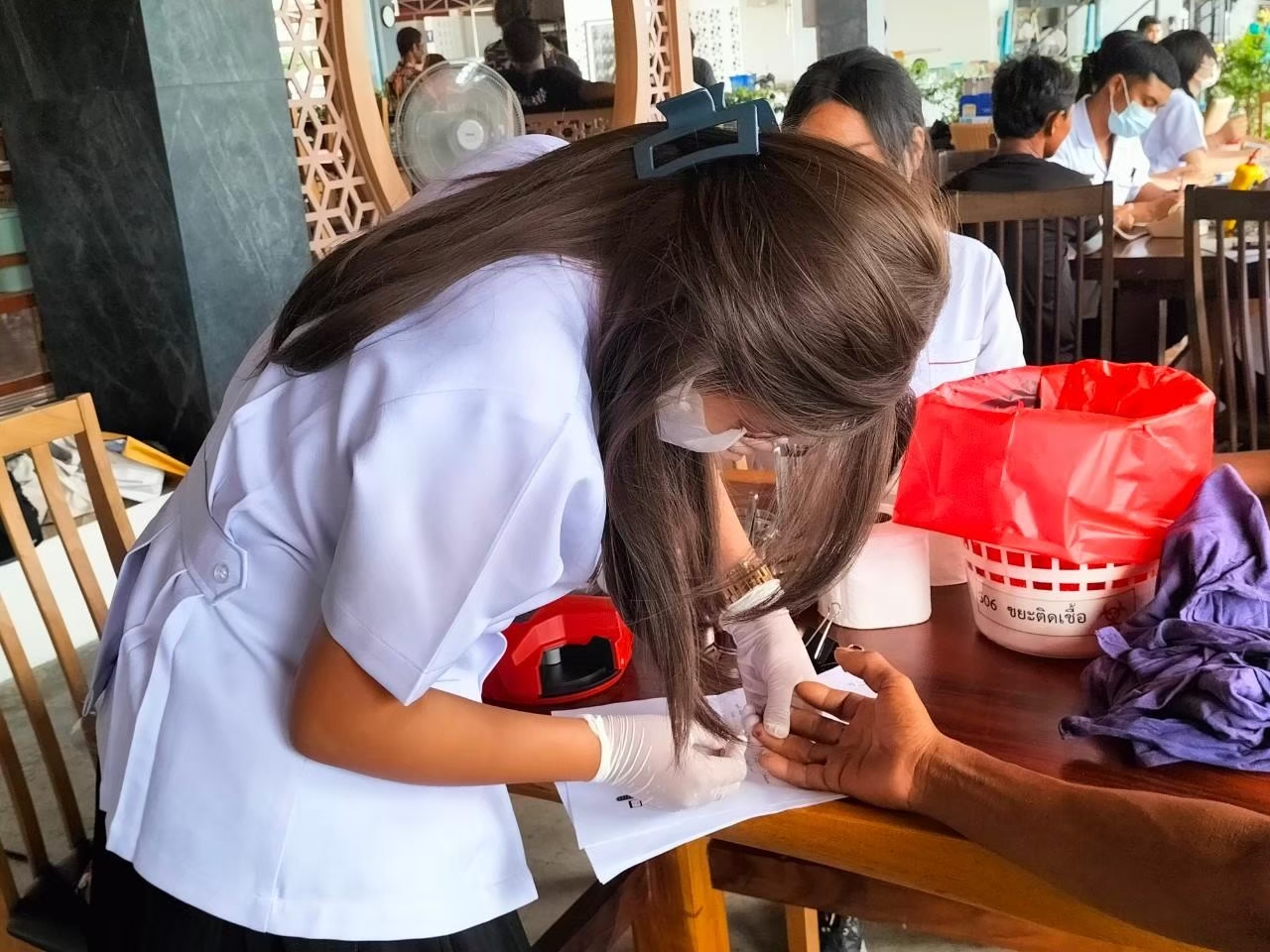
A total of 30 migrant workers participated in the project, all male, aged 23–50 years. The majority were Cambodian nationals (93%). All participants received blood pressure measurement, urinalysis, and anemia screening. The results indicated that most workers had normal blood pressure, while six individuals presented elevated readings and were advised to undergo follow-up assessments. If hypertension persisted, they were recommended to consult a physician for further diagnosis.
Urinalysis results were normal in 100% of cases. For anemia screening, 73% of participants showed normal hemoglobin levels, while 27% presented mild anemia. Among them, one individual had significantly low hemoglobin levels and was advised to seek medical evaluation. As the screening methods used were preliminary, those with mild anemia were advised to adjust their diet to include iron-rich foods, vitamin C, and balanced nutrition, while avoiding alcohol, toxins, or chemicals. They were also encouraged to undergo a follow-up complete blood count to determine whether their anemia was caused by nutritional deficiencies or genetic factors.
Figures : Health education and screening activities for urinary tract conditions and anemia among migrant workers
Walailak University’s health outreach programs exemplify its commitment to advancing health and well-being through diagnostic innovation, project development, community engagement, and systematic measurement of outcomes. By integrating multidisciplinary approaches across physical therapy, traditional Thai medicine, pharmacy, medical technology, and other allied health sciences, the university has effectively addressed diverse health challenges among local communites, disadvantaged people, and immigrant communities.
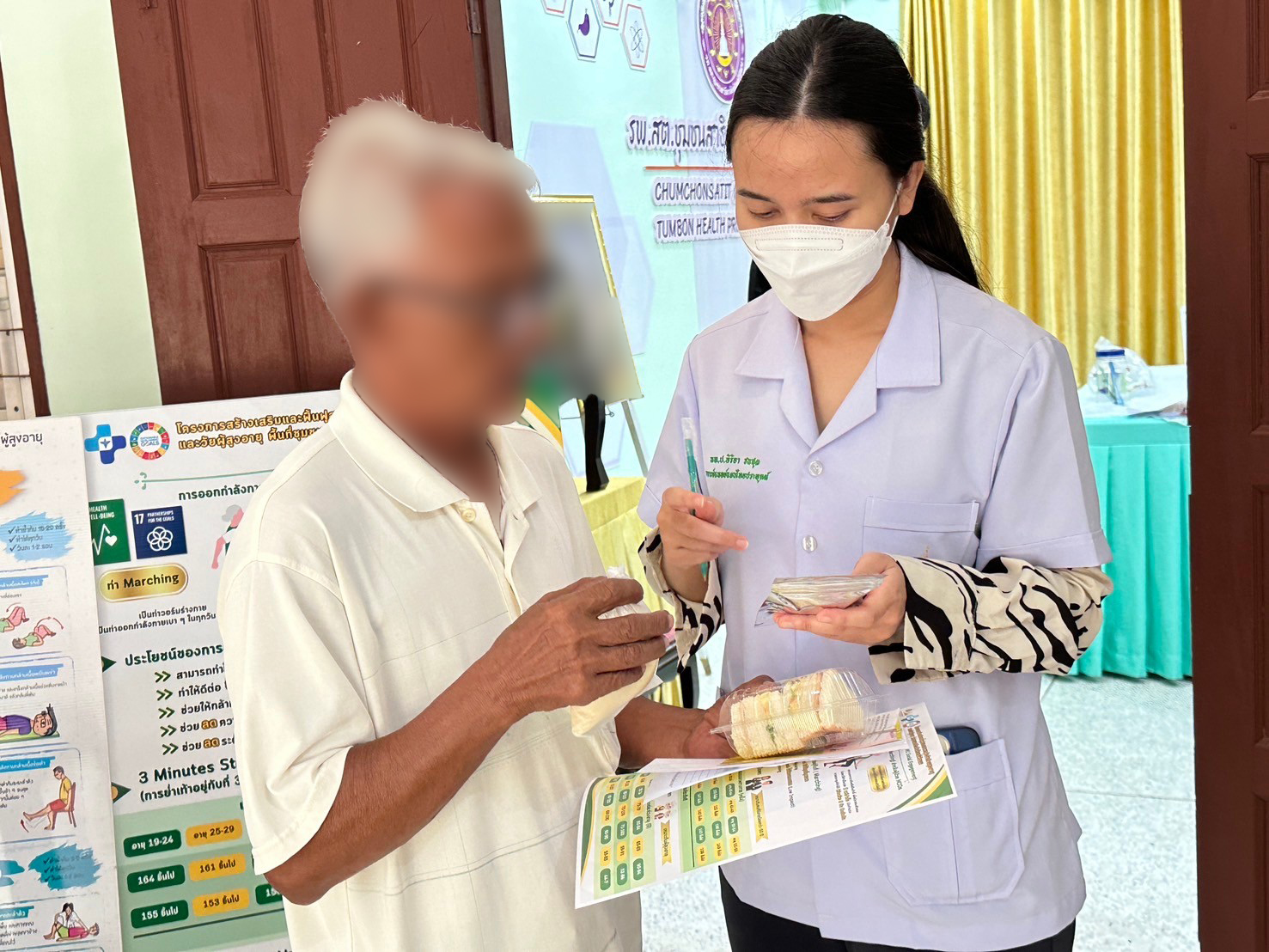
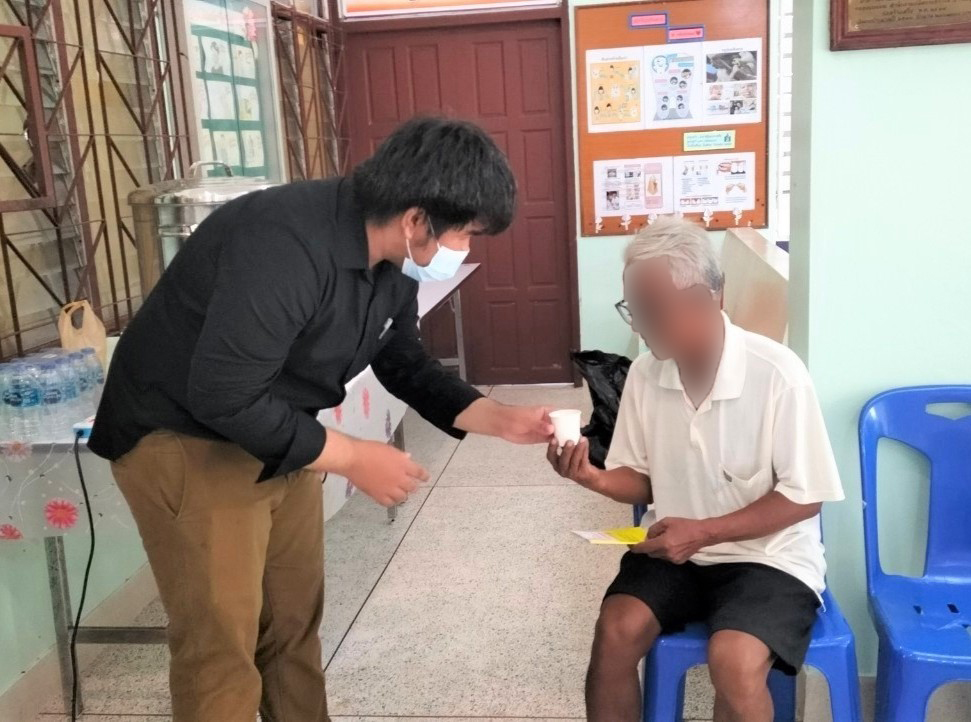
Through these initiatives, WU not only enhances access to healthcare services but also strengthens community capacity, empowering individuals to take active roles in maintaining their own health. The systematic evaluation and measurement of programme outcomes ensure continuous improvement and long-term sustainability. Ultimately, Walailak University’s “Pillar of the Region” mission is realized through its proactive engagement in health promotion, disease prevention, and the development of resilient, inclusive, and health-conscious communities.
Related links:
https://cas.wu.ac.th/archives/28433
https://cas.wu.ac.th/archives/25980
https://cas.wu.ac.th/archives/25148
https://cas.wu.ac.th/archives/27229
https://cas.wu.ac.th/archives/25157
https://cas.wu.ac.th/archives/24937
https://cas.wu.ac.th/archives/25384
https://cas.wu.ac.th/archives/26413
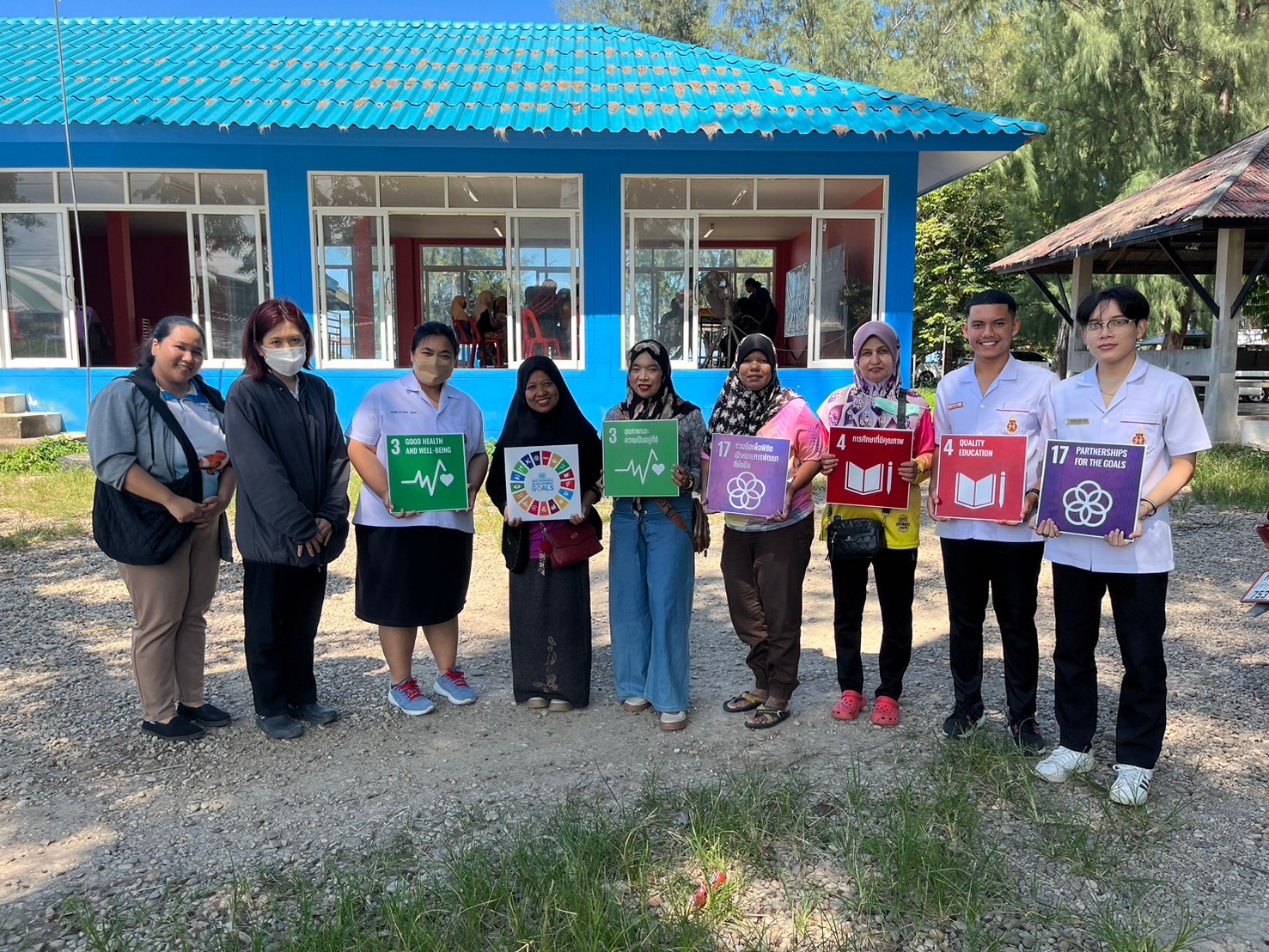
Goal 3: Good health and well-being
Goal 4: Quality Education
Goal 17: Partnerships for the Goals