Advancing Ecosystem Education: Flora and Fauna Conservation

Advancing Ecosystem Education: Flora and Fauna Conservation

Sustainability and Stewardship
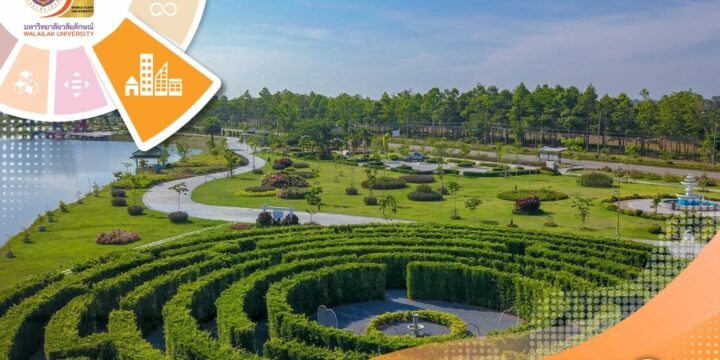
Sustainability and Stewardship In an era where environmental conservation and natural resource management are of paramount importance, The University plays a significant role in advancing ecosystem knowledge through its comprehensive educational programs on ecosystems (looking at wild flora and fauna) for local and national communities. A central figure in these efforts is the Walailak Botanic Park (WBP), a key learning hub for ecosystems in Upper Southern Thailand. It focuses on conservation, knowledge expansion, and the promotion of community-level applications to support sustainable natural resource management. Educational Programmes on Ecosystems: Flora Education In 2024, WBP continued its long-term involvement in the RSPG project, which has been active since 2014. This initiative focuses on preserving plant biodiversity through research support and the delivery of educational programmes for local and national communities, as…
Read More
Preserving Nature, Extending Life: The Key Role in Ecosystem and Biodiversity Conservation

Preserving Nature, Extending Life: The Key Role in Ecosystem and Biodiversity Conservation

Sustainability and Stewardship
Sustainability and Stewardship In an era where ecosystems worldwide are facing severe threats, Walailak University (WU) has emerged as a leader in maintaining and extending natural ecosystems and their biodiversity. With a vast campus of over  14,400,000 m², WU has implemented comprehensive and sustainable natural resource management practices. Central to this effort is the Walailak Botanic Park, a pivotal hub for preserving and enhancing biodiversity in ecologically significant areas under threat. These direct works reflect the university's commitment to balancing development with conservation. Maintaining Existing Ecosystems and their Biodiversity The university strengthened its commitment to maintaining existing ecosystems and safeguarding biodiversity. The 79,456 m² of original forest was designated as a protected area, ensuring the preservation of native species and preventing further degradation. Also, disturbed lands were left to regenerate…
Read More
Collaborations with NGOs on Climate Adaptation

Collaborations with NGOs on Climate Adaptation

Outreach and Engagement
Collaboration between academic institutions and non-governmental organizations (NGOs) plays a crucial role in enhancing knowledge, raising awareness, and strengthening climate adaptation capacity, key factors in mitigating impacts and promoting community sustainability. WU, as a green university, has been the proactive force in climate adaptation and environmental education through partnerships with NGOs and local stakeholders. By fostering collaborations, WU delivers impactful programs addressing climate change risks, adaptation strategies, and sustainable development. Trang Province Climate Change Collaboration Led by Assoc. Prof. Dr. Warit Jawjit and the faculty, WU, collaborated with the Trang Provincial Office of Natural Resources and Environment to enhance local climate adaptation plans. WU participated in the fifth meeting of the Trang Province Climate Change Working Group and the opening ceremony of the Climate Change and Biodiversity Coordination Center at…
Read More
Local Education Programs on Climate Change

Local Education Programs on Climate Change

Outreach and Engagement
Climate change is a pressing global challenge that requires both awareness and actionable knowledge to effectively address its consequences. WU, aware of the impacts of global warming, undertook significant programs to educate local communities aimed at addressing climate change, focusing on risks, impacts, mitigation, adaptation, impact reduction, and early warning. These efforts in the year 2024 aim to empower communities to build resilience and contribute to a sustainable future. Community Training in Environmental Management In 2024, a dedicated team from WU team, along with engineering and technology students, collaborated with the Center for Academic Services (CAS) conducting a training session program in Ban Laem Community, Tha Sala District. The program focused on environmental management  strategies to reduce greenhouse gas emissions and adapt to climate change. The training is aimed at:Promoting…
Read More
Low-Carbon Energy Tracking at wu

Low-Carbon Energy Tracking at wu

Carbon Capture, Sustainability and Stewardship
Walailak University (WU) has long been at the forefront of sustainability, aligning its energy policies with national frameworks like the Energy Efficiency Development Plan. In 2024, WU reinforced its commitment to reducing its environmental impact by implementing its Climate Action Policy, which emphasizes the measurement and adoption of low-carbon energy for whole university. By tracking energy use across the campus,   the university aims to reduce its reliance on fossil fuels and promote renewable energy solutions, fostering a more sustainable future. Figure: Assessing carbon footprint reduction through treesIn 2024, WU consumed 52,274 gigajoules of electrical energy, resulting in 12,433 tons of carbon dioxide equivalent emissions. Energy-intensive areas included: - Shops and campus-charged facilities (canteens, gardens): 19.93% of total energy consumption. - Integrated Academic Buildings: 13.57% of total energy consumption. - Student Dormitories:…
Read More
มหาวิทยาลัยวลัยลักษณ์เข้าร่วมการสัมภาษณ์เชิงลึกว่าด้วยนโยบายและแนวทางการดำเนินงานด้านก๊าซเรือนกระจกของมหาวิทยาลัย

มหาวิทยาลัยวลัยลักษณ์เข้าร่วมการสัมภาษณ์เชิงลึกว่าด้วยนโยบายและแนวทางการดำเนินงานด้านก๊าซเรือนกระจกของมหาวิทยาลัย

ประชาสัมพันธ์
Education and Research (ED) เมื่อวันที่ 5 สิงหาคม พ.ศ. 2568 มหาวิทยาลัยวลัยลักษณ์ นำโดย รองศาสตราจารย์ ดร.วาริท เจาะจิตต์ ร่วมด้วย รองศาสตราจารย์ ดร.ลักษณ์นารา ขวัญชุม รองผู้อำนวยการศูนย์บริการวิชาการ, ดร.จินดาหรา เปรมปราโมทย์ หัวหน้าฝ่ายส่งเสริมการพัฒนาที่ยั่งยืนและความเป็นเลิศสู่สากล, ผู้ช่วยศาสตราจารย์ ดร.กมล ถิ่นสุราษฎร์ และคณะทำงานขับเคลื่อน UI GreenMetric ศูนย์บริการวิชาการ ได้เข้าร่วมการสัมภาษณ์เชิงลึกว่าด้วยนโยบายและแนวทางการดำเนินงานด้านก๊าซเรือนกระจกของมหาวิทยาลัย การสัมภาษณ์ครั้งนี้จัดขึ้นโดยความร่วมมือกับ ดร.ขนกวรรณ มุขตา จากมหาวิทยาลัยเชียงใหม่ โดยมีวัตถุประสงค์เพื่อแลกเปลี่ยนองค์ความรู้ แนวปฏิบัติที่ดี ตลอดจนแนวทางการพัฒนากลยุทธ์เพื่อขับเคลื่อนสถาบันอุดมศึกษาไทยสู่การเป็น มหาวิทยาลัยปล่อยคาร์บอนสุทธิเป็นศูนย์ (Net Zero Campus) อย่างมีประสิทธิภาพและยั่งยืน ซึ่งการสัมภาษณ์ได้มุ่งเน้นการ สำรวจสถานะปัจจุบัน ของการดำเนินงานด้านคาร์บอนและความยั่งยืนของมหาวิทยาลัยวลัยลักษณ์ รวมถึงการรวบรวมกรณีศึกษาที่ประสบความสำเร็จ และ มาตรการที่มีประสิทธิผลในการลดการปล่อยก๊าซเรือนกระจก ที่มหาวิทยาลัยได้ดำเนินการแล้ว ทั้งยังได้ วิเคราะห์อุปสรรคและความท้าทาย ที่เกิดขึ้นจากการขับเคลื่อนนโยบายดังกล่าว เพื่อนำไปสู่การพัฒนา เครื่องมือสนับสนุนที่สอดคล้องกับบริบทของแต่ละมหาวิทยาลัยเป้าหมายสำคัญของกระบวนการนี้ คือ การจัดทำ “คู่มือแนวปฏิบัติที่ดี” ซึ่งจะใช้เป็นกรอบแนวทางการดำเนินงานด้านสิ่งแวดล้อมสำหรับเครือข่ายมหาวิทยาลัยไทย เพื่อมุ่งสู่เป้าหมาย Net Zero Campus อย่างเป็นระบบและยั่งยืน มหาวิทยาลัยวลัยลักษณ์จะยังคงยึดมั่นในแนวทาง “ลด-หลีกเลี่ยง-ทดแทน” ในการจัดการคาร์บอน พร้อมเดินหน้าพัฒนาโครงสร้างพื้นฐาน องค์ความรู้ และความร่วมมือกับภาคส่วนต่าง ๆ อย่างต่อเนื่อง เพื่อร่วมผลักดันประเทศไทยสู่อนาคตที่ยั่งยืนภายใต้เป้าหมาย Carbon Neutrality และ Net Zero Emission ซึ่งกิจกรรมนี้เป็นส่วนหนึ่งของภารกิจมหาวิทยาลัยในการขับเคลื่อนเป้าหมายการพัฒนาที่ยั่งยืน โดยเฉพาะ SDG 13: Climate Action (การรับมือการเปลี่ยนแปลงสภาพภูมิอากาศ) และ และข้อที่ 17 (Partnerships for the Goals) สร้างความร่วมมือกับเครือข่ายและหน่วยงานต่าง ๆ ที่เกี่ยวข้อง รวมทั้งสอดคล้องกับเป้าหมาย UI GreenMetric World University Rankings ด้าน Energy and Climate Change และด้าน Education and Research อีกด้วย Related SDGs 13 Goal 13: Climate Action
Read More