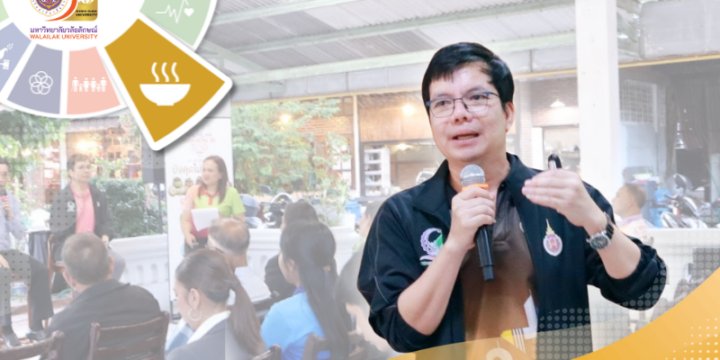
Walailak University Provides a Platform to Connect and Transfer Knowledge among Academics, Local Farmers, and Food Producers

Walailak University Provides a Platform to Connect and Transfer Knowledge among Academics, Local Farmers, and Food Producers

Outreach and Engagement
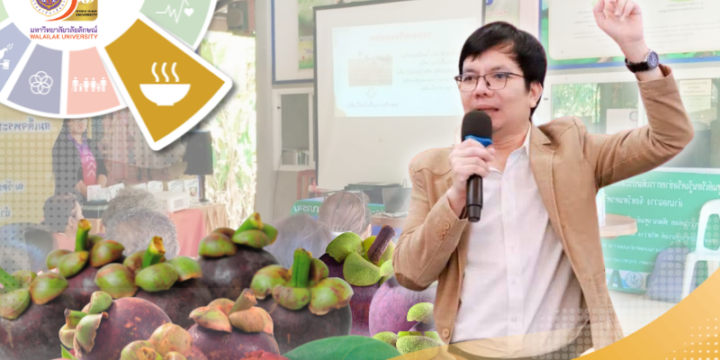
Outreach and Engagement In 2025, Walailak University provided free events for local farmers and food producers to connect and exchange knowledge, including forums, discussions, and capacity-development activities. These events brought together farmers, food entrepreneurs, academics, experts, government agencies, community enterprises, and producer networks to share experience and transfer practical knowledge, technology, and innovation. Topics included production efficiency, cost reduction, agricultural product and by-product management, food processing, value addition, food safety, Halal standards, digital technology, and market competitiveness. Through two-way knowledge exchange, local producers shared their experience, challenges, and needs, helping connect academic expertise with local knowledge to support practical improvements in production, livelihoods, and local food businesses. Events for Local Farmers and Food Producers in 2025 In 2025, Walailak University organized events and knowledge exchange forums free of charge for…
Read More
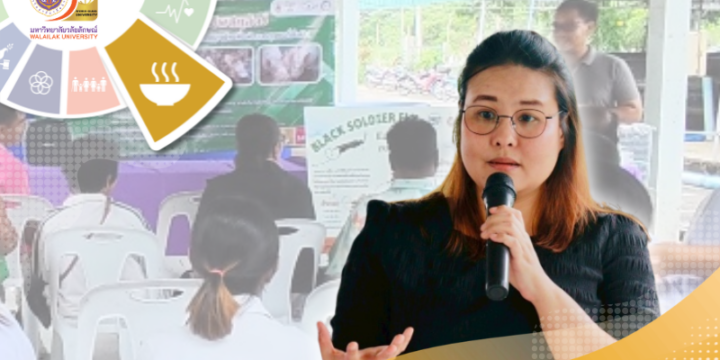
Walailak University Provides Local Farmers and Food Producers with Access to Labs, Technology and Plant Stocks

Walailak University Provides Local Farmers and Food Producers with Access to Labs, Technology and Plant Stocks

Outreach and Engagement
Outreach and Engagement Walailak University provides local farmers and food producers with access to university resources and knowledge to support the development of sustainable farming practices, food production, and local livelihoods. The university provides access to university facilities in three key areas: labs, technology, and plant stocks or plant-based learning resources. Access is provided through technology transfer activities, practical training, knowledge exchange, consultation services, and learning opportunities within the university.These activities connect university resources with the needs of local farmers and food producers, enabling them to apply knowledge, technology, laboratory facilities, and plant resources in practical contexts. The areas covered include plant tissue culture, aquaculture, livestock waste management, biogas production, food processing, food product development, and the use of local agricultural resources. The activities and access opportunities are provided free…
Read More
Walailak University Provides Free Access to Food Security Knowledge, Sustainable Agriculture, and Aquaculture Technologies for Local Farmers and Food Producers

Walailak University Provides Free Access to Food Security Knowledge, Sustainable Agriculture, and Aquaculture Technologies for Local Farmers and Food Producers

Outreach and Engagement
Outreach and Engagement Walailak University Provides Free Access to Food Security Knowledge, Sustainable Agriculture, and Aquaculture Technologies for Local Farmers and Food Producers In 2025, Walailak University provided local farmers, food producers, and community enterprises with free access to knowledge, skills, and technologies supporting food security, sustainable agriculture, and sustainable aquaculture. Through academic services, practical training, workshops, consultations, demonstrations, knowledge exchange, and technology transfer, the university connected its expertise with local production needs.These services covered crop and livestock production, farm management, pest and disease prevention, aquatic resource management, food processing, preservation, production standards, and value addition. Activities linked the identification of local problems and needs (diagnostics) with practical skills and technology development, community engagement, and the measurement of knowledge application and benefits. Free Access to Food Security Knowledge, Sustainable Agriculture…
Read More
International Collaboration to Advance Research and Best Practices in Blue Swimming Crab Resource Management

International Collaboration to Advance Research and Best Practices in Blue Swimming Crab Resource Management

Case Studies
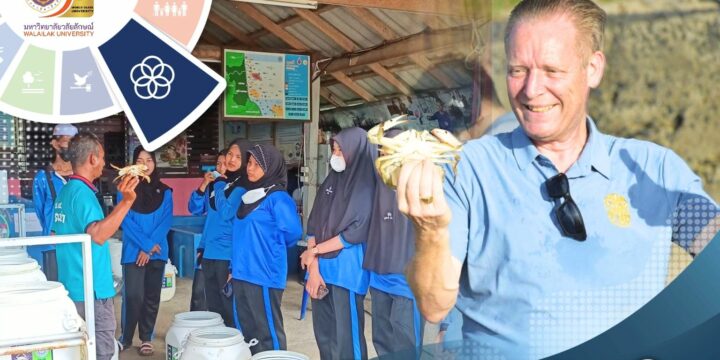
Sustainability and Stewardship International Collaboration to Advance Research and Best Practices in Blue Swimming Crab Resource Management The sustainable management of blue swimming crab resources is essential for maintaining marine biodiversity, supporting coastal livelihoods, and ensuring the long-term sustainability of fisheries. However, increasing pressure on marine resources and changes in coastal ecosystems require effective, evidence-based approaches to assess resource conditions, diagnose challenges, and develop appropriate conservation and management strategies. International collaboration and research play an important role in facilitating knowledge exchange, reviewing comparative management approaches, and identifying best practices that can be adapted to local contexts. Through sustained cooperation with international research institutions and fisheries stakeholders, Walailak University contributes to strengthening diagnostic assessments, improving resource management practices, and promoting science-based solutions that support the sustainable use of blue swimming crab…
Read More
International Collaboration in SDG Data Gathering to Promote Women in Peacebuilding and Environmental STEM Education

International Collaboration in SDG Data Gathering to Promote Women in Peacebuilding and Environmental STEM Education

Case Studies
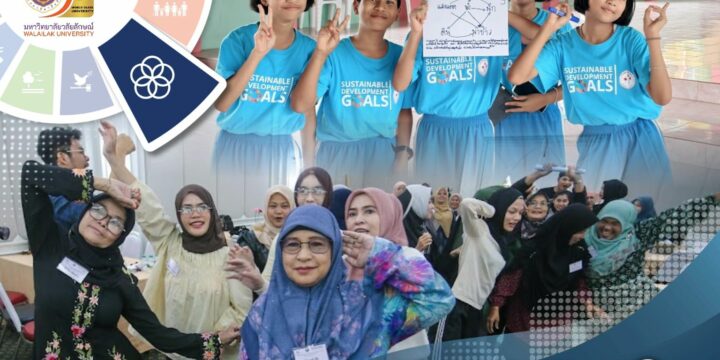
Sustainability and Stewardship International Collaboration in SDG Data Gathering to Promote Women in Peacebuilding and Environmental STEM Education International collaboration plays a vital role in advancing the Sustainable Development Goals (SDGs) by enabling countries, universities, research institutions, and international organizations to share knowledge, expertise, and resources for gathering and measuring reliable sustainability data. Collaborative data collection and measurement help diagnose development challenges, identify gaps in existing policies and practices, and establish evidence-based strategies to address complex global issues. By working with international partners, universities can strengthen research capacity, improve data quality and comparability, exchange best practices, and contribute valuable insights to the monitoring and assessment of progress toward the SDGs. These partnerships also promote mutual learning, transparency, and accountability, ensuring that sustainability initiatives are informed by diverse perspectives and reliable…
Read More
Strengthening Cross-Sectoral Dialogue to Advance the Sustainable Development Goals

Strengthening Cross-Sectoral Dialogue to Advance the Sustainable Development Goals

Case Studies
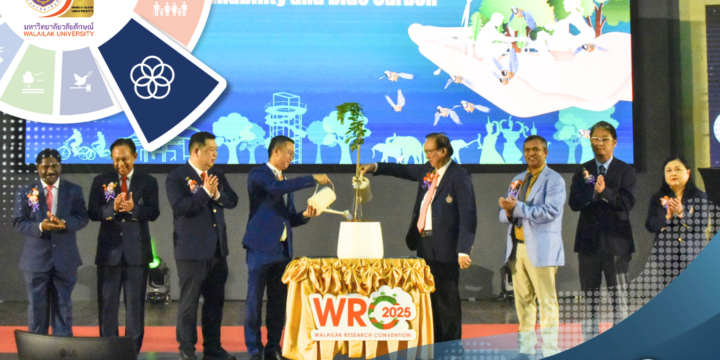
Sustainability and Stewardship Strengthening Cross-Sectoral Dialogue to Advance the Sustainable Development Goals Achieving the Sustainable Development Goals (SDGs) requires coordinated efforts, shared understanding, and continuous dialogue among government agencies, academic institutions, non-governmental organizations (NGOs), the private sector, and civil society. Cross-sectoral dialogue provides an essential platform for exchanging knowledge, sharing experiences, identifying challenges, and developing collaborative approaches to complex sustainable development issues. It also enables stakeholders to diagnose existing gaps, assess the effectiveness of current policies and practices, and identify opportunities for improvement through evidence-based discussion. By fostering open communication and strengthening partnerships across sectors, these dialogues can support more inclusive decision-making, encourage the integration of the SDGs into policies and organizational strategies, and promote coordinated action towards sustainable development. Such engagement is essential to ensuring that collective efforts address…
Read More
Strengthening Collaboration with Government Agencies and NGOs to Advance Marine Resource Conservation and Societal Well-being

Strengthening Collaboration with Government Agencies and NGOs to Advance Marine Resource Conservation and Societal Well-being

Case Studies
Sustainability and Stewardship Strengthening Collaboration with Government Agencies and NGOs to Advance Marine Resource Conservation and Societal Well-being Achieving the Sustainable Development Goals (SDGs) requires strong collaboration between universities, government agencies, and regional non-governmental organizations (NGOs) to address complex social, economic, and environmental challenges. These partnerships play an important role in identifying and diagnosing problems, developing evidence-based policies and strategies, assessing potential outcomes, and monitoring the effectiveness of interventions. Through active participation in policy development and knowledge exchange, universities can contribute research, expertise, and practical recommendations to support informed decision-making. Such collaboration also enables stakeholders to evaluate progress, adapt strategies to changing circumstances, and strengthen accountability, ensuring that policies respond effectively to regional needs and contribute to long-term sustainable development. Walailak University Contributes Academic Expertise to Thailand’s Alcohol Control Policy…
Read More
Implementing Watershed Management Strategies Based on Location Specific Diversity of Aquatic Species

Implementing Watershed Management Strategies Based on Location Specific Diversity of Aquatic Species

Case Studies
Sustainability and Stewardship Implementing Watershed Management Strategies Based on Location Specific Diversity of Aquatic Species Healthy aquatic ecosystems are essential for maintaining biodiversity, sustaining fisheries, supporting food security, and protecting the livelihoods of communities that depend on marine and coastal resources. However, aquatic ecosystems face increasing pressures from habitat degradation, pollution, unsustainable fishing practices, and changes in environmental conditions. These pressures can affect the abundance and distribution of aquatic species, disrupt breeding and nursery habitats, and weaken the ecological connections between watersheds, estuaries, and coastal waters. Effective management therefore requires more than protecting individual sites; it requires coordinated action informed by the ecological characteristics of each location and the relationships between connected aquatic environments. Diagnostic assessments of habitat conditions, aquatic species, environmental pressures, and resource-use patterns can help identify conservation…
Read More
Walailak University Collaborates with Local Communities to Maintain and Sustainably Manage Shared Aquatic Ecosystems

Walailak University Collaborates with Local Communities to Maintain and Sustainably Manage Shared Aquatic Ecosystems

Case Studies
Sustainability and Stewardship Walailak University Collaborates with Local Communities to Maintain and Sustainably Manage Shared Aquatic Ecosystems Shared aquatic ecosystems, including coastal waters, estuaries, rivers, wetlands, and other interconnected water bodies, are essential for biodiversity conservation, food security, livelihoods, and community well-being. However, these ecosystems face increasing pressures from pollution, habitat degradation, unsustainable resource use, and environmental changes that can threaten their long-term health and productivity. Maintaining these ecosystems therefore requires continuous monitoring, effective management, and active collaboration among universities, local communities, government agencies, and other relevant stakeholders. Community participation is particularly important because local residents and resource users possess valuable knowledge of aquatic environments and experience the direct impacts of environmental changes. Through collaborative conservation initiatives, diagnostic assessments of ecosystem conditions, and evidence-based management measures, Walailak University seeks to…
Read More
Supports Aquatic Stewardship Through Community Engagement and Conservation Initiatives

Supports Aquatic Stewardship Through Community Engagement and Conservation Initiatives

Case Studies
Sustainability and Stewardship Supports Aquatic Stewardship Through Community Engagement and Conservation Initiatives Aquatic ecosystems play a vital role in maintaining biodiversity, supporting food security, sustaining livelihoods, and preserving environmental balance. However, pressures from unsustainable fishing practices, pollution, habitat degradation, and other human activities can threaten the health and long-term productivity of marine and freshwater environments. Promoting good aquatic stewardship is therefore essential to protecting these ecosystems and ensuring that their resources remain available for future generations. Effective stewardship requires not only raising environmental awareness but also developing and supporting programmes and incentives that encourage individuals, fishing communities, and other stakeholders to adopt and maintain responsible practices. Diagnostic assessments can help identify environmental challenges, evaluate existing management practices, and determine where targeted support is most needed. Through community engagement, capacity building,…
Read More