Monitoring Aquatic Ecosystem Health to Support Sustainable Marine and Coastal Environments

Monitoring Aquatic Ecosystem Health to Support Sustainable Marine and Coastal Environments

Case Studies
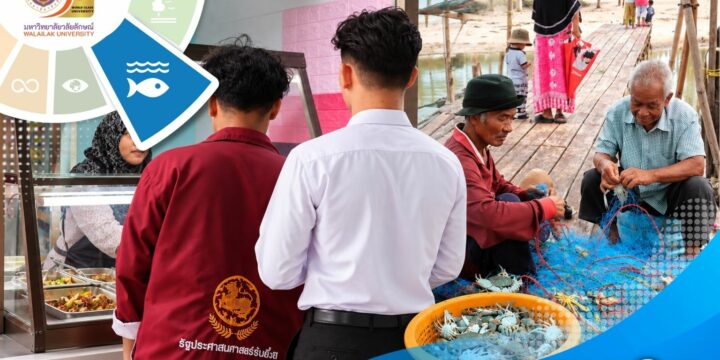
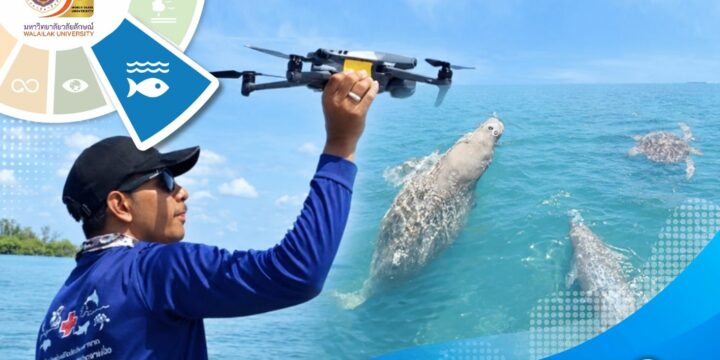
Sustainability and Stewardship Monitoring Aquatic Ecosystem Health to Support Sustainable Marine and Coastal Environments Monitoring the health of aquatic ecosystems is essential for understanding environmental conditions, identifying potential threats, and maintaining the ecological balance of marine and freshwater environments. Regular monitoring and diagnostic assessments help detect changes in water quality, aquatic biodiversity, habitat conditions, and other ecological indicators that may signal environmental degradation. By diagnosing emerging problems at an early stage, institutions and communities can develop appropriate evidence-based measures to prevent further damage, protect aquatic species, and support the sustainable management of aquatic resources. These efforts are particularly important for preserving ecosystem resilience, maintaining biodiversity, and safeguarding the environmental benefits that aquatic ecosystems provide to local communities and future generations. Walailak University Monitors Aquatic Ecosystem Health Through Marine Wildlife Surveys…
Read More
WU’s Plan to Minimize Alterations to Aquatic Ecosystems

WU’s Plan to Minimize Alterations to Aquatic Ecosystems

Case Studies
Sustainability and Stewardship WU’s Plan to Minimize Alterations to Aquatic Ecosystems Aquatic ecosystems are essential for maintaining biodiversity, supporting food security, sustaining local livelihoods, and preserving the ecological balance of rivers, wetlands, coastal areas, and marine environments. However, human activities can cause physical alterations, such as habitat degradation and changes to natural waterways; chemical alterations resulting from pollution and the release of harmful substances; and biological alterations that affect aquatic species, biodiversity, and ecosystem health. These changes can disrupt ecological processes, reduce the resilience of aquatic environments, and threaten the long-term sustainability of natural resources. To address these challenges, Walailak University recognises the importance of proactive environmental planning and systematic measures to minimise alterations to aquatic ecosystems. Having an established plan to minimise physical, chemical, and biological alterations is essential…
Read More
WU’s Policies to Prevent and Reduce Marine Pollution from Land-Based Activities

WU’s Policies to Prevent and Reduce Marine Pollution from Land-Based Activities

Case Studies
Sustainability and Stewardship WU’s Policies to Prevent and Reduce Marine Pollution from Land-Based Activities Marine pollution poses a serious threat to marine ecosystems, biodiversity, human health, and the livelihoods of coastal communities. Pollution from land-based activities, including improper waste disposal, plastic pollution, untreated wastewater, and the release of harmful chemicals, can be transported through rivers, drainage systems, and coastal waterways into the sea. These pollutants can damage marine habitats, threaten aquatic species, contaminate seafood, and undermine the sustainability of fisheries and coastal tourism. Diagnostic assessments of pollution sources and pathways are therefore important for identifying environmental risks, understanding the causes of marine pollution, and determining appropriate preventive measures. Preventing and reducing marine pollution requires effective environmental policies, responsible resource management, and coordinated action to address pollution at its sources.As an…
Read More
Walailak University’s Action Plan to Reduce Plastic Waste on Campus

Walailak University’s Action Plan to Reduce Plastic Waste on Campus

Case Studies
Sustainability and Stewardship Walailak University’s Action Plan to Reduce Plastic Waste on Campus Walailak University is committed to reducing plastic waste on campus through sustainable waste management practices and initiatives that encourage responsible consumption. By promoting plastic waste reduction, improving waste separation, and encouraging the reuse of materials, the University aims to minimize the environmental impacts of plastic pollution and reduce the amount of plastic waste generated by its campus community. Diagnostic assessments of campus waste generation and disposal practices can help identify major sources of plastic waste, evaluate existing waste management challenges, and determine opportunities for improvement. These efforts support the transition towards a more sustainable campus environment and contribute to the conservation of aquatic ecosystems by helping prevent plastic waste from entering natural waterways and the marine environment.…
Read More
Wastewater Management Standards and Treatment Guidelines to Protect Aquatic Ecosystems and Public Health

Wastewater Management Standards and Treatment Guidelines to Protect Aquatic Ecosystems and Public Health

Case Studies
Sustainability and Stewardship Wastewater Management Standards and Treatment Guidelines to Protect Aquatic Ecosystems and Public Health Walailak University (WU) recognizes wastewater management as an important component of environmental protection and sustainable water resource management. By establishing and continuously improving its wastewater treatment system, the University seeks to maintain water quality, minimize pollution entering natural water sources, and protect aquatic ecosystems, wildlife, and human health. The University's approach incorporates systematic wastewater collection, multi-stage treatment, scientific water quality assessment, diagnostic monitoring of treatment performance, and the application of effluent discharge standards established by Thailand's Pollution Control Department.The University's commitment to wastewater management dates back to 2002, when the Wastewater Management Development Project was established to accommodate wastewater generated across the campus. Covering an area of more than 9,600 square meters, the facility…
Read More
WU Collaborating with Marine Industries to Minimize Environmental Damage

WU Collaborating with Marine Industries to Minimize Environmental Damage

Case Studies
Sustainability and Stewardship WU Collaborating with Marine Industries to Minimize Environmental Damage Walailak University (WU) advances Sustainable Development Goal 14 by conducting research and collaborating directly with marine industry partners to develop scientific knowledge and practices that minimise or prevent damage to aquatic ecosystems. Through industry engagement, field-based research, and environmental monitoring, the University supports efforts to understand marine habitats, diagnose potential environmental risks, and inform appropriate measures for protecting aquatic biodiversity. These activities are particularly important for ensuring that marine industrial activities are undertaken with due consideration for environmental conditions and ecosystem sensitivity. By establishing scientific baseline information, conducting diagnostic assessments of marine environmental conditions, and strengthening research capacity, WU's collaborations can help inform the development of responsible industry practices, environmental monitoring programmes, and preventive measures to safeguard marine…
Read More
Direct Engagement in the Conservation of Freshwater, Coastal, and Marine Ecosystems and Biodiversity

Direct Engagement in the Conservation of Freshwater, Coastal, and Marine Ecosystems and Biodiversity

Case Studies
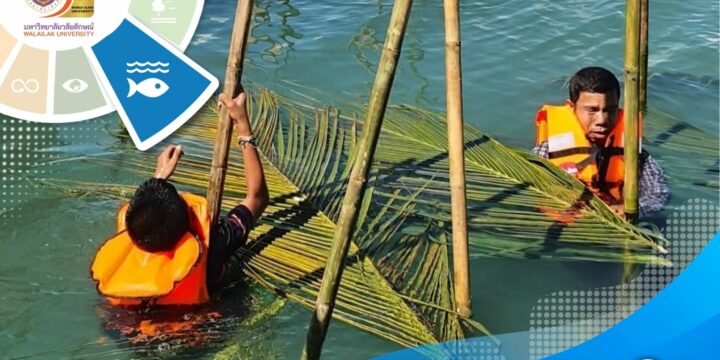
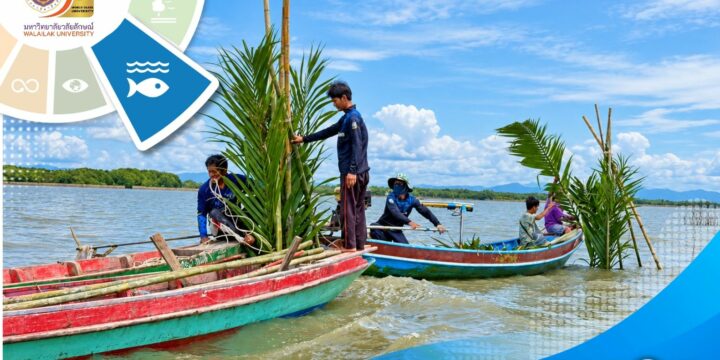
Sustainability and Stewardship Direct Engagement in the Conservation of Freshwater, Coastal, and Marine Ecosystems and Biodiversity Freshwater, coastal, and marine ecosystems play a vital role in sustaining biodiversity, maintaining ecological balance, and supporting human well-being. These ecosystems provide habitats for diverse plant and animal species, contribute to food security and local livelihoods, and help maintain essential environmental processes. However, habitat degradation, pollution, overexploitation of natural resources, and climate change continue to threaten ecosystems and the species that depend on them. Addressing these challenges requires more than raising awareness; it calls for direct conservation efforts, scientific research, habitat restoration, diagnostic assessments to identify ecosystem pressures and conservation needs, and active collaboration among universities, local communities, government agencies, and relevant industries.Walailak University is committed to contributing to ecosystem conservation and biodiversity protection…
Read More
Walailak University’s Policy on the Sustainable Harvesting of Aquatic Food for Campus Consumption

Walailak University’s Policy on the Sustainable Harvesting of Aquatic Food for Campus Consumption

Case Studies
Sustainability and Stewardship Walailak University’s Policy on the Sustainable Harvesting of Aquatic Food for Campus Consumption Walailak University recognises the importance of ensuring that aquatic food served on campus comes from sustainably harvested sources to protect marine and freshwater ecosystems and support responsible fisheries. Through its food-related policies and procurement practices, the University promotes the responsible sourcing of aquatic products and encourages food providers to consider the environmental sustainability of seafood and other aquatic food resources. Diagnostic assessments of sourcing practices and supply-chain conditions can help identify potential sustainability risks and opportunities to improve the responsible procurement of aquatic food. By establishing measures to support sustainable harvesting, responsible sourcing, and the diagnosis of potential environmental impacts, WU aims to reduce pressure on aquatic populations, protect biodiversity, and contribute to the…
Read More
Events Promoting Ocean and Marine Resource Conservation and Sustainable Utilisation

Events Promoting Ocean and Marine Resource Conservation and Sustainable Utilisation

Case Studies
Sustainability and Stewardship Events Promoting Ocean and Marine Resource Conservation and Sustainable Utilisation Oceans, seas, rivers, and other aquatic ecosystems play a vital role in sustaining biodiversity, supporting livelihoods, providing food, and maintaining the environmental balance of communities. However, these ecosystems are increasingly affected by pollution, overfishing, habitat degradation, climate change, and other human activities. Diagnostic assessments of these pressures are important for identifying environmental risks, understanding the causes of ecosystem degradation, and determining appropriate conservation priorities. Promoting conservation and the sustainable utilisation of marine and aquatic resources is therefore essential to protect ecosystems while ensuring that communities can continue to benefit from these resources in the future.Recognising the importance of healthy aquatic ecosystems, Walailak University supports and organises events and activities that promote awareness, conservation, and sustainable use of…
Read More
Interventions and Activities to Support Food Access and Alleviate Staff Hunger

Interventions and Activities to Support Food Access and Alleviate Staff Hunger

Sustainability and Stewardship
Sustainability and Stewardship Intervention and Activities to Support Food Access and Alleviate Staff Hunger In 2025, Walailak University (WU) implemented staff hunger interventions to prevent or alleviate hunger among members of staff by providing free access to food, snacks, desserts, and refreshments during various university activities, including meetings, training sessions, and other staff-related events. Through the provision of food support interventions, the university aimed to improve staff access to food and reduce the need for employees to purchase meals or refreshments while participating in university activities. These initiatives represent practical efforts to support staff food accessibility and well-being within the workplace. Examples of these interventions implemented in 2025 are presented below. Monastic Fire Offering Ceremony 2025 Walailak University organized the Monastic Fire Offering Ceremony 2025, providing staff with free access…
Read More