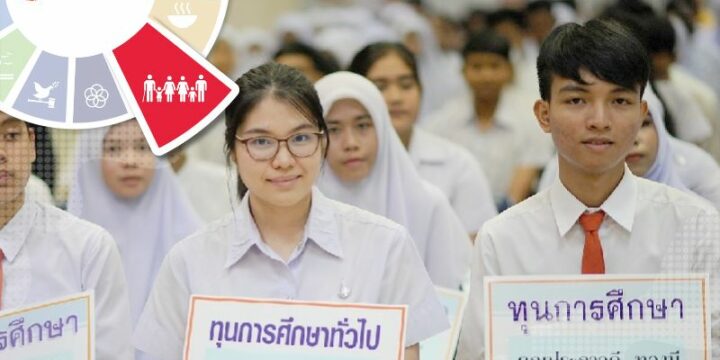
Inclusive Support for Low-Income Students

Inclusive Support for Low-Income Students

Sustainability and Stewardship
Sustainability and Stewardship Walailak University (WU) has been enrolling students who are from low-income families. WU has developed a comprehensive support system to ensure that low-income students can complete university without the burden of financial stress. Through scholarships, housing, food assistance, transportation, and legal services, WU continues to break barriers and pave the way for equal opportunities in higher education. Establishing a Dedicated Support Center WU has set up the Division of Student Support and Development (DSSD), which acts as a one-stop service hub for low-income students. The division provides scholarships, guidance, and other critical resources to meet the needs of these students, ensuring their academic journey is smooth and fulfilling. Scholarships and Tuition Waivers To alleviate financial pressures, WU offers various scholarships for Thai and international students from developing…
Read More
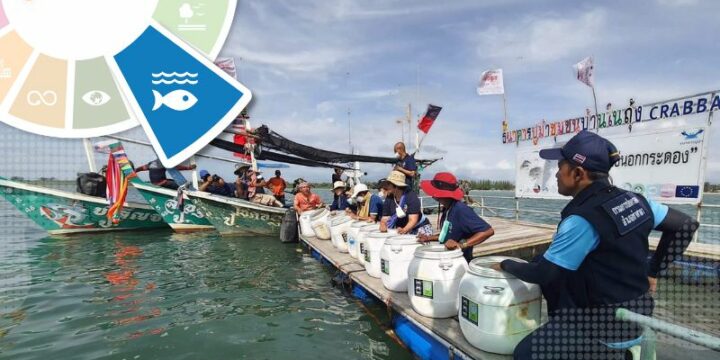
WU’s Action Plan to Minimize Physical, Chemical, and Biological Alterations of Related Aquatic Ecosystems

WU’s Action Plan to Minimize Physical, Chemical, and Biological Alterations of Related Aquatic Ecosystems

Sustainability and Stewardship
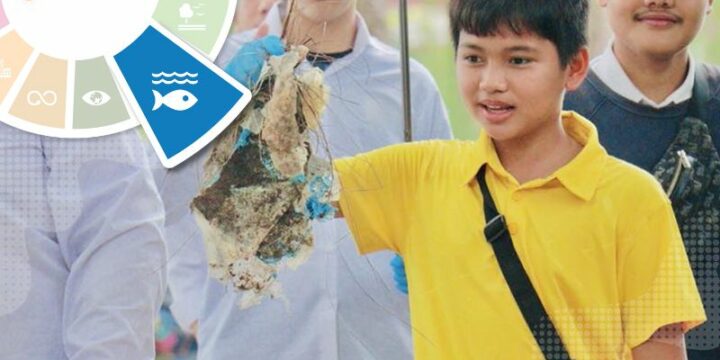
Sustainability and Stewardship Walailak University (WU) has a plan to minimise physical, chemical, and biological alterations of related aquatic ecosystems to ensure that all aquatic ecosystems and the environment around the campus are protected. WU has various specific organizations, responsible for monitoring, improving, and minimizing physical, chemical, and biological alterations of related aquatic ecosystems on campus, such as the Center for Smart Farming and Landscaping Architecture and the School of Science (Marine Science), and the Center for Scientific and Technological Equipment. These organizations serve as key units responsible for research, monitoring, and implementing sustainable management practices to maintain the health of aquatic ecosystems on campus. To designate newly formed areas on campus as additional preserved zones for water resources, protecting them from fishing, encroachment, and other activities that may impact…
Read More
Policy for Preventing and Reducing Marine Pollution

Policy for Preventing and Reducing Marine Pollution

Sustainability and Stewardship
Sustainability and Stewardship In 2024, Walailak University issued its policy on marine pollution reduction to strengthen measures aimed at preventing and mitigating pollution from all sources, particularly land-based activities. The policy, titled “Policy on Marine Pollution Reduction B.E. 2567 (2024),” demonstrates the university’s commitment to responsible environmental stewardship on and off campus. As a leading educational institution in Thailand, Walailak University recognizes its role in modeling best practices in environmental management and supporting the United Nations Sustainable Development Goal 14 (SDG 14) on life below water. The policy provides a clear framework for monitoring and addressing marine pollution, ensuring compliance with national and international regulations, and protecting vital marine ecosystems that sustain biodiversity and the livelihoods of coastal communities.Beyond regulatory compliance, the university emphasizes education and community engagement. By integrating…
Read More
Walailak University’s Action Plan for Reducing Plastic Waste

Walailak University’s Action Plan for Reducing Plastic Waste

Sustainability and Stewardship
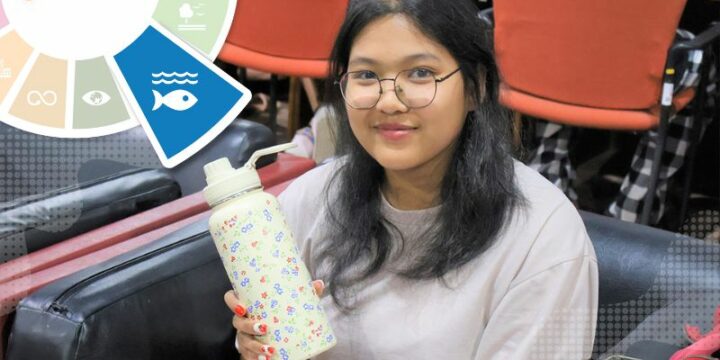
Sustainability and Stewardship Walailak University (WU) has adopted a comprehensive action plan and set of guidelines to reduce plastic waste on campus, eliminate the distribution of handled plastic bags and foam packaging in food establishments, and promote sustainable consumption practices. This initiative supports the university’s Green Campus Policy, particularly its fifth strategic goal: “Enhancing the image of WU as a Happy Green Campus.” Key Focus Areas Plastic waste management measures have been implemented across WU Food Centers, shops, food kiosks, and restaurants. All vendors are prohibited from distributing handled plastic bags and foam containers, helping reduce waste at the source in line with the 3Rs principle: Reduce, Reuse, and Reject. 2022–2025 Plastic Waste Action Plan Figures : WU Action Plan on Plastic Waste Reduction 2022-2025The university’s action plan aims to…
Read More
WU Providing Free Public Access to Open and Green Spaces for All 

WU Providing Free Public Access to Open and Green Spaces for All 

Sustainability and Stewardship
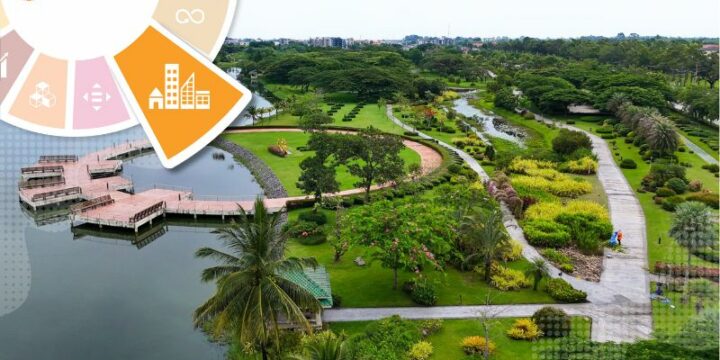
sustainablility and stewardship Walailak University remains firmly committed to becoming a sustainable and eco-friendly residential campus. In pursuit of this vision, the university continually enhances and transforms its internal and external environments into multifunctional, environmentally conscious spaces. Notably, the university has developed extensive open and green areas designed to harmoniously integrate people and nature. These spaces are permanently open to the public, offering free access for all to enjoy. Figure: Map showing green and open spaces at Walailak University Click on the map for a clearer view with more details. Free Access to Open Spaces 1. The Science and Wisdom Learning CenterThe Science and Wisdom Learning Center comprises a main building and an outdoor learning area, serving as an educational hub for students and the general public. Staff are available to…
Read More
Transformation of Brownfield Land for the Construction of the Sirin Museum

Transformation of Brownfield Land for the Construction of the Sirin Museum

Sustainability and Stewardship
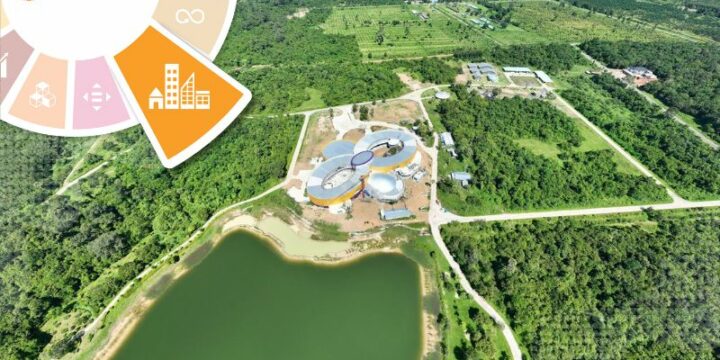
sustainablility and stewardship Most of the area where Walailak University (WU) is now located was once a vast, dense forest. Over time, much of this land was cleared and used for agricultural purposes. Before the university was established, the area had been utilized for various types of farming, including agriculture, aquaculture, and livestock activities such as dairy, Nile tilapia, goat, and pig farming, as well as mangosteen and rubber tree cultivation. Consequently, some parts of the land had already become brownfield sites due to possible contamination from chemical substances or fertilizers, while other areas were left abandoned.In later years, Walailak University developed several of its new buildings on these brownfield sites—both on land that had been previously contaminated and on areas affected by the university’s earlier activities. For example, the…
Read More
Adopting Sustainable Standards for New Building Construction

Adopting Sustainable Standards for New Building Construction

Sustainability and Stewardship
sustainablility and stewardship Walailak University (WU) has long prioritized sustainability and the application of high standards in its infrastructure development and energy management initiatives. A notable example is the Center for Library Resources and Educational Media, which was constructed in accordance with the Engineering Institute of Thailand (EIT) Standard under His Majesty the King’s Patronage. This standard emphasizes precision, structural integrity, and meticulous implementation throughout the design and construction process. The building’s maintenance is also overseen by licensed architects and engineers from the Division of Landscaping and Building, ensuring continuous adherence to safety and quality standards. In addition to meeting EIT requirements, the center operates in full compliance with the Building Energy Code (BEC) — Thailand’s national standard for energy efficiency in buildings. The BEC certification, granted by the Department…
Read More
Pedestrian Access Prioritization on Campus

Pedestrian Access Prioritization on Campus

Sustainability and Stewardship
sustainablility and stewardship Walailak University places great importance on prioritizing pedestrian access for students, staff, and the general public within the campus. The university has implemented an infrastructure development project to construct pedestrian walkways covering all areas of the campus, aiming to enhance safety, convenience, and overall quality of life for students, personnel, and visitors. This project is part of the university’s Sustainable Campus Policy, which focuses on creating an environment conducive to learning and high-quality living. The construction of walkways spans key areas of the university, including routes connecting academic buildings, dormitories, libraries, cafeterias, and outdoor activity spaces, facilitating safe and convenient movement for students and staff. The design of the walkways also adheres to safety standards, accessibility principles for persons with disabilities (Universal Design), and the use of…
Read More
Providing Affordable Housing for Students

Providing Affordable Housing for Students

Sustainability and Stewardship
sustainablility and stewardship Walailak University (WU) is committed to supporting students’ well-being by ensuring access to affordable, high-quality housing on campus. Recognizing that off-campus rental costs in Tha Sala District have risen significantly due to urban expansion and increased migration, WU has consistently set dormitory fees lower than market prices. By doing so, the university helps reduce students’ financial burdens and creates an environment where they can focus on their academic and personal development. Click on the map for a clearer view with more details. Affordable Housing Management and Evaluation The Center of Property Management oversees all student dormitories and plays a central role in maintaining affordable pricing and quality facilities. To strengthen student participation, the center has established Student Dormitory Committees in every dormitory. These committees represent student voices by…
Read More
Providing Affordable Housing for Employees 

Providing Affordable Housing for Employees 

Sustainability and Stewardship
sustainablility and stewardship In 2024, Walailak University (WU) continued its commitment to supporting employee well-being by providing access to affordable housing throughout their working life. The university recognizes that safe, affordable, and convenient housing is essential for staff stability, work-life balance, and long-term institutional loyalty. Click on the map for a clearer view with more details.Housing for employees at WU is divided into two main types: apartments for single or married employees and family houses for staff who live with their spouses and children. All accommodations are located within the campus, ensuring proximity to workplaces, security, and a strong sense of community.The housing is arranged in two primary zones:Walainivas Zonesituated in the south of the campus. WU Hospital Housing Zone located in the east of the campus. Affordable Housing Evaluation The rising…
Read More