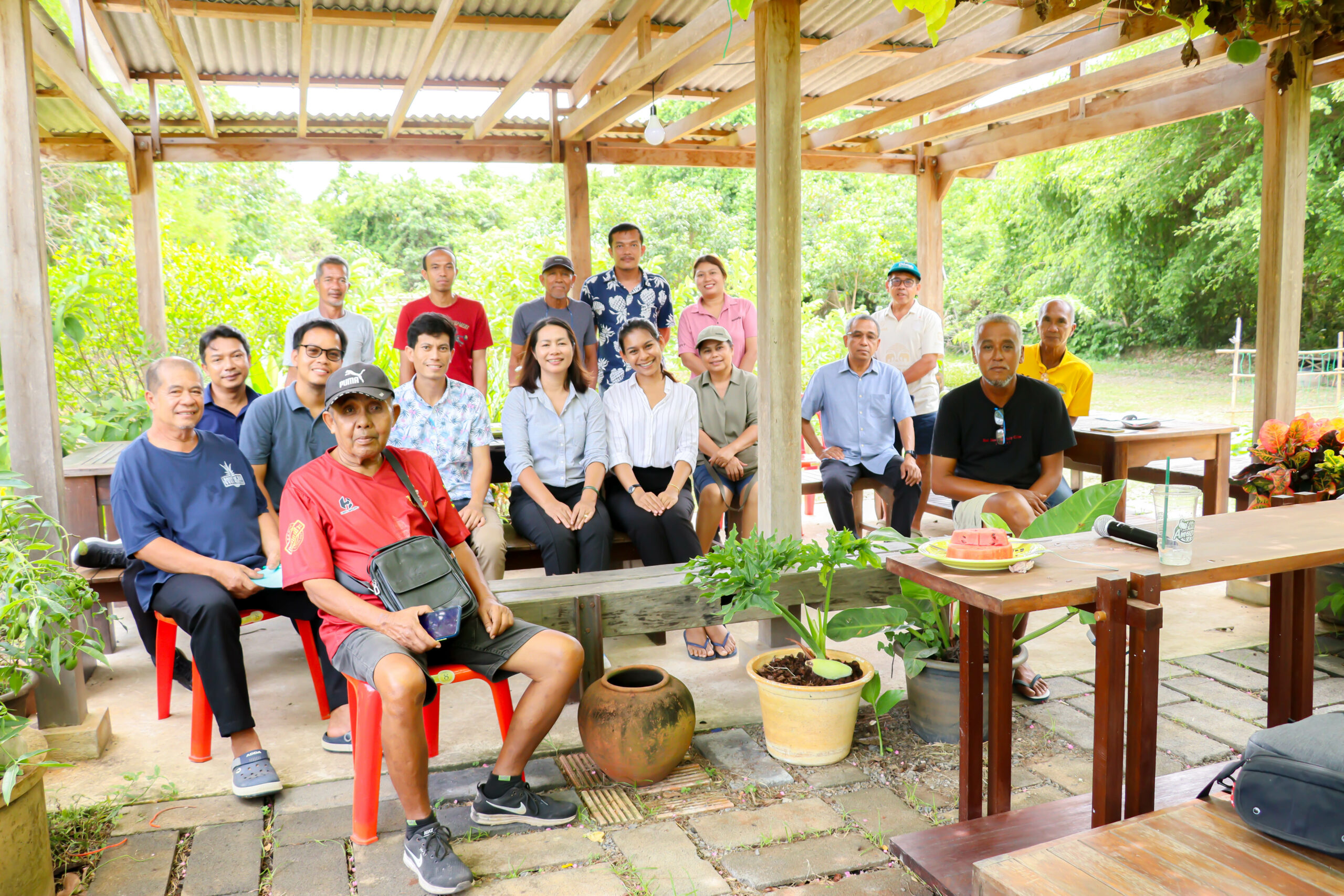
Achieving sustainable academic services and community development is one of Walailak University’s key strategies to fulfill its founding mission of being a “pillar of the region.” Over the next five years (2023-2027), the university has established a strategic plan to disseminate and expand research outcomes and technology to local communities, alongside promoting the university as a learning center for the region. This allows the community to access and apply knowledge in supporting their livelihoods and balancing natural resources and the environment. The knowledge, skill or technology provided focus especially on food security, sustainable agriculture and aquaculture, safe agriculture and aquaculture and sustainable fisheries, food processing from agricultural and fishery products, as well as preparing local entrepreneurs for food product certification.
Consequently, Walailak University has been providing access on knowledge and technology to local communities, both on and off campus, free of charge. This initiative aims to provide local farmers, fishers, food producers, and other interested parties with access to knowledge, skill development, expertise, and technologies related to food security and sustainable agriculture and aquaculture. In addition to focusing on enhancing household food security, it also offers opportunities for sustainable livelihoods or expanding environmentally friendly commercial production for long-term sustainability.
The provision of free access on knowledge management and technology transfer initiatives that the university has implemented in three different areas include: food security, sustainable agriculture, and sustainable aquaculture.
Food processing knowledge and technology by Walailak University for local farmers and food producers to strengthen household food security, reduce food waste, create local jobs, and promote the community economy
The local communities surrounding Walailak University in Nakhon Si Thammarat Province are mainly engaged in agriculture, livestock, and fishing. Farmers have reported that their agricultural and food crops have a short shelf life, and they are sometimes forced to sell at a loss. Additionally, proper post-harvest handling can be challenging due to a lack of temperature-controlled storage equipment to preserve freshness and extend the shelf life of the produce. Furthermore, the produce, such as leafy vegetables, is easily damaged and can spoil, turning into food waste.
For food resource management in the form of developing processed food products from both plants and animals, the university has provided free access on knowledge, technology transfer, and training to improve food processing skills for local communities, farmers, and food producers. These efforts include products such as kimchi and processed pork products, as detailed below.
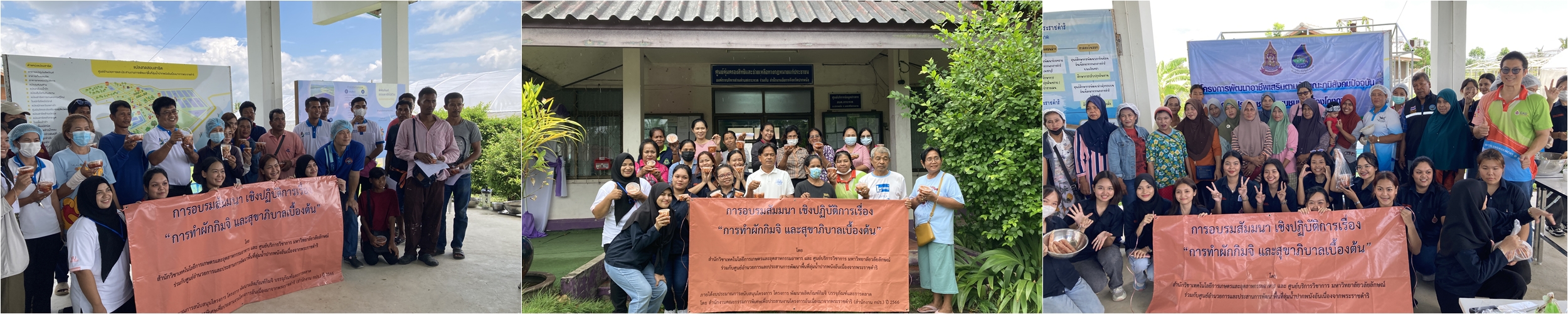
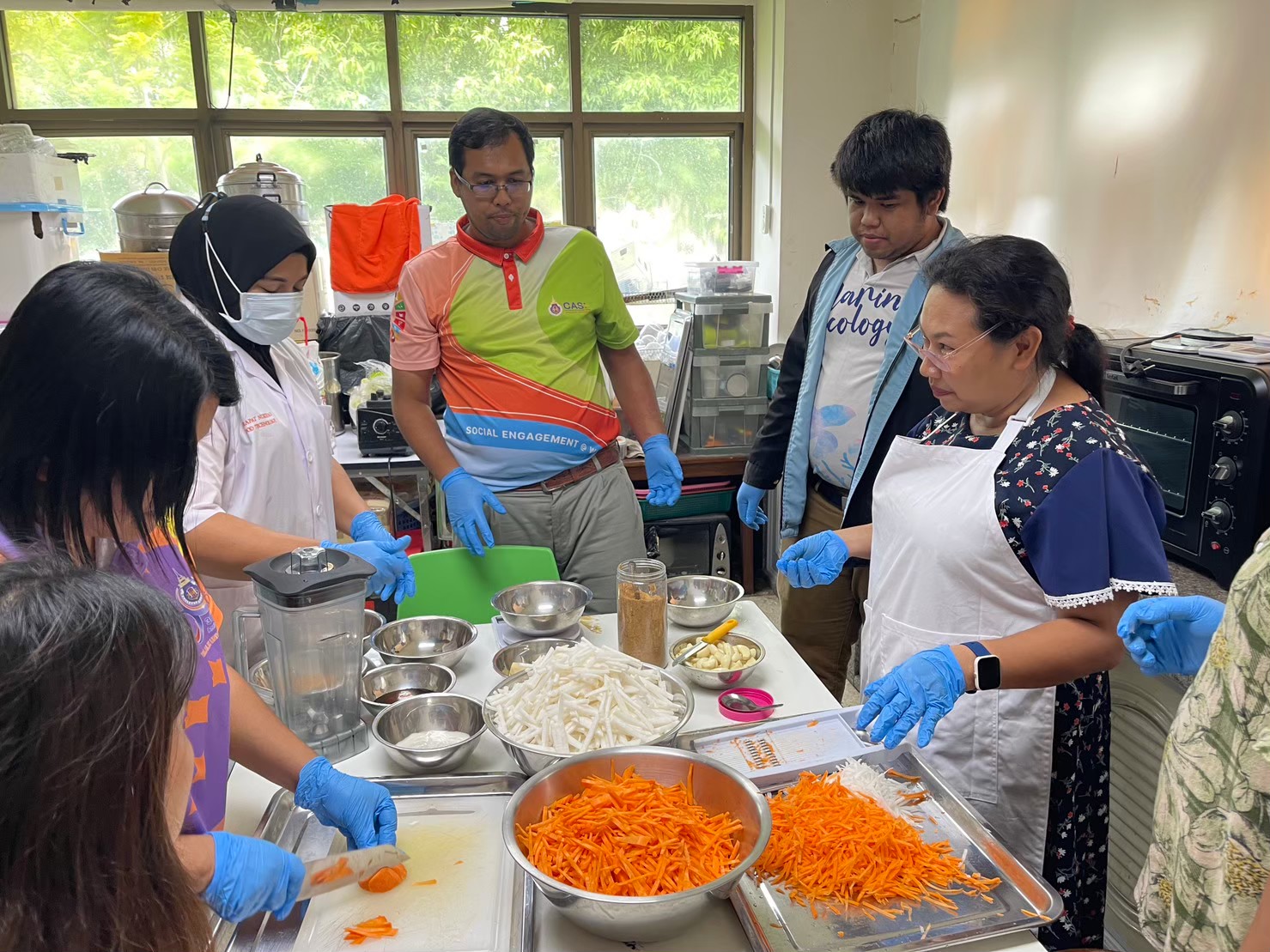
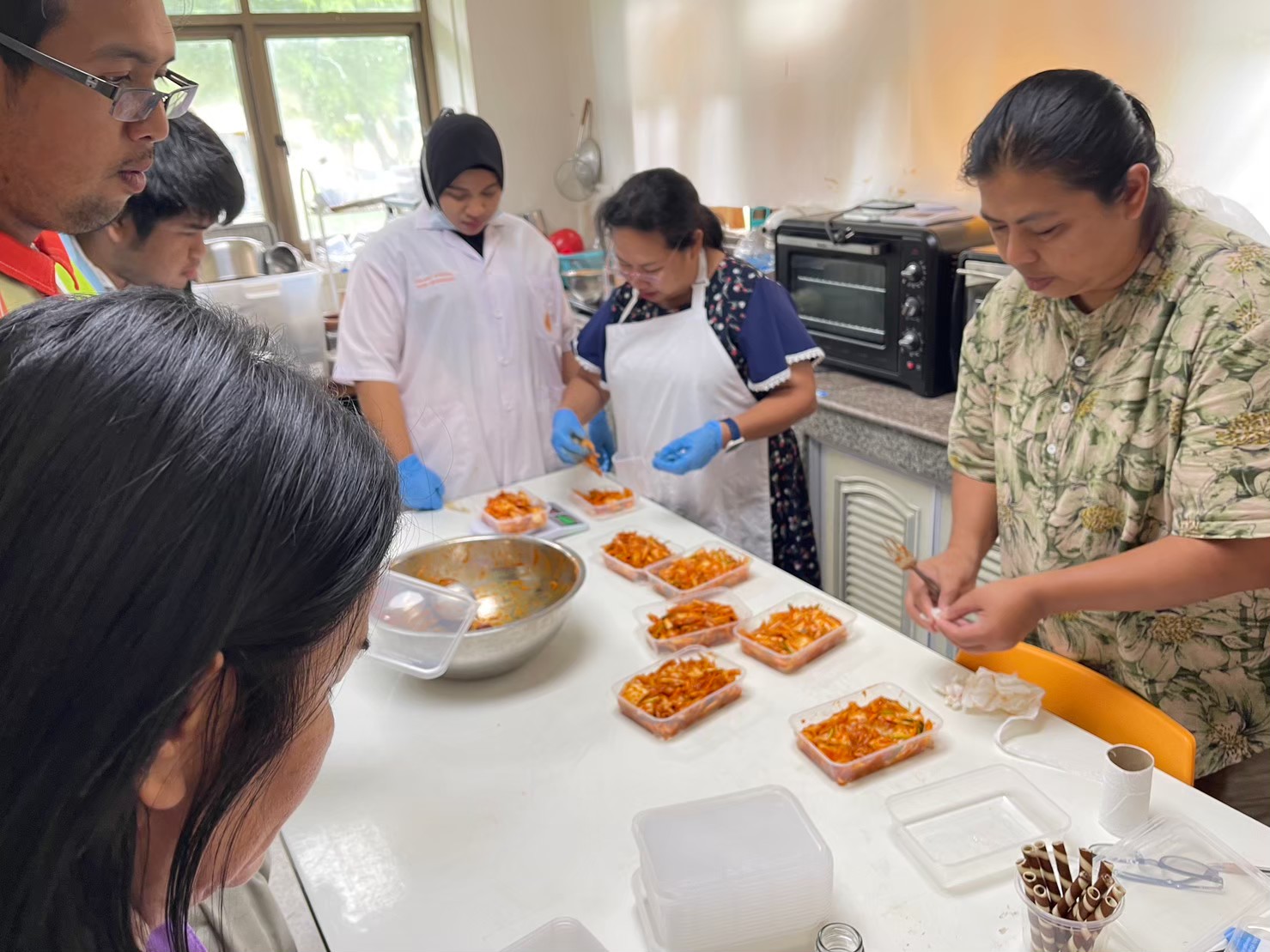
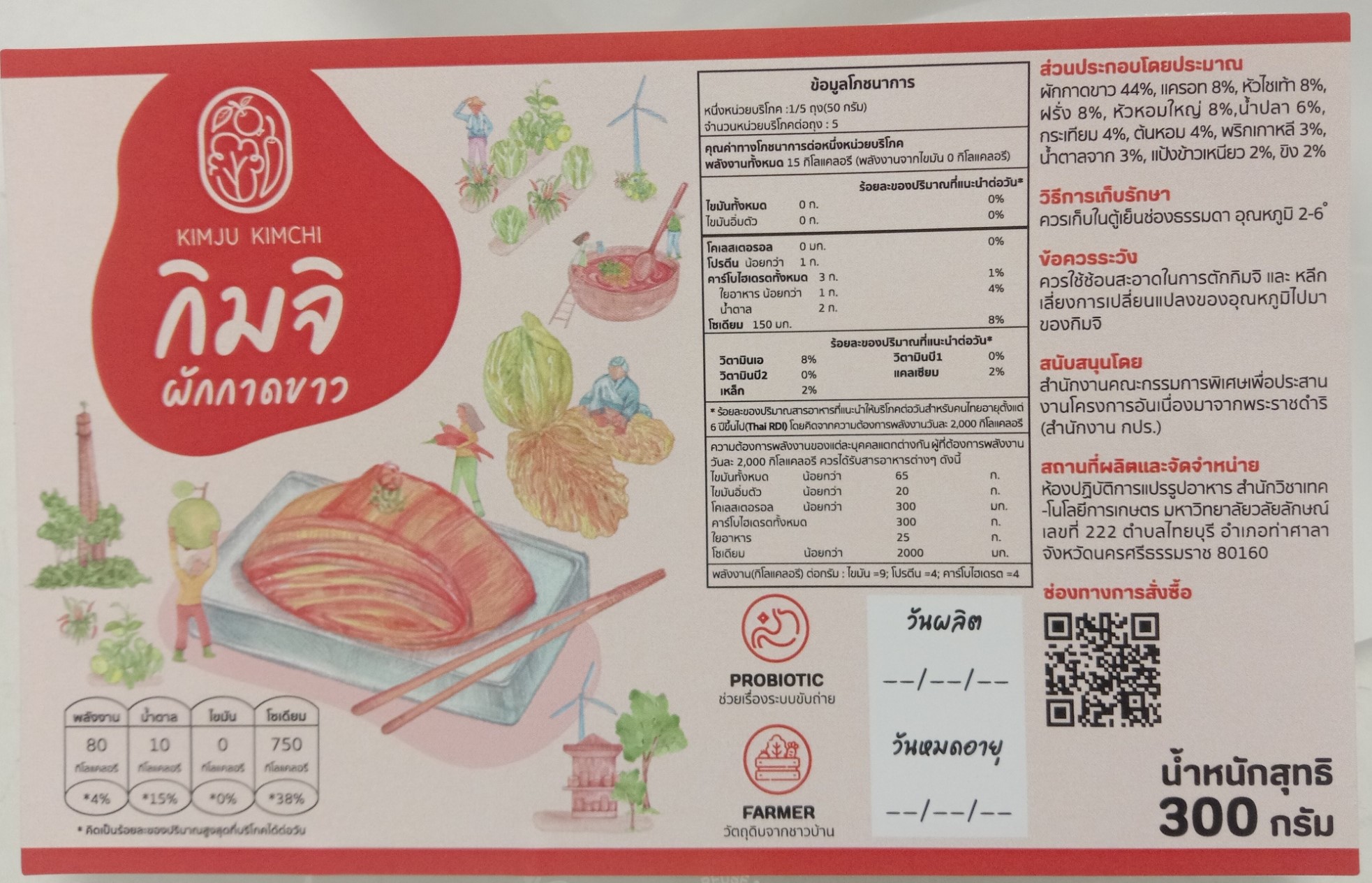
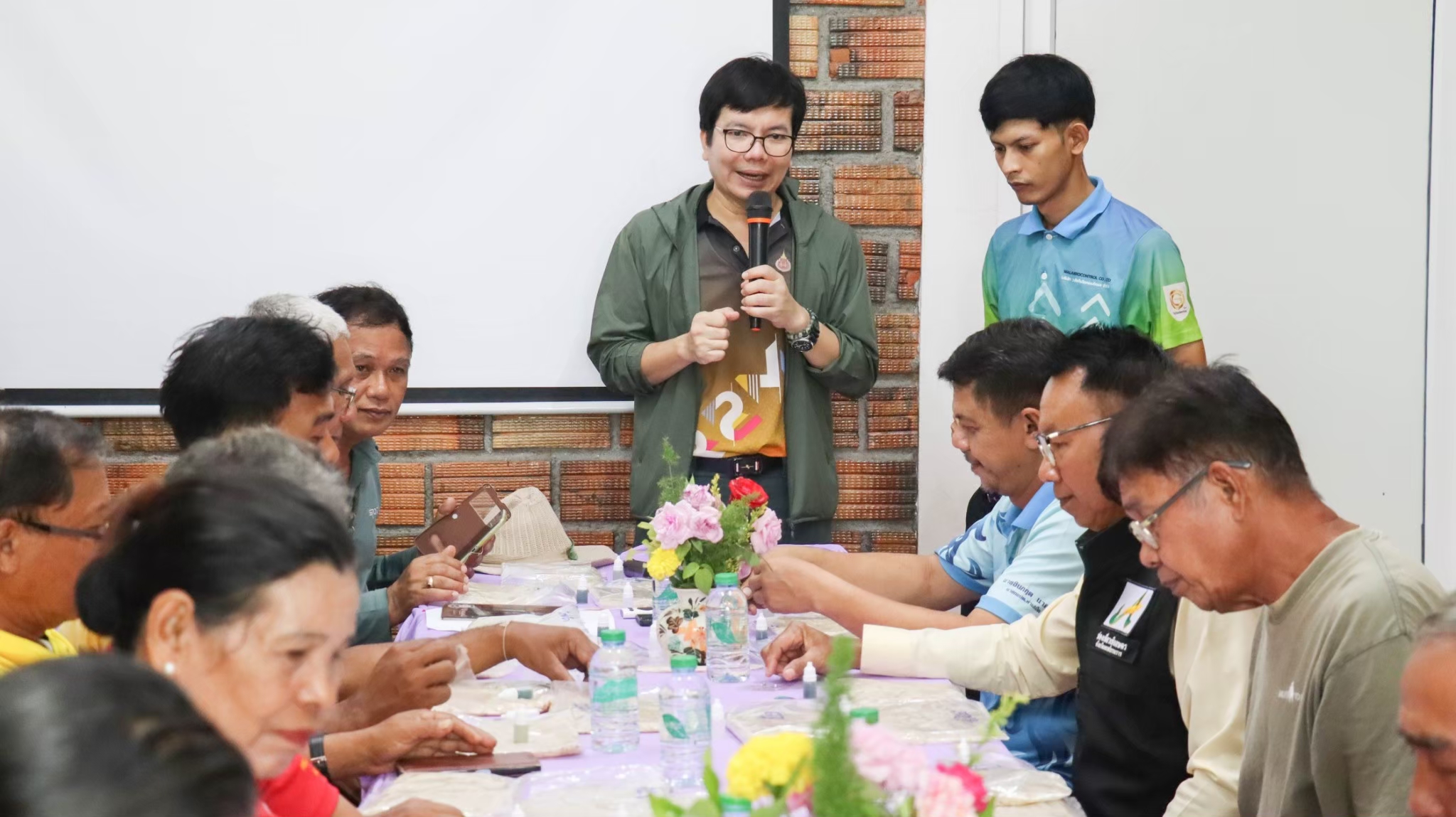
The Development of Kimchi Products, Packaging, and Marketing Project, carried out in collaboration with the School of Agricultural Technology and Food Industry and the Center for Academic Services at Walailak University, aims to provide free access to food security knowledge and technology as well as to provide career stability for local farmers and food producers in the Pak Phanang basin area of Nakhon Si Thammarat Provine. The project received funding support from the Office of the Royal Development Projects Board (RDPB) for the 2023 fiscal year.
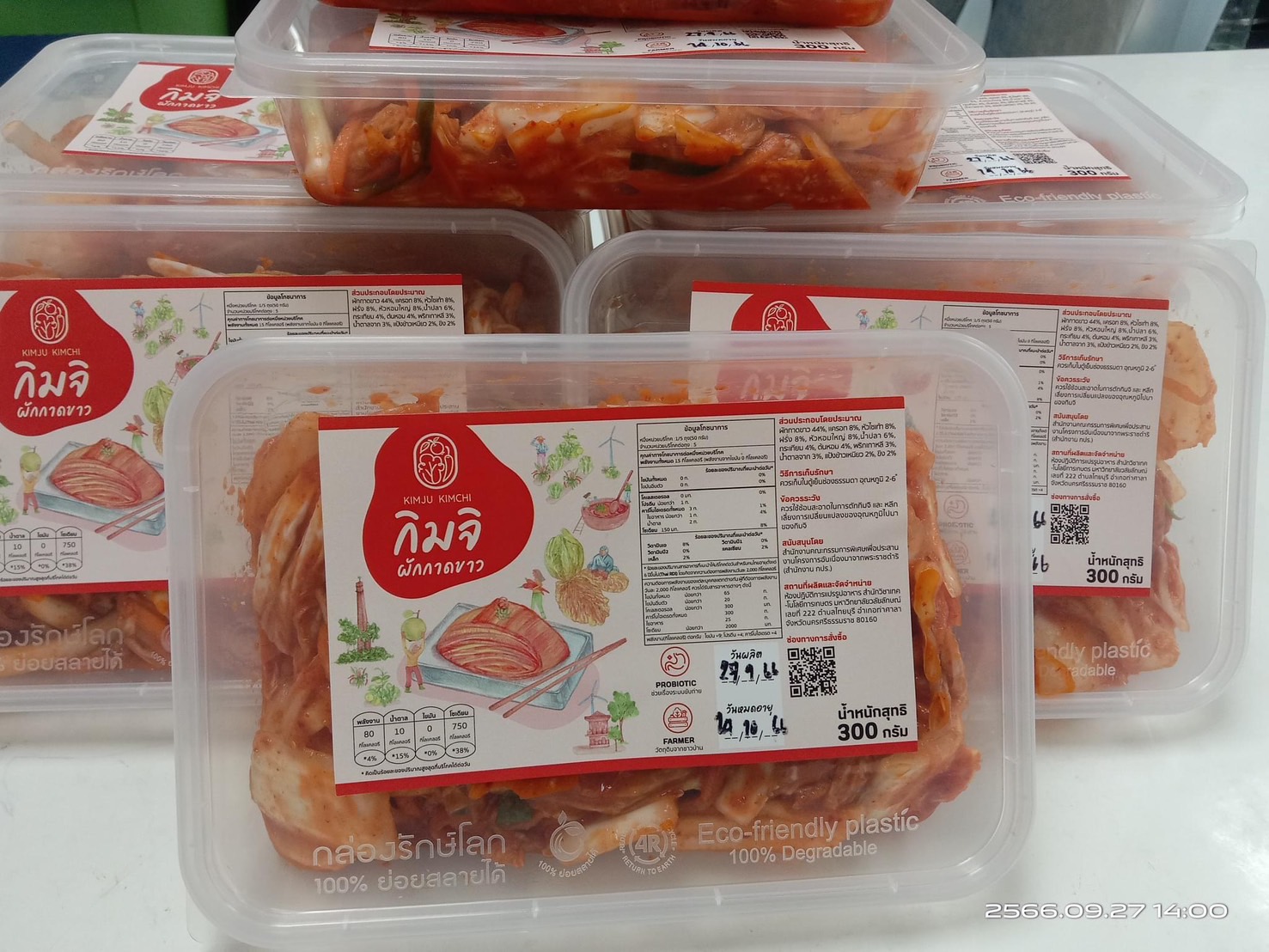
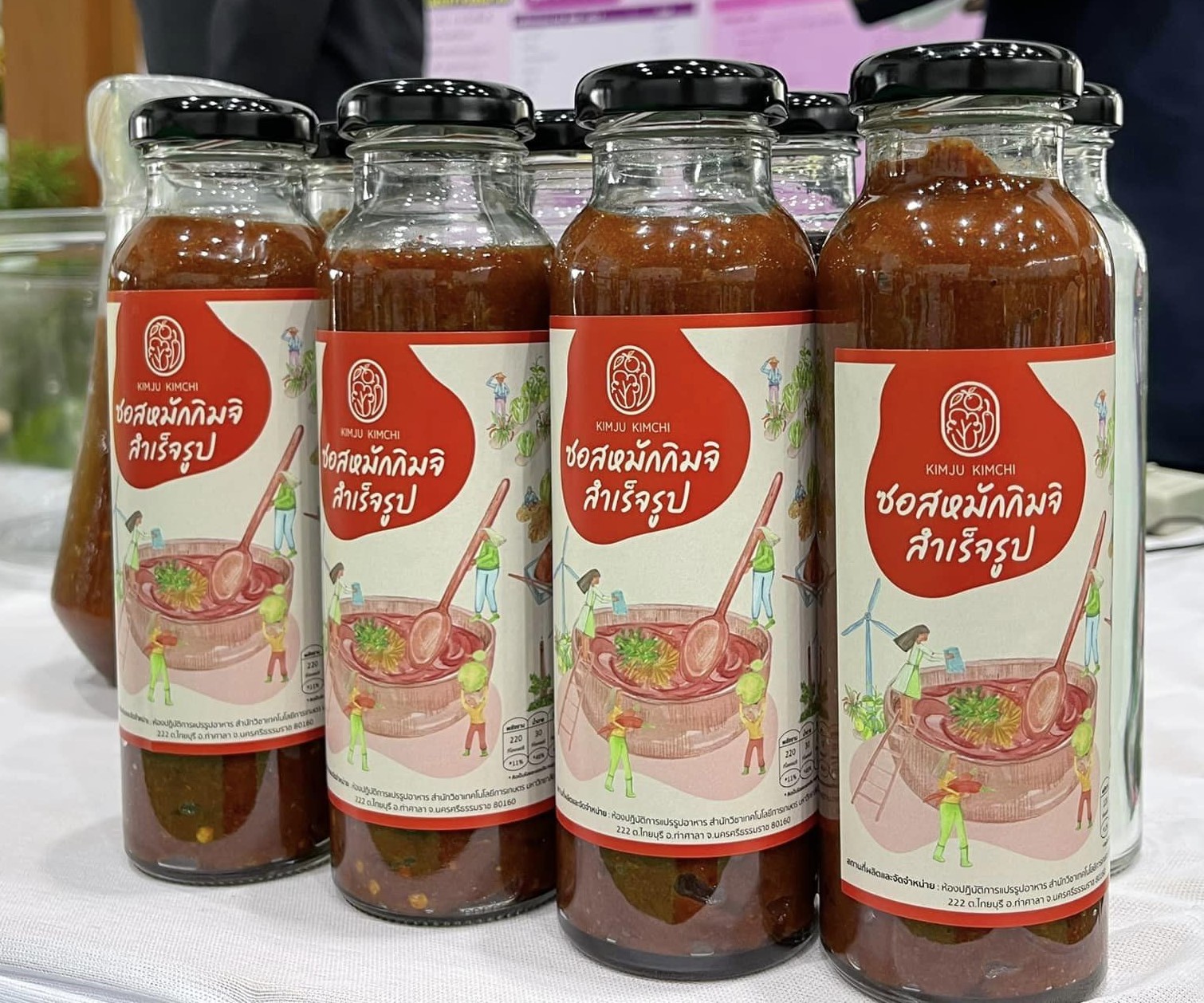
In the knowledge management and technology transfer for developing processed kimchi products, the project has established a participatory process and collaborative knowledge management with local farmers, food producers, and communities that grow kitchen garden vegetables, as well as local community enterprises with abundant vegetable production. The project also involved relevant stakeholders in selecting vegetables and locally distinctive ingredients to create kimchi products unique to the area. As a result of this collaboration, two products were developed:
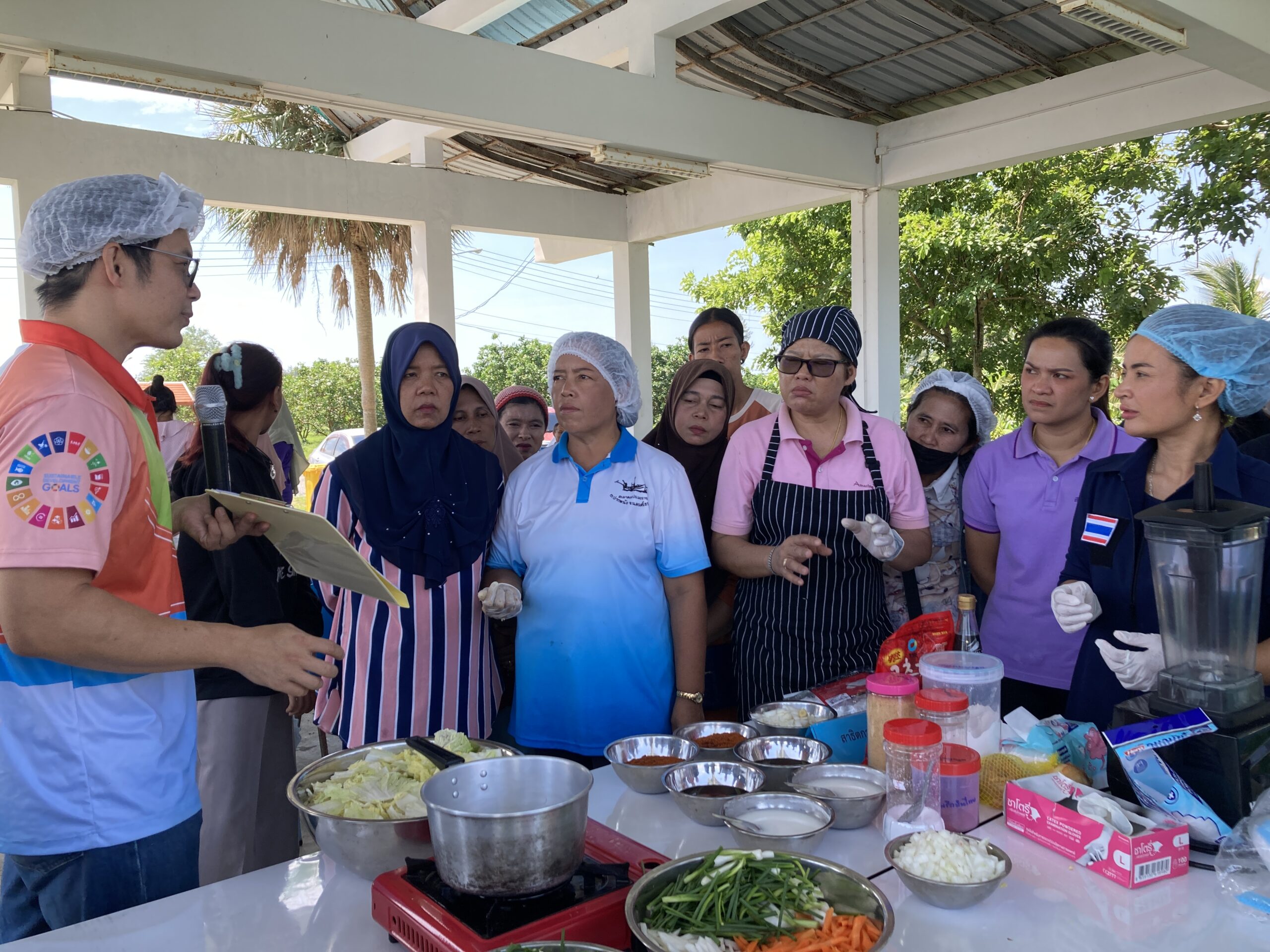
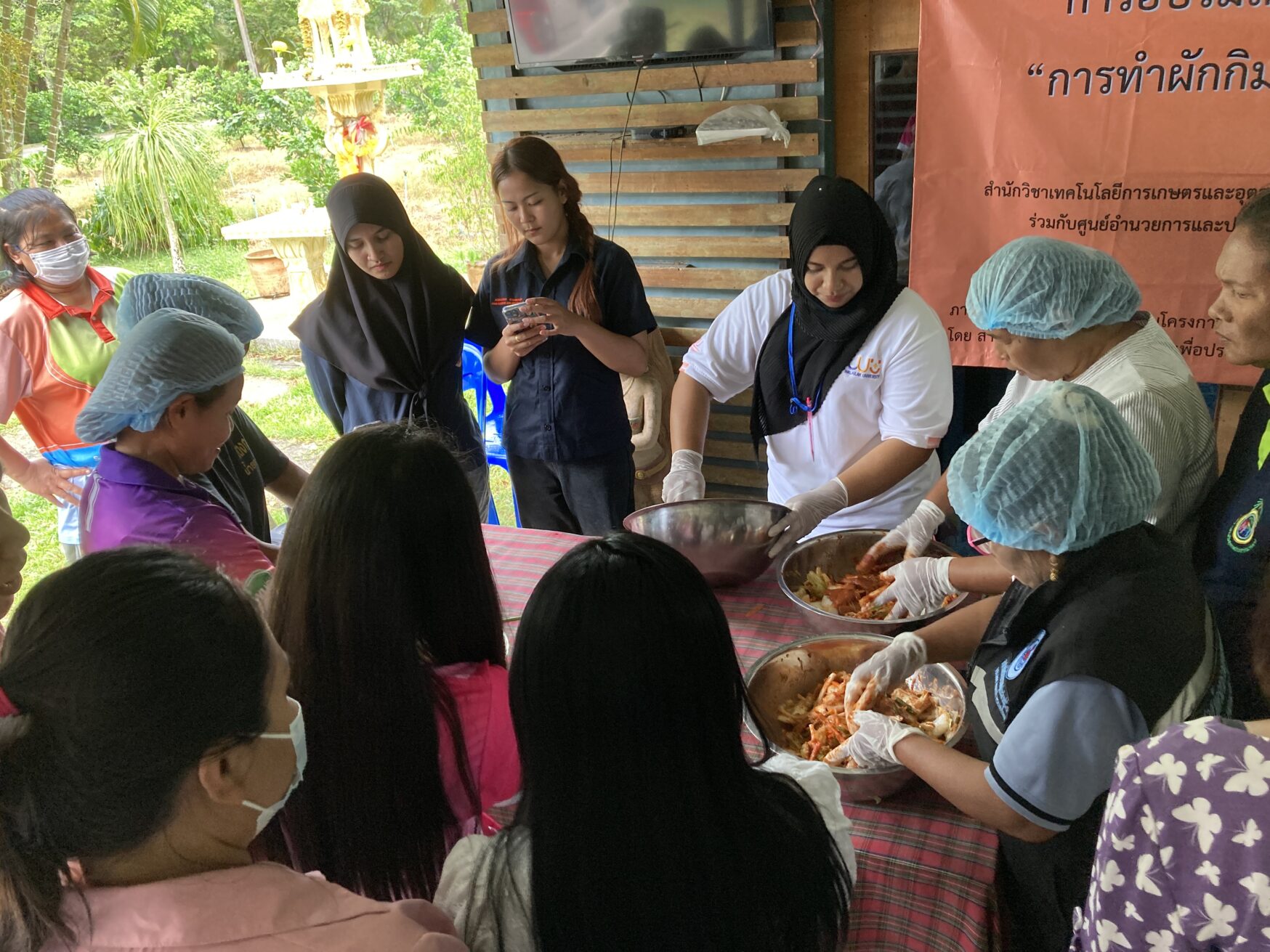
The project provided free access by organizing training sessions and transferred technology for developing locally distinctive kimchi recipes. It also focused on enhancing kimchi-making skills, packaging and labeling development, and marketing channels. The training was conducted by Asst. Prof. Dr. Tanong Aewsiri and his team, providing free knowledge and skills on food security to local farmers, food producers and interested participants. The project held four sessions, with 70 participants, including local farmers, food producers in communities from the Pak Phanang Basin. Participants included individual farmers and agricultural community enterprises, such as the Bunprasit Garden Community Enterprise in Hua Sai District and the Ko Thuat Subdistrict Community Enterprise in Pak Phanang District, Nakhon Si Thammarat Province.
Processing vegetables into kimchi products not only preserves agricultural produce for longer consumption, which enhances household food security, but also helps reduce food waste from agricultural products. Additionally, it creates marketable products since they can be stored long enough for transportation. Currently, the kimchi products are sold through online platforms and at stores in the Development of the Pak Phanang River Basin under the Royal Initiative.
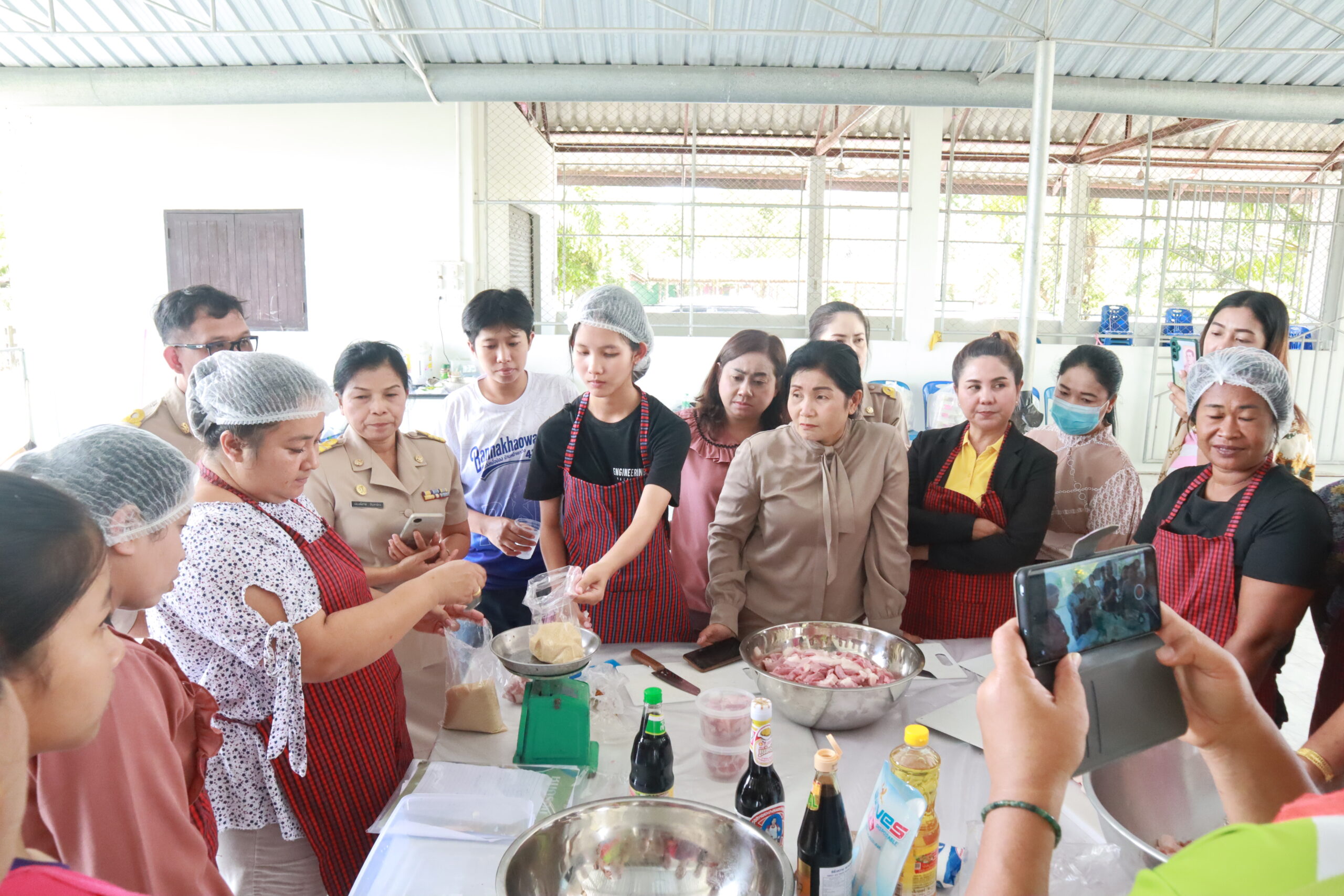
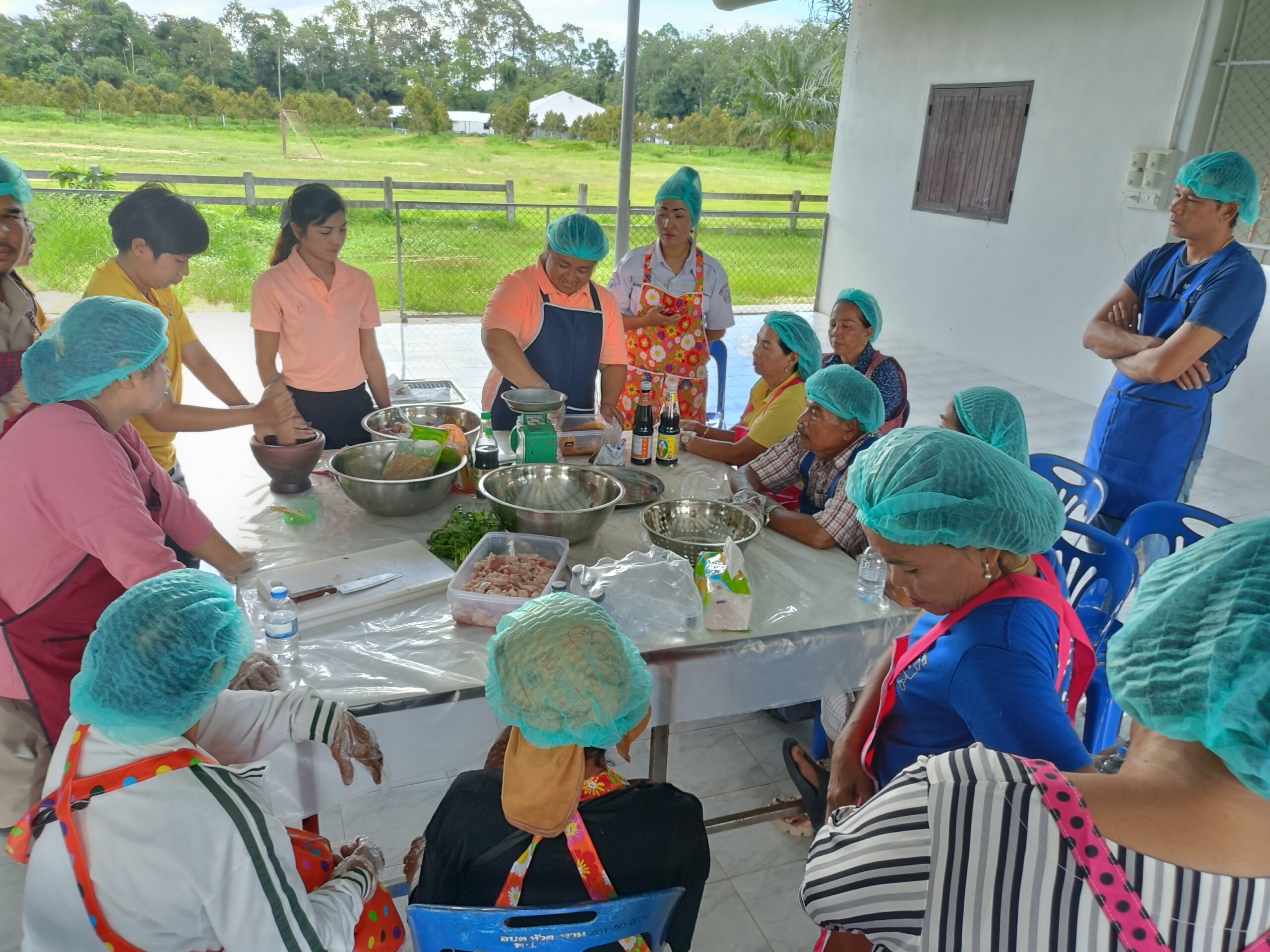
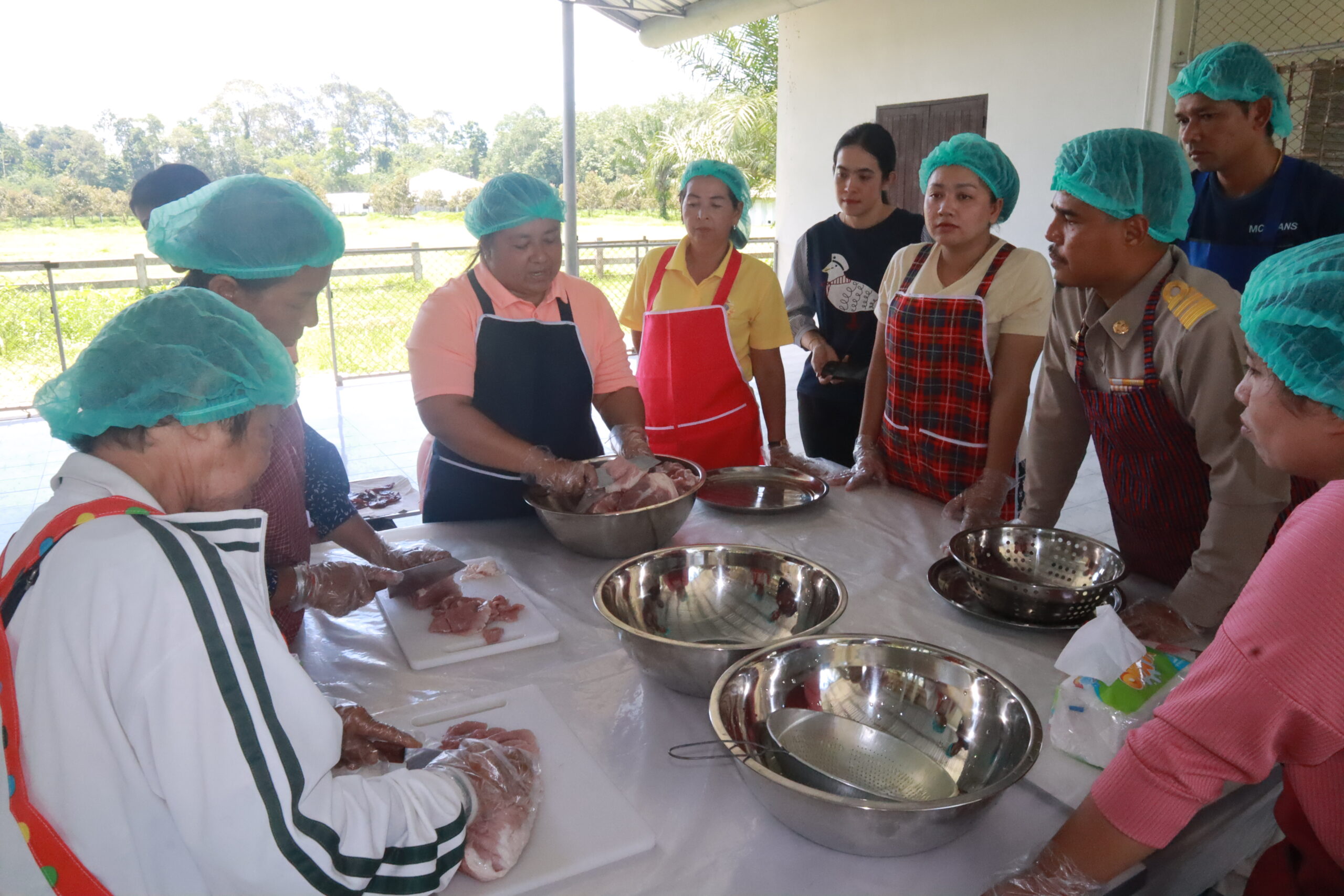
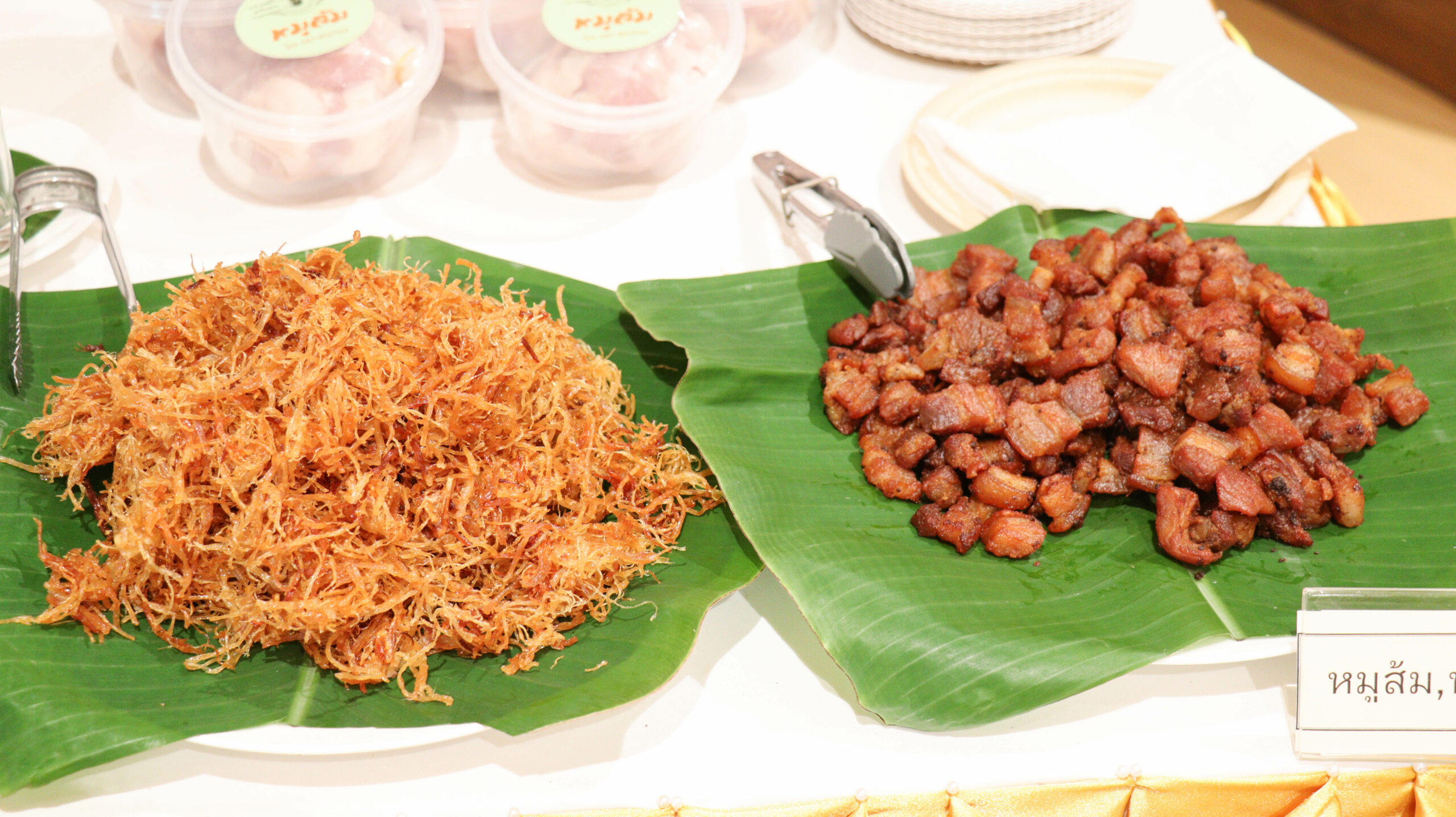
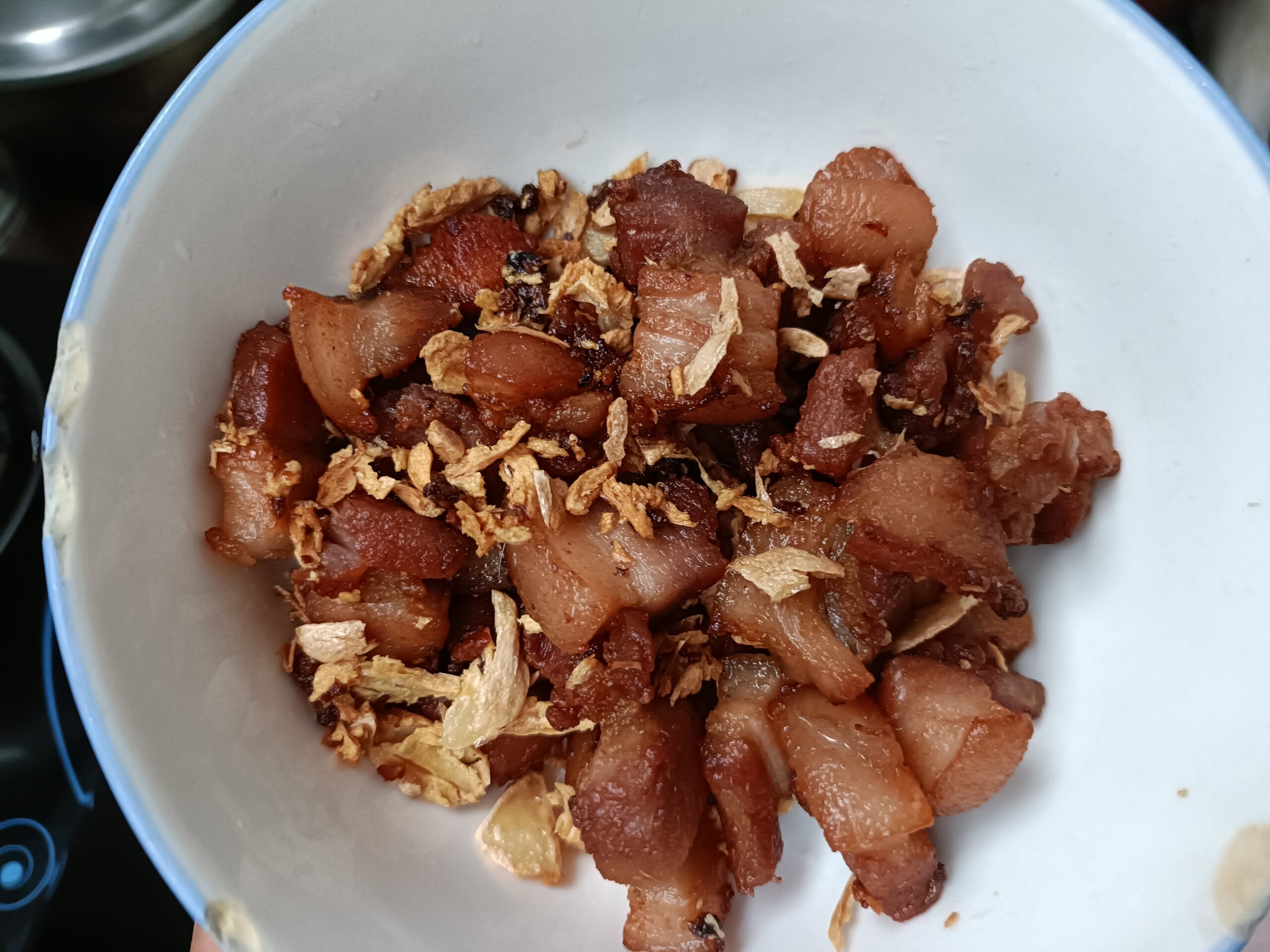
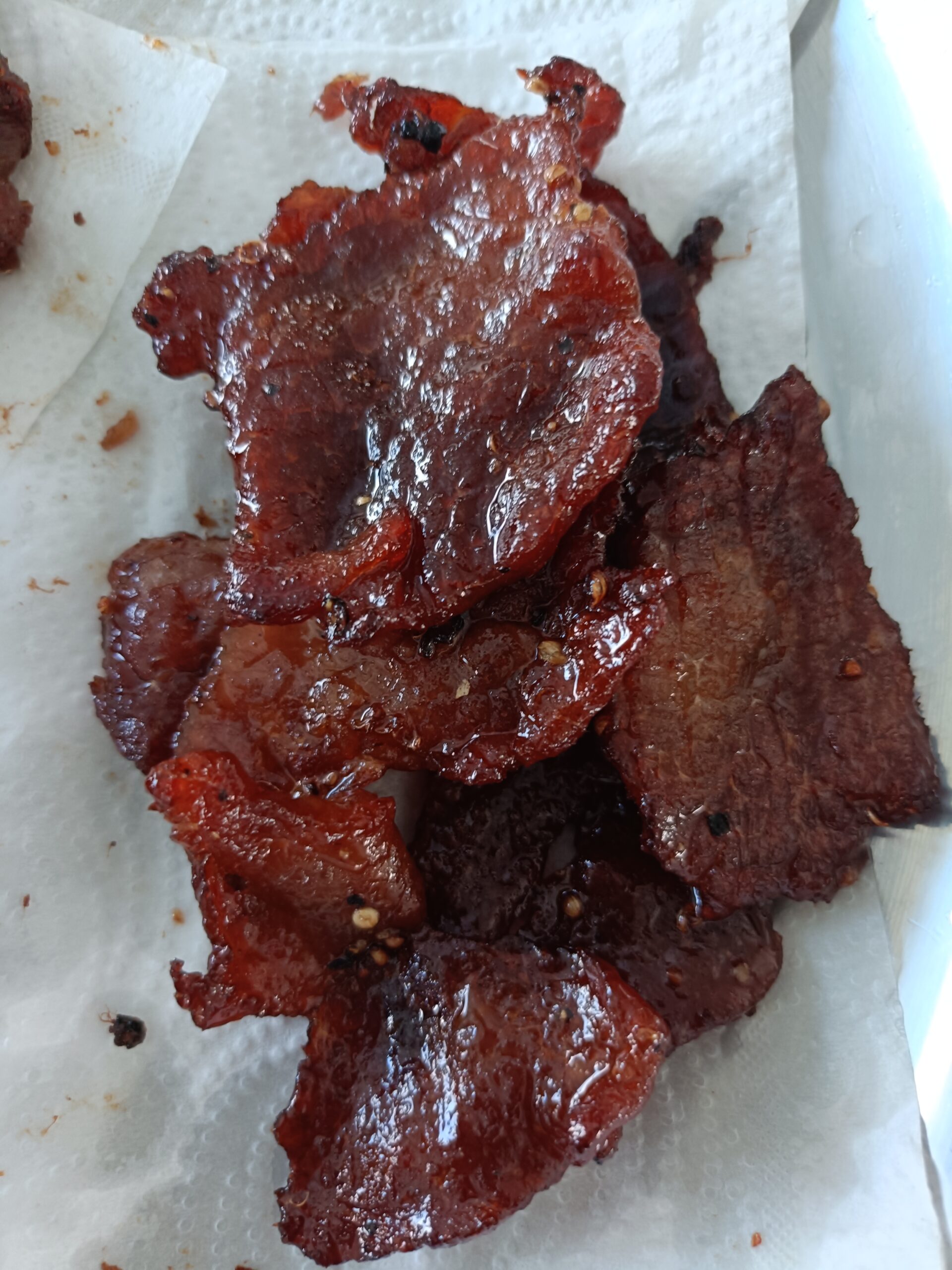
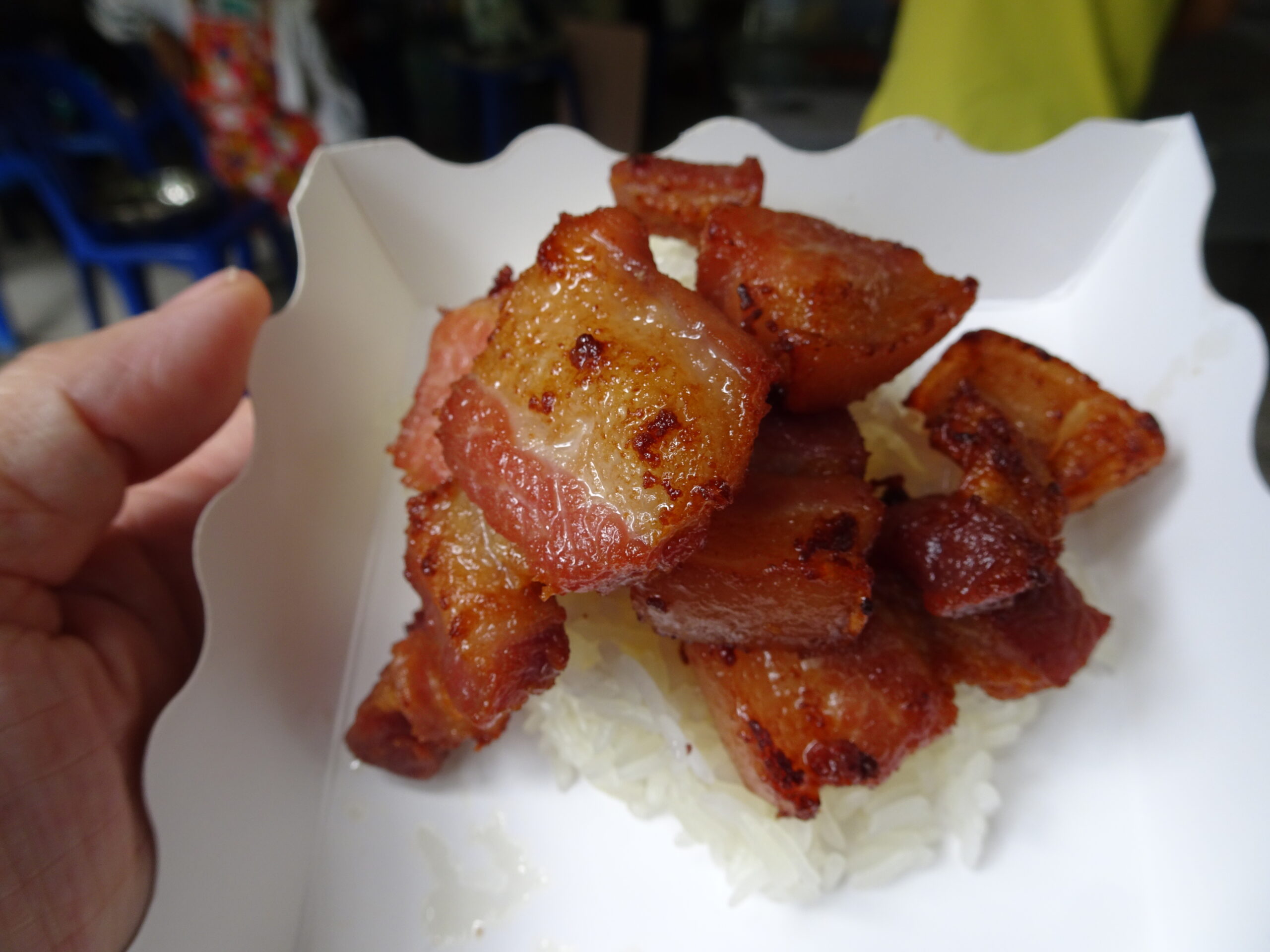
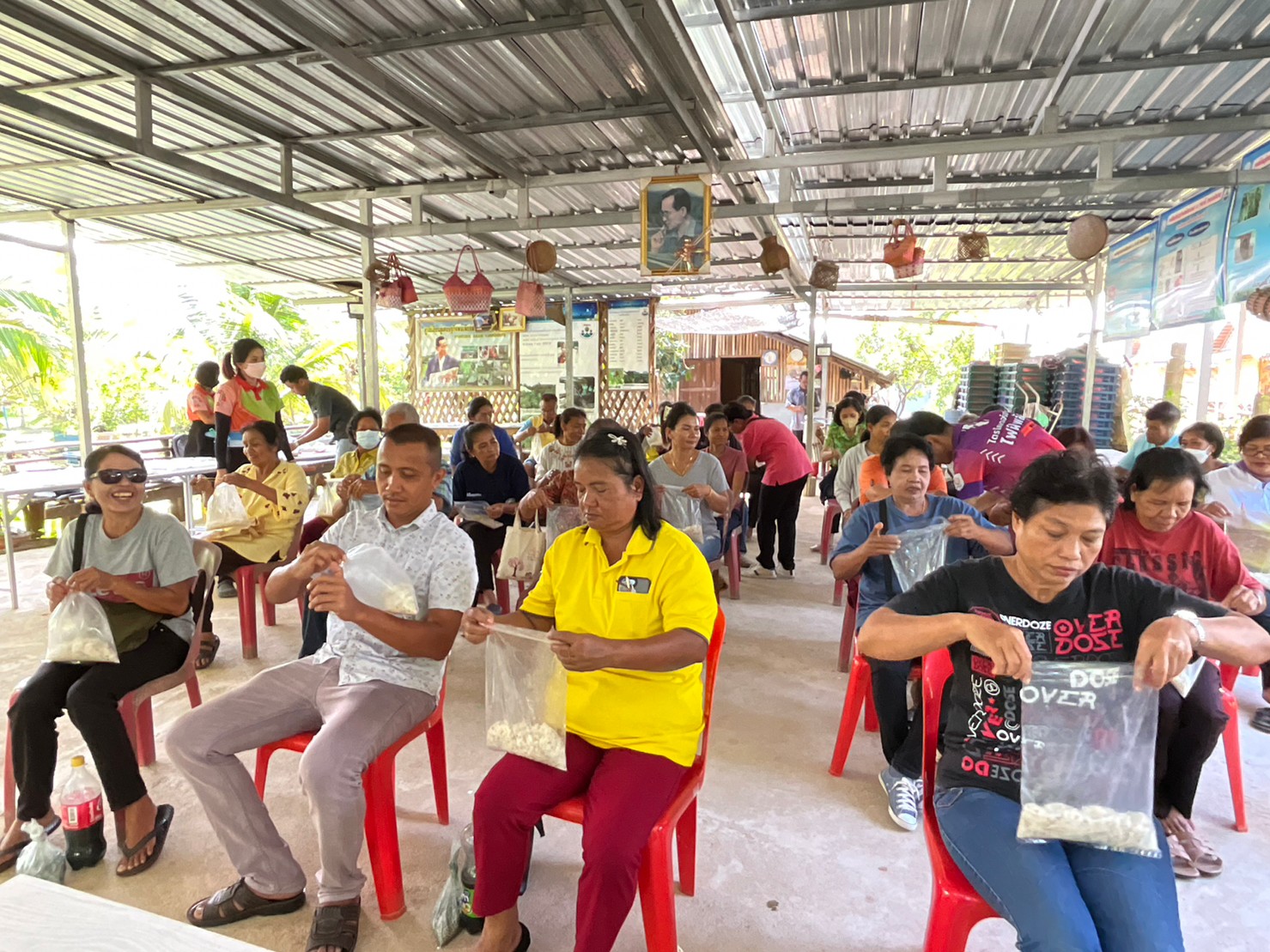
WU conducted a hand-on workshop on pork processing, teaching techniques for making fermented pork, sun-dried pork, shredded pork, and sweet pork. Held at the multipurpose pavilion of Huata Phan Subdistrict, this workshop aimed at the Walailak Demonstration Community, promoting hygienic and safe food preservation for household use. Participants also learned how to develop pork processing skills as an extra career, increasing income streams alongside their main pig farming activities.
This training event was led by a local pork processing expert who provided both practical skills and knowledge in pork preservation. It was supported by several Walailak University faculties including the School of Agricultural Technology and Food Industry, the Akkhraratchakumari Veterinary College, the School of Allied Health Sciences, and the Center for Academic Services. The workshop was attended by 50 individuals from various groups such as the Comprehensive Pig Farming Community Enterprise, the Walailak Demonstration Community, the Huata Phan Subdistrict Non-Formal Education Center’s students, and other interested participants.
The pork processing workshop and knowledge-sharing session received enthusiastic engagement from participants, many of whom expressed interest in applying techniques for personal use, teahouse business, and broader market sales. The Comprehensive Pig Farming Community Enterprise in the Walailak Demonstration Community plans to further develop these products as a group, aiming to enhance the value of their locally raised pork. Currently, they primarily sell whole pigs and fresh cuts, but they are exploring opportunities to expand into processed pork products to diversify and increase revenue.
By applying participants with pork processing skills, this training paves the way for expanding market opportunities in processed products. It strengthens farmers’ belief in their pig farming ventures and contributes to greater food security, supporting both household needs and income generation. These developments will lead to more sustainable economic growth within the community.
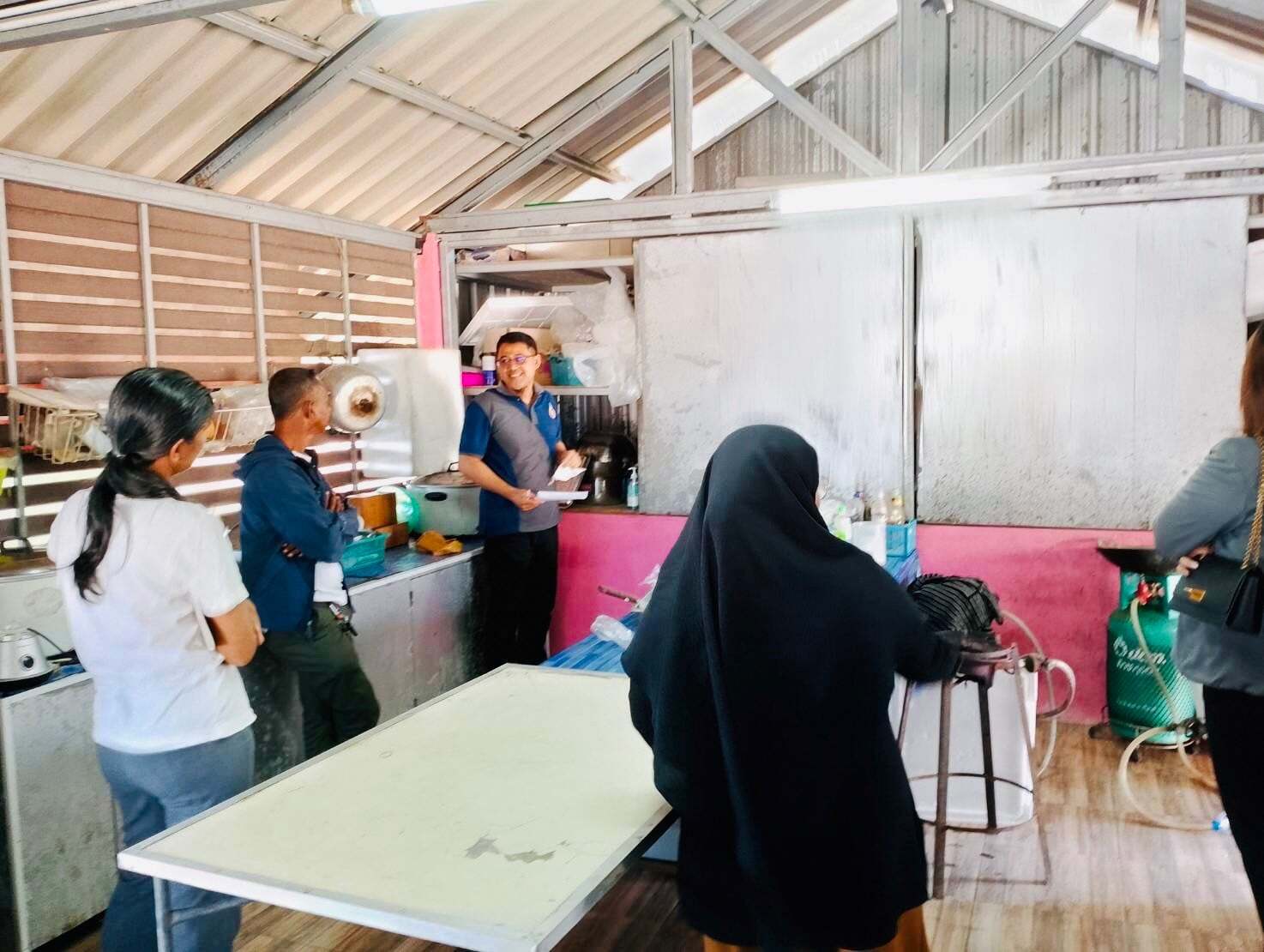
WU has actively transferred knowledge and technology to local entrepreneurs to help raise the standards of processed seafood products, ensuring they meet FDA and Halal certification standards. In collaboration with the School of Management, the School of Accountancy and Finance, and the Center for Academic Services, the university’s initiative aims to improve the quality of life for coastal communities. The project focuses on developing seafood processing methods to produce higher-quality, safe products, which can expand market potential both locally and internationally.
By enhancing local producers’ knowledge and skills, the project aims to create better food safety standards. The ongoing efforts include providing free training and access to advanced technologies, particularly emphasizing food safety and compliance with FDA and Halal certifications. This initiative also supports coastal fishing communities, enabling them to produce safe, high-quality seafood, thus boosting their incomes and contributing to sustainable community development.
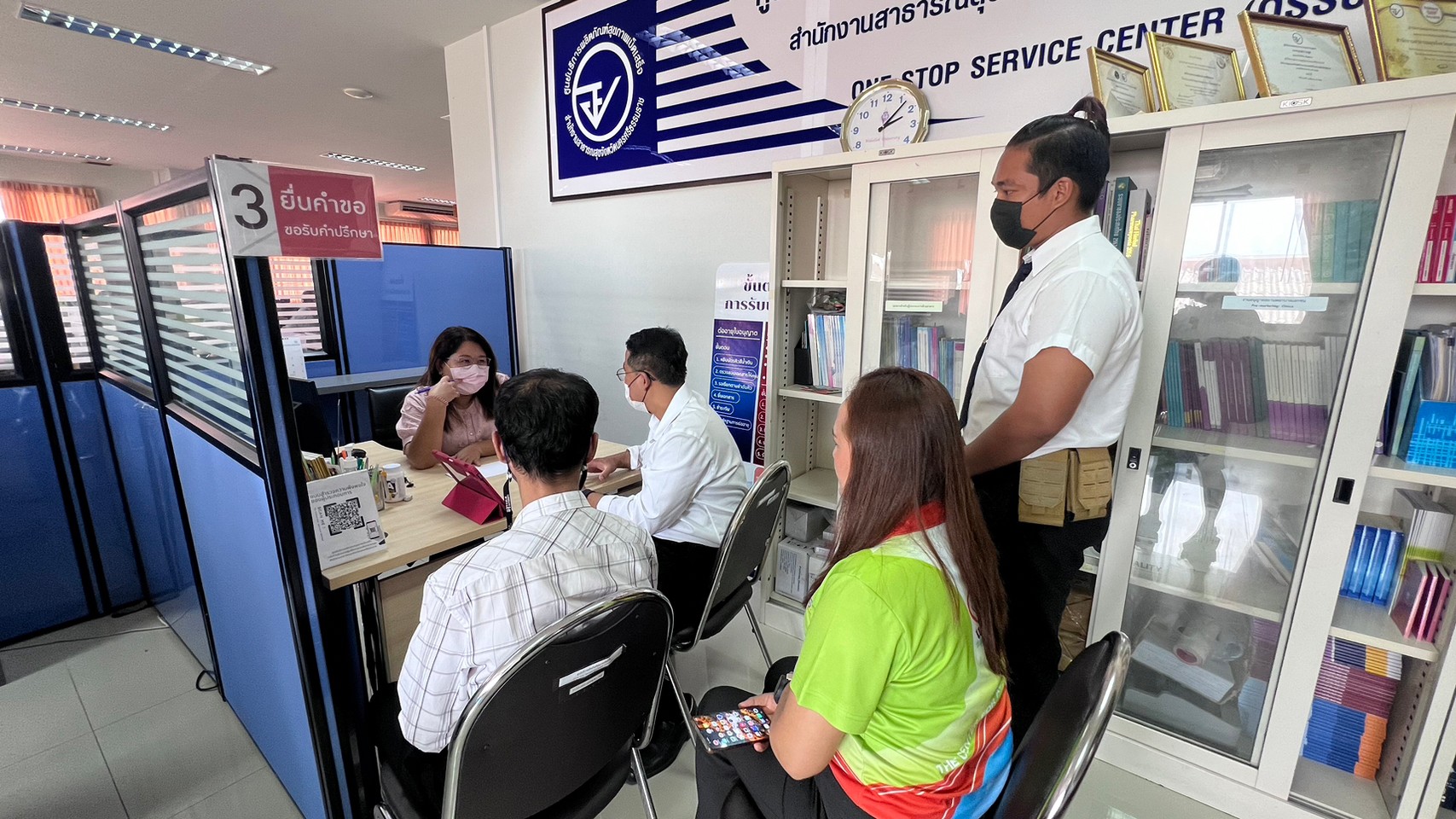
Local seafood producers greatly benefit from FDA and Halal certifications, as these attest that their products are not only safe for consumption but also in line with religious guidelines. FDA certification confirms that the handling, preparation, and storage processes minimize contamination risks, ensuring consumer safety. Halal certification, on the other hand, is especially important for Muslim consumers, as it validates that the food adheres to Islamic dietary laws. Supporting local producers in meeting these certifications enables smoother access to both domestic and international markets.
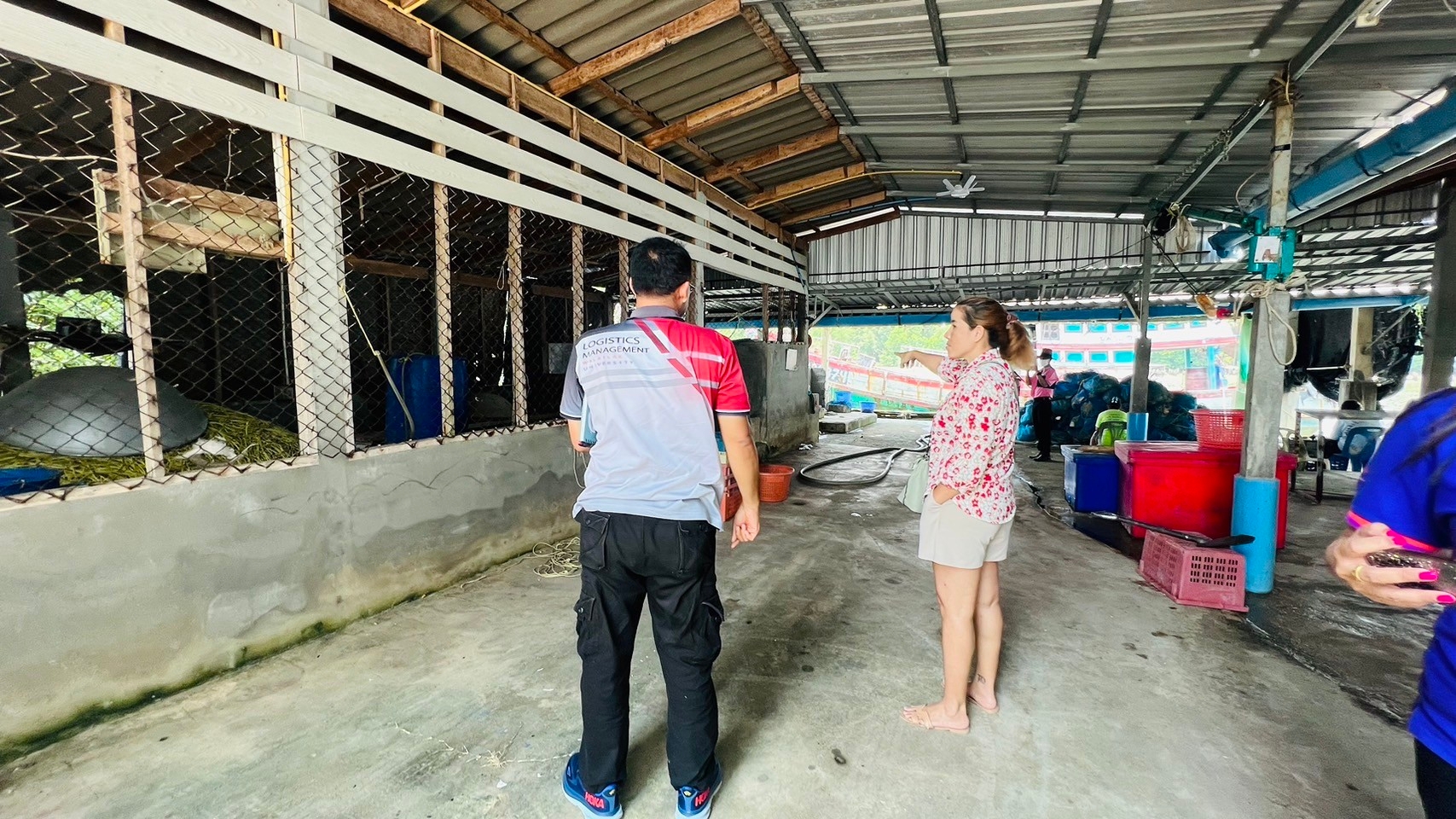
Moreover, the program aims to enhance the sanitary conditions of production facilities by providing guidance on designing and organizing workspaces to meet FDA and Halal requirements. A well-structured facility minimizes contamination risks, ensuring compliance with food safety standards.
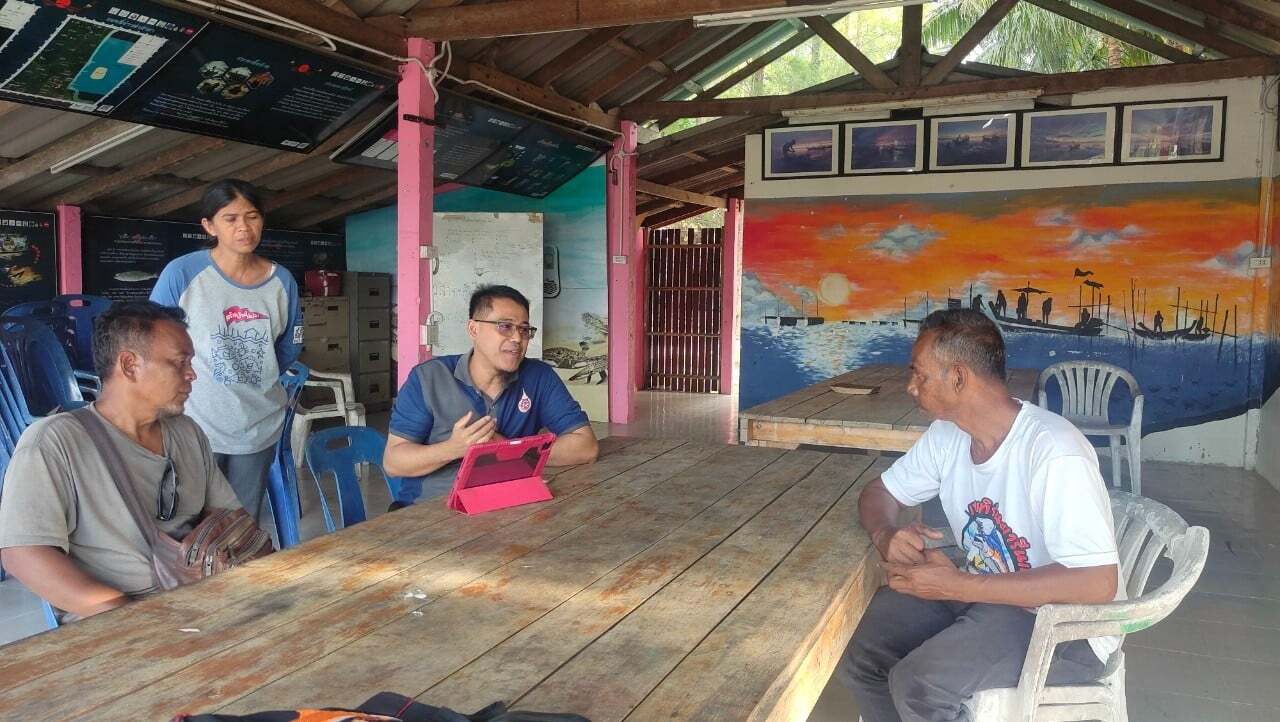
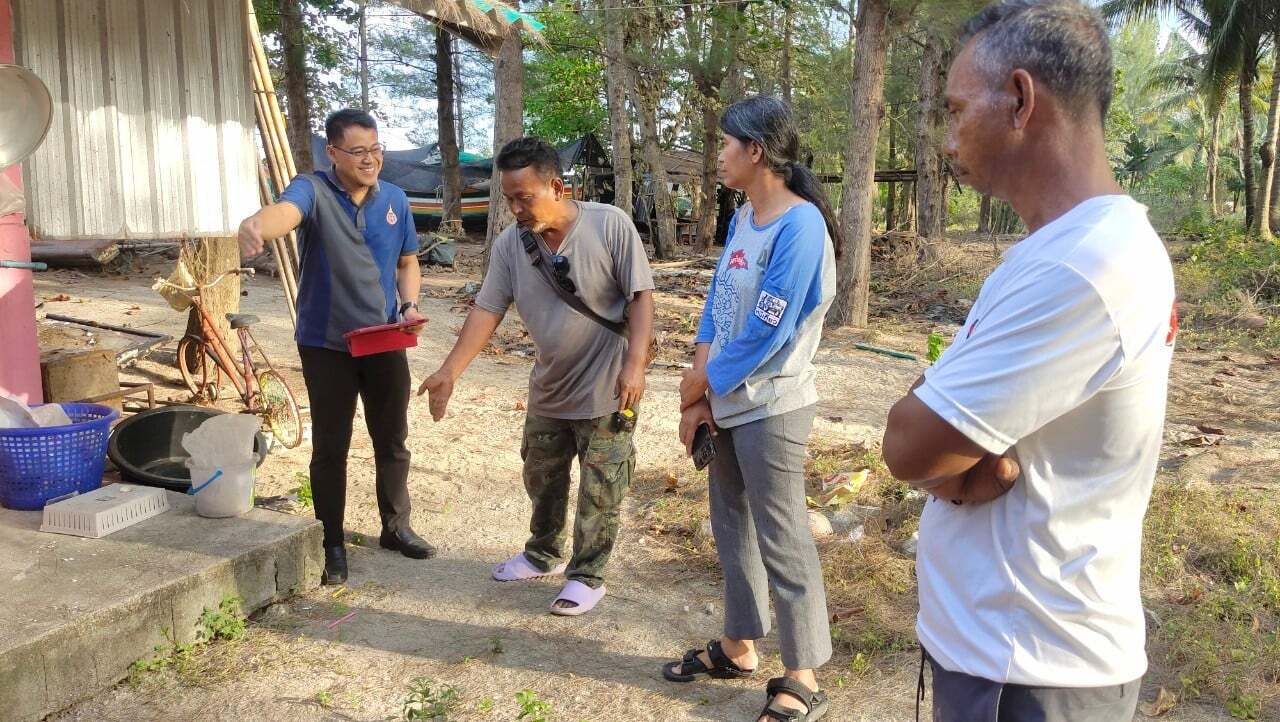
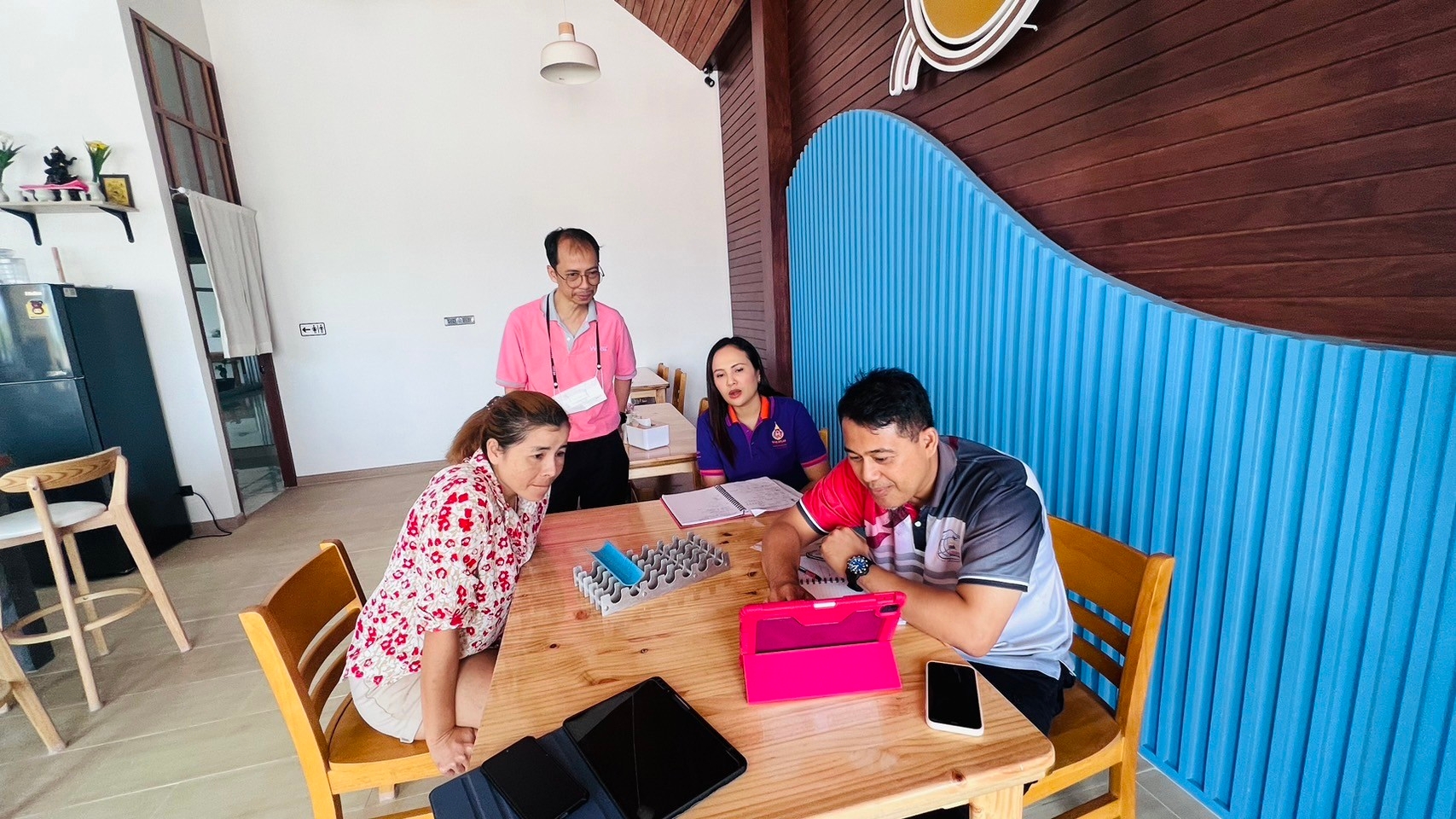
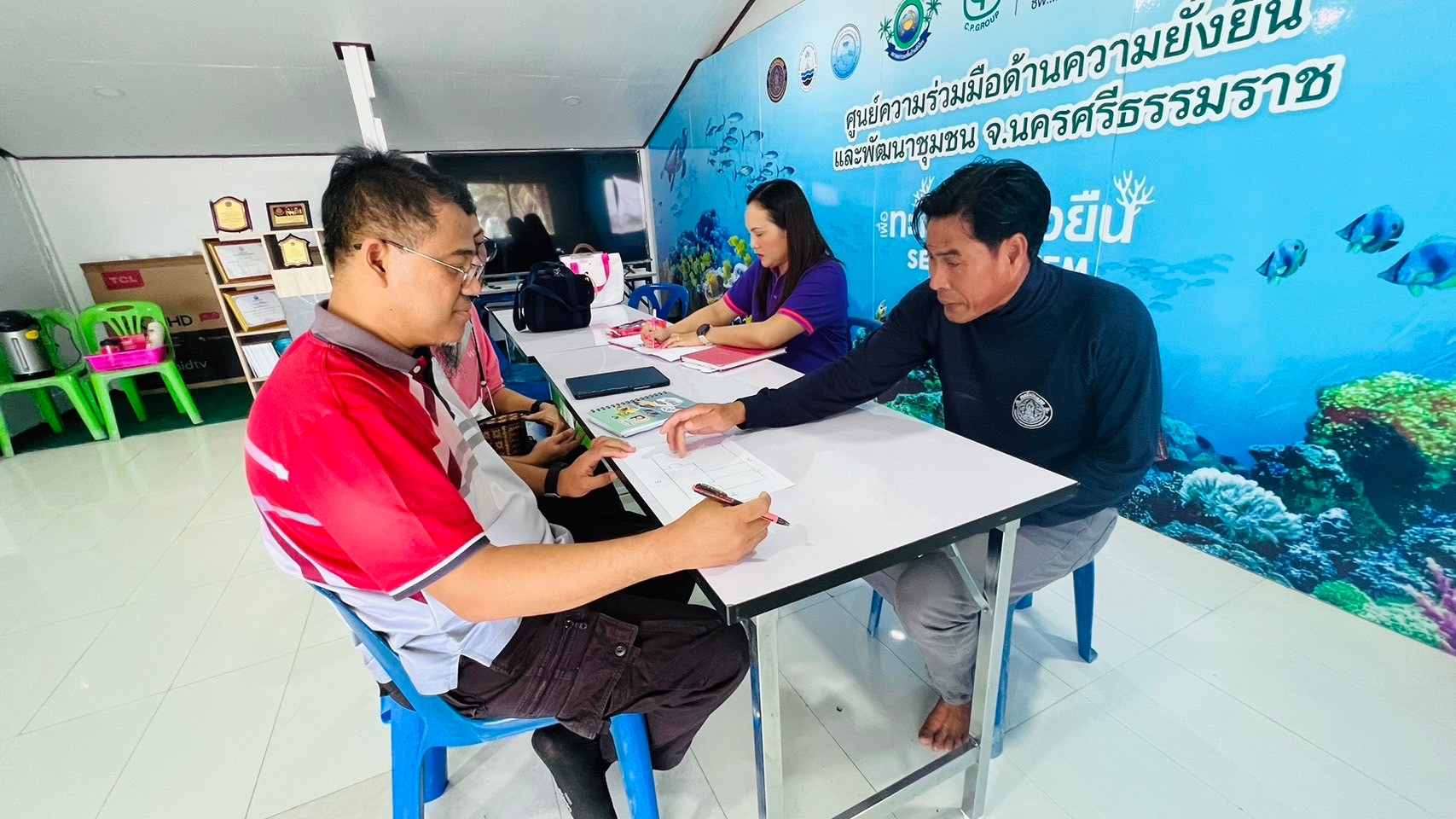
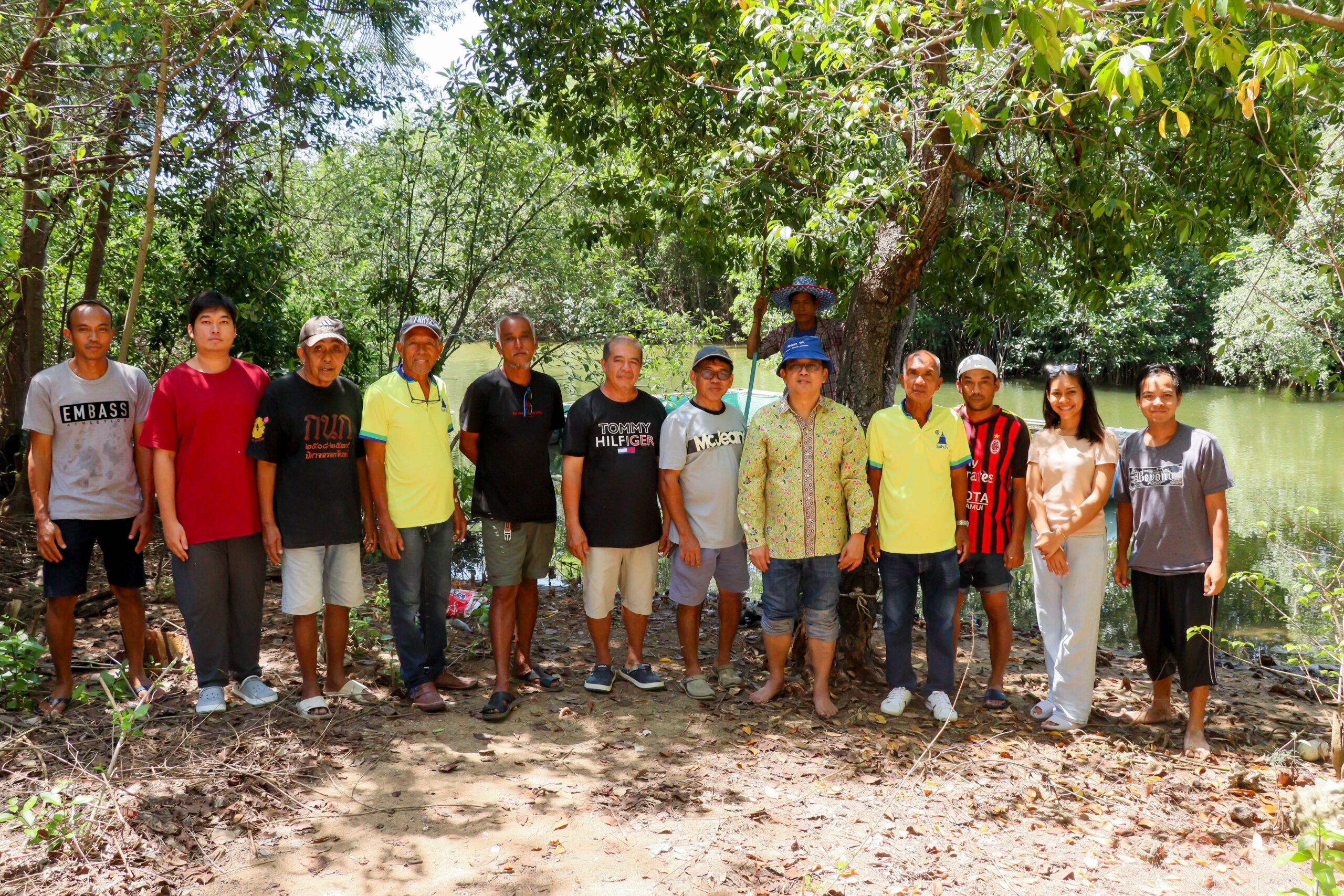
A training program was initiated to help local seafood producers develop key skills in fiscal year 2023. Entrepreneurs and community members from Nakhon Si Thammarat Province took part in the training to learn how to produce seafood that meets FDA and Halal requirements. The sessions were led by Mr. Hussen Niyomdecha from the Logistics Management Program at Walailak University, who offered guidance on optimizing seafood production to comply with safety and religious standards. Participants examined their current production methods and worked together to redesign their facilities, ensuring they met FDA and Halal standards in preparation for certification. Securing these certifications will enhance consumer confidence both locally and globally, helping them expand their product sales.
Seven coastal community business groups participated in training and received consulting services as part of the project’s implementation and technology transfer efforts. These groups included:
This project is expected to have long-term positive impacts on the coastal fishing communities of Nakhon Si Thammarat Province. By improving their production methods and assisting in obtaining key certifications, it will open new markets for their products, increase their earnings, improve their living standards, and contribute to the development of their communities.
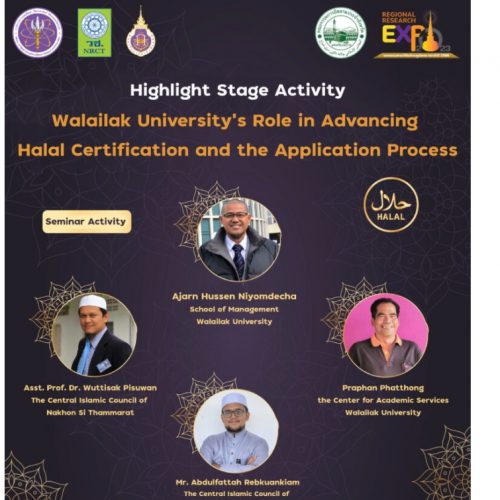
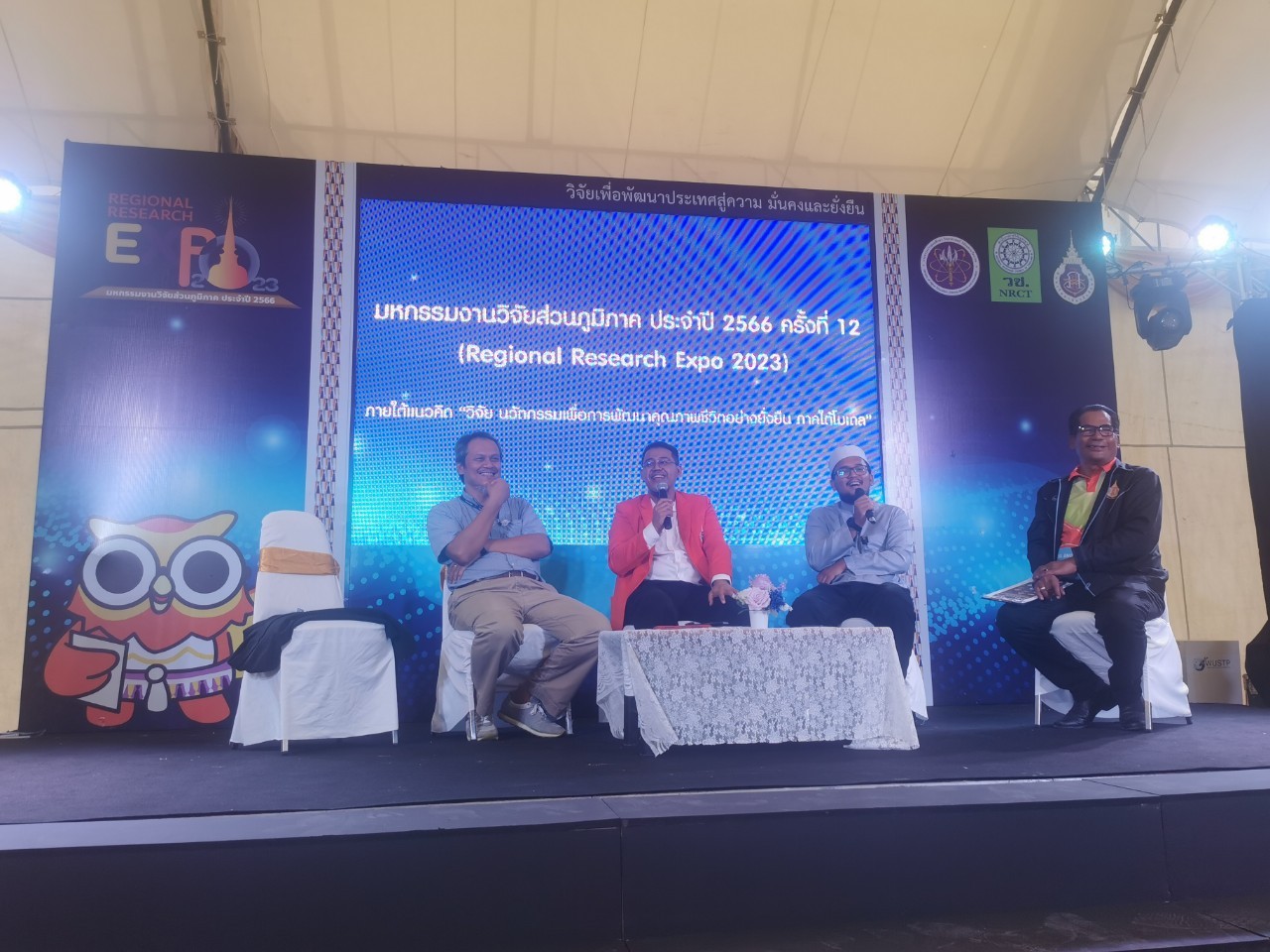
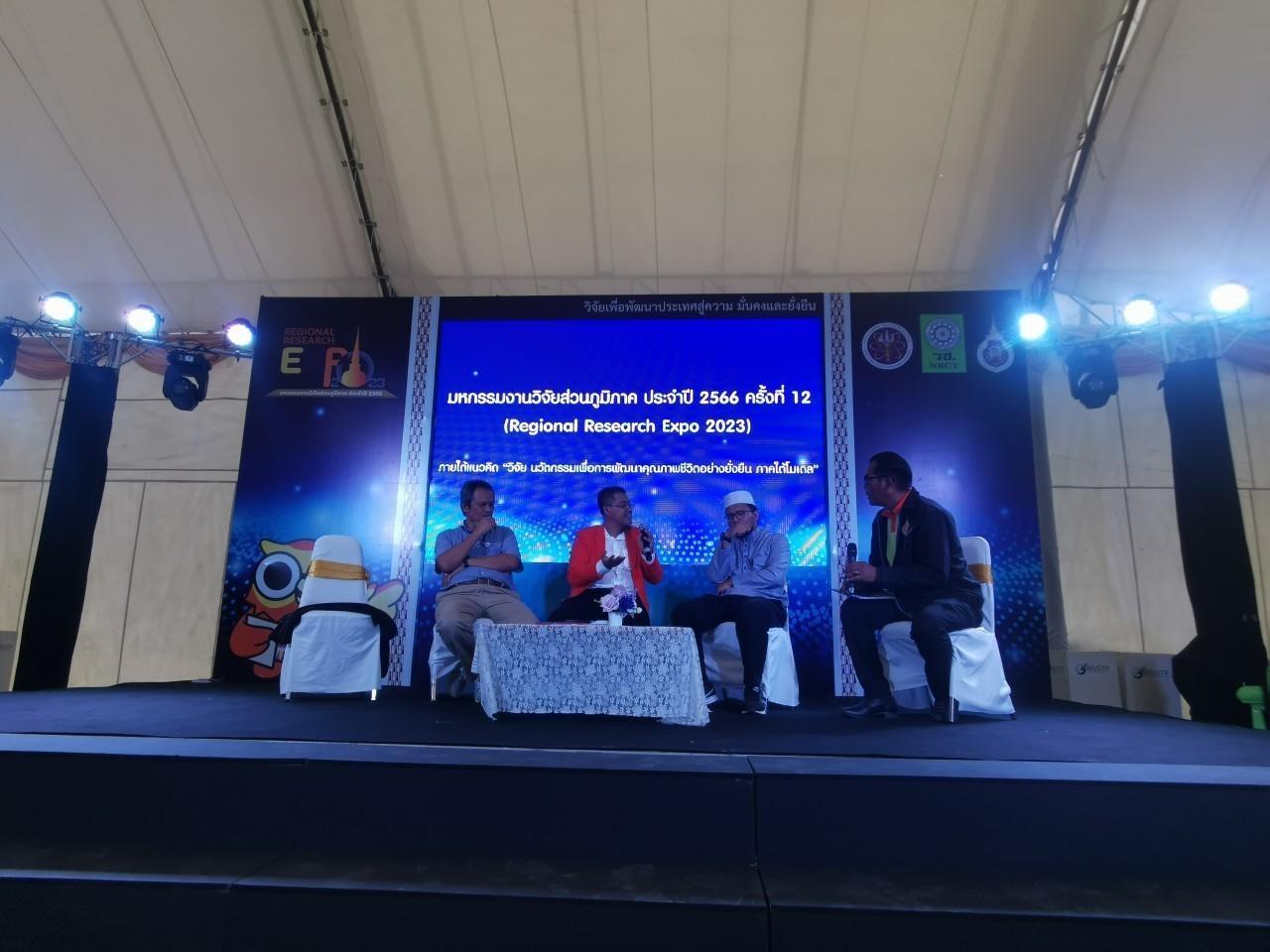
Beyond providing training and skills development to the entrepreneurs, Walailak University has taken significant steps to promote Halal certification in partnership with the Nakhon Si Thammarat Provincial Islamic Committee. As part of these efforts, the university organized a panel discussion titled “Walailak University’s Role in Driving Halal Certification and the Certification Process” at the 12th Regional Research Expo 2023, held from June 28 to 30, 2023, at Walailak University, Nakhon Si Thammarat Province.
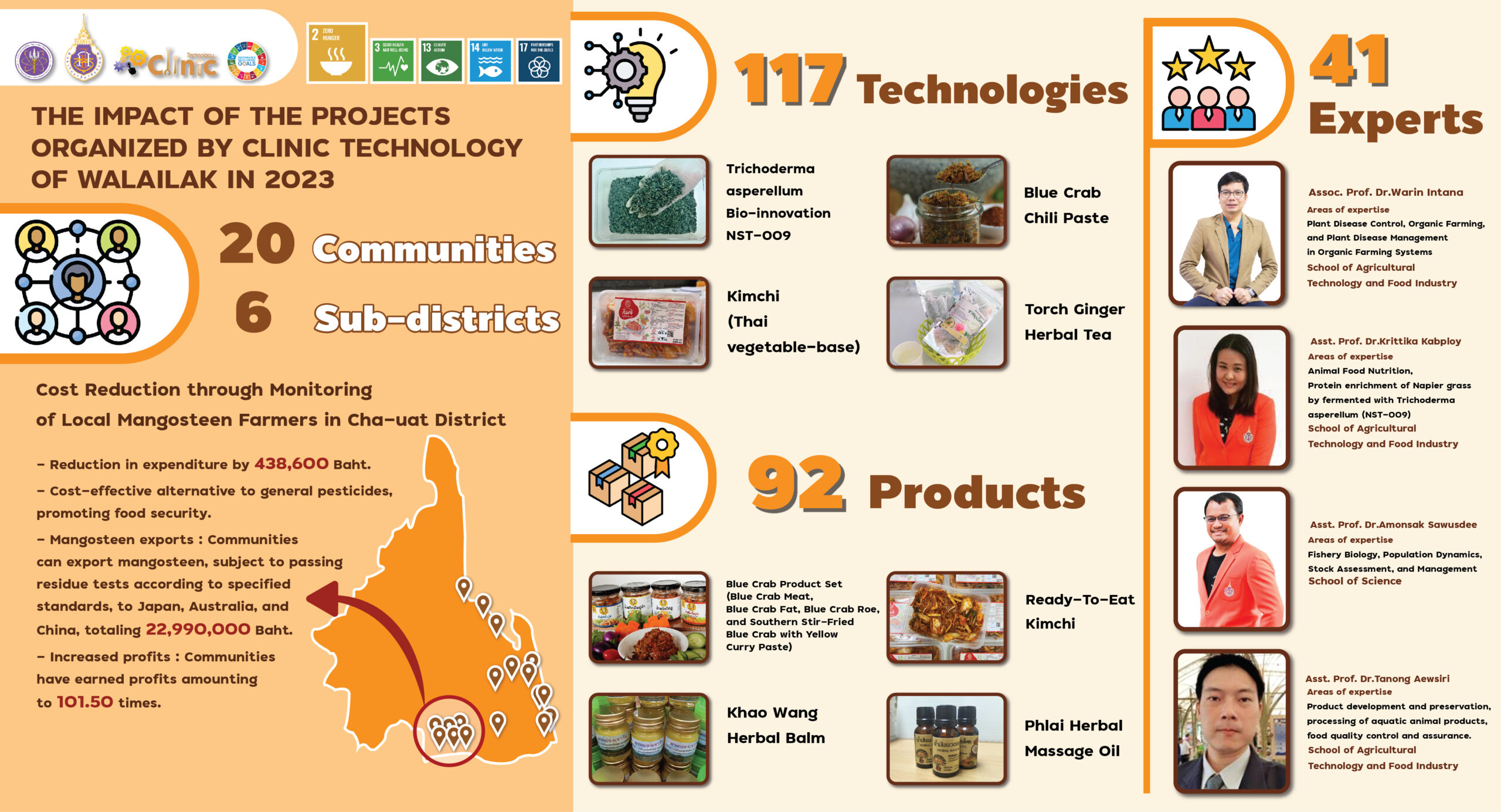
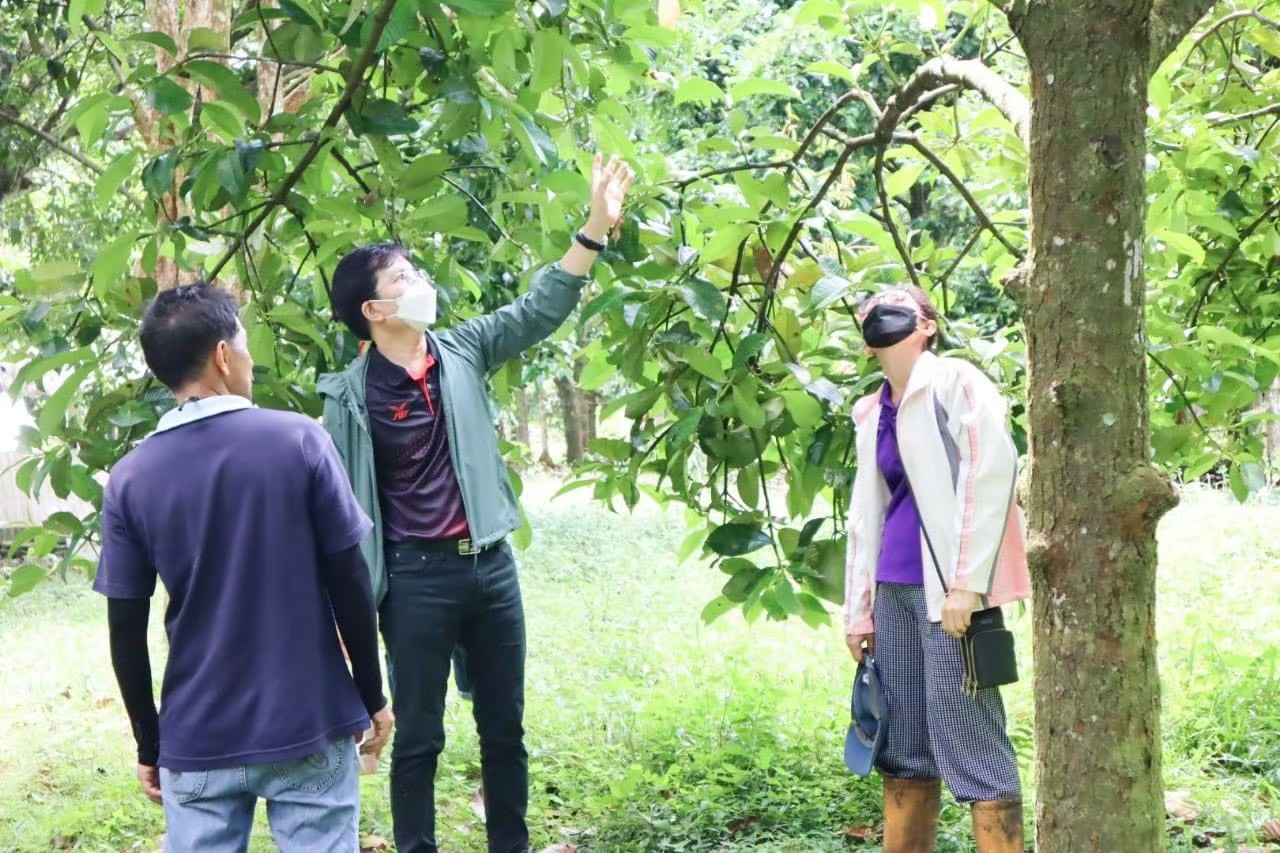
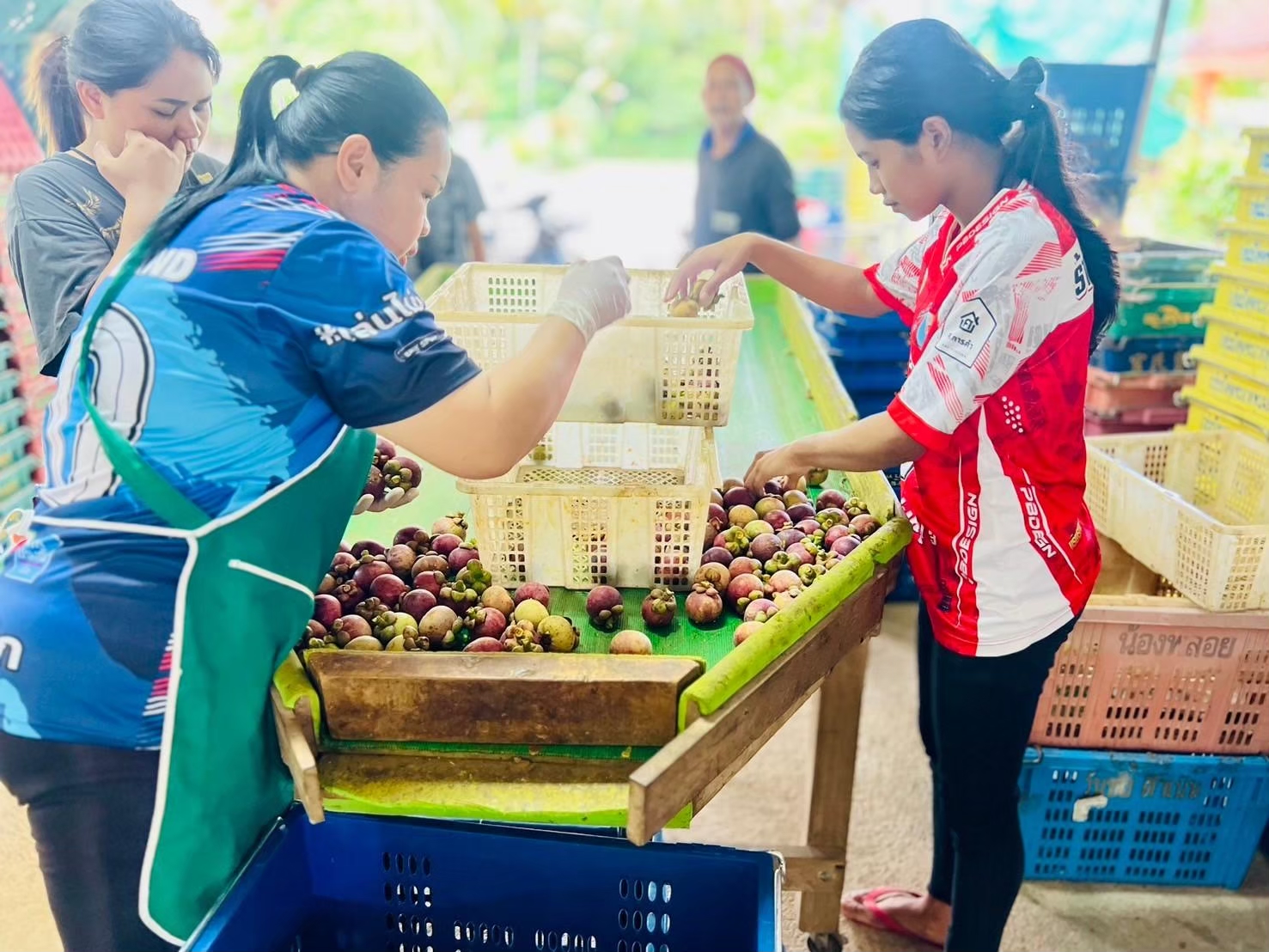
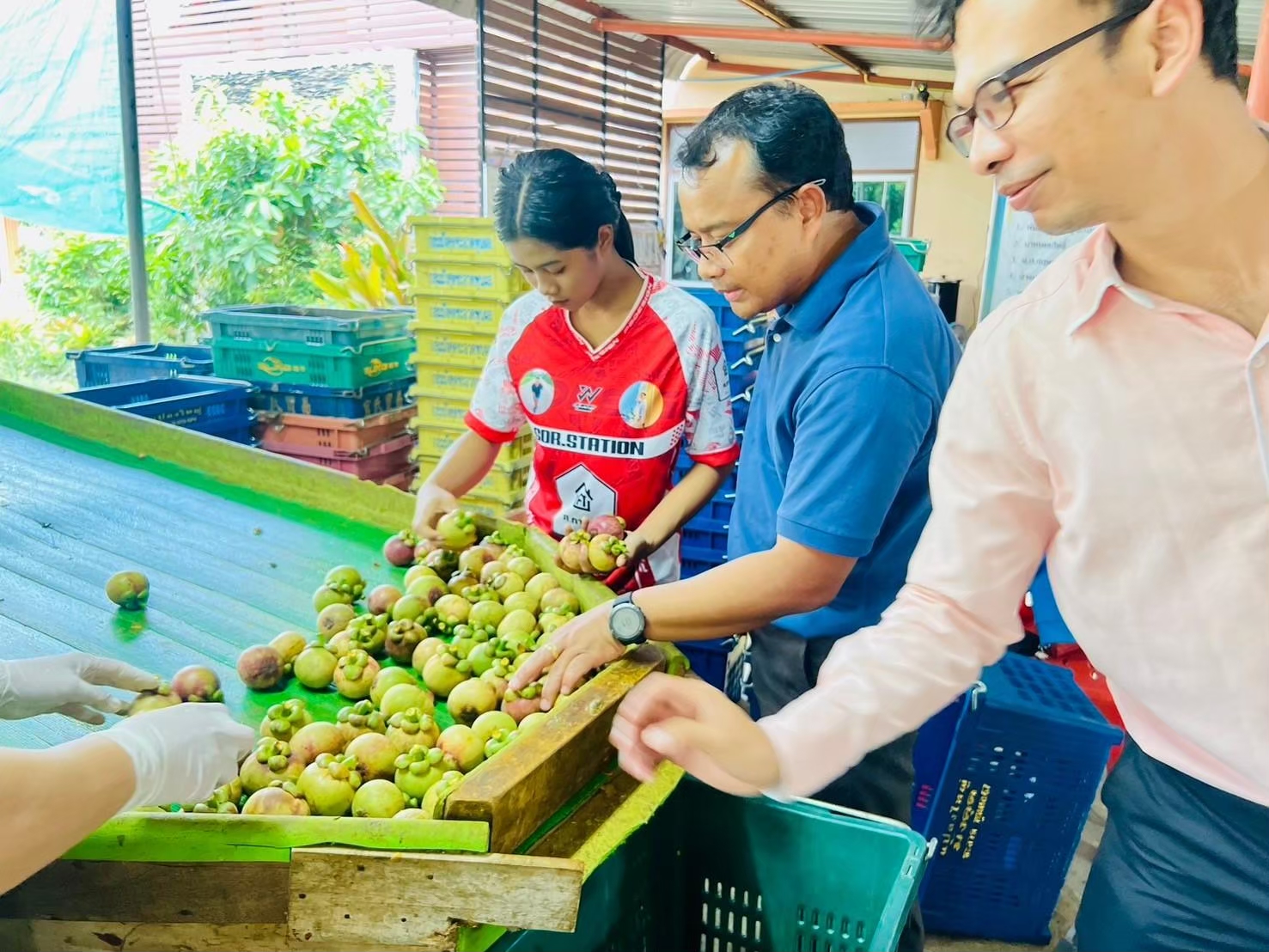
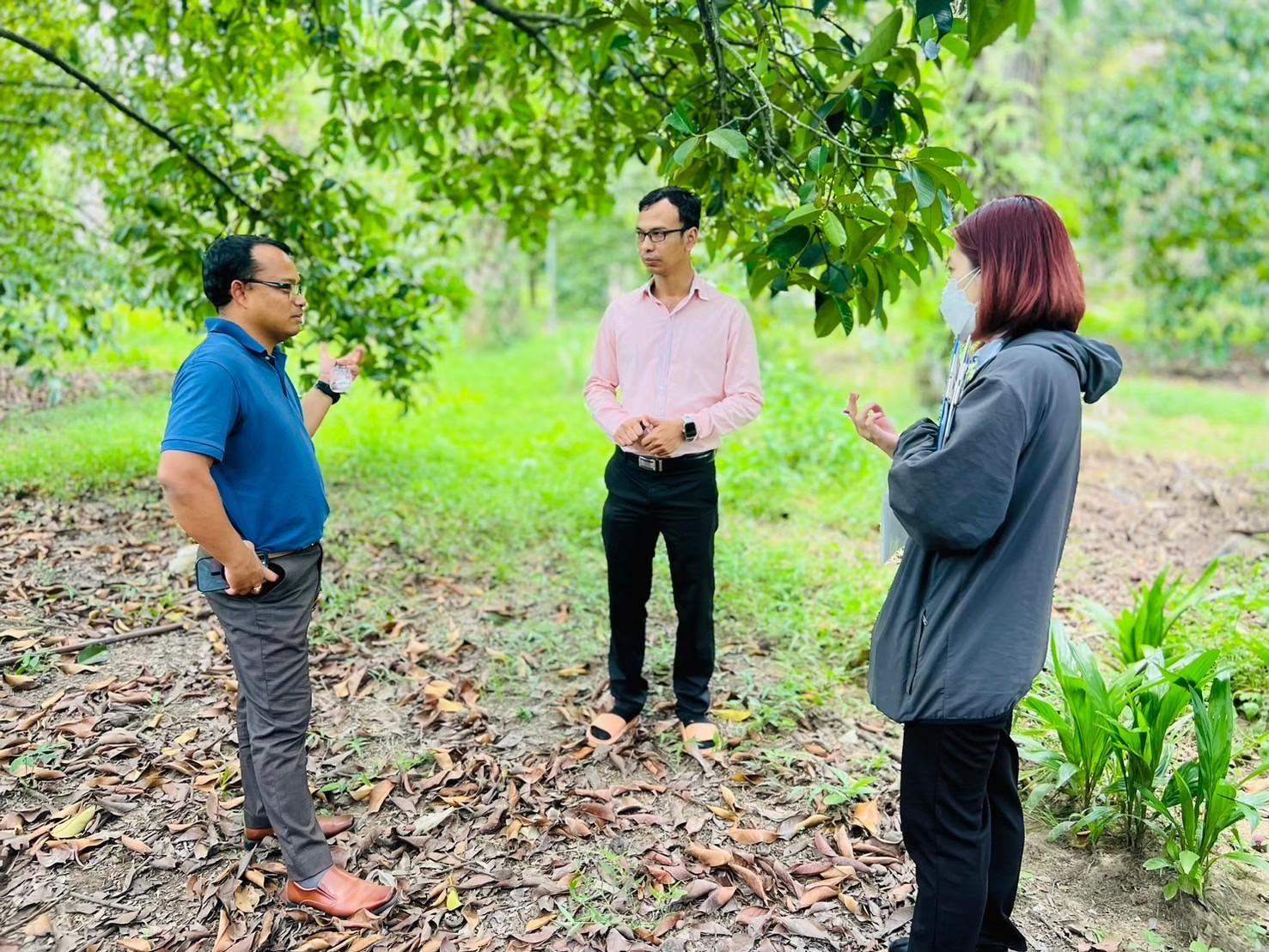
Walailak University’s Technology Clinic has implemented a project to provide advocation and resolve technological challenges for the community in Cha-uat District, Nakhon Si Thammarat Province. The community, which specializes in large-scale production of export-quality mangosteen, has encountered significant problems with pests like insects, thrips, and caterpillars that harm the fruit. This has led to a decrease in the quality of the mangosteen, resulting in downgraded products and falling prices in the market.
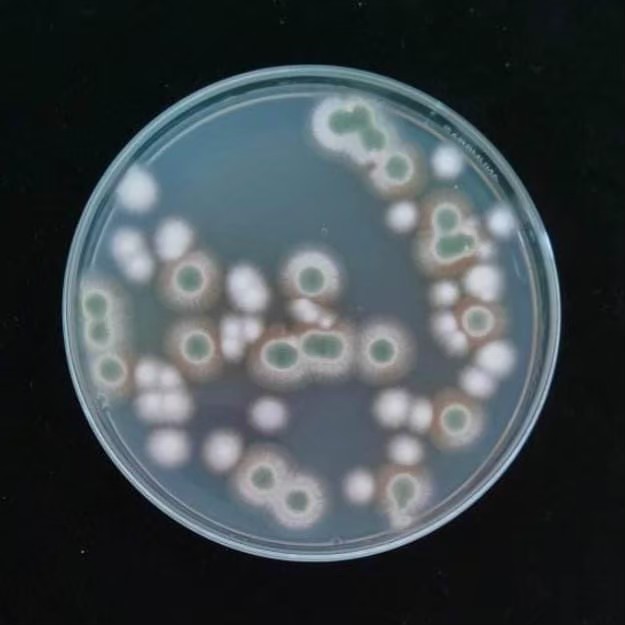
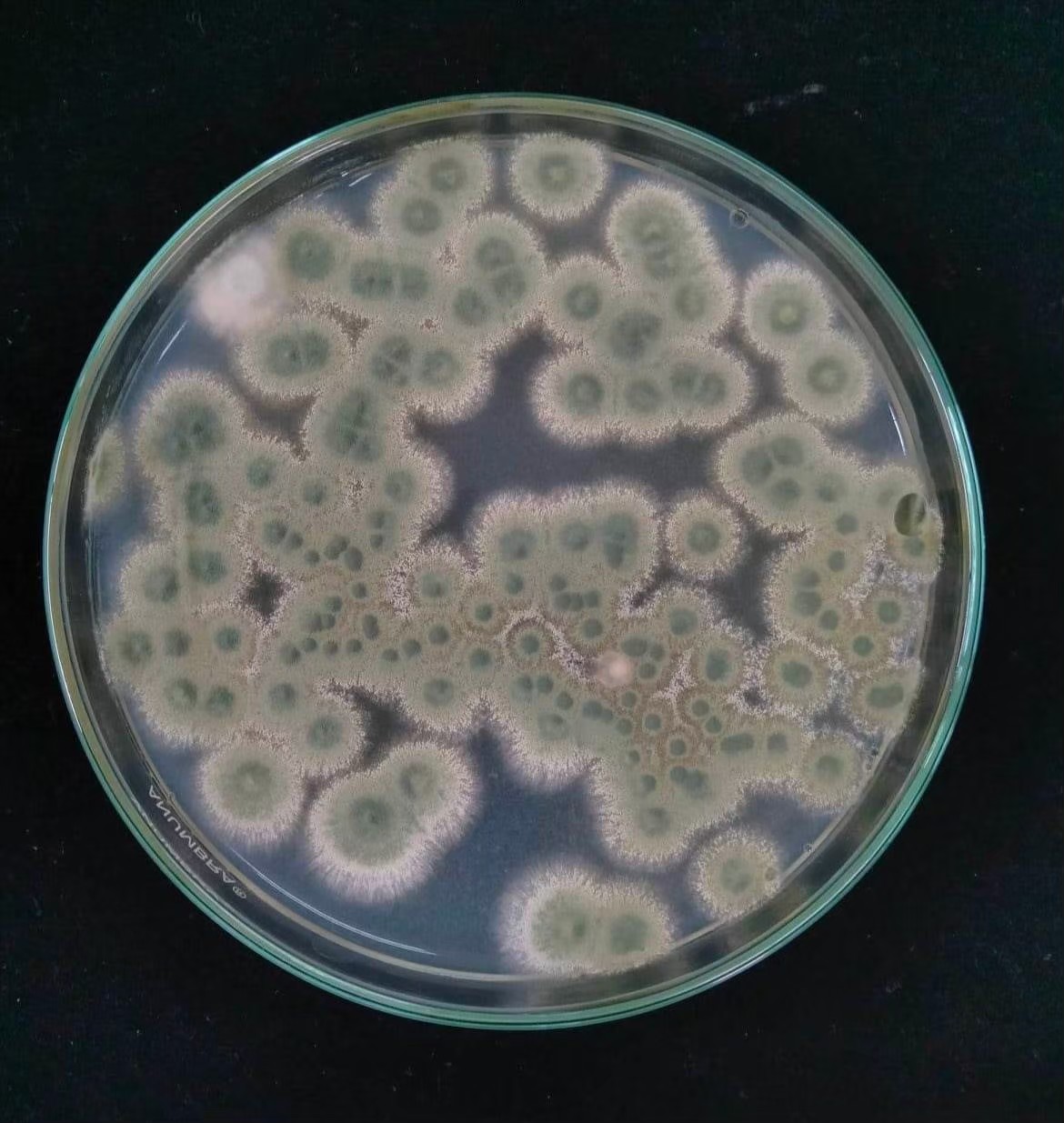
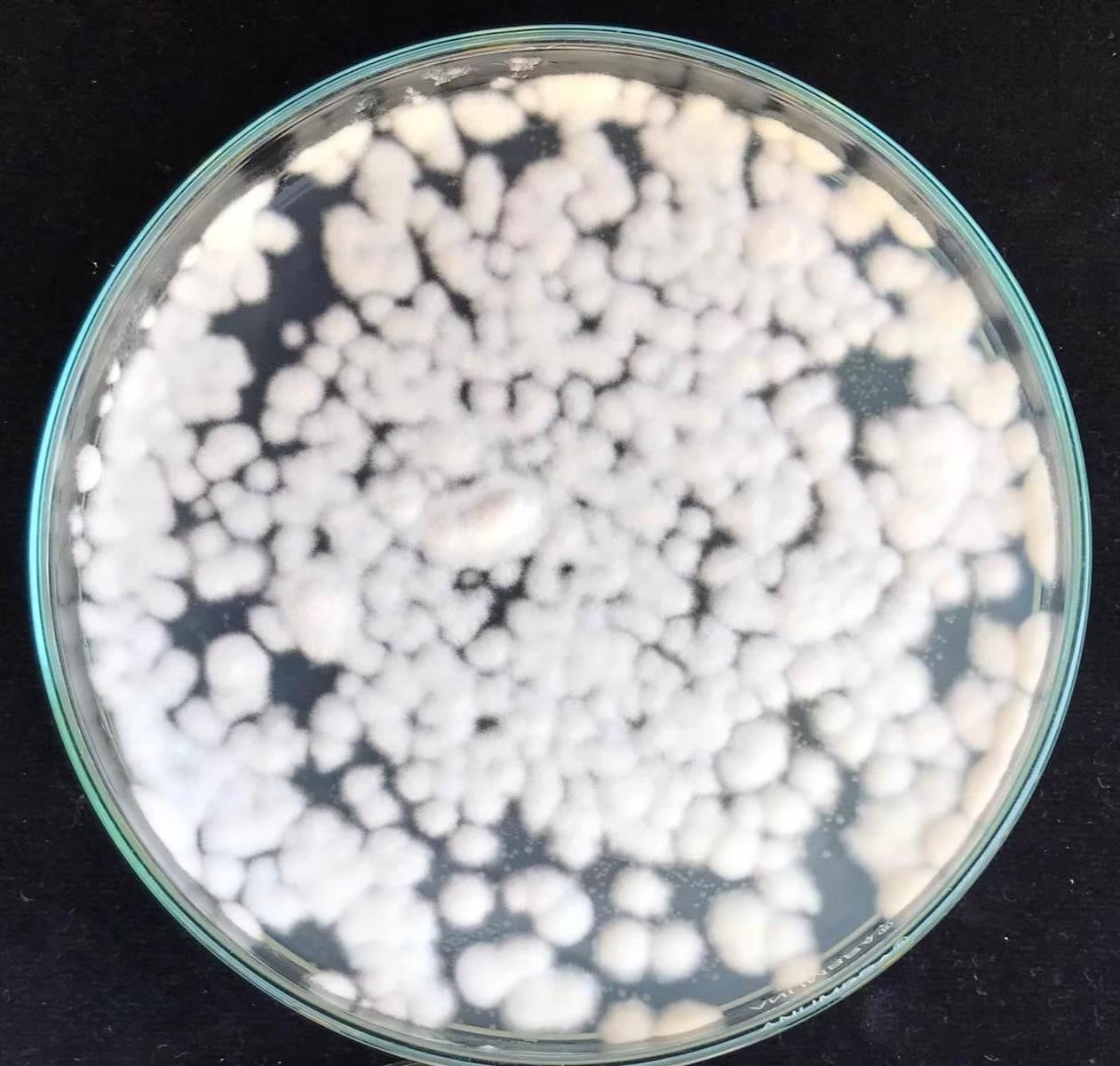
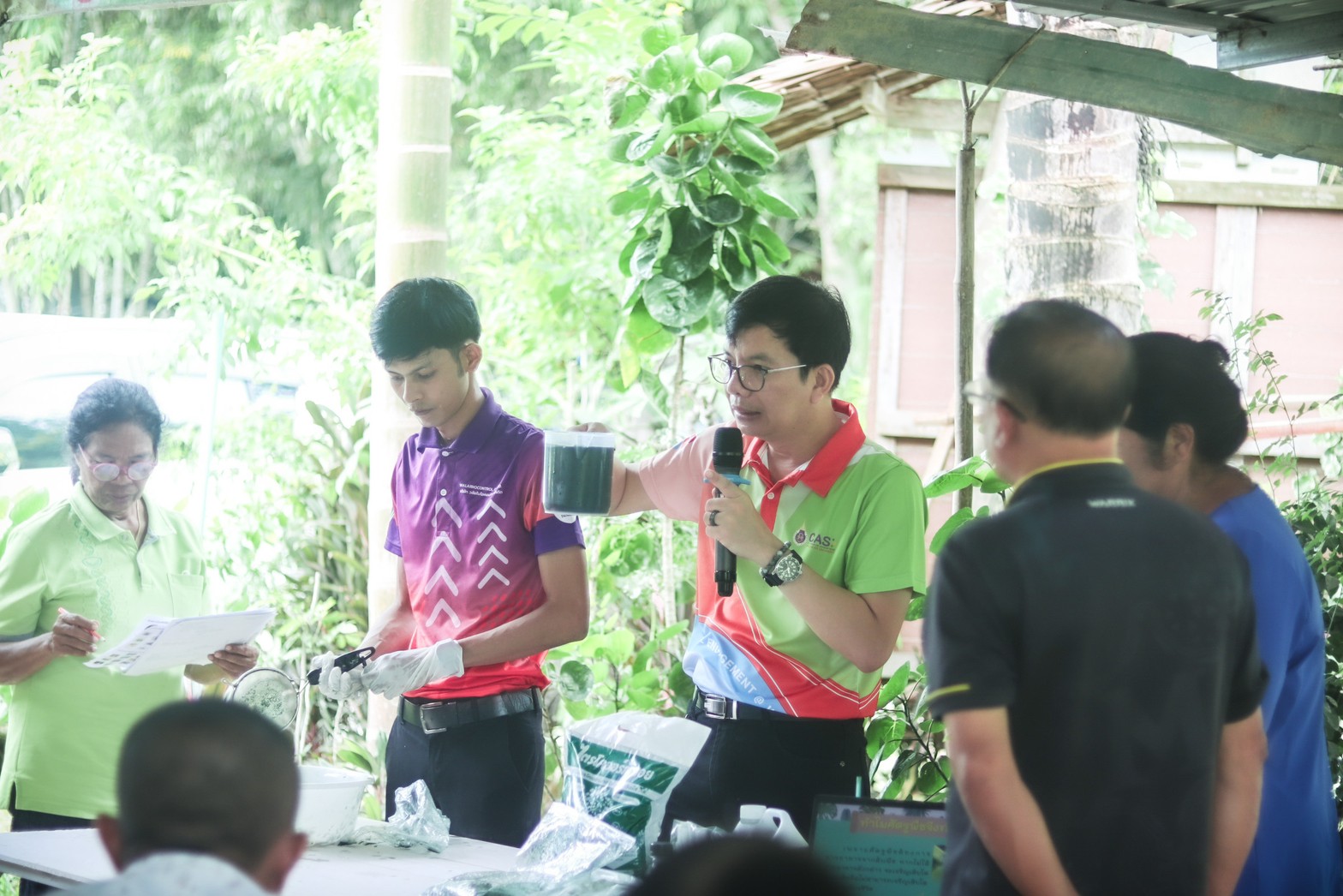
Introduced research-based innovations and consulting services, the Technology Clinic and the School of Agricultural Technology and Food Industry, led by Associate Professor Dr. Warin Inthana, in partnership with the Learning Center for Royal Initiatives in Nakhon Si Thammarat Province. This initiative aimed to “expand bioproducts to enhance production efficiency and strengthen the local economy,” focusing on the use of fungi like Trichoderma, Metarhizium, and Beauveria for pest and plant disease control, along with various applications of bioproducts. The project offered personalized plant disease consultations and encouraged knowledge sharing between the university and local farmers to foster sustainable growth at the Cha-uat Phunphon Mangosteen Community Enterprise, which produces export-grade mangosteen in Cha-uat District.
By adopting these technologies, the Cha-uat Phunphon Mangosteen Group was able to cut production costs by 146,200 baht and reduce the risk of chemical residues, facilitating exports to Japan, Australia, and China, valued at 26.5 million baht. Additionally, Mr. Wimon Chulayat, a representative of the group, applied his newfound knowledge to become a community trainer, teaching bioproduct expansion techniques to participants at mangosteen export workshops.
The implementation of this project led to the successful application of knowledge by five communities, spanning seven different areas of expertise. This resulted in an economic impact that was 111.57 times greater than the original project investment. In addition, Walailak University experts have applied for financial support from the Center of Excellence in Agricultural Biotechnology to continue advancing and expanding assistance to enterprises in Cha-uat District.
Each year, Walailak University, through its faculty members, works closely with local communities to diagnose issues related to food security, sustainable agriculture, and sustainable aquaculture. This collaboration actively involves community participation and jointly addresses these issues through development initiatives. The approach integrates teamwork and stakeholder engagement across all sectors.
At the end of each year, the outcomes of these initiatives are assessed, and the project’s success is measured. This also involves planning for continuity in the subsequent year. The university consistently engages in efforts to enhance food security, sustainable agriculture, and sustainable aquaculture annually. The initiatives have received high levels of acceptance and satisfaction from the community and beneficiaries.