Collaborations with Local Community in Efforts to Maintain Shared Aquatic Ecosystems
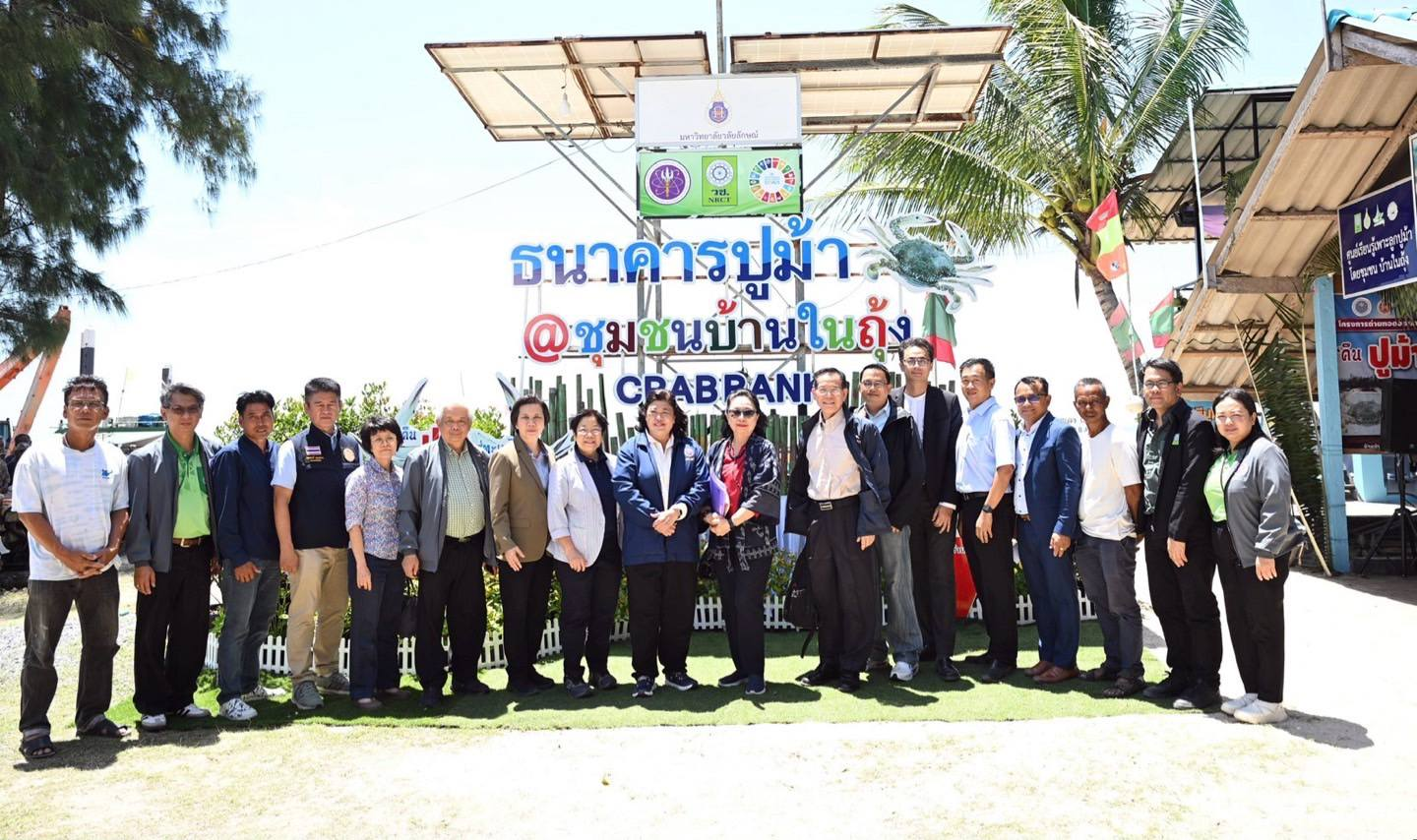
Walailak University (WU), in collaboration with local fishing communities and multiple partners, has spearheaded an innovative initiative to restore the blue swimming crab population along Thailand’s coastal waters. This initiative, known as the Crab Bank Project, represents a vital effort to promote sustainable fisheries in response to the rapid decline of marine resources. As blue swimming crabs constitute one of Thailand’s most valuable seafood exports, their depletion has posed serious challenges to national food security, economic stability, and the livelihoods of coastal fishers. Through scientific research, stakeholder engagement, and community participation, WU’s project seeks to protect shared marine ecosystems and ensure a sustainable future for Thailand’s fishery sector.
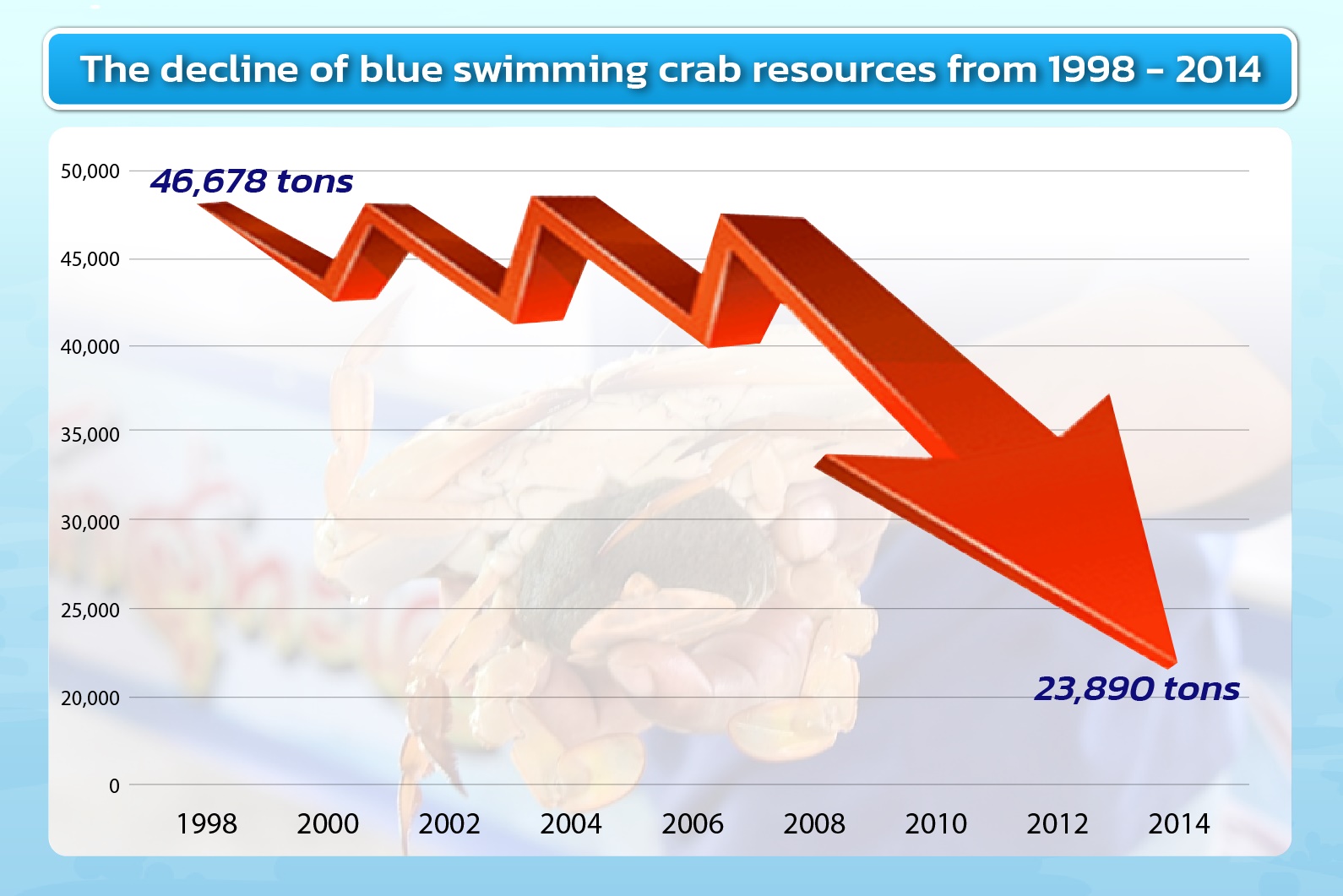
Thailand’s coastal zones are rich in biodiversity and provide essential income and nutrition for millions of people. However, intensive fishing activities have caused a sharp reduction in marine species, particularly the blue swimming crab (BSC)—a species of both ecological and economic significance. As one of the world’s top four exporters of BSC products, Thailand faces economic and social consequences from this decline, affecting fishers, processors, and the broader seafood supply chain.
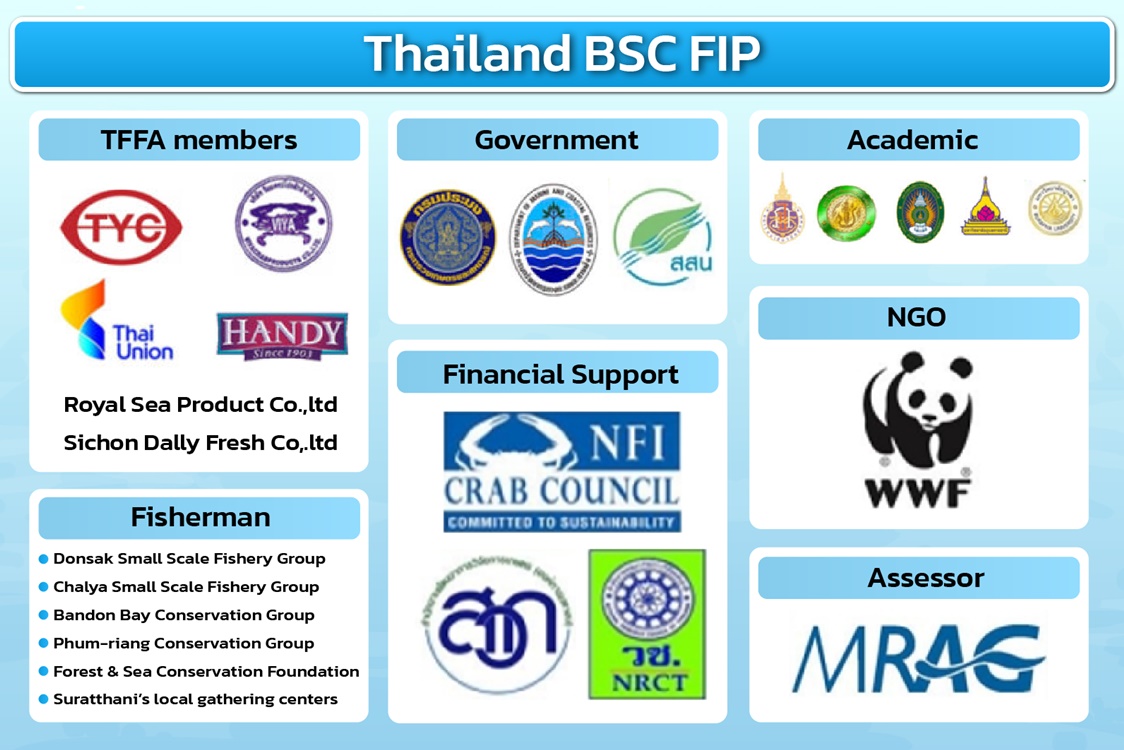
Located in Nakhon Si Thammarat Province, WU plays a pivotal role in supporting the southern region, where fishing remains a major occupation. In response to the concerns raised by BSC stakeholders—including local fishers, the Thai Frozen Foods Association, the Thai Food Processor Association, the Department of Fisheries (DoF), and civil society groups such as the Federation of Thai Fisherfolk and Thai Sea Watch Association—WU has led a long-term research and restoration project from 2018 to 2024. The initiative focuses on rebuilding BSC populations and improving fishery management practices in Nakhon Si Thammarat and Surat Thani provinces. Its outcomes contribute to Thailand’s efforts to achieve Fishery Improvement Project (FIP) certification, an important step in meeting international sustainability standards and maintaining access to global seafood markets.
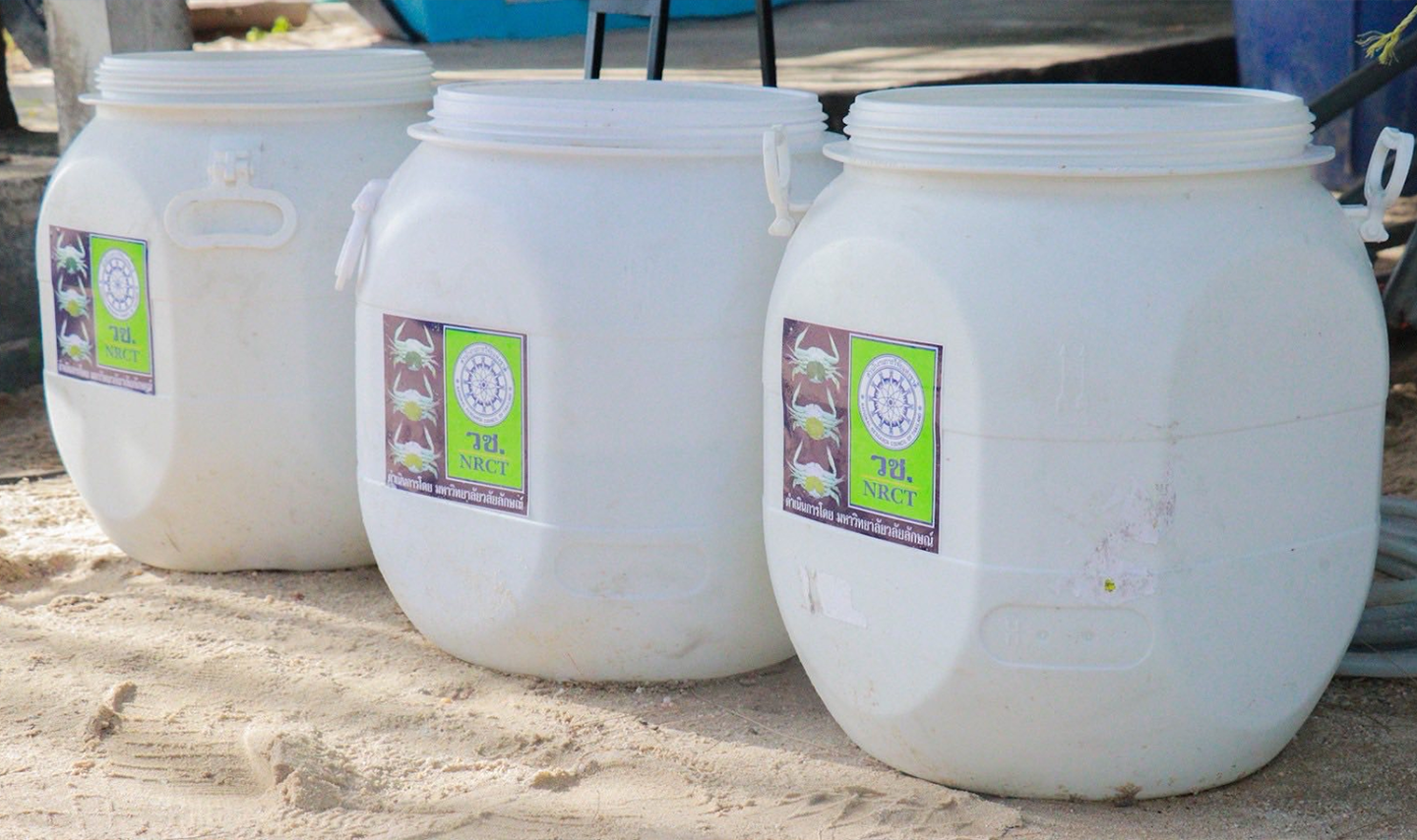
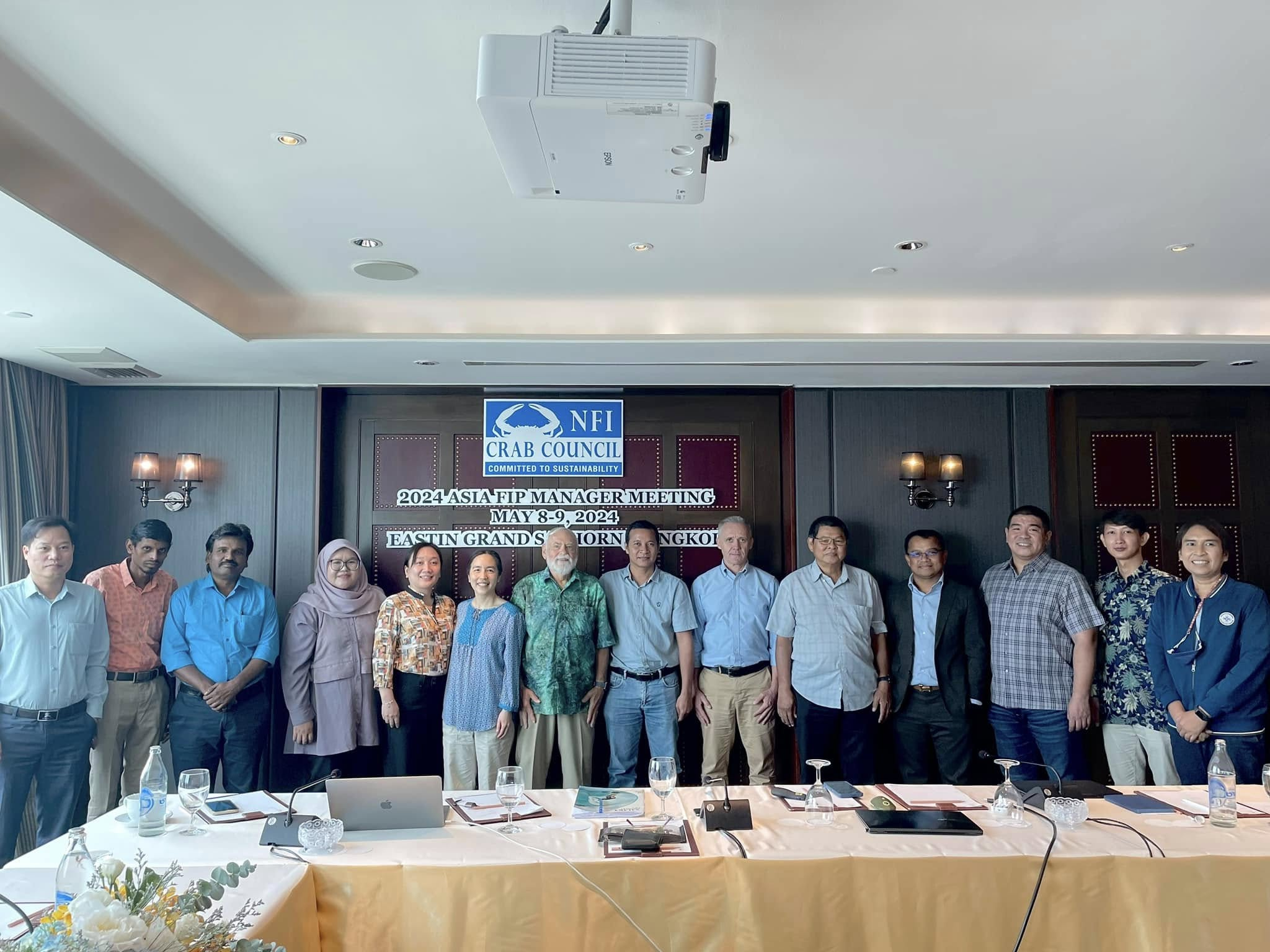
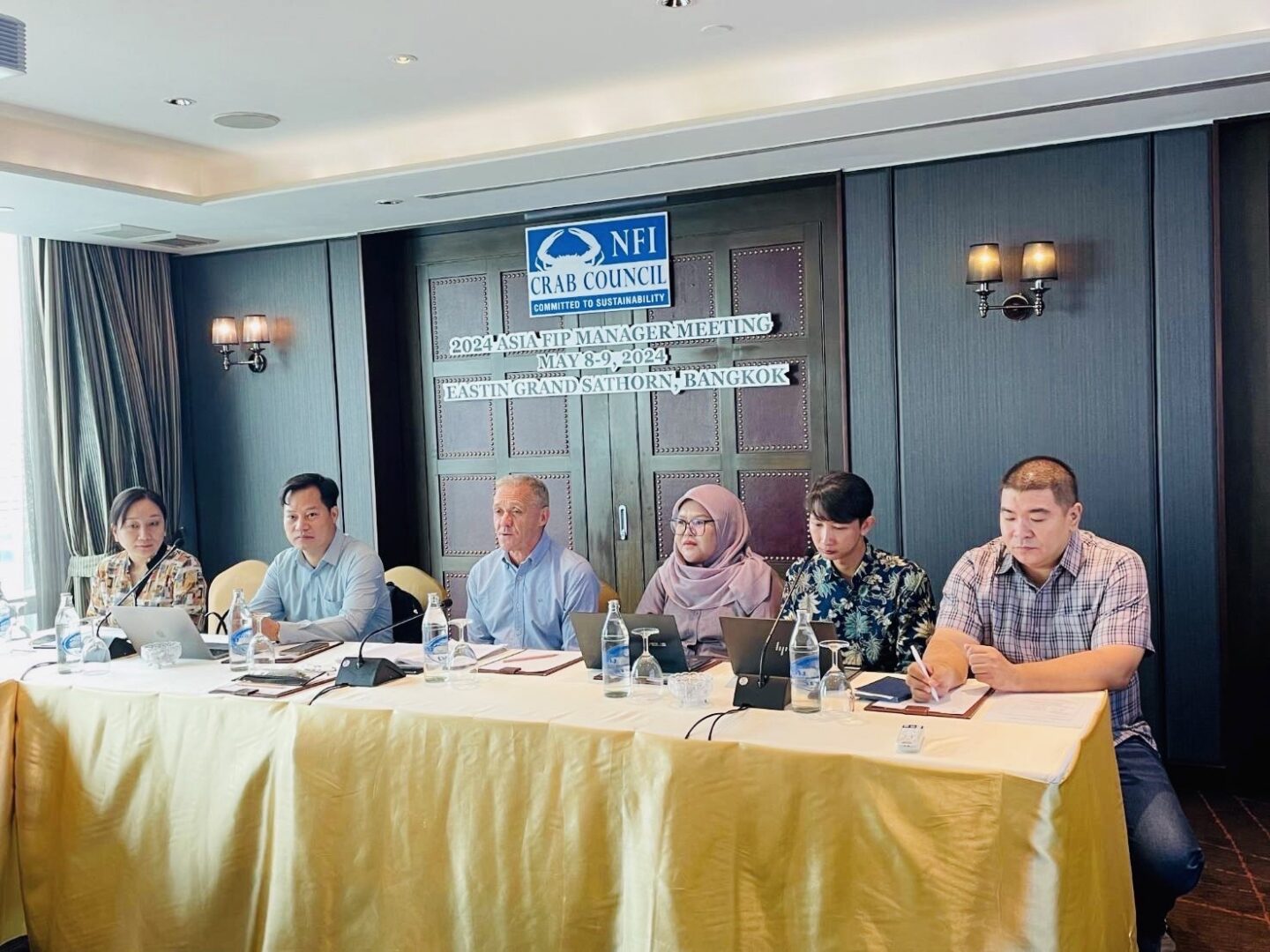
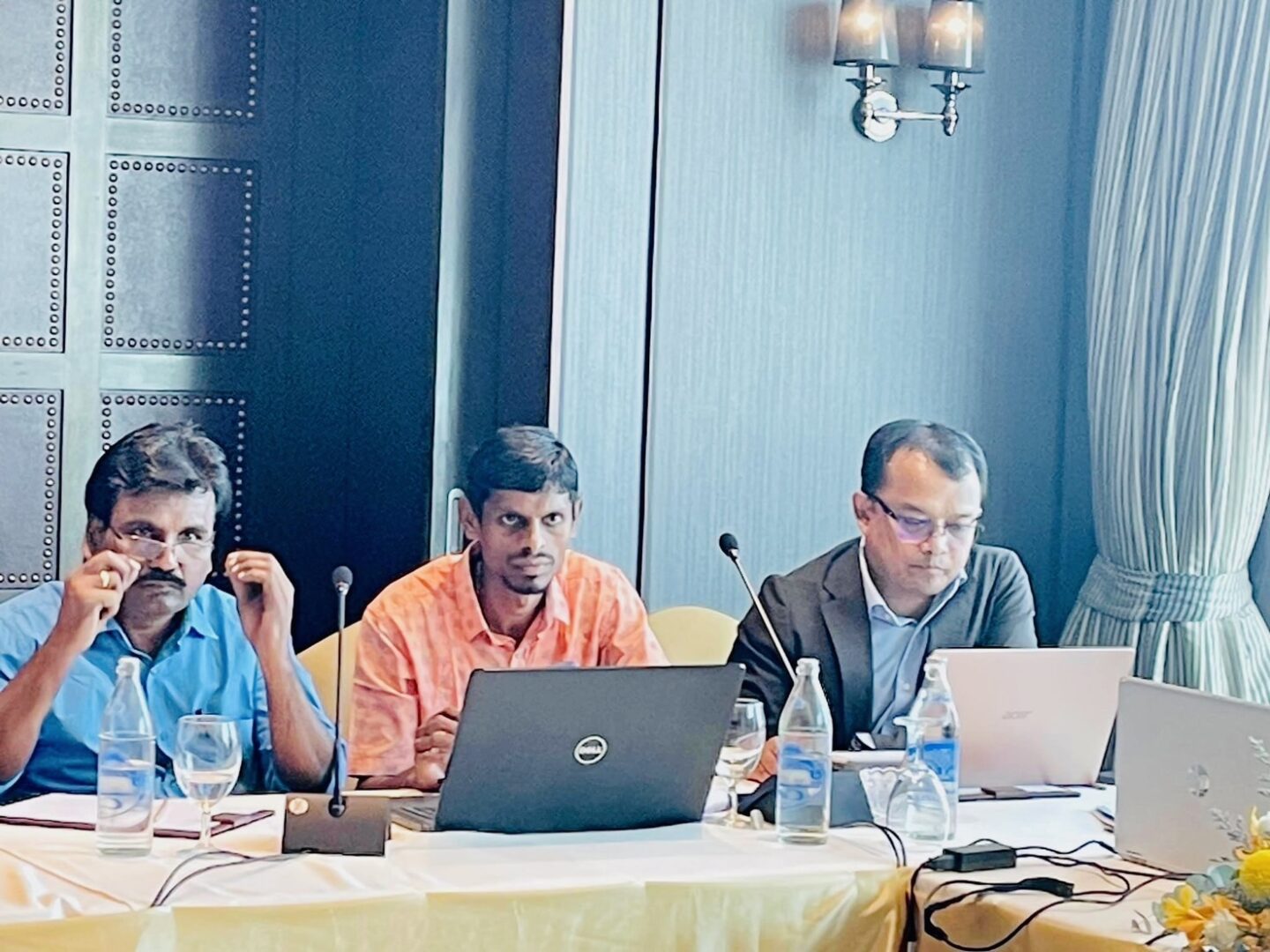
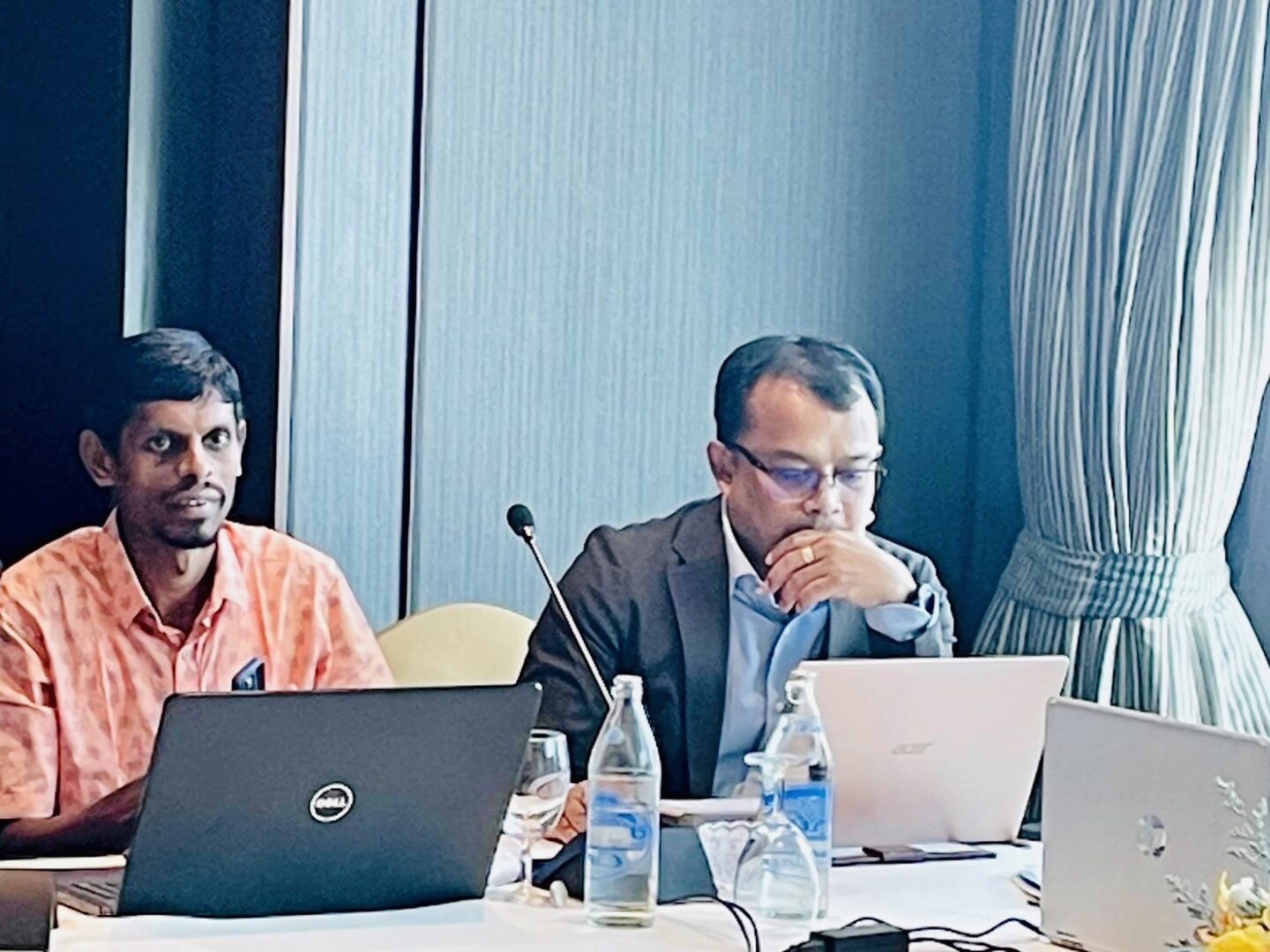
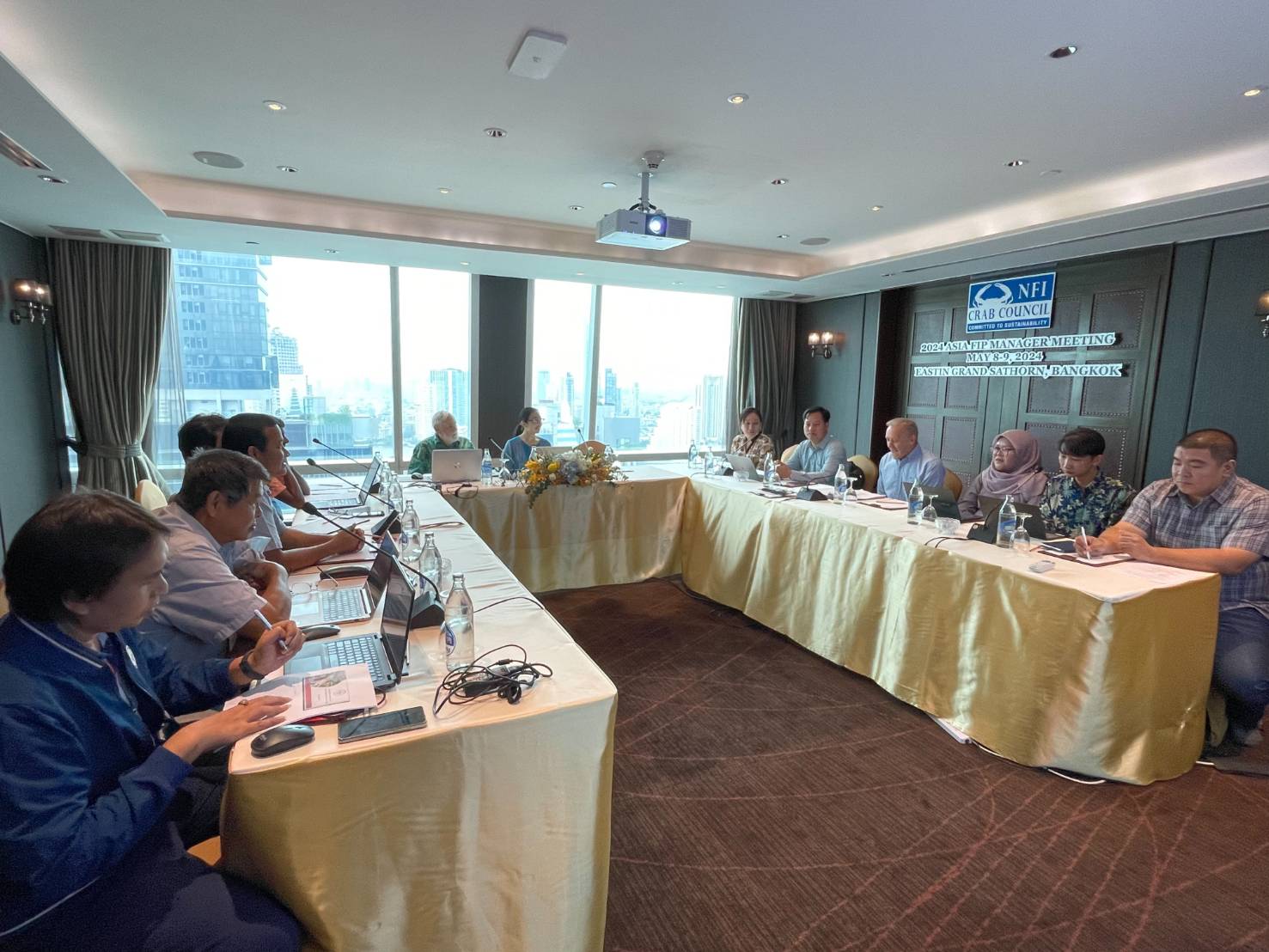
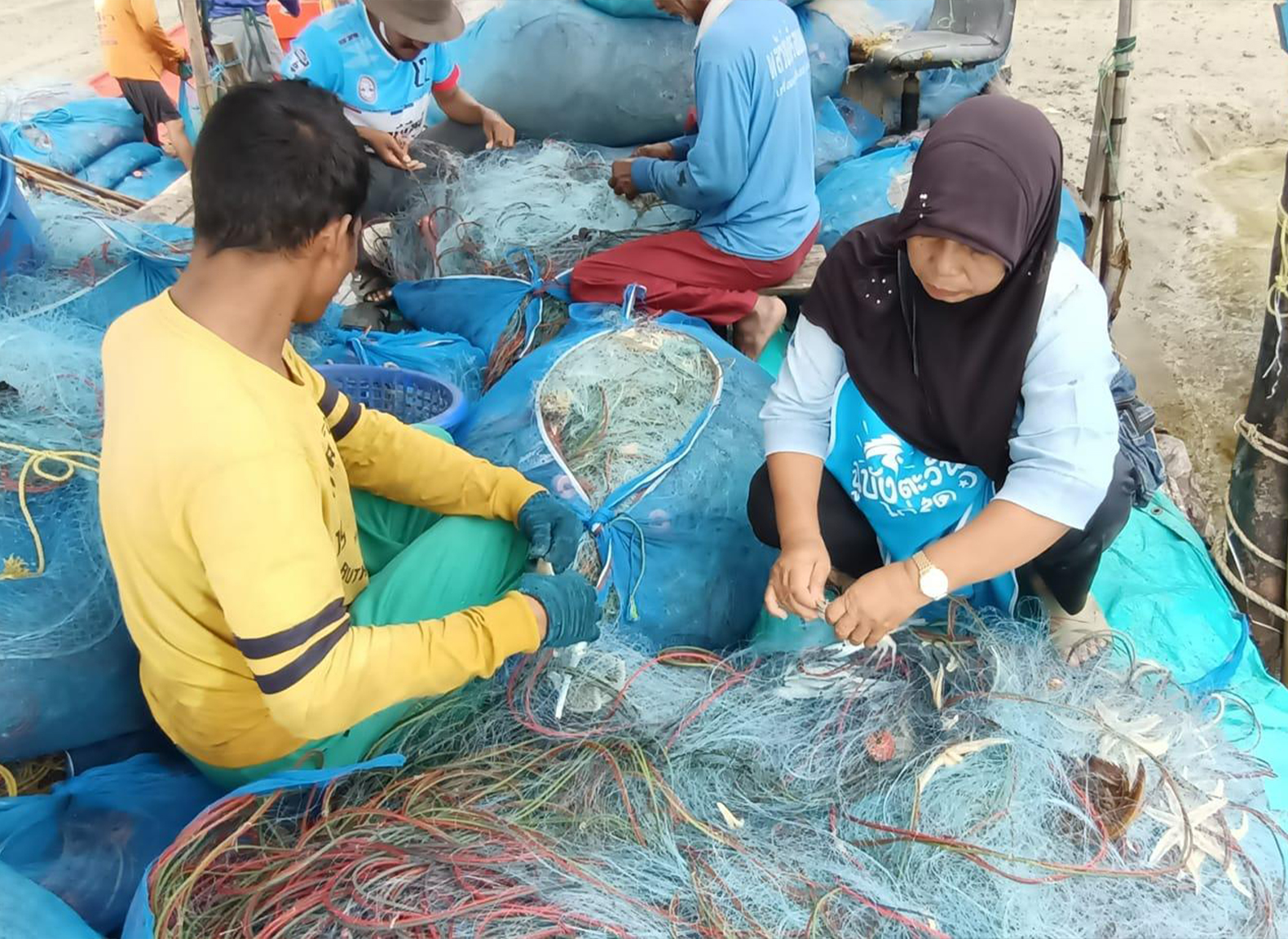
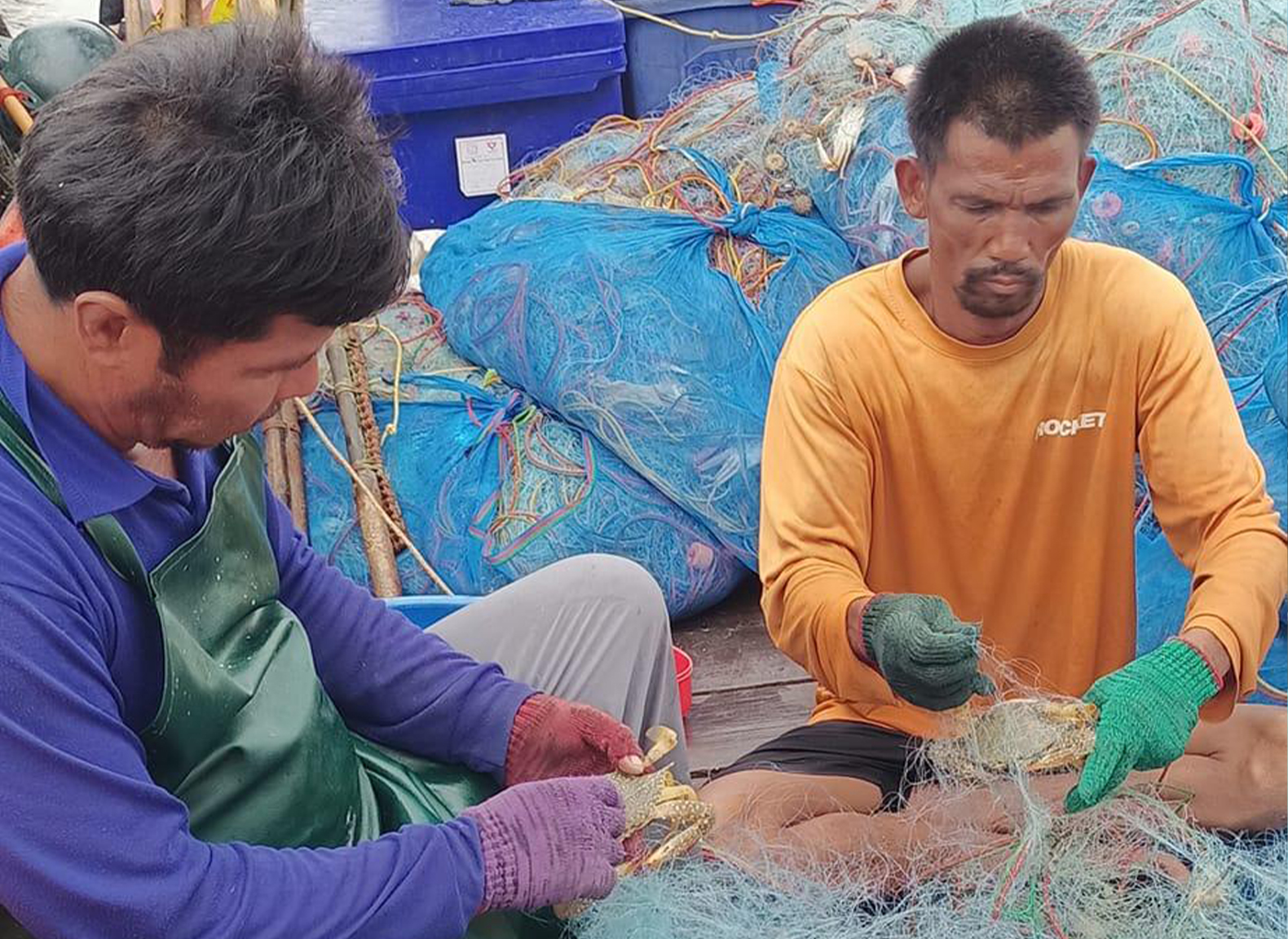
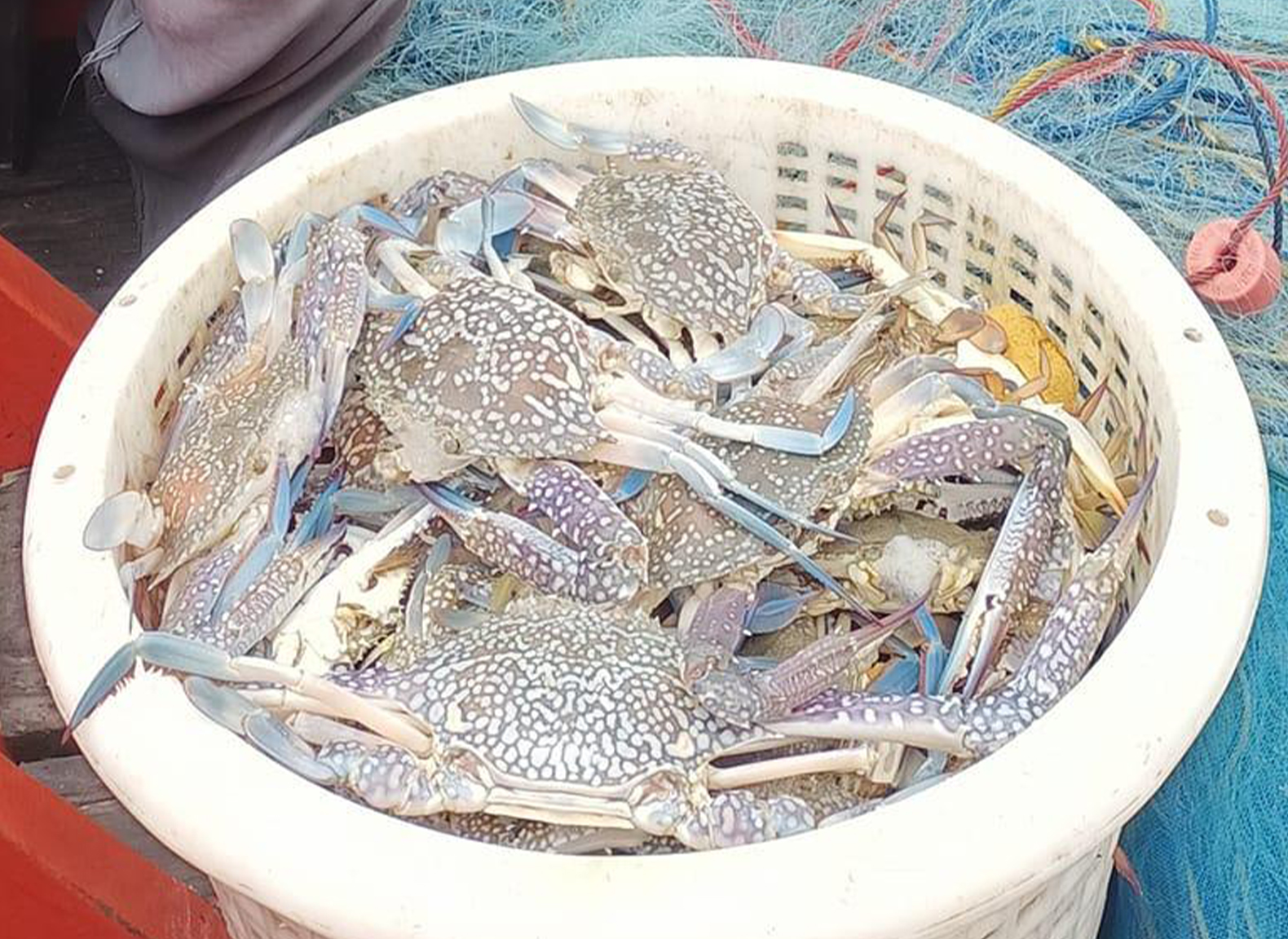
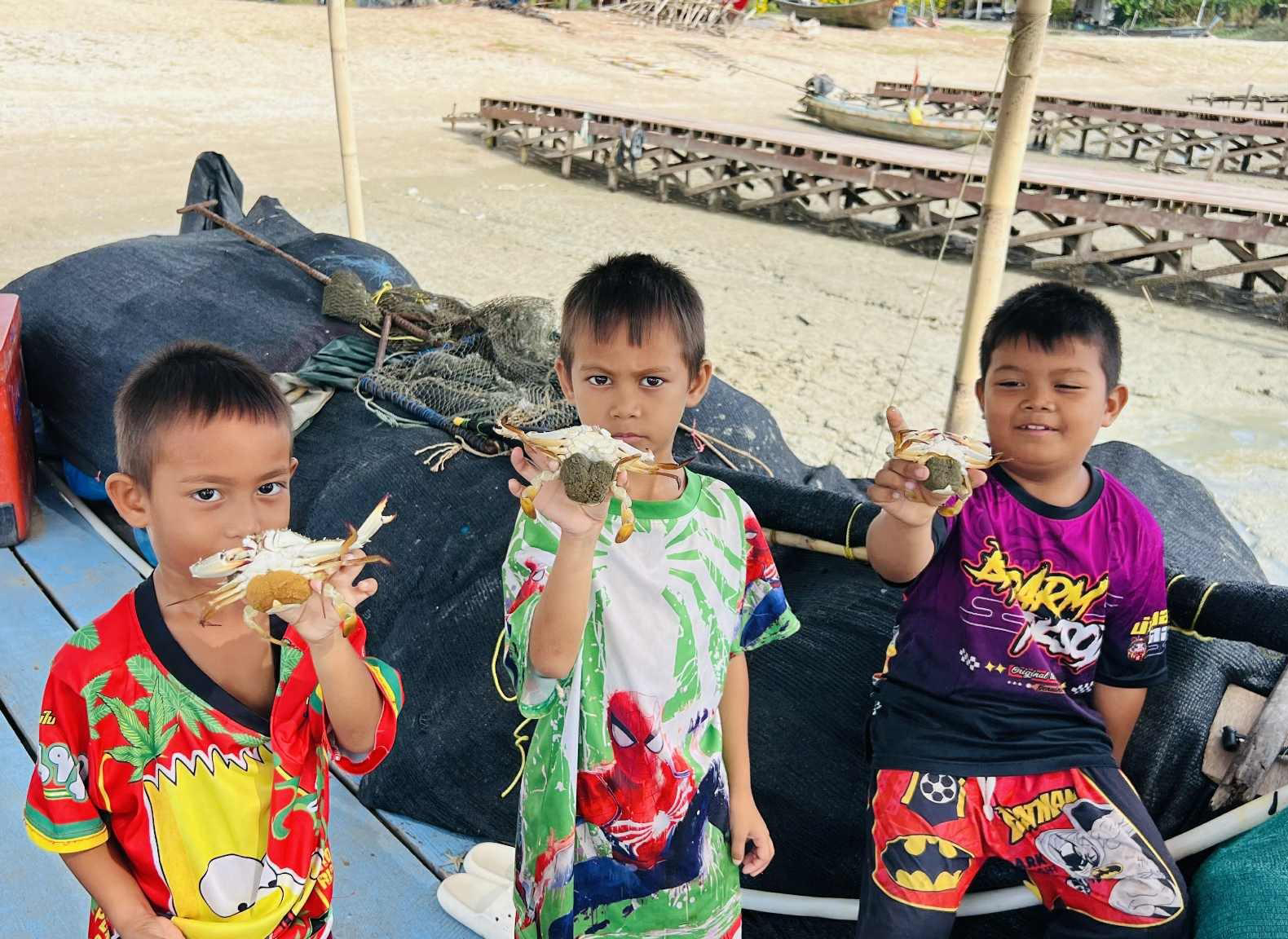
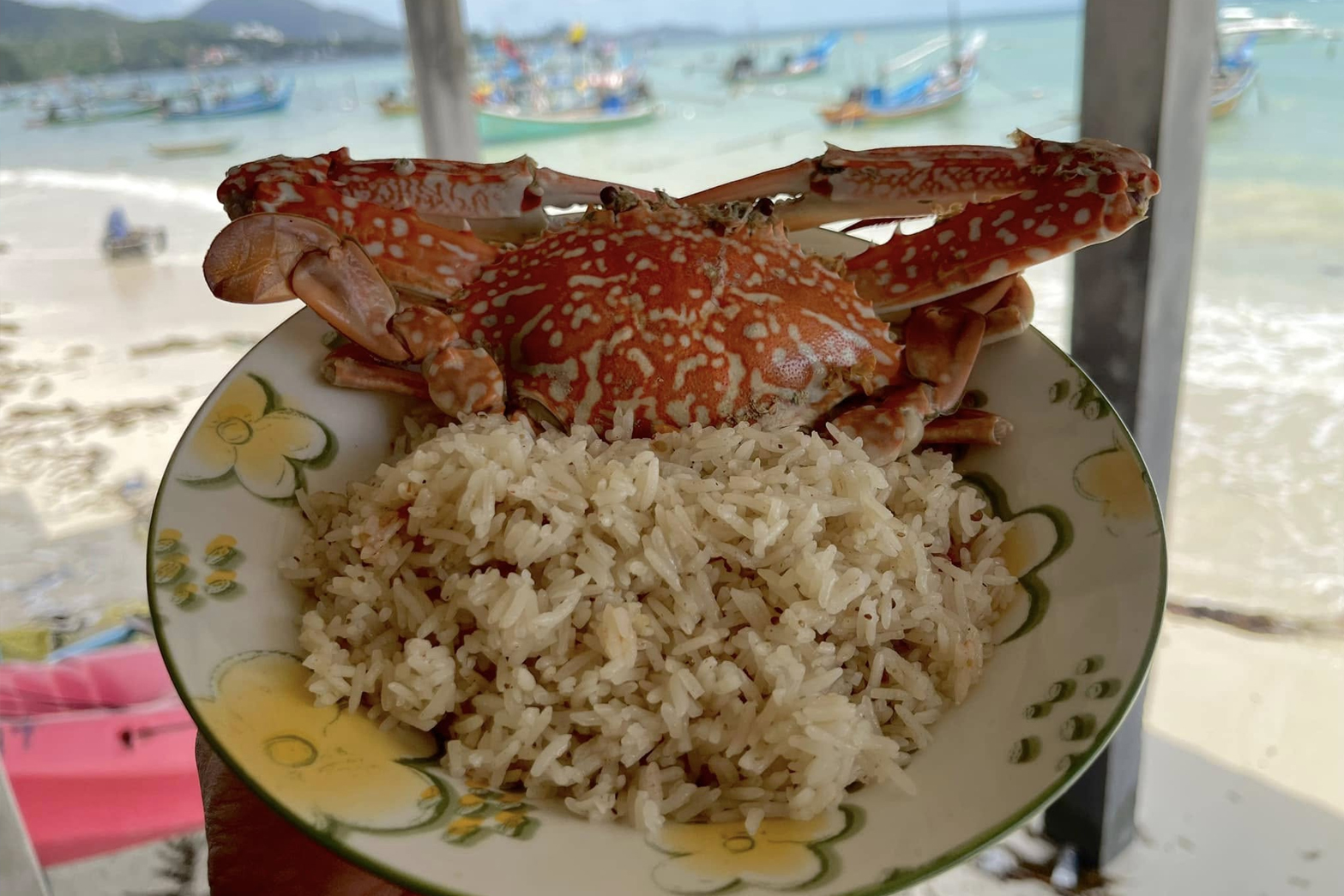
Supported by the National Research Council of Thailand, the Agricultural Research Development Agency, and the Ministry of Science and Technology, the Crab Bank Project operates as a collaborative, community-centered model. The program encourages fishers to collect gravid (egg-bearing) female crabs, nurture them until they spawn, and then release the juvenile crabs back into the sea to replenish natural stocks. Alongside these activities, WU’s research teams monitor population recovery, study habitat conditions, and address environmental factors influencing crab reproduction. The project also engages in academic and technical collaboration with both domestic and international organizations, including other Thai universities, the NFI Crab Council (USA), the World Wildlife Fund (WWF), and the Marine Resources Assessment Group (MRAG). Particular attention is given to Bandon Bay in Surat Thani, the largest BSC fishing ground in the Gulf of Thailand.
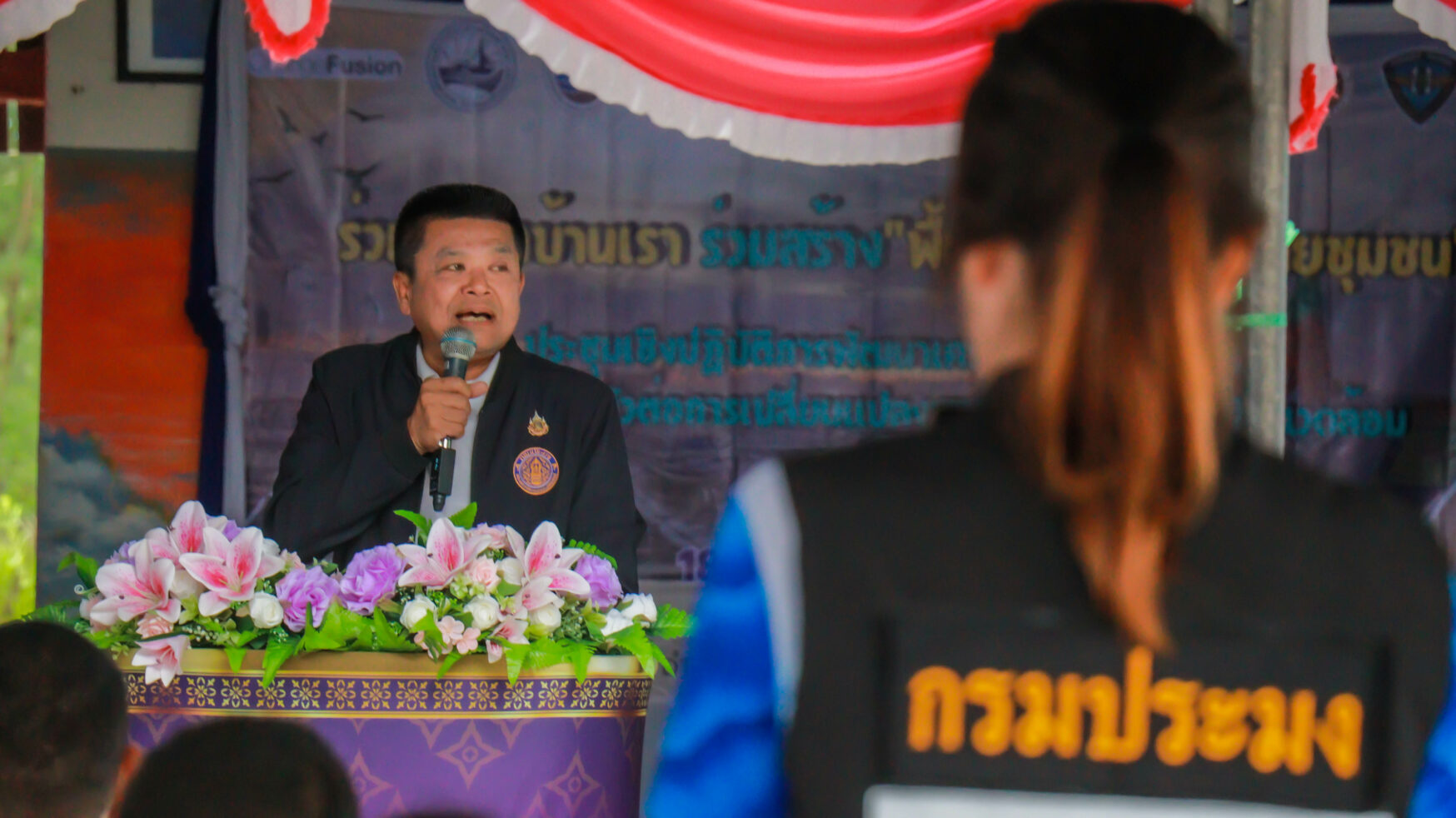
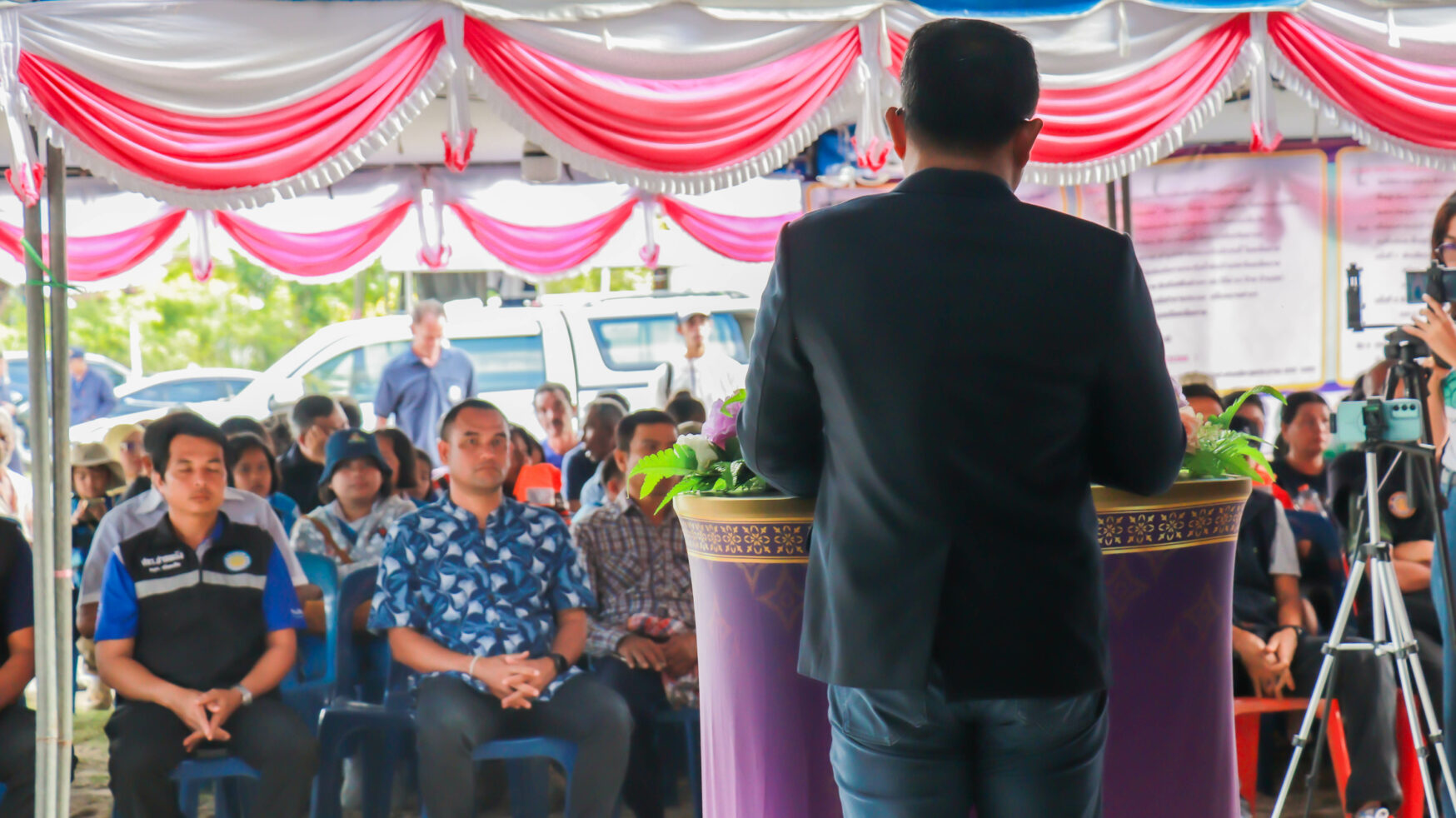
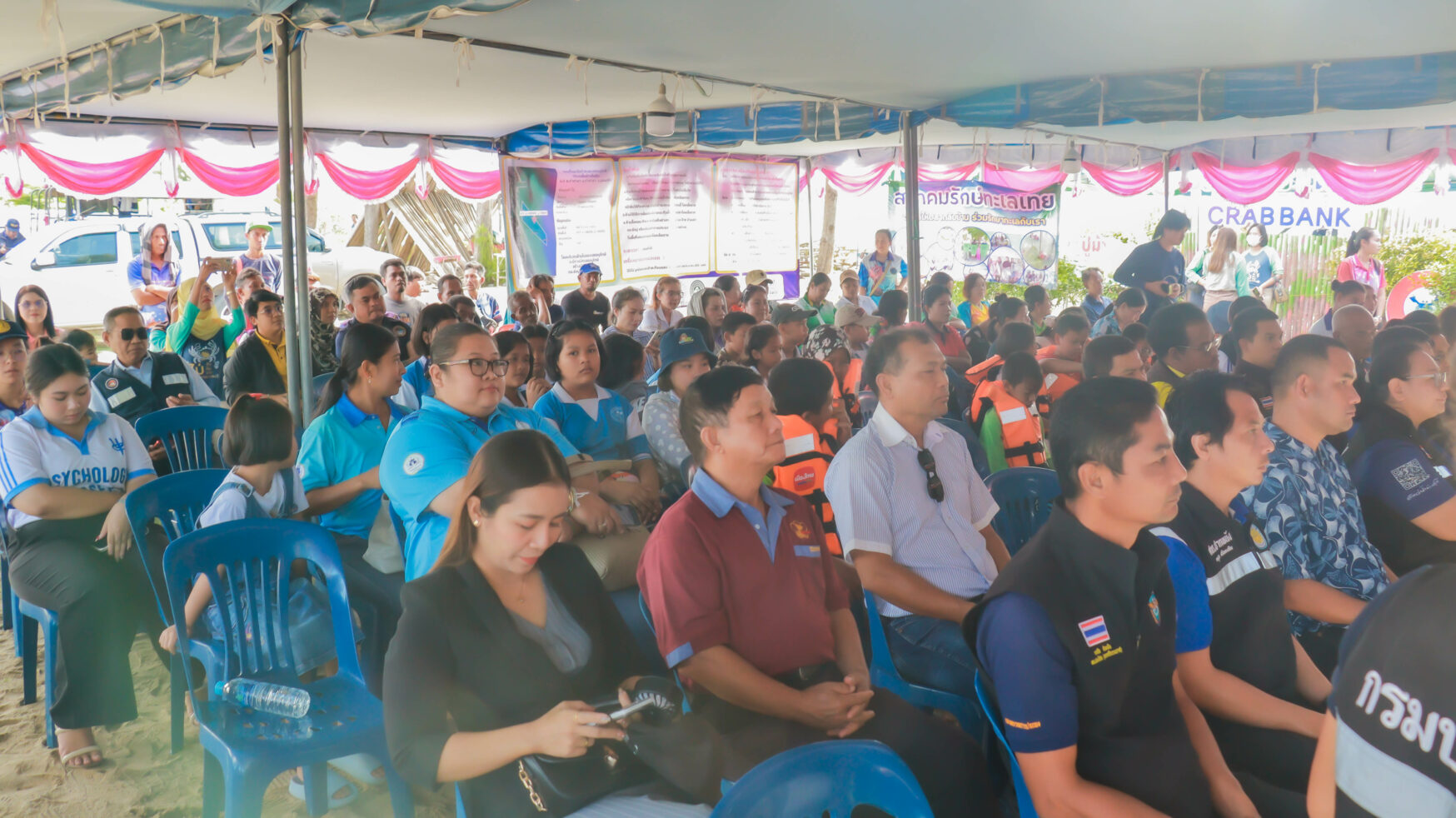
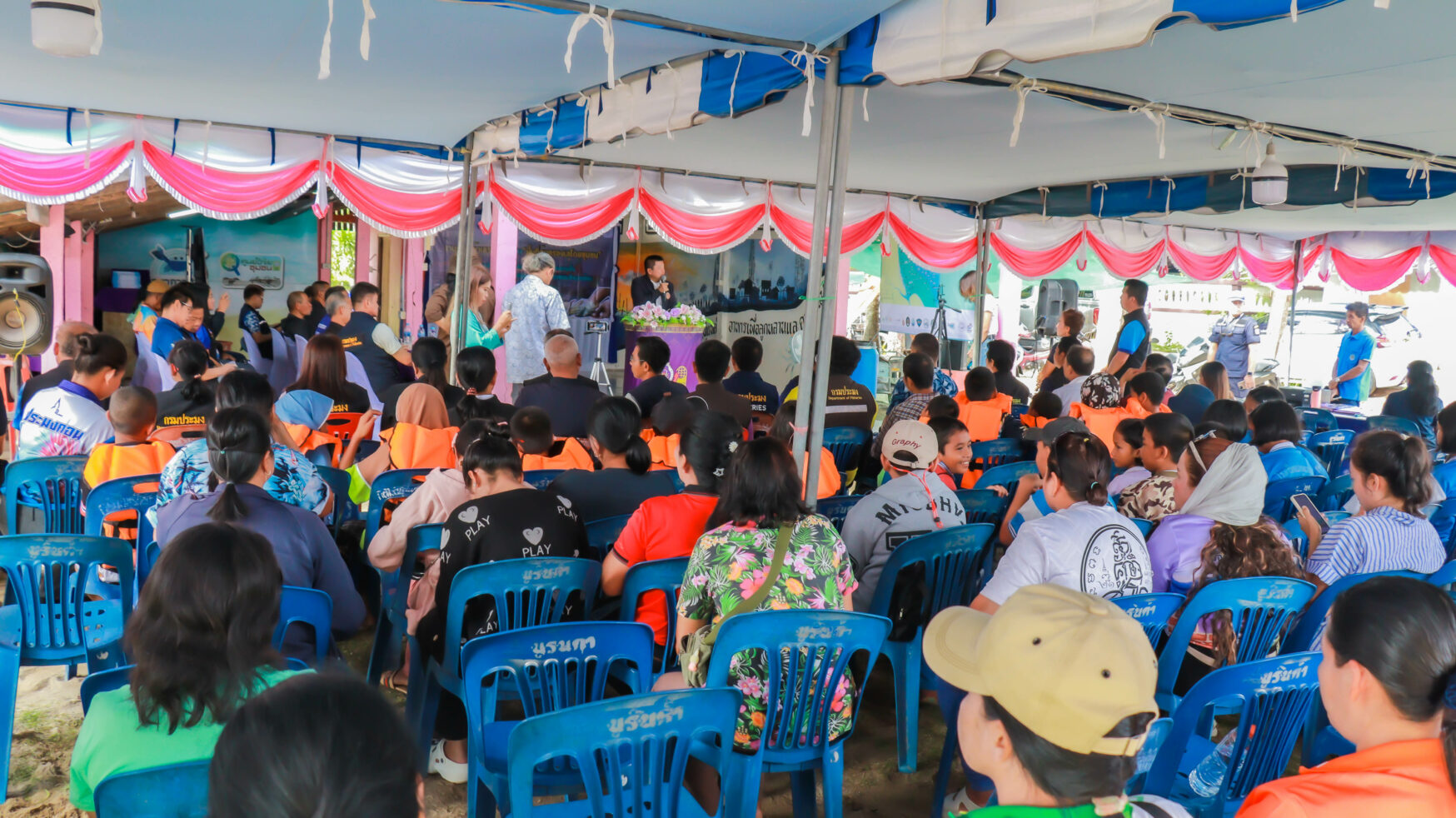
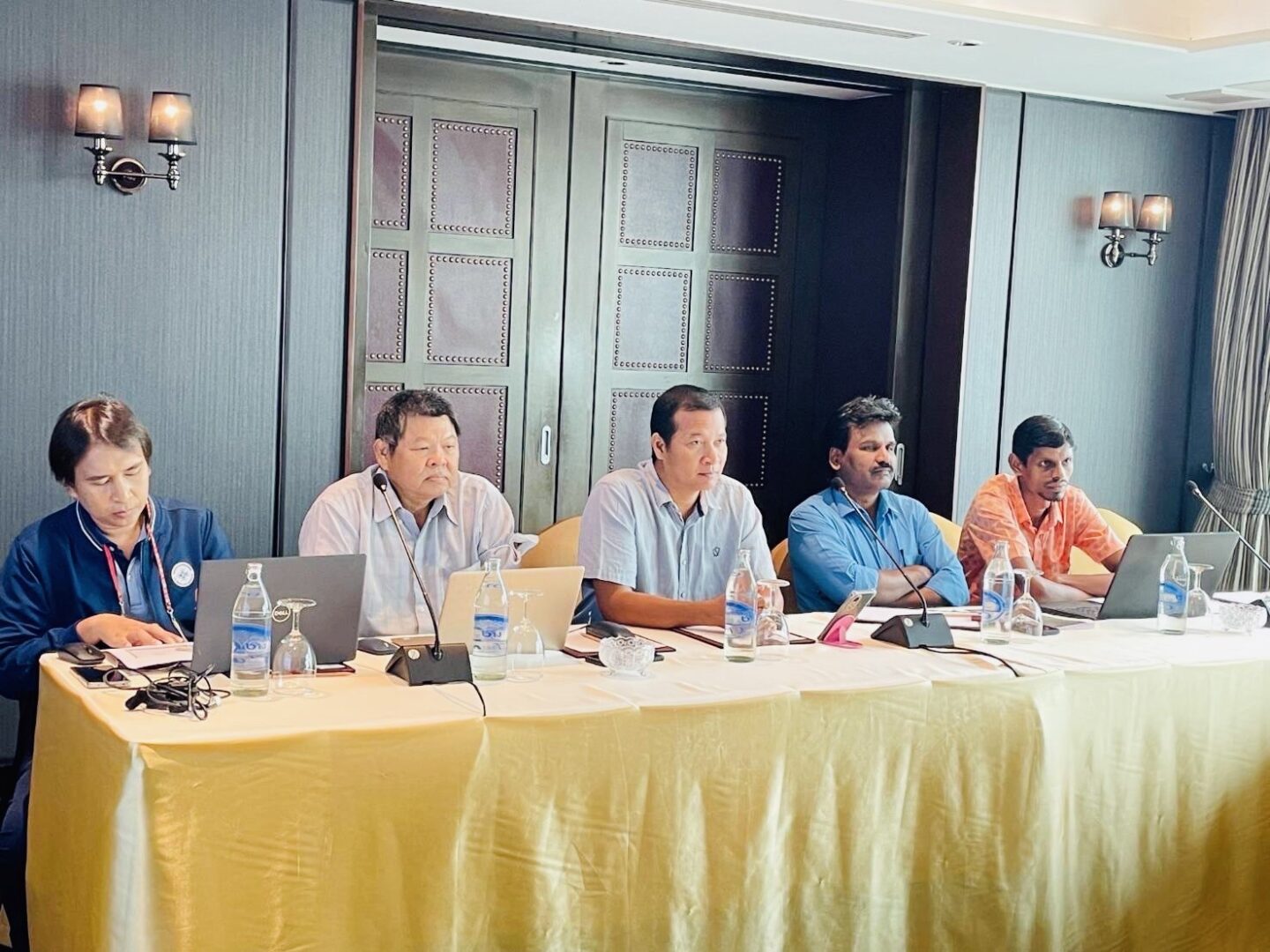
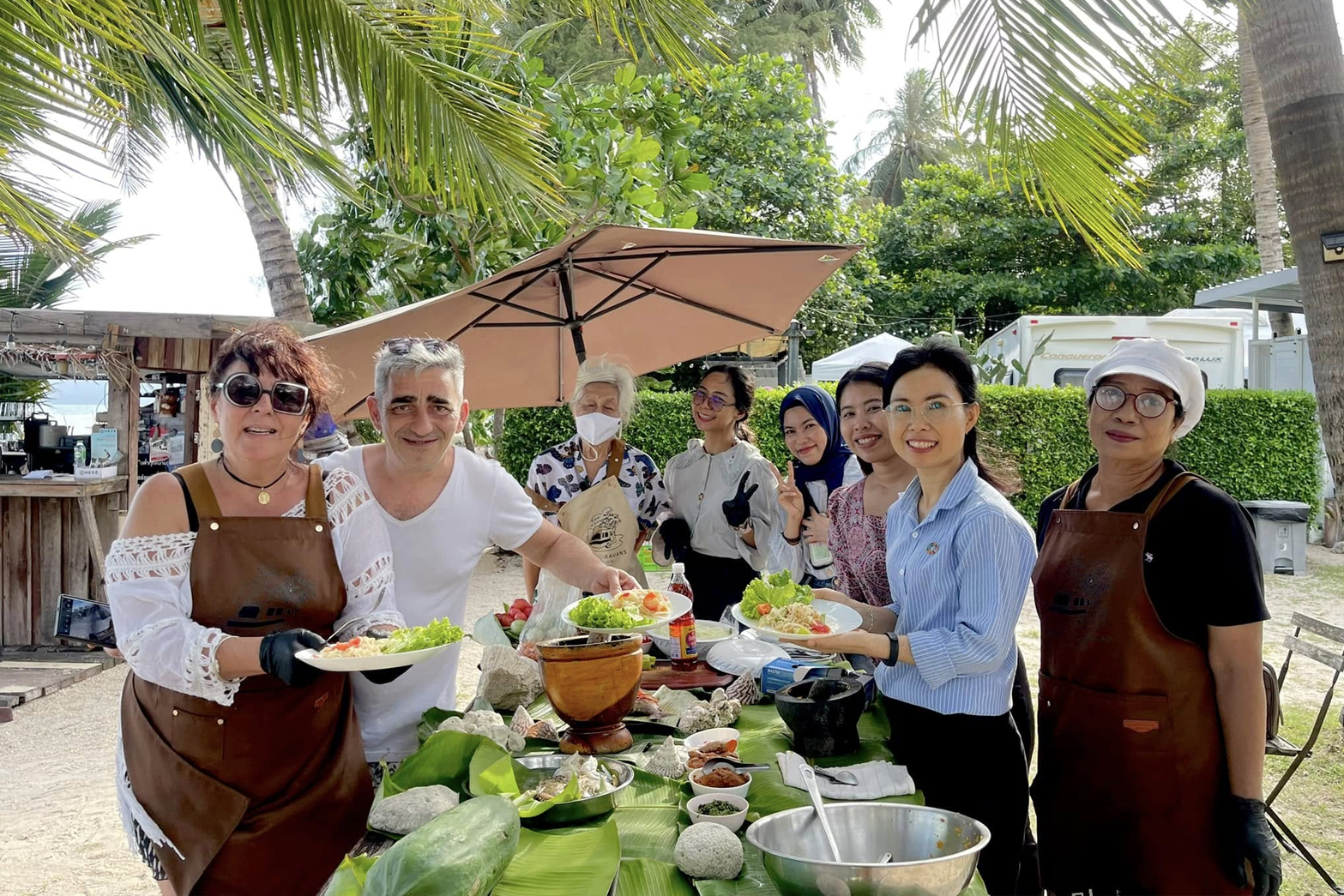
Capacity building and knowledge dissemination form an integral part of WU’s approach. Regular meetings and workshops are organized for local stakeholders and Department of Fisheries representatives to share research findings and practical guidance. Educational materials on Crab Bank operations are distributed to fishers, who also participate in evaluations to assess their understanding and engagement. Through these collaborative efforts, Walailak University continues to strengthen sustainable fisheries management and community resilience along Thailand’s coastal regions.
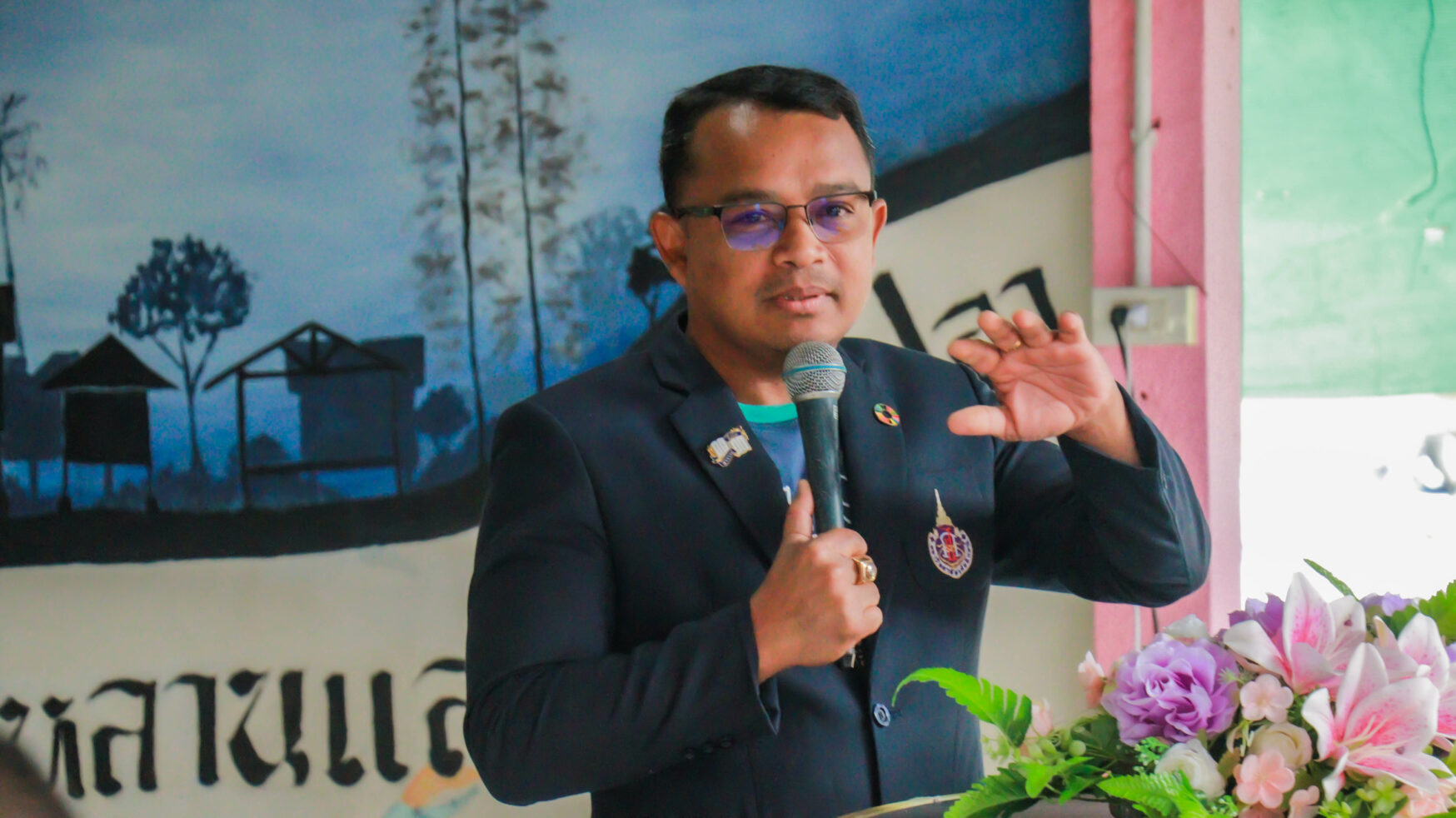
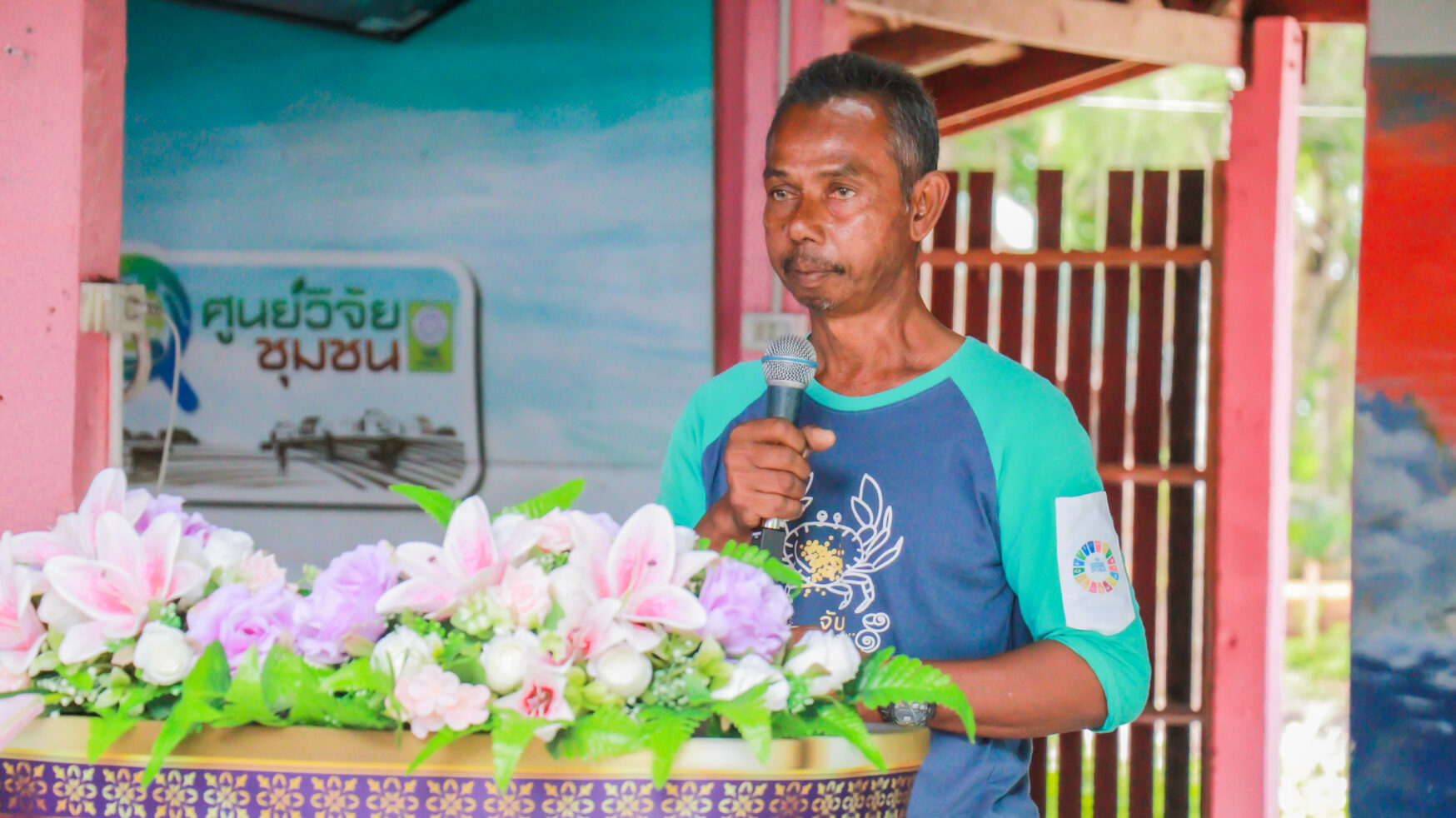
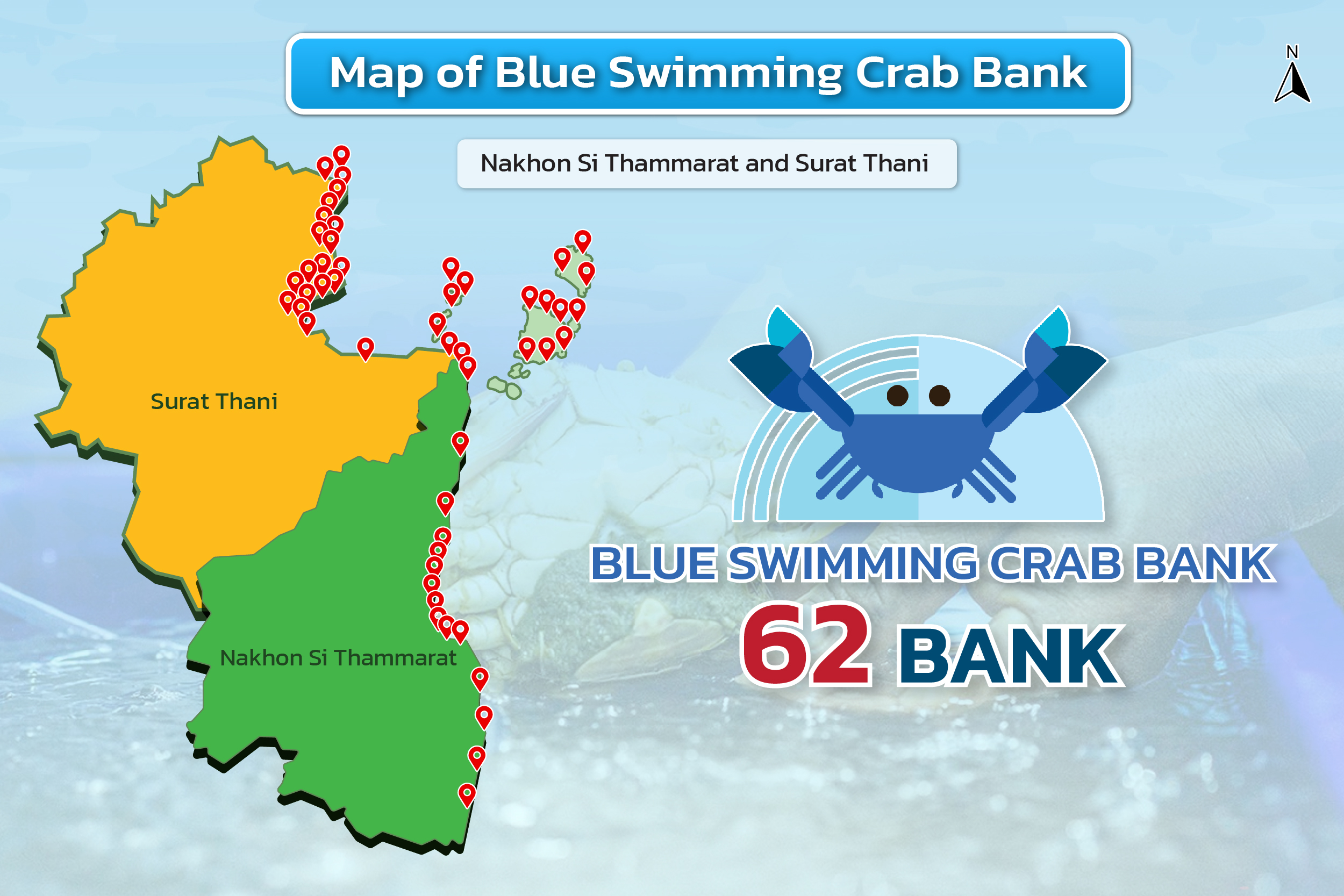
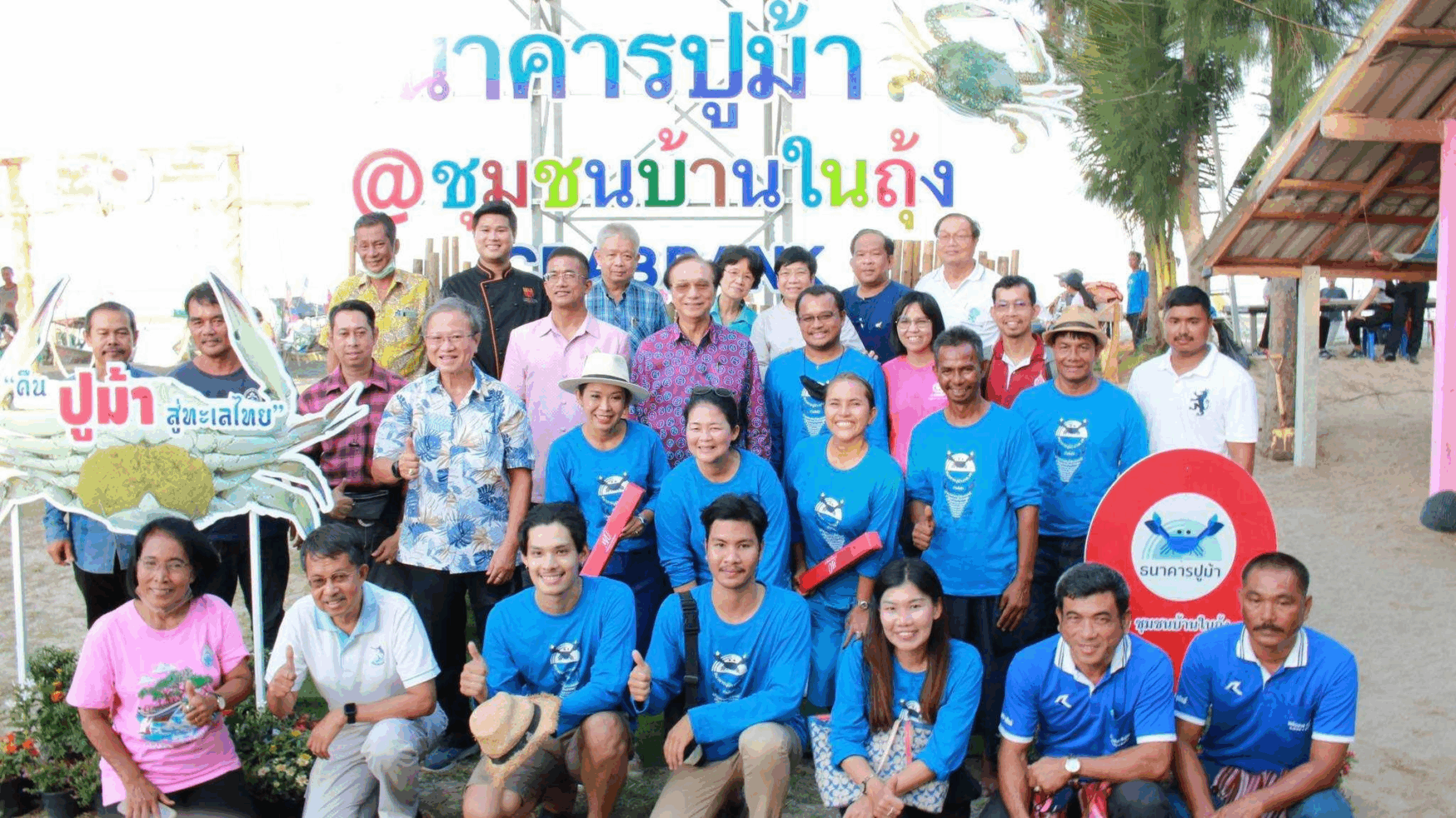
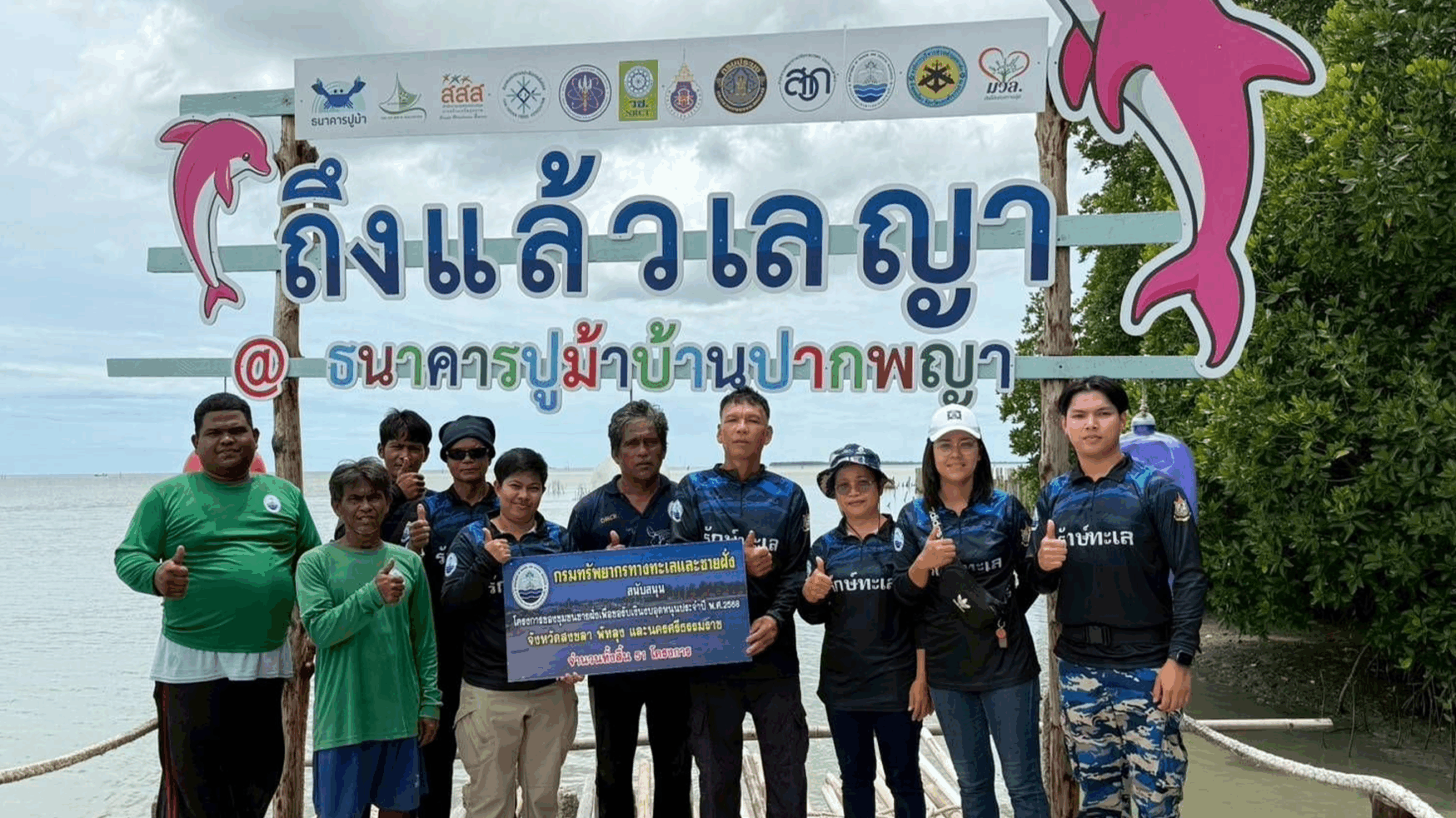
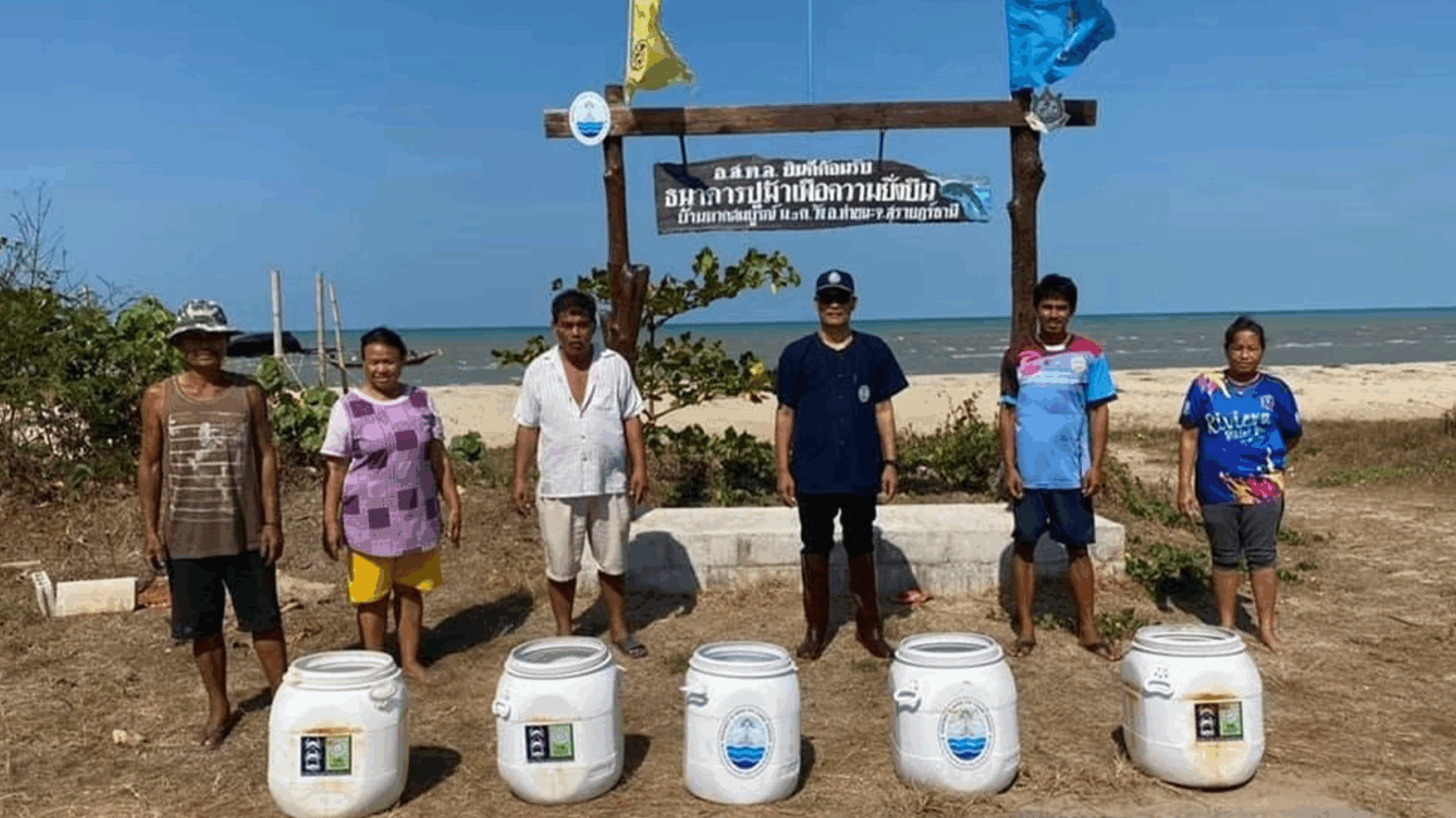
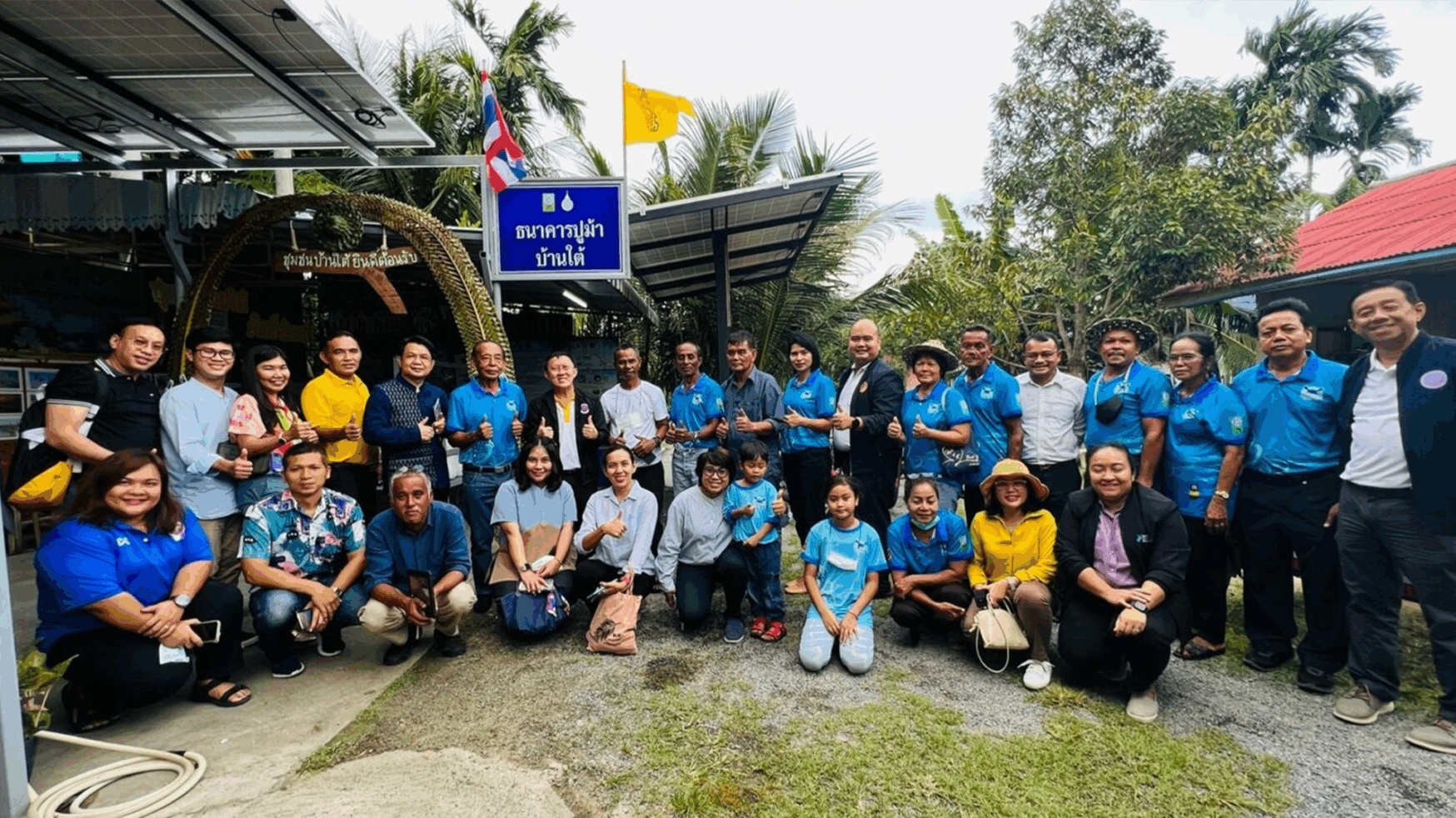
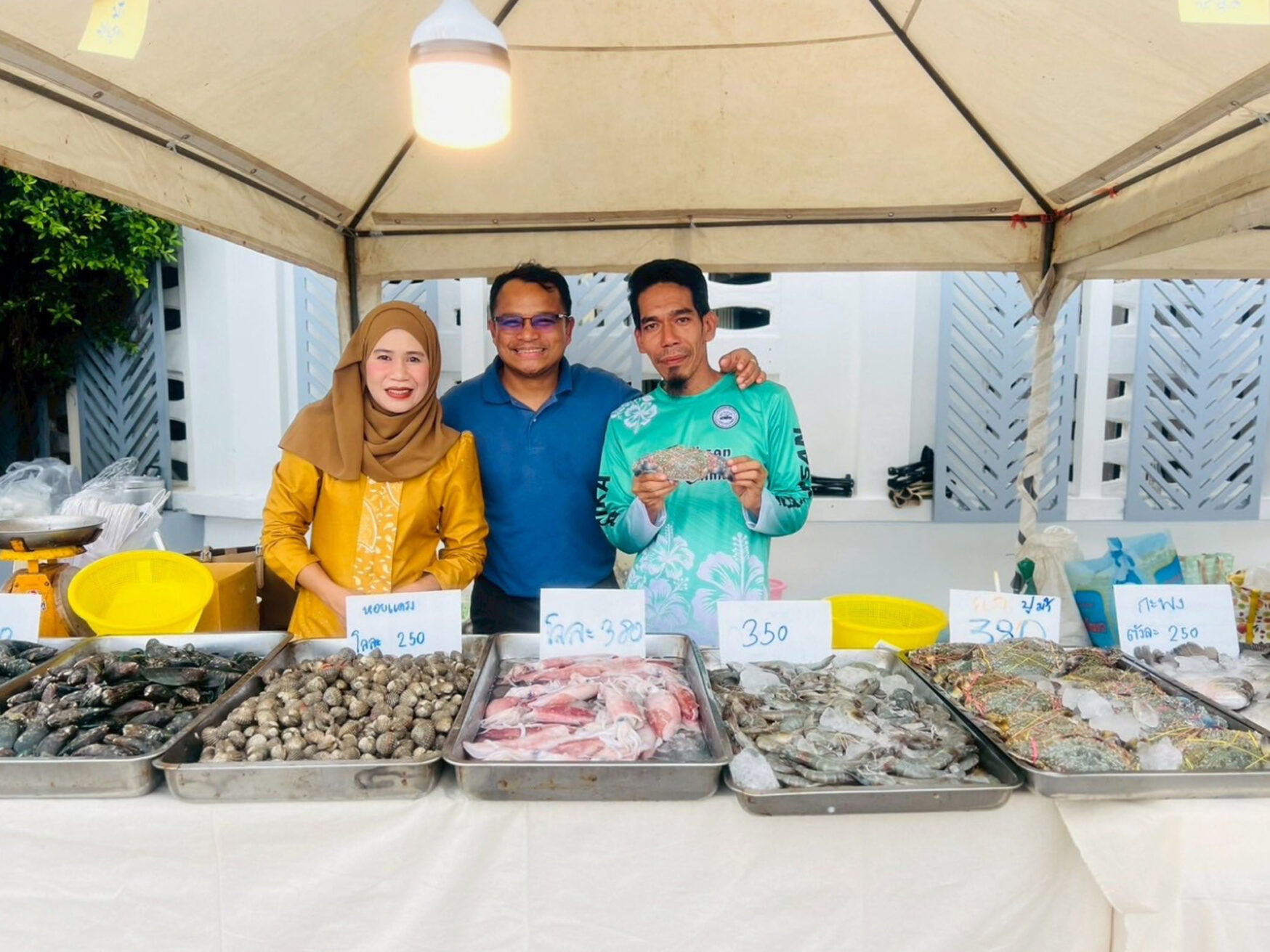
Walailak University (WU) has continued to strengthen its collaboration with local fishing communities by establishing 62 Crab Banks along the coastal areas of Nakhon Si Thammarat and Surat Thani provinces. Each Crab Bank comprises more than ten participating fishers who form a management committee and voluntarily donate gravid (egg-bearing) female crabs to support crab population recovery. Through these community-led efforts, the project has successfully engaged over 600 fisher volunteers—an impressive increase compared to its initial stages.
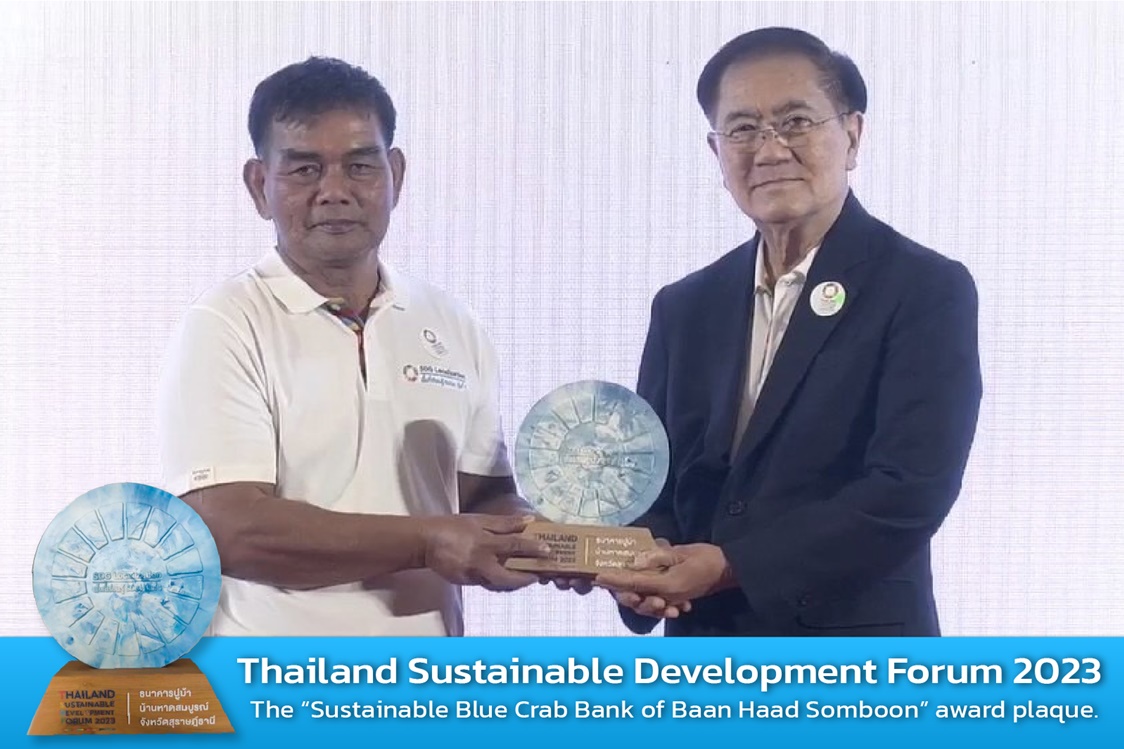
Among the participating sites, the Baan Haad Somboon Blue Crab Bank Learning Center in Surat Thani stands out as a national model. It has been recognized as one of Thailand’s five exemplary sites under the “Sustainable Blue Crab Bank of Baan Haad Somboon” initiative. This center forms part of the first cohort of SDG Learning Sites established under Thailand’s national effort to foster continuous and practical learning for sustainable development.
Supported by Walailak University’s Center for Academic Services over the past five years, the Baan Haad Somboon Blue Crab Bank has demonstrated outstanding performance in promoting sustainable fisheries and community engagement. In recognition of these achievements, the community received the “Sustainable Blue Crab Bank of Baan Haad Somboon” award, designating it as a model learning center for the Sustainable Development Goals (SDGs) and one of the top five target communities nationwide. The award was presented during Thailand’s 2023 Cross-Sector Learning Exchange for Sustainable Development event, organized by the International Health Policy Program (IHPP).
Social Impact and Alignment with the Sustainable Development Goals (SDGs)
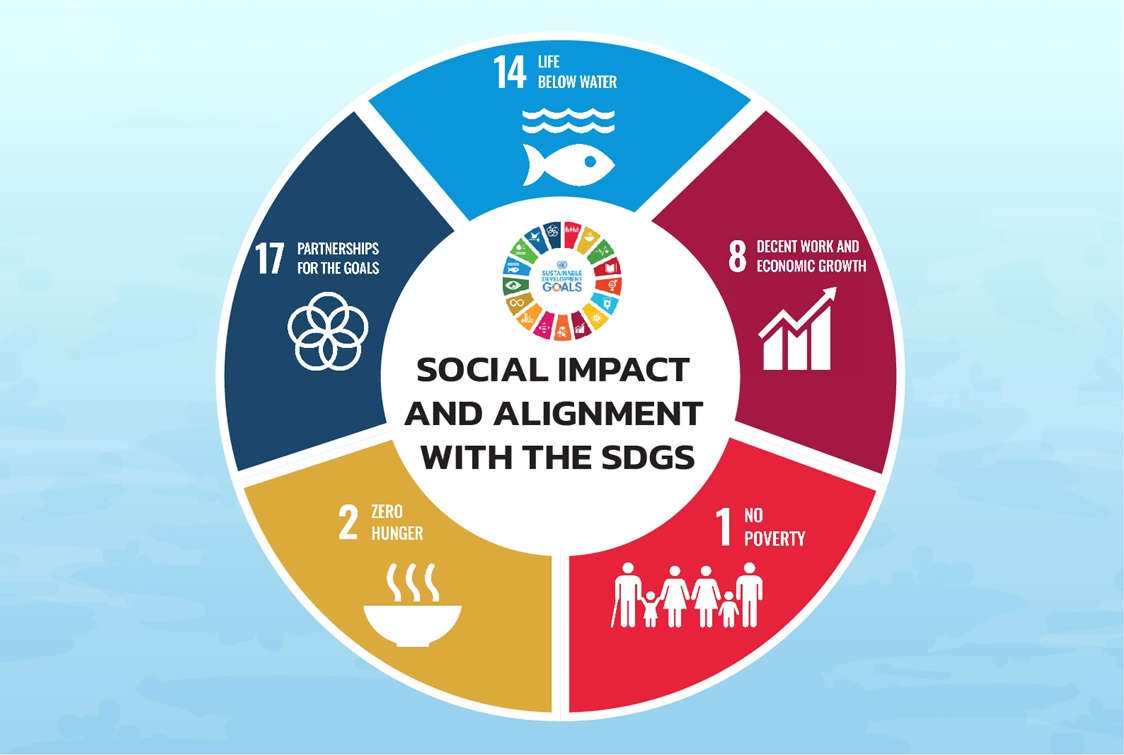
The Crab Bank initiative at Walailak University (WU) demonstrates strong social and environmental impact, aligning closely with several Sustainable Development Goals (SDGs), including SDG 14: Life Below Water, SDG 8: Decent Work and Economic Growth, SDG 1: No Poverty, SDG 2: Zero Hunger, and SDG 17: Partnerships for the Goals. Through its community-based approach, the project has strengthened marine conservation, improved local livelihoods, and fostered cross-sector partnerships at both national and international levels.
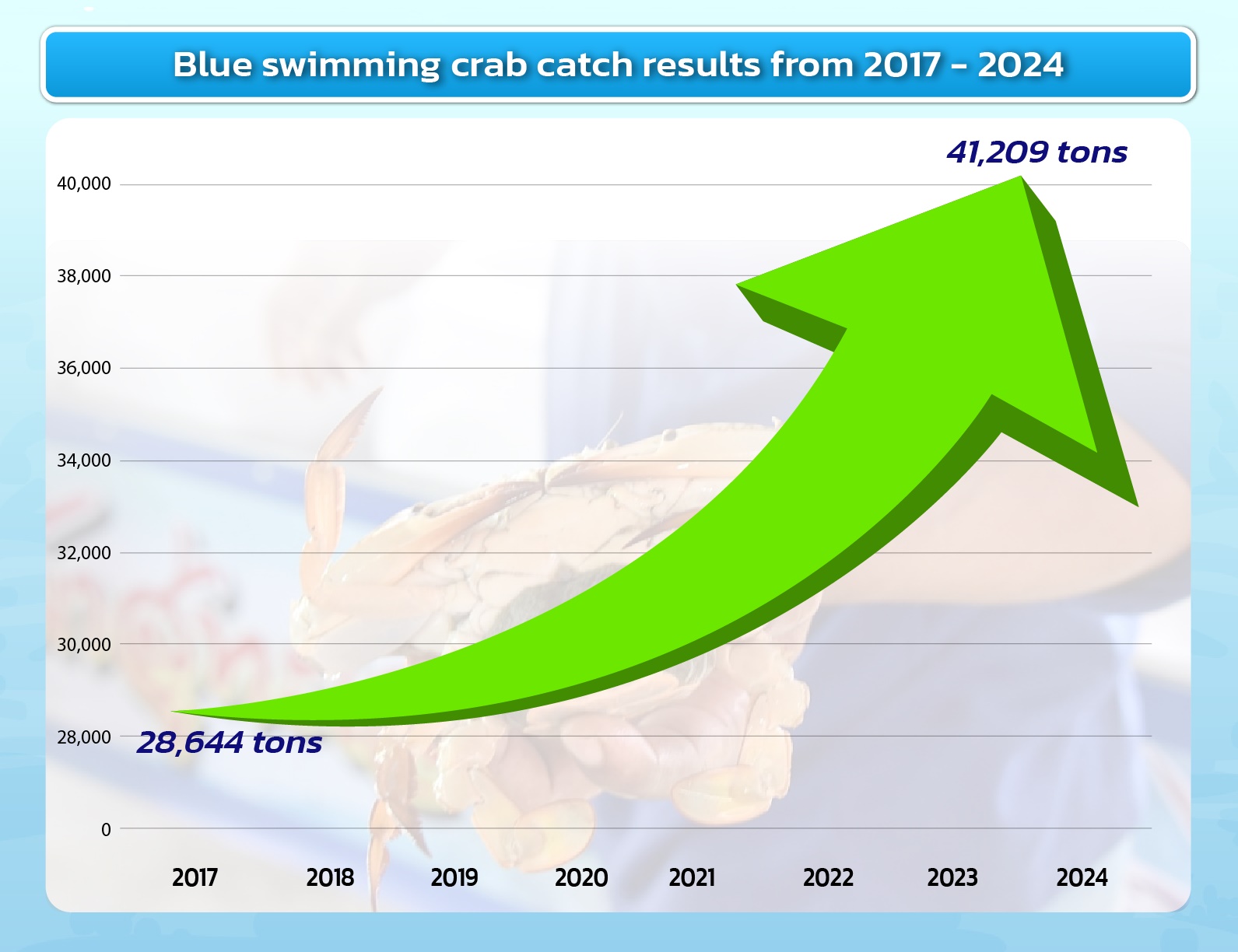
After just one year of implementation, research findings showed a clear ecological benefit — the catch per unit effort (CPUE) significantly increased from 40–50 kg per boat to 60–80 kg per boat. This improvement is attributed to the successful release and recruitment of young crabs from the Crab Bank system, demonstrating the project’s contribution to restoring marine biodiversity and maintaining healthy aquatic ecosystems.
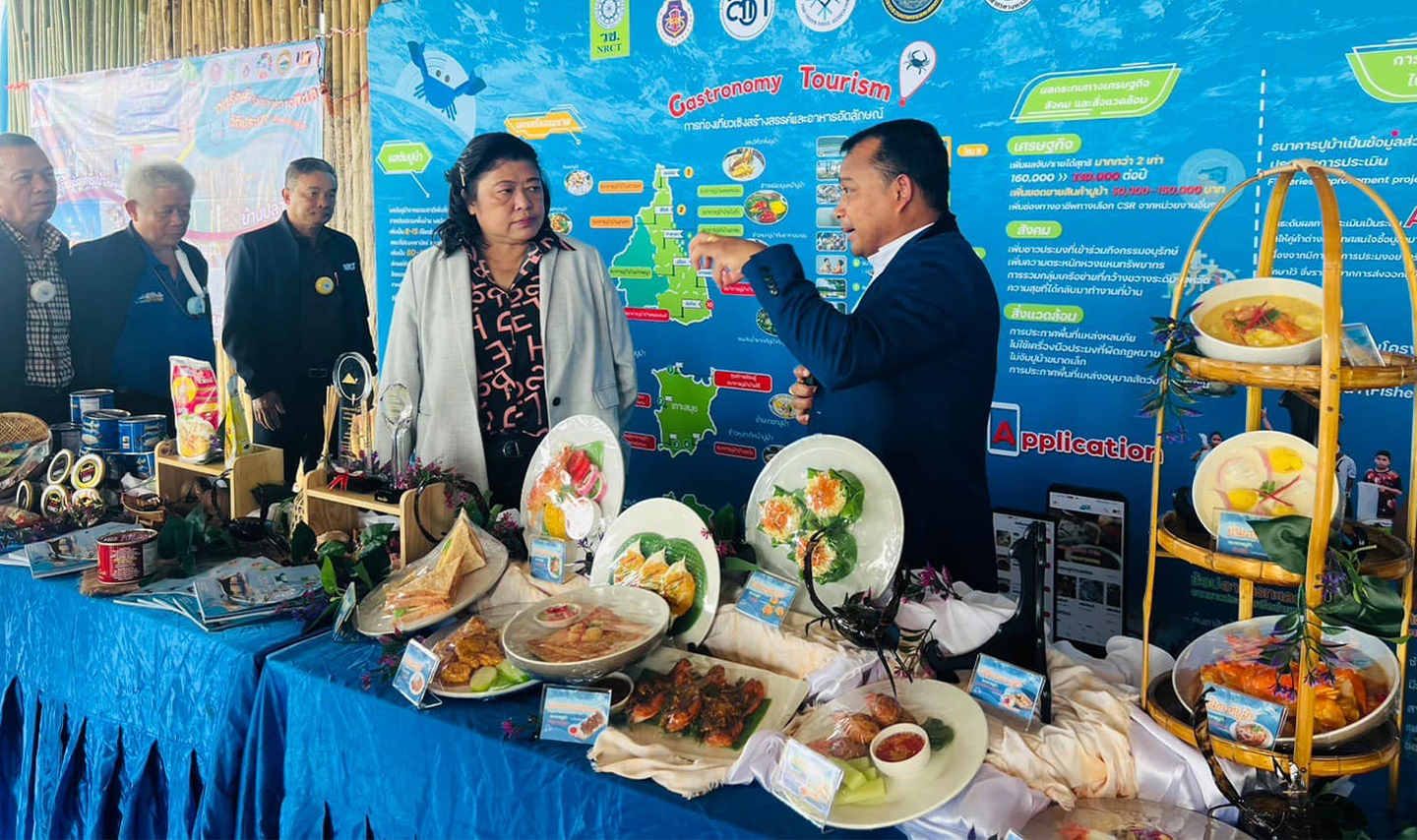
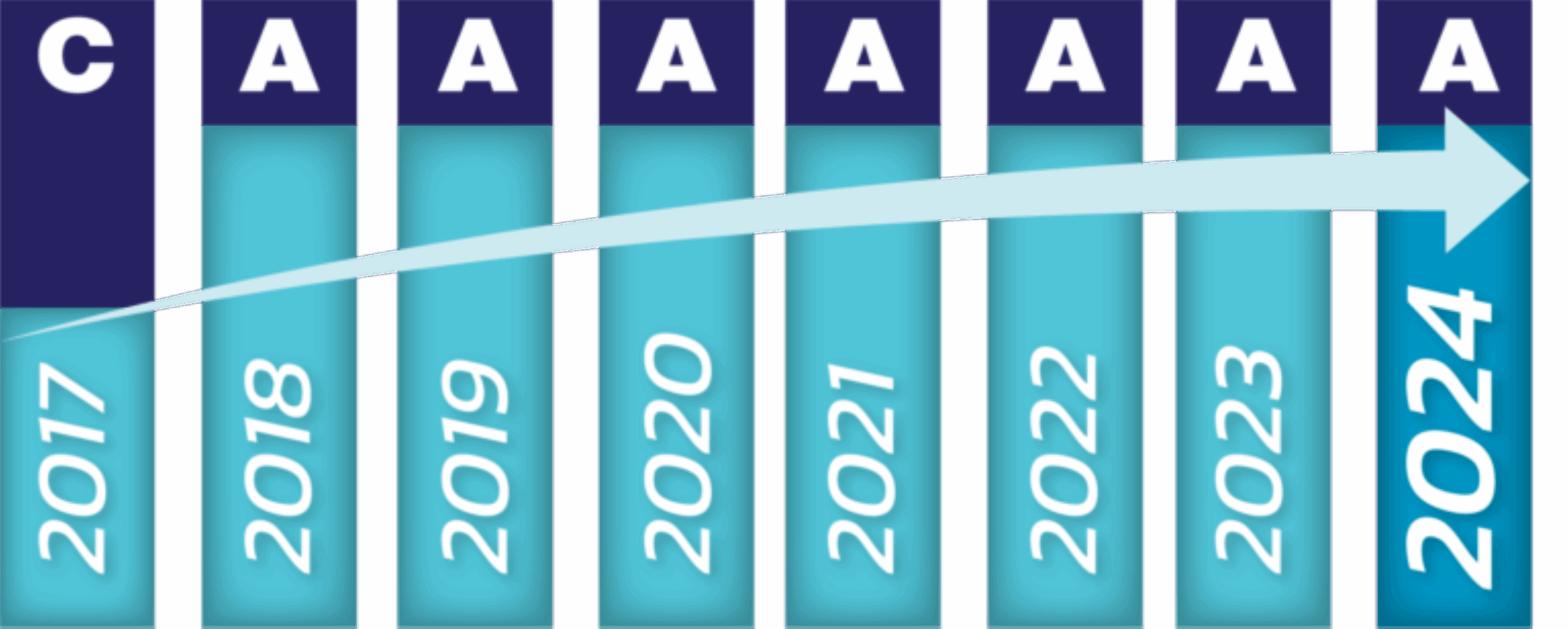
The Fishery Improvement Project (FIP) score for blue swimming crab (BSC) fisheries improved markedly from C to A, reflecting enhanced management and sustainability standards. This progress benefits both the government and private sectors by ensuring a more sustainable future for Thailand’s BSC fishery. The improvement has also helped expand domestic and international markets for BSC products, leading to a 154% increase in export growth to major destinations such as the United States, Taiwan, Hong Kong, Australia, and Canada.
The project directly improved the income of local fishers through increased crab populations and higher catch volumes. Research data revealed that fishers’ annual income rose from 160,000 Baht per boat to 337,500 Baht per boat after participating in the Crab Bank initiative, demonstrating its tangible impact on poverty reduction within fishing communities.
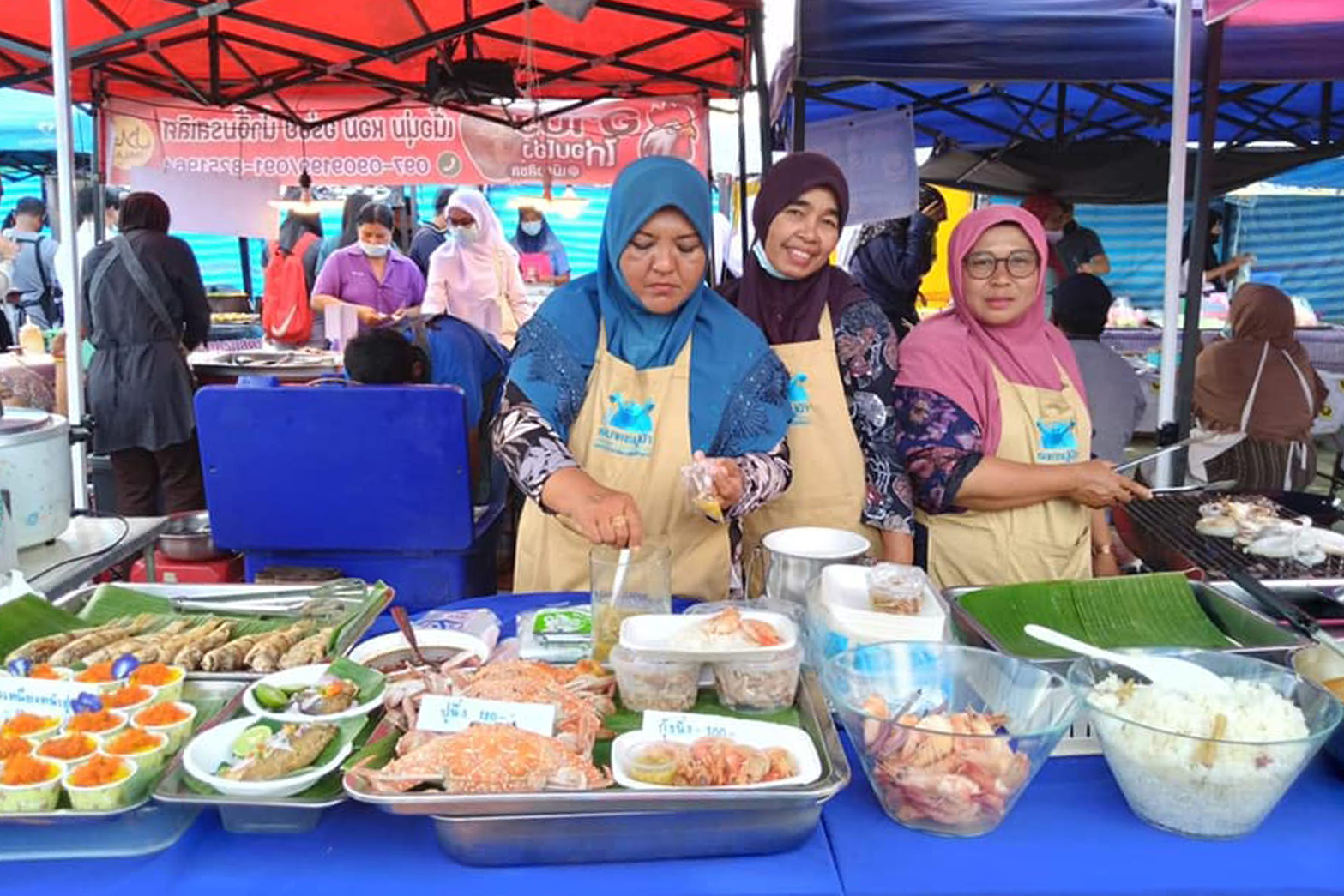
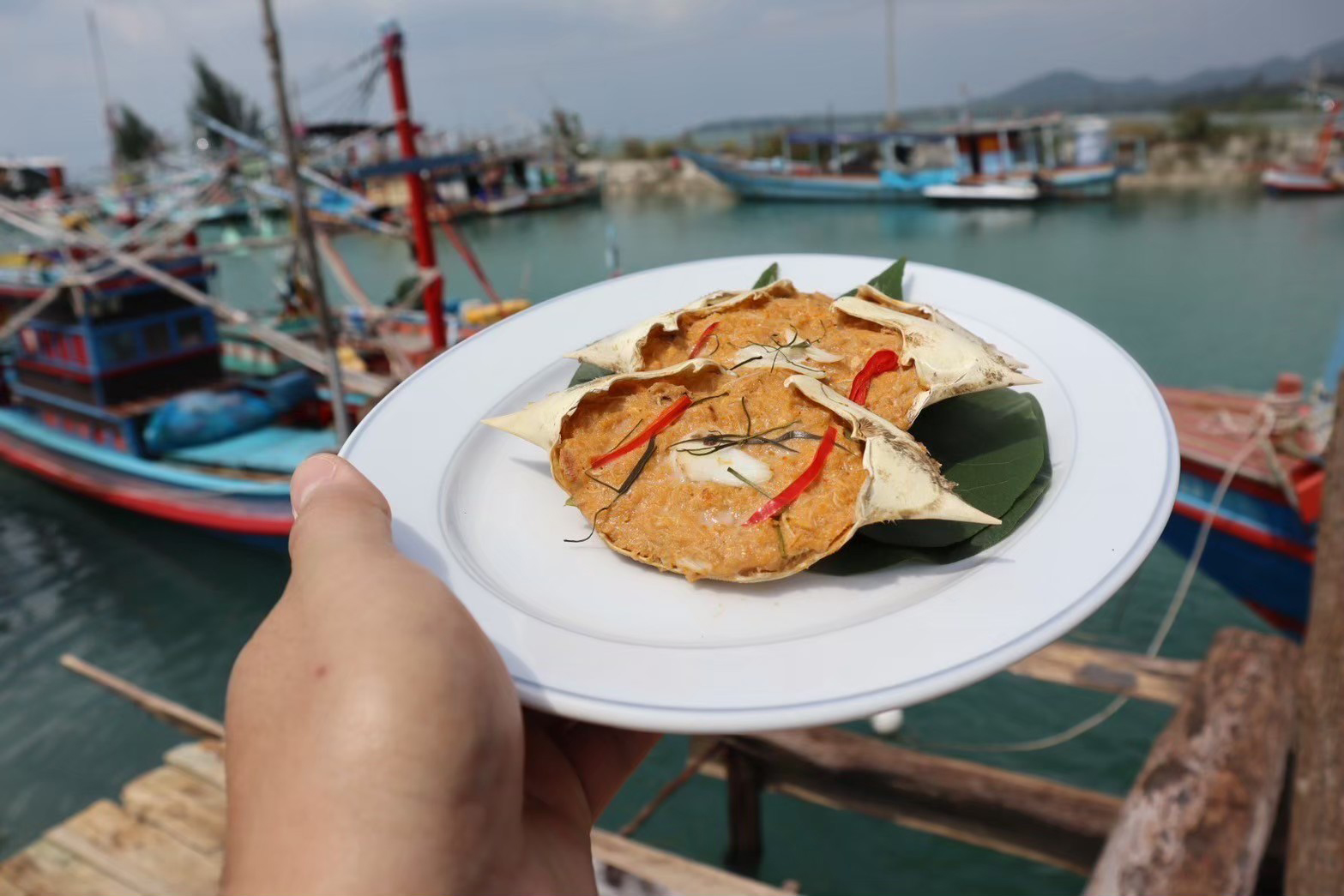
Marine shellfish, including blue swimming crabs, are vital sources of protein and nutrition. The increased crab population not only enhances local food security but also stabilizes seafood prices, making crab—a premium seafood product—more affordable and accessible to both local and international consumers.
The success of the Crab Bank project has been driven by strong partnerships spanning three international organizations—the World Wide Fund for Nature (WWF), the Marine Resources Assessment Group (MRAG), and the NFI Crab Council (USA)—along with 18 national agencies and 60 local fishing communities. These collaborations share a unified vision: to sustain crab stocks, improve fishing incomes, and raise the standards of Thailand’s blue swimming crab fishery.
Sustainable Weir Management and Community Water Security in Na Mai Phai Subdistrict
Walailak University has continuously implemented community educational outreach programs in Na Mai Phai Subdistrict, Thung Song District, Nakhon Si Thammarat Province. These initiatives aim to enhance water security and improve environmental conditions for local ecosystems through the development and maintenance of a community weir system. The weir is situated at a stream called “Wang Hip”, serving as a major water resource area for the local people in the subdistrict.
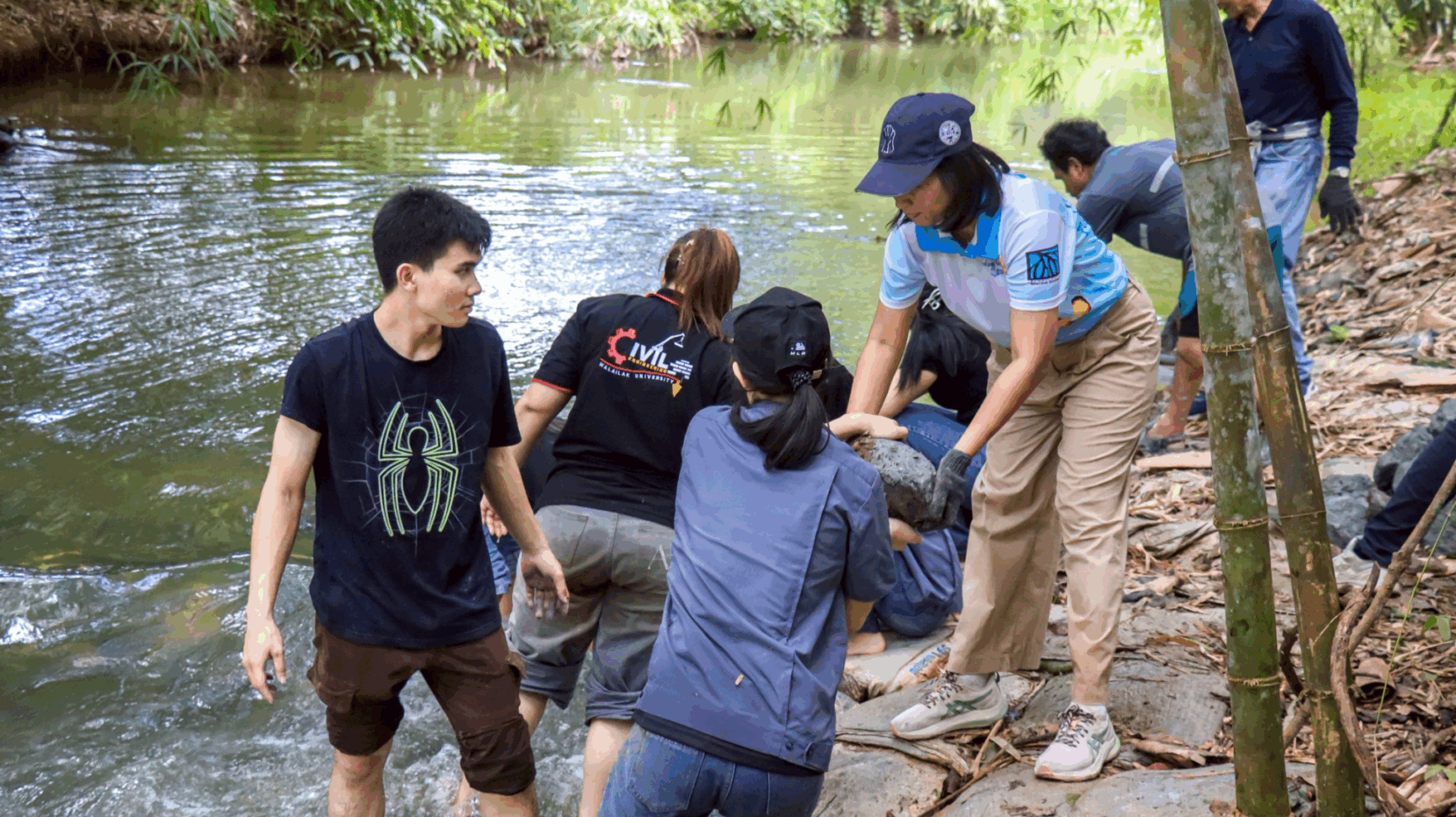
In 2024, Mr. Suthira Thongkao, a researcher in aquatic science at Walailak University, organized an educational outreach program in collaboration with local community members and government representatives in the subdistrict to renovate and restore the weir. The initiative aimed to strengthen water security and ensure a sustainable water supply to support local livelihoods, particularly in agriculture.
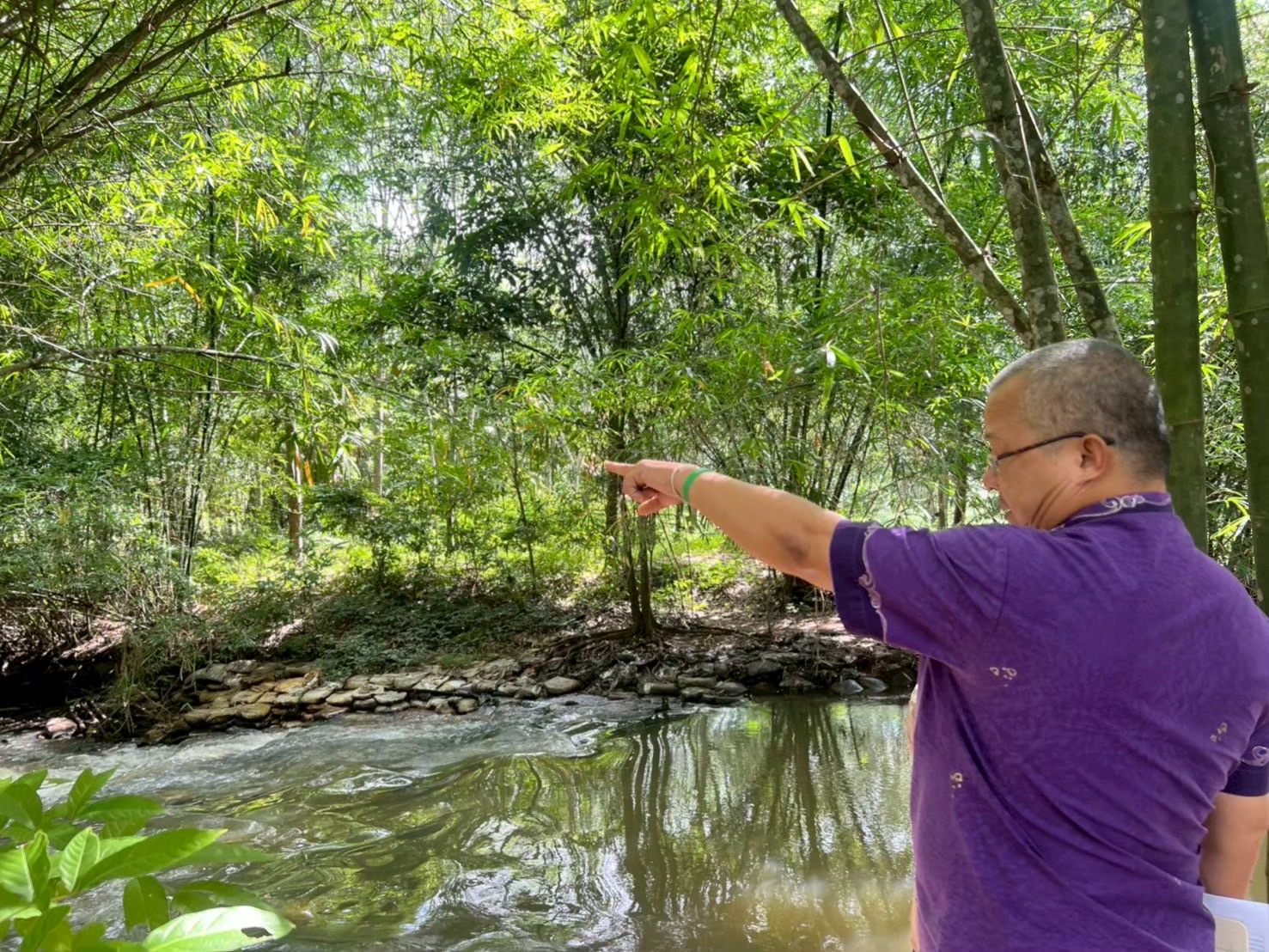
At the outset, Walailak University and its partners conducted an assessment of the weir’s condition together with government representatives. The field survey involved evaluating the structure of the weir, interviewing residents, and assessing community well-being and reliance on local water resources.
The findings revealed that the weir had suffered significant structural damage due to insufficient maintenance and the lack of a systematic restoration plan. Aquatic biodiversity was also found to be low, with only a few fish and freshwater species remaining in the stream. Many local farmers faced water shortages, leading to decreased agricultural productivity and increased vulnerability to drought.
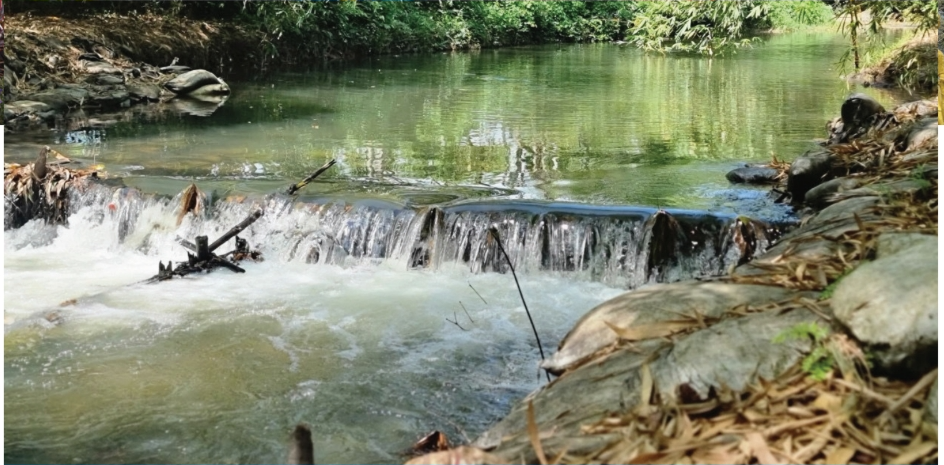
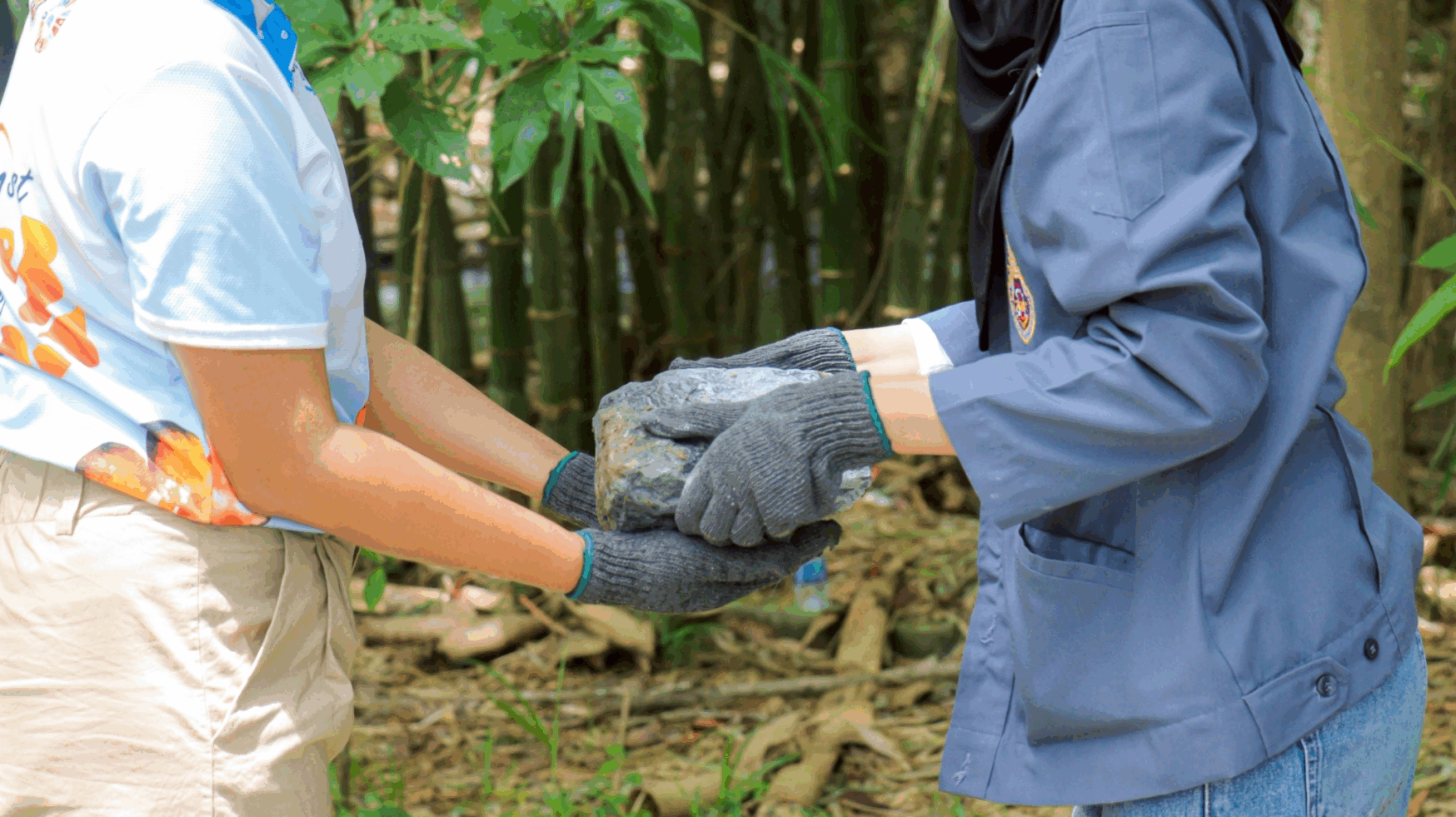
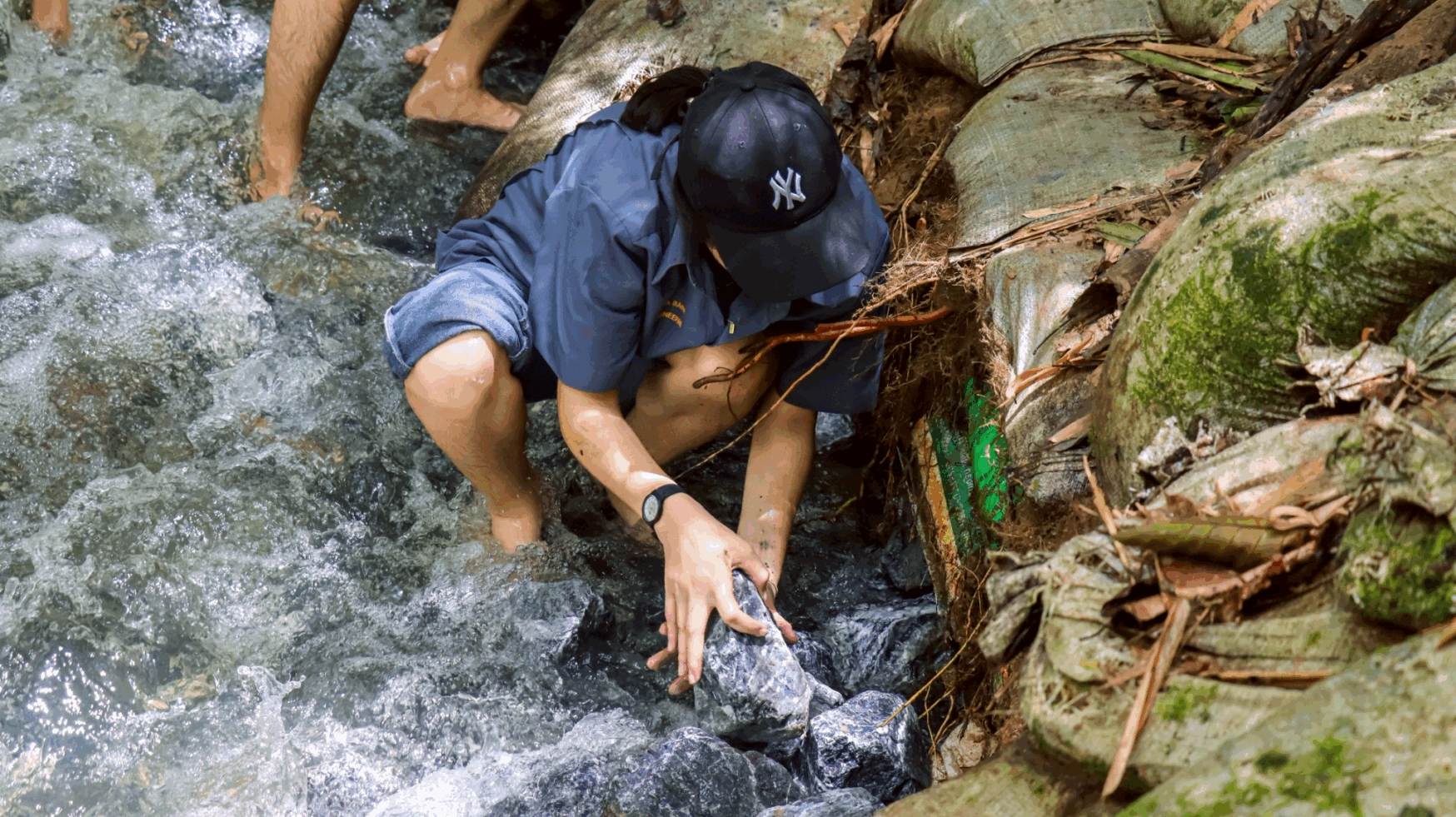
Following the assessment, Walailak University and its partners initiated restoration activities emphasizing eco-friendly and sustainable solutions. The weir was redesigned in a staircase form, allowing water to flow gradually and preventing destructive currents that previously eroded the riverbanks and harmed nearby vegetation. The structure was reconstructed using locally available materials—such as sand, rocks, and bamboo—which are biodegradable, affordable, and environmentally compatible.
As a result of the restoration efforts, the weir was successfully maintained and strengthened, ensuring improved water security for the local community. The restored structure now provides a stable and sustainable water supply that supports agricultural activities and enhances local livelihoods.
Through its collaborative initiatives—such as the Crab Bank Project and the community-based weir restoration in Na Mai Phai Subdistrict—Walailak University has demonstrated a strong commitment to environmental stewardship, sustainable resource management, and community well-being. These efforts have revitalized marine and freshwater ecosystems, enhanced local food security, and increased the incomes and resilience of coastal and agricultural communities. By fostering cross-sector and international partnerships, Walailak University continues to drive progress toward achieving the United Nations Sustainable Development Goals, particularly those related to life below water, poverty reduction, sustainable livelihoods, and partnerships for sustainable development.