The Educational Outreach Activities Beyond Campus

The Educational Outreach Activities Beyond Campus

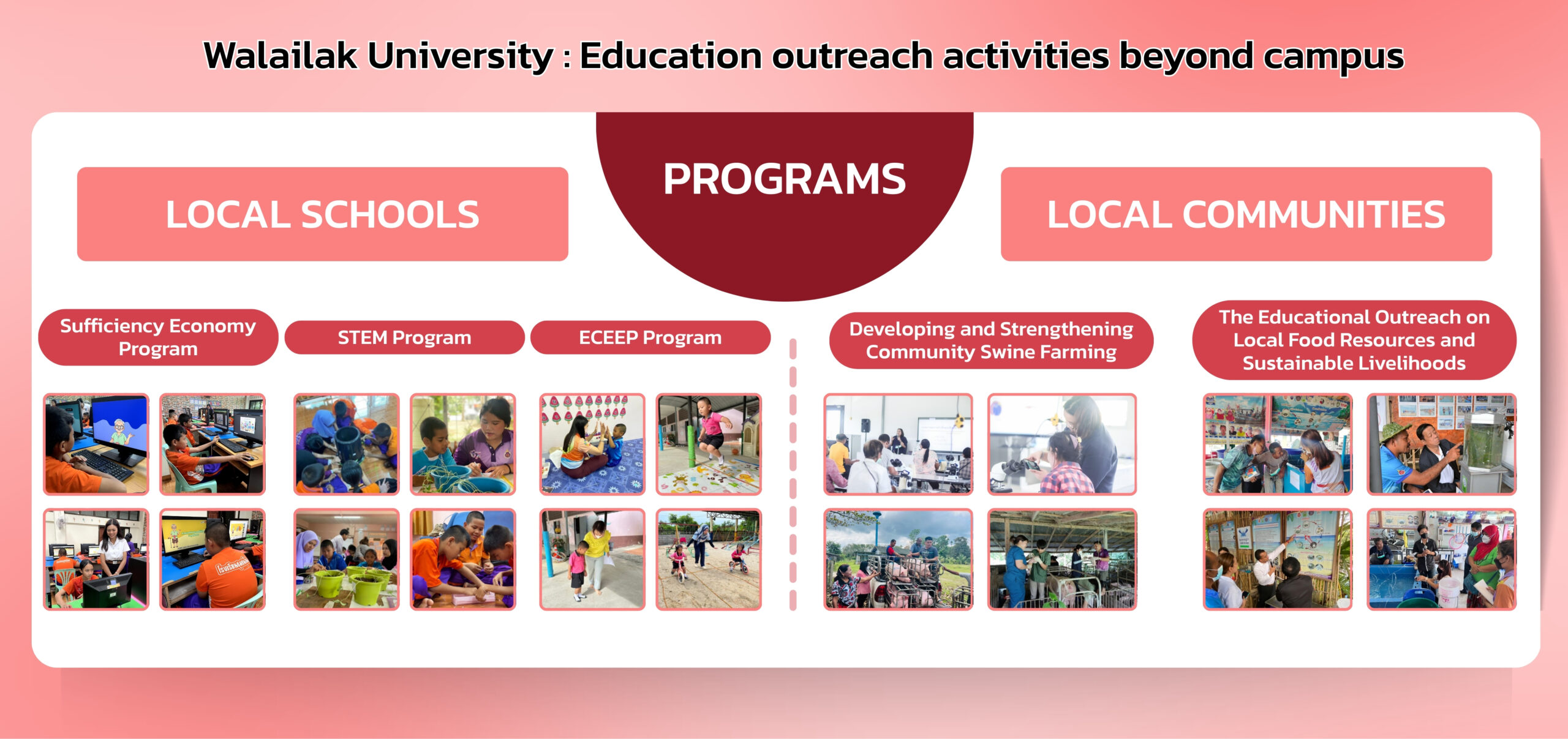
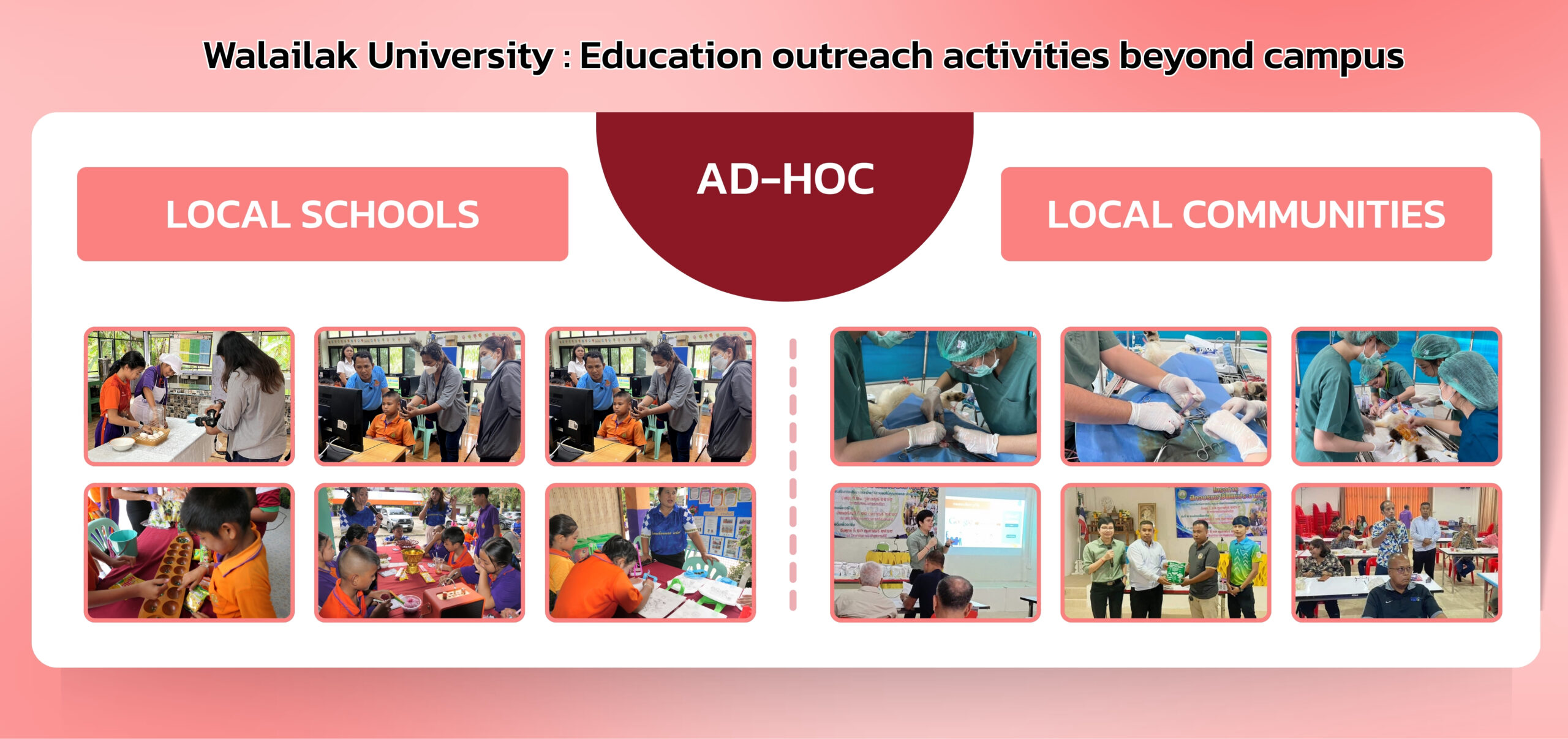
Walailak University, with its wealth of knowledge, resources, and personnel, cannot achieve sustainable community development if such knowledge remains confined within the university walls. Therefore, Walailak University places strong emphasis on educational outreach activities for communities through social engagement projects, focusing on both continuous programs and ad-hoc activities, extending to local schools and communities.

The Educational Outreach Activities under the Continuous Programs

The implementation of continuous educational activities is a core mission that helps create sustainable learning opportunities for surrounding communities and society. Walailak University has designed and operated long-term programs with consistent continuity to enhance the quality of education among different target groups. These programs focus on promoting access to learning resources, developing essential skills, and building the potential of learners at all levels. Such activities serve as a vital foundation for improving quality of life and fostering a true learning society.

The Continuous Programs in Local Schools

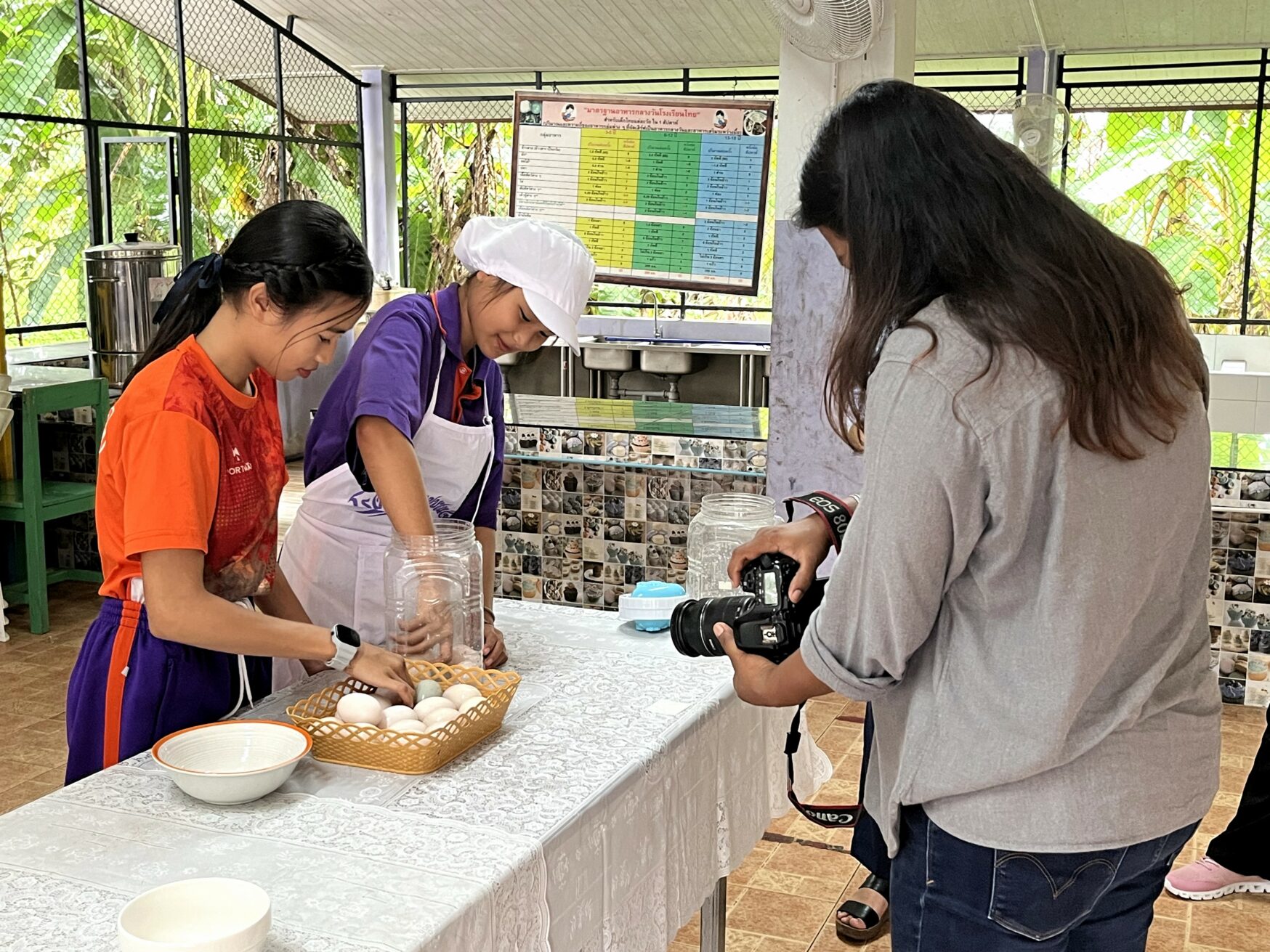
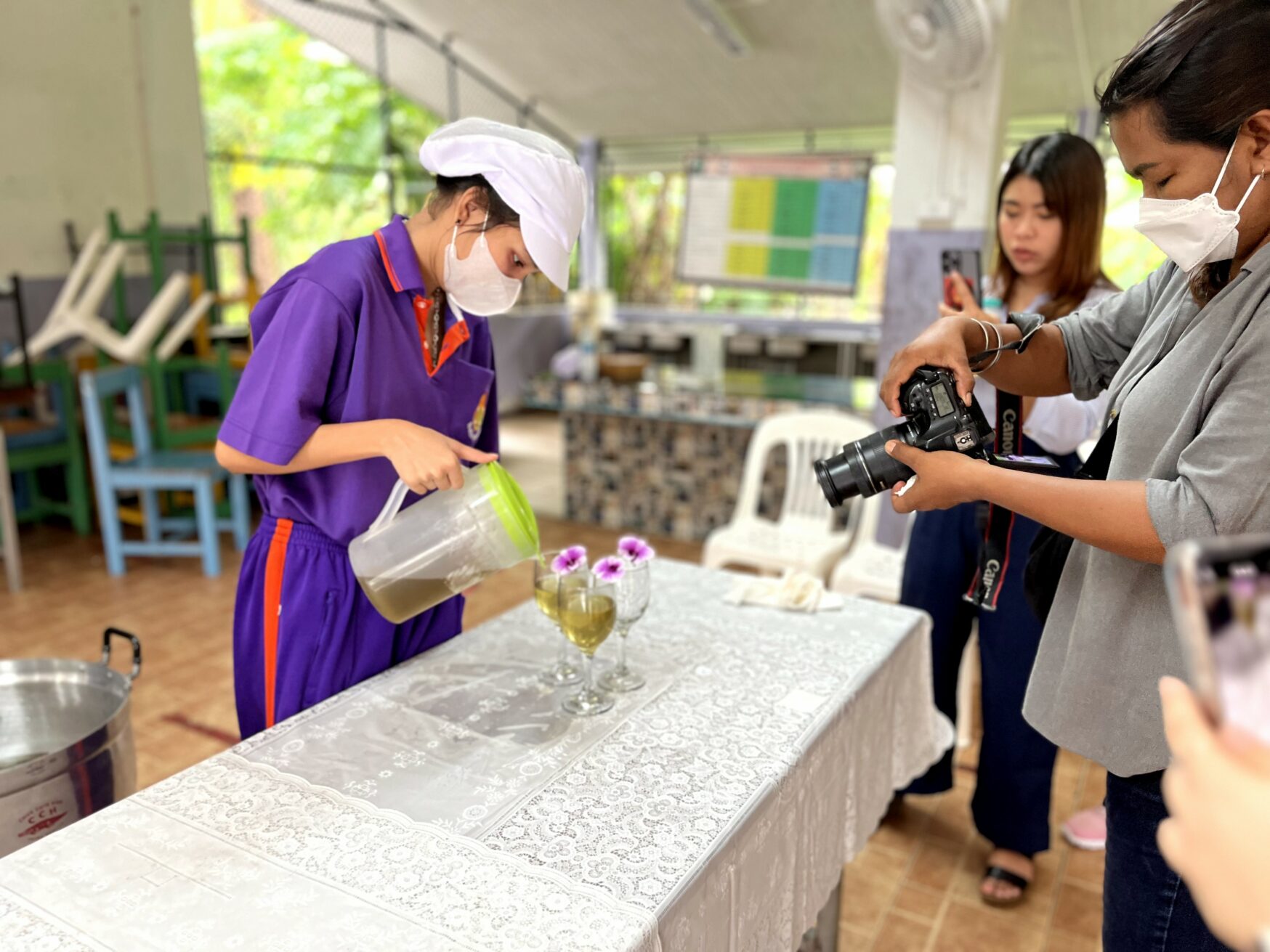
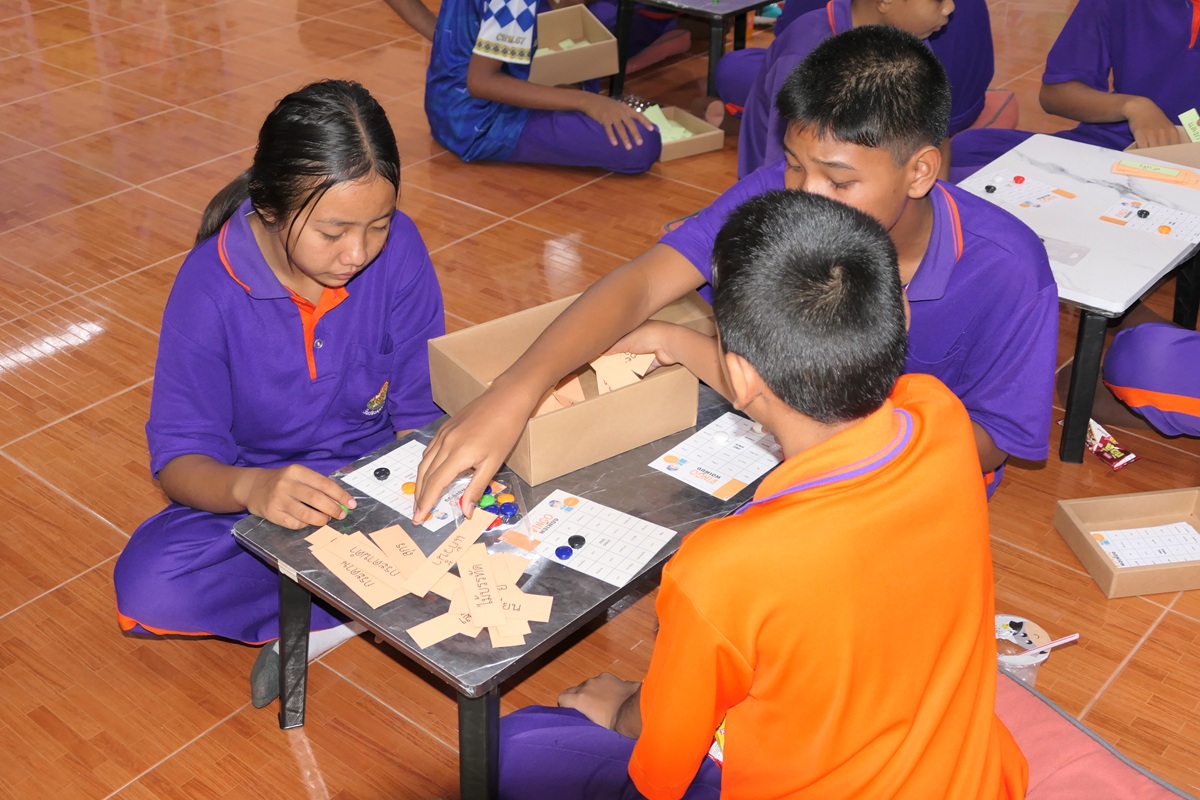
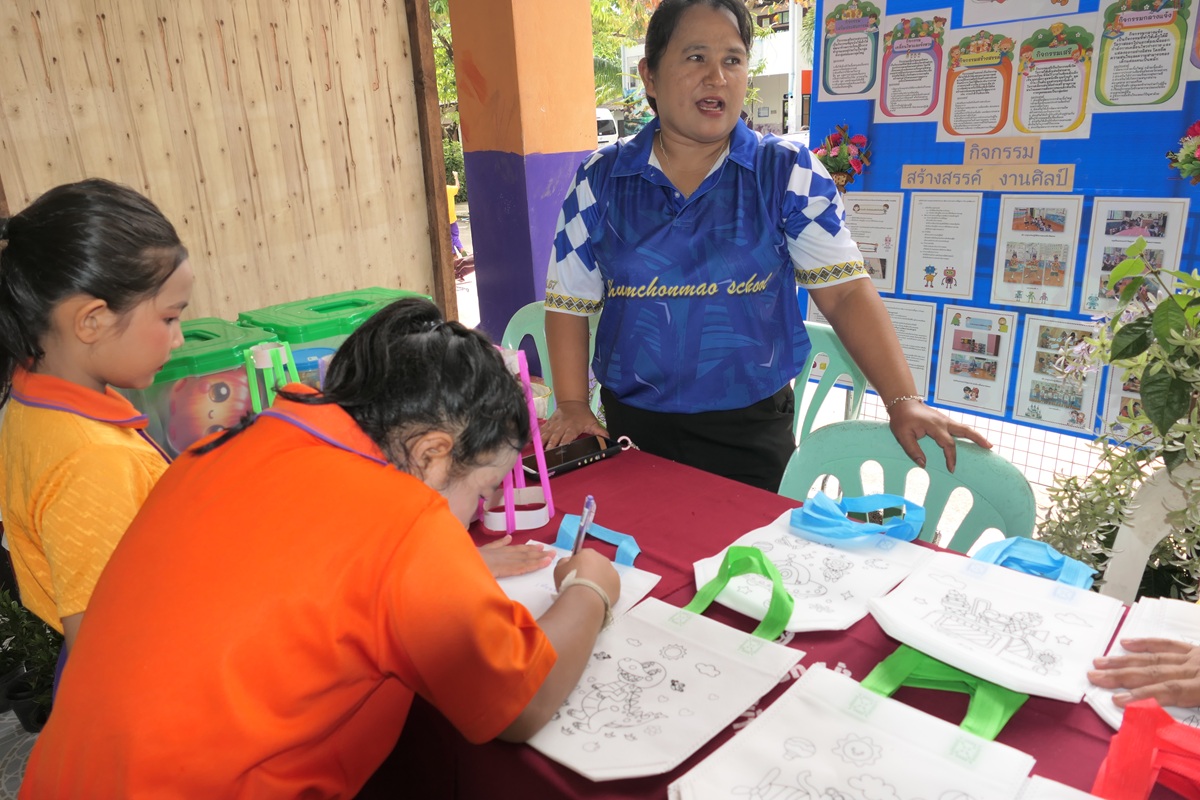
Programs in this category aim to expand educational opportunities beyond the university campus to local schools, particularly focusing on teachers and students in schools surrounding the university, such as Chumchonmai School located behind the Walailak University campus. Notable programs include the following:

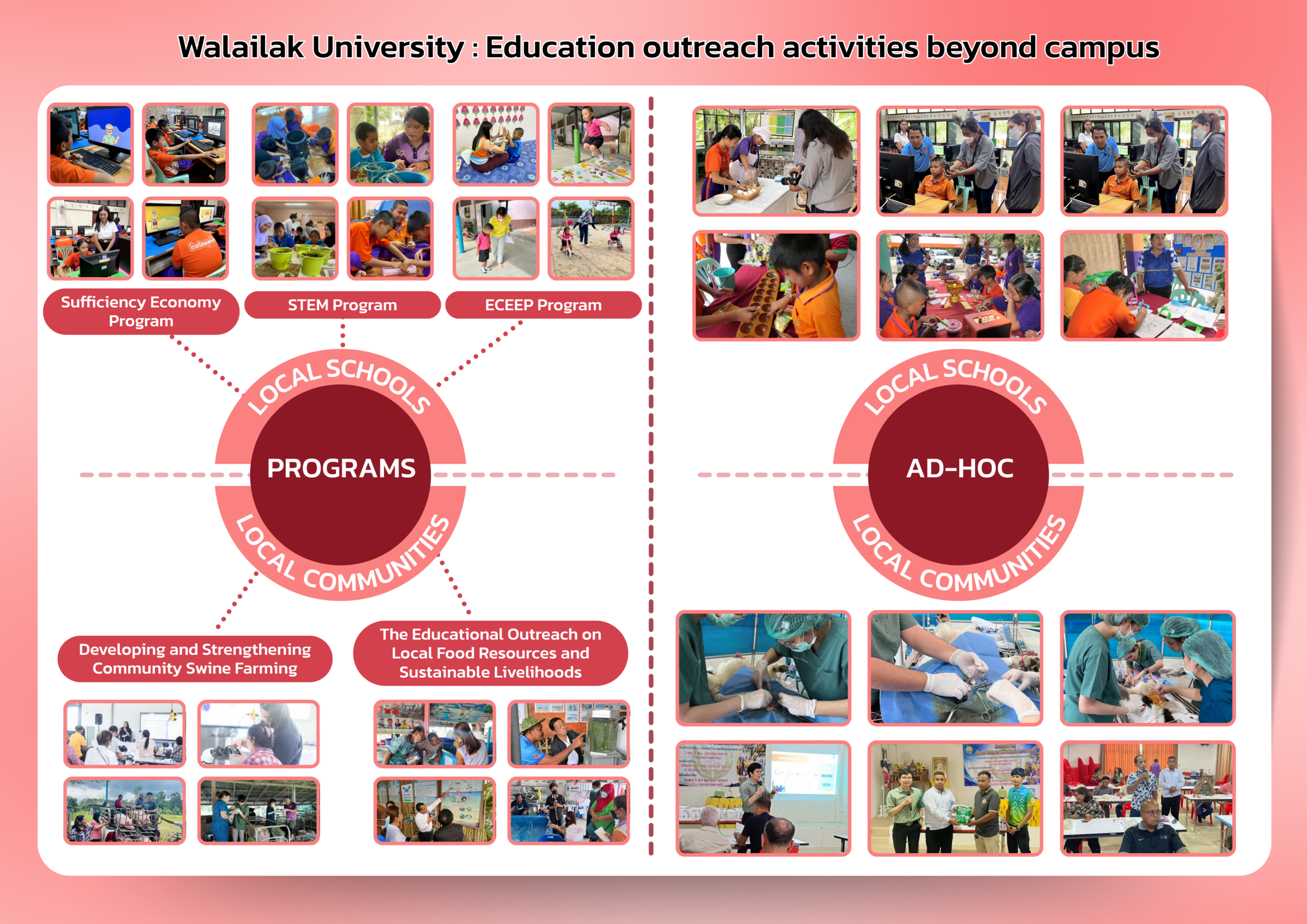
Sufficiency Economy Program

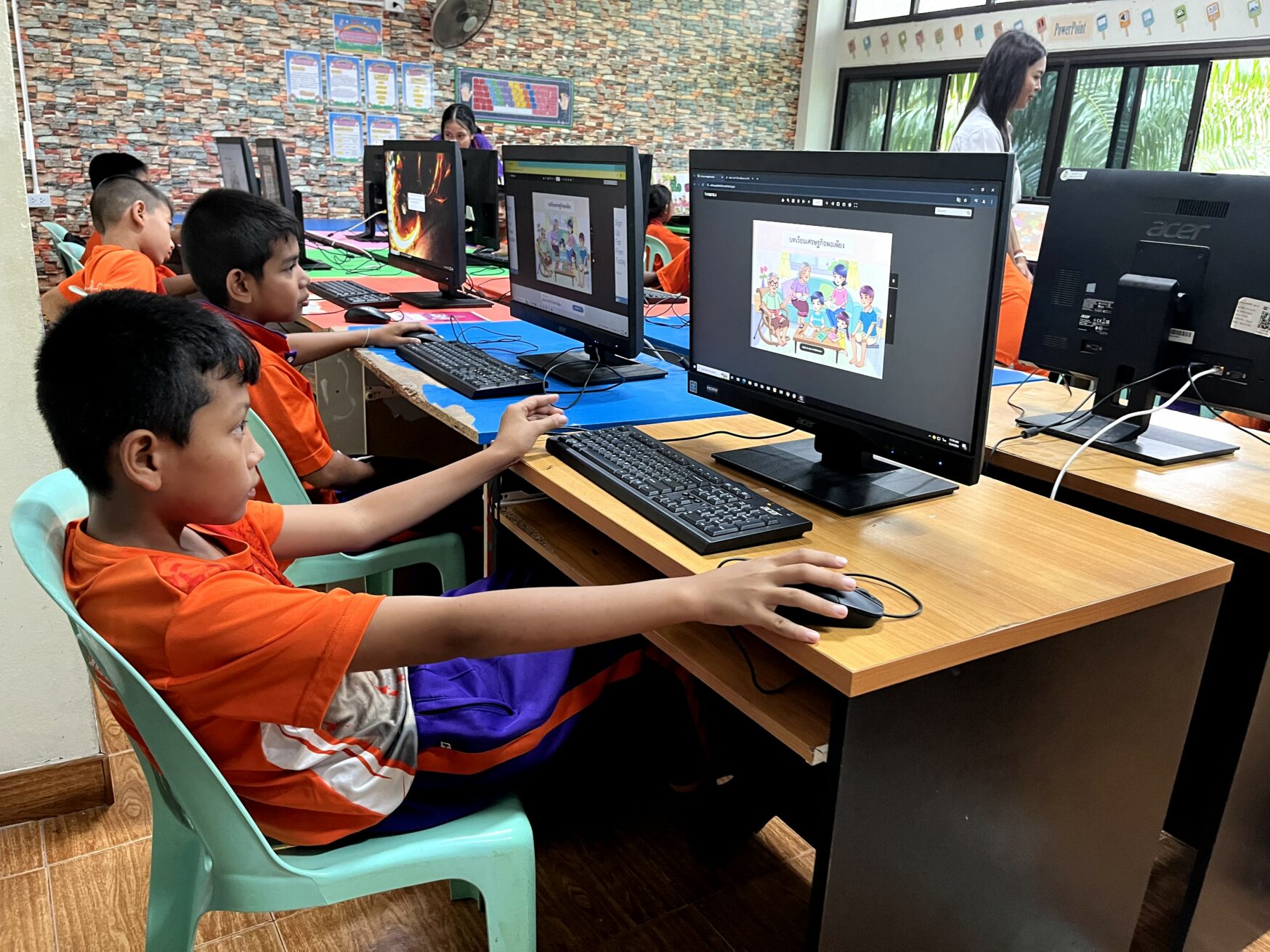
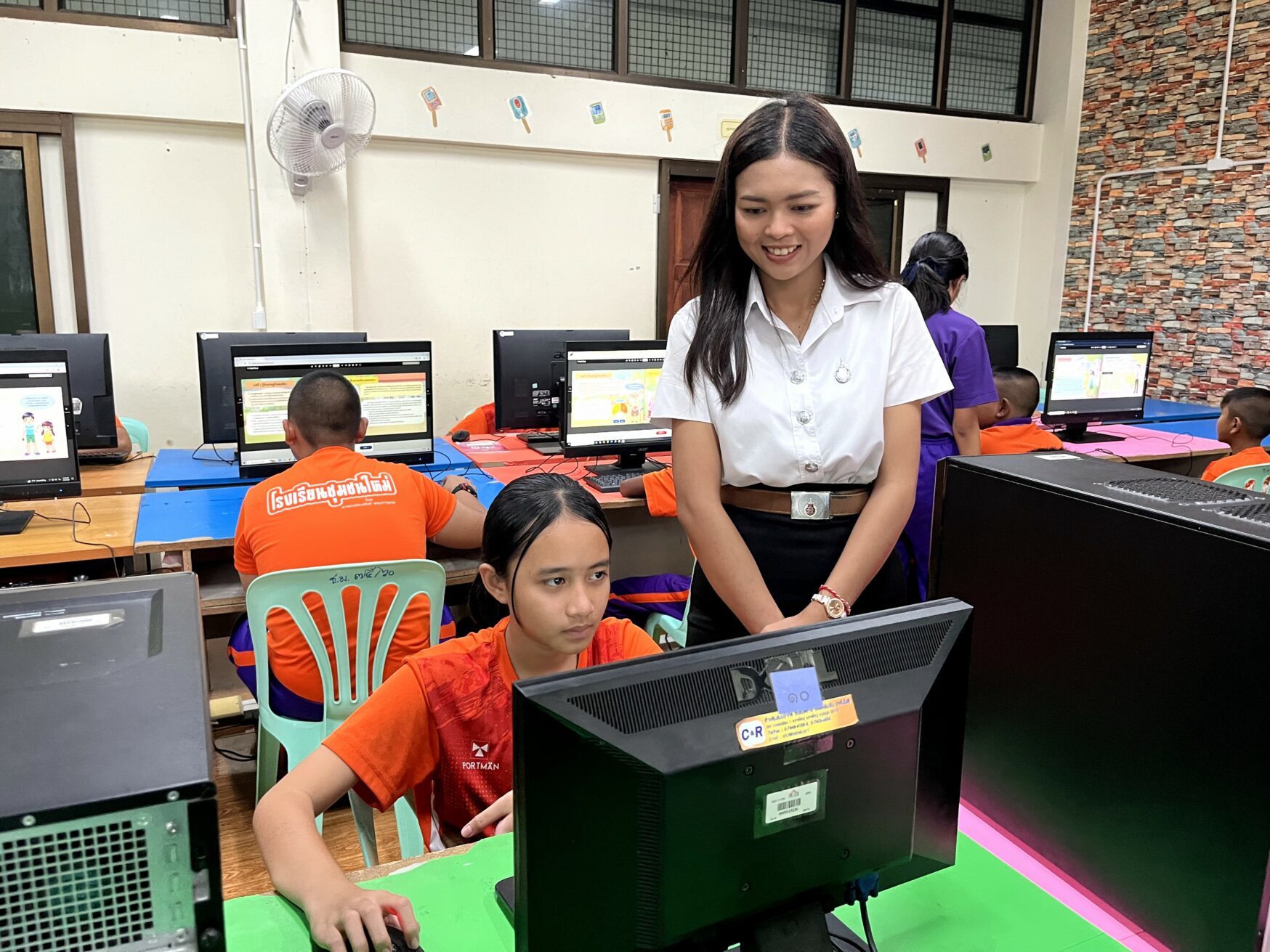
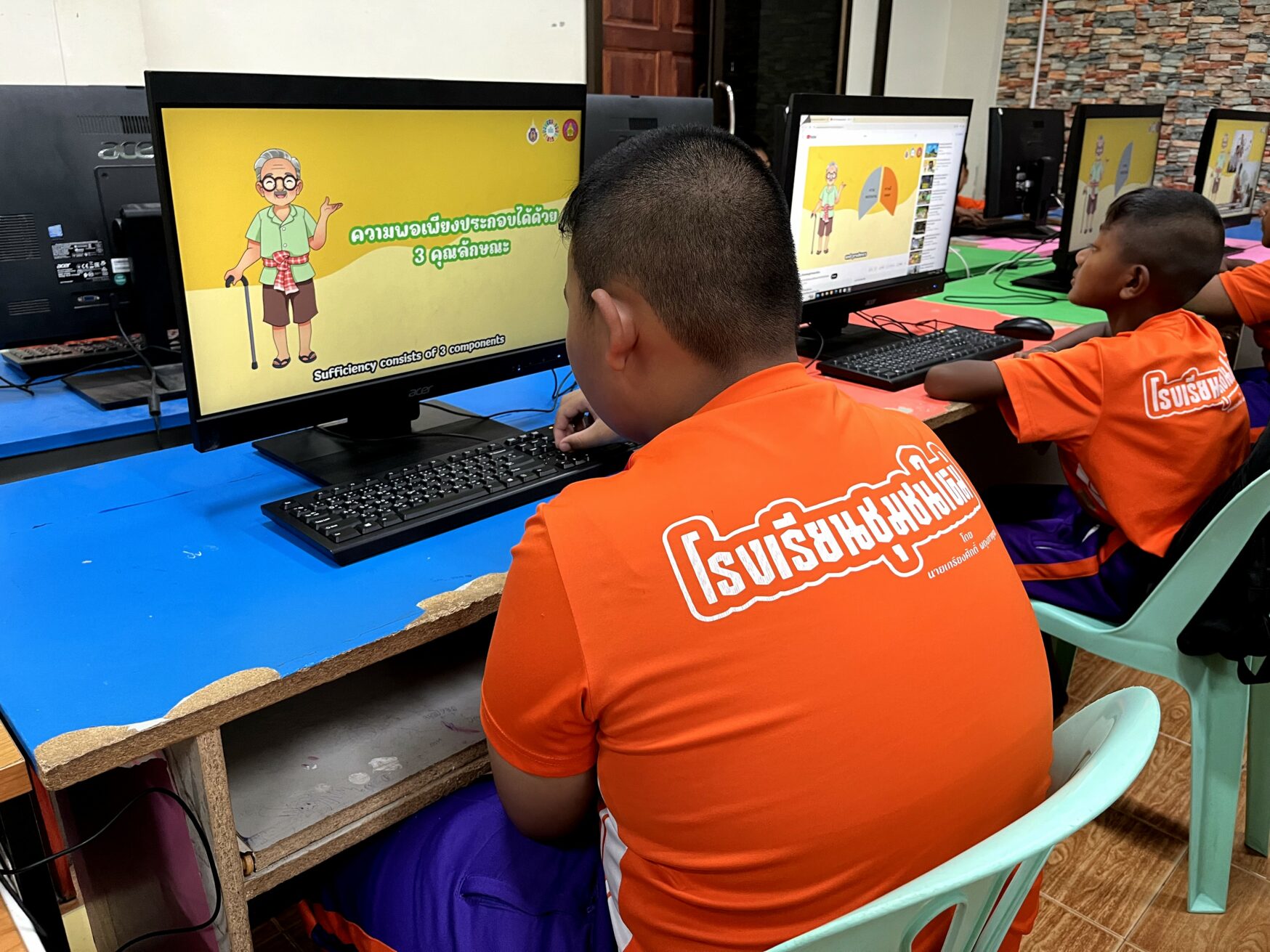
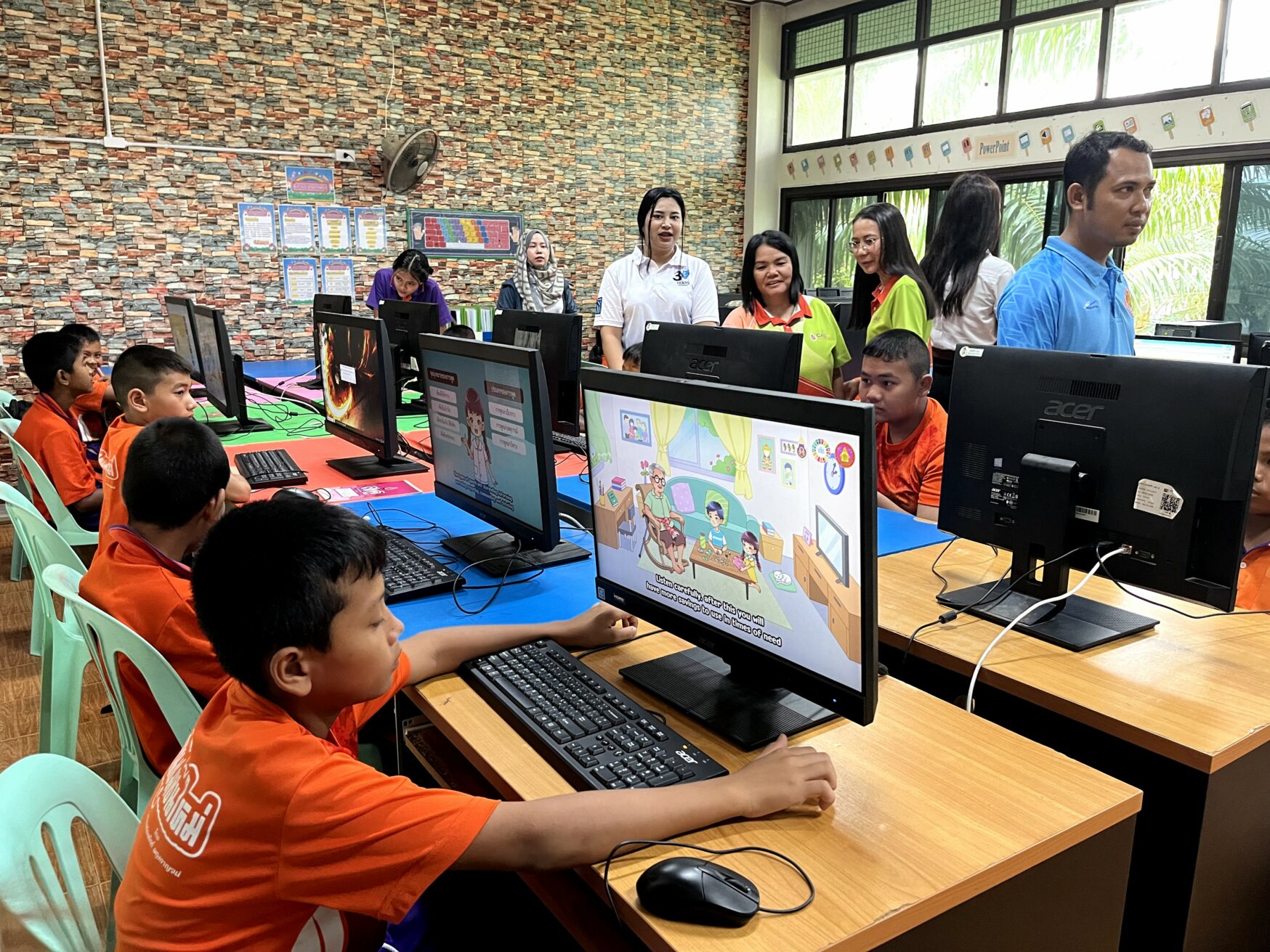
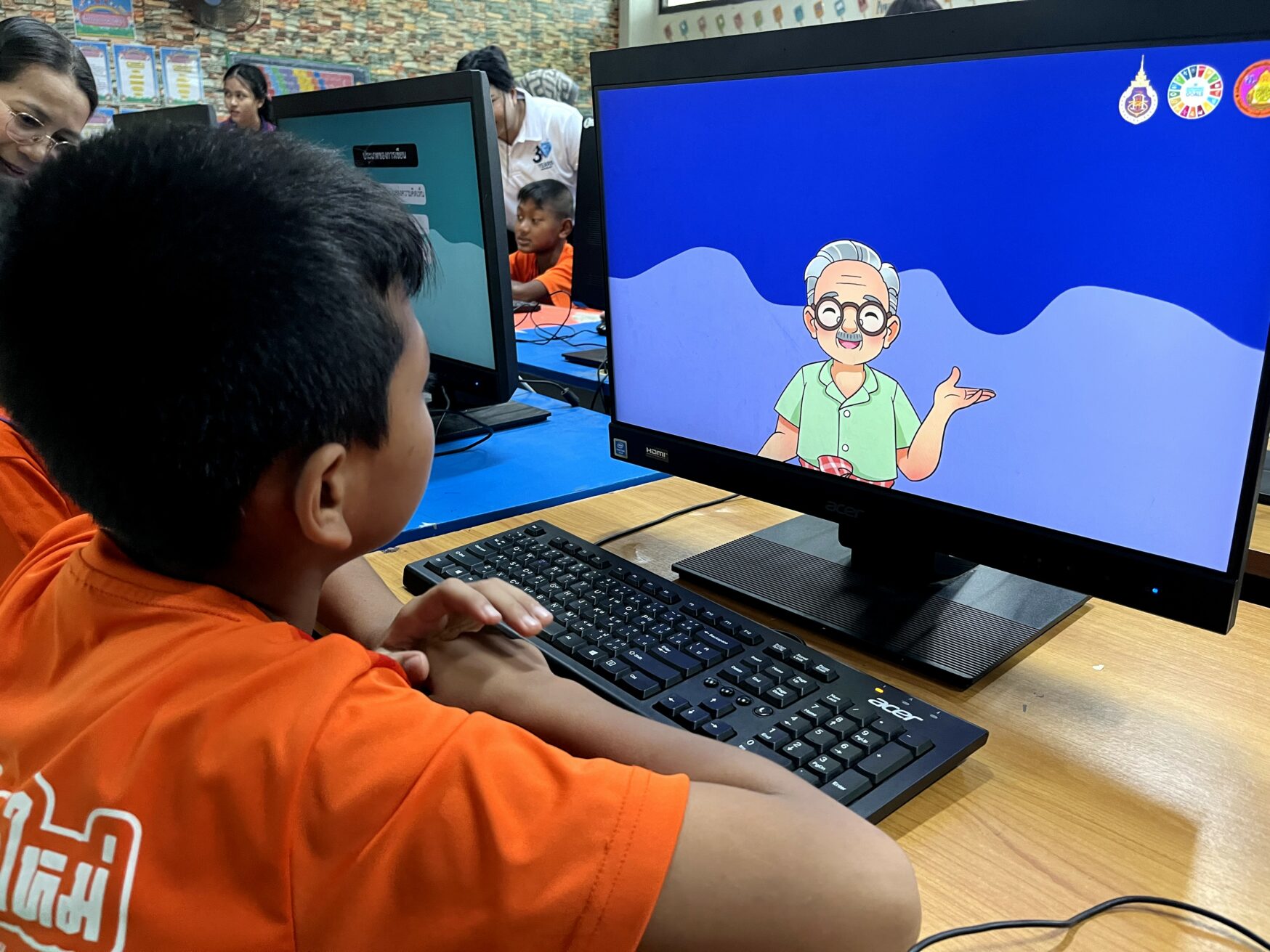
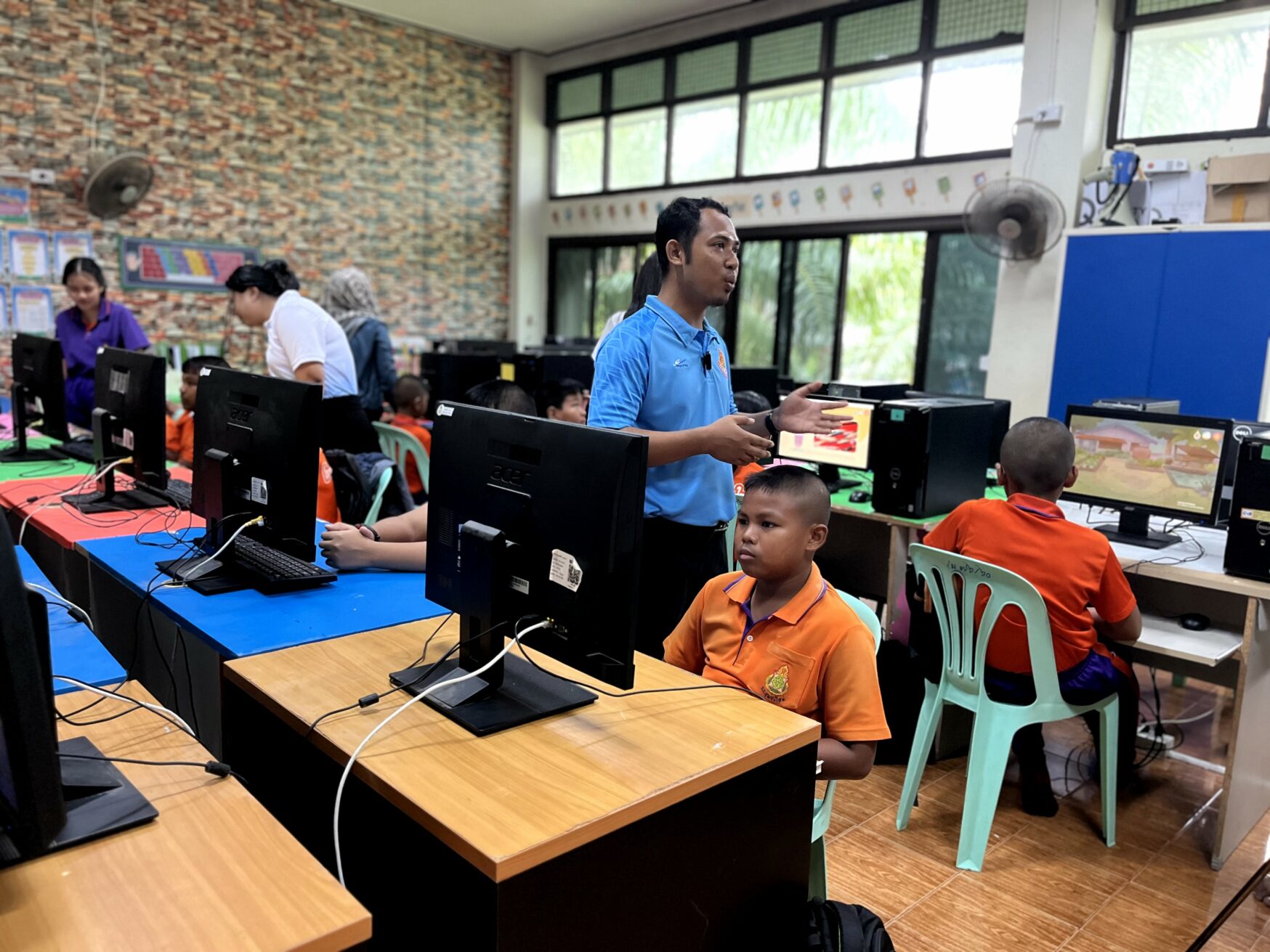
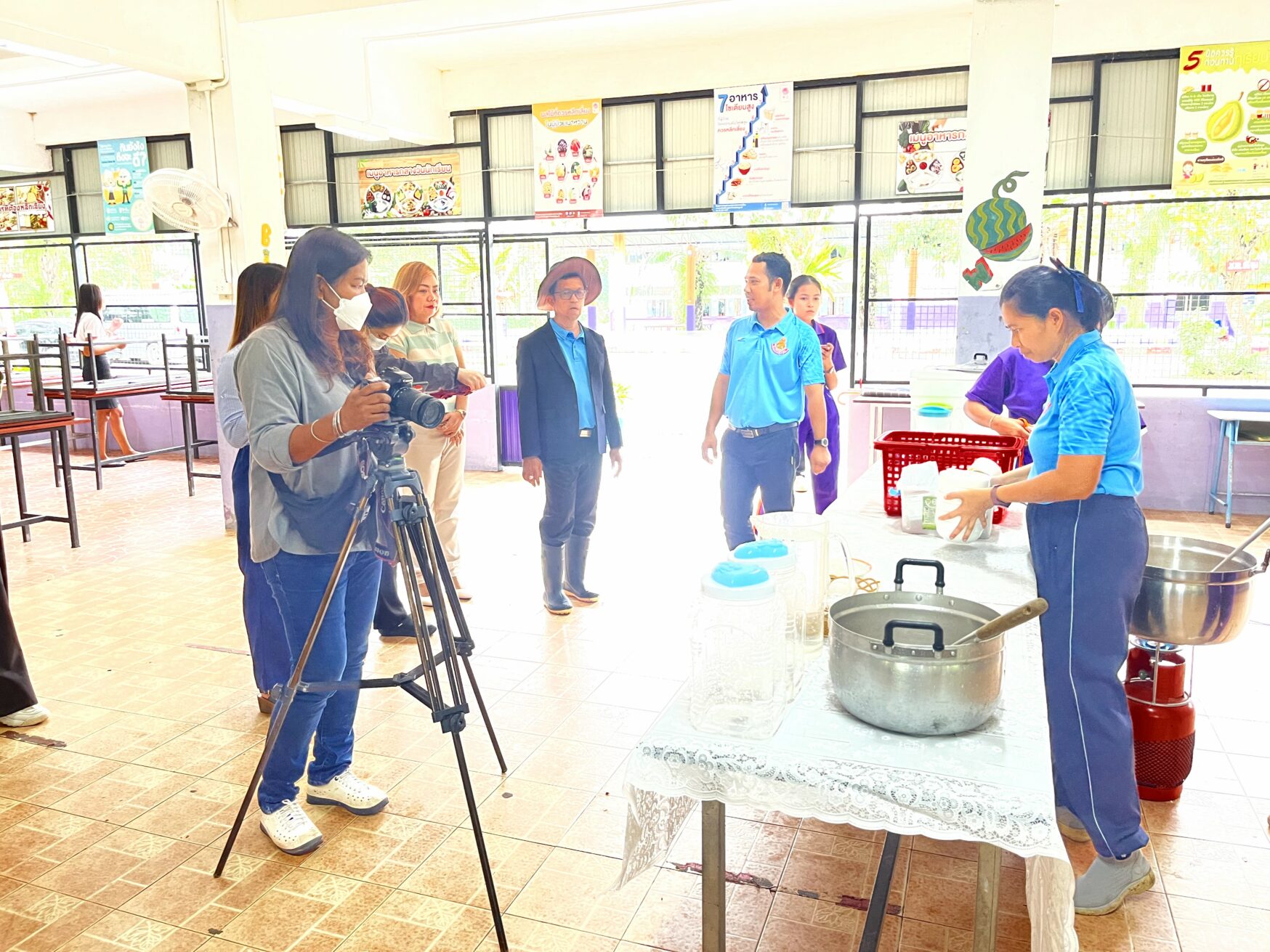
The Sufficiency Economy curriculum and learning innovation development program was initiated with the intention of transferring Walailak University’s knowledge to local schools and communities. The project began with the design of a prototype curriculum for Chumchonmai School and was later expanded to seven surrounding schools. The program aimed to enhance students’ skills and understanding of the Sufficiency Economy Philosophy while connecting with school lunch projects and improving quality of life across students, families, schools, and communities.
Between 2021–2024, the project developed various online learning innovations and digital media, including 12 lessons of 2D animation, e-books, skill-training games, and knowledge assessment tests. Topics covered included self-awareness, family and community life, income–expense management, career creation, branding, and role model development. Learners from Grade 1 to Grade 9 were able to access the program and received certificates upon completion. The production of these materials also involved staff and students from Walailak University in media creation and voice recording.
This program reflects the university’s role in education outreach beyond campus, creating accessible and engaging learning media while opening opportunities for students and the general public to learn continuously and equally.

STEM Program

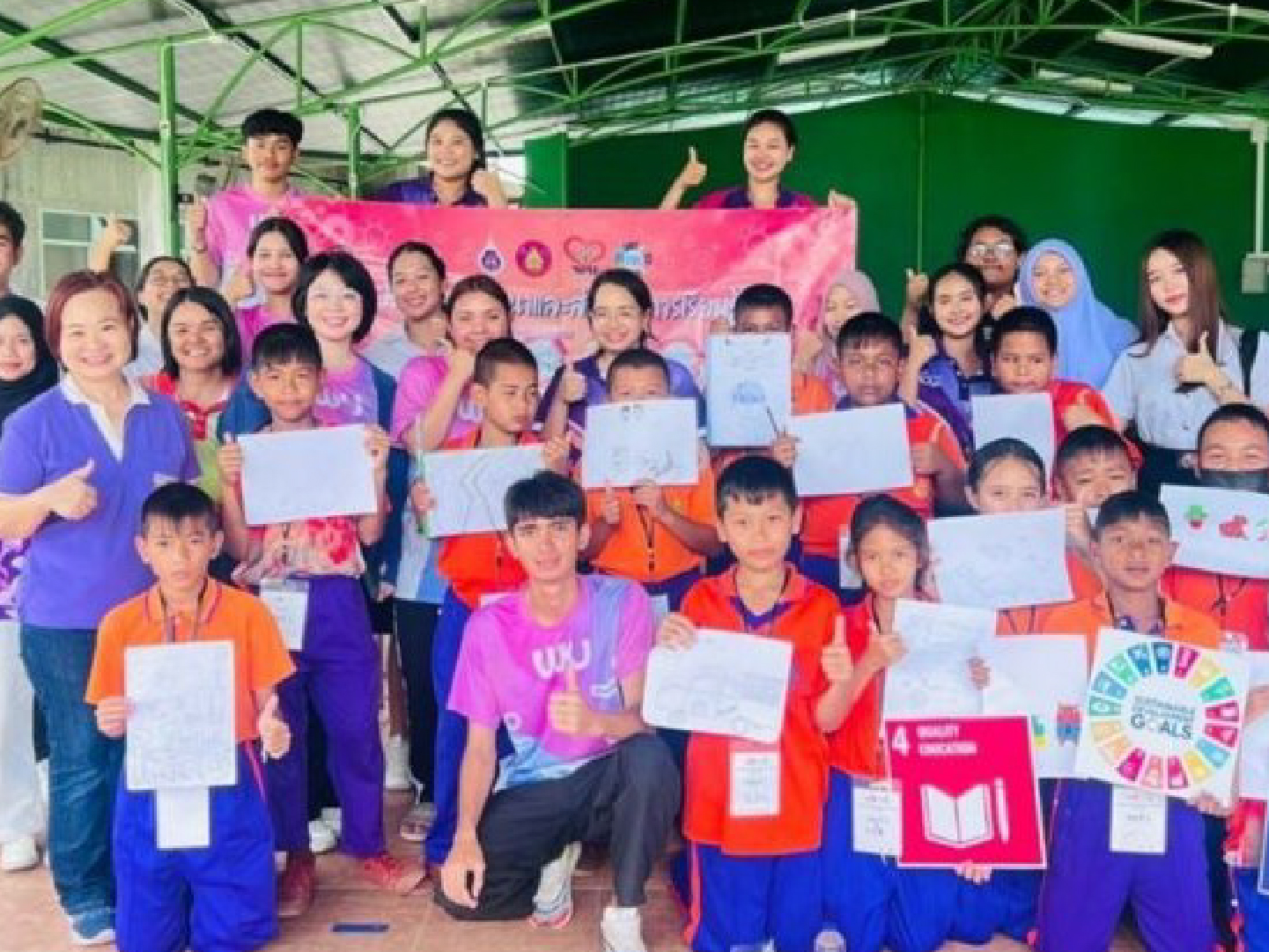
Organized by the School of Science in collaboration with the Center for Academic Services, the STEM program was developed to provide academic services to surrounding communities. It focused on creating a STEM learning model for primary school students, aiming to strengthen scientific skills, analytical thinking, and problem-solving abilities through learning activities connected to everyday life and the surrounding environment.
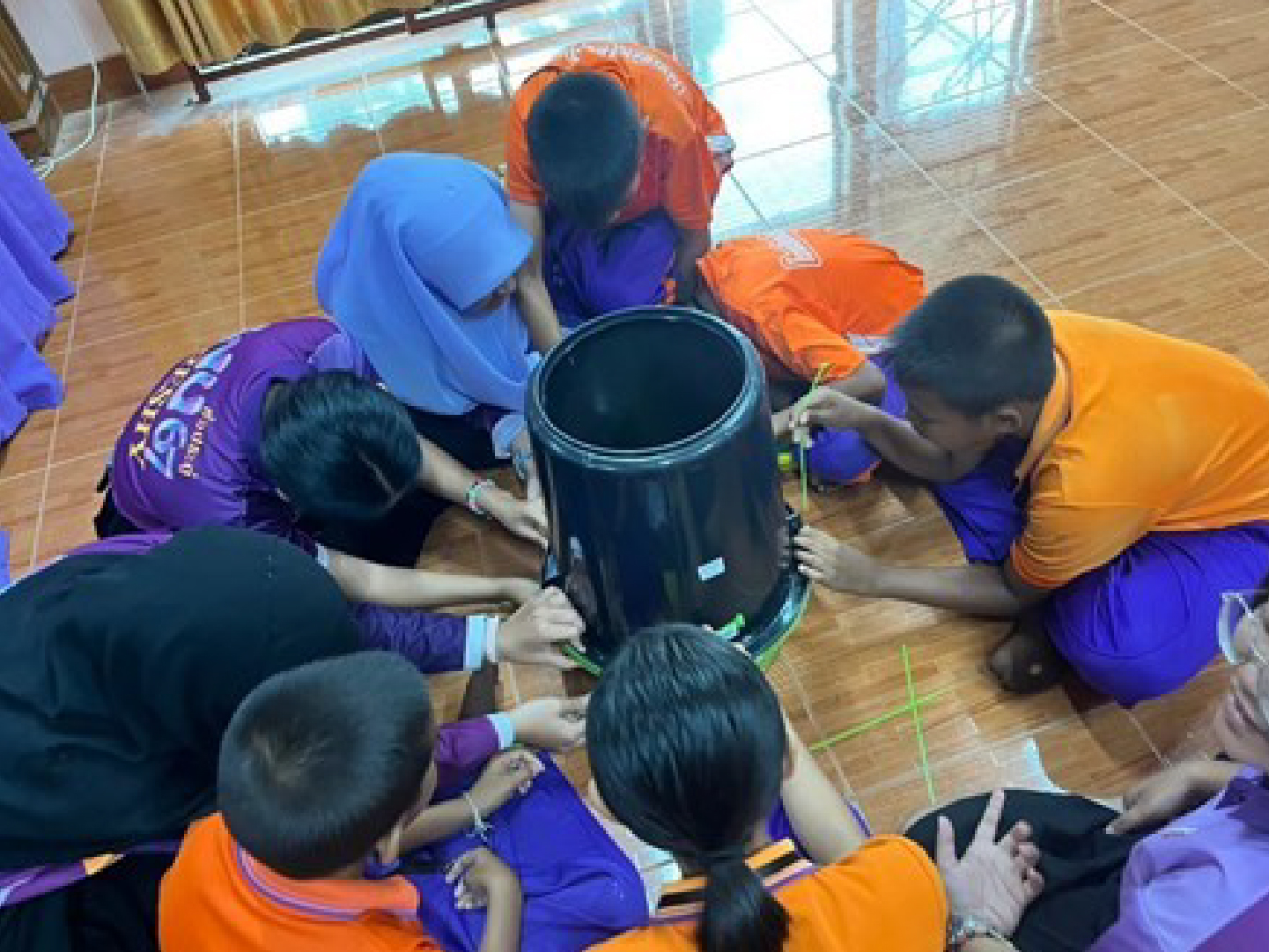
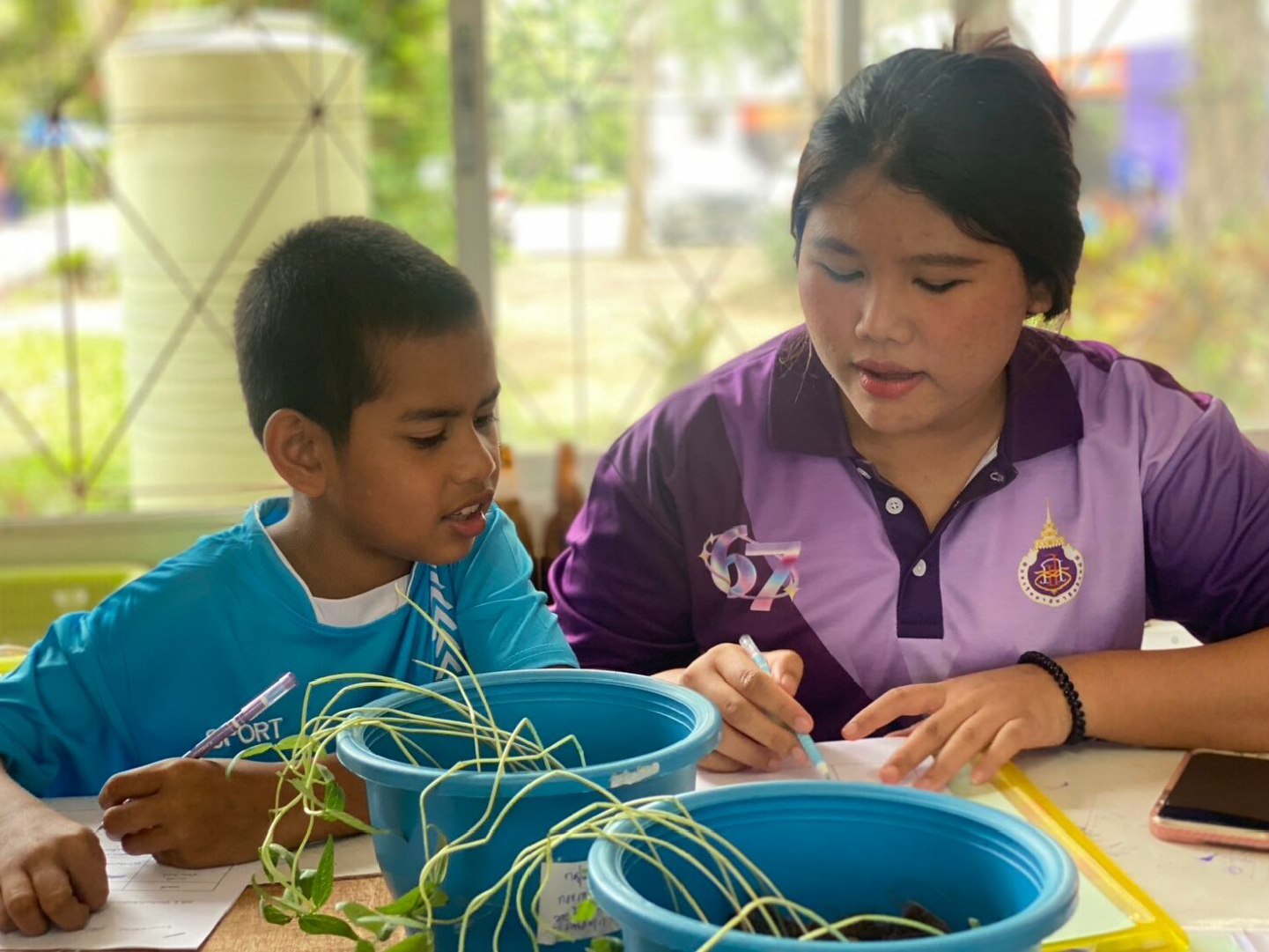
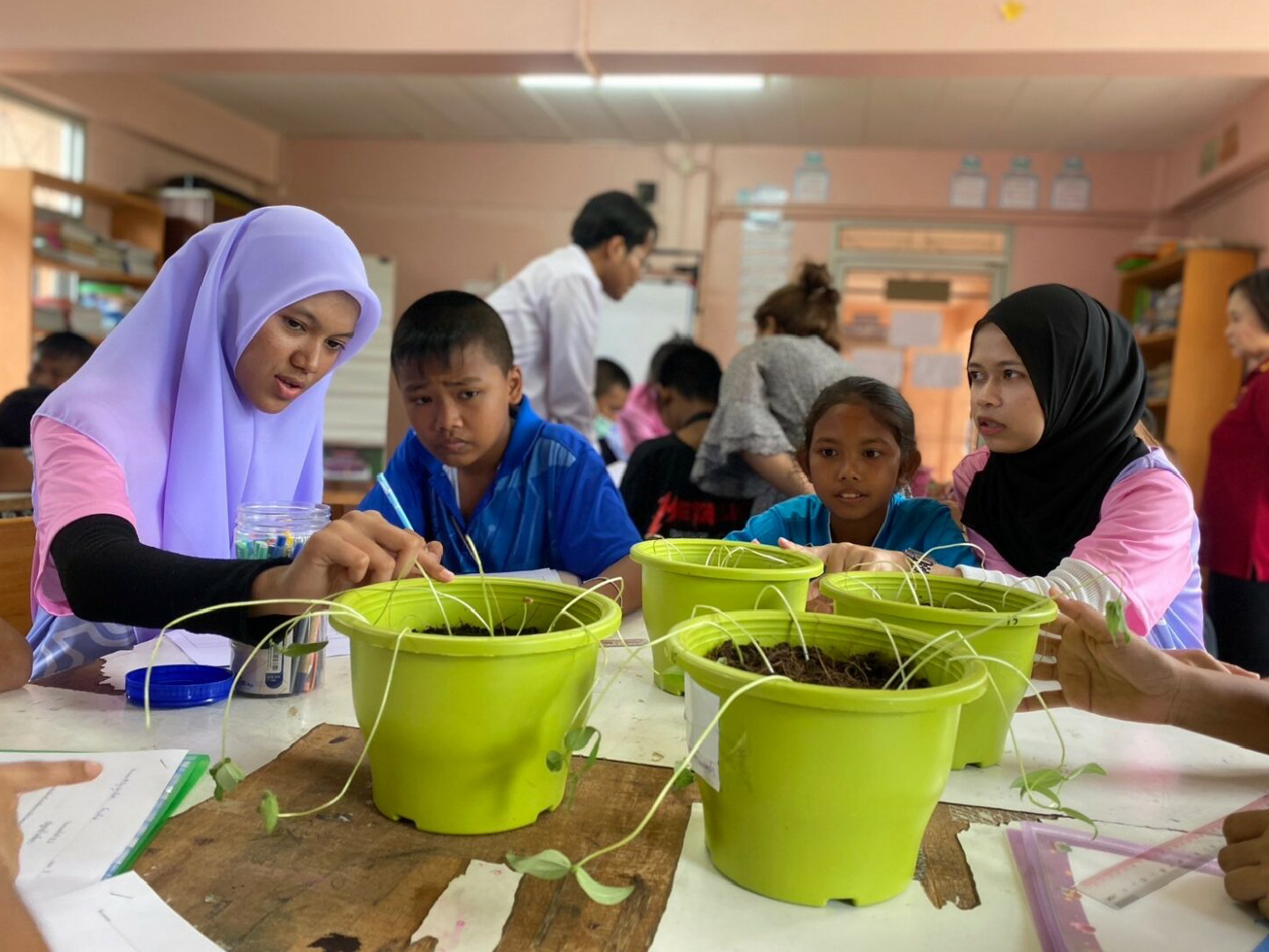
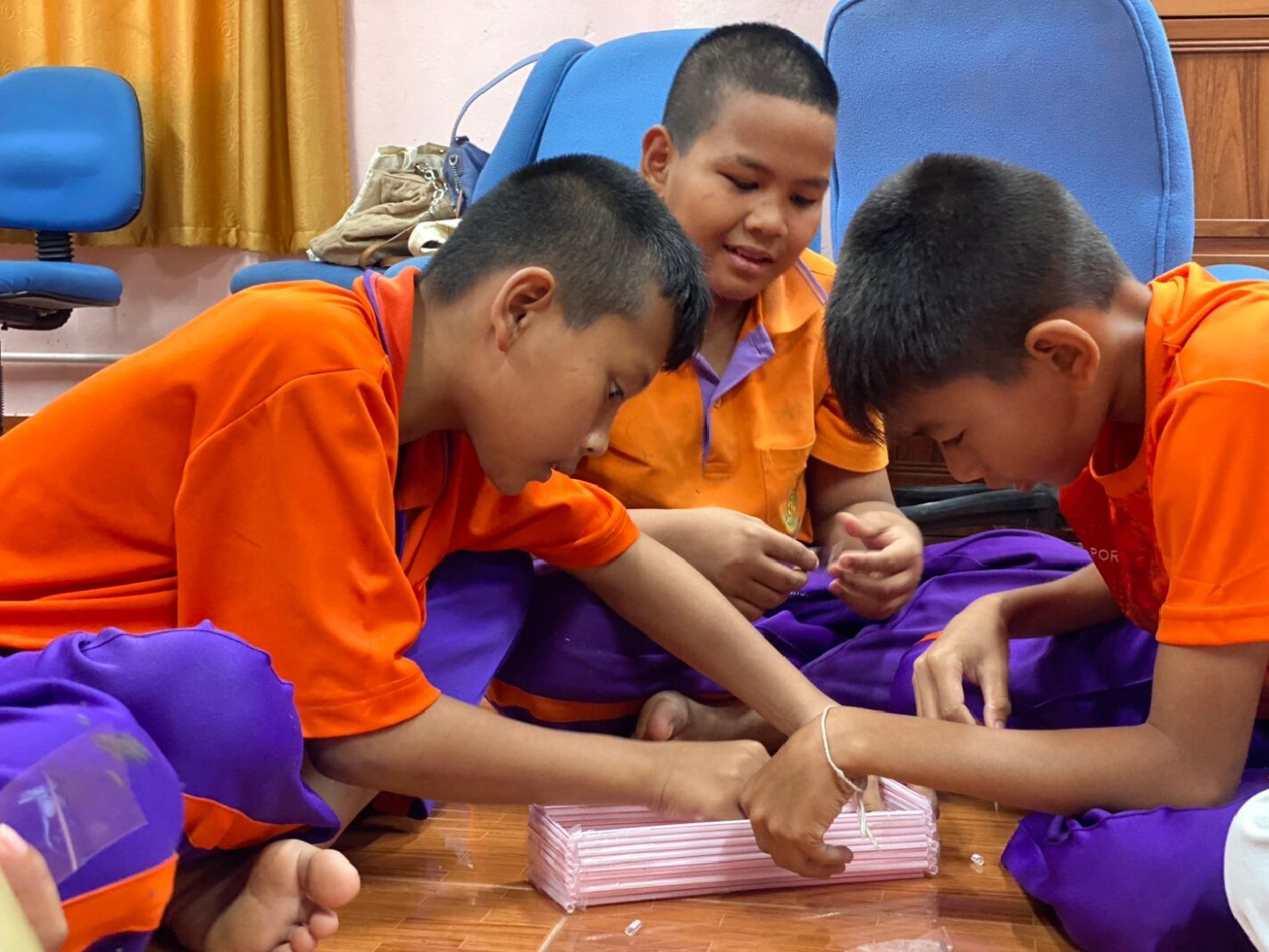
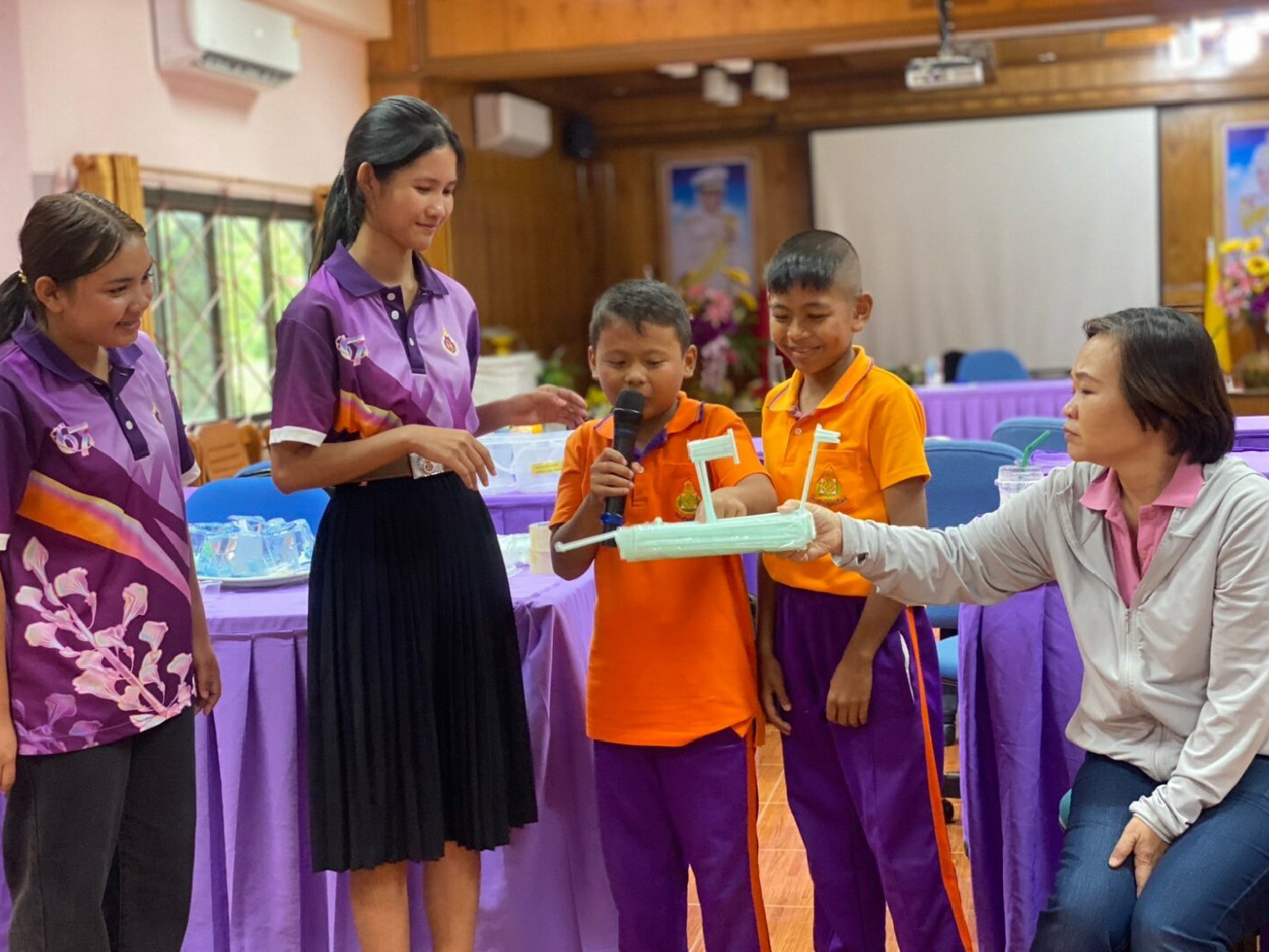
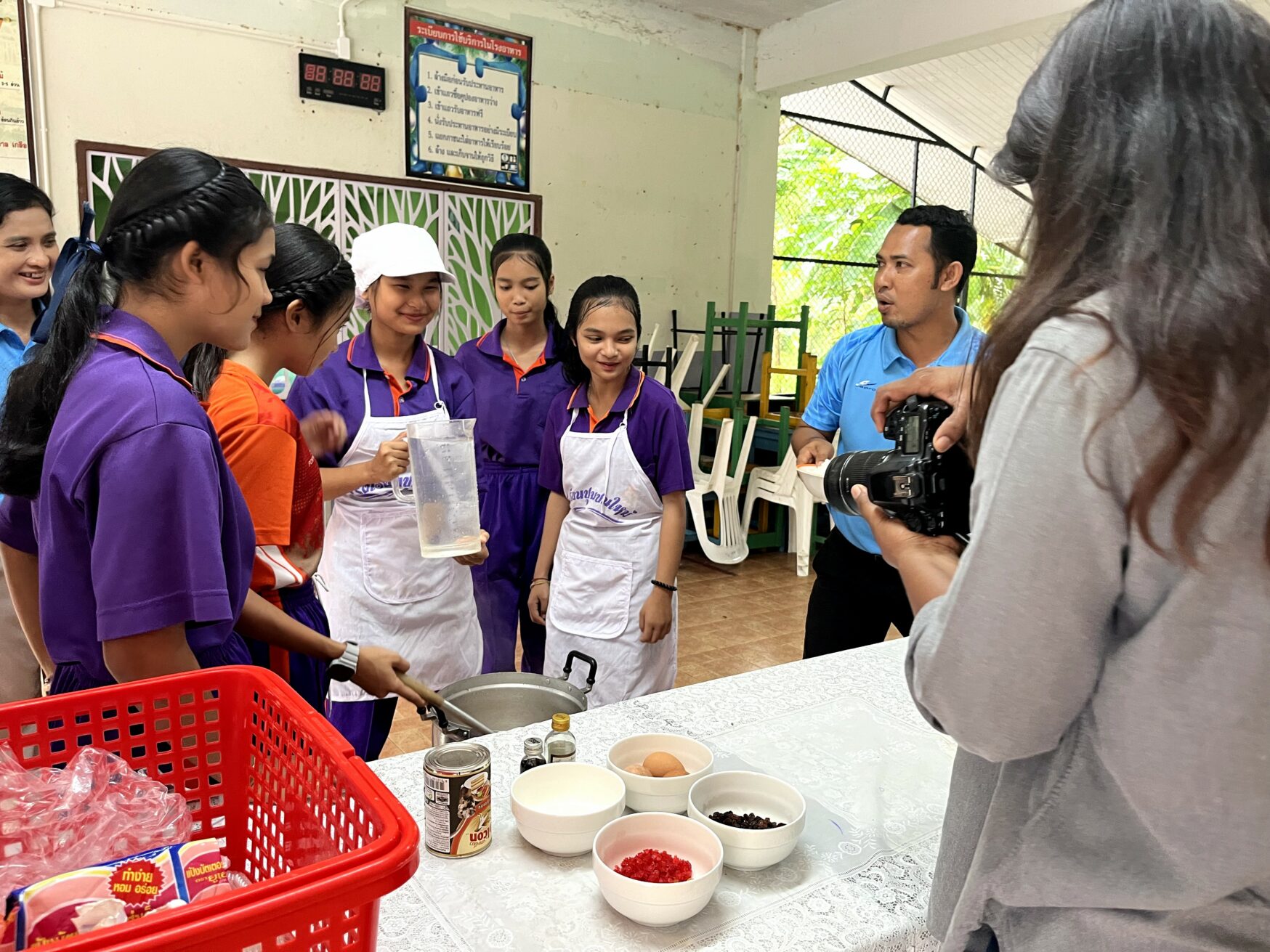
The program was conducted with Chumchonmai School, involving 15 Grade 5 students and 35 Walailak University student volunteers as facilitators and mentors. Six activities were organized: nutrition learning and sandwich-making with nutrient calculation, mung bean growth experiments under varying conditions, plastic straw boat building, a field trip to Walailak University Botanic Park, and innovative wet waste bin creation. These activities significantly enhanced students’ interest and skills in science, while student volunteers developed leadership and community service values.
This project is a clear example of education outreach beyond campus, connecting the university with local schools through STEM curricula adapted to the local context, benefiting learners (science skills and critical thinking), student volunteers (leadership and volunteerism), and communities (improved education and innovative learning models).

ECEEP Program

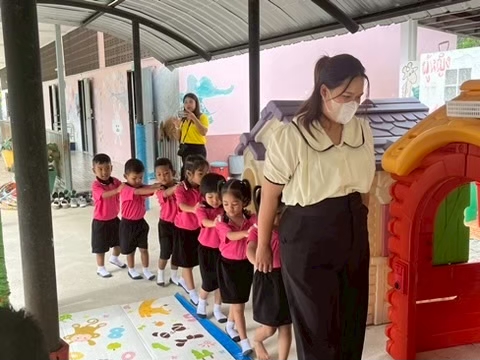
The Early Childhood Equity Education Project (ECEEP) was initiated by Walailak University to improve early childhood education, reduce inequality, and develop local human capital. The project aims to ensure that all children receive quality pre-primary education in preparation for elementary education by 2030.
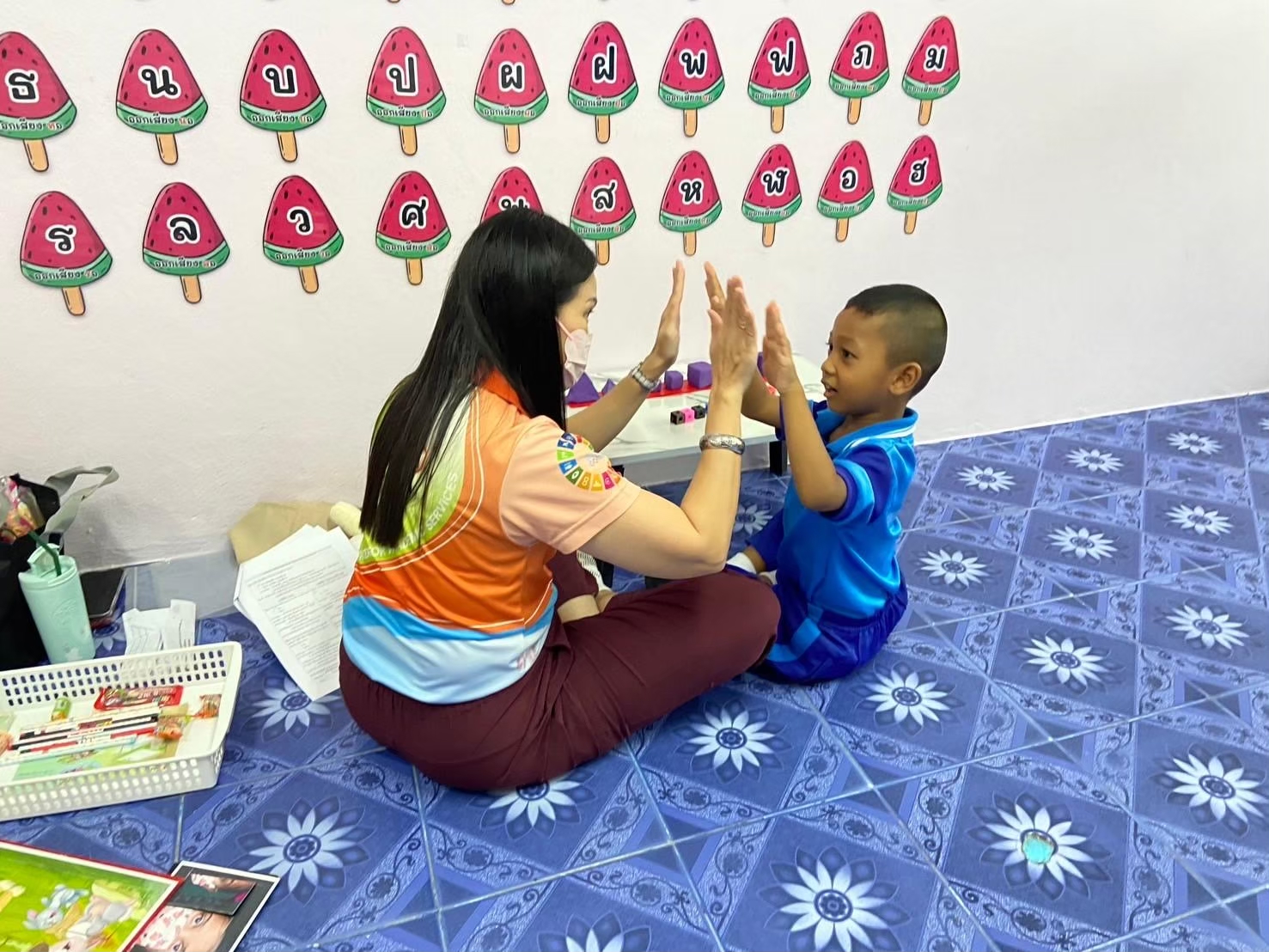
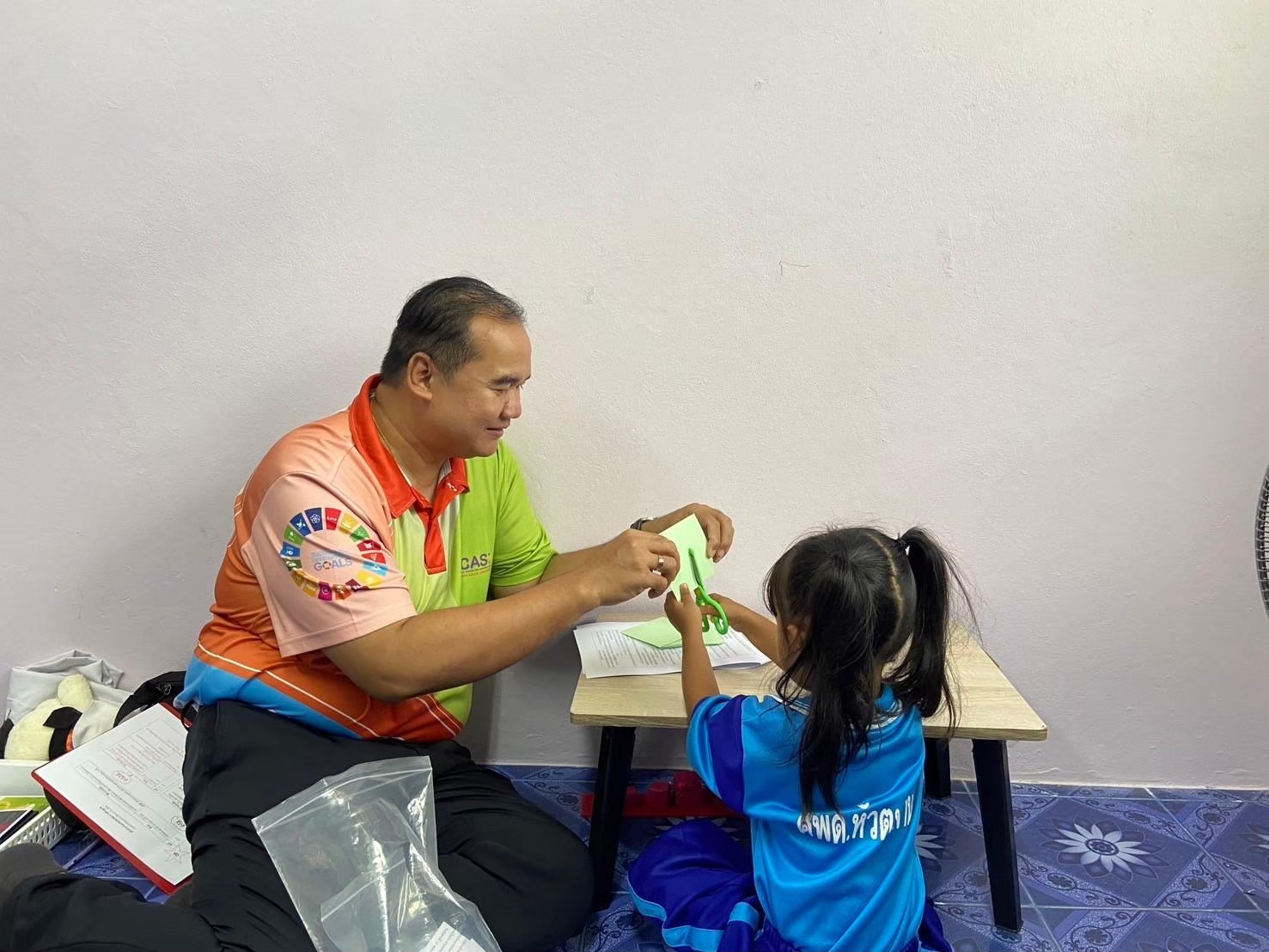
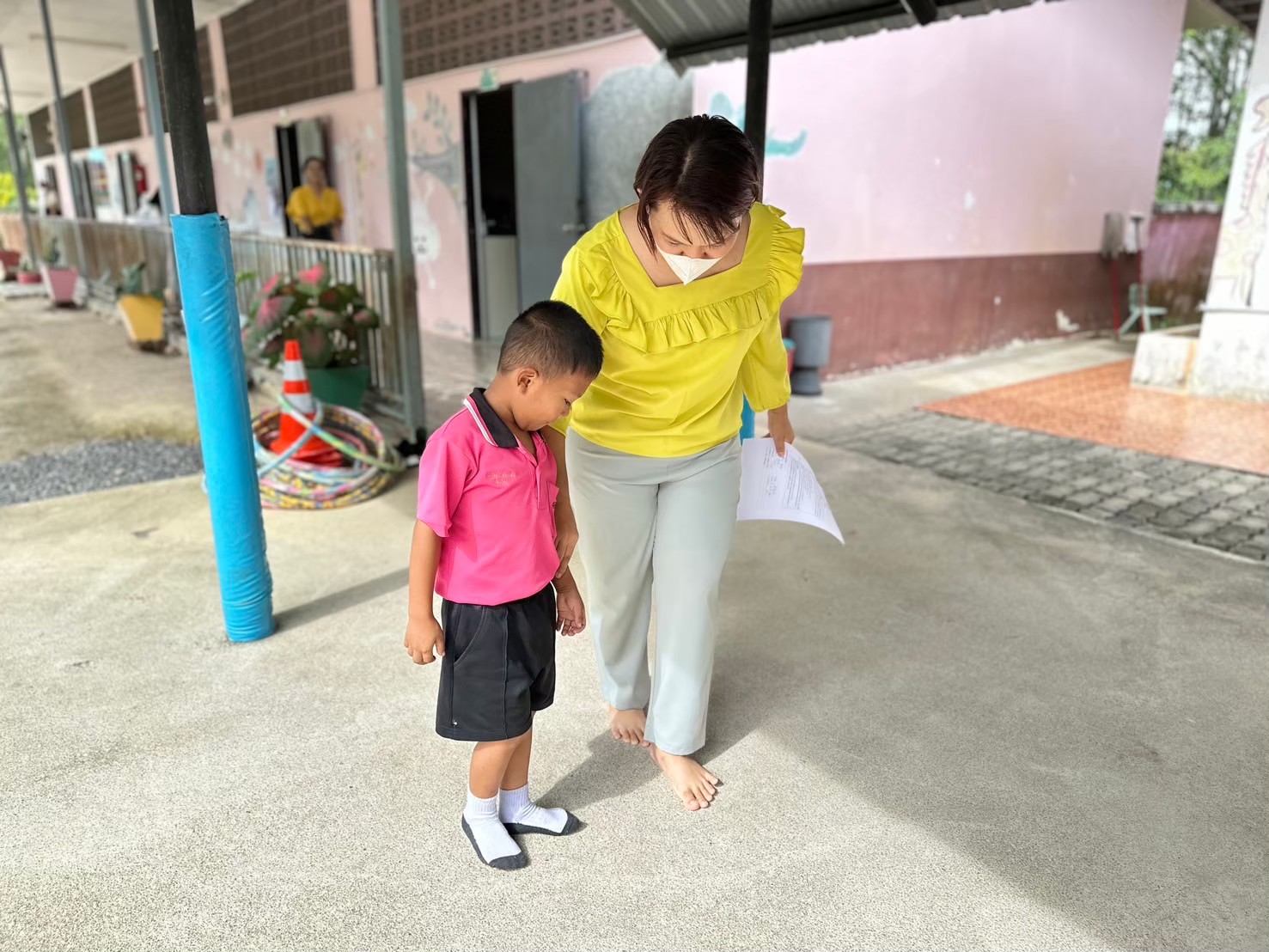
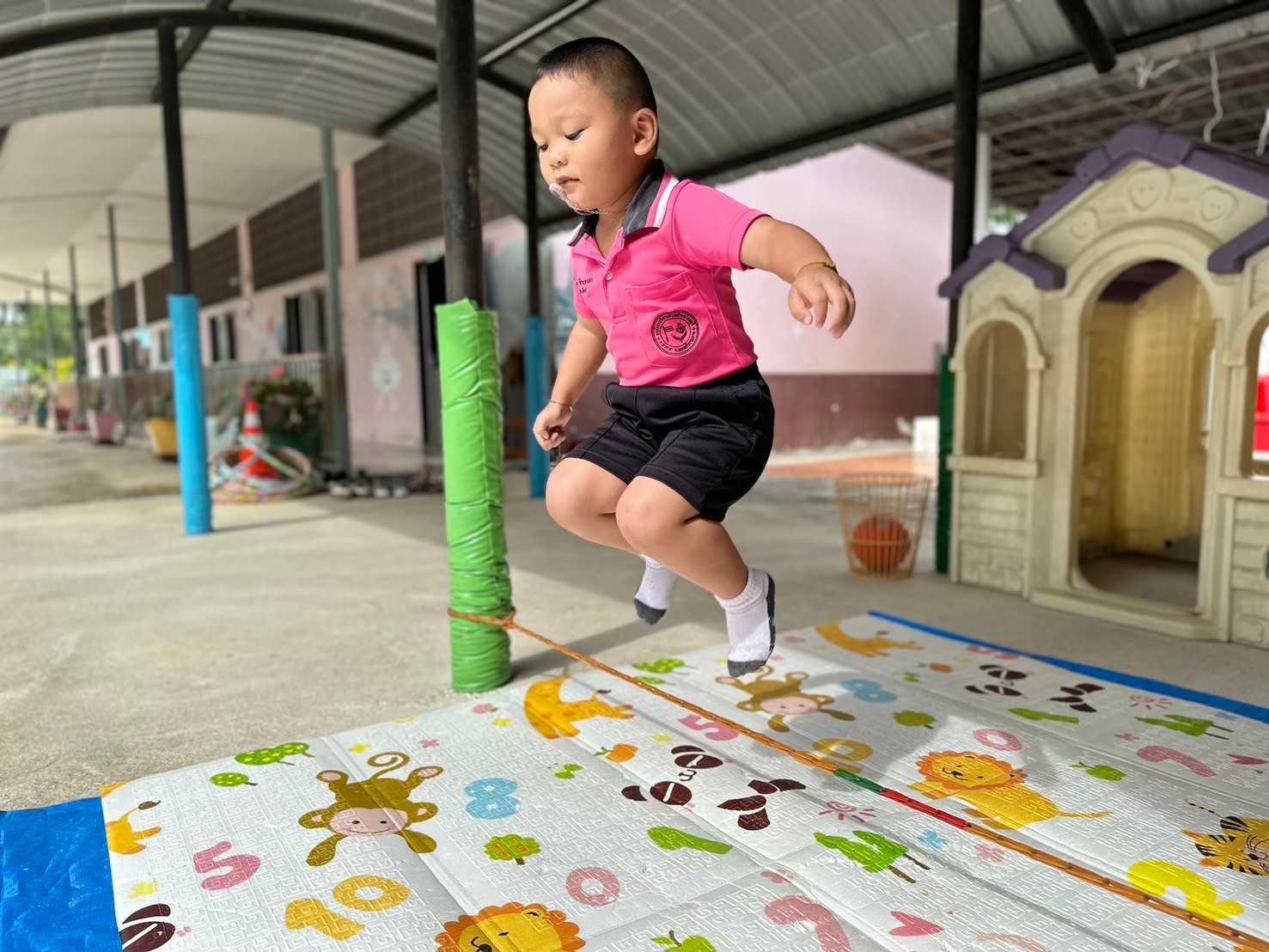
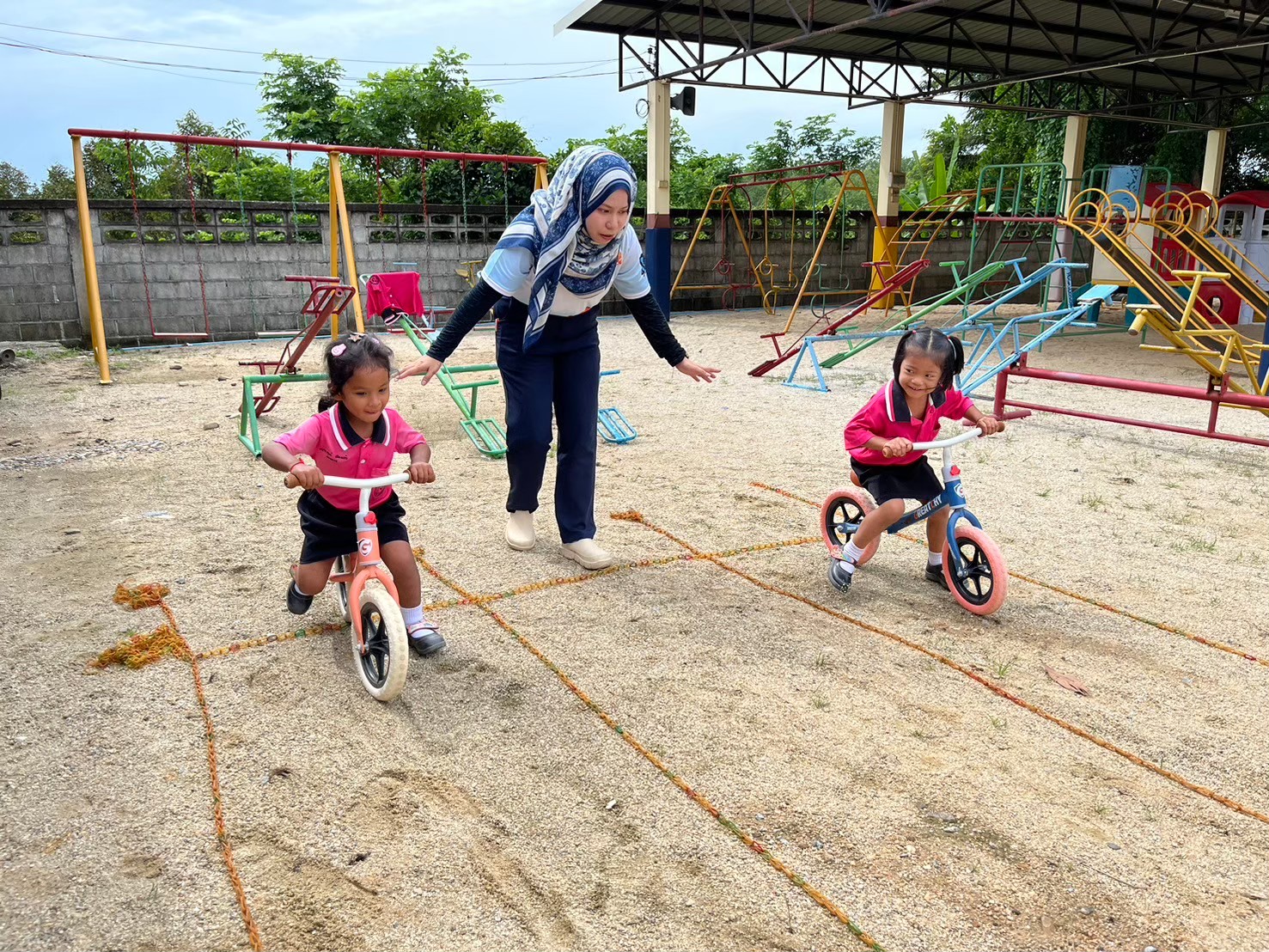
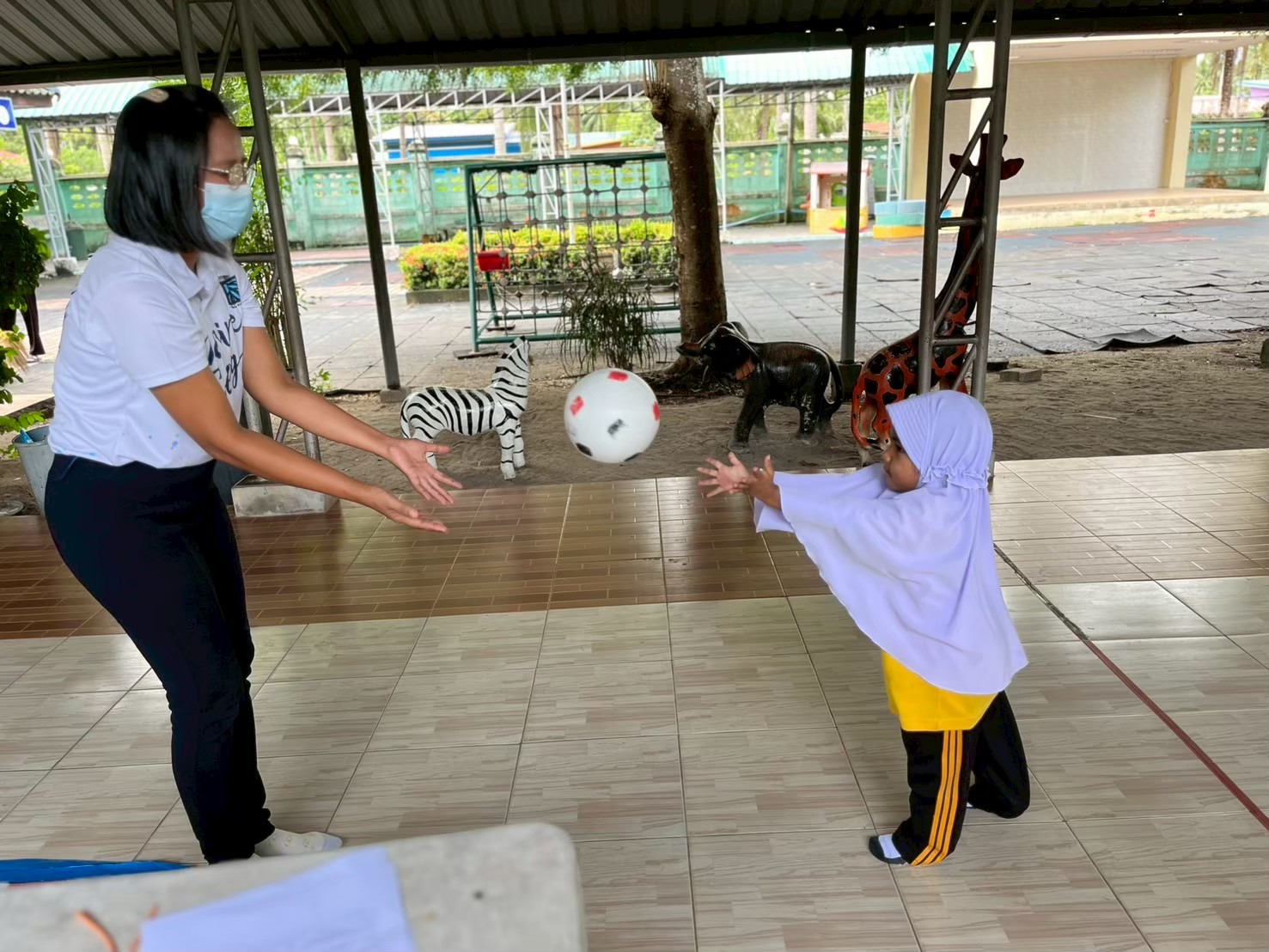
The program focuses on children aged 3–6 years in local early childhood centers across Nakhon Si Thammarat Province through five phases: data collection, partnership building, High Scope curriculum development and training, monitoring and evaluation, and long-term research. In fiscal year 2024, the project collaborated with Walailak Pattana Demonstration Community Child Development Center and Wat Khok Lek Child Development Center. The program integrated expertise from the Physical Therapy School to promote children’s brain development (Executive Functions: EF) and motor skills, leading to a 40% increase in EF development.
The ECEEP is a flagship example of education outreach beyond campus, extending the university’s role to local child development centers and communities. It integrates curriculum development, collaboration with local administrative organizations, and the application of academic knowledge in real contexts. This not only reduces educational inequality but also improves the quality of life for children and families, while providing a model for early childhood education policy at the national level.

The Continuous Programs in Local Communities

Walailak University is committed to driving sustainable community development through continuous projects and activities that transfer academic knowledge and resources to society. These initiatives not only address immediate needs but also create long-term impacts, fostering lifelong learning, economic development, and improved quality of life for local residents. Highlighted programs in 2024 include the following:

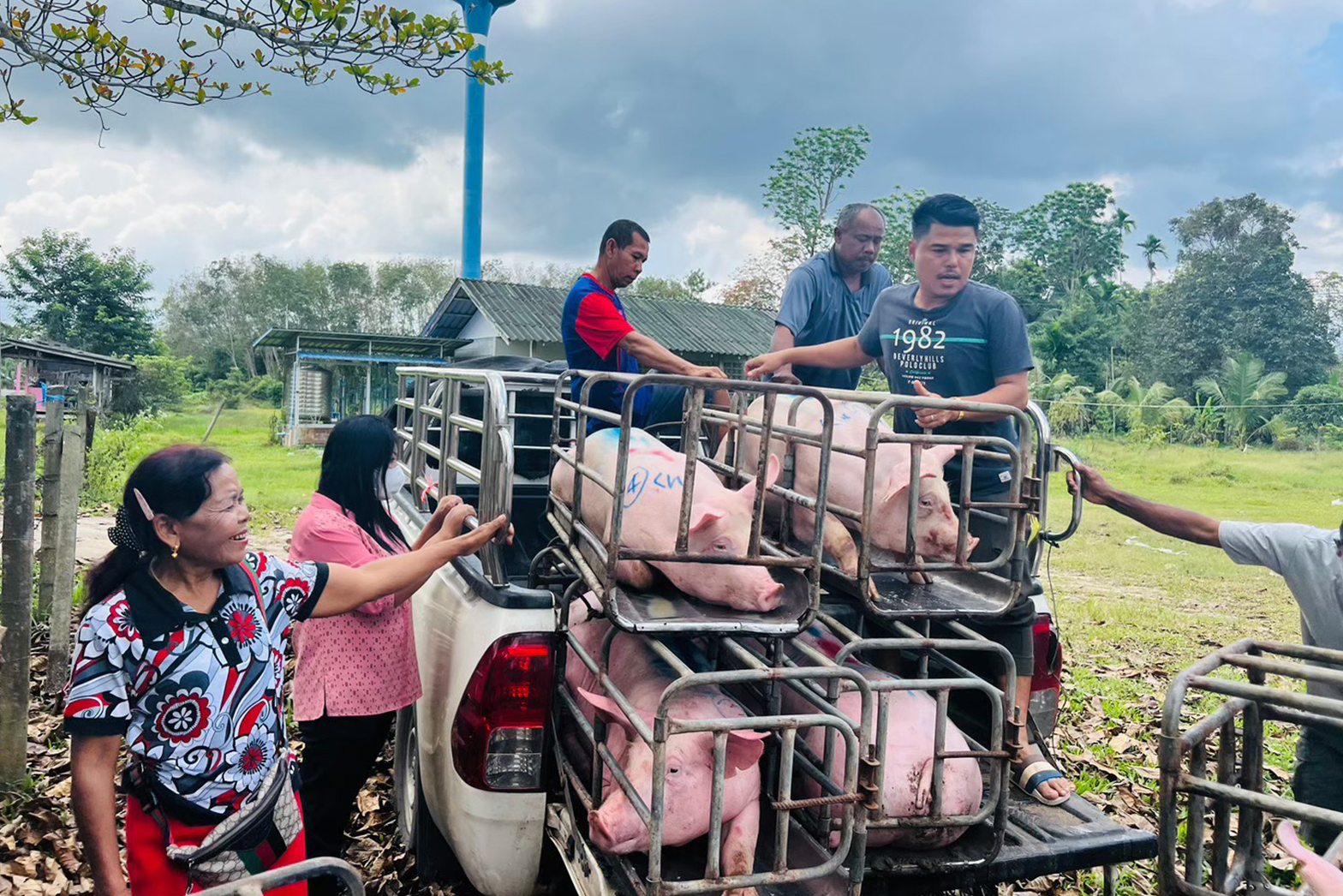
Education Outreach Activities Beyond Campus: Developing and Strengthening Community Swine Farming

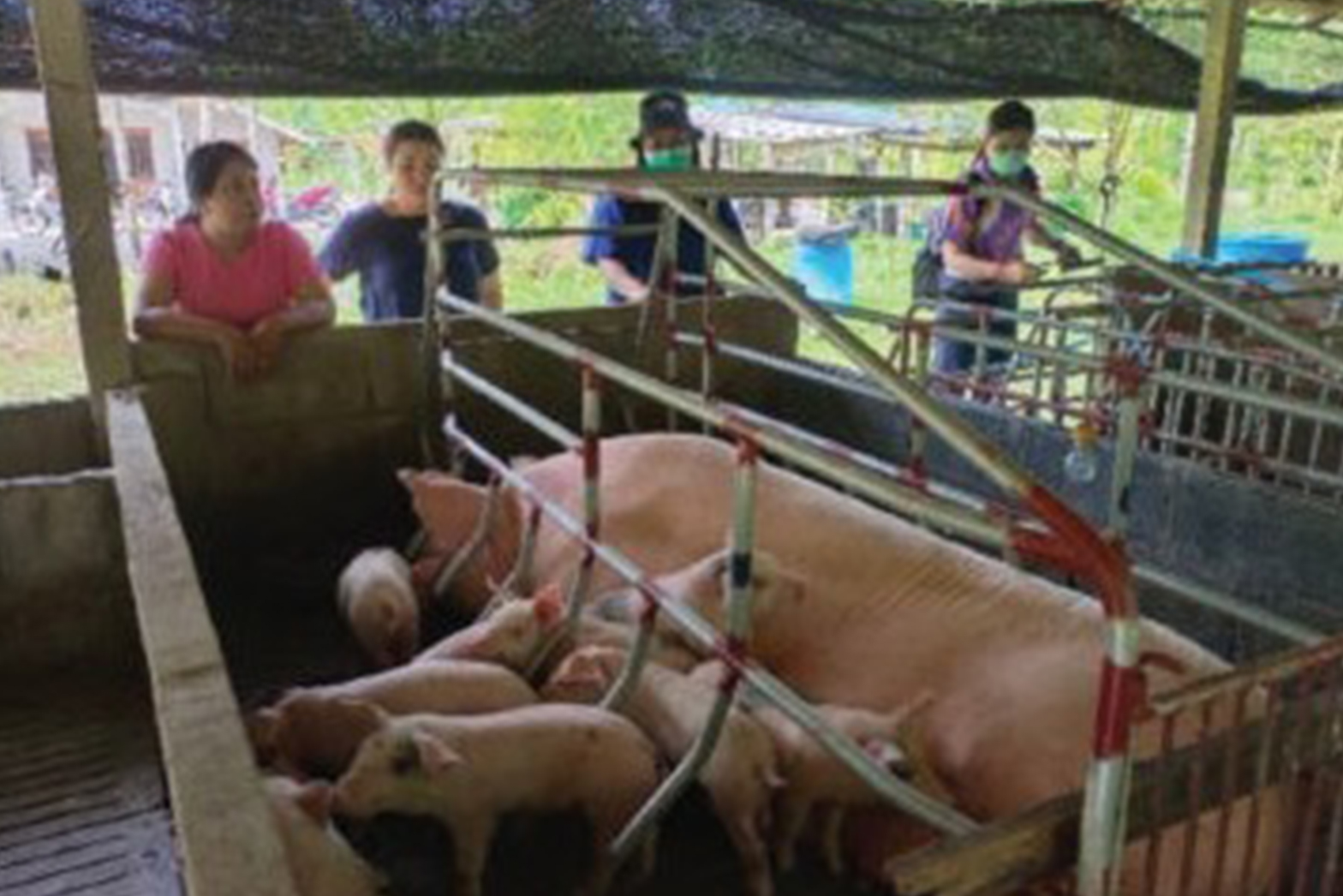
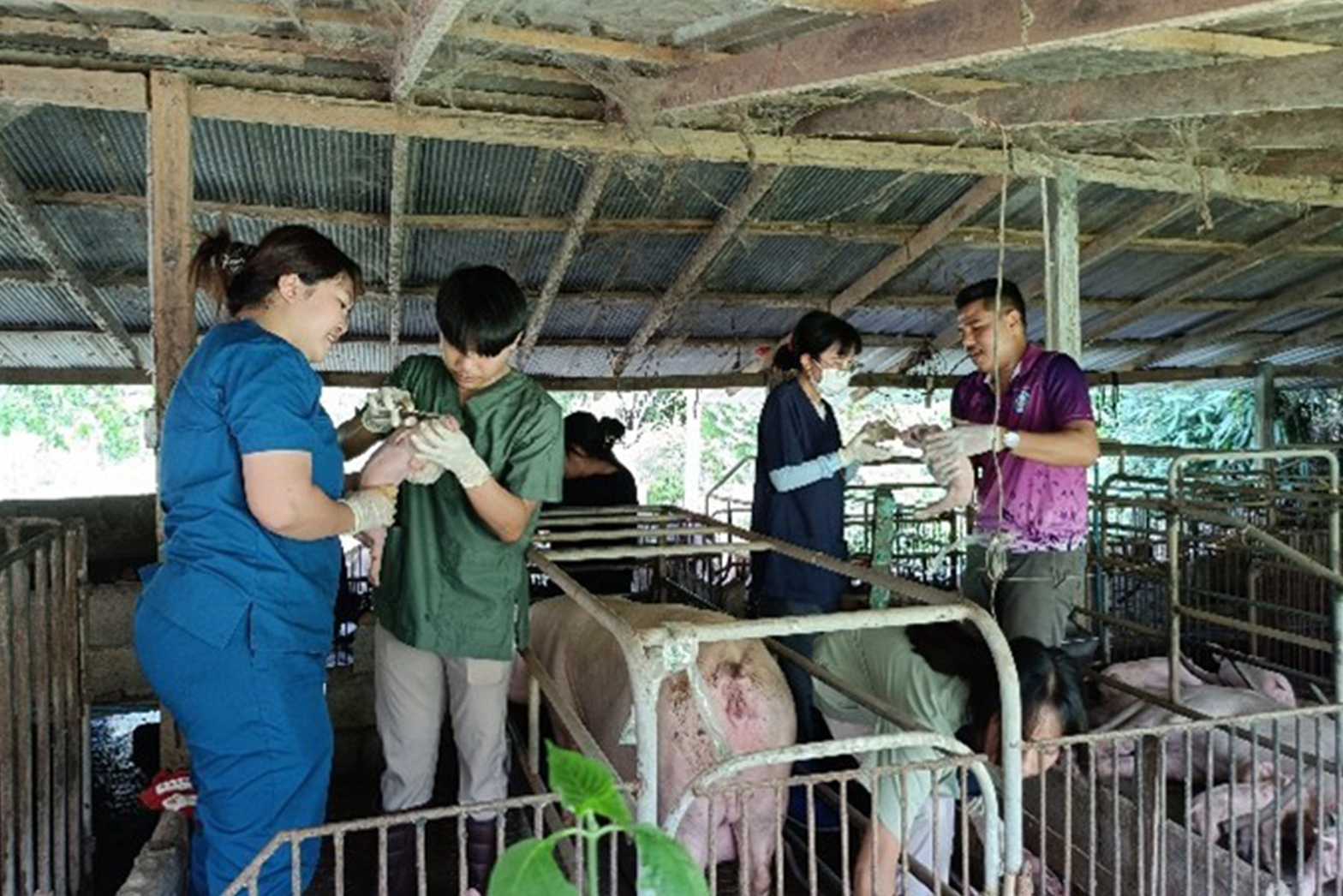
Swine farming is a major occupation for many farmers in Nakhon Si Thammarat and nearby provinces. However, small-scale farmers face challenges such as high production costs, unstructured farm management, and disease outbreaks. Walailak University initiated the Education Outreach Activities Beyond Campus project to transfer knowledge in swine production, herd health management, meat processing, and the establishment of farmer networks. The project employed workshops, lectures, demonstrations, and on-site collaboration with farmers, with participation from student volunteers.
Farmers were trained in producing high-quality boar semen from purebred and crossbred lines, as well as standardized farm management. Additionally, the project introduced processing techniques for pork products, such as sour pork and shredded pork, enabling communities to develop longer shelf-life products and increase household income.
To address swine disease outbreaks, workshops were organized on herd health, pathogen testing, and free diagnostic services for farmers. These activities provided veterinary knowledge while offering students hands-on learning experiences in swine production medicine.
Beyond training, the university hosted forums, lectures (both online and onsite), and farm visits for system analysis and tailored consultations. This facilitated the creation of strong farmer networks in Nakhon Si Thammarat, where members could exchange information and problem-solving strategies.
As a result, farmers gained practical knowledge to reduce risks and improve farm management, while processed pork products generated alternative income and added value for communities. Students also benefited from real-world experience, integrating classroom knowledge with fieldwork, ultimately strengthening sustainable swine farming networks.

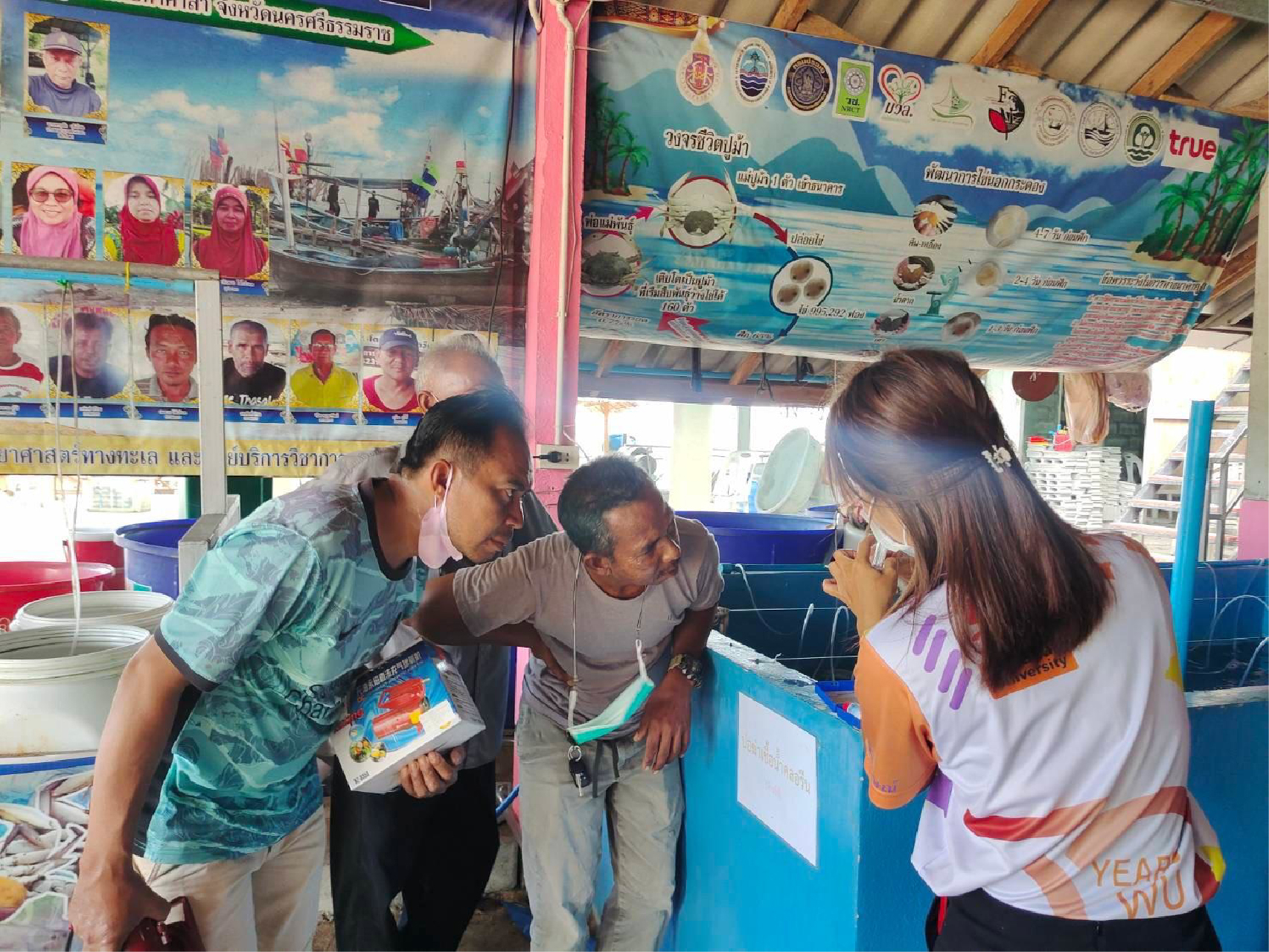
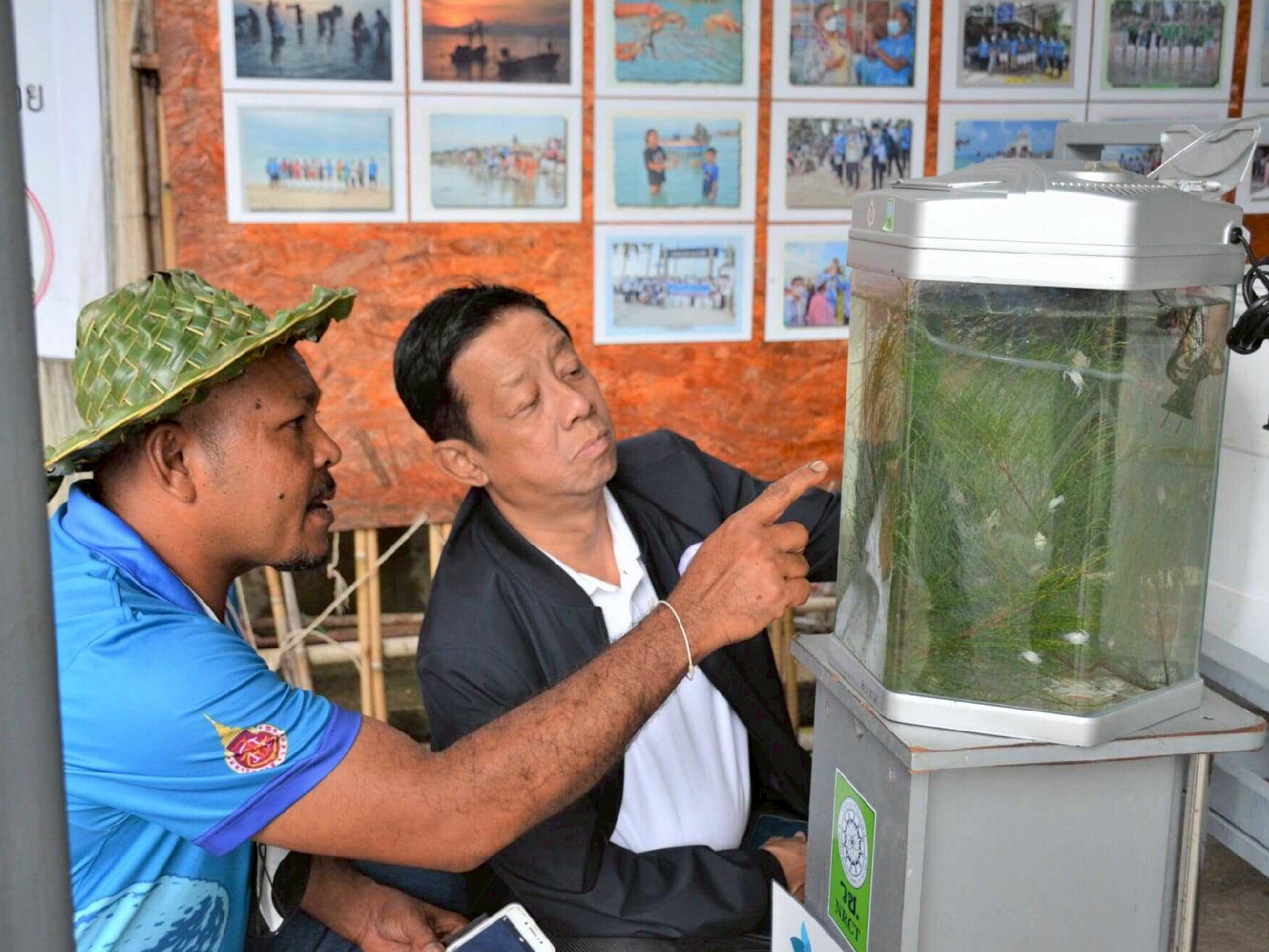
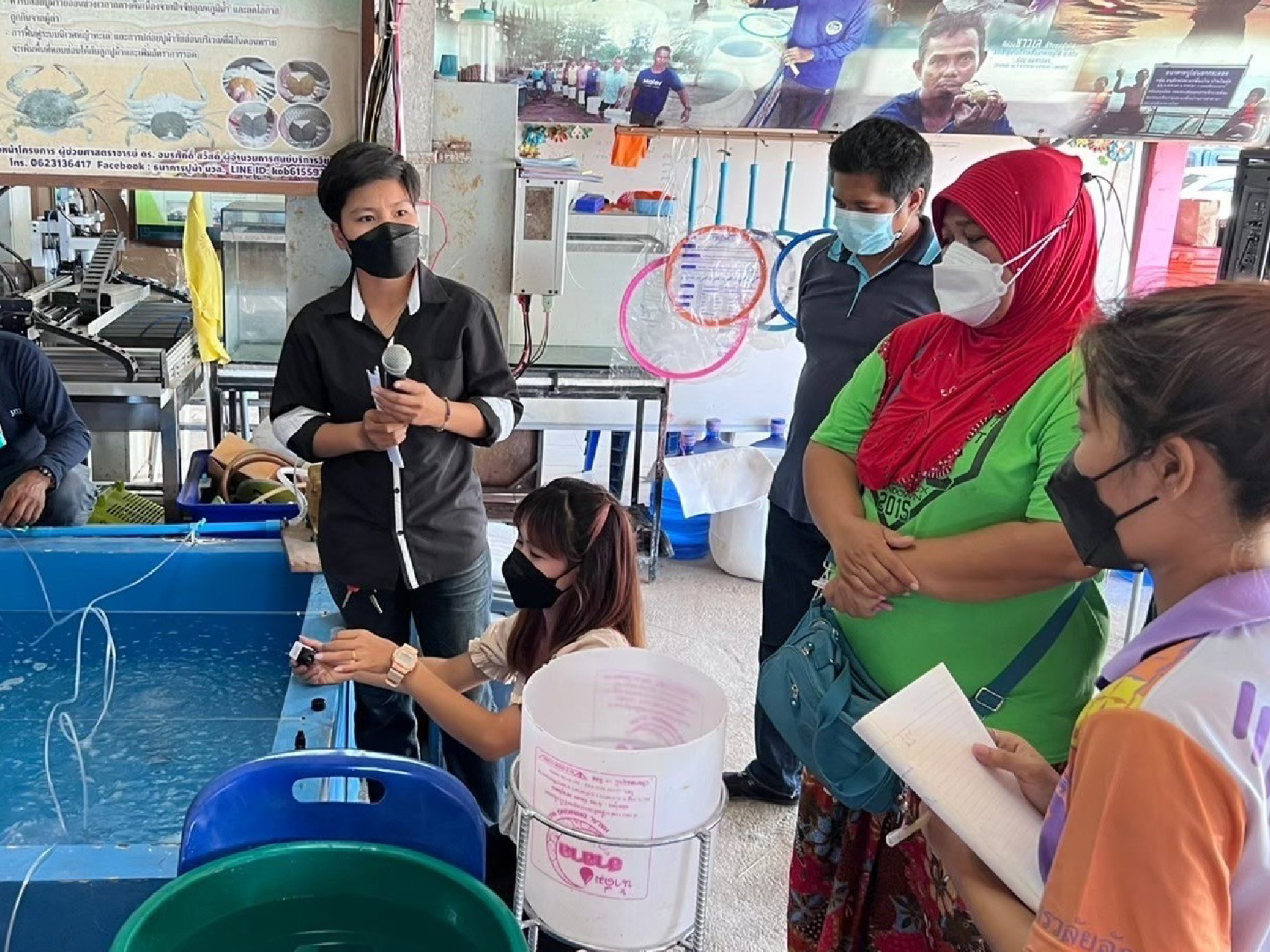
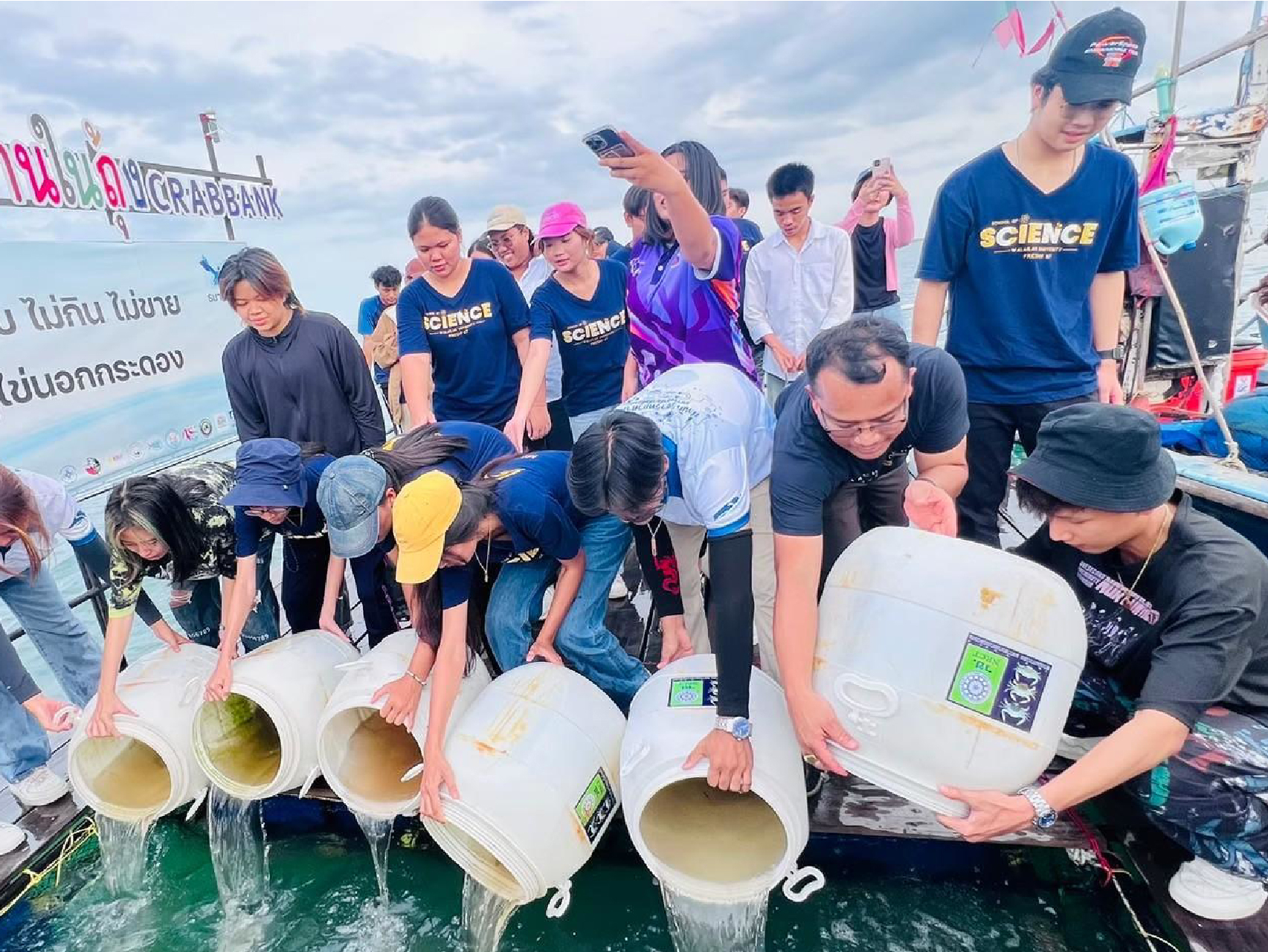
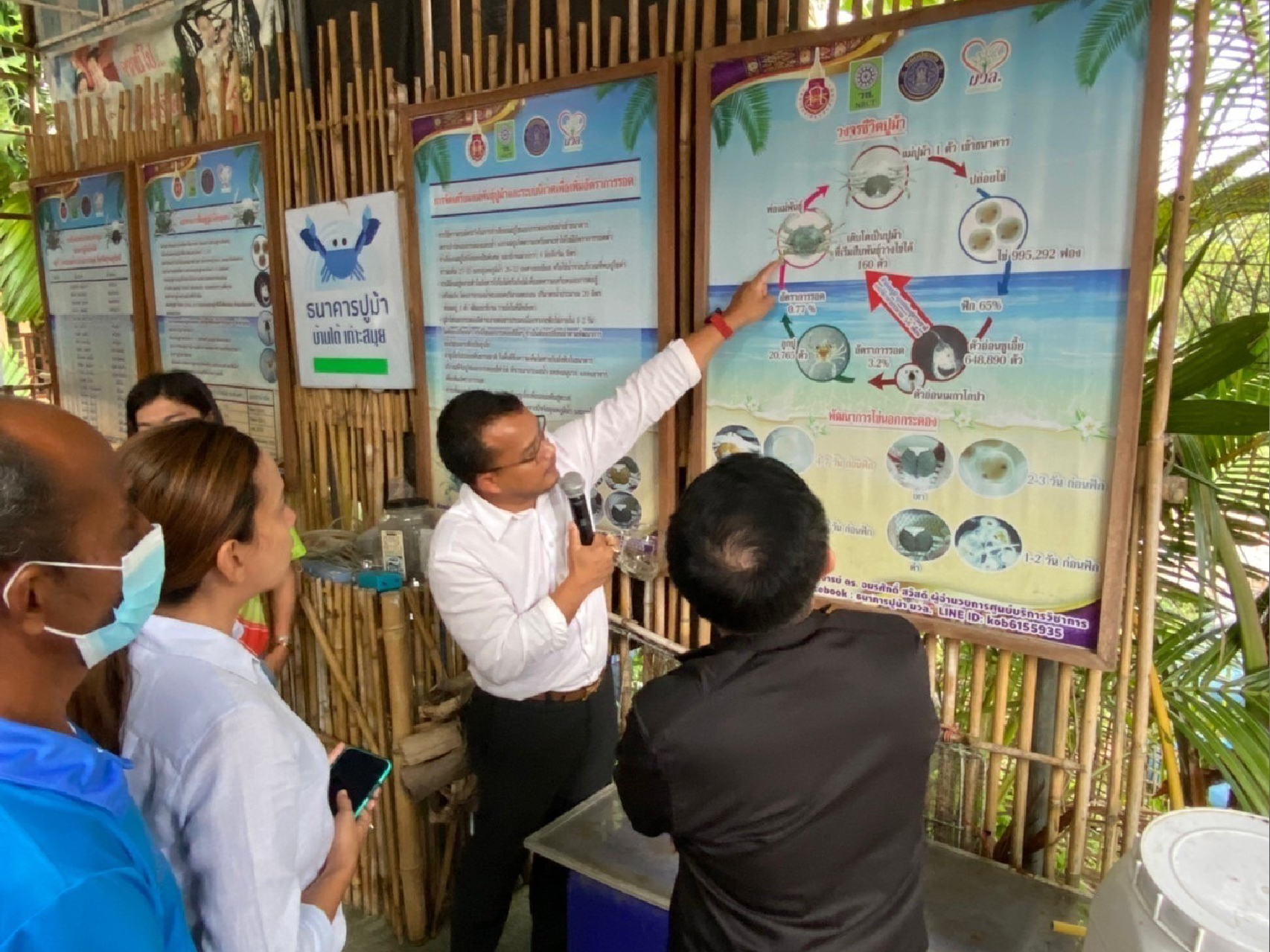
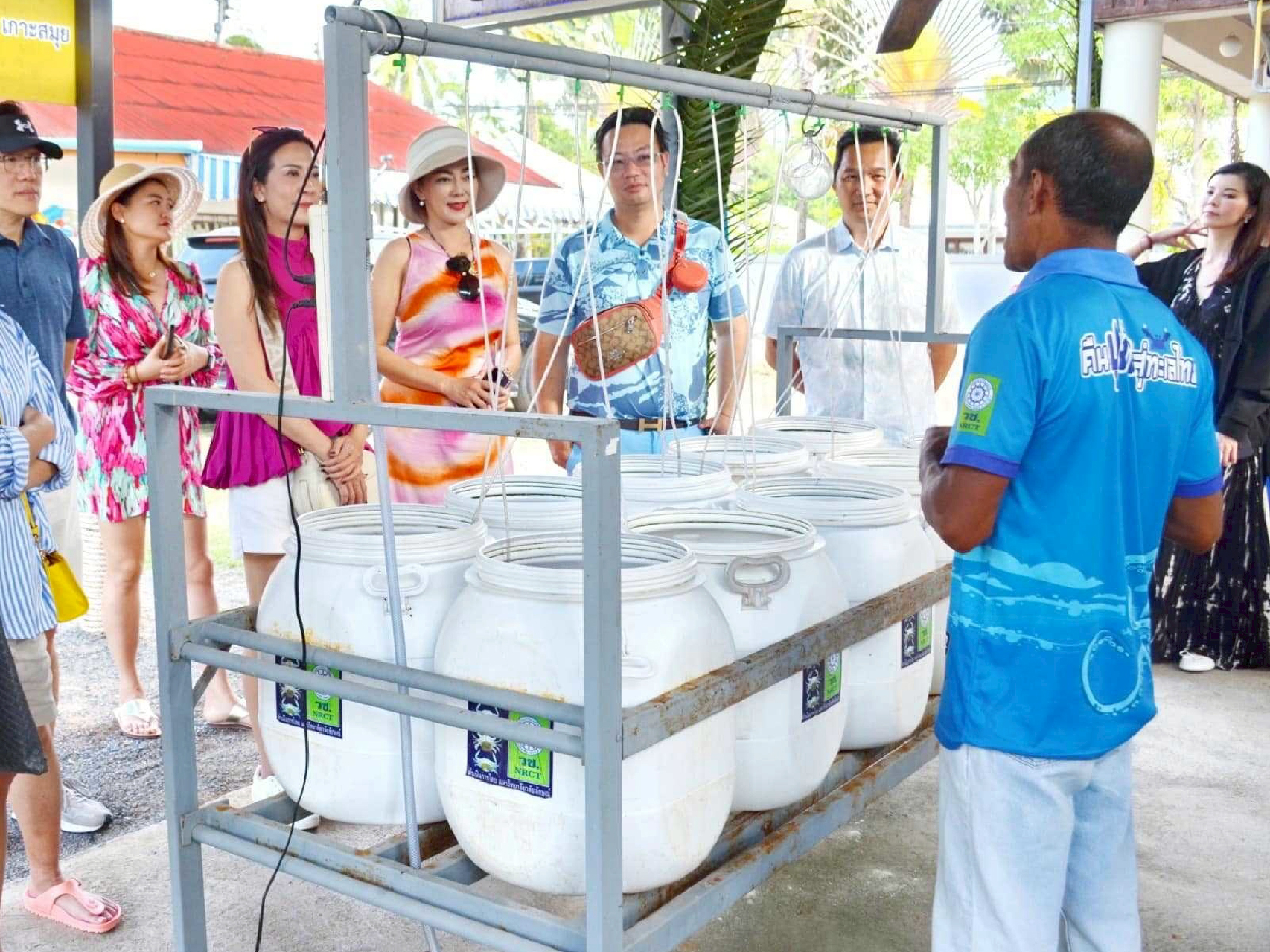
In addition, resource knowledge promotion activities have been developed to enhance the skills and expertise of local fishermen through six specialized training courses, each designed by field experts:

    • Sustainable and Socially Responsible Blue Crab Fishing – Training on eco-friendly fishing practices that comply with international Fishery Improvement Project (FIP) standards, emphasizing environmental stewardship.
    • Blue Crab Aquaculture Technology – Modern farming techniques to increase the efficiency and productivity of blue crab cultivation.
    • Value-Added Blue Crab Products with Local Identity – Guidance on creating products that highlight and preserve the distinctive identity of local blue crab fisheries.
    • Financial and Accounting Management – Practical knowledge in managing finances and accounts for more sustainable fishing businesses.
    • Sustainable Product Design – Skills for designing fishery products that balance market appeal with long-term sustainability.
    • Accessible Marketing Channels – Simple, effective approaches to marketing fishery products through user-friendly platforms.

All courses are offered online, enabling fishermen to learn at their own pace and convenience in line with the government’s Lifelong Learning policy. This program not only builds professional capacity among local fishermen but also strengthens community resilience by fostering knowledge and practices that support both economic growth and environmental sustainability.

The Educational Outreach on Local Food Resources and Sustainable Livelihoods

Walailak University organized an educational outreach activity beyond the campus in the local community to provide knowledge on selecting local ingredients for food preparation, processing, and producing safe and high-quality aquatic products, as well as developing halal standards. The initiative aims to enhance the quality of local farmers’ operations, enabling them to create stable careers, generate sustainable income, and contribute to long-term food security.

The Educational Outreach Activities under the Ad-hoc Activities

In addition to continuous programs, the university also recognizes the importance of responding to urgent or specific community needs. Therefore, ad-hoc activities are organized to transfer suitable knowledge and innovations to target groups at particular times and opportunities. These activities are highly flexible, adapting to specific problems, community interests, or significant events, while maintaining the university’s core mission of creating learning opportunities and improving people’s quality of life sustainably.

The Ad-hoc Activities in Local Schools

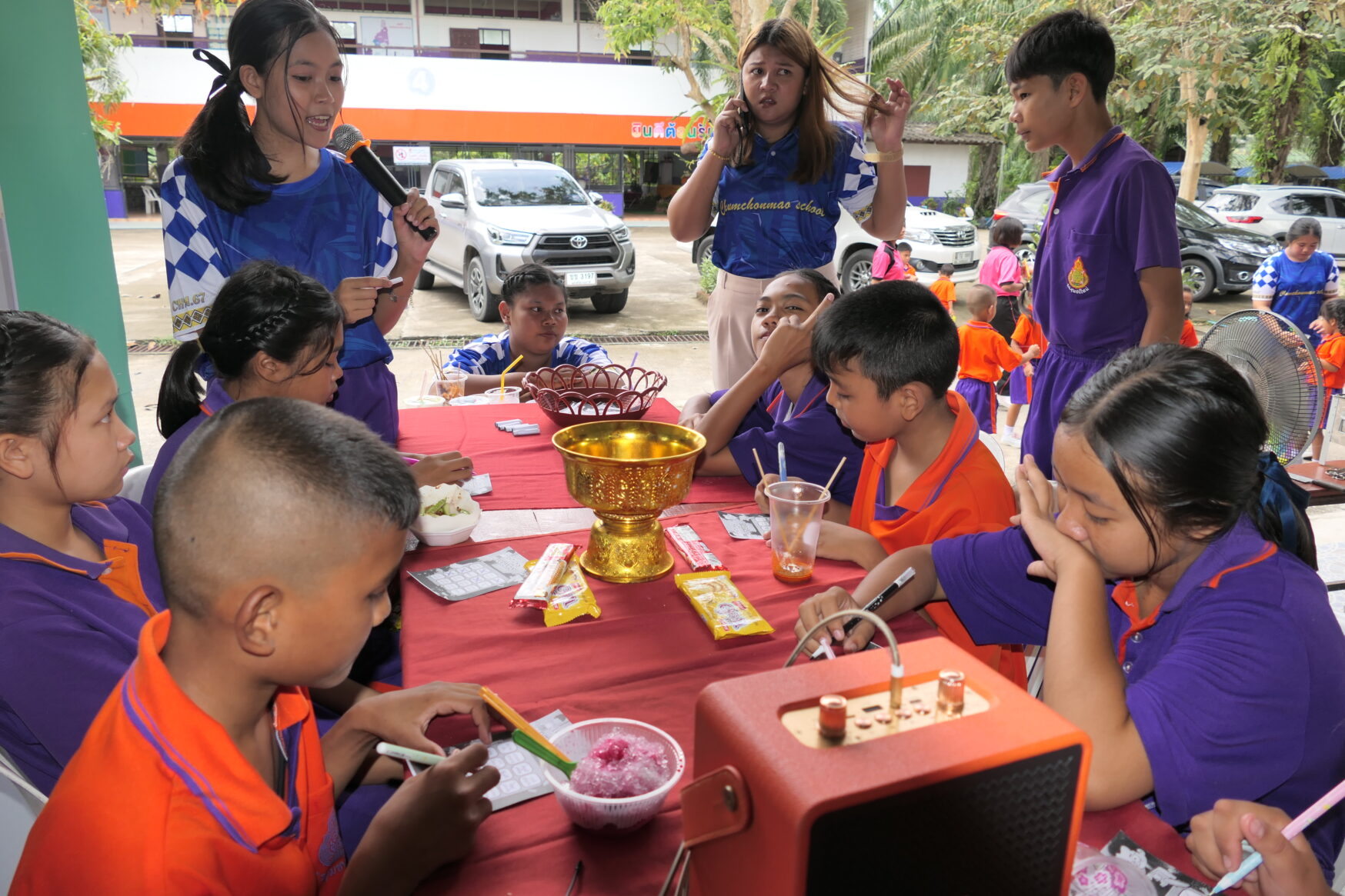
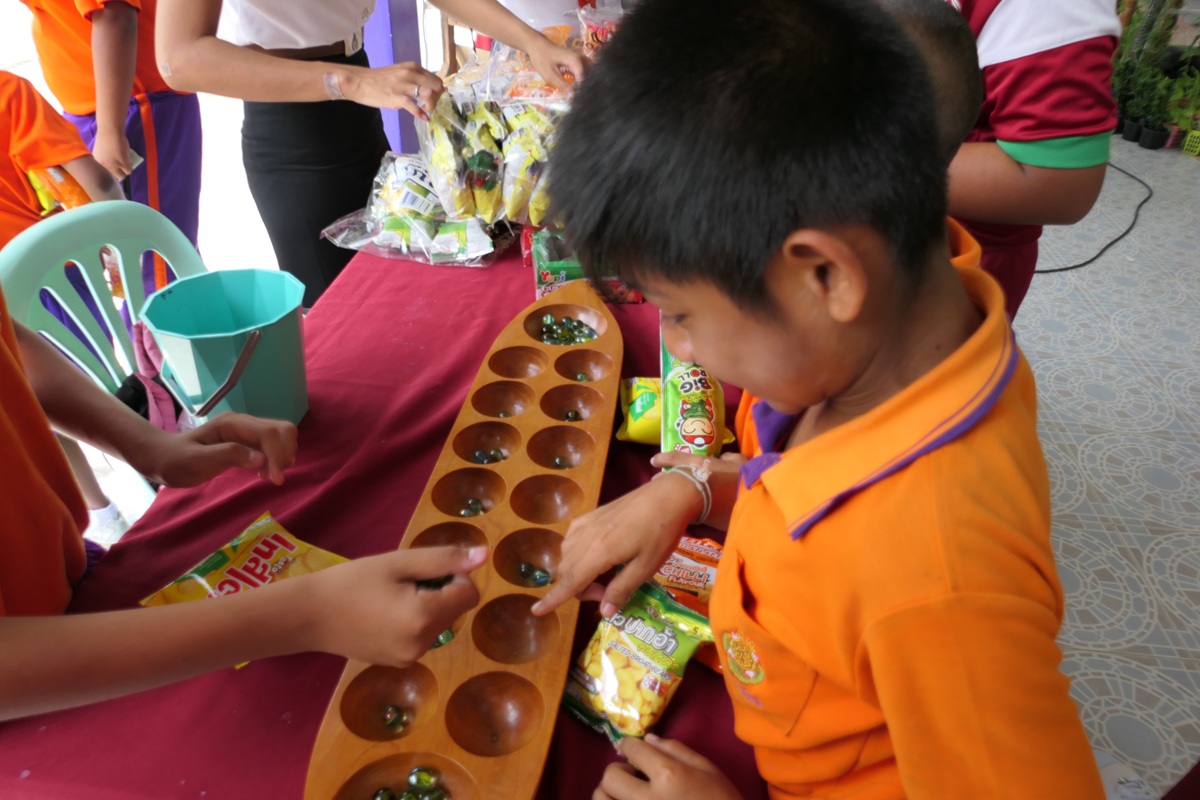
The university participated in school open house events by presenting exhibition booths to showcase achievements and knowledge developed under ongoing projects. These exhibitions not only demonstrated tangible results but also provided opportunities to share knowledge directly with students and parents, while enabling wider access for learners from other schools.

In addition to exhibitions, the projects were also featured in public communication programs, expanding the dissemination of knowledge and innovations beyond school boundaries. This allowed the wider public to access and apply academic knowledge in practical ways. Furthermore, efforts were made to upgrade local child development centers as models of education and health management, supporting external quality assurance and disseminating outcomes through academic forums and social engagement platforms.

The Ad-hoc Activities in Local Communities

Livestock, Animal Farming, and Agriculture Issues with Uncontrollable Environmental Impacts

Livestock, animal farming, and agricultural practices have uncontrollable environmental impacts that affect both the environment and Thai society today. Examples include the control of domestic animal populations, greenhouse gas emissions from livestock farming, and deforestation, all of which contribute to environmental changes (such as rising temperatures and drought). These changes, in turn, impact the agricultural sector, causing uncertain yields and crop damage.

In 2024, Nakhon Si Thammarat Province encountered rabies outbreaks, with reported cases of infection in domestic animals such as dogs in various areas, including Ron Phibun District, Chian Yai District, and Phra Phrom District. This highlights the ongoing challenges of disease control. Part of the problem stems from public behavior, such as failing to receive preventive vaccines after being bitten and neglecting to wash wounds—factors that have historically led to rabies-related deaths.

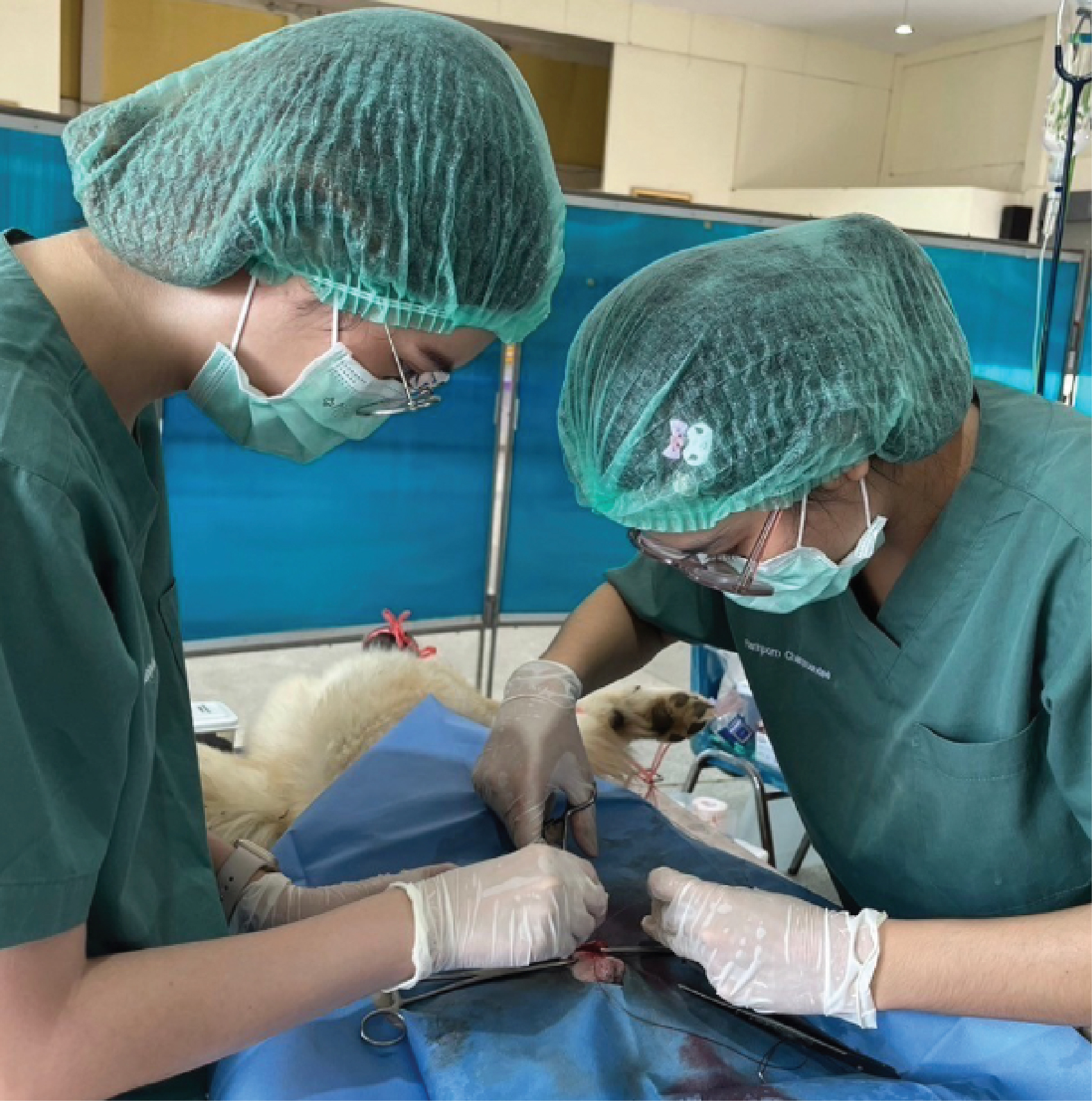
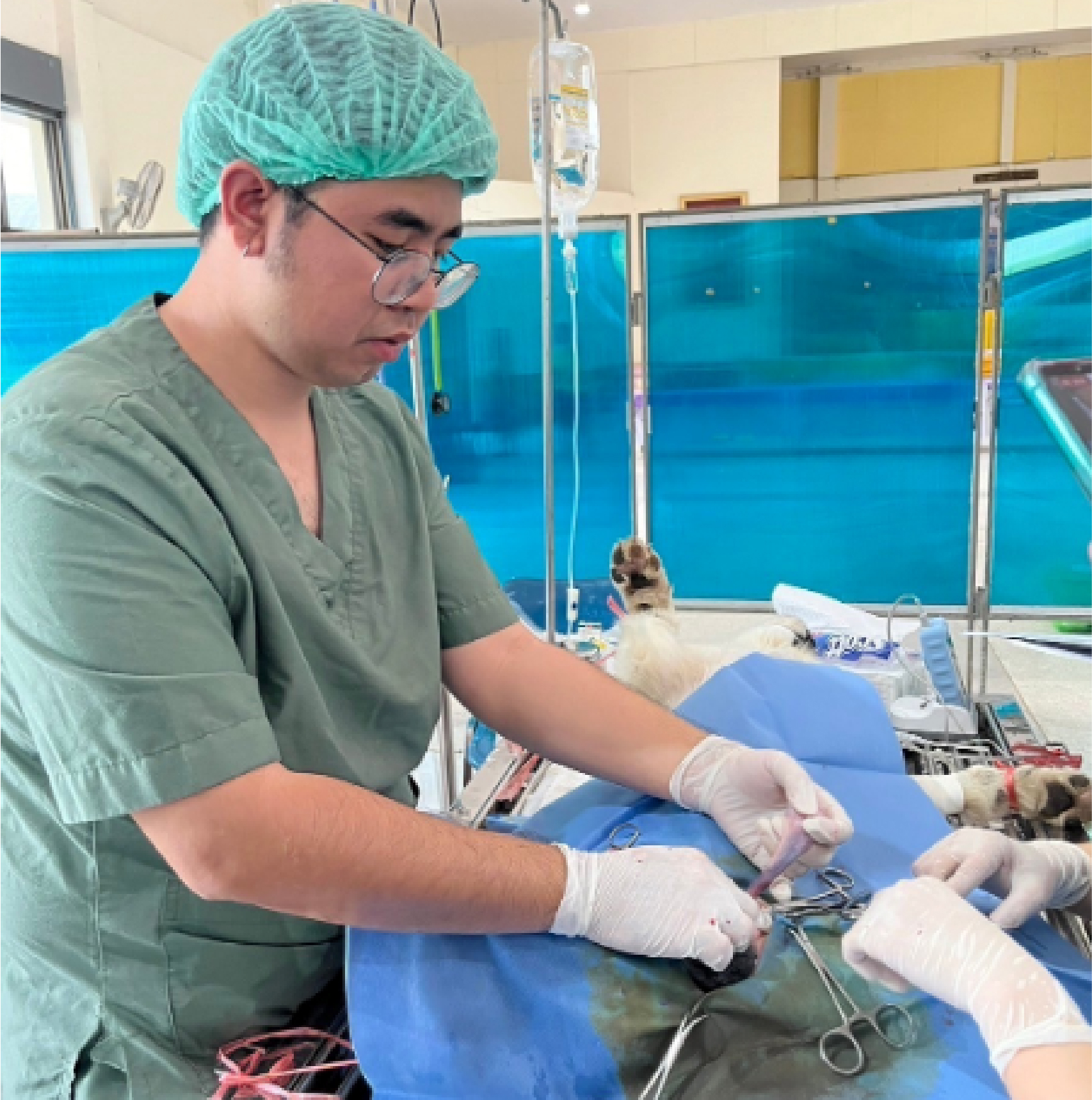
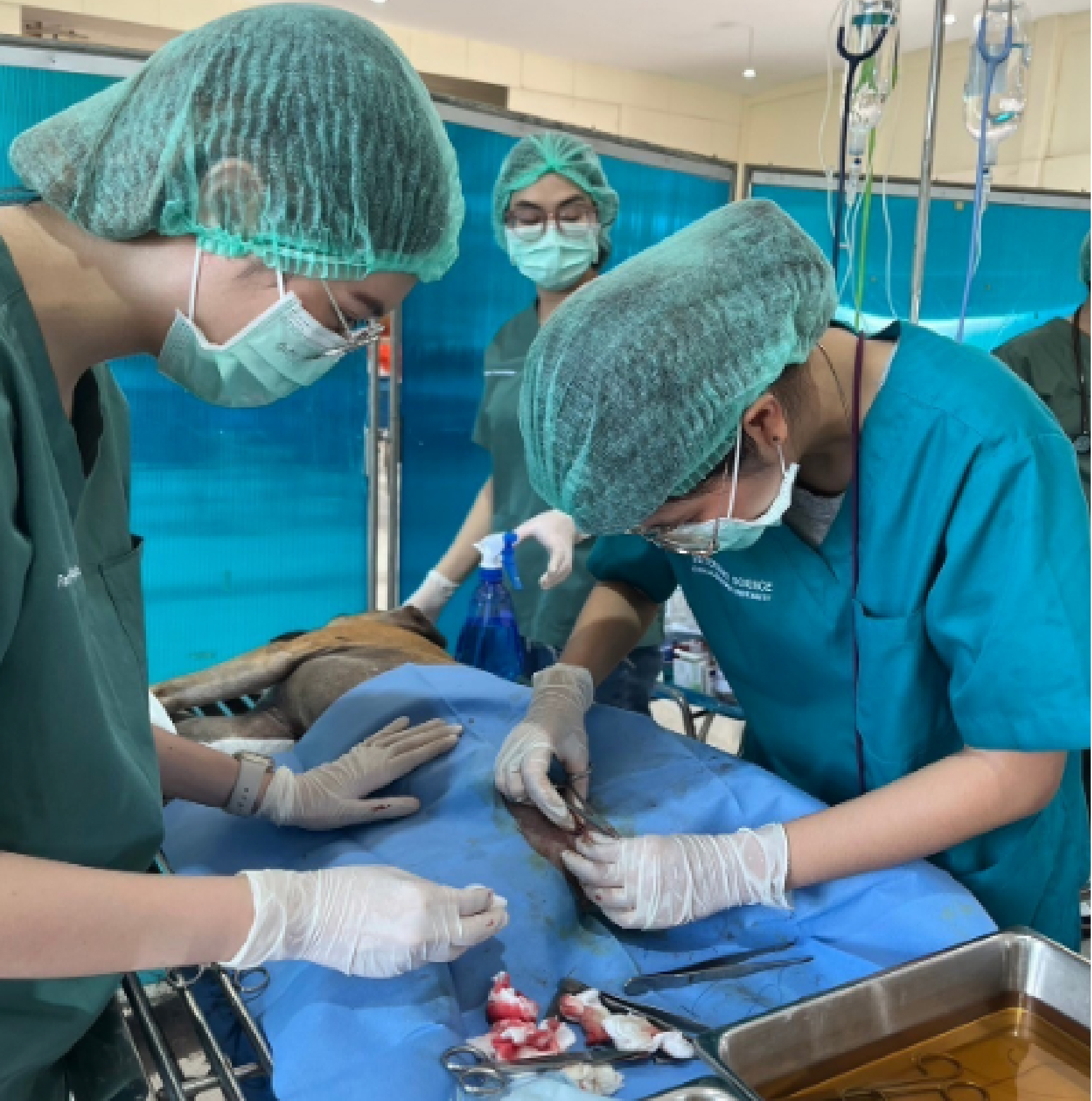
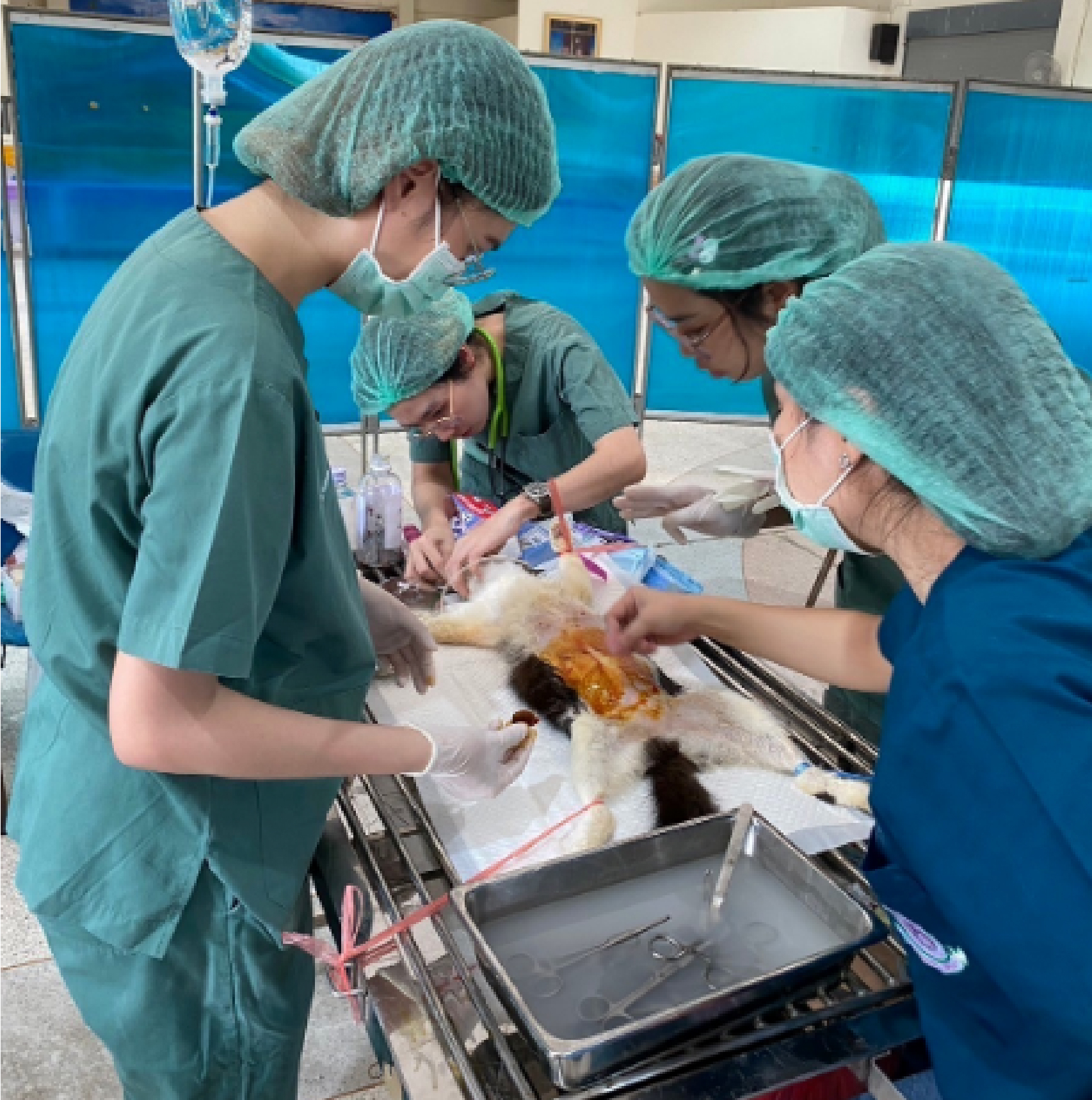
Recognizing the importance of rabies control, Walailak University, led by Akkhraratchakumari Veterinary College, undertook educational outreach and ad-hoc activity beyond campus in the community about sterilization and rabies. Also, a total of 280 animals were sterilized, comprising 16 male dogs, 35 female dogs, 64 male cats, and 165 female cats, while rabies vaccinations were administered to 51 dogs and 229 cats. Additionally, this ad-hoc activity includes voluntary student run schemes and is under the project “Livestock Joining Forces to Eliminate Rabies”, in collaboration with the Nakhon Si Thammarat Provincial Livestock Office, District Livestock Offices, and Nakhon Si Thammarat Municipality.

Fruit Farming in Nakhon Si Thammarat

Nakhon Si Thammarat Province also has vast areas suitable for fruit cultivation, with key economic crops such as mangosteen (the largest cultivated area), followed by rambutan and durian, which are popular and high-yield fruits in the province. Other fruits such as longkong and pomelo are also widely cultivated across several districts. However, some farmers face fungal diseases in fruit crops due to factors such as excessive moisture in the air or soil, poor drainage, excessively cool weather, unsuitable environmental conditions, or lack of proper soil nutrients. These factors weaken plants, making them more vulnerable to fungal infections.

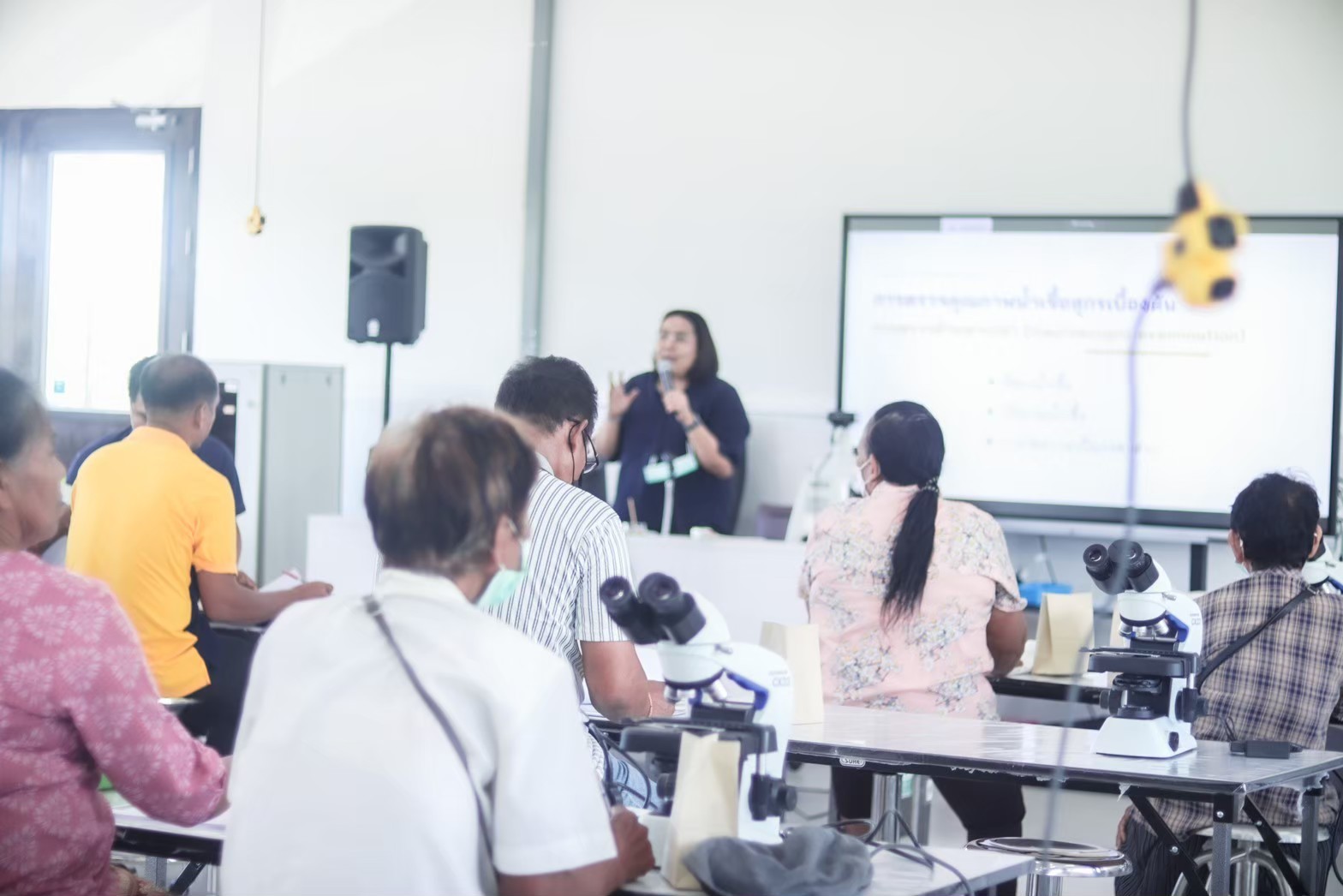
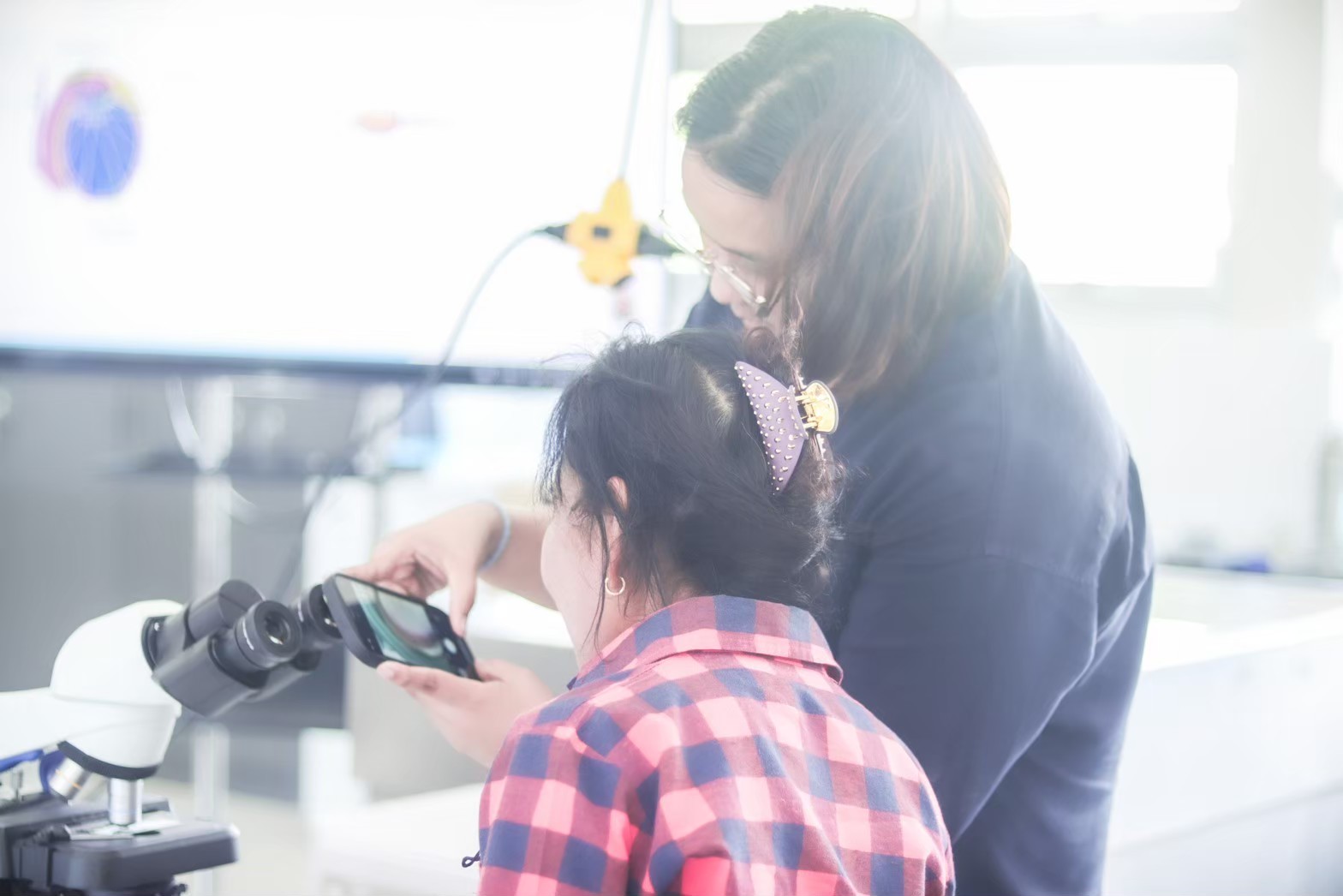
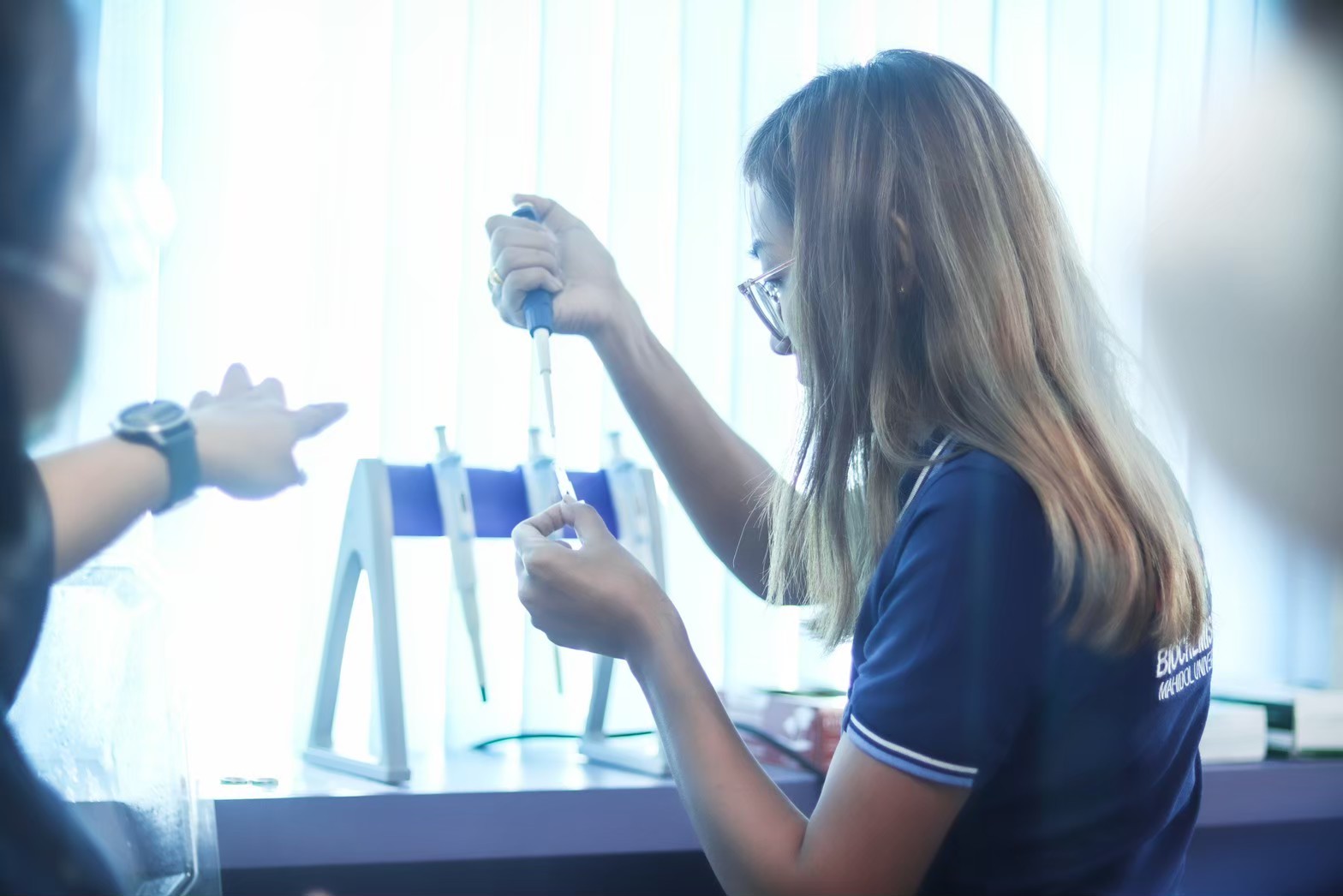
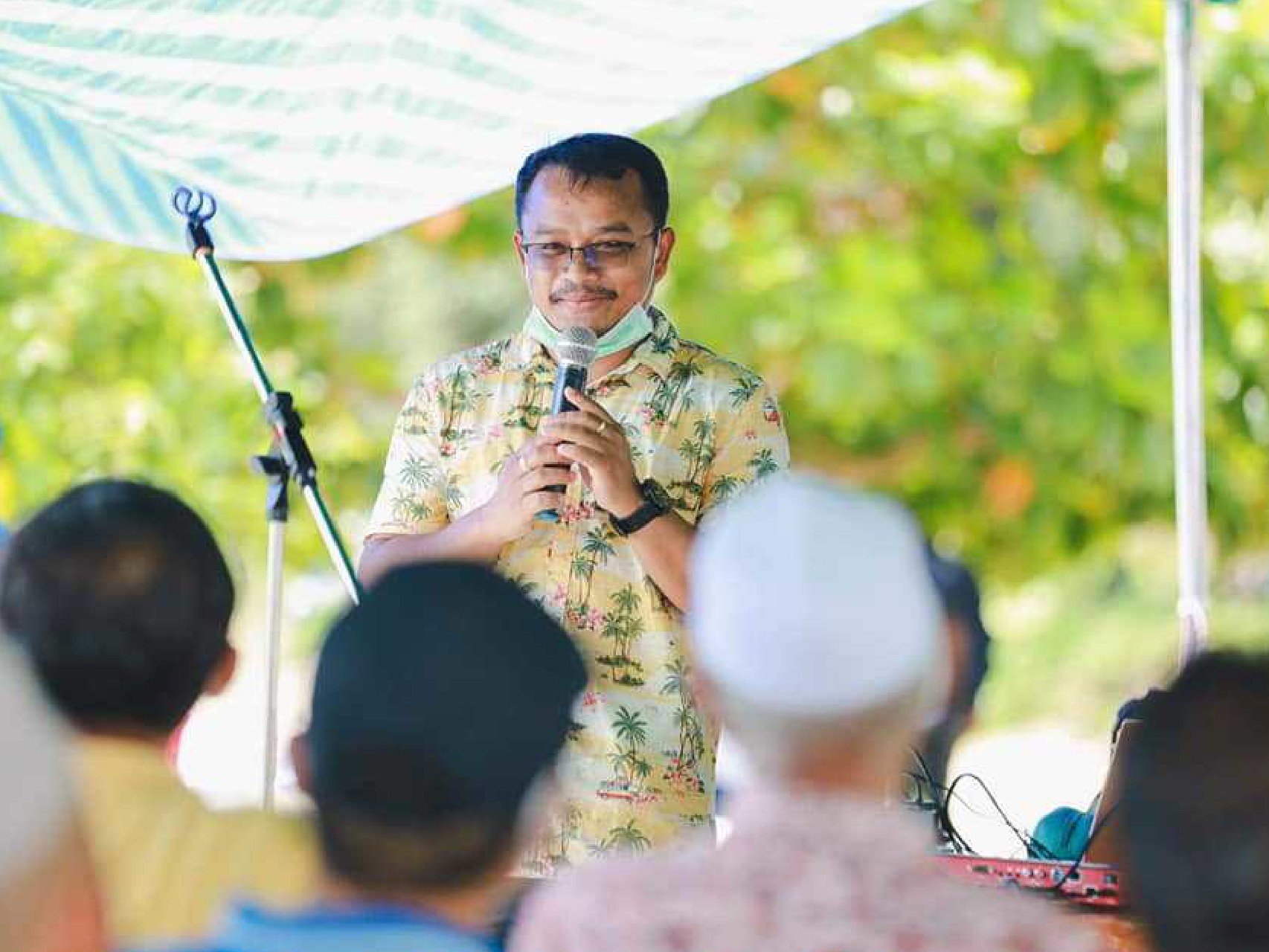
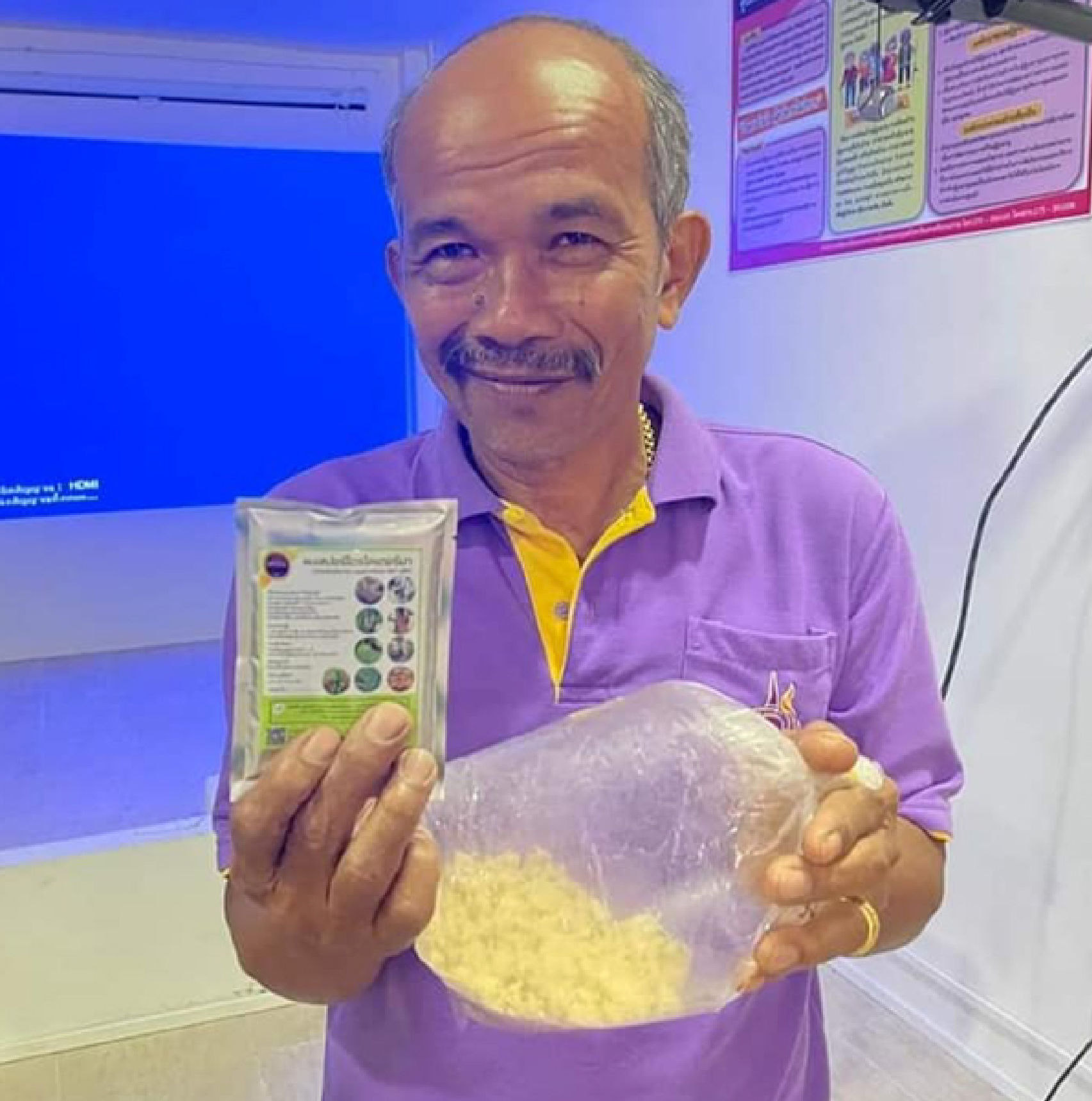
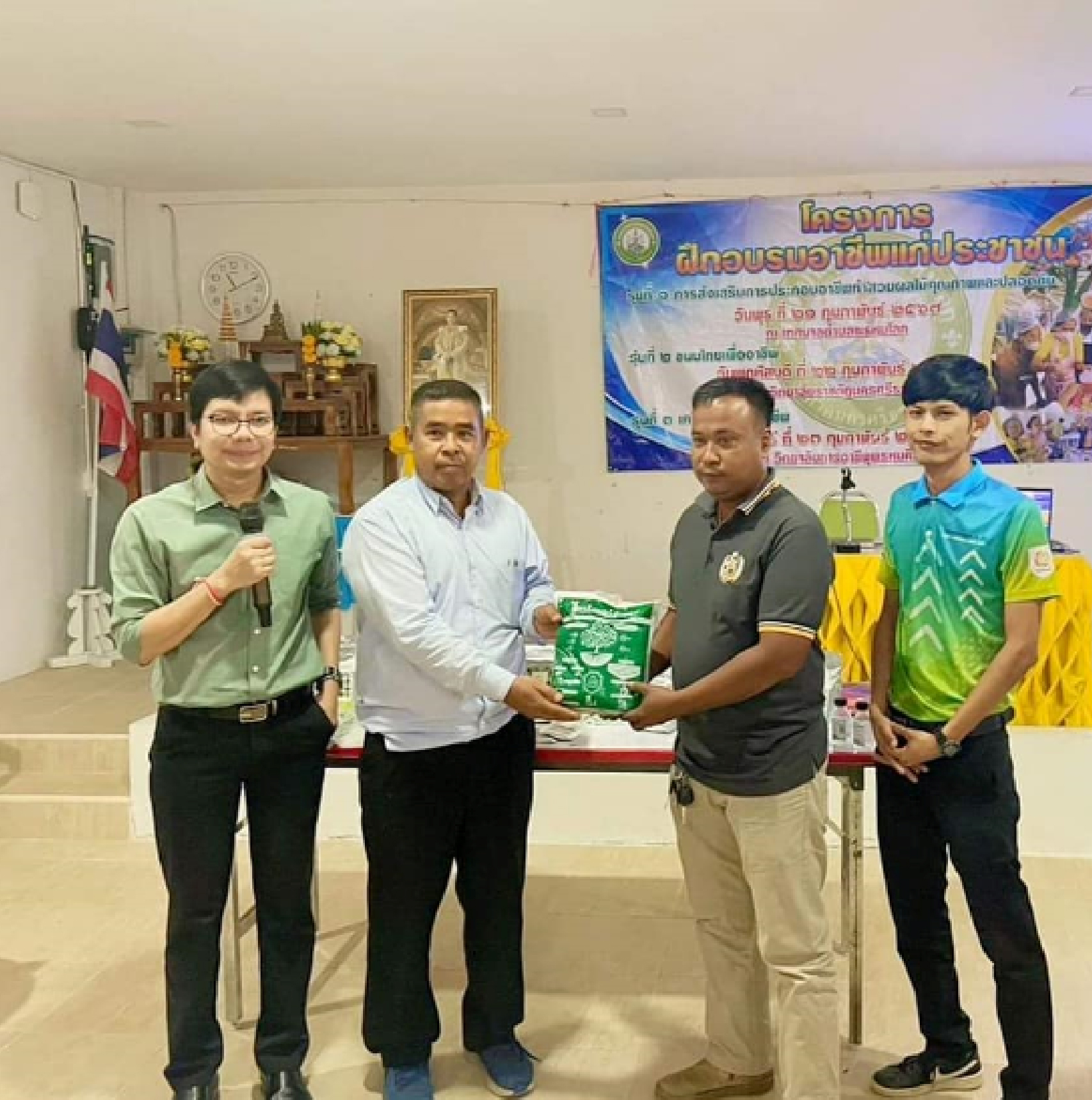
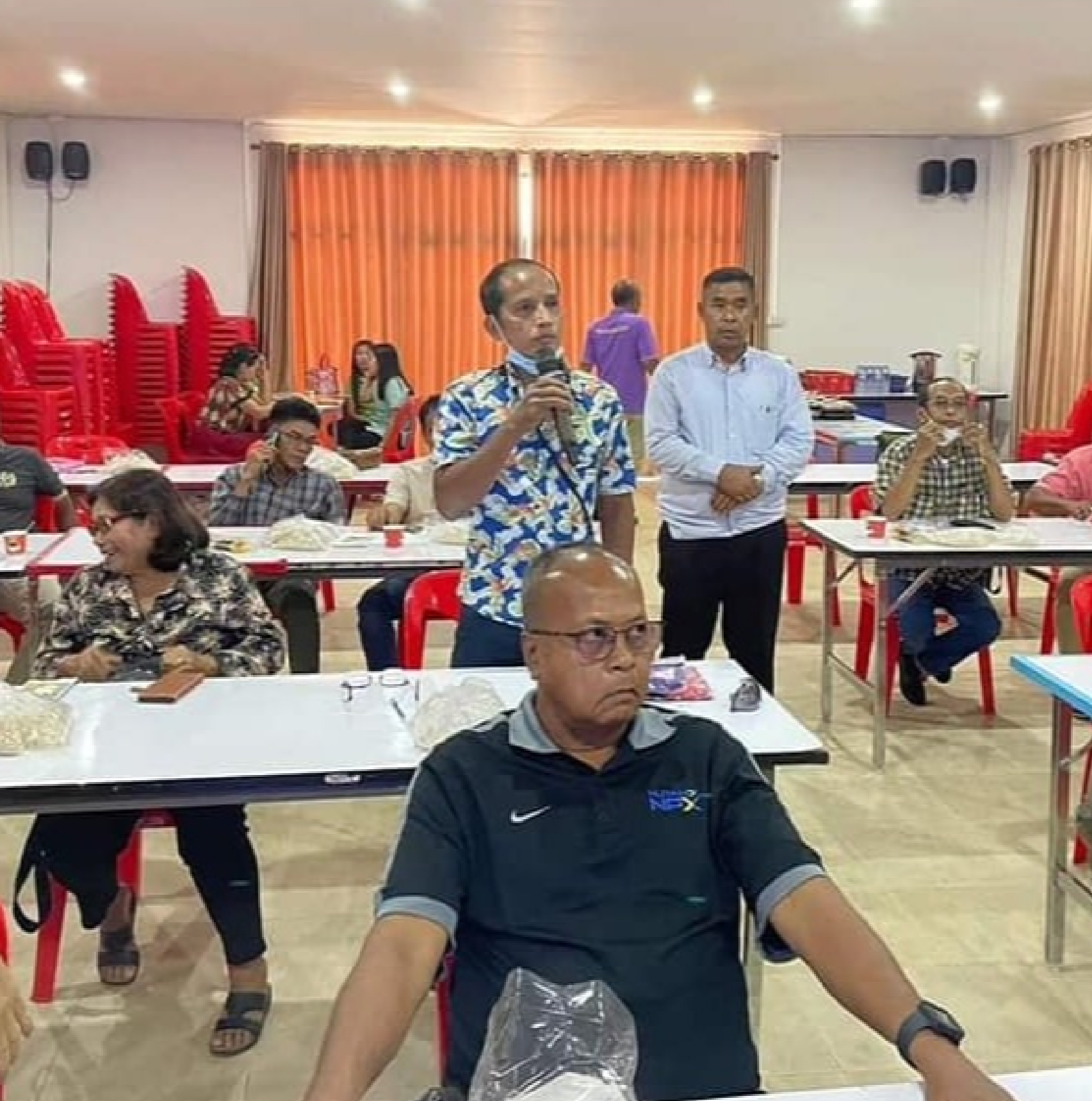
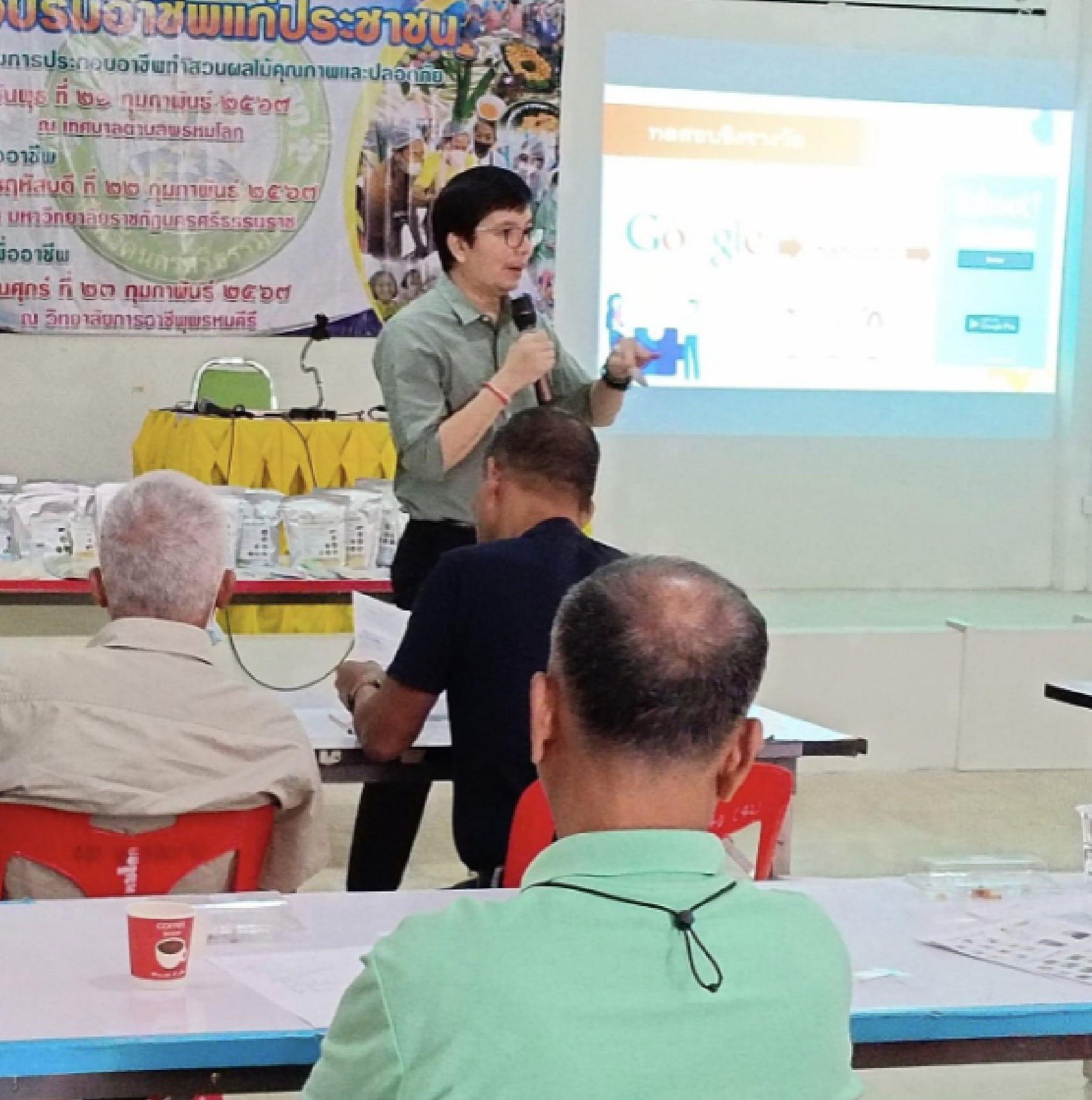
In 2024, Walailak University undertook educational outreach activity in the form of ad-hoc activity in the community under the Occupational Training Project in Phrom Khiri District, Nakhon Si Thammarat Province. The program included a lecture on “Pest Management in Mangosteen and Durian”, along with demonstrations on cultivating Beauveria and Metarhizium fungi at the Phrom Lok Subdistrict Municipality meeting hall, Phrom Khiri District.

The cultivation of Beauveria and Metarhizium fungi offers several advantages as biological pest control methods:

    • Environmentally
    • Reduced chemical use
    • Farmer-friendly
    • Capable of controlling a wide range of insect pests
    • Can be used in combination with certain chemical substances
    • Improves food safety and reduces chemical residues in agricultural products

Walailak University’s educational outreach activities beyond campus clearly demonstrate the institution’s commitment to sharing academic knowledge, innovation, and human resources for the sustainable development of local schools and communities. Through a diagnostic approach, the university systematically identifies community needs, local challenges, and educational gaps to design activities that truly address real-world problems. These insights guide the continuous development of programs and innovations that enhance learning opportunities, strengthen local capacities, and promote lifelong learning.

Active engagement of faculty members, students, local authorities, and community participants ensures that each initiative fosters collaboration and mutual growth. Meanwhile, ongoing measurement and evaluation of program outcomes provide valuable data for refining future outreach strategies, ensuring greater impact and sustainability. Collectively, these efforts reinforce Walailak University’s role as a transformative force in regional and national development—bridging knowledge with practice and fostering a strong, self-reliant learning society.
Noted: The photos of the children in this article have been published with permission from their parents and all relevant parties

Goal 4: Quality Education

Goal 17: Partnerships for the Goals